Category: Medical Equipment

  • Market Analysis on Mobile Cardiac Telemetry Systems Industry – Insights for Corporate Strategy and R&D

    Market Analysis on Mobile Cardiac Telemetry Systems Industry – Insights for Corporate Strategy and R&D

    Claim your 30% discount on Global Market Reports with code ONLINE30. Limited time only.

    What Are the Projected Market Size and Growth Rates for the Mobile Cardiac Telemetry Systems Market From 2025 To 2029?

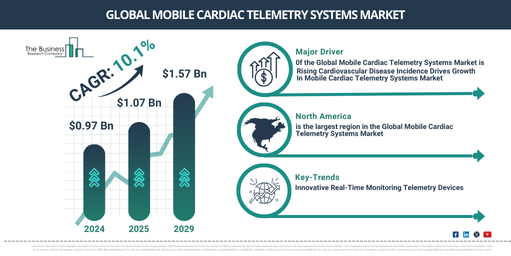
    In the past few years, the market size for mobile cardiac telemetry systems has experienced swift growth. It is predicted to escalate from $0.97 billion in 2024 to $1.07 billion in 2025, with a compound annual growth rate (CAGR) of 10.4%. The uptick during the historic period is due to factors such as mounting healthcare expenses, regulatory authorization, demand from patients for convenience, escalating healthcare costs, and advancements in wireless technology.

    What Is the Projected Market Size of the Mobile Cardiac Telemetry Systems Market?

    In the coming years, the market size of mobile cardiac telemetry systems is forecasted to experience swift expansion. The market is projected to amplify to $1.57 billion by 2029, with a compound annual growth rate (CAGR) of 10.1%. Factors such as increased elderly demographics, supportive health policies, rising cardiac diseases, and a surge in awareness and early detection contribute to the growth in the forecast period. Key trends during this period include synergies with AI and machine learning, strengthened data protection measures, acceleration in telemedicine, individualized healthcare, and advancements in wearable device technology.

    Download The Free Sample Report Here:

    https://www.thebusinessresearchcompany.com/sample.aspx?id=18674&type=smp

    Who are the Major Competitors in the Mobile Cardiac Telemetry Systems Market Outlook?

    Major companies operating in the mobile cardiac telemetry systems market are Medtronic PLC, Philips Healthcare, Boston Scientific Corporation, Biotricity Inc., Zoll Medical Corporation, Spacelabs Healthcare, iRhythm Technologies Inc., Infobionic Inc., Reactdx, Medicomp Inc., Applied Cardiac Systems Inc., Bardy Diagnostics Inc. (a Hillrom company), Medicalgorithmics S.A., ScottCare Corporation, Ambucor Health Solutions Inc., Biotricity Inc., Vitaphone GmbH, Telerhythmics LLC, Card Guard, Heart Test Laboratories Inc.

    What Is Fueling Growth in the Mobile Cardiac Telemetry Systems Market?

    The escalating occurrence of cardiovascular ailments is projected to fuel the expansion of the mobile cardiac telemetry systems market in the future. Cardiovascular conditions encompass a gamut of diseases impacting the heart and blood vessels, comprising conditions such as coronary artery disease, heart failure, arrhythmias, and hypertension, which could culminate in grave health complications like heart attacks, strokes, and other cardiovascular events. The rising frequency of cardiovascular disease is triggered by the growing prevalence of risk factors, including sedentary behaviors, inadequate diets, obesity, and aging demographics. Mobile cardiac telemetry systems provide incessant, real-time supervision and early identification of cardiac arrhythmias in patients afflicted with cardiovascular disease. For example, in January 2024, the American Heart Association, a nonprofit organization in the US, reported a minor climb in the comprehensive number of deaths in the cardiovascular sector this year, hitting 931,578, a marginal increase of 3,000 deaths relative to the previous year’s figure of 928,741. Consequently, the escalating incidence of cardiovascular disease is steering the expansion of the mobile cardiac telemetry systems market.

    Request For A Customized Report:

    https://www.thebusinessresearchcompany.com/customise?id=18674&type=smp

    Which Mobile Cardiac Telemetry Systems Market Segments Are Growing the Fastest?

    The mobile cardiac telemetry systems market covered in this report is segmented –

    1) By Product Type: Multiple Lead Mobile Cardiac Telemetry Systems, Mobile Cardiac Telemetry Patch

    2) By Diseases: Cardiovascular Diseases, Angina Pectoris, Atherosclerosis, Heart Failure, Other Diseases

    3) By End-Use: Hospitals, Cardiac Centers, Home Care Settings, Other End-Uses

    Subsegments:

    1) By Multiple Lead Mobile Cardiac Telemetry Systems: Wired Multiple Lead Systems Or Wireless Multiple Lead Systems

    2) By Mobile Cardiac Telemetry Patch: Adhesive Patches Or Disposable Patches Or Reusable Patches

    Which Industry Trends Are Shaping the Future of the Mobile Cardiac Telemetry Systems Market?

    Leading corporations in the microscope accessories market are enhancing their product offerings by innovating solutions such as mobile cardiac telemetry (MCT) devices. The intention is to heighten diagnostic precision, optimize patient monitoring, and supply real-time data for improved healthcare decision-making. This is eventually leading to the amalgamation of cutting-edge imaging technologies and remote monitoring capabilities for a more comfortable, personal healthcare experience. Mobile cardiac telemetry (MCT) devices are essentially wearable, portable systems that incessantly track heart activity in real-time, sending the data to healthcare professionals for remote assessment. For example, in March 2022, ZOLL Medical Corporation, a company based in the US, known for developing medical devices and software for emergency care, initiated a new arrhythmia management system known as ZOLL Atrial Fibrillation (AF) Management System. The ZOLL Arrhythmia Management System (AMS) is a sophisticated mobile cardiac telemetry device aiming to keep track of patients with arrhythmias and other cardiovascular issues. The following are the primary components and functionalities of the system.

    Access The Full Report Here:

    https://www.thebusinessresearchcompany.com/report/mobile-cardiac-telemetry-systems-global-market-report

    Which Countries Are Leading the Mobile Cardiac Telemetry Systems Market?

    North America was the largest region in the mobile cardiac telemetry systems market in 2024. The regions covered in the mobile cardiac telemetry systems market report are Asia-Pacific, Western Europe, Eastern Europe, North America, South America, Middle East, Africa.

    Purchase The Full Report Today:

    https://www.thebusinessresearchcompany.com/purchaseoptions.aspx?id=18674

    This Report Delivers Insight On:

    1. How big is the mobile cardiac telemetry systems market, and how is it changing globally?

    2. Who are the major companies in the mobile cardiac telemetry systems market, and how are they performing?

    3. What are the key opportunities and risks in the mobile cardiac telemetry systems market right now?

    4. Which products or customer segments are growing the most in the mobile cardiac telemetry systems market?

    5. What factors are helping or slowing down the growth of the mobile cardiac telemetry systems market?

    About The Business Research Company:

    With over 15000+ reports from 27 industries covering 60+ geographies, The Business Research Company has built a reputation for offering comprehensive, data-rich research and insights. Armed with 1,500,000 datasets, the optimistic contribution of in-depth secondary research, and unique insights from industry leaders, you can get the information you need to stay ahead in the game.

    Get in touch with us:

    The Business Research Company: https://www.thebusinessresearchcompany.com/

    Americas +1 310-496-7795

    Asia +44 2071930708

    Europe +44 7882 955267

    Email us at info@tbrc.info

    Follow us on:

    LinkedIn: https://in.linkedin.com/company/the-business-research-company

    YouTube: https://www.youtube.com/channel/UC24_fI0rV8cR5DxlCpgmyFQ

    Global Market Model: https://www.thebusinessresearchcompany.com/global-market-model
  • Biopharmaceutical Tubing Industry Valued at $7.4 Billion by 2029 With CAGR of 11.3% | Size and Share Insights

    Claim your 30% discount on Global Market Reports with code ONLINE30. Limited time only.

    What Are the Projected Market Size and Growth Rates for the Biopharmaceutical Tubing Market From 2025 To 2029?

    The market size of biopharmaceutical tubing has experienced significant growth in the past few years. The projections suggest an increase from $4.32 billion in 2024 to $4.82 billion in 2025, with a compound annual growth rate (CAGR) of 11.7%. The expansion in the historical period is primarily due to factors like the escalating demand for minimally invasive procedures, a surge in the elderly population, an increase in preference for ultra-pure and corrosion-resistant systems, plus a rise in the need for diagnostic equipment and drug delivery systems.

    What Is the Projected Market Size of the Biopharmaceutical Tubing Market?

    The market size of biopharmaceutical tubing is projected to experience a substantial increase in the coming years, escalating to a worth of $7.4 billion in 2029 with a compound annual growth rate (CAGR) of 11.3%. This projected surge during the predicted period can be ascribed to factors such as the climbing production in biopharmaceuticals, tighter regulatory frameworks, an amplified demand for efficient, uncontaminated bioprocessing, heightened safety procedures, and increased pharmaceutical research and development. Notable emerging trends within this forecast span comprise progress in single-use systems, improvements in tubing materials, development in personalized tubing solutions, and inventive designs in tubing.

    Download The Free Sample Report Here:

    https://www.thebusinessresearchcompany.com/sample.aspx?id=18525&type=smp

    Who are the Major Competitors in the Biopharmaceutical Tubing Market Outlook?

    Major companies operating in the biopharmaceutical tubing market are Compagnie de Saint-Gobain S.A., Thermo Fisher Scientific Inc., Merck KGaA, GE HealthCare Technologies Inc., Parker Hannifin Corporation, DuPont de Nemours Inc., Freudenberg Group, Medline Industries LP, Avantor Inc., Alfa Laval AB, REHAU Group, W. L. Gore & Associates Inc., Sartorius AG, Elkem ASA, Trelleborg AB, Bio-Rad Laboratories Inc., Tekni-Plex Inc., Pall Corporation, Zeus Company Inc., Watson-Marlow Ltd., Raumedic AG, Qosina, Optinova AB, ESI Ultrapure

    What Is Fueling Growth in the Biopharmaceutical Tubing Market?

    The surge in personalized medicines predicts a progressive trajectory for the biopharmaceutical tubing market. Personalized medicine is a therapeutic strategy that individualizes healthcare choices, protocols, interventions, and treatments based on each patient’s unique attributes. This innovative approach is gaining traction due to genetic research, enabling treatment plans tailored to a person’s genetic makeup, lifestyle, and specific health conditions. Biopharmaceutical tubing plays a crucial role in personalized medicine by enabling accurate, sterile, and dependable fluid transfer, a crucial component in delivering personalized treatments and therapies designed for individual patients. For example, in 2022, the US-based professional membership group, the Personalized Medicine Coalition, noted that 12 new personalized medicines received approval, representing approximately 34% of all newly approved therapies, a notable rise compared to previous years. Thus, the surge in personalized medicines is propelling the expansion of the biopharmaceutical tubing market.

    Request For A Customized Report:

    https://www.thebusinessresearchcompany.com/customise?id=18525&type=smp

    Which Biopharmaceutical Tubing Market Segments Are Growing the Fastest?

    The biopharmaceutical tubing market covered in this report is segmented –

    1) By Product: Silicone Tubing, Polyvinyl Chloride (PVC) Tubing, Polyolefin Tubing, Thermoplastic Elastomer Tubing

    2) By Manufacturing Process: Extrusion, Vulcanization, Other Manufacturing Processes

    3) By Application: Pharmaceutical, Medical Devices, Research And Development, Other Applications

    Subsegments:

    1) By Silicone Tubing: Medical-Grade Silicone Tubing, Platinum-Cured Silicone Tubing, Peroxide-Cured Silicone Tubing

    2) By Polyvinyl Chloride (Pvc) Tubing: Clear Pvc Tubing, Non-Dehp Pvc Tubing, Soft Pvc Tubing

    3) By Polyolefin Tubing: Cross-Linked Polyolefin Tubing, Low-Density Polyethylene Tubing, High-DDensity Polyethylene Tubing

    4) By Thermoplastic Elastomer Tubing: Medical-Grade Tpe Tubing, Elastomeric Tpe Tubing, Biocompatible Tpe Tubing

    Which Industry Trends Are Shaping the Future of the Biopharmaceutical Tubing Market?

    Leading companies in the biopharmaceutical tubing market are creating innovative customizable solutions like bioabsorbable tubing to accelerate performance, promote sterility, and streamline fluid management for complex biopharmaceutical applications. Bioabsorbable tubing is a special kind of tubing made from materials that slowly decompose and are absorbed by the body, thus removing the need for post-use extraction. In September 2023, for example, Zeus Company Inc., a US-based company known for advanced polymer solutions, introduced the Absorv XSE-oriented tubing, a cutting-edge bioabsorbable product meant for bioresorbable vascular scaffolds (BRS). This launch allows producers of medical equipment to delve into BRS uses beyond treatment of coronary artery disease and potentially supplant metallic stents in multiple procedures. The latest tubing offers improved consistency in the thickness of its walls and sizing, increasing efficiency during laser cutting operations and ultimately generating more viable scaffolds.

    Access The Full Report Here:

    https://www.thebusinessresearchcompany.com/report/biopharmaceutical-tubing-global-market-report

    Which Countries Are Leading the Biopharmaceutical Tubing Market?

    North America was the largest region in the biopharmaceutical tubing market in 2023. Asia-Pacific is expected to be the fastest-growing region in the forecast period. The regions covered in the biopharmaceutical tubing market report are Asia-Pacific, Western Europe, Eastern Europe, North America, South America, Middle East, Africa.

    Purchase The Full Report Today:

    https://www.thebusinessresearchcompany.com/purchaseoptions.aspx?id=18525

    This Report Delivers Insight On:

    1. How big is the biopharmaceutical tubing market, and how is it changing globally?

    2. Who are the major companies in the biopharmaceutical tubing market, and how are they performing?

    3. What are the key opportunities and risks in the biopharmaceutical tubing market right now?

    4. Which products or customer segments are growing the most in the biopharmaceutical tubing market?

    5. What factors are helping or slowing down the growth of the biopharmaceutical tubing market?

    About The Business Research Company:

    With over 15000+ reports from 27 industries covering 60+ geographies, The Business Research Company has built a reputation for offering comprehensive, data-rich research and insights. Armed with 1,500,000 datasets, the optimistic contribution of in-depth secondary research, and unique insights from industry leaders, you can get the information you need to stay ahead in the game.

    Get in touch with us:

    The Business Research Company: https://www.thebusinessresearchcompany.com/

    Americas +1 310-496-7795

    Asia +44 2071930708

    Europe +44 7882 955267

    Email us at info@tbrc.info

    Follow us on:

    LinkedIn: https://in.linkedin.com/company/the-business-research-company

    YouTube: https://www.youtube.com/channel/UC24_fI0rV8cR5DxlCpgmyFQ

    Global Market Model: https://www.thebusinessresearchcompany.com/global-market-model

  • Minimally Invasive Spine Surgery Devices Market Outlook 2025 – Insights for Executive and Strategic Planning

    Minimally Invasive Spine Surgery Devices Market Outlook 2025 – Insights for Executive and Strategic Planning

    Claim your 30% discount on Global Market Reports with code ONLINE30. Limited time only.

    How Fast Is The Minimally Invasive Spine Surgery Devices Market Expected to Grow Between 2025 And 2029?

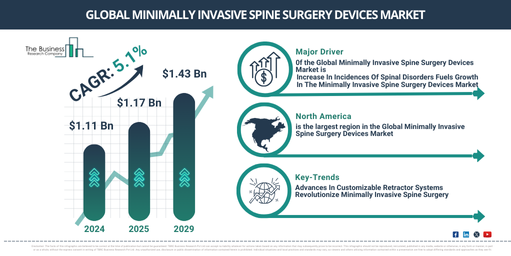
    In recent times, the market size for minimally invasive spine surgery devices has experienced significant growth. It is projected to increase from $1.11 billion in 2024 to $1.17 billion in 2025, exhibiting a compound annual growth rate (CAGR) of 5.5%. Factors contributing to this growth in the historical period include heightened patient preference for less invasive methods, mounting clinical proof validating the effectiveness and safety of these procedures, pressure to reduce costs on healthcare systems, an increase in training programs and educational initiatives, as well as a paradigm shift in surgical practices.

    What Growth Rate Is Anticipated for the Minimally Invasive Spine Surgery Devices Market in the Coming Years?

    In the forthcoming years, the market size for minimally invasive spine surgery devices is predicted to witness considerable growth, increasing to a value of $1.43 billion in 2029, with a compound annual growth rate (CAGR) of 5.1%. This projected growth within the forecast period can be credited to the rapid advancements in healthcare digitization, the widespread use of electronic health records (EHRS), advancements in regenerative medicine techniques, changes in healthcare reimbursement policies and greater collaboration between device manufacturers. Anticipated trends within this period will likely encompass innovations in surgical tools, imaging technologies, the production of biocompatible materials and implants, strides in personalized medicine and genetic testing, the incorporation of remote monitoring tech and telemedicine platforms, and the inclusion of VR and AR technologies.

    Download The Free Sample Report Here:

    https://www.thebusinessresearchcompany.com/sample.aspx?id=16738&type=smp

    Who Are the Leading Companies in the Minimally Invasive Spine Surgery Devices Market?

    Major companies operating in the minimally invasive spine surgery devices market are Stryker Corporation, Boston Scientific Corporation, Zimmer Biomet Holdings Inc., NuVasive Inc., Globus Medical Inc., MicroPort Scientific Corporation, Orthofix International N.V., Aesculap Inc., Alphatec Holdings Inc., SeaSpine Holdings Corporation, RTI Surgical Inc., Spinal Elements, Xtant Medical, Precision Medical Inc., Spine Wave Inc., Zavation Medical Products LLC., Life Spine Inc., Nexxt Spine LLC, CTL Amedica Corporation, Intrinsic Therapeutics Inc, Captiva Spine Inc., DePuy Synthes, Osseus Fusion Systems, SpineGuard S.A.

    What Are the Key Drivers of the Minimally Invasive Spine Surgery Devices Market?

    The escalating prevalence of spinal disorders is projected to be a significant catalyst pushing the growth trajectory of the minimally invasive spine surgery devices market upwards. Conditions affecting the spine, for instance, herniated discs, spinal stenosis, and scoliosis, are collectively grouped under spinal disorders. These conditions can lead to pain, stiffness, or neurological symptoms. Various factors like aging populations, inactive lifestyle patterns, repetitive stress injuries, and degenerative alterations in the spinal structures contribute to increasing spinal disorders. Devices used during minimally invasive spine surgery help address spinal disorders by minimizing tissue damage, shortening recuperation periods, and reducing the intensity of post-operative pain vis-à-vis traditional open surgery. The National Spinal Cord Injury Statistical Center, based at the University of Alabama at Birmingham (UAB) in the U.S, predicts that in 2024, nearly 305,000 individuals in America are expected to suffer from traumatic spinal cord injuries (tSCI). The estimates of such injuries range between 257,000 to 388,000 persons. For comparative analysis, in 2023, the approximate figure was about 302,000 individuals, that ranged between 255,000 to 383,000 persons. Thus, the upward trend in the incidences of spinal disorders is fueling the growth momentum of the minimally invasive spine surgery devices market.

    Request For A Customized Report:

    https://www.thebusinessresearchcompany.com/customise?id=16738&type=smp

    What Are the Key Market Segments in the Minimally Invasive Spine Surgery Devices Industry?

    The minimally invasive spine surgery devices market covered in this report is segmented –

    1) By Product: Cervical Fusion Devices, Spine Biologics, Vertebral Compression Fracture Treatment Devices, Non-fusion Devices, Spine Bone Stimulators, Spinal Decompression Devices

    2) By Treatment: Disk Herniation, Degenerative Spinal Disease, Spinal Stenosis, Other Treatments

    3) By Procedure: Discectomy, Laminotomy, Foraminotomy, Facetectomy, Corpectomy

    4) By Application: Fusion Surgery, Non-Fusion Surgery

    5) By End User: Ambulatory Surgical Centers (ASCs), Hospitals

    Subsegments:

    1) By Cervical Fusion Devices: Anterior Cervical Discectomy And Fusion (ACDF) Devices, Posterior Cervical Fusion Devices, Cervical Spinal Plates, Cervical Screws And Rod Systems

    2) By Spine Biologics: Bone Grafts And Bone Substitutes, Growth Factors And Stem Cells, Demineralized Bone Matrix (DBM), Synthetic Bone Grafts, Platelet-Rich Plasma (PRP), Osteobiologics For Spinal Fusion

    3) By Vertebral Compression Fracture Treatment Devices: Vertebroplasty And Kyphoplasty Kits, Balloon Kyphoplasty Devices, Bone Cement For Vertebroplasty, Percutaneous Spinal Fracture Repair Devices

    4) By Non-Fusion Devices: Dynamic Stabilization Systems, Artificial Discs (Lumbar And Cervical), Motion Preservation Devices, Total Disc Replacement Devices, Posterior Dynamic Stabilization Systems

    5) By Spine Bone Stimulators: Non-Invasive Spine Bone Stimulators, Invasive Spine Bone Stimulators, Electromagnetic Bone Stimulators, Ultrasound Bone Stimulators, Pulsed Electromagnetic Field (PEMF) Devices

    6) By Spinal Decompression Devices: Minimally Invasive Spinal Decompression Systems, Spinal Traction Devices, Percutaneous Discectomy Devices, Spinal Decompression Surgery Instruments, Spinal Distraction Devices

    What Are the Latest Trends in the Minimally Invasive Spine Surgery Devices Market?

    Leading businesses in the minimally invasive spine surgery devices market, are prioritizing the creation of advanced products, including customizable retractor systems, to improve surgical accuracy and enhance patient results. These systems in minimally invasive spine surgeries ensure accurate access and improved visibility, thus minimizing tissue harm and shortening recovery duration. In April 2023, for example, Orthofix Medical Inc., a medical device company based in the US, introduced two novel retractor systems for minimally invasive spine operations. The Lattus Lateral Access System provides user-friendliness, flexible blade retraction and is compatible with Orthofix’s WaveForm L and Regatta NanoMetalene devices. The Fathom Pedicle-Based Retractor System includes three active telescoping blade fixations, enabling precise adjustment and improving visibility, causing minimal tissue interference. Both systems enhance surgical procedures and cater to the specific anatomical requirements of patients.

    Access The Full Report Here:

    https://www.thebusinessresearchcompany.com/report/minimally-invasive-spine-surgery-devices-global-market-report

    What Are the Key Regional Markets in the Minimally Invasive Spine Surgery Devices Industry?

    North America was the largest region in the minimally invasive spine surgery devices market in 2023. The regions covered in the minimally invasive spine surgery devices market report are Asia-Pacific, Western Europe, Eastern Europe, North America, South America, Middle East, Africa.

    Purchase The Full Report Today:

    https://www.thebusinessresearchcompany.com/purchaseoptions.aspx?id=16738

    This Report Delivers Insight On:

    1. How big is the minimally invasive spine surgery devices market, and how is it changing globally?

    2. Who are the major companies in the minimally invasive spine surgery devices market, and how are they performing?

    3. What are the key opportunities and risks in the minimally invasive spine surgery devices market right now?

    4. Which products or customer segments are growing the most in the minimally invasive spine surgery devices market?

    5. What factors are helping or slowing down the growth of the minimally invasive spine surgery devices market?

    About The Business Research Company:

    With over 15000+ reports from 27 industries covering 60+ geographies, The Business Research Company has built a reputation for offering comprehensive, data-rich research and insights. Armed with 1,500,000 datasets, the optimistic contribution of in-depth secondary research, and unique insights from industry leaders, you can get the information you need to stay ahead in the game.

    Get in touch with us:

    The Business Research Company: https://www.thebusinessresearchcompany.com/

    Americas +1 310-496-7795

    Asia +44 2071930708

    Europe +44 7882 955267

    Email us at info@tbrc.info

    Follow us on:

    LinkedIn: https://in.linkedin.com/company/the-business-research-company

    YouTube: https://www.youtube.com/channel/UC24_fI0rV8cR5DxlCpgmyFQ

    Global Market Model: https://www.thebusinessresearchcompany.com/global-market-model
  • Minimally Invasive Glaucoma Surgery (MIGS) Devices Market Projected at $2.42 Billion by 2029 | Strategic Insights and Forecast Data

    Claim your 30% discount on Global Market Reports with code ONLINE30. Limited time only.

    #How Has The Minimally Invasive Glaucoma Surgery (MIGS) Devices Market Size Shifted, And What Is the Outlook Through 2034?

    In the last few years, there has been explosive growth in the market size of minimally invasive glaucoma surgery (MIGS) devices. The market is projected to expand from $0.7 billion in 2024 to $0.9 billion in 2025, with a compound annual growth rate (CAGR) of 28.3%. The elevation in market growth during the past period is a result of heightened awareness towards preventing blindness, bolstered investments in health care infrastructure, improved patient cognizance on sophisticated vision correction treatments, and an uptick in government initiatives.

    How Much Will the Minimally Invasive Glaucoma Surgery (MIGS) Devices Market Be Worth in 2029?

    The market size for minimally invasive glaucoma surgery (MIGS) devices is predicted to experience significant expansion in the coming years. It’s expected to reach $2.42 billion in 2029, with a compound annual growth rate (CAGR) of 28.1%. Factors such as the increasing incidents of eye diseases like glaucoma, an aging population, improvements in healthcare facilities, and a rising demand for safer and more effective treatments are anticipated to contribute to the growth during the forecast period. The forecast period is also likely to witness trends such as the adoption of MIGS devices, technological advancements, introduction of innovative minimally invasive glaucoma surgery devices, development of advanced implantable devices, and progress in ophthalmic technology.

    Download The Free Sample Report Here:

    https://www.thebusinessresearchcompany.com/sample.aspx?id=15863&type=smp

    Which is the Largest Company in the Minimally Invasive Glaucoma Surgery (MIGS) Devices Market?

    Major companies operating in the minimally invasive glaucoma surgery (MIGS) devices market are AbbVie Inc., Novartis AG, Alcon Inc., Bausch Health Companies Inc., Bausch & Lomb Incorporated Inc., Carl Zeiss Meditec AG, Santen Pharmaceutical Co. Ltd., Johnson & Johnson Vision Care Inc., Lumenis Ltd., Staar Surgical Company, Glaukos Corporation, Sight Sciences Inc., Ocular Therapeutix Inc., Iridex Corporation, Ellex Medical Lasers Ltd., New World Medical Inc., MicroSurgical Technology Inc., Nova Eye Medical Limited, Asico LLC, Ziemer Ophthalmic Systems AG, Transcend Medical, iSTAR Medical SA, Ivantis Group Inc., Allergan, InnFocus Inc.

    What Are the Main Market Drivers in the Minimally Invasive Glaucoma Surgery (MIGS) Devices Industry?

    The escalating incidence of conditions impacting the eyes and vision is anticipated to stimulate the expansion of the minimally invasive glaucoma surgery (MIGS) devices sector. Lifestyle shifts, environmental factors, and aging societies are contributing to a rise in eye disorders. Tools such as minimally invasive glaucoma surgery (MIGS) devices are being innovatively employed to manage different eye illnesses, mainly concentrating on lessening the intraocular pressure (IOP) to restrict or manage the advancement of glaucoma. The National Eye Institute, a U.S. government agency, predicts that approximately 2.2 million Americans will be either entirely or partially sightless by 2030, hence implying a continuing growth driver for the minimally invasive glaucoma surgery (MIGS) devices segment due to the growing occurrences of eye disorders.

    Request For A Customized Report:

    https://www.thebusinessresearchcompany.com/customise?id=15863&type=smp

    How Is the Minimally Invasive Glaucoma Surgery (MIGS) Devices Market Segments Structured?

    The minimally invasive glaucoma surgery (MIGS) devices market covered in this report is segmented –

    1) By Product: Valves, Glaucoma Drainage Implant, Glaucoma Tube Shunts, Stents, Other Products

    2) By Surgery: Glaucoma In Conjunction With Cataract, Stand Alone Glaucoma

    3) By Target: Trabecular Meshwork, Suprachoroidal Space, Other Targets

    4) By Distribution Channel: Direct Tender, Retail Sales

    5) By End User: Ophthalmology Clinics, Ambulatory Surgery Centers (ASCS), Other End Users

    Subsegments:

    1) By Valves: Micro Shunt Valves, Non-penetrating Valves

    2) By Glaucoma Drainage Implant: Scleral Drainage Implants, Subconjunctival Drainage Implants

    3) By Glaucoma Tube Shunts: Ahmed Tube Shunt, Baerveldt Tube Shunt

    4) By Stents: Ab-Interno Stents, Ab-Externo Stents

    5) By Other Products: Cyclodestructive Devices, Trabecular Bypass Devices

    What Strategic Trends Are Transforming the Minimally Invasive Glaucoma Surgery (MIGS) Devices Market?

    Leading firms in the minimally invasive glaucoma surgery (MIGS) devices market are concentrating on creating innovative products like stent injectable systems to fulfill the gaps in glaucoma management and enhance patient results. A stent injectable system, a MIGS device, implants a small stent into the body utilizing an injection-based process, typically employing a unique delivery method widely used in less invasive operations for treating conditions such as narrowed or blocked blood vessels. For example, Glaukos Corporation, an ophthalmic medical technology firm based in the United States, was granted 510(k) clearance by the U.S. Food and Drug Administration (FDA) in August 2022 for their iStent Infinite Trabecular Micro-Bypass System. The iStent Infinite introduces a new three-stent injectable system aimed to offer constant, round-the-clock intraocular pressure (IOP) control for patients with primary open-angle glaucoma (POAG) whose IOP is not managed by previous medication or surgical treatment.

    Access The Full Report Here:

    https://www.thebusinessresearchcompany.com/report/minimally-invasive-glaucoma-surgery-migs-devices-global-market-report

    Which Global Regions Offer the Highest Growth in the Minimally Invasive Glaucoma Surgery (MIGS) Devices Market?

    North America was the largest region in the minimally invasive glaucoma surgery (MIGS) devices market in 2024. Asia-Pacific is expected to be the fastest-growing region in the forecast period. The regions covered in the minimally invasive glaucoma surgery (MIGS) devices market report are Asia-Pacific, Western Europe, Eastern Europe, North America, South America, Middle East and Africa.

    Purchase The Full Report Today:

    https://www.thebusinessresearchcompany.com/purchaseoptions.aspx?id=15863

    This Report Delivers Insight On:

    1. How big is the minimally invasive glaucoma surgery (migs) devices market, and how is it changing globally?

    2. Who are the major companies in the minimally invasive glaucoma surgery (migs) devices market, and how are they performing?

    3. What are the key opportunities and risks in the minimally invasive glaucoma surgery (migs) devices market right now?

    4. Which products or customer segments are growing the most in the minimally invasive glaucoma surgery (migs) devices market?

    5. What factors are helping or slowing down the growth of the minimally invasive glaucoma surgery (migs) devices market?

    About The Business Research Company:

    With over 15000+ reports from 27 industries covering 60+ geographies, The Business Research Company has built a reputation for offering comprehensive, data-rich research and insights. Armed with 1,500,000 datasets, the optimistic contribution of in-depth secondary research, and unique insights from industry leaders, you can get the information you need to stay ahead in the game.

    Get in touch with us:

    The Business Research Company: https://www.thebusinessresearchcompany.com/

    Americas +1 310-496-7795

    Asia +44 2071930708

    Europe +44 7882 955267

    Email us at info@tbrc.info

    Follow us on:

    LinkedIn: https://in.linkedin.com/company/the-business-research-company

    YouTube: https://www.youtube.com/channel/UC24_fI0rV8cR5DxlCpgmyFQ

    Global Market Model: https://www.thebusinessresearchcompany.com/global-market-model
  • Asthma Spacers Market to Reach $2.57 Billion by 2029 | Key Drivers and Future Outlook

    Asthma Spacers Market to Reach $2.57 Billion by 2029 | Key Drivers and Future Outlook

    Claim your 30% discount on Global Market Reports with code ONLINE30. Limited time only.

    What Is the Estimated Market Size of the Asthma Spacers Market In 2029?

    In recent years, the market size for asthma spacers has seen robust growth. The market is projected to expand from $1.88 billion in 2024 to $2.01 billion in 2025, registering a compound annual growth rate (CAGR) of 6.6%. The substantial growth during the historic period can be attributed to factors such as the escalating incidence of asthma, advancements in diagnosis and awareness, regulatory approvals and guidelines, development of healthcare infrastructure, and the implementation of effective insurance and reimbursement policies.

    What Growth Rate Is Forecasted for the Asthma Spacers Market by 2029?

    The market for asthma spacers is predicted to experience significant growth in the coming years, with the market size projected to reach $2.57 billion by 2029, growing at a compound annual growth rate (CAGR) of 6.3%. This growth during the forecast period can be tied to factors such as the increase in the pediatric and elderly populations, emphasis on preventive healthcare, breakthroughs in telemedicine, emerging markets, patient education and training initiatives, collaborations, and partnerships, as well as personalized medicine. Major anticipated trends during the forecast period include the implementation of smart inhalers, a focus on the management of pediatric asthma, the demand for portable devices, integration of telehealth, growth investment in research and development, as well as personalized management solutions.

    Download The Free Sample Report Here:

    https://www.thebusinessresearchcompany.com/sample.aspx?id=15727&type=smp

    Which Key Companies Are Shaping the Future of the Asthma Spacers Market?

    Major companies operating in the asthma spacers market are Merck & Co. Inc., AstraZeneca Plc., Novartis AG, GlaxoSmithKline plc, Koninklijke Philips NV, Teva Pharmaceutical Industries Ltd., Mylan NV, Boehringer Ingelheim International GmbH, Smiths Medical Inc., AptarGroup Inc., Cipla Limited, Teleflex Incorporated, Lupin Limited, Mundipharma International Limited, SunMed Holdings LLC, Drive DeVilbiss Healthcare, Trudell Medical International, Bird HealthCare Pty Ltd., Vyaire Medical Inc., Omron Healthcare Inc., PARI GmbH, Vitalograph, Monaghan Medical Corporation, Medical Developments International Ltd., Clement Clarke International Ltd., Instrumentation Industries Inc

    Which Factors Are Driving Demand in the Asthma Spacers Industry?

    The increase in air pollution is predicted to accelerate the expansion of the asthma spacer market in the future. Certain substances detrimental to human health, the environment, and the overall living conditions present in the air account for air pollution. This significant environmental and public health issue is the result of both natural and human-driven factors, involving many substances that are harmful to human health and ecosystems. Asthma spacers can act as a protective tool during times of intense air pollution, minimizing the amount of pollutants that enter breathing passages through inhalers and hence, reducing the risk of a deterioration of asthma symptoms due to airborne irritants. As an example, its influence can be determined through data put forward by the International Energy Agency (IEA), an autonomous intergovernmental organization based in France, which reported that in March 2024, global energy-related carbon dioxide (CO2) emissions saw a spike of 1.1%, equivalent to 410 million metric tons (Mt CO2) as compared to 321 million metric tons in 2022. A record-breaking value of over 37.4 metric tons in 2023 was achieved, in contrast to 36.8 billion metric tons in 2022. This escalating air pollution is anticipated to fuel the growth of the asthma spacer market.

    Request For A Customized Report:

    https://www.thebusinessresearchcompany.com/customise?id=15727&type=smp

    How Is the Asthma Spacers Market Segmented by Several Divisions?

    The asthma spacers market covered in this report is segmented –

    1) By Product: Aerochamber, Optichamber, Volumatic, Inspirease, Other Products

    2) By Distribution Channels: E-commerce Channels, Retail Pharmacies, Hospital Pharmacies, Other Distribution Channels

    3) By Application: Preventive Use, Rescue Use, Combined Use

    4) By End-Use: Homecare Settings, Hospitals And Clinics, Other End-Users

    Subsegments:

    1) By Aerochamber: Aerochamber Plus, Aerochamber Flow-Vu

    2) By Optichamber: Optichamber Diamond, Optichamber Standard

    3) By Volumatic: Volumatic Spacer, Volumatic Plus

    4) By Inspirease: Inspirease Spacer Device

    5) By Other Products: Babyhaler, Funhaler

    What are the Emerging Market Trends Driving the Growth of the Asthma Spacers Industry?

    Top-tier companies in the asthma spacer market are prioritizing the fusion of intelligent technologies with connected metered-dose inhaler (MDI) devices to bolster patient compliance and refine treatment results. Connected MDIs are innovative inhalers that integrate digital tech to keep track of usage, maintain adherence records, and generate valuable data for patients and healthcare providers to enhance management of respiratory diseases. For example, Aptar Pharma, an American pharmaceutical manufacturing firm, introduced the HeroTracker Sense in February 2022. The smart connected healthcare device is designed to monitor and track medication usage for respiratory conditions such as asthma, giving patients the ability to precisely measure and log inhaler doses. This data provides crucial insights for healthcare professionals when tailoring individual treatment plans. This trend underscores a transition towards customized and tech-centric solutions in the asthma spacer market to elevate patient results and overall efficacy in healthcare.

    Access The Full Report Here:

    https://www.thebusinessresearchcompany.com/report/asthma-spacers-global-market-report

    Which Regions Are Driving Growth in the Asthma Spacers Market?

    North America was the largest region in the asthma spacers market in 2023. Asia-Pacific is expected to be the fastest-growing region in the forecast period. The regions covered in the asthma spacers market report are Asia-Pacific, Western Europe, Eastern Europe, North America, South America, Middle East and Africa.

    Purchase The Full Report Today:

    https://www.thebusinessresearchcompany.com/purchaseoptions.aspx?id=15727

    This Report Delivers Insight On:

    1. How big is the asthma spacers market, and how is it changing globally?

    2. Who are the major companies in the asthma spacers market, and how are they performing?

    3. What are the key opportunities and risks in the asthma spacers market right now?

    4. Which products or customer segments are growing the most in the asthma spacers market?

    5. What factors are helping or slowing down the growth of the asthma spacers market?

    About The Business Research Company:

    With over 15000+ reports from 27 industries covering 60+ geographies, The Business Research Company has built a reputation for offering comprehensive, data-rich research and insights. Armed with 1,500,000 datasets, the optimistic contribution of in-depth secondary research, and unique insights from industry leaders, you can get the information you need to stay ahead in the game.

    Get in touch with us:

    The Business Research Company: https://www.thebusinessresearchcompany.com/

    Americas +1 310-496-7795

    Asia +44 2071930708

    Europe +44 7882 955267

    Email us at info@tbrc.info

    Follow us on:

    LinkedIn: https://in.linkedin.com/company/the-business-research-company

    YouTube: https://www.youtube.com/channel/UC24_fI0rV8cR5DxlCpgmyFQ

    Global Market Model: https://www.thebusinessresearchcompany.com/global-market-model
  • Artificial Lung Market Outlook 2025 – Insights for Executive and Strategic Planning

    Artificial Lung Market Outlook 2025 – Insights for Executive and Strategic Planning

    Claim your 30% discount on Global Market Reports with code ONLINE30. Limited time only.

    How Fast Is The Artificial Lung Market Expected to Grow Between 2025 And 2029?

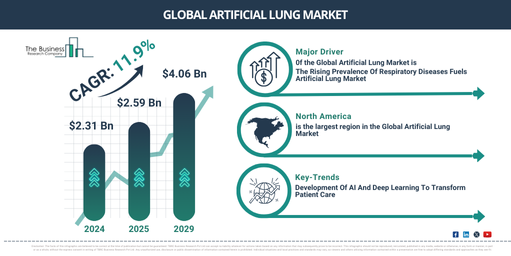
    The market size of artificial lungs has seen a staggering increase in recent years. The market, which is predicted to surge from $2.31 billion in 2024 to $2.59 billion in 2025, is anticipated to have a compound annual growth rate (CAGR) of 12.2%. Factors such as enhanced awareness among healthcare practitioners, augmented market infiltration, a rise in usage in home care scenarios, a boost in medical tourism, and advancements in healthcare facilities have all contributed to the growth experienced in the historic period.

    What Growth Rate Is Anticipated for the Artificial Lung Market in the Coming Years?

    Over the upcoming years, the artificial lung market size is projected to expand rapidly, reaching $4.06 billion in 2029 with an 11.9% compound annual growth rate (CAGR). The anticipated growth during this period is tied to the increasing number of respiratory disease cases, advancements in healthcare facilities, growing popularity of minimally invasive procedures, improved patient quality of life, and high prevalence of chronic obstructive pulmonary diseases. Noteworthy trends for this period encompass inclusion of wireless technology, incorporation of artificial intelligence (AI), advancements in genomics and medical technology, and the creation of smaller, more transportable artificial lungs.

    Download The Free Sample Report Here:

    https://www.thebusinessresearchcompany.com/sample.aspx?id=16591&type=smp

    Who Are the Leading Companies in the Artificial Lung Market?

    Major companies operating in the artificial lung market are Terumo Corporation, Getinge AB, Abiomed Inc., MicroPort Scientific Corp., Charles Stark Draper Laboratory Inc., TransMedics Group Inc., Braile Biomédica Ltd., Xenios AG, MC3 Cardiopulmonary Inc., Lung Biotechnology PBC, Breethe Inc., Levitronix LLC, Medos Medizintechnik AG, ALung Technologies Inc., McGowan Institute for Regenerative Medicine, Hemovent GmbH, Novalung GmbH, Haemair Ltd., MedArray Inc., Vivonics Inc., Extracorporeal Life Support (ECLS) Lab

    What Are the Key Drivers of the Artificial Lung Market?

    The escalating occurrence of respiratory ailments is projected to be a major growth catalyst for the artificial lung market in the future. Such disease prevalence is rising as a result of various factors such as increasing air contamination, climate alterations, and lifestyle transformations, all of which pose a considerable impact on public health. Artificial lungs, used in respiratory illnesses to provide oxygenation and eliminate carbon dioxide from the bloodstream, support or replace the functionality of compromised lungs. As a case in point, data from the Australian Institute of Health and Welfare in June 2024 revealed that about 8.5 million individuals in Australia, equivalent to 34% of the population, were believed to be suffering from chronic respiratory conditions. This consisted of an estimated 2.8 million individuals or 11% of the populace, coping with asthma, and 638,000 individuals or 2.5% of the populace managing chronic obstructive pulmonary disease (COPD). Consequently, the escalation in respiratory disease incidence is fueling the expansion of the artificial lung market.

    Request For A Customized Report:

    https://www.thebusinessresearchcompany.com/customise?id=16591&type=smp

    What Are the Key Market Segments in the Artificial Lung Industry?

    The artificial lung market covered in this report is segmented –

    1) By Product Type: Single Roller Pump Heart Lung Machines, Double Roller Pump Heart Lungs Machines, Bubble Artificial Lung, Membrane Artificial Lung

    2) By Application: Cardiac Surgery, Lung Transplant Operation, Acute Respiratory Failure Treatment, Other Applications

    3) By End-Users: Hospital, Emergency Center, Other End-users

    Subsegments:

    1) By Single Roller Pump Heart Lung Machines: Portable Single Roller Pump Heart Lung Machines, Stationary Single Roller Pump Heart Lung Machines

    2) By Double Roller Pump Heart Lung Machines: Portable Double Roller Pump Heart Lung Machines, Stationary Double Roller Pump Heart Lung Machines

    3) By Bubble Artificial Lung: Disposable Bubble Artificial Lung, Reusable Bubble Artificial Lung

    4) By Membrane Artificial Lung: Oxygenator Membrane Artificial Lung, Carbon Dioxide Removal Membrane Artificial Lung

    What Are the Latest Trends in the Artificial Lung Market?

    Leading firms in the artificial lung market are honing their competitive edges by concentrating on the creation of novel solutions like remote monitoring and device control. This tech-savvy approach enables health practitioners to oversee patients’ primary health metrics and manipulate ventilator preferences without the necessity of physical proximity, minimising infection hazards and heightening patient safety during therapy. For example, in August 2022, Teltonika Telemedic, an electronics production company based in the US, made notable strides in the advancement of its artificial lung ventilator called TELTOMED. The company also secured a distinct patent for the secure transmission and control of remote data for its ventilator, enhancing the security and dependability of patient data exchange, which is a key aspect in today’s medical devices.

    Access The Full Report Here:

    https://www.thebusinessresearchcompany.com/report/artificial-lung-global-market-report

    What Are the Key Regional Markets in the Artificial Lung Industry?

    North America was the largest region in the artificial lung market in 2024. The regions covered in the artificial lung market report are Asia-Pacific, Western Europe, Eastern Europe, North America, South America, Middle East, Africa.

    Purchase The Full Report Today:

    https://www.thebusinessresearchcompany.com/purchaseoptions.aspx?id=16591

    This Report Delivers Insight On:

    1. How big is the artificial lung market, and how is it changing globally?

    2. Who are the major companies in the artificial lung market, and how are they performing?

    3. What are the key opportunities and risks in the artificial lung market right now?

    4. Which products or customer segments are growing the most in the artificial lung market?

    5. What factors are helping or slowing down the growth of the artificial lung market?

    About The Business Research Company:

    With over 15000+ reports from 27 industries covering 60+ geographies, The Business Research Company has built a reputation for offering comprehensive, data-rich research and insights. Armed with 1,500,000 datasets, the optimistic contribution of in-depth secondary research, and unique insights from industry leaders, you can get the information you need to stay ahead in the game.

    Get in touch with us:

    The Business Research Company: https://www.thebusinessresearchcompany.com/

    Americas +1 310-496-7795

    Asia +44 2071930708

    Europe +44 7882 955267

    Email us at info@tbrc.info

    Follow us on:

    LinkedIn: https://in.linkedin.com/company/the-business-research-company

    YouTube: https://www.youtube.com/channel/UC24_fI0rV8cR5DxlCpgmyFQ

    Global Market Model: https://www.thebusinessresearchcompany.com/global-market-model

  • Arthroscopic Shavers Industry Growth Expected to Reach $2.69 Billion by 2029 at a CAGR of 6.5% | Segmentation and Growth Opportunities

    Arthroscopic Shavers Industry Growth Expected to Reach $2.69 Billion by 2029 at a CAGR of 6.5% | Segmentation and Growth Opportunities

    Claim your 30% discount on Global Market Reports with code ONLINE30. Limited time only.

    #How Has the Arthroscopic Shavers Market Growth Performance Trended Historically, And What Lies Ahead?

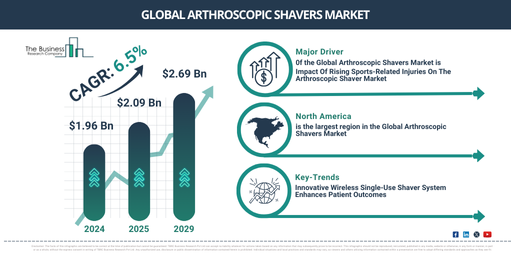
    The market size of arthroscopic shavers has seen a robust growth in the past few years, with a prediction to expand from a valuation of $1.96 billion in 2024 to an estimated $2.09 billion in 2025, following a compound annual growth rate (CAGR) of 6.7%. The significant growth seen historically is due to factors such as increased incidences of sports-related injuries, an aging population demographic, advancements in healthcare infrastructure, a patient inclination towards less invasive surgical procedures, and a rise in the adoption of outpatient and ambulatory surgical facilities.

    What Is the Forecast for the Arthroscopic Shavers Market Size Through 2029?

    In the ensuing years, the arthroscopic shavers market is projected to experience substantial growth, anticipated to attain $2.69 billion by 2029 with a compound annual growth rate (CAGR) of 6.5%. The expected expansion during this period can be ascribed to factors such as a growing elderly population, the development of the healthcare infrastructure, an escalated inclination towards disposable and one-time use surgical tools, cooperative ventures and alliances, and an increased demand for outpatient services. The forthcoming trends comprise the incorporation of robotics, customized medication, progress in the field of minimally invasive surgeries, the utilization of single-use tools, and mobile arthroscopic shavers.

    Download The Free Sample Report Here:

    https://www.thebusinessresearchcompany.com/sample.aspx?id=17064&type=smp

    What are the Key Market Players in Arthroscopic Shavers Market and How They’re Evolving?

    Major companies operating in the arthroscopic shavers market are Johnson & Johnson Services Inc., Medtronic plc, Stryker Corporation, B. Braun Melsungen AG, Zimmer Biomet Holdings Inc., Olympus Corporation, Smith & Nephew plc, Arthrex Inc., DePuy Synthes Companies, KARL STORZ SE & Co. KG, CONMED Corporation, Wright Medical Group N.V., Bioventus, Richard Wolf GmbH, Breg Inc., Portescap, De Soutter Medical Limited, Sklar Surgical Instruments, GPC Medical Ltd., Ceterix Orthopaedics Inc, Cannuflow, Novetech Surgery, GENUINE MEDICA PVT. LTD., EndoMed Systems, OrthoSpace Ltd

    What Are the Primary Growth Drivers in the Arthroscopic Shavers Market?

    The surge in sports-related injuries is projected to stimulate the expansion of the arthroscopic shaver market. Such injuries, frequently impacting muscles, bones, and joints, typically occur during physical sports or exercise activities. The growth in sports-related injuries can potentially be ascribed to increased participation in sports, intensified training techniques, and advancements in sports gear, all of which push athletes’ physical limits, thereby contributing to escalated injury rates worldwide. Utilization of arthroscopic shavers in treating these increasing injuries allows for efficient removal of damaged tissue and repairing of joint structures via minimally invasive procedures, thus enabling quicker recovery and minimized athlete downtime. For example, the National Safety Council, an American nonprofit organization devoted to promoting health and safety, reported that in 2022, the incidence of sports and recreational injuries documented in 2020 experienced a 20% growth in 2021, and an additional 12% rise was observed in 2022. Consequently, the escalating trend of sports-related injuries will propel the growth of the arthroscopic shaver market.

    Request For A Customized Report:

    https://www.thebusinessresearchcompany.com/customise?id=17064&type=smp

    What Are the Leading Segments in the Global Arthroscopic Shavers Industry?

    The arthroscopic shavers market covered in this report is segmented –

    1) By Product Type: Arthroscopic Shaver Systems, Arthroscopic Shaver Accessories

    2) By Application: Knee Arthroscopy, Hip Arthroscopy, Shoulder And Elbow Arthroscopy, Spine Arthroscopy, Foot And Ankle Arthroscopy, Other Applications

    3) By End User: Hospitals, Ambulatory Surgical Centers, Orthopedic Clinics

    Subsegments:

    1) By Arthroscopic Shaver Systems: Handheld Arthroscopic Shaver Systems, Powered Arthroscopic Shaver Systems, Electric Arthroscopic Shaver Systems

    2) By Arthroscopic Shaver Accessories: Shaver Blades, Shaver Burrs, Shaver Sheaths, Shaver Drills, Shaver Motors

    What Are the Key Market Trends in the Arthroscopic Shavers Industry?

    Main players in the arthroscopic shaver market are shifting their focus to technological progression, particularly wireless single-use shaver systems, in order to maximise surgical effectiveness and improve patient recovery. An arthroscopic wireless single-use shaver system is an expendable tool powered by a battery, developed for minimally intrusive joint procedures. It provides the ease of wireless usage, thus boosting surgical efficiency and minimizing the risk of infections. For example, in January 2024, Integrated Endoscopy, an American firm that manufactures sophisticated endoscopic imaging systems for medical purposes, collaborated with Frii Medical, a British company that creates innovative medical equipment, to globally introduce a unique single-use shaver system. This state-of-the-art wireless shaver allows surgeons to operate unencumbered by power cords, presenting a reusable engine/battery module and charging station. The system of Frii removes sterilization costs and guarantees a consistent quality, thus greatly lowering the expenses associated with traditional shaver systems.

    Access The Full Report Here:

    https://www.thebusinessresearchcompany.com/report/arthroscopic-shavers-global-market-report

    What Is the Regional Outlook for the Arthroscopic Shavers Market?

    North America was the largest region in the arthroscopic shavers market in 2024. Asia-Pacific is expected to be the fastest-growing region in the forecast period. The regions covered in the arthroscopic shavers market report are Asia-Pacific, Western Europe, Eastern Europe, North America, South America, Middle East, Africa.

    Purchase The Full Report Today:

    https://www.thebusinessresearchcompany.com/purchaseoptions.aspx?id=17064

    This Report Delivers Insight On:

    1. How big is the arthroscopic shavers market, and how is it changing globally?

    2. Who are the major companies in the arthroscopic shavers market, and how are they performing?

    3. What are the key opportunities and risks in the arthroscopic shavers market right now?

    4. Which products or customer segments are growing the most in the arthroscopic shavers market?

    5. What factors are helping or slowing down the growth of the arthroscopic shavers market?

    About The Business Research Company:

    With over 15000+ reports from 27 industries covering 60+ geographies, The Business Research Company has built a reputation for offering comprehensive, data-rich research and insights. Armed with 1,500,000 datasets, the optimistic contribution of in-depth secondary research, and unique insights from industry leaders, you can get the information you need to stay ahead in the game.

    Get in touch with us:

    The Business Research Company: https://www.thebusinessresearchcompany.com/

    Americas +1 310-496-7795

    Asia +44 2071930708

    Europe +44 7882 955267

    Email us at info@tbrc.info

    Follow us on:

    LinkedIn: https://in.linkedin.com/company/the-business-research-company

    YouTube: https://www.youtube.com/channel/UC24_fI0rV8cR5DxlCpgmyFQ

    Global Market Model: https://www.thebusinessresearchcompany.com/global-market-model

  • Market Analysis on Cervical Total Disc Replacement Device Industry – Insights for Corporate Strategy and R&D

    Market Analysis on Cervical Total Disc Replacement Device Industry – Insights for Corporate Strategy and R&D

    Claim your 30% discount on Global Market Reports with code ONLINE30. Limited time only.

    What Is the Forecast for the Cervical Total Disc Replacement Device Market from 2024 to 2025?

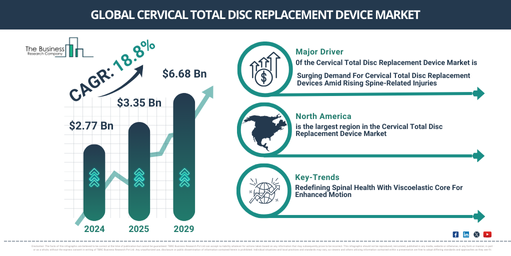
    The market size for cervical total disc replacement devices has experienced immense growth in the past few years. It is anticipated to increase from $2.77 billion in 2024 reaching $3.35 billion in 2025, with a compound annual growth rate (CAGR) of 20.8%. The augmentation during the historical period can be ascribed to a spike in degenerative disc disorders, advancements in early device innovation, increased patient requirements for mobility, solutions to the restrictions of fusion surgery, and extensive research and clinical trials.

    What Is the Projected Market Size of the Cervical Total Disc Replacement Device Market?

    Expectations are set for the cervical total disc replacement device market to experience brisk growth in the upcoming years. The market is projected to expand to $6.68 billion by 2029, growing at a compound annual growth rate (CAGR) of 18.8%. The anticipated growth during this forecast period can be credited to factors like a patient-centric and personalized approach, material science progress, an elderly population and degenerative conditions, a shift towards techniques preserving motion, and sustained technological developments. Key trends predicted for this period encompass surgeon education and training, advancements in regulations and approvals, a preference for active lifestyles among patients, an increased demand for non-fusion alternatives, and innovative designs in device technology.

    Download The Free Sample Report Here:

    https://www.thebusinessresearchcompany.com/sample.aspx?id=13264&type=smp

    Who are the Major Competitors in the Cervical Total Disc Replacement Device Market Outlook?

    Major companies operating in the cervical total disc replacement device market report are Medtronic PLC, Johnson and Johnson Pvt Ltd., Stryker Corporation, Zimmer Biomet Holdings Inc., DePuy Synthes Inc., NuVasive Inc., Globus Medical Inc., ZimVie Inc., Orthofix Medical Inc., Aesculap Implant Systems Inc., Alphatec Holdings Inc., LDR Holding Corporation, Centinel Spine Inc., Spineart SA, CoreLink LLC, Innovative Spinal Technologies Inc., Precision Spine Inc., Spinal Elements Inc., Applied Spine Technologies Inc., Spinal Kinetics LLC, Paradigm Spine LLC, Implanet SA, Osimplant, Expanding Orthopedics Inc., FH Orthopedics Inc., SpineGuard S.A, ChoiceSpine, InVivo Therapeutics Hldg, Ranier Technology Limited, AxioMed LLC

    What Is Fueling Growth in the Cervical Total Disc Replacement Device Market?

    A surge in spine-related injuries is set to boost the cervical total disc replacement device market growth. These are injuries that impact the spinal cord, the nerve pathways along the spine, or the bones constituting the spine. Cervical total disc replacement devices are utilized in managing spinal cord injuries and addressing spinal instability- a condition characterized by improper alignment of neck bones. For instance, Spinalcord, a US-based online platform and resource for individuals dealing with spinal cord injuries, estimated that approximately 18,000 new spinal cord injuries transpire each year in the U.S., with a rate of almost 54 instances per million people, as of May 2023. Currently, around 302,000 people live with traumatic spinal cord injuries, with a staggering 79% of new cases impacting males, predominantly aged between 16 to 30. Thus, the escalation in spine-related injuries is catalyzing the growth of the cervical total disc replacement device market. The cervical total disc replacement device market is anticipated to be spurred by a rise in the number of surgical procedures. Surgeries are medical procedures involving cutting into a patient’s body to remedy or excise unhealthy or impaired organs. The cervical total disc replacement (CTDR) device is employed in surgical procedures to substitute a diseased or deteriorated cervical intervertebral disc with a synthetic one. The appliance aims to reinstate cervical spine’s standard motion and function while alleviating pain and retaining spinal alignment. For instance, the International Society of Aesthetic Plastic Surgery, a Lebanon-based professional association for board-certified plastic surgeons, stated that the total count of surgical procedures had escalated by 11.2% in 2022, reaching 14.9 million worldwide. The figure further rose by 3.4% in 2023, nearing 15.8 million. Therefore, the upsurge in surgical procedures is stoking the growth of the cervical total disc replacement device market.

    Request For A Customized Report:

    https://www.thebusinessresearchcompany.com/customise?id=13264&type=smp

    Which Cervical Total Disc Replacement Device Market Segments Are Growing the Fastest?

    The cervical total disc replacement device market covered in this report is segmented –

    1) By Disc Type: Metal On A Biocompatible Material (M-o-B), Metal On Metal (M-o-M)

    2) By Material: Polymeric, Metallic, Biocompatible

    3) By Design: Constrained, Semi-Constrained, Unconstrained

    4) By End User: Hospitals, Ambulatory Surgical Center, Specialty Clinics, Clinics

    Subsegments:

    1) By Metal On A Biocompatible Material (M-O-B): Titanium On Polyethylene, Cobalt-Chromium On Bioceramic, PEEK With Metal Coating

    2) By Metal On Metal (M-O-M): Cobalt-Chromium On Cobalt-Chromium, Titanium On Titanium, Stainless Steel On Stainless Steel

    Which Industry Trends Are Shaping the Future of the Cervical Total Disc Replacement Device Market?

    Key market players in the Cervical Total Disc Replacement Device Market are concentrating on groundbreaking designs like articulating viscoelastic core and state-of-the-art motion technology. Their aim is to provide patients with heightened mobility and enduring spinal stability, with the goal of duplicating natural cervical movement while reducing damage. An articulating viscoelastic core emulates natural movement by enabling flexible and managed movement. The viscoelastic substance offers a blend of impact absorption and incremental resistance, mirroring the behavior of the body’s own tissues when subjected to stress. For example, in May 2024, NGMedical GmbH, a medical technology manufacturing company based in Germany, unveiled the MOVE-C Cervical Artificial Disc Prosthesis. This cutting-edge spinal implant is designed to replicate natural cervical movement using an articulating surface and viscoelastic core, aiming to offer enhanced physiological motion with progressive resistance, thus offering a unique solution for cervical spine surgeries.

    Access The Full Report Here:

    https://www.thebusinessresearchcompany.com/report/cervical-total-disc-replacement-device-global-market-report

    Which Countries Are Leading the Cervical Total Disc Replacement Device Market?

    North America was the largest region in the cervical total disc replacement device market in 2024. Asia-Pacific is expected to be the fastest-growing region in the forecast period. The regions covered in the cervical total disc replacement device market report are Asia-Pacific, Western Europe, Eastern Europe, North America, South America, Middle East, Africa

    Purchase The Full Report Today:

    https://www.thebusinessresearchcompany.com/purchaseoptions.aspx?id=13264

    This Report Delivers Insight On:

    1. How big is the cervical total disc replacement device market, and how is it changing globally?

    2. Who are the major companies in the cervical total disc replacement device market, and how are they performing?

    3. What are the key opportunities and risks in the cervical total disc replacement device market right now?

    4. Which products or customer segments are growing the most in the cervical total disc replacement device market?

    5. What factors are helping or slowing down the growth of the cervical total disc replacement device market?

    About The Business Research Company:

    With over 15000+ reports from 27 industries covering 60+ geographies, The Business Research Company has built a reputation for offering comprehensive, data-rich research and insights. Armed with 1,500,000 datasets, the optimistic contribution of in-depth secondary research, and unique insights from industry leaders, you can get the information you need to stay ahead in the game.

    Get in touch with us:

    The Business Research Company: https://www.thebusinessresearchcompany.com/

    Americas +1 310-496-7795

    Asia +44 2071930708

    Europe +44 7882 955267

    Email us at info@tbrc.info

    Follow us on:

    LinkedIn: https://in.linkedin.com/company/the-business-research-company

    YouTube: https://www.youtube.com/channel/UC24_fI0rV8cR5DxlCpgmyFQ

    Global Market Model: https://www.thebusinessresearchcompany.com/global-market-model

  • Flexible Endoscopes Forecast Report – Designed for Decision Makers and Product Teams

    Flexible Endoscopes Forecast Report – Designed for Decision Makers and Product Teams

    Claim your 30% discount on Global Market Reports with code ONLINE30. Limited time only.

    What Is the Growth Rate of the Flexible Endoscopes Market?

    In recent times, the flexible endoscopes market has experienced significant growth. The market size is projected to increase from $9.7 billion in 2024 to $10.49 billion in 2025, reflecting a compound annual growth rate (CAGR) of 8.1%. The previous growth can be linked to progress in medical technology, an increase in gastrointestinal diseases, advancement in diagnostics and treatment, and global healthcare accessibility.

    What Growth Rate Is Forecasted for the Flexible Endoscopes Market by 2029?

    The market size for flexible endoscopes is forecasted to experience robust growth in the coming years, reaching $14.01 billion by 2029, with a compound annual growth rate (CAGR) of 7.5%. The projected growth during the forecast period can be associated with factors such as personalized medicine, telemedicine, remote procedures, patient education, and awareness, along with reimbursement policies. Key trends predicted for the forecast period include the integration of artificial intelligence, capsule endoscopy, 3D imaging, and the utilization of endoscopy in pediatric care.

    Download The Free Sample Report Here:

    https://www.thebusinessresearchcompany.com/sample.aspx?id=12993&type=smp

    Which Key Companies Are Shaping the Future of the Flexible Endoscopes Market?

    Major companies operating in the flexible endoscopes market are Medtronic PLC, Fujifilm Holdings Corporation, Becton Dickinson and Company, Stryker Corporation, Boston Scientific Corporation, AB SKF, Olympus Corporation, HOYA Corporation, Smith & Nephew PLC, Micro-Epsilon Messtechnik GmbH & Co. KG, EndoChoice International, Pentax Medical, Ambu Inc., Richard Wolf GmbH, Welch Allyn Inc., Cooper Surgical Inc., Ethicon Endo-surgery LLC, Vimex Endoscopy, Endo-Flex GmbH, Machida Endoscope Co Ltd., XION GmbH, Huger Medical Instrument Co. Ltd., Endomed Systems Gmbh, Karl Storz GmbH & Co. KG., Laborie Medical Technologies Inc., ACMI Corporation.

    Which Factors Are Driving Demand in the Flexible Endoscopes Industry?

    The increase in chronic disease prevalence is anticipated to fuel the flexible endoscopes market’s expansion. Chronic diseases, which are long-lasting health issues that often evolve gradually over a long time, can be effectively identified and diagnosed early using flexible endoscopes. These tools offer direct visualization and are used in the diagnosis of a range of chronic disorders like respiratory, gastrointestinal (GI), and urological diseases, and they are also employed for therapeutic interventions. For instance, data from the Australian Institute of Health and Welfare in June 2024 revealed an age-standardized death rate from chronic conditions at 448 per 100,000 population, which rose to 459 per 100,000 in 2021 and further increased to 490 per 100,000 in 2022. As such, the surge in chronic disease occurrence is boosting the flexible endoscopes market’s growth. Another key factor contributing to the growth of the flexible endoscopes market is the increase in healthcare expenditure. The financial resources dedicated to providing healthcare services and treatments, termed healthcare expenditures, have seen a rise recently. Greater investment in flexible endoscopes heightens patient care and outcomes by facilitating the procurement of superior endoscopic equipment, training medical staff, and spurring research and development efforts. As an illustration, in December 2023, the Centers for Medicare & Medicaid Services, a US federal agency, reported a 4.1% increase in U.S. health care expenditures, amounting to $4.5 trillion. This was an increase from the 3.2% growth rate reported in 2021. Consequently, the flexible endoscope market is seeing growth driven by increased healthcare expenditure.

    Request For A Customized Report:

    https://www.thebusinessresearchcompany.com/customise?id=12993&type=smp

    How Is the Flexible Endoscopes Market Segmented by Several Divisions?

    The flexible endoscopes market covered in this report is segmented –

    1) By Product: Fiberscope, Video Endoscope

    2) By Application: GI Endoscopy, Pulmonary Endoscopy, ENT Endoscopy, Obstetrics or Gynecology, Urology, Other Applications

    3) By End User: Hospitals, Ambulatory Surgery Centers, Other End Users

    Subsegments:

    1) By Fiberscope: Standard Fiberscope, Specialty Fiberscope

    2) By Video Endoscope: Rigid Video Endoscope, Flexible Video Endoscope

    What are the Emerging Market Trends Driving the Growth of the Flexible Endoscopes Industry?

    Key businesses in the flexible endoscopes industry are focusing on the invention of new products and acquiring approvals to maintain their market standing. With advancements in flexible endoscope technologies, products like Zsquare ENT-Flex Rhinolaryngoscope are providing superior comfort over conventional reusable endoscopes. For example, Zsquare, an Israel-based firm specializing in flexible, high-definition single-use endoscopes, received FDA (Food and Drug Administration) approval in July 2022 for its Zsquare ENT-Flex Rhinolaryngoscope, humanity’s first high-efficiency, single-use ENT (ear, nose, and throat) endoscope. It wears the crown as the first single-use endoscope to adopt a combined design featuring a disposable shell covering a reusable segment. This cutting-edge flexible endoscope design offers medical providers unparalleled high-definition imaging through the smallest diameter endoscope shaft at the least possible cost-per-use in single-use endoscopy. The new builders bring several benefits such as enhanced diagnostic quality, superior patient comfort, and substantial cost reductions for both payers and healthcare providers.

    Access The Full Report Here:

    https://www.thebusinessresearchcompany.com/report/flexible-endoscopes-global-market-report

    Which Regions Are Driving Growth in the Flexible Endoscopes Market?

    North America was the largest region in the flexible endoscopes market in 2024. Asia-Pacific is expected to be the fastest-growing region in the forecast period. The regions covered in flexible endoscopes market report are Asia-Pacific, Western Europe, Eastern Europe, North America, South America, Middle East and Africa.

    Purchase The Full Report Today:

    https://www.thebusinessresearchcompany.com/purchaseoptions.aspx?id=12993

    This Report Delivers Insight On:

    1. How big is the flexible endoscopes market, and how is it changing globally?

    2. Who are the major companies in the flexible endoscopes market, and how are they performing?

    3. What are the key opportunities and risks in the flexible endoscopes market right now?

    4. Which products or customer segments are growing the most in the flexible endoscopes market?

    5. What factors are helping or slowing down the growth of the flexible endoscopes market?

    About The Business Research Company:

    With over 15000+ reports from 27 industries covering 60+ geographies, The Business Research Company has built a reputation for offering comprehensive, data-rich research and insights. Armed with 1,500,000 datasets, the optimistic contribution of in-depth secondary research, and unique insights from industry leaders, you can get the information you need to stay ahead in the game.

    Get in touch with us:

    The Business Research Company: https://www.thebusinessresearchcompany.com/

    Americas +1 310-496-7795

    Asia +44 2071930708

    Europe +44 7882 955267

    Email us at info@tbrc.info

    Follow us on:

    LinkedIn: https://in.linkedin.com/company/the-business-research-company

    YouTube: https://www.youtube.com/channel/UC24_fI0rV8cR5DxlCpgmyFQ

    Global Market Model: https://www.thebusinessresearchcompany.com/global-market-model

  • Aerosol Delivery Devices Industry Valued at $70.79 Billion by 2029 With CAGR of 8.2% | Size and Share Insights

    Aerosol Delivery Devices Industry Valued at $70.79 Billion by 2029 With CAGR of 8.2% | Size and Share Insights

    Claim your 30% discount on Global Market Reports with code ONLINE30. Limited time only.

    What Are the Projected Market Size and Growth Rates for the Aerosol Delivery Devices Market From 2025 To 2029?

    The market for aerosol delivery devices has seen robust growth in recent years, swelling from a worth of $47.6 billion in 2024 to an expected value of $51.63 billion in 2025, demonstrating a compound annual growth rate (CAGR) of 8.5%. This substantial growth in the historic period can be credited to numerous factors, including a rise in respiratory illnesses, regulatory authorizations, an uptick in the usage of portable devices, an augmentation in healthcare spending, heightened reservoir of knowledge about respiratory health through campaigns, as well as initiatives and funding from governments.

    What Is the Projected Market Size of the Aerosol Delivery Devices Market?

    In the coming years, a robust surge in growth is anticipated in the aerosol delivery devices market size. With a compound annual growth rate (CAGR) of 8.2%, it is predicted to reach $70.79 billion by 2029. The growth anticipated for this period can be linked to the wider use of these devices in managing chronic diseases, surge in research and development investments, growing requirement for personalized medicine, escalating levels of air pollution resulting in respiratory issues, and the demand for respiratory treatments coinciding with an aging population. Some noteworthy trends for the forecast period encompass technological developments, improvements in drug delivery systems, launch of generic versions, the creation of biologics and specialty drugs for inhaled therapy, and progress in nanotechnology for aerosol medication delivery.

    Download The Free Sample Report Here:

    https://www.thebusinessresearchcompany.com/sample.aspx?id=17054&type=smp

    Who are the Major Competitors in the Aerosol Delivery Devices Market Outlook?

    Major companies operating in the aerosol delivery devices market are Pfizer Inc, Merck & Co Inc, AstraZeneca plc, Abbott Laboratories, Novartis AG, GlaxoSmithKline plc (GSK), 3M Company, Becton Dickinson and Company, Koninklijke Philips NV, Viatris Inc., Teva Pharmaceutical Industries Ltd, Sandoz International GmbH, Draegerwerk AG & Co KGaA, Shionogi & Co Ltd, Hikma Pharmaceuticals PLC, Chiesi Farmaceutici SpA, Vectura Group plc, Fresenius Kabi AG, Metall Zug AG, Sunovion Pharmaceuticals Inc., Omron Healthcare Inc., PARI GmbH, Aerogen Inc, Clement Clarke International Ltd, Iconovo AB

    What Is Fueling Growth in the Aerosol Delivery Devices Market?

    The rise in instances of respiratory disorders is predicted to fuel the expansion of the aerosol delivery device industry. Respiratory diseases include a wide array of issues relating to the airways, lungs, and overall respiratory system. The emergence of such diseases is attributed to factors like air pollution, smoking, allergens, and infections affecting the respiratory system. Aerosol delivery devices lend an effective means to administer drugs like bronchodilators and corticosteroids directly to the patient’s lungs, thereby enhancing the effectiveness of treatment and patient adherence. For example, data put forth by the National Center for Health Statistics (NCHS), a health statistics organization based in the U.S., in May 2024, demonstrated a rise in the prevalence of asthma among U.S. adults aged 18 and over, from 8% in 2021 to 8.7% in 2022. Moreover, the incidents of asthma attacks in a span of 12 months for the same demographic also witnessed a surge from 3.3% in 2021 to 3.7% in 2022. Thus, the escalating prevalence of respiratory disorders is anticipated to stimulate the growth of the aerosol delivery device industry.

    Request For A Customized Report:

    https://www.thebusinessresearchcompany.com/customise?id=17054&type=smp

    Which Aerosol Delivery Devices Market Segments Are Growing the Fastest?

    The aerosol delivery devices market covered in this report is segmented –

    1) By Product: Dry Powder Inhalers, Metered Dose Inhalers, Nebulizers

    2) By Application: Asthma, Chronic Obstructive Pulmonary Disease, Cystic Fibrosis, Non Respiratory Diseases

    3) By Distribution Channel: Retail Pharmacies, Hospital Pharmacies, E Commerce

    Subsegments:

    1) By Dry Powder Inhalers (DPIs): Single-Dose DPIs, Multi-Dose DPIs

    2) By Metered Dose Inhalers (MDIs): Conventional MDIs, MDIs With Spacer/Chamber

    3) By Nebulizers: Jet Nebulizers, Ultrasonic Nebulizers, Mesh Nebulizers

    Which Industry Trends Are Shaping the Future of the Aerosol Delivery Devices Market?

    Leading firms in the aerosol delivery device industry are honing in on the creation of innovative inhaler dose trackers which boast user-friendly design features, in an effort to increase medication consistency. Essentially, an intelligent inhaler dose tracker serves as an advanced aerosol delivery tool that is equipped with sensors and connectivity capabilities. This allows it to track how medication is being used, improve patient compliance, and share real-time data with both patients and healthcare professionals. For example, in June 2024, UK-based MedTech company, Aseptika Ltd, launched the revolutionary PUFFClicker3 Universal Inhaler. This ingenious inhaler dose counter is suited to a range of inhalers and uses sensors to record each dose. It offers real-time dose tracking, an easy-to-use interface, and Bluetooth compatibility for syncing with health apps. This aids patients in sticking to their medication routines and provides healthcare providers detailed adherence data.

    Access The Full Report Here:

    https://www.thebusinessresearchcompany.com/report/aerosol-delivery-devices-global-market-report

    Which Countries Are Leading the Aerosol Delivery Devices Market?

    North America was the largest region in the aerosol delivery devices market in 2024. Asia-Pacific is expected to be the fastest-growing region in the forecast period. The regions covered in the aerosol delivery devices market report are Asia-Pacific, Western Europe, Eastern Europe, North America, South America, Middle East, Africa.

    Purchase The Full Report Today:

    https://www.thebusinessresearchcompany.com/purchaseoptions.aspx?id=17054

    This Report Delivers Insight On:

    1. How big is the aerosol delivery devices market, and how is it changing globally?

    2. Who are the major companies in the aerosol delivery devices market, and how are they performing?

    3. What are the key opportunities and risks in the aerosol delivery devices market right now?

    4. Which products or customer segments are growing the most in the aerosol delivery devices market?

    5. What factors are helping or slowing down the growth of the aerosol delivery devices market?

    About The Business Research Company:

    With over 15000+ reports from 27 industries covering 60+ geographies, The Business Research Company has built a reputation for offering comprehensive, data-rich research and insights. Armed with 1,500,000 datasets, the optimistic contribution of in-depth secondary research, and unique insights from industry leaders, you can get the information you need to stay ahead in the game.

    Get in touch with us:

    The Business Research Company: https://www.thebusinessresearchcompany.com/

    Americas +1 310-496-7795

    Asia +44 2071930708

    Europe +44 7882 955267

    Email us at info@tbrc.info

    Follow us on:

    LinkedIn: https://in.linkedin.com/company/the-business-research-company

    YouTube: https://www.youtube.com/channel/UC24_fI0rV8cR5DxlCpgmyFQ

    Global Market Model: https://www.thebusinessresearchcompany.com/global-market-model