Category: Medical Equipment

  • Key Developments and Trends Steering the Intravenous Infusion Pumps Market Forward: Emerging Trends In The Intravenous Infusion Pumps Market Technological Advancements And Smart Solution

    Key Developments and Trends Steering the Intravenous Infusion Pumps Market Forward: Emerging Trends In The Intravenous Infusion Pumps Market Technological Advancements And Smart Solution

    Discover trends, market shifts, and competitive outlooks for the intravenous infusion pumps industry through 2025-2034 with The Business Research Company’s reliable data and in-depth research

    What Are the Key Milestones in the Intravenous Infusion Pumps Market’s Growth Trajectory From 2025 To 2034?

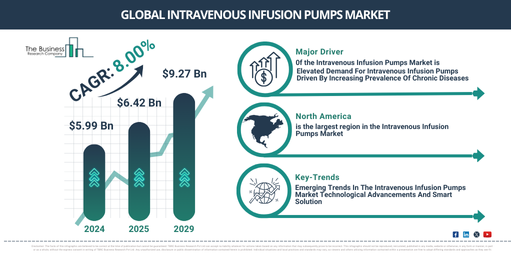
    In recent times, the intravenous infusion pumps market has experienced significant growth. Its expansion is projected to increase from $5.99 billion in 2024 to $6.42 billion in 2025, with a compound annual growth rate (CAGR) of 7.1%. The notable growth recorded in the historic period can be linked to factors such as the rise in neurological disorders, an aging population, greater awareness and diagnosis of strokes, and a multidisciplinary approach.

    Expectations indicate that the intravenous infusion pumps market will experience considerable expansion in the coming years, with predictions putting the value at $9.27 billion by 2029, reflecting a compound annual growth rate (CAGR) of 9.6%. This predicted growth over the forecast period is due to factors such as the adoption of minimally invasive procedures, the expansion of emerging markets, regulatory support and reimbursements, and the advent of telehealth and remote consultation. Noteworthy trends for the forecast period encompass developments in artificial intelligence (AI) and image analysis, robotics and navigation, patient-specific devices, and the emergence of hybrid operating rooms.

    Download a free sample to assess the report’s scope and structure:

    https://www.thebusinessresearchcompany.com/sample.aspx?id=3305&type=smp

    How Are Key Drivers in the Industry Acting as Catalysts for the Growth of the Intravenous Infusion Pumps Market?

    The spiking incidence of chronic diseases is anticipated to spike the demand in the market of intravenous infusion pumps. These pumps are utilized for administering pharmaceutical drugs during the remedial procedures of these conditions. The global surge in chronic ailments and disorders can be accredited to the increase in age demographics and societal behavioral changes, contributing to the progressive rise of these common and costly long-term health problems. Infusion pumps serve the purpose of dispensing measured quantities of nutrients or medication into the patient’s system, like chemotherapy drugs, analgesics, antibiotics, insulin, and other hormones. For example, as per the March 2022 report by the Australian Bureau of Statistics, an autonomous statutory agency in Australia responsible for acquiring and scrutinizing data and providing factual suggestions to local, national, and territorial administrations, almost half the population (46.6% or 11.6 million) was diagnosed with a minimum of one chronic disease. Consequently, the increasing incidence of chronic diseases is set to drive the growth of the intravenous infusion pumps market leaps and bounds.

    Which Segments in the Intravenous Infusion Pumps Offer the Most Growth?

    The intravenous infusion pumps market covered in this report is segmented –

    1) By Product: Volumetric, Syringe, Enteral, Ambulatory, IV Disposables, Other Products

    2) By Application: Chemotherapy, Diabetes, Gastroenterology, Analgesia/Pain Management, Pediatrics/Neonatology, Hematology, Other Applications

    3) By End-User: Hospitals, Ambulatory Surgical Centers, Cancer Treatment Centers, Specialty Clinics, Other End Users

    Subsegments:

    1) By Volumetric: Large-volume Pumps, Small-volume Pumps

    2) By Syringe: Micro Syringe Pumps, Macro Syringe Pumps

    3) By Enteral: Portable Enteral Pumps, Stationary Enteral Pumps

    4) By Ambulatory: Patient-controlled Analgesia (PCA) Pumps, Insulin Pumps, Disposable Pumps

    5) By IV Disposables: IV Tubing Sets, IV Catheters, IV Cannulas, IV Solutions

    6) By Other Products: Implantable Pumps, Smart Pumps, Elastomeric Pumps

    Request customized data on this market:

    https://www.thebusinessresearchcompany.com/customise?id=3305&type=smp

    What Are the Fastest-Growing Geographies in the Intravenous Infusion Pumps Market?

    North America was the largest region in the intravenous infusion pumps market in 2023. Western Europe was the second-largest region in the intravenous infusion pumps market. The regions covered in the intravenous infusion pumps market report are Asia-Pacific, Western Europe, Eastern Europe, North America, South America, Middle East, Africa

    What Key Trends Are Shaping the Future of the Intravenous Infusion Pumps Market?

    The escalating advancements in technology are becoming a significant trend in the intravenous infusion pumps market. Technological progress in these pumps has revolutionized medical treatment in hospitals and enabled patients to self-administer fluids in outpatient scenarios or home environments. This allows patients to receive treatment while continuing with their everyday lives, courtesy of smart intravenous infusion pumps. These intelligent pumps are instrumental in preventing medication mishaps and minimizing patient damage. Key corporations investing in smart intravenous pumps include Fresenius Kabi, Q-Core Medical, Becton Dickinson, Micrel Medical Devices, and Baxter International. In a separate development, vTitan, a healthcare company based in Chennai, publicized the introduction of the next generation of Syringe Infusion Pumps. These are utilized for critical care in hospital and home settings for dependable and safe drug infusion.

    View the full report here:

    https://www.thebusinessresearchcompany.com/report/intravenous-infusion-pumps-global-market-report

    What Are the Key Elements That Define the Intravenous Infusion Pumps Market?

    Intravenous infusion pumps are devices designed to administer fluids, medications, or nutrients directly into a patient’s veins with accuracy and consistency, supporting effective treatment in critical and routine medical care.

    Purchase the full report and get a swift delivery:

    https://www.thebusinessresearchcompany.com/purchaseoptions.aspx?id=3305

    About The Business Research Company:

    With over 15000+ reports from 27 industries covering 60+ geographies, The Business Research Company has built a reputation for offering comprehensive, data-rich research and insights. Armed with 1,500,000 datasets, the optimistic contribution of in-depth secondary research, and unique insights from industry leaders, you can get the information you need to stay ahead in the game.

    Get in touch with us:

    The Business Research Company: https://www.thebusinessresearchcompany.com/

    Americas +1 3156230293

    Asia +44 2071930708

    Europe +44 2071930708

    Email us at info@tbrc.info

    Follow us on:

    LinkedIn: https://in.linkedin.com/company/the-business-research-company

    YouTube: https://www.youtube.com/channel/UC24_fI0rV8cR5DxlCpgmyFQ

    Global Market Model: https://www.thebusinessresearchcompany.com/global-market-model
  • Global Implantable Infusion Pumps Market Projected to Reach $26.89 Billion by 2029 at a CAGR of 7%

    Global Implantable Infusion Pumps Market Projected to Reach $26.89 Billion by 2029 at a CAGR of 7%

    Discover trends, market shifts, and competitive outlooks for the implantable infusion pumps industry through 2025-2034 with The Business Research Company’s reliable data and in-depth research

    How Has The Implantable Infusion Pumps Market Growth Evolved From 2024 To 2025, And What’s Ahead?

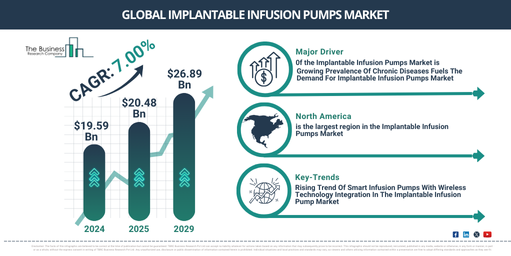
    In recent times, there has been consistent growth in the market size of implantable infusion pumps. This market, valued at $19.59 billion in 2024, is projected to increase to $20.48 billion in 2025, reflecting a compound annual growth rate (CAGR) of 4.6%. Factors contributing to the historic period’s growth include chronic disease management, an aging population, pain management, and regulatory approvals.

    The market size of implantable infusion pumps is anticipated to witness robust growth in the upcoming years, escalating to $26.89 billion in 2029 with a Compound Annual Growth Rate (CAGR) of 7.0%. This projected growth through the forecast period can be contributed to factors such as personalized healthcare, remote patient observation, advancements in medication, and the management of chronic diseases. The forecast period is also expected to see major trends including minimally invasive implementation, remote supervision and programing, intrathecal pain management, and collaboration across different specialties.

    Download a free sample to assess the report’s scope and structure:

    https://www.thebusinessresearchcompany.com/sample.aspx?id=3347&type=smp

    What are the Fundamental Drivers and Innovations Shaping the Implantable Infusion Pumps Market?

    An uptick in conditions like chronic pain, cancer, and diabetes is expected to augment the demand for implantable infusion pumps. These pumps are frequently employed to administer drugs during the treatment of these conditions. The global occurrence of chronic illnesses and disorders is rising due to factors such as an aging population and changes in social behaviors. This is consequently leading to a gradual increase in these diseases. Certain conditions like chronic arachnoiditis, a disease where the membrane surrounding the spinal cord swells, benefit from implantable infusion pumps as they provide a more efficient way of relieving pain by delivering lower drug dosages. For example, the American Cancer Society, a health organization based in the US, reported in January 2022, that the US is expected to see 609,360 cancer deaths and 1.9 million new cancer cases in 2022 alone. Predictions for the same year include 10,470 pediatric cancer cases. Additionally, roughly 5,480 teenagers are also expected to receive cancer diagnoses. Therefore, the escalating prevalence of chronic diseases is anticipated to spur the growth of the implantable infusion pumps market.

    How Is the Implantable Infusion Pumps Market Segmented?

    The implantable infusion pumps market covered in this report is segmented –

    1) By Type: Patient-Controlled Analgesia (PCA) Pumps, Enteral Pumps, Insulin Pumps, Elastomeric Pumps, Syringe Pumps, Other Types

    2) By Applications: Oncology, Pediatrics Or Neonatology, Gastroenterology, Hematology, Diabetes, Other Applications

    3) By End User: Hospitals, Ambulatory Surgical Centers, Specialty Clinics

    Subsegments:

    1) By Patient-Controlled Analgesia (PCA) Pumps: Morphine PCA Pumps, Fentanyl PCA Pumps, Other Opioid PCA Pumps

    2) By Enteral Pumps: Tube Feeding Pumps, Syringe-based Enteral Pumps, Continuous Or Intermittent Feeding Pumps

    3) By Insulin Pumps: Insulin Delivery Pumps, Insulin Patch Pumps, Smart Insulin Pumps

    4) By Elastomeric Pumps: Disposable Elastomeric Pumps, Reusable Elastomeric Pumps

    5) By Syringe Pumps: Small Volume Syringe Pumps, Large Volume Syringe Pumps

    6) By Other Types: Chemotherapy Infusion Pumps, Antibiotic Infusion Pumps, Pain Management Pumps

    Request customized data on this market:

    https://www.thebusinessresearchcompany.com/customise?id=3347&type=smp

    Which Regions Are Driving the Next Phase of the Implantable Infusion Pumps Market Growth?

    North America was the largest region in the implantable infusion pumps market in 2023. Asia-Pacific was the second-largest region in the implantable infusion pumps market. The regions covered in the implantable infusion pumps market report are Asia-Pacific, Western Europe, Eastern Europe, North America, South America, Middle East, Africa

    What Long-Term Trends Are Transforming the Competitive Landscape of the Implantable Infusion Pumps Market?

    Businesses operating within the realm of the implantable infusion pump market are intensifying their efforts towards the creation of intelligent infusion pumps. An uptick in wireless technology utilization within health monitoring devices is witnessed, which contributes to increased user-friendliness, interconnectivity and data interpretation. The incorporation of such wireless tech enables seamless data transition from the respective device to a mobile or other wireless device via Bluetooth or cellular link for data processing and subsequent result exhibition. This data can then be utilized for in-depth study and health status assessment of the person in question. There is also a trend towards the development of software platforms that facilitate patient monitoring and minimize the possibility of human error.

    View the full report here:

    https://www.thebusinessresearchcompany.com/report/implantable-infusion-pumps-global-market-report

    How Is the Implantable Infusion Pumps Market Defined and What Are Its Core Parameters?

    Implantable infusion pumps are drug delivery systems implanted in the patients’ body that pump the medication into the blood stream in a controlled manner.

    Purchase the full report and get a swift delivery:

    https://www.thebusinessresearchcompany.com/purchaseoptions.aspx?id=3347

    About The Business Research Company:

    With over 15000+ reports from 27 industries covering 60+ geographies, The Business Research Company has built a reputation for offering comprehensive, data-rich research and insights. Armed with 1,500,000 datasets, the optimistic contribution of in-depth secondary research, and unique insights from industry leaders, you can get the information you need to stay ahead in the game.

    Get in touch with us:

    The Business Research Company: https://www.thebusinessresearchcompany.com/

    Americas +1 3156230293

    Asia +44 2071930708

    Europe +44 2071930708

    Email us at info@tbrc.info

    Follow us on:

    LinkedIn: https://in.linkedin.com/company/the-business-research-company

    YouTube: https://www.youtube.com/channel/UC24_fI0rV8cR5DxlCpgmyFQ

    Global Market Model: https://www.thebusinessresearchcompany.com/global-market-model
  • Immunochemistry Diagnostic Devices And Equipment Market Forecast 2025–2034: Trends Reshaping Demand, Investment, and Innovation

    Immunochemistry Diagnostic Devices And Equipment Market Forecast 2025–2034: Trends Reshaping Demand, Investment, and Innovation

    Discover trends, market shifts, and competitive outlooks for the implantable drug delivery devices industry through 2025-2034 with The Business Research Company’s reliable data and in-depth research

    What is the Projected CAGR for the Implantable Drug Delivery Devices Market Size from 2025 to 2034?

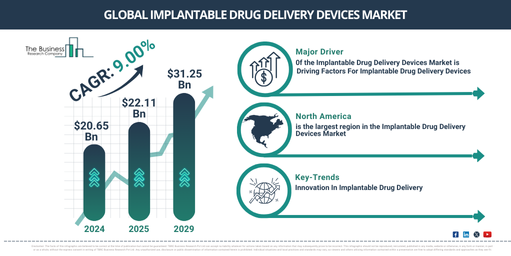
    In the recent past, the market for implantable drug delivery devices has experienced substantial expansion. This market is set to escalate from $20.65 billion in 2024 to $22.11 billion in 2025, with a compound annual growth rate (CAGR) of 7.1%. Factors contributing to the growth during the historical period can be ascribed to an older population, the widespread occurrence of chronic diseases, consumer awareness, an intensified emphasis on preventative healthcare, and rising demand for tailored medication.

    The market for implantable drug delivery devices is projected to experience substantial growth in the coming years, with its value expected to reach $31.25 billion by 2029, representing a compound annual growth rate (CAGR) of 9.0%. This anticipated expansion during the forecast period can be credited to factors such as personalized drug delivery, increased demand for less invasive surgical procedures, escalating healthcare expenditures, the global proliferation of healthcare, regenerative medicine, and genomic medicine. The forecast period is also anticipated to see major industry trends including technological innovation, the evolution of biotechnology, development of micro-implants, AI-powered dosage modifications, integration of telemedicine, the introduction of advanced biocompatible materials, and progressive advancements in drug delivery technology.

    Download a free sample to assess the report’s scope and structure:

    https://www.thebusinessresearchcompany.com/sample.aspx?id=3303&type=smp

    What Are the Primary Drivers Supporting the Market Growth of the Implantable Drug Delivery Devices Market?

    The growth in implantable drug delivery devices market is anticipated due to an upsurge in occurrences of diseases such as diabetic retinopathy, cancer, cardiovascular diseases, and other chronic conditions that require continuous medication. For instance in March 2024, statistics reported by the US-based government agency, Centers for Disease Control and Prevention, showed that the number of TB cases had escalated from 8,320 in 2022 to 9,615 in 2023. This indicates a jump of 1,295 cases or 16%. The ability of these implantable drug devices to administer site-specific medication, which aids in treating the target diseases, is indeed a significant driving factor for the growth of the implantable drug delivery devices market.

    Which Primary Segments of the Implantable Drug Delivery Devices Market Are Driving Growth and Industry Transformations?

    The implantable drug delivery devices market covered in this report is segmented –

    1) By Product: Contraceptive Implants, Spinal Implants, Brachytherapy Seeds, Drug-Eluting Stents, Bio-absorbable Stents, Intraocular Stents, Infusion Pumps, Other Applications

    2) By Technology: Diffusion, Osmotic, Magnetic, Other Technologies

    3) By Application: Contraception, Ophthalmology, Cardiovascular, Diabetes, Oncology, Autoimmune Diseases, Other Applications

    Subsegments:

    1) By Contraceptive Implants: Hormonal Contraceptive Implants, Non-hormonal Contraceptive Implants

    2) By Spinal Implants: Biodegradable Spinal Implants, Non-biodegradable Spinal Implants

    3) By Brachytherapy Seeds: Iodine-125 Seeds, Palladium-103 Seeds, Cesium-131 Seeds, Other Brachytherapy Seeds

    4) By Drug-Eluting Stents: Coronary Drug-Eluting Stents, Peripheral Drug-Eluting Stents

    5) By Bio-absorbable Stents: Polymer-based Bio-absorbable Stents, Metal-based Bio-absorbable Stents

    6) By Intraocular Stents: Glaucoma Intraocular Stents, Cataract Surgery Intraocular Stents

    7) By Infusion Pumps: Insulin Pumps, Chemotherapy Infusion Pumps, Pain Management Infusion Pumps, Other Infusion Pumps

    8) By Other Applications: Implantable Reservoirs, Implantable Micro-pumps, Implantable Drug Elution Devices

    Request customized data on this market:

    https://www.thebusinessresearchcompany.com/customise?id=3303&type=smp

    Which Regions Are Key Players in the Growth of the Implantable Drug Delivery Devices Market?

    North America was the largest region in the implantable drug delivery devices market in 2023. Asia-Pacific was the second-largest region in the implantable drug delivery devices market report. The regions covered in the implantable drug delivery devices market report are Asia-Pacific, Western Europe, Eastern Europe, North America, South America, Middle East, and Africa.

    What Key Market Trends and Innovations Are Shaping the Future of the Implantable Drug Delivery Devices Industry?

    Corporations and scientists are concentrating on the development of 3D printing substance for supportive implantable drug distribution devices. The term ‘3D printing materials for drug delivery devices’ refers to the specific materials utilized in additive manufacturing techniques, like 3D printing, for creating personalized and accurate drug administration systems. As an example, a study proposed by the National Center for Biotechnology Information (NCBI) in 2022 suggested combining 3D-printed implants with biodegradable rate-controlling membranes to create devices capable of prolonged delivery of hydrophobic drugs.

    View the full report here:

    https://www.thebusinessresearchcompany.com/report/implantable-drug-delivery-devices-global-market-report

    What Parameters Are Used to Define the Implantable Drug Delivery Devices Market?

    Implantable drug delivery devices are drug delivery systems implanted under the skin that transmit drugs into the bloodstream from a reservoir. These devices facilitate site-specific drug delivery and require smaller doses, thereby minimizing side effects.

    Purchase the full report and get a swift delivery:

    https://www.thebusinessresearchcompany.com/purchaseoptions.aspx?id=3303

    About The Business Research Company:

    With over 15000+ reports from 27 industries covering 60+ geographies, The Business Research Company has built a reputation for offering comprehensive, data-rich research and insights. Armed with 1,500,000 datasets, the optimistic contribution of in-depth secondary research, and unique insights from industry leaders, you can get the information you need to stay ahead in the game.

    Get in touch with us:

    The Business Research Company: https://www.thebusinessresearchcompany.com/

    Americas +1 3156230293

    Asia +44 2071930708

    Europe +44 2071930708

    Email us at info@tbrc.info

    Follow us on:

    LinkedIn: https://in.linkedin.com/company/the-business-research-company

    YouTube: https://www.youtube.com/channel/UC24_fI0rV8cR5DxlCpgmyFQ

    Global Market Model: https://www.thebusinessresearchcompany.com/global-market-model

  • Immunochemistry Diagnostic Devices And Equipment Market 2025-2034: Key Highlights, Growth Dynamics, and Emerging Trends

    Discover trends, market shifts, and competitive outlooks for the immunochemistry diagnostic devices and equipment industry through 2025-2034 with The Business Research Company’s reliable data and in-depth research

    What Is the Current and Projected Market Size of the Immunochemistry Diagnostic Devices And Equipment Market Through 2034?

    The market size for immunochemistry diagnostic devices and equipment has seen rapid expansion in the past few years. It is projected to rise from $3.51 billion in 2024 to $4.01 billion in 2025 with a compound annual growth rate (CAGR) of 14.2%. Factors contributing to the growth during the historic period include disease detection, advancements in healthcare, point-of-care testing, and therapeutic monitoring.

    The scale of the immunochemistry diagnostic devices and equipment market is projected to experience a speedy expansion within the following years. This market is predicted to reach a value of $6.45 billion by 2029, growing at a compound annual growth rate (CAGR) of 12.7%. The accelerated augmentation during the predicted period may be credited to factors such as the aging population, advancements in companion diagnostics, introduction of telemedicine and remote monitoring, and discovery of biomarkers. Key market trends expected during this period include miniaturization and portability, the rise of multiplex testing, automation of systems, and integration of biosensors.

    Download a free sample to assess the report’s scope and structure:

    https://www.thebusinessresearchcompany.com/sample.aspx?id=2547&type=smp

    How Are Key Drivers in the Industry Acting as Catalysts for the Growth of the Immunochemistry Diagnostic Devices And Equipment Market?

    The rise in the occurrence rate of particular diseases greatly influences the market for immunochemistry diagnostic tools and equipment. There’s a global increase in diseases like viral infections, cardiovascular ailments, cancer, and hormonal imbalances, mostly attributed to unhealthy lifestyle habits. As an illustration, statistics from the American Heart Association indicate that cardiovascular disease is currently the primary cause of death worldwide, with more than 17.6 million mortalities annually. This figure is projected to surge to over 23.6 million by the year 2030.

    Which Segments in the Immunochemistry Diagnostic Devices And Equipment Offer the Most Growth?

    The immunochemistry diagnostic devices and equipment market covered in this report is segmented –

    1) By Product Type: Immunochemistry Analyzers, Immunochemistry Stainers, Incubators, Microscopes, Centrifuges, Autoclaves, Consumables

    2) By Consumables: Antibodies, Antigens, Enzymes, Reagents, Stains, Buffers, Disposables, Other Consumables

    3) By Application: Endocrinology, Oncology, Cardiology, Therapeutic Drug Development And Monitoring, Infectious Disease Testing, Drugs Of Abuse Testing, Other Applications

    4) By End Users: Hospitals And Clinics, Diagnostic Laboratories, Research Labs And Institutes, Biopharmaceutical And Biotechnology Companies, Other End Users

    Subsegments:

    1) By Immunochemistry Analyzers: Chemiluminescence Immunoassay (CLIA) Analyzers, Enzyme-Linked Immunosorbent Assay (ELISA) Analyzers, Radioimmunoassay (RIA) Analyzers, Fluorescence Immunoassay (FIA) Analyzers

    2) By Immunochemistry Stainers: Automated Stainers, Manual Stainers

    3) By Incubators: CO2 Incubators, Shaking Incubators, Heated Incubators

    4) By Microscopes: Light Microscopes, Fluorescence Microscopes, Electron Microscopes

    5) By Centrifuges: Microcentrifuges, Refrigerated Centrifuges, Ultracentrifuges

    6) By Autoclaves: Tabletop Autoclaves, Vertical Autoclaves, Horizontal Autoclaves

    7) By Consumables: Reagents and Kits, Test Plates, Filters and Membranes, Microplates and Accessories

    Request customized data on this market:

    https://www.thebusinessresearchcompany.com/customise?id=2547&type=smp

    What Are the Fastest-Growing Geographies in the Immunochemistry Diagnostic Devices And Equipment Market?

    North America was the largest region in the global immunochemistry diagnostic devices and equipment market in 2023. Asia-Pacific was the second-largest region in the immunochemistry diagnostic devices and equipment market. The regions covered in the immunochemistry diagnostic devices and equipment market report are Asia-Pacific, Western Europe, Eastern Europe, North America, South America, Middle East, and Africa.

    Which Technological Trends Are Reshaping the Immunochemistry Diagnostic Devices And Equipment Industry Dynamics?

    The immunochemistry diagnostic devices and equipment market is experiencing growing investment in automated immunoassay systems by companies. The primary driver for this trend is the enhanced capability of diagnostic devices facilitated by automation, allowing for the testing of larger volumes of patient specimens. There’s also been improved efficiency in the analytical phase of clinical chemistry laboratory testing due to the advent of several integrated clinical chemistry systems, leading to further automation. An example of this is the ichroma-50, an automatic immunoassay analyzer from Boditech Med Inc, which significantly reduces labor costs and potential human error by rapidly measuring the concentration of targeted analytes in various body fluids like blood and urine, among other samples.

    View the full report here:

    https://www.thebusinessresearchcompany.com/report/immunochemistry-diagnostic-devices-and-equipment-global-market-report

    What Are the Key Elements That Define the Immunochemistry Diagnostic Devices And Equipment Market?

    Immunochemistry diagnostic devices and equipment refer to medical tools used to detect and measure specific proteins, hormones, or other substances in the body by leveraging immune reactions. These devices are used for diagnosing diseases, monitoring treatment, and assessing health conditions through tests like hormone assays, cancer markers, and infectious disease detection. Immunochemistry equipment is crucial in laboratories and healthcare settings for accurate and efficient diagnostic testing.

    Purchase the full report and get a swift delivery:

    https://www.thebusinessresearchcompany.com/purchaseoptions.aspx?id=2547

    About The Business Research Company:

    With over 15000+ reports from 27 industries covering 60+ geographies, The Business Research Company has built a reputation for offering comprehensive, data-rich research and insights. Armed with 1,500,000 datasets, the optimistic contribution of in-depth secondary research, and unique insights from industry leaders, you can get the information you need to stay ahead in the game.

    Get in touch with us:

    The Business Research Company: https://www.thebusinessresearchcompany.com/

    Americas +1 3156230293

    Asia +44 2071930708

    Europe +44 2071930708

    Email us at info@tbrc.info

    Follow us on:

    LinkedIn: https://in.linkedin.com/company/the-business-research-company

    YouTube: https://www.youtube.com/channel/UC24_fI0rV8cR5DxlCpgmyFQ

    Global Market Model: https://www.thebusinessresearchcompany.com/global-market-model
  • Emerging Trends Redefining the Home Furnishings And Floor Coverings Market Landscape: Innovative Hospital Sterile Container System

    Discover trends, market shifts, and competitive outlooks for the hospital supplies industry through 2025-2034 with The Business Research Company’s reliable data and in-depth research

    What Are the Key Milestones in the Hospital Supplies Market’s Growth Trajectory From 2025 To 2034?

    The expansion of the hospital supplies market has been quite substantial in the past few years. The market, which was valued at $52.4 billion in 2024, is expected to soar to $56.15 billion in 2025, marking a compound annual growth rate (CAGR) of 7.1%. Factors such as the development of healthcare infrastructure, an aging populace, regulatory compliance, economic expansion, and progress in medical device and supply technology have significantly contributed to the growth during the historical period.

    The market size of hospital supplies is projected to experience significant expansion in the upcoming years, reaching a value of $71.94 billion in 2029, with a compound annual growth rate (CAGR) of 6.4%. Factors such as preparedness for pandemics, advancements in telemedicine and remote monitoring, sustainability efforts, value-oriented care, and the growth of emerging markets can be credited for this growth during the projected period. Key trends during the forecast period encompass single-use medical devices, remote management of supply chains, 3D printing in medical supplies sector, intelligent hospital supplies, and highly personalized supplies.

    Download a free sample to assess the report’s scope and structure:

    https://www.thebusinessresearchcompany.com/sample.aspx?id=1973&type=smp

    What Are the Core Market Drivers Propelling Growth in the Hospital Supplies Industry?

    The hospital supplies market growth is predicted to be driven by the rising number of hospitals. Hospitals, being institutions that offer medical and surgical services to the sick and injured, depend heavily on a vast range of medical appliances and supplies to give top-notch care to patients. For example, the American Hospital Association (AHA), a renowned healthcare organization that represents American hospitals and health care systems, revealed in a report in May 2023 that the count of hospitals surged to 6,129 from 6,093 in 2022. Additionally, the total patient admissions across all U.S. hospitals climbed up to 34,011,386 from 33,356,853 in 2022. Consequently, the swelling count of hospitals is likely to fuel the expansion of the hospital supplies market.

    How Is the Hospital Supplies Market Segmented?

    The hospital supplies market covered in this report is segmented –

    1) By Type: Disposable Hospital Supplies, Sterilization Equipment And Disinfectants, Mobility Aids And Transportation Equipment, Operating Room Equipment

    2) By End User: Hospitals And Clinics, Diagnostic Laboratories, Other End Users

    3) By Type of Expenditure: Public, Private

    4) By Product: Instruments Or Equipment, Disposables

    Subsegments:

    1) By Disposable Hospital Supplies: Surgical Masks, Gloves, Drapes And Gowns, IV Consumables, Wound Care Products

    2) By Sterilization Equipment And Disinfectants: Sterilizers (Autoclaves), Disinfectants Andsanitizers, Sterilization Indicators, UV Sterilizers

    3) By Mobility Aids And Transportation Equipment: Wheelchairs, Walkers, Crutches, Patient Lifts, Stretchers

    4) By Operating Room Equipment: Surgical Tables, Operating Room Lights, Surgical Instruments, Anesthesia Machines, Patient Monitors

    Request customized data on this market:

    https://www.thebusinessresearchcompany.com/customise?id=1973&type=smp

    Which Regions Are Driving the Next Phase of the Hospital Supplies Market Growth?

    Asia-Pacific was the largest region in the global hospital supplies market in 2023. North America was the second largest region in the global hospital supplies market. The regions covered in the hospital supplies market report are Asia-Pacific, Western Europe, Eastern Europe, North America, South America, Middle East, and Africa.

    What Long-Term Trends Are Transforming the Competitive Landscape of the Hospital Supplies Market?

    Prominent businesses in the Hospital Supplies market are concentrating on creating innovative products such as the AESCULAP Aicon Sterile Container System, with the aim to boost market profitability. The design of the AESCULAP Aicon Sterile Container System primarily focuses on enhancing efficiency and minimizing the occurrence of wet sets. For example, Aesculap Inc., a surgical instruments producing company in the United States, introduced its AESCULAP Aicon Sterile Container System in March 2022. This sterile container system is built to simplify operations and significantly reduce the chance of sets getting damp. The system ensures complete sterilization, thus reducing the possibility of surgical delays in the operating room due to unprepared sets.

    View the full report here:

    https://www.thebusinessresearchcompany.com/report/hospital-supplies-global-market-report

    How Is the Hospital Supplies Market Defined and What Are Its Core Parameters?

    Hospital supplies include essential products and equipment used in healthcare settings to support patient care and medical procedures. They are critical for ensuring efficient, safe, and effective medical services in hospitals and healthcare facilities.

    Purchase the full report and get a swift delivery:

    https://www.thebusinessresearchcompany.com/purchaseoptions.aspx?id=1973

    About The Business Research Company:

    With over 15000+ reports from 27 industries covering 60+ geographies, The Business Research Company has built a reputation for offering comprehensive, data-rich research and insights. Armed with 1,500,000 datasets, the optimistic contribution of in-depth secondary research, and unique insights from industry leaders, you can get the information you need to stay ahead in the game.

    Get in touch with us:

    The Business Research Company: https://www.thebusinessresearchcompany.com/

    Americas +1 3156230293

    Asia +44 2071930708

    Europe +44 2071930708

    Email us at info@tbrc.info

    Follow us on:

    LinkedIn: https://in.linkedin.com/company/the-business-research-company

    YouTube: https://www.youtube.com/channel/UC24_fI0rV8cR5DxlCpgmyFQ

    Global Market Model: https://www.thebusinessresearchcompany.com/global-market-model
  • From Insight to Impact: Strategic Growth Mapping in the Hemostasis Diagnostic Devices And Equipment Market

    From Insight to Impact: Strategic Growth Mapping in the Hemostasis Diagnostic Devices And Equipment Market

    Discover trends, market shifts, and competitive outlooks for the hemostasis diagnostic devices and equipment industry through 2025-2034 with The Business Research Company’s reliable data and in-depth research

    How Fast Is The Hemostasis Diagnostic Devices And Equipment Market Expected to Grow Between 2025 And 2029?

    The market size for diagnostic devices and equipment used in hemostasis has seen a significant boom in recent times. A leap is expected from $5.29 billion in 2024 to $6.18 billion in 2025, reflecting a compound annual growth rate (CAGR) of 16.8%. The historical growth trajectory is due, in part, to factors such as clinical diagnostics, surgical operations, monitoring of anticoagulant therapy, hemophilia, and bleeding disorders.

    In the coming years, the market size for hemostasis diagnostic devices and equipment is anticipated to witness significant expansion. It is projected to surge to $10.36 billion by 2029, exhibiting a compound annual growth rate (CAGR) of 13.8%. The anticipated growth during the forecast period can be traced back to factors such as an aging populace, prevalence of cardiovascular and chronic diseases, the streamlining of personalized medicine, and an increase in surgical procedures. Key trends to watch during the forecast period encompass point-of-care testing, the escalation of automation and robotics, the discovery of biomarkers, as well as the growth of telemedicine and remote monitoring.

    Download a free sample to assess the report’s scope and structure:

    https://www.thebusinessresearchcompany.com/sample.aspx?id=2598&type=smp

    What are the Fundamental Drivers and Innovations Shaping the Hemostasis Diagnostic Devices And Equipment Market?

    The growing predisposition of the elderly to disease diagnoses is propelling the use of hemostasis devices in surgeries for cardiovascular diseases (CVD). The prevalence of diseases rises with age, prompting an increased demand for surgeries among senior patients. Hemostasis gadgets demonstrate high efficiency in hastening the clotting process in blood, and they enable monitoring of anticoagulation and offer guidance on transfusion therapy during surgeries. As per a report by the American Heart Association, there’s a high risk of developing CVD in Americans over 80 – approximately 83% of the male population and 87.1% of the female population are likely to suffer from some form of CVD. Thus, hemostasis devices are extensively used to enhance patients’ comfort and increase surgical success rates.

    How Is the Hemostasis Diagnostic Devices And Equipment Market Segmented?

    The hemostasis diagnostic devices and equipment market covered in this report is segmented –

    1) By Product: Analyzers, Coagulation Instrument, Other Hemostasis Instruments, Reagents and Kits

    2) By Device Technology: Automated, Semi-Automated, Manual

    3) By End User: Hospitals, Clinics, Independent Diagnostic, Laboratories, Other End Users

    Subsegments:

    1) By Analyzers: Hematology Analyzers, Platelet Function Analyzers, Thromboelastography (TEG) Analyzers

    2) By Coagulation Instruments: Prothrombin Time (PT) Instruments, Activated Partial Thromboplastin Time (aPTT) Instruments, Fibrinogen Testing Instruments, Thrombin Time (TT) Instruments

    3) By Other Hemostasis Instruments: Blood Clotting Time (BCT) Instruments, Bleeding Time (BT) Test Devices, Hemostatic Forceps and Clips

    4) By Reagents and Kits: Coagulation Reagents, Blood Collection Kits, Point-of-care Testing Kits, Thrombosis Kits

    Request customized data on this market:

    https://www.thebusinessresearchcompany.com/customise?id=2598&type=smp

    Which Regions Are Driving the Next Phase of the Hemostasis Diagnostic Devices And Equipment Market Growth?

    North America was the largest region in the global hemostasis diagnostic devices and equipment market in 2023. Asia-Pacific was the second-largest region in the hemostasis diagnostic devices and equipment market. The regions covered in the hemostasis diagnostic devices and equipment market report are Asia-Pacific, Western Europe, Eastern Europe, North America, South America, Middle East, and Africa.

    Which Emerging Trends that Are Influencing the Hemostasis Diagnostic Devices And Equipment Industry Evolution?

    The introduction of more advanced technology in the sector of hemostasis diagnostic devices and equipment has arisen. The implementation of more efficient technology such as collagen vascular hemostasis devices enhances the quality and success rate of surgical procedures. Collagen, the main structural protein in skin and other connective tissues, is now being extensively used in the hemostasis diagnostic devices market, following its use in purified form for cosmetic surgical operations. Utilizing collagen-based closure devices becomes necessary when a patient becomes immobilized post a femoral surgery, elevating discomfort. Based on a study by the American Journal of Neuroradiology surveying 698 Angio-Seal closures, it was found that implementing the Angio Seal reduced the average mobilization time by nearly 15 minutes without any major consequences. The Angio seal is a type of collagen hemostasis device that lessens the average hemostasis time and enhances patient mobility.

    View the full report here:

    https://www.thebusinessresearchcompany.com/report/hemostasis-diagnostic-devices-and-equipment-global-market-report

    How Is the Hemostasis Diagnostic Devices And Equipment Market Defined and What Are Its Core Parameters?

    Hemostasis diagnostic devices and equipment are specialized tools used to assess the blood clotting process and diagnose bleeding disorders. These devices help healthcare professionals monitor and evaluate various aspects of hemostasis, such as clot formation and dissolution.

    Purchase the full report and get a swift delivery:

    https://www.thebusinessresearchcompany.com/purchaseoptions.aspx?id=2598

    About The Business Research Company:

    With over 15000+ reports from 27 industries covering 60+ geographies, The Business Research Company has built a reputation for offering comprehensive, data-rich research and insights. Armed with 1,500,000 datasets, the optimistic contribution of in-depth secondary research, and unique insights from industry leaders, you can get the information you need to stay ahead in the game.

    Get in touch with us:

    The Business Research Company: https://www.thebusinessresearchcompany.com/

    Americas +1 3156230293

    Asia +44 2071930708

    Europe +44 2071930708

    Email us at info@tbrc.info

    Follow us on:

    LinkedIn: https://in.linkedin.com/company/the-business-research-company

    YouTube: https://www.youtube.com/channel/UC24_fI0rV8cR5DxlCpgmyFQ

    Global Market Model: https://www.thebusinessresearchcompany.com/global-market-model
  • Hematology Diagnostic Devices And EquipmentMarket Overview 2025–2034: CAGR Trends, Long-Term Growth Paths, and Business Implications

    Hematology Diagnostic Devices And EquipmentMarket Overview 2025–2034: CAGR Trends, Long-Term Growth Paths, and Business Implications

    Discover trends, market shifts, and competitive outlooks for the hematology diagnostic devices and equipment industry through 2025-2034 with The Business Research Company’s reliable data and in-depth research

    What Are the Key Projections for the CAGR of the Hematology Diagnostic Devices And Equipment Market Size From 2025 to 2034?

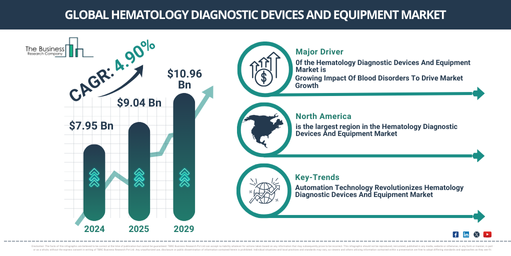
    In recent times, there has been a significant expansion in the market size of hematology diagnostic devices and equipment. The market is projected to increase from $7.95 billion in 2024 to $9.04 billion in 2025, indicating a compound annual growth rate (CAGR) of 13.7%. Contributing factors to this growth over the historical period comprise of elements including clinical diagnostics, blood banking, oncology, hematological disorders, and disease progression monitoring.

    The market size for hematology diagnostic devices and equipment is predicted to experience consistent growth in the coming years, expanding to $10.96 billion by 2029 with a compound annual growth rate (CAGR) of 4.9%. This growth during the predicted period can be ascribed to factors such as an increasing elderly population, the uptake in personalized medicine, the rise in blood-related disorders, and hematological biomarkers. Significant trends for the anticipated period comprise technological progression, point-of-care hematology testing, automation and integration, as well as telemedicine and remote monitoring.

    Download a free sample to assess the report’s scope and structure:

    https://www.thebusinessresearchcompany.com/sample.aspx?id=2536&type=smp

    What Are the Primary Drivers Supporting the Market Growth of the Hematology Diagnostic Devices And Equipment Market?

    The demand for hematology diagnostic equipment is intensifying due to a rise in the incidence of blood disorders. Such devices are commonly deployed to determine the specific type of blood malady. These conditions can affect the counts of various blood cells, such as red and white blood cells and platelets. These disorders can affect people of any age, ethnicity, and gender, impacting millions worldwide each year. For example, the World Health Organization reports that the Hemoglobin disorder is present in 75% of all global births, while Anemia prevalence stands at 12.7% among men.

    Which Primary Segments of the Hematology Diagnostic Devices And Equipment Market Are Driving Growth and Industry Transformations?

    The hematology diagnostic devices and equipment market covered in this report is segmented –

    1) By Product: Instruments, Consumables

    2) By Instruments: Analyzers, Flow cytometers, Other Instruments

    3) By Consumables: Reagents, Stains, Other Consumables

    4) By Application: Drug Testing, Auto-Immune Disease, Cancer, Diabetes Mellitus, Infectious Disease, Other Applications

    5) By End User: Hospitals, Specialized Diagnostic Centers, Specialized Research Institutes

    Subsegments:

    1) By Instruments: Hematology Analyzers, Flow Cytometers, Coagulation Analyzers, Hemoglobin Analyzers, Blood Gas Analyzers

    2) By Consumables: Reagents, Test Strips, Blood Collection Tubes, Slides and Cover Slips, Others (calibration and quality control materials)

    Request customized data on this market:

    https://www.thebusinessresearchcompany.com/customise?id=2536&type=smp

    Which Regions Are Key Players in the Growth of the Hematology Diagnostic Devices And Equipment Market?

    North America was the largest region in the global hematology diagnostics devices and equipment market in 2023. Asia-Pacific was the second-largest region in the hematology diagnostics devices and equipment market. The regions covered in the hematology diagnostic devices and equipment market report are Asia-Pacific, Western Europe, Eastern Europe, North America, South America, Middle East, and Africa.

    What Key Trends Are Shaping the Future of the Hematology Diagnostic Devices And Equipment Market?

    Automation technology is being increasingly invested in by companies involved in hematology diagnostic devices. The advancements in automation technology are propelling the demand for hematology analyzers, as they minimize errors associated with manual procedures at diagnostic centers. Prominent companies like Sysmex, for instance, have received a CLIA waiver for their new automated hematology analyzer. Sysmex can now sell this product, enabling clinical facilities to conduct hematology tests devoid of any manual errors. CLIA regulations set quality standards for laboratory tests conducted on human specimens, such as blood, body fluids, and tissues, for diagnosing, preventing, or treating diseases, or evaluation of health.

    View the full report here:

    https://www.thebusinessresearchcompany.com/report/hematology-diagnostic-devices-and-equipment-global-market-report

    What Parameters Are Used to Define the Hematology Diagnostic Devices And Equipment Market?

    Hematology diagnostic devices and equipment are essential tools used in the medical field to analyze blood samples for various conditions and diseases. These devices help in diagnosing disorders such as anemia, leukemia, and other blood-related conditions. The advancement of these devices has improved the accuracy, speed, and efficiency of hematological testing, aiding healthcare professionals in making timely and informed clinical decisions.

    Purchase the full report and get a swift delivery:

    https://www.thebusinessresearchcompany.com/purchaseoptions.aspx?id=2536

    About The Business Research Company:

    With over 15000+ reports from 27 industries covering 60+ geographies, The Business Research Company has built a reputation for offering comprehensive, data-rich research and insights. Armed with 1,500,000 datasets, the optimistic contribution of in-depth secondary research, and unique insights from industry leaders, you can get the information you need to stay ahead in the game.

    Get in touch with us:

    The Business Research Company: https://www.thebusinessresearchcompany.com/

    Americas +1 3156230293

    Asia +44 2071930708

    Europe +44 2071930708

    Email us at info@tbrc.info

    Follow us on:

    LinkedIn: https://in.linkedin.com/company/the-business-research-company

    YouTube: https://www.youtube.com/channel/UC24_fI0rV8cR5DxlCpgmyFQ

    Global Market Model: https://www.thebusinessresearchcompany.com/global-market-model
  • Next-Gen Magnetic Resonance Imaging Systems Devices And Equipment : Market Forecast, Transformation, and Long-Term Trajectories

    Next-Gen Magnetic Resonance Imaging Systems Devices And Equipment : Market Forecast, Transformation, and Long-Term Trajectories

    Discover trends, market shifts, and competitive outlooks for the magnetic resonance imaging systems devices and equipment industry through 2025-2034 with The Business Research Company’s reliable data and in-depth research

    What Is the Current and Projected Market Size of the Magnetic Resonance Imaging Systems Devices And Equipment Market Through 2034?

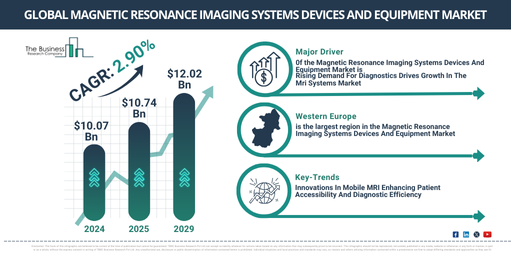
    The scale of the magnetic resonance imaging systems devices and equipment market has significantly increased in the past few years. The market, which stood at $10.07 billion in 2024, is predicted to escalate to $10.74 billion in 2025, showcasing a compound annual growth rate (CAGR) of 6.6%. The previous expansion in this market sector can be credited to the progress in diagnostic imaging, an increase in the elderly population, urgent and emergency care services, as well as oncology and cancer diagnosis.

    The market size for magnetic resonance imaging systems, devices, and equipment is projected to witness consistent expansion in the upcoming years. It’s estimated to reach a value of $12.02 billion in 2029, growing at a compound annual growth rate (CAGR) of 2.9%. This projected growth within the forecast period can be associated with factors such as the expansion of emerging markets, regulatory backing, radiation reduction measures, and value-focused healthcare. Noteworthy trends expected during this period include high-field and ultra-high-field mri, cardiac mri, musculoskeletal mri, and hybrid imaging.

    Download a free sample to assess the report’s scope and structure:

    https://www.thebusinessresearchcompany.com/sample.aspx?id=3812&type=smp

    Which Major Market Drivers Are Expected to Boost the Growth Potential of the Magnetic Resonance Imaging Systems Devices And Equipment Market?

    The surge in lifestyle changes, advancements in technology, and a higher incidence of chronic illnesses are fueling the need for diagnostics, thereby propelling the MRI systems market growth. MRI systems, which generate detailed, three-dimensional anatomical images of the human body, play a crucial role in diagnosis, the identification of diseases, and monitoring treatment. The escalating health worries are boosting the usage of medical imaging technologies in healthcare facilities for diagnostic purposes. To illustrate, in India, the accessibility of the healthcare system is improved by 150,000 health and wellness centres that operate on a budget of $1.8 billion. The growing awareness about health and the significance of health insurance are also contributing considerably to the market growth.

    Which Key Market Segments Comprise the Magnetic Resonance Imaging Systems Devices And Equipment Market and Drive Its Revenue Growth?

    The magnetic resonance imaging systems devices and equipment market covered in this report is segmented –

    1) By Type: Close MRI, Open MRI

    2) By Application: Oncology, Neurology, Cardiology, Inflamatory and Infectious Diseases, Other Applications

    3) By End User: Hospitals, Imaging centers, Ambulatory surgical centers

    Subsegments:

    1) By Close MRI: High-field MRI, Low-field MRI, Very High-field MRI

    2) By Open MRI: Open High-field MRI, Open Low-field MRI

    Request customized data on this market:

    https://www.thebusinessresearchcompany.com/customise?id=3812&type=smp

    Which Areas Are Leading Regions in the Magnetic Resonance Imaging Systems Devices And Equipment Market Expansion Across the Globe?

    Western Europe was the largest region in the global magnetic resource imaging devices and equipment market in 2023. North America was the second-largest region in global magnetic resource imaging devices and equipment market. The regions covered in the magnetic resonance imaging systems devices and equipment market report are Asia-Pacific, Western Europe, Eastern Europe, North America, South America, Middle East, and Africa.

    Which Cutting-Edge Market Trends Are Expected to Drive the Magnetic Resonance Imaging Systems Devices And Equipment Market’s Growth?

    Companies that dominate the market for devices and equipment used in magnetic resonance imaging (MRI) are focussed on the development of mobile MRI scanning devices as a way to increase patient access, minimize transportation to imaging facilities, and deliver efficient diagnostic services at the point of care. A mobile MRI scanner is a portable unit that’s built to deliver imaging services in various non-hospital settings. The scanner operates on a field strength of 1.5T, ensuring it provides high-quality imaging equivalent to traditional fixed systems. Siemens Healthineers AG, a Germany-based company, for example, unveiled MAGNETOM Viato.Mobile, a mobile MRI scanner, in November 2022. The scanner, which has a 70 cm open bore, is designed to cater to a broader spectrum of patients, including ones that may feel uncomfortable in traditional bore MRI systems. Moreover, the MAGNETOM Viato.Mobile incorporates remote scanning and reading facilities, thus improving operational efficiency and allowing for expert consultations from remote locations via platforms such as the syngo Virtual Cockpit and WeScan.

    View the full report here:

    https://www.thebusinessresearchcompany.com/report/magnetic-resonance-imaging-systems-devices-and-equipment-global-market-report

    How Is the Magnetic Resonance Imaging Systems Devices And Equipment Market Conceptually Defined?

    Magnetic Resonance Imaging (MRI) systems, devices, and equipment are advanced medical technologies used to create detailed images of the organs and tissues within the body. These systems utilize strong magnetic fields, radio waves, and computer processing to generate high-resolution images, which are critical for diagnosing various medical conditions, including tumors, neurological disorders, and musculoskeletal injuries. MRI systems are classified into different types, each designed to meet specific diagnostic needs and patient comfort levels.

    Purchase the full report and get a swift delivery:

    https://www.thebusinessresearchcompany.com/purchaseoptions.aspx?id=3812

    About The Business Research Company:

    With over 15000+ reports from 27 industries covering 60+ geographies, The Business Research Company has built a reputation for offering comprehensive, data-rich research and insights. Armed with 1,500,000 datasets, the optimistic contribution of in-depth secondary research, and unique insights from industry leaders, you can get the information you need to stay ahead in the game.

    Get in touch with us:

    The Business Research Company: https://www.thebusinessresearchcompany.com/

    Americas +1 3156230293

    Asia +44 2071930708

    Europe +44 2071930708

    Email us at info@tbrc.info

    Follow us on:

    LinkedIn: https://in.linkedin.com/company/the-business-research-company

    YouTube: https://www.youtube.com/channel/UC24_fI0rV8cR5DxlCpgmyFQ

    Global Market Model: https://www.thebusinessresearchcompany.com/global-market-model

  • Strong CAGR to Propel in the Handheld Surgical Devices And Equipment Market and Beyond upto $13.79 Billion by 2029

    Strong CAGR to Propel in the Handheld Surgical Devices And Equipment Market and Beyond upto $13.79 Billion by 2029

    Discover trends, market shifts, and competitive outlooks for the handheld surgical devices and equipment industry through 2025-2034 with The Business Research Company’s reliable data and in-depth research

    What Are the Key Milestones in the Handheld Surgical Devices And Equipment Market’s Growth Trajectory From 2025 To 2034?

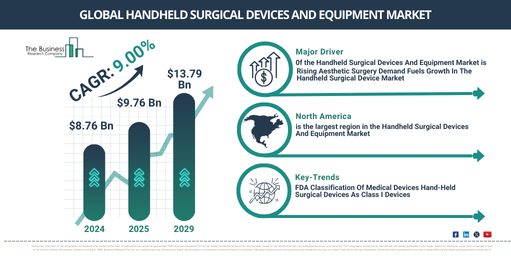
    The market for handheld surgical devices and equipment has experienced a significant expansion in the past years. The market is expected to increase from $8.76 billion in 2024 to a staggering $9.76 billion in 2025, with an impressive compound annual growth rate (CAGR) of 11.4%. Reasons for this growth during the historical period include factors such as the aging population, the growth of minimally invasive surgery (mis), advancements in healthcare infrastructure, and a strong adherence to regulatory compliance.

    The market size of handheld surgical devices and equipment is anticipated to experience robust growth in the upcoming years, expanding to $13.79 billion in 2029 with a compound annual growth rate (CAGR) of 9.0%. The expected growth during the forecast period can be attributed to factors such as telemedicine and remote surgery, growth in emerging markets, advancements in robotics and automation, and personalized medicine. Dominant trends in this forecast period embrace the miniaturization and portability of devices, smart and interconnected devices, utilization of sustainable and eco-friendly materials, and the integration of augmented reality (AR) and virtual reality (VR).

    Download a free sample to assess the report’s scope and structure:

    https://www.thebusinessresearchcompany.com/sample.aspx?id=2420&type=smp

    Which Primay Drivers Are Accelerating Growth in the Handheld Surgical Devices And Equipment Market?

    The handheld surgical devices and equipment market is propelled by a rising interest in aesthetic surgeries. This surging demand can be linked to a growth in disposable income per head. As per the 2022 ASPS data, approximately 1.5 million cosmetic procedures were executed in that year alone. In 2022, liposuction took the lead as the most popular cosmetic surgery, with an astonishing 325,669 surgeries completed.

    Which Primary Segments of the Handheld Surgical Devices And Equipment Market Are Driving Growth and Industry Transformations?

    The handheld surgical devices and equipment market covered in this report is segmented –

    1) By Product: Scalpels, Forceps, Retractor, Dilators, Graspers, Other Products

    2) By Application, Neurosurgery, Cardiovascular, Orthopedic, Plastic And Reconstructive Surgery, Obstetrics And Gynecology, Other Applications

    3) By End-User: Hospitals, Specialized Clinics, Long-Term Care Centers, Ambulatory Surgery Centers, Other End Users

    Subsegments:

    1) By Scalpels: Disposable Scalpels, Reusable Scalpels

    2) By Forceps: Hemostatic Forceps, Tissue Forceps, Surgical Forceps

    3) By Retractors: Handheld Retractors, Self-Retaining Retractors

    4) By Dilators: Urethral Dilators, Cervical Dilators, Esophageal Dilators

    5) By Graspers: Laparoscopic Graspers, Endoscopic Graspers

    6) By Other Products: Surgical Hooks, Scissors, Clamps, Spatulas, Needle Holders

    Request customized data on this market:

    https://www.thebusinessresearchcompany.com/customise?id=2420&type=smp

    Which Regions Are Key Players in the Growth of the Handheld Surgical Devices And Equipment Market?

    North America was the largest region in the global handheld surgical devices market in 2023. Western Europe was the second-largest region in the global handheld surgical devices market. The regions covered in the handheld surgical devices and equipment market report are Asia-Pacific, Western Europe, Eastern Europe, North America, South America, Middle East, and Africa.

    What Key Market Trends and Innovations Are Shaping the Future of the Handheld Surgical Devices And Equipment Industry?

    The FDA classifies medical devices into three categories: Class I, Class II, and Class III, based on their associated risks and the regulatory measures required to ensure their safety and effectiveness. Hand-held surgical instruments are non-electrical devices manipulated by hand, such as scalpels, forceps, and retractors, and are designed for various general surgeries. Such hand-held surgical devices fall under the category of Class I medical devices. This class generally poses the least risk to patients and users. These devices are excused from premarket notification procedures 510(k).

    View the full report here:

    https://www.thebusinessresearchcompany.com/report/handheld-surgical-devices-and-equipment-global-market-report

    What Parameters Are Used to Define the Handheld Surgical Devices And Equipment Market?

    Hand-held surgical devices and equipment are nonpowered, hand-held, or hand-manipulated devices such as scalpels, forceps, retractors, intended to be used in various general surgical procedures.

    Purchase the full report and get a swift delivery:

    https://www.thebusinessresearchcompany.com/purchaseoptions.aspx?id=2420

    About The Business Research Company:

    With over 15000+ reports from 27 industries covering 60+ geographies, The Business Research Company has built a reputation for offering comprehensive, data-rich research and insights. Armed with 1,500,000 datasets, the optimistic contribution of in-depth secondary research, and unique insights from industry leaders, you can get the information you need to stay ahead in the game.

    Get in touch with us:

    The Business Research Company: https://www.thebusinessresearchcompany.com/

    Americas +1 3156230293

    Asia +44 2071930708

    Europe +44 2071930708

    Email us at info@tbrc.info

    Follow us on:

    LinkedIn: https://in.linkedin.com/company/the-business-research-company

    YouTube: https://www.youtube.com/channel/UC24_fI0rV8cR5DxlCpgmyFQ

    Global Market Model: https://www.thebusinessresearchcompany.com/global-market-model

  • Global Gynecology Medical Lasers Market Projected to Reach $2.32 Billion by 2029 at a CAGR of 37.9%

    Global Gynecology Medical Lasers Market Projected to Reach $2.32 Billion by 2029 at a CAGR of 37.9%

    Discover trends, market shifts, and competitive outlooks for the gynecology medical lasers industry through 2025-2034 with The Business Research Company’s reliable data and in-depth research

    What Is the Estimated Market Size of the Gynecology Medical Lasers Market In 2029?

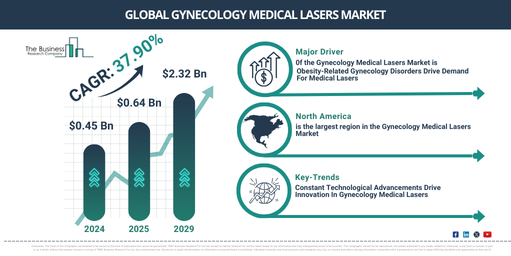
    The market size for gynecology medical lasers has seen massive growth recently, expanding from $0.45 billion in 2024 to $0.64 billion in 2025, boasting a compound annual growth rate (CAGR) of 43.9%. The historic growth period is largely due to a higher incidence of gynecological cancers, an increase in cosmetic gynecology procedures, an escalation in disposable incomes, and an intensified focus on preventive healthcare.

    In the coming years, the market for gynecology medical lasers is set to experience a significant expansion, with an anticipated worth of $2.32 billion by 2029, reflecting a compound annual growth rate (CAGR) of 37.9%. The expected surge during this period will be driven by factors such as the aging population and management of menopause, the increased awareness of gynecological health, worldwide growth of gynecological services, inclusion of telemedicine, and the prevalence of minimally invasive procedures. Key trends to observe in this period are personalized treatment plans, non-surgical options in gynecology, fertility improvement techniques, restoring vaginal microbiome, and cutting-edge developments in endometrial ablation.

    Download a free sample to assess the report’s scope and structure:

    https://www.thebusinessresearchcompany.com/sample.aspx?id=3372&type=smp

    What are the Fundamental Drivers and Innovations Shaping the Gynecology Medical Lasers Market?

    The uptick in obesity is predicted to fuel the gynecology medical lasers market. Women who carry excessive weight are shown to exhibit a surge in gynecological disorders. There is a heightened risk of reproductive health complications amongst overweight and obese females. Their chances of struggling with infertility, conception rates, and miscarriage are heightened, alongside having more complications during pregnancy. Their outcomes in both natural and aided conception tend to be unsatisfactory. This global rise in women’s obesity is catalyzing the need for gynecological treatments, thereby stimulating the gynecology medical lasers market.

    How Is the Gynecology Medical Lasers Market Segmented?

    The gynecology medical lasers market covered in this report is segmented –

    1) By Product Type: CO2 Laser, KTP–Argon Laser, Nd(YAG Laser)

    2) By Application: Colposcopy, Laparoscopy, Hysteroscopy

    3) By End-User: Hospital, Specialized clinics, Ambulatory surgical centers, Medical centers

    Subsegments:

    1) By CO2 Laser: Fractional CO2 Laser, Continuous Wave CO2 Laser

    2) By KTP–Argon Laser: Potassium Titanyl Phosphate (KTP) Laser, Argon Laser

    3) By Nd:YAG Laser: Long-Pulsed Nd:YAG Laser, Q-Switched Nd:YAG Laser

    Request customized data on this market:

    https://www.thebusinessresearchcompany.com/customise?id=3372&type=smp

    Which Regions Are Driving the Next Phase of the Gynecology Medical Lasers Market Growth?

    North America was the largest region in the gynecology medical lasers market in 2023. Asia-Pacific was the second-largest region in the gynecology medical lasers market report. The regions covered in the gynecology medical lasers market report are Asia-Pacific, Western Europe, Eastern Europe, North America, South America, Middle East, and Africa.

    Which Emerging Trends that Are Influencing the Gynecology Medical Lasers Industry Evolution?

    Manufacturers of gynecology medical lasers are regularly putting resources into technologies to aid quicker diagnoses and more effective treatments of gynecologic conditions. The growth in technology incorporates the development of new wavelengths, more durable systems, cost-effective setups, and further advancements that align with minimally invasive procedures. For example, the FDA approval of the Dynamis PRO laser system, which employs two supplementary wavelengths, has paved the way for speedy and accurate treatments in the fields of gynecology and genitourology.

    View the full report here:

    https://www.thebusinessresearchcompany.com/report/gynecology-medical-lasers-global-market-report

    How Is the Gynecology Medical Lasers Market Defined and What Are Its Core Parameters?

    Gynecology medical lasers are advanced devices used in a variety of minimally invasive gynecological procedures to enhance precision and reduce recovery times. These lasers work by delivering focused light energy to cut, coagulate, or vaporize tissue, making them effective for treating conditions such as endometriosis and fibroids. The use of lasers in gynecology offers significant advantages, including minimized bleeding, decreased postoperative pain, and shorter healing times compared to traditional surgical methods.

    Purchase the full report and get a swift delivery:

    https://www.thebusinessresearchcompany.com/purchaseoptions.aspx?id=3372

    About The Business Research Company:

    With over 15000+ reports from 27 industries covering 60+ geographies, The Business Research Company has built a reputation for offering comprehensive, data-rich research and insights. Armed with 1,500,000 datasets, the optimistic contribution of in-depth secondary research, and unique insights from industry leaders, you can get the information you need to stay ahead in the game.

    Get in touch with us:

    The Business Research Company: https://www.thebusinessresearchcompany.com/

    Americas +1 3156230293

    Asia +44 2071930708

    Europe +44 2071930708

    Email us at info@tbrc.info

    Follow us on:

    LinkedIn: https://in.linkedin.com/company/the-business-research-company

    YouTube: https://www.youtube.com/channel/UC24_fI0rV8cR5DxlCpgmyFQ

    Global Market Model: https://www.thebusinessresearchcompany.com/global-market-model