Category: Medical Equipment

  • Dental Restorative Materials Market 2025-2034: Key Highlights, Growth Dynamics, and Emerging Trends

    Dental Restorative Materials Market 2025-2034: Key Highlights, Growth Dynamics, and Emerging Trends

    We’ve updated all our reports with current data on tariff changes, trade developments, and supply chain shifts affecting key industries.

    What is the Projected CAGR for the Dental Restorative Materials Market Size from 2025 to 2034?

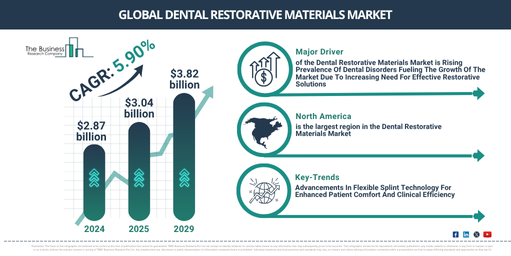
    The market for dental restorative materials has witnessed robust growth in the past years. Its size is predicted to increase from $2.87 billion in 2024 to $3.04 billion in 2025, with a compound annual growth rate (CAGR) of 6.1%. The growth seen in the historic period can be linked to factors such as an aging global population, the expansion of the middle class, accelerated urbanization, increased consciousness regarding oral hygiene, and expansion in dental insurance coverage.

    Anticipated robust expansion in the next years is predicted for the dental restorative materials market. This market is projected to reach $3.82 billion by 2029, registering a compound annual growth rate (CAGR) of 5.9%. Factors contributing to this growth during the forecast period include shifts in dietary patterns, a rise in smoking prevalence, government efforts to promote oral health, an increase in the intake of processed foods, and the proliferation of dental clinics. Key trends expected during this period encompass the implementation of CAD or CAM systems for accurate restorations, advancements in adhesive technologies, the emergence of bioactive materials, the application of nanotechnology in dental materials, and the incorporation of artificial intelligence in diagnostics.

    Download a free sample to assess the report’s scope and structure:

    https://www.thebusinessresearchcompany.com/sample.aspx?id=24204&type=smp

    Which Primay Drivers Are Accelerating Growth in the Dental Restorative Materials Market?

    The dental restorative materials market is predicted to undergo significant growth as a consequence of the escalating incidence of dental diseases. These conditions that impact the teeth and gums, include tooth decay, periodontitis, and tooth loss, all necessitating restorative procedures to preserve oral function and aesthetics. Poor oral sanitation practices contribute to this trend, causing plaque buildup and bacterial proliferation, thereby amplifying the likelihood of cavities and alternate dental complications. Consequently, this surge in dental diseases is fuelling the demand for restorative materials by requiring efficacious strategies for rectifying and managing dental degradation. For instance, data from November 2022 from the World Health Organization, a Switzerland-based specialized agency, suggested an alarming figure of around 389,846 new episodes and 188,438 fatalities worldwide in 2022 due to cancers impacting the lip and oral cavity. Thus, this growing incidence of dental diseases is poised to push the expansion of the dental restorative materials market.

    Which Primary Segments of the Dental Restorative Materials Market Are Driving Growth and Industry Transformations?

    The dental restorative materials market covered in this report is segmented –

    1) By Product: Amalgam, Resin Based Composite, Glass Ionomer, Resin Modified Glass Ionomer, Porcelain-Fused-to-Metal

    2) By Restoration Type: Direct, Indirect

    3) By Application: Prosthodontics, Periodontics, Endodontics, Other Applications

    4) By End-User Type: Hospital, Dental Clinic, Laboratory

    Subsegments:

    1) By Amalgam: Silver Amalgam, Non-Silver Amalgam

    2) By Resin-Based Composite: Light-Cured Resin Composite, Chemically Cured Resin Composite, Dual-Cured Resin Composite

    3) By Glass Ionomer: Conventional Glass Ionomer, Resin-Modified Glass Ionomer

    4) By Resin Modified Glass Ionomer: Light-Cured Resin Modified Glass Ionomer, Chemically Cured Resin Modified Glass Ionomer

    5) By Porcelain-Fused-To-Metal (PFM): High Noble Porcelain-Fused-to-Metal (PFM), Noble Porcelain-Fused-to-Metal (PFM), Base Metal Porcelain-Fused-to-Metal (PFM)

    Request customized data on this market:

    https://www.thebusinessresearchcompany.com/sample.aspx?id=24204&type=smp

    Which Regions Are Key Players in the Growth of the Dental Restorative Materials Market?

    North America was the largest region in the dental restorative materials market in 2024. Asia-Pacific is expected to be the fastest-growing region in the forecast period. The regions covered in the dental restorative materials market report are Asia-Pacific, Western Europe, Eastern Europe, North America, South America, Middle East, Africa.

    Which Technological Trends Are Reshaping the Dental Restorative Materials Industry Dynamics?

    Key players in the dental restorative materials market, are turning their efforts towards innovation, creating sophisticated solutions like flexible splints to ensure patient comfort and promote better conformity during the recovery period. Flexible splints—made from materials that bend—are used to temporarily secure loose or injured teeth, whilst still allowing some small movements that aid in healing. As an example, in November 2023, Dentsply Sirona, a US-based manufacturer specializing in dental items, introduced the Primeprint Splint ST and Primeprint Splint SF, both of which are 3D printing resins. The Primeprint Solution is a notably automated 3D printing system that diminishes manual input, such as excessive polishing, while achieving glossy post-curing results and easy separation from supports. It also makes use of the Primeprint Material Unit Type S to increase workflow efficiency with print processes tailored to specific applications. Besides, the Primeprint Splint ST and SF resins facilitate thin-wall printing from 0.8 mm, and they are offered with different levels of rigidity and flexibility to cater to clinical needs. Furthermore, these resins are devoid of MMA, THF-MA, and TPO2, ensuring a neutral taste and smell for enhanced patient satisfaction.

    View the full report here:

    https://www.thebusinessresearchcompany.com/report/dental-restorative-materials-global-market-report

    What Parameters Are Used to Define the Dental Restorative Materials Market?

    Dental restorative materials are substances used in dentistry to repair or replace damaged tooth structure, restore its function, and maintain oral health. These materials are designed to mimic the natural appearance and mechanical properties of teeth, providing durability, biocompatibility, and resistance to oral conditions such as temperature changes and bacterial activity.

    Purchase the full report and get a swift delivery:

    https://www.thebusinessresearchcompany.com/customise?id=24204&type=smp

    About The Business Research Company:

    With over 15000+ reports from 27 industries covering 60+ geographies, The Business Research Company has built a reputation for offering comprehensive, data-rich research and insights. Armed with 1,500,000 datasets, the optimistic contribution of in-depth secondary research, and unique insights from industry leaders, you can get the information you need to stay ahead in the game.

    Get in touch with us:

    The Business Research Company: https://www.thebusinessresearchcompany.com/

    Americas +1 3156230293

    Asia +44 2071930708

    Europe +44 2071930708

    Email us at info@tbrc.info

    Follow us on:

    LinkedIn: https://in.linkedin.com/company/the-business-research-company

    YouTube: https://www.youtube.com/channel/UC24_fI0rV8cR5DxlCpgmyFQ

    Global Market Model: https://www.thebusinessresearchcompany.com/global-market-model
  • Wearable Sleep Trackers Market 2025-2034: Key Highlights, Growth Dynamics, and Emerging Trends

    We’ve updated all our reports with current data on tariff changes, trade developments, and supply chain shifts affecting key industries.

    #What Is the Estimated Market Size of the Wearable Sleep Trackers Market In 2029?#_x000D_

    The market for wearable sleep trackers has seen a significant surge in its size over the past few years. The market is set to expand from a size of $2.46 billion in 2024 to a value of $2.84 billion in 2025, exhibiting a compound annual growth rate (CAGR) of 15.5%. The growth seen in the historical period can be credited to various factors such as an increase in disposable income, the expansion of e-commerce platforms, the rising popularity of smartwatches, a growing emphasis on proactive health measures, and an uptick in health insurance incentives._x000D_

    _x000D_

    Predictions show a swift expansion in the market for wearable sleep trackers in the upcoming years, with its size anticipated to reach $5.01 billion by 2029, presenting a compound annual growth rate (CAGR) of 15.2%. The significant rise projected over the forecast period can be ascribed to the increased focus on sleep health, escalation in sleep disorders, a surge in health and fitness mindfulness, a growing elderly demographic, and heightened levels of stress and anxiety. Key trends expected during this forecast period include the progressive enhancement of wearable device technology, their integration with smartphones and applications, a rising demand for non-invasive tracking systems, a preference for comprehensive wellness solutions, and developments in biosensor technology._x000D_

    _x000D_

    #Download a free sample to assess the report’s scope and structure:#_x000D_

    https://www.thebusinessresearchcompany.com/sample.aspx?id=24428&type=smp_x000D_

    _x000D_

    #How Are Key Drivers in the Industry Acting as Catalysts for the Growth of the Wearable Sleep Trackers Market?#_x000D_

    The demand for wearable sleep trackers is predicted to increase due to a rise in sleep disorders. Sleep disorders, which negatively impact sleep quality, timing, or duration, thus affecting overall health and daily functioning, are on the rise due to increased screen time and exposure to blue light. This exposure interrupts circadian rhythms by suppressing melatonin production, making it more difficult for individuals to fall and stay asleep. Wearable sleep trackers enable users to monitor their sleep patterns, duration and quality, aiding in the early detection and treatment of sleep disorders. They provide real-time insights that can support personalized treatment plans. As an example, National Health Service data from November 2023 showed that 37.8% of children aged between 8 and 16 in the UK suffered from sleep issues at least three times in the previous week. Of those diagnosed with probable mental disorders, 76.5% had sleep issues, in contrast to 25.0% of those without such conditions. As such, the rising prevalence of sleep disorders is anticipated to drive growth in the wearable sleep trackers market._x000D_

    _x000D_

    #Which Segments in the Wearable Sleep Trackers Offer the Most Growth?#_x000D_

    The wearable sleep trackers market covered in this report is segmented –_x000D_

    _x000D_

    1) By Product: Watches, Bands, Earbuds, Others Products_x000D_

    2) By Technology: Actigraphy, Polysomnography, Other Technologies_x000D_

    3) By Features: Heart Rate Monitoring, Sleep Stage Tracking, App Integration, Real-Time Notifications, Data Analytics And Reports_x000D_

    4) By Distribution Channel: Online Stores, Specialty Stores, Super markets Or Hyper markets, Other Distribution Channels_x000D_

    5) By End User: Fitness Enthusiasts, General Consumers, Healthcare Professionals, Corporate Wellness Programs, Sleep Disorder Patients_x000D_

    _x000D_

    Subsegments:_x000D_

    1) By Watches: Smartwatches, Fitness Watches, Hybrid Smartwatches, Medical-grade Sleep Monitoring Watches_x000D_

    2) By Bands: Fitness Bands, Smart Sleep Bands, Health-monitoring Bands, Wrist Actigraphy Bands_x000D_

    3) By Earbuds: Sleep Tracking Earbuds, Noise-canceling Sleep Earbuds, Smart Audio Sleep Buds, Biometric Sensor Earbuds_x000D_

    4) By Other Products: Smart Rings, Sleep Masks With Sensors, Headbands, Clip-on Sleep Monitors, Smart Clothing_x000D_

    _x000D_

    #Request customized data on this market:#_x000D_

    https://www.thebusinessresearchcompany.com/sample.aspx?id=24428&type=smp_x000D_

    _x000D_

    #What Are the Fastest-Growing Geographies in the Wearable Sleep Trackers Market?#_x000D_

    North America was the largest region in the wearable sleep trackers market in 2024. Asia-Pacific is expected to be the fastest-growing region in the forecast period. The regions covered in the wearable sleep trackers market report are Asia-Pacific, Western Europe, Eastern Europe, North America, South America, Middle East, Africa._x000D_

    _x000D_

    #What Are the Current Market Growth and Trends in the Wearable Sleep Trackers Industry?#_x000D_

    Prominent firms within the wearable sleep trackers market are emphasizing the production of technologically innovative products, including fingertip-worn devices, to ensure easy availability of crucial data or feature. These fingertip-worn devices are minute, wearable tech pieces positioned on the fingertip, proffering conveniences like health monitoring or digital interaction in an unobtrusive, handy manner. To illustrate, PranaQ, a US-based medical device organization, unveiled TipTraQ, a fingertip-worn gadget in January 2024, that is capable of diagnosing and keeping track of respiratory sleep ailments like sleep apnea, also contributing towards improving sleep quality in general. TipTraQ merges real-time sleep surveillance with a tailored coaching approach powered by generative artificial intelligence. Concurrently, PranaQ presents personalized suggestions for sleep improvement, based on distinctive data per user, and aids them in identifying proper treatment alternatives. Leading medical institutions have authenticated the device’s precision in evaluating sleep breathing, sleep stage and overall sleep duration. Its ergonomic contour guarantees comfort, whereas its featherweight structure and non-skid strap guarantee a universal compatibility. It also incorporates environmentally-friendly elements like a rechargeable battery and a swappable strap for enduring usage._x000D_

    _x000D_

    #View the full report here:#_x000D_

    https://www.thebusinessresearchcompany.com/report/wearable-sleep-trackers-global-market-report_x000D_

    _x000D_

    #What Are the Key Elements That Define the Wearable Sleep Trackers Market?#_x000D_

    Wearable sleep trackers are electronic devices designed to monitor and analyze an individual’s sleep patterns and quality. By collecting and processing data, they provide insights into different sleep stages, duration, and disruptions throughout the night. They often feature smart algorithms that differentiate between light, deep, and REM sleep phases._x000D_

    _x000D_

    #Purchase the full report and get a swift delivery:#_x000D_

    https://www.thebusinessresearchcompany.com/customise?id=24428&type=smp_x000D_

    _x000D_

    #About The Business Research Company:#_x000D_

    With over 15000+ reports from 27 industries covering 60+ geographies, The Business Research Company has built a reputation for offering comprehensive, data-rich research and insights. Armed with 1,500,000 datasets, the optimistic contribution of in-depth secondary research, and unique insights from industry leaders, you can get the information you need to stay ahead in the game._x000D_

    _x000D_

    #Get in touch with us:#_x000D_

    The Business Research Company: https://www.thebusinessresearchcompany.com/_x000D_

    Americas +1 3156230293_x000D_

    Asia +44 2071930708_x000D_

    Europe +44 2071930708_x000D_

    Email us at info@tbrc.info_x000D_

    _x000D_

    #Follow us on:#_x000D_

    _x000D_

    LinkedIn: https://in.linkedin.com/company/the-business-research-company_x000D_

    YouTube: https://www.youtube.com/channel/UC24_fI0rV8cR5DxlCpgmyFQ_x000D_

    Global Market Model: https://www.thebusinessresearchcompany.com/global-market-model

  • Dental 3D Printing Market Overview 2025: Competitive Shifts, Forecast Models, and Emerging Opportunities

    Dental 3D Printing Market Overview 2025: Competitive Shifts, Forecast Models, and Emerging Opportunities

    We’ve updated all our reports with current data on tariff changes, trade developments, and supply chain shifts affecting key industries.

    What Are the Key Milestones in the Dental 3D Printing Market’s Growth Trajectory From 2025 To 2034?

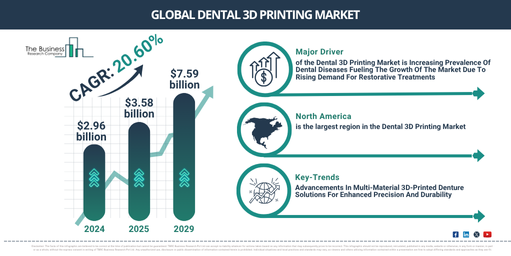
    There has been an exponential growth in the dental 3D printing market size in the past few years. It is projected to expand from $2.96 billion in 2024 to $3.58 billion in 2025, witnessing a compound annual growth rate (CAGR) of 20.8%. The high growth rate in the past was driven by factors like customization and personalization, an increase in dental diseases, enhancement in dental aesthetics, quick turnaround times, and adherence to regulatory approvals and standards.

    The market size of dental 3D printing is predicted to increase significantly in the forthcoming years, likely reaching a value of $7.59 billion in 2029 with a compound annual growth rate (CAGR) of 20.6%. Factors contributing to this growth during the forecast period includes heightened awareness of its benefits, customized dental treatments, a rise in dental tourism, application in orthodontics, and capital infusions from governmental and private sectors. Key trends for the projected period incorporate cloud-based designing and manufacturing, improvements in post-processing methods, applications of AI and machine learning, along with progress in developing biocompatible and multi-material 3D prints.

    Download a free sample to assess the report’s scope and structure:

    https://www.thebusinessresearchcompany.com/sample.aspx?id=24201&type=smp

    What Are the Core Growth Drivers Propelling the Dental 3D Printing Market Forward?

    The surge in dental ailments is projected to boost the expansion of the dental 3D printing market. Dental afflictions encompass conditions like tooth decay, gum issues, tooth loss, oral cancer and other disorders impacting the wellbeing and functionality of teeth and nearby tissues. Ignorance towards oral cleanliness culminating in plaque accumulation leading to gum issues and tooth decay is causing the rise in these dental ailments. Dental 3D printing is beneficial for individuals suffering from these disorders by producing custom-made implants and prosthetics which are more accurate to personal requirements, thereby enhancing comfort and functionality. Additionally, it expedites the creation of dental devices, thus diminishing the total time for treatment. For illustration, the National Health Service, a government department from the UK, reported in November 2024, that during 2023/24 in England, there was a delivery of 34 million dental treatment courses, indicating a 4.3% elevation from 2022/23. Consequently, the escalation in dental ailments is fueling the expansion of the dental 3D printing market.

    What Segment Types Define the Dental 3D Printing Market Structure?

    The dental 3D printing market covered in this report is segmented –

    1) By Product And Service Type: Equipment, Materials, Services

    2) By Technology Type: Vat PhotopolymerizatIon, Selective Laser Sintering, Other Technology Types

    3) By Application Type: Orthodontics, Prosthodontics, Implantology

    4) By End-User: Dental Laboratories, Dental Clinics, Hospitals And Clinics, Academic and Research Institute, Other End Users

    Subsegments:

    1) By Equipment: 3D Printers, Post-Processing Equipment, Scanning Devices

    2) By Materials: Dental Resins, Metals, Ceramics, Polymers

    3) By Services: Design And Prototyping Services, Customization And Consultation Services, Printing And Production Services, Post-Processing And Finishing Services

    Request customized data on this market:

    https://www.thebusinessresearchcompany.com/sample.aspx?id=24201&type=smp

    Which Geographic Areas Hold the Strongest Growth Potential in the Dental 3D Printing Market?

    North America was the largest region in the dental 3D printing market in 2024. Asia-Pacific is expected to be the fastest-growing region in the forecast period. The regions covered in the dental 3D printing market report are Asia-Pacific, Western Europe, Eastern Europe, North America, South America, Middle East, Africa.

    Which Emerging Trends that Are Influencing the Dental 3D Printing Industry Evolution?

    Key players in the dental 3D printing industry are concentrating on the development of sophisticated multi-material 3D-printed dental solutions. These aim to increase precision, strengthen durability, and broaden the repertoire of personalised dental treatments. The term ‘multi-material 3D-printed dental solution’ describes a 3D printing method in dentistry that jets and solidifies different materials layer by layer to form a single, composite denture. For example, in February 2024, 3D Systems Inc., an American 3D printing solutions company, introduced an advanced 3D-printed denture called the Nextdent Jetted Denture Solution. This groundbreaking approach to dental prostheses combines improved durability (with resistant gum materials and hard-wearing teeth) and realistic aesthetics (such as stain-resistant, rigid teeth and natural-looking gum textures), enhancing patient comfort and satisfaction. Moreover, this new solution’s integrated workflow simplifies the production process for dental laboratories by enabling mass production with fewer manual operations, quicker completion times, and reduced operating expenses.

    View the full report here:

    https://www.thebusinessresearchcompany.com/report/dental-3d-printing-global-market-report

    What Is the Definition of the Dental 3D Printing Market?

    Dental 3D printing refers to the process of using 3D printing technology to create dental devices and restorations. Dental 3D printing is utilized to produce highly accurate crowns, bridges, and orthodontic devices by transforming digital dental scans into customized physical models, reducing turnaround time and improving patient outcomes.

    Purchase the full report and get a swift delivery:

    https://www.thebusinessresearchcompany.com/customise?id=24201&type=smp

    About The Business Research Company:

    With over 15000+ reports from 27 industries covering 60+ geographies, The Business Research Company has built a reputation for offering comprehensive, data-rich research and insights. Armed with 1,500,000 datasets, the optimistic contribution of in-depth secondary research, and unique insights from industry leaders, you can get the information you need to stay ahead in the game.

    Get in touch with us:

    The Business Research Company: https://www.thebusinessresearchcompany.com/

    Americas +1 3156230293

    Asia +44 2071930708

    Europe +44 2071930708

    Email us at info@tbrc.info

    Follow us on:

    LinkedIn: https://in.linkedin.com/company/the-business-research-company

    YouTube: https://www.youtube.com/channel/UC24_fI0rV8cR5DxlCpgmyFQ

    Global Market Model: https://www.thebusinessresearchcompany.com/global-market-model
  • Emerging Growth Drivers in the Virtual Biopsy Market Landscape: Rising Prevalence Of Oncological Disorders Fueling The Growth Of The Market Due To Increasing Cancer Cases And Non-Invasive Diagnosis Methods

    Emerging Growth Drivers in the Virtual Biopsy Market Landscape: Rising Prevalence Of Oncological Disorders Fueling The Growth Of The Market Due To Increasing Cancer Cases And Non-Invasive Diagnosis Methods

    We’ve updated all our reports with current data on tariff changes, trade developments, and supply chain shifts affecting key industries.

    #What is the Projected CAGR for the Virtual Biopsy Market Size from 2025 to 2034?#_x000D_

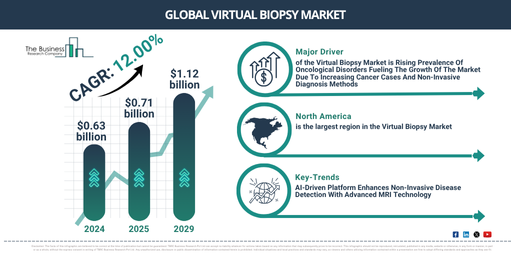
    The online biopsy market has been expanding at an accelerated pace in recent times. Its projection indicates a growth from $0.63 billion in 2024 to $0.71 billion in 2025, boasting a Compound Annual Growth Rate (CAGR) of 12.2%. Factors contributing to this growth during the historical period include a surge in demand for non-invasive diagnostic procedures, an uptick in early detection of diseases, amplified efficiency in medical imaging technology, enhanced convenience and comfort for patients, and a greater accessibility of telehealth services._x000D_

    _x000D_

    The market size for virtual biopsy is predicted to experience significant expansion in the upcoming years. By 2029, it’s anticipated to reach a value of $1.12 billion, with a compound annual growth rate (CAGR) of 12.0%. This growth during the forecast period could be linked to the increasing emphasis on economical healthcare solutions and preventive healthcare methods. Other contributing factors could include a heightened demand for personalized medicine, an escalating need for less invasive cancer therapies, and the escalating significance of precision oncology. Noteworthy trends during this forecast period could entail the development of imaging sensors and multimodal biopsy methods, incorporation of robotics for accuracy, innovation in the detection of non-invasive biomarkers, and amalgamation with 3D visualization tools._x000D_

    _x000D_

    #Download a free sample to assess the report’s scope and structure:#_x000D_

    https://www.thebusinessresearchcompany.com/sample.aspx?id=24424&type=smp_x000D_

    _x000D_

    #Which Primay Drivers Are Accelerating Growth in the Virtual Biopsy Market?#_x000D_

    The virtual biopsy market is poised for growth, primarily driven by the increasing incidence of oncological disorders. These disorders, related to cancer, are characterized by abnormal cell growth and spread within the body. Factors such as unhealthy diet, sedentary lifestyle, tobacco consumption, and escalating exposure to environmental pollutants contribute to the rising prevalence of these conditions. Virtual biopsies offer a significant benefit by delivering non-invasive, real-time images that mitigate the need for conventional tissue biopsies, thereby enhancing diagnostic precision and patient safety. For example, as per the Australian Institute of Health and Welfare, a governmental institution in Australia, the total number of cancer diagnoses saw an uptick, reaching 160,570 in 2022 from 156,781 in 2021 – a surge of 3,789 cases. Hence, the climbing incidence of oncological disorders is fuelling the expansion of the virtual biopsy market._x000D_

    _x000D_

    #Which Primary Segments of the Virtual Biopsy Market Are Driving Growth and Industry Transformations?#_x000D_

    The virtual biopsy market covered in this report is segmented –_x000D_

    _x000D_

    1) By Target Thrapeutic Areas: Oncological Disorders, Neurological Disorders, Cardiovascular Disorders, Ophthalmological Disorders, Endocrine Disorders, Gastrointestinal Disorders, Other Target Therapeutic Areas_x000D_

    2) By Cancer Targeted: Solid Malignancies, Breast Cancer, Lung Cancer, Prostate Cancer, Colorectal Cancer, Brain Cancer, Other Cancer Targeteds_x000D_

    3) By Imaging Technologies: Magnetic Resonance Imaging, Computed Tomography, X-Ray, Ultrasound, Other Imaging Technologies_x000D_

    4) By End Users: Hospitals And Clinics, Research Institutes And Diagnostic Centers, Other End Users_x000D_

    _x000D_

    Subsegments:_x000D_

    1) By Oncological Disorders: Lung Cancer, Breast Cancer, Prostate Cancer, Colorectal Cancer, Liver Cancer, Brain Tumors, Other Cancers_x000D_

    2) By Neurological Disorders: Alzheimer’s Disease, Parkinson’s Disease, Multiple Sclerosis, Epilepsy, Brain Injuries, Stroke, Other Neurological Conditions_x000D_

    3) By Cardiovascular Disorders: Coronary Artery Disease, Heart Failure, Arrhythmias, Aortic Aneurysm, Valvular Heart Disease, Myocardial Infarction, Other Cardiovascular Conditions_x000D_

    4) By Ophthalmological Disorders: Age-Related Macular Degeneration, Diabetic Retinopathy, Glaucoma, Retinal Vein Occlusion, Cataracts, Other Eye Disorders_x000D_

    5) By Endocrine Disorders: Diabetes Mellitus, Thyroid Disorders, Adrenal Gland Disorders, Pituitary Gland Disorders, Parathyroid Disorders, Other Endocrine Conditions_x000D_

    6) By Gastrointestinal Disorders: Inflammatory Bowel Disease, Colorectal Polyps, Gastric Ulcers, Liver Cirrhosis, Pancreatic Disorders, Hepatitis, Other Gastrointestinal Conditions_x000D_

    7) By Other Target Therapeutic Areas: Musculoskeletal Disorders, Renal Disorders, Pulmonary Disorders, Hematologic Disorders, Dermatological Disorders, Infectious Diseases, Other Miscellaneous Conditions_x000D_

    _x000D_

    #Request customized data on this market:#_x000D_

    https://www.thebusinessresearchcompany.com/sample.aspx?id=24424&type=smp_x000D_

    _x000D_

    #Which Regions Are Key Players in the Growth of the Virtual Biopsy Market?#_x000D_

    North America was the largest region in the virtual biopsy market in 2024. Asia-Pacific is expected to be the fastest-growing region in the forecast period. The regions covered in the virtual biopsy market report are Asia-Pacific, Western Europe, Eastern Europe, North America, South America, Middle East, Africa._x000D_

    _x000D_

    #Which Technological Trends Are Reshaping the Virtual Biopsy Industry Dynamics?#_x000D_

    Leading businesses in the virtual biopsy market are prioritizing the development and approval of technologically superior solutions, like the Magnetic Resonance Spectroscopy (MRS) platform. This non-invasive imaging technique provides detailed molecular data of tissues, improving diagnostic precision and real-time analysis for early illness identification and personalized care. For example, BrainSpec Inc., an American healthcare technology firm, gained the approval of the U.S. Food and Drug Administration (FDA) in November 2023 for its AI-powered BrainSpec platform. The device uses AI to analyze MR spectroscopy data, measuring brain metabolites such as 2-hydroxyglutarate, offering non-invasive virtual biopsies for diagnosing gliomas, alzheimer’s and multiple sclerosis. This system smoothly works with standard MRI scanners, automates data processing and delivers insights quickly, using a reference database of brain chemistry to enhance its diagnostic accuracy._x000D_

    _x000D_

    #View the full report here:#_x000D_

    https://www.thebusinessresearchcompany.com/report/virtual-biopsy-global-market-report_x000D_

    _x000D_

    #What Parameters Are Used to Define the Virtual Biopsy Market?#_x000D_

    Virtual biopsy is a non-invasive diagnostic technique that uses advanced imaging technologies combined with computer algorithms to analyze tissues for signs of disease. Its primary purpose is to detect abnormalities, such as tumors or infections, without the need for a traditional tissue sample, reducing risks and recovery time for patients. This method is safer, faster, and less painful than traditional biopsies._x000D_

    _x000D_

    #Purchase the full report and get a swift delivery:#_x000D_

    https://www.thebusinessresearchcompany.com/customise?id=24424&type=smp_x000D_

    _x000D_

    #About The Business Research Company:#_x000D_

    With over 15000+ reports from 27 industries covering 60+ geographies, The Business Research Company has built a reputation for offering comprehensive, data-rich research and insights. Armed with 1,500,000 datasets, the optimistic contribution of in-depth secondary research, and unique insights from industry leaders, you can get the information you need to stay ahead in the game._x000D_

    _x000D_

    #Get in touch with us:#_x000D_

    The Business Research Company: https://www.thebusinessresearchcompany.com/_x000D_

    Americas +1 3156230293_x000D_

    Asia +44 2071930708_x000D_

    Europe +44 2071930708_x000D_

    Email us at info@tbrc.info_x000D_

    _x000D_

    #Follow us on:#_x000D_

    _x000D_

    LinkedIn: https://in.linkedin.com/company/the-business-research-company_x000D_

    YouTube: https://www.youtube.com/channel/UC24_fI0rV8cR5DxlCpgmyFQ_x000D_

    Global Market Model: https://www.thebusinessresearchcompany.com/global-market-model

  • Major Drivers Propelling the Growth oh the Vial Adaptors For Reconstitution Drug Market Forward: Increasing Prevalence Of Chronic Diseases Driving The Growth Of The Market Due To Long-term Treatment Needs

    Major Drivers Propelling the Growth oh the Vial Adaptors For Reconstitution Drug Market Forward: Increasing Prevalence Of Chronic Diseases Driving The Growth Of The Market Due To Long-term Treatment Needs

    We’ve updated all our reports with current data on tariff changes, trade developments, and supply chain shifts affecting key industries.

    #What is the Anticipated CAGR of the Vial Adaptors For Reconstitution Drug Market, and What Factors Will Drive It?#_x000D_

    Recently, there has been a swift expansion in the market size of vial adaptors for reconstitution drugs. From being worth $1.81 billion in 2024, this market is projected to escalate to $2.01 billion in 2025, marking a compound annual growth rate (CAGR) of 11.2%. This significant growth during the historic period could be traced back to factors such as the rising occurrence of chronic illnesses, elevated demand for secure drug administration, broadening of parenteral drugs, development in hospitalization and healthcare infrastructure, and a heightened utilization of single-dose vials._x000D_

    _x000D_

    Rapid expansion is anticipated in the vial adaptors for reconstitution drug market, expected to jump to a market size of $3.05 billion in 2029 at a CAGR of 10.9%. This growth during the forecast period is linked to several factors: increased use of biologics and biosimilars, a rise in home healthcare and self-administration, an aging worldwide population, growth in oncology and rare disease treatments, and heightened awareness of the risks of cross-contamination. Key trends over the forecast period include the incorporation of smart technologies, advancements in materials science, customization for home healthcare and self-administration, the use of sustainable and eco-friendly materials, and a focus on sustainability in pharmaceutical packaging._x000D_

    _x000D_

    #Download a free sample to assess the report’s scope and structure:#_x000D_

    https://www.thebusinessresearchcompany.com/sample.aspx?id=24422&type=smp_x000D_

    _x000D_

    #Which Major Market Drivers Are Expected to Boost the Growth Potential of the Vial Adaptors For Reconstitution Drug Market?#_x000D_

    The escalating incidences of chronic illnesses are anticipated to fuel the expansion of the vial adaptors for the reconstitution drug market. Chronic diseases are enduring health issues that last more than a year and necessitate continuous medical care. The surge in chronic disease cases can be attributed to the rise in processed food intake and inactive lifestyles, which compromise the body’s natural immunity and contribute to long-term health issues. Vial adaptors for reconstitution drugs play a critical role in chronic diseases, enabling safe and efficient reconstitution and administration of biologic or lyophilized medications often needed for prolonged treatment. For example, The Health Foundation, a UK-based independent charity, projected in July 2023 that by 2040, 9.1 million individuals in England would be grappling with a significant illness, an increase of 2.5 million people. Thus, the rising prevalence of chronic diseases would stimulate the growth of the vial adaptors for the reconstitution drug market._x000D_

    _x000D_

    #Which Key Market Segments Comprise the Vial Adaptors For Reconstitution Drug Market and Drive Its Revenue Growth?#_x000D_

    The vial adaptors for reconstitution drug market covered in this report is segmented –_x000D_

    _x000D_

    1) By Product Type: Single-Use Vial Adaptors, Multi-Use Vial Adaptors, Customized Vial Adaptors_x000D_

    2) By Material Type: Polycarbonate, Silicon, Polyethylene, Other Materials_x000D_

    3) By Application: Oncology, Autoimmune Diseases, Infectious Diseases, Genetic Disorders, Hormonal Replacement_x000D_

    4) By End Use: Pharmaceutical Companies, Contract Manufacturing Organizations, Research Institutions, Hospitals, Retail Pharmacies_x000D_

    _x000D_

    Subsegments:_x000D_

    1) By Single-Use Vial Adaptors: Luer Lock Single-Use Vial Adaptors, Non-Luer Lock Single-Use Vial Adaptors_x000D_

    2) By Multi-Use Vial Adaptors: Luer Lock Multi-Use Vial Adaptors, Non-Luer Lock Multi-Use Vial Adaptors_x000D_

    3) By Customized Vial Adaptors: Vial Adaptors For Specific Drug Types, Vial Adaptors For Specific Administration Systems, Vial Adaptors For Specific Therapeutic Areas_x000D_

    _x000D_

    #Request customized data on this market:#_x000D_

    https://www.thebusinessresearchcompany.com/sample.aspx?id=24422&type=smp_x000D_

    _x000D_

    #Which Areas Are Leading Regions in the Vial Adaptors For Reconstitution Drug Market Expansion Across the Globe?#_x000D_

    North America was the largest region in the vial adaptors for reconstitution drug market in 2024. The regions covered in the vial adaptors for reconstitution drug market report are Asia-Pacific, Western Europe, Eastern Europe, North America, South America, Middle East, Africa._x000D_

    _x000D_

    #What Are the Key Market Trends in the Vial Adaptors For Reconstitution Drug Market Over the Coming Years?#_x000D_

    Major firms in the vial adaptors for reconstitution drug market, are concentrating on creating innovative items like admixture devices. These developments aim to boost accurate drug reconstitution, reduce contamination hazards, and elevate overall effectiveness in medicine preparation and administration. An admixture device is designed to simplify the safe, precise mixing or reconstitution of medicines, especially biologics or lyophilized drugs, by integrating a drug with a diluent prior to administration. For instance, West Pharmaceutical Services, Inc., a U.S. company that provides inventive, superior injectable drug delivery systems and packaging components, declared in December 2023, the FDA 510(k) clearance and the commercial debut of its Vial2Bag Advanced 13mm admixture device. This latest offering augments West’s range by supplementing the existing 20mm version, thus presenting to healthcare providers needle-less alternatives for drug reconstitution and transfer whether using 13mm or 20mm vials combined with IV bags. The device, which features a dual-channel system for effective fluid pathways and a sturdy vial spike for secure vial linkage, enhances safety and simplicity of usage in clinical surroundings._x000D_

    _x000D_

    #View the full report here:#_x000D_

    https://www.thebusinessresearchcompany.com/report/vial-adaptors-for-reconstitution-drug-global-market-report_x000D_

    _x000D_

    #How Is the Vial Adaptors For Reconstitution Drug Market Conceptually Defined?#_x000D_

    Vial adaptors for reconstitution drugs are medical devices designed to safely and efficiently mix a powdered drug in a vial with a diluent before administration. Their purpose is to minimize contamination risk, ensure accurate dosing, and simplify the drug preparation process for healthcare providers._x000D_

    _x000D_

    #Purchase the full report and get a swift delivery:#_x000D_

    https://www.thebusinessresearchcompany.com/customise?id=24422&type=smp_x000D_

    _x000D_

    #About The Business Research Company:#_x000D_

    With over 15000+ reports from 27 industries covering 60+ geographies, The Business Research Company has built a reputation for offering comprehensive, data-rich research and insights. Armed with 1,500,000 datasets, the optimistic contribution of in-depth secondary research, and unique insights from industry leaders, you can get the information you need to stay ahead in the game._x000D_

    _x000D_

    #Get in touch with us:#_x000D_

    The Business Research Company: https://www.thebusinessresearchcompany.com/_x000D_

    Americas +1 3156230293_x000D_

    Asia +44 2071930708_x000D_

    Europe +44 2071930708_x000D_

    Email us at info@tbrc.info_x000D_

    _x000D_

    #Follow us on:#_x000D_

    _x000D_

    LinkedIn: https://in.linkedin.com/company/the-business-research-company_x000D_

    YouTube: https://www.youtube.com/channel/UC24_fI0rV8cR5DxlCpgmyFQ_x000D_

    Global Market Model: https://www.thebusinessresearchcompany.com/global-market-model

  • Critical Market Drivers Shaping the Outlook for Urometer Market from 2025-2034: The Rising Cases Of Urological Illnesses Is Fueling The Growth Of The Market Due To Increasing Demand For Monitoring Urine Output

    We’ve updated all our reports with current data on tariff changes, trade developments, and supply chain shifts affecting key industries.

    #What Are the Key Milestones in the Urometer Market’s Growth Trajectory From 2025 To 2034?#_x000D_

    The value of the urometer market has witnessed robust growth over the past few years. Its projected growth is from $0.50 billion in 2024 to $0.54 billion in 2025, with a compound annual growth rate (CAGR) of 7.4%. This substantial surge during the historical period can be linked to the escalating incidence of urological disorders, the expanding elderly population, the increasing number of surgeries performed, enhancements in urometer technology, and heightened awareness along with educational initiatives._x000D_

    _x000D_

    Anticipated to see robust expansion in the coming years, the urometer market size is projected to inflate to $0.71 billion by 2029, growing at a compound annual growth rate (CAGR) of 7.3%. This growth during the forecast period can be credited to the rising inclination towards disposable urometers, the expansion in home healthcare services, collaboration with digital health technologies, and the initiatives and reimbursement policies by the government, moreover, the growth in emerging markets. During the forecast period, major trends will include progress in digital urometer systems, integration with electronic medical records (EMRs), technological improvements in sensor accuracy, upgrades in portable and home-use urometers, and innovations in antimicrobial coatings._x000D_

    _x000D_

    #Download a free sample to assess the report’s scope and structure:#_x000D_

    https://www.thebusinessresearchcompany.com/sample.aspx?id=24421&type=smp_x000D_

    _x000D_

    #What Are the Core Growth Drivers Propelling the Urometer Market Forward?#_x000D_

    The growth of the urometer market is predicted to escalate due to increasing instances of urological diseases. These diseases are medical disorders that affect the urinary system and male reproductive parts such as the kidneys, bladder, prostate, and urethra. Elderly people are more susceptible to these illnesses – including prostate enlargement, urinary incontinence, and kidney disease – due to the aging process. Urometers, in such cases, are critical in observing urine output, gauging urine volume and flow, aiding in the detection of conditions like urinary retention, dehydration, or kidney dysfunction, and providing crucial data needed for diagnosis and treatment. For example, the Australian Institute of Health and Welfare, a government agency based in Australia, reported in June 2024 that mortality rates from chronic kidney disease (CKD) saw an uptick of 4.2% in 2021 and 6.2% in 2022. Consequently, the urometer market is seeing growth as a result of the escalating incidence of urological diseases._x000D_

    _x000D_

    #What Segment Types Define the Urometer Market Structure?#_x000D_

    The urometer market covered in this report is segmented –_x000D_

    _x000D_

    1) By Product: 100 Milliliter (ml), 200 Milliliter (ml), 400 Milliliter (ml), 450 Milliliter (ml), 500 Milliliter (ml)_x000D_

    2) By Application: Operative Procedures, Emergency Trauma, Palliative Care, Other Applications_x000D_

    3) By End-Use: Hospital, Clinics, Home Healthcare, Other End-Uses_x000D_

    _x000D_

    #Request customized data on this market:#_x000D_

    https://www.thebusinessresearchcompany.com/sample.aspx?id=24421&type=smp_x000D_

    _x000D_

    #Which Geographic Areas Hold the Strongest Growth Potential in the Urometer Market?#_x000D_

    Asia-Pacific was the largest region in the urometer market in 2024. Asia-Pacific is expected to be the fastest-growing region in the forecast period. The regions covered in the urometer market report are Asia-Pacific, Western Europe, Eastern Europe, North America, South America, Middle East, Africa._x000D_

    _x000D_

    #Which Emerging Trends that Are Influencing the Urometer Industry Evolution?#_x000D_

    Leading players in the urometer market are concentrating their efforts on creating innovative products like urine collection kits, with an aim to mitigate contamination risks during the process of urine sampling and measurement. These kits serve as medical tools for secure and accurate gathering, preservation, and transportation of urine samples needed for diagnosis, thereby maintaining their sterility and quality to prevent contamination. For example, in June 2024, Mexple, a medical product company based in India, debuted Uromen and Urowomen. These urine collection kits are specifically crafted for men and women experiencing incontinence, catering to varied patient requirements with a focus on usability, comfort, and cleanliness. Being constructed from medical-grade silicone, these kits employ a catheter system on the outside, which minimizes urine’s contact with skin, thus reducing chances of irritation, risk of infection, and odour as compared to regular adult diapers or indwelling catheters. Both reusable kits are leak-proof and are aptly designed to avert backflow, rendering them appropriate for diverse situations, like home care, hospitals, elderly care homes, and for patients with chronic conditions or those recovering from surgery._x000D_

    _x000D_

    #View the full report here:#_x000D_

    https://www.thebusinessresearchcompany.com/report/urometer-global-market-report_x000D_

    _x000D_

    #What Is the Definition of the Urometer Market?#_x000D_

    A urometer is a clinical device designed to precisely monitor urine output, especially in critically ill or post-surgical patients. It features a calibrated collection chamber connected to a urinary catheter and drainage bag, enabling accurate, real-time urine volume measurement. Urometers are particularly valuable in monitoring kidney function and maintaining fluid balance._x000D_

    _x000D_

    #Purchase the full report and get a swift delivery:#_x000D_

    https://www.thebusinessresearchcompany.com/customise?id=24421&type=smp_x000D_

    _x000D_

    #About The Business Research Company:#_x000D_

    With over 15000+ reports from 27 industries covering 60+ geographies, The Business Research Company has built a reputation for offering comprehensive, data-rich research and insights. Armed with 1,500,000 datasets, the optimistic contribution of in-depth secondary research, and unique insights from industry leaders, you can get the information you need to stay ahead in the game._x000D_

    _x000D_

    #Get in touch with us:#_x000D_

    The Business Research Company: https://www.thebusinessresearchcompany.com/_x000D_

    Americas +1 3156230293_x000D_

    Asia +44 2071930708_x000D_

    Europe +44 2071930708_x000D_

    Email us at info@tbrc.info_x000D_

    _x000D_

    #Follow us on:#_x000D_

    _x000D_

    LinkedIn: https://in.linkedin.com/company/the-business-research-company_x000D_

    YouTube: https://www.youtube.com/channel/UC24_fI0rV8cR5DxlCpgmyFQ_x000D_

    Global Market Model: https://www.thebusinessresearchcompany.com/global-market-model

  • Major Drivers Propelling the Growth oh the Personal Mobility Devices Market Forward: Rising Prevalence Of Disabilities Fueling The Growth Of The Market Due To Aging Population And Chronic Health Conditions

    Major Drivers Propelling the Growth oh the Personal Mobility Devices Market Forward: Rising Prevalence Of Disabilities Fueling The Growth Of The Market Due To Aging Population And Chronic Health Conditions

    We’ve updated all our reports with current data on tariff changes, trade developments, and supply chain shifts affecting key industries.

    What Is the Estimated Market Size of the Personal Mobility Devices Market In 2029?

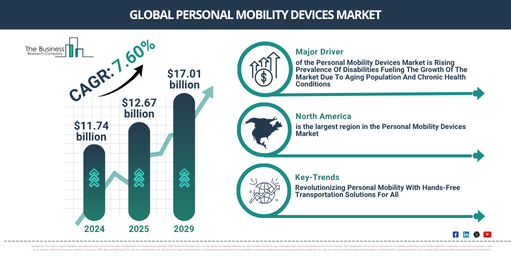
    The market for personal mobility devices has experienced robust growth in the past few years. Its value is expected to increase from $11.74 billion in 2024 to $12.67 billion in 2025, showing a compound annual growth rate (CAGR) of 7.9%. This growth during the historical period can be traced back to factors such as urban congestion, soaring fuel costs, the expansion of bicycle infrastructure, the rise of e-commerce delivery services, and heightened consciousness about the environment.

    Expectations of robust expansion are in the forecast for the personal mobility devices market in the coming years. By 2029, it is anticipated to reach $17.01 billion, expanding at a compound annual growth rate (CAGR) of 7.6%. Factors contributing to this promising trend over the projected period encompass the burgeoning of micromobility services, favorable urban planning policies, soaring demand for green transportation, upswing in health and fitness consciousness, and the escalated usage of interchangeable batteries. Major trends projected for this period are the mushrooming of subscription-based personal mobility device schemes, the injection of Internet of Things (IoT) capabilities, an emphasis on communication between the vehicle and infrastructure, amplified safety features and standards, and the burgeoning of foldable and portable designs.

    Download a free sample to assess the report’s scope and structure:

    https://www.thebusinessresearchcompany.com/sample.aspx?id=24362&type=smp

    Which Major Market Drivers Are Expected to Boost the Growth Potential of the Personal Mobility Devices Market?

    The increase in disability instances is anticipated to fuel the expansion of the personal mobility devices market. The term ‘disability’ encompasses prolonged physical, intellectual, psychological, or sensory impairments that may prevent an individual from fully interacting in society on par with others, particularly when confronted with barriers. The increase in disability prevalence is attributed mostly to the aging population, because age-related disorders like arthritis, vision issues, and dementia become more prevalent as life expectancy increases. Personal mobility devices, such as wheelchairs and scooters, are crucial for those with disabilities as they foster autonomy, facilitate daily activities, and stimulate more involvement in both social and professional settings. According to a Department for Work and Pensions report, in June 2023, the count of individuals presenting long-term health conditions in 2021/2022 escalated by 610,000 (4.4%), those branded as disabled expanded by 730,000 (8.8%), and those who were gravely affected by their disability surged by 410,000 (12.3%). Hence, the augmenting prevalence of disabilities is causing the personal mobility devices market to grow.

    Which Key Market Segments Comprise the Personal Mobility Devices Market and Drive Its Revenue Growth?

    The personal mobility devices market covered in this report is segmented –

    1) By Product Type: Walking Aids, Handbikes, Mobility Scooters, Medical Beds, Stair-lifts, Power Add On Products, Wheelchairs, Other Product Types

    2) By Distribution Channel: Wholesalers Or Distributors, Online Retailers, Multi-Brand Stores, Specialty Stores

    3) By End User: Hospital And Clinics, Ambulatory Surgical Centers, Urgent Care Centers, Homecare Setting, Other End Users

    Subsegments:

    1) By Walking Aids: Canes, Crutches, Walkers, Rollators

    2) By Handbikes: Manual Handbikes, Electric Handbikes, Hybrid Handbikes

    3) By Mobility Scooters: 3-Wheel Scooters, 4-Wheel Scooters, Foldable Or Portable Scooters, Heavy-Duty Scooters

    4) By Medical Beds: Manual Beds, Semi-Electric Beds, Fully Electric Beds, Bariatric Beds

    5) By Stair-Lifts: Straight Stair-Lifts, Curved Stair-Lifts, Outdoor Stair-Lifts, Platform Stair-Lifts

    6) By Power Add On Products: Power Assist Wheels, Power Drive Units, Motorized Attachments

    7) By Wheelchairs: Manual Wheelchairs, Power Wheelchairs, Transport Wheelchairs, Sports Wheelchairs

    8) By Other Product Types: Patient Lifts, Transfer Aids, Standing Frames, Mobility Accessories

    Request customized data on this market:

    https://www.thebusinessresearchcompany.com/sample.aspx?id=24362&type=smp

    Which Areas Are Leading Regions in the Personal Mobility Devices Market Expansion Across the Globe?

    North America was the largest region in the personal mobility devices market in 2024. Asia-Pacific is expected to be the fastest-growing region in the forecast period. The regions covered in the personal mobility devices market report are Asia-Pacific, Western Europe, Eastern Europe, North America, South America, Middle East, Africa.

    What Are the Key Market Trends in the Personal Mobility Devices Market Over the Coming Years?

    The personal mobility devices market is seeing heavy emphasis by major companies on innovative, technologically advanced products. An example of which are hands-free personal mobility devices that take personal mobility to the next level by combining movement aids with immersive digital experiences, primarily developed for wider applications. Defines as a hands-off, motorized transport solution, a hands-free personal mobility device allows movement without the need for hand control, typically through body movements or posture commands for short-distance personal travel. Highlighting this trend, in February 2024, the Japan-based automotive company, Honda Motor Co., Ltd., unveiled its UNI-ONE device, specifically designed for enhanced user interaction and mobility through pioneering self-balancing technology and user-friendly control systems. The UNI-ONE’s features include an adjustable seat for facilitating easy communication with individuals regardless of their standing or seating position, thus promoting more natural social contact. In addition, the device is outfitted with Honda’s Omni Traction Drive Systems, granting the user smooth, multi-directional motion regulated by the body’s posture. This innovation not only enhances the mobility experience but also broadens access for those with diverse mobility necessities.

    View the full report here:

    https://www.thebusinessresearchcompany.com/report/personal-mobility-devices-global-market-report

    How Is the Personal Mobility Devices Market Conceptually Defined?

    Personal mobility devices (PMDs) are compact, lightweight transportation tools specifically designed to help individuals travel short distances more efficiently, offering greater independence and flexibility in their daily movements. They play a crucial role in promoting personal convenience, enhancing urban mobility, and supporting accessibility for people who experience mobility challenges or prefer alternative transport options.

    Purchase the full report and get a swift delivery:

    https://www.thebusinessresearchcompany.com/customise?id=24362&type=smp

    About The Business Research Company:

    With over 15000+ reports from 27 industries covering 60+ geographies, The Business Research Company has built a reputation for offering comprehensive, data-rich research and insights. Armed with 1,500,000 datasets, the optimistic contribution of in-depth secondary research, and unique insights from industry leaders, you can get the information you need to stay ahead in the game.

    Get in touch with us:

    The Business Research Company: https://www.thebusinessresearchcompany.com/

    Americas +1 3156230293

    Asia +44 2071930708

    Europe +44 2071930708

    Email us at info@tbrc.info

    Follow us on:

    LinkedIn: https://in.linkedin.com/company/the-business-research-company

    YouTube: https://www.youtube.com/channel/UC24_fI0rV8cR5DxlCpgmyFQ

    Global Market Model: https://www.thebusinessresearchcompany.com/global-market-model

  • Computed Tomography (CT) Scanner Market Outlook 2025: Mapping Growth, Innovation, and Regional Shifts

    Computed Tomography (CT) Scanner Market Outlook 2025: Mapping Growth, Innovation, and Regional Shifts

    We’ve updated all our reports with current data on tariff changes, trade developments, and supply chain shifts affecting key industries.

    How Fast Is The Computed Tomography (CT) Scanner Market Expected to Grow Between 2025 And 2029?

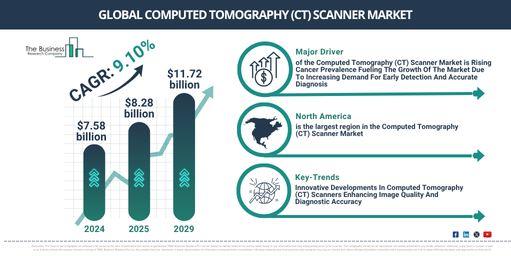
    The market size for computed tomography (CT) scanners has expanded significantly in the past few years. The progression is expected to continue, with the market forecasted to rise from $7.58 billion in 2024 to $8.28 billion in 2025, reflecting a compound annual growth rate (CAGR) of 9.3%. Factors contributing to the growth over the historic period include an increased incidence of chronic diseases, a growing demand for precise and early diagnostic procedures, the rising number of elderly individuals, escalated healthcare expenditure, the expanded use in cancer detection, and increased preference for minimally invasive diagnostic techniques.

    In the coming years, the Computed Tomography (CT) scanner market is projected to experience robust growth, reaching a market size of $11.72 billion by 2029 with a compound annual growth rate (CAGR) of 9.1%. The growth forecasted within the period can be credited to the rising demand for portable CT scanners, increased application of CT in preventative healthcare, enhancing healthcare infrastructure investments, growing emphasis on personalized medicine, escalating medical tourism in rising markets, and government initiatives supporting modernization in healthcare. The period also predicts trends like the emergence of image analysis powered by artificial intelligence, advancements in low-dose radiation CT scanners, rise in portable and mobile CT scanners, enhancements in 3D and 4D CT imaging, emerging real-time CT imaging technologies, and automation in CT workflow and reporting.

    Download a free sample to assess the report’s scope and structure:

    https://www.thebusinessresearchcompany.com/sample.aspx?id=24196&type=smp

    What External and Internal Drivers Are Contributing to the Growth of the Computed Tomography (CT) Scanner Market?

    The escalating rate of cancer is anticipated to fuel the expansion of the computed tomography (CT) scanner market. Cancer, a collection of diseases marked by uncontrolled proliferation and dissemination of abnormal cells, is primarily increasing due to an aging worldwide population. An extended lifespan leads to a larger number of individuals reaching advanced age, a stage where an accumulation of genetic mutations, environmental exposures, and weakened immune systems significantly escalates the probability of developing various kinds of cancer. CT scanners make a substantial contribution to cancer treatment by delivering comprehensive cross-sectional and 3D representations which assist in early detection, precise locating, correct staging, treatment scheduling, and continuous tumor surveillance. This helps healthcare professionals to make educated decisions and enhance patient outcomes throughout the cancer care map. For example, in April 2024, reports from the American Cancer Society, a professional organization based in the US, indicated an estimated 20 million new cancer cases were identified, and 9.7 million fatalities were recorded worldwide in 2022. They predict the number of cancer cases to increase to 35 million by 2050. Consequently, the escalating prevalence of cancer is propelling the expansion of the CT scanner market.

    What Segment Types Define the Computed Tomography (CT) Scanner Market Structure?

    The computed tomography (CT) scanner market covered in this report is segmented –

    1) By Type: Stationary Computed Tomography Scanner, Portable Computed Tomography Scanner

    2) By Architecture: O-Arm, C-Arm

    3) By Technology: High-Slice Computed Tomography, Mid-Slice Computed Tomography, Low-Slice Computed Tomography, Cone Beam Computed Tomography

    4) By Application: Neurology, Oncology, Cardiovascular, Orthopedics, Other Applications

    5) By End Users: Hospitals And Diagnostics Centers, Research Laboratories, Academic Institutes And Contract Research Organizations, Ambulatory Care Centers, Veterinary Clinics And Hospitals, Other End Users

    Subsegments:

    1) By Stationary Computed Tomography Scanner: Single-Slice Computed Tomography Scanner, Multi-Slice Computed Tomography Scanner, Cone Beam Computed Tomography Scanner, Dual-Source Computed Tomography Scanner

    2) By Portable Computed Tomography Scanner: Handheld Computed Tomography Scanner, Mobile Computed Tomography Scanner

    Request customized data on this market:

    https://www.thebusinessresearchcompany.com/sample.aspx?id=24196&type=smp

    Which Geographic Areas Hold the Strongest Growth Potential in the Computed Tomography (CT) Scanner Market?

    North America was the largest region in the computed tomography (CT) scanner market in 2024. Asia-Pacific is expected to be the fastest-growing region in the forecast period. The regions covered in the computed tomography (CT) scanner market report are Asia-Pacific, Western Europe, Eastern Europe, North America, South America, Middle East, Africa.

    What Long-Term Trends Are Transforming the Competitive Landscape of the Computed Tomography (CT) Scanner Market?

    Leading firms in the computed tomography (CT) scanner market are centered on innovating new technologies like volume imaging technology. It’s aimed at improving the quality of images, reducing the duration of scans, lowering radiation exposure, and enhancing the precision of diagnosis for a broad spectrum of clinical usages. The technology of volume imaging facilitates acquiring entire anatomical volumes in a single rotation, substantially refining image resolution and diminishing motion disturbances. For example, GE Healthcare Technologies Inc., a medical diagnostics and technology company based in the US, unveiled its Revolution Vibe CT system in March 2025. The system includes unlimited one-beat cardiac imaging and AI-operated workflow improvements. The system provides high-end images, even in complex cases like atrial fibrillation and heavily calcified coronaries, and makes patient preparation simpler by removing the necessity for ECG connections. The goal of Revolution Vibe is to increase diagnostic certainty and patient comfort and to augment the efficiency of workflow.

    View the full report here:

    https://www.thebusinessresearchcompany.com/report/computed-tomography-ct-scanner-global-market-report

    What Is the Definition of the Computed Tomography (CT) Scanner Market?

    A computed tomography (CT) scanner refers to a medical imaging device that uses a combination of X-rays and computer processing to create detailed cross-sectional images of the body. It helps doctors diagnose diseases, guide treatments, and monitor conditions by providing more precise information than conventional X-ray images.

    Purchase the full report and get a swift delivery:

    https://www.thebusinessresearchcompany.com/customise?id=24196&type=smp

    About The Business Research Company:

    With over 15000+ reports from 27 industries covering 60+ geographies, The Business Research Company has built a reputation for offering comprehensive, data-rich research and insights. Armed with 1,500,000 datasets, the optimistic contribution of in-depth secondary research, and unique insights from industry leaders, you can get the information you need to stay ahead in the game.

    Get in touch with us:

    The Business Research Company: https://www.thebusinessresearchcompany.com/

    Americas +1 3156230293

    Asia +44 2071930708

    Europe +44 2071930708

    Email us at info@tbrc.info

    Follow us on:

    LinkedIn: https://in.linkedin.com/company/the-business-research-company

    YouTube: https://www.youtube.com/channel/UC24_fI0rV8cR5DxlCpgmyFQ

    Global Market Model: https://www.thebusinessresearchcompany.com/global-market-model
  • Critical Market Drivers Shaping the Outlook for Personal Care Robotics Market from 2025-2034: Increase In Disability Prevalence Driving The Growth Of The Market Due To Aging Populations And Rising Mobility Challenges

    Critical Market Drivers Shaping the Outlook for Personal Care Robotics Market from 2025-2034: Increase In Disability Prevalence Driving The Growth Of The Market Due To Aging Populations And Rising Mobility Challenges

    We’ve updated all our reports with current data on tariff changes, trade developments, and supply chain shifts affecting key industries.

    How Fast Is The Personal Care Robotics Market Expected to Grow Between 2025 And 2029?

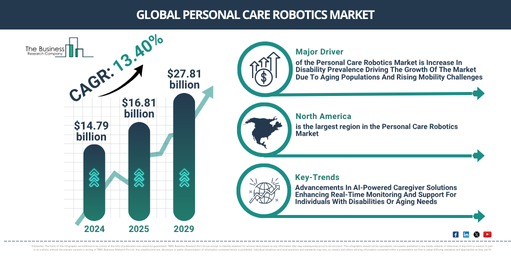
    The market size for personal care robotics has seen significant expansion in the most recent years. The market is predicted to expand from $14.79 billion in 2024 to $16.81 billion in 2025, representing a compound annual growth rate (CAGR) of 13.7%. The historical period’s growth can be linked to the increasing transition from hospital to home-based care, a growing demand for telehealth, heightened funding and policies, a rise in the understanding of the benefits of robotics, and a surge in the adoption of smart homes.

    The market size for personal care robotics is predicted to experience a swift expansion in the upcoming years, reaching a valuation of $27.81 billion in 2029, with a compound annual growth rate of 13.4%. The projected growth in this period can be ascribed to factors such as the growing elderly population, burgeoning healthcare expenses, escalating demand for autonomous living, commonality of chronic illnesses and the intensifying requirement for customized care. Key trends for the forecasted period encompass progress in AI-fueled caregiving, advancements in wearable tech, employment of robots in physical therapy and restoration, easy-to-use interfaces, and superior mobility functions.

    Download a free sample to assess the report’s scope and structure:

    https://www.thebusinessresearchcompany.com/sample.aspx?id=24361&type=smp

    What Are the Core Growth Drivers Propelling the Personal Care Robotics Market Forward?

    The rise in the occurrence of disabilities is predicted to propel the expansion of the personal care robotics market in the future years. Disabilities encompass physical, cognitive, sensory, or mental impairments that could limit a person’s ability to perform routine jobs or interact with their environment. The proliferation of disabilities is spurred on by an aging population, as increased longevity heightens the risk of developing conditions like mobility limitations, cognitive deterioration, and chronic diseases. Personal care robots are designed to support individuals with disabilities, improving their autonomy, security, and quality of life with the aid of assistive technologies. These robots have the capability to execute daily chores that might be difficult or even impossible for some individuals – task like eating, dressing, personal grooming or aiding mobility. For example, a report issued by the House of Commons Library, a research department in the British Parliament, in October 2024, stated that in the fiscal year 2022–2023, there were 16.1 million disabled people in the UK, amounting to approximately 24% of the entire population. The prevalence of disability was seen to increase with age, affecting an estimated 11% of children, 23% of the working-age population, and 45% of individuals surpassing the State Pension age. Thus, the escalating occurrence of disabilities will stimulate the development of the personal care robotics market.

    What Segment Types Define the Personal Care Robotics Market Structure?

    The personal care robotics market covered in this report is segmented –

    1) By Product: Smart Robots, Half Smart Robots

    2) By Technology: Artificial Intelligence (AI) And Machine Learning, Sensors And Actuators, Speech Recognition, Other Technologies

    3) By Application: Elderly Care, Disabled Assistance, Personal Hygiene, Others Applications

    4) By End-User: Hospitals, Nursing Homes, Home Care Settings, Other End-Users

    Subsegments:

    1) By Smart Robots: Personal Assistants, Health Monitoring Robots, Cleaning Robots, Robotic Wearables, Companion Robots

    2) By Half Smart Robots: Semi-Automated Cleaning Robots, Semi-Automated Health Monitoring Devices, Semi-Automated Personal Care Robots

    Request customized data on this market:

    https://www.thebusinessresearchcompany.com/sample.aspx?id=24361&type=smp

    Which Geographic Areas Hold the Strongest Growth Potential in the Personal Care Robotics Market?

    North America was the largest region in the personal care robotics market in 2024. Asia-Pacific is expected to be the fastest-growing region in the forecast period. The regions covered in the personal care robotics market report are Asia-Pacific, Western Europe, Eastern Europe, North America, South America, Middle East, Africa.

    Which Emerging Trends that Are Influencing the Personal Care Robotics Industry Evolution?

    Major businesses in the personal care robotics sector are concentrating their efforts on creating products that incorporate cutting-edge technology, such as artificial intelligence (AI) enabled caregiver solutions aimed at constant observation and real-time response to personal needs. AI-enabled caregiver solutions pertain to tech-centric systems that utilize machine learning and further AI tools to facilitate caregiving activities, thereby amplifying efficiency, and supporting those with disabilities or aging needs. As an example, Intuition Robotics Inc., an organization based in Israel that specializes in digital companion technology, introduced the ElliQ Caregiver Solution in January 2025. The system comprises the ElliQ companion robot and a dedicated Caregiver App designed for managing remote care. Together, they form an extensive platform utilizing artificial intelligence to assist in the care of the elderly. This solution allows caregivers to stay connected and informed and actively take part in their care from afar. It uses ElliQ in order to track health and activities, establish personalized care plans, and provide proactive, AI-driven updates, making sure caregivers are always updated on important changes. ElliQ serves as both a companion and caregiving aide, alerting caregivers about considerable changes in behavior or health, thereby enabling efficient remote care without the need for physical presence.

    View the full report here:

    https://www.thebusinessresearchcompany.com/report/personal-care-robotics-global-market-report

    What Is the Definition of the Personal Care Robotics Market?

    Personal care robotics refers to the use of robotic systems designed to assist individuals with tasks related to personal well-being, hygiene, mobility, and daily living activities. They enhance the quality of life, promote independence, and ensure safety for people who may require assistance due to age, disability, or health conditions.

    Purchase the full report and get a swift delivery:

    https://www.thebusinessresearchcompany.com/customise?id=24361&type=smp

    About The Business Research Company:

    With over 15000+ reports from 27 industries covering 60+ geographies, The Business Research Company has built a reputation for offering comprehensive, data-rich research and insights. Armed with 1,500,000 datasets, the optimistic contribution of in-depth secondary research, and unique insights from industry leaders, you can get the information you need to stay ahead in the game.

    Get in touch with us:

    The Business Research Company: https://www.thebusinessresearchcompany.com/

    Americas +1 3156230293

    Asia +44 2071930708

    Europe +44 2071930708

    Email us at info@tbrc.info

    Follow us on:

    LinkedIn: https://in.linkedin.com/company/the-business-research-company

    YouTube: https://www.youtube.com/channel/UC24_fI0rV8cR5DxlCpgmyFQ

    Global Market Model: https://www.thebusinessresearchcompany.com/global-market-model
  • Complete Blood Count Device Market in Focus: Forecasting Growth Drivers, Scaling Potential, and Global Opportunities

    Complete Blood Count Device Market in Focus: Forecasting Growth Drivers, Scaling Potential, and Global Opportunities

    We’ve updated all our reports with current data on tariff changes, trade developments, and supply chain shifts affecting key industries.

    What Are the Key Projections for the CAGR of the Complete Blood Count Device Market Size From 2025 to 2034?

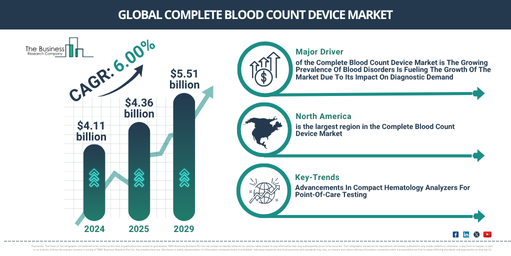
    There has been significant growth in the complete blood count device market in recent years. The market, standing at $4.11 billion in 2024, is expected to rise to $4.36 billion in 2025, exhibiting a compound annual growth rate (CAGR) of 6.2%. Factors such as the increasing occurrences of infectious diseases, heightened preventive healthcare awareness, larger diagnostic laboratory networks, growth in public health screening programs, and an uptick in the senior population have contributed to this historic growth.

    The market for complete blood count devices is projected to experience robust expansion in the coming years, ballooning to an estimated worth of $5.51 billion by 2029, with a compound annual growth rate (CAGR) of 6.0%. This surge in growth during the forecasted period can be linked to progressive advancements in hematology analyzers, the fusion of AI and automation in diagnostic procedures, increasing preference for point-of-care testing, enhanced healthcare spending in budding markets, and the escalating occurrence of chronic ailments. The major tendencies anticipated during this period involve the utilization of AI for results interpretation, the application of miniaturization in point-of-care testing, the ability to transmit data wirelessly, the progression of cartridge-based consumables, and the inclusion of multiplex testing features.

    Download a free sample to assess the report’s scope and structure:

    https://www.thebusinessresearchcompany.com/sample.aspx?id=24195&type=smp

    What Are the Core Market Drivers Propelling Growth in the Complete Blood Count Device Industry?

    The rise in incidents of blood disorders is forecasted to boost the advancement of the complete blood count device market in the future. Blood disorders refer to conditions that interfere with the generation, function, or formation of blood cells, which lead to compromised blood activity. This increase in blood disorders is linked to the escalating prevalence of lifestyle diseases, which are often caused by poor nutrition, a sedentary lifestyle, and stress, leading to conditions such as anemia and clotting problems. A complete blood count (CBC) device plays a critical role in diagnosing blood disorders. It examines key blood components and detects any irregularities, which enables healthcare professionals to identify coagulation disorders and ensure timely and accurate treatment. For example, the Canadian Cancer Society, a Canada-based institution, reported in May 2024 that 4,100 individuals were diagnosed with multiple myeloma, a form of blood cancer, and 1,750 people lost their lives to the disease. Hence, the rising prevalence of blood disorders is steering the expansion of the complete blood count device market.

    How Is the Complete Blood Count Device Market Segmented?

    The complete blood count device market covered in this report is segmented –

    1) By Device Type: Automated Blood Count Analyzers, Manual Blood Count Analyzers, Point-Of-Care Testing Devices, Hematology Analyzers

    2) By Test Type: White Blood Cell Count (WBC Or Leukocyte Count), White Blood Cell (WBC) Differential Count, Red Blood Cell Count (RBC Or Erythrocyte Count), Hematocrit (Hct), Hemoglobin (Hbg), Platelet Count, Mean Platelet Volume (MPV), Mean Corpuscular Hemoglobin (MCH), Other Test Types

    3) By Technology: Impedance Technology, Laser-Based Technology, Flow Cytometry, Microscopy

    4) By Distribution Channel: Direct Sales, Online Sales, Third-Party Distributors, Retail Pharmacies

    5) By End-User: Hospital, Diagnostic Laboratories, Research Institutes, Other End-Users

    Subsegments:

    1) By Automated Blood Count Analyzers: 3-Part Differential Analyzers, 5-Part Differential Analyzers, 6-Part And Above Differential Analyzers, Integrated Hematology Systems, High-Throughput Lab Analyzers

    2) By Manual Blood Count Analyzers: Hemocytometers, Microscopes For Manual Differential, Manual Cell Counters, Staining Kits And Reagents

    3) By Point-of-Care Testing Devices: Portable Hematology Analyzers, Handheld Complete Blood Count (CBC) Devices, Fingerstick Blood Test Devices, Rapid Diagnostic Complete Blood Count (CBC) Kits

    4) By Hematology Analyzers: Low-Volume Hematology Analyzers, Mid-Volume Hematology Analyzers, High-Volume Hematology Analyzers, Veterinary Hematology Analyzers, Reagent-Free Analyzers

    Request customized data on this market:

    https://www.thebusinessresearchcompany.com/sample.aspx?id=24195&type=smp

    Which Regions Are Driving the Next Phase of the Complete Blood Count Device Market Growth?

    North America was the largest region in the complete blood count device market in 2024. Asia-Pacific is expected to be the fastest-growing region in the forecast period. The regions covered in the complete blood count device market report are Asia-Pacific, Western Europe, Eastern Europe, North America, South America, Middle East, Africa.

    What Key Market Trends and Innovations Are Shaping the Future of the Complete Blood Count Device Industry?

    Key corporations in the complete blood count device market are emphasizing on introducing more advanced products like compact hematology analyzers. These devices offer fast, precise and cost-effective solutions for point-of-care tests. They bring convenience to the table, being portable, easy to navigate, and providing quick and precise results for a complete blood count (CBC) with only a minor sample volume requirement. This makes them perfectly suited for on-the-spot usage, improving diagnostic precision, efficiency, and ease while being cost-effective and effortless to maintain. HORIBA, an analytical and measurement technology firm based in Japan, for example, unveiled the Yumizen H550E and H500E hematology analyzers in June 2024. The devices are compact and combine erythrocyte sedimentation rate (ESR) tests with complete blood count (CBC) and 5-part differential (DIFF) analysis. Leveraging HORIBA’s unique CoRA (correlated rouleaux analysis) technology, they can deliver comprehensive results from complete blood samples in merely a minute.

    View the full report here:

    https://www.thebusinessresearchcompany.com/report/complete-blood-count-device-global-market-report

    How Is the Complete Blood Count Device Market Defined and What Are Its Core Parameters?

    A complete blood count (CBC) device is a medical instrument used to perform a complete blood count, a standard laboratory test that measures the levels and characteristics of various blood components. It automates the blood analysis process, delivering precise and rapid results, which assist healthcare professionals in making well-informed decisions for diagnosis and treatment.

    Purchase the full report and get a swift delivery:

    https://www.thebusinessresearchcompany.com/customise?id=24195&type=smp

    About The Business Research Company:

    With over 15000+ reports from 27 industries covering 60+ geographies, The Business Research Company has built a reputation for offering comprehensive, data-rich research and insights. Armed with 1,500,000 datasets, the optimistic contribution of in-depth secondary research, and unique insights from industry leaders, you can get the information you need to stay ahead in the game.

    Get in touch with us:

    The Business Research Company: https://www.thebusinessresearchcompany.com/

    Americas +1 3156230293

    Asia +44 2071930708

    Europe +44 2071930708

    Email us at info@tbrc.info

    Follow us on:

    LinkedIn: https://in.linkedin.com/company/the-business-research-company

    YouTube: https://www.youtube.com/channel/UC24_fI0rV8cR5DxlCpgmyFQ

    Global Market Model: https://www.thebusinessresearchcompany.com/global-market-model