Category: Medical Equipment

  • What’s The Growth Forecast For Neuroscience Antibodies & Assays Market Through 2024-2033?

    What’s The Growth Forecast For Neuroscience Antibodies & Assays Market Through 2024-2033?

    The Business Research Company’s global market reports provide comprehensive analysis on the various markets in 27 industries across 60 geographies.

    A Rapidly Evolving Landscape

    The neuroscience antibodies & assays market has undergone rapid growth in recent years, propelled by various factors, and is poised for substantial expansion in the future.

    Market Growth

    • Surging from $4.1 billion in 2023 to $4.63 billion in 2024 at a CAGR of 13.0%.
    • Future projections anticipate reaching $7.68 billion in 2028, driven by a robust CAGR of 13.5%.

    Historical Catalysts

    • Research funding and initiatives.
    • Drug discovery and development.
    • Rising prevalence of neurodegenerative diseases.
    • Government support and initiatives.
    • The emergence of personalized medicine.

    Unleashing the Market Potential

    Surge in Neurological Illnesses

    • Escalating incidents of neurological illnesses worldwide are propelling market growth.
    • Neurological disorders include epilepsy, Alzheimer’s disease, dementia, necessitating extensive research.
    • The World Health Organization reports 55 million people living with dementia globally.

    Key Market Players

    • Abcam PLC.
    • BioLegend Inc.
    • Bio-Rad Laboratories Inc.
    • F. Hoffmann-La Roche AG.
    • Thermo Fisher Scientific.
    • And many more.

    Product Innovation Driving Research and Diagnostics

    Product Innovation

    • Companies are focusing on developing innovative products to support research and diagnostics in neuroscience.
    • Labcorp’s Neurofilament Light Chain (NFL) blood test aids in the diagnosis and treatment of neurodegenerative diseases.

    Fujirebio’s Strategic Acquisition

    • In June 2022, Fujirebio acquired ADx NeuroSciences, a Belgium-based neurodegenerative biomarker developer.
    • This acquisition positions Fujirebio to offer global-level neurodegenerative disease diagnostic solutions.

    Market Segmentation

    1. Product Types:
      • Consumables.
      • Instruments.
    2. Technology:
      • Molecular Diagnostics.
      • Clinical Chemistry.
      • Immunoassays or Immunochemistry.
      • Other Technologies.
    3. Applications:
      • In Vitro Diagnostics.
      • Research.
      • Drug Discovery.
    4. End Users:
      • Hospitals and Diagnostics Centers.
      • Academic and Research Institutes.
      • Pharmaceutical and Biotechnology Companies.

    View More On The Neuroscience Antibodies & Assays Market Report 2024 – https://www.thebusinessresearchcompany.com/report/neuroscience-antibodies-and-assays-global-market-report

    Future Trends and Opportunities

    Collaboration for Growth

    • Collaborations are expected to play a significant role in the market’s future growth.
    • Partnerships can lead to the development of innovative solutions and drive market expansion.

    Telemedicine in Neurology

    • The integration of telemedicine in neurology is anticipated to contribute to market growth.
    • Remote patient monitoring and consultations will enhance accessibility to neurological care.

    Emphasis on Education and Training

    • Education and training initiatives will foster expertise in handling neuroscience antibodies and assays.
    • This focus supports the growth of skilled professionals in the field.

    Biomarker-Driven Therapies

    • Increasing emphasis on biomarker-driven therapies is a key trend.
    • Precision medicine approaches, targeting specific biomarkers, are expected to gain prominence.

    Neuroimmunology Focus

    • The growing focus on neuroimmunology will impact the market positively.
    • Understanding the interactions between the nervous system and the immune system is crucial for advancing neurology research.

    Major Technological Trends

    • MicroRNA and Non-coding RNA Assays:
      • Advancements in understanding gene expression.
    • Digital Pathology:
      • Utilization of digital technologies for pathology analysis.
    • Advanced Imaging-Compatible Assays:
      • Development of assays compatible with advanced imaging techniques.
    • Single-Cell Analysis:
      • Analyzing individual cells for precise insights.
    • 3D Organoid Models:
      • Modeling tissues in three dimensions for improved accuracy.

    Regional Dynamics

    North America’s Dominance

    • North America emerged as the largest region in the neuroscience antibodies & assays market in 2023.
    • The region’s robust healthcare infrastructure and research capabilities contribute to its leadership.

    In conclusion, the neuroscience antibodies & assays market’s growth trajectory is marked by innovation, strategic acquisitions, and a focus on addressing the increasing burden of neurological illnesses globally. The industry’s ability to adapt to emerging trends and collaborate for advancements will be crucial for continued success.

    Request A Sample Of The Global Neuroscience Antibodies & Assays Market Report 2024:
    https://www.thebusinessresearchcompany.com/sample_request?id=7548&type=smp

  • Understand How The Ocular Implants Market Is Poised To Grow Through 2024-2033

    Understand How The Ocular Implants Market Is Poised To Grow Through 2024-2033

    The Business Research Company’s global market reports are now updated with the latest market sizing information for the year 2024 and forecasted to 2033

    As per The Business Research Company’s Ocular Implants Global Market Report 2024, the ocular implants market is expected to show significant growth in the forecast period.

    1. Introduction

    The ocular implants market has experienced rapid expansion in recent years, setting the stage for substantial growth in the near future. In 2023, the market size stood at $13.57 billion, projected to reach $15.14 billion in 2024 with a robust CAGR of 11.6%. Looking ahead, the forecast indicates further acceleration, with the market expected to surge to $22.96 billion in 2028, boasting a CAGR of 11.0%. This flourishing trajectory is attributed to various factors, including the aging global population, the prevalence of myopia, glaucoma management, minimally invasive surgery, and a commitment to patient safety.

    1. Geriatric Boom Driving Market Expansion
    2. Geriatric Population and Eye Health
    • Ocular implants cater to age-related eye conditions like cataracts, glaucoma, and presbyopia.
    • Enhances vision, reduces reliance on corrective eyewear, and improves the quality of life for older individuals.
    1. Global Aging Trends
    • According to the World Health Organization, the global population aged 60 years is projected to reach 1.4 billion by 2022.
    • One out of six people worldwide will be aged 60 or older by 2030.
    1. Market Players
    • Major companies in the ocular implants market include Alcon Inc., Bausch & Lomb Inc., Carl Zeiss AG, and Johnson and Johnson Services Inc.

    View More On The Ocular Implants Market Report 2024 – https://www.thebusinessresearchcompany.com/report/ocular-implants-global-market-report

    1. Innovative Ocular Implant Products Reshaping Care
    2. Premium Iris Implant Products
    • Major companies are introducing premium-quality iris implant products for a competitive edge.
    • Example: HumanOptics Holding AG’s ARTIFICIALIRIS SELECT offers customizable iris replacement, allowing surgeons to select from a range of colors for efficient patient care.
    1. Strategic Moves in the Industry
    2. Alcon’s Acquisition of Ivantis
    • In August 2021, Alcon acquired Ivantis for $475 million in cash.
    • Demonstrates Alcon’s commitment to the surgical glaucoma market.
    • Strengthens Alcon’s position in cataract, refractive, retina, and glaucoma segments.
    1. Market Segmentation and Regional Insights
    • Segmentation:
      1. By Product: Intraocular Lens, Corneal Implants, Orbital Implants, Glaucoma Implants, Other Products
      2. By Application: Glaucoma Surgery, Diabetic Retinopathy, Age-Related Macular Degeneration
      3. By End-User: Specialty Eye Institutes, Hospitals, Clinics
    • Regional Insights:
      • North America led the ocular implants market in 2023.
      • Asia-Pacific is anticipated to be the fastest-growing region in the forecast period.
    1. Conclusion

    The ocular implants market is not only witnessing remarkable growth but is also undergoing transformative changes with technological advancements, ophthalmic innovation, and the integration of digital healthcare and artificial intelligence. As major players introduce cutting-edge products and engage in strategic acquisitions, the landscape of ocular care is evolving. The surge in the aging population and a growing emphasis on patient safety further emphasize the need for continuous innovation in this dynamic sector. Stakeholders in the ocular implants market must remain vigilant to capitalize on emerging trends and contribute to the evolution of eye care solutions.

    Request A Sample Of The Global Ocular Implants Market Report 2024:
    https://www.thebusinessresearchcompany.com/sample_request?id=6557&type=smp

  • Key Trends And Drivers In The Microneedle Drug Delivery Systems Market 2024

    Key Trends And Drivers In The Microneedle Drug Delivery Systems Market 2024

    The Business Research Company’s market reports offer an in-depth analysis on the market’s growth potential, major drivers, key trends and more.

    The microneedle drug delivery systems market has undergone rapid growth, surging from $4.32 billion in 2023 to an anticipated $5.13 billion in 2024, showcasing an impressive CAGR of 18.7%. This growth, rooted in pain-free drug delivery, enhanced patient compliance, and diverse applications in chronic disease management, cosmetics, and aesthetics, is set to propel the market to new heights, reaching $9.82 billion by 2028, with a projected CAGR of 17.6%.

    Growing Demand For Microneedle Drug Delivery Systems Driven By Vaccine Research:

    • Alternative Vaccination Method:The increasing demand for vaccination research has become a key driver for the microneedle drug delivery systems market. Microneedle patches offer a painless alternative for vaccine administration, gaining prominence in flu, measles, and most notably, COVID-19 vaccines.
    • Global Vaccination Statistics:A Bloomberg report indicates over 3.98 billion vaccine doses administered across 180 countries until July 2021, highlighting the increasing adoption of microneedle drug delivery technology globally.

    Innovation In Microneedle Drug Delivery With Nanopass Launches Micronjet 600:

    • Innovative Products:Major players in the microneedle drug delivery systems market are focused on innovation, exemplified by products like the MicronJet 600. Launched by NanoPass Technologies Ltd., MicronJet 600 is a microneedle-based device for intradermal drug delivery, earning FDA clearance as the first true (<1 mm) microneedle for intradermal delivery below the skin surface.
    • Diverse Applications:MicronJet 600 serves as a versatile platform for drug delivery, accommodating vaccines, drugs, peptides, and dermal fillers, showcasing the adaptability and potential of microneedle technology.

    Read More On The Microneedle Drug Delivery Systems Market Report 2024 – https://www.thebusinessresearchcompany.com/report/microneedle-drug-delivery-systems-global-market-report

    Terasaki Institute Partners With Pharmather For Psychedelic Microneedle Patch Development:

    • Strategic Partnerships:In February 2021, the Terasaki Institute partnered with PharmaTher to advance microneedle technology in the development of a psychedelic microneedle patch. This collaboration aims to create more efficient and effective delivery methods for psychedelic pharmaceuticals.
    • Efficient Drug Delivery:The partnership with PharmaTher, a Canadian pharmaceutical company specializing in microneedle drug delivery systems, underscores the expanding applications of microneedles beyond traditional drug and vaccine delivery.

    Market Segmentation: The microneedle drug delivery systems market is segmented into various categories:

    1. By Technology:Hollow, Porous, Solid, and Other Technologies.
    2. By Application:Drug Delivery, Vaccine Delivery, and Other Applications.
    3. By End-User:Diagnostics Laboratories, Life Sciences, Research Laboratories, Hospitals, Ambulatory Surgical Centers, and Other End-Users.

    Major Trends Shaping the Future:

    • Smart Microneedles:The integration of smart microneedles marks a significant trend, enhancing the functionality and capabilities of microneedle drug delivery systems.
    • Advancements in Material Science:Ongoing developments in material science contribute to the creation of more efficient and biocompatible microneedle technologies.
    • Advancements in Wearable Technology:The synergy between microneedle technology and wearable devices promises to revolutionize drug delivery and patient monitoring.
    • Biodegradable Materials:The shift towards biodegradable materials in microneedle development aligns with environmentally conscious practices.
    • Continuous Glucose Monitoring:The incorporation of microneedles in continuous glucose monitoring reflects the expanding scope of these systems in managing chronic conditions.

    Regional Dynamics:

    • North America Leading Innovation:In 2023, North America emerged as the largest region in the microneedle drug delivery systems market, showcasing the region’s leadership in adopting and advancing this groundbreaking technology.
    • Asia-Pacific’s Potential:Asia-Pacific is anticipated to be the fastest-growing region in the forecast period, signifying the global reach and potential of microneedle drug delivery systems.

    Conclusion: As the microneedle drug delivery systems market continues to surge, driven by vaccine research, technological innovations, and strategic partnerships, it marks a paradigm shift in drug delivery methods. The ability to provide pain-free, efficient, and diverse applications positions microneedle technology as a transformative force in healthcare. With smart microneedles, advancements in material science, and a focus on sustainability, the future promises even more breakthroughs, making microneedle drug delivery systems a cornerstone in modern healthcare.

    Request for A Sample Of The Global Microneedle Drug Delivery Systems Market Report:
    https://www.thebusinessresearchcompany.com/sample_request?id=5338&type=smp

  • Growth Trajectory Of The Minimally Invasive Surgery Market 2024-2033

    Growth Trajectory Of The Minimally Invasive Surgery Market 2024-2033

    The Business Research Company’s global market reports are now updated with the latest market sizing information for the year 2024 and forecasted to 2033

    The minimally invasive surgery market has demonstrated robust growth, expanding from $57.7 billion in 2023 to an estimated $63.41 billion in 2024, reflecting a Compound Annual Growth Rate (CAGR) of 9.9%. This growth in the historic period is attributed to various factors such as increased patient awareness, reduced hospital stay, lower infection risk, surgeon training proficiency, and the prevalence of chronic diseases.

    • Chronic Diseases Driving Demand:The surge in chronic diseases, including cancer, neurological disorders, and cardiovascular diseases, is a significant catalyst for the demand in the minimally invasive surgery market. These long-lasting illnesses often necessitate ongoing medical attention, leading patients to seek less invasive surgical solutions for enhanced care and faster recovery.
    • Impact of Lifestyle Changes:Changing lifestyles, dietary habits, and obesity contribute to the rise in chronic conditions. Minimally invasive surgeries provide several advantages, including less post-operative pain, shorter hospital stays, faster recovery times, and minimal scarring, addressing the specific needs of patients dealing with chronic illnesses.
    • Global Impact of Chronic Diseases:According to a report by the National Library of Medicine, the number of individuals aged 50 and older with chronic illnesses in the United States is projected to increase by 99.5% by 2050. This emphasizes the critical role of minimally invasive surgery in addressing the healthcare challenges posed by chronic diseases.

    View More On The Minimally Invasive Surgery Market Report 2024 – https://www.thebusinessresearchcompany.com/report/minimally-invasive-surgery-global-market-report

    Technological Advancements Drive Surge In Minimally Invasive Surgery Market

    Technological advancements play a pivotal role in the growth of the minimally invasive surgery market. As science and technology progress, there is a heightened demand for specialized medical care and treatment quality. Innovations in optics, instrumentation, materials, robotics, and computer systems contribute to the increased adoption of minimally invasive surgery techniques.

    • Focus on Technological Solutions:Major companies in the market are investing in the development of cutting-edge technological solutions. For example, Ethicon, part of Johnson & Johnson, introduced the ECHELONTM+ stapler with GST reloads, incorporating gripping surface technology (GST) reloads for more consistent compression and a new motor with dynamic firing for optimized speed in thick tissue.

    Hologic, Inc. Enhances Surgical Portfolio With Acquisition Of Bolder Surgical

    Strategic acquisitions are shaping the landscape of the minimally invasive surgery market. In October 2021, Hologic, Inc., a US-based medical technology company, acquired Bolder Surgical for $160 million. This acquisition further strengthens Hologic’s surgical portfolio by integrating Bolder’s advanced vessel sealing and dissection tools used in laparoscopic procedures.

    • Broadening Surgical Portfolio:Hologic’s acquisition of Bolder Surgical highlights the industry trend of expanding capabilities through strategic acquisitions. The addition of advanced energy vessel sealing surgical devices enhances Hologic’s ability to provide comprehensive solutions for minimally invasive surgical procedures.

    Market Segmentation: A Comprehensive Overview

    The minimally invasive surgery market is segmented based on devices, products, applications, and end-users, providing a comprehensive understanding of the diverse components within the industry.

    1. Device Segmentation:Handheld Instruments, Inflation Devices, Cutter Instruments, Guiding Devices, Electrosurgical Devices, Auxiliary Devices, Monitoring And Visualization Devices.
    2. Product Segmentation:Surgical Devices, Laparoscopy Devices, Monitoring And Visualization Devices.
    3. Application Segmentation:Cardiac, Gastrointestinal, Orthopedic, Vascular, Gynecological, Urological, Cosmetic, Dental.
    4. End-User Segmentation:Hospitals And Specialty Clinics, Ambulatory Surgery Centers.
    • Regional Dominance:North America emerged as the largest region in the minimally invasive surgery market in 2023, underlining the region’s substantial contribution to the overall market dynamics.

    In conclusion, the minimally invasive surgery market’s trajectory is marked by its ability to address the rising prevalence of chronic diseases, fueled by advancements in technology and strategic acquisitions. As the market continues to evolve, these trends will play a crucial role in shaping its future, offering enhanced precision, patient care, and a broader range of medical solutions.

    Request A Sample Of The Global Minimally Invasive Surgery Market Report 2024:
    https://www.thebusinessresearchcompany.com/sample_request?id=7768&type=smp

  • How Is The Minimally Invasive Surgical Instruments Market Expected To Grow Through 2024-2033

    How Is The Minimally Invasive Surgical Instruments Market Expected To Grow Through 2024-2033

    The Business Research Company’s global market reports are now updated with the latest market sizing information for the year 2024 and forecasted to 2033

    According to The Business Research Company’s Minimally Invasive Surgical Instruments Global Market Report 2024, the minimally invasive surgical instruments market is expected to show promising growth in the forecast period.

    1. Introduction

    The minimally invasive surgical instruments market has experienced rapid growth, escalating from $36.6 billion in 2023 to a projected $40.42 billion in 2024, boasting a Compound Annual Growth Rate (CAGR) of 10.5%. This expansion can be attributed to several factors, including an aging population, an increase in chronic diseases, heightened research and development investment in healthcare, improved healthcare infrastructure, and a surge in medical tourism.

    1. Projected Growth and Key Drivers
    2. Anticipated Momentum

    The market is poised for robust growth, with a projected escalation to $59.17 billion in 2028, driven by a Compound Annual Growth Rate (CAGR) of 10.0%. Key drivers in this forecast period include an increasing surgical volume, growing healthcare expenditure, rising disposable income, and a demand for shorter hospital stays.

    1. Key Growth Drivers
    2. Increasing Surgical Volume:Surge in demand for various minimally invasive surgical procedures.
    3. Growing Healthcare Expenditure:Higher investment in healthcare infrastructure and services.
    4. Rising Disposable Income:Affordability driving patient preference for advanced surgical techniques.
    5. Demand for Shorter Hospital Stays:Patients seeking efficient and less invasive medical interventions.

    III. Surge in Minimally Invasive Surgical Procedures Drives Market Growth

    1. Preference for Minimally Invasive Surgery

    The escalating number of surgical procedures, including adrenalectomy, brain surgery, heart surgery, kidney transplant, spine surgery, and plastic and cosmetic surgery, is driving the growth of the minimally invasive surgical instruments market.

    1. Statistical Insights
    • In April 2022, the Aesthetic Society reported a 54% increase in surgical procedures for plastic and cosmetic surgery in 2021, with an average plastic surgeon conducting 320 surgical operations.
    1. Industry Leaders
    • Major companies in the market include Abbott Laboratories Inc., Intuitive Surgical Inc., Boston Scientific Corporation, and Johnson & Johnson Services Ltd.
    1. Innovation in Minimally Invasive Surgical Instruments
    2. Surgical Visualization Platforms

    Innovation is evident in the introduction of surgical visualization platforms, providing high-quality, real-time images of the surgical site. Olympus Corporation’s VISERA ELITE III, launched in September 2022, integrates multiple observation modes and fluorescence-guided surgery in 4K, enhancing surgical outcomes and procedural learning curves.

    1. Enhanced Surgical Visualization
    • Anticipated software upgrades are expected to further enhance surgical imaging technology, offering customization for various surgical requirements while reducing overall costs.
    1. Industry Expansion and Collaborations
    2. Erbe Electromedicine’s Acquisition

    In April 2021, Erbe Elektromedizin acquired Maxer Endoscopy GmbH, expanding its surgical endoscopy business. This strategic move allows Erbe to utilize 4K and fluorescence-guided devices for endoscopic and open operations, enhancing performance in minimally invasive surgery.

    View More On The Minimally Invasive Surgical Instruments Market Report 2024 – https://www.thebusinessresearchcompany.com/report/minimally-invasive-surgical-instruments-global-market-report

    1. Market Segmentation

    The market is segmented based on various criteria, offering a comprehensive understanding of its diverse components.

    1. By Product
    2. Handheld Instruments
    3. Inflation Systems
    4. Cutter Instruments
    5. Guiding Devices
    6. Electrosurgical Devices
    7. Auxiliary Instruments
    8. Type of Procedure Outlook
    9. Robotic
    10. Non-Robotic
    11. By Application
    12. Cardiothoracic Surgery
    13. Gastrointestinal Surgery
    14. Orthopedic Surgery
    15. Gynecological Surgery
    16. Cosmetic & Bariatric Surgery
    17. Vascular Surgery
    18. Urological Surgery
    19. By End User
    20. Hospitals
    21. Ambulatory Surgical Clinics
    22. Research Institutes

    VII. Regional Dynamics

    North America held the largest share in the minimally invasive surgical instruments market in 2023, while Asia-Pacific is expected to be the fastest-growing region in the forecast period.

    VIII. Conclusion

    As the minimally invasive surgical instruments market continues to expand, innovations in technology, strategic acquisitions, and a focus on patient-centric approaches are pivotal. Stakeholders in healthcare must adapt to these evolving trends to ensure the delivery of efficient, less invasive, and technologically advanced surgical solutions.

    Request A Sample Of The Global Minimally Invasive Surgical Instruments Market Report 2024:
    https://www.thebusinessresearchcompany.com/sample_request?id=5656&type=smp

  • What Is The Forecast Growth Rate For The Mortuary Equipment Market?

    What Is The Forecast Growth Rate For The Mortuary Equipment Market?

    The Business Research Company’s market reports offer an in-depth analysis on the market’s growth potential, major drivers, key trends and more.

    1. Introduction

    The mortuary equipment market has witnessed robust growth, surging from $1.05 billion in 2023 to a projected $1.14 billion in 2024, showcasing a Compound Annual Growth Rate (CAGR) of 8.6%. This growth is attributed to factors such as healthcare infrastructure, population growth, funeral industry demands, regulatory compliance, and the impact of natural disasters.

    1. Projected Growth and Key Drivers
    2. Anticipated Surge

    The market is poised for rapid expansion, with a projected growth to $1.67 billion in 2028, reflecting a higher CAGR of 10.1%. This growth is expected due to several influential factors, including an aging population, military and law enforcement requirements, increased demand for cremation services, cultural diversity, and heightened focus on pandemic preparedness.

    1. Key Growth Drivers
    2. Aging Population:Higher mortality rates due to an aging demographic.
    3. Military and Law Enforcement:Specific equipment needs for these sectors.
    4. Cremation Services:Growing preference for cremation as an end-of-life option.
    5. Cultural Diversity:Varied funeral practices influencing equipment requirements.
    6. Pandemic Preparedness:Increased focus on handling mass fatalities.

    III. Rising Mortality Rates Drive Market Growth

    1. Mortality Rate Impact

    The surge in mortality rates is a pivotal factor driving the growth of the mortuary equipment market. As mortality rates increase, so does the demand for essential equipment such as body bags, mortuary stretchers, lifting carts, mortuary washing units, and autopsy tables.

    1. Statistical Insights
    • According to the Centers for Disease Control and Prevention (CDC), the age-adjusted death rate in the United States increased by 5.3% from 2020 to 2021.
    • Mortuary equipment market leaders include Ferno-Washington Inc., Flexmort, and LEEC Limited.

    Read More On The Mortuary Equipment Market Report 2024 – https://www.thebusinessresearchcompany.com/report/mortuary-equipment-global-market-report

    1. Innovative Trends in Mortuary Equipment
    2. Green Burial Practices

    Companies are embracing sustainable practices, with innovations like biodegradable mushroom coffins that biodegrade in just 45 days. Loop Biotech, a Dutch startup, introduced these environmentally friendly coffins, combining upcycled hemp with mycelium.

    1. Digital Records and Management

    The industry is witnessing a shift towards digitalization, with an increasing focus on managing mortuary records electronically for enhanced efficiency and accessibility.

    1. Remote Autopsies

    Advancements in technology have enabled remote autopsies, allowing pathologists to conduct examinations without physical presence, reducing the need for physical handling of bodies.

    1. Smart Mortuary Equipment

    Incorporating smart technologies into mortuary equipment, such as temperature-controlled refrigerators and automated lifting systems, is a notable trend in the industry.

    1. Industry Consolidation and Expansion
    2. Charterhouse Capital Partners’ Acquisition

    In January 2023, Charterhouse Capital Partners LLP acquired Facultatieve Group, consolidating Funecap’s position in the Dutch crematoria management market and expanding its crematoria management business in Germany and Switzerland.

    1. Market Segmentation

    The mortuary equipment market is segmented based on various criteria, offering a comprehensive understanding of its diverse components.

    1. By Product Type
    2. Refrigerators And Freezers
    3. Autopsy And Dissection Tables
    4. Cadaver Lifts
    5. Cadaver Trolleys
    6. Other Types
    7. By Application
    8. Manual
    9. Automated
    10. By End User
    11. Hospitals
    12. Academic Institutions
    13. Research Organizations
    14. Forensic Laboratories
    15. Other End-Users

    VII. Regional Dynamics

    North America dominated the mortuary equipment market in 2023, with Asia-Pacific anticipated to be the fastest-growing region in the forecast period.

    VIII. Conclusion

    The mortuary equipment market’s evolution reflects the dynamic interplay of demographic shifts, technological innovations, and industry consolidation. As the market continues to grow, stakeholders must stay attuned to emerging trends and adapt strategies to meet evolving demands in this sensitive and essential sector.

    Request for A Sample Of The Global Mortuary Equipment Market Report:
    https://www.thebusinessresearchcompany.com/sample_request?id=6047&type=smp

  • Key Insights On The Medical Tubing Market 2024 – Size, Driver, And Major Players

    Key Insights On The Medical Tubing Market 2024 – Size, Driver, And Major Players

    The Business Research Company’s global market reports are now updated with the latest market sizing information for the year 2024 and forecasted to 2033

    As per The Business Research Company’s Medical Tubing Global Market Report 2024, the medical tubing market is expected to show significant growth in the forecast period.

    1. Introduction

    The medical tubing market has experienced robust growth, surging from $11.95 billion in 2023 to a projected $13.25 billion in 2024, showcasing a Compound Annual Growth Rate (CAGR) of 10.9%. This surge can be attributed to factors such as medical device manufacturing, infection control, cardiovascular procedures, surgical applications, and the trend towards miniaturization and microfluidics.

    1. Projected Growth and Key Drivers
    2. Anticipated Expansion

    The market is poised for rapid growth, with a projected escalation to $21.03 billion in 2028, driven by a Compound Annual Growth Rate (CAGR) of 12.2%. Key drivers in this forecast period include precision medicine, telemedicine services, biodegradable materials, global health initiatives, and the increasing geriatric population.

    1. Key Growth Drivers
    1. Precision Medicine: Tailoring medical treatment to individual characteristics.
    2. Telemedicine Services: Expanding reach and accessibility of healthcare.
    3. Biodegradable Materials: Growing emphasis on environmentally friendly solutions.
    4. Global Health Initiatives: Addressing healthcare needs on a global scale.
    5. Geriatric Population: Increasing demand for medical services for the elderly.

    III. Escalation of Respiratory Ailments Drives Market Growth

    1. Impact of Respiratory Diseases

    The rising prevalence of respiratory diseases, including asthma, lung cancer, and pulmonary fibrosis, is a driving force behind the growth of the medical tubing market. These diseases, often caused by factors like tobacco smoking and air pollution, are leading to an increased demand for medical tubes, particularly in ventilators that aid breathing.

    1. Statistical Insights
    • The percentage of Chronic Obstructive Pulmonary Disease (COPD) among adults in the USA increased from 4.6% in 2020 to 5.0% in 2021, according to the Centers for Disease Prevention and Control (CDC).
    1. Industry Leaders
    • Major companies in the market include Saint-Gobain S.A., W.L. Gore & Associates Inc., and Teleflex Medical OEM LLC.

    View More On The Medical Tubing Market Report 2024 – https://www.thebusinessresearchcompany.com/report/medical-tubing-global-market-report

    1. Innovative Product Development Reshaping the Market
    2. Key Trend: Product Innovation

    Product innovation stands out as a prominent trend in the medical tubing market. Key players are focusing on launching innovative medical tubes with advanced features to enhance effectiveness. One notable innovation is the braided medical tube, revolutionizing the capabilities of catheters and medical tubing.

    1. Braided Medical Tubes
    • Braided tubes improve flexibility and strength in medical equipment.
    • Utilized in cardiovascular and neurovascular surgery, as well as endoscopic treatments.
    1. Industry Innovation Example
    • In January 2021, Zeus Industrial Products, Inc. launched braid and coil-reinforced polyamide tubing, enhancing catheter design capabilities.
    1. Industry Expansion and Collaborations
    2. Strategic Acquisition: Catheter and Medical Design

    In March 2021, Catheter and Medical Design acquired VitalDyne Medical, strengthening its position in the global medical device industry. This acquisition expanded capabilities in laser cutting, welding, micromachining, and final device production.

    1. Industry Collaboration Example
    • VitalDyne Medical, a manufacturer of sophisticated catheter solutions, adds valuable expertise to Catheter and Medical Design’s manufacturing capabilities.
    1. Market Segmentation

    The market is segmented based on various criteria, offering a comprehensive understanding of its diverse components.

    1. By Product
    1. Silicone
    2. Polyolefins
    3. Polyvinyl Chloride
    4. Polycarbonates
    5. Fluoropolymers
    6. Other Products
    1. By Application
    1. Bulk Disposable Tubing
    2. Drug Delivery Systems
    3. Catheters
    4. Biopharmaceutical Laboratory Equipment
    5. Other Applications
    1. By End-User
    1. Hospitals
    2. Clinics
    3. Ambulatory Surgical Centers
    4. Medical Labs
    5. Other End-Users

    VII. Regional Dynamics

    North America emerged as the largest region in the medical tubing market in 2023, while Asia-Pacific is expected to be the fastest-growing region in the forecast period.

    VIII. Conclusion

    The growth trajectory of the medical tubing market is dynamic, driven by a range of factors from innovative product development to the escalating demand for respiratory care. As the industry continues to evolve, stakeholders must stay abreast of these trends and collaborate to ensure the delivery of advanced and effective healthcare solutions.

    Request A Sample Of The Global Medical Tubing Market Report 2024:
    https://www.thebusinessresearchcompany.com/sample_request?id=6688&type=smp

  • Future Growth Forecast For The Medical Tricorder Global Market 2024-2033

    Future Growth Forecast For The Medical Tricorder Global Market 2024-2033

    The Business Research Company’s global market reports provide comprehensive analysis on the various markets in 27 industries across 60 geographies.

    The medical tricorder market has experienced rapid growth, propelling from $5.93 billion in 2023 to an anticipated $6.9 billion in 2024, exhibiting a commendable CAGR of 16.3%. This surge is attributed to factors like enhanced healthcare accessibility, patient empowerment, chronic disease management, the advent of telemedicine, and the rise of point-of-care testing. As we look forward, the market is poised for even more robust growth, reaching $13.32 billion by 2028, with a projected CAGR of 17.9%.

    Rising Chronic Illnesses Drive Global Medical Tricorder Market Growth:

    • Chronic Disease Prevalence: The global surge in chronic illnesses, including cardiovascular diseases and diabetes, is a key driver for the medical tricorder market. These devices play a crucial role in the diagnosis and monitoring of chronic conditions, aiding in better management and timely intervention.
    • Global Mortality Statistics: According to the World Health Organization, 74% of the 41 million deaths annually are attributed to non-communicable diseases (NCDs) or chronic diseases. Cardiovascular diseases, cancer, chronic respiratory diseases, and diabetes account for a significant portion of these fatalities.

    New Approval To Provide Remote Monitoring Solution:

    • Innovative Remote Monitoring: Major players in the medical tricorder market are securing new approvals, exemplified by MouthLab, a hand-held device measuring 10 vital health parameters in just 60 seconds. This device, receiving FDA Class II 510(k) clearance in March 2021, empowers remote monitoring, making it a valuable asset in the era of telemedicine.
    • Holistic Health Assessment: Developed in collaboration with the Johns Hopkins Medical Institute, MouthLab offers a comprehensive health assessment, generating a unique ‘biosignature.’ This innovative approach not only aids in early detection but also aligns with the shift towards personalized healthcare.

    University Hospital Bonn Partners With Butterfly Network For Advanced Ultrasound Education:

    • Revolutionizing Medical Education: In a pioneering move, the University Hospital Bonn partnered with Butterfly Network, providing medical students with the Butterfly iQ+ devices, an advanced ultrasound system. This initiative aims to enrich medical education, research, and patient care by introducing portable, semiconductor chip-based ultrasound systems.
    • Empowering Students: The partnership ensures hands-on ultrasound training for medical and midwifery students, emphasizing the significance of ultrasound diagnostics in medicine. By incorporating modern healthcare technology into education, the collaboration fosters a new era of informed bedside diagnosis.

    View More On The Medical Tricorder Market Report 2024 – https://www.thebusinessresearchcompany.com/report/medical-tricorder-global-market-report

    Major Trends Shaping the Future:

    • Artificial Intelligence (AI) and Machine Learning: The integration of AI and machine learning enhances the capabilities of medical tricorders, enabling more accurate diagnoses and personalized healthcare solutions.
    • Internet of Things (IoT) Integration: The connection of medical tricorders to the Internet of Things facilitates seamless data transfer, real-time monitoring, and improved healthcare communication.
    • Wearable Health Tech: The rise of wearable devices, integrated with medical tricorder capabilities, transforms consumer health monitoring, promoting proactive healthcare management.
    • Consumer Health Devices: The advent of consumer-centric health devices empowers individuals to actively participate in their healthcare journey, aligning with the trend of patient empowerment.
    • Health Data Security: As medical tricorders become integral to healthcare ecosystems, ensuring robust health data security measures becomes a paramount concern, safeguarding patient privacy and compliance.

    Conclusion: The medical tricorder market’s exponential growth signifies a transformative shift in healthcare, emphasizing personalized, accessible, and proactive approaches. With a focus on addressing chronic diseases, innovative remote monitoring solutions, and collaborative ventures for advanced medical education, the market is at the forefront of healthcare evolution. As trends like AI integration, IoT connectivity, wearable health tech, and stringent health data security continue to shape the landscape, medical tricorders are positioned as pivotal instruments in the quest for a healthier, more connected future.

    Request A Sample Of The Global Medical Tricorder Market Report 2024:
    https://www.thebusinessresearchcompany.com/sample_request?id=5315&type=smp

  • 5 Takeaways From The Medical Styrenic Block Copolymer Market Overview 2024

    5 Takeaways From The Medical Styrenic Block Copolymer Market Overview 2024

    The Business Research Company’s global market reports are now updated with the latest market sizing information for the year 2024 and forecasted to 2033

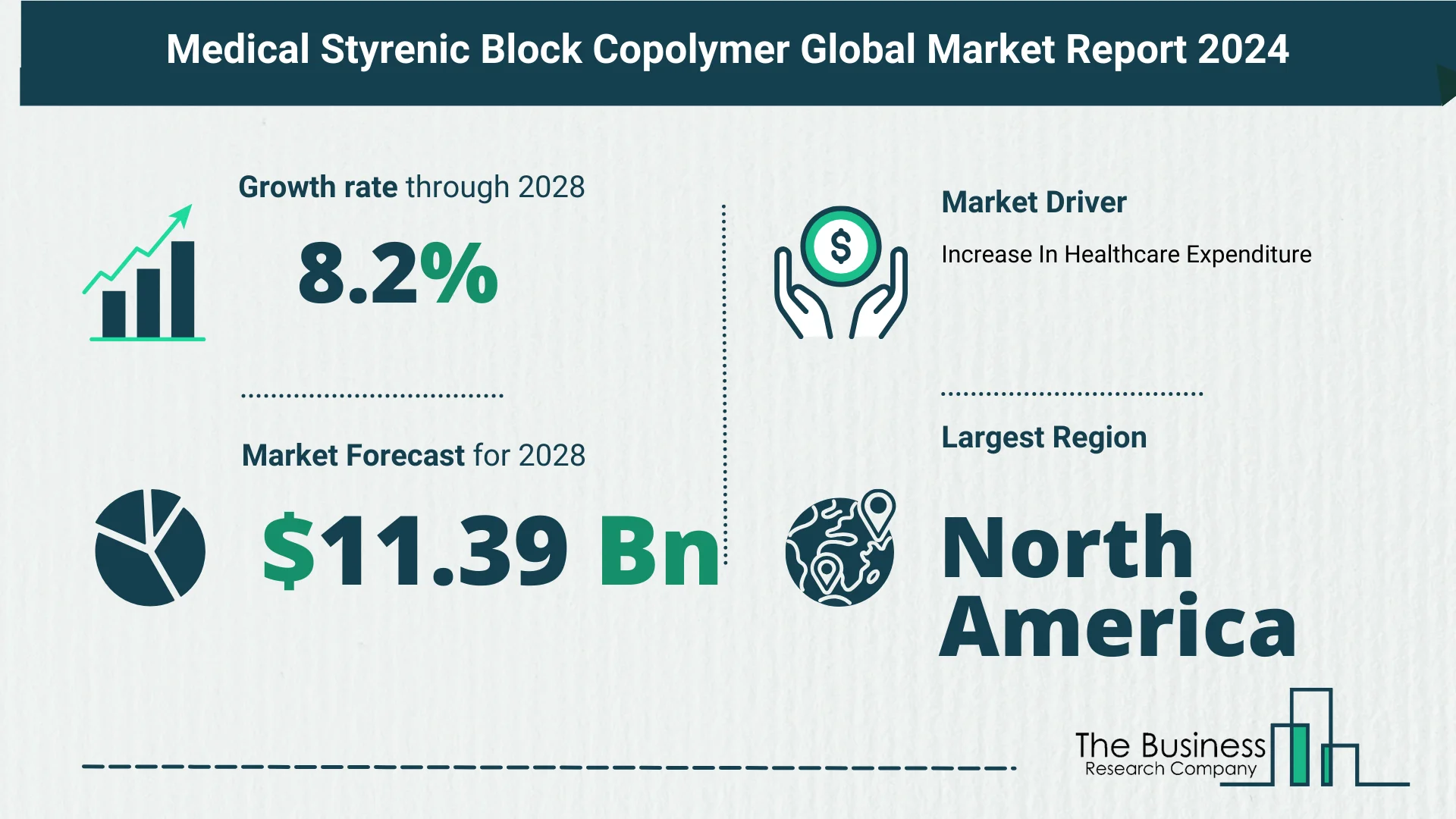
    According to The Business Research Company’s Medical Styrenic Block Copolymer Global Market Report 2024, the medical styrene block copolymer market is expected to show promising growth in the forecast period.

    The medical styrenic block copolymer market has experienced robust growth, increasing from $7.71 billion in 2023 to a projected $8.33 billion in 2024, reflecting a Compound Annual Growth Rate (CAGR) of 8.1%. The growth in the historic period can be attributed to factors such as regulatory compliance, infection control, telemedicine services, precision medicine, and global healthcare initiatives.

    • Impact of Increasing Healthcare Expenditure: The growth of the medical styrenic block copolymer market is closely linked to the rise in healthcare expenditure globally. The average spending on healthcare in economies, including India and the United States, has increased significantly. These funds contribute to the production of medical products utilizing styrene block copolymers, enhancing flexibility and elasticity.
    • Global Healthcare Spending: Notably, Indian public spending on healthcare reached 2.1% of GDP in 2022, up from 1.8% in 2021. In the U.S., healthcare spending rose by 9.7% in 2020, reaching a staggering $4.1 trillion. The substantial increase in healthcare expenditure underlines the importance of medical styrenic block copolymers in supporting the demand for high-quality materials.
    • Market Players: Major companies driving this growth include Zeon Corporation, TSRC Corporation, Kumho Petrochemical Co. Ltd., and INEOS Styrolution Group GmbH, among others. These entities play a pivotal role in meeting the rising demand for medical styrenic block copolymers.

    Increasing Focus On Introducing Expanding Production To Gain A Competitive Edge
    Companies operating in the medical styrenic block copolymer market are strategically focusing on expanding production to gain a competitive edge. This approach ensures a steady supply of high-quality materials for medical devices and packaging, aligning with the escalating healthcare demands globally.

    • Strategic Production Expansion: Notable examples include China Petroleum & Chemical Corporation’s launch of a styrene-butadiene copolymer (SBC) project in Hainan, China. With an annual production capacity of 170,000 tons, Sinopec positions itself as the largest global producer of SBC plants, meeting the surging demand for medical styrenic block copolymers.

    View More On The Medical Styrenic Block Copolymer Market Report 2024 – https://www.thebusinessresearchcompany.com/report/medical-styrenic-block-copolymer-global-market-report

    DL Chemicals Acquired Karton: Fueling Innovation and Growth
    In December 2021, DL Chemicals, a South Korea-based company specializing in medical polyethylene and elastomer polybutylene products, acquired Karton for a significant deal amount of $2.5 billion. This strategic move provides DL Chemicals with financial strength and a growth-oriented focus, enabling Kraton Corporation, a US-based company specializing in high-performance elastomers and medical styrenic block copolymers, to invest in innovations and develop new technological products.

    • Strategic Acquisition for Growth: DL Chemicals’ acquisition of Karton reinforces the trend of strategic acquisitions in the medical styrenic block copolymer market. This not only enhances DL Chemicals’ capabilities but also positions Kraton Corporation to strengthen its position as a leader in high-performance elastomers.

    Market Segmentation: Understanding Diverse Applications
    The medical styrenic block copolymer market is segmented based on type and application, providing a comprehensive overview of its diverse applications within the medical field.

    1. Type Segmentation: Styrene Ethylene Butadiene Styrene, Styrene Isoprene Butadiene, Styrene-Butadiene-Styrene.
    2. Application Segmentation: Tubing, Medical bags, Equipment, Packaging and diagnostics products, Wound care, Other Applications.
    • Regional Dominance: North America emerged as the largest region in the medical styrenic block copolymer market in 2023, with Asia-Pacific anticipated to be the fastest-growing region in the forecast period. This highlights the global nature of the market and the need for these materials on a global scale.

    In conclusion, the medical styrenic block copolymer market’s trajectory is marked by the essential role it plays in responding to the rising healthcare expenditure, strategic production expansions, and key acquisitions. As healthcare demands continue to grow, these trends are set to shape the market’s future, ensuring the supply of innovative and high-quality materials for medical applications.

    Request A Sample Of The Global Medical Styrenic Block Copolymer Market Report 2024:
    https://www.thebusinessresearchcompany.com/sample_request?id=6582&type=smp

  • Global Medical Refrigerators Market Analysis: Estimated Market Size And Growth Rate

    Global Medical Refrigerators Market Analysis: Estimated Market Size And Growth Rate

    The Business Research Company’s global market reports are now updated with the latest market sizing information for the year 2024 and forecasted to 2033

    1. Introduction

    The medical refrigerators market has witnessed robust growth, evolving from $4.51 billion in 2023 to a projected $4.89 billion in 2024, showcasing a Compound Annual Growth Rate (CAGR) of 8.3%. This surge is attributed to various factors, such as vaccine storage, blood bank expansion, pharmaceutical industry growth, regulatory compliance, and advancements in medical research.

    1. Projected Growth and Key Drivers
    2. Forecasted Expansion

    The market is poised for continued expansion, with a projected growth to $6.84 billion in 2028, at a higher CAGR of 8.8%. This growth is anticipated due to factors like patient safety, point-of-care testing, biologics storage, pharmaceutical cold chain, and the increasing emphasis on sustainable refrigeration practices.

    1. Influential Factors
    1. Patient Safety: Ensuring the integrity of medical samples and products.
    2. Point-of-Care Testing: Growing emphasis on immediate and on-site medical diagnostics.
    3. Biologics Storage: Demand for specialized storage solutions for biological products.
    4. Pharmaceutical Cold Chain: Maintaining the integrity of temperature-sensitive pharmaceuticals.
    5. Sustainable Refrigeration: Adoption of eco-friendly refrigeration solutions.

    III. Growing Demand For Medical Refrigerators

    1. Biological Product Storage

    The escalating demand for storing biological products, including blood samples, vaccines, and DNA samples, is a driving force behind the market’s growth. This surge is fueled by the increased need for donated blood, a rise in blood donors globally, and an upswing in infectious illnesses.

    1. Noteworthy Statistics
    • In 2021, Ghana’s National Blood Service collected 173,938 units of blood, a significant increase from the 156,453 units collected in 2020.
    • Major companies in the market include Thermo Fisher Scientific Inc., Blue Star Limited, and Qingdao Haier Biomedical Co. Ltd.

    View More On The Medical Refrigerators Market Report 2024 – https://www.thebusinessresearchcompany.com/report/medical-refrigerators-global-market-report

    1. Technological Advancements
    2. Shaping the Market

    Technological advancements are reshaping the landscape of medical refrigerators. Companies are actively developing new technologies to enhance the storing ability of medicines and blood, ensuring their longevity.

    1. Exemplary Innovations
    1. In February 2021, Godrej Appliances introduced ultra-low-temperature technology freezers to improve medical cold chains.
    2. Azenta Inc.’s acquisition of B Medical Systems S.à R.L. in October 2022 for $468.7 million enhances cold chain expertise and introduces secure transport solutions for temperature-sensitive samples.
    1. Market Segmentation

    The medical refrigerators market is segmented based on various criteria, providing a comprehensive overview of the industry.

    1. By Product Type
    1. Blood Bank Refrigerator And Plasma Freezer
    2. Laboratory Refrigerator And Freezer
    3. Pharmacy Refrigerator And Freezer
    4. Chromatography Refrigerator And Freezer
    5. Enzyme Refrigerator And Freezer
    6. Ultra-Low-Temperature Freezers
    7. Cryogenic Storage Systems
    1. By Design Type
    1. Explosive-Proof Refrigerators
    2. Undercounter Medical Refrigerators
    3. Countertop Medical Refrigerators
    4. Flammable Material Storage Refrigerators
    1. By Temperature Control Range
    1. Between 2 °C and 8 °C
    2. Between 0 °C and -40 °C
    3. Under -40 °C
    1. By Volume
    1. Below 50 Liters
    2. 50-200 Liters
    3. 200-400 Liters
    4. 400-600 Liters
    5. More Than 600 Liters
    1. By End-User
    1. Blood Banks
    2. Pharmaceutical Companies
    3. Hospital and Pharmacies
    4. Research Institutes
    5. Medical And Diagnostic Centers
    1. Regional Dominance

    North America emerged as the largest region in the medical refrigerators market in 2023, underscoring the region’s pivotal role in the industry’s growth.

    VII. Conclusion

    The medical refrigerators market is experiencing a transformative phase, driven by the increasing demand for biological products and fueled by technological advancements. As the industry gears up for sustained growth, innovative solutions, and a comprehensive approach to diverse market segments will be pivotal in meeting evolving healthcare needs.

    Request A Sample Of The Global Medical Refrigerators Market Report 2024:
    https://www.thebusinessresearchcompany.com/sample_request?id=6407&type=smp