Category: Medical Equipment

  • Top 5 Insights From The GMO Testing Market Report 2024

    Top 5 Insights From The GMO Testing Market Report 2024

    The Business Research Company’s global market reports are now updated with the latest market sizing information for the year 2024 and forecasted to 2033

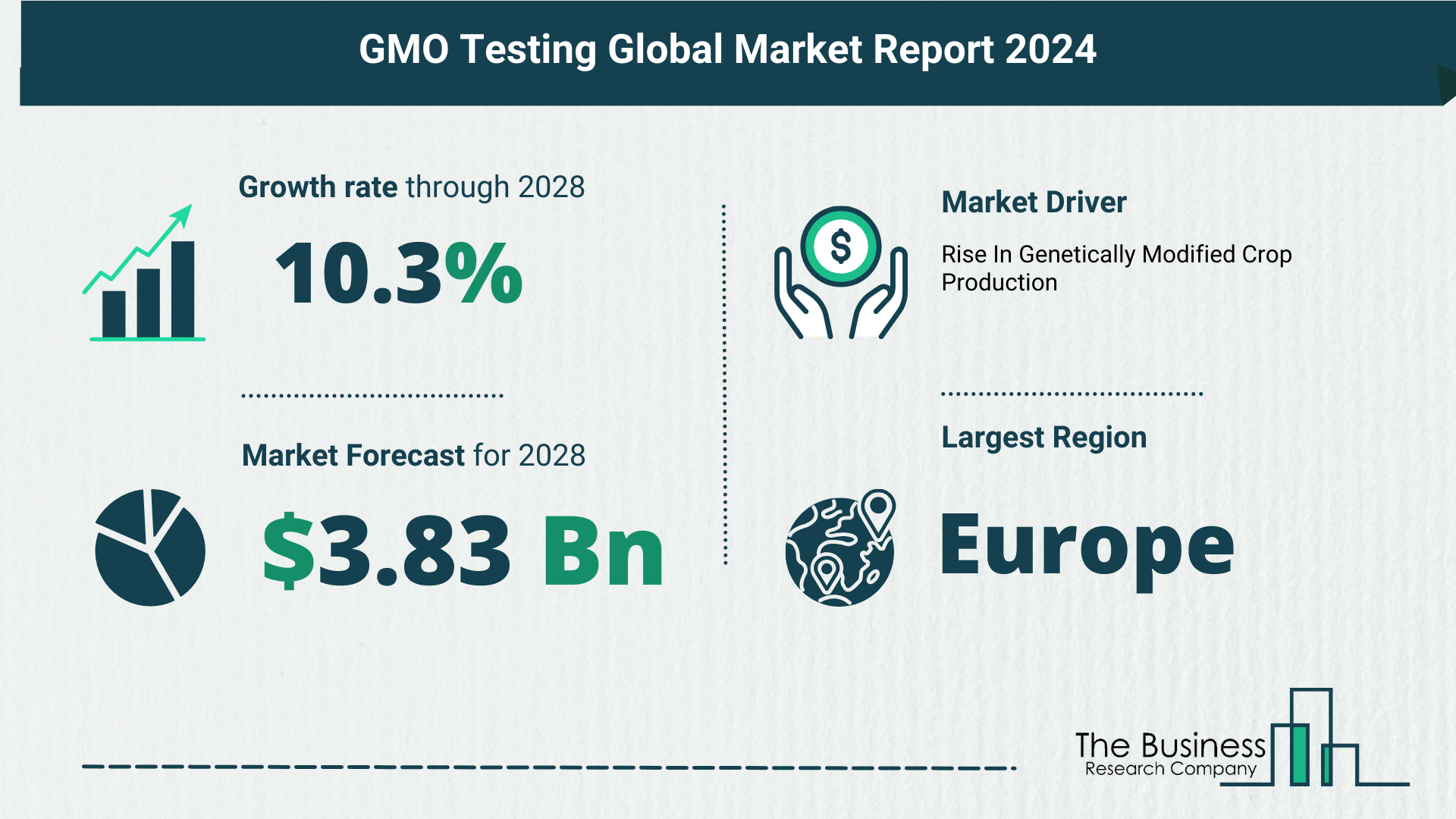
    According to The Business Research Company’s GMO Testing Global Market Report 2024, the GMO testing market is expected to show promising growth in the forecast period.

    The GMO testing market has experienced substantial growth, expanding from $2.33 billion in 2023 to $2.59 billion in 2024, with a compound annual growth rate (CAGR) of 10.8%. This surge is attributed to increased adoption of genetically modified (GM) crops, driven by factors such as regulatory compliance, heightened consumer awareness, food safety concerns, and the facilitation of international trade and export.

    Driving Forces Behind Growth

    • Increased Adoption of GM Crops: GM technology enhances crops with nutritional benefits, disease resistance, and altered cell wall composition, meeting the rising demand for nutritional enhancement.
    • Stringent Safety Regulations: Stringent regulations in genetically modified food safety drive the need for thorough testing and compliance.
    • Herbicide-Tolerant Soybean Acreage: In 2021, herbicide-tolerant soybean acreage reached 95%, and this percentage remained unchanged in 2023, showcasing the prevalence of GM crops.
    • High Percentage of GM Corn and Cotton Acres: In 2023, 91% of domestic corn acres and 89% of U.S. cotton acres utilized genetically engineered, insect-resistant seeds, emphasizing the widespread adoption of GM crops.

    Advancements In Real-Time PCR Methods Enhance GMO Testing Capabilities

    Innovations in real-time Polymerase Chain Reaction (PCR) methods are playing a pivotal role in enhancing GMO testing capabilities. PCR is a molecular biology technique used to amplify specific DNA segments, providing precise and rapid testing solutions.

    Bio-Rad Laboratories’ ID-Check Speciation Solution

    • Real-Time PCR for Meat Speciation: Bio-Rad Laboratories launched the ID-Check Speciation Solution, a real-time PCR method for meat speciation, in April 2023.
    • Enhanced Verification of Raw Material Origins: The solution enables the identification of animal species in food, feed, and environmental samples, enhancing the verification of raw material origins.
    • Duplex Detection System: Featuring a duplex detection system, the kit offers added accuracy and ease of use, detecting species DNA as low as 0.001%.

    Mérieux NutriSciences Strengthens Presence With Dyad Labs Acquisition

    Mérieux NutriSciences, a U.S.-based food safety company, acquired Dyad Labs in December 2021, marking a strategic move to strengthen its presence in the United States, particularly in the dietary supplements industry. Dyad Labs, a specialty testing company, focuses on chemistry and microbiology testing for the nutraceutical and food and beverage industries.

    Key Highlights of Dyad Labs Acquisition

    • Expanded Service Offering: The acquisition expanded Mérieux NutriSciences’ service offering, allowing the company to provide a wider range of solutions to the food and nutrition sectors.
    • Focus on Dietary Supplements: Dyad Labs’ expertise in chemistry and microbiology testing aligned with the growing demand for testing solutions in the dietary supplements industry.

    GMO Testing Market Segmentation

    The GMO testing market is segmented based on traits, technology, processed food types, and crops tested, reflecting the diverse applications and methods involved in GMO testing.

    Market Segments

    1. Traits: Stacked, Herbicide Tolerance, Insect Resistance
    2. Technology: Polymerase Chain Reaction (PCR), Immunoassay
    3. Processed Food Types: Bakery and Confectionery, Meat Products, Breakfast Cereals and Snacks, Food Additives, Other Processed Food
    4. Crop Tested: Corn, Soybean, Rapeseed or Canola, Potato, Other Crops

    Regional Dominance and Growth

    • Europe Leading in 2023: Europe emerged as the largest region in the GMO testing market in 2023, reflecting the region’s focus on food safety and stringent regulations.
    • North America’s Fastest-Growing Region: North America is expected to be the fastest-growing region in the forecast period, highlighting the region’s increasing demand for GMO testing solutions.

    In conclusion, the GMO testing market’s growth is fueled by the rising production of genetically modified crops, advancements in testing technologies, and strategic acquisitions. As the market continues to evolve, stakeholders should stay informed about emerging trends to address the growing demand for transparency, traceability, and compliance in GMO testing.

    View More On The GMO Testing Market Report 2024 – https://www.thebusinessresearchcompany.com/report/gmo-testing-global-market-report

    Request A Sample Of The Global GMO Testing Market Report 2024:
    https://www.thebusinessresearchcompany.com/sample_request?id=5601&type=smp
  • Future Growth Forecast For The Gastrointestinal Bleeding Treatment Devices Global Market 2024-2033

    Future Growth Forecast For The Gastrointestinal Bleeding Treatment Devices Global Market 2024-2033

    The Business Research Company’s global market reports provide comprehensive analysis on the various markets in 27 industries across 60 geographies.

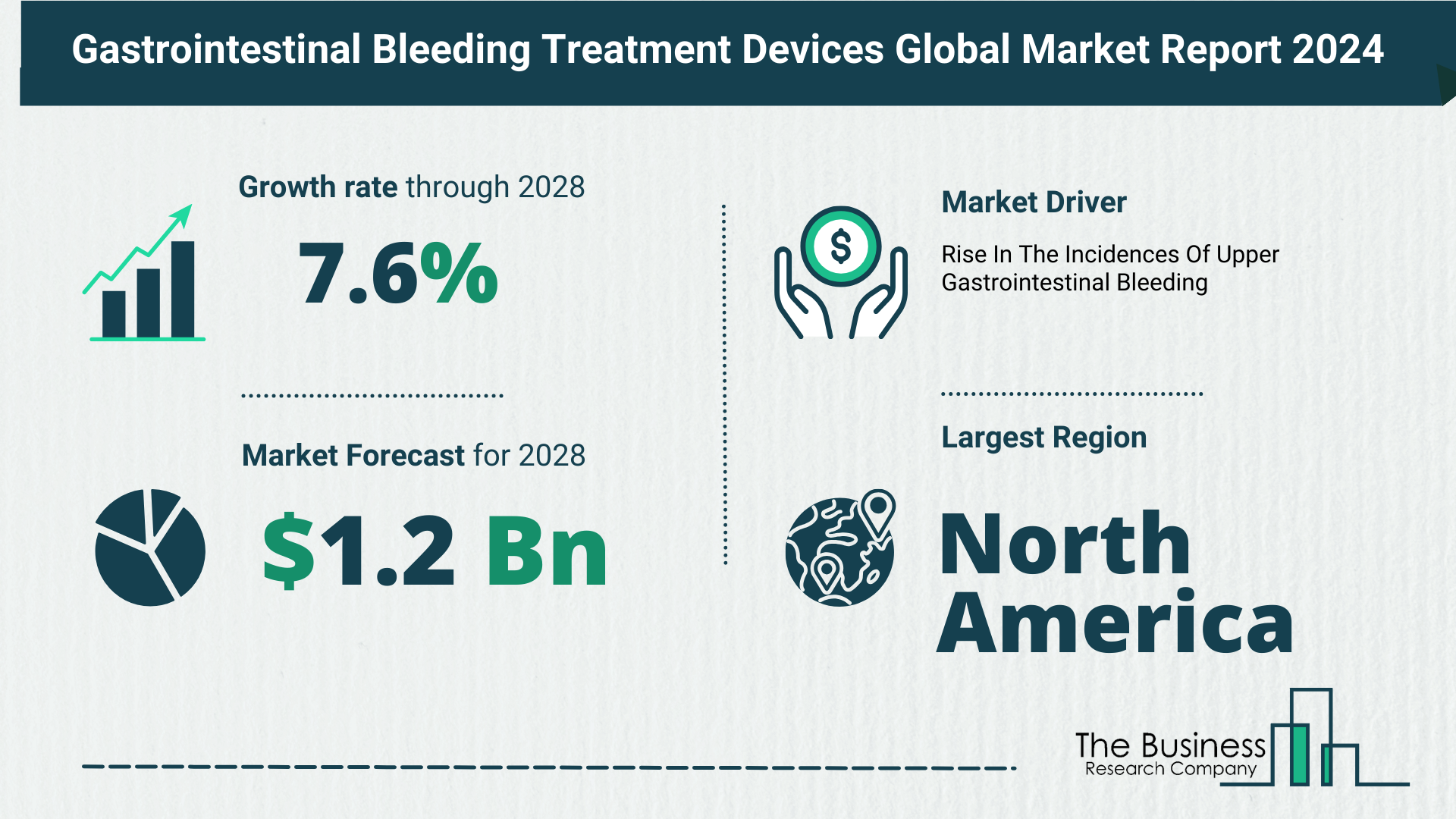
     The gastrointestinal bleeding treatment devices market has witnessed robust growth, surging from $0.84 billion in 2023 to $0.9 billion in 2024, showcasing a commendable Compound Annual Growth Rate (CAGR) of 6.9%. This growth is attributed to various factors such as the aging population, lifestyle factors, healthcare infrastructure, and advancements in endoscopy. Looking ahead, the market is set for strong expansion, reaching $1.2 billion by 2028 at a CAGR of 7.6%.

    Rise in Incidences of Upper Gastrointestinal Bleeding

    • Increasing incidences of upper gastrointestinal bleeding contribute significantly to market growth.
    • Occurring in the esophagus, stomach, or upper small intestine, it can result from peptic ulcers, cancer, and other causes.
    • UK reports an incidence range of 84-172 per 100,000 of the population per year.

    Key Players and Market Segmentation

    • Major companies shaping the market include Boston Scientific Corporation, Olympus Corporation, and Medtronic.
    • Market segmentation involves products (Endoscopic Thermal Devices), GI Tract Division (Upper GI Tract, Lower GI Tract), and end-users (Hospitals, Ambulatory Surgical Centers).

    Investment in Artificial Intelligence for Gastroenterology

    • Companies are investing in artificial intelligence (AI) to enhance efficiency and reduce R&D costs.
    • The U.S. FDA granted authorization for GI Genius, an AI-powered device aiding in the immediate detection of lesions during colonoscopy procedures.

    Olympus and Hitachi Collaboration for Endoscopic Ultrasound Systems

    • Olympus Corporation and Hitachi Ltd collaborated to develop Endoscopic Ultrasound Systems (EUS) in January 2021.
    • EUS is used to treat digestive diseases and assess cancer stages in various organs, contributing to minimally invasive care.

    View More On The Gastrointestinal Bleeding Treatment Devices Market Report 2024 – https://www.thebusinessresearchcompany.com/report/gastrointestinal-bleeding-treatment-devices-global-market-report

    Market Trends Shaping the Future

    • Notable trends in the forecast period include the adoption of non-invasive diagnostic technologies, precision medicine, remote monitoring and telehealth, and the integration of artificial intelligence and machine learning.
    • These trends signify the industry’s response to evolving healthcare needs and technological advancements.

    Regional Dynamics: North America Leading, Asia-Pacific Emerging

    • North America held the largest share in the gastrointestinal bleeding treatment devices market in 2023.
    • Asia-Pacific is expected to be the fastest-growing region in the forecast period, reflecting a rising demand for advanced healthcare solutions.

    Conclusion
    The gastrointestinal bleeding treatment devices market stands at the forefront of healthcare innovation, driven by a surge in upper gastrointestinal bleeding incidences and strategic collaborations. With a focus on artificial intelligence, precision medicine, and cutting-edge technologies, the industry is poised for substantial growth. As we navigate the path towards 2028, the market’s response to patient-centric care, regulatory changes, and the increasing prevalence of gastrointestinal disorders paints a promising picture of an industry at the forefront of transformative healthcare solutions.

    Request A Sample Of The Global Gastrointestinal Bleeding Treatment Devices Market Report 2024:
    https://www.thebusinessresearchcompany.com/sample_request?id=5307&type=smp

  • 5 Key Insights On The Healthcare Adhesive Tapes Market 2024

    5 Key Insights On The Healthcare Adhesive Tapes Market 2024

    The Business Research Company’s global market reports are now updated with the latest market sizing information for the year 2024 and forecasted to 2033

    As per The Business Research Company’s Healthcare Adhesive Tapes Global Market Report 2024, the healthcare adhesive tapes market is expected to show significant growth in the forecast period.

    The healthcare adhesive tapes market is experiencing robust growth, fueled by factors such as the increasing demand for medical procedures, a rising aging population, and emerging trends in patient care. Let’s delve into the dynamics propelling this expansion and explore the innovative trends shaping the future of healthcare adhesive tapes.

    Unveiling Growth Trajectory: Market Expansion Overview

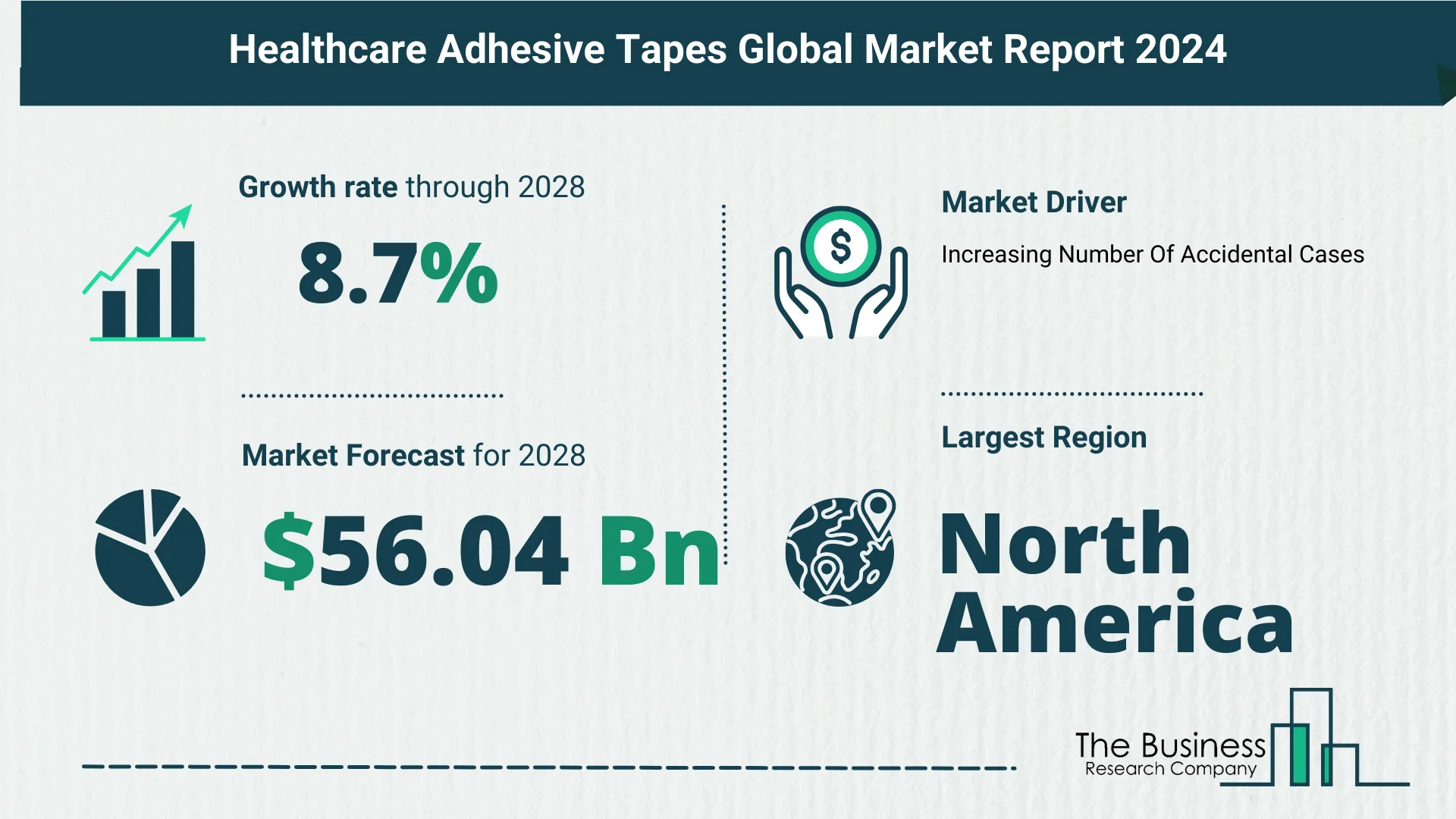
    • Historical Momentum: The healthcare adhesive tapes market has witnessed significant growth, soaring from $37.13 billion in 2023 to $40.12 billion in 2024 at a notable CAGR of 8.1%. The surge is attributed to heightened medical procedures and surgeries, a growing aging population, and an increase in chronic diseases, coupled with regulatory compliance demands.
    • Future Projections: Anticipating strong growth ahead, the market is projected to reach $56.04 billion in 2028, with a robust CAGR of 8.7%. The forecasted expansion is driven by factors like the increasing adoption of telemedicine and remote care, personalized medicine, home healthcare, emergency response, and a rising demand for geriatric care.

    Accidents and Adhesive Tapes: A Driving Force

    • Traffic-Related Accidents: The healthcare adhesive tape market is witnessing an upsurge due to the increasing number of traffic-related accidents. These incidents demand immediate medical attention, and adhesive tapes play a crucial role in providing initial care. Road traffic accidents, contributing to millions of non-fatal injuries and fatalities annually, underscore the significance of adhesive tapes in emergency healthcare.
    • Market Leaders: Key companies driving growth in this context include 3M Company, Cardinal Health Inc., Johnson & Johnson, and Nitto Denko Corporation, contributing to the evolution of adhesive tapes in emergency care.

    View More On The Healthcare Adhesive Tapes Market Report 2024 – https://www.thebusinessresearchcompany.com/report/healthcare-adhesive-tapes-global-market-report

    Innovative Product Solutions Redefining Patient Care

    • 3M Medical Tape 4578: Major players in the healthcare adhesive tapes market, like 3M Inc., are focusing on innovative product solutions. The introduction of 3M medical tape 4578 exemplifies this trend. This hypoallergenic, conformable, and highly breathable adhesive tape is designed for secure and gentle wound dressings and medical applications.
    • Extended Wear Time: 3M medical tape 4578 offers an extended wear time of up to 28 days, redefining patient care. Its application extends beyond traditional wound dressings to health monitors, sensors, and long-term medical wearables, aligning with a patient-centric care approach.

    Strategic Acquisitions: Boyd Corporation and MBK Tape Solutions

    • Boyd Corporation’s Acquisition: In December 2021, Boyd Corporation strengthened its medical material science capabilities by acquiring MBK Tape Solutions. This strategic move enhances Boyd Corporation’s expertise in medical adhesive tapes, particularly for applications like biosensors, transdermal patches, and advanced wound care.
    • Market Evolution: The acquisition reflects the evolution of the healthcare adhesive tapes market, with companies strategically aligning to broaden their capabilities and cater to the growing demand for advanced medical materials.

    Segmentation Insights: Resin Types, Backing Materials, and Applications

    • Resin Types: The market segmentation includes various resin types such as Acrylic, Rubber, Silicone, and Other Resin Types, showcasing the diversity in adhesive tape formulations.
    • Backing Materials: The backing material types encompass Paper, Fabric, Plastic, and Other Backing Material Types, offering options tailored to different medical applications.
    • Applications: Adhesive tapes find applications in Surgery, Wound Dressing, Splints, Secure IV Line, Ostomy Seal, Hygiene, Bandages, Transdermal Patches, Blister Protection, Diagnostic Monitoring and Medical Devices, Optical Care, and Other Applications, highlighting their versatility in healthcare.

    Regional Dynamics: North America Leads, Asia-Pacific Accelerates

    • North America’s Dominance: In 2023, North America held the largest share in the healthcare adhesive tapes market, showcasing early adoption and prominence in the industry. The region continues to be a pivotal player in the market’s growth.
    • Asia-Pacific’s Growth Trajectory: Asia-Pacific is poised to be the fastest-growing region in the forecast period, reflecting the region’s increasing focus on healthcare infrastructure, rising healthcare awareness, and growing demand for advanced medical materials.

    In conclusion, the healthcare adhesive tapes market’s journey reflects a resilient trajectory, driven by innovations, strategic acquisitions, and the evolving landscape of patient care. As the industry continues to respond to emergent healthcare needs, adhesive tapes stand as essential tools in providing efficient, immediate, and reliable medical solutions.

    Request A Sample Of The Global Healthcare Adhesive Tapes Market Report 2024:
    https://www.thebusinessresearchcompany.com/sample_request?id=7283&type=smp

  • What Is The Forecast Growth Rate For The Hand-Held Surgical Instruments Market?

    What Is The Forecast Growth Rate For The Hand-Held Surgical Instruments Market?

    The Business Research Company’s market reports offer an in-depth analysis on the market’s growth potential, major drivers, key trends and more.

    The hand-held surgical instruments market has witnessed strong growth in recent years, projecting an increase from $6.59 billion in 2023 to $7.2 billion in 2024, reflecting a commendable Compound Annual Growth Rate (CAGR) of 9.1%. This growth can be attributed to advancements in minimally invasive surgery, an aging population, healthcare infrastructure development, a surge in chronic diseases, and adherence to regulatory compliance.

    Anticipating Rapid Growth
    Forward Momentum
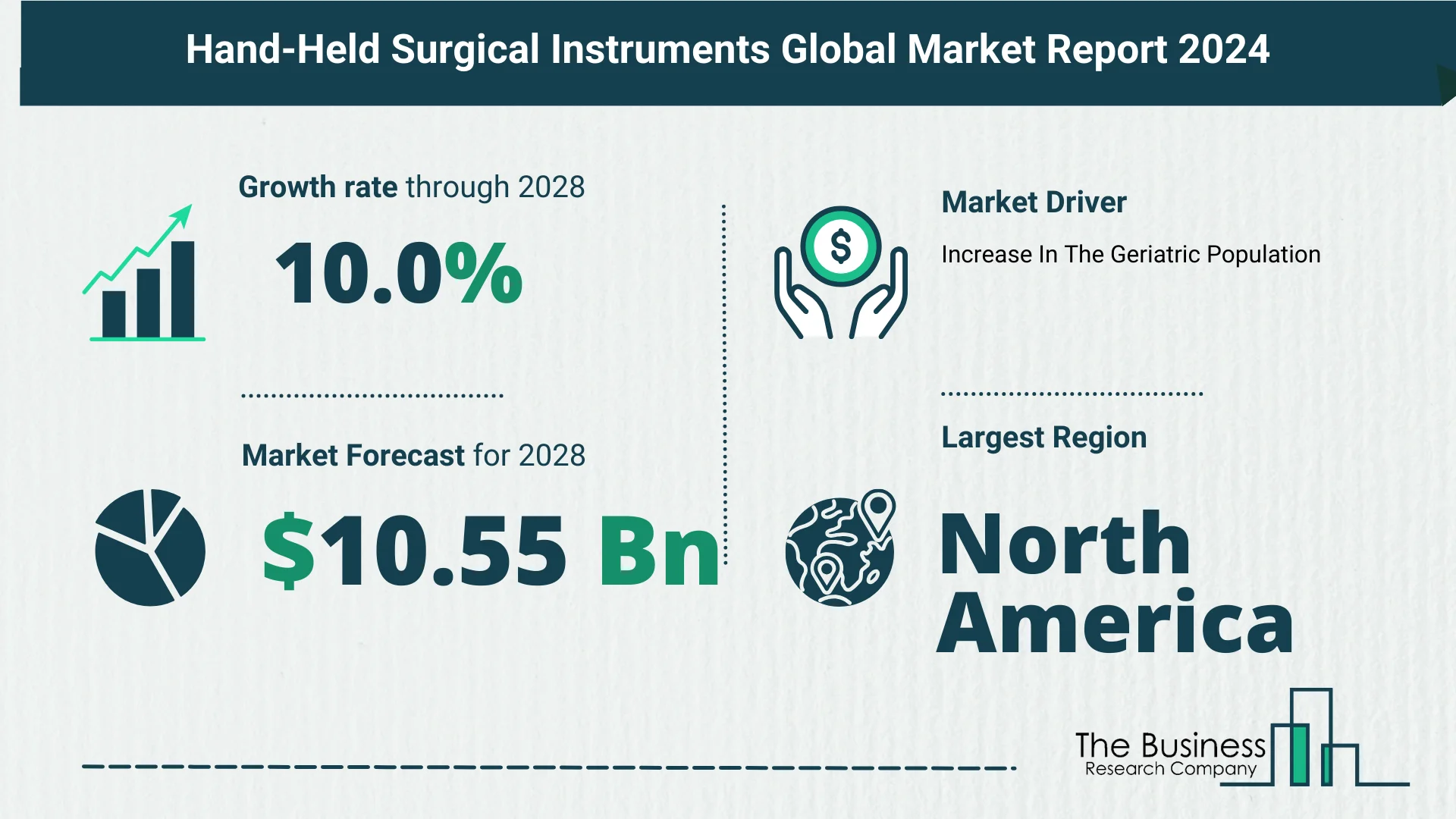
    The hand-held surgical instruments market is poised for rapid growth in the coming years, expecting to reach $10.55 billion in 2028, with a robust CAGR of 10.0%. Key factors driving this anticipated growth include the advent of personalized medicine, the expansion of telemedicine and remote surgery, an upsurge in healthcare expenditure, the emergence of new healthcare markets, and the emphasis on surgical training and skill development.

    Chronic Diseases Fueling Market Dynamics
    Impact on Surgical Instrumentation
    The rising prevalence of chronic diseases is set to be a significant driver for the hand-held surgical instruments market. These instruments play a crucial role in the management and treatment of chronic diseases, aiding in diagnosis, biopsy, tissue sampling, pain management, and overall improvement of patient outcomes. The National Center for Biotechnology Information projects a substantial surge of 99.5% in individuals aged 50 years and older with at least one chronic illness by 2050, emphasizing the pivotal role of hand-held surgical instruments in addressing the challenges posed by chronic diseases.

    Industry Giants Shaping the Market
    Key Players at the Helm
    Major companies operating in the hand-held surgical instruments market include industry giants like Johnson & Johnson, B. Braun Melsungen AG, Medtronic PLC, Zimmer Biomet Holdings Inc., and others. These players contribute significantly to shaping the market dynamics and ensuring the seamless functioning of hand-held surgical instruments in diverse healthcare settings.

    Read More On The Hand-Held Surgical Instruments Market Report 2024 – https://www.thebusinessresearchcompany.com/report/hand-held-surgical-instruments-global-market-report

    Innovative Product Illumination
    Revolutionizing with Sunoptic Surgical Light Wand
    Companies in the hand-held surgical instruments market are focusing on innovative product solutions to sustain their position. An exemplary innovation is the sunoptic surgical light wand, launched by SURE Retractors Inc. in June 2023. This single-use, sterile light wand illuminates the surgical site from within, providing excellent lighting and affordability for hospitals and clinics. With a guaranteed 90-minute strong LED light, it eliminates the need for external light sources, enhancing visibility and reducing eye strain during lengthy treatments.

    Strategic Acquisition for Portfolio Expansion
    Steris PLC’s Move into Surgical Instrumentation
    In August 2023, STERIS PLC, an Ireland-based medical equipment provider, strategically acquired surgical instrumentation assets from Becton, Dickinson, and Company. This undisclosed amount acquisition strengthens, complements, and expands STERIS’s product offerings in the healthcare segment. The acquired assets include surgical instrumentation, laparoscopic instrumentation, and sterilization container assets. Becton, Dickinson and Company, a U.S.-based medical technology company, played a crucial role in this strategic move.

    Market Segmentation: Understanding the Dynamics
    Breaking Down the Components
    The hand-held surgical instruments market is segmented based on product type, application, and end-user. Notable segments include Forceps, Retractors, Dilators, Graspers, Scalpels, and other products under product type, Neurosurgery, Cardiovascular, Orthopedic, Plastic and Reconstructive Surgery, Obstetrics and Gynecology, and other applications under application, and Clinics, Ambulatory Surgical Centers, and other end-users. This segmentation provides a comprehensive understanding of the diverse dynamics within the hand-held surgical instruments market.

    Regional Dynamics: Leadership and Growth
    North America Dominates, Asia-Pacific Emerges
    In 2023, North America emerged as the largest region in the hand-held surgical instruments market, showcasing its robust healthcare infrastructure. Looking ahead, Asia-Pacific is anticipated to be the fastest-growing region in the forecast period, reflecting the global shift in market dynamics and the potential for substantial growth in diverse geographical areas.

    Illuminating the Path Ahead
    Innovations and Sustainability
    As the hand-held surgical instruments market evolves, several trends are anticipated in the forecast period. Noteworthy trends include the integration of surgical robotics, eco-friendly and sustainable solutions, advanced materials and coatings, telemedicine and remote surgery, and smart and connected instruments. These trends highlight the industry’s commitment to innovation, sustainability, and efficiency.

    In conclusion, the hand-held surgical instruments market is navigating a dynamic landscape marked by technological advancements, strategic acquisitions, and a focus on addressing the challenges posed by chronic diseases. Stakeholders in this space must remain agile, innovative, and collaborative to harness the full potential of this evolving market.

    Request for A Sample Of The Global Hand-Held Surgical Instruments Market Report:
    https://www.thebusinessresearchcompany.com/sample_request?id=7428&type=smp

  • Key Insights On The Diabetic Footwear Market 2024 – Size, Driver, And Major Players

    Key Insights On The Diabetic Footwear Market 2024 – Size, Driver, And Major Players

    The Business Research Company’s global market reports are now updated with the latest market sizing information for the year 2024 and forecasted to 2033

    As per The Business Research Company’s Diabetic Footwear Global Market Report 2024, the diabetic footwear market is expected to show significant growth in the forecast period.

    The diabetic footwear market has witnessed rapid growth in recent years, surging from $7.86 billion in 2023 to an estimated $8.67 billion in 2024, reflecting a remarkable Compound Annual Growth Rate (CAGR) of 10.3%. This growth is attributed to several factors, including the increasing prevalence of diabetes, the aging population, complications associated with diabetic feet, the emphasis on footwear comfort and support, and a growing awareness of health issues.

    Key Market Metrics:

    • Market Size Growth:From $7.86 billion (2023) to $8.67 billion (2024) at a CAGR of 10.3%
    • Contributing Factors:Diabetes prevalence, aging population, diabetic foot complications, footwear comfort, health awareness

    A Vision for the Future

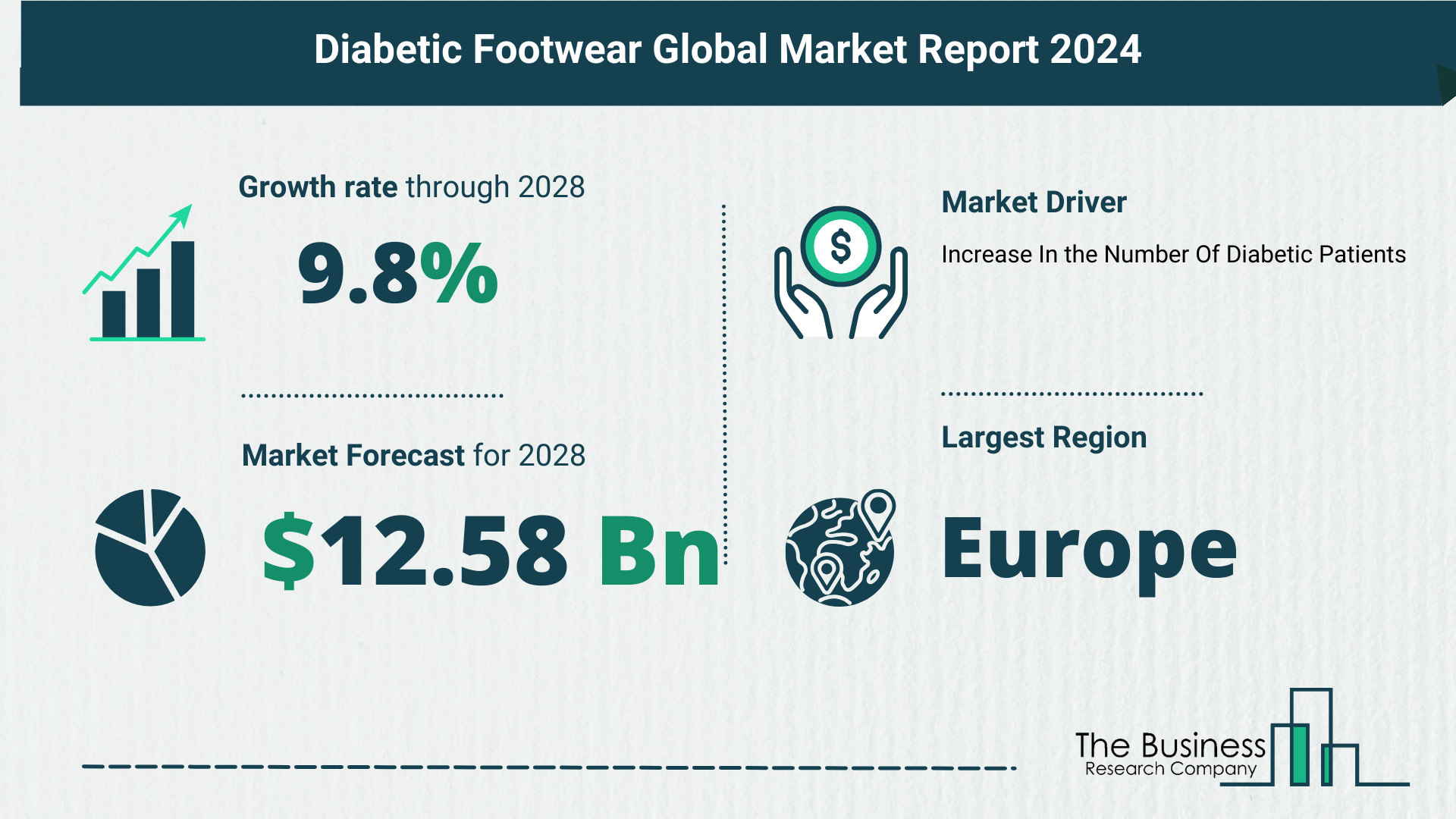
    The diabetic footwear market is poised for continued robust growth, projecting a substantial increase to $12.58 billion in 2028, with a CAGR of 9.8%. This optimistic forecast is underpinned by factors such as the intensifying focus on diabetic foot health education, the demand for footwear suited to active lifestyles, the integration of sustainable and eco-friendly materials, expanding into emerging markets, and the rise of non-invasive monitoring technologies.

    Future Trends:

    • Personalized Orthopedic Footwear:Tailoring solutions for individual needs
    • Technological Footwear Innovations:Integrating cutting-edge technologies into footwear
    • Telehealth and Remote Consultations:Leveraging technology for remote patient care
    • Strategic Partnerships:Collaborations for mutual growth

    The Diabetic Population Surge

    The escalating number of diabetic patients is a key driver fueling the growth of the diabetic footwear market. With diabetes affecting over 537 million people globally in 2021, and projections indicating an increase to 643 million by 2030 and 783 million by 2045, the demand for specialized footwear is on the rise. Diabetic footwear not only aids in preventing foot complications but also offers benefits such as enhanced blood circulation, a wider toe box, and massaging capabilities to alleviate pressure in vulnerable areas of the foot.

    Notable Statistic:

    • In 2021, the International Diabetes Federation reported 537 million people with diabetes globally.

    View More On The Diabetic Footwear Market Report 2024 – https://www.thebusinessresearchcompany.com/report/diabetic-footwear-global-market-report

    Technological Marvels in Footwear

    Technological advancements are transforming the diabetic footwear landscape, with companies introducing innovations to strengthen their market positions. An exemplary case is Von Wellx, a Germany-based company that launched diabetic footwear incorporating reflex zones technology. These shoes provide a unique massaging experience, simulating walking barefoot on grass. The technology stimulates blood circulation and oxygen flow, reducing fatigue even during extended periods of standing or walking.

    Noteworthy Product Launch:

    • Von Wellx’s diabetic footwear with reflex zones technology

    Strategic Acquisitions for Market Evolution

    In a strategic move in November 2021, Aiglon Capital and Merit Capital acquired Propét, a US-based manufacturer of comfort and diabetic footwear. This acquisition is poised to enhance Aiglon and Merit’s market position, providing a robust foundation and unlocking new avenues for brand expansion.

    Acquisition Highlights:

    • Acquirers:Aiglon Capital and Merit Capital
    • Acquired:Propét
    • Objective:Strengthening market position and facilitating brand expansion

    Market Segmentation

    The diabetic footwear market is segmented based on types of footwear, distribution channels, and end-users.

    1. Type Segmentation:
      • Shoes
      • Sandals
      • Slippers
    2. Distribution Channel Segmentation:
      • Online Platform
      • Specialty Stores
      • Footwear Stores
      • Other Distribution Channels
    3. End-User Segmentation:
      • Men
      • Women

    Regional Dominance

    North America emerged as the largest region in the diabetic footwear market in 2023, reflecting the region’s heightened focus on diabetic health and footwear solutions.

    Regional Insights:

    • Largest Market:North America (2023)

    In conclusion, the diabetic footwear market is not merely expanding; it is undergoing a transformative journey fueled by technological innovations, strategic acquisitions, and an unwavering commitment to addressing the unique needs of an ever-growing diabetic population. As the market evolves, expect a surge in personalized solutions, cutting-edge technologies, and collaborative efforts to define the next chapter in diabetic footwear.

    Request A Sample Of The Global Diabetic Footwear Market Report 2024:
    https://www.thebusinessresearchcompany.com/sample_request?id=6855&type=smp

  • Global Digital Therapeutics Market Analysis: Estimated Market Size And Growth Rate

    Global Digital Therapeutics Market Analysis: Estimated Market Size And Growth Rate

    The Business Research Company’s global market reports are now updated with the latest market sizing information for the year 2024 and forecasted to 2033

    The digital therapeutics market has undergone exponential growth, marking a significant surge from $7.05 billion in 2023 to an estimated $8.93 billion in 2024. This remarkable expansion is fueled by a Compound Annual Growth Rate (CAGR) of 26.7%, attributed to several factors in the historic period. The driving forces encompass an aging population, the prevalence of chronic diseases, digital health adoption, considerations for healthcare costs and efficiency, the rise of remote patient monitoring, and the surge in pandemic-induced demand.

    Future Prospects: An Exponential Leap Forward

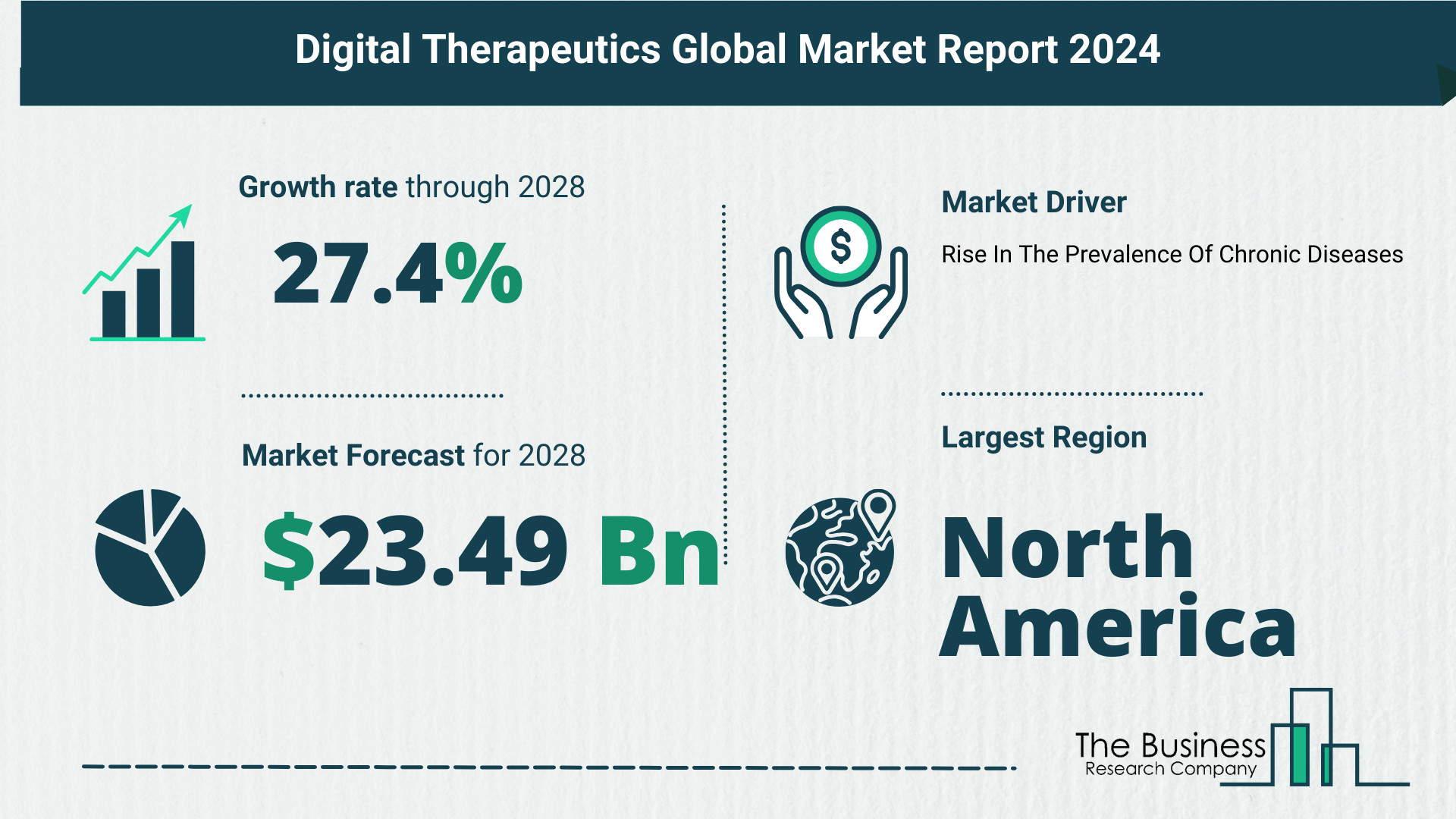
    1. Projected Growth:The digital therapeutics market is anticipated to experience unprecedented growth, reaching $23.49 billion in 2028, with a robust CAGR of 27.4%.
    2. Factors Driving Growth:
      • Increasing adoption of personalized medicine.
      • Advancements in health data interoperability.
      • Shift towards value-based care models.
      • Growing focus on mental health and well-being.
      • Initiatives for healthcare access and equity.
      • Rising concerns for cybersecurity and data protection.
      • Escalating demand for population health management.

    Emerging Trends: A Technological Resonance

    1. Expansion of IoT Devices and Sensors:The integration of Internet of Things (IoT) devices and sensors is a prevailing trend, enhancing the capabilities of digital therapeutics.
    2. Artificial Intelligence in Healthcare:The incorporation of artificial intelligence is revolutionizing diagnostics, treatment planning, and patient engagement.
    3. Wearable Health Technology:Wearable devices are becoming integral for monitoring health metrics and facilitating personalized healthcare experiences.
    4. Technological Advancements and Product Innovations:The industry is witnessing continual advancements and innovations, shaping the future landscape of digital therapeutics.

    Smartphone and Tablet Surge: Catalysts for Market Growth

    1. Rise in Smartphone and Tablet Use:The surge in smartphone and tablet usage, coupled with healthcare apps, is a pivotal driver for the digital therapeutics market.
    2. Advantages of Mobile Health Apps:
      • Lower rate of medication errors.
      • Facilitation of preventive care.
      • Improved accuracy in staffing.
    3. Global Smartphone Ownership:According to the State of Mobile Internet Connectivity Report 2023 by GSMA, 54% of the world’s population owned smartphones in 2022, showcasing the widespread impact of these devices.

    View More On The Digital Therapeutics Market Report 2024 – https://www.thebusinessresearchcompany.com/report/digital-therapeutics-global-market-report

    Industry Players and Innovations

    1. Major Companies Shaping the Market:
      • Omada Health Inc., WellDoc Inc., 2Morrow Inc., Livongo Health, and others.
    2. Revolutionizing Chronic Disease Management:
      • Companies are developing advanced platforms for ordering, dispensing, and fulfillment to enhance chronic disease management.
      • AmerisourceBergen’s DTx Connect platform seamlessly integrates with electronic medical records, streamlining the prescription and fulfillment process.

    Strategic Acquisitions: Paving the Way Forward

    1. Big Health’s Expansion:In July 2023, Big Health acquired Limbix, broadening its product portfolio. This includes Sleepio for insomnia, Daylight for anxiety, and Limbix’s offerings for teenage medication in development.
    2. Leveraging Acquisitions for Growth:Strategic acquisitions are becoming pivotal in shaping companies’ portfolios and expanding their influence in the digital therapeutics landscape.

    Market Segmentation: Understanding Diverse Needs

    1. By Product:Segmentation includes Software and Devices, catering to the diverse needs of the market.
    2. By Sales Channel:The market is divided into Business-To-Business (B2B) and Business-To-Consumers (B2C), reflecting the various channels through which digital therapeutics reach consumers.
    3. By Application:Distinguishing between Preventive Applications and Treatment or Care-Related Applications offers insights into the multifaceted applications of digital therapeutics.

    Regional Dynamics: North America Leads, Asia-Pacific Emerges

    1. North America Dominance:North America emerged as the largest region in the digital therapeutics market in 2023.
    2. Asia-Pacific Growth:The forecast points towards the Asia-Pacific region as the fastest-growing, underlining the global distribution of digital therapeutics influence.

    In conclusion, the digital therapeutics market is not just witnessing growth but is on the brink of a transformative revolution. Driven by technological advancements, strategic acquisitions, and a profound focus on personalized healthcare, the industry is poised for an exponential leap forward. As the digital therapeutics landscape continues to evolve, the integration of innovative technologies and the expansion of applications will shape the future of healthcare delivery.

    Request A Sample Of The Global Digital Therapeutics Market Report 2024:
    https://www.thebusinessresearchcompany.com/sample_request?id=5343&type=smp

  • Future Growth Forecast For The Foot And Ankle Devices Global Market 2024-2033

    Future Growth Forecast For The Foot And Ankle Devices Global Market 2024-2033

    The Business Research Company’s global market reports provide comprehensive analysis on the various markets in 27 industries across 60 geographies.

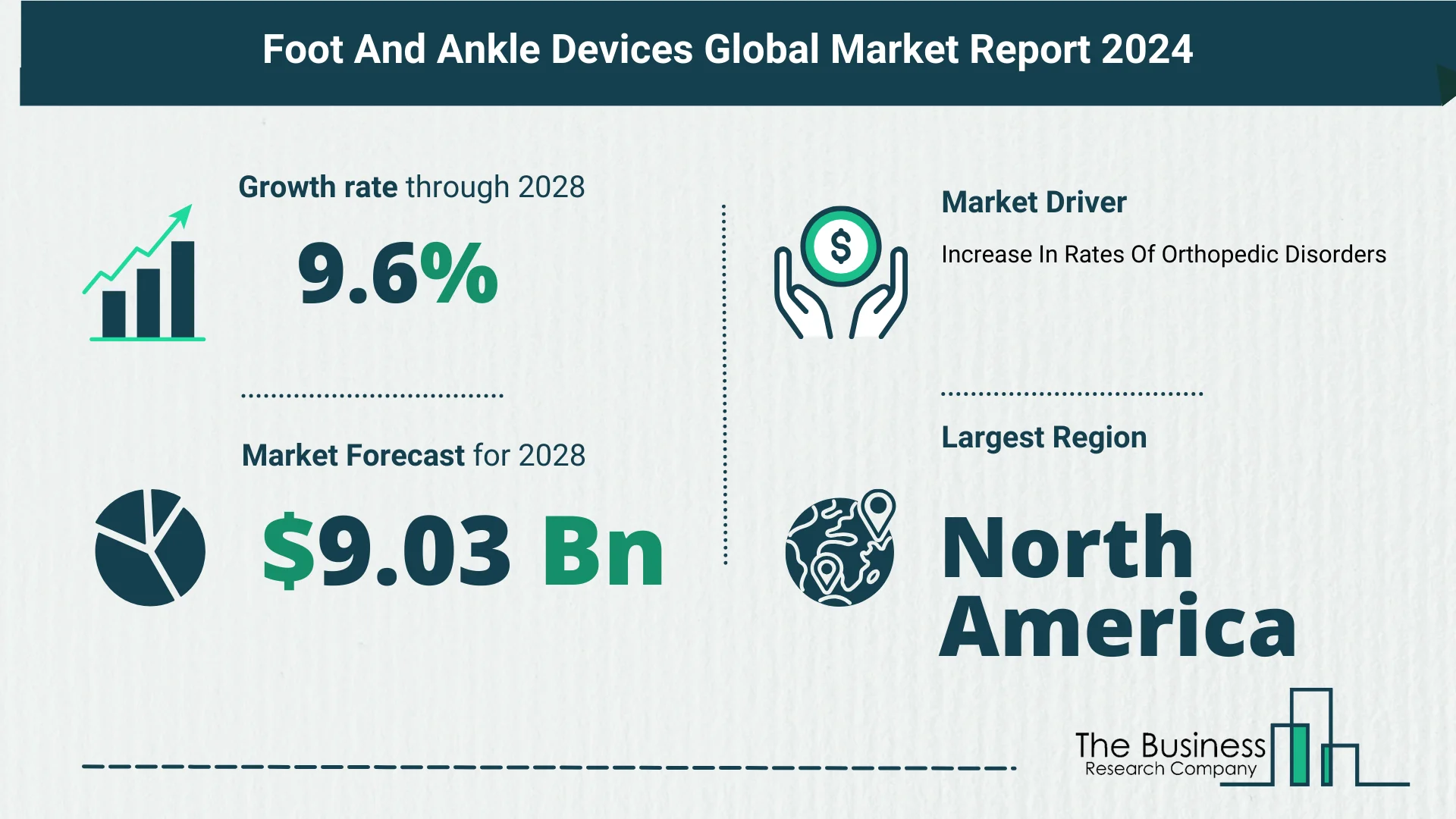
    The foot and ankle devices market has undergone rapid expansion, marking a climb from $5.68 billion in 2023 to an anticipated $6.25 billion in 2024. This surge is underlined by a Compound Annual Growth Rate (CAGR) of 10.0%, with the historic period shaped by various factors. The contributing elements include an aging population, orthopedic disorders, sports injuries, chronic conditions, and an upswing in trauma and accidents.

    Future Prospects: A Robust Growth Trajectory

    1. Projected Growth: The foot and ankle devices market is set to witness robust growth, soaring to $9.03 billion in 2028, fueled by a CAGR of 9.6%.
    2. Driving Forces in the Forecast Period:
      • Patient-centric care approaches.
      • Advancements in regenerative medicine.
      • The increasing diabetic population.
      • Telemedicine and remote monitoring practices.
      • Adoption of minimally invasive procedures.

    Trend Watch: Innovations Shaping the Future

    1. Wearable Devices and Smart Orthopedics: A prominent trend is the integration of wearable devices and smart orthopedics, enhancing patient engagement and treatment outcomes.
    2. Telehealth and Remote Consultations: The rise of telehealth and remote consultations is reshaping how foot and ankle care is delivered, ensuring accessibility and convenience for patients.
    3. Biomechanical Analysis: Emphasis on biomechanical analysis aids in understanding and addressing specific patient needs, tailoring treatments for optimal results.
    4. 3D Printing and Additive Manufacturing: Technological advancements in 3D printing and additive manufacturing are revolutionizing the production of foot and ankle devices, offering customized solutions.
    5. Advanced Materials: Innovations in materials contribute to the development of more durable, lightweight, and patient-friendly devices.

    Orthopedic Disorders: A Catalyst for Market Growth

    1. Surge in Orthopedic Disorders: Rising rates of orthopedic disorders are a significant driver, with musculoskeletal diseases affecting 1.71 billion people globally in 2021, as reported by the World Health Organization.
    2. Diverse Applications of Foot and Ankle Devices:
      • Addressing fusions, fractures, and osteotomies in the forefoot, midfoot, and rearfoot.
      • Catering to the needs of individuals with musculoskeletal issues, including low back discomfort.
    3. Key Market Players: Major companies in the foot and ankle devices market include Aap Implantate AG, Stryker Corporation, Medtronic PLC, and others.

    View More On The Foot And Ankle Devices Market Report 2024 – https://www.thebusinessresearchcompany.com/report/foot-and-ankle-devices-global-market-report

    Product Innovations: A Competitive Edge

    1. Key Trend – Product Innovations: Companies are actively engaging in product innovations to gain a competitive advantage.
    2. Stryker Corporation’s Firelock Tendon Fixation Device System:
      • Launched in September 2021, offering a unique design with Citregen, a resorbable technology.
      • Aims to minimize tendon damage during placement, facilitating insertion and secure fixation.

    Strategic Acquisitions: Shaping the Industry Landscape

    1. Paragon 28’s Acquisition of Additive Orthopedics:
      • In June 2021, Paragon 28 acquired Additive Orthopedics, enhancing its product portfolio and leveraging 3D printing technology for orthopedic implants.
      • This strategic move accelerates the incorporation of advanced technology for improved patient outcomes.

    Market Segmentation: Tailoring Solutions for Diverse Needs

    1. By Product: Segmentation includes Bracing and Support Devices and Prostheses, offering a range of solutions for varying requirements.
    2. By Cause of Injury: Categorization by Trauma, Diabetes, Neurological Disorders, and Other Causes reflects the multifaceted applications of foot and ankle devices.
    3. By End User: Diverse end users include Hospitals, Ambulatory Surgery Centers, Orthopedic Clinics, Rehabilitation Centers, and others, catering to different settings of care.

    Regional Dynamics: North America Leads, Asia-Pacific Emerges

    1. North America’s Dominance: North America emerged as the largest region in the foot and ankle devices market in 2023.
    2. Asia-Pacific Growth: The Asia-Pacific region is projected to be the fastest-growing region in the forecast period, indicating a global shift in market dynamics.

    In conclusion, the foot and ankle devices market is not just expanding but evolving with a focus on innovation, patient-centric care, and strategic acquisitions. As technological advancements continue to shape the landscape, the future promises a transformative journey in foot and ankle care, where personalized solutions and advanced technologies converge for improved patient outcomes.

    Request A Sample Of The Global Foot And Ankle Devices Market Report 2024:
    https://www.thebusinessresearchcompany.com/sample_request?id=6324&type=smp

  • Global Food Testing Kits Market Overview 2024: Size, Drivers, And Trends

    Global Food Testing Kits Market Overview 2024: Size, Drivers, And Trends

    The Business Research Company’s global market reports provide comprehensive analysis on the various markets in 27 industries across 60 geographies.

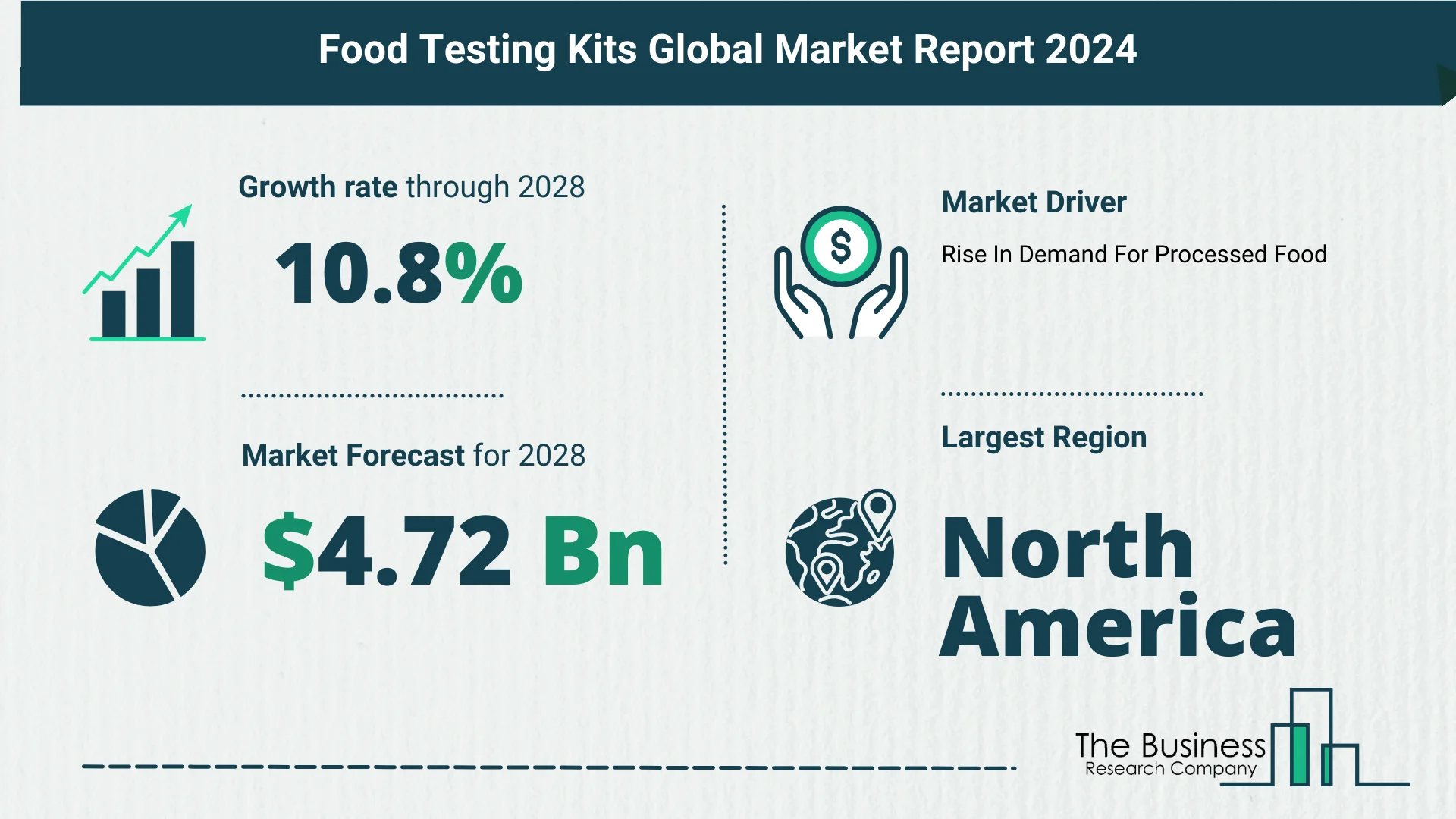
    The food testing kits market has witnessed remarkable growth, with the market size surging from $2.84 billion in 2023 to a projected $3.14 billion in 2024, showcasing a robust Compound Annual Growth Rate (CAGR) of 10.3%. This surge is attributed to heightened food safety concerns, regulatory compliance, increased consumer awareness, globalization of the food supply chain, and the impact of foodborne outbreaks. Looking ahead, the market is poised for continued expansion, with a projected growth to $4.72 billion in 2028 at a CAGR of 10.8%.

    Catalysts of Future Growth: Anticipated Trends
    Anticipated growth in the food testing kits market is driven by several trends that are expected to shape the industry’s trajectory in the forecast period. Key factors include the influence of clean label and non-GMO verification, the adoption of faster testing methods, regulatory stringency, the emphasis on customization and multiplexing, and increased investments in the food industry. Major trends to watch out for encompass the integration of traceability and blockchain technology, allergen detection, pathogen detection, the emergence of smart and connected testing devices, and the focus on mycotoxin detection.

    Fuelling Growth: Rising Demand for Processed Food
    The growing demand for processed food is anticipated to be a major driver propelling the food testing kits market forward. Processed foods, altered in some way during the manufacturing process, require rigorous testing throughout development. This surge in demand is significant, as it is linked to concerns about poor diet quality and the increase in obesity prevalence. A study by the Associated Chambers of Commerce and Industry of India (ASSOCHAM) and Grant Thornton projects that the processed food sector could draw in $33 billion in investments by 2024, emphasizing the substantial role of food testing kits in ensuring the quality and safety of processed foods.

    Industry Dynamics: Key Players
    Major companies contributing to the food testing kits market’s growth include prominent names such as Agilent Technologies Inc., Bio-Rad Laboratories Inc., Eurofins Scientific SE, Thermo Fisher Scientific Inc., QIAGEN N.V., and more. These industry leaders play a pivotal role in providing innovative solutions and technologies to meet the evolving needs of the food testing sector.

    View More On The Food Testing Kits Market Report 2024 – https://www.thebusinessresearchcompany.com/report/food-testing-kits-global-market-report

    Technological Prowess: Advancements in Food Testing Kits
    Technological advancements take center stage as a key trend in the food testing kits market. Rapid Analytical Food Testing Kits (RAFT) represent a cutting-edge technology enabling the detection and identification of various contaminants in food products. For instance, Eurofins Technologies launched the SENSIStrip Allergen product range in December 2020, offering immunoassay-based rapid tests for food allergens with a short incubation time. These advancements empower consumers to ensure the quality and safety of their food, protecting them from potential health risks.

    Strategic Moves: Battery Ventures’ Acquisition
    In September 2021, Battery Ventures made a strategic move by acquiring IFP, the Institut für Produktqualität GmbH, marking its entry into the food safety kits market. IFP is a Germany-based company specializing in diagnostic test kits for detecting GMOs, food allergens, vitamins, pathogens, and other substances. This acquisition underlines the industry’s dynamics, with technology-focused investment firms exploring opportunities in the rapidly evolving food testing kits market.

    Market Segmentation: A Comprehensive Approach
    The food testing kits market is comprehensively segmented across various dimensions:

    1. By Technology:
      • PCR-based
      • Immunoassay-based
      • Enzyme Substrate-based
    2. By Target Tested:
      • Pathogens
      • Meat Species
      • GMOs
      • Allergens
      • Mycotoxins
      • Other Target Tested
    3. By Sample:
      • Meat, Poultry, and Seafood
      • Dairy Products
      • Packaged Food
      • Fruits and Vegetables
      • Cereals, Grains, and Pulses
      • Nuts, Seeds, and Spices
      • Other Samples

    Regional Dynamics: North America Leads, Asia-Pacific Emerges Fastest
    In 2023, North America held the mantle as the largest region in the food testing kits market, showcasing the established prominence of food safety measures in the region. Looking forward, Asia-Pacific is expected to emerge as the fastest-growing region in the forecast period, underscoring the global nature of food testing concerns.

    In conclusion, the food testing kits market is navigating a dynamic landscape marked by rapid growth, technological advancements, strategic acquisitions, and a relentless focus on ensuring food safety. As the industry continues to evolve, stakeholders must adapt to emerging trends and technological innovations to meet the growing demand for safe and high-quality food products.

    Request A Sample Of The Global Food Testing Kits Market Report 2024:
    https://www.thebusinessresearchcompany.com/sample_request?id=5491&type=smp

  • Enteral Feeding Devices Market Report 2024: Market Size, Drivers, And Trends

    Enteral Feeding Devices Market Report 2024: Market Size, Drivers, And Trends

    The Business Research Company’s global market reports are now updated with the latest market sizing information for the year 2024 and forecasted to 2033

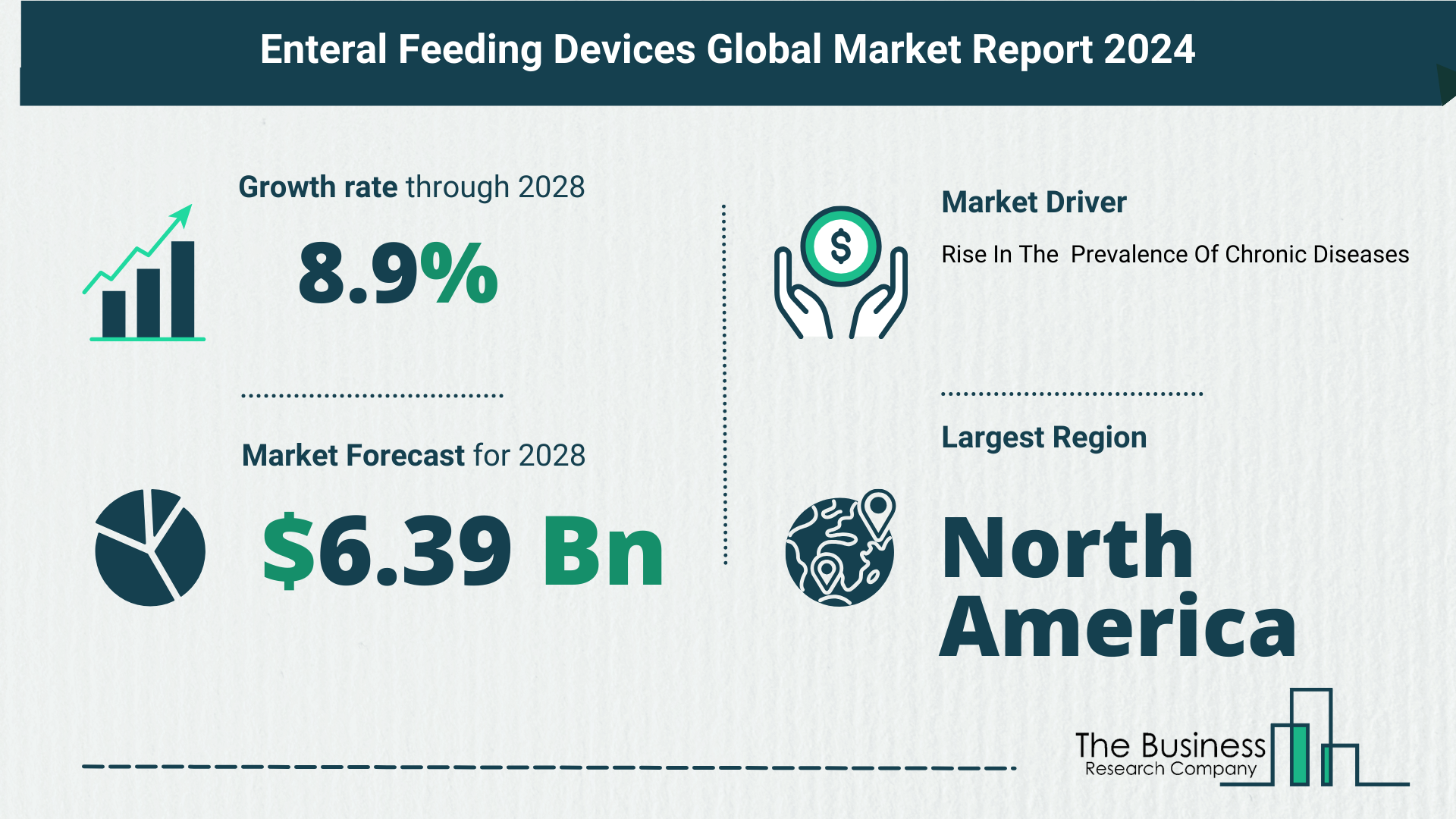
    The enteral feeding devices market has exhibited robust growth, escalating from $4.2 billion in 2023 to an estimated $4.55 billion in 2024, with a Compound Annual Growth Rate (CAGR) of 8.2%. This surge is attributed to various factors, including an aging population, increased prevalence of chronic diseases, rising hospital admissions, expanding home-based care, and regulatory support.

    Key Market Insights:

    • Market Size Growth: From $4.2 billion (2023) to $4.55 billion (2024) at a CAGR of 8.2%
    • Contributing Factors: Aging population, chronic diseases, hospital admissions, home-based care, regulatory support

    Future Outlook
    Anticipated to maintain its trajectory, the enteral feeding devices market is projected to reach $6.39 billion in 2028, reflecting a CAGR of 8.9%. This optimistic forecast is influenced by factors such as the growing emphasis on patient-centric care, emerging markets, health insurance reimbursement, sustainability initiatives, and ongoing research and development efforts.

    Future Trends:

    • Patient-Centric Care: Increasing focus on personalized patient care
    • Technological Integration: Utilizing artificial intelligence in enteral feeding systems
    • Compact Solutions: Development of portable and space-efficient devices
    • Infection Control: Minimizing infection risks associated with enteral feeding devices

    The Impact of Preterm Births
    The enteral feeding devices market is witnessing a significant boost due to a surge in preterm births. Babies born before the 37th week of pregnancy often require enteral feeding devices to supplement breast milk. The rise in preterm births is attributed to factors like multiple pregnancies, adolescent pregnancy rates, early caesarean deliveries, unnecessary inductions, infections, and chronic conditions such as diabetes and high blood pressure.

    Notable Statistic:

    • According to the Centers for Disease Control and Prevention, the preterm birth rate in the US increased by 4% in 2021, reaching 10.48%.

    Competitive Edge Through Formulation
    Major players in the market are concentrating on developing enteral feeding devices that deliver thick and homogenized formulas. These formulas are crucial for individuals with swallowing difficulties or specific dietary requirements. For instance, Cardinal Health Inc. introduced the Kangaroo OMNI Enteral Feeding Pump, designed to deliver nutrition and hydration seamlessly from hospital to home. This innovative pump sets a benchmark for enteral feeding technology, enhancing patients’ nutritional care in various settings.

    View More On The Enteral Feeding Devices Market Report 2024 – https://www.thebusinessresearchcompany.com/report/enteral-feeding-devices-global-market-report

    Noteworthy Product Launch:

    • Cardinal Health Inc.’s Kangaroo OMNI Enteral Feeding Pump for delivering thick, blended formulas

    Industry Consolidation: ICU Medical Inc. Acquires Smith Group PLC
    In January 2022, ICU Medical Inc. acquired Smiths Group plc, a UK-based company specializing in enteral feeding devices. This strategic move is expected to amplify ICU Medical’s capabilities, strengthening its commitment to customer satisfaction and transparent operations.

    Acquisition Highlights:

    • Acquirer: ICU Medical Inc.
    • Acquired: Smiths Group plc
    • Focus: Expanding company culture, adding value, and meeting customer demands

    Market Segmentation

    The enteral feeding devices market is segmented based on products, applications, and end-users.

    1. Product Segmentation:
      • Enteral Feeding Tubes
      • Enteral Feeding Pumps
      • Administration Sets
      • Enteral Syringes
      • Other Consumables
    2. Application Segmentation:
      • Oncology
      • Gastrointestinal Diseases
      • Neurological Disorders
      • Diabetes
      • Other Applications
    3. End-User Segmentation:
      • Hospitals
      • Home Care Settings
      • Ambulatory Care Settings
      • Other End-Users

    Regional Dynamics
    North America led the enteral feeding devices market in 2023, while Asia-Pacific is projected to witness the fastest growth during the forecast period.

    Regional Insights:

    • Largest Market: North America (2023)
    • Fastest Growing: Asia-Pacific

    In conclusion, the enteral feeding devices market is navigating an era of substantial growth, driven by a confluence of factors ranging from demographic shifts to technological innovations. As the industry evolves, companies continue to focus on meeting the diverse needs of patients while striving for advancements that ensure sustainability and efficiency in enteral feeding solutions.

    Request A Sample Of The Global Enteral Feeding Devices Market Report 2024:
    https://www.thebusinessresearchcompany.com/sample_request?id=5686&type=smp

  • What Is The Forecast Growth Rate For The Feminine Wipes Market?

    What Is The Forecast Growth Rate For The Feminine Wipes Market?

    The Business Research Company’s market reports offer an in-depth analysis on the market’s growth potential, major drivers, key trends and more.

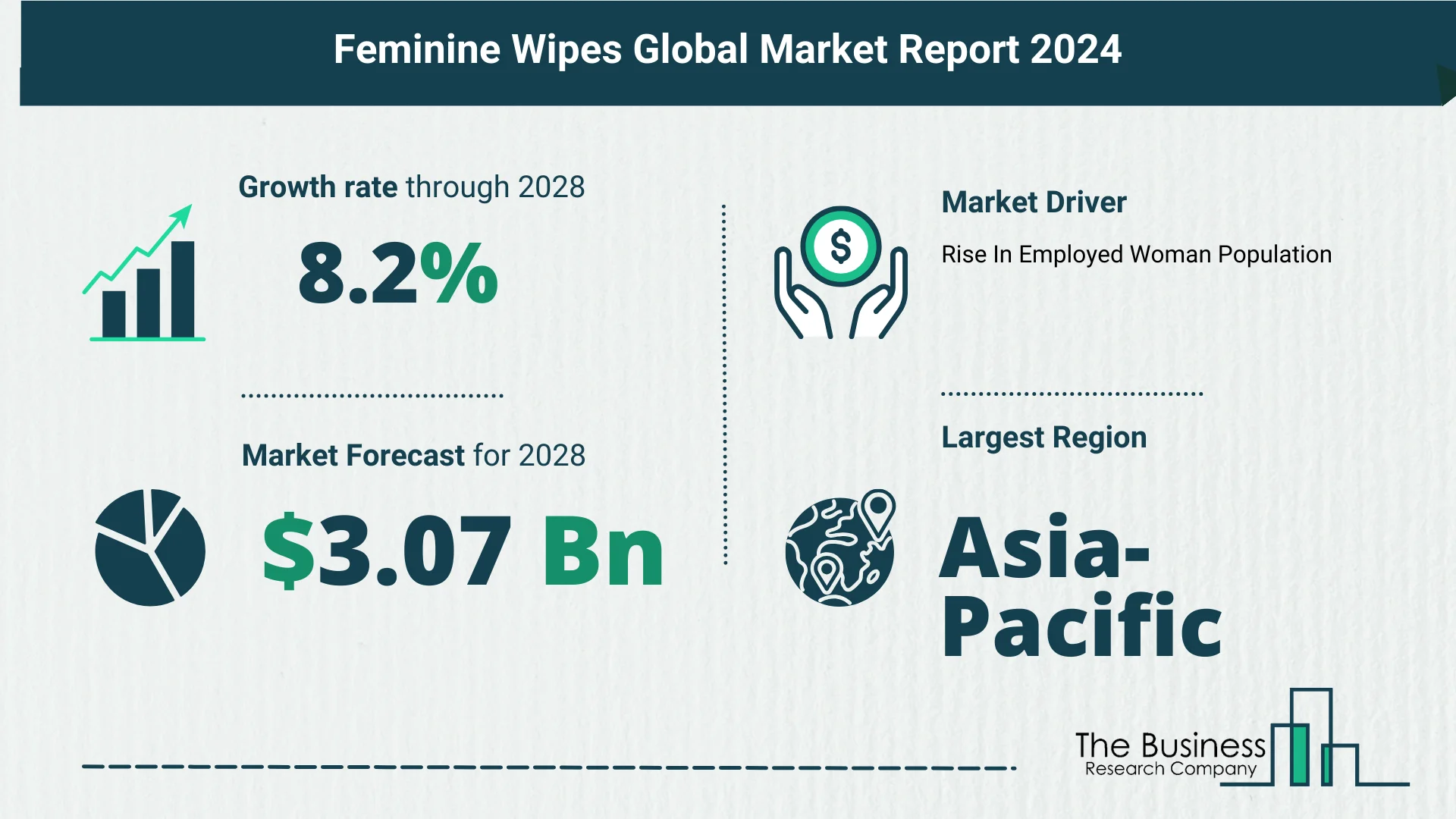
    The feminine wipes market has witnessed robust growth in recent years, with the market size reaching $2.07 billion in 2023 and set to rise to $2.24 billion in 2024 at an impressive Compound Annual Growth Rate (CAGR) of 8.5%. This growth is attributed to various factors, including hygiene and convenience, increased awareness about women’s health, urbanization, busy lifestyles, and the impactful role of advertising and marketing. Looking ahead, the market is expected to maintain its upward trajectory, reaching $3.07 billion by 2028 at a CAGR of 8.2%.

    Catalysts of Future Growth: Market Trends
    The anticipated growth in the feminine wipes market is underpinned by several trends that are expected to shape the industry’s landscape in the forecast period. Notable factors include the influence of health and wellness trends, the rise of customization and personalization in product offerings, the surge in online retail and subscription services, the adoption of eco-friendly packaging, and the promotion of inclusive product design. Key trends to watch out for encompass the development of pH-balanced formulas, sensitive skin formulas, flushable wipes, and a heightened focus on promoting feminine health education.

    Empowering the Workforce: A Driving Force
    A significant driver of the feminine wipes market is the increasing population of employed women. The rise in the employed woman population is instrumental in propelling the market forward, as these women actively seek personal hygiene solutions to maintain freshness and cleanliness, particularly during menstruation. For instance, in the UK, 15.66 million women aged 16 and over were in employment from October to December 2022, according to the Office for National Statistics. This demographic shift is expected to contribute substantially to the growth of the feminine wipes market.

    Innovative Products Redefining Menstrual Hygiene
    Major companies in the feminine wipes market are at the forefront of product innovation, introducing solutions that enhance convenience, comfort, and overall menstrual hygiene for women. One such innovation is the development of tampon and liner systems, offering a comprehensive approach to managing menstrual hygiene. MOONS Inc., a US-based provider of feminine care products, launched duets tampon and liner systems in August 2021. This groundbreaking product provides a combination of a slim liner and capsule tampon in a discreet, soft-touch bag, prioritizing both convenience and protection.

    Read More On The Feminine Wipes Market Report 2024 – https://www.thebusinessresearchcompany.com/report/feminine-wipes-global-market-report

    Industry Expansion: Reckitt Benckiser’s Strategic Move
    In January 2021, Reckitt Benckiser, a prominent UK-based manufacturer of health, nutrition, and hygiene consumer goods, made a strategic move by acquiring Queen V, a US-based vaginal hygiene and wellness company. This acquisition is part of Reckitt Benckiser’s expansion into the women’s sexual health, hygiene, and wellness category, enriching its health and wellness portfolio. The undisclosed acquisition amount underscores the significance of such moves in the dynamic feminine wipes market.

    Market Segmentation: A Diverse Landscape
    The feminine wipes market boasts a diverse segmentation, covering various dimensions:

    1. By Type:
      • Ordinary
      • Sanitary
    2. By Age Group:
      • 5 – 15 years
      • 16 – 30 years
      • 31 – 45 years
      • 46 – 60 years
      • 61 and above
    3. By Distribution Channel Outlook:
      • Supermarkets and Hypermarkets
      • Convenience Stores
      • Pharmacies and Drugstores
      • Online
      • Other Distribution Channels

    Regional Dominance: Asia-Pacific Takes the Lead
    In 2023, Asia-Pacific emerged as the largest region in the feminine wipes market, highlighting the widespread adoption and prominence of feminine hygiene products in this region.

    In conclusion, the feminine wipes market is navigating a dynamic landscape, driven by factors such as the evolving needs of the employed woman population, innovative product offerings, strategic acquisitions, and a diverse market segmentation. As the market continues to expand, companies are poised to capitalize on emerging trends and consumer preferences, ensuring sustained growth in the years to come.

    Request for A Sample Of The Global Feminine Wipes Market Report:
    https://www.thebusinessresearchcompany.com/sample_request?id=7120&type=smp