Category: Medical Equipment

  • Top 5 Insights From The Blood Culture Tests Market Report 2024

    Top 5 Insights From The Blood Culture Tests Market Report 2024

    The Business Research Company’s global market reports are now updated with the latest market sizing information for the year 2024 and forecasted to 2033

    According to The Business Research Company’s Blood Culture Tests Global Market Report 2024, the blood culture tests market is expected to show promising growth in the forecast period.

    The blood culture tests market has witnessed remarkable growth in recent years, with a notable increase in its size from $6.22 billion in 2023 to $6.97 billion in 2024, reflecting a compound annual growth rate (CAGR) of 12.1%. This surge is attributed to various factors, such as the prevalence of infectious diseases, an aging population, advances in healthcare infrastructure, and a rise in research and development.

    A Promising Future

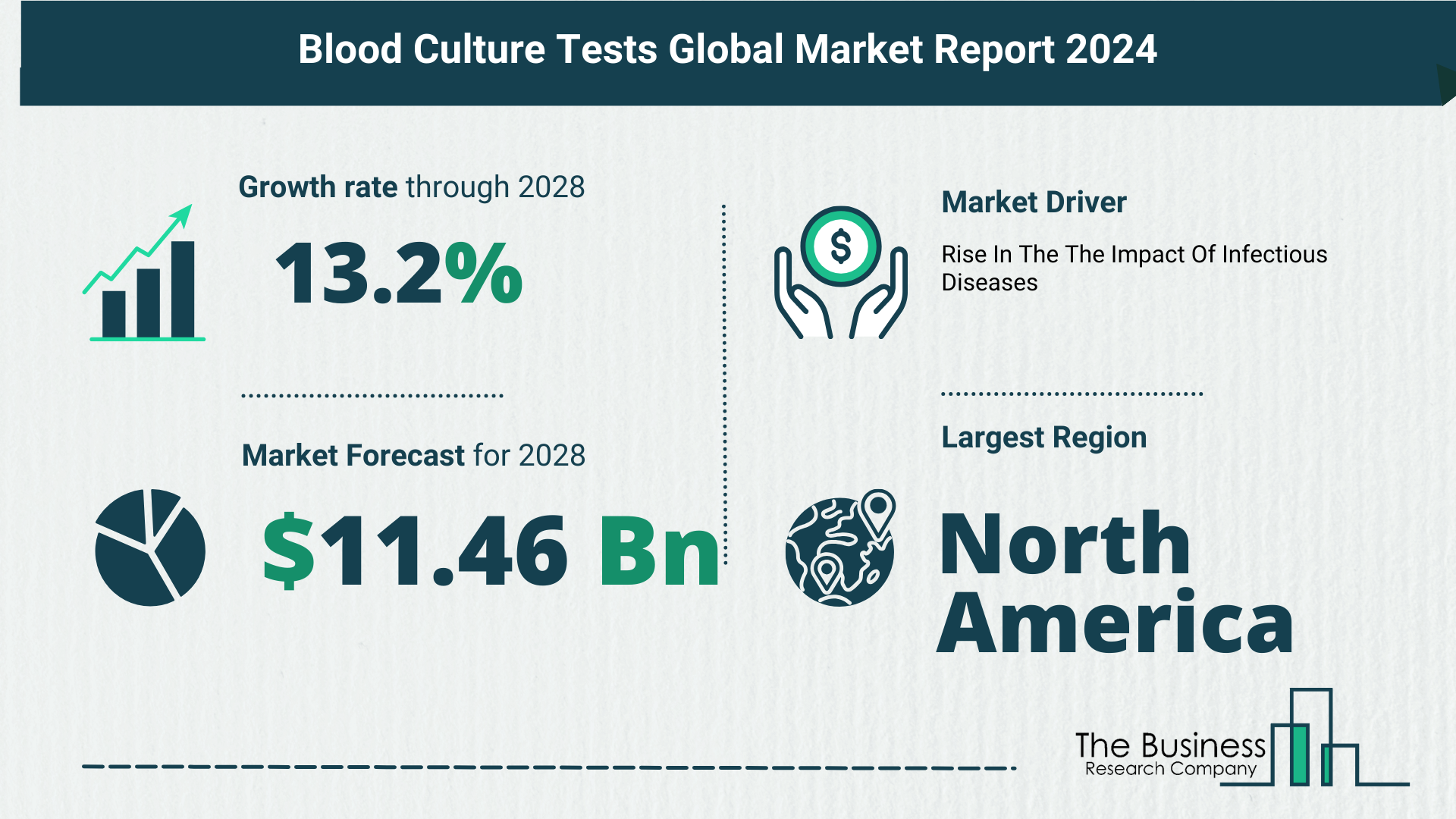
    1. Forecasted Expansion: Predictions suggest that the blood culture tests market will continue its upward trajectory, reaching $11.46 billion in 2028, with a CAGR of 13.2%.
    2. Driving Factors: The forecasted growth is fueled by escalating hospital-acquired infections, surging demand for point-of-care (POC) testing, increased healthcare spending, and regulatory approvals.
    3. Trends to Watch: Major trends in the forecast period include the integration of telemedicine and remote testing, automation and AI, multiplex testing, sepsis management, and infectious disease surveillance.

    Antibiotic Resistance: A Driving Force

    1. The Menace of Antibiotic Resistance: The rise of antibiotic-resistant infections is a critical factor propelling the blood culture test market’s growth.
    2. Alarming Statistics: In England alone, the UK Health Security Agency reported a 2.2% increase in serious antibiotic-resistant infections from 2020 to 2021. This translates to 148 serious illnesses resistant to antibiotics every day, highlighting the urgency for effective diagnostic testing.

    Key Players in the Market

    1. Industry Leaders: Major companies shaping the blood culture tests market include Becton, Dickinson and Company, BioMerieux SA, Thermo Fisher Scientific Inc., and others.
    2. Diverse Offerings: These companies contribute to the market with a range of products and services, from consumables and instruments to software and advanced technologies.

    View More On The Blood Culture Tests Market Report 2024 – https://www.thebusinessresearchcompany.com/report/blood-culture-tests-global-market-report

    Innovations Driving Growth

    1. MS-Based Rapid Microbial Identification Kits: Leading companies are focusing on innovation, developing transformative blood culture tests like MS-based rapid microbial identification kits.
    2. Bruker’s Breakthrough: In January 2021, Bruker launched an MS-based rapid microbial identification kit, significantly enhancing the speed and precision of pathogen identification in cases of bacterial or fungal sepsis.

    Market Expansions and Acquisitions

    1. Strategic Acquisition by Dr. Lal Path Labs: In October 2021, Dr. Lal Path Labs acquired Suburban Diagnostics, marking a strategic move to broaden its presence in Western India.
    2. Significant Deal: The $14.39 million deal provided Dr. Lal Path Labs access to 44 laboratories, diagnostics centers, and 150+ collection centers, reinforcing its position in the market.

    Market Segmentation

    The blood culture tests market is segmented based on various factors:

    1. Method: Conventional/Manual Methods, Automated Methods
    2. Product: Consumables, Instruments, Software and Services
    3. Technology: Culture-Based Technology, Molecular Technologies, Microarrays, PCR, PNA-FiSH, Proteomics Technology
    4. Application: Bacteremia, Fungemia, Mycobacterial Detection
    5. End User: Hospital Laboratories, Reference Laboratories, Academic Research Laboratories, Other Laboratories

    Regional Dominance

    North America emerged as the largest region in the blood culture tests market in 2023, showcasing the region’s significant contribution to the market’s overall growth.

    Conclusion
    The blood culture tests market is navigating a dynamic landscape, driven by factors like antibiotic resistance, innovative technologies, strategic acquisitions, and increasing healthcare demands. As we move forward, staying attuned to emerging trends and technological advancements will be key to harnessing the full potential of this rapidly growing market.

    Request A Sample Of The Global Blood Culture Tests Market Report 2024:
    https://www.thebusinessresearchcompany.com/sample_request?id=7763&type=smp
  • What’s The Growth Forecast For Blood Collection Devices Market Through 2024-2033?

    What’s The Growth Forecast For Blood Collection Devices Market Through 2024-2033?

    The Business Research Company’s global market reports provide comprehensive analysis on the various markets in 27 industries across 60 geographies.

     The blood collection devices market has witnessed robust expansion, with its size escalating from $7.54 billion in 2023 to an anticipated $8.16 billion in 2024, exhibiting a remarkable compound annual growth rate (CAGR) of 8.3%. This upward trajectory is attributed to several factors, including the increased prevalence of blood-related disorders, a surge in healthcare infrastructure, an aging population, and supportive government initiatives and regulations.

    Projecting a Prosperous Future
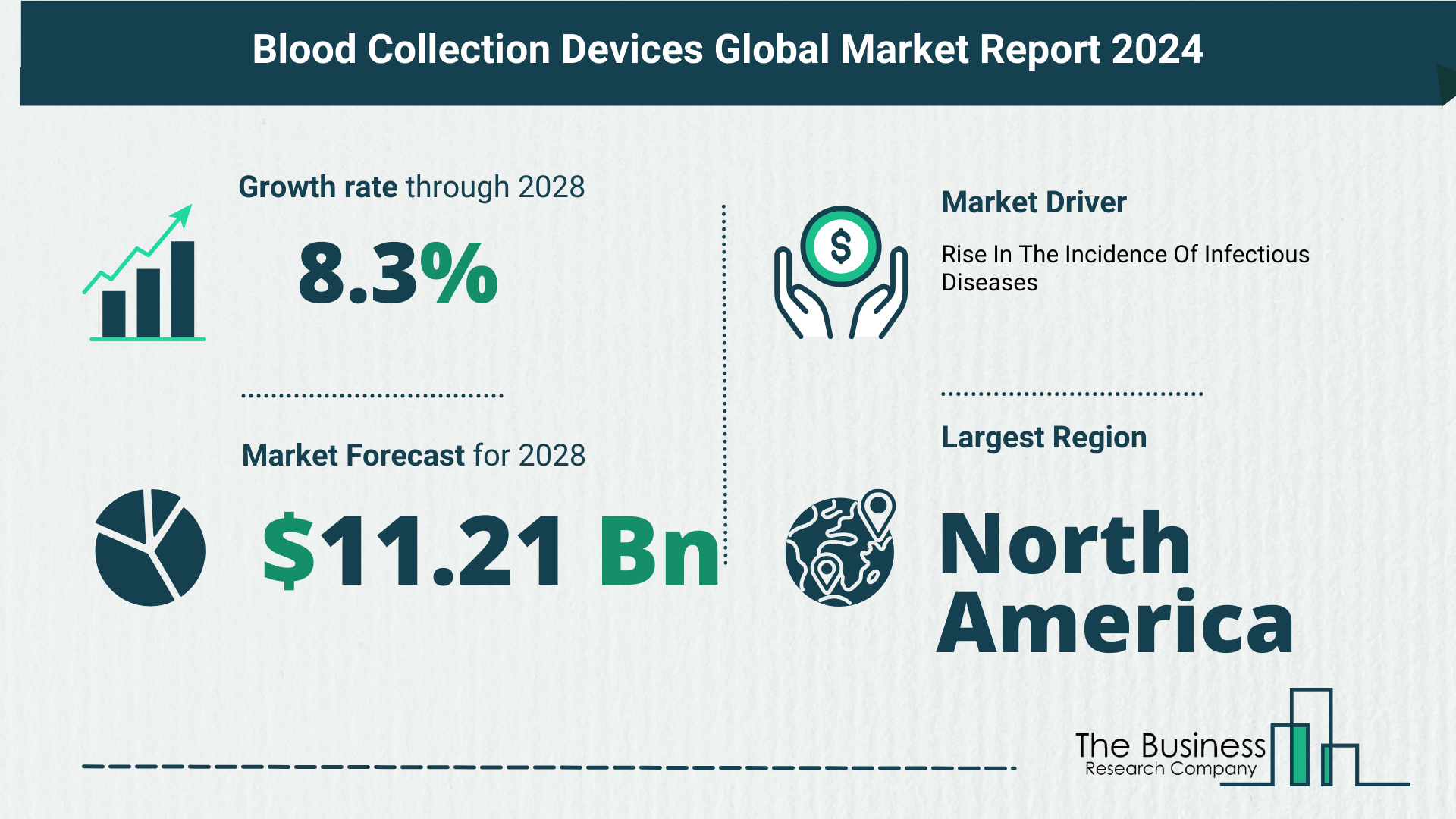
    The growth momentum is set to persist, with the blood collection devices market projected to reach $11.21 billion by 2028, sustaining an 8.3% CAGR. This forecasted expansion is fueled by rising healthcare expenditure, a growing emphasis on personalized medicine and diagnostic testing, increasing research and development activities, and a surge in infectious illnesses. Noteworthy trends in the forecast period include the adoption of minimally invasive techniques, remote blood collection services, automation and robotics, advanced blood collection kits, and collaborative partnerships.

    Increasing Health Awareness Acts as a Catalyst

    • Rising Health Awareness:
      • Refers to a heightened consciousness and knowledge about health-related issues.
      • Promotes informed choices, wellness practices, and a healthy lifestyle.
      • Empowers individuals to take control of their health and contribute to community well-being.
    • Preventive Healthcare Shift:
      • Encourages a shift towards a preventive and holistic approach to healthcare.
      • Mental Health America’s data reveals an increase in screenings, especially among the younger population.
    • Market Impact:
      • Increasing health awareness acts as a driving force behind the growth of the blood collection devices market.

    View More On The Blood Collection Devices Market Report 2024 – https://www.thebusinessresearchcompany.com/report/blood-collection-devices-global-market-report

    Key Players Shaping the Market

    • Major Companies:
      • Becton, Dickinson and Company
      • Greiner Holding AG
      • Kabe Labortechnik GmbH
      • Sarstedt AG & Company
      • ICU Medical Inc.
    • Innovative Products:
      • Introduction of MiniCollect PIXIE safety lancet by Greiner Bio-One.
      • Designed for optimal blood flow with a ‘pendulum swing’ technology.
      • Particularly beneficial for newborns and premature babies.
    • Strategic Acquisitions:
      • BD’s acquisition of Velano Vascular in July 2021.
      • Aimed at eliminating multiple needlesticks for blood sample collection.
      • Enhances inpatient blood collection and vascular access.

    Market Segmentation and Regional Dominance

    • Market Segmentation:
      1. Type: Blood Collection Tubes, Lancet, Micro Container Tubes, Warming Devices
      2. Method: Manual Blood Collection, Automatic Blood Collection
      3. Material: Glass, Stainless Steel, Plastic
      4. End User: Hospitals, Blood Donation Centers, Diagnostic Center, Other End Users
    • Regional Dynamics:
      • North America led the market in 2023.
      • Asia-Pacific emerges as the fastest-growing region in the forecast period.

    Conclusion

    The blood collection devices market is undergoing a transformative phase, driven by a confluence of factors such as increasing health awareness, technological innovations, and strategic acquisitions. As we navigate the coming years, the market is poised for sustained growth, with an array of trends and advancements shaping the landscape. This surge not only signifies the industry’s response to current healthcare challenges but also underscores its commitment to improving patient outcomes and healthcare experiences worldwide.

    Request A Sample Of The Global Blood Collection Devices Market Report 2024:
    https://www.thebusinessresearchcompany.com/sample_request?id=6363&type=smp

  • 5 Takeaways From The Temperature Monitoring Devices Market Overview 2024

    5 Takeaways From The Temperature Monitoring Devices Market Overview 2024

    The Business Research Company’s global market reports are now updated with the latest market sizing information for the year 2024 and forecasted to 2033

    According to The Business Research Company’s Temperature Monitoring Devices Global Market Report 2024, the temperature monitoring devices market is expected to show promising growth in the forecast period.

    The temperature monitoring devices market has experienced significant growth in recent years. In 2023, it stood at $3.87 billion, and projections indicate a surge to $4.33 billion in 2024, boasting a remarkable compound annual growth rate (CAGR) of 11.9%.

    Driving Factors for Historical Growth

    • Rising manufacturing activity
    • Stringent regulations for product quality assurance
    • Growing demand for digital thermometers
    • Strong economic growth in emerging markets
    • Increased incidence of chronic diseases

    Future Growth Prospects
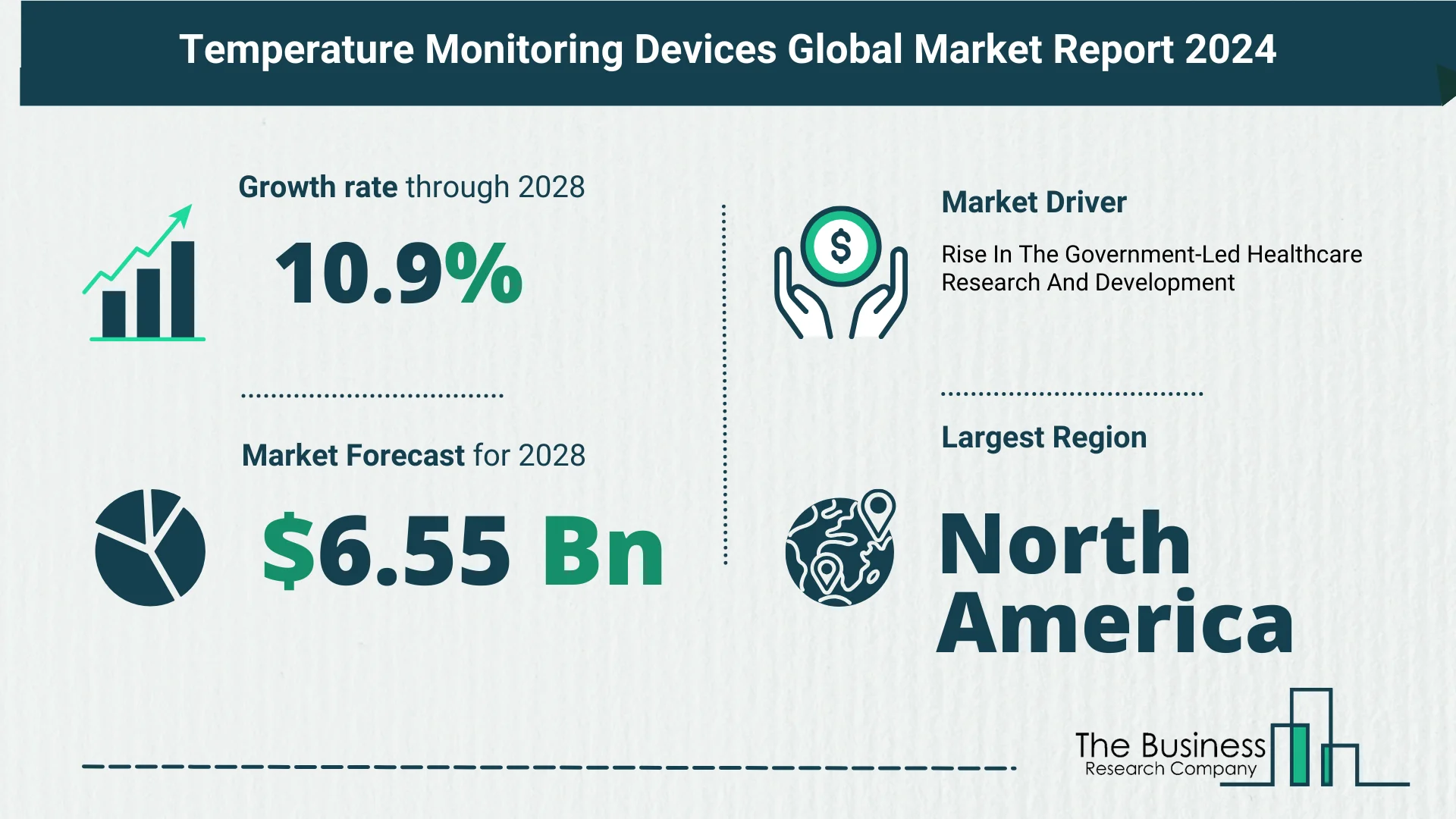
    Anticipated growth from 2024 to 2028 is even more promising, with the market expected to reach $6.55 billion at a CAGR of 10.9%. Factors contributing to this growth include the adoption of new strategies, increased demand for temperature monitoring systems, controlled environmental air temperature maintenance, a surge in demand for wireless temperature monitoring systems, and a rise in healthcare expenditure.

    Trends Shaping the Future

    • Product innovation
    • Advancements in technology
    • Growing demand for non-contact-based temperature monitoring
    • Increasing environmental awareness
    • Utilization of artificial intelligence

    Government-Led Healthcare Research and Development Initiatives: A Catalyst for Market Growth
    Understanding Government Initiatives
    Government initiatives play a pivotal role in shaping the healthcare landscape, and their impact on the temperature monitoring devices market is substantial. These initiatives encompass specific actions, programs, and policies undertaken by government authorities to address healthcare issues.

    Concrete Examples from the UK

    • In 2022, the UK government allocated £260 million (US $270.65 million) for healthcare research and manufacturing.
    • Funding focused on supporting NHS-led health research, diagnostics, and treatment.

    Market Boost from Government Initiatives
    Rising government investments contribute significantly to the growth of the temperature monitoring devices market, fostering research, innovation, and manufacturing.

    Key Players in the Temperature Monitoring Devices Market
    Major Companies Driving Innovation
    The temperature monitoring devices market is characterized by the presence of key industry players, including:

    • 3M Company
    • Drägerwerk AG & Co. KGaA
    • Cosinuss GmbH
    • Helen of Troy Limited
    • Koninklijke Philips N.V.

    Market Segmentation

    1. By Type:
      • Contact-based Temperature Monitoring Systems
      • Non-contact-based Temperature Monitoring System
    2. By Application:
      • Oral Cavity
      • Rectum
      • Ear
      • Other Applications
    3. By End User:
      • Hospital and Surgical Centers
      • Nursing Facilities
      • Ambulatory Care Centers
      • Home Care
      • Other End Users

    Technological Advancements Driving Innovation
    IoT-Enabled Temperature Monitoring Devices
    Major companies are at the forefront of innovation, developing IoT-enabled temperature monitoring sensors with diverse applications. These sensors are instrumental in ensuring the safe storage of perishable goods, monitoring environmental conditions, and enhancing efficiency in various sectors.

    View More On The Temperature Monitoring Devices Market Report 2024 – https://www.thebusinessresearchcompany.com/report/temperature-monitoring-devices-global-market-report

    Exemplary Product Launch

    • Trusted A/S launched an RHTP tracking device and data logger series in April 2022.
    • Features high-precision sensors for relative humidity, temperature, and air pressure in a single wireless IoT device.

    Benefits of IoT-Enabled Sensors
    These sensors facilitate remote tracking, offering real-time data to detect temperature fluctuations instantly. The integration of IoT functionality minimizes the risk of wasted goods, ultimately improving profitability.

    Regional Dominance: North America Leads the Way
    North America’s Market Dominance
    In 2023, North America emerged as the largest region in the temperature monitoring devices market, underlining its dominance in this sector.

    Factors Contributing to Regional Leadership

    • Technological advancements
    • Robust healthcare infrastructure
    • Increasing awareness of temperature monitoring benefits

    Conclusion: Navigating a Dynamic Market Landscape
    As the temperature monitoring devices market continues to evolve, driven by technological innovation, government initiatives, and the persistent demand for advanced healthcare solutions, industry players must stay vigilant to capitalize on emerging opportunities. With a robust forecast for growth, the market promises exciting prospects for companies and stakeholders alike. As the landscape transforms, adapting to trends and leveraging advancements will be crucial for sustained success in this dynamic market.

    Request A Sample Of The Global Temperature Monitoring Devices Market Report 2024:
    https://www.thebusinessresearchcompany.com/sample_request?id=2847&type=smp

  • 5 Key Insights On The Smart Pills Market 2024

    5 Key Insights On The Smart Pills Market 2024

    The Business Research Company’s global market reports are now updated with the latest market sizing information for the year 2024 and forecasted to 2033

    As per The Business Research Company’s Smart Pills Global Market Report 2024, the smart pills market is expected to show significant growth in the forecast period.

    The smart pills market has witnessed a remarkable surge in recent years, evolving into a billion-dollar industry. In 2023, the market size reached $4.98 billion, and it is projected to grow to $5.53 billion in 2024, boasting a Compound Annual Growth Rate (CAGR) of 11.2%. This growth is attributed to several factors, including medication adherence, chronic disease management, clinical trials and research, and the impact of an aging population.

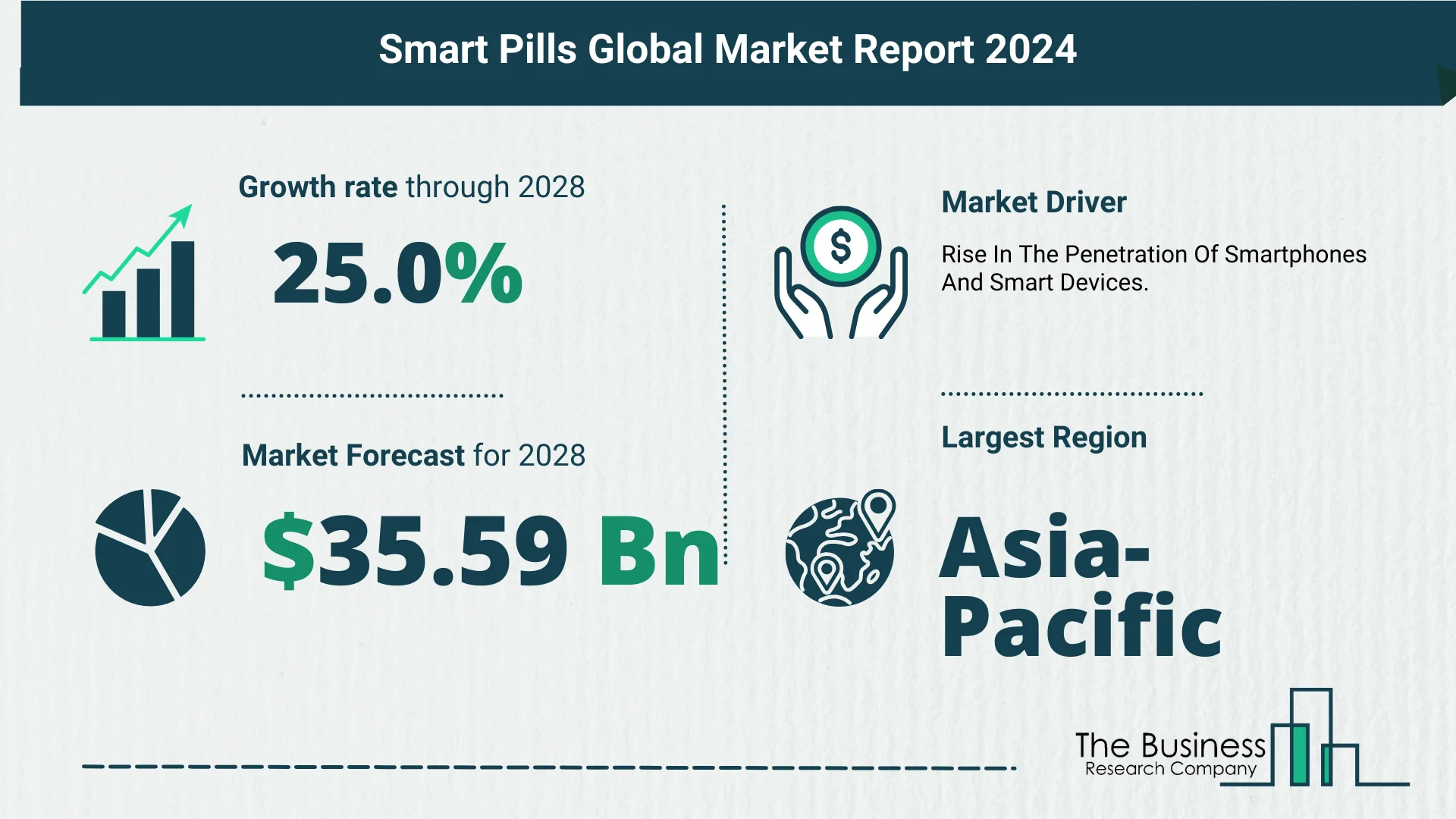
    Upward Trajectory: Anticipated Growth in the Coming Years The growth trajectory of the smart pills market is set to continue in the foreseeable future. Projections indicate a substantial increase, with the market expected to reach $8.49 billion by 2028, driven by a CAGR of 11.3%. The forecasted growth is linked to emerging trends such as remote patient monitoring, adherence to regulatory and quality standards, advancements in clinical trials and research, and the integration of digital health solutions.

    Noteworthy Trends Shaping the Future In the forecast period, the smart pills market will witness the emergence of several key trends, shaping the landscape of healthcare and technology integration. These trends include wireless health monitoring, diagnostic and imaging capsules, data analytics and artificial intelligence, smart pill sensors, and the crucial aspects of miniaturization and biocompatibility.

    Rise Of Non-Invasive Procedures Fueling The Smart Pills Market
    Non-Invasive Procedures: A Paradigm Shift The growing preference for non-invasive procedures is a significant driver behind the surge in the smart pills market. Non-invasive procedures, which avoid incisions or tissue removal, are gaining popularity for diagnostic and treatment purposes. Smart pills, wireless ingestible capsules, play a pivotal role in this trend, finding applications in capsule endoscopy, drug delivery, and patient monitoring.

    Revolutionizing Diagnostics: Capsule Endoscopy One notable application of smart pills is in diagnostic imaging, particularly capsule endoscopy. This procedure involves swallowing a smart pill equipped with a micro-camera, capturing images as it traverses the gastrointestinal tract. This innovation revolutionizes the diagnosis of gastrointestinal disorders, potentially replacing conventional methods such as endoscopy.

    Key Players in the Smart Pills Market Several major companies are contributing to the growth of the smart pills market, including Medtronic PLC, Olympus Corporation, CapsoVision Inc., Novartis AG, and Proteus Digital Health Inc., among others. These companies are at the forefront of developing and advancing smart pill technologies.

    View More On The Smart Pills Market Report 2024 – https://www.thebusinessresearchcompany.com/report/smart-pills-global-market-report

    Innovative Uses Of Atoms
    Revolutionary Research: Addressable Transmitters Operated as Magnetic Spins (ATOMS) Innovative research and development efforts are focusing on the use of miniature chips known as ATOMS (Addressable Transmitters Operated as Magnetic Spins). These silicon chip devices leverage magnetic resonance imaging (MRI) principles to locate atoms within a patient’s body using magnetic fields. ATOMS can be integrated into ingestible smart pills, offering diagnostic and treatment capabilities within the body.

    Applications of ATOMS in Smart Pills ATOMS can monitor various areas within the body, including the gastrointestinal tract, blood, and brain. These devices are capable of measuring critical health indicators such as pH, temperature, pressure, and sugar concentrations, relaying this information to healthcare professionals. Moreover, they can be programmed to release drugs, showcasing a revolutionary approach to personalized medicine.

    Segmentation of the Smart Pills Market The smart pills market is segmented based on various criteria:

    1. By Target Area: Esophagus, Stomach, Small Intestine, Large Intestine
    2. By Disease Indication: Esophageal Diseases, Colon Diseases, Small bowel Diseases, and Other Disease Indications
    3. By Application: Capsule Endoscopy, Patient Monitoring, Drug Delivery
    4. By End User: Hospital, Diagnostic Center, Research Institute

    Regional Dominance: North America Leading the Way In 2023, North America emerged as the largest region in the smart pills market. The region’s dominance is a testament to the growing adoption of innovative healthcare technologies and the presence of key market players.

    Conclusion: Navigating the Future of Healthcare The smart pills market’s exponential growth is reshaping the landscape of healthcare, offering promising solutions for diagnosis, treatment, and patient monitoring. As non-invasive procedures gain prominence and technological innovations continue, the smart pills market is set to play a pivotal role in the future of healthcare. Keep an eye on this dynamic industry as it unfolds new possibilities and transforms the way we approach medical interventions.

    Request A Sample Of The Global Smart Pills Market Report 2024:
    https://www.thebusinessresearchcompany.com/sample_request?id=2846&type=smp

  • Future Growth Forecast For The Bifurcation Lesions Global Market 2024-2033

    Future Growth Forecast For The Bifurcation Lesions Global Market 2024-2033

    The Business Research Company’s global market reports provide comprehensive analysis on the various markets in 27 industries across 60 geographies.

    The bifurcation lesions market has witnessed substantial growth in recent years, with the market size reaching $2.47 billion in 2023 and projected to further rise to $2.7 billion in 2024, boasting a Compound Annual Growth Rate (CAGR) of 9.3%. This growth is attributed to a myriad of factors, including the prevalence of coronary artery diseases, an aging population, increased healthcare expenditure, and overall economic growth.

    Anticipating Future Heights: Forecasted Growth

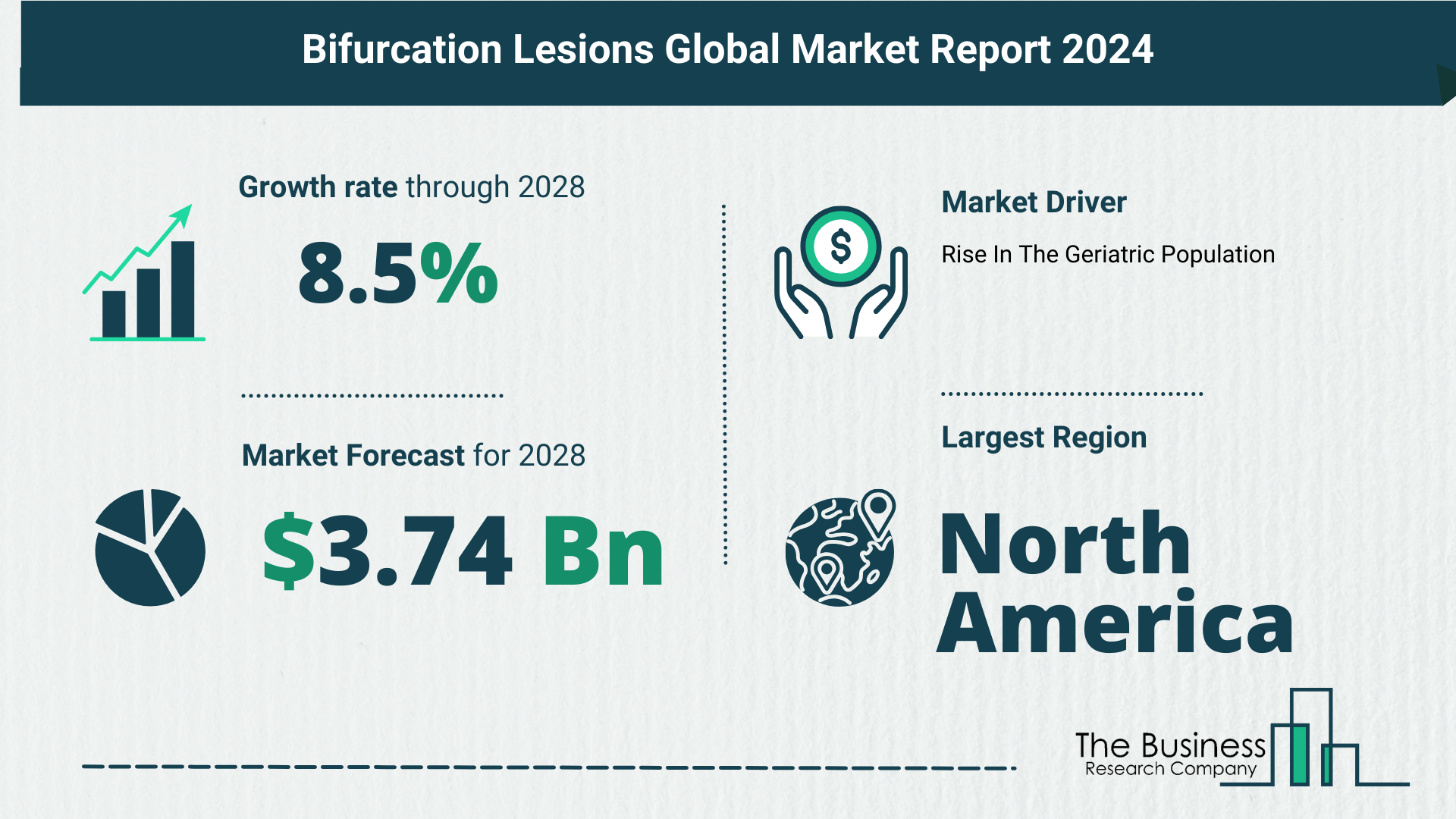
    The bifurcation lesions market is poised for continued expansion, with forecasts indicating a strong surge to $3.74 billion by 2028, reflecting a robust CAGR of 8.5%. The projected growth in the forecast period is driven by escalating demand for minimally invasive surgeries, the expansion of healthcare infrastructure, the rising prevalence of cardiovascular diseases, and supportive government healthcare policies.

    Key Trends Shaping the Future

    • Patient-Centric Approaches:Emphasis on personalized and patient-focused healthcare solutions.
    • Bioresorbable Stents:Innovations in stent technology for enhanced patient outcomes.
    • Integration of AI and Machine Learning:Harnessing advanced technologies for diagnostic and treatment advancements.
    • Cross-Specialty Collaboration:Fostering collaborative efforts across medical specialties for comprehensive patient care.

    Fueling Growth: Elevated Healthcare Expenditure

    The burgeoning healthcare expenditure is a pivotal driver propelling the growth of the bifurcation lesions market. Increased spending in healthcare infrastructure facilitates the integration of state-of-the-art equipment and technologies, including advanced interventional cardiology devices for the effective treatment of bifurcation lesions.

    • The 2021–2030 National Health Expenditure (NHE) report estimates a consistent annual rise of 5.1% in national health spending, reaching nearly $6.8 trillion by 2030.
    • Medicare and Medicaid spending is anticipated to rise at annual rates of 7.2% and 5.6%, respectively, from 2021 to 2030.

    Industry Leaders: Major Companies in Action

    Major companies are playing a crucial role in driving innovation and market growth, with notable players such as Boston Scientific Corporation, Terumo Medical Corporation, and Medtronic PLC at the forefront.

    • Notable Companies:
      • Boston Scientific Corporation
      • Terumo Medical Corporation
      • Spectranetics Corporation
      • Medtronic PLC
      • Cardinal Health Inc.
      • Abbott Laboratories
      • Biosensors International Group Ltd.
      • Braun Melsungen AG
      • Cook Medical LLC
      • Cordis Corporation
      • Biotronik SE & Co. KG
      • Cardionovum GmbH
      • Elixir Medical Corporation
      • Medinol Ltd.
      • Meril Life Sciences Pvt. Ltd.
      • Sahajanand Medical Technologies Pvt. Ltd.
      • Svelte Medical Systems Inc.
      • Translumina GmbH

    View More On The Bifurcation Lesions Market Report 2024 – https://www.thebusinessresearchcompany.com/report/bifurcation-lesions-global-market-report

    Innovations Driving Market Growth: Product Innovations

    Innovative products, such as drug-eluting coronary stent systems, are a focal point for major companies, aiming to cater to larger customer bases, increase sales, and boost revenue. These advanced medical devices are instrumental in interventional cardiology to treat coronary artery disease.

    • Medtronic PLC’s Onyx Frontier drug-eluting stent (DES) showcases design enhancements, including a dual-layer balloon, reduced crossing profile, and heightened catheter flexibility.
    • Onyx Frontier offers an extensive range of sizes, accommodating patients with diameters ranging from 2.0mm to 5.0mm, with specific focus on treating extra-large vessels, including those in the left main.

    Strategic Moves: Boston Scientific’s Acquisition

    In September 2021, Boston Scientific Corporation strategically acquired Devoro Medical, Inc., a move aimed at focusing on clot management and commercialization using the WOLF Thrombectomy Platform developed by Devoro Medical. This acquisition broadens Boston Scientific’s selection of interventional strategies for thromboemboli, enhancing its position in the market.

    Market Dynamics: Segmentation Insights

    The bifurcation lesions market is segmented based on key parameters, offering precision in understanding market dynamics.

    • Types:
      • One-Stent
      • Two-Stent
    • Application:
      • Coronary Vascular
      • Peripheral Vascular

    Regional Dynamics: North America Takes the Lead

    In 2023, North America emerged as the largest region in the bifurcation lesions market, showcasing the region’s significant contributions to market growth. Looking ahead, Asia-Pacific is expected to be the fastest-growing region in the forecast period, indicative of evolving healthcare landscapes and increased adoption of advanced technologies.

    In conclusion, the bifurcation lesions market is on an upward trajectory, driven by a convergence of factors such as technological advancements, strategic acquisitions, and a focus on patient-centric healthcare solutions. With major companies leading the charge in innovation, the future of cardiovascular care holds promising prospects for enhanced treatment modalities and improved patient outcomes.

    Request A Sample Of The Global Bifurcation Lesions Market Report 2024:
    https://www.thebusinessresearchcompany.com/sample_request?id=7414&type=smp

  • Key Trends And Drivers In The Autoinjectors Market 2024

    Key Trends And Drivers In The Autoinjectors Market 2024

    The Business Research Company’s market reports offer an in-depth analysis on the market’s growth potential, major drivers, key trends and more.

    The autoinjectors market has experienced exponential growth in recent years, witnessing a remarkable increase from $3.06 billion in 2023 to an estimated $3.79 billion in 2024, boasting a Compound Annual Growth Rate (CAGR) of 23.6%. This surge is attributed to various factors such as the rising prevalence of chronic diseases, an aging population, the flourishing biotechnology and pharmaceutical sector, an increase in patient preference for self-administration, and supportive regulatory frameworks.

    Unprecedented Growth Forecasted

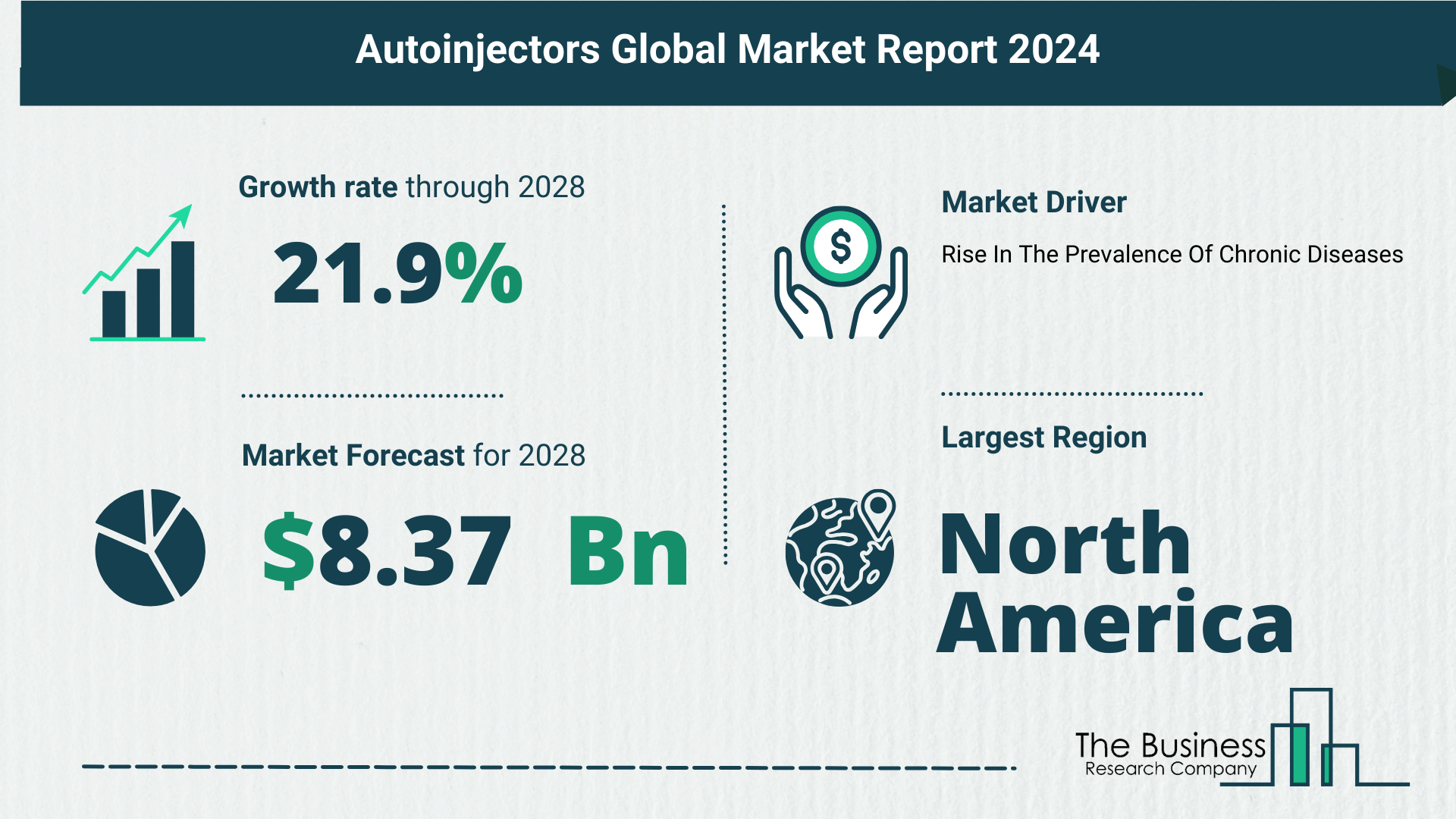
    • The autoinjectors market is poised for continuous exponential growth, projecting an impressive increase to $8.37 billion in 2028 at a CAGR of 21.9%.
    • Factors fueling this growth include an expansion of therapeutic applications, rising healthcare costs, a heightened focus on patient-centered care, the advent of telemedicine and remote patient monitoring, and the burgeoning potential in emerging markets.

    Chronic Diseases Propel Autoinjectors Market

    Elevated Prevalence of Chronic Diseases

    The autoinjectors market is set to benefit from the escalating prevalence of chronic diseases globally. These illnesses, lasting a year or longer, necessitate continuous medical attention. Chronic conditions like heart disease, cancer, rheumatoid arthritis, and diabetes are leading causes of mortality and disability worldwide. Auto injection devices play a crucial role in the management of chronic conditions, allowing patients to self-administer biologics and hormones regularly. According to Imperial College London research in 2020, chronic diseases are expected to cause nearly 41 million deaths globally each year, emphasizing the urgent need for effective self-administration tools.

    Major Players Shaping the Market

    Key players in the autoinjectors market include AbbVie Inc., Mylan N.V., Eli Lilly and Company, and many others. These companies are pivotal in driving innovations and advancements in the field, contributing significantly to the market’s growth.

    Read More On The Autoinjectors Market Report 2024 – https://www.thebusinessresearchcompany.com/report/autoinjectors-global-market-report

    Innovations Driving Growth

    Innovative and Sustainable Auto-Injector Solutions

    Major companies are actively developing innovative and sustainable solutions to address the increasing demand for drug delivery devices. The Qfinity auto-injector platform, introduced by Jabil Inc. in May 2022, stands out as a notable example. This platform is designed to be sustainable and cost-effective, featuring durable materials capable of withstanding over 100 injections. Its pre-filled disposable cassette system reduces waste, making it a versatile, easy-to-use, accurate, and portable solution for drug self-administration.

    Strategic Acquisitions for Drug Delivery Innovations

    In April 2022, Halozyme Therapeutics Inc. acquired Antares Pharma Inc. for $960 million. This strategic move aims to expand Halozyme’s portfolio of drug delivery technologies and leverage Antares’ commercial infrastructure, positioning the combined entity as a leading innovator in drug delivery. Antares Pharma Inc., a key player in this acquisition, specializes in developing autoinjectors, further contributing to advancements in the field.

    Market Segmentation

    The autoinjectors market is segmented based on various criteria:

    1. By Type:
      • Disposable Autoinjectors
      • Reusable Autoinjectors
    2. By Therapy:
      • Rheumatoid Arthritis
      • Multiple Sclerosis
      • Diabetes
      • Anaphylaxis
      • Other Therapies
    3. By Route of Administration:
      • Subcutaneous
      • Intramuscular
    4. By Distribution Channel:
      • Online Retailer
      • Pharmacy
    5. By End User:
      • Home Care Settings
      • Hospitals and Clinics
      • Other End-Users

    Regional Dynamics

    North America led the autoinjectors market in 2023, with Asia-Pacific anticipated as the fastest-growing region during the forecast period.

    Conclusion

    The autoinjectors market’s exponential growth signifies a paradigm shift in healthcare, placing greater emphasis on patient-centric solutions and self-administration. As chronic diseases continue to affect millions globally, the demand for efficient and innovative drug delivery devices like autoinjectors is set to surge. The industry’s focus on sustainability, coupled with advancements like connected and smart autoinjectors, needle-free options, and biologic drug delivery, promises a future where patients have more control over their treatments, ultimately reshaping the landscape of modern healthcare.

    Request for A Sample Of The Global Autoinjectors Market Report:
    https://www.thebusinessresearchcompany.com/sample_request?id=5249&type=smp

  • 3D Bioprinting Market Report 2024: Market Size, Drivers, And Trends

    3D Bioprinting Market Report 2024: Market Size, Drivers, And Trends

    The Business Research Company’s global market reports are now updated with the latest market sizing information for the year 2024 and forecasted to 2033

    Explosive Growth in Market Size
    The 3D bioprinting market has experienced remarkable growth, soaring from $1.59 billion in 2023 to $1.9 billion in 2024, showcasing a significant Compound Annual Growth Rate (CAGR) of 19.8%. This expansion is attributed to several factors, including substantial research and development funding, the surge in chronic diseases, organ shortages, the rise in pharmaceutical testing, and growth in tissue engineering.

    Future Outlook and Trends
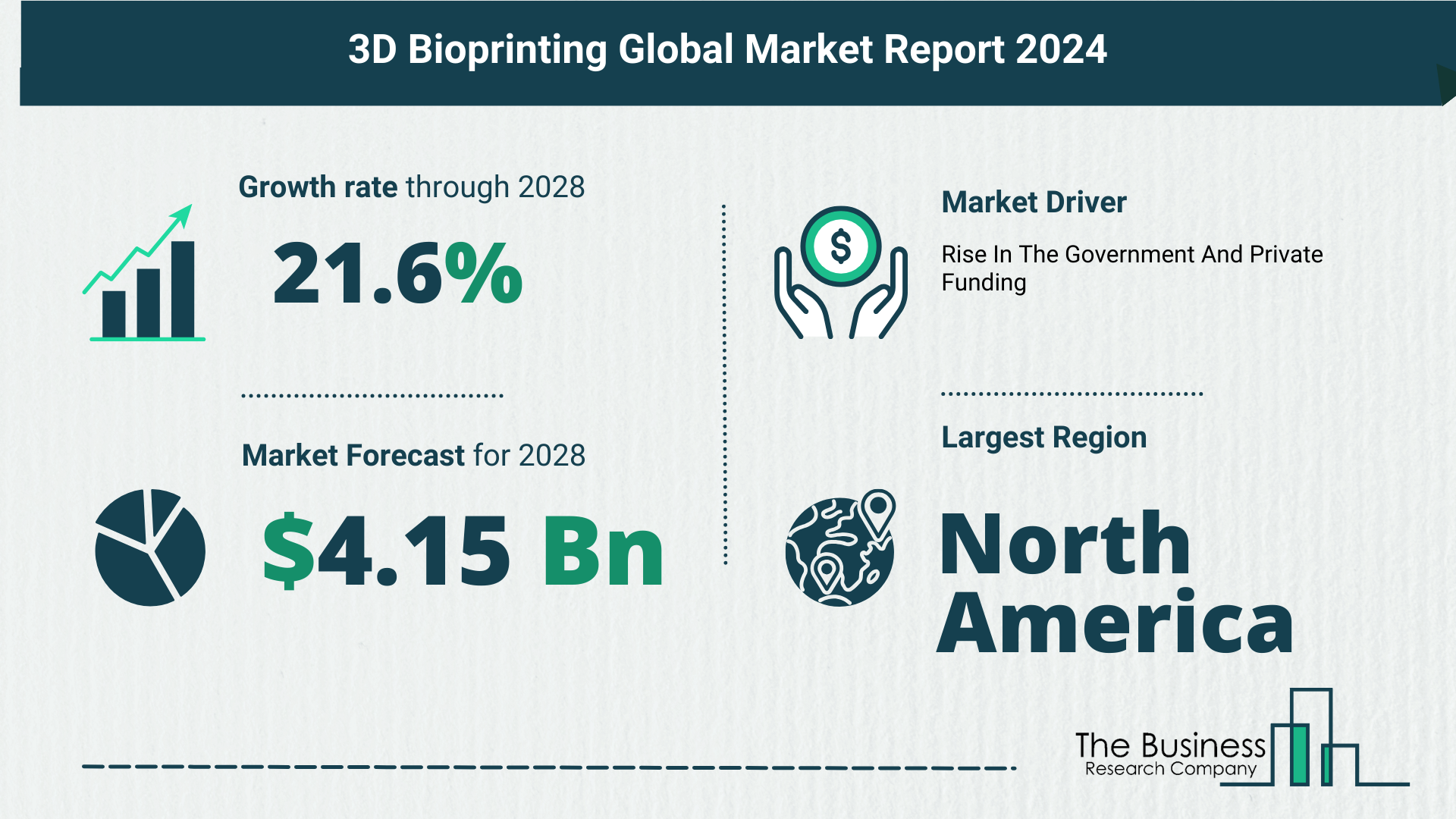
    The momentum continues into the forecast period, with the 3D bioprinting market projected to reach $4.15 billion in 2028, boasting a CAGR of 21.6%. Anticipated contributors to this growth include healthcare advancements, the development of bioprinted skin, increased awareness among patients, and an aging population. Notable trends in the forecast period encompass multi-material printing, vascularization techniques, organ-on-a-chip, custom implants, and biofabrication in space.

    Funding Boosts Research and Development

    Increased Government and Private Funding

    • Governments and private organizations are channeling substantial funds to propel 3D bioprinting research.
    • Funding supports different development phases of 3D bioprinting techniques.
    • Examples include the European Union granting $600,000 to Readily3d SA for pancreas model development and the Australian Minister for Health allocating $737,690 to Curtin University for bioprinting skin tissue.

    Key Players in the Market
    Major companies contributing to the 3D bioprinting market’s growth include Organovo Holdings Inc., Allevi Inc., Cellink AB, Aspect Biosystems Ltd., and many more. These companies play pivotal roles in advancing bioprinting technologies, bio-inks, and 3D bioprinters, fostering innovation in the industry.

    View More On The 3D Bioprinting Market Report 2024 – https://www.thebusinessresearchcompany.com/report/3d-bioprinting-global-market-report

    AI’s Integration in Customized Medical Implants

    Artificial Intelligence (AI) in Bioprinting

    • AI is increasingly employed to fabricate bio-tissues in a layer-to-layer fashion from digital 3D models.
    • AI provides suggestions on optimal printing parameters for biocompatible tissues, considering the patient’s physiological makeup.
    • In June 2021, researchers at Queensland University of Technology and Oregon University integrated AI and machine vision into 3D printers for customized medical implants.

    Strategic Acquisitions Fuel Market Expansion

    3D Systems Acquires Allevi Inc.

    • In May 2021, 3D Systems acquired Allevi Inc., a move aimed at leveraging Allevi’s expertise for long-term development of human organs.
    • The acquisition positions 3D Systems as a market leader in bioprinting, capitalizing on Allevi’s 3D bioprinters and bio-inks.

    Market Segmentation and Regional Dynamics

    Market Segmentation

    • Components: 3D Bioprinters, Bioinks
    • Materials: Living Cells, Hydrogels, Extracellular Matrices, Other Materials
    • Applications: Research, Clinical, Others
    • End Users: Research Organizations, Biopharmaceutical Companies, Hospitals, Others

    Regional Dynamics

    • North America dominated the 3D bioprinting market in 2023.
    • Asia-Pacific is expected to witness the fastest growth during the forecast period, emphasizing the global nature of the industry.

    Conclusion: A New Era in Healthcare
    The exponential growth of the 3D bioprinting market signifies a transformative era in healthcare. With advancements driven by funding, technological integration, strategic acquisitions, and global market dynamics, 3D bioprinting emerges as a revolutionary force in addressing medical challenges. As the market evolves, the collaboration between AI and bioprinting technologies is poised to reshape the landscape, offering customized medical solutions and paving the way for groundbreaking innovations in personalized healthcare.

    Request A Sample Of The Global 3D Bioprinting Market Report 2024:
    https://www.thebusinessresearchcompany.com/sample_request?id=5341&type=smp

  • AI-based Surgical Robots Market Growth Analysis Till 2033 By The Business Research Company

    AI-based Surgical Robots Market Growth Analysis Till 2033 By The Business Research Company

    The Business Research Company’s market reports offer an in-depth analysis on the market’s growth potential, major drivers, key trends and more.

    The AI-based surgical robots market has witnessed an unprecedented surge in recent years, propelling it from $5.73 billion in 2023 to an estimated $6.88 billion in 2024, showcasing a remarkable Compound Annual Growth Rate (CAGR) of 20.0%. This growth is attributed to several factors, including the aging population, a rising demand for minimally invasive surgery, increased healthcare expenditure, the imperative need for patient safety, and the prevalence of chronic diseases.

    Exponential Growth Anticipated

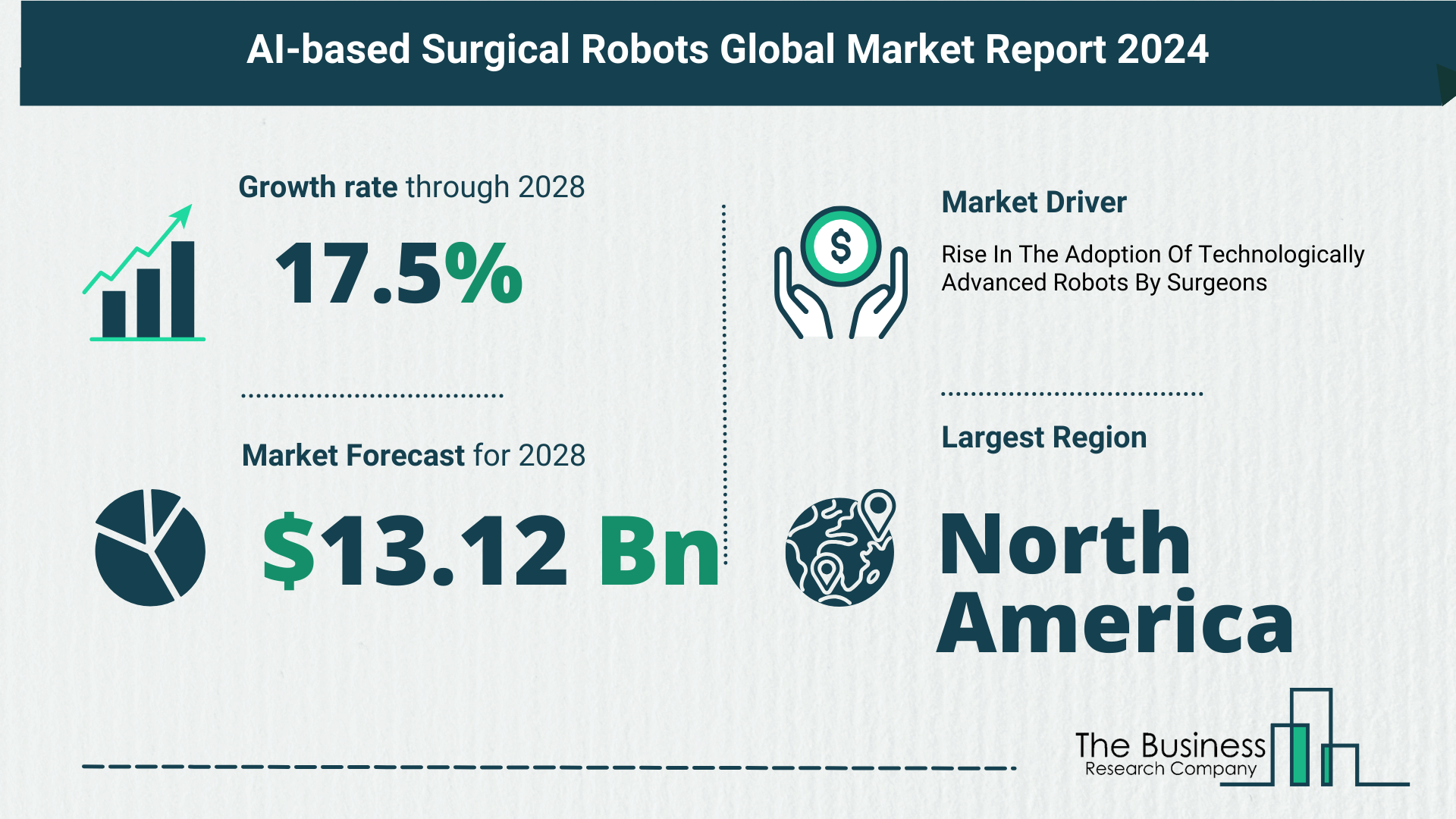
    • The AI-based surgical robots market is poised for rapid expansion, projecting a staggering growth to $13.12 billion in 2028 at a CAGR of 17.5%.
    • Factors fueling this growth include the adoption of telemedicine and remote surgery, increased investments, a surge in robotic surgeries, and the persistent shortage of medical professionals.

    Major Trends Shaping the Future

    • AI and Machine Learning Integration
    • Robotics-as-a-Service (RaaS)
    • Miniaturization and Portability
    • Surgical Data Analytics
    • Patient-Specific Surgical Planning
    • Interdisciplinary Collaboration

    Driving Forces Behind Market Growth

    Adoption Of Technologically Advanced Robots By Surgeons

    The adoption of technologically advanced robots by surgeons across various applications has been a pivotal driver for the AI-based surgical robots market. These robots, powered by AI, enhance efficiency, accuracy, and overall performance. Notably, robotic surgery accounted for 2% of surgeries in Europe and a substantial 15% in the United States in 2023, according to Oliver Wyman. This increasing reliance on advanced robots is a key factor propelling the market forward.

    Major Companies Shaping the Market Landscape
    Key players in the AI-based surgical robots market include Accuray Incorporated, Intuitive Surgical Inc., Medtronic PLC, and others. These companies are at the forefront of technological advancements, contributing significantly to the growth and evolution of the market.

    Read More On The AI-based Surgical Robots Market Report 2024 – https://www.thebusinessresearchcompany.com/report/ai-based-surgical-robots-global-market-report

    Innovations Driving Growth

    New Product Development Advancements

    The development of innovative products is a prominent trend, with major companies constantly striving to strengthen their market positions. For instance, Suzhou Kang Duo Robot Co. launched the Kang Duo Surgical Robot-01 (KD SR 01) in December 2022, showcasing the potential advantages over conventional methods, such as laparoscopic surgery.

    Surgical Science’s Acquisition of Mimic Technologies
    In January 2021, Surgical Science Sweden AB acquired Mimic Technologies Inc. for $18.0 million, expanding its customer base, gaining access to advanced analytics technology, and strengthening its presence in the American market. This acquisition underscores the strategic moves within the industry to foster growth and competitiveness.

    Market Segmentation

    The AI-based surgical robots market is segmented based on products, applications, and end-users:

    1. By Product:
      • Services
      • Instrument and Accessories
    2. By Application:
      • Orthopedics
      • Neurology
      • Urology
      • Gynecology
      • Other Applications
    3. By End User:
      • Hospitals
      • Ambulatory Surgical Centers

    Regional Dynamics
    North America led the AI-based surgical robots market in 2023, with Asia-Pacific expected to be the fastest-growing region during the forecast period.

    Conclusion
    As the AI-based surgical robots market continues its upward trajectory, driven by technological advancements, strategic acquisitions, and an increasing number of robotic surgeries, the healthcare landscape is witnessing a transformative shift. The integration of AI and robotics is not only enhancing surgical outcomes but also paving the way for a future where precision, efficiency, and patient safety are paramount. The journey ahead promises innovations, collaborations, and breakthroughs that will redefine the way surgeries are conducted, marking a new era in healthcare.

    Request for A Sample Of The Global AI-based Surgical Robots Market Report:
    https://www.thebusinessresearchcompany.com/sample_request?id=7274&type=smp

  • Bioprocess Containers Market Forecast 2024: Forecast Market Size, Drivers And Key Segments

    Bioprocess Containers Market Forecast 2024: Forecast Market Size, Drivers And Key Segments

    The Business Research Company’s global market reports are now updated with the latest market sizing information for the year 2024 and forecasted to 2033

    Exponential Growth Unveiled
    The bioprocess containers market has experienced an extraordinary surge, leaping from $4.15 billion in 2023 to an anticipated $5.24 billion in 2024, with an impressive Compound Annual Growth Rate (CAGR) of 26.2%. This remarkable growth in recent years is attributed to the flourishing biopharmaceutical industry, significant government investments in research and development, the increasing privatization of laboratory services, and a surge in healthcare spending.

    Future Prospects: An Unprecedented Trajectory
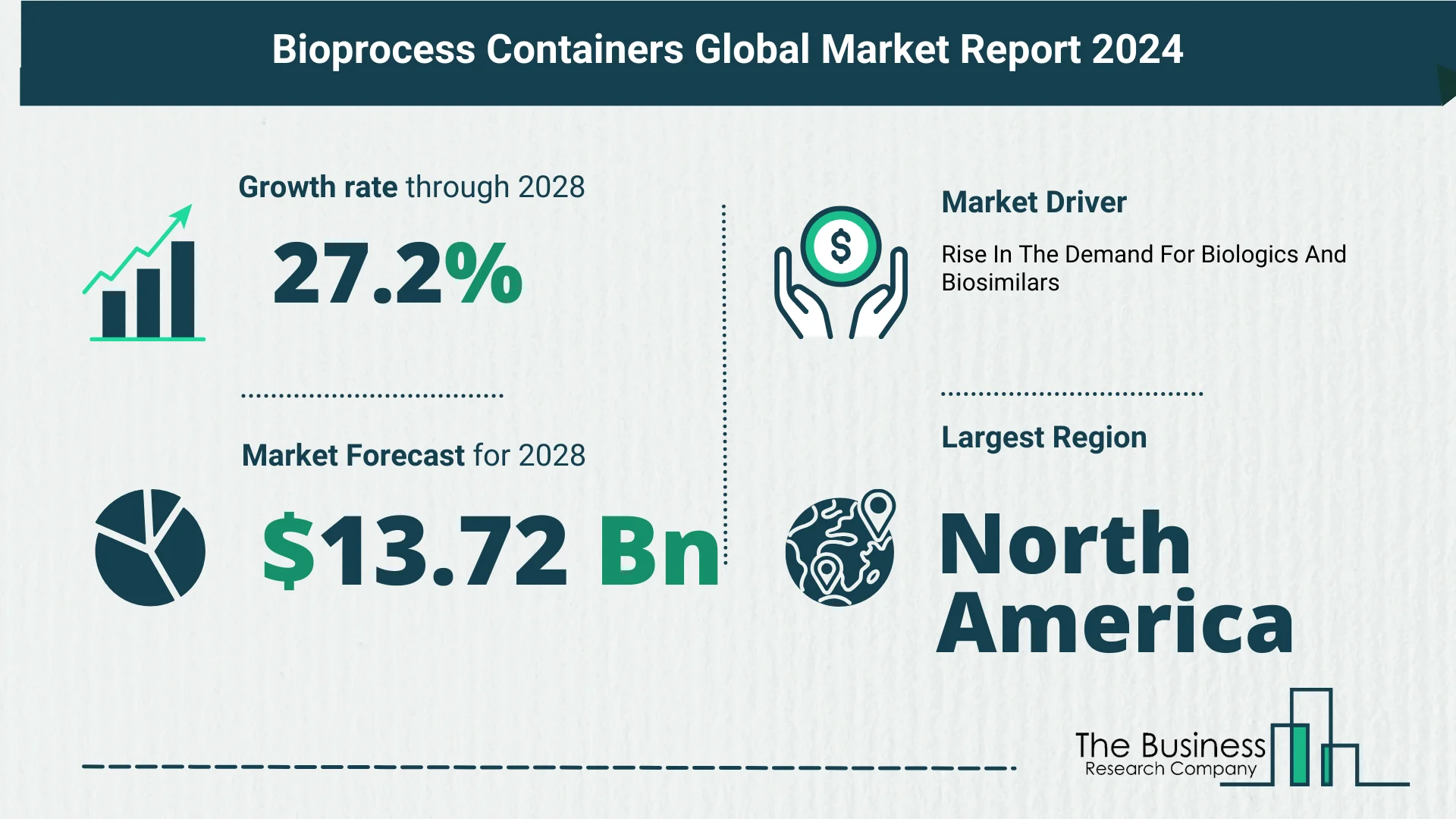
    The growth story continues into the foreseeable future, with the bioprocess containers market projected to reach a staggering $13.72 billion by 2028, boasting a CAGR of 27.2%. Factors propelling this growth include escalating healthcare investments, expanding markets in emerging economies, regulatory support, and a rise in disposable income. Key trends in the forecast period encompass sustainability, digitalization, outsourcing and contract manufacturing, and the pursuit of customization and modular systems, aligning with the ethos of patient-centric manufacturing.

    AI and Machine Learning Reshaping the Landscape
    Biopharmaceutical R&D Driving Growth

    • The surge in biopharmaceutical R&D activities is a primary driver of the bioprocess containers market.
    • The transformation of drug development through data, digital technologies, and AI enhances efficiency in discovering and delivering new medicines.
    • According to IQVIA, the global biopharmaceutical industry is witnessing exponential growth, with over 6,000 products in active development, showcasing a 68% increase compared to 2016.

    Industry Giants at the Helm
    Major Players Shaping the Market

    • Key companies like Sartorius Stedim Biotech S.A., Thermo Fisher Scientific Inc., and Merck KGaA are pivotal in advancing the bioprocess containers market.
    • These companies contribute to the industry’s growth through innovation, cutting-edge solutions, and market expansion strategies.

    Cutting-Edge Solutions and Market Expansion Strategies
    Revolutionizing with Flexible Single-Use Systems

    • Major companies are at the forefront, introducing innovative products such as Flexible single-use systems.
    • In October 2022, Single Use Support launched the IRIS Single-Use Bag Line bioprocess container, offering flexibility and customization for bioprocessing and cryopreservation.
    • The product ensures reliability and safety in transporting and storing liquids, setting new standards in the industry.

    View More On The Bioprocess Containers Market Report 2024 – https://www.thebusinessresearchcompany.com/report/bioprocess-containers-global-market-report

    Strategic Acquisitions for Global Presence
    Avantor’s Expansion in Asia

    • In June 2021, Avantor Inc. acquired RIM Bio, bolstering its presence in the Asia-Pacific, Middle East, and Africa (AMEA) region.
    • This strategic move expands Avantor’s single-use manufacturing, distribution, and cleanroom capabilities, ensuring a broader reach and enhanced service offerings to customers.

    Market Segmentation and Regional Dynamics
    Market Segmentation

    • Types: 2D Bioprocess Containers, 3D Bioprocess Containers, Tank Liners, Other Containers & Accessories
    • Applications: Process Development, Upstream, Downstream
    • End Users: Biopharmaceutical Companies, Life Science R&D Companies, Other End Users

    Regional Dynamics

    • North America dominated the bioprocess containers market in 2023, while Asia-Pacific is expected to witness the fastest growth in the forecast period, underscoring the global nature of the industry.

    Conclusion: Pioneering the Future of Bioprocessing
    As the bioprocess containers market charts unprecedented growth, it signifies a pivotal era in biopharmaceutical development and manufacturing. The integration of AI, machine learning, sustainability practices, and the pursuit of innovative solutions are transforming the landscape. Industry leaders, through strategic acquisitions and cutting-edge products, are not just navigating growth; they are shaping the future of bioprocessing, ensuring a robust and responsive ecosystem to meet the evolving needs of healthcare and research. The journey ahead promises continued innovation and a paradigm shift in how we approach and enhance bioprocess technologies.

    Request A Sample Of The Global Bioprocess Containers Market Report 2024:
    https://www.thebusinessresearchcompany.com/sample_request?id=6364&type=smp

  • How Is The Arrhythmia Monitoring Devices Market Expected To Grow Through 2024-2033

    How Is The Arrhythmia Monitoring Devices Market Expected To Grow Through 2024-2033

    The Business Research Company’s global market reports are now updated with the latest market sizing information for the year 2024 and forecasted to 2033

    According to The Business Research Company’s Arrhythmia Monitoring Devices Global Market Report 2024, the arrhythmia monitoring devices market is expected to show promising growth in the forecast period.

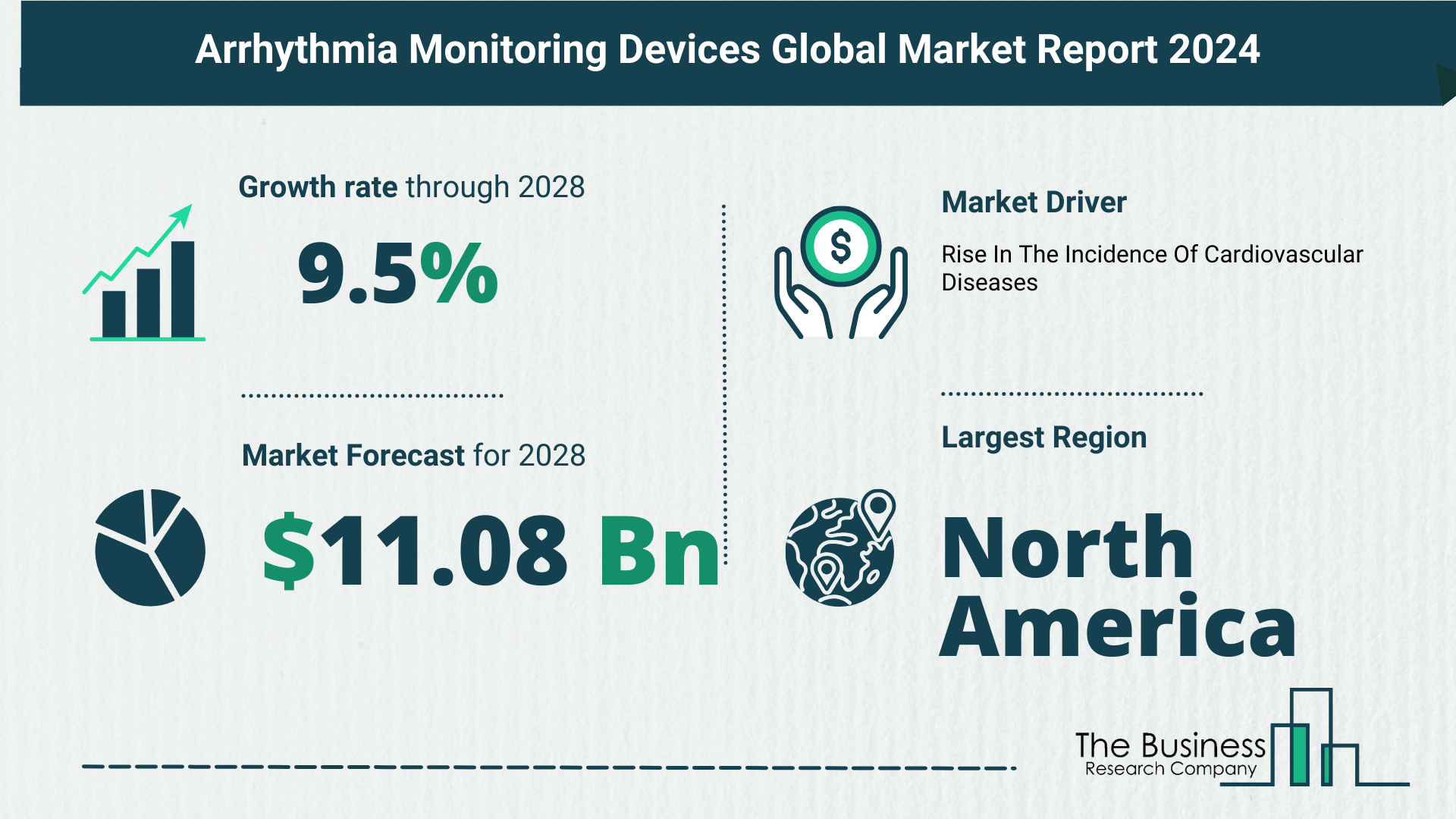
    The arrhythmia monitoring devices market has witnessed robust growth in recent years, with a market size of $6.98 billion in 2023 set to soar to $7.7 billion in 2024, boasting a compound annual growth rate (CAGR) of 10.3%. Looking ahead, the market is poised for even stronger growth, reaching $11.08 billion by 2028 at a CAGR of 9.5%.

    Driving Forces for Historical Growth

    • Aging population
    • Healthcare infrastructure growth
    • Rise in personalized medicine
    • Surge in home healthcare
    • Increased funding

    Anticipated Growth Factors

    The forecasted growth from 2024 to 2028 can be attributed to several key factors:

    • Rising cardiovascular diseases
    • Telemedicine growth
    • Regulatory approvals
    • Increase in remote patient monitoring
    • Economic growth

    The Surge in Cardiovascular Diseases: A Catalyst for Market Expansion

    Cardiovascular Disease (CVD) on the Rise

    The escalating incidence of cardiovascular diseases is expected to be a primary driver for the arrhythmia monitoring devices market. CVD encompasses disorders affecting the heart or blood vessels, with irregular heart rates being a prominent symptom monitored by these devices.

    Projection on Cardiovascular Risk Factors

    • According to the American College of Cardiology, cardiovascular risk factors and diseases are projected to increase significantly in the United States from 2025 to 2060.
    • Factors such as heart failure and ischemic heart disease are expected to surge, highlighting the critical need for arrhythmia monitoring devices.

    Key Market Players

    Major companies driving innovation and growth in this sector include:

    • Abbott Laboratories
    • Medtronic PLC
    • Biotronik Inc.
    • iRhythm Technologies Inc.
    • Koninklijke Philips NV

    View More On The Arrhythmia Monitoring Devices Market Report 2024 – https://www.thebusinessresearchcompany.com/report/arrhythmia-monitoring-devices-global-market-report

    Innovative Wearable Arrhythmia Monitoring Devices: Pioneering Heart Health

    Evolution of Wearable Technology

    In response to the growing demand, major companies in the market are innovating wearable and mobile products, especially medical-grade smartwatches. These devices provide continuous monitoring and enhance awareness of heart health.

    Exemplary Product Launch

    • Xplore Lifestyle Solutions Pvt. Ltd. introduced a medical-grade smartwatch in collaboration with Cardiac Sense, capable of distinguishing between normal and irregular heart rhythms.
    • This innovative product aims to raise awareness about silent and life-threatening arrhythmias, including Atrial Fibrillation.

    Strategic Expansion and Acquisitions: A Thriving Market Landscape

    Boston Scientific’s Strategic Move

    • In January 2021, Boston Scientific made a strategic acquisition, purchasing Preventice Solutions Inc for a $1.22 billion deal.
    • This acquisition strengthens Boston Scientific’s position in the ambulatory electrocardiography market and aligns with their overall strategy in cardiac diagnostics and services.

    Market Segmentation

    1. By Type:
      • ECG
      • Implantable Monitors
      • Holter Monitors
      • Mobile Cardiac Telemetry
    2. By Application:
      • Bradycardia
      • Tachycardia
      • Atrial Fibrillation
      • Ventricular Fibrillation
      • Premature Contraction
      • Other Applications
    3. By End-User:
      • Hospitals And Diagnostic Centers
      • Ambulatory Centers
      • Other End Users

    Regional Dominance and Future Growth Prospects

    Current Market Landscape

    • North America took the lead in the arrhythmia monitoring devices market in 2023, showcasing the region’s dominance.

    Future Growth Expectations

    • Asia-Pacific is poised to be the fastest-growing region in the forecast period, indicating expanding opportunities and a thriving market landscape.

    Conclusion: Paving the Way for a Healthier Future
    As the arrhythmia monitoring devices market continues to evolve, driven by technological advancements, increasing prevalence of cardiovascular diseases, and strategic acquisitions, the industry stands at the forefront of promoting heart health. The integration of wearable technology, the use of artificial intelligence, and a focus on patient-centric solutions underscore a future where preventive healthcare and health tracking become pivotal. With a promising outlook and a commitment to innovation, the arrhythmia monitoring devices market is set to play a crucial role in shaping the landscape of cardiovascular healthcare.

    Request A Sample Of The Global Arrhythmia Monitoring Devices Market Report 2024:
    https://www.thebusinessresearchcompany.com/sample_request?id=7437&type=smp