Category: Medical Equipment

  • Future Growth Forecast For The Baby Monitoring Devices Global Market 2024-2033

    Future Growth Forecast For The Baby Monitoring Devices Global Market 2024-2033

    The Business Research Company’s global market reports provide comprehensive analysis on the various markets in 27 industries across 60 geographies.

     The baby monitoring devices market has experienced robust growth in recent years, showcasing a strong upward trajectory. From $4.48 billion in 2023, it is set to reach $4.9 billion in 2024, boasting a Compound Annual Growth Rate (CAGR) of 9.3%. This growth in the historic period is attributed to several factors that have shaped the market landscape.

    • Historic Growth Drivers:
      • Economic growth and affordability
      • Rise in nuclear families
      • Integration of health monitoring
      • Urbanization and limited living spaces
      • Changing work dynamics

    Future Projections

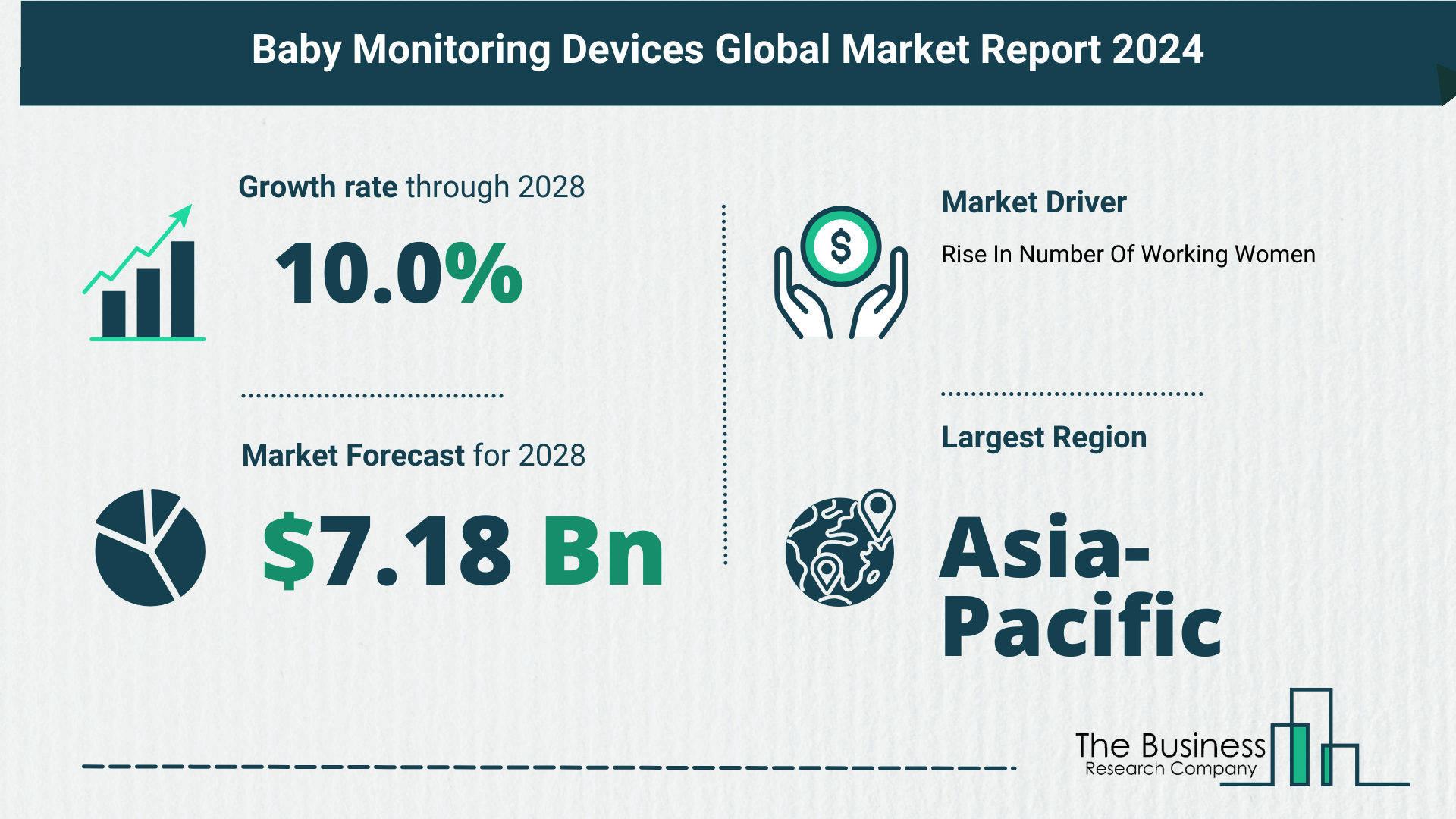
    The journey of growth is poised to continue, with the baby monitoring devices market expected to witness rapid expansion. By 2028, it is projected to soar to $7.18 billion, showcasing a compelling CAGR of 10.0%. This anticipated growth is underpinned by a range of factors that will shape the market dynamics in the forecast period.

    • Forecast Growth Factors:
      • Security and privacy features
      • Customization and personalization
      • Stress and anxiety reduction for parents
      • Healthcare awareness and early detection
      • Rising disposable income
    • Key Trends in the Forecast Period:
      • Parental concerns for child safety
      • Rise in working parents
      • Urbanization and smaller living spaces
      • Health monitoring and wellness
      • Connectivity and smart home integration

    Empowering Working Women Drive Market Growth

    The Impact of Working Women

    The increasing number of working women is anticipated to be a pivotal driver for the growth of the baby monitoring devices market. Employed mothers, juggling professional responsibilities, utilize baby monitors to remotely keep an eye on their little ones and receive emergency notifications. In the United States, women’s labor force participation reached 57.1% in August 2022, emphasizing the need for convenient childcare solutions.

    • Market Impact:
      • Baby monitors aiding employed mothers
      • Remote monitoring during work hours
      • Growing demand driven by working women

    Major Players Shaping the Market

    A multitude of companies significantly contributes to the vibrant baby monitoring devices market. Key players include Dorel Industries Inc., Samsung Electronics Co. Ltd., Angelcare Monitors Inc., Motorola Solutions Inc., and others.

    Innovations Transforming the Landscape

    Masimo’s Stork Smart Home System

    Innovation is a cornerstone in the baby monitoring devices market, with companies focusing on developing cutting-edge products to enhance their market positions. For instance, Masimo Corporation launched the Stork smart home baby monitoring system in August 2023. This comprehensive system, featuring Stork Vitals+ and Vitals, incorporates high-resolution cameras, improved night vision, two-way audio, and noninvasive hospital neonate monitoring technology. The launch revolutionizes baby monitoring, providing parents with hospital-grade features in the comfort of their homes.

    • Product Highlights:
      • Stork smart home baby monitoring system by Masimo
      • Continuous health data tracking
      • Parent-tested mobile app
      • Safe and encrypted connectivity

    Strategic Moves for Market Expansion

    Sandbridge Acquisition Corporation and Owlet Baby Care Inc.

    In February 2021, Sandbridge Acquisition Corporation completed a merger with Owlet Baby Care Inc., marking a strategic move to expand its family-centric product range. This merger positioned Owlet to cater to a broader market, transforming it into a critical family platform. Owlet Baby Care Inc., a manufacturer of baby monitoring devices, continues to serve loyal customers while targeting new consumer touchpoints.

    • Strategic Merger:
      • Sandbridge Acquisition Corp. and Owlet Baby Care Inc.
      • Expansion of family-centric product range
      • Transformation into a critical family platform

    Market Segmentation
    The baby monitoring devices market is segmented based on various criteria, offering a comprehensive understanding of its diverse dynamics.

    1. By Type:
      • Internet Baby Monitor
      • Video Baby Monitor
      • Audio Baby Monitor
    2. By Mode Of Connection:
      • Wired
      • Wireless
    3. By Application:
      • Hospitals
      • Family
      • Other Applications

    Regional Dominance
    In 2023, Asia-Pacific emerged as the largest region in the baby monitoring devices market, signifying the global reach and impact of this essential industry.

    In conclusion, the baby monitoring devices market presents a compelling narrative of growth, driven by societal shifts, technological advancements, and the evolving needs of modern families. As we delve into the forecast period, industry stakeholders should stay attuned to emerging trends and continue innovating to meet the dynamic demands of parents seeking enhanced safety and well-being for their little ones.

    View More On The Baby Monitoring Devices Market Report 2024 – https://www.thebusinessresearchcompany.com/report/baby-monitoring-devices-global-market-report

    Request A Sample Of The Global Baby Monitoring Devices Market Report 2024:
    https://www.thebusinessresearchcompany.com/sample_request?id=8440&type=smp
  • Top 5 Insights From The Automated Dispensing Machines Market Report 2024

    Top 5 Insights From The Automated Dispensing Machines Market Report 2024

    The Business Research Company’s global market reports are now updated with the latest market sizing information for the year 2024 and forecasted to 2033

    According to The Business Research Company’s Automated Dispensing Machines Global Market Report 2024, the automated dispensing machines market is expected to show promising growth in the forecast period.

    The automated dispensing machines market has exhibited robust growth, surging from $3.91 billion in 2023 to an estimated $4.23 billion in 2024, with a notable compound annual growth rate (CAGR) of 8.4%. This growth is attributed to various factors in the historic period, including enhanced medication dispensing efficiency, reduction of errors, increased medication volumes, regulatory compliance requirements, patient-centered care initiatives, and the minimization of medication waste.

    Anticipating Strong Growth Ahead
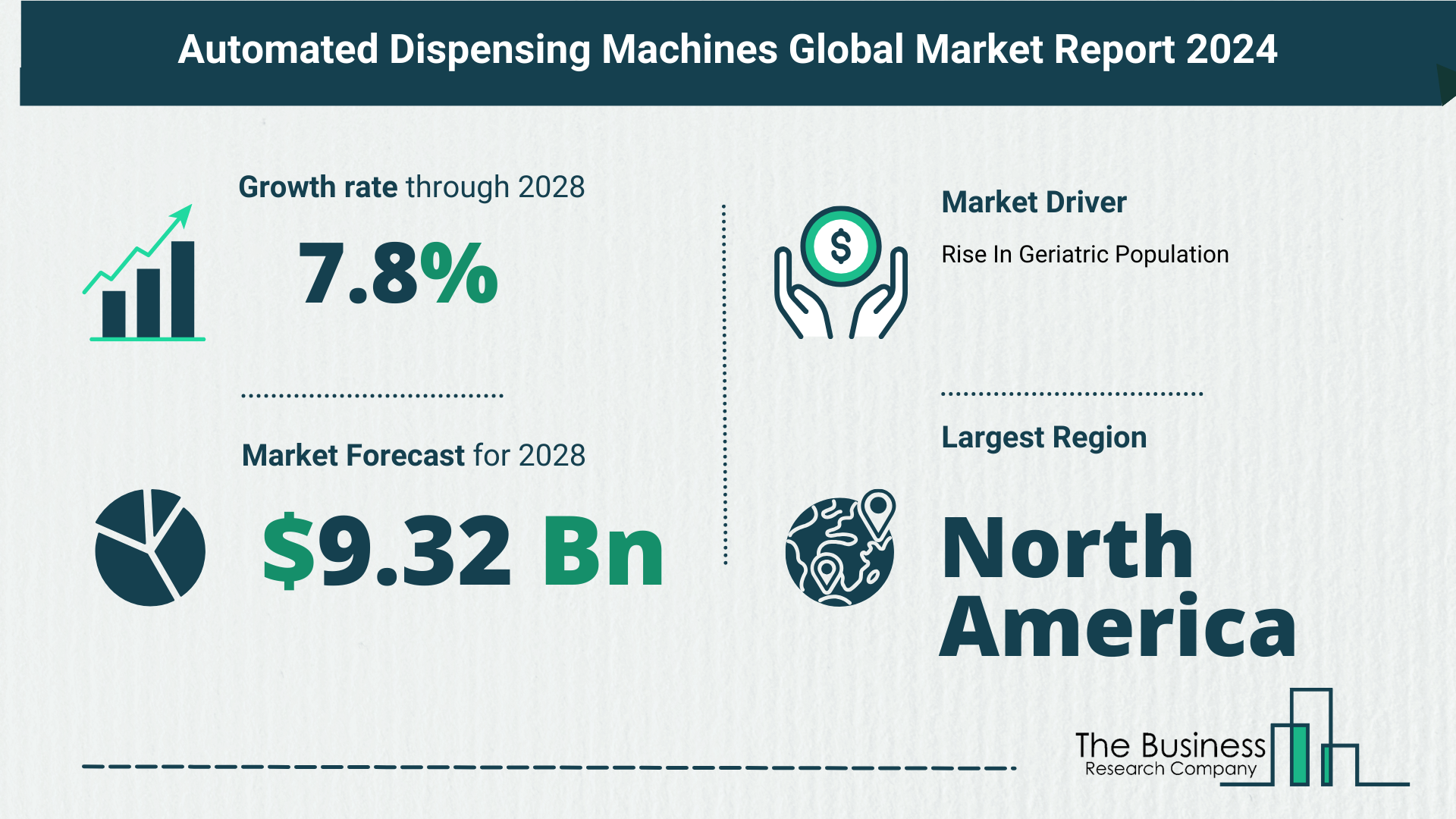
    The automated dispensing machines market is expected to continue its strong growth trajectory, reaching $5.77 billion by 2028 at a CAGR of 8.1%. The forecasted expansion is fueled by key drivers, including the streamlining of pharmacy workflows, telehealth integration for medication access, reduction in waiting times, customization of medication dosages, smart medication management systems, data analytics for medication trends, and the implementation of medication therapy management programs.

    Revolutionizing Medication Management With Technology
    Major players in the automated dispensing machines market are leveraging technology to revolutionize medication management. They are integrating advanced analytics and machine learning to enhance safety and efficiency.

    Technological Advancements: Becton, Dickinson, and Company’s Pyxis ES

    • Becton, Dickinson, and Company launched Pyxis ES, an automated medication dispensing system, in June 2021.
    • Pyxis ES utilizes advanced analytics and machine learning to optimize inventory management and enhance predictive maintenance.
    • The system features a user-friendly touchscreen interface and modular design for flexibility in installation and customization.

    Strategic Acquisition: Omnicell and ReCept Holdings

    • In December 2021, Omnicell Inc. completed the acquisition of ReCept Holdings for $100 million.
    • This acquisition enhances Omnicell’s medication management infrastructure, adding solutions for specialty pharmacy management services.
    • ReCept Holdings brings expertise in operational capabilities, technology, workflow management, and payor access assistance.

    Market Segmentation and Regional Dynamics

    The automated dispensing machines market is segmented based on product type, application, and end-user categories.

    Market Segmentation:

    1. By Product:
      • Automated Medication Dispensing and Storage System
      • Automated Packaging and Labeling Systems
      • Automated Tabletop Counters
      • Automated Medication Compounding Systems
    2. By Application:
      • In-patient
      • Out-patient
    3. By End-user:
      • Hospitals
      • Pharmacies

    Regional Insights: North America Leading, Asia-Pacific Growing Rapidly

    • In 2023, North America emerged as the largest region in the automated dispensing machines market.
    • Asia-Pacific is poised to be the fastest-growing region during the forecast period, showcasing the increasing adoption of automated dispensing solutions.

    Future Trends Shaping the Market

    Several trends are expected to shape the landscape of the automated dispensing machines market in the forecast period.

    Key Trends:

    • Integration of RFID and Barcode Technologies: A shift towards enhanced tracking and monitoring.
    • Decentralized Medication Dispensing: Moving away from centralized systems for improved accessibility.
    • Integration with Electronic Health Records (EHR): Facilitating seamless data exchange for better patient care.
    • Integration of Artificial Intelligence (AI): Utilizing AI for predictive analytics and decision-making.
    • Focus on Specialty Medications: Addressing the growing demand for specialized treatments.
    • Compliance with Regulatory Standards: Ensuring adherence to evolving healthcare regulations.

    In conclusion, the automated dispensing machines market is experiencing significant growth driven by technological advancements, strategic acquisitions, and a focus on improving patient care. With the integration of innovative technologies and the rise in healthcare demands, the market is set to play a crucial role in transforming medication management across diverse healthcare settings.

    View More On The Automated Dispensing Machines Market Report 2024 – https://www.thebusinessresearchcompany.com/report/automated-dispensing-machines-global-market-report

    Request A Sample Of The Global Automated Dispensing Machines Market Report 2024:
    https://www.thebusinessresearchcompany.com/sample_request?id=7971&type=smp

  • Key Trends And Drivers In The Dialyzers Market 2024

    Key Trends And Drivers In The Dialyzers Market 2024

    The Business Research Company’s market reports offer an in-depth analysis on the market’s growth potential, major drivers, key trends and more.

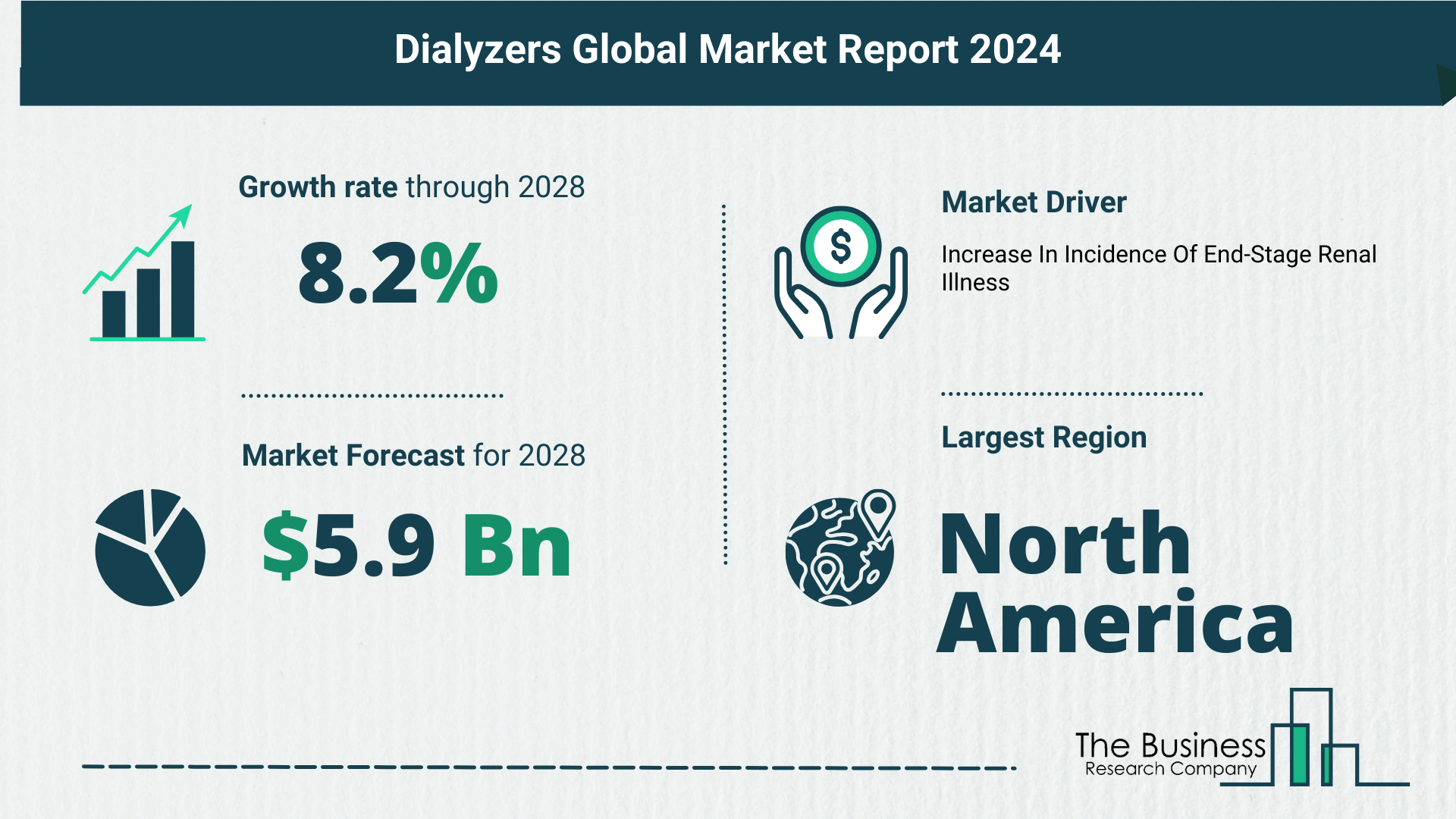
    The dialyzers market has experienced robust growth in recent years, and the trajectory is set to continue. In 2023, the market size reached $3.95 billion, with a projected increase to $4.31 billion in 2024, demonstrating a Compound Annual Growth Rate (CAGR) of 9.1%. Looking ahead, the market is expected to witness strong growth, reaching $5.9 billion in 2028, with a CAGR of 8.2%. Key factors attributing to this growth include the increasing prevalence of chronic kidney diseases, rising disposable income, and a growing demand for home dialysis treatment.

    Increasing Incidence of Renal Illness Driving Market Growth

    • End-Stage Renal Illness:The dialyzer market is poised for growth due to the increasing incidence of end-stage renal illness. End-stage renal failure (ESRF), or end-stage renal disease (ESRD), marks the irreversible stage of chronic kidney disease where kidney function has significantly diminished.
    • Global Impact:Notably, in the US, nearly 37 million people were diagnosed with chronic kidney disease by 2021, according to the Centers for Disease Control and Prevention. In Australia, 17,700 deaths in 2020, accounting for 11% of all deaths, were attributed to chronic kidney disease.

    Key Players in the Dialyzers Market

    • Industry Giants:Major companies shaping the dialyzers market include Merck & Co Inc., Thermo Fisher Scientific Inc., Medtronic PLC, and others.
    • Diverse Offerings:These companies provide a comprehensive range of dialyzers, contributing to the market’s growth and innovation.

    Innovations in Hemocompatible Dialyzers

    • Focus on Hemocompatibility:Major companies in the dialyzer market concentrate on developing innovative products, including hemocompatible dialyzers. These dialyzers aim to minimize blood clotting and inflammatory responses during dialysis, reducing complications like blood clots, bleeding, and infections.
    • Fresenius’ FX CorAL Dialyzer:Fresenius Medical Care AG & Co. KGaA introduced the FX CorAL dialyzer, utilizing polysulfone, a material with superior filtration and hemocompatibility properties. This innovation enhances clearance and ensures uniform circulation, making therapy safer.

    Strategic Acquisitions Enhancing Market Position

    • Braun SE’s Acquisition:In March 2022, B. Braun SE acquired Intermedt Medizin & Technik GmbH, a move expected to strengthen and expand B. Braun’s dialysis product portfolio. The acquisition secures a comprehensive range of dialysis products and services from Intermedt, a German-based manufacturer.

    Market Segmentation for Comprehensive Insights

    The dialyzers market is segmented based on various factors:

    1. Type:High-Flux Dialyzers, Low-Flux Dialyzers
    2. Usage Type:Disposable, Reusable
    3. End-Uses:In-Centre Dialysis, Home Dialysis, Hospital Dialysis, Independent Dialysis, Peritoneal Dialysis, Home Hemodialysis

    Read More On The Dialyzers Market Report 2024 – https://www.thebusinessresearchcompany.com/report/dialyzers-global-market-report

    Innovative Trends Shaping the Future

    • Wearable Dialysis Devices:The forecast period brings a trend towards wearable dialysis devices, offering enhanced mobility and convenience for patients.
    • Artificial Intelligence (AI) Integration:The integration of AI in dialysis processes promises improved efficiency and personalized treatment plans.
    • Remote Monitoring:The adoption of remote monitoring allows healthcare professionals to monitor patients’ dialysis sessions from a distance.
    • Value-Based Care Models:The industry is witnessing a shift towards value-based care models, emphasizing positive patient outcomes and cost-effectiveness.
    • Bioengineered Dialyzers:Advancements in bioengineering contribute to the development of more efficient and patient-friendly dialyzers.

    Regional Dynamics: North America Leading the Way

    • North America’s Dominance:In 2023, North America emerged as the largest region in the dialyzers market. The region’s advanced healthcare infrastructure and ongoing research and development initiatives contribute to its leadership.
    • Asia-Pacific’s Emerging Growth:Asia-Pacific is anticipated to be the fastest-growing region in the forecast period, driven by the increasing prevalence of chronic kidney diseases and rising healthcare expenditure.

    Conclusion: A Promising Horizon for Dialyzers

    As the dialyzers market continues to advance, driven by innovations, strategic acquisitions, and a growing awareness of kidney-related illnesses, it promises a future where renal therapies are more effective, accessible, and patient-centric. The emphasis on hemocompatible dialyzers, coupled with trends like wearable devices and AI integration, underscores the industry’s commitment to enhancing the quality of life for patients undergoing dialysis. With North America at the forefront and Asia-Pacific emerging as a key player, the dialyzers market is poised for sustained growth, contributing significantly to the global healthcare landscape

    Request for A Sample Of The Global Dialyzers Market Report:
    https://www.thebusinessresearchcompany.com/sample_request?id=13080&type=smp

  • Top 5 Insights From The Wound Debridement Market Report 2024

    Top 5 Insights From The Wound Debridement Market Report 2024

    The Business Research Company’s global market reports are now updated with the latest market sizing information for the year 2024 and forecasted to 2033

    According to The Business Research Company’s Wound Debridement Global Market Report 2024, the wound debridement market is expected to show promising growth in the forecast period.

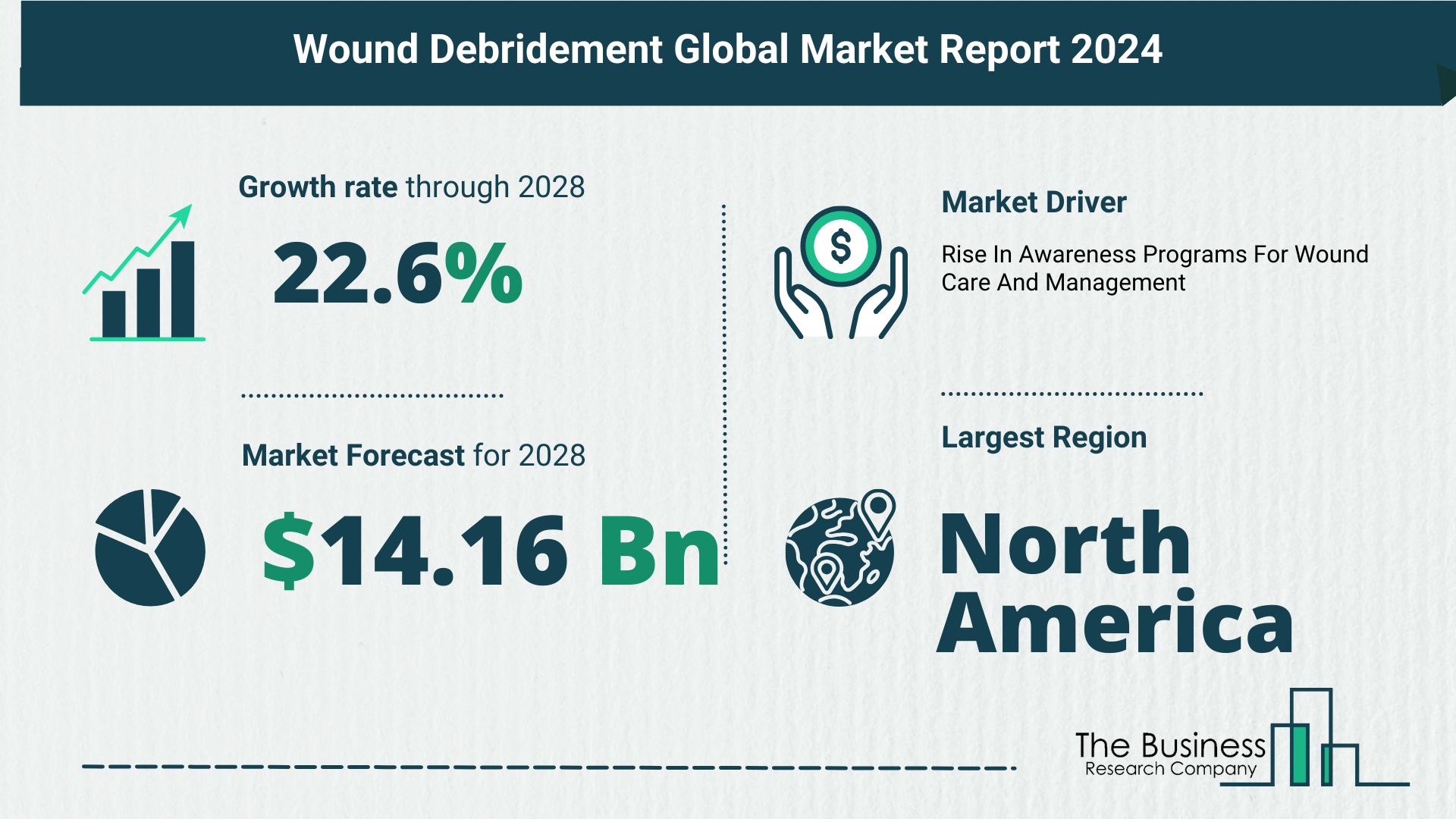
    The Wound Debridement Market Landscape The wound debridement market has experienced robust growth in recent years, with a notable surge from $5 billion in 2023 to $5.35 billion in 2024 at a compound annual growth rate (CAGR) of 7.0%. Projections indicate further expansion, reaching $7.03 billion in 2028 at a CAGR of 7.1%. This growth is attributed to various factors such as the prevalence of chronic diseases, an aging population, increased healthcare expenditure, sports injuries, road accidents, and economic growth.

    Rising Awareness Programs Drive Wound Debridement Market Growth

    • Diverse Causes of Wounds: Injuries, accidents, surgical wounds, burns, diabetes, vascular disease, and chronic wounds necessitate attention.
    • Healogics Wound Care Awareness Campaign: A prime example of an initiative aimed at raising awareness about chronic wound healing.
    • Resourceful Workshops: Workshops aiding in educating both patients and healthcare providers about wound severity and care.
    • Key Market Players: Smith & Nephew PLC, B. Braun Melsungen AG, Coloplast A/S, and others contribute to market growth.

    View More On The Wound Debridement Market Report 2024 – https://www.thebusinessresearchcompany.com/report/wound-debridement-global-market-report

    Innovative Technologies Transforming The Wound Debridement Market

    • Tech Advancements as a Key Trend: Major market players focusing on innovative technologies for wound debridement.
    • Wearable Technologies: Integration of wearable technologies, electronic health data, and diverse examination devices.
    • Nanosensor for Advanced Care: RMIT University’s nanosensor-based glowing wound dressing unit for infection monitoring.
    • Essity AB’s Acquisition of Hydrofera: A strategic move to enhance Essity’s wound debridement portfolio and innovation capabilities.

    Segmentation: Understanding the Wound Debridement Market The wound debridement market is segmented based on various parameters, providing a comprehensive understanding of its dynamics.

    1. By Product:
      • Enzymatic Debridement Products
      • Autolytic Debridement Products
      • Gels, Ointments
      • Mechanical Debridement Products
      • Ultrasonic Debridement Products
      • Other Products
    2. By Method:
      • Surgical Method
      • Enzymatic Method
      • Mechanical Method
      • Autolytic Method
      • Other Methods
    3. By Wound Type:
      • Venous Leg Ulcers
      • Diabetic Foot Ulcers
      • Pressure Ulcers
      • Surgical and Traumatic Wounds
      • Other Wound Types
    4. By End User:
      • Hospitals
      • Clinics
      • Other End Users

    Regional Dynamics: North America Leading, Asia-Pacific Emerging

    • North America: The largest region in the wound debridement market in 2023.
    • Asia-Pacific: Expected to be the fastest-growing region, showcasing immense potential during the forecast period.

    Conclusion: Navigating the Future of Wound Debridement The wound debridement market’s trajectory is marked by consistent growth, fueled by factors like increasing diabetic populations, outpatient care trends, regulatory support, and advancements in healthcare infrastructure. The landscape is further enriched by major trends such as biological debridement, robotic debridement, smart wound dressings, minimally invasive techniques, and advanced wound imaging. As we navigate the future, it is evident that the wound debridement market is not only witnessing growth but also transforming through innovation and awareness initiatives, ultimately contributing to improved patient outcomes and healthcare practices.

    Request A Sample Of The Global Wound Debridement Market Report 2024:
    https://www.thebusinessresearchcompany.com/sample_request?id=6575&type=smp

  • Key Takeaways From The Global Continuous Blood Glucose Monitoring Market Forecast 2024

    Key Takeaways From The Global Continuous Blood Glucose Monitoring Market Forecast 2024

    The Business Research Company’s global market reports are now updated with the latest market sizing information for the year 2024 and forecasted to 2033

    As per The Business Research Company’s Continuous Blood Glucose Monitoring Global Market Report 2024, the continuous blood glucose monitoring market is expected to show significant growth in the forecast period.
    The continuous blood glucose monitoring market has witnessed a remarkable surge in recent years, showcasing robust growth. Let’s delve into the key drivers, market projections, and emerging trends that are shaping this dynamic landscape.

    Market Overview and Projected Growth
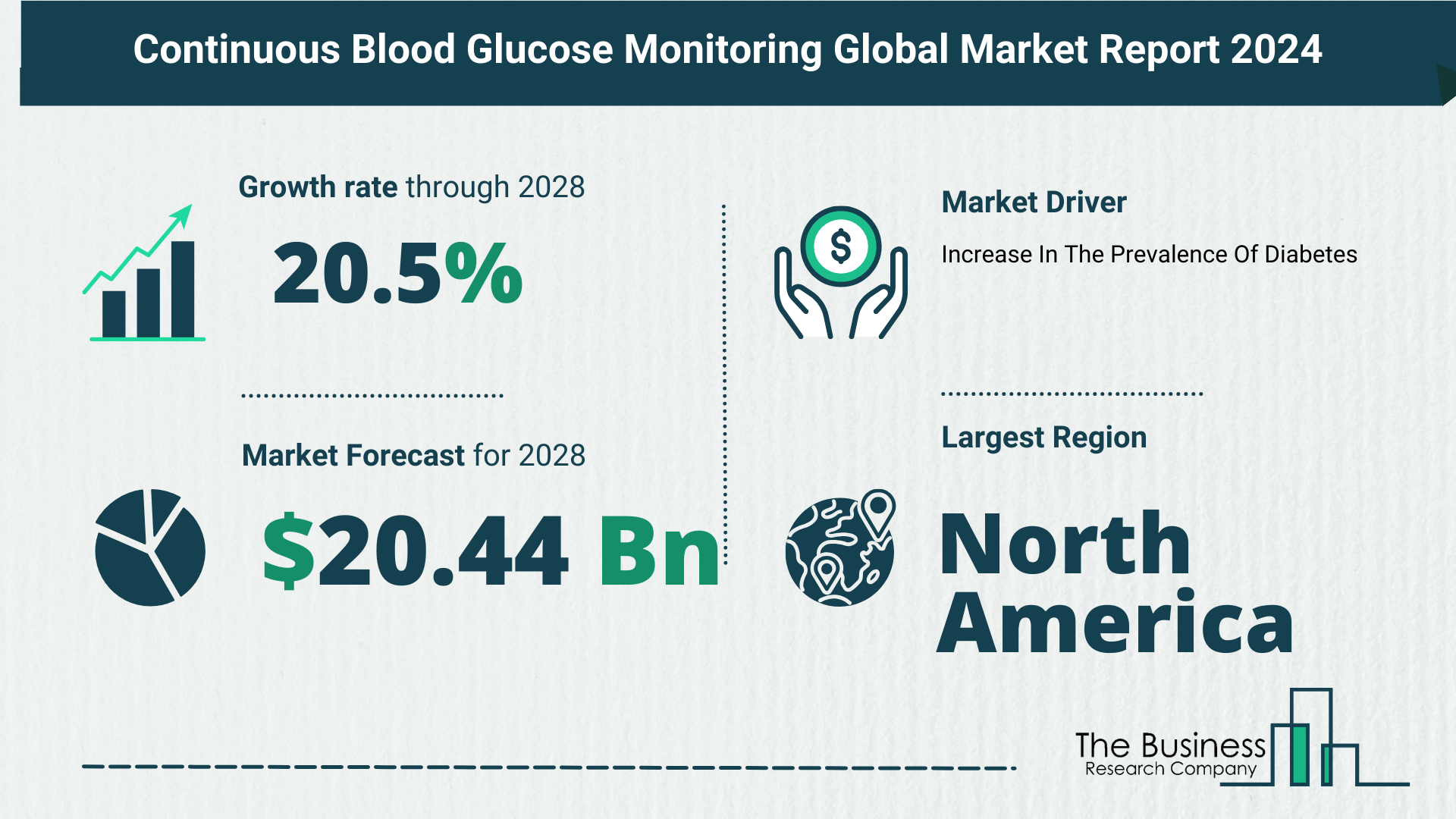
    The continuous blood glucose monitoring market is on an upward trajectory, set to grow from $8.09 billion in 2023 to $9.68 billion in 2024, exhibiting a Compound Annual Growth Rate (CAGR) of 19.7%. Looking ahead, the market is poised to reach $20.44 billion by 2028, driven by a CAGR of 20.5%. This exponential growth is attributed to factors such as the increasing aging population, rising home healthcare, telehealth expansion, and a surge in healthcare expenditure and disposable income.

    Drivers of Growth in the Historic Period

    • Increase in diabetes prevalence
    • Regulatory compliance
    • Demand for remote monitoring
    • Emerging markets
    • Rise in healthcare spending

    Anticipated Trends in the Forecast Period

    • Wearable integration
    • Artificial intelligence and machine learning
    • Advanced sensors and accuracy
    • Partnerships and collaboration

    Rising Diabetes Prevalence Sparks Market Expansion
    The continuous blood glucose monitoring market is witnessing significant growth, primarily fueled by the escalating prevalence of diabetes. Diabetes, a health condition characterized by fluctuating blood glucose levels, necessitates continuous monitoring for effective management. The International Diabetes Federation projects a global increase in individuals living with diabetes, reaching 643 million by 2030 and further rising to 783 million by 2045. This surge from approximately 537 million in 2021 underscores the critical role of continuous blood glucose monitoring in managing diabetes.

    Key Players in the Continuous Blood Glucose Monitoring Market
    Major companies contributing to the growth of the continuous blood glucose monitoring market include F. Hoffmann-La Roche Ltd., Lifescan Inc., Medtronic plc., Abbott Laboratories, and others. These companies play a pivotal role in developing innovative solutions to address the evolving needs of patients.

    Technological Advancements Driving Market Growth
    Technological advancements stand out as a key trend shaping the continuous blood glucose monitoring market. Companies in the sector are actively engaged in developing advanced solutions to enhance their market position. Philips, a Netherlands-based health technology company, exemplifies this trend with the launch of non-invasive monitors for COPD patients in 2021. These monitors, based on ExpiraFlow technology, aid healthcare professionals in detecting and screening expiratory flow limitation for optimal home care therapy.

    Medtronic Expands Portfolio with EOFlow Acquisition
    In May 2023, Medtronic PLC. took a significant stride in bolstering its diabetes product portfolio by acquiring EOFlow, a South Korea-based company specializing in the insulin patch pump EOPatch. This strategic acquisition aims to broaden Medtronic’s capacity to provide comprehensive support to a larger global community managing diabetes, all within a unified Medtronic ecosystem.

    Segmentation and Regional Insights
    The continuous blood glucose monitoring market is segmented based on components, applications, and end-users. Components include Insulin Pumps, Sensors, Transmitters, and Receivers. Applications span Type 1 Diabetic Patients, Type 2 Diabetic Patients, Gestational Diabetes, and Critical Care Patients. End-users encompass Hospitals, Homecare Diagnostics, and Other End Users.

    In terms of regional dominance, North America emerged as the largest region in the continuous blood glucose monitoring market in 2023.

    Conclusion
    The continuous blood glucose monitoring market is witnessing unprecedented growth, driven by the imperative need for effective diabetes management. With rising technological innovations, strategic acquisitions, and a focus on collaborative partnerships, the industry is poised for transformative advancements. As the market continues to evolve, it holds promise in providing individuals with diabetes the tools and support they need to monitor and manage their condition effectively.

    Top of Form
    View More On The Continuous Blood Glucose Monitoring Market Report 2024 –
    https://www.thebusinessresearchcompany.com/report/continuous-blood-glucose-monitoring-global-market-report

    Request A Sample Of The Global Continuous Blood Glucose Monitoring Market Report 2024:
    https://www.thebusinessresearchcompany.com/sample_request?id=13079&type=smp

  • What’s The Growth Forecast For Trocars Market Through 2024-2033?

    What’s The Growth Forecast For Trocars Market Through 2024-2033?

    The Business Research Company’s global market reports provide comprehensive analysis on the various markets in 27 industries across 60 geographies.

    1. Introduction

    The trocars market has witnessed significant growth in recent years and is poised for further expansion. With a current market size of $0.79 billion in 2023, it is projected to reach $0.88 billion in 2024, boasting a robust compound annual growth rate (CAGR) of 11.9%.

    1. Aging Population Drives Market Expansion

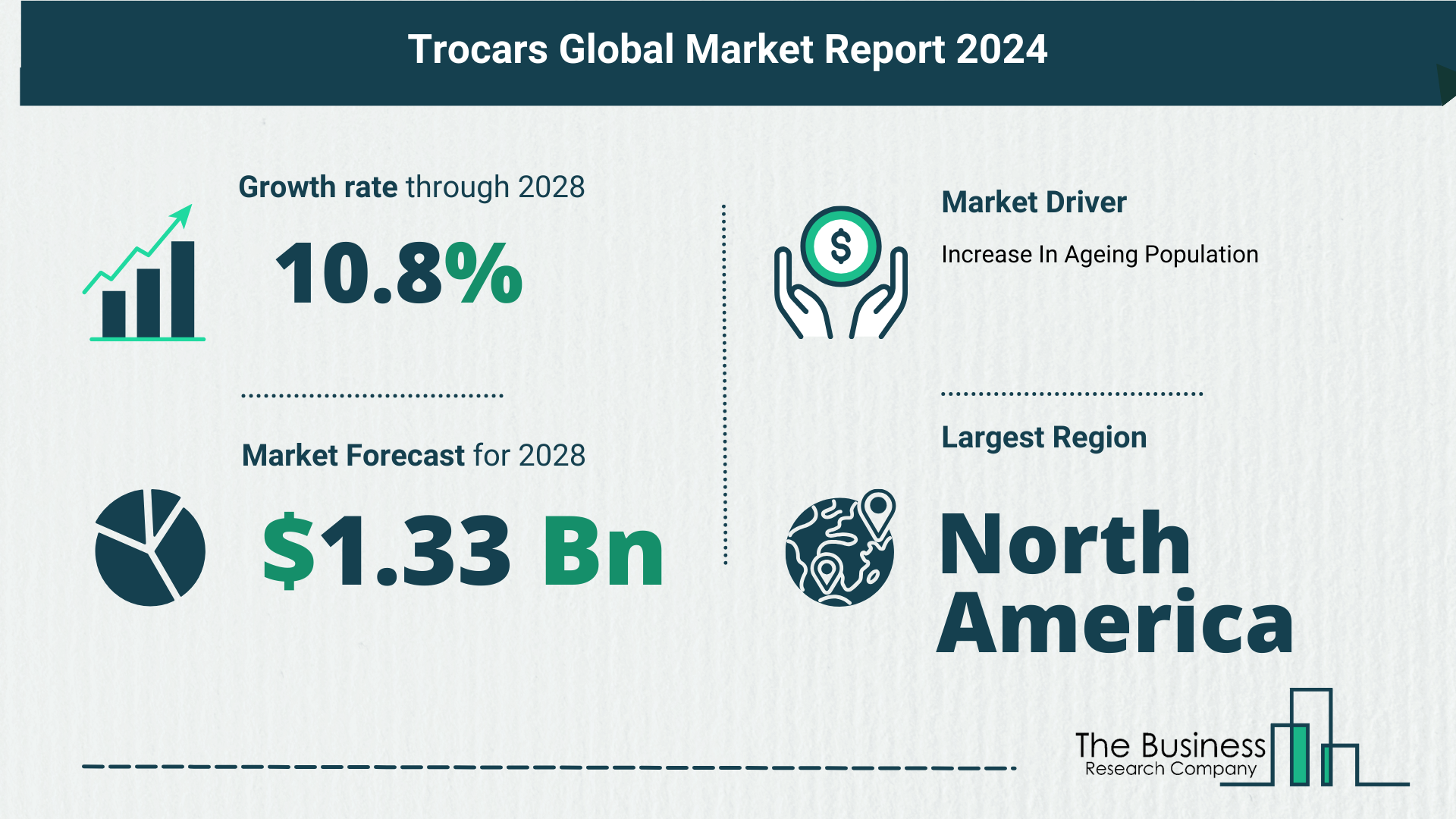
    The aging population plays a pivotal role in propelling the trocars market forward. As the elderly demographic increases globally, the prevalence of age-related ailments rises, contributing to the growth of trocars. Laparoscopic techniques, facilitated by trocars, are replacing traditional surgical procedures, ensuring minimal invasion for elderly patients. According to a World Health Organization factsheet, the global population over 60 is expected to reach 1.4 billion by 2030, up from 1 billion in 2020.

    • Aging population fuels trocars market growth
    • Laparoscopic techniques replacing traditional surgeries
    • World Health Organization predicts a significant rise in the elderly population
    1. Key Players in the Trocars Market

    Major companies driving the trocars market include Johnson & Johnson, B. Braun Melsungen AG, Medtronic PLC, and others. The competitive landscape is diverse, reflecting the market’s dynamic nature.

    • Key players: Johnson & Johnson, B. Braun Melsungen AG, Medtronic PLC, and more
    • Competitive landscape in the trocars market

    View More On The Trocars Market Report 2024 –
    https://www.thebusinessresearchcompany.com/report/trocars-global-market-report

    1. Technological Advancements Transforming the Landscape

    The trocars market is witnessing a technological revolution, with companies investing in advancements to enhance surgical procedures. The introduction of EVA NEXUS by Dutch Ophthalmic Research Center exemplifies this trend, bringing improvements in surgical effectiveness and efficiency.

    • Growing technological advancements in trocars
    • Example: EVA NEXUS by Dutch Ophthalmic Research Center
    • Advancements reduce errors and improve procedural outcomes
    1. Strategic Acquisitions in the Trocars Market

    Strategic acquisitions are shaping the trocars market landscape. In March 2021, Vernacare, a UK-based hygiene product manufacturer, acquired Robinson Healthcare, a company specializing in single-use surgical instruments, including trocars.

    • Vernacare acquires Robinson Healthcare
    • Strategic acquisitions shaping the trocars market
    1. Market Segmentation

    Understanding the trocars market involves examining its segmentation based on products, tips, and applications. The market encompasses disposable trocars, bladeless trocars, and various applications such as general surgery and gynecological surgery.

    • Segmentation of the trocars market
    • Products: Disposable, Reposable, Reusable, Accessories
    • Tips: Bladeless, Optical, Bladed, Blunt
    • Applications: General Surgery, Gynecological Surgery, Urological Surgery, Bariatric Surgery, Other Applications
    1. North America Leads the Way

    In 2023, North America emerged as the largest region in the trocars market, underscoring the region’s prominence in driving market dynamics.

    • North America dominates the trocars market
    • Regional dynamics influencing market trends
    1. Future Projections and Trends

    Looking ahead, the trocars market is anticipated to grow to $1.33 billion in 2028, with a CAGR of 10.8%. Future trends include the rise of robotic-assisted surgery, enhanced visualization, miniaturization of trocars, and the emergence of specialized materials.

    • Future projections for the trocars market
    • Trends: Robotic-assisted surgery, enhanced visualization, miniaturization, specialized materials

    In conclusion, the trocars market’s remarkable growth is fueled by factors such as the aging population, technological advancements, strategic acquisitions, and a robust market segmentation strategy. As the healthcare landscape continues to evolve, the trocars market stands at the forefront of innovation, ensuring safer and more efficient surgical procedures.

    Top of Form
    Request A Sample Of The Global Trocars Market Report 2024:
    https://www.thebusinessresearchcompany.com/sample_request?id=5298&type=smp

  • Womens Health Devices Market Report 2024: Market Size, Drivers, And Trends

    Womens Health Devices Market Report 2024: Market Size, Drivers, And Trends

    The Business Research Company’s global market reports are now updated with the latest market sizing information for the year 2024 and forecasted to 2033

    The women’s health devices market has witnessed a substantial surge in recent years, with notable growth anticipated in the upcoming years. Let’s delve into the factors contributing to this growth and explore the key trends shaping the landscape.

    Market Overview and Projections

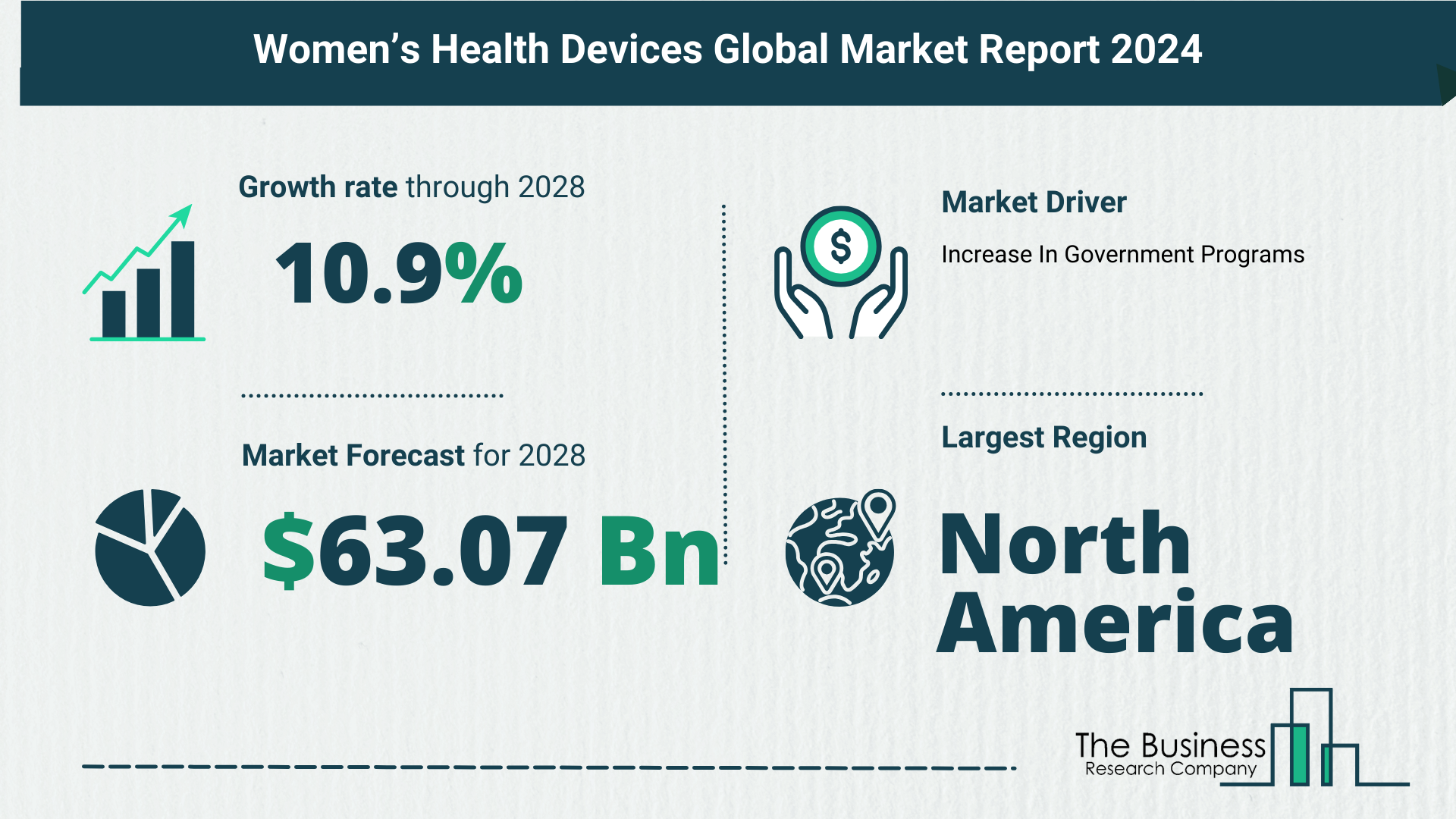
    The women’s health devices market size is on an upward trajectory, set to expand from $37.68 billion in 2023 to $41.64 billion in 2024, showcasing a Compound Annual Growth Rate (CAGR) of 10.5%. Looking ahead, the market is projected to reach $63.07 billion by 2028, driven by a CAGR of 10.9%. This growth is attributed to various factors such as government initiatives, evolving lifestyles, and ongoing research and development efforts.

    Key Drivers of Growth in the Historic Period

    • Increased awareness about women’s health
    • Rise in prevalence of women-specific health issues
    • Expansion of healthcare infrastructure
    • Higher disposable income
    • Growth in healthcare spending

    Anticipated Trends in the Forecast Period

    • Wearable women’s health devices
    • Telemedicine and remote monitoring
    • AI and machine learning integration
    • Non-invasive and minimally invasive procedures
    • Menopause management solutions

    Addressing the Surge in Chronic Diseases

    The rising incidence of chronic diseases plays a pivotal role in propelling the women’s health devices market. Specifically designed to cater to unique physiological needs, these devices contribute significantly to the early detection, continuous monitoring, and effective management of chronic diseases in females. As per the World Health Organization, non-communicable diseases (NCDs) or chronic diseases accounted for 74% of global deaths in September 2022. Cardiovascular diseases, cancer, chronic respiratory diseases, and diabetes were among the leading causes.

    Major Players in the Women’s Health Devices Market

    Several prominent companies operate in the women’s health devices market, contributing to its growth and innovation. Key players include Abbott Laboratories, Koninklijke Philips N.V., CooperSurgical Inc., F. Hoffmann-La Roche Ltd., and Medtronic PLC, among others.

    View More On The Womens Health Devices Market Report 2024 – https://www.thebusinessresearchcompany.com/report/womens-health-devices-global-market-report

    Innovations Driving Market Advancement

    Technological advancements take center stage as a key trend in the women’s health devices market. Companies strive to enhance their market presence through the incorporation of cutting-edge technologies. For instance, iSono Health introduced ATUSA, the world’s first portable and automated 3D breast ultrasound scanner, integrating artificial intelligence for accurate breast tumor detection. This exemplifies the ongoing efforts to advance healthcare technology for the benefit of the female population.

    Strategic Acquisitions Shaping the Industry

    In a strategic move in February 2022, CooperSurgical acquired Cook Medical’s reproductive health portfolio for $875 million. This acquisition positions both companies for future growth and technological advancements. Cook Medical, specializing in invasive medical devices for reproductive health, aligns well with CooperSurgical’s commitment to women’s healthcare.

    Segmentation and Regional Insights

    The women’s health devices market is segmented based on product, type, application, and end-user. Categories include Surgical, Diagnostics, Contraceptives, Labor and Delivery, and Critical Care, with further distinctions in Devices and Consumables. Applications range from Cancer and Osteoporosis to Pregnancy and Female Sterilization. End-users encompass Hospitals, Obstetrics and Gynecology Clinics, Diagnostic Laboratories, Ambulatory Surgical Centers, and other institutions.

    In terms of regional dominance, North America took the lead in 2023, while Asia-Pacific is expected to witness the fastest growth during the forecast period.

    Conclusion

    The women’s health devices market is navigating an era of significant growth, fueled by factors such as increased awareness, technological innovations, and a rising focus on personalized medicine. As the industry evolves, the integration of advanced technologies, strategic acquisitions, and a comprehensive segmentation approach are shaping a future where women’s health is at the forefront of medical innovation and care.

    Request A Sample Of The Global Womens Health Devices Market Report 2024:

    https://www.thebusinessresearchcompany.com/sample_request?id=7112&type=smp

  • Comprehensive Analysis On Size, Share, And Drivers Of The Surgical Imaging Arms Market

    Comprehensive Analysis On Size, Share, And Drivers Of The Surgical Imaging Arms Market

    The Business Research Company’s global market reports provide comprehensive analysis on the various markets in 27 industries across 60 geographies. 

    Introduction: A Robust Surge in Market Growth The surgical imaging arms market has witnessed substantial growth, expanding from $1.36 billion in 2023 to a projected $1.49 billion in 2024, exhibiting a robust compound annual growth rate (CAGR) of 9.6%. This surge can be attributed to various factors, including the rise of minimally invasive surgery, a focus on patient safety, heightened demand, the prevalence of chronic diseases, and increased market competition.

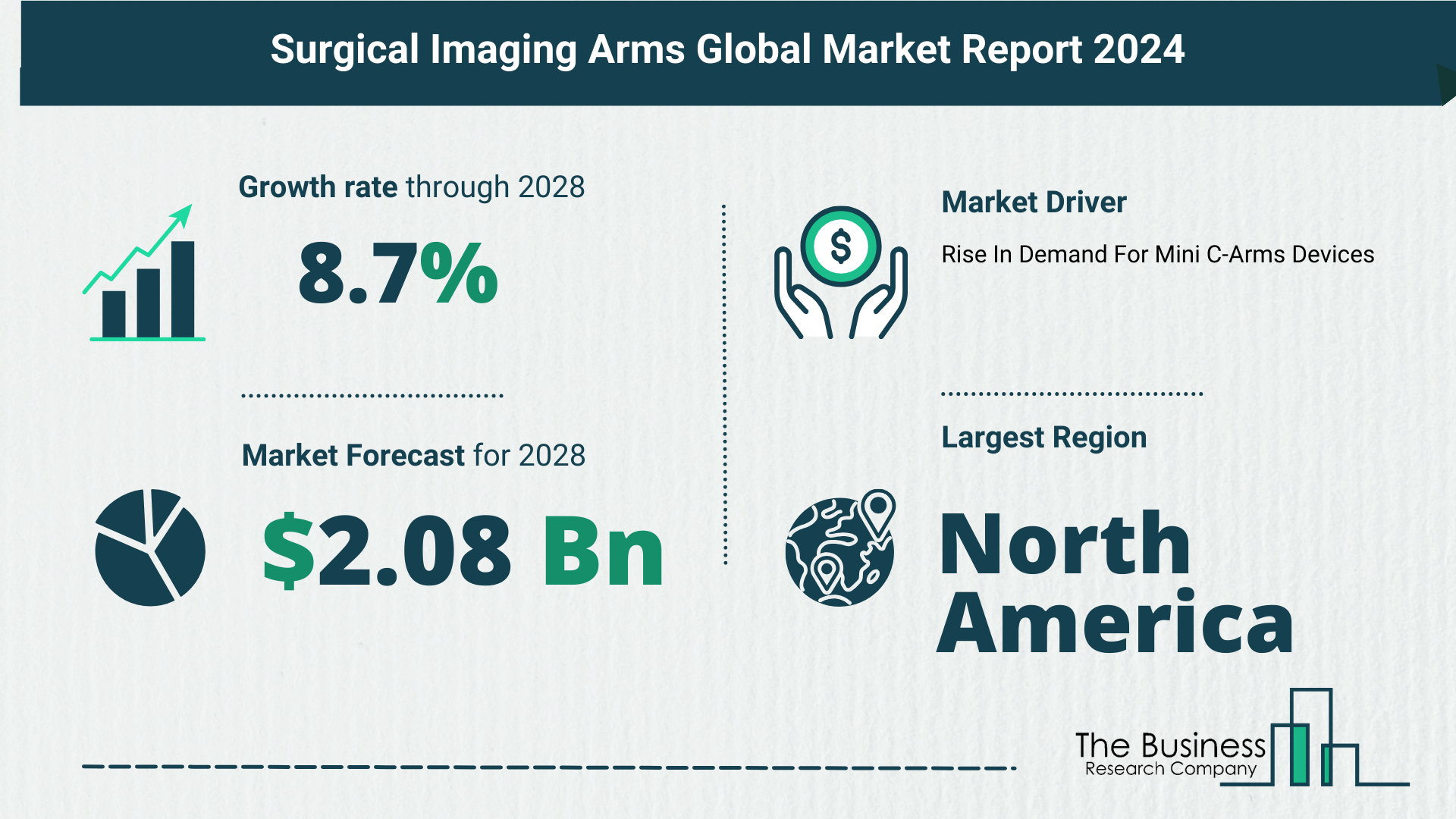
    Anticipated Growth: A Glimpse into the Future The outlook for the surgical imaging arms market remains promising, with an expected growth to $2.08 billion in 2028 at a steady CAGR of 8.7%. Factors fueling this growth include the integration of telemedicine and remote consultations, global market expansion, customized solutions, the digitization of healthcare, and the advent of remote surgical training. Noteworthy trends in this forecast period encompass mobile and hybrid imaging, AI-enhanced imaging, miniaturization of imaging arms, advanced imaging modalities, and the incorporation of robotic-assisted surgery.

    Driving Forces: Mini C-Arms Devices in High Demand

    • Features Fueling Demand:The market is witnessing a surge in demand for mini-C-arms devices, driven by their miniaturized size, adaptability in the operation theater, and lower price compared to other C-arm types.
    • Fujifilm’s Innovation:Companies like Fujifilm are contributing to this demand with innovations such as FDR CROSS, a hybrid C-arm and portable x-ray machine launched in July 2022. This technology streamlines workflows by capturing both fluoroscopic and radiographic images on a single platform.

    Market Leaders and Major Players

    • Key Companies:Major players in the surgical imaging arms market include GE Healthcare LLC, Hologic Inc., Siemens Healthcare GmbH, Medtronic PLC, Philips Healthcare, and many others.
    • Global Presence:Companies like TBS Medical Equipment Services are making strategic acquisitions to strengthen their national presence, as evidenced by the acquisition of Omni Imaging Service in August 2021.

    Technological Marvels: Zenition 30 and Beyond

    • Philips’ Innovation:Companies are investing in cutting-edge products, exemplified by Philips’ Zenition 30, an Image Guided Therapy Mobile C-arm System launched in September 2023. This advanced surgical arm provides superior image quality, dose efficiency, and workflow customization.
    • Empowering Surgeons:Zenition 30 empowers surgeons with greater control and autonomy, reducing dependence on support staff. Its workflow-enhancing features and excellent image quality contribute to the delivery of high-quality care.

    Strategic Acquisitions for Market Expansion

    • TBS Medical Equipment Services:The acquisition of Omni Imaging Service by TBS Medical Equipment Services in August 2021 underscores the strategic importance of strengthening national presence and enhancing service capabilities.

    Market Segmentation: Tailoring Solutions to Diverse Needs

    • Product Types:The surgical imaging arms market is segmented into G-Arm, C-Arm, and O-Arm surgical imaging devices, catering to various medical requirements.
    • Technology:* Image Intensifier C-Arms and Flat Panel Detector C-Arms offer diverse technological options.
    • Applications:The market caters to a range of surgical applications, including orthopedic and trauma surgeries, neurosurgeries, cardiovascular surgeries, gastrointestinal surgeries, and more.
    • End-User:* Hospitals, ambulatory surgical centers, and academic research institutes constitute the diverse end-user landscape.

    Regional Dominance: North America Takes the Lead

    • Market Share:North America emerged as the largest region in the surgical imaging arms market in 2023, boasting significant contributions from companies like GE Healthcare LLC and Medtronic PLC.

    Conclusion: Navigating the Future of Surgical Imaging Arms The surgical imaging arms market is experiencing a transformative period, driven by technological innovations, rising demand for mini C-arms devices, and strategic acquisitions. As the industry progresses, key players are positioning themselves to capitalize on emerging trends and meet the dynamic demands of the healthcare landscape. With a promising forecast for the years ahead, the surgical imaging arms sector is not just witnessing growth but actively shaping the future of medical imaging and surgical interventions.

    View More On The Surgical Imaging Arms Market Report 2024 – https://www.thebusinessresearchcompany.com/report/surgical-imaging-arms-global-market-report

    Request A Sample Of The Global Surgical Imaging Arms Market Report 2024:
    https://www.thebusinessresearchcompany.com/sample_request?id=3902&type=smp

  • 5 Key Insights On The Surgical Navigation Systems Market 2024

    5 Key Insights On The Surgical Navigation Systems Market 2024

    The Business Research Company’s global market reports are now updated with the latest market sizing information for the year 2024 and forecasted to 2033

    As per The Business Research Company’s Surgical Navigation Systems Global Market Report 2024, the surgical navigation systems market is expected to show significant growth in the forecast period.

    The Surge of Growth in the Surgical Navigation Systems Market

    In recent years, the surgical navigation systems market has experienced a rapid expansion, with a noteworthy increase from $7.84 billion in 2023 to an anticipated $9.01 billion in 2024, exhibiting a robust Compound Annual Growth Rate (CAGR) of 14.9%. This surge can be attributed to various factors, including advancements in medical imaging, a focus on patient safety, market competition, and the growing prevalence of chronic diseases, coupled with surgeons’ increasing demand for precision.

    Future Projections: A Glimpse into the Next Frontier

    Anticipated Growth in the Coming Years

    Looking ahead, the surgical navigation systems market is poised for continued rapid growth, with a projected size of $15.29 billion in 2028 and a compound annual growth rate (CAGR) of 14.2%. The drivers of this future growth include an aging population, the demand for customized solutions, healthcare digitization, economic growth, and the increasing adoption of telemedicine and remote consultations.

    The Minimally Invasive Revolution: Catalyst for Market Expansion

    Minimally Invasive Surgery Driving Market Momentum

    The increasing demand for minimally invasive surgical procedures stands as a significant force propelling the surgical navigation system market forward. Minimally invasive surgeries, characterized by small incisions and reduced trauma, offer numerous advantages, including less pain, shorter hospital stays, and quicker recovery times. The precision afforded by surgical navigation technologies is crucial in supporting these procedures. For example, the Cleveland Clinic reports a global increase in laparoscopic procedures, estimated to reach 1% by 2026, highlighting the growing preference for minimally invasive approaches.

    Key Market Players in Minimally Invasive Surgery

    Major companies in the surgical navigation systems market, such as B Braun Melsungen AG, Stryker Corporation, and Medtronic PLC, play pivotal roles in meeting the rising demand for precision in minimally invasive surgeries. These companies focus on innovation to enhance surgical navigation technologies, ensuring accurate tracking of instrument positions and projecting them onto preoperative imaging data for surgeons.

    View More On The Surgical Navigation Systems Market Report 2024 – https://www.thebusinessresearchcompany.com/report/surgical-navigation-systems-global-market-report

    Technological Marvels: ARVIS and Precision Surgery’s Future

    ARVIS Transforming Surgical Navigation

    In the quest for precision, major players in the surgical navigation systems market are introducing groundbreaking technologies. ARVIS, an augmented reality visualization and information system, takes center stage in revolutionizing precision surgery. Innovations like ARVIS aim to provide orthopedic surgeons with a hands-free, augmented reality headset during surgery, enabling accurate placement of hip and knee implants. Companies like Enovis, a USA-based medical technology company, are at the forefront of introducing such transformative technologies.

    Strategic Acquisitions: Medtronic’s Leap in ENT Surgery

    Medtronic’s Acquisition of Intersect ENT

    In a strategic move, Medtronic PLC, an Ireland-based medical technology company, acquired Intersect ENT, Inc. for $1.1 billion in May 2022. This acquisition expands Medtronic’s product portfolio in ENT surgeries, post-operative sinus implants, surgical navigation systems, and strengthens its presence in North America. The move underscores the significance of strategic acquisitions in advancing the capabilities of companies within the surgical navigation systems market.

    Segmentation and Regional Dynamics

    Market Segmentation Overview

    The surgical navigation systems market is segmented by technology (Electromagnetic Navigation Systems, Optical Navigation Systems, Hybrid Navigation Systems, Fluoroscopy-Based Navigation Systems, CT-Based Navigation Systems, and Other Technologies), application (Neurosurgery Navigation Systems, Orthopedic Navigation Systems, ENT Navigation Systems, Dental Navigation Systems, and Other Applications), and end user (Hospitals, Physician Practices, and Ambulatory Settings). This segmentation provides a comprehensive understanding of the diverse applications and users within the market.

    Regional Insights

    In 2023, North America dominated the surgical navigation systems market, highlighting the region’s technological advancements and robust healthcare infrastructure. Looking forward, Asia-Pacific is expected to emerge as the fastest-growing region in the forecast period, fueled by increasing healthcare digitization, economic growth, and a rising demand for advanced surgical technologies.

    Conclusion: Navigating Precision in Surgical Procedures

    In conclusion, the surgical navigation systems market is experiencing a transformative phase, driven by technological advancements, a surge in minimally invasive surgeries, and strategic initiatives. As major players innovate with technologies like ARVIS and engage in strategic acquisitions, the market is poised for continuous growth. With an aging population and a global shift towards precision surgery, the surgical navigation systems market is set to play a pivotal role in shaping the future of healthcare. Stakeholders should stay attuned to these dynamics for a strategic edge in this dynamic and evolving landscape.

    Request A Sample Of The Global Surgical Navigation Systems Market Report 2024:
    https://www.thebusinessresearchcompany.com/sample_request?id=7847&type=smp

  • What’s The Growth Forecast For Tissue Diagnostic Market Through 2024-2033?

    What’s The Growth Forecast For Tissue Diagnostic Market Through 2024-2033?

    The Business Research Company’s global market reports provide comprehensive analysis on the various markets in 27 industries across 60 geographies.

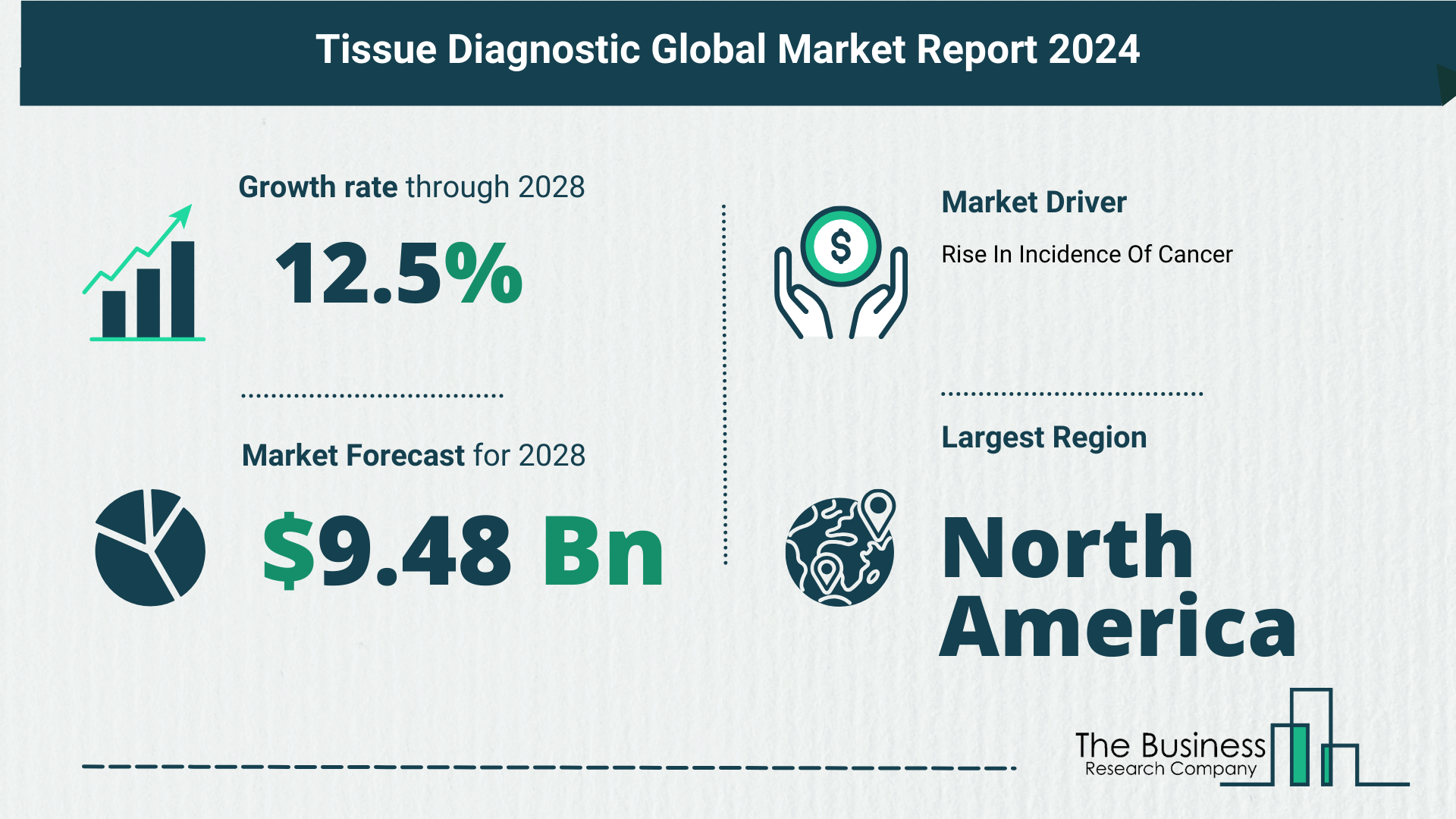
    The tissue diagnostic market has experienced a remarkable surge in recent years, driven by factors such as an aging population, increased disease awareness, and technological advancements. In 2023, the market size stood at $5.27 billion, and with a projected compound annual growth rate (CAGR) of 12.3%, it is set to reach $5.92 billion in 2024. Looking ahead, the market is poised for further acceleration, reaching an impressive $9.48 billion by 2028 at a CAGR of 12.5%.

    Surging Cancer Incidence Drives Expansion Of The Tissue Diagnostic Market

    • Cancer’s Devastating Impact: The tissue diagnostic market is propelled by the rising incidence of cancer, where genetic changes lead to uncontrolled cell growth and tumor formation.
    • Cancer Causes: Factors contributing to cancer include genetic mutations, exposure to carcinogens, smoking, obesity, radiation, and hormonal influences.
    • Diagnostic Imperative: As cancer cases increase, the demand for diagnostic procedures rises, making tissue diagnostics crucial in determining disease states.
    • Alarming Statistics: The American Cancer Society projected 1.9 million new cancer cases and 608,570 cancer deaths in 2021 in the USA alone.
    • Key Market Players: F. Hoffmann-La Roche Ltd., Danaher Corporation, and Thermo Fisher Scientific Inc. are among the major companies shaping the tissue diagnostic market.

    View More On The Tissue Diagnostic Market Report 2024 – https://www.thebusinessresearchcompany.com/report/tissue-diagnostic-global-market-report

    Innovative Products Transform Tissue Diagnostic Market

    • Product Innovation Trend: Key players are focusing on product innovations to gain a competitive edge, introducing solutions that automate lab operations and offer multiple testing capabilities.
    • QIAGEN N.V.’s Milestone: In May 2021, QIAGEN N.V. introduced the FDA-approved Therascreen KRAS Kit, a companion diagnostic test for identifying the KRAS G12C mutation in NSCLC tumor tissue samples.
    • Precision Therapy Advancements: The Therascreen KRAS Kit expands precision therapy options, exemplifying how innovative products are revolutionizing lung cancer treatment.
    • Labcorp’s Strategic Move: Labcorp’s $575 million acquisition of Personal Genome Diagnostics (PGDx) in February 2022 enhances genomic profiling capabilities, especially in liquid biopsy and tissue-based products.

    Market Segmentation and Emerging Trends

    • Product Segmentation: The tissue diagnostic market is segmented by product type, including consumables, antibodies, kits, reagents, probes, instruments, slide staining systems, scanners, and tissue processing systems.
    • Technology Advancements: Technologies such as immunohistochemistry (IHC), in situ hybridization (ISH), digital pathology, and special staining play a crucial role in shaping the market.
    • Disease-Centric Approach: Segmentation based on diseases like breast cancer, gastric cancer, lymphoma, prostate cancer, and non-small cell lung cancer (NSCLC) offers a targeted diagnostic approach.
    • End-User Landscape: Hospitals, research laboratories, pharmaceutical companies, and contract research organizations are significant end-users driving market growth.
    • Regional Dominance: North America emerged as the largest region in the tissue diagnostic market in 2023, showcasing the region’s leadership in advancing diagnostic technologies.

    Conclusion: Paving the Way for Precision Healthcare

    The tissue diagnostic market’s exponential growth is fueled by the urgent need for advanced diagnostic solutions, particularly in the face of increasing cancer incidences. Product innovations, strategic acquisitions, and technological advancements are transforming the landscape, offering precision therapy options and expanding genomic profiling capabilities. As we look ahead, the tissue diagnostic market is not just witnessing growth in numbers; it is paving the way for a new era in precision healthcare, where early and accurate diagnostics play a pivotal role in improving patient outcomes.

    Request A Sample Of The Global Tissue Diagnostic Market Report 2024:
    https://www.thebusinessresearchcompany.com/sample_request?id=6505&type=smp