
Category: Medical Equipment

  • Global Quantum-Dot Neuroscience Probe Market Revenue Expected To Reach $2.05 Billion By 2030

    Global Quantum-Dot Neuroscience Probe Market Revenue Expected To Reach $2.05 Billion By 2030

    The Business Research Company’s 2026 market reports feature advanced enhancements such as market attractiveness analysis, total addressable market evaluation, company benchmarking matrices, interactive Excel dashboards, expanded supply chain intelligence, emerging startup coverage, and detailed product insights, delivering more actionable and strategically valuable research.

    What Is The Expected Market Size Of The Quantum-Dot Neuroscience Probe Market In 2026 And How Much Will It Reach By 2030?

    The quantum-dot neuroscience probe market has experienced swift expansion recently. This market is projected to expand from $0.94 billion in 2025 to reach $1.1 billion by 2026, demonstrating a compound annual growth rate (CAGR) of 17.0%. Historically, this growth can be attributed to several factors including advances in nanotechnology research, a rise in neuroscience studies, the demand for precise neural imaging, increased academic funding, and the expansion of brain research programs.

    The quantum-dot neuroscience probe market is anticipated to experience substantial expansion in the coming years. Its valuation is projected to reach $2.05 billion by 2030, growing at a compound annual growth rate (CAGR) of 16.8%. This projected increase during the forecast period is driven by factors such as the integration with AI-based neural analysis, an uptick in neurodegenerative disease research, the broadening of brain mapping initiatives, a heightened demand for real-time neural monitoring, and the commercialization of nano-probes. Prominent trends for the forecast period include high-resolution neural imaging, the use of fluorescent quantum dot probes, advancements in nanoscale neuro monitoring, capabilities for molecular-level brain analysis, and the emergence of advanced neuro research tools.

    Download A Free Sample Report For Comprehensive Market Insights:

    https://www.thebusinessresearchcompany.com/sample.aspx?id=29161&type=smp

    What Are The Main Drivers Accelerating The Growth Of The Quantum-Dot Neuroscience Probe Market?

    The expanding occurrence of neurological conditions is anticipated to fuel the expansion of the quantum-dot neuroscience probe market. These conditions, which involve medical issues impacting the brain, spinal cord, and nerves, influence movement, cognitive abilities, and the entire nervous system’s operation. The increase in neurological disorders stems from an aging global populace, lifestyle-related hazards, and a greater frequency of chronic illnesses, resulting in a higher incidence and burden of nervous system-related ailments. Quantum-dot neuroscience probes are instrumental in addressing neurological disorders by facilitating highly accurate imaging and continuous observation of neural activity, which enables prompt diagnosis, focused therapeutic interventions, and an enhanced comprehension of brain functions and disease progression. For example, in April 2025, the National Library of Medicine, a US-based federal government entity, reported that approximately 7.2 million Americans aged 65 and older currently suffer from Alzheimer’s dementia, with this figure expected to climb to 13.8 million by 2060. Consequently, the growing prevalence of neurological disorders is a significant factor driving the growth of the quantum-dot neuroscience probe market.

    Which Segment Groups Define The Quantum-Dot Neuroscience Probe Market Landscape?

    The quantum-dot neuroscience probe market covered in this report is segmented –

    1) By Product Type: Optical Probes, Electrical Probes, Multifunctional Probes

    2) By Material Type: Cadmium-Based Quantum Dots, Indium-Based Quantum Dots, Carbon Quantum Dots, Other Material Types

    3) By Application: Brain Imaging, Neural Activity Monitoring, Other Applications

    4) By End-User: Academic And Research Institutes, Pharmaceutical And Biotechnology Companies, Other End-Users

    Subsegments:

    1) By Optical Probes: Fluorescent Quantum Dot Probes, Near-Infrared Quantum Dot Probes, Photoactivated Quantum Dot Probes, Voltage-Sensitive Quantum Dot Probes

    2) By Electrical Probes: Quantum Dot Field Effect Transistor Probes, Quantum Dot Nanowire Probes, Quantum Dot Microelectrode Probes, Quantum Dot Conductive Polymer Probes

    3) By Multifunctional Probes: Quantum Dot Magnetic Probes, Quantum Dot Photoelectric Probes, Quantum Dot Biosensing Probes, Quantum Dot Theranostic Probes

    Which Industry Players Are Present In The Quantum-Dot Neuroscience Probe Market?

    Major companies operating in the quantum-dot neuroscience probe market are Thermo Fisher Scientific Inc., Merck Group, ams-OSRAM AG, Nanosys Inc., American Elements Inc., QUANDELA Inc., Nanoco Technologies Ltd., UbiQD Inc., NN-Labs GmbH, Plasmachem GmbH, Avantama AG, Mesolight Inc., Quantum Solutions LLC, Cytodiagnostics Inc., Ocean NanoTech LLC, CD Bioparticles Inc., QD Laser Inc., QDI Systems Inc., Radetec Diagnostics Inc., QustomDot Inc.

    Access The Complete Quantum-Dot Neuroscience Probe Market Report:

    https://www.thebusinessresearchcompany.com/report/quantum-dot-neuroscience-probe-global-market-report

    Which Region Leads The Quantum-Dot Neuroscience Probe Market By Size?

    North America was the largest region in the quantum-dot neuroscience probe market in 2025. Asia-Pacific is expected to be the fastest-growing region in the forecast period. The regions covered in the quantum-dot neuroscience probe market report are Asia-Pacific, South East Asia, Western Europe, Eastern Europe, North America, South America, Middle East, Africa.

    Access a Customized Quantum-Dot Neuroscience Probe Market Report for Deeper Competitive Insights

    https://www.thebusinessresearchcompany.com/report/quantum-dot-neuroscience-probe-global-market-report

    Browse Through More Reports Similar to the Global Quantum-Dot Neuroscience Probe Market 2026, By The Business Research Company

    Quantum Dots Market Report 2026

    https://www.thebusinessresearchcompany.com/report/quantum-dots-global-market-report

    Quantum Dot Solar Cell Market Report 2026

    https://www.thebusinessresearchcompany.com/report/quantum-dot-solar-cell-global-market-report

    Quantum Chip Market Report 2026

    https://www.thebusinessresearchcompany.com/report/quantum-chip-global-market-report

    Get in touch with us:

    The Business Research Company: https://www.thebusinessresearchcompany.com/

    Americas: +1 310-496-7795

    Asia: +44 7882 955267 & +91 8897263534

    Europe: +44 7882 955267

    Email us at: marketing@tbrc.info

    Follow us on:

    LinkedIn: https://in.linkedin.com/company/the-business-research-company

    YouTube: https://www.youtube.com/channel/UC24_fI0rV8cR5DxlCpgmyFQ

    Global Market Model: https://www.thebusinessresearchcompany.com/global-market-model
  • Quantum Imaging Medical Device Market Insights Exploring Expansion Opportunities Through 2030

    Quantum Imaging Medical Device Market Insights Exploring Expansion Opportunities Through 2030

    The Business Research Company’s 2026 market reports feature advanced enhancements such as market attractiveness analysis, total addressable market evaluation, company benchmarking matrices, interactive Excel dashboards, expanded supply chain intelligence, emerging startup coverage, and detailed product insights, delivering more actionable and strategically valuable research.

    What Market Size Is Forecasted For The Quantum Imaging Medical Device Market By 2030 Based On Its 2026 Value?

    The size of the quantum imaging medical device market has seen rapid growth in recent years. This market is projected to expand from $1.41 billion in 2025 to reach $1.72 billion by 2026, exhibiting a compound annual growth rate (CAGR) of 21.4%. Historically, this growth has stemmed from factors such as the shortcomings of traditional imaging techniques, an increase in cancer diagnosis rates, heightened demand for advanced diagnostics, greater investments in medical imaging, and expanding academic research into quantum technologies.

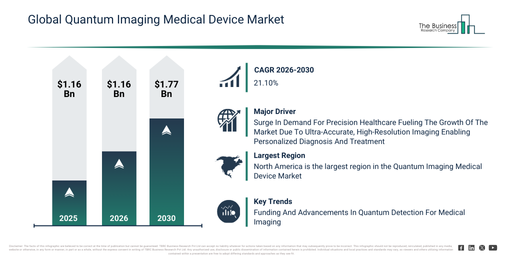
    The quantum imaging medical device market is poised for significant expansion, with its size projected to reach $3.7 billion in 2030, exhibiting a compound annual growth rate (CAGR) of 21.1%. This growth during the forecast period is driven by factors such as the commercialization of quantum diagnostics, integration with AI imaging software, the expansion of precision medicine, an increasing demand for early disease detection, and the growth in research hospitals. Major trends anticipated in the forecast period include ultra-high resolution medical imaging, quantum sensor-based diagnostics, precision oncology imaging, low-dose advanced imaging, and next-generation diagnostic visualization.

    Download A Free Sample Report For Comprehensive Market Insights:

    https://www.thebusinessresearchcompany.com/sample.aspx?id=29160&type=smp

    Which Growth Drivers Are Expected To Support The Quantum Imaging Medical Device Market Forward?

    The increasing focus on personalized healthcare is anticipated to drive the expansion of the quantum imaging medical device market going forward. Personalized healthcare refers to the customization of medical treatment and prevention strategies to an individual’s distinct genetic, environmental, and lifestyle factors, aiming for more effective and individualized care. The growing demand for personalized healthcare is fueled by the promise of more effective treatments, as therapies are adapted to individual genetic, environmental, and lifestyle factors, thereby enhancing patient outcomes and reducing side effects. Quantum imaging medical devices bolster precision healthcare by providing ultra-accurate, high-resolution imaging that enables earlier and more precise diagnoses, which allows treatments to be tailored to each patient’s unique condition. For example, in February 2024, according to the Personalized Medicine Coalition, a US-based non-profit organization, the FDA approved 16 new personalized treatments for patients with rare diseases in 2023, marking a notable increase from the six approved in 2022. Therefore, the heightened emphasis on personalized healthcare is a key driver for the growth of the quantum imaging medical device market.

    What Key Segment Areas Are Included In The Quantum Imaging Medical Device Market Assessment?

    The quantum imaging medical device market covered in this report is segmented –

    1) By Product Type: Quantum Dot Imaging Devices, Quantum Sensor Imaging Devices, Quantum Camera Systems

    2) By Application: Oncology, Neurology, Cardiology, Orthopedics

    3) By End-User: Hospitals, Diagnostic Centers, Research Institutes

    Subsegments:

    1) By Quantum Dot Imaging Devices: Fluorescent Quantum Dot Imaging Devices, Near Infrared Quantum Dot Imaging Devices, Visible Spectrum Quantum Dot Imaging Devices, Multiplexed Quantum Dot Imaging Devices

    2) By Quantum Sensor Imaging Devices: Magnetic Field Quantum Sensor Imaging Devices, Gravimetric Quantum Sensor Imaging Devices, Photonic Quantum Sensor Imaging Devices, Atomic Quantum Sensor Imaging Devices

    3) By Quantum Camera Systems: Single Photon Quantum Camera Systems, Entangled Photon Quantum Camera Systems, Time Resolved Quantum Camera Systems, Quantum Enhanced Spectral Camera Systems

    Which Trends Are Influencing The Direction Of The Quantum Imaging Medical Device Market?

    Leading companies within the quantum imaging medical device market are concentrating on establishing financial reserves to accelerate advancements in quantum detection for medical imaging. These funds serve as monetary investments designed to support innovation, empowering quantum imaging medical device companies to enhance their research, refine technology development, and expedite the introduction of new imaging solutions. For example, in May 2025, Chipiron, a medical imaging enterprise based in France, successfully raised $17M in funding to complete the development of its compact MRI scanner, aiming to make this crucial imaging technology broadly accessible. The capital will facilitate the production of the first prototypes for hospital deployment, with clinical trials anticipated for 2026. This MRI scanner incorporates a patented low-Tc SQUID volume gradiometer, which is the inaugural SQUID antenna capable of detecting MRI signals in an open setting, thereby offering an up to ten times superior signal-to-noise ratio compared to earlier techniques. Quantum sensors like SQUIDs are fundamental to quantum imaging technology, providing heightened sensitivity and resolution through quantum principles, particularly in medical imaging applications such as MRI.

    Which Organizations Are Involved In The Quantum Imaging Medical Device Market?

    Major companies operating in the quantum imaging medical device market are BOE Technology Group Co. Ltd., Merck KGaA, Nanosys Inc., Nanoco Group Plc, Q-CTRL Pty Ltd., Quandela, UbiQD Inc., NN-Labs LLC, Avantama AG, Ocean NanoTech LLC, QD Laser Inc., Quantum Materials Corp., Quantum Science Ltd., CD Bioparticles, Qnami, Single Quantum, LiGenTec SA, QDVision Inc., QDI Systems, M Squared Lasers.

    Access The Complete Quantum Imaging Medical Device Market Report:

    https://www.thebusinessresearchcompany.com/report/quantum-imaging-medical-device-global-market-report

    Which Region Has The Strongest Presence In The Quantum Imaging Medical Device Market?

    North America was the largest region in the quantum imaging medical device market in 2025. Asia-Pacific is expected to be the fastest-growing region in the forecast period. The regions covered in the quantum imaging medical device market report are Asia-Pacific, South East Asia, Western Europe, Eastern Europe, North America, South America, Middle East, Africa.

    Access a Customized Quantum Imaging Medical Device Market Report for Deeper Competitive Insights

    https://www.thebusinessresearchcompany.com/report/quantum-imaging-medical-device-global-market-report

    Browse Through More Reports Similar to the Global Quantum Imaging Medical Device Market 2026, By The Business Research Company

    Quantum Technology Market Report 2026

    https://www.thebusinessresearchcompany.com/report/quantum-technology-global-market-report

    Medical Imaging Market Report 2026

    https://www.thebusinessresearchcompany.com/report/medical-imaging-global-market-report

    3D Medical Imaging Devices Market Report 2026

    https://www.thebusinessresearchcompany.com/report/3d-medical-imaging-devices-global-market-report

    Get in touch with us:

    The Business Research Company: https://www.thebusinessresearchcompany.com/

    Americas: +1 310-496-7795

    Asia: +44 7882 955267 & +91 8897263534

    Europe: +44 7882 955267

    Email us at: marketing@tbrc.info

    Follow us on:

    LinkedIn: https://in.linkedin.com/company/the-business-research-company

    YouTube: https://www.youtube.com/channel/UC24_fI0rV8cR5DxlCpgmyFQ

    Global Market Model: https://www.thebusinessresearchcompany.com/global-market-model
  • Quantitative Polymerase Chain Reaction (qPCR) Instruments Market Developments Influencing Industry Expansion Through 2030

    Quantitative Polymerase Chain Reaction (qPCR) Instruments Market Developments Influencing Industry Expansion Through 2030

    The Business Research Company’s 2026 market reports feature advanced enhancements such as market attractiveness analysis, total addressable market evaluation, company benchmarking matrices, interactive Excel dashboards, expanded supply chain intelligence, emerging startup coverage, and detailed product insights, delivering more actionable and strategically valuable research.

    How Is The Market Value Of The Quantitative Polymerase Chain Reaction (qPCR) Instruments Market Projected To Expand During 2026–2030?

    The quantitative polymerase chain reaction (qpcr) instruments market size has demonstrated rapid expansion in recent years. It is forecast to rise from $1.66 billion in 2025 to $1.83 billion in 2026, exhibiting a compound annual growth rate (CAGR) of 10.2%. The historical growth in this market stems from contributing factors such as increasing demand for genetic research, the rising prevalence of infectious diseases, ongoing advancements in molecular diagnostics, the expansion of biotech and pharma research, and the availability of a skilled laboratory workforce.

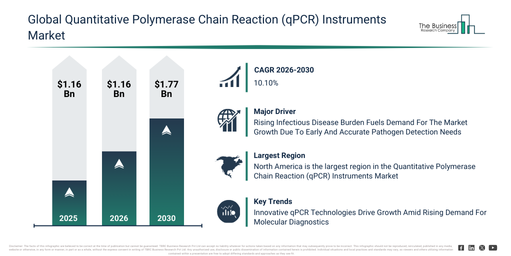
    The quantitative polymerase chain reaction (qpcr) instruments market is projected to experience swift expansion over the coming years. This market is forecast to reach $2.69 billion by 2030, demonstrating a compound annual growth rate (CAGR) of 10.1%. Several factors are expected to fuel this growth during the projection period, including the growing acceptance of point-of-care diagnostics, the broadening scope of molecular testing in developing economies, the incorporation of AI and cloud-based analytical tools, the imperative for quick pathogen detection, and increased government financial support for genomics research. Key trends anticipated during this period encompass the uptake of high-throughput testing, the incorporation of automation into qpcr processes, the reduction in size of qpcr devices, the necessity for multiplexing functionalities, and the creation of point-of-care qpcr systems.

    Download A Free Sample Report For Comprehensive Market Insights:

    https://www.thebusinessresearchcompany.com/sample.aspx?id=25890&type=smp

    What Influential Factors Are Boosting The Quantitative Polymerase Chain Reaction (qPCR) Instruments Market Demand?

    The escalating occurrence of infectious diseases is projected to boost the expansion of the quantitative polymerase chain reaction (qPCR) instruments market moving forward. These illnesses are caused by detrimental microorganisms such as bacteria, viruses, fungi, or parasites, which can be transmitted directly or indirectly between individuals. The rise in infectious diseases is linked to increased global travel, which facilitates the rapid spread of pathogens across borders. Quantitative polymerase chain reaction (qPCR) instruments play a crucial role in tackling infectious diseases by enabling quick, sensitive, and accurate detection of pathogens, thereby supporting timely diagnosis and effective disease management. For example, in February 2024, GOV.UK, a UK government department, indicated that the number of tuberculosis (TB) cases in England rose from 4,380 in 2022 to 4,850 in 2023. Thus, the growing incidence of infectious diseases is propelling the growth of the quantitative polymerase chain reaction (qPCR) instruments market.

    How Is Segment Classification Applied In The Quantitative Polymerase Chain Reaction (qPCR) Instruments Market?

    The quantitative polymerase chain reaction (qpcr) instruments market covered in this report is segmented –

    1) By Product Type: Quantitative Polymerase Chain Reaction Systems, Reagents And Consumables, Software

    2) By Instrument: 7500, Viia 7 Dx, Cobas 4800, Cfx96, Smartcycler, Genexpert, Rotor-Gene Q, Rotor-Gene Q 5plex Hrm System, Biofire Filmarray Systems, Other Instruments

    3) By Application: Gene Expression, Genotyping, Pathogen Detection, Diagnostics, Other Applications

    4) By End-Users: Diagnostic Laboratories, Hospitals And Clinics, Pharma And Biotech Companies, Other End-Users

    Subsegments:

    1) By Quantitative Polymerase Chain Reaction (qPCR) Systems: Real-Time Polymerase Chain Reaction Systems, Portable Or Compact qPCR Devices, Digital Polymerase Chain Reaction Systems

    2) By Reagents And Consumables: Master Mixes, Buffers And Enzymes, Primers

    3) By Software: Data Analysis Software, Cloud-Based Analytics Platforms, Instrument Control Software

    What Trends Are Driving Changes In The Quantitative Polymerase Chain Reaction (qPCR) Instruments Market?

    Leading companies in the Quantitative Polymerase Chain Reaction (qPCR) Instruments market are concentrating on creating advanced solutions, specifically next-generation real-time qPCR systems that integrate clinical-grade processes with research adaptability. This effort aims to address the growing need for quicker, higher-capacity molecular diagnostics, increased assay sensitivity crucial for personalized medicine and oncology, and enhanced preparedness for infectious disease outbreaks. A next-generation qPCR system functions as a real-time PCR device that upholds the fundamental concept of qPCR—simultaneous amplification and fluorescent detection of nucleic acids—while incorporating features such as superior thermal consistency, sophisticated signal-processing algorithms, intuitive user interfaces, and workflows compliant with IVD regulations. As an illustration, in November 2023, Roche Holding AG, a diagnostics and biotechnology firm based in Switzerland, unveiled the LightCycler PRO System, an innovative next-generation qPCR platform. Drawing upon Roche’s LightCycler heritage, the LightCycler PRO System is designed for both research and IVD applications. It incorporates a novel vapour chamber to enhance temperature uniformity across its block, alongside updated software and a user interface featuring improved algorithms for signal analysis, and offers the versatility to run assays developed by users alongside an extensive catalog of validated LightMix research and CE-IVD assays.

    Who Are The Firms Contributing To The Quantitative Polymerase Chain Reaction (qPCR) Instruments Market Ecosystem?

    Major companies operating in the quantitative polymerase chain reaction (qpcr) instruments market are F Hoffmann La Roche AG, Thermo Fisher Scientific Inc, Danaher Corporation, Becton Dickinson and Company, Agilent Technologies Inc, Bio Rad Laboratories Inc, QIAGEN N V, Eppendorf SE, Cepheid Inc, Takara Bio Inc, bioMerieux SA, Analytik Jena GmbH, Standard BioTools Inc, Hangzhou Bioer Technology Co Ltd, BioTeke Corporation, GeneReach Biotechnology Corp, Anitoa Systems LLC, Blue Ray Biotech Corp, Chai Biotechnologies, Bio Molecular Systems Pty Ltd, Azure Biosystems Inc

    Access The Complete Quantitative Polymerase Chain Reaction (qPCR) Instruments Market Report:

    https://www.thebusinessresearchcompany.com/report/quantitative-polymerase-chain-reaction-qpcr-instruments-global-market-report

    Which Region Stands As The Largest Contributor To The Quantitative Polymerase Chain Reaction (qPCR) Instruments Market?

    North America was the largest region in the quantitative polymerase chain reaction (qPCR) instruments market in 2025. Asia-Pacific is expected to be the fastest-growing region in the forecast period. The regions covered in the quantitative polymerase chain reaction (qpcr) instruments market report are Asia-Pacific, South East Asia, Western Europe, Eastern Europe, North America, South America, Middle East, Africa.

    Access a Customized Quantitative Polymerase Chain Reaction (qPCR) Instruments Market Report for Deeper Competitive Insights

    https://www.thebusinessresearchcompany.com/report/quantitative-polymerase-chain-reaction-qpcr-instruments-global-market-report

    Browse Through More Reports Similar to the Global Quantitative Polymerase Chain Reaction (qPCR) Instruments Market 2026, By The Business Research Company

    Polymerase Chain Reaction Pcr Technologies Market Report 2026

    https://www.thebusinessresearchcompany.com/report/polymerase-chain-reaction-pcr-technologies-global-market-report

    Multiplex Pcr Assays Market Report 2026

    https://www.thebusinessresearchcompany.com/report/multiplex-pcr-assays-global-market-report

    Biochemistry Analyzer Market Report 2026

    https://www.thebusinessresearchcompany.com/report/biochemistry-analyzer-global-market-report

    Get in touch with us:

    The Business Research Company: https://www.thebusinessresearchcompany.com/

    Americas: +1 310-496-7795

    Asia: +44 7882 955267 & +91 8897263534

    Europe: +44 7882 955267

    Email us at: marketing@tbrc.info

    Follow us on:

    LinkedIn: https://in.linkedin.com/company/the-business-research-company

    YouTube: https://www.youtube.com/channel/UC24_fI0rV8cR5DxlCpgmyFQ

    Global Market Model: https://www.thebusinessresearchcompany.com/global-market-model
  • Pulsed Field Ablation Market Size Forecast To Achieve $2.37 Billion By 2030 With 24.4% CAGR

    Pulsed Field Ablation Market Size Forecast To Achieve $2.37 Billion By 2030 With 24.4% CAGR

    The Business Research Company’s 2026 market reports feature advanced enhancements such as market attractiveness analysis, total addressable market evaluation, company benchmarking matrices, interactive Excel dashboards, expanded supply chain intelligence, emerging startup coverage, and detailed product insights, delivering more actionable and strategically valuable research.

    What Are The Forecasted Market Size Figures For The Pulsed Field Ablation Market In 2026 And 2030?

    The pulsed field ablation market has experienced substantial expansion in recent years. Its valuation is set to increase from $0.8 billion in 2025 to $0.99 billion in 2026, achieving a compound annual growth rate (CAGR) of 23.8%. This historical growth can be ascribed to factors such as the increasing prevalence of atrial fibrillation, the rising adoption of catheter-based ablation techniques, significant advancements in cardiac mapping systems, heightened awareness concerning cardiovascular diseases, and continuous technological innovations in pulsed field devices.

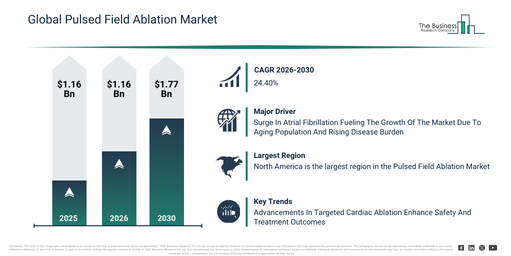
    The pulsed field ablation market is poised for significant expansion in the upcoming years. It is projected to reach $2.37 billion by 2030, exhibiting a compound annual growth rate (CAGR) of 24.4%. This anticipated growth during the forecast period is driven by factors such as an expanding elderly population, the enhancement of healthcare infrastructure in emerging markets, the integration of AI in ablation procedures, a rising preference for minimally invasive treatments, and the development of combined ablation energy sources. Furthermore, major trends anticipated for this period include an increase in minimally invasive cardiac procedures, patient-specific ablation planning, improved safety with reduced tissue damage, the integration of imaging and mapping technologies, and rapid adoption within electrophysiology labs.

    Download A Free Sample Report For Comprehensive Market Insights:

    https://www.thebusinessresearchcompany.com/sample.aspx?id=25889&type=smp

    Which Drivers Are Advancing The Pulsed Field Ablation Market Growth?

    The expansion of the pulsed field ablation market is anticipated to be fueled by the increasing occurrence of atrial fibrillation. Atrial fibrillation, an irregular and often rapid heart rhythm, significantly raises the risk of stroke and other heart-related complications. The growing prevalence of this disorder is primarily due to the aging population, as advanced age markedly increases the susceptibility to developing such a cardiac rhythm irregularity. Pulsed field ablation addresses atrial fibrillation by utilizing targeted electrical pulses to selectively destroy abnormal heart tissue causing these irregular rhythms, presenting a faster, safer, and more precise alternative to traditional ablation methods. For instance, in September 2024, estimates from the American Journal of Managed Care, a US-based peer review journal, indicated that approximately 10.5 million U.S. adults, roughly 5% of the population, are living with atrial fibrillation (AF). This growing prevalence of atrial fibrillation is therefore a significant driver for the growth of the pulsed field ablation market.

    What Are The Core Segment Classifications In The Pulsed Field Ablation Market?

    The pulsed field ablation market covered in this report is segmented –

    1) By Components: Catheters, Generators

    2) By Indication: Atrial Fibrillation, Non-Atrial Fibrillation

    3) By Source Of Ablation: Pulsed Field Energy, Pulsed Field And Radiofrequency Energy, Pulsed Field And Cryoablation Energy

    4) By Application Area: Ablation, Ablation And Mapping

    5) By End Use: Hospitals, Cardiac Catheterization Labs, Ambulatory Surgical Centers, Other End Uses

    Subsegments:

    1) By Catheters: Single-use Catheters, Reusable Catheters, Diagnostic Catheters, Therapeutic Catheters, Balloon Catheters, Mapping Catheters

    2) By Generators: Monopolar Generators, Bipolar Generators, Pulsed Power Generators, Radiofrequency Generators With Pulsed Field Ablation Capability, Portable Generators, Fixed Or Stationary Generators

    Which Trends Are Shaping The Pulsed Field Ablation Market Landscape?

    Leading firms within the pulsed field ablation (PFA) market are concentrating on advanced technological breakthroughs, particularly selective tissue ablation, to boost procedural safety and effectiveness. This approach aims to reduce harm to adjacent healthy tissues, shorten patient recovery periods, and achieve better long-term treatment results for individuals suffering from cardiac arrhythmias. Selective tissue ablation, specifically, involves the precise elimination of particular diseased cells or tissues, ensuring the preservation of healthy structures nearby. An illustrative example is Abbott, a US-based healthcare enterprise, which obtained CE Mark approval in March 2025 for its Volt Pulsed Field Ablation System, designed to address abnormal heart rhythms. This sophisticated system is fully compatible with Abbott’s EnSite X electrophysiology platform, significantly improving both visualization and navigation during procedures. The launch of the Volt system marks a substantial stride forward in electrophysiology technology. It offers heightened procedural efficiency, clearer imaging, and more precise ablation techniques for the treatment of atrial fibrillation. This cutting-edge device is set to enhance patient results and simplify the provision of cardiac care.

    Which Key Players Are Active In The Pulsed Field Ablation Market?

    Major companies operating in the pulsed field ablation market are Johnson & Johnson, Abbott Laboratories, Medtronic plc, Boston Scientific Corporation, AtriCure Inc., CardioFocus Inc., Galvanize Therapeutics Inc., Kardium Inc., Acutus Medical Inc., AtriAN Medical Ltd., Field Medical Inc., Thermedical Inc., Adagio Medical Inc., Arga Medtech Inc., Mirai Medical, Pulse Biosciences Inc., AccuPulse Medical Inc., Farapulse Inc., Biosense Webster Inc., CathRx Ltd., EP Solutions SA

    Access The Complete Pulsed Field Ablation Market Report:

    https://www.thebusinessresearchcompany.com/report/pulsed-field-ablation-global-market-report

    What Is The Largest Regional Market In The Pulsed Field Ablation Market?

    North America was the largest region in the pulsed field ablation market in 2025. Asia-Pacific is expected to be the fastest-growing region in the forecast period. The regions covered in the pulsed field ablation market report are Asia-Pacific, South East Asia, Western Europe, Eastern Europe, North America, South America, Middle East, Africa.

    Access a Customized Pulsed Field Ablation Market Report for Deeper Competitive Insights

    https://www.thebusinessresearchcompany.com/report/pulsed-field-ablation-global-market-report

    Browse Through More Reports Similar to the Global Pulsed Field Ablation Market 2026, By The Business Research Company

    Ablation Devices Market Report 2026

    https://www.thebusinessresearchcompany.com/report/ablation-devices-global-market-report

    Radiofrequency Ablation Devices Market Report 2026

    https://www.thebusinessresearchcompany.com/report/radiofrequency-ablation-devices-global-market-report

    Oncology Ablation Market Report 2026

    https://www.thebusinessresearchcompany.com/report/oncology-ablation-global-market-report

    Get in touch with us:

    The Business Research Company: https://www.thebusinessresearchcompany.com/

    Americas: +1 310-496-7795

    Asia: +44 7882 955267 & +91 8897263534

    Europe: +44 7882 955267

    Email us at: marketing@tbrc.info

    Follow us on:

    LinkedIn: https://in.linkedin.com/company/the-business-research-company

    YouTube: https://www.youtube.com/channel/UC24_fI0rV8cR5DxlCpgmyFQ

    Global Market Model: https://www.thebusinessresearchcompany.com/global-market-model
  • Pulse Oximeters, Spirometers Market Forecast Covering Industry Demand And Market Evolution

    Pulse Oximeters, Spirometers Market Forecast Covering Industry Demand And Market Evolution

    The Business Research Company’s 2026 market reports feature advanced enhancements such as market attractiveness analysis, total addressable market evaluation, company benchmarking matrices, interactive Excel dashboards, expanded supply chain intelligence, emerging startup coverage, and detailed product insights, delivering more actionable and strategically valuable research.

    How Much Larger Will The Pulse Oximeters, Spirometers Market Become By 2030 Compared To 2026?

    The market size for pulse oximeters and spirometers has experienced robust expansion in recent years. This sector is projected to grow from $4.37 billion in 2025 to $4.73 billion in 2026, demonstrating a compound annual growth rate of 8.2%. Historically, this growth can be ascribed to elements like the increasing prevalence of respiratory diseases, a heightened awareness of pulmonary health, the broader implementation of hospital respiratory monitoring, the growing acceptance of non-invasive diagnostic devices, and the more frequent use of spirometry in clinical practice.

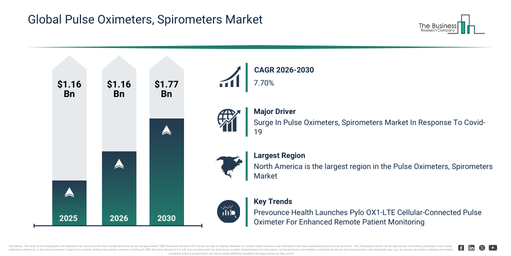
    The market for pulse oximeters and spirometers is anticipated to experience substantial growth over the next few years. It is projected to expand to $6.37 billion by 2030, demonstrating a compound annual growth rate (CAGR) of 7.7%. This growth in the forecast period can be attributed to several factors, including the increasing demand for remote respiratory monitoring, the rising adoption of telehealth-enabled devices, the expansion of home healthcare services, a growing focus on preventive respiratory diagnostics, and the increasing integration of AI-driven respiratory analytics. Furthermore, major trends anticipated during this period include the increasing adoption of portable respiratory monitoring devices, a rising demand for home-based oxygen monitoring, the growing integration of connected spirometry platforms, the expansion of multiparameter respiratory monitoring, and an enhanced focus on early disease detection.

    Download A Free Sample Report For Comprehensive Market Insights:

    https://www.thebusinessresearchcompany.com/sample.aspx?id=3791&type=smp

    What Primary Factors Are Fueling The Expansion Of The Pulse Oximeters, Spirometers Market?

    Given that COVID-19 is a respiratory illness, there has been an increased demand for respiratory devices, including pulse oximeters and spirometers. Oxygen therapy serves as a primary intervention for patients with severe COVID-19 infection, requiring healthcare providers to ensure the availability of pulse oximeters and other medical oxygen systems. Pulse oximeters and spirometers are vital tools for monitoring and managing COVID-19, assisting in the assessment of oxygen levels and lung function. For instance, in October 2023, the World Health Organization, a Switzerland-based agency of the United Nations responsible for international public health, reported 771,191,203 confirmed cases of COVID-19, with 6,961,014 reported deaths. The market for these devices is projected to grow substantially as they contribute to the early detection and remote supervision of patients.

    How Is The Pulse Oximeters, Spirometers Market Structured Across Different Market Segments?

    The pulse oximeters, spirometers market covered in this report is segmented –

    1) By Product Type: Pulse Oximeters, Spirometers

    2) By Application: Diagnostic, Treatment Monitoring

    3) By End User: Hospitals, Clinics, Home Care Settings, Ambulatory Surgical Centers, Diagnostic Centers

    Subsegments:

    1) By Pulse Oximeters: Fingertip Pulse Oximeters, Handheld Pulse Oximeters, Wrist-Worn Pulse Oximeters, Tabletop Pulse Oximeters, Pediatric Pulse Oximeters, Multiparameter Oximeters

    2) By Spirometers: Desktop Spirometers, Portable Spirometers, Handheld Spirometers, Tabletop Spirometers

    What Trends Are Influencing The Pulse Oximeters, Spirometers Market Outlook?

    Major companies operating in the pulse oximeters and spirometers market are actively developing cellular-connected pulse oximeters to facilitate real-time monitoring, enhance patient management through remote healthcare solutions, and improve the precision and accessibility of oxygen level tracking for individuals with respiratory conditions. Cellular-connected pulse oximeters are defined as pulse oximeter devices equipped with integrated cellular connectivity, enabling them to transmit live data on blood oxygen levels (SpO2) and heart rate directly to healthcare providers or remote monitoring platforms. For instance, in August 2024, Prevounce Health, a US-based wellness and fitness services company, introduced Pylo OX1-LTE, a cellular-connected pulse oximeter specifically engineered for remote patient monitoring (RPM). It delivers accurate blood oxygen saturation (SpO2) readings and pulse rates, with an accuracy of ±2% for SpO2 and ±2 bpm for pulse rates. The device is designed for ease of use, featuring a bright OLED screen and requiring no setup. It supports multiple cellular networks, guaranteeing reliable data transmission even in areas with low signal strength. The Pylo OX1-LTE is integrated with Prevounce’s RPM platform and offers compatibility with third-party health software via the Pylo cloud API.

    Who Are The Leading Firms Participating In The Pulse Oximeters, Spirometers Market?

    Major companies operating in the pulse oximeters, spirometers market are Smiths Medical Inc., Koninklijke Philips N.V., Vyaire Medical Inc., Schiller AG, General Electric Company, Masimo Corporation, Medtronic plc, Opto Circuits (India) Ltd., Fukuda Denshi Co. Ltd., Hill-Rom Holdings Inc., MGC Diagnostics Corporation, Omron Healthcare Inc., Nonin Medical Inc., Drägerwerk AG & Co. KGaA, Spacelabs Healthcare Inc., Halma plc, SDI Diagnostics Inc., nSpire Health Inc., SIBELMED, Labtech Ltd., CareFusion Corporation, NDD Medical Technologies Inc., Vitalograph Ltd., COSMED srl, Philips Benelux, Contec Medical System Co. Ltd., Smiths Group plc, TytoCare Ltd.,

    Access The Complete Pulse Oximeters, Spirometers Market Report:

    https://www.thebusinessresearchcompany.com/report/pulse-oximeters-spirometers-global-market-report

    Which Region Contributes The Most To The Pulse Oximeters, Spirometers Market?

    North America was the largest region in the pulse oximeters, spirometers market in 2025. Asia-Pacific was the second largest region in the pulse oximeters, spirometers market. The regions covered in the pulse oximeters, spirometers market report are Asia-Pacific, South East Asia, Western Europe, Eastern Europe, North America, South America, Middle East, Africa.

    Access a Customized Pulse Oximeters, Spirometers Market Report for Deeper Competitive Insights

    https://www.thebusinessresearchcompany.com/report/pulse-oximeters-spirometers-global-market-report

    Browse Through More Reports Similar to the Global Pulse Oximeters, Spirometers Market 2026, By The Business Research Company

    Pulse Oximeter Market Report 2026

    https://www.thebusinessresearchcompany.com/report/pulse-oximeter-global-market-report

    Spirometer Market Report 2026

    https://www.thebusinessresearchcompany.com/report/spirometer-global-market-report

    Oxygen Flow Meters Market Report 2026

    https://www.thebusinessresearchcompany.com/report/oxygen-flow-meters-global-market-report

    Get in touch with us:

    The Business Research Company: https://www.thebusinessresearchcompany.com/

    Americas: +1 310-496-7795

    Asia: +44 7882 955267 & +91 8897263534

    Europe: +44 7882 955267

    Email us at: marketing@tbrc.info

    Follow us on:

    LinkedIn: https://in.linkedin.com/company/the-business-research-company

    YouTube: https://www.youtube.com/channel/UC24_fI0rV8cR5DxlCpgmyFQ

    Global Market Model: https://www.thebusinessresearchcompany.com/global-market-model
  • Pulse Oximeter Market Trends And Growth Outlook Across The 2026–2030 Forecast Period

    Pulse Oximeter Market Trends And Growth Outlook Across The 2026–2030 Forecast Period

    The Business Research Company’s 2026 market reports feature advanced enhancements such as market attractiveness analysis, total addressable market evaluation, company benchmarking matrices, interactive Excel dashboards, expanded supply chain intelligence, emerging startup coverage, and detailed product insights, delivering more actionable and strategically valuable research.

    What Growth In Market Value Is Anticipated For The Pulse Oximeter Market Between 2026 And 2030?

    The pulse oximeter market has shown significant growth in recent years. Its size is anticipated to expand from $2.73 billion in 2025 to $2.9 billion in 2026, with a compound annual growth rate (CAGR) of 6.0%. This past growth can be attributed to factors such as the increasing occurrence of respiratory conditions, the development of hospital monitoring facilities, a greater adoption of non-invasive diagnostic methods, an expansion of emergency and critical care provisions, and the widespread availability of economical fingertip oximeters.

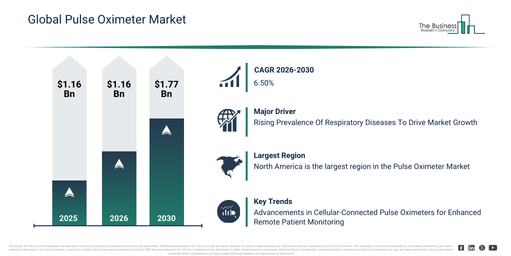
    The pulse oximeter market is projected to experience substantial expansion over the upcoming years. This market is set to reach a valuation of $3.73 billion by 2030, exhibiting a compound annual growth rate (CAGR) of 6.5%. This anticipated growth during the forecast period is primarily driven by factors such as the expanding embrace of telehealth services, the escalating need for remote surveillance of chronic illnesses, the broadening of connected healthcare environments, a heightened emphasis on prompt hypoxemia identification, and greater integration with digital health platforms. Key trends anticipated within this period encompass the increased uptake of connected pulse oximeters, a surge in the demand for monitoring devices suitable for home use, the expanding deployment of wearable oximetry solutions, the proliferation of remote patient monitoring initiatives, and a strengthened focus on the continuous tracking of oxygen levels.

    Download A Free Sample Report For Comprehensive Market Insights:

    https://www.thebusinessresearchcompany.com/sample.aspx?id=10029&type=smp

    Which Strategic Drivers Are Supporting The Pulse Oximeter Market Development?

    The increasing occurrence of respiratory illnesses is projected to fuel the expansion of the pulse oximeter market moving ahead. These diseases encompass conditions affecting the airways and lungs, thereby impacting human breathing. The rise in respiratory disease cases is primarily influenced by factors such as escalating air pollution, prolonged dust exposure, the demographic shift towards an older population, and prevalent smoking habits. Pulse oximeters play a crucial role here by identifying shifts in oxygen saturation levels even prior to the manifestation of symptoms. To illustrate this, data from December 2023, published by the US-based government agency National Center for Biotechnology Information, projected a significant increase in COPD cases. These cases are anticipated to grow by 112 million, reaching 592 million by the year 2050, accounting for 9.5% of the eligible population. Consequently, the growing incidence of respiratory ailments is a key factor stimulating the expansion of the pulse oximeter market.

    Which Segment-Based Categories Are Covered In The Pulse Oximeter Market?

    The pulse oximeter market covered in this report is segmented –

    1) By Product Type: Fingertip, Handheld, Wrist-worn, Table-Top And Bedside

    2) By Technology: Conventional, Connected

    3) By Age Group: Adult, Pediatric

    4) By End-User: Hospitals And Clinics, Ambulatory Surgical Centers, Home Healthcare

    Subsegments:

    1) By Fingertip: Adult Fingertip Oximeters, Pediatric Fingertip Oximeters

    2) By Handheld: Single-Patient Handheld Oximeters, Multi-Patient Handheld Oximeters

    3) By Wrist-Worn: Continuous Monitoring Wrist Oximeters, Spot-Check Wrist Oximeters

    4) By Table-Top And Bedside: Portable Table-Top Oximeters, Stationary Bedside Oximeters

    Which Trends Are Expected To Shape The Pulse Oximeter Market?

    Key players within the pulse oximeter market are concentrating on advanced technological innovations, specifically cellular-connected pulse oximeters, to improve both patient oversight and the gathering of health data. This particular device is a pulse oximeter outfitted with cellular connectivity, enabling wireless data transmission via cellular networks (such as 4G or 5G) directly to healthcare professionals or integrated cloud health platforms. An illustrative example occurred in August 2024 when Prevounce Health LLC, a US-based firm specializing in remote monitoring platforms, introduced the Pylo OX1-LTE, a cellular-connected pulse oximeter specifically developed for remote patient monitoring (RPM). Intended for individuals managing chronic respiratory ailments such as COPD and asthma, alongside those impacted by COVID-19, this instrument provides dependable cellular connectivity, precise SpO2 and pulse rate measurements, and an intuitive design featuring a bright OLED screen. Furthermore, it integrates effortlessly with Prevounce’s existing remote care management platform and offers compatibility with third-party health software through the Pylo cloud API.

    Which Companies Are Engaged In The Pulse Oximeter Market Environment?

    Major companies operating in the pulse oximeter market are Medtronic Plc, GE Healthcare, Masimo Corporation, Nonin Medical Inc., Nihon Kohden Corporation, Koninklijke Philips NV, Philips Healthcare, Contec Medical Systems Co. Ltd., Omron Corporation, Carefusion Corp., CAS Medical Systems Inc., Opto Circuits India Ltd., Welch Allyn Inc., Spacelabs Healthcare, Meditech Equipment Co. Ltd., Vyaire Medical Inc., Beurer GmbH, Drägerwerk AG & Co. KGaA, ICU Medical Inc., Smiths Medical, Mindray Medical International Limited, Criticare Systems Inc., BPL Medical Technologies, ChoiceMMed America Co. Ltd., Beijing Choice Electronic Technology Co. Ltd., Creative Medical, Edan Instruments Inc., Heal Force Bio-Meditech Holdings Limited, Mediana Co. Ltd., Medlab Clinical Ltd.

    Access The Complete Pulse Oximeter Market Report:

    https://www.thebusinessresearchcompany.com/report/pulse-oximeter-global-market-report

    Which Regional Market Leads The Pulse Oximeter Market?

    North America was the largest region in the pulse oximeter market in 2025. The regions covered in the pulse oximeter market report are Asia-Pacific, South East Asia, Western Europe, Eastern Europe, North America, South America, Middle East, Africa.

    Access a Customized Pulse Oximeter Market Report for Deeper Competitive Insights

    https://www.thebusinessresearchcompany.com/report/pulse-oximeter-global-market-report

    Browse Through More Reports Similar to the Global Pulse Oximeter Market 2026, By The Business Research Company

    Pulse Oximeters Spirometers Market Report 2026

    https://www.thebusinessresearchcompany.com/report/pulse-oximeters-spirometers-global-market-report

    Remote Cardiac Monitoring Market Report 2026

    https://www.thebusinessresearchcompany.com/report/remote-cardiac-monitoring-global-market-report

    Pulse Ingredients Market Report 2026

    https://www.thebusinessresearchcompany.com/report/pulse-ingredients-global-market-report

    Get in touch with us:

    The Business Research Company: https://www.thebusinessresearchcompany.com/

    Americas: +1 310-496-7795

    Asia: +44 7882 955267 & +91 8897263534

    Europe: +44 7882 955267

    Email us at: marketing@tbrc.info

    Follow us on:

    LinkedIn: https://in.linkedin.com/company/the-business-research-company

    YouTube: https://www.youtube.com/channel/UC24_fI0rV8cR5DxlCpgmyFQ

    Global Market Model: https://www.thebusinessresearchcompany.com/global-market-model
  • Pulmonology Lasers Market Expansion Outlook Through 2030 With Revenue Growth Insights

    Pulmonology Lasers Market Expansion Outlook Through 2030 With Revenue Growth Insights

    The Business Research Company’s 2026 market reports feature advanced enhancements such as market attractiveness analysis, total addressable market evaluation, company benchmarking matrices, interactive Excel dashboards, expanded supply chain intelligence, emerging startup coverage, and detailed product insights, delivering more actionable and strategically valuable research.

    What Is The Expected Market Value Outlook For The Pulmonology Lasers Market Through 2030?

    The pulmonology lasers market has demonstrated significant expansion over recent years. It is anticipated to grow from $5.52 billion in 2025 to $6.04 billion in 2026, exhibiting a compound annual growth rate (CAGR) of 9.5%. This historical advancement can be linked to an escalating occurrence of lung cancer and airway tumors, the broadening scope of interventional pulmonology procedures, an increasing number of hospitals equipped with laser technology, greater clinical endorsement of laser therapies, and ongoing innovations in medical laser technology.

    The pulmonology lasers market is projected to experience substantial expansion over the upcoming years, with its size reaching $8.36 billion by 2030, demonstrating a compound annual growth rate (CAGR) of 8.5%. This anticipated growth during the forecast timeframe is driven by several factors, including a heightened preference for minimally invasive respiratory procedures, increased capital expenditure on sophisticated interventional pulmonology instruments, the expanding use of laser technology for tumor management, the proliferation of specialized respiratory care facilities, and advancements in laser precision and control technology. Key trends shaping the market during this period encompass the wider integration of minimally invasive laser treatments, a growing application of Nd-YAG lasers in airway procedures, an escalating need for precise tissue removal, the broadening scope of photodynamic laser uses, and an increased emphasis on both the safety and accuracy of medical procedures.

    Download A Free Sample Report For Comprehensive Market Insights:

    https://www.thebusinessresearchcompany.com/sample.aspx?id=16773&type=smp

    What Major Growth Factors Are Impacting The Pulmonology Lasers Market?

    The anticipated expansion of the pulmonology laser market is linked to the increasing prevalence of chronic respiratory diseases. These long-term conditions impact airways and lung structures, leading to breathing difficulties and significantly diminishing quality of life. Factors such as air pollution, smoking, an aging population, rapid urbanization, and climate changes contribute to the rise in chronic respiratory diseases. Pulmonology lasers play a crucial role in managing these conditions, offering solutions for diagnostic bronchoscopy and therapeutic interventions, including the treatment of airway obstructions or tumors. For example, a research study published by JAMA Network Open in December 2023, a medical journal by the American Medical Association, projected that the global burden of chronic obstructive pulmonary disease (COPD) could reach nearly 600 million cases worldwide by 2050, representing a 23% increase in prevalence. Consequently, the rising incidence of chronic respiratory diseases is fueling the growth of the pulmonology laser market. The increasing adoption of minimally invasive surgeries is poised to drive the expansion of the pulmonology lasers market. Invasive surgeries involve entering the body, typically through incisions, for medical diagnosis or treatment. The growing preference for minimally invasive surgeries (MIS) stems from key benefits such as quicker recovery times, shorter hospital stays, reduced complication risks, less pain and scarring, and improved precision thanks to advanced technology. This trend directly benefits the pulmonology lasers market by minimizing trauma, enhancing accuracy, boosting demand for cutting-edge technologies, and broadening their application in bronchoscopic and thoracoscopic procedures. For instance, according to the American Society of Plastic Surgeons, a US-based non-profit organization, minimally invasive procedures saw a 7% increase in 2023, surpassing the growth rate of surgical procedures by 2%. Hand surgeries, covering conditions like carpal tunnel, arthritis, and trigger finger, totaled 207,887 procedures, marking a 2% rise from 2022. Therefore, the increasing embrace of minimally invasive surgeries is a key driver for the pulmonology lasers market.

    What Are The Major Segment Categories Within The Pulmonology Lasers Market?

    The pulmonology lasers market covered in this report is segmented –

    1) By Type: Neodymium-Doped Yttrium Aluminum Garnet (Nd-YAG Laser), Photodynamic Laser

    2) By Indication: Bronchogenic Carcinoma, Malignant Lesions, Benign Tumors, Neoplasms, Hemorrhage, Tracheal Stenosis

    3) By End-Users: Specialty Care Centers, Hospitals, Academic Centers, Research Organizations

    Subsegments:

    1) By Nd-YAG Laser: Continuous Wave Nd-YAG Laser, Pulsed Nd-YAG Laser

    2) By Photodynamic Laser: Low-Level Photodynamic Laser, High-Intensity Photodynamic Laser

    Who Are The Prominent Players Across The Pulmonology Lasers Market?

    Major companies operating in the pulmonology lasers market are Coherent Corp., IPG Photonics Corporation, Han’s Laser Technology Industry Group, Lumenis Ltd, Biolitec AG, Ellex Medical Pty Ltd, Fotona LLC, Spectra-Physics Inc., Lumibird SA, EKSPLA Co, Optotek Medical, Optogama UAB, Beijing Hoplaser Lead-Edge Laser Techno. Ltd, Amada Miyachi, Richard Wolf GmbH, Karl Storz SE And Co. KG, Olympus Medical Systems Corp., Boston Scientific Corporation, Dornier MedTech, Asclepion Laser Technologies GmbH

    Access The Complete Pulmonology Lasers Market Report:

    https://www.thebusinessresearchcompany.com/report/pulmonology-lasers-global-market-report

    Which Region Holds The Largest Share In The Pulmonology Lasers Market?

    North America was the largest region in the pulmonology lasers market in 2025. The regions covered in the pulmonology lasers market report are Asia-Pacific, South East Asia, Western Europe, Eastern Europe, North America, South America, Middle East, Africa.

    Access a Customized Pulmonology Lasers Market Report for Deeper Competitive Insights

    https://www.thebusinessresearchcompany.com/report/pulmonology-lasers-global-market-report

    Browse Through More Reports Similar to the Global Pulmonology Lasers Market 2026, By The Business Research Company

    Medical Lasers Market Report 2026

    https://www.thebusinessresearchcompany.com/report/medical-lasers-global-market-report

    Cardiovascular Medical Lasers Market Report 2026

    https://www.thebusinessresearchcompany.com/report/cardiovascular-medical-lasers-global-market-report

    Dentistry Medical Lasers Market Report 2026

    https://www.thebusinessresearchcompany.com/report/dentistry-medical-lasers-global-market-report

    Get in touch with us:

    The Business Research Company: https://www.thebusinessresearchcompany.com/

    Americas: +1 310-496-7795

    Asia: +44 7882 955267 & +91 8897263534

    Europe: +44 7882 955267

    Email us at: marketing@tbrc.info

    Follow us on:

    LinkedIn: https://in.linkedin.com/company/the-business-research-company

    YouTube: https://www.youtube.com/channel/UC24_fI0rV8cR5DxlCpgmyFQ

    Global Market Model: https://www.thebusinessresearchcompany.com/global-market-model
  • Pulmonology Devices Market Industry Analysis Covering Trends, Drivers, And Future Outlook

    Pulmonology Devices Market Industry Analysis Covering Trends, Drivers, And Future Outlook

    The Business Research Company’s 2026 market reports feature advanced enhancements such as market attractiveness analysis, total addressable market evaluation, company benchmarking matrices, interactive Excel dashboards, expanded supply chain intelligence, emerging startup coverage, and detailed product insights, delivering more actionable and strategically valuable research.

    How Will The Market Value Of The Pulmonology Devices Market Increase Between 2026 And 2030?

    The pulmonology devices market has experienced rapid expansion during recent years. Its valuation is forecast to climb from $1.5 billion in 2025 to $1.66 billion by 2026, achieving a compound annual growth rate (CAGR) of 10.4%. This historical development can be ascribed to several factors, including an increasing prevalence of respiratory diseases, a rise in hospital-based pulmonary procedures, greater adoption of diagnostic bronchoscopy, the expansion of specialized pulmonology clinics, and the accessibility of advanced airway management devices.

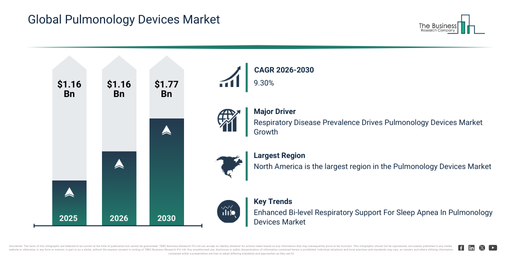
    The pulmonology devices market is anticipated to experience substantial expansion over the coming years. This market is projected to reach $2.36 billion by 2030, exhibiting a compound annual growth rate (CAGR) of 9.3%. This anticipated growth during the forecast period is attributable to several factors, including an expanding elderly population suffering from respiratory conditions, a heightened need for early detection of lung cancer, the increasing use of disposable medical devices, the broadening scope of outpatient pulmonary care, and innovations in pulmonary diagnostics technology. Key trends expected within the forecast timeframe encompass the wider acceptance of single-use bronchoscopes, a growing preference for minimally invasive pulmonary diagnostic methods, the increasing incorporation of advanced imaging-guided biopsy tools, the proliferation of portable pulmonary function testing equipment, and a reinforced emphasis on ensuring infection control and patient safety.

    Download A Free Sample Report For Comprehensive Market Insights:

    https://www.thebusinessresearchcompany.com/sample.aspx?id=16772&type=smp

    What Market Drivers Are Helping Shape The Pulmonology Devices Market Expansion?

    An increase in the occurrence of respiratory ailments is anticipated to drive the expansion of the pulmonology devices market in the future. These conditions encompass various health issues impacting the body parts and tissues crucial for respiration, such as the airways, lungs, and the muscles responsible for breathing. The incidence of respiratory diseases is escalating due to increasing air pollution, tobacco use, and workplace dangers. Pulmonology devices support the management of respiratory illnesses by facilitating precise diagnosis, ongoing observation, and successful treatment using instruments such as spirometers, inhalers, pulse oximeters, and ventilators, thereby enhancing patient results and overall well-being. For example, in December 2023, a study from JAMA Network Open, a medical publication of the American Medical Association, indicated that the global impact of chronic obstructive pulmonary disease (COPD) might see cases worldwide approach 600 million by 2050, representing a 23% rise in its occurrence. Consequently, the growing frequency of respiratory diseases is fueling the development of the pulmonology devices market.

    How Is The Pulmonology Devices Market Distributed Across Key Segments?

    The pulmonology devices market covered in this report is segmented –

    1) By Product Type: Endobronchial Ultrasound (EBUS) Needles, Pulmonary Biopsy Devices, Airway Stents, Single-Use Bronchoscopes, Other Product Types

    2) By Indication: Chronic Obstructive Pulmonary Disease (COPD), Lung Cancer, Tracheal And Bronchial Stenosis, Foreign Body Extraction, Other Indications

    3) By End-User: Pulmonology Clinics, Hospitals, Ambulatory Surgical Centers

    Subsegments:

    1) By Endobronchial Ultrasound (EBUS) Needles: Radial EBUS Needles, Linear EBUS Needles, Biopsy EBUS Needles, EBUS Needles With Safety Features, EBUS Needles For Peripheral Lung Lesions

    2) By Pulmonary Biopsy Devices: Core Biopsy Needles, Fine Needle Aspiration (FNA) Biopsy Devices, Vacuum-Assisted Biopsy Devices, Transthoracic Biopsy Devices, Endoscopic Pulmonary Biopsy Devices

    3) By Airway Stents: Self-Expanding Airway Stents, Balloon-Expandable Airway Stents, Silicone Airway Stents, Metal Airway Stents, Hybrid Airway Stents (Silicone + Metal)

    4) By Single-Use Bronchoscopes: Single-Use Flexible Bronchoscopes, Single-Use Rigid Bronchoscopes, Single-Use Pediatric Bronchoscopes, Single-Use Disposable Video Bronchoscopes, Single-Use Bronchoscopes With Integrated Suction

    5) By Other Product Types: Pulmonary Function Testing Devices, Nebulizers For Pulmonary Disease Treatment, Spirometers, Pulmonary Inhalation Devices, Non-Invasive Ventilation (NIV) Devices

    Which Trends Are Influencing The Expansion Of The Pulmonology Devices Market?

    Leading companies in the pulmonology devices market are creating sophisticated products utilizing advanced technologies, such as bilevel positive airway pressure (BiPAP) technology, to enhance patient comfort, improve treatment effectiveness, and address various respiratory ailments. The BiPAP technology offers two distinct pressure settings, one for inhalation (IPAP) and one for exhalation (EPAP), which can provide greater comfort for users accustomed to continuous pressure. For instance, in February 2024, ResMed, a US-based company providing cloud-connected devices, introduced its AirCurve 11 bilevel sleep apnea devices, a series of advanced bilevel positive airway pressure (BiPAP) machines designed to boost comfort and compliance for individuals with sleep apnea and other respiratory conditions. The AirCurve 11 VAuto model delivers higher and lower pressure during exhalation, engineered to better synchronize with the patient’s natural breathing pattern. The AirCurve 11 ASV functions as an adaptive servo-ventilation (ASV) device that tracks 13 points on each breath cycle 50 times per second to stabilize the patient’s ventilation.

    Which Companies Form The Competitive Landscape Of The Pulmonology Devices Market?

    Major companies operating in the pulmonology devices market are Medtronic, Koninklijke Philips N.V., GE Healthcare, Boston Scientific Corporation, Medline Industries LP, Olympus Corporation, Omron Healthcare, ResMed, Getinge, Fisher And Paykel Healthcare Limited, Ambu A/S, Vyaire Medical Inc., Drive DeVilbiss Healthcare, PENTAX Medical, Hamilton Medical, Nonin Medical, CAIRE Inc., Pulmonx Corporation, Verathon Inc., Draegerwerk AG And Co. KGaA, NIOX

    Access The Complete Pulmonology Devices Market Report:

    https://www.thebusinessresearchcompany.com/report/pulmonology-devices-global-market-report

    Which Region Is The Dominant Market In The Pulmonology Devices Market?

    North America was the largest region in the pulmonology devices market in 2025. The regions covered in the pulmonology devices market report are Asia-Pacific, South East Asia, Western Europe, Eastern Europe, North America, South America, Middle East, Africa.

    Access a Customized Pulmonology Devices Market Report for Deeper Competitive Insights

    https://www.thebusinessresearchcompany.com/report/pulmonology-devices-global-market-report

    Browse Through More Reports Similar to the Global Pulmonology Devices Market 2026, By The Business Research Company

    Pulmonologists Market Report 2026

    https://www.thebusinessresearchcompany.com/report/pulmonologists-global-market-report

    Vital Parameter Monitoring Devices And Equipment Market Report 2026

    https://www.thebusinessresearchcompany.com/report/vital-parameter-monitoring-devices-and-equipment-global-market-report

    Point Of Care Diagnostics Devices And Equipment Market Report 2026

    https://www.thebusinessresearchcompany.com/report/point-of-care-diagnostics-devices-and-equipment-global-market-report

    Get in touch with us:

    The Business Research Company: https://www.thebusinessresearchcompany.com/

    Americas: +1 310-496-7795

    Asia: +44 7882 955267 & +91 8897263534

    Europe: +44 7882 955267

    Email us at: marketing@tbrc.info

    Follow us on:

    LinkedIn: https://in.linkedin.com/company/the-business-research-company

    YouTube: https://www.youtube.com/channel/UC24_fI0rV8cR5DxlCpgmyFQ

    Global Market Model: https://www.thebusinessresearchcompany.com/global-market-model
  • Pulmonary Drug Delivery Devices Market Forecast Assessing Growth Potential And Industry Direction

    Pulmonary Drug Delivery Devices Market Forecast Assessing Growth Potential And Industry Direction

    The Business Research Company’s 2026 market reports feature advanced enhancements such as market attractiveness analysis, total addressable market evaluation, company benchmarking matrices, interactive Excel dashboards, expanded supply chain intelligence, emerging startup coverage, and detailed product insights, delivering more actionable and strategically valuable research.

    What Will Be The Estimated Market Size Of The Pulmonary Drug Delivery Devices Market By 2030?

    The market size for pulmonary drug delivery devices has experienced robust growth in recent years. It is projected to expand from $52.8 billion in 2025 to $56.49 billion in 2026, demonstrating a compound annual growth rate (CAGR) of 7.0%. Historically, this growth has been driven by factors such as the increasing incidence of respiratory ailments, the expanded adoption of inhalation therapies, the broadening of asthma and COPD treatment initiatives, advancements in inhaler design technologies, and enhanced public understanding of pulmonary drug delivery.

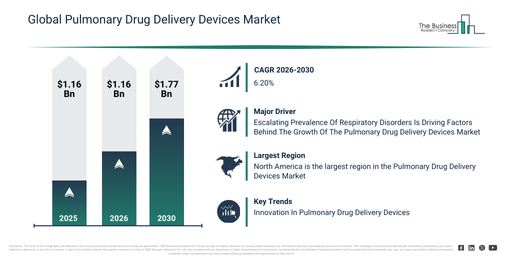
    The pulmonary drug delivery devices market size is anticipated to undergo significant expansion in the coming years. It is projected to reach $71.9 billion by 2030, growing at a compound annual growth rate (CAGR) of 6.2%. The expansion during the forecast period can be attributed to several factors, including the increasing demand for personalized respiratory therapies, the rising adoption of digital health-integrated inhalers, the broadening of home-based respiratory care, a heightened focus on non-invasive drug delivery, and ongoing innovation in inhalation technologies. Key trends during this period are expected to include the increasing adoption of smart and connected inhaler devices, a rising demand for targeted pulmonary drug delivery, the growing use of mesh and ultrasonic nebulizers, the expansion of combination drug-device products, and an enhanced focus on patient adherence.

    Download A Free Sample Report For Comprehensive Market Insights:

    https://www.thebusinessresearchcompany.com/sample.aspx?id=15907&type=smp

    Which Significant Factors Are Encouraging Growth In The Pulmonary Drug Delivery Devices Market?

    The rising incidence of respiratory disorders is set to propel the expansion of the pulmonary drug delivery devices market moving forward. Respiratory disorders are defined as illnesses or conditions impacting the lungs and airways, thereby affecting human breathing. The growing prevalence of these disorders is attributed to various factors such as escalating air pollution levels, increased smoking rates, urbanization, climate change, and the aging population. Pulmonary drug delivery devices play a vital role in managing respiratory disorders by enabling the direct administration of medications to the lungs. As an illustration, in December 2023, a research study published by JAMA Network Open, a medical journal from the American Medical Association, projected that the worldwide cases of chronic obstructive pulmonary disease (COPD) could reach nearly 600 million by 2050, representing a 23% increase in prevalence. Consequently, the increasing prevalence of COPD is a key driver for the growth of the pulmonary drug delivery devices market.

    How Does Segment Analysis Break Down The Pulmonary Drug Delivery Devices Market Structure?

    The pulmonary drug delivery devices market covered in this report is segmented –

    1) By Product Type: Dry Powder Inhalers, Metered Dose Inhalers, Nebulizers

    2) By Application: Asthma, Cystic Fibrosis, Chronic Obstructive Pulmonary Disease, Other Applications

    3) By Distribution Channel: Retail Pharmacies, Hospital Pharmacies, E-Commerce

    Subsegments:

    1) By Dry Powder Inhalers (DPIs): Single-Dose DPIs, Multi-Dose DPIs

    2) By Metered Dose Inhalers (MDIs): CFC-Based MDIs, HFA-Based MDIs

    3) By Nebulizers: Jet Nebulizers, Ultrasonic Nebulizers, Mesh Nebulizers

    What Trends Are Impacting The Pulmonary Drug Delivery Devices Market?

    Leading companies operating in the pulmonary drug delivery devices market are developing innovative products, such as small-volume nebulizers, to provide customers with more advanced features. A small-volume nebulizer (SVN) is a medical apparatus employed to administer liquid medication in the form of an aerosolized mist to patients with respiratory ailments like asthma, chronic obstructive pulmonary disease (COPD), or cystic fibrosis. For instance, in May 2024, Medline Industries LP, a US-based healthcare firm, introduced the Hudson RCI TurboMist small-volume nebulizer. This innovative device is designed to deliver medication treatments swiftly, in as little as three minutes. This advanced nebulizer can dispense 2.5 times more medication per minute compared to standard nebulizers, thereby decreasing treatment times by approximately 70%. This enhancement in medication delivery significantly shortens treatment durations, proving advantageous for healthcare providers by optimizing patient throughput and improving the patient experience by reducing the length of therapy sessions.

    Who Are The Key Market Participants In The Pulmonary Drug Delivery Devices Market?

    Major companies operating in the pulmonary drug delivery devices market are Medtronic plc, Air Liquide S.A., Becton Dickinson And Company, Koninklijke Philips N.V., Medline Industries Inc., ResMed Inc., Drägerwerk AG And Co. KGaA, Smiths Group plc, AptarGroup Inc., Chiesi Farmaceutici S.p.A., Teleflex Incorporated, Fisher And Paykel Healthcare Limited, Invacare Corporation, Vyaire Medical Inc., Inogen Inc., Drive DeVilbiss Healthcare Inc., Hovione, Hamilton Medical AG, GaleMed Corporation, Allied Healthcare Products Inc., Precision Medical Inc., Salter Labs Inc.

    Access The Complete Pulmonary Drug Delivery Devices Market Report:

    https://www.thebusinessresearchcompany.com/report/pulmonary-drug-delivery-devices-global-market-report

    Which Area Represents The Largest Portion Of The Pulmonary Drug Delivery Devices Market?

    North America was the largest region in the pulmonary drug delivery devices market in 2025. The regions covered in the pulmonary drug delivery devices market report are Asia-Pacific, South East Asia, Western Europe, Eastern Europe, North America, South America, Middle East, Africa.

    Access a Customized Pulmonary Drug Delivery Devices Market Report for Deeper Competitive Insights

    https://www.thebusinessresearchcompany.com/report/pulmonary-drug-delivery-devices-global-market-report

    Browse Through More Reports Similar to the Global Pulmonary Drug Delivery Devices Market 2026, By The Business Research Company

    Drug Delivery Devices Market Report 2026

    https://www.thebusinessresearchcompany.com/report/drug-delivery-devices-global-market-report

    Drug Delivery Devices Market Report 2026

    https://www.thebusinessresearchcompany.com/report/drug-delivery-devices-global-market-report

    Injectable Drug Delivery Devices Market Report 2026

    https://www.thebusinessresearchcompany.com/report/injectable-drug-delivery-devices-global-market-report

    Get in touch with us:

    The Business Research Company: https://www.thebusinessresearchcompany.com/

    Americas: +1 310-496-7795

    Asia: +44 7882 955267 & +91 8897263534

    Europe: +44 7882 955267

    Email us at: marketing@tbrc.info

    Follow us on:

    LinkedIn: https://in.linkedin.com/company/the-business-research-company

    YouTube: https://www.youtube.com/channel/UC24_fI0rV8cR5DxlCpgmyFQ

    Global Market Model: https://www.thebusinessresearchcompany.com/global-market-model
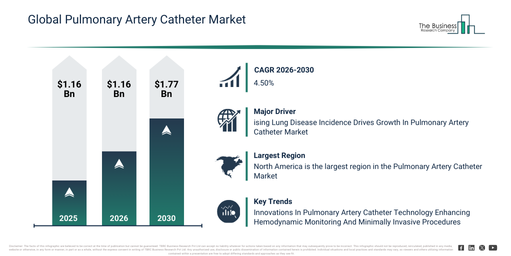
  • Pulmonary Artery Catheter Market Expected To Witness Revenue Growth Toward $1.57 Billion By 2030

    Pulmonary Artery Catheter Market Expected To Witness Revenue Growth Toward $1.57 Billion By 2030

    The Business Research Company’s 2026 market reports feature advanced enhancements such as market attractiveness analysis, total addressable market evaluation, company benchmarking matrices, interactive Excel dashboards, expanded supply chain intelligence, emerging startup coverage, and detailed product insights, delivering more actionable and strategically valuable research.

    What Is The Estimated Growth In Market Size Of The Pulmonary Artery Catheter Market During 2026–2030?

    The pulmonary artery catheter market size has shown consistent expansion in recent years. It is anticipated to increase from $1.26 billion in 2025 to $1.32 billion in 2026, exhibiting a compound annual growth rate (CAGR) of 4.8%. Historically, this growth can be attributed to a rise in critical care admissions, its utilization in cardiac surgeries, progress in ICU monitoring, clinician familiarity with PACs, and an escalating cardiovascular disease burden.

    The pulmonary artery catheter market size is projected to experience consistent growth over the next few years. It is anticipated to expand to $1.58 billion by 2030, achieving a compound annual growth rate (CAGR) of 4.5%. This growth during the forecast period is attributable to several factors, including the increasing demand for advanced hemodynamic data, a rise in complex intensive care unit cases, technological enhancements in catheter design, the expansion of critical care infrastructure, and the development of healthcare in emerging economies. Significant trends expected in the forecast period comprise a shift towards minimally invasive hemodynamic monitoring, a greater utilization in high-risk cardiac procedures, an increasing preference for disposable catheters, a concentrated effort on improving accuracy and safety, and a reduction in routine use for low-risk patients.

    Download A Free Sample Report For Comprehensive Market Insights:

    https://www.thebusinessresearchcompany.com/sample.aspx?id=20607&type=smp

    What Core Drivers Are Transforming The Pulmonary Artery Catheter Market?

    The future expansion of the pulmonary artery catheter market is anticipated to be fueled by the growing occurrence of lung diseases. These conditions are defined as ailments impacting the lungs and respiratory system, thereby hindering their capacity to absorb oxygen and expel carbon dioxide. The escalating prevalence of lung diseases can be attributed to increasing air pollution, given that extended exposure to harmful substances can harm lung tissue and initiate long-term respiratory problems. A pulmonary artery catheter assesses cardiac and pulmonary performance by tracking pressures within the pulmonary artery, thereby assisting in the diagnosis and treatment of heart and lung conditions. For instance, in May 2025, according to the Centers for Disease Control and Prevention, a US-based government agency, the age-adjusted prevalence of diagnosed chronic obstructive pulmonary disease (COPD) among adults aged 18 and older was 3.8%, with a higher prevalence in women (4.1%) compared to men (3.4%). Consequently, the rising frequency of lung diseases is propelling the development of the pulmonary artery catheter market.

    What Segment Types Are Included In The Pulmonary Artery Catheter Market Analysis?

    The pulmonary artery catheter market covered in this report is segmented –

    1) By Product: Four Lumen Artery Catheter, Five Lumen Artery Catheter, Six Lumen Artery Catheter, Other Product Types

    2) By Application: Intensive Care Units (ICUs), Non-Intensive Care Units (ICUs), Other Applications

    3) By Model Of Delivery: Hospitals, Long Term Care Facilities, Other End Users

    Subsegments:

    1) By Four Lumen Artery Catheter: Standard Four Lumen Catheter, Thermodilution Four Lumen Catheter, Specialty Four Lumen Catheter

    2) By Five Lumen Artery Catheter: Standard Five Lumen Catheter, Thermodilution Five Lumen Catheter, Specialty Five Lumen Catheter

    3) By Six Lumen Artery Catheter: Standard Six Lumen Catheter, Thermodilution Six Lumen Catheter, Specialty Six Lumen Catheter

    4) By Other Product Types: Introducer Sheath Catheters, Pressure Monitoring Catheters, Specialty Catheters, Disposable Pulmonary Artery Catheters

    Which Trends Are Affecting The Pulmonary Artery Catheter Market Framework?

    Leading firms in the pulmonary artery catheter market are concentrating on creating novel products, like endovascular catheters, to boost the precision of hemodynamic monitoring, increase patient safety, and enable less invasive methods for evaluating cardiac function and pulmonary pressures. This endovascular catheter represents a specialized tool utilized for precise catheterization and surveillance of the pulmonary artery. As an illustration, in January 2024, Thrombolex Inc., a US-based medical device company, introduced the BASHIR.035 and BASHIR S-B endovascular catheters, designed for addressing acute pulmonary embolism (PE). Engineered to function with a 0.035 guidewire, these catheters incorporate a distinctive mechanism involving an expandable infusion basket, which allows for localized thrombolysis through the direct delivery of thrombolytics into the clot. This methodology seeks to promptly restore blood flow, thereby enhancing patient safety and decreasing the duration of procedures.

    Which Organizations Are Operating Within The Pulmonary Artery Catheter Market?

    Major companies operating in the pulmonary artery catheter market are Cardinal Health Corp, Medtronic Inc, Becton Dickinson And Company, Philips Healthcare Corp, Boston Scientific Corporation, Medline Industries Inc, B Braun Melsungen AG, Terumo Corporation, Edwards Lifesciences Corporation, Nipro Corporation, Smiths Medical Group, Teleflex Incorporated, Merit Medical Systems Inc, Vygon SA, ICU Medical Inc, Argon Medical Devices Inc, Biosensors International Group Ltd, Getinge AB, Osypka Medical GmbH, Pulsion Medical Systems SE, Cook Medical

    Access The Complete Pulmonary Artery Catheter Market Report:

    https://www.thebusinessresearchcompany.com/report/pulmonary-artery-catheter-global-market-report

    Which Region Commands The Largest Share Of The Pulmonary Artery Catheter Market?

    North America was the largest region in the pulmonary artery catheter market in 2025. The regions covered in the pulmonary artery catheter market report are Asia-Pacific, South East Asia, Western Europe, Eastern Europe, North America, South America, Middle East, Africa.

    Access a Customized Pulmonary Artery Catheter Market Report for Deeper Competitive Insights

    https://www.thebusinessresearchcompany.com/report/pulmonary-artery-catheter-global-market-report

    Browse Through More Reports Similar to the Global Pulmonary Artery Catheter Market 2026, By The Business Research Company

    Peripheral Iv Catheters Market Report 2026

    https://www.thebusinessresearchcompany.com/report/peripheral-iv-catheters-global-market-report

    Intravascular Catheters Market Report 2026

    https://www.thebusinessresearchcompany.com/report/intravascular-catheters-global-market-report

    Intermittent Catheters Market Report 2026

    https://www.thebusinessresearchcompany.com/report/intermittent-catheters-global-market-report

    Get in touch with us:

    The Business Research Company: https://www.thebusinessresearchcompany.com/

    Americas: +1 310-496-7795

    Asia: +44 7882 955267 & +91 8897263534

    Europe: +44 7882 955267

    Email us at: marketing@tbrc.info

    Follow us on:

    LinkedIn: https://in.linkedin.com/company/the-business-research-company

    YouTube: https://www.youtube.com/channel/UC24_fI0rV8cR5DxlCpgmyFQ

    Global Market Model: https://www.thebusinessresearchcompany.com/global-market-model