Category: Medical Equipment

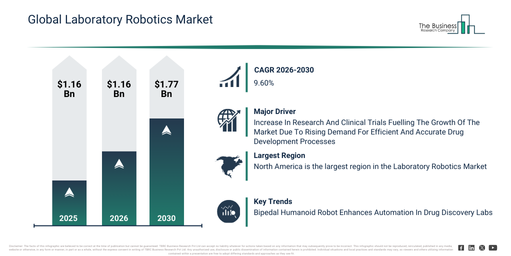
  • Increase In Research And Clinical Trials Fuelling The Growth Of The Market Due To Rising Demand For Efficient And Accurate Drug Development Processes Is Supporting Development Across The Laboratory Robotics Market

    Increase In Research And Clinical Trials Fuelling The Growth Of The Market Due To Rising Demand For Efficient And Accurate Drug Development Processes Is Supporting Development Across The Laboratory Robotics Market

    The Business Research Company’s 2026 market reports feature advanced enhancements such as market attractiveness analysis, total addressable market evaluation, company benchmarking matrices, interactive Excel dashboards, expanded supply chain intelligence, emerging startup coverage, and detailed product insights, delivering more actionable and strategically valuable research.

    What Market Value Expansion Is Expected For The Laboratory Robotics Market Over The Forecast Period?

    The laboratory robotics market has seen robust expansion in recent years. It is anticipated to increase from $2.93 billion in 2025 to $3.22 billion in 2026, demonstrating a compound annual growth rate (CAGR) of 9.9%. The historical growth in this market can be linked to prevalent manual sample handling methods, restricted automation within laboratories, significant dependence on labor, the expansion of research laboratory infrastructure, and an escalating need for precision and reproducibility.

    The laboratory robotics market size is projected for significant expansion over the next few years. It is forecast to reach $4.64 billion in 2030, demonstrating a compound annual growth rate (CAGR) of 9.6%. This growth during the forecast period is driven by the development of advanced robotic arms and automated workstations, the integration of AI-driven workflow optimization, rising investment in genomics and proteomics research, the expansion of clinical diagnostics facilities, and the adoption of cloud-based data analysis and visualization platforms. Major trends expected in this period include an increasing uptake of automated liquid handling systems, enhanced integration of Laboratory Information Management Systems (LIMS), growth in high-throughput screening and sample processing, a broader application of robotics in drug discovery and clinical diagnostics, and a concentrated effort to reduce human error and enhance workflow efficiency.

    Download A Free Sample Report For Comprehensive Market Insights:

    https://www.thebusinessresearchcompany.com/sample.aspx?id=27324&type=smp

    Which Growth Drivers Are Expected To Support The Laboratory Robotics Market Forward?

    The expansion of research and clinical trials is projected to fuel the future growth of the laboratory robotics market. These trials represent structured inquiries carried out to uncover, assess, and confirm the safety, effectiveness, and best application of novel medications, treatments, or healthcare technologies in people. The upsurge in such investigations stems from the growing incidence of intricate and long-term illnesses, thereby boosting the need for innovative and superior treatment solutions. Laboratory robotics significantly improves research and clinical trials by automating repetitive processes, boosting operational efficiency, and minimizing mistakes made by humans. These systems speed up experimental procedures, enhance the precision of data, and facilitate high-throughput screening, thus accelerating the rate and enhancing the caliber of scientific breakthroughs. For example, in December 2024, data from the Association of the British Pharmaceutical Industry (ABPI), a UK organization, revealed that the number of pharmaceutical industry trials initiated in the UK grew for the second successive year, climbing from 411 in 2022 to 426 in 2023. Consequently, the expansion in research and clinical trials is propelling the development of the laboratory robotics market.

    How Is The Laboratory Robotics Market Structured Across Different Market Segments?

    The laboratory robotics market covered in this report is segmented –

    1) By Component: Hardware, Software, Services

    2) By Product Type: Automated Liquid Handling Robots, Automated Plate Handlers, Robotic Arms, Lab Automation Workstations, Microplate Readers And Washers

    3) By Application: Drug Discovery, Clinical Diagnosis, Microbiology Solutions, Genomics Solutions, Proteomics Solutions

    4) By End User: Clinical Laboratory, Research Laboratory

    Subsegments:

    1) By Hardware: Robotic Arms, Automated Liquid Handlers, Microplate Movers, Sample Storage Systems, Sensors And Cameras, Lab-On-A-Chip Devices, Pipetting Robots, Workstations

    2) By Software: Workflow Management Software, Data Analysis And Visualization Tools, Robotic Control Software, Laboratory Information Management Systems (LIMS), Scheduling Software, Integration And Interface Software

    3) By Services: Installation And Commissioning, Maintenance And Repair, Calibration Services, Training And Support, Software Upgrades And System Integration, Validation And Compliance Services

    What Trends Are Driving Changes In The Laboratory Robotics Market?

    Leading companies in the laboratory robotics market are concentrating on developing technologically advanced solutions, such as bipedal humanoid robotic lab assistants, to enhance automation, improve precision, and increase operational efficiency in laboratory workflows. A bipedal humanoid robotic lab assistant refers to a robot designed with two legs and a human-like structure, capable of performing laboratory tasks that typically require human movement and dexterity. For instance, in March 2025, Insilico Medicine, a US-based biotechnology company, launched a bipedal humanoid robot within its fully robotic, AI-powered drug discovery laboratory. This humanoid robot is designed to operate equipment traditionally meant for humans, helping to bridge the gap in automation by handling tasks such as data acquisition, experiment tracking, reagent handling, and lab supervision. The goal is to create a truly autonomous research facility where AI and robotics collaborate seamlessly, reducing the need for human intervention in mundane yet essential lab processes. This development marks a significant advancement toward fully autonomous drug discovery, with the humanoid enhancing efficiency and enabling advanced workflows in both pharmaceutical and broader scientific research.

    Which Organizations Are Involved In The Laboratory Robotics Market?

    Major companies operating in the laboratory robotics market are Thermo Fisher Scientific Inc., Agilent Technologies Inc., Sartorius AG, PerkinElmer Inc., Beckman Coulter Life Sciences, Tecan Group Ltd., Hamilton Company, Hudson Robotics Inc., Peak Analysis & Automation (PAA), Opentrons Labworks Inc., HighRes Biosolutions Inc., Aurora Biomed Inc., AutoGen Inc., Robotic Automation Inc., Staubli Robotics, KUKA AG, FANUC Corporation, DENSO Robotics, Precise Automation Inc., Labman Automation Ltd., Biosero Inc., Chemspeed Technologies AG, Synchron Lab Automation, SPT Labtech Ltd.

    Access The Complete Laboratory Robotics Market Report:

    https://www.thebusinessresearchcompany.com/report/laboratory-robotics-global-market-report

    Which Region Is The Primary Market For The Laboratory Robotics Market?

    North America was the largest region in the laboratory robotics market in 2025. Asia-Pacific is expected to be the fastest-growing region in the forecast period. The regions covered in the laboratory robotics market report are Asia-Pacific, South East Asia, Western Europe, Eastern Europe, North America, South America, Middle East, Africa.

    Access a Laboratory Robotics Market Report for Deeper Competitive Insights

    https://www.thebusinessresearchcompany.com/report/laboratory-robotics-global-market-report

    Browse Through More Reports Similar to the Global Laboratory Robotics Market 2026, By The Business Research Company

    Construction Equipment Finance Market Report 2026

    https://www.thebusinessresearchcompany.com/report/construction-equipment-finance-global-market-report

    Equipment Finance Service Market Report 2026

    https://www.thebusinessresearchcompany.com/report/equipment-finance-service-global-market-report

    Equipment Finance Services Market Report 2026

    https://www.thebusinessresearchcompany.com/report/equipment-finance-services-global-market-report

    Get in touch with us:

    The Business Research Company: https://www.thebusinessresearchcompany.com/

    Americas: +1 310-496-7795

    Asia: +44 7882 955267 & +91 8897263534

    Europe: +44 7882 955267

    Email us at: marketing@tbrc.info

    Follow us on:

    LinkedIn: https://in.linkedin.com/company/the-business-research-company

    YouTube: https://www.youtube.com/channel/UC24_fI0rV8cR5DxlCpgmyFQ

    Global Market Model: https://www.thebusinessresearchcompany.com/global-market-model
  • Next-Generation Mixing Solutions Drive Transformation In Laboratory Workflows Is Affecting The Direction Of The Laboratory Mixer Market

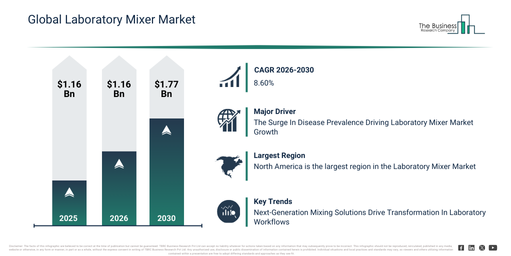
    Next-Generation Mixing Solutions Drive Transformation In Laboratory Workflows Is Affecting The Direction Of The Laboratory Mixer Market

    The Business Research Company’s 2026 market reports feature advanced enhancements such as market attractiveness analysis, total addressable market evaluation, company benchmarking matrices, interactive Excel dashboards, expanded supply chain intelligence, emerging startup coverage, and detailed product insights, delivering more actionable and strategically valuable research.

    How Will The Market Value Of The Laboratory Mixer Market Change Between 2026 And 2030?

    The laboratory mixer market size has experienced robust expansion over recent years. This market is projected to expand from $1.95 billion in 2025 to $2.13 billion in 2026, demonstrating a compound annual growth rate (CAGR) of 9.2%. Historically, this growth has been driven by factors such as the increase in pharmaceutical research endeavors, the proliferation of biotechnology laboratories, the rising adoption of laboratory automation, the escalating need for standardized sample preparation, and the availability of sophisticated laboratory instruments.

    The market for laboratory mixers is projected to experience substantial expansion over the upcoming years. Its valuation is anticipated to reach $2.96 billion by 2030, driven by a compound annual growth rate (CAGR) of 8.6%. This projected increase is primarily driven by factors such as growing investments in life sciences research, the rising integration of automated laboratory workflows, the broadening scope of personalized medicine research, an intensifying focus on data-driven experimentation, and a surging demand for high-throughput laboratory equipment. Key developments expected during this forecast timeframe encompass the increasing embrace of digital laboratory mixing equipment, a heightened need for high-precision sample preparation, wider deployment of automated mixing systems, the proliferation of multi-application laboratory mixers, and an amplified emphasis on ensuring reproducibility and accuracy.

    Download A Free Sample Report For Comprehensive Market Insights:

    https://www.thebusinessresearchcompany.com/sample.aspx?id=5178&type=smp

    What Influential Factors Are Boosting The Laboratory Mixer Market Demand?

    The increasing occurrence of diseases is a significant factor contributing to the expansion of the laboratory mixer market. A rise in disease prevalence boosts laboratory diagnostic testing, alongside research and development endeavors. The laboratory mixer is a crucial instrument universally employed in laboratories for blending, dissolving, and emulsifying substances. For instance, in September 2023, the World Health Organization, a specialized agency of the United Nations headquartered in Switzerland, stated that non-communicable diseases (NCDs) or chronic conditions were responsible for 41 million fatalities globally each year, making up 74% of all deaths. These deaths included 17.9 million from cardiovascular diseases, 9.3 million from cancer, 4.1 million from chronic respiratory diseases, and 2.0 million from diabetes. Therefore, the growing prevalence of diseases is projected to propel the laboratory mixer market’s growth in the upcoming years.

    Which Segment-Based Categories Are Covered In The Laboratory Mixer Market?

    The laboratory mixer market covered in this report is segmented –

    1) By Product: Shakers, Magnetic Stirrers, Vortex Mixers, Overhead Stirrers, Accessories

    2) By Platform: Digital Devices, Analog Devices

    3) By Operability: Gyratory Movement, Linear Movement, Rocking Or Tilting Movement, Orbital Movement

    4) By End-User: Research Laboratories And Institutes, Pharmaceutical And Biotechnology Companies, Other End-Users

    Subsegments:

    1) By Shakers: Orbital Shakers, Rocking Shakers, Incubator Shakers

    2) By Magnetic Stirrers: Hot Plate Magnetic Stirrers, Digital Magnetic Stirrers, Multi-Position Magnetic Stirrers

    3) By Vortex Mixers: Mini Vortex Mixers, High-Speed Vortex Mixers

    4) By Overhead Stirrers: Single-Speed Overhead Stirrers, Variable-Speed Overhead Stirrers

    5) By Accessories: Mixing Barrels, Stirring Rods

    Which Trends Are Shaping The Laboratory Mixer Market Landscape?

    Leading companies in the laboratory mixers market are concentrating on creating innovative products, such as touch-screen vortex mixers, to improve precision, enhance user ergonomics, and fulfill the rising demand for efficient, contamination-free sample mixing in contemporary laboratories. A touch-screen vortex mixer is a lab instrument that utilizes orbital motion to quickly mix samples, featuring a digital, glove-compatible touchscreen for precise control over speed and time, which aids researchers in achieving more consistent, contamination-free, and user-friendly sample preparation. For instance, in February 2024, Starlab International GmbH, a Germany-based laboratory-instrument manufacturing company, launched the Starlab Vortex Mixer, an advanced device designed for modern laboratories. This mixer boasts a sleek curved industrial design, a glove-friendly touchscreen, and a speed range from 300 to 3,500 rpm with two operating modes (touch and continuous). It includes convenient one-touch preset options for speed and timing, a power-saving sleep mode, anti-slip feet for stability, and optional adapters for microplates or up to 15 microcentrifuge tubes (running up to 1,500 rpm), enabling mixing from gentle to vigorous across various vessels. This design allows for the seamless resuspension of cells or chemical pellets while maintaining a low noise profile for undisturbed lab environments.

    Who Are The Firms Contributing To The Laboratory Mixer Market Ecosystem?

    Major companies operating in the laboratory mixer market are Thermo Fisher Scientific Inc., Eppendorf AG, IKA Works Inc., Heidolph Instruments GmbH & Co. KG, Bio-Rad Laboratories Inc., Remi Elektrotechnik Limited, Benchmark Scientific Inc., Grant Instruments Ltd., VELP Scientifica Srl, OHAUS Corporation, Scilogex LLC, Boekel Scientific, Cleaver Scientific Ltd., Major Science, Jeio Tech Co. Ltd., Labconco Corporation, Sheldon Manufacturing Inc., Ratek Instruments Pty Ltd., Nickel-Electro Ltd., Sainty International Group Co. Ltd.

    Access The Complete Laboratory Mixer Market Report:

    https://www.thebusinessresearchcompany.com/report/laboratory-mixer-global-market-report

    Which Geographic Region Represents The Largest Laboratory Mixer Market Share?

    North America was the largest region in the laboratory mixer market in 2025. Asia-Pacific is expected to be the fastest region in the laboratory mixer market share during forecast period. The regions covered in the laboratory mixer market report are Asia-Pacific, South East Asia, Western Europe, Eastern Europe, North America, South America, Middle East, Africa.

    Access a Laboratory Mixer Market Report for Deeper Competitive Insights

    https://www.thebusinessresearchcompany.com/report/laboratory-mixer-global-market-report

    Browse Through More Reports Similar to the Global Laboratory Mixer Market 2026, By The Business Research Company

    Food Blenders And Mixers Market Report 2026

    https://www.thebusinessresearchcompany.com/report/food-blenders-and-mixers-global-market-report

    Mixer Grinders Market Report 2026

    https://www.thebusinessresearchcompany.com/report/mixer-grinders-global-market-report

    Concrete Mixer Trucks Market Report 2026

    https://www.thebusinessresearchcompany.com/report/concrete-mixer-trucks-global-market-report

    Get in touch with us:

    The Business Research Company: https://www.thebusinessresearchcompany.com/

    Americas: +1 310-496-7795

    Asia: +44 7882 955267 & +91 8897263534

    Europe: +44 7882 955267

    Email us at: marketing@tbrc.info

    Follow us on:

    LinkedIn: https://in.linkedin.com/company/the-business-research-company

    YouTube: https://www.youtube.com/channel/UC24_fI0rV8cR5DxlCpgmyFQ

    Global Market Model: https://www.thebusinessresearchcompany.com/global-market-model

  • The Laboratory Centrifuge Market Is Advancing With Support From Emergence Of Infectious Diseases Fuels Growth In Laboratory Centrifuge Market

    The Laboratory Centrifuge Market Is Advancing With Support From Emergence Of Infectious Diseases Fuels Growth In Laboratory Centrifuge Market

    The Business Research Company’s 2026 market reports feature advanced enhancements such as market attractiveness analysis, total addressable market evaluation, company benchmarking matrices, interactive Excel dashboards, expanded supply chain intelligence, emerging startup coverage, and detailed product insights, delivering more actionable and strategically valuable research.

    What Is The Forecasted Rise In Market Size Of The Laboratory Centrifuge Market During The Forecast Period?

    The market for laboratory centrifuges has demonstrated substantial expansion recently. Forecasts indicate a rise from $1.64 billion in 2025 to $1.74 billion by 2026, achieving a compound annual growth rate (CAGR) of 6.0%. Historically, this expansion has been driven by factors such as an increase in biomedical research endeavors, broader hospital diagnostic testing, greater application of centrifugation within genomics workflows, the presence of sophisticated laboratory infrastructure, and an uptick in the volumes of clinical samples processed.

    The laboratory centrifuge market is projected to experience substantial expansion over the coming years, anticipated to reach a valuation of $2.22 billion by 2030, exhibiting a compound annual growth rate (CAGR) of 6.3%. Key drivers for this growth during the forecast period include a rising demand for automated centrifuge systems, the expansion of molecular diagnostics, wider adoption of precision medicine, increased investments in life sciences research, and an intensified focus on optimizing laboratory efficiency. Significant trends expected throughout this period encompass the increasing uptake of high-speed centrifugation systems, a heightened demand for refrigerated and ultracentrifuges, the growing incorporation of digital control interfaces, the expansion of compact benchtop centrifuges, and an elevated emphasis on maintaining sample integrity.

    Download A Free Sample Report For Comprehensive Market Insights:

    https://www.thebusinessresearchcompany.com/sample.aspx?id=5733&type=smp

    Which Drivers Are Advancing The Laboratory Centrifuge Market Growth?

    The rise of infectious diseases is fueling the expansion of the laboratory centrifuge market. Conditions like SARS, the Zika virus, Ebola, and COVID-19 have progressively caused infections globally, contributing to a heavier worldwide disease burden. Approximately 60% of known human pathogens and as much as 75% of new human pathogens are believed to be zoonotic infectious agents (diseases originating in animals and adapting to infect humans). Significant shifts in the epidemiology of infectious diseases are anticipated due to climate change, specifically through alterations in the geographical distribution of microbes and vectors. With microbes capable of adapting to warmer conditions, there’s increasing worry that global warming will favor microbes with greater heat resistance, potentially overcoming human endothermic defenses, thereby introducing novel infectious diseases and modifying the epidemiology of numerous current diseases. Laboratory centrifuge systems find application in purifying cells, organelles, viruses, proteins, and nucleic acids. For example, data released by the UK Health Security Agency, a UK-based executive agency, indicated that in England, the UKHSA registered 368 measles cases in 2023 as of August 2024. This represents an almost sevenfold rise from the 53 cases documented in 2022, with the West Midlands and London contributing 44% and 33% of these cases, respectively. Consequently, the rise of infectious diseases fuels the need for laboratory testing solutions, thereby stimulating the laboratory centrifuge market.

    What Are The Major Segment Categories Within The Laboratory Centrifuge Market?

    The laboratory centrifuge market covered in this report is segmented –

    1) By Product: Equipment, Accessories

    2) By Model Type: Benchtop Centrifuges, Floor-Standing Centrifuges

    3) By Rotor Design: Fixed-Angle Rotors, Swinging-Bucket Rotors, Vertical Rotors, Other Rotors

    4) By Application: Diagnostics, Microbiology, Cellomics, Genomics, Proteomics, Blood Component Separation, Other Applications

    5) By End User: Hospitals, Biotechnology And Pharmaceutical Companies, Academic And Research Institutions

    Subsegments:

    1) By Equipment: Floor Model Centrifuges, Bench-Top Centrifuges, Ultracentrifuges, Microcentrifuges, High-Speed Centrifuges, Refrigerated Centrifuges, Clinical Centrifuges, Continuous Flow Centrifuges

    2) By Accessories: Rotors, Buckets, Adapters, Tubes And Containers, Cleaning And Maintenance Kits

    What Trends Are Influencing The Laboratory Centrifuge Market Outlook?

    Leading companies within the laboratory centrifuge market are concentrating on creating advanced products, such as centrifuges utilizing natural refrigerant cooling systems, to lessen environmental impact and boost performance for high-throughput applications. Natural refrigerant cooling system-based centrifuges are devices that employ environmentally friendly coolants to maintain low sample temperatures while rapidly spinning them to effectively separate materials and safeguard temperature-sensitive samples. For instance, in March 2025, Thermo Fisher Scientific, a US-based life sciences company, introduced its initial more sustainable large-capacity and superspeed centrifuges, featuring a next-generation natural refrigerant cooling system. This system is engineered to support high-speed and high-volume laboratory workflows, offering precise temperature regulation, enhanced energy efficiency, and a reduced environmental footprint, thereby assisting laboratories in achieving both operational excellence and their sustainability objectives.

    Which Key Players Are Active In The Laboratory Centrifuge Market?

    Major companies operating in the laboratory centrifuge market are Thermo Fisher Scientific Inc., Danaher Corporation, Agilent Technologies Inc., Sartorius AG, PerkinElmer Inc., Shimadzu Corporation, Bio-Rad Laboratories Inc., Hettich Holding GmbH & Co KG, Eppendorf AG, Haier Biomedical Co Ltd., Heal Force Bio-Medical Engineering Co Ltd., Harvard Bioscience Inc., REMI GROUP, VISION Scientific Co Ltd., LW Scientific, Sigma Laborzentrifugen GmbH, Benchmark Scientific Inc., Neuation Technologies Pvt Ltd., Laby Instruments Industry, HERMLE Labortechnik GmbH, Antylia Scientific Instrument Co Ltd., Meditech Technologies India Private Limited, Andreas Hettich GmbH & Co KG

    Access The Complete Laboratory Centrifuge Market Report:

    https://www.thebusinessresearchcompany.com/report/laboratory-centrifuge-global-market-report

    Which Region Leads The Laboratory Centrifuge Market By Size?

    North America was the largest region in the laboratory centrifuge market in 2025. The regions covered in the laboratory centrifuge market report are Asia-Pacific, South East Asia, Western Europe, Eastern Europe, North America, South America, Middle East, Africa.

    Access a Laboratory Centrifuge Market Report for Deeper Competitive Insights

    https://www.thebusinessresearchcompany.com/report/laboratory-centrifuge-global-market-report

    Browse Through More Reports Similar to the Global Laboratory Centrifuge Market 2026, By The Business Research Company

    Industrial Centrifuge Market Report 2026

    https://www.thebusinessresearchcompany.com/report/industrial-centrifuge-global-market-report

    Medical Centrifuge Market Report 2026

    https://www.thebusinessresearchcompany.com/report/medical-centrifuge-global-market-report

    Biofuels Market Report 2026

    https://www.thebusinessresearchcompany.com/report/biofuels-global-market-report

    Get in touch with us:

    The Business Research Company: https://www.thebusinessresearchcompany.com/

    Americas: +1 310-496-7795

    Asia: +44 7882 955267 & +91 8897263534

    Europe: +44 7882 955267

    Email us at: marketing@tbrc.info

    Follow us on:

    LinkedIn: https://in.linkedin.com/company/the-business-research-company

    YouTube: https://www.youtube.com/channel/UC24_fI0rV8cR5DxlCpgmyFQ

    Global Market Model: https://www.thebusinessresearchcompany.com/global-market-model

  • Increasing Adoption Of Investment Surge In Pharma R&D Fuels Laboratory Bunsen Burner Market Growth Is Influencing The Laboratory Bunsen Burner Market

    Increasing Adoption Of Investment Surge In Pharma R&D Fuels Laboratory Bunsen Burner Market Growth Is Influencing The Laboratory Bunsen Burner Market

    The Business Research Company’s 2026 market reports feature advanced enhancements such as market attractiveness analysis, total addressable market evaluation, company benchmarking matrices, interactive Excel dashboards, expanded supply chain intelligence, emerging startup coverage, and detailed product insights, delivering more actionable and strategically valuable research.

    How Is The Laboratory Bunsen Burner Market’s Market Value Anticipated To Evolve From 2026 To 2030?

    The laboratory bunsen burner market size has experienced significant growth over recent years. This market is projected to expand from $9.28 billion in 2025 to $9.96 billion in 2026, exhibiting a compound annual growth rate (CAGR) of 7.3%. Historically, this growth can be attributed to factors such as the expansion of academic and teaching laboratories, the extensive adoption of gas-based heating equipment, the rise in laboratory-based education, heightened awareness regarding laboratory safety, and an increasing need for fundamental laboratory heating instruments.

    The laboratory bunsen burner market size is anticipated to undergo significant expansion in the coming years, reaching $13.16 billion by 2030, propelled by a compound annual growth rate (CAGR) of 7.2%. This projected growth over the forecast period is primarily attributed to factors such as the increasing integration of electric laboratory equipment, an intensifying focus on fire safety within laboratories, the expansion of research infrastructure in emerging economies, rising investments in science education, and a growing demand for portable laboratory heating solutions. Furthermore, major developments expected during this period include a burgeoning preference for laboratory equipment offering safer and more controlled flames, the increasing adoption of electric bunsen burners in teaching laboratories, a heightened demand for adjustable and precise flame control, the broadening of laboratory infrastructure in academic and research institutions, and an escalating emphasis on laboratory safety and standardization.

    Download A Free Sample Report For Comprehensive Market Insights:

    https://www.thebusinessresearchcompany.com/sample.aspx?id=18652&type=smp

    What Primary Factors Are Fueling The Expansion Of The Laboratory Bunsen Burner Market?

    The growing financial commitment to pharmaceutical research and development is projected to boost the expansion of the laboratory bunsen burner market moving forward. This increasing investment is fueled by the rising occurrence of chronic and infectious diseases, which heightens the demand for new therapeutic solutions and cures. Moreover, the push for targeted therapies and individualized medicine stimulates research efforts, while governmental incentives and grants further encourage funding. Laboratory bunsen burners play a crucial role in pharmaceutical research and development for tasks such as sterilizing equipment, performing chemical reactions, and preparing samples for analytical purposes. For example, in January 2024, IQVIA, a US-based healthcare intelligence and life sciences firm, reported a 14% increase in global medicine use over the past five years, with an anticipated further rise of 12% by 2028, reaching 3.8 trillion defined daily doses annually. Consequently, the escalating investment in pharmaceutical research and development will propel the growth of the laboratory bunsen burner market. The expansion of educational facilities is anticipated to stimulate the growth of the laboratory bunsen burner market in the coming years. This increase in educational establishments stems from expanding student populations, higher birth rates, and improved enrollment figures. Additionally, a greater emphasis on the quality and accessibility of education, alongside increased public and private funding, encourages the development of schools and higher learning institutions. Laboratory bunsen burners are utilized in educational settings for heating, sterilization, and conducting experiments that necessitate a controlled flame. For instance, in March 2024, the Chinese Ministry of Education, an International Education organization based in China, stated that China possessed 3,074 higher-educational institutions in 2023, an increase of 61 institutions from the 3,013 institutions reported in 2022, signifying a growth rate of approximately 2%. Therefore, the proliferation of educational facilities will drive the growth of the laboratory bunsen burner market.

    How Is The Laboratory Bunsen Burner Market Distributed Across Key Segments?

    The laboratory bunsen burner market covered in this report is segmented –

    1) By Type: Electric Powered, Gas Fired

    2) By Parts: Stand Or Base, Barrel Or Chimney, Collar, Air Holes, Gas Valve, Gas Intake

    3) By Application: Universities And Colleges, Research Institute, Other Applications

    Subsegments:

    1) By Electric Powered: Flame-Simulation Electric Laboratory Burners, Infrared-Based Electric Laboratory Burners, Hot-Element Electric Laboratory Burners

    2) By Gas Fired: Single-Outlet Gas Bunsen Burners, Double-Outlet Gas Bunsen Burners, Micro Gas Bunsen Burners, Adjustable Flame Gas Bunsen Burners

    Who Are The Leading Firms Participating In The Laboratory Bunsen Burner Market?

    Major companies operating in the laboratory bunsen burner market are Carl Friedrich Usbeck, Eisco Scientific, Glassco Laboratory Equipment, Borosil Glass Works Ltd, Narang Medical Ltd., Scilabware Limited, REMI Elektrotechnik Ltd, Khera Instruments Pvt Ltd, Jainco Lab Products, JSGW Laboratory Glassware, Polylab Scientific, Sun LabTek Equipments, Humboldt Mfg Co, United Scientific Supplies, Yamato Scientific Co Ltd, Electrothermal Engineering Ltd, Jeio Tech Co Ltd, Faithful Instrument Co Ltd, Laboid International, Sico Research Laboratories

    Access The Complete Laboratory Bunsen Burner Market Report:

    https://www.thebusinessresearchcompany.com/report/laboratory-bunsen-burner-global-market-report

    Which Region Has The Strongest Presence In The Laboratory Bunsen Burner Market?

    Asia-Pacific was the largest region in the laboratory bunsen burner market in 2025. The regions covered in the laboratory bunsen burner market report are Asia-Pacific, South East Asia, Western Europe, Eastern Europe, North America, South America, Middle East, Africa.

    Access a Laboratory Bunsen Burner Market Report for Deeper Competitive Insights

    https://www.thebusinessresearchcompany.com/report/laboratory-bunsen-burner-global-market-report

    Browse Through More Reports Similar to the Global Laboratory Bunsen Burner Market 2026, By The Business Research Company

    Industrial Burner Market Report 2026

    https://www.thebusinessresearchcompany.com/report/industrial-burner-global-market-report

    Industrial Cooking Fire Protection Systems For Food Manufacturing Market Report 2026

    https://www.thebusinessresearchcompany.com/report/industrial-cooking-fire-protection-systems-for-food-manufacturing-global-market-report

    Fire Testing Market Report 2026

    https://www.thebusinessresearchcompany.com/report/fire-testing-global-market-report

    Get in touch with us:

    The Business Research Company: https://www.thebusinessresearchcompany.com/

    Americas: +1 310-496-7795

    Asia: +44 7882 955267 & +91 8897263534

    Europe: +44 7882 955267

    Email us at: marketing@tbrc.info

    Follow us on:

    LinkedIn: https://in.linkedin.com/company/the-business-research-company

    YouTube: https://www.youtube.com/channel/UC24_fI0rV8cR5DxlCpgmyFQ

    Global Market Model: https://www.thebusinessresearchcompany.com/global-market-model

  • The Growth Of The Pharmaceutical And Biotechnology Sector Driving The Expansion Of The Laboratory Automation Systems Market Continues To Impact The Growth Of The Laboratory Automation Systems Market

    The Growth Of The Pharmaceutical And Biotechnology Sector Driving The Expansion Of The Laboratory Automation Systems Market Continues To Impact The Growth Of The Laboratory Automation Systems Market

    The Business Research Company’s 2026 market reports feature advanced enhancements such as market attractiveness analysis, total addressable market evaluation, company benchmarking matrices, interactive Excel dashboards, expanded supply chain intelligence, emerging startup coverage, and detailed product insights, delivering more actionable and strategically valuable research.

    By 2030, How Much Growth In Market Size Is Expected For The Laboratory Automation Systems Market?

    The laboratory automation systems market size has shown significant expansion in recent years. It is anticipated to grow from $5.85 billion in 2025 to $6.31 billion in 2026, reflecting a compound annual growth rate (CAGR) of 7.9%. Historically, this growth can be ascribed to an increase in test volume within clinical laboratories, a heightened requirement for standardized diagnostics, an expansion of pharmaceutical research activities, a scarcity of skilled laboratory personnel, and the increasing complexity of laboratory workflows.

    The laboratory automation systems market is projected to experience substantial growth over the coming years, with its size expected to reach $8.4 billion by 2030, demonstrating a compound annual growth rate (CAGR) of 7.4%. This expansion during the forecast period can be attributed to the increasing adoption of AI-driven lab automation, rising investments in smart laboratories, a growing demand for high-throughput testing, the expansion of genomics and proteomics research, and a heightened focus on error reduction and efficiency. Key trends anticipated in the forecast period encompass the wider adoption of end-to-end laboratory automation, the increasing deployment of robotic sample handling systems, the growing integration of data management platforms, the expansion of modular automation solutions, and an enhanced focus on workflow standardization.

    Download A Free Sample Report For Comprehensive Market Insights:

    https://www.thebusinessresearchcompany.com/sample.aspx?id=2560&type=smp

    Which Strategic Drivers Are Supporting The Laboratory Automation Systems Market Development?

    The expanding pharmaceutical and biotechnology sector is anticipated to boost the growth of the laboratory automation systems market. This sector encompasses companies involved in drug discovery, development, the production of biologics, and advanced therapeutic research, marked by significant R&D activity and swift innovation. Its expansion is fueled by increasing investments in R&D, creating a demand for automation systems like robotic liquid handlers, automated sample preparation, and high-throughput screening to improve efficiency, minimize errors, and expedite discovery processes. For example, data from June 2023 provided by the European Federation of Pharmaceutical Industries and Associations (EFPIA), a Belgium-based trade association representing Europe’s pharmaceutical industry, indicated that total pharmaceutical production in Europe reached €390,000 million ($422,803 million) in 2023, an increase from €363,300 million ($393,857 million) in 2022. Consequently, the expanding pharmaceutical and biotechnology sectors are propelling the growth of the laboratory automation systems market.

    How Does Segment Analysis Break Down The Laboratory Automation Systems Market Structure?

    The laboratory automation systems market covered in this report is segmented –

    1) By Type: Modular Automation, Total Lab Automation

    2) By Equipment And Software: Automated Liquid Handling, Microplate Readers, Standalone Robots, Automated Storage, Retrieval

    3) By Application: Drug Discovery, Clinical Diagnostics, Genomics Solutions, Proteomics Solutions, Others

    4) By End User: Biotechnology And Pharmaceutical Industries, Research Institutes, Hospitals And Private Labs, Academic Institutes

    Subsegments:

    1) By Modular Automation: Robotic Systems for Sample Handling, Automated Liquid Handling Systems, Modular Sample Storage Systems

    2) By Total Lab Automation: Integrated Workflow Systems, Fully Automated Laboratory Analyzers, Comprehensive Data Management Solutions

    What Trends Are Affecting The Laboratory Automation Systems Market Dynamics?

    Leading companies in the laboratory automation market are introducing advanced technologies, such as the Flex Robot, to secure a competitive advantage. The Flex robot is engineered to deliver a cutting-edge yet economical automation platform specifically designed for life scientists. For instance, in May 2023, Opentrons, a US-based lab automation company, unveiled its newest innovation, the Flex robot, with the objective of broadening the accessibility of sophisticated lab automation solutions for life scientists. This robot is programmed to execute a broad spectrum of experiments, including those developed by large language models (LLMs) like ChatGPT.

    Which Companies Are Engaged In The Laboratory Automation Systems Market Environment?

    Major companies operating in the laboratory automation systems market are Abbott Laboratories, Danaher Corporation, Thermo Fisher Scientific, Agilent Technologies Inc., Tecan Group Ltd., PerkinElmer Inc., QIAGEN N.V., Becton Dickinson and Company, Siemens AG, Brooks Automation Inc., Hamilton Company, Eppendorf AG, Biotek Instruments Inc., Bee Robotics Ltd, Gilson Inc., Biomerieux, Sysmex Corporation, Formulatrix, Beckman Coulter, Roche Diagnostics

    Access The Complete Laboratory Automation Systems Market Report:

    https://www.thebusinessresearchcompany.com/report/laboratory-automation-systems-global-market-report

    Which Region Stands As The Largest Contributor To The Laboratory Automation Systems Market?

    North America was the largest region in the laboratory automation systems market in 2025. Asia-Pacific is expected to be the fastest-growing region in the forecast period. The regions covered in the laboratory automation systems market report are Asia-Pacific, South East Asia, Western Europe, Eastern Europe, North America, South America, Middle East, Africa.

    Access a Laboratory Automation Systems Market Report for Deeper Competitive Insights

    https://www.thebusinessresearchcompany.com/report/laboratory-automation-systems-global-market-report

    Browse Through More Reports Similar to the Global Laboratory Automation Systems Market 2026, By The Business Research Company

    Lab Automation Market Report 2026

    https://www.thebusinessresearchcompany.com/report/lab-automation-global-market-report

    Laboratory Testing Services Market Report 2026

    https://www.thebusinessresearchcompany.com/report/laboratory-testing-services-global-market-report

    Laboratory Information System Market Report 2026

    https://www.thebusinessresearchcompany.com/report/laboratory-information-system-global-market-report

    Get in touch with us:

    The Business Research Company: https://www.thebusinessresearchcompany.com/

    Americas: +1 310-496-7795

    Asia: +44 7882 955267 & +91 8897263534

    Europe: +44 7882 955267

    Email us at: marketing@tbrc.info

    Follow us on:

    LinkedIn: https://in.linkedin.com/company/the-business-research-company

    YouTube: https://www.youtube.com/channel/UC24_fI0rV8cR5DxlCpgmyFQ

    Global Market Model: https://www.thebusinessresearchcompany.com/global-market-model

  • Laboratory Accessories Market Outlook Through 2030 With Analysis Of Industry Trends And Developments

    Laboratory Accessories Market Outlook Through 2030 With Analysis Of Industry Trends And Developments

    The Business Research Company’s 2026 market reports feature advanced enhancements such as market attractiveness analysis, total addressable market evaluation, company benchmarking matrices, interactive Excel dashboards, expanded supply chain intelligence, emerging startup coverage, and detailed product insights, delivering more actionable and strategically valuable research.

    What Market Value Trend Is Expected For The Laboratory Accessories Market From 2026 To 2030?

    The laboratory accessories market size has demonstrated robust expansion in recent years. It is anticipated to increase from $660.04 billion in 2025 to $713.28 billion in 2026, registering a compound annual growth rate (CAGR) of 8.1%. The growth observed in prior periods is attributable to factors including the expansion of clinical and diagnostic laboratories, an increase in academic and research institutions, rising laboratory testing volumes, a heightened focus on laboratory safety standards, and growing investments in scientific research.

    The laboratory accessories market size is projected to experience substantial expansion over the upcoming years. By 2030, this market is anticipated to reach a valuation of $971.55 billion, exhibiting a compound annual growth rate (CAGR) of 8.0%. This anticipated growth throughout the forecast period stems from factors such as a heightened demand for products supporting laboratory automation, an increase in pharmaceutical and biotechnology research endeavors, the escalating requirements for healthcare diagnostic testing, the expansion of laboratory infrastructure within developing markets, and a growing focus on enhancing efficiency and precision in laboratory work. Key trends identified for the forecast timeframe encompass an escalating need for durable and high-quality laboratory consumables, a strengthened emphasis on accessories for laboratory safety and regulatory compliance, a greater push for standardizing laboratory workflows and equipment, the broadening of laboratory infrastructure across both healthcare and research sectors, and an increasing inclination towards ergonomic and space-efficient laboratory furniture solutions.

    Download A Free Sample Report For Comprehensive Market Insights:

    https://www.thebusinessresearchcompany.com/sample.aspx?id=18651&type=smp

    What Major Growth Factors Are Impacting The Laboratory Accessories Market?

    The growth of the laboratory accessories market is anticipated to be significantly propelled by the increasing volume of diagnostic tests. These medical procedures are specifically designed to identify the presence, nature, or cause of diseases or conditions in patients. The surge in diagnostic tests can be attributed to factors such as enhanced healthcare access, the imperative for managing chronic diseases, evolving patient expectations, and the advancement of genetic testing. Laboratory accessories are essential throughout the entire diagnostic testing process, covering stages from sample collection and preparation to analysis and documentation. Their function is to ensure the accuracy, efficiency, and safety of diagnostic tests, thereby yielding reliable and actionable results for patient care. For example, in November 2023, the Diagnostic Imaging Dataset Annual Statistical, a UK-based government organization, reported that England saw 45.0 million imaging tests in March 2023, a rise from 44.0 million in the previous year, which indicates a growth of 2.2%. Thus, the expanding number of diagnostic tests consistently drives demand in the laboratory accessories market.

    What Segment Types Are Included In The Laboratory Accessories Market Analysis?

    The laboratory accessories market covered in this report is segmented –

    1) By Product Type: Instruments, Glassware, Lab Tables, Consumables, Other Product Types

    2) By Laboratory Type: Clinical And Diagnostics Labs, Pharma, Biotech, And Medical Device Companies, Academic And Research Labs

    3) By Application: Academic, Hospitals, Private Laboratories, Biotechnology, Other Applications

    Subsegments:

    1) By Instruments: Laboratory Analyzers, Centrifuges, Microscopes, Spectrophotometers, Ph Meters

    2) By Glassware: Beakers, Flasks, Test Tubes, Pipettes, Burettes, Petri Dishes

    3) By Lab Tables: Workbenches, Laboratory Island Tables, Height-Adjustable Lab Tables, Chemical-Resistant Tables

    4) By Consumables: Gloves And Lab Coats, Filters And Membranes, Test Strips, Disposable Pipettes, Culture Media

    5) By Other Product Types: Lab Safety Equipment, Storage Solutions, Lab Cleanliness Product

    Which Trends Are Influencing The Expansion Of The Laboratory Accessories Market?

    Companies operating in the laboratory accessories market are dedicating efforts to creating innovative products, including automated plasmid purification systems. These products are developed to offer high-throughput solutions, improve reproducibility, and support advanced applications in molecular biology, clinical diagnostics, and pharmaceutical development. An automated plasmid purification system is an advanced laboratory device specifically engineered to streamline the isolation of plasmid DNA (pDNA) from bacterial cultures without requiring manual intervention. For instance, in June 2024, Thermo Fisher Scientific, a US-based life science and clinical research company, unveiled the Thermo Scientific KingFisher PlasmidPro Maxi Processor, a fully automated maxi-scale plasmid DNA (pDNA) purification system. This system is designed to streamline the purification process, consequently enhancing the efficiency of laboratory workflows essential for the discovery and development of therapies. The innovation’s primary goals are to diminish manual errors and increase throughput, particularly benefiting molecular biology and genetic research.

    Who Are The Prominent Players Across The Laboratory Accessories Market?

    Major companies operating in the laboratory accessories market are Thermo Fisher Scientific Inc., The Merck Group, Agilent Technologies Inc., Sartorius AG, PerkinElmer Inc., Mettler-Toledo International Inc., Endress+Hauser Group Services AG, Shimadzu Corporation, Waters Corporation, Bio-Rad Laboratories Inc., Bruker Corporation, Horiba Ltd., Eppendorf AG, Metrohm AG, Hamilton Company, Analytik Jena AG, Labconco Corporation, Rigaku Corporation, Biotix Inc., SP Industries Inc, Corning Incorporated, Tecan Group Ltd.

    Access The Complete Laboratory Accessories Market Report:

    https://www.thebusinessresearchcompany.com/report/laboratory-accessories-global-market-report

    What Is The Largest Regional Market In The Laboratory Accessories Market?

    North America was the largest region in the laboratory accessories market in 2025. Asia-Pacific is expected to be the fastest-growing region in the forecast period. The regions covered in the laboratory accessories market report are Asia-Pacific, South East Asia, Western Europe, Eastern Europe, North America, South America, Middle East, Africa.

    Access a Laboratory Accessories Market Report for Deeper Competitive Insights

    https://www.thebusinessresearchcompany.com/report/laboratory-accessories-global-market-report

    Browse Through More Reports Similar to the Global Laboratory Accessories Market 2026, By The Business Research Company

    Lab Supplies Market Report 2026

    https://www.thebusinessresearchcompany.com/report/lab-supplies-global-market-report

    Microscope Accessories Market Report 2026

    https://www.thebusinessresearchcompany.com/report/microscope-accessories-global-market-report

    Laboratory Testing Services Market Report 2026

    https://www.thebusinessresearchcompany.com/report/laboratory-testing-services-global-market-report

    Get in touch with us:

    The Business Research Company: https://www.thebusinessresearchcompany.com/

    Americas: +1 310-496-7795

    Asia: +44 7882 955267 & +91 8897263534

    Europe: +44 7882 955267

    Email us at: marketing@tbrc.info

    Follow us on:

    LinkedIn: https://in.linkedin.com/company/the-business-research-company

    YouTube: https://www.youtube.com/channel/UC24_fI0rV8cR5DxlCpgmyFQ

    Global Market Model: https://www.thebusinessresearchcompany.com/global-market-model
  • Lab-On-Skin Microfluidic Patch Market Revenue Anticipated To Reach $3.57 Billion By 2030 With 19.9% CAGR

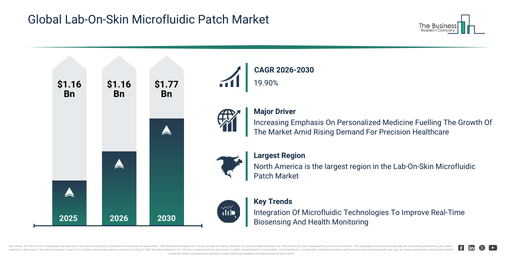
    Lab-On-Skin Microfluidic Patch Market Revenue Anticipated To Reach $3.57 Billion By 2030 With 19.9% CAGR

    The Business Research Company’s 2026 market reports feature advanced enhancements such as market attractiveness analysis, total addressable market evaluation, company benchmarking matrices, interactive Excel dashboards, expanded supply chain intelligence, emerging startup coverage, and detailed product insights, delivering more actionable and strategically valuable research.

    How Does The Forecasted Market Size Of The Lab-On-Skin Microfluidic Patch Market Compare Between 2026 And 2030?

    The lab-on-skin microfluidic patch market has experienced substantial growth in its size over recent years. The market is expected to expand from $1.44 billion in 2025 to $1.73 billion in 2026, achieving a compound annual growth rate (CAGR) of 20.1%. This historical expansion can be linked to significant advancements in microfluidics, the wider embrace of wearable healthcare technology, the expansion of sports analytics, a rising need for non-invasive diagnostic tools, and ongoing research in biofluid analysis.

    The lab-on-skin microfluidic patch market is projected to experience substantial expansion over the coming years. This market is set to reach $3.57 billion by 2030, demonstrating a compound annual growth rate (CAGR) of 19.9%. Key factors driving this growth during the forecast period include the incorporation of AI-driven analytics, the increasing scope of personalized medicine, the rise of remote patient monitoring, its uptake in the fitness and wellness industries, and advancements in patch material technology. Significant developments anticipated during this period encompass continuous health monitoring, non-invasive diagnostic methods, personalized medical devices, analytics for sports and fitness, and the detection of biomarkers in real time.

    Download A Free Sample Report For Comprehensive Market Insights:

    https://www.thebusinessresearchcompany.com/sample.aspx?id=29109&type=smp

    What Market Drivers Are Helping Shape The Lab-On-Skin Microfluidic Patch Market Expansion?

    The future expansion of the lab-on-skin microfluidic patch market is anticipated to be driven by the growing focus on personalized medicine. This medical strategy involves tailoring healthcare to each patient’s unique attributes, utilizing genetic, biomarker, and clinical data to achieve optimal treatment results. The increased adoption of personalized medicine stems from progress in genomics and biotechnology, which facilitates accurate diagnoses and specific treatments, leading to better patient results and fewer unsuccessful interventions. Lab-on-skin microfluidic patches contribute to personalized medicine by continuously tracking individual biomarkers, allowing for real-time, customized therapeutic choices. An example is provided by the Personalized Medicine Coalition (PMC), a US-based nonprofit dedicated to personalized medicine, which reported in February 2024 that the US Food and Drug Administration (FDA) gave approval to 16 novel personalized therapies for rare disease patients in 2023, an increase from six in 2022. Consequently, the heightened focus on personalized medicine is accelerating the expansion of the lab-on-skin microfluidic patch market.

    Which Segment Divisions Form The Structure Of The Lab-On-Skin Microfluidic Patch Market?

    The lab-on-skin microfluidic patch market covered in this report is segmented –

    1) By Product Type: Diagnostic Patches, Monitoring Patches

    2) By Material Type: Polymer-Based, Hybrid, Other Material Types

    3) By Application: Healthcare Monitoring, Disease Diagnosis, Sports And Fitness, Other Applications

    4) By End-User: Hospitals And Clinics, Homecare, Research Institutes, Sports And Fitness Centers, Other End-Users

    Subsegments:

    1) By Diagnostic Patches: Sweat-Based Microfluidic Diagnostic Patches, Interstitial Fluid Microfluidic Diagnostic Patches, Glucose and Metabolite Detection Microfluidic Patches, Electrolyte and Biomarker Analysis Microfluidic Patches, Multi-Analyte Lab-on-Skin Diagnostic Patches

    2) By Monitoring Patches: Continuous Hydration Monitoring Microfluidic Patches, Continuous Lactate Monitoring Microfluidic Patches, Electrolyte Balance Monitoring Microfluidic Patches, Stress and Fatigue Monitoring Microfluidic Patches (Biochemical-Based), Personalized Health Monitoring Lab-on-Skin Patches

    What Trends Are Impacting The Lab-On-Skin Microfluidic Patch Market?

    Companies operating in the lab-on-skin microfluidic patch market are focusing on developing technological advancements, such as sweat-sensing patches, to enable real-time health monitoring and personalized diagnostics. A sweat-sensing patch is a wearable device that collects and analyzes sweat to monitor biomarkers, electrolytes, and other physiological parameters in real time. For instance, in April 2024, Epicore Biosystems Inc., a US-based digital health company, launched Connected Hydration, a wearable microfluidic patch and mobile app designed to help industrial workers prevent dehydration and heat stress through continuous sweat and electrolyte monitoring. It provides real-time personalized hydration insights, vibration alerts, and AI-driven guidance to optimize fluid intake before fatigue or injury occurs. By combining lab-on-skin sensing, cloud analytics, and a long-life battery design, Connected Hydration enhances worker safety, productivity, and resilience in extreme heat environments across global industrial sectors.

    Which Companies Form The Competitive Landscape Of The Lab-On-Skin Microfluidic Patch Market?

    Major companies operating in the lab-on-skin microfluidic patch market are Epicore Biosystems, Xsensio SA, Persperity Health Inc., Nutromics Pty Ltd., Biolinq Inc., Flow Bio Ltd., GraphWear Technologies Inc., GENTAG Inc., Nemaura Medical Inc., Kenzen Inc., Aline Inc., Eccrine Systems Inc., Nix Biosensors, Sonera, Zansors LLC, PointFit Technology Co. Ltd., Bitome Inc., Arma Biosciences, VivaLNK Inc., MC10 Inc., BioIntelliSense Inc.

    Access The Complete Lab-On-Skin Microfluidic Patch Market Report:

    https://www.thebusinessresearchcompany.com/report/lab-on-skin-microfluidic-patch-global-market-report

    Which Region Contributes The Most To The Lab-On-Skin Microfluidic Patch Market?

    North America was the largest region in the lab-on-skin microfluidic patch market in 2025. Asia-Pacific is expected to be the fastest-growing region in the forecast period. The regions covered in the lab-on-skin microfluidic patch market report are Asia-Pacific, South East Asia, Western Europe, Eastern Europe, North America, South America, Middle East, Africa.

    Access a Lab-On-Skin Microfluidic Patch Market Report for Deeper Competitive Insights

    https://www.thebusinessresearchcompany.com/report/lab-on-skin-microfluidic-patch-global-market-report

    Browse Through More Reports Similar to the Global Lab-On-Skin Microfluidic Patch Market 2026, By The Business Research Company

    Smart Label Market Report 2026

    https://www.thebusinessresearchcompany.com/report/smart-label-global-market-report

    Packaging And Labeling Services Market Report 2026

    https://www.thebusinessresearchcompany.com/report/packaging-and-labeling-services-global-market-report

    Data Labeling Solution And Services Market Report 2026

    https://www.thebusinessresearchcompany.com/report/data-labeling-solution-and-services-global-market-report

    Get in touch with us:

    The Business Research Company: https://www.thebusinessresearchcompany.com/

    Americas: +1 310-496-7795

    Asia: +44 7882 955267 & +91 8897263534

    Europe: +44 7882 955267

    Email us at: marketing@tbrc.info

    Follow us on:

    LinkedIn: https://in.linkedin.com/company/the-business-research-company

    YouTube: https://www.youtube.com/channel/UC24_fI0rV8cR5DxlCpgmyFQ

    Global Market Model: https://www.thebusinessresearchcompany.com/global-market-model

  • Label-Free Array Systems Market Outlook Assessing Future Opportunities And Growth Prospects

    Label-Free Array Systems Market Outlook Assessing Future Opportunities And Growth Prospects

    The Business Research Company’s 2026 market reports feature advanced enhancements such as market attractiveness analysis, total addressable market evaluation, company benchmarking matrices, interactive Excel dashboards, expanded supply chain intelligence, emerging startup coverage, and detailed product insights, delivering more actionable and strategically valuable research.

    What Increase In Market Value Is Predicted For The Label-Free Array Systems Market During The 2026–2030 Period?

    The label-free array systems market size has experienced robust growth recently. This market is projected to expand from $1.48 billion in 2025 to $1.59 billion in 2026, exhibiting a compound annual growth rate (CAGR) of 7.6%. Historically, this expansion has been driven by factors such as the restricted availability of label-free platforms, a dependence on traditional labeling techniques, increasing pharmaceutical research and development, the growth of academic and research institutions, and the uptake of conventional biosensors.

    The market for label-free array systems is projected to experience substantial expansion over the upcoming years. This market is forecast to reach $2.1 billion by 2030, exhibiting a compound annual growth rate (CAGR) of 7.2%. This anticipated growth during the projection period stems from improvements in surface plasmon resonance and bio-layer interferometry, increased uptake by contract research organizations (CROs), an escalating need for high-throughput and automated platforms, a heightened emphasis on kinetics and affinity mapping, and the incorporation of AI and big data analytics. Key trends for this forecast timeframe encompass the expanding embrace of label-free detection techniques, a surging requirement for real-time analysis of molecular interactions, the incorporation of high-throughput screening functionalities, broadening application in drug discovery and protein-protein interaction investigations, and an intensified drive towards more sensitive and accurate assays.

    Download A Free Sample Report For Comprehensive Market Insights:

    https://www.thebusinessresearchcompany.com/sample.aspx?id=24581&type=smp

    Which Significant Factors Are Encouraging Growth In The Label-Free Array Systems Market?

    The escalating prevalence of lifestyle-related chronic ailments is expected to stimulate the expansion of the label-free array systems market in the foreseeable future. These long-term health issues primarily stem from detrimental habits such as inadequate nutrition, insufficient physical activity, tobacco use, and excessive alcohol consumption. Their rise is further exacerbated by growing sedentary lifestyles, with a greater number of individuals involved in office-based work and screen-centric recreational pursuits, leading to diminished physical movement and adverse effects on metabolic well-being. Label-free array systems represent sophisticated biosensing platforms that facilitate real-time, high-volume identification of biomolecular interactions, free from the need for fluorescent or radioactive markers. Such systems are increasingly vital in mitigating the danger of lifestyle-related chronic conditions through facilitating prompt diagnosis, risk evaluation, and tailored preventive measures. For example, in April 2025, reports from the Centers for Disease Control and Prevention, a US-based federal government agency, indicated that in 2023, 76.4% (equaling 194 million) of US adults disclosed having one or more chronic conditions, encompassing 59.5% of young adults, 78.4% of midlife adults, and 93.0% of older adults. Furthermore, 51.4% (amounting to 130 million) of US adults reported multiple chronic conditions (MCC), specifically 27.1% among young adults, 52.7% among midlife adults, and 78.8% among older adults. Consequently, the expanding threat posed by lifestyle-related chronic diseases will propel the growth of the label-free array systems market.

    How Are Different Segment Groups Identified Within The Label-Free Array Systems Market?

    The label-free array systems market covered in this report is segmented –

    1) By Technology: Surface Plasmon Resonance, Bio Layer Interferometry, Cellular Dielectric Spectroscopy, Other Technologies

    2) By Accessories: Sensor Chips, Reagents, Consumables, Other Accessories

    3) By Application: Drug Discovery, Protein-Protein Interactions, Receptor Ligand Assays, Thermodynamics, Kinetics Or Affinity Mapping, Other Applications

    4) By End-User: Pharmaceutical And Biotechnology Companies, Academic And Research Institutes, Contract Research Organizations, Other End Users

    Subsegments:

    1) By Surface Plasmon Resonance: Imaging SPR, SPR Microscopy, Multi-Parametric SPR, Localized SPR

    2) By Bio Layer Interferometry: Fiber Optic-Based BLI, Plate-Based BLI, High-Throughput BLI Systems

    3) By Cellular Dielectric Spectroscopy: Real-Time Impedance-Based Systems, Multi-Well Plate CDS Platforms, Label-Free Cytotoxicity Assays

    4) By Other Technologies: Microcantilever-Based Systems, Optical Waveguide Grating Sensors, Quartz Crystal Microbalance (QCM), Field-Effect Transistor (FET)-Based Biosensors

    Which Trends Are Affecting The Label-Free Array Systems Market Framework?

    Leading companies in the label-free array systems market are focusing on developing advanced solutions, such as label-free biosensors, to streamline the testing process. These biosensors are analytical devices designed to detect biological interactions directly, eliminating the need for fluorescent or radioactive tags. For example, in February 2024, SPOC Proteomics Inc., a US-based life science company, launched its customizable SPOC protein biosensor chips. This product offers real-time, label-free biosensing for up to 1,000 fully folded proteins on a compact 1.5 cm² SPR chip. It utilizes a unique technique that produces proteins directly from DNA within tiny nanoliter wells, simultaneously capturing and purifying these proteins on the sensor surface. This approach bypasses the traditional recombinant protein production process, thereby cutting costs by 10 to 100 times compared to standard methods. Additionally, SPOC protein biosensor chips uniquely provide large-scale qualitative, quantitative, and kinetic data, making them ideal for high-throughput proteomic studies.

    Who Are The Key Market Participants In The Label-Free Array Systems Market?

    Major companies operating in the label-free array systems market are Merck KGaA, Thermo Fisher Scientific Inc, Agilent Technologies Inc, Cytiva, PerkinElmer Inc, Sartorius AG, Bruker Corporation, Horiba Instruments Incorporated, Malvern Panalytical Ltd, Reichert Inc, Attana AB, NanoSPR Devices, BioNavis Ltd, Biosensing Instrument Inc, GeSiM Co, Plexera LLC, Plasmetrix, Nicoya Lifesciences Inc, Creoptix AG, Sierra Sensors GmbH

    Access The Complete Label-Free Array Systems Market Report:

    https://www.thebusinessresearchcompany.com/report/label-free-array-systems-global-market-report

    Which Regional Market Leads The Label-Free Array Systems Market?

    North America was the largest region in the label-free array systems market in 2025. Asia-Pacific is expected to be the fastest-growing region in the forecast period. The regions covered in the label-free array systems market report are Asia-Pacific, South East Asia, Western Europe, Eastern Europe, North America, South America, Middle East, Africa.

    Access a Label-Free Array Systems Market Report for Deeper Competitive Insights

    https://www.thebusinessresearchcompany.com/report/label-free-array-systems-global-market-report

    Browse Through More Reports Similar to the Global Label-Free Array Systems Market 2026, By The Business Research Company

    Electronic Skin Patch Market Report 2026

    https://www.thebusinessresearchcompany.com/report/electronic-skin-patch-global-market-report

    Dermatology Devices Market Report 2026

    https://www.thebusinessresearchcompany.com/report/dermatology-devices-global-market-report

    Transdermal Skin Patche Market Report 2026

    https://www.thebusinessresearchcompany.com/report/transdermal-skin-patche-global-market-report

    Get in touch with us:

    The Business Research Company: https://www.thebusinessresearchcompany.com/

    Americas: +1 310-496-7795

    Asia: +44 7882 955267 & +91 8897263534

    Europe: +44 7882 955267

    Email us at: marketing@tbrc.info

    Follow us on:

    LinkedIn: https://in.linkedin.com/company/the-business-research-company

    YouTube: https://www.youtube.com/channel/UC24_fI0rV8cR5DxlCpgmyFQ

    Global Market Model: https://www.thebusinessresearchcompany.com/global-market-model
  • Lab Supplies Market Industry Forecast Reflecting Growth To $60.89 Billion By 2030

    Lab Supplies Market Industry Forecast Reflecting Growth To $60.89 Billion By 2030

    The Business Research Company’s 2026 market reports feature advanced enhancements such as market attractiveness analysis, total addressable market evaluation, company benchmarking matrices, interactive Excel dashboards, expanded supply chain intelligence, emerging startup coverage, and detailed product insights, delivering more actionable and strategically valuable research.

    How Will The Market Size Of The Lab Supplies Market Progress Through 2030?

    The lab supplies market size has experienced significant expansion in recent times. It is anticipated to expand from $40.3 billion in 2025 to $43.94 billion in 2026, exhibiting a compound annual growth rate (CAGR) of 9.0%. This historical growth can be ascribed to several contributing factors, such as the proliferation of scientific research activities, the development of the pharmaceutical and biotechnology industries, an increase in academic research funding, the broader application of laboratory testing, and the availability of standardized lab equipment.

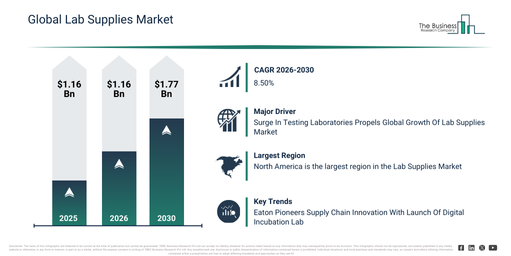
    The lab supplies market is projected to experience substantial growth over the next few years, with its size forecast to reach $60.9 billion by 2030, growing at a compound annual growth rate (CAGR) of 8.5%. This anticipated expansion during the forecast period is primarily driven by escalating investments in life sciences research, an increasing need for advanced diagnostic testing, the broader establishment of automated laboratories, a heightened emphasis on contamination control, and the wider adoption of sustainable laboratory consumables. Significant developments expected in this period include a rising demand for superior quality laboratory consumables, greater uptake of automated laboratory equipment, a reinforced commitment to laboratory safety and compliance, the proliferation of disposable and single-use lab supplies, and enhanced integration of digital laboratory systems.

    Download A Free Sample Report For Comprehensive Market Insights:

    https://www.thebusinessresearchcompany.com/sample.aspx?id=8989&type=smp

    What Core Drivers Are Transforming The Lab Supplies Market?

    The anticipated increase in the number of testing laboratories worldwide is projected to fuel the expansion of the lab supplies market. A testing laboratory serves as a facility where diagnostic evaluations or research endeavors are conducted. These laboratories utilize lab supplies for executing chemical reactions and for the containment of various chemicals. Consequently, a rise in the number of testing laboratories leads to a greater consumption of lab supplies, thereby stimulating the lab supplies market. For instance, in April 2023, data from the International Laboratory Accreditation Cooperation, an Australia-based international organization for accreditation bodies, revealed that from September 2022 to April 2023, ILAC Full Members accredited over 85,000 to 88,000 laboratories, 13,000 to 13,900 inspection bodies, 600 to 604 proficiency testing providers (PTP), and 250 to 260 reference material producers (RMP) across 154 organizations in 129 economies worldwide. This illustrates that the growing global count of testing laboratories is a key driver for the growth of the lab supplies market.

    What Segment Categories Are Evaluated In The Lab Supplies Market Study?

    The lab supplies market covered in this report is segmented –

    1) By Product: Equipment, Disposables

    2) By Application: Biochemistry, Endocrinology, Microbiology, Genetic Testing, Other Applications

    3) By End Users: Academic Institutes, Clinical And Diagnostic Laboratories, Pharmaceutical And Biotechnology Companies, Other End Users

    Subsegments:

    1) By Equipment: Laboratory Instruments, Analytical Equipment, Safety Equipment, Storage Equipment

    2) By Disposables: Glassware, Plasticware, Consumables, Biohazard Bags And Containers

    What Trends Are Influencing The Lab Supplies Market?

    Leading market participants are actively introducing novel and cutting-edge technologies to secure their market presence. These innovative technologies within the lab supplies sector significantly improve efficiency, accuracy, and overall capabilities, thereby driving forward progress in research, diagnostics, and experimental work. For instance, in June 2023, Eaton Corporation, an Ireland-based multinational power management company, established its initial Supply Chain Digital Incubation Lab in Pune, India. This lab is a key component of Eaton’s broader digital transformation and innovation efforts, aimed at fostering advancements in supply chain practices. It operates as both a physical and virtual testing ground where new ideas and technologies related to supply chain management are assessed, evaluated, and validated, with a view towards potential commercialization. This initiative highlights Eaton’s unwavering commitment to integrating digitalization and Industry 4.0 technologies into its operations, alongside enhancing its internal productivity and elevating the customer experience.

    Which Organizations Are Operating Within The Lab Supplies Market?

    Major companies operating in the lab supplies market are Thermo Fisher Scientific Inc., Danaher Corporation, Agilent Technologies Inc., PerkinElmer Inc., Avantor, VWR International, MilliporeSigma, Bio-Rad Laboratories Inc., Bruker Corporation, Eppendorf AG, Cole-Parmer, Sartorius AG, Waters Corporation, Shimadzu Corporation, Corning Inc., BrandTech Scientific Inc., Qiagen N.V., Mettler Toledo, Lab Pro Inc., Fujifilm Holdings Corporation

    Access The Complete Lab Supplies Market Report:

    https://www.thebusinessresearchcompany.com/report/lab-supplies-global-market-report

    Which Region Holds The Largest Share In The Lab Supplies Market?

    North America was the largest region in the lab supplies market in 2025. The regions covered in the lab supplies market report are Asia-Pacific, South East Asia, Western Europe, Eastern Europe, North America, South America, Middle East, Africa.

    Access a Lab Supplies Market Report for Deeper Competitive Insights

    https://www.thebusinessresearchcompany.com/report/lab-supplies-global-market-report

    Browse Through More Reports Similar to the Global Lab Supplies Market 2026, By The Business Research Company

    Laboratory Accessories Market Report 2026

    https://www.thebusinessresearchcompany.com/report/laboratory-accessories-global-market-report

    Central Lab Market Report 2026

    https://www.thebusinessresearchcompany.com/report/central-lab-global-market-report

    Laboratory Testing Services Market Report 2026

    https://www.thebusinessresearchcompany.com/report/laboratory-testing-services-global-market-report

    Get in touch with us:

    The Business Research Company: https://www.thebusinessresearchcompany.com/

    Americas: +1 310-496-7795

    Asia: +44 7882 955267 & +91 8897263534

    Europe: +44 7882 955267

    Email us at: marketing@tbrc.info

    Follow us on:

    LinkedIn: https://in.linkedin.com/company/the-business-research-company

    YouTube: https://www.youtube.com/channel/UC24_fI0rV8cR5DxlCpgmyFQ

    Global Market Model: https://www.thebusinessresearchcompany.com/global-market-model
  • Lab On Chip Market Forecast Analysis Through 2030 With Insights On Industry Expansion

    Lab On Chip Market Forecast Analysis Through 2030 With Insights On Industry Expansion

    The Business Research Company’s 2026 market reports feature advanced enhancements such as market attractiveness analysis, total addressable market evaluation, company benchmarking matrices, interactive Excel dashboards, expanded supply chain intelligence, emerging startup coverage, and detailed product insights, delivering more actionable and strategically valuable research.

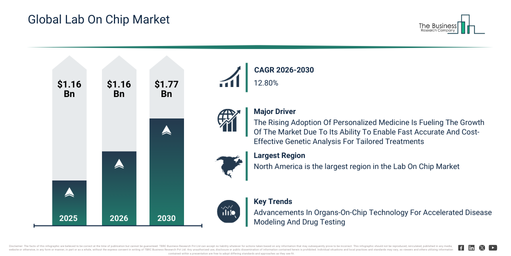
    What Is The Expected Market Size Of The Lab On Chip Market In 2026 And How Much Will It Reach By 2030?

    The lab on chip market has experienced substantial growth in recent years. Its valuation is projected to rise from $8.85 billion in 2025 to $10.02 billion in 2026, reflecting a compound annual growth rate (CAGR) of 13.2%. This historical expansion can be attributed to several factors: advancements in microfluidics technology, an increase in diagnostic testing demand, growing research funding, the necessity for faster clinical results, and the broadening of biotechnology research.

    The lab on chip market is expected to experience swift expansion in the upcoming years. Its size is projected to reach $16.25 billion by 2030, advancing at a compound annual growth rate (CAGR) of 12.8%. This growth over the forecast period can be attributed to the increasing prevalence of decentralized healthcare testing, greater adoption in resource-limited environments, integration with digital health platforms, the broadening scope of personalized diagnostics, and a growing utilization in drug discovery. Significant developments anticipated during this timeframe include the miniaturization of diagnostic devices, an expansion in point-of-care testing, the incorporation of multiple laboratory functions onto a chip, increased deployment of microfluidics, and an escalating demand for rapid diagnostics.

    Download A Free Sample Report For Comprehensive Market Insights:

    https://www.thebusinessresearchcompany.com/sample.aspx?id=28255&type=smp

    Which Growth Factors Are Strengthening The Lab On Chip Market Landscape?

    The increasing embrace of personalized medicine is projected to fuel the expansion of the lab on chip market in the future. This healthcare approach tailors prevention and treatment strategies to an individual’s distinct genetic profile, environmental factors, and lifestyle choices. Its growth stems from progress in genetic testing, which allows treatments to be aligned with a person’s genetic blueprint, thereby boosting efficacy and reducing adverse reactions. Lab-on-chip devices facilitate quick and precise analysis of a patient’s genetic and molecular data, making personalized therapies possible and cutting down on both time and expenditure relative to traditional laboratory techniques. As an illustration, in February 2024, the Personalized Medicine Coalition, a US-based non-profit organization, reported that the Food and Drug Administration (FDA) authorized 16 personalized treatments in 2023 specifically for rare diseases, an increase from the six similar treatments cleared in 2022. Consequently, the expanding use of personalized medicine is a key impetus behind the growth of the lab on chip market.

    How Is The Lab On Chip Market Examined Through Segment Analysis?

    The lab on chip market covered in this report is segmented –

    1) By Product And Service: Reagents And Consumables, Instruments, Software And Services

    2) By Technology: Microfluidics-Based Technology, Micro-Electro-Mechanical Systems (MEMS), Nanolithography, Three-Dimensional (3D) Printing Technology

    3) By Material: Polymers, Glass, Silicon, Paper

    4) By Application: Genomics, Proteomics, Point Of Care Diagnostics, Drug Discovery, Other Applications

    5) By End-User: Biotechnology And Pharmaceuticals Companies, Hospitals, Diagnostics Centers, Academic And Research Institutes, Other End-Users

    Subsegments:

    1) By Reagents And Consumables: Enzymes And Buffers, Deoxyribonucleic Acid (DNA) Or Ribonucleic Acid (RNA) Extraction Kits, Microfluidic Cartridges, Microplates And Pipette Tips, Stains And Dyes

    2) By Instruments: Microfluidic Analyzers, Lab-On-A-Chip Readers, Fluid Handling Systems, Imaging And Detection Systems, Automation And Robotics Platforms

    3) By Software And Services: Data Analysis Software, Lab Management Software, Simulation And Modeling Software, Custom Development Services, Maintenance And Support Services

    Which Trends Are Guiding The Development Of The Lab On Chip Market?

    Key players within the lab on chip market are dedicating efforts to creating advanced technological solutions, such as instruments built on organ-on-chip technology, to expedite disease modeling and bolster personalized medicine applications. Instruments utilizing organs-on-chip technology are microfluidic devices that replicate human organ structure and function, thereby allowing precise simulation of biological processes and enabling accurate drug testing and disease modeling outside the body. For example, in September 2023, NETRI, a France-based company providing neuro-organs-on-chip technologies, released organs-on-chip kits. These kits are engineered to facilitate quicker and more predictive preclinical testing by integrating organs-on-chips into healthcare research. Supporting cells from various species, these kits enable cross-species in vitro studies with predictive clinical insights, which accelerates the development of drug candidates and diminishes reliance on animal models. This launch signifies a crucial step toward the widespread adoption of groundbreaking organs-on-chip technology in medical research.

    Who Are The Businesses Driving Activity In The Lab On Chip Market?

    Major companies operating in the lab on chip market are F. Hoffmann-La Roche Ltd., Merck KGaA, Thermo Fisher Scientific Inc., Danaher Corporation, Agilent Technologies Inc., Illumina Inc., Revvity Inc., Bio-Rad Laboratories Inc., QIAGEN N.V., Tecan Group Ltd, QuantuMDx Group Ltd., InSphero, Micronit B.V., MesoBioTech, Mimetas, Achira Labs Pvt. Ltd., Elvesys, Beonchip, Lab Chip Technologies, Sphere Bio.

    Access The Complete Lab On Chip Market Report:

    https://www.thebusinessresearchcompany.com/report/lab-on-chip-global-market-report

    Which Region Is The Dominant Market In The Lab On Chip Market?

    North America was the largest region in the lab on chip market in 2025. Asia-Pacific is expected to be the fastest-growing region in the forecast period. The regions covered in the lab on chip market report are Asia-Pacific, South East Asia, Western Europe, Eastern Europe, North America, South America, Middle East, Africa.

    Access a Lab On Chip Market Report for Deeper Competitive Insights

    https://www.thebusinessresearchcompany.com/report/lab-on-chip-global-market-report

    Browse Through More Reports Similar to the Global Lab On Chip Market 2026, By The Business Research Company

    Organ On Chip Market 2026

    https://www.thebusinessresearchcompany.com/report/organ-on-chip-market

    System On Chip Market Report 2026

    https://www.thebusinessresearchcompany.com/report/system-on-chip-global-market-report

    Artificial Intelligence Chip Market Report 2026

    https://www.thebusinessresearchcompany.com/report/artificial-intelligence-chip-global-market-report

    Get in touch with us:

    The Business Research Company: https://www.thebusinessresearchcompany.com/

    Americas: +1 310-496-7795

    Asia: +44 7882 955267 & +91 8897263534

    Europe: +44 7882 955267

    Email us at: marketing@tbrc.info

    Follow us on:

    LinkedIn: https://in.linkedin.com/company/the-business-research-company

    YouTube: https://www.youtube.com/channel/UC24_fI0rV8cR5DxlCpgmyFQ

    Global Market Model: https://www.thebusinessresearchcompany.com/global-market-model