Category: Medical Equipment

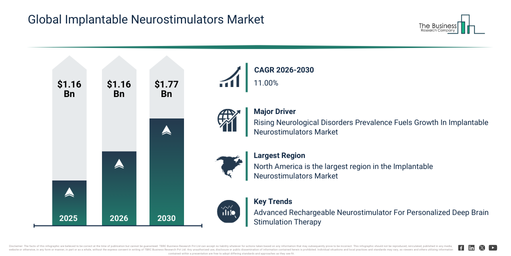
  • Implantable Neurostimulators Market Revenue Anticipated To Reach $11.43 Billion By 2030 With 11% CAGR

    Implantable Neurostimulators Market Revenue Anticipated To Reach $11.43 Billion By 2030 With 11% CAGR

    The Business Research Company’s 2026 market reports feature advanced enhancements such as market attractiveness analysis, total addressable market evaluation, company benchmarking matrices, interactive Excel dashboards, expanded supply chain intelligence, emerging startup coverage, and detailed product insights, delivering more actionable and strategically valuable research.

    How Will The Market Value Of The Implantable Neurostimulators Market Change Between 2026 And 2030?

    The implantable neurostimulators market has seen rapid expansion in recent years. It is forecast to grow from $6.76 billion in 2025 to $7.52 billion in 2026, exhibiting a compound annual growth rate (CAGR) of 11.4%. The historical growth of this market can be ascribed to several factors, including the increasing occurrence of chronic pain conditions, the swift adoption of spinal cord stimulation therapies, a lack of alternatives to pharmacological pain management, a rise in neurological disorder diagnosis rates, and an increase in hospital-based neurosurgical procedures.

    The implantable neurostimulators market is projected to experience swift expansion in the coming years, reaching $11.44 billion by 2030, with a compound annual growth rate (CAGR) of 11.0%. This anticipated growth is driven by several factors, including developments in neurostimulation technology, broader applications for conditions such as Parkinson’s disease and epilepsy, a growing elderly population suffering from neurological issues, increasing clinical data favoring neuromodulation, and better reimbursement policies and healthcare accessibility. Key trends during this period are expected to involve the wider use of implantable neurostimulators for managing chronic pain, a greater inclination towards rechargeable neurostimulation units, an increasing need for less invasive neuromodulation treatments, a broadening of therapeutic indications beyond pain and movement disorders, and a heightened emphasis on the durability of devices and patient well-being.

    Download A Free Sample Report For Comprehensive Market Insights:

    https://www.thebusinessresearchcompany.com/sample.aspx?id=20566&type=smp

    What Market Drivers Are Helping Shape The Implantable Neurostimulators Market Expansion?

    The increasing occurrence of neurological disorders is poised to fuel the expansion of the implantable neurostimulators market. These disorders are conditions that impact the nervous system, including the brain and spinal cord, thereby influencing functions such as movement and cognition. The surge in neurological disorders is largely due to the aging population, as extended lifespans render individuals more susceptible to conditions like Alzheimer’s and Parkinson’s. Neurostimulators are implanted devices engineered to deliver electrical impulses, controlling symptoms such as tremors and pain, commonly seen in conditions like epilepsy and Parkinson’s. For instance, in October 2023, the World Federation of Neurology, a UK-based association of national neurological societies, indicated that over 40% of the global population currently endures some neurological condition, and this burden is forecasted to nearly double by 2050. Thus, the escalating prevalence of neurological disorders is a significant impetus for the growth of the implantable neurostimulators market.

    How Is Segment Classification Applied In The Implantable Neurostimulators Market?

    The implantable neurostimulators market covered in this report is segmented –

    1) By Product Type: Spinal Cord Stimulators, Deep Brain Stimulators, Sacral Nerve Stimulators, Vagus Nerve Stimulators, Other Product Types

    2) By Application: Pain Management, Parkinson’s Disease, Urinary And Fecal Incontinence, Epilepsy, Gastroparesis, Other Applications

    3) By End-Use: Hospitals, Ambulatory Surgical Centers (ASCs), Other End-Uses

    Subsegments:

    1) By Spinal Cord Stimulators: Conventional Spinal Cord Stimulators, Rechargeable Spinal Cord Stimulators, Non-Rechargeable Spinal Cord Stimulators, High-Frequency Spinal Cord Stimulators

    2) By Deep Brain Stimulators: Single Lead Deep Brain Stimulators, Dual Lead Deep Brain Stimulators, Rechargeable Deep Brain Stimulators, Non-Rechargeable Deep Brain Stimulators

    3) By Sacral Nerve Stimulators: Rechargeable Sacral Nerve Stimulators, Non-Rechargeable Sacral Nerve Stimulators, Implantable Pulse Generators For Sacral Nerve Stimulation

    4) By Vagus Nerve Stimulators: Rechargeable Vagus Nerve Stimulators, Non-Rechargeable Vagus Nerve Stimulators, Vagus Nerve Stimulation Systems For Epilepsy Treatment

    5) By Other Product Types: Transcranial Magnetic Stimulation (TMS) Devices, Peripheral Nerve Stimulators, Cochlear Implants

    What Trends Are Driving Changes In The Implantable Neurostimulators Market?

    Leading companies in the implantable neurostimulators market are focusing on advanced innovations, including next-generation rechargeable systems that enhance existing Deep Brain Stimulation (DBS) solutions and support more personalized treatment for movement-disorder patients. These new devices offer extended battery life, customizable therapy settings, and real-time brain-signal sensing in a compact, patient-friendly format. For instance, in December 2024, Medtronic, a US-based medical technology company, launched its FDA-approved Percept RC neurostimulator in India for conditions such as Parkinson’s disease, essential tremor, dystonia, and epilepsy. The Percept RC is the smallest and thinnest dual-channel rechargeable neurostimulator, equipped with BrainSense technology to record and interpret brain activity for optimized, individualized therapy adjustments. It features a long-lasting battery designed to exceed 15 years, fast recharging, full-body MRI compatibility under specific guidelines, and software-update readiness for future enhancements, ultimately enabling more data-driven and adaptive deep brain stimulation therapy.

    Which Companies Form The Competitive Landscape Of The Implantable Neurostimulators Market?

    Major companies operating in the implantable neurostimulators market are Abbott Laboratories, Medtronic plc, Boston Scientific Corporation, LivaNova plc, Inspire Medical Systems Inc., Nevro Corporation, Axonics Inc., Cirtec Medical Systems LLC, SPR Therapeutics Inc., BlueWind Medical Ltd., NeuroPace Inc., Bioness Inc., ReShape Lifesciences Inc., Synapse Biomedical Inc., Autonomic Technologies Inc., Comphya SA, Mainstay Medical Holdings plc, Sigenics Inc., Nalu Medical Inc., Aleva Neurotherapeutics SA, Nuvectra Corporation

    Access The Complete Implantable Neurostimulators Market Report:

    https://www.thebusinessresearchcompany.com/report/implantable-neurostimulators-global-market-report

    What Is The Largest Regional Market In The Implantable Neurostimulators Market?

    North America was the largest region in the implantable neurostimulators market in 2025. Asia-Pacific is expected to be the fastest-growing region in the forecast period. The regions covered in the implantable neurostimulators market report are Asia-Pacific, South East Asia, Western Europe, Eastern Europe, North America, South America, Middle East, Africa.

    Access a Implantable Neurostimulators Market Report for Deeper Competitive Insights

    https://www.thebusinessresearchcompany.com/report/implantable-neurostimulators-global-market-report

    Browse Through More Reports Similar to the Global Implantable Neurostimulators Market 2026, By The Business Research Company

    Pediatric Neurology Device Market Report 2026

    https://www.thebusinessresearchcompany.com/report/pediatric-neurology-device-global-market-report

    Neurology Devices Market Report 2026

    https://www.thebusinessresearchcompany.com/report/neurology-devices-global-market-report

    Interventional Neurology Devices And Equipment Market Report 2026

    https://www.thebusinessresearchcompany.com/report/interventional-neurology-devices-and-equipment-global-market-report

    Get in touch with us:

    The Business Research Company: https://www.thebusinessresearchcompany.com/

    Americas: +1 310-496-7795

    Asia: +44 7882 955267 & +91 8897263534

    Europe: +44 7882 955267

    Email us at: marketing@tbrc.info

    Follow us on:

    LinkedIn: https://in.linkedin.com/company/the-business-research-company

    YouTube: https://www.youtube.com/channel/UC24_fI0rV8cR5DxlCpgmyFQ

    Global Market Model: https://www.thebusinessresearchcompany.com/global-market-model

  • Implantable Neurostimulation Devices Market Outlook Assessing Future Opportunities And Growth Prospects

    Implantable Neurostimulation Devices Market Outlook Assessing Future Opportunities And Growth Prospects

    The Business Research Company’s 2026 market reports feature advanced enhancements such as market attractiveness analysis, total addressable market evaluation, company benchmarking matrices, interactive Excel dashboards, expanded supply chain intelligence, emerging startup coverage, and detailed product insights, delivering more actionable and strategically valuable research.

    What Is The Forecasted Rise In Market Size Of The Implantable Neurostimulation Devices Market During The Forecast Period?

    The market size for implantable neurostimulation devices has expanded considerably in recent years. It is anticipated to increase from $5.62 billion in 2025 to $6.27 billion in 2026, achieving a compound annual growth rate (CAGR) of 11.7%. The expansion observed in the past can be linked to factors such as the increasing occurrence of neurological conditions, the wider availability of pain management treatments, the adoption of implantable stimulation technologies, the rising clinical acceptance of neuromodulation, and the accessibility of implantable electronic systems.

    The market for implantable neurostimulation devices is projected to experience substantial expansion over the coming years. This market is anticipated to reach $10.02 billion by 2030, exhibiting a compound annual growth rate (CAGR) of 12.4%. Factors contributing to this growth during the forecast period include a heightened demand for non-drug treatments, a stronger emphasis on precise neuromodulation, the proliferation of outpatient neurological care, increasing investment into brain-machine interface studies, and advancements in stimulation algorithm innovation. Key trends expected within this timeframe involve the wider implementation of sophisticated neurostimulation methods, an increase in the uptake of rechargeable stimulation units, the expanding application of tailored neuromodulation therapies, the broadening of neurostimulation systems for multiple conditions, and a greater emphasis on the enduring efficacy of treatments.

    Download A Free Sample Report For Comprehensive Market Insights:

    https://www.thebusinessresearchcompany.com/sample.aspx?id=19520&type=smp

    Which Significant Factors Are Encouraging Growth In The Implantable Neurostimulation Devices Market?

    The increasing incidence of neurological conditions is anticipated to drive the expansion of the implantable neurostimulation device market in the future. Neurological disorders are defined as ailments impacting the structure or function of the nervous system, leading to symptoms like paralysis, seizures, and difficulties with cognition. Greater exposure to risk factors, including elevated blood pressure, congenital anomalies, or physical trauma, contributes to an increase in the diagnosis of neurological disorders. When other therapeutic options prove ineffective or insufficient, implantable neurostimulation devices are employed for neurological disorders to modify nerve activity and reduce symptoms. As an illustration, in 2024, data from the Alzheimer’s Association, a non-profit health organization based in the US, indicates that approximately 6.9 million Americans aged 65 and above are afflicted with Alzheimer’s disease, with 73% of these individuals being 75 years or older. This figure is forecast to reach 12.7 million by 2050. Consequently, the growing occurrence of neurological disorders will propel the implantable neurostimulation device market.

    What Are The Core Segment Classifications In The Implantable Neurostimulation Devices Market?

    The implantable neurostimulation devices market covered in this report is segmented –

    1) By Type: Spinal Cord Stimulation (SCS), Gastric Electric Stimulation (GES), Deep Brain Stimulation (DBS), Sacral Nerve Stimulation (SNS), Vagus Nerve Stimulation (VNS), Other Types

    2) By Application: Pain Management, Parkinson’s Disease, Urinary And Fecal Incontinence, Epilepsy, Gastroparesis, Other Applications

    3) By End-User: Hospitals, Clinics, Ambulatory Surgical Centers

    Subsegments:

    1) By Spinal Cord Stimulation (SCS): Rechargeable SCS Devices, Non-Rechargeable SCS Devices

    2) By Gastric Electric Stimulation (GES): Implantable Gastric Stimulators, Adjustable Gastric Stimulators

    3) By Deep Brain Stimulation (DBS): DBS Devices for Movement Disorders, DBS Devices for Psychiatric Disorders

    4) By Sacral Nerve Stimulation (SNS): SNS Devices for Urinary Incontinence, SNS Devices for Fecal Incontinence

    5) By Vagus Nerve Stimulation (VNS): VNS Devices for Epilepsy, VNS Devices for Depression

    6) By Other Types: Peripheral Nerve Stimulation (PNS), Cortical Stimulation Devices, Novel Neurostimulation Technologies

    Which Trends Are Shaping The Implantable Neurostimulation Devices Market Landscape?

    Leading firms within the implantable neurostimulation devices market are concentrating on creating sophisticated systems, including rechargeable brain-sensing neurostimulators, aimed at providing more tailored and responsive treatment for individuals afflicted with movement and neurological conditions. These rechargeable brain-sensing neurostimulators are implanted devices engineered to log brain signals in real-time, simultaneously delivering focused stimulation, thereby allowing medical professionals to fine-tune therapy with greater accuracy according to specific neural activity and evolving treatment requirements. As an illustration, during January 2024, Medtronic, a medical device company situated in the US, publicized the U.S. Food and Drug Administration (FDA) clearance for its Percept RC neurostimulator. This rechargeable deep brain stimulation (DBS) system incorporates proprietary BrainSense technology, which monitors and records brain signals to facilitate the optimization of individualized therapy. This particular device boasts an extended operational lifespan of at least 15 years, offers versatile and directional stimulation programming, and includes quick recharging functionalities, presenting patients with a more enduring and adaptable treatment choice for handling movement disorders.

    Who Are The Key Market Participants In The Implantable Neurostimulation Devices Market?

    Major companies operating in the implantable neurostimulation devices market are Abbott Laboratories, Medtronic PLC, Boston Scientific Corporation, St. Jude Medical LLC, LivaNova PLC, Nevro Corp., Axonics Inc., NeuroPace Inc., Bioness Inc., Saluda Medical Pty Ltd., SceneRay Co. Ltd., NeuroMetrix Inc., Synapse Biomedical Inc., NeuroSigma Inc., Nuvectra Corporation, MicroTransponder Inc., Curonix LLC, Inspire Medical Systems Inc., SetPoint Medical Corporation, ElectroCore Inc.

    Access The Complete Implantable Neurostimulation Devices Market Report:

    https://www.thebusinessresearchcompany.com/report/implantable-neurostimulation-devices-global-market-report

    Which Region Contributes The Most To The Implantable Neurostimulation Devices Market?

    North America was the largest region in the implantable neurostimulation devices market in 2025. Asia-Pacific is expected to be the fastest-growing region in the forecast period. The regions covered in the implantable neurostimulation devices market report are Asia-Pacific, South East Asia, Western Europe, Eastern Europe, North America, South America, Middle East, Africa.

    Access a Implantable Neurostimulation Devices Market Report for Deeper Competitive Insights

    https://www.thebusinessresearchcompany.com/report/implantable-neurostimulation-devices-global-market-report

    Browse Through More Reports Similar to the Global Implantable Neurostimulation Devices Market 2026, By The Business Research Company

    Neurostimulation Devices Market Report 2026

    https://www.thebusinessresearchcompany.com/report/neurostimulation-devices-global-market-report

    Internal Neuromodulation Devices Market Report 2026

    https://www.thebusinessresearchcompany.com/report/internal-neuromodulation-devices-global-market-report

    Neural Implants Market Report 2026

    https://www.thebusinessresearchcompany.com/report/neural-implants-global-market-report

    Get in touch with us:

    The Business Research Company: https://www.thebusinessresearchcompany.com/

    Americas: +1 310-496-7795

    Asia: +44 7882 955267 & +91 8897263534

    Europe: +44 7882 955267

    Email us at: marketing@tbrc.info

    Follow us on:

    LinkedIn: https://in.linkedin.com/company/the-business-research-company

    YouTube: https://www.youtube.com/channel/UC24_fI0rV8cR5DxlCpgmyFQ

    Global Market Model: https://www.thebusinessresearchcompany.com/global-market-model

  • Implantable Medical Devices Market Industry Forecast Reflecting Growth To $148.87 Billion By 2030

    Implantable Medical Devices Market Industry Forecast Reflecting Growth To $148.87 Billion By 2030

    The Business Research Company’s 2026 market reports feature advanced enhancements such as market attractiveness analysis, total addressable market evaluation, company benchmarking matrices, interactive Excel dashboards, expanded supply chain intelligence, emerging startup coverage, and detailed product insights, delivering more actionable and strategically valuable research.

    How Is The Implantable Medical Devices Market’s Market Value Anticipated To Evolve From 2026 To 2030?

    The implantable medical devices market has experienced robust growth in recent years. It is anticipated to expand from $109.97 billion in 2025 to $117.13 billion in 2026, reflecting a compound annual growth rate (CAGR) of 6.5%. The historic period’s growth can be attributed to factors such as the limited availability of advanced implant materials, a reliance on conventional metallic and polymer implants, the growing prevalence of cardiovascular and orthopedic disorders, an increase in surgical procedures performed in hospitals, and heightened awareness of implant-based therapies.

    The implantable medical devices market size is anticipated to experience robust expansion over the coming years. It is projected to reach $148.87 billion by 2030, exhibiting a compound annual growth rate (CAGR) of 6.2%. This projected growth can be ascribed to several factors, including the advancement of bioresorbable and smart implants, an increasing need for tailored and patient-specific implants, the proliferation of minimally invasive surgical methods, the broadening application of cochlear and neural interface implants, and the incorporation of AI with digital monitoring technologies. Key trends anticipated during this period encompass a surge in the uptake of cardiovascular and orthopedic implants, a growing preference for minimally invasive implant procedures, the evolution of personalized and customizable implants, wider use of neurostimulator and drug delivery implants, and improved adherence to regulatory compliance and safety standards.

    Download A Free Sample Report For Comprehensive Market Insights:

    https://www.thebusinessresearchcompany.com/sample.aspx?id=24569&type=smp

    What Core Drivers Are Transforming The Implantable Medical Devices Market?

    The future expansion of the implantable medical devices market is expected to be propelled by the increasing demand for minimally invasive surgical procedures. These procedures refer to medical interventions performed through small incisions or openings, thereby reducing patient trauma and recovery time. The growing demand for minimally invasive surgical procedures is attributed to their benefits, including shorter recovery times, reduced risks of complications, less pain, and smaller scars, which makes them more attractive to patients seeking quicker and safer treatment options. Implantable medical devices enhance minimally invasive surgical procedures by enabling targeted treatment delivery and real-time monitoring. They facilitate faster recovery, decrease the risk of complications, and improve long-term patient outcomes through personalized, precise interventions. For instance, in November 2024, according to the American Society of Plastic Surgeons, a US-based non-profit organization, the total number of cosmetic minimally invasive procedures reached 25,442,640 in 2023, marking a 7% increase from 23,672,269 in 2022. Consequently, the rising demand for minimally invasive surgical procedures is a significant driver for the growth of the implantable medical devices market.

    How Is The Implantable Medical Devices Market Structured Across Different Market Segments?

    The implantable medical devices market covered in this report is segmented –

    1) By Product Type: Cardiovascular Implants, Orthopedic Implants, Ophthalmology Implants, Dental Implants, Cochlear Implants, Microchip Implants, Other Product Types

    2) By Biomaterial: Ceramic, Metallic, Polymers, Natural

    3) By End Use: Hospitals, Ambulatory Surgical Centers, Multi-Specialty Centers, Clinics, Other End Uses

    Subsegments:

    1) By Cardiovascular Implants: Pacemakers, Implantable Cardioverter Defibrillators, Stents, Heart Valves, Cardiac Resynchronization Therapy Devices

    2) By Orthopedic Implants: Hip Implants, Knee Implants, Spinal Implants, Shoulder Implants, Trauma Implants

    3) By Ophthalmology Implants: Intraocular Lenses, Glaucoma Drainage Implants, Corneal Implants, Retinal Implants

    4) By Dental Implants: Endosteal Implants, Subperiosteal Implants, Zygomatic Implants, Mini Dental Implants

    5) By Cochlear Implants: Unilateral Cochlear Implants, Bilateral Cochlear Implants

    6) By Microchip Implants: Radiofrequency Identification Implants, Biosensor Microchips, Neural Interface Microchips

    7) By Other Product Types: Neurostimulators, Contraceptive Implants, Drug Delivery Implants, Breast Implants, Penile Implants

    What Trends Are Influencing The Implantable Medical Devices Market Outlook?

    Leading companies within the implantable medical devices market are concentrating on creating cutting-edge products and securing necessary approvals, including advancements like bioelectric medicine. This initiative aims to improve treatment effectiveness, minimize adverse effects, and provide customized, less invasive therapeutic options. Bioelectric medicine represents a domain that utilizes electrical impulses to identify, treat, or stimulate the body’s nervous system, thereby enhancing health and managing various illnesses. An example is Boston Scientific Corporation, a US-based biotechnology firm, which in July 2023 obtained U.S. Food and Drug Administration (FDA) approval for its Vercise Neural Navigator 5 Software. This software, when integrated with Vercise Genus deep brain stimulation (DBS) systems, furnishes clinicians with straightforward and practical data for effective programming during the treatment of individuals with Parkinson’s disease or essential tremor. The software further offers improved programming flexibility, facilitating customized treatment strategies that can adjust to the distinct symptoms and requirements of individual patients.

    Which Organizations Are Operating Within The Implantable Medical Devices Market?

    Major companies operating in the implantable medical devices market are Johnson & Johnson, Abbott Laboratories, Medtronic plc, Stryker Corporation, Boston Scientific Corporation, Alcon Inc., Zimmer Biomet Holdings Inc., Terumo Corporation, Terumo Medical Corporation, Smith & Nephew plc, W. L. Gore & Associates Inc., Edwards Lifesciences Corporation, Dentsply Sirona Inc., Demant A S, Institut Straumann AG, Biotronik SE & Co. KG, Integra LifeSciences Holdings Corporation, Globus Medical Inc., LivaNova Public Limited Company, MicroPort Scientific Corporation, B. Braun Melsungen Aktiengesellschaft, Cochlear Limited

    Access The Complete Implantable Medical Devices Market Report:

    https://www.thebusinessresearchcompany.com/report/implantable-medical-devices-global-market-report

    Which Regional Market Leads The Implantable Medical Devices Market?

    North America was the largest region in the implantable medical devices market in 2025. Asia-Pacific is expected to be the fastest-growing region in the forecast period. The regions covered in the implantable medical devices market report are Asia-Pacific, South East Asia, Western Europe, Eastern Europe, North America, South America, Middle East, Africa.

    Access a Implantable Medical Devices Market Report for Deeper Competitive Insights

    https://www.thebusinessresearchcompany.com/report/implantable-medical-devices-global-market-report

    Browse Through More Reports Similar to the Global Implantable Medical Devices Market 2026, By The Business Research Company

    Implantable Drug Delivery Devices Market Report 2026

    https://www.thebusinessresearchcompany.com/report/implantable-drug-delivery-devices-global-market-report

    Microelectronic Medical Implants Market Report 2026

    https://www.thebusinessresearchcompany.com/report/microelectronic-medical-implants-global-market-report

    Smart Implants Market Report 2026

    https://www.thebusinessresearchcompany.com/report/smart-implants-global-market-report

    Get in touch with us:

    The Business Research Company: https://www.thebusinessresearchcompany.com/

    Americas: +1 310-496-7795

    Asia: +44 7882 955267 & +91 8897263534

    Europe: +44 7882 955267

    Email us at: marketing@tbrc.info

    Follow us on:

    LinkedIn: https://in.linkedin.com/company/the-business-research-company

    YouTube: https://www.youtube.com/channel/UC24_fI0rV8cR5DxlCpgmyFQ

    Global Market Model: https://www.thebusinessresearchcompany.com/global-market-model

  • Implantable Loop Recorders Market Forecast Analysis Through 2030 With Insights On Industry Expansion

    Implantable Loop Recorders Market Forecast Analysis Through 2030 With Insights On Industry Expansion

    The Business Research Company’s 2026 market reports feature advanced enhancements such as market attractiveness analysis, total addressable market evaluation, company benchmarking matrices, interactive Excel dashboards, expanded supply chain intelligence, emerging startup coverage, and detailed product insights, delivering more actionable and strategically valuable research.

    By 2030, How Much Growth In Market Size Is Expected For The Implantable Loop Recorders Market?

    The implantable loop recorders market size has experienced significant expansion over recent years. Its projected growth is from $1.91 billion in 2025 to $2.21 billion in 2026, achieving a compound annual growth rate (CAGR) of 16.0%. This historical increase is primarily due to the rising prevalence of cardiac arrhythmias, greater adoption of implantable monitoring devices, the expansion of cardiac care facilities, continuous advancements in device miniaturization, and an increase in remote patient monitoring.

    The market for implantable loop recorders is projected to experience substantial expansion in the coming years. This market is anticipated to reach $3.97 billion by 2030, exhibiting a compound annual growth rate (CAGR) of 15.8%. This projected growth is driven by factors such as a heightened demand for prompt arrhythmia detection, the increasing implementation of telecardiology solutions, the broadening scope of home-based cardiac monitoring, advancements in battery life technology, and greater investments in digital cardiac health initiatives. Key trends during this period encompass the wider acceptance of remote cardiac monitoring devices, the escalating utilization of continuous rhythm monitoring systems, the increasing incorporation of AI-based arrhythmia detection, the development of minimally invasive cardiac diagnostics, and an intensified emphasis on extended patient monitoring.

    Download A Free Sample Report For Comprehensive Market Insights:

    https://www.thebusinessresearchcompany.com/sample.aspx?id=8737&type=smp

    Which Growth Factors Are Strengthening The Implantable Loop Recorders Market Landscape?

    An anticipated surge in cardiac conditions is projected to boost the implantable loop recorder market in the coming years. These conditions, which impact the heart and its vascular system, represent a primary global contributor to illness and fatalities. The increase in cardiac health issues stems from factors including an aging global population, inactive lifestyles, and a higher incidence of co-existing conditions like diabetes and hypertension, thereby escalating the necessity for ongoing heart rhythm surveillance. Implantable loop recorders play a crucial role in cardiac care, facilitating extended surveillance of patients’ heart functions and aiding in prompt diagnosis and therapeutic interventions. For example, data from January 2024 published by the American Heart Association, a US-based non-profit, indicated that the age-adjusted mortality rate for cardiovascular disease reached 233.3 per 100,000 in 2024, showing a 4.0% rise from 224.4 per 100,000 recorded in 2023. Consequently, the worldwide increase in cardiac illnesses is stimulating the expansion of the implantable loop recorder market.

    Implantable Loop Recorders Market Driver: Rising Aging Population Fuels Surge In Demand For Implantable Loop Recorders

    Which Segment-Based Categories Are Covered In The Implantable Loop Recorders Market?

    The implantable loop recorders market covered in this report is segmented –

    1) By Product: Manual, Automatic

    2) By Application: Atrial fibrillation, Cardiac Arrhythmia, Cardiac Syncope

    3) By End Users: Hospitals, Cardiac Centers And Clinics, Ambulatory Surgical Centers

    Subsegments:

    1) By Manual: Manual Activation Loop Recorders, Handheld Programming Devices

    2) By Automatic: Continuous Monitoring Loop Recorders, Event-Triggered Loop Recorders

    Which Trends Are Expected To Shape The Implantable Loop Recorders Market?

    Key companies in the implantable loop recorder market are prioritizing the development of innovative solutions, such as artificial intelligence (AI)-driven cardiac monitors, to enhance the detection and accurate diagnosis of cardiac arrhythmias. An AI-based cardiac monitor functions as a medical device that constantly oversees heart activity, leveraging AI algorithms to process data in real-time, identify anomalies, and anticipate potential cardiac events for timely medical intervention. For example, in September 2023, BIOTRONIK SE & Co. KG, a medical device company based in Germany, released the BIOMONITOR IV implantable cardiac monitor (ICM), which combines its SmartECG technology with artificial intelligence (AI) to revolutionize cardiac arrhythmia monitoring. The BIOMONITOR IV aims to offer exceptional efficiency in identifying and diagnosing cardiac irregularities.

    Who Are The Businesses Driving Activity In The Implantable Loop Recorders Market?

    Major companies operating in the implantable loop recorders market are Abbott Laboratories, Medtronic PLC, BIOTRONIK, Boston Scientific Corporation, Vectorious, Angel Medical Systems Inc., Implicity, EBR Systems Inc., Cardiac Insight Inc., iRhythm Technologies Inc., Acutus Medical Inc., LifeWatch AG, Osypka Medical GmbH, BioTelemetry Inc., Philips Healthcare, GE HealthCare Technologies Inc., Siemens Healthineers, ZOLL Medical Corporation, CardioNet, AliveCor

    Access The Complete Implantable Loop Recorders Market Report:

    https://www.thebusinessresearchcompany.com/report/implantable-loop-recorders-global-market-report

    Which Region Holds The Largest Share In The Implantable Loop Recorders Market?

    North America was the largest region in the implantable loop recorder market in 2025. Asia-Pacific is expected to be the fastest-growing region in the forecast period. The regions covered in the implantable loop recorders market report are Asia-Pacific, South East Asia, Western Europe, Eastern Europe, North America, South America, Middle East, Africa.

    Access a Implantable Loop Recorders Market Report for Deeper Competitive Insights

    https://www.thebusinessresearchcompany.com/report/implantable-loop-recorders-global-market-report

    Browse Through More Reports Similar to the Global Implantable Loop Recorders Market 2026, By The Business Research Company

    Active Implantable Medical Devices Market Report 2026

    https://www.thebusinessresearchcompany.com/report/active-implantable-medical-devices-global-market-report

    Smart Implants Market Report 2026

    https://www.thebusinessresearchcompany.com/report/smart-implants-global-market-report

    Implantable Drug Delivery Devices Market Report 2026

    https://www.thebusinessresearchcompany.com/report/implantable-drug-delivery-devices-global-market-report

    Get in touch with us:

    The Business Research Company: https://www.thebusinessresearchcompany.com/

    Americas: +1 310-496-7795

    Asia: +44 7882 955267 & +91 8897263534

    Europe: +44 7882 955267

    Email us at: marketing@tbrc.info

    Follow us on:

    LinkedIn: https://in.linkedin.com/company/the-business-research-company

    YouTube: https://www.youtube.com/channel/UC24_fI0rV8cR5DxlCpgmyFQ

    Global Market Model: https://www.thebusinessresearchcompany.com/global-market-model

  • Implantable Insulin Pump Market Growth Outlook Indicating Expansion To $6.08 Billion By 2030

    Implantable Insulin Pump Market Growth Outlook Indicating Expansion To $6.08 Billion By 2030

    The Business Research Company’s 2026 market reports feature advanced enhancements such as market attractiveness analysis, total addressable market evaluation, company benchmarking matrices, interactive Excel dashboards, expanded supply chain intelligence, emerging startup coverage, and detailed product insights, delivering more actionable and strategically valuable research.

    What Market Value Trend Is Expected For The Implantable Insulin Pump Market From 2026 To 2030?

    The implantable insulin pump market has experienced significant expansion recently. Looking ahead, its valuation is projected to rise from $3.88 billion in 2025 to $4.26 billion in 2026, exhibiting a compound annual growth rate (CAGR) of 9.7%. Historically, this expansion has been driven by several factors, including the rising prevalence of type 1 diabetes, the drawbacks associated with multiple daily insulin injections, the initial advancements in implantable pump technology, increasing recognition of intensive insulin therapy, and established hospital-based diabetes management practices.

    The implantable insulin pump market is anticipated to experience substantial expansion in the coming years, reaching a valuation of $6.09 billion by 2030, exhibiting a compound annual growth rate (CAGR) of 9.3%.

    This anticipated growth during the forecast period stems from factors such as the increasing uptake of automated insulin delivery systems, progress in implantable medical device design, a greater need for personalized diabetes care, the growth of home-based diabetes management solutions, and supportive reimbursement policies along with regulatory frameworks.

    Key trends expected over the forecast period encompass an increasing embrace of implantable insulin delivery systems, a rising inclination towards closed-loop insulin pumps, better glycemic management achieved via continuous insulin infusion, broader acceptance of long-term implantable diabetes devices, and a heightened emphasis on patient ease of use and adherence to therapy.

    Download A Free Sample Report For Comprehensive Market Insights:

    https://www.thebusinessresearchcompany.com/sample.aspx?id=20565&type=smp

    What Important Drivers Are Powering The Implantable Insulin Pump Market Growth?

    The escalating occurrence of diabetes is projected to drive the growth of the implantable insulin pump market moving forward. Diabetes is a chronic health condition characterized by the body’s inability to effectively manage blood sugar levels, either due to insufficient insulin production or cells failing to utilize insulin properly. The increase in diabetes cases is influenced by factors such as higher obesity levels, inadequate physical activity, unhealthy eating patterns, and an aging population. An implantable insulin pump facilitates precise, continuous insulin administration, which helps stabilize blood glucose levels, reduce the frequency of injections, and improve overall diabetes management and quality of life. For instance, in May 2024, according to Diabetes UK, a UK-based charity dedicated to people with diabetes, there are over 5.6 million people in the UK living with diabetes, and the 2022–23 figures indicate an increase of 167,822 cases compared to the previous year. Thus, the rising incidence of diabetes is propelling the growth of the implantable insulin pump market.

    What Are The Major Segment Categories Within The Implantable Insulin Pump Market?

    The implantable insulin pump market covered in this report is segmented –

    1) By Type: Fully Implantable Insulin Pump, Semi-Implantable Insulin Pump

    2) By Application: Type 1 Diabetes, Type 2 Diabetes

    3) By End-User: Hospitals, Diabetes Clinics, Home-Care

    Subsegments:

    1) By Fully Implantable Insulin Pump: Fully Automated Implantable Insulin Pump, Implantable Insulin Pump with Continuous Glucose Monitoring (CGM), Implantable Insulin Pump with Adaptive Insulin Delivery

    2) By Semi-Implantable Insulin Pump: Semi-Automated Semi-Implantable Insulin Pump, Basal-Bolus Semi-Implantable Insulin Pump, Patch-Assisted Semi-Implantable Insulin Pump, Remote-Controlled Semi-Implantable Insulin Pump

    What Trends Are Affecting The Implantable Insulin Pump Market Dynamics?

    Leading companies in the implantable insulin pump market are increasingly forming strategic alliances to develop high-concentration, thermostable insulin formulations specifically designed for next-generation implantable pumps. For instance, in May 2024, Arecor Therapeutics plc, a US-based biopharmaceutical company, entered into a partnership with Medtronic Diabetes, a US-based medical technology company, to create a novel insulin leveraging Arecor’s Arestat technology platform. This advanced formulation is intended for a small cohort of patients who have limited alternatives with conventional insulin delivery methods. The new insulin seeks to improve clinical outcomes by enabling direct hepatic absorption, decreasing pump maintenance requirements, broadening physician adoption, and potentially reducing healthcare expenses. This collaboration signifies notable progress in diabetes care by merging innovative drug formulation with advanced implantable delivery technology to better support patients who require intensive insulin management.

    Which Firms Are Competing In The Implantable Insulin Pump Market?

    Major companies operating in the implantable insulin pump market are Sanofi S.A., Abbott Laboratories, Medtronic plc, Dexcom Inc., Insulet Corporation, Tandem Diabetes Care Inc., Ypsomed Holding AG, Air Liquide Healthcare Ltd., Diabeloop SA, Glooko Inc., ViCentra B.V., Bigfoot Biomedical Inc., Beta Bionics Inc., Senseonics Holdings Inc., INREDA DIABETIC B.V., TIDEPOOL Inc., Medtrum Technologies Inc., Sernova Corp., PhysioLogic Devices Inc., EOFLOW CO. LTD., CamDiab Ltd.

    Access The Complete Implantable Insulin Pump Market Report:

    https://www.thebusinessresearchcompany.com/report/implantable-insulin-pump-global-market-report

    Which Region Is The Dominant Market In The Implantable Insulin Pump Market?

    North America was the largest region in the implantable insulin pump market in 2025. Asia-Pacific is expected to be the fastest-growing region in the forecast period. The regions covered in the implantable insulin pump market report are Asia-Pacific, South East Asia, Western Europe, Eastern Europe, North America, South America, Middle East, Africa.

    Access a Implantable Insulin Pump Market Report for Deeper Competitive Insights

    https://www.thebusinessresearchcompany.com/report/implantable-insulin-pump-global-market-report

    Browse Through More Reports Similar to the Global Implantable Insulin Pump Market 2026, By The Business Research Company

    Insulin Drugs Market Report 2026

    https://www.thebusinessresearchcompany.com/report/insulin-drugs-global-market-report

    Smart Insulin Pens Market Report 2026

    https://www.thebusinessresearchcompany.com/report/smart-insulin-pens-global-market-report

    Insulin Pens Syringes Pumps And Injectors Market Report 2026

    https://www.thebusinessresearchcompany.com/report/insulin-pens-syringes-pumps-and-injectors-global-market-report

    Get in touch with us:

    The Business Research Company: https://www.thebusinessresearchcompany.com/

    Americas: +1 310-496-7795

    Asia: +44 7882 955267 & +91 8897263534

    Europe: +44 7882 955267

    Email us at: marketing@tbrc.info

    Follow us on:

    LinkedIn: https://in.linkedin.com/company/the-business-research-company

    YouTube: https://www.youtube.com/channel/UC24_fI0rV8cR5DxlCpgmyFQ

    Global Market Model: https://www.thebusinessresearchcompany.com/global-market-model

  • Global Implantable Infusion Pumps Market Anticipated To Grow To $28.24 Billion By 2030 At 6.8% CAGR

    Global Implantable Infusion Pumps Market Anticipated To Grow To $28.24 Billion By 2030 At 6.8% CAGR

    The Business Research Company’s 2026 market reports feature advanced enhancements such as market attractiveness analysis, total addressable market evaluation, company benchmarking matrices, interactive Excel dashboards, expanded supply chain intelligence, emerging startup coverage, and detailed product insights, delivering more actionable and strategically valuable research.

    How Does The Forecasted Market Size Of The Implantable Infusion Pumps Market Compare Between 2026 And 2030?

    The implantable infusion pumps market size has shown significant expansion in recent years. It is anticipated to increase from $20.32 billion in 2025 to $21.73 billion in 2026, demonstrating a compound annual growth rate (CAGR) of 6.9%. The drivers for this growth historically include the rising prevalence of chronic pain conditions, an increase in diabetes cases, an expansion in oncology treatment procedures, improvements in implantable pump technology, and the broadening of specialty clinical care.

    The implantable infusion pumps market size is anticipated to experience substantial expansion over the upcoming years. This market is projected to reach $28.25 billion by 2030, exhibiting a compound annual growth rate (CAGR) of 6.8%. This anticipated growth is driven by several factors, including the increasing integration of smart infusion technologies, a rising need for remote patient observation, the broadening of personalized dosing strategies, expanding investments in digital therapeutics, and the increased deployment of implantable pumps in homecare environments. Key developments anticipated within this timeframe involve the growing acceptance of programmable infusion devices, an escalating requirement for lasting pain management therapies, the expanding utilization of intelligent and networked pumps, the enlargement of implantable insulin administration systems, and a heightened emphasis on precise dosage delivery.

    Download A Free Sample Report For Comprehensive Market Insights:

    https://www.thebusinessresearchcompany.com/sample.aspx?id=3347&type=smp

    Which Major Factors Are Contributing To The Development Of The Implantable Infusion Pumps Market?

    The expanding aging demographic is projected to stimulate the growth of the implantable infusion pumps market. This demographic represents the proportion of individuals aged 65 and above relative to the employed population between 18 and 64. Its rise stems from enhanced life expectancy, driven by improvements in healthcare and living standards, allowing more people to live longer. Given that implantable infusion pumps are commonly employed for managing chronic conditions, an older population naturally translates into a larger pool of potential patients who could benefit from these medical devices. For example, Eurostat, the European Union’s statistical office based in Luxembourg, reported that in February 2025, the European Union’s population in 2024 was estimated at around 449 million. Of this, over one-fifth, or 21.6%, were aged 65 years and over, with a median age of 44.7 years. Furthermore, the old-age dependency ratio in the EU saw an increase of half a percentage point (0.5 pp) from 33.4% in 2023 to 33.9% in 2024. Consequently, the growing aging population is a key driver for the expansion of the implantable infusion pumps market.

    How Is The Implantable Infusion Pumps Market Distributed Across Key Segments?

    The implantable infusion pumps market covered in this report is segmented –

    1) By Type: Patient-Controlled Analgesia (PCA) Pumps, Enteral Pumps, Insulin Pumps, Elastomeric Pumps, Syringe Pumps, Other Types

    2) By Applications: Oncology, Pediatrics Or Neonatology, Gastroenterology, Hematology, Diabetes, Other Applications

    3) By End User: Hospitals, Ambulatory Surgical Centers, Specialty Clinics

    Subsegments:

    1) By Patient-Controlled Analgesia (PCA) Pumps: Morphine PCA Pumps, Fentanyl PCA Pumps, Other Opioid PCA Pumps

    2) By Enteral Pumps: Tube Feeding Pumps, Syringe-based Enteral Pumps, Continuous Or Intermittent Feeding Pumps

    3) By Insulin Pumps: Insulin Delivery Pumps, Insulin Patch Pumps, Smart Insulin Pumps

    4) By Elastomeric Pumps: Disposable Elastomeric Pumps, Reusable Elastomeric Pumps

    5) By Syringe Pumps: Small Volume Syringe Pumps, Large Volume Syringe Pumps

    6) By Other Types: Chemotherapy Infusion Pumps, Antibiotic Infusion Pumps, Pain Management Pumps

    Which Trends Are Influencing The Expansion Of The Implantable Infusion Pumps Market?

    Leading companies within the implantable infusion pumps market are actively developing new products, such as insulin pumps, to attract a wider customer base, increase sales, and boost revenue. Insulin pumps are medical devices specifically designed to assist individuals with diabetes in effectively managing their blood sugar levels. For example, in April 2023, Medtronic, an Ireland-based medical device company, announced that its MiniMed 780G System, which incorporates meal detection technology, had received FDA approval. A notable attribute of this product is its capability to set the lowest glucose target at 100 mg/dL among all automated insulin pumps available, thereby closely emulating the average glucose levels of non-diabetic individuals. This configuration allows the pump to operate on a treat-to-target approach, automatically making basal insulin adjustments and autocorrections to achieve a specified target. Moreover, it is distinct as the sole pump equipped with an infusion set that can be comfortably worn for an extended period of up to 7 days. This prolonged wear time is achieved through the use of advanced materials that minimize insulin preservative loss and maintain consistent insulin flow and stability, ultimately decreasing the probability of infusion set occlusion.

    Who Are The Major Companies Operating In The Implantable Infusion Pumps Market?

    Major companies operating in the implantable infusion pumps market are Medtronic plc, Boston Scientific Corporation, Baxter International Inc., B. Braun Melsungen AG, Fresenius Kabi AG, Smiths Medical a Smiths Group company, Terumo Corporation, Johnson & Johnson, Greatbatch Medical, Primetech Corporation, Flowonix Medical Inc., F. Hoffmann-La Roche Ltd, Shenzhen Mindray Bio-Medical Electronics Co. Ltd., Micrel Medical, Insulet Corporation, ICU Medical Inc., Becton Dickinson and Company (BD), Roche Diagnostics International AG, Abbott Laboratories, Hospira, Teleflex Incorporated, C. R. Bard Inc., AngioDynamics Inc., Merit Medical Systems Inc., NIPRO Medical Corporation, IRadimed Corporation, Zyno Medical, Tricumed Medizintechnik GmbH, Q Core Medical Ltd., Ivenix Inc., Tandem Diabetes Care Inc.

    Access The Complete Implantable Infusion Pumps Market Report:

    https://www.thebusinessresearchcompany.com/report/implantable-infusion-pumps-global-market-report

    Which Area Represents The Largest Portion Of The Implantable Infusion Pumps Market?

    North America was the largest region in the implantable infusion pumps market in 2025. Asia-Pacific was the second-largest region in the implantable infusion pumps market. The regions covered in the implantable infusion pumps market report are Asia-Pacific, South East Asia, Western Europe, Eastern Europe, North America, South America, Middle East, Africa.

    Access a Implantable Infusion Pumps Market Report for Deeper Competitive Insights

    https://www.thebusinessresearchcompany.com/report/implantable-infusion-pumps-global-market-report

    Browse Through More Reports Similar to the Global Implantable Infusion Pumps Market 2026, By The Business Research Company

    Infusion Pump Market Report 2026

    https://www.thebusinessresearchcompany.com/report/infusion-pump-global-market-report

    Ambulatory Iv Infusion Pumps Market Report 2026

    https://www.thebusinessresearchcompany.com/report/ambulatory-iv-infusion-pumps-global-market-report

    Intravenous Infusion Pumps Market Report 2026

    https://www.thebusinessresearchcompany.com/report/intravenous-infusion-pumps-global-market-report

    Get in touch with us:

    The Business Research Company: https://www.thebusinessresearchcompany.com/

    Americas: +1 310-496-7795

    Asia: +44 7882 955267 & +91 8897263534

    Europe: +44 7882 955267

    Email us at: marketing@tbrc.info

    Follow us on:

    LinkedIn: https://in.linkedin.com/company/the-business-research-company

    YouTube: https://www.youtube.com/channel/UC24_fI0rV8cR5DxlCpgmyFQ

    Global Market Model: https://www.thebusinessresearchcompany.com/global-market-model

  • Implantable Heart Pacemaker Market Future Analysis Covering Industry Shifts And Growth Potential

    Implantable Heart Pacemaker Market Future Analysis Covering Industry Shifts And Growth Potential

    The Business Research Company’s 2026 market reports feature advanced enhancements such as market attractiveness analysis, total addressable market evaluation, company benchmarking matrices, interactive Excel dashboards, expanded supply chain intelligence, emerging startup coverage, and detailed product insights, delivering more actionable and strategically valuable research.

    What Increase In Market Value Is Predicted For The Implantable Heart Pacemaker Market During The 2026–2030 Period?

    The implantable heart pacemaker market size has experienced robust growth in recent years. It is forecast to increase from $5.14 billion in 2025 to $5.45 billion in 2026, achieving a compound annual growth rate (CAGR) of 6.0%. This historical expansion can be attributed to the rising prevalence of cardiac arrhythmias, an aging global population, the broader availability of implantable cardiac devices, the expansion of cardiac care facilities, and advancements in surgical implantation techniques.

    The implantable heart pacemaker market is projected to experience substantial expansion in the coming years. By 2030, this market is anticipated to reach a valuation of $6.8 billion, demonstrating a compound annual growth rate (CAGR) of 5.7%. Key drivers of this growth over the forecast period include the escalating demand for less invasive cardiac technologies, the increasing integration of connected healthcare systems, the expansion of initiatives for monitoring patients remotely, a heightened emphasis on individualized cardiac treatments, and advancements in battery and power management systems. Significant trends emerging during the forecast period encompass a greater uptake of pacemakers with remote cardiac monitoring capabilities, an increase in the utilization of leadless pacemaker innovations, broader incorporation of wireless data transfer, the development of more MRI-compatible pacemaker devices, and an intensified concentration on making devices smaller and extending battery life.

    Download A Free Sample Report For Comprehensive Market Insights:

    https://www.thebusinessresearchcompany.com/sample.aspx?id=8583&type=smp

    What Key Growth Drivers Are Influencing The Implantable Heart Pacemaker Market?

    The future expansion of the implantable heart pacemaker market is expected to be propelled by the rising demand from hospitals. Hospitals are specialized facilities where medical professionals offer diagnostic, therapeutic, and preventive healthcare services to individuals who are ill or injured. In these facilities, implantable heart pacemakers are utilized to manage cardiac conditions, regulate the heart’s rhythm, remotely monitor patient heart activity, and enhance the overall quality of life for patients by ensuring a consistent and appropriate heart rate. For instance, in August 2023, according to Interweave Textiles Limited, a UK-based company specializing in textile manufacturing and related products, there were 1148 hospitals in the UK in 2023, with 930 being National Health Service hospitals and 218 private hospitals. Thus, the increasing demand for hospitals is driving the growth of the implantable heart pacemaker market.

    How Does Segment Analysis Break Down The Implantable Heart Pacemaker Market Structure?

    The implantable heart pacemaker market covered in this report is segmented –

    1) By Product Type: Single Chamber, Dual Chamber, Biventricular

    2) By Application: Heart Block, Sick Sinus Syndrome, Other Applications

    3) By End User: Hospital, Clinics, Other End Users

    Subsegments:

    1) By Single Chamber: VVI (Ventricular Demand), AAI (Atrial Demand)

    2) By Dual Chamber: DDD (Dual Chamber Demand), AVD (Atrioventricular Demand)

    3) By Biventricular: CRT-P (Cardiac Resynchronization Therapy – Pacemaker), CRT-D (Cardiac Resynchronization Therapy – Defibrillator)

    What Trends Are Impacting The Implantable Heart Pacemaker Market?

    Major companies in the implantable heart pacemaker market are concentrating on securing product approvals, such as for dual chamber (DR) leadless pacemaker systems, to boost their revenues. A dual chamber (DR) leadless pacemaker system is a groundbreaking technology that provides a minimally invasive and leadless solution for patients experiencing a slow heart rate. As an illustration, in July 2023, Abbott Laboratories, a US-based healthcare company, obtained FDA approval for its aveir dual chamber (DR) leadless pacemaker system. This innovative technique leverages the conductive properties of the body’s blood pool and cardiac tissue to produce low-energy, subthreshold pulses between the implanted devices. The system’s objective is to provide cardiac pacing therapy to the intended treatment group within the implanted chamber and to sense inherent cardiac signals. The aveir DR system holds the distinction of being the first dual-chamber leadless pacemaker, enabling synchronous pacing between the atrium and the ventricle.

    Which Companies Are Influencing The Implantable Heart Pacemaker Market?

    Major companies operating in the implantable heart pacemaker market are Medtronic PLC, BIOTRONIK Inc., Boston Scientific Corporation, Abbott Laboratories, MEDICO SRL, Vitatron, Shree Pacetronix Ltd., Sorin Group, Osypka Medical GmbH, OSCOR Inc., Lepu Medical Technology (Beijing) Co. Ltd., LivaNova PLC., MicroPort Scientific Corporation, Cardioelectronica, Hunan Zhongyi Medical Devices Co. Ltd., Shenzhen MicroCor Medical Technology Co.Ltd., Nanjing Normative Biological Technology Co. Ltd., Beijing Huibo Cardiovascular Devices Co. Ltd., Jiangsu Kanghui Medical Devices Co. Ltd., Zhejiang Lewei Medical Instruments Co. Ltd., Shandong Weigao Medical Devices Co. Ltd., Liaoning Tianma Medical Technology Co. Ltd., Changsha Leadshine Medical Devices Co. Ltd.

    Access The Complete Implantable Heart Pacemaker Market Report:

    https://www.thebusinessresearchcompany.com/report/implantable-heart-pacemaker-global-market-report

    Which Region Commands The Largest Share Of The Implantable Heart Pacemaker Market?

    North America was the largest region in the implantable heart pacemaker market share in 2025. Asia-Pacific is expected to be the fastest-growing region in the forecast period. The regions covered in the implantable heart pacemaker market report are Asia-Pacific, South East Asia, Western Europe, Eastern Europe, North America, South America, Middle East, Africa.

    Access a Implantable Heart Pacemaker Market Report for Deeper Competitive Insights

    https://www.thebusinessresearchcompany.com/report/implantable-heart-pacemaker-global-market-report

    Browse Through More Reports Similar to the Global Implantable Heart Pacemaker Market 2026, By The Business Research Company

    Implantable Cardiac Rhythm Management Device Market Report 2026

    https://www.thebusinessresearchcompany.com/report/implantable-cardiac-rhythm-management-device-global-market-report

    Cardiac Pacemakers Market Report 2026

    https://www.thebusinessresearchcompany.com/report/cardiac-pacemakers-global-market-report

    Cardiovascular Implants Market Report 2026

    https://www.thebusinessresearchcompany.com/report/cardiovascular-implants-global-market-report

    Get in touch with us:

    The Business Research Company: https://www.thebusinessresearchcompany.com/

    Americas: +1 310-496-7795

    Asia: +44 7882 955267 & +91 8897263534

    Europe: +44 7882 955267

    Email us at: marketing@tbrc.info

    Follow us on:

    LinkedIn: https://in.linkedin.com/company/the-business-research-company

    YouTube: https://www.youtube.com/channel/UC24_fI0rV8cR5DxlCpgmyFQ

    Global Market Model: https://www.thebusinessresearchcompany.com/global-market-model

  • Implantable Glucose Sensor Market Analysis Reflecting Expansion Trends And Industry Performance

    Implantable Glucose Sensor Market Analysis Reflecting Expansion Trends And Industry Performance

    The Business Research Company’s 2026 market reports feature advanced enhancements such as market attractiveness analysis, total addressable market evaluation, company benchmarking matrices, interactive Excel dashboards, expanded supply chain intelligence, emerging startup coverage, and detailed product insights, delivering more actionable and strategically valuable research.

    How Will The Market Size Of The Implantable Glucose Sensor Market Progress Through 2030?

    The implantable glucose sensor market has seen rapid expansion in recent years. Its value is expected to rise from $8.14 billion in 2025 to $9.34 billion in 2026, achieving a compound annual growth rate (CAGR) of 14.7%. The historical growth of this market can be linked to increasing diabetes prevalence, the drawbacks of finger stick testing, the initial adoption of CGM devices, heightened healthcare expenditure, and advancements in sensor accuracy.

    The implantable glucose sensor market size is projected to experience substantial expansion in the coming years. This market is forecast to reach a valuation of $16.05 billion by 2030, exhibiting a compound annual growth rate (CAGR) of 14.5%. This anticipated growth is driven by several factors, including the increasing need for long-term monitoring solutions, enhanced integration with insulin delivery systems, a rising global diabetic population, advancements in technological miniaturization, and favorable reimbursement policies. Key trends anticipated during this period encompass long-duration implantable monitoring solutions, the shift towards finger-prick-free diabetes management, the development of improved biocompatible sensor materials, consistent real-time glucose tracking, and an increasing embrace of home-based monitoring.

    Download A Free Sample Report For Comprehensive Market Insights:

    https://www.thebusinessresearchcompany.com/sample.aspx?id=30300&type=smp

    Which Core Factors Are Supporting The Expansion Of The Implantable Glucose Sensor Market?

    The implantable glucose sensor market is projected to expand due to the rising prevalence of diabetes. Diabetes is a chronic medical condition where the body cannot properly regulate blood sugar or glucose levels. The increase in diabetes is primarily attributed to unhealthy lifestyles, such as decreased physical activity and higher intake of high-calorie foods, which heightens the likelihood of developing type 2 diabetes. Implantable glucose sensors aid in managing diabetes by offering continuous and long-term monitoring of blood glucose levels, making them ideal for patients requiring strict glucose control. They reduce the need for frequent finger-prick tests by providing real-time data and alerts, improving overall patient convenience and health outcomes. For instance, in June 2024, according to the National Health Service, a UK-based government department, 3,615,330 individuals registered with a general practitioner (GP) were diagnosed with non-diabetic hyperglycemia or pre-diabetes in 2023, marking an 18% increase from 3,065,825 cases in 2022. Consequently, the increasing prevalence of diabetes is fueling the growth of the implantable glucose sensor market.

    What Segment Types Are Included In The Implantable Glucose Sensor Market Analysis?

    The implantable glucose sensor market covered in this report is segmented –

    1) By Product Type: Long-term Implantable Sensors, Short-term Implantable Sensors

    2) By Technology: Enzymatic, Non-Enzymatic

    3) By Application: Type 1 Diabetes, Type 2 Diabetes

    4) By End-User: Hospitals, Clinics, Homecare Settings, Other End-Users

    Subsegments:

    1) By Long-Term Implantable Sensors: Enzyme-Based, Electrochemical, Fluorescence-Based

    2) By Short-Term Implantable Sensors: Minimally Invasive, Biocompatible Hydrogel-Based

    Which Trends Are Affecting The Implantable Glucose Sensor Market Framework?

    Major companies operating in the implantable glucose sensor market are concentrating on creating advanced products, such as long-term implantable sensors, with the goal of increasing patient comfort, improving health outcomes, and minimizing the frequency of device handling. Long-term implantable sensors are sophisticated medical instruments embedded beneath the skin to consistently monitor glucose levels in the interstitial fluid over extended periods, contrasting with short-term sensors that require frequent changes. For example, in September 2024, Senseonics Holdings Inc., a medical technology company based in the US, obtained approval from the U.S. Food and Drug Administration (FDA) for its Eversense 365 continuous glucose monitoring system, intended for individuals aged 18 years and older with Type 1 and Type 2 diabetes. This system includes a fully implantable sensor that remains operational for up to 365 days, providing uninterrupted glucose readings and warnings for high and low glucose levels. It also connects with a mobile application and a cloud-based platform, facilitating the tracking of glucose trends by patients and healthcare providers, allowing for remote, informed treatment decisions.

    Who Are The Companies Shaping The Implantable Glucose Sensor Market Landscape?

    Major companies operating in the implantable glucose sensor market are Senseonics Holdings Inc., GlySens Incorporated, Profusa Inc., Abbott Laboratories, Dexcom Inc., Medtronic plc, Biolinq Inc., Nemaura Medical Inc., Integrated Sensing Systems Inc., WaveForm Technologies Inc., BioMems Solutions Inc., Echo Therapeutics Inc., Glucovation Inc., Know Labs Inc., Pacific Diabetes Technologies Inc., Metronom Health Inc., AliveCor Diabetes Inc., Pixelligent Technologies Inc., OrSense Ltd., Medtrum Technologies Inc.

    Access The Complete Implantable Glucose Sensor Market Report:

    https://www.thebusinessresearchcompany.com/report/global-implantable-glucose-sensor-market-report

    Which Region Accounts For The Highest Share Of The Implantable Glucose Sensor Market?

    North America was the largest region in the implantable glucose sensor market in 2025. Asia-Pacific is expected to be the fastest-growing region in the forecast period. The regions covered in the implantable glucose sensor market report are Asia-Pacific, South East Asia, Western Europe, Eastern Europe, North America, South America, Middle East, Africa.

    Access a Implantable Glucose Sensor Market Report for Deeper Competitive Insights

    https://www.thebusinessresearchcompany.com/report/global-implantable-glucose-sensor-market-report

    Browse Through More Reports Similar to the Global Implantable Glucose Sensor Market 2026, By The Business Research Company

    Continuous Glucose Monitoring Devices Market Report 2026

    https://www.thebusinessresearchcompany.com/report/continuous-glucose-monitoring-devices-global-market-report

    Blood Glucose Monitoring Systems Market Report 2026

    https://www.thebusinessresearchcompany.com/report/blood-glucose-monitoring-systems-global-market-report

    Continous Blood Glucose Monitoring Market Report 2026

    https://www.thebusinessresearchcompany.com/report/continous-blood-glucose-monitoring-global-market-report

    Get in touch with us:

    The Business Research Company: https://www.thebusinessresearchcompany.com/

    Americas: +1 310-496-7795

    Asia: +44 7882 955267 & +91 8897263534

    Europe: +44 7882 955267

    Email us at: marketing@tbrc.info

    Follow us on:

    LinkedIn: https://in.linkedin.com/company/the-business-research-company

    YouTube: https://www.youtube.com/channel/UC24_fI0rV8cR5DxlCpgmyFQ

    Global Market Model: https://www.thebusinessresearchcompany.com/global-market-model

  • Global Implantable Drug Delivery Devices Market Revenue Expected To Reach $33.39 Billion By 2030

    Global Implantable Drug Delivery Devices Market Revenue Expected To Reach $33.39 Billion By 2030

    The Business Research Company’s 2026 market reports feature advanced enhancements such as market attractiveness analysis, total addressable market evaluation, company benchmarking matrices, interactive Excel dashboards, expanded supply chain intelligence, emerging startup coverage, and detailed product insights, delivering more actionable and strategically valuable research.

    What Is The Expected Market Size Of The Implantable Drug Delivery Devices Market In 2026 And How Much Will It Reach By 2030?

    The market size for implantable drug delivery devices has experienced robust expansion recently. This market is projected to expand from $21.94 billion in 2025 to $23.91 billion in 2026, demonstrating a compound annual growth rate (CAGR) of 9.0%. Historically, this growth can be ascribed to several factors, including developments in implantable medical device design, an increasing incidence of chronic diseases, the broader adoption of long-term drug therapies, a rise in minimally invasive surgical procedures, and the widening scope of oncology and cardiovascular treatments.

    The implantable drug delivery devices market size is anticipated to experience robust expansion over the coming years. This market is set to reach $33.39 billion by 2030, growing at a compound annual growth rate (CAGR) of 8.7%. This projected growth is largely due to factors such as the increasing development of smart implantable devices, the rising demand for personalized drug delivery, the broadening of biodegradable implant technologies, growing investments in combination drug-device products, and an increase in regulatory approvals for implantable therapies. Furthermore, significant trends shaping the forecast period include the increasing adoption of controlled-release implant systems, a rising utilization of bio-absorbable implant materials, the growing demand for site-specific drug delivery, the expansion of miniaturized implantable devices, and an enhanced focus on patient compliance.

    Download A Free Sample Report For Comprehensive Market Insights:

    https://www.thebusinessresearchcompany.com/sample.aspx?id=3303&type=smp

    What Are The Main Drivers Accelerating The Growth Of The Implantable Drug Delivery Devices Market?

    The rise in chronic diseases is anticipated to fuel the expansion of the implantable drug delivery devices market. Chronic illnesses are persistent health conditions typically lasting three months or more. This increase in chronic disease prevalence stems from widespread unhealthy lifestyle choices like insufficient nutrition, lack of physical activity, and tobacco use, which significantly elevate the global risk of non-communicable diseases. Implantable drug delivery devices are increasingly employed to deliver sustained, regulated medication for these chronic conditions, thereby enhancing patient adherence and treatment outcomes. For example, in August 2025, the Centers for Disease Control and Prevention, a public health body based in Switzerland, reported that 90% of the nation’s 4.9 trillion dollars in yearly healthcare expenditures is attributed to individuals with chronic and mental health issues. Furthermore, over 84,000 Americans perish annually from heart disease or stroke, and expenses related to cardiovascular diseases are projected to reach approximately 2 trillion dollars by 2050. Consequently, the growing occurrence of chronic diseases is propelling the implantable drug delivery devices market forward.

    Which Segment Divisions Form The Structure Of The Implantable Drug Delivery Devices Market?

    The implantable drug delivery devices market covered in this report is segmented –

    1) By Product: Contraceptive Implants, Spinal Implants, Brachytherapy Seeds, Drug-Eluting Stents, Bio-absorbable Stents, Intraocular Stents, Infusion Pumps, Other Applications

    2) By Technology: Diffusion, Osmotic, Magnetic, Other Technologies

    3) By Application: Contraception, Ophthalmology, Cardiovascular, Diabetes, Oncology, Autoimmune Diseases, Other Applications

    Subsegments:

    1) By Contraceptive Implants: Hormonal Contraceptive Implants, Non-hormonal Contraceptive Implants

    2) By Spinal Implants: Biodegradable Spinal Implants, Non-biodegradable Spinal Implants

    3) By Brachytherapy Seeds: Iodine-125 Seeds, Palladium-103 Seeds, Cesium-131 Seeds, Other Brachytherapy Seeds

    4) By Drug-Eluting Stents: Coronary Drug-Eluting Stents, Peripheral Drug-Eluting Stents

    5) By Bio-absorbable Stents: Polymer-based Bio-absorbable Stents, Metal-based Bio-absorbable Stents

    6) By Intraocular Stents: Glaucoma Intraocular Stents, Cataract Surgery Intraocular Stents

    7) By Infusion Pumps: Insulin Pumps, Chemotherapy Infusion Pumps, Pain Management Infusion Pumps, Other Infusion Pumps

    8) By Other Applications: Implantable Reservoirs, Implantable Micro-pumps, Implantable Drug Elution Devices

    Which Industry Players Are Present In The Implantable Drug Delivery Devices Market?

    Major companies operating in the implantable drug delivery devices market are AbbVie Inc., Bayer HealthCare, Medtronic Inc., Nucletron, Boston Scientific Corporation, Abbott Laboratories, Bausch and Lomb Inc., Merck & Co. Inc., Genentech Inc, EyePoint Pharmaceuticals Inc., DSM Biomedical, Delpor Inc., Teleflex Incorporated, Biotronik Inc., Alcon Inc., Terumo Corporation, Endologix Inc., Innocoll Biotherapeutics, Atossa Therapeutics Inc., Intersect ENT, Microchips Biotech, Theradaptive Inc., CollPlant, Intarcia Therapeutics, Glaukos Corporation

    Access The Complete Implantable Drug Delivery Devices Market Report:

    https://www.thebusinessresearchcompany.com/report/implantable-drug-delivery-devices-global-market-report

    Which Region Is The Primary Market For The Implantable Drug Delivery Devices Market?

    North America was the largest region in the implantable drug delivery devices market in 2025. Asia-Pacific was the second-largest region in the implantable drug delivery devices market report. The regions covered in the implantable drug delivery devices market report are Asia-Pacific, South East Asia, Western Europe, Eastern Europe, North America, South America, Middle East, Africa.

    Access a Implantable Drug Delivery Devices Market Report for Deeper Competitive Insights

    https://www.thebusinessresearchcompany.com/report/implantable-drug-delivery-devices-global-market-report

    Browse Through More Reports Similar to the Global Implantable Drug Delivery Devices Market 2026, By The Business Research Company

    Drug Delivery Devices Market Report 2026

    https://www.thebusinessresearchcompany.com/report/drug-delivery-devices-global-market-report

    Drug Delivery Devices Market Report 2026

    https://www.thebusinessresearchcompany.com/report/drug-delivery-devices-global-market-report

    Injectable Drug Delivery Devices Market Report 2026

    https://www.thebusinessresearchcompany.com/report/injectable-drug-delivery-devices-global-market-report

    Get in touch with us:

    The Business Research Company: https://www.thebusinessresearchcompany.com/

    Americas: +1 310-496-7795

    Asia: +44 7882 955267 & +91 8897263534

    Europe: +44 7882 955267

    Email us at: marketing@tbrc.info

    Follow us on:

    LinkedIn: https://in.linkedin.com/company/the-business-research-company

    YouTube: https://www.youtube.com/channel/UC24_fI0rV8cR5DxlCpgmyFQ

    Global Market Model: https://www.thebusinessresearchcompany.com/global-market-model

  • Implantable Defibrillators Market Insights Exploring Expansion Opportunities Through 2030

    Implantable Defibrillators Market Insights Exploring Expansion Opportunities Through 2030

    The Business Research Company’s 2026 market reports feature advanced enhancements such as market attractiveness analysis, total addressable market evaluation, company benchmarking matrices, interactive Excel dashboards, expanded supply chain intelligence, emerging startup coverage, and detailed product insights, delivering more actionable and strategically valuable research.

    What Market Size Is Forecasted For The Implantable Defibrillators Market By 2030 Based On Its 2026 Value?

    The implantable defibrillators market has witnessed substantial growth in recent years. Its size is projected to increase from $5.69 billion in 2025 to $6.03 billion in 2026, demonstrating a compound annual growth rate (CAGR) of 5.9%. The growth observed in the historic period is attributable to the increasing incidence of sudden cardiac arrest, the wider adoption of implantable defibrillators, heightened awareness of cardiac rhythm disorders, continuous improvements in device miniaturization, and the availability of advanced ICD technologies.

    The implantable defibrillators market is anticipated to experience substantial expansion in the coming years. Projections indicate a market value reaching $7.72 billion by 2030, exhibiting a compound annual growth rate (CAGR) of 6.4%. This growth during the forecast period is primarily driven by factors such as a heightened demand for minimally invasive defibrillator systems, the increasing incorporation of remote monitoring solutions, the expanding use of AI-based arrhythmia detection, a growing emphasis on the long-term reliability of devices, and escalating investments in advanced cardiac care technologies. Key trends anticipated over this period encompass a wider adoption of advanced defibrillation algorithms, a surging demand for subcutaneous implantable defibrillators, the expanding application of leadless defibrillator technologies, the broadening of remote device monitoring platforms, and an elevated focus on ensuring patient safety and comfort.

    Download A Free Sample Report For Comprehensive Market Insights:

    https://www.thebusinessresearchcompany.com/sample.aspx?id=10140&type=smp

    Which Growth Drivers Are Expected To Support The Implantable Defibrillators Market Forward?

    The expanding occurrence of cardiovascular diseases (CVDs) is projected to stimulate the growth of the implantable defibrillators market in the future. These conditions, encompassing ailments like heart attacks, strokes, and high blood pressure, impact the heart and blood vessels, frequently stemming from elements such as inadequate diet, insufficient physical activity, smoking, and inherited predispositions. The escalating incidence of cardiovascular diseases largely results from an aging demographic, poor lifestyle decisions, and a surge in risk factors like obesity, diabetes, and elevated blood pressure. Implantable defibrillators aid cardiovascular well-being by constantly tracking heart rhythms and administering vital electrical impulses to avert sudden cardiac arrest in individuals with severe heart ailments. For example, data from January 2024, reported by the American Heart Association, a US-based non-profit organization, indicated that the age-adjusted mortality rate for cardiovascular disease climbed to 233.3 per 100,000 in 2024, representing an increase of 4.0% from 224.4 per 100,000 in 2023. Consequently, the rising occurrence of cardiovascular diseases (CVDs) is fueling the expansion of the implantable defibrillators market.

    How Are Different Segment Groups Identified Within The Implantable Defibrillators Market?

    The implantable defibrillators market covered in this report is segmented –

    1) By Product Type: Single Chambered Implantable Defibrillators, Dual Chambered Implantable Defibrillators, Biventricular Implantable Defibrillators

    2) By Procedure Type: Trans-Venous Implantable Defibrillators, Subcutaneous Implantable Defibrillators

    3) By End User: Hospitals And Clinics, Specialty Cardiac Centers, Ambulatory Surgery Centers, Other End Users

    Subsegments:

    1) By Single Chambered Implantable Defibrillators: Standard Single Chamber ICDs, Leadless Single Chamber ICDs

    2) By Dual Chambered Implantable Defibrillators: Standard Dual Chamber ICDs, Advanced Dual Chamber ICDs

    3) By Biventricular Implantable Defibrillators: Standard Biventricular ICDs, Advanced Biventricular ICDs With CRT

    Which Trends Are Guiding The Development Of The Implantable Defibrillators Market?

    Leading companies in the implantable defibrillators market are concentrating on developing innovative products, including extravascular ICDs and ultra-thin defibrillation leads, to improve patient safety, minimize complications, and enhance the effectiveness of long-term therapy. Extravascular ICDs are implantable defibrillators featuring leads positioned outside the heart and blood vessels to reduce adverse events, while ultra-thin defibrillation leads are exceedingly slender wires engineered for safer, less intrusive heart rhythm correction. For instance, in December 2023, Medtronic, an Ireland-based medical device company, unveiled its new type of implantable cardioverter-defibrillator. The Aurora extravascular ICD is a device inserted subcutaneously beneath the left armpit, rather than under the collarbone. It shares similar size, shape, and battery life with the company’s conventional transvenous ICDs, yet it can deliver defibrillation for patients experiencing cardiac arrest in addition to providing ongoing pacemaker therapies. Its Epsila leads are then minimally invasively connected to the heart underneath the breastbone. The implant also incorporates Medtronic’s Smart Sense technology, designed to lessen the risk of unwarranted shocks, and SureScan technology, which enables a patient to undergo an MRI while the device is in place.

    Which Organizations Are Involved In The Implantable Defibrillators Market?

    Major companies operating in the implantable defibrillators market are Medtronic plc, Abbott Laboratories, Boston Scientific Corporation, Biotronik SE & Co KG, MicroPort Scientific Corporation, LivaNova PLC, Zhejiang Lepu Medical Technology Co Ltd, Shree Pacetronix Ltd, EBR Systems Inc, Imricor Medical Systems Inc, Carmat SA, BiVACOR Inc, Procyrion Inc, Jarvik Heart Inc, Fineheart SA, CorWave SA, NuPulseCV Inc, Calon Cardio Technology Ltd, Evaheart Inc, CH Biomedical Inc

    Access The Complete Implantable Defibrillators Market Report:

    https://www.thebusinessresearchcompany.com/report/implantable-defibrillators-global-market-report

    Which Geographic Region Represents The Largest Implantable Defibrillators Market Share?

    North America was the largest region in the implantable defibrillators market in 2025. Asia-Pacific is expected to be the fastest-growing region in the global implanted defibrillator market forecast period. The regions covered in the implantable defibrillators market report are Asia-Pacific, South East Asia, Western Europe, Eastern Europe, North America, South America, Middle East, Africa.

    Access a Implantable Defibrillators Market Report for Deeper Competitive Insights

    https://www.thebusinessresearchcompany.com/report/implantable-defibrillators-global-market-report

    Browse Through More Reports Similar to the Global Implantable Defibrillators Market 2026, By The Business Research Company

    Defibrillator Devices And Equipment Market Report 2026

    https://www.thebusinessresearchcompany.com/report/defibrillator-devices-and-equipment-global-market-report

    Automated External Defibrillators Aed Market Report 2026

    https://www.thebusinessresearchcompany.com/report/automated-external-defibrillators-aed-global-market-report

    Implantable Heart Pacemaker Market Report 2026

    https://www.thebusinessresearchcompany.com/report/implantable-heart-pacemaker-global-market-report

    Get in touch with us:

    The Business Research Company: https://www.thebusinessresearchcompany.com/

    Americas: +1 310-496-7795

    Asia: +44 7882 955267 & +91 8897263534

    Europe: +44 7882 955267

    Email us at: marketing@tbrc.info

    Follow us on:

    LinkedIn: https://in.linkedin.com/company/the-business-research-company

    YouTube: https://www.youtube.com/channel/UC24_fI0rV8cR5DxlCpgmyFQ

    Global Market Model: https://www.thebusinessresearchcompany.com/global-market-model