
Category: Medical Equipment

  • Infrastructure Development And Urbanization Drive Construction Aggregate Market Growth Continues To Impact The Growth Of The Construction Aggregate Market

    Infrastructure Development And Urbanization Drive Construction Aggregate Market Growth Continues To Impact The Growth Of The Construction Aggregate Market

    The Business Research Company’s 2026 market reports feature advanced enhancements such as market attractiveness analysis, total addressable market evaluation, company benchmarking matrices, interactive Excel dashboards, expanded supply chain intelligence, emerging startup coverage, and detailed product insights, delivering more actionable and strategically valuable research.

    How Will The Market Value Of The Construction Aggregate Market Change Between 2026 And 2030?

    The construction aggregate market has experienced substantial growth in recent years. It is forecast to increase from $430.1 billion in 2025 to $457.57 billion in 2026, exhibiting a compound annual growth rate (CAGR) of 6.4%. Historically, this expansion has been attributed to the escalation of urban construction activities, the growing demand for road and bridge development, the rise in commercial real estate projects, a boost in quarrying operations, and the accessibility of extensive aggregate reserves.

    The construction aggregate market size is projected to experience robust expansion over the coming years. This market is anticipated to reach $584.68 billion by 2030, exhibiting a compound annual growth rate (CAGR) of 6.3%. The expansion anticipated during this forecast period is attributable to several factors, including escalating investments in modernizing infrastructure, an increased emphasis on environmentally friendly construction materials, the spread of smart city initiatives, the expanding utilization of recycled aggregates, and a rising need for high-performance concrete. Key trends for the forecast duration encompass a greater reliance on recycled and manufactured aggregates, an uptick in the demand for robust construction materials, the proliferation of extensive infrastructure projects, wider implementation of automated crushing and screening technologies, and a heightened commitment to environmentally sound quarrying methods.

    Download A Free Sample Report For Comprehensive Market Insights:

    https://www.thebusinessresearchcompany.com/sample.aspx?id=19010&type=smp

    Which Strategic Drivers Are Supporting The Construction Aggregate Market Development?

    The construction aggregate market is anticipated to expand, driven by ongoing infrastructure development and urbanization initiatives. These terms encompass the creation and enlargement of crucial facilities and systems, including transportation networks and utility services, designed to support an expanding populace and the changing demands of increasingly urbanized regions. Factors fueling infrastructure development and urbanization include increasing populations, demographic shifts towards cities, economic advancement, and a greater need for improved infrastructure and public amenities to serve growing urban populations. Construction aggregate plays a crucial role in infrastructure development and urbanization by providing essential materials like sand, gravel, and crushed stone, indispensable for building roads, bridges, and structures, thus facilitating the growth and modernization of urban areas to satisfy rising population and economic requirements. An example demonstrating this trend is data from April 2023, released by The World Bank, a US-based international organization, which indicates that around 56% of the world’s population, or 4.4 billion people, resided in cities in 2023. This pattern is projected to persist, with forecasts suggesting that nearly 70% of people will inhabit urban areas by 2050. Consequently, infrastructure development and urbanization are key drivers behind the expansion of the construction aggregate market.

    Which Segment Groups Define The Construction Aggregate Market Landscape?

    The construction aggregate market covered in this report is segmented –

    1) By Type: Sand, Gravel, Crushed Stone, Other Types

    2) By Transportation Mode: Truck, Train, Ship

    3) By Application: Residential Use, Commercial Use, Infrastructure Use, Industrial Use

    Subsegments:

    1) By Sand Types: Natural Sand, Manufactured Sand

    2) By Gravel Types: Crushed Gravel, River Gravel

    3) By Crushed Stone Types: Limestone, Granite, Traprock, Sandstone

    4) By Other Types: Recycled Aggregate, Lightweight Aggregate, Specialty Aggregate

    What Trends Are Influencing The Construction Aggregate Market Outlook?

    Leading companies within the construction aggregate market are concentrating on developing innovative solutions, such as sustainable construction ecosystems, with the goal of establishing new global standards for environmentally friendly construction materials by reducing carbon emissions and fostering circularity. A sustainable construction ecosystem refers to the interconnected processes, materials, and stakeholders in the building industry that prioritise environmental responsibility, resource efficiency, and long-term ecological balance throughout the construction lifecycle. For instance, in January 2024, Heidelberg Materials, a Germany-based building materials company, introduced evoBuild, a new global brand designed to promote low-carbon and circular construction materials. Under this brand, products must deliver at least a 30 % CO2 reduction compared to reference values or incorporate at least 30 % recycled content. The initiative’s importance stems from its role in enhancing transparency, advancing sustainability, and aligning Heidelberg Materials’ offerings to target 50 % of its revenue from sustainable products by 2030.

    Which Companies Are Engaged In The Construction Aggregate Market Environment?

    Major companies operating in the construction aggregate market are Holcim Group, CRH plc, China National Building Material Co. Ltd, Colas Group, Siam Cement Group (SCG), CEMEX S.A.B. de C.V., Heidelberg Materials AG, EUROVIA Kamenolomy AS, Vulcan Materials Company, Martin Marietta Materials Inc., Fletcher Building, Buzzi S.p.A., Boral Limited, Tarmac, LSR Group, Adbri Limited, Rogers Group Inc., Carmeuse, CEMROS, Eagle Materials Inc., SRC Group

    Access The Complete Construction Aggregate Market Report:

    https://www.thebusinessresearchcompany.com/report/construction-aggregate-global-market-report

    Which Regional Market Leads The Construction Aggregate Market?

    Asia-Pacific was the largest region in the construction aggregate market in 2025. The regions covered in the construction aggregate market report are Asia-Pacific, South East Asia, Western Europe, Eastern Europe, North America, South America, Middle East, Africa.

    Access a Customized Construction Aggregate Market Report for Deeper Competitive Insights

    https://www.thebusinessresearchcompany.com/customise?id=19010&type=smp

    Browse Through More Reports Similar to the Global Construction Aggregate Market 2026, By The Business Research Company

    Wearable Computing Market Report 2026

    https://www.thebusinessresearchcompany.com/report/wearable-computing-global-market-report

    Smart Wearables Market Report 2026

    https://www.thebusinessresearchcompany.com/report/smart-wearables-global-market-report

    Wearable Medical Devices Market 2026

    https://www.thebusinessresearchcompany.com/report/wearable-medical-devices-market

    Get in touch with us:

    The Business Research Company: https://www.thebusinessresearchcompany.com/

    Americas: +1 310-496-7795

    Asia: +44 7882 955267 & +91 8897263534

    Europe: +44 7882 955267

    Email us at: marketing@tbrc.info

    Follow us on:

    LinkedIn: https://in.linkedin.com/company/the-business-research-company

    YouTube: https://www.youtube.com/channel/UC24_fI0rV8cR5DxlCpgmyFQ

    Global Market Model: https://www.thebusinessresearchcompany.com/global-market-model
  • Connected Wearable Patches Market Outlook Through 2030 With Analysis Of Industry Trends And Developments

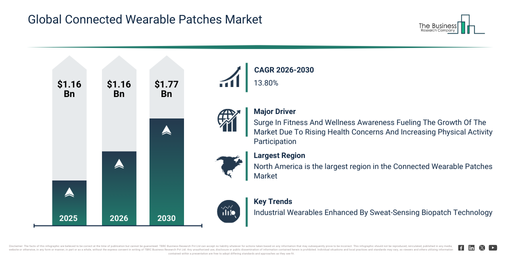
    Connected Wearable Patches Market Outlook Through 2030 With Analysis Of Industry Trends And Developments

    The Business Research Company’s 2026 market reports feature advanced enhancements such as market attractiveness analysis, total addressable market evaluation, company benchmarking matrices, interactive Excel dashboards, expanded supply chain intelligence, emerging startup coverage, and detailed product insights, delivering more actionable and strategically valuable research.

    What Is The Forecasted Rise In Market Size Of The Connected Wearable Patches Market During The Forecast Period?

    The connected wearable patches market has experienced significant expansion recently. Projections indicate its value will increase from $6.42 billion in 2025 to $7.32 billion by 2026, demonstrating a compound annual growth rate (CAGR) of 14.1%. Historically, this growth can be ascribed to factors such as the initial limited uptake of connected wearable technologies, a continued dependence on conventional monitoring devices, the rising incidence of chronic illnesses, preliminary clinical investigations utilizing wearable patches, and an expanding understanding of patient-focused healthcare approaches.

    The market size for connected wearable patches is projected to experience substantial expansion over the upcoming years. This market is predicted to reach $12.26 billion by 2030, demonstrating a compound annual growth rate (CAGR) of 13.8%. Factors contributing to this anticipated growth include progress in sensor miniaturization and connectivity, the incorporation of smartphones and cloud platforms, an increasing need for continuous glucose and cardiac monitoring, the broadening of sports and wellness tracking applications, and more frequent regulatory approvals and supportive healthcare reimbursement policies. Key trends during this period are expected to encompass an uptick in remote patient monitoring and telehealth solutions, greater acceptance of non-invasive glucose monitoring technologies, expanding application of wearable patches in fitness and sports performance, the wider use of transdermal drug delivery systems, and a heightened emphasis on data precision, sensor dependability, and patient security.

    Download A Free Sample Report For Comprehensive Market Insights:

    https://www.thebusinessresearchcompany.com/sample.aspx?id=25725&type=smp

    What Major Growth Factors Are Impacting The Connected Wearable Patches Market?

    The market for connected wearable patches is anticipated to expand due to a growing understanding and focus on fitness and wellness. This awareness signifies recognizing the crucial role of consistent physical activity and healthy lifestyle choices in achieving complete well-being. This heightened awareness stems from increasing concerns about chronic illnesses, prompting people to embrace healthier habits for improved long-term health outcomes. Connected wearable patches contribute to this by continuously tracking key health indicators, offering immediate feedback, and encouraging users to remain active and adhere to healthier routines. As an illustration, data from June 2024, provided by the US-based non-profit International Food Information Council (IFIC), indicates that a substantial 54% of Americans continued to follow a specific diet or eating pattern in the preceding year. A majority of individuals are focused on increasing their protein consumption, with interest climbing from 59% in 2022, to 67% in 2023, and further to 71% in 2024. Furthermore, approximately half of all consumers are looking to incorporate more fresh foods, recognized broadly as the healthiest dietary choices. Consequently, the growing emphasis on fitness and wellness is a key driver for the expansion of the connected wearable patches market.

    What Key Segment Areas Are Included In The Connected Wearable Patches Market Assessment?

    The connected wearable patches market covered in this report is segmented –

    1) By Type: Glucose Monitoring Patches, Cardiac Monitoring Patches, Electromyography (EMG) Patches, Transdermal Drug Delivery Patches, Electroencephalography (EEG) Patches, Other Types

    2) By Sensor Technology: Electrocardiography (ECG), Photoplethysmography (PPG), Accelerometry, Gyroscope, Temperature Sensing

    3) By Distribution Channel: Online Stores, Pharmacies, Specialty Stores, Other Distribution Channels

    4) By Application: Remote Patient Monitoring, Fitness And Wellness Monitoring, Drug Delivery, Sports And Performance Monitoring, Other Applications

    5) By End User: Hospitals, Home Care, Fitness Centers, Research Institutions, Other End-Users

    Subsegments:

    1) By Glucose Monitoring Patches: Continuous Glucose Monitoring (CGM) Patches, Flash Glucose Monitoring (FGM) Patches, Non-Invasive Glucose Monitoring Patches, Adhesive Enzyme-Based Glucose Patches

    2) By Cardiac Monitoring Patches: Electrocardiography Monitoring Patches, Arrhythmia Detection Patches, Remote Cardiac Telemetry Patches, Holter Monitoring Patches

    3) By Electromyography (EMG) Patches: Surface Electromyography Patches, Wireless Electromyography Sensor Patches, Multi-channel Electromyography Patches, Rehabilitation Monitoring Electromyography Patches

    4) By Transdermal Drug Delivery Patches: Nicotine Delivery Patches, Hormone Replacement Therapy (HRT) Patches, Pain Management Patches (e.g., Fentanyl), Neurological Drug Delivery Patches, Anti-hypertensive Patches

    5) By Electroencephalography (EEG) Patches: Sleep Monitoring Electroencephalography Patches, Seizure Detection Electroencephalography Patches, Brain-Computer Interface (BCI) Patches, Cognitive Performance Monitoring Patches

    6) By Other Types: Hydration Monitoring Patches, Temperature Monitoring Patches, Sweat Analysis Patches, Oxygen Saturation (SpO2) Monitoring Patches, Respiratory Rate Monitoring Patches

    Which Trends Are Expected To Shape The Connected Wearable Patches Market?

    Prominent firms within the connected wearable patches market are concentrating on cutting-edge technologies like sweat-sensing biopatch platforms to deliver real-time, individualized hydration data to industrial workers. Such a biopatch incorporates various biosensors to identify real-time fluid and electrolyte depletion, body temperature, and movement patterns, thereby facilitating proactive hydration and the management of heat stress. As an illustration, in April 2024, Epicore Biosystems, a digital health enterprise located in the US, introduced Connected Hydration along with a mobile application. This cutting-edge wearable patch system is engineered to assist industrial workers in averting dehydration and heat-induced injuries via real-time data feedback. The sophisticated solution features a flexible, disposable biopatch boasting a 1,000-hour battery life, immediate dehydration warnings through haptic feedback, and a companion mobile application for monitoring fluid consumption and biometric developments. Its sturdy construction is approved for dangerous environments and integrates machine learning developed from more than 420,000 field data points.

    Who Are The Prominent Players Across The Connected Wearable Patches Market?

    Major companies operating in the connected wearable patches market are Abbott Laboratories, Medtronic plc, Koninklijke Philips NV, GE HealthCare Technologies Inc, ZOLL Medical Corporation, Dexcom Inc, Insulet Corporation, MicroPort Scientific Corporation, iRhythm Technologies Inc, Linxens Holding SAS, Biotricity Inc, Blue Spark Technologies Inc, Epicore Biosystems Inc, Cardiac Insight Inc, Delsys Incorporated, G Tech Medical Inc, Leaf Healthcare Inc, VivaLNK Inc, BioIntelliSense Inc, MC10 Inc, LifeSignals Group Inc, Preventice Solutions Inc

    Access The Complete Connected Wearable Patches Market Report:

    https://www.thebusinessresearchcompany.com/report/connected-wearable-patches-global-market-report

    Which Region Holds The Largest Share In The Connected Wearable Patches Market?

    North America was the largest region in the connected wearable patches market in 2025. Asia-Pacific is expected to be the fastest-growing region in the forecast period. The regions covered in the connected wearable patches market report are Asia-Pacific, South East Asia, Western Europe, Eastern Europe, North America, South America, Middle East, Africa.

    Access a Customized Connected Wearable Patches Market Report for Deeper Competitive Insights

    https://www.thebusinessresearchcompany.com/customise?id=25725&type=smp

    Browse Through More Reports Similar to the Global Connected Wearable Patches Market 2026, By The Business Research Company

    Medical Device Technologies Market Report 2026

    https://www.thebusinessresearchcompany.com/report/medical-device-technologies-global-market-report

    Medical Devices Reimbursement Market Report 2026

    https://www.thebusinessresearchcompany.com/report/medical-devices-reimbursement-global-market-report

    Medical Device Contract Research Organization Market Report 2026

    https://www.thebusinessresearchcompany.com/report/medical-device-contract-research-organization-global-market-report

    Get in touch with us:

    The Business Research Company: https://www.thebusinessresearchcompany.com/

    Americas: +1 310-496-7795

    Asia: +44 7882 955267 & +91 8897263534

    Europe: +44 7882 955267

    Email us at: marketing@tbrc.info

    Follow us on:

    LinkedIn: https://in.linkedin.com/company/the-business-research-company

    YouTube: https://www.youtube.com/channel/UC24_fI0rV8cR5DxlCpgmyFQ

    Global Market Model: https://www.thebusinessresearchcompany.com/global-market-model
  • Connected Medical Device Market Revenue Anticipated To Reach $117.67 Billion By 2030 With 15.7% CAGR

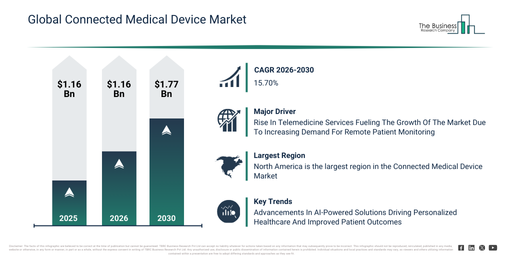
    Connected Medical Device Market Revenue Anticipated To Reach $117.67 Billion By 2030 With 15.7% CAGR

    The Business Research Company’s 2026 market reports feature advanced enhancements such as market attractiveness analysis, total addressable market evaluation, company benchmarking matrices, interactive Excel dashboards, expanded supply chain intelligence, emerging startup coverage, and detailed product insights, delivering more actionable and strategically valuable research.

    How Is The Connected Medical Device Market’s Market Value Anticipated To Evolve From 2026 To 2030?

    The market for connected medical devices has experienced substantial expansion recently. Projections indicate a rise in its valuation from $56.74 billion in 2025 to $65.78 billion by 2026, demonstrating a compound annual growth rate (CAGR) of 15.9%. Historically, this growth has been driven by factors such as the insufficient connectivity infrastructure within healthcare settings, the slow integration of digital health technologies, the dependence on conventional patient monitoring systems, the rising incidence of chronic illnesses, and the requirement for immediate patient data acquisition.

    The connected medical device market is projected to experience substantial growth in the upcoming years, with its valuation expected to reach $117.68 billion by 2030, exhibiting a compound annual growth rate of 15.7%. This expansion during the forecast period is fueled by the wider availability of wearable and implantable medical devices, increased investment in telehealth and remote monitoring, the integration of artificial intelligence for generating predictive insights, a rise in the adoption of home care and long-term care solutions, and growing regulatory backing for connected medical devices. Notable trends for the forecast period include the integration of connected devices with electronic health records (EHRs), a greater embrace of remote patient monitoring tools, the development of chronic disease management programs, improved data analytics to support clinical decisions, and an increased emphasis on home-based healthcare and telemedicine.

    Download A Free Sample Report For Comprehensive Market Insights:

    https://www.thebusinessresearchcompany.com/sample.aspx?id=24510&type=smp

    What Market Drivers Are Helping Shape The Connected Medical Device Market Expansion?

    Increased adoption of telemedicine services is expected to stimulate the expansion of the connected medical device market in the future. Telemedicine involves leveraging technology to deliver healthcare and consultations remotely, eliminating the need for physical appointments. The increasing demand for telemedicine stems from its convenient healthcare access, enabling patients to easily consult physicians from their residences, thereby conserving time and lessening travel requirements. The expansion of telemedicine services boosts the need for connected medical devices by facilitating remote patient monitoring. This functionality necessitates the real-time transfer of patient data to healthcare professionals, crucial for precise diagnoses and prompt interventions without physical consultations. For example, in April 2025, the American Hospital Association, a US-based nonprofit trade organization, indicated that more than 12.6% of Medicare beneficiaries utilized telehealth services during the final quarter of 2023. Furthermore, recent statistics project that the United States will experience a deficit of up to 86,000 physicians by 2036. Telehealth emerges as a vital supportive tool to tackle this escalating physician scarcity. Consequently, the proliferation of telemedicine services is set to propel the expansion of the connected medical device market.

    How Is Segment Classification Applied In The Connected Medical Device Market?

    The connected medical device market covered in this report is segmented –

    1) By Product Type: Wearable Devices, Implantable Devices, Stationary Devices

    2) By Connectivity Technology: Bluetooth, Wi-Fi, Cellular, Other Connectivity Technologies

    3) By Application: Remote Patient Monitoring, Telemedicine, Clinical Decision Support, Chronic Disease Management, Fitness And Wellness, Other Applications

    4) By End-User: Hospitals And Clinics, Home Care Settings, Long-Term Care Facilities, Ambulatory Surgical Centers, Other End-Users

    Subsegments:

    1) By Wearable Devices: Fitness Trackers, Smartwatches, Continuous Glucose Monitors (CGM), Wearable ECG Monitors, Blood Pressure Monitors, Pulse Oximeters, Sleep Trackers

    2) By Implantable Devices: Cardiac Pacemakers, Implantable Cardioverter Defibrillators (ICDs), Neurostimulators, Cochlear Implants, Implantable Glucose Sensors, Drug Delivery Implants

    3) By Stationary Devices: Remote Patient Monitoring Stations, Telehealth Kiosks, Connected Imaging Devices, Connected Ventilators, Connected Dialysis Machines, Connected Infusion Pumps

    What Trends Are Affecting The Connected Medical Device Market Dynamics?

    Major companies operating within the connected medical device market are concentrating on developing advanced solutions, including AI-powered platforms, to facilitate personalized user experiences by adapting to individual behaviors and preferences dynamically. AI-powered platforms are digital frameworks that utilize artificial intelligence technologies to analyze data, make informed decisions, and automate tasks with minimal human input. For example, in October 2023, ZS, a US-based technology company, unveiled the ZAIDYN Connected Health solution. This offering distinctively provides trusted, AI-powered insights designed to assist pharmaceutical companies, healthcare providers, and payers in addressing unmet medical requirements and improving patient outcomes. Its health insights suite identifies gaps in care and delivers customized recommendations for physicians, patients, and manufacturers to enhance treatment access and coordination. The patient engagement suite focuses on understanding unique patient needs to provide tailored support and increase the effectiveness of patient programs. Connected research leverages advanced digital engagement tools to gather robust evidence, which helps healthcare organizations validate innovations and support strategic decision-making.

    Which Companies Form The Competitive Landscape Of The Connected Medical Device Market?

    Major companies operating in the connected medical device market are Johnson and Johnson, Abbott Laboratories, Medtronic plc, F Hoffmann La Roche Ltd, Siemens Healthineers AG, Fresenius Medical Care AG and Co KGaA, Becton Dickinson and Company, Koninklijke Philips NV, GE Healthcare Technologies Inc, Boston Scientific Corporation, Baxter International Inc, Olympus Corporation, Terumo Corporation, Garmin Ltd, ResMed Inc, Omron Healthcare Inc, Epitel Inc, Masimo Corporation, AliveCor Inc, DexCom Inc, Insulet Corporation, iRhythm Technologies Inc

    Access The Complete Connected Medical Device Market Report:

    https://www.thebusinessresearchcompany.com/report/connected-medical-device-global-market-report

    Which Region Is The Dominant Market In The Connected Medical Device Market?

    North America was the largest region in the connected medical device market in 2025. Asia-Pacific is expected to be the fastest-growing region in the forecast period. The regions covered in the connected medical device market report are Asia-Pacific, South East Asia, Western Europe, Eastern Europe, North America, South America, Middle East, Africa.

    Access a Customized Connected Medical Device Market Report for Deeper Competitive Insights

    https://www.thebusinessresearchcompany.com/customise?id=24510&type=smp

    Browse Through More Reports Similar to the Global Connected Medical Device Market 2026, By The Business Research Company

    Medical Device Connectivity Market Report 2026

    https://www.thebusinessresearchcompany.com/report/medical-device-connectivity-global-market-report

    Wearable Medical Devices Market Report 2026

    https://www.thebusinessresearchcompany.com/report/wearable-medical-devices-global-market-report

    Portable Medical Devices Market Report 2026

    https://www.thebusinessresearchcompany.com/report/portable-medical-devices-global-market-report

    Get in touch with us:

    The Business Research Company: https://www.thebusinessresearchcompany.com/

    Americas: +1 310-496-7795

    Asia: +44 7882 955267 & +91 8897263534

    Europe: +44 7882 955267

    Email us at: marketing@tbrc.info

    Follow us on:

    LinkedIn: https://in.linkedin.com/company/the-business-research-company

    YouTube: https://www.youtube.com/channel/UC24_fI0rV8cR5DxlCpgmyFQ

    Global Market Model: https://www.thebusinessresearchcompany.com/global-market-model
  • Connected Health Personal Medical Devices Market Outlook Assessing Future Opportunities And Growth Prospects

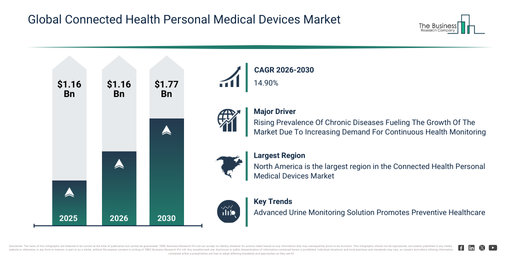
    Connected Health Personal Medical Devices Market Outlook Assessing Future Opportunities And Growth Prospects

    The Business Research Company’s 2026 market reports feature advanced enhancements such as market attractiveness analysis, total addressable market evaluation, company benchmarking matrices, interactive Excel dashboards, expanded supply chain intelligence, emerging startup coverage, and detailed product insights, delivering more actionable and strategically valuable research.

    By 2030, How Much Growth In Market Size Is Expected For The Connected Health Personal Medical Devices Market?

    The connected health personal medical devices market has experienced significant expansion in recent years. Its size is projected to increase from $45.71 billion in 2025 to $52.68 billion in 2026, achieving a compound annual growth rate (CAGR) of 15.2%. Factors contributing to its historical growth include the limited availability of connected health devices, reliance on traditional in-clinic monitoring, slow adoption of wearable technologies, growing prevalence of chronic diseases, and a lack of standardized healthcare IT infrastructure.

    The connected health personal medical devices market is anticipated to experience substantial expansion in the coming years, projected to reach $91.9 billion by 2030, demonstrating a compound annual growth rate (CAGR) of 14.9%. Factors contributing to this growth during the forecast period include the swift advancement of smart wearable medical devices, the broadening scope of home healthcare solutions, enhanced integration with cloud-based health platforms, greater patient involvement in self-monitoring, and the incorporation of predictive and real-time analytics for individualized care. Key trends anticipated for the forecast period encompass a growing uptake of remote patient monitoring devices, the merging of wearable health technologies with mobile applications, an increase in the utilization of smart pill dispensers and glucose monitors, a heightened emphasis on managing chronic diseases and delivering preventive care, and the expansion of telemedicine along with home healthcare services.

    Download A Free Sample Report For Comprehensive Market Insights:

    https://www.thebusinessresearchcompany.com/sample.aspx?id=24509&type=smp

    Which Significant Factors Are Encouraging Growth In The Connected Health Personal Medical Devices Market?

    The increasing occurrence of chronic diseases is anticipated to drive expansion in the connected health personal medical devices market moving forward. These are enduring health conditions that manifest gradually and persist over time, frequently necessitating ongoing medical attention. The escalating incidence of chronic illnesses is partially attributable to sedentary habits, as prolonged periods of sitting and insufficient physical activity elevate the likelihood of conditions like heart disease and diabetes. Connected health personal medical devices assist in monitoring chronic conditions by allowing real-time tracking of health metrics, making them highly suitable for managing ailments such as diabetes and hypertension from home. They decrease the necessity for frequent trips to clinics by offering continuous data and timely notifications, which enhances patient health outcomes and convenience. As an illustration, in June 2024, the National Health Service, a UK government department, reported that 3,615,330 individuals registered with a general practitioner (GP) received a diagnosis of non-diabetic hyperglycemia or pre-diabetes (a condition characterized by elevated blood sugar levels, though not high enough to be classified as diabetes) in 2023. This represented an 18% rise from 3,065,825 cases recorded in 2022. Consequently, the growing prevalence of chronic diseases is fueling the expansion of the connected health personal medical devices market.

    What Are The Core Segment Classifications In The Connected Health Personal Medical Devices Market?

    The connected health personal medical devices market covered in this report is segmented –

    1) By Solution: Healthcare IT, Health Information Exchange, Healthcare Analytics

    2) By Product: Insulin Pumps, Blood Pressure (BP) Monitors, Portable Global Positioning System (GPS) Personal Emergency Response System (PERS), Glucose Monitor, Personal Pulse Oximeter, Smart Pill Dispenser, Personal Electrocardiogram (ECG)

    3) By Connectivity: Bluetooth, Wi-Fi, Cellular, Other Connectivities

    4) By Application: Chronic Disease Management, Fitness And Wellness, Home Healthcare, Other Applications

    5) By End User: Hospitals, Clinics, Homecare Settings, Other End Users

    Subsegments:

    1) By Healthcare IT: Electronic Health Records (EHR), Telemedicine Solutions, Mobile Health (mHealth) Applications, E-Prescribing Systems

    2) By Health Information Exchange: Directed Exchange, Query-Based Exchange, Consumer-Mediated Exchange, Cloud-Based Health Information Platforms

    3) By Healthcare Analytics: Descriptive Analytics, Predictive Analytics, Prescriptive Analytics, Real-Time Analytics

    Which Trends Are Influencing The Expansion Of The Connected Health Personal Medical Devices Market?

    Key companies operating in the connected health personal medical devices market are concentrating on developing sophisticated products, such as advanced in-home diagnostic systems, to improve preventive healthcare and user convenience. These in-home diagnostic systems refer to medical tools and devices that allow individuals to monitor, test, and manage their health conditions from home, without needing to visit a healthcare facility. For instance, in January 2023, Withings, a France-based health technology company, launched U-Scan, an automated, in-home urine analysis system engineered to fit within a toilet bowl. It utilizes a replaceable cartridge that performs daily tests for up to three months, analyzing key hydration and nutrition biomarkers. The apparatus connects to a smartphone app, providing users with real-time insights and personalized health recommendations. U-Scan’s goal is to make routine health tracking seamless and non-invasive, promoting proactive wellness management.

    Who Are The Key Market Participants In The Connected Health Personal Medical Devices Market?

    Major companies operating in the connected health personal medical devices market are Johnson and Johnson, F Hoffmann La Roche AG, Abbott Laboratories, Medtronic plc, Siemens Healthineers, Becton Dickinson and Company, GE HealthCare, Philips Healthcare, Omron Healthcare, Masimo Corporation, Oura Health Oy, Whoop Inc, Withings, Eko Health Inc, TytoCare Ltd, AliveCor Inc, DarioHealth Corp, iHealth Labs Inc, Samsung Electronics, Biostrap, Aktiia, Ava Science Inc, Bloomlife Inc, Movano Health, Oxitone Medical Ltd, Qardio Inc

    Access The Complete Connected Health Personal Medical Devices Market Report:

    https://www.thebusinessresearchcompany.com/report/connected-health-personal-medical-devices-global-market-report

    Which Area Represents The Largest Portion Of The Connected Health Personal Medical Devices Market?

    North America was the largest region in the connected health personal medical devices market in 2025. Asia-Pacific is expected to be the fastest-growing region in the forecast period. The regions covered in the connected health personal medical devices market report are Asia-Pacific, South East Asia, Western Europe, Eastern Europe, North America, South America, Middle East, Africa.

    Access a Customized Connected Health Personal Medical Devices Market Report for Deeper Competitive Insights

    https://www.thebusinessresearchcompany.com/customise?id=24509&type=smp

    Browse Through More Reports Similar to the Global Connected Health Personal Medical Devices Market 2026, By The Business Research Company

    Corporate Wellness Solutions Market Report 2026

    https://www.thebusinessresearchcompany.com/report/corporate-wellness-solutions-global-market-report

    Health And Wellness Market Report 2026

    https://www.thebusinessresearchcompany.com/report/health-and-wellness-global-market-report

    Wellness Supplements Market Report 2026

    https://www.thebusinessresearchcompany.com/report/wellness-supplements-global-market-report

    Get in touch with us:

    The Business Research Company: https://www.thebusinessresearchcompany.com/

    Americas: +1 310-496-7795

    Asia: +44 7882 955267 & +91 8897263534

    Europe: +44 7882 955267

    Email us at: marketing@tbrc.info

    Follow us on:

    LinkedIn: https://in.linkedin.com/company/the-business-research-company

    YouTube: https://www.youtube.com/channel/UC24_fI0rV8cR5DxlCpgmyFQ

    Global Market Model: https://www.thebusinessresearchcompany.com/global-market-model
  • Connected Health and Wellness Solutions Market Industry Forecast Reflecting Growth To $238.58 Billion By 2030

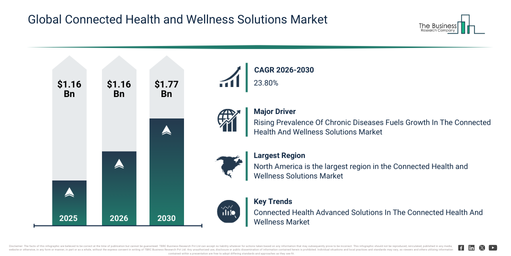
    Connected Health and Wellness Solutions Market Industry Forecast Reflecting Growth To $238.58 Billion By 2030

    The Business Research Company’s 2026 market reports feature advanced enhancements such as market attractiveness analysis, total addressable market evaluation, company benchmarking matrices, interactive Excel dashboards, expanded supply chain intelligence, emerging startup coverage, and detailed product insights, delivering more actionable and strategically valuable research.

    What Market Value Trend Is Expected For The Connected Health and Wellness Solutions Market From 2026 To 2030?

    The connected health and wellness solutions market has observed exponential growth in its size over recent years. Projections indicate it will escalate from $82.06 billion in 2025 to $101.69 billion by 2026, achieving a compound annual growth rate (CAGR) of 23.9%. This historical expansion can be primarily attributed to factors like the increasing penetration of smartphones and internet connectivity, heightened consumer awareness regarding health, the broader adoption of wearable devices, an increased demand for home-based monitoring, and the wider acceptance of various digital health tools.

    The connected health and wellness solutions market is projected to experience substantial expansion over the upcoming years, with its size anticipated to reach $238.59 billion by 2030, demonstrating a compound annual growth rate (CAGR) of 23.8%. This growth during the forecast period is primarily driven by factors such as the growing acceptance of AI-powered health analytics, a heightened need for ongoing health monitoring, the broadening of virtual care frameworks, a greater emphasis on managing chronic diseases, and the increased incorporation of connected devices into healthcare systems. Additionally, key trends shaping this period include the wider deployment of remote patient monitoring tools, an uptick in the utilization of wearable health technologies, the increasing fusion of telehealth platforms, the proliferation of mobile health applications, and a stronger emphasis on preventative and wellness tracking.

    Download A Free Sample Report For Comprehensive Market Insights:

    https://www.thebusinessresearchcompany.com/sample.aspx?id=6766&type=smp

    What Core Drivers Are Transforming The Connected Health and Wellness Solutions Market?

    The increasing occurrence of chronic illnesses is expected to fuel the expansion of the connected health and wellness solutions market moving forward. Chronic diseases are defined as conditions that persist for a year or longer and require continuous medical attention, restrict daily activities, or both. These connected solutions are utilized in managing chronic diseases to facilitate remote monitoring, promote medication adherence, and deliver personalized treatment, thereby enhancing patient care and improving compliance with treatment plans. For instance, in March 2025, according to the Office for Health Improvement & Disparities (OHID), a UK-based unit of the Department of Health and Social Care, the recorded prevalence of type 2 diabetes by GPs in adults was 7.0% for those aged 17 and over in England in March 2024, which marked an increase from 6.8% in March 2023. Therefore, the rising prevalence of chronic diseases is anticipated to propel the growth of the connected health and wellness solutions market.

    How Is The Connected Health and Wellness Solutions Market Structured Across Different Market Segments?

    The connected health and wellness solutions market covered in this report is segmented –

    1) By Product: Personal Medical Devices, Wellness Products, Software & Services

    2) By Function: Clinical Monitoring, Telehealth

    3) By Application: Diagnosis & Treatment, Wellness and prevention, Monitoring, Other Applications

    Subsegments:

    1) By Personal Medical Devices: Wearable Health Monitors, Remote Patient Monitoring Devices, Connected Inhalers and Medication Adherence Devices

    2) By Wellness Products: Smart Scales and Body Composition Monitors, Sleep Trackers and Sleep Aids, Smart Thermometers

    3) By Software & Services: Mobile Health Applications (mHealth apps), Telehealth Platforms and Services, Data Analytics and Health Management Solutions

    What Trends Are Impacting The Connected Health and Wellness Solutions Market?

    Leading enterprises within the connected health and wellness solutions market are prioritizing the creation of advanced technological products, such as the ZAIDYN connected health solution, with the aim of boosting remote patient monitoring capabilities and elevating healthcare outcomes. ZAIDYN connected health facilitates innovation for pharmaceutical firms, healthcare providers, and payers, enabling them to more effectively identify unaddressed needs, foster patient involvement, and improve overall health outcomes. As an illustration, ZS Associates Group, Inc., a US-based management consulting and technology firm, introduced the AI-powered ZAIDYN Connected Health solution in October 2023, integrating it into the ZAIDYN by ZS platform. This solution offers three product suites designed to close healthcare gaps and cultivate a patient-centered future through comprehensive health insights, effective patient engagement, and integrated research.

    Which Organizations Are Operating Within The Connected Health and Wellness Solutions Market?

    Major companies operating in the connected health and wellness solutions market are Omron Healthcare Inc., Koninklijke Philips N.V., GE Healthcare Technologies Inc., Abbott Laboratories, Apple Inc., Garmin Ltd., Masimo Corporation, ResMed Inc., Medtronic PLC, Boston Scientific Corporation, Microlife AG, AgaMatrix Inc., Dexcom Inc., Withings S.A., Polar Electro Oy, Suunto Oy, iHealth Labs Inc., AliveCor Inc., Oura Health Oy, WHOOP Inc., Samsung Electronics Co. Ltd., Xiaomi Corporation

    Access The Complete Connected Health and Wellness Solutions Market Report:

    https://www.thebusinessresearchcompany.com/report/connected-health-and-wellness-solutions-global-market-report

    Which Region Commands The Largest Share Of The Connected Health and Wellness Solutions Market?

    North America was the largest region in the connected health and wellness solutions market in 2025. Asia-Pacific is expected to be the fastest-growing region in the forecast period. The regions covered in the connected health and wellness solutions market report are Asia-Pacific, South East Asia, Western Europe, Eastern Europe, North America, South America, Middle East, Africa.

    Access a Customized Connected Health and Wellness Solutions Market Report for Deeper Competitive Insights

    https://www.thebusinessresearchcompany.com/customise?id=6766&type=smp

    Browse Through More Reports Similar to the Global Connected Health and Wellness Solutions Market 2026, By The Business Research Company

    Heart Blocks Treatment Devices Market Report 2026

    https://www.thebusinessresearchcompany.com/report/heart-blocks-treatment-devices-global-market-report

    Heart Defect Closure Device Market Report 2026

    https://www.thebusinessresearchcompany.com/report/heart-defect-closure-device-global-market-report

    Bradycardia Treatment Devices Market Report 2026

    https://www.thebusinessresearchcompany.com/report/bradycardia-treatment-devices-global-market-report

    Get in touch with us:

    The Business Research Company: https://www.thebusinessresearchcompany.com/

    Americas: +1 310-496-7795

    Asia: +44 7882 955267 & +91 8897263534

    Europe: +44 7882 955267

    Email us at: marketing@tbrc.info

    Follow us on:

    LinkedIn: https://in.linkedin.com/company/the-business-research-company

    YouTube: https://www.youtube.com/channel/UC24_fI0rV8cR5DxlCpgmyFQ

    Global Market Model: https://www.thebusinessresearchcompany.com/global-market-model
  • Congestive Heart Failure Treatment Devices Market Forecast Analysis Through 2030 With Insights On Industry Expansion

    Congestive Heart Failure Treatment Devices Market Forecast Analysis Through 2030 With Insights On Industry Expansion

    The Business Research Company’s 2026 market reports feature advanced enhancements such as market attractiveness analysis, total addressable market evaluation, company benchmarking matrices, interactive Excel dashboards, expanded supply chain intelligence, emerging startup coverage, and detailed product insights, delivering more actionable and strategically valuable research.

    How Does The Forecasted Market Size Of The Congestive Heart Failure Treatment Devices Market Compare Between 2026 And 2030?

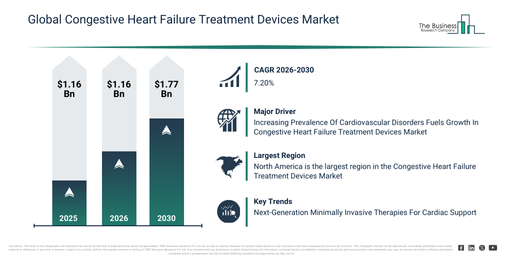
    The congestive heart failure treatment devices market has experienced strong growth in recent years. It is anticipated to expand from $21.07 billion in 2025 to $22.76 billion in 2026, at a compound annual growth rate (CAGR) of 8.0%. Historically, this growth can be ascribed to the increasing prevalence of congestive heart failure, the rising incidence of cardiovascular diseases, the expanding usage of implantable cardiac devices, the proliferation of specialized cardiac care facilities, and enhanced survival rates for heart failure patients.

    The congestive heart failure treatment devices market size is anticipated to experience substantial expansion over the upcoming years. This market is projected to reach $30.07 billion by 2030, exhibiting a compound annual growth rate (CAGR) of 7.2%. This projected growth is driven by several factors, including an aging population with elevated heart failure risk, a surging demand for minimally invasive cardiac treatments, an intensified focus on early intervention and managing the disease, broader access to advanced heart failure solutions in developing markets, and the increasing uptake of long-term mechanical circulatory support devices. Key developments expected during this period involve a rise in the adoption of sophisticated implantable heart failure devices, more widespread utilization of ventricular assist devices in advanced congestive heart failure cases, an enhanced emphasis on reducing hospital admissions for heart failure, the broadening of device-based therapies for sustained cardiac support, and a heightened need for continuous cardiac monitoring and management.

    Download A Free Sample Report For Comprehensive Market Insights:

    https://www.thebusinessresearchcompany.com/sample.aspx?id=15774&type=smp

    Which Growth Factors Are Strengthening The Congestive Heart Failure Treatment Devices Market Landscape?

    The increasing occurrence of cardiovascular conditions is anticipated to fuel the expansion of the congestive heart failure treatment devices market in the future. These disorders encompass a range of diseases affecting the heart and blood vessels, including coronary artery disease, high blood pressure, and heart failure, impacting blood circulation and overall cardiac well-being. The growing incidence of cardiovascular disorders is primarily attributed to higher rates of contributing factors such as obesity, inactive lifestyles, unhealthy eating habits, and an aging demographic. Devices for treating congestive heart failure play a vital role in managing cardiovascular conditions by stabilizing heart rhythms and enhancing heart performance, thereby considerably improving patient outcomes. For instance, as reported in October 2024 by the US government agency, the Centers for Disease Control and Prevention, cardiovascular disease was responsible for 919,032 deaths in 2023, representing one in every three fatalities. Coronary heart disease continued to be the most prevalent type of heart condition, and notably, approximately one in six deaths due to cardiovascular diseases happened among individuals younger than 65 years old. Consequently, the increased occurrence of cardiovascular disorders is propelling the expansion of the congestive heart failure (CHF) treatment devices market.

    Which Segment-Based Categories Are Covered In The Congestive Heart Failure Treatment Devices Market?

    The congestive heart failure treatment devices market covered in this report is segmented –

    1) By Product: Cardiac Pacemaker, Implantable Cardioverter Defibrillators (ICDs), Cardiac Resynchronization Therapy Devices (CRT), Counter Pulsation Devices, Ventricular Assist Devices (VADs)

    2) By Application: Left Ventricular Assist Device (LVAD), Right Ventricular Assist Device (RVAD), Biventricular Assist Device (BIVAD)

    3) By End-User: Hospitals And Clinic, Specialized Cardiovascular Disease Treatment Centers, Ambulatory Surgery Centers

    Subsegments:

    1) By Cardiac Pacemaker: Single Chamber Pacemaker, Dual Chamber Pacemaker, Biventricular Pacemaker

    2) By Implantable Cardioverter Defibrillators (ICDs): Traditional ICDs, Subcutaneous ICDs, CRT-D (Cardiac Resynchronization Therapy Defibrillator)

    3) By Cardiac Resynchronization Therapy Devices (CRT): CRT-P (Cardiac Resynchronization Therapy Pacemaker), CRT-D (Cardiac Resynchronization Therapy Defibrillator)

    4) By Counter Pulsation Devices: Intra-Aortic Balloon Pumps (IABP), External Counterpulsation Devices (ECP)

    5) By Ventricular Assist Devices (VADs): Left Ventricular Assist Devices (LVAD), Right Ventricular Assist Devices (RVAD), Biventricular Assist Devices (BiVAD)

    Which Trends Are Affecting The Congestive Heart Failure Treatment Devices Market Framework?

    Key companies operating in the congestive heart failure treatment devices market are prioritizing the creation of cutting-edge solutions, including the implant-free atrial septostomy system, to boost hemodynamic relief, minimize procedural complexity, and provide less invasive alternatives for heart failure patients. An implant-free atrial septostomy system is a minimally invasive instrument specifically designed to create a controlled opening within the atrial septum without leaving behind a permanent implant, which leads to improved left atrial pressure reduction and better cardiac hemodynamics in individuals with heart failure. For instance, in January 2025, Alleviant Medical Inc., a US-based medical device company, reached crucial FDA milestones for its innovative no-implant interatrial shunt device aimed at treating heart failure. This device offers a minimally invasive solution for heart failure by creating a precise shunt that effectively lowers elevated pressure in the left atrium without requiring a permanent implant. This method helps to reduce complications often linked with implanted devices, ensures durable shunt patency, and improves symptoms, physical activity levels, and the quality of life for patients with chronic heart failure. Its primary goal is to alleviate strain on the heart, reduce symptoms, and present a safer, novel treatment option for patients who have limited choices.

    Who Are The Businesses Driving Activity In The Congestive Heart Failure Treatment Devices Market?

    Major companies operating in the congestive heart failure treatment devices market are Medtronic plc, Abbott Laboratories, Boston Scientific Corporation, Biotronik SE & Co KG, LivaNova PLC, Berlin Heart GmbH, Jarvik Heart Inc, ReliantHeart Inc, Abiomed Inc, Lepu Medical Technology Co Ltd, Magenta Medical Ltd, MicroPort Inc, EBR Systems Inc, Syncardia Systems LLC, Oscor Inc, OSYPKA Medical GmbH, Calon Cardio-Technology, CoreWave SA, Zoll Medical Corporation

    Access The Complete Congestive Heart Failure Treatment Devices Market Report:

    https://www.thebusinessresearchcompany.com/report/congestive-heart-failure-treatment-devices-global-market-report

    Which Region Accounts For The Highest Share Of The Congestive Heart Failure Treatment Devices Market?

    North America was the largest region in the congestive heart failure treatment devices market in 2025. Asia-Pacific is expected to be the fastest-growing region in the forecast period. The regions covered in the congestive heart failure treatment devices market report are Asia-Pacific, South East Asia, Western Europe, Eastern Europe, North America, South America, Middle East, Africa.

    Access a Customized Congestive Heart Failure Treatment Devices Market Report for Deeper Competitive Insights

    https://www.thebusinessresearchcompany.com/customise?id=15774&type=smp

    Browse Through More Reports Similar to the Global Congestive Heart Failure Treatment Devices Market 2026, By The Business Research Company

    Heart Defect Closure Device Market Report 2026

    https://www.thebusinessresearchcompany.com/report/heart-defect-closure-device-global-market-report

    Congestive Heart Failure Treatment Devices Market Report 2026

    https://www.thebusinessresearchcompany.com/report/congestive-heart-failure-treatment-devices-global-market-report

    Structural Heart Devices Market Report 2026

    https://www.thebusinessresearchcompany.com/report/structural-heart-devices-global-market-report

    Get in touch with us:

    The Business Research Company: https://www.thebusinessresearchcompany.com/

    Americas: +1 310-496-7795

    Asia: +44 7882 955267 & +91 8897263534

    Europe: +44 7882 955267

    Email us at: marketing@tbrc.info

    Follow us on:

    LinkedIn: https://in.linkedin.com/company/the-business-research-company

    YouTube: https://www.youtube.com/channel/UC24_fI0rV8cR5DxlCpgmyFQ

    Global Market Model: https://www.thebusinessresearchcompany.com/global-market-model
  • Congenital Heart Defect Devices Market Growth Outlook Indicating Expansion To $4.44 Billion By 2030

    Congenital Heart Defect Devices Market Growth Outlook Indicating Expansion To $4.44 Billion By 2030

    The Business Research Company’s 2026 market reports feature advanced enhancements such as market attractiveness analysis, total addressable market evaluation, company benchmarking matrices, interactive Excel dashboards, expanded supply chain intelligence, emerging startup coverage, and detailed product insights, delivering more actionable and strategically valuable research.

    What Increase In Market Value Is Predicted For The Congenital Heart Defect Devices Market During The 2026–2030 Period?

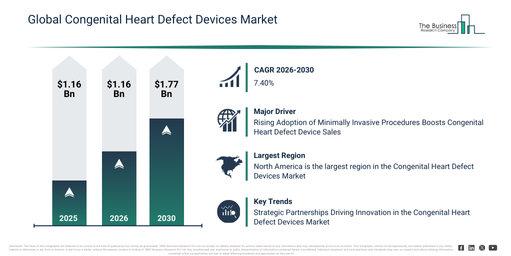
    The congenital heart defect devices market size has experienced significant growth in recent years. It is projected to expand from $3.11 billion in 2025 to $3.34 billion in 2026, exhibiting a compound annual growth rate (CAGR) of 7.4%. The historical expansion in this market can be attributed to the rising incidence of congenital heart defects, ongoing advancements in pediatric cardiac surgery, improved survival rates for congenital heart patients, the proliferation of specialized cardiac care centers, and a growing awareness regarding early congenital defect diagnosis.

    The congenital heart defect devices market size is projected to undergo significant expansion in the coming years. It is poised to grow to $4.45 billion in 2030, exhibiting a compound annual growth rate (CAGR) of 7.4%. This anticipated growth throughout the forecast period stems from an intensified focus on early diagnosis and intervention, an increasing need for minimally invasive pediatric cardiac treatments, the broadening accessibility of advanced cardiac care in emerging markets, a rising population of adults with congenital heart disease, and continuous innovation in implantable cardiac devices. Prominent trends for the forecast period include the increasing adoption of minimally invasive congenital heart procedures, greater utilization of transcatheter and implantable cardiac devices, an expanding emphasis on early-life and pediatric cardiac interventions, the wider application of device-based therapies for complex heart defects, and a growing demand for long-term cardiac monitoring and support devices.

    Download A Free Sample Report For Comprehensive Market Insights:

    https://www.thebusinessresearchcompany.com/sample.aspx?id=18543&type=smp

    What Important Drivers Are Powering The Congenital Heart Defect Devices Market Growth?

    The rising adoption of minimally invasive procedures is projected to drive expansion in the congenital heart defect device market. These procedures entail surgical interventions conducted via small cuts or natural orifices, frequently employing specialized instruments and methods to lessen injury and improve recuperation. The uptick in minimally invasive procedures stems from technological progress, patient demand for less intrusive options, refined surgical approaches, and the advantages of quicker recovery and fewer complications. Devices for congenital heart defects are utilized in minimally invasive procedures, aiding in the diagnosis, treatment, and management of cardiac anomalies via methods employing smaller cuts or catheter-based strategies. An illustrative example is from June 2024, where the American Society of Plastic Surgeons, a US-based organization, reported that in 2023, plastic surgeries saw a 5% increase, and minimally invasive procedures grew by 7% year-over-year. Consequently, the growing commonness of minimally invasive procedures is a key impetus for the congenital heart defect devices market.

    What Are The Major Segment Categories Within The Congenital Heart Defect Devices Market?

    The congenital heart defect devices market covered in this report is segmented –

    1) By Device Type: Catheters, Pacemakers, Single-Chamber Pacemakers, Dual-Chamber Pacemakers, Biventricular Pacemakers, Leadless Pacemakers, Implantable Cardioverter Defibrillators, Biventricular Devices, Implanted Cardiac Loop Recorders, Other Device Types

    2) By Defect Type: Atrial Septal Defect, Ventricular Septal Defect, Atrioventricular Septal Defect, Tricuspid Atresia, Truncus Arteriosus, Other Defect Types

    3) By End user: Hospitals, Specialty Clinics, Academic And Research Institute, Other End Users

    Subsegments:

    1) By Catheters: Balloon Catheters, Diagnostic Catheters, Guiding Catheters

    2) By Pacemakers: Single-Chamber Pacemakers, Dual-Chamber Pacemakers, Biventricular Pacemakers, Leadless Pacemakers

    3) By Implantable Cardioverter Defibrillators: Single-Chamber Icds, Dual-Chamber Icds, Subcutaneous Icds

    4) By Biventricular Devices: Crt-P (Cardiac Resynchronization Therapy Pacemakers), Crt-D (Cardiac Resynchronization Therapy Defibrillators)

    5) By Implanted Cardiac Loop Recorders: Traditional Implantable Loop Recorders, Subcutaneous Implantable Loop Recorders

    6) By Other Device Types: Transcatheter Heart Valves, Ventricular Assist Devices (VADS)

    What Trends Are Influencing The Congenital Heart Defect Devices Market?

    Leading companies in the congenital heart defect devices market are increasingly adopting a strategic partnerships approach to develop innovative congenital heart defect devices. These strategic alliances support businesses in the congenital heart defect devices sector by combining resources and expertise, accelerating research and development efforts, expanding market reach, and expediting commercialization. Ultimately, this collaboration stimulates innovation and drives growth within the industry. For instance, in May 2024, SMT (Sahajanand Medical Technologies Pvt Ltd), an India-based manufacturing company, collaborated with HeartX, an India-based MedTech firm, to enhance patient care in the cardiovascular sector. Through this partnership, Sahajanand Medical Technologies (SMT) strengthens its position in the congenital heart defect (CHD) space by integrating HeartX’s innovative solutions, such as the JOVE VB Stent. This strategic alliance allows SMT to offer advanced CHD devices that improve treatment efficacy, simplify procedures, and enhance patient outcomes.

    Which Firms Are Competing In The Congenital Heart Defect Devices Market?

    Major companies operating in the congenital heart defect devices market are Johnson & Johnson, Abbott Laboratories, Medtronic plc, Boston Scientific Corporation, W L Gore & Associates Inc, Lepu Medical Technology Beijing Co Ltd, MicroPort Scientific Corporation, Berlin Heart GmbH, Syncardia Systems LLC, Occlutech Holding AG, Sahajanand Medical Technologies Pvt Ltd, Xeltis AG, Procyrion Inc, Heartstitch Inc, Cardia Inc, OSYPKA Medical GmbH, On-X Life Technologies Inc, Ventracor Limited, HemoFlow Technologies, NuPulseCV Inc

    Access The Complete Congenital Heart Defect Devices Market Report:

    https://www.thebusinessresearchcompany.com/report/congenital-heart-defect-devices-global-market-report

    Which Region Is The Primary Market For The Congenital Heart Defect Devices Market?

    North America was the largest region in the congenital heart defect devices market in 2025. Asia-Pacific is expected to be the fastest-growing region in the forecast period. The regions covered in the congenital heart defect devices market report are Asia-Pacific, South East Asia, Western Europe, Eastern Europe, North America, South America, Middle East, Africa.

    Access a Customized Congenital Heart Defect Devices Market Report for Deeper Competitive Insights

    https://www.thebusinessresearchcompany.com/customise?id=18543&type=smp

    Browse Through More Reports Similar to the Global Congenital Heart Defect Devices Market 2026, By The Business Research Company

    Computed Tomography Ct Scanners Devices And Equipment Market Report 2026

    https://www.thebusinessresearchcompany.com/report/computed-tomography-ct-scanners-devices-and-equipment-global-market-report

    Computed Tomography Ct Scanner Market Report 2026

    https://www.thebusinessresearchcompany.com/report/computed-tomography-ct-scanner-global-market-report

    Positron Emission Tomography Pet Scanners Market Report 2026

    https://www.thebusinessresearchcompany.com/report/positron-emission-tomography-pet-scanners-global-market-report

    Get in touch with us:

    The Business Research Company: https://www.thebusinessresearchcompany.com/

    Americas: +1 310-496-7795

    Asia: +44 7882 955267 & +91 8897263534

    Europe: +44 7882 955267

    Email us at: marketing@tbrc.info

    Follow us on:

    LinkedIn: https://in.linkedin.com/company/the-business-research-company

    YouTube: https://www.youtube.com/channel/UC24_fI0rV8cR5DxlCpgmyFQ

    Global Market Model: https://www.thebusinessresearchcompany.com/global-market-model
  • Global Cone Beam Computed Tomography Market Anticipated To Grow To $2.61 Billion By 2030 At 12.2% CAGR

    Global Cone Beam Computed Tomography Market Anticipated To Grow To $2.61 Billion By 2030 At 12.2% CAGR

    The Business Research Company’s 2026 market reports feature advanced enhancements such as market attractiveness analysis, total addressable market evaluation, company benchmarking matrices, interactive Excel dashboards, expanded supply chain intelligence, emerging startup coverage, and detailed product insights, delivering more actionable and strategically valuable research.

    How Will The Market Size Of The Cone Beam Computed Tomography Market Progress Through 2030?

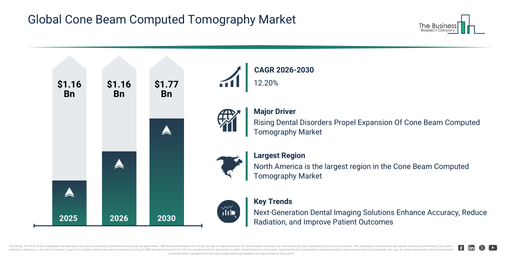
    The cone beam computed tomography market size has shown rapid growth in recent years. It is projected to expand from $1.47 billion in 2025 to $1.65 billion in 2026, reflecting a compound annual growth rate (CAGR) of 11.9%. This historical growth can be ascribed to the increasing prevalence of dental disorders, the expansion of orthodontic and implant procedures, the growing adoption of digital dentistry, a rising demand for precise diagnostic imaging, and the availability of advanced imaging hardware.

    The cone beam computed tomography market is projected for significant expansion over the coming years. This market is anticipated to reach $2.61 billion by 2030, exhibiting a compound annual growth rate (CAGR) of 12.2%. Factors driving this growth during the forecast period include greater investments in dental imaging technologies, a heightened demand for minimally invasive diagnostic procedures, the expansion of dental clinics within developing markets, the increasing adoption of AI-driven treatment planning, and an intensified focus on patient-specific imaging solutions. Key trends anticipated over this period encompass the growing integration of AI-assisted image reconstruction, the expanded utilization of high-resolution dental imaging systems, a rising need for compact and in-clinic CBCT units, the proliferation of multi-application CBCT platforms, and an elevated emphasis on optimizing radiation dosage.

    Download A Free Sample Report For Comprehensive Market Insights:

    https://www.thebusinessresearchcompany.com/sample.aspx?id=10235&type=smp

    Which Major Factors Are Contributing To The Development Of The Cone Beam Computed Tomography Market?

    The expansion of the cone beam computed tomography market is anticipated to be fueled by the rising prevalence of dental issues. These disorders encompass various oral health conditions such as gum disease, tooth erosion, and cavities, which can cause discomfort and pain, hinder eating ability, and negatively impact self-esteem. Cone beam computed tomography serves primarily as a preventative tool, detecting dental problems early, thereby enhancing an endodontist’s ability to diagnose, evaluate, and treat patients, along with assessing issues concerning the jaw, teeth, and facial skeletal structures. For example, data from March 2023, published by the World Health Organization (WHO), a Switzerland-based health body, indicated that nearly 3.5 billion individuals worldwide were impacted by oral diseases. Roughly 10 percent of the global population suffers from severe periodontal gum disease, often leading to tooth loss. Furthermore, 2.3 billion individuals globally have dental caries in their permanent teeth, and 520 million children worldwide experience primary tooth decay. Consequently, the increasing incidence of dental disorders is driving the growth of the cone-beam computed tomography market.

    How Is The Cone Beam Computed Tomography Market Distributed Across Key Segments?

    The cone beam computed tomography market covered in this report is segmented –

    1) By Patient Position: Standing, Seated, Supine

    2) By Application: Dental Implantology, Oral And Maxillofacial Surgery, Orthodontics, Endodontics, General Dentistry, Temporomandibular Joint (TMJ) Disorders, Periodontics, Forensic Dentistry, Other Applications

    3) By End User: Hospitals, Dental Clinics, Other End-Users

    Subsegments:

    1) By Standing: Upright Standing Position, Upright Standing with Head Stabilization

    2) By Seated: Upright Seated Position, Upright Seated with Head Stabilization

    3) By Supine: Standard Supine Position, Adjustable Supine Position

    Which Trends Are Guiding The Development Of The Cone Beam Computed Tomography Market?

    Major companies operating in the cone-beam computed tomography (CBCT) market are prioritizing the creation of sophisticated imaging advancements, including optimized exposure methods, improved sensors, and motion-artifact correction systems, aiming to boost diagnostic precision, optimize operational processes, and elevate patient results. These cutting-edge imaging upgrades provide clearer visualization, reduced radiation exposure, and enhanced dependability, even in demanding medical situations. For example, in March 2025, Planmeca Oy, a dental imaging and technology firm from Finland, launched the Planmeca Viso® G1 CBCT at IDS 2025. This system offers a field of view up to 11 × 11 cm, integrates Planmeca’s Ultra Low Dose protocol, and employs the CALM motion-artifact correction algorithm to ensure the provision of high-quality 3D images even with patient movement, thereby supporting increased diagnostic confidence and better clinical decision-making.

    Who Are The Major Companies Operating In The Cone Beam Computed Tomography Market?

    Major companies operating in the cone beam computed tomography market are Planmeca Group, Vatech Co. Ltd., Asahi Roentgen Industry Co. Ltd., J Morita Corporation, QR s.r.l., CurveBeam AI, PreXion Inc., Canon Medical Systems Corporation, Fussen Technology Co. Ltd., Genoray Co. Ltd., Carestream Health Inc., Villa Sistemi Medicali S.p.A., Cefla S.C., PointNix Co. Ltd., LargeV Instrument Corp., Idetec Medical Imaging, Dentsply Sirona Inc., ACTEON Group, Owandy Radiology, Ray Co. Ltd.

    Access The Complete Cone Beam Computed Tomography Market Report:

    https://www.thebusinessresearchcompany.com/report/cone-beam-computed-tomography-global-market-report

    Which Geographic Region Represents The Largest Cone Beam Computed Tomography Market Share?

    North America was the largest region in the cone beam computed tomography market in 2025. Asia-Pacific is expected to be the fastest-growing region in the global cone beam computed tomography market during the forecast period. The regions covered in the cone beam computed tomography market report are Asia-Pacific, South East Asia, Western Europe, Eastern Europe, North America, South America, Middle East, Africa.

    Access a Customized Cone Beam Computed Tomography Market Report for Deeper Competitive Insights

    https://www.thebusinessresearchcompany.com/customise?id=10235&type=smp

    Browse Through More Reports Similar to the Global Cone Beam Computed Tomography Market 2026, By The Business Research Company

    Computed Tomography Ct Scanner Market Report 2026

    https://www.thebusinessresearchcompany.com/report/computed-tomography-ct-scanner-global-market-report

    Positron Emission Tomography Pet Scanners Market Report 2026

    https://www.thebusinessresearchcompany.com/report/positron-emission-tomography-pet-scanners-global-market-report

    Medical Imaging Equipment Market Report 2026

    https://www.thebusinessresearchcompany.com/report/medical-imaging-equipment-global-market-report

    Get in touch with us:

    The Business Research Company: https://www.thebusinessresearchcompany.com/

    Americas: +1 310-496-7795

    Asia: +44 7882 955267 & +91 8897263534

    Europe: +44 7882 955267

    Email us at: marketing@tbrc.info

    Follow us on:

    LinkedIn: https://in.linkedin.com/company/the-business-research-company

    YouTube: https://www.youtube.com/channel/UC24_fI0rV8cR5DxlCpgmyFQ

    Global Market Model: https://www.thebusinessresearchcompany.com/global-market-model
  • Computed Tomography (CT) Scanners Devices And Equipment Market Future Analysis Covering Industry Shifts And Growth Potential

    Computed Tomography (CT) Scanners Devices And Equipment Market Future Analysis Covering Industry Shifts And Growth Potential

    The Business Research Company’s 2026 market reports feature advanced enhancements such as market attractiveness analysis, total addressable market evaluation, company benchmarking matrices, interactive Excel dashboards, expanded supply chain intelligence, emerging startup coverage, and detailed product insights, delivering more actionable and strategically valuable research.

    What Is The Expected Market Size Of The Computed Tomography (CT) Scanners Devices And Equipment Market In 2026 And How Much Will It Reach By 2030?

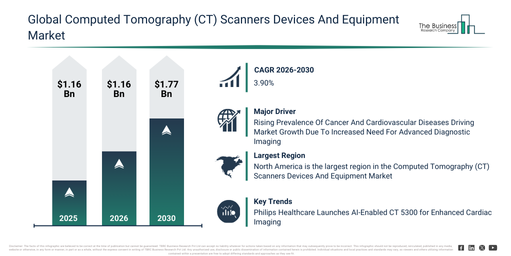
    The computed tomography (ct) scanners devices and equipment market has experienced consistent expansion in its size over recent years. This market is projected to expand from $8.47 billion in 2025 to $8.77 billion in 2026, demonstrating a compound annual growth rate (CAGR) of 3.6%. Historically, this growth has been driven by factors such as the increasing incidence of chronic diseases, the proliferation of diagnostic imaging centers, a heightened demand for early disease diagnosis, advancements in x-ray detector technologies, and broader clinical adoption of CT imaging.

    The computed tomography (ct) scanners devices and equipment market is projected to experience steady growth in the next few years, reaching a size of $10.21 billion by 2030, at a compound annual growth rate (CAGR) of 3.9%. This projected growth can be attributed to factors such as the increasing adoption of AI-driven diagnostic tools, rising investments in advanced imaging infrastructure, a growing demand for precision diagnostics, the expansion of outpatient diagnostic services, and technological advancements in low-dose imaging. Major trends anticipated during this forecast period include the increasing integration of AI-assisted image reconstruction, a heightened demand for high-slice CT scanners, the growing incorporation of dose reduction technologies, the expansion of advanced 3D and 4D imaging capabilities, and an enhanced focus on workflow automation.

    Download A Free Sample Report For Comprehensive Market Insights:

    https://www.thebusinessresearchcompany.com/sample.aspx?id=2397&type=smp

    What Key Growth Drivers Are Influencing The Computed Tomography (CT) Scanners Devices And Equipment Market?

    The increasing occurrence of cancer and cardiovascular diseases is anticipated to drive the expansion of the computed tomography (CT) scanner devices and equipment market in the future. Both cancer and cardiovascular diseases (CVD) stem from multiple factors, sharing common risk elements such as smoking, metabolic syndrome, radiation exposure, advancing age, and air pollution. The growing incidence of these conditions is linked to mutual risk factors like chronic inflammation, obesity, and lifestyle decisions, which foster the onset and advancement of both illnesses via shared biological pathways. Computed tomography (CT) scans are instrumental in identifying tumors and various anomalies within the body, including those associated with cancer and CVD. Furthermore, CT scanning aids in the planning and direction of interventional or therapeutic procedures, including cryotherapy, radiofrequency ablation, and the insertion of radioactive seeds. As an illustration, data from October 2024, provided by the Centers for Disease Control and Prevention, a US-based public health institute, indicated that in 2023, approximately 1 out of every 6 deaths from cardiovascular diseases occurred in adults under 65 years of age. A total of 919,032 people succumbed to cardiovascular disease, accounting for 1 in every 3 deaths. Consequently, the increasing prevalence of cancer and cardiovascular diseases is propelling the expansion of the computed tomography (CT) scanner devices and equipment market.

    How Does Segment Analysis Break Down The Computed Tomography (CT) Scanners Devices And Equipment Market Structure?

    The computed tomography (ct) scanners devices and equipment market covered in this report is segmented –

    1) By Product Type: Low Slice, Medium Slice, High Slice

    2) By Application: Oncology, Neurology, Cardiovascular, Musculoskeletal, Other Applications

    3) By End User: Clinics, Diagnostic Services, Hospitals

    Subsegments:

    1) By Low Slice: 4-Slice CT Scanners, 8-Slice CT Scanners, Other Low Slice CT Scanners

    2) By Medium Slice: 16-Slice CT Scanners, 32-Slice CT Scanners, Other Medium Slice CT Scanners

    3) By High Slice: 64-Slice CT Scanners, 128-Slice CT Scanners, 256-Slice CT Scanners, 320-Slice CT Scanners, Other High Slice CT Scanners

    What Trends Are Influencing The Future Of The Computed Tomography (CT) Scanners Devices And Equipment Market?

    Leading companies in the computed tomography (CT) scanner devices and equipment market are innovating products with advanced technologies, such as AI-enabled CT scanners, to better serve patients. An AI-enabled CT (Computed Tomography) scanner is defined as a medical imaging device that incorporates artificial intelligence (AI) technologies to enhance the quality, speed, and accuracy of CT imaging. For instance, in March 2024, Philips Healthcare, a Netherlands-based health technology company, introduced the AI-enabled CT 5300, an advanced computed tomography scanner specifically designed for cardiac imaging. This innovative system integrates artificial intelligence to boost diagnostic accuracy and streamline workflows, featuring the industry’s first nanopanel precise detector tailored for AI-based reconstruction. It significantly improves image quality while reducing radiation exposure by up to 80%, achieving lower noise levels and superior low-contrast detectability. Already in operation in several European hospitals, the CT 5300 aims to enhance patient care and address challenges in healthcare delivery, demonstrating Philips’ dedication to advancing cardiac care with cutting-edge technology.

    Which Companies Are Influencing The Computed Tomography (CT) Scanners Devices And Equipment Market?

    Major companies operating in the computed tomography (ct) scanners devices and equipment market are GE Healthcare, Koninklijke Philips N.V., Hitachi Ltd., Siemens Healthineers, Canon Medical Systems Corporation, Neusoft Medical Systems, NeuroLogica Corp., Samsung Electronics, Shimadzu Corporation, Shenzhen Anke High-Tech, Fujifilm Holdings Corporation, Koning Corporation, ScanCO Medical AG, United Imaging, Carestream Health, Planmed Oy, Dunlee, Shared Imaging, Allengers Medical Systems, Fujifilm Medical Systems, Konica Minolta Healthcare, Toshiba Medical Systems Corporation, Xoran Technologies

    Access The Complete Computed Tomography (CT) Scanners Devices And Equipment Market Report:

    https://www.thebusinessresearchcompany.com/report/computed-tomography-ct-scanners-devices-and-equipment-global-market-report

    Which Region Leads The Computed Tomography (CT) Scanners Devices And Equipment Market By Size?

    North America was the largest region in the computed tomography scanners devices and equipment market in 2025. Western Europe was the second-largest region in the global computed tomography (CT) scanners devices and equipment market share. The regions covered in the computed tomography (ct) scanners devices and equipment market report are Asia-Pacific, South East Asia, Western Europe, Eastern Europe, North America, South America, Middle East, Africa.

    Access a Customized Computed Tomography (CT) Scanners Devices And Equipment Market Report for Deeper Competitive Insights

    https://www.thebusinessresearchcompany.com/customise?id=2397&type=smp

    Browse Through More Reports Similar to the Global Computed Tomography (CT) Scanners Devices And Equipment Market 2026, By The Business Research Company

    Computed Tomography Ct Scanner Market Report 2026

    https://www.thebusinessresearchcompany.com/report/computed-tomography-ct-scanner-global-market-report

    Cone Beam Computed Tomography Market Report 2026

    https://www.thebusinessresearchcompany.com/report/cone-beam-computed-tomography-global-market-report

    Cheese Market Report 2026

    https://www.thebusinessresearchcompany.com/report/cheese-global-market-report

    Get in touch with us:

    The Business Research Company: https://www.thebusinessresearchcompany.com/

    Americas: +1 310-496-7795

    Asia: +44 7882 955267 & +91 8897263534

    Europe: +44 7882 955267

    Email us at: marketing@tbrc.info

    Follow us on:

    LinkedIn: https://in.linkedin.com/company/the-business-research-company

    YouTube: https://www.youtube.com/channel/UC24_fI0rV8cR5DxlCpgmyFQ

    Global Market Model: https://www.thebusinessresearchcompany.com/global-market-model
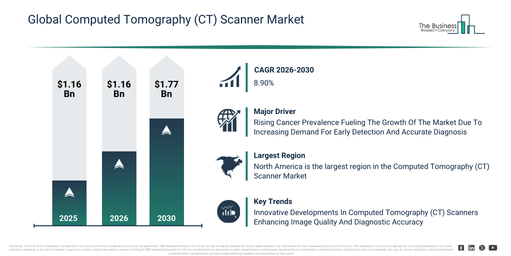
  • Computed Tomography (CT) Scanner Market Analysis Reflecting Expansion Trends And Industry Performance

    Computed Tomography (CT) Scanner Market Analysis Reflecting Expansion Trends And Industry Performance

    The Business Research Company’s 2026 market reports feature advanced enhancements such as market attractiveness analysis, total addressable market evaluation, company benchmarking matrices, interactive Excel dashboards, expanded supply chain intelligence, emerging startup coverage, and detailed product insights, delivering more actionable and strategically valuable research.

    What Market Size Is Forecasted For The Computed Tomography (CT) Scanner Market By 2030 Based On Its 2026 Value?

    The computed tomography (CT) scanner market has demonstrated strong growth in recent years. It is projected to expand from $8.22 billion in 2025 to $8.96 billion in 2026, achieving a compound annual growth rate (CAGR) of 9.0%. Historically, this growth can be attributed to several factors including the expansion of advanced medical imaging infrastructure, an increasing incidence of chronic and acute diseases, the growing application of CT imaging in diagnostics, the availability of reimbursement frameworks, and the development of hospital imaging departments.

    The computed tomography (ct) scanner market is projected to experience substantial expansion over the upcoming years. This market is anticipated to reach $12.59 billion by 2030, exhibiting a compound annual growth rate (CAGR) of 8.9%. This projected growth stems from factors such as increased capital allocation towards sophisticated imaging technologies, a heightened need for detecting diseases early, the proliferation of outpatient diagnostic facilities, an intensified emphasis on minimizing radiation exposure, and ongoing advancements in CT scanner capabilities. Key trends identified for this period involve the wider implementation of high-slice CT systems, an uptick in the use of AI-powered image reconstruction, increased desire for portable CT devices, the spread of low-dose imaging solutions, and a stronger emphasis on diagnostic accuracy.

    Download A Free Sample Report For Comprehensive Market Insights:

    https://www.thebusinessresearchcompany.com/sample.aspx?id=24196&type=smp

    Which Core Factors Are Supporting The Expansion Of The Computed Tomography (CT) Scanner Market?

    The projected rise in cancer cases is anticipated to drive the expansion of the computed tomography (CT) scanner market. This condition encompasses a range of illnesses defined by the unchecked proliferation and dissemination of atypical cells within the body. The escalating incidence of cancer is largely attributed to the world’s aging populace, where extended lifespans contribute to a higher number of individuals reaching older ages. In these demographic segments, the combined impact of genetic alterations, environmental factors, and compromised immune defenses considerably elevates the likelihood of developing diverse forms of cancer. Computed tomography (CT) scanners are vital for cancer management, offering intricate cross-sectional and three-dimensional images crucial for prompt detection, exact tumor localization, precise staging, guiding treatment strategies, and continuous surveillance of neoplasms. This technology empowers clinicians to make well-informed choices, thereby enhancing patient prognoses across the entire spectrum of cancer care. For example, statistics from April 2024, released by the American Cancer Society, a US-based professional organization, indicated approximately 20 million new cancer diagnoses and 9.7 million fatalities globally in 2022, with projections suggesting cancer cases will climb to 35 million by 2050. Consequently, the expanding burden of cancer is a significant catalyst for the growth of the computed tomography (CT) scanner market.

    What Segment Types Are Included In The Computed Tomography (CT) Scanner Market Analysis?

    The computed tomography (ct) scanner market covered in this report is segmented –

    1) By Type: Stationary Computed Tomography Scanner, Portable Computed Tomography Scanner

    2) By Architecture: O-Arm, Gantry-Based CT Architecture

    3) By Technology: High-Slice Computed Tomography, Mid-Slice Computed Tomography, Low-Slice Computed Tomography, Cone Beam Computed Tomography

    4) By Application: Neurology, Oncology, Cardiovascular, Orthopedics, Other Applications

    5) By End Users: Hospitals And Diagnostics Centers, Research Laboratories, Academic Institutes And Contract Research Organizations, Ambulatory Care Centers, Veterinary Clinics And Hospitals, Other End Users

    Subsegments:

    1) By Stationary Computed Tomography Scanner: Single-Slice Computed Tomography Scanner, Multi-Slice Computed Tomography Scanner, Cone Beam Computed Tomography Scanner, Dual-Source Computed Tomography Scanner

    2) By Portable Computed Tomography Scanner: Compact Mobile CT Scanners, Mobile Computed Tomography Scanner

    Which Trends Are Contributing To Changes In The Computed Tomography (CT) Scanner Market?

    Leading companies within the computed tomography (CT) scanner market are prioritizing the development of innovative technologies, such as volume imaging technology, to enhance image quality, shorten scan times, minimize radiation exposure, and improve diagnostic accuracy for a broad spectrum of clinical applications. Volume imaging technology facilitates the capture of complete anatomical volumes in a single rotation, significantly improving image resolution and reducing motion artifacts. For example, in March 2025, GE Healthcare Technologies Inc., a US-based medical technology and diagnostics company, introduced the Revolution Vibe CT system, which features unlimited one-beat cardiac imaging and artificial intelligence (AI)-powered workflow enhancements. This system delivers high-quality images even in complex situations, such as atrial fibrillation and heavily calcified coronaries, and simplifies patient preparation by removing the requirement for ECG connections. The Revolution Vibe aims to boost diagnostic confidence and patient comfort while simultaneously improving workflow efficiency.

    Who Are The Companies Shaping The Computed Tomography (CT) Scanner Market Landscape?

    Major companies operating in the computed tomography (ct) scanner market are Siemens Healthineers AG, GE HealthCare Technologies Inc., Koninklijke Philips N.V., FUJIFILM Holdings Corporation, Canon Medical Systems Corporation, Shimadzu Corporation, Neusoft Medical Systems Co. Ltd., Shanghai United Imaging Healthcare Co. Ltd., Carestream Health Inc., Analogic Corporation, Trivitron Healthcare Private Limited, Shenzhen Anke High-tech Co. Ltd., Planmed Oy, Xoran Technologies LLC, SinoVision Technologies (Beijing) Co. Ltd., Koning Corporation, CurveBeam AI Inc., MinFound Medical Systems Co. Ltd., Hitachi Ltd. (Medical Systems), Toshiba Medical Systems Corporation, Samsung Healthcare (CT Division), Mediso Ltd., GE Precision Healthcare

    Access The Complete Computed Tomography (CT) Scanner Market Report:

    https://www.thebusinessresearchcompany.com/report/computed-tomography-ct-scanner-global-market-report

    Which Region Has The Strongest Presence In The Computed Tomography (CT) Scanner Market?

    North America was the largest region in the computed tomography (CT) scanner market in 2025. Asia-Pacific is expected to be the fastest-growing region in the forecast period. The regions covered in the computed tomography (ct) scanner market report are Asia-Pacific, South East Asia, Western Europe, Eastern Europe, North America, South America, Middle East, Africa.

    Access a Customized Computed Tomography (CT) Scanner Market Report for Deeper Competitive Insights

    https://www.thebusinessresearchcompany.com/customise?id=24196&type=smp

    Browse Through More Reports Similar to the Global Computed Tomography (CT) Scanner Market 2026, By The Business Research Company

    Compression Stockings Market Report 2026

    https://www.thebusinessresearchcompany.com/report/compression-stockings-global-market-report

    Compression Wear And Shapewear Market Report 2026

    https://www.thebusinessresearchcompany.com/report/compression-wear-and-shapewear-global-market-report

    Compression Sleeves Market Report 2026

    https://www.thebusinessresearchcompany.com/report/compression-sleeves-global-market-report

    Get in touch with us:

    The Business Research Company: https://www.thebusinessresearchcompany.com/

    Americas: +1 310-496-7795

    Asia: +44 7882 955267 & +91 8897263534

    Europe: +44 7882 955267

    Email us at: marketing@tbrc.info

    Follow us on:

    LinkedIn: https://in.linkedin.com/company/the-business-research-company

    YouTube: https://www.youtube.com/channel/UC24_fI0rV8cR5DxlCpgmyFQ

    Global Market Model: https://www.thebusinessresearchcompany.com/global-market-model