Category: Medical Equipment

  • Aortic Endograft Market Expected To Witness Revenue Growth Toward $4.49 Billion By 2030

    Aortic Endograft Market Expected To Witness Revenue Growth Toward $4.49 Billion By 2030

    The Business Research Company’s 2026 market reports feature advanced enhancements such as market attractiveness analysis, total addressable market evaluation, company benchmarking matrices, interactive Excel dashboards, expanded supply chain intelligence, emerging startup coverage, and detailed product insights, delivering more actionable and strategically valuable research.

    What Market Value Trend Is Expected For The Aortic Endograft Market From 2026 To 2030?

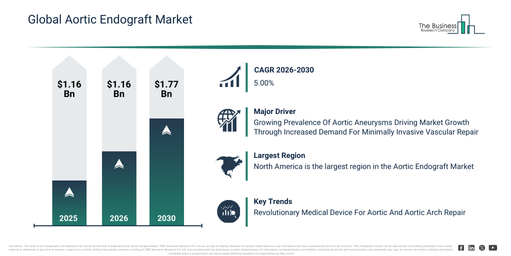
    The aortic endograft market size has experienced consistent growth in recent years. It is projected to expand from $3.52 billion in 2025 to $3.7 billion in 2026, demonstrating a compound annual growth rate (CAGR) of 5.0%. The growth observed in the historic period stemmed from a rising incidence of aortic aneurysms, the broader adoption of endovascular surgery, enhanced imaging techniques for vascular interventions, the availability of advanced stent materials, and greater surgeon expertise in minimally invasive methods.

    The aortic endograft market is projected to experience consistent expansion over the upcoming years, reaching a valuation of $4.5 billion by 2030, demonstrating a compound annual growth rate (CAGR) of 5.0%. This anticipated growth is driven by factors such as an expanding elderly demographic afflicted with vascular conditions, a heightened inclination towards endovascular interventions, the development of customized vascular implants, increased financial commitments to advanced graft materials, and an escalating need for surgical alternatives offering quicker recovery. Key trends expected during this period involve the wider acceptance of minimally invasive aneurysm repair techniques, a surge in the application of fenestrated and branched endografts, an increasing requirement for tailor-made stent graft designs, the proliferation of EVAR procedures, and a stronger emphasis on ensuring prolonged graft durability.

    Download A Free Sample Report For Comprehensive Market Insights:

    https://www.thebusinessresearchcompany.com/sample.aspx?id=13784&type=smp

    What Core Drivers Are Transforming The Aortic Endograft Market?

    The increasing occurrence of aortic aneurysms is anticipated to drive the expansion of the aortic endograft market. An aortic aneurysm is defined as an abnormal, localized enlargement or protrusion of the aorta, the primary artery in the human body. This rise in aortic aneurysm cases stems from an aging population combined with a high frequency of related health issues such as hypertension and atherosclerosis. The growing prevalence of aortic aneurysms boosts the aortic endograft sector by generating demand for endovascular repair devices, which offer less invasive options compared to open surgery, lower procedural hazards, and enhance patient recuperation. For example, data from February 2023 by the UK’s Government Digital Service, a public sector information website, showed that out of approximately 274,800 men offered screening, 79.0% received a conclusive screen, identifying 1,794 aneurysms. Consequently, the increasing prevalence of aortic aneurysms is fueling the expansion of the aortic aneurysm market.

    What Segment Types Are Included In The Aortic Endograft Market Analysis?

    The aortic endograft market covered in this report is segmented –

    1) By Product: Abdominal Aortic Grafts, Thoracic Aortic Grafts

    2) By Material: Metallic Endografts, Polymeric Endografts

    3) By Procedure: Open Surgical Repair, Endovascular Aneurysm Repair (EVAR)

    4) By End User: Hospitals, Ambulatory Surgical Centers

    Subsegments:

    1) By Abdominal Aortic Grafts: Fenestrated Aortic Grafts, Branched Aortic Grafts, Conventional Aortic Grafts

    2) By Thoracic Aortic Grafts: Stented Thoracic Aortic Grafts, Non-Stented Thoracic Aortic Grafts, Hybrid Thoracic Aortic Grafts

    Which Trends Are Expected To Shape The Aortic Endograft Market?

    Key companies within the aortic endograft market are developing advanced solutions, such as the castor-branched aortic stent graft system, to gain a competitive advantage. This castor-branched aortic stent graft system serves as a medical device for the minimally invasive repair of the aorta and aortic arch, particularly in cases of Stanford type B aortic dissection (TBAD). For example, in August 2024, Terumo India, an India-based medical technology firm and the Indian subsidiary of Terumo Corporation, introduced the TREO Stent-Graft System, a novel solution for Endovascular Aneurysm Repair (EVAR). This sophisticated system is engineered for the treatment of infrarenal abdominal aortic aneurysms in adults with suitable anatomies and is unique among EVAR grafts for providing both suprarenal and infrarenal active fixation.

    Which Organizations Are Operating Within The Aortic Endograft Market?

    Major companies operating in the aortic endograft market are Abbott Laboratories, Medtronic Plc, Boston Scientific Corporation, Terumo Corporation, W. L. Gore & Associates Inc., Cook Medical Inc., LifeTech Scientific Corporation, MicroPort Scientific Corporation, CryoLife Inc., Endologix LLC, Braile Biomédica Indústria Comércio e Representações Ltda., Nano Endoluminal S.A., JOTEC GmbH, Lombard Medical Inc., Aptus Endosystems Inc., Lombardi SA, Cardiatis S.A., Endospan Ltd., Transcatheter Technologies GmbH, Vascutek Ltd.

    Access The Complete Aortic Endograft Market Report:

    https://www.thebusinessresearchcompany.com/report/aortic-endograft-global-market-report

    Which Area Represents The Largest Portion Of The Aortic Endograft Market?

    North America was the largest region in the aortic endograft market in 2025. Asia-Pacific is expected to be the fastest-growing region in the forecast period. The regions covered in the aortic endograft market report are Asia-Pacific, South East Asia, Western Europe, Eastern Europe, North America, South America, Middle East, Africa.

    Access a Customized Aortic Endograft Market Report for Deeper Competitive Insights

    https://www.thebusinessresearchcompany.com/customise?id=13784&type=smp

    Browse Through More Reports Similar to the Global Aortic Endograft Market 2026, By The Business Research Company

    Aortic Stent Grafts Market Report 2026

    https://www.thebusinessresearchcompany.com/report/aortic-stent-grafts-global-market-report

    Aortic Aneurysm Market Report 2026

    https://www.thebusinessresearchcompany.com/report/aortic-aneurysm-global-market-report

    Transcatheter Aortic Valve Replacement Market Report 2026

    https://www.thebusinessresearchcompany.com/report/transcatheter-aortic-valve-replacement-global-market-report

    Get in touch with us:

    The Business Research Company: https://www.thebusinessresearchcompany.com/

    Americas: +1 310-496-7795

    Asia: +44 7882 955267 & +91 8897263534

    Europe: +44 7882 955267

    Email us at: marketing@tbrc.info

    Follow us on:

    LinkedIn: https://in.linkedin.com/company/the-business-research-company

    YouTube: https://www.youtube.com/channel/UC24_fI0rV8cR5DxlCpgmyFQ

    Global Market Model: https://www.thebusinessresearchcompany.com/global-market-model
  • Anti-Snoring Devices Market Industry Outlook 2026–2030 Highlighting Growth Momentum And Market Trends

    Anti-Snoring Devices Market Industry Outlook 2026–2030 Highlighting Growth Momentum And Market Trends

    The Business Research Company’s 2026 market reports feature advanced enhancements such as market attractiveness analysis, total addressable market evaluation, company benchmarking matrices, interactive Excel dashboards, expanded supply chain intelligence, emerging startup coverage, and detailed product insights, delivering more actionable and strategically valuable research.

    How Does The Forecasted Market Size Of The Anti-Snoring Devices Market Compare Between 2026 And 2030?

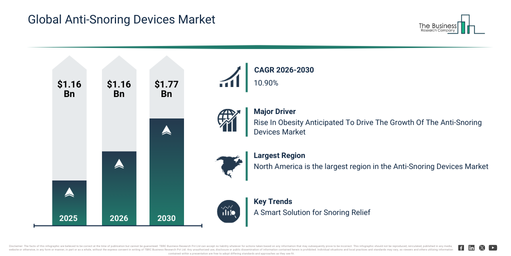
    The anti-snoring devices market size has seen swift expansion over recent years. It is projected to increase from $1.9 billion in 2025 to $2.1 billion in 2026, reflecting a compound annual growth rate (CAGR) of 10.3%. The growth observed in the past can be attributed to factors such as the escalating prevalence of sleep-disordered breathing, heightened awareness regarding sleep health, the broader adoption of home healthcare, the accessibility of over-the-counter snoring solutions, and the establishment of more sleep clinics.

    The anti-snoring devices market size is projected to experience substantial expansion over the upcoming years. This market is forecast to reach $3.18 billion by 2030, exhibiting a compound annual growth rate (CAGR) of 10.9%. The expansion during the projected period can be ascribed to several factors, including the escalating demand for connected sleep monitoring devices, the increasing integration of AI-based sleep analytics, the broadening scope of preventive sleep healthcare, an intensified focus on non-surgical methods for snoring management, and greater consumer expenditure on sleep wellness. Key trends anticipated during this period encompass the wider embrace of smart anti-snoring wearables, an upward trend in the utilization of mandibular advancement devices, an escalating need for home-based sleep solutions, the proliferation of non-invasive snoring therapies, and a heightened emphasis on personalized sleep health devices.

    Download A Free Sample Report For Comprehensive Market Insights:

    https://www.thebusinessresearchcompany.com/sample.aspx?id=10755&type=smp

    Which Growth Factors Are Strengthening The Anti-Snoring Devices Market Landscape?

    The increasing occurrence of obesity is projected to boost the expansion of the anti-snoring devices market. Obesity refers to abnormal or excessive weight gain that poses health risks. Anti-snoring devices, such as mouthpieces, help obese individuals control snoring by moving the jaw forward and preventing the tongue from slipping back and obstructing the airway. For instance, in May 2025, according to the Office for Health Improvement and Disparities, a UK-based government body, an estimated 64.5% of adults aged 18 and over in England were overweight or living with obesity from 2023 to 2024, which was an increase from 64.0% in 2022 to 2023. Therefore, the rising prevalence of obesity is driving the growth of the anti-snoring devices market.

    Which Segment Divisions Form The Structure Of The Anti-Snoring Devices Market?

    The anti-snoring devices market covered in this report is segmented –

    1) By Product Type: Mandibular Advancement Devices (MADS), Tongue Retaining Devices (TRD), Nasal Dilator, Chin Strap, Position Control, Pillow

    2) By Gender: Men, Women

    3) By Age Group: Between 40 And 59 Years, 60 And Above Years, Below 40 Years

    4) By End User: Sleep Clinics, Home Healthcare

    Subsegments:

    1) By Mandibular Advancement Devices (MADS): Adjustable MADS, Fixed MADS

    2) By Tongue Retaining Devices (TRD): Soft TRD, Rigid TRD

    3) By Nasal Dilator: External Nasal Dilators, Internal Nasal Dilators

    4) By Chin Strap: Adjustable Chin Straps, Elastic Chin Straps

    5) By Position Control: Positional Pillows, Sleep Positioners

    6) By Pillow: Anti-Snoring Pillows, Contoured Pillows

    What Trends Are Affecting The Anti-Snoring Devices Market Dynamics?

    Leading companies in the anti-snoring devices market are actively pursuing advanced technological developments, including novel wearable solutions, to significantly improve user comfort and product efficacy. Innovative wearable solutions refer to sophisticated technological gadgets designed to be worn on the body, capable of monitoring, tracking, or augmenting various functions and activities. As an illustration, in September 2024, AppYea Inc., an Israel-based technology enterprise, introduced the AppySleep device, an innovative wearable solution. This AppySleep device is crafted to observe sleep patterns and detect snoring, subsequently providing subtle vibrations to encourage users to shift positions and thereby reduce snoring. Its refined, user-friendly construction ensures comfortable wear throughout the entire night, and it synchronizes with a mobile application to offer tailored insights and recommendations for enhancing sleep quality.

    Who Are The Businesses Driving Activity In The Anti-Snoring Devices Market?

    Major companies operating in the anti-snoring devices market are SomnoMed Ltd, Apnea Sciences Corporation, Theravent Inc, Tomed GmbH, MPowRx, AccuMed Corp, Contour Products Inc, Rhinomed Limited, ZQuiet, The Pure Sleep Company, Nozovent, Snoring Solutions Inc, Sleeping Well LLC, Signifier Medical Technologies LLC, VVFLY Electronics Co Ltd, DentCare Dental Lab Pvt Ltd, Airway Management Inc, MEDiTAS Ltd, Innovative Health Care Pvt Ltd, PureSleep

    Access The Complete Anti-Snoring Devices Market Report:

    https://www.thebusinessresearchcompany.com/report/anti-snoring-devices-global-market-report

    Which Region Commands The Largest Share Of The Anti-Snoring Devices Market?

    North America was the largest region in the anti-snoring devices market in 2025. Asia-Pacific is expected to be the fastest-growing region in the global anti-snoring devices market report during the forecast period. The regions covered in the anti-snoring devices market report are Asia-Pacific, South East Asia, Western Europe, Eastern Europe, North America, South America, Middle East, Africa.

    Access a Customized Anti-Snoring Devices Market Report for Deeper Competitive Insights

    https://www.thebusinessresearchcompany.com/customise?id=10755&type=smp

    Browse Through More Reports Similar to the Global Anti-Snoring Devices Market 2026, By The Business Research Company

    Multidrug Resistant Bacteria Market Report 2026

    https://www.thebusinessresearchcompany.com/report/multidrug-resistant-bacteria-global-market-report

    Antimicrobial Susceptibility Testing Market Report 2026

    https://www.thebusinessresearchcompany.com/report/antimicrobial-susceptibility-testing-global-market-report

    Antimicrobial Textile Market Report 2026

    https://www.thebusinessresearchcompany.com/report/antimicrobial-textile-global-market-report

    Get in touch with us:

    The Business Research Company: https://www.thebusinessresearchcompany.com/

    Americas: +1 310-496-7795

    Asia: +44 7882 955267 & +91 8897263534

    Europe: +44 7882 955267

    Email us at: marketing@tbrc.info

    Follow us on:

    LinkedIn: https://in.linkedin.com/company/the-business-research-company

    YouTube: https://www.youtube.com/channel/UC24_fI0rV8cR5DxlCpgmyFQ

    Global Market Model: https://www.thebusinessresearchcompany.com/global-market-model
  • Anti-Retropulsion Devices Market Growth Forecast With Analysis Of Industry Progress Through 2030

    Anti-Retropulsion Devices Market Growth Forecast With Analysis Of Industry Progress Through 2030

    The Business Research Company’s 2026 market reports feature advanced enhancements such as market attractiveness analysis, total addressable market evaluation, company benchmarking matrices, interactive Excel dashboards, expanded supply chain intelligence, emerging startup coverage, and detailed product insights, delivering more actionable and strategically valuable research.

    What Increase In Market Value Is Predicted For The Anti-Retropulsion Devices Market During The 2026–2030 Period?

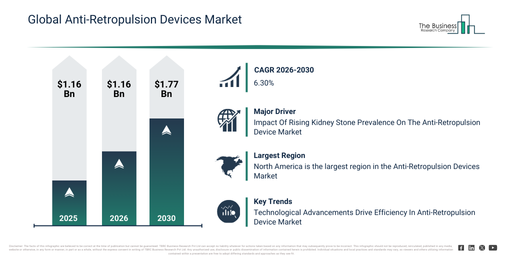
    The anti-retropulsion devices market size has demonstrated robust growth in recent years. This market is projected to expand from $2.56 billion in 2025 to $2.75 billion in 2026, registering a compound annual growth rate (CAGR) of 7.1%. Factors contributing to this historical expansion include the rising incidence of kidney stones and urolithiasis, the increasing adoption of ureteroscopy and lithotripsy procedures, the early availability of basket and balloon anti-retropulsion devices, growth in hospital-based urology surgery volumes, and an increasing focus on stone clearance efficiency.

    The anti-retropulsion devices market is projected to experience substantial expansion in the coming years. This market is anticipated to reach a valuation of $3.51 billion by 2030, demonstrating a compound annual growth rate (CAGR) of 6.3%. Several factors will drive this growth during the forecast period, including the escalating demand for minimally invasive stone removal technologies, the wider adoption of disposable anti-retropulsion devices, an increase in ambulatory stone treatment procedures, the ongoing development of specialized device designs for complex stones, and greater investments in urology care infrastructure. Key trends anticipated within this period involve a growing preference for sophisticated anti-retropulsion devices to enhance stone stabilization during lithotripsy, the increased application of basket and balloon-type devices to reduce proximal stone migration, a noticeable clinical shift towards minimally invasive ureteroscopy-based stone management, the broader integration of procedure-specific device designs for intricate ureteral anatomies, and a heightened demand for disposable and single-use anti-retropulsion devices to mitigate infection risks.

    Download A Free Sample Report For Comprehensive Market Insights:

    https://www.thebusinessresearchcompany.com/sample.aspx?id=17061&type=smp

    What Important Drivers Are Powering The Anti-Retropulsion Devices Market Growth?

    The increasing occurrence of chronic kidney disease is projected to boost the expansion of the anti-retropulsion device market moving ahead. Chronic kidney diseases encompass various ailments impacting the kidneys’ structure and function. Unhealthy dietary habits, inactivity, corpulence, tobacco use, and high alcohol consumption are all factors contributing to the development of kidney issues. To improve the efficacy of urological interventions, anti-retropulsion devices are employed to stop kidney stone fragments from returning to the kidney during therapeutic processes. For example, data from May 2024, provided by the Centers for Disease Control and Prevention, a U.S.-based public health agency, indicated that the incidence of chronic kidney disease among adults in the United States stood at over 14%, impacting approximately 35.5 million people, which marks an increase from 13% in 2023. Consequently, the escalating incidence of chronic kidney disease will stimulate the expansion of the anti-retropulsion device market.

    How Are Different Segment Groups Identified Within The Anti-Retropulsion Devices Market?

    The anti-retropulsion devices market covered in this report is segmented –

    1) By Product Type: Basket Type Anti-Retropulsion Devices, Balloon Type Anti-Retropulsion Devices, Mechanical Retropulsion Devices

    2) By Application: Ureteroscopy, Lithotripsy

    3) By End-User: Hospitals, Ambulatory Surgical Centers, Other End Users

    Subsegments:

    1) By Basket Type Anti-Retropulsion Devices: Self-Expanding Basket Devices, Balloon-Expandable Basket Devices, Balloon Type Anti-Retropulsion Devices,

    2) By Balloon Type Anti-Retropulsion Devices: Single-Lumen Balloon Devices, Multi-Lumen Balloon Devices, Other Anti-Retropulsion Devices,

    3) By Mechanical Retropulsion Devices: Mechanical Retropulsion Devices, Stent-Based Anti-Retropulsion Devices.

    Which Trends Are Influencing The Expansion Of The Anti-Retropulsion Devices Market?

    Leading companies active in the anti-retropulsion device market are prioritizing design enhancements and user-centric innovations, including vacuum-assisted kidney stone removal devices, with the aim of improving patient outcomes and reducing procedural durations. Vacuum-assisted kidney stone removal devices are medical instruments specifically engineered to boost the effectiveness of urological procedures by using suction to capture and extract kidney stones from the urinary tract. For instance, in March 2024, Calyxo, Inc., a US-based medical device company dedicated to advancing care for individuals with kidney stones, launched the CVAC System. This comprehensive solution is meticulously engineered for efficient and effective kidney stone removal, utilizing irrigation and vacuum aspiration to continuously clear stone fragments during and after laser lithotripsy, thereby enabling physicians to achieve stone-free outcomes.

    Which Firms Are Competing In The Anti-Retropulsion Devices Market?

    Major companies operating in the anti-retropulsion devices market are Johnson & Johnson, Medtronic plc, Boston Scientific Corporation, Cook Medical Incorporated, KARL STORZ SE & Co KG, Coloplast A/S, ROCAMED SAM, Endotherapeutics Pty Ltd, Dornier MedTech GmbH, Accordion Medical LLC, Cogentix Medical Inc., NeoScope Inc, OTU Medical, Clarion Medical Technologies, Calyxo Inc, EMS Urology, Happiness Works Medical, PENTAX Medical, UROMED Kurt Drews KG, EndoTheia Inc, Maxer Endoscopy GmbH

    Access The Complete Anti-Retropulsion Devices Market Report:

    https://www.thebusinessresearchcompany.com/report/anti-retropulsion-devices-global-market-report

    Which Region Accounts For The Highest Share Of The Anti-Retropulsion Devices Market?

    North America was the largest region in the anti-retropulsion devices market in 2025. Asia-Pacific is expected to be the fastest-growing region in the forecast period. The regions covered in the anti-retropulsion devices market report are Asia-Pacific, South East Asia, Western Europe, Eastern Europe, North America, South America, Middle East, Africa.

    Access a Customized Anti-Retropulsion Devices Market Report for Deeper Competitive Insights

    https://www.thebusinessresearchcompany.com/customise?id=17061&type=smp

    Browse Through More Reports Similar to the Global Anti-Retropulsion Devices Market 2026, By The Business Research Company

    Antimicrobial Susceptibility Testing Market Report 2026

    https://www.thebusinessresearchcompany.com/report/antimicrobial-susceptibility-testing-global-market-report

    Veterinary Antimicrobial Susceptibility Testing Market Report 2026

    https://www.thebusinessresearchcompany.com/report/veterinary-antimicrobial-susceptibility-testing-global-market-report

    Multidrug Resistant Bacteria Market Report 2026

    https://www.thebusinessresearchcompany.com/report/multidrug-resistant-bacteria-global-market-report

    Get in touch with us:

    The Business Research Company: https://www.thebusinessresearchcompany.com/

    Americas: +1 310-496-7795

    Asia: +44 7882 955267 & +91 8897263534

    Europe: +44 7882 955267

    Email us at: marketing@tbrc.info

    Follow us on:

    LinkedIn: https://in.linkedin.com/company/the-business-research-company

    YouTube: https://www.youtube.com/channel/UC24_fI0rV8cR5DxlCpgmyFQ

    Global Market Model: https://www.thebusinessresearchcompany.com/global-market-model

  • Global Anti-Pollution Nasal Spray Market Forecast Highlighting Expansion And Competitive Dynamics

    Global Anti-Pollution Nasal Spray Market Forecast Highlighting Expansion And Competitive Dynamics

    The Business Research Company’s 2026 market reports feature advanced enhancements such as market attractiveness analysis, total addressable market evaluation, company benchmarking matrices, interactive Excel dashboards, expanded supply chain intelligence, emerging startup coverage, and detailed product insights, delivering more actionable and strategically valuable research.

    How Will The Market Size Of The Anti-Pollution Nasal Spray Market Progress Through 2030?

    The anti-pollution nasal spray market has shown robust expansion in recent years. It is anticipated to increase from $9.37 billion in 2025 to $10.16 billion in 2026, demonstrating a compound annual growth rate (CAGR) of 8.4%. Historically, this growth has been fueled by escalating urban air pollution levels, a greater awareness of respiratory health, the expansion of self-care and preventive healthcare practices, the accessibility of non-prescription nasal sprays, and an increasing consumer focus on overall wellness.

    The anti-pollution nasal spray market is projected to experience robust expansion over the coming years. This market is anticipated to reach a valuation of $13.98 billion by 2030, demonstrating a compound annual growth rate (CAGR) of 8.3%. Several factors will drive this growth during the forecast period, including the rising uptake of preventive respiratory care solutions, heightened exposure to pollution among urban dwellers, the expansion of pharmaceutical sales through e-commerce channels, advancements in nasal drug delivery systems, and a greater need for clean-label healthcare items. Key trends for the forecast duration encompass a surging demand for nasal sprays designed to defend against pollution, an increase in the utilization of natural and herbal ingredients, a developing inclination towards daily preventive nasal care items, the proliferation of over-the-counter anti-pollution remedies, and a heightened emphasis on protective barriers that offer sustained effects.

    Download A Free Sample Report For Comprehensive Market Insights:

    https://www.thebusinessresearchcompany.com/sample.aspx?id=24146&type=smp

    Which Major Factors Are Contributing To The Development Of The Anti-Pollution Nasal Spray Market?

    The rising awareness of airborne allergens is anticipated to stimulate the expansion of the anti-pollution nasal spray market. Airborne allergens are minute particles present in the air, such as pollen or dust, which provoke allergies when inhaled. Their prevalence is increasing primarily due to climate change and elevated pollution levels, leading to longer pollen seasons and greater dispersal of allergenic substances. Anti-pollution nasal spray establishes a defensive barrier within the nasal passages, designed to obstruct and ensnare airborne allergens, thereby preventing the onset of allergic reactions. As an illustration, in October 2023, the World Allergy Organization, a US-based umbrella organization for clinical allergic studies, stated that allergic rhinitis affects over 400 million people globally, with prevalence rates ranging from 10% to 30% in adults and exceeding 40% in children. This heightened recognition of airborne allergens is therefore projected to be a key driver for the anti-pollution nasal spray market.

    What Segment Categories Are Evaluated In The Anti-Pollution Nasal Spray Market Study?

    The anti-pollution nasal spray market covered in this report is segmented –

    1) By Product: Pollution Defense Products, Symptomatic Relief Nasal Sprays, Cleansing Nasal Sprays, Hydrating Nasal Sprays, Other Products

    2) By Distribution Channel: Online Channels, Retail Pharmacies, Supermarkets Or General Retail Stores, Other Distribution Channels

    3) By End-User: Hospitals, Clinics, Online Pharmacies

    Subsegments:

    1) By Pollution Defense Products: Activated Charcoal Nasal Sprays, Anti-Allergen Nasal Sprays, Barrier Nasal Sprays

    2) By Symptomatic Relief Nasal Sprays: Decongestant Nasal Sprays, Antihistamine Nasal Sprays, Steroidal Nasal Sprays

    3) By Cleansing Nasal Sprays: Saline Nasal Sprays, Hypertonic Nasal Sprays, Isotonic Nasal Sprays

    4) By Hydrating Nasal Sprays: Aloe Vera Nasal Sprays, Hyaluronic Acid Nasal Sprays, Essential Oil-Based Nasal Sprays

    5) By Other Products: Herbal Nasal Sprays, Vitamin-Infused Nasal Sprays, Homeopathic Nasal Sprays

    What Trends Are Impacting The Anti-Pollution Nasal Spray Market?

    Leading companies in the anti-pollution nasal spray market are prioritizing the development of innovative products with advanced formulations, such as monohydrate nasal spray. This focus aims to improve efficacy, deliver prolonged relief, and meet the increasing demand for effective solutions against respiratory problems caused by air pollution. A monohydrate nasal spray is characterized by an active ingredient combined with a water molecule, which enhances its stability and effectiveness in addressing nasal issues. For instance, in March 2024, Aurobindo Pharma Limited, an India-based pharmaceutical firm, obtained final approval from the U.S. Food and Drug Administration (FDA) for its Abbreviated New Drug Application (ANDA) concerning Mometasone Furoate Monohydrate Nasal Spray, 50 mcg/spray, an AB-rated generic equivalent to Nasonex Nasal Spray. This specific spray is authorized for treating nasal symptoms of seasonal and perennial allergic rhinitis in individuals aged 2 years and older, alleviating nasal congestion associated with seasonal allergies for the same demographic, preventing seasonal allergic rhinitis symptoms in those aged 12 and older, and managing nasal polyps in patients aged 18 and above.

    Who Are The Major Companies Operating In The Anti-Pollution Nasal Spray Market?

    Major companies operating in the anti-pollution nasal spray market are Merck KGaA, Bayer AG, Sanofi SA, Novartis AG, GSK Plc, Haleon plc, Bausch Health Companies Inc., Sun Pharmaceutical Industries Ltd., Aurobindo Pharma Limited, Omega Pharma, ALK-Abelló, Stallergenes Greer, Allergy Therapeutics, AdvaCare Pharma, Nasaleze International Ltd., Allermi, Cipla Limited, Himalaya Wellness Company, Dr. Reddy’s Laboratories Ltd., Perrigo Company plc

    Access The Complete Anti-Pollution Nasal Spray Market Report:

    https://www.thebusinessresearchcompany.com/report/anti-pollution-nasal-spray-global-market-report

    Which Region Is The Primary Market For The Anti-Pollution Nasal Spray Market?

    North America was the largest region in the anti-pollution nasal spray market in 2025. The regions covered in the anti-pollution nasal spray market report are Asia-Pacific, South East Asia, Western Europe, Eastern Europe, North America, South America, Middle East, Africa.

    Access a Customized Anti-Pollution Nasal Spray Market Report for Deeper Competitive Insights

    https://www.thebusinessresearchcompany.com/customise?id=24146&type=smp

    Browse Through More Reports Similar to the Global Anti-Pollution Nasal Spray Market 2026, By The Business Research Company

    Antimicrobial Textile Market Report 2026

    https://www.thebusinessresearchcompany.com/report/antimicrobial-textile-global-market-report

    Healthcare Fabrics Market Report 2026

    https://www.thebusinessresearchcompany.com/report/healthcare-fabrics-global-market-report

    Biomedical Textiles Market Report 2026

    https://www.thebusinessresearchcompany.com/report/biomedical-textiles-global-market-report

    Get in touch with us:

    The Business Research Company: https://www.thebusinessresearchcompany.com/

    Americas: +1 310-496-7795

    Asia: +44 7882 955267 & +91 8897263534

    Europe: +44 7882 955267

    Email us at: marketing@tbrc.info

    Follow us on:

    LinkedIn: https://in.linkedin.com/company/the-business-research-company

    YouTube: https://www.youtube.com/channel/UC24_fI0rV8cR5DxlCpgmyFQ

    Global Market Model: https://www.thebusinessresearchcompany.com/global-market-model
  • Antimicrobial Resistance Surveillance Market Analysis Through 2030 Focusing On Demand Trends And Growth Drivers

    Antimicrobial Resistance Surveillance Market Analysis Through 2030 Focusing On Demand Trends And Growth Drivers

    The Business Research Company’s 2026 market reports feature advanced enhancements such as market attractiveness analysis, total addressable market evaluation, company benchmarking matrices, interactive Excel dashboards, expanded supply chain intelligence, emerging startup coverage, and detailed product insights, delivering more actionable and strategically valuable research.

    What Is The Expected Market Size Of The Antimicrobial Resistance Surveillance Market In 2026 And How Much Will It Reach By 2030?

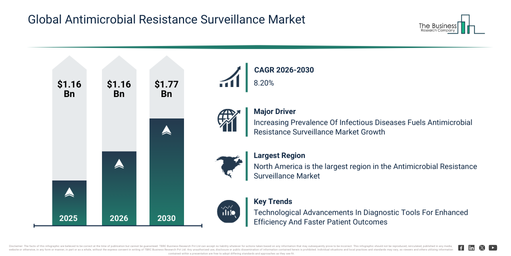
    The antimicrobial resistance surveillance market size has experienced robust expansion in recent years. This market is projected to increase from $7.3 billion in 2025 to $7.91 billion in 2026, demonstrating a compound annual growth rate (CAGR) of 8.4%. Its historical development has been driven by factors such as the rise in drug-resistant infections, hospital infection control initiatives, public health surveillance programs, laboratory testing expansion, and antibiotic misuse concerns.

    The antimicrobial resistance surveillance market is projected to experience substantial expansion over the coming years. This market is anticipated to reach $10.85 billion by 2030, exhibiting a compound annual growth rate (CAGR) of 8.2%. Factors contributing to this growth during the forecast period include worldwide AMR monitoring initiatives, AI-powered predictive surveillance, cloud-enabled data sharing, an increase in genomic surveillance, and policy-mandated reporting requirements. Key trends expected within this period encompass real-time tracking of resistance patterns, whole genome sequencing for surveillance, AI-driven resistance analytics, unified public health databases, and comprehensive hospital-level AMR tracking systems.

    Download A Free Sample Report For Comprehensive Market Insights:

    https://www.thebusinessresearchcompany.com/sample.aspx?id=21100&type=smp

    What Key Growth Drivers Are Influencing The Antimicrobial Resistance Surveillance Market?

    The increasing prevalence of infectious diseases is set to drive the growth of the antimicrobial resistance surveillance market. Infectious diseases are illnesses stemming from harmful microorganisms such as bacteria, viruses, fungi, or parasites, capable of spreading directly or indirectly among individuals. The escalating occurrence of these diseases is influenced by factors like climate change, urbanization, and global travel, all of which facilitate pathogen dissemination and human exposure to novel microbes. Antimicrobial resistance surveillance plays a vital role in tracking the spread of resistant pathogens, thereby guiding effective treatment strategies and informing public health policies to combat infectious diseases. As an illustration, in February 2024, the UK Health Security Agency, a UK-based government body, published a report indicating that tuberculosis (TB) cases in England rose by 10.7% in 2023, with 4,850 cases reported compared to 4,380 in 2022. Consequently, the rising incidence of infectious diseases is fueling the expansion of the antimicrobial resistance surveillance market.

    How Is The Antimicrobial Resistance Surveillance Market Examined Through Segment Analysis?

    The antimicrobial resistance surveillance market covered in this report is segmented –

    1) By Solution: Diagnostic Kits, Diagnostic Systems, Surveillance Software, Services

    2) By Application: Clinical Diagnostics, Public Health Surveillance, Other Applications

    3) By End User: Hospitals And Clinics, Research And Academic Institutes, Other End Users

    Subsegments:

    1) By Diagnostic Kits: PCR-Based Kits, Immunoassay Kits, Lateral Flow Assay Kits

    2) By Diagnostic Systems: Automated Susceptibility Testing Systems, Whole Genome Sequencing (WGS) Systems, Mass Spectrometry-Based Systems

    3) By Surveillance Software: Cloud-Based Surveillance Platforms, AI-Powered Data Analytics Tools, Electronic Health Record (EHR)-Integrated Systems

    4) By Services: Laboratory Testing Services, Data Management & Reporting Services, Consultation & Training Services

    Which Trends Are Affecting The Antimicrobial Resistance Surveillance Market Framework?

    Leading companies operating in the market are concentrating on innovative technologies, such as advanced diagnostic tools, to optimize processes, enhance efficiency, improve accuracy, reduce costs, and deliver superior outcomes for patients and end-users. A diagnostic tool is any device, instrument, software, or methodology employed to identify, detect, or assess the presence of a condition, disease, malfunction, or issue. For instance, in June 2023, Sysmex Astrego AB, a Sweden-based manufacturer and supplier of services for diagnostic products, announced the launch of the PA-100 AST Point-of-Care Testing System. This system allows for rapid and accurate detection of antimicrobial resistance directly at the point of care, offering a significant reduction in time compared to traditional laboratory methods, which can span several days. By providing results in just 30 minutes, it enables clinicians to make timely and informed decisions regarding appropriate treatment for infections, thereby reducing the reliance on broad-spectrum antibiotics and aiding in the combat against the spread of antimicrobial resistance.

    Which Companies Are Influencing The Antimicrobial Resistance Surveillance Market?

    Major companies operating in the antimicrobial resistance surveillance market are Roche Diagnostics, Thermo Fisher Scientific Inc., Abbott Laboratories, Danaher Corporation, Becton Dickinson and Company, bioMérieux SA, Bio-Rad Laboratories Inc., Bruker Corporation, QIAGEN NV, Cepheid Inc., Accelerate Diagnostics Inc., Liofilchem S.r.l., Luminex Corporation, Sysmex Corporation, Werfen, OpGen Inc., Illumina Inc., Oxford Nanopore Technologies plc, Himedia Laboratories Pvt. Ltd., Alifax S.r.l.

    Access The Complete Antimicrobial Resistance Surveillance Market Report:

    https://www.thebusinessresearchcompany.com/report/antimicrobial-resistance-surveillance-global-market-report

    Which Geographic Region Represents The Largest Antimicrobial Resistance Surveillance Market Share?

    North America was the largest region in the antimicrobial resistance surveillance market in 2025. Asia-Pacific is expected to be the fastest-growing region in the forecast period. The regions covered in the antimicrobial resistance surveillance market report are Asia-Pacific, South East Asia, Western Europe, Eastern Europe, North America, South America, Middle East, Africa.

    Access a Customized Antimicrobial Resistance Surveillance Market Report for Deeper Competitive Insights

    https://www.thebusinessresearchcompany.com/customise?id=21100&type=smp

    Browse Through More Reports Similar to the Global Antimicrobial Resistance Surveillance Market 2026, By The Business Research Company

    Pediatric Orthopedic Implants Market Report 2026

    https://www.thebusinessresearchcompany.com/report/pediatric-orthopedic-implants-global-market-report

    Orthopedic Devices Market Report 2026

    https://www.thebusinessresearchcompany.com/report/orthopedic-devices-global-market-report

    Orthopedic Regenerative Surgical Products Market Report 2026

    https://www.thebusinessresearchcompany.com/report/orthopedic-regenerative-surgical-products-global-market-report

    Get in touch with us:

    The Business Research Company: https://www.thebusinessresearchcompany.com/

    Americas: +1 310-496-7795

    Asia: +44 7882 955267 & +91 8897263534

    Europe: +44 7882 955267

    Email us at: marketing@tbrc.info

    Follow us on:

    LinkedIn: https://in.linkedin.com/company/the-business-research-company

    YouTube: https://www.youtube.com/channel/UC24_fI0rV8cR5DxlCpgmyFQ

    Global Market Model: https://www.thebusinessresearchcompany.com/global-market-model
  • Antimicrobial Resistance Diagnostics Market Projected To Surpass $6.23 Billion By 2030 At 7.1% CAGR

    Antimicrobial Resistance Diagnostics Market Projected To Surpass $6.23 Billion By 2030 At 7.1% CAGR

    The Business Research Company’s 2026 market reports feature advanced enhancements such as market attractiveness analysis, total addressable market evaluation, company benchmarking matrices, interactive Excel dashboards, expanded supply chain intelligence, emerging startup coverage, and detailed product insights, delivering more actionable and strategically valuable research.

    What Market Size Is Forecasted For The Antimicrobial Resistance Diagnostics Market By 2030 Based On Its 2026 Value?

    The antimicrobial resistance diagnostics market has experienced significant growth in recent years. It is forecast to grow from $4.41 billion in 2025 to $4.74 billion in 2026, at a compound annual growth rate (CAGR) of 7.5%. The market’s historical expansion can be linked to the rising incidence of antibiotic-resistant infections, the persistent use of traditional culture-based diagnostics, an increase in hospital-acquired infections, greater understanding of antimicrobial stewardship, and the enlargement of clinical microbiology laboratories.

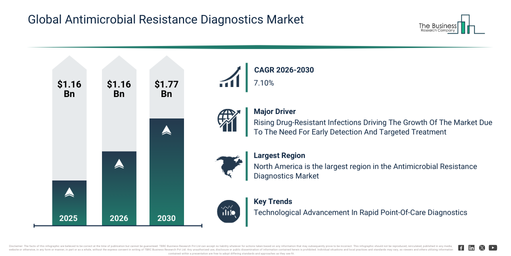
    The antimicrobial resistance diagnostics market is anticipated to experience substantial expansion in the coming years. This market is projected to reach $6.23 billion by 2030, exhibiting a compound annual growth rate (CAGR) of 7.1%. This expansion during the forecast period is largely due to advancements in PCR and NGS diagnostic technologies, increased government funding for AMR surveillance programs, a growing embrace of rapid diagnostic tests, an uptick in pharmaceutical and biotechnology research, and the incorporation of data-driven decision support tools. Key trends anticipated within this period involve the increasing adoption of rapid and point-of-care AMR diagnostics, a heightened demand for targeted and personalized antimicrobial therapy, intensified surveillance of drug-resistant pathogens, an expansion of molecular and genomic-based diagnostic testing, and the reinforcement of hospital infection control and stewardship programs.

    Download A Free Sample Report For Comprehensive Market Insights:

    https://www.thebusinessresearchcompany.com/sample.aspx?id=25696&type=smp

    Which Core Factors Are Supporting The Expansion Of The Antimicrobial Resistance Diagnostics Market?

    The increasing occurrence of infections resistant to drugs is anticipated to drive the expansion of the antimicrobial resistance diagnostics market in the future. Such infections develop when bacteria, viruses, fungi, or parasites evolve ways to withstand medications that previously worked, rendering standard treatments ineffective and making these infections more challenging to manage. This escalating prevalence of drug-resistant infections stems from the excessive use of antibiotics in agriculture, where small amounts of antimicrobials are regularly incorporated into animal feed, fostering resistance that can then transfer to people via the food chain. Tools for diagnosing antimicrobial resistance, including quick genetic tests and culture-based sensitivity evaluations, are crucial in countering the rising incidence of drug-resistant infections. They achieve this by allowing for the prompt detection of resistant disease-causing agents, informing specific treatment approaches, and lessening the inappropriate use of wide-ranging antibiotics. As an illustration, in November 2024, the UK Health Security Agency (UKHSA), a government body located in the UK, indicated that severe antibiotic-resistant infections in England climbed from 58,224 in 2022 to an estimated 66,730 in 2023. Concurrently, antibiotic consumption saw an increase to 2.4% in 2023 from 2022. Consequently, the increasing frequency of drug-resistant infections is fueling the expansion of the antimicrobial resistance diagnostics market.

    Which Segment Groups Define The Antimicrobial Resistance Diagnostics Market Landscape?

    The antimicrobial resistance diagnostics market covered in this report is segmented –

    1) By Product Type: Kits And Reagents, Instruments And Consumables

    2) By Pathogen: Drug-Resistant Streptococcus Pneumoniae (DRSP), Drug Resistant Campylobacter (DRC), Clostridium Difficile (CD), Methicillin Resistant Staphylococcus Aureus (MRSA), Drug Resistant Neisseria Gonorrhoeae (DRNG), Drug Resistant Salmonella (DRntS), Other Pathogens

    3) By Technology: Microbiology Culture, Immunoassay, PCR (Polymerase Chain Reaction), NGS (Next-Generation Sequencing), Mass Spectrometry, Rapid And Point Of Care, Other Technologies

    4) By End-User: Hospitals And Clinics, Diagnostics Laboratories, Research Institutes, Pharmaceutical And Biotechnology Companies, Other End Users

    Subsegments:

    1) By Kits And Reagents: Deoxyribonucleic Acid (DNA) Extraction Kits, Ribonucleic Acid (RNA) Extraction Kits, Polymerase Chain Reaction (PCR) Reagents, Immunoassay Reagents, Stains And Dyes, Culture Media

    2) By Instruments And Consumables: Polymerase Chain Reaction (PCR) Machines, Ultraviolet-Visible (UV-Vis) Spectrophotometers, Next-Generation Sequencing (NGS) Systems, Microarray Scanners, Automated Liquid Handlers, Sample Collection Tubes And Swabs

    What Trends Are Influencing The Antimicrobial Resistance Diagnostics Market?

    Leading companies within the antimicrobial resistance (AMR) diagnostics market are increasingly focusing on utilizing innovative technologies, such as point-of-care antimicrobial-susceptibility testing (AST) systems, to improve diagnostic speed, accuracy, and the effectiveness of antimicrobial stewardship. Point-of-care antimicrobial-susceptibility testing (AST) refers to quick, patient-side tests that determine which antibiotics are effective against an infection, enabling clinicians to rapidly choose targeted and effective treatments. For example, in June 2023, Sysmex Corporation, a Japan-based provider of in-vitro diagnostic solutions, unveiled the PA-100 AST System. This rapid point-of-care AST platform is designed to detect bacterial presence and ascertain antimicrobial susceptibility in urine samples within approximately 30 minutes. The system incorporates microfluidic single-cell analysis, provides near-patient testing capabilities, and automatically reports susceptibility outcomes. Ultimately, the PA-100 AST System enhances clinical decision-making, decreases unnecessary antibiotic prescriptions, and supports the delivery of timely, targeted therapy to combat antimicrobial resistance.

    Who Are The Companies Shaping The Antimicrobial Resistance Diagnostics Market Landscape?

    Major companies operating in the antimicrobial resistance diagnostics market are F Hoffmann La Roche AG, Thermo Fisher Scientific Inc, Abbott Laboratories, Danaher Corporation, Becton Dickinson And Company, bioMerieux SA, Sysmex Corporation, Bio Rad Laboratories Inc, QIAGEN NV, Seegene Inc, Alifax S r l, Accelerate Diagnostics Inc, Molsid SAS, Genetic Signatures Limited, iFAST Diagnostics Ltd, Astek Diagnostics Inc, OpGen Inc, T2 Biosystems, Jiangsu Medomics Medical Technology Co Ltd, Cepheid, Luminex Corporation, Bruker Corporation, Hologic Inc

    Access The Complete Antimicrobial Resistance Diagnostics Market Report:

    https://www.thebusinessresearchcompany.com/report/antimicrobial-resistance-diagnostics-global-market-report

    Which Region Leads The Antimicrobial Resistance Diagnostics Market By Size?

    North America was the largest region in the antimicrobial resistance diagnostics market in 2025. Asia-Pacific is expected to be the fastest-growing region in the forecast period. The regions covered in the antimicrobial resistance diagnostics market report are Asia-Pacific, South East Asia, Western Europe, Eastern Europe, North America, South America, Middle East, Africa.

    Access a Customized Antimicrobial Resistance Diagnostics Market Report for Deeper Competitive Insights

    https://www.thebusinessresearchcompany.com/customise?id=25696&type=smp

    Browse Through More Reports Similar to the Global Antimicrobial Resistance Diagnostics Market 2026, By The Business Research Company

    Sleep Apnea Devices Market Report 2026

    https://www.thebusinessresearchcompany.com/report/sleep-apnea-devices-global-market-report

    Sleep Tech Devices Market Report 2026

    https://www.thebusinessresearchcompany.com/report/sleep-tech-devices-global-market-report

    Sinus Dilation Devices Market Report 2026

    https://www.thebusinessresearchcompany.com/report/sinus-dilation-devices-global-market-report

    Get in touch with us:

    The Business Research Company: https://www.thebusinessresearchcompany.com/

    Americas: +1 310-496-7795

    Asia: +44 7882 955267 & +91 8897263534

    Europe: +44 7882 955267

    Email us at: marketing@tbrc.info

    Follow us on:

    LinkedIn: https://in.linkedin.com/company/the-business-research-company

    YouTube: https://www.youtube.com/channel/UC24_fI0rV8cR5DxlCpgmyFQ

    Global Market Model: https://www.thebusinessresearchcompany.com/global-market-model
  • Antimicrobial Hospital Textiles Market Forecast Through 2030 Featuring Industry Drivers And Opportunities

    Antimicrobial Hospital Textiles Market Forecast Through 2030 Featuring Industry Drivers And Opportunities

    The Business Research Company’s 2026 market reports feature advanced enhancements such as market attractiveness analysis, total addressable market evaluation, company benchmarking matrices, interactive Excel dashboards, expanded supply chain intelligence, emerging startup coverage, and detailed product insights, delivering more actionable and strategically valuable research.

    How Is The Market Value Of The Antimicrobial Hospital Textiles Market Projected To Expand During 2026–2030?

    The antimicrobial hospital textiles market has experienced substantial expansion in recent years. It is projected to increase from $11.13 billion in 2025 to $12.18 billion in 2026, demonstrating a compound annual growth rate (CAGR) of 9.4%. The growth observed in previous periods stems from increasing hospital-acquired infection concerns, the expansion of healthcare infrastructure, rising usage of medical uniforms and linens, growing awareness of hygiene standards, and the availability of antimicrobial fabric technologies.

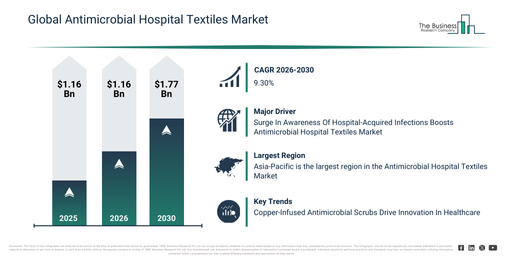
    The antimicrobial hospital textiles market is projected to experience substantial expansion in the coming years, forecast to reach $17.4 billion by 2030, exhibiting a compound annual growth rate (CAGR) of 9.3%. This anticipated growth is driven by several factors, including a heightened demand for sustainable medical textiles, a greater emphasis on reusable hospital products, the broadening of infection prevention protocols, the increasing uptake of advanced antimicrobial materials, and a growing regulatory focus on hospital hygiene. Key trends defining this forecast period encompass the increasing integration of antimicrobial textile treatments, a rising need for infection-control hospital fabrics, the expanded utilization of reusable antimicrobial textiles, the widening scope of ICU and surgical textile applications, and an intensified commitment to patient safety and hygiene.

    Download A Free Sample Report For Comprehensive Market Insights:

    https://www.thebusinessresearchcompany.com/sample.aspx?id=7981&type=smp

    What Are The Main Drivers Accelerating The Growth Of The Antimicrobial Hospital Textiles Market?

    Elevated consciousness regarding hospital-acquired infections is anticipated to boost the expansion of the antimicrobial hospital textiles market in the future. Hospital-acquired infections are defined as infections obtained during medical care at a healthcare facility from a healthcare practitioner, such as a doctor or nurse. Antimicrobial hospital textiles contribute to reducing healthcare-acquired infections by targeting the digestive tract, urinary tract, skin, lungs, and bloodstream with substances designed to stop the growth and spread of bacteria. For instance, in June 2025, according to the Australian Institute of Health and Welfare, an Australia-based government agency, it was reported that in 2023–24, hospital-acquired complications occurred in 150,000 hospitalizations out of a possible 12.6 million hospitalizations. Therefore, the heightened awareness of hospital-acquired infections is driving the antimicrobial hospital textiles market.

    What Key Segment Areas Are Included In The Antimicrobial Hospital Textiles Market Assessment?

    The antimicrobial hospital textiles market covered in this report is segmented –

    1) By Type: Cotton, Polyester, Polyamide, Other Types

    2) By Usability: Disposable, Reusable

    3) By FDA Class: Class I, Class II

    4) By Hospital Department: General Ward, Surgical Room, Infectious Disease Ward, ICU, Other Hospital Departments

    5) By Application: Medical Uniform And Apparels, Upholstery, Surgical textiles, Incontinence Care Garments, Other Applications

    Subsegments:

    1) By Cotton: Conventional Cotton, Organic Cotton, Blended Cotton

    2) By Polyester: Regular Polyester, Recycled Polyester, Blended Polyester

    3) By Polyamide: Nylon 6, Nylon 66, Blended Polyamide

    4) By Other Types: Polyethylene, Polypropylene, Acrylic, Cellulose Acetate

    Which Trends Are Guiding The Development Of The Antimicrobial Hospital Textiles Market?

    Leading companies in the antimicrobial hospital textiles market are intensifying their efforts to develop innovative solutions, such as copper-infused, eco-healthtech medical scrubs, in response to the growing need for infection control and the prevention of hospital-acquired infections (HAIs) in healthcare settings. These advanced scrubs incorporate copper into natural fabrics like cotton, bamboo, and linen, bestowing upon them durable antimicrobial properties. Unlike conventional scrubs that depend exclusively on frequent laundering or surface disinfection, these novel fabrics inherently decrease the microbial burden. For example, in June 2023, Swiss Precision Active, an eco-healthtech apparel company based in Switzerland, introduced its CopperActive antimicrobial scrubs at the FIME Miami Fair. The CopperActive range, which is made from a patented combination of copper and natural organic fibers, has been lab-tested and verified by SGS and other laboratories, and is formulated to kill or inhibit hazardous bacteria over time. These scrubs are lightweight, moisture-wicking, and odour-resistant, maintaining their antimicrobial effectiveness even after numerous washes, thereby making them particularly suitable for high-risk hospital environments to reduce pathogen transmission.

    Which Industry Players Are Present In The Antimicrobial Hospital Textiles Market?

    Major companies operating in the antimicrobial hospital textiles market are Sinterama S.p.A., Trevira GmbH, PurThread Technologies Inc., LifeThreads LLC, Thai Acrylic Fiber Co. Ltd., Herculite Products Inc., Toyobo Co. Ltd., Baltex Group Limited, Microban International Ltd., Sciessent LLC, BASF SE, Lonza Group AG, BioCote Limited, Resil Chemicals Pvt. Ltd., Archroma Management LLC, HeiQ Materials AG, Milliken & Company, Vestagen Technical Textiles Inc., Copper Clothing Ltd., Applied Silver Inc., 3M Company, Ahlstrom-Munksjö Oyj, American Dawn Inc., Medline Industries Inc., Angelica Corporation, Hospital Specialty Company Inc., BSN Medical Inc., Cramer Products Inc.

    Access The Complete Antimicrobial Hospital Textiles Market Report:

    https://www.thebusinessresearchcompany.com/report/antimicrobial-hospital-textiles-global-market-report

    Which Region Has The Strongest Presence In The Antimicrobial Hospital Textiles Market?

    Asia-Pacific was the largest region in the antimicrobial hospital textiles market in 2025. Asia-Pacific is expected to be the fastest-growing region in the antimicrobial hospital textiles market report during the forecast period. The regions covered in the antimicrobial hospital textiles market report are Asia-Pacific, South East Asia, Western Europe, Eastern Europe, North America, South America, Middle East, Africa.

    Access a Customized Antimicrobial Hospital Textiles Market Report for Deeper Competitive Insights

    https://www.thebusinessresearchcompany.com/customise?id=7981&type=smp

    Browse Through More Reports Similar to the Global Antimicrobial Hospital Textiles Market 2026, By The Business Research Company

    Specialty Devices Market Report 2026

    https://www.thebusinessresearchcompany.com/report/specialty-devices-global-market-report

    Bionic Devices Market Report 2026

    https://www.thebusinessresearchcompany.com/report/bionic-devices-global-market-report

    Embolic Protection Devices Market Report 2026

    https://www.thebusinessresearchcompany.com/report/embolic-protection-devices-global-market-report

    Get in touch with us:

    The Business Research Company: https://www.thebusinessresearchcompany.com/

    Americas: +1 310-496-7795

    Asia: +44 7882 955267 & +91 8897263534

    Europe: +44 7882 955267

    Email us at: marketing@tbrc.info

    Follow us on:

    LinkedIn: https://in.linkedin.com/company/the-business-research-company

    YouTube: https://www.youtube.com/channel/UC24_fI0rV8cR5DxlCpgmyFQ

    Global Market Model: https://www.thebusinessresearchcompany.com/global-market-model
  • Increasing Prevalence Of Knee Osteoarthritis Is Fueling The Market Growth Due To Aging Populations And Rising Joint Degeneration Risk Is Supporting Development Across The Cementless Total Knee Arthroplasty Market

    Increasing Prevalence Of Knee Osteoarthritis Is Fueling The Market Growth Due To Aging Populations And Rising Joint Degeneration Risk Is Supporting Development Across The Cementless Total Knee Arthroplasty Market

    The Business Research Company’s 2026 market reports feature advanced enhancements such as market attractiveness analysis, total addressable market evaluation, company benchmarking matrices, interactive Excel dashboards, expanded supply chain intelligence, emerging startup coverage, and detailed product insights, delivering more actionable and strategically valuable research.

    What Market Value Expansion Is Expected For The Cementless Total Knee Arthroplasty Market Over The Forecast Period?

    The cementless total knee arthroplasty market has experienced rapid expansion in recent years. It is anticipated to increase from $2.95 billion in 2025 to $3.31 billion in 2026, exhibiting a compound annual growth rate (CAGR) of 12.2%. This historical growth can be linked to an increasing prevalence of osteoarthritis, a rising geriatric population, the evolution of conventional knee arthroplasty techniques, a greater number of orthopedic surgical procedures, and an enhanced awareness concerning the long-term durability of implants.

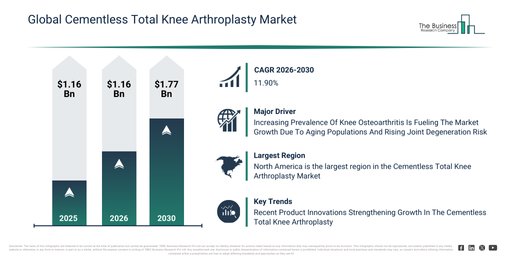
    The cementless total knee arthroplasty market size is expected to undergo significant expansion in the coming years. It is forecasted to reach $5.19 billion by 2030, demonstrating a compound annual growth rate (CAGR) of 11.9%. This anticipated growth during the forecast period can be attributed to innovations in cementless implant coatings, a rising preference for minimally invasive surgeries, the expansion of orthopedic infrastructure, the adoption of patient-specific implants, and the integration of robotic-assisted knee arthroplasty. Major trends during this period are projected to include the increasing embrace of cementless knee implants, a growing demand for minimally invasive knee surgeries, advancements in porous and coated implant surfaces, the expansion of orthopedic surgery centers, and an increasing focus on patient-specific knee implants.

    Download A Free Sample Report For Comprehensive Market Insights:

    https://www.thebusinessresearchcompany.com/sample.aspx?id=27248&type=smp

    Which Growth Drivers Are Expected To Support The Cementless Total Knee Arthroplasty Market Forward?

    The escalating occurrence of knee osteoarthritis is anticipated to drive the future expansion of the cementless total knee arthroplasty market. Knee osteoarthritis, a degenerative joint ailment, manifests as pain, swelling, and stiffness in the knee joint, thereby restricting an individual’s free movement. The surge in knee osteoarthritis can largely be attributed to the rising prevalence of obesity, as excess body weight exerts additional strain on knee joints, hastening cartilage deterioration and joint degeneration. Cementless total knee arthroplasty aids knee osteoarthritis by replacing impaired joint surfaces with prosthetic components that foster natural bone growth, ensuring long-term stability and improved joint function. For example, in February 2024, Arthritis Australia, an Australia-based non-profit organization, reported that by 2025, osteoarthritis (OA) is forecast to affect 2.35 million Australians (Figure 2), representing 57% of the total arthritis population and making it the most prevalent form of arthritis in the country. This number of Australians with OA is expected to climb to 3.11 million by 2040, indicating a 32% rise from 2025. This equates to an additional 762,515 people living with OA in Australia by 2040 compared to 2025. Thus, the growing prevalence of knee osteoarthritis is a key factor propelling the growth of the cementless total knee arthroplasty market.

    Which Segment Groups Define The Cementless Total Knee Arthroplasty Market Landscape?

    The cementless total knee arthroplasty market covered in this report is segmented –

    1) By Product: Fixed-Bearing, Mobile-Bearing

    2) By Material: Titanium, Cobalt-Chromium, Polyethylene, Ceramic

    3) By Distribution Channels: Direct Sales, Distributors And Resellers

    4) By Application: Primary Total Knee Arthroplasty, Revision Total Knee Arthroplasty

    5) By End User: Hospitals, Specialty Clinics, Ambulatory Surgery Centers, Other End Users

    Subsegments:

    1) By Fixed-Bearing: Posterior Stabilized Fixed-Bearing, Cruciate Retaining Fixed-Bearing, Medial Pivot Fixed-Bearing

    2) By Mobile-Bearing: Rotating Platform Mobile-Bearing, Meniscal Bearing Mobile-Bearing, Dual Mobility Mobile-Bearing

    What Trends Are Influencing The Future Of The Cementless Total Knee Arthroplasty Market?

    Leading firms within the cementless total knee arthroplasty sector are progressively concentrating on creating 3D-printed, patient-tailored cementless implants to address the growing need for prostheses that integrate biologically, provide enhanced long-term stability, and yield superior results for younger, more energetic individuals. Such implants are produced utilizing additive manufacturing (3D-printing) methods to form a porous lattice framework, promoting bone integration and thus achieving osseointegration, a departure from conventional cemented knee implants that depend on bone cement for initial stability. As an illustration, in April 2025, restor3D Inc., an American medical technology firm, secured U.S. Food and Drug Administration (FDA) 510(k) approval for its iTotal Identity CR 3DP Porous Total Knee Replacement System, representing the company’s initial cementless product within its customized implant range. This system incorporates restor3d’s exclusive TIDAL Technology, which includes a robust porous lattice engineered for optimal bone ingrowth, resistance to fatigue, and balanced load distribution. It comprises femoral, tibial, and patellar components individually designed to match each patient’s anatomy, alongside customized, pre-navigated surgical tools provided in a sterile, single-use kit, thereby reducing uncertainty during surgery and boosting procedural effectiveness. Through the combination of patient-specific design and sophisticated surface engineering, this implant provides a more natural sensation and lasting fixation than conventional cemented alternatives.

    Which Organizations Are Involved In The Cementless Total Knee Arthroplasty Market?

    Major companies operating in the cementless total knee arthroplasty market are Johnson & Johnson, Stryker Corporation, Zimmer Biomet Holdings Inc., Smith & Nephew Plc, Enovis Corporation, CONMED Corporation, Globus Medical Inc., MicroPort Scientific Corporation, Medacta Group SA, B. Braun Melsungen SE, TTK Healthcare Limited, Waldemar Link GmbH & Co. KG, United Orthopedic Corporation, Symbios Orthopédie SA, Gruppo Bioimpianti S.p.A., Permedica Orthopaedics S.p.A., Uteshiya Medicare Private Limited, LINK Orthopaedics GmbH, Plus Orthopaedics India Pvt. Ltd., XLO India Pvt. Ltd.

    Access The Complete Cementless Total Knee Arthroplasty Market Report:

    https://www.thebusinessresearchcompany.com/report/cementless-total-knee-arthroplasty-global-market-report

    Which Region Commands The Largest Share Of The Cementless Total Knee Arthroplasty Market?

    North America was the largest region in the cementless total knee arthroplasty market in 2025. Asia-Pacific is expected to be the fastest-growing region in the forecast period. The regions covered in the cementless total knee arthroplasty market report are Asia-Pacific, South East Asia, Western Europe, Eastern Europe, North America, South America, Middle East, Africa.

    Access a Customized Cementless Total Knee Arthroplasty Market Report for Deeper Competitive Insights

    https://www.thebusinessresearchcompany.com/customise?id=27248&type=smp

    Browse Through More Reports Similar to the Global Cementless Total Knee Arthroplasty Market 2026, By The Business Research Company

    Cell Free Dna Isolation And Extraction Market Report 2026

    https://www.thebusinessresearchcompany.com/report/cell-free-dna-isolation-and-extraction-global-market-report

    Dna Test Kits Market Report 2026

    https://www.thebusinessresearchcompany.com/report/dna-test-kits-global-market-report

    Plasmid Dna Manufacturing Market Report 2026

    https://www.thebusinessresearchcompany.com/report/plasmid-dna-manufacturing-global-market-report

    Get in touch with us:

    The Business Research Company: https://www.thebusinessresearchcompany.com/

    Americas: +1 310-496-7795

    Asia: +44 7882 955267 & +91 8897263534

    Europe: +44 7882 955267

    Email us at: marketing@tbrc.info

    Follow us on:

    LinkedIn: https://in.linkedin.com/company/the-business-research-company

    YouTube: https://www.youtube.com/channel/UC24_fI0rV8cR5DxlCpgmyFQ

    Global Market Model: https://www.thebusinessresearchcompany.com/global-market-model
  • Advancements In Transplant Monitoring Through Innovative cfDNA Solutions Is Affecting The Direction Of The Cell-Free DNA (cfDNA) Kits Market

    Advancements In Transplant Monitoring Through Innovative cfDNA Solutions Is Affecting The Direction Of The Cell-Free DNA (cfDNA) Kits Market

    The Business Research Company’s 2026 market reports feature advanced enhancements such as market attractiveness analysis, total addressable market evaluation, company benchmarking matrices, interactive Excel dashboards, expanded supply chain intelligence, emerging startup coverage, and detailed product insights, delivering more actionable and strategically valuable research.

    How Will The Market Value Of The Cell-Free DNA (cfDNA) Kits Market Change Between 2026 And 2030?

    The cell-free dna (cfdna) kits market has witnessed substantial expansion in recent years. Its size is projected to expand from $1.8 billion in 2025 to $2.02 billion in 2026, exhibiting a compound annual growth rate (CAGR) of 12.4%. This past growth can be attributed to the increasing uptake of liquid biopsy, advancements in cancer diagnostics, a rise in prenatal testing, the development of PCR and NGS technologies, and the proliferation of research laboratories.

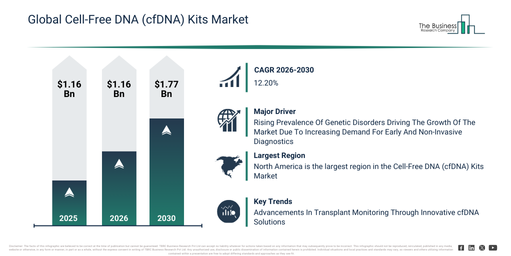
    The cell-free DNA (cfDNA) kits market is poised for significant expansion over the next few years, with its size projected to reach $3.2 billion by 2030, reflecting a compound annual growth rate (CAGR) of 12.2%. This anticipated growth during the forecast period is fueled by factors such as technological innovations in cfDNA kits, a rising emphasis on non-invasive diagnostics, the integration of AI into analytical processes, the expansion of molecular testing into emerging markets, and intensified research and development concerning cancer biomarkers. Dominant trends expected in this forecast period include high-sensitivity DNA isolation, the automation of sample preparation, integration with NGS platforms, rapid DNA extraction methods, and the establishment of standardized cfDNA kits.

    Download A Free Sample Report For Comprehensive Market Insights:

    https://www.thebusinessresearchcompany.com/sample.aspx?id=28161&type=smp

    What Influential Factors Are Boosting The Cell-Free DNA (cfDNA) Kits Market Demand?

    The anticipated expansion of the cell-free DNA (cfDNA) kits market in the coming years is primarily driven by the increasing incidence of genetic disorders. These medical conditions are characterized by alterations in an individual’s DNA, potentially stemming from mutations in a single gene, multiple genes, or chromosomal abnormalities. The escalating prevalence of genetic disorders is attributed to shifts in lifestyle and environmental factors, including pollution and unhealthy dietary habits, which can either induce genetic mutations or exacerbate existing inherited conditions. Cell-free DNA (cfDNA) kits offer a means for early and non-invasive detection of genetic irregularities by analyzing DNA fragments found in blood or other bodily fluids, leading to quicker diagnoses and aiding healthcare providers in making timely and accurate treatment decisions. For instance, in November 2024, the Centers for Disease Control and Prevention (CDC), a US-based government agency, indicated that approximately 1 in every 33 newborns in the US is born with a birth defect, many of which are linked to genetic causes. Thus, the growing prevalence of genetic disorders is a significant catalyst for the growth of the cell-free DNA (cfDNA) kits market.

    What Key Segment Areas Are Included In The Cell-Free DNA (cfDNA) Kits Market Assessment?

    The cell-free dna (cfdna) kits market covered in this report is segmented –

    1) By Product Type: Plasma Cell-Free DNA (Cfdna) Kits, Serum Cell-Free DNA (Cfdna) Kits, Urine Cell-Free DNA (Cfdna) Kits, Other Product Types

    2) By Technology: Next-Generation Sequencing (NGS), Polymerase Chain Reaction (PCR), Microarray Technology, Digital Polymerase Chain Reaction(PCR)

    3) By Application: Cancer Diagnostics, Prenatal Testing, Transplant Rejection Monitoring, Non-Invasive Disease Detection

    4) By Distribution Channel: Direct Sales, Retail Pharmacies, Online Sales, Distributors

    5) By End User: Hospitals, Research Laboratories, Diagnostic Laboratories, Academic Institutions

    Subsegments:

    1) By Plasma Cell-Free DNA Kits: Single-Stranded DNA Kits, Double-Stranded DNA Kits, High-Sensitivity DNA Kits, Rapid Extraction DNA Kits

    2) By Serum Cell-Free DNA Kits: Low-Volume DNA Kits, High-Yield DNA Kits, Automated DNA Kits, Manual Extraction DNA Kits

    3) By Urine Cell-Free DNA Kits: Early Detection DNA Kits, Concentration DNA Kits, High-Purity DNA Kits, Long-Term Stability DNA Kits

    4) By Other Product Types: Saliva DNA Kits, Cerebrospinal Fluid DNA Kits, Amniotic Fluid DNA Kits, Tissue-Derived DNA Kits

    Which Trends Are Contributing To Changes In The Cell-Free DNA (cfDNA) Kits Market?

    Leading companies in the cell-free DNA (cfDNA) kits market are concentrating on creating innovative products that incorporate digital polymerase chain reaction (PCR)-based absolute quantification, with the aim of boosting the sensitivity and precision of cfDNA analysis. This digital PCR-based absolute quantification method enables the highly accurate detection of low-frequency genetic variants with improved consistency, supporting vital applications in cancer diagnostics, prenatal testing, and transplant rejection monitoring. For instance, in June 2024, Omixon, a Hungary-based molecular diagnostics company, launched HoloGRAFT ONE, a research-use-only kit designed for post-transplant monitoring of donor-derived cell-free DNA (dd-cfDNA). The kit utilizes proprietary genetic markers and digital PCR to differentiate donor DNA from the patient’s DNA, measuring both absolute and relative amounts of dd-cfDNA through copy-number variants. This innovative test seeks to enable early detection of transplant rejection, enhance patient monitoring, and support personalized post-transplant care by providing clinicians with precise, actionable cfDNA measurements.

    Who Are The Firms Contributing To The Cell-Free DNA (cfDNA) Kits Market Ecosystem?

    Major companies operating in the cell-free dna (cfdna) kits market are F. Hoffmann-La Roche Ltd, Thermo Fisher Scientific Inc., Agilent Technologies Inc., Illumina Inc., Bio-Rad Laboratories Inc., QIAGEN N.V, Natera Inc., Myriad Genetics Inc., Guardant Health Inc., Bioneer Corporation, Streck Inc., Freenome Holdings Inc., GRAIL Inc., Zymo Research Corporation, Geneseeq Technology Inc, Covaris LLC, Active Motif Inc., Norgen Biotek Corp, AMSBIO LLC, EpiGentek Group Inc., Paragon Genomics Inc., Suzhou Beaver Biomedical Engineering.

    Access The Complete Cell-Free DNA (cfDNA) Kits Market Report:

    https://www.thebusinessresearchcompany.com/report/cell-free-dna-cfdna-kits-global-market-report

    Which Region Accounts For The Highest Share Of The Cell-Free DNA (cfDNA) Kits Market?

    North America was the largest region in the cell-free DNA (cfDNA) kits market in 2025. Asia-Pacific is expected to be the fastest-growing region in the forecast period. The regions covered in the cell-free dna (cfdna) kits market report are Asia-Pacific, South East Asia, Western Europe, Eastern Europe, North America, South America, Middle East, Africa.

    Access a Customized Cell-Free DNA (cfDNA) Kits Market Report for Deeper Competitive Insights

    https://www.thebusinessresearchcompany.com/customise?id=28161&type=smp

    Browse Through More Reports Similar to the Global Cell-Free DNA (cfDNA) Kits Market 2026, By The Business Research Company

    Cell Free Dna Isolation And Extraction Market Report 2026

    https://www.thebusinessresearchcompany.com/report/cell-free-dna-isolation-and-extraction-global-market-report

    Blood Collection Tubes Market Report 2026

    https://www.thebusinessresearchcompany.com/report/blood-collection-tubes-global-market-report

    Dna Digital Data Storage Market Report 2026

    https://www.thebusinessresearchcompany.com/report/dna-digital-data-storage-global-market-report

    Get in touch with us:

    The Business Research Company: https://www.thebusinessresearchcompany.com/

    Americas: +1 310-496-7795

    Asia: +44 7882 955267 & +91 8897263534

    Europe: +44 7882 955267

    Email us at: marketing@tbrc.info

    Follow us on:

    LinkedIn: https://in.linkedin.com/company/the-business-research-company

    YouTube: https://www.youtube.com/channel/UC24_fI0rV8cR5DxlCpgmyFQ

    Global Market Model: https://www.thebusinessresearchcompany.com/global-market-model
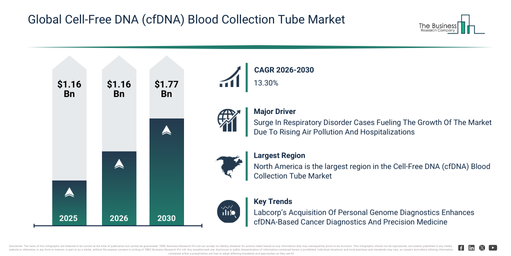
  • The Cell-Free DNA (cfDNA) Blood Collection Tube Market Is Advancing With Support From Surge In Respiratory Disorder Cases Fueling The Growth Of The Market Due To Rising Air Pollution And Hospitalizations

    The Cell-Free DNA (cfDNA) Blood Collection Tube Market Is Advancing With Support From Surge In Respiratory Disorder Cases Fueling The Growth Of The Market Due To Rising Air Pollution And Hospitalizations

    The Business Research Company’s 2026 market reports feature advanced enhancements such as market attractiveness analysis, total addressable market evaluation, company benchmarking matrices, interactive Excel dashboards, expanded supply chain intelligence, emerging startup coverage, and detailed product insights, delivering more actionable and strategically valuable research.

    What Is The Forecasted Rise In Market Size Of The Cell-Free DNA (cfDNA) Blood Collection Tube Market During The Forecast Period?

    The cell-free dna (cfdna) blood collection tube market size has observed rapid expansion over recent years. It is anticipated to increase from $1.33 billion in 2025 to $1.51 billion in 2026, demonstrating a compound annual growth rate (CAGR) of 13.6%. This historical growth can be linked to factors like the rising demand for prenatal testing, the expansion of cancer diagnostics, the integration of cfDNA into research, an increase in laboratory automation, and the broadening of diagnostic centers.

    The cell-free dna (cfdna) blood collection tube market size is forecast to grow significantly in the coming years, reaching $2.49 billion by 2030 with a compound annual growth rate (CAGR) of 13.3%. This expansion during the forecast period is driven by innovations in blood tube preservatives, the integration of AI diagnostics, the flourishing liquid biopsy market, an increase in clinical trials, and growing demand within emerging markets. Notable trends anticipated include improvements in sample preservation, seamless integration with liquid biopsy platforms, the implementation of standardized blood collection protocols, increased automation in sample processing, and the development of high-stability tube designs.

    Download A Free Sample Report For Comprehensive Market Insights:

    https://www.thebusinessresearchcompany.com/sample.aspx?id=28160&type=smp

    Which Drivers Are Advancing The Cell-Free DNA (cfDNA) Blood Collection Tube Market Growth?

    The occurrence of a rising number of respiratory illnesses is anticipated to propel the expansion of the cell-free DNA (cfDNA) blood collection tube market in the coming years. These medical conditions, which impact the lungs and other elements of the respiratory system, hinder efficient breathing, oxygen delivery to the blood, and carbon dioxide removal from the body. A primary factor contributing to this increase in respiratory disorders is air pollution, which irritates air passages, diminishes lung capacity, and heightens the likelihood of conditions such as asthma, bronchitis, and chronic obstructive pulmonary disease (COPD). Cell-free DNA (cfDNA) blood collection tubes are instrumental in managing these disorders by enabling the detection of genetic mutations, tracking disease progression, and evaluating treatment efficacy via a straightforward blood test, thus lessening the necessity for invasive lung biopsies. As an illustration, in December 2024, data from the Centers for Disease Control and Prevention, a US-based government agency, indicated that approximately 17,000 to 34,000 hospitalizations resulted from respiratory syncytial virus (RSV) between October 1 and November 30, 2024. Consequently, the growing frequency of respiratory disorders is fueling the expansion of the cell-free DNA (cfDNA) blood collection tube market. The rising occurrence of cancer is projected to foster the expansion of the cell-free DNA (cfDNA) blood collection tube market in the future. The uptick in cancer cases is linked to lifestyle elements such as inadequate diet, tobacco use, and insufficient physical activity. Cell-free DNA (cfDNA) blood collection tubes play a crucial role in cancer care by enabling liquid biopsies, which facilitate the identification of genetic mutations associated with tumors, tracking the advancement of the disease, evaluating the effectiveness of treatments, and pinpointing resistance mutations through a straightforward blood test, thereby diminishing the necessity for invasive tissue biopsies. For example, in May 2024, the National Cancer Institute, a US-based government agency, predicted that the count of cancer survivors within the United States would rise to 26 million by 2040, an increase from 18.1 million recorded in 2022. Hence, the escalating incidence of cancer is a key factor propelling the development of the cell-free DNA (cfDNA) blood collection tube market.

    How Is Segment Classification Applied In The Cell-Free DNA (cfDNA) Blood Collection Tube Market?

    The cell-free dna (cfdna) blood collection tube market covered in this report is segmented –

    1) By Type: 5ml, 10ml

    2) By Sample Type: Plasma, Serum, Whole Blood

    3) By Application: In Vitro Diagnostics, Scientific Research

    4) By End-User: Diagnostic Laboratories, Hospitals Or Clinical Centers, Genetic Diagnostic Labs, Cancer Research Centers, Research And Development Institutions, Conventional Diagnostic Centers

    Subsegments:

    1) By 5 mL: Single Use Tube, Vacuum Blood Collection Tube, Gel Separator Tube

    2) By 10 mL: Double Draw Tube, High Volume Collection Tube, Anticoagulant Treated Tube

    What Trends Are Shaping The Cell-Free DNA (cfDNA) Blood Collection Tube Market Structure?

    Major companies in the cell-free DNA (cfDNA) blood collection tube market are prioritizing the automation of cfDNA extraction to improve workflow efficiency. This automation involves using advanced robotic instruments and standardized protocols to isolate cell-free DNA from blood samples with minimal manual intervention, which boosts efficiency, accuracy, and consistency while reducing turnaround time and human error. For instance, in September 2023, Yourgene Health plc, a UK-based molecular diagnostics company, introduced the MagBench Automated DNA Extraction Instrument and Kit. This offering provides a fast, simple, and cost-efficient bench-top robotic solution specifically optimized for cell-free DNA extraction in non-invasive prenatal testing (NIPT) workflows. The goal of this launch is to enhance automation in NIPT workflows by delivering greater throughput, reproducibility, and reliability in cfDNA extraction, simultaneously decreasing hands-on time and operational costs.

    Which Key Players Are Active In The Cell-Free DNA (cfDNA) Blood Collection Tube Market?

    Major companies operating in the cell-free dna (cfdna) blood collection tube market are Roche Holding AG, Thermo Fisher Scientific Inc., Becton Dickinson (BD), Qiagen N.V., SARSTEDT AG & Co. KG, Guangzhou Improve Medical Technology, Streck Inc., DiaCarta Inc., Zymo Research Corporation, Biomatrica Inc., PreAnalytiX GmbH, Beijing Cowin Bioscience Co.Ltd., Norgen Biotek Corporation, Nonacus Limited, Guangdong Ardent Biomed Co. Ltd, MagBio Genomics Inc., VanGenes, BEAVER, Hebei Xinle Science & Technology Co. Ltd., Nasmed Diagnostics Pvt. Ltd.

    Access The Complete Cell-Free DNA (cfDNA) Blood Collection Tube Market Report:

    https://www.thebusinessresearchcompany.com/report/cell-free-dna-cfdna-blood-collection-tube-global-market-report

    Which Region Is The Primary Market For The Cell-Free DNA (cfDNA) Blood Collection Tube Market?

    North America was the largest region in the cell-free DNA (cfDNA) blood collection tube market in 2025. Asia-Pacific is expected to be the fastest-growing region in the forecast period. The regions covered in the cell-free dna (cfdna) blood collection tube market report are Asia-Pacific, South East Asia, Western Europe, Eastern Europe, North America, South America, Middle East, Africa.

    Access a Customized Cell-Free DNA (cfDNA) Blood Collection Tube Market Report for Deeper Competitive Insights

    https://www.thebusinessresearchcompany.com/customise?id=28160&type=smp

    Browse Through More Reports Similar to the Global Cell-Free DNA (cfDNA) Blood Collection Tube Market 2026, By The Business Research Company

    Medical Skin Markers Market Report 2026

    https://www.thebusinessresearchcompany.com/report/medical-skin-markers-global-market-report

    Surface Vision And Inspection Market Report 2026

    https://www.thebusinessresearchcompany.com/report/surface-vision-and-inspection-global-market-report

    Biomarkers Market Report 2026

    https://www.thebusinessresearchcompany.com/report/biomarkers-global-market-report

    Get in touch with us:

    The Business Research Company: https://www.thebusinessresearchcompany.com/

    Americas: +1 310-496-7795

    Asia: +44 7882 955267 & +91 8897263534

    Europe: +44 7882 955267

    Email us at: marketing@tbrc.info

    Follow us on:

    LinkedIn: https://in.linkedin.com/company/the-business-research-company

    YouTube: https://www.youtube.com/channel/UC24_fI0rV8cR5DxlCpgmyFQ

    Global Market Model: https://www.thebusinessresearchcompany.com/global-market-model