Category: Medical Equipment

  • Joint Reconstruction Devices And Equipment Market Trends Reshaping Industry Growth Through 2030

    Joint Reconstruction Devices And Equipment Market Trends Reshaping Industry Growth Through 2030

    Backed by market attractiveness analysis, total addressable market sizing, company benchmarking matrices, interactive Excel dashboards, wider supply chain intelligence, emerging startup coverage, and detailed product-level insights, The Business Research Company’s 2026 market reports are designed to offer research that is more actionable and strategically valuable than ever.

    Joint Reconstruction Devices And Equipment Market Forecast: Value Set To Climb From $28.49 Billion To $36.02 Billion

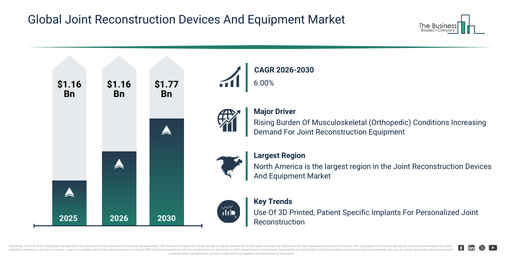
    The joint reconstruction devices and equipment market size has shown substantial growth in recent years. This market is projected to expand from $26.98 billion in 2025 to $28.49 billion by 2026, exhibiting a compound annual growth rate (CAGR) of 5.6%. Historically, this growth was driven by factors such as the rising incidence of osteoarthritis, an increase in orthopedic surgical procedures, advancements in implant materials, the expanding aging population, and broader access to joint reconstruction surgeries.

    The joint reconstruction devices and equipment market is anticipated to show significant expansion in the upcoming years. It is projected to reach $36.02 billion in 2030, achieving a compound annual growth rate (CAGR) of 6.0%. This expected growth during the forecast period is largely due to factors such as an increasing demand for implants that preserve motion, the growing acceptance of robotic-assisted surgical procedures, the expansion of orthopedic procedures performed on an outpatient basis, ongoing advancements in biomaterials, and increased investments in orthopedic healthcare infrastructure. Prominent trends identified for this period include the wider adoption of advanced joint replacement implants, a rising preference for minimally invasive joint reconstruction, the increased application of customized and patient-specific implants, the continued expansion of robotic-assisted orthopedic surgeries, and a heightened focus on the longevity and biocompatibility of implants.

    Get A Free Sample Report With In-Depth Market Insights:

    https://thebusinessresearchcompany.com/sample_request?id=16089005&type=smp&name=Joint%20Reconstruction%20Devices%20And%20Equipment%20Market%20Report%202026&utm_source=Blogs&utm_medium=Paid&utm_campaign=Oct_PR

    Joint Reconstruction Devices And Equipment Market Demand Drivers Opening New Revenue Streams

    The increasing occurrence of orthopedic conditions is projected to boost the expansion of the breakfast cereal market. These conditions, also identified as musculoskeletal conditions, cover numerous medical issues affecting the musculoskeletal system. The rising incidence of orthopedic conditions plays a crucial role in the growth of joint reconstruction devices and equipment, which are employed to manage various orthopedic issues and can aid in pain alleviation, mobility enhancement, and restoring function to impaired joints. For example, in January 2024, data from the Office for Health Improvement & Disparities, a UK-based government agency, showed that in 2023, 18.4% of individuals aged 16 and above reported experiencing a long-term musculoskeletal (MSK) condition, an increase from 17.6% in 2022. Consequently, the increasing prevalence of orthopedic conditions is fueling the expansion of the joint reconstruction devices and equipment market.

    Joint Reconstruction Devices And Equipment Market Breakdown By Product Type And Application

    The joint reconstruction devices and equipment market covered in this report is segmented –

    1) By Product Type: Knee Reconstruction Devices, Hip Reconstruction Devices, Extremity Reconstruction Devices

    2) By Application: Arthrodesis, Joint Replacement Surgery, Osteotomy, Resurfacing Surgery, Small Joint Surgery

    3) By End User: Hospitals, Orthopedic Clinics, Ambulatory Surgical Centers

    Subsegments:

    1) By Knee Reconstruction Devices: Total Knee Replacement (TKR) Implants, Partial Knee Replacement Implants, Knee Revision Implants

    2) By Hip Reconstruction Devices: Total Hip Replacement (THR) Implants, Hip Resurfacing Implants, Hip Revision Implants

    3) By Extremity Reconstruction Devices: Shoulder Reconstruction Devices, Ankle Reconstruction Devices, Elbow Reconstruction Devices, Wrist And Hand Reconstruction Devices

    Joint Reconstruction Devices And Equipment Market Trends Powering Strategic Industry Growth

    Major companies within the joint reconstruction market are prioritizing the development of patient-specific solutions, such as 3D printed implants, to bolster surgical precision, enhance fixation, and preserve bone in complex medical scenarios. These 3D printed implants are custom-designed utilizing patient imaging and simulation data to align with the unique anatomy of each individual, thus fostering more predictable clinical results. As an illustration, in March 2023, Exactech, a US-based medical device firm, collaborated with Materialise to integrate Glenius 3D printed shoulder implants, personalized through 3D imaging and planning, into its implant range. The Glenius implants are specifically crafted for each patient’s distinct anatomy using 3D data and simulation, thereby optimizing fixation and maximizing bone preservation in challenging glenoid defect cases. This partnership provides surgeons in Europe and Australia with access to highly individualized implants, aiming for more consistent clinical outcomes for patients experiencing severe shoulder defects.

    Joint Reconstruction Devices And Equipment Market Competitive Analysis Of Leading Industry Participants

    Major companies operating in the joint reconstruction devices and equipment market are Stryker Corporation, Zimmer Biomet, Johnson & Johnson, Smith & Nephew, Globus Medical, DJO Global Inc., Aesculap Implant Systems LLC, CONMED Corporation, Össur, Allegra Orthopedics, DePuy Synthes, Tornier Inc., Corin Group Plc., Exactech Inc., United Orthopedic Corporation, AAP Implantate AG, Waldemar Link GmbH & Co. KG, Amplitude SAS, Sanatmetal Ltd, Medin a.s.

    View The Full Joint Reconstruction Devices And Equipment Market Report:

    https://thebusinessresearchcompany.com/report/joint-reconstruction-devices-and-equipment-global-market-report?utm_source=Blogs&utm_medium=Paid&utm_campaign=Oct_PR

    Joint Reconstruction Devices And Equipment Market Geographic Distribution And Regional Opportunities

    North America was the largest region in the global joint reconstruction devices and equipment market in 2025. Asia-Pacific is expected to be the fastest-growing region in the forecast period. The regions covered in the joint reconstruction devices and equipment market report are Asia-Pacific, South East Asia, Western Europe, Eastern Europe, North America, South America, Middle East, Africa.

    Reach Out To Our Team:

    The Business Research Company: https://www.thebusinessresearchcompany.com/

    Americas: +1 310-496-7795

    Asia: +44 7882 955267 & +91 8897263534

    Europe: +44 7882 955267

    Email us at: marketing@tbrc.info

    Follow us on:

    LinkedIn: https://in.linkedin.com/company/the-business-research-company

    YouTube: https://www.youtube.com/channel/UC24_fI0rV8cR5DxlCpgmyFQ

    Global Market Model: https://www.thebusinessresearchcompany.com/global-market-model
  • Joint Pain Injections Market Growth To $10.96 Billion Creates New Opportunities Across The Industry

    Joint Pain Injections Market Growth To $10.96 Billion Creates New Opportunities Across The Industry

    Featuring market attractiveness scoring, total addressable market sizing, company benchmarking matrices, interactive Excel dashboards, deeper supply chain intelligence, emerging startup tracking, and granular product-level insights, The Business Research Company’s 2026 market reports are built to deliver research that is both more actionable and more strategically valuable.

    Joint Pain Injections Market Revenue Growth On Track For A 12.3% CAGR Through 2030

    The market size for joint pain injections has experienced rapid growth in recent years. It is projected to increase from $6.12 billion in 2025 to $6.89 billion in 2026, achieving a compound annual growth rate (CAGR) of 12.5%. The expansion observed in the historic period can be linked to the rising prevalence of arthritis and various joint disorders, an aging global population, the increasing demand for minimally invasive pain treatments, greater awareness of regenerative therapies, and the broadening scope of orthopedic specialty care.

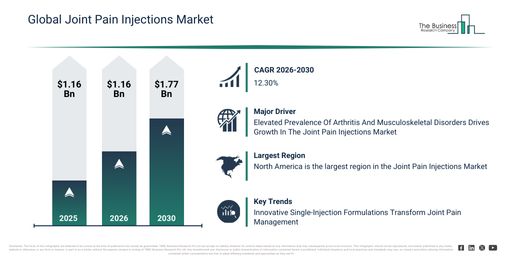
    The joint pain injections market size is projected to experience significant expansion in the coming years. This market is set to grow to $10.96 billion in 2030, exhibiting a compound annual growth rate (CAGR) of 12.3%. The projected growth during the forecast period is attributable to the increasing embrace of biologic pain therapies, a rising emphasis on personalized medicine, the broader scope of sports injury management, growing investments in regenerative medicine, and an increasing preference for non-opioid pain management. Notable trends for the forecast period include the increasing adoption of non-surgical pain management therapies, a rising use of hyaluronic acid and PRP injections, growing demand for personalized pain treatment approaches, the expansion of regenerative medicine-based injections, and an enhanced focus on outpatient pain relief solutions.

    Get A Free Sample Report With In-Depth Market Insights:

    https://thebusinessresearchcompany.com/sample_request?id=46030836&type=smp&name=Joint%20Pain%20Injections%20Market%20Report%202026&utm_source=Blogs&utm_medium=Paid&utm_campaign=Oct_PR

    Joint Pain Injections Market Growth Backed By Core Demand Fundamentals

    An increasing prevalence of arthritis and musculoskeletal disorders is set to propel the growth of the joint pain injections market. Musculoskeletal disorders stand as the largest cause of disability globally, with low back pain being the single most common source of impairment in 160 nations. Patients utilize injections for both pain relief and inflammatory conditions. For instance, in August 2023, the Institute for Health Metrics and Evaluation (IHME), a U.S.-based independent health research organization, reported that by 2050, an estimated 1 billion people are projected to suffer from osteoarthritis. Therefore, the expanding incidence of arthritis and musculoskeletal disorder is a key driver for the joint pain injections market.

    Joint Pain Injections Market Segment Analysis And Revenue Potential

    The joint pain injections market covered in this report is segmented –

    1) By Type Of Injection: Steroid Joint Injection, Hyaluronic Acid Injections

    2) By Joint Type: Hip Joint, Knee And Ankle, Shoulder And Elbow, Facet Joints Of The Spine, Other Joint Types

    3) By Distribution channel: Hospital Pharmacies, Retail Pharmacies

    Subsegments:

    1) By Steroid Joint Injection: Corticosteroid Injections, Combination Steroid Injections

    2) By Hyaluronic Acid Injections: Single-Dose Hyaluronic Acid Injections, Multi-Dose Hyaluronic Acid Injections

    Joint Pain Injections Market Growth Trends Reshaping The Competitive Landscape

    Leading companies in the joint pain injection sector are focusing on developing innovations such as single-injection formulations, which prioritize patient convenience. A single-injection formulation refers to a drug delivery system designed to administer a specific medication dose through one injection, providing sustained therapeutic effects over a prolonged period without the need for multiple doses. For instance, in July 2024, LG Chem Ltd., a South Korea-based chemicals company, introduced Synovian, a new treatment for knee osteoarthritis in China that offers a convenient single-injection formulation, making it the first of its kind in the country. The product aims to penetrate a significant market estimated at around KRW 200 billion (approximately USD 150 million). Developed using proprietary technology, it showcases innovation in addressing patient needs, with an emphasis on providing effective relief with minimal administration hassle.

    Joint Pain Injections Market Leading Companies And Competitive Benchmarking

    Major companies operating in the joint pain injections market are Seikagaku Corporation, Anika Therapeutics Inc., Bioventus Inc., Flexion Therapeutics Inc., Ferring Pharmaceuticals Inc., Sanofi S.A., AbbVie Inc., Pfizer Inc., Teva Pharmaceutical Industries Limited, Merck & Co. Inc., Johnson & Johnson, Sun Pharmaceutical Industries Ltd., Zydus Lifesciences Limited, Wockhardt Ltd., Mallinckrodt Pharmaceuticals Ltd., Mylan N.V., Bayer AG, Eli Lilly and Company, Ipsen SA, Takeda Pharmaceutical Company Limited, AstraZeneca plc

    View The Full Joint Pain Injections Market Report:

    https://thebusinessresearchcompany.com/report/joint-pain-injections-global-market-report?utm_source=Blogs&utm_medium=Paid&utm_campaign=Oct_PR

    Joint Pain Injections Market Largest Region By Revenue And Market Share

    North America was the largest region in the joint pain injections market in 2025. The regions covered in the joint pain injections market report are Asia-Pacific, South East Asia, Western Europe, Eastern Europe, North America, South America, Middle East, Africa.

    Reach Out To Our Team:

    The Business Research Company: https://www.thebusinessresearchcompany.com/

    Americas: +1 310-496-7795

    Asia: +44 7882 955267 & +91 8897263534

    Europe: +44 7882 955267

    Email us at: marketing@tbrc.info

    Follow us on:

    LinkedIn: https://in.linkedin.com/company/the-business-research-company

    YouTube: https://www.youtube.com/channel/UC24_fI0rV8cR5DxlCpgmyFQ

    Global Market Model: https://www.thebusinessresearchcompany.com/global-market-model
  • Ischemic Stroke Aspiration Systems Market Forecast: Breaking Down The Numbers Behind Future Expansion

    Ischemic Stroke Aspiration Systems Market Forecast: Breaking Down The Numbers Behind Future Expansion

    Built to provide research that’s more actionable and strategically valuable, The Business Research Company’s 2026 market reports include market attractiveness analysis, total addressable market sizing, company benchmarking matrices, interactive Excel dashboards, broader supply chain intelligence, emerging startup tracking, and in-depth product insights.

    Ischemic Stroke Aspiration Systems Market Value Growth And Long-Term Outlook

    The market size for ischemic stroke aspiration systems has experienced substantial growth in recent years. It is forecast to expand from $0.85 billion in 2025 to $0.93 billion in 2026, achieving a compound annual growth rate (CAGR) of 9.4%. This historical expansion can be attributed to several factors, including the limited availability of advanced aspiration devices, a reliance on manual aspiration techniques, the rising incidence of ischemic stroke, the expansion of hospital stroke intervention programs, and the standardization of endovascular procedures.

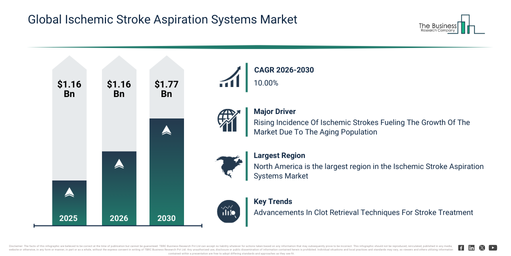
    The ischemic stroke aspiration systems market is projected to experience substantial expansion over the coming years. It will grow to $1.36 billion in 2030 at a compound annual growth rate (CAGR) of 10.0%. This anticipated market surge is driven by factors such as the advancement of large-bore and dual-lumen aspiration catheters, the uptake of electric and high-flow vacuum pumps, a greater reliance on minimally invasive stroke intervention methods, heightened awareness and prompt diagnosis of acute ischemic stroke, and the incorporation of smart surgical and imaging technologies. Key developments expected during this period involve the increasing embrace of the direct aspiration first pass technique (adapt), a rise in the application of large-bore aspiration catheters, the introduction of portable and battery-operated aspiration pumps, a stronger emphasis on safety and anti-reflux canister systems, and an expansion in rescue therapy and thrombectomy-assisted aspiration procedures.

    Get A Free Sample Report With In-Depth Market Insights:

    https://thebusinessresearchcompany.com/sample_request?id=57375592&type=smp&name=Ischemic%20Stroke%20Aspiration%20Systems%20Market%20Report%202026&utm_source=Blogs&utm_medium=Paid&utm_campaign=Oct_PR

    Ischemic Stroke Aspiration Systems Market Growth Catalysts And Demand Drivers

    The increasing occurrence of stroke risk is anticipated to fuel the expansion of the ischemic stroke aspiration systems market moving ahead. Stroke risk is defined as a person’s potential to suffer a stroke, determined by specific medical conditions, lifestyle choices, and genetic predispositions. This growing prevalence of stroke risk is attributed to the aging population, given that their likelihood of stroke naturally rises with age due to physiological alterations and an increased susceptibility to conditions such as hypertension, atrial fibrillation, and atherosclerosis. Ischemic stroke aspiration systems contribute to lowering stroke-related risks by facilitating the swift and efficient elimination of blood clots, consequently reducing brain injury and enhancing clinical outcomes for high-risk stroke patients. As an illustration, in October 2024, data from the Centers for Disease Control and Prevention (CDC), a US-based government organisation, revealed that one person dies every 34 seconds from cardiovascular disease in the United States; in 2023, that amounted to 919,032 deaths (approximately one in every three deaths); and each year about 805,000 people in the U.S. have a heart attack of these, 605,000 are first-time heart attacks and 200,000 occur in people who have already had one. Consequently, the increasing prevalence of stroke risk is propelling the expansion of the ischemic stroke aspiration systems market.

    Ischemic Stroke Aspiration Systems Market Segmentation And Category Overview

    The ischemic stroke aspiration systems market covered in this report is segmented –

    1) By Product Type: Aspiration Catheters, Aspiration Pumps, Tubing And Canisters, Accessories

    2) By Application: Acute Ischemic Stroke Intervention, Large Vessel Occlusion (LVO) Treatment, Thrombectomy Assisted Aspiration, Rescue Therapy After Failed Stent Retriever Use, Direct Aspiration First Pass Technique (ADAPT)

    3) By End User: Hospitals, Ambulatory Surgical Centers, Specialty Clinics, Other End Users

    Subsegments:

    1) By Aspiration Catheters: Mechanical Aspiration Catheters, Large-Bore Aspiration Catheters, Distal Access Catheters, Guide Catheters, Dual-Lumen Aspiration Catheters

    2) By Aspiration Pumps: Manual Aspiration Pumps, Electric Aspiration Pumps, Portable Aspiration Units, Battery-Operated Pumps, High-Flow Vacuum Pumps

    3) By Tubing And Canisters: Disposable Tubing Sets, Reusable Tubing Systems, Fluid Collection Canisters, Overflow Protection Canisters, Anti-Reflux Canister Systems

    4) By Accessories: Catheter Introducers, Aspiration Syringes, Guidewires, Connectors And Valves, Cleaning Brushes

    Ischemic Stroke Aspiration Systems Market Trends Shaping Long-Term Demand

    Leading companies in the ischemic stroke aspiration systems market are concentrating on developing advanced solutions, such as primary mechanical thrombectomy techniques, to improve procedural efficiency, patient outcomes, and the speed of clot retrieval in the treatment of acute ischemic stroke. First-line mechanical thrombectomy techniques refer to the initial or main method utilized to remove a blood clot from a blocked artery in the brain during an acute ischemic stroke. For example, in July 2025, Microvention, Inc., a US-based provider of catheter-based technologies, introduced the SOFIA aspiration system as a first-line technique for acute ischemic stroke treatment, designed to set the standard for over 10 years with its acclaimed trackability, speed, and proven clinical performance. The SOFIA Aspiration System presents several distinctive features that enhance its clinical effectiveness. It combines remarkable trackability and flexibility with a large inner lumen, which enables efficient navigation through complex cerebral vessels and effective clot aspiration. The system’s soft distal tip reduces the likelihood of vessel trauma, while its optimized catheter design facilitates rapid recanalization with minimal device exchanges. These qualities make SOFIA especially appropriate for aspiration-first approaches, allowing for quicker and safer clot removal in time-sensitive stroke interventions.

    Ischemic Stroke Aspiration Systems Market Industry Leaders And Competitive Landscape

    Major companies operating in the ischemic stroke aspiration systems market are Johnson & Johnson, Medtronic Plc, Stryker Corporation, Terumo Corporation, MicroPort Scientific Corporation, MicroVention Inc., Penumbra Inc., Imperative Care Inc., Balt Extrusion S.A.S., Acandis GmbH, Rapid Medical Ltd., Zylox-Tonbridge Medical Technology Co. Ltd., S3V Vascular Technologies Limited, Vesalio LLC, Wallaby Medical Inc., Kaneka Medix Corporation, Insera Therapeutics Inc., Boston Scientific Corporation, Abbott Laboratories, Cook Medical, Asahi Intecc Co Ltd, Nipro Corporation, Phenox GmbH, Merit Medical Systems Inc., Cardinal Health Inc., Teleflex Incorporated, Integer Holdings Corporation

    View The Full Ischemic Stroke Aspiration Systems Market Report:

    https://thebusinessresearchcompany.com/report/ischemic-stroke-aspiration-systems-global-market-report?utm_source=Blogs&utm_medium=Paid&utm_campaign=Oct_PR

    Ischemic Stroke Aspiration Systems Market Regional Analysis And Leading Geography

    North America was the largest region in the ischemic stroke aspiration systems market in 2025. Asia-Pacific is expected to be the fastest-growing region in the forecast period. The regions covered in the ischemic stroke aspiration systems market report are Asia-Pacific, South East Asia, Western Europe, Eastern Europe, North America, South America, Middle East, Africa.

    Reach Out To Our Team:

    The Business Research Company: https://www.thebusinessresearchcompany.com/

    Americas: +1 310-496-7795

    Asia: +44 7882 955267 & +91 8897263534

    Europe: +44 7882 955267

    Email us at: marketing@tbrc.info

    Follow us on:

    LinkedIn: https://in.linkedin.com/company/the-business-research-company

    YouTube: https://www.youtube.com/channel/UC24_fI0rV8cR5DxlCpgmyFQ

    Global Market Model: https://www.thebusinessresearchcompany.com/global-market-model
  • Irradiation Apparatus Market Expected To Grow At 4.5% CAGR Through 2030: What Businesses Need To Know

    Irradiation Apparatus Market Expected To Grow At 4.5% CAGR Through 2030: What Businesses Need To Know

    Backed by market attractiveness analysis, total addressable market sizing, company benchmarking matrices, interactive Excel dashboards, wider supply chain intelligence, emerging startup coverage, and detailed product-level insights, The Business Research Company’s 2026 market reports are designed to offer research that is more actionable and strategically valuable than ever.

    Irradiation Apparatus Market Poised To Hit $7.83 Billion By 2030 With A 4.5% CAGR

    The irradiation apparatus market has experienced consistent growth in recent times. The market is set to expand from $6.3 billion in 2025 to $6.58 billion in 2026, at a compound annual growth rate (CAGR) of 4.5%. Contributing to this market’s historical development are the expansion of diagnostic imaging infrastructure, the increasing use of radiation in cancer treatment, the growth in medical equipment sterilization needs, the adoption of irradiation in food preservation, and the expansion of research laboratories.

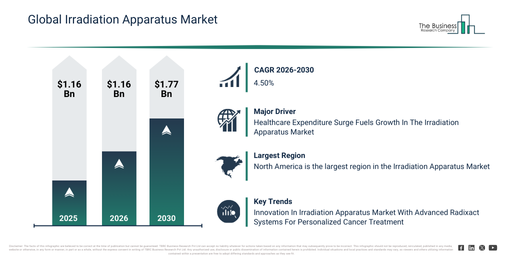
    The irradiation apparatus market is anticipated to show consistent expansion over the next few years. It is projected to reach $7.83 billion in 2030, with a compound annual growth rate (CAGR) of 4.5%. This growth in the forecast period stems from the increasing demand for advanced cancer therapies, rising investments in medical imaging technologies, the expansion of industrial irradiation applications, a growing emphasis on radiation safety systems, and technological advancements in beam control and monitoring. Prominent trends for the forecast period include the increasing deployment of advanced radiation therapy systems, rising adoption of sterilization and medical irradiation equipment, the growing use of industrial irradiation technologies, the expansion of portable and compact irradiation devices, and an enhanced focus on precision radiation control.

    Get A Free Sample Report With In-Depth Market Insights:

    https://thebusinessresearchcompany.com/sample_request?id=96148452&type=smp&name=Irradiation%20Apparatus%20Market%20Report%202026&utm_source=Blogs&utm_medium=Paid&utm_campaign=Oct_PR

    Irradiation Apparatus Market Opportunity Drivers: What’s Unlocking New Revenue Potential?

    The future expansion of the irradiation apparatus market is projected to be propelled by the growing expenditure on healthcare. Healthcare expenditure represents the total financial outlay on health-related goods and services within a specified period, including costs for medical treatment, medications, hospital care, preventative measures, and the overall enhancement of healthcare infrastructure. High healthcare spending plays a crucial role for irradiation apparatus given that radiation treatment is intensive in terms of resources, capital, and technology, particularly concerning the establishment and ongoing maintenance of radiation therapy facilities. As an illustration, in December 2024, data from the Centers for Medicare & Medicaid Services, a US government body, showed that total health-care spending in the nation had climbed to $4.9 trillion in 2023, an increase from $4.6 trillion in 2022. Therefore, the increasing expenditure on healthcare is a key driver for the growth of the irradiation apparatus market.

    Irradiation Apparatus Market Segment Outlook: Which Categories Are Growing Fastest?

    The irradiation apparatus market covered in this report is segmented –

    1) By Type: X-Rays, High Speed Neutrons, Electrons, Gamma Rays, Alphabeta Particles

    2) By Usage: Diagnostic Purposes, Therapeutic Purposes, Dental Purposes, Chiropractic Diagnostic Purposes, Industrial And Research Applications

    3) By Application: Hospital, Industry, Laboratory, Other Applications

    Subsegments:

    1) By X-Rays: Diagnostic X-Ray Machines, Therapeutic X-Ray Systems, Portable X-Ray Devices, Fluoroscopy Systems

    2) By High Speed Neutrons: Neutron Generators, Neutron Radiography Systems, Neutron Activation Analysis Systems

    3) By Electrons: Electron Beam Accelerators, Electron Therapy Systems, Industrial Electron Beam Processors

    4) By Gamma Rays: Gamma Irradiators, Gamma Cameras, Gamma Ray Spectroscopy Systems

    5) By Alphabeta Particles: Alpha Particle Irradiators, Beta Particle Irradiators, Combined Alpha-Beta Radiation Sources

    Irradiation Apparatus Market Innovation Trends Shaping Future Development

    Leading companies within the irradiation apparatus market are developing innovative products utilizing advanced technologies, such as advanced Radixact Systems, to gain a competitive advantage. The Radixact System, an irradiation apparatus and sophisticated TomoTherapy platform, delivers precise and customized radiation therapy for cancer treatment. For example, in October 2023, Koninklijke Philips N.V., a Netherlands-based medical device company, showcased its recent progress in MR-guided radiotherapy and the Spectral CT 7500 scanner at the ASTRO 2023 conference. These advancements are designed to assist radiation oncologists in achieving more accurate tumor targeting for radiation therapy, especially for head-and-neck cancer. The Spectral CT 7500 delivers unique incremental spectral information in a single scan, improving the visibility of tumor boundaries and internal physiology. This enhancement facilitates better dose calculation and tumor targeting, ultimately reducing the number of scans or modalities required for effective radiation therapy planning.

    Irradiation Apparatus Market Key Participants And Competitive Landscape

    Major companies operating in the irradiation apparatus market are Hitachi Ltd., Siemens Healthcare Private Ltd., Fujifilm Holdings Corporation, GE Healthcare, Philips Healthcare, Ametek Inc., Shimadzu Corporation, Varian Medical Systems Inc., Agfa-Gevaert, Carestream Health Inc., Toshiba America Medical Systems Inc., Steris PLC, Comet Yxlon GmbH, KaVo Dental, PROTEC GmbH & Co. KG, Canon Medical Systems Corporation, Ziehm Imaging Inc., Techno-Aide, Allengers Infotech, Narang Medical Limited, Xoran Technologies Inc., Control-X Medical Ltd.

    View The Full Irradiation Apparatus Market Report:

    https://thebusinessresearchcompany.com/report/irradiation-apparatus-global-market-report?utm_source=Blogs&utm_medium=Paid&utm_campaign=Oct_PR

    Irradiation Apparatus Market Geographic Analysis: Where Is Demand Accelerating Fastest?

    North America was the largest region in the irradiation apparatus market in 2025. Asia-Pacific is expected to be the fastest-growing region in the forecast period. The regions covered in the irradiation apparatus market report are Asia-Pacific, South East Asia, Western Europe, Eastern Europe, North America, South America, Middle East, Africa.

    Reach Out To Our Team:

    The Business Research Company: https://www.thebusinessresearchcompany.com/

    Americas: +1 310-496-7795

    Asia: +44 7882 955267 & +91 8897263534

    Europe: +44 7882 955267

    Email us at: marketing@tbrc.info

    Follow us on:

    LinkedIn: https://in.linkedin.com/company/the-business-research-company

    YouTube: https://www.youtube.com/channel/UC24_fI0rV8cR5DxlCpgmyFQ

    Global Market Model: https://www.thebusinessresearchcompany.com/global-market-model
  • Iron Oxide Nanopowders Market Forecast To Reach $2.77 Billion By 2030: Key Trends Explained

    Iron Oxide Nanopowders Market Forecast To Reach $2.77 Billion By 2030: Key Trends Explained

    Featuring market attractiveness scoring, total addressable market sizing, company benchmarking matrices, interactive Excel dashboards, deeper supply chain intelligence, emerging startup tracking, and granular product-level insights, The Business Research Company’s 2026 market reports are built to deliver research that is both more actionable and more strategically valuable.

    Iron Oxide Nanopowders Market Size And Revenue Outlook Through 2030

    The market for iron oxide nanopowders has expanded considerably in recent years. It is forecast to grow from $1.51 billion in 2025 to $1.71 billion in 2026, at a compound annual growth rate (CAGR) of 13.1%. This historic growth can be linked to factors including restricted large-scale nanopowder production technologies, the elevated cost of early-stage synthesis methods, initial adoption in specialized biomedical applications, a dependence on conventional iron oxide pigments, and inadequate regulatory standards for nanomaterials.

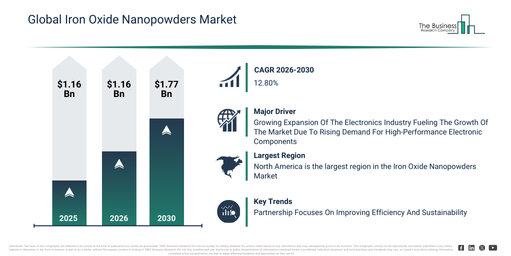
    The iron oxide nanopowders market size is anticipated to experience substantial growth in the upcoming years. Its value is projected to reach $2.77 billion in 2030, at a compound annual growth rate (CAGR) of 12.8%. This expansion during the forecast period can be attributed to developments in scalable synthesis techniques, increasing demand in healthcare and biomedical applications, greater industrial integration in energy and electronics sectors, expanding environmental and catalytic uses, and intensified research and development in multifunctional nanomaterials. Key trends expected throughout the forecast horizon involve the growing application of iron oxide nanopowders in biomedical imaging and drug delivery, the broadening scope of catalysts and energy storage solutions, heightened demand in paints, coatings, and anti-corrosion uses, their implementation in environmental remediation and wastewater treatment, and the creation of advanced nanostructured materials for electronics and sensor technologies.

    Get A Free Sample Report With In-Depth Market Insights:

    https://thebusinessresearchcompany.com/sample_request?id=42984255&type=smp&name=Iron%20Oxide%20Nanopowders%20Market%20Report%202026&utm_source=Blogs&utm_medium=Paid&utm_campaign=Oct_PR

    Iron Oxide Nanopowders Market Growth Momentum: What Factors Are Shaping Demand?

    The anticipated expansion of the electronics industry is projected to drive the growth of the iron oxide nanopowders market in the future. This sector encompasses the design, production, and distribution of electronic components and devices for consumer, industrial, and communication applications. Its growth is fueled by the rising demand for consumer electronics, which in turn stems from increasing digitalization and wider adoption of smart devices. Iron oxide nanopowders are crucial for the electronics industry, providing distinct magnetic and conductive characteristics that are vital for sensors, data storage, and various electronic components. They contribute to enhanced device performance through miniaturization and improved energy efficiency, thereby stimulating innovation in contemporary electronics. A relevant example is the global semiconductor industry sales, which, as reported by the US-based trade association, the Semiconductor Industry Association, reached $49.1 billion in May 2024. This represented a 19.3% increase from $41.2 billion in May 2023, as noted in July 2024. Consequently, the ongoing expansion of the electronics industry serves as a key driver for the iron oxide nanopowders market’s growth.

    Iron Oxide Nanopowders Market Segment Landscape: Which Areas Lead Development?

    The iron oxide nanopowders market covered in this report is segmented –

    1) By Product Type: Magnetite, Hematite, Wüstite, Other Product Types

    2) By Form: Dry Form, Wet Form

    3) By Size: Below 50 Nanometer (NM), 50-100 Nanometer (NM), Above 100 Nanometer (NM)

    4) By Application: Electronics, Catalysts, Paints And Coatings, Energy Storage, Environmental Remediation, Biomedical, Agriculture

    5) By End-User Industry: Construction, Automotive, Aerospace, Healthcare, Consumer Goods

    Subsegments:

    1) By Magnetite: Magnetic Resonance Imaging Contrast Agents, Targeted Drug Delivery Systems, Magnetic Data Storage Devices, Ferrofluids For Cooling Applications, Wastewater Treatment Adsorbents

    2) By Hematite: Photocatalysts For Water Splitting, Anti-Corrosion Pigment Coatings, Gas Sensor Components, Lithium Ion Battery Electrodes, Ceramic And Glass Colorants

    3) By Wüstite: Steel Manufacturing Additives, High Temperature Catalysts, Fuel Cell Electrode Materials, Iron-Based Nanocomposites, Ceramic Sintering Aids

    4) By Other Product Types: Maghemite For Magnetic Imaging, Iron Oxide Nanorods, Coated Iron Nanoparticles, Iron Oxide Quantum Dots, Doped Iron Oxide Nanoparticles

    Iron Oxide Nanopowders Market Trends Redefining Industry Growth

    Leading companies in the iron oxide nanopowders market are concentrating on employing a strategic partnership approach to improve technology integration and broaden market reach, with such collaborations typically involving two or more organizations combining their resources and expertise to achieve shared goals. For instance, in January 2024, LANXESS AG, a Germany-based specialty chemicals company, joined forces with IBU-tec advanced materials AG, a Germany-based specialty materials manufacturing company, to develop innovative iron oxides aimed at optimizing the performance of lithium iron phosphate (LFP) battery cathode materials. This collaboration seeks to leverage LANXESS’s expertise in high-performance iron oxide production and IBU-tec’s advanced material processing technologies to enhance the efficiency, sustainability, and scalability of LFP battery materials. The partnership also focuses on optimizing iron oxide nanopowders to improve battery performance, including energy density, cycle life, and cost-effectiveness, catering to the growing demand for next-generation energy storage solutions.

    Iron Oxide Nanopowders Market Top Companies Driving Competitive Growth

    Major companies operating in the iron oxide nanopowders market are American Elements Corporation, Inframat Corporation, NN-LABS LLC, PlasmaChem GmbH, CDH Fine Chemical, Nanoshel LLC, Skyspring Nanomaterials Inc., Nano Research Elements Inc., Nanostructured & Amorphous Materials Inc., MKNano Inc., US Research Nanomaterials Inc., BASF SE, Evonik Industries AG, Merck KGaA, Toda Kogyo Corporation, Nanoiron s.r.o., Nanophase Technologies Corporation, Promethean Particles Ltd, Magnacol Ltd, FerroTec Corporation, Materials and Electrochemical Research Corporation

    View The Full Iron Oxide Nanopowders Market Report:

    https://thebusinessresearchcompany.com/report/iron-oxide-nanopowders-global-market-report?utm_source=Blogs&utm_medium=Paid&utm_campaign=Oct_PR

    Iron Oxide Nanopowders Market Global Footprint: Which Region Leads The Industry?

    North America was the largest region in the iron oxide nanopowders market in 2025. Asia-Pacific is expected to be the fastest-growing region in the forecast period. The regions covered in the iron oxide nanopowders market report are Asia-Pacific, South East Asia, Western Europe, Eastern Europe, North America, South America, Middle East, Africa.

    Reach Out To Our Team:

    The Business Research Company: https://www.thebusinessresearchcompany.com/

    Americas: +1 310-496-7795

    Asia: +44 7882 955267 & +91 8897263534

    Europe: +44 7882 955267

    Email us at: marketing@tbrc.info

    Follow us on:

    LinkedIn: https://in.linkedin.com/company/the-business-research-company

    YouTube: https://www.youtube.com/channel/UC24_fI0rV8cR5DxlCpgmyFQ

    Global Market Model: https://www.thebusinessresearchcompany.com/global-market-model
  • Iron Fortified Infant Formula Market Analysis Through 2030: Market Size, Growth Trends And Industry Outlook

    Iron Fortified Infant Formula Market Analysis Through 2030: Market Size, Growth Trends And Industry Outlook

    Backed by market attractiveness analysis, total addressable market sizing, company benchmarking matrices, interactive Excel dashboards, wider supply chain intelligence, emerging startup coverage, and detailed product-level insights, The Business Research Company’s 2026 market reports are designed to offer research that is more actionable and strategically valuable than ever.

    Iron Fortified Infant Formula Market Growth From $2.61 Billion In 2026 To $3.34 Billion By 2030 At A CAGR Of 6.3%

    The iron fortified infant formula market has experienced strong growth in recent years. It is projected to increase from $2.45 billion in 2025 to $2.61 billion in 2026, demonstrating a compound annual growth rate (CAGR) of 6.5%. The historical expansion in this market can be linked to heightened awareness of infant nutrition, the growing number of urban working parents, an increase in packaged infant food consumption, better access to pediatric healthcare guidance, and the rising occurrence of infant iron deficiency.

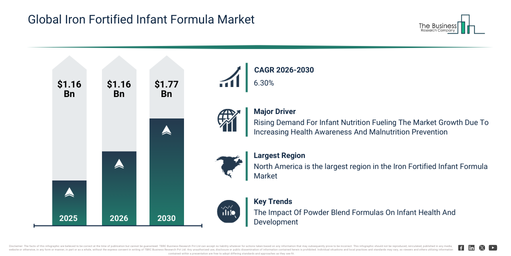
    The iron fortified infant formula market is projected to experience substantial expansion in the coming years, reaching a valuation of $3.34 billion by 2030, driven by a compound annual growth rate (CAGR) of 6.3%. This anticipated growth during the forecast period is largely due to factors such as a heightened demand for premium infant nutrition items, a growing inclination towards convenient feeding solutions, the expansion of infant nutrition sales channels online, an increased regulatory emphasis on nutrient standards, and continuous innovation in fortified formula formulations. Key trends expected over the forecast horizon encompass a surge in demand for organic and clean-label infant formulas, greater adoption of optimized iron fortification blends, the proliferation of ready-to-use infant formula formats, a more pronounced focus on digestibility and nutrient absorption, and elevated investments in ensuring quality and safety.

    Get A Free Sample Report With In-Depth Market Insights:

    https://thebusinessresearchcompany.com/sample_request?id=90101055&type=smp&name=Iron%20Fortified%20Infant%20Formula%20Market%20Report%202026&utm_source=Blogs&utm_medium=Paid&utm_campaign=Oct_PR

    Iron Fortified Infant Formula Market Expansion Drivers: What’s Shaping Future Growth?

    The escalating demand for infant nutrition is anticipated to drive the expansion of the iron-fortified infant formula market. Infant nutrition focuses on supplying appropriate nutrients to newborns and young children, from birth up to two years of age, to support healthy physical growth, brain development, immune system function, and overall well-being. The rising need for infant nutrition primarily results from heightened awareness among parents regarding the critical importance of early childhood nutrition for healthy growth and development. Iron-fortified infant formula is crucial for infant nutrition, providing key nutrients that encourage healthy growth and development, especially when breastfeeding is not feasible or sufficient. For example, in 2023, the United Nations International Children’s Emergency Fund (UNICEF), a US-based humanitarian aid organization, according to its report, distributed nearly 480 million vitamin A capsules to 71 countries, enabling over 320 million children to receive two doses of Vitamin A Supplementation (VAS), indicating a 26% increase compared to previous years. Thus, the increasing demand for infant nutrition is fueling the growth of the iron-fortified infant formula market.

    Iron Fortified Infant Formula Market Segments: Where Is Growth Concentrated?

    The iron fortified infant formula market covered in this report is segmented –

    1) By Product Type: Powdered Iron-Fortified Infant Formula, Liquid Concentrates, Ready-To-Use Liquids

    2) By Feeding Method: Breastfeeding Supplement, Exclusive Formula Feeding, Combination Feeding

    3) By Packaging Type: Tin Cans, Plastic Containers, Pouches, Single-Serve Sachets

    4) By Age Group: Newborn, Infants (1-6 Months), Crawlers (6-12 Months), Toddlers (12+ Months)

    5) By Distribution Channel: Online Retail, Supermarkets Or Hypermarkets, Pharmacies, Specialty Stores

    Subsegments:

    1) By Powdered Iron-Fortified Infant Formula: Cow Milk-Based Powder, Soy-Based Powder, Specialty Powder, Organic Powder

    2) By Liquid Concentrates: Cow Milk-Based Concentrate, Soy-Based Concentrate, Specialty Concentrate, Organic Concentrate

    3) By Ready-To-Use Liquids: Cow Milk-Based Ready-To-Use, Soy-Based Ready-To-Use, Specialty Ready-To-Use, Organic Ready-To-Use

    Iron Fortified Infant Formula Market Strategic Trends: What Defines The Next Growth Phase?

    Leading companies in the iron-fortified infant formula market are prioritizing the creation of innovative products, such as powder blends, to improve nutrient absorption and promote better infant health. A powder blend, defined as a homogenous mixture of powdered ingredients, assists iron-fortified infant formula by ensuring the uniform distribution of iron and other nutrients, thereby enhancing stability, absorption, and consistent nutritional value in each serving. For example, in July 2023, Danone S.A., a France-based food company, launched Danone’s dairy and plant milk powder blend for infants, which combines 60% dairy protein derived from whey and casein with 40% non-genetically modified organism (GMO) soy protein. This innovative formulation was designed to address the growing demand for plant-based offerings while guaranteeing comprehensive nutritional support for young children. The product is fortified with crucial micronutrients, including zinc, iron, folate, and vitamins A, B6, B12, C, and D, to aid immune system function. The formula meets parents’ increasing desire for plant-based diets for their children without compromising the essential nutrients required for infant and toddler development.

    Iron Fortified Infant Formula Market Leading Players And Competitive Positioning

    Major companies operating in the iron fortified infant formula market are Nestlé S.A., Abbott Nutrition Manufacturing Inc., Groupe Danone, FrieslandCampina, Meiji Holdings Co. Ltd., Perrigo Company plc, Morinaga Milk Industry Co. Ltd., The a2 Milk Company, HiPP GmbH & Co. Vertrieb KG, Synutra International Inc., ByHeart, Bubs Australia Limited, Bellamy’s Organic, Bobbie Baby Inc., Arla Foods amba, Kendamil, Holle Baby Food GmbH, Beingmate Baby & Child Food Co. Ltd., Hero AG, Reckitt Benckiser Group plc, Feihe International Inc., Ausnutria Dairy Corporation Ltd., Yili Group, Danone Nutricia

    View The Full Iron Fortified Infant Formula Market Report:

    https://thebusinessresearchcompany.com/report/iron-fortified-infant-formula-global-market-report?utm_source=Blogs&utm_medium=Paid&utm_campaign=Oct_PR

    Iron Fortified Infant Formula Market Regional Distribution: Which Areas Power Market Growth?

    North America was the largest region in the iron fortified infant formula market in 2025. Asia-Pacific is expected to be the fastest-growing region in the forecast period. The regions covered in the iron fortified infant formula market report are Asia-Pacific, South East Asia, Western Europe, Eastern Europe, North America, South America, Middle East, Africa.

    Reach Out To Our Team:

    The Business Research Company: https://www.thebusinessresearchcompany.com/

    Americas: +1 310-496-7795

    Asia: +44 7882 955267 & +91 8897263534

    Europe: +44 7882 955267

    Email us at: marketing@tbrc.info

    Follow us on:

    LinkedIn: https://in.linkedin.com/company/the-business-research-company

    YouTube: https://www.youtube.com/channel/UC24_fI0rV8cR5DxlCpgmyFQ

    Global Market Model: https://www.thebusinessresearchcompany.com/global-market-model
  • Iron Deficiency Anemia Treatment Market Outlook From 2026 To 2030: Key Growth Factors And Future Opportunities

    Iron Deficiency Anemia Treatment Market Outlook From 2026 To 2030: Key Growth Factors And Future Opportunities

    Featuring market attractiveness scoring, total addressable market sizing, company benchmarking matrices, interactive Excel dashboards, deeper supply chain intelligence, emerging startup tracking, and granular product-level insights, The Business Research Company’s 2026 market reports are built to deliver research that is both more actionable and more strategically valuable.

    Iron Deficiency Anemia Treatment Market Expansion Outlook: What Revenue Opportunities Are Ahead?

    The iron deficiency anemia treatment market has witnessed substantial growth in recent years. The market is projected to expand from $8.83 billion in 2025 to $9.98 billion in 2026, demonstrating a compound annual growth rate (CAGR) of 13.0%. This historical growth can be attributed to several factors, including the increasing incidence of iron deficiency disorders, improved diagnosis of anemia in the context of chronic diseases, the broader implementation of hospital-based treatment protocols, the widespread availability of oral iron supplements, and a heightened awareness regarding anemia management.

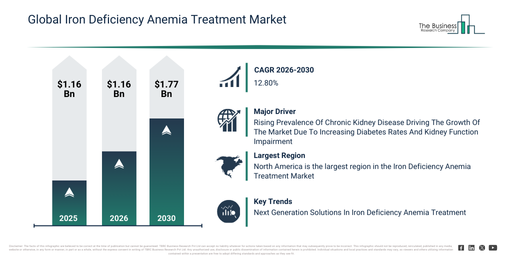
    The iron deficiency anemia treatment market is projected for significant expansion over the coming years. This market is set to reach a value of $16.17 billion by 2030, exhibiting a compound annual growth rate (CAGR) of 12.8%. This expansion during the forecast period is driven by factors such as the increasing vulnerability of the elderly population, a heightened need for swift iron replenishment methods, the broader application of injectable iron, a growing emphasis on patient-focused care models, and innovations in iron formulation technologies. Key developments anticipated in this period encompass the greater embrace of intravenous iron treatments, increased utilization of highly bioavailable iron preparations, a stronger focus on individualized anemia management strategies, the wider availability of outpatient and at-home iron therapy, and enhanced tools for patient tracking and adherence.

    Get A Free Sample Report With In-Depth Market Insights:

    https://thebusinessresearchcompany.com/sample_request?id=47552563&type=smp&name=Iron%20Deficiency%20Anemia%20Treatment%20Market%20Report%202026&utm_source=Blogs&utm_medium=Paid&utm_campaign=Oct_PR

    Iron Deficiency Anemia Treatment Market Development Factors: What’s Supporting Demand?

    The increasing prevalence of chronic kidney disease is anticipated to fuel the expansion of the iron deficiency anemia treatment market in the future. Chronic kidney disease (CKD) is characterized by a gradual decline in kidney function over time. This rise in CKD can be attributed to escalating rates of diabetes, as prolonged high blood sugar levels damage the blood vessels in the kidneys, thereby impairing their ability to filter waste. Iron deficiency anemia treatment assists individuals with CKD by enhancing oxygen delivery to tissues, reducing fatigue, and improving their quality of life. It also has the potential to boost kidney function by addressing the anemia that frequently arises from reduced erythropoietin production in CKD. For example, a report published by AstraZeneca, a UK-based pharmaceutical company, in April 2024, projects that by 2032, up to 16.5% of the population across eight countries, including the United States, Brazil, the United Kingdom, Spain, Germany, the Netherlands, China, and Australia, will be impacted by chronic kidney disease (CKD), with advanced-stage cases increasing significantly by up to 59.3%. Thus, the growth in chronic kidney disease is propelling the iron deficiency anemia treatment market forward.

    Iron Deficiency Anemia Treatment Market Segment Analysis: What Are The Core Market Categories?

    The iron deficiency anemia treatment market covered in this report is segmented –

    1) By Treatment Type: Medications, Blood Transfusions, Other Treatment Types

    2) By Drug Type: Ferrous Sulfate, Iron Carbohydrates, Other Drug Types

    3) By Therapy Areas: Inflammatory Bowel Disease, Oncology, Other Therapy Areas

    4) By Route Of Administration: Oral, Injectable

    5) By End User: Hospitals, Clinics, Home Care Settings, Pharmacies

    Subsegments:

    1) By Medications: Oral Iron Supplements, Intravenous Iron Therapy, Iron-Based Injections, Erythropoiesis-Stimulating Agents

    2) By Blood Transfusions: Packed Red Blood Cells Transfusion, Whole Blood Transfusion

    3) By Other Treatment Types: Dietary Modifications, Iron Infusion Therapy, Long-Term Maintenance Iron Therapy

    Iron Deficiency Anemia Treatment Market Transformation Trends: What Innovations Are Driving Change?

    Companies operating in the iron deficiency anemia treatment market are directing their efforts toward developing advanced solutions, such as iron injections, to boost treatment effectiveness, safety, and patient convenience. An iron injection is considered a new or substantially improved injectable iron therapy, representing a significant stride in the management of iron deficiency or iron deficiency anemia. For example, in March 2024, Cadila Pharmaceuticals, an Indian pharmaceutical company, launched Redshot FCM, an intravenous iron therapy employing ferric carboxymaltose to address iron deficiency anemia (IDA). This therapy comes with specific benefits, including an advanced ferric carboxymaltose formulation for swift iron replenishment, minimal risk of anaphylaxis, high-dose single-infusion administration for rapid correction, and suitability for pediatric use (1+ years) in addition to adult application. It accelerates hemoglobin recovery and is intended for high-risk groups, including pregnant women and cancer patients, exhibiting superior tolerability.

    Iron Deficiency Anemia Treatment Market Competitive Overview And Top Companies

    Major companies operating in the iron deficiency anemia treatment market are Sanofi SA, Fresenius SE & Co. KGaA, Amgen Inc., Teva Pharmaceutical Industries Ltd., Sandoz Group AG, Daiichi Sankyo Company Limited, Lupin Limited, Zydus Lifesciences Limited, Alkem Laboratories Ltd., Pharmascience Inc., American Regent Inc., PharmaNutra S.p.A., Rockwell Medical Inc., Keryx Biopharmaceuticals Inc., Pharmacosmos A/S, AdvaCare Pharma USA LLC, Apotex Inc., Shield Therapeutics plc, CSL Vifor AG, Abbott Laboratories, Bayer AG, Pfizer Inc., Cipla Limited, Dr. Reddy’s Laboratories Ltd.

    View The Full Iron Deficiency Anemia Treatment Market Report:

    https://thebusinessresearchcompany.com/report/iron-deficiency-anemia-treatment-global-market-report?utm_source=Blogs&utm_medium=Paid&utm_campaign=Oct_PR

    Iron Deficiency Anemia Treatment Market Leading Geography: Which Region Contributes The Most Revenue?

    North America was the largest region in the iron deficiency anemia treatment market in 2025. Asia-Pacific is expected to be the fastest-growing region in the forecast period. The regions covered in the iron deficiency anemia treatment market report are Asia-Pacific, South East Asia, Western Europe, Eastern Europe, North America, South America, Middle East, Africa.

    Reach Out To Our Team:

    The Business Research Company: https://www.thebusinessresearchcompany.com/

    Americas: +1 310-496-7795

    Asia: +44 7882 955267 & +91 8897263534

    Europe: +44 7882 955267

    Email us at: marketing@tbrc.info

    Follow us on:

    LinkedIn: https://in.linkedin.com/company/the-business-research-company

    YouTube: https://www.youtube.com/channel/UC24_fI0rV8cR5DxlCpgmyFQ

    Global Market Model: https://www.thebusinessresearchcompany.com/global-market-model
  • Iron Deficiency Anemia Therapy Market Growth Forecast: Market Size, Key Trends And Emerging Opportunities Through 2030

    Iron Deficiency Anemia Therapy Market Growth Forecast: Market Size, Key Trends And Emerging Opportunities Through 2030

    Built to provide research that’s more actionable and strategically valuable, The Business Research Company’s 2026 market reports include market attractiveness analysis, total addressable market sizing, company benchmarking matrices, interactive Excel dashboards, broader supply chain intelligence, emerging startup tracking, and in-depth product insights.

    Iron Deficiency Anemia Therapy Market Growth Potential: How Will Market Size Shift Through 2030?

    The iron deficiency anemia therapy market size has demonstrated significant expansion in recent years. It is forecast to grow from $4.78 billion in 2025 to $5.15 billion in 2026, achieving a compound annual growth rate (CAGR) of 7.8%. The historic period’s growth drivers include the increasing prevalence of iron deficiency anemia, rising awareness of anemia management, expansion of hospital-based treatment protocols, growing use of oral iron supplements, and improved diagnostic screening for anemia.

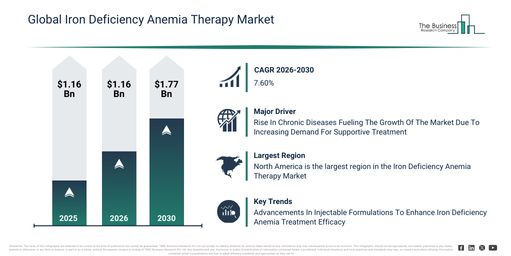
    The iron deficiency anemia therapy market size is anticipated to experience substantial expansion over the upcoming years. It is projected to reach $6.92 billion by 2030, exhibiting a compound annual growth rate (CAGR) of 7.6%. This projected growth during the forecast period can be linked to factors such as the increasing need for quicker anemia correction, the growing occurrence of chronic illnesses that lead to anemia, the proliferation of specialized anemia clinics, a heightened focus on maternal and pediatric anemia care, and improvements in iron formulation technologies. Key developments expected during this period involve a rise in the adoption of intravenous iron therapies, an increasing demand for targeted anemia treatments, a greater emphasis on personalized patient therapy regimens, the development of combined oral and parenteral therapies, and an enhanced focus on ensuring treatment effectiveness and safety.

    Get A Free Sample Report With In-Depth Market Insights:

    https://thebusinessresearchcompany.com/sample_request?id=29773912&type=smp&name=Iron%20Deficiency%20Anemia%20Therapy%20Market%20Report%202026&utm_source=Blogs&utm_medium=Paid&utm_campaign=Oct_PR

    Iron Deficiency Anemia Therapy Market Industry Drivers: What’s Behind The Revenue Growth?

    The iron deficiency anemia therapy market is projected to expand due to the escalating number of chronic disease cases. Chronic diseases are long-term medical conditions typically persisting for at least a year. The rise in these conditions is linked to an increased prevalence of unhealthy lifestyle choices, including poor diet, lack of physical activity, and smoking, which contribute to ailments such as obesity, diabetes, and heart disease, leading to lasting health complications. Chronic conditions can heighten the demand for iron deficiency anemia therapy by impairing the body’s ability to absorb iron effectively, thereby increasing the risk of iron deficiency and necessitating supplementation or treatment to restore iron levels. For instance, in June 2024, the National Health Service, a UK-based government department, reported that 3,615,330 individuals registered with a GP were diagnosed with non-diabetic hyperglycemia, or pre-diabetes, in 2023. This marked an 18% increase from 3,065,825 cases recorded in 2022. Thus, the increasing incidence of chronic diseases is propelling growth within the iron deficiency anemia therapy market.

    Iron Deficiency Anemia Therapy Market Segment Breakdown: Which Categories Lead On Revenue?

    The iron deficiency anemia therapy market covered in this report is segmented –

    1) By Product Type: Ferrous Sulphate, Ferrous Gluconate, Ferrous Fumerate, Ferric Hydroxide

    2) By Therapy Type: Parenteral Iron Therapy, Oral Iron Therapy, Red Blood Cell Transfusion, Other Therapy Types

    3) By Therapy Areas: Inflammatory Bowel Diseases, Renal Diseases, Obstetrics and Gynecology, Congestive Heart Failure, Oncology

    4) By Distribution channel: Hospital Pharmacy, Drug Stores And Retail Pharmacies, Online Pharmacies

    5) By End User: Hospitals, Speciality Clinics, Home Care Setting, Other End Users

    Subsegments:

    1) By Ferrous Sulphate: Oral Ferrous Sulphate Tablets, Oral Liquid Ferrous Sulphate, Intravenous Ferrous Sulphate, Extended Or Delayed Release Formulations

    2) By Ferrous Gluconate: Oral Tablets, Chewable Tablets, Liquid Solutions, Pediatric Formulations

    3) By Ferrous Fumarate: Oral Tablets Or Capsules, Prenatal Supplements, Multivitamin with Iron Formulations, Pediatric Drops Or Syrups

    4) By Ferric Hydroxide: Intravenous Iron Therapy, Ferric Hydroxide Polymaltose Complex, Dialysis-Specific Iron Therapy, Hospital-Based Injectable Formulations

    #Iron Deficiency Anemia Therapy Market Growth Trends: What’s Shaping The Future Outlook?

    Major companies within the iron deficiency anemia therapy market are concentrating on creating improved treatment alternatives, such as injectable formulations, to enhance both treatment effectiveness and ease of access. An injectable formulation refers to a recently developed or modified drug version administered via injection. For example, in May 2023, Emcure Pharmaceuticals Ltd., an Indian pharmaceutical firm, introduced Orofer FCM 750, a ferric carboxymaltose (FCM) formulation designed for treating iron deficiency and iron deficiency anemia (IDA). This product offers advantages like enhanced patient adherence due to less frequent dosing compared to oral supplements. Its primary goal is to effectively manage iron deficiency anemia, particularly in individuals unable to tolerate oral iron supplements. This 750 mg/15 ml injectable ferric carboxymaltose received approval from India’s DCGI for iron deficiency anemia (IDA) in patients who do not respond to oral iron, especially pregnant women with hemoglobin <10 g/dl and weighing 35–70 kg, providing a 15-minute infusion (when diluted in saline) and adhering to Anemia Mukt Bharat guidelines as a preferred initial treatment for severe conditions.

    Iron Deficiency Anemia Therapy Market Competitive Landscape: Which Companies Lead The Industry?

    Major companies operating in the iron deficiency anemia therapy market are Sanofi SA, Fresenius SE & Co. KGaA, GlaxoSmithKline plc, Sun Pharmaceutical Industries Ltd, CSL Vifor AG, Zydus Lifesciences Limited, Alkem Laboratories Ltd., Luitpold Pharmaceuticals Inc., Covis Pharma GmbH, Pharmacosmos Therapeutics Inc., AFT Pharmaceuticals Ltd., Rockwell Medical Inc., Otsuka Pharmaceutical Co. Ltd., AdvaCare Pharma USA LLC, Apotex Inc., KYE Pharmaceuticals Inc., Emcure Pharmaceuticals Limited, Shield Therapeutics plc, Abbott Laboratories, Bayer AG, Pfizer Inc., Lupin Limited, Cipla Limited, Dr. Reddy’s Laboratories Ltd.

    View The Full Iron Deficiency Anemia Therapy Market Report:

    https://thebusinessresearchcompany.com/report/iron-deficiency-anemia-therapy-global-market-report?utm_source=Blogs&utm_medium=Paid&utm_campaign=Oct_PR

    Iron Deficiency Anemia Therapy Market Regional Outlook: Where Is Opportunity Concentrated?

    North America was the largest region in the iron deficiency anemia therapy market in 2025. Asia-Pacific is expected to be the fastest-growing region in the forecast period. The regions covered in the iron deficiency anemia therapy market report are Asia-Pacific, South East Asia, Western Europe, Eastern Europe, North America, South America, Middle East, Africa.

    Reach Out To Our Team:

    The Business Research Company: https://www.thebusinessresearchcompany.com/

    Americas: +1 310-496-7795

    Asia: +44 7882 955267 & +91 8897263534

    Europe: +44 7882 955267

    Email us at: marketing@tbrc.info

    Follow us on:

    LinkedIn: https://in.linkedin.com/company/the-business-research-company

    YouTube: https://www.youtube.com/channel/UC24_fI0rV8cR5DxlCpgmyFQ

    Global Market Model: https://www.thebusinessresearchcompany.com/global-market-model
  • In-Vivo Prime Editing Platform Analysis Through 2030: Market Size, Growth Trends And Industry Outlook

    In-Vivo Prime Editing Platform Analysis Through 2030: Market Size, Growth Trends And Industry Outlook

    Backed by market attractiveness analysis, total addressable market sizing, company benchmarking matrices, interactive Excel dashboards, wider supply chain intelligence, emerging startup coverage, and detailed product-level insights, The Business Research Company’s 2026 market reports are designed to offer research that is more actionable and strategically valuable than ever.

    In-vivo Prime Editing Platform Market Value Analysis: What Growth Lies Ahead Over The Forecast Period?

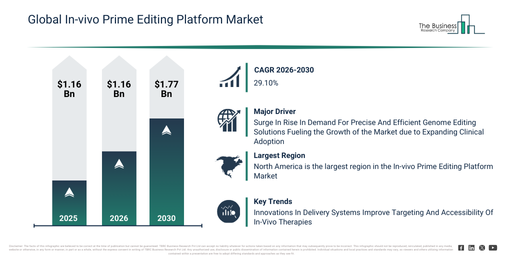
    The market size for in-vivo prime editing platforms has expanded significantly in recent years. Its value is anticipated to climb from $1.26 billion in 2025 to $1.63 billion in 2026, reflecting a compound annual growth rate (CAGR) of 29.4%. Historically, this expansion has been driven by the emergence of CRISPR technologies, an increase in genetic disorder research, enhanced biotechnology funding, academic studies in genome editing, and the initial positive results from gene therapies.

    The in-vivo prime editing platform market size is projected to experience substantial expansion over the coming years. It is anticipated to reach $4.52 billion in 2030, exhibiting a compound annual growth rate (CAGR) of 29.1%. This projected growth during the forecast period can be linked to factors such as the clinical application of prime editing, the increasing scope of in-vivo gene therapies, governmental backing for genetic treatments, collaborations between biotechnology and pharmaceutical companies, and advancements in delivery vectors. Key trends anticipated during the forecast period encompass progress in precision genome editing, a broader scope of gene therapy research, heightened attention on treating rare diseases, the creation of enhanced delivery mechanisms, and a rise in preclinical and clinical investigations.

    Get A Free Sample Report With In-Depth Market Insights:

    https://thebusinessresearchcompany.com/sample_request?id=61565725&type=smp&name=In-vivo%20Prime%20Editing%20Platform%20Market%20Report%202026&utm_source=Blogs&utm_medium=Paid&utm_campaign=Oct_PR

    In-vivo Prime Editing Platform Market Growth Factors: What’s Supporting Expansion?

    The in-vivo prime editing platform market is projected to expand in the future, driven by a growing demand for exact and effective genome editing solutions. This type of genome editing involves making highly accurate, focused alterations to DNA (deoxyribonucleic acid), the molecule responsible for storing genetic information in cells, while minimizing unintended edits and adverse outcomes. The increased requirement for precise and efficient genome-editing solutions stems from the rising need for targeted therapies that reduce errors and achieve lasting clinical results. The in-vivo prime editing platform supports this demand by enabling very accurate, targeted DNA modifications within living tissues, which leads to fewer off-target effects and the potential for long-term therapeutic advantages. For instance, according to the World Economic Forum, a Switzerland-based international non-profit organization, there were over 2,000 gene therapies in development worldwide, which was double the number from just three years earlier. Therefore, the heightened demand for precise and efficient genome editing solutions is a primary factor fueling the growth of the in-vivo prime editing platform market.

    In-vivo Prime Editing Platform Market Segmentation: How Does The Market Break Down By Category?

    The in-vivo prime editing platform market covered in this report is segmented –

    1) By Product Type: Prime Editing Enzymes, Guide Ribonucleic Acids, Delivery Systems, Other Product Types

    2) By Application: Genetic Disease Treatment, Oncology, Rare Diseases, Research And Development

    3) By Delivery Method: Viral Vectors, Non-Viral Methods, Lipid Nanoparticles, Other Delivery Method Types

    4) By End-User: Pharmaceutical And Biotechnology Companies, Academic And Research Institutes, Contract Research Organizations, Other End-Users

    Subsegments:

    1) By Prime Editing Enzymes: Cas9 Nickeas, Reverse Transcriptase, Engineered Variants

    2) By Guide Ribonucleic Acids: pegRNA (Prime Editing Guide RNA), sgRNA (Single Guide RNA), Optimized Synthetic RNAs

    3) By Delivery Systems: Viral Vectors (AAV, Lentivirus), Non-Viral Vectors (Lipid Nanoparticles, Electroporation, Physical Methods), Exosomes

    4) By Other Product Types: Screening Tools, Assay Kits, Supporting Reagents

    In-vivo Prime Editing Platform Market Industry Trends: What’s Reshaping Demand?

    Major companies and research institutions operating in the in-vivo prime editing platform market are concentrating on developing novel delivery mechanisms, including lipid nanoparticles, viral vectors, and engineered extracellular vesicles, to secure a competitive advantage. These advanced carriers, like lipid nanoparticles, encase crucial prime editing elements such as Cas9 nickase, reverse transcriptase, and pegRNAs. This encapsulation shields them from breakdown and facilitates their effective transport into target cells, simultaneously enhancing absorption and tissue-specific targeting. An illustrative example is Moderna, a US-based biotechnology company, which in September 2023, showcased that refined lipid nanoparticle formulations can accurately transport prime editing machinery to liver and muscle tissues in animal models, leading to precise genome alterations with reduced unintended effects. These breakthroughs highlight the way advancements in delivery methods boost the effectiveness, accuracy, and prospective therapeutic utility of in-vivo prime editing treatments.

    In-vivo Prime Editing Platform Market Competitive Landscape: Who Leads The Industry?

    Major companies operating in the in-vivo prime editing platform market are AstraZeneca PLC, Danaher Corporation, Regeneron Pharmaceuticals Inc., Moderna Inc., Integrated DNA Technologies Inc., Beam Therapeutics Inc., CRISPR Therapeutics AG, Maravai LifeSciences Holdings Inc., Sangamo Therapeutics Inc., Editas Medicine Inc., Precision BioSciences Inc., Metagenomi Inc., Tessera Therapeutics Inc., Mammoth Biosciences Inc., Arbor Biotechnologies Inc., Intellia Therapeutics Inc. (NTLA), Caribou Biosciences Inc., Scribe Therapeutics Inc., EGENESIS INC., Prime Medicine Inc., Cellectis S.A.

    View The Full In-vivo Prime Editing Platform Market Report:

    https://thebusinessresearchcompany.com/report/in-vivo-prime-editing-platform-global-market-report?utm_source=Blogs&utm_medium=Paid&utm_campaign=Oct_PR

    In-vivo Prime Editing Platform Market Geographic Landscape: Which Region Leads Industry Growth?

    North America was the largest region in the in-vivo prime editing platform market in 2025. Asia-Pacific is expected to be the fastest-growing region in the forecast period. The regions covered in the in-vivo prime editing platform market report are Asia-Pacific, South East Asia, Western Europe, Eastern Europe, North America, South America, Middle East, Africa.

    Reach Out To Our Team:

    The Business Research Company: https://www.thebusinessresearchcompany.com/

    Americas: +1 310-496-7795

    Asia: +44 7882 955267 & +91 8897263534

    Europe: +44 7882 955267

    Email us at: marketing@tbrc.info

    Follow us on:

    LinkedIn: https://in.linkedin.com/company/the-business-research-company

    YouTube: https://www.youtube.com/channel/UC24_fI0rV8cR5DxlCpgmyFQ

    Global Market Model: https://www.thebusinessresearchcompany.com/global-market-model
  • In-Vitro Diagnostics Instruments Market To Witness 10.3% CAGR Growth Through 2030: Key Industry Drivers

    In-Vitro Diagnostics Instruments Market To Witness 10.3% CAGR Growth Through 2030: Key Industry Drivers

    Featuring market attractiveness scoring, total addressable market sizing, company benchmarking matrices, interactive Excel dashboards, deeper supply chain intelligence, emerging startup tracking, and granular product-level insights, The Business Research Company’s 2026 market reports are built to deliver research that is both more actionable and more strategically valuable.

    In-Vitro Diagnostics Instruments Market Size Forecast: How Big Could The Market Get By 2030?

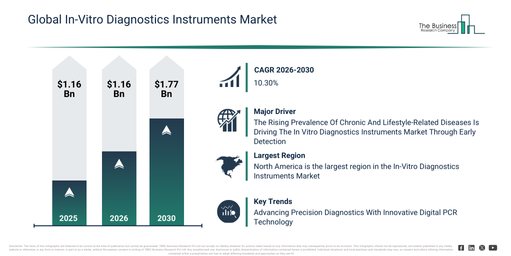
    The in-vitro diagnostics instruments market has experienced substantial growth recently. Its projected expansion shows an increase from $61.09 billion in 2025 to $67.18 billion in 2026, reflecting a compound annual growth rate (CAGR) of 10.0%. Historically, this growth can be attributed to factors such as the increasing prevalence of chronic diseases, expanding hospital laboratory infrastructure, advancements in diagnostic reagents, heightened awareness for early disease detection, and various government healthcare initiatives.

    The in-vitro diagnostics instruments market size is anticipated to experience substantial growth in the upcoming years. It is projected to expand to $99.44 billion in 2030, achieving a compound annual growth rate (CAGR) of 10.3%. This expansion during the forecast period can be attributed to technological advancements in molecular diagnostics, the increasing prevalence of personalized medicine, the incorporation of AI in diagnostics, the development of healthcare in emerging markets, and the rising demand for home-based diagnostic devices. Significant trends over the forecast period include the proliferation of point-of-care testing, the evolution of personalized diagnostics, the widespread adoption of rapid molecular testing, the integration of remote patient monitoring, and the emergence of miniaturized lab instruments.

    Get A Free Sample Report With In-Depth Market Insights:

    https://thebusinessresearchcompany.com/sample_request?id=29107&type=smp&name=In-Vitro%20Diagnostics%20Instruments%20Market%20Report%202026&utm_source=Blogs&utm_medium=Paid&utm_campaign=Oct_PR

    In-Vitro Diagnostics Instruments Market Demand Drivers: What’s Powering Industry Growth?

    The growing incidence of chronic and lifestyle-related diseases is anticipated to accelerate the expansion of the in vitro diagnostics instruments market in the future. These conditions are defined as long-term health issues primarily influenced by daily habits, behaviors, and environmental factors, encompassing ailments such as heart disease, diabetes, obesity, and certain cancers. The increase in chronic and lifestyle-related diseases is attributed to sedentary lifestyles and unhealthy dietary habits. Consequently, there is a heightened demand for in vitro diagnostics instruments solutions, as the rapid spread of these diseases prompts companies to adopt early detection and monitoring tools for improved disease management. For instance, in 2024, the American Action Forum, a US-based non-profit, center-right think tank, reported that chronic diseases remain a significant public health concern in the U.S., with nearly 60 percent of adults living with at least one condition, 40 percent managing multiple conditions, and their prevalence is expected to nearly double by 2050. Furthermore, the market for chronic disease treatment is projected to reach approximately USD 38.02 billion by 2034, representing a substantial increase from USD 9.74 billion in 2025. Therefore, the rising prevalence of chronic and lifestyle-related diseases is driving the demand for the in vitro diagnostics instruments market.

    In-Vitro Diagnostics Instruments Market Segment Trends And Revenue Contributors

    The in-vitro diagnostics instruments market covered in this report is segmented –

    1) By Product Type: Clinical Chemistry, Immunoassay, Molecular Diagnostics, Hematology, Microbiology, Coagulation, Other Product Types

    2) By Application: Infectious Diseases, Cancer, Cardiology, Nephrology, Autoimmune Diseases, Other Applications

    3) By End User: Hospitals And Diagnostic Laboratories, Academic And Research Institutes, Point-Of-Care Settings, Blood Banks, Pharmaceutical And Biotechnology Companies, Other Healthcare Facilities

    Subsegments:

    1) By Clinical Chemistry: Automated Clinical Chemistry Analyzers, Semi-Automated Clinical Chemistry Analyzers, Point-Of-Care Clinical Chemistry Devices

    2) By Immunoassay: Enzyme-Linked Immunosorbent Assay (ELISA) Systems, Chemiluminescence Immunoassay (CLIA) Analyzers, Radioimmunoassay (RIA) Systems

    3) By Molecular Diagnostics: Polymerase Chain Reaction (PCR) Systems, Next-Generation Sequencing (NGS) Platforms, Deoxyribonucleic Acid Microarrays, Isothermal Amplification Devices

    4) By Hematology: Automated Hematology Analyzers, Manual Hematology Analyzers, Hemostasis Analyzers, Coagulation Analyzers

    5) By Microbiology: Microbial Identification Systems, Antibiotic Susceptibility Testing (AST) Systems, Blood Culture Systems, Automated Microbial Analyzers.

    6) By Coagulation: Coagulometers, Platelet Function Analyzers, Thromboelastography (TEG) Systems, Point-Of-Care Coagulation Devices

    7) By Other Product Types: Point-Of-Care Diagnostic Devices, Miscellaneous Laboratory Instruments

    In-Vitro Diagnostics Instruments Market Innovation Trends: What Developments Are Reshaping The Industry?

    Leading firms within the in-vitro diagnostics instruments market are concentrating on creating sophisticated products, for example, digital polymerase chain reaction (dPCR) systems, to facilitate highly accurate and sensitive quantification of nucleic acids for improved diagnostics. These dPCR systems serve as advanced diagnostic instruments capable of precise DNA or RNA molecule quantification by dividing samples into thousands of distinct reactions, ensuring highly accurate and sensitive detection. As an illustration, in September 2024, QIAGEN N.V., a biotechnology company based in the Netherlands, introduced the QIAcuityDx Digital PCR System, thereby extending its digital PCR offerings into clinical diagnostics, with a particular emphasis on oncology testing. This system is fully integrated and automated, specifically engineered for oncology clinical testing, incorporating a cartridge-based workflow to reduce manual labor. The QIAcuityDx comes equipped with automated analysis and reporting software, facilitating the swift and precise identification of genetic biomarkers for cancer diagnosis and therapy monitoring, requiring minimal operator involvement.

    In-Vitro Diagnostics Instruments Market Company Landscape And Competitive Strategy

    Major companies operating in the in-vitro diagnostics instruments market are F. Hoffmann-La Roche Ltd, Danaher Corporation, Abbott Laboratories, Thermo Fisher Scientific, Siemens Healthineers AG, Becton Dickinson and Company, Sysmex Corporation, Bio-Rad Laboratories Inc, Agilent Technologies, Hologic Inc, Qiagen N.V., Illumina Inc, Ortho Clinical Diagnostics, Beckman Coulter Inc, Mindray Medical International Limited, Horiba Ltd, Randox Laboratories Ltd, DiaSorin S.p.A., Werfen S.A., Trinity Biotech plc

    View The Full In-Vitro Diagnostics Instruments Market Report:

    https://thebusinessresearchcompany.com/report/in-vitro-diagnostics-instruments-global-market-report?utm_source=Blogs&utm_medium=Paid&utm_campaign=Oct_PR

    In-Vitro Diagnostics Instruments Market Largest Region: Which Geography Holds The Biggest Share?

    North America was the largest region in the in-vitro diagnostics instruments market in 2025. Asia-Pacific is expected to be the fastest-growing region in the forecast period. The regions covered in the in-vitro diagnostics instruments market report are Asia-Pacific, South East Asia, Western Europe, Eastern Europe, North America, South America, Middle East, Africa.

    Reach Out To Our Team:

    The Business Research Company: https://www.thebusinessresearchcompany.com/

    Americas: +1 310-496-7795

    Asia: +44 7882 955267 & +91 8897263534

    Europe: +44 7882 955267

    Email us at: marketing@tbrc.info

    Follow us on:

    LinkedIn: https://in.linkedin.com/company/the-business-research-company

    YouTube: https://www.youtube.com/channel/UC24_fI0rV8cR5DxlCpgmyFQ

    Global Market Model: https://www.thebusinessresearchcompany.com/global-market-model