Category: Medical Equipment

  • Gastrointestinal Devices Market Expected To Grow Steadily And Approach $17.46 Billion By 2030

    Gastrointestinal Devices Market Expected To Grow Steadily And Approach $17.46 Billion By 2030

    The Business Research Company’s 2026 market reports feature enhanced tools like market attractiveness analysis, TAM assessment, and company scoring matrices, along with interactive dashboards, deeper supply chain insights, and startup coverage strengthening the depth, usability, and strategic value of insights.

    What Changes In Market Value Are Expected For The Gastrointestinal Devices Market Over The 2026–2030 Period?

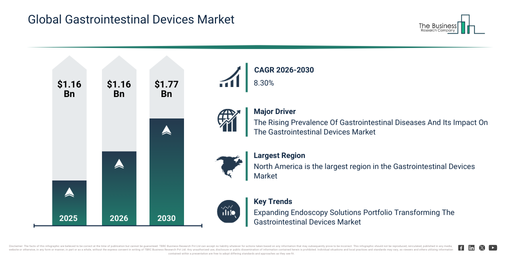
    The gastrointestinal devices market size has shown strong growth over recent years. It is projected to expand from $11.7 billion in 2025 to $12.69 billion in 2026, achieving a compound annual growth rate (CAGR) of 8.5%. Historically, this expansion has been influenced by an increasing prevalence of gastrointestinal disorders, the enlargement of hospital gastroenterology departments, advancements in endoscopic imaging technology, more frequent screening programs, and the availability of sophisticated GI devices.

    The gastrointestinal devices market is anticipated to show significant expansion in the coming years, with its size projected to reach $17.46 billion by 2030, demonstrating a compound annual growth rate (CAGR) of 8.3%. This growth during the forecast period is primarily driven by factors such as the increasing integration of AI-assisted GI diagnostics, rising capital expenditure in advanced endoscopy centers, the expansion of outpatient GI procedures, a growing need for single-use GI devices, and an intensifying focus on patient safety and operational efficiency. Concurrently, major trends expected in this forecast period include the greater adoption of advanced GI endoscopic procedures, the increasing utilization of capsule endoscopy systems, a growing demand for minimally invasive GI treatments, the broadening application of therapeutic endoscopy, and an enhanced emphasis on tools for early disease detection.

    Access Your Free Sample Report For In-Depth Market Analysis:

    https://www.thebusinessresearchcompany.com/sample.aspx?id=3292&type=smp

    What Primary Drivers Are Shaping The Gastrointestinal Devices Market?

    The expanding occurrence of gastrointestinal diseases is projected to boost the expansion of the gastrointestinal devices market. These conditions are disorders impacting the digestive tract and associated organs, presenting symptoms that range from minor discomfort to severe complications. A primary driver of this rising prevalence is the aging demographic, as older adults frequently experience a greater incidence of digestive system disorders requiring increased medical intervention. This surge in diagnoses consequently fuels demand for specialized diagnostic and therapeutic devices, enabling healthcare providers to proficiently manage these conditions. For instance, in July 2023, according to Crohn’s and Colitis Canada, a Canada-based national, volunteer-based charity, the number of inflammatory bowel disease (IBD) sufferers in Canada is expected to reach 470,000 by 2035, up from an estimated 322,600 in 2023. Therefore, the heightened occurrence of gastrointestinal diseases is propelling the growth of the gastrointestinal devices market.

    Which Segment Types Are Examined In The Gastrointestinal Devices Market Segment Study?

    The gastrointestinal devices market covered in this report is segmented –

    1) By Product Type: GI Videoscopes, Biopsy Devices, Endoscopic Retrograde Cholangiopancreatography Devices (ERCP), Capsule Endoscopy, Endoscopic Ultrasound, Endoscopic Mucosal Resection (EMR), Hemostasis Devices, Other Product Types

    2) By Sales Channel: Online Retailing, Medical Stores And Brand Outlet

    3) By End Users: Hospitals, Clinics And Dialysis Centers, Ambulatory Surgical Center

    Subsegments:

    1) By GI Videoscopes: Flexible Videoscopes, Rigid Videoscopes

    2) By Biopsy Devices: Needle Biopsy Devices, Forceps Biopsy Devices, Punch Biopsy Devices

    3) By Endoscopic Retrograde Cholangiopancreatography Devices (ERCP): ERCP Cannulas, Guidewires, Balloon Sweep Devices

    4) By Capsule Endoscopy: Small Intestine Capsule Endoscopes, Esophageal Capsule Endoscopes, Colonic Capsule Endoscopes

    5) By Endoscopic Ultrasound: EUS Scopes, EUS-guided Fine-needle Aspiration (FNA) Devices

    6) By Endoscopic Mucosal Resection (EMR): EMR Kits, EMR Suction Devices

    7) By Hemostasis Devices: Mechanical Hemostasis Devices, Thermal Hemostasis Devices, Chemical Hemostasis Agents

    8) By Other Product Types: Enteral Feeding Devices, Gastrostomy Tubes, Accessories For GI Devices

    What Trends Are Affecting The Growth Of The Gastrointestinal Devices Market?

    Companies prominent in the gastrointestinal devices market are increasingly prioritizing the expansion of their endoscopy solutions portfolio to gain a competitive advantage. This expansion entails the development and introduction of new products and services within the field of endoscopy. Endoscopy is a medical procedure that employs an endoscope, a flexible or rigid tubular device, to examine the body’s internal structures. For example, in January 2023, Fujifilm India Private Limited, an India-based imaging solutions company, introduced ClutchCutter and FushKnife, a new set of endoscopy solutions portfolios tailored for therapeutic gastrointestinal applications. ClutchCutter, a rotatable forceps, provides clinicians with three functions simultaneously—coagulation, dissection, and incision. Designed for challenging procedures, ClutchCutter incorporates an insulated outer edge for optimal durability and jagged, serrated jaws for enhanced grasping. Conversely, the FlushKnife is a diathermic slitter that enables medical professionals to perform diverse tasks, including marking, flushing, incision, dissection, and coagulation. A notable feature of the product is its ball-tip option, offering good traction for effective dissection and coagulation of the target tissue.

    Which Players Are Part Of The Competitive Landscape Of The Gastrointestinal Devices Market?

    Major companies operating in the gastrointestinal devices market are B. Braun Melsungen AG, Olympus Corporation, Interscope Inc., Steris plc, Cook Group Incorporated, MICRO-TECH Co. Ltd., Cantel Medical Corp., CONMED Corporation, PENTAX Medical Company, Karl Storz SE & Co. KG, US Endoscopy Inc., Richard Wolf GmbH, Motus GI Holdings Inc., Congentix Medical Inc., ERBE Elektromedizin GmbH, Creo Medical Group plc, GI Dynamics Inc., Mauna Kea Technologies SA, EndoMaster Pte Ltd., Fujifilm Holdings Corporation

    Get The Full Gastrointestinal Devices Market Report:

    https://www.thebusinessresearchcompany.com/report/gastrointestinal-devices-global-market-report

    Which Region Accounts For The Largest Portion Of The Gastrointestinal Devices Market?

    North America was the largest region in the gastrointestinal devices market in 2025. Asia-Pacific was the second largest region in the gastrointestinal devices market report. The regions covered in the gastrointestinal devices market report are Asia-Pacific, South East Asia, Western Europe, Eastern Europe, North America, South America, Middle East, Africa.

    Request A Customized Gastrointestinal Devices Market Report For Competitive Insights:

    https://www.thebusinessresearchcompany.com/customise?id=3292&type=smp

    Browse Through More Reports Similar to the Global Gastrointestinal Devices Market 2026, By The Business Research Company

    Gastrointestinal Bleeding Treatment Devices Market Report 2026

    https://www.thebusinessresearchcompany.com/report/gastrointestinal-bleeding-treatment-devices-global-market-report

    Gastrointestinal Drugs Market 2026

    https://www.thebusinessresearchcompany.com/report/gastrointestinal-drugs-global-market

    Digestive Health Supplements Market Report 2026

    https://www.thebusinessresearchcompany.com/report/digestive-health-supplements-global-market-report

    Get in touch with us:

    The Business Research Company: https://www.thebusinessresearchcompany.com/

    Americas +1 310-496-7795

    Asia +44 7882 955267 & +91 8897263534

    Europe +44 7882 955267

    Email us at info@tbrc.info

    Follow us on:

    LinkedIn: https://in.linkedin.com/company/the-business-research-company

    YouTube: https://www.youtube.com/channel/UC24_fI0rV8cR5DxlCpgmyFQ

    Global Market Model: https://www.thebusinessresearchcompany.com/global-market-model
  • Gastrointestinal Bleeding Treatment Devices Market Expansion Forecast Reaching $1.39 Billion By 2030 At 8.6% CAGR

    Gastrointestinal Bleeding Treatment Devices Market Expansion Forecast Reaching $1.39 Billion By 2030 At 8.6% CAGR

    The Business Research Company’s 2026 market reports feature enhanced tools like market attractiveness analysis, TAM assessment, and company scoring matrices, along with interactive dashboards, deeper supply chain insights, and startup coverage strengthening the depth, usability, and strategic value of insights.

    By 2030, What Market Size Is The Gastrointestinal Bleeding Treatment Devices Market Expected To Reach Based On Its 2026 Value?

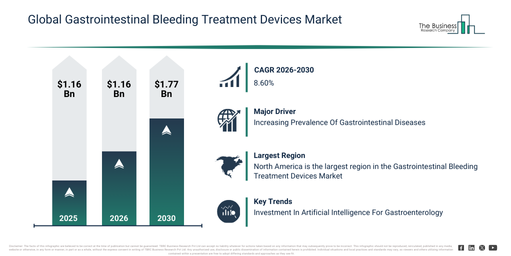
    The gastrointestinal bleeding treatment devices market has seen significant expansion in recent years. It is anticipated to increase from $0.92 billion in 2025 to $1 billion in 2026, achieving a compound annual growth rate (CAGR) of 8.7%. The expansion observed in prior periods can be attributed to a rising occurrence of gastrointestinal disorders, an increasing prevalence of peptic ulcer disease, the growth of endoscopic diagnostic procedures, an uptick in hospital-based GI interventions, and the availability of sophisticated endoscopy equipment.

    The gastrointestinal bleeding treatment devices market is anticipated to experience substantial growth in the upcoming years, with its valuation expected to reach $1.39 billion by 2030, demonstrating a compound annual growth rate (CAGR) of 8.6%. This expansion during the forecast period is driven by factors such as the increasing adoption of next-generation endoscopic devices, a rising demand for outpatient GI procedures, a growing focus on early bleeding detection, the continued expansion of ambulatory surgical centers, and increased investments in advanced GI care technologies. Key trends influencing this period include the increasing adoption of advanced endoscopic hemostasis devices, a rising use of minimally invasive GI bleeding treatments, a growing demand for precision thermal ablation tools, the expansion of mechanical hemostatic solutions, and an enhanced focus on rapid bleeding control technologies.

    Access Your Free Sample Report For In-Depth Market Analysis:

    https://www.thebusinessresearchcompany.com/sample.aspx?id=5307&type=smp

    Which Major Drivers Are Influencing The Expansion Of The Gastrointestinal Bleeding Treatment Devices Market?

    The growing prevalence of gastrointestinal disorders is anticipated to significantly boost market profitability. These conditions often stem from various factors, including an insufficient fiber diet, stress, inadequate hydration, high dairy consumption, a sedentary lifestyle, advancing age, and genetic predispositions. A notable example comes from a 2023 report by the National Library of Medicine, a US-based national library (as cited in October 2024), which stated that 825 per 100,000 Canadians are affected by inflammatory bowel disease (IBD), totaling over 320,000 individuals. Furthermore, projections suggest this figure could escalate to 1.1% of the population, equating to around 470,000 Canadians, by 2035. Consequently, the rising occurrence of conditions impacting the GI tract is a significant market driver.

    How Are Different Segments Classified In The Gastrointestinal Bleeding Treatment Devices Market Segment Analysis?

    The gastrointestinal bleeding treatment devices market covered in this report is segmented –

    1) By Product: Endoscopic Thermal Hemostasis Devices, Mechanical Hemostasis Devices, Injection-Based Hemostasis Devices, Topical Hemostatic Agents & Powders, Combination Or Multimodal Hemostasis Devices

    2) By GI Tract Division: Upper GI Tract, Lower GI Tract

    3) By End User: Hospitals Or Clinics, Ambulatory Surgical Centers, Other End-users

    Subsegments:

    1) By Endoscopic Thermal Hemostasis Devices: Electrocautery And Electrosurgical Coagulation Devices, Argon Plasma Coagulation (APC) Devices, Radiofrequency Ablation (RFA) Devices, Laser Coagulation Devices, Heater Probe Devices

    2) By Mechanical Hemostasis Devices: Hemostatic Clips (Through-the-Scope And Over-the-Scope Clips), Endoscopic Band Ligation Devices, Endoscopic Suturing Devices, Compression And Tamponade Devices

    3) By Injection-Based Hemostasis Devices: Epinephrine Injection Systems, Sclerosant Injection Devices, Cyanoacrylate Glue Injection Devices, Saline And Combination Injection Systems

    4) By Topical Hemostatic Agents And Powders: Hemostatic Powder Sprays, Absorbable Hemostatic Agents, Fibrin-Based Sealants, Collagen-Based Hemostatic Agents

    5) By Combination And Multimodal Hemostasis Devices: Thermal And Mechanical Combination Systems, Injection And Mechanical Combination Systems, Integrated Multimodal Endoscopic Hemostasis Platforms

    Which Trends Are Shaping The Gastrointestinal Bleeding Treatment Devices Market?

    Major companies operating in the gastrointestinal bleeding treatment devices market are focusing on the development of advanced solutions, such as Hemospray, to improve the effectiveness of treating acute bleeding in the GI tract. Hemospray is a hemostatic powder designed to manage and control active bleeding within the gastrointestinal tract. For instance, in January 2024, AIG Hospitals, an India-based hospital, introduced Hemospray, representing a significant breakthrough in controlling GI bleeding. This hemostatic agent is specifically engineered for use in endoscopic procedures to manage acute gastrointestinal bleeding. Hemospray is notable for its ease of use, strong safety profile, and its capability to control a wide range of GI bleeds, from peptic ulcers to variceal hemorrhages.

    Who Are The Companies Driving Activity In The Gastrointestinal Bleeding Treatment Devices Market?

    Major companies operating in the gastrointestinal bleeding treatment devices market are CONMED Corporation, Boston Scientific Corporation, Ovesco Endoscopy AG, Olympus Corporation, Cook Medical, Erbe Elektromedizin GmbH, Steris plc, Medtronic plc, Johnson & Johnson, Abbott Laboratories, Fujifilm Holdings Corporation, Pentax Medical, Merit Medical Systems, Teleflex Incorporated, AngioDynamics, BTG International Ltd., Smiths Medical, Terumo Corporation, Nipro Corporation, C. R. Bard Inc., EndoChoice Holdings Inc., GI Supply Inc., Hemostasis LLC

    Get The Full Gastrointestinal Bleeding Treatment Devices Market Report:

    https://www.thebusinessresearchcompany.com/report/gastrointestinal-bleeding-treatment-devices-global-market-report

    Which Region Holds The Highest Market Share In The Gastrointestinal Bleeding Treatment Devices Market?

    North America was the largest region in the gastrointestinal bleeding treatment devices market in 2025. Asia-Pacific is expected to be the fastest-growing region in the forecast period. The regions covered in the gastrointestinal bleeding treatment devices market report are Asia-Pacific, South East Asia, Western Europe, Eastern Europe, North America, South America, Middle East, Africa.

    Request A Customized Gastrointestinal Bleeding Treatment Devices Market Report For Competitive Insights:

    https://www.thebusinessresearchcompany.com/customise?id=5307&type=smp

    Browse Through More Reports Similar to the Global Gastrointestinal Bleeding Treatment Devices Market 2026, By The Business Research Company

    Bleeding Disorders Treatment Market Report 2026

    https://www.thebusinessresearchcompany.com/report/bleeding-disorders-treatment-global-market-report

    Gastrointestinal Devices Market Report 2026

    https://www.thebusinessresearchcompany.com/report/gastrointestinal-devices-global-market-report

    Bleeding Disorder Testing Market Report 2026

    https://www.thebusinessresearchcompany.com/report/bleeding-disorder-testing-global-market-report

    Get in touch with us:

    The Business Research Company: https://www.thebusinessresearchcompany.com/

    Americas +1 310-496-7795

    Asia +44 7882 955267 & +91 8897263534

    Europe +44 7882 955267

    Email us at info@tbrc.info

    Follow us on:

    LinkedIn: https://in.linkedin.com/company/the-business-research-company

    YouTube: https://www.youtube.com/channel/UC24_fI0rV8cR5DxlCpgmyFQ

    Global Market Model: https://www.thebusinessresearchcompany.com/global-market-model
  • Gastroenteritis Testing Market Revenue Projected To Hit $5.55 Billion By 2030 With 5.8% CAGR

    Gastroenteritis Testing Market Revenue Projected To Hit $5.55 Billion By 2030 With 5.8% CAGR

    The Business Research Company’s 2026 market reports feature enhanced tools like market attractiveness analysis, TAM assessment, and company scoring matrices, along with interactive dashboards, deeper supply chain insights, and startup coverage strengthening the depth, usability, and strategic value of insights.

    What Is The Anticipated Rise In Market Value Of The Gastroenteritis Testing Market During The Forecast Period?

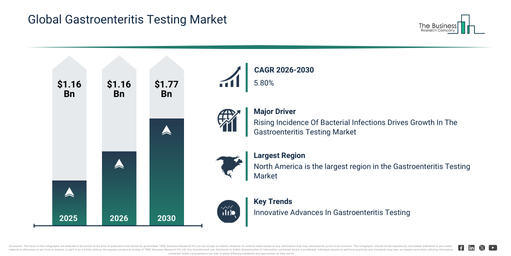
    The gastroenteritis testing market has experienced robust expansion over the past few years. Forecasts indicate that this market is set to expand from $4.18 billion in 2025 to $4.44 billion in 2026, demonstrating a compound annual growth rate (CAGR) of 6.1%. Historically, this expansion has been driven by factors such as the dependence on traditional immunoassay and culture-based techniques, the restricted access to sophisticated molecular diagnostics, a rise in the occurrence of gastrointestinal infections, enhanced diagnostic capabilities in hospitals and clinics, and the proliferation of research institutions focusing on infectious disease investigations.

    The gastroenteritis testing market size is projected to experience robust expansion over the coming years, reaching $5.55 billion by 2030, driven by a compound annual growth rate (CAGR) of 5.8%. This anticipated growth during the forecast period is attributable to progress in molecular diagnostic technologies, an increasing need for rapid point-of-care diagnostics, augmented investment in infectious disease research, the growing uptake of integrated laboratory information systems, and the broadening of gastroenteritis testing into nascent markets. Key trends expected over the forecast horizon encompass a surging requirement for swift and precise gastroenteritis diagnostic tools, the increasing implementation of molecular diagnostic testing approaches, the widening scope of viral, bacterial, and parasitic testing panels, an increase in point-of-care testing alongside hospital-based diagnostics, and a heightened emphasis on epidemiological monitoring and outbreak control.

    Access Your Free Sample Report For In-Depth Market Analysis:

    https://www.thebusinessresearchcompany.com/sample.aspx?id=20556&type=smp

    What Key Drivers Are Fueling The Growth Of The Gastroenteritis Testing Market?

    The increasing occurrence of bacterial infections is anticipated to boost the expansion of the gastroenteritis testing market in the future. The surge in bacterial infections stems from enhanced antibiotic resistance, denser populations, and more extensive global travel, all contributing to the wider dissemination of resilient bacteria. For bacterial infections, gastroenteritis testing is essential to precisely pinpoint the particular pathogen causing symptoms like diarrhea and vomiting, thereby guiding suitable treatment and curbing infection transmission. As an illustration, serious cases of bacteraemia caused by antibiotic-resistant bacteria, according to GOV.UK, a UK-based organization, rose by 9.3% in 2024 since 2023, escalating from 18,740 cases in 2023 to 20,484 cases in 2024. Consequently, the escalating prevalence of bacterial infections is propelling the development of the gastroenteritis testing market.

    How Is The Gastroenteritis Testing Market Categorized Across Its Segment Groups?

    The gastroenteritis testing market covered in this report is segmented –

    1) By Type: Viral Gastrointestinal Infections, Bacterial Gastrointestinal Infections, Parasitic Gastrointestinal Infections

    2) By Disease Strains: Bacterial Strains, Viral Strains, Parasitic Strains

    3) By Testing Methods: Immunoassay Testing, Conventional Testing, Molecular Diagnostic Testing

    4) By End-User: Hospitals, Clinics Or Medical Centers, Research Institutes, Diagnostic Laboratories

    Subsegments:

    1) By Viral Gastrointestinal Infections: Norovirus, Rotavirus, Astrovirus, Adenovirus, Sapovirus

    2) By Bacterial Gastrointestinal Infections: Escherichia coli (E. coli), Salmonella, Campylobacter, Shigella, Clostridium perfringens

    3) By Parasitic Gastrointestinal Infections: Giardia lamblia, Entamoeba histolytica, Cryptosporidium, Trichinella, Strongyloides stercoralis

    What Trends Are Influencing The Gastroenteritis Testing Market?

    Major companies within the gastroenteritis testing market are developing innovative products, such as molecular gastrointestinal tests, to provide high sensitivity and specificity. A molecular gastrointestinal test is a diagnostic technique that utilizes molecular methods, including polymerase chain reaction (PCR), to detect and identify specific genetic material from pathogens or organisms within gastrointestinal samples. For instance, in June 2024, QIAGEN N.V., a Germany-based provider of sample and assay technologies, introduced the QIAstat-Dx Gastrointestinal Panel 2. This panel is noteworthy for its capability to rapidly and comprehensively detect up to 16 clinically relevant bacterial, viral, and parasitic pathogens responsible for most gastrointestinal infections. It leverages real-time polymerase chain reaction (PCR) technology to amplify multiple genetic targets in a single reaction, representing a significant improvement over traditional microbiological methods, which typically require 24 hours to 10 days for sample incubation.

    Which Firms Are Influencing Competition In The Gastroenteritis Testing Market?

    Major companies operating in the gastroenteritis testing market are F. Hoffmann-La Roche Ltd., Merck & Co. Inc., Abbott Diagnostics, Laboratory Corporation of America Holdings, Thermo Fisher Scientific Inc., Eurofins Scientific SE, Hologic Inc., Becton Dickinson and Company, bioMérieux SA, Quest Diagnostics Incorporated, DiaSorin S.p.A., Bio-Rad Laboratories Inc., Randox Laboratories Ltd., ARUP Laboratories, Meridian Bioscience Inc., MedGenome, Trinity Biotech plc, Savyon Diagnostics Ltd., Coris BioConcept, Aster Clinical Research & Diagnostic Centre Pvt. Ltd., Alimetrix Inc., Luminex Corporation

    Get The Full Gastroenteritis Testing Market Report:

    https://www.thebusinessresearchcompany.com/report/gastroenteritis-testing-global-market-report

    Where Is The Gastroenteritis Testing Market Most Concentrated Geographically?

    North America was the largest region in the gastroenteritis testing market in 2025. Asia-Pacific is expected to be the fastest-growing region in the forecast period. The regions covered in the gastroenteritis testing market report are Asia-Pacific, South East Asia, Western Europe, Eastern Europe, North America, South America, Middle East, Africa.

    Request A Customized Gastroenteritis Testing Market Report For Competitive Insights:

    https://www.thebusinessresearchcompany.com/customise?id=20556&type=smp

    Browse Through More Reports Similar to the Global Gastroenteritis Testing Market 2026, By The Business Research Company

    Gastroesophageal Reflux Disease Gerd Market Report 2026

    https://www.thebusinessresearchcompany.com/report/gastroesophageal-reflux-disease-gerd-global-market-report

    Immunochemistry Diagnostic Devices And Equipment Market Report 2026

    https://www.thebusinessresearchcompany.com/report/immunochemistry-diagnostic-devices-and-equipment-global-market-report

    Cardiac Rhythm Management Crm Devices And Equipment Market Report 2026

    https://www.thebusinessresearchcompany.com/report/cardiac-rhythm-management-crm-devices-and-equipment-global-market-report

    Get in touch with us:

    The Business Research Company: https://www.thebusinessresearchcompany.com/

    Americas +1 310-496-7795

    Asia +44 7882 955267 & +91 8897263534

    Europe +44 7882 955267

    Email us at info@tbrc.info

    Follow us on:

    LinkedIn: https://in.linkedin.com/company/the-business-research-company

    YouTube: https://www.youtube.com/channel/UC24_fI0rV8cR5DxlCpgmyFQ

    Global Market Model: https://www.thebusinessresearchcompany.com/global-market-model
  • Global Gastric Cancer Diagnostic Market Set To Expand To $3.87 Billion By 2030 At 6.8% CAGR

    Global Gastric Cancer Diagnostic Market Set To Expand To $3.87 Billion By 2030 At 6.8% CAGR

    The Business Research Company’s 2026 market reports feature enhanced tools like market attractiveness analysis, TAM assessment, and company scoring matrices, along with interactive dashboards, deeper supply chain insights, and startup coverage strengthening the depth, usability, and strategic value of insights.

    How Is The Market Size Of The Gastric Cancer Diagnostic Market Expected To Scale Between 2026 And 2030?

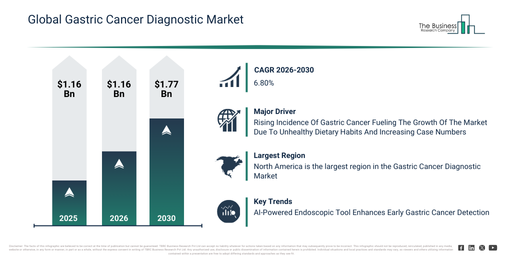
    The gastric cancer diagnostic market size has experienced robust growth in recent years. This market is anticipated to expand from $2.78 billion in 2025 to $2.98 billion in 2026, demonstrating a compound annual growth rate (CAGR) of 7.2%. The expansion observed in the historic period was driven by limited availability of fluorescent probes, reliance on traditional single-color FISH methods, growing genetic research initiatives, increasing hospital and laboratory infrastructure, and adoption of basic cytogenetic diagnostics.

    Significant expansion is anticipated for the gastric cancer diagnostic market size over the coming years. By 2030, this market is projected to reach $3.87 billion, demonstrating a compound annual growth rate (CAGR) of 6.8%. This anticipated growth during the forecast period is driven by factors such as the creation of multiplex and high-throughput probes, an increasing need for precision medicine, the broadening scope of genetic and pharmaceutical investigations, innovations in imaging and quantification technologies, and stricter adherence to regulatory compliance and quality benchmarks. Key trends characterizing this period involve the increasing uptake of multiplex and high-throughput FISH probes, the widening application of genetic and molecular diagnostics, their escalating utilization in clinical and pharmaceutical research, the incorporation of advanced imaging and analysis techniques, and an enhanced emphasis on the precision and responsiveness of probes.

    Access Your Free Sample Report For In-Depth Market Analysis:

    https://www.thebusinessresearchcompany.com/sample.aspx?id=27291&type=smp

    Which Drivers Are Supporting The Gastric Cancer Diagnostic Market Growth?

    The increasing occurrence of gastric cancer is anticipated to drive the expansion of the gastric cancer diagnostic market. Gastric cancer is characterized as a malignant tumor in the stomach lining, where cells proliferate uncontrollably, forming a mass capable of invading adjacent tissues and spreading throughout the body. The elevated incidence of this condition stems from unhealthy dietary practices, as significant consumption of salted, smoked, and processed foods heightens stomach lining damage and cancer risk. Gastric cancer diagnostic tools assist in diagnosis by enabling the early detection of malignant lesions, which is vital for timely intervention and improved patient prognosis. These diagnostics also boost clinical efficiency by delivering precise and rapid results, supporting more effective disease management. For instance, in May 2024, the American Cancer Society, a US-based nonprofit organization, stated that the number of new stomach cancer cases reached 26,890 in 2024, an increase from 26,500 cases in 2023. Therefore, the rising incidence of gastric cancer is directly fueling the growth of the gastric cancer diagnostic market.

    How Are Segments Identified Within The Gastric Cancer Diagnostic Market Segment Framework?

    The gastric cancer diagnostic market covered in this report is segmented –

    1) By Diagnostic Type: Endoscopy, Imaging, Biopsy, Laboratory Tests, Biomarker-Based Testing

    2) By Product: Reagents And Consumables, Instruments

    3) By Technology: Molecular Diagnostics, Immunoassays, Next-Generation Sequencing, Other Technologies

    4) By Application: Early Diagnosis, Screening, Monitoring

    5) By End User: Hospitals, Clinics, Diagnostic Laboratories, Other End Users

    Subsegments:

    1) By Endoscopy: Conventional Endoscopy, Chromoendoscopy, Narrow Band Imaging, Confocal Laser Endomicroscopy, Capsule Endoscopy

    2) By Imaging: Computed Tomography, Magnetic Resonance Imaging, Positron Emission Tomography, Ultrasound

    3) By Biopsy: Forceps Biopsy, Needle Biopsy, Endoscopic Ultrasound-Guided Biopsy, Laparoscopic Biopsy

    4) By Laboratory Tests: Blood Tests, Stool Tests, Urea Breath Test, Serology

    5) By Biomarker-Based Testing: Genetic Testing, Protein Biomarker Testing, Circulating Tumor DNA Testing, Microribonucleic Acid Testing

    Which Trends Are Expected To Impact The Gastric Cancer Diagnostic Market?

    Leading companies in the gastric cancer diagnostic market are concentrating on creating advanced diagnostic instruments, such as artificial intelligence-based endoscopic diagnostic support devices, to improve early detection and precision. These artificial intelligence-based endoscopic diagnostic support devices are AI-driven tools that help identify and evaluate gastrointestinal anomalies during endoscopy. For example, in March 2024, AI Medical Service Inc., a Japan-based medical technology company, introduced GastroAI-model G, an AI-powered endoscopic diagnostic support system. This system aids gastroenterologists during endoscopic procedures by analyzing video images in real time to locate potential cancerous lesions. It leverages deep learning to pinpoint suspicious areas indicative of early gastric cancer, which may require a biopsy or further investigation. When these lesions are found, the system immediately alerts the physician by outlining the area with a rectangle on the endoscopic screen, enhancing diagnostic accuracy and allowing for earlier cancer detection.

    Who Are The Companies Competing Within The Gastric Cancer Diagnostic Market?

    Major companies operating in the gastric cancer diagnostic market are F. Hoffmann-La Roche Ltd., Thermo Fisher Scientific Inc., Abbott Laboratories, Becton Dickinson and Company, Quest Diagnostics Incorporated, Agilent Technologies Inc., Illumina Inc., bioMérieux SA, Qiagen N.V., DiaSorin S.p.A, Natera Inc., Myriad Genetics Inc., Fulgent Genetics Inc., Foundation Medicine Inc., Invitae Corporation, NeoGenomics Laboratories Inc., Fujirebio Inc., MiRXES Pte Ltd., BIOCEPT Inc., Pillar Biosciences Inc.

    Get The Full Gastric Cancer Diagnostic Market Report:

    https://www.thebusinessresearchcompany.com/report/gastric-cancer-diagnostic-global-market-report

    Which Region Dominates The Gastric Cancer Diagnostic Market By Market Share?

    North America was the largest region in the gastric cancer diagnostic market in 2025. Asia Pacific is expected to be the fastest-growing region in the forecast period. The regions covered in the gastric cancer diagnostic market report are Asia-Pacific, South East Asia, Western Europe, Eastern Europe, North America, South America, Middle East, Africa.

    Request A Customized Gastric Cancer Diagnostic Market Report For Competitive Insights:

    https://www.thebusinessresearchcompany.com/customise?id=27291&type=smp

    Browse Through More Reports Similar to the Global Gastric Cancer Diagnostic Market 2026, By The Business Research Company

    Thermal Insulation Material Market Report 2026

    https://www.thebusinessresearchcompany.com/report/thermal-insulation-material-global-market-report

    Building Insulation Materials Market Report 2026

    https://www.thebusinessresearchcompany.com/report/building-insulation-materials-global-market-report

    Insulation Products Market Report 2026

    https://www.thebusinessresearchcompany.com/report/insulation-products-global-market-report

    Get in touch with us:

    The Business Research Company: https://www.thebusinessresearchcompany.com/

    Americas +1 310-496-7795

    Asia +44 7882 955267 & +91 8897263534

    Europe +44 7882 955267

    Email us at info@tbrc.info

    Follow us on:

    LinkedIn: https://in.linkedin.com/company/the-business-research-company

    YouTube: https://www.youtube.com/channel/UC24_fI0rV8cR5DxlCpgmyFQ

    Global Market Model: https://www.thebusinessresearchcompany.com/global-market-model
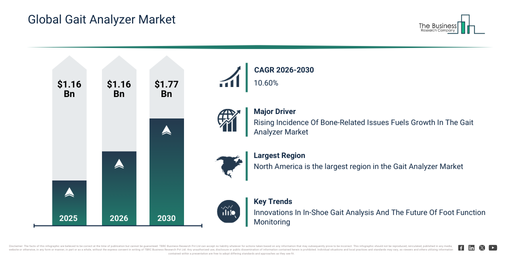
  • Gait Analyzer Market Growth Expected To Reach $2.33 Billion By 2030 At 10.6% CAGR

    Gait Analyzer Market Growth Expected To Reach $2.33 Billion By 2030 At 10.6% CAGR

    The Business Research Company’s 2026 market reports feature enhanced tools like market attractiveness analysis, TAM assessment, and company scoring matrices, along with interactive dashboards, deeper supply chain insights, and startup coverage strengthening the depth, usability, and strategic value of insights.

    What Level Of Market Value Growth Is Predicted For The Gait Analyzer Market From 2026 To 2030?

    The gait analyzer market size has seen significant expansion in recent years. It is anticipated to increase from $1.41 billion in 2025 to $1.56 billion in 2026, exhibiting a compound annual growth rate (CAGR) of 10.6%. This historical growth can be linked to the growing occurrence of musculoskeletal disorders, the proliferation of rehabilitation and physiotherapy centers, an enhanced understanding of mobility assessment in clinical care, the integration of gait analysis in sports medicine, and the expansion of research into human movement.

    The gait analyzer market is projected for substantial expansion over the upcoming years, with its size forecast to reach $2.33 billion by 2030, driven by a compound annual growth rate (CAGR) of 10.6%. This anticipated growth can be primarily attributed to factors such as an aging demographic grappling with mobility issues, a heightened emphasis on preventive healthcare alongside early detection, the proliferation of home-based rehabilitation services, an escalating need for individualized treatment strategies, and the broadening application of these technologies in sports and fitness monitoring. Throughout the forecast period, significant trends are expected, including the increasing adoption of wearable gait analysis systems, their growing implementation in rehabilitation and physiotherapy, the wider use of gait assessment for sports performance tracking, the expanding availability of portable and home-based gait analyzers, and a strong demand for objective instruments designed for mobility and posture evaluation.

    Access Your Free Sample Report For In-Depth Market Analysis:

    https://www.thebusinessresearchcompany.com/sample.aspx?id=18622&type=smp

    What Key Factors Are Affecting The Gait Analyzer Market Demand?

    A rise in bone-related problems is projected to drive expansion within the gait analyzer market in the future. These issues cover various conditions and disorders impacting bone structure, strength, and overall function. Their origins can be attributed to genetic predispositions, inadequate nutrition, physical injuries, infections, and other health concerns. The surge in bone-related problems stems from an aging demographic, inactive lifestyles, dietary shortcomings, and genetic influences. Gait analyzers play a crucial role in addressing bone-related problems, providing advantages like precise diagnosis, continuous monitoring, tailored treatment plans, complication prevention, aid in surgical planning, research support, patient enlightenment, and an enhanced quality of life. For example, data from the National Library of Medicine, a US-based biomedical library, published in February 2023, indicates that total hip arthroplasty (THA) and total knee arthroplasty (TKA) procedures are projected to grow by 719,364 and 1.22 million, respectively, by 2040. Furthermore, by 2060, TKAs are estimated to reach 2.91 million, while THAs are expected to amount to 1.98 million. Consequently, the growing prevalence of bone-related issues is acting as a catalyst for the expansion of the gait analyzer market.

    What Are The Key Segment Divisions In The Gait Analyzer Market Segment Structure?

    The gait analyzer market covered in this report is segmented –

    1) By Type: With Heart Rate Monitoring, Without Heart Rate Monitoring

    2) By Age: Pediatric, Adult

    3) By Application: Household, Commercial, Other Applications

    Subsegments:

    1) By With Heart Rate Monitoring: Wearable Gait Analyzers With Integrated Heart Rate Sensors, Gait Analysis Systems With Ecg Or Pulse Rate Monitoring, Smart Insoles With Heart Rate Tracking, Portable Gait Monitors With Biometric Feedback

    2) By Without Heart Rate Monitoring: Standalone Gait Analysis Systems (Pressure Mats, Motion Sensors), 3D Motion Capture Systems For Gait Analysis, Video-Based Gait Analysis Systems, Treadmills With Gait Analysis Features (Without Heart Rate Monitoring)

    What Trends Are Influencing Changes In The Gait Analyzer Market?

    Key players within the gait analyzer market are concentrating on creating advanced products such as in-shoe foot function and gait analysis systems, designed to deliver real-time and precise data on foot mechanics and gait patterns. These in-shoe systems offer thorough and continuous insights into foot mechanics and gait, thereby assisting in clinical assessments and optimizing athletic performance. For example, in June 2023, Tekscan, a US-based company that manufactures gait analyzers, launched F-Scan GO. This new compact in-shoe foot function and gait analysis system is specifically engineered for biomechanics researchers. It provides an uncompromising solution for in-shoe gait analysis, enabling natural gait motion while collecting extensive sensor data at unmatched sampling speeds. This development further solidifies Tekscan’s leadership in the field of in-shoe gait analysis, supported by numerous research-validated studies.

    Which Organizations Are Engaged In The Gait Analyzer Market?

    Major companies operating in the gait analyzer market are Kistler Group, Movella Holdings Inc, Tekscan Inc, BTS Bioengineering Corp, Delsys Inc, Noraxon USA Inc, BioSensics LLC, Advanced Mechanical Technology Inc, Motion Analysis Corporation, Qualisys AB, Zebris Medical GmbH, Medilogic GmbH, ProtoKinetics LLC, Microgate Srl, Sensor Medica Srl, DIERS International GmbH, ReTiSense Inc, Novel GmbH, Moticon GmbH, Vicon Motion Systems Ltd

    Get The Full Gait Analyzer Market Report:

    https://www.thebusinessresearchcompany.com/report/gait-analyzer-global-market-report

    Which Region Is The Largest In The Gait Analyzer Market?

    North America was the largest region in the gait analyzer market in 2025. The regions covered in the gait analyzer market report are Asia-Pacific, South East Asia, Western Europe, Eastern Europe, North America, South America, Middle East, Africa.

    Request A Customized Gait Analyzer Market Report For Competitive Insights:

    https://www.thebusinessresearchcompany.com/customise?id=18622&type=smp

    Browse Through More Reports Similar to the Global Gait Analyzer Market 2026, By The Business Research Company

    Fitness Tracker Market Report 2026

    https://www.thebusinessresearchcompany.com/report/fitness-tracker-global-market-report

    Industrial Analytics Market Report 2026

    https://www.thebusinessresearchcompany.com/report/industrial-analytics-global-market-report

    Foot And Ankle Devices Market Report 2026

    https://www.thebusinessresearchcompany.com/report/foot-and-ankle-devices-global-market-report

    Get in touch with us:

    The Business Research Company: https://www.thebusinessresearchcompany.com/

    Americas +1 310-496-7795

    Asia +44 7882 955267 & +91 8897263534

    Europe +44 7882 955267

    Email us at info@tbrc.info

    Follow us on:

    LinkedIn: https://in.linkedin.com/company/the-business-research-company

    YouTube: https://www.youtube.com/channel/UC24_fI0rV8cR5DxlCpgmyFQ

    Global Market Model: https://www.thebusinessresearchcompany.com/global-market-model
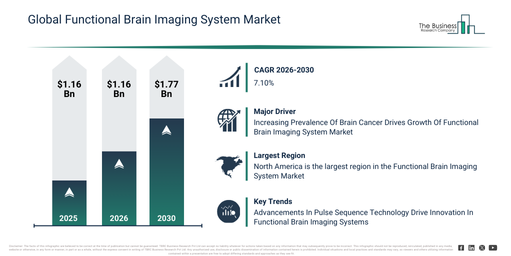
  • Functional Brain Imaging System Market Forecast 2026–2030 Highlighting Expansion Across Industries

    Functional Brain Imaging System Market Forecast 2026–2030 Highlighting Expansion Across Industries

    The Business Research Company’s 2026 market reports feature enhanced tools like market attractiveness analysis, TAM assessment, and company scoring matrices, along with interactive dashboards, deeper supply chain insights, and startup coverage strengthening the depth, usability, and strategic value of insights.

    How Will The Market Value Of The Functional Brain Imaging System Market Progress Between 2026 And 2030?

    The functional brain imaging system market has experienced significant growth in recent years. It is projected to expand from $5.08 billion in 2025 to $5.45 billion in 2026, reflecting a compound annual growth rate (CAGR) of 7.4%. The historical expansion of this market can be attributed to factors such as the constrained availability of high-resolution imaging systems, reliance on traditional imaging techniques, the increasing prevalence of neurological disorders, expanding academic research into brain function, and the early implementation of fMRI technologies.

    The functional brain imaging system market is projected to experience substantial expansion in the coming years. By 2030, this market is anticipated to reach $7.17 billion, demonstrating a compound annual growth rate (CAGR) of 7.1%. Factors driving this growth include advancements in portable and wearable fNIRS devices, the growing integration of AI in brain imaging analysis, the expansion of hybrid PET/MRI and PET/CT systems, increased funding for cognitive neuroscience research, and an expansion of hospital and diagnostic imaging infrastructure. Key trends during this period are the increasing adoption of functional brain imaging in clinical diagnosis, the integration of portable and wearable brain imaging devices, a rise in research applications for cognitive science, a growing emphasis on neurology and psychiatry applications, and the expansion of hybrid imaging modalities for brain studies.

    Access Your Free Sample Report For In-Depth Market Analysis:

    https://www.thebusinessresearchcompany.com/sample.aspx?id=20555&type=smp

    Which Primary Drivers Are Impacting The Functional Brain Imaging System Market Growth?

    The rising incidence of brain cancer is anticipated to fuel the expansion of the functional brain imaging system market in the coming years. Brain cancer is characterized by the uncontrolled proliferation of anomalous cells within the brain, leading to tumor formation that can impede normal brain function. This heightened prevalence of brain cancer stems from various contributors, including an aging demographic, enhanced detection methodologies, environmental hazards, and more comprehensive reporting. Functional brain imaging systems play a crucial role by improving diagnostic precision, facilitating the development of safer and more efficacious treatment strategies, and offering continuous surveillance to enhance patient outcomes. For instance, in 2023, Cancer Australia, an agency for cancer control under the Government of Australia, reported 1,597 deaths in Australia attributed to brain cancer, with 956 males and 641 females affected; this figure is projected to increase to 1,639 deaths by 2025, impacting 979 males and 660 females. Consequently, the escalating occurrence of brain cancer is a key factor propelling the growth of the functional brain imaging system market.

    Which Segment Categories Are Included In The Functional Brain Imaging System Market Segment Analysis?

    The functional brain imaging system market covered in this report is segmented –

    1) By Type: Functional Magnetic Resonance Imaging (fMRI) Systems, Functional Near Infrared Spectroscopy (fNIRS) Systems, Positron Emission Tomography (PET) System, Others Types

    2) By Application: Hospital, Diagnostic imaging center, Other Applications

    3) By End-User: Neurology, Psychiatry, Oncology, Cognitive Science

    Subsegments:

    1) By Functional Magnetic Resonance Imaging (fMRI) Systems: Research-Grade Functional Magnetic Resonance Imaging (fMRI) Systems, Clinical Functional Magnetic Resonance Imaging (fMRI) Systems, High-Field Functional Magnetic Resonance Imaging (fMRI) Systems, Resting-State Functional Magnetic Resonance Imaging (fMRI) Systems

    2) By Functional Near Infrared Spectroscopy (fNIRS) Systems: Portable Functional Near Infrared Spectroscopy (fNIRS) Systems, Multi-Channel Functional Near Infrared Spectroscopy (fNIRS) Systems, Wearable Functional Near Infrared Spectroscopy (fNIRS) Devices, Clinical Functional Near Infrared Spectroscopy (fNIRS) Systems

    3) By Positron Emission Tomography (PET) Systems: Whole-Body Positron Emission Tomography (PET) Systems, Dedicated Brain Positron Emission Tomography (PET) Systems

    4) By Other Types: Electroencephalography (EEG) Systems, Magnetoencephalography (MEG) Systems, Diffusion Tensor Imaging (DTI) Systems, Transcranial Magnetic Stimulation (TMS) Systems

    Which Trends Are Shaping Growth In The Functional Brain Imaging System Market?

    Leading companies within the functional brain imaging system market are concentrating on creating innovative solutions, including pulse sequence technology, to boost image resolution, elevate diagnostic accuracy, and decrease scan durations, thereby ensuring more effective and efficient brain imaging processes. This pulse sequence technology, integral to functional brain imaging systems, involves applying a sequence of precisely timed radiofrequency (RF) pulses and magnetic field gradients during an MRI examination to govern how the MRI system produces images. An example of this innovation is Fujifilm Holdings Corporation, a Japan-based photographic films producer, which introduced Aperto Lucent, an open 0.4-tesla MRI system, in July 2024. This system features RADAR motion compensating pulse sequence technology, designed to minimize the necessity for rescans and lessen motion artifacts, a common difficulty in MRI examinations. Furthermore, APERTO Lucent leverages Fujifilm’s well-known permanent magnet technology, streamlining installation and cutting down operational expenses by reducing the requirement for supplementary equipment to sustain the magnetic field.

    Who Are The Active Companies Shaping The Functional Brain Imaging System Market?

    Major companies operating in the functional brain imaging system market are Siemens Healthineers AG, General Electric HealthCare Technologies Inc., NordicNeuroLab AS, Koninklijke Philips N.V., Shimadzu Corporation, Toshiba International Corporation, Elekta AB, Canon Medical Systems Corporation, Cortech Solutions Inc., Compumedics Ltd., Brain Products GmbH, Aspect Imaging Ltd., ANT Neuro GmbH, BIOPAC Systems Inc., Neuroelectrics Corporation, Twente Medical Systems International(TMSI) B.V., Advanced Brain Monitoring Inc., Gowerlabs Ltd., Artinis Medical Systems B.V., NIRx Medical Technologies LLC

    Get The Full Functional Brain Imaging System Market Report:

    https://www.thebusinessresearchcompany.com/report/functional-brain-imaging-system-global-market-report

    Which Region Leads The Functional Brain Imaging System Market In Terms Of Market Share?

    North America was the largest region in the functional brain imaging system market in 2025. The regions covered in the functional brain imaging system market report are Asia-Pacific, South East Asia, Western Europe, Eastern Europe, North America, South America, Middle East, Africa.

    Request A Customized Functional Brain Imaging System Market Report For Competitive Insights:

    https://www.thebusinessresearchcompany.com/customise?id=20555&type=smp

    Browse Through More Reports Similar to the Global Functional Brain Imaging System Market 2026, By The Business Research Company

    3D Medical Imaging Devices Market Report 2026

    https://www.thebusinessresearchcompany.com/report/3d-medical-imaging-devices-global-market-report

    Diagnostic Imaging Equipment Market Report 2026

    https://www.thebusinessresearchcompany.com/report/diagnostic-imaging-equipment-global-market-report

    3D Diagnostic Imaging Services Market Report 2026

    https://www.thebusinessresearchcompany.com/report/3d-diagnostic-imaging-services-global-market-report

    Get in touch with us:

    The Business Research Company: https://www.thebusinessresearchcompany.com/

    Americas +1 310-496-7795

    Asia +44 7882 955267 & +91 8897263534

    Europe +44 7882 955267

    Email us at info@tbrc.info

    Follow us on:

    LinkedIn: https://in.linkedin.com/company/the-business-research-company

    YouTube: https://www.youtube.com/channel/UC24_fI0rV8cR5DxlCpgmyFQ

    Global Market Model: https://www.thebusinessresearchcompany.com/global-market-model

  • Global Fully Automatic Biochemistry Analyzer Market Analysis For 2026–2030 With Strategic Insights

    Global Fully Automatic Biochemistry Analyzer Market Analysis For 2026–2030 With Strategic Insights

    The Business Research Company’s 2026 market reports feature enhanced tools like market attractiveness analysis, TAM assessment, and company scoring matrices, along with interactive dashboards, deeper supply chain insights, and startup coverage strengthening the depth, usability, and strategic value of insights.

    What Are The Market Size Estimates For The Fully Automatic Biochemistry Analyzer Market In 2026 And 2030?

    The market size for fully automatic biochemistry analyzers has shown consistent growth recently. It is anticipated to increase from $3.55 billion in 2025 to $3.72 billion in 2026, at a compound annual growth rate (CAGR) of 5.0%. Historically, this expansion has been propelled by factors including an increase in clinical laboratory testing volumes, the enhancement of hospital diagnostic infrastructure, the escalating burden of chronic and metabolic diseases, the growing adoption of automated laboratory instruments, and the necessity for faster diagnostic turnaround times.

    The fully automatic biochemistry analyzer market size is anticipated to demonstrate consistent growth in the coming years, with projections indicating it will reach $4.5 billion by 2030, exhibiting a compound annual growth rate (CAGR) of 4.9%. This expansion throughout the forecast period is primarily driven by an escalating need for extensive diagnostic screening, the expansion of diagnostic laboratory networks, a heightened focus on cost-effective laboratory operations, an increase in pharmaceutical and biotech research activities, and greater investments in healthcare automation. Significant trends expected in this period encompass the growing adoption of fully automated laboratory workflows, an increasing demand for high-throughput clinical testing, the wider use of integrated sample and reagent handling systems, the expansion of biochemistry analyzers into decentralized diagnostics, and an enhanced emphasis on accuracy and standardization in clinical testing.

    Access Your Free Sample Report For In-Depth Market Analysis:

    https://www.thebusinessresearchcompany.com/sample.aspx?id=18620&type=smp

    What Significant Factors Are Influencing The Fully Automatic Biochemistry Analyzer Market Expansion?

    The fully automatic biochemistry analyzer market is anticipated to grow, driven by the expansion of clinical and research laboratories. These laboratories are facilities dedicated to performing diagnostic tests and conducting scientific investigations on biological samples. The increased momentum in clinical and research laboratories stems from heightened investments in biomedical research, clinical trials, and personalized medicine. Additionally, significant financial support from governments, private organizations, and grants bolsters the development of these research facilities and laboratories. Fully automatic biochemistry analyzers enhance the operational effectiveness and precision of clinical and research laboratories by automating complex testing procedures. They are instrumental in assisting labs to manage substantial sample volumes, ensure consistent outcomes, and advance research initiatives. For instance, in March 2025, according to IQVIA, a US-based human data science company, funding reached a 10-year high of $102 billion in 2024, demonstrating a substantial increase from the $71 billion recorded in 2023. Therefore, the growth observed in clinical and research laboratories is a key factor propelling the fully automatic biochemistry analyzer market.

    How Is The Fully Automatic Biochemistry Analyzer Market Broken Down By Segment Categories?

    The fully automatic biochemistry analyzer market covered in this report is segmented –

    1) By Type: Bench Top, Floor-Standing

    2) By Application: Disease Diagnosis, Drugs Of Abuse Testing, Drug Discovery, In Vitro Diagnosis, Other Applications

    3) By End Users: Pharmaceutical And Biotech Companies, Hospitals And Clinics, Diagnostic Laboratories, Point Of Care Centers, Other End-Users

    Subsegments:

    1) By Bench Top: Small Capacity Bench Top Analyzers, Medium Capacity Bench Top Analyzers, High Throughput Bench Top Analyzers, Compact Bench Top Analyzers For Limited Space

    2) By Floor-Standing: High Capacity Floor-standing Analyzers, Fully Automated Floor-Standing Biochemistry Analyzers, Modular Floor-Standing Systems, Multi-Station Floor-Standing Analyzers

    What Trends Are Affecting The Direction Of The Fully Automatic Biochemistry Analyzer Market?

    Leading companies in the fully automatic biochemistry analyzer market are advancing clinical research technologies, such as single-unit throughput testing, to provide more efficient and precise diagnostic methods. Single-unit throughput tests assess the performance or processing capacity of an individual analyzer under specified conditions. For instance, in March 2025, Shenzhen YHLO Biotech Co., a China-based biotechnology company, launched the YHLO iBC 2000 Fully Automated Biochemistry Analyzer. This high-throughput platform delivers up to 3,200 tests per hour per unit, with the capability to link multiple units for a maximum throughput of 9,200 tests per hour. The system enhances YHLO’s mid-to-high throughput biochemistry portfolio, integrates with its CLIA and total laboratory automation solutions, supports various clinical needs, and demonstrates the company’s dedication to innovation and collaborative R&D efforts to offer intelligent, high-performance laboratory solutions globally.

    Which Players Are Present In The Fully Automatic Biochemistry Analyzer Market Space?

    Major companies operating in the fully automatic biochemistry analyzer market are Roche Holding AG, Thermo Fisher Scientific Inc., Abbott Laboratories, Siemens Healthineers, Fujifilm Corporation, Mindray Bio-Medical Electronics Co. Ltd., Hitachi High-Technologies Corporation, Beckman Coulter Inc., Sysmex Corporation, Bio-Rad Laboratories Inc., Ortho Clinical Diagnostics, Horiba Medical Ltd, DiaSorin S.p.A., Randox Laboratories Ltd., Dirui Industries Co. Ltd., Trivitron Healthcare Ltd, EKF Diagnostics Holdings plc, A. Menarini Diagnostics Srl, Analytical Technologies Limited, Urit Medical Electronic Group, Adaltis Inc.

    Get The Full Fully Automatic Biochemistry Analyzer Market Report:

    https://www.thebusinessresearchcompany.com/report/fully-automatic-biochemistry-analyzer-global-market-report

    Which Region Leads The Fully Automatic Biochemistry Analyzer Market In Overall Market Size?

    Europe was the largest region in the fully automatic biochemistry analyzer market in 2025. The regions covered in the fully automatic biochemistry analyzer market report are Asia-Pacific, South East Asia, Western Europe, Eastern Europe, North America, South America, Middle East, Africa.

    Request A Customized Fully Automatic Biochemistry Analyzer Market Report For Competitive Insights:

    https://www.thebusinessresearchcompany.com/customise?id=18620&type=smp

    Browse Through More Reports Similar to the Global Fully Automatic Biochemistry Analyzer Market 2026, By The Business Research Company

    Biochemistry Analyzer Market Report 2026

    https://www.thebusinessresearchcompany.com/report/biochemistry-analyzer-global-market-report

    Protein Analyzer Market Report 2026

    https://www.thebusinessresearchcompany.com/report/protein-analyzer-global-market-report

    Bioprocess Analyzers Market Report 2026

    https://www.thebusinessresearchcompany.com/report/bioprocess-analyzers-global-market-report

    Get in touch with us:

    The Business Research Company: https://www.thebusinessresearchcompany.com/

    Americas +1 310-496-7795

    Asia +44 7882 955267 & +91 8897263534

    Europe +44 7882 955267

    Email us at info@tbrc.info

    Follow us on:

    LinkedIn: https://in.linkedin.com/company/the-business-research-company

    YouTube: https://www.youtube.com/channel/UC24_fI0rV8cR5DxlCpgmyFQ

    Global Market Model: https://www.thebusinessresearchcompany.com/global-market-model
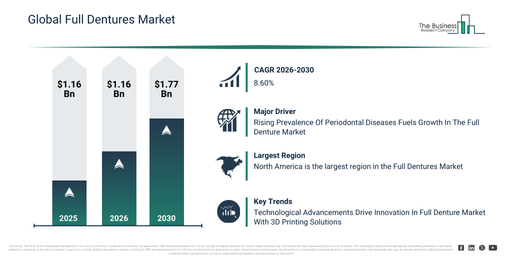
  • Full Dentures Market Outlook 2026–2030 Driven By Growth Factors And Projections

    Full Dentures Market Outlook 2026–2030 Driven By Growth Factors And Projections

    The Business Research Company’s 2026 market reports feature enhanced tools like market attractiveness analysis, TAM assessment, and company scoring matrices, along with interactive dashboards, deeper supply chain insights, and startup coverage strengthening the depth, usability, and strategic value of insights.

    What Expansion In Market Value Is Forecasted For The Full Dentures Market Between 2026 And 2030?

    The full dentures market has experienced robust growth in recent years. It is projected to increase from $1.67 billion in 2025 to $1.82 billion in 2026, achieving a compound annual growth rate (CAGR) of 8.9%. Historically, this expansion has been influenced by factors such as the reliance on conventional acrylic and porcelain dentures, limited access to dental prosthetic technologies, the increasing prevalence of edentulism in the aging population, growing awareness of oral health, and traditional dental clinics driving denture adoption.

    The full dentures market is anticipated to experience robust growth over the next few years, with its size projected to reach $2.53 billion in 2030, advancing at a compound annual growth rate (CAGR) of 8.6%. This expected expansion during the forecast period is driven by progress in CAD/CAM and 3D-printing technologies, increasing disposable income and dental expenditure, the rise of dental tourism, a growing preference for implant-supported dentures, and the development of biocompatible and advanced denture materials. Prominent trends within this period include the rising adoption of implant-supported dentures, a surging demand for aesthetic and natural-looking dentures, the proliferation of 3D-printed and CAD/CAM dentures, the expansion of dental clinics and specialized dental hospitals, and an increased focus on lightweight and flexible denture materials.

    Access Your Free Sample Report For In-Depth Market Analysis:

    https://www.thebusinessresearchcompany.com/sample.aspx?id=20554&type=smp

    Which Important Drivers Are Guiding The Full Dentures Market Growth?

    The increasing incidence of periodontal conditions is projected to fuel expansion within the full denture market in the future. Periodontic diseases, also known as periodontal diseases, are inflammatory conditions impacting the teeth’s supporting structures. The widespread occurrence of periodontal disease stems from factors such as common gum diseases, inadequate oral hygiene, an aging demographic, and growing understanding of how oral health affects general well-being. Full dentures provide support for oral soft tissues and assist in preserving the natural contour of the mouth and jaw, potentially mitigating problems linked to periodontal disease. They can substitute missing teeth, thereby avoiding further extractions and supporting oral functionality. For instance, as per the National Center for Biotechnology Information, a US-based organization providing biomedical and genomic information resources, it was indicated in October 2025 that the global count of individuals suffering from periodontitis is expected to surpass 1.5 billion by 2050. Consequently, the escalating incidence of periodontal diseases is stimulating growth in the full denture market.

    What Are The Different Segment Types In The Full Dentures Market Segment Breakdown?

    The full dentures market covered in this report is segmented –

    1) By Material: Acrylic Dentures, Ceramic Dentures, Porcelain Dentures, Metal Dentures, Other Materials

    2) By Technology: Conventional Dentures, Implant-Supported Dentures, Computer-Aided Design (CAD) And Computer-Aided Manufacturing (CAM) Dentures

    3) By Usage: Removable, Fixed

    4) By Distribution Channel: Direct Sales, Distributor, Online, Pharmacy And Drug Store

    5) By End-User: Specialized Dental Hospitals, Somatology Departments In General Hospitals, Dental Clinics

    Subsegments:

    1) By Acrylic Dentures: Conventional Acrylic Dentures, Flexible Acrylic Dentures, Lightweight Acrylic Dentures, Acrylic Dentures With Natural Appearance

    2) By Ceramic Dentures: High-Strength Ceramic Dentures, Monolithic Ceramic Dentures, Layered Ceramic Dentures, Ceramic Dentures With Aesthetic Enhancements

    3) By Porcelain Dentures: Conventional Porcelain Dentures, Porcelain Dentures With Metal Framework, Porcelain Dentures With High Aesthetic Value, Stain-Resistant Porcelain Dentures

    4) By Metal Dentures: Partial Metal Dentures, Full Metal Dentures, Titanium Dentures, Gold Alloy Dentures

    5) By Other Materials: Composite Dentures, 3d-Printed Dentures, Biocompatible Dentures, Custom-Made Dentures With Advanced Materials

    What Trends Are Influencing The Evolution Of The Full Dentures Market?

    Leading companies in the full denture market are concentrating on developing innovative approaches, such as 3D-printed permanent denture solutions, to enhance patient satisfaction by offering personalized options that are more effective and quicker to produce. A 3D-printed permanent denture solution signifies a method of manufacturing dentures utilizing 3D printing technology, providing a modern, streamlined, and extensively customizable option for individuals requiring dental prosthetics. For instance, in February 2023, Stratasys Ltd., a US-based additive manufacturing company, introduced TrueDent, the first monolithic, full-color 3D-printed permanent dentures solution. This groundbreaking method simplifies the denture manufacturing process by enabling the creation of an entire denture in a single print, rather than assembling multiple parts. The technology incorporates advanced materials that offer both aesthetic appeal and functional durability, thereby addressing common issues in traditional denture production. The full-color capability not only improves the visual quality of the dentures but also facilitates a more precise match between the prosthetics and the patient’s natural gum and tooth colors.

    Who Are The Well-Known Companies In The Full Dentures Market?

    Major companies operating in the full dentures market are 3M Company, Henry Schein Inc., Zimmer Biomet Holdings Inc., Dentsply Sirona Inc., Straumann Holding AG, Ivoclar Vivadent AG, VITA Zahnfabrik H. Rauter GmbH & Co. KG, Young Innovations Inc., VOCO GmbH, Keystone Dental Inc., BEGO GmbH and Co. K.G., Kuraray Co. Ltd., GC International AG, J. Morita Corporation, Kulzer GmbH, Modern Dental Group Limited, Nissin Dental Products Inc., YAMAHACHI DENTAL MFG CO, AvaDent Digital Dental Solutions, National Dentex Labs, Shofu Inc., COLTENE Holding AG, SCHEU-DENTAL GmbH, Lang Dental Manufacturing Company Inc.

    Get The Full Full Dentures Market Report:

    https://www.thebusinessresearchcompany.com/report/full-dentures-global-market-report

    Which Region Is The Top Contributor To The Full Dentures Market By Share?

    North America was the largest region in the full dentures market in 2025. The regions covered in the full dentures market report are Asia-Pacific, South East Asia, Western Europe, Eastern Europe, North America, South America, Middle East, Africa.

    Request A Customized Full Dentures Market Report For Competitive Insights:

    https://www.thebusinessresearchcompany.com/customise?id=20554&type=smp

    Browse Through More Reports Similar to the Global Full Dentures Market 2026, By The Business Research Company

    Dental Consumables Market Report 2026

    https://www.thebusinessresearchcompany.com/report/dental-consumables-global-market-report

    Dental Flap Surgery Market Report 2026

    https://www.thebusinessresearchcompany.com/report/dental-flap-surgery-global-market-report

    Dental Biomaterials Market Report 2026

    https://www.thebusinessresearchcompany.com/report/dental-biomaterials-global-market-report

    Get in touch with us:

    The Business Research Company: https://www.thebusinessresearchcompany.com/

    Americas +1 310-496-7795

    Asia +44 7882 955267 & +91 8897263534

    Europe +44 7882 955267

    Email us at info@tbrc.info

    Follow us on:

    LinkedIn: https://in.linkedin.com/company/the-business-research-company

    YouTube: https://www.youtube.com/channel/UC24_fI0rV8cR5DxlCpgmyFQ

    Global Market Model: https://www.thebusinessresearchcompany.com/global-market-model
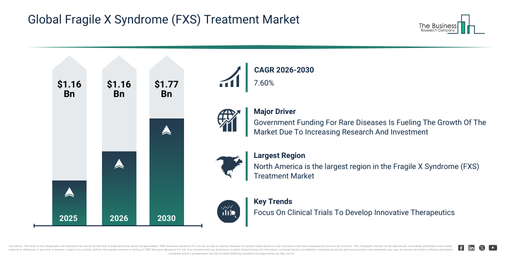
  • Fragile X Syndrome (FXS) Treatment Market Developments And Opportunities Across 2026–2030

    Fragile X Syndrome (FXS) Treatment Market Developments And Opportunities Across 2026–2030

    The Business Research Company’s 2026 market reports feature enhanced tools like market attractiveness analysis, TAM assessment, and company scoring matrices, along with interactive dashboards, deeper supply chain insights, and startup coverage strengthening the depth, usability, and strategic value of insights.

    How Large Will The Fragile X Syndrome (FXS) Treatment Market Be By 2030 Compared To Its 2026 Market Size?

    The fragile x syndrome (fxs) treatment market has experienced robust growth in recent years. It is anticipated to expand from $2.07 billion in 2025 to $2.23 billion in 2026, at a compound annual growth rate (CAGR) of 7.8%. Historically, this growth has been driven by increased clinical understanding of fragile x syndrome, the expansion of behavioral therapy programs, growing availability of psychiatric medications, rising diagnosis rates of genetic disorders, and improved access to specialized care centers.

    The market for fragile x syndrome (fxs) treatments is projected to experience substantial expansion over the coming years, reaching a valuation of $3 billion by 2030, demonstrating a compound annual growth rate (CAGR) of 7.6%. This anticipated growth during the forecast period is primarily driven by escalating investments in precision medicine research, the broadening scope of gene-targeted therapies, an uptick in clinical trial endeavors for rare diseases, a heightened emphasis on early genetic screening, and strengthened partnerships between biotechnology companies and research organizations. Key trends anticipated for the same period encompass a heightened concentration on targeted pharmacological interventions, an evolving integration of behavioral and pharmaceutical treatment modalities, the broadening of personalized therapeutic strategies, increasing uptake of early diagnostic and intervention initiatives, and accelerated development of innovative mGluR5 and GABA-based therapies.

    Access Your Free Sample Report For In-Depth Market Analysis:

    https://www.thebusinessresearchcompany.com/sample.aspx?id=24220&type=smp

    What Major Factors Are Driving The Fragile X Syndrome (FXS) Treatment Market Forward?

    Future expansion of the fragile X syndrome (FXS) treatment market is anticipated, driven by government investment in rare diseases. These conditions are defined as health issues impacting a small segment of the population, frequently characterized by their chronic, worsening, and life-threatening nature. A rise in the detection of rare diseases largely stems from enhanced diagnostic abilities, with progress in genetic testing, imaging, and data analytics allowing medical professionals to more precisely identify and categorize conditions that were previously not diagnosed or were incorrectly identified. The treatment for fragile X syndrome (FXS) is crucial in attracting government funds for rare diseases, highlighting the significance of specialized treatments and prompt intervention, thereby boosting awareness and channeling resources into broadened research and healthcare initiatives. For example, in February 2024, the UK Parliament’s House of Commons Library, a UK-based governmental body, reported that the government committed £14 million ($17.3 million) to create a national research platform for rare diseases, comprising 11 research nodes throughout the UK and a central coordinating hub. Consequently, government funding for rare diseases is propelling the expansion of the fragile X syndrome (FXS) treatment market.

    Which Segment Classifications Are Used In The Fragile X Syndrome (FXS) Treatment Market Segment Analysis?

    The fragile x syndrome (fxs) treatment market covered in this report is segmented –

    1) By Treatment Type: Pharmacological Treatment, Psychotherapy, Education And Training

    2) By Route of Administration: Oral, Injectable, Intranasal And Transdermal Delivery Routes

    3) By Related Disorder: Fragile X Syndrome, Fragile X Mental Retardation 1 (FMR1)-Related Primary Ovarian Insufficiency, Fragile X-Associated Tremor, Fragile X-Associated Neuropsychiatric Disorders, Other Related Disorders

    4) By Patient Age Group: Children, Adults, Elderly

    5) By End-User: Hospitals, Specialty Clinics, Other End Users

    Subsegments:

    1) By Pharmacological Treatment: Antidepressants, Antipsychotics, Stimulants, Anticonvulsants, Anti-Anxiety Medications, mGluR5 Antagonists (Metabotropic Glutamate Receptor 5 Antagonists), GABA Agonists (Gamma-Aminobutyric Acid Agonists)

    2) By Psychotherapy: Cognitive Behavioral Therapy (CBT), Family Therapy, Social Skills Training, Occupational Therapy, Speech And Language Therapy, Applied Behavior Analysis (ABA)

    3) By Education And Training: Special Education Programs, Individualized Education Programs (IEPs), Parent Training And Support, Behavioral Intervention Plans, Skill-Building Workshops, Inclusive Classroom Strategies

    Which Trends Are Impacting The Progress Of The Fragile X Syndrome (FXS) Treatment Market?

    Major companies operating in the fragile X syndrome (FXS) treatment market are concentrating on developing novel products, such as calcium-activated potassium (BK) channel activators, with the objective of addressing underlying neurological mechanisms and improving patient therapeutic outcomes. A calcium-activated potassium (BK) channel activator is a compound that enhances the function of BK channels, which are responsible for regulating cellular excitability and neurotransmitter release. For instance, in January 2025, Spinogenix Inc., a US-based biotechnology research company, was granted Fast Track designation from the U.S. Food and Drug Administration (FDA) for SPG601, a calcium-activated potassium (BK) channel activator, for the therapy of fragile X syndrome (FXS), allowing for expedited clinical development and regulatory review to accelerate the availability of a new treatment addressing synaptic dysfunction for patients. This designation underscores the pressing necessity for effective treatments for fragile X syndrome and highlights SPG601’s therapeutic capacity to enhance cognitive and behavioral symptoms by targeting core neurological mechanisms.

    Which Firms Are Contributing To The Fragile X Syndrome (FXS) Treatment Market Ecosystem?

    Major companies operating in the fragile x syndrome (fxs) treatment market are F. Hoffmann-La Roche Ltd, Shionogi & Co. Ltd., Marinus Pharmaceuticals Inc., Healx Ltd, Neuren Pharmaceuticals Limited, Fulcrum Therapeutics Inc., Neuronascent Inc., Autifony Therapeutics Limited, Quadrant Biosciences Inc., Neurolixis Inc., Taysha Gene Therapies Inc., Ovid Therapeutics Inc., Spinogenix Inc., Epigen Biosciences Inc., Confluence Pharmaceuticals Inc., Actinogen Medical Limited, Anavex Life Sciences Corp., FRAXA Research Foundation Inc., Zynerba Pharmaceuticals Inc., BioMarin Pharmaceutical Inc., PTC Therapeutics Inc., Sage Therapeutics Inc., Neurocrine Biosciences Inc., Ionis Pharmaceuticals Inc.

    Get The Full Fragile X Syndrome (FXS) Treatment Market Report:

    https://www.thebusinessresearchcompany.com/report/fragile-x-syndrome-fxs-treatment-global-market-report

    Which Region Represents The Largest Share Of The Fragile X Syndrome (FXS) Treatment Market?

    North America was the largest region in the fragile X syndrome FXS treatment market in 2025. Asia-Pacific is expected to be the fastest-growing region in the forecast period. The regions covered in the fragile x syndrome (fxs) treatment market report are Asia-Pacific, South East Asia, Western Europe, Eastern Europe, North America, South America, Middle East, Africa.

    Request A Customized Fragile X Syndrome (FXS) Treatment Market Report For Competitive Insights:

    https://www.thebusinessresearchcompany.com/customise?id=24220&type=smp

    Browse Through More Reports Similar to the Global Fragile X Syndrome (FXS) Treatment Market 2026, By The Business Research Company

    Patient Derived Xenograft Pdx Models Market Report 2026

    https://www.thebusinessresearchcompany.com/report/patient-derived-xenograft-pdx-models-global-market-report

    Rare Diseases Treatment Market Report 2026

    https://www.thebusinessresearchcompany.com/report/rare-diseases-treatment-global-market-report

    Autism Spectrum Disorders Treatment Market Report 2026

    https://www.thebusinessresearchcompany.com/report/autism-spectrum-disorders-treatment-global-market-report

    Get in touch with us:

    The Business Research Company: https://www.thebusinessresearchcompany.com/

    Americas +1 310-496-7795

    Asia +44 7882 955267 & +91 8897263534

    Europe +44 7882 955267

    Email us at info@tbrc.info

    Follow us on:

    LinkedIn: https://in.linkedin.com/company/the-business-research-company

    YouTube: https://www.youtube.com/channel/UC24_fI0rV8cR5DxlCpgmyFQ

    Global Market Model: https://www.thebusinessresearchcompany.com/global-market-model

  • Fracture Fixation Products Market Forecast 2026–2030 Presenting Long-Term Industry Insights

    Fracture Fixation Products Market Forecast 2026–2030 Presenting Long-Term Industry Insights

    The Business Research Company’s 2026 market reports feature enhanced tools like market attractiveness analysis, TAM assessment, and company scoring matrices, along with interactive dashboards, deeper supply chain insights, and startup coverage strengthening the depth, usability, and strategic value of insights.

    What Is The Projected Increase In Market Value Of The Fracture Fixation Products Market During 2026–2030?

    The fracture fixation products market has shown significant expansion in recent years. This market is anticipated to rise from $11.32 billion in 2025 to $12.24 billion in 2026, demonstrating a compound annual growth rate (CAGR) of 8.1%. The upward trend observed historically stems from the rising incidence of road accidents, growth in orthopedic surgical volumes, an increasing aging population prone to fractures, the expansion of hospital orthopedic departments, and growing awareness of fracture treatment options.

    The fracture fixation products market is projected to experience substantial expansion in the coming years, anticipated to reach a valuation of $16.23 billion by 2030, exhibiting a compound annual growth rate (CAGR) of 7.3%. Factors driving this growth during the forecast period include a rise in sports-related injuries, the growing acceptance of advanced orthopedic implants, an increase in ambulatory surgical centers, the growing incidence of osteoporosis, and wider availability of trauma care facilities. Key trends projected for this period encompass the increasing integration of bio-absorbable fixation devices, a surge in demand for fracture fixation in trauma and accident scenarios, a shift towards minimally invasive orthopedic procedures, the broadening scope of small bone fracture management solutions, and the increased application of customized fixation systems for intricate fractures.

    Access Your Free Sample Report For In-Depth Market Analysis:

    https://www.thebusinessresearchcompany.com/sample.aspx?id=17156&type=smp

    Which Key Drivers Are Affecting The Fracture Fixation Products Market Development?

    The increasing occurrence of osteoporosis and osteoarthritis is set to drive expansion within the fracture fixation products market. Osteoporosis involves bones becoming brittle and prone to breaking, whereas osteoarthritis is a progressive joint ailment leading to cartilage erosion, discomfort, and restricted movement. The growing frequency of both conditions can be attributed to longer life expectancies, an increase in obesity rates, and a higher number of injuries, including those from sports. Fracture fixation products are essential for osteoporosis to stabilize fragile bones susceptible to fractures, and for osteoarthritis, they serve to support and mend joints affected by cartilage deterioration. For instance, in June 2025, Arthritis & Osteoporosis Tasmania, an Australia-based nonprofit organization, reported that the number of Australians aged 50 and over with osteoporosis or osteopenia in 2023 is projected to increase by 23%, reaching 7.7 million by 2033. Consequently, the escalating prevalence of osteoporosis and osteoarthritis is a key factor driving the expansion of the fracture fixation products market.

    How Is The Fracture Fixation Products Market Organized By Segment Classification?

    The fracture fixation products market covered in this report is segmented –

    1) By Type: Internal Fixation Product, External Fixation Product, Small Bone Fracture Management Products, Other Types

    2) By Fracture Location: Upper Extremities, Hip And Pelvis, Lower Extremities

    3) By Application: Metallic Fixators, Bio-Absorbable Fixators, Other Applications

    4) By End Users: Hospitals And Clinics, Orthopedic Centers, Ambulatory Surgical Centers, Other End Users

    Subsegments:

    1) By Internal Fixation Product: Plates And Screws, Intramedullary Nails/Rods, Pins And Wires, Bone Grafts, Cannulated Screws

    2) By External Fixation Product: Unilateral Fixators, Circular Fixators, Hybrid Fixators, Bone Lengthening Devices, Trauma Fixators

    3) By Small Bone Fracture Management Products: Finger And Toe Fixation Devices, Hand And Wrist Plates, Ankle Fixation Plates, Mini External Fixators, Small Intramedullary Nails

    4) By Other Types: Bioabsorbable Fixation Devices, Orthobiologic Products, 3D-Printed Fixation Devices, Orthopedic Pins

    What Trends Are Transforming The Fracture Fixation Products Market?

    Major companies in the fracture fixation products market are developing next-generation intramedullary nailing systems to improve surgical outcomes and patient recovery. These advanced medical devices are employed in orthopedic surgery for stabilizing and treating fractures in long bones, including the femur and tibia. For example, in March 2024, Stryker Corporation, a US-based medical technology company, introduced the Gamma4 Hip Fracture Nailing System in the European market. This latest Gamma4 system from Stryker represents an evolution in intramedullary nailing systems, engineered to efficiently treat hip and femur fractures while enhancing procedural workflows for surgeons. The Gamma system has advanced through refined processes, standardized procedures, and meticulous attention to detail, all geared towards improving surgical techniques and usability.

    Who Are The Industry Participants Involved In The Fracture Fixation Products Market?

    Major companies operating in the fracture fixation products market are Johnson and Johnson, Medtronic Plc, Stryker Corporation, Zimmer Biomet Holdings Inc, Smith and Nephew plc, NuVasive Inc., Globus Medical Inc., Wright Medical Group N.V., Orthofix Medical Inc., KLS Martin SE & Co. KG, Paragon 28 Inc., Acumed LLC, Narang Medical Ltd., GPC Medical Ltd., Inion Oy, Vast Ortho Inc, Extremity Medical LLC, Citieffe s.r.l., Bioretec Ltd., Arthrex Inc

    Get The Full Fracture Fixation Products Market Report:

    https://www.thebusinessresearchcompany.com/report/fracture-fixation-products-global-market-report

    Which Geographic Region Dominates The Fracture Fixation Products Market?

    North America was the largest region in the fracture fixation products market in 2025. Asia-Pacific is expected to be the fastest-growing region in the forecast period. The regions covered in the fracture fixation products market report are Asia-Pacific, South East Asia, Western Europe, Eastern Europe, North America, South America, Middle East, Africa.

    Request A Customized Fracture Fixation Products Market Report For Competitive Insights:

    https://www.thebusinessresearchcompany.com/customise?id=17156&type=smp

    Browse Through More Reports Similar to the Global Fracture Fixation Products Market 2026, By The Business Research Company

    Composites Repair And Rehab Market Report 2026

    https://www.thebusinessresearchcompany.com/report/composites-repair-and-rehab-global-market-report

    Advanced Orthopedic Technologies Implants And Regenerative Products Market Report 2026

    https://www.thebusinessresearchcompany.com/report/advanced-orthopedic-technologies-implants-and-regenerative-products-global-market-report

    Trauma Fixation Devices And Equipment Market Report 2026

    https://www.thebusinessresearchcompany.com/report/trauma-fixation-devices-and-equipment-global-market-report

    Get in touch with us:

    The Business Research Company: https://www.thebusinessresearchcompany.com/

    Americas +1 310-496-7795

    Asia +44 7882 955267 & +91 8897263534

    Europe +44 7882 955267

    Email us at info@tbrc.info

    Follow us on:

    LinkedIn: https://in.linkedin.com/company/the-business-research-company

    YouTube: https://www.youtube.com/channel/UC24_fI0rV8cR5DxlCpgmyFQ

    Global Market Model: https://www.thebusinessresearchcompany.com/global-market-model