Category: Medical Equipment

  • Wound Closure Devices Sector Forecast Shows Robust Momentum, Climbing to $26.51 Billion With 8.2% CAGR

    Wound Closure Devices Sector Forecast Shows Robust Momentum, Climbing to $26.51 Billion With 8.2% CAGR

    Uncover key drivers, emerging technologies, and competitive movements shaping the worker heat stress monitoring wearable market from 2026–2035 with trusted insights from The Business Research Company

    What are the forecasted starting (2026) and ending (2030) market sizes for the Wound Closure Devices Market?

    The wound closure devices market size has experienced significant expansion recently. This market is projected to expand from $17.8 billion in 2025 to $19.33 billion in 2026, demonstrating a compound annual growth rate (CAGR) of 8.6%. Historically, this growth was driven by factors such as an increasing volume of surgical procedures, a higher prevalence of chronic wounds, the development of hospital infrastructure, advancements in surgical material science, and an enhanced emphasis on post-operative care.

    The market for wound closure devices is projected to experience robust expansion over the coming years. This market is anticipated to reach $26.52 billion by 2030, exhibiting a compound annual growth rate (CAGR) of 8.2%. Several factors contribute to this growth during the projected period, including a heightened need for quicker wound recovery options, the growing popularity of outpatient surgeries, the wider application of advanced biomaterials, an increased emphasis on favorable cosmetic results from surgery, and augmented financial commitments to innovations in wound care. Key developments expected within this forecast timeframe involve the greater integration of sophisticated adhesive and sealant technologies, an increase in the utilization of absorbable and antimicrobial sutures, a developing preference for less invasive closure tools, the expansion of strategies for managing chronic wounds, and a stronger emphasis on preventing infections.

    Access Your Free Sample Report for In-Depth Market Insights:

    https://www.thebusinessresearchcompany.com/sample.aspx?id=7958&type=smp

    What Drivers Are Supporting Technological Adoption In The Wound Closure Devices Market?

    A rising count of individuals having surgical procedures is anticipated to fuel the expansion of the wound closure devices market in the future. Surgery is defined as a medical field utilizing manual and instrumental operational methods on an individual to assess or address a pathological state like illness or injury, improve bodily function and appearance, or repair unwanted torn areas. These wound closure devices find application in managing chronic, traumatic, and surgical wounds, as well as skin grafts and flaps. For example, in June 2024, a report released by the International Society of Aesthetic Plastic Surgery, a US-based professional organization for board-certified aesthetic plastic surgeons, indicated that the overall number of surgical and non-surgical procedures increased by 3.4% in 2023, totaling 34.9 million. Procedures involving the face and head experienced substantial growth, exceeding 6.5 million, which represents a 19.6% rise compared to the prior year. Consequently, the expanding population of patients receiving surgeries is propelling the development of the wound closure devices market.

    Which Segments Are Contributing To The Growth Of The Wound Closure Devices Market?

    The wound closure devices market covered in this report is segmented –

    1) By Product Type: Adhesives, Staples, Sutures, Strips, Sealants, Mechanical Wound Closure Devices

    2) By Wound Type: Chronic, Acute

    3) By End-Use: Hospital, Clinics, Trauma centers, Other End-Users

    Subsegments:

    1) By Adhesives: Tissue Adhesives, Surgical Adhesives, Cyanoacrylate Adhesives

    2) By Staples: Surgical Staples, Skin Staples, Ligating Clips

    3) By Sutures: Absorbable Sutures, Non-Absorbable Sutures, Barbed Sutures, Specialty Sutures

    4) By Strips: Adhesive Strips, Hydrocolloid Strips, Antimicrobial Strips

    5) By Sealants: Biological Sealants, Synthetic Sealants, Fibrin Sealants, Gelatin Sealants

    6) By Mechanical Wound Closure Devices: Wound Closure Systems, Skin Closure Devices, Wound Closure Clips and Tapes

    What Trends Are Projected To Support The Growth Of The Wound Closure Devices Market?

    Leading companies in the wound closure devices market are concentrating on developing innovative offerings, such as advanced skin adhesives, to deliver gentle, secure, and repositionable wound management. These advanced skin adhesives are medical-grade solutions designed to firmly attach dressings or devices to the skin, while simultaneously reducing irritation, permitting repositioning without diminishing efficacy, and aiding in the protection of sensitive or damaged skin, alleviating pain upon removal, and improving overall wound care and patient comfort. As an example, in October 2023, DuPont, a chemicals company headquartered in the US, introduced its DuPont Liveo MG 7-9960 Soft Skin Adhesive. This adhesive features a non-sensitizing and non-irritating composition, making it particularly appropriate for use on sensitive skin, including that of children, older adults, and individuals with skin conditions or open wounds. The adhesive enables devices to be repositioned without losing their effectiveness, which is vital in medical contexts where adjustments might be necessary. It offers a gentle hold for dressings applied to wounds, ensuring they remain secure while also allowing for easy removal without causing harm to the skin.

    Who Are The Major Companies Operating In The Wound Closure Devices Market?

    Major companies operating in the wound closure devices market are Abbott Laboratories, Advanced Medical Solutions Group PLC, B. Braun Melsungen AG, Baxter International Inc., Boston Scientific Corporation, BSN Medical GmbH, Chemence Medical Inc., Coloplast A/S, ConvaTec Group PLC, Dach Medical Group Holding AG, DeRoyal Industries Inc., Futura Surgicare Private Limited, Healthium Medtech Private Limited, Integra LifeSciences Corporation, Johnson & Johnson Services Inc., Meril Life Sciences Private Limited, 3M Company, Adhezion Biomedical LLC, Becton Dickinson and Company, Medtronic Inc., Halyard Health Inc., McKesson Corp., Medline Industries LP, Mölnlycke Health Care Ltd., Smith & Nephew PLC, Smiths Group PLC, Stryker Corp., Teleflex Inc., Zipline Medical Inc., Abbott Laboratories

    Access The Complete Report For Deeper Market Insights:

    https://www.thebusinessresearchcompany.com/report/wound-closure-devices-global-market-report

    Which Regions Are Poised For Strategic Growth In The Wound Closure Devices Market?

    North America was the largest region in the wound closure devices market in 2025. The regions covered in the wound closure devices market report are Asia-Pacific, South East Asia, Western Europe, Eastern Europe, North America, South America, Middle East, Africa.

    Request Your Customized Wound Closure Devices Market Research Report for Competitive Advantage:

    https://www.thebusinessresearchcompany.com/customise?id=7958&type=smp

    Browse Through More Reports Similar to the Global Wound Closure Devices Market 2026, By The Business Research Company

    Wound Care Devices Global Market Report 2026

    https://www.thebusinessresearchcompany.com/report/wound-care-devices-global-market-report

    Laceration Closure Devices Global Market Report 2026

    https://www.thebusinessresearchcompany.com/report/laceration-closure-devices-global-market-report

    Advanced Wound Care Devices Global Market Report 2026

    https://www.thebusinessresearchcompany.com/report/advanced-wound-care-devices-global-market-report

    Get in touch with us:

    The Business Research Company: https://www.thebusinessresearchcompany.com/

    Americas +1 310-496-7795

    Asia +44 7882 955267 & +91 8897263534

    Europe +44 7882 955267

    Email us at info@tbrc.info

    Follow us on:

    LinkedIn: https://in.linkedin.com/company/the-business-research-company
  • Wound Care Devices Market Anticipated to Record Steady Gains, Advancing to $94.4 Billion by 2030

    Wound Care Devices Market Anticipated to Record Steady Gains, Advancing to $94.4 Billion by 2030

    Uncover key drivers, emerging technologies, and competitive movements shaping the workstation graphics processing unit (gpu) market from 2026–2035 with trusted insights from The Business Research Company

    What upper market value could the Wound Care Devices Market reach by 2030 starting from 2026 levels?

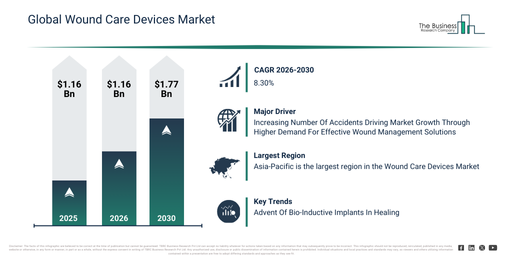
    The wound care devices market has experienced robust growth in recent years. It is projected to expand from $63.62 billion in 2025 to $68.53 billion in 2026, achieving a compound annual growth rate (CAGR) of 7.7%. The historical growth of this market can be attributed to factors such as the increasing incidence of chronic wounds, a rise in surgical procedures, the expansion of hospital-based wound care programs, increased awareness of advanced wound treatments, and improvements in wound healing materials.

    The wound care devices market size is projected to experience substantial expansion over the upcoming years. This market is predicted to reach $94.41 billion by 2030, exhibiting a compound annual growth rate (CAGR) of 8.3%. This anticipated growth during the forecast period is primarily driven by factors such as an expanding elderly demographic facing chronic illnesses, the growing acceptance of home healthcare options, innovations in intelligent wound monitoring, an increasing need for economical wound care, and a heightened emphasis on achieving quicker healing results. Key trends anticipated for this period encompass breakthroughs in advanced wound dressing technologies, the wider implementation of negative pressure wound therapy, a heightened concentration on solutions for infection prevention, the proliferation of home-based wound care products, and the incorporation of smart monitoring systems into wound management practices.

    Access Your Free Sample Report for In-Depth Market Insights:

    https://www.thebusinessresearchcompany.com/sample.aspx?id=1978&type=smp

    Which Drivers Are Influencing Long-Term Growth In The Wound Care Devices Market?

    The projected expansion of the wound care device dressing market is anticipated to be driven by a rise in accident occurrences. An accident refers to an unforeseen occurrence, often leading to harm, injury, damage, or loss, particularly in the context of vehicular incidents. This increase in accidents stems from several factors, including heightened human error caused by distraction, growing global traffic density linked to population expansion, and insufficient upkeep of infrastructure. The growing frequency of accidents directly supports the wound care device dressing sector by stimulating demand for sophisticated dressings capable of accelerating healing, lowering infection risks, and enhancing patient recovery across hospitals, clinics, and home-care environments. For example, data from December 2023, provided by the World Health Organization, a specialized public health agency of the United Nations based in Switzerland, indicates that approximately 1.19 million individuals perish annually due to road traffic crashes. Additionally, between 20 and 50 million more sustain non-fatal injuries, often leading to disabilities, and road traffic injuries stand as the primary cause of mortality for children and young adults aged 5 to 29 years. Consequently, the escalating incidence of accidents is a key factor propelling the expansion of the wound care devices market.

    How Is The Wound Care Devices Market Divided Into Segments?

    The wound care devices market covered in this report is segmented –

    1) By Type: Traditional Adhesive Dressings, Negative-pressure Wound Therapy (NPWT), Traditional Gauze Dressings, Advanced Wound Care Devices

    2) By Category: Instruments Or Equipment, Disposables

    3) By Type Of Expenditure: Public, Private

    4) By End User: Hospitals And Clinics, Diagnostic Laboratories, Other End Users

    Subsegments:

    1) By Traditional Adhesive Dressings: Film Dressings, Foam Dressings, Hydrocolloid Dressings

    2) By Negative-pressure Wound Therapy (NPWT): Portable NPWT Systems, Fixed NPWT Systems, Accessories For NPWT

    3) By Traditional Gauze Dressings: Sterile Gauze Pads, Non-Sterile Gauze Rolls, Gauze Sponges

    4) By Advanced Wound Care Devices: Hydrogels, Alginates, Collagen Dressings, Antimicrobial Dressings

    Which Trends Are Influencing The Performance And Direction Of The Wound Care Devices Market?

    Key companies operating in the wound care device market are concentrating on developing an innovative approach, specifically bio-inductive implants, to maintain their competitive standing. These bio-inductive implants are engineered to deliver wound care by supporting the body’s natural healing response and promoting the growth of tendon tissue. For example, in July 2023, Smith and Nephew, a medical equipment manufacturing company based in the UK, introduced the REGENTEN bio-inductive implant in India. This product assists the body’s inherent healing by encouraging the development of new tendon-like tissue to biologically reinforce the existing tendon and modify the progression of the disease. Delivered arthroscopically via a small incision, the implant is entirely absorbed within six months as it is replaced by new tissue. With over 100,000 procedures conducted globally and more than 10 years of clinical evidence, REGENETEN has shown significant reductions in re-tear rates and enhanced healing outcomes. It is recognized for transforming rotator cuff repair standards and also has expanding indications for extra-articular ligament injuries, highlighting its broad utility in soft tissue repair.

    Which Major Firms Are Strengthening Their Position In The Wound Care Devices Market?

    Major companies operating in the wound care devices market are 3M Company, Smith & Nephew plc, Mölnlycke Health Care AB, Convatec Group plc, Coloplast A/S, B Braun SE, Medtronic plc, Integra LifeSciences Holdings Corporation, Urgo Medical SA, Paul Hartmann AG, Essity AB, Lohmann & Rauscher GmbH & Co KG, Acelity LP (KCI)†, Human Biosciences Inc, Genadyne Biotechnologies Inc, Blue Sky Medical Group Inc, Devon Medical Products Inc, Organogenesis Inc, Solventum LLC, Medela AG

    Access The Complete Report For Deeper Market Insights:

    https://www.thebusinessresearchcompany.com/report/wound-care-devices-global-market-report

    Which Regions Are Projected To Dominate The Wound Care Devices Market In The Coming Years?

    Asia-Pacific was the largest region in the global wound care devices market in 2025. North America was the second largest region in the global wound care devices market. Africa. was the smallest region in the global wound care devices market. The regions covered in the wound care devices market report are Asia-Pacific, South East Asia, Western Europe, Eastern Europe, North America, South America, Middle East, Africa.

    Request Your Customized Wound Care Devices Market Research Report for Competitive Advantage:

    https://www.thebusinessresearchcompany.com/customise?id=1978&type=smp

    Browse Through More Reports Similar to the Global Wound Care Devices Market 2026, By The Business Research Company

    Advanced Wound Care Devices Global Market Report 2026

    https://www.thebusinessresearchcompany.com/report/advanced-wound-care-devices-global-market-report

    Wound Closure Devices Global Market Report 2026

    https://www.thebusinessresearchcompany.com/report/wound-closure-devices-global-market-report

    Wound Care Biologics Global Market Report 2026

    https://www.thebusinessresearchcompany.com/report/wound-care-biologics-global-market-report

    Get in touch with us:

    The Business Research Company: https://www.thebusinessresearchcompany.com/

    Americas +1 310-496-7795

    Asia +44 7882 955267 & +91 8897263534

    Europe +44 7882 955267

    Email us at info@tbrc.info

    Follow us on:

    LinkedIn: https://in.linkedin.com/company/the-business-research-company

  • Women’s Health Devices Industry Poised for Rapid Growth, Forecast to Touch $77.07 Billion by 2030 at 11.7% CAGR

    Women’s Health Devices Industry Poised for Rapid Growth, Forecast to Touch $77.07 Billion by 2030 at 11.7% CAGR

    Uncover key drivers, emerging technologies, and competitive movements shaping the worker heat stress monitoring wearable market from 2026–2035 with trusted insights from The Business Research Company

    What level of CAGR-driven expansion is anticipated in the Women’s Health Devices Market between 2026 and 2030?

    The market for women’s health devices has experienced significant growth recently. It is projected to expand from $44.2 billion in 2025 to $49.48 billion in 2026, achieving a compound annual growth rate (CAGR) of 11.9%. Historically, this expansion has been driven by increasing awareness of women’s health conditions, the expansion of preventive healthcare programs, greater availability of diagnostic devices, a heightened focus on maternal health management, and the adoption of digital health tools.

    The women’s health devices market is anticipated to experience substantial expansion over the upcoming years. Projections indicate it will reach $77.08 billion by 2030, exhibiting a compound annual growth rate (CAGR) of 11.7%. This growth during the forecast period is largely due to escalating investments in femtech innovation, a heightened demand for personalized healthcare solutions, the broadening of telehealth services, the increasing uptake of wearable health devices, and a stronger emphasis on data-driven women’s health insights. Key trends expected within this period encompass the growing adoption of connected women’s health devices, an uptick in the use of at-home diagnostic kits, the expanding integration of digital health platforms, the proliferation of fertility and menstrual tracking solutions, and an amplified focus on personalized women’s care.

    Access Your Free Sample Report for In-Depth Market Insights:

    https://www.thebusinessresearchcompany.com/sample.aspx?id=7112&type=smp

    What Drivers Are Affecting Demand-Supply Dynamics In The Women’s Health Devices Market?

    The increasing incidence of chronic diseases is anticipated to drive expansion in the women’s health devices market moving forward. These conditions are characterized as long-lasting health issues that endure for months or years, often progressing slowly, impacting an individual’s quality of life, and necessitating ongoing medical management, typically being controllable through treatment and lifestyle modifications. The growing occurrence of chronic diseases is attributed to sedentary lifestyles, which contribute to obesity, poor metabolic health, and a heightened vulnerability to long-term ailments. Women’s health devices aid in addressing chronic diseases by facilitating early detection, continuous monitoring, and personalized management of conditions like diabetes, cardiovascular issues, and hormonal disorders, thereby improving overall health outcomes and quality of life. For instance, in June 2024, data from the National Health Service, a UK-based government department, revealed that 3,615,330 individuals registered with a general practitioner (GP) were diagnosed with non-diabetic hyperglycemia or pre-diabetes (a condition with elevated blood sugar levels, not high enough to be classified as diabetes) in 2023, marking an 18% increase from 3,065,825 cases recorded in 2022. Therefore, the rising incidence of chronic diseases is a key driver for the women’s health devices market.

    What Segments Are Included Within The Women’s Health Devices Market?

    The women’s health devices market covered in this report is segmented –

    1) By Product: Surgical, Diagnostics, Contraceptives, Labor And Delivery

    2) By Application: Cancer, Osteoporosis, Uterine Fibroids, Post-menopausal Syndrome, Pregnancy, Female Sterilization, Other Applications

    3) By End-user: Hospitals, Obstetrics And Gynecology Clinics, Diagnostic Laboratories, Ambulatory Surgical Centers, Other End Users

    Subsegments:

    1) By Surgical: Hysteroscopes, Endometrial Ablation Devices

    2) By Diagnostics: Pap Smear Devices, Hormone Testing Kits

    3) By Contraceptives: Intrauterine Devices (IUDs), Implantable Contraceptives

    4) By Labor and Delivery: Fetal Monitors, Obstetric Ultrasound Machines, Labor Induction Devices

    What Long-Term Trends Are Expected To Shape The Future Of The Women’s Health Devices Market?

    Leading companies operating in the women’s health devices market are launching smart rings, aiming to provide women with medical-grade health data capable of being translated into personalized insights. A smart ring is specifically engineered for women to offer users medical-grade health data, which is presented through a mobile application. For instance, in January 2023, Movano Health, a US-based medical device company, unveiled Evie, a smart ring designed for women that delivers medical-grade health insights via an app. Evie is developed according to FDA regulatory standards and produced in an ISO13485 and cGMP-compliant facility. This ring captures diverse health metrics, including heart rate, SpO2, menstrual tracking, sleep data, and more, displaying them in an easily understandable format on the application.

    Who Are The Primary Competitors In The Global Women’s Health Devices Market?

    Major companies operating in the women’s health devices market are Abbott Laboratories, Koninklijke Philips N V, CooperSurgical Inc, Hologic Inc, Caldera Medical Inc, GE HealthCare Technologies Inc, Siemens Healthineers AG, Boston Scientific Corporation, Medtronic plc, Becton Dickinson And Company, Olympus Corporation, Fujifilm Holdings Corporation, Johnson And Johnson, Stryker Corporation, Smith And Nephew plc, Intuitive Surgical Inc, Karl Storz GmbH And Co KG, Cook Medical Incorporated, Conmed Corporation, Natus Medical Incorporated, Laborie Medical Technologies Corporation, Neoventa Medical AB

    Access The Complete Report For Deeper Market Insights:

    https://www.thebusinessresearchcompany.com/report/womens-health-devices-global-market-report

    Which Region Is Expected To Experience The Fastest Growth In The Women’s Health Devices Market?

    North America was the largest region in the women’s health devices market in 2025. Asia-Pacific is expected to be the fastest-growing region in the women’s health devices market report during the forecast period. The regions covered in the women’s health devices market report are Asia-Pacific, South East Asia, Western Europe, Eastern Europe, North America, South America, Middle East, Africa.

    Request Your Customized Women’s Health Devices Market Research Report for Competitive Advantage:

    https://www.thebusinessresearchcompany.com/customise?id=7112&type=smp

    Browse Through More Reports Similar to the Global Women’s Health Devices Market 2026, By The Business Research Company

    Womens Digital Health Global Market Report 2026

    https://www.thebusinessresearchcompany.com/report/womens-digital-health-global-market-report

    Womens Health App Global Market Report 2026

    https://www.thebusinessresearchcompany.com/report/womens-health-app-global-market-report

    Womens Health Global Market Report 2026

    https://www.thebusinessresearchcompany.com/report/womens-health-global-market-report

    Get in touch with us:

    The Business Research Company: https://www.thebusinessresearchcompany.com/

    Americas +1 310-496-7795

    Asia +44 7882 955267 & +91 8897263534

    Europe +44 7882 955267

    Email us at info@tbrc.info

    Follow us on:

    LinkedIn: https://in.linkedin.com/company/the-business-research-company

  • Wireless Medical Devices Market Performance Outlook 2026–2030: Revenue to Hit $58.86 Billion at 13.7% CAGR

    Wireless Medical Devices Market Performance Outlook 2026–2030: Revenue to Hit $58.86 Billion at 13.7% CAGR

    Uncover key drivers, emerging technologies, and competitive movements shaping the workstation graphics processing unit (gpu) market from 2026–2035 with trusted insights from The Business Research Company

    What long-term size projections exist for the Wireless Medical Devices Market covering 2026–2035?

    The market size for wireless medical devices has experienced rapid expansion in recent years. It is projected to grow from $30.97 billion in 2025 to $35.25 billion in 2026, demonstrating a compound annual growth rate (CAGR) of 13.8%. The historical growth period can be linked to factors such as limited wireless communication technology in early medical devices, a reliance on stationary monitoring systems, the gradual adoption of home healthcare, the increasing prevalence of chronic diseases, and an emerging demand for portable diagnostics.

    The market for wireless medical devices is projected to experience substantial expansion in the coming years. By 2030, this market is anticipated to reach $58.87 billion, demonstrating a compound annual growth rate (CAGR) of 13.7%. Several factors contribute to this growth during the forecast period, including advancements in Bluetooth, Wi-Fi, and NFC-enabled medical devices, the growing utilization of wearable and implantable devices, increased adoption of telehealth, regulatory backing for remote patient monitoring, and the expanding infrastructure of smart hospitals. Key trends anticipated over the forecast period encompass a wider embrace of remote patient monitoring solutions, enhanced integration of wearable and implantable technologies, a surge in demand for wireless devices for diabetes and cardiac management, the expansion of telehealth and home healthcare offerings, and an emphasis on device interoperability and data security.

    Access Your Free Sample Report for In-Depth Market Insights:

    https://www.thebusinessresearchcompany.com/sample.aspx?id=24431&type=smp

    Which Drivers Are Impacting The Competitive Landscape Of The Wireless Medical Devices Market?

    The increasing integration of telehealth is anticipated to significantly advance the expansion of the wireless medical devices market in the future. Telehealth involves employing digital communication platforms, including video conferencing, mobile applications, and tools for remote oversight, to provide healthcare services and information remotely. The widespread acceptance of telehealth stems mainly from the rising need for accessible healthcare options, enabling patients to engage with doctors from afar, circumventing the necessity for physical appointments. Wireless medical devices augment telehealth by facilitating real-time remote patient surveillance and data exchange, consequently elevating patient care, lessening hospital admissions, and aiding prompt medical responses. As an illustration, data from July 2023, reported by Harmony Healthcare IT, a US-based data management firm, indicated that 62% of Americans had accessed telehealth services for their healthcare requirements, with more than three-quarters (77%) perceiving it as the forthcoming standard for healthcare. Consequently, the expanding use of telehealth is stimulating the growth within the wireless medical devices market.

    What Leading Segments Are Studied In The Wireless Medical Devices Market?

    The wireless medical devices market covered in this report is segmented –

    1) By Product Type: Wearable Devices, Implantable Devices, Handheld And Portable Devices, Stationary Devices, Other Product Types

    2) By Technology: Bluetooth, Wi-Fi, Near Field Communication (NFC), Zigbee, RFID (Radio Frequency Identification), Ultra-wideband (UWB), Other Technologies

    3) By Application: Cardiology, Neurology, Respiratory, Diabetes Management, Point of Care, Other Applications

    4) By End-User: Hospitals, Home Healthcare, Diagnostic Centers, Ambulatory Care

    Subsegments:

    1) By Wearable Devices: Smartwatches, Fitness Bands, Continuous Glucose Monitors (CGMs), Wearable Electrocardiogram (ECG) Monitors, Wearable Blood Pressure Monitors, Smart Clothing

    2) By Implantable Devices: Cardiac Pacemakers, Implantable Cardioverter Defibrillators (ICDs), Neurostimulators, Implantable Glucose Monitors, Cochlear Implants

    3) By Handheld and Portable Devices: Portable Electrocardiogram (ECG) Monitors, Portable Ultrasound Devices, Glucose Meters, Pulse Oximeters, Digital Thermometers

    4) By Stationary Devices: Remote Patient Monitoring Systems, Wireless Infusion Pumps, Digital Vital Signs Monitors, Wireless Ventilators, Telehealth Stations

    5) By Other Product Types: Wireless Endoscopy Devices, Wireless Capsule Cameras, Smart Inhalers, Wireless Hearing Aids

    Which Market Trends Are Opening Growth Opportunities In The Wireless Medical Devices Market?

    Leading companies operating within the wireless medical devices market are concentrating on developing innovative products, such as wireless handheld ultrasound devices, to enhance point-of-care diagnostics and improve patient mobility. A wireless handheld ultrasound device is a compact, portable imaging instrument that employs wireless technology to transmit ultrasound images instantly to smartphones, tablets, or computers. It contributes to advancing wireless medical devices by enabling remote diagnostics, improving healthcare providers’ mobility, and supporting faster decision-making in emergency and point-of-care situations. For instance, in August 2023, GE Healthcare Technologies Inc., a US-based company specializing in medical imaging, patient monitoring, and healthcare technology solutions, launched Vscan Air SL, a handheld, wireless ultrasound imaging system. This device features a dual-headed probe with both sector and linear arrays, designed for cardiac and vascular assessments. It facilitates rapid diagnosis and treatment directly at the point of care through high-resolution imaging, powered by SignalMax and XDclear technologies. Additionally, it supports mobile image viewing and workflow optimization via the Vscan Air app.

    Which Key Market Players Are Investing In Expansion And Innovation Within The Wireless Medical Devices Market?

    Major companies operating in the wireless medical devices market are Abbott Laboratories, Medtronic Public Limited Company, Siemens Healthineers AG, Stryker Corporation, Koninklijke Philips NV, GE HealthCare Technologies Inc, Omron Healthcare Inc, DexCom Inc, Masimo Corporation, iRhythm Technologies Inc, Withings SAS, AliveCor Inc, iHealth Labs Inc, ResMed Inc, Boston Scientific Corporation, Edwards Lifesciences Corporation, Biotronik SE and Co KG, Insulet Corporation, Senseonics Holdings Inc, VitalConnect Inc

    Access The Complete Report For Deeper Market Insights:

    https://www.thebusinessresearchcompany.com/report/wireless-medical-devices-global-market-report

    Which Geographic Areas Are Emerging As Strong Markets For The Wireless Medical Devices Market?

    North America was the largest region in the wireless medical devices market in 2025. Asia-Pacific is expected to be the fastest-growing region in the forecast period. The regions covered in the wireless medical devices market report are Asia-Pacific, South East Asia, Western Europe, Eastern Europe, North America, South America, Middle East, Africa.

    Request Your Customized Wireless Medical Devices Market Research Report for Competitive Advantage:

    https://www.thebusinessresearchcompany.com/customise?id=24431&type=smp

    Browse Through More Reports Similar to the Global Wireless Medical Devices Market 2026, By The Business Research Company

    Medical Device Technologies Global Market Report 2026

    https://www.thebusinessresearchcompany.com/report/medical-device-technologies-global-market-report

    Wearable Medical Devices Market 2026

    https://www.thebusinessresearchcompany.com/report/wearable-medical-devices-market

    Portable Medical Devices Global Market Report 2026

    https://www.thebusinessresearchcompany.com/report/portable-medical-devices-global-market-report

    Get in touch with us:

    The Business Research Company: https://www.thebusinessresearchcompany.com/

    Americas +1 310-496-7795

    Asia +44 7882 955267 & +91 8897263534

    Europe +44 7882 955267

    Email us at info@tbrc.info

    Follow us on:

    LinkedIn: https://in.linkedin.com/company/the-business-research-company

  • Global Wireless Cardiac Monitoring Systems Market Set for Strong Expansion, Reaching $7.63 Billion With 12.6% CAGR by 2030

    Global Wireless Cardiac Monitoring Systems Market Set for Strong Expansion, Reaching $7.63 Billion With 12.6% CAGR by 2030

    Uncover key drivers, emerging technologies, and competitive movements shaping the worker heat stress monitoring wearable market from 2026–2035 with trusted insights from The Business Research Company

    What total market size is anticipated for the Wireless Cardiac Monitoring Systems Market in 2030?

    The wireless cardiac monitoring systems market has seen substantial growth in recent years. It is anticipated to expand from $4.2 billion in 2025 to $4.74 billion in 2026, exhibiting a compound annual growth rate (CAGR) of 12.9%. Historically, this expansion has been influenced by factors including the constrained availability of wireless cardiac monitoring technologies, a rise in the prevalence of cardiovascular diseases, the dependence on in-clinic cardiac monitoring, the slow adoption of digital health solutions, and the development of hospital infrastructure in developed regions.

    The wireless cardiac monitoring systems market is poised for significant expansion in the coming years. This market is projected to reach $7.63 billion by 2030, exhibiting a compound annual growth rate (CAGR) of 12.6%. Factors contributing to this anticipated growth include technological advancements in implantable and patch-type monitors, increased embrace of telehealth and remote patient monitoring, the proliferation of smartphone-connected cardiac devices, the establishment of more specialized cardiac clinics and diagnostic centers, and a heightened public awareness regarding preventive cardiac care. Key trends shaping the forecast period encompass a wider acceptance of remote cardiac monitoring, an increase in wearable cardiac devices, the incorporation of real-time data analytics for patient oversight, an expansion of home-based cardiac care, and a greater emphasis on the early detection of arrhythmias and other cardiac disorders.

    Access Your Free Sample Report for In-Depth Market Insights:

    https://www.thebusinessresearchcompany.com/sample.aspx?id=25937&type=smp

    What Drivers Are Influencing Production Trends In The Wireless Cardiac Monitoring Systems Market?

    The rising incidence of cardiovascular diseases is anticipated to drive the future expansion of the wireless cardiac monitoring systems market. These are a category of conditions that affect the heart and blood vessels, encompassing ailments such as coronary artery disease, heart failure, and stroke. The increasing occurrence of cardiovascular diseases is attributed to an aging global population and unhealthy lifestyles, which in turn leads to a greater need for early detection, continuous surveillance, and long-term disease management solutions. Wireless cardiac monitoring systems assist in the management of cardiovascular diseases by allowing for constant, real-time tracking of heart activity, thereby facilitating the prompt identification of anomalies and timely medical interventions. For instance, in January 2024, the American Heart Association, a US-based non-profit organization, stated that cardiovascular disease-related fatalities rose from 928,741 in 2023 to 931,578 in 2024. Therefore, the increasing prevalence of cardiovascular diseases is a key factor propelling the growth of the wireless cardiac monitoring systems market.

    Which Segment Groups Are Influencing The Wireless Cardiac Monitoring Systems Market?

    The wireless cardiac monitoring systems market covered in this report is segmented –

    1) By Type: Implantable Cardiac Monitors (ICM), Patch-Type Monitor, Mobile Cardiac Telemetry System, Other Types

    2) By Indication: Coronary Artery Disease, Angina Pectoris, Atherosclerosis, Heart Failure, Stroke, Other Indications

    3) By End Use: Hospitals, Specialty Clinics, Diagnostic Centers, Home Care Settings, Other End Use

    Subsegments:

    1) By Implantable Cardiac Monitors (ICM): Insertable Loop Recorders, Subcutaneous Monitors, Implantable Loop Recorders with Wireless Connectivity

    2) By Patch-Type Monitor: Single-Lead Patch Monitors, Multi-Lead Patch Monitors, Waterproof Patch Monitors, Extended Wear Patch Monitors

    3) By Mobile Cardiac Telemetry System: Portable Telemetry Devices, Wearable Telemetry Devices, Smartphone-Connected Telemetry Systems

    4) By Other Types: Handheld Cardiac Monitors, External Holter Monitors, Smartwatches with Cardiac Monitoring Features, Ambulatory Electrocardiogram Devices

    How Are Emerging Trends Affecting The Progression Of The Wireless Cardiac Monitoring Systems Market?

    Leading firms within the wireless cardiac monitoring systems market are concentrating on creating cutting-edge technologies, for instance, adaptive nighttime filtering, with the goal of boosting the precision of arrhythmia detection and minimizing false alerts. This adaptive nighttime filtering method modifies detection parameters specifically during periods of sleep to curtail false alarms and elevate accuracy in cardiac monitoring. An illustrative example occurred in October 2023 when Boston Scientific Corporation, a US-based medical technology company, introduced the LUX-Dx II+ Insertable Cardiac Monitor. This represents a new generation of devices designed for extended wireless surveillance of heart rhythm conditions like atrial fibrillation and syncope. The device incorporates sophisticated dual-stage algorithms capable of identifying and confirming arrhythmias, utilizing adaptive nighttime filtering to decrease false positives and ensure enhanced accuracy. Furthermore, it offers remote programming, allowing clinicians to manage the device without in-person visits, alongside a dedicated patient application for effortless symptom logging and immediate data sharing, thereby advancing ongoing cardiac care.

    Who Are The Core Companies Influencing Trends In The Wireless Cardiac Monitoring Systems Market?

    Major companies operating in the wireless cardiac monitoring systems market are Abbott Laboratories, Medtronic plc, Koninklijke Philips N.V., GE HealthCare Technologies Inc., Boston Scientific Corporation, BIOTRONIK SE & Co. KG, Shenzhen Mindray Bio-Medical Electronics Co. Ltd., Spacelabs Healthcare Inc., Schiller AG, BPL Medical Technologies Private Limited, AliveCor Inc., Vital Connect Inc., Biotricity Inc., Fukuda Denshi Co. Ltd., Aerotel Medical Systems Ltd., SmartCardia S.A., CardioComm Solutions Inc., MediBioSense Ltd., QT Medical Inc., CardiacSense Ltd.

    Access The Complete Report For Deeper Market Insights:

    https://www.thebusinessresearchcompany.com/report/wireless-cardiac-monitoring-systems-global-market-report

    Which Region Is Projected To Lead The Wireless Cardiac Monitoring Systems Market During The Forecast Period?

    North America was the largest region in the wireless cardiac monitoring systems market in 2025. Asia-Pacific is expected to be the fastest-growing region in the forecast period. The regions covered in the wireless cardiac monitoring systems market report are Asia-Pacific, South East Asia, Western Europe, Eastern Europe, North America, South America, Middle East, Africa.

    Request Your Customized Wireless Cardiac Monitoring Systems Market Research Report for Competitive Advantage:

    https://www.thebusinessresearchcompany.com/customise?id=25937&type=smp

    Browse Through More Reports Similar to the Global Wireless Cardiac Monitoring Systems Market 2026, By The Business Research Company

    Cardiac Arrhythmia Monitoring Devices Global Market Report 2026

    https://www.thebusinessresearchcompany.com/report/cardiac-arrhythmia-monitoring-devices-global-market-report

    Wearable Heart Monitoring Devices Global Market Report 2026

    https://www.thebusinessresearchcompany.com/report/wearable-heart-monitoring-devices-global-market-report

    Mobile Cardiac Telemetry Systems Global Market Report 2026

    https://www.thebusinessresearchcompany.com/report/mobile-cardiac-telemetry-systems-global-market-report

    Get in touch with us:

    The Business Research Company: https://www.thebusinessresearchcompany.com/

    Americas +1 310-496-7795

    Asia +44 7882 955267 & +91 8897263534

    Europe +44 7882 955267

    Email us at info@tbrc.info

    Follow us on:

    LinkedIn: https://in.linkedin.com/company/the-business-research-company

  • Spinal Fusion Devices Market Forecast 2026: Where the Industry Is Headed

    Spinal Fusion Devices Market Forecast 2026: Where the Industry Is Headed

    Uncover key drivers, emerging technologies, and competitive movements shaping the worker heat stress monitoring wearable market from 2026–2035 with trusted insights from The Business Research Company

    What level of CAGR-driven expansion is anticipated in the Spinal Fusion Devices Market between 2026 and 2030?

    The spinal fusion devices market has experienced robust growth in recent years. Its valuation is anticipated to rise from $8.31 billion in 2025 to $8.77 billion in 2026, driven by a compound annual growth rate (CAGR) of 5.6%. This past expansion is largely attributable to factors including degenerative spine disorders, trauma cases, advancements in surgical innovation, the expansion of hospital orthopedic departments, and an aging population.

    The market for spinal fusion devices is projected to experience robust expansion over the coming years, with its size anticipated to reach $10.78 billion by 2030, demonstrating a compound annual growth rate (CAGR) of 5.3%. This growth during the forecast period can be attributed to factors such as the adoption of minimally invasive techniques, the increase in outpatient surgeries, developments in spinal deformity treatments, a rising demand for faster patient recovery, and the growth of orthopedic specialization. Key trends expected within this timeframe include the continued growth of minimally invasive spine surgery, an increasing use of non-metallic implants, a rising demand for lumbar fusion devices, ongoing technological advancements in implant design, and the further expansion of outpatient spine surgeries.

    Access Your Free Sample Report for In-Depth Market Insights:

    https://www.thebusinessresearchcompany.com/sample.aspx?id=20648&type=smp

    What Drivers Are Affecting Demand-Supply Dynamics In The Spinal Fusion Devices Market?

    The rising occurrence of spinal disorders is projected to propel the growth of the spinal fusion devices market going forward. Spinal disorders refer to various medical conditions affecting the spine and its surrounding structures, including the vertebrae, intervertebral discs, spinal cord, nerves, and ligaments. The increasing incidence of spinal disorders stems from factors such as an aging population, sedentary lifestyles, and enhanced diagnostic capabilities. Spinal fusion devices assist in managing this growing incidence of spinal disorders by stabilizing the spine, alleviating pain, and improving function through surgical intervention. For instance, in February 2024, according to the National Spinal Cord Injury Statistical Center (NSCISC), a US-based research organization, in 2023, the annual incidence of traumatic spinal cord injury (tSCI) was approximately 54 cases per million people, resulting in around 18,000 new tSCI cases each year. Therefore, the increasing incidence of spinal disorders is a key driver for the expansion of the spinal fusion device market.

    How Is The Spinal Fusion Devices Market Organized Into Various Segments?

    The spinal fusion devices market covered in this report is segmented –

    1) By Type: Cervical Fusion Device, Thoracic Fusion Device, Lumbar Fusion Device

    2) By Material: Metallic Devices, Non Metallic Devices

    3) By Surgery: Open Spine Surgery, Minimally Invasive Spine Surgery

    4) By Disease Type: Degenerative Disc, Complex Deformity, Trauma And Fractures, Other Disease Types

    5) By End-User: Hospital, Ambulatory Service Centers, Orthopedic Centers, Other End-Users

    Subsegments:

    1) By Cervical Fusion Device: Anterior Cervical Discectomy And Fusion (ACDF) Devices, Cervical Plates And Screws, Cervical Interbody Fusion Devices (IBFDs), Minimally Invasive Cervical Fusion Devices

    2) By Thoracic Fusion Device: Thoracic Interbody Fusion Devices, Thoracic Plates And Screws, Anterior Thoracic Fusion Devices, Posterior Thoracic Fusion Devices

    3) By Lumbar Fusion Device: Lumbar Interbody Fusion Devices (LIFDs), Lumbar Pedicle Screws And Rods, Expandable Interbody Fusion Devices, Minimally Invasive Lumbar Fusion Devices

    Which Trends Are Shaping Activity Within The Spinal Fusion Devices Market?

    Key companies within the spinal fusion devices market are concentrating on developing innovative products, such as interbody spinal fusion systems, to elevate surgical precision, optimize implant stability, and improve overall patient results. Interbody spinal fusion systems are medical instruments utilized in spinal surgeries for stabilizing the spine and encouraging fusion between vertebrae. For example, in October 2023, NovApproach Spine, a US-based medical technology company, launched OneLIF. This system is an interbody spinal fusion solution designed to boost the precision and efficiency of spinal fusion procedures through advanced instrumentation and implant technology, which supports optimal alignment, stability, and fusion rates in the lumbar spine. It is applied in the treatment of lumbar spinal disorders, including degenerative disc disease and spinal stenosis, facilitating minimally invasive surgeries that aim to reduce recovery times and enhance patient outcomes.

    Who Are The Primary Competitors In The Global Spinal Fusion Devices Market?

    Major companies operating in the spinal fusion devices market are Johnson & Johnson, Medtronic plc, Stryker Corporation, Zimmer Biomet Holdings Inc., NuVasive Inc., Globus Medical Inc., Medacta International SA, Orthofix Medical Inc., Exactech Inc., Paradigm Corp, SeaSpine Holdings Corporation, Xtant Medical Holdings Inc., Spinal Elements Inc., Surgalign Holdings Inc., Precision Spine Inc., Spine Wave Inc., SpineFrontier Inc., Zavation Medical Products, Aurora Spine Corporation, Nexxt Spine LLC, Camber Spine Technologies LLC, Captiva Spine Inc., Viseon Inc.

    Access The Complete Report For Deeper Market Insights:

    https://www.thebusinessresearchcompany.com/report/spinal-fusion-devices-global-market-report

    Which Region Is Expected To Experience The Fastest Growth In The Spinal Fusion Devices Market?

    North America was the largest region in the spinal fusion devices market in 2025. Asia-Pacific is expected to be the fastest-growing region in the forecast period. The regions covered in the spinal fusion devices market report are Asia-Pacific, South East Asia, Western Europe, Eastern Europe, North America, South America, Middle East, Africa.

    Request Your Customized Spinal Fusion Devices Market Research Report for Competitive Advantage:

    https://www.thebusinessresearchcompany.com/customise?id=20648&type=smp

    Browse Through More Reports Similar to the Global Spinal Fusion Devices Market 2026, By The Business Research Company

    Cerebrospinal Fluid Management Csf Devices And Equipment Global Market Report 2026

    https://www.thebusinessresearchcompany.com/report/cerebrospinal-fluid-management-csf-devices-and-equipment-global-market-report

    Spinal Imaging Global Market Report 2026

    https://www.thebusinessresearchcompany.com/report/spinal-imaging-global-market-report

    Spinal Cord Stimulation Global Market Report 2026

    https://www.thebusinessresearchcompany.com/report/spinal-cord-stimulation-global-market-report

    Get in touch with us:

    The Business Research Company: https://www.thebusinessresearchcompany.com/

    Americas +1 310-496-7795

    Asia +44 7882 955267 & +91 8897263534

    Europe +44 7882 955267

    Email us at info@tbrc.info

    Follow us on:

    LinkedIn: https://in.linkedin.com/company/the-business-research-company
  • Spinal Cord Stimulation Devices Industry Growth Insights: Revenue Forecast to 2030

    Spinal Cord Stimulation Devices Industry Growth Insights: Revenue Forecast to 2030

    Uncover key drivers, emerging technologies, and competitive movements shaping the workstation graphics processing unit (gpu) market from 2026–2035 with trusted insights from The Business Research Company

    What long-term size projections exist for the Spinal Cord Stimulation Devices Market covering 2026–2035?

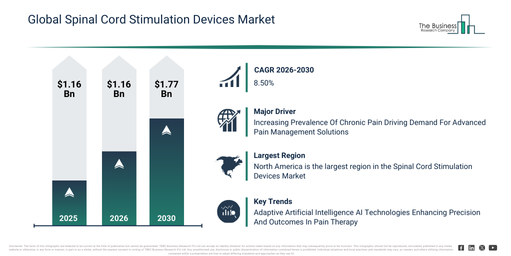
    The market size for spinal cord stimulation devices has shown significant growth in recent years. This market is projected to expand from $2.97 billion in 2025 to $3.23 billion in 2026, demonstrating a compound annual growth rate (CAGR) of 8.7%. Factors such as the rise in chronic pain cases, failed back surgery syndrome prevalence, opioid alternative demand, neurology procedure growth, and implantable device acceptance have contributed to its historical growth.

    The market for spinal cord stimulation devices is anticipated to experience substantial growth over the coming years. This market is projected to reach a size of $4.47 billion by 2030, demonstrating a compound annual growth rate (CAGR) of 8.5%. Factors contributing to this expansion during the forecast period include AI-powered stimulation algorithms, an increase in wearable stimulator usage, the proliferation of pain management clinics, the uptake of long-term pain therapy, and remote device monitoring. Key trends expected within the forecast timeframe encompass personalized pain management approaches, the development of rechargeable neurostimulation devices, less invasive neuromodulation techniques, wireless programming systems, and multi-lead stimulation technology.

    Access Your Free Sample Report for In-Depth Market Insights:

    https://www.thebusinessresearchcompany.com/sample.aspx?id=20964&type=smp

    Which Drivers Are Impacting The Competitive Landscape Of The Spinal Cord Stimulation Devices Market?

    The spinal cord stimulation devices market is anticipated to grow as a result of the rising incidence of chronic pain cases. Chronic pain is defined as persistent discomfort that lasts for 12 weeks or more, originating from conditions such as arthritis, neuropathy, or low back pain. Several factors contribute to this increase in chronic pain, including an aging population, changes in lifestyle, chronic health conditions, and injury or trauma. Spinal cord stimulation (SCS) devices alleviate chronic pain by using electrical impulses to alter pain signals, offering relief for these ongoing conditions. For instance, in November 2024, the Centers for Disease Control and Prevention, a US-based government agency, reported that in 2023, 24.3% of adults experienced chronic pain, with 8.5% suffering from high-impact chronic pain, representing 34.9% of those with chronic pain. Therefore, the growing prevalence of chronic pain cases is a significant factor driving the expansion of the spinal cord stimulation devices market.

    What Segments Are Identified Within The Structure Of The Spinal Cord Stimulation Devices Market?

    The spinal cord stimulation devices market covered in this report is segmented –

    1) By Device Configuration: Implantable Spinal Cord Stimulators, Non-Implantable Spinal Cord Stimulators

    2) By Product Type: Rechargeable Devices, Non-Rechargeable Devices

    3) By Application: Failed Back Surgery Syndrome, Complex Regional Pain Syndrome, Degenerative Disc Disease, Unsuccessful Disk Surgery, Other Applications

    4) By End User: Hospitals, Ambulatory Surgical Centers, Neuro Clinics

    Subsegments:

    1) By Implantable Spinal Cord Stimulators: Rechargeable Spinal Cord Stimulators, Non-Rechargeable Spinal Cord Stimulators, Multi-Lead Implantable Spinal Cord Stimulators

    2) By Non-Implantable Spinal Cord Stimulators: External Spinal Cord Stimulators, Wearable Spinal Cord Stimulators, Transcutaneous Spinal Cord Stimulators

    Which Trends Are Influencing The Development Of The Spinal Cord Stimulation Devices Market?

    Major companies operating in the spinal cord stimulation devices market are prioritizing advanced technologies, such as AI-driven personalization, to boost therapy responsiveness, facilitate adaptive pain control, and deliver more precise, individualized treatment for those experiencing chronic pain. AI-driven spinal cord stimulation (SCS) systems utilize machine-learning models, trained with data generated by both devices and patients, to adjust stimulation parameters in near real time, aiming to maintain optimal pain alleviation while simultaneously reducing the programming burden on clinicians. As an illustration, on September 24, 2024, Nevro Corp., a US-based medical device company, introduced HFX iQ with HFX AdaptivAI. This AI-enabled SCS platform leverages millions of data points and adaptive algorithms to personalize 10 kHz therapy and support remote monitoring by clinicians. This platform is designed to automatically modify stimulation parameters based on patient-specific responses, thereby enhancing pain relief results and minimizing the need for frequent in-person programming appointments. Through the integration of real-time insights and remote management functionalities, HFX iQ endeavors to improve treatment accuracy, streamline clinician workflows, and offer a more consistent and effective therapeutic experience for patients suffering from chronic pain.

    Which Key Market Players Are Investing In Expansion And Innovation Within The Spinal Cord Stimulation Devices Market?

    Major companies operating in the spinal cord stimulation devices market are Abbott Laboratories, Medtronic plc, Boston Scientific Corporation, Nevro Corp., Bluewind Medical, NeuroPace Inc., Vertos Medical Inc., SPR Therapeutics Inc., Saluda Medical Pty Ltd., Stimwave Technologies Inc., Nuvectra Inc., Soterix Medical Inc., Synapse Biomedical, ONWARD Medical NV, NeuroSigma Inc., Nalu Medical Inc., Neurostim Technologies, SpineX Inc., Aleva Neurotherapeutics SA, GTX Medical BV

    Access The Complete Report For Deeper Market Insights:

    https://www.thebusinessresearchcompany.com/report/spinal-cord-stimulation-devices-global-market-report

    Which Geographic Areas Are Emerging As Strong Markets For The Spinal Cord Stimulation Devices Market?

    North America was the largest region in the spinal cord stimulation devices market in 2025. Asia-Pacific is expected to be the fastest-growing region in the forecast period. The regions covered in the spinal cord stimulation devices market report are Asia-Pacific, South East Asia, Western Europe, Eastern Europe, North America, South America, Middle East, Africa.

    Request Your Customized Spinal Cord Stimulation Devices Market Research Report for Competitive Advantage:

    https://www.thebusinessresearchcompany.com/customise?id=20964&type=smp

    Browse Through More Reports Similar to the Global Spinal Cord Stimulation Devices Market 2026, By The Business Research Company

    Electrical Stimulation Devices Global Market Report 2026

    https://www.thebusinessresearchcompany.com/report/electrical-stimulation-devices-global-market-report

    Sacral Nerve Stimulation Devices Global Market Report 2026

    https://www.thebusinessresearchcompany.com/report/sacral-nerve-stimulation-devices-global-market-report

    Spinal Surgery Devices And Equipment Global Market Report 2026

    https://www.thebusinessresearchcompany.com/report/spinal-surgery-devices-and-equipment-global-market-report

    Get in touch with us:

    The Business Research Company: https://www.thebusinessresearchcompany.com/

    Americas +1 310-496-7795

    Asia +44 7882 955267 & +91 8897263534

    Europe +44 7882 955267

    Email us at info@tbrc.info

    Follow us on:

    LinkedIn: https://in.linkedin.com/company/the-business-research-company
  • Global Sphygmomanometer Market Performance Report: Global Trends 2026–2030

    Global Sphygmomanometer Market Performance Report: Global Trends 2026–2030

    Uncover key drivers, emerging technologies, and competitive movements shaping the worker heat stress monitoring wearable market from 2026–2035 with trusted insights from The Business Research Company

    What total market size is anticipated for the Sphygmomanometer Market in 2030?

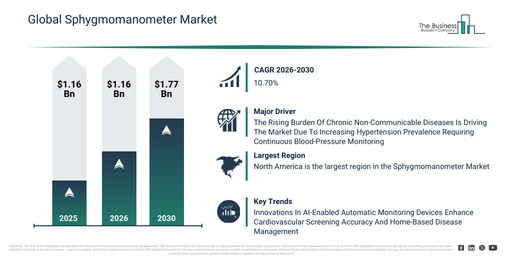
    The sphygmomanometer market has experienced substantial expansion in recent years. It is forecast to grow from $3.2 billion in 2025 to $3.53 billion in 2026, exhibiting a compound annual growth rate (CAGR) of 10.3%. Historically, this market’s growth can be ascribed to factors such as the increasing incidence of hypertension, the past widespread utilization of mercury-based devices, enhanced screening activities in clinical settings, the expansion of primary healthcare facilities, and the adoption of both manual and aneroid devices.

    The sphygmomanometer market is projected for swift expansion over the coming years. By 2030, its valuation is anticipated to reach $5.31 billion, exhibiting a compound annual growth rate (CAGR) of 10.7%. This anticipated growth is driven by factors such as a heightened need for remote patient observation, the increasing integration of internet-enabled healthcare tools, the broadening of telehealth offerings, a stronger emphasis on proactive cardiovascular health, and the ongoing substitution of traditional mercury devices. Key developments during this timeframe are expected to encompass the wider use of digital blood pressure monitors, an increased preference for at-home monitoring options, the expanding incorporation of data communication capabilities, the availability of more portable and body-worn designs, and a heightened commitment to ensuring precise readings and user-friendliness.

    Access Your Free Sample Report for In-Depth Market Insights:

    https://www.thebusinessresearchcompany.com/sample.aspx?id=10396&type=smp

    What Drivers Are Influencing Production Trends In The Sphygmomanometer Market?

    The increasing prevalence of chronic non-communicable diseases (NCDs) is anticipated to fuel the expansion of the sphygmomanometer market in the future. These conditions, particularly hypertension and cardiovascular disease, are long-term health issues that develop gradually, necessitating continuous oversight and management. Hypertension, a significant worldwide health concern and a primary contributor to cardiovascular problems, underscores the importance of consistent blood-pressure evaluation for early detection and effective intervention. The escalating occurrence of such conditions stems from lifestyle elements like an aging global populace, poor dietary habits, lack of physical activity, and rising obesity levels, all of which contribute to a greater incidence of blood-pressure irregularities across the globe. Sphygmomanometers are vital for patient care, facilitating prompt diagnosis, ongoing monitoring, and better management of cardiovascular risks in both hospital and home environments. For example, in September 2025, the World Health Organization (WHO), a Switzerland-based agency of the United Nations, reported on the extensive global impact of hypertension, noting that an estimated 1.4 billion adults aged 30–79 were affected in 2024—making up 33 percent of this age group—with two-thirds residing in low- and middle-income countries. Additionally, approximately 600 million individuals (44 percent) were undiagnosed, and about 630 million (44 percent) received both diagnosis and treatment. Consequently, the increasing prevalence of chronic NCDs is propelling the growth of the sphygmomanometer market.

    Which Segments Are Gaining Traction In The Sphygmomanometer Market?

    The sphygmomanometer market covered in this report is segmented –

    1) By Product: Electronic Sphygmomanometer, Aneroid Sphygmomanometer, Mercury Sphygmomanometer

    2) By Configuration: Portable, Desk Mounted, Floor Standing, Wall Mounted

    3) By Operation: Electric, Manual, Automatic, Semi-automatic

    4) By End User: Hospitals, Ambulatory Surgical Centers And Clinics, Home Healthcare, Other End Users

    Subsegments:

    1) By Electronic Sphygmomanometer: Upper Arm Electronic Sphygmomanometer, Wrist Electronic Sphygmomanometer, Finger Electronic Sphygmomanometer

    2) By Aneroid Sphygmomanometer: Manual Aneroid Sphygmomanometer, Digital Aneroid Sphygmomanometer

    3) By Mercury Sphygmomanometer: Standard Mercury Sphygmomanometer, Portable Mercury Sphygmomanometer

    What Trends Are Expected To Impact The Competitive Landscape Of The Sphygmomanometer Market?

    Major companies in the sphygmomanometer market are prioritizing the development of advanced automatic blood pressure monitoring solutions that integrate AI-driven diagnostic functionalities. These efforts aim to enhance measurement accuracy, facilitate early detection of cardiovascular abnormalities, and improve the convenience of home-based health monitoring. AI-enabled automatic blood pressure monitors utilize machine-learning algorithms to scrutinize pulse-wave signals during cuff inflation, allowing the apparatus to identify irregular heart rhythms such as atrial fibrillation (AFib) while delivering dependable systolic and diastolic readings. For instance, in November 2024, OMRON Healthcare, a Japan-based health equipment, software, and service provider, secured FDA De Novo authorization for its next-generation home blood pressure monitor featuring IntelliSense AFib, an AI-powered AFib detection algorithm that analyzes over 300 pulse-wave indices and exhibits high diagnostic precision, with clinical performance showing 95% sensitivity and 98% specificity. This innovation exemplifies the evolution of automatic oscillometric devices from simple blood-pressure measurement tools into comprehensive cardiovascular screening technologies that support early detection, continuous monitoring, and refined clinical decision-making.

    Who Are The Core Companies Influencing Trends In The Sphygmomanometer Market?

    Major companies operating in the sphygmomanometer market are A&D Company Ltd., American Diagnostic Corporation, Omron Healthcare Inc., Microlife Corporation, Beurer GmbH, CIGA Healthcare Ltd., Rossmax International Ltd., Rudolf Riester GmbH, Welch Allyn Inc., Koninklijke Philips N.V., Paul Hartmann AG, Spengler, Holtex Ltd., Timesco Healthcare Ltd., Bremed Ltd., iHealth Labs Inc., Contec Medical Systems Co. Ltd., SunTech Medical Inc., General Electric Company, Amico Group of Companies, HEINE Optotechnik GmbH and Co. KG, Hill-Rom Services Inc., Halma plc

    Access The Complete Report For Deeper Market Insights:

    https://www.thebusinessresearchcompany.com/report/sphygmomanometer-global-market-report

    Which Region Is Projected To Lead The Sphygmomanometer Market During The Forecast Period?

    North America was the largest region in the sphygmomanometer market in 2025. Asia-Pacific is expected to be the fastest-growing region in the global sphygmomanometer market during the forecast period. The regions covered in the sphygmomanometer market report are Asia-Pacific, South East Asia, Western Europe, Eastern Europe, North America, South America, Middle East, Africa.

    Request Your Customized Sphygmomanometer Market Research Report for Competitive Advantage:

    https://www.thebusinessresearchcompany.com/customise?id=10396&type=smp

    Browse Through More Reports Similar to the Global Sphygmomanometer Market 2026, By The Business Research Company

    Digital Or Electrical Sphygmomanometer Global Market Report 2026

    https://www.thebusinessresearchcompany.com/report/digital-or-electrical-sphygmomanometer-global-market-report

    Spirometer Global Market Report 2026

    https://www.thebusinessresearchcompany.com/report/spirometer-global-market-report

    Bone Densitometer Market 2026

    https://www.thebusinessresearchcompany.com/report/bone-densitometer-market

    Get in touch with us:

    The Business Research Company: https://www.thebusinessresearchcompany.com/

    Americas +1 310-496-7795

    Asia +44 7882 955267 & +91 8897263534

    Europe +44 7882 955267

    Email us at info@tbrc.info

    Follow us on:

    LinkedIn: https://in.linkedin.com/company/the-business-research-company
  • Spectrum Therapy Instrument Market Future Outlook 2026: Key Drivers and Growth Potential

    Spectrum Therapy Instrument Market Future Outlook 2026: Key Drivers and Growth Potential

    Uncover key drivers, emerging technologies, and competitive movements shaping the workstation graphics processing unit (gpu) market from 2026–2035 with trusted insights from The Business Research Company

    What is the expected shift in the Spectrum Therapy Instrument Market’s size between 2026 and 2030?

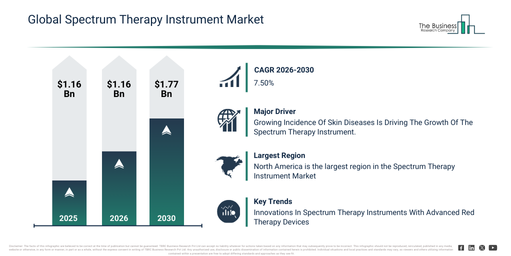
    The spectrum therapy instrument market has shown considerable expansion in recent years. It is anticipated to increase from $1.2 billion in 2025 to $1.29 billion in 2026, driven by a compound annual growth rate (CAGR) of 7.8%. The historical growth experienced by this market can be attributed to factors such as the prevalence of skin disorders, the increasing number of dermatology clinics, growing awareness of phototherapy, demand for cosmetic treatments, and adoption by hospitals.

    The spectrum therapy instrument market is projected to experience substantial expansion in the coming years. This market is forecast to reach $1.73 billion by 2030, exhibiting a compound annual growth rate (CAGR) of 7.5%. Key factors contributing to this growth during the projection period include the increasing adoption of home therapy, expansion within the wellness industry, rising demand for chronic pain management, breakthroughs in dermatology, and the increase in outpatient care. Significant trends anticipated over the forecast period encompass the wider application of non-invasive light therapies, the proliferation of home-based phototherapy devices, higher utilization in dermatology treatments, a surge in demand for alternative pain management solutions, and the expansion of wellness and aesthetic applications.

    Access Your Free Sample Report for In-Depth Market Insights:

    https://www.thebusinessresearchcompany.com/sample.aspx?id=19716&type=smp

    Which Drivers Are Shaping Strategic Decisions In The Spectrum Therapy Instrument Market?

    An increasing occurrence of skin conditions is anticipated to drive expansion in the spectrum therapy instrument market. These maladies involve various skin affections, such as infections, inflammatory responses, and conditions like acne, eczema, or psoriasis. A significant cause of these skin ailments is heightened environmental pollution, which worsens skin irritation and triggers allergic responses. Instruments for spectrum therapy, frequently employed in phototherapy, employ particular light wavelengths to address a range of skin disorders. This therapeutic approach functions because precise light spectrums can permeate the skin and modify cellular activities, resulting in beneficial outcomes. For example, in January 2024, data from Cancer Australia, an Australia-based government agency, projected 18,257 new melanoma diagnoses for 2023, comprising 10,639 males and 7,618 females. Consequently, the growing frequency of skin diseases is a key factor propelling the spectrum therapy instrument market’s expansion.

    What Segment Categories Are Covered In The Spectrum Therapy Instrument Market?

    The spectrum therapy instrument market covered in this report is segmented –

    1) By Type: Light Emitting Diode (LED) Spectrum Therapy Instrument, Carbon-Light Spectrum Therapy Instrument

    2) By Technology: Low Level Laser Therapy, Pulsed Electromagnetic Field Therapy

    3) By Patient Demographics: Adults, Pediatrics

    4) By Distribution Channel: Direct Sales, Distributors

    5) By Application: Hospitals, Beauty Salon, Home

    Subsegments:

    1) By Light Emitting Diode (LED) Spectrum Therapy Instrument: Red LED Therapy, Blue LED Therapy, Infrared LED Therapy

    2) By Carbon-Light Spectrum Therapy Instrument: Carbon Dioxide Therapy, Carbon Laser Therapy

    Which Trends Are Guiding The Evolution Of The Spectrum Therapy Instrument Market?

    Major companies operating in the spectrum therapy instrument market are developing red light therapy devices to enhance therapeutic efficacy, expand treatment options, and make advanced, non-invasive therapy more accessible to a broader range of patients. A red light therapy device emits red and infrared light to support healing, decrease inflammation, and alleviate pain through skin penetration. For instance, in January 2024, Lumaflex, a US-based therapy device manufacturing company, launched Lumaflex Essential. It utilizes red and near-infrared light, a spectrum therapy function, to stimulate cellular activity, promoting natural healing processes and pain relief. The device provides multiple health benefits, including pain relief, improved energy levels, accelerated injury recovery, and support for muscle growth. It is a portable, waterproof red light therapy device that is perfect for home, gym, or travel use and is optimized for fast, 10-minute sessions. It is designed for ease of use, allowing users to target specific body areas for effective treatment.

    Which Major Industry Participants Are Leading The Spectrum Therapy Instrument Market Growth?

    Major companies operating in the spectrum therapy instrument market are BTL Industries Inc., Beurer GmbH, Cutera Inc., Syneron Candela, BioPhotas Inc., LightStim Inc., Verilux Inc., BioLight Technologies LLC, Hooga Health LLC, Joovv Inc., LED Technologies Inc., Mito Red Light LLC, Red Therapy Co Ltd, TheraLight LLC, Trophy Skin Inc., GembaRed LLC, Rouge Red Light Therapy Inc., Erchonia Corporation, Vielight Inc., Lumenis Ltd, PlatinumLED Therapy Lights LLC, Red Light Rising Ltd, Apira Science Inc, KONINKLIJKE PHILIPS N.V., Northern Light Technologies, HAIRMAX, Ultralux Health, ClearlightRed, Daavlin, Eleve Health

    Access The Complete Report For Deeper Market Insights:

    https://www.thebusinessresearchcompany.com/report/spectrum-therapy-instrument-global-market-report

    Which Region Currently Holds The Largest Share Of The Spectrum Therapy Instrument Market?

    North America was the largest region in the spectrum therapy instrument market in 2025. Asia-Pacific is expected to be the fastest-growing region in the forecast period. The regions covered in the spectrum therapy instrument market report are Asia-Pacific, South East Asia, Western Europe, Eastern Europe, North America, South America, Middle East, Africa.

    Request Your Customized Spectrum Therapy Instrument Market Research Report for Competitive Advantage:

    https://www.thebusinessresearchcompany.com/customise?id=19716&type=smp

    Browse Through More Reports Similar to the Global Spectrum Therapy Instrument Market 2026, By The Business Research Company

    Minimally Invasive Surgical Instruments Global Market Report 2026

    https://www.thebusinessresearchcompany.com/report/minimally-invasive-surgical-instruments-global-market-report

    Handheld Surgical Instruments Global Market Report 2026

    https://www.thebusinessresearchcompany.com/report/handheld-surgical-instruments-global-market-report

    Life Science And Chemical Instrumentation Global Market Report 2026

    https://www.thebusinessresearchcompany.com/report/life-science-and-chemical-instrumentation-global-market-report

    Get in touch with us:

    The Business Research Company: https://www.thebusinessresearchcompany.com/

    Americas +1 310-496-7795

    Asia +44 7882 955267 & +91 8897263534

    Europe +44 7882 955267

    Email us at info@tbrc.info

    Follow us on:

    LinkedIn: https://in.linkedin.com/company/the-business-research-company
  • Spectroscopy Software Market Trends and Insights: Global Forecast to 2030

    Spectroscopy Software Market Trends and Insights: Global Forecast to 2030

    Uncover key drivers, emerging technologies, and competitive movements shaping the worker heat stress monitoring wearable market from 2026–2035 with trusted insights from The Business Research Company

    What growth pattern is forecast for the Spectroscopy Software Market size between 2026 and 2035?

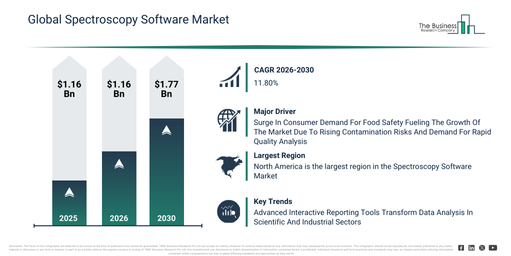
    The spectroscopy software market has experienced substantial expansion in recent years. This market is projected to expand from $1.49 billion in 2025 to $1.67 billion in 2026, demonstrating a compound annual growth rate (CAGR) of 12.1%. Historically, this expansion has been driven by the increasing adoption of spectroscopy in pharmaceuticals, the rising demand for quality control within food industries, its expanding utilization in environmental testing, advancements in UV-Vis and IR spectroscopy software, and the expansion of analytical laboratories.

    The spectroscopy software market is projected to experience swift expansion over the coming years. By 2030, its valuation is anticipated to reach $2.61 billion, demonstrating a compound annual growth rate (CAGR) of 11.8%. This anticipated growth during the forecast timeframe stems from several factors, including the incorporation of AI and machine learning into spectroscopy software, the rise in cloud-based and hybrid software deployment, a heightened need in forensic science applications, increased automation within pharmaceutical and biotech laboratories, and the broadening of remote and collaborative research environments. Key trends foreseen for this period encompass the automation of spectral data processing, integration with Laboratory Information Management Systems (LIMS), real-time monitoring of instruments, sophisticated visualization and reporting instruments, and capabilities for remote and collaborative analysis.

    Access Your Free Sample Report for In-Depth Market Insights:

    https://www.thebusinessresearchcompany.com/sample.aspx?id=25910&type=smp

    Which Drivers Are Impacting Market Performance In The Spectroscopy Software Market?

    Growing consumer demand for food safety is anticipated to propel the expansion of the spectroscopy software market in the future. Food safety refers to the practices and conditions that preserve the quality of food to prevent contamination and foodborne illnesses. Concerns about food safety are escalating due to the increasing globalization of the food supply chain, which heightens the risk of contamination during production, processing, and distribution. Spectroscopy software assists in ensuring food safety by enabling rapid, non-destructive analysis of food products to detect contaminants, verify ingredient authenticity, and monitor quality parameters throughout the supply chain. For instance, in April 2024, Public Interest Research Group (PIRG), a US-based nonprofit organization, noted that food and beverage recalls in the United States increased by 8% in 2023, rising from 6% in 2022. Therefore, the increasing consumer demand for food safety is driving the growth of the spectroscopy software market.

    Which Segments Are Contributing To The Growth Of The Spectroscopy Software Market?

    The spectroscopy software market covered in this report is segmented –

    1) By Type Of Spectroscopy: Ultraviolet-Visible Spectroscopy Software, Infrared Spectroscopy Software, Nuclear Magnetic Resonance Spectroscopy Software, Mass Spectrometry Software, Fluorescence Spectroscopy Software

    2) By Deployment Type: On-Premise Software, Cloud-Based Software, Hybrid Software

    3) By Functionality: Data Acquisition, Data Analysis, Data Management, Reporting And Visualization, Instrument Control

    4) By Application: Food Testing, Environmental Testing, Forensic Science, Pharmaceuticals, Other Applications

    5) By End-User: Pharmaceuticals And Biotechnology Industries, Forensics, Food Industries, Polymers And Organic Chemistry Industries

    Subsegments:

    1) By Ultraviolet-Visible Spectroscopy Software: Single-Beam Ultraviolet-Visible Software, Double-Beam Ultraviolet-Visible Software, Array-Based Ultraviolet-Visible Software, Portable Ultraviolet-Visible Software

    2) By Infrared Spectroscopy Software: Near-Infrared (NIR) Spectroscopy Software, Mid-Infrared (MIR) Spectroscopy Software, Far-Infrared (FIR) Spectroscopy Software, Fourier-Transform Infrared (FTIR) Software

    3) By Nuclear Magnetic Resonance Spectroscopy Software: 1D Nuclear Magnetic Resonance (NMR) Software, 2D Or 3D Nuclear Magnetic Resonance (NMR) Software, Solid-state Nuclear Magnetic Resonance (NMR) Software, High-Resolution Nuclear Magnetic Resonance (NMR) Software

    4) By Mass Spectrometry Software: Gas Chromatography-Mass Spectrometry Software, Liquid Chromatography-Mass Spectrometry Software, Matrix-Assisted Laser Desorption Or Ionization Software, Tandem Mass Spectrometry Software

    5) By Fluorescence Spectroscopy Software: Steady-State Fluorescence Software, Time-Resolved Fluorescence Software, Fluorescence Lifetime Imaging Software, Forster Resonance Energy Transfer (FRET) Software

    What Trends Are Projected To Support The Growth Of The Spectroscopy Software Market?

    Leading companies in the spectroscopy software market are directing their efforts toward developing innovative solutions, including interactive reports, to enhance data visualization, facilitate in-depth analysis, and offer customizable insights that aid quicker and more informed decision-making for users in scientific and industrial fields. Interactive reports are dynamic, user-friendly digital reporting tools that enable users to explore, filter, and visualize spectroscopy data in real time. For example, in June 2023, Mirion Technologies, Inc., a US-based technology and manufacturing company, launched Genie 4.0, a significant update to its flagship spectroscopy software. Genie 4.0 delivers an improved user experience with interactive reports, better accuracy through advanced algorithms, and enhanced automation via Python-based scripting. It is designed to accommodate both new and long-standing users, ensuring a smooth transition while increasing flexibility. The update also brings new subscription and perpetual licensing options, allowing users to select cost-effective models that align with their needs. Genie 4.0 will be available for download in mid-July.

    Who Are The Prominent Global Companies Shaping The Spectroscopy Software Market Landscape?

    Major companies operating in the spectroscopy software market are Thermo Fisher Scientific Inc., Danaher Corporation, Agilent Technologies Inc., PerkinElmer Inc., Mettler-Toledo International Inc., Shimadzu Corporation, Waters Corporation, Bruker Corporation, HORIBA Ltd., JEOL Ltd., Anton Paar GmbH, Renishaw plc, Metrohm AG, Genedata AG, HunterLab Europe GmbH, Avantes B.V.Renishaw plc, JASCO Corporation, Wasatch Photonics Inc., Lablicate GmbH, StellarNet Inc.

    Access The Complete Report For Deeper Market Insights:

    https://www.thebusinessresearchcompany.com/report/spectroscopy-software-global-market-report

    How Does The Spectroscopy Software Market Perform Across Major Global Regions?

    North America was the largest region in the spectroscopy software market in 2025. Asia-Pacific is expected to be the fastest-growing region in the forecast period. The regions covered in the spectroscopy software market report are Asia-Pacific, South East Asia, Western Europe, Eastern Europe, North America, South America, Middle East, Africa.

    Request Your Customized Spectroscopy Software Market Research Report for Competitive Advantage:

    https://www.thebusinessresearchcompany.com/customise?id=25910&type=smp

    Browse Through More Reports Similar to the Global Spectroscopy Software Market 2026, By The Business Research Company

    Process Spectroscopy Global Market Report 2026

    https://www.thebusinessresearchcompany.com/report/process-spectroscopy-global-market-report

    Atomic Spectroscopy Global Market Report 2026

    https://www.thebusinessresearchcompany.com/report/atomic-spectroscopy-global-market-report

    Spectrum Analyzers Global Market Report 2026

    https://www.thebusinessresearchcompany.com/report/spectrum-analyzers-global-market-report

    Get in touch with us:

    The Business Research Company: https://www.thebusinessresearchcompany.com/

    Americas +1 310-496-7795

    Asia +44 7882 955267 & +91 8897263534

    Europe +44 7882 955267

    Email us at info@tbrc.info

    Follow us on:

    LinkedIn: https://in.linkedin.com/company/the-business-research-company