Category: Medical Equipment

  • Real-Time Blood Glucose Continuous Glucose Monitoring (CGM) Patch Market 2026–2030: Emerging Trends and Forecast Opportunities

    Real-Time Blood Glucose Continuous Glucose Monitoring (CGM) Patch Market 2026–2030: Emerging Trends and Forecast Opportunities

    Uncover key drivers, emerging technologies, and competitive movements shaping the worker heat stress monitoring wearable market from 2026–2035 with trusted insights from The Business Research Company

    What market expansion outlook does the Real-Time Blood Glucose Continuous Glucose Monitoring (CGM) Patch Market show for the 2026–2030 period?

    The real-time blood glucose continuous glucose monitoring (cgm) patch market has experienced rapid growth recently. It is forecast to increase from $7.04 billion in 2025 to $8.08 billion in 2026, exhibiting a compound annual growth rate (CAGR) of 14.8%. This historical growth can be linked to factors such as the rising incidence of diabetes, heightened awareness of glucose self-monitoring, increased acceptance of wearable medical devices, expanding hospital-based diabetes management programs, and enhancements in sensor accuracy.

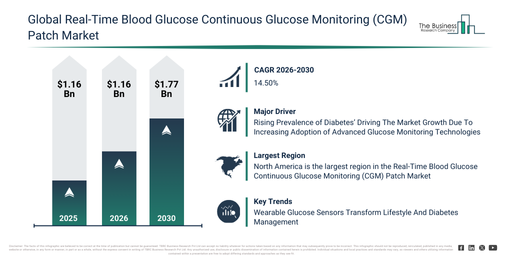
    The real-time blood glucose continuous glucose monitoring (cgm) patch market is anticipated to undergo significant expansion in the coming years. It is projected to achieve a size of $13.89 billion by 2030, demonstrating a compound annual growth rate (CAGR) of 14.5%. This expansion during the forecast period is primarily driven by the integration of real-time data analytics, the growing adoption of telehealth services, the increasing demand for personalized diabetes management, the broadening scope of homecare diagnostics, and an uptick in investment within continuous monitoring technologies. Prominent trends expected in this period include the increasing uptake of patch-based glucose monitoring, the rising need for immediate glucose visibility, a shift towards non-invasive and minimally invasive monitoring solutions, the growth of home-based diabetes management strategies, and an increased application of continuous monitoring in early disease diagnosis.

    Access Your Free Sample Report for In-Depth Market Insights:

    https://www.thebusinessresearchcompany.com/sample.aspx?id=29166&type=smp

    What Drivers Are Shaping The Development Of The Real-Time Blood Glucose Continuous Glucose Monitoring (CGM) Patch Market?

    The increasing incidence of diabetes is projected to fuel the expansion of the real-time blood glucose continuous glucose monitoring (CGM) patch market in the future. Diabetes is a chronic metabolic disorder characterized by elevated blood glucose levels due to insufficient insulin production or resistance to insulin. The prevalence of diabetes is escalating as growing obesity leads to higher insulin resistance, which disrupts blood sugar regulation and significantly raises the risk of developing type 2 diabetes. The real-time blood glucose continuous glucose monitoring (CGM) patch allows individuals with diabetes to continuously track their blood glucose levels in real time, providing prompt alerts for hyperglycemia or hypoglycemia. This capability helps them make informed dietary, medication, and lifestyle modifications, ultimately enhancing overall disease management and reducing the likelihood of complications. For instance, in June 2024, the National Health Service, a UK-based government department, reported that in 2023, the NHS identified an additional 549,000 individuals in England at risk of developing type 2 diabetes. This brought the total number of people with non-diabetic hyperglycemia, or pre-diabetes, registered with a GP to 3,615,330. This figure represents a notable increase compared to 3,065,825 in 2022, highlighting a rise of nearly 20%. Consequently, the rising prevalence of diabetes is a key driver for the growth of the real-time blood glucose continuous glucose monitoring (CGM) patch market.

    Which Segments Are Contributing To The Growth Of The Real-Time Blood Glucose Continuous Glucose Monitoring (CGM) Patch Market?

    The real-time blood glucose continuous glucose monitoring (cgm) patch market covered in this report is segmented –

    1) By Product Type: Wearable Continuous Glucose Monitoring (CGM) Patch, Implantable Continuous Glucose Monitoring (CGM) Patch

    2) By Technology: Enzymatic, Non-Enzymatic

    3) By Distribution Channel: Online Pharmacies, Retail Pharmacies, Hospital Pharmacies, Other Distribution Channels

    4) By Application: Type 1 Diabetes, Type 2 Diabetes, Gestational Diabetes, Other Applications

    5) By End User: Hospitals And Clinics, Homecare Settings, Diagnostic Centers, Other End Users

    Subsegments:

    1) By Wearable Continuous Glucose Monitoring (CGM) Patch: Sensor-Embedded Wearable Continuous Glucose Monitoring (CGM) Patch, Bluetooth-Enabled Wearable Continuous Glucose Monitoring (CGM) Patch, Mobile-Connected Wearable Continuous Glucose Monitoring (CGM) Patch

    2) By Implantable Continuous Glucose Monitoring (CGM) Patch: Subcutaneous Implantable Continuous Glucose Monitoring (CGM) Patch, Long-Term Implantable Continuous Glucose Monitoring (CGM) Patch, Miniaturized Implantable Continuous Glucose Monitoring (CGM) Patch

    Which Innovation Trends Are Advancing Developments Within The Real-Time Blood Glucose Continuous Glucose Monitoring (CGM) Patch Market?

    Companies operating within the real-time blood glucose continuous glucose monitoring (CGM) patch market are primarily concentrating on creating novel products, such as over-the-counter continuous glucose monitoring sensors, to widen access and improve ease of use for consumers. These over-the-counter (CGM) sensors are wearable devices that continuously track glucose levels and can be acquired without a prescription, enabling users to monitor their glucose constantly, understand the influence of lifestyle factors on their levels, and more readily manage or prevent diabetes. As an illustration, in September 2024, Dexcom Inc., a US-based diabetes technology firm, introduced Stelo, its inaugural over-the-counter (OTC) continuous glucose monitoring (CGM) patch in the United States. This compact, wearable sensor is applied to the back of the upper arm and transmits real-time glucose readings directly to a smartphone application, eliminating the need for fingersticks. Designed for individuals with Type 2 diabetes who do not use insulin, as well as those with prediabetes, Stelo offers customized insights into how diet, exercise, and sleep affect glucose levels. The device boasts features such as up to 15-day wear time, waterproofing, detection of spikes and patterns, and incorporates Dexcom’s established glucose sensing technology, thereby making continuous glucose monitoring more attainable, convenient, and practical for a broader segment of the population.

    Who Are The Core Companies Influencing Trends In The Real-Time Blood Glucose Continuous Glucose Monitoring (CGM) Patch Market?

    Major companies operating in the real-time blood glucose continuous glucose monitoring (cgm) patch market are Abbott Laboratories, Dexcom Inc., Medtronic plc, Senseonics Holdings Inc., Medtrum Technologies Inc., Biolinq Inc., MicroTech Medical Inc., Zhejiang POCTech Co. Ltd., SiBio Technology Co. Ltd., Metronom Health Inc., Nemaura Medical Inc., PKvitality SAS, Nutromics Ltd., EOFlow Co. Ltd., i-SENS Inc., Sinocare Inc., Afon Technology Ltd., LifePlus Inc., Ultrahuman Healthcare Pvt. Ltd., Roche Diabetes Care AG, Ascensia Diabetes Care Holdings AG

    Access The Complete Report For Deeper Market Insights:

    https://www.thebusinessresearchcompany.com/report/real-time-blood-glucose-continuous-glucose-monitoring-cgm-patch-global-market-report

    Which Region Is Expected To Experience The Fastest Growth In The Real-Time Blood Glucose Continuous Glucose Monitoring (CGM) Patch Market?

    North America was the largest region in the real-time blood glucose continuous glucose monitoring (CGM) patch market in 2025. Asia-Pacific is expected to be the fastest-growing region in the forecast period. The regions covered in the real-time blood glucose continuous glucose monitoring (cgm) patch market report are Asia-Pacific, South East Asia, Western Europe, Eastern Europe, North America, South America, Middle East, Africa.

    Request Your Customized Real-Time Blood Glucose Continuous Glucose Monitoring (CGM) Patch Market Research Report for Competitive Advantage:

    https://www.thebusinessresearchcompany.com/customise?id=29166&type=smp

    Browse Through More Reports Similar to the Global Real-Time Blood Glucose Continuous Glucose Monitoring (CGM) Patch Market 2026, By The Business Research Company

    Continuous Glucose Monitoring Devices Global Market Report 2026

    https://www.thebusinessresearchcompany.com/report/continuous-glucose-monitoring-devices-global-market-report

    Blood Glucose Monitoring Systems Global Market Report 2026

    https://www.thebusinessresearchcompany.com/report/blood-glucose-monitoring-systems-global-market-report

    Blood Glucose Meters Global Market Report 2026

    https://www.thebusinessresearchcompany.com/report/blood-glucose-meters-global-market-report

    Get in touch with us:

    The Business Research Company: https://www.thebusinessresearchcompany.com/

    Americas +1 310-496-7795

    Asia +44 7882 955267 & +91 8897263534

    Europe +44 7882 955267

    Email us at info@tbrc.info

    Follow us on:

    LinkedIn: https://in.linkedin.com/company/the-business-research-company

  • Global Real-Time Blood Glucose CGM Patch Market Forecast 2026–2035: Long-Term Growth Insights

    Global Real-Time Blood Glucose CGM Patch Market Forecast 2026–2035: Long-Term Growth Insights

    Uncover key drivers, emerging technologies, and competitive movements shaping the workstation graphics processing unit (gpu) market from 2026–2035 with trusted insights from The Business Research Company

    What level of growth is expected in the Real-Time Blood Glucose CGM Patch Market between 2026 and 2030?

    The real-time blood glucose cgm patch market has experienced substantial growth in recent years. It is projected to increase from $7.05 billion in 2025 to $7.77 billion in 2026, achieving a compound annual growth rate (CAGR) of 10.1%. Historically, this expansion has been driven by factors such as rising diabetes prevalence, limitations of finger-prick testing, wearable medical device adoption, patient self-monitoring demand, and healthcare digitalization.

    The real-time blood glucose cgm patch market size is anticipated to experience substantial growth over the next few years. It is expected to reach $11.57 billion by 2030, demonstrating a compound annual growth rate (CAGR) of 10.5%. This growth during the forecast period is attributed to advancements such as AI-based glucose prediction, increased telehealth integration, improved preventive diabetes management, the expansion of remote patient monitoring, and supportive reimbursement policies. Key trends emerging in this period include continuous glucose monitoring wearables, needle-free glucose tracking solutions, the provision of real-time glucose alerts, the development of long-duration wearable patches, and enhanced sensor accuracy.

    Access Your Free Sample Report for In-Depth Market Insights:

    https://www.thebusinessresearchcompany.com/sample.aspx?id=29165&type=smp

    Which Drivers Are Expected To Impact The Real-Time Blood Glucose CGM Patch Market During The Forecast Period?

    The increasing use of remote monitoring and telehealth is projected to boost the expansion of the real-time blood glucose CGM patch market going forward. Remote monitoring refers to employing digital tools to collect and relay a patient’s health metrics, including blood glucose levels, heart rate, or blood pressure, from locations outside standard clinical settings to healthcare providers for ongoing assessment and management. Telehealth adoption, conversely, involves the expanding utilization of virtual medical services, such as video consultations, distant follow-ups, and electronic communication between patients and practitioners. The heightened adoption of remote monitoring and telehealth stems from a rising demand for convenient and accessible healthcare solutions, especially for managing chronic illnesses like diabetes. The real-time blood glucose CGM patch supports this trend by enabling continuous, real-time data sharing with healthcare providers, facilitating timely interventions and virtual diabetes management. For instance, in February 2025, according to the American Hospital Association (AHA), a US-based national organization, the United States is anticipated to experience a shortage of up to 86,000 physicians by 2036, emphasizing telehealth’s crucial role in addressing this widening healthcare disparity. Thus, the growing adoption of remote monitoring and telehealth is a key driver for the real-time blood glucose CGM patch market.

    How Is The Real-Time Blood Glucose CGM Patch Market Divided Into Segments?

    The real-time blood glucose cgm patch market covered in this report is segmented –

    1) By Product Type: Wearable Continuous Glucose Monitoring Patch, Implantable Continuous Glucose Monitoring Patch

    2) By Technology: Enzymatic, Non-Enzymatic

    3) By Application: Type 1 Diabetes, Type 2 Diabetes, Gestational Diabetes, Other Applications

    4) By Distribution Channel: Online Pharmacies, Retail Pharmacies, Hospital Pharmacies, Other Distribution Channels

    5) By End User: Hospitals And Clinics, Homecare Settings, Diagnostic Centers, Other End Users

    Subsegments:

    1) By Wearable Continuous Glucose Monitoring Patch: Arm Patches, Abdominal Patches

    2) By Implantable Continuous Glucose Monitoring Patch: Short-Term Implantable Patches, Long-Term Implantable Patches

    Which Competitive Trends Are Impacting The Structure Of The Real-Time Blood Glucose CGM Patch Market?

    Leading firms within the real-time blood glucose continuous glucose monitoring (CGM) patch market are prioritizing the creation of advanced solutions, like water-resistant sensors, aiming to improve user comfort and the dependability of continuous monitoring. Such a sensor is engineered to operate precisely and without interruption, even upon contact with water or perspiration, thereby safeguarding its internal parts from harm. An example of this is the introduction of the Dexcom ONE+, a real-time continuous glucose monitoring (CGM) system, by US-based medical device company Dexcom Inc. in Spain, Belgium, and Poland during February 2024. This system provides a more compact, precise, and intuitive CGM option, delivering continuous real-time glucose information 24/7, complemented by customizable notifications, including a distinct delay-first high function designed to minimize alarm overload. Key features include an integrated water-resistant sensor that can be worn in various places, a swift 30-minute warm-up period, a 10-day sensor lifespan offering a 12-hour grace period for replacements, and effortless connection to smartphones and receivers, facilitating thorough diabetes care.

    Which Major Industry Participants Are Leading The Real-Time Blood Glucose CGM Patch Market Growth?

    Major companies operating in the real-time blood glucose cgm patch market are Abbott Laboratories, Dexcom Inc., Medtronic plc, Senseonics Holdings Inc., Medtrum Technologies Inc., Zhejiang POCTech Co. Ltd., MicroTech Medical Inc., Biolinq Inc., Metronom Health Inc., Afon Technology Ltd., Nemaura Medical Inc., Ultrahuman Healthcare Pvt. Ltd., PKvitality SAS, EOFlow Co. Ltd., i-SENS Inc., SiBio Technology Co. Ltd., Sinocare Inc., GlucoTrack Inc., Know Labs Inc., LifePlus Inc.

    Access The Complete Report For Deeper Market Insights:

    https://www.thebusinessresearchcompany.com/report/real-time-blood-glucose-cgm-patch-global-market-report

    Which Geographic Areas Are Emerging As Strong Markets For The Real-Time Blood Glucose CGM Patch Market?

    North America was the largest region in the real-time blood glucose continuous glucose monitoring (CGM) patch market in 2025. Asia-Pacific is expected to be the fastest-growing region in the forecast period. The regions covered in the real-time blood glucose cgm patch market report are Asia-Pacific, South East Asia, Western Europe, Eastern Europe, North America, South America, Middle East, Africa.

    Request Your Customized Real-Time Blood Glucose CGM Patch Market Research Report for Competitive Advantage:

    https://www.thebusinessresearchcompany.com/customise?id=29165&type=smp

    Browse Through More Reports Similar to the Global Real-Time Blood Glucose CGM Patch Market 2026, By The Business Research Company

    Blood Glucose Meters Global Market Report 2026

    https://www.thebusinessresearchcompany.com/report/blood-glucose-meters-global-market-report

    Blood Glucose Monitoring Systems Global Market Report 2026

    https://www.thebusinessresearchcompany.com/report/blood-glucose-monitoring-systems-global-market-report

    Continuous Glucose Monitoring Devices Global Market Report 2026

    https://www.thebusinessresearchcompany.com/report/continuous-glucose-monitoring-devices-global-market-report

    Get in touch with us:

    The Business Research Company: https://www.thebusinessresearchcompany.com/

    Americas +1 310-496-7795

    Asia +44 7882 955267 & +91 8897263534

    Europe +44 7882 955267

    Email us at info@tbrc.info

    Follow us on:

    LinkedIn: https://in.linkedin.com/company/the-business-research-company
  • Rat Model Market 2026–2030: Forecasting Business Opportunities Ahead

    Rat Model Market 2026–2030: Forecasting Business Opportunities Ahead

    Uncover key drivers, emerging technologies, and competitive movements shaping the worker heat stress monitoring wearable market from 2026–2035 with trusted insights from The Business Research Company

    How much is the Rat Model Market valued at in 2026, and what valuation is forecast for 2030?

    The rat model market size has experienced substantial growth in recent years. It is anticipated to increase from $1.75 billion in 2025 to $1.92 billion in 2026, achieving a compound annual growth rate (CAGR) of 9.4%. Historically, this expansion has been driven by the broadening of biomedical research activities, the rising adoption of animal models in drug discovery, the growth in academic research institutions, the availability of inbred and outbred rat strains, and escalating toxicology testing requirements.

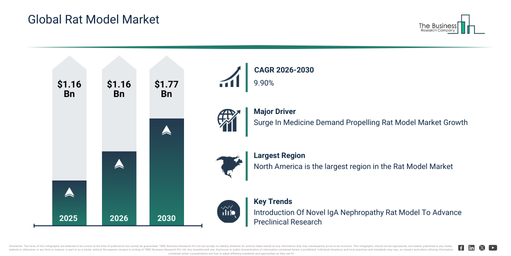
    The rat model market is projected to experience substantial expansion over the upcoming years. Its valuation is anticipated to reach $2.8 billion by 2030, demonstrating a compound annual growth rate (CAGR) of 9.9%. This anticipated growth during the forecast timeframe is attributable to several factors, including heightened investment in precision medicine studies, an escalating need for predictive disease models, the broadening scope of gene-editing uses, a reinforced commitment to minimizing clinical trial failure rates, and the increased integration of humanized rat platforms. Key developments anticipated within the forecast period encompass a greater utilization of CRISPR-based rat models, an escalating requirement for immunodeficient and humanized rats, the widening acceptance of preclinical disease modeling, advances in genetic editing technologies, and a sharper emphasis on the precision of translational research.

    Access Your Free Sample Report for In-Depth Market Insights:

    https://www.thebusinessresearchcompany.com/sample.aspx?id=10100&type=smp

    What Drivers Are Influencing The Growth Of The Rat Model Market?

    The anticipated increase in medicine demand is projected to foster the expansion of the rat model market in the foreseeable future. Rat models are instrumental for researchers in studying various medications because they are simpler to feed and smaller than more complex mammals such as primates, offering a more practical alternative. As a result, the heightened demand for medicines elevates the need within the rat models market. For instance, in July 2024, the National Center for Biotechnology Information, a US-based government agency, reported that total medicines spending in the United States grew by 13.6% in 2023 compared to 2022, reaching $722.5 billion. Consequently, the rising demand for medicines is a primary driver for the rat model market.

    What Segments Are Included Within The Rat Model Market?

    The rat model market covered in this report is segmented –

    1) By Type: Knockout, Outbred, Inbred, Hybrid, Immunodeficient, Conditioned

    2) By Service: Cryopreservation, Breeding, Re-derivation, Genetic Testing

    3) By Application: Oncology, Neurology, Immunology, Toxicology, Other Applications

    Subsegments:

    1) By Knockout: CRISPR Knockout, Traditional Knockout

    2) By Outbred: Sprague Dawley, Long-Evans, Wistar

    3) By Inbred: Fischer 344, Lewis, Buffalo

    4) By Hybrid: F1 Hybrid, F2 Hybrid

    5) By Immunodeficient: Nude Rats, SCID Rats

    6) By Conditioned: Obese Rats, Diabetic Rats

    What Industry Trends Are Transforming The Rat Model Market?

    Leading companies and preclinical research organizations are intensifying their efforts to create sophisticated nephropathy animal models, aiming to more accurately simulate human kidney ailments and accelerate the discovery of new therapies. These nephropathy animal models involve animals that have been genetically modified or induced to reproduce human kidney diseases, serving as invaluable tools for investigating disease mechanisms and evaluating potential treatments. They provide a controlled environment to explore renal dysfunction, injury, and therapeutic responses. For instance, in October 2024, Physiogenex, a preclinical research firm based in France, launched its innovative IgA nephropathy rat model following its presentation at ASN Kidney Week. This model is engineered to offer researchers a reliable platform for translational studies, displaying key characteristics of IgA nephropathy, including mesangial IgA deposition and proteinuria, thereby supporting the advancement of targeted therapies and fundamental mechanistic research in kidney disease.

    Who Are The Prominent Global Companies Shaping The Rat Model Market Landscape?

    Major companies operating in the rat model market are Genoway SA, Charles River Laboratories International Inc, Taconic Biosciences Inc, Envigo Ltd, Janvier Labs, Harlan Laboratories Inc, Cyagen Biosciences Inc, Ozgene Pty Ltd, Beijing Biocytogen Co Ltd, Ingenious Targeting Laboratory, Mirimus Inc, Pharmaron Beijing Co Ltd, PolyGene AG, Shanghai Model Organisms Center Inc, Transgenic Inc, Viva Biotech Holdings, WuXi AppTec Co Ltd, Applied StemCell Inc, Transviragen Inc, Biomere, Laboratory Corporation of America Holdings, Horizon Discovery Group PLC, Synthego Corporation, ViGene Biosciences Inc

    Access The Complete Report For Deeper Market Insights:

    https://www.thebusinessresearchcompany.com/report/rat-model-global-market-report

    Which Region Is Projected To Lead The Rat Model Market During The Forecast Period?

    North America was the largest region in the rat model market in 2025.Asia-Pacific is expected to be the fastest-growing region in the global rat model market report during the forecast period. The regions covered in the rat model market report are Asia-Pacific, South East Asia, Western Europe, Eastern Europe, North America, South America, Middle East, Africa.

    Request Your Customized Rat Model Market Research Report for Competitive Advantage:

    https://www.thebusinessresearchcompany.com/customise?id=10100&type=smp

    Browse Through More Reports Similar to the Global Rat Model Market 2026, By The Business Research Company

    Animal Model Global Market Report 2026

    https://www.thebusinessresearchcompany.com/report/animal-model-global-market-report

    Biopreservation Global Market Report 2026

    https://www.thebusinessresearchcompany.com/report/biopreservation-global-market-report

    Companion Animal Pharmaceuticals Global Market Report 2026

    https://www.thebusinessresearchcompany.com/report/companion-animal-pharmaceuticals-global-market-report

    Get in touch with us:

    The Business Research Company: https://www.thebusinessresearchcompany.com/

    Americas +1 310-496-7795

    Asia +44 7882 955267 & +91 8897263534

    Europe +44 7882 955267

    Email us at info@tbrc.info

    Follow us on:

    LinkedIn: https://in.linkedin.com/company/the-business-research-company

  • Global Rare Cell Isolation Market Report 2026–2035: Key Forecasts and Growth Areas

    Global Rare Cell Isolation Market Report 2026–2035: Key Forecasts and Growth Areas

    Uncover key drivers, emerging technologies, and competitive movements shaping the workstation graphics processing unit (gpu) market from 2026–2035 with trusted insights from The Business Research Company

    By how much is the Rare Cell Isolation Market expected to grow between 2026 and 2030?

    The rare cell isolation market size has witnessed significant expansion recently. It is forecast to rise from $2.51 billion in 2025 to $2.83 billion in 2026, achieving a compound annual growth rate (CAGR) of 12.7%. Historically, this market’s expansion can be linked to heightened demand for cancer diagnostics, an increase in research for stem cell therapies, ongoing advancements in fluorescence-activated cell sorting, a rise in prenatal testing, and the adoption of magnetic bead separation.

    The rare cell isolation market is set for significant expansion in the upcoming years, with projections indicating a rise to $4.57 billion by 2030, growing at a compound annual growth rate (CAGR) of 12.7%. This expansion during the forecast period is driven by factors such as the integration of AI in cell isolation, the development of automated cell sorting instruments, the increasing scope of precision medicine applications, a boost in funding for genomics research, and a heightened demand for liquid biopsy solutions. Prominent trends anticipated in the same period include the incorporation of microfluidics, advancements in high-throughput cell analysis, the emergence of personalized diagnostics applications, the development of automated rare cell detection, and the proliferation of single-cell genomics.

    Access Your Free Sample Report for In-Depth Market Insights:

    https://www.thebusinessresearchcompany.com/sample.aspx?id=25893&type=smp

    Which Drivers Are Influencing Market Acceleration In The Rare Cell Isolation Market?

    The increasing need for personalized medicine is anticipated to fuel the expansion of the rare cell isolation market in the future. Personalized medicine involves a medical strategy that customizes treatment and care for an individual’s distinct genetic composition, way of life, and surroundings. The widespread adoption of personalized medicine is attributable to progress in genomic technologies, which have rendered genetic testing quicker and more economical, thereby enabling healthcare providers to pinpoint specific genetic mutations. Rare cell isolation facilitates personalized medicine by permitting accurate examination of individual patients’ circulating tumor cells, fetal cells, or immune cells, allowing clinicians to customize therapeutic approaches guided by the unique molecular and genetic profiles of these cells. For instance, in February 2024, according to the Personalized Medicine Coalition, a US-based professional membership organization, the Food and Drug Administration (FDA) approved 16 new personalized medicines in 2023, showing a rise from 6 in 2022. Consequently, the rising demand for personalized medicine is propelling the growth of the rare cell isolation market.

    What Leading Segments Are Studied In The Rare Cell Isolation Market?

    The rare cell isolation market covered in this report is segmented –

    1) By Product: Reagents And Kits, Instruments

    2) By Technology: Magnetic Bead Separation, Fluorescence-Activated Cell Sorting

    3) By Cell Type: Circulating Tumor Cells, Stem Cells, Fetal Cells

    Subsegments:

    1) By Reagents And Kits: Antibodies And Magnetic Beads, Microfluidic Reagents, Density Gradient Media, Cell Separation Buffers, Staining And Labeling Reagents, Nucleic Acid Isolation Kits, Consumables

    2) By Instruments: Magnetic-Activated Cell Sorting (MACS) Systems, Fluorescence-Activated Cell Sorting (FACS) Instruments, Microfluidic-Based Cell Isolation Devices, High-Throughput Cell Sorters, Automated Cell Analyzers, Centrifuges For Cell Isolation, Dielectrophoresis-Based Instruments

    What Trends Are Reshaping The Dynamics Of The Rare Cell Isolation Market?

    Companies operating in the rare cell isolation market are prioritizing technological advancements, such as rare cell and circulating tumor cell enumeration, to enhance the precision, efficiency, and scalability of rare cell detection in cancer diagnostics and personalized medicine applications. Rare cell and circulating tumor cell enumeration involves the process of identifying and counting rare cells, including cancer cells, within blood or other samples to assist in disease monitoring and research. For example, in March 2024, Bio-Rad Laboratories, a US-based life sciences company, introduced Celselect Slides Validated Antibodies, which is an innovative solution for rare cell and circulating tumor cell enumeration. This product offers specific features such as pre-validated antibody panels optimized for use with Celselect Slides, ensuring consistent staining quality and compatibility with the Celselect platform for rare cell capture. Additionally, it provides high-content imaging, standardized enumeration, and flexible panel design, supporting applications in cancer research and liquid biopsy workflows. This innovation simplifies rare cell analysis by reducing assay development time while improving reliability in downstream single-cell analysis workflows.

    Which Key Players Are Driving Competition In The Rare Cell Isolation Market?

    Major companies operating in the rare cell isolation market are Thermo Fisher Scientific Inc, Danaher Corporation, Merck KGaA, GE Healthcare Technologies Inc, Corning Incorporated, Lonza Group AG, Terumo BCT Inc, Bio Rad Laboratories Inc, QIAGEN N V, PerkinElmer Inc, Bio Techne Corporation, STEMCELL Technologies Inc, Miltenyi Biotec B V Co KG, Izon Science Limited, RareCyte Inc, Akadeum Life Sciences Inc, NanoCellect Biomedical Inc, CELLENION SASU, Applied Cells Inc, Menarini Silicon Biosystems, Fluxion Biosciences Inc, Cynvenio Biosystems Inc

    Access The Complete Report For Deeper Market Insights:

    https://www.thebusinessresearchcompany.com/report/rare-cell-isolation-global-market-report

    Which Region Currently Holds The Largest Share Of The Rare Cell Isolation Market?

    North America was the largest region in the rare cell isolation market in 2025. Asia-Pacific is expected to be the fastest-growing region in the forecast period. The regions covered in the rare cell isolation market report are Asia-Pacific, South East Asia, Western Europe, Eastern Europe, North America, South America, Middle East, Africa.

    Request Your Customized Rare Cell Isolation Market Research Report for Competitive Advantage:

    https://www.thebusinessresearchcompany.com/customise?id=25893&type=smp

    Browse Through More Reports Similar to the Global Rare Cell Isolation Market 2026, By The Business Research Company

    Cell Free Dna Isolation And Extraction Global Market Report 2026

    https://www.thebusinessresearchcompany.com/report/cell-free-dna-isolation-and-extraction-global-market-report

    Cell Separation Global Market Report 2026

    https://www.thebusinessresearchcompany.com/report/cell-separation-global-market-report

    Cell Separation Technologies Global Market Report 2026

    https://www.thebusinessresearchcompany.com/report/cell-separation-technologies-global-market-report

    Get in touch with us:

    The Business Research Company: https://www.thebusinessresearchcompany.com/

    Americas +1 310-496-7795

    Asia +44 7882 955267 & +91 8897263534

    Europe +44 7882 955267

    Email us at info@tbrc.info

    Follow us on:

    LinkedIn: https://in.linkedin.com/company/the-business-research-company
  • Rapid Tests Market 2026–2030: Forecast, Innovation, and Competitive Trends

    Rapid Tests Market 2026–2030: Forecast, Innovation, and Competitive Trends

    Uncover key drivers, emerging technologies, and competitive movements shaping the worker heat stress monitoring wearable market from 2026–2035 with trusted insights from The Business Research Company

    What is the estimated market size of the Rapid Tests Market by the end of 2030?

    The rapid tests market has experienced significant expansion in recent years. It is forecast to increase from $34.67 billion in 2025 to $38.66 billion in 2026, achieving a compound annual growth rate (CAGR) of 11.5%. This historical growth can be attributed to several factors including a heightened need for rapid disease identification, advancements in lateral flow assay technologies, increased public awareness regarding preventive healthcare, the expansion of healthcare infrastructure within emerging economies, and the escalating prevalence of infectious diseases.

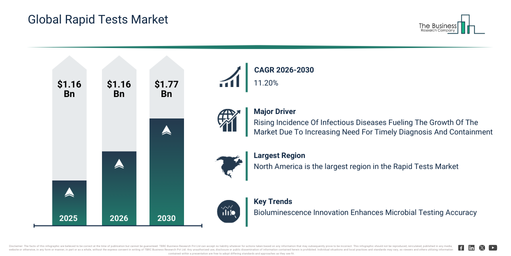
    The rapid tests market is anticipated to undergo significant expansion in the coming years, with projections indicating it will reach $59.06 billion by 2030, exhibiting a compound annual growth rate (CAGR) of 11.2%. This growth over the forecast period is primarily attributed to the integration of AI and IoT in rapid tests, the increasing adoption of home healthcare solutions, the development of multiplex testing kits, the expansion of personalized medicine, and government initiatives that support point-of-care diagnostics. Noteworthy trends foreseen for this period encompass the broadening of point-of-care testing, the miniaturization of diagnostic devices, rapid screening for infectious diseases, the availability of home-based diagnostic solutions, and the introduction of cost-effective testing solutions.

    Access Your Free Sample Report for In-Depth Market Insights:

    https://www.thebusinessresearchcompany.com/sample.aspx?id=25892&type=smp

    What Drivers Are Shaping Future Opportunities In The Rapid Tests Market?

    The increasing occurrence of infectious diseases is anticipated to accelerate the expansion of the rapid tests market in the future. Infectious diseases are defined as ailments caused by harmful microorganisms like bacteria, viruses, fungi, or parasites that can transmit directly or indirectly from one individual to another. The escalating prevalence of these diseases is attributed to increased travel, which facilitates the swift dispersion of pathogens across geographical boundaries. Rapid tests contribute to fighting infectious diseases by enabling fast and precise detection at the point of care, thereby allowing for prompt treatment and isolation. They support public health initiatives by reducing diagnostic delays, improving disease management, and restricting the spread of infections. For instance, in February 2024, the UK Health Security Agency, a UK-based government agency, stated that tuberculosis (a contagious bacterial infection primarily affecting the lungs) cases in England increased to 4,850 in 2023, representing a 10.7% rise from 4,380 cases in 2022. Thus, the escalating incidence of infectious diseases is propelling the growth of the rapid tests market.

    Which Segment Groups Are Influencing The Rapid Tests Market?

    The rapid tests market covered in this report is segmented –

    1) By Product: Instruments, Consumables, Other Products

    2) By Contaminants: Pathogens, Allergens

    3) By Technology: Polymerase Chain Reaction (PCR)-Based, Immunoassay-Based, Chromatography-Based

    4) By Application: Cardiology, Oncology, Pregnancy And Fertility, Toxicology, Glucose Monitoring, Infectious Disease, Other Applications

    5) By End User: Hospitals And Clinics, Diagnostic Laboratories, Home Care, Other End-Users

    Subsegments:

    1) By Instruments: Portable Analyzers, Benchtop Analyzers, Handheld Devices, Readers Or Scanners, Multiplex Analyzers

    2) By Consumables: Test Strips, Test Cassettes Or Cartridges, Reagents, Sample Collection Devices, Control And Calibration Materials

    3) By Other Products: Software And Data Management Systems, Accessories, Maintenance And Service Kits

    How Are New Market Trends Shaping The Landscape Of The Rapid Tests Market?

    Leading companies active within the rapid tests market are concentrating on developing technologically advanced solutions, such as sophisticated bioluminescence technology, to enable quicker, more sensitive, and accurate pathogen detection. Advanced bioluminescence technology pertains to the utilization of light-emitting biochemical reactions, typically involving luciferase enzymes and substrates, for identifying the presence of microorganisms or biological markers. For instance, in March 2025, Nelson Labs, a US-based provider of testing services, introduced a rapid sterility testing method. This new testing approach decreases the traditional 14-day incubation period to as little as six days by employing advanced bioluminescence technology. This system detects microbial adenosine triphosphate (ATP), a key indicator of living organisms, through the measurement of light emitted during the bioluminescent reaction. It automates the detection of microbial contamination, enhances precision, and ensures adherence to regulatory standards, facilitating faster, dependable product release without sacrificing safety.

    Who Are The Top-Performing Companies In The Rapid Tests Market In Recent Years?

    Major companies operating in the rapid tests market are F Hoffmann La Roche AG, Abbott Laboratories, Thermo Fisher Scientific Inc, Siemens Healthineers, BioMerieux SA, Quidel Corporation, Bio Rad Laboratories Inc, PerkinElmer Inc, OraSure Technologies Inc, SEKISUI Diagnostics LLC, Trivitron Healthcare Pvt Ltd, Ellume Limited, Access Bio Inc, ACON Laboratories Inc, CTK Biotech Inc, iHealth Labs Inc, Wondfo USA Co Ltd, InBios International Inc, Lab Care Diagnostics India Pvt Ltd, Immunostics Inc, Aptitude Medical Systems Inc, Beijing Hotgen Biotech Co Ltd, CorDx Inc, Maxim Biomedical Inc, OSANG LLC

    Access The Complete Report For Deeper Market Insights:

    https://www.thebusinessresearchcompany.com/report/rapid-tests-global-market-report

    How Does The Rapid Tests Market Perform Across Major Global Regions?

    North America was the largest region in the rapid tests market in 2025. Asia-Pacific is expected to be the fastest-growing region in the forecast period. The regions covered in the rapid tests market report are Asia-Pacific, South East Asia, Western Europe, Eastern Europe, North America, South America, Middle East, Africa.

    Request Your Customized Rapid Tests Market Research Report for Competitive Advantage:

    https://www.thebusinessresearchcompany.com/customise?id=25892&type=smp

    Browse Through More Reports Similar to the Global Rapid Tests Market 2026, By The Business Research Company

    Esoteric Testing Global Market Report 2026

    https://www.thebusinessresearchcompany.com/report/esoteric-testing-global-market-report

    Female Fertility And Pregnancy Rapid Test Global Market Report 2026

    https://www.thebusinessresearchcompany.com/report/female-fertility-and-pregnancy-rapid-test-global-market-report

    Self Testing Global Market Report 2026

    https://www.thebusinessresearchcompany.com/report/self-testing-global-market-report

    Get in touch with us:

    The Business Research Company: https://www.thebusinessresearchcompany.com/

    Americas +1 310-496-7795

    Asia +44 7882 955267 & +91 8897263534

    Europe +44 7882 955267

    Email us at info@tbrc.info

    Follow us on:

    LinkedIn: https://in.linkedin.com/company/the-business-research-company

  • Rapid Microbiology Testing Kits Market Forecast 2026–2035: Data Trends and Industry Insights

    Rapid Microbiology Testing Kits Market Forecast 2026–2035: Data Trends and Industry Insights

    Uncover key drivers, emerging technologies, and competitive movements shaping the workstation graphics processing unit (gpu) market from 2026–2035 with trusted insights from The Business Research Company

    What was the valuation of the Rapid Microbiology Testing Kits Market in 2026, and what figure is it projected to hit by 2030?

    The rapid microbiology testing kits market has experienced a marginal increase in size in recent years. It is projected to expand from $5.28 billion in 2025 to $5.36 billion in 2026, exhibiting a compound annual growth rate (CAGR) of 1.5%. The market’s historical growth was primarily driven by the emergence of infectious disease outbreaks, the inherent limitations of conventional testing, a heightened regulatory focus on safety, the expansion of clinical diagnostics, and the growth in pharmaceutical manufacturing.

    The rapid microbiology testing kits market is projected to experience substantial expansion over the upcoming years. Its valuation is anticipated to reach $7.7 billion by 2030, demonstrating a compound annual growth rate (CAGR) of 9.5%. This projected growth during the forecast period is primarily driven by factors such as increasing antimicrobial resistance, the growing demand for quicker turnaround times, the expansion of decentralized testing, advancements in kit technology, and a rise in global surveillance programs. Furthermore, key trends observed in this period include a heightened need for expedited infection diagnosis, the broader implementation of point-of-care testing, greater integration into pharmaceutical quality control processes, increased application in food safety assessments, and a transition from conventional culture-based techniques to molecular methods.

    Access Your Free Sample Report for In-Depth Market Insights:

    https://www.thebusinessresearchcompany.com/sample.aspx?id=2541&type=smp

    Which Drivers Are Affecting Market Participation In The Rapid Microbiology Testing Kits Market?

    The increasing prevalence of infectious diseases is a primary catalyst for the rapid microbiology testing kits market. Rapid diagnostic tests are more expeditious, dependable, and broadly accessible compared to conventional testing methods. As the volume of infectious disease cases expands, there is a corresponding surge in the necessity for tests to confirm these conditions. With the heightened demand for microbiology tests, the need for rapid microbiology tests intensifies due to their quicker results compared to standard microbiology tests. For instance, according to the Centers for Disease Control and Prevention, a US-based government agency, the number of tuberculosis cases rose from 8,320 in 2022 to 9,615 in 2023, marking an increase of 1,295 cases. Additionally, the incidence rate climbed from 2.5 per 100,000 individuals in 2022 to 2.9 in 2023. This escalating number of infectious diseases is, therefore, fueling the expansion of the rapid microbiology testing kits market.

    What Segment Classifications Make Up The Rapid Microbiology Testing Kits Market?

    The rapid microbiology testing kits market covered in this report is segmented –

    1) By Product Type: Instruments, Reagents And Kits, Consumables

    2) By Testing Type: Growth-Based Rapid Microbiology Testing Kits, Cellular Component-Based Rapid Microbiology Testing Kits, Nucleic Acid-Based Rapid Microbiology Testing Kits, Viability-Based Rapid Microbiology Testing Kits, Other Rapid Microbiology Testing Kits Methods

    3) By Application: Clinical Disease Diagnosis, Food And Beverage Testing, Pharmaceutical And Biological Drug Testing, Cosmetics And Personal Care Products Testing, Environmental Testing, Research Applications, Other Applications

    Subsegments:

    1) By Instruments: Automated Microbiology Analyzers, Microbial Detection Systems, PCR Machines, Spectrophotometers

    2) By Reagents And Kits: Culture Media, Detection Reagents, PCR Kits, Antigen And Antibody Tests

    3) By Consumables: Sample Collection Swabs, Test Plates And Tubes, Pipettes And Tips, Microcentrifuge Tubes

    Which Trends Are Expected To Influence The Rapid Microbiology Testing Kits Market In The Upcoming Years?

    Leading companies in the rapid microbiology testing kits market are developing innovative products like BugCount Guardian to increase their market profitability. BugCount Guardian is a new autonomous method designed for the early detection of water quality. For instance, in September 2023, LuminUltra Technologies Ltd., a Canada-based biological diagnostics testing company, introduced BugCount Guardian. This system is engineered to continuously track shifts in microbial activity and identify changes in water quality, thereby allowing for proactive management of water systems and the early recognition of potential issues. The BugCount Guardian seamlessly integrates into a client’s industrial process, automatically collecting samples at user-specified intervals, conducting tests, and reporting results without human operator involvement.

    Which Leading Companies Dominate The Rapid Microbiology Testing Kits Market Share?

    Major companies operating in the rapid microbiology testing kits market are Abbott Laboratories, Becton Dickinson and Company, Bruker Corporation, Charles River Laboratories International Inc., Danaher Corporation, Don Whitley Scientific Limited, Merck KGaA, Neogen Corporation, Quidel Corporation, Rapid Micro Biosystems Inc., Thermo Fisher Scientific, Bio-Rad Laboratories, Siemens Healthcare Diagnostics, Sysmex Corporation, Biomérieux, Sartorius Group, TSI Inc., Gen-Probe, Hoffmann-La Roche Ltd, Remel, Savyon Diagnostics Ltd., Seegene Inc., Trinity Biotech plc, Veredus Laboratories Pte Ltd., ZeptoMetrix Corporation, Hardy Diagnostics, Liofilchem s.r.l., Microbiologics Inc.

    Access The Complete Report For Deeper Market Insights:

    https://www.thebusinessresearchcompany.com/report/rapid-microbiology-testing-kits-global-market-report

    Which Region Is Anticipated To See The Fastest Growth In The Rapid Microbiology Testing Kits Market?

    North America was the largest region in the rapid microbiology testing kits market in 2025. Western Europe was the second-largest region in the global rapid microbiology testing kits market report. The regions covered in the rapid microbiology testing kits market report are Asia-Pacific, South East Asia, Western Europe, Eastern Europe, North America, South America, Middle East, Africa.

    Request Your Customized Rapid Microbiology Testing Kits Market Research Report for Competitive Advantage:

    https://www.thebusinessresearchcompany.com/customise?id=2541&type=smp

    Browse Through More Reports Similar to the Global Rapid Microbiology Testing Kits Market 2026, By The Business Research Company

    Pharma Microbiology Testing Kits Global Market Report 2026

    https://www.thebusinessresearchcompany.com/report/pharma-microbiology-testing-kits-global-market-report

    Drug Screening Global Market Report 2026

    https://www.thebusinessresearchcompany.com/report/drug-screening-global-market-report

    Antimicrobial Susceptibility Testing Global Market Report 2026

    https://www.thebusinessresearchcompany.com/report/antimicrobial-susceptibility-testing-global-market-report

    Get in touch with us:

    The Business Research Company: https://www.thebusinessresearchcompany.com/

    Americas +1 310-496-7795

    Asia +44 7882 955267 & +91 8897263534

    Europe +44 7882 955267

    Email us at info@tbrc.info

    Follow us on:

    LinkedIn: https://in.linkedin.com/company/the-business-research-company
  • Rapid Decompression Sickness Chamber Market Outlook 2026–2030: Key Business Drivers and Trends

    Rapid Decompression Sickness Chamber Market Outlook 2026–2030: Key Business Drivers and Trends

    Uncover key drivers, emerging technologies, and competitive movements shaping the worker heat stress monitoring wearable market from 2026–2035 with trusted insights from The Business Research Company

    What are the forecasted starting (2026) and ending (2030) market sizes for the Rapid Decompression Sickness Chamber Market?

    The market for rapid decompression sickness chambers has seen substantial expansion recently. Its valuation is projected to rise from $1.5 billion in 2025 to $1.66 billion by 2026, exhibiting a compound annual growth rate (CAGR) of 10.9%. Historically, this expansion has been driven by an increase in diving activities, the broadening of military aviation, a rise in instances of decompression sickness, the need for urgent hyperbaric treatment, and the integration of hyperbaric units within hospitals.

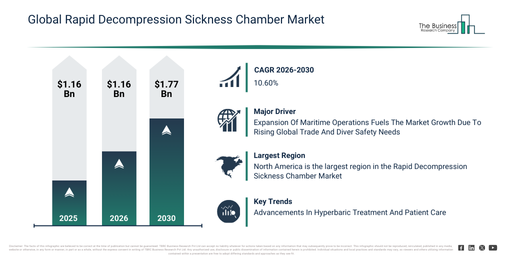
    The rapid decompression sickness chamber market is projected to experience substantial expansion in the coming years. By 2030, its valuation is anticipated to reach $2.48 billion, demonstrating a compound annual growth rate (CAGR) of 10.6%. This projected increase during the forecast period is fueled by factors such as the rising demand for portable chambers, ongoing defense modernization initiatives, the integration of technological automation, the expansion of offshore energy operations, and enhanced emergency medical preparedness. Key developments expected within this period include advanced hyperbaric therapy systems, portable decompression chambers, automated pressure control mechanisms, military grade emergency chambers, and innovations in compact chamber design.

    Access Your Free Sample Report for In-Depth Market Insights:

    https://www.thebusinessresearchcompany.com/sample.aspx?id=29163&type=smp

    What Drivers Are Supporting Technological Adoption In The Rapid Decompression Sickness Chamber Market?

    Future growth in the rapid decompression sickness chamber market is anticipated to be driven by increasing maritime activities. These activities encompass all sea-related operations and services, including shipping, fishing, port management, and offshore industries. A rise in global trade is fueling the expansion of maritime activities, given that shipping goods by sea provides an economical and efficient method for linking international markets, thereby increasing the need for ports, vessels, and marine services. Rapid decompression sickness (RDS) chambers support maritime operations by offering treatment for divers and crew affected by abrupt pressure changes, facilitating prompt recovery from decompression sickness, reducing operational delays, and sustaining secure conditions in underwater and offshore settings. For example, the United States Naval Institute, a US-based non-profit body, indicated in March 2025 that maritime trade volume is predicted to increase by 2% in 2024, with container trade expected to expand by 2.7%. Consequently, the expanding maritime activities are indeed boosting the growth of the rapid decompression sickness chamber market.

    What Segment Types Are Examined In The Rapid Decompression Sickness Chamber Market?

    The rapid decompression sickness chamber market covered in this report is segmented –

    1) By Product Type: Monoplace Chambers, Multiplace Chambers

    2) By Technology: Manual, Automated

    3) By Application: Hospitals, Military And Defense, Diving Centers

    4) By End-User: Healthcare Facilities, Military, Other End-Users

    Subsegments:

    1) By Monoplace Chambers: Acrylic Monoplace Chambers, Steel Monoplace Chambers, Transparent Monoplace Chambers

    2) By Multiplace Chambers: Hospital-Based Multiplace Chambers, Military Multiplace Chambers

    What Trends Are Driving The Growth Trajectory Of The Rapid Decompression Sickness Chamber Market?

    Leading companies operating within the rapid decompression sickness chamber market are concentrating on developing advanced therapies, such as hyperbaric oxygen therapy, with the goal of enhancing treatment efficacy, reducing recovery time, and improving patient safety. Hyperbaric oxygen therapy (HBOT) is defined as a procedure that delivers pure oxygen to the body under increased atmospheric pressure, thereby enhancing oxygen absorption in the blood and supporting tissue repair and recovery. For instance, in January 2024, Sechrist Industries Inc., a US-based manufacturing company, launched two innovative products: the 3300HM hyperbaric chamber and the eHEAL system, to improve treatment efficiency and patient care. The eHEAL software system specifically automates hyperbaric treatment logging, enhancing accuracy, efficiency, and real-time data capture to reduce errors and administrative workload. Concurrently, the 3300HM hyperbaric chamber offers a modern patient step-in design for improved accessibility, safety technologies, and flexible compression options with easy operation. Together, these products improve treatment workflow, patient safety, and clinical data management, advancing hyperbaric medicine with greater precision and user-friendliness.

    Who Are The Major Companies Operating In The Rapid Decompression Sickness Chamber Market?

    Major companies operating in the rapid decompression sickness chamber market are IHC Hytech BV., Shanghai Baobang Medical Equipment Co. Ltd., Sechrist Industries Inc., Perry Baromedical Corporation, Drass Galeazzi Srl, SOS Medical, HiperTech Electronics Inc., Comanex, Oxycare, Haux Life Support GmbH., Hyperbaric, Fink Engineering Pty. Ltd., Gulf Coast Hyperbarics Inc., Hearmec Co. Ltd., HPO TECH, iSubC Diving Equipment Ltd., Khrunichev Medical Equipment Plant JSC., OxyHeal Health Group Inc., PBUCH S.A., Tekna Manufacturing LLC, BAROKS A.S., Oxybarica.

    Access The Complete Report For Deeper Market Insights:

    https://www.thebusinessresearchcompany.com/report/rapid-decompression-sickness-chamber-global-market-report

    Which Region Is Anticipated To See The Fastest Growth In The Rapid Decompression Sickness Chamber Market?

    North America was the largest region in the rapid decompression sickness chamber market in 2025. Asia-Pacific is expected to be the fastest-growing region in the forecast period. The regions covered in the rapid decompression sickness chamber market report are Asia-Pacific, South East Asia, Western Europe, Eastern Europe, North America, South America, Middle East, Africa.

    Request Your Customized Rapid Decompression Sickness Chamber Market Research Report for Competitive Advantage:

    https://www.thebusinessresearchcompany.com/customise?id=29163&type=smp

    Browse Through More Reports Similar to the Global Rapid Decompression Sickness Chamber Market 2026, By The Business Research Company

    Compressed Air Treatment Equipment Global Market Report 2026

    https://www.thebusinessresearchcompany.com/report/compressed-air-treatment-equipment-global-market-report

    Vasopressin Global Market Report 2026

    https://www.thebusinessresearchcompany.com/report/vasopressin-global-market-report

    Ventilators Global Market Report 2026

    https://www.thebusinessresearchcompany.com/report/ventilators-global-market-report

    Get in touch with us:

    The Business Research Company: https://www.thebusinessresearchcompany.com/

    Americas +1 310-496-7795

    Asia +44 7882 955267 & +91 8897263534

    Europe +44 7882 955267

    Email us at info@tbrc.info

    Follow us on:

    LinkedIn: https://in.linkedin.com/company/the-business-research-company
  • Global Radiotherapy Devices Market Report 2026: Emerging Trends and Growth Scenarios

    Global Radiotherapy Devices Market Report 2026: Emerging Trends and Growth Scenarios

    Uncover key drivers, emerging technologies, and competitive movements shaping the workstation graphics processing unit (gpu) market from 2026–2035 with trusted insights from The Business Research Company

    What upper market value could the Radiotherapy Devices Market reach by 2030 starting from 2026 levels?

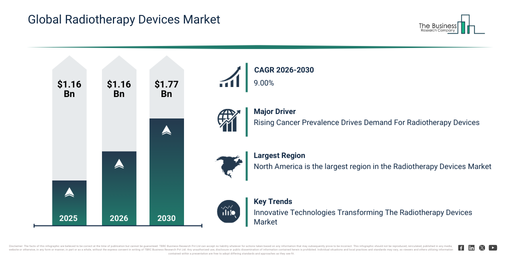
    The radiotherapy devices market has experienced robust expansion over recent years. This market is projected to expand from $6.64 billion in 2025 to reach $7.21 billion by 2026, demonstrating a compound annual growth rate (CAGR) of 8.6%. Historically, this growth has been driven by several factors, including an increase in global cancer incidence rates, the development of oncology treatment infrastructure, the growing use of external beam radiation therapies, advancements in linear accelerator performance, and the broader accessibility of sophisticated radiotherapy techniques.

    The radiotherapy devices market is anticipated to experience substantial growth in the coming years, projected to expand to $10.18 billion by 2030, with a compound annual growth rate (CAGR) of 9.0%. This expansion during the forecast period is primarily driven by the increasing demand for personalized cancer treatment, rising investments in proton therapy centers, the broader implementation of AI-assisted oncology workflows, an amplified focus on minimizing radiation side effects, and continuous technological innovation in radiation delivery systems. Prominent trends for the forecast period encompass the increasing adoption of image-guided radiation therapy systems, the expanding deployment of proton therapy technologies, the growing integration of AI-based treatment planning, the wider use of stereotactic radiation techniques, and an enhanced emphasis on precision dose delivery.

    Access Your Free Sample Report for In-Depth Market Insights:

    https://www.thebusinessresearchcompany.com/sample.aspx?id=3375&type=smp

    Which Drivers Are Influencing Long-Term Growth In The Radiotherapy Devices Market?

    The rising occurrence of cancer is projected to advance the expansion of the radiotherapy devices market in the future. Cancer prevalence signifies the overall count or percentage of individuals in a populace who have received a cancer diagnosis at a specific moment or throughout a defined timeframe. Radiotherapy serves as a common primary or supportive treatment for patients newly diagnosed with cancer. It is frequently applied to reduce the size of tumors, regulate cancer progression, or eliminate cancer cells prior to or following surgical intervention. For example, in July 2024, data from the Australian Institute of Health and Welfare, an Australia-based government body, revealed that in Australia, the quantity of diagnosed cancer cases increased from 160,570 in 2022 to 164,694 in 2023, representing a significant rise over the year. This ascending pattern underscores the increasing incidence of cancer within the country. Thus, the escalating cancer prevalence is stimulating the growth of the radiotherapy devices market.

    Which Segments Are Driving Activity In The Radiotherapy Devices Market?

    The radiotherapy devices market covered in this report is segmented –

    1) By Product Type: External Beam Radiation Therapy Devices, Linear Accelerator Devices, Proton Therapy Devices

    2) By Application: Skin Cancer, Breast Cancer, Prostate Cancer, Cervical Cancer, Lung Cancer, Other Applications

    3) By End Users: Hospitals, Ambulatory Surgical Centers, Oncological Treatment Centers

    Subsegments:

    1) By External Beam Radiation Therapy Devices: Intensity-Modulated Radiation Therapy (IMRT) Devices, Image-Guided Radiation Therapy (IGRT) Devices, Stereotactic Body Radiation Therapy (SBRT) Devices, Stereotactic Radiosurgery (SRS) Devices, 3D Conformal Radiation Therapy (3D CRT) Devices

    2) By Linear Accelerator Devices: Conventional Linear Accelerators, Stereotactic Linear Accelerators

    3) By Proton Therapy Devices: Cyclotron-Based Devices, Synchrotron-Based Devices, Synchrocyclotron-Based Devices

    What Upcoming Trends Are Likely To Define The Future Path Of The Radiotherapy Devices Market?

    Leading companies in the radiotherapy devices market are introducing innovative technologies, such as The Versa HD, to enhance their market profitability. The Versa HD functions as a linear accelerator system designed for radiation therapy. For example, in May 2023, the Mitchell Cancer Institute, a US-based cancer treatment center, unveiled new radiation technology named The Versa HD. This system is proficient in administering Volumetric Modulated Arc Therapy (VMAT), which accelerates the pace of treatments and elevates the patient experience. Additionally, The Versa HD is equipped to offer High-Definition Dynamic Radiosurgery (HDRS), a service characterized by special sequencing capabilities that convert the linac into a dedicated SRS solution.

    Which Major Firms Are Strengthening Their Position In The Radiotherapy Devices Market?

    Major companies operating in the radiotherapy devices market are Varian Medical Systems Inc., Elekta AB, Accuray Incorporated, IBA Ion Beam Applications SA, Koninklijke Philips N.V., Siemens Aktiengesellschaft, Eckert & Ziegler Bebig, IsoRay Inc., General Electric Healthcare, Vision RT Ltd., RaySearch Laboratories AB, Theragenics Corporation, Canon Medical Systems Corporation, Mitsubishi Electric Corporation, Shinva Medical Instrument Company Limited, Neusoft Medical Systems Co. Ltd., Mevion Medical Systems Inc., Optivus Proton Therapy Inc., Panacea Medical Technologies Pvt. Ltd., P-Cure Ltd., Provision Healthcare LLC, Sumitomo Heavy Industries Ltd., ViewRay Inc., Miranda Medical, Nordion Inc., NTP Radioisotopes SOC Ltd., Curium, Hitachi Ltd., Brainlab AG, Best Theratronics Ltd., ProTom International Inc., RefleXion Medical Inc., Insightec Ltd., TomoTherapy Incorporated, Agile MV LLC, CIVCO Radiotherapy, Johari Digital Healthcare Ltd., Alpha Tau Medical Ltd.,

    Access The Complete Report For Deeper Market Insights:

    https://www.thebusinessresearchcompany.com/report/radiotherapy-devices-global-market-report

    Which Global Regions Are Shaping The Competitive Landscape Of The Radiotherapy Devices Market?

    North America was the largest region in the radiotherapy devices market in 2025. Asia-Pacific was the second-largest region in the global radiotherapy devices market report. The regions covered in the radiotherapy devices market report are Asia-Pacific, South East Asia, Western Europe, Eastern Europe, North America, South America, Middle East, Africa.

    Request Your Customized Radiotherapy Devices Market Research Report for Competitive Advantage:

    https://www.thebusinessresearchcompany.com/customise?id=3375&type=smp

    Browse Through More Reports Similar to the Global Radiotherapy Devices Market 2026, By The Business Research Company

    Single Dose Radiotherapy Services Global Market Report 2026

    https://www.thebusinessresearchcompany.com/report/single-dose-radiotherapy-services-global-market-report

    Image Guided Radiation Therapy Global Market Report 2026

    https://www.thebusinessresearchcompany.com/report/image-guided-radiation-therapy-global-market-report

    Radiosurgery And Radiotherapy Robotics Global Market Report 2026

    https://www.thebusinessresearchcompany.com/report/radiosurgery-and-radiotherapy-robotics-global-market-report

    Get in touch with us:

    The Business Research Company: https://www.thebusinessresearchcompany.com/

    Americas +1 310-496-7795

    Asia +44 7882 955267 & +91 8897263534

    Europe +44 7882 955267

    Email us at info@tbrc.info

    Follow us on:

    LinkedIn: https://in.linkedin.com/company/the-business-research-company

  • Radiofrequency Eye Device Market Forecast 2026: Where the Industry Is Headed

    Radiofrequency Eye Device Market Forecast 2026: Where the Industry Is Headed

    Uncover key drivers, emerging technologies, and competitive movements shaping the worker heat stress monitoring wearable market from 2026–2035 with trusted insights from The Business Research Company

    What level of CAGR-driven expansion is anticipated in the Radiofrequency Eye Device Market between 2026 and 2030?

    The size of the radiofrequency eye device market has expanded significantly in recent years. This market is projected to expand from $1.01 billion in 2025 to $1.17 billion in 2026, achieving a compound annual growth rate (CAGR) of 16.3%. Factors contributing to its historical growth include a heightened demand for nonsurgical eye rejuvenation, continuous technological advancements in radiofrequency devices, increasing cosmetic awareness, the widespread availability of minimally invasive treatments, and a rise in disposable income.

    The radiofrequency eye device market is anticipated to experience substantial expansion over the coming years. This market is set to achieve a value of $2.12 billion by 2030, exhibiting a compound annual growth rate (CAGR) of 16.0%. This projected increase is fueled by several factors, including the emergence of multipurpose RF devices, their integration with skincare and monitoring applications, the growing presence in ophthalmic and cosmetic clinics, AI-powered assistance for procedures, and advancements in device portability and precision. Noteworthy trends during this forecast span involve monopolar radiofrequency devices, bipolar radiofrequency devices, multipolar radiofrequency devices, fractional radiofrequency devices, and microneedling radiofrequency devices.

    Access Your Free Sample Report for In-Depth Market Insights:

    https://www.thebusinessresearchcompany.com/sample.aspx?id=28309&type=smp

    What Drivers Are Affecting Demand-Supply Dynamics In The Radiofrequency Eye Device Market?

    The increasing acceptance of minimally invasive cosmetic procedures is projected to propel the expansion of the radiofrequency eye device market in the future. These treatments involve minimal to no incisions or recovery periods, delivering aesthetic enhancements with quicker healing and lower risks. The rising patient preference for safe, efficient therapies with minimal downtime is driving the adoption of such procedures. Radiofrequency eye devices facilitate minimally invasive cosmetic procedures by precisely delivering controlled RF energy to the sensitive skin around the eyes. This action stimulates collagen synthesis, tightens tissues, diminishes fine lines and wrinkles, and refines skin texture with accuracy and minimal recovery, thus presenting a viable non-surgical alternative. For instance, in June 2023, according to the American Society of Plastic Surgeons, a US-based professional medical association, minimally invasive cosmetic procedures increased from 14.7 million in 13.7 million procedures in 2023 with an increase of 7%, while overall cosmetic surgical procedures expanded by 5% during the identical period. Consequently, the growing uptake of minimally invasive cosmetic procedures is anticipated to stimulate the expansion of the radiofrequency eye device market.

    How Is The Radiofrequency Eye Device Market Organized Into Various Segments?

    The radiofrequency eye device market covered in this report is segmented –

    1) By Product Type: Monopolar Radiofrequency Devices, Bipolar Radiofrequency Devices, Multipolar Radiofrequency Devices, Other Product Types

    2) By Application: Wrinkle Reduction, Skin Tightening, Other Applications

    3) By End-User: Hospitals, Ophthalmic Clinics, Ambulatory Surgical Centers, Other End-Users

    Subsegments:

    1) By Monopolar Radiofrequency Devices: Handheld Monopolar RF Eye Devices, Console-Based / Stationary Monopolar RF Systems, Temperature-Controlled Monopolar RF Eye Devices

    2) By Bipolar Radiofrequency Devices: Handheld Bipolar RF Eye Devices, Tabletop / Console-Based Bipolar RF Systems, Eye-Dedicated Bipolar RF Devices for Periocular Skin Tightening, Bipolar RF Devices for Eyelid / Meibomian Gland Therapy

    3) By Multipolar Radiofrequency Devices: Handheld Multipolar RF Eye Devices, Stationary Multipolar RF Platforms, Multi-Functional Multipolar RF Eye Rejuvenation Systems

    4) By Other Product Types: Fractional Radiofrequency Eye Devices, Non-Ablative Radiofrequency Eye Devices, Hybrid Radiofrequency Eye Devices, Radiofrequency Devices for Dry Eye Management

    Which Trends Are Shaping Activity Within The Radiofrequency Eye Device Market?

    Leading companies within the radiofrequency eye device market are increasingly concentrating on advancements in artificial intelligence for eye diagnostics, notably AI-assisted meibography analysis. This focus aims to boost accuracy and improve patient results in managing dry eye and various ocular surface disorders. AI-assisted meibography analysis involves utilizing deep learning algorithms to automatically evaluate the structure and function of meibomian glands from infrared eyelid images, thereby enabling early detection of meibomian gland dysfunction (MGD) and supporting more precise treatment decisions. For instance, in November 2023, Lumenis Ltd., an Israel-based ophthalmic technology company, unveiled OptiPLUS, a dual-frequency radiofrequency device for dry-eye care. This device is equipped with automatic electrode detection, treatment presets, and closed-loop temperature control, specifically engineered to target the meibomian glands while simultaneously enhancing periorbital collagen. This integrated approach allows clinics to combine AI diagnostic insights with customized radiofrequency treatment protocols, ultimately improving outcomes for patients with ocular surface disorders.

    Who Are The Primary Competitors In The Global Radiofrequency Eye Device Market?

    Major companies operating in the radiofrequency eye device market are InMode Ltd, Lumenis Ltd, Venus Concept, YA-MAN Ltd, MiBo Medical Group, Alma Lasers, EndyMed Medical, Pollogen Ltd, BTL Industries, Candela Medical, Silk’n International, Guangzhou Beautylife Tech, Norlanya, AMIRO, Zemits LLC, Lutronic Corporation, Jeisys Medical, RejuvaMedica Ltd, HABI Medical, ThermoLift Technologies Ltd

    Access The Complete Report For Deeper Market Insights:

    https://www.thebusinessresearchcompany.com/report/radiofrequency-eye-device-global-market-report

    Which Regions Are Poised For Strategic Growth In The Radiofrequency Eye Device Market?

    North America was the largest region in the radiofrequency eye device market in 2025. Asia-Pacific is expected to be the fastest-growing region in the forecast period. The regions covered in the radiofrequency eye device market report are Asia-Pacific, South East Asia, Western Europe, Eastern Europe, North America, South America, Middle East, Africa.

    Request Your Customized Radiofrequency Eye Device Market Research Report for Competitive Advantage:

    https://www.thebusinessresearchcompany.com/customise?id=28309&type=smp

    Browse Through More Reports Similar to the Global Radiofrequency Eye Device Market 2026, By The Business Research Company

    Ophthalmic Devices Global Market Report 2026

    https://www.thebusinessresearchcompany.com/report/ophthalmic-devices-global-market-report

    Military Night Vision Device Global Market Report 2026

    https://www.thebusinessresearchcompany.com/report/military-night-vision-device-global-market-report

    Night Vision Devices Global Market Report 2026

    https://www.thebusinessresearchcompany.com/report/night-vision-devices-global-market-report

    Get in touch with us:

    The Business Research Company: https://www.thebusinessresearchcompany.com/

    Americas +1 310-496-7795

    Asia +44 7882 955267 & +91 8897263534

    Europe +44 7882 955267

    Email us at info@tbrc.info

    Follow us on:

    LinkedIn: https://in.linkedin.com/company/the-business-research-company
  • Radiofrequency Ablation Devices Industry Growth Insights: Revenue Forecast to 2030

    Radiofrequency Ablation Devices Industry Growth Insights: Revenue Forecast to 2030

    Uncover key drivers, emerging technologies, and competitive movements shaping the workstation graphics processing unit (gpu) market from 2026–2035 with trusted insights from The Business Research Company

    What long-term size projections exist for the Radiofrequency Ablation Devices Market covering 2026–2035?

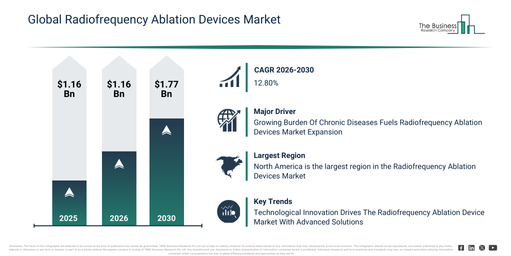
    The radiofrequency ablation devices market has experienced rapid expansion in recent years. It is anticipated to increase from $5.25 billion in 2025 to $5.91 billion in 2026, exhibiting a compound annual growth rate (CAGR) of 12.5%. The market’s past growth can be attributed to several factors, including the increasing prevalence of cancer and chronic pain conditions, the expansion of interventional treatment options, the growing acceptance of thermal ablation therapies, the availability of rf generator platforms, and the rising utilization of outpatient procedures.

    The radiofrequency ablation devices market is projected for significant expansion in the coming years. This market is anticipated to reach $9.55 billion by 2030, exhibiting a compound annual growth rate (CAGR) of 12.8%. This anticipated growth stems from several factors, including the escalating demand for image-guided oncology treatments, the increasing integration of RF ablation in cardiology, the broadening scope of ambulatory surgical procedures, a heightened emphasis on targeted pain management, and increased capital allocation towards advanced ablation technologies. Key developments expected during this period involve the greater acceptance of minimally invasive ablation techniques, a surge in the utilization of disposable ablation catheters, enhanced incorporation of imaging-guided ablation systems, the widening application of pain management solutions, and a stronger emphasis on precise tissue targeting.

    Access Your Free Sample Report for In-Depth Market Insights:

    https://www.thebusinessresearchcompany.com/sample.aspx?id=12168&type=smp

    Which Drivers Are Impacting The Competitive Landscape Of The Radiofrequency Ablation Devices Market?

    The expanding prevalence of chronic ailments is fueling the growth of the radiofrequency ablation devices market in the future. These conditions are defined as health issues persisting for at least a year, requiring ongoing medical management, limiting daily functions, or both. Radiofrequency ablation devices find application in managing chronic diseases, particularly in alleviating chronic and arthritic joint discomfort. Furthermore, they are frequently employed to reduce the size of tumors, nodules, or other bodily growths. As an illustration, in February 2024, the World Health Organization, an intergovernmental body based in Switzerland, forecast over 35 million new cancer cases by 2050. This projection signifies a 77% surge from the approximate 20 million cases recorded in 2022. Consequently, the rise in chronic diseases is significantly boosting the expansion of the radiofrequency ablation devices market.

    What Segments Are Identified Within The Structure Of The Radiofrequency Ablation Devices Market?

    The radiofrequency ablation devices market covered in this report is segmented –

    1) By Product Type: Disposable Equipment, Reusable Equipment

    2) By Application: Oncology, Cardiology And Cardiac Rhythm Management, Gynecology, Pain Management

    3) By End-User: Hospitals, Ambulatory Surgical Centers

    Subsegments:

    1) By Disposable Equipment: Ablation Catheters, Electrode Pads, Temperature Probes

    2) By Reusable Equipment: RF Generators, Handpieces

    Which Trends Are Influencing The Development Of The Radiofrequency Ablation Devices Market?

    Leading companies active in the radiofrequency ablation devices market are increasing their focus on introducing advanced medical devices, such as the ELIOSTAR Balloon Ablation Catheter, to secure a competitive edge in the sector. The ELIOSTAR Balloon Ablation Catheter is a sophisticated medical instrument designed for cardiac ablation procedures, utilizing innovative technology to treat arrhythmias and enhance precision in electrophysiological interventions. For instance, in April 2023, Compal Electronics, a Taiwan-based electronics company, unveiled AblatePal, a new radiofrequency ablation (RFA) system for percutaneous and intraoperative coagulation and ablation of soft tissue. This RFA system employs heat energy generated by electrical resistance when current flows through tissue to cauterize tumors and induce tumor necrosis. Its advanced cooling technology prevents harm to normal tissue and yields positive results that can reduce wound size and shorten patient hospital stays.

    Which Key Market Players Are Investing In Expansion And Innovation Within The Radiofrequency Ablation Devices Market?

    Major companies operating in the radiofrequency ablation devices market are Medtronic plc, Abbott Laboratories, Boston Scientific Corporation, AngioDynamics Inc, AtriCure Inc, Stryker Corporation, Smith and Nephew plc, CONMED Corporation, Hologic Inc, Olympus Corporation, BIOTRONIK SE and Co KG, Baylis Medical Company Inc, Avanos Medical Inc, Cosman Medical Inc, Lepu Medical Technology Co Ltd, RF Medical Co Ltd, Gynesonics Inc, Cutera Inc, MicroPort Scientific Corporation, Merit Medical Systems Inc, ENDO-FLEX GmbH, Bramsys Industria e Comercio Ltd

    Access The Complete Report For Deeper Market Insights:

    https://www.thebusinessresearchcompany.com/report/radiofrequency-ablation-devices-global-market-report

    Which Regions Are Projected To Dominate The Radiofrequency Ablation Devices Market In The Coming Years?

    North America was the largest region in the radiofrequency ablation devices market in 2025. Asia-Pacific is expected to be the fastest-growing region in the forecast period. The regions covered in the radiofrequency ablation devices market report are Asia-Pacific, South East Asia, Western Europe, Eastern Europe, North America, South America, Middle East, Africa.

    Request Your Customized Radiofrequency Ablation Devices Market Research Report for Competitive Advantage:

    https://www.thebusinessresearchcompany.com/customise?id=12168&type=smp

    Browse Through More Reports Similar to the Global Radiofrequency Ablation Devices Market 2026, By The Business Research Company

    Ablation Devices Global Market Report 2026

    https://www.thebusinessresearchcompany.com/report/ablation-devices-global-market-report

    Ablation Technology Global Market Report 2026

    https://www.thebusinessresearchcompany.com/report/ablation-technology-global-market-report

    Tumor Ablation Therapy Devices Global Market Report 2026

    https://www.thebusinessresearchcompany.com/report/tumor-ablation-therapy-devices-global-market-report

    Get in touch with us:

    The Business Research Company: https://www.thebusinessresearchcompany.com/

    Americas +1 310-496-7795

    Asia +44 7882 955267 & +91 8897263534

    Europe +44 7882 955267

    Email us at info@tbrc.info

    Follow us on:

    LinkedIn: https://in.linkedin.com/company/the-business-research-company