Category: Pharmaceuticals

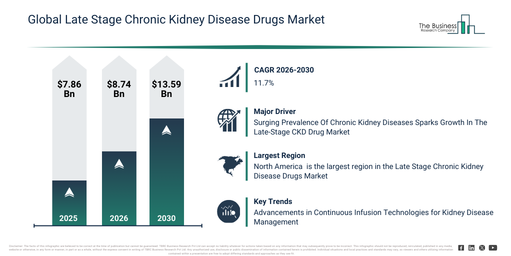
  • A Significant Trend in the Late Stage Chronic Kidney Disease Drugs Market Is Advancements in Continuous Infusion Technologies for Treatment

    A Significant Trend in the Late Stage Chronic Kidney Disease Drugs Market Is Advancements in Continuous Infusion Technologies for Treatment

    The Business Research Company’s 2026 market reports include new capabilities such as market attractiveness scoring and analysis, total addressable market analysis, company scoring matrix, interactive excel data dashboard, improved supply chain analysis, upcoming startups in the market, and overview of key products, aimed at improving the depth, usability, and strategic value of the insights delivered.

    What Is The Market Size Of The Late Stage Chronic Kidney Disease Drugs Market In 2026 And What Value Is Projected For 2030?

    The late stage chronic kidney disease drugs market size has undergone rapid expansion in recent years. It is projected to increase from $7.86 billion in 2025 to $8.74 billion in 2026, reflecting a compound annual growth rate (CAGR) of 11.1%. This historical growth is attributable to factors such as the increasing prevalence of chronic kidney disease, insufficient awareness of late-stage treatment options, a rise in dialysis dependency, an expanding geriatric population, and constrained access to specialized care.

    The late stage chronic kidney disease drugs market is projected to witness rapid expansion over the next few years. Its valuation is anticipated to reach $13.59 billion by 2030, displaying a compound annual growth rate (CAGR) of 11.7%. This projected growth during the forecast period is fueled by advancements in precision medicine, the integration of digital health platforms, the increasing adoption of novel drug therapies, heightened government healthcare initiatives, and expanding investments in patient monitoring technologies. Significant trends for the upcoming period encompass personalized treatment protocols, innovative drug formulations for late-stage ckd, optimized symptom management, solutions for patient adherence and monitoring, and enhanced healthcare provider decision support.

    Download the Free Sample Report to Explore Key Market Insights:

    https://www.thebusinessresearchcompany.com/sample.aspx?id=12196&type=smp

    What Drivers Are Influencing The Late Stage Chronic Kidney Disease Drugs Market?

    The increasing prevalence of chronic kidney diseases is anticipated to drive the expansion of the late-stage chronic kidney disease drug market moving forward. Chronic kidney diseases describe a variety of conditions that impact the structure and functioning of the kidneys. Late-stage chronic kidney disease drugs are administered to patients to regulate blood pressure, reduce protein loss to prevent further kidney damage, alleviate symptoms, and avert complications. For instance, in May 2024, the Centers for Disease Control and Prevention (CDC), a US-based public health agency, indicated that an estimated 14% of U.S. adults, roughly 35.5 million people, are affected by chronic kidney diseases. Therefore, the widespread occurrence of chronic kidney disease is a key factor boosting the growth of the late-stage chronic kidney disease drug market.

    What Are The Key Segments Of The Late Stage Chronic Kidney Disease Drugs Market?

    The late stage chronic kidney disease drugs market covered in this report is segmented –

    1) By Product Type: Calcimimetics, Vitamin D, Sterols, Potassium Binders, Calcium-Based Phosphate Binders

    2) By Indication Type: Late Stage Chronic Kidney Disease Induced Hyperparathyroidism, Late Stage Chronic Kidney Disease Induced Hyperphosphatemia, Late Stage Chronic Kidney Disease Induced Hyperkalemia

    3) By Distribution Channel: Hospital Pharmacies, Online Pharmacies, Retail Pharmacies

    Subsegments:

    1) By Calcimimetics: Cinacalcet, Etelcalcetide

    2) By Vitamin D: Calcitriol, Doxercalciferol, Paricalcitol

    3) By Sterols: Ergocalciferol, Cholecalciferol

    4) By Potassium Binders: Sodium Polystyrene Sulfonate, Patiromer, Sodium Zirconium Cyclosilicate

    5) By Calcium-Based Phosphate Binders: Calcium Acetate, Calcium Carbonate

    What Key Trends Are Influencing The Development Of The Late Stage Chronic Kidney Disease Drugs Market?

    Leading companies active in the late-stage chronic kidney disease drugs market are developing technologies such as continuous subcutaneous infusion approaches to boost treatment efficacy, enhance patient outcomes, and streamline the drug development process. Continuous subcutaneous infusion technology steadily delivers medication through a small device placed under the skin, ensuring consistent therapeutic levels and improving patient adherence. For instance, in January 2024, AbbVie Inc., a US-based pharmaceutical company, introduced PRODUODOPA (for levodopa/foscarbidopa). PRODUODOPA enables a continuous infusion of levodopa, which helps maintain consistent dopamine levels in the bloodstream. This is critical for effectively managing symptoms, as it extends the duration of ‘on’ time periods when symptoms are well-controlled while minimizing ‘off’ time when symptoms return.

    Who Are The Leading Companies Operating In The Late Stage Chronic Kidney Disease Drugs Market?

    Major companies operating in the late stage chronic kidney disease drugs market are Pfizer Inc., Johnson & Johnson, AbbVie Inc., Bayer AG, Novartis AG, Sanofi SA, Bristol-Myers Squibb Company, AstraZeneca plc, Eli Lilly and Company, C.H. Boehringer Sohn AG & Co. KG, Amgen Inc., Novo Nordisk A/S, Teva Pharmaceutical Industries Ltd., Otsuka Pharmaceutical Co. Ltd., Takeda Pharmaceutical Company Limited, Kyowa Kirin Co Ltd., OPKO Health Inc., Akebia Therapeutics Inc., Ardelyx Inc., Pharmaxis Limited, Deltanoid Pharmaceuticals Inc., Liminal BioSciences Inc., Chinook Therapeutics Inc., Allena Pharmaceuticals Inc., Shield Therapeutics Plc

    Read the full late stage chronic kidney disease drugs market report here:

    https://www.thebusinessresearchcompany.com/report/late-stage-chronic-kidney-disease-drugs-global-market-report

    Which Regions Are Expected To Experience Rapid Expansion In The Late Stage Chronic Kidney Disease Drugs Market?

    North America was the largest region in the late-stage chronic kidney disease drugs market in 2025. The regions covered in the late stage chronic kidney disease drugs market report are Asia-Pacific, South East Asia, Western Europe, Eastern Europe, North America, South America, Middle East, Africa.

    Request A Tailored Late Stage Chronic Kidney Disease Drugs Market Research Report For Competitive Advantage:

    https://www.thebusinessresearchcompany.com/customise?id=12196&type=smp

    Browse Through More Reports Similar to the Global Late Stage Chronic Kidney Disease Drugs Market 2026, By The Business Research Company

    Late Stage Chronic Kidney Disease Drugs Market Report 2026

    https://www.thebusinessresearchcompany.com/report/late-stage-chronic-kidney-disease-drugs-global-market-report

    Kidney Cancer Drugs Market Report 2026

    https://www.thebusinessresearchcompany.com/report/kidney-cancer-drugs-global-market-report

    Chronic Kidney Disease Market Report 2026

    https://www.thebusinessresearchcompany.com/report/chronic-kidney-disease-global-market-report

    Get in touch with us:

    The Business Research Company: https://www.thebusinessresearchcompany.com/

    Americas +1 310-496-7795

    Asia +44 7882 955267 & +91 8897263534

    Europe +44 7882 955267

    Email us at info@tbrc.info

    Follow us on:

    LinkedIn: https://in.linkedin.com/company/the-business-research-company

    YouTube: https://www.youtube.com/channel/UC24_fI0rV8cR5DxlCpgmyFQ

    Global Market Model: https://www.thebusinessresearchcompany.com/global-market-model

  • A Notable Trend in the Lactose Intolerance Treatment Market Is Technological Advancements Transforming the Industry

    A Notable Trend in the Lactose Intolerance Treatment Market Is Technological Advancements Transforming the Industry

    The Business Research Company’s 2026 market reports include new capabilities such as market attractiveness scoring and analysis, total addressable market analysis, company scoring matrix, interactive excel data dashboard, improved supply chain analysis, upcoming startups in the market, and overview of key products, aimed at improving the depth, usability, and strategic value of the insights delivered.

    What Will Be The Estimated Market Valuation Of The Lactose Intolerance Treatment Market By The End Of 2030?

    The lactose intolerance treatment market size has experienced significant growth in recent years. It is projected to expand from $34.43 billion in 2025 to $36.96 billion in 2026, demonstrating a compound annual growth rate (CAGR) of 7.3%. This historical growth can be attributed to several factors, including the increasing prevalence of lactose intolerance, limited availability of lactose-free products, low consumer awareness, a reliance on traditional remedies, and a rise in gastrointestinal disorders.

    The market for lactose intolerance treatment is projected to experience substantial expansion in the coming years. This market is predicted to reach a valuation of $49.13 billion by 2030, demonstrating a compound annual growth rate (CAGR) of 7.4%. Several factors are expected to drive this growth during the forecast period, including an increasing demand for tailored therapies, progress in enzyme formulation technology, the proliferation of functional dairy substitutes, higher spending on healthcare, and the increasing embrace of home-based care. Key trends anticipated during this period encompass individualized treatments for lactose intolerance, the rise of functional foods and alternative dairy products, a greater uptake of enzyme supplements, enhanced public awareness and education regarding digestive well-being, and the broader availability of in-home treatment options.

    Download the Free Sample Report to Explore Key Market Insights:

    https://www.thebusinessresearchcompany.com/sample.aspx?id=9478&type=smp

    What Drivers Are Shaping The Future Growth Of The Lactose Intolerance Treatment Market?

    The lactose intolerance treatment market is expected to be bolstered by the growing global population during the forecast period. The expansion in worldwide population and evolving dietary patterns have resulted in a higher number of individuals with lactose intolerance, leading to an increasing demand for effective treatments and management solutions. This demographic change, combined with a heightened awareness of lactose intolerance, is likely to stimulate innovation and investment in therapeutic options. For instance, in January 2024, according to the United States Census Bureau, a U.S.-based government agency, the global population is projected to reach 8,019,876,189, marking an increase of 75,162,541 (0.95%) from 2023. Thus, the expanding population will drive the demand for the lactose intolerance treatment market.

    Which Segment Classifications Shape The Lactose Intolerance Treatment Market?

    The lactose intolerance treatment market covered in this report is segmented –

    1) By Treatment: Food Supplements, Enzyme Lactase Supplements, Probiotics, Other Treatments

    2) By Intolerance Type: Primary Lactose Intolerance, Secondary Lactose Intolerance, Congenital Lactose Intolerance, Developmental Lactose Intolerance

    3) By Route Of Administration: Oral, Injectable

    4) By End Users: Hospitals, Homecare, Specialty Clinics, Other End Users

    Subsegments:

    1) By Food Supplements: Lactose-Free Dairy Products, Fortified Foods

    2) By Enzyme Lactase Supplements: Capsules, Tablets, Chewable Tablets, Liquid Formulations

    3) By Probiotics: Probiotic Yogurts, Probiotic Capsules, Probiotic Powders

    4) By Other Treatments: Dietary Modifications, Prescription Medications

    How Are Trends Impacting The Lactose Intolerance Treatment Market?

    Companies at the forefront of the lactose intolerance treatment market are concentrating on developing novel solutions, including sophisticated sugar-reduction and lactose-modification technologies, to satisfy the growing consumer need for dairy items that are low in lactose, low in sugar, and gentle on digestion. These techniques operate by enzymatically breaking down lactose and lowering natural sugar content, presenting a practical alternative to conventional lactose-free processing methods while simultaneously enhancing nutritional aspects. For example, in July 2023, Nestlé, a Switzerland-based food and drink processing company, unveiled a adaptable and cost-efficient sugar-reduction technology suitable for various product types. This technology not only decreases total sugars but can also be utilized to develop low-lactose and skimmed milk-based products, thereby addressing both lactose intolerance and sugar-reduction demands among consumers.

    Which Companies Are Expanding Their Footprint In The Lactose Intolerance Treatment Market?

    Major companies operating in the lactose intolerance treatment market are Abbott Laboratories Inc., Macleods Pharmaceuticals Limited, Ganeden Inc., Deerland Probiotics & Enzymes Inc., Novozymes A/S, Cargill Incorporated, Lupin Pharmaceuticals Inc., Nestlé S.A., Glenmark Pharmaceuticals Limited, Intas Pharmaceuticals Ltd., Wockhardt Ltd., Alkem Laboratories Limited, Teva Pharmaceutical Industries Ltd., Dr. Reddy’s Laboratories Ltd., Torrent Pharmaceuticals Ltd., DuPont Nutrition & Biosciences Inc., Kerry Group plc, Koninklijke DSM N.V., Solvay S.A., Chr. Hansen Holding A/S, Bio-Cat Inc.

    Read the full lactose intolerance treatment market report here:

    https://www.thebusinessresearchcompany.com/report/lactose-intolerance-treatment-global-market-report

    Which Geographic Regions Are Influencing Demand In The Lactose Intolerance Treatment Market?

    North America was the largest region in the lactose intolerance treatment market in 2025. The regions covered in the lactose intolerance treatment market report are Asia-Pacific, South East Asia, Western Europe, Eastern Europe, North America, South America, Middle East, Africa.

    Request A Tailored Lactose Intolerance Treatment Market Research Report For Competitive Advantage:

    https://www.thebusinessresearchcompany.com/customise?id=9478&type=smp

    Browse Through More Reports Similar to the Global Lactose Intolerance Treatment Market 2026, By The Business Research Company

    Lactose Intolerance Treatment Market Report 2026

    https://www.thebusinessresearchcompany.com/report/lactose-intolerance-treatment-global-market-report

    Lactose Free Dairy Market Report 2026

    https://www.thebusinessresearchcompany.com/report/lactose-free-dairy-global-market-report

    Lactose Market Report 2026

    https://www.thebusinessresearchcompany.com/report/lactose-global-market-report

    Get in touch with us:

    The Business Research Company: https://www.thebusinessresearchcompany.com/

    Americas +1 310-496-7795

    Asia +44 7882 955267 & +91 8897263534

    Europe +44 7882 955267

    Email us at info@tbrc.info

    Follow us on:

    LinkedIn: https://in.linkedin.com/company/the-business-research-company

    YouTube: https://www.youtube.com/channel/UC24_fI0rV8cR5DxlCpgmyFQ

    Global Market Model: https://www.thebusinessresearchcompany.com/global-market-model
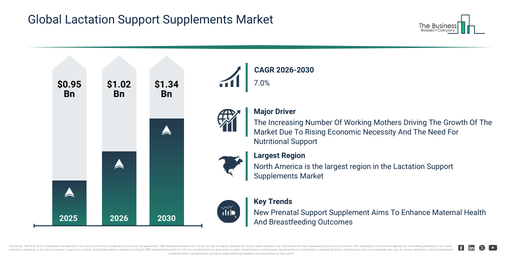
  • A Key Factor Driving the Lactation Support Supplements Market Is the Increasing Number of Working Mothers Boosting Demand for Nutritional Support

    A Key Factor Driving the Lactation Support Supplements Market Is the Increasing Number of Working Mothers Boosting Demand for Nutritional Support

    The Business Research Company’s 2026 market reports include new capabilities such as market attractiveness scoring and analysis, total addressable market analysis, company scoring matrix, interactive excel data dashboard, improved supply chain analysis, upcoming startups in the market, and overview of key products, aimed at improving the depth, usability, and strategic value of the insights delivered.

    What Market Size Growth Is Projected For The Lactation Support Supplements Market During The Forecast Period 2026–2030?

    The lactation support supplements market size has experienced significant growth in recent years. It is forecast to increase from $0.95 billion in 2025 to $1.02 billion in 2026, exhibiting a compound annual growth rate (CAGR) of 7.3%. Factors contributing to its historical growth include rising breastfeeding awareness, the embrace of traditional herbal medicine, an emphasis on postpartum nutrition, the accessibility of pharmacy-based supplements, and various maternal healthcare initiatives.

    The lactation support supplements market size is projected to undergo significant expansion over the next few years, reaching $1.34 billion in 2030 with a compound annual growth rate (CAGR) of 7.0%. This growth during the forecast period is driven by the proliferation of online maternal wellness platforms, an increasing preference for clean-label supplements, the rising population of working mothers, the demand for personalized maternal nutrition, and the expansion of women-focused health brands. Prominent trends for the forecast period encompass a surging demand for natural and herbal lactation products, greater utilization of plant-based galactagogues, the expansion of direct-to-consumer supplement sales, increased awareness regarding postpartum nutrition, and product innovation leading to more convenient dosage forms.

    Download the Free Sample Report to Explore Key Market Insights:

    https://www.thebusinessresearchcompany.com/sample.aspx?id=24582&type=smp

    Which Economic Or Industry Drivers Are Impacting The Lactation Support Supplements Market?

    The increasing number of working mothers is projected to drive the expansion of the lactation support supplements market in the future. Working mothers are individuals who balance their professional or employment responsibilities with their roles as parents and caregivers, typically managing both household and career demands. The surge in working mothers is largely due to economic necessity, as many households depend on dual incomes to meet rising living costs, support family needs, and ensure financial security. Lactation support supplements provide crucial assistance to working mothers by delivering essential nutrients that stimulate milk production, allowing them to fulfill their breastfeeding and professional commitments without compromising their health or their baby’s nutrition. For example, in May 2025, according to the U.S. Bureau of Labor Statistics (BLS), a U.S.-based federal agency, in 2024, the labor force participation rate among mothers whose youngest child was aged 6–17 rose to 78.0%, compared to 68.3% for those with children under 6. Therefore, the growing population of working mothers is fueling the growth of the lactation support supplements market.

    What Market Segments Are Evaluated Within The Lactation Support Supplements Market?

    The lactation support supplements market covered in this report is segmented –

    1) By Product Type: Capsules, Tablets, Powders, Teas

    2) By Ingredient Type: Fenugreek, Moringa, Milk Thistle, Fennel, Oatmeal, Other Ingredient Types

    3) By Sales Channel: Online Sales Channel, Direct Sales Channel, Pharmacies Or Drug Stores, Other Offline Channels

    Subsegments:

    1) By Capsules: Softgel Capsules, Hard Gel Capsules, Liquid Capsules

    2) By Tablets: Chewable Tablets, Regular Tablets, Effervescent Tablets

    3) By Powders: Single Serve Powders, Bulk Powders

    4) By Teas: Loose Leaf Teas, Tea Bags

    What Industry Trends Are Redefining The Lactation Support Supplements Market?

    Major companies operating in the lactation support supplements market are concentrating on developing innovative products, such as prenatal support supplements, to enhance maternal health and improve breastfeeding outcomes. Prenatal support supplements refer to specially formulated products providing essential vitamins, minerals, and nutrients to support the health of both the mother and the developing baby during pregnancy. For instance, in October 2024, Synevit, a US-based nutraceutical company, launched Prenelact, a dietary supplement created to support women throughout pregnancy and breastfeeding. This product offers a carefully balanced blend of 19 essential vitamins and minerals, specifically tailored to meet the unique nutritional requirements of expectant and nursing mothers. Each ingredient is included in clinically recommended daily amounts to ensure effective absorption and safety, thereby avoiding the risks of both deficiencies and excesses.

    Who Are The Top Market Participants Influencing The Lactation Support Supplements Market?

    Major companies operating in the lactation support supplements market are Nestlé S.A., Nature’s Way Products LLC, Munchkin Inc., Traditional Medicinals Inc., Willow Innovations Inc, Pink Stork LLC, Boobie Superfoods, UpSpring Baby LLC, Motherlove Herbal Company, Earth Mama Organics LLC, Fairhaven Health LLC, Holistic Lactation LLC, Legendairy Milk LLC, Majka LLC, Maxi Health Research LLC, Milky Mama LLC, Nutrizoe Nutriifoods Private Limited, Oat Mama LLC, Rumina Naturals Inc, Vitalpax

    Read the full lactation support supplements market report here:

    https://www.thebusinessresearchcompany.com/report/lactation-support-supplements-global-market-report

    What Are The Top-Performing Regions Within The Lactation Support Supplements Market?

    North America was the largest region in the lactation support supplements market in 2025. Asia-Pacific is expected to be the fastest-growing region in the forecast period. The regions covered in the lactation support supplements market report are Asia-Pacific, South East Asia, Western Europe, Eastern Europe, North America, South America, Middle East, Africa.

    Request A Tailored Lactation Support Supplements Market Research Report For Competitive Advantage:

    https://www.thebusinessresearchcompany.com/customise?id=24582&type=smp

    Browse Through More Reports Similar to the Global Lactation Support Supplements Market 2026, By The Business Research Company

    Postnatal Health Supplement Market Report 2026

    https://www.thebusinessresearchcompany.com/report/postnatal-health-supplement-global-market-report

    Postpartum Health Supplements Market Report 2026

    https://www.thebusinessresearchcompany.com/report/postpartum-health-supplements-global-market-report

    Supplements And Infant Milk Formula For Travel Retail Market Report 2026

    https://www.thebusinessresearchcompany.com/report/supplements-and-infant-milk-formula-for-travel-retail-global-market-report

    Get in touch with us:

    The Business Research Company: https://www.thebusinessresearchcompany.com/

    Americas +1 310-496-7795

    Asia +44 7882 955267 & +91 8897263534

    Europe +44 7882 955267

    Email us at info@tbrc.info

    Follow us on:

    LinkedIn: https://in.linkedin.com/company/the-business-research-company

    YouTube: https://www.youtube.com/channel/UC24_fI0rV8cR5DxlCpgmyFQ

    Global Market Model: https://www.thebusinessresearchcompany.com/global-market-model

  • A Major Driver of the Kinase Inhibitors Market Is Rising Demand for Precision Medicine Supporting Lab Automation in Drug Discovery

    A Major Driver of the Kinase Inhibitors Market Is Rising Demand for Precision Medicine Supporting Lab Automation in Drug Discovery

    The Business Research Company’s 2026 market reports include new capabilities such as market attractiveness scoring and analysis, total addressable market analysis, company scoring matrix, interactive excel data dashboard, improved supply chain analysis, upcoming startups in the market, and overview of key products, aimed at improving the depth, usability, and strategic value of the insights delivered.

    How Will The Market Size Of The Lab Automation In Drug Discovery Market Evolve From 2026 To 2030?

    The lab automation in drug discovery market size has experienced substantial growth in recent years. It is projected to increase from $6.77 billion in 2025 to $7.12 billion in 2026, demonstrating a compound annual growth rate (CAGR) of 5.1%. This historical expansion can be attributed to factors such as the adoption of robotic arms in laboratories, rising investment in pharmaceutical R&D, a greater need for automation to reduce errors, the integration of lab information management systems, and the development of high-throughput screening technologies.

    The lab automation in drug discovery market is projected for significant expansion in the coming years. This market is set to reach $8.72 billion by 2030, exhibiting a compound annual growth rate (CAGR) of 5.2%. This growth during the projection period stems from factors such as the proliferation of AI-driven drug discovery platforms, a rising need for personalized medicine, the development of cloud-based lab management solutions, the integration of advanced robotics for sample handling, and increasing partnerships between pharmaceutical and biotechnology firms. Key trends during this period are expected to encompass high-throughput screening automation, streamlined integrated laboratory workflows, the application of predictive analytics in drug discovery, the miniaturization of laboratory procedures, and cloud-based lab management.

    Download the Free Sample Report to Explore Key Market Insights:

    https://www.thebusinessresearchcompany.com/sample.aspx?id=14410&type=smp

    What Major Drivers Are Influencing Demand In The Lab Automation In Drug Discovery Market?

    The rising need for precision medicine is anticipated to fuel the expansion of lab automation within the drug discovery market moving ahead. Precision medicine, interchangeably referred to as personalized medicine, represents a medical strategy for treatment and prevention that considers unique variations in an individual’s genetic makeup, surroundings, and way of life. Through lab automation, research is expedited, experimental reproducibility is enhanced, and the efficacy of precision medicine and drug discovery processes is boosted, ultimately resulting in the development of superior medicines and diagnostic tools tailored for individual patients. As an illustration, in February 2024, the Personalized Medicine Coalition, a US-based non-profit body, disclosed that the FDA sanctioned 16 novel personalized treatments for rare disease patients in 2023, marking a considerable rise from the six approved in 2022. Consequently, the expanding requirement for precision medicine is propelling the advancement of lab automation within the drug discovery market.

    Which Segment Areas Are Covered In The Lab Automation In Drug Discovery Market Analysis?

    The lab automation in drug discovery market covered in this report is segmented –

    1) By Type: Automated Liquid Handlers, Automated Plate Handlers, Robotic Arms, Automated Storage And Retrieval Systems, Other Types

    2) By Component: Instruments, Software, Services

    3) By Application: High-Throughput Screening, Compound Management, Sample Preparation, Other Applications

    4) By End-User: Biotechnology And Pharmaceutical Industries, Research Institutes, Other End-Users

    Subsegments:

    1) By Automated Liquid Handlers: Automated Liquid Handlers, Multi-Channel Pipettes, Reagent Dispensing Systems, Automated Titrators, Liquid Handling Workstations

    2) By Automated Plate Handlers: Automated Plate Handlers, Microplate Stacker Systems, Plate Transportation Systems, Plate Sorting Systems

    3) By Robotic Arms: Robotic Arms, Cartesian Robots, SCARA Robots, Articulated Robots, Delta Robots

    4) By Automated Storage And Retrieval Systems (ASRS): Automated Storage and Retrieval Systems (ASRS), Vertical Lift Modules (VLM), Automated Guided Vehicles (AGVs), Carousel-Based Systems, High-Density Storage Systems

    5) By Other Types: Automated Sample Preparation Systems, Laboratory Information Management Systems (LIMS), Microarray Processors, Automated Screening Systems

    What Key Developments And Trends Are Impacting The Lab Automation In Drug Discovery Market?

    Leading companies active in the lab automation segment within the drug discovery market are incorporating AI-driven and robotics-based platforms to accelerate formulation development and enhance R&D efficiency. These advanced AI-powered and robot-assisted platforms utilize smart algorithms and automated machines to streamline various tasks, boost precision, and speed up workflows. As an illustration, in May 2025, Intrepid Labs, a Canada-based research laboratory, launched its Valiant platform, an AI-driven and robotics-enabled system engineered to dramatically accelerate drug formulation development. Supported by more than $11 million in total funding, including a recent $7 million seed round led by AVANT BIO, the company intends to replace slow, trial-and-error formulation processes with rapid, data-driven optimization. Valiant autonomously explores full formulation design spaces, effectively reducing timelines from months to days while improving therapeutic performance and safety. Since its founding in 2023, Intrepid Labs has secured partnerships with major pharmaceutical companies and CROs, and is additionally developing proprietary oral and long-acting injectable technologies for licensing.

    Which Global Companies Are Actively Competing In The Lab Automation In Drug Discovery Market?

    Major companies operating in the lab automation in drug discovery market are Thermo Fisher Scientific Inc., Abbott Diagnostics, Roche Holdings Inc., Beckman Coulter, Siemens Healthineers, Becton Dickinson and Company, Agilent Technologies Inc., PerkinElmer Inc., Endress+Hauser, Shimadzu Corporation, Waters Corporation, Bio-Rad Laboratories Inc., QIAGEN, Beckhoff Automation GmbH & Co. KG, Eppendorf AG, Tecan Group Ltd., Brooks Automation Inc., Hamilton Company, Hudson Robotics Inc., OpenTrons Labworks Inc., Quanterix Corporation, The Technology Partnership, HighRes Biosolutions Inc., Biosero Inc., Peak Analysis and Automation Ltd., Aurora Biomed Inc., Synchron Lab Automation

    Read the full lab automation in drug discovery market report here:

    https://www.thebusinessresearchcompany.com/report/lab-automation-in-drug-discovery-global-market-report

    Which Region Shows The Strongest Potential For Future Growth In The Lab Automation In Drug Discovery Market?

    North America was the largest region in the lab automation in drug discovery market in 2025. Asia-Pacific is expected to be the fastest-growing region in the forecast period. The regions covered in the lab automation in drug discovery market report are Asia-Pacific, South East Asia, Western Europe, Eastern Europe, North America, South America, Middle East, Africa.

    Request A Tailored Lab Automation In Drug Discovery Market Research Report For Competitive Advantage:

    https://www.thebusinessresearchcompany.com/customise?id=14410&type=smp

    Browse Through More Reports Similar to the Global Lab Automation In Drug Discovery Market 2026, By The Business Research Company

    Lab Automation In Drug Discovery Market Report 2026

    https://www.thebusinessresearchcompany.com/report/lab-automation-in-drug-discovery-global-market-report

    Lab Automation In Genomics Market Report 2026

    https://www.thebusinessresearchcompany.com/report/lab-automation-in-genomics-global-market-report

    Lab Automation Market Report 2026

    https://www.thebusinessresearchcompany.com/report/lab-automation-global-market-report

    Get in touch with us:

    The Business Research Company: https://www.thebusinessresearchcompany.com/

    Americas +1 310-496-7795

    Asia +44 7882 955267 & +91 8897263534

    Europe +44 7882 955267

    Email us at info@tbrc.info

    Follow us on:

    LinkedIn: https://in.linkedin.com/company/the-business-research-company

    YouTube: https://www.youtube.com/channel/UC24_fI0rV8cR5DxlCpgmyFQ

    Global Market Model: https://www.thebusinessresearchcompany.com/global-market-model

  • Global Kinase Inhibitors Industry Trends and Growth Forecast for 2026–2030

    Global Kinase Inhibitors Industry Trends and Growth Forecast for 2026–2030

    The Business Research Company’s 2026 market reports include new capabilities such as market attractiveness scoring and analysis, total addressable market analysis, company scoring matrix, interactive excel data dashboard, improved supply chain analysis, upcoming startups in the market, and overview of key products, aimed at improving the depth, usability, and strategic value of the insights delivered.

    What Is The Forecasted Market Value Of The Kinase Inhibitors Market Across 2026–2030?

    The kinase inhibitors market has shown substantial growth in recent years. This market is forecast to increase from $67.21 billion in 2025 to $72.23 billion in 2026, achieving a compound annual growth rate (CAGR) of 7.5%. The expansion observed historically can be linked to the significant clinical accomplishments of early tyrosine kinase inhibitors, a deeper insight into kinase-driven disease mechanisms, the rising global occurrence of cancer, the availability of proven molecular targets, and the broadening of oncology specialty care facilities.

    The kinase inhibitors market is projected to experience robust expansion over the coming years. By 2030, this market is anticipated to reach $94.01 billion, demonstrating a compound annual growth rate (CAGR) of 6.8%. This projected growth is driven by several factors, including the sustained development of precision oncology methods, an expanding array of kinase-targeted medications, the increasing application of kinase inhibitors in treating inflammatory conditions, a growing need for individualized treatment plans, and continuous breakthroughs in selective kinase inhibition. Key trends expected during this period involve a greater embrace of targeted kinase inhibitors in cancer therapy, increased integration of combination therapies utilizing kinase inhibitors, a growing inclination towards oral kinase inhibitor treatments, the broadening of kinase inhibitor applications beyond cancer, and a consistent move towards advanced and more precise kinase inhibitors.

    Download the Free Sample Report to Explore Key Market Insights:

    https://www.thebusinessresearchcompany.com/sample.aspx?id=15841&type=smp

    Which Market Drivers Are Supporting The Expansion Of The Kinase Inhibitors Market?

    The future expansion of the kinase inhibitors market is anticipated due to the rising occurrence of cancer. Cancer is defined as a collection of illnesses marked by the unrestrained multiplication and dissemination of atypical cells within the body. This upward trend in cancer incidence stems from factors like an aging demographic, lifestyle choices including tobacco consumption and dietary habits, and advancements in diagnostic methods that facilitate earlier and more frequent discovery. Kinase inhibitors aid cancer therapy by providing medications that obstruct crucial signaling enzymes (kinases), thereby impeding the development, viability, and multiplication of tumor cells. For example, the National Health Service (NHS), a government health agency based in the UK, reported in October 2025 that 2023 saw 354,820 new cancer diagnoses, averaging 972 daily, representing an increase of 8,605 compared to 2022. Consequently, the expanding prevalence of cancer is fueling the growth of the kinase inhibitors market.

    What Segmentation Levels Are Considered In The Kinase Inhibitors Market?

    The kinase inhibitors market covered in this report is segmented –

    1) By Type: Tyrosine Kinase Inhibitors, Multikinase Inhibitors, mTOR Kinase Inhibitors, Other Types

    2) By Route of Administration: Oral, Parenteral, Other Routes

    3) By Application: Oncology, Inflammatory Diseases

    4) By Distribution Channel: Hospital Pharmacy, Online Pharmacy, Retail Pharmacy

    5) By End User: Hospitals, Homecare, Specialty Clinics, Other End-Users

    Subsegments:

    1) By Tyrosine Kinase Inhibitors: EGFR Inhibitors, HER2 Inhibitors, BCR-ABL Inhibitors, Other Tyrosine Kinase Inhibitors

    2) By Multikinase Inhibitors: VEGFR Inhibitors, PDGFR Inhibitors, FGFR Inhibitors, Other Multikinase Inhibitors

    3) By MTOR Kinase Inhibitors: Everolimus, Temsirolimus, Other MTOR Kinase Inhibitors

    4) By Other Types: JAK Inhibitors, ROCK Inhibitors, CDK Inhibitors, Other Kinase Inhibitors

    What Trends Are Projected To Affect The Kinase Inhibitors Market?

    Leading companies within the kinase inhibitors market are increasingly prioritizing the development of innovative formulations, such as novel dasatinib tablet formulations, with the aim of enhancing drug bioavailability and patient adherence. These novel dasatinib tablet formulations represent updated versions of the cancer drug dasatinib, specifically engineered to improve absorption, diminish side effects, or enable more convenient dosing compared to existing standard tablets. For instance, in October 2025, Cycle Pharmaceuticals Ltd., a UK-based biopharmaceutical company, partnered with Handa Therapeutics, LLC, a US-based pharmaceutical company, to launch its first oncology product in the US, PHYRAGO™ (dasatinib) tablets. This product is an FDA-approved tyrosine kinase inhibitor utilized for managing Philadelphia chromosome-positive chronic myeloid leukemia (Ph+ CML) and Philadelphia chromosome-positive acute lymphoblastic leukemia (Ph+ ALL) in adults, including those newly diagnosed and individuals showing resistance or intolerance to previous treatments like imatinib. A distinguishing characteristic of this product is its ability to be co-administered with proton pump inhibitors (PPIs) and H2 receptor antagonists, which aids in addressing gastric acid-related disorders commonly encountered by patients.

    Which Leading Firms Are Contributing To The Growth Of The Kinase Inhibitors Market?

    Major companies operating in the kinase inhibitors market are Pfizer Inc., Johnson & Johnson, F. Hoffmann-La Roche Ltd, Merck & Co. Inc., Bristol-Myers Squibb Company, AstraZeneca Plc, Novartis AG, GlaxoSmithKline PLC, Takeda Pharmaceutical Company Limited, Eli Lilly and Company, Teva Pharmaceutical Industries Ltd, Astellas Pharma Inc, Cipla Inc, Dr. Reddy’s Laboratories Ltd, Amneal Pharmaceuticals LLC, Lupin Limited, Exelixis Inc, Glenmark Pharmaceuticals Ltd, Torrent Pharmaceuticals Ltd, Hutchison China MediTech Limited, Sierra Oncology Inc.

    Read the full kinase inhibitors market report here:

    https://www.thebusinessresearchcompany.com/report/kinase-inhibitors-global-market-report

    How Is The Kinase Inhibitors Market Distributed Across Key Geographic Regions?

    Asia-Pacific was the largest region in the kinase inhibitors market in 2025. Asia-Pacific is expected to be the fastest-growing region in the forecast period. The regions covered in the kinase inhibitors market report are Asia-Pacific, South East Asia, Western Europe, Eastern Europe, North America, South America, Middle East, Africa.

    Request A Tailored Kinase Inhibitors Market Research Report For Competitive Advantage:

    https://www.thebusinessresearchcompany.com/customise?id=15841&type=smp

    Browse Through More Reports Similar to the Global Kinase Inhibitors Market 2026, By The Business Research Company

    Kinase Inhibitors Market Report 2026

    https://www.thebusinessresearchcompany.com/report/kinase-inhibitors-global-market-report

    Tyrosine Kinase Inhibitors Market Report 2026

    https://www.thebusinessresearchcompany.com/report/tyrosine-kinase-inhibitors-global-market-report

    Janus Kinase Jak Inhibitors Market Report 2026

    https://www.thebusinessresearchcompany.com/report/janus-kinase-jak-inhibitors-global-market-report

    Get in touch with us:

    The Business Research Company: https://www.thebusinessresearchcompany.com/

    Americas +1 310-496-7795

    Asia +44 7882 955267 & +91 8897263534

    Europe +44 7882 955267

    Email us at info@tbrc.info

    Follow us on:

    LinkedIn: https://in.linkedin.com/company/the-business-research-company

    YouTube: https://www.youtube.com/channel/UC24_fI0rV8cR5DxlCpgmyFQ

    Global Market Model: https://www.thebusinessresearchcompany.com/global-market-model
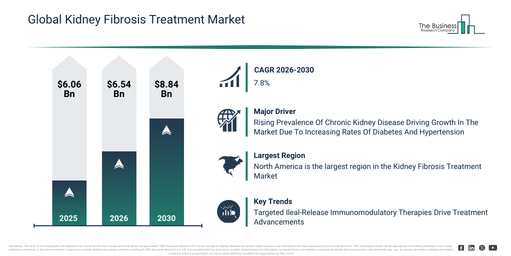
  • Kidney Fibrosis Treatment Market Outlook Showing Demand Growth Across 2026–2030

    Kidney Fibrosis Treatment Market Outlook Showing Demand Growth Across 2026–2030

    The Business Research Company’s 2026 market reports include new capabilities such as market attractiveness scoring and analysis, total addressable market analysis, company scoring matrix, interactive excel data dashboard, improved supply chain analysis, upcoming startups in the market, and overview of key products, aimed at improving the depth, usability, and strategic value of the insights delivered.

    What Market Size Increase Is Anticipated For The Kidney Fibrosis Treatment Market Over The 2026–2030 Period?

    The kidney fibrosis treatment market size has experienced strong expansion in recent years. It is projected to increase from $6.06 billion in 2025 to $6.54 billion in 2026, achieving a compound annual growth rate (CAGR) of 8.0%. The market’s growth during the historic period was primarily driven by factors such as the rising prevalence of chronic kidney disease, the limited effectiveness of traditional therapies, the increased adoption of ACE inhibitors and ARBs, the growing healthcare burden associated with renal failure, and the expansion of nephrology care services.

    The market for kidney fibrosis treatments is projected to experience substantial growth over the coming years, anticipated to reach $8.84 billion by 2030, expanding at a compound annual growth rate (CAGR) of 7.8%. Key factors driving this expansion during the forecast period include progress in targeted antifibrotic therapies, a rising elderly demographic affected by CKD, the wider integration of precision medicine within nephrology, increased funding for renal research, and enhanced early detection of kidney disease. Significant trends expected during this period involve a heightened emphasis on developing antifibrotic drugs, a greater reliance on combination treatments for CKD, increased exploration into stem cell and regenerative treatments, the proliferation of tools for early diagnosis and monitoring, and an uptick in clinical trials aimed at renal fibrosis pathways.

    Download the Free Sample Report to Explore Key Market Insights:

    https://www.thebusinessresearchcompany.com/sample.aspx?id=24271&type=smp

    What Underlying Factors Are Accelerating The Growth Of The Kidney Fibrosis Treatment Market?

    The future expansion of the kidney fibrosis treatment market is anticipated to be fueled by the growing occurrence of chronic kidney diseases. Chronic Kidney Disease (CKD) involves a progressive decline in kidney function over time, frequently caused by conditions like diabetes or high blood pressure, leading to the buildup of metabolic waste in the body. This surge in CKD prevalence is primarily attributed to the escalating rates of diabetes, a condition that harms renal blood vessels and compromises their filtration capacity. Kidney fibrosis treatment provides benefits to CKD patients by addressing the scarring of kidney tissue, alleviating inflammation, and decelerating the advance of kidney damage, thereby sustaining kidney function. For example, data from Hamadan University of Medical Sciences, an Iran-based university, projects that by 2030, the worldwide incidence of newly diagnosed chronic kidney diseases will reach 25.06 million, as reported in July 2025. Consequently, the rising occurrence of chronic kidney diseases is a key factor propelling the expansion of the kidney fibrosis treatment market.

    How Is The Kidney Fibrosis Treatment Market Segmented Across Key Categories?

    The kidney fibrosis treatment market covered in this report is segmented –

    1) By Treatment Type: Angiotensin-Converting Enzyme (Ace) Inhibitors, Angiotensin Ii Receptor Blockers (Arbs), Pirfenidone, Renin Inhibitors, Vasopeptidase Inhibitors, Other Treatment Types

    2) By Diagnosis: Blood Tests, Urine Tests, Imaging Tests

    3) By Application: Chronic Kidney Diseases, Kidney Cancer Treatment, Other Applications

    4) By End-User: Clinics, Research Center, Hospitals

    Subsegments:

    1) By Angiotensin-Converting Enzyme (Ace) Inhibitors: Enalapril, Captopri, Lisinopril, Ramipril

    2) By Angiotensin Ii Receptor Blockers (Arbs): Losartan, Telmisartan, Valsartan, Irbesartan

    3) By Pirfenidone: Branded Pirfenidone, Generic Pirfenidone

    4) By Renin Inhibitors: Aliskiren, Experimental Renin Inhibitors

    5) By Vasopeptidase Inhibitors: Omapatrilat, Sampatrilat

    6) By Other Treatment Types: Anti-Inflammatory Agents, Stem Cell Therapy, Antifibrotic Agents Under Clinical Trials, Gene Therapy

    Which Upcoming Trends Are Expected To Influence The Kidney Fibrosis Treatment Market?

    Major companies operating in the kidney fibrosis treatment market are increasingly focusing on specialized ileal-release immunomodulatory therapies. NEFECON exemplifies this trend, functioning as an oral delayed-release budesonide capsule that delivers the drug precisely to the distal ileum. This mechanism helps to modulate gut-associated B-cells and reduce the production of pathogenic IgA, thereby slowing the progression of kidney fibrosis in patients with IgA nephropathy. For example, Everest Medicines, a China-based biopharmaceutical company, launched NEFECON in June 2024. The therapy features an enteric-coated, delayed-release formulation to minimize systemic steroid exposure, directly targets mucosal B-cells in the gut to address the root cause of IgA nephropathy, and has shown significant potential in reducing kidney function decline.

    Who Are The Dominant Players Shaping The Kidney Fibrosis Treatment Market Landscape?

    Major companies operating in the kidney fibrosis treatment market are F. Hoffmann-La Roche Ltd., Merck & Co. Inc., Bayer AG, AstraZeneca PLC, Gilead Sciences Inc., Novo Nordisk A/S, Boehringer Ingelheim International GmbH, Chinook Therapeutics Inc., Akebia Therapeutics Inc., Travere Therapeutics Inc., Reata Pharmaceuticals Inc., ProKidney LLC, Tvardi Therapeutics Inc., Alentis Therapeutics AG, Galecto Biotech AB, Vertex Pharmaceuticals Incorporated, Insilico Medicine Inc., Purespring Therapeutics Inc., La Jolla Pharmaceutical Company, Cara Therapeutics Inc

    Read the full kidney fibrosis treatment market report here:

    https://www.thebusinessresearchcompany.com/report/kidney-fibrosis-treatment-global-market-report

    Which Region Is Projected To Dominate The Kidney Fibrosis Treatment Market During The Forecast Period?

    North America was the largest region in the kidney fibrosis treatment market in 2025. Asia-Pacific is expected to be the fastest-growing region in the forecast period. The regions covered in the kidney fibrosis treatment market report are Asia-Pacific, South East Asia, Western Europe, Eastern Europe, North America, South America, Middle East, Africa.

    Request A Tailored Kidney Fibrosis Treatment Market Research Report For Competitive Advantage:

    https://www.thebusinessresearchcompany.com/customise?id=24271&type=smp

    Browse Through More Reports Similar to the Global Kidney Fibrosis Treatment Market 2026, By The Business Research Company

    Chronic Kidney Disease Market Report 2026

    https://www.thebusinessresearchcompany.com/report/chronic-kidney-disease-global-market-report

    Late Stage Chronic Kidney Disease Drugs Market Report 2026

    https://www.thebusinessresearchcompany.com/report/late-stage-chronic-kidney-disease-drugs-global-market-report

    Kidney Disease Market Report 2026

    https://www.thebusinessresearchcompany.com/report/kidney-disease-global-market-report

    Get in touch with us:

    The Business Research Company: https://www.thebusinessresearchcompany.com/

    Americas +1 310-496-7795

    Asia +44 7882 955267 & +91 8897263534

    Europe +44 7882 955267

    Email us at info@tbrc.info

    Follow us on:

    LinkedIn: https://in.linkedin.com/company/the-business-research-company

    YouTube: https://www.youtube.com/channel/UC24_fI0rV8cR5DxlCpgmyFQ

    Global Market Model: https://www.thebusinessresearchcompany.com/global-market-model

  • Kidney Cancer Drugs Market Analysis Highlighting Growth Drivers and Opportunities Through 2030

    Kidney Cancer Drugs Market Analysis Highlighting Growth Drivers and Opportunities Through 2030

    The Business Research Company’s 2026 market reports include new capabilities such as market attractiveness scoring and analysis, total addressable market analysis, company scoring matrix, interactive excel data dashboard, improved supply chain analysis, upcoming startups in the market, and overview of key products, aimed at improving the depth, usability, and strategic value of the insights delivered.

    How Much Is The Kidney Cancer Drugs Market Expected To Grow In Terms Of Market Value Between 2026 And 2030?

    The kidney cancer drugs market has experienced consistent expansion in recent years. Its value is expected to rise from $8.53 billion in 2025 to $8.88 billion in 2026, exhibiting a compound annual growth rate (CAGR) of 4.1%. Historically, this growth can be ascribed to factors such as restricted treatment modalities, diagnoses at advanced stages, a reliance on conventional chemotherapy, limited adoption of immunotherapy, and the absence of precision medicine.

    The kidney cancer drugs market is projected to experience robust expansion in the coming years. By 2030, its value is anticipated to reach $10.82 billion, demonstrating a compound annual growth rate (CAGR) of 5.1%. This projected growth during the forecast period is primarily driven by factors such as the expansion of targeted therapies, increased investment in research and development, progress in genomics, a growing understanding of precision medicine, and the incorporation of artificial intelligence in discovering new drugs. Key trends characterizing this period encompass the development of targeted therapies, the broader application of immunotherapy, continued research into angiogenesis inhibition, the refinement of tyrosine kinase inhibitors, and the adoption of combination therapy approaches.

    Download the Free Sample Report to Explore Key Market Insights:

    https://www.thebusinessresearchcompany.com/sample.aspx?id=2591&type=smp

    Which Growth Drivers Are Contributing To The Progress Of The Kidney Cancer Drugs Market?

    The escalating incidence of renal cancer serves as a primary impetus for the kidney cancer drugs market. This form of cancer originates in the kidneys, most frequently identified as renal cell carcinoma. Various elements, including evolving lifestyles, tobacco consumption, and an unhealthy diet, contribute to the multiplication of these renal cancer cells. Kidney cancer drugs function by addressing renal cancer through targeting and eliminating cancerous cells, retarding tumor growth, or blocking signals that facilitate cancer spread. For example, in 2025, the American Cancer Society, a US-based professional organization, estimates that approximately 80,980 new cases of kidney (renal) cancer will be diagnosed in the US, alongside an estimated 14,510 deaths resulting from the disease. This trajectory, therefore, propels the expansion of the kidney cancer drugs market.

    What Major Segment Divisions Exist Within The Kidney Cancer Drugs Market?

    The kidney cancer drugs market covered in this report is segmented –

    1) By Cancer Type: Renal Cell Carcinoma (RCC), Transitional Cell Carcinoma (TCC) Or Urothelial Cell Carcinoma (UCC)

    2) By Product: Nexavar (Sorafenib), Sutent (Sunitinib), Afinitor (Everolimus), Votrient (Pazopanib), Avastin (Bevacizumab), Inlyta (Axitinib), Other Products

    3) By End Users: Hospitals, Clinics, Research Center, Other End-Users

    Subsegments:

    1) By Renal Cell Carcinoma (RCC): Targeted Therapies, Immune Checkpoint Inhibitors, Cytokine Therapies

    2) By Transitional Cell Carcinoma (TCC) Or Urothelial Cell Carcinoma (UCC): Chemotherapy Agents, Immunotherapy Agents, Antibody-Drug Conjugates (ADCs)

    How Are Trends Shaping The Direction Of The Kidney Cancer Drugs Market?

    Key companies within the kidney cancer drugs market are concentrating on technologies, including shelf stability technology, to boost product durability, enhance storage ease, and ensure dependable availability of essential treatments for both patients and healthcare providers. Shelf stability technology describes specific formulations and packaging methods that prolong the usable life of pharmaceutical products without requiring refrigeration or unique handling. This approach guarantees that medicines remain potent and safe for an extended duration, thereby improving their accessibility and convenience in storage and distribution. For example, in April 2024, Amneal Pharmaceuticals Inc., a US-based pharmaceutical company, introduced PEMRYDI RTU. PEMRYDI RTU represents the first and only ready-to-use presentation of pemetrexed for injection, which does not necessitate reconstitution, dilution, or refrigeration. This advancement simplifies the preparation steps for healthcare professionals.

    Which Companies Are Leading Innovation In The Kidney Cancer Drugs Market?

    Major companies operating in the kidney cancer drugs market are Pfizer Inc., Novartis AG, Exelixis Inc., F. Hoffmann-La Roche AG, Bristol Myers Squibb Company, Bayer AG, Merck & Co. Inc., EUSA Pharma Inc., UroGen Pharma Ltd., Natco Pharma, CStone Pharma, BeiGene, Takeda Pharmaceuticals, Astellas Pharma Inc, AstraZeneca plc, GlaxoSmithKline plc, Amgen Inc, Eli Lilly and Company, Abbvie, Johnson & Johnson, Sanofi, AVEO Oncology, Teva Pharmaceutical Industries Ltd.

    Read the full kidney cancer drugs market report here:

    https://www.thebusinessresearchcompany.com/report/kidney-cancer-drugs-global-market-report

    What Are The Leading Geographic Regions In The Kidney Cancer Drugs Market?

    North America was the largest region in the kidney cancer drugs market in 2025. Middle East is expected to be the fastest-growing region in the global kidney cancer drugs market share during the forecast period. The regions covered in the kidney cancer drugs market report are Asia-Pacific, South East Asia, Western Europe, Eastern Europe, North America, South America, Middle East, Africa.

    Request A Tailored Kidney Cancer Drugs Market Research Report For Competitive Advantage:

    https://www.thebusinessresearchcompany.com/customise?id=2591&type=smp

    Browse Through More Reports Similar to the Global Kidney Cancer Drugs Market 2026, By The Business Research Company

    Kidney Cancer Drugs Market Report 2026

    https://www.thebusinessresearchcompany.com/report/kidney-cancer-drugs-global-market-report

    Urothelial Cancer Drugs Market Report 2026

    https://www.thebusinessresearchcompany.com/report/urothelial-cancer-drugs-global-market-report

    Bladder Cancer Drugs Market Report 2026

    https://www.thebusinessresearchcompany.com/report/bladder-cancer-drugs-global-market-report

    Get in touch with us:

    The Business Research Company: https://www.thebusinessresearchcompany.com/

    Americas +1 310-496-7795

    Asia +44 7882 955267 & +91 8897263534

    Europe +44 7882 955267

    Email us at info@tbrc.info

    Follow us on:

    LinkedIn: https://in.linkedin.com/company/the-business-research-company

    YouTube: https://www.youtube.com/channel/UC24_fI0rV8cR5DxlCpgmyFQ

    Global Market Model: https://www.thebusinessresearchcompany.com/global-market-model
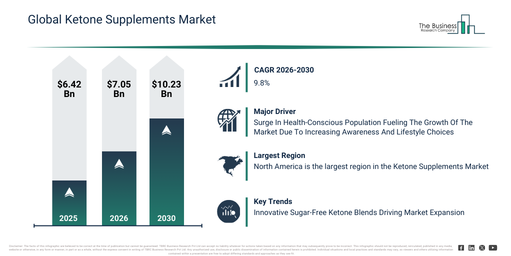
  • Global Ketone Supplements Market Projected to Reach $10.23 Billion by 2030 with a CAGR of 9.8%

    Global Ketone Supplements Market Projected to Reach $10.23 Billion by 2030 with a CAGR of 9.8%

    The Business Research Company’s 2026 market reports include new capabilities such as market attractiveness scoring and analysis, total addressable market analysis, company scoring matrix, interactive excel data dashboard, improved supply chain analysis, upcoming startups in the market, and overview of key products, aimed at improving the depth, usability, and strategic value of the insights delivered.

    What Market Value Is Expected For The Ketone Supplements Market At The End Of The 2026–2030 Forecast Period?

    The ketone supplements market size has shown strong growth in recent years. It is projected to increase from $6.42 billion in 2025 to $7.05 billion in 2026, demonstrating a compound annual growth rate (CAGR) of 9.8%. This historical expansion can be linked to the rise in low-carb dietary trends, increasing consumption of sports nutrition, the expansion of e-commerce for supplement sales, growing consumer interest in metabolic health, and the broader availability of exogenous ketone products.

    The ketone supplements market size is anticipated to experience substantial growth in the coming years. This market is projected to expand to $10.23 billion by 2030, driven by a compound annual growth rate (CAGR) of 9.8%. The anticipated expansion during this period can be attributed to the rising adoption of functional nutrition, increasing awareness regarding the benefits of ketosis, the broadening of personalized nutrition solutions, enhanced online retail access, and advancements in ketone delivery formats. Noteworthy trends for the forecast period include the increasing embrace of ketogenic lifestyles, a growing demand for performance-enhancing supplements, a rising interest in cognitive energy products, the proliferation of clean-label and sugar-free formulations, and the emergence of direct-to-consumer nutrition brands.

    Download the Free Sample Report to Explore Key Market Insights:

    https://www.thebusinessresearchcompany.com/sample.aspx?id=22028&type=smp

    What Primary Drivers Are Shaping The Development Of The Ketone Supplements Market?

    The expanding health-conscious population is projected to propel the development of the ketone supplements market. This demographic comprises individuals who actively choose lifestyles that prioritize their well-being, such as consuming nutritious foods, engaging in regular exercise, and avoiding harmful substances. The growth of this health-conscious segment can be attributed to increased understanding of the importance of lifestyle choices, the rising influence of social media, and the greater availability of health-related information. Ketone supplements offer a valuable resource for health-conscious individuals to support weight management, enhance physical performance, improve cognitive function, and accelerate recovery post-exercise. For instance, in April 2023, data from the International Food Information Council, a US-based non-profit organization, indicated that the percentage of Americans following a specific eating pattern or diet over the past year rose to 52% in 2023, an increase from 48% in 2022. Thus, the growing health-conscious population is driving the expansion of the ketone supplements market.

    What Segment Types Make Up The Ketone Supplements Market?

    The ketone supplements market covered in this report is segmented –

    1) By Product Type: Tablets Or Capsules, Powder, Gummies, Liquid

    2) By Application: Supplements, Food And Beverages

    3) By Distribution Channel: Hypermarkets or Supermarkets, Convenience Stores, Specialist Stores, Online Retail, Other Distribution Channels

    Subsegments:

    1) By Tablets or Capsules: Exogenous Ketone Capsules, Ketone Ester Tablets, BHB (Beta-Hydroxybutyrate) Salt Capsules, Multi-Nutrient Ketone Blends

    2) By Powder: Pure BHB Powder, Ketone Ester Powder, Ketogenic Meal Replacement Powder, Flavored Ketone Powders

    3) By Gummies: BHB Gummies, MCT (Medium-Chain Triglyceride) Gummies, Multi-Vitamin Infused Ketone Gummies, Sugar-Free Ketone Gummies

    4) By Liquid: Ready-to-Drink Ketone Beverages, Liquid Ketone Esters, Ketone Energy Shots, Electrolyte-Infused Ketone Drinks

    Which Market Trends Are Creating New Opportunities In The Ketone Supplements Market?

    Leading companies within the ketone supplements market are concentrating on developing innovative product formulas, such as sugar-free ketone blends, to enhance both energy levels and metabolic support. A sugar-free ketone blend is a specific formulation combining exogenous ketones, like beta-hydroxybutyrate or BHB salts, with other ingredients while intentionally omitting added sugars. These blends are designed to promote ketosis, a metabolic state where the body burns fat for energy instead of carbohydrates. For example, in October 2024, KEY, a US-based ketone supplement brand, declared its products would be available nationwide at Sprouts Farmers Market stores, broadening access to its completely natural, sugar-free ketone drink. KEY differentiates its offering with a zero-sugar recipe and 80 mg of caffeine sourced from green tea, which provides sustained energy without the usual subsequent fatigue. It offers a natural energy alternative through ketones, contributing to metabolic efficiency and enduring performance.

    Who Are The Key Players Driving Competition In The Ketone Supplements Market?

    Major companies operating in the ketone supplements market are HVMN Inc., Perfect Keto LLC, KetoneAid Inc., Ketologic LLC, BPI Sports LLC, Ancient Nutrition LLC, Zhou Nutrition LLC, Finaflex LLC, Apex International LLC, SMP Nutra LLC, Nutra Business LLC, Redrose Manufacturing Limited, BL Bio Lab LLC, Zenwise Health LLC, Winergy Inc., Fermentis Life Sciences Inc., TdeltaS Global Inc., Green Healthcare Solutions LLC, Savant Science Inc., Sapien Labs Nutrition Products Ltd

    Read the full ketone supplements market report here:

    https://www.thebusinessresearchcompany.com/report/ketone-supplements-global-market-report

    How Does The Ketone Supplements Market Perform Across Major Global Regions?

    North America was the largest region in the ketone supplements market in 2025. Asia-Pacific is expected to be the fastest-growing region in the forecast period. The regions covered in the ketone supplements market report are Asia-Pacific, South East Asia, Western Europe, Eastern Europe, North America, South America, Middle East, Africa.

    Request A Tailored Ketone Supplements Market Research Report For Competitive Advantage:

    https://www.thebusinessresearchcompany.com/customise?id=22028&type=smp

    Browse Through More Reports Similar to the Global Ketone Supplements Market 2026, By The Business Research Company

    Ketones Market Report 2026

    https://www.thebusinessresearchcompany.com/report/ketones-global-market-report

    Nutritional Supplements Market Report 2026

    https://www.thebusinessresearchcompany.com/report/nutritional-supplements-global-market-report

    Ketogenic Diet Market Report 2026

    https://www.thebusinessresearchcompany.com/report/ketogenic-diet-global-market-report

    Get in touch with us:

    The Business Research Company: https://www.thebusinessresearchcompany.com/

    Americas +1 310-496-7795

    Asia +44 7882 955267 & +91 8897263534

    Europe +44 7882 955267

    Email us at info@tbrc.info

    Follow us on:

    LinkedIn: https://in.linkedin.com/company/the-business-research-company

    YouTube: https://www.youtube.com/channel/UC24_fI0rV8cR5DxlCpgmyFQ

    Global Market Model: https://www.thebusinessresearchcompany.com/global-market-model
  • Ketolides Market Outlook Indicating Growth Toward $4.24 Billion by 2030

    Ketolides Market Outlook Indicating Growth Toward $4.24 Billion by 2030

    The Business Research Company’s 2026 market reports include new capabilities such as market attractiveness scoring and analysis, total addressable market analysis, company scoring matrix, interactive excel data dashboard, improved supply chain analysis, upcoming startups in the market, and overview of key products, aimed at improving the depth, usability, and strategic value of the insights delivered.

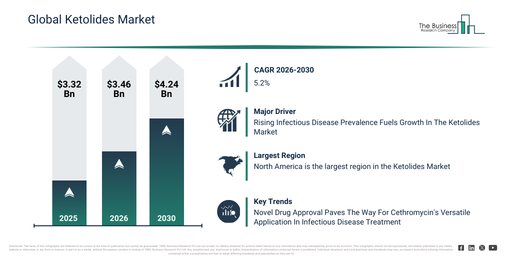
    What Is The Estimated Market Size Of The Ketolides Market During 2026–2030?

    The ketolides market size has consistently expanded in recent years. It is projected to increase from $3.32 billion in 2025 to $3.46 billion in 2026, achieving a compound annual growth rate (CAGR) of 4.1%. This historical growth can be attributed to several factors, including the rising prevalence of bacterial infections, an increase in respiratory tract infections, the expanding geriatric population, the demand for alternatives to macrolide-resistant antibiotics, and ongoing advancements in antibiotic research.

    The ketolides market is projected to experience robust expansion over the coming years. By 2030, its value is anticipated to reach $4.24 billion, expanding at a compound annual growth rate (CAGR) of 5.2%. This growth during the forecast period is driven by several factors, including the wider application of precision medicine, the creation of advanced ketolides, rising uptake in developing regions, increased funding for antibiotic resistance studies, and the expansion of both hospital and retail pharmacy infrastructures. Key trends expected over the forecast horizon encompass the invention of new ketolide compounds, strategies for managing antibiotic resistance, a broader use of antibiotics in hospitals and retail settings, customized antibiotic treatments, and improved drug delivery and formulation methods.

    Download the Free Sample Report to Explore Key Market Insights:

    https://www.thebusinessresearchcompany.com/sample.aspx?id=12918&type=smp

    Which Major Factors Are Driving The Expansion Of The Ketolides Market?

    The rising occurrence of infectious diseases is anticipated to boost the expansion of the ketolides market in the future. These diseases, characterized by illnesses originating from pathogens like bacteria, viruses, fungi, or parasites, are communicable among individuals, leading to diverse symptoms and health issues. Tuberculosis exemplifies such a disease. Ketolides, employed in managing infectious diseases, have been explored for their applicability in treating tuberculosis due to their strong intracellular activity, which is crucial in combating the disease. For instance, in February 2024, as per the GOV.UK, a UK-based government department, tuberculosis (TB) instances in England saw a 10.7% rise in 2023, increasing from 4,380 in 2022 to 4,850. Consequently, the growing prevalence of infectious diseases is fueling the growth of the ketolides market.

    Ketolides Market Driver: Expanding Healthcare Industry Fuels Growth In The Ketolides Market

    How Are The Various Segments Of The Ketolides Market Categorized?

    The ketolides market covered in this report is segmented –

    1) By Drug Type: Telithromycin, Cethromycin, Solithromycin

    2) By Indication: Bronchitis, Pneumonia, Sinusitis, Tonsillitis Or Pharyngitis

    3) By Microorganism: Streptococcus Pneumoniae, Haemophilus Influenzae, Moraxella Catarrhalis, Chlamydophila Pneumoniae, Mycoplasma Pneumoniae

    4) By Distribution Channel: Hospital Pharmacies, Retail Pharmacies, Online Pharmacies, Other Distribution Channels

    What Trends Are Affecting The Expansion Of The Ketolides Market?

    Leading companies operating in the ketolides market are concentrating on developing innovative drugs and treatments to secure competitive advantages and maintain their position in the market. For instance, in June 2023, AliquantumRx Inc., a US-based biotechnical research company, announced the approval by the United States Patent and Trademark Office (USPTO), a US-based agency in the Department of Commerce, for its patent ‘salts and polymorphs of cethromycin for the treatment of bacterial and protozoan disease.’ Cethromycin, a type of ketolide antibiotic, demonstrates effectiveness against various infectious disorders caused by bacteria and protozoa, such as malaria, babesiosis, toxoplasmosis, and diarrhea, among others. This new patent is set to provide the company with increased opportunities and reduce the risks associated with cethromycin’s commercialization, by enabling its use for conditions other than malaria.

    Which Major Firms Influence Developments In The Ketolides Market?

    Major companies operating in the ketolides market are Pfizer Inc., F. Merck & Co. Inc., Novartis AG, Sanofi S.A., AstraZeneca PLC, Abbott Laboratories, GSK PLC, Takeda Pharmaceutical Company Limited, Eli Lilly and Company, Teva Pharmaceutical Industries Ltd., Astellas Pharma Inc., Daiichi Sankyo Company Limited, Shionogi & Company Limited, Dr. Reddys Laboratories Ltd., Glenmark Pharmaceuticals Ltd., Corden Pharma GmbH, Optimer Pharmaceuticals Inc., Vivimed Labs Limited, Wockhardt Ltd., Advanced Life Sciences Holdings Inc

    Read the full ketolides market report here:

    https://www.thebusinessresearchcompany.com/report/ketolides-global-market-report

    Which Region Currently Holds The Largest Share Of The Ketolides Market?

    North America was the largest region in the ketolides market in 2025. The regions covered in the ketolides market report are Asia-Pacific, South East Asia, Western Europe, Eastern Europe, North America, South America, Middle East, Africa.

    Request A Tailored Ketolides Market Research Report For Competitive Advantage:

    https://www.thebusinessresearchcompany.com/customise?id=12918&type=smp

    Browse Through More Reports Similar to the Global Ketolides Market 2026, By The Business Research Company

    Ketolides Market Report 2026

    https://www.thebusinessresearchcompany.com/report/ketolides-global-market-report

    Ketogenic Diet Market Report 2026

    https://www.thebusinessresearchcompany.com/report/ketogenic-diet-global-market-report

    Ketones Market Report 2026

    https://www.thebusinessresearchcompany.com/report/ketones-global-market-report

    Get in touch with us:

    The Business Research Company: https://www.thebusinessresearchcompany.com/

    Americas +1 310-496-7795

    Asia +44 7882 955267 & +91 8897263534

    Europe +44 7882 955267

    Email us at info@tbrc.info

    Follow us on:

    LinkedIn: https://in.linkedin.com/company/the-business-research-company

    YouTube: https://www.youtube.com/channel/UC24_fI0rV8cR5DxlCpgmyFQ

    Global Market Model: https://www.thebusinessresearchcompany.com/global-market-model

  • Janus Kinases (JAKs) Inhibitor Drug Market Revenue Forecast to Reach $11.04 Billion by 2030 at 11.4% CAGR

    Janus Kinases (JAKs) Inhibitor Drug Market Revenue Forecast to Reach $11.04 Billion by 2030 at 11.4% CAGR

    The Business Research Company’s 2026 market reports include new capabilities such as market attractiveness scoring and analysis, total addressable market analysis, company scoring matrix, interactive excel data dashboard, improved supply chain analysis, upcoming startups in the market, and overview of key products, aimed at improving the depth, usability, and strategic value of the insights delivered.

    What Market Size Expansion Is Predicted For The Janus Kinases (JAKs) Inhibitor Drug Market Between 2026 And 2030?

    The janus kinases (jaks) inhibitor drug market has demonstrated significant growth in recent years. It is projected to expand from $6.42 billion in 2025 to $7.18 billion in 2026, growing at a compound annual growth rate (CAGR) of 11.7%. The market’s historic expansion can be attributed to several factors including the increasing prevalence of autoimmune diseases, the limitations inherent in biologic therapies, the widespread availability of hospital-based immunology treatments, the early clinical successes observed with jak inhibitors, and the rising demand for oral anti-inflammatory drugs.

    The janus kinases (jaks) inhibitor drug market size is projected to experience rapid expansion in the coming years. This market is anticipated to reach a valuation of $11.04 billion by 2030, demonstrating a compound annual growth rate (CAGR) of 11.4%. The impetus for this growth during the forecast period stems from factors such as the expanding pipeline of selective JAK inhibitors, broader applications in dermatology and gastroenterology, the demand for precision immune modulation, improved management of autoimmune diseases in outpatient settings, and supportive regulatory pathways for small molecules. Significant trends expected during this period encompass the widening application of JAK inhibitors in autoimmune conditions, a growing preference for oral small molecule immunotherapies, higher adoption rates for selective JAK1 inhibitors, an increasing emphasis on long-term safety profiling, and the extension of JAK inhibitors’ use beyond rheumatology.

    Download the Free Sample Report to Explore Key Market Insights:

    https://www.thebusinessresearchcompany.com/sample.aspx?id=24578&type=smp

    What Key Drivers Are Influencing The Growth Of The Janus Kinases (JAKs) Inhibitor Drug Market?

    The increasing incidence of autoimmune diseases is projected to fuel the expansion of the janus kinases JAKs inhibitor drug market moving forward. These conditions are characterized by the immune system erroneously attacking the body’s own healthy cells and tissues. The rise in autoimmune disease prevalence stems from genetic factors, as certain genetic predispositions can render individuals more susceptible to immune system dysfunction. Janus kinase (JAK) inhibitors prove beneficial for autoimmune diseases by targeting and blocking specific enzymes crucial to the immune response, thus mitigating inflammation and preventing the immune system from harming the body’s tissues. For example, data released in February 2024 by Arthritis Australia, an Australia-based non-profit organization, estimates that 562,378 people in Australia will be living with rheumatoid arthritis (RA) in 2025, making up 14% of the total arthritis population. By 2040, the number of Australians with RA is expected to climb by 33%, reaching 748,721 individuals. This signifies an increase of 186,343 people living with RA compared to 2025. Therefore, the escalating prevalence of autoimmune diseases acts as a key driver for the growth of the janus kinases JAKs inhibitor drug market.

    Which Market Segments Are Examined In The Janus Kinases (JAKs) Inhibitor Drug Market Study?

    The janus kinases (jaks) inhibitor drug market covered in this report is segmented –

    1) By Type: JAK1 Inhibitor, JAK2 Inhibitor, JAK3 Inhibitor, Other Types

    2) By Drug Type: Selective JAK Inhibitors, Non-Selective JAK Inhibitors, Oral JAK Inhibitors, Other Drug Types

    3) By Route of Administration: Oral, Injectable, Topical

    4) By Application: Rheumatoid Arthritis, Psoriatic Arthritis, Inflammatory Bowel Disease, Atopic Dermatitis, Ulcerative Colitis

    5) By End User: Hospitals, Homecare, Specialty Clinics, Other End Users

    Subsegments:

    1) By JAK1 Inhibitor: Filgotinib, Upadacitinib, Itacitinib, Abrocitinib, Brepocitinib

    2) By JAK2 Inhibitor: Fedratinib, Pacritinib, Momelotinib, Gandotinib, NS-018

    3) By JAK3 Inhibitor: Tofacitinib, PF-06651600, Ritlecitinib

    4) By Other Types: Baricitinib, Ruxolitinib, Oclacitinib, Delgocitinib, Peficitinib

    Which Trends Are Influencing The Janus Kinases (JAKs) Inhibitor Drug Market?

    Leading companies active in the janus kinases (JAKs) inhibitor drug market are concentrating on securing regulatory approvals to broaden their therapeutic applications, accelerate their market entry, and establish a competitive advantage. Regulatory approvals represent official authorizations issued by health authorities, permitting pharmaceutical companies to commercialize and sell a drug once its safety and efficacy for specific medical conditions have been demonstrated. For example, in April 2025, AbbVie Inc., a US-based biopharmaceutical company, was granted Food and Drug Administration (FDA) approval for RINVOQ (upadacitinib), an oral Janus kinase (JAK) inhibitor, for the management of adults with giant cell arteritis (GCA). This treatment targets JAK1 and upadacitinib, disrupting the JAK-STAT signaling pathway, which is crucial for transmitting signals from pro-inflammatory cytokines involved in immune-mediated and inflammatory diseases. The approval introduces a valuable new therapeutic choice that can assist in reducing reliance on glucocorticoids, which are associated with notable side effects, thereby addressing a critical unmet need in GCA management and improving patient outcomes.

    Who Are The Primary Competitors In The Janus Kinases (JAKs) Inhibitor Drug Market?

    Major companies operating in the janus kinases (jaks) inhibitor drug market are Novartis AG, Roche Holding AG, LEO Pharma A/S, Mitsubishi Tanabe Pharma Corporation, Sun Pharmaceutical Industries Ltd., Dr. Reddy’s Laboratories Ltd., Cipla Ltd., Glenmark Pharmaceuticals Ltd., Lupin Limited, Torrent Pharmaceuticals Ltd., Zydus Lifesciences Ltd., Almirall S.A., Kyowa Kirin Co. Ltd., Chugai Pharmaceutical Co. Ltd., Abbisko Therapeutics Co. Ltd., Concert Pharmaceuticals Inc., Jiangsu Hengrui Pharmaceuticals Co. Ltd., BioCryst Pharmaceuticals Inc., Priovant Therapeutics Ltd., Aclaris Therapeutics Inc.

    Read the full janus kinases (jaks) inhibitor drug market report here:

    https://www.thebusinessresearchcompany.com/report/janus-kinases-jaks-inhibitor-drug-global-market-report

    Which Region Is Expected To Register The Fastest Growth In The Janus Kinases (JAKs) Inhibitor Drug Market?

    North America was the largest region in the janus kinases (JAKs) inhibitor market in 2025. The regions covered in the janus kinases (jaks) inhibitor drug market report are Asia-Pacific, South East Asia, Western Europe, Eastern Europe, North America, South America, Middle East, Africa.

    Request A Tailored Janus Kinases (JAKs) Inhibitor Drug Market Research Report For Competitive Advantage:

    https://www.thebusinessresearchcompany.com/customise?id=24578&type=smp

    Browse Through More Reports Similar to the Global Janus Kinases (JAKs) Inhibitor Drug Market 2026, By The Business Research Company

    Kinase Inhibitors Market Report 2026

    https://www.thebusinessresearchcompany.com/report/kinase-inhibitors-global-market-report

    Tyrosine Kinase Inhibitors Market Report 2026

    https://www.thebusinessresearchcompany.com/report/tyrosine-kinase-inhibitors-global-market-report

    Rheumatoid Arthritis Drugs Market Report 2026

    https://www.thebusinessresearchcompany.com/report/rheumatoid-arthritis-drugs-global-market-report

    Get in touch with us:

    The Business Research Company: https://www.thebusinessresearchcompany.com/

    Americas +1 310-496-7795

    Asia +44 7882 955267 & +91 8897263534

    Europe +44 7882 955267

    Email us at info@tbrc.info

    Follow us on:

    LinkedIn: https://in.linkedin.com/company/the-business-research-company

    YouTube: https://www.youtube.com/channel/UC24_fI0rV8cR5DxlCpgmyFQ

    Global Market Model: https://www.thebusinessresearchcompany.com/global-market-model