Category: Pharmaceuticals

  • Hair Loss Treatment Products Market Expected to Show Steady Growth, Approaching $4.06 Billion by 2030

    Hair Loss Treatment Products Market Expected to Show Steady Growth, Approaching $4.06 Billion by 2030

    The Business Research Company’s 2026 market reports include new capabilities such as market attractiveness scoring and analysis, total addressable market analysis, company scoring matrix, interactive excel data dashboard, improved supply chain analysis, upcoming startups in the market, and overview of key products, aimed at improving the depth, usability, and strategic value of the insights delivered.

    What Market Valuation Is Forecasted For The Hair Loss Treatment Products Market By 2030 Starting From Its 2026 Size?

    The hair loss treatment products market size has experienced significant expansion in recent years. This market is set to grow from $2.74 billion in 2025 to $2.97 billion in 2026, achieving a compound annual growth rate (CAGR) of 8.2%. The progress observed in the past can be linked to the increasing prevalence of alopecia conditions, the widespread use of minoxidil products, the expansion of dermatology clinics, a rise in consumer grooming awareness, and the broader availability of otc hair care solutions.

    The hair loss treatment products market is projected to experience significant expansion in the coming years, with its size expected to reach $4.06 billion by 2030, exhibiting a compound annual growth rate (CAGR) of 8.2%. This growth during the forecast period is driven by various factors such as the rise of personalized hair care products, increasing consumer demand for plant-based formulations, the widening reach of e-commerce sales channels, a rise in stress-related hair loss cases, and innovations in non-invasive hair treatments. Concurrently, major trends anticipated in this period include a growing demand for topical hair regrowth solutions, an increasing adoption of nutritional supplements for hair health, a rising preference for natural and herbal products, the expansion of at-home hair loss treatment options, and greater awareness regarding hair loss linked to stress and hormonal factors.

    Download the Free Sample Report to Explore Key Market Insights:

    https://www.thebusinessresearchcompany.com/sample.aspx?id=24228&type=smp

    What Major Growth Drivers Are Shaping The Outlook Of The Hair Loss Treatment Products Market?

    Future expansion of the hair loss treatment products market is anticipated due to escalating stress levels. These stress levels denote the psychological or emotional pressure an individual undergoes. A primary contributor to these elevated stress levels is increasing work-related pressures, with employees confronting extended work hours, stricter deadlines, and heightened performance demands within challenging professional settings. This surge in stress directly results in more instances of hair loss, causing a greater number of individuals to look for treatment options. Such escalating worries are consequently boosting the demand for hair loss treatment products. For instance, in May 2024, according to the American Psychiatric Association, a US-based organization, in 2024, 43% of U.S. adults reported feeling more anxious compared to the previous year, up from 37% in 2023 and 32% in 2022, highlighting a steady rise in anxiety levels over the past three years. Thus, the upward trend in stress levels is a significant factor propelling the expansion of the hair loss treatment products market.

    Which Segment Categories Define The Hair Loss Treatment Products Market?

    The hair loss treatment products market covered in this report is segmented –

    1) By Product Type: Shampoo And Conditioner, Supplements And Vitamins, Serum And Oil, Other Product Types

    2) By Disease Type: Alopecia Areata, Cicatricial Alopecia, Traction Alopecia, Alopecia Totalis, Alopecia Universalis, Other Disease Types

    3) By Distribution Channel: Supermarkets And Hypermarkets, Convenience Stores, Specialist Retailers, Pharmacies Or Drugstores, Online Retail, Medical Or Pharmacy Stores, E-Commerce, Departmental Stores, Other Distribution Channels

    4) By End-User: Hospitals, Home Healthcare Settings, Dermatology Centres, Other End-Users

    Subsegments:

    1) By Shampoo And Conditioner: Anti-Dandruff Shampoo, Thickening Or Volumizing Shampoo, Sulfate-Free Shampoo, Hair Regrowth Conditioner, Herbal Or Natural Shampoo And Conditioner

    2) By Supplements And Vitamins: Biotin Supplements, Multivitamins, Iron Supplements, Collagen Supplements, Omega-3 Fatty Acids

    3) By Serum And Oil: Minoxidil-Based Serums, Herbal Hair Serums, Essential Oil Blends, Argan Oil-Based Products, Castor Oil-Based Treatments

    4) By Other Product Types: Hair Masks, Hair Sprays and Mists, Scalp Exfoliators, Leave-In Treatments, Laser Hair Growth Devices

    What Major Market Trends Are Driving Changes In The Hair Loss Treatment Products Market?

    Leading companies within the hair loss treatment products market are prioritizing the development of innovative offerings, such as anti-hair loss systems, to boost effectiveness and meet diverse consumer demands. An anti-hair loss system, which combines various products or treatments to prevent hair thinning and stimulate growth, assists in hair loss management by nourishing the scalp, strengthening hair follicles, and reducing hair shedding. For example, in July 2024, Aveda Corporation, a US-based cosmetics company, unveiled the Invati Ultra Advanced Collection. This collection is designed to lessen hair loss and strengthen delicate hair using plant-derived technology. The range includes a shampoo, conditioner, and scalp serum, all formulated with botanical ingredients. Its goal is to deliver visibly thicker, fuller hair with consistent application. Additionally, the product line supports a healthy scalp environment, encouraging sustained hair vitality.

    Who Are The Top Companies Competing In The Hair Loss Treatment Products Market?

    Major companies operating in the hair loss treatment products market are Pfizer Inc., Johnson & Johnson Services Inc., Unilever PLC, Bayer Aktiengesellschaft, L’Oréal S.A., The Estée Lauder Companies Inc., Kao Corporation, Shiseido Company Limited, Galderma S.A., Dr. Reddy’s Laboratories Ltd., Taisho Pharmaceutical Holdings Co. Ltd., Revlon Inc., Merz Pharma GmbH & Co. KGaA, Hims & Hers Health Inc., Pierre Fabre S.A., Roman Health Ventures Inc, Aclaris Therapeutics Inc., HUM Nutrition Inc., OMI Industries Inc., Thirty Madison Inc., ULO LLC, TYPEBEA Inc.

    Read the full hair loss treatment products market report here:

    https://www.thebusinessresearchcompany.com/report/hair-loss-treatment-products-global-market-report

    Which Regions Are Projected To Dominate The Hair Loss Treatment Products Market In The Coming Years?

    Asia-Pacific was the largest region in the hair loss treatment products market in 2025. North America is expected to be the fastest-growing region in the forecast period. The regions covered in the hair loss treatment products market report are Asia-Pacific, South East Asia, Western Europe, Eastern Europe, North America, South America, Middle East, Africa.

    Request A Tailored Hair Loss Treatment Products Market Research Report For Competitive Advantage:

    https://www.thebusinessresearchcompany.com/customise?id=24228&type=smp

    Browse Through More Reports Similar to the Global Hair Loss Treatment Products Market 2026, By The Business Research Company

    Hair Removal Products Market Report 2026

    https://www.thebusinessresearchcompany.com/report/hair-removal-products-global-market-report

    Natural Hair Care Products Market Report 2026

    https://www.thebusinessresearchcompany.com/report/natural-hair-care-products-global-market-report

    Hair Growth Supplement And Treatment Market Report 2026

    https://www.thebusinessresearchcompany.com/report/hair-growth-supplement-and-treatment-global-market-report

    Get in touch with us:

    The Business Research Company: https://www.thebusinessresearchcompany.com/

    Americas +1 310-496-7795

    Asia +44 7882 955267 & +91 8897263534

    Europe +44 7882 955267

    Email us at info@tbrc.info

    Follow us on:

    LinkedIn: https://in.linkedin.com/company/the-business-research-company

    YouTube: https://www.youtube.com/channel/UC24_fI0rV8cR5DxlCpgmyFQ

    Global Market Model: https://www.thebusinessresearchcompany.com/global-market-model
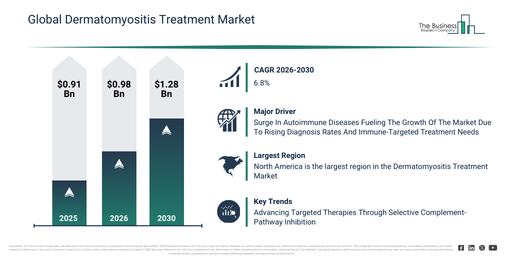
  • Dermatomyositis Treatment Market 2026 forecast to hit $1.28 billion by 2030 at 6.8% CAGR

    Dermatomyositis Treatment Market 2026 forecast to hit $1.28 billion by 2030 at 6.8% CAGR

    The Business Research Company’s 2026 market reports include new capabilities such as market attractiveness scoring and analysis, total addressable market analysis, company scoring matrix, interactive excel data dashboard, improved supply chain analysis, upcoming startups in the market, and overview of key products, aimed at improving the depth, usability, and strategic value of the insights delivered.

    What Market Value Is Anticipated For The Dermatomyositis Treatment Market Over The Period 2026–2030?

    The dermatomyositis treatment market has experienced robust expansion in recent years. It is projected to increase from $0.91 billion in 2025 to $0.98 billion in 2026, exhibiting a compound annual growth rate (CAGR) of 7.2%. The historical growth witnessed in this market can be ascribed to factors such as improved recognition of autoimmune diseases, the availability of corticosteroids, the expansion of rheumatology clinics, the implementation of hospital-based immunotherapy, and the ongoing development of supportive care.

    The market for dermatomyositis treatments is projected to experience robust expansion over the coming years. This market is anticipated to reach $1.28 billion by 2030, demonstrating a compound annual growth rate (CAGR) of 6.8%. Factors contributing to this growth during the forecast period include the expansion of biologic pipelines, advancements in precision immunology, enhanced early autoimmune screening, the development of personalized treatment protocols, and the proliferation of specialty clinics. Key trends identified for the forecast period encompass a heightened utilization of biologic therapies, an increasing dependence on immunosuppressive medications, the broadening of combination treatment strategies, a greater uptake of long-term physical therapy, and advancements in early diagnosis and disease monitoring.

    Download the Free Sample Report to Explore Key Market Insights:

    https://www.thebusinessresearchcompany.com/sample.aspx?id=24519&type=smp

    What Underlying Factors Are Accelerating The Growth Of The Dermatomyositis Treatment Market?

    The escalating occurrence of autoimmune diseases is anticipated to drive the expansion of the dermatomyositis treatment market in the coming years. Autoimmune diseases are conditions where the body’s immune system mistakenly targets its own healthy cells and tissues. This increase in prevalence is attributed to advancements in diagnostic techniques, heightened awareness, and environmental factors, resulting in higher rates of detection and more reported cases. Dermatomyositis treatment is instrumental in managing the rising prevalence of autoimmune diseases by providing targeted therapies that mitigate harmful immune responses and improve the quality of life for patients. For instance, in February 2024, data from the Autoimmune Institute, a US-based nonprofit organization, indicated that autoimmune diseases collectively affect 5–10% of the population in industrialized nations. Therefore, the growing prevalence of autoimmune diseases is propelling the growth of the dermatomyositis treatment market.

    How Is The Dermatomyositis Treatment Market Divided Into Its Major Segments?

    The dermatomyositis treatment market covered in this report is segmented –

    1) By Treatment Type: Pharmacological Treatments, Immunosuppressants, Corticosteroids, Biologics, Physical Therapy

    2) By Route Of Administration: Oral, Intravenous, Subcutaneous

    3) By Patient Demographics: Age Group, Gender

    4) By Distribution Channel: Hospital Pharmacy, Online Pharmacy, Retail Pharmacy

    5) By End User: Hospitals, Homecare, Specialty Clinics, Other End Users

    Subsegments:

    1) By Pharmacological Treatments: Antimalarials, Antiviral Agents, Muscle Relaxants, Analgesics

    2) By Immunosuppressants: Methotrexate, Azathioprine, Mycophenolate Mofetil, Cyclophosphamide

    3) By Corticosteroids: Prednisone, Methylprednisolone, Hydrocortisone, Dexamethasone

    4) By Biologics: Rituximab, Intravenous Immunoglobulin (IVIG), Tocilizumab, Abatacept

    5) By Physical Therapy: Stretching Exercises, Strength Training, Aerobic Conditioning, Occupational Therapy

    How Are Trends Transforming The Dermatomyositis Treatment Market Landscape?

    Leading companies in the dermatomyositis treatment market are concentrating on developing advanced solutions, such as selective complement-pathway inhibitors. This effort aims to satisfy the growing need for more targeted, safer therapies that avoid the broad immunosuppression associated with traditional treatments. These selective inhibitors specifically obstruct components of the complement cascade responsible for driving inflammation in dermatomyositis, offering a more precise mechanism than conventional immunosuppressive agents which can broadly dampen immune function. For instance, in February 2025, NovelMed Therapeutics Inc., a US-based clinical-stage biotech company, received U.S. Food and Drug Administration (FDA) clearance to commence a Phase II trial of Ruxoprubart (NM8074). This therapy is a highly selective blocker of the alternative complement pathway designed to target Factor Bb. Ruxoprubart has demonstrated its ability to modulate immune response by reducing key inflammatory drivers while preserving essential immune functions such as opsonization and bacterial clearance, thus potentially minimizing risks compared to broader complement blockers. This innovative therapy is currently being evaluated for its efficacy and safety in dermatomyositis.

    Who Are The Prominent Organizations Shaping The Dermatomyositis Treatment Market?

    Major companies operating in the dermatomyositis treatment market are Pfizer Inc., F. Hoffmann-La Roche Ltd, Merck & Co. Inc., Bristol-Myers Squibb Company, AstraZeneca plc, Novartis AG, GlaxoSmithKline plc, Eli Lilly and Company, Amgen Inc., Fresenius SE & Co. KGaA, Bausch Health Companies Inc., Biotest AG, Galapagos NV, argenx SE, Roivant Sciences Ltd., Kymera Therapeutics Inc., Cabaletta Bio Inc., ImmunoForge Inc., NovelMed Therapeutics Inc., Corbus Pharmaceuticals Holdings Inc.

    Read the full dermatomyositis treatment market report here:

    https://www.thebusinessresearchcompany.com/report/dermatomyositis-treatment-global-market-report

    Which Region Is Projected To Dominate The Dermatomyositis Treatment Market During The Forecast Period?

    North America was the largest region in the dermatomyositis treatment market in 2025. Asia-Pacific is expected to be the fastest-growing region in the forecast period. The regions covered in the dermatomyositis treatment market report are Asia-Pacific, South East Asia, Western Europe, Eastern Europe, North America, South America, Middle East, Africa.

    Request A Tailored Dermatomyositis Treatment Market Research Report For Competitive Advantage:

    https://www.thebusinessresearchcompany.com/customise?id=24519&type=smp

    Browse Through More Reports Similar to the Global Dermatomyositis Treatment Market 2026, By The Business Research Company

    Dermatophytosis Treatment Market Report 2026

    https://www.thebusinessresearchcompany.com/report/dermatophytosis-treatment-global-market-report

    Atopic Dermatitis Market Report 2026

    https://www.thebusinessresearchcompany.com/report/atopic-dermatitis-global-market-report

    Dermatitis Drugs Market Report 2026

    https://www.thebusinessresearchcompany.com/report/dermatitis-drugs-global-market-report

    Get in touch with us:

    The Business Research Company: https://www.thebusinessresearchcompany.com/

    Americas +1 310-496-7795

    Asia +44 7882 955267 & +91 8897263534

    Europe +44 7882 955267

    Email us at info@tbrc.info

    Follow us on:

    LinkedIn: https://in.linkedin.com/company/the-business-research-company

    YouTube: https://www.youtube.com/channel/UC24_fI0rV8cR5DxlCpgmyFQ

    Global Market Model: https://www.thebusinessresearchcompany.com/global-market-model

  • H2 Receptor Antagonist Industry Forecast Indicating Market Size of $5.5 Billion by 2030 at 5.2% CAGR

    H2 Receptor Antagonist Industry Forecast Indicating Market Size of $5.5 Billion by 2030 at 5.2% CAGR

    The Business Research Company’s 2026 market reports include new capabilities such as market attractiveness scoring and analysis, total addressable market analysis, company scoring matrix, interactive excel data dashboard, improved supply chain analysis, upcoming startups in the market, and overview of key products, aimed at improving the depth, usability, and strategic value of the insights delivered.

    How Is The Market Size Of The H2 Receptor Antagonist Market Expected To Change Between 2026 And 2030?

    The h2 receptor antagonist market size has demonstrated significant expansion in recent years. It is projected to expand from $4.28 billion in 2025 to $4.5 billion in 2026, achieving a compound annual growth rate (CAGR) of 5.2%. During the historical period, this growth was influenced by factors such as the high prevalence of acid-related disorders, widespread use of ranitidine and famotidine, expansion of hospital pharmacy networks, increased diagnosis of gerd, and growth in peptic ulcer treatments.

    The h2 receptor antagonist market size is predicted to experience significant expansion in the coming years. It is projected to reach $5.5 billion by 2030, demonstrating a compound annual growth rate (CAGR) of 5.2%. This anticipated growth can be attributed to several factors such as the increasing demand for affordable acid suppressants, the expansion of generic drug production, a rise in self-medication practices, the development of online pharmacy channels, and an aging population experiencing digestive disorders. Dominant trends during this forecast period include the sustained use of h2 blockers in acid suppression therapy, a growing preference for oral acid-reducing medications, the proliferation of generic h2 receptor antagonists, consistent demand in gastrointestinal disorder management, and improved availability through retail and online pharmacies.

    Download the Free Sample Report to Explore Key Market Insights:

    https://www.thebusinessresearchcompany.com/sample.aspx?id=24227&type=smp

    What Drivers Are Expected To Influence The H2 Receptor Antagonist Market During The Forecast Period?

    The H2 receptor antagonist market is anticipated to expand in the future, driven by the rising occurrence of gastrointestinal illnesses. These diseases encompass various conditions impacting the digestive system, such as infections, inflammatory states, and dysfunctions of the stomach and intestines. The surge in gastrointestinal ailments stems from poor eating habits and greater intake of processed foods, which can impair gut well-being and result in a range of digestive issues like acid reflux, irritable bowel syndrome (IBS), and ulcers. H2 receptor antagonists provide relief for gastrointestinal conditions by inhibiting histamine receptors in the stomach, thereby decreasing acid secretion and easing symptoms like acid reflux, ulcers, and gastritis. As an illustration, data from January 2023, published by the American Cancer Society (ACS), a professional organization based in the US, indicated that gastrointestinal cancer cases in the United States saw a 3.18% increase, escalating from 338,090 in 2022 to 348,840 in 2023. Consequently, the growing prevalence of gastrointestinal diseases is fueling the expansion of the H2 receptor antagonist market.

    How Is The H2 Receptor Antagonist Market Structured Across Different Segments?

    The h2 receptor antagonist market covered in this report is segmented –

    1) By Drug Class: Cimetidine, Ranitidine, Famotidine, Nizatidine

    2) By Route of Administration: Oral, Intravenous, Intramuscular

    3) By Indication: Gastroesophageal Reflux Disease (GERD), Peptic Ulcers, Zollinger-Ellison Syndrome, Other Indications

    4) By Distribution Channel: Hospital Pharmacies, Retail Pharmacies, Online Pharmacies, Other Distribution Channels

    5) By End-User: Hospitals, Clinics, Home Care Settings

    Subsegments:

    1) By Cimetidine: Standard-Dose Formulations, Low-Dose Maintenance Therapy, Hospital-Use Injectable Formulations

    2) By Ranitidine: Oral Solid Dosage Forms, Injectable Ranitidine Formulations, Short-Term Acid Suppression Therapy

    3) By Famotidine: Low-Dose OTC Formulations, Prescription-Strength Formulations, Injectable Famotidine Preparations

    4) By Nizatidine: Oral Capsule Formulations, Oral Liquid Formulations, Maintenance Acid-Reduction Therapy

    Which Trends Are Shaping The Future Of The H2 Receptor Antagonist Market?

    Leading companies active in the H2 receptor antagonists market are concentrating on product innovations, such as NSAID–H2RA fixed-dose combination tablets, to improve therapeutic convenience and ensure gastrointestinal safety. NSAID–H2RA fixed-dose combination tablets are single-tablet formulations that combine a nonsteroidal anti-inflammatory drug with an H2 receptor antagonist to offer pain relief while simultaneously reducing the danger of gastric and duodenal ulcers induced by NSAIDs. For instance, in March 2024, Endo International plc, a U.-based specialty pharmaceutical company, released Ibuprofen-Famotidine Tablets 800 mg/26.6 mg, the generic version of DUEXIS. This launch features a high-strength ibuprofen dosage suitable for chronic pain management, integrated gastroprotection through famotidine, and an affordable generic alternative designed to enhance accessibility for long-term therapy.

    Which Major Players Dominate The H2 Receptor Antagonist Market?

    Major companies operating in the h2 receptor antagonist market are Pfizer Inc., Sanofi S.A., Abbott Laboratories, Novartis AG, GlaxoSmithKline plc, Takeda Pharmaceutical Company Limited, Eli Lilly and Company, Viatris Inc., Teva Pharmaceutical Industries Limited, Boehringer Ingelheim International GmbH, Sun Pharmaceutical Industries Limited, Apotex Inc., Aurobindo Pharma Limited, Dr. Reddy’s Laboratories Limited, Cipla Limited, Hikma Pharmaceuticals plc, Lupin Ltd., Zydus Lifesciences Limited, Torrent Pharmaceuticals Limited, Accord Healthcare Limited

    Read the full h2 receptor antagonist market report here:

    https://www.thebusinessresearchcompany.com/report/h2-receptor-antagonist-global-market-report

    Which Region Is Forecast To Lead The H2 Receptor Antagonist Market In Terms Of Market Size?

    North America was the largest region in the H2 receptor antagonist market in 2025. Asia-Pacific is expected to be the fastest-growing region in the forecast period. The regions covered in the h2 receptor antagonist market report are Asia-Pacific, South East Asia, Western Europe, Eastern Europe, North America, South America, Middle East, Africa.

    Request A Tailored H2 Receptor Antagonist Market Research Report For Competitive Advantage:

    https://www.thebusinessresearchcompany.com/customise?id=24227&type=smp

    Browse Through More Reports Similar to the Global H2 Receptor Antagonist Market 2026, By The Business Research Company

    Dopamine Agonists Market Report 2026

    https://www.thebusinessresearchcompany.com/report/dopamine-agonists-global-market-report

    Glp 1 Receptor Agonist Market Report 2026

    https://www.thebusinessresearchcompany.com/report/glp-1-receptor-agonist-global-market-report

    G Protein Coupled Receptors Market Report 2026

    https://www.thebusinessresearchcompany.com/report/g-protein-coupled-receptors-global-market-report

    Get in touch with us:

    The Business Research Company: https://www.thebusinessresearchcompany.com/

    Americas +1 310-496-7795

    Asia +44 7882 955267 & +91 8897263534

    Europe +44 7882 955267

    Email us at info@tbrc.info

    Follow us on:

    LinkedIn: https://in.linkedin.com/company/the-business-research-company

    YouTube: https://www.youtube.com/channel/UC24_fI0rV8cR5DxlCpgmyFQ

    Global Market Model: https://www.thebusinessresearchcompany.com/global-market-model

  • Dermatology OTC Medications Market 2026 reaching $20.93 billion by 2030 at 5.4% CAGR

    Dermatology OTC Medications Market 2026 reaching $20.93 billion by 2030 at 5.4% CAGR

    The Business Research Company’s 2026 market reports include new capabilities such as market attractiveness scoring and analysis, total addressable market analysis, company scoring matrix, interactive excel data dashboard, improved supply chain analysis, upcoming startups in the market, and overview of key products, aimed at improving the depth, usability, and strategic value of the insights delivered.

    What Is The Expected Market Size Of The Dermatology OTC Medications Market From 2026 To 2030?

    The dermatology otc medications market size has experienced consistent expansion over recent years. It is projected to expand from $16.23 billion in 2025 to $16.97 billion in 2026, demonstrating a compound annual growth rate (CAGR) of 4.6%. The historical growth of this market can be attributed to several factors, including the high prevalence of common skin disorders, increasing exposure to urban pollution, strong penetration of retail pharmacies, a rise in self-medication practices, and the widespread availability of OTC dermatology products.

    The dermatology otc medications market is projected to experience substantial expansion over the upcoming years. Its value is anticipated to reach $20.93 billion by 2030, exhibiting a compound annual growth rate (CAGR) of 5.4%. This projected growth throughout the forecast period stems from factors such as increasing awareness regarding skin health and personal hygiene, the proliferation of e-commerce platforms for pharmaceuticals, a growing elderly demographic, higher discretionary income in developing economies, and ongoing product development in over-the-counter dermatology. Key developments expected during this period involve an increase in online sales of OTC dermatology products, a surge in demand for skin treatments addressing multiple conditions, greater adoption of herbal and natural components, the broader adoption of self-care and proactive skin health practices, and the introduction of extended product lines designed for specific dermatological ailments.

    Download the Free Sample Report to Explore Key Market Insights:

    https://www.thebusinessresearchcompany.com/sample.aspx?id=11931&type=smp

    Which Growth Drivers Are Contributing To The Progress Of The Dermatology OTC Medications Market?

    The future expansion of the dermatology OTC medication market is anticipated to be stimulated by the rising prevalence of skin abnormalities. A skin abnormality is characterized as a lesion or an unusual presentation on the skin. Within dermatology, over-the-counter drugs are utilized to manage these skin abnormalities and help restore normal skin conditions. The escalating need for treating various skin conditions, such as psoriasis, is contributing to the growing demand for over-the-counter dermatology medications. For example, in June 2024, the American Cancer Society, a US-based non-profit organization, projected that roughly 100,640 new cases of melanoma would be diagnosed in the United States in 2024, with approximately 59,170 cases affecting men and 41,470 affecting women. Furthermore, around 8,290 melanoma-related deaths are anticipated, comprising about 5,430 men and 2,860 women. Consequently, the uptick in skin abnormalities is fueling the growth of the dermatology OTC medication market.

    Which Segments Are Included In The Analysis Of The Dermatology OTC Medications Market?

    The dermatology otc medications market covered in this report is segmented –

    1) By Type: Tablets And Capsules, Oils Gels, Creams And Ointments, Other Types

    2) By Indication: Dermatitis, Acne, Psoriasis, Skin Bleaching, Anti-Fungal, Wart Remover, Other Indications

    3) By Route Of Administration: Topical, Oral

    4) By Distribution Channel: Online Distribution, Offline Distribution

    Subsegments:

    1) By Tablets And Capsules: Oral Antihistamines, Anti-Inflammatory Tablets, Nutritional Supplements

    2) By Oils Gels: Herbal Oils, Medicated Gels, Moisturizing Oils

    3) By Creams And Ointments: Corticosteroid Creams, Antifungal Creams, Moisturizers And Emollients

    4) By Other Types: Lotions, Sprays, Foams

    Which Trends Are Impacting The Growth Of The Dermatology OTC Medications Market?

    Major companies in the dermatology OTC medications market are focusing on developing advanced antihistamine-based formulations to enhance over-the-counter allergy relief. This antihistamine technology operates by blocking histamine receptors in the eye, reducing itching and inflammation without a prescription, thus providing a safe and convenient self-care treatment. For example, in June 2025, Glenmark Therapeutics Inc., a US-based entity, introduced Olopatadine Hydrochloride Ophthalmic Solution USP, 0.2% (OTC), which employs a bioequivalent formulation to the active ingredient in Pataday Once Daily Relief. This product offers once-daily relief, is approved for over-the-counter use, and enables Glenmark to enter a U.S. market segment that previously generated about US$ 50 million in annual sales. The launch emphasizes Glenmark’s strategy to expand its OTC ophthalmic portfolio by supplying a high-quality, accessible antihistamine eye drop to satisfy increasing consumer demand.

    Which Key Industry Participants Are Active In The Dermatology OTC Medications Market?

    Major companies operating in the dermatology otc medications market are Pfizer Inc., Johnson & Johnson, Bayer AG, GlaxoSmithKline Plc, Acella Pharmaceuticals LLC, Allergan plc, Viatris Inc., Teva Pharmaceutical Industries Ltd., Mylan N.V., Bausch Health Companies Inc., Sun Pharmaceutical Industries Inc., Perrigo Company PLC, Galderma S.A., Dr. Reddy’s Laboratories Ltd., Aurobindo Pharma Limited, Cipla Inc., Lupin Limited, LEO Pharma A/S, Almirall S.A., Novartis AG

    Read the full dermatology otc medications market report here:

    https://www.thebusinessresearchcompany.com/report/dermatology-otc-medications-global-market-report

    What Are The Leading Geographic Regions In The Dermatology OTC Medications Market?

    North America was the largest region in the dermatology OTC medications market in 2025. Asia-Pacific is expected to be the fastest-growing region in the forecast period. The regions covered in the dermatology otc medications market report are Asia-Pacific, South East Asia, Western Europe, Eastern Europe, North America, South America, Middle East, Africa.

    Request A Tailored Dermatology OTC Medications Market Research Report For Competitive Advantage:

    https://www.thebusinessresearchcompany.com/customise?id=11931&type=smp

    Browse Through More Reports Similar to the Global Dermatology OTC Medications Market 2026, By The Business Research Company

    Dermatology Otc Medications Market Report 2026

    https://www.thebusinessresearchcompany.com/report/dermatology-otc-medications-global-market-report

    Dermatology Drugs Market Report 2026

    https://www.thebusinessresearchcompany.com/report/dermatology-drugs-global-market-report

    Veterinary Dermatology Drugs Market Report 2026

    https://www.thebusinessresearchcompany.com/report/veterinary-dermatology-drugs-global-market-report

    Get in touch with us:

    The Business Research Company: https://www.thebusinessresearchcompany.com/

    Americas +1 310-496-7795

    Asia +44 7882 955267 & +91 8897263534

    Europe +44 7882 955267

    Email us at info@tbrc.info

    Follow us on:

    LinkedIn: https://in.linkedin.com/company/the-business-research-company

    YouTube: https://www.youtube.com/channel/UC24_fI0rV8cR5DxlCpgmyFQ

    Global Market Model: https://www.thebusinessresearchcompany.com/global-market-model

  • H2 Antagonists Market Revenue Anticipated to Reach $25.14 Billion by 2030 with a CAGR of 6.5%

    H2 Antagonists Market Revenue Anticipated to Reach $25.14 Billion by 2030 with a CAGR of 6.5%

    The Business Research Company’s 2026 market reports include new capabilities such as market attractiveness scoring and analysis, total addressable market analysis, company scoring matrix, interactive excel data dashboard, improved supply chain analysis, upcoming startups in the market, and overview of key products, aimed at improving the depth, usability, and strategic value of the insights delivered.

    What Is The Market Size Of The H2 Antagonists Market In 2026 And What Value Is Projected For 2030?

    The h2 antagonists market has seen strong growth in recent years. The market is forecasted to increase from $18.32 billion in 2025 to $19.56 billion in 2026, achieving a compound annual growth rate (CAGR) of 6.8%. Contributing to this expansion historically were factors like the prevalence of peptic ulcers, the incidence of GERD, the uptake of OTC drugs, the growth of hospital pharmacies, and heightened awareness regarding gastrointestinal disorders.

    The h2 antagonists market is poised for robust expansion over the coming years. Projections indicate it will reach $25.14 billion by 2030, exhibiting a compound annual growth rate (CAGR) of 6.5%. This anticipated growth during the forecast period is driven by factors such as an aging population, the need for economical acid reducers, an increase in self-medication practices, the widening reach of online pharmacies, and the ongoing management of chronic GERD. Significant developments anticipated include a sustained need for acid suppression treatments, the increasing over-the-counter availability of h2 antagonists, broader application in managing mild GERD and ulcers, the development of more liquid and injectable dosage forms, and a growing inclination towards budget-friendly acid control medications.

    Download the Free Sample Report to Explore Key Market Insights:

    https://www.thebusinessresearchcompany.com/sample.aspx?id=24550&type=smp

    What Drivers Are Influencing The H2 Antagonists Market?

    The rising occurrence of digestive system ailments is anticipated to fuel the expansion of the H2 antagonists market in the future. Gastrointestinal (GI) disorders are medical conditions impacting the digestive tract, encompassing organs such as the esophagus, stomach, intestines, liver, pancreas, and gallbladder. The growing incidence of these GI conditions stems from poor eating habits, which lead to excessive stomach acid generation and irritation of the digestive lining. H2 antagonists alleviate gastrointestinal issues by decreasing gastric acid secretion, thereby proving effective for managing ailments such as acid reflux and ulcers. These medications improve patient well-being through rapid symptom relief and fostering sustained digestive health. For example, in March 2024, data from the World Health Organization (WHO), a specialized agency of the United Nations based in Switzerland, indicates that diarrheal diseases cause about 1.7 billion cases each year and lead to approximately 443,832 deaths among children younger than 5, plus another 50,851 deaths for children aged 5 to 9. Consequently, the increasing prevalence of gastrointestinal disorders is propelling the expansion of the H2 antagonists market.

    What Are The Key Segments Of The H2 Antagonists Market?

    The h2 antagonists market covered in this report is segmented –

    1) By Drug Type: Prescription H2 Antagonists, Over-The-Counter H2 Antagonists

    2) By Indication: Gastroesophageal Reflux Disease (GERD), Peptic Ulcer Disease, Zollinger-Ellison Syndrome, Other Indications

    3) By Dosage Form: Tablets, Capsules, Injectable Solutions, Liquid Formulations

    4) By Distribution Channel: Retail Pharmacies, Hospital Pharmacies, Online Pharmacies, Drug Stores

    Subsegments:

    1) By Prescription H2 Antagonists: Gastroesophageal Reflux Disease (GERD), Peptic Ulcers, Zollinger-Ellison Syndrome

    2) By Over-The-Counter (OTC) H2 Antagonist: Heartburn, Occasional Acid Reflux, Indigestion

    What Key Trends Are Influencing The Development Of The H2 Antagonists Market?

    Key players within the H2 antagonists market are concentrating on creating novel solutions, including fixed-dose combination treatments, with the aim of improving patient adherence and lessening gastrointestinal adverse effects. These fixed-dose combination therapies involve medicines that unite two or more active pharmaceutical ingredients into one dosage form, which contributes to streamlining treatment plans, boosting patient consistency, and lowering the likelihood of side effects when contrasted with consuming several individual drugs. As an illustration, in March 2024, the US pharmaceutical firm Endo International plc introduced ibuprofen-famotidine 800 mg/26.6 mg tablets, which is a generic counterpart to the branded combination formerly known as Duexis. This innovative product comprises 800 mg of the non-steroidal anti-inflammatory drug ibuprofen and 26.6 mg of the H2-receptor antagonist famotidine, formulated to alleviate the symptoms of rheumatoid arthritis and osteoarthritis (through ibuprofen) concurrently with mitigating the risk of NSAID-induced upper gastrointestinal ulcers (through famotidine). Its distinctive characteristics encompass the fixed-dose co-formulation within a singular tablet, simplifying the therapeutic regimen compared to giving an NSAID and a gastro-protective agent separately; its suitability for patients needing continuous NSAID treatment alongside simultaneous ulcer-risk reduction; and the advantage of affordable generic availability in the US market.

    Who Are The Leading Companies Operating In The H2 Antagonists Market?

    Major companies operating in the h2 antagonists market are Aurobindo Pharma Limited, Cipla Limited, Lupin Limited, Alkem Laboratories Limited, Intas Pharmaceuticals Limited, Mylan N.V. (Viatris Inc.), Glenmark Pharmaceuticals Limited, Hikma Pharmaceuticals PLC, Zydus Lifesciences Limited, Wockhardt Limited, Sandoz International GmbH, Alembic Pharmaceuticals Limited, Micro Labs Limited, IPCA Laboratories Limited, Emcure Pharmaceuticals Limited

    Read the full h2 antagonists market report here:

    https://www.thebusinessresearchcompany.com/report/h2-antagonists-global-market-report

    Which Regions Are Expected To Experience Rapid Expansion In The H2 Antagonists Market?

    North America was the largest region in the H2 receptor antagonists market in 2025. Asia-Pacific is expected to be the fastest-growing region in the forecast period. The regions covered in the h2 antagonists market report are Asia-Pacific, South East Asia, Western Europe, Eastern Europe, North America, South America, Middle East, Africa.

    Request A Tailored H2 Antagonists Market Research Report For Competitive Advantage:

    https://www.thebusinessresearchcompany.com/customise?id=24550&type=smp

    Browse Through More Reports Similar to the Global H2 Antagonists Market 2026, By The Business Research Company

    Metabolic Disorders Drugs Market Report 2026

    https://www.thebusinessresearchcompany.com/report/metabolic-disorders-drugs-global-market-report

    N Methyl 2 Pyrrolidone Nmp Market Report 2026

    https://www.thebusinessresearchcompany.com/report/n-methyl-2-pyrrolidone-nmp-global-market-report

    Proton Pump Inhibitors Market Report 2026

    https://www.thebusinessresearchcompany.com/report/proton-pump-inhibitors-global-market-report

    Get in touch with us:

    The Business Research Company: https://www.thebusinessresearchcompany.com/

    Americas +1 310-496-7795

    Asia +44 7882 955267 & +91 8897263534

    Europe +44 7882 955267

    Email us at info@tbrc.info

    Follow us on:

    LinkedIn: https://in.linkedin.com/company/the-business-research-company

    YouTube: https://www.youtube.com/channel/UC24_fI0rV8cR5DxlCpgmyFQ

    Global Market Model: https://www.thebusinessresearchcompany.com/global-market-model
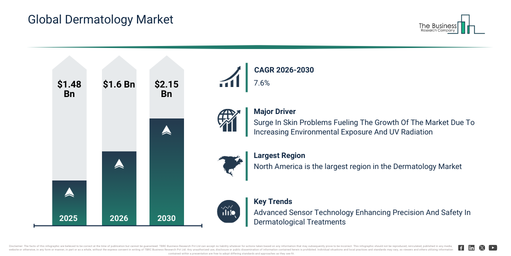
  • Global Dermatology Market 2026 expected to grow to $2.15 billion by 2030 with 7.6% CAGR

    Global Dermatology Market 2026 expected to grow to $2.15 billion by 2030 with 7.6% CAGR

    The Business Research Company’s 2026 market reports include new capabilities such as market attractiveness scoring and analysis, total addressable market analysis, company scoring matrix, interactive excel data dashboard, improved supply chain analysis, upcoming startups in the market, and overview of key products, aimed at improving the depth, usability, and strategic value of the insights delivered.

    What Market Valuation Is Forecasted For The Dermatology Market By 2030 Starting From Its 2026 Size?

    The dermatology market size has shown substantial growth in recent years. It is projected to expand from $1.48 billion in 2025 to $1.6 billion in 2026, achieving a compound annual growth rate (CAGR) of 7.8%. The growth observed in previous periods is attributable to an increase in skin disease prevalence, rising awareness of skin health, the growth of cosmetic procedures, expanding dermatology clinics, and advancements in topical formulations.

    The dermatology market size is anticipated to experience substantial growth in the coming years. It is projected to reach $2.15 billion by 2030, exhibiting a compound annual growth rate (CAGR) of 7.6%. This expansion during the forecast period can be ascribed to several factors, such as the increasing demand for minimally invasive treatments, advancements in biologics for dermatology, a growing aesthetic consciousness among the populace, the proliferation of teledermatology services, and technological breakthroughs in skin diagnostics. Prominent trends expected in this period include an elevated demand for medical dermatology treatments, a wider uptake of cosmetic dermatology procedures, expanded utilization of biologic therapies for various skin disorders, the growth of outpatient and clinic-based dermatology care, and a heightened awareness regarding preventive skin health.

    Download the Free Sample Report to Explore Key Market Insights:

    https://www.thebusinessresearchcompany.com/sample.aspx?id=24205&type=smp

    What Primary Drivers Are Shaping The Development Of The Dermatology Market?

    The increasing occurrence of skin issues is anticipated to fuel the expansion of the dermatology market in the future. These problems encompass conditions impacting the skin’s well-being, look, or performance, including irritation, inflammation, or infections. The rise in skin problems is predominantly linked to greater exposure to environmental contaminants and ultraviolet radiation, both capable of harming skin and initiating diverse conditions. Dermatology addresses skin ailments through a blend of topical and oral medicines, medical interventions, and lifestyle advice customized for each particular condition. As an illustration, in February 2025, Cancer Australia, a government agency located in Australia, reported approximately 18,257 new diagnoses of melanoma of the skin, constituting 11% of all new cancer cases, alongside 1,314 melanoma-related fatalities, which represented 2.6% of cancer deaths. Consequently, the growing frequency of skin conditions is a key factor driving the expansion of the dermatology market.

    Which Segment Categories Define The Dermatology Market?

    The dermatology market covered in this report is segmented –

    1) By Type: Medical Dermatology, Surgical Dermatology, Pediatric Dermatology, Cosmetic Dermatology, Cutaneous Lymphoma, Dermatoimmunology, Other Types

    2) By Application: Acne, Dermatitis, Psoriasis, Skin Cancer, Rosacea, Alopecia, Other Applications

    3) By End-User: Hospitals, Skin Clinics, Other End-Users

    Subsegments:

    1) By Medical Dermatology: Acne Treatment, Psoriasis Treatment, Eczema Treatment, Rosacea Management, Skin Infections, Skin Cancer Diagnosis and Treatment

    2) By Surgical Dermatology: Mohs Surgery, Laser Surgery, Cryosurgery, Electrosurgery, Excision Surgery

    3) By Pediatric Dermatology: Atopic Dermatitis, Birthmark Treatments, Infantile Hemangiomas, Pediatric Psoriasis, Genetic Skin Disorders

    4) By Cosmetic Dermatology: Botulinum Toxin Treatments, Dermal Fillers, Chemical Peels, Microdermabrasion, Laser Skin Resurfacing, Hair Restoration

    5) By Cutaneous Lymphoma: Mycosis Fungoides, Sézary Syndrome, Primary Cutaneous B-cell Lymphomas, Primary Cutaneous T-cell Lymphomas

    6) By Dermatoimmunology: Lupus Erythematosus, Vitiligo Treatment, Pemphigus and Pemphigoid Disorders, Dermatomyositis

    7) By Other Types: Wound Care Management, Pigmentation Disorders, Nail Disorders, Hyperhidrosis Treatment

    What Major Market Trends Are Driving Changes In The Dermatology Market?

    Leading companies within the dermatology market are prioritizing advanced innovations, such as positioning sensors, to ensure accurate energy application during treatments, enhance patient safety, and improve the overall efficacy of dermatological procedures. Positioning sensors refer to technology embedded in medical devices that tracks and modifies the device’s position to facilitate precise alignment and optimal energy delivery during treatments, thereby boosting treatment precision and patient safety. For instance, in June 2024, Biofrontera Inc., a US-based pharmaceutical company, introduced the RhodoLED XL Lamp to enhance the effectiveness of photodynamic therapy (PDT) by providing a larger illumination area, improved patient positioning, and optimized energy delivery, thus establishing a new standard in dermatological treatments for actinic keratoses. This device is designed for maneuverability and can accommodate various patient positions, simplifying the process for healthcare providers to optimize treatment delivery. Positioning sensors are incorporated to guarantee that patients receive the correct energy dosage from the LED array, further contributing to treatment precision and safety.

    Who Are The Top Companies Competing In The Dermatology Market?

    Major companies operating in the dermatology market are Pfizer Inc, Johnson And Johnson, Unilever Plc, AbbVie Inc., Sanofi S.A., Bristol Myers Squibb, Novartis AG, Eli Lilly & Company, Amgen Inc., Bausch Health Companies Inc., UCB S.A, Galderma, Incyte Corporation, Dr. Reddy’s Laboratories, Zydus Healthcare Limited, Lupin Limited, LEO Pharma, Alkem Laboratories, Merz Therapeutics, Lumenis

    Read the full dermatology market report here:

    https://www.thebusinessresearchcompany.com/report/dermatology-global-market-report

    How Does The Dermatology Market Perform Across Major Global Regions?

    North America was the largest region in the dermatology market in 2025. Asia-Pacific is expected to be the fastest-growing region in the forecast period. The regions covered in the dermatology market report are Asia-Pacific, South East Asia, Western Europe, Eastern Europe, North America, South America, Middle East, Africa.

    Request A Tailored Dermatology Market Research Report For Competitive Advantage:

    https://www.thebusinessresearchcompany.com/customise?id=24205&type=smp

    Browse Through More Reports Similar to the Global Dermatology Market 2026, By The Business Research Company

    Dermatology Market Report 2026

    https://www.thebusinessresearchcompany.com/report/dermatology-global-market-report

    Dermatitis Drugs Market Report 2026

    https://www.thebusinessresearchcompany.com/report/dermatitis-drugs-global-market-report

    Dermatology Drugs Market Report 2026

    https://www.thebusinessresearchcompany.com/report/dermatology-drugs-global-market-report

    Get in touch with us:

    The Business Research Company: https://www.thebusinessresearchcompany.com/

    Americas +1 310-496-7795

    Asia +44 7882 955267 & +91 8897263534

    Europe +44 7882 955267

    Email us at info@tbrc.info

    Follow us on:

    LinkedIn: https://in.linkedin.com/company/the-business-research-company

    YouTube: https://www.youtube.com/channel/UC24_fI0rV8cR5DxlCpgmyFQ

    Global Market Model: https://www.thebusinessresearchcompany.com/global-market-model
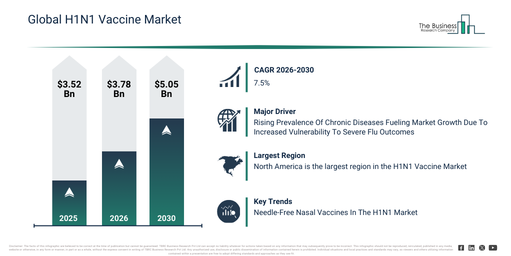
  • Global H1N1 Vaccine Market Projected for Strong Growth, Reaching $5.05 Billion by 2030 at 7.5% CAGR

    Global H1N1 Vaccine Market Projected for Strong Growth, Reaching $5.05 Billion by 2030 at 7.5% CAGR

    The Business Research Company’s 2026 market reports include new capabilities such as market attractiveness scoring and analysis, total addressable market analysis, company scoring matrix, interactive excel data dashboard, improved supply chain analysis, upcoming startups in the market, and overview of key products, aimed at improving the depth, usability, and strategic value of the insights delivered.

    What Will Be The Estimated Market Valuation Of The H1N1 Vaccine Market By The End Of 2030?

    The h1n1 vaccine market size has demonstrated strong growth in recent years. This market is set to increase from $3.52 billion in 2025 to $3.78 billion in 2026, exhibiting a compound annual growth rate (CAGR) of 7.3%. The historical expansion of this market is attributable to factors such as past h1n1 pandemic outbreaks, government-led mass immunization campaigns, a rising global influenza incidence, public health funding for vaccines, and an established cold chain infrastructure.

    The h1n1 vaccine market is projected for significant expansion over the coming years, expected to reach $5.05 billion by 2030, demonstrating a compound annual growth rate (CAGR) of 7.5%. This growth during the forecast period is attributed to escalating pandemic readiness efforts, the increasing susceptibility of the elderly demographic, wider inclusion in national immunization programs, improved healthcare accessibility in developing nations, and continuous risks from influenza virus mutations. Key trends anticipated in the forecast timeframe encompass the broadening of seasonal and pandemic influenza immunization campaigns, increased adoption of intranasal vaccines to boost patient adherence, growing governmental reserves of h1n1 vaccines, expanded vaccination coverage for children and the elderly, and a heightened emphasis on swift vaccine deployment during disease outbreaks.

    Download the Free Sample Report to Explore Key Market Insights:

    https://www.thebusinessresearchcompany.com/sample.aspx?id=7881&type=smp

    What Drivers Are Shaping The Future Growth Of The H1N1 Vaccine Market?

    The increasing incidence of chronic diseases is projected to boost the growth of the H1N1 vaccine market moving forward. Chronic diseases are enduring health conditions typically lasting three months or longer, necessitating continuous medical attention or management, and include ailments such as diabetes, heart disease, and arthritis. The surge in chronic diseases is primarily attributed to unhealthy lifestyle choices like poor diet, lack of physical activity, and the use of tobacco or alcohol, which contribute to issues such as obesity, high blood pressure, and other long-term health complications. H1N1 vaccines play a vital role in protecting individuals afflicted with chronic diseases by diminishing the likelihood of severe flu-related complications and averting disease exacerbations, hospitalizations, or fatalities in vulnerable groups. For example, in June 2024, data from the National Health Service, a UK-based government department, indicated that 3,615,330 individuals registered with a general practitioner (GP) were diagnosed with non-diabetic hyperglycemia or pre-diabetes (a condition with elevated blood sugar levels, not high enough to be classified as diabetes) in 2023, marking an 18% increase from 3,065,825 cases in 2022. Therefore, the escalating prevalence of chronic diseases is propelling the expansion of the H1N1 vaccine market.

    Which Segment Classifications Shape The H1N1 Vaccine Market?

    The h1n1 vaccine market covered in this report is segmented –

    1) By Product Type: Inactivated Vaccine, Live Attenuated Vaccine

    2) By Route Of Administration: Intradermal Vaccination, Intramuscular Vaccination, Subcutaneous Vaccination

    3) By End Users: Hospitals, Clinics, Research And Diagnostic Laboratories, Other End Users

    Subsegments:

    1) By Inactivated Vaccine: Injectable Inactivated Vaccine, Intranasal Inactivated Vaccine

    2) By Live Attenuated Vaccine: Injectable Live Attenuated Vaccine, Intranasal Live Attenuated Vaccine

    How Are Trends Impacting The H1N1 Vaccine Market?

    Leading entities in the H1N1 vaccine market are introducing novel products and solutions, such as a distinctive needle-free nasal vaccine, to maintain their standing. A needle-free nasal vaccine represents a vaccination method that does away with the need for traditional needles or syringes. Instead, these vaccines are administered through a non-invasive, comfortable, and needle-free method, primarily via the nasal route. For example, in October 2023, Serum Institute, an India-based vaccine manufacturer, in partnership with Mylab, an India-based diagnostic company, introduced Nasovac S4. This specific needle-free nasal influenza vaccine aims to actively immunize against influenza caused by the H1N1 virus and H3N2 virus. The vaccine incorporates strains from the Type A and Type B virus to elicit antibodies against influenza. Nasovac S4 is suitable for all individuals over the age of 2 to assist in stimulating the immune system against influenza.

    Which Companies Are Expanding Their Footprint In The H1N1 Vaccine Market?

    Major companies operating in the h1n1 vaccine market are Sanofi SA, GlaxoSmithKline PLC, CSL Limited, AstraZeneca Inc., Zydus Lifesciences Limited, Merck and Co.Inc., Novavax Inc., Panacea Biotec Ltd., Sinovac Biotech Ltd., Green Cross Corp., Pfizer Inc., Seqirus Ltd., Cipla Inc., Protein Sciences Corporation, Hualan Biological Engineering Inc., Changsheng Bio-Technology Co. Ltd., Bharat Biotech International Limited, Serum Institute of India Pvt. Ltd., Bio Farma Group, PT Kalbe Farma Tbk, Moderna Inc., CureVac NV, BioNTech SE, Inovio Pharmaceuticals Inc., Vaxart Inc., Altimmune Inc., Dynavax Technologies Corporation, VBI Vaccines Inc., GeoVax Labs Inc.

    Read the full h1n1 vaccine market report here:

    https://www.thebusinessresearchcompany.com/report/h1n1-vaccine-global-market-report

    Which Geographic Regions Are Influencing Demand In The H1N1 Vaccine Market?

    North America was the largest region in the H1N1 vaccine market in 2025. The regions covered in the h1n1 vaccine market report are Asia-Pacific, South East Asia, Western Europe, Eastern Europe, North America, South America, Middle East, Africa.

    Request A Tailored H1N1 Vaccine Market Research Report For Competitive Advantage:

    https://www.thebusinessresearchcompany.com/customise?id=7881&type=smp

    Browse Through More Reports Similar to the Global H1N1 Vaccine Market 2026, By The Business Research Company

    H1N1 Vaccine Market Report 2026

    https://www.thebusinessresearchcompany.com/report/h1n1-vaccine-global-market-report

    Vaccines Market Report 2026

    https://www.thebusinessresearchcompany.com/report/vaccines-global-market-report

    Swine Vaccines Market Report 2026

    https://www.thebusinessresearchcompany.com/report/swine-vaccines-global-market-report

    Get in touch with us:

    The Business Research Company: https://www.thebusinessresearchcompany.com/

    Americas +1 310-496-7795

    Asia +44 7882 955267 & +91 8897263534

    Europe +44 7882 955267

    Email us at info@tbrc.info

    Follow us on:

    LinkedIn: https://in.linkedin.com/company/the-business-research-company

    YouTube: https://www.youtube.com/channel/UC24_fI0rV8cR5DxlCpgmyFQ

    Global Market Model: https://www.thebusinessresearchcompany.com/global-market-model
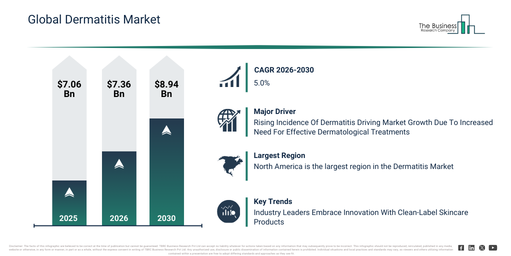
  • Dermatitis Market 2026 projected to reach $8.94 billion by 2030 at 5% CAGR

    Dermatitis Market 2026 projected to reach $8.94 billion by 2030 at 5% CAGR

    The Business Research Company’s 2026 market reports include new capabilities such as market attractiveness scoring and analysis, total addressable market analysis, company scoring matrix, interactive excel data dashboard, improved supply chain analysis, upcoming startups in the market, and overview of key products, aimed at improving the depth, usability, and strategic value of the insights delivered.

    How Is The Market Size Of The Dermatitis Market Expected To Change Between 2026 And 2030?

    The dermatitis market has shown consistent expansion in recent years. It is anticipated to increase from $7.06 billion in 2025 to $7.36 billion in 2026, progressing at a compound annual growth rate (CAGR) of 4.3%. This historical growth can be largely attributed to the significant prevalence of skin disorders, the widespread availability of corticosteroids, an uptick in dermatologist visits, various environmental triggers, and the use of antihistamines.

    The dermatitis market is projected to experience consistent expansion in the upcoming period. This market is forecast to reach a valuation of $8.94 billion by 2030, exhibiting a compound annual growth rate (CAGR) of 5.0%. This anticipated market expansion is driven by advancements in biologics, an increase in skin problems linked to pollution, the proliferation of dermatology clinics, enhanced awareness regarding self-care, and the demographic shift towards an aging population. Key developments anticipated during this period encompass the wider adoption of biologic therapies, a heightened demand for topical solutions, the broader availability of immunomodulatory drugs, greater understanding of persistent skin ailments, and the expansion of over-the-counter dermatology products.

    Download the Free Sample Report to Explore Key Market Insights:

    https://www.thebusinessresearchcompany.com/sample.aspx?id=2413&type=smp

    Which Major Factors Are Driving The Expansion Of The Dermatitis Market?

    The rising occurrence of dermatitis is anticipated to fuel the expansion of the dermatitis market in the coming years. Dermatitis encompasses a range of inflammatory skin conditions, marked by symptoms such as redness, itching, and irritation, frequently provoked by allergens, environmental elements, immune responses, or genetic susceptibility. The uptick in dermatitis incidents is primarily attributed to heightened exposure to environmental allergens and irritants inherent in contemporary lifestyles, which provoke excessive immune system reactions, leading to skin inflammation and impaired barrier function. This escalation in dermatitis cases bolsters the dermatitis market by boosting the need for efficacious treatment solutions, including topical steroids, calcineurin inhibitors, antihistamines, moisturizers, and advanced biologic therapies designed to lessen inflammation and enhance patient results. For example, in March 2025, data from the American Pharmacists Association, a US-based professional organization for pharmacists, indicated that an estimated 33 million Americans were affected by at least one food allergy, impacting approximately 8 percent of children and 11 percent of adults. Consequently, the growing incidence of dermatitis is propelling the growth of the dermatitis market.

    How Is The Dermatitis Market Structured Across Different Segments?

    The dermatitis market covered in this report is segmented –

    1) By Drug Class: Corticosteroids, Emollients Or Moisturizers, Antihistamines, Calcineurin Inhibitors, Antibiotics, Immunomodulators, Interleukin Inhibitors

    2) By Distribution Channel: Hospital, Retail Pharmacies, Drug Stores, Online Or Mail Pharmacies

    3) By Application: Atopic Dermatitis, Contact Dermatitis, Seborrheic Dermatitis

    Subsegments:

    1) By Corticosteroids: Topical Corticosteroids, Oral Corticosteroids, Injectable Corticosteroids

    2) By Emollients Or Moisturizers: Creams, Ointments, Lotions, Gels, Other Emollients Or Moisturizers

    3) By Antihistamines: Oral Antihistamines, Topical Antihistamines, Injectable Antihistamines

    4) By Calcineurin Inhibitors: Topical Calcineurin Inhibitors (Tacrolimus, Pimecrolimus), Oral Calcineurin Inhibitors

    5) By Antibiotics: Topical Antibiotics, Oral Antibiotics, Systemic Antibiotics

    6) By Immunomodulators: Topical Immunomodulators, Oral Immunomodulators

    7) By Interleukin Inhibitors: IL-4 Inhibitors, IL-13 Inhibitors, IL-31 Inhibitors, Other Interleukin Inhibitors

    Which Trends Are Shaping The Future Of The Dermatitis Market?

    Major companies operating in the dermatitis market are innovating clean-label, steroid-free products such as ARCTIVA to gain a competitive advantage and enhance their product offerings. ARCTIVA is a line of steroid-free skincare products designed to treat skin conditions such as eczema and psoriasis, featuring innovative Hydrosurf Glycolipid Technology. For instance, in April 2023, Arctiva Wellness, LLC, a US-based company specializing in clean-label skincare products, introduced ARCTIVA, an innovative range of non-prescription, steroid-free skincare solutions designed to effectively address skin conditions such as eczema and psoriasis. This transformative skincare line integrates cutting-edge scientific research with natural, cruelty-free components, complemented by clinically validated, FDA-approved active ingredients to deliver proven outcomes. Notably, it is the exclusive product line on the market to feature the groundbreaking Hydrosurf Glycolipid Technology, a unique blend of fermented components with significant skincare benefits, initially discovered in Antarctica.

    Which Major Players Dominate The Dermatitis Market?

    Major companies operating in the dermatitis market are LEO Pharma AS, Regeneron Pharmaceuticals Inc., Sanofi S.A., Encore Dermatology Inc., Meda Pharmaceuticals Inc., Allergan Plc, Anacor Pharmaceutical Inc., Astellas Pharma Inc., Mylan N.V., Valeant Pharmaceutical Inc., Galderma SA, Connetics Corporation, Fujisawa Pharmaceutical Company Ltd., AbbVie Inc., Valeant Pharmaceuticals International Inc., GlaxoSmithKline plc, Medimmune Inc., Bausch Health Co. Inc., Nestlé Skin Health India Pvt. Ltd., Aqua Pharmaceuticals Pvt. Ltd., Biofrontera AG, Zydus Lifesciences Limited

    Read the full dermatitis market report here:

    https://www.thebusinessresearchcompany.com/report/dermatitis-drugs-global-market-report

    Which Region Currently Holds The Largest Share Of The Dermatitis Market?

    North America was the largest region in the dermatitis market in 2025. Middle East is expected to be the fastest-growing region in the dermatitis market report during the forecast period. The regions covered in the dermatitis market report are Asia-Pacific, South East Asia, Western Europe, Eastern Europe, North America, South America, Middle East, Africa.

    Request A Tailored Dermatitis Market Research Report For Competitive Advantage:

    https://www.thebusinessresearchcompany.com/customise?id=2413&type=smp

    Browse Through More Reports Similar to the Global Dermatitis Market 2026, By The Business Research Company

    Dermatitis Drugs Market Report 2026

    https://www.thebusinessresearchcompany.com/report/dermatitis-drugs-global-market-report

    Atopic Dermatitis Market Report 2026

    https://www.thebusinessresearchcompany.com/report/atopic-dermatitis-global-market-report

    Dermatology Market Report 2026

    https://www.thebusinessresearchcompany.com/report/dermatology-global-market-report

    Get in touch with us:

    The Business Research Company: https://www.thebusinessresearchcompany.com/

    Americas +1 310-496-7795

    Asia +44 7882 955267 & +91 8897263534

    Europe +44 7882 955267

    Email us at info@tbrc.info

    Follow us on:

    LinkedIn: https://in.linkedin.com/company/the-business-research-company

    YouTube: https://www.youtube.com/channel/UC24_fI0rV8cR5DxlCpgmyFQ

    Global Market Model: https://www.thebusinessresearchcompany.com/global-market-model
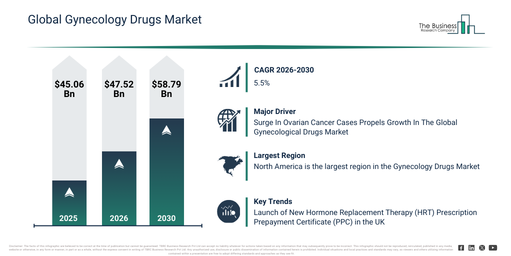
  • Gynecology Drugs Market Expected to Reach $58.79 Billion by 2030 at a CAGR of 5.5%

    Gynecology Drugs Market Expected to Reach $58.79 Billion by 2030 at a CAGR of 5.5%

    The Business Research Company’s 2026 market reports include new capabilities such as market attractiveness scoring and analysis, total addressable market analysis, company scoring matrix, interactive excel data dashboard, improved supply chain analysis, upcoming startups in the market, and overview of key products, aimed at improving the depth, usability, and strategic value of the insights delivered.

    What Market Size Growth Is Projected For The Gynecology Drugs Market During The Forecast Period 2026–2030?

    The gynecology drugs market has experienced significant growth in recent years. This market is set to expand from $45.06 billion in 2025 to $47.52 billion in 2026, at a compound annual growth rate (CAGR) of 5.5%. Its historical development can be ascribed to the increasing occurrence of gynecological disorders, a heightened awareness of women’s health issues, the broadening of hospital networks, the accessibility of generic gynecology drugs, and the adoption of conventional hormonal therapies.

    The gynecology drugs market size is anticipated to undergo significant growth in the coming years. It is projected to reach $58.79 billion by 2030, showing a compound annual growth rate (CAGR) of 5.5%. This expansion during the forecast period is driven by progress in personalized medicine, increasing adoption of telemedicine, heightened investment in reproductive health research, the creation of minimally invasive drug delivery systems, and the widening of online pharmacy channels. Noteworthy trends during this period feature personalized gynecology treatments, telemedicine and remote consultations, minimally invasive drug delivery, an uptick in fertility and reproductive health therapies, and rising awareness of women’s health concerns.

    Download the Free Sample Report to Explore Key Market Insights:

    https://www.thebusinessresearchcompany.com/sample.aspx?id=4098&type=smp

    Which Economic Or Industry Drivers Are Impacting The Gynecology Drugs Market?

    The rising number of women affected by ovarian cancer is projected to fuel the expansion of the global gynecological drugs market. Ovarian cancer is a malignancy that originates in the ovaries, which are an integral part of the female reproductive system. Gynecological medications play a vital role in addressing ovarian cancer by offering targeted and effective therapeutic solutions, thereby enhancing survival outcomes and improving patients’ quality of life. For instance, in February 2023, according to the National Center for Biotechnology Information, a US-based government agency, the global incidence of ovarian cancer is projected to increase to 434,184 new cases, with an estimated 293,039 deaths by 2040. This escalating incidence of ovarian cancer is expected to significantly boost the demand for gynecological drugs throughout the forecast period.

    What Market Segments Are Evaluated Within The Gynecology Drugs Market?

    The gynecology drugs market covered in this report is segmented –

    1) By Therapeutics: Hormonal Therapy, Non-Hormonal Therapy

    2) By Indication: Gynecology Cancers, Menopausal Disorder, Polycystic Ovary Syndrome, Contraception, Other Indications

    3) By Distribution Channel: Hospital Pharmacies, Retail Pharmacies, Online Pharmacies

    Subsegments:

    1) By Hormonal Therapy: Estrogen Replacement Therapy, Progesterone Therapy, Combination Hormonal Therapy

    2) By Non-Hormonal Therapy: Antidepressants (For menopausal symptoms), Non-Hormonal Anticonvulsants, Herbal And Dietary Supplements

    What Industry Trends Are Redefining The Gynecology Drugs Market?

    Major companies operating in the gynecology drug market are prioritizing the development of innovative therapies like hormone replacement therapy to gain a competitive advantage. Hormone Replacement Therapy (HRT) refers to a medical treatment involving the administration of hormones to alleviate symptoms associated with menopause, such as hot flashes, night sweats, mood swings, and vaginal dryness, thereby improving the overall quality of life for women experiencing these changes. For instance, in April 2023, the Department of Health and Social Care, a UK-based government administration, in collaboration with NHS England and the NHS Business Services Authority, a UK-based non-departmental public body, launched a new Hormone Replacement Therapy (HRT) prescription prepayment certificate (PPC). This new Hormone Replacement Therapy (HRT) prescription prepayment certificate (PPC) allows women in England to access HRT for just £19.30 per year (approximately $24.50 USD), significantly reducing the financial burden of managing menopause symptoms.

    Who Are The Top Market Participants Influencing The Gynecology Drugs Market?

    Major companies operating in the gynecology drugs market are Pfizer Inc., Bayer AG, Merck & Co. Inc., Teva Pharmaceutical Industries Ltd., Ferring Pharmaceuticals, Lupin Pharmaceuticals, Organon & Co., Allergan plc, Gedeon Richter, Besins Healthcare, Theramex, Amgen Inc., Agile Therapeutics, Sanofi S.A., Novartis AG, Eli Lilly and Company, Johnson & Johnson, AstraZeneca Plc, Cipla Limited, Kissei Pharmaceutical, Shionogi, Mylan N.V., Bristol-Myers Squibb Company, Endo International PLC, Apothecus Pharmaceutical Corp., Ani Pharmaceuticals, Medicines360, Blairex Laboratories

    Read the full gynecology drugs market report here:

    https://www.thebusinessresearchcompany.com/report/gynecology-drugs-global-market-report

    What Are The Top-Performing Regions Within The Gynecology Drugs Market?

    North America was the largest region in the gynecology drugs market in 2025. Asia-Pacific is expected to be the fastest-growing region in the forecast period. The regions covered in the gynecology drugs market report are Asia-Pacific, South East Asia, Western Europe, Eastern Europe, North America, South America, Middle East, Africa.

    Request A Tailored Gynecology Drugs Market Research Report For Competitive Advantage:

    https://www.thebusinessresearchcompany.com/customise?id=4098&type=smp

    Browse Through More Reports Similar to the Global Gynecology Drugs Market 2026, By The Business Research Company

    Gynecology Drugs Market Report 2026

    https://www.thebusinessresearchcompany.com/report/gynecology-drugs-global-market-report

    Gynecological Cancer Drugs Market Report 2026

    https://www.thebusinessresearchcompany.com/report/gynecological-cancer-drugs-global-market-report

    Ovarian Cancer Drugs Market Report 2026

    https://www.thebusinessresearchcompany.com/report/ovarian-cancer-drugs-global-market-report

    Get in touch with us:

    The Business Research Company: https://www.thebusinessresearchcompany.com/

    Americas +1 310-496-7795

    Asia +44 7882 955267 & +91 8897263534

    Europe +44 7882 955267

    Email us at info@tbrc.info

    Follow us on:

    LinkedIn: https://in.linkedin.com/company/the-business-research-company

    YouTube: https://www.youtube.com/channel/UC24_fI0rV8cR5DxlCpgmyFQ

    Global Market Model: https://www.thebusinessresearchcompany.com/global-market-model
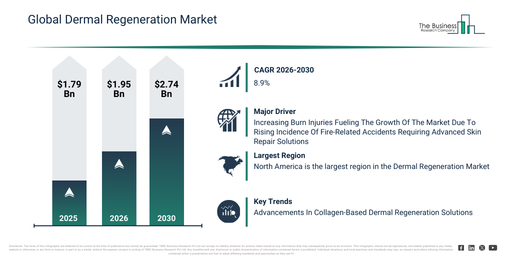
  • Dermal Regeneration Market 2026–2035 expanding across aesthetic and medical applications

    Dermal Regeneration Market 2026–2035 expanding across aesthetic and medical applications

    The Business Research Company’s 2026 market reports include new capabilities such as market attractiveness scoring and analysis, total addressable market analysis, company scoring matrix, interactive excel data dashboard, improved supply chain analysis, upcoming startups in the market, and overview of key products, aimed at improving the depth, usability, and strategic value of the insights delivered.

    What Is The Market Size Of The Dermal Regeneration Market In 2026 And What Value Is Projected For 2030?

    The dermal regeneration market size has experienced robust growth in recent years. It is projected to expand from $1.79 billion in 2025 to $1.95 billion in 2026, achieving a compound annual growth rate (CAGR) of 8.9%. The market’s past expansion can be ascribed to several factors, including an escalating incidence of chronic wounds, a rise in burn injury cases, the increasing uptake of tissue engineering, the expansion of hospital wound care units, and advancements in biomaterial technologies.

    The dermal regeneration market is projected to experience robust expansion over the upcoming years, with its size anticipated to reach $2.74 billion by 2030, exhibiting a compound annual growth rate (CAGR) of 8.9%. This growth throughout the forecast period can be primarily attributed to factors such as the increasing demand for minimally invasive skin repair solutions, the broadening scope of aesthetic and reconstructive surgery, a rising aging population, augmented investment in regenerative medicine, and advancements in cell-based therapies. Furthermore, significant trends expected during this period include the growing adoption of bioengineered skin substitutes, expanded utilization of collagen and biomaterial scaffolds, a heightened demand for advanced wound healing therapies, the wider application of regenerative treatments in burn care, and increased deployment of dermal regeneration templates.

    Download the Free Sample Report to Explore Key Market Insights:

    https://www.thebusinessresearchcompany.com/sample.aspx?id=25746&type=smp

    What Key Drivers Are Influencing The Growth Of The Dermal Regeneration Market?

    A rise in burn injuries is anticipated to drive the expansion of the dermal regeneration market in the future. Burn injuries involve harm to the skin or its deeper tissues resulting from heat, chemicals, electrical contact, radiation, or friction. The incidence of burn injuries is increasing, largely attributable to the common use of hazardous cooking fuels and devices like open flames and inadequately maintained stoves. These factors elevate the likelihood of accidental fires and scalds, especially in highly populated and economically disadvantaged households. Treating burn injuries necessitates dermal regeneration solutions, as they rely on advanced technologies for tissue repair and skin restoration to effectively manage moderate to severe skin damage. As an illustration, in January 2024, the Consumer Product Safety Commission (CPSC), a federal government agency in the US, reported 11 deaths linked to fireworks, predominantly caused by improper use and equipment failures. Around 14,700 individuals suffered fireworks-related injuries, indicating a substantial increase of approximately 38% in fatalities and 52% in injuries when compared to 2023. Consequently, the growing number of burn injuries is fueling the expansion of the dermal regeneration market.

    What Are The Key Segments Of The Dermal Regeneration Market?

    The dermal regeneration market covered in this report is segmented –

    1) By Product Type: Skin Substitutes, Scaffolds, Other Product Types

    2) By Technology: Tissue Engineering, Cell-Based Therapies, Biomaterial-Based Therapies, Other Technologies

    3) By Source: Cow Collagen, Silicone

    4) By Application: Chronic Wounds, Burn Injuries, Acute Wounds, Plastic And Reconstructive Surgery, Other Applications

    5) By End Use: Hospitals, Dermatology And Aesthetic Clinics, Specialty Clinics, Ambulatory Surgical Centers (ASCs), Other End User

    Subsegments:

    1) By Skin Substitutes: Acellular Skin Substitutes, Cellular Skin Substitutes, Bioengineered Skin Substitutes, Synthetic Skin Substitutes, Allografts, Xenografts

    2) By Scaffolds: Collagen-Based Scaffolds, Synthetic Polymer Scaffolds, Composite Scaffolds, Hyaluronic Acid-Based Scaffolds, Fibrin-Based Scaffolds

    3) By Other Product Types: Dermal Regeneration Templates (DRTs), Hydrogel-Based Products, Growth Factor-Based Therapies, Matrices With Antimicrobial Agents

    What Key Trends Are Influencing The Development Of The Dermal Regeneration Market?

    Leading firms in the dermal regeneration market are concentrating on creating sophisticated offerings, like the collagen-based dermal matrix, to ensure excellent biocompatibility and a minimal chance of immune system rejection. This type of dermal matrix, predominantly composed of collagen, functions as a foundational support system to facilitate the development and repair of skin tissue. An example is Fesarius Therapeutics Inc., a biotechnology company based in the US, which revealed in January 2025 that its DermiSphere hydrogel Dermal Regeneration Template (DermiSphere hDRT) had received 510(k) approval from the US Food and Drug Administration (FDA). The DermiSphere hDRT represents an evolution in collagen-based dermal matrices, specifically designed to foster tissue integration, improve blood vessel formation, and achieve superior wound healing. Its applications include advanced wound care, reconstructive surgical procedures, and regenerative medicine. DermiSphere hDRT offers a novel method for dermal regeneration, holding significant promise to transform current wound care practices.

    Who Are The Leading Companies Operating In The Dermal Regeneration Market?

    Major companies operating in the dermal regeneration market are Smith & Nephew Plc, Integra LifeSciences Corp., Organogenesis Inc., MiMedx Group Inc., Regenity Biosciences Inc., Avita Medical Inc., Polynovo, Symatese Co., Stratatech, MedSkin Solutions Dr. Suwelack AG, Japan Tissue Engineering Co. Ltd., CollPlant Biotechnologies Ltd., Holostem Terapie Avanzate.

    Read the full dermal regeneration market report here:

    https://www.thebusinessresearchcompany.com/report/dermal-regeneration-global-market-report

    Which Region Is Expected To Register The Fastest Growth In The Dermal Regeneration Market?

    North America was the largest region in the dermal regeneration market in 2025. Asia-Pacific is expected to be the fastest-growing region in the forecast period. The regions covered in the dermal regeneration market report are Asia-Pacific, South East Asia, Western Europe, Eastern Europe, North America, South America, Middle East, Africa.

    Request A Tailored Dermal Regeneration Market Research Report For Competitive Advantage:

    https://www.thebusinessresearchcompany.com/customise?id=25746&type=smp

    Browse Through More Reports Similar to the Global Dermal Regeneration Market 2026, By The Business Research Company

    Transdermal Skin Patche Market Report 2026

    https://www.thebusinessresearchcompany.com/report/transdermal-skin-patche-global-market-report

    Regenerative Medicine Market 2026

    https://www.thebusinessresearchcompany.com/report/regenerative-medicine-market

    Dermal Filler Market Report 2026

    https://www.thebusinessresearchcompany.com/report/dermal-filler-global-market-report

    Get in touch with us:

    The Business Research Company: https://www.thebusinessresearchcompany.com/

    Americas +1 310-496-7795

    Asia +44 7882 955267 & +91 8897263534

    Europe +44 7882 955267

    Email us at info@tbrc.info

    Follow us on:

    LinkedIn: https://in.linkedin.com/company/the-business-research-company

    YouTube: https://www.youtube.com/channel/UC24_fI0rV8cR5DxlCpgmyFQ

    Global Market Model: https://www.thebusinessresearchcompany.com/global-market-model