Category: Pharmaceuticals

  • Estrogen Receptor Modulators Market 2026–2035 expanding across oncology applications

    Estrogen Receptor Modulators Market 2026–2035 expanding across oncology applications

    The Business Research Company’s 2026 market reports include new capabilities such as market attractiveness scoring and analysis, total addressable market analysis, company scoring matrix, interactive excel data dashboard, improved supply chain analysis, upcoming startups in the market, and overview of key products, aimed at improving the depth, usability, and strategic value of the insights delivered.

    What Market Size Expansion Is Predicted For The Estrogen Receptor Modulators Market Between 2026 And 2030?

    The estrogen receptor modulators market size has demonstrated significant growth in recent years. It is anticipated to increase from $17.12 billion in 2025 to $18.61 billion in 2026, achieving a compound annual growth rate (CAGR) of 8.7%. The expansion observed historically can be linked to factors such as the prevalence of breast cancer, the adoption of tamoxifen, the acceptance of hormone therapy, various oncology drug approvals, and the overall growth in hospital oncology.

    The market for estrogen receptor modulators is anticipated to experience substantial expansion over the upcoming years. Its valuation is projected to reach $25.65 billion by 2030, demonstrating an 8.4% compound annual growth rate (CAGR). This projected increase during the forecast period stems from factors such as oral SERD development, advancements in precision oncology, an increasing aging female population, broader oncology indications, and the expansion of specialty pharmacies. Key developments expected within this period involve the increasing adoption in breast cancer treatment, the rise of oral SERDs, wider applications for osteoporosis, a heightened emphasis on targeted hormonal therapy, and the prevalence of generic drugs.

    Download the Free Sample Report to Explore Key Market Insights:

    https://www.thebusinessresearchcompany.com/sample.aspx?id=24529&type=smp

    What Drivers Are Influencing The Estrogen Receptor Modulators Market?

    The increasing incidence of breast cancer is anticipated to fuel the expansion of the estrogen receptor modulators market in the future. Breast cancer is defined as a condition where aberrant cells in the breast multiply without control, creating a mass that can penetrate adjacent tissues or disseminate to other bodily regions. The growing occurrence of breast cancer is attributed to more women postponing childbirth, resulting in modified hormone levels and extended lifetime exposure to estrogen, thereby heightening cancer risk. Estrogen receptor modulators are employed in the treatment of breast cancer to obstruct or modify estrogen’s impact on breast cancer cells, thereby inhibiting or halting their proliferation and diminishing the likelihood of cancer advancement or return. For example, reports from February 2025 by the United Nations, a US-based intergovernmental organization, indicate that in 2022, breast cancer was responsible for roughly 2.3 million new cases and 670,000 fatalities globally. By 2050, worldwide forecasts project a 38% increase in new cases and a 68% rise in yearly deaths, underscoring a substantial and expanding burden from this illness. Consequently, the escalating prevalence of breast cancer is propelling the expansion of the estrogen receptor modulators market.

    Which Market Segments Are Examined In The Estrogen Receptor Modulators Market Study?

    The estrogen receptor modulators market covered in this report is segmented –

    1) By Type: Select Estrogen Receptor Modulators, Non-Selective Estrogen Receptor Modulators, Selective Estrogen Receptor Downregulators (SERDs)

    2) By Route Of Administration: Oral, Injectable, Topical

    3) By Application: Breast Cancer Treatment, Osteoporosis Treatment, Infertility Treatment, Hormone Replacement Therapy (HRT)

    4) By Distribution Channel: Hospital Pharmacy, Online Pharmacy, Retail Pharmacy

    5) By End-Users: Homecare, Speciality Centres, Other End Users

    Subsegments:

    1) By Select Estrogen Receptor Modulators: Tamoxifen, Raloxifene, Toremifene, Bazedoxifene, Lasofoxifene

    2) By Non-Selective Estrogen Receptor Modulators: Clomiphene, Diethylstilbestrol (DES), Other Non-Selective Modulators

    3) By Selective Estrogen Receptor Downregulators (SERDs): Fulvestrant, Elacestrant, OP-1250 (Investigational), Other Oral SERDs

    Which Trends Are Influencing The Estrogen Receptor Modulators Market?

    Companies operating within the estrogen receptor modulators market are directing their efforts toward developing innovative remedies, such as estrogen-based menopause hormone therapy. These solutions aim to efficiently manage menopausal symptoms, including hot flashes, while simultaneously minimizing the risk of hormone-related cancers and cardiovascular complications. Estrogen-based menopause hormone therapy is defined as a medical approach involving the administration of estrogen, either singularly or combined with progestin, to alleviate discomforts associated with menopause. As an illustration, in June 2023, Pfizer Inc., a pharmaceutical and biotechnology company based in the US, relaunched DUAVEE (conjugated estrogens/bazedoxifene), a hormone therapy intended for postmenopausal women with a uterus, which is now available again with improved packaging. This treatment combines conjugated estrogens with bazedoxifene, a selective estrogen receptor modulator, thereby presenting an alternative to traditional estrogen-progestin therapies by reducing the potential for uterine lining thickening. The medication is taken as a once-daily oral tablet and is advised for the shortest necessary duration to manage symptoms; common side effects reported include muscle spasms, nausea, and stomach discomfort.

    Who Are The Primary Competitors In The Estrogen Receptor Modulators Market?

    Major companies operating in the estrogen receptor modulators market are Gedeon Richter Plc., Pfizer CentreOne, Viatris Inc., Amneal Pharmaceuticals Inc., Lupin Limited, Cipla Limited, Hikma Pharmaceuticals PLC, Zydus Lifesciences Ltd., Dr. Reddy’s Laboratories Ltd., Glenmark Pharmaceuticals Ltd., Torrent Pharmaceuticals Ltd., Natco Pharma Ltd., Cadila Healthcare Ltd., Mylan N.V., Accord Healthcare Ltd., Intas Pharmaceuticals Ltd., Sunovion Pharmaceuticals Inc., Taiho Pharmaceutical Co. Ltd., Radius Health Inc., Menarini Group, Chugai Pharmaceutical Co. Ltd., Eisai Co. Ltd., Jiangsu Chia Tai Tianqing Pharmaceutical Co. Ltd., Shanghai Fosun Pharmaceutical Group Co. Ltd., Zhejiang Hisun Pharmaceutical Co. Ltd., Laurus Labs Ltd., Strides Pharma Science Ltd., Alembic Pharmaceuticals Ltd., Wockhardt Ltd., Emcure Pharmaceuticals Ltd., Macleods Pharmaceuticals Ltd., Biocon Ltd.

    Read the full estrogen receptor modulators market report here:

    https://www.thebusinessresearchcompany.com/report/estrogen-receptor-modulators-global-market-report

    Which Regions Are Expected To Experience Rapid Expansion In The Estrogen Receptor Modulators Market?

    North America was the largest region in the estrogen receptor modulators market in 2025. Asia-Pacific is expected to be the fastest-growing region in the forecast period. The regions covered in the estrogen receptor modulators market report are Asia-Pacific, South East Asia, Western Europe, Eastern Europe, North America, South America, Middle East, Africa.

    Request A Tailored Estrogen Receptor Modulators Market Research Report For Competitive Advantage:

    https://www.thebusinessresearchcompany.com/customise?id=24529&type=smp

    Browse Through More Reports Similar to the Global Estrogen Receptor Modulators Market 2026, By The Business Research Company

    Synthetic Hormones Market Report 2026

    https://www.thebusinessresearchcompany.com/report/synthetic-hormones-global-market-report

    Bioidentical Hormones Market Report 2026

    https://www.thebusinessresearchcompany.com/report/bioidentical-hormones-global-market-report

    Hormone Therapy Market Report 2026

    https://www.thebusinessresearchcompany.com/report/hormone-therapy-global-market-report

    Get in touch with us:

    The Business Research Company: https://www.thebusinessresearchcompany.com/

    Americas +1 310-496-7795

    Asia +44 7882 955267 & +91 8897263534

    Europe +44 7882 955267

    Email us at info@tbrc.info

    Follow us on:

    LinkedIn: https://in.linkedin.com/company/the-business-research-company

    YouTube: https://www.youtube.com/channel/UC24_fI0rV8cR5DxlCpgmyFQ

    Global Market Model: https://www.thebusinessresearchcompany.com/global-market-model
  • Global Estrogen Blockers Market 2026–2030 shaped by hormonal therapy demand

    Global Estrogen Blockers Market 2026–2030 shaped by hormonal therapy demand

    The Business Research Company’s 2026 market reports include new capabilities such as market attractiveness scoring and analysis, total addressable market analysis, company scoring matrix, interactive excel data dashboard, improved supply chain analysis, upcoming startups in the market, and overview of key products, aimed at improving the depth, usability, and strategic value of the insights delivered.

    How Large Is The Estrogen Blockers Market Projected To Become By 2030 Based On Its 2026 Valuation?

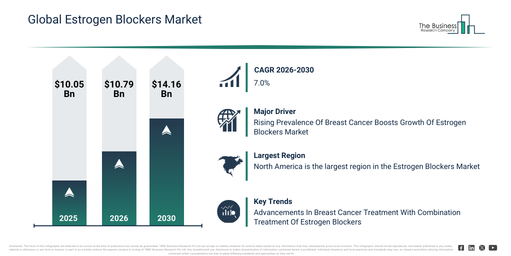
    The market for estrogen blockers has experienced significant growth over recent years. This market is projected to expand from $10.05 billion in 2025 to $10.79 billion in 2026, demonstrating a compound annual growth rate (CAGR) of 7.3%. Historically, this expansion has been driven by factors such as the restricted accessibility of estrogen blockers, the dependence on traditional chemotherapy methods, the rising occurrence of breast cancer, insufficient knowledge regarding hormone therapies, and the expansion of hospital and oncology clinic facilities.

    The market for estrogen blockers is anticipated to experience substantial expansion over the coming years. This sector is projected to reach $14.16 billion by 2030, demonstrating a compound annual growth rate (CAGR) of 7.0%. During the forecast period, this expansion is driven by several factors, including the emergence of combination therapies and natural estrogen blockers, the increasing adoption of personalized medicine strategies, the growing use of online pharmacy platforms, a rise in government and healthcare programs targeting breast cancer, and advancements in diagnostic tools for hormone receptor testing. Key trends shaping the forecast period encompass a growing uptake of selective estrogen receptor modulators (serms) and aromatase inhibitors, an expanded application of estrogen blockers in hormone replacement therapy (hrt), the development of tailored breast cancer treatment plans, the broadening of online and retail pharmacy distribution networks, and enhanced public understanding of infertility and the management of post-menopausal osteoporosis.

    Download the Free Sample Report to Explore Key Market Insights:

    https://www.thebusinessresearchcompany.com/sample.aspx?id=19422&type=smp

    What Drivers Are Shaping The Future Growth Of The Estrogen Blockers Market?

    The increasing occurrence of breast cancer is anticipated to fuel the expansion of the estrogen blocker market in the future. Breast cancer is a malignancy that develops in breast tissue, mainly impacting the milk ducts and lobules. This condition arises when normal breast cells mutate, resulting in unregulated proliferation and tumor development. The incidence of breast cancer is on the rise, attributed to factors like an aging demographic, shifts in lifestyle including increased alcohol intake and inactive routines, and enhanced detection through advanced screening and diagnostic methods. Estrogen blockers assist in combating breast cancer by suppressing the hormone estrogen, which is known to stimulate the proliferation of particular breast cancer cell types and can impede or halt the progression of hormone receptor-positive breast cancers, thus supporting treatment and potentially lowering recurrence risk. As an illustration, in January 2024, data from the Australian Institute of Health and Welfare, an Australia-based government agency, indicated that an estimated 20,458 cases of breast cancer were diagnosed in females in 2023, representing an age-standardized incidence rate of 128.6 cases per 100,000 females. This followed 2022, when approximately 20,004 cases of breast cancer were diagnosed in females, with an age-standardized incidence rate of 128.2 cases per 100,000 females. Consequently, the increasing prevalence of breast cancer is a significant driver for the expansion of the estrogen blocker market.

    What Segment Groups Are Identified Within The Estrogen Blockers Market?

    The estrogen blockers market covered in this report is segmented –

    1) By Product: Selective Estrogen Receptor Modulators (SERMs), Aromatase Inhibitors, Estrogen Receptor Downregulators (ERDs), Other Products

    2) By Distribution Channel: Hospital Pharmacies, Retail Pharmacies, Online Pharmacies

    3) By Application: Breast Cancer Treatment, Hormone Replacement Therapy (HRT), Infertility Treatment, Post-Menopausal Osteoporosis, Other Applications

    Subsegments:

    1) By Selective Estrogen Receptor Modulators (SERMs): Tamoxifen, Raloxifene, Toremifene, Fulvestrant

    2) By Aromatase Inhibitors: Anastrozole, Letrozole, Exemestane, Vorozole

    3) By Estrogen Receptor Downregulators (ERDs): Fulvestrant, Elacestrant, Giredestrant

    4) By Other Products: Phytochemicals, Natural Estrogen Blockers, Combination Therapies

    What Trends Are Advancing Progress In The Estrogen Blockers Market?

    Leading companies within the estrogen blocker market are concentrating on creating sophisticated estrogen blocker medications, specifically those combining AKT (Protein Kinase B) inhibitors with selective estrogen receptor degraders (SERD), aiming to boost treatment effectiveness and tackle resistance problems in breast cancer therapy. This therapeutic approach, involving the combination of AKT (Protein Kinase B) inhibitors and selective estrogen receptor degraders (SERDs), is employed for hormone receptor-positive breast cancer. Its function is to target cancer cell survival pathways and degrade estrogen receptors, thereby impeding tumor growth and surmounting resistance to hormonal treatments. A notable instance occurred in November 2023, when AstraZeneca, a pharmaceutical company based in the UK, secured approval from the U.S. Food and Drug Administration (FDA) for Truqap (capivasertib), an AKT (Protein Kinase B) inhibitor, when used with Faslodex (fulvestrant), which is a selective estrogen receptor degrader (SERD). This approval is granted for the treatment of adult patients diagnosed with hormone receptor (HR)-positive, HER2-negative locally advanced or metastatic breast cancer who exhibit particular biomarker alterations, specifically PIK3CA, AKT1, or PTEN. The significance of this approval lies in its focus on patients who have shown progression after at least one endocrine-based therapy or experienced a recurrence within 12 months following the completion of adjuvant therapy.

    Which Companies Hold Significant Positions In The Estrogen Blockers Market?

    Major companies operating in the estrogen blockers market are Pfizer Inc, F. Hoffmann-La Roche AG, Merck & Co. Inc, Novartis AG, Sanofi S.A, AstraZeneca PLC, GlaxoSmithKline plc, Eli Lilly and Company, Viatris Inc, Teva Pharmaceutical Industries Ltd., Fresenius Kabi AG, Sun Pharmaceutical Industries Ltd., Ipsen S.A., Cadila Pharmaceuticals Ltd., Intas Pharmaceuticals Limited, Dr. Reddy’s Laboratories Ltd., Hikma Pharmaceuticals PLC, Amneal Pharmaceuticals Inc., Lupin Limited, Glenmark Pharmaceuticals Limited, Alvogen Inc., Alembic Pharmaceuticals Limited, Olema Pharmaceuticals Inc, Cipla Inc, Criterium Inc

    Read the full estrogen blockers market report here:

    https://www.thebusinessresearchcompany.com/report/estrogen-blockers-global-market-report

    Which Geographic Regions Are Influencing Demand In The Estrogen Blockers Market?

    North America was the largest region in the estrogen blockers market in 2025. The regions covered in the estrogen blockers market report are Asia-Pacific, South East Asia, Western Europe, Eastern Europe, North America, South America, Middle East, Africa.

    Request A Tailored Estrogen Blockers Market Research Report For Competitive Advantage:

    https://www.thebusinessresearchcompany.com/customise?id=19422&type=smp

    Browse Through More Reports Similar to the Global Estrogen Blockers Market 2026, By The Business Research Company

    Pet Packaging Market Report 2026

    https://www.thebusinessresearchcompany.com/report/pet-packaging-global-market-report

    Polyolefin Pipes Market Report 2026

    https://www.thebusinessresearchcompany.com/report/polyolefin-pipes-global-market-report

    Fuel Dispenser Market Report 2026

    https://www.thebusinessresearchcompany.com/report/fuel-dispenser-global-market-report

    Get in touch with us:

    The Business Research Company: https://www.thebusinessresearchcompany.com/

    Americas +1 310-496-7795

    Asia +44 7882 955267 & +91 8897263534

    Europe +44 7882 955267

    Email us at info@tbrc.info

    Follow us on:

    LinkedIn: https://in.linkedin.com/company/the-business-research-company

    YouTube: https://www.youtube.com/channel/UC24_fI0rV8cR5DxlCpgmyFQ

    Global Market Model: https://www.thebusinessresearchcompany.com/global-market-model
  • Rising target disease prevalence continues to support the Cytokine-Based Therapies And Inhibitors Market 2026

    Rising target disease prevalence continues to support the Cytokine-Based Therapies And Inhibitors Market 2026

    The Business Research Company’s 2026 market reports include new capabilities such as market attractiveness scoring and analysis, total addressable market analysis, company scoring matrix, interactive excel data dashboard, improved supply chain analysis, upcoming startups in the market, and overview of key products, aimed at improving the depth, usability, and strategic value of the insights delivered.

    What Is The Market Size Of The Cytotoxic Drugs Market In 2026 And What Value Is Projected For 2030?

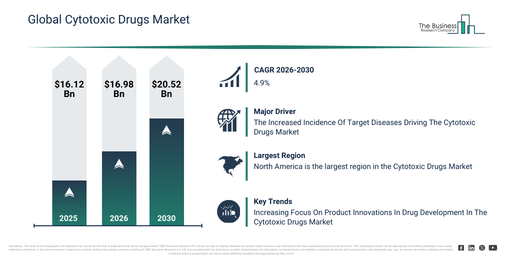
    The cytotoxic drugs market size has experienced strong growth in recent years. It is projected to increase from $16.12 billion in 2025 to $16.98 billion in 2026, showing a compound annual growth rate (CAGR) of 5.3%. This historical growth can be attributed to the longstanding role of chemotherapy in cancer treatment, the widespread availability of generic cytotoxic drugs, the expansion of hospital-based oncology services, their established clinical efficacy across multiple cancer types, and the growth of public cancer treatment programs.

    The cytotoxic drugs market size is projected to experience consistent expansion over the upcoming years. This market is anticipated to reach $20.52 billion by 2030, showing a compound annual growth rate (CAGR) of 4.9%. The projected increase during this period stems from factors such as the escalating worldwide incidence of cancer, enhanced availability of oncology treatments in developing regions, the persistent application of cytotoxic foundational treatments alongside targeted therapies, the broadening of combination therapy approaches, and a rising need for affordable cancer solutions. Key developments anticipated in the forecast period encompass the ongoing utilization of cytotoxic medications within combination cancer treatments, a growing requirement for broad-spectrum chemotherapeutic agents, heightened attention towards dose optimization and managing toxicity, continued dependence on established chemotherapy procedures, and the widening application of cytotoxic drugs for non-oncology conditions.

    Download the Free Sample Report to Explore Key Market Insights:

    https://www.thebusinessresearchcompany.com/sample.aspx?id=15781&type=smp

    What Drivers Are Influencing The Cytotoxic Drugs Market?

    The cytotoxic drugs market is anticipated to expand due to the growing occurrence of target diseases. Target diseases are defined as particular medical conditions chosen for dedicated research and treatment efforts, encompassing conditions such as cancer, autoimmune disorders, and genetic ailments. The frequency of these target diseases is increasing, attributed to factors like genetic predisposition, environmental impacts, and unequal access to healthcare. The cytotoxic drugs market plays a crucial role in patient care by supplying medicines designed to eliminate or hinder the proliferation of abnormal cells, thereby slowing down disease progression and dissemination. For example, data from February 2024, provided by the International Agency for Research on Cancer (IARC), a specialized cancer agency of the World Health Organization (WHO) based in France, revealed that around 0.02 billion new cancer cases and 0.0097 billion deaths were reported globally in 2022. Projections indicate a substantial 77% surge, leading to over 0.035 billion new cases by 2050. Furthermore, lung cancer contributed 0.0025 billion new cases (12.4%), closely followed by female breast cancer with 0.0023 billion cases (11.6%). Consequently, the rising incidence of target diseases is a significant factor propelling the growth of the cytotoxic drugs market.

    What Are The Key Segments Of The Cytotoxic Drugs Market?

    The cytotoxic drugs market covered in this report is segmented –

    1) By Drug Type: Alkylating Agents, Antitumor Antibiotics, Antimetabolites, Plant Alkaloids, Other Drug Types

    2) By Application: Oncology, Rheumatoid Arthritis, Multiple Sclerosis, Other Applications

    3) By End User: Hospitals, Cancer Research Centers, Drug Testing Laboratories, Contract Development And Manufacturing Organizations (CDMOs)

    Subsegments:

    1) By Alkylating Agents: Nitrogen Mustards, Ethyleneimines, Alkyl Sulfonates, Triazenes

    2) By Antitumor Antibiotics: Anthracyclines, Bleomycin, Mitomycin

    3) By Antimetabolites: Methotrexate, 5-Fluorouracil, Purine Analogs

    4) By Plant Alkaloids: Vinca Alkaloids, Taxanes, Camptothecin Analogs

    5) By Other Drug Types: Platinum-Based Compounds, Antibody-Drug Conjugates (ADCs), Nitrosoureas

    What Key Trends Are Influencing The Development Of The Cytotoxic Drugs Market?

    Leading companies in the cytotoxic drugs market are prioritizing the creation of advanced and innovative solutions, such as chimeric antigen receptor (CAR) T cell therapies, to offer transformative treatment options for individuals with difficult-to-treat blood cancers. CAR T cell therapy is a highly specialized immunotherapy where a patient’s T cells are genetically altered to express a chimeric antigen receptor that identifies and eradicates cancer cells, marking a significant step forward in personalized oncology care. For example, in March 2024, Bristol Myers Squibb, a US-based biopharmaceutical company, secured U.S. FDA approval for Breyanzi, a CD19-directed CAR T cell therapy for adults suffering from relapsed or refractory chronic lymphocytic leukemia or small lymphocytic lymphoma. This offers a personalized treatment approach that enhances efficacy for patients with limited therapeutic alternatives, showcasing substantial progress in the evolution of cytotoxic drug therapies.

    Who Are The Leading Companies Operating In The Cytotoxic Drugs Market?

    Major companies operating in the cytotoxic drugs market are Pfizer Inc., Johnson & Johnson Services Inc., Roche Holding AG, Merck & Co., AbbVie Inc., Novartis AG, Sanofi S.A., Bristol-Myers Squibb Company, AstraZeneca plc, Fresenius Kabi AG, GlaxoSmithKline Plc, Takeda Pharmaceutical Company Limited, Eli Lilly and Company, Amgen Inc., Boehringer Ingelheim International GmbH, Merck KGaA, Evonik Industries AG, Teva Pharmaceutical Industries Ltd., Baxter International Inc., Daiichi Sankyo Company Limited, Lonza, Eisai Co. Ltd., Sun Pharmaceuticals, Sumitomo Dainippon Pharma, Jazz Pharma, Ipsen Pharma, Kyowa Kirin Co. Ltd., Cipla Ltd., Mallinckrodt Pharmaceuticals, Hansoh Pharmaceutical Group Company Limited, Piramal Group

    Read the full cytotoxic drugs market report here:

    https://www.thebusinessresearchcompany.com/report/cytotoxic-drugs-global-market-report

    Which Regions Are Expected To Experience Rapid Expansion In The Cytotoxic Drugs Market?

    North America was the largest region in the cytotoxic drugs market in 2025. Asia-Pacific is expected to be the fastest-growing region in the forecast period. The regions covered in the cytotoxic drugs market report are Asia-Pacific, South East Asia, Western Europe, Eastern Europe, North America, South America, Middle East, Africa.

    Request A Tailored Cytotoxic Drugs Market Research Report For Competitive Advantage:

    https://www.thebusinessresearchcompany.com/customise?id=15781&type=smp

    Browse Through More Reports Similar to the Global Cytotoxic Drugs Market 2026, By The Business Research Company

    Cytotoxic Drugs Market Report 2026

    https://www.thebusinessresearchcompany.com/report/cytotoxic-drugs-global-market-report

    Oncology Drugs Market 2026

    https://www.thebusinessresearchcompany.com/report/oncology-drugs-market

    Oncology Drugs Market 2026

    https://www.thebusinessresearchcompany.com/report/oncology-drugs-market

    Get in touch with us:

    The Business Research Company: https://www.thebusinessresearchcompany.com/

    Americas +1 310-496-7795

    Asia +44 7882 955267 & +91 8897263534

    Europe +44 7882 955267

    Email us at info@tbrc.info

    Follow us on:

    LinkedIn: https://in.linkedin.com/company/the-business-research-company

    YouTube: https://www.youtube.com/channel/UC24_fI0rV8cR5DxlCpgmyFQ

    Global Market Model: https://www.thebusinessresearchcompany.com/global-market-model
  • Global Cytokine-Based Therapies And Inhibitors Market 2026 driven by increasing disease incidence

    Global Cytokine-Based Therapies And Inhibitors Market 2026 driven by increasing disease incidence

    The Business Research Company’s 2026 market reports include new capabilities such as market attractiveness scoring and analysis, total addressable market analysis, company scoring matrix, interactive excel data dashboard, improved supply chain analysis, upcoming startups in the market, and overview of key products, aimed at improving the depth, usability, and strategic value of the insights delivered.

    What Will Be The Estimated Market Valuation Of The Cytokine-Based Therapies And Inhibitors Market By The End Of 2030?

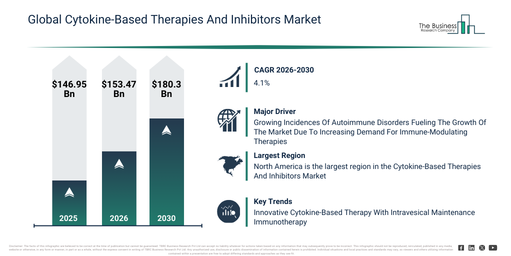
    The market for cytokine-based therapies and inhibitors has demonstrated consistent growth in recent years. This sector is anticipated to expand from $146.95 billion in 2025 to $153.47 billion in 2026, achieving a compound annual growth rate (CAGR) of 4.4%. Historically, this growth can be attributed to factors such as the restricted availability of cytokine modulators, early-stage investigations in immunotherapies, a reliance on conventional treatment methods, the increasing occurrence of cancer and autoimmune diseases, and limited capacities in biologics manufacturing.

    The market size for cytokine-based therapies and inhibitors is anticipated to experience consistent expansion over the next few years. It is projected to achieve a value of $180.3 billion by 2030, progressing at a compound annual growth rate (CAGR) of 4.1%. This expected growth during the forecast period can be attributed to several factors, including advancements in recombinant cytokine engineering, increased investment in immuno-oncology and inflammatory disorder treatments, the integration of AI for drug discovery, a growing biopharmaceutical manufacturing infrastructure, and the expansion of clinical trials and personalized medicine initiatives. Significant trends expected in this period include the rising adoption of cytokine-based therapies in oncology, the broadening of targeted immune modulation therapies, an increase in biopharmaceutical research and clinical trials, a heightened focus on personalized medicine and precision therapies, and enhanced regulatory and safety compliance in drug development.

    Download the Free Sample Report to Explore Key Market Insights:

    https://www.thebusinessresearchcompany.com/sample.aspx?id=25734&type=smp

    What Drivers Are Shaping The Future Growth Of The Cytokine-Based Therapies And Inhibitors Market?

    The increasing occurrences of autoimmune conditions are anticipated to drive expansion in the cytokine-based therapies and inhibitors market. Autoimmune disorders are characterized by the body’s immune system erroneously targeting its own healthy cells and tissues, treating them as external threats. This surge in autoimmune conditions stems from dietary shifts, especially the rising intake of heavily processed foods, which can negatively impact gut microbiome balance and impair immune system control. By targeting particular cytokines involved in inflammatory processes, cytokine-based therapies and inhibitors assist in modulating the immune response, proving effective in the management of autoimmune disorders. An example illustrating this trend is provided by Arthritis Australia, an Australia-based non-profit organization, which reported in February 2024 that an estimated 562,378 Australians are projected to have RA in 2025, constituting 14% of all arthritis cases for that year. This figure is anticipated to climb by 33% to 748,721 people by 2040, indicating an increase of 186,343 Australians living with RA in 2040 compared to 2025. Consequently, the escalating incidence of autoimmune conditions is a key factor propelling the expansion of the cytokine-based therapies and inhibitors market.

    Which Segment Classifications Shape The Cytokine-Based Therapies And Inhibitors Market?

    The cytokine-based therapies and inhibitors market covered in this report is segmented –

    1) By Type: Interleukins, Tumor Necrosis Factor, Epidermal Growth Factor, Interferon, Chemokine

    2) By Application: Cancer And Malignancies, Inflammatory And Immune Disorders, Infectious Diseases, Asthma And Airway Inflammation, Other Applications

    3) By End User: Hospitals, Clinics, Research Laboratories, Academic And Research Institutes, Specialty Centers, Other End Users

    Subsegments:

    1) By Interleukins: Interleukin-2, Interleukin-6, Interleukin-10, Interleukin-12, Interleukin-17, Interleukin-23

    2) By Tumor Necrosis Factor (TNF): Tumor Necrosis Factor-Alpha Inhibitors, Tumor Necrosis Factor-Beta Inhibitors

    3) By Epidermal Growth Factor (EGF): Epidermal Growth Factor Receptor Inhibitors, Human Epidermal Growth Factor Receptor 2 Inhibitors

    4) By Interferon: Interferon-Alpha, Interferon-Beta, Interferon-Gamma

    5) By Chemokine: C-C Chemokine Receptor Type 5 Antagonists, C-X-C Chemokine Receptor Type 4 Inhibitors, C-X-C Chemokine Receptor Type 1/2 Inhibitors

    How Are Trends Impacting The Cytokine-Based Therapies And Inhibitors Market?

    Leading companies in the cytokine-based therapy and inhibitor market are concentrating on inventive treatments like intravesical cytokine maintenance immunotherapy to boost the longevity of complete responses and decrease recurrence rates in patients with Bacillus Calmette-Guérin-unresponsive non-muscle invasive bladder cancer (BCG-unresponsive NMIBC). This form of immunotherapy involves the direct introduction of immune-activating proteins into the bladder, followed by sustained maintenance dosing to continuously stimulate local immune reactions and prevent tumor regrowth. As an illustration, in April 2024, the Food and Drug Administration, a US-based government regulatory authority, granted approval to nogapendekin alfa inbakicept-pmln (Anktiva), a novel cytokine-based therapy cleared by the Food and Drug Administration (FDA) for combined use with Bacillus Calmette-Guérin (BCG). This advanced immunotherapy functions as a fusion protein that targets interleukin-15 (IL-15) pathways, thereby stimulating CD122-positive immune cells, including natural killer (NK) cells and CD8-positive T cells. This operational mechanism aligns with the fundamental concepts of cytokine-based therapy, which employs signaling proteins like IL-15 to improve the body’s immune surveillance and its effectiveness against tumors.

    Which Companies Are Expanding Their Footprint In The Cytokine-Based Therapies And Inhibitors Market?

    Major companies operating in the cytokine-based therapies and inhibitors market are Pfizer Inc., Johnson & Johnson, F. Hoffmann-La Roche Ltd, AbbVie Inc., Novartis AG, Sanofi SA, Bristol-Myers Squibb Company, AstraZeneca Plc, GlaxoSmithKline plc, Eli Lilly and Company, Amgen Inc, UCB S.A., Biocon Limited.

    Read the full cytokine-based therapies and inhibitors market report here:

    https://www.thebusinessresearchcompany.com/report/cytokine-based-therapies-and-inhibitors-global-market-report

    Which Geographic Regions Are Influencing Demand In The Cytokine-Based Therapies And Inhibitors Market?

    North America was the largest region in the cytokine-based therapies and inhibitors market in 2025. Asia-Pacific is expected to be the fastest-growing region in the forecast period. The regions covered in the cytokine-based therapies and inhibitors market report are Asia-Pacific, South East Asia, Western Europe, Eastern Europe, North America, South America, Middle East, Africa.

    Request A Tailored Cytokine-Based Therapies And Inhibitors Market Research Report For Competitive Advantage:

    https://www.thebusinessresearchcompany.com/customise?id=25734&type=smp

    Browse Through More Reports Similar to the Global Cytokine-Based Therapies And Inhibitors Market 2026, By The Business Research Company

    Anti Inflammatory Therapeutics Market Report 2026

    https://www.thebusinessresearchcompany.com/report/anti-inflammatory-therapeutics-global-market-report

    Non Steroidal Anti Inflammatory Drugs Market Report 2026

    https://www.thebusinessresearchcompany.com/report/non-steroidal-anti-inflammatory-drugs-global-market-report

    Tumor Necrosis Factor Inhibitor Drugs Market Report 2026

    https://www.thebusinessresearchcompany.com/report/tumor-necrosis-factor-inhibitor-drugs-global-market-report

    Get in touch with us:

    The Business Research Company: https://www.thebusinessresearchcompany.com/

    Americas +1 310-496-7795

    Asia +44 7882 955267 & +91 8897263534

    Europe +44 7882 955267

    Email us at info@tbrc.info

    Follow us on:

    LinkedIn: https://in.linkedin.com/company/the-business-research-company

    YouTube: https://www.youtube.com/channel/UC24_fI0rV8cR5DxlCpgmyFQ

    Global Market Model: https://www.thebusinessresearchcompany.com/global-market-model
  • Esketamine Market 2026–2035 benefiting from mental health treatment advancements

    Esketamine Market 2026–2035 benefiting from mental health treatment advancements

    The Business Research Company’s 2026 market reports include new capabilities such as market attractiveness scoring and analysis, total addressable market analysis, company scoring matrix, interactive excel data dashboard, improved supply chain analysis, upcoming startups in the market, and overview of key products, aimed at improving the depth, usability, and strategic value of the insights delivered.

    What Market Value Is Anticipated For The Esketamine Market Over The Period 2026–2030?

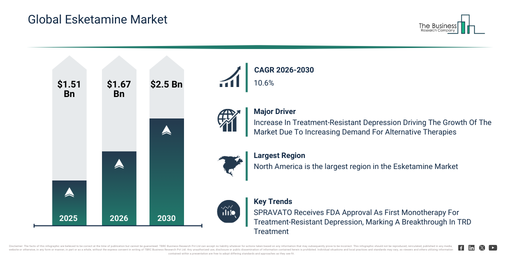
    The esketamine market has experienced swift expansion in recent years. It is forecast to rise from $1.51 billion in 2025 to $1.67 billion in 2026, achieving a compound annual growth rate (CAGR) of 10.8%. The historical increase in market size is due to unaddressed requirements in major depressive disorder, the constraints of conventional antidepressants, regulatory clearances for nasal esketamine, a growing understanding of mental health, and the establishment of specialty psychiatric clinics.

    The esketamine market is projected to experience substantial expansion over the upcoming years. By 2030, its valuation is anticipated to reach $2.5 billion, demonstrating a compound annual growth rate (CAGR) of 10.6%. This projected increase during the forecast period stems from factors such as the rising incidence of treatment-resistant depression, a heightened need for rapidly effective treatments, the broader availability of supervised outpatient administration, improvements in mental health infrastructure, and ongoing investment in clinical research. Key developments expected throughout this period involve the greater acceptance for treatment-resistant depression, the wider use of nasal spray delivery methods, increased application in acute psychiatric care environments, enhanced oversight and regulated distribution, and intensified investigation into swift-acting antidepressants.

    Download the Free Sample Report to Explore Key Market Insights:

    https://www.thebusinessresearchcompany.com/sample.aspx?id=23393&type=smp

    Which Economic Or Industry Drivers Are Impacting The Esketamine Market?

    The increasing prevalence of treatment-resistant depression (TRD) is anticipated to propel the growth of the esketamine market in the coming years. Treatment-resistant depression (TRD) refers to depression that does not show improvement after attempting at least two different antidepressant medications at appropriate doses for a sufficient duration. The rise in treatment-resistant depression (TRD) is due to the limited effectiveness of conventional antidepressants, leading to prolonged and recurring depressive episodes. Esketamine aids treatment-resistant depression (TRD) by offering a fast-acting mechanism that targets NMDA receptors, providing relief for patients who do not respond to traditional antidepressants. For instance, in September 2023, the National Institute of Mental Health (NIMH), a US-based federal agency, reported that, in 2023, about 30% of individuals with major depressive disorder in the U.S. are resistant to standard treatments. Therefore, the rising incidence of treatment-resistant depression is driving the growth of the esketamine market.

    How Is The Esketamine Market Divided Into Its Major Segments?

    The esketamine market covered in this report is segmented –

    1) By Formulation Type: Nasal Spray, Injectable Form

    2) By Indication: Treatment-Resistant Depression (TRD), Major Depressive Disorder with Suicidal Ideation or Behavior

    3) By Patient Type: Adult Patients

    4) By Treatment Setting: Hospital-Based Administration, Certified Specialty Clinics

    5) By Distribution Channel: Hospital Pharmacies, Specialty Pharmacies

    Subsegments:

    1) By Nasal Spray: Single-Agent Esketamine Nasal Spray, Esketamine + Oral Antidepressant Combination Therapy

    2) By Injectable Form: Intravenous (IV) Esketamine, Intramuscular (IM) Esketamine

    How Are Trends Transforming The Esketamine Market Landscape?

    Leading companies in the esketamine market are concentrating on developing advanced therapeutic solutions, such as monotherapy, to boost the relief of depressive symptoms beyond what a placebo can offer. Monotherapy refers to the application of a single drug or treatment for managing a disease or medical condition, rather than integrating multiple therapies. For example, in January 2025, Johnson & Johnson, a US-based pharmaceutical entity, disclosed that the U.S. Food and Drug Administration (FDA) had granted approval for SPRAVATO (esketamine) as the initial and only monotherapy for adults experiencing treatment-resistant depression (TRD). Endorsed by clinical trials, this approval demonstrated SPRAVATO’s capacity to swiftly ease depressive symptoms, with considerable improvements observed within 24 hours. This innovation presents a crucial choice for approximately 30% of individuals who do not respond to conventional antidepressants, thereby eliminating the necessity for concurrent oral medications. While SPRAVATO exhibits a favorable safety profile, it is administered within a Risk Evaluation and Mitigation Strategy (REMS) to manage potential adverse reactions. This landmark signifies a substantial progression in TRD treatment, providing renewed optimism for better patient outcomes.

    Who Are The Prominent Organizations Shaping The Esketamine Market?

    Major companies operating in the esketamine market are Johnson & Johnson, Janssen Pharmaceuticals, Sage Therapeutics Inc., VistaGen Therapeutics Inc., Cerecor Inc., Celon Pharma S.A., Hikma Pharmaceuticals plc, Seqens Group, Arevipharma GmbH, Nortec Química S.A., Supriya Lifescience Ltd., Maithri Drugs Pvt. Ltd., SynZeal Research Pvt. Ltd., XWPharma Ltd., Sun Pharmaceutical Industries Ltd., Dr. Reddy’s Laboratories Ltd., Lupin Limited, Aurobindo Pharma Ltd., H. Lundbeck A/S, Otsuka Pharmaceutical Co. Ltd.

    Read the full esketamine market report here:

    https://www.thebusinessresearchcompany.com/report/esketamine-global-market-report

    What Are The Top-Performing Regions Within The Esketamine Market?

    North America was the largest region in the esketamine market in 2025. The regions covered in the esketamine market report are Asia-Pacific, South East Asia, Western Europe, Eastern Europe, North America, South America, Middle East, Africa.

    Request A Tailored Esketamine Market Research Report For Competitive Advantage:

    https://www.thebusinessresearchcompany.com/customise?id=23393&type=smp

    Browse Through More Reports Similar to the Global Esketamine Market 2026, By The Business Research Company

    Epinephrine Market Report 2026

    https://www.thebusinessresearchcompany.com/report/epinephrine-global-market-report

    Anti Infective Drugs Market 2026

    https://www.thebusinessresearchcompany.com/report/anti-infective-drugs-market

    Anticholinergic Drugs Market Report 2026

    https://www.thebusinessresearchcompany.com/report/anticholinergic-drugs-global-market-report

    Get in touch with us:

    The Business Research Company: https://www.thebusinessresearchcompany.com/

    Americas +1 310-496-7795

    Asia +44 7882 955267 & +91 8897263534

    Europe +44 7882 955267

    Email us at info@tbrc.info

    Follow us on:

    LinkedIn: https://in.linkedin.com/company/the-business-research-company

    YouTube: https://www.youtube.com/channel/UC24_fI0rV8cR5DxlCpgmyFQ

    Global Market Model: https://www.thebusinessresearchcompany.com/global-market-model
  • Cytokine Release Syndrome Treatment Market 2026–2030 gaining traction with rising immunotherapy adoption

    Cytokine Release Syndrome Treatment Market 2026–2030 gaining traction with rising immunotherapy adoption

    The Business Research Company’s 2026 market reports include new capabilities such as market attractiveness scoring and analysis, total addressable market analysis, company scoring matrix, interactive excel data dashboard, improved supply chain analysis, upcoming startups in the market, and overview of key products, aimed at improving the depth, usability, and strategic value of the insights delivered.

    What Market Size Growth Is Projected For The Cytokine Release Syndrome Treatment Market During The Forecast Period 2026–2030?

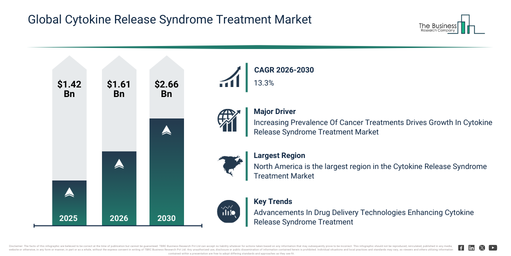
    The cytokine release syndrome treatment market size has recently seen rapid growth. It is expected to expand from $1.42 billion in 2025 to $1.61 billion in 2026, achieving a compound annual growth rate (CAGR) of 13.6%. The historical expansion of this market can be attributed to an increase in advanced immunotherapy treatments, broader adoption of CAR-T cell therapy, the availability of corticosteroids for immune modulation, heightened clinical awareness of cytokine storms, and advancements in critical care infrastructure.

    The cytokine release syndrome treatment market is anticipated to experience substantial growth in the coming years. It is projected to reach $2.66 billion by 2030, demonstrating a compound annual growth rate (CAGR) of 13.3%. This expansion during the forecast period can be attributed to several factors, including the increasing application of next-generation immunotherapies, rising investments in cytokine modulation research, the expansion of oncology treatment centers, a growing focus on personalized immune management, and the development of novel anti-inflammatory biologics. Significant trends expected in this period encompass the increasing use of IL-6 and IL-1 targeted therapies, the rising adoption of monoclonal antibodies for CRS management, the broadening of hospital-based CRS treatment protocols, an expanding integration of early diagnostic monitoring, and improved supportive care management strategies.

    Download the Free Sample Report to Explore Key Market Insights:

    https://www.thebusinessresearchcompany.com/sample.aspx?id=20542&type=smp

    Which Economic Or Industry Drivers Are Impacting The Cytokine Release Syndrome Treatment Market?

    The future expansion of the cytokine release syndrome (CRS) treatment market is projected to be driven by the increasing volume of cancer treatments. The rise in cancer treatments is influenced by the global increase in cancer cases and advancements in diagnostic technologies, enabling earlier detection and a wider array of treatment possibilities. Moreover, improved survival outcomes and broader access to healthcare facilities contribute to the rising need for these therapies. CRS treatment includes supportive measures, anti-cytokine medications, and continuous monitoring to manage symptoms and mitigate the inflammatory response induced by cancer treatments. For example, in May 2024, the National Health Service (NHS), a UK-based healthcare system, reported that nearly 340,000 individuals commenced their initial cancer treatment in the period from April 2023 to March 2024. Furthermore, urgent suspected cancer referrals reached a new peak in March 2024, with 12,554 patients seen per working day, exceeding the prior record of 12,376 patients seen per working day in July 2023. Consequently, the increasing prevalence of cancer treatments is fueling the cytokine release syndrome treatment market.

    What Market Segments Are Evaluated Within The Cytokine Release Syndrome Treatment Market?

    The cytokine release syndrome treatment market covered in this report is segmented –

    1) By Drug Type: Corticosteroids, Monoclonal Antibodies, Other Immunosuppressants

    2) By Administration: Intravenous, Subcutaneous, Oral

    3) By Application: Oncological Treatments, Autoimmune Disorders, Other Applications

    4) By End User: Hospitals, Specialty Clinics, Home Care Settings

    Subsegments:

    1) Corticosteroids: Prednisone, Dexamethasone, Methylprednisolone

    2) Monoclonal Antibodies: Tocilizumab (IL-6 Inhibitor), Siltuximab (IL-6 Inhibitor), Anakinra (IL-1 Receptor Antagonist)

    3) Other Immunosuppressants: Janus Kinase (JAK) Inhibitors, Calcineurin Inhibitors, Tumor Necrosis Factor (TNF) Inhibitors

    What Industry Trends Are Redefining The Cytokine Release Syndrome Treatment Market?

    Major companies operating within the cytokine release syndrome treatment market are advancing drug delivery technologies, including intravenous infusion, to enhance treatment precision, reduce side effects, and improve patient outcomes. Intravenous infusion, when utilized in the treatment of cytokine release syndrome, enables the swift and accurate delivery of drugs into the bloodstream, ensuring rapid therapeutic action. For instance, in September 2023, Chugai Pharmaceutical Co. Ltd., a Japan-based pharmaceutical company, received regulatory approval for Actemra (tocilizumab), a humanized anti-IL-6 receptor monoclonal antibody, from the Ministry of Health, Labor, and Welfare, a Japan-based government authority, to treat cytokine release syndrome (CRS) induced by various cancer therapies. Actemra Intravenous Infusion (available in 80 mg, 200 mg, and 400 mg doses) is an additional indication for treating cytokine release syndrome (CRS) caused by cancer therapy. With this new indication, Actemra can now be used as an anti-cytokine therapy for CRS resulting from cancer treatments beyond tumor-specific T-cell infusion therapy.

    Who Are The Top Market Participants Influencing The Cytokine Release Syndrome Treatment Market?

    Major companies operating in the cytokine release syndrome treatment market are Pfizer Inc., Johnson & Johnson, F. Hoffmann-La Roche AG, Merck & Co. Inc., AbbVie Inc., Bayer AG, Sanofi S.A., Thermo Fisher Scientific Inc., Novartis AG, GlaxoSmithKline plc, Takeda Pharmaceutical Company Limited, Eli Lilly and Company, Gilead Sciences Inc., Amgen Inc., Regeneron Pharmaceuticals Inc., Chugai Pharmaceutical Co. Ltd., Incyte Corporation, Swedish Orphan Biovitrum AB (publ), Bio-Techne Corporation, GenScript Biotech Corporation, Abcam plc, Applied Biological Materials Inc., Poolbeg Pharma, arigo Biolaboratories Corp., CytoAgents Inc, bluebird bio Inc.

    Read the full cytokine release syndrome treatment market report here:

    https://www.thebusinessresearchcompany.com/report/cytokine-release-syndrome-treatment-global-market-report

    What Are The Top-Performing Regions Within The Cytokine Release Syndrome Treatment Market?

    North America was the largest region in the cytokine release syndrome treatment market in 2025. The regions covered in the cytokine release syndrome treatment market report are Asia-Pacific, South East Asia, Western Europe, Eastern Europe, North America, South America, Middle East, Africa.

    Request A Tailored Cytokine Release Syndrome Treatment Market Research Report For Competitive Advantage:

    https://www.thebusinessresearchcompany.com/customise?id=20542&type=smp

    Browse Through More Reports Similar to the Global Cytokine Release Syndrome Treatment Market 2026, By The Business Research Company

    Drugs For Immunotherapy Market Report 2026

    https://www.thebusinessresearchcompany.com/report/drugs-for-immunotherapy-global-market-report

    Cellulars Immunotherapy Market Report 2026

    https://www.thebusinessresearchcompany.com/report/cellulars-immunotherapy-global-market-report

    Cancer Immunotherapy Market Report 2026

    https://www.thebusinessresearchcompany.com/report/cancer-immunotherapy-global-market-report

    Get in touch with us:

    The Business Research Company: https://www.thebusinessresearchcompany.com/

    Americas +1 310-496-7795

    Asia +44 7882 955267 & +91 8897263534

    Europe +44 7882 955267

    Email us at info@tbrc.info

    Follow us on:

    LinkedIn: https://in.linkedin.com/company/the-business-research-company

    YouTube: https://www.youtube.com/channel/UC24_fI0rV8cR5DxlCpgmyFQ

    Global Market Model: https://www.thebusinessresearchcompany.com/global-market-model
  • Erythropoietin Market 2026–2030 driven by anemia treatment demand

    Erythropoietin Market 2026–2030 driven by anemia treatment demand

    The Business Research Company’s 2026 market reports include new capabilities such as market attractiveness scoring and analysis, total addressable market analysis, company scoring matrix, interactive excel data dashboard, improved supply chain analysis, upcoming startups in the market, and overview of key products, aimed at improving the depth, usability, and strategic value of the insights delivered.

    What Is The Expected Market Size Of The Erythropoietin (EPO) Market From 2026 To 2030?

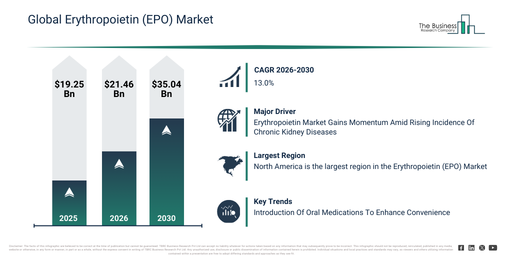
    The erythropoietin (epo) market size has seen rapid expansion in recent years. It is anticipated to increase from $19.25 billion in 2025 to $21.46 billion in 2026, at a compound annual growth rate (CAGR) of 11.5%. The historical growth of this market can be attributed to the rising prevalence of anemia, an increasing incidence of chronic kidney disease, the established clinical effectiveness of epo therapy, advancements in recombinant biologic manufacturing, and the growing use of epo in cancer-related anemia management.

    The erythropoietin (epo) market is projected for substantial expansion over the coming years. This market is set to reach $35.04 billion by 2030, exhibiting a compound annual growth rate (CAGR) of 13.0%. This anticipated growth is driven by factors such as a surge in biosimilar approvals, an expanding elderly demographic, a rise in the worldwide volume of dialysis patients, advancements in sustained-release epo medications, and enhanced availability of biologic therapies in developing economies. Key trends anticipated during this period encompass the broader application of erythropoietin in chronic kidney disease, increasing acceptance of biosimilar erythropoietin treatments, a heightened need for long-acting epo formulations, greater utilization of epo in oncology supportive care, and more stringent regulatory control over epo safety and dosing.

    Download the Free Sample Report to Explore Key Market Insights:

    https://www.thebusinessresearchcompany.com/sample.aspx?id=3436&type=smp

    What Major Drivers Are Influencing Demand In The Erythropoietin (EPO) Market?

    The erythropoietin market is projected to experience increased demand in the coming years due to the escalating occurrence of chronic kidney diseases. The rising instances of chronic kidney disease necessitate erythropoietin administration, which aids in red blood cell formation to enhance immunity. For instance, in 2023, figures from the Centers for Disease Control, a US-based federal agency, estimated that around 14% of U.S. adults, equivalent to approximately 35.5 million people, are affected by chronic kidney disease (CKD). Consequently, this escalating incidence of chronic kidney diseases is driving up the demand for erythropoietin, thereby boosting market revenues.

    Which Segments Are Included In The Analysis Of The Erythropoietin (EPO) Market?

    The erythropoietin (epo) market covered in this report is segmented –

    1) By Product: Epoetin-alfa, Epoetin-beta, Darbepoetin-alfa, Other Products

    2) By Drug Class: Biologist, Biosimilar

    3) By Application: Cancer, Hematology, Renal Diseases, Neurology, Other Applications

    Subsegments:

    1) By Epoetin-Alfa: Epoetin-Alfa, Epoetin-Alfa Biosimilars

    2) By Epoetin-Beta: Epoetin-Beta, Epoetin-Beta Biosimilars

    3) By Darbepoetin-Alfa: Darbepoetin-Alfa, Darbepoetin-Alfa Biosimilars

    4) By Other Products: Peginesatide, Novel EPO Products

    Which Trends Are Impacting The Growth Of The Erythropoietin (EPO) Market?

    Leading corporations in the erythropoietin market are concentrating on launching oral medications, which provide more convenient choices than conventional injectable treatments. This initiative aims to enhance patient comfort, adherence, and flexibility in treatment, particularly for individuals managing long-term conditions such as anemia in chronic kidney disease (CKD). As an illustration, in February 2023, GlaxoSmithKline (GSK), a UK-based multinational pharmaceutical and biotechnology company, released Jesduvroq (daprodustat) tablets. This oral medicine aids in increasing erythropoietin levels, thereby assisting in the management of anemia in CKD patients by maintaining hemoglobin levels within a specified range. Jesduvroq’s core purpose is to offer a more convenient option to injectable therapies, thereby improving patient comfort, compliance, and treatment flexibility for dialysis patients.

    Which Key Industry Participants Are Active In The Erythropoietin (EPO) Market?

    Major companies operating in the erythropoietin (epo) market are Amgen Inc., Roche Holding AG, Pfizer Inc., Merck & Co., Teva Pharmaceutical Industries Ltd., 3SBio Inc., Celltrion Inc., Intas Pharmaceuticals Ltd., Boehringer Ingelheim GmbH, Dr. Reddy’s Laboratories Ltd., Sun Pharmaceutical Industries Ltd., Reliance Life Sciences Pvt. Ltd., Biocon Limited, Chugai Pharmaceutical Co., Kyowa Kirin Co. Ltd., Apotex Inc., CJ Healthcare Corp., STADA Arzneimittel AG, Hospira Inc., Sandoz International GmbH, Torrent Pharmaceuticals Ltd., LG Life Sciences Ltd., Sanofi S.A., Bayer AG, Hikma Pharmaceuticals.

    Read the full erythropoietin (epo) market report here:

    https://www.thebusinessresearchcompany.com/report/erythropoietins-global-market-report

    Which Region Shows The Strongest Potential For Future Growth In The Erythropoietin (EPO) Market?

    North America was the largest region in the erythropoietin (EPO) market in 2025. The Middle East is expected to be the fastest growing region in the global erythropoietin (EPO) market analysis in the forecast period. The regions covered in the erythropoietin (epo) market report are Asia-Pacific, South East Asia, Western Europe, Eastern Europe, North America, South America, Middle East, Africa.

    Request A Tailored Erythropoietin (EPO) Market Research Report For Competitive Advantage:

    https://www.thebusinessresearchcompany.com/customise?id=3436&type=smp

    Browse Through More Reports Similar to the Global Erythropoietin (EPO) Market 2026, By The Business Research Company

    Protein Expression Market Report 2026

    https://www.thebusinessresearchcompany.com/report/protein-expression-global-market-report

    Therapeutic Proteins Market Report 2026

    https://www.thebusinessresearchcompany.com/report/therapeutic-proteins-global-market-report

    Hematology Analyzers And Reagents Market Report 2026

    https://www.thebusinessresearchcompany.com/report/hematology-analyzers-and-reagents-global-market-report

    Get in touch with us:

    The Business Research Company: https://www.thebusinessresearchcompany.com/

    Americas +1 310-496-7795

    Asia +44 7882 955267 & +91 8897263534

    Europe +44 7882 955267

    Email us at info@tbrc.info

    Follow us on:

    LinkedIn: https://in.linkedin.com/company/the-business-research-company

    YouTube: https://www.youtube.com/channel/UC24_fI0rV8cR5DxlCpgmyFQ

    Global Market Model: https://www.thebusinessresearchcompany.com/global-market-model
  • Cystic Fibrosis Therapeutics Market 2026 benefiting from innovation and targeted treatments

    Cystic Fibrosis Therapeutics Market 2026 benefiting from innovation and targeted treatments

    The Business Research Company’s 2026 market reports include new capabilities such as market attractiveness scoring and analysis, total addressable market analysis, company scoring matrix, interactive excel data dashboard, improved supply chain analysis, upcoming startups in the market, and overview of key products, aimed at improving the depth, usability, and strategic value of the insights delivered.

    How Will The Market Size Of The Cystic Fibrosis (CF) Therapeutics Market Evolve From 2026 To 2030?

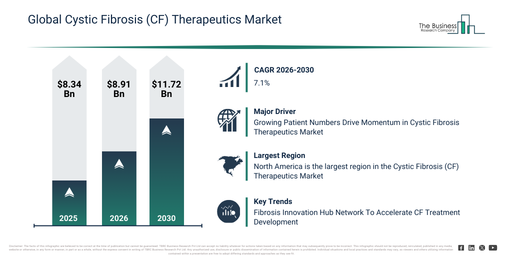
    The market for cystic fibrosis (CF) therapeutics has experienced robust expansion in recent years. Projections indicate it will expand from $8.34 billion in 2025 to $8.91 billion in 2026, demonstrating a compound annual growth rate (CAGR) of 6.8%. Historically, this growth has been driven by factors such as the widespread occurrence of cystic fibrosis, the scarcity of early diagnostic methods, the dependence on traditional mucolytic treatments, the progressive integration of CFTR modulators, and variations in regional healthcare infrastructure.

    The cystic fibrosis (cf) therapeutics market size is set to experience significant expansion in the upcoming years. It is forecast to climb to $11.72 billion by 2030, demonstrating a compound annual growth rate (CAGR) of 7.1%. This expected growth during the forecast period stems from progress in gene therapy, a higher uptake of digital health solutions, the emergence of precision medicine applications, the broadening of pediatric cf treatment programs, and increased investment in rare disease therapeutics. Dominant trends anticipated for the forecast period include customized cystic fibrosis therapies, sophisticated pulmonary drug delivery systems, research into gene editing and CFTR gene therapy, patient compliance and remote monitoring technologies, and the creation of orphan drugs for uncommon cf mutations.

    Download the Free Sample Report to Explore Key Market Insights:

    https://www.thebusinessresearchcompany.com/sample.aspx?id=9056&type=smp

    What Major Drivers Are Influencing Demand In The Cystic Fibrosis (CF) Therapeutics Market?

    The anticipated rise in the count of individuals afflicted with cystic fibrosis is projected to fuel the expansion of the cystic fibrosis (CF) therapeutics market in the future. Cystic fibrosis (CF) represents a hereditary ailment that significantly impairs vital organs such as the lungs and digestive system. Therapeutic interventions for cystic fibrosis are employed to manage this disorder by thinning the lung mucus, thereby facilitating its expectoration. Consequently, a growing patient population with cystic fibrosis is poised to stimulate the cystic fibrosis (CF) therapeutics market. As an illustration, the Cystic Fibrosis Foundation, a U.S.-based nonprofit, non-governmental organization (NGO), reported that the CF Patient Registry contained 32,547 individuals in 2022, a figure that climbed to 33,288 in 2023, indicating an increase of approximately 2.3%. Hence, the expanding cohort of patients with cystic fibrosis is undeniably propelling the growth within the cystic fibrosis (CF) therapeutics market.

    Which Segment Areas Are Covered In The Cystic Fibrosis (CF) Therapeutics Market Analysis?

    The cystic fibrosis (cf) therapeutics market covered in this report is segmented –

    1) By Drug Class: Pancreatic Enzyme Supplements, Mucolytic, Bronchodilators, CFTR Modulators

    2) By Route Of Administration: Oral, Inhaled

    3) By Treatment Method: Medication, Devices

    Subsegments:

    1) By Pancreatic Enzyme Supplements: Lipase, Amylase, Protease

    2) By Mucolytics: Dornase Alfa (Pulmozyme), Hypertonic Saline

    3) By Bronchodilators: Short-Acting Beta Agonists (SABAs), Long-Acting Beta Agonists (LABAs), Anticholinergics

    4) By CFTR Modulators: Ivacaftor, Lumacaftor Or Ivacaftor (Orkambi), Tezacaftor Or Ivacaftor (Symdeko), Elexacaftor Or Tezacaftor Or Ivacaftor

    What Key Developments And Trends Are Impacting The Cystic Fibrosis (CF) Therapeutics Market?

    Companies operating in the cystic fibrosis (CF) therapeutics market are actively developing innovative treatment and patient care solutions, such as the cystic fibrosis innovation hub network. These efforts are aimed at accelerating research, enhancing treatment options, and fostering collaboration in the creation of new therapies for CF patients. The cystic fibrosis innovation hub network serves as a collaborative platform or initiative specifically designed to expedite the research and development of new treatments for cystic fibrosis (CF). For example, in October 2024, LifeArc, a UK-based charity and life sciences company focused on translating scientific research into practical healthcare solutions, launched the UK’s first Cystic Fibrosis Innovation Hub Network. The Cystic Fibrosis Innovation Hub Network is engineered to improve research and development for cystic fibrosis (CF) treatments, promoting cooperation among healthcare providers, researchers, and patients. Launched as part of a broader initiative to accelerate advancements in cystic fibrosis therapies, the hub focuses on identifying new pathways for drug development and enhancing patient outcomes.

    Which Global Companies Are Actively Competing In The Cystic Fibrosis (CF) Therapeutics Market?

    Major companies operating in the cystic fibrosis (cf) therapeutics market are Teva Pharmaceutical Industries Ltd., F. Hoffmann-La Roche AG, Vertex Pharmaceuticals Incorporated, Chiesi Farmaceutici SpA, PTC Therapeutics LIMITED, Genentech Inc., Alaxia, AstraZeneca, Beyond Air Inc., Pfizer Inc., Alcresta Therapeutics Inc., Laurent Pharmaceuticals, Nestlé HealthScience, Pharmaxis, Bayer AG, AbbVie Inc., Novartis AG, Arcturus Therapeutics Holdings Inc., Arrowhead Pharmaceuticals Inc, ProQR Therapeutics N.V., Enterprise Therapeutics Ltd. , Corbus Pharmaceuticals Holdings Inc, Eloxx Pharmaceuticals , Translate Bio Inc, Zambon S.p.A

    Read the full cystic fibrosis (cf) therapeutics market report here:

    https://www.thebusinessresearchcompany.com/report/cystic-fibrosis-cf-therapeutics-global-market-report

    Which Region Shows The Strongest Potential For Future Growth In The Cystic Fibrosis (CF) Therapeutics Market?

    North America was the largest region in the cystic fibrosis (CF) therapeutics market in 2025. Asia-Pacific is expected to be the fastest-growing region in the cystic fibrosis (CF) therapeutics market during the forecast period. The regions covered in the cystic fibrosis (cf) therapeutics market report are Asia-Pacific, South East Asia, Western Europe, Eastern Europe, North America, South America, Middle East, Africa.

    Request A Tailored Cystic Fibrosis (CF) Therapeutics Market Research Report For Competitive Advantage:

    https://www.thebusinessresearchcompany.com/customise?id=9056&type=smp

    Browse Through More Reports Similar to the Global Cystic Fibrosis (CF) Therapeutics Market 2026, By The Business Research Company

    Cystic Fibrosis Cf Therapeutics Market Report 2026

    https://www.thebusinessresearchcompany.com/report/cystic-fibrosis-cf-therapeutics-global-market-report

    Non Cystic Fibrosis Bronchiectasis Market Report 2026

    https://www.thebusinessresearchcompany.com/report/non-cystic-fibrosis-bronchiectasis-global-market-report

    Idiopathic Pulmonary Fibrosis Market Report 2026

    https://www.thebusinessresearchcompany.com/report/idiopathic-pulmonary-fibrosis-global-market-report

    Get in touch with us:

    The Business Research Company: https://www.thebusinessresearchcompany.com/

    Americas +1 310-496-7795

    Asia +44 7882 955267 & +91 8897263534

    Europe +44 7882 955267

    Email us at info@tbrc.info

    Follow us on:

    LinkedIn: https://in.linkedin.com/company/the-business-research-company

    YouTube: https://www.youtube.com/channel/UC24_fI0rV8cR5DxlCpgmyFQ

    Global Market Model: https://www.thebusinessresearchcompany.com/global-market-model
  • Global Erythrocytes Monoclonal Antibody Market 2026–2035 expanding steadily

    Global Erythrocytes Monoclonal Antibody Market 2026–2035 expanding steadily

    The Business Research Company’s 2026 market reports include new capabilities such as market attractiveness scoring and analysis, total addressable market analysis, company scoring matrix, interactive excel data dashboard, improved supply chain analysis, upcoming startups in the market, and overview of key products, aimed at improving the depth, usability, and strategic value of the insights delivered.

    What Market Valuation Is Forecasted For The Erythrocytes Monoclonal Antibody Market By 2030 Starting From Its 2026 Size?

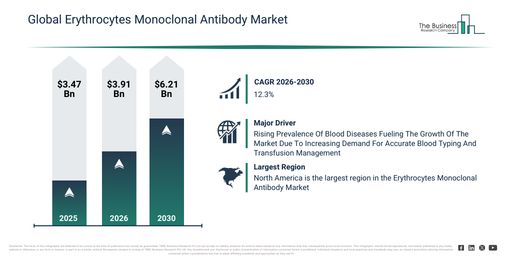
    The erythrocytes monoclonal antibody market has seen swift expansion in recent years. Its value is expected to rise from $3.47 billion in 2025 to $3.91 billion in 2026, achieving a compound annual growth rate (CAGR) of 12.6%. The historical growth of this market is attributable to the proliferation of clinical diagnostic laboratories, an escalation in blood transfusion procedures, the wider implementation of standardized blood testing protocols, advancements in immunohematology research, and the accessibility of monoclonal antibody technologies.

    The erythrocytes monoclonal antibody market is projected to experience swift expansion in the coming years. This market is forecast to reach $6.21 billion by 2030, exhibiting a compound annual growth rate (CAGR) of 12.3%. This growth over the forecast period is attributable to several factors, including escalating investments in automated blood testing platforms, an increasing need for rapid and precise diagnostics, the expansion of precision laboratory medicine, the growing integration of AI in diagnostic workflows, and a heightened focus on blood safety regulations. Key trends anticipated during this period encompass the increased application of monoclonal antibodies in blood typing, the rising uptake of automated immunohematology systems, the broadening scope of advanced diagnostic assays, a growing demand for high-specificity antibody reagents, and an intensified emphasis on transfusion safety.

    Download the Free Sample Report to Explore Key Market Insights:

    https://www.thebusinessresearchcompany.com/sample.aspx?id=30272&type=smp

    Which Market Drivers Are Supporting The Expansion Of The Erythrocytes Monoclonal Antibody Market?

    The increasing occurrence of blood disorders is anticipated to fuel the expansion of the erythrocytes monoclonal antibody market in the future. Blood diseases encompass medical conditions that affect the composition, function, or production of blood, including disorders of red blood cells, white blood cells, platelets, hemoglobin, or plasma. The growing frequency of blood diseases largely stems from the increasing rates of chronic illnesses, which directly influence blood health and necessitate continuous oversight. Erythrocytes monoclonal antibodies assist in managing blood diseases through precise targeting of red blood cell antigens, allowing for accurate blood typing and compatibility assessment. They contribute to the diagnosis and monitoring of issues related to transfusions, thereby enhancing patient safety and therapeutic results. For example, in July 2024, the Perth Blood Institute, a nonprofit organization based in Australia, reported that around 19,400 Australians receive a diagnosis of blood cancers each year, with forecasts indicating that cases will hit 275,000 by 2035. Consequently, the increasing occurrence of blood disorders is stimulating the growth of the erythrocytes monoclonal antibody market.

    Which Segment Categories Define The Erythrocytes Monoclonal Antibody Market?

    The erythrocytes monoclonal antibody market covered in this report is segmented –

    1) By Type: Immunoglobulin G (IgG) Monoclonal Antibody, Immunoglobulin M (IgM) Monoclonal Antibody, Immunoglobulin A (IgA) Monoclonal Antibody, Immunoglobulin E (IgE) Monoclonal Antibody

    2) By Source: Human-Derived, Mouse- Derived, Chimeric, Humanized

    3) By Application: Flow Cytometry, ELISA (Enzyme-Linked Immunosorbent Assay), Western Blot, Immunoprecipitation, Other Applications

    4) By End Use: Hospital, Clinical Laboratories, Academic And Research Institutes, Pharmaceutical Companies

    Subsegments:

    1) By Immunoglobulin G (IgG) Monoclonal Antibody: Humanized Immunoglobulin G, Fully Human Immunoglobulin G, Chimeric Immunoglobulin G, Murine Immunoglobulin G

    2) By Immunoglobulin M (IgM) Monoclonal Antibody: Pentameric Immunoglobulin M, Hexameric Immunoglobulin M, Recombinant Immunoglobulin M

    3) By Immunoglobulin A (IgA) Monoclonal Antibody: Secretory Immunoglobulin A, Serum Immunoglobulin A, Dimeric Immunoglobulin A

    4) By Immunoglobulin E (IgE) Monoclonal Antibody: Allergen-Specific Immunoglobulin E, Anti-Immunoglobulin E Therapeutic Antibody

    Who Are The Top Companies Competing In The Erythrocytes Monoclonal Antibody Market?

    Major companies operating in the erythrocytes monoclonal antibody market are Micro Life Sciences Pvt. Ltd., Bio-Rad Laboratories Inc., Bio-Techne Corporation, OriGene Technologies Inc., RayBiotech Inc., Creative Diagnostics Inc., Diagast S.A., JMitra & Co. Pvt. Ltd., Mediclone Biotech Pvt. Ltd., LifeSpan BioSciences Inc., Arigo Biolaboratories Corporation, Alba Bioscience Ltd., MyBioSource Inc., Siwa Biotech Corp., Lorne Laboratories Ltd., Tulip Diagnostics Pvt. Ltd., Shiva Scientific Pvt. Ltd., Biorbyt Ltd., Assay Genie Pvt. Ltd., Abbexa Ltd.

    Read the full erythrocytes monoclonal antibody market report here:

    https://www.thebusinessresearchcompany.com/report/global-erythrocytes-monoclonal-antibody-market-report

    How Is The Erythrocytes Monoclonal Antibody Market Distributed Across Key Geographic Regions?

    North America was the largest region in the erythrocytes monoclonal antibody market in 2025. Asia-Pacific is expected to be the fastest-growing region in the forecast period. The regions covered in the erythrocytes monoclonal antibody market report are Asia-Pacific, South East Asia, Western Europe, Eastern Europe, North America, South America, Middle East, Africa.

    Request A Tailored Erythrocytes Monoclonal Antibody Market Research Report For Competitive Advantage:

    https://www.thebusinessresearchcompany.com/customise?id=30272&type=smp

    Browse Through More Reports Similar to the Global Erythrocytes Monoclonal Antibody Market 2026, By The Business Research Company

    Monoclonal Antibodies Market Report 2026

    https://www.thebusinessresearchcompany.com/report/monoclonal-antibodies-global-market-report

    Polyclonal Antibodies Market Report 2026

    https://www.thebusinessresearchcompany.com/report/polyclonal-antibodies-global-market-report

    Monoclonal Antibodies Market Report 2026

    https://www.thebusinessresearchcompany.com/report/monoclonal-antibodies-global-market-report

    Get in touch with us:

    The Business Research Company: https://www.thebusinessresearchcompany.com/

    Americas +1 310-496-7795

    Asia +44 7882 955267 & +91 8897263534

    Europe +44 7882 955267

    Email us at info@tbrc.info

    Follow us on:

    LinkedIn: https://in.linkedin.com/company/the-business-research-company

    YouTube: https://www.youtube.com/channel/UC24_fI0rV8cR5DxlCpgmyFQ

    Global Market Model: https://www.thebusinessresearchcompany.com/global-market-model

  • Global Cyclosporine Drugs Market 2026 projected to reach $2.32 billion by 2030 with 6% CAGR

    Global Cyclosporine Drugs Market 2026 projected to reach $2.32 billion by 2030 with 6% CAGR

    The Business Research Company’s 2026 market reports include new capabilities such as market attractiveness scoring and analysis, total addressable market analysis, company scoring matrix, interactive excel data dashboard, improved supply chain analysis, upcoming startups in the market, and overview of key products, aimed at improving the depth, usability, and strategic value of the insights delivered.

    What Is The Forecasted Market Value Of The Cyclosporine Drugs Market Across 2026–2030?

    The cyclosporine drugs market size has shown robust growth over recent years. It is anticipated to expand from $1.73 billion in 2025 to $1.83 billion in 2026, achieving a compound annual growth rate (CAGR) of 6.0%. The expansion observed historically can be linked to an increase in organ transplant operations, its well-established effectiveness in immune suppression, the growing occurrence of autoimmune conditions, its extended clinical application, and the presence of generic formulations.

    The cyclosporine drugs market is projected to experience robust expansion over the coming years. This market is anticipated to reach a valuation of $2.32 billion by 2030, exhibiting a compound annual growth rate (CAGR) of 6.0%. Factors contributing to this growth during the projected period include an expanding transplant patient demographic, broader indications for ophthalmic treatments, the creation of enhanced drug delivery mechanisms, a rising need for individualized immunosuppressive therapies, and progress in formulation technologies. Key trends anticipated within this forecast timeframe encompass an increasing adoption in organ transplant immunosuppression, wider application in autoimmune conditions, a surging requirement for modified release preparations, the proliferation of ophthalmic cyclosporine offerings, and a heightened emphasis on optimizing dosage and ensuring safety.

    Download the Free Sample Report to Explore Key Market Insights:

    https://www.thebusinessresearchcompany.com/sample.aspx?id=24198&type=smp

    Which Market Drivers Are Supporting The Expansion Of The Cyclosporine Drugs Market?

    The increasing demand for organ transplantation is projected to drive the growth of the cyclosporine drugs market in the coming years. Organ transplantation is a medical procedure where a person’s damaged or failing organ is replaced with a healthy organ from another individual. The rise in organ transplantation is attributed to the growing prevalence of end-stage organ diseases, as advances in medical diagnostics and treatments have extended patient lifespans, leading to more individuals living long enough to require organ replacement. Cyclosporine drugs are vital for organ transplantation because they suppress the immune system’s natural inclination to reject foreign tissues, thereby helping to prevent the transplanted organ from being attacked and damaged by the recipient’s immune cells. For instance, in January 2025, according to preliminary data published by the Organ Procurement and Transplantation Network (OPTN), a US-based government health system managed by the Health Resources and Services Administration, the United States performed 48,149 organ transplants in 2024, representing a 3.3% increase from the transplants performed in 2023. Consequently, the escalating demand for organ transplantation is propelling the growth of the cyclosporine drugs market.

    What Segmentation Levels Are Considered In The Cyclosporine Drugs Market?

    The cyclosporine drugs market covered in this report is segmented –

    1) By Type: Oral, Parenteral

    2) By Drug Formulation: Capsules, Oral Solutions, Injectable Forms, Topical Preparations

    3) By Application: Organ Transplantation, Autoimmune Disorders, Ophthalmic Disorders, Dermatological Disorders

    4) By End-User: Hospitals, Specialty Clinics, Homecare Settings, Pharmaceutical Retail

    Subsegments:

    1) By Oral: Capsules, Tablets, Oral Solution

    2) By Parenteral: Intravenous Injection, Intravenous Infusion

    What Trends Are Projected To Affect The Cyclosporine Drugs Market?

    Leading companies within the cyclosporine drugs market are concentrating on developing advanced solutions, such as ophthalmic medications, to deliver targeted treatment directly to the eyes. Ophthalmic medications are pharmaceutical products specifically formulated for the treatment of eye conditions, including infections, inflammation, and dry eye, frequently available as drops, ointments, or gels. For instance, in June 2023, Novaliq GmbH, a Germany-based biopharmaceutical company, announced the U.S. Food and Drug Administration (FDA) approval for VEVYE, the first water-free and preservative-free 0.1% cyclosporine ophthalmic solution. VEVYE, developed with Novaliq’s proprietary EyeSol technology, introduces an innovative solution for treating dry eye disease, showing significant effectiveness within four weeks. Its unique water-free formulation improves drug stability and enhances patient comfort while minimizing irritation. This approval signifies a significant advancement in ophthalmic drug delivery, offering more precise targeting of inflammation.

    Which Leading Firms Are Contributing To The Growth Of The Cyclosporine Drugs Market?

    Major companies operating in the cyclosporine drugs market are Pfizer Inc., Merck & Co. Inc., AbbVie Inc., Novartis AG, Teva Pharmaceutical Industries Ltd., Intas Pharmaceuticals Limited, Astellas Pharma Inc., Apotex Inc., Dr. Reddy’s Laboratories Limited, Cipla Limited, Hikma Pharmaceuticals PLC, Santen Pharmaceutical Co. Ltd., Biocon Limited, Glenmark Pharmaceuticals Limited, Alkem Laboratories Limited, Concord Biotech Limited, CKD Bio Corporation, ChemWerth Inc., Strides Pharma Science Limited, Fishfa Biogenics.

    Read the full cyclosporine drugs market report here:

    https://www.thebusinessresearchcompany.com/report/cyclosporine-drugs-global-market-report

    How Is The Cyclosporine Drugs Market Distributed Across Key Geographic Regions?

    North America was the largest region in the cyclosporine drugs market in 2025. Asia-Pacific is expected to be the fastest-growing region in the forecast period. The regions covered in the cyclosporine drugs market report are Asia-Pacific, South East Asia, Western Europe, Eastern Europe, North America, South America, Middle East, Africa.

    Request A Tailored Cyclosporine Drugs Market Research Report For Competitive Advantage:

    https://www.thebusinessresearchcompany.com/customise?id=24198&type=smp

    Browse Through More Reports Similar to the Global Cyclosporine Drugs Market 2026, By The Business Research Company

    Interstitial Cystitis Drugs Market Report 2026

    https://www.thebusinessresearchcompany.com/report/interstitial-cystitis-drugs-global-market-report

    Cytotoxic Drugs Market Report 2026

    https://www.thebusinessresearchcompany.com/report/cytotoxic-drugs-global-market-report

    Antispasmodics Drugs Market Report 2026

    https://www.thebusinessresearchcompany.com/report/antispasmodics-drugs-global-market-report

    Get in touch with us:

    The Business Research Company: https://www.thebusinessresearchcompany.com/

    Americas +1 310-496-7795

    Asia +44 7882 955267 & +91 8897263534

    Europe +44 7882 955267

    Email us at info@tbrc.info

    Follow us on:

    LinkedIn: https://in.linkedin.com/company/the-business-research-company

    YouTube: https://www.youtube.com/channel/UC24_fI0rV8cR5DxlCpgmyFQ

    Global Market Model: https://www.thebusinessresearchcompany.com/global-market-model