Category: Pharmaceuticals

  • Viscosupplementation Market Valued At $7.34 Billion In 2026: Key Trends And Growth Drivers

    Viscosupplementation Market Valued At $7.34 Billion In 2026: Key Trends And Growth Drivers

    Built to provide research that’s more actionable and strategically valuable, The Business Research Company’s 2026 market reports include market attractiveness analysis, total addressable market sizing, company benchmarking matrices, interactive Excel dashboards, broader supply chain intelligence, emerging startup tracking, and in-depth product insights.

    Viscosupplementation Market Growth Analysis: How Will Revenue Trend Over The Forecast Period?

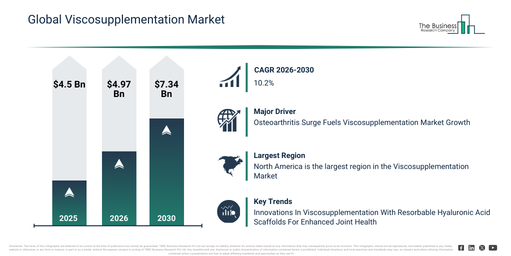
    The viscosupplementation market has observed significant expansion in recent years. Its value is anticipated to increase from $4.5 billion in 2025 to $4.97 billion in 2026, exhibiting a compound annual growth rate (CAGR) of 10.4%. Historically, this market expansion has been fueled by a higher incidence of osteoarthritis, a growing elderly population, innovations in joint care treatments, increased knowledge of viscosupplementation, and an improving orthopedic healthcare infrastructure.

    The viscosupplementation market is projected to experience substantial expansion in the coming years. This market is forecast to reach a valuation of $7.34 billion by 2030, demonstrating a compound annual growth rate (CAGR) of 10.2%. This anticipated growth during the forecast period is primarily driven by factors such as the increasing embrace of regenerative medicine, the integration of digital health monitoring systems, advancements in new hyaluronic acid formulations, the proliferation of ambulatory surgical centers, and increased financial commitments in outpatient orthopedic procedures. Key developments expected throughout the forecast period include the rise of minimally invasive joint treatments, the growing incorporation of regenerative medicine, tailored approaches to osteoarthritis treatment, breakthroughs in injectable hyaluronic acid products, and the ongoing shift towards outpatient orthopedic interventions.

    Get A Free Sample Report With In-Depth Market Insights:

    https://thebusinessresearchcompany.com/sample_request?id=72086795&type=smp&name=Viscosupplementation%20Market%20Report%202026&utm_source=Blogs&utm_medium=Paid&utm_campaign=Oct_PR

    Viscosupplementation Market Demand Drivers: What’s Powering Industry Growth?

    An increase in the occurrence of osteoarthritis is anticipated to drive the expansion of the viscosupplementation market in the future. Osteoarthritis is defined as a degenerative joint condition, frequently called a prevalent type of arthritis, where joints, primarily in the hips, knees, and hands, begin to deteriorate. Viscosupplementation therapy aids in alleviating pain and promoting fluid bone motion through the direct injection of hyaluronic acid into the bone joints, thereby diminishing discomfort and enhancing bone functionality. For example, in August 2023, the Institute for Health Metrics and Evaluation (IHME), a US-based nonprofit global health research center, indicated that by 2050, there would be a 75% rise in osteoarthritis of the knee and a 50% increase in osteoarthritis of the hand. Consequently, the growing incidence of osteoarthritis is fueling the growth of the viscosupplementation market moving ahead.

    Viscosupplementation Market Segment Analysis And Revenue Potential

    The viscosupplementation market covered in this report is segmented –

    1) By Type: Single Injection Viscosupplementation, Three Injection Viscosupplementation, Five Injection Viscosupplementation

    2) By Source: Avian Origin, Non-Avian Origin

    3) By Hyaluronic Acids: Standard Hyaluronic Acid, Stabilized Hyaluronic Acid

    4) By Application: Knee Osteoarthritis, Hip Osteoarthritis, Hand Osteoarthritis

    5) By End-User: Hospitals, Ambulatory Surgical Centers, Other End-Users

    Subsegments:

    1) By Single Injection Viscosupplementation: Hyaluronic Acid-Based Products, Non-Hyaluronic Acid Products

    2) By Three Injection Viscosupplementation: Hyaluronic Acid-Based Products, Combination Products

    3) By Five Injection Viscosupplementation: Hyaluronic Acid-Based Products, Combination Products

    Viscosupplementation Market Innovation Trends: What Developments Are Reshaping The Industry?

    Leading companies in the viscosupplementation market are focused on developing innovative products, such as resorbable hyaluronic acid scaffolds, to improve joint lubrication, encourage tissue regeneration, and offer prolonged relief from osteoarthritis symptoms. This aims to enhance patient outcomes and expand available treatment options. A resorbable hyaluronic acid scaffold is a biocompatible, biodegradable structure primarily constructed from hyaluronic acid (HA), a natural polysaccharide found within connective tissues. For example, in May 2023, Anika Therapeutics, Inc., a US-based company specializing in orthopedics, launched Hyalofast. This product is a single-stage, off-the-shelf, resorbable hyaluronic acid scaffold intended for cartilage repair. Hyalofast is designed to offer a hyaluronic acid-based solution for joint preservation, potentially serving as an alternative to more invasive surgical procedures.

    Viscosupplementation Market Key Players Shaping Industry Direction

    Major companies operating in the viscosupplementation market are Seikagaku Corporation, Anika Therapeutics Inc., Bioventus LLC, Zimmer Biomet, Johnson & Johnson Services Inc., Aptissen S.A., Smith & Nephew Plc., Flexion Therapeutics Inc., Regen Lab SA, OrthogenRx Inc., Fidia Farmaceutici S.P.A, Ferring Pharmaceuticals, Laboratoires VIVACY, Allergan, Hyalgan, Synvisc, Euflexxa, Sanofi S.A., Wellchem Pharmaceuticals Pte Ltd, Medtronic Inc.

    View The Full Viscosupplementation Market Report:

    https://thebusinessresearchcompany.com/report/viscosupplementation-global-market-report?utm_source=Blogs&utm_medium=Paid&utm_campaign=Oct_PR

    Viscosupplementation Market Geographic Spread And Regional Opportunities

    North America was the largest region in the viscosupplementation market in 2025. The regions covered in the viscosupplementation market report are Asia-Pacific, South East Asia, Western Europe, Eastern Europe, North America, South America, Middle East, Africa.

    Reach Out To Our Team:

    The Business Research Company: https://www.thebusinessresearchcompany.com/

    Americas: +1 310-496-7795

    Asia: +44 7882 955267 & +91 8897263534

    Europe: +44 7882 955267

    Email us at: marketing@tbrc.info

    Follow us on:

    LinkedIn: https://in.linkedin.com/company/the-business-research-company

    YouTube: https://www.youtube.com/channel/UC24_fI0rV8cR5DxlCpgmyFQ

    Global Market Model: https://www.thebusinessresearchcompany.com/global-market-model
  • Viral Vectors And Plasmid DNA Market Size In 2026: Growth Outlook And Forecast Through 2030

    Viral Vectors And Plasmid DNA Market Size In 2026: Growth Outlook And Forecast Through 2030

    Backed by market attractiveness analysis, total addressable market sizing, company benchmarking matrices, interactive Excel dashboards, wider supply chain intelligence, emerging startup coverage, and detailed product-level insights, The Business Research Company’s 2026 market reports are designed to offer research that is more actionable and strategically valuable than ever.

    Viral Vectors And Plasmid DNA Market Forecast: What Value Will The Market Reach By 2030?

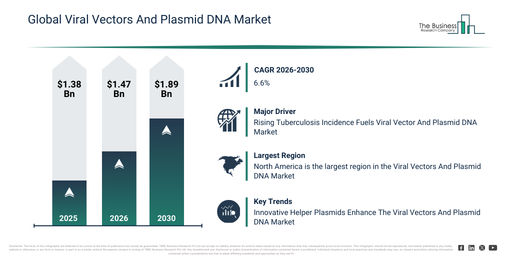
    The viral vectors and plasmid dna market has experienced strong expansion in recent years. It is anticipated to increase from $1.38 billion in 2025 to $1.47 billion in 2026, at a compound annual growth rate (CAGR) of 6.2%. This market growth in the past can be attributed to the limited availability of viral vectors, reliance on research-grade plasmid dna, expanding gene therapy pipelines, growing biopharmaceutical R&D activities, and the adoption of conventional viral vector platforms.

    The viral vectors and plasmid dna market size is anticipated to experience substantial expansion in the coming years. It is projected to reach $1.89 billion in 2030, exhibiting a compound annual growth rate (CAGR) of 6.6%. This projected growth during the forecast period is attributable to several factors, including the advancement of clinical-grade and GMP plasmid DNA, the broader application of viral vectors in treating cancer and infectious diseases, increasing investments in gene therapy, the escalating demand for immunotherapy solutions, and the integration of new vector platforms like AAV and lentiviral vectors. Key trends anticipated during this period encompass the increasing utilization of plasmid DNA and viral vectors in gene therapy, the diversification of viral vector platforms for treating cancer and genetic disorders, a rise in GMP-grade plasmid DNA production for clinical uses, intensified research into innovative adeno-associated and lentiviral vectors, and the incorporation of plasmid DNA and viral vectors into immunotherapy and vaccine development efforts.

    Get A Free Sample Report With In-Depth Market Insights:

    https://thebusinessresearchcompany.com/sample_request?id=51475046&type=smp&name=Viral%20Vectors%20And%20Plasmid%20DNA%20Market%20Report%202026&utm_source=Blogs&utm_medium=Paid&utm_campaign=Oct_PR

    Viral Vectors And Plasmid DNA Market Growth Drivers: What’s Behind The Acceleration?

    The rising occurrence of tuberculosis cases is projected to stimulate growth in the viral vector and plasmid DNA market moving forward. Tuberculosis (TB) is a highly infectious and potentially serious illness caused by bacteria, primarily impacting the lungs but also capable of affecting other body parts. Plasmid DNA vaccines have been employed to deliver microbial antigen-coding genes specifically for tuberculosis. These vaccines are customizable to express particular antigens of Mycobacterium tuberculosis, the bacterium responsible for the disease, and are administered via intramuscular injection. For instance, data from February 2024, released by GOV.UK, a UK-based government department, revealed that tuberculosis (TB) cases in England saw a 10.7% increase in 2023, climbing from 4,380 in 2022 to 4,850. Therefore, the escalating incidence of tuberculosis cases is significantly driving the expansion of the viral vector and plasmid DNA market.

    Viral Vectors And Plasmid DNA Market Segmentation And Category Overview

    The viral vectors and plasmid dna market covered in this report is segmented –

    1) By Product: Plasmid DNA, Viral Vectors

    2) By Disease: Infectious Diseases, Genetic Disorders, Cancer, Other Diseases

    3) By Application: Gene And Cancer Therapies, Viral Infections, Immunotherapy, Formulation Development, Other Applications

    4) By End User: Research Institutes, Biopharmaceutical And Pharmaceutical Companies

    Subsegments:

    1) By Plasmid DNA: Research-Grade Plasmid DNA, Clinical-Grade Plasmid DNA, GMP (Good Manufacturing Practice) Plasmid DNA

    2) By Viral Vectors: Adenoviral Vectors, Lentiviral Vectors, AAV (Adeno-Associated Virus) Vectors, Retroviral Vectors, Vesicular Stomatitis Virus (VSV) Vectors

    Viral Vectors And Plasmid DNA Market Trends: What’s Defining The Industry’s Next Phase?

    Companies operating within the viral vectors and plasmid DNA market are intensifying their efforts to introduce novel products, such as helper plasmids, to establish a competitive edge. A helper plasmid is a form of plasmid DNA used in the creation of viral vectors, including adeno-associated viral vectors (AAV), which are commonly applied in gene therapy. As an illustration, in March 2023, Charles River Laboratories International Inc., a US-based pharmaceutical company, launched off-the-shelf pHelper, a helper plasmid aimed at accelerating the process from initial discovery through commercial production of adeno-associated virus (AAV)-based gene therapy programs and ensuring secure supplies. This latest offering, part of a broad spectrum of contract development and manufacturing organization (CDMO) goods and services, is designed to safeguard viral vector packaging in cell and gene therapy operations and streamline complex supply chains.

    Viral Vectors And Plasmid DNA Market Competitive Analysis Of Leading Industry Participants

    Major companies operating in the viral vectors and plasmid dna market are FUJIFILM Diosynth Biotechnologies, FinVector Vision Therapies, Lonza Group AG, Cobra Biologics and Pharmaceutical Services, Brammer Bio, Каnеkа Соrроrаtіоn, Cell and Gene Therapy Catapult, VGXI Inc., MassBiologics, Sanofi, Spark Therapeutics, UniQure NV, Thermo Fisher Scientific, VIROVEK, SIRION Biotech GmbH, ALDEVRON, Oxford BioMedica, PlasmidFactory GmbH & Co. KG, Biovian Oy, BioReliance Corporation, 4D Molecular Therapeutics, Renova Therapeutics, Shenzhen SiBiono GeneTech Co., Vigene Biosciences Inc., Novasep, Genzyme Corporation, Oxford Gene Technology, Richter-Helm, MolMed, Merck KGaA Inc., Catalent Inc., WuXi AppTec, GenScript Biotech Corporation, Eurogentec, Creative Biogene

    View The Full Viral Vectors And Plasmid DNA Market Report:

    https://thebusinessresearchcompany.com/report/Viral-Vectors-and-Plasmid-DNA-global-market-report?utm_source=Blogs&utm_medium=Paid&utm_campaign=Oct_PR

    Viral Vectors And Plasmid DNA Market Top Region By Revenue And Market Share

    North America was the largest region in the viral vectors and plasmid DNA market in 2025. The Middle East is expected to be the fastest-growing region in the global viral vectors & plasmid DNA market analysis. The regions covered in the viral vectors and plasmid dna market report are Asia-Pacific, South East Asia, Western Europe, Eastern Europe, North America, South America, Middle East, Africa.

    Reach Out To Our Team:

    The Business Research Company: https://www.thebusinessresearchcompany.com/

    Americas: +1 310-496-7795

    Asia: +44 7882 955267 & +91 8897263534

    Europe: +44 7882 955267

    Email us at: marketing@tbrc.info

    Follow us on:

    LinkedIn: https://in.linkedin.com/company/the-business-research-company

    YouTube: https://www.youtube.com/channel/UC24_fI0rV8cR5DxlCpgmyFQ

    Global Market Model: https://www.thebusinessresearchcompany.com/global-market-model
  • Viral Vector Production (Research-Use) Market Trends Supporting 14.9% CAGR Growth Through 2030

    Viral Vector Production (Research-Use) Market Trends Supporting 14.9% CAGR Growth Through 2030

    Featuring market attractiveness scoring, total addressable market sizing, company benchmarking matrices, interactive Excel dashboards, deeper supply chain intelligence, emerging startup tracking, and granular product-level insights, The Business Research Company’s 2026 market reports are built to deliver research that is both more actionable and more strategically valuable.

    Viral Vector Production (Research-Use) Market Size Outlook: How Quickly Will Revenue Expand Through 2030?

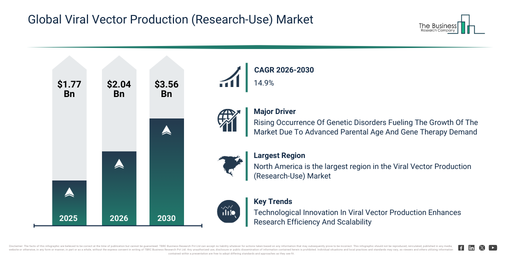
    The viral vector production (research-use) market has seen rapid expansion in recent years. This market is anticipated to increase from $1.77 billion in 2025 to $2.04 billion in 2026, showing a compound annual growth rate (CAGR) of 15.2%. The historical growth of this market can be linked to heightened investment in gene therapy research, the enlargement of academic and translational research programs, the emergence of advanced cell culture technologies, the growing application of viral vectors in oncology studies, and the rise in contract research activities.

    The viral vector production (research-use) market is projected for rapid expansion in the coming years, reaching $3.56 billion by 2030, driven by a compound annual growth rate (CAGR) of 14.9%. This growth over the forecast period stems from factors such as increasing demand for advanced gene delivery tools, greater integration of automation in research settings, the broadening scope of CRISPR and gene editing investigations, enhanced partnerships between academic institutions and biopharmaceutical companies, and a heightened emphasis on reproducibility and standardization. Key trends identified for this period encompass the wider implementation of scalable viral vector manufacturing platforms, a growing need for high-purity research-grade vectors, increased utilization of suspension cell culture systems, the advancement of automated upstream and downstream processing, and a stronger focus on vector characterization and quality control.

    Get A Free Sample Report With In-Depth Market Insights:

    https://thebusinessresearchcompany.com/sample_request?id=52843707&type=smp&name=Viral%20Vector%20Production%20%28Research-Use%29%20Market%20Report%202026&utm_source=Blogs&utm_medium=Paid&utm_campaign=Oct_PR

    Viral Vector Production (Research-Use) Market Growth Factors Behind Sustained Expansion

    The increasing incidence of genetic disorders is anticipated to propel the expansion of the viral vector production (research-use) market in the coming years. Genetic disorders are conditions or illnesses stemming from abnormalities in an individual’s deoxyribonucleic acid, which can be inherited from one or both parents or manifest due to new genetic mutations. The rise in these disorders is attributable to increasing parental age, which elevates the likelihood of genetic mutations being passed down to offspring. The expanding prevalence of genetic disorders underpins the growth of viral vector production (research-use) by fueling the demand for sophisticated gene delivery tools necessary for investigating disease mechanisms and devising potential therapeutic strategies. For instance, in November 2024, data from the Centers for Disease Control and Prevention (CDC), a US-based government public health agency, reported that Trisomy 21 (Down syndrome) affects approximately 1 in 643 births, resulting in about 5,713 new cases annually, and Trisomy 18 occurs in roughly 1 in 3,336 births, totaling around 1,101 cases yearly. Consequently, the rising occurrence of genetic disorders is expected to drive the growth of the viral vector production (research-use) market.

    Viral Vector Production (Research-Use) Market Segment Outlook: Which Categories Are Growing Fastest?

    The viral vector production (research-use) market covered in this report is segmented –

    1) By Type: Adeno-Associated Virus (AAV), Lentivirus, Adenovirus, Retrovirus, Other Types

    2) By Production: Transient Transfection, Stable Cell Line, Viral Packaging System, Other Production Methods

    3) By Workflow: Upstream Processing, Downstream Processing

    4) By Application: Gene Therapy, Vaccines, Oncology, Infectious Diseases, Other Applications

    5) By End-Use: Pharmaceutical And Biopharmaceutical Companies, Research Institutes

    Subsegments:

    1) By Adeno-Associated Virus: Single-Stranded Adeno-Associated Virus, Self-Complementary Adeno-Associated Virus, Hybrid Adeno-Associated Virus

    2) By Lentivirus: Human Immunodeficiency Virus-Based Lentivirus, Feline Immunodeficiency Virus-Based Lentivirus, Equine Infectious Anemia Virus-Based Lentivirus

    3) By Adenovirus: Replication-Competent Adenovirus, Replication-Deficient Adenovirus, Helper-Dependent Adenovirus

    4) By Retrovirus: Gamma Retrovirus, Spumavirus (Foamy Virus), Alpha Retrovirus

    5) By Other Types: Herpes Simplex Virus Vectors, Baculovirus Vectors, Sendai Virus Vectors

    Viral Vector Production (Research-Use) Market Industry Trends Fueling Future Revenue Growth

    Major companies in the viral vector production market are prioritizing the development of advanced solutions, including specialized cell culture media, to enhance transfection efficiency, increase viral vector yields, and ensure consistent quality for research applications. Cell culture media are nutrient-dense solutions crafted to support cell growth and maintenance outside their natural habitat. They comprise vital components such as amino acids, vitamins, and growth factors, optimized for particular cell types and applications. For instance, in January 2023, FUJIFILM Irvine Scientific, a US-based life sciences company, unveiled BalanCD HEK293 Viral Feed, the world’s inaugural chemically defined nutrient feed specifically optimized for HEK293 suspension cultures employed in AAV viral vector manufacturing. Through this offering, the company seeks to significantly boost adeno-associated virus (AAV) yields, showing up to 67% improvement in viral packaging efficiency compared to basal media. The feed is engineered for scalable gene therapy and biotech workflows, delivering consistent performance across formats and compatibility with multiple media systems.

    Viral Vector Production (Research-Use) Market Leading Companies And Competitive Benchmarking

    Major companies operating in the viral vector production (research-use) market are Sanofi S.A., Thermo Fisher Scientific Inc., Merck KGaA, Becton Dickinson and Company, Lonza Group AG, Sartorius AG, Charles River Laboratories International Inc., FUJIFILM Diosynth Biotechnologies U.S.A. Inc., Curia Inc., AGC Biologics GmbH, SK pharmteco Inc., Oxford Biomedica Plc, Waisman Biomanufacturing, Voyager Therapeutics Inc., FinVector Oy, Batavia Biosciences BV., GENEZEN LABORATORIES, BioNTech IMFS GmbH, VGXI Inc., Tonix Pharmaceuticals, Cell and Gene Therapy Catapult, Mustang Bio Inc.

    View The Full Viral Vector Production (Research-Use) Market Report:

    https://thebusinessresearchcompany.com/report/viral-vector-production-research-use-global-market-report?utm_source=Blogs&utm_medium=Paid&utm_campaign=Oct_PR

    Viral Vector Production (Research-Use) Market Regional Analysis And Top Geography

    North America was the largest region in the virtual vector production (research-use) market in 2025. Asia-Pacific is expected to be the fastest-growing region in the forecast period. The regions covered in the viral vector production (research-use) market report are Asia-Pacific, South East Asia, Western Europe, Eastern Europe, North America, South America, Middle East, Africa.

    Reach Out To Our Team:

    The Business Research Company: https://www.thebusinessresearchcompany.com/

    Americas: +1 310-496-7795

    Asia: +44 7882 955267 & +91 8897263534

    Europe: +44 7882 955267

    Email us at: marketing@tbrc.info

    Follow us on:

    LinkedIn: https://in.linkedin.com/company/the-business-research-company

    YouTube: https://www.youtube.com/channel/UC24_fI0rV8cR5DxlCpgmyFQ

    Global Market Model: https://www.thebusinessresearchcompany.com/global-market-model
  • Viral Vector Manufacturing Market Forecast Highlights A $21.3 Billion Opportunity For Industry Participants

    Viral Vector Manufacturing Market Forecast Highlights A $21.3 Billion Opportunity For Industry Participants

    Built to provide research that’s more actionable and strategically valuable, The Business Research Company’s 2026 market reports include market attractiveness analysis, total addressable market sizing, company benchmarking matrices, interactive Excel dashboards, broader supply chain intelligence, emerging startup tracking, and in-depth product insights.

    Viral Vector Manufacturing Market Size, Value And Growth Trajectory Through 2030

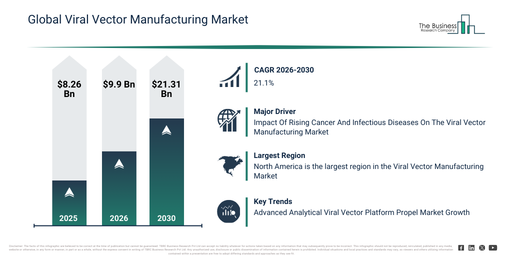
    The viral vector manufacturing market has seen significant expansion in its size over recent years. This market is projected to expand from $8.26 billion in 2025 to $9.9 billion in 2026, demonstrating a compound annual growth rate (CAGR) of 19.9%. Historically, factors contributing to this growth include limited manufacturing capacity, elevated production costs, a reliance on conventional gene delivery techniques, existing regulatory barriers, and fragmented supply chains.

    The viral vector manufacturing market size is poised for significant expansion in the coming years. It is projected to reach $21.31 billion in 2030, exhibiting a compound annual growth rate (CAGR) of 21.1%. The upward trend during this forecast period can be attributed to the rising demand for gene and cell therapies, continuous advancements in viral vector technology, increased investments in R&D, the expansion of contract manufacturing organizations, and the growing adoption of personalized medicine. Prominent trends expected in this period include ongoing innovation in gene therapy, enhanced optimization of viral vector safety, the development of scalable manufacturing processes, improved regulatory compliance, and sophisticated upstream and downstream processing methods.

    Get A Free Sample Report With In-Depth Market Insights:

    https://thebusinessresearchcompany.com/sample_request?id=12398&type=smp&name=Viral%20Vector%20Manufacturing%20Market%20Report%202026&utm_source=Blogs&utm_medium=Paid&utm_campaign=Oct_PR

    Viral Vector Manufacturing Market Demand Drivers Opening New Revenue Streams

    The projected expansion of the viral vector manufacturing market is significantly influenced by the rising incidence of cancer and infectious diseases. An infectious disease is defined as an ailment resulting from a virus or its harmful substances, transmissible to a vulnerable host through contact with an afflicted individual, animal, or object. Cancer encompasses various medical conditions originating in any body organ or tissue, characterized by the uncontrolled proliferation of abnormal cells that breach normal limits to infiltrate adjacent organs and metastasize to distant sites. Viral vectors are employed to generate tumor antigens—proteins found on tumor cells—thereby stimulating the body’s immune system to combat cancer. Furthermore, viral vectors have been utilized as vaccines against a range of infectious illnesses in both pre-clinical and clinical investigations. For example, data from July 2024, provided by the Australian Institute of Health and Welfare, an Australia-based government agency, indicates that in Australia, cancer diagnoses grew from 160,570 in 2022 to 164,694 in 2023, demonstrating a significant increase within the year. This upward trajectory underscores the increasing prevalence of cancer nationally. Moreover, as per information released in August 2024 by the UK Health Security Agency, a UK-based executive agency, England recorded 368 measles cases in 2023, a nearly sevenfold increase compared to the 53 cases reported in 2022, with the West Midlands contributing 44% and London 33% of these cases. Consequently, the escalating occurrence of cancer and infectious diseases is propelling the expansion of the viral vector manufacturing market.

    Viral Vector Manufacturing Market Segment Landscape: Which Areas Lead Development?

    The viral vector manufacturing market covered in this report is segmented –

    1) By Type: Adenoviral Vectors, Adeno-Associated Viral Vectors, Lentiviral Vectors, Retroviral Vectors, Other Types

    2) By Disease: Cancer, Genetic Disorders, Infectious Diseases, Other Diseases

    3) By Workflow: Upstream Processing, Downstream Processing

    4) By Application: Gene And Cell Therapy Development, Vaccine Development, Biopharmaceutical And Pharmaceutical Discovery, Biomedical Research

    5) By End-User: Research Organizations, Biotech And Pharmaceutical Companies, Other End Users

    Subsegments:

    1) By Adenoviral Vectors: Serotype 5, Serotype 2, Serotype 26

    2) By Adeno-Associated Viral Vectors: AAV2, AAV5, AAV8, AAV9, Others

    3) By Lentiviral Vectors: HIV-1-Based Lentiviral Vectors, SIV-Based Lentiviral Vectors, Others

    4) By Retroviral Vectors: Moloney Murine Leukemia Virus (MoMLV), Gammaretroviral Vectors, Others

    5) By Other Types: Sendai Viral Vectors, Vesicular Stomatitis Virus (VSV)-Based Vectors, Measles Virus Vectors, Others

    Viral Vector Manufacturing Market Trends Powering Strategic Industry Growth

    Major companies operating in the viral vector manufacturing market are focusing on developing advanced products, such as viral vector platforms specifically designed for viral vector production and manufacturing. Viral vector platforms are comprehensive systems tailored to efficiently produce and process viral vectors for applications such as gene therapy and vaccine development. For instance, in May 2023, AGC Biologics, a US-based global biopharmaceutical contract development and manufacturing organization (CDMO), launched the BravoAAV and ProntoLVV platforms, which were designed to offer flexible and accelerated vector development and manufacturing for cell and gene therapy programs. These platforms, aimed at flexible and accelerated vector development and manufacturing in cell and gene therapy programs, guarantee GMP product delivery within nine months, supported by a global regulatory and supply network and in-house plasmid DNA services. Through custom processes, templated material approaches, and prequalified analytical methods, these platforms are significant contributors to the viral vector manufacturing market’s projected growth, reaching $5.5 billion by 2035, by addressing the increasing demand for efficient development and delivery of life-changing gene therapies and vaccines.

    Viral Vector Manufacturing Market Industry Leaders And Competitive Landscape

    Major companies operating in the viral vector manufacturing market are Sanofi S.A., Merck Group, FUJIFILM Holdings Corporation, Lonza Group, Catalent Inc., AGC Biologics, Ultragenyx Pharmaceutical Inc., Novasep Holding SAS, Aldevron LLC, Oxford Biomedica plc, LakePharma Inc., Voyager Therapeutics Inc., Mustang Bio Inc., Regenxbio Inc., VGXI Inc., BioNTech IMFS GmbH, FinVector Oy, Vigene Biosciences Inc., Univercells Technologies, Sirion-Biotech GmbH, Cevec Pharmaceuticals GmbH, Batavia Biosciences BV

    View The Full Viral Vector Manufacturing Market Report:

    https://thebusinessresearchcompany.com/report/viral-vector-manufacturing-global-market-report?utm_source=Blogs&utm_medium=Paid&utm_campaign=Oct_PR

    Viral Vector Manufacturing Market Geographic Analysis: Where Is Demand Rising Fastest?

    North America was the largest region in the viral vector manufacturing market in 2025. Asia-Pacific is expected to be the fastest-growing region in the forecast period. The regions covered in the viral vector manufacturing market report are Asia-Pacific, South East Asia, Western Europe, Eastern Europe, North America, South America, Middle East, Africa.

    Reach Out To Our Team:

    The Business Research Company: https://www.thebusinessresearchcompany.com/

    Americas: +1 310-496-7795

    Asia: +44 7882 955267 & +91 8897263534

    Europe: +44 7882 955267

    Email us at: marketing@tbrc.info

    Follow us on:

    LinkedIn: https://in.linkedin.com/company/the-business-research-company

    YouTube: https://www.youtube.com/channel/UC24_fI0rV8cR5DxlCpgmyFQ

    Global Market Model: https://www.thebusinessresearchcompany.com/global-market-model
  • Viral Vector Contract Development And Manufacturing Organization (CDMO) Market Analysis: How The Industry Is Evolving Toward A $3 Billion Future

    Viral Vector Contract Development And Manufacturing Organization (CDMO) Market Analysis: How The Industry Is Evolving Toward A $3 Billion Future

    Backed by market attractiveness analysis, total addressable market sizing, company benchmarking matrices, interactive Excel dashboards, wider supply chain intelligence, emerging startup coverage, and detailed product-level insights, The Business Research Company’s 2026 market reports are designed to offer research that is more actionable and strategically valuable than ever.

    Viral Vector Contract Development And Manufacturing Organization (CDMO) Market CAGR Outlook And Future Development

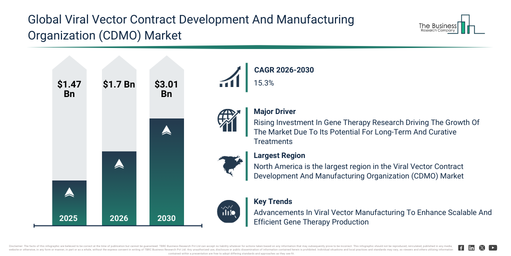
    The viral vector contract development and manufacturing organization (cdmo) market has seen substantial growth recently. This market is set to expand from $1.47 billion in 2025 to $1.7 billion in 2026, achieving a compound annual growth rate (CAGR) of 15.6%. The historical growth of this market can be attributed to several factors, including the expanding clinical pipeline for gene therapies, the early outsourcing of viral vector production, the increase in academic research collaborations, the constrained in-house manufacturing capabilities of biotech firms, and the rising number of regulatory approvals for viral vectors.

    The size of the viral vector contract development and manufacturing organization (cdmo) market is projected to experience swift expansion over the coming years. This market is predicted to reach $3.01 billion by 2030, demonstrating a compound annual growth rate (CAGR) of 15.3%. This projected growth during the forecast period is attributable to several factors, including the increasing commercialization of gene and cell therapies, greater investments in specialized viral vector facilities, a rising need for scalable manufacturing platforms, the broadening of global CDMO collaborations, and progress in high-yield vector production methods. Key trends anticipated within the forecast timeframe encompass the expansion of capacity for large-scale viral vector production, a greater uptake of single-use manufacturing technologies, an increasing need for comprehensive end-to-end CDMO services, an intensifying focus on cGMP facilities that comply with regulations, and improved incorporation of advanced analytics into vector manufacturing processes.

    Get A Free Sample Report With In-Depth Market Insights:

    https://thebusinessresearchcompany.com/sample_request?id=29238&type=smp&name=Viral%20Vector%20Contract%20Development%20And%20Manufacturing%20Organization%20%28CDMO%29%20Market%20Report%202026&utm_source=Blogs&utm_medium=Paid&utm_campaign=Oct_PR

    Viral Vector Contract Development And Manufacturing Organization (CDMO) Market Growth Backed By Core Demand Fundamentals

    Increasing financial commitments in gene therapy studies are anticipated to fuel the expansion of the viral vector contract development and manufacturing organization (CDMO) market in the future. Gene therapy investigations center on discovering techniques to modify or control genes within human cells to rectify genetic conditions or combat a range of illnesses. Funding for gene therapy research is increasing because of its capacity to offer lasting or permanent remedies for genetic ailments that were previously incurable, thereby attracting significant attention from both medical pioneers and financial backers. Viral vector CDMOs facilitate gene therapy investigations by providing specialized expertise and sophisticated manufacturing sites for producing premium viral vectors, essential for the secure and efficient transfer of therapeutic genes. As an illustration, in July 2025, the Office for Life Sciences, a UK-based government department, reported that the government pledged up to $800 million (£600 million) towards establishing a health data platform, among the most advanced, secure, and AI-compatible globally. This platform aims to merge genomic, diagnostic, and clinical data across populations, transforming NHS and wider healthcare information into a central point for international research studies and AI investment. Consequently, the expanding financial outlay in gene therapy research is propelling the growth of the viral vector contract development and manufacturing organization (CDMO) market.

    Viral Vector Contract Development And Manufacturing Organization (CDMO) Market Segments: Where Is Growth Concentrated?

    The viral vector contract development and manufacturing organization (cdmo) market covered in this report is segmented –

    1) By Service Type: Process Development, Manufacturing, Analytical Testing, Fill-Finish, Other Service Types

    2) By Vector Type: Adenoviral Vectors, Lentiviral Vectors, Adeno-Associated Viral Vectors, Retroviral Vectors, Other Vector Types

    3) By Workflow: Upstream Manufacturing, Downstream Manufacturing

    4) By Application: Gene Therapy, Vaccines, Cell Therapy, Other Applications

    5) By End-User: Pharmaceutical And Biotechnology Companies, Academic And Research Institutes, Other End-Users

    Subsegments:

    1) By Process Development: Upstream Process Development, Downstream Process Development, Analytical Development, Process Characterization

    2) By Manufacturing: Clinical Manufacturing, Commercial Manufacturing, cGMP Manufacturing, Cell Bank Production, Fill-Finish Services

    3) By Analytical Testing: Release Testing, Stability Testing, Bioassays, Characterization Studies, Regulatory Compliance Testing

    4) By Fill-Finish: Aseptic Filling, Lyophilization, Final Packaging, Cold Chain Management, Labeling And Serialization

    5) By Other Service Types: Regulatory Support, Supply Chain Management, Technology Transfer, Clinical Trial Support, Cold Chain Logistics

    Viral Vector Contract Development And Manufacturing Organization (CDMO) Market Growth Trends Reshaping The Competitive Landscape

    Leading companies operating within the viral vector contract development and manufacturing organization (CDMO) market are concentrating on creating advanced offerings, such as AAV manufacturing solutions, to facilitate scalable and consistent production. AAV manufacturing solutions encompass techniques and systems designed for the efficient creation of safe and effective adeno-associated virus vectors for gene therapy. As an illustration, in August 2025, ProBio, a US-based contract development and manufacturing organization (CDMO), launched cGMP Adeno-Associated Virus (AAV) manufacturing services at its advanced 128,000 sq. ft. facility located in Hopewell, New Jersey. This expansion is intended to address the increasing demand for high-quality viral vector production while also showcasing ProBio’s dedication to supporting the development of innovative gene therapies. The Hopewell facility was purpose-built to provide complete AAV manufacturing solutions in compliance with global regulatory and quality standards. ProBio’s capabilities now include fully integrated services such as GMP plasmid DNA production, AAV vector manufacturing, and final drug product formulation with aseptic fill/finish, all consolidated at a single U.S. location. This unified approach enhances coordination, minimizes process handoffs, and accelerates timelines throughout the drug development lifecycle.

    Viral Vector Contract Development And Manufacturing Organization (CDMO) Market Key Participants And Competitive Landscape

    Major companies operating in the viral vector contract development and manufacturing organization (cdmo) market are Thermo Fisher Scientific Inc., Merck KGaA, Lonza Group AG, WuXi AppTec, Samsung Biologics Co. Ltd., FUJIFILM Biotechnologies, Oxford Biomedica Plc, Hillgene, Takara Bio Inc., SkyPharma Production SAS, GeneScript ProBio, Obio Technology Corp. Ltd., VectorBuilder, Charles River Laboratories Pvt. Ltd., Creative Biogene, Esco Aster Pte. Ltd., Genesail Biotech Co. Ltd., CEVEC Pharmaceuticals, Cell and Gene Therapy Catapult, CoJourney, Applied Biological Laboratories Inc.

    View The Full Viral Vector Contract Development And Manufacturing Organization (CDMO) Market Report:

    https://thebusinessresearchcompany.com/report/viral-vector-contract-development-and-manufacturing-organization-cdmo-global-market-report?utm_source=Blogs&utm_medium=Paid&utm_campaign=Oct_PR

    Viral Vector Contract Development And Manufacturing Organization (CDMO) Market Global Footprint: Which Region Leads The Market?

    North America was the largest region in the viral vector contract development and manufacturing organization (CDMO) market in 2025. Asia-Pacific is expected to be the fastest-growing region in the forecast period. The regions covered in the viral vector contract development and manufacturing organization (cdmo) market report are Asia-Pacific, South East Asia, Western Europe, Eastern Europe, North America, South America, Middle East, Africa.

    Reach Out To Our Team:

    The Business Research Company: https://www.thebusinessresearchcompany.com/

    Americas: +1 310-496-7795

    Asia: +44 7882 955267 & +91 8897263534

    Europe: +44 7882 955267

    Email us at: marketing@tbrc.info

    Follow us on:

    LinkedIn: https://in.linkedin.com/company/the-business-research-company

    YouTube: https://www.youtube.com/channel/UC24_fI0rV8cR5DxlCpgmyFQ

    Global Market Model: https://www.thebusinessresearchcompany.com/global-market-model
  • Viral Clearance Market Outlook Through 2030: Understanding The Growth Opportunity

    Viral Clearance Market Outlook Through 2030: Understanding The Growth Opportunity

    Featuring market attractiveness scoring, total addressable market sizing, company benchmarking matrices, interactive Excel dashboards, deeper supply chain intelligence, emerging startup tracking, and granular product-level insights, The Business Research Company’s 2026 market reports are built to deliver research that is both more actionable and more strategically valuable.

    Viral Clearance Market Set To Climb From $1.11 Billion In 2026 To $2.05 Billion By 2030

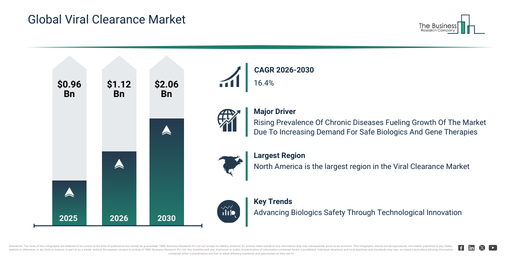
    The viral clearance market size has experienced rapid growth in recent years. It is forecast to expand from $0.96 billion in 2025 to $1.12 billion in 2026, achieving a compound annual growth rate (CAGR) of 16.7%. The historical period’s expansion is attributable to limited viral clearance technologies, increasing viral contamination concerns in biologics, reliance on conventional filtration methods, growing regulatory scrutiny, and the expansion of pharmaceutical and biotech manufacturing pipelines.

    The viral clearance market is projected to experience substantial expansion in the coming years, forecast to reach a size of $2.06 billion by 2030, achieving a compound annual growth rate (CAGR) of 16.4%. This growth during the projection period can be ascribed to several factors, including the emergence of advanced viral inactivation techniques, greater acceptance of nanofiltration and membrane chromatography, an increase in the production of biologics and gene therapies, the incorporation of automation into viral clearance processes, and enhanced investment in developing viral detection assays. Key trends anticipated during the same period involve a wider embrace of sophisticated viral detection and inactivation technologies, a growing need for secure, virus-free vaccines and therapeutic products, the expansion of cellular and gene therapy products necessitating viral clearance, the incorporation of high-efficiency filtration and nanofiltration techniques, and an increased reliance on contract research organizations for outsourced viral clearance services.

    Get A Free Sample Report With In-Depth Market Insights:

    https://thebusinessresearchcompany.com/sample_request?id=67885431&type=smp&name=Viral%20Clearance%20Market%20Report%202026&utm_source=Blogs&utm_medium=Paid&utm_campaign=Oct_PR

    Viral Clearance Market Growth Catalysts And Demand Drivers

    The increasing incidence of chronic diseases is anticipated to propel the growth of the viral clearance market moving forward. Chronic diseases are enduring medical conditions that develop gradually and persist for months or years, often necessitating continuous care or management. Globally, the prevalence of chronic diseases is on the rise, primarily driven by an aging population, as individuals live longer due to advancements in healthcare and living standards, leading to an increase in age-related conditions such as cardiovascular diseases, diabetes, arthritis, and cancer. Viral clearance is essential in the development of biologics and gene therapies utilized to address chronic diseases, ensuring their safety and effectiveness. For instance, in June 2023, the Institute for Health Metrics and Evaluation, a US-based public health research institute, reported that over half a billion people globally were living with diabetes. This number is expected to more than double, reaching 1.3 billion people by 2050. Therefore, the expanding prevalence of chronic diseases is driving the growth of the viral clearance market.

    Viral Clearance Market Segment Analysis: What Are The Core Market Categories?

    The viral clearance market covered in this report is segmented –

    1) By Method: Viral Clearance Method, Viral Removal Method, Viral Inactivation Method, Viral Detection Method

    2) By Application: Vaccines And Therapeutics, Blood And Blood Products, Cellular And Gene Therapy Products, Tissue And Tissue Products, Other Applications

    3) By End-User: Pharmaceutical And Biotechnology Companies, Contract Research Organizations, Academic Research Institutes, Other End Users

    Subsegments:

    1) By Viral Clearance Method: Downstream Processing, Filtration, Chromatography, Precipitation, Nanofiltration

    2) By Viral Removal Method: Membrane Chromatography, Depth Filtration, Nanofiltration, Ultrafiltration, Protein A Affinity Chromatography

    3) By Viral Inactivation Method: Solvent Detergent Method, Low pH Treatment, Heat Treatment (Pasteurization), UV-C Irradiation, Caprylate Treatment

    4) By Viral Detection Method: PCR (Polymerase Chain Reaction), ELISA (Enzyme-Linked Immunosorbent Assay), Nucleic Acid Testing (NAT), Cell-Based Assays, Transmission Electron Microscopy (TEM)

    Viral Clearance Market Trends Shaping Long-Term Demand

    Leading firms within the viral clearance market are concentrating on creating advanced offerings, including next-generation virus removal filters, aiming to boost viral safety and streamline biopharmaceutical manufacturing processes. These advanced virus removal filters represent sophisticated filtration mechanisms engineered to effectively eliminate viruses from biopharmaceutical items, thereby contributing to product integrity, accelerating filtration rates, and fostering greater output in drug production. An illustrative example is Asahi Kasei Medical Co., Ltd., a Japanese medical and bioprocess solutions provider, which introduced its advanced Planova FG1 virus-removal filter in October 2024. This filter provides approximately seven-times greater flux compared to Planova BioEX, leading to reduced filtration durations, a diminished risk of virus breakthrough, and sustained robust protein and virus-removal capability without needing a prefilter. The FG1 is compatible with typical CIP/SIP procedures and has commenced mass production in smaller dimensions, with plans for larger versions to facilitate scale-up, allowing biomanufacturers to achieve enhanced throughput and quicker cycle times.

    Viral Clearance Market Top Companies Driving Competitive Growth

    Major companies operating in the viral clearance market are Merck Group, Thermo Fisher Scientific Inc., Asahi Kasei Corporation, SGS SA, Eurofins Scientific Inc., Lonza Group AG, WuXi AppTec, Catalent Biologics, Charles River Laboratories, Nelson Labs, Pall Corporation, Sartorius AG, Creative Biolabs, Texcell SA, Vironova AB.

    View The Full Viral Clearance Market Report:

    https://thebusinessresearchcompany.com/report/viral-clearance-global-market-report?utm_source=Blogs&utm_medium=Paid&utm_campaign=Oct_PR

    Viral Clearance Market Regional Split: Which Areas Are Fueling Growth?

    North America was the largest region in the viral clearance market in 2025. Asia-Pacific is expected to be the fastest-growing region in the forecast period. The regions covered in the viral clearance market report are Asia-Pacific, South East Asia, Western Europe, Eastern Europe, North America, South America, Middle East, Africa.

    Reach Out To Our Team:

    The Business Research Company: https://www.thebusinessresearchcompany.com/

    Americas: +1 310-496-7795

    Asia: +44 7882 955267 & +91 8897263534

    Europe: +44 7882 955267

    Email us at: marketing@tbrc.info

    Follow us on:

    LinkedIn: https://in.linkedin.com/company/the-business-research-company

    YouTube: https://www.youtube.com/channel/UC24_fI0rV8cR5DxlCpgmyFQ

    Global Market Model: https://www.thebusinessresearchcompany.com/global-market-model
  • Vinpocetine Market Growth Potential: What The Latest Forecast Reveals

    Vinpocetine Market Growth Potential: What The Latest Forecast Reveals

    Built to provide research that’s more actionable and strategically valuable, The Business Research Company’s 2026 market reports include market attractiveness analysis, total addressable market sizing, company benchmarking matrices, interactive Excel dashboards, broader supply chain intelligence, emerging startup tracking, and in-depth product insights.

    Vinpocetine Market Forecast: Value Set To Climb From $14.63 Billion To $20.93 Billion

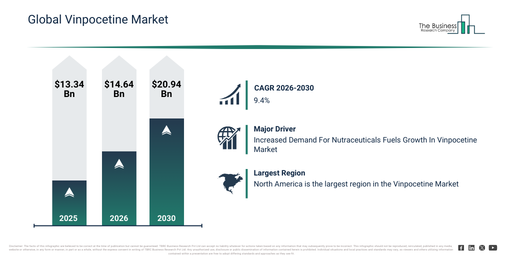
    The vinpocetine market size has shown substantial growth in recent years. It is anticipated to increase from $13.34 billion in 2025 to $14.64 billion in 2026, achieving a compound annual growth rate (CAGR) of 9.7%. The expansion observed during the historic period stems from a rising consumer interest in cognitive health, the accessibility of synthetic vincamine derivatives, broader application in supplements and prescriptions, the development of neurological research uses, and an expanding aging population.

    The vinpocetine market size is projected to undergo significant expansion over the next few years, set to reach $20.94 billion in 2030, demonstrating a compound annual growth rate (CAGR) of 9.4%. This anticipated growth is primarily driven by an escalating demand for products promoting brain health, the broadening scope of neuroprotective supplement markets, a growing interest in proactive neurological care, increasing research efforts into cerebral blood flow enhancers, and improved regulatory clarity within the supplement sector. Noteworthy trends identified for this period include the rising utilization of cognitive enhancement supplements, an increasing need for neuroprotective compounds, wider adoption of vinpocetine in both tablet and injection forms, an expansion in the applications of brain health supplements, and an intensified focus on therapies designed to support circulatory health.

    Get A Free Sample Report With In-Depth Market Insights:

    https://thebusinessresearchcompany.com/sample_request?id=61550426&type=smp&name=Vinpocetine%20Market%20Report%202026&utm_source=Blogs&utm_medium=Paid&utm_campaign=Oct_PR

    Vinpocetine Market Opportunity Drivers: What’s Unlocking New Revenue Potential?

    The growth of the vinpocetine market is expected to be driven by the increasing demand for nutraceuticals moving forward. A nutraceutical refers to a product sourced from food that delivers health benefits, including preventing and treating diseases. This elevated demand for nutraceuticals is fueled by elements such as rising health awareness, aging populations, and the expanding prevalence of chronic conditions. Vinpocetine, acting as a cognitive enhancer, plays a role in the increasing nutraceutical demand due to a heightened interest in products supporting brain health and cognitive function. For instance, in October 2023, data from a survey by the Council for Responsible Nutrition, a US-based trade association for the functional food industry, involving 3,192 U.S. adults aged 18 and over, indicated that 74% of U.S. adults reported consuming dietary supplements, with 55% identifying as consistent users. Additionally, 92% of supplement users affirmed that dietary supplements are crucial for maintaining health. Perceptions regarding the safety and quality of sports nutrition supplements improved by 5%, reaching 66%, while weight management products experienced a 4% rise in perceived safety and quality, now at 56%. Therefore, the escalating demand for nutraceuticals is propelling the expansion of the vinpocetine market.

    Vinpocetine Market Segment Breakdown: Which Categories Lead On Revenue?

    The vinpocetine market covered in this report is segmented –

    1) By Type: Tablet, Injection

    2) By Distribution Channel: Retail Pharmacies, Hospital Pharmacies, Online Pharmacies

    3) By Application: Household, Hospital

    Subsegments:

    1) By Tablet: Standard Tablets, Sustained-Release Tablets, Chewable Tablets, Enteric-Coated Tablets

    2) By Injection: Intravenous (IV) Injection, Intramuscular Injection, Subcutaneous Injection, Pre-filled Syringes

    Vinpocetine Market Leading Players And Competitive Positioning

    Major companies operating in the vinpocetine market are Merck KGaA, Northeast Pharma, Sun Pharma, Gedeon Richter, Micro Labs, India Glycols, PUDE, Alchem International Private Ltd, Linnea SA, Olympian Labs Inc, Osmopharm, Hangzhou Longshine Bio-Tech Co. Ltd., SALVAVIDAS PHARMACEUTICAL PVT. LTD, Vital Laboratories Private Limited, Sarv Biolabs Pvt Ltd, Aspire Lifesciences Pvt Ltd, Taj Pharmaceuticals Limited, ZhiTong, Healthquest Vitamins

    View The Full Vinpocetine Market Report:

    https://thebusinessresearchcompany.com/report/vinpocetine-global-market-report?utm_source=Blogs&utm_medium=Paid&utm_campaign=Oct_PR

    Vinpocetine Market Top Region: Where Does Most Revenue Come From?

    North America was the largest region in the vinpocetine market in 2025. Asia-Pacific is expected to be the fastest-growing region in the forecast period. The regions covered in the vinpocetine market report are Asia-Pacific, South East Asia, Western Europe, Eastern Europe, North America, South America, Middle East, Africa.

    Reach Out To Our Team:

    The Business Research Company: https://www.thebusinessresearchcompany.com/

    Americas: +1 310-496-7795

    Asia: +44 7882 955267 & +91 8897263534

    Europe: +44 7882 955267

    Email us at: marketing@tbrc.info

    Follow us on:

    LinkedIn: https://in.linkedin.com/company/the-business-research-company

    YouTube: https://www.youtube.com/channel/UC24_fI0rV8cR5DxlCpgmyFQ

    Global Market Model: https://www.thebusinessresearchcompany.com/global-market-model
  • Vinca Alkaloid Active Pharmaceutical Ingredient (API) Market Growth Outlook: Why Analysts Expect Continued Expansion

    Vinca Alkaloid Active Pharmaceutical Ingredient (API) Market Growth Outlook: Why Analysts Expect Continued Expansion

    Backed by market attractiveness analysis, total addressable market sizing, company benchmarking matrices, interactive Excel dashboards, wider supply chain intelligence, emerging startup coverage, and detailed product-level insights, The Business Research Company’s 2026 market reports are designed to offer research that is more actionable and strategically valuable than ever.

    Vinca Alkaloid Active Pharmaceutical Ingredient (API) Market Revenue Growth On Track For A 7% CAGR Through 2030

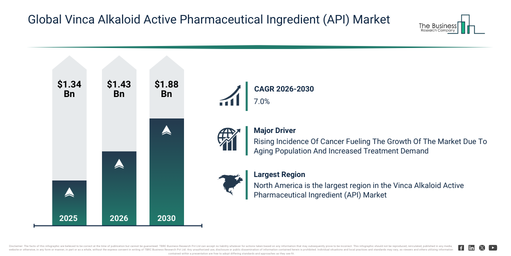
    The vinca alkaloid active pharmaceutical ingredient (api) market size has shown significant growth over recent years. This market is anticipated to increase from $1.34 billion in 2025 to $1.43 billion in 2026, exhibiting a compound annual growth rate (CAGR) of 7.0%. The expansion observed in past periods can be linked to the global cancer burden, plant-derived oncology drugs, chemotherapy standard protocols, api manufacturing growth, and hospital oncology demand.

    The vinca alkaloid active pharmaceutical ingredient (API) market size is projected to experience substantial growth over the next few years. It is forecast to grow to $1.88 billion in 2030 at a compound annual growth rate (CAGR) of 7.0%. This expansion during the forecast period can be attributed to the increasing oncology drug pipeline, biosimilar market growth, CDMO outsourcing, the rising need for affordable cancer treatment, and regulatory harmonization efforts. Major trends for the forecast period include the sustained use in chemotherapy regimens, an increase in oncology API outsourcing, the demand for high-purity injectable APIs, the proliferation of generic cancer drugs, and a concentrated focus on manufacturing that adheres to regulations.

    Get A Free Sample Report With In-Depth Market Insights:

    https://thebusinessresearchcompany.com/sample_request?id=39219914&type=smp&name=Vinca%20Alkaloid%20Active%20Pharmaceutical%20Ingredient%20%28API%29%20Market%20Report%202026&utm_source=Blogs&utm_medium=Paid&utm_campaign=Oct_PR

    Vinca Alkaloid Active Pharmaceutical Ingredient (API) Market Growth Momentum: What Factors Are Shaping Demand?

    The increasing prevalence of cancer is anticipated to fuel the expansion of the vinca alkaloid active pharmaceutical ingredient (API) market. Cancer involves the unregulated proliferation and dissemination of abnormal cells within the body, with its rising occurrence often attributed to an aging populace, who face an elevated risk due to accumulated genetic mutations and diminished immune function. Vinca alkaloid APIs are crucial in cancer therapy, effectively disrupting cell division to combat rapidly growing tumors and enhancing chemotherapy by targeting microtubules for better treatment results. For example, the World Health Organization (WHO) reported in February 2024 that global new cancer cases are expected to exceed 35 million by 2050, marking a 77% rise from the approximately 20 million cases estimated in 2022. Consequently, the growing incidence of cancer is a key factor propelling the vinca alkaloid active pharmaceutical ingredient (API) market. Anticipated to fuel the expansion of the vinca alkaloid active pharmaceutical ingredient (API) market is the rise in healthcare spending. Healthcare expenditure encompasses all funds allocated to medical services, treatments, facilities, research, and public health efforts aimed at enhancing health outcomes. The escalation in healthcare demand primarily stems from the rising prevalence of chronic conditions such as cancer, which necessitate extensive and expensive long-term care. This spending bolsters the development of Vinca Alkaloid active pharmaceutical ingredients (API) through research and development funding, guaranteeing access to vital cancer treatments, fostering innovation in drug formulations for better therapeutic results, and advancing personalized medicine. For instance, data from the Centers for Medicare & Medicaid Services (CMS) in December 2024 revealed that national health expenditures (NHE) expanded by 7.5% to reach $4.9 trillion in 2023, constituting 17.6% of the gross domestic product (GDP). Furthermore, NHE is forecast to grow annually by an average of 5.6% between 2023 and 2032, pushing the health spending share of GDP from 17.3% in 2022 to 19.7% in 2032. Thus, heightened healthcare expenditure is a significant driver for the vinca alkaloid active pharmaceutical ingredient (API) market.

    Vinca Alkaloid Active Pharmaceutical Ingredient (API) Market Segmentation: How Does The Market Break Down By Category?

    The vinca alkaloid active pharmaceutical ingredient (api) market covered in this report is segmented –

    1) By Type Of Vinca Alkaloid: Vincristine, Vinblastine, Vindesine, Vinorelbine, Other Types Of Vinca Alkaloid

    2) By Formulation Type: Sterile Formulations, Non-Sterile Formulations

    3) By Application: Lung Cancer, Breast Cancer, Lymphoma, Other Applications

    4) By End User: Pharmaceutical Companies, Research Institutions, Contract Development And Manufacturing Organizations (CDMOs), Oncology Clinics

    Vinca Alkaloid Active Pharmaceutical Ingredient (API) Market Competitive Overview And Top Companies

    Major companies operating in the vinca alkaloid active pharmaceutical ingredient (api) market are Zhejiang Hisun Pharmaceutical Co. Ltd., Qilu Pharmaceutical Co. Ltd., Guangzhou Hanfang Pharmaceutical Co. Ltd., Hubei Honch Pharmaceutical Co. Ltd., Hainan Periwinkle Pharmaceutical Co. Ltd., Hetero Drugs Limited, Aurobindo Pharma Limited, Laurus Labs Limited, Cipla Limited, Dr. Reddy’s Laboratories Limited, MSN Laboratories Private Limited, Sun Pharmaceutical Industries Limited, Cadila Pharmaceuticals Limited, Lupin Limited, Alkem Laboratories Limited, Emcure Pharmaceuticals Limited, Intas Pharmaceuticals Limited, Glenmark Pharmaceuticals Limited, Zydus Lifesciences Limited, Alembic Pharmaceuticals Limited, Apotex Inc., Hikma Pharmaceuticals PLC, Fresenius Kabi AG, Pfizer CentreOne, Teva Active Pharmaceutical Ingredients Ltd.

    View The Full Vinca Alkaloid Active Pharmaceutical Ingredient (API) Market Report:

    https://thebusinessresearchcompany.com/report/vinca-alkaloid-active-pharmaceutical-ingredient-api-global-market-report?utm_source=Blogs&utm_medium=Paid&utm_campaign=Oct_PR

    Vinca Alkaloid Active Pharmaceutical Ingredient (API) Market Regional Breakdown: Where Is Demand Concentrated?

    North America was the largest region in the vinca alkaloid active pharmaceutical ingredient (API) market in 2025. Asia-Pacific is expected to be the fastest-growing region in the forecast period. The regions covered in the vinca alkaloid active pharmaceutical ingredient (api) market report are Asia-Pacific, South East Asia, Western Europe, Eastern Europe, North America, South America, Middle East, Africa.

    Reach Out To Our Team:

    The Business Research Company: https://www.thebusinessresearchcompany.com/

    Americas: +1 310-496-7795

    Asia: +44 7882 955267 & +91 8897263534

    Europe: +44 7882 955267

    Email us at: marketing@tbrc.info

    Follow us on:

    LinkedIn: https://in.linkedin.com/company/the-business-research-company

    YouTube: https://www.youtube.com/channel/UC24_fI0rV8cR5DxlCpgmyFQ

    Global Market Model: https://www.thebusinessresearchcompany.com/global-market-model
  • Vesicular Monoamine Transporter 2 (VMAT2) Inhibitor Market Forecast Insights: The Road To $2 Billion By 2030

    Vesicular Monoamine Transporter 2 (VMAT2) Inhibitor Market Forecast Insights: The Road To $2 Billion By 2030

    Featuring market attractiveness scoring, total addressable market sizing, company benchmarking matrices, interactive Excel dashboards, deeper supply chain intelligence, emerging startup tracking, and granular product-level insights, The Business Research Company’s 2026 market reports are built to deliver research that is both more actionable and more strategically valuable.

    Vesicular Monoamine Transporter 2 (VMAT2) Inhibitor Market Value Growth And Long-Term Outlook

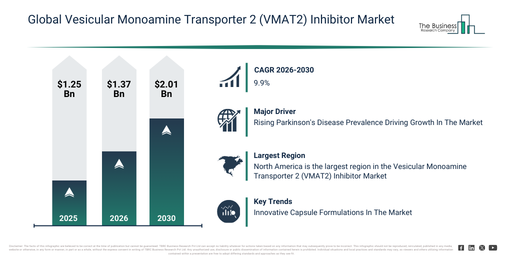
    The market size for vesicular monoamine transporter 2 (vmat2) inhibitors has experienced rapid growth in recent years. It is projected to expand from $1.25 billion in 2025 to $1.37 billion in 2026, at a compound annual growth rate (CAGR) of 10.2%. This historical growth can be attributed to the approval of tetrabenazine, an increase in antipsychotic usage, more frequent diagnosis of movement disorders, the availability of hospital-based neurology care, and the limited range of alternative therapies.

    The vesicular monoamine transporter 2 (vmat2) inhibitor market size is anticipated to undergo robust growth over the next few years. It is forecast to expand to $2.01 billion in 2030, with a compound annual growth rate (CAGR) of 9.9%. This projected expansion can be attributed to several factors including the rising prevalence of tardive dyskinesia, the increased use of deutetrabenazine, growing awareness of neurological disorders, the development of specialty neurology clinics, and a greater preference for oral medications. Prominent trends for the forecast period include an increasing application of targeted neurotransmitter modulation, enhanced treatment approaches for tardive dyskinesia, the broadening of oral neurological therapies, a concentrated focus on managing movement disorders, and the wider adoption of long-term neurology drugs.

    Get A Free Sample Report With In-Depth Market Insights:

    https://thebusinessresearchcompany.com/sample_request?id=63571341&type=smp&name=Vesicular%20Monoamine%20Transporter%202%20%28VMAT2%29%20Inhibitor%20Market%20Report%202026&utm_source=Blogs&utm_medium=Paid&utm_campaign=Oct_PR

    Vesicular Monoamine Transporter 2 (VMAT2) Inhibitor Market Expansion Drivers: What’s Shaping Future Growth?

    The rising occurrence of Parkinson’s disease is anticipated to drive expansion in the vesicular monoamine transporter 2 (VMAT2) inhibitor market in the future. Parkinson’s disease is defined as a progressive neurological condition impacting movement, resulting from the degeneration of dopamine-generating cells within the brain. This growing prevalence of Parkinson’s disease is primarily attributed to an aging demographic, improved diagnostic methods, environmental elements like toxins, genetic predispositions, and enhanced understanding of the illness. VMAT2 inhibitors contribute to managing Parkinson’s symptoms through the regulation of dopamine release, thereby alleviating tremors and dyskinesia. As an illustration, in October 2025, Parkinson’s UK, a research and support charity based in the UK, indicated that by 2030, Parkinson’s cases in the UK are anticipated to hit 173,000. Furthermore, approximately 28,000 individuals are projected to receive a diagnosis in 2025, equating to one new diagnosis every 20 minutes as the population expands and ages. Consequently, the heightened incidence of Parkinson’s disease is stimulating expansion within the vesicular monoamine transporter 2 (VMAT2) inhibitor market.

    Vesicular Monoamine Transporter 2 (VMAT2) Inhibitor Market Segment Trends And Revenue Contributors

    The vesicular monoamine transporter 2 (vmat2) inhibitor market covered in this report is segmented –

    1) By Drugs: Tetrabenazine, Deutetrabenazine, Valbenazine, Other Drugs

    2) By Route Of Administration: Oral, Other Administrations

    3) By Distribution Channel: Hospital Pharmacy, Online Pharmacy, Retail Pharmacy

    4) By Application: Huntington’s Disease, Tardive Dyskinesia, Other Applications

    5) By End User: Hospitals, Homecare, Specialty Clinics, Other End Users

    Subsegments:

    1) By Tetrabenazine: Huntington’s Disease Treatment, Tardive Dyskinesia Management, Tourette Syndrome Treatment

    2) By Deutetrabenazine: Huntington’s Disease Chorea, Tardive Dyskinesia Treatment, Off-Label Movement Disorders

    3) By Valbenazine: Tardive Dyskinesia Treatment, Tourette Syndrome Research, Other Hyperkinetic Movement Disorders

    4) By Other Drugs: Investigational VMAT2 Inhibitors, Emerging Therapies For Movement Disorders, Off-Label Use In Neurological Conditions

    Vesicular Monoamine Transporter 2 (VMAT2) Inhibitor Market Strategic Trends: What Defines The Next Growth Phase?

    Leading companies within the vesicular monoamine transporter 2 (VMAT2) inhibitors market are concentrating on creating innovative formulations, such as capsules, to bolster patient compliance, elevate drug stability, and maximize therapeutic efficacy. Capsules, a solid dosage form encased in a gelatin or HPMC shell, assist VMAT2 inhibitors by enhancing drug stability, guaranteeing accurate dosing, and improving patient adherence. For instance, in July 2024, Neurocrine Biosciences Inc., a US-based biopharmaceutical company, introduced Ingrezza Sprinkle (valbenazine) capsules, a novel formulation of the VMAT2 inhibitor Ingrezza developed to simplify administration for adults with tardive dyskinesia and chorea associated with Huntington’s disease who experience dysphagia or difficulty swallowing. Ingrezza Sprinkle offers the same effective dosing options as Ingrezza and can be administered by sprinkling the capsule’s contents onto soft food or by ingesting the capsule whole.

    Vesicular Monoamine Transporter 2 (VMAT2) Inhibitor Market Competitive Landscape: Which Companies Lead The Industry?

    Major companies operating in the vesicular monoamine transporter 2 (vmat2) inhibitor market are Neurocrine Biosciences Inc., H. Lundbeck A/S, Teva Pharmaceutical Industries Ltd., Sun Pharmaceutical Industries Limited, Bausch Health Companies Inc., Luye Pharma Group Ltd., Mitsubishi Tanabe Pharma Corporation, Sumitomo Dainippon Pharma, Dr. Reddy’s Laboratories Ltd., Hikma Pharmaceuticals plc, Lupin Limited, Otsuka Pharmaceutical Co. Ltd., Astellas Pharma Inc., Eli Lilly and Company, Merck KGaA, Johnson & Johnson, Pfizer Inc., AbbVie Inc., Takeda Pharmaceutical Company Limited, Biogen Inc

    View The Full Vesicular Monoamine Transporter 2 (VMAT2) Inhibitor Market Report:

    https://thebusinessresearchcompany.com/report/vesicular-monoamine-transporter-2-vmat2-inhibitor-global-market-report?utm_source=Blogs&utm_medium=Paid&utm_campaign=Oct_PR

    Vesicular Monoamine Transporter 2 (VMAT2) Inhibitor Market Geographic Landscape: Which Region Dominates Industry Growth?

    North America was the largest region in the vesicular monoamine transporter 2 (VMAT2) inhibitor market in 2025. The regions covered in the vesicular monoamine transporter 2 (vmat2) inhibitor market report are Asia-Pacific, South East Asia, Western Europe, Eastern Europe, North America, South America, Middle East, Africa.

    Reach Out To Our Team:

    The Business Research Company: https://www.thebusinessresearchcompany.com/

    Americas: +1 310-496-7795

    Asia: +44 7882 955267 & +91 8897263534

    Europe: +44 7882 955267

    Email us at: marketing@tbrc.info

    Follow us on:

    LinkedIn: https://in.linkedin.com/company/the-business-research-company

    YouTube: https://www.youtube.com/channel/UC24_fI0rV8cR5DxlCpgmyFQ

    Global Market Model: https://www.thebusinessresearchcompany.com/global-market-model
  • Venlafaxine Market Explained: What Is Fueling Growth To $4.3 Billion By 2030?

    Venlafaxine Market Explained: What Is Fueling Growth To $4.3 Billion By 2030?

    Built to provide research that’s more actionable and strategically valuable, The Business Research Company’s 2026 market reports include market attractiveness analysis, total addressable market sizing, company benchmarking matrices, interactive Excel dashboards, broader supply chain intelligence, emerging startup tracking, and in-depth product insights.

    Venlafaxine Market Poised To Hit $4.3 Billion By 2030 With A 4.5% CAGR

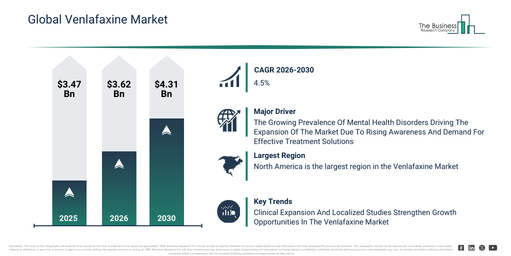
    The venlafaxine market has experienced consistent expansion in recent years. This market is projected to expand from $3.47 billion in 2025 to $3.62 billion in 2026, demonstrating a compound annual growth rate (CAGR) of 4.5%. The historical growth can be attributed to factors such as the high prevalence of depression, limitations of SSRI treatments, an increase in psychiatrist prescriptions, the approval of generic drugs, and enhanced mental health awareness.

    The venlafaxine market size is anticipated to show consistent growth over the coming years. It is projected to expand to $4.31 billion by 2030, achieving a compound annual growth rate (CAGR) of 4.5%. This growth in the forecast period is influenced by several factors, including an increase in anxiety disorder cases, the expansion of telepsychiatry services, a greater focus on geriatric mental health, the demand for chronic therapies, and wider access to healthcare. Significant trends expected during this period involve an increased adoption of extended-release formulations, a rising demand for anxiety disorder treatment, the growth of generic antidepressants, an enhanced emphasis on long-term mental health care, and a shift towards personalized psychiatry.

    Get A Free Sample Report With In-Depth Market Insights:

    https://thebusinessresearchcompany.com/sample_request?id=62127780&type=smp&name=Venlafaxine%20Market%20Report%202026&utm_source=Blogs&utm_medium=Paid&utm_campaign=Oct_PR

    Venlafaxine Market Development Factors: What’s Supporting Demand?

    The venlafaxine market is anticipated to experience growth in the future due to the increasing occurrence of mental health disorders. These conditions are defined as states affecting an individual’s thought processes, emotions, actions, or mood, often leading to personal distress or functional impairment in daily routines. The rise in mental health disorders is linked to excessive social media usage, which promotes unrealistic comparisons, cyberbullying, and reduced direct interactions, subsequently increasing levels of anxiety and depression. Venlafaxine effectively manages mental health disorders by elevating serotonin and norepinephrine concentrations within the brain. This dual mechanism helps to regulate mood and contributes to alleviating symptoms associated with depression, anxiety disorders, and panic disorder. For instance, in October 2025, data from the Centre for Mental Health, a US-based non-profit organization, indicated that in England, one in five adults (20.2%) experience a common mental health problem, with higher incidences observed in women (24.2%) compared to men (15.4%). Furthermore, children from the poorest 20% of households are four times more likely to encounter serious mental health issues by age 11 than children from the wealthiest families. Therefore, the expanding prevalence of mental health disorders is a significant factor driving the expansion of the venlafaxine market.

    Venlafaxine Market Segment Analysis Spotlighting Growth Areas

    The venlafaxine market covered in this report is segmented –

    1) By Formulation: Extended-Release Capsules, Immediate-Release Tablets, Oral Solution

    2) By Drug Class: Antidepressant, Selective Serotonin And Norepinephrine Reuptake Inhibitors (SNRIs)

    3) By Demographic: Adult, Pediatric, Geriatric

    4) By Application: Panic Disorder, Depression, Anxiety, Social Anxiety Disorder, Other Application

    5) By End-User: Clinic, Hospital, Other End-Users

    Subsegments:

    1) By Extended-Release Capsules: 37.5 Mg Capsules, 75 Mg Capsules, 150 Mg Capsules, 225 Mg Capsules

    2) By Immediate-Release Tablets: 25 Mg Tablets, 37.5 Mg Tablets, 50 Mg Tablets, 75 Mg Tablets, 100 Mg Tablets

    3) By Oral Solution: 25 Mg/Ml Oral Solution, 37.5 Mg/Ml Oral Solution, 50 Mg/Ml Oral Solution

    Venlafaxine Market Transformation Trends: What Innovations Are Driving Change?

    Major companies within the venlafaxine market are concentrating on clinical expansion and localized efficacy studies. This involves demonstrating the anxiolytic effectiveness and safety of extended-release venlafaxine in populations not previously treated, aiming to address unmet mental health needs in regions lacking approved therapies. Evaluating venlafaxine in specific populations enables its evidence-based adoption for generalized anxiety disorder (GAD), confirming both its efficacy and tolerability, which supports regulatory approval and broader market access. For instance, in October 2024, Viatris Inc., a U.S.-based healthcare company, announced positive top-line results from its Phase 3 study of EFFEXOR (venlafaxine) in Japanese adults with GAD. The trial met its primary endpoint, showing significant improvement on the Hamilton Anxiety Rating Scale compared to placebo at eight weeks, and all seven secondary endpoints were also achieved. EFFEXOR was well tolerated, with low discontinuation rates and no serious adverse events, emphasizing its potential as a significant treatment option in Japan, where currently no therapies for GAD are approved.

    Venlafaxine Market Leading Companies: Who Holds The Strongest Market Presence?

    Major companies operating in the venlafaxine market are Viatris Inc., Teva Pharmaceutical Industries Ltd., Sun Pharmaceutical Industries Ltd., Aurobindo Pharma Limited, Dr. Reddy’s Laboratories Ltd., Zydus Cadila, Lupin Pharmaceuticals Ltd., Torrent Pharmaceuticals Ltd., Stada Arzneimittel AG, Cipla Limited, Glenmark Pharmaceuticals Ltd., Intas Pharmaceuticals Ltd., Alkem Laboratories Ltd., Apotex Inc., Mylan N.V., Hikma Pharmaceuticals plc, Alembic Pharmaceuticals Ltd., Hetero Drugs Ltd., Macleods Pharmaceuticals Ltd., Suzhou Pharmaceutical Co. Ltd.

    View The Full Venlafaxine Market Report:

    https://thebusinessresearchcompany.com/report/venlafaxine-global-market-report?utm_source=Blogs&utm_medium=Paid&utm_campaign=Oct_PR

    Venlafaxine Market Largest Region: Which Geography Holds The Highest Market Share?

    North America was the largest region in the venlafaxine market in 2025. The regions covered in the venlafaxine market report are Asia-Pacific, South East Asia, Western Europe, Eastern Europe, North America, South America, Middle East, Africa.

    Reach Out To Our Team:

    The Business Research Company: https://www.thebusinessresearchcompany.com/

    Americas: +1 310-496-7795

    Asia: +44 7882 955267 & +91 8897263534

    Europe: +44 7882 955267

    Email us at: marketing@tbrc.info

    Follow us on:

    LinkedIn: https://in.linkedin.com/company/the-business-research-company

    YouTube: https://www.youtube.com/channel/UC24_fI0rV8cR5DxlCpgmyFQ

    Global Market Model: https://www.thebusinessresearchcompany.com/global-market-model