Category: Pharmaceuticals

  • Soft Mist Inhalers Market Forecast: Breaking Down The Numbers Behind Future Expansion

    Soft Mist Inhalers Market Forecast: Breaking Down The Numbers Behind Future Expansion

    Backed by market attractiveness analysis, total addressable market sizing, company benchmarking matrices, interactive Excel dashboards, wider supply chain intelligence, emerging startup coverage, and detailed product-level insights, The Business Research Company’s 2026 market reports are designed to offer research that is more actionable and strategically valuable than ever.

    Soft Mist Inhalers Market Growth Potential: How Will Market Size Shift Through 2030?

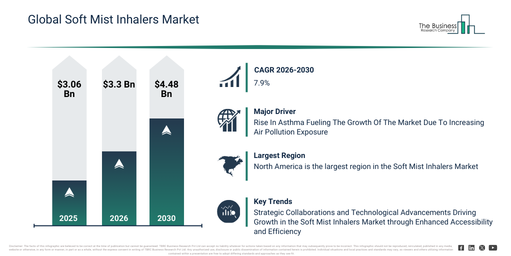
    The soft mist inhalers market size has demonstrated substantial growth over recent years. It will grow from $3.06 billion in 2025 to $3.3 billion in 2026 at a compound annual growth rate (CAGR) of 8.0%. This historical growth can be linked to factors such as rising asthma prevalence, an increase in COPD cases, the limitations of traditional inhalers, the expansion of hospital-based respiratory care, and an aging population.

    The soft mist inhalers market is projected for significant expansion over the coming years. It is anticipated to reach $4.48 billion in 2030, exhibiting a compound annual growth rate (CAGR) of 7.9%. This projected growth during the forecast period is fueled by factors such as the expansion of home-based respiratory treatment, advancements in inhaler design, escalating pollution levels, a rise in chronic respiratory ailments, and the broader availability of outpatient care. Key developments anticipated in this period encompass the wider adoption of soft mist drug delivery technology, an increasing demand for inhalers that are easy for patients to use, greater application in the management of asthma and COPD, the proliferation of homecare respiratory devices, and an emphasis on enhancing drug deposition efficiency.

    Get A Free Sample Report With In-Depth Market Insights:

    https://thebusinessresearchcompany.com/sample_request?id=56159681&type=smp&name=Soft%20Mist%20Inhalers%20Market%20Report%202026&utm_source=Blogs&utm_medium=Paid&utm_campaign=Oct_PR

    Soft Mist Inhalers Market Growth Momentum: What Factors Are Shaping Demand?

    The increasing occurrence of asthma is anticipated to drive the expansion of the soft mist inhalers market in the future. Asthma, a long-term respiratory ailment, leads to airway inflammation and constriction, resulting in breathing difficulties. This rise in asthma cases is largely attributed to greater exposure to air pollution, which worsens respiratory issues and progressively damages lung function. Soft mist inhalers aid in managing asthma and other chronic obstructive pulmonary conditions by directly delivering a gentle, slowly dispersing mist of medication to the lungs, thereby enhancing drug absorption and providing respiratory comfort with little effort. As an illustration, the National Asthma Council, an Australia-based non-profit organization, reported in October 2024 that Australia registered 474 asthma-related fatalities in 2023, consisting of 325 females and 149 males. This count is nearly identical to the 473 asthma-related deaths documented in 2022, indicating a steady pattern in asthma mortality across both years. Consequently, the growing prevalence of asthma is stimulating the expansion of the soft mist inhalers market.

    Soft Mist Inhalers Market Segment Landscape And Growth Outlook

    The soft mist inhalers market covered in this report is segmented –

    1) By Product Type: Portable Soft Mist Inhalers, Stationary Soft Mist Inhalers

    2) By Application: Asthma, Chronic Obstructive Pulmonary Disease (COPD), Respiratory Diseases, Other Applications

    3) By End-User: Hospitals And Clinics, Home Care Settings, Other End-Users

    Subsegments:

    1) By Portable Soft Mist Inhalers: Handheld Reusable Soft Mist Inhalers, Disposable Single-Use Soft Mist Inhalers, Compact Travel-Friendly Inhalers, Pediatric-Use Portable Soft Mist Inhalers

    2) By Stationary Soft Mist Inhalers: Homecare-Use Stationary Inhalers, Hospital-Grade Soft Mist Inhalers, Long-Term Therapy Devices

    Soft Mist Inhalers Market Trends Redefining Industry Growth

    Leading entities within the soft mist inhalers (SMIs) sector are emphasizing collaborative strategies to broaden their market reach and improve product availability. These organizations seek to capitalize on mutual advantages and secure a competitive position in providing groundbreaking, patient-focused inhalation treatments through alliances with research bodies, technology enterprises, and local healthcare providers. A notable illustration occurred in 2024 when Merxin Ltd., a UK-based firm focused on designing and supplying generic and bespoke inhaler devices, joined forces with OECHSLERhealth, a Germany-based producer of medical devices, to introduce the Soft Mist Inhalers (SMI) Powerhouse. This pioneering venture is designed to expedite market access for drug innovators. The initiative involves a strategic alliance with OECHSLER Health, integrating their manufacturing and assembly proficiency with Merxin’s exclusive SMI design. Their collective objective is to establish elevated industry benchmarks concerning intellectual property safeguards, performance, dependability, speed, and cost-efficiency.

    Soft Mist Inhalers Market Competitive Landscape: Who Leads The Industry?

    Major companies operating in the soft mist inhalers market are Boehringer Ingelheim Pharma GmbH & Co. KG, AstraZeneca plc, GlaxoSmithKline plc, Novartis International AG, Teva Pharmaceutical Industries Ltd., Viatris Inc., Cipla Limited, Chiesi Farmaceutici S.p.A., Sunovion Pharmaceuticals Inc., Orion Corporation, Lupin Limited, Dr. Reddy’s Laboratories Ltd., Glenmark Pharmaceuticals Ltd., Aurobindo Pharma Limited, Almirall S.A., Sandoz International GmbH, Zydus Lifesciences Limited, Hikma Pharmaceuticals plc, Bial – Portela & Ca. S.A., Menarini Group, Sanofi S.A., Abbott Laboratories, Pfizer Inc., Otsuka Pharmaceutical Co. Ltd., Takeda Pharmaceutical Company Limited

    View The Full Soft Mist Inhalers Market Report:

    https://thebusinessresearchcompany.com/report/soft-mist-inhalers-global-market-report?utm_source=Blogs&utm_medium=Paid&utm_campaign=Oct_PR

    Soft Mist Inhalers Market Regional Split: Which Areas Are Fueling Growth?

    North America was the largest region in the soft mist inhalers market in 2025. The regions covered in the soft mist inhalers market report are Asia-Pacific, South East Asia, Western Europe, Eastern Europe, North America, South America, Middle East, Africa.

    Reach Out To Our Team:

    The Business Research Company: https://www.thebusinessresearchcompany.com/

    Americas: +1 310-496-7795

    Asia: +44 7882 955267 & +91 8897263534

    Europe: +44 7882 955267

    Email us at: marketing@tbrc.info

    Follow us on:

    LinkedIn: https://in.linkedin.com/company/the-business-research-company

    YouTube: https://www.youtube.com/channel/UC24_fI0rV8cR5DxlCpgmyFQ

    Global Market Model: https://www.thebusinessresearchcompany.com/global-market-model
  • Sodium Hyaluronate-Based Products Market Expected To Grow At 9.6% CAGR Through 2030: What Businesses Need To Know

    Sodium Hyaluronate-Based Products Market Expected To Grow At 9.6% CAGR Through 2030: What Businesses Need To Know

    Featuring market attractiveness scoring, total addressable market sizing, company benchmarking matrices, interactive Excel dashboards, deeper supply chain intelligence, emerging startup tracking, and granular product-level insights, The Business Research Company’s 2026 market reports are built to deliver research that is both more actionable and more strategically valuable.

    Sodium Hyaluronate-Based Products Market Value Analysis: What Growth Lies Ahead Over The Forecast Period?

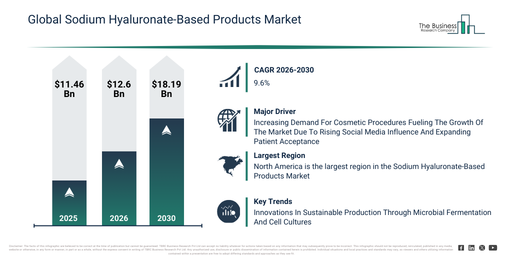
    The sodium hyaluronate-based products market size has experienced significant expansion over recent years. It is forecast to grow from $11.46 billion in 2025 to $12.6 billion in 2026, achieving a compound annual growth rate (CAGR) of 9.9%. The historical period’s growth can be linked to factors such as the constrained availability of high-purity sodium hyaluronate, an increasing number of cosmetic and aesthetic procedures, a rise in the prevalence of osteoarthritis, the proliferation of dermatology and ophthalmology clinics, and a reliance on traditional injectable formulations.

    The sodium hyaluronate-based products market size is projected to experience robust growth in the coming years. It is expected to expand to $18.19 billion by 2030, with a compound annual growth rate (CAGR) of 9.6%. This anticipated growth during the forecast period is driven by advancements in both injectable and topical formulations, the proliferation of e-commerce distribution channels, a heightened demand for minimally invasive procedures, the development of combination therapies, and the ongoing expansion of global beauty and wellness markets. Prominent trends observed during this period include a surge in demand for dermal fillers and viscosupplements, the increasing adoption of hyaluronic acid-based cosmetic products, broader application in ophthalmology and joint pain management, the expansion of home care and beauty salon uses, and the creation of innovative formulations such as powders and nasal sprays.

    Get A Free Sample Report With In-Depth Market Insights:

    https://thebusinessresearchcompany.com/sample_request?id=63780597&type=smp&name=Sodium%20Hyaluronate-Based%20Products%20Market%20Report%202026&utm_source=Blogs&utm_medium=Paid&utm_campaign=Oct_PR

    Sodium Hyaluronate-Based Products Market Expansion Drivers: What’s Shaping Future Growth?

    The expanding need for cosmetic procedures is anticipated to fuel the expansion of the sodium hyaluronate-based products market in the future. Cosmetic procedures are defined as medical or non-medical interventions carried out to enhance, better, or modify an individual’s physical appearance. The growing occurrence of cosmetic procedures largely stems from the increasing impact of social media, which propagates specific beauty norms and visual self-representation, prompting people to pursue enhancements to conform to prevalent aesthetic trends. Sodium hyaluronate-based products augment cosmetic procedures by boosting skin hydration, elasticity, and maintaining volume, thereby rendering them suitable for both pre- and post-treatment care alongside their use as injectable fillers. For example, in June 2024, the American Society of Plastic Surgeons, a US-based specialty organization, reported that around 1.6 million cosmetic surgical procedures were conducted worldwide. Furthermore, 347,782 liposuction procedures took place, showing a 7% rise from 2022. Consequently, the escalating demand for cosmetic procedures is propelling the growth of the sodium hyaluronate-based products market.

    Sodium Hyaluronate-Based Products Market Breakdown By Product Type And Application

    The sodium hyaluronate-based products market covered in this report is segmented –

    1) By Type: Topical, Injectable, Other Types

    2) By Formulation: Liquid Formulations, Gel Formulations, Powdered Formulations

    3) By Application: Dermatology, Orthopedics, Ophthalmology, Cosmetics, Pain Management

    4) By Distribution Channel: Online Pharmacies, Retail Pharmacies, Hospital Pharmacies

    5) By End User: Hospitals, Clinics, Home Care, Beauty Salons

    Subsegments:

    1) By Topical: Creams, Lotions, Serums, Gels, Eye Drops

    2) By Injectable: Dermal Fillers, Viscosupplements, Ophthalmic Injections, Intra-Articular Injections

    3) By Other Types: Oral Supplements, Wound Dressings, Nasal Sprays, Scalp Treatments

    Sodium Hyaluronate-Based Products Market Strategic Trends: What Defines The Next Growth Phase?

    Major companies within the sodium hyaluronate-based products market are prioritizing the implementation of innovative technologies, such as biotechnology, to improve product efficacy, ensure environmentally sound production, and satisfy consumer demand for natural and safe constituents. Biotechnology involves the utilization of living organisms or biological systems for the creation or manufacturing of products. It assists in the biosynthesis of ingredients like sodium hyaluronate by facilitating controlled, efficient, and sustainable production via microbial fermentation or cell cultures. For example, in January 2023, Ashland Inc., a US-based chemicals company providing additives and specialty ingredients for sectors including personal care and pharmaceuticals, unveiled The Natural Line. This collection of personal care ingredients emphasizes transparency and sustainability, featuring Hyalurotech sodium hyaluronate, which is produced through biotechnology and offers benefits like skin hydration and plumping. These products also contain ingredients such as Puraloe aloe vera, orchid complex OS ester, refined shea butter, and American clary sage essential oil, all recognized for their skin-nourishing qualities. Ashland aims to offer consumers natural, easily identifiable ingredients that align with environmentally responsible values.

    Sodium Hyaluronate-Based Products Market Company Landscape And Competitive Strategy

    Major companies operating in the sodium hyaluronate-based products market are Contipro Pharma AS, LG Chem Ltd., Shiseido Ltd., Zimmer Biomet, Galderma SA, Kewpie Corporation, ASHLAND Inc., Merz Pharmaceuticals, Fidia Farmaceutici SpA, Anika Therapeutics Inc., Lifecore Biomedical LLC., Seikagaku Corporation, HTL Biotechnology, Meiji Seika Pharma Co. Ltd., Arshine Pharmaceutical Co. Limited., Sinoway Industrial Co. Ltd., Bohus BioTech AB, Ferring Pharmaceuticals BV, Shandong Topscience Biotech Co. Ltd., Shandong AWA Biopharm Co. Ltd., Acmedi Korea Co. Ltd.

    View The Full Sodium Hyaluronate-Based Products Market Report:

    https://thebusinessresearchcompany.com/report/sodium-hyaluronate-based-products-global-market-report?utm_source=Blogs&utm_medium=Paid&utm_campaign=Oct_PR

    Sodium Hyaluronate-Based Products Market Top Region: Where Does Most Revenue Come From?

    North America was the largest region in the sodium hyaluronate-based products market in 2025. Asia-Pacific is expected to be the fastest-growing region in the forecast period. The regions covered in the sodium hyaluronate-based products market report are Asia-Pacific, South East Asia, Western Europe, Eastern Europe, North America, South America, Middle East, Africa.

    Reach Out To Our Team:

    The Business Research Company: https://www.thebusinessresearchcompany.com/

    Americas: +1 310-496-7795

    Asia: +44 7882 955267 & +91 8897263534

    Europe: +44 7882 955267

    Email us at: marketing@tbrc.info

    Follow us on:

    LinkedIn: https://in.linkedin.com/company/the-business-research-company

    YouTube: https://www.youtube.com/channel/UC24_fI0rV8cR5DxlCpgmyFQ

    Global Market Model: https://www.thebusinessresearchcompany.com/global-market-model

  • SNP Genotyping And Analysis Market Forecast To Reach $46.29 Billion By 2030: Key Trends Explained

    SNP Genotyping And Analysis Market Forecast To Reach $46.29 Billion By 2030: Key Trends Explained

    Built to provide research that’s more actionable and strategically valuable, The Business Research Company’s 2026 market reports include market attractiveness analysis, total addressable market sizing, company benchmarking matrices, interactive Excel dashboards, broader supply chain intelligence, emerging startup tracking, and in-depth product insights.

    SNP Genotyping And Analysis Market Size Forecast: How Big Could The Market Get By 2030?

    The snp genotyping and analysis market size has experienced significant expansion in recent years. Its valuation is expected to climb from $18.5 billion in 2025 to $22.24 billion by 2026, advancing at a compound annual growth rate (CAGR) of 20.2%. This past growth has been driven by several factors, such as the decreasing cost of genetic testing, the broadening of academic genomics research, the rise in disease diagnostics, pharmaceutical R&D spending, and the progress in microarray technologies.

    The snp genotyping and analysis market size is anticipated to undergo significant growth in the upcoming period. It will grow to $46.29 billion in 2030 at a compound annual growth rate (CAGR) of 20.1%. This expansion during the forecast timeframe is primarily propelled by factors such as the rise of personalized medicine, increased application of companion diagnostics, the advent of AI-driven genomic analytics, the widening reach of clinical genomics, and various governmental genomics initiatives. Notable trends for the forecast period encompass the expansion of precision medicine applications, the increasing adoption of pharmacogenomics, greater utilization of cfDNA and liquid biopsy, the proliferation of high-throughput genotyping platforms, and the integration of AI into genetic data analysis.

    Get A Free Sample Report With In-Depth Market Insights:

    https://thebusinessresearchcompany.com/sample_request?id=15112993&type=smp&name=SNP%20Genotyping%20And%20Analysis%20Market%20Report%202026&utm_source=Blogs&utm_medium=Paid&utm_campaign=Oct_PR

    SNP Genotyping And Analysis Market Development Factors: What’s Supporting Demand?

    The rising prevalence of genetic ailments is anticipated to fuel the expansion of the SNP genotyping and analysis market in the future. These diseases are conditions resulting from irregularities in an individual’s DNA, potentially inherited from either parent or developing from mutations during cellular division. The increasing load of genetic illnesses stems from heightened awareness and enhanced diagnostic methods, resulting in more frequent diagnoses and better identification of genetic disorders. SNP genotyping and analysis assist in managing genetic diseases by pinpointing genetic variations linked to disease susceptibility, advancement, and medication efficacy, thereby facilitating prompt diagnosis and tailored therapeutic approaches. For example, in February 2023, data from the World Health Organization, an international public health body located in Switzerland, indicated that congenital disorders were estimated to contribute to approximately 240,000 newborn fatalities globally annually within their initial 28 days of existence, in addition to 170,000 deaths among children between 1 month and 5 years old. Consequently, the increasing prevalence of genetic diseases is acting as a catalyst for the expansion of the SNP genotyping and analysis market.

    SNP Genotyping And Analysis Market Segment Analysis And Revenue Potential

    The snp genotyping and analysis market covered in this report is segmented –

    1) By Sample Type: Genomic DNA, Ribonucleic Acid (RNA), Cell-Free DNA (cfDNA), Plasma Samples, Whole Blood

    2) By Technology: Microarrays And GeneChips, Taqman Allelic Discrimination, SNP Pyrosequencing, Applied Biosciences SNPlex, Sequemon MassArray Maldi-TOF, Other Technologies

    3) By Application: Disease Diagnostics, Pharmacogenomics, Precision Medicine, Forensic Science, Agriculture And Livestock

    4) By End User: Hospitals And Clinics, Research Laboratories, Pharmaceutical And Biotechnological Companies, Diagnostic Laboratories, Academic And Government Institutions

    Subsegments:

    1) By Genomic DNA: Whole Genome Sequencing (WGS), Targeted Sequencing, Microarrays

    2) By Ribonucleic Acid (RNA): RNA-Seq, Expression Profiling, Microarrays

    3) By Cell-Free DNA (cfDNA): Liquid Biopsy, Non-Invasive Prenatal Testing (NIPT), Oncology Research

    4) By Plasma Samples: Circulating Tumor DNA (ctDNA), Liquid Biopsy Applications, Diagnostics

    5) By Whole Blood: DNA Extraction And Analysis, Blood-Based Genomic Studies, Genotyping And Molecular Diagnostics

    SNP Genotyping And Analysis Market Transformation Trends: What Innovations Are Driving Change?

    Leading companies in the SNP genotyping and analysis market are concentrating on developing technologically advanced solutions, such as agricultural large-scale low-pass whole genome sequencing, to address critical challenges in molecular breeding genotyping for agricultural diploid species. Agricultural whole genome sequencing involves decoding the entire genetic material of crops or livestock to improve traits like yield, disease resistance, and environmental adaptability. For instance, in June 2024, MGI Tech, a China-based biotechnology company, unveiled a highly efficient whole workflow solution for agricultural large-scale low-pass whole genome sequencing (low-pass WGS). This solution features an automated, comprehensive product portfolio covering DNA extraction, library preparation, sequencing, and SNP & InDel calling, specifically designed for molecular breeding genotyping of agricultural diploid species. It incorporates advanced automation platforms and leverages MGI’s DNBSEQ-T7 and DNBSEQ-G400 sequencers to achieve ultra-high throughput and flexibility. The workflow also includes pig reference panels and data analysis software, simplifying genotyping without requiring custom database creation.

    SNP Genotyping And Analysis Market Key Players Shaping Industry Direction

    Major companies operating in the snp genotyping and analysis market are Roche Diagnostics GmbH, Thermo Fisher Scientific Inc., Eurofins Genomics Inc., Agilent Technologies Inc., Illumina Inc., PerkinElmer Inc., Beckman Coulter Life Sciences Inc., Bio-Rad Laboratories Inc., QIAGEN N.V., Natera Inc., Myriad Genetics Inc., Azenta Life Sciences Inc., LGC Limited, Invitae Corporation, Oxford Nanopore Technologies Limited, Standard BioTools Inc., Pacific Biosciences of California Inc., NanoString Technologies Inc., Sophia Genetics SA, Genedata AG, Genotypic Technology Private Limited, PREMIER Biosoft International

    View The Full SNP Genotyping And Analysis Market Report:

    https://thebusinessresearchcompany.com/report/snp-genotyping-and-analysis-global-market-report?utm_source=Blogs&utm_medium=Paid&utm_campaign=Oct_PR

    SNP Genotyping And Analysis Market Regional Breakdown: Where Is Demand Concentrated?

    North America was the largest region in the SNP genotyping and analysis market in 2025. Asia-Pacific is expected to be the fastest-growing region in the forecast period. The regions covered in the snp genotyping and analysis market report are Asia-Pacific, South East Asia, Western Europe, Eastern Europe, North America, South America, Middle East, Africa.

    Reach Out To Our Team:

    The Business Research Company: https://www.thebusinessresearchcompany.com/

    Americas: +1 310-496-7795

    Asia: +44 7882 955267 & +91 8897263534

    Europe: +44 7882 955267

    Email us at: marketing@tbrc.info

    Follow us on:

    LinkedIn: https://in.linkedin.com/company/the-business-research-company

    YouTube: https://www.youtube.com/channel/UC24_fI0rV8cR5DxlCpgmyFQ

    Global Market Model: https://www.thebusinessresearchcompany.com/global-market-model

  • Smoking Cessation Products Market Analysis Through 2030: Market Size, Growth Trends And Industry Outlook

    Smoking Cessation Products Market Analysis Through 2030: Market Size, Growth Trends And Industry Outlook

    Backed by market attractiveness analysis, total addressable market sizing, company benchmarking matrices, interactive Excel dashboards, wider supply chain intelligence, emerging startup coverage, and detailed product-level insights, The Business Research Company’s 2026 market reports are designed to offer research that is more actionable and strategically valuable than ever.

    Smoking Cessation Products Market Revenue Outlook: What CAGR Lies Ahead Through 2030?

    The smoking cessation products market size has seen robust expansion in recent years. It is anticipated to expand from $24.13 billion in 2025 to $26.14 billion in 2026, achieving a compound annual growth rate (CAGR) of 8.3%. The market’s historical growth was influenced by factors such as the high global prevalence of smoking, insufficient awareness regarding cessation aids, a historical reliance on behavioral therapies, elevated rates of nicotine addiction, and the absence of structured government programs.

    The smoking cessation products market is set to experience significant expansion over the next few years, projected to reach $35.59 billion in 2030, with a compound annual growth rate (CAGR) of 8.0%. This anticipated growth during the forecast period is attributable to several key factors, including the proliferation of health awareness campaigns, continuous technological advancements in e-cigarettes and nicotine delivery methods, the expanding reach of online retail and pharmacy distribution networks, increasing government and insurance backing for cessation initiatives, and the integration of digital applications offering personalized quitting assistance. Furthermore, major trends foreseen within this period include a greater uptake of nicotine replacement therapies, the escalating popularity of electronic cigarettes, a rise in prescription drug-based cessation treatments, the broader availability of over-the-counter smoking cessation products, and a strong focus on personalized smoking cessation programs and support.

    Get A Free Sample Report With In-Depth Market Insights:

    https://thebusinessresearchcompany.com/sample_request?id=99842037&type=smp&name=Smoking%20Cessation%20Products%20Market%20Report%202026&utm_source=Blogs&utm_medium=Paid&utm_campaign=Oct_PR

    Smoking Cessation Products Market Industry Drivers: What’s Behind The Revenue Growth?

    The increasing prevalence of illnesses linked to smoking is expected to propel the expansion of the smoking cessation products market in the foreseeable future. These diseases encompass various health issues directly or indirectly resulting from tobacco consumption, impacting numerous bodily systems and organs. Their increase is attributed to the ongoing widespread use of tobacco, leading to prolonged exposure to harmful chemicals that compromise vital organs and elevate the likelihood of developing chronic conditions over time. This surge in smoking-related ailments fuels the demand for smoking cessation products, as heightened health awareness and medical diagnoses encourage more individuals to seek effective ways to quit smoking and mitigate the risk of severe health problems. For example, in January 2025, the American Cancer Society, a US-based non-profit organization, projected approximately 226,650 new lung cancer diagnoses for the year 2025 in the United States, with males accounting for about 110,680 cases and females for 115,970. Furthermore, around 124,730 lung cancer-related deaths are anticipated, comprising roughly 64,190 men and 60,540 women. Consequently, the growing burden of smoking-related diseases will be a significant factor driving the growth of the smoking cessation products market.

    Smoking Cessation Products Market Segmentation And Category Overview

    The smoking cessation products market covered in this report is segmented –

    1) By Product Type: Nicotine Replacement Therapy, Prescription Drugs, Over-The-Counter Drugs, Electronic Cigarettes

    2) By Formulation Type: Gums, Lozenges, Patches, Inhalers, Nasal Sprays

    3) By Distribution Channel: Pharmacies, Online Retail, Supermarkets, Health Care Providers

    4) By End-User: Adults, Teenagers, Pregnant Women

    Subsegments:

    1) By Nicotine Replacement Therapy: Gum, Patch, Lozenge, Inhaler, Nasal Spray

    2) By Prescription Drugs: Varenicline, Bupropion, Nortriptyline, Clonidine

    3) By Over-The-Counter Drugs: Nicotine Gum, Nicotine Lozenges, Herbal Lozenges, Non-nicotine Tablets

    4) By Electronic Cigarettes: Disposable E-cigarettes, Rechargeable E-cigarettes, Modular E-cigarettes, Pod-Based E-cigarettes

    #Smoking Cessation Products Market Growth Trends: What’s Shaping The Future Outlook?

    Major companies engaged in the smoking cessation products market are concentrating on developing de-addiction campaigns to establish community support networks that boost recovery success and prevent relapse. De-addiction campaigns are structured initiatives designed to increase awareness and offer assistance to help individuals overcome substance dependence and foster healthier lifestyles. For example, in April 2023, Rusan Pharma, an India-based pharmaceutical company, initiated a campaign to promote tobacco de-addiction using the brand 2baconil, which offers a 24-hour nicotine transdermal patch. The #NoReasonIsGoodEnough campaign by 2baconil is founded on the understanding that individuals frequently rationalize their smoking habits with various excuses. It underscores how 2baconil nicotine patches aid in reducing both the physical and mental reliance on nicotine. The brand provides its products in nicotine patch and gum forms to support users in quitting smoking.

    Smoking Cessation Products Market Competitive Analysis Of Leading Industry Participants

    Major companies operating in the smoking cessation products market are Pfizer Inc., Johnson & Johnson, Novartis AG, Imperial Brands PLC, GlaxoSmithKline (GSK), British American Tobacco PLC, Philip Morris International Inc., Haleon Group of Companies, Perrigo Company, Dr. Reddy’s Laboratories, Cipla Ltd., Fertin Pharma, Lucy, Euro-Pharm International Canada Inc., Alkalon A/S, Enorama Pharma AB, Niconovum AB, Sparsha Pharma International Pvt Ltd, The Harvard Drug Group, Revolymer.

    View The Full Smoking Cessation Products Market Report:

    https://thebusinessresearchcompany.com/report/smoking-cessation-products-global-market-report?utm_source=Blogs&utm_medium=Paid&utm_campaign=Oct_PR

    Smoking Cessation Products Market Geographic Landscape: Which Region Dominates Industry Growth?

    North America was the largest region in the smoking cessation products market in 2025. Asia-Pacific is expected to be the fastest-growing region in the forecast period. The regions covered in the smoking cessation products market report are Asia-Pacific, South East Asia, Western Europe, Eastern Europe, North America, South America, Middle East, Africa.

    Reach Out To Our Team:

    The Business Research Company: https://www.thebusinessresearchcompany.com/

    Americas: +1 310-496-7795

    Asia: +44 7882 955267 & +91 8897263534

    Europe: +44 7882 955267

    Email us at: marketing@tbrc.info

    Follow us on:

    LinkedIn: https://in.linkedin.com/company/the-business-research-company

    YouTube: https://www.youtube.com/channel/UC24_fI0rV8cR5DxlCpgmyFQ

    Global Market Model: https://www.thebusinessresearchcompany.com/global-market-model

  • Smoking Cessation And Nicotine De-Addiction Products Market Outlook From 2026 To 2030: Key Growth Factors And Future Opportunities

    Smoking Cessation And Nicotine De-Addiction Products Market Outlook From 2026 To 2030: Key Growth Factors And Future Opportunities

    Featuring market attractiveness scoring, total addressable market sizing, company benchmarking matrices, interactive Excel dashboards, deeper supply chain intelligence, emerging startup tracking, and granular product-level insights, The Business Research Company’s 2026 market reports are built to deliver research that is both more actionable and more strategically valuable.

    Smoking Cessation And Nicotine De-Addiction Products Market Growth Analysis: How Will Revenue Trend Over The Forecast Period?

    The smoking cessation and nicotine de-addiction products market has experienced significant expansion in recent years. It is projected to grow from $25.91 billion in 2025 to $28.75 billion in 2026, achieving a compound annual growth rate (CAGR) of 11.0%. This historical growth can be attributed to an increased awareness of health risks linked to smoking, the expansion of government-led anti-smoking campaigns, the accessibility of over-the-counter cessation solutions, the rise of prescription drug-based therapies, and growing involvement from healthcare providers.

    The smoking cessation and nicotine de-addiction products market is projected to experience significant expansion in the coming years. It will grow to $43.12 billion in 2030 at a compound annual growth rate (CAGR) of 10.7%. This growth over the forecast period is driven by factors such as the increasing adoption of personalized cessation therapies, the expansion of telehealth-based cessation programs, a rising demand for smoke-free alternatives, the growing integration of digital health tools, and increasing regulatory pressure on tobacco consumption. Prominent trends within this period include a greater embrace of nicotine replacement therapies, the rising utilization of digital smoking cessation programs, an escalating demand for non-nicotine de-addiction products, the broader availability of e-cigarette alternatives, and an enhanced focus on behavioral support solutions.

    Get A Free Sample Report With In-Depth Market Insights:

    https://thebusinessresearchcompany.com/sample_request?id=94361846&type=smp&name=Smoking%20Cessation%20And%20Nicotine%20De-Addiction%20Products%20Market%20Report%202026&utm_source=Blogs&utm_medium=Paid&utm_campaign=Oct_PR

    Smoking Cessation And Nicotine De-Addiction Products Market Growth Factors: What’s Supporting Expansion?

    The increasing occurrence of illnesses linked to smoking is anticipated to drive expansion in the smoking cessation and nicotine de-addiction products market in the future. These diseases encompass health issues directly resulting from detrimental tobacco use, such as various cancers, pulmonary conditions, and heart-related ailments. The growing frequency of these smoking-related conditions stems from heightened worldwide tobacco consumption and ongoing exposure to dangerous tobacco smoke. Products for smoking cessation and nicotine de-addiction assist people in quitting smoking and lessening their reliance on nicotine, which consequently diminishes the likelihood of contracting smoking-related diseases. For example, data from May 2024, provided by the American Lung Association, a US-based non-profit organization, revealed that smoking accounted for 90% of fatalities from lung cancer and 80% of deaths due to chronic obstructive pulmonary disease (COPD). Among individuals who currently smoke, chronic lung diseases represent 73% of smoking-related conditions, whereas former smokers experience 50% of these conditions, thereby demonstrating an uptick in smoking-related diseases. Consequently, the increasing incidence of smoking-related diseases is projected to boost the expansion of the smoking cessation and nicotine de-addiction products market.

    Smoking Cessation And Nicotine De-Addiction Products Market Segment Outlook: Which Categories Are Growing Fastest?

    The smoking cessation and nicotine de-addiction products market covered in this report is segmented –

    1) By Product Type: Nicotine Replacement Therapy Products, Drug Therapy, Nicotine Sublingual Tablets, Nicotine Inhalers, E-Cigarettes

    2) By Form: Gum, Inhaler, Tablet, Other Forms

    3) By Distribution Channels: Drug Store, Hospital Pharmacies, Online Pharmacies, Retail Pharmacies

    Subsegments:

    1) By Nicotine Replacement Therapy Products: Nicotine Patches, Nicotine Gum, Nicotine Lozenges, Nicotine Nasal Sprays

    2) By Drug Therapy: Prescription Medications, Combination Drug Therapy, Over-the-Counter Medications

    3) By Nicotine Sublingual Tablets: Fast-Acting Nicotine Sublingual Tablets, Extended-Release Nicotine Sublingual Tablets

    4) By Nicotine Inhalers: Disposable Nicotine Inhalers, Rechargeable Nicotine Inhalers, Nicotine Vapor Inhalers

    5) By E-Cigarettes: Disposable E-Cigarettes, Rechargeable E-Cigarettes, Pod-Based Systems, E-Liquids And Flavoring Products

    Smoking Cessation And Nicotine De-Addiction Products Market Industry Trends: What’s Reshaping Demand?

    Major companies within the smoking cessation and nicotine de-addiction products market are focusing on developing plant-derived receptor-targeted pharmacotherapies. These therapies interact with nicotinic acetylcholine receptors in the brain to diminish cravings and nicotine reward, thereby supporting controlled cessation. For instance, in September 2025, Achieve Life Sciences, a U.S.-based specialty pharmaceutical company, announced the Cytisinicline New Drug Application (NDA) was accepted by the FDA for addressing nicotine dependence. The therapy offers a precise mechanism of action, is compatible with both smoking and e-cigarette cessation programs, and has a defined treatment duration based on Phase 3 clinical trials. This launch highlights the increasing adoption of precision pharmacotherapy in nicotine de-addiction and expands treatment options for millions seeking to quit. However, regulatory approval is still pending, and its real-world adoption will depend on physician uptake and patient adherence.

    Smoking Cessation And Nicotine De-Addiction Products Market Leading Companies And Competitive Benchmarking

    Major companies operating in the smoking cessation and nicotine de-addiction products market are Pfizer Inc., Philip Morris International Inc., Johnson & Johnson Inc., Merck & Co. Inc., AstraZeneca PLC, Imperial Brands plc, GlaxoSmithKline plc, British American Tobacco plc, Dr Reddy’s Laboratories Ltd, Cipla Ltd, Cambrex Corp, Fertin Pharma, 22nd Century Group Inc., McNeil AB, Chrono Therapeutics Inc., Smoke Away LLC

    View The Full Smoking Cessation And Nicotine De-Addiction Products Market Report:

    https://thebusinessresearchcompany.com/report/smoking-cessation-and-nicotine-de-addiction-products-global-market-report?utm_source=Blogs&utm_medium=Paid&utm_campaign=Oct_PR

    Smoking Cessation And Nicotine De-Addiction Products Market Largest Region: Which Geography Holds The Highest Market Share?

    North America was the largest region in the smoking cessation and nicotine de-addiction products market in 2025. Asia-Pacific is expected to be the fastest-growing region in the forecast period. The regions covered in the smoking cessation and nicotine de-addiction products market report are Asia-Pacific, South East Asia, Western Europe, Eastern Europe, North America, South America, Middle East, Africa.

    Reach Out To Our Team:

    The Business Research Company: https://www.thebusinessresearchcompany.com/

    Americas: +1 310-496-7795

    Asia: +44 7882 955267 & +91 8897263534

    Europe: +44 7882 955267

    Email us at: marketing@tbrc.info

    Follow us on:

    LinkedIn: https://in.linkedin.com/company/the-business-research-company

    YouTube: https://www.youtube.com/channel/UC24_fI0rV8cR5DxlCpgmyFQ

    Global Market Model: https://www.thebusinessresearchcompany.com/global-market-model
  • Small Molecule Targeted Therapy Market Growth Forecast: Market Size, Key Trends And Emerging Opportunities Through 2030

    Small Molecule Targeted Therapy Market Growth Forecast: Market Size, Key Trends And Emerging Opportunities Through 2030

    Built to provide research that’s more actionable and strategically valuable, The Business Research Company’s 2026 market reports include market attractiveness analysis, total addressable market sizing, company benchmarking matrices, interactive Excel dashboards, broader supply chain intelligence, emerging startup tracking, and in-depth product insights.

    Small Molecule Targeted Therapy Market Forecast: What Value Will The Market Reach By 2030?

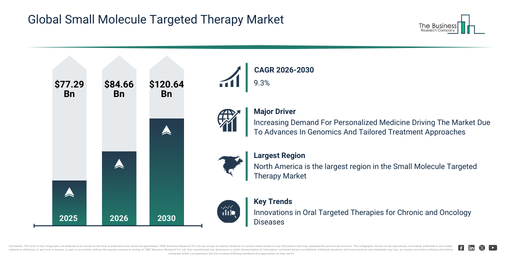
    The market size for small molecule targeted therapy has experienced significant growth in recent years. It will grow from $77.29 billion in 2025 to $84.66 billion in 2026 at a compound annual growth rate (CAGR) of 9.5%. The expansion witnessed during the historic period can be attributed to progress in molecular biology research, the increasing occurrence of chronic diseases, the enlargement of pharmaceutical R&D pipelines, the regulatory approval of targeted therapies, and advancements in drug screening technologies.

    The small molecule targeted therapy market is anticipated to exhibit substantial growth in the forthcoming years. It is projected to expand to $120.64 billion in 2030, achieving a compound annual growth rate (CAGR) of 9.3%. This expansion during the forecast period is fueled by several factors, including the increasing demand for personalized medicine approaches, the rising integration of genomics into drug development, the extension of targeted therapies beyond oncology, a heightened focus on designing drugs optimized for safety, and increased investment in precision therapeutics. Significant trends expected during this time involve the increasing expansion of target-specific drug development, the rising use of pathway-modulating therapies, growing adoption of oral small molecule treatments, an enhanced focus on disease-specific molecular targets, and the broader application of combination small molecule regimens.

    Get A Free Sample Report With In-Depth Market Insights:

    https://thebusinessresearchcompany.com/sample_request?id=28332&type=smp&name=Small%20Molecule%20Targeted%20Therapy%20Market%20Report%202026&utm_source=Blogs&utm_medium=Paid&utm_campaign=Oct_PR

    Small Molecule Targeted Therapy Market Demand Drivers: What’s Powering Industry Growth?

    The escalating prioritization of personalized medicine is anticipated to stimulate the expansion of the small molecule targeted therapy market moving forward. Personalized medicine is defined as a healthcare methodology that customizes prevention, diagnosis, and treatment according to an individual’s genetic, environmental, and lifestyle factors. The rise of personalized medicine is propelled by breakthroughs in genomics, which enable a more thorough understanding of individual genetic variations and facilitate more precise, targeted treatments that improve patient outcomes and reduce trial-and-error in therapies. Small molecule targeted therapy contributes to personalized medicine by specifically aiming at a patient’s unique molecular or genetic disease profile, enhancing treatment efficacy and lessening side effects. For instance, in February 2024, as per the Personalized Medicine Coalition, a US-based non-profit organization, in 2023, the FDA granted approval to 16 new personalized treatments for rare disease patients, an increase from six in 2022. The newly approved personalized treatments for 2023 additionally comprised seven cancer drugs and three for other diseases and conditions. Therefore, the growing emphasis on personalized medicine is driving the growth of the small molecule targeted therapy market.

    Small Molecule Targeted Therapy Market Segment Landscape: Which Areas Lead Development?

    The small molecule targeted therapy market covered in this report is segmented –

    1) By Type Of Therapy: Chemotherapy, Targeted Therapy, Immunotherapy

    2) By Drug Class: Monoclonal Antibodies, Small Molecule Inhibitors, Combination Therapies

    3) By Mechanism Of Action: Kinase Inhibitors, Proteasome Inhibitors, Aromatic Hydrocarbon Receptor (Ahr) Modulators, Cell Cycle Inhibitors

    4) By Disease Indication: Cancer, Autoimmune Diseases, Infectious Diseases

    5) By Route Of Administration: Oral, Intravenous, Subcutaneous

    Subsegments:

    1) By Chemotherapy: Alkylating Agents, Antimetabolites, Anti-microtubule Agents

    2) By Targeted Therapy: Kinase Inhibitors, Proteasome Inhibitors, Aromatic Hydrocarbon Receptor (AhR) Modulators

    3) By Immunotherapy: Immune Checkpoint Inhibitors, Cancer Vaccines, Monoclonal Antibodies

    Small Molecule Targeted Therapy Market Innovation Trends: What Developments Are Reshaping The Industry?

    Major companies operating within the small molecule targeted therapy sector are prioritizing the development of innovative solutions, such as oral small molecules, to enhance targeted delivery, improve patient compliance, and address specific molecular pathways in oncology and other chronic diseases. An oral small molecule is defined as a low-molecular-weight drug that can be administered by mouth, designed to easily enter cells and specifically target disease-related proteins or pathways. For example, in June 2025, Kura Oncology Inc., a US-based biotech company, received FDA approval for a New Drug Application (NDA) for ziftomenib to treat adult patients with relapsed or refractory acute myeloid leukemia (AML) with nucleophosmin 1 (NPM1) mutations. This oral targeted therapy is specifically formulated for adult patients with relapsed or refractory AML carrying NPM1 mutations, thereby addressing a critical unmet medical need. It features a favorable safety profile and has shown encouraging efficacy, including significant complete remission rates in clinical trials. By selectively inhibiting the menin-KMT2A interaction, ziftomenib disrupts leukemic cell growth and supports new therapeutic options for this hard-to-treat AML subtype.

    Small Molecule Targeted Therapy Market Industry Leaders And Competitive Landscape

    Major companies operating in the small molecule targeted therapy market are F. Hoffmann-La Roche AG (Roche), Merck KGaA, Pfizer Inc., Bayer AG, Sanofi S.A., Novartis International AG, AstraZeneca PLC, Bristol-Myers Squibb Company, GlaxoSmithKline plc (GSK), Eli Lilly and Company, Amgen Inc., Regeneron Pharmaceuticals Inc., Astellas Pharma Inc., Lonza Group AG, Blueprint Medicines Corporation, Kura Oncology Inc., G1 Therapeutics Inc., Ascentage Pharma Group International Inc., Rgenta Therapeutics Inc., Verastem Inc.

    View The Full Small Molecule Targeted Therapy Market Report:

    https://thebusinessresearchcompany.com/report/small-molecule-targeted-therapy-global-market-report?utm_source=Blogs&utm_medium=Paid&utm_campaign=Oct_PR

    Small Molecule Targeted Therapy Market Regional Analysis: Which Region Leads By Revenue?

    North America was the largest region in the small molecule targeted therapy market in 2025. Asia Pacific is expected to be the fastest-growing region in the forecast period. The regions covered in the small molecule targeted therapy market report are Asia-Pacific, South East Asia, Western Europe, Eastern Europe, North America, South America, Middle East, Africa.

    Reach Out To Our Team:

    The Business Research Company: https://www.thebusinessresearchcompany.com/

    Americas: +1 310-496-7795

    Asia: +44 7882 955267 & +91 8897263534

    Europe: +44 7882 955267

    Email us at: marketing@tbrc.info

    Follow us on:

    LinkedIn: https://in.linkedin.com/company/the-business-research-company

    YouTube: https://www.youtube.com/channel/UC24_fI0rV8cR5DxlCpgmyFQ

    Global Market Model: https://www.thebusinessresearchcompany.com/global-market-model

  • Small Molecule Targeted Cancer Therapy Market CAGR Forecast Through 2030: Key Trends Shaping Industry Expansion

    Small Molecule Targeted Cancer Therapy Market CAGR Forecast Through 2030: Key Trends Shaping Industry Expansion

    Backed by market attractiveness analysis, total addressable market sizing, company benchmarking matrices, interactive Excel dashboards, wider supply chain intelligence, emerging startup coverage, and detailed product-level insights, The Business Research Company’s 2026 market reports are designed to offer research that is more actionable and strategically valuable than ever.

    Small Molecule Targeted Cancer Therapy Market Size Outlook: How Quickly Will Revenue Expand Through 2030?

    The small molecule targeted cancer therapy market has demonstrated robust growth in recent years. It is projected to expand from $85.35 billion in 2025 to $93.17 billion in 2026, reflecting a compound annual growth rate (CAGR) of 9.2%. This historic period of expansion can be ascribed to elements such as increasing cancer incidence rates, a heightened comprehension of molecular oncology pathways, the broadening of targeted drug discovery initiatives, regulatory approvals for initial targeted inhibitors, and rising investments in oncology research.

    The market for small molecule targeted cancer therapy is projected to experience substantial expansion over the upcoming years. This market is anticipated to reach a valuation of $130.9 billion by 2030, exhibiting a compound annual growth rate (CAGR) of 8.9%. Factors driving this growth during the forecast period include the increasing adoption of personalized cancer medicine, the escalating development of next-generation inhibitors, the expanding utilization of companion diagnostics, a heightened emphasis on strategies for managing resistance, and augmented activity within the oncology drug pipeline. Key trends predicted for the forecast period encompass a surge in the development of mutation-specific inhibitors, the increasing uptake of precision oncology therapies, a growing emphasis on oral small molecule drugs, the broader implementation of combination targeted therapy regimens, and an intensified focus on biomarker-driven treatment selection.

    Get A Free Sample Report With In-Depth Market Insights:

    https://thebusinessresearchcompany.com/sample_request?id=28331&type=smp&name=Small%20Molecule%20Targeted%20Cancer%20Therapy%20Market%20Report%202026&utm_source=Blogs&utm_medium=Paid&utm_campaign=Oct_PR

    Small Molecule Targeted Cancer Therapy Market Growth Drivers: What’s Behind The Acceleration?

    The increasing requirement for personalized medicine is projected to drive the growth of the small molecule targeted therapy market moving forward. Personalized medicine signifies a medical approach designed to customize the prevention, diagnosis, and treatment of illnesses according to the distinct characteristics of each individual patient. This surge in demand for personalized medicine arises from the growing necessity for targeted interventions that enhance effectiveness and mitigate adverse reactions. Small molecule targeted therapy is instrumental in addressing this demand for personalized medicine by improving the specificity of treatments, enhancing patient responses, minimizing undesirable side effects, and enabling therapies that are precisely tailored to individual genetic and molecular profiles. As an illustration, in February 2024, the Personalized Medicine Coalition, a US-based non-profit organization, stated that in 2023, the US Food and Drug Administration (FDA) authorized 16 new personalized treatments for rare disease patients, which was a notable increase from the six approvals observed in 2022. Consequently, the expanding demand for personalized medicine is propelling the growth of the small molecule targeted therapy market.

    Small Molecule Targeted Cancer Therapy Market Segments: Where Is Growth Concentrated?

    The small molecule targeted cancer therapy market covered in this report is segmented –

    1) By Therapy Type: Tyrosine Kinase Inhibitors, Proteasome Inhibitors, Histone Deacetylase Inhibitors, PARP Inhibitors, CDK Inhibitors, BCL-2 Inhibitors, mTOR Inhibitors, Other Small Molecule Inhibitors

    2) By Cancer Type: Lung Cancer, Breast Cancer, Colorectal Cancer, Leukemia, Prostate Cancer, Other Cancer Types

    3) By Mode Of Administration: Oral, Intravenous, Other Modes

    4) By Distribution Channel: Hospital Pharmacy, Retail Pharmacy, Online Pharmacy, Direct Sales

    5) By End User: Hospitals, Specialty Clinics, Research Institutes, Other End Users

    Subsegments:

    1) By Tyrosine Kinase Inhibitors: EGFR Inhibitors, VEGFR Inhibitors, ALK Inhibitors, BCR-ABL Inhibitors, HER2 Inhibitors

    2) By Proteasome Inhibitors: Bortezomib, Carfilzomib, Ixazomib

    3) By Histone Deacetylase Inhibitors: Pan-Histone Deacetylase Inhibitors, Class-specific Histone Deacetylase Inhibitors

    4) By PARP Inhibitors: Olaparib, Niraparib, Rucaparib, Talazoparib

    5) By CDK Inhibitors: CDK4/6 Inhibitors, CDK1/2 Inhibitors, Pan-CDK Inhibitors

    6) By BCL-2 Inhibitors: Venetoclax, Navitoclax

    7) By mTOR Inhibitors: Rapamycin Analogs (Rapalogs), ATP-competitive mTOR Inhibitors, Dual mTOR/PI3K Inhibitors

    8) By Other Small Molecule Inhibitors: MEK Inhibitors, PI3K Inhibitors, RAF Inhibitors

    Small Molecule Targeted Cancer Therapy Market Trends: What’s Defining The Industry’s Next Phase?

    Leading companies in the breast cancer small-molecule targeted therapy market are prioritizing the development of innovative treatments, such as PI3K inhibitors and CDK4/6 inhibitor combinations, to improve treatment efficacy and more effectively target specific cancer cell signaling pathways. PI3K inhibitors are targeted cancer therapies designed to block the phosphatidylinositol-3-kinase pathway, which is involved in tumor growth and survival, while CDK4/6 inhibitor combinations are specifically formulated to halt cell cycle progression in hormone receptor-positive cancer cells. For instance, in October 2024, Genentech, Inc., a US-based biotechnology company, secured approval from the U.S. Food and Drug Administration (FDA) for inavolisib (Itovebi) in combination with palbociclib (Ibrance) and fulvestrant (Faslodex). This approval is for the treatment of adults with endocrine-resistant, PIK3CA-mutated, hormone receptor-positive, HER2-negative, locally advanced, or metastatic breast cancer. The basis for this approval came from the INAVO120 trial results, which showcased a significant enhancement in progression-free survival and objective response rate compared to using palbociclib and fulvestrant by themselves. This represents a major stride in personalized therapy for HR-positive, HER2-negative breast cancer, presenting a targeted treatment option for patients harboring PIK3CA mutations.

    Small Molecule Targeted Cancer Therapy Market Key Participants And Competitive Landscape

    Major companies operating in the small molecule targeted cancer therapy market are Johnson & Johnson Services Inc., F. Hoffmann-La Roche Ltd., Merck & Co. Inc., Pfizer Inc., AbbVie Inc., Bayer AG, Sanofi S.A., Novartis International AG, AstraZeneca plc, Bristol-Myers Squibb Company, GlaxoSmithKline plc (GSK), Eli Lilly and Company, Takeda Pharmaceutical Company Limited, Amgen Inc., Gilead Sciences Inc., Boehringer Ingelheim International GmbH, Astellas Pharma Inc., Daiichi Sankyo Company Limited, Eisai Co. Ltd., Ipsen Biopharmaceuticals Inc.

    View The Full Small Molecule Targeted Cancer Therapy Market Report:

    https://thebusinessresearchcompany.com/report/small-molecule-targeted-cancer-therapy-global-market-report?utm_source=Blogs&utm_medium=Paid&utm_campaign=Oct_PR

    Small Molecule Targeted Cancer Therapy Market Geographic Distribution And Regional Opportunities

    North America was the largest region in the small molecule targeted cancer therapy market in 2025. Asia-Pacific is expected to be the fastest-growing region in the forecast period. The regions covered in the small molecule targeted cancer therapy market report are Asia-Pacific, South East Asia, Western Europe, Eastern Europe, North America, South America, Middle East, Africa.

    Reach Out To Our Team:

    The Business Research Company: https://www.thebusinessresearchcompany.com/

    Americas: +1 310-496-7795

    Asia: +44 7882 955267 & +91 8897263534

    Europe: +44 7882 955267

    Email us at: marketing@tbrc.info

    Follow us on:

    LinkedIn: https://in.linkedin.com/company/the-business-research-company

    YouTube: https://www.youtube.com/channel/UC24_fI0rV8cR5DxlCpgmyFQ

    Global Market Model: https://www.thebusinessresearchcompany.com/global-market-model

  • Small Molecule Injectable Drugs Market To Witness 10.5% CAGR Growth Through 2030: Key Industry Drivers

    Small Molecule Injectable Drugs Market To Witness 10.5% CAGR Growth Through 2030: Key Industry Drivers

    Featuring market attractiveness scoring, total addressable market sizing, company benchmarking matrices, interactive Excel dashboards, deeper supply chain intelligence, emerging startup tracking, and granular product-level insights, The Business Research Company’s 2026 market reports are built to deliver research that is both more actionable and more strategically valuable.

    Small Molecule Injectable Drugs Market Size, Value And Growth Trajectory Through 2030

    The market size for small molecule injectable drugs has experienced rapid expansion in recent years. This market is anticipated to expand from $245.97 billion in 2025 to $276.3 billion in 2026, achieving a compound annual growth rate (CAGR) of 12.3%. The historical period’s growth can be ascribed to factors such as the increasing prevalence of chronic diseases, greater adoption of injectable therapeutics, advancements in drug formulation technologies, the expansion of hospital infrastructure, and heightened awareness regarding infection management.

    The small molecule injectable drugs market is anticipated to undergo significant expansion over the next few years. It is predicted to attain a value of $412.35 billion in 2030, advancing at a compound annual growth rate (CAGR) of 10.5%. This growth during the forecast period is propelled by factors such as the increasing demand for personalized medicine, developments in oncology and antiviral treatments, technological progress in drug delivery systems, the expansion of home care and outpatient services, and heightened investment in biologics and combination therapies. Noteworthy trends for this period include a rising preference for injectable drug delivery methods, the growth of hospital and clinic infusion services, an increase in targeted chemotherapy treatments, the proliferation of antiviral small molecule drugs, and a demand for low molecular weight drug formulations.

    Get A Free Sample Report With In-Depth Market Insights:

    https://thebusinessresearchcompany.com/sample_request?id=66029161&type=smp&name=Small%20Molecule%20Injectable%20Drugs%20Market%20Report%202026&utm_source=Blogs&utm_medium=Paid&utm_campaign=Oct_PR

    Small Molecule Injectable Drugs Market Growth Factors Behind Sustained Expansion

    The small-molecule injectable drug market is anticipated to expand due to the increasing prevalence of chronic diseases. These are health issues that persist over extended periods and typically progress gradually. Their increase stems from various factors like inactive lifestyles, poor eating habits, tobacco consumption, and elevated stress levels. Such lifestyle choices foster the emergence of conditions such as obesity, diabetes, cardiovascular diseases, and certain cancers. Small-molecule injectable drugs are crucial in handling chronic conditions through targeted treatments, enhanced patient adherence, disease alteration, combined treatment methods, and possibilities for monitoring therapy. For instance, as reported in June 2024 by the National Health Service, a UK-based government department, 3,615,330 individuals registered with a general practitioner (GP) had a diagnosis of non-diabetic hyperglycemia or pre-diabetes—a condition involving elevated blood sugar not severe enough to be categorized as diabetes—in 2023. This represented an 18% rise from 3,065,825 cases recorded in 2022. Consequently, the growing incidence of chronic diseases acts as a key driver for the small-molecule injectable drug market.

    Small Molecule Injectable Drugs Market Segment Analysis: What Are The Core Market Categories?

    The small molecule injectable drugs market covered in this report is segmented –

    1) By Drug Class: Small Molecule Antibiotics, Analgesics, Chemotherapy, Antivirals, Anticoagulant, Skeletal Muscle Relaxants, Anticonvulsants, Other Drug Class

    2) By Indication: Pain Management, Oncology, Infectious Diseases, Cardiovascular Diseases, CNS Diseases, Other Indications

    3) By Mode of Delivery: IV Set, Intravenous Injection, Infusion Pump, Intramuscular Injection, Subcutaneous Injection

    4) By End User: Hospitals, Ambulatory Clinics, Outpatient Facility, Infusion Therapy Center, Home Care, Other End Users

    Subsegments:

    1) By Small Molecule Antibiotics: Penicillin-Based Antibiotics, Cephalosporins, Aminoglycosides, Macrolides, Tetracyclines

    2) By Analgesics: Nonsteroidal Anti-inflammatory Drugs (NSAIDs), Opioids, Acetaminophen

    3) By Chemotherapy: Alkylating Agents, Antimetabolites, Mitotic Inhibitors, Topoisomerase Inhibitors

    4) By Antivirals: Nucleoside Analogues, Protease Inhibitors, Reverse Transcriptase Inhibitors

    5) By Anticoagulant: Heparin, Low Molecular Weight Heparins

    6) By Skeletal Muscle Relaxants: Baclofen, Methocarbamol

    7) By Anticonvulsants: Benzodiazepines, Phenytoin

    8) By Other Drug Class: Immunosuppressants, Hormonal Therapies

    Small Molecule Injectable Drugs Market Industry Trends Fueling Future Revenue Growth

    Leading companies in the small-molecule injectable drug market are concentrating on developing innovative solutions, such as combination regimens, to enhance efficacy and patient outcomes. A combination regimen represents a treatment strategy that employs two or more drugs in concert to boost effectiveness, reduce resistance, or address diverse aspects of a disease. For instance, in November 2025, AbbVie Inc., a US-based biopharmaceutical company, obtained approval from the U.S. Food and Drug Administration (FDA) for EPKINLY (epcoritamab-bysp) to be used in combination with rituximab and lenalidomide for adult patients with relapsed or refractory follicular lymphoma (FL). This drug is a humanized bispecific IgG1 antibody that simultaneously binds to the CD3 receptor on T cells and the CD20 receptor on B cells, including malignant lymphoma cells, thereby engaging and activating T cells for the targeted killing of cancerous B cells. Administered subcutaneously, it functions as a chemotherapy-free treatment option and is specifically designed for combination use with rituximab and lenalidomide for relapsed or refractory follicular lymphoma. EPKINLY provides a novel immune-mediated approach that enables efficient T-cell activation and durable depletion of lymphoma cells, offering a convenient outpatient therapy with a fixed-duration regimen.

    Small Molecule Injectable Drugs Market Top Companies Driving Competitive Growth

    Major companies operating in the small molecule injectable drugs market are Pfizer Inc., Johnson & Johnson Services Inc., F. Hoffmann-La Roche AG, Merck & Co. Inc., AbbVie Inc., Sanofi S.A., Bristol-Myers Squibb Company, AstraZeneca plc, Abbott Laboratories, Novartis AG, Fresenius Kabi AG, GlaxoSmithKline plc, Eli Lilly and Company, Gilead Sciences Inc., Amgen Inc., Becton Dickinson and Company, Teva Pharmaceutical Industries Ltd., Baxter International Inc., Sun Pharmaceutical Industries Ltd., Aurobindo Pharma Ltd., Dr. Reddy’s Laboratories Ltd., Cipla Limited, Hikma Pharmaceuticals plc, BioCryst Pharmaceuticals Inc., Mylan N.V.

    View The Full Small Molecule Injectable Drugs Market Report:

    https://thebusinessresearchcompany.com/report/small-molecule-injectable-drugs-global-market-report?utm_source=Blogs&utm_medium=Paid&utm_campaign=Oct_PR

    Small Molecule Injectable Drugs Market Largest Region By Revenue And Market Share

    North America was the largest region in the small molecule injectable drugs market in 2025. Europe is expected to be the fastest-growing region in the forecast period. The regions covered in the small molecule injectable drugs market report are Asia-Pacific, South East Asia, Western Europe, Eastern Europe, North America, South America, Middle East, Africa.

    Reach Out To Our Team:

    The Business Research Company: https://www.thebusinessresearchcompany.com/

    Americas: +1 310-496-7795

    Asia: +44 7882 955267 & +91 8897263534

    Europe: +44 7882 955267

    Email us at: marketing@tbrc.info

    Follow us on:

    LinkedIn: https://in.linkedin.com/company/the-business-research-company

    YouTube: https://www.youtube.com/channel/UC24_fI0rV8cR5DxlCpgmyFQ

    Global Market Model: https://www.thebusinessresearchcompany.com/global-market-model

  • Small Molecule Drug Discovery Market Projected For Strong Expansion Through 2030: Key Trends And Future Outlook

    Small Molecule Drug Discovery Market Projected For Strong Expansion Through 2030: Key Trends And Future Outlook

    Built to provide research that’s more actionable and strategically valuable, The Business Research Company’s 2026 market reports include market attractiveness analysis, total addressable market sizing, company benchmarking matrices, interactive Excel dashboards, broader supply chain intelligence, emerging startup tracking, and in-depth product insights.

    Small Molecule Drug Discovery Market CAGR Outlook And Future Development

    The market for small molecule drug discovery has seen rapid expansion in recent years. It is projected to grow from $67.94 billion in 2025 to $75.56 billion in 2026, at a compound annual growth rate (CAGR) of 11.2%. This historical growth can be attributed to increased R&D investments by pharmaceutical companies, a rise in chronic disease prevalence, advancements in molecular biology techniques, a growing demand for cost-effective therapeutics, and the emergence of contract research organizations (CROs).

    The small molecule drug discovery market is projected to experience substantial expansion over the upcoming years. It is anticipated to reach $117.05 billion in 2030, demonstrating a compound annual growth rate (CAGR) of 11.6%. This anticipated growth during the prediction period stems from factors such as the incorporation of AI and machine learning into drug discovery processes, the broadening scope of precision medicine efforts, heightened collaboration between biotechnology and pharmaceutical firms, the implementation of automated high-throughput systems, and an intensifying focus on addressing rare and intricate diseases. Key developments foreseen in this period encompass the uptake of high-throughput screening, progress in combinatorial chemistry, the incorporation of nanotechnology into drug design, the evolution of personalized medicine, and improvements in target validation and lead optimization.

    Get A Free Sample Report With In-Depth Market Insights:

    https://thebusinessresearchcompany.com/sample_request?id=89471392&type=smp&name=Small%20Molecule%20Drug%20Discovery%20Market%20Report%202026&utm_source=Blogs&utm_medium=Paid&utm_campaign=Oct_PR

    Small Molecule Drug Discovery Market Demand Drivers Opening New Revenue Streams

    The increasing prevalence of chronic illnesses is anticipated to propel the expansion of the small molecule drug discovery market. Chronic diseases are defined as conditions persisting for a year or more, impeding daily activities, necessitating ongoing medical attention, or a combination thereof. Small-molecule medications effectively address various chronic conditions, including HIV, cancer, infections, heart disease, and renal disease, and are typically more cost-effective for individuals managing such long-term health issues. Consequently, the growing occurrence of chronic diseases is expected to stimulate the small molecule drug discovery market. For instance, a 2023 report from the National Institutes of Health (NIH), a US-based biomedical research agency, indicates that the number of Americans aged 50 and older living with at least one chronic illness is projected to reach 142.66 million by 2050. Furthermore, the population experiencing multimorbidity is forecast to increase to 14.968 million by the same year. Hence, the rising incidence of chronic diseases is a key driver for the growth of the small molecule drug discovery market.

    Small Molecule Drug Discovery Market Segment Breakdown: Which Categories Lead On Revenue?

    The small molecule drug discovery market covered in this report is segmented –

    1) By Drug Type: Small Molecule Drugs, Biologic Drugs

    2) By Technology: High Throughput Screening, Pharmacogenomics, Combinatorial Chemistry, Nanotechnology, Others

    3) By Therapeutic Area: Oncology, Central Nervous System, Cardiovascular, Respiratory, Metabolic Disorders, Gastrointestinal, Others

    4) By Process Or Phase: Target ID Or Validation, Hit Generation And Selection, Lead Identification, Lead Optimization

    5) By End-User: Pharmaceutical Companies, Contract Research Organizations, Others

    Subsegments:

    1) By Small Molecule Drugs: Generic Small Molecule Drugs, Novel Small Molecule Drugs

    2) By Biologic Drugs: Monoclonal Antibodies, Vaccines, Recombinant Proteins, Cell And Gene Therapies

    Small Molecule Drug Discovery Market Trends Powering Strategic Industry Growth

    Key companies within the small molecule drug discovery sector are forming alliances to boost their market revenues. Collaborations frequently encourage innovation by uniting the specialized knowledge of various organizations. For example, in November 2023, Evommune, a US-based non-profit organization, and Accutar Biotechnology, a US-based biotechnology company, revealed a strategic partnership focused on AI-based drug discovery, specifically targeting chronic inflammatory diseases. This joint effort seeks to utilize Accutar’s proprietary AI platform and Evommune’s expertise to uncover novel small molecule drug candidates.

    Small Molecule Drug Discovery Market Leading Players And Competitive Positioning

    Major companies operating in the small molecule drug discovery market are Pfizer Inc., GlaxoSmithKline plc, AstraZeneca, Boehringer Ingelheim International GmbH, Bristol-Myers Squibb Company, Johnson & Johnson, Gilead Sciences Inc., Merck KGaA, Novartis AG, 4SC AG, Teva Pharmaceutical Industries Ltd., Takeda Pharmaceutical Company Limited, Labcorp Drug Development, ICON Public Limited Company, Charles River Laboratories, Aluda Pharmaceuticals, Corcept Therapeutics, Edison Oncology, Escend Pharmaceuticals, Terray Therapeutics, Apollomics, Astex Pharmaceuticals, Pardes Biosciences, Xynomic Pharmaceuticals, Zevra Therapeutics, UNION therapeutics, Allarity Therapeutics, Cyteir Therapeutics, BigHat Biosciences

    View The Full Small Molecule Drug Discovery Market Report:

    https://thebusinessresearchcompany.com/report/small-molecule-drug-discovery-global-market-report?utm_source=Blogs&utm_medium=Paid&utm_campaign=Oct_PR

    Small Molecule Drug Discovery Market Regional Analysis And Leading Geography

    North America was the largest region in the small molecule drug discovery market in 2025. Europe is expected to be the fastest-growing region in the small molecule drug discovery market report during the forecast period. The regions covered in the small molecule drug discovery market report are Asia-Pacific, South East Asia, Western Europe, Eastern Europe, North America, South America, Middle East, Africa.

    Reach Out To Our Team:

    The Business Research Company: https://www.thebusinessresearchcompany.com/

    Americas: +1 310-496-7795

    Asia: +44 7882 955267 & +91 8897263534

    Europe: +44 7882 955267

    Email us at: marketing@tbrc.info

    Follow us on:

    LinkedIn: https://in.linkedin.com/company/the-business-research-company

    YouTube: https://www.youtube.com/channel/UC24_fI0rV8cR5DxlCpgmyFQ

    Global Market Model: https://www.thebusinessresearchcompany.com/global-market-model

  • Small Molecule CMO/CDMO Market Outlook 2026–2030: Growth Trends, Market Dynamics And Emerging Opportunities

    Small Molecule CMO/CDMO Market Outlook 2026–2030: Growth Trends, Market Dynamics And Emerging Opportunities

    Backed by market attractiveness analysis, total addressable market sizing, company benchmarking matrices, interactive Excel dashboards, wider supply chain intelligence, emerging startup coverage, and detailed product-level insights, The Business Research Company’s 2026 market reports are designed to offer research that is more actionable and strategically valuable than ever.

    Small Molecule CMO/CDMO Market Set To Climb From $58.55 Billion In 2026 To $78.4 Billion By 2030

    The small molecule cmo/cdmo market size has experienced robust expansion in recent times. This market is projected to expand from $54.42 billion in 2025 to $58.55 billion in 2026, demonstrating a compound annual growth rate (CAGR) of 7.6%. Historically, this growth can be ascribed to several factors, including the increase in generic drug manufacturing, the growing incidence of chronic diseases, the broader scope of pharmaceutical R&D, the outsourcing of drug production, and a regulatory emphasis on quality and safety.

    The small molecule cmo/cdmo market size is projected to experience substantial growth in the upcoming years. It is forecast to expand to $78.41 billion in 2030, driven by a compound annual growth rate (CAGR) of 7.6%. The expansion during this period can be attributed to several factors including the rising demand for personalized medicine, increased investments in biologics and small-molecule hybrid therapies, the spread into emerging markets, advancements in synthesis and formulation technologies, and the growing requirement for expedited regulatory approvals. Significant trends expected in the forecast period include the widening scope of contract development and manufacturing services, greater adoption of continuous manufacturing processes, an increase in the custom synthesis of small-molecule APIs, an intensified focus on regulatory compliance and quality assurance, and strategic collaborations between pharmaceutical companies and CMOs.

    Get A Free Sample Report With In-Depth Market Insights:

    https://thebusinessresearchcompany.com/sample_request?id=97744751&type=smp&name=Small%20Molecule%20CMO%2FCDMO%20Market%20Report%202026&utm_source=Blogs&utm_medium=Paid&utm_campaign=Oct_PR

    Small Molecule CMO/CDMO Market Growth Backed By Core Demand Fundamentals

    The increasing need for pharmaceutical products is anticipated to boost the expansion of the small-molecule CMO/CDMO market in the future. This sector, known as the pharmaceutical industry, encompasses the finding, creation, and manufacturing of medications and drugs by both public and private organizations. Within the pharmaceutical industry, small-molecule CMO/CDMO facilities are utilized to externalize diverse services, such as the formulation, production, and packaging of small-molecule medicines, thereby enabling pharmaceutical firms to decrease expenses, conserve duration, and optimize workflows. To illustrate, in January 2023, data from Cardinal Health Inc., a US-based healthcare company, indicated that by January 2022, the U.S. had 33 biosimilar products approved by the FDA, with 21 of them available on the market, and this figure climbed to 40 FDA-approved biosimilars by 2023, with 25 becoming commercially accessible. Consequently, the growing requirement for pharmaceuticals is fueling the expansion of the small-molecule CMO/CDMO market.

    Small Molecule CMO/CDMO Market Segmentation: How Does The Market Break Down By Category?

    The small molecule cmo/cdmo market covered in this report is segmented –

    1) By Product: Small Molecule Drug Product, Small Molecule API

    2) By Stage Type: Clinical, Commercial, Preclinical

    3) By Therapeutic Area: Oncology, Neurology, Infectious Disease, Cardiovascular Disease, Respiratory Disorders, Metabolic Disorders, Other Therapeutics

    4) By Application: Cardiovascular, Oncology, Diabetes, Immunological Disorders

    Subsegments:

    1) By Small Molecule Drug Product: Solid Dosage Forms (Tablets, Capsules), Liquid Dosage Forms (Injectables, Solutions), Topical Dosage Forms

    2) By Small Molecule API (Active Pharmaceutical Ingredient): Generic APIs, Branded APIs, Custom Synthesis APIs

    Small Molecule CMO/CDMO Market Growth Trends Reshaping The Competitive Landscape

    Major companies operating in the small-molecule CMO/CDMO market are increasingly focusing on advanced technologies, such as the sophisticated small-molecule platform in Shanghai, to improve CDMO services. This state-of-the-art small-molecule platform represents the forefront of technological advancements for developing and producing small-molecule drugs, aiming to create pharmaceutical compounds that are safer, more effective, and more efficiently manufactured. For example, in June 2023, Porton Pharma Solutions Ltd., a pharmaceutical company based in China, launched a state-of-the-art small-molecule platform in Shanghai, which enhanced its CDMO services. An advanced small molecule platform embodies a comprehensive strategy, combining cutting-edge technologies and methodologies to advance the entire lifecycle of small molecule pharmaceuticals, offering one-stop-shop solutions, an end-to-end platform, flexibility and availability, and digital transformation.

    Small Molecule CMO/CDMO Market Competitive Overview And Top Companies

    Major companies operating in the small molecule cmo/cdmo market are Patheon NV (Thermo Fisher Scientific), Johnson Matthey plc, Lonza Group Ltd., WuXi AppTec, Catalent Inc., Aurobindo Pharma, Fareva, Aesica Pharmaceuticals Limited, Siegfried holdings AG, Recipharm AB, Jubilant Life Sciences Limited, Almac Group, Piramal Pharma Solutions, Oxford Chemicals Inc., Syngene International Limited, Novasep, Pfizer CentreOne, GVK Biosciences, ChemPartner, Dishman Carbogen Amcis Ltd, ProChem Inc., Metrics Contract Services

    View The Full Small Molecule CMO/CDMO Market Report:

    https://thebusinessresearchcompany.com/report/small-molecule-cmo-or-cdmo-global-market-report?utm_source=Blogs&utm_medium=Paid&utm_campaign=Oct_PR

    Small Molecule CMO/CDMO Market Geographic Analysis: Where Is Demand Accelerating Fastest?

    North America was the largest region in the small molecule CMO/CDMO market in 2025. The regions covered in the small molecule cmo/cdmo market report are Asia-Pacific, South East Asia, Western Europe, Eastern Europe, North America, South America, Middle East, Africa.

    Reach Out To Our Team:

    The Business Research Company: https://www.thebusinessresearchcompany.com/

    Americas: +1 310-496-7795

    Asia: +44 7882 955267 & +91 8897263534

    Europe: +44 7882 955267

    Email us at: marketing@tbrc.info

    Follow us on:

    LinkedIn: https://in.linkedin.com/company/the-business-research-company

    YouTube: https://www.youtube.com/channel/UC24_fI0rV8cR5DxlCpgmyFQ

    Global Market Model: https://www.thebusinessresearchcompany.com/global-market-model