Category: Pharmaceuticals

  • Global Insights: Over-The-Counter (OTC) Artificial Tears Market Expected to Surpass $6.19  Billion by 2029

    Global Insights: Over-The-Counter (OTC) Artificial Tears Market Expected to Surpass $6.19 Billion by 2029

    Claim your 30% discount on Global Market Reports with code ONLINE30. Limited time only.

    Claim your 30% discount on Global Market Reports with code ONLINE30. Limited time only.

    What Is the Estimated Industry Valuation for the Over-The-Counter (OTC) Artificial Tears Sector?

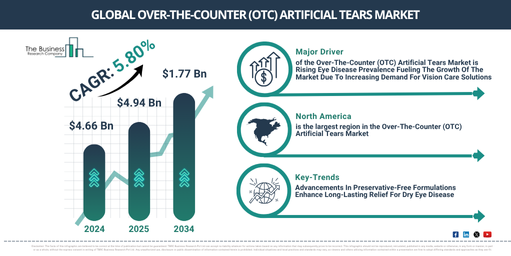
    The market size of over-the-counter (OTC) artificial tears has significantly expanded over time. It is anticipated to escalate from $4.66 billion in 2024 to $4.94 billion in 2025, averaging a compound annual growth rate (CAGR) of 6.1%. Several factors contribute to this growth during the historical period such as the growing instances of dry eye syndrome, an increase in screen time among working professionals, rising knowledge regarding eye hygiene, an expanding older population with eye ailments, and enhanced accessibility of eye care products in retail stores.

    In the coming years, the over-the-counter (OTC) artificial tears sector is projected to experience robust expansion. By 2029, the market value is anticipated to escalate to $6.19 billion, with a compound annual growth rate (CAGR) registering at 5.8%. The advancement during the forecast period may be ascribed to factors such as growing solicitation for preservative-free compositions, the digital device usage surge among young individuals, escalating inclination towards self-care remedies for eyes, expanding web-based pharmacy systems, and increasing prevalence of allergy-induced dry eyes. During the forecast period, major trends anticipate technology progressions in tear formulations, product enhancements employing hyaluronic acid and lipids, sustainable packaging solutions development, research and advancements in non-medicated eye lubricants, and smart dispensers and dosage systems integration.

    Download The Free Sample Report Here:

    https://www.thebusinessresearchcompany.com/sample.aspx?id=25863&type=smp

    What Forces Are Driving The Growth Of The Over-The-Counter (OTC) Artificial Tears Market?

    The escalating occurrence of eye disorders is predicted to boost the expansion of the over-the-counter (OTC) artificial tears market. Eye diseases, which may lead to disrupted vision or even vision loss if left untreated, are conditions that negatively impact the regular functioning or formation of the eye. This climbing occurrence is often attributed to the growing aged population who are more susceptible to vision issues, thereby generating a higher need for progressive eye care solutions. Over-the-counter (OTC) artificial tears contribute towards combating eye disorders by offering comforting lubrication that alleviates dryness, diminishes irritation and safeguards the ocular surface to enhance overall comfort of the eye. For instance, a report published in September 2023 by the Association of Optometrists, a UK-based representative membership group, stated that England recorded 22,552 new certifications for impaired vision in 2022. Within those, 1,344 were a result of diabetic eye disease, 3,614 were linked to glaucoma, and 10,865 were related to age-related macular degeneration. Consequently, the escalating occurrence of eye disorders is fuelling the expansion of the over-the-counter (OTC) artificial tears market.

    How Is The Over-The-Counter (OTC) Artificial Tears Industry Segmented Across Key Parameters?

    The over-the-counter (otc) artificial tears market covered in this report is segmented –

    1) By Type: Cellulose Derived Tears, Glycerin Derived Tears, Oil-Based Emulsion Tears, Polyethylene Glycol

    2) By Container Type: Plastic Single Dose Container, Plastic Multi-Dose Container, Other Container Types

    3) By Formulation: Preservative Based, Non-Preservative Based

    4) By Application: Dry Eye Syndrome, Allergies, Infections, Ultraviolet (UV) And Blue Light Protection, Contact Lens Moisture Retention, Other Applications

    5) By Distribution Channel: Hospital Pharmacies, Drug Store And Retail Pharmacies, Online Pharmacies

    Subsegments:

    1) By Cellulose Derived Tears: Hydroxypropyl Methylcellulose (HPMC), Carboxymethylcellulose (CMC), Hypromellose

    2) By Glycerin Derived Tears: Pure Glycerin Formulations, Glycerin with Additional Lubricants, Glycerin Combined with Electrolytes

    3) By Oil-Based Emulsion Tears: Mineral Oil Based, Castor Oil Based, Safflower Oil Based, Flaxseed Oil Based

    4) By Polyethylene Glycol: Polyethylene Glycol 400, Polyethylene Glycol 800, Polyethylene Glycol with Propylene Glycol

    What Future Market Trends Are Projected For The Over-The-Counter (OTC) Artificial Tears Industry?

    Key players within the over-the-counter artificial tears industry are prioritizing the production of innovative, preservative-free solutions like lipid layer stabilization concoctions that deliver enduring relief. This process fortifies the outer oily layer of the tear film, thwarting the swift evaporation of tears and preserving eye hydration. An example is the launch of SYSTANE PRO Preservative-Free (PF) by Switzerland’s Alcon Inc. in February 2025. It is an over-the-counter artificial tear that utilizes a triple-action formula to hydrate, restore, and shield dry eyes. The distinctive multi-dose, preservative-free design incorporates hyaluronate, nano-sized lipids, and HP-Guar. These ingredients interact synergistically to offer deep hydration, restore tear film stability, and shield the ocular surface. This product delivers long-term relief for various dry eye conditions and reduces irritation even with regular application.

    Which Companies Currently Dominate The Competitive Landscape In The Over-The-Counter (OTC) Artificial Tears Industry?

    Major companies operating in the over-the-counter (otc) artificial tears market are AbbVie Inc., Abbott Laboratories Inc., Novartis AG, Alcon Inc., Bausch Health Companies Inc., Sun Pharmaceutical Industries Ltd., CooperVision Inc., Cipla Limited, Santen Pharmaceutical Co. Ltd., Rohto Pharmaceutical Co. Ltd., Prestige Consumer Healthcare Inc., AFT Pharmaceuticals Limited, URSAPHARM Arzneimittel GmbH, OCuSOFT Inc., OASIS Medical Inc., NovaBay Pharmaceuticals Inc., Laboratoires Théa S.A.S., GBN Pharmaceuticals, I-MED Pharma Inc., Opdenas Lifesciences.

    Get The Full Report Here:

    https://www.thebusinessresearchcompany.com/report/over-the-counter-otc-artificial-tears-global-market-report

    Which Geographic Regions Are Driving Demand In The Over-The-Counter (OTC) Artificial Tears Market?

    North America was the largest region in the over-the-counter (OTC) artificial tears market in 2024. Europe is expected to be the fastest-growing region in the forecast period. The regions covered in the over-the-counter (otc) artificial tears market report are Asia-Pacific, Western Europe, Eastern Europe, North America, South America, Middle East, Africa.

    Request For A Customized Report:

    https://www.thebusinessresearchcompany.com/customise?id=25863&type=smp

    About The Business Research Company:

    With over 15000+ reports from 27 industries covering 60+ geographies, The Business Research Company has built a reputation for offering comprehensive, data-rich research and insights. Armed with 1,500,000 datasets, the optimistic contribution of in-depth secondary research, and unique insights from industry leaders, you can get the information you need to stay ahead in the game.

    Get in touch with us:

    The Business Research Company: https://www.thebusinessresearchcompany.com/

    Americas +1 310-496-7795

    Asia +44 7882 955267 & +91 8897263534

    Europe +44 7882 955267

    Email us at info@tbrc.info

    Follow us on:

    LinkedIn: https://in.linkedin.com/company/the-business-research-company

    YouTube: https://www.youtube.com/channel/UC24_fI0rV8cR5DxlCpgmyFQ

    Global Market Model: https://www.thebusinessresearchcompany.com/global-market-model
  • Key Market Drivers, Trends, and Forecast for the Global Orally Disintegrating Tablet Industry

    Key Market Drivers, Trends, and Forecast for the Global Orally Disintegrating Tablet Industry

    Claim your 30% discount on Global Market Reports with code ONLINE30. Limited time only.

    Claim your 30% discount on Global Market Reports with code ONLINE30. Limited time only.

    How Will the Orally Disintegrating Tablet Market Evolve in Terms of Growth and Size by 2029?

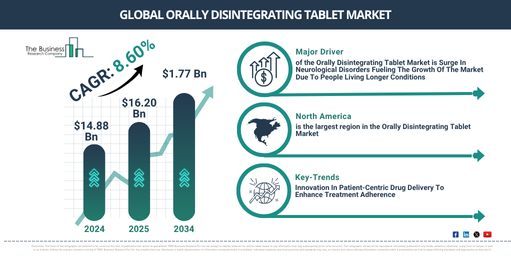
    The market size for orally disintegrating tablets has been expanding robustly over recent years. The market is set to escalate from a value of $14.88 billion in 2024 to $16.20 billion in 2025, realizing a compound annual growth rate (CAGR) of 8.8%. Factors contributing to growth during the historic period include a surge in pediatric and geriatric populations, a rising incidence of central nervous system disorders, amplified demand for easy-to-use drug delivery methods, an increase in dysphagia cases, and a heightened utilization of outpatient care.

    Anticipations are high for a significant expansion of the orally disintegrating tablet market in the coming years; it is projected to surge to a valuation of $22.53 billion in 2029, representing a compound annual growth rate (CAGR) of 8.6%. Factors contributing to this growth over the projected period include the escalating crisis of chronic diseases, a rise in self-medicated treatment, the growing influence of telemedicine and e-pharmacies, increasing emphasis on individualized treatment, mounting demand for vegan and allergen-friendly options, and a growing senior citizen demographic. Key trends throughout this anticipated period entail the creation of multi-drug orally disintegrating tablets, fusion with digital health platforms, enhancements in packaging for better stability and mobility, taste-alteration technologies, as well as ongoing progress in formulation technology.

    Download The Free Sample Report Here:

    https://www.thebusinessresearchcompany.com/sample.aspx?id=25857&type=smp

    What factors are expected to fuel Orally Disintegrating Tablet market growth in the coming years?

    The growth of the orally disintegrating tablet market is expected to be driven by a growing prevalence of neurological disorders. These disorders affect the brain and peripheral nerves disrupting the normal operations of the nervous system. The increasing incidence of such disorders is primarily due to prolongation in human life span as disorders like Alzheimer’s and Parkinson’s begin to manifest more frequently with age. By facilitating easier and quicker drug administration, orally disintegrating tablets have proven beneficial for those with neurological conditions, especially those suffering from swallowing difficulties known as dysphagia, or cognitive impairments. They also enhance the effectiveness of therapy by encouraging proper medication adherence and ensuring appropriate timing of dosages. For instance, data from March 2023, as provided by the Alzheimer’s Association, an American voluntary health organization, shows that in 2023, around 6.7 million Americans aged 65 and above are living with Alzheimer’s dementia. The projection for 2060 stands at an escalated figure of 13.8 million. Such rising rates of neurological disorders are propelling the growth of the orally disintegrating tablet market.

    What Are The Key Findings From The Segmentation Analysis Of The Orally Disintegrating Tablet Market?

    The orally disintegrating tablet market covered in this report is segmented –

    1) By Drug Class: Anti-Psychotics, Anti-Epileptics, Central Nervous System Stimulants, Anxiolytics, Anti-Parkinsonian Drugs, Anti-Hypertensives, Non-Steroidal Anti-Inflammatory Drugs, Anti-Allergy Drugs, Proton Pump Inhibitors, Other Drug Classes

    2) By Disease Indication: Central Nervous System Disease, Gastrointestinal Disease, Cardiovascular System Disorders, Allergy, Other Disease Indications

    3) By Distribution Channel: Hospital Pharmacies, Online Pharmacies, Retail Pharmacies, Drug Stores

    4) By Consumer Type: Pediatric, Adult, Geriatric

    Subsegments:

    1) By Anti-Psychotics: Atypical Anti-Psychotics, Typical Anti-Psychotics

    2) By Anti-Epileptics: Sodium Channel Blockers, GABA Analogs, Other Anti-Epileptics

    3) By Central Nervous System Stimulants: Amphetamine Derivatives, Methylphenidate, Other CNS Stimulants

    4) By Anxiolytics: Benzodiazepines, Non-Benzodiazepine Anxiolytics

    5) By Anti-Parkinsonian Drugs: Dopamine Agonists, MAO-B Inhibitors, Other Anti-Parkinsonian Drugs

    6) By Anti-Hypertensives: Beta-Blockers, Calcium Channel Blockers, ACE Inhibitors, Other Anti-Hypertensives

    7) By Non-Steroidal Anti-Inflammatory Drugs (NSAIDs): Ibuprofen, Diclofenac, Other NSAIDs

    8) By Anti-Allergy Drugs: Antihistamines, Corticosteroids

    9) By Proton Pump Inhibitors: Omeprazole, Esomeprazole, Other PPIs

    10) By Other Drug Classes: Antiemetics, Antimigraine Drugs, Other Therapeutic Classes

    What Long-Term Trends Are Likely To Affect The Orally Disintegrating Tablet Market?

    Leading businesses in the orally disintegrating tablet market are concentrating on innovative drug formulation, including patient-centered drug delivery systems, to boost treatment adherence and better patient outcomes. A patient-centered drug delivery system essentially involves the development and administration of medication that is simpler and more comfortable for patients, thus enhancing their treatment experience and compliance. For example, in May 2025, Viatris Inc., a healthcare firm based in the US, introduced Gen-Clozapine orally disintegrating tablets (ODT) to the Canadian market as a novel therapy for treatment-resistant schizophrenia. It brings several distinctive attributes, establishing it as a valuable addition to managing treatment-resistant schizophrenia in Canada. Being the first clozapine orally disintegrating tablet (ODT) in the country, it offers a patient-friendly solution that dissolves rapidly in the mouth without the need for water, proving helpful for those with trouble swallowing or issues with adherence. The product comes in various strengths (12.5 mg, 25 mg, 50 mg, 100 mg, and 200 mg), facilitating flexible and accurate dose adjustment based on the specific needs of each patient. Using clozapine, the sole approved antipsychotic for treatment-resistant schizophrenia, the ODT formulation helps conform to existing treatment guidelines.

    What Are The Most Active Companies In The Orally Disintegrating Tablet Market Today?

    Major companies operating in the orally disintegrating tablet market are Pfizer Inc., Merck & Co Inc., Bayer AG, Bristol-Myers Squibb Company, Novartis AG, GlaxoSmithKline plc, Takeda Pharmaceutical Company Limited, Eli Lilly and Company, Viatris Inc., Teva Pharmaceutical Industries Ltd., Otsuka Pharmaceutical Co Ltd., Astellas Pharma Inc., Daiichi Sankyo Company Limited, Sun Pharmaceutical Industries Limited, Aurobindo Pharma USA Inc., Dr. Reddy’s Laboratories Limited, Cadila Healthcare Limited, Torrent Pharmaceuticals Limited, Adare Pharma Solutions, KalVista Pharmaceuticals Inc.

    Get The Full Report Here:

    https://www.thebusinessresearchcompany.com/report/orally-disintegrating-tablet-global-market-report

    Which Regional Markets Are Attracting The Most Investment In Orally Disintegrating Tablet?

    North America was the largest region in the orally disintegrating tablet market in 2024. Asia-Pacific is expected to be the fastest-growing region in the forecast period. The regions covered in the orally disintegrating tablet market report are Asia-Pacific, Western Europe, Eastern Europe, North America, South America, Middle East, Africa.

    Request For A Customized Report:

    https://www.thebusinessresearchcompany.com/customise?id=25857&type=smp

    About The Business Research Company:

    With over 15000+ reports from 27 industries covering 60+ geographies, The Business Research Company has built a reputation for offering comprehensive, data-rich research and insights. Armed with 1,500,000 datasets, the optimistic contribution of in-depth secondary research, and unique insights from industry leaders, you can get the information you need to stay ahead in the game.

    Get in touch with us:

    The Business Research Company: https://www.thebusinessresearchcompany.com/

    Americas +1 310-496-7795

    Asia +44 7882 955267 & +91 8897263534

    Europe +44 7882 955267

    Email us at info@tbrc.info

    Follow us on:

    LinkedIn: https://in.linkedin.com/company/the-business-research-company

    YouTube: https://www.youtube.com/channel/UC24_fI0rV8cR5DxlCpgmyFQ

    Global Market Model: https://www.thebusinessresearchcompany.com/global-market-model
  • Competitive and Market Trend Analysis of Oral Antidiabetic Drugs Industry Through 2029

    Competitive and Market Trend Analysis of Oral Antidiabetic Drugs Industry Through 2029

    Claim your 30% discount on Global Market Reports with code ONLINE30. Limited time only.

    Claim your 30% discount on Global Market Reports with code ONLINE30. Limited time only.

    What Are the Forecasted Growth Rate and Market Size of the Oral Antidiabetic Drugs Market?

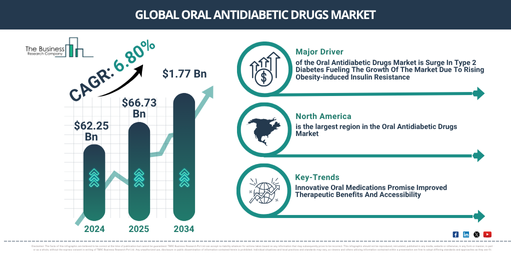
    The market for oral antidiabetic drugs has experienced remarkable expansion in the previous years. The market is projected to escalate from $62.25 billion in 2024 to $66.73 billion in 2025, maintaining a compound annual growth rate (CAGR) of 7.2%. Factors contributing to this growth during the historic period include the growing incidence of diabetes, heightened consciousness about diabetes control, an increase in the elderly population, enhanced access to modern oral antidiabetic drugs, and the advancement of healthcare infrastructure.

    The oral antidiabetic drugs market is set to witness substantial expansion in the coming years, with prospects to reach $86.92 billion by 2029, growing at a compound annual growth rate (CAGR) of 6.8%. The anticipated growth in the forecasted period is attributed to the escalating inclination towards novel oral antidiabetic treatments, higher investment in diabetes research, surging demand for affordable diabetes remedies, increasing incidences of type 2 diabetes globally, and a growing focus on personalized treatment for diabetes. Key trends expected during the forecast period consist of advancements in drug delivery techniques, innovations in combined therapies, integration of technology-based healthcare tools for diabetes management, manufacture of safer and more effective oral antidiabetic medications, and progression in personalized treatment strategies.

    Download The Free Sample Report Here:

    https://www.thebusinessresearchcompany.com/sample.aspx?id=25854&type=smp

    Which Factor Is Shaping The Future Of The Oral Antidiabetic Drugs Market?

    The escalating prevalence of type 2 diabetes is projected to drive the expansion of the oral antidiabetic drugs market. Type 2 diabetes is identified as a chronic ailment where the body is either fighting off insulin or not generating enough to manage standard glucose levels. The surge in type 2 diabetes can be attributed to rising obesity rates, with surplus body fat leading to insulin resistance and disrupted glucose regulation. Oral antidiabetic medications play a crucial role in treating type 2 diabetes by increasing insulin receptivity, augmenting insulin discharge, or curbing glucose production and absorption, ensuring proper blood sugar levels. For example, the Office for Health Improvement and Disparities, a governmental organization based in the UK, disclosed in March 2025 that the prevalence of type 2 diabetes in adults over 17 in England increased to 7.0%, up from 6.8% in March 2023. Therefore, the growing frequency of type 2 diabetes is fueling the progress of the oral antidiabetic drugs market.

    What Is The Segment-Wise Breakdown Of The Oral Antidiabetic Drugs Market?

    The oral antidiabetic drugs market covered in this report is segmented –

    1) By Drug Class: Biguanides, Dipeptidyl Peptidase-4 Inhibitors, Sodium Glucose Transport Protein -2 Inhibitors, Sulfonylureas, Thiazolidinediones, Megalitinides, Alpha Glucosidase Inhibitors, Other Drug Classes

    2) By Route Of Administration: Oral, Sublingual, Buccal

    3) By Therapeutic Area: Type 2 Diabetes, Gestational Diabetes, Type 1 Diabetes

    4) By Distribution Channel: Hospital Pharmacies, Retail Pharmacies, Online Pharmacies, Other Channels

    5) By End User: Hospitals, Pharmact Store, Drug Store, Diabetes Treatment Centers, Other End Users

    Subsegments:

    1) By Biguanides: Metformin Hydrochloride, Metformin Extended Release, Combination Products

    2) By Dipeptidyl Peptidase-4 (DPP-4) Inhibitors: Sitagliptin, Saxagliptin, Linagliptin, Alogliptin, Vildagliptin

    3) By Sodium Glucose Transport Protein-2 (SGLT2) Inhibitors: Canagliflozin, Dapagliflozin, Empagliflozin, Ertugliflozin

    4) By Sulfonylureas: Glipizide, Glyburide, Glimepiride, Chlorpropamide, Tolbutamide

    5) By Thiazolidinediones: Pioglitazone, Rosiglitazone

    6) By Meglitinides: Repaglinide, Nateglinide

    7) By Alpha Glucosidase Inhibitors: Acarbose, Miglitol, Voglibose

    8) By Other Drug Classes: Bromocriptine, Colesevelam

    What Notable Trends Are Shaping The Direction Of The Oral Antidiabetic Drugs Market?

    The key corporations functioning in the market for oral antidiabetic medications are concentrating their efforts on clinical studies in order to create safer and more efficient treatment alternatives, broaden their array of products, and secure approvals for future-generation treatments. Clinical trials, which are regulated research investigations involving human subjects, are meant to ascertain the safety, efficacy, and potential side effects of new medical treatments, drugs, or strategies. For example, in April 2025, Eli Lilly and Company, a pharmaceutical firm based in the US, launched Orforglipron, a once-daily oral GLP-1 receptor agonist molecule created to streamline diabetes management following a successful phase 3 trial. This oral treatment seeks to provide equivalent effectiveness and safety to injectable solutions while boosting patient compliance. In clinical trials, Orforglipron reduced HbA1c, an indicator of blood glucose control, by an average of 1.3% to 1.6% across various doses over a period of 40 weeks.

    Which Companies Hold The Largest Market Share In The Oral Antidiabetic Drugs Sector?

    Major companies operating in the oral antidiabetic drugs market are Pfizer Inc., Johnson & Johnson, F. Hoffmann-La Roche Ltd., Merck & Co. Inc., Bayer AG, Novartis AG, Sanofi S.A., Bristol-Myers Squibb Company, AstraZeneca plc, Abbott Laboratories, GlaxoSmithKline plc, Takeda Pharmaceutical Company Limited, Eli Lilly and Company, Novo Nordisk A/S, C.H. Boehringer Sohn AG & Co. KG, Viatris Inc., Teva Pharmaceutical Industries Limited, Astellas Pharma Inc., Sun Pharmaceutical Industries Limited, Cipla Limited

    Get The Full Report Here:

    https://www.thebusinessresearchcompany.com/report/oral-antidiabetic-drugs-global-market-report

    How Does Regional Performance Compare Across The Oral Antidiabetic Drugs Industry?

    North America was the largest region in the oral antidiabetic drugs market in 2024. Asia-Pacific is expected to be the fastest-growing region in the forecast period. The regions covered in the oral antidiabetic drugs market report are Asia-Pacific, Western Europe, Eastern Europe, North America, South America, Middle East, Africa.

    Request For A Customized Report:

    https://www.thebusinessresearchcompany.com/customise?id=25854&type=smp

    About The Business Research Company:

    With over 15000+ reports from 27 industries covering 60+ geographies, The Business Research Company has built a reputation for offering comprehensive, data-rich research and insights. Armed with 1,500,000 datasets, the optimistic contribution of in-depth secondary research, and unique insights from industry leaders, you can get the information you need to stay ahead in the game.

    Get in touch with us:

    The Business Research Company: https://www.thebusinessresearchcompany.com/

    Americas +1 310-496-7795

    Asia +44 7882 955267 & +91 8897263534

    Europe +44 7882 955267

    Email us at info@tbrc.info

    Follow us on:

    LinkedIn: https://in.linkedin.com/company/the-business-research-company

    YouTube: https://www.youtube.com/channel/UC24_fI0rV8cR5DxlCpgmyFQ

    Global Market Model: https://www.thebusinessresearchcompany.com/global-market-model
  • Global Oncology Precision Medicine Market Landscape: Trends and Market Share to 2029

    Global Oncology Precision Medicine Market Landscape: Trends and Market Share to 2029

    Claim your 30% discount on Global Market Reports with code ONLINE30. Limited time only.

    Claim your 30% discount on Global Market Reports with code ONLINE30. Limited time only.

    What Is the Estimated Industry Valuation for the Oncology Precision Medicine Sector?

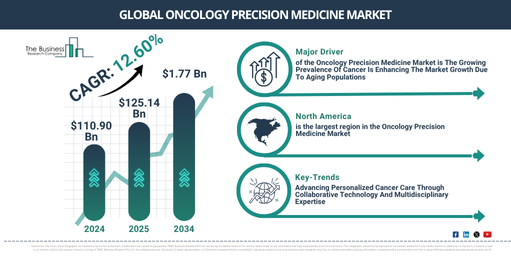
    The size of the oncology precision medicine market has experienced quick growth in the past few years. Its growth trajectory is projected to accelerate from $110.90 billion in 2024 to $125.14 billion in 2025, charting a compound annual growth rate (CAGR) of 12.8%. The growth seen during the historic period is credited to the increasing incidence of cancer, escalating adoption of targeted treatments, larger investment in genetic research, enhanced healthcare infrastructure and growing awareness about individualized medicine.

    The market for precision oncology is projected to experience substantial growth in the upcoming years, escalating to a value of $201.40 billion in 2029 with a compound annual growth rate (CAGR) of 12.6%. This accelerated growth during the prediction period can be credited to an escalating demand for non-invasive cancer diagnostic procedures, increased inclination towards personalized treatment modalities, the rising usage of companion diagnostics, the growth of the precision oncology drug pipeline, and more prolific clinical use of artificial intelligence tools. Key trends observed during this period encompass advancements in liquid biopsy technology, novel innovations in next-generation sequencing, progress in artificial intelligence for data analysis, creation of new biomarkers through research and development, and the incorporation of multi-omics in clinical oncology.

    Download The Free Sample Report Here:

    https://www.thebusinessresearchcompany.com/sample.aspx?id=25853&type=smp

    What Forces Are Driving The Growth Of The Oncology Precision Medicine Market?

    The continual rise in cancer rates is set to boost the expansion of the oncology precision medicine market. Cancer, a disease characterized by the uncontrolled growth and spread of abnormal cells, can severely disrupt the body’s normal functions. Factors contributing to the increasing cancer rates include ageing populations and the inherent consequences such as the build-up of DNA mutations, breakdown of repair mechanisms, persistent inflammaging, weakened immune surveillance, and alterations in tissue microenvironments that augment tumor progression. Oncology precision medicine significantly contributes to cancer treatment, providing personalized medical approaches tailored to the distinct genetic composition of each tumor, thereby increasing efficacy and limiting side effects. For example, in February 2024, the World Health Organization (WHO), a Switzerland-based intergovernmental organization, projected that the 20 million cancer cases recorded in 2022, are anticipated to surge by 77% to exceed 35 million cases by 2050. Thus, the increasing cancer rates are a key factor propelling the growth of the oncology precision medicine market.

    How Is The Oncology Precision Medicine Industry Segmented Across Key Parameters?

    The oncology precision medicine market covered in this report is segmented –

    1) By Product Type: Diagnostics, Therapeutics, Inhibitor Drugs, Monoclonal Antibodies, Cell And Gene Therapy, Antiviral And Anti-Retroviral Drugs

    2) By Technology: Genomics, Proteomics, Bioinformatics, Other Technologies

    3) By Biomarker Types: Genetic Biomarkers, Protein Biomarkers, Epigenetic Biomarkers, Metabolic Biomarkers, Other Biomarker Types

    4) By Applications: Breast Cancer, Lung Cancer, Colorectal Cancer, Prostate Cancer, Cervical Cancer, Kidney Cancer, Liver Cancer, Bladder Cancer, Other Applications

    5) By End-Users: Hospitals, Diagnostic Laboratories, Research Institutions, Pharmaceutical Companies, Other End-Users

    Subsegments:

    1) By Diagnostics: Companion Diagnostics, Molecular Diagnostics, Liquid Biopsy, Imaging Diagnostics, Next-Generation Sequencing Assays

    2) By Therapeutics: Tyrosine Kinase Inhibitors (TKIs), Poly ADP-Ribose Polymerase Inhibitors (PARP Inhibitors), Cyclin-Dependent Kinase 4 And 6 Inhibitors (CDK4/6 Inhibitors), B-Raf Proto-Oncogene Serine Or Threonine Kinase Inhibitors (BRAF Inhibitors), Mitogen-Activated Protein Kinase Kinase Inhibitors (MEK Inhibitors)

    3) By Inhibitor Drugs: Tyrosine Kinase Inhibitors (TKIs), Poly ADP-Ribose Polymerase Inhibitors (PARP Inhibitors), Cyclin-Dependent Kinase 4 And 6 Inhibitors (CDK4/6 Inhibitors), B-Raf Proto-Oncogene Serine Or Threonine Kinase Inhibitors (BRAF Inhibitors), Mitogen-Activated Protein Kinase Kinase Inhibitors (MEK Inhibitors)

    4) By Monoclonal Antibodies: Naked Monoclonal Antibodies, Conjugated Monoclonal Antibodies, Bispecific Antibodies, Immune Checkpoint Inhibitors, Radiolabeled Antibodies

    5) By Cell And Gene Therapy: CAR-T Cell Therapies, T-Cell Receptor (TCR) Therapies, Tumor-Infiltrating Lymphocyte (TIL) Therapies, Oncolytic Viral Therapies, Gene Editing And Replacement Therapies

    6) By Antiviral And Anti-Retroviral Drugs: Reverse Transcriptase Inhibitors, Protease Inhibitors, Integrase Strand Transfer Inhibitors, Entry Inhibitors, Antiviral Agents Targeting Virus-Related Cancers

    What Upcoming Trends Are Expected To Impact The Oncology Precision Medicine Market Globally?

    Major players in the oncology precision medicine market, such as molecular tumor board programs, are creating cutting-edge solutions to promote cooperative efforts between multiple disciplines and streamline bespoke treatment planning. Molecular tumor boards consist of interdisciplinary specialists who examine and decode intricate genomic and molecular testing results to suggest individualized cancer treatment approaches. For example, in April 2025, the American healthcare services and IT firm, McKesson Corporation, introduced the Precision Care Companion initiative. Through this program, they aim to back biomarker-led cancer treatment by offering education, technological updates, and administrative support to oncology practices. This exhaustive scheme consolidates doctors, clinical personnel, business heads, and pharma associates to establish a synergistic atmosphere that accelerates the assimilation of sophisticated genomic testing and targeted treatments. This assists in providing more personalized and efficient cancer therapies, thereby enhancing patient outcomes.

    Which Companies Currently Dominate The Competitive Landscape In The Oncology Precision Medicine Industry?

    Major companies operating in the oncology precision medicine market are Roche Holding AG, Bristol Myers Squibb Company, Abbott Laboratories, Novartis AG, Gilead Sciences Inc., Laboratory Corporation of America Holdings, Quest Diagnostics Inc., Agilent Technologies Inc., Illumina Inc., bioMérieux S.A., Bio-Rad Laboratories Inc., Exact Sciences Corporation, Almac Group Limited, OPKO Health Inc., Natera Inc., Myriad Genetics Inc., Pacific Biosciences of California Inc., Asuragen Inc., BGI Group, ANGLE plc.

    Get The Full Report Here:

    https://www.thebusinessresearchcompany.com/report/oncology-precision-medicine-global-market-report

    Which Geographic Regions Are Driving Demand In The Oncology Precision Medicine Market?

    North America was the largest region in the oncology precision medicine market in 2024. The regions covered in the oncology precision medicine market report are Asia-Pacific, Western Europe, Eastern Europe, North America, South America, Middle East, Africa.

    Request For A Customized Report:

    https://www.thebusinessresearchcompany.com/customise?id=25853&type=smp

    About The Business Research Company:

    With over 15000+ reports from 27 industries covering 60+ geographies, The Business Research Company has built a reputation for offering comprehensive, data-rich research and insights. Armed with 1,500,000 datasets, the optimistic contribution of in-depth secondary research, and unique insights from industry leaders, you can get the information you need to stay ahead in the game.

    Get in touch with us:

    The Business Research Company: https://www.thebusinessresearchcompany.com/

    Americas +1 310-496-7795

    Asia +44 7882 955267 & +91 8897263534

    Europe +44 7882 955267

    Email us at info@tbrc.info

    Follow us on:

    LinkedIn: https://in.linkedin.com/company/the-business-research-company

    YouTube: https://www.youtube.com/channel/UC24_fI0rV8cR5DxlCpgmyFQ

    Global Market Model: https://www.thebusinessresearchcompany.com/global-market-model
  • Key Market Drivers, Trends, and Forecast for the Global RNA Targeting Small Molecules Therapeutics Industry

    Key Market Drivers, Trends, and Forecast for the Global RNA Targeting Small Molecules Therapeutics Industry

    Claim your 30% discount on Global Market Reports with code ONLINE30. Limited time only.

    Claim your 30% discount on Global Market Reports with code ONLINE30. Limited time only.

    What Is the Outlook for the RNA Targeting Small Molecules Therapeutics Market Heading Into 2029?

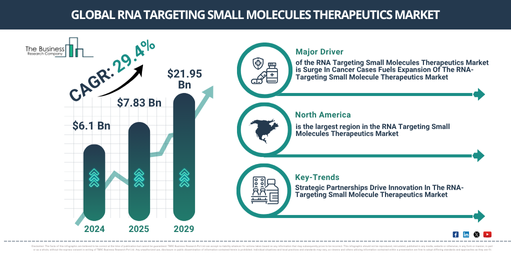
    The market size of RNA targeting small molecules therapeutics has witnessed a substantial surge in the past few years. There’s an expected leap in its value from $6.1 billion in 2024 to a whopping $7.83 billion in 2025 showing a compound annual growth rate (CAGR) of 28.3%. The phenomenal growth in the market during this historical period can be credited to the progress in drug discovery and development, an increase in RNA-related diseases, funding provided by the government and private bodies, vested interest of the pharmaceutical industry, and the previous successes in the field of RNA therapeutics.

    The market size for RNA targeting small molecules therapeutics is anticipated to witness substantial growth in the coming years. It is projected to reach $21.95 billion by 2029, seeing a compound annual growth rate (CAGR) of 29.4%. Factors contributing to this growth in the forecast period include precision medicine and personalized therapies, increase in RNA biomarker identification, the expansion of the RNA target spectrum, rising funding and investments, and its application in rare diseases. In the forecast period, significant trends include advancements in screening technologies, the dominance of antisense oligonucleotides, small molecule RNA binders, the use of RNA therapeutics in treating neurological disorders, and gene editing with crispr-cas9.

    Download The Free Sample Report Here:

    https://www.thebusinessresearchcompany.com/sample.aspx?id=12253&type=smp

    Which Factors Are Pushing The RNA Targeting Small Molecules Therapeutics Market Forward?

    The growth of the RNA-targeting small molecule therapeutics market is anticipated to be spurred by the escalating occurrence of cancer cases. Cancer comprises a range of diseases that may arise in virtually any organ or tissue when rogue cells grow without restriction, breach their normal limits, and either disseminate to other organs or infiltrate adjacent body parts. RNA-targeting small molecules, specifically designed and examined for selectively targeting RNA molecules tied to cancer, are used to treat this disease. A notable example is a study published by the American Cancer Society, a health organization based in the US, in January 2022. The report predicted approximately 609,360 deaths and 1.9 million fresh cancer cases in the US in 2022, which equates to around 1,670 deaths per day. As such, the proliferating count of cancer cases is seen as a key driver for the expansion of the RNA-targeting small molecule therapeutics market.

    Which Segment Held The Largest Share In The RNA Targeting Small Molecules Therapeutics Market In 2025?

    The rna targeting small molecules therapeutics market covered in this report is segmented –

    1) By Offering: mRNA (Messenger Ribonucleic Acid) Translation Modulators, RNA (Ribonucleic Acid) Splicing Modification, Direct RNA (Ribonucleic Acid) Targeting, Other Offerings

    2) By Therapeutic Indication: Lung Fibrosis, Cancer, Neurodegenerative Diseases, Autoimmune, Inflammatory, Other Therapeutic Indications

    3) By Application: Drug Discovery, Oncology Research, Disease Identification

    4) By End User: Hospitals, Research Laboratories, Pharmaceutical And Biotechnology Companies, Other End-Users

    Subsegments:

    1) By mRNA (Messenger Ribonucleic Acid) Translation Modulators: Small Molecule Inhibitors, Enhancers Of Translation

    2) By RNA (Ribonucleic Acid) Splicing Modification: Splicing Modulators, Antisense Oligonucleotides

    3) By Direct RNA (Ribonucleic Acid) Targeting: RNA-Binding Small Molecules, RNA Aptamers

    4) By Other Offerings: RNA Interference (RNAi) Therapeutics, Small Molecule Activators Of RNA Stability

    How Are Key Trends Driving Expansion In The RNA Targeting Small Molecules Therapeutics Industry?

    One major trend that is gaining considerable traction in the retinal biologics market is product innovation. Major players in this market are focusing on designing novel products as a strategy to solidify their market position and obtain a competitive edge. For example, in May 2023, F. Hoffmann-La Roche Ltd., a Swiss healthcare organization, received approval from the U.S. Food and Drug Administration for its supplemental biologics license application (sBLA) for Vabysmo (faricimab). This approval was granted for the treatment of macular edema following retinal vein occlusion (RVO), based on the results of two Phase III trials. These trials demonstrated early and substantial visual improvement in patients using Vabysmo, achieving its primary operative endpoint of being as effective as aflibercept. Vabysmo stands as the inaugural bispecific antibody approved for ocular use, particularly for treating neovascular or ‘wet’ age-related macular degeneration and diabetic macular edema. Subsequent research showed a lack of blood vessel leakage in the retina in patients using Vabysmo compared to those using aflibercept.

    Which Organizations Are Driving Progress In The RNA Targeting Small Molecules Therapeutics Industry?

    Major companies operating in the RNA targeting small molecules therapeutics market include F. Hoffmann-La Roche Ltd., Bayer AG, Sanofi S.A., AstraZeneca plc, Eli Lilly and Company, Amgen Inc., Janssen Pharmaceuticals, Vertex Pharmaceuticals, Servier laboratories, Genentech Inc., PTC Therapeutics Inc., Arrakis Therapeutics, Anima Biotech Inc., Skyhawk Therapeutics Inc., Remix Therapeutics, Abivax SA, 858 Therapeutics, Eloxx Pharmaceuticals Inc., STORM Therapeutics Ltd., Accent Therapeutics Inc., eFFECTOR Therapeutics Inc., EPICS Therapeutics, Expansion Therapeutics Inc., Inspirna Inc., MiNA Therapeutics Ltd., Ribometrix Inc., AC Immune SA, Redona Therapeutics

    Get The Full Report Here:

    https://www.thebusinessresearchcompany.com/report/rna-targeting-small-molecules-therapeutics-global-market-report

    Which Region Is Expected To Experience The Highest Growth In The RNA Targeting Small Molecules Therapeutics Industry?

    North America was the largest region in the RNA targeting small molecules therapeutics market in 2024. The regions covered in the RNA targeting small molecules therapeutics market report are Asia-Pacific, Western Europe, Eastern Europe, North America, South America, Middle East, Africa.

    Request For A Customized Report:

    https://www.thebusinessresearchcompany.com/customise?id=12253&type=smp

    About The Business Research Company:

    With over 15000+ reports from 27 industries covering 60+ geographies, The Business Research Company has built a reputation for offering comprehensive, data-rich research and insights. Armed with 1,500,000 datasets, the optimistic contribution of in-depth secondary research, and unique insights from industry leaders, you can get the information you need to stay ahead in the game.

    Get in touch with us:

    The Business Research Company: https://www.thebusinessresearchcompany.com/

    Americas +1 310-496-7795

    Asia +44 7882 955267 & +91 8897263534

    Europe +44 7882 955267

    Email us at info@tbrc.info

    Follow us on:

    LinkedIn: https://in.linkedin.com/company/the-business-research-company

    YouTube: https://www.youtube.com/channel/UC24_fI0rV8cR5DxlCpgmyFQ

    Global Market Model: https://www.thebusinessresearchcompany.com/global-market-model
  • Latest Market Developments in Non-Hormonal Contraceptives Industry: Forecast 2025–2029

    Claim your 30% discount on Global Market Reports with code ONLINE30. Limited time only.

    Claim your 30% discount on Global Market Reports with code ONLINE30. Limited time only.

    How Much Is the Global Non-Hormonal Contraceptives Market Valued at Present and by 2029?

    The market for non-hormonal contraceptives has seen a significant expansion in recent years. It is projected to rise from a worth of $23.73 billion in 2024 to $25.47 billion in 2025, reflecting a compound annual growth rate (CAGR) of 7.3%. The robust growth observed over the historical period is largely due to factors such as increased emphasis on women’s health programs, greater access to non-prescription non-hormonal contraceptives, heightened attention towards the development of male contraceptive products, a surge in demand for fertilityawareness-based contraceptive methods, and an upswing in the approval and launching of products in the non-hormonal arena.

    Over the coming years, the non-hormonal contraceptives market size is set to experience considerable expansion. Expectations indicate that it will reach $33.48 billion by 2029, growing at a compound annual growth rate (CAGR) of 7.1%. This projected increase for the forecast period is tied to factors like the rising demand for non-hormone-based birth control options, increased awareness around the adverse effects of hormonal contraceptives, growing interest in natural, non-chemical contraceptive methods, the escalating occurrence of sexually transmitted diseases, and heightened reproductive health consciousness among women. The forecast period is also likely to experience trends such as biomaterial advancements for non-hormonal contraceptive devices, technology-enhanced innovation in barrier contraceptive design, the incorporation of smart tracking attributes with fertility-awareness methods, advances in contraceptive gels and films without medications, as well as technologically facilitated self-use tools for contraceptive devices.

    Download The Free Sample Report Here:

    https://www.thebusinessresearchcompany.com/sample.aspx?id=25849&type=smp

    #What Drivers Are Influencing Growth In The Non-Hormonal Contraceptives Market?

    The rise in sexually transmitted diseases (STDs) is set to fuel the expansion of the non-hormonal contraceptives industry. STDs, primarily transmitted through sexual activity and triggered by bacteria, viruses, or parasites, are on the rise and this is largely down to less use of condoms, thereby increasing the risk of infection during unprotected sex. Non-hormonal contraceptives, such as male and female condoms, greatly reduce the spread of sexually transmitted diseases by acting as a physical barrier to stop the transfer of bodily fluids during sexual intercourse. As an example, in April 2025, the Minnesota Department of Health (MDH), a US health authority at the state level, revealed that the percentage of HIV cases among men aged 35 to 39 rose from 10% in 2023 to 17% in 2024. Hence, the rising incidence of sexually transmitted diseases is fuelling the growth of the non-hormonal contraceptives market.

    What Are The Main Segments Identified In The Non-Hormonal Contraceptives Market Research?

    The non-hormonal contraceptives market covered in this report is segmented –

    1) By Type: Devices, Sterilization, Other Product Types

    2) By Mechanism Of Action: Antagonist, Agonist, Inhibitor, Modulator

    3) By Route of Administration: Intramuscular, Intravaginal, Intravenous, Oral, Subcutaneous, Topical, Transdermal, Other Route Of Administrations

    4) By Purpose Of Therapy: Treatment Of Disease, Management Of Symptoms

    5) By Target Indication: Bacterial Vaginosis, Contraception, Endometriosis, Postmenopausal Osteoporosis, Uterine Fibroids, Vaginitis, Other Target Indications

    Subsegments:

    1) By Devices: Surgical Instruments, Ligation Clips, Tubal Rings

    2) By Sterilization: Permanent Sterilization, Reversible Sterilization, Mechanical Sterilization Devices

    3) By Other Product Types: Non-Surgical Barrier Devices, Implantable Plugs, Intrauterine Permanent Devices

    What Future Market Trends Are Projected For The Non-Hormonal Contraceptives Industry?

    Leading firms in the non-hormonal contraceptives market are centering their attention on creating innovative strategies like preloaded intrauterine device delivery systems. These are aimed at simplifying insertion procedures, increasing user-friendly features, and boosting clinical efficiency. A preloaded intrauterine device (IUD) delivery system is typically a ready-to-use, pre-assembled device combining the preloaded intrauterine device and its inserter. This integrated single unit is designed to make the insertion process smoother, reduce the setup duration, and decrease the chances of contamination or operational errors. For example, CooperSurgical Inc., an American medical device and fertility firm, launched the Paragard Single-Handed Inserter in September 2024. This product was developed with the objective of improving insertion efficiency and patient comfort during non-hormonal preloaded intrauterine device implantation. It provides over 99% effective, long-lasting birth control for up to a decade by preventing sperm from fertilizing an egg. The primary advantages include instant and reversible birth control, compatibility with a hormone-free regimen, and minimal maintenance after being inserted.

    Which Companies Play A Key Role In The Development Of The Non-Hormonal Contraceptives Market?

    Major companies operating in the non-hormonal contraceptives market are Bayer AG., Church & Dwight Co., Mankind Pharma Limited, Okamoto Industries, CooperSurgical Inc., PSI India Pvt Ltd., Karex Berhad, Natural Cycles Nordic AB, Fuji Latex Co. Ltd., PREGNA INTERNATIONAL LTD., Cupid Limited, Veru Inc., Evofem Biosciences Inc., Daré Bioscience Inc., Global Protection Corp., SMB Corporation of India, HLL Lifecare Limited, YourChoice Therapeutics Inc., Cirqle Biomedical Contraception ApS, Eppin Pharma Inc., Contraline Inc., Linepharma International Ltd.

    Get The Full Report Here:

    https://www.thebusinessresearchcompany.com/report/non-hormonal-contraceptives-global-market-report

    What Are The Key Regional Developments Shaping The Non-Hormonal Contraceptives Market?

    North America was the largest region in the non-hormonal contraceptives market in 2024. Asia-Pacific is expected to be the fastest-growing region in the forecast period. The regions covered in the non-hormonal contraceptives market report are Asia-Pacific, Western Europe, Eastern Europe, North America, South America, Middle East, Africa.

    Request For A Customized Report:

    https://www.thebusinessresearchcompany.com/customise?id=25849&type=smp

    About The Business Research Company:

    With over 15000+ reports from 27 industries covering 60+ geographies, The Business Research Company has built a reputation for offering comprehensive, data-rich research and insights. Armed with 1,500,000 datasets, the optimistic contribution of in-depth secondary research, and unique insights from industry leaders, you can get the information you need to stay ahead in the game.

    Get in touch with us:

    The Business Research Company: https://www.thebusinessresearchcompany.com/

    Americas +1 310-496-7795

    Asia +44 7882 955267 & +91 8897263534

    Europe +44 7882 955267

    Email us at info@tbrc.info

    Follow us on:

    LinkedIn: https://in.linkedin.com/company/the-business-research-company

    YouTube: https://www.youtube.com/channel/UC24_fI0rV8cR5DxlCpgmyFQ

    Global Market Model: https://www.thebusinessresearchcompany.com/global-market-model
  • Strategic Report on RNA Targeting Small Molecule Drug Discovery Market: Growth Opportunities and Emerging Challenges

    Strategic Report on RNA Targeting Small Molecule Drug Discovery Market: Growth Opportunities and Emerging Challenges

    Claim your 30% discount on Global Market Reports with code ONLINE30. Limited time only.

    Claim your 30% discount on Global Market Reports with code ONLINE30. Limited time only.

    What Does the Forecast Indicate for the RNA Targeting Small Molecule Drug Discovery Market From 2025 to 2029?

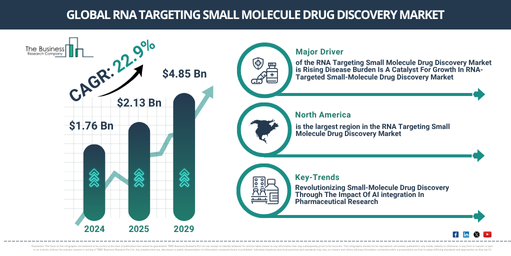
    In recent years, the market size for RNA targeting small molecule drug discovery has seen rapid expansion. It is projected to rise from a worth of $1.76 billion in 2024 to $2.13 billion by the end of 2025, recording a compound annual growth rate (CAGR) of 20.8%. This growth during the historical period is due to factors such as a greater comprehension of disease genetics, advances in genomic and proteomic discoveries, challenges in drug resistance, investment boosts in biotech and pharmaceutical research, and the emergence of RNA therapeutics.

    The market for RNA targeting small molecule drug discovery is projected to witness a significant surge in the foreseeable future. Its valuation is anticipated to reach $4.85 billion by 2029, growing at a compound annual growth rate (CAGR) of 22.9%. This growth in the projected timeframe may be due to factors such as the broadening scope of RNA epigenetics research, RNA-seq, and functional genomics, the incorporation of artificial intelligence (AI), emphasis on patient-oriented approaches, and the use of exosomes for drug delivery. Other key market trends in this period are expected to be the development of RNA editing methods, advancements in CRISPR technology, tech-based innovations, progress in RNA biology, and the application of RNA targeting in treating neurodegenerative diseases.

    Download The Free Sample Report Here:

    https://www.thebusinessresearchcompany.com/sample.aspx?id=12480&type=smp

    What Elements Are Contributing To Growth In The RNA Targeting Small Molecule Drug Discovery Market?

    The escalating incidence of cancer, genetic abnormalities, and viral infections is anticipated to drive the expansion of the RNA-targeted small-molecule drug discovery market. Cancer encompasses a range of conditions typified by unrestrained cell proliferation within the body, while viral infections are caused by minuscule infectious elements that can only replicate within the cells of living organisms. RNA-based drug discovery proves useful in combating these diseases, as they are fundamentally associated with gene-related issues and dysfunctional genetic material, which can be remedied using medications formulated via RNA targeting methods. As an illustration, the World Health Organization, a Swiss intergovernmental entity, reported in February 2024 that diseases like lung cancer, with 2.5 million new cases (12.4%), breast cancer in women (2.3 million cases, 11.6%), colorectal cancer (1.9 million cases, 9.6%), prostate cancer (1.5 million cases, 7.3%), and stomach cancer (970,000 cases, 4.9%) were prevalent across the globe in 2022, with a total of 20 million cancer cases and 9.7 million deaths. It is projected that by 2050, the number of new cancer cases will increase by 77%, surpassing 35 million per year. Thus, the growing occurrence of cancer, genetic anomalies, and viral infections propels the advancement of the RNA-targeted small-molecule drug discovery market.

    Which Segments Are Detailed In The Global RNA Targeting Small Molecule Drug Discovery Market Report?

    The rna targeting small molecule drug discovery market covered in this report is segmented –

    1) By Target RNA Type: Messenger RNA (mRNA), Non-Coding RNA (ncRNA), MicroRNA (miRNA), Long Non-Coding RNA (lncRNA)

    2) By Technology: CRISPR-Cas9, RNA Aptamers, Small Interfering RNA (siRNA), Ribozymes, Other Technologies

    3) By Therapeutic Area: Oncology, Neurology, Infectious Disease, Metabolic Diseases, Genetic Disorders, Other Therapeutic Areas

    4) By Delivery Method: Intravenous (IV), Oral, Topical, Other Methods

    5) By Application: Research Use, Therapeutic Use, Diagnostic Use, Other Applications

    Subsegments:

    1) By Messenger RNA (mRNA): Targeting mRNA For Protein Coding, Modulation Of mRNA Stability, mRNA Translation Inhibition

    2) By Non-Coding RNA (ncRNA): Long Non-Coding RNA, Small Nuclear RNA, Small Nucleolar RNA

    3) By MicroRNA (miRNA): miRNA Inhibition, miRNA Mimics, Targeting Specific miRNA Pathways

    4) By Long Non-Coding RNA (lncRNA): lncRNA Modulators, Targeting Specific lncRNA Functions, Therapeutic Applications Of lncRNA

    Which Emerging Trends And Strategic Shifts Are Shaping The RNA Targeting Small Molecule Drug Discovery Market?

    Top-tier firms in the repsules industry are prioritizing the creation of ground-breaking items, such as unique pharmaceutical solutions that augment drug delivery, boost patient adherence, and heighten therapeutic effectiveness. These innovative pharmaceutical commodities are fresh and different drugs or drug formulations, showing considerable variation from existing therapies. They may offer distinct active ingredients, a new mix of medications, or up-to-date delivery systems crafted to increase efficiency, safety, and patient compliance. For example, in January 2023, Lupin Limited, a firm from India in the pharmaceutical sector, introduced DIFIZMA, a new fixed-dose triple drug combination for the treatment of poorly controlled asthma. This combination features Indacaterol, a long-lasting beta-agonist; Glycopyrronium, a long-lasting muscarinic receptor antagonist; and Mometasone Furoate, an inhaled corticosteroid. Working together, these components enhance lung performance and give superior symptom management. Also, DIFIZMA contributes to a reduction in the frequency of asthma flare-ups, thereby improving patient’s overall life quality and mitigating the hospitalization risk.

    Who Are The Key Contributors To Growth In The RNA Targeting Small Molecule Drug Discovery Market?

    Major companies operating in the RNA targeting small molecule drug discovery market include F. Hoffmann-La Roche Ltd, Merck & Co. Inc, Bayer AG, Novartis AG, Sanofi SA, Bristol-Myers Squibb Company, AstraZeneca PLC, Takeda Pharmaceutical Company Limited, Eli Lilly and Company, Amgen Inc., Moderna Inc., Astellas Pharma Inc., Biogen Inc., Alnylam Pharmaceuticals Inc., Sarepta Therapeutics Inc., Evotec A.G., PTC Therapeutics Inc., Ionis Pharmaceuticals Inc., Dicerna Pharmaceuticals Inc., Arrakis Therapeutics, Arbutus Biopharma Corporation, H3 Biomedicine Inc., Anima Biotech Inc., Ribometrix Inc., Quark Pharmaceuticals Inc., Regulus Therapeutics Inc., Skyhawk Therapeutics Inc., Accent Therapeutics Inc., Epics Therapeutics, Expansion Therapeutics

    Get The Full Report Here:

    https://www.thebusinessresearchcompany.com/report/rna-targeting-small-molecule-drug-discovery-global-market-report

    Which Region Is Projected To Lead The RNA Targeting Small Molecule Drug Discovery Market By 2025?

    North America was the largest region in the RNA-targeting small molecule drug discovery market in 2024. The regions covered in the RNA targeting small molecule drug discovery market report are Asia-Pacific, Western Europe, Eastern Europe, North America, South America, Middle East, Africa

    Request For A Customized Report:

    https://www.thebusinessresearchcompany.com/customise?id=12480&type=smp

    About The Business Research Company:

    With over 15000+ reports from 27 industries covering 60+ geographies, The Business Research Company has built a reputation for offering comprehensive, data-rich research and insights. Armed with 1,500,000 datasets, the optimistic contribution of in-depth secondary research, and unique insights from industry leaders, you can get the information you need to stay ahead in the game.

    Get in touch with us:

    The Business Research Company: https://www.thebusinessresearchcompany.com/

    Americas +1 310-496-7795

    Asia +44 7882 955267 & +91 8897263534

    Europe +44 7882 955267

    Email us at info@tbrc.info

    Follow us on:

    LinkedIn: https://in.linkedin.com/company/the-business-research-company

    YouTube: https://www.youtube.com/channel/UC24_fI0rV8cR5DxlCpgmyFQ

    Global Market Model: https://www.thebusinessresearchcompany.com/global-market-model
  • Industry Trends Show Rheumatoid Arthritis Drugs Market Set to Expand at 2.1% CAGR Until 2029

    Industry Trends Show Rheumatoid Arthritis Drugs Market Set to Expand at 2.1% CAGR Until 2029

    Claim your 30% discount on Global Market Reports with code ONLINE30. Limited time only.

    Claim your 30% discount on Global Market Reports with code ONLINE30. Limited time only.

    How Much Is the Global Rheumatoid Arthritis Drugs Market Valued at Present and by 2029?

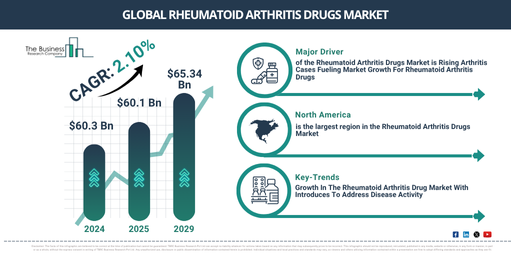
    In recent times, the market size for rheumatoid arthritis medications has seen a slight downfall. The market which is expected to be $60.3 billion in 2024, is projected to decrease to $60.1 billion in 2025 with a compound annual growth rate (CAGR) of -0.3%. The earlier growth seen in this market was due to an increase in the prevalence of the disease, expansion of healthcare infrastructures, heightened awareness and education efforts, governmental support and initiatives, as well as strategic collaborations.

    Predicted growth in the rheumatoid arthritis drugs market signifies a stable advancement in the next couple of years. The expected increase is up to $65.34 billion by 2029, with a compound annual growth rate (CAGR) of 2.1%. The surge in the forecast period is due to the influence of personalized medicine trends, the progression of emerging markets, pipeline development, emphasis on combination treatments, and heightened healthcare expenditure. The most prominent trends expected during the forecast period include the prevalence of biological therapies, the impact of biosimilars, advancements in personalized medicine, the amplification of oral therapies, and an emphasis on early diagnosis and intercession.

    Download The Free Sample Report Here:

    https://www.thebusinessresearchcompany.com/sample.aspx?id=10120&type=smp

    #What Drivers Are Influencing Growth In The Rheumatoid Arthritis Drugs Market?

    The escalating rate of arthritis is predicted to stimulate the development of the rheumatoid arthritis drugs market in the future. Rheumatoid arthritis is an autoimmune and inflammatory disorder in which the immune system intentionally damages healthy cells, resulting in inflammation in the impacted areas of the body. Remedies for rheumatoid arthritis, including drugs and self-management methods, are easily accessible. These drugs reduce pain, improve joint mobility, and prevent the disease from progressing. The National Center for Health Statistics, a US government agency, reported in February 2024 that the age-adjusted prevalence of diagnosed arthritis in adults was 18.9% in 2022, with a larger proportion of women (21.5%) being affected than men (16.1%). The occurrence significantly increased with age, from 3.6% among adults aged 18–34 to 53.9% amongst those who were 75 and older. As a result, the rising number of arthritis cases is expected to fuel the rheumatoid arthritis drugs market.

    What Are The Main Segments Identified In The Rheumatoid Arthritis Drugs Market Research?

    The rheumatoid arthritis drugs market covered in this report is segmented –

    1) By Drug Type: Nonsteroidal Anti-Inflammatory Drugs (NSAIDs), Corticosteroids, Disease-Modifying Antirheumatic Drugs (DMARDs), Biologic Response Modifiers (BRMs), Other Drug Types

    2) By Route Of Administration: Oral, Parenteral, Topical, Other Route Of Administrations

    3) By Distribution Channel: Hospital Pharmacy, Retail Pharmacy, Online Pharmacy

    Subsegments:

    1) By Nonsteroidal Anti-Inflammatory Drugs (NSAIDs): Ibuprofen, Naproxen, Diclofenac, Indomethacin

    2) By Corticosteroids: Prednisone, Methylprednisolone, Dexamethasone

    3) By Disease-Modifying Antirheumatic Drugs: Methotrexate, Sulfasalazine, Hydroxychloroquine, Leflunomide

    4) By Biologic Response Modifiers: Tumor Necrosis Factor (TNF) Inhibitors, Interleukin Inhibitors, B-cell Inhibitors

    5) By Other Drug Types: Janus Kinase Inhibitors, Other Novel Therapies

    What Are The Leading Trends And Opportunities In The Rheumatoid Arthritis Drugs Sector?

    The rise of product innovation is a critical trend being observed in the Remicade biosimilar market. Leading corporations in this market are committing to the production of inventive products to maintain their market standing. A case in point is the introduction of Amjevita, a biosimilar to AbbVie’s Humira, by Amgen Inc., a biotechnology firm based in the United States, in January 2023. Amjevita aims to match the original drug in terms of safety and effectiveness and poses as the first biosimilar to Humira, setting it up as a rival for market capital. This biological medication, under use for a range of autoimmune diseases such as rheumatoid arthritis and Crohn’s disease, competes with one of the world’s most costly drugs that generate billions in annual returns for AbbVie. However, Amjevita is projected to be considerably more affordable. Beyond monetary savings, Amjevita also has the potential to provide patients with a greater variety of treatment choices.

    Which Companies Play A Key Role In The Development Of The Rheumatoid Arthritis Drugs Market?

    Major companies operating in the rheumatoid arthritis drugs market include Pfizer Inc., Abbvie Inc., Amgen Inc., Novartis AG, Boehringer Ingelheim International GmbH, Eli Lilly and Company, F-Hoffmann La Roche AG, Bristol-Myers Squibb Company, AstraZeneca PLC, Merck & Co Inc., Johnson & Johnson Inc., Bayer AG, Teva Pharmaceuticals Industries Ltd., Sun Pharmaceutical Industries Ltd., Sanofi S.A, Biogen Inc., Regeneron Pharmaceuticals Inc., Galapagos NV, Abbott Laboratories, Takeda Pharmaceutical Company Limited, Mitsubishi Tanabe Pharma Corporation, UCB S.A., Astellas Pharma Inc., Corbus Pharmaceuticals Holdings Inc., Roche Holding AG, Daiichi Sankyo Company Limited, Mallinckrodt Pharmaceuticals, Gilead Sciences Inc.

    Get The Full Report Here:

    https://www.thebusinessresearchcompany.com/report/rheumatoid-arthritis-drugs-global-market-report

    What Are The Key Regional Developments Shaping The Rheumatoid Arthritis Drugs Market?

    North America was the largest region in the rheumatoid arthritis drugs market in 2024.North America is expected to be the fastest-growing region in the global rheumatoid arthritis market report during the forecast period. The regions covered in the rheumatoid arthritis drugs market report are Asia-Pacific, Western Europe, Eastern Europe, North America, South America, Middle East, Africa.

    Request For A Customized Report:

    https://www.thebusinessresearchcompany.com/customise?id=10120&type=smp

    About The Business Research Company:

    With over 15000+ reports from 27 industries covering 60+ geographies, The Business Research Company has built a reputation for offering comprehensive, data-rich research and insights. Armed with 1,500,000 datasets, the optimistic contribution of in-depth secondary research, and unique insights from industry leaders, you can get the information you need to stay ahead in the game.

    Get in touch with us:

    The Business Research Company: https://www.thebusinessresearchcompany.com/

    Americas +1 310-496-7795

    Asia +44 7882 955267 & +91 8897263534

    Europe +44 7882 955267

    Email us at info@tbrc.info

    Follow us on:

    LinkedIn: https://in.linkedin.com/company/the-business-research-company

    YouTube: https://www.youtube.com/channel/UC24_fI0rV8cR5DxlCpgmyFQ

    Global Market Model: https://www.thebusinessresearchcompany.com/global-market-model
  • Competitive and Market Trend Analysis of Retinal Disorder Treatment Industry Through 2029

    Competitive and Market Trend Analysis of Retinal Disorder Treatment Industry Through 2029

    Claim your 30% discount on Global Market Reports with code ONLINE30. Limited time only.

    Claim your 30% discount on Global Market Reports with code ONLINE30. Limited time only.

    What Is the Current and Projected Market Size of the Retinal Disorder Treatment Industry?

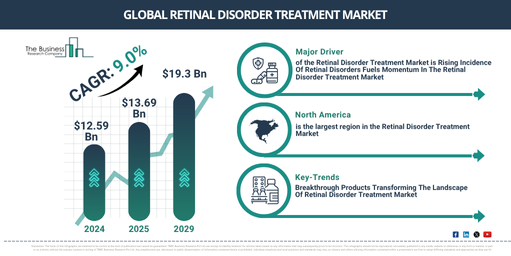
    The market for treating retinal disorders has seen robust growth recently. It is projected to expand from $12.59 billion in 2024 to $13.69 billion in 2025, with a Compound Annual Growth Rate (CAGR) of 8.7%. The past growth can be credited to several factors such as the advent of anti-VEGF therapies, an aging population, a rise in retinal disorder cases, enhanced early detection diagnostic tools, raised awareness and screening initiatives, and wider accessibility to healthcare services.

    Predictions show a robust upswing in the retinal disorder treatment market size over the forthcoming years, potentially reaching $19.3 billion by 2029 with a compound annual growth rate (CAGR) of 9.0%. Contributing factors to this upward trend during the projection period may include the focus on patient-oriented retinal healthcare, an increase in worldwide healthcare spending, heightened attention on combined therapies for retinal ailments, an uptick in at-home retinal disorder monitoring, a rise in use of implantable tools for retinal treatments, and the embracement of regenerative medical practices in retinal therapy. Forecasts for the period also suggest key trends like progress in eye imaging technologies, the introduction of minor surgical procedures, the application of artificial intelligence in diagnosis, improved drug delivery systems, the incorporation of virtual reality in retinal recuperation, collaborative efforts between research establishments and pharmaceutical firms, and the progression of gene therapies in tackling inherited retinal disorders.

    Download The Free Sample Report Here:

    https://www.thebusinessresearchcompany.com/sample.aspx?id=12701&type=smp

    #Which Factors Are Currently Driving The Growth Of The Retinal Disorder Treatment Market?

    As the occurrence of retinal diseases increases, the retinal disorder treatment market is forecasted to expand. Retinal diseases, which affect the retina and the light-sensitive tissue at the back of the eye leading to vision loss or substantial visual impairment, can be controlled and their symptoms reduced with treatments such as laser therapy, vitrectomy, and retinal implants. For example, in January 2023, the International Agency for the Prevention of Blindness, an organization based in the UK, predicted that age-related macular degeneration (AMD) would account for 5% of global blindness. Moreover, AMD is expected to influence around 288 million individuals by 2040. Thus, the escalating occurrence of retinal disorders is fueling the growth of the market for retinal disorder treatments.

    How Is The Global Retinal Disorder Treatment Market Structured In Terms Of Segments?

    The retinal disorder treatment market covered in this report is segmented –

    1) By Type: Macular Degeneration, Diabetic Retinopathy, Other Types

    2) By Dosage Form: Gels, Eye Solutions, Capsules And Tablets, Eye Drops, Ointments

    3) By Distribution Channel: Hospital Pharmacy, Online Pharmacy, Retail Pharmacy

    Subsegments:

    1) By Macular Degeneration: Dry Macular Degeneration, Wet Macular Degeneration

    2) By Diabetic Retinopathy: Non-Proliferative Diabetic Retinopathy, Proliferative Diabetic Retinopathy

    3) By Other Types: Retinal Detachment, Retinitis Pigmentosa, Uveitis, Other Retinal Disorders

    What Trends Are Currently Influencing Growth In The Retinal Disorder Treatment Market?

    One significant trend emerging in the rare kidney disease market is product innovation. Major contenders in the market focus on producing novel products as a means of solidifying their market position. For example, in September 2022, STADA Arzneimittel AG, a company based in Germany specializing in generics, specialty pharma, and over-the-counter consumer healthcare products, launched Kinpeygo (budesonide), making it the first official EU-authorised drug for the rare kidney condition known as immunoglobulin A nephropathy (IgAN). The EU’s first and only approved treatment for primary IgAN is these modified-release budesonide capsules, a scarce, progressive autoimmune kidney disease where there’s a high unfulfilled need, with around 25%-30% of patients eventually progressing to terminal kidney insufficiency necessitating dialysis or a kidney transplant.

    Who Are The Main Participants Shaping The Retinal Disorder Treatment Market Landscape?

    Major companies operating in the retinal disorder treatment market include Pfizer Inc., F. Hoffmann-La Roche Ltd., AbbVie Inc., Bayer AG, Novartis AG, Takeda Pharmaceutical Company Limited, Regeneron Pharmaceuticals Inc., Bausch Health Companies Inc., Genentech Inc., Santen Pharmaceutical Co. Ltd., Apellis Pharmaceuticals Inc., Kubota Pharmaceutical Holdings Co. Ltd, Alimera Sciences Inc., Ocular Therapeutix Inc., EyePoint Pharmaceuticals Inc., Adverum Biotechnologies Inc., Kodiak Sciences Inc., Acucela Inc., IVERIC bio Inc., Oxurion NV, Graybug Vision Inc., Icon Bioscience Inc., Clearside Biomedical Inc., Aerpio Pharmaceuticals Inc., Neurotech Pharmaceuticals Inc., Ophthotech Corporation, Opthea Limited, PanOptica Inc., ThromboGenics NV

    Get The Full Report Here:

    https://www.thebusinessresearchcompany.com/report/retinal-disorder-treatment-global-market-report

    Which Region Currently Holds The Largest Share In The Retinal Disorder Treatment Market?

    North America was the largest region in the retinal disorder treatment market in 2024. Asia-Pacific is expected to be the fastest-growing region in the forecast period. The regions covered in the retinal disorder treatment market report are Asia-Pacific, Western Europe, Eastern Europe, North America, South America, Middle East, Africa

    Request For A Customized Report:

    https://www.thebusinessresearchcompany.com/customise?id=12701&type=smp

    About The Business Research Company:

    With over 15000+ reports from 27 industries covering 60+ geographies, The Business Research Company has built a reputation for offering comprehensive, data-rich research and insights. Armed with 1,500,000 datasets, the optimistic contribution of in-depth secondary research, and unique insights from industry leaders, you can get the information you need to stay ahead in the game.

    Get in touch with us:

    The Business Research Company: https://www.thebusinessresearchcompany.com/

    Americas +1 310-496-7795

    Asia +44 7882 955267 & +91 8897263534

    Europe +44 7882 955267

    Email us at info@tbrc.info

    Follow us on:

    LinkedIn: https://in.linkedin.com/company/the-business-research-company

    YouTube: https://www.youtube.com/channel/UC24_fI0rV8cR5DxlCpgmyFQ

    Global Market Model: https://www.thebusinessresearchcompany.com/global-market-model

  • Global Retinal Biologics Market Landscape: Trends and Market Share to 2029

    Global Retinal Biologics Market Landscape: Trends and Market Share to 2029

    Claim your 30% discount on Global Market Reports with code ONLINE30. Limited time only.

    Claim your 30% discount on Global Market Reports with code ONLINE30. Limited time only.

    How Will the Retinal Biologics Market Evolve in Terms of Growth and Size by 2029?

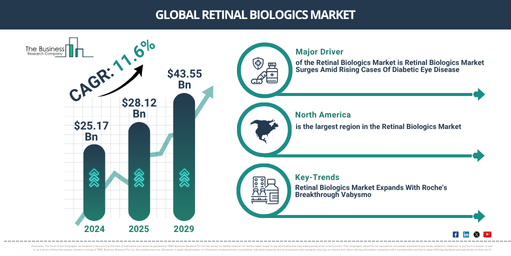
    In recent times, there has been a significant expansion in the size of the retinal biologics market. The market, valued at $25.17 billion in 2024, is forecasted to reach $28.12 billion in 2025, indicating a compound annual growth rate (CAGR) of 11.7%. This growth during the historic period is primarily due to the rising prevalence of retinal disorders, an aging global population, growing consciousness and early disease detection, advancements in healthcare infrastructure, and an increase in healthcare spending.

    Expectations are high for substantial growth in the retinal biologics market size in the upcoming years. Predictions show it will reach $43.55 billion in 2029, rising at a compound annual growth rate (CAGR) of 11.6%. The projected growth during the forecast period is due to factors such as increasing therapeutic applications, the rise of personalized medicine, growth in emerging markets, a robust biologics pipeline, collaborations and partnerships, and government initiatives and support. The major developments to watch during this forecast period include non-invasive delivery methods, utilization of real-world evidence, an expansion of indications, regulatory pathway streamlining, and a focus on patient-centric outcomes.

    Download The Free Sample Report Here:

    https://www.thebusinessresearchcompany.com/sample.aspx?id=11911&type=smp

    What factors are expected to fuel Retinal Biologics market growth in the coming years?

    The forecasted expansion of the retinal biologics market is attributed to the escalating occurrence of diabetic eye disease. As a consequence of diabetes, this disorder impairs the eyes, resulting in vision impairment and blindness among those diagnosed. Retinal biologics offer hope for more precise and successful treatments, providing early intervention and enhanced results to prevent vision loss linked to diabetic eye disease. For example, data from the Australian Bureau of Statistics in December 2023 revealed that, in 2022, diabetes affected 5.3% of the Australian population, equating to around 1.3 million individuals. This represented a significant surge from the previous 3.3%. Consequently, the escalating rate of diabetic eye disease is propelling the retinal biologics market’s expansion.

    What Are The Key Findings From The Segmentation Analysis Of The Retinal Biologics Market?

    The retinal biologics market covered in this report is segmented –

    1) By Drug Class: Vascular Endothelial Growth Factor (VEGF)-A Antagonist, Tumor Necrosis Factor (TNF)-A Inhibitor

    2) By Indication: Macular Degeneration, Diabetic Retinopathy, Uveitis, Diabetic Macular Edema, Other Indications

    3) By Distribution Channel: Hospitals, Pharmacies, Specialty Clinics, Online Pharmacies, Other Distribution Channels

    Subsegments:

    1) By Vascular Endothelial Growth Factor (VEGF)-A Antagonist: Monoclonal Antibodies, Small Molecule Inhibitors

    2) By Tumor Necrosis Factor (TNF)-A Inhibitor: Monoclonal Antibodies, Fusion Proteins

    Which Trends Are Expected To Shape The Future Of The Retinal Biologics Market?

    The prominent players in the pruritus therapeutics market are concentrating on creating specialized treatments for specific patient demographics and rare diseases, such as the non-systemic ileal bile acid transport inhibitor which aims to provide personal, customized medicine addressing unresolved medical requirements. This specific medication targets the absorption of bile acid in the intestines without substantially impacting the systemic circulation, hence limiting potential negative effects. For example, in June 2023, Ipsen, a pharmaceutical company based in France, obtained approval from the Food and Drug Administration (FDA), a U.S based federal agency under the Department of Health and Human Services, for their medication Bylvay (odevixibat). It is used to treat cholestatic pruritus in ALGS patients who are 12 months old and above. Bylvay, an IBATi, is a daily drug with limited systemic exposure and is the first ever medication approved for progressive familial intrahepatic cholestasis (PFIC)-related cholestatic pruritus in the United States. Prior to this, it had been accepted for PFIC treatment in Europe and can currently be prescribed for eligible ALGS patients.

    What Are The Most Active Companies In The Retinal Biologics Market Today?

    Major companies operating in the retinal biologics market include Regeneron Pharmaceuticals Inc., AbbVie Inc., MeiraGTx Limited, Oxurion NV, Novartis AG, Amgen Inc., Spark Therapeutics Inc., Bayer AG, Bausch Health Companies Inc., Merck & Co. Inc., Santen Pharmaceutical Co. Ltd., Pfizer Inc., Boehringer Ingelheim, Eyenovia Inc., EyePoint Pharmaceuticals Inc., Iveric Bio Inc., Kodiak Sciences Inc., Aerie Pharmaceuticals Inc., Alimera Sciences Inc., Ocular Therapeutix Inc., Acucela Inc., Clearside Biomedical Inc., Ophthotech Corporation, Xcovery Holdings, Athenex Inc., Fidia Farmaceutici S.p.A, Eton Pharmaceuticals Inc.

    Get The Full Report Here:

    https://www.thebusinessresearchcompany.com/report/retinal-biologics-global-market-report

    Which Regional Markets Are Attracting The Most Investment In Retinal Biologics?

    North America was the largest region in the retinal biologics market in 2024. Asia-Pacific is expected to be the fastest-growing region in the forecast period. The regions covered in the retinal biologics market report are Asia-Pacific, Western Europe, Eastern Europe, North America, South America, Middle East, Africa.

    Request For A Customized Report:

    https://www.thebusinessresearchcompany.com/customise?id=11911&type=smp

    About The Business Research Company:

    With over 15000+ reports from 27 industries covering 60+ geographies, The Business Research Company has built a reputation for offering comprehensive, data-rich research and insights. Armed with 1,500,000 datasets, the optimistic contribution of in-depth secondary research, and unique insights from industry leaders, you can get the information you need to stay ahead in the game.

    Get in touch with us:

    The Business Research Company: https://www.thebusinessresearchcompany.com/

    Americas +1 310-496-7795

    Asia +44 7882 955267 & +91 8897263534

    Europe +44 7882 955267

    Email us at info@tbrc.info

    Follow us on:

    LinkedIn: https://in.linkedin.com/company/the-business-research-company

    YouTube: https://www.youtube.com/channel/UC24_fI0rV8cR5DxlCpgmyFQ

    Global Market Model: https://www.thebusinessresearchcompany.com/global-market-model