Category: Pharmaceuticals

  • Live Cell Imaging Microscopes Market to Reach $2.35 Billion by 2029 | Key Drivers and Future Outlook

    Live Cell Imaging Microscopes Market to Reach $2.35 Billion by 2029 | Key Drivers and Future Outlook

    Claim your 30% discount on Global Market Reports with code ONLINE30. Limited time only.

    What Is the Growth Rate of the Live Cell Imaging Microscopes Market?

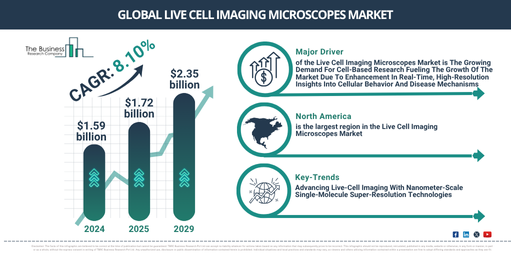
    Recent years have seen substantial growth in the market size for live cell imaging microscopes. The market value, expected to escalate from $1.59 billion in 2024 to $1.72 billion in 2025, projects a compound annual growth rate (CAGR) of 8.3%. Key growth drivers during the historic period include advancements in fluorescence microscopy techniques, increased funding for cell-based research, a surge in chronic diseases, growth of the pharmaceutical and biotechnology sectors, and the expansion of academic and research institutions.

    What Growth Rate Is Forecasted for the Live Cell Imaging Microscopes Market by 2029?

    The market for live cell imaging microscopes is projected to experience robust growth in the coming years, with a predicted value of $2.35 billion in 2029 and a compound annual growth rate (CAGR) of 8.1%. The projected growth in this period can be linked to the incorporation of artificial intelligence into imaging systems, increasing need for personalized medicine, the rise in drug discovery applications, the emergence of high-content screening methods, and the requirement for real-time cell analysis. Key trends for the forecasted period involve the use of super-resolution microscopy, the inclusion of machine learning for image analysis, the advent of 3D and multimodal imaging facilities, the miniaturization and portability of imaging systems, alongside the application of sophisticated fluorescent probes and labels.

    Download The Free Sample Report Here:

    https://www.thebusinessresearchcompany.com/sample.aspx?id=24281&type=smp

    Which Key Companies Are Shaping the Future of the Live Cell Imaging Microscopes Market?

    Major companies operating in the live cell imaging microscopes market are Thermo Fisher Scientific Inc., ZEISS Group, Keyence Corporation of America, Agilent Technologies Inc., PerkinElmer Inc., Bruker Corporation, EVIDENT, Leica Microsystems A/S, Thorlabs Inc., Oxford Instruments India Pvt. Ltd., Axion BioSystems Inc, OPTIKA S.r.l., Discover Echo, Curiosis Inc., Quasmo, Nikon Instruments Inc., Nanolive, Live Cell Instrument (LCI), BestScope, Confocal.nl.

    Which Factors Are Driving Demand in the Live Cell Imaging Microscopes Industry?

    The escalating need for research centered on cells is anticipated to drive the expansion of the live cell imaging microscopes market in the future. Focused on the examination of living cells, cell-based research aims to investigate biological functions and disease pathways to develop novel treatments. Its growth is credited to its potential for personalized medicine, providing treatments tailored to an individual’s genetic composition, which maximizes effectiveness and reduces side effects. Live cell imaging microscopes grant the ability to monitor cellular processes in real-time without disrupting the cells, delivering detailed insights into cell behavior, molecular interactions, and responses to different circumstances. This ability heightens the comprehension of disease mechanisms, the impact of drugs, and cellular functions. For example, the National Institutes of Health (NIH), a medical research agency based in the US, allocated $2.22 billion to stem cell research in May 2024, which is an increase from $2.20 billion in 2022. Hence, this burgeoning demand for cell-based research is propelling the expansion of the live cell imaging microscopes market.

    Request For A Customized Report:

    https://www.thebusinessresearchcompany.com/sample.aspx?id=24281&type=smp

    How Is the Live Cell Imaging Microscopes Market Segmented by Several Divisions?

    The live cell imaging microscopes market covered in this report is segmented –

    1) By Type: Confocal Microscopy, Phase Contrast Microscopy, Fluorescent Microscopy, Quantitative Phase Contrast Microscopy

    2) By Application: Cell Biology, Developmental Biology, Stem Cell Research, Drug Discovery, Other Applications

    3) By End-User: Academic And Research Institutes, Pharmaceutical And Biotechnology Companies, Contract Research Organizations, Hospitals And Diagnostic Laboratories

    Subsegments:

    1) By Confocal Microscopy: Laser Scanning Confocal Microscopy (LSCM), Spinning Disk Confocal Microscopy, Multiphoton Confocal Microscopy

    2) By Phase Contrast Microscopy: Traditional Phase Contrast, Differential Interference Contrast (DIC), Enhanced Phase Contrast

    3) By Fluorescent Microscopy: Widefield Fluorescence Microscopy, Total Internal Reflection Fluorescence (TIRF) Microscopy, Super-Resolution Fluorescence Microscopy

    4) By Quantitative Phase Contrast Microscopy: Digital Holographic Microscopy (DHM), Optical Path Length (OPL) Mapping, Interferometric Phase Microscopy

    What are the Emerging Market Trends Driving the Growth of the Live Cell Imaging Microscopes Industry?

    Prominent firms in the live cell imaging microscopes market are channeling their efforts into devising advanced products like single molecule super-resolution imaging systems, with an aim to shed light on dynamic cellular processes in real-time. This highly-sophisticated microscopy technology allows scientists to watch and track the position, movement, and interplay of single molecules with exactness at the nanometer level. For instance, in January 2025, Oxford Nanoimaging (ONI), a corporation based in the UK and renowned for developing super-resolution microscopy technology, introduced the Aplo Scope. This single-molecule super-resolution microscope is crafted meticulously to observe and quantify molecular interactions within cells and tissues with supreme clarity. Conceived as a component of the Aplo Platform, this compact benchtop system blends state-of-the-art imaging technology, automated workflow processes, and cloud-powered software to simplify tasks and render a nanoscale resolution of 20 nm. The Aplo Scope eases the shift between live-cell imaging and super-resolution microscopy while addressing issues in drug conveyance, biomarker identification, and antibody treatment, thereby catalyzing advancements in biomedical research.

    Access The Full Report Here:

    https://www.thebusinessresearchcompany.com/report/live-cell-imaging-microscopes-global-market-report

    Which Regions Are Driving Growth in the Live Cell Imaging Microscopes Market?

    North America was the largest region in the live cell imaging microscopes market in 2024. The regions covered in the live cell imaging microscopes market report are Asia-Pacific, Western Europe, Eastern Europe, North America, South America, Middle East, Africa.

    Purchase The Full Report Today:

    https://www.thebusinessresearchcompany.com/customise?id=24281&type=smp

    This Report Delivers Insight On:

    1. How big is the live cell imaging microscopes market, and how is it changing globally?

    2. Who are the major companies in the live cell imaging microscopes market, and how are they performing?

    3. What are the key opportunities and risks in the live cell imaging microscopes market right now?

    4. Which products or customer segments are growing the most in the live cell imaging microscopes market?

    5. What factors are helping or slowing down the growth of the live cell imaging microscopes market?

    About The Business Research Company:

    With over 15000+ reports from 27 industries covering 60+ geographies, The Business Research Company has built a reputation for offering comprehensive, data-rich research and insights. Armed with 1,500,000 datasets, the optimistic contribution of in-depth secondary research, and unique insights from industry leaders, you can get the information you need to stay ahead in the game.

    Get in touch with us:

    The Business Research Company: https://www.thebusinessresearchcompany.com/

    Americas +1 310-496-7795

    Europe +44 7882 955267

    Asia & Others +44 7882 955267 & +91 8897263534

    Email us at info@tbrc.info

    Follow us on:

    LinkedIn: https://in.linkedin.com/company/the-business-research-company

    YouTube: https://www.youtube.com/channel/UC24_fI0rV8cR5DxlCpgmyFQ

    Global Market Model: https://www.thebusinessresearchcompany.com/global-market-model
  • Live Cell Imaging Microscopes Market to Reach $2.35 Billion by 2029 | Key Drivers and Future Outlook

    Live Cell Imaging Microscopes Market to Reach $2.35 Billion by 2029 | Key Drivers and Future Outlook

    Claim your 30% discount on Global Market Reports with code ONLINE30. Limited time only.

    #What Is the Growth Rate of the Live Cell Imaging Microscopes Market?#_x000D_

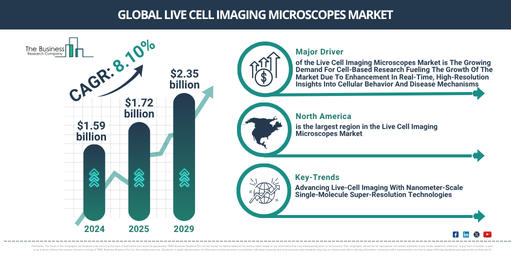
    Recent years have seen substantial growth in the market size for live cell imaging microscopes. The market value, expected to escalate from $1.59 billion in 2024 to $1.72 billion in 2025, projects a compound annual growth rate (CAGR) of 8.3%. Key growth drivers during the historic period include advancements in fluorescence microscopy techniques, increased funding for cell-based research, a surge in chronic diseases, growth of the pharmaceutical and biotechnology sectors, and the expansion of academic and research institutions._x000D_

    _x000D_

    #What Growth Rate Is Forecasted for the Live Cell Imaging Microscopes Market by 2029?#_x000D_

    The market for live cell imaging microscopes is projected to experience robust growth in the coming years, with a predicted value of $2.35 billion in 2029 and a compound annual growth rate (CAGR) of 8.1%. The projected growth in this period can be linked to the incorporation of artificial intelligence into imaging systems, increasing need for personalized medicine, the rise in drug discovery applications, the emergence of high-content screening methods, and the requirement for real-time cell analysis. Key trends for the forecasted period involve the use of super-resolution microscopy, the inclusion of machine learning for image analysis, the advent of 3D and multimodal imaging facilities, the miniaturization and portability of imaging systems, alongside the application of sophisticated fluorescent probes and labels._x000D_

    _x000D_

    #Download The Free Sample Report Here:#_x000D_

    https://www.thebusinessresearchcompany.com/sample.aspx?id=24281&type=smp_x000D_

    _x000D_

    #Which Key Companies Are Shaping the Future of the Live Cell Imaging Microscopes Market?#_x000D_

    Major companies operating in the live cell imaging microscopes market are Thermo Fisher Scientific Inc., ZEISS Group, Keyence Corporation of America, Agilent Technologies Inc., PerkinElmer Inc., Bruker Corporation, EVIDENT, Leica Microsystems A/S, Thorlabs Inc., Oxford Instruments India Pvt. Ltd., Axion BioSystems Inc, OPTIKA S.r.l., Discover Echo, Curiosis Inc., Quasmo, Nikon Instruments Inc., Nanolive, Live Cell Instrument (LCI), BestScope, Confocal.nl._x000D_

    _x000D_

    #Which Factors Are Driving Demand in the Live Cell Imaging Microscopes Industry?#_x000D_

    The escalating need for research centered on cells is anticipated to drive the expansion of the live cell imaging microscopes market in the future. Focused on the examination of living cells, cell-based research aims to investigate biological functions and disease pathways to develop novel treatments. Its growth is credited to its potential for personalized medicine, providing treatments tailored to an individual’s genetic composition, which maximizes effectiveness and reduces side effects. Live cell imaging microscopes grant the ability to monitor cellular processes in real-time without disrupting the cells, delivering detailed insights into cell behavior, molecular interactions, and responses to different circumstances. This ability heightens the comprehension of disease mechanisms, the impact of drugs, and cellular functions. For example, the National Institutes of Health (NIH), a medical research agency based in the US, allocated $2.22 billion to stem cell research in May 2024, which is an increase from $2.20 billion in 2022. Hence, this burgeoning demand for cell-based research is propelling the expansion of the live cell imaging microscopes market._x000D_

    _x000D_

    #Request For A Customized Report:#_x000D_

    https://www.thebusinessresearchcompany.com/sample.aspx?id=24281&type=smp_x000D_

    _x000D_

    #How Is the Live Cell Imaging Microscopes Market Segmented by Several Divisions?#_x000D_

    The live cell imaging microscopes market covered in this report is segmented –_x000D_

    _x000D_

    1) By Type: Confocal Microscopy, Phase Contrast Microscopy, Fluorescent Microscopy, Quantitative Phase Contrast Microscopy_x000D_

    2) By Application: Cell Biology, Developmental Biology, Stem Cell Research, Drug Discovery, Other Applications_x000D_

    3) By End-User: Academic And Research Institutes, Pharmaceutical And Biotechnology Companies, Contract Research Organizations, Hospitals And Diagnostic Laboratories_x000D_

    _x000D_

    Subsegments:_x000D_

    1) By Confocal Microscopy: Laser Scanning Confocal Microscopy (LSCM), Spinning Disk Confocal Microscopy, Multiphoton Confocal Microscopy_x000D_

    2) By Phase Contrast Microscopy: Traditional Phase Contrast, Differential Interference Contrast (DIC), Enhanced Phase Contrast_x000D_

    3) By Fluorescent Microscopy: Widefield Fluorescence Microscopy, Total Internal Reflection Fluorescence (TIRF) Microscopy, Super-Resolution Fluorescence Microscopy_x000D_

    4) By Quantitative Phase Contrast Microscopy: Digital Holographic Microscopy (DHM), Optical Path Length (OPL) Mapping, Interferometric Phase Microscopy_x000D_

    _x000D_

    #What are the Emerging Market Trends Driving the Growth of the Live Cell Imaging Microscopes Industry?#_x000D_

    Prominent firms in the live cell imaging microscopes market are channeling their efforts into devising advanced products like single molecule super-resolution imaging systems, with an aim to shed light on dynamic cellular processes in real-time. This highly-sophisticated microscopy technology allows scientists to watch and track the position, movement, and interplay of single molecules with exactness at the nanometer level. For instance, in January 2025, Oxford Nanoimaging (ONI), a corporation based in the UK and renowned for developing super-resolution microscopy technology, introduced the Aplo Scope. This single-molecule super-resolution microscope is crafted meticulously to observe and quantify molecular interactions within cells and tissues with supreme clarity. Conceived as a component of the Aplo Platform, this compact benchtop system blends state-of-the-art imaging technology, automated workflow processes, and cloud-powered software to simplify tasks and render a nanoscale resolution of 20 nm. The Aplo Scope eases the shift between live-cell imaging and super-resolution microscopy while addressing issues in drug conveyance, biomarker identification, and antibody treatment, thereby catalyzing advancements in biomedical research._x000D_

    _x000D_

    #Access The Full Report Here:#_x000D_

    https://www.thebusinessresearchcompany.com/report/live-cell-imaging-microscopes-global-market-report_x000D_

    _x000D_

    #Which Regions Are Driving Growth in the Live Cell Imaging Microscopes Market?#_x000D_

    North America was the largest region in the live cell imaging microscopes market in 2024. The regions covered in the live cell imaging microscopes market report are Asia-Pacific, Western Europe, Eastern Europe, North America, South America, Middle East, Africa._x000D_

    _x000D_

    #Purchase The Full Report Today:#_x000D_

    https://www.thebusinessresearchcompany.com/customise?id=24281&type=smp_x000D_

    _x000D_

    #This Report Delivers Insight On: #_x000D_

    1. How big is the live cell imaging microscopes market, and how is it changing globally?_x000D_

    2. Who are the major companies in the live cell imaging microscopes market, and how are they performing?_x000D_

    3. What are the key opportunities and risks in the live cell imaging microscopes market right now?_x000D_

    4. Which products or customer segments are growing the most in the live cell imaging microscopes market?_x000D_

    5. What factors are helping or slowing down the growth of the live cell imaging microscopes market?_x000D_

    _x000D_

    #About The Business Research Company:#_x000D_

    With over 15000+ reports from 27 industries covering 60+ geographies, The Business Research Company has built a reputation for offering comprehensive, data-rich research and insights. Armed with 1,500,000 datasets, the optimistic contribution of in-depth secondary research, and unique insights from industry leaders, you can get the information you need to stay ahead in the game._x000D_

    _x000D_

    #Get in touch with us:#_x000D_

    The Business Research Company: https://www.thebusinessresearchcompany.com/_x000D_

    Americas +1 310-496-7795_x000D_

    Europe +44 7882 955267_x000D_

    Asia & Others +44 7882 955267 & +91 8897263534_x000D_

    Email us at info@tbrc.info_x000D_

    _x000D_

    _x000D_

    #Follow us on:#_x000D_

    _x000D_

    LinkedIn: https://in.linkedin.com/company/the-business-research-company_x000D_

    YouTube: https://www.youtube.com/channel/UC24_fI0rV8cR5DxlCpgmyFQ_x000D_

    Global Market Model: https://www.thebusinessresearchcompany.com/global-market-model

  • Market Analysis on Leukapheresis Industry – Insights for Corporate Strategy and R&D

    Claim your 30% discount on Global Market Reports with code ONLINE30. Limited time only.

    What Is the Forecast for the Leukapheresis Market from 2024 to 2025?

    There has been robust growth in the leukapheresis market size in the past few years. The market size is projected to expand from $66.80 billion in 2024 to $72.23 billion in 2025, with a compound annual growth rate (CAGR) of 8.1%. The surge in the historical period can be credited to the escalating prevalence of leukemia and autoimmune diseases, the heightened demand for personalized medicine, enhancements in stem cell research, advancements in apheresis technologies, the expansion of clinical trial activities, and an increased understanding of immunotherapy applications.

    What Is the Projected Market Size of the Leukapheresis Market?

    The future of the leukapheresis market looks promising with strong growth predicted in the coming years. It’s projected to reach $97.83 billion by 2029, growing at a compound annual growth rate (CAGR) of 7.9%. The anticipated growth during the forecasted period is due to several factors including a surge in demand for customized cell treatments, an increase in clinical trials focusing on immuno-oncology, a rising trend towards regenerative medicine, expansion in biopharmaceutical production, improved reimbursement practices, and a broader understanding of cell-based research and therapies. Major anticipated trends for the forecasted period encompass advancements in cell separation technologies, the use of AI to optimize procedures, the innovation of mobile leukapheresis devices, progress in gene and cell therapy, enhanced methods for donor screening, and a shift towards cloud-based systems for data tracking.

    Download The Free Sample Report Here:

    https://www.thebusinessresearchcompany.com/sample.aspx?id=24277&type=smp

    Who are the Major Competitors in the Leukapheresis Market Outlook?

    Major companies operating in the leukapheresis market are Fresenius Kabi, Grifols S.A., Terumo BCT Inc., Nikkiso Co., STEMCELL Technologies Inc., Haemonetics Corporation, Macopharma, Discovery Life Sciences, BioIVT LLC, StemExpress LLC, MEDICA S.p.A, AllCells LLC, Caltag Medsystems Ltd., Miltenyi Biotec, Immune Therapy Holdings AB, Cellsep Laboratories, Accegen Biotec, Key Biologics LLC, HemaCare Corporation, Puriblood Medical, Cytopheron Technologies, Adacyte Therapeutics.

    What Is Fueling Growth in the Leukapheresis Market?

    The leukapheresis market is anticipated to expand due to the increasing prevalence of autoimmune diseases. These diseases are characterized by the body’s immune system mistakenly targeting its own healthy tissue. Modern environmental factors and decreased exposure to microbes during early life disrupt the immune balance, leading to a rise in autoimmune disorders. Leukapheresis is used to treat these diseases by specifically targeting and removing the harmful white blood cells responsible for the immune system’s onslaught on the body’s tissues. In line with this, Versorgungsatlas.de, a German organization, reported that in 2022, out of 73,241,305 insured people, 6,304,340 were diagnosed with at least one autoimmune disease. This accounted for a raw prevalence rate of 8.61% in November 2024. Hence, the increasing occurrence of autoimmune diseases is fuelling the growth of the leukapheresis market.

    Request For A Customized Report:

    https://www.thebusinessresearchcompany.com/sample.aspx?id=24277&type=smp

    Which Leukapheresis Market Segments Are Growing the Fastest?

    The leukapheresis market covered in this report is segmented –

    1) By Type: Granulocyte Apheresis, Lymphocyte Apheresis, Monocyte Apheresis

    2) By Product: Leukapheresis Devices, Centrifugal Devices, Membrane Separators, Leukapheresis Disposables

    3) By Application: Research Application, Cancer Research, Immunology Research, Therapeutics Application, Hematologic Disorders, Autoimmune Diseases, Other Applications

    4) By End User: Blood Component Providers And Blood Centers, Academic And Research Institutes, Pharmaceutical And Biotechnology Companies, Hospitals And Transfusion Centers

    Subsegments:

    1) By Granulocyte Apheresis: Neutrophil Apheresis, Eosinophil Apheresis, Basophil Apheresis

    2) By Lymphocyte Apheresis: T-Cell Apheresis, B-Cell Apheresis, Natural Killer (NK) Cell Apheresis

    3) By Monocyte Apheresis: Classical Monocytes, Non-Classical Monocytes, Intermediate Monocytes

    Which Industry Trends Are Shaping the Future of the Leukapheresis Market?

    Leading businesses in the leukapheresis market are enhancing the quality and efficiency of cell therapy manufacturing by focusing on innovations such as GMP-grade leukopaks. These leukopaks, derived from leukapheresis, are processed under strict good manufacturing practice (GMP) standards, leading to high viability and functionality of the cells collected for therapeutic applications. For instance, in November 2024, Sanguine Biosciences, a biotechnology company based in the USA, introduced LeukoCert, a GMP-grade leukopak designed to expedite workflows and speed up the development of cell therapy. Made in accordance to rigorous GMP standards, LeukoCert provides high-quality starting materials accessible in fresh whole or half packs, enabling researchers to progress their studies and bring new cell therapies to the market more quickly.

    Access The Full Report Here:

    https://www.thebusinessresearchcompany.com/report/leukapheresis-global-market-report

    Which Countries Are Leading the Leukapheresis Market?

    North America was the largest region in the leukapheresis market in 2024. Asia-Pacific is expected to be the fastest-growing region in the forecast period. The regions covered in the leukapheresis market report are Asia-Pacific, Western Europe, Eastern Europe, North America, South America, Middle East, Africa.

    Purchase The Full Report Today:

    https://www.thebusinessresearchcompany.com/customise?id=24277&type=smp

    This Report Delivers Insight On:

    1. How big is the leukapheresis market, and how is it changing globally?

    2. Who are the major companies in the leukapheresis market, and how are they performing?

    3. What are the key opportunities and risks in the leukapheresis market right now?

    4. Which products or customer segments are growing the most in the leukapheresis market?

    5. What factors are helping or slowing down the growth of the leukapheresis market?

    About The Business Research Company:

    With over 15000+ reports from 27 industries covering 60+ geographies, The Business Research Company has built a reputation for offering comprehensive, data-rich research and insights. Armed with 1,500,000 datasets, the optimistic contribution of in-depth secondary research, and unique insights from industry leaders, you can get the information you need to stay ahead in the game.

    Get in touch with us:

    The Business Research Company: https://www.thebusinessresearchcompany.com/

    Americas +1 310-496-7795

    Europe +44 7882 955267

    Asia & Others +44 7882 955267 & +91 8897263534

    Email us at info@tbrc.info

    Follow us on:

    LinkedIn: https://in.linkedin.com/company/the-business-research-company

    YouTube: https://www.youtube.com/channel/UC24_fI0rV8cR5DxlCpgmyFQ

    Global Market Model: https://www.thebusinessresearchcompany.com/global-market-model
  • Kidney Fibrosis Treatment Market to Reach $10.78 Billion by 2029 | Key Drivers and Future Outlook

    Kidney Fibrosis Treatment Market to Reach $10.78 Billion by 2029 | Key Drivers and Future Outlook

    Claim your 30% discount on Global Market Reports with code ONLINE30. Limited time only.

    What Is the Growth Rate of the Kidney Fibrosis Treatment Market?

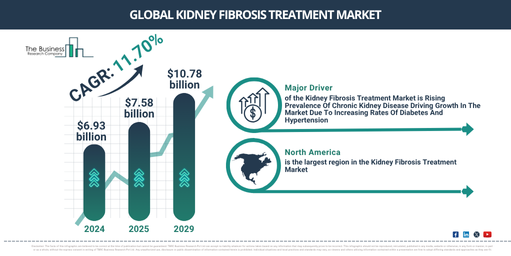
    The market for kidney fibrosis treatment has experienced significant growth in the past few years. Its total value is projected to rise from $6.93 billion in 2024 to $7.58 billion in 2025, marking an annual compound growth rate (CAGR) of 9.4%. This historical growth is due, in part, to increased investment in R&D for fibrosis targeting therapies, government-funded initiatives focused on kidney disease management, a rise in patient awareness regarding kidney transplant and fibrosis treatment options, improved healthcare infrastructure, and an increase in the aging population.

    What Growth Rate Is Forecasted for the Kidney Fibrosis Treatment Market by 2029?

    Forecasted to observe a rapid expansion in the coming years, the kidney fibrosis treatment market size is predicted to reach $10.78 billion by 2029, with a compound annual growth rate (CAGR) of 11.7%. This growth during the forecast period is linked to a rising prevalence of chronic kidney illness, an escalating demand for cutting-edge therapies to manage renal fibrosis, increasing awareness of kidney fibrosis detection at early stages, the growing implementation of personalized medicine in treating kidney disease, as well as the escalating frequency of both diabetes and hypertension. Prominent trends expected in the forecast period encompass technological enhancements in early detection and diagnostic tools, advancements in gene therapy, the integration of technology in telemedicine and remote monitoring, improvements in stem cell therapies, and progress in drug delivery systems.

    Download The Free Sample Report Here:

    https://www.thebusinessresearchcompany.com/sample.aspx?id=24271&type=smp

    Which Key Companies Are Shaping the Future of the Kidney Fibrosis Treatment Market?

    Major companies operating in the kidney fibrosis treatment market are F. Hoffman-La Roche Ltd., Merck & Co. Inc., Bayer AG, AstraZeneca PLC, Cara Therapeutics Inc., Gilead Sciences Inc., Novo Nordisk A/S, Boehringer Ingelheim International GmbH, Vertex Pharmaceuticals Incorporated, Chinook Therapeutics Inc., Reata Pharmaceuticals Inc., Akebia Therapeutics Inc., Travere Therapeutics Inc., Insilico Medicine Inc., Tvardi Therapeutics Inc., ProKidney LLC, Alentis Therapeutics AG, La Jolla Pharmaceutical Company, Galecto Biotech AB, Purespring Therapeutics Inc.

    Which Factors Are Driving Demand in the Kidney Fibrosis Treatment Industry?

    The escalating occurrence of chronic kidney diseases is set to drive the expansion of the kidney fibrosis treatment market in the future. The gradual dysfunction of the kidney over time, commonly referred to as chronic kidney disease (CKD), often results from issues such as diabetes or hypertension, leading to accumulation of waste products in the body. The surge in the prevalence of CKD is primarily due to increasing rates of diabetes, which can damage blood vessels in the kidney and compromise its filtration capacity. By targeting tissue scarring in the kidney, reducing inflammation, and decelerating kidney damage progression, kidney fibrosis treatment proves beneficial for CKD patients in conserving kidney function. For instance, the Centers for Disease Control and Prevention (CDC), a US-based public health agency, attested in May 2024 that an estimated 14% of U.S. adults, translating to about 35.5 million individuals, are purportedly suffering from chronic kidney diseases. Hence, the growth rate of the kidney fibrosis treatment market is being propelled by the rising prevalence of chronic kidney diseases. The expansion of the kidney fibrosis treatment market is also being spurred by increasing clinical trial activities in pursuit of innovative and personalized therapies. Clinical trials are human research studies aimed at estimating the safety, effectiveness and possible adverse effects of medical treatments or interventions. The drive for personalized and ground-breaking treatments that calls for in-depth safety and efficiency testing results in ever-increasing clinical trials. The presence of a defined target area for novel anti-fibrotic therapies testing by kidney fibrosis treatment contributes to these clinical trials, allowing researchers to assess the ability of new drugs to decelerate or reverse kidney damage. In an example, the Association of the British Pharmaceutical Industry, a UK-based trade association, reported in November 2023 that the annual recruitment to industry clinical trials in the UK showed a 15% rise, moving from 36,722 participants in 2021-22 to 42,088 in 2022-23. Hence, the escalating number of clinical trials fosters the growth of the kidney fibrosis treatment market.

    Request For A Customized Report:

    https://www.thebusinessresearchcompany.com/sample.aspx?id=24271&type=smp

    How Is the Kidney Fibrosis Treatment Market Segmented by Several Divisions?

    The kidney fibrosis treatment market covered in this report is segmented –

    1) By Treatment Type: Angiotensin-Converting Enzyme (Ace) Inhibitors, Angiotensin Ii Receptor Blockers (Arbs), Pirfenidone, Renin Inhibitors, Vasopeptidase Inhibitors, Other Treatment Types

    2) By Diagnosis: Blood Tests, Urine Tests, Imaging Tests, Kidney Biopsy

    3) By Application: Chronic Kidney Diseases, Kidney Cancer Treatment, Other Applications

    4) By End-User: Clinics, Research Center, Hospitals

    Subsegments:

    1) By Angiotensin-Converting Enzyme (Ace) Inhibitors: Enalapril, Captopri, Lisinopril, Ramipril

    2) By Angiotensin Ii Receptor Blockers (Arbs): Losartan, Telmisartan, Valsartan, Irbesartan

    3) By Pirfenidone: Branded Pirfenidone, Generic Pirfenidone

    4) By Renin Inhibitors: Aliskiren, Experimental Renin Inhibitors

    5) By Vasopeptidase Inhibitors: Omapatrilat, Sampatrilat

    6) By Other Treatment Types: Anti-Inflammatory Agents, Stem Cell Therapy, Antifibrotic Agents Under Clinical Trials, Gene Therapy

    Access The Full Report Here:

    https://www.thebusinessresearchcompany.com/report/kidney-fibrosis-treatment-global-market-report

    Which Regions Are Driving Growth in the Kidney Fibrosis Treatment Market?

    North America was the largest region in the kidney fibrosis treatment market in 2024. Asia-Pacific is expected to be the fastest-growing region in the forecast period. The regions covered in the kidney fibrosis treatment market report are Asia-Pacific, Western Europe, Eastern Europe, North America, South America, Middle East, Africa.

    Purchase The Full Report Today:

    https://www.thebusinessresearchcompany.com/customise?id=24271&type=smp

    This Report Delivers Insight On:

    1. How big is the kidney fibrosis treatment market, and how is it changing globally?

    2. Who are the major companies in the kidney fibrosis treatment market, and how are they performing?

    3. What are the key opportunities and risks in the kidney fibrosis treatment market right now?

    4. Which products or customer segments are growing the most in the kidney fibrosis treatment market?

    5. What factors are helping or slowing down the growth of the kidney fibrosis treatment market?

    About The Business Research Company:

    With over 15000+ reports from 27 industries covering 60+ geographies, The Business Research Company has built a reputation for offering comprehensive, data-rich research and insights. Armed with 1,500,000 datasets, the optimistic contribution of in-depth secondary research, and unique insights from industry leaders, you can get the information you need to stay ahead in the game.

    Get in touch with us:

    The Business Research Company: https://www.thebusinessresearchcompany.com/

    Americas +1 310-496-7795

    Europe +44 7882 955267

    Asia & Others +44 7882 955267 & +91 8897263534

    Email us at info@tbrc.info

    Follow us on:

    LinkedIn: https://in.linkedin.com/company/the-business-research-company

    YouTube: https://www.youtube.com/channel/UC24_fI0rV8cR5DxlCpgmyFQ

    Global Market Model: https://www.thebusinessresearchcompany.com/global-market-model
  • Isovaleric Acidemia (IVA) Treatment Industry Insights 2025 – Market Forecast for Executives and Planners

    Claim your 30% discount on Global Market Reports with code ONLINE30. Limited time only.

    How Has the Isovaleric Acidemia (IVA) Treatment Market Size Changed, over the years?

    The market for treatment of isovaleric acidemia (IVA) has shown significant expansion in past years. It is projected to increase from $0.60 billion in 2024 to $0.63 billion in 2025, demonstrating a compound annual growth rate (CAGR) of 5.8%. Factors contributing to this growth during the historical period are the heightened awareness of uncommon metabolic disorders, an increased number of newborn screening initiatives, growth in government support for uncommon diseases, amplified attention on enzyme replacement therapies, and a surge in demand for prompt diagnosis and genetic counseling.

    How Much Will the Isovaleric Acidemia (IVA) Treatment Market Be Worth in 2029?

    Strong expansion is predicted in the isovaleric acidemia (IVA) treatment market, with projections suggesting it could reach $0.79 billion by 2029, boasting a compound annual growth rate (CAGR) of 5.8%. This anticipated surge over the forecast period can be tied to several factors such as increased reliance on gene therapy treatments, a rise in funding for rare disease research, development of new treatment alternatives, heightened collaboration between biotech companies and research institutions as well as an increased emphasis on personalized medicine for metabolic conditions. Trends to watch in the forecast period encompass advancements in genetic testing technologies, sophisticated drug delivery systems for metabolic treatments, breakthroughs in enzyme replacement formulations, the creation of targeted gene editing tools, and progress in newborn screening methodologies.

    Download The Free Sample Report Here:

    https://www.thebusinessresearchcompany.com/sample.aspx?id=24269&type=smp

    Which is the Largest Company in the Isovaleric Acidemia (IVA) Treatment Market?

    Major companies operating in the isovaleric acidemia (IVA) treatment market are Nestlé Health Science S.A., BioMarin Pharmaceutical Inc., GenScript Biotech Corporation, Nutricia Advanced Medical Nutrition, Rocket Pharmaceuticals Inc., REGENXBIO Inc., uniQure N.V., Vitaflo International Ltd., Orchard Therapeutics plc, Editas Medicine Inc., Cambrooke Therapeutics Inc., Recordati Rare Diseases Inc., Abbott Nutrition, Targeted Medical Pharma Inc., Solace Nutrition LLC, Nutricia Metabolics, Bluebird Bio Inc., Verve Therapeutics Inc., Abeona Therapeutics Inc., CRISPR Therapeutics AG

    What Are the Main Market Drivers in the Isovaleric Acidemia (IVA) Treatment Industry?

    The escalating rate of metabolic disorders is anticipated to fuel the expansion of the isovaleric acidemia (IVA) treatment market. Metabolic disorders disrupt the regular metabolic functions, impacting the conversion of food into energy in our bodies. These disorders, including conditions like diabetes mellitus, hypothyroidism, hyperthyroidism, phenylketonuria (PKU), galactosemia, maple syrup urine disease (MSUD), and others, are often the result of lifestyle habits like poor nutrition and lack of physical activity. Treatment for isovaleric acidemia helps manage these metabolic disorders by dissipating toxic substances in the body, reinstating normal metabolic processes and avoiding complications like neurological damage. For example, as per the American Diabetes Association’s November 2023 data, around 25.5 million U.S. citizens were diagnosed with diabetes in 2022, making up 7.6% of the total population. Hence, the mounting frequency of metabolic disorders propels the isovaleric acidemia (IVA) treatment market’s growth. Increasing cognizance of rare genetic disorders is also projected to spur the advancement of the isovaleric acidemia (IVA) treatment market. These disorders, caused by gene mutations and affecting a small number of individuals, are gaining recognition due to enhanced diagnostic tools and comprehensive genetic screening programs. Treatment for isovaleric acidemia aids management of these rare genetic disorders by offering a custom diet, amino acid supplementation, and occasionally mediations. This treatment approach helps prevent metabolic crises and boosts the quality of life for affected individuals. For example, the World Health Organization (WHO) indicated in February 2023 that birth abnormalities lead to 240,000 newborn deaths within the first 28 days each year, and an additional 170,000 deaths in children aged 1 month to 5 years. Moreover, a February 2023 study by the US-based Rady Children’s Institute for Genomic Medicine found that 41% of infant deaths were linked to single-locus (Mendelian) genetic diseases. Hence, the growing prevalence of metabolic disorders drives the expansion of the isovaleric acidemia (IVA) treatment market.

    Request For A Customized Report:

    https://www.thebusinessresearchcompany.com/sample.aspx?id=24269&type=smp

    How Is the Isovaleric Acidemia (IVA) Treatment Market Segments Structured?

    The isovaleric acidemia (IVA) treatment market covered in this report is segmented –

    1) By Type: Classical Isovaleric Acidemia, Moderate Isovaleric Acidemia, Non-classical Isovaleric Acidemia

    2) By Treatment: Dietary Management, Enzyme Replacement Therapy, Gene Therapy, Pharmacological Treatment

    3) By Route of Administration: Oral, Injectable

    4)By End-user: Hospitals, Clinics, Homecare Settings

    Subsegments:

    1) By Classical Isovaleric Acidemia: Dietary Management, Carnitine Supplementation, Glycine Supplementation, Emergency Management, Gene Therapy (Investigational)

    2) By Non-classical Isovaleric Acidemia: Observation and Preventive Care, Mild Dietary Modifications, Occasional Supplementation, Genetic Counseling and Monitoring

    3) By Moderate Isovaleric Acidemia: Protein-restricted Diet, Intermittent Carnitine/Glycine Therapy, Periodic Monitoring and Supportive Care, Acute Episode Management

    Access The Full Report Here:

    https://www.thebusinessresearchcompany.com/report/isovaleric-acidemia-iva-treatment-global-market-report

    Which Global Regions Offer the Highest Growth in the Isovaleric Acidemia (IVA) Treatment Market?

    North America was the largest region in the isovaleric acidemia (IVA) treatment market in 2024. Asia-Pacific is expected to be the fastest-growing region in the forecast period. The regions covered in the isovaleric acidemia (IVA) treatment market report are Asia-Pacific, Western Europe, Eastern Europe, North America, South America, Middle East, Africa.

    Purchase The Full Report Today:

    https://www.thebusinessresearchcompany.com/customise?id=24269&type=smp

    This Report Delivers Insight On:

    1. How big is the isovaleric acidemia (iva) treatment market, and how is it changing globally?

    2. Who are the major companies in the isovaleric acidemia (iva) treatment market, and how are they performing?

    3. What are the key opportunities and risks in the isovaleric acidemia (iva) treatment market right now?

    4. Which products or customer segments are growing the most in the isovaleric acidemia (iva) treatment market?

    5. What factors are helping or slowing down the growth of the isovaleric acidemia (iva) treatment market?

    About The Business Research Company:

    With over 15000+ reports from 27 industries covering 60+ geographies, The Business Research Company has built a reputation for offering comprehensive, data-rich research and insights. Armed with 1,500,000 datasets, the optimistic contribution of in-depth secondary research, and unique insights from industry leaders, you can get the information you need to stay ahead in the game.

    Get in touch with us:

    The Business Research Company: https://www.thebusinessresearchcompany.com/

    Americas +1 310-496-7795

    Europe +44 7882 955267

    Asia & Others +44 7882 955267 & +91 8897263534

    Email us at info@tbrc.info

    Follow us on:

    LinkedIn: https://in.linkedin.com/company/the-business-research-company

    YouTube: https://www.youtube.com/channel/UC24_fI0rV8cR5DxlCpgmyFQ

    Global Market Model: https://www.thebusinessresearchcompany.com/global-market-model
  • Budesonide Inhaler Market to Reach $9.68 Billion by 2029 | Key Drivers and Future Outlook

    Budesonide Inhaler Market to Reach $9.68 Billion by 2029 | Key Drivers and Future Outlook

    Claim your 30% discount on Global Market Reports with code ONLINE30. Limited time only.

    What Is the Growth Rate of the Budesonide Inhaler Market?

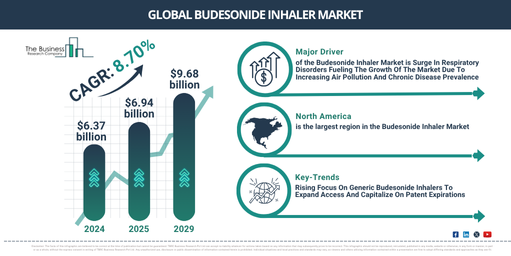
    In recent times, there has been substantial growth in the market size of budesonide inhalers. The market is set to expand from $6.37 billion in 2024 to $6.94 billion in 2025, reflecting a compound annual growth rate (CAGR) of 9.0%. This growth during the historic period is linked to the increased awareness about inhalation therapies, the growing preference for corticosteroid treatments, higher levels of air pollution leading to respiratory problems, the surging demand for minimally invasive methods of drug delivery, and the heightened focus on home healthcare solutions.

    What Growth Rate Is Forecasted for the Budesonide Inhaler Market by 2029?

    The market for budesonide inhalers is projected to experience robust growth in the coming years, reaching $9.68 billion in 2029 with a CAGR of 8.7%. The upward trend during the forecast period can be ascribed to the rise in funding for respiratory drug research, increased demand for individualized treatments in respiratory care, growing utilization of telemedicine and electronic prescribing, heightened cognizance of early detection and therapy, and escalating preference for combined inhaler treatments. Key trends during the outlook period include the advancement of improved drug delivery methods, the innovation in smart inhalers featuring digital tracking, the incorporation of AI and IoT in managing respiratory health, development in patient-oriented drug formatting, and the use of mobile applications for tracking adherence.

    Download The Free Sample Report Here:

    https://www.thebusinessresearchcompany.com/sample.aspx?id=24181&type=smp

    Which Key Companies Are Shaping the Future of the Budesonide Inhaler Market?

    Major companies operating in the budesonide inhaler market are AstraZeneca plc, GSK plc, Takeda Pharmaceutical Company Limited, Viatris Inc., Teva Pharmaceutical Industries Ltd., Boehringer Ingelheim International GmbH, Sandoz International GmbH, Bausch Health Companies Inc., Sun Pharmaceutical Industries Ltd., Synmosa Biopharma Corporation, Chiesi Farmaceutici S.p.A., Aurobindo Pharma Limited, Cipla Limited, Hikma Pharmaceuticals PLC, Lupin Limited, Orion Corporation, Nephron Pharmaceuticals Corporation, Curia Global Inc., Kindeva Drug Delivery L.P., Minakem SAS, Axplora Group GmbH, Cosmo Pharmaceuticals N.V., Manus Aktteva Biopharma LLP, Tovec Pharma Pvt. Ltd., Nutra Respiro Healthcare Pvt. Ltd.

    Which Factors Are Driving Demand in the Budesonide Inhaler Industry?

    The increasing number of respiratory ailments is anticipated to boost the expansion of the budesonide inhaler market in the future. Breathing struggles, along with symptoms like coughing, wheezing, and shortness of breath, characterize these medical conditions that affect the lungs and airways. They encompass conditions like asthma, chronic obstructive pulmonary disease (COPD), pneumonia, bronchitis, and lung infections. Due to escalating air pollution, which increases interaction with harmful pollutants aggravating airways and deteriorating lung functionality, respiratory disorders are mainly on the rise. To support long-term control of respiratory conditions, budesonide inhalers deliver anti-inflammatory drugs directly to the lungs. These inhalers, due to their compactness, are simple to operate and carry, which helps minimize flare-ups and enhance respiratory wellness. For example, the Australian Bureau of Statistics, a government agency based in Australia, reported in December 2023 that the prevalence of COPD escalated from 2.4% in 2021 to 2.5% in 2022. Consequently, the surging occurrence of respiratory ailments is pushing the growth of the budesonide inhaler market.

    Request For A Customized Report:

    https://www.thebusinessresearchcompany.com/sample.aspx?id=24181&type=smp

    How Is the Budesonide Inhaler Market Segmented by Several Divisions?

    The budesonide inhaler market covered in this report is segmented –

    1) By Product Type: Metered-Dose Inhalers (MDIs), Dry Powder Inhalers (DPIs), Nebulizers, Combination Inhalers

    2) By Dosage Form: Aerosols, Dry Powder, Suspension, Spray

    3) By Indication: Asthma, Chronic Obstructive Pulmonary Disease, Allergic Rhinitis

    4) By End User: Hospitals, Outpatient Clinics, Homecare Settings, Pharmacies

    Subsegments:

    1) Metered-Dose Inhalers: Pressurized Metered-Dose Inhalers, Breath-Actuated Metered-Dose Inhalers, Spacer-Compatible Metered-Dose Inhalers, Hydrofluoroalkane Propellant-Based Metered-Dose Inhalers

    2) Dry Powder Inhalers: Single-Dose Dry Powder Inhalers, Multi-Dose Dry Powder Inhalers, Capsule-Based Dry Powder Inhalers, Reservoir-Based Dry Powder Inhalers

    3) Nebulizers: Jet Nebulizers, Ultrasonic Nebulizers, Mesh Nebulizers, Homecare Nebulizers, Hospital-Use Nebulizers

    4) Combination Inhalers: Budesonide And Formoterol Inhalers, Budesonide And Salmeterol Inhalers, Budesonide, Glycopyrrolate, And Formoterol Inhalers, Budesonide And Vilanterol Inhalers

    What are the Emerging Market Trends Driving the Growth of the Budesonide Inhaler Industry?

    Prominent organizations in the budesonide inhaler market are concentrating their efforts on innovative product development, including generic offerings, to enhance affordability and accessibility for respiratory disease treatments. Generic inhaled medications are non-branded products that provide the same active ingredients, dosage, and therapeutic effectiveness as their named brand equivalents, usually at a reduced price. For example, in July 2023, the US pharmaceutical company Viatris Inc. partnered with the US-based pharmaceutical manufacturer Kindeva Drug Delivery L.P. to release Breyna (budesonide and formoterol fumarate dihydrate) inhalation aerosol. This is the first generic version of Symbicort approved by the US federal agency, The Food and Drug Administration (FDA). The drug-device mix works to treat asthma and chronic obstructive pulmonary disease (COPD) by reducing airway inflammation through budesonide and relaxing the muscles around the airways with formoterol. This delivers a more cost-effective alternative for patients.

    Access The Full Report Here:

    https://www.thebusinessresearchcompany.com/report/budesonide-inhaler-global-market-report

    Which Regions Are Driving Growth in the Budesonide Inhaler Market?

    North America was the largest region in the budesonide inhaler market in 2024. Asia-Pacific is expected to be the fastest-growing region in the forecast period. The regions covered in the budesonide inhaler market report are Asia-Pacific, Western Europe, Eastern Europe, North America, South America, Middle East, Africa.

    Purchase The Full Report Today:

    https://www.thebusinessresearchcompany.com/customise?id=24181&type=smp

    This Report Delivers Insight On:

    1. How big is the budesonide inhaler market, and how is it changing globally?

    2. Who are the major companies in the budesonide inhaler market, and how are they performing?

    3. What are the key opportunities and risks in the budesonide inhaler market right now?

    4. Which products or customer segments are growing the most in the budesonide inhaler market?

    5. What factors are helping or slowing down the growth of the budesonide inhaler market?

    About The Business Research Company:

    With over 15000+ reports from 27 industries covering 60+ geographies, The Business Research Company has built a reputation for offering comprehensive, data-rich research and insights. Armed with 1,500,000 datasets, the optimistic contribution of in-depth secondary research, and unique insights from industry leaders, you can get the information you need to stay ahead in the game.

    Get in touch with us:

    The Business Research Company: https://www.thebusinessresearchcompany.com/

    Americas +1 310-496-7795

    Europe +44 7882 955267

    Asia & Others +44 7882 955267 & +91 8897263534

    Email us at info@tbrc.info

    Follow us on:

    LinkedIn: https://in.linkedin.com/company/the-business-research-company

    YouTube: https://www.youtube.com/channel/UC24_fI0rV8cR5DxlCpgmyFQ

    Global Market Model: https://www.thebusinessresearchcompany.com/global-market-model
  • Blood Based Biomarkers Forecast Report – Designed for Decision Makers and Product Teams

    Blood Based Biomarkers Forecast Report – Designed for Decision Makers and Product Teams

    Claim your 30% discount on Global Market Reports with code ONLINE30. Limited time only.

    What Is the Growth Rate of the Blood Based Biomarkers Market?

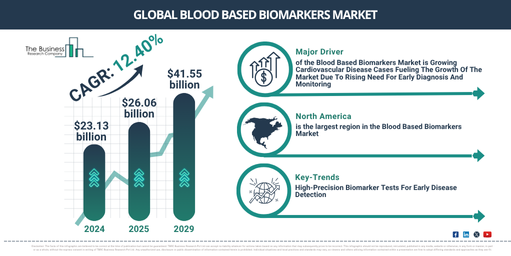
    The market size of blood-based biomarkers has seen considerable growth in the past few years. The size of the market, which was $23.13 billion in 2024, is projected to increase to $26.06 billion in 2025, showing a compound annual growth rate (CAGR) of 12.6%. The acceleration during the historic period is linked to numerous factors such as the increased incidence of cancer worldwide, the rising popularity of personalized medicine, greater investment in biomarker research, growth in clinical trials utilizing biomarkers, and an increase in approvals for companion diagnostics.

    What Growth Rate Is Forecasted for the Blood Based Biomarkers Market by 2029?

    In the coming years, the blood-based biomarkers market is projected to experience substantial expansion, with the market size predicted to increase to $41.55 billion in 2029 at a compound annual growth rate (CAGR) of 12.4%. This progression in the projected phase is linked to the development in AI and machine learning applied to biomarker analysis, increased need for early detection of diseases, the emergence of telemedicine and remote diagnosis, an uptick in chronic disease cases, and heightened health consciousness among consumers. Key trends expected in this projection period are the emergence of AI-aided biomarker discovery, advancements in liquid biopsy, the combination of multi-omics, the introduction of point-of-care (POC) testing devices, and innovations in next-generation sequencing (NGS).

    Download The Free Sample Report Here:

    https://www.thebusinessresearchcompany.com/sample.aspx?id=24176&type=smp

    Which Key Companies Are Shaping the Future of the Blood Based Biomarkers Market?

    Major companies operating in the blood based biomarkers market are Siemens Healthineers AG, Agilent Technologies Inc, Eisai Co Ltd, Sysmex Corporation, Exact Sciences Corporation, Guardant Health, Quanterix Corporation, Illumina Inc, QIAGEN NV, GENFIT, Foundation Medicine Inc, Adaptive Biotechnologies Corporation, GRAIL LLC, Biodesix Inc, Cleveland Diagnostics Inc, Creative Diagnostics, Epigenomics AG, C2N Diagnostics, Diadem srl, Proteomedix AG

    Which Factors Are Driving Demand in the Blood Based Biomarkers Industry?

    The escalation in cardiovascular disease incidents is anticipated to boost the expansion of the blood-based biomarkers market in the future. Cardiovascular afflictions pertain to a collection of issues that impact the heart and blood vessels, incorporating ailments such as coronary artery disease, heart failure, and stroke. Factors contributing to an increase in cardiovascular disease include unhealthy diets and escalating rates of obesity. Blood-based biomarkers assist in the diagnosis and tracking of cardiovascular diseases, offering insights into the progression of the disease, risk evaluation, and the response to treatment via substances that can be measured in the blood. For example, in September 2024, the National Center for Biotechnology Information, a government agency in the US, reported a worldwide health research initiative. Predictions pointed to a 90% increase in the prevalence of cardiovascular disease between 2025 and 2050, with the count of expected deaths due to cardiovascular conditions reaching 35.6 million by 2050. Consequently, the escalating incidents of cardiovascular diseases are fuelling the growth of blood-based biomarkers.

    Request For A Customized Report:

    https://www.thebusinessresearchcompany.com/sample.aspx?id=24176&type=smp

    How Is the Blood Based Biomarkers Market Segmented by Several Divisions?

    The blood based biomarkers market covered in this report is segmented –

    1) By Type: Genetic Biomarkers, Protein Biomarkers, Metabolic Biomarkers, Cell-Based Biomarkers, Epigenetic Biomarkers

    2) By Technology: Next-Generation Sequencing, Polymerase Chain Reaction, Immunoassays, Mass Spectrometry, Other Technologies

    3) By Application: Cancer, Cardiovascular Diseases, Neurological Diseases, Immunological Diseases, Other Applications

    4) By End Users: Hospitals And Clinics, Diagnostic Laboratories, Research And Academic Institutes, Other End Users

    Subsegments:

    1) By Genetic Biomarkers: Deoxyribonucleic Acid (DNA) Mutations, Ribonucleic Acid (RNA) Expression Profiles, Single Nucleotide Polymorphisms (SNPs), Copy Number Variations (CNVs), Gene Fusions

    2) By Protein Biomarkers: Enzymes, Hormones, Cytokines, Tumor Markers, Acute Phase Proteins

    3) By Metabolic Biomarkers: Lipid Profiles, Amino Acid Levels, Glucose And Lactate Levels, Organic Acids, Metabolite Panels

    4) By Cell-Based Biomarkers: Circulating Tumor Cells (CTCs), Immune Cell Profiling, Stem Cells, Platelets, Endothelial Cells

    5) By Epigenetic Biomarkers: Deoxyribonucleic Acid (DNA) Methylation Patterns, Histone Modifications, Non-Coding Ribonucleic Acid (RNA), Chromatin Accessibility, Epigenetic Enzyme Activity

    What are the Emerging Market Trends Driving the Growth of the Blood Based Biomarkers Industry?

    Leading companies in the blood-based biomarkers market are prioritizing technological progression such as sophisticated blood biomarker tests to assist doctors in diagnosing Alzheimer’s disease. A blood biomarker test, with high-accuracy, is a diagnostic instrument that employs distinct biomarkers in the blood to accurately and reliably identify diseases or track health conditions. For example, in October 2023, Quanterix, an American life sciences firm, came out with a high-accuracy blood biomarker test named LucentAD p-Tau 217. This test is designed to help physicians diagnose Alzheimer’s disease (AD) in adults who have cognitive impairment. The test gauges phosphorylated tau protein at threonine 217 (p-Tau 217), a biomarker that is closely tied to AD pathology, notably the accumulation of amyloid in the brain. The LucentAD p-Tau 217 test boasts an accuracy rate of over 90%, satisfying stringent diagnostic standards, and is meant to supplement other diagnostic tools instead of being used as an independent test.

    Access The Full Report Here:

    https://www.thebusinessresearchcompany.com/report/blood-based-biomarkers-global-market-report

    Which Regions Are Driving Growth in the Blood Based Biomarkers Market?

    North America was the largest region in the blood-based biomarkers market in 2024. Asia-Pacific is expected to be the fastest-growing region in the forecast period. The regions covered in the blood based biomarkers market report are Asia-Pacific, Western Europe, Eastern Europe, North America, South America, Middle East, Africa.

    Purchase The Full Report Today:

    https://www.thebusinessresearchcompany.com/customise?id=24176&type=smp

    This Report Delivers Insight On:

    1. How big is the blood based biomarkers market, and how is it changing globally?

    2. Who are the major companies in the blood based biomarkers market, and how are they performing?

    3. What are the key opportunities and risks in the blood based biomarkers market right now?

    4. Which products or customer segments are growing the most in the blood based biomarkers market?

    5. What factors are helping or slowing down the growth of the blood based biomarkers market?

    About The Business Research Company:

    With over 15000+ reports from 27 industries covering 60+ geographies, The Business Research Company has built a reputation for offering comprehensive, data-rich research and insights. Armed with 1,500,000 datasets, the optimistic contribution of in-depth secondary research, and unique insights from industry leaders, you can get the information you need to stay ahead in the game.

    Get in touch with us:

    The Business Research Company: https://www.thebusinessresearchcompany.com/

    Americas +1 310-496-7795

    Europe +44 7882 955267

    Asia & Others +44 7882 955267 & +91 8897263534

    Email us at info@tbrc.info

    Follow us on:

    LinkedIn: https://in.linkedin.com/company/the-business-research-company

    YouTube: https://www.youtube.com/channel/UC24_fI0rV8cR5DxlCpgmyFQ

    Global Market Model: https://www.thebusinessresearchcompany.com/global-market-model
  • Bismuth Subsalicylate Industry Growth Expected to Reach $2.37 Billion by 2029 at a CAGR of 6.9% | Segmentation and Growth Opportunities

    Bismuth Subsalicylate Industry Growth Expected to Reach $2.37 Billion by 2029 at a CAGR of 6.9% | Segmentation and Growth Opportunities

    Claim your 30% discount on Global Market Reports with code ONLINE30. Limited time only.

    What Is the Forecast for the Bismuth Subsalicylate Market Growth in 2025?

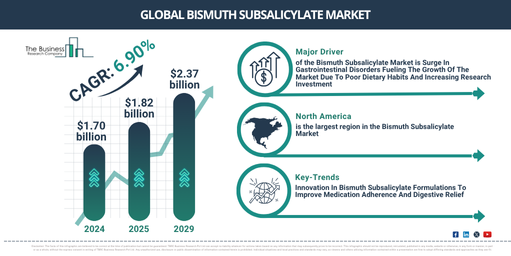
    The market size of bismuth subsalicylate has witnessed robust growth in the past few years. The market, which was valued at $1.70 billion in 2024, is predicted to scale up to $1.82 billion in 2025, growing at a compound annual growth rate (CAGR) of 7.3%. Factors contributing to the growth during the historic period include an increase in the aging population, a surge in disposable income, a growing preference among consumers for self-medication, a rise in travel-related gastrointestinal problems, and an increased intake of processed foods leading to digestive complications.

    What Is the Forecast for the Bismuth Subsalicylate Market Size Through 2029?

    Anticipations are high for the bismuth subsalicylate market as it is forecasted to experience substantial growth in the coming years, with an expected value of $2.37 billion in 2029 and a compounded annual growth rate (CAGR) of 6.9%. The projected uptrend for this period is influenced by several factors, including a rising number of gastrointestinal disorders, a growing need for over-the-counter (OTC) treatments, an increased consciousness surrounding digestive health, growth in the pharmaceutical sector, and improving healthcare infrastructures in developing markets. Key market trends during this period entail the growing preference for antacid and anti-nausea medicines, the availability of bismuth subsalicylate in both liquid and tablet formats, advancements in drug formulations that lead to better patient adherence, strategic alliance among pharmaceutical firms, and the creation of branded bismuth subsalicylate-based drugs.

    Download The Free Sample Report Here:

    https://www.thebusinessresearchcompany.com/sample.aspx?id=24173&type=smp

    What are the Key Market Players in Bismuth Subsalicylate Market and How They’re Evolving?

    Major companies operating in the bismuth subsalicylate market are Procter & Gamble, GlaxoSmithKline Plc, Perrigo Company Plc, Siegfried AG, Laboratorios Imperiales S.A. de C.V., Shandong Xinhua Pharmaceutical Co. Ltd., Alpha Chemika, JQC (Huayin) Pharmaceutical Co. Ltd., Chr. Olesen Group, Vital Materials Co. Ltd., Shanpar Industries Pvt. Ltd., OCB Pharmaceutical, Muby Chemicals, A. B. Enterprises, Samuh Laxmi, Lumax Pharmaceutical Labs Pvt. Ltd., GB Nitrochem Pvt. Ltd., Indian Platinum Private Limited, Organs Bio Lab Private Limited, Maan Medex Private Limited

    What Are the Primary Growth Drivers in the Bismuth Subsalicylate Market?

    The increasing occurrence of gastrointestinal disorders is predicted to spur the expansion of the bismuth subsalicylate market in future years. These disorders impact the digestive tract, including the stomach, intestines and related organs, resulting in symptoms like discomfort, bloating, and erratic bowel movements. This upsurge is largely attributed to unhealthy eating habits, with excessive consumption of processed food and insufficient intake of fiber, resulting in disturbance in gut microbiota and digestional dysfunction. Bismuth subsalicylate is common in gastrointestinal disorder treatment since it helps manage diarrhea by reducing gut inflammation and limiting the spread of certain bacteria that disrupt digestion. A report in May 2025 by ScienceDirect, an American bibliographic database, showed that around 23.5 million gastrointestinal endoscopies were carried out in 2022, a 6% rise from the preceding year. Therefore, the escalating occurrence of gastrointestinal disorders is expected to fortify the bismuth subsalicylate market. The inflation of the pharmaceutical industry may elevate the bismuth subsalicylate market due to increased demands for innovative treatments and improved accessibility to medications. This industry concentrates on research, development, production, and distribution of drugs and therapeutic commodities to elevate health standards and manage various medical conditions. The surge of the pharmaceutical industry is governed by the rising worldwide prevalence of chronic diseases, which necessitates constant improvement in long-term health management treatments. The burgeoning pharmaceutical industry is aiding bismuth subsalicylate by escalating the accessibility of advanced formulas and distribution avenues, ensuring that this effective remedy for gastrointestinal disorders is available globally. According to a November 2024 report by the International Federation of Pharmaceutical Manufacturers and Associations (IFPMA), a Swiss non-profit organization, the pharmaceutical industry’s contribution to the global GDP reached $2,295 billion in 2022, encompassing both direct and indirect implications. Out of this, $755 billion was a direct input, accounting for 0.7% of that year’s global GDP, roughly equal to Switzerland’s GDP for the same year. Hence, the burgeoning pharmaceutical industry is expected to promote growth in the bismuth subsalicylate market.

    Request For A Customized Report:

    https://www.thebusinessresearchcompany.com/sample.aspx?id=24173&type=smp

    What Are the Leading Segments in the Global Bismuth Subsalicylate Industry?

    The bismuth subsalicylate market covered in this report is segmented –

    1) By Product: Bismuth Subsalicylate Tablets, Bismuth Subsalicylate Suspension, Bismuth Subsalicylate Chewable Tablets

    2) By Distribution Channel: Online Pharmacies, Retail Pharmacies, Super markets Or Hyper markets, Health And Wellness Stores

    3) By Application: Gastrointestinal Disorders, Diarrhea, Nausea, Heartburn, Indigestion

    4) By End-User: Adult Consumers, Pediatric Consumers, Healthcare Professionals, Caretakers And Guardians

    Subsegments:

    1) By Bismuth Subsalicylate Tablets: Prescription Tablets, Over-The-Counter (OTC) Tablets, Coated Tablets, Uncoated Tablets

    2) By Bismuth Subsalicylate Suspension: Flavored Suspension, Unflavored Suspension, Alcohol-Free Suspension, Sugar-Free Suspension

    3) By Bismuth Subsalicylate Chewable Tablets: Adult Chewable Tablets, Pediatric Chewable Tablets, Mint-Flavored Chewable Tablets, Fruit-Flavored Chewable Tablets

    What Are the Key Market Trends in the Bismuth Subsalicylate Industry?

    Leading businesses in the bismuth subsalicylate sector are emphasizing the creation of innovative goods, such as chewable tablets, to promote better compliance with medication or supplement schedules. Chewable tablets, intended to be chewed before swallowing, offer a more user-friendly mode of intake and faster absorption of the drug or supplement. For instance, the US pharmaceutical firm, Wonderbelly unveiled the Dye-Free Alternative to Pepto-Bismol (Bismuth Subsalicylate) in May 2025. These chewable tablets serve to alleviate multiple symptoms including upset stomach, diarrhea, indigestion, and nausea. They incorporate the same active ingredient as in Pepto-Bismol (bismuth subsalicylate) but are created without the use of dyes or talc.

    Access The Full Report Here:

    https://www.thebusinessresearchcompany.com/report/bismuth-subsalicylate-global-market-report

    What Is the Regional Outlook for the Bismuth Subsalicylate Market?

    North America was the largest region in the bismuth subsalicylate market in 2024. Asia-Pacific is expected to be the fastest-growing region in the forecast period. The regions covered in the bismuth subsalicylate market report are Asia-Pacific, Western Europe, Eastern Europe, North America, South America, Middle East, Africa.

    Purchase The Full Report Today:

    https://www.thebusinessresearchcompany.com/customise?id=24173&type=smp

    This Report Delivers Insight On:

    1. How big is the bismuth subsalicylate market, and how is it changing globally?

    2. Who are the major companies in the bismuth subsalicylate market, and how are they performing?

    3. What are the key opportunities and risks in the bismuth subsalicylate market right now?

    4. Which products or customer segments are growing the most in the bismuth subsalicylate market?

    5. What factors are helping or slowing down the growth of the bismuth subsalicylate market?

    About The Business Research Company:

    With over 15000+ reports from 27 industries covering 60+ geographies, The Business Research Company has built a reputation for offering comprehensive, data-rich research and insights. Armed with 1,500,000 datasets, the optimistic contribution of in-depth secondary research, and unique insights from industry leaders, you can get the information you need to stay ahead in the game.

    Get in touch with us:

    The Business Research Company: https://www.thebusinessresearchcompany.com/

    Americas +1 310-496-7795

    Europe +44 7882 955267

    Asia & Others +44 7882 955267 & +91 8897263534

    Email us at info@tbrc.info

    Follow us on:

    LinkedIn: https://in.linkedin.com/company/the-business-research-company

    YouTube: https://www.youtube.com/channel/UC24_fI0rV8cR5DxlCpgmyFQ

    Global Market Model: https://www.thebusinessresearchcompany.com/global-market-model
  • Bioconvergence  Market Trends Report 2025 – For Business Development and Strategy Teams

    Bioconvergence Market Trends Report 2025 – For Business Development and Strategy Teams

    Claim your 30% discount on Global Market Reports with code ONLINE30. Limited time only.

    What Is the Forecast for the Bioconvergence Market Growth in 2025?

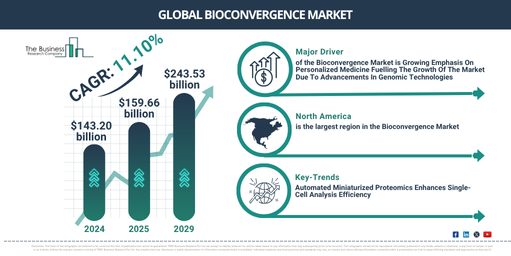
    In recent times, there has been a speedy expansion in the bioconvergence market size. The market, valued at $143.20 billion in 2024, is expected to inflate to $159.66 billion in 2025, representing a compound annual growth rate (CAGR) of 11.5%. The historic period’s growth is linked to the emergence of personalized medicine, advances in biomedical engineering, growth in healthcare digitization, the evolution of bioinformatics, and combined efforts between the technological and biotech industries.

    What Is the Forecast for the Bioconvergence Market Size Through 2029?

    The size of the bioconvergence market is projected to experience exponential growth in the coming years. It is slated to reach a market value of $243.53 billion by 2029, growing at an 11.1% Compound Annual Growth Rate (CAGR). The predicted expansion during the forecast period can be linked to the growing applications of regenerative medicine, an increase in chronic disease prevalence, the application of bioelectronics and biosensors, advancements in engineered living materials, and a surge in biotechnology research and development investments. In the forecast period, trending progressions include incorporating artificial intelligence into drug discovery, the emergence of lab-on-a-chip technologies, the surge of wearable biosensors, the broadening scope of three-dimensional (3D) bioprinting applications, the application of nanorobotics for targeted therapies, the rise in organ-on-a-chip models and advancements in gene editing techniques.

    Download The Free Sample Report Here:

    https://www.thebusinessresearchcompany.com/sample.aspx?id=24168&type=smp

    What are the Key Market Players in Bioconvergence Market and How They’re Evolving?

    Major companies operating in the bioconvergence market are Pfizer Inc., Johnson & Johnson, Merck & Co. Inc., Veolia Environnement S.A, Novartis AG, Eli Lilly and Company, Amgen Inc., HDR Inc., Ginkgo Bioworks, BICO Group AB, MeMed Diagnostics Ltd., Anima Biotech, Singota Solutions LLC, SetPoint Medical Corporation, Galvani Bioelectronics, Ezassi Inc., Tissue Dynamics Ltd., Sanara Ventures Ltd., BioConvergent Health LLC, Gradiant Bioconvergence Center

    What Are the Primary Growth Drivers in the Bioconvergence Market?

    The bioconvergence market is forecasted to expand owing to the increasing focus on personalized medicine. This distinct medical approach customizes treatments to each patient’s genetic, environmental, and lifestyle factors to enhance outcomes and healthcare quality. The need for personalized medicine escalates with the advent of cutting-edge genomic technologies, which allows for accurate identification of genetic variations and individualized treatments. Bioconvergence merges these advanced technologies with biological study, paving the way for more precise treatment strategies distinct to a patient’s genetic and molecular makeup. This approach not only improves healthcare results but also promotes targeted therapy and minimizes adverse effects. A case in point: The U.S. Food and Drug Administration (FDA) sanctioned 26 new personalized medicines in 2023 – according to the records of the Personalized Medicine Coalition (PMC), a nonprofit organization based in the US. This shows a marked increase from the 12 sanctioned in 2022. Consequently, the bioconvergence market is booming due to the intensified stress on personalized medicine.

    Request For A Customized Report:

    https://www.thebusinessresearchcompany.com/sample.aspx?id=24168&type=smp

    What Are the Leading Segments in the Global Bioconvergence Industry?

    The bioconvergence market covered in this report is segmented –

    1) By Component: Devices, Software, Services, Platforms

    2) By Technology: Artificial Intelligence, Robotics, Three-Dimensional (3D) Printing, Nanotechnology, Synthetic Biology, Bioinformatics, Wearable Devices

    3) By Application: Drug Discovery, Regenerative Medicine, Optogenetics, Nanorobotics For Drug Discovery, Diagnostic And Biological Sensors, Bioelectronics, Precision Medicine

    4) By End-User: Pharmaceutical And Biotechnology Industry, Contract Research Organization, Other End Users

    Subsegments:

    1) By Devices: Diagnostic Devices, Therapeutic Devices, Wearable Medical Devices, Implantable Devices, Robotic Surgical Systems

    2) By Software: Bioinformatics Software, Clinical Decision Support Systems, Genomic Data Analysis Tools, Imaging And Diagnostic Software, Laboratory Information Management Systems (LIMS)

    3) By Services: Contract Research Services, Consulting And Integration Services, Data Management And Analysis Services, Custom Software Development, Regulatory And Compliance Services

    4) By Platforms: Artificial Intelligence Platforms, Omics Integration Platforms, Digital Health Platforms, Personalized Medicine Platforms, Cloud-Based Analytics Platforms

    What Are the Key Market Trends in the Bioconvergence Industry?

    Key players in the bioconvergence market are directing their efforts towards the creation of novel products including automated miniaturized single-cell proteomics sample preparation. This advanced technology allows for accurate protein analysis, minimizes sample loss, and enhances the efficiency of single-cell research workflows. The process incorporates automation for preparing proteins from singular cells in extremely minute volumes. As an example, Scienion GmbH, a bio-technology firm based in Germany, introduced Proteochip LF 48 in September 2022 to facilitate consistent and miniaturized workflows aimed at mass spectrometry-based single-cell proteomics analysis. This groundbreaking bioconvergence tool allows the lysis and protein digestion of individual cells on-chip, enabling researchers to reduce sample loss, optimize workflows and extract deeper biological knowledge via efficient mass spectrometry analysis. The Proteochip LF 48 is incredibly adaptable, enabling efficient sample preparation for a range of single-cell proteomics applications by merging precise cellular handling with on-chip lysis and protein digestion, improving efficacy in workflow and quality of data.

    Access The Full Report Here:

    https://www.thebusinessresearchcompany.com/report/bioconvergence-global-market-report

    What Is the Regional Outlook for the Bioconvergence Market?

    North America was the largest region in the bioconvergence market in 2024. Asia-Pacific is expected to be the fastest-growing region in the forecast period. The regions covered in the bioconvergence market report are Asia-Pacific, Western Europe, Eastern Europe, North America, South America, Middle East, Africa.

    Purchase The Full Report Today:

    https://www.thebusinessresearchcompany.com/customise?id=24168&type=smp

    This Report Delivers Insight On:

    1. How big is the bioconvergence market, and how is it changing globally?

    2. Who are the major companies in the bioconvergence market, and how are they performing?

    3. What are the key opportunities and risks in the bioconvergence market right now?

    4. Which products or customer segments are growing the most in the bioconvergence market?

    5. What factors are helping or slowing down the growth of the bioconvergence market?

    About The Business Research Company:

    With over 15000+ reports from 27 industries covering 60+ geographies, The Business Research Company has built a reputation for offering comprehensive, data-rich research and insights. Armed with 1,500,000 datasets, the optimistic contribution of in-depth secondary research, and unique insights from industry leaders, you can get the information you need to stay ahead in the game.

    Get in touch with us:

    The Business Research Company: https://www.thebusinessresearchcompany.com/

    Americas +1 310-496-7795

    Europe +44 7882 955267

    Asia & Others +44 7882 955267 & +91 8897263534

    Email us at info@tbrc.info

    Follow us on:

    LinkedIn: https://in.linkedin.com/company/the-business-research-company

    YouTube: https://www.youtube.com/channel/UC24_fI0rV8cR5DxlCpgmyFQ

    Global Market Model: https://www.thebusinessresearchcompany.com/global-market-model

  • Interventional Lung Solutions Market Trends Report 2025 – For Business Development and Strategy Teams

    Interventional Lung Solutions Market Trends Report 2025 – For Business Development and Strategy Teams

    Claim your 30% discount on Global Market Reports with code ONLINE30. Limited time only.

    #What Is the Forecast for the Interventional Lung Solutions Market Growth in 2025?#_x000D_

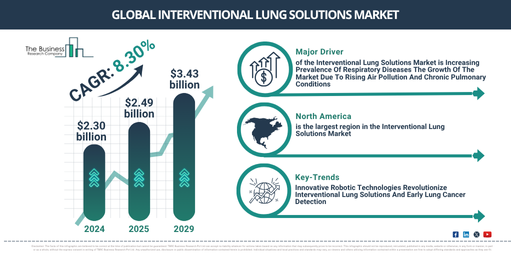
    The market for interventional lung solutions has expanded robustly over the recent years. The market is projected to increase from $2.30 billion in 2024 to $2.49 billion in 2025, with a compound annual growth rate (CAGR) of 8.4%. The escalation in the past years can be credited to the rising incidence of breathing disorders, the augmenting populace of smokers globally, escalating levels of air pollution, heightened awareness of healthcare, and an increase in cases of lung cancer._x000D_

    _x000D_

    #What Is the Forecast for the Interventional Lung Solutions Market Size Through 2029?#_x000D_

    The market for interventional lung solutions is forecasted to witness a robust growth in the upcoming years, and is anticipated to reach $3.43 billion by 2029, growing at a compound annual growth rate (CAGR) of 8.3%. The prediction for market growth in the future is aligned with factors such as the rise in telemedicine and remote patient monitoring, an expanding emphasis on individualized medicine, the rising popularity of robot-assisted surgery, and the growing trend towards minimally invasive procedures and precision medicine. The key trends to watch out for over the forecast period include the development of interventions for lung cancer, the incorporation of artificial intelligence in bronchoscopy systems, the synchronization of interventional pulmonology and cancer treatments, the implementation of digital platforms for managing lung diseases, and the innovation in lung regeneration therapies._x000D_

    _x000D_

    #Download The Free Sample Report Here:#_x000D_

    https://www.thebusinessresearchcompany.com/sample.aspx?id=24258&type=smp_x000D_

    _x000D_

    #What are the Key Market Players in Interventional Lung Solutions Market and How They’re Evolving?#_x000D_

    Major companies operating in the interventional lung solutions market are Johnson and Johnson, Siemens AG, Medtronic plc, FUJIFILM Holdings Corporation, GE Healthcare Technologies Inc., Boston Scientific Corporation, Olympus Corporation, Intuitive Surgical Inc., Smiths Medical Inc., Cook Medical Inc., Merit Medical Systems Inc., Penumbra Inc., Vygon SA, AngioDynamics Inc., Vapotherm Inc., Pulmonx Corporation, Broncus Medical Inc., Thirona B.V., Body Vision Medical Ltd., The Lung Docs Inc., EndoMed Systems GmbH_x000D_

    _x000D_

    #What Are the Primary Growth Drivers in the Interventional Lung Solutions Market?#_x000D_

    The rise in respiratory ailments is anticipated to spur the growth of the interventional lung solutions market. Respiratory diseases are a category of illnesses that impact the lungs and airways, causing breathing difficulty and disrupting regular respiratory functions. This upsurge in respiratory conditions is due to escalating levels of air pollution, which cause prolonged exposure to harmful airborne particles and irritants. Interventional lung solutions aid in the management of respiratory ailments by offering minimally invasive procedures, which boost lung function and alleviate symptoms in individuals with chronic pulmonary issues. For example, the Centers for Disease Control and Prevention, a US-based government agency, reported approximately 8,331 tuberculosis cases in the United States in November 2023, a 5.9% increase from 2021. Hence, the rising prevalence of respiratory diseases bolsters the interventional lung solutions market._x000D_

    _x000D_

    #Request For A Customized Report:#_x000D_

    https://www.thebusinessresearchcompany.com/sample.aspx?id=24258&type=smp_x000D_

    _x000D_

    #What Are the Leading Segments in the Global Interventional Lung Solutions Industry?#_x000D_

    The interventional lung solutions market covered in this report is segmented –_x000D_

    _x000D_

    1) By Product Type: Bronchoscopes, Endobronchial Ultrasound Needles, Pleuroscopes, Airway Stents, Other Product Types_x000D_

    2) By Technology: Robotic Surgery, Laser Therapy, Electromagnetic Navigation Bronchoscopy_x000D_

    3) By Procedure: Bronchoscopy, Thoracoscopy, Pleuroscopy, Other Procedures_x000D_

    4) By Application: Lung Cancer Treatment, Chronic Obstructive Pulmonary Disease, Sleep Apnea Treatment_x000D_

    5) By End-User: Hospitals, Ambulatory Surgical Centers, Specialty Clinics, Other End-Users_x000D_

    _x000D_

    Subsegments:_x000D_

    1) BY Bronchoscopes: Flexible Bronchoscopes, Rigid Bronchoscopes, Disposable Bronchoscopes_x000D_

    2) By Endobronchial Ultrasound Needles: Transbronchial Aspiration Needles, Biopsy Needles_x000D_

    3) By Pleuroscopes: Flexible Pleuroscopes, Semi-Rigid Pleuroscopes_x000D_

    4) By Airway Stents: Metallic Stents, Silicone Stents, Hybrid Stents_x000D_

    5) By Other Product Types: Bronchial Thermoplasty Devices, Lung Volume Reduction Devices, Electromagnetic Navigation Systems, Cryotherapy And Ablation Devices_x000D_

    _x000D_

    #What Are the Key Market Trends in the Interventional Lung Solutions Industry?#_x000D_

    Leading corporations in the interventional lung solutions market are concentrating on creating novel technologies like the Ion Endoluminal System to enhance the precision of lung cancer diagnosis, facilitate less invasive procedures, and better patient outcomes through advanced navigational and biopsy capabilities. The Ion Endoluminal System is a robot-assisted platform crafted for minimally invasive lung procedures, providing accurate airway navigation to access small or difficult-to-reach lung nodules. For example, in April 2024, the US-based non-profit organization, H. Lee Moffitt Cancer Center and Research Institute Foundation Inc., inaugurated a new Ion Robotic Bronchoscopy platform, augmenting their interventional pulmonology program with sophisticated fiber-optic technology and a minimally invasive catheter system. This technology employs fiber optics and the tiniest catheter available in the market to access every aspect of the lung. The platform accommodates an extremely thin, highly flexible catheter with 180° articulation, integrated real-time vision, and shape-sensing technology, facilitating precise navigation and biopsy of difficult-to-reach peripheral lung nodules. This system delivers unmatched stability and accuracy for tissue sampling, enabling physicians to access all 18 lung segments and enhance early lung cancer detection._x000D_

    _x000D_

    #Access The Full Report Here:#_x000D_

    https://www.thebusinessresearchcompany.com/report/interventional-lung-solutions-global-market-report_x000D_

    _x000D_

    #What Is the Regional Outlook for the Interventional Lung Solutions Market?#_x000D_

    North America was the largest region in the interventional lung solutions market in 2024. Asia-Pacific is expected to be the fastest-growing region in the forecast period. The regions covered in the interventional lung solutions market report are Asia-Pacific, Western Europe, Eastern Europe, North America, South America, Middle East, Africa._x000D_

    _x000D_

    #Purchase The Full Report Today:#_x000D_

    https://www.thebusinessresearchcompany.com/customise?id=24258&type=smp_x000D_

    _x000D_

    #This Report Delivers Insight On: #_x000D_

    1. How big is the interventional lung solutions market, and how is it changing globally?_x000D_

    2. Who are the major companies in the interventional lung solutions market, and how are they performing?_x000D_

    3. What are the key opportunities and risks in the interventional lung solutions market right now?_x000D_

    4. Which products or customer segments are growing the most in the interventional lung solutions market?_x000D_

    5. What factors are helping or slowing down the growth of the interventional lung solutions market?_x000D_

    _x000D_

    #About The Business Research Company:#_x000D_

    With over 15000+ reports from 27 industries covering 60+ geographies, The Business Research Company has built a reputation for offering comprehensive, data-rich research and insights. Armed with 1,500,000 datasets, the optimistic contribution of in-depth secondary research, and unique insights from industry leaders, you can get the information you need to stay ahead in the game._x000D_

    _x000D_

    #Get in touch with us:#_x000D_

    The Business Research Company: https://www.thebusinessresearchcompany.com/_x000D_

    Americas +1 310-496-7795_x000D_

    Europe +44 7882 955267_x000D_

    Asia & Others +44 7882 955267 & +91 8897263534_x000D_

    Email us at info@tbrc.info_x000D_

    _x000D_

    _x000D_

    #Follow us on:#_x000D_

    _x000D_

    LinkedIn: https://in.linkedin.com/company/the-business-research-company_x000D_

    YouTube: https://www.youtube.com/channel/UC24_fI0rV8cR5DxlCpgmyFQ_x000D_

    Global Market Model: https://www.thebusinessresearchcompany.com/global-market-model