Category: Pharmaceuticals

  • Interleukin Inhibitors Industry Growth Expected to Reach $96.66 Billion by 2029 at a CAGR of 18% | Segmentation and Growth Opportunities

    Interleukin Inhibitors Industry Growth Expected to Reach $96.66 Billion by 2029 at a CAGR of 18% | Segmentation and Growth Opportunities

    Claim your 30% discount on Global Market Reports with code ONLINE30. Limited time only.

    #How Has the Interleukin Inhibitors Market Growth Performance Trended Historically, And What Lies Ahead?

    There has been a swift expansion in the market size of interleukin inhibitors in the past few years. This market will escalate from $42.93 billion in 2024 to $49.84 billion in 2025, marking a compound annual growth rate (CAGR) of 16.1%. Factors that led to growth during the historic period include a heightened occurrence of autoimmune diseases, amplified consciousness about interleukin inhibitors, an expanding demand for personalized medicine, an increasing elderly population, and rising interest in biosimilars.

    What Is the Forecast for the Interleukin Inhibitors Market Size Through 2029?

    The market size for interleukin inhibitors is projected to undergo speedy expansion in the coming years. By 2029, the market will reach a value of $96.66 billion growing at a compound annual growth rate (CAGR) of 18.0%. Factors contributing to this projected growth during the forecast period include the emergence of therapeutic indications, the ageing population worldwide, combined immunotherapies, and enhanced investment in research and development activities. Noteworthy trends for the forecast period encompass oral interleukin inhibitors, advanced therapy options, pediatric indications, broader access, and a focus on patient-centric care.

    Download The Free Sample Report Here:

    https://www.thebusinessresearchcompany.com/sample.aspx?id=3469&type=smp

    What are the Key Market Players in Interleukin Inhibitors Market and How They’re Evolving?

    Major companies operating in the interleukin inhibitors market include Sanofi S.A., GlaxoSmithKline plc, Novartis International AG, Johnson & Johnson Services Inc., F. Hoffmann-La Roche Ltd., Eli Lilly and Company, AstraZeneca plc, Teva Pharmaceutical Industries Ltd., Regeneron Pharmaceuticals Inc., Bausch Health Companies Inc., AbbVie Inc., Sun Pharmaceutical Industries Limited, Boehringer Ingelheim International GmbH, Janssen Biotech Inc., Ortho Dermatologics, Amgen Inc., Celgene Corporation, Bristol-Myers Squibb Company, Pfizer Inc., Merck & Co. Inc., Takeda Pharmaceutical Company Limited, Biogen Inc., Vertex Pharmaceuticals Incorporated, Incyte Corporation, Seattle Genetics Inc., Karyopharm Therapeutics Inc., Kyowa Kirin Co Ltd., Astellas Pharma Inc., Ipsen Biopharmaceuticals Inc.

    What Are the Primary Growth Drivers in the Interleukin Inhibitors Market?

    The interleukin inhibitors market is set to be propelled by an increase in the count of investigational drugs for inflammatory illnesses such as psoriasis, arthritis, and inflammatory bowel disease. These inhibitors of interleukin diminish the activity of the inflammatory cytokines. They prompt innate immune responses to prevent harm to the host and preserve normal tissue homeostasis. Currently, there are 48 molecules being examined for the treatment of inflammatory diseases like psoriasis and psoriatic arthritis. Out of them, 20 molecules have advanced to Phase III clinical trials. This rising quantity of pipeline drugs, upon approval, will indeed fuel the growth of the interleukin inhibitors market.

    Request For A Customized Report:

    https://www.thebusinessresearchcompany.com/customise?id=3469&type=smp

    What Are the Leading Segments in the Global Interleukin Inhibitors Industry?

    The interleukin inhibitors market covered in this report is segmented –

    1) By Type: IL-17, IL-23, IL-1, IL-5, IL-6, Other Types

    2) By Application: Psoriasis, Psoriatic Arthritis, Rheumatoid Arthritis, Asthma, Inflammatory Bowel Disease, Other Applications

    3) By Distribution Channel: Hospital Pharmacies, Retail Pharmacies, Online Pharmacies

    Subsegments:

    1) By IL-17: Secukinumab, Ixekizumab, Brodalumab

    2) By IL-23: Ustekinumab, Guselkumab, Tildrakizumab

    3) By IL-1: Anakinra, Canakinumab

    4) By IL-5: Mepolizumab, Reslizumab, Benralizumab

    5) By IL-6: Tocilizumab, Sarilumab

    6) By Other Types: Other Interleukin Inhibitors

    What Are the Key Market Trends in the Interleukin Inhibitors Industry?

    The expiry of biologic drug patents leads to the proliferation of biosimilar drugs which are a more cost-effective substitute. Major companies operating in the interleukin sector are in the process of producing biosimilars for interleukin inhibitors. For example, Mabpharm, NeuClone Pharmaceuticals Ltd., Gedeon Richter, and Bio-Thera Solutions are each working on their own biosimilars for specific IL inhibitors, including canakinumab (Ilaris), ustekinumab (Stelara), tocilizumab (Actemra), and secukinumab (Cosentyx), among others. Despite the clinical advantages that biologics provide in the treatment of psoriasis and other autoimmune diseases, a sizable number of patients remain untreated due to high treatment costs, among other reasons. This, coupled with the rapid progress in biotech and analytical sciences assuring that biosimilars are comparable to their biologic counterparts, is propelling the trend for biosimilars.

    Access The Full Report Here:

    https://www.thebusinessresearchcompany.com/report/interleukin-inhibitor-global-market-report

    What Is the Regional Outlook for the Interleukin Inhibitors Market?

    The countries covered in the interleukin inhibitors market report are Australia, Brazil, China, France, Germany, India, Indonesia, Japan, Russia, South Korea, UK, USA, Italy, Spain, Canada.

    Purchase The Full Report Today:

    https://www.thebusinessresearchcompany.com/purchaseoptions.aspx?id=3469

    This Report Delivers Insight On:

    1. How big is the interleukin inhibitors market, and how is it changing globally?

    2. Who are the major companies in the interleukin inhibitors market, and how are they performing?

    3. What are the key opportunities and risks in the interleukin inhibitors market right now?

    4. Which products or customer segments are growing the most in the interleukin inhibitors market?

    5. What factors are helping or slowing down the growth of the interleukin inhibitors market?

    About The Business Research Company:

    With over 15000+ reports from 27 industries covering 60+ geographies, The Business Research Company has built a reputation for offering comprehensive, data-rich research and insights. Armed with 1,500,000 datasets, the optimistic contribution of in-depth secondary research, and unique insights from industry leaders, you can get the information you need to stay ahead in the game.

    Get in touch with us:

    The Business Research Company: https://www.thebusinessresearchcompany.com/

    Americas +1 310-496-7795

    Asia +44 2071930708

    Europe +44 7882 955267

    Email us at info@tbrc.info

    Follow us on:

    LinkedIn: https://in.linkedin.com/company/the-business-research-company

    YouTube: https://www.youtube.com/channel/UC24_fI0rV8cR5DxlCpgmyFQ

    Global Market Model: https://www.thebusinessresearchcompany.com/global-market-model
  • Interferons Industry Valued at $11.98 Billion by 2029 With CAGR of 5.9% | Size and Share Insights

    Interferons Industry Valued at $11.98 Billion by 2029 With CAGR of 5.9% | Size and Share Insights

    Claim your 30% discount on Global Market Reports with code ONLINE30. Limited time only.

    What Are the Projected Market Size and Growth Rates for the Interferons Market From 2025 To 2029?

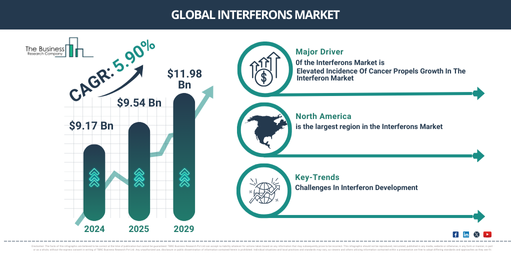
    There has been consistent growth in the size of the interferons market over the past few years. The market’s growth is anticipated to progress from a volume of $9.17 billion in 2024 to $9.54 billion in 2025, following a compound annual growth rate (CAGR) of 4.0%. The historic heightening of the market can be credited to factors such as viral infections, antiviral therapy schemes, cancer treatments, and autoimmune disease treatments.

    What Is the Projected Market Size of the Interferons Market?

    The market size for interferons is anticipated to experience robust growth in the upcoming years, expanding to $11.98 billion in 2029 with a compound annual growth rate (CAGR) of 5.9%. The projected growth throughout the forecast period can be linked to advancements in immunotherapy, precision medicine, readiness for viral outbreaks, drug pairings, and gene therapy. Key trends during the forecast period are expected to encompass increased applications, innovative biopharmaceuticals, interferon combinations, and tailor-made medicine.

    Download The Free Sample Report Here:

    https://www.thebusinessresearchcompany.com/sample.aspx?id=2836&type=smp

    Who are the Major Competitors in the Interferons Market Outlook?

    Major companies operating in the interferons market include Roche Holding AG, Merck & Co. Inc., Bristol-Myers Squibb Company, Biogen Inc., Bayer AG, Zydus Cadila Health Care Limited, Novartis AG, Pfizer Inc., Biosidus S.A., Nanogen Biopharmaceutical Co. Ltd., Amega Biotech Inc., Rhein Minapharm Biogenetics S.A.E., PROBIOMED S.A. de C.V., Schering-Plough Corporation, 3SBio Inc., AbbVie Inc., Celgene Corporation, Eli Lilly and Company, Genentech Inc., GlaxoSmithKline plc, Johnson & Johnson, Novo Nordisk A/S, Sanofi S.A., Takeda Pharmaceutical Company Limited, Teva Pharmaceutical Industries Ltd., Biocad, Cipla Limited, Dr. Reddy’s Laboratories Ltd., Hetero Drugs Limited

    What Is Fueling Growth in the Interferons Market?

    The interferon market’s expansion is anticipated to be propelled forward by the increasing prevalence of cancer. This collection of diseases, distinguished by abnormal cell proliferation that can result in metastasis, frequently uses interferons in the treatment of diverse forms such as melanoma, Kaposi’s sarcoma, and certain types of leukemia. Interferons often feature in co-therapies, where they enhance the body’s immune defense against cancerous cells. As an example, the American Cancer Society, a health organization based in the US, revealed in a report in January 2022 that it anticipates 609,360 cancer-related fatalities and 1.9 million fresh cancer diagnoses in the US in 2022. Predicted too are 10,470 instances of pediatric cancer in the same year, along with an expected 5,480 cancer diagnoses amongst teenagers. As such, the growth of the interferon market can be seen as spurred by the proliferation of cancer.

    Request For A Customized Report:

    https://www.thebusinessresearchcompany.com/customise?id=2836&type=smp

    Which Interferons Market Segments Are Growing the Fastest?

    The interferons market covered in this report is segmented –

    1) By Type: Interferon Alpha, Interferon Beta, Interferon Gamma

    2) By Application: Hepatitis B, Hepatitis C, Melanoma, Leukemia, Multiple Sclerosis, Renal Cell Carcinoma

    3) By Distribution Channel: Hospital Pharmacies, Online Pharmacies, Retail Pharmacies, Other Distribution Channels

    Subsegments:

    1) By Interferon Alpha: Interferon Alpha-2a, Interferon Alpha-2b

    2) By Interferon Beta: Interferon Beta-1a, Interferon Beta-1b

    3) By Interferon Gamma: Interferon Gamma-1b

    Which Industry Trends Are Shaping the Future of the Interferons Market?

    The creation of interferons comes with substantial research and development expenditures. The costs associated with the production of interferons are higher compared to the synthesis of smaller molecules which come with elevated operational expenses and necessitate a larger capital commitment. This is attributed to the fact that biologics are more intricate than their smaller counterparts and include complex production procedures. Furthermore, manufacturers are obligated to present an abundance of data to validate the effectiveness and safety of these biologics during pre-clinical and clinical trials prior to successful registration. This turns the registration of biologics into a costly and drawn-out process that hampers the market expansion. The steep research and development costs combined with the extended testing and production process mean marketed drugs will have a significantly higher price point than the actual production costs, posing a potential obstacle to market growth.

    Access The Full Report Here:

    https://www.thebusinessresearchcompany.com/report/interferon-global-market-report

    Which Countries Are Leading the Interferons Market?

    The countries covered in the interferons market report are Australia, Brazil, China, France, Germany, India, Indonesia, Japan, Russia, South Korea, UK, USA, Italy, Spain, Canada

    Purchase The Full Report Today:

    https://www.thebusinessresearchcompany.com/purchaseoptions.aspx?id=2836

    This Report Delivers Insight On:

    1. How big is the interferons market, and how is it changing globally?

    2. Who are the major companies in the interferons market, and how are they performing?

    3. What are the key opportunities and risks in the interferons market right now?

    4. Which products or customer segments are growing the most in the interferons market?

    5. What factors are helping or slowing down the growth of the interferons market?

    About The Business Research Company:

    With over 15000+ reports from 27 industries covering 60+ geographies, The Business Research Company has built a reputation for offering comprehensive, data-rich research and insights. Armed with 1,500,000 datasets, the optimistic contribution of in-depth secondary research, and unique insights from industry leaders, you can get the information you need to stay ahead in the game.

    Get in touch with us:

    The Business Research Company: https://www.thebusinessresearchcompany.com/

    Americas +1 310-496-7795

    Asia +44 2071930708

    Europe +44 7882 955267

    Email us at info@tbrc.info

    Follow us on:

    LinkedIn: https://in.linkedin.com/company/the-business-research-company

    YouTube: https://www.youtube.com/channel/UC24_fI0rV8cR5DxlCpgmyFQ

    Global Market Model: https://www.thebusinessresearchcompany.com/global-market-model
  • Inhalation Sedatives Market to Reach $2.88 Billion by 2029 | Key Drivers and Future Outlook

    Inhalation Sedatives Market to Reach $2.88 Billion by 2029 | Key Drivers and Future Outlook

    Claim your 30% discount on Global Market Reports with code ONLINE30. Limited time only.

    What Is the Estimated Market Size of the Inhalation Sedatives Market In 2029?

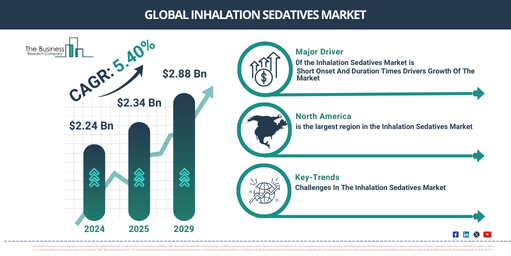
    The market size for inhalation sedatives has seen consistent growth in the past few years. It is anticipated to expand from $2.24 billion in 2024 to $2.34 billion in 2025, indicating a compound annual growth rate (CAGR) of 4.2%. The escalation in the historical period is a result of the increasing occurrence of chronic diseases, an expanding elderly population, growing consciousness regarding inhalation sedatives, rising funding in research and development, a broadening pipeline of inhalation sedatives, and surgical procedures.

    What Growth Rate Is Forecasted for the Inhalation Sedatives Market by 2029?

    Anticipated to see a robust growth in the forthcoming years, the market size of inhalation sedatives is projected to reach $2.88 billion by 2029, with a compound annual growth rate (CAGR) of 5.4%. The growth during the forecast period can be associated with increasing demand for outpatient procedures, anesthesia delivery systems, telemedicine along with remote monitoring, and a mounting prevalence of respiratory disorders, all footed by the expansion of ambulatory surgery centers. The forecast period is also expected to bring trends like non-pharmacological alternatives, eco-friendly practices with a focus on sustainability, data integration teamed with artificial intelligence, and advancements in the field of medical technology.

    Download The Free Sample Report Here:

    https://www.thebusinessresearchcompany.com/sample.aspx?id=3468&type=smp

    Which Key Companies Are Shaping the Future of the Inhalation Sedatives Market?

    Major companies operating in the inhalation sedatives market include AbbVie Inc., Baxter International Inc., Fresenius SE & Co. KGaA, Halocarbon Products Corporation, Hikma Pharmaceuticals plc, Jiangsu Hengrui Medicine Co. Ltd., Lunan Pharmaceutical Group Co. Ltd., Novartis International AG, Piramal Enterprises Ltd., Troikaa Pharmaceuticals Ltd., AstraZeneca plc, Boehringer Ingelheim International GmbH, Merck & Co. Inc., Pfizer Inc., Sanofi S.A., Teva Pharmaceutical Industries Ltd., Sun Pharmaceutical Industries Ltd., Lupin Limited, Cipla Limited, Dr. Reddy’s Laboratories Ltd., Zydus Cadila Health Care Limited, Torrent Pharmaceuticals Ltd., Aurobindo Pharma Limited, Intas Pharmaceuticals Ltd., Wockhardt Limited, Glenmark Pharmaceuticals Limited, Alkem Laboratories Limited, Jubilant Life Sciences Limited

    Which Factors Are Driving Demand in the Inhalation Sedatives Industry?

    The inhalation sedatives market’s projected growth is primarily driven by the quick onset and short duration of the inhalation sedative’s effects. Their speedy action and prompt healing process make them ideal for minor procedures like dental surgeries, especially among children, as well as in intensive care units where swift pain relief and recovery are essential. Nitrous oxide is a predominant example of an inhaled sedative. It’s generally administered as a mixture of 30-70% oxygen, taking effect within one to two minutes, with an action duration of about five minutes. These factors contribute to nitrous oxide being the go-to inhalation sedative in dental treatments. Consequently, the prompt onset and brief duration of the inhalation sedatives are set to stimulate the inhalation sedatives market growth.

    Request For A Customized Report:

    https://www.thebusinessresearchcompany.com/customise?id=3468&type=smp

    How Is the Inhalation Sedatives Market Segmented by Several Divisions?

    The inhalation sedatives market covered in this report is segmented –

    1) By Product: Sevoflurane, Desflurane, Isoflurane, Nitrous Oxide

    2) By Application: Induction, Maintenance

    3) By End-User: Hospitals, Ambulatory Surgical Centers, Other End-Users

    Subsegments:

    1) By Sevoflurane: Pediatric Anesthesia, Adult Anesthesia

    2) By Desflurane: Outpatient Surgery, Maintenance Anesthesia

    3) By Isoflurane: Maintenance Of General Anesthesia, Induction Of General Anesthesia

    4) By Nitrous Oxide: Analgesia For Dental Procedures, Anesthesia For Minor Surgical Procedures

    What are the Emerging Market Trends Driving the Growth of the Inhalation Sedatives Industry?

    The potential limitations linked to the inhalation sedatives market could serve as obstacles. While inhalation sedatives are usually safe, they can occasionally lead to negative outcomes. For instance, these sedatives are not suitable for those who recently had ear surgery as it increases the pressure in the middle ear. Moreover, to avoid the possibility of toxicity, pregnant women should not use inhalation sedatives since they interfere with the absorption of folic acid and can cause neurotoxicity. Research has also indicated that exposure to nitrous oxide for lengthy periods might result in reproductive and hematological disorders in the user. Furthermore, inhalation sedatives are not effective for patients suffering from a common cold, nasal blockage or COPD due to absorption issues which prevent the desired effect. These elements are limiting the use and adoption of inhalation sedatives, thereby encouraging alternative sedative techniques. As a result, the associated contraindications with inhalation sedatives could obstruct the market.

    Access The Full Report Here:

    https://www.thebusinessresearchcompany.com/report/inhalation-sedative-global-market-report

    Which Regions Are Driving Growth in the Inhalation Sedatives Market?

    The countries covered in the inhalation sedatives market report are Australia, Brazil, China, France, Germany, India, Indonesia, Japan, Russia, South Korea, UK, USA, Italy, Spain, Canada.

    Purchase The Full Report Today:

    https://www.thebusinessresearchcompany.com/purchaseoptions.aspx?id=3468

    This Report Delivers Insight On:

    1. How big is the inhalation sedatives market, and how is it changing globally?

    2. Who are the major companies in the inhalation sedatives market, and how are they performing?

    3. What are the key opportunities and risks in the inhalation sedatives market right now?

    4. Which products or customer segments are growing the most in the inhalation sedatives market?

    5. What factors are helping or slowing down the growth of the inhalation sedatives market?

    About The Business Research Company:

    With over 15000+ reports from 27 industries covering 60+ geographies, The Business Research Company has built a reputation for offering comprehensive, data-rich research and insights. Armed with 1,500,000 datasets, the optimistic contribution of in-depth secondary research, and unique insights from industry leaders, you can get the information you need to stay ahead in the game.

    Get in touch with us:

    The Business Research Company: https://www.thebusinessresearchcompany.com/

    Americas +1 310-496-7795

    Asia +44 2071930708

    Europe +44 7882 955267

    Email us at info@tbrc.info

    Follow us on:

    LinkedIn: https://in.linkedin.com/company/the-business-research-company

    YouTube: https://www.youtube.com/channel/UC24_fI0rV8cR5DxlCpgmyFQ

    Global Market Model: https://www.thebusinessresearchcompany.com/global-market-model
  • Hydroxychloroquine Market Size to Exceed $2.86 Billion by 2029 | Growth and Industry Trends

    Hydroxychloroquine Market Size to Exceed $2.86 Billion by 2029 | Growth and Industry Trends

    Claim your 30% discount on Global Market Reports with code ONLINE30. Limited time only.

    How Fast Is The Hydroxychloroquine Market Expected to Grow Between 2025 And 2029?

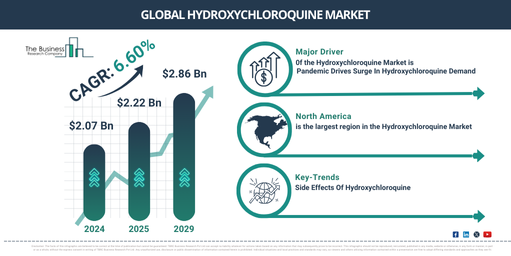
    In recent times, the hydroxychloroquine market has seen robust growth. The market value is predicted to increase from $2.07 billion in 2024 to $2.22 billion in 2025, demonstrating a compound annual growth rate (CAGR) of 7.2%. The substantial growth experienced in the past can be credited to the rising occurrence of malaria and a heightened awareness surrounding hydroxychloroquine, as well as its wide availability and its use in treating autoimmune diseases.

    What Growth Rate Is Anticipated for the Hydroxychloroquine Market in the Coming Years?

    Anticipated robust expansion is on the horizon for the hydroxychloroquine market in the forthcoming years, with its size predicted to escalate to $2.86 billion in 2029, boasting a compound annual growth rate (CAGR) of 6.6%. The upsurge during this projection period is linked to the escalating demand for mixed therapies, augmented government sponsorship, a burgeoning patient demographic, amplified health care accessibility and increasing preference for bespoke medication. The predominant inclinations within this forecast period encompass targeted treatments, telehealth, drug rediscovery, sustainability coupled with environmental impacts, equality in global health, and progress in biotechnology.

    Download The Free Sample Report Here:

    https://www.thebusinessresearchcompany.com/sample.aspx?id=3235&type=smp

    Who Are the Leading Companies in the Hydroxychloroquine Market?

    Major companies operating in the hydroxychloroquine market include Bayer AG, Dr. Reddy’s Laboratories Ltd., Zydus Group, Ipca Laboratories Ltd., Wallace Pharma, Teva Pharmaceuticals Inc., Mylan Pharmaceuticals Inc., Novartis AG, Intas Pharmaceuticals Ltd., Lupin Limited, Shanghai Zhongxi Sanwei Pharmaceutical Co. Ltd., Torrent Pharmaceuticals Ltd., Hikma Pharmaceuticals plc, Sandoz International GmbH, Cipla Limited, Shenhua Pharmaceutical Co. Ltd., Sanofi S.A., Macleod Pharmaceuticals Ltd., McW Healthcare, Laurus Labs, TAJ Pharmaceuticals, Wuhan Wuyao Pharmaceutical Co. Ltd., MAAN Medex, Cinkate Corporation, Concordia Healthcare, Pfizer Inc., Cadila Pharmaceuticals, Hetero Drugs Ltd., Jubilant Generics Limited, Alembic Pharmaceuticals Limited, Sun Pharmaceutical Industries Ltd., Aurobindo Pharma USA Inc., Alkem Laboratories Ltd., Glenmark Pharmaceuticals Ltd., Unichem Laboratories Ltd., Wockhardt Limited, Emcure Pharmaceuticals Ltd., Strides Pharma Science Ltd., Indoco Remedies Ltd.

    What Are the Key Drivers of the Hydroxychloroquine Market?

    As the COVID-19 cases rise, so does the need for the hydroxychloroquine market. This growth in demand is due to hydroxychloroquine’s usage in treating COVID-19 patients and its involvement in ongoing clinical experiments. The US Food and Drug Administration has given emergency authorization for the utilization of hydroxychloroquine in the hospital setting for COVID-19 patients or those participating in clinical studies. Based on the World Health Organization’s COVID-19 Dashboard, as of September 21, 2023, there have been 770,778,396 globally confirmed COVID-19 cases, including 6,958,499 deaths. The countries most impacted by the virus are the USA, Brazil, Russia, the UK, India, and Spain. Hence, the constant global rise in COVID-19 cases has amplified the need for hydroxychloroquine, leading to an increase in profits for the hydroxychloroquine market over time.

    Request For A Customized Report:

    https://www.thebusinessresearchcompany.com/customise?id=3235&type=smp

    What Are the Key Market Segments in the Hydroxychloroquine Industry?

    The hydroxychloroquine market covered in this report is segmented –

    1) By Drug Activity: Anti-Malarial Drug, Anti-Rheumatic Drug, Lupus Suppressant Drug, Anti COVID-19 Drug, Other Drug Activity

    2) By Formulation: Tablets, Injection

    3) By Application: Malaria, Rheumatoid Arthritis, Lupus Erythematosus, COVID-19, Other Applications

    4) By Distribution Channel: Hospital Pharmacy, Online Pharmacy, Specialty Drug Stores, Retail Pharmacy

    Subsegments:

    1) By Anti-Malarial Drug: Treatment Of Malaria, Prophylaxis For Malaria

    2) By Anti-Rheumatic Drug: Treatment Of Rheumatoid Arthritis, Treatment Of Juvenile Idiopathic Arthritis

    3) By Lupus Suppressant Drug: Treatment Of Systemic Lupus Erythematosus

    4) By Anti COVID-19 Drug: Treatment Of COVID-19 Symptoms

    5) By Other Drug Activity: Treatment Of Other Autoimmune Disorders, Additional Off-label uses

    What Are the Latest Trends in the Hydroxychloroquine Market?

    The growth of the hydroxychloroquine market is expected to be hampered by the side effects linked to the consumption of these drugs. The use of hydroxychloroquine in treating COVID-19 patients carries significant risks, including potentially fatal heart rhythm complications. In January 2022, the US Food and Drug Administration highlighted these risks and published a safety alert on the use of hydroxychloroquine for COVID-19 outside hospital and clinical trial environments. Owing to these potential side effects, the utilization of hydroxychloroquine is being restricted beyond hospital and clinical trial settings, creating a stumbling block for the expansion of the hydroxychloroquine market.

    Access The Full Report Here:

    https://www.thebusinessresearchcompany.com/report/hydroxychloroquines-global-market-report

    What Are the Key Regional Markets in the Hydroxychloroquine Industry?

    The countries covered in the hydroxychloroquine market report are Australia, Brazil, China, France, Germany, India, Indonesia, Japan, Russia, South Korea, UK, USA, Italy, Spain, Canada.

    Purchase The Full Report Today:

    https://www.thebusinessresearchcompany.com/purchaseoptions.aspx?id=3235

    This Report Delivers Insight On:

    1. How big is the hydroxychloroquine market, and how is it changing globally?

    2. Who are the major companies in the hydroxychloroquine market, and how are they performing?

    3. What are the key opportunities and risks in the hydroxychloroquine market right now?

    4. Which products or customer segments are growing the most in the hydroxychloroquine market?

    5. What factors are helping or slowing down the growth of the hydroxychloroquine market?

    About The Business Research Company:

    With over 15000+ reports from 27 industries covering 60+ geographies, The Business Research Company has built a reputation for offering comprehensive, data-rich research and insights. Armed with 1,500,000 datasets, the optimistic contribution of in-depth secondary research, and unique insights from industry leaders, you can get the information you need to stay ahead in the game.

    Get in touch with us:

    The Business Research Company: https://www.thebusinessresearchcompany.com/

    Americas +1 310-496-7795

    Asia +44 2071930708

    Europe +44 7882 955267

    Email us at info@tbrc.info

    Follow us on:

    LinkedIn: https://in.linkedin.com/company/the-business-research-company

    YouTube: https://www.youtube.com/channel/UC24_fI0rV8cR5DxlCpgmyFQ

    Global Market Model: https://www.thebusinessresearchcompany.com/global-market-model
  • Fertility Drugs Forecast Report – Designed for Decision Makers and Product Teams

    Claim your 30% discount on Global Market Reports with code ONLINE30. Limited time only.

    What Is the Estimated Market Size of the Fertility Drugs Market In 2029?

    The market size for fertility drugs has experienced significant expansion in the past years. It is set to rise from $3.13 billion in 2024 to $3.36 billion in 2025 with a Compound Annual Growth Rate (CAGR) of 7.3%. The unprecedented growth during the historical period can be related to rising infertility numbers, progress in the field of reproductive medicine, advancements in Assisted Reproductive Technologies (ART), and deferred childbearing.

    What Growth Rate Is Forecasted for the Fertility Drugs Market by 2029?

    The market size for fertility drugs is projected to witness notable expansion in the coming years, increasing to $4.39 billion in 2029 with a CAGR of 6.9%. The forecasted rise can be linked to an aging populace, lifestyle-related variables, assisted reproductive technologies (ART), and customized medicine. Key trends predicted during this period encompass progress in assisted reproductive technologies (ART), ovulation-stimulating drugs, and hormonal treatments.

    Download The Free Sample Report Here:

    https://www.thebusinessresearchcompany.com/sample.aspx?id=2810&type=smp

    Which Key Companies Are Shaping the Future of the Fertility Drugs Market?

    Major companies operating in the fertility drugs market include Merck & Co., Ferring Pharmaceuticals Inc., Bayer AG, Berlex Laboratories Inc., Janssen Pharmaceutical Inc., Pfizer Inc., Novartis AG, Procter & Gamble Health Limited, Zydus Lifesciences Limited, Livzon Pharmaceutical Group Inc., Abbott Laboratories, Sanofi S.A., Eli Lilly and Company, Serono Inc., Novagen Healthcare Pvt. Ltd., Takeda Pharmaceutical Co. Ltd., AstraZeneca plc, Aurobindo Pharma Ltd., Schering-Plough Corporation, Regeneron Pharmaceuticals Inc., F. Hoffmann-La Roche AG, Vitrolife, Cook Medical, Organon Group, The Cooper Companies Inc., Irvine Scientific, Genea Biomedx, Mankind Pharma

    Which Factors Are Driving Demand in the Fertility Drugs Industry?

    The escalating prevalence of infertility worldwide is propelling the expansion of the fertility drugs market. Defined as the incapacity to conceive after a year of consistent attempts, infertility has seen a significant increase. These fertility drugs are extensively employed to address infertility problems in both genders. The ascent in infertility cases is credited to physiological and hormone issues, as well as lifestyle and environmental factors. To resolve fertility issues in women, these drugs are utilized to manage ovulation cycles, impacting the sale of such medicines. For example, data from the UK’s Office for National Statistics asserts that the total fertility rate (TFR) declined to 1.49 children per woman in 2022, down from 1.55 in 2021. Consequently, the surge in infertility cases worldwide is boosting the need for fertility drugs, generating growth in the fertility drug market.

    Request For A Customized Report:

    https://www.thebusinessresearchcompany.com/customise?id=2810&type=smp

    How Is the Fertility Drugs Market Segmented by Several Divisions?

    The fertility drugs market covered in this report is segmented –

    1) By Type Of Drug: Prescription Fertility Drugs, Over-The-Counter Fertility drugs

    2) By Route of Administration: Oral, Intravenous, Subcutaneous, Intramuscular

    3) By Distribution Channel: Hospital Pharmacies, Retail Pharmacies, Online Pharmacies

    Subsegments:

    1) By Prescription Fertility Drugs: Gonadotropins, Clomiphene Citrate, Letrozole, GnRH Agonists, GnRH Antagonists, Progesterone

    2) By Over-The-Counter Fertility Drugs: Ovulation Predictor Kits, Fertility Supplements, Fertility Monitors

    What are the Emerging Market Trends Driving the Growth of the Fertility Drugs Industry?

    Top firms in the fertility drugs market are directing their efforts towards creating new and innovative solutions such as peptide-based injectable treatments aimed at improving reproductive health results. These treatments make use of synthetic or natural peptides to control or drive hormonal activities, especially in relation to fertility and reproductive health. Lupin Limited, a pharmaceutical firm based in India, for example, introduced a ganirelix acetate injection in the United States in February 2024. This drug is typically used in assisted reproductive technology (ART) procedures to halt premature ovulation while controlling ovarian stimulation in women opting for in vitro fertilization (IVF). Ganirelix acetate, a GnRH antagonist, assists in controlling hormone levels, enabling a more efficient management of ovarian stimulation. The US debut shows Lupin’s ongoing dedication to broaden their product range in the reproductive health market, and their emphasis on meeting the needs of patients seeking fertility treatments.

    Access The Full Report Here:

    https://www.thebusinessresearchcompany.com/report/fertility-drugs-global-market-report

    Which Regions Are Driving Growth in the Fertility Drugs Market?

    The countries covered in the fertility drugs market report are Australia, Brazil, China, France, Germany, India, Indonesia, Japan, Russia, South Korea, UK, USA, Italy, Spain, Canada

    Purchase The Full Report Today:

    https://www.thebusinessresearchcompany.com/purchaseoptions.aspx?id=2810

    This Report Delivers Insight On:

    1. How big is the fertility drugs market, and how is it changing globally?

    2. Who are the major companies in the fertility drugs market, and how are they performing?

    3. What are the key opportunities and risks in the fertility drugs market right now?

    4. Which products or customer segments are growing the most in the fertility drugs market?

    5. What factors are helping or slowing down the growth of the fertility drugs market?

    About The Business Research Company:

    With over 15000+ reports from 27 industries covering 60+ geographies, The Business Research Company has built a reputation for offering comprehensive, data-rich research and insights. Armed with 1,500,000 datasets, the optimistic contribution of in-depth secondary research, and unique insights from industry leaders, you can get the information you need to stay ahead in the game.

    Get in touch with us:

    The Business Research Company: https://www.thebusinessresearchcompany.com/

    Americas +1 310-496-7795

    Asia +44 2071930708

    Europe +44 7882 955267

    Email us at info@tbrc.info

    Follow us on:

    LinkedIn: https://in.linkedin.com/company/the-business-research-company

    YouTube: https://www.youtube.com/channel/UC24_fI0rV8cR5DxlCpgmyFQ

    Global Market Model: https://www.thebusinessresearchcompany.com/global-market-model
  • Drugs for Immunotherapy Market Outlook 2025 – Insights for Executive and Strategic Planning

    Drugs for Immunotherapy Market Outlook 2025 – Insights for Executive and Strategic Planning

    Claim your 30% discount on Global Market Reports with code ONLINE30. Limited time only.

    How Fast Is The Drugs for Immunotherapy Market Expected to Grow Between 2025 And 2029?

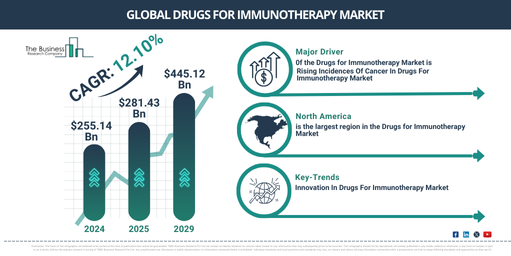
    The immunotherapy drugs market has witnessed a rapid expansion in recent years. It is projected to escalate from a market size of $255.14 billion in 2024 to $281.43 billion in 2025, with a compound annual growth rate (CAGR) of 10.3%. The substantial progress in the historical period is linked to the increasing prevalence of cancer, unfulfilled medical requirements, awareness related to cancer immunotherapy, the growing acceptance of immunotherapeutic methods, and the accelerating investments made by major pharmaceuticals.

    What Growth Rate Is Anticipated for the Drugs for Immunotherapy Market in the Coming Years?

    The immunotherapy drugs market is predicted to witness swift expansion in the coming years, reaching a valuation of $445.12 billion by 2029 at a compound annual growth rate (CAGR) of 12.1%. This projected growth can be credited to factors such as combination therapies, bespoke medicine, global spread, therapies driven by biomarkers, and an uptick in clinical trials. The period of forecast will be marked by significant trends such as progress in the field of immunology, enhancement in car-t cell therapies, targeted immunotherapy approaches, combinations of immunotherapies, and the development of neoantigen vaccines.

    Download The Free Sample Report Here:

    https://www.thebusinessresearchcompany.com/sample.aspx?id=2559&type=smp

    Who Are the Leading Companies in the Drugs for Immunotherapy Market?

    Major companies operating in the drugs for immunotherapy market include F. Hoffmann-La Roche Ltd., Novartis AG, Amgen Inc., AbbVie Inc., Merck & Co. Inc., GlaxoSmithKline plc, Eli Lilly and Company, Bristol-Myers Squibb, AstraZeneca plc, Johnson & Johnson, UbiVac, Pfizer Inc., Sanofi SA, Bayer AG, Celgene Corporation, Incyte Corporation, Juno Therapeutics Inc., Bluebird bio, Celldex Therapeutics, BeiGene, BioNTech AG, CytomX Therapeutics, Eisai Co. Ltd., Flexus Biosciences Inc., Genscript Biotech Corporation, Gilead Sciences Inc., Harpoon Therapeutics Inc., Heptares Therapeutics Ltd., Ignyta Inc., Immatics Biotechnologies, Jounce Therapeutics Inc.

    What Are the Key Drivers of the Drugs for Immunotherapy Market?

    The immunotherapy drugs market is being propelled by a spike in cancer incidences worldwide. Obesity, smoking, alcohol consumption, and poor dietary habits are the primary contributors to most cancer types. For example, predictions from Macmillan Cancer Support, the UK’s largest healthcare charity organization, in October 2022 indicate that the cancer patient count will reach 3.5 million by 2025, 4 million by 2030, and 5.3 million by 2040. Breast, lung, colon, rectum, and prostate cancers are the most common forms of the disease. Factors such as tobacco usage, high body mass index, alcohol consumption, a diet low in fruits and vegetables, and lack of exercise contribute to about one-third of cancer-related deaths. As cancer incidences rise, it is anticipated that the demand for immunotherapy drugs will also surge, fuelling the growth of the immunotherapy drugs market.

    Request For A Customized Report:

    https://www.thebusinessresearchcompany.com/customise?id=2559&type=smp

    What Are the Key Market Segments in the Drugs for Immunotherapy Industry?

    The drugs for immunotherapy market covered in this report is segmented –

    1) By Type: Monoclonal Antibodies, Interferons, Interleukins, Vaccines, Checkpoint Inhibitors, Other Types

    2) By Therapy Area: Cancer, Autoimmune & Inflammatory Diseases, Infectious Diseases, Other Therapy Areas

    3) By End User: Hospitals & Clinics, Ambulatory Surgical Centers, Other End Users

    Subsegments:

    1) By Monoclonal Antibodies: Naked Monoclonal Antibodies, Conjugated Monoclonal Antibodies, Bispecific Monoclonal Antibodies

    2) By Interferons: Interferon Alfa, Interferon Beta, Interferon Gamma

    3) By Interleukins: Interleukin-2 (IL-2), Interleukin-6 (IL-6), Interleukin-12 (IL-12)

    4) By Vaccines: Preventive Vaccines, Therapeutic Vaccines

    5) By Checkpoint Inhibitors: PD-1 Inhibitors, PD-L1 Inhibitors, CTLA-4 Inhibitors

    6) By Other Types: Cancer Cell Therapies, Cytokine Therapy, T-Cell Receptor Therapy

    What Are the Latest Trends in the Drugs for Immunotherapy Market?

    Leading firms in the immunotherapy drugs market have been streamlining efforts towards the innovation of new products, such as Keytruda (pembrolizumab), to deliver trustworthy services to their clients. Keytruda (pembrolizumab) represents a form of immunotherapy treatment which involves a targeted therapy drug classified as an immune checkpoint inhibitor and is designated for adult usage. For example, in January 2023, the U.S. based pharmaceutical conglomerate, Merck & Co., Inc., rolled out Keytruda (pembrolizumab). The release followed the green light from the Food and Drug Administration, a United States’ federal institution. The application of Keytruda (pembrolizumab) immunotherapy caters to treating a variety of cancer types, by synergizing with the human immune system to counteract cancer cells. Keytruda (pembrolizumab) has received the authorization for use as an adjunctive therapy for non-small cell lung cancer (NSCLC). This progression marks a major breakthrough in the realm of cancer therapy and is projected to influence the healthcare sector positively.

    Access The Full Report Here:

    https://www.thebusinessresearchcompany.com/report/drugs-for-immunotherapy-global-market-report

    What Are the Key Regional Markets in the Drugs for Immunotherapy Industry?

    The countries covered in the drugs for immunotherapy market report are Australia, Brazil, China, France, Germany, India, Indonesia, Japan, Russia, South Korea, UK, USA, Italy, Spain, Canada.

    Purchase The Full Report Today:

    https://www.thebusinessresearchcompany.com/purchaseoptions.aspx?id=2559

    This Report Delivers Insight On:

    1. How big is the drugs for immunotherapy market, and how is it changing globally?

    2. Who are the major companies in the drugs for immunotherapy market, and how are they performing?

    3. What are the key opportunities and risks in the drugs for immunotherapy market right now?

    4. Which products or customer segments are growing the most in the drugs for immunotherapy market?

    5. What factors are helping or slowing down the growth of the drugs for immunotherapy market?

    About The Business Research Company:

    With over 15000+ reports from 27 industries covering 60+ geographies, The Business Research Company has built a reputation for offering comprehensive, data-rich research and insights. Armed with 1,500,000 datasets, the optimistic contribution of in-depth secondary research, and unique insights from industry leaders, you can get the information you need to stay ahead in the game.

    Get in touch with us:

    The Business Research Company: https://www.thebusinessresearchcompany.com/

    Americas +1 310-496-7795

    Asia +44 2071930708

    Europe +44 7882 955267

    Email us at info@tbrc.info

    Follow us on:

    LinkedIn: https://in.linkedin.com/company/the-business-research-company

    YouTube: https://www.youtube.com/channel/UC24_fI0rV8cR5DxlCpgmyFQ

    Global Market Model: https://www.thebusinessresearchcompany.com/global-market-model
  • Diagnostic Enzyme Market Projected at $5.92 Billion by 2029 | Strategic Insights and Forecast Data

    Diagnostic Enzyme Market Projected at $5.92 Billion by 2029 | Strategic Insights and Forecast Data

    Claim your 30% discount on Global Market Reports with code ONLINE30. Limited time only.

    #How Has The Diagnostic Enzyme Market Size Shifted, And What Is the Outlook Through 2034?

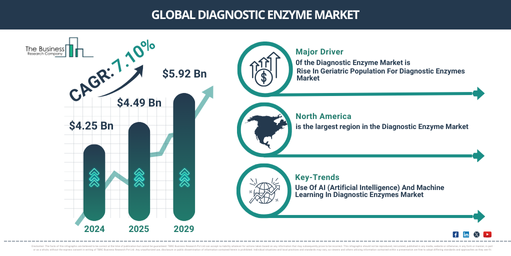
    The market size of diagnostic enzymes have witnessed sturdy growth in the past few years. It is projected to expand from $4.25 billion in 2024 to $4.49 billion in 2025, equivalent to a compound annual growth rate (CAGR) of 5.7%. This significant growth during the historic period can be credited to several factors such as the escalating number of chronic illnesses, an increase in the elderly population, growing expenditure in the healthcare sector, government interventions, as well as the amplifying awareness about preventive healthcare.

    How Much Will the Diagnostic Enzyme Market Be Worth in 2029?

    The market size of the diagnostic enzyme domain is projected to experience robust growth in the forthcoming years, projecting a value of $5.92 billion in 2029 with a compound annual growth rate (CAGR) of 7.1%. Contributing factors for the growth during the forecast period include the escalating demand for point-of-care testing, an expanded emphasis on personalized medicine, the surge in the need for companion diagnostics, a growing demand for molecular diagnostics, an increase in the requirement for in vitro diagnostics, as well as significant growth in the biotech industry. Future trends expected during this forecast period cover personalized enzyme solutions, the incorporation of automation and robotics, discovery of biomarkers, the blending of digital health, and the aspects of sustainability and green enzymes.

    Download The Free Sample Report Here:

    https://www.thebusinessresearchcompany.com/sample.aspx?id=3394&type=smp

    Which is the Largest Company in the Diagnostic Enzyme Market?

    Major companies operating in the diagnostic enzyme market include Sanofi S.A., Advanced Enzymes Technologies, Aldevron LLC, Amano Enzymes Inc., Codexis Inc., EKF Diagnostic, Kaneka Eurogentec, Roche Holding AG, Sekisui Diagnostics LLC, Thermo Fisher Scientific Inc., Charles River Laboratories, Biocatalysts, Merck & Co. Inc., Chr. Hansen, Kerry Group, Dyadic International, Creative Enzymes, Pfizer Inc., Eli Lilly and Company, Bristol-Myers Squibb Company, GlaxoSmithKline plc, Johnson & Johnson, AbbVie Inc., Amgen Inc., Biogen Inc., Gilead Sciences Inc., Regeneron Pharmaceuticals Inc.

    What Are the Main Market Drivers in the Diagnostic Enzyme Industry?

    The growth of the diagnostic enzymes market is anticipated to surge due to the increasing geriatric population. The people aged 65 and over are classified as the geriatric population. These individuals often need diagnostic enzymes for the diagnosis and monitoring of the diseases associated with aging and they are more prone to chronic illnesses that necessitate diagnostic enzyme assessment. As per a report issued in November 2022 by the United States-based United Nations, an intergovernmental organization, the proportion of the global population aged 65 and above is projected to increase from 10% in 2022 to 16% by 2050. It is further projected that the global total of individuals over the age of 65 would double the amount of children under the age of 5 by 2050 and will be nearly equal to the number of children under 12 years old. Therefore, the increase in the senior population is bolstering the growth of the diagnostic enzymes market.

    Request For A Customized Report:

    https://www.thebusinessresearchcompany.com/customise?id=3394&type=smp

    How Is the Diagnostic Enzyme Market Segments Structured?

    The diagnostic enzyme market covered in this report is segmented –

    1) By Product Type: Carbohydrases, Polymerases And Nucleases, Protease, Other Product Types

    2) By Source: Animals, Microorganisms, Plants

    3) By Application: Biocatalysts, Diagnostics, Pharmaceuticals, Research & Biotechnology

    Subsegments:

    1) By Carbohydrases: Amylases, Cellulases, Lactases, Glucosidases

    2) By Polymerases And Nucleases: DNA Polymerases, RNA Polymerases, Restriction Endonucleases, Exonucleases

    3) By Protease: Serine Proteases, Cysteine Proteases, Metalloproteases, Aspartic Proteases

    4) By Other Product Types: Oxidoreductases, Transferases, Lyases, Hydrolases

    What Strategic Trends Are Transforming the Diagnostic Enzyme Market?

    Machine learning and artificial intelligence are steadily acquiring more prominence in the diagnostic enzymes market. AI mimics human intelligence in devices and is designed to exhibit their inherent intellect. Machine learning is a subset of AI. They aid firms in the enzyme diagnostic market to undertake extensive analysis of pertinent data, contribute insights on enzyme function, and enable doctors to grasp critical components of the correlation between protein structure, functionality, and evolution, in relation to the catalyst activities of an enzyme. For example, companies like BioMarker are investing in AI and machine learning for enzyme diagnostics.

    Access The Full Report Here:

    https://www.thebusinessresearchcompany.com/report/diagnostic-enzymes-global-market-report

    Which Global Regions Offer the Highest Growth in the Diagnostic Enzyme Market?

    The countries covered in the diagnostic enzyme market report are Australia, Brazil, China, France, Germany, India, Indonesia, Japan, Russia, South Korea, UK, USA, Italy, Spain, Canada.

    Purchase The Full Report Today:

    https://www.thebusinessresearchcompany.com/purchaseoptions.aspx?id=3394

    This Report Delivers Insight On:

    1. How big is the diagnostic enzyme market, and how is it changing globally?

    2. Who are the major companies in the diagnostic enzyme market, and how are they performing?

    3. What are the key opportunities and risks in the diagnostic enzyme market right now?

    4. Which products or customer segments are growing the most in the diagnostic enzyme market?

    5. What factors are helping or slowing down the growth of the diagnostic enzyme market?

    About The Business Research Company:

    With over 15000+ reports from 27 industries covering 60+ geographies, The Business Research Company has built a reputation for offering comprehensive, data-rich research and insights. Armed with 1,500,000 datasets, the optimistic contribution of in-depth secondary research, and unique insights from industry leaders, you can get the information you need to stay ahead in the game.

    Get in touch with us:

    The Business Research Company: https://www.thebusinessresearchcompany.com/

    Americas +1 310-496-7795

    Asia +44 2071930708

    Europe +44 7882 955267

    Email us at info@tbrc.info

    Follow us on:

    LinkedIn: https://in.linkedin.com/company/the-business-research-company

    YouTube: https://www.youtube.com/channel/UC24_fI0rV8cR5DxlCpgmyFQ

    Global Market Model: https://www.thebusinessresearchcompany.com/global-market-model
  • COVID-19 Drug Associated APIs Industry Growth Expected to Reach $9.08 Billion by 2029 at a CAGR of 6.2% | Segmentation and Growth Opportunities

    COVID-19 Drug Associated APIs Industry Growth Expected to Reach $9.08 Billion by 2029 at a CAGR of 6.2% | Segmentation and Growth Opportunities

    Claim your 30% discount on Global Market Reports with code ONLINE30. Limited time only.

    #How Has the COVID-19 Drug Associated APIs Market Growth Performance Trended Historically, And What Lies Ahead?

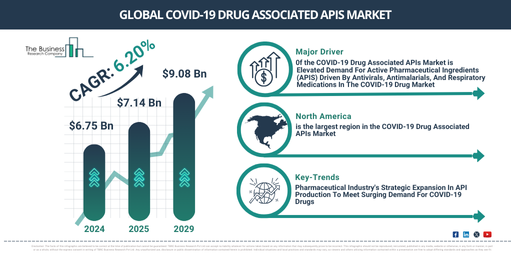
    There has been significant growth in the market size for APIs associated with COVID-19 drugs in the past few years. The market is anticipated to expand from $6.75 billion in 2024 to $7.14 billion in 2025, experiencing a compound annual growth rate (CAGR) of 5.8%. This historical growth is credited to the increased occurrence of COVID-19 cases, heightened awareness about treatment options for the disease, broadening accessibility to these drugs, heightened demand for COVID-19 prophylaxis drugs, government schemes, and a resilient supply chain.

    What Is the Forecast for the COVID-19 Drug Associated APIs Market Size Through 2029?

    A substantial surge is forecasted in the market size of APIs associated with COVID-19 drugs in the coming years, with an expected growth to $9.08 billion by 2029, indicating a compound annual growth rate (CAGR) of 6.2%. This anticipated growth during the forecast period can be linked to the emergence of new COVID-19 drug modalities, the escalation in clinical trials for drugs related to COVID-19, an increasing demand for vaccines against COVID-19, the emergence of new variants, ongoing vaccination campaigns, and enhanced readiness for pandemics. The key trends expected in the forecast period encompass tailored production of APIs, diversification of API sources, advancements in manufacturing technologies, data analytics and digitalization, as well as sustainability and environmentally friendly chemistry.

    Download The Free Sample Report Here:

    https://www.thebusinessresearchcompany.com/sample.aspx?id=3248&type=smp

    What are the Key Market Players in COVID-19 Drug Associated APIs Market and How They’re Evolving?

    Major companies operating in the COVID-19 drug associated apis market include Dr. Reddy’s Laboratories Ltd., Lianyungang Guike Pharmaceutical CO. LTD., Alembic Pharmaceuticals Ltd., Wockhardt Ltd., Sandoz Srl, Lupin Limited, Aurobindo Pharma Ltd., Shanghai Shyndec Pharmaceutical Co. Ltd., Zhejiang Yatai Pharmaceutical Co. Ltd., Zhejiang Guobang Pharmaceutical Co Ltd., Cipla Limited, Shandong Boyuan Pharmaceutical Co. Ltd., Aspiro Pharma Ltd., Qilu Antibiotics Pharmaceutical Co. Ltd., Shenzhen China Resources Jiuxin Pharmaceutical Co. Ltd., Zhejiang Cheng Yi Pharmaceutical, Star Lake Bioscience Co.Inc., Hetero Labs Ltd., Geno Pharmaceuticals Ltd., Mylan Laboratories Ltd., Ipca Laboratories Limited, Zydus Takeda Healthcare Private Limited, Mangalam Drugs & Organics, Wallace Pharmaceuticals, Zhejiang Hisun Pharmaceutical Co. Ltd., Zhejiang Huahai Pharmaceutical Co. Ltd., Zhejiang Jiuzhou Pharmaceutical Co. Ltd., Zhejiang NHU Co. Ltd., Zhejiang Xianju Pharmaceutical Co. Ltd., Zhejiang Yongtai Technology Co. Ltd., Zhejiang Zhebei Pharmaceutical Co. Ltd., Zhejiang Tianyu Pharmaceutical Co. Ltd., Zhejiang Aisheng Pharmaceutical Co. Ltd., Zhejiang Aokang Pharmaceutical Co. Ltd., Zhejiang Anji Huifeng Surgical Dressings Co. Ltd.

    What Are the Primary Growth Drivers in the COVID-19 Drug Associated APIs Market?

    The active pharmaceutical ingredients (APIs) market is experiencing increased demand due to the need for antiretrovirals, antimalarials, sedatives, bronchodilators, and other respiratory medications used in the production of COVID-19 drugs. These APIs are the critical biological components utilized in the creation of pharmaceutical drugs. Currently, Remdesivir and Favipiravir are commonly used antiviral medications in dealing with COVID-19 patients. While Remdesivir has received emergency use authorization in the USA and Japan for treating COVID-19 patients, the FDA has approved Airsupra (albuterol and budesonide), an inhalation aerosol. Airsupra is used as and when needed for the treatment or prevention of bronchoconstriction and lowering the risk of asthma attacks in patients aged 18 and above. Favipiravir, typically used to treat influenza in Japan, has shown favorable results on COVID-19 patients. Given that COVID-19 is a respiratory disease, the need for bronchodilators has noticeably risen. The growing demand for antivirals, antimalarials, and bronchodilators is expected to drive the growth of the APIs market related to COVID-19 drug production in the projected period.

    Request For A Customized Report:

    https://www.thebusinessresearchcompany.com/customise?id=3248&type=smp

    What Are the Leading Segments in the Global COVID-19 Drug Associated APIs Industry?

    The COVID-19 drug associated apis market covered in this report is segmented –

    1) By Drug Class: Antimalarials, Bronchodilators, Antibiotics, Antivirals, Other Drug Class

    2) By Synthesis Type: Synthetic, Biotech

    3) By Business Mode: Captive API, Merchant API

    Subsegments:

    1) By Antimalarials: Hydroxychloroquine, Chloroquine

    2) By Bronchodilators: Beta-Agonists, Anticholinergics

    3) By Antibiotics: Macrolides, Tetracyclines

    4) By Antivirals: Remdesivir, Favipiravir, Lopinavir Or Ritonavir

    5) By Other Drug Classes: Corticosteroids, Immunomodulators

    What Are the Key Market Trends in the COVID-19 Drug Associated APIs Industry?

    Prominent entities in the pharmaceutical sector making APIs related to COVID-19 drugs are concentrating on plans such as enhancing plant or production capacity to cater to the surging demand owing to the escalating count of COVID-19 cases worldwide. For instance, Merck & Co., Inc., a pharmaceutical organization based in the US, in October 2023, in collaboration with India’s Heavy Water Board, aspires to penetrate the deuterated raw compound market, currently valued at about $100 million and potentially escalating to $1 billion within the upcoming five to ten years. Merck’s aim is to assist the chemical, pharmaceutical, and technical segments of India by supplying superior-quality compounds for the production of medicines, semiconductors, OLEDs, and electronics. Currently, Avigan’s effectiveness and safety for treating COVID-19 patients are being examined in clinical trials.

    Access The Full Report Here:

    https://www.thebusinessresearchcompany.com/report/covid19-drug-associated-api-global-market-report

    What Is the Regional Outlook for the COVID-19 Drug Associated APIs Market?

    The countries covered in the COVID-19 drug associated APIs market report are Australia, Brazil, China, France, Germany, India, Indonesia, Japan, Russia, South Korea, UK, USA, Italy, Spain, Canada.

    Purchase The Full Report Today:

    https://www.thebusinessresearchcompany.com/purchaseoptions.aspx?id=3248

    This Report Delivers Insight On:

    1. How big is the covid-19 drug associated apis market, and how is it changing globally?

    2. Who are the major companies in the covid-19 drug associated apis market, and how are they performing?

    3. What are the key opportunities and risks in the covid-19 drug associated apis market right now?

    4. Which products or customer segments are growing the most in the covid-19 drug associated apis market?

    5. What factors are helping or slowing down the growth of the covid-19 drug associated apis market?

    About The Business Research Company:

    With over 15000+ reports from 27 industries covering 60+ geographies, The Business Research Company has built a reputation for offering comprehensive, data-rich research and insights. Armed with 1,500,000 datasets, the optimistic contribution of in-depth secondary research, and unique insights from industry leaders, you can get the information you need to stay ahead in the game.

    Get in touch with us:

    The Business Research Company: https://www.thebusinessresearchcompany.com/

    Americas +1 310-496-7795

    Asia +44 2071930708

    Europe +44 7882 955267

    Email us at info@tbrc.info

    Follow us on:

    LinkedIn: https://in.linkedin.com/company/the-business-research-company

    YouTube: https://www.youtube.com/channel/UC24_fI0rV8cR5DxlCpgmyFQ

    Global Market Model: https://www.thebusinessresearchcompany.com/global-market-model
  • Conjugated Monoclonal Antibodies Market to Reach $14.64 Billion by 2029 | Key Drivers and Future Outlook

    Conjugated Monoclonal Antibodies Market to Reach $14.64 Billion by 2029 | Key Drivers and Future Outlook

    Claim your 30% discount on Global Market Reports with code ONLINE30. Limited time only.

    What Is the Estimated Market Size of the Conjugated Monoclonal Antibodies Market In 2029?

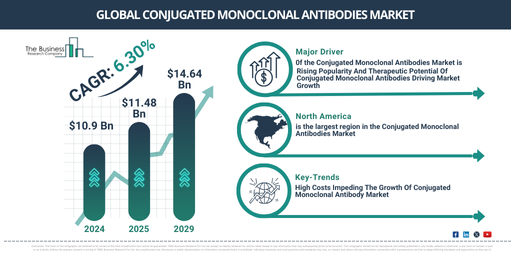
    In recent times, there has been robust growth in the market size of conjugated monoclonal antibodies. The market, valued at $10.9 billion in 2024, is projected to reach $11.48 billion by 2025, reflecting a compound annual growth rate (CAGR) of 5.3%. Factors contributing to growth in the historical phase include a higher incidence of cancer, the growing private healthcare sector, government backing, and an expanding patient population.

    What Growth Rate Is Forecasted for the Conjugated Monoclonal Antibodies Market by 2029?

    The market size of conjugated monoclonal antibodies is forecasted to experience robust expansion in the forthcoming years. It is predicted to attain a worth of $14.64 billion by 2029, progressing at a compound annual growth rate (CAGR) of 6.3%. Several factors, such as enhanced healthcare accessibility, a spike in the demand for minimally invasive procedures, combined immunotherapies, increased healthcare reach, and broader indications, will contribute to this growing trend. Major market trends for the predicted period involve progress in drug delivery, development driven by biomarkers, next-gen conjugates, and a focus on patient-centric care.

    Download The Free Sample Report Here:

    https://www.thebusinessresearchcompany.com/sample.aspx?id=3424&type=smp

    Which Key Companies Are Shaping the Future of the Conjugated Monoclonal Antibodies Market?

    Major companies operating in the conjugated monoclonal antibodies market include Pfizer Inc., F. Hoffmann-La Roche AG, Bristol -Myers Squibb, Merck & Co. Inc., Immunomedics Inc., Takeda Pharmaceuticals Industries Ltd., Daiichi Sankyo Company Limited, Actinium Pharmaceutical, Nordic Nanovector Inc., Spectrum Pharmaceuticals Inc., AbbVie Inc., Bayer AG, AstraZeneca plc, Novartis AG, Amgen, Celgene, Emergent BioSolutions, Genzyme, Incyte Corporation, Kite Pharma, MorphoSys AG, Regeneron Pharmaceuticals, Seattle Genetics

    Which Factors Are Driving Demand in the Conjugated Monoclonal Antibodies Industry?

    The rising intrigue and remedial capability of conjugated monoclonal antibodies, particularly antibody-drug conjugates, are predicted to fuel the demand in the conjugated monoclonal antibodies market during the anticipated period. Antibody-drug conjugates, or ADCs, are majorly utilized in cancer treatment. They essentially form a category of therapeutics comprising monoclonal antibodies amalgamated with potent cytotoxic drugs by a linker, enabling the destruction of antigen-presenting tumor cells. In the past three to four years, only three antibody-drug conjugates have gained approval from the U.S. Food and Drug Administration. This suggests that the increasing approvals directly correlate to the consumption of conjugated monoclonal antibodies, mainly in oncology, subsequently boosting the growth of the conjugated monoclonal antibodies market.

    Request For A Customized Report:

    https://www.thebusinessresearchcompany.com/customise?id=3424&type=smp

    How Is the Conjugated Monoclonal Antibodies Market Segmented by Several Divisions?

    The conjugated monoclonal antibodies market covered in this report is segmented –

    1) By Drugs: Adcetris, Kadcyla

    2) By Technology: Cleavable Linker, Non-cleavable Linker

    3) By Application: Blood Cancer, Breast Cancer, Ovarian Cancer, Lung Cancer, Brain Tumor, Other Applications

    Subsegments:

    1) By Adcetris: Brentuximab Vedotin

    2) By Kadcyla: Trastuzumab Emtansine

    What are the Emerging Market Trends Driving the Growth of the Conjugated Monoclonal Antibodies Industry?

    The conjugated monoclonal antibodies market’s expansion could be hampered by the inflated prices of these antibodies. The cost for Zevalin, the first radioimmunotherapy drug sanctioned by the FDA, is approximately $55,000. On average, the annual cost for non-COVID 19 related antibody treatments in the United States fluctuates between $15,000 to $200,000. Such exorbitant prices may render the treatment inaccessible for patients and healthcare systems in developing nations, which could stall the growth of the conjugated monoclonal antibody market.

    Access The Full Report Here:

    https://www.thebusinessresearchcompany.com/report/conjugated-monoclonal-antibodie-global-market-report

    Which Regions Are Driving Growth in the Conjugated Monoclonal Antibodies Market?

    The countries covered in the conjugated monoclonal antibodies market report are Australia, Brazil, China, France, Germany, India, Indonesia, Japan, Russia, South Korea, UK, USA, Italy, Spain, Canada.

    Purchase The Full Report Today:

    https://www.thebusinessresearchcompany.com/purchaseoptions.aspx?id=3424

    This Report Delivers Insight On:

    1. How big is the conjugated monoclonal antibodies market, and how is it changing globally?

    2. Who are the major companies in the conjugated monoclonal antibodies market, and how are they performing?

    3. What are the key opportunities and risks in the conjugated monoclonal antibodies market right now?

    4. Which products or customer segments are growing the most in the conjugated monoclonal antibodies market?

    5. What factors are helping or slowing down the growth of the conjugated monoclonal antibodies market?

    About The Business Research Company:

    With over 15000+ reports from 27 industries covering 60+ geographies, The Business Research Company has built a reputation for offering comprehensive, data-rich research and insights. Armed with 1,500,000 datasets, the optimistic contribution of in-depth secondary research, and unique insights from industry leaders, you can get the information you need to stay ahead in the game.

    Get in touch with us:

    The Business Research Company: https://www.thebusinessresearchcompany.com/

    Americas +1 310-496-7795

    Asia +44 2071930708

    Europe +44 7882 955267

    Email us at info@tbrc.info

    Follow us on:

    LinkedIn: https://in.linkedin.com/company/the-business-research-company

    YouTube: https://www.youtube.com/channel/UC24_fI0rV8cR5DxlCpgmyFQ

    Global Market Model: https://www.thebusinessresearchcompany.com/global-market-model

  • Clinical Nutrition Market Size to Exceed $84.68 Billion by 2029 | Growth and Industry Trends

    Clinical Nutrition Market Size to Exceed $84.68 Billion by 2029 | Growth and Industry Trends

    Claim your 30% discount on Global Market Reports with code ONLINE30. Limited time only.

    How Fast Is The Clinical Nutrition Market Expected to Grow Between 2025 And 2029?

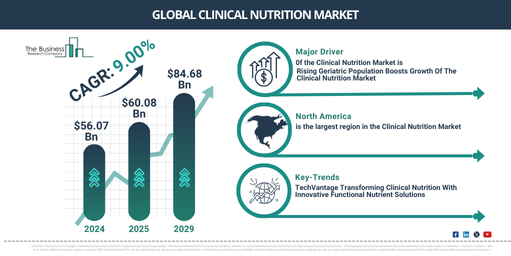
    In recent times, the clinical nutrition market has seen substantial growth. Its size is predicted to increase from $56.07 billion in 2024 to $60.08 billion in 2025, with a compound annual growth rate (CAGR) of 7.1%. The growth during the historic period is due to factors such as increasing numbers of elderly people, a rise in chronic diseases, growing recognition of nutritional importance, and governmental support for nutritional initiatives.

    What Growth Rate Is Anticipated for the Clinical Nutrition Market in the Coming Years?

    In the forthcoming years, the clinical nutrition market is anticipated to experience robust growth and it is forecasted to reach a value of $84.68 billion in 2029, expanding at a compound annual growth rate (CAGR) of 9.0%. The enlargement during the projected period is due to factors like customized nutrition, the rising application of nutrigenomics, the management of population health, and the worldwide extension of healthcare. The primary trends identified for the prediction period include digital health coupled with telehealth, functional foods along with nutraceuticals, probiotics and prebiotics, plant-based and sustainable nutrition, along with mental health nutrition.

    Download The Free Sample Report Here:

    https://www.thebusinessresearchcompany.com/sample.aspx?id=3465&type=smp

    Who Are the Leading Companies in the Clinical Nutrition Market?

    Major companies operating in the clinical nutrition market include Abbott Laboratories, Nestlé S.A., Baxter Healthcare Ltd., B. Braun Melsungen AG, Perrigo Company plc, Fresenius Kabi AG, Danone S.A., Pfizer Inc., Mead Johnson Nutrition Company, Hero Nutritionals, Gentiva Health Services Inc., H.J. Heinz Company, Ajinomoto Co. Inc., Lonza Group Ltd., GlaxoSmithKline plc, BASF SE, Kendal Nutricare, DuPont Nutrition & Health, American HomePatient, Reckitt Benckiser Group plc, Vivante Health

    What Are the Key Drivers of the Clinical Nutrition Market?

    The swell in the elderly population is predicted to fuel the expansion of the clinical nutrition market. Several factors determine the clinical nutrition requirements of older adults, such as specific health conditions and related organ system impairments, activity level, energy use and an individual’s calorie needs. It also includes the ability to obtain, prepare, eat and digest food, as well as personal dietary choices. For example, a report from the United Nations, a US-based intergovernmental organization, stated in November 2022 that the proportion of the worldwide population aged 65 and older is forecast to increase from 10% in 2022 to 16% by 2050. It’s estimated that by 2050, the number of people aged 65 or over around the world will be double the number of children under 5 and nearly equal to the number of children under 12. Consequently, the increasing geriatric population is expected to propel the growth of the clinical nutrition market.

    Request For A Customized Report:

    https://www.thebusinessresearchcompany.com/customise?id=3465&type=smp

    What Are the Key Market Segments in the Clinical Nutrition Industry?

    The clinical nutrition market covered in this report is segmented –

    1) By Product: Infant Nutrition, Parental Nutrition, Enteral Nutrition

    2) By Route Of Administration: Oral, Enteral, Parenteral

    3) By Application: Cancer, Neurological Diseases, Gastrointestinal Disorders, Metabolic Disorders, Other Applications

    4) By End User: Pediatric, Adults, Geriatric

    Subsegments:

    1) By Infant Nutrition: Infant Formula, Baby Foods, Nutritional Supplements

    2) By Parenteral Nutrition: Amino Acid Solutions, Lipid Emulsions, Carbohydrate Solutions

    3) By Enteral Nutrition: Standard Formulas, Specialized Formulas, Disease-Specific Formulas

    What Are the Latest Trends in the Clinical Nutrition Market?

    Significant enterprises that are part of the clinical nutrition marketplace are creating innovative technologies such as TechVantage to meet the increasing need for functional foods and drinks and to set themselves apart from their competitors. TechVantage is a functionally enhanced nutrient technology solution that offers customers nutrient options that have been specifically designed to improve areas like immune health, cognitive health, and athletic performance. For instance, Glanbia Nutritionals Inc., a sports nutrition company located in the U.S, unveiled TechVantage, an optimized nutrient technology platform, in April 2022. This platform presents a variety of features that make it a useful tool for customers, including a comprehensive nutrient assortment, maximized functionality, heightened bioavailability, and facilitating processing and mixing capabilities.

    Access The Full Report Here:

    https://www.thebusinessresearchcompany.com/report/clinical-nutritions-global-market-report

    What Are the Key Regional Markets in the Clinical Nutrition Industry?

    The countries covered in the clinical nutrition market report are Australia, Brazil, China, France, Germany, India, Indonesia, Japan, Russia, South Korea, UK, USA, Italy, Spain, Canada.

    Purchase The Full Report Today:

    https://www.thebusinessresearchcompany.com/purchaseoptions.aspx?id=3465

    This Report Delivers Insight On:

    1. How big is the clinical nutrition market, and how is it changing globally?

    2. Who are the major companies in the clinical nutrition market, and how are they performing?

    3. What are the key opportunities and risks in the clinical nutrition market right now?

    4. Which products or customer segments are growing the most in the clinical nutrition market?

    5. What factors are helping or slowing down the growth of the clinical nutrition market?

    About The Business Research Company:

    With over 15000+ reports from 27 industries covering 60+ geographies, The Business Research Company has built a reputation for offering comprehensive, data-rich research and insights. Armed with 1,500,000 datasets, the optimistic contribution of in-depth secondary research, and unique insights from industry leaders, you can get the information you need to stay ahead in the game.

    Get in touch with us:

    The Business Research Company: https://www.thebusinessresearchcompany.com/

    Americas +1 310-496-7795

    Asia +44 2071930708

    Europe +44 7882 955267

    Email us at info@tbrc.info

    Follow us on:

    LinkedIn: https://in.linkedin.com/company/the-business-research-company

    YouTube: https://www.youtube.com/channel/UC24_fI0rV8cR5DxlCpgmyFQ

    Global Market Model: https://www.thebusinessresearchcompany.com/global-market-model