Category: Pharmaceuticals

  • Adbry/Adtralza Market Outlook 2025 – Insights for Executive and Strategic Planning

    Claim your 30% discount on Global Market Reports with code ONLINE30. Limited time only.

    How Fast Is The Abecma Market Expected to Grow Between 2025 And 2029?

    In recent times, the abecma market size has seen a growth of XX (HCAGR). Its growth projected to expand from $XX million in 2024 to $XX million in 2025, demonstrating a compound annual growth rate (CAGR) of XX%. This expansion during the historic period can be traced back to the approval of abecma for relapsed/refractory multiple myeloma and impressive progress in car t-cell therapy. Other significant factors contributing to the growth include the rising prevalence of multiple myeloma, high effectiveness in cases resistant to treatment, and increased investment in research and development.

    What Growth Rate Is Anticipated for the Abecma Market in the Coming Years?

    In the coming years, the abcema market is projected to see an increase of XX (FCAGR). By the year 2029, the market is expected to reach $XX million, showing a compound annual growth rate (CAGR) of XX%. This growth during the forecast period is anticipated due to increasing incidents of multiple myeloma, broader approved indications, advancements in personalized medicine, global market growth, better production processes, and cost cutting measures. Key trends during this forecast period are likely to be a greater uptake in early treatment stages, geographical market growth, technological progression in car t-cell therapy, strategies for combination therapy, personalized and precision medicine, and a heightened emphasis on relapsed/refractory multiple myeloma.

    Download The Free Sample Report Here:

    https://www.thebusinessresearchcompany.com/sample.aspx?id=19847&type=smp

    Who Are the Leading Companies in the Abecma Market?

    Major companies operating in the abecma market include Bristol-Myers Squibb

    What Are the Key Drivers of the Abecma Market?

    The abecma market is anticipated to gain momentum, spurred by the growing incidence of multiple myeloma. This form of blood cancer impacts plasma cells, which are a subset of white blood cells residing in the bone marrow. The aging population, enhanced diagnostic strategies, and growing disease awareness contribute to the increasing occurrence of multiple myeloma. Abecma, a unique CAR T-cell therapy, serves as an effective treatment for multiple myeloma. It deploys genetically altered immune cells to identify and eradicate cancerous plasma cells, presenting a new treatment route for those patients grappling with recurrent or refractory disease forms. For example, projections from the American Cancer Society, a not-for-profit organization committed to cancer elimination, noted in January 2024 that there will likely be 35,780 myeloma cases, an increase from 34,470 in 2022. Consequently, the escalating prevalence of multiple myeloma serves as a key driver for the abecma market’s growth.

    Request For A Customized Report:

    https://www.thebusinessresearchcompany.com/customise?id=19847&type=smp

    What Are the Key Market Segments in the Abecma Industry?

    The abecmamarket covered in this report is segmented –

    1) By Indication: Multiple Myeloma; B-Cell Lymphoma (BCL); Acute Lymphoblastic Leukemia (ALL)

    2) By End User: Adult; Geriatric

    3) By Distribution Channel: Hospitals And clinics; Retail And Speciality Pharmacies; Online Pharmacies

    What Are the Latest Trends in the Abecma Market?

    A primary trend arising in the abecma market includes the development and focusing on cutting-edge and inventive treatments like chimeric antigen receptor T cell therapy (CAR T). The aim is to improve the results of patients, target certain types of cancer more efficiently, and broaden the treatment alternatives for those suffering from intractable or recurrent multiple myeloma. Utilized mainly for treating specific cancers like lymphoma and leukemia, chimeric antigen receptor T cell therapy (CAR T) is an evolved form of immunotherapy. This therapy involves the genetic modification of a patient’s own T cells (a variant of white blood cells) to enhance their ability to detect and destroy cancer cells. For example, in March 2024, the European Commission (EC) gave Bristol Myers Squibb – a pharmaceutical company based in the US, the approval for their CAR T-cell therapy innovatively developed to treat abecma (idecabtagene vicleucel; ide-cel). This treatment specifically aims adult patients with recurring and refractory multiple myeloma, and who have undergone at least two previous therapies including an immunomodulatory agent (IMiD), a proteasome inhibitor (PI), and an anti-CD38 antibody, and whose disease has progressed post their last treatment.

    Access The Full Report Here:

    https://www.thebusinessresearchcompany.com/report/abecma-global-market-report

    What Are the Key Regional Markets in the Abecma Industry?

    North America was the largest region in the abecma market in 2024. The regions covered in the abecma market report are Asia-Pacific, Western Europe, Eastern Europe, North America, South America, Middle East, Africa.

    Purchase The Full Report Today:

    https://www.thebusinessresearchcompany.com/purchaseoptions.aspx?id=19847

    This Report Delivers Insight On:

    1. How big is the abecma market, and how is it changing globally?

    2. Who are the major companies in the abecma market, and how are they performing?

    3. What are the key opportunities and risks in the abecma market right now?

    4. Which products or customer segments are growing the most in the abecma market?

    5. What factors are helping or slowing down the growth of the abecma market?

    About The Business Research Company:

    With over 15000+ reports from 27 industries covering 60+ geographies, The Business Research Company has built a reputation for offering comprehensive, data-rich research and insights. Armed with 1,500,000 datasets, the optimistic contribution of in-depth secondary research, and unique insights from industry leaders, you can get the information you need to stay ahead in the game.

    Get in touch with us:

    The Business Research Company: https://www.thebusinessresearchcompany.com/

    Americas +1 310-496-7795

    Asia +44 2071930708

    Europe +44 7882 955267

    Email us at info@tbrc.info

    Follow us on:

    LinkedIn: https://in.linkedin.com/company/the-business-research-company

    YouTube: https://www.youtube.com/channel/UC24_fI0rV8cR5DxlCpgmyFQ

    Global Market Model: https://www.thebusinessresearchcompany.com/global-market-model
  • Blood Cancer Drugs Market Size to Exceed $106.8 Billion by 2029 | Growth and Industry Trends

    Blood Cancer Drugs Market Size to Exceed $106.8 Billion by 2029 | Growth and Industry Trends

    Claim your 30% discount on Global Market Reports with code ONLINE30. Limited time only.

    How Fast Is The Blood Cancer Drugs Market Expected to Grow Between 2025 And 2029?

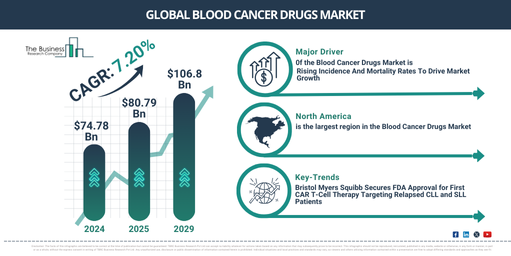
    In recent times, the market size of drugs for blood cancer has seen substantial growth. The market, which stands at $74.78 billion in 2024, is expected to expand to $80.79 billion in 2025, marking a compound annual growth rate (CAGR) of 8.0%. Factors contributing to such growth during the historic period include progress in research and development, a rise in the aging population, enhanced awareness coupled with early diagnosis, and regulatory approvals.

    What Growth Rate Is Anticipated for the Blood Cancer Drugs Market in the Coming Years?

    Predictions indicate a robust expansion for the blood cancer drugs market in the forthcoming years. It’s projected to attain a size of $106.8 billion by 2029, expanding at a compound annual growth rate (CAGR) of 7.2%. The augmentation in the specified projection period can be associated with a rise in disease incidence, emerging markets, and beneficial care. Prominent trends for the projection period encapsulate investments in research and development, combination therapies, the detection of biomarkers, advancements in immunotherapy, and personalized medicine.

    Download The Free Sample Report Here:

    https://www.thebusinessresearchcompany.com/sample.aspx?id=2587&type=smp

    Who Are the Leading Companies in the Blood Cancer Drugs Market?

    Major companies operating in the blood cancer drugs market include Amgen Inc., AstraZeneca PLC, Bayer AG, Eli Lilly and Company Inc., Johnson & Johnson, Novartis AG, Pfizer Inc., AbbVie Inc., Takeda Pharmaceutical Company Limited, F. Hoffmann-La Roche Ltd., Bristol-Myers Squibb Company, Astellas Pharma Inc., Roche Holding AG, Merck & Co. Inc., Gilead Sciences Inc., Sanofi S.A., Eisai Co. Ltd., Jazz Pharmaceuticals plc, Kyowa Kirin Co. Ltd., Menarini Group, Millennium Pharmaceuticals Inc., Mundipharma International Limited, Mylan N.V., Ono Pharmaceutical Co. Ltd., Otsuka Pharmaceutical Co. Ltd., Pharmacyclics LLC, Regeneron Pharmaceuticals Inc., Seattle Genetics Inc., Servier Laboratories, Shire plc, Spectrum Pharmaceuticals Inc., Taiho Pharmaceutical Co. Ltd., Teva Pharmaceutical Industries Ltd., Tolero Pharmaceuticals Inc., UCB S.A., Vertex Pharmaceuticals Incorporated

    What Are the Key Drivers of the Blood Cancer Drugs Market?

    The rising death rates and the escalating number of incidents of blood cancer worldwide are key catalysts propelling the blood cancer drugs market forward. Various kinds of blood cancers encompass leukemia, lymphoma, myeloma, among others, each having distinct risk factors. Some can be managed or avoided through drug therapies, while others can lead to fatality. For instance, Bristol-Myers Squibb Company’s November 2022 report predicted about 1.85 million fresh cases of blood cancer around the globe in 2040. The breakdown includes 918,872 lymphoma cases, 656,345 leukemia cases, and 275,047 myeloma cases. The report further estimated approximately 1,100,000 deaths as a consequence of blood cancer in 2040. The surge in deaths and incidence of blood cancer cases globally fuels the growth of the blood cancer drug market.

    Request For A Customized Report:

    https://www.thebusinessresearchcompany.com/customise?id=2587&type=smp

    What Are the Key Market Segments in the Blood Cancer Drugs Industry?

    The blood cancer drugs market covered in this report is segmented –

    1) By Blood Cancer Type: Leukemia, Lymphoma

    2) By Drugs: Rituxan Or Mabthera (Rituximab), Gleevec Or Glivec (Imatinib), Revlimid (Lenalidomide), Velcade (Bortezomib), Tasigna (Nilotinib), Pomalyst (Pomalidomide), Vidaza (Azacitidine), Kyprolis (Carfilzomib), Adcetris (Brentuximab Vedotin), Other Drugs

    3) By Treatment Approaches: Key Findings, Chemotherapeutic, MAbs/Targeted Therapies, Immunotherapeutic

    Subsegments:

    1) By Leukemia: Acute Lymphoblastic Leukemia (ALL), Chronic Lymphocytic Leukemia (CLL), Acute Myeloid Leukemia (AML), Chronic Myeloid Leukemia (CML), Other Types of Leukemia

    2) By Lymphoma: Hodgkin Lymphoma, Non-Hodgkin Lymphoma (NHL), Burkitt Lymphoma, Follicular Lymphoma, Mantle Cell Lymphoma, Other Types of Lymphoma

    What Are the Latest Trends in the Blood Cancer Drugs Market?

    Top firms in the blood cancer drugs market are strategically innovating new drugs and actively seeking FDA clearance to secure a competitive foothold. FDA approval outlines the official permission that the United States Food and Drug Administration (FDA) gives for a pharmaceutical product to be legally sold in the United States. To illustrate, Bristol Myers Squibb, a pharmaceutical company based in the US, gained FDA clearance in March 2024 for its unique CAR T-cell therapy. The therapy targets adults suffering from recurrent or treatment-resistant chronic lymphocytic leukemia (CLL) or small lymphocytic lymphoma (SLL). The approval greenlights its use in patients who have undergone at least two previous treatments, including Bruton tyrosine kinase inhibitor and a B-cell lymphoma 2 inhibitor. From the TRANSCEND CLL 004 trial, Breyanzi demonstrated a response rate of a complete 20% and a median length of response of approximately 35.3 months.

    Access The Full Report Here:

    https://www.thebusinessresearchcompany.com/report/blood-cancer-drugs-global-market-report

    What Are the Key Regional Markets in the Blood Cancer Drugs Industry?

    North America was the largest region in the blood cancer drugs market in 2023. Middle East is expected to be the fastest-growing region in the blood cancer drugs market during the forecast period. The regions covered in the blood cancer drugs market report are Asia-Pacific, Western Europe, Eastern Europe, North America, South America, Middle East, Africa

    Purchase The Full Report Today:

    https://www.thebusinessresearchcompany.com/purchaseoptions.aspx?id=2587

    This Report Delivers Insight On:

    1. How big is the blood cancer drugs market, and how is it changing globally?

    2. Who are the major companies in the blood cancer drugs market, and how are they performing?

    3. What are the key opportunities and risks in the blood cancer drugs market right now?

    4. Which products or customer segments are growing the most in the blood cancer drugs market?

    5. What factors are helping or slowing down the growth of the blood cancer drugs market?

    About The Business Research Company:

    With over 15000+ reports from 27 industries covering 60+ geographies, The Business Research Company has built a reputation for offering comprehensive, data-rich research and insights. Armed with 1,500,000 datasets, the optimistic contribution of in-depth secondary research, and unique insights from industry leaders, you can get the information you need to stay ahead in the game.

    Get in touch with us:

    The Business Research Company: https://www.thebusinessresearchcompany.com/

    Americas +1 310-496-7795

    Asia +44 2071930708

    Europe +44 7882 955267

    Email us at info@tbrc.info

    Follow us on:

    LinkedIn: https://in.linkedin.com/company/the-business-research-company

    YouTube: https://www.youtube.com/channel/UC24_fI0rV8cR5DxlCpgmyFQ

    Global Market Model: https://www.thebusinessresearchcompany.com/global-market-model
  • Vitamin and Minerals Industry Growth Expected to Reach $29.89 Billion by 2029 at a CAGR of 6.4% | Segmentation and Growth Opportunities

    Vitamin and Minerals Industry Growth Expected to Reach $29.89 Billion by 2029 at a CAGR of 6.4% | Segmentation and Growth Opportunities

    Claim your 30% discount on Global Market Reports with code ONLINE30. Limited time only.

    What Are the Projected Market Size and Growth Rates for the Vitamin and Minerals Market From 2025 To 2029?

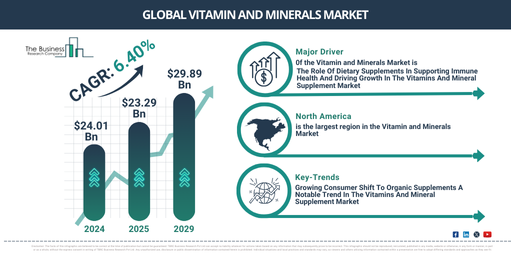
    The vitamins and minerals market size has unfortunately seen a decrease in recent years. From an worth of $24.01 billion in 2024, it is projected to drop to $23.29 billion in 2025, showcasing a compound annual growth rate (CAGR) of -3.0%. The downturn during the historic period is due to a combination of reasons such as tighter control on health supplements, economic slowdowns, disruption of supply chains, and a change in consumer tastes.

    What Is the Projected Market Size of the Vitamin and Minerals Market?

    The market size for vitamins and minerals is forecasted to undergo significant growth in the coming years. A compound annual growth rate (CAGR) of 6.4% will boost its value to $29.89 billion by 2029. The anticipated growth within the predicted period is linked to factors such as the popularity of plant-based and specialized diets, increased emphasis on immune health, management of health in the elderly population, attention to women’s health and prenatal nutrition, as well as customized nutrition and wellness trends. Key trends within the forecast period involve inventive delivery formats, products labeled as natural and clean, nutricosmetics market expansion, supplements specific to different ages, and sports and fitness nutrition.

    Download The Free Sample Report Here:

    https://www.thebusinessresearchcompany.com/sample.aspx?id=3254&type=smp

    Who are the Major Competitors in the Vitamin and Minerals Market Outlook?

    Major companies operating in the vitamin and minerals market include Pfizer Limited, BASF Aktiengesellschaft., Bayer AG, Abbott Laboratories, Glaxosmithkline PLC, Suntory Holdings Ltd, Otsuka Holdings Co. Ltd, Daiichi Sankyo Company Limited, AMWAY India Enterprises Pvt. Ltd, Salus Haus, Nestle Health Science, Lonza Group, Eisai Co. Ltd., Glanbia PLC, DuPont Nutrition & Health, CSPC Pharmaceutical Group, The Bountiful Company, JamiesonWellness Inc, Pharmavite LLC., Nature’s Bounty Co., Sanofi India Limited, General Nutrition Centers Inc., General Nutrition CentersInc., Puritan’s Pride, CCMP Capital, Webber NaturalsPharmaceuticals Ltd., Webber Naturals, DSM Nutritional Products AG, Hainan Yangshengtang, Hainan Yangshengtang, Archer Daniels Midland, Cargill Incorporated, Glanbia Nutritionals, Herbalife Nutrition Ltd., Naturex (Part of Givaudan), NOW Health Group, Probiotics International Ltd, Vitabiotics Ltd.

    What Is Fueling Growth in the Vitamin and Minerals Market?

    The increasing adoption of dietary supplements in contemporary living is a significant determinant in the expansion of the vitamin and mineral supplement market. The vital role of nutrition in supporting immune system stability is noteworthy, and reinforcing it with micronutrients like vitamins C and D, zinc, and omega fatty acids within prescribed ceiling safety boundaries provides a secure, efficient, and cost-effective approach to bolster optimal immune responses in individuals combatting COVID-19 and other respiratory infections. In the context of COVID-19 sufferers, the Indian Research Institute has formulated various high-protein and fibrous meals such as biscuits, bread, and buns. For instance, Avida Health, a dietary supplement firm, introduced a chocolate ball functional food in Singapore aimed at boosting children’s immunity. A nutritional concentration on the immune system could potentially reduce the effects of the ongoing COVID-19 crisis and other ailments. Hence, the integration of dietary supplements in day-to-day life is forecasted to drive the development of the vitamin and mineral supplement market.

    Request For A Customized Report:

    https://www.thebusinessresearchcompany.com/customise?id=3254&type=smp

    Which Vitamin and Minerals Market Segments Are Growing the Fastest?

    The vitamin and minerals market covered in this report is segmented –

    1) By Type: Multivitamin, Single Vitamin, Multi Mineral, Single Mineral

    2) By Application: Energy And Weight Management, General Health, Bone And Joint Health, Gastrointestinal Health, Immunity, Cardiac Health, Diabetes, Anti-Cancer, Other Applications

    3) By Distribution Channel: Pharmacies And Drug Stores, Super markets And Hyper markets, Online Channels

    4) By End-User: Adults, Geriatric, Pregnant Women, Children, Infants

    Subsegments:

    1) By Multivitamin: Tablet Or Capsule Multivitamins, Powder Multivitamins, Gummies Multivitamins

    2) By Single Vitamin: Vitamin A, Vitamin B Complex, Vitamin C, Vitamin D, Vitamin E, Vitamin K

    3) By Multi Mineral: Calcium And Magnesium, Iron And Zinc, Combination Mineral Formulas

    4) By Single Mineral: Calcium, Iron, Magnesium, Zinc, Potassium

    Which Industry Trends Are Shaping the Future of the Vitamin and Minerals Market?

    The rising inclination of consumers towards organic supplements is a significant trend in the market for vitamins and mineral supplements. For example, as per the data from the United States Department of Agriculture, a government agency based in the US, in 2023, the demand for organic products in the U.S. overshadowed $69 billion, contributing to approximately 4% of the total food sales in the nation. Numerous small and medium businesses have initiated the promotion of plant-based goods and diets in their product range. The trend for organic food supplements has been given a boost due to the COVID-19 pandemic.

    Access The Full Report Here:

    https://www.thebusinessresearchcompany.com/report/vitamin-and-mineral-global-market-report

    Which Countries Are Leading the Vitamin and Minerals Market?

    The countries covered in the vitamin and minerals market report are Australia, Brazil, China, France, Germany, India, Indonesia, Japan, Russia, South Korea, UK, USA, Canada, Italy, Spain

    Purchase The Full Report Today:

    https://www.thebusinessresearchcompany.com/purchaseoptions.aspx?id=3254

    This Report Delivers Insight On:

    1. How big is the vitamin and minerals market, and how is it changing globally?

    2. Who are the major companies in the vitamin and minerals market, and how are they performing?

    3. What are the key opportunities and risks in the vitamin and minerals market right now?

    4. Which products or customer segments are growing the most in the vitamin and minerals market?

    5. What factors are helping or slowing down the growth of the vitamin and minerals market?

    About The Business Research Company:

    With over 15000+ reports from 27 industries covering 60+ geographies, The Business Research Company has built a reputation for offering comprehensive, data-rich research and insights. Armed with 1,500,000 datasets, the optimistic contribution of in-depth secondary research, and unique insights from industry leaders, you can get the information you need to stay ahead in the game.

    Get in touch with us:

    The Business Research Company: https://www.thebusinessresearchcompany.com/

    Americas +1 310-496-7795

    Asia +44 2071930708

    Europe +44 7882 955267

    Email us at info@tbrc.info

    Follow us on:

    LinkedIn: https://in.linkedin.com/company/the-business-research-company

    YouTube: https://www.youtube.com/channel/UC24_fI0rV8cR5DxlCpgmyFQ

    Global Market Model: https://www.thebusinessresearchcompany.com/global-market-model
  • Trastuzumab Biosimilars Industry Valued at $14.69 Billion by 2029 With CAGR of 28.3% | Size and Share Insights

    Trastuzumab Biosimilars Industry Valued at $14.69 Billion by 2029 With CAGR of 28.3% | Size and Share Insights

    Claim your 30% discount on Global Market Reports with code ONLINE30. Limited time only.

    What Is the Estimated Market Size of the Trastuzumab Biosimilars Market In 2029?

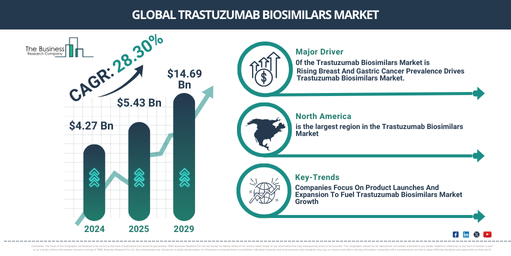
    The size of the trastuzumab biosimilars market has expanded significantly in the past few years. The market was worth $4.27 billion in 2024 and is projected to rise to $5.43 billion in 2025, showing a compound annual growth rate (CAGR) of 27.1%. The notable increase during the historic period is a result of factors such as extensive market expansion and global penetration, the expiration of patents and market entry, the swift development of biosimilars, the validation of clinical efficacy, and competitive pricing strategies.

    What Growth Rate Is Forecasted for the Trastuzumab Biosimilars Market by 2029?

    The market size for trastuzumab biosimilar is anticipated to experience a substantial surge in the near future, expanding to $14.69 billion by 2029 with a compound annual growth rate (CAGR) of 28.3%. The escalation during the projected period can be credited to factors such as heightened market competition, the progression of the biosimilar pipeline, regulatory consent and standardizations, global market invasion, as well as the adoption and prescribing habits of physicians. The prediction period will see major trends such as enhanced accessibility, market segmentation tactics, educational drives, patient leaning towards biosimilars, and physician approval.

    Download The Free Sample Report Here:

    https://www.thebusinessresearchcompany.com/sample.aspx?id=3400&type=smp

    Which Key Companies Are Shaping the Future of the Trastuzumab Biosimilars Market?

    Major companies operating in the trastuzumab biosimilars market include Pfizer Inc., Merck & Co., Amgen Inc., Teva Pharmaceutical Industries Ltd., Mylan NV, Fujifilm Kyowa Kirin Biologics Co. Ltd., Innovent Biologics Inc., STADA Arzneimittel AG, Apotex Inc., Samsung Bioepis Co. Ltd., Celltrion Inc., Zydus Lifesciences Limited, BIOCAD, Shanghai Henlius Biotech Inc., Biocon Limited, Alvotech Holdings S.A., Polpharma Biologics S.A, EirGenix Inc., Hetero Biopharma Limited, Mabion SA, ALTEOGEN Inc., Prestige BioPharma Limited, AryoGen Pharmed Co. Ltd., Intas Pharmaceuticals Limited, Glenmark Pharmaceuticals Ltd., Dr. Reddy’s Laboratories Limited, Torrent Pharmaceuticals Limited

    Which Factors Are Driving Demand in the Trastuzumab Biosimilars Industry?

    The growing incidence of breast and stomach cancer has played a significant role in promoting the trastuzumab biosimilars market. Trastuzumab biosimilar is applied in treating human epidermal growth factor receptor 2 (HER2) overexpressing breast cancer and metastatic stomach cancer. The American Cancer Society, a US-based health organization intent on eradicating cancer, stated in September 2023, that approximately 297,790 fresh instances of invasive breast cancer are projected to occur in women in 2023, and about 43,700 women are estimated to succumb to breast cancer in the same year. Cancer India reports that breast cancer is the most prevalent cancer in Indian women, representing 14% of cancers in women. Hence, the escalating rates of breast and stomach cancer compound the demand for trastuzumab biosimilar, which is a cost-effective alternative to pricier medicines, stimulating the growth of the trastuzumab biosimilars market.

    Request For A Customized Report:

    https://www.thebusinessresearchcompany.com/customise?id=3400&type=smp

    How Is the Trastuzumab Biosimilars Market Segmented by Several Divisions?

    The trastuzumab biosimilars market covered in this report is segmented –

    1) By Product: Ogivri, Herzuma, Ontruzant, Trazimera, Other Products

    2) By Indication: Adjuvant Breast Cancer, Metastatic Breast Cancer, Metastatic Gastric Cancer, Other Indications

    3) By Distribution Channel: Hospital Pharmacy, Online Pharmacy

    What are the Emerging Market Trends Driving the Growth of the Trastuzumab Biosimilars Industry?

    The trastuzumab biosimilars market is being shaped by key players who are constantly launching new products in untapped regions. These companies are executing various strategic maneuvers like developing new products, forming partnerships, and expanding their geographic and product portfolios to retain market competitiveness and cater to customer needs better. For instance, in April 2024, US-based pharmaceutical firm Accord BioPharma Inc. secured approval from the U.S. Food and Drug Administration (FDA) for its biosimilar to Herceptin, known as HERCESSI (trastuzumab-strf), designed for treating multiple forms of HER2-Overexpressing Cancer. HERCESSI is principally prescribed for adjunctive treatment of HER2-overexpressing breast cancer, metastatic breast cancer, and metastatic gastric or gastroesophageal junction adenocarcinoma. Despite HER2-positive cancers being generally aggressive, they respond effectively to targeted treatments. By binding to the HER2 receptor, HERCESSI inhibits its activity, thereby slowing the cancer cell reproduction.

    Access The Full Report Here:

    https://www.thebusinessresearchcompany.com/report/trastuzumab-biosimilar-global-market-report

    Which Regions Are Driving Growth in the Trastuzumab Biosimilars Market?

    The countries covered in the trastuzumab biosimilars market report are Australia, Brazil, China, France, Germany, India, Indonesia, Japan, Russia, South Korea, UK, USA, Canada, Italy, Spain

    Purchase The Full Report Today:

    https://www.thebusinessresearchcompany.com/purchaseoptions.aspx?id=3400

    This Report Delivers Insight On:

    1. How big is the trastuzumab biosimilars market, and how is it changing globally?

    2. Who are the major companies in the trastuzumab biosimilars market, and how are they performing?

    3. What are the key opportunities and risks in the trastuzumab biosimilars market right now?

    4. Which products or customer segments are growing the most in the trastuzumab biosimilars market?

    5. What factors are helping or slowing down the growth of the trastuzumab biosimilars market?

    About The Business Research Company:

    With over 15000+ reports from 27 industries covering 60+ geographies, The Business Research Company has built a reputation for offering comprehensive, data-rich research and insights. Armed with 1,500,000 datasets, the optimistic contribution of in-depth secondary research, and unique insights from industry leaders, you can get the information you need to stay ahead in the game.

    Get in touch with us:

    The Business Research Company: https://www.thebusinessresearchcompany.com/

    Americas +1 310-496-7795

    Asia +44 2071930708

    Europe +44 7882 955267

    Email us at info@tbrc.info

    Follow us on:

    LinkedIn: https://in.linkedin.com/company/the-business-research-company

    YouTube: https://www.youtube.com/channel/UC24_fI0rV8cR5DxlCpgmyFQ

    Global Market Model: https://www.thebusinessresearchcompany.com/global-market-model
  • TNF Alpha Inhibitors Market Size to Exceed $47.54 Billion by 2029 | Growth and Industry Trends

    TNF Alpha Inhibitors Market Size to Exceed $47.54 Billion by 2029 | Growth and Industry Trends

    Claim your 30% discount on Global Market Reports with code ONLINE30. Limited time only.

    #How Has The TNF Alpha Inhibitors Market Size Shifted, And What Is the Outlook Through 2034?

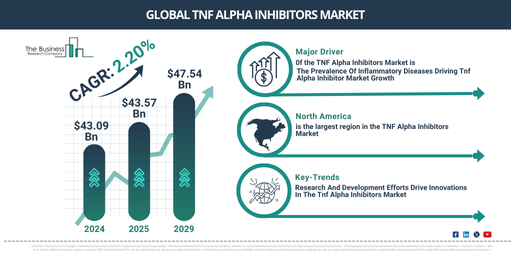
    In recent years, the TNF alpha inhibitors market size has seen a slight increase. It is projected to expand from $43.09 billion in 2024 to $43.57 billion in 2025, with a compound annual growth rate (CAGR) of 1.1%. The rise in the previous period has been fuelled by factors such as the integration of healthcare systems, adoption and prescription by physicians, increased patient demand and awareness, progress in biotechnology, and the widening of indications.

    How Much Will the TNF Alpha Inhibitors Market Be Worth in 2029?

    Expected to witness a steady rise in the near future, the TNF alpha inhibitors market is forecasted to reach $47.54 billion in 2029, growing at a compound annual growth rate (CAGR) of 2.2%. Factors contributing to this potential growth span from precision medicine delivery and patient-oriented approach to the progress in immunotherapy, market augmentation strategies, and implementation of personalised medicine. Moreover, the utilisation of real-world evidence, the acceptance of combined therapies, new market-entry tactics, the broadening of therapeutic applications and competition from biosimilars will be further propelling trends within the forecast period.

    Download The Free Sample Report Here:

    https://www.thebusinessresearchcompany.com/sample.aspx?id=3459&type=smp

    Which is the Largest Company in the TNF Alpha Inhibitors Market?

    Major companies operating in the TNF alpha inhibitors market include HanAll Biopharma Co. Ltd., Pfizer Inc., Johnson & Johnson, Janssen Biotech Inc., AbbVie Inc., Novartis International AG, Sanofi SA, Boehringer Ingelheim International GmbH, Amgen Inc., Sandoz International GmbH, Cadila Healthcare Limited, UCB S.A, Intas Pharmaceuticals Ltd., Samsung Bioepis Co. Ltd., Celltrion Healthcare Co. Ltd., LG Life Sciences Ltd., AryoGen Pharmed Co. Ltd., EPIRUS Biopharmaceuticals Inc., Eli Lilly and Company, The Bristol-Myers Squibb Company, Mylan N.V., Teva Pharmaceutical Industries Ltd., Apotex Inc.

    What Are the Main Market Drivers in the TNF Alpha Inhibitors Industry?

    The surge in instances of inflammatory diseases like inflammatory bowel disease and psoriasis is a major driving factor for the expansion of the TNF alpha inhibitor market. These inhibitors, which are often used in dermatology, gastroenterology, and rheumatology, treat a variety of immune-mediated inflammatory illnesses. The global incidence of inflammatory bowel disease (IBD) ranges from around 0.5-24.5 ulcerative colitis cases per 100,000 person-years, and from 0.1-16 Crohn’s disease cases per 100,000 person-years. Overall, the yearly IBD incidence is 396 cases per 100,000 individuals. As such, the increasing cases of inflammatory diseases ups the demand for TNF alpha inhibitors and stimulates the growth of the TNF alpha inhibitors market.

    Request For A Customized Report:

    https://www.thebusinessresearchcompany.com/customise?id=3459&type=smp

    How Is the TNF Alpha Inhibitors Market Segments Structured?

    The TNF alpha inhibitors market covered in this report is segmented –

    1) By Drug: Remicade (Infliximab), Enbrel (Etanercept), Humira (Adalimumab), Cimzia (Certolizumab Pegol), Simponi (Golimumab)

    2) By Route Of Administration: Oral, Subcutaneous, Intravenous, Other Route Of Administration

    3) By Disease Type: Inflammatory Bowel Disease, Psoriatic Arthritis, Ulcerative Colitis (UC), Rheumatoid Arthritis, Ankylosing Spondylitis, Other Disease Types

    What Strategic Trends Are Transforming the TNF Alpha Inhibitors Market?

    Companies within the TNF alpha inhibitors market are concentrating their efforts on research and development. By endorsing high-quality research proposals from around the globe, these companies strive to deliver biologically and clinically superior results, enhancing patient comfort and speeding up recovery periods. MyMD Pharmaceuticals, Inc., an American clinical stage pharmaceutical firm dedicated to improving healthy lifespan, is a prime example of this trend. They released Phase 1 clinical trial data in February 2022, showing that MYMD-1 reduced levels of tumor necrosis factor-alpha (TNF-α) – molecules at the heart of aging – among healthy human subjects. MYMD-1 has previously exhibited potential in pre-clinical evaluations as a selective inhibitor of chronic inflammation-causing TNF-α, as it modulates the immune system.

    Access The Full Report Here:

    https://www.thebusinessresearchcompany.com/report/tnf-alpha-inhibitor-global-market-report

    Which Global Regions Offer the Highest Growth in the TNF Alpha Inhibitors Market?

    The countries covered in the TNF alpha inhibitors market report are Australia, Brazil, China, France, Germany, India, Indonesia, Japan, Russia, South Korea, UK, USA, Canada, Italy, Spain

    Purchase The Full Report Today:

    https://www.thebusinessresearchcompany.com/purchaseoptions.aspx?id=3459

    This Report Delivers Insight On:

    1. How big is the tnf alpha inhibitors market, and how is it changing globally?

    2. Who are the major companies in the tnf alpha inhibitors market, and how are they performing?

    3. What are the key opportunities and risks in the tnf alpha inhibitors market right now?

    4. Which products or customer segments are growing the most in the tnf alpha inhibitors market?

    5. What factors are helping or slowing down the growth of the tnf alpha inhibitors market?

    About The Business Research Company:

    With over 15000+ reports from 27 industries covering 60+ geographies, The Business Research Company has built a reputation for offering comprehensive, data-rich research and insights. Armed with 1,500,000 datasets, the optimistic contribution of in-depth secondary research, and unique insights from industry leaders, you can get the information you need to stay ahead in the game.

    Get in touch with us:

    The Business Research Company: https://www.thebusinessresearchcompany.com/

    Americas +1 310-496-7795

    Asia +44 2071930708

    Europe +44 7882 955267

    Email us at info@tbrc.info

    Follow us on:

    LinkedIn: https://in.linkedin.com/company/the-business-research-company

    YouTube: https://www.youtube.com/channel/UC24_fI0rV8cR5DxlCpgmyFQ

    Global Market Model: https://www.thebusinessresearchcompany.com/global-market-model
  • Therapeutic Proteins Industry Growth Expected to Reach $257.4 Billion by 2029 at a CAGR of 12.9% | Segmentation and Growth Opportunities

    Therapeutic Proteins Industry Growth Expected to Reach $257.4 Billion by 2029 at a CAGR of 12.9% | Segmentation and Growth Opportunities

    Claim your 30% discount on Global Market Reports with code ONLINE30. Limited time only.

    #How Has the Therapeutic Proteins Market Growth Performance Trended Historically, And What Lies Ahead?

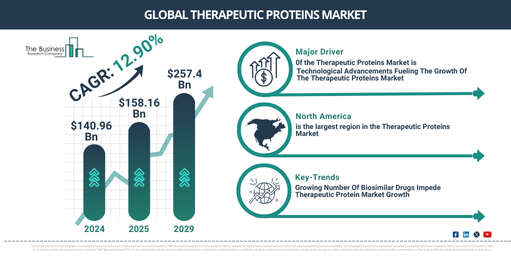
    The market for therapeutic proteins has seen a fast-paced growth in the past few years. The market size is poised to increase from $140.96 billion in 2024 to $158.16 billion in 2025, representing a compound annual growth rate (CAGR) of 12.2%. This impressive growth during the historic period can largely be credited to improvements in protein engineering, the proliferation into chronic disease areas, the emergence of immunotherapy, advancements in recombinant DNA technology, and the advent of targeted cancer treatments.

    What Is the Forecast for the Therapeutic Proteins Market Size Through 2029?

    It is anticipated that the market size of therapeutic proteins will witness accelerated expansion in the coming years, increasing to $257.4 billion in 2029 with a compound annual growth rate (CAGR) of 12.9%. The projected growth in the forecasted period could be due to regulatory adjustments, advanced delivery systems, the inclusion of gene editing, the evolution of immunotherapy, and the progress of biobetters. Key trends for the predicted period comprise enhancements in the regulatory structure, refined delivery systems, advancements in biotechnology, the rise of personalized medicine, and the prevalence of monoclonal antibodies.

    Download The Free Sample Report Here:

    https://www.thebusinessresearchcompany.com/sample.aspx?id=2555&type=smp

    What are the Key Market Players in Therapeutic Proteins Market and How They’re Evolving?

    Major companies operating in the therapeutic proteins market include Pfizer Inc., Johnson & Johnson Services Inc., F. Hoffmann-La Roche Ltd., Merck & Co. Inc., AbbVie Inc., Novartis International AG, Sanofi S.A, Bristol Myers Squibb Co., AstraZeneca plc, Abbott Laboratories, GlaxoSmithKline plc, Eli Lilly and Company, Boehringer Ingelheim International GmbH, Amgen Inc., Novo Nordisk A/S, Baxter International Inc., Teva Pharmaceutical Industries Ltd., CSL Behring LLC, Chugai Pharmaceutical Co. Ltd., Biogen Inc., Kyowa Kirin Co. Ltd., Oramed Pharmaceuticals Inc., Sandoz International GmbH, Hualan Biological Engineering Inc., Genentech Inc., ProBiogen AG, Diasome Pharmaceuticals Inc., Generex Biotechnology Corp., GeneScience Pharmaceuticals Co. Ltd.

    What Are the Primary Growth Drivers in the Therapeutic Proteins Market?

    Technological advancements in the creation of protein-based medicine are propelling the therapeutic proteins market forward. The production of therapeutic proteins is not possible through chemical synthesis, but instead, relies on genetic engineering and recombinant DNA technology within living cells or organisms. The manufacturing, purity, lifespan, aim, and efficacy of therapeutic protein drugs are enhanced by protein-engineering platform technologies such as glycoengineering, pegylation, Fc-fusion, albumin fusion, and albumin drug conjugation. Belimumab, ipilimumab, taliglucerase alfa, albiglutide, and recombinant human coagulation factor IX represent therapeutic proteins drugs that have been manufactured utilising protein engineering technologies and granted FDA approval in the last half-decade.

    Request For A Customized Report:

    https://www.thebusinessresearchcompany.com/customise?id=2555&type=smp

    What Are the Leading Segments in the Global Therapeutic Proteins Industry?

    The therapeutic proteins market covered in this report is segmented –

    1) By Product Type: Insulin, Fusion Protein, Erythropoietin, Interferon, Human Growth Hormone, Follicle Stimulating Hormone

    2) By Function: Enzymatic And Regulatory Activity, Special Targeting Activity, Vaccines, Protein Diagnostics

    3) By Application: Metabolic Disorders, Immunologic Disorders, Hematological Disorders, Cancer, Hormonal Disorders, Genetic Disorders, Other Applications

    Subsegments:

    1) By Insulin: Rapid-Acting Insulin, Short-Acting Insulin, Intermediate-Acting Insulin, Long-Acting Insulin

    2) By Fusion Protein: Tnf-Alpha Inhibitors, Anti-Cd20 Fusion Proteins, Other Targeted Fusion Proteins

    3) By Erythropoietin: Epoetin Alpha, Darbepoetin Alfa, Other Erythropoietin Variants

    4) By Interferon: Interferon Alpha, Interferon Beta, Interferon Gamma

    5) By Human Growth Hormone: Somatropin, Somatrem

    6) By Follicle Stimulating Hormone: Follitropin Alpha, Follitropin Beta

    What Are the Key Market Trends in the Therapeutic Proteins Industry?

    The expansion of biosimilar drugs in the international market will decelerate the growth of the therapeutic proteins market. The termination of patents for therapeutic proteins like monoclonal antibodies paves the way for biosimilars. For example, Amneal Pharmaceuticals, Inc., an American company specializing in generics and specialty pharmaceuticals, introduced ALYMSY (bevacizumab-maly) in the United States in October 2022. These affordable treatment options, similar to original biologics, negatively impact the revenue and sales of the therapeutic proteins market.

    Access The Full Report Here:

    https://www.thebusinessresearchcompany.com/report/therapeutic-proteins-global-market-report

    What Is the Regional Outlook for the Therapeutic Proteins Market?

    The countries covered in the therapeutic proteins market report are Australia, Brazil, China, France, Germany, India, Indonesia, Japan, Russia, South Korea, UK, USA, Canada, Italy, Spain

    Purchase The Full Report Today:

    https://www.thebusinessresearchcompany.com/purchaseoptions.aspx?id=2555

    This Report Delivers Insight On:

    1. How big is the therapeutic proteins market, and how is it changing globally?

    2. Who are the major companies in the therapeutic proteins market, and how are they performing?

    3. What are the key opportunities and risks in the therapeutic proteins market right now?

    4. Which products or customer segments are growing the most in the therapeutic proteins market?

    5. What factors are helping or slowing down the growth of the therapeutic proteins market?

    About The Business Research Company:

    With over 15000+ reports from 27 industries covering 60+ geographies, The Business Research Company has built a reputation for offering comprehensive, data-rich research and insights. Armed with 1,500,000 datasets, the optimistic contribution of in-depth secondary research, and unique insights from industry leaders, you can get the information you need to stay ahead in the game.

    Get in touch with us:

    The Business Research Company: https://www.thebusinessresearchcompany.com/

    Americas +1 310-496-7795

    Asia +44 2071930708

    Europe +44 7882 955267

    Email us at info@tbrc.info

    Follow us on:

    LinkedIn: https://in.linkedin.com/company/the-business-research-company

    YouTube: https://www.youtube.com/channel/UC24_fI0rV8cR5DxlCpgmyFQ

    Global Market Model: https://www.thebusinessresearchcompany.com/global-market-model
  • Cellular Immunotherapy Industry Growth Expected to Reach $11.27 Billion by 2029 at a CAGR of 14.2% | Segmentation and Growth Opportunities

    Cellular Immunotherapy Industry Growth Expected to Reach $11.27 Billion by 2029 at a CAGR of 14.2% | Segmentation and Growth Opportunities

    Claim your 30% discount on Global Market Reports with code ONLINE30. Limited time only.

    #How Has the Cellular Immunotherapy Market Growth Performance Trended Historically, And What Lies Ahead?

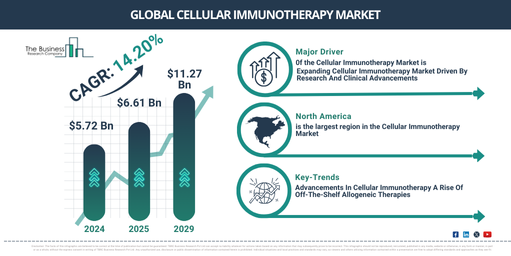
    In recent times, the market size of cellular immunotherapy has seen swift expansion. It is projected to rise from $5.72 billion in 2024 to $6.61 billion in 2025, boasting a compound annual growth rate (CAGR) of 15.7%. Factors such as advancements in cancer treatment, clinical achievements, regulatory sanctions, and the escalating prevalence of targeted diseases have all contributed to the growth in the historic period.

    What Is the Forecast for the Cellular Immunotherapy Market Size Through 2029?

    It is projected that the cellular immunotherapy market will experience rapid expansion in the upcoming years, reaching a value of $11.27 billion by 2029 with a Compound Annual Growth Rate (CAGR) of 14.2%. This growth during the forecast period can be ascribed to factors such as the growth of solid tumors, advancements in manufacturing techniques, improvement of healthcare infrastructure, and increased funding for research. Key trends forecasted for this period include a rise in research and development investments, the availability of clinical trial data, and the use of combination therapies.

    Download The Free Sample Report Here:

    https://www.thebusinessresearchcompany.com/sample.aspx?id=3435&type=smp

    What are the Key Market Players in Cellular Immunotherapy Market and How They’re Evolving?

    Major companies operating in the cellular immunotherapy market include Novartis International AG, Gilead Sciences Inc., Apac Biotech, Dendreon Pharmaceuticals LLC, JW CreaGene Co. Ltd, Green Cross Corp, AstraZeneca plc, Bristol Myers Squibb Company, Pfizer Inc., F. Hoffmann-La Roche Ltd., Adicet Bio Inc., ResTORbio Inc., Celyad SA, Merck KGaA, GlaxoSmithKline plc., Johnson & Johnson, Adaptimmune Therapeutics plc, AVROBIO Inc., Cellular Biomedicine Group Inc., Kite Pharma Inc., Juno Therapeutics Inc., Celgene Corporation, Bluebird Bio Inc., Tmunity Therapeutics Inc., Atara Biotherapeutics Inc., Fate Therapeutics Inc., Precision Biosciences Inc., Allogene Therapeutics Inc., CRISPR Therapeutics AG, Sangamo Therapeutics Inc., Intellia Therapeutics Inc., Editas Medicine Inc., Caribou Biosciences Inc., Mammoth Biosciences Inc., Synthego Corporation

    What Are the Primary Growth Drivers in the Cellular Immunotherapy Market?

    The surge in research activities and successful outcomes of clinical experiments in cellular immunotherapy are projected to fuel the expansion of the cellular immunotherapy market in the foreseeable future. With a targeted focus on creating new cellular immunotherapies for a range of diseases, companies are stepping up their efforts. The Cancer Research Institute, for example, a US-based nonprofit organization exclusively devoted to advancing immunotherapy for the prevention, treatment, and ultimate extermination of all cancers, reported in June 2022 that there were 2,756 active cell therapy drugs in the global immuno-oncology pipeline as of April 2022. This signifies a 36% growth from the 2021 landscape analysis, which listed 2,031 such agents, but also marks a slight drop from the 43% growth in the prior year. The quick-paced progression in the field of cellular immunotherapy at both clinical and preclinical stages in 2020, as compared to 2019, is anticipated to broaden the scope of cellular immunotherapy, leading to increased revenue generation for the cellular immunotherapy market.

    Request For A Customized Report:

    https://www.thebusinessresearchcompany.com/customise?id=3435&type=smp

    What Are the Leading Segments in the Global Cellular Immunotherapy Industry?

    The cellular immunotherapy market covered in this report is segmented –

    1) By Therapy: Tumor-Infiltrating Lymphocyte (TIL) Therapy, Engineered T Cell Receptor (TCR) Therapy, Chimeric Antigen Receptor (CAR) T Cell Therapy, Natural Killer (NK) Cell Therapy

    2) By Primary Indication: B-cell Malignancies, Prostate Cancer, Renal Cell Carcinoma, Liver Cancer, Non-Hodgkin lymphoma, Other Primary Indications

    3) By Application: Prostate Cancer, Breast Cancer, Skin Cancer, Ovarian Cancer, Brain Tumor, Lung Cancer, Other Applications

    Subsegments:

    1) By Tumour-Infiltrating Lymphocyte (TIL) Therapy: Autologous TIL Therapy, Allogeneic TIL Therapy, Other TIL Therapy

    2) By Engineered T Cell Receptor (TCR) Therapy: Alpha-Beta TCR Therapy, Gamma-Delta TCR Therapy, Other Engineered TCR Therapy

    3) By Chimeric Antigen Receptor (CAR) T Cell Therapy: Autologous CAR T Cell Therapy, Allogeneic CAR T Cell Therapy, CAR T Cell Therapy For Solid Tumors, CAR T Cell Therapy For Hematologic Malignancies, Other CAR T Cell Therapy

    4) By Natural Killer (NK) Cell Therapy: Autologous NK Cell Therapy, Allogeneic NK Cell Therapy, NK Cell Therapy With Engineered Modifications, Other NK Cell Therapy

    What Are the Key Market Trends in the Cellular Immunotherapy Industry?

    Firms operating within the cellular immunotherapy market are increasingly focusing on enhancing cancer treatment through the creation of off-the-shelf allogeneic therapies. These therapies are developed from donor cells, unlike autologous treatment that uses the patient’s own cells. The advantages of this approach include cost-efficiency, potential for large-scale production, speedy production, and enhanced quality management. For example, in May 2022, Novartis AG, a Swiss pharmaceutical firm specializing in the research, development, production, and distribution of medications, declared that the US Food and Drug Administration (FDA) has swiftly approved the use of Kymriah (tisagenlecleucel), for adults with relapsed or refractory follicular lymphoma (FL), following at least two lines of systemic therapy. Furthermore, Acepodia, a U.S.-based firm operating in the cell immunotechnology sphere, is set to commence a phase 1 clinical trial in August 2020, to study ACE1702, an allogeneic, off-the-shelf NK cell therapy, for the treatment of solid tumors.

    Access The Full Report Here:

    https://www.thebusinessresearchcompany.com/report/cellulars-immunotherapy-global-market-report

    What Is the Regional Outlook for the Cellular Immunotherapy Market?

    North America was the largest region in the cellular immunotherapy market in 2023. The regions covered in the cellular immunotherapy market report are Asia-Pacific, Western Europe, Eastern Europe, North America, South America, Middle East, Africa

    Purchase The Full Report Today:

    https://www.thebusinessresearchcompany.com/purchaseoptions.aspx?id=3435

    This Report Delivers Insight On:

    1. How big is the cellular immunotherapy market, and how is it changing globally?

    2. Who are the major companies in the cellular immunotherapy market, and how are they performing?

    3. What are the key opportunities and risks in the cellular immunotherapy market right now?

    4. Which products or customer segments are growing the most in the cellular immunotherapy market?

    5. What factors are helping or slowing down the growth of the cellular immunotherapy market?

    About The Business Research Company:

    With over 15000+ reports from 27 industries covering 60+ geographies, The Business Research Company has built a reputation for offering comprehensive, data-rich research and insights. Armed with 1,500,000 datasets, the optimistic contribution of in-depth secondary research, and unique insights from industry leaders, you can get the information you need to stay ahead in the game.

    Get in touch with us:

    The Business Research Company: https://www.thebusinessresearchcompany.com/

    Americas +1 310-496-7795

    Asia +44 2071930708

    Europe +44 7882 955267

    Email us at info@tbrc.info

    Follow us on:

    LinkedIn: https://in.linkedin.com/company/the-business-research-company

    YouTube: https://www.youtube.com/channel/UC24_fI0rV8cR5DxlCpgmyFQ

    Global Market Model: https://www.thebusinessresearchcompany.com/global-market-model
  • Radiopharmaceuticals Market to Reach $10.59 Billion by 2029 | Key Drivers and Future Outlook

    Radiopharmaceuticals Market to Reach $10.59 Billion by 2029 | Key Drivers and Future Outlook

    Claim your 30% discount on Global Market Reports with code ONLINE30. Limited time only.

    What Is the Estimated Market Size of the Radiopharmaceuticals Market In 2029?

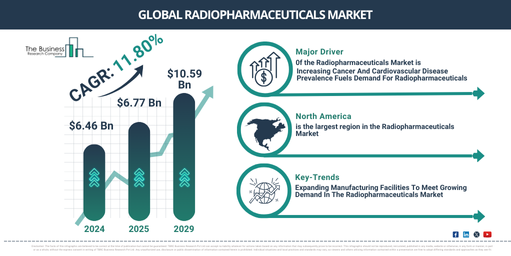
    The steady expansion of the radiopharmaceuticals market has been noted in the past few years, with predictions estimating a rise from $6.46 billion in 2024 to $6.77 billion in 2025, constituting a compound annual growth rate (CAGR) of 4.7%. Factors contributing to this growth throughout the historic period include increased healthcare spending, governmental actions, the convenience provided by the treatment, and shifts in lifestyle patterns.

    What Growth Rate Is Forecasted for the Radiopharmaceuticals Market by 2029?

    Growth is predicted to surge in the radiopharmaceuticals market, projecting it to reach a market value of $10.59 billion by 2029 with a compound annual growth rate (CAGR) of 11.8%. Factors contributing to this expected growth in the forecast period includes a rising elderly population, heightened incidences of cancer and cardiovascular diseases, substantial capital investments, and innovative product introductions. Forecast period trends encompass collaborations with other corporations for revenue enhancement and product quality improvement, investing in expanding plant capacities to fulfill increasing demand, incorporation of new technologies to service emerging needs, the utilization of in silico modelling for a logical and scientific method, investing in AI to decrease R&D expenses and expedite drug development, investing in cardiology-focused technologies to increase revenues, and adopting disease-specific methodologies for precise and timely cancer diagnoses.

    Download The Free Sample Report Here:

    https://www.thebusinessresearchcompany.com/sample.aspx?id=3471&type=smp

    Which Key Companies Are Shaping the Future of the Radiopharmaceuticals Market?

    Major companies operating in the radiopharmaceuticals market include Cardinal Health, Curium Pharma, Siemens Healthineers AG, Novartis AG, General Electric Company (GE), IBA Group, Bayer AG, Lantheus Medical Imaging Inc., Bracco Imaging S.p.A., Eckert & Ziegler, Nihon Medi-Physics Co. Ltd., Fujifilm Corporation, ANSTO, Yantai Dongcheng Pharmaceutical Group Co. Ltd., Bracco Imaging SpA., Canon Inc., China Isotope & Radiation Corporation (CIRC), Alliance Medical, Advanced Accelerator Applications, JSC Isotope, Pharm-Sintez, Synektik SA, Polatom, RadioMedic sro, ÚJV Řež, Actinium Pharmaceuticals Inc., Alseres Pharmaceuticals Inc., Avid Radiopharmaceuticals, Fusion Pharmaceuticals, Peregrine Pharmaceuticals Inc., PETNET Solutions Inc., Positron Corporation, Triad Isotopes Inc., Telix Pharmaceuticals, Rosatom, Alliance Medical Group, Hologic Inc., Segami Corporation, Eczacýbaþý-Monrol Nuclear Products, NTP Radioisotopes.

    Which Factors Are Driving Demand in the Radiopharmaceuticals Industry?

    The growing incidence of cancer and cardiovascular problems is anticipated to fuel the need for radiopharmaceuticals in the healthcare market. Instead of conventional medications, radiopharmaceuticals are fast becoming a viable and safe method of treatment. They have distinct advantages such as targeted therapy which makes them a preferable choice for radiologists to treat cancer and cardiovascular illnesses. Globally, cancer is recognized as the second leading cause of fatalities, with 1 in 6 deaths ascribed to it. For instance, the France-based International Agency for Research on Cancer (IARC) reported in April 2024 that nearly 20 million novel cancer cases and 9.7 million cancer-related deaths happened across the globe in 2022. By 2040, these figures are expected to rise to 29.9 million new occurrences and 15.3 million deaths on a yearly basis. Therefore, the increasing instances of cancer and cardiovascular conditions are believed to augment the demand for radiopharmaceuticals in treating these ailments.

    Request For A Customized Report:

    https://www.thebusinessresearchcompany.com/customise?id=3471&type=smp

    How Is the Radiopharmaceuticals Market Segmented by Several Divisions?

    The radiopharmaceuticals market covered in this report is segmented –

    1) By Type: Diagnostic, Therapeutic

    2) By Application: Oncology, Cardiology, Gastroenterology, Neuroendocrinology, Musculoskeletal, Respiratory, Nephrology, Other Applications

    3) By End User: Hospitals And Ambulatory Surgical Centers, Diagnostic Centers, Cancer Research Institutes

    Subsegments:

    1) By Diagnostic: Positron Emission Tomography (PET) Radiopharmaceuticals, Single Photon Emission Computed Tomography (SPECT) Radiopharmaceuticals

    2) By Therapeutic: Alpha Emitters, Beta Emitters, Brachytherapy

    What are the Emerging Market Trends Driving the Growth of the Radiopharmaceuticals Industry?

    Numerous businesses are adopting a variety of strategic maneuvers like launching new manufacturing sites and boosting factory capabilities. This trend is gaining considerable traction in the radiopharmaceuticals market. For example, ITM Isotopen Technologien Munchen AG (ITM), has declared the inauguration of its newest production facility in the Munich vicinity, aiming to amplify the production volume of high-purity (n.c.a) Lutetium-177 and no-carrier-added (n.c.a) Lutetium-177 inclusive radiopharmaceuticals. The brand EndolucinBeta markets the well-known Lutetium-177, an innovative isotope applied in cancer treatment. With this move, the company aims to cater to the escalating global demand for superior quality medical isotopes in the field of precision oncology.

    Access The Full Report Here:

    https://www.thebusinessresearchcompany.com/report/radiopharmaceutical-global-market-report

    Which Regions Are Driving Growth in the Radiopharmaceuticals Market?

    The countries covered in the radiopharmaceuticals market report are Australia, Brazil, China, France, Germany, India, Indonesia, Japan, Russia, South Korea, UK, USA, Italy, Canada, Spain

    Purchase The Full Report Today:

    https://www.thebusinessresearchcompany.com/purchaseoptions.aspx?id=3471

    This Report Delivers Insight On:

    1. How big is the radiopharmaceuticals market, and how is it changing globally?

    2. Who are the major companies in the radiopharmaceuticals market, and how are they performing?

    3. What are the key opportunities and risks in the radiopharmaceuticals market right now?

    4. Which products or customer segments are growing the most in the radiopharmaceuticals market?

    5. What factors are helping or slowing down the growth of the radiopharmaceuticals market?

    About The Business Research Company:

    With over 15000+ reports from 27 industries covering 60+ geographies, The Business Research Company has built a reputation for offering comprehensive, data-rich research and insights. Armed with 1,500,000 datasets, the optimistic contribution of in-depth secondary research, and unique insights from industry leaders, you can get the information you need to stay ahead in the game.

    Get in touch with us:

    The Business Research Company: https://www.thebusinessresearchcompany.com/

    Americas +1 310-496-7795

    Asia +44 2071930708

    Europe +44 7882 955267

    Email us at info@tbrc.info

    Follow us on:

    LinkedIn: https://in.linkedin.com/company/the-business-research-company

    YouTube: https://www.youtube.com/channel/UC24_fI0rV8cR5DxlCpgmyFQ

    Global Market Model: https://www.thebusinessresearchcompany.com/global-market-model
  • Orphan Drugs Industry Insights 2025 – Market Forecast for Executives and Planners

    Orphan Drugs Industry Insights 2025 – Market Forecast for Executives and Planners

    Claim your 30% discount on Global Market Reports with code ONLINE30. Limited time only.

    #How Has The Orphan Drugs Market Size Shifted, And What Is the Outlook Through 2034?

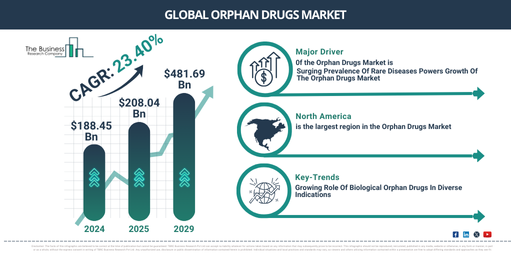
    The market size of orphan drugs has experienced swift expansion in recent periods. A surge from $188.45 billion in 2024 to $208.04 billion in 2025 is predicted, with a compound annual growth rate (CAGR) of 10.4%. Such growth during the historic phase can be associated with the Orphan Drug Act of 1983, increasing attention towards rare diseases, repurposed drugs, advancements in genetic comprehension, as well as research funding initiatives.

    How Much Will the Orphan Drugs Market Be Worth in 2029?

    In the coming years, the size of the orphan drugs market is projected to witness significant growth, escalating to $481.69 billion by 2029 with a compound annual growth rate (CAGR) of 23.4%. This growth during the forecast period is influenced by various factors such as progressive market access policies, initiatives linked to value-based healthcare, expansion on a global scale, drug development focusing on patients, and special attention on rare cancers. The forecast period will also see trends like enhancement in target identification, speeding up regulatory pathways, advancement in the field of gene therapy, broadening of research collaborations, and strategies centered around precision medicine.

    Download The Free Sample Report Here:

    https://www.thebusinessresearchcompany.com/sample.aspx?id=2823&type=smp

    Which is the Largest Company in the Orphan Drugs Market?

    Major companies operating in the orphan drugs market include Pfizer Inc., Johnson & Johnson Services Inc., F Hoffmann-La Roche Ltd., Farbenfabriken Bayer AG, Novartis AG, Sanofi SA, Bristol-Myers Squibb Co., AstraZeneca plc, GlaxoSmithKline plc, Takeda Pharmaceutical Company Limited, Eli Lilly and Company, Gilead Sciences Inc., Applied Molecular Genetics Inc., Novo Nordisk A/S, Merck & Co. KG, AbbVie Inc., Teva Pharmaceutical Industries Ltd., Regeneron Pharmaceuticals Inc., CSL Limited, Biogen Inc., Celgene Corporation, Vertex Pharmaceuticals Inc., Eisai Co. Ltd., Grifols SA, Alexion Pharmaceuticals Inc., BioMarin Pharmaceutical Inc., Aegerion Pharmaceuticals Inc., Sankyo Co. Ltd.

    What Are the Main Market Drivers in the Orphan Drugs Industry?

    The upward trend in the occurrence of uncommon diseases is a major factor fuelling the expansion of the orphan drugs industry. Rare diseases, otherwise defined as those affecting a small population group, often necessitate a cold chain. This is a temperature-controlled supply chain that remains unavailable universally. Orphan or rare diseases are scarcely detected among individuals, with a ratio of 7 in every 10,000. Nevertheless, the global scope of these diseases has seen a rise in recent past. Case in point, as per an article published by the American Cancer Society in January 2022, the USA witnesses around 54,000 new cases of oropharyngeal or oral cancer each year, with 11,230 succumbing to these diseases. The mean age of individuals diagnosed is 63, although younger people are not exempted. Slightly over 20% (or 1 in 5) cases are found in patients younger than 55. Hence, the escalating incidence of rare diseases is propelling the growth of the orphan drugs market.

    Request For A Customized Report:

    https://www.thebusinessresearchcompany.com/customise?id=2823&type=smp

    How Is the Orphan Drugs Market Segments Structured?

    The orphan drugs market covered in this report is segmented –

    1) By Therapy Area: Oncology, Blood, Central Nervous System, Endocrine, Cardiovascular, Respiratory, Immunomodulatory

    2) By Diseases Type: Oncology, Hematology, Neurology, Cardiovascular, Other Disease Types

    3) By Drug Type: Biological, Non-Biological

    4) By Distribution Channel: Hospital Pharmacy, Retail Pharmacy, Online Sales

    Subsegments:

    1) By Oncology: Targeted Therapies, Chemotherapy Agents, Immunotherapy Drugs, Hormonal Therapies

    2) By Blood: Hematopoietic Growth Factors, Coagulation Factor Concentrates, Treatments for Rare Blood Disorders

    3) By Central Nervous System: Medications for Rare Neurological Disorders, Antiepileptic Drugs for Rare Epilepsy Syndromes, Treatments for Rare Neurodegenerative Diseases

    4) By Endocrine: Hormonal Replacement Therapies, Treatments for Rare Endocrine Disorders

    5) By Cardiovascular: Medications for Rare Cardiovascular Conditions, Treatments for Rare Genetic Heart Disorders

    6) By Respiratory: Therapies for Rare Respiratory Diseases, Medications for Rare Allergic Conditions

    7) By Immunomodulatory: Treatments for Rare Autoimmune Disorders, Immunotherapies for Rare Inflammatory Conditions

    What Strategic Trends Are Transforming the Orphan Drugs Market?

    The endorsement of biological orphan drugs for a variety of indications serves as a crucial trend propelling the expansion of the orphan drugs market. Biological drugs, which have fewer side effects and are utilized in the treatment of rare disorders like cancer, are widely prevalent in developed countries. For instance, Cardax, Inc. has reported its collaboration with biological orphan drug specialist Frederick D. Sancilio, Ph.D., to kickstart its biological orphan drug development scheme. Companies are keen on securing biological orphan drugs for the creation of commercial products, as a strategy to amplify their revenue.

    Access The Full Report Here:

    https://www.thebusinessresearchcompany.com/report/orphan-drug-global-market-report

    Which Global Regions Offer the Highest Growth in the Orphan Drugs Market?

    The countries covered in the orphan drugs market report are Australia, Brazil, China, France, Germany, India, Indonesia, Japan, Russia, South Korea, UK, USA, Canada, Italy, Spain

    Purchase The Full Report Today:

    https://www.thebusinessresearchcompany.com/purchaseoptions.aspx?id=2823

    This Report Delivers Insight On:

    1. How big is the orphan drugs market, and how is it changing globally?

    2. Who are the major companies in the orphan drugs market, and how are they performing?

    3. What are the key opportunities and risks in the orphan drugs market right now?

    4. Which products or customer segments are growing the most in the orphan drugs market?

    5. What factors are helping or slowing down the growth of the orphan drugs market?

    About The Business Research Company:

    With over 15000+ reports from 27 industries covering 60+ geographies, The Business Research Company has built a reputation for offering comprehensive, data-rich research and insights. Armed with 1,500,000 datasets, the optimistic contribution of in-depth secondary research, and unique insights from industry leaders, you can get the information you need to stay ahead in the game.

    Get in touch with us:

    The Business Research Company: https://www.thebusinessresearchcompany.com/

    Americas +1 310-496-7795

    Asia +44 2071930708

    Europe +44 7882 955267

    Email us at info@tbrc.info

    Follow us on:

    LinkedIn: https://in.linkedin.com/company/the-business-research-company

    YouTube: https://www.youtube.com/channel/UC24_fI0rV8cR5DxlCpgmyFQ

    Global Market Model: https://www.thebusinessresearchcompany.com/global-market-model
  • Plasma Therapy Market Trends Report 2025 – For Business Development and Strategy Teams

    Plasma Therapy Market Trends Report 2025 – For Business Development and Strategy Teams

    Claim your 30% discount on Global Market Reports with code ONLINE30. Limited time only.

    #How Has the Plasma Therapy Market Growth Performance Trended Historically, And What Lies Ahead?

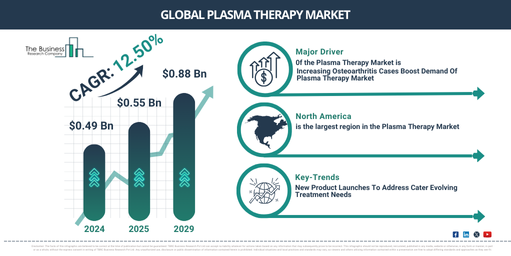
    In the past few years, the plasma therapy market has experienced swift expansion. It is projected to escalate from $0.49 billion in 2024 to $0.55 billion in 2025, exhibiting a compound annual growth rate (CAGR) of 11.4%. The historic progression is majorly attributable to the increased occurrence of long-standing illnesses, heightened consciousness about plasma therapy benefits, governmental backing for the therapy, reimbursement provisions for the treatment, a surge in the preference for minimally invasive methodologies, an increasing call for personalized medicine, along with the expanding aging population.

    What Is the Forecast for the Plasma Therapy Market Size Through 2029?

    There is expected to be a swift expansion in the size of the plasma therapy market in the upcoming years, hitting a mark of $0.88 billion by 2029, enjoying a compound annual growth rate (CAGR) of 12.5%. The surge in growth during the forecast period can be traced back to a higher prevalence of immunoglobulin acceptance, broadening uses, a spike in the need for treatment of rare diseases, and individualized treatment plans. The forecast period will likely bring some notable trends including advancements in plasma therapy techniques, biological manufacturing, the use of cell-free plasma therapies, telemedicine integration, and exploration into novel applications.

    Download The Free Sample Report Here:

    https://www.thebusinessresearchcompany.com/sample.aspx?id=3278&type=smp

    What are the Key Market Players in Plasma Therapy Market and How They’re Evolving?

    Major companies operating in the plasma therapy market include Takeda Pharmaceutical Company Limited, Bio Products Laboratory Ltd., Arthrex Inc., Biotest AG, China Biologic Products Holdings Inc., DePuy Synthes Companies, CSL Limited, Grifols S.A., Octapharma AG, Terumo BCT Inc., Pfizer Inc., Kedrion Biopharma, ADMA Biologics Inc., SK Plasma Co. Ltd., Kamada Ltd., Fusion HealthCare, LFB Plasma, Baxter International Inc., Bayer AG, GC Biopharma Corp, Hualan Biological Engineering Inc., Japan Blood Products Organization, PlasmaCare Inc., ProMetic Life Sciences Inc., Sanquin, Shanghai RAAS Blood Products Co. Ltd., Canadian Plasma Resources, B Positive Plasma, Proesis Biologics Inc.

    What Are the Primary Growth Drivers in the Plasma Therapy Market?

    An uptick in osteoarthritis instances is anticipated to propel the plasma therapy market in the coming years. Platelet-rich plasma (PRP), a variant of plasma therapy, is deemed a reliable and effective solution for osteoarthritis. PRP consists of a dense autologous blood growth factor that is introduced into the joint to diminish inflammation and delay the advancement of osteoarthritis. As an example, a forecast from the Journal of Elsevier, a Dutch publisher, in September 2023 states that by 2050, osteoarthritis occurrences worldwide are projected to increase by 74.9% (with a range of 59.4% to 89.9%) for the knee, 48.6% (with a range of 35.9% to 67.1%) for the hand, 78.6% (with a range of 57.7% to 105.3%) for the hip, and 95.1% (with a range of 68.1% to 135.0%) for other osteoarthritis forms. Some common treatments include autologous chondrocyte implantation and scaffold implants. Consequently, the increased frequency of osteoarthritis can be seen as a primary driver for the plasma therapy market.

    Request For A Customized Report:

    https://www.thebusinessresearchcompany.com/customise?id=3278&type=smp

    What Are the Leading Segments in the Global Plasma Therapy Industry?

    The plasma therapy market covered in this report is segmented –

    1) By Type: Pure PRP, Leukocyte-rich PRP, Pure Platelet-rich Fibrin (PRF), Leukocyte-rich Fibrin (L-PRF)

    2) By Application: Orthopedics, Arthritis, Chronic Tendinitis, Bone Repair & Regeneration, Dermatology, Androgenic Alopecia, Plastic Surgery, Dental, Cardiac Muscle Injury, Other Applications

    3) By End-Users: Hospitals & Clinics, Laboratories: Research Institutes

    Subsegments:

    1) By Pure PRP: High Concentration PRP, Low Concentration PRP

    2) By Leukocyte-Rich PRP: PRP With White Blood Cells, PRP With Growth Factors

    3) By Pure Platelet-rich Fibrin (PRF): Injectable PRF, Membrane PRF

    4) By Leukocyte-rich Fibrin (L-PRF): L-PRF Clots, L-PRF Membranes

    What Are the Key Market Trends in the Plasma Therapy Industry?

    To accommodate the changing requirements and improve treatment alternatives, large corporations in the plasma therapy market are developing innovative products like the ESG-410. The ESG-410, an Electrosurgical Generator, was designed to bolster treatment options for non-muscle-invasive bladder cancer (NMIBC) and benign prostatic hyperplasia. Notably, in June 2023, Olympus Corporation, a medical technology firm based in Japan, unveiled its next-generation electrosurgical generator, the ESG-410, for the treatment of bladder cancer and prostate enlargement. The ESG-410 touts modern design highlights including improved capacitors for heightened plasma stability during ignition. Compared to the ESG-400, it provides rapid ignition and enhanced plasma stability, particularly when coupled with different loop sizes and oval buttons. The ESG-410 Electrosurgical Generator enhances treatment options for NMIBC and BPH by offering an assortment of resection loops, electrodes, and vaporization apparatus.

    Access The Full Report Here:

    https://www.thebusinessresearchcompany.com/report/plasmas-therapy-global-market-report

    What Is the Regional Outlook for the Plasma Therapy Market?

    The countries covered in the plasma therapy market report are Australia, Brazil, China, France, Germany, India, Indonesia, Japan, Russia, South Korea, UK, USA, Italy, Spain, Canada.

    Purchase The Full Report Today:

    https://www.thebusinessresearchcompany.com/purchaseoptions.aspx?id=3278

    This Report Delivers Insight On:

    1. How big is the plasma therapy market, and how is it changing globally?

    2. Who are the major companies in the plasma therapy market, and how are they performing?

    3. What are the key opportunities and risks in the plasma therapy market right now?

    4. Which products or customer segments are growing the most in the plasma therapy market?

    5. What factors are helping or slowing down the growth of the plasma therapy market?

    About The Business Research Company:

    With over 15000+ reports from 27 industries covering 60+ geographies, The Business Research Company has built a reputation for offering comprehensive, data-rich research and insights. Armed with 1,500,000 datasets, the optimistic contribution of in-depth secondary research, and unique insights from industry leaders, you can get the information you need to stay ahead in the game.

    Get in touch with us:

    The Business Research Company: https://www.thebusinessresearchcompany.com/

    Americas +1 310-496-7795

    Asia +44 2071930708

    Europe +44 7882 955267

    Email us at info@tbrc.info

    Follow us on:

    LinkedIn: https://in.linkedin.com/company/the-business-research-company

    YouTube: https://www.youtube.com/channel/UC24_fI0rV8cR5DxlCpgmyFQ

    Global Market Model: https://www.thebusinessresearchcompany.com/global-market-model