Category: Pharmaceuticals

  • Psoriatic Arthritis Treatment Industry Growth Expected to Reach $17.16 Billion by 2029 at a CAGR of 9.4% | Segmentation and Growth Opportunities

    Psoriatic Arthritis Treatment Industry Growth Expected to Reach $17.16 Billion by 2029 at a CAGR of 9.4% | Segmentation and Growth Opportunities

    Claim your 30% discount on Global Market Reports with code ONLINE30. Limited time only.

    #How Has the Psoriatic Arthritis Treatment Market Growth Performance Trended Historically, And What Lies Ahead?

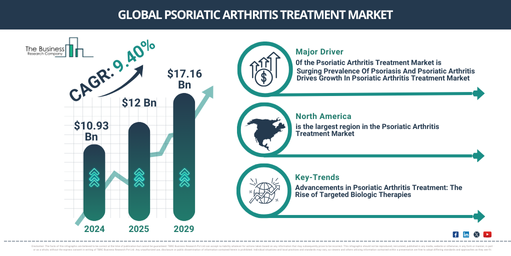
    In recent times, the psoriatic arthritis treatment market has experienced significant growth. The market size, which stood at $10.93 billion in 2024, is projected to increase to $12 billion in 2025, at a compound annual growth rate (CAGR) of 9.8%. Factors such as improved diagnostics, a rising occurrence of psoriatic arthritis, enhanced awareness regarding the disease and its remedies, an increased selection of approved treatments, government backing for R&D, and amplified funding from pharmaceutical firms, contributed to the growth experienced during the historical period.

    What Is the Forecast for the Psoriatic Arthritis Treatment Market Size Through 2029?

    The market for the treatment of psoriatic arthritis is projected to experience significant expansion in the forthcoming years, reaching a value of $17.16 billion by 2029, with a Compound Annual Growth Rate (CAGR) of 9.4%. The surge in growth forecasted for this period is due to factors such as the rise of personalized medicine, the development of biologics and small molecules, increased variety in treatment options, and a globally aging population. Key future trends to track include progress in biologics, oral small molecules, pathway-specific targeting, telemedicine coupled with remote monitoring, patient-oriented care, and the use of real-world evidence.

    Download The Free Sample Report Here:

    https://www.thebusinessresearchcompany.com/sample.aspx?id=3458&type=smp

    What are the Key Market Players in Psoriatic Arthritis Treatment Market and How They’re Evolving?

    Major companies operating in the psoriatic arthritis treatment market include AbbVie Inc., Amgen Astellas BioPharma K.K., Johnson & Johnson Services Inc., Bristol-Myers Squibb Company, Celgene Corporation, Novartis International AG, Eli Lilly and Company, Pfizer Inc., CB Biosciences Inc., Merck & Co. Inc., AstraZeneca plc, Sanofi SA, Otsuka Pharmaceutical Co. Ltd., Sumitomo Dainippon Pharma Co. Ltd., Bayer AG, Abbott Laboratories, Eisai Inc., Janssen Pharmaceuticals Inc., Bausch Health Companies Inc., F. Hoffmann-La Roche Ltd., Gilead Sciences Inc., GlaxoSmithKline plc, LEO Pharma A/S, Regeneron Pharmaceuticals Inc., Sun Pharmaceutical Industries Ltd., Takeda Pharmaceutical Company Limited, Teva Pharmaceutical Industries Ltd., Valeant Pharmaceuticals International Inc., Chugai Pharmaceutical Co. Ltd., Kyowa Kirin Co. Ltd.

    What Are the Primary Growth Drivers in the Psoriatic Arthritis Treatment Market?

    Inflammatory disorders like psoriasis and psoriatic arthritis have seen a surge in prevalence lately, which in turn has fueled the growth of the psoriatic arthritis treatment market. Psoriasis, which often coexists with an inflammatory type of arthritis referred to as psoriatic arthritis (PsA), affects 30% of those with psoriasis. As per the data released by the National Library of Medicine, a US-government agency, in January 2024, the yearly incidence of PsA among psoriasis patients fluctuates between 1.9% and 2.7% per 100 patients. The probability of developing PsA shows a notable rise over time, with rates standing at 1.7% after 5 years, escalating to 3.1% after 10 years, and skyrocketing to 20.5% 30 years post a psoriasis diagnosis. Therefore, the escalating prevalence of both psoriasis and psoriatic arthritis is a key factor propelling market growth.

    Request For A Customized Report:

    https://www.thebusinessresearchcompany.com/customise?id=3458&type=smp

    What Are the Leading Segments in the Global Psoriatic Arthritis Treatment Industry?

    The psoriatic arthritis treatment market covered in this report is segmented –

    1) By Drug Class: Nonsteroidal Anti-Inflammatory Drugs (NSAIDS), Disease-Modifying Anti-Rheumatic Drugs (DMARDS), Biologics, Other Drug Classes

    2) By Route Of Administration: Oral, Parenteral, Topical

    3) By Distribution Channel: Hospital Pharmacies, Retail Pharmacies, Online Pharmacies

    Subsegments:

    1) By Nonsteroidal Anti-Inflammatory Drugs (NSAIDs): Traditional NSAIDs, COX-2 Inhibitors

    2) By Disease-Modifying Anti-Rheumatic Drugs (DMARDs): Conventional DMARDs, Targeted Synthetic DMARDs

    3) By Biologics: Tumor Necrosis Factor (TNF) Inhibitors, Interleukin Inhibitors, Other Biologics

    4) By Other Drug Classes: Corticosteroids, Topical Treatments, Janus Kinase (JAK) Inhibitors

    What Are the Key Market Trends in the Psoriatic Arthritis Treatment Industry?

    Significant organizations in the psoriatic arthritis treatment market are constantly making strides towards developing advanced solutions like targeted biologic therapy. This development is focused on offering more efficient and personalized treatment alternatives that tackle the root inflammatory issues, elevate patient results and improve the general life quality of those dealing with this persistent ailment. Targeted biologic therapy employs specifically formulated drugs or substances to interact with particular molecules that drive the growth and proliferation of cancer cells. The primary aim is to reduce harm to healthy cells while augmenting therapeutic effectiveness. An illustration of this is when AbbVie, a biopharmaceutical firm based in the US, announced the approval of SKYRIZI (risankizumab-rzaa) by the U.S. Food and Drug Administration (FDA) in January 2022. SKYRIZI® (risankizumab-rzaa) is an interleukin-23 inhibitor that is exclusively used for active psoriatic arthritis treatment. It targets the inflammation source by hindering the p19 component of IL-23. Clinical trials have shown significant enhancements in joint symptoms and overall disease activity, resulting in numerous patients attaining clinical remission and an improved life quality. The therapy can be delivered through a subcutaneous injection, offering a controllable choice for patients and accommodating adjustable dosage schedules as per individual requirements.

    Access The Full Report Here:

    https://www.thebusinessresearchcompany.com/report/psoriatic-arthritis-treatments-global-market-report

    What Is the Regional Outlook for the Psoriatic Arthritis Treatment Market?

    The countries covered in the psoriatic arthritis treatment market report are Australia, Brazil, China, France, Germany, India, Indonesia, Japan, Russia, South Korea, UK, USA, Italy, Spain, Canada.

    Purchase The Full Report Today:

    https://www.thebusinessresearchcompany.com/purchaseoptions.aspx?id=3458

    This Report Delivers Insight On:

    1. How big is the psoriatic arthritis treatment market, and how is it changing globally?

    2. Who are the major companies in the psoriatic arthritis treatment market, and how are they performing?

    3. What are the key opportunities and risks in the psoriatic arthritis treatment market right now?

    4. Which products or customer segments are growing the most in the psoriatic arthritis treatment market?

    5. What factors are helping or slowing down the growth of the psoriatic arthritis treatment market?

    About The Business Research Company:

    With over 15000+ reports from 27 industries covering 60+ geographies, The Business Research Company has built a reputation for offering comprehensive, data-rich research and insights. Armed with 1,500,000 datasets, the optimistic contribution of in-depth secondary research, and unique insights from industry leaders, you can get the information you need to stay ahead in the game.

    Get in touch with us:

    The Business Research Company: https://www.thebusinessresearchcompany.com/

    Americas +1 310-496-7795

    Asia +44 2071930708

    Europe +44 7882 955267

    Email us at info@tbrc.info

    Follow us on:

    LinkedIn: https://in.linkedin.com/company/the-business-research-company

    YouTube: https://www.youtube.com/channel/UC24_fI0rV8cR5DxlCpgmyFQ

    Global Market Model: https://www.thebusinessresearchcompany.com/global-market-model
  • Antiglaucoma Drugs Market Trends Report 2025 – For Business Development and Strategy Teams

    Antiglaucoma Drugs Market Trends Report 2025 – For Business Development and Strategy Teams

    Claim your 30% discount on Global Market Reports with code ONLINE30. Limited time only.

    #How Has the Antiglaucoma Drugs Market Growth Performance Trended Historically, And What Lies Ahead?

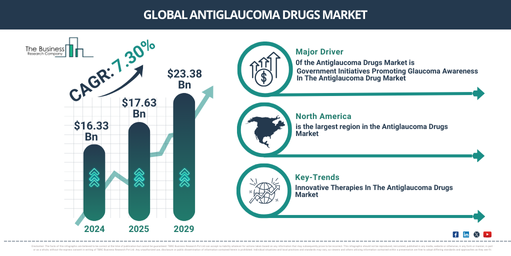
    The market size of antiglaucoma drugs has seen robust growth in past years. The market, which is expected to escalate from $16.33 billion in 2024 to $17.63 billion in 2025, will have a compound annual growth rate (CAGR) of 8.0%. Factors that have contributed to this growth in the historic period include an aging population, rising awareness, increased healthcare expenditure, and regulatory approvals.

    What Is the Forecast for the Antiglaucoma Drugs Market Size Through 2029?

    The market for antiglaucoma drugs is forecasted to witness substantial growth in the forthcoming years, escalating to an estimated $23.38 billion in 2029, with a compound annual growth rate (CAGR) of 7.3%. This expansion throughout the prediction period is due to factors such as emerging markets, reimbursement policies, and Disease awareness campaigns. Key trends expected in this phase include technological progress, innovation, telemedicine, biological treatments, new therapies, sustained-release formulations, as well as sustainability and environment-friendly packaging.

    Download The Free Sample Report Here:

    https://www.thebusinessresearchcompany.com/sample.aspx?id=3803&type=smp

    What are the Key Market Players in Antiglaucoma Drugs Market and How They’re Evolving?

    Major companies operating in the antiglaucoma drugs market include Aerie Pharmaceuticals Inc., Allergan Inc., Novartis AG, Abbott Healthcare Pvt. Ltd., Johnson & Johnson, Merck & Co., Genentech Inc., Pfizer Inc., Bayer AG, Santen Pharmaceuticals Company Ltd., Regeneron Pharmaceuticals Inc., Valeant Pharmaceuticals International Inc., F. Hoffmann-La Roche Ltd., Hoya Corporation, Bausch + Lomb Inc., Fera Pharmaceuticals LLC, Thea Pharma Inc., Alcon AG, Teva Pharmaceutical Industries Ltd., Sun Pharmaceutical Industries Ltd., Akorn Inc., Mylan Pharmaceuticals Pvt. Ltd., Apotex Inc., Lupin Pharmaceuticals Inc., Wockhardt Ltd., Zydus Pharmaceuticals Inc., Cooper Laboratories Inc., Cooper Pharma Ltd., Rafarm SA, Altaire Pharmaceuticals Inc.

    What Are the Primary Growth Drivers in the Antiglaucoma Drugs Market?

    The prevalence of glaucoma escalates as people age and owing to a rising aged population worldwide, various governmental agencies are rolling out initiatives to boost glaucoma awareness and related eye conditions. For instance, the Centers for Disease Control and Prevention (CDC) launched the Vision Health initiative in the United States to combat eye illnesses such as glaucoma, aiming to enhance general eye health. Moreover, through a recent resolution, the General Assembly of the United Nations committed to intensifying their efforts to incorporate eye care services in universal health coverage. This is an effort to neutralize the increasing detrimental impacts of vision loss due to conditions such as myopia, hyperopia, glaucoma, and cataracts on sustainable development. Such government initiatives are expected to increase public consciousness about glaucoma thereby propelling the market for anti-glaucoma drugs.

    Request For A Customized Report:

    https://www.thebusinessresearchcompany.com/customise?id=3803&type=smp

    What Are the Leading Segments in the Global Antiglaucoma Drugs Industry?

    The antiglaucoma drugs market covered in this report is segmented –

    1) By Type: Hospital Prescription Drugs, Over-The Counter Drugs

    2) By Product Type: Alpha Agonist, Beta Blockers, Prostaglandin Analogs, Combined Medication, Other Types

    3) By Disease Condition Type: Open-Angle Glaucoma, Angle-Closure Glaucoma, Normal-Tension Glaucoma, Congenital Glaucoma, Other Types Of Glaucoma

    Subsegments:

    1) By Hospital Prescription Drugs: Beta-Blockers (Timolol), Prostaglandin Analogs (Latanoprost), Alpha Agonists (Brimonidine), Carbonic Anhydrase Inhibitors (Dorzolamide), Rho Kinase Inhibitors (Netarsudil)

    2) By Over-The-Counter Drugs: Artificial Tears, Eye Drops For IOP Reduction, Herbal And Natural Remedies

    What Are the Key Market Trends in the Antiglaucoma Drugs Industry?

    In the antiglaucoma drug market, companies are innovating new combination therapies for glaucoma treatment due to their effective role in reducing intraocular pressure in those suffering from glaucoma. These therapies generally come as fixed dose drugs which provide the convenience of simpler consumption compared to non-fixed combinations. A notable example is Simbrinza introduced by Alcon, which is a fixed-dose combination of Brinzolamide and Brimonidine, aimed at assisting patients with glaucoma by reducing the number of drugs they need to intake. Another one is Rockland, which merges a rho kinase inhibitor and a prostaglandin analog. Combigan encompasses beta-blockers and alpha agonists, while Cosopt combines beta-blockers and carbonic anhydrase inhibitors.

    Access The Full Report Here:

    https://www.thebusinessresearchcompany.com/report/antiglaucoma-drugs-global-market-report

    What Is the Regional Outlook for the Antiglaucoma Drugs Market?

    North America was the largest region in the antiglaucoma drugs market in 2023. Middle East is expected to be the fastest-growing region in the antiglaucoma drugs market during the forecast period. The regions covered in the antiglaucoma drugs market report are Asia-Pacific, Western Europe, Eastern Europe, North America, South America, Middle East, Africa

    Purchase The Full Report Today:

    https://www.thebusinessresearchcompany.com/purchaseoptions.aspx?id=3803

    This Report Delivers Insight On:

    1. How big is the antiglaucoma drugs market, and how is it changing globally?

    2. Who are the major companies in the antiglaucoma drugs market, and how are they performing?

    3. What are the key opportunities and risks in the antiglaucoma drugs market right now?

    4. Which products or customer segments are growing the most in the antiglaucoma drugs market?

    5. What factors are helping or slowing down the growth of the antiglaucoma drugs market?

    About The Business Research Company:

    With over 15000+ reports from 27 industries covering 60+ geographies, The Business Research Company has built a reputation for offering comprehensive, data-rich research and insights. Armed with 1,500,000 datasets, the optimistic contribution of in-depth secondary research, and unique insights from industry leaders, you can get the information you need to stay ahead in the game.

    Get in touch with us:

    The Business Research Company: https://www.thebusinessresearchcompany.com/

    Americas +1 310-496-7795

    Asia +44 2071930708

    Europe +44 7882 955267

    Email us at info@tbrc.info

    Follow us on:

    LinkedIn: https://in.linkedin.com/company/the-business-research-company

    YouTube: https://www.youtube.com/channel/UC24_fI0rV8cR5DxlCpgmyFQ

    Global Market Model: https://www.thebusinessresearchcompany.com/global-market-model
  • Market Analysis on Antifungals Industry – Insights for Corporate Strategy and R&D

    Market Analysis on Antifungals Industry – Insights for Corporate Strategy and R&D

    Claim your 30% discount on Global Market Reports with code ONLINE30. Limited time only.

    What Are the Projected Market Size and Growth Rates for the Antifungals Market From 2025 To 2029?

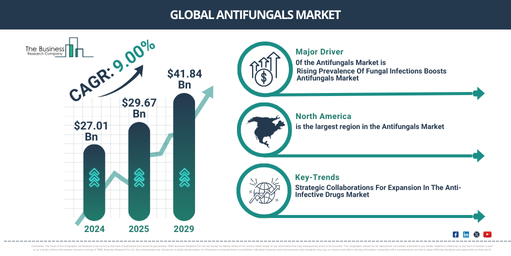
    Over recent years, there has been robust growth in the size of the antifungals market. It is expected to increase from $27.01 billion in 2024 to $29.67 billion in 2025, exhibiting a compound annual growth rate (CAGR) of 9.8%. The expansion during the historic period can be ascribed to factors such as the incidence of fungal diseases, the aging populace, development of healthcare infrastructure, and heightened awareness and education.

    What Is the Projected Market Size of the Antifungals Market?

    In the coming years, significant expansion is anticipated in the antifungals market. It is projected to swell to $41.84 billion by 2029, with a compound annual growth rate (CAGR) of 9.0%. This predicted growth during the forecast period can be put down to various factors including the emergence of new fungal strains, regulatory approvals, worldwide health worries, heightened spending on healthcare, and improved patient knowledge and awareness. The main trends expected to dominate the forecast period comprise research and development efforts, the rise of telemedicine and e-health, breakthroughs in the development of antifungal drugs, and collaborations and partnerships.

    Download The Free Sample Report Here:

    https://www.thebusinessresearchcompany.com/sample.aspx?id=2442&type=smp

    Who are the Major Competitors in the Antifungals Market Outlook?

    Major companies operating in the antifungals market include Pfizer Inc., Novartis International AG, Merck & Co. Inc., Bayer AG, Abbott Laboratories, Sanofi S.A., Kramer Laboratories Inc., GlaxoSmithKline plc, Gilead Sciences Inc., Basilea Pharmaceutica AG, Sigma-Aldrich, Astellas Pharma Inc., Janssen Pharmaceutica NV, Zydus Cadila Healthcare Ltd., Teva Pharmaceutical Industries Ltd., Sun Pharmaceutical Industries Ltd., Sumitomo Dainippon Pharma Co. Ltd., Scynexis Inc., Mayne Pharma Inc., Cosmo Pharmaceuticals NV, Leadiant Biosciences Inc, Glenmark Pharmaceuticals Limited, Cidara Therapeutics, MATINAS BIOPHARMA, Mylan N.V., Perrigo Company plc, Wockhardt Ltd., Lupin Limited, Dr. Reddy’s Laboratories Ltd, Torrent Pharmaceuticals Ltd., Hikma Pharmaceuticals PLC, Mayne Pharma Group Limited, Fresenius Kabi AG, Baxter International Inc., Akorn Operating Company LLC, Amphastar Pharmaceuticals Inc., Mylan Institutional LLC, West-Ward Pharmaceuticals Corp., Gland Pharma Limited, Aurobindo Pharma Limited

    What Is Fueling Growth in the Antifungals Market?

    The rise in fungal infections is anticipated to boost the antifungals market’s expansion. Fungal infections, diseases triggered by the infiltration and proliferation of fungi in or on the body, can impact several body parts including skin, nails, lungs, and mucous membranes. The surge of these infections can be attributed to factors like a growing number of individuals with compromised immune systems, climate change that supports fungal growth, disruption of natural microbiomes due to extensive use of broad-spectrum antibiotics, inadequate hygiene, urbanization, and a rising prevalence of chronic diseases like diabetes that make individuals more susceptible to fungal infections. Antifungals are essential in fighting fungal diseases as they hinder the development and reproduction of fungi by disrupting their cell wall or membrane, blocking crucial enzymatic processes, or obstructing the synthesis of vital components, thereby diminishing fungal load, relieving symptoms, and curtailing the spread of infection within the body. For example, in September 2024, the International Society For Infectious Diseases, a US-based non-profit organization, reported an annual incidence of 6.5 million invasive fungal infections, associated with roughly 3.8 million deaths, 2.5 million (68%; range 35-90%) of which are directly connected to these infections. As such, the escalating incidence of fungal infections is projected to fuel the antifungals market.

    Request For A Customized Report:

    https://www.thebusinessresearchcompany.com/customise?id=2442&type=smp

    Which Antifungals Market Segments Are Growing the Fastest?

    The antifungals market covered in this report is segmented –

    1) By Drug Type: Echinocandins, Azoles, Polyenes, Allylamines

    2) By Route of Administration: Oral, Parenteral, Topical

    3) By End users: Hospitals & Clinics, Dermatology clinics, Other Users

    Subsegments

    1) By Echinocandins: Caspofungin, Micafungin, Anidulafungin

    2) By Azoles: Fluconazole, Itraconazole, Voriconazole, Posaconazole, Ketoconazole

    3) By Polyenes: Amphotericin B, Nystatin

    4) By Allylamines: Terbinafine, Naftifine

    Which Industry Trends Are Shaping the Future of the Antifungals Market?

    Pharmaceutical developers and producers are expanding departments like research and development, marketing, and production by forming alliances and strategic partnerships with other businesses and research organizations, with the aim of augmenting their range of products. Therefore, to enhance their revenues and maintain their competitiveness in the anti-infective drugs market, companies should take into account forming strategic collaborations to broaden their reach and diversify their product offerings.

    Access The Full Report Here:

    https://www.thebusinessresearchcompany.com/report/antifungals-global-market-report

    Which Countries Are Leading the Antifungals Market?

    North America was the largest region in the drugs for antifungals market in 2023. The Middle East is expected to be the fastest-growing region in the antifungals market. The regions covered in the antifungals market report are Asia-Pacific, Western Europe, Eastern Europe, North America, South America, Middle East, Africa

    Purchase The Full Report Today:

    https://www.thebusinessresearchcompany.com/purchaseoptions.aspx?id=2442

    This Report Delivers Insight On:

    1. How big is the antifungals market, and how is it changing globally?

    2. Who are the major companies in the antifungals market, and how are they performing?

    3. What are the key opportunities and risks in the antifungals market right now?

    4. Which products or customer segments are growing the most in the antifungals market?

    5. What factors are helping or slowing down the growth of the antifungals market?

    About The Business Research Company:

    With over 15000+ reports from 27 industries covering 60+ geographies, The Business Research Company has built a reputation for offering comprehensive, data-rich research and insights. Armed with 1,500,000 datasets, the optimistic contribution of in-depth secondary research, and unique insights from industry leaders, you can get the information you need to stay ahead in the game.

    Get in touch with us:

    The Business Research Company: https://www.thebusinessresearchcompany.com/

    Americas +1 310-496-7795

    Asia +44 2071930708

    Europe +44 7882 955267

    Email us at info@tbrc.info

    Follow us on:

    LinkedIn: https://in.linkedin.com/company/the-business-research-company

    YouTube: https://www.youtube.com/channel/UC24_fI0rV8cR5DxlCpgmyFQ

    Global Market Model: https://www.thebusinessresearchcompany.com/global-market-model
  • Antidiarrheals Forecast Report – Designed for Decision Makers and Product Teams

    Antidiarrheals Forecast Report – Designed for Decision Makers and Product Teams

    Claim your 30% discount on Global Market Reports with code ONLINE30. Limited time only.

    What Is the Estimated Market Size of the Antidiarrheals Market In 2029?

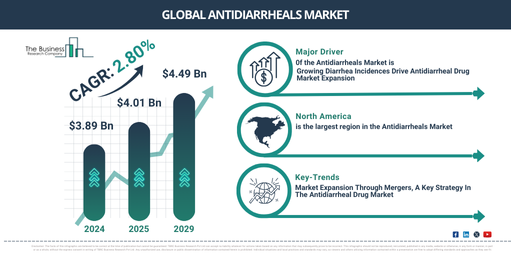
    In the recent past, the antidiarrhoeals market size has been showing consistent growth. The market will witness a surge, moving from $3.89 billion in 2024 to $4.01 billion in 2025, with a compound annual growth rate (CAGR) of 3.2%. Factors such as disease incidence, worldwide health campaigns, growing elderly population, advancements in pharmaceuticals, and enhanced patient awareness have contributed to this growth during the historic period.

    What Growth Rate Is Forecasted for the Antidiarrheals Market by 2029?

    The size of the antidiarrhoeals market is anticipated to experience consistent growth in the upcoming years. By 2029, it is predicted to reach $4.49 billion, with a compound annual growth rate (CAGR) of 2.8%. The projected expansion during this timeframe can be attributed to factors such as emerging markets, environmental dynamics, worldwide health issues, epidemiology, and disease burden. Primary trends during this period are expected to include digital health and telemedicine, care centered around patients, self-care with over-the-counter (otc) products, customized medication, and progress in biotechnology.

    Download The Free Sample Report Here:

    https://www.thebusinessresearchcompany.com/sample.aspx?id=13067&type=smp

    Which Key Companies Are Shaping the Future of the Antidiarrheals Market?

    Major companies operating in the antidiarrhoeals market include GlaxoSmithKline plc, Actelion Pharmaceuticals Ltd (a subsidiary of Johnson & Johnson), Perrigo Company plc, Lupin Limited, Glenmark Pharmaceuticals Limited, Merck & Co. Inc., Pfizer Inc., The Procter & Gamble Company, Sanofi-aventis U.S. LLC, Bayer AG, Johnson & Johnson, Novartis International AG, The Kroger Co., Harmon Stores Inc., Great Lakes Wholesale Marketing and Sales Inc., Geri-Care Pharmaceuticals Corp., Fred’s Inc., Dolgen Corporation, CVS Pharmacy Inc., American Sales Company, Cardinal Health Inc., Bedrock LLC, Greenbrier International Inc., Good Neighbor Pharmacy, Teva Pharmaceutical Industries Ltd., Sun Pharmaceutical Industries Ltd., Mylan N.V., Dr. Reddy’s Laboratories Ltd., Cadila Healthcare Ltd., Torrent Pharmaceuticals Ltd., Cipla Ltd., Aurobindo Pharma Ltd., Alkem Laboratories Ltd., Zydus Cadila Healthcare Ltd.

    Which Factors Are Driving Demand in the Antidiarrheals Industry?

    The antidiarrheal drug market’s expansion is largely attributed to the escalating number of diarrhea instances. As per UNICEF, diarrhea ranked as the second most common cause of deaths in children below 5 years, accounting for the annual death of 760,000 children. The escalating occurrence of diarrhea globally amplifies the demand in the antidiarrheal drug market.

    Request For A Customized Report:

    https://www.thebusinessresearchcompany.com/customise?id=13067&type=smp

    How Is the Antidiarrheals Market Segmented by Several Divisions?

    The antidiarrheals market covered in this report is segmented –

    1) By Drug Class: Mucosal Protectants, Motility Modifying Drugs

    2) By Application: Adults, Childrens

    3) By Type: OTC drugs, Prescription Drugs

    Subsegments:

    1) By Mucosal Protectants: Bismuth Subsalicylate, Kaolin And Pectin

    2) By Motility Modifying Drugs: Loperamide, Diphenoxylate, Racecadotril

    What are the Emerging Market Trends Driving the Growth of the Antidiarrheals Industry?

    Major players in the antidiarrheal drug market are consolidating their positions by merging or partnering with other companies in the area to enhance their footprint and market dominance. The driving force behind these strategic alliances or acquisitions is to broaden their market presence, enrich their product suite, or gain access to innovative technologies. For example, GlaxoSmithKline signed a deal to purchase a 36.5% share of Novartis AG’s consumer healthcare business at $13 billion, aiming to accelerate their market expansion.

    Access The Full Report Here:

    https://www.thebusinessresearchcompany.com/report/antidiarrheals-global-market-report

    Which Regions Are Driving Growth in the Antidiarrheals Market?

    North America was the largest region in the antidiarrhoeals market in 2023. The regions covered in the antidiarrhoeals market report are Asia-Pacific, Western Europe, Eastern Europe, North America, South America, Middle East, Africa

    Purchase The Full Report Today:

    https://www.thebusinessresearchcompany.com/purchaseoptions.aspx?id=13067

    This Report Delivers Insight On:

    1. How big is the antidiarrheals market, and how is it changing globally?

    2. Who are the major companies in the antidiarrheals market, and how are they performing?

    3. What are the key opportunities and risks in the antidiarrheals market right now?

    4. Which products or customer segments are growing the most in the antidiarrheals market?

    5. What factors are helping or slowing down the growth of the antidiarrheals market?

    About The Business Research Company:

    With over 15000+ reports from 27 industries covering 60+ geographies, The Business Research Company has built a reputation for offering comprehensive, data-rich research and insights. Armed with 1,500,000 datasets, the optimistic contribution of in-depth secondary research, and unique insights from industry leaders, you can get the information you need to stay ahead in the game.

    Get in touch with us:

    The Business Research Company: https://www.thebusinessresearchcompany.com/

    Americas +1 310-496-7795

    Asia +44 2071930708

    Europe +44 7882 955267

    Email us at info@tbrc.info

    Follow us on:

    LinkedIn: https://in.linkedin.com/company/the-business-research-company

    YouTube: https://www.youtube.com/channel/UC24_fI0rV8cR5DxlCpgmyFQ

    Global Market Model: https://www.thebusinessresearchcompany.com/global-market-model
  • Anemia And Other Blood Disorder Drugs Industry Growth Expected to Reach $16.09 Billion by 2029 at a CAGR of 6.8% | Segmentation and Growth Opportunities

    Anemia And Other Blood Disorder Drugs Industry Growth Expected to Reach $16.09 Billion by 2029 at a CAGR of 6.8% | Segmentation and Growth Opportunities

    Claim your 30% discount on Global Market Reports with code ONLINE30. Limited time only.

    #How Has the Anemia And Other Blood Disorder Drugs Market Growth Performance Trended Historically, And What Lies Ahead?

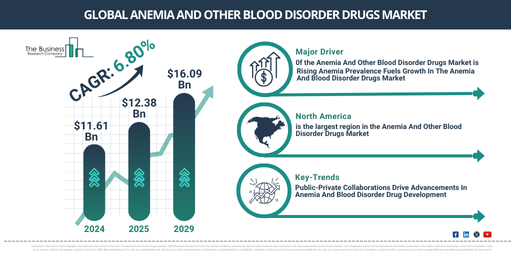
    The market size for drugs treating anemia and various other blood disorders has shown significant growth in the recent past. There will be an increase from $11.61 billion in 2024 to $12.38 billion in 2025, reflecting a compound annual growth rate (CAGR) of 6.6%. Factors contributing to the growth during the historic period include disease prevalence, worldwide health initiatives, an increasing elderly population, innovation in the pharmaceutical sector, and heightened patient awareness.

    What Is the Forecast for the Anemia And Other Blood Disorder Drugs Market Size Through 2029?

    The market of drugs for anemia and other blood disorders is anticipated to witness robust growth in the upcoming years. The market is projected to expand to $16.09 billion by 2029, with a compound annual growth rate (CAGR) of 6.8%. The growth in the forecasted period can be ascribed to the emergence of new markets, global demographic changes, and economic factors. The major trends expected to shape the forecast period encompass research and development, technological progression, biologics and targeted therapies, gene therapies, telemedicine and remote monitoring, orphan drug designations, as well as mergers and acquisitions.

    Download The Free Sample Report Here:

    https://www.thebusinessresearchcompany.com/sample.aspx?id=2465&type=smp

    What are the Key Market Players in Anemia And Other Blood Disorder Drugs Market and How They’re Evolving?

    Major companies operating in the anemia and other blood disorder drugs market include Amgen Inc, GlaxoSmithKline plc, Akebia Therapeutics Inc., Bayer AG, Pfizer Inc, F. Hoffmann-La Roche Ltd., Merck Sharp & Dohme Corp., Novartis AG, Global Blood Therapeutics Inc., GlycoMimetics Inc., Eli Lilly and Company, FibroGen Inc., bluebird bio Inc., Acceleron Pharma Inc., AMAG Pharmaceuticals Inc., Pieris Pharmaceuticals Inc., Vifor Pharma Management Ltd., Sanofi S.A., Allergan U.S. Inc., Meda Consumer Healthcare Inc., AbbVie Inc., Johnson & Johnson, Daiichi Sankyo Company Limited, Galenica Ltd., Pharmacosmos A/S, Emmaus Medical Inc., Takeda Pharmaceutical Company Limited, Bristol-Myers Squibb Company, Merck & Co. Inc., Gilead Sciences Inc., Vertex Pharmaceuticals Incorporated, Alexion Pharmaceuticals Inc., Alnylam Pharmaceuticals Inc., uniQure N.V., Rubius Therapeutics Inc., BioMarin Pharmaceutical Inc., Grifols S.A., Orchard Therapeutics plc

    What Are the Primary Growth Drivers in the Anemia And Other Blood Disorder Drugs Market?

    The escalating incidence of anemia in populations across the world propels the market forward. Poor health practices, modifications in food preferences, and heightened stress levels have all contributed to more instances of anemia worldwide. For example, anemia is the most common ailment in individuals over the age of 65, with a prevalence rate of approximately 17%. The World Bank has identified anemia as the eighth most frequent illness amongst women and young people. The increasing prevalence rate of anemia is stimulating growth in the anemia and other blood disorder drugs market.

    Request For A Customized Report:

    https://www.thebusinessresearchcompany.com/customise?id=2465&type=smp

    What Are the Leading Segments in the Global Anemia And Other Blood Disorder Drugs Industry?

    The anemia and other blood disorder drugs market covered in this report is segmented –

    1) By Type: Iron Deficiency Anemia, Chronic Kidney Disease Anemia, Sickle Cell Anemia, Aplastic Anemia

    2) By Route of Administration: Oral, Injectable

    3) By Distribution Channel: Hospitals Pharmacy, Online Pharmacy, Pharmacy

    Subsegments:

    1) By Iron Deficiency Anemia: Oral Iron Supplements, Injectable Iron Supplements, Iron Fortified Foods

    2) By Chronic Kidney Disease Anemia: Erythropoiesis-Stimulating Agents (ESAs), Iron Supplements, Blood Transfusion

    3) By Sickle Cell Anemia: Hydroxyurea, Blood Transfusions, Gene Therapy, Pain Management Drugs

    4) By Aplastic Anemia: Immunosuppressive Therapy, Stem Cell Transplantation, Erythropoiesis-Stimulating Agents (ESAs)

    What Are the Key Market Trends in the Anemia And Other Blood Disorder Drugs Industry?

    Companies operating within the anemia and other blood disorder pharmaceutical market are forming partnerships with government bodies. The aim is to jointly develop and launch specific drugs, sharing not just knowledge and technology, but also the financial burden. These partnerships can prove advantageous to corporations in light of licenses nearing their expiration and a strict regulatory landscape. Illustratively, Disc Medicine publicized their collaboration with the National Institutes of Health (NIH) and the National Heart, Lung, and Blood Institute (NHLBI) in March 2023. The partnership involves Phase 1/2 and Phase 2 clinical trials of biopterin in patients with Diamond-Blackfan Anemia (DBA) to cater to adult patients plagued by iron deficiency anemia. These studies will be conducted and financed by the NIH, in line with a cooperative research and development agreement (CRADA).

    Access The Full Report Here:

    https://www.thebusinessresearchcompany.com/report/anemia-and-other-blood-disorder-drugs-global-market-report

    What Is the Regional Outlook for the Anemia And Other Blood Disorder Drugs Market?

    North America was the largest region in the anemia and other blood disorder drugs market in 2023. Middle East is expected to be the fastest-growing region in the anemia and other blood disorder drugs market during the forecast period. The regions covered in the anemia and other blood disorder drugs market report are Asia-Pacific, Western Europe, Eastern Europe, North America, South America, Middle East, Africa

    Purchase The Full Report Today:

    https://www.thebusinessresearchcompany.com/purchaseoptions.aspx?id=2465

    This Report Delivers Insight On:

    1. How big is the anemia and other blood disorder drugs market, and how is it changing globally?

    2. Who are the major companies in the anemia and other blood disorder drugs market, and how are they performing?

    3. What are the key opportunities and risks in the anemia and other blood disorder drugs market right now?

    4. Which products or customer segments are growing the most in the anemia and other blood disorder drugs market?

    5. What factors are helping or slowing down the growth of the anemia and other blood disorder drugs market?

    About The Business Research Company:

    With over 15000+ reports from 27 industries covering 60+ geographies, The Business Research Company has built a reputation for offering comprehensive, data-rich research and insights. Armed with 1,500,000 datasets, the optimistic contribution of in-depth secondary research, and unique insights from industry leaders, you can get the information you need to stay ahead in the game.

    Get in touch with us:

    The Business Research Company: https://www.thebusinessresearchcompany.com/

    Americas +1 310-496-7795

    Asia +44 2071930708

    Europe +44 7882 955267

    Email us at info@tbrc.info

    Follow us on:

    LinkedIn: https://in.linkedin.com/company/the-business-research-company

    YouTube: https://www.youtube.com/channel/UC24_fI0rV8cR5DxlCpgmyFQ

    Global Market Model: https://www.thebusinessresearchcompany.com/global-market-model
  • Protein Labeling Industry Valued at $4.36 Billion by 2029 With CAGR of 11.3% | Size and Share Insights

    Protein Labeling Industry Valued at $4.36 Billion by 2029 With CAGR of 11.3% | Size and Share Insights

    Claim your 30% discount on Global Market Reports with code ONLINE30. Limited time only.

    What Are the Projected Market Size and Growth Rates for the Protein Labeling Market From 2025 To 2029?

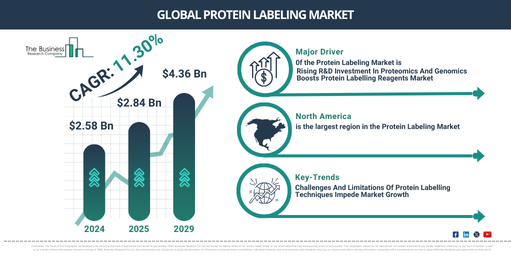
    The size of the protein labeling market has experienced quick growth in the recent past. The projection suggests a growth from $2.58 billion in 2024 to $2.84 billion in 2025, representing a compound annual growth rate (CAGR) of 10.1%. Factors contributing to the historical growth include a rising demand for protein-centric therapies, increased adoption of proteomics research, broader applications for protein labeling, heightened understanding of protein labeling advantages, availability of more trained personnel, and a growing incidence of chronic illnesses.

    What Is the Projected Market Size of the Protein Labeling Market?

    The market size for protein labeling is anticipated to experience a swift expansion in the coming years. The projected value by 2029 is $4.36 billion, with a compound annual growth rate (CAGR) of 11.3%. Factors contributing to this growth during the forecast period include the development of personalized medicines, point-of-care (POC) testing, the expansion of proteomics, increased life sciences funding and investments, as well as rising healthcare expenses. Key trends anticipated across the forecast period encompass advancements in protein labeling technologies, quantum dots and nanoparticles, strategies involving multiplexing and high-throughput labeling, biorthogonal labeling, the introduction of artificial intelligence (ai), sustainable labeling reagents, and drug development.

    Download The Free Sample Report Here:

    https://www.thebusinessresearchcompany.com/sample.aspx?id=3417&type=smp

    Who are the Major Competitors in the Protein Labeling Market Outlook?

    Major companies operating in the protein labeling market include Thermo Fisher Scientific Inc., Merck KGaA, PerkinElmer Inc., GE HealthCare Technologies Inc., F. Hoffmann-La Roche AG, Agilent Technologies Inc., BIO-RAD LABORATORIES, Kirkegaard & Perry Laboratories, LI-COR Inc., Kaneka Corporation, Promega Corporation, Eurogentec S.A., Luminex Corporation, New England Biolabs Inc., Seracare Life Sciences Inc., Abcam plc., ZEDIRA GmbH, NanoTemper Technologies GmbH, TriLink BioTechnologies LLC., Waters Corporation, AMETEK Inc., HORIBA Ltd., Spectris plc., METTLER TOLEDO International Inc., Shimadzu Corporation, Hitachi High-Tech Corporation, Attana AB, Affinité Instruments, Biosensing Instruments

    What Is Fueling Growth in the Protein Labeling Market?

    The protein labeling reagents market is being propelled by the surge in expenditure on genomics and proteomics research and development. Proteomics refers to the comprehensive study of all proteins in an organism, cell, or tissue. Vital to proteomic profiling techniques are protein labeling methods required prior to separation and analysis. An illustration of this would be the United States’ National Institutes of Health (NIH) allocating $37 billion for biomedical investigation. This allocation is intended to back life sciences study at a molecular scale, to comprehend the basic mechanisms through which diseases form, identify biomarkers indicating the existence of disease, or pinpoint the genes or proteins triggering the illness. The University of Copenhagen was awarded up to $1.5 million by the Novo Nordisk Foundation, paving the way for a new mass spectrometry facility, signifying a promising development in protein research. As such, the expanding investment in genomics and proteomics research and development is driving this market’s growth.

    Request For A Customized Report:

    https://www.thebusinessresearchcompany.com/customise?id=3417&type=smp

    Which Protein Labeling Market Segments Are Growing the Fastest?

    The protein labeling market covered in this report is segmented –

    1) By Product: Reagents, Protein, Enzymes, Probes/ Tags, Monoclonal Antibodies

    2) By Labeling Method: In-vitro Labeling, In-vivo Labeling

    3) By Application: Cell Based-Assay, Fluorescence Microscopy, Immunological Techniques, Mass Spectrometry, Protein Micro Assay

    Subsegments:

    1) By Reagents: Fluorescent Dyes, Enzyme Labels, Chemiluminescent Reagents, Radioactive Labels

    2) By Protein: Recombinant Proteins, Native Proteins, Modified Proteins

    3) By Enzymes: Alkaline Phosphatase, Horseradish Peroxidase, Other Enzymatic Labels

    4) By Probes Or Tags: Biotin Labels, Antibody Tags, Fluorophore Probes, Affinity Tags

    5) By Monoclonal Antibodies: Primary Monoclonal Antibodies, Secondary Monoclonal Antibodies, Conjugated Monoclonal Antibodies

    Which Industry Trends Are Shaping the Future of the Protein Labeling Market?

    Obstacles tied to protein labeling methods could potentially impede the market. Techniques that don’t involve labeling are usually favored over those that do, owing to the complications they present, including challenges encountered in wet lab operations and reduced adaptability. Unlike labeled samples, which require intensive wet lab pre-treatment, label-free samples can be examined with minimal preparation. Labeling techniques require that samples be marked with either metabolic (like SILAC) or chemical (such as iTRAQ or TMT) agents, calling for a mix of different conditions. As a result, label-free methods are less susceptible to wet lab inaccuracies compared to labeling methods. Techniques that don’t make use of labels are also known for their high adjustability, even after a study has commenced, availing the option to incorporate new samples at any stage. Contrarily, label-based methods demand equal quantities (n) of each condition and may not permit the addition of new samples mid-study if their integration and measurement with the control group is not feasible. Techniques attempting to mitigate these difficulties, like the Super-SILAC approach, must also be methodically planned. Owing to these detriments, the preference leans towards label-free methods. Thus, the inhibitions linked to protein labeling techniques could potentially hinder the market.

    Access The Full Report Here:

    https://www.thebusinessresearchcompany.com/report/protein-labelings-global-market-report

    Which Countries Are Leading the Protein Labeling Market?

    The countries covered in the protein labeling market report are Australia, Brazil, China, France, Germany, India, Indonesia, Japan, Russia, South Korea, UK, USA, Italy, Spain, Canada.

    Purchase The Full Report Today:

    https://www.thebusinessresearchcompany.com/purchaseoptions.aspx?id=3417

    This Report Delivers Insight On:

    1. How big is the protein labeling market, and how is it changing globally?

    2. Who are the major companies in the protein labeling market, and how are they performing?

    3. What are the key opportunities and risks in the protein labeling market right now?

    4. Which products or customer segments are growing the most in the protein labeling market?

    5. What factors are helping or slowing down the growth of the protein labeling market?

    About The Business Research Company:

    With over 15000+ reports from 27 industries covering 60+ geographies, The Business Research Company has built a reputation for offering comprehensive, data-rich research and insights. Armed with 1,500,000 datasets, the optimistic contribution of in-depth secondary research, and unique insights from industry leaders, you can get the information you need to stay ahead in the game.

    Get in touch with us:

    The Business Research Company: https://www.thebusinessresearchcompany.com/

    Americas +1 310-496-7795

    Asia +44 2071930708

    Europe +44 7882 955267

    Email us at info@tbrc.info

    Follow us on:

    LinkedIn: https://in.linkedin.com/company/the-business-research-company

    YouTube: https://www.youtube.com/channel/UC24_fI0rV8cR5DxlCpgmyFQ

    Global Market Model: https://www.thebusinessresearchcompany.com/global-market-model
  • Protein Inhibitors Market to Reach $125.26 Billion by 2029 | Key Drivers and Future Outlook

    Protein Inhibitors Market to Reach $125.26 Billion by 2029 | Key Drivers and Future Outlook

    Claim your 30% discount on Global Market Reports with code ONLINE30. Limited time only.

    What Is the Estimated Market Size of the Protein Inhibitors Market In 2029?

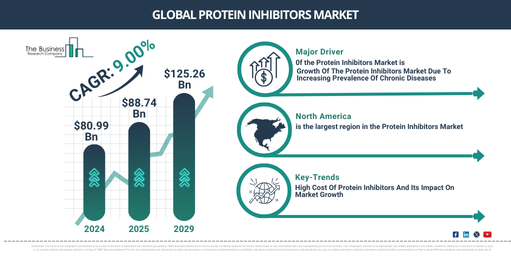
    In recent times, there has been a significant expansion in the market size of protein inhibitors. The market, which stands at $80.99 billion in 2024, is anticipated to escalate to $88.74 billion in 2025, reflecting a compound annual growth rate (CAGR) of 9.6%. Key factors contributing to the growth during the historic period include drug discovery and development, cancer therapies, as well as regulatory approvals.

    What Growth Rate Is Forecasted for the Protein Inhibitors Market by 2029?

    Expectations are high for the protein inhibitors market, with substantial growth anticipated over the next few years. The size of this market is estimated to reach $125.26 billion in 2029, following a compound annual growth rate (CAGR) of 9.0%. This projected expansion in the forecast period can be ascribed to aspects like precision medicine, immunotherapy, medicine combinations, and an aging demographic. Other emerging trends predicted to influence the market during the forecast period include data sharing and collaboration, sustainability and ESG, personalized healthcare, and adaptive clinical tests.

    Download The Free Sample Report Here:

    https://www.thebusinessresearchcompany.com/sample.aspx?id=3429&type=smp

    Which Key Companies Are Shaping the Future of the Protein Inhibitors Market?

    Major companies operating in the protein inhibitors market include Bayer AG, AstraZeneca plc, F. Hoffmann-La Roche Ltd., Teva Pharmaceutical Industries Ltd., Apotex Inc., Novartis International AG, GlaxoSmithKline plc, Pfizer Inc., Boehringer Ingelheim International GmbH, Abbott Laboratories, Amgen Inc., Baxter International Inc., Merck & Co. Inc., Interprotein Corporation, AbbVie Inc., Bristol Myers Squibb Company, Galapagos NV, Priovant Therapeutics Inc., Tempus Labs Inc., ReCode Therapeutics Inc., Satellite Bio Inc., Ambagon Therapeutics Inc., Biogen Inc., Eli Lilly and Company, Gilead Sciences Inc., Johnson & Johnson, Regeneron Pharmaceuticals Inc., Sanofi S.A., Takeda Pharmaceutical Company Limited, Vertex Pharmaceuticals Inc., Lonza Group AG, Catalent Inc., Thermo Fisher Scientific Inc., Charles River Laboratories International Inc., WuXi AppTec Co. Ltd.

    Which Factors Are Driving Demand in the Protein Inhibitors Industry?

    The protein inhibitors market is expected to expand due to the rising prevalence of chronic conditions. Such chronic illnesses include cancer, cardiovascular diseases, and autoimmune disorders, which are increasingly seen in the population. For example, the National Health Service, a public healthcare system based in the UK, reported in June 2024 that there were 3,615,330 individuals registered with a GP who were diagnosed with non-diabetic hyperglycemia, colloquially known as pre-diabetes, in 2023. This was a nearly one-fifth (18%) increase from the 3,065,825 figure recorded in 2022. Consequently, the escalating numbers of individuals with chronic diseases are expected to stimulate growth in the protein inhibitors market.

    Request For A Customized Report:

    https://www.thebusinessresearchcompany.com/customise?id=3429&type=smp

    How Is the Protein Inhibitors Market Segmented by Several Divisions?

    The protein inhibitors market covered in this report is segmented –

    1) By Product: Protein Kinase Inhibitors, Monoclonal Antibody, Other Products

    2) By Application: Oncology, Inflammatory Diseases, Other Applications

    3) By Distribution Channel: Hospital Pharmacies, Independent Pharmacies, Online Pharmacies

    Subsegments:

    1) By Protein Kinase Inhibitors: Selective Kinase Inhibitors, Non-selective Kinase Inhibitors, Small Molecule Kinase Inhibitors, Biologic Kinase Inhibitors

    2) By Monoclonal Antibodies: Chimeric Monoclonal Antibodies, Humanized Monoclonal Antibodies, Fully Human Monoclonal Antibodies, Conjugated Monoclonal Antibodies

    3) By Other Products: Peptide Inhibitors, Protein Degradation Technologies, Small Molecule Inhibitors, Combination Therapy Products

    What are the Emerging Market Trends Driving the Growth of the Protein Inhibitors Industry?

    The growth of the protein inhibitors market is likely to be constrained by the high expense of protein inhibitors used in cancer treatment. Produced in labs, monoclonal antibodies, a form of protein, latch onto substances within the body, including cancer cells, and are utilized to manage various kinds of cancer. However, these therapies are considered to be more expensive when used to treat cancer. As per the National Center for Biotechnology Information, the average cost of monoclonal antibodies stood at $96,731 for 34 different monoclonal antibody indication combinations. Furthermore, oncology and hematology monoclonal antibodies, although making up just 40% of approved monoclonal antibody indications, accounted for over 85% priced $100,000 or more. The cost disparity was apparent when compared with other disorders; with oncology or hematology monoclonal antibodies priced $149,622 higher than those utilized in metabolic or cardiovascular disorders, $106,830 more than in ophthalmology, $128,856 greater than in infectious diseases or allergies, and $98,981 more than in immunology. Thus, the significant expense of protein inhibitors, including monoclonal antibodies used for cancer therapy, may impede the market expansion.

    Access The Full Report Here:

    https://www.thebusinessresearchcompany.com/report/protein-inhibitor-global-market-report

    Which Regions Are Driving Growth in the Protein Inhibitors Market?

    The countries covered in the protein inhibitors market report are Australia, Brazil, China, France, Germany, India, Indonesia, Japan, Russia, South Korea, UK, USA, Italy, Spain, Canada

    Purchase The Full Report Today:

    https://www.thebusinessresearchcompany.com/purchaseoptions.aspx?id=3429

    This Report Delivers Insight On:

    1. How big is the protein inhibitors market, and how is it changing globally?

    2. Who are the major companies in the protein inhibitors market, and how are they performing?

    3. What are the key opportunities and risks in the protein inhibitors market right now?

    4. Which products or customer segments are growing the most in the protein inhibitors market?

    5. What factors are helping or slowing down the growth of the protein inhibitors market?

    About The Business Research Company:

    With over 15000+ reports from 27 industries covering 60+ geographies, The Business Research Company has built a reputation for offering comprehensive, data-rich research and insights. Armed with 1,500,000 datasets, the optimistic contribution of in-depth secondary research, and unique insights from industry leaders, you can get the information you need to stay ahead in the game.

    Get in touch with us:

    The Business Research Company: https://www.thebusinessresearchcompany.com/

    Americas +1 310-496-7795

    Asia +44 2071930708

    Europe +44 7882 955267

    Email us at info@tbrc.info

    Follow us on:

    LinkedIn: https://in.linkedin.com/company/the-business-research-company

    YouTube: https://www.youtube.com/channel/UC24_fI0rV8cR5DxlCpgmyFQ

    Global Market Model: https://www.thebusinessresearchcompany.com/global-market-model
  • Vitamin E Market to Reach $3.97 Billion by 2029 | Key Drivers and Future Outlook

    Vitamin E Market to Reach $3.97 Billion by 2029 | Key Drivers and Future Outlook

    Claim your 30% discount on Global Market Reports with code ONLINE30. Limited time only.

    What Is the Estimated Market Size of the Vitamin E Market In 2029?

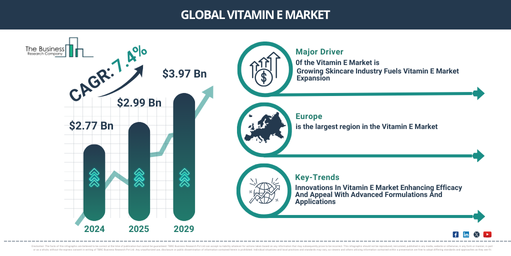
    The value of the Vitamin E market has been substantially expanding in recent years. The projected growth sees it rising from $2.77 billion in 2024 to $2.99 billion in 2025, with a Compound Annual Growth Rate (CAGR) of 7.7%. The historic increase can be associated with factors such as the surge in dietary supplement intake, fortification of animal feed, growing attentiveness to health matters, demands from the cosmetics sector, and an aging population.

    What Growth Rate Is Forecasted for the Vitamin E Market by 2029?

    There is an anticipation for the vitamin E market size to witness significant expansion in the forthcoming years. It is predicted to reach a worth of $3.97 billion by 2029, with a compound annual growth rate (CAGR) of 7.4%. This projected growth in the forecast period can be credited to the escalated demand for functional foods, expansion in aquaculture, an increased incidence of chronic diseases, and growing uses in the pharmaceutical sector. Additionally, a consumer shift towards natural products also contributes to the growth. During the forecast period, major trends including product introductions, individualized nutrition, clean labelled items, plant-based alternatives, and growing investment in research and development are expected to be observed.

    Download The Free Sample Report Here:

    https://www.thebusinessresearchcompany.com/sample.aspx?id=19753&type=smp

    Which Key Companies Are Shaping the Future of the Vitamin E Market?

    Major companies operating in the vitamin e market are Archer Daniels Midland Company (ADM), BASF SE, Brenntag AG, Evonik Industries AG, Kao Corporation, DSM Nutritional Products, Amway Corporation, Lonza Group AG, Glanbia Plc, Alfa Laval AB, Herbalife Nutrition Ltd., Sime Darby Plantation Berhad, Lubrizol Corporation, Kemin Industries Inc., Schwabe Group, Vitamin Shoppe Industries Inc., Naturex SA, Swanson Health Products Inc., Nature’s Way Products LLC, AstaReal AB, Kensing LLC, NutriScience Innovations LLC, Vitae Naturals, Hawkins Watts Limited

    Which Factors Are Driving Demand in the Vitamin E Industry?

    The growth of the vitamin E market is anticipated to be driven by the escalating consumer demand for skincare products. Such products comprise an extensive array of items specifically designed to improve and maintain skin health. The rising awareness of skincare, often amplified by the influence of social media, has amplified the demand for these products. Additionally, the surge in online shopping combined with constant innovation in skincare product range entices customers looking for efficient solutions. Vitamin E, a versatile and beneficial ingredient, offers moisturizing, protective, and healing properties catering to diverse skin types and issues. For example, The Cosmetic, Toiletry, and Perfumery Association, a UK-based organization, reported in May 2023 that skin care product sales amounted to 479,569 units in 2022, in contrast to the 461,472 units in 2021. Hence, the growing demand for skin care products is fueling the vitamin E market expansion.

    Request For A Customized Report:

    https://www.thebusinessresearchcompany.com/customise?id=19753&type=smp

    How Is the Vitamin E Market Segmented by Several Divisions?

    The vitamin emarket covered in this report is segmented –

    1) By Type: Tocopherol Vitamin E Products, Tocotrienol Vitamin E Products

    2) By Source: Naturally-Sourced Vitamin E, Synthetically-Sourced Vitamin E

    3) By Application: Dietary Supplements, Animal Feed, Food And Beverages, Cosmetics, Other Applications

    Subsegments:

    1) Tocopherol Vitamin E Products: Alpha-Tocopherol, Beta-Tocopherol, Gamma-Tocopherol, Delta-Tocopherol

    2) Tocotrienol Vitamin E Products: Alpha-Tocotrienol, Beta-Tocotrienol, Gamma-Tocotrienol, Delta-Tocotrienol

    What are the Emerging Market Trends Driving the Growth of the Vitamin E Industry?

    Leading organizations in the vitamin E market are focusing on improving health products through innovative ingredient mixes and formulations like vitamin E creams. These are designed to deliver a range of health benefits while catering to diverse customer requirements across different sectors. Vitamin E cream, a product used externally for skincare, is packed with the antioxidant-rich vitamin E that aids in moisturizing, safeguarding, and healing the skin. For example, in April 2024, P&G Healths Evion, a pharmaceutical products manufacturer based in India, launched a Vitamin E Cream that merges Vitamin E with Aloe Vera aiming to boost skin nourishment and encourage a glowing look. This includes progress in both organic and synthetic types of Vitamin E and groundbreaking applications in numerous sectors such as cosmetics, dietary supplements, and functional foods. The health benefits conferred by vitamin E make it an essential component in health and wellness products.

    Access The Full Report Here:

    https://www.thebusinessresearchcompany.com/report/vitamin-e-global-market-report

    Which Regions Are Driving Growth in the Vitamin E Market?

    Europe was the largest region in the vitamin E market in 2024. Asia-Pacific is expected to be the fastest-growing region in the forecast period. The regions covered in the vitamin e market report are Asia-Pacific, Western Europe, Eastern Europe, North America, South America, Middle East, Africa.

    Purchase The Full Report Today:

    https://www.thebusinessresearchcompany.com/purchaseoptions.aspx?id=19753

    This Report Delivers Insight On:

    1. How big is the vitamin e market, and how is it changing globally?

    2. Who are the major companies in the vitamin e market, and how are they performing?

    3. What are the key opportunities and risks in the vitamin e market right now?

    4. Which products or customer segments are growing the most in the vitamin e market?

    5. What factors are helping or slowing down the growth of the vitamin e market?

    About The Business Research Company:

    With over 15000+ reports from 27 industries covering 60+ geographies, The Business Research Company has built a reputation for offering comprehensive, data-rich research and insights. Armed with 1,500,000 datasets, the optimistic contribution of in-depth secondary research, and unique insights from industry leaders, you can get the information you need to stay ahead in the game.

    Get in touch with us:

    The Business Research Company: https://www.thebusinessresearchcompany.com/

    Americas +1 310-496-7795

    Asia +44 2071930708

    Europe +44 7882 955267

    Email us at info@tbrc.info

    Follow us on:

    LinkedIn: https://in.linkedin.com/company/the-business-research-company

    YouTube: https://www.youtube.com/channel/UC24_fI0rV8cR5DxlCpgmyFQ

    Global Market Model: https://www.thebusinessresearchcompany.com/global-market-model
  • Urokinase Forecast Report – Designed for Decision Makers and Product Teams

    Urokinase Forecast Report – Designed for Decision Makers and Product Teams

    Claim your 30% discount on Global Market Reports with code ONLINE30. Limited time only.

    What Is the Estimated Market Size of the Urokinase Market In 2029?

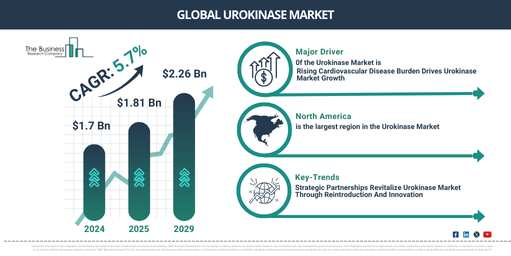
    Significant growth has been observed in the urokinase market size in the past few years. Predicted to escalate from $1.7 billion in 2024 to $1.81 billion in 2025, the market’s compound annual growth rate (CAGR) stands at 6.0%. The expansion through the historic period is credited to a rise in cases of strokes and heart attacks, the surge in clinical investigations, clearances for crucial indications by regulatory bodies, development of new formulations, and an improved healthcare infrastructure.

    What Growth Rate Is Forecasted for the Urokinase Market by 2029?

    Anticipations indicate a robust expansion for the urokinase market in the subsequent few years. It is projected to escalate to $2.26 billion by 2029, with a Compound Annual Growth Rate (CAGR) of 5.7%. The rise during this outlook period could be credited to aspects such as the growing attention towards personalized medicine, amplified instances of pulmonary embolism, heightened investment in cardiovascular and stroke analysis, expansion in diagnostic and imaging techniques, escalating geriatric population, and climbing rates of obesity. Notable trends during this period encompass advancements in personalized medicine, technological leaps in drug delivery mechanisms, the influx of AI and digitized health tools, enhancement in digital health platforms, and progress in clinical research.

    Download The Free Sample Report Here:

    https://www.thebusinessresearchcompany.com/sample.aspx?id=19745&type=smp

    Which Key Companies Are Shaping the Future of the Urokinase Market?

    Major companies operating in the urokinase market are Thermo Fisher Scientific Inc., Mochida Pharmaceutical Co. Ltd., Bharat Serums and Vaccines Limited, Taj Pharmaceuticals Ltd., TTK Health Care Limited, Agrata Biotech Limited, Cerbios-Pharma SA, Microbix Biosystems Inc., Midas Pharma GmbH, ImaRx Therapeutics, Health Biotech Limited, Salvavidas Pharmaceutical Pvt. Ltd., BBT Biotech GmbH, Syner-Med (Pharmaceutical Products) Ltd., Echelon Biosciences Inc., Kraeber & Co GmbH, Samarth Life Science Pvt. Ltd., WUHAN HANWEISHI PHARMCHEM CO. LTD., Aetos Pharma, MITS CRITICAL CARE

    Which Factors Are Driving Demand in the Urokinase Industry?

    The escalating prevalence of cardiovascular diseases is predicted to fuel the expansion of the urokinase market in the future. Cardiovascular disorders, which include a myriad of conditions impacting the heart and blood vessels like heart attacks, strokes, and hypertension, are referred to as Cardiovascular diseases (CVDs). The surge in cardiovascular diseases is attributed to issues like rising obesity levels driven by a sedentary lifestyle, unhealthy dietary practices, and an aged populace. Urokinase plays a significant role in reducing the growing effects of cardiovascular diseases by dissolving blood clots obstructing blood circulation, thus preventing heart attacks and strokes, reinstating appropriate circulation, and reducing further cardiovascular harm. For example, a report released by the American College of Cardiology, a non-profit medical association based in the US, in August 2022 forecasted that all four principal cardiovascular risk factors in the US are set to rise from 2025 to 2060. Diabetes is predicted to have the most substantial percentage increase, with a 39.3% surge to 55 million individuals. Notably, considerable rises are also expected in rates of cardiovascular diseases like stroke (33.8% to 15 million) and heart failure (33.4% to 13 million), accompanied by ischemic heart disease (30.7% to 29 million) and heart attack (16.9% to 16 million). Hence, the escalating incidence of cardiovascular diseases is propelling the development of the urokinase market.

    Request For A Customized Report:

    https://www.thebusinessresearchcompany.com/customise?id=19745&type=smp

    How Is the Urokinase Market Segmented by Several Divisions?

    The urokinasemarket covered in this report is segmented –

    1) By Type: Urokinase Powder, Urokinase Solution

    2) By Manufacturing Process: Biotechnological Methods, Traditional Extraction

    3) By Indication: Catheter Clearance, Coronary Artery Thrombosis, Deep Vein Thrombosis, Pulmonary Embolism

    4) By Distribution channel: Hospital Pharmacies, Retail Pharmacies, Online Pharmacies

    5) By Application: Hospital, Clinics, Other Applications

    Subsegments:

    1) By Urokinase Powder: Pharmaceutical-Grade Urokinase Powder, Research-Grade Urokinase Powder, Recombinant Urokinase Powder

    2) By Urokinase Solution: Injectable Urokinase Solution, Infusion Urokinase Solution, Pre-mixed Urokinase Solution

    What are the Emerging Market Trends Driving the Growth of the Urokinase Industry?

    Leading firms in the urokinase market are re-launching and promoting medicinal products for new applications to boost treatment efficiency, market competitiveness, and access for patients. The re-launch and promotion of a medicinal product for new applications encompass the process of re-establishing a previously existing or withdrawn drug into the market for novel disease treatment and employing techniques to ensure its availability and success via marketing, distribution, and sales operations. For example, in May 2023, MBX Biosciences, a US-based bio-pharmaceutical entity, allied with Sequel Pharma LLC, a US-based pharmaceutical firm, to reintroduce and promote kinlytic urokinase. This move intends to broaden its influence in the catheter clearance market and enhance treatment results for patients. This partnership underlines the emerging trend of using strategic collaborations to effectively revive and advocate pharmaceutical products while ensuring their alignment with current market requirements and regulatory norms.

    Access The Full Report Here:

    https://www.thebusinessresearchcompany.com/report/urokinase-global-market-report

    Which Regions Are Driving Growth in the Urokinase Market?

    North America was the largest region in the urokinase market in 2024. Asia-Pacific is expected to be the fastest-growing region in the forecast period. The regions covered in the urokinase market report are Asia-Pacific, Western Europe, Eastern Europe, North America, South America, Middle East, Africa.

    Purchase The Full Report Today:

    https://www.thebusinessresearchcompany.com/purchaseoptions.aspx?id=19745

    This Report Delivers Insight On:

    1. How big is the urokinase market, and how is it changing globally?

    2. Who are the major companies in the urokinase market, and how are they performing?

    3. What are the key opportunities and risks in the urokinase market right now?

    4. Which products or customer segments are growing the most in the urokinase market?

    5. What factors are helping or slowing down the growth of the urokinase market?

    About The Business Research Company:

    With over 15000+ reports from 27 industries covering 60+ geographies, The Business Research Company has built a reputation for offering comprehensive, data-rich research and insights. Armed with 1,500,000 datasets, the optimistic contribution of in-depth secondary research, and unique insights from industry leaders, you can get the information you need to stay ahead in the game.

    Get in touch with us:

    The Business Research Company: https://www.thebusinessresearchcompany.com/

    Americas +1 310-496-7795

    Asia +44 2071930708

    Europe +44 7882 955267

    Email us at info@tbrc.info

    Follow us on:

    LinkedIn: https://in.linkedin.com/company/the-business-research-company

    YouTube: https://www.youtube.com/channel/UC24_fI0rV8cR5DxlCpgmyFQ

    Global Market Model: https://www.thebusinessresearchcompany.com/global-market-model
  • Vitamin E Market to Reach $3.97 Billion by 2029 | Key Drivers and Future Outlook

    Vitamin E Market to Reach $3.97 Billion by 2029 | Key Drivers and Future Outlook

    Claim your 30% discount on Global Market Reports with code ONLINE30. Limited time only.

    What Is the Estimated Market Size of the Vitamin E Market In 2029?

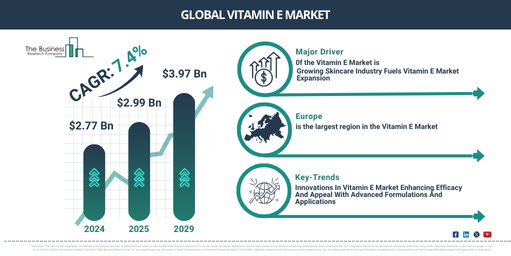
    The value of the Vitamin E market has been substantially expanding in recent years. The projected growth sees it rising from $2.77 billion in 2024 to $2.99 billion in 2025, with a Compound Annual Growth Rate (CAGR) of 7.7%. The historic increase can be associated with factors such as the surge in dietary supplement intake, fortification of animal feed, growing attentiveness to health matters, demands from the cosmetics sector, and an aging population.

    What Growth Rate Is Forecasted for the Vitamin E Market by 2029?

    There is an anticipation for the vitamin E market size to witness significant expansion in the forthcoming years. It is predicted to reach a worth of $3.97 billion by 2029, with a compound annual growth rate (CAGR) of 7.4%. This projected growth in the forecast period can be credited to the escalated demand for functional foods, expansion in aquaculture, an increased incidence of chronic diseases, and growing uses in the pharmaceutical sector. Additionally, a consumer shift towards natural products also contributes to the growth. During the forecast period, major trends including product introductions, individualized nutrition, clean labelled items, plant-based alternatives, and growing investment in research and development are expected to be observed.

    Download The Free Sample Report Here:

    https://www.thebusinessresearchcompany.com/sample.aspx?id=19753&type=smp

    Which Key Companies Are Shaping the Future of the Vitamin E Market?

    Major companies operating in the vitamin e market are Archer Daniels Midland Company (ADM), BASF SE, Brenntag AG, Evonik Industries AG, Kao Corporation, DSM Nutritional Products, Amway Corporation, Lonza Group AG, Glanbia Plc, Alfa Laval AB, Herbalife Nutrition Ltd., Sime Darby Plantation Berhad, Lubrizol Corporation, Kemin Industries Inc., Schwabe Group, Vitamin Shoppe Industries Inc., Naturex SA, Swanson Health Products Inc., Nature’s Way Products LLC, AstaReal AB, Kensing LLC, NutriScience Innovations LLC, Vitae Naturals, Hawkins Watts Limited

    Which Factors Are Driving Demand in the Vitamin E Industry?

    The growth of the vitamin E market is anticipated to be driven by the escalating consumer demand for skincare products. Such products comprise an extensive array of items specifically designed to improve and maintain skin health. The rising awareness of skincare, often amplified by the influence of social media, has amplified the demand for these products. Additionally, the surge in online shopping combined with constant innovation in skincare product range entices customers looking for efficient solutions. Vitamin E, a versatile and beneficial ingredient, offers moisturizing, protective, and healing properties catering to diverse skin types and issues. For example, The Cosmetic, Toiletry, and Perfumery Association, a UK-based organization, reported in May 2023 that skin care product sales amounted to 479,569 units in 2022, in contrast to the 461,472 units in 2021. Hence, the growing demand for skin care products is fueling the vitamin E market expansion.

    Request For A Customized Report:

    https://www.thebusinessresearchcompany.com/customise?id=19753&type=smp

    How Is the Vitamin E Market Segmented by Several Divisions?

    The vitamin emarket covered in this report is segmented –

    1) By Type: Tocopherol Vitamin E Products, Tocotrienol Vitamin E Products

    2) By Source: Naturally-Sourced Vitamin E, Synthetically-Sourced Vitamin E

    3) By Application: Dietary Supplements, Animal Feed, Food And Beverages, Cosmetics, Other Applications

    Subsegments:

    1) Tocopherol Vitamin E Products: Alpha-Tocopherol, Beta-Tocopherol, Gamma-Tocopherol, Delta-Tocopherol

    2) Tocotrienol Vitamin E Products: Alpha-Tocotrienol, Beta-Tocotrienol, Gamma-Tocotrienol, Delta-Tocotrienol

    What are the Emerging Market Trends Driving the Growth of the Vitamin E Industry?

    Leading organizations in the vitamin E market are focusing on improving health products through innovative ingredient mixes and formulations like vitamin E creams. These are designed to deliver a range of health benefits while catering to diverse customer requirements across different sectors. Vitamin E cream, a product used externally for skincare, is packed with the antioxidant-rich vitamin E that aids in moisturizing, safeguarding, and healing the skin. For example, in April 2024, P&G Healths Evion, a pharmaceutical products manufacturer based in India, launched a Vitamin E Cream that merges Vitamin E with Aloe Vera aiming to boost skin nourishment and encourage a glowing look. This includes progress in both organic and synthetic types of Vitamin E and groundbreaking applications in numerous sectors such as cosmetics, dietary supplements, and functional foods. The health benefits conferred by vitamin E make it an essential component in health and wellness products.

    Access The Full Report Here:

    https://www.thebusinessresearchcompany.com/report/vitamin-e-global-market-report

    Which Regions Are Driving Growth in the Vitamin E Market?

    Europe was the largest region in the vitamin E market in 2024. Asia-Pacific is expected to be the fastest-growing region in the forecast period. The regions covered in the vitamin e market report are Asia-Pacific, Western Europe, Eastern Europe, North America, South America, Middle East, Africa.

    Purchase The Full Report Today:

    https://www.thebusinessresearchcompany.com/purchaseoptions.aspx?id=19753

    This Report Delivers Insight On:

    1. How big is the vitamin e market, and how is it changing globally?

    2. Who are the major companies in the vitamin e market, and how are they performing?

    3. What are the key opportunities and risks in the vitamin e market right now?

    4. Which products or customer segments are growing the most in the vitamin e market?

    5. What factors are helping or slowing down the growth of the vitamin e market?

    About The Business Research Company:

    With over 15000+ reports from 27 industries covering 60+ geographies, The Business Research Company has built a reputation for offering comprehensive, data-rich research and insights. Armed with 1,500,000 datasets, the optimistic contribution of in-depth secondary research, and unique insights from industry leaders, you can get the information you need to stay ahead in the game.

    Get in touch with us:

    The Business Research Company: https://www.thebusinessresearchcompany.com/

    Americas +1 310-496-7795

    Asia +44 2071930708

    Europe +44 7882 955267

    Email us at info@tbrc.info

    Follow us on:

    LinkedIn: https://in.linkedin.com/company/the-business-research-company

    YouTube: https://www.youtube.com/channel/UC24_fI0rV8cR5DxlCpgmyFQ

    Global Market Model: https://www.thebusinessresearchcompany.com/global-market-model