Category: Pharmaceuticals

  • Market Analysis on Dysfunctional Uterine Bleeding Industry – Insights for Corporate Strategy and R&D

    Market Analysis on Dysfunctional Uterine Bleeding Industry – Insights for Corporate Strategy and R&D

    Claim your 30% discount on Global Market Reports with code ONLINE30. Limited time only.

    What Is the Forecast for the Dysfunctional Uterine Bleeding Market from 2024 to 2025?

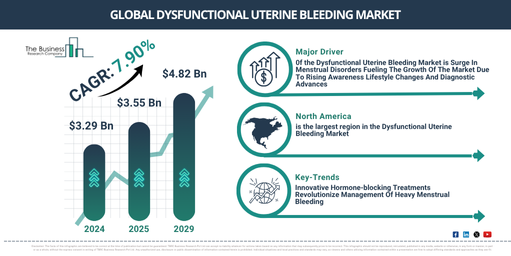
    The market for dysfunctional uterine bleeding has seen considerable growth of late. The market is expected to rise from $3.29 billion in 2024 to $3.55 billion in 2025, boasting a compound annual growth rate (CAGR) of 8.1%. This growth observed in the past could be attributed to factors such as higher incident rates of hormonal imbalances, increased awareness about menstrual wellness, a growing number of women opting for hormone therapy treatments, more women turning to gynecological care, as well as a noteworthy rise in research and development activities in women’s health.

    What Is the Projected Market Size of the Dysfunctional Uterine Bleeding Market?

    The market for dysfunctional uterine bleeding is anticipated to witness robust growth in the coming years, with projections suggesting a growth to $4.82 billion by 2029 at a compound annual growth rate (CAGR) of 7.9%. The surge during the forecasted period can be envisaged to an increase in menstrual disorder cases, enhanced consciousness about female health, the rise in the usage of advanced diagnostics, increased healthcare infrastructure, and the uprising demand for less invasive treatments. Notable trends during the predicted period include progressions in non-hormonal therapies, sophisticated diagnostic instruments for menstrual complications, the evolution of fewer invasive surgical techniques, breakthroughs in menstrual wellbeing tracking systems, and improvement in patient awareness and educational initiatives.

    Download The Free Sample Report Here:

    https://www.thebusinessresearchcompany.com/sample.aspx?id=24526&type=smp

    Who are the Major Competitors in the Dysfunctional Uterine Bleeding Market Outlook?

    Major companies operating in the dysfunctional uterine bleeding market are Pfizer Inc., Merck & Co. Inc., AbbVie Inc., Bayer AG, Sanofi S.A., Medtronic plc, Boston Scientific Corporation, Smith & Nephew plc, Sun Pharmaceutical Industries Ltd., Hologic Inc., Sumitomo Pharma, Karl Storz SE & Co. KG, Cook Medical Incorporated, Gedeon Richter Plc, Lupin Ltd., Torrent Pharmaceuticals Ltd., CooperSurgical Inc., Ferring Pharmaceuticals SA, Minerva Surgical Inc., Medgyn Products Inc.

    What Is Fueling Growth in the Dysfunctional Uterine Bleeding Market?

    The dysfunctional uterine bleeding market is anticipated to grow due to the rising incidence of menstrual irregularities. These irregularities involve any abnormal changes in the frequency, duration, or volume of menstrual bleeding. The growth in cases of menstrual disorders can be attributed to rising awareness, changes in lifestyle, and improved methods of diagnosis, all of which are making it easier to identify and treat these conditions. Dysfunctional uterine bleeding aids in making sense of menstrual disorders by pinpointing atypical uterine bleeding that is not a result of underlying systemic or structural diseases. This helps in accurate diagnosis and treatment. For example, the Trust for London, a charitable organization based in the UK, reported in December 2023 that 2.8 million people in the UK were finding it hard to afford menstrual products. This figure equates to one in five menstruating people, a sharp increase from 12% in 2022 to 21% in 2023. Consequently, the rising occurrence of menstrual disorders is propelling the dysfunctional uterine bleeding market’s expansion.

    Request For A Customized Report:

    https://www.thebusinessresearchcompany.com/customise?id=24526&type=smp

    Which Dysfunctional Uterine Bleeding Market Segments Are Growing the Fastest?

    The dysfunctional uterine bleeding market covered in this report is segmented –

    1) By Type: Ovulatory, Anovulatory

    2) By Diagnosis: Hysteroscopy, Ultrasonography, Dilation And Curettage, Endometrial Biopsy

    3) By Application: Menopause, Dysfunctional Uterine Bleeding, Endometrial Cancer, Contraception, Hyperplastic Precursor Lesions, Other Applications

    4) By End User: Hospital, Clinics, Diagnostic Centers, Pharmaceutical Companies

    Subsegments:

    1) By Ovulatory: Menorrhagia, Polymenorrhea, Metrorrhagia, Dysmenorrhea

    2) By Anovulatory: Amenorrhea, Oligomenorrhea, Dysfunctional Bleeding, Breakthrough Bleeding

    Which Industry Trends Are Shaping the Future of the Dysfunctional Uterine Bleeding Market?

    Leading corporations in the dysfunctional uterine bleeding market are concentrating on the creation of novel treatment methods, including oral GnRH antagonists, to offer effective, non-invasive solutions that decrease heavy menstrual hemorrhage by targeting hormone regulation. An oral GnRH antagonist serves as a drug that obstructs gonadotropin-releasing hormone receptors, consequently reducing estrogen amounts and diminishing uterine fibroids absent of invasive measures. For instance, Theramex, a pharmaceutical entity from the UK, launched Yselty (linzagolix) in September 2024. This oral, once-daily GnRH antagonist is designed to manage heavy menstrual bleeding related to uterine fibroids. This drug provides the capability for flexible dosage alternatives to better adapt treatment to singular patient requirements. It efficiently lessens symptoms while preserving patients’ life quality. Furthermore, Yselty aids in maintaining fertility while undergoing therapy. Overall, this depicts an inventive method for controlling bleeding associated with uterine fibroids.

    Access The Full Report Here:

    https://www.thebusinessresearchcompany.com/report/dysfunctional-uterine-bleeding-global-market-report

    Which Countries Are Leading the Dysfunctional Uterine Bleeding Market?

    North America was the largest region in the dysfunctional uterine bleeding market in 2024. Asia-Pacific is expected to be the fastest-growing region in the forecast period. The regions covered in the dysfunctional uterine bleeding market report are Asia-Pacific, Western Europe, Eastern Europe, North America, South America, Middle East, Africa.

    Purchase The Full Report Today:

    https://www.thebusinessresearchcompany.com/purchaseoptions.aspx?id=24526

    This Report Delivers Insight On:

    1. How big is the dysfunctional uterine bleeding market, and how is it changing globally?

    2. Who are the major companies in the dysfunctional uterine bleeding market, and how are they performing?

    3. What are the key opportunities and risks in the dysfunctional uterine bleeding market right now?

    4. Which products or customer segments are growing the most in the dysfunctional uterine bleeding market?

    5. What factors are helping or slowing down the growth of the dysfunctional uterine bleeding market?

    About The Business Research Company:

    With over 15000+ reports from 27 industries covering 60+ geographies, The Business Research Company has built a reputation for offering comprehensive, data-rich research and insights. Armed with 1,500,000 datasets, the optimistic contribution of in-depth secondary research, and unique insights from industry leaders, you can get the information you need to stay ahead in the game.

    Get in touch with us:

    The Business Research Company: https://www.thebusinessresearchcompany.com/

    Americas +1 3156230293

    Asia +44 2071930708

    Europe +44 2071930708

    Email us at info@tbrc.info

    Follow us on:

    LinkedIn: https://in.linkedin.com/company/the-business-research-company

    YouTube: https://www.youtube.com/channel/UC24_fI0rV8cR5DxlCpgmyFQ

    Global Market Model: https://www.thebusinessresearchcompany.com/global-market-model
  • Hydrolase Enzymes Industry Valued at $9.56 Billion by 2029 With CAGR of 8.3% | Size and Share Insights

    Claim your 30% discount on Global Market Reports with code ONLINE30. Limited time only.

    What Is the Forecast for the Hydrolase Enzymes Market from 2024 to 2025?

    The market size of hydrolase enzymes has seen significant growth in the recent past. The market, which was valued at $6.47 billion in 2024, is projected to increase to $6.96 billion in 2025, demonstrating a compound annual growth rate (CAGR) of 7.6%. This growth during the historical period can be ascribed to developments in biotechnology, an increasing demand for eco-friendly solutions, research and development efforts, their use in food processing industries, and their broadening role in the production of biofuels.

    What Is the Projected Market Size of the Hydrolase Enzymes Market?

    In the coming years, the market size of hydrolase enzymes is projected to have robust expansion, expected to reach $9.56 billion in 2029 with a CAGR of 8.3%. Factors contributing to this anticipated growth in the forecast duration includes advancements in bioenergy and biofuel exploration, innovations in enzyme engineering, increased usage in industrial biotechnology, growing significance in personal care items, and broadened application in waste management and bioremediation. The forecast period is also expected to witness trends like microbial diversity investigation, expanded application in the food sector, personalized protein engineering, emphasis on sustainable biocatalysis, and development of biopharmaceuticals.

    Download The Free Sample Report Here:

    https://www.thebusinessresearchcompany.com/sample.aspx?id=9143&type=smp

    Who are the Major Competitors in the Hydrolase Enzymes Market Outlook?

    Major companies operating in the hydrolase enzymes market include Creative Enzymes Holdings Limited, Advanced Enzyme Technologies Limited, Specialty Enzymes & Probiotics, Novozymes A/S, Antozyme Biotech Private Limited, Infinita Biotech Private Limited, Aumgene Biosciences (Shanghai) Co. Ltd., AB Enzymes GmbH, Dyadic International Inc., Sisco Research Laboratories Pvt Ltd., Amano Enzyme Inc., Codexis Inc., Merck KGaA, BESTZYME BIO-ENGINEERING CO. Ltd., Bioseutica Group, BASF SE, Kemin Industries Inc., Epygen Labs FZ LLC, DuPont de Nemours Inc., Biovet Private Limited, Enzyme Development Corporation, Associated British Foods, Chr. Hansen Holding A/S, Thermo Fisher Scientific Inc., Koninklijke DSM N.V., Enzymes Biotec Limited, Kerry Group plc

    What Is Fueling Growth in the Hydrolase Enzymes Market?

    The hydrolase enzymes market is projected to experience significant growth due to an increased incidence of pancreatitis. Pancreatitis, a condition characterized by inflammation of the pancreas glands that often results in severe abdominal pain, can either be short-term (acute) or a chronic ailment. Key hydrolase enzymes, such as pancreatic lipase, amylase, and protease, are utilized for addressing malabsorption linked to pancreatic insufficiency arising from conditions like cystic fibrosis and pancreatitis. Within these contexts, these enzymes catalyze the reaction of triacylglycerol and water to form diacylglycerol and a fatty acid anion, beginning the digestion process of dietary fats and treating pancreatic exocrine insufficiency. For example, UpToDate, Inc., a subscription-based service from the US offering access to up-to-date clinical information to physicians, reported in December 2022 that the yearly occurrence of acute pancreatitis in the US spans from 4.9 to 35 per 100,000 individuals due to escalating obesity and gallstone figures. Consequently, the growing prevalence of pancreatitis propels the expansion of the hydrolase enzymes market.

    Request For A Customized Report:

    https://www.thebusinessresearchcompany.com/customise?id=9143&type=smp

    Which Hydrolase Enzymes Market Segments Are Growing the Fastest?

    The hydrolase enzymes market covered in this report is segmented –

    1) By Product: Esterase, Glycosylases, Peptidases, Other Products

    2) By Bond Type: Ester Bonds (Esterases), Sugars (DNA Glycosylases And Glycoside Hydrolase), Ether Bonds (Thioether And Trialkylsulfonium), Peptide Bonds (Peptidases), Carbon-Nitrogen Bonds (Other Than Peptide Bonds), Acid Anhydrides, Carbon-Carbon Bonds, Halide Bonds, Phosphorus-Nitrogen Bonds, Other Bond Types

    3) By Application: Pharmaceutical, Food And Beverages, Laundry Detergents, Cosmetics, Textile, Pulp And Paper, Biofuel, Other Applications

    Subsegments:

    1) By Esterase: Acetylcholinesterase, Lipases, Carboxylesterases

    2) By Glycosylases: Amylases, Cellulases, Glucosidases

    3) By Peptidases: Serine Peptidases, Cysteine Peptidases, Aspartic Peptidases, Metallopeptidases

    4) By Other Products: Phosphatases, Nucleotidases, Other Hydrolases

    Which Industry Trends Are Shaping the Future of the Hydrolase Enzymes Market?

    Product innovations are emerging as an influential trend in the hydrolase enzyme market. To maintain their market positions, principal corporations in the hydrolase enzymes market are debuting their revolutionary products. An example is Biocatalysts Ltd., a biotechnology firm from the UK specializing in the production of specialty enzymes, which has unveiled Promod 517MDP (P517MDP). This is a potent exopeptidase that efficiently hydrolyzes casein protein by more than 40% into more digestible peptides and amino acids. It also enhances its solubility. This product can find applications in the manufacturing of foods for special medical purposes (FSMP*), such as specialized infant and follow-on formulas.

    Access The Full Report Here:

    https://www.thebusinessresearchcompany.com/report/hydrolase-enzymes-global-market-report

    Which Countries Are Leading the Hydrolase Enzymes Market?

    North America was the largest region in the hydrolase enzymes market in 2024. Europe is expected to be the fastest-growing region in the hydrolase enzymes market report during the forecast period. The regions covered in the hydrolase enzymes market report are Asia-Pacific, Western Europe, Eastern Europe, North America, South America, Middle East, Africa

    Purchase The Full Report Today:

    https://www.thebusinessresearchcompany.com/purchaseoptions.aspx?id=9143

    This Report Delivers Insight On:

    1. How big is the hydrolase enzymes market, and how is it changing globally?

    2. Who are the major companies in the hydrolase enzymes market, and how are they performing?

    3. What are the key opportunities and risks in the hydrolase enzymes market right now?

    4. Which products or customer segments are growing the most in the hydrolase enzymes market?

    5. What factors are helping or slowing down the growth of the hydrolase enzymes market?

    About The Business Research Company:

    With over 15000+ reports from 27 industries covering 60+ geographies, The Business Research Company has built a reputation for offering comprehensive, data-rich research and insights. Armed with 1,500,000 datasets, the optimistic contribution of in-depth secondary research, and unique insights from industry leaders, you can get the information you need to stay ahead in the game.

    Get in touch with us:

    The Business Research Company: https://www.thebusinessresearchcompany.com/

    Americas +1 3156230293

    Asia +44 2071930708

    Europe +44 2071930708

    Email us at info@tbrc.info

    Follow us on:

    LinkedIn: https://in.linkedin.com/company/the-business-research-company

    YouTube: https://www.youtube.com/channel/UC24_fI0rV8cR5DxlCpgmyFQ

    Global Market Model: https://www.thebusinessresearchcompany.com/global-market-model
  • Medical Foods Industry Insights 2025 – Market Forecast for Executives and Planners

    Medical Foods Industry Insights 2025 – Market Forecast for Executives and Planners

    Claim your 30% discount on Global Market Reports with code ONLINE30. Limited time only.

    How Has the Medical Foods Market Size Changed, over the years?

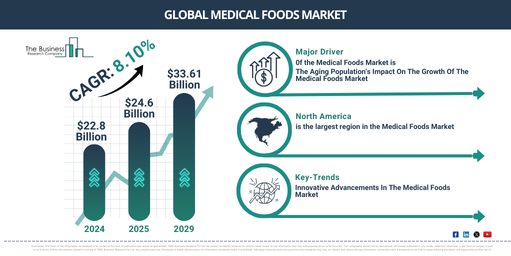
    The size of the medical foods market has seen robust growth in the past few years. The market is projected to expand from $22.8 billion in 2024 to $24.6 billion in 2025, registering a compound annual growth rate (CAGR) of 7.9%. This significant growth in the historical period is a result of an increasing incidence of chronic illnesses, advancements in medical and nutritional science, an escalating ageing population, heightened understanding of the role nutrition plays in health management, and regulatory backing for medical foods.

    How Much Will the Medical Foods Market Be Worth in 2029?

    Expectations point to a robust increase in the size of the medical foods market in the coming years, with projections placing it at $33.61 billion by 2029, boasting a compound annual growth rate (CAGR) of 8.1%. This expected ascension over the projection period is largely due to the rising emphasis on preventive healthcare, burgeoning demand for personalized nutrition, the widening scope of application in handling metabolic disorders, advancements in nutrigenomics and personalized medicine, along with the growing consumer interest in functional foods. Key trends anticipated to manifest during the forecast period encompass the creation of medical food formulations tailored to specific conditions, partnerships between the food and pharmaceutical sectors, broadened distribution networks which include e-commerce, the integration of digital technologies within personalized nutrition, and the prioritization of natural and clean-label ingredients in medical foods.

    Download The Free Sample Report Here:

    https://www.thebusinessresearchcompany.com/sample.aspx?id=6353&type=smp

    Which is the Largest Company in the Medical Foods Market?

    Major companies operating in the medical foods market include Nestlé SA, Danone SA, Fresenius Kabi AG, Mead Johnson & Company LLC, Primus Pharmaceuticals Inc., Abbott Nutrition Inc., Accera Inc., Ajinomoto Cambrooke Inc., Applied Food Sciences Inc., Cambrooke Therapeutics Inc., Danone Nutricia North America Inc., Health and Happiness (H&H) Group Limited, RFI Ingredients LLC, Solace Nutrition LLC, Targeted Medical Pharma Inc., VAYA Pharma Inc., Baxter Healthcare Corporation, Braun Melsungen AG, DuPont Nutrition & Biosciences, Enteral Nutrition Holdings Inc., Fresenius Medical Care AG & Co. KGaA, Nutricia North America Inc., Otsuka Pharmaceutical Co. Ltd., Koninklijke DSM NV, Total Parenteral Nutrition Solutions Inc.

    What Are the Main Market Drivers in the Medical Foods Industry?

    The swelling of the elderly population is playing a notable role in propelling the medical foods market. Aging, at the molecular and cellular level, is the result of the buildup of various types of biomolecular damage over time. This leads to a reduced functionality and amplified risk of illnesses, and ultimately, death. These alterations aren’t necessarily linear or continuous, and they are often not directly connected to an individual’s chronological age. With age progression, people tend to rely more on certain dietary foods, particularly medical foods to maintain their health against chronic and age-induced conditions. For example, a report by the World Health Organization (WHO), a Switzerland based entity in charge of global public health, stated in October 2022 that by the year 2030, one in every six individuals worldwide would be 60 or above. By the mid-century, the global population of people aged 60 or more will reach a staggering 2.1 billion. Hence, the booming elderly population is poised to give a significant boost to the growth of the medical foods market.

    Request For A Customized Report:

    https://www.thebusinessresearchcompany.com/customise?id=6353&type=smp

    How Is the Medical Foods Market Segments Structured?

    The medical foods market covered in this report is segmented –

    1) By Type: Pills, Powder, Other Types

    2) By Application: Alzheimer’s Disease, Diabetic Neuropathy, Nutritional Deficiency, ADHD, Other Applications

    3) By Sales Channel: Retail Sales, Online Sales, Institutional Sales

    Subsegments:

    1) By Pills: Tablets, Capsules, Softgels

    2) By Powder: Nutritional Powders, Fiber Powders

    3) By Other Types: Liquid Formulations, Ready-To-Drink Products, Functional Bars And Snacks

    What Strategic Trends Are Transforming the Medical Foods Market?

    Major players in the medical foods industry are focusing on manufacturing innovative products like foods for special medical purposes (FSMP) to broaden their consumer reach, escalate sales, and augment revenues. FSMP are specifically designed food products constructed for individuals with distinctive medical conditions or ailments. For example, in July 2022, Nestle, a company based in Switzerland, unveiled Si Yi Su, which is a special medical food product intended for individuals grappling with tumor-related issues. The distinct attribute of Si Yi Su lies in its formulation, integrating elements like arginine, fish oil omega-3, nucleotides, and other crucial nutritional components. This mixture is solely developed to combat inflammation and fortify the weakened immunity system of the patients.

    Access The Full Report Here:

    https://www.thebusinessresearchcompany.com/report/medical-foods-global-market-report

    Which Global Regions Offer the Highest Growth in the Medical Foods Market?

    North America was the largest region in the medical foods market in 2024.Asia-Pacific is expected to be the fastest-growing region in the forecast period. The regions covered in the medical foods market report are Asia-Pacific, Western Europe, Eastern Europe, North America, South America, Middle East, Africa

    Purchase The Full Report Today:

    https://www.thebusinessresearchcompany.com/purchaseoptions.aspx?id=6353

    This Report Delivers Insight On:

    1. How big is the medical foods market, and how is it changing globally?

    2. Who are the major companies in the medical foods market, and how are they performing?

    3. What are the key opportunities and risks in the medical foods market right now?

    4. Which products or customer segments are growing the most in the medical foods market?

    5. What factors are helping or slowing down the growth of the medical foods market?

    About The Business Research Company:

    With over 15000+ reports from 27 industries covering 60+ geographies, The Business Research Company has built a reputation for offering comprehensive, data-rich research and insights. Armed with 1,500,000 datasets, the optimistic contribution of in-depth secondary research, and unique insights from industry leaders, you can get the information you need to stay ahead in the game.

    Get in touch with us:

    The Business Research Company: https://www.thebusinessresearchcompany.com/

    Americas +1 3156230293

    Asia +44 2071930708

    Europe +44 2071930708

    Email us at info@tbrc.info

    Follow us on:

    LinkedIn: https://in.linkedin.com/company/the-business-research-company

    YouTube: https://www.youtube.com/channel/UC24_fI0rV8cR5DxlCpgmyFQ

    Global Market Model: https://www.thebusinessresearchcompany.com/global-market-model
  • Non-Therapeutic Biomolecules Industry Growth Expected to Reach $52.15 Billion by 2029 at a CAGR of 11.1% | Segmentation and Growth Opportunities

    Non-Therapeutic Biomolecules Industry Growth Expected to Reach $52.15 Billion by 2029 at a CAGR of 11.1% | Segmentation and Growth Opportunities

    Claim your 30% discount on Global Market Reports with code ONLINE30. Limited time only.

    What Is the Forecast for the Non-Therapeutic Biomolecules Market Growth in 2025?

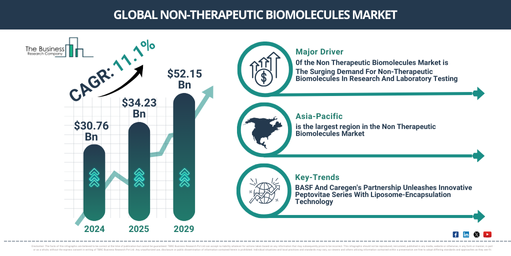
    The size of the non-therapeutic biomolecules industry has undergone swift expansion in the past few years. Its growth is expected to accelerate from $30.76 billion in 2024 to $34.23 billion in 2025, marking a compound annual growth rate (CAGR) of 11.3%. Factors contributing to this growth during the historical timeline include upsurged investments in research and development (R&D), growing usage in research and diagnostics, heightened awareness and acceptance, strategic alliances and partnerships, and regulatory aid.

    What Is the Forecast for the Non-Therapeutic Biomolecules Market Size Through 2029?

    Expectations are high for a swift expansion in the non-therapeutic biomolecules market in the subsequent years. The projected size by 2029 is $52.15 billion, with an 11.1% compound annual growth rate (CAGR). Factors contributing to the anticipated growth in the forecast period include the emergence of new market prospects, advancements in data analytics and integration, increased focus on precision medicine, augmented investments in personalized healthcare, and widening application areas. The upcoming period is also expected to witness noteworthy trends such as technological advancements, strategic collaborations, growing use in agriculture, increased involvement in industrial processes, along with increasing customization and personalization.

    Download The Free Sample Report Here:

    https://www.thebusinessresearchcompany.com/sample.aspx?id=8769&type=smp

    What are the Key Market Players in Non-Therapeutic Biomolecules Market and How They’re Evolving?

    Major companies operating in the non-therapeutic biomolecules market are Amgen Inc., Genentech Inc., Merck KGaA, Lonza Group AG, Bio-Rad Laboratories Inc., Thermo Fisher Scientific Inc., Agilent Technologies Inc., Charles River Laboratories International Inc., GE Healthcare Life Sciences, Fujifilm Diosynth Biotechnologies, Evonik Industries AG, Seikagaku Corporation, Takeda Pharmaceutical Company Limited, MilliporeSigma, Covance Inc., Sartorius AG, Sanofi S.A., CordenPharma International, Bayer AG, WuXi AppTec, Ginkgo Bioworks, Synlogic Inc., 3M Company, Eppendorf AG, Medtronic Plc, Bio-Techne Corporation, Iovance Biotherapeutics Inc., Vectalys, Avid Bioservices Inc., Sientra Inc.

    What Are the Primary Growth Drivers in the Non-Therapeutic Biomolecules Market?

    The non-therapeutic biomolecules market’s growth is predicted to be fueled by the fast-paced escalation in research and laboratory testing. Laboratory testing, a medical process that involves examining bodily samples like blood or urine to diagnose and monitor diseases and formulate treatment plans, is coupled with research, a method through which novel knowledge is created or current knowledge is innovatively used to generate new insights, theories, and comprehension. Non-therapeutic biomolecules are utilized in laboratory testing to detect the presence or level of a biomarker molecule indicative of disease, thereby enhancing the test’s sensitivity and specificity. For example, in July 2024, as per the data from the National Health Service (NHS), a hospital and healthcare provider based in the UK, diagnostic activity outpaced the pre-pandemic levels in 2023, showcasing a 21% surge in tests conducted in May 2024 in comparison to the previous year. Hence, the accelerated rise in research and laboratory testing appears to be the driving force behind the growth of the non-therapeutic biomolecules market.

    Request For A Customized Report:

    https://www.thebusinessresearchcompany.com/customise?id=8769&type=smp

    What Are the Leading Segments in the Global Non-Therapeutic Biomolecules Industry?

    The non-therapeutic biomolecules market covered in this report is segmented –

    1) By Trad Pharma: Enzymes, Recombinant Proteins, Plasmids, Peptides, Oligonucleotides, Monoclonal Antibodies

    2) By End User: Research, Pharma, In Vitro Diagnostics(IVD)

    Subsegments:

    1) By Enzymes: Industrial Enzymes, Diagnostic Enzymes

    2) By Recombinant Proteins: Antigens, Cytokines, Growth Factors

    3) By Plasmids: Research Plasmids, Expression Plasmids

    4) By Peptides: Antimicrobial Peptides, Signaling Peptides

    5) By Oligonucleotides: Antisense Oligonucleotides, RNAi Oligonucleotides

    6) By Monoclonal Antibodies: Research Antibodies, Diagnostic Antibodies

    What Are the Key Market Trends in the Non-Therapeutic Biomolecules Industry?

    The trend of product innovation is emerging prominently in the non-therapeutic biomolecules market, with major players engaging in research as well as development for novel product introductions to maintain dominant market positions. For example, BASF SE, a transnational chemical corporation from Germany, entered into a collaboration with Caregen, a biomimetic peptide R&D entity from Korea, in January 2022. Together, they unveiled the Peptovitae series, a range developed via liposome-encapsulation technology designed to extend its dermo-cosmetic offering. This approach offers innovative, distinct resolutions for a variety of skin issues by directing essential nutrients or medications in small bubbles to certain sections of the body using fat, without impacting other zones. The Peptovitae series caters to a greater scope of skin conditions beyond those typically linked to peptide usage, including age indications, skin brightness enhancement, calming dry, itchy skin and skin hydration.

    Access The Full Report Here:

    https://www.thebusinessresearchcompany.com/report/non-therapeutic-biomolecules-global-market-report

    What Is the Regional Outlook for the Non-Therapeutic Biomolecules Market?

    Asia-Pacific was the largest region in the non-therapeutic biomolecules market share in 2024. The regions covered in the non-therapeutic biomolecules market report are Asia-Pacific, Western Europe, Eastern Europe, North America, South America, Middle East, Africa.

    Purchase The Full Report Today:

    https://www.thebusinessresearchcompany.com/purchaseoptions.aspx?id=8769

    This Report Delivers Insight On:

    1. How big is the non-therapeutic biomolecules market, and how is it changing globally?

    2. Who are the major companies in the non-therapeutic biomolecules market, and how are they performing?

    3. What are the key opportunities and risks in the non-therapeutic biomolecules market right now?

    4. Which products or customer segments are growing the most in the non-therapeutic biomolecules market?

    5. What factors are helping or slowing down the growth of the non-therapeutic biomolecules market?

    About The Business Research Company:

    With over 15000+ reports from 27 industries covering 60+ geographies, The Business Research Company has built a reputation for offering comprehensive, data-rich research and insights. Armed with 1,500,000 datasets, the optimistic contribution of in-depth secondary research, and unique insights from industry leaders, you can get the information you need to stay ahead in the game.

    Get in touch with us:

    The Business Research Company: https://www.thebusinessresearchcompany.com/

    Americas +1 3156230293

    Asia +44 2071930708

    Europe +44 2071930708

    Email us at info@tbrc.info

    Follow us on:

    LinkedIn: https://in.linkedin.com/company/the-business-research-company

    YouTube: https://www.youtube.com/channel/UC24_fI0rV8cR5DxlCpgmyFQ

    Global Market Model: https://www.thebusinessresearchcompany.com/global-market-model
  • Non-Steroidal Anti-inflammatory Drugs Industry Valued at $28.79 Billion by 2029 With CAGR of 6.8% | Size and Share Insights

    Non-Steroidal Anti-inflammatory Drugs Industry Valued at $28.79 Billion by 2029 With CAGR of 6.8% | Size and Share Insights

    Claim your 30% discount on Global Market Reports with code ONLINE30. Limited time only.

    What Is the Forecast for the Non-Steroidal Anti-inflammatory Drugs Market from 2024 to 2025?

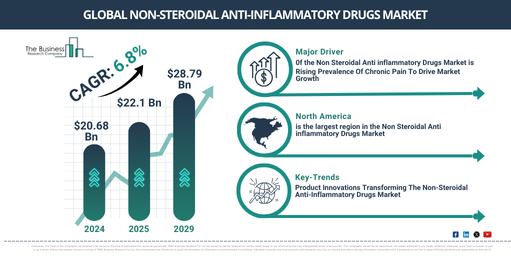
    The market size for non-steroidal anti-inflammatory drugs has seen robust growth in recent years. It is predicted to increase from a value of $20.68 billion in 2024 to $22.1 billion in 2025, marking a compound annual growth rate (CAGR) of 6.8%. Factors contributing to this growth during the historical period can be traced to chronic inflammatory conditions, the management of pain after surgery, sports-related injuries, over-the-counter accessibility, an aging demographic, and increasing consumer awareness.

    What Is the Projected Market Size of the Non-Steroidal Anti-inflammatory Drugs Market?

    In the coming years, the non-steroidal anti-inflammatory drugs market is predicted to experience impressive growth, expanding to $28.79 billion by 2029 with a compound annual growth rate (CAGR) of 6.8%. This anticipated growth during the forecast period can be credited to the introduction of new pain management therapies, amendments in regulations, the use of telehealth, global wellness fads, competition in the biosimilar market, patient choices, and the implementation of precision medicine strategies. The forecast period is also expected to witness prominent trends such as dominance of the over-the-counter (OTC) market, a surge in preference for cox-2 inhibitors, generics and market competition, and the merging of digital health technologies.

    Download The Free Sample Report Here:

    https://www.thebusinessresearchcompany.com/sample.aspx?id=8023&type=smp

    Who are the Major Competitors in the Non-Steroidal Anti-inflammatory Drugs Market Outlook?

    Major companies operating in the non-steroidal anti-inflammatory drugs market are Pfizer Inc., Bayer AG, Johnson & Johnson, Sun Pharmaceutical Industries Ltd., Assertio Therapeutics Inc., Iroko Pharmaceuticals Inc., Reckitt Benckiser Group PLC, Perrigo Company PLC, Hikma Pharmaceuticals Public Limited Company, Glenmark Pharmaceuticals Limited, Septodont, Aspen Pharmacare Holdings Limited, Sagent Pharmaceuticals Inc., Advanced Pharma Inc., Akorn Operating Company LLC, Alembic Pharmaceuticals Limited, Torrent Pharmaceuticals Limited, Lupin Limited, Cipla Limited, Zydus Cadila Healthcare Limited, Aurobindo Pharma Limited, Sanofi S.A., GlaxoSmithKline PLC, Horizon Therapeutics PLC, Zyla Life sciences, Novartis AG, Roche Holding AG, AbbVie Inc., Bristol-Myers Squibb Company

    What Is Fueling Growth in the Non-Steroidal Anti-inflammatory Drugs Market?

    The increasing prevalence of chronic pain is anticipated to stimulate the expansion of the non-steroidal anti-inflammatory drugs market. The term chronic pain describes discomfort that lasts for over six months. Non-steroidal anti-inflammatory drugs are utilized to repair injuries and alleviate chronic pain. For example, the CDC (Centers for Disease Control and Prevention), a government agency based in the US, reported in April 2022 that arthritis was a frequent cause of chronic pain, affecting millions of US citizens. Roughly one out of four adults, or 15 million people, with arthritis are suffering from intense joint pain related to arthritis. Consequently, the escalating prevalence of chronic pain is propelling the growth of the non-steroidal anti-inflammatory drugs market.

    Request For A Customized Report:

    https://www.thebusinessresearchcompany.com/customise?id=8023&type=smp

    Which Non-Steroidal Anti-inflammatory Drugs Market Segments Are Growing the Fastest?

    The non-steroidal anti-inflammatory drugs market covered in this report is segmented –

    1) By Route Of Administration: Oral, Topical, Other Route Of Administration

    2) By Disease Indication: Arthritis, Migraine, Ophthalmic Diseases, Other Disease Indications

    3) By Distribution Channel: Hospital Pharmacy, Retail Pharmacy, Online Pharmacy

    Subsegments:

    1) By Oral: Tablets, Capsules, Liquids Or Solutions

    2) By Topical: Gels, Creams, Patches

    3) By Other Route Of Administration: Injectable (Intravenous And Intramuscular), Suppositories

    Which Industry Trends Are Shaping the Future of the Non-Steroidal Anti-inflammatory Drugs Market?

    One of the primary ongoing tendencies in the market for non-steroidal anti-inflammatory drugs is significant product innovation. The key players in this market are highly focused on inventing new technology solutions. In an example from March 2024, the pharmaceutical company based in Ireland, Endo International plc, introduced ibuprofen-famotidine 800 mg/26.6 mg tablets. They feature a combination of the pain-relieving and anti-inflammatory benefits of ibuprofen along with the stomach shielding effects of famotidine. The aim of this concoction is to ease pain, while simultaneously reducing the probability of gastrointestinal side effects common with the extensive use of nonsteroidal anti-inflammatory drugs (NSAIDs) like ibuprofen.

    Access The Full Report Here:

    https://www.thebusinessresearchcompany.com/report/non-steroidal-anti-inflammatory-drugs-global-market-report

    Which Countries Are Leading the Non-Steroidal Anti-inflammatory Drugs Market?

    North America was the largest region in the non-steroidal anti-inflammatory drugs market in 2024. Asia-Pacific is expected to be the fastest-growing region in the non-steroidal anti-inflammatory drugs market during the forecast period. The regions covered in the non-steroidal anti-inflammatory drugs market report are Asia-Pacific, Western Europe, Eastern Europe, North America, South America, Middle East, Africa.

    Purchase The Full Report Today:

    https://www.thebusinessresearchcompany.com/purchaseoptions.aspx?id=8023

    This Report Delivers Insight On:

    1. How big is the non-steroidal anti-inflammatory drugs market, and how is it changing globally?

    2. Who are the major companies in the non-steroidal anti-inflammatory drugs market, and how are they performing?

    3. What are the key opportunities and risks in the non-steroidal anti-inflammatory drugs market right now?

    4. Which products or customer segments are growing the most in the non-steroidal anti-inflammatory drugs market?

    5. What factors are helping or slowing down the growth of the non-steroidal anti-inflammatory drugs market?

    About The Business Research Company:

    With over 15000+ reports from 27 industries covering 60+ geographies, The Business Research Company has built a reputation for offering comprehensive, data-rich research and insights. Armed with 1,500,000 datasets, the optimistic contribution of in-depth secondary research, and unique insights from industry leaders, you can get the information you need to stay ahead in the game.

    Get in touch with us:

    The Business Research Company: https://www.thebusinessresearchcompany.com/

    Americas +1 3156230293

    Asia +44 2071930708

    Europe +44 2071930708

    Email us at info@tbrc.info

    Follow us on:

    LinkedIn: https://in.linkedin.com/company/the-business-research-company

    YouTube: https://www.youtube.com/channel/UC24_fI0rV8cR5DxlCpgmyFQ

    Global Market Model: https://www.thebusinessresearchcompany.com/global-market-model
  • Headache Disorders Industry Growth Expected to Reach $6.99 Billion by 2029 at a CAGR of 8.8% | Segmentation and Growth Opportunities

    Headache Disorders Industry Growth Expected to Reach $6.99 Billion by 2029 at a CAGR of 8.8% | Segmentation and Growth Opportunities

    Claim your 30% discount on Global Market Reports with code ONLINE30. Limited time only.

    What Is the Forecast for the Headache Disorders Market Growth in 2025?

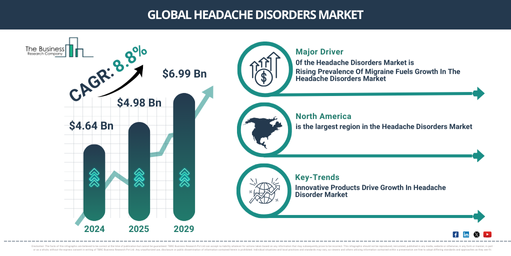
    The market size of headache disorders has been significantly expanding in the past few years. The growth is anticipated to rise from $4.64 billion in 2024 to $4.98 billion in 2025, exhibiting a compound annual growth rate (CAGR) of 7.3%. Factors such as limited treatment alternatives, enhanced awareness, an escalating frequency of headaches, developments in healthcare infrastructure, changes in lifestyle, and heightened stress levels have contributed to the growth experienced during the historical period.

    What Is the Forecast for the Headache Disorders Market Size Through 2029?

    The market size for headache disorders is predicted to experience robust expansion in the coming years, reaching $6.99 billion by 2029 with a compound annual growth rate (CAGR) of 8.8%. The anticipated growth during the forecast period can be credited to advancements in digital health solutions, individualized medicine strategies, escalating investments into research and development, global population’s aging process, and increased research in neuroinflammation. Key trends expected during this period are developments in medical technology for treatment, customized medication, a greater emphasis on preventative treatment, a growing pipeline of innovative therapies, and a surge in non-pharmacological approaches.

    Download The Free Sample Report Here:

    https://www.thebusinessresearchcompany.com/sample.aspx?id=9452&type=smp

    What are the Key Market Players in Headache Disorders Market and How They’re Evolving?

    Major companies operating in the headache disorders market include Teva Pharmaceutical Industries Ltd., Hikma Pharmaceuticals PLC, Dr. Reddy’s Laboratories Ltd, Novartis AG, Eli Lilly and Company, F. Hoffmann-La Roche Ltd., Sun Pharmaceutical Industries Ltd, Emcure Pharmaceuticals Limited, Endo International plc, WorldMeds LLC, AstraZeneca plc, Bausch & Lomb Incorporated, Nichi-Iko Pharmaceutical Co, Upsher-Smith Laboratories LLC, Bristol-Myers Squibb Company, Bayer AG, Boehringer Ingelheim International GmbH., Gilead Sciences Inc., Amgen Inc., Pfizer Inc., GlaxoSmithKline plc, Johnson & Johnson, Merck & Co. Inc., AbbVie Inc., Eisai Co. Ltd., Impax Laboratories LLC, Lannett Company Inc., Lupin Pharmaceuticals Inc.

    What Are the Primary Growth Drivers in the Headache Disorders Market?

    The growth of the headache disorders market is expected to be spurred by the rising incidence of migraines. Migraines are a kind of headache marked by repeated bouts of moderate to severe throbbing and pulsating pain on one side of the head. They potentially result from headache disorders, leading to neurological anomalies that cause severe throbbing pain, exhaustion, and nausea. For example, in April 2022, the Journal of Headache and Pain, a peer-reviewed journal from the UK, reported that 52.0% of the populations under study had some form of active headache disorder, with a gender breakdown of 44.4% males and 57.8% females. Furthermore, migraines impacted 14.0% of the population, with 8.6% males and 17.0% females affected, and tension-type headaches (TTH) were prevalent in 26.0% of the group, impacting 23.4% males and 27.1% females. Consequently, the increasing incidence of migraine is fueling the demand in the headache disorders market.

    Request For A Customized Report:

    https://www.thebusinessresearchcompany.com/customise?id=9452&type=smp

    What Are the Leading Segments in the Global Headache Disorders Industry?

    The headache disorders market covered in this report is segmented –

    1) By Type: Migraine, Tension-Type Headache, Cluster Headache, Medication-Overuse Headache, Other Types

    2) By Treatment: Medication, Heat Therapy, Diet Changes, Acupuncture, Oxygen Therapy

    3) By Diagnosis: Complete Blood Count, Skull X-Rays, Sinus X-Rays, CT Scan, Magnetic Resonance Imaging (MRI)

    4) By Route Of Administration: Oral, Parenteral, Other Route Of Administrations

    5) By End-User: Hospitals, Specialty Clinics, Homecare, Other End-Users

    Subsegments:

    1) By Migraine: Chronic Migraine, Episodic Migraine, Migraine With Aura, Migraine Without Aura

    2) By Tension-Type Headache: Episodic Tension-Type Headache, Chronic Tension-Type Headache

    3) By Cluster Headache: Chronic Cluster Headache, Episodic Cluster Headache

    4) By Medication-Overuse Headache: Analgesic-Overuse Headache, Caffeine-Withdrawal Headache

    5) By Other Types: Sinus Headache, Hormonal Headache, Thunderclap Headache, Other Primary And Secondary Headaches

    What Are the Key Market Trends in the Headache Disorders Industry?

    Prominent corporations active in the headache disorder sector are centred on the creation of unique items, like migraine tablets, in order to enhance treatments and elevate patient results. Migraine tablets are drugs meant to relieve or redirect migraine assaults by concentrating on precise pathways implicated in migraine signs such as discomfort and inflammation. For instance, in January 2024, Akums Drugs & Pharmaceuticals, a pharmaceutical production company based in India, presented the Lasmiditan Tablet, a generic variant of Eli Lilly’s REYVOW, geared towards the immediate relief of migraines. Having received endorsements from both the Drug Controller General of India (DCGI) and the US Food and Drug Administration (USFDA), Lasmiditan endeavors to relieve migraine symptoms by attaching to the 5-HT1F serotonin receptor, disrupting pain signals, and minimizing neural inflammation. The dosage guideline spans from 50 mg to 100 mg, with one dose at most within a 24 hour period.

    Access The Full Report Here:

    https://www.thebusinessresearchcompany.com/report/headache-disorders-global-market-report

    What Is the Regional Outlook for the Headache Disorders Market?

    North America was the largest region in the headache disorders market in 2024. The regions covered in the headache disorders market report are Asia-Pacific, Western Europe, Eastern Europe, North America, South America, Middle East, Africa

    Purchase The Full Report Today:

    https://www.thebusinessresearchcompany.com/purchaseoptions.aspx?id=9452

    This Report Delivers Insight On:

    1. How big is the headache disorders market, and how is it changing globally?

    2. Who are the major companies in the headache disorders market, and how are they performing?

    3. What are the key opportunities and risks in the headache disorders market right now?

    4. Which products or customer segments are growing the most in the headache disorders market?

    5. What factors are helping or slowing down the growth of the headache disorders market?

    About The Business Research Company:

    With over 15000+ reports from 27 industries covering 60+ geographies, The Business Research Company has built a reputation for offering comprehensive, data-rich research and insights. Armed with 1,500,000 datasets, the optimistic contribution of in-depth secondary research, and unique insights from industry leaders, you can get the information you need to stay ahead in the game.

    Get in touch with us:

    The Business Research Company: https://www.thebusinessresearchcompany.com/

    Americas +1 3156230293

    Asia +44 2071930708

    Europe +44 2071930708

    Email us at info@tbrc.info

    Follow us on:

    LinkedIn: https://in.linkedin.com/company/the-business-research-company

    YouTube: https://www.youtube.com/channel/UC24_fI0rV8cR5DxlCpgmyFQ

    Global Market Model: https://www.thebusinessresearchcompany.com/global-market-model
  • Non-Alcoholic Steatohepatitis Treatment Market Size to Exceed $13.83 Billion by 2029 | Growth and Industry Trends

    Non-Alcoholic Steatohepatitis Treatment Market Size to Exceed $13.83 Billion by 2029 | Growth and Industry Trends

    Claim your 30% discount on Global Market Reports with code ONLINE30. Limited time only.

    How Has the Non-Alcoholic Steatohepatitis Treatment Market Grown from 2024 to 2025?

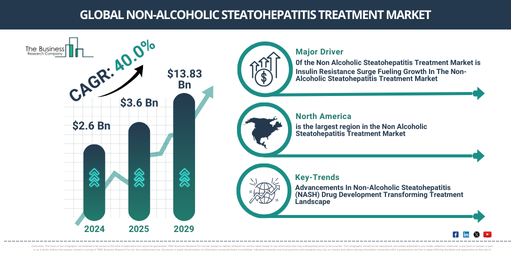
    In the last few years, the market for non-alcoholic steatohepatitis treatment has witnessed a significant upsurge. Its expansion is set to continue, rising from $2.6 billion in 2024 to $3.6 billion in 2025 with a compound annual growth rate of 38.5%. Various factors have contributed to the growth observed in the historic period such as the increasing occurrence of NASH, enhanced awareness and diagnosis, lifestyle modifications and growing obesity crises, in-depth clinical research, improvements in healthcare infrastructure and accessibility, regulatory backing, and clinical trials.

    What Growth Rate Is Anticipated for the Non-Alcoholic Steatohepatitis Treatment Market in the Coming Years?

    The market for non-alcoholic steatohepatitis treatment is anticipated to witness a significant surge in the coming years, with its value projected to reach $13.83 billion by 2029, expanding at a compound annual growth rate (CAGR) of 40.0%. The expected growth during the forecast period can be credited to progress in drug discovery, heightened disease understanding, increasing incidence and risk factors, along with a shift towards personalized healthcare. Key trends predicted for the coming period include a more patient-focused approach, technological innovation, targeted treatments, evolving regulatory environment, and advances in research.

    Download The Free Sample Report Here:

    https://www.thebusinessresearchcompany.com/sample.aspx?id=8595&type=smp

    Who Are the Leading Companies in the Non-Alcoholic Steatohepatitis Treatment Market?

    Major companies operating in the non-alcoholic steatohepatitis treatment market are AstraZeneca PLC, Galmed Pharmaceuticals Ltd., Genfit S.A., Zydus Cadila Healthcare Limited, Bristol-Myers Squibb Company, Gilead Sciences Inc., Novo Nordisk A/S, Immuron Ltd., Inventiva Pharma SA, NGM Biopharmaceuticals Inc., Galectin Therapeutics Inc., Madrigal Pharmaceuticals Corporation, Intercept Pharmaceuticals Inc., Cirius Therapeutics Inc., Viking Therapeutics Inc., Eli Lilly and Company, Terns Pharmaceuticals Inc., Pfizer Inc., Merck & Co. Inc., AbbVie Inc., Johnson & Johnson Private Limited, Sanofi S.A., F. Hoffmann-La Roche Ltd., C.H. Boehringer Sohn AG & Co. KG

    What Are the Key Drivers of the Non-Alcoholic Steatohepatitis Treatment Market?

    Insulin resistance’s growing prevalence has been a major contributor to the expansion of the non-alcoholic steatohepatitis treatment market. When insulin resistance happens, muscle, fat, and liver cells don’t respond properly to insulin, making glucose absorption from the blood difficult, which in turn leads to high blood sugar. This condition is often associated with an unhealthy lifestyle, overconsumption of sugar, and genetic factors. Insulin resistance has become more common due to the increase in diabetes and other liver-related conditions, which are managed by non-alcoholic steatohepatitis treatment. For example, as per the latest report from the International Diabetes Federation, a global diabetes community based in Belgium, in January 2022, 537 million individuals (20-79 years old) are currently affected by diabetes, representing one in ten individuals. This figure is predicted to rise to 643 million by 2030, and 783 million by 2045. Additionally, the American Cancer Society, a nonprofit cancer advocacy group in the US, anticipates new liver cancer cases in 2024 to be 41,630, up from 41,210 in 2023. Consequently, the growing prevalence of insulin resistance due to various liver and diabetes diseases is predicted to boost the non-alcoholic steatohepatitis treatment market.

    Request For A Customized Report:

    https://www.thebusinessresearchcompany.com/customise?id=8595&type=smp

    What Are the Key Market Segments in the Non-Alcoholic Steatohepatitis Treatment Industry?

    The non-alcoholic steatohepatitis treatment market covered in this report is segmented –

    1) By Drug Type: Vitamin E And Pioglitazone, Ocaliva, Elafibranor, Selonsertib And cenicriviroc, Obeticholic Acid, Other Drugs Types

    2) By Test Type: Blood Tests, Liver Biopsy, Imaging Procedures

    3) By End User: Hospital Pharmacies, Retail And Specialty Pharmacies, Other End Users

    Subsegments:

    1) By Vitamin E And Pioglitazone: Vitamin E Supplements, Pioglitazone-Based Formulations.

    2) By Ocaliva: Ocaliva (Obeticholic Acid) For NASH

    3) By Elafibranor: Elafibranor-Based Treatments

    4) By Selonsertib And Cenicriviroc: Selonsertib Formulations, Cenicriviroc Formulations

    5) By Obeticholic Acid: Other Formulations Of Obeticholic Acid

    6) By Other Drug Types: Novel Agents In Clinical Trials, Combination Therapies

    What Are the Latest Trends in the Non-Alcoholic Steatohepatitis Treatment Market?

    The evolution of non-alcoholic steatohepatitis (NASH) medication is emerging as a significant trend in the non-alcoholic steatohepatitis therapy market. Numerous firms are directing their resources towards the invention of innovative drugs aimed at liver disease treatment, minimizing the side effects. For instance, Pfizer Inc., a leading American pharmaceutical and biotechnology corporation, was granted fast-track designation in May 2022 by the U.S. Food and Drug Administration (FDA) to expedite the development process of its NASH drug, specifically ervogastat and clesacostat. Fast Track is a designed program to expedite the development of Pfizer’s investigative combination therapy for non-alcoholic steatohepatitis (NASH) with liver fibrosis, namely ervogastat (PF-06865571, a diacylglycerol O-acyltransferase 2 inhibitor, or DGAT2i) and clesacostat (PF-05221304, an acetyl-CoA carboxylase inhibitor, or ACCi).

    Access The Full Report Here:

    https://www.thebusinessresearchcompany.com/report/non-alcoholic-steatohepatitis-treatment-global-market-report

    What Are the Key Regional Markets in the Non-Alcoholic Steatohepatitis Treatment Industry?

    North America was the largest region in the non-alcoholic steatohepatitis treatment market share in 2024. The regions covered in the non-alcoholic steatohepatitis treatment market report are Asia-Pacific, Western Europe, Eastern Europe, North America, South America, Middle East, Africa.

    Purchase The Full Report Today:

    https://www.thebusinessresearchcompany.com/purchaseoptions.aspx?id=8595

    This Report Delivers Insight On:

    1. How big is the non-alcoholic steatohepatitis treatment market, and how is it changing globally?

    2. Who are the major companies in the non-alcoholic steatohepatitis treatment market, and how are they performing?

    3. What are the key opportunities and risks in the non-alcoholic steatohepatitis treatment market right now?

    4. Which products or customer segments are growing the most in the non-alcoholic steatohepatitis treatment market?

    5. What factors are helping or slowing down the growth of the non-alcoholic steatohepatitis treatment market?

    About The Business Research Company:

    With over 15000+ reports from 27 industries covering 60+ geographies, The Business Research Company has built a reputation for offering comprehensive, data-rich research and insights. Armed with 1,500,000 datasets, the optimistic contribution of in-depth secondary research, and unique insights from industry leaders, you can get the information you need to stay ahead in the game.

    Get in touch with us:

    The Business Research Company: https://www.thebusinessresearchcompany.com/

    Americas +1 3156230293

    Asia +44 2071930708

    Europe +44 2071930708

    Email us at info@tbrc.info

    Follow us on:

    LinkedIn: https://in.linkedin.com/company/the-business-research-company

    YouTube: https://www.youtube.com/channel/UC24_fI0rV8cR5DxlCpgmyFQ

    Global Market Model: https://www.thebusinessresearchcompany.com/global-market-model
  • Glycopeptide Antibiotics Market Size to Exceed $5.5 Billion by 2029 | Growth and Industry Trends

    Glycopeptide Antibiotics Market Size to Exceed $5.5 Billion by 2029 | Growth and Industry Trends

    Claim your 30% discount on Global Market Reports with code ONLINE30. Limited time only.

    How Has the Glycopeptide Antibiotics Market Grown from 2024 to 2025?

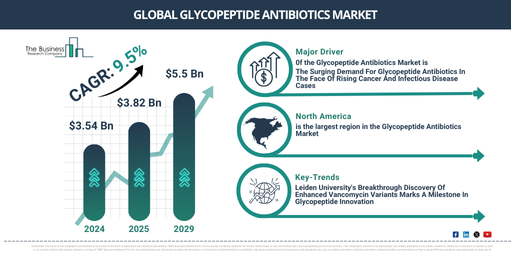
    In recent times, there’s been a significant growth in the size of the glycopeptide antibiotics market. The value is expected to rise from $3.54 billion in 2024 to $3.82 billion in 2025, with a compound annual growth rate (CAGR) of 8.0%. The preceding period’s growth can be credited to multiple factors such as enhanced antibiotic resistance, increased occurrence of infectious diseases, government interventions, escalating healthcare spending, and global spread of infectious diseases.

    What Growth Rate Is Anticipated for the Glycopeptide Antibiotics Market in the Coming Years?

    Anticipations are high for a robust growth in the glycopeptide antibiotics market size in the upcoming years. It is forecasted to expand to $5.5 billion in 2029, with a compound annual growth rate (CAGR) of 9.5%. The predicted growth during this period is due to factors such as the proliferation of infectious diseases, the rise in the elderly population, ongoing issues of antibiotic resistance, investments in research and development, and growth in healthcare infrastructure. Key trends projected for the forecast period encompass an increase in antibiotic resistance, advancements in R&D, the impact of global health crises driving demand, collaborative initiatives for antibiotic management, and the market’s expansion in emerging economies.

    Download The Free Sample Report Here:

    https://www.thebusinessresearchcompany.com/sample.aspx?id=9444&type=smp

    Who Are the Leading Companies in the Glycopeptide Antibiotics Market?

    Major companies operating in the glycopeptide antibiotics market include ANI Pharmaceuticals Inc., Fresenius SE & Co. KGaA, Pfizer Inc., Novartis AG, Hikma Pharmaceuticals Plc., Aurobindo Pharma Limited, Abbvie Inc., Cumberland Pharmaceuticals Inc., Janssen Global, Bristol-Myers Squibb Company, Shenwei Pharmaceutical Hainan Co. Ltd., Zhejiang Hisun Pharmaceutical Co. Ltd., Alvogen, Bayer AG, Merck & Co. Inc., Teva Pharmaceutical Industries Ltd., Sanofi SA, GlaxoSmithKline plc, Johnson & Johnson, AstraZeneca, Boehringer Ingelheim GmbH, Cipla Inc.

    What Are the Key Drivers of the Glycopeptide Antibiotics Market?

    The increase in cases of cancer and infectious diseases is predicted to stimulate the expansion of the glycopeptide antibiotics market. Cancer is a disease characterized by certain body cells growing uncontrollably and spreading throughout the body, while infectious diseases are disorders caused by organisms like bacteria, viruses, fungi, or parasites. Glycopeptide antibiotics serve to combat various infectious conditions brought about by methicillin-resistant staphylococcus aureus, streptococcus, or enterococcus bacteria which are immune to beta-lactams and other antibiotics. When it comes to cancer patients, these antibiotics are utilized to augment the antitumor impact of radiotherapy by not only eliminating the targeted cancer cells but also extending their effects to more remote cancer cells within the body. The American Cancer Society, a non-profit health body dedicated to exterminating cancer, reported in 2022 that the US faced 1.9 million fresh cancer cases and 609,360 cancer fatalities, equating to 1,670 deaths each day. As such, the surge in cancer and infectious diseases cases is projected to propel the advancement of the glycopeptide antibiotics market.

    Request For A Customized Report:

    https://www.thebusinessresearchcompany.com/customise?id=9444&type=smp

    What Are the Key Market Segments in the Glycopeptide Antibiotics Industry?

    The glycopeptide antibiotics market covered in this report is segmented –

    1) By Drug: Vancomycin, Dalbavancin, Oritavancin, Other Drugs

    2) By Route of Administration: Oral, Parenteral, Other Routes

    3) By Indication: Skin And Structure Infection, Meningitis, Clostridioides Difficile Infection, Enterocolitis, Other Indications

    4) By End-User: Hospitals, Specialty Clinics, Homecare, Other End-Users

    Subsemgents:

    1) By Vancomycin: Vancomycin Injection, Vancomycin Oral Solution, Vancomycin Capsules, Vancomycin Powder for Solution

    2) By Dalbavancin: Dalbavancin IV (Intravenous) Formulation, Dalbavancin Powder for Injection

    3) By Oritavancin: Oritavancin IV (Intravenous) Formulation,Oritavancin Powder for Injection

    4) By Other Drugs: Teicoplanin, Linezolid, Daptomycin, Other Glycopeptide and Lipoglycopeptide Antibiotics

    4o

    What Are the Latest Trends in the Glycopeptide Antibiotics Market?

    One key trend that is gaining traction in the glycopeptide antibiotics market is product innovation. To cement their market positions, predominant companies in this industry are progressively focusing on creating innovative products. Notably, in October 2022, new variants of the antibiotic vancomycin was discovered by Netherlands-based Leiden University. They appended a cluster of molecules to an existing vancocin molecule, which resulted in the new variant of vancomycin. Compared to the original vancomycin, this innovative variant possess a thousand times more activity against gram-positive bacteria and exhibits lower nephrotoxicity when compared with commercially available polymyxin antibiotics. This invention was created to address a key issue where vancomycin is only effective in dealing with gram-positive strains but unable to penetrate the outer membrane of gram-negative bacteria.

    Access The Full Report Here:

    https://www.thebusinessresearchcompany.com/report/glycopeptide-antibiotics-global-market-report

    What Are the Key Regional Markets in the Glycopeptide Antibiotics Industry?

    North America was the largest region in the glycopeptide antibiotics market in 2024. The regions covered in the glycopeptide antibiotics market report are Asia-Pacific, Western Europe, Eastern Europe, North America, South America, Middle East, Africa

    Purchase The Full Report Today:

    https://www.thebusinessresearchcompany.com/purchaseoptions.aspx?id=9444

    This Report Delivers Insight On:

    1. How big is the glycopeptide antibiotics market, and how is it changing globally?

    2. Who are the major companies in the glycopeptide antibiotics market, and how are they performing?

    3. What are the key opportunities and risks in the glycopeptide antibiotics market right now?

    4. Which products or customer segments are growing the most in the glycopeptide antibiotics market?

    5. What factors are helping or slowing down the growth of the glycopeptide antibiotics market?

    About The Business Research Company:

    With over 15000+ reports from 27 industries covering 60+ geographies, The Business Research Company has built a reputation for offering comprehensive, data-rich research and insights. Armed with 1,500,000 datasets, the optimistic contribution of in-depth secondary research, and unique insights from industry leaders, you can get the information you need to stay ahead in the game.

    Get in touch with us:

    The Business Research Company: https://www.thebusinessresearchcompany.com/

    Americas +1 3156230293

    Asia +44 2071930708

    Europe +44 2071930708

    Email us at info@tbrc.info

    Follow us on:

    LinkedIn: https://in.linkedin.com/company/the-business-research-company

    YouTube: https://www.youtube.com/channel/UC24_fI0rV8cR5DxlCpgmyFQ

    Global Market Model: https://www.thebusinessresearchcompany.com/global-market-model

  • GLP-1 Receptor Agonist Industry Insights 2025 – Market Forecast for Executives and Planners

    GLP-1 Receptor Agonist Industry Insights 2025 – Market Forecast for Executives and Planners

    Claim your 30% discount on Global Market Reports with code ONLINE30. Limited time only.

    How Has the GLP-1 Receptor Agonist Market Size Changed, over the years?

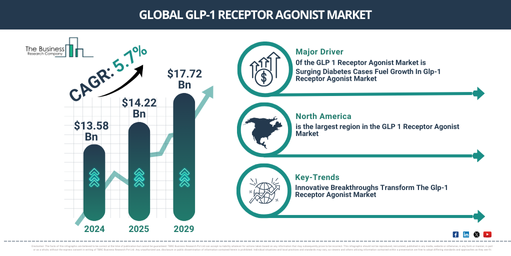
    In recent times, the market size for GLP-1 receptor agonist has been expanding progressively. The market is anticipated to increase from $13.58 billion in 2024 to $14.22 billion in 2025 with a compound annual growth rate (CAGR) of 4.7%. The expansion during the historical phase can be ascribed to factors such as escalating prevalence of diabetes, clinical effectiveness, patient understanding and approval, global health campaigns, and patient inclination towards injectable treatments.

    How Much Will the GLP-1 Receptor Agonist Market Be Worth in 2029?

    In the coming years, the GLP-1 receptor agonist market is projected to witness significant growth, reaching a valuation of $17.72 billion by 2029, exhibiting a compound annual growth rate of 5.7%. Various factors driving this growth during the forecast period encompass a heightened focus on managing lifestyle, the rise of personalized medical treatments, broader indications, the development of innovative next-gen products, and their integration into combination therapies. Further trends that will define the forecast period include the emergence of oral formulations, an increased concentration on combination therapies, forming key partnerships and collaborations, refining reimbursement policies and accessibility, and adopting more patient-centric tactics.

    Download The Free Sample Report Here:

    https://www.thebusinessresearchcompany.com/sample.aspx?id=9631&type=smp

    Which is the Largest Company in the GLP-1 Receptor Agonist Market?

    Major companies operating in the GLP-1 receptor agonist market include Novo Nordisk A/S, Sanofi SA, Eli Lilly and Company, AstraZeneca Inc., Boehringer Ingelheim International GmbH, Hanmi Pharm Co. Ltd., Pfizer Inc., Amgen Inc., Innovent Biologics Inc., Jiangsu Hengrui Medicine Co., Sun Pharmaceuticals Industries Ltd., PegBio Co. Ltd., Zealand Pharma A/S, Bristol-Myers Squibb Company, Chongqing Lummy Pharmaceutical Co. Ltd., Daiichi Sankyo Company Limited, Dong-A ST Co. Ltd., Eisai Co. Ltd., HanAll Biopharma Co. Ltd., Ipsen SA, Johnson & Johnson, Merck & Co. Inc., Novartis AG

    What Are the Main Market Drivers in the GLP-1 Receptor Agonist Industry?

    The increasing incidence of diabetes is predicted to boost the GLP-1 receptor agonist market. Diabetes, a chronic condition, arises when the pancreas either secretes inadequate insulin or when the body fails to efficiently use the insulin it generates. The telltale sign of diabetes mellitus, a metabolic disorder, is elevated blood sugar. The use of GLP-1 receptor agonist in diabetes prompts your body to secrete more insulin, thereby reducing blood sugar levels. As a result, the escalating incidence of diabetes is likely to fuel market growth. For example, in March 2024, the UK’s Office for Health Improvement and Disparities reported that between March 2022 and March 2023, the proportion of type 1 diabetes patients undergoing all eight recommended care processes rose by 22%. Meanwhile, for type 2 diabetes, this figure increased by 21%. Furthermore, the proportion reaching the target HbA1c levels escalated to 37.9%, the most significant figure the National Diabetes Audit (NDA) has ever documented. Therefore, the growing occurrence of diabetes is stimulating the GLP-1 receptor agonist market.

    Request For A Customized Report:

    https://www.thebusinessresearchcompany.com/customise?id=9631&type=smp

    How Is the GLP-1 Receptor Agonist Market Segments Structured?

    The GLP-1 receptor agonist market covered in this report is segmented –

    1) By Drug Class: Exenatide, Liraglutide, Dulaglutide, Lixisenatide, Other Drugs

    2) By Route Of Administration: Parenteral, Oral

    3) By End Users: Hospitals, Surgical Clinics, Other Users

    Subsegments:

    1) By Exenatide: Byetta, Bydureon

    2) By Liraglutide: Victoza, Saxenda

    3) By Dulaglutide: Trulicity

    4) By Lixisenatide: Adlyxin

    5) By Other Drugs: Semaglutide, Tirzepatide, Others

    What Strategic Trends Are Transforming the GLP-1 Receptor Agonist Market?

    In the GLP-1 receptor agonist market, a primary trend that is gaining traction is product innovation. Major firms in the sector are concentrating on creating innovative solutions to consolidate their market position. For example, Eli Lilly and Company, a pharmaceutical company based in the US committed to improving lives through medicine, launched Mounjaro, a GIP and GLP-1 receptor agonist approved by the FDA, in May 2022. Mounjaro is uniquely engineered with a singular molecule that activates the body’s incretin hormones GIP and GLP-1 receptors. It’s available as an auto-injector pen featuring a pre-fitted, concealed needle that doesn’t require patient handling or visibility, and it’s offered in 6 different doses.

    Access The Full Report Here:

    https://www.thebusinessresearchcompany.com/report/glp-1-receptor-agonist-global-market-report

    Which Global Regions Offer the Highest Growth in the GLP-1 Receptor Agonist Market?

    North America was the largest region in the GLP-1 receptor agonist market in 2024. Asia-Pacific is expected to be the fastest-growing region in the GLP-1 receptor agonist market report during the forecast period. The regions covered in the GLP-1 receptor agonist market report are Asia-Pacific, Western Europe, Eastern Europe, North America, South America, Middle East, Africa

    Purchase The Full Report Today:

    https://www.thebusinessresearchcompany.com/purchaseoptions.aspx?id=9631

    This Report Delivers Insight On:

    1. How big is the glp-1 receptor agonist market, and how is it changing globally?

    2. Who are the major companies in the glp-1 receptor agonist market, and how are they performing?

    3. What are the key opportunities and risks in the glp-1 receptor agonist market right now?

    4. Which products or customer segments are growing the most in the glp-1 receptor agonist market?

    5. What factors are helping or slowing down the growth of the glp-1 receptor agonist market?

    About The Business Research Company:

    With over 15000+ reports from 27 industries covering 60+ geographies, The Business Research Company has built a reputation for offering comprehensive, data-rich research and insights. Armed with 1,500,000 datasets, the optimistic contribution of in-depth secondary research, and unique insights from industry leaders, you can get the information you need to stay ahead in the game.

    Get in touch with us:

    The Business Research Company: https://www.thebusinessresearchcompany.com/

    Americas +1 3156230293

    Asia +44 2071930708

    Europe +44 2071930708

    Email us at info@tbrc.info

    Follow us on:

    LinkedIn: https://in.linkedin.com/company/the-business-research-company

    YouTube: https://www.youtube.com/channel/UC24_fI0rV8cR5DxlCpgmyFQ

    Global Market Model: https://www.thebusinessresearchcompany.com/global-market-model

  • Leukemia Therapeutics Forecast Report – Designed for Decision Makers and Product Teams

    Claim your 30% discount on Global Market Reports with code ONLINE30. Limited time only.

    What Is the Growth Rate of the Leukemia Therapeutics Market?

    In the last few years, the market size of leukemia therapeutics has expanded substantially. It’s projected to rise from $17.57 billion in 2024 to $18.85 billion in 2025, displaying a compound annual growth rate (CAGR) of 7.3%. The growth during the historic period can be credited to the increasing geriatric population, advancements in diagnostics which have facilitated early detection of leukemia, a rising incidence of leukemia, greater investment in research and development, and the broadening scope of personalized medicine strategies.

    What Growth Rate Is Forecasted for the Leukemia Therapeutics Market by 2029?

    Anticipations are high for a significant expansion of the leukemia therapeutics market in the upcoming few years. The market is projected to reach a value of $25.91 billion come 2029, with a compound annual growth rate (CAGR) of 8.3%. This growth during the predicted period owes to factors like the creation of novel immunotherapies for leukemia, increasing attention on precision medicine for treating leukemia, broadening of indications for pre-existing leukemia treatments, rising acceptance of gene therapies, and improvements in patient support care for leukemia patients. The forecast period will also see key trends such as the application of biomarker-driven methods, the emergence of combination therapies for better efficiency, focus on minimal residual disease monitoring, growing usage of car-t cell therapies, and the investigation of targeted treatments based on leukemia subtypes.

    Download The Free Sample Report Here:

    https://www.thebusinessresearchcompany.com/sample.aspx?id=6358&type=smp

    Which Key Companies Are Shaping the Future of the Leukemia Therapeutics Market?

    Major companies operating in the leukemia therapeutics market include Novartis International AG, AbbVie Inc., Bristol Myers Squibb Company, F. Hoffmann-La Roche AG, Sanofi S. A., Agios Pharmaceuticals, Amgen Inc., Argenx SE, Astellas Pharma Inc., BioLineRx Ltd., Cellerant Therapeutics Inc., Daiichi Sankyo Company Limited, Forma Therapeutics Inc., Gilead Sciences Inc., Incyte Corporation, Jazz Pharmaceuticals plc, Johnson & Johnson, Mirati Therapeutics Inc., Molecular Templates Inc., Ono Pharmaceutical Co. Ltd., Pfizer Inc., Seattle Genetics Inc., Stemline Therapeutics Inc., Sunesis Pharmaceuticals Inc., Takeda Pharmaceutical Company Limited, TG Therapeutics Inc., Allogene Therapeutics Inc., Blueprint Medicines Corporation, Karyopharm Therapeutics Inc., Verastem Oncology Inc.

    Which Factors Are Driving Demand in the Leukemia Therapeutics Industry?

    The growth of the leukemia therapeutics market is being propelled by the increasing incidence of leukemia. This type of blood cancer begins in the bone marrow and leads to unregulated growth of blood cells. The amplified availability of treatment options and improved access to medical care for leukemia patients worldwide has led to a greater demand for leukemia therapeutics. For example, a report from the American Cancer Society, a health organization based in the US, predicted in January 2023 that there would be nearly 59,610 new leukemia cases of all varieties and roughly 23,710 deaths due to different types of leukemia in the US in that year. Furthermore, about 20,380 new cases of acute myeloid leukemia (AML) and approximately 11,310 AML-related deaths are projected for the same period. As a result, the escalating incidence of leukemia is fueling the expansion of the leukemia therapeutics market.

    Request For A Customized Report:

    https://www.thebusinessresearchcompany.com/customise?id=6358&type=smp

    How Is the Leukemia Therapeutics Market Segmented by Several Divisions?

    The leukemia therapeutics market covered in this report is segmented –

    1) By Treatment Type: Chemotherapy, Immunotherapy, Targeted Therapy, Other Treatments

    2) By Type Of Leukemia: Acute Lymphocytic Leukemia, Acute Myeloid Leukemia, Chronic Lymphocytic Leukemia, Chronic Myeloid Leukemia, Other Type Of Leukemia

    3) By Molecule Type: Small Molecules, Biologics

    4) By End-Users: Hospitals, Homecare, Specialty Clinics, Other End-Users

    Subsegments:

    1) By Chemotherapy: Alkylating Agents, Antimetabolites, Plant Alkaloids, Corticosteroids

    2) By Immunotherapy: Monoclonal Antibodies, CAR T-Cell Therapy, Immune Checkpoint Inhibitors, Vaccines

    3) By Targeted Therapy: Tyrosine Kinase Inhibitors (TKIs), BCL-2 Inhibitors, IDH Inhibitors, Other Targeted Agents

    4) By Other Treatments: Radiation Therapy, Stem Cell Transplantation, Supportive Care Treatments

    What are the Emerging Market Trends Driving the Growth of the Leukemia Therapeutics Industry?

    Strategic alliances are the current trend among significant entities within the leukemia therapeutics market, allowing for the introduction and marketing of their superior cancer treatments in the United States. This strategy entails companies joining forces to utilize each other’s competencies and assets for shared gain and prosperity. For instance, a biotechnological firm based in Sweden named Xspray Pharma AB, collaborated with EVERSANA, a company offering commercial services to the life sciences sector in the United States in February 2023. Their collective goal is to enable the U.S. roll-out and commercialisation of Xspray Pharma’s maiden groundbreaking cancer therapy, Dasynoc, designed for the treatment of chronic myeloid leukemia (CML) and acute lymphoblastic leukemia (ALL). Xspray Pharma will maintain fiscal and strategic oversight while conferring exclusive commercial rights to EVERSANA to assist the Dasynoc launch, planned for the latter half of 2023.

    Access The Full Report Here:

    https://www.thebusinessresearchcompany.com/report/leukemia-therapeutics-global-market-report

    Which Regions Are Driving Growth in the Leukemia Therapeutics Market?

    North America was the largest region in the leukemia therapeutics market in 2024.Asia-Pacific is expected to be the fastest-growing region in the forecast period. The regions covered in the leukemia therapeutics market report are Asia-Pacific, Western Europe, Eastern Europe, North America, South America, Middle East, Africa

    Purchase The Full Report Today:

    https://www.thebusinessresearchcompany.com/purchaseoptions.aspx?id=6358

    This Report Delivers Insight On:

    1. How big is the leukemia therapeutics market, and how is it changing globally?

    2. Who are the major companies in the leukemia therapeutics market, and how are they performing?

    3. What are the key opportunities and risks in the leukemia therapeutics market right now?

    4. Which products or customer segments are growing the most in the leukemia therapeutics market?

    5. What factors are helping or slowing down the growth of the leukemia therapeutics market?

    About The Business Research Company:

    With over 15000+ reports from 27 industries covering 60+ geographies, The Business Research Company has built a reputation for offering comprehensive, data-rich research and insights. Armed with 1,500,000 datasets, the optimistic contribution of in-depth secondary research, and unique insights from industry leaders, you can get the information you need to stay ahead in the game.

    Get in touch with us:

    The Business Research Company: https://www.thebusinessresearchcompany.com/

    Americas +1 3156230293

    Asia +44 2071930708

    Europe +44 2071930708

    Email us at info@tbrc.info

    Follow us on:

    LinkedIn: https://in.linkedin.com/company/the-business-research-company

    YouTube: https://www.youtube.com/channel/UC24_fI0rV8cR5DxlCpgmyFQ

    Global Market Model: https://www.thebusinessresearchcompany.com/global-market-model