Category: Pharmaceuticals

  • Norovirus Treatment Market Size to Exceed $2.91 Billion by 2029 | Growth and Industry Trends

    Norovirus Treatment Market Size to Exceed $2.91 Billion by 2029 | Growth and Industry Trends

    Claim your 30% discount on Global Market Reports with code ONLINE30. Limited time only.

    How Has the Norovirus Treatment Market Grown from 2024 to 2025?

    The market size for treatment of norovirus has seen a notable expansion in the past few years. It is forecasted to increase from $1.75 billion in 2024 to $1.94 billion in 2025, exhibiting a compound annual growth rate (CAGR) of 11.0%. The accelerated growth observed during the historical period can be linked to several factors including increased worldwide incidents of norovirus outbreaks, enhanced public consciousness, a rising emphasis on supportive care measures, investment in the research for a vaccine, advancements in healthcare infrastructure, and a surge in the demand for efficient measures to control infection.

    What Growth Rate Is Anticipated for the Norovirus Treatment Market in the Coming Years?

    The market for norovirus treatment is projected to experience swift expansion in the years ahead, with a valuation expected to reach $2.91 billion by 2029 at a compound annual growth rate (CAGR) of 10.7%. The projected growth during this period can be attributed to factors such as enhanced funding for the development of antiviral drugs, increased use of quick diagnostic tools, growing understanding of the implications of norovirus on public health, expanding healthcare availability in developing economies, and introduction of new supportive therapies aimed at reducing symptom severity. Key trends expected during the forecast period include progress in vaccine development, innovative antiviral treatments, advancement in molecular diagnostic technologies, utilization of AI-based diagnostic tools, amplified public health awareness campaigns, and the creation of cost-effective treatment solutions at the point of care.

    Download The Free Sample Report Here:

    https://www.thebusinessresearchcompany.com/sample.aspx?id=24629&type=smp

    Who Are the Leading Companies in the Norovirus Treatment Market?

    Major companies operating in the norovirus treatment market are Pfizer Inc., Johnson and Johnson, F. Hoffmann-La Roche Ltd., Merck and Co. Inc., AbbVie Inc., Bayer AG, Sanofi S.A., Bristol-Myers Squibb Company, Abbott Laboratories, Novartis AG, AstraZeneca plc, GSK plc, Eli Lilly and Company, Teva Pharmaceutical Industries Ltd., Reckitt Benckiser Group plc, Sun Pharmaceutical Industries Ltd., Lupin Ltd., Aurobindo Pharma Limited, Cipla Inc., Endo International plc.

    What Are the Key Drivers of the Norovirus Treatment Market?

    The escalation in the incidence of infectious diseases is projected to spur the expansion of the norovirus treatment market in the near future. Infectious diseases, notably influenza, tuberculosis, HIV/AIDS, malaria, and norovirus, are conditions triggered by bacteria, viruses, fungi, or parasites which can rapidly spread among individuals. The rise in such diseases is often due to high-density urban living conditions that allow the swift transmission of pathogens. Treatments for norovirus play a significant role in subduing the effects of these infectious ailments by managing symptoms adequately and controlling spread with suitable hydration, hygiene, and isolation measures. To illustrate, the World Health Organization, headquartered in Switzerland, noted in March 2025 that an estimated 10.8 million people worldwide, breaking down to 6.0 million men, 3.6 million women, and 1.3 million children, were afflicted with tuberculosis in 2023. Thus, the escalating incidence of infectious diseases serves as a primary catalyst for the growth of the norovirus treatment market.

    Request For A Customized Report:

    https://www.thebusinessresearchcompany.com/customise?id=24629&type=smp

    What Are the Key Market Segments in the Norovirus Treatment Industry?

    The norovirus treatment market covered in this report is segmented –

    1) By Treatment: Electrolytes, Intravenous Fluids, Antipyretics, Analgesics, Anti-Diarrheal, Other Treatments

    2) By Diagnosis: Bacteria Culture Test, Stool Tests, Other Diagnosis

    3) By Route Of Administration: Oral, Intravenous, Subcutaneous

    4) By End User: Hospitals, Clinics, Homecare Settings

    Subsegments:

    1) By Electrolytes: Oral Rehydration Salts (ORS), Sports Drinks, Pediatric Electrolyte Solutions

    2) By Intravenous Fluids: Crystalloids, Colloids, Lactated Ringer’s Solution

    3) By Antipyretics: Acetaminophen (Paracetamol), Ibuprofen, Aspirin

    4) By Analgesics: Nonsteroidal Anti-Inflammatory Drugs (NSAIDs), Opioid Analgesics, Acetaminophen-Based Analgesics

    5) By Anti-Diarrheal: Loperamide, Bismuth Subsalicylate, Diphenoxylate-Atropine

    6) By Other Treatments: Antiemetics, Probiotics, Zinc Supplements

    What Are the Latest Trends in the Norovirus Treatment Market?

    In an effort to reduce worldwide illness related to norovirus, key industry players in the norovirus treatment industry are focusing their efforts on the creation of advanced solutions, such as highly developed mRNA vaccines. These next-generation vaccines employ specifically crafted messenger RNA, instructing cells to generate particular proteins and promote a precise immune response. This results in improved stability, efficacy, and adaptability in the face of a variety of infectious diseases. In a notable example, Moderna Inc., a biotechnology enterprise based in the US, joined forces with UK Health Security Agency (UKHSA), a UK-governed entity, in October 2024. Together, they initiated the world’s initial Phase 3 trial of mRNA-1403, an mRNA norovirus vaccine, in the UK. This trial features a vaccine specifically engineered to combat the highly infectious norovirus by commanding the body to generate viral proteins, thus eliciting a powerful immune response, without requiring the live virus. The launch is characterized by the use of stable mRNA for increased longevity, swift development potential in reaction to mutating strains, and the capacity to provoke both antibody and T-cell responses.

    Access The Full Report Here:

    https://www.thebusinessresearchcompany.com/report/norovirus-treatment-global-market-report

    What Are the Key Regional Markets in the Norovirus Treatment Industry?

    North America was the largest region in the norovirus treatment market in 2024. The regions covered in the norovirus treatment market report are Asia-Pacific, Western Europe, Eastern Europe, North America, South America, Middle East, Africa.

    Purchase The Full Report Today:

    https://www.thebusinessresearchcompany.com/purchaseoptions.aspx?id=24629

    This Report Delivers Insight On:

    1. How big is the norovirus treatment market, and how is it changing globally?

    2. Who are the major companies in the norovirus treatment market, and how are they performing?

    3. What are the key opportunities and risks in the norovirus treatment market right now?

    4. Which products or customer segments are growing the most in the norovirus treatment market?

    5. What factors are helping or slowing down the growth of the norovirus treatment market?

    About The Business Research Company:

    With over 15000+ reports from 27 industries covering 60+ geographies, The Business Research Company has built a reputation for offering comprehensive, data-rich research and insights. Armed with 1,500,000 datasets, the optimistic contribution of in-depth secondary research, and unique insights from industry leaders, you can get the information you need to stay ahead in the game.

    Get in touch with us:

    The Business Research Company: https://www.thebusinessresearchcompany.com/

    Americas +1 3156230293

    Asia +44 2071930708

    Europe +44 2071930708

    Email us at info@tbrc.info

    Follow us on:

    LinkedIn: https://in.linkedin.com/company/the-business-research-company

    YouTube: https://www.youtube.com/channel/UC24_fI0rV8cR5DxlCpgmyFQ

    Global Market Model: https://www.thebusinessresearchcompany.com/global-market-model

  • Incretin-Based Drugs Market to Reach $36.7 Billion by 2029 | Key Drivers and Future Outlook

    Incretin-Based Drugs Market to Reach $36.7 Billion by 2029 | Key Drivers and Future Outlook

    Claim your 30% discount on Global Market Reports with code ONLINE30. Limited time only.

    What Is the Growth Rate of the Incretin-Based Drugs Market?

    In recent times, the market size of incretin-based drugs has seen sturdy growth. With a compound annual growth rate (CAGR) of 7.5%, it’s projected to escalate from $25.89 billion in 2024 to $27.83 billion in 2025. This substantial growth during the historical phase is credited to the worldwide increase in type 2 diabetes instances, the launch of GLP-1 receptor agonists such as exenatide and liraglutide, substantial investments in research and development, favorable regulatory green lights for DPP-4 and GLP-1 drugs, a transition from insulin and sulfonylureas to newer categories of drugs, and the availability of once-weekly injectable formulations.

    What Growth Rate Is Forecasted for the Incretin-Based Drugs Market by 2029?

    In the forthcoming years, the market for incretin-based drugs is predicted to experience significant growth, with a projected value of $36.7 billion in 2029, corresponding to a compound annual growth rate (CAGR) of 7.2%. This anticipated growth during the forecast period is primarily due to factors such as the increased preference for fixed-dose combination therapies, a growing emphasis on weight management and obesity-related diabetes, advancement in personalized medicine and companion diagnostics, rising demand for minimally invasive drug delivery technologies, and an aging population with a greater comorbidity burden. During this forecast period, key trends that are expected to emerge include the incorporation of incretin medications into obesity control protocols, development of dual and triple agonists to boost metabolic outcomes, digital healthcare integration with incretin treatments for personalized supervision, dominance of combination therapy over monotherapy in the management of advanced diabetes, and increased attention towards long-lasting weekly injections to minimize the dosing load.

    Download The Free Sample Report Here:

    https://www.thebusinessresearchcompany.com/sample.aspx?id=24570&type=smp

    Which Key Companies Are Shaping the Future of the Incretin-Based Drugs Market?

    Major companies operating in the incretin-based drugs market are Pfizer Inc., Johnson & Johnson, Roche Holding AG, AbbVie Inc., Bristol-Myers Squibb Company, AstraZeneca PLC, Novartis AG, GlaxoSmithKline plc, Eli Lilly and Company, Takeda Pharmaceutical Company Limited, Amgen Inc., Novo Nordisk A/S, Viatris, Boehringer Ingelheim GmbH, Astellas Pharma Inc., Daiichi Sankyo Company Limited, Sun Pharmaceutical Industries Ltd., Sumitomo Dainippon Pharma Co. Ltd., Hikma Pharmaceuticals PLC, Lupin Limited, Mitsubishi Tanabe Pharma Corporation

    Which Factors Are Driving Demand in the Incretin-Based Drugs Industry?

    An increasing number of type 2 diabetes mellitus cases is predicted to fuel the expansion of the market for incretin-based drugs. Characterized by insulin resistance and failing insulin secretion, type 2 diabetes mellitus is a chronic metabolic disorder that results in increased blood glucose levels. The rise in Type 2 diabetes cases can be attributed to poor dietary habits and lack of physical activity, which lead to insulin resistance and hinder the body’s capacity to control blood sugar levels. Incretin-based medications offer a remedy by amplifying insulin release post meals, reducing the production of glucagon, and assisting in decreasing blood sugar levels. These drugs also slow down digestion, suppress appetite, and by doing so aid in glucose regulation and weight loss. For example, the National Health Service, a UK government department, stated in June 2024 that approximately 549,000 more individuals in England were at risk of developing type 2 diabetes in 2023. This spiked the total number of people with pre-diabetes to over 3.6 million, marking nearly a 20% increase from 2022. Due to these reasons, the increasing occurrence of type 2 diabetes mellitus is contributing to the growth of the incretin-based drugs market.

    Request For A Customized Report:

    https://www.thebusinessresearchcompany.com/customise?id=24570&type=smp

    How Is the Incretin-Based Drugs Market Segmented by Several Divisions?

    The incretin-based drugs market covered in this report is segmented –

    1) By Type: Glucagon-Like Peptide-1 Receptor (GLP-1) Agonists, Dipeptidyl Peptidase-4 (DPP-4) Inhibitors

    2) By Route Of Administration: Oral, Injectable

    3) By Distribution Channel: Hospital Pharmacies, Retail Pharmacies, Online Pharmacies

    4) By Application: Type 2 Diabetes, Obesity, Other Applications

    Subsegments:

    1) By Glucagon-Like Peptide-1 Receptor (GLP-1) Agonists: Exenatide, Liraglutide, Dulaglutide, Semaglutide, Lixisenatide, Albiglutide

    2) By Dipeptidyl Peptidase-4 (DPP-4) Inhibitors: Sitagliptin, Saxagliptin, Linagliptin, Alogliptin, Vildagliptin

    What are the Emerging Market Trends Driving the Growth of the Incretin-Based Drugs Industry?

    Key players in the incretin-based drugs market are striving to create generic versions of drugs, aiming to deliver more efficient and patient-centric treatments for type 2 diabetes. A generic drug bears the same active ingredients, strength, method of administration, and dosage form as its branded counterpart, but is marketed by its chemical name instead of a brand. For example, in December 2024, the UK-based Hikma Pharmaceuticals PLC introduced the first generic version of Victoza (liraglutide) injection, 6 mg/mL, in the US, following FDA approval. This marked it as a supplementary treatment, along with diet and exercise, to better regulate blood sugar levels in adults and children above 10 years dealing with type 2 diabetes, thereby presenting a cost-effective alternative amidst the ongoing scarcity of GLP-1 medications.

    Access The Full Report Here:

    https://www.thebusinessresearchcompany.com/report/incretin-based-drugs-global-market-report

    Which Regions Are Driving Growth in the Incretin-Based Drugs Market?

    North America was the largest region in the incretin-based drugs market in 2024. Asia-Pacific is expected to be the fastest-growing region in the forecast period. The regions covered in the incretin-based drugs market report are Asia-Pacific, Western Europe, Eastern Europe, North America, South America, Middle East, Africa.

    Purchase The Full Report Today:

    https://www.thebusinessresearchcompany.com/purchaseoptions.aspx?id=24570

    This Report Delivers Insight On:

    1. How big is the incretin-based drugs market, and how is it changing globally?

    2. Who are the major companies in the incretin-based drugs market, and how are they performing?

    3. What are the key opportunities and risks in the incretin-based drugs market right now?

    4. Which products or customer segments are growing the most in the incretin-based drugs market?

    5. What factors are helping or slowing down the growth of the incretin-based drugs market?

    About The Business Research Company:

    With over 15000+ reports from 27 industries covering 60+ geographies, The Business Research Company has built a reputation for offering comprehensive, data-rich research and insights. Armed with 1,500,000 datasets, the optimistic contribution of in-depth secondary research, and unique insights from industry leaders, you can get the information you need to stay ahead in the game.

    Get in touch with us:

    The Business Research Company: https://www.thebusinessresearchcompany.com/

    Americas +1 3156230293

    Asia +44 2071930708

    Europe +44 2071930708

    Email us at info@tbrc.info

    Follow us on:

    LinkedIn: https://in.linkedin.com/company/the-business-research-company

    YouTube: https://www.youtube.com/channel/UC24_fI0rV8cR5DxlCpgmyFQ

    Global Market Model: https://www.thebusinessresearchcompany.com/global-market-model

  • Non-Viral Drug Delivery Systems Industry Insights 2025 – Market Forecast for Executives and Planners

    Non-Viral Drug Delivery Systems Industry Insights 2025 – Market Forecast for Executives and Planners

    Claim your 30% discount on Global Market Reports with code ONLINE30. Limited time only.

    How Has the Non-Viral Drug Delivery Systems Market Size Changed, over the years?

    The market size of non-viral drug delivery systems has witnessed a rapid expansion in the past few years. There is an anticipation of its growth from $8.6 billion in 2024 to $9.84 billion in 2025, exhibiting a compound annual growth rate (CAGR) of 14.4%. Factors that have contributed to the historical growth of this market encompass the escalating demand for more secure gene therapies, the progressive advancements in the field of nanotechnology, an upsurge in the instances of chronic illnesses, a growing interest in personalized medication, and an increase in regulatory backing for non-viral mechanisms.

    How Much Will the Non-Viral Drug Delivery Systems Market Be Worth in 2029?

    Expectations are high for the non-viral drug delivery systems market to experience fast expansion in the upcoming years. It’s predicted to escalate to a value of $16.72 billion by 2029, showcasing a compound annual growth rate (CAGR) of 14.2%. Multiple factors fueling growth during this projected period include the rising preference for targeted therapies, continuous investments in drug delivery research, increased favorability towards non-invasive treatments, the growing amalgamation of artificial intelligence and a surge in demand for sustained-release formulations. Noteworthy trends expected to define this period encompass the progress in nanocarrier technology, enhancement in biomaterials for superior delivery, evolution in mRNA delivery platforms, the adoption of smart drug delivery devices, and improvements in gene editing delivery methods.

    Download The Free Sample Report Here:

    https://www.thebusinessresearchcompany.com/sample.aspx?id=24628&type=smp

    Which is the Largest Company in the Non-Viral Drug Delivery Systems Market?

    Major companies operating in the non-viral drug delivery systems market are Evonik Industries AG, Cytiva, Arcturus Therapeutics Holdings Inc., CureVac N.V., PolyPid Ltd, Ethris GmbH, Entos Pharmaceuticals Inc., Liquidia Technologies Inc., ReCode Therapeutics Inc., Enable Injections Inc., GenEdit Inc., N4 Pharma Plc, Hopewell Therapeutics Inc., Tiba Biotech LLC, Vesigen Therapeutics Inc., Carmine Therapeutics Inc., Evox Therapeutics Ltd, InnoCore Pharmaceuticals BV, Nanomerics Ltd, DelSiTech Ltd, Curapath Inc.

    What Are the Main Market Drivers in the Non-Viral Drug Delivery Systems Industry?

    The surge in the need for tailored medications is set to stimulate expansion in the non-viral drug delivery systems market. Customized medical treatment, informed by a person’s genetics, lifestyle, and environment is what characterizes personalized medicine. Its popularity is growing due to its effectiveness in addressing the unique disease triggers in each individual. Non-viral systems are instrumental in this field as they facilitate safe drug or gene transport to cells, minimize risks, and enhance treatment accuracy. For example, the Personalized Medicine Coalition, a non-profit entity based in the United States, reported that in 2023, the FDA greenlit 16 new customized treatments for patients with rare ailments, a significant rise from the six approvals in 2022. Hence, the escalating need for tailored medications is catalyzing the non-viral drug delivery systems market’s progression.

    Request For A Customized Report:

    https://www.thebusinessresearchcompany.com/customise?id=24628&type=smp

    How Is the Non-Viral Drug Delivery Systems Market Segments Structured?

    The non-viral drug delivery systems market covered in this report is segmented –

    1) By Type Of Molecule Delivered: Biologics, Small Molecules

    2) By Type Of Biologics Delivered: Ribonucleic Acid (RNA), Deoxyribonucleic Acid (DNA), Proteins or Peptides, Antibodies

    3) By End User: Pharmaceutical And Biotechnology Companies, Academic And Research Institutes, Contract Development And Manufacturing Organizations (CDMOs), Hospitals And Clinics

    Subsegments:

    1) By Biologics: Peptides, Proteins, Monoclonal Antibodies, RNA-based Therapeutics, DNA-based Therapies

    2) By Small Molecules: Chemotherapeutics, Anti-inflammatories, Antivirals, Antibiotics, Hormonal Drugs

    What Strategic Trends Are Transforming the Non-Viral Drug Delivery Systems Market?

    Leading firms in the non-viral drug delivery system market are honing in on advanced innovations like pre-optimized ionizable lipid mix systems, which improve the creation and distribution of RNA-based therapies. This particular methodology allows efficient encapsulation of RNA molecules into lipid nanoparticles, which guarantees robust stability, payload safety, and targeted delivery for gene-based drug application scenarios. In context, Cytiva, a biotech firm based in the US, rolled out an RNA delivery LNP tool in September 2024. This tool is matched with its NanoAssemblr Ignite and Ignite+ platforms and features a ready-made ionizable lipid mix that accelerates the screening process of RNA payloads and certifies their effective delivery, primarily in relation to the advancement of infectious disease vaccines. The system synchronizes well with automated microfluidic platforms, supports expansion of production via GMP-grade elements, and comes with guidelines and concept evidence data to steer users from initial discovery through to clinical assessment.

    Access The Full Report Here:

    https://www.thebusinessresearchcompany.com/report/non-viral-drug-delivery-systems-global-market-report

    Which Global Regions Offer the Highest Growth in the Non-Viral Drug Delivery Systems Market?

    North America was the largest region in the non-viral drug delivery systems market in 2024. Asia-Pacific is expected to be the fastest-growing region in the forecast period. The regions covered in the non-viral drug delivery systems market report are Asia-Pacific, Western Europe, Eastern Europe, North America, South America, Middle East, Africa.

    Purchase The Full Report Today:

    https://www.thebusinessresearchcompany.com/purchaseoptions.aspx?id=24628

    This Report Delivers Insight On:

    1. How big is the non-viral drug delivery systems market, and how is it changing globally?

    2. Who are the major companies in the non-viral drug delivery systems market, and how are they performing?

    3. What are the key opportunities and risks in the non-viral drug delivery systems market right now?

    4. Which products or customer segments are growing the most in the non-viral drug delivery systems market?

    5. What factors are helping or slowing down the growth of the non-viral drug delivery systems market?

    About The Business Research Company:

    With over 15000+ reports from 27 industries covering 60+ geographies, The Business Research Company has built a reputation for offering comprehensive, data-rich research and insights. Armed with 1,500,000 datasets, the optimistic contribution of in-depth secondary research, and unique insights from industry leaders, you can get the information you need to stay ahead in the game.

    Get in touch with us:

    The Business Research Company: https://www.thebusinessresearchcompany.com/

    Americas +1 3156230293

    Asia +44 2071930708

    Europe +44 2071930708

    Email us at info@tbrc.info

    Follow us on:

    LinkedIn: https://in.linkedin.com/company/the-business-research-company

    YouTube: https://www.youtube.com/channel/UC24_fI0rV8cR5DxlCpgmyFQ

    Global Market Model: https://www.thebusinessresearchcompany.com/global-market-model
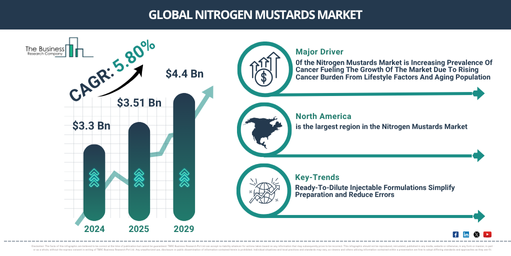
  • Nitrogen Mustards Industry Growth Expected to Reach $4.4 Billion by 2029 at a CAGR of 5.8% | Segmentation and Growth Opportunities

    Nitrogen Mustards Industry Growth Expected to Reach $4.4 Billion by 2029 at a CAGR of 5.8% | Segmentation and Growth Opportunities

    Claim your 30% discount on Global Market Reports with code ONLINE30. Limited time only.

    What Is the Forecast for the Nitrogen Mustards Market Growth in 2025?

    The market for nitrogen mustards has seen a robust expansion in recent times. It is anticipated to escalate from a value of $3.3 billion in 2024 to $3.51 billion in 2025, with a compound annual growth rate (CAGR) of 6.2%. The historic growth can be credited to the growing incidence of cancer, escalating demand for chemotherapy agents, increased knowledge about cancer treatments, greater spending on healthcare, and the increasing utilization of combination therapies.

    What Is the Forecast for the Nitrogen Mustards Market Size Through 2029?

    The market for nitrogen mustards is predicted to expand significantly in the upcoming years, reaching $4.4 billion in 2029 at a CAGR of 5.8%. This projected growth within the forecast period can be credited to an increased emphasis on targeted cancer therapies, augmented funding for research and development in oncology, approving novel formulations of nitrogen mustards, expanded availability of cancer treatment in emerging markets, and a higher adoption of personalized medicine methodologies. Key prediction trends for the forecast period comprise advancements in medication delivery systems, enhanced formulation methods for improved efficiency, innovative developments in combined chemotherapy protocols, the integration of nitrogen mustards with immunotherapy, and creative strides in pro-drug developmental strategies.

    Download The Free Sample Report Here:

    https://www.thebusinessresearchcompany.com/sample.aspx?id=24622&type=smp

    What are the Key Market Players in Nitrogen Mustards Market and How They’re Evolving?

    Major companies operating in the nitrogen mustards market are Pfizer Inc., Bristol-Myers Squibb Company, Merck & Co. Inc., Baxter International Inc., Fresenius Kabi AG, Jiangsu Hengrui Medicine Co. Ltd., Aurobindo Pharma Limited, Dr. Reddy’s Laboratories Limited, Amneal Pharmaceuticals LLC, Zydus Cadila Healthcare Limited, Zhejiang Hisun Pharmaceutical Co. Ltd., Shilpa Medicare Limited, Spectrum Chemical Manufacturing Corporation, Healthcare Advanced Synthesis, Apexbio Technology LLC, MSN Laboratories Private Limited, Actiza Pharmaceutical Private Limited, Emcure Pharmaceuticals Limited, InvivoChem LLC, NorthStar Rx LLC, ChemNet Group Limited, Saintroy Lifescience

    What Are the Primary Growth Drivers in the Nitrogen Mustards Market?

    The escalating incidence of cancer is anticipated to boost the expansion of the nitrogen mustards market in the future. Cancer refers to a range of illnesses marked by unregulated growth and distribution of abnormal body cells. Contributing lifestyle factors include poor eating habits, smoking, sedentary behavior, and excessive alcohol intake. Nitrogen mustards play an instrumental role in cancer treatment by disrupting the DNA of cancer cells, thus inhibiting their duplication. They amplify the efficacy of treatment through targeted chemotherapy, aiding in the control and reduction of tumor growth. For example, as per the Australian Institute of Health and Welfare, an Australian government body, the count of diagnosed cancer cases in Australia stood at 160,570 in 2022, exhibiting an increase of 3,789 cases from 156,781 in 2021. Consequently, the escalating prevalence of cancer underpins the expansion of the nitrogen mustards market.

    Request For A Customized Report:

    https://www.thebusinessresearchcompany.com/customise?id=24622&type=smp

    What Are the Leading Segments in the Global Nitrogen Mustards Industry?

    The nitrogen mustards market covered in this report is segmented –

    1) By Product Type: Mechlorethamine, Cyclophosphamide, Ifosfamide, Chlorambucil, Melphalan, Other Product Types

    2) By Application: Cancer Treatment, Autoimmune Diseases, Other Applications

    3) By Distribution Channel: Hospitals, Specialty Clinics, Online Pharmacies, Other Distribution Channels

    Subsegments:

    1) By Mechlorethamine: Injectable Formulation, Topical Formulation, Oral Formulation

    2) By Cyclophosphamide: Intravenous (IV) Formulation, Oral Tablets, Extended Release Formulation

    3) By Ifosfamide: Intravenous Formulation, Combination Therapy Formulation

    4) By Chlorambucil: Oral Tablets, Injectable Formulation

    5) By Melphalan: Oral Formulation, Intravenous Formulation, Powder for Injection

    6) By Other Product Types: Oral Formulation, Injectable Formulation, Combination Therapy Formulation

    What Are the Key Market Trends in the Nitrogen Mustards Industry?

    Major players in the nitrogen mustards market are directing their efforts toward inventing sophisticated drug delivery systems, such as ready-to-dilute injectable formulations. These novel developments aim to improve safety and accessibility during treatment. Ready-to-dilute injectable formulations are pre-made liquid medications that can be directly diluted and administered, thereby simplifying the preparation process and minimizing dosage mishaps. An example is the launch, in May 2025, by Apotex Corp. – a pharmaceutical firm based in Canada – of their IVRA (Melphalan) hydrochloride injection of 90 mg/ml in a multidose vial. This ready-to-dilute liquid formulation of Melphalan injection, which got approved via a 505(b)(2) new drug application (NDA) in the US, is an alkylating component purposed for the palliative care of multiple myeloma patients who are unable to receive oral therapy. IVRA controls tumor growth by attaching alkyl groups to the DNA of cancer cells, thereby interrupting their replication and causing cell death.

    Access The Full Report Here:

    https://www.thebusinessresearchcompany.com/report/nitrogen-mustards-global-market-report

    What Is the Regional Outlook for the Nitrogen Mustards Market?

    North America was the largest region in the nitrogen mustards market in 2024. The regions covered in the nitrogen mustards market report are Asia-Pacific, Western Europe, Eastern Europe, North America, South America, Middle East, Africa.

    Purchase The Full Report Today:

    https://www.thebusinessresearchcompany.com/purchaseoptions.aspx?id=24622

    This Report Delivers Insight On:

    1. How big is the nitrogen mustards market, and how is it changing globally?

    2. Who are the major companies in the nitrogen mustards market, and how are they performing?

    3. What are the key opportunities and risks in the nitrogen mustards market right now?

    4. Which products or customer segments are growing the most in the nitrogen mustards market?

    5. What factors are helping or slowing down the growth of the nitrogen mustards market?

    About The Business Research Company:

    With over 15000+ reports from 27 industries covering 60+ geographies, The Business Research Company has built a reputation for offering comprehensive, data-rich research and insights. Armed with 1,500,000 datasets, the optimistic contribution of in-depth secondary research, and unique insights from industry leaders, you can get the information you need to stay ahead in the game.

    Get in touch with us:

    The Business Research Company: https://www.thebusinessresearchcompany.com/

    Americas +1 3156230293

    Asia +44 2071930708

    Europe +44 2071930708

    Email us at info@tbrc.info

    Follow us on:

    LinkedIn: https://in.linkedin.com/company/the-business-research-company

    YouTube: https://www.youtube.com/channel/UC24_fI0rV8cR5DxlCpgmyFQ

    Global Market Model: https://www.thebusinessresearchcompany.com/global-market-model
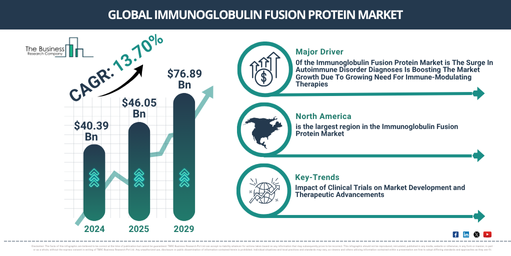
  • Immunoglobulin Fusion Protein Industry Insights 2025 – Market Forecast for Executives and Planners

    Immunoglobulin Fusion Protein Industry Insights 2025 – Market Forecast for Executives and Planners

    Claim your 30% discount on Global Market Reports with code ONLINE30. Limited time only.

    How Has the Immunoglobulin Fusion Protein Market Size Changed, over the years?

    The market size for immunoglobulin fusion protein has witnessed a quick expansion in the previous few years. The projections indicate its growth from $40.39 billion in 2024 up to $46.05 billion in 2025, with a compound annual growth rate (CAGR) of 14.0%. The growth during the historic period is a consequence of factors such as the rising prevalence of autoimmune diseases, widespread acceptance of biologics, augmented demand for targeted therapies, enhancements in diagnostic capabilities, and expanded investment in biologics research and development.

    How Much Will the Immunoglobulin Fusion Protein Market Be Worth in 2029?

    The market for immunoglobulin fusion protein is projected to experience a swift expansion in the coming years, soaring to $76.89 billion in 2029 with a compound annual growth rate (CAGR) of 13.7%. The surge in growth over this forecast period is due in part to an increasing older population, an uptick in clinical trials for fusion proteins, a higher demand for individualized medicine, regulatory incentives for rare disease drugs, and the upwards trend in home-based immunotherapy treatments. Key market trends for the forecast period include a move towards subcutaneous formulations, the application of artificial intelligence in protein design, the creation of bispecific fusion proteins, collaborations between pharmaceutical and biotech companies, and advancements in protein engineering.

    Download The Free Sample Report Here:

    https://www.thebusinessresearchcompany.com/sample.aspx?id=24568&type=smp

    Which is the Largest Company in the Immunoglobulin Fusion Protein Market?

    Major companies operating in the immunoglobulin fusion protein market are Pfizer Inc., AbbVie Inc., Bayer Aktiengesellschaft, Sanofi S.A., Bristol-Myers Squibb Company, Gilead Sciences Inc., Eli Lilly and Company, Amgen Inc., Teva Pharmaceutical Industries Limited, Regeneron Pharmaceuticals Inc., Sobi, 3SBio Inc., Innovent Biologics Inc., Chengdu Kanghong Pharmaceutical Group Co. Ltd., Samsung Bioepis Co. Ltd., Proteintech Group Inc., KRISHGEN Biosystems, Abnova (Taiwan) Corporation, Celgen Biopharma Inc., Chimerigen Laboratories LLC

    What Are the Main Market Drivers in the Immunoglobulin Fusion Protein Industry?

    The growth of the immunoglobulin fusion protein market is projected to be driven by the rising prevalence of autoimmune disorders. These conditions, in which the body’s immune system mistakenly attacks its own healthy cells and tissues, are increasingly common. This is primarily due to a mix of genetic predisposition and environmental factors, where inherited genes increase an individual’s vulnerability, while triggers like infections or lifestyle influence the onset of these disorders. Immunoglobulin fusion protein aids in handling autoimmune disorders by adjusting the immune response to lessen inflammation and stop the immune system from targeting the body’s own tissues. For example, in November 2024, according to Versorgungsatlas.de, a Germany-based entity, out of 73,241,305 insured persons in 2022, some 6,304,340 were diagnosed with at least a single autoimmune disease, equating to a raw prevalence rate of 8.61%. Consequently, the escalating occurrence of autoimmune disorders is fuelling the growth of the immunoglobulin fusion protein market.

    Request For A Customized Report:

    https://www.thebusinessresearchcompany.com/customise?id=24568&type=smp

    How Is the Immunoglobulin Fusion Protein Market Segments Structured?

    The immunoglobulin fusion protein market covered in this report is segmented –

    1) By Type: Monoclonal Antibodies, Polyclonal Antibodies, Bispecific Antibodies, Recombinant Antibodies

    2) By Drug Class: Immunosuppressive Drugs, Immunostimulatory Drugs

    3) By Mode of Administration: Intravenous, Subcutaneous, Intramuscular

    4) By Application: Autoimmune Disease, Eye Diseases, Diabetes, Hemophilia

    5)By End User: Hospitals, Clinics, Research Institutes

    Subsegments:

    1) By Monoclonal Antibodies: Human Monoclonal Antibodies, Humanized Monoclonal Antibodies, Chimeric Monoclonal Antibodies, Murine Monoclonal Antibodies

    2) By Polyclonal Antibodies: Animal-Derived Polyclonal Antibodies, Human-Derived Polyclonal Antibodies, Recombinant Polyclonal Antibodies

    3) By Bispecific Antibodies: Tandem Single-Chain Variable Fragment, Dual-Variable Domain Antibodies, Bispecific T-Cell Engagers (BiTEs), Dual-Affinity Re-Targeting Antibodies

    4) By Recombinant Antibodies: Fragment Antibodies, Full-Length Recombinant Antibodies, Antibody-Drug Conjugates (ADCs), Engineered Antibody Domains

    What Strategic Trends Are Transforming the Immunoglobulin Fusion Protein Market?

    Leading firms in the immunoglobulin fusion protein market are concentrating their efforts on clinical trials to create innovative products like bispecific antibody fusion protein to amplify therapeutic efficiency and tackle numerous disease pathways. Bispecific antibody fusion protein is a bioengineered molecule capable of binding two disparate targets simultaneously. This enhances targeted therapy by bringing tumor cells and immune cells closer or by obstructing several disease pathways simultaneously. For example, Innovent Biologics, Inc., a biotech company based in China, was granted its second Fast Track Designation from the U.S. Food and Drug Administration in February 2025 for their IBI343, a bispecific antibody fusion protein targeting advanced solid tumors. IBI343 is purposed to concurrently get hold of tumor-associated antigens and immune effector cells, thereby boosting the accuracy and power of anti-tumor immune responses. This designation is anticipated to expedite the clinical development and regulatory assessment of IBI343, indicating its potential to fulfil considerable unresolved medical needs in the field of oncology.

    Access The Full Report Here:

    https://www.thebusinessresearchcompany.com/report/immunoglobulin-fusion-protein-global-market-report

    Which Global Regions Offer the Highest Growth in the Immunoglobulin Fusion Protein Market?

    North America was the largest region in the immunoglobulin fusion proteins market in 2024. Asia-Pacific is expected to be the fastest-growing region in the forecast period. The regions covered in the immunoglobulin fusion protein market report are Asia-Pacific, Western Europe, Eastern Europe, North America, South America, Middle East, Africa.

    Purchase The Full Report Today:

    https://www.thebusinessresearchcompany.com/purchaseoptions.aspx?id=24568

    This Report Delivers Insight On:

    1. How big is the immunoglobulin fusion protein market, and how is it changing globally?

    2. Who are the major companies in the immunoglobulin fusion protein market, and how are they performing?

    3. What are the key opportunities and risks in the immunoglobulin fusion protein market right now?

    4. Which products or customer segments are growing the most in the immunoglobulin fusion protein market?

    5. What factors are helping or slowing down the growth of the immunoglobulin fusion protein market?

    About The Business Research Company:

    With over 15000+ reports from 27 industries covering 60+ geographies, The Business Research Company has built a reputation for offering comprehensive, data-rich research and insights. Armed with 1,500,000 datasets, the optimistic contribution of in-depth secondary research, and unique insights from industry leaders, you can get the information you need to stay ahead in the game.

    Get in touch with us:

    The Business Research Company: https://www.thebusinessresearchcompany.com/

    Americas +1 3156230293

    Asia +44 2071930708

    Europe +44 2071930708

    Email us at info@tbrc.info

    Follow us on:

    LinkedIn: https://in.linkedin.com/company/the-business-research-company

    YouTube: https://www.youtube.com/channel/UC24_fI0rV8cR5DxlCpgmyFQ

    Global Market Model: https://www.thebusinessresearchcompany.com/global-market-model
  • Nexletol Industry Valued at $5.35 Billion by 2029 With CAGR of 13.6% | Size and Share Insights

    Claim your 30% discount on Global Market Reports with code ONLINE30. Limited time only.

    What Is the Forecast for the Nexletol Market from 2024 to 2025?

    The market for nexletol has experienced a swift expansion in the past years. It’s anticipated to escalate from $2.81 billion in 2024 to about $3.21 billion in 2025, boasting a compound annual growth rate (CAGR) of 14.0%. The remarkable growth during the historical period was a result of the growing prevalence of hypercholesterolemia, a surge in the awareness about cardiovascular risks alongside an increased demand for alternatives to statins. The rise in cases of statin intolerance, together with an upsurge in the usage of oral lipid-reducing therapies, are also primary contributors to this growth.

    What Is the Projected Market Size of the Nexletol Market?

    The nexletol market is projected to see a substantial increase in the coming years, rising to an expected $5.35 billion in 2029, with a compound annual growth rate (CAGR) of 13.6%. The projected growth during this period can be credited to a greater emphasis on preventive health services, a rising incidence of dyslipidemia, a heightened usage of digital health solutions, expanding global market accessibility, and an increase in clinical approvals and expansions of labels. Key trends for the forecast period encompass advancements in integrating digital health for distant patient monitoring, the creation of triple mix therapies for improved LDL-C reduction, breakthroughs in personalized medicine for customizing cholesterol treatments, incorporation of telemedicine platforms to broaden patient access, and advanced clinical trials endorsing expanded label indications.

    Download The Free Sample Report Here:

    https://www.thebusinessresearchcompany.com/sample.aspx?id=24621&type=smp

    Who are the Major Competitors in the Nexletol Market Outlook?

    Major companies operating in the nexletol market are Johnson & Johnson, Merck & Co. Inc., AbbVie Inc., Bayer AG, Sanofi S.A., Bristol-Myers Squibb Company, AstraZeneca PLC, Novartis AG, GlaxoSmithKline plc, Eli Lilly and Company, Amgen Inc., Teva Pharmaceutical Industries Ltd., Daiichi Sankyo Company Limited, Sun Pharmaceutical Industries Limited, Menarini Group, Dr. Reddy’s Laboratories Limited, Zydus Lifesciences Limited, Divi’s Laboratories Limited, Esperion Therapeutics Inc., Neopharm Inc.

    What Is Fueling Growth in the Nexletol Market?

    The nexletol market is projected to expand due to the rising instances of cardiovascular diseases. These diseases encompass a range of disorders affecting the heart and blood vessels, inclusive of conditions like coronary artery disease, heart failure, and stroke. The growth in cardiovascular diseases can be attributed to increasingly inactive lifestyles, which often result in weight gain, metabolic disorders, and elevated blood pressure – all contributing to heightened risk of heart disease. Nexletol provides a significant advantage in the battle against cardiovascular diseases by lowering low-density lipoprotein (LDL) cholesterol levels. This reduction mitigates the accumulation of plaque in arteries, thereby decreasing the risk of heart attacks and other cardiovascular incidents. For example, a report published by the American Heart Association, a nonprofit organization based in the US, divulged that there had been 941,652 deaths due to cardiovascular disease (CVD) in the United States in January 2025. This figure represents over a 10,000 increase when compared to the 931,578 CVD-related deaths reported for 2021. Consequently, the escalating instances of cardiovascular diseases will power the growth of the nexletol market.

    Request For A Customized Report:

    https://www.thebusinessresearchcompany.com/customise?id=24621&type=smp

    Which Nexletol Market Segments Are Growing the Fastest?

    The nexletol market covered in this report is segmented –

    1) By Type: 180mg, Other Types

    2) By Administration Route: Oral, Injectable, Intravenous

    3) By Indication: Hyperlipidemia, Atherosclerosis, Cardiovascular Disease

    4) By End User: Hospitals, Clinics, Homecare Settings

    Subsegments:

    1) By 180 mg: Prescription-based, Over-The-Counter (OTC), Hospital or clinic use, Long-Term care facilities use

    2) By Other Types: 40 mg, 80 mg, Other doses

    Which Industry Trends Are Shaping the Future of the Nexletol Market?

    Key players in the nexletol marketplace are striving to innovate and create advanced solutions such as non-statin treatments as a new way to decrease cholesterol or manage cardiovascular risk, freeing patients from having to rely on statin medications. To illustrate, Esperion Therapeutics, a US pharmaceutical enterprise, announced in August 2022 that the American College of Cardiology (ACC) had endorsed its drug bempedoic acid (NEXLETOL). The ACC highlighted the importance of the drug as it introduces a significant oral non-statin method for lowering LDL-cholesterol (LDL-C) when dealing with atherosclerotic cardiovascular disease (ASCVD). The ACC’s Task Force on Expert Consensus Decision Pathways (ECDP) provided the endorsement, emphasizing the value of bempedoic acid for patients who cannot endure statins and solidifying its emergent importance in the field of cardiovascular healthcare.

    Access The Full Report Here:

    https://www.thebusinessresearchcompany.com/report/nexletol-global-market-report

    Which Countries Are Leading the Nexletol Market?

    North America was the largest region in the nexletol market in 2024. The regions covered in the nexletol market report are Asia-Pacific, Western Europe, Eastern Europe, North America, South America, Middle East, Africa.

    Purchase The Full Report Today:

    https://www.thebusinessresearchcompany.com/purchaseoptions.aspx?id=24621

    This Report Delivers Insight On:

    1. How big is the nexletol market, and how is it changing globally?

    2. Who are the major companies in the nexletol market, and how are they performing?

    3. What are the key opportunities and risks in the nexletol market right now?

    4. Which products or customer segments are growing the most in the nexletol market?

    5. What factors are helping or slowing down the growth of the nexletol market?

    About The Business Research Company:

    With over 15000+ reports from 27 industries covering 60+ geographies, The Business Research Company has built a reputation for offering comprehensive, data-rich research and insights. Armed with 1,500,000 datasets, the optimistic contribution of in-depth secondary research, and unique insights from industry leaders, you can get the information you need to stay ahead in the game.

    Get in touch with us:

    The Business Research Company: https://www.thebusinessresearchcompany.com/

    Americas +1 3156230293

    Asia +44 2071930708

    Europe +44 2071930708

    Email us at info@tbrc.info

    Follow us on:

    LinkedIn: https://in.linkedin.com/company/the-business-research-company

    YouTube: https://www.youtube.com/channel/UC24_fI0rV8cR5DxlCpgmyFQ

    Global Market Model: https://www.thebusinessresearchcompany.com/global-market-model
  • Market Analysis on Hypoprothrombinemia Treatment Industry – Insights for Corporate Strategy and R&D

    Claim your 30% discount on Global Market Reports with code ONLINE30. Limited time only.

    What Is the Forecast for the Hypoprothrombinemia Treatment Market from 2024 to 2025?

    In recent times, the hypoprothrombinemia treatment market has witnessed a significant expansion. The market’s value, expected to increase from $1.39 billion in 2024 to $1.52 billion in 2025, demonstrates a compound annual growth rate (CAGR) of 9.0%. The growth observed in the previous years could be linked to the rising prevalence of liver diseases, increasing instances of malabsorption syndromes, enhanced focus on coagulation disorders in critical care, improved awareness about bleeding disorders and a rise in the cases of vitamin K deficiency.

    What Is the Projected Market Size of the Hypoprothrombinemia Treatment Market?

    The market for hypoprothrombinemia treatment is forecasted to experience significant growth in the years to come. Its predictions show a growth to $2.12 billion by 2029, with a compound annual growth rate (CAGR) of 8.7%. The growth during this period is expected to be driven by an increase in the number of bleeding disorder cases, a surge in the demand for treatments that can be administered at home, advancement in healthcare facilities, the rise in specialized clinics and centers dedicated to hematology, and an increase in the application of personalized medicine. Key trends for this forecast period consist of progress in recombinant coagulation factors, genetic profiling and personalized medicine, innovative drug delivery systems, technologies for point-of-care diagnosis, artificial intelligence (AI), and data analysis.

    Download The Free Sample Report Here:

    https://www.thebusinessresearchcompany.com/sample.aspx?id=24566&type=smp

    Who are the Major Competitors in the Hypoprothrombinemia Treatment Market Outlook?

    Major companies operating in the hypoprothrombinemia treatment market are Pfizer Inc., F. Hoffmann-La Roche AG, Merck & Co. Inc, Sanofi S.A., AstraZeneca, Abbott, GlaxoSmithKline, Takeda Pharmaceuticals, Novo Nordisk A/S, Teva Pharmaceuticals, CSL Limited, Baxter International Inc., Fresenius Kabi AG, Grifols S.A., Sun Pharmaceutical Industries Ltd., Octapharma AG, Dr. Reddy’s Laboratories, Pharmascience Inc., Amphastar Pharmaceuticals Inc., Pharma Cure Laboratories

    What Is Fueling Growth in the Hypoprothrombinemia Treatment Market?

    The surge in bleeding disorders is foreseen to propel the expansion of the hypoprothrombinemia treatment market. These disorders, which cause the blood to clot inadequately, leading to excessive or sustained bleeding, are becoming more prevalent due to advanced diagnostic techniques and higher awareness levels, resulting in more precise identification and reporting. Hypoprothrombinemia treatment replenishes deficient prothrombin levels to restore a patient’s blood clotting capacity. As an example, the BMC Health Services Research reported in November 2024 that between April 2022 and March 2023, there were 6,662 males identified with hemophilia A in the UK, and 2,421 were treated with either factor replacement therapy or emicizumab. During the same period, 1,342 males were diagnosed with hemophilia B, 479 of whom were treated with factor replacement therapy. Consequently, this rising incidence of bleeding disorders is anticipated to fuel the growth of the hypoprothrombinemia treatment market. The Anticipated Upward Trajectory Of The Market Due To The Use Of Cost-Effective Biosimilars

    Request For A Customized Report:

    https://www.thebusinessresearchcompany.com/customise?id=24566&type=smp

    Which Hypoprothrombinemia Treatment Market Segments Are Growing the Fastest?

    The hypoprothrombinemia treatment market covered in this report is segmented –

    1) By Type: Type I Deficiency Treatment, Type II Deficiency Treatment

    2) By Drug Type: Vitamin K, Fresh Frozen Plasma, Prothrombin Complex Concentrates, Recombinant Prothrombin

    3) By Indication Based: Vitamin K Deficiency, Liver Diseases, Cirrhosis, Hepatitis, Anticoagulant related Hypoprothrombinemia, Genetic Disorders, Malabsorption Syndromes

    4) By Drug Delivery Method: Oral Delivery, Injectable Delivery, Intravenous, Intramuscular, Transfusion Based Delivery

    5) By End User: Hospitals, Speciality Clinics, Homecare Settings

    Subsegment:

    1) By Type I Deficiency Treatment: Prothrombin Complex Concentrates (PCCs), Fresh Frozen Plasma (FFP), Recombinant Prothrombin, Plasma-derived Coagulation Factors

    2) By Type II Deficiency Treatment: Vitamin K Therapy, Warfarin Reversal Agents, Liver Function Supportive Therapy, Anticoagulant Adjustment Therapies

    Which Industry Trends Are Shaping the Future of the Hypoprothrombinemia Treatment Market?

    Large firms in the hypoprothrombinemia treatment space are concentrating on developing original treatments, like the non-activated four-factor prothrombin complex concentrate, with an intention to quickly boost clotting factor levels and minimize bleeding hazards for individuals needing immediate reversal of anticoagulation. The non-activated four-factor prothrombin complex concentrate (4F-PCC), a plasma-based therapy inclusive of clotting factors II, VII, IX, and X, is utilized to promptly counteract the effects of vitamin K antagonists and also to address bleeding issues synonymous with hypoprothrombinemia. To illustrate, Octapharma USA, a subsidiary of Octapharma AG based in the US, initiated Balfaxar in January 2024 – a recently FDA-endorsed non-activated four-factor prothrombin complex concentrate (4F-PCC). This treatment, which is rich in both vital vitamin K-reliant clotting factors and antithrombotic proteins, is a significant development in the management of hypoprothrombinemia.

    Access The Full Report Here:

    https://www.thebusinessresearchcompany.com/report/hypoprothrombinemia-treatment-global-market-report

    Which Countries Are Leading the Hypoprothrombinemia Treatment Market?

    North America was the largest region in the hypoprothrombinemia treatment market in 2024. Asia-Pacific is expected to be the fastest-growing region in the forecast period. The regions covered in the hypoprothrombinemia treatment market report are Asia-Pacific, Western Europe, Eastern Europe, North America, South America, Middle East, Africa.

    Purchase The Full Report Today:

    https://www.thebusinessresearchcompany.com/purchaseoptions.aspx?id=24566

    This Report Delivers Insight On:

    1. How big is the hypoprothrombinemia treatment market, and how is it changing globally?

    2. Who are the major companies in the hypoprothrombinemia treatment market, and how are they performing?

    3. What are the key opportunities and risks in the hypoprothrombinemia treatment market right now?

    4. Which products or customer segments are growing the most in the hypoprothrombinemia treatment market?

    5. What factors are helping or slowing down the growth of the hypoprothrombinemia treatment market?

    About The Business Research Company:

    With over 15000+ reports from 27 industries covering 60+ geographies, The Business Research Company has built a reputation for offering comprehensive, data-rich research and insights. Armed with 1,500,000 datasets, the optimistic contribution of in-depth secondary research, and unique insights from industry leaders, you can get the information you need to stay ahead in the game.

    Get in touch with us:

    The Business Research Company: https://www.thebusinessresearchcompany.com/

    Americas +1 3156230293

    Asia +44 2071930708

    Europe +44 2071930708

    Email us at info@tbrc.info

    Follow us on:

    LinkedIn: https://in.linkedin.com/company/the-business-research-company

    YouTube: https://www.youtube.com/channel/UC24_fI0rV8cR5DxlCpgmyFQ

    Global Market Model: https://www.thebusinessresearchcompany.com/global-market-model

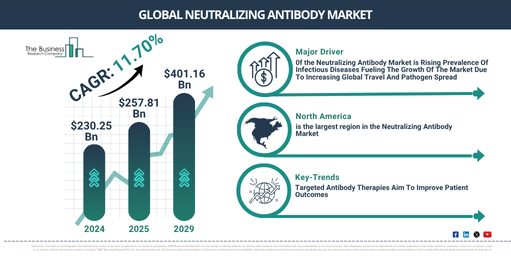
  • Neutralizing Antibody Market to Reach $401.16 Billion by 2029 | Key Drivers and Future Outlook

    Neutralizing Antibody Market to Reach $401.16 Billion by 2029 | Key Drivers and Future Outlook

    Claim your 30% discount on Global Market Reports with code ONLINE30. Limited time only.

    What Is the Growth Rate of the Neutralizing Antibody Market?

    In recent times, the market size for neutralizing antibodies has experienced a significant expansion. It is expected to develop from a value of $230.25 billion in 2024 up to $257.81 billion in 2025, with a compound annual growth rate (CAGR) of 12.0%. This surge during the historic period can be traced back to factors such as an increase in the approval of biologics, a growing investment in antibody research, an escalating prevalence of perennial viral infections, a higher consciousness about immunotherapy, and a rise in healthcare expenditure.

    What Growth Rate Is Forecasted for the Neutralizing Antibody Market by 2029?

    The market size of neutralizing antibodies is poised to experience a swift surge in the coming years, with projections suggesting it will reach $401.16 billion in 2029, boasting a compound annual growth rate (CAGR) of 11.7%. The escalation during this forecast period can be traced back to the augmenting incidence of novel infectious diseases, elevation in autoimmune disorders, the evolving pipeline for antibody-based therapeutic measures, the mounting requirement for precision medicine, and a spike in the demand for targeted therapies. The forecast period also witnesses some major trends such as a tilt towards bispecific and multispecific antibodies, the application of artificial intelligence (AI) in the discovery of antibodies, progression in antibody-drug conjugates, the expanding usage of plant-production of antibodies, and an increase in customized immunotherapies.

    Download The Free Sample Report Here:

    https://www.thebusinessresearchcompany.com/sample.aspx?id=24620&type=smp

    Which Key Companies Are Shaping the Future of the Neutralizing Antibody Market?

    Major companies operating in the neutralizing antibody market are Pfizer Inc., Johnson & Johnson, Roche Holding AG, Merck & Co. Inc., AstraZeneca PLC, Sanofi SA, GlaxoSmithKline plc, Eli Lilly and Company, Regeneron Pharmaceuticals Inc., GeNext Genomics, Celltrion Healthcare Co. Ltd, BeiGene Ltd, AbCellera Biologics Inc., BMC Pharmacology and Toxicology, Anthos Therapeutics, Immunome Inc., Sorrento Therapeutics Inc., Tonix Pharmaceuticals, Abwiz Bio, AXIM Biotechnologies.

    Which Factors Are Driving Demand in the Neutralizing Antibody Industry?

    The growth of the neutralizing antibody market is projected to be driven by the increasing occurrence of infectious diseases. These diseases, which are caused by harmful organisms like bacteria, viruses, fungi, or parasites, can be transmitted either directly or indirectly from one individual to another. The surge in infectious diseases can be attributed to increased travel, which allows disease-causing pathogens to swiftly penetrate borders. Neutralizing antibodies contribute to the treatment of infectious diseases by accurately identifying and neutralizing pathogens, thus acting as an effective barrier against disease progression. They enhance patient prognosis by delivering accurate and prompt immune response. For example, the UK Health Security Agency, a UK government institution, reported in February 2024 that tuberculosis cases (a transmittable bacterial infection mainly impacting the lungs) in England increased by 10.7% from 4,380 in 2022 to 4,850 in 2023. Consequently, the escalating occurrence of infectious diseases is fostering the growth of the neutralizing antibody market.

    Request For A Customized Report:

    https://www.thebusinessresearchcompany.com/customise?id=24620&type=smp

    How Is the Neutralizing Antibody Market Segmented by Several Divisions?

    The neutralizing antibody market covered in this report is segmented –

    1) By Antibody Type: Monoclonal Antibodies, Polyclonal Antibodies

    2) By Target Virus: SARS-CoV-2 (COVID-19), Human Immunodeficiency Viruses (HIV), Influenza, Ebola, Zika, Hepatitis C, Other Target Viruses

    3) By Distribution Channel: Direct Sales To End-Users, Distributors, Online Retail, Other Distribution Channels

    4) By Application: Therapeutics, Diagnostics, Research And Development

    5) By End User: Hospitals And Clinics, Research Institutes, Diagnostic Laboratories, Pharmaceutical Companies, Other End Users

    Subsegments:

    1) By Monoclonal Antibodies: Fully Human Monoclonal Antibodies, Humanized Monoclonal Antibodies, Chimeric Monoclonal Antibodies, Murine Monoclonal Antibodies

    2) By Polyclonal Antibodies: Animal-Derived Polyclonal Antibodies, Recombinant Polyclonal Antibodies, Human Polyclonal Antibody Preparations

    What are the Emerging Market Trends Driving the Growth of the Neutralizing Antibody Industry?

    Key players in the neutralizing antibody market are concentrating their efforts on creating cutting-edge therapeutic methods like targeted therapies, with the aim to effectively neutralize viruses and inhibit their invasion into human cells, therefore battling infectious diseases. Targeted therapies are treatments that aim specifically at molecular markers or pathways that contribute to the expansion and survival of disease-inducing cells, like cancer cells or viruses. For example, Eli Lilly and Company, an American pharmaceutical firm, was granted an Emergency Use Authorization (EUA) by the U.S. Food and Drug Administration (FDA) for Bebtelovimab, a neutralizing monoclonal antibody therapy specifically for COVID-19, in February 2022. Bebtelovimab is formulated to address mild to moderate COVID-19 in patients who are susceptible to advancing to severe illness, encompassing hospitalization or death. This approval facilitates expedient treatment in the face of rising viral variants, thereby promoting strategies to lessen disease severity and enhance patient prognosis.

    Access The Full Report Here:

    https://www.thebusinessresearchcompany.com/report/neutralizing-antibody-global-market-report

    Which Regions Are Driving Growth in the Neutralizing Antibody Market?

    North America was the largest region in the neutralizing antibody market in 2024. Asia-Pacific is expected to be the fastest-growing region in the forecast period. The regions covered in the neutralizing antibody market report are Asia-Pacific, Western Europe, Eastern Europe, North America, South America, Middle East, Africa.

    Purchase The Full Report Today:

    https://www.thebusinessresearchcompany.com/purchaseoptions.aspx?id=24620

    This Report Delivers Insight On:

    1. How big is the neutralizing antibody market, and how is it changing globally?

    2. Who are the major companies in the neutralizing antibody market, and how are they performing?

    3. What are the key opportunities and risks in the neutralizing antibody market right now?

    4. Which products or customer segments are growing the most in the neutralizing antibody market?

    5. What factors are helping or slowing down the growth of the neutralizing antibody market?

    About The Business Research Company:

    With over 15000+ reports from 27 industries covering 60+ geographies, The Business Research Company has built a reputation for offering comprehensive, data-rich research and insights. Armed with 1,500,000 datasets, the optimistic contribution of in-depth secondary research, and unique insights from industry leaders, you can get the information you need to stay ahead in the game.

    Get in touch with us:

    The Business Research Company: https://www.thebusinessresearchcompany.com/

    Americas +1 3156230293

    Asia +44 2071930708

    Europe +44 2071930708

    Email us at info@tbrc.info

    Follow us on:

    LinkedIn: https://in.linkedin.com/company/the-business-research-company

    YouTube: https://www.youtube.com/channel/UC24_fI0rV8cR5DxlCpgmyFQ

    Global Market Model: https://www.thebusinessresearchcompany.com/global-market-model

  • Hypoparathyroidism Forecast Report – Designed for Decision Makers and Product Teams

    Claim your 30% discount on Global Market Reports with code ONLINE30. Limited time only.

    What Is the Growth Rate of the Hypoparathyroidism Market?

    The market for hypoparathyroidism has seen robust expansion in the past few years. The market, which was projected at $0.95 billion in 2024, is anticipated to reach $1.03 billion in 2025 with an 8.6% compound annual growth rate (CAGR). This substantial increase during the historic period can be traced back to the growth in the number of thyroid surgeries, enhanced awareness about hypoparathyroidism, a climb in post-surgical complications, expanding demand for supplements of calcium and vitamin D, and an amplified emphasis on managing endocrine disorders.

    What Growth Rate Is Forecasted for the Hypoparathyroidism Market by 2029?

    The market for hypoparathyroidism is projected to experience significant expansion in the coming years, with forecasts predicting an increase to $1.42 billion by 2029, representing a compound annual growth rate (CAGR) of 8.3%. The upcoming growth can be linked to the increased uptake of recombinant parathyroid hormone therapies, more funds being directed towards hypoparathyroidism research, improvements in healthcare infrastructure, a growing older population susceptible to endocrine conditions, and heightened initiatives for awareness and early detection. The period under forecast is set to witness major trends like progress in parathyroid hormone therapies, cutting-edge diagnostic methods for hypoparathyroidism, production of sustained-release calcium supplements, breakthroughs in minimally invasive thyroid surgery, and progress in patient monitoring technologies.

    Download The Free Sample Report Here:

    https://www.thebusinessresearchcompany.com/sample.aspx?id=24565&type=smp

    Which Key Companies Are Shaping the Future of the Hypoparathyroidism Market?

    Major companies operating in the hypoparathyroidism market are Pfizer Inc., F. Hoffmann-La Roche Ltd., Merck & Co Inc., AbbVie Inc., Sanofi S.A., Novartis AG, GlaxoSmithKline plc , Takeda Pharmaceutical Company Limited, Eli Lilly and Company, Amgen Inc., Teva Pharmaceutical Industries Ltd., Dr. Reddy’s Laboratories Ltd., Cipla Limited , Lupin Limited, Torrent Pharmaceuticals Ltd., Eagle Pharmaceuticals Inc., BridgeBio Pharma Inc., Ascendis Pharma A/S, Extend Biosciences Inc., Entera Bio Ltd.

    Which Factors Are Driving Demand in the Hypoparathyroidism Industry?

    The growth of the hypoparathyroidism market is foreseen to be driven by the rise in thyroid cancer incidences. Thyroid cancer occurs when abnormal cells multiply in the thyroid gland, creating a noticeable lump in the neck. The rise in thyroid cancer cases is attributed to improvements in diagnostic imaging technologies. These technologies facilitate the early and frequent detection of small thyroid nodules, even when they don’t cause symptoms. The progression of thyroid cancer exacerbates hypoparathyroidism due to increased requirements for thyroid surgeries. These surgeries can unintentionally harm the parathyroid glands, causing a calcium imbalance and a persistent shortage of hormones, which necessitates the need for long-term disease management strategies. For example, data from the US-based non-profit organization, ‘the American Cancer Society’, showed that the number of new thyroid cancer cases rose to 44,020 in 2025, up from 43,720 in 2023. Hence, the growth of the hypoparathyroidism market is being propelled by the escalating thyroid cancer incidences.

    Request For A Customized Report:

    https://www.thebusinessresearchcompany.com/customise?id=24565&type=smp

    How Is the Hypoparathyroidism Market Segmented by Several Divisions?

    The hypoparathyroidism market covered in this report is segmented –

    1) By Treatment: Hormone Replacement Therapy, Adjunctive Therapies

    2) By Type: Hormone Replacement Therapy, Calcium And Vitamin D Supplements, Emerging Therapies

    3) By Route Of Administration: Oral, Parenteral

    4) By Distribution Channel: Hospital Pharmacy, Retail Pharmacy, Online Pharmacy

    5) By End User: Hospitals, Specialty Clinics, Homecare Settings

    Subsegments:

    1) By Hormone Replacement Therapy: Recombinant Parathyroid Hormone, Parathyroid Hormone Analogues, Calcimimetics, Calcium And Vitamin D Supplements

    2) By Adjunctive Therapies: Magnesium Supplements, Phosphate Binders, Other Supportive Therapies

    What are the Emerging Market Trends Driving the Growth of the Hypoparathyroidism Industry?

    Leading corporations in the hypoparathyroidism market are directing their efforts towards the creation of products based on advanced technology, such as transition technology, in order to improve treatment efficiency and enhance patient results. TransCon (Transient Conjugation) technology is being utilized for the development of these products as it aids in optimized drug delivery. Ascendis Pharma A/S, a biopharmaceutical firm based in Denmark, for instance, introduced YORVIPATH (palopegteriparatide), its second product based on TransCon technology, in Germany and Austria in January 2024. This product aims to address chronic hypoparathyroidism in adults by maintaining physiological PTH levels over a 24 hour period, with its once-daily administration.

    Access The Full Report Here:

    https://www.thebusinessresearchcompany.com/report/hypoparathyroidism-global-market-report

    Which Regions Are Driving Growth in the Hypoparathyroidism Market?

    North America was the largest region in the hypoparathyroidism market in 2024. Asia-Pacific is expected to be the fastest-growing region in the forecast period. The regions covered in the hypoparathyroidism market report are Asia-Pacific, Western Europe, Eastern Europe, North America, South America, Middle East, Africa.

    Purchase The Full Report Today:

    https://www.thebusinessresearchcompany.com/purchaseoptions.aspx?id=24565

    This Report Delivers Insight On:

    1. How big is the hypoparathyroidism market, and how is it changing globally?

    2. Who are the major companies in the hypoparathyroidism market, and how are they performing?

    3. What are the key opportunities and risks in the hypoparathyroidism market right now?

    4. Which products or customer segments are growing the most in the hypoparathyroidism market?

    5. What factors are helping or slowing down the growth of the hypoparathyroidism market?

    About The Business Research Company:

    With over 15000+ reports from 27 industries covering 60+ geographies, The Business Research Company has built a reputation for offering comprehensive, data-rich research and insights. Armed with 1,500,000 datasets, the optimistic contribution of in-depth secondary research, and unique insights from industry leaders, you can get the information you need to stay ahead in the game.

    Get in touch with us:

    The Business Research Company: https://www.thebusinessresearchcompany.com/

    Americas +1 3156230293

    Asia +44 2071930708

    Europe +44 2071930708

    Email us at info@tbrc.info

    Follow us on:

    LinkedIn: https://in.linkedin.com/company/the-business-research-company

    YouTube: https://www.youtube.com/channel/UC24_fI0rV8cR5DxlCpgmyFQ

    Global Market Model: https://www.thebusinessresearchcompany.com/global-market-model

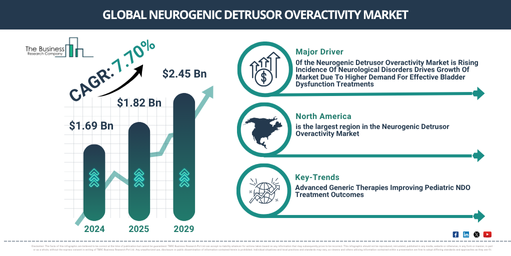
  • Neurogenic Detrusor Overactivity Market Size to Exceed $2.45 Billion by 2029 | Growth and Industry Trends

    Neurogenic Detrusor Overactivity Market Size to Exceed $2.45 Billion by 2029 | Growth and Industry Trends

    Claim your 30% discount on Global Market Reports with code ONLINE30. Limited time only.

    How Has the Neurogenic Detrusor Overactivity Market Grown from 2024 to 2025?

    In the past few years, the market for neurogenic detrusor overactivity has seen significant growth. It is expected to expand from a size of $1.69 billion in 2024 to $1.82 billion in 2025, experiencing a compound annual growth rate (CAGR) of 7.9%. The expansion during the historic period can be linked to several factors. These include a growing number of neurological disorder cases, heightened awareness among healthcare professionals, increasing use of pharmaceutical remedies, development of hospital and clinic facilities, and a surge in the rates of diagnosis.

    What Growth Rate Is Anticipated for the Neurogenic Detrusor Overactivity Market in the Coming Years?

    The market size for neurogenic detrusor overactivity is projected to experience robust growth in the forthcoming years, expected to hit $2.45 billion in 2029 with a compound annual growth rate (CAGR) of 7.7%. This predicted growth during the forecast period is due to factors such as an increasing elderly population, a rise in occurrences of spinal cord injuries, heightened healthcare spending, broadening of minimally invasive treatment alternatives, and the elevation in patient knowledge and education. Key trends observed within the forecast period are advancements in stem cell methodologies, innovation in drug delivery systems, progression in neuromodulation devices, R&D in bespoke medicine, and advances in minimally invasive techniques.

    Download The Free Sample Report Here:

    https://www.thebusinessresearchcompany.com/sample.aspx?id=24619&type=smp

    Who Are the Leading Companies in the Neurogenic Detrusor Overactivity Market?

    Major companies operating in the neurogenic detrusor overactivity market are Pfizer Inc., Johnson & Johnson Services Inc., AbbVie Inc., Sanofi S. A., Medtronic plc, Teva Pharmaceutical Industries Ltd., Astellas Pharma Inc., Intas Pharmaceuticals Ltd., Macleods Pharmaceuticals Ltd., Sun Pharmaceutical Industries, Apotex Inc., Viatris Inc., Sumitomo Pharma America Inc., Galderma, Ipsen, Coloplast A/S, Aurobindo Pharma Limited, Hisamitsu Pharmaceutical Co. Inc., Kaken Pharmaceutical Co. Ltd., Hugel Inc.

    What Are the Key Drivers of the Neurogenic Detrusor Overactivity Market?

    The neurogenic detrusor overactivity market is projected to expand due to the increasing prevalence of neurological disorders. These disorders, which impact the brain, nerves, or spinal cord, can lead to issues with cognition, sensation, movement, or other bodily functions. The rate of neurological disorders is on the rise as longevity increases, which ups the probability of age-associated cerebral deterioration. Neurogenic detrusor overactivity, commonly tied to neurological disorders such as Parkinson’s disease, multiple sclerosis, and spinal cord injuries, is a type of bladder malfunction. These ailments interrupt the normal nerve communication pathway from the brain to the bladder, which can result in involuntary bladder contractions. For example, a study published by the American Academy of Neurology (AAN) in April 2024 estimated that the global count of brain disorders will reach 4.9 billion cases by 2050, marking a 22% surge from the roughly 4 billion cases in 2021. Consequently, the escalating prevalence of neurological disorders is propelling the growth in the neurogenic detrusor overactivity market.

    Request For A Customized Report:

    https://www.thebusinessresearchcompany.com/customise?id=24619&type=smp

    What Are the Key Market Segments in the Neurogenic Detrusor Overactivity Industry?

    The neurogenic detrusor overactivity market covered in this report is segmented –

    1) By Types: Non-Surgical Treatment, Surgical Treatment, Follow-Up Treatment

    2) By Application: Adult, Child

    3) By End-User: Hospitals, Urology Clinics, Rehabilitation Centers, Private Practices, Long-Term Care Facilities

    Subsegments:

    1) By Non-Surgical Treatment: Antimuscarinic Drugs, Beta-3 Adrenergic Agonists, Behavioral Therapy, Neuromodulation, Clean Intermittent Catheterization, Intravesical Therapies

    2) By Surgical Treatment: Botulinum Toxin Injection, Augmentation Cystoplasty, Urinary Diversion, External Sphincterotomy, Artificial Urinary Sphincter Implantation

    3) By Follow-Up Treatment: Urodynamic Evaluation, Ultrasound Monitoring, Laboratory Tests, Ongoing Catheterization, Repeat Botulinum Toxin Injections, Patient and Caregiver Training, Quality of Life Assessment

    What Are the Latest Trends in the Neurogenic Detrusor Overactivity Market?

    Companies leading the neurogenic detrusor overactivity (NDO) treatment market are pouring their resources into the development of advanced generic therapies like beta-3 adrenergic receptor agonists, in a bid to provide cost-effective bladder control remedies. This class of medicines, including mirabegron, work by relaxing the bladder’s detrusor muscle which ultimately expands the bladder’s capacity while diminishing such symptoms as urgency and incontinence. For example, in April 2024, the U.S. Food and Drug Administration (USFDA) gave its approval to Lupin Ltd., a pharmaceutical firm based in India, for the introduction of Mirabegron, the generic counterpart of Myrbetriq, into the U.S. market. Mirabegron, which is a progressive, once-daily, oral therapy, presents a practical and efficient treatment alternative for overactive bladder (OAB) and NDO within paediatric demographics. This endorsement from the USFDA further strengthens Lupin Ltd.’s dedication towards widening the availability of affordable, top-quality generic medicines in essential therapeutic fields.

    Access The Full Report Here:

    https://www.thebusinessresearchcompany.com/report/neurogenic-detrusor-overactivity-global-market-report

    What Are the Key Regional Markets in the Neurogenic Detrusor Overactivity Industry?

    North America was the largest region in the neurogenic detrusor overactivity market in 2024. The regions covered in the neurogenic detrusor overactivity market report are Asia-Pacific, Western Europe, Eastern Europe, North America, South America, Middle East, Africa.

    Purchase The Full Report Today:

    https://www.thebusinessresearchcompany.com/purchaseoptions.aspx?id=24619

    This Report Delivers Insight On:

    1. How big is the neurogenic detrusor overactivity market, and how is it changing globally?

    2. Who are the major companies in the neurogenic detrusor overactivity market, and how are they performing?

    3. What are the key opportunities and risks in the neurogenic detrusor overactivity market right now?

    4. Which products or customer segments are growing the most in the neurogenic detrusor overactivity market?

    5. What factors are helping or slowing down the growth of the neurogenic detrusor overactivity market?

    About The Business Research Company:

    With over 15000+ reports from 27 industries covering 60+ geographies, The Business Research Company has built a reputation for offering comprehensive, data-rich research and insights. Armed with 1,500,000 datasets, the optimistic contribution of in-depth secondary research, and unique insights from industry leaders, you can get the information you need to stay ahead in the game.

    Get in touch with us:

    The Business Research Company: https://www.thebusinessresearchcompany.com/

    Americas +1 3156230293

    Asia +44 2071930708

    Europe +44 2071930708

    Email us at info@tbrc.info

    Follow us on:

    LinkedIn: https://in.linkedin.com/company/the-business-research-company

    YouTube: https://www.youtube.com/channel/UC24_fI0rV8cR5DxlCpgmyFQ

    Global Market Model: https://www.thebusinessresearchcompany.com/global-market-model