Category: Pharmaceuticals

  • Fibrate Drugs Market Trends Report 2025 – For Business Development and Strategy Teams

    Fibrate Drugs Market Trends Report 2025 – For Business Development and Strategy Teams

    Claim your 30% discount on Global Market Reports with code ONLINE30. Limited time only.

    What Is the Forecast for the Fibrate Drugs Market Growth in 2025?

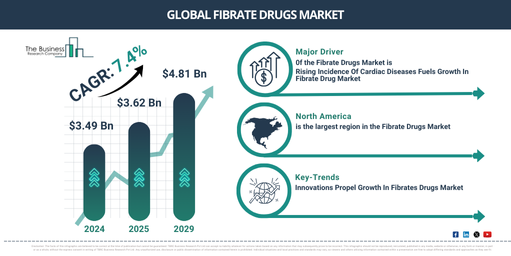
    The market size for fibrate drugs has consistently increased over the past few years. It’s projected to escalate from $3.49 billion in 2024 to $3.62 billion in 2025, exhibiting a compound annual growth rate (CAGR) of 3.8%. The appreciating trend during the historical period is accredited to factors such as the rise of lipid management, emphasis on cholesterol management, clinical studies and trials, cardiovascular risk mitigation, and the advent of combination therapies.

    What Is the Forecast for the Fibrate Drugs Market Size Through 2029?

    The market size for fibrate medications is projected to witness significant expansion in the upcoming years. The estimated growth is anticipated to reach $4.81 billion by 2029, with a compound annual growth rate (CAGR) of 7.4%. Factors contributing to this growth during the projected period include advancements in treatment protocols, attention to residual risk, developments in precision medicine, and innovation in drug delivery methods. Key trends predicted for the forecasted period involve alternate formulations, the inclusion of telemedicine, focusing on high-risk groups with fibrates, managing triglyceride levels, and an increased focus on boosting hdl.

    Download The Free Sample Report Here:

    https://www.thebusinessresearchcompany.com/sample.aspx?id=11932&type=smp

    What are the Key Market Players in Fibrate Drugs Market and How They’re Evolving?

    Major companies operating in the fibrate drugs market include Pfizer Inc., F. Hoffmann-La Roche AG, Merck & Co Inc., AbbVie Inc., Bayer AG, Novartis AG, Sanofi SA, Kowa Company Ltd., Bristol-Myers Squibb Co, Abbott Laboratories, AstraZeneca plc, GlaxoSmithKline Plc, Takeda Pharmaceutical Company, Boehringer Ingelheim International GmbH, Teva Pharmaceutical Industries Ltd., Mylan N.V., Daiichi Sankyo Co Ltd., Macleods Pharmaceuticals Ltd., Sun Pharmaceutical Industries Ltd., Dr. Reddy’s Laboratories Ltd., Aurobindo Pharma Limited, Cipla Inc., Zydus Lifesciences Ltd, Lupin Limited, Glenmark Pharmaceuticals, Torrent Pharmaceuticals Ltd., Natco Pharma, Hetero Drugs Ltd

    What Are the Primary Growth Drivers in the Fibrate Drugs Market?

    The rise in cardiac diseases is anticipated to stimulate the expansion of the fibrate drug market. These cardiac conditions cover a spectrum of ailments impacting the heart and blood vessels, encompassing diseases such as coronary and congenital heart diseases among others. Fibrates play a pivotal role in averting subsequent heart attacks and strokes in patients with existing circulatory system conditions, thereby bolstering the fibrate drug market. For instance, data from the Singapore Heart Foundation (SHF), a non-profit organization based in Singapore, revealed a slight increase in deaths from ischemic heart diseases with 5,302 deaths in May 2024 up from 5,290 in 2022. Furthermore, deaths attributed to hypertensive diseases also saw a rise from 3.4% in 2021 to 3.7% in 2022. Hence, the escalating prevalence of cardiac diseases is fueling the growth of the fibrate drug market.

    Request For A Customized Report:

    https://www.thebusinessresearchcompany.com/customise?id=11932&type=smp

    What Are the Leading Segments in the Global Fibrate Drugs Industry?

    The fibrate drugs market covered in this report is segmented –

    1) By Drug Type: Clofibrate, Fenofibrates, Fenofibric Acids, Gemfibrozil, Other Drugs

    2) By Indication: Hypercholesterolemia, Heart Attacks, Other Indications

    3) By Distribution Channel: Hospital Pharmacy, Online Pharmacy, Retail Pharmacy

    4) By End User: Hospitals, Homecare, Specialty Clinics, Other End Users

    Subsegments:

    1) By Clofibrate: Standard Clofibrate, Combination Products

    2) By Fenofibrates: Fenofibrate Capsules, Fenofibrate Tablets, Combination Products

    3) By Fenofibric Acids: Fenofibric Acid Capsules, Combination Products

    4) By Gemfibrozil: Standard Gemfibrozil, Combination Products

    5) By Other Drugs: Other Fibrate Formulations, Emerging Fibrate Drugs

    What Are the Key Market Trends in the Fibrate Drugs Industry?

    Leading businesses in the fibrate drugs industry are concentrating on the creation of innovative strategies such as fixed-dose combinations to maintain their market supremacy. Fixed-dose combinations represent a drug formula containing two or more active substances in one dose, facilitating easier administration and possibly better treatment results. For instance, in May 2023, Intercept Pharmaceuticals Inc., a bio-pharmaceutical corporation situated in the US, was granted orphan drug status by the U.S. Food and Drug Administration (FDA) for its fixed-dose amalgamation of obeticholic acid (OCA) and bezafibrate. This concoction, an activator of the peroxisome proliferator-activated receptor (PPAR), is being examined for the prospective treatment of patients with primary biliary cholangitis (PBC). Intercept markets OCA, an inducer of the farnesoid X receptor (FXR), under the brand name Ocaliva for PBC therapy in the US, while bezafibrate, a universal PPAR activator, is yet to be approved in the United States for any use.

    Access The Full Report Here:

    https://www.thebusinessresearchcompany.com/report/fibrate-drugs-global-market-report

    What Is the Regional Outlook for the Fibrate Drugs Market?

    North America was the largest region in the fibrate drugs market in 2024. The regions covered in the fibrate drugs market report are Asia-Pacific, Western Europe, Eastern Europe, North America, South America, Middle East, Africa.

    Purchase The Full Report Today:

    https://www.thebusinessresearchcompany.com/purchaseoptions.aspx?id=11932

    This Report Delivers Insight On:

    1. How big is the fibrate drugs market, and how is it changing globally?

    2. Who are the major companies in the fibrate drugs market, and how are they performing?

    3. What are the key opportunities and risks in the fibrate drugs market right now?

    4. Which products or customer segments are growing the most in the fibrate drugs market?

    5. What factors are helping or slowing down the growth of the fibrate drugs market?

    About The Business Research Company:

    With over 15000+ reports from 27 industries covering 60+ geographies, The Business Research Company has built a reputation for offering comprehensive, data-rich research and insights. Armed with 1,500,000 datasets, the optimistic contribution of in-depth secondary research, and unique insights from industry leaders, you can get the information you need to stay ahead in the game.

    Get in touch with us:

    The Business Research Company: https://www.thebusinessresearchcompany.com/

    Americas +1 3156230293

    Asia +44 2071930708

    Europe +44 2071930708

    Email us at info@tbrc.info

    Follow us on:

    LinkedIn: https://in.linkedin.com/company/the-business-research-company

    YouTube: https://www.youtube.com/channel/UC24_fI0rV8cR5DxlCpgmyFQ

    Global Market Model: https://www.thebusinessresearchcompany.com/global-market-model
  • Extended-Release Drugs Market Trends Report 2025 – For Business Development and Strategy Teams

    Extended-Release Drugs Market Trends Report 2025 – For Business Development and Strategy Teams

    Claim your 30% discount on Global Market Reports with code ONLINE30. Limited time only.

    What Is the Forecast for the Extended-Release Drugs Market Growth in 2025?

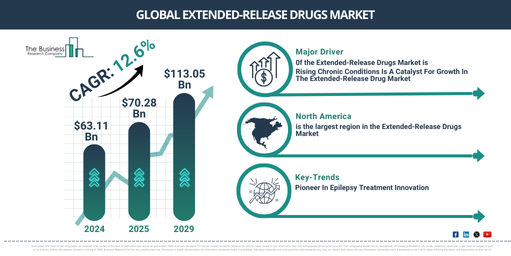
    There has been significant expansion in the market size of extended-release drugs in the past few years. The market is expected to rise from a value of $63.11 billion in 2024 to reach $70.28 billion in 2025, indicating a compound annual growth rate (CAGR) of 11.4%. Factors contributing to this growth during the historical period include improvements in patient compliance, increased prevalence of chronic diseases, enhanced efficacy, strategic patent protection, and the introduction of biodegradable implants.

    What Is the Forecast for the Extended-Release Drugs Market Size Through 2029?

    In the coming years, the extended-release drugs market is predicted to witness swift expansion. The market size is projected to reach $113.05 billion by 2029, with a compound annual growth rate (CAGR) of 12.6%. Factors contributing to this growth during the forecast period include the introduction of personalized medicine, a focus on patient-centric drug development, an increased prevalence of lifestyle-related diseases, drug repurposing, and worldwide access to extended-release treatments. Key trends anticipated within the forecast period comprise pharmaceutical innovation, advances in drug delivery systems, and nanotechnology, the use of 3d printing in drug formulation, artificial intelligence integration, and environmental sustainability.

    Download The Free Sample Report Here:

    https://www.thebusinessresearchcompany.com/sample.aspx?id=12675&type=smp

    What are the Key Market Players in Extended-Release Drugs Market and How They’re Evolving?

    Major companies operating in the extended-release drugs market include Pfizer Inc., AbbVie Inc., Novartis AG, Sanofi SA, GlaxoSmithKline PLC, AstraZeneca Plc, Gilead Sciences Inc., Boehringer Ingelheim International GmbH, Viatris Inc., Teva Pharmaceuticals Inc., Eastman Chemical Company, Catalent Pharma Solutions Inc., Sun Pharmaceutical Industries Limited, Purdue Pharma LP, Amneal Pharmaceuticals Inc., Endo Pharmaceuticals Inc., Mallinckrodt LLC, Allergan plc, Hisamitsu Pharmaceutical Co. Inc., Janssen Pharmaceuticals Inc., Noven Pharmaceuticals Inc., Mayne Pharma Group Ltd., Neos Therapeutics Inc., Ardena Holding NV, UPM Pharmaceuticals Inc., Oakwood Laboratories LLC, Roxane Laboratories Inc., Lavipharm Laboratories Inc., Watson Pharmaceuticals Inc.

    What Are the Primary Growth Drivers in the Extended-Release Drugs Market?

    The accelerated growth of the extended-release drug market is predicted to be driven by a rising prevalence of chronic illnesses. Chronic conditions are characterized as ailments that persist for 12 months or more, requiring ongoing medical attention, limiting daily activities, or both. Illnesses such as heart disease, cancer, obesity, and diabetes fall into this category. Extended-release drug delivery systems have been developed with the intention to maintain a steady medication level in the body over a prolong period. This method assists in sustaining a stable therapeutic impact and circumvents the inconsistency in drug levels that may occur with immediate-release medications. Case in point, the National Center for Biotechnology Information (NCBI), a United States based National Library of Medicine, forecasted in January 2023 that by 2050, there will be an anticipated 99.5% increase in the amount of people aged 50 and above suffering from at least a single chronic disease, increasing the number to 142.66 million. Hence, the escalating prevalence of chronic conditions is propelling the expansion of the extended-release drug market.

    Request For A Customized Report:

    https://www.thebusinessresearchcompany.com/customise?id=12675&type=smp

    What Are the Leading Segments in the Global Extended-Release Drugs Industry?

    The extended-release drugs market covered in this report is segmented –

    1) By Type: Sustained Release Drug, Controlled Release Drug

    2) By Mode: Over-The-Counter, Prescription

    3) By Distribution Channel: Hospital Pharmacies, Retail Pharmacies, Mail Order Pharmacies, Drug Stores

    Subsegments:

    1) By Sustained Release Drug: Matrix Systems, Coating Systems

    2) By Controlled Release Drug: Osmotic Systems, Microencapsulation Systems, Targeted Delivery Systems

    What Are the Key Market Trends in the Extended-Release Drugs Industry?

    The extended-release drug market is currently experiencing a surge in product innovation, a trend receiving increased attention. Key players in this market are creating unique products in order to maintain their market standing. To illustrate, in July 2022, Zydus Pharmaceuticals (USA) Inc., a corporation specializing in generic pharmaceutical production, introduced Topiramate extended-release capsules for controlling epilepsy. Previously, the US Food and Drug Administration (USFDA) had authorized the company to commercialize Topiramate extended-release capsules, USP 25 mg, 50 mg, and 100 mg. This made them the first enterprise in the US to receive final approval and launch this product. The Topiramate extended-release tablets have approval for use in cases of partial onset or primary generalized tonic-clinic seizure.

    Access The Full Report Here:

    https://www.thebusinessresearchcompany.com/report/extended-release-drugs-global-market-report

    What Is the Regional Outlook for the Extended-Release Drugs Market?

    North America was the largest region in the extended-release drugs market in 2024. Asia-Pacific is expected to be the fastest-growing region in the forecast period. The regions covered in the extended-release drugs market report are Asia-Pacific, Western Europe, Eastern Europe, North America, South America, Middle East, Africa

    Purchase The Full Report Today:

    https://www.thebusinessresearchcompany.com/purchaseoptions.aspx?id=12675

    This Report Delivers Insight On:

    1. How big is the extended-release drugs market, and how is it changing globally?

    2. Who are the major companies in the extended-release drugs market, and how are they performing?

    3. What are the key opportunities and risks in the extended-release drugs market right now?

    4. Which products or customer segments are growing the most in the extended-release drugs market?

    5. What factors are helping or slowing down the growth of the extended-release drugs market?

    About The Business Research Company:

    With over 15000+ reports from 27 industries covering 60+ geographies, The Business Research Company has built a reputation for offering comprehensive, data-rich research and insights. Armed with 1,500,000 datasets, the optimistic contribution of in-depth secondary research, and unique insights from industry leaders, you can get the information you need to stay ahead in the game.

    Get in touch with us:

    The Business Research Company: https://www.thebusinessresearchcompany.com/

    Americas +1 3156230293

    Asia +44 2071930708

    Europe +44 2071930708

    Email us at info@tbrc.info

    Follow us on:

    LinkedIn: https://in.linkedin.com/company/the-business-research-company

    YouTube: https://www.youtube.com/channel/UC24_fI0rV8cR5DxlCpgmyFQ

    Global Market Model: https://www.thebusinessresearchcompany.com/global-market-model
  • Warts Therapeutics Industry Insights 2025 – Market Forecast for Executives and Planners

    Warts Therapeutics Industry Insights 2025 – Market Forecast for Executives and Planners

    Claim your 30% discount on Global Market Reports with code ONLINE30. Limited time only.

    How Has the Warts Therapeutics Market Size Changed, over the years?

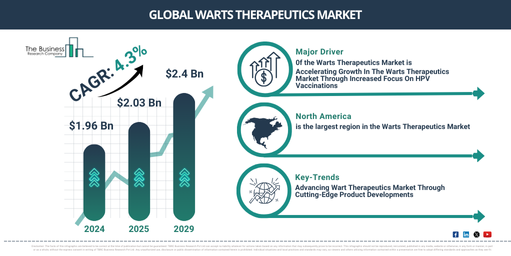
    The market for warts therapeutics has seen a consistent expansion over the past few years. The sector’s size is predicted to increase from $1.96 billion in 2024 to $2.03 billion in 2025, marking a compound annual growth rate (CAGR) of 3.6%. The historical period’s growth can be attributed to factors such as the usage of salicylic acid, advancements in cryotherapy, progression of topical treatments, surgical interventions, and the advent of immunotherapy.

    How Much Will the Warts Therapeutics Market Be Worth in 2029?

    The market size for warts therapeutics is projected to experience consistent growth in the coming years, reaching a valuation of $2.4 billion by 2029 with a Compound Annual Growth Rate (CAGR) of 4.3%. The expected growth during the forecast period is due to the development of precision medicine for HPV, innovations in laser therapy, hybrid therapies, advancements in digital health, and initiatives to improve healthcare accessibility. The upcoming trends during this period include focusing on targeted antiviral treatments, gene editing studies, the introduction of biodegradable delivery systems, and a shift towards psychodermatology.

    Download The Free Sample Report Here:

    https://www.thebusinessresearchcompany.com/sample.aspx?id=11959&type=smp

    Which is the Largest Company in the Warts Therapeutics Market?

    Major companies operating in the warts therapeutics market include GlaxoSmithKline plc, Merck & Co. Inc., Verrica Pharmaceuticals Inc., Bausch Health Companies Inc., Dr. Reddy’s Laboratories Ltd, Cipla Inc., Prestige Consumer Healthcare Inc., Maruho Co. Ltd, Taro Pharmaceutical Industries Ltd, Aclaris Therapeutics Inc., Novan Inc, Scholl’s Wellness Co, AIM ImmunoTech Inc., Euro Vital Pharma GmbH, Koninklijke Utermöhlen NV, Nielsen BioSciences Inc., RXi Pharmaceuticals, Phio Pharmaceuticals Corp., MedCara Pharmaceuticals, KinoPharma Inc., pHion Therapeutics, Compound W, Duofilm, Curad Mediplast, Emblation Ltd.

    What Are the Main Market Drivers in the Warts Therapeutics Industry?

    The emphasis on wart vaccinations is set to spur the wart therapeutics market’s growth. Vaccination entails injecting a vaccine into the body to produce antibodies to fight infections and associated diseases. Warts are a result of the human papillomavirus (HPV). The use of a therapeutic or preventative vaccine disallows wart formation, pushing sales in the wart therapeutics market. For example, the World Health Organization, based in Switzerland and focusing on international public health, reported an impressive decline in the number of unvaccinated children, or zero-dose children, from 18.1 million in 2021 to 14.3 million in 2022. In tandem, the global coverage for the primary dose of the human papillomavirus (HPV) vaccine in girls surged from 16% in 2021 to 21% in 2022. Consequently, the emphasis on wart vaccinations is fueling the expansion of the wart therapeutics market.

    Request For A Customized Report:

    https://www.thebusinessresearchcompany.com/customise?id=11959&type=smp

    How Is the Warts Therapeutics Market Segments Structured?

    The warts therapeutics market covered in this report is segmented –

    1) By Type: Common Warts, Genital Warts, Flat Warts, Other Types

    2) By Treatment: Physical Destruction, Immunomodulation, Chemical Destruction

    3) By End User: Hospitals, Homecare, Specialty Clinics, Other End Users

    Subsegments:

    1) By Common Warts: Typically Appear On Hands, Fingers, And Elbows, Caused By Human Papillomavirus (HPV) Types 2 And 4

    2) By Genital Warts: Occur In The Genital And Anal Areas, Primarily Caused By HPV Types 6 And 11

    3) By Flat Warts: Smaller And Smoother Than Common Warts, Commonly Found On The Face, Neck, And Arms

    4) By Other Types: Includes Plantar Warts (On Feet) And Filiform Warts (Around The Mouth And Nose), Various HPV Types Can Cause These Warts

    What Strategic Trends Are Transforming the Warts Therapeutics Market?

    In the wart therapeutics market, product innovation is becoming a notable trend as companies strive to maintain their market position through the creation of novel treatments. For instance, Verrica Pharmaceuticals Inc., a dermatology therapeutics company based in the US, revealed in February 2023 that its resubmitted New Drug Application (NDA) for VP-102, a cure for molluscum contagiosum (a type of wart), has been approved by the FDA (The United States Food and Drug Administration) and assigned a Prescription Drug User Fee Act (PDUFA) number. The drug VP-102, a patented combination of drug-device, delivers cantharidin (0.7% w/v) through an applicator that is used once for precise topical dosing and targeted administration in adherence with good manufacturing practices (GMP).

    Access The Full Report Here:

    https://www.thebusinessresearchcompany.com/report/warts-therapeutics-global-market-report

    Which Global Regions Offer the Highest Growth in the Warts Therapeutics Market?

    North America was the largest region in the warts therapeutics market in 2024. Asia-Pacific is expected to be the fastest-growing region in the forecast period. The regions covered in the warts therapeutics market report are Asia-Pacific, Western Europe, Eastern Europe, North America, South America, Middle East, Africa.

    Purchase The Full Report Today:

    https://www.thebusinessresearchcompany.com/purchaseoptions.aspx?id=11959

    This Report Delivers Insight On:

    1. How big is the warts therapeutics market, and how is it changing globally?

    2. Who are the major companies in the warts therapeutics market, and how are they performing?

    3. What are the key opportunities and risks in the warts therapeutics market right now?

    4. Which products or customer segments are growing the most in the warts therapeutics market?

    5. What factors are helping or slowing down the growth of the warts therapeutics market?

    About The Business Research Company:

    With over 15000+ reports from 27 industries covering 60+ geographies, The Business Research Company has built a reputation for offering comprehensive, data-rich research and insights. Armed with 1,500,000 datasets, the optimistic contribution of in-depth secondary research, and unique insights from industry leaders, you can get the information you need to stay ahead in the game.

    Get in touch with us:

    The Business Research Company: https://www.thebusinessresearchcompany.com/

    Americas +1 3156230293

    Asia +44 2071930708

    Europe +44 2071930708

    Email us at info@tbrc.info

    Follow us on:

    LinkedIn: https://in.linkedin.com/company/the-business-research-company

    YouTube: https://www.youtube.com/channel/UC24_fI0rV8cR5DxlCpgmyFQ

    Global Market Model: https://www.thebusinessresearchcompany.com/global-market-model
  • Viral Vector Manufacturing Industry Growth Expected to Reach $17.68 Billion by 2029 at a CAGR of 20.7% | Segmentation and Growth Opportunities

    Viral Vector Manufacturing Industry Growth Expected to Reach $17.68 Billion by 2029 at a CAGR of 20.7% | Segmentation and Growth Opportunities

    Claim your 30% discount on Global Market Reports with code ONLINE30. Limited time only.

    What Is the Forecast for the Viral Vector Manufacturing Market Growth in 2025?

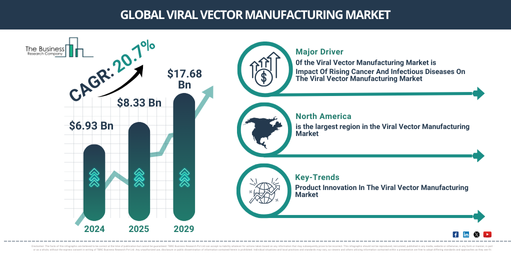
    The market size for viral vector manufacturing has seen a significant increase over the past few years. Anticipated growth is from $6.93 billion in 2024 to an estimated $8.33 billion in 2025, reflecting a compound annual growth rate (CAGR) of 20.1%. This considerable rise during the historic period can be connected to the development in gene therapy pipelines, clinical achievements and endorsements, escalated investment in biopharmaceuticals, and a heightened occurrence of genetic diseases.

    What Is the Forecast for the Viral Vector Manufacturing Market Size Through 2029?

    In the coming years, it is anticipated that the market size for viral vector manufacturing will experience substantial expansion. The market is projected to reach $17.68 billion by the year 2029, growing at a compound annual growth rate (CAGR) of 20.7%. This growth during the projected period can be associated with the growing use in oncology, global collaborative efforts in gene therapy research, viral vector utilization in vaccine development, ongoing clinical trial proceedings and commercialization. Key trends within the projected period range from technology advancements in vector production, the emergence of next-gen vectors, compliance and standardization of regulations, collaborative alliances and partnerships, and global augmentation of production facilities.

    Download The Free Sample Report Here:

    https://www.thebusinessresearchcompany.com/sample.aspx?id=12398&type=smp

    What are the Key Market Players in Viral Vector Manufacturing Market and How They’re Evolving?

    Major companies operating in the viral vector manufacturing market include Sanofi S.A., Thermo Fisher Scientific Inc., Merck Group, FUJIFILM Holdings Corporation, Lonza Group, Catalent Inc., Sartorius AG, Charles River Laboratories International Inc., AGC Biologics, Ultragenyx Pharmaceutical Inc., Novasep Holding SAS, Aldevron LLC, Oxford Biomedica plc, LakePharma Inc., Voyager Therapeutics Inc., Mustang Bio Inc., Regenxbio Inc., VGXI Inc., BioNTech IMFS GmbH, FinVector Oy, Vigene Biosciences Inc., Univercells Technologies, Sirion-Biotech GmbH, Cevec Pharmaceuticals GmbH, Batavia Biosciences BV.

    What Are the Primary Growth Drivers in the Viral Vector Manufacturing Market?

    The rise in cancer and infectious disease incidences are anticipated to fuel the advancement of the viral vector manufacturing market. An infectious disease is defined as a condition induced by a virus or its harmful secondary product, which can be transmitted to a vulnerable host through interaction with an affected person, animal, or object. Cancer, on the other hand, encompasses a wide spectrum of diseases that occur when abnormal cells uncontrollably multiply, crossing their typical boundaries to invade adjacent organs, and metastasize to other organs. Through viral vectors, tumour antigens or proteins found on tumour cells are created to provoke the body’s anticancer immunological response. Viral vectors have been utilized as vaccines against a variety of infectious diseases encountered in pre-clinical and clinical trials. For example, the Australian Institute of Health and Welfare, a government agency based in Australia, reported in July 2024 that the number of cancer diagnosis in Australia had surged from 160,570 in 2022 to 164,694 in 2023, marking a significant increase over the year. This trend underscores the escalating cancer rates within the country. Furthermore, in August 2024, the UK Health Security Agency, an executive agency based in the UK, revealed 368 measles cases in England in 2023. This figure represents an almost sevenfold increase from the 53 cases documented in 2022, with 44% and 33% of the cases found in the West Midlands and London, respectively. Hence, the increased incidences of cancer and infectious diseases are propelling the growth of the viral vector manufacturing market.

    Request For A Customized Report:

    https://www.thebusinessresearchcompany.com/customise?id=12398&type=smp

    What Are the Leading Segments in the Global Viral Vector Manufacturing Industry?

    The viral vector manufacturing market covered in this report is segmented –

    1) By Type: Adenoviral Vectors, Adeno-Associated Viral Vectors, Lentiviral Vectors, Retroviral Vectors, Other Types

    2) By Disease: Cancer, Genetic Disorders, Infectious Diseases, Other Diseases

    3) By Workflow: Upstream Processing, Downstream Processing

    4) By Application: Gene And Cell Therapy Development, Vaccine Development, Biopharmaceutical And Pharmaceutical Discovery, Biomedical Research

    5) By End-User: Research Organizations, Biotech And Pharmaceutical Companies, Others End Users

    Subsegments:

    1) By Adenoviral Vectors: Serotype 5, Serotype 2, Serotype 26

    2) By Adeno-Associated Viral Vectors: AAV2, AAV5, AAV8, AAV9, Others

    3) By Lentiviral Vectors: HIV-1-Based Lentiviral Vectors, SIV-Based Lentiviral Vectors, Others

    4) By Retroviral Vectors: Moloney Murine Leukemia Virus (MoMLV), Gammaretroviral Vectors, Others

    5) By Other Types: Sendai Viral Vectors, Vesicular Stomatitis Virus (VSV)-Based Vectors, Measles Virus Vectors, Others

    What Are the Key Market Trends in the Viral Vector Manufacturing Industry?

    A significant development in the viral vector manufacturing market is product innovation. Established corporations in the sector are employing this strategy to maintain their market position. Merck KGaA, a German science and technology firm, exemplifies this trend. In August 2022, the company introduced its innovative VirusExpress 293 Adeno-Associated Virus (AAV) Production Platform. This makes them one of the first Contract Development and Manufacturing Organizations and technology developers to provide an all-inclusive package for viral vector manufacturing. These include AAV, Lentiviral, CDMO, CTO, and process development services. This innovative platform enables biopharmaceutical companies to minimize the cost and duration of process development while speeding up clinical production time.

    Access The Full Report Here:

    https://www.thebusinessresearchcompany.com/report/viral-vector-manufacturing-global-market-report

    What Is the Regional Outlook for the Viral Vector Manufacturing Market?

    North America was the largest region in the viral vector manufacturing market in 2024. Asia-Pacific is expected to be the fastest-growing region in the forecast period. The regions covered in the viral vector manufacturing market report are Asia-Pacific, Western Europe, Eastern Europe, North America, South America, Middle East, Africa

    Purchase The Full Report Today:

    https://www.thebusinessresearchcompany.com/purchaseoptions.aspx?id=12398

    This Report Delivers Insight On:

    1. How big is the viral vector manufacturing market, and how is it changing globally?

    2. Who are the major companies in the viral vector manufacturing market, and how are they performing?

    3. What are the key opportunities and risks in the viral vector manufacturing market right now?

    4. Which products or customer segments are growing the most in the viral vector manufacturing market?

    5. What factors are helping or slowing down the growth of the viral vector manufacturing market?

    About The Business Research Company:

    With over 15000+ reports from 27 industries covering 60+ geographies, The Business Research Company has built a reputation for offering comprehensive, data-rich research and insights. Armed with 1,500,000 datasets, the optimistic contribution of in-depth secondary research, and unique insights from industry leaders, you can get the information you need to stay ahead in the game.

    Get in touch with us:

    The Business Research Company: https://www.thebusinessresearchcompany.com/

    Americas +1 3156230293

    Asia +44 2071930708

    Europe +44 2071930708

    Email us at info@tbrc.info

    Follow us on:

    LinkedIn: https://in.linkedin.com/company/the-business-research-company

    YouTube: https://www.youtube.com/channel/UC24_fI0rV8cR5DxlCpgmyFQ

    Global Market Model: https://www.thebusinessresearchcompany.com/global-market-model
  • Doxorubicin Market Size to Exceed $1.87 Billion by 2029 | Growth and Industry Trends

    Doxorubicin Market Size to Exceed $1.87 Billion by 2029 | Growth and Industry Trends

    Claim your 30% discount on Global Market Reports with code ONLINE30. Limited time only.

    How Has the Doxorubicin Market Grown from 2024 to 2025?

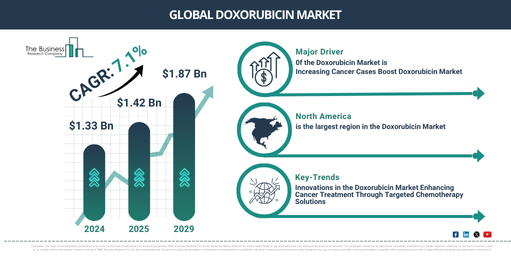
    There has been substantial growth in the doxorubicin market size in the past few years. The projections show an increase from $1.33 billion in 2024 to $1.42 billion in 2025, with a compound annual growth rate (CAGR) of 7.0%. Factors such as the progress in chemotherapy treatments, the standards of oncology treatment, clinical effectiveness, patient survival rates, and doctor endorsements, have all contributed to the growth during the historical period.

    What Growth Rate Is Anticipated for the Doxorubicin Market in the Coming Years?

    The market size of doxorubicin is forecasted to witness robust growth in the upcoming years. It is projected to expand to $1.87 billion in 2029, with a compound annual growth rate (CAGR) of 7.1%. The growth during the forecast period could be due to advancements in personalized medicine, targeted drug delivery systems, the combination of immunotherapies, genomic and biomarker research, as well as progression in precision oncology. The projected period will see major trends such as the integration of nanotechnology, therapies in combination, the enlargement of the biosimilar market, an emphasis on adjuvant therapy, and cardioprotective interventions.

    Download The Free Sample Report Here:

    https://www.thebusinessresearchcompany.com/sample.aspx?id=11974&type=smp

    Who Are the Leading Companies in the Doxorubicin Market?

    Major companies operating in the doxorubicin market include Pfizer Inc., Johnson and Johnson, Baxter International Inc., Teva Pharmaceutical Industries Ltd., Dr. Reddy’s Laboratories Ltd., Cipla Limited, Hikma Pharmaceuticals, Mylan Pharmaceuticals Inc., Accord Healthcare Ltd., TTY Biopharm Company Limited, Cadila Pharmaceuticals, Neon Laboratories Limited, APP Pharmaceuticals Manufacturing LLC, Sun Pharmaceutical Industries Ltd., Transo-Pharm Handels GmbH, LGM Pharma, Zhejiang Hisun Pharma, Actavis Pharma, Celon Laboratories Limited, Samarth Life Sciences Pvt. Ltd

    What Are the Key Drivers of the Doxorubicin Market?

    The doxorubicin market is being propelled by the escalating occurrence of cancer. Cancer comprises a set of diseases characterized by unregulated and abnormal cell growth. Doxorubicin, a widely utilized antibiotic in chemotherapy, treats various types of cancer by inhibiting cancer cell growth via DNA damage. This rise in cancer incidents triggers an increased demand for doxorubicin. The World Health Organization, a Swiss agency, recorded approximately 20 million new cancer cases and 9.7 million associated fatalities in 2022, as of February 2024. It was further estimated that about 53.5 million individuals were surviving five years post their cancer diagnosis. Approximately 1 in 5 people will contract cancer in their lifetime, with 1 in 9 men and 1 in 12 women ultimately losing their lives to the disease. As such, the growing number of cancer patients is fuelling the doxorubicin market.

    Request For A Customized Report:

    https://www.thebusinessresearchcompany.com/customise?id=11974&type=smp

    What Are the Key Market Segments in the Doxorubicin Industry?

    The doxorubicin market covered in this report is segmented –

    1) By Drug Formulation: Lyophilized Powder, Doxorubicin Injection

    2) By Application: Breast Cancer, Kidney Cancer, Liver Cancer, Sarcoma, Ovarian Cancer, Lung Cancer, Leukemia, Multiple Myeloma, Other Applications

    3) By Distribution Channel: Hospital Pharmacy, Retail Pharmacy, Online Pharmacy

    Subsegments:

    1) By Lyophilized Powder: Reconstituted Formulations, Freeze-Dried Preparations

    2) By Doxorubicin Injection: Ready-To-Use Solutions, Concentrated Solutions For Dilution, Liposomal Doxorubicin Injections

    What Are the Latest Trends in the Doxorubicin Market?

    Leading companies in the doxorubicin market are turning their efforts towards creating innovative products such as chemotherapy drugs, with the aim of increasing their effectiveness in cancer treatment and reducing adverse effects on patients. These chemotherapy drugs work by locating and destroying rapidly multiplying cancer cells, although they may inadvertently harm some healthy cells, and hence causing side effects. However, strides are being made to increase precision and lessen these collateral damages. An example of such advancement came in August 2024 when Lupin Limited, a pharmaceutical company from India, unveiled the Doxorubicin Hydrochloride Liposome Injection. Primarily intended for the treatment of mature ovarian cancer, AIDS-related Kaposi’s sarcoma, and multiple myeloma, the liposomal formulation of this injection ensures that delivery is targeted, reducing widespread side effects and boosting patient tolerance. By doing so, it notably improves the effectiveness of treatment, presenting itself as a vital selection in oncology treatments.

    Access The Full Report Here:

    https://www.thebusinessresearchcompany.com/report/doxorubicin-global-market-report

    What Are the Key Regional Markets in the Doxorubicin Industry?

    North America was the largest region in the doxorubicin market in 2024. Asia-Pacific is expected to be the fastest-growing region in the forecast period. The regions covered in the doxorubicin market report are Asia-Pacific, Western Europe, Eastern Europe, North America, South America, Middle East, Africa.

    Purchase The Full Report Today:

    https://www.thebusinessresearchcompany.com/purchaseoptions.aspx?id=11974

    This Report Delivers Insight On:

    1. How big is the doxorubicin market, and how is it changing globally?

    2. Who are the major companies in the doxorubicin market, and how are they performing?

    3. What are the key opportunities and risks in the doxorubicin market right now?

    4. Which products or customer segments are growing the most in the doxorubicin market?

    5. What factors are helping or slowing down the growth of the doxorubicin market?

    About The Business Research Company:

    With over 15000+ reports from 27 industries covering 60+ geographies, The Business Research Company has built a reputation for offering comprehensive, data-rich research and insights. Armed with 1,500,000 datasets, the optimistic contribution of in-depth secondary research, and unique insights from industry leaders, you can get the information you need to stay ahead in the game.

    Get in touch with us:

    The Business Research Company: https://www.thebusinessresearchcompany.com/

    Americas +1 3156230293

    Asia +44 2071930708

    Europe +44 2071930708

    Email us at info@tbrc.info

    Follow us on:

    LinkedIn: https://in.linkedin.com/company/the-business-research-company

    YouTube: https://www.youtube.com/channel/UC24_fI0rV8cR5DxlCpgmyFQ

    Global Market Model: https://www.thebusinessresearchcompany.com/global-market-model
  • Market Analysis on DNA Repair Drugs Industry – Insights for Corporate Strategy and R&D

    Market Analysis on DNA Repair Drugs Industry – Insights for Corporate Strategy and R&D

    Claim your 30% discount on Global Market Reports with code ONLINE30. Limited time only.

    What Is the Forecast for the DNA Repair Drugs Market from 2024 to 2025?

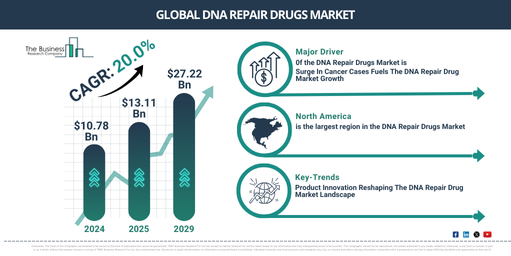
    In recent times, the size of the DNA repair drugs market has seen a tremendous surge. The market, which stands at $10.78 billion in 2024, is projected to swell up to $13.11 billion in 2025, experiencing a compound annual growth rate (CAGR) of 21.6%. This phenomenal growth throughout the historic phase can be credited various factors like the enhanced comprehension of DNA repair processes, rise in cancer research, ever-changing pharmaceutical regulations, an increasing occurrence of genetic maladies, and the spread of personalized medication.

    What Is the Projected Market Size of the DNA Repair Drugs Market?

    Expectations for the DNA repair drugs market suggest significant growth over the next few years. Market size predictions estimate a surge to $27.22 billion by 2029, reflecting a compound annual growth rate (CAGR) of 20.0%. The expansion during the prediction period can be linked to the advancement of targeted therapies for DNA repair, growing emphasis on precision medicine, increase in an aging demographic, and the boost in funding for the development of DNA repair drugs. Notable trends within this timeframe include the integration of artificial intelligence for drug discovery in DNA repair, the progression of combination therapies aimed at DNA repair mechanisms, focus on gene editing technologies, customized treatment plans based on DNA repair profiles, and a surge in clinical trials for DNA repair drugs.

    Download The Free Sample Report Here:

    https://www.thebusinessresearchcompany.com/sample.aspx?id=12200&type=smp

    Who are the Major Competitors in the DNA Repair Drugs Market Outlook?

    Major companies operating in the DNA repair drugs market include Pfizer Inc., Johnson & Johnson Private Limited, AbbVie Inc., Bayer AG, Novartis AG, Bristol-Myers Squibb Company, AstraZeneca PLC, Sanofi S.A., GlaxoSmithKline plc., Takeda Pharmaceutical Company Limited, Gilead Sciences Inc., Amgen Inc., Merck KGaA, Regeneron Pharmaceuticals Inc., Biogen Inc., Ono Pharmaceutical Co. Ltd., Jiangsu HengRui Medicine Co. Ltd., BioMarin Pharmaceutical Inc., Genentech Inc., ClovisOncology Inc., Karyopharm Therapeutics Inc., Repare Therapeutics Inc., Intellia Therapeutics Inc., C4 Therapeutics Inc., Precision BioSciences, Artios Pharma Limited, FoRx Therapeutics AG, Onxeo SA, CRISPR Therapeutics AG

    What Is Fueling Growth in the DNA Repair Drugs Market?

    The dramatic increase in the frequency of various types of cancer is predicted to significantly fuel the advancement of the DNA repair drug market in the future. Essentially, cancer materializes as a disease in any organ or tissue of the body when abnormal cells multiply alarmingly, overstep their standard barriers, and subsequently spread to other organs or attack adjacent body parts. Behavioral and genetic factors such as smoking, radiation exposure, contact with carcinogens, obesity, and gene mutations primarily contribute to the rise in cancer cases. Preventing cancer depends on interfering with the DNA’s ability to self-repair, ensuring cancerous cells cease reproduction and subsequently perish. For example, records from the Australian Institute of Health and Welfare, a governmental organization based in Australia, show that the total cases of diagnosed cancer surged from 160,570 in 2022 to 164,694 in 2023, representing a substantial annual increase. This discernible uptick underlines the escalating occurrence of cancer within Australia. Therefore, the prevalence increment of cancer is a significant driver for the expansion of the DNA repair drug market.

    Request For A Customized Report:

    https://www.thebusinessresearchcompany.com/customise?id=12200&type=smp

    Which DNA Repair Drugs Market Segments Are Growing the Fastest?

    The DNA repair drugs market covered in this report is segmented –

    1) By Drug Type: Olaparib, Rucaparib, Niraparib, Talazoparib, Other Drugs

    2) By Distribution Channel: Hospital Pharmacies, Retail Pharmacies, Other Distribution Channels

    3) By Application: Ovarian Cancer, Fallopian Tube Cancer, Peritoneal Cancer, Breast Cancer, Other Applications

    Subsegments:

    1) By Olaparib: Tablets, Capsules, Combination Therapies

    2) By Rucaparib: Tablets, Monotherapy, Combination with Other Cancer Treatments

    3) By Niraparib: Capsules, Extended-Release Formulations, Maintenance Therapy Applications

    4) By Talazoparib: Capsules, Combination with Immunotherapy, High-Dose and Low-Dose Options

    5) By Other Drugs: Experimental PARP Inhibitors, Generic and Biosimilar Versions, Next-Generation DNA Damage Response (DDR) Inhibitors

    Which Industry Trends Are Shaping the Future of the DNA Repair Drugs Market?

    The rise in product innovation is becoming a significant trend in the DNA repair drug market. The leading companies in this market are focusing on developing innovative products to maintain their industry presence. For example, in June 2023, AstraZeneca PLC, a British biopharmaceutical firm, gained approval for the use of Lynparza plus abiraterone in the US to treat BRCA-mutated metastatic castration-resistant prostate cancer. Lynparza (olaparib) is recognized as the first PARP inhibitor and the inaugural targeted drug that inhibits the DNA damage response (DDR) in cells or tumors without HRR (homologous recombination repair).

    Access The Full Report Here:

    https://www.thebusinessresearchcompany.com/report/dna-repair-drugs-global-market-report

    Which Countries Are Leading the DNA Repair Drugs Market?

    North America was the largest region in the DNA repair drugs market in 2024, and is expected to be the fastest-growing region in the forecast period. The regions covered in the DNA repair drugs market report are Asia-Pacific, Western Europe, Eastern Europe, North America, South America, Middle East, Africa.

    Purchase The Full Report Today:

    https://www.thebusinessresearchcompany.com/purchaseoptions.aspx?id=12200

    This Report Delivers Insight On:

    1. How big is the dna repair drugs market, and how is it changing globally?

    2. Who are the major companies in the dna repair drugs market, and how are they performing?

    3. What are the key opportunities and risks in the dna repair drugs market right now?

    4. Which products or customer segments are growing the most in the dna repair drugs market?

    5. What factors are helping or slowing down the growth of the dna repair drugs market?

    About The Business Research Company:

    With over 15000+ reports from 27 industries covering 60+ geographies, The Business Research Company has built a reputation for offering comprehensive, data-rich research and insights. Armed with 1,500,000 datasets, the optimistic contribution of in-depth secondary research, and unique insights from industry leaders, you can get the information you need to stay ahead in the game.

    Get in touch with us:

    The Business Research Company: https://www.thebusinessresearchcompany.com/

    Americas +1 3156230293

    Asia +44 2071930708

    Europe +44 2071930708

    Email us at info@tbrc.info

    Follow us on:

    LinkedIn: https://in.linkedin.com/company/the-business-research-company

    YouTube: https://www.youtube.com/channel/UC24_fI0rV8cR5DxlCpgmyFQ

    Global Market Model: https://www.thebusinessresearchcompany.com/global-market-model
  • Urea Cycle Disorders Treatment Market Trends Report 2025 – For Business Development and Strategy Teams

    Urea Cycle Disorders Treatment Market Trends Report 2025 – For Business Development and Strategy Teams

    Claim your 30% discount on Global Market Reports with code ONLINE30. Limited time only.

    What Is the Forecast for the Urea Cycle Disorders Treatment Market Growth in 2025?

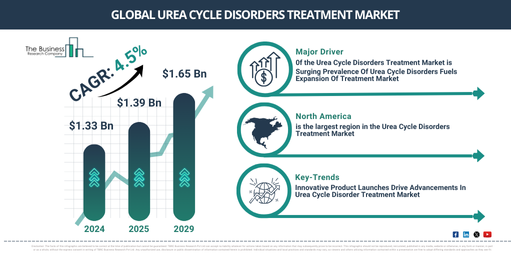
    The market size for treatment of urea cycle disorders has been on a consistent growth trajectory in the past few years. The projected growth indicates a rise from $1.33 billion in 2024 to $1.39 billion in 2025, representing a compound annual growth rate (CAGR) of 4.0%. Factors contributing to this historic growth trend include increased awareness and education, enhancements in newborn screening processes, the establishment of patient support networks, and the setting of care standards guidelines.

    What Is the Forecast for the Urea Cycle Disorders Treatment Market Size Through 2029?

    Anticipations show consistent expansion in the market size for urea cycle disorders treatment over the next few years. The market value is projected to reach $1.65 billion by 2029, growing at a 4.5% compound annual growth rate (CAGR). Multiple factors contribute to this anticipated growth during the forecasted period, including breakthroughs in enzyme replacement therapy, extensive newborn screening programs, heightened research collaborations, proliferation of therapeutic choices, and the inclusion of telemedicine and remote care. The forecast period will also see significant trends such as improved gene editing technologies, awareness and advocacy campaigns, strategies in regenerative medicine, comprehensive safety and efficacy studies, and tailored nutritional therapies.

    Download The Free Sample Report Here:

    https://www.thebusinessresearchcompany.com/sample.aspx?id=12237&type=smp

    What are the Key Market Players in Urea Cycle Disorders Treatment Market and How They’re Evolving?

    Major companies operating in the urea cycle disorders treatment market include Bausch Health Companies Inc., Recordati Rare Diseases, Eurocept Pharmaceuticals Holding (Lucane Pharma SA), Acer Therapeutics, Ultragenyx Pharmaceutical, Aeglea BioTherapeutics, Arcturus Therapeutics, Inc., Orpharma Pty Ltd., Selecta Biosciences, Inc., Abbott Laboratories, Mead Johnson & Company, LLC, Horizon Therapeutics Plc, Nestlé S.A., Danone S.A., Biophone, Relief Therapeutics Holding AG, TheraTriage, Genomatica, Protalix BioTherapeutics, Erytech Pharma, 4D Pharma, Synlogic, Amicus Therapeutics, Sobi, Astellas Pharma Inc., Chiesi Farmaceutici S.p.A., Medpace Holdings, Inc., Celerion, and PTC Therapeutics

    What Are the Primary Growth Drivers in the Urea Cycle Disorders Treatment Market?

    The increase in the occurrence of urea cycle disorders is predicted to boost the urea cycle disorders treatment market’s expansion in the future. Urea cycle disorder is a metabolic disorder that is inherited and arises from defects in necessary liver enzymes or transport molecules for ammonia removal from the bloodstream. The surge in urea cycle disorders is related to genetic abnormalities. If an accumulation of ammonia is diagnosed as a urea cycle disorder (UCD), a tailor-made treatment plan involving dietary regulation, medication, and routine checks can be adopted to manage and mitigate its adverse effects. As an illustration, StatPearls Publishing LLC, an American medical education library, noted in April 2023 that the prevalence of urea cycle disorders caused by ornithine transcarbamylase deficiency was 1 in 140,000 individuals. Moreover, in September 2022, as per Lecturio, a digital medical education platform based in Germany, the urea cycle disorders (UCDs) occur in an estimated 1 in every 35,000 live births worldwide and 1 in 8,200 live births in the USA, resulting in an annual incidence of approximately 113 new cases in the USA and around 149 in Europe. Consequently, the increasing incidence of urea cycle disorders is fueling the growth of the urea cycle disorders treatment market.

    Request For A Customized Report:

    https://www.thebusinessresearchcompany.com/customise?id=12237&type=smp

    What Are the Leading Segments in the Global Urea Cycle Disorders Treatment Industry?

    The urea cycle disorders treatment market covered in this report is segmented –

    1) By Treatment: Amino Acid Supplements, Sodium Phenylbutyrate, Glycerol Phenylbutyrate, Sodium Benzoate, Other Treatments

    2) By Enzyme Deficiency: Ornithine Transcarbamylase (OTC), Argininosuccinate Synthetase (AS), Arginase (AG), Argininosuccinate Lyase (AL), Carbamoyl Phosphate Synthase (CPS1)

    3) By Route of Administration: Oral, Injectables

    4) By Distribution Channel: Hospital Pharmacies, Retail Pharmacies, Online Pharmacies

    Subsegments:

    1) By Amino Acid Supplements: Arginine Supplements, Citrulline Supplements, Other Essential Amino Acids

    2) By Sodium Phenylbutyrate: Powder Form, Tablet Form

    3) By Glycerol Phenylbutyrate: Oral Solutions, Other Forms

    4) By Sodium Benzoate: Intravenous Solutions, Oral Formulations

    5) By Other Treatments: Liver Transplantation, Dietary Modifications, Enzyme Replacement Therapy, Other Supportive Therapies

    What Are the Key Market Trends in the Urea Cycle Disorders Treatment Industry?

    The emergence of product innovation has been identified as a fundamental trend gaining traction in the urea cycle disorder treatment market. Leading companies in the field are increasingly focusing on generating exciting and innovative products to fortify their standing in this market. For example, in September 2022, Medunik USA, a pharmaceutical firm based in the US, introduced Pheburane oral pellets, a distinctive and flavor-concealing formulation of sodium phenylbutyrate (NaPB) intended for the enduring control of specified urea cycle disorders. This prescription medication, used alongside a specific dietary plan, treats urea cycle disorders (UCDs) in adults and children, particularly deficiencies in carbamyl phosphate synthetase (CPS), ornithine transcarbamylase (OTC), or argininosuccinate synthetase (AS). It is administered with a reusable, calibrated dosing spoon that accompanies each package; unlike other NaPB variations, it doesn’t require mixing or oral ingestion. Pheburane can be taken with a snack or meal, sprinkled on a spoonful of apple sauce or carrot puree, and washed down with water, fruit juice, or protein-free infant formula.

    Access The Full Report Here:

    https://www.thebusinessresearchcompany.com/report/urea-cycle-disorders-treatment-global-market-report

    What Is the Regional Outlook for the Urea Cycle Disorders Treatment Market?

    North America was the largest region in the urea cycle disorders treatment market in 2024. The regions covered in the urea cycle disorders treatment market report are Asia-Pacific, Western Europe, Eastern Europe, North America, South America, Middle East, Africa.

    Purchase The Full Report Today:

    https://www.thebusinessresearchcompany.com/purchaseoptions.aspx?id=12237

    This Report Delivers Insight On:

    1. How big is the urea cycle disorders treatment market, and how is it changing globally?

    2. Who are the major companies in the urea cycle disorders treatment market, and how are they performing?

    3. What are the key opportunities and risks in the urea cycle disorders treatment market right now?

    4. Which products or customer segments are growing the most in the urea cycle disorders treatment market?

    5. What factors are helping or slowing down the growth of the urea cycle disorders treatment market?

    About The Business Research Company:

    With over 15000+ reports from 27 industries covering 60+ geographies, The Business Research Company has built a reputation for offering comprehensive, data-rich research and insights. Armed with 1,500,000 datasets, the optimistic contribution of in-depth secondary research, and unique insights from industry leaders, you can get the information you need to stay ahead in the game.

    Get in touch with us:

    The Business Research Company: https://www.thebusinessresearchcompany.com/

    Americas +1 3156230293

    Asia +44 2071930708

    Europe +44 2071930708

    Email us at info@tbrc.info

    Follow us on:

    LinkedIn: https://in.linkedin.com/company/the-business-research-company

    YouTube: https://www.youtube.com/channel/UC24_fI0rV8cR5DxlCpgmyFQ

    Global Market Model: https://www.thebusinessresearchcompany.com/global-market-model
  • Unit Dose Manufacturing Industry Growth Expected to Reach $88.11 Billion by 2029 at a CAGR of 22.1% | Segmentation and Growth Opportunities

    Unit Dose Manufacturing Industry Growth Expected to Reach $88.11 Billion by 2029 at a CAGR of 22.1% | Segmentation and Growth Opportunities

    Claim your 30% discount on Global Market Reports with code ONLINE30. Limited time only.

    What Is the Forecast for the Unit Dose Manufacturing Market Growth in 2025?

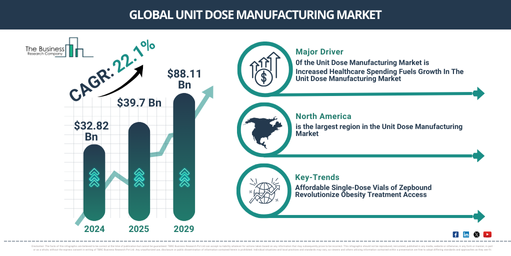
    The market for unit dose manufacturing has seen a meteoric rise in its size in the past few years. The projection suggests a growth from $32.82 billion in 2024 to $39.7 billion in 2025, indicative of a compound annual growth rate (CAGR) of 21.0%. This upward trend during the historic duration can be traced back to conventional practices of manufacturing pharmaceuticals, advances in regulations regarding drug packaging, a surge in the need for tailor-made medicine, the progression of the population towards older age, and a higher frequency of chronic illnesses.

    What Is the Forecast for the Unit Dose Manufacturing Market Size Through 2029?

    In the coming years, the market size for unit dose manufacturing is projected to witness unprecedented growth, reaching $88.11 billion in 2029 with a compound annual growth rate (CAGR) of 22.1%. The anticipated growth within the forecast period is largely attributable to the employment of Industry 4.0 in the production of pharmaceuticals, the accentuation on personalized and precision medicine, the governmental emphasis on drug safety and effectiveness, the broadening of pharmaceutical outsourcing, and the escalating demand for patient-oriented drug delivery. Significant trends for the forecast period encompass the application of sophisticated automation in unit dose manufacturing, the incorporation of IoT in pharmaceutical packaging, tailoring unit dose packaging to suit specific drugs, the use of sustainable and eco-friendly packaging materials, and the development of 3D printing in personalized drug production.

    Download The Free Sample Report Here:

    https://www.thebusinessresearchcompany.com/sample.aspx?id=12215&type=smp

    What are the Key Market Players in Unit Dose Manufacturing Market and How They’re Evolving?

    Major companies operating in the unit dose manufacturing market include Nipro Corporation, Thermo Fisher Scientific Inc., Amcor plc, Berry Global, CCL Industries, Sealed Air Corporation, Huhtamäki Oyj, Catalent Inc., AptarGroup, Schott AG, West Pharmaceuticals Services Inc., Constantia Flexibles Group GmbH, Gerresheimer AG, RPC Group, Klöckner Pentaplast Group, Stevanato Group, Bemis Company, Corden Pharma GmbH, LTS Lohmann Therapie-Systeme AG, PCI Pharma Services, Comar LLC, Renaissance Lakewood LLC, Mikart LLC, Tapemark Company Inc., Bilcare Research, Medical Packaging Inc, American Health Packaging, Aphena Pharma Solutions

    What Are the Primary Growth Drivers in the Unit Dose Manufacturing Market?

    The unit dose manufacturing market is predicted to see advancement owing to the increase in healthcare expenses. This includes the funding related to providing healthcare amenities, family planning drives, nutritional initiatives, and immediate health-focused assistance. The expansion of healthcare outlay contributes to the progression and enhancement of a variety of healthcare provisions, inclusive of unit dose manufacturing, thus furthering its market growth. For example, the statistics reported by Cross River Therapy, an ABA therapy service provider in the US, indicated that the U.S. pharmaceutical market recorded revenue of $550 billion in September 2024. In 2021, the expenditure on drugs by Americans was $576.9 billion, with the predicted spending to rise between $605-$635 billion by the year 2025. As a result, the growing healthcare spending acts as a driving force for the growth of the unit dose manufacturing market.

    Request For A Customized Report:

    https://www.thebusinessresearchcompany.com/customise?id=12215&type=smp

    What Are the Leading Segments in the Global Unit Dose Manufacturing Industry?

    The unit dose manufacturing market covered in this report is segmented –

    1) By Product: Liquid Unit Dose, Solid Unit Dose, Other Products

    2) By Sourcing: In-House, Outsourcing

    3) By End-User: Independent Pharmacies, Long Term Care Facility, Hospitals, Other End-Users

    Subsegments:

    1) By Liquid Unit Dose: Liquid Vials, Ampoules, Pre-filled Syringes

    2) By Solid Unit Dose: Tablets, Capsules, Powder Packs

    3) By Other Products: Transdermal Patches, Inhalation Doses, Creams And Ointments In Unit Dose Packaging

    What Are the Key Market Trends in the Unit Dose Manufacturing Industry?

    The rise in product innovations is a noteworthy trend within the unit-dose manufacturing market. To maintain their competitive standing, leading entities in this sector are focusing on producing ingenious products. For example, Eli Lilly and Company, a medicine firm based in the US, revealed in August 2024 that their products, Zepbound (tirzepatide) 2.5 mg and 5 mg single-dose vials, are now available for purchase by individuals paying for their own prescriptions. This widens the product’s access to reflect the increasing consumer demand. These vials are available at a markdown of 50% or even more in comparison to the prices of other incretin (GLP-1) treatments for obesity. This cost-effective alternative offers accessibility to numerous adults dealing with obesity, including those who do not qualify for the Zepbound savings card, those who lack coverage from their employers, and those who are uninsured and must pay out-of-pocket.

    Access The Full Report Here:

    https://www.thebusinessresearchcompany.com/report/unit-dose-manufacturing-global-market-report

    What Is the Regional Outlook for the Unit Dose Manufacturing Market?

    North America was the largest region in the unit dose manufacturing market in 2024. The regions covered in the unit dose manufacturing market report are Asia-Pacific, Western Europe, Eastern Europe, North America, South America, Middle East, Africa.

    Purchase The Full Report Today:

    https://www.thebusinessresearchcompany.com/purchaseoptions.aspx?id=12215

    This Report Delivers Insight On:

    1. How big is the unit dose manufacturing market, and how is it changing globally?

    2. Who are the major companies in the unit dose manufacturing market, and how are they performing?

    3. What are the key opportunities and risks in the unit dose manufacturing market right now?

    4. Which products or customer segments are growing the most in the unit dose manufacturing market?

    5. What factors are helping or slowing down the growth of the unit dose manufacturing market?

    About The Business Research Company:

    With over 15000+ reports from 27 industries covering 60+ geographies, The Business Research Company has built a reputation for offering comprehensive, data-rich research and insights. Armed with 1,500,000 datasets, the optimistic contribution of in-depth secondary research, and unique insights from industry leaders, you can get the information you need to stay ahead in the game.

    Get in touch with us:

    The Business Research Company: https://www.thebusinessresearchcompany.com/

    Americas +1 3156230293

    Asia +44 2071930708

    Europe +44 2071930708

    Email us at info@tbrc.info

    Follow us on:

    LinkedIn: https://in.linkedin.com/company/the-business-research-company

    YouTube: https://www.youtube.com/channel/UC24_fI0rV8cR5DxlCpgmyFQ

    Global Market Model: https://www.thebusinessresearchcompany.com/global-market-model

  • Diagnostic Specialty Antibodies Industry Growth Expected to Reach $40.49 Billion by 2029 at a CAGR of 6.7% | Segmentation and Growth Opportunities

    Diagnostic Specialty Antibodies Industry Growth Expected to Reach $40.49 Billion by 2029 at a CAGR of 6.7% | Segmentation and Growth Opportunities

    Claim your 30% discount on Global Market Reports with code ONLINE30. Limited time only.

    What Is the Forecast for the Diagnostic Specialty Antibodies Market Growth in 2025?

    In recent times, the diagnostic specialty antibodies market has seen significant expansion. Projected growth indicates an increase from $29.62 billion in 2024 to $31.26 billion in 2025, with a compound annual growth rate (CAGR) of 5.6%. The boom in the earlier period is due to enhancements in biotechnology, the development of personalized medicine, better comprehension of diseases, advancements in immunoassay, diagnostic techniques, and the emergence of companion diagnostics.

    What Is the Forecast for the Diagnostic Specialty Antibodies Market Size Through 2029?

    The market for diagnostic specialty antibodies is projected to experience significant expansion in the coming years, reaching a value of $40.49 billion by 2029 with a compound annual growth rate (CAGR) of 6.7%. This projected growth during the forecast period can be credited to factors such as the enlargement of disease biomarkers, swift point-of-care testing, and the emergence of infectious diseases, as well as the progress in biosimilar and generic development, and the incorporation of artificial intelligence and machine learning. Important trends for this period include advancements in assay technology, the incorporation of nanotechnology, improvements in specificity and selectivity, amalgamation with wearable technology, and continuous miniaturization of assays.

    Download The Free Sample Report Here:

    https://www.thebusinessresearchcompany.com/sample.aspx?id=12241&type=smp

    What are the Key Market Players in Diagnostic Specialty Antibodies Market and How They’re Evolving?

    Major companies operating in the diagnostic specialty antibodies market include F. Hoffmann-La Roche AG, Sanofi SA, Thermo Fisher Scientific Inc., Abbott Laboratories, Danaher Corporation, Boehringer Ingelheim International GmbH, Merck KGaA, Becton Dickinson and Company, Regeneron Pharmaceuticals Inc, Agilent Technologies Inc., Sartorius AG, Bio-Rad Laboratories Inc., Quest Diagnostics Inc., STEMCELL Technologies Inc., Abcam PLC, Telix Pharmaceuticals Limited, Aytu BioScience Inc., Enzo Life Sciences Inc., Rockland Immunochemicals Inc., Santa Cruz Biotechnology Inc., Creative Diagnostics, Novus Biologicals LLC, Precirix NV, Creative Biolabs Inc., Polymun Scientific ImmunbiologischeForschung GmbH.

    What Are the Primary Growth Drivers in the Diagnostic Specialty Antibodies Market?

    The rise in the number of patients being diagnosed with HIV is anticipated to drive the growth of the diagnostic specialty antibodies market. This surge infers to the ascending counts of individuals found positive with HIV (Human Immunodeficiency Virus). The market expansion for diagnostic specialty antibodies mirrors this increase as it broadens the possibilities for producers to innovate and deliver particular antibody-dependant diagnostic tools for HIV testing. These tools assist in spotting specific biomarkers linked with the virus and aids in the early detection and tracking of HIV infection. For instance, a report published by the UK Health Security Agency, a UK-based government agency, in October 2024, unveiled that the HIV testing rate rose by 11% between 2022 and 2023. In 2023, the gay, bisexual, and other men who have sex with men (GBMSM) populations registered the highest testing rate, at 52,255 per 100,000. On the flip side, the rates for heterosexual men, and heterosexual and bisexual women were markedly less, standing at 1,894 and 3,106 per 100,000, respectively. Hence, the escalating patient pool of HIV diagnoses is catalyzing the growth of the diagnostic specialty antibodies market.

    Request For A Customized Report:

    https://www.thebusinessresearchcompany.com/customise?id=12241&type=smp

    What Are the Leading Segments in the Global Diagnostic Specialty Antibodies Industry?

    The diagnostic specialty antibodies market covered in this report is segmented –

    1) By Antibody Type: Monoclonal Antibodies, Polyclonal Antibodies, Recombinant Polyclonal Antibodies

    2) By Application: Hepatitis, Tuberculosis, Dengue, Oncology, Human Immunodeficiency Virus (HIV), Infectious Disease, Other Applications

    3) By End User: Diagnostic Laboratories, Hospitals

    Subsegments:

    1) By Monoclonal Antibodies: Murine Monoclonal Antibodies, Chimeric Monoclonal Antibodies, Humanized Monoclonal Antibodies, Fully Human Monoclonal Antibodies

    2) By Polyclonal Antibodies: Rabbit Polyclonal Antibodies, Goat Polyclonal Antibodies, Sheep Polyclonal Antibodies

    3) By Recombinant Polyclonal Antibodies: Single-Chain Variable Fragment (scFv), Fab Fragments

    What Are the Key Market Trends in the Diagnostic Specialty Antibodies Industry?

    A significant trend that is emerging in the diagnostic specialty antibodies market is the focus on product innovation. Many of the leading companies in this market are concentrating their efforts on launching new solutions and products to solidify their market presence. For example, in January 2023, Creative Diagnostics, an American firm that supplies raw materials, antibodies, and reagents to the biotechnology sector, announced the release of 1,000 new products. These products consist of new carrier-free formulations and conjugated antibodies, expanding their product line of monoclonal antibodies and allowing them to serve clients globally. The newly launched monoclonal antibodies have been designed to be adaptable and high-performing, suitable for a variety of uses. They can function as ELISA (enzyme-linked immunoassay) detection tools using various methods, enhancing their specificity due to their capacity for single-epitope detection. These antibodies have been stringently validated and can be used for a wide array of applications, including Western blotting (WB), flow cytometry (FC), immunohistochemistry (IHC), immunocytochemistry (ICC), immunofluorescence (IF), and immunoprecipitation (IP).

    Access The Full Report Here:

    https://www.thebusinessresearchcompany.com/report/diagnostic-specialty-antibodies-global-market-report

    What Is the Regional Outlook for the Diagnostic Specialty Antibodies Market?

    North America was the largest region in the diagnostic specialty antibodies market in 2024. Asia-Pacific is expected to be the fastest-growing region in the diagnostic specialty antibodies market report during the forecast period. The regions covered in the diagnostic specialty antibodies market report are Asia-Pacific, Western Europe, Eastern Europe, North America, South America, Middle East, Africa.

    Purchase The Full Report Today:

    https://www.thebusinessresearchcompany.com/purchaseoptions.aspx?id=12241

    This Report Delivers Insight On:

    1. How big is the diagnostic specialty antibodies market, and how is it changing globally?

    2. Who are the major companies in the diagnostic specialty antibodies market, and how are they performing?

    3. What are the key opportunities and risks in the diagnostic specialty antibodies market right now?

    4. Which products or customer segments are growing the most in the diagnostic specialty antibodies market?

    5. What factors are helping or slowing down the growth of the diagnostic specialty antibodies market?

    About The Business Research Company:

    With over 15000+ reports from 27 industries covering 60+ geographies, The Business Research Company has built a reputation for offering comprehensive, data-rich research and insights. Armed with 1,500,000 datasets, the optimistic contribution of in-depth secondary research, and unique insights from industry leaders, you can get the information you need to stay ahead in the game.

    Get in touch with us:

    The Business Research Company: https://www.thebusinessresearchcompany.com/

    Americas +1 3156230293

    Asia +44 2071930708

    Europe +44 2071930708

    Email us at info@tbrc.info

    Follow us on:

    LinkedIn: https://in.linkedin.com/company/the-business-research-company

    YouTube: https://www.youtube.com/channel/UC24_fI0rV8cR5DxlCpgmyFQ

    Global Market Model: https://www.thebusinessresearchcompany.com/global-market-model

  • Tyrosine Kinase Inhibitors Market Trends Report 2025 – For Business Development and Strategy Teams

    Tyrosine Kinase Inhibitors Market Trends Report 2025 – For Business Development and Strategy Teams

    Claim your 30% discount on Global Market Reports with code ONLINE30. Limited time only.

    What Is the Forecast for the Tyrosine Kinase Inhibitors Market Growth in 2025?

    The market size for tyrosine kinase inhibitors has experienced robust growth in recent years. The market is projected to expand from $58.03 billion in 2024 to $63.25 billion in 2025, reflecting a compound annual growth rate (CAGR) of 9.0%. The significant growth witnessed in the historic period can be linked to the identification of tyrosine kinases, comprehension of cancer signaling pathways, approval of imatinib (Gleevec), the clinical triumph of early TKIs, and investment in research and development.

    What Is the Forecast for the Tyrosine Kinase Inhibitors Market Size Through 2029?

    It is anticipated that the market size of tyrosine kinase inhibitors will experience substantial growth in the upcoming years and will reach a value of $88.74 billion in 2029 with a compound annual growth rate (CAGR) of 8.8%. This projected growth during the forecast period can be credited to factors such as an increase in healthcare investments, the rise of biomarker-driven therapies, advancements in drug delivery methods, the emergence of precision medicine, and a prioritisation on pediatric oncology. The forecast period will also see major trends such as strategies to counter resistance, the creation of CNS-penetrant tkis, applications beyond oncology, the use of liquid biopsies for monitoring, and healthcare economic factors.

    Download The Free Sample Report Here:

    https://www.thebusinessresearchcompany.com/sample.aspx?id=11957&type=smp

    What are the Key Market Players in Tyrosine Kinase Inhibitors Market and How They’re Evolving?

    Major companies operating in the tyrosine kinase inhibitors market include Pfizer Inc., Johnson And Johnson Private Limited., F. Hoffmann-La Roche AG, AbbVie Inc., Bayer AG, Novartis AG, Sanofi S.A., Bristol-Myers Squibb Company, AstraZeneca Plc., GlaxoSmithKline plc, Eli Lilly and Company, Amgen Inc., Boehringer Ingelheim International GmbH, Teva Pharmaceutical Industries Ltd., Regeneron Pharmaceuticals Inc., Astellas Pharma Inc., Eisai Co. Ltd, Incyte Corporation, Dr. Reddy’s Laboratories Ltd., Exelixis Inc., Glenmark Pharmaceuticals Ltd, Blueprint Medicines Corporation, Rigel Pharmaceuticals Inc., Deciphera Pharmaceuticals LLC, Epizyme Inc., Turning Point Therapeutics Inc., Kura Oncology Inc., ArQule Inc.

    What Are the Primary Growth Drivers in the Tyrosine Kinase Inhibitors Market?

    The rise in cancer instances is anticipated to boost the tyrosine kinase inhibitors market growth. Cancer is a term that encompasses a diverse range of diseases that start in any body organ or tissue. Here, abnormal cells multiply uncontrollably, overstep their typical boundaries, and influence nearby body parts, spreading to other organs. Tyrosine kinase inhibitors are employed in targeted therapy to take out specific types of cancer cells by inhibiting tyrosine kinases that help prevent the proliferation of cancer cells. For example, the American Cancer Society, a non-profit cancer advocacy organization based in the United States, reported in January 2023 that cancer cases surged from 1,898,160 in 2021 to 1,958,310 in 2023, marking a 3.16% increase. Consequently, the escalating incidence of cancer is advancing the growth of the tyrosine kinase inhibitors market.

    Request For A Customized Report:

    https://www.thebusinessresearchcompany.com/customise?id=11957&type=smp

    What Are the Leading Segments in the Global Tyrosine Kinase Inhibitors Industry?

    The tyrosine kinase inhibitors market covered in this report is segmented –

    1) By Type: BCR-ABL Tyrosine Kinase Inhibitor, Epidermal Growth Factor Receptor (EGFR) Tyrosine Kinase Inhibitors, Vascular Endothelial Growth Factor Receptor (VEGFR) Tyrosine Kinase Inhibitors, Other Types

    2) By Distribution Channel: Hospital Pharmacy, Independent Pharmacies, Online Pharmacies

    3) By Application: Chronic Myeloid Leukemia (CML), Lung Cancer, Breast Cancer, Renal Cell Cancer, Other Applications

    Subsegments:

    1) By BCR-ABL Tyrosine Kinase Inhibitor: Imatinib, Dasatinib, Nilotinib, Bosutinib, Ponatinib

    2) By Epidermal Growth Factor Receptor (EGFR) Tyrosine Kinase Inhibitors: Gefitinib, Erlotinib, Afatinib, Osimertinib, Dacomitinib

    3) By Vascular Endothelial Growth Factor Receptor (VEGFR) Tyrosine Kinase Inhibitors: Sorafenib, Sunitinib, Pazopanib, Axitinib, Regorafenib

    4) By Other Types: Platelet-Derived Growth Factor Receptor (PDGFR) Inhibitors, RET Tyrosine Kinase Inhibitors, Fibroblast Growth Factor Receptor (FGFR) Inhibitors, Other Emerging Tyrosine Kinase Inhibitors

    What Are the Key Market Trends in the Tyrosine Kinase Inhibitors Industry?

    The tyrosine kinase inhibitor market is seeing a significant rise in product innovations, as leading firms engage in technological advancements to maintain their market dominance. For example, Xspray Pharma AB, a pharmaceutical organization from Sweden, forged a partnership with EVERSANA, a recognized life sciences service company from the US, to aid in the US introduction and promotion of their groundbreaking cancer treatment, Dasynoc, in February 2023. This remedy, meant for chronic myeloid leukemia (CML) and acute lymphoblastic leukemia (ALL), offers a unique approach to treatment within the Tyrosine Kinase Inhibitors market, worth $3.5 billion in the US. It is a crucial development for individuals living with CML, illustrated by the ASH 2022 retrospective registry data which showed that the 5-year overall survival rate rose to 79% for patients treated with both a tyrosine kinase inhibitor (TKI) and a proton pump inhibitor (PPI) like omeprazole, compared to the 94% for those only using TKI.

    Access The Full Report Here:

    https://www.thebusinessresearchcompany.com/report/tyrosine-kinase-inhibitors-global-market-report

    What Is the Regional Outlook for the Tyrosine Kinase Inhibitors Market?

    North America was the largest region in the tyrosine kinase inhibitors market in 2024. Asia-Pacific is expected to be the fastest-growing region in the forecast period. The regions covered in the tyrosine kinase inhibitors market report are Asia-Pacific, Western Europe, Eastern Europe, North America, South America, Middle East, Africa.

    Purchase The Full Report Today:

    https://www.thebusinessresearchcompany.com/purchaseoptions.aspx?id=11957

    This Report Delivers Insight On:

    1. How big is the tyrosine kinase inhibitors market, and how is it changing globally?

    2. Who are the major companies in the tyrosine kinase inhibitors market, and how are they performing?

    3. What are the key opportunities and risks in the tyrosine kinase inhibitors market right now?

    4. Which products or customer segments are growing the most in the tyrosine kinase inhibitors market?

    5. What factors are helping or slowing down the growth of the tyrosine kinase inhibitors market?

    About The Business Research Company:

    With over 15000+ reports from 27 industries covering 60+ geographies, The Business Research Company has built a reputation for offering comprehensive, data-rich research and insights. Armed with 1,500,000 datasets, the optimistic contribution of in-depth secondary research, and unique insights from industry leaders, you can get the information you need to stay ahead in the game.

    Get in touch with us:

    The Business Research Company: https://www.thebusinessresearchcompany.com/

    Americas +1 3156230293

    Asia +44 2071930708

    Europe +44 2071930708

    Email us at info@tbrc.info

    Follow us on:

    LinkedIn: https://in.linkedin.com/company/the-business-research-company

    YouTube: https://www.youtube.com/channel/UC24_fI0rV8cR5DxlCpgmyFQ

    Global Market Model: https://www.thebusinessresearchcompany.com/global-market-model