Category: Pharmaceuticals

  • Critical Market Drivers Shaping the Outlook for Cancer Supportive Care Drugs Market from 2025-2034: Rising Cancer Survival Rates Drive Growth In The Cancer Supportive Care Drugs Market

    Critical Market Drivers Shaping the Outlook for Cancer Supportive Care Drugs Market from 2025-2034: Rising Cancer Survival Rates Drive Growth In The Cancer Supportive Care Drugs Market

    Discover trends, market shifts, and competitive outlooks for the cancer supportive care drugs industry through 2025-2034 with The Business Research Company’s reliable data and in-depth research

    What Is the Current and Projected Market Size of the Cancer Supportive Care Drugs Market Through 2034?

    The market size for drugs used in supportive care for cancer patients has seen a consistent expansion in recent times, escalating from $20.83 billion in 2024 to $21.85 billion in 2025, representing a compound annual growth rate (CAGR) of 4.9%. The expansion noted in the earlier period is credited to factors such as the spike in the elderly populace, rising cases of chemotherapy, amplified demand for antiemetics, an enhanced inclination towards online pharmacies and drug stores, greater cognizance about supportive care, an upsurge in the employment of precision medicine, and a stronger focus on palliative care.

    The market size for cancer supportive care drugs is forecasted to experience stable growth in the coming years, reaching $26.1 billion in 2029, with an annual compound growth rate (CAGR) of 4.5%. Factors influencing this expected growth in the projected period include higher public awareness regarding the side effects of cancer treatment, increased occurrence of breast cancer among women, targeted medication plans, demand for virtual doctor consultations, an enhanced pharmaceutical sector supply chain, and a growing community of cancer survivors. Significant trends during the projected period involve progressive targeted therapies, incorporation of biobehavioral interventions, execution of care plans for survivors, integration of nutritional support, developments in pain management approaches, and the introduction of symptom monitoring platforms.

    Download a free sample to assess the report’s scope and structure:

    https://www.thebusinessresearchcompany.com/sample.aspx?id=15749&type=smp

    What Are the Core Growth Drivers Propelling the Cancer Supportive Care Drugs Market Forward?

    The anticipated increase in the survival rate for cancer patients is predicted to fuel the expansion of the market for cancer supportive care drugs. The cancer survival rate signifies the proportion of individuals who survive a specific form of cancer for a particular duration, usually five years, post-diagnosis. Several factors influence these survival rates, including early detection, progress in treatment methods, availability of quality healthcare, the patient’s overall health status, the type and progression stage of the cancer, as well as socioeconomic influences. Cancer supportive care drugs contribute to enhanced survival rates as they manage side effects like pain, sickness, and blood deficiency, which in turn helps patients to better endure their treatments and complete the entire therapy course. This can result in better health outcomes. For instance, according to a projection by the United States’ National Cancer Institute in January 2022, the count of cancer survivors is expected to increase by 24.4% in the coming ten years, reaching 22.5 million by 2032. Hence, the enhancement in cancer patients’ survival rate is stimulating the market for cancer supportive care drugs.

    What Segment Types Define the Cancer Supportive Care Drugs Market Structure?

    The cancer supportive care drugs market covered in this report is segmented –

    1) By Type: Erythropoiesis Stimulating Agents, Granulocyte Colony Stimulating Factors, Antiemetics, Bisphosphonates, Opioids, Nonsteroidal Anti Inflammatory Drugs, Other Types

    2) By Application: Breast Cancer, Lung Cancer, Colorectal Cancer, Prostate Cancer, Liver Cancer, Stomach Cancer, Other Applications

    3) By Distribution Channel: Hospital Pharmacies, Retail Pharmacies, Online Pharmacies, Specialty Clinics, Other Channels

    Subsegments:

    1) By Erythropoiesis Stimulating Agents: Epoetin Alfa, Darbepoetin Alfa, Methoxy Polyethylene Glycol-Epoetin Beta

    2) By Granulocyte Colony Stimulating Factors: Filgrastim, Pegfilgrastim, Lenograstim

    3) By Antiemetics: 5-HT3 Receptor Antagonists, NK1 Receptor Antagonists, Corticosteroids

    4) By Bisphosphonates: Zoledronic Acid, Pamidronate, Ibandronate

    5) By Opioids: Morphine, Fentanyl, Oxycodone

    6) By Nonsteroidal Anti Inflammatory Drugs (NSAIDs): Ibuprofen, Diclofenac, Celecoxib

    7) By Other Types: Steroids, Anxiolytics, Appetite Stimulants

    Request customized data on this market:

    https://www.thebusinessresearchcompany.com/customise?id=15749&type=smp

    Which Geographic Areas Hold the Strongest Growth Potential in the Cancer Supportive Care Drugs Market?

    North America was the largest region in the cancer supportive care drugs market in 2023. Asia-Pacific is expected to be the fastest-growing region in the forecast period. The regions covered in the cancer supportive care drugs market report are Asia-Pacific, Western Europe, Eastern Europe, North America, South America, Middle East and Africa.

    What Are the Current Market Growth and Trends in the Cancer Supportive Care Drugs Industry?

    Big firms in the cancer support care drugs market, like Merck, are focusing on the creation of combination therapies in order to better navigate the intricacies and difficulties associated with cancer treatment. They are strategically utilizing more than one therapy simultaneously to address different factors of cancer progression and viability, with the goal of providing deeper, longer-lasting results than those obtained from singular treatments. As an example, in November 2023, Merck gained clearance from the US’s Food and Drug Administration for the usage of KEYTRUDA, an anti-PD-1 therapy, alongside gemcitabine and cisplatin for the management of patients with biliary tract cancer (BTC) that is either locally advanced unresectable or has metastasized. The experimental results of this amalgamated therapy notably increased overall survival rates, presenting a new potential solution for those battling this tough disease.

    View the full report here:

    https://www.thebusinessresearchcompany.com/report/cancer-supportive-care-drugs-global-market-report

    What Is the Definition of the Cancer Supportive Care Drugs Market?

    Cancer supportive care drugs are essential in managing the side effects and symptoms associated with cancer treatments, significantly improving patients’ quality of life. These medications address issues such as pain, nausea, anemia, and psychological stress, helping patients better tolerate their cancer therapies. By providing comprehensive symptom relief, supportive care drugs enable patients to maintain their strength and well-being throughout their treatment journey.

    Purchase the full report and get a swift delivery:

    https://www.thebusinessresearchcompany.com/purchaseoptions.aspx?id=15749

    About The Business Research Company:

    With over 15000+ reports from 27 industries covering 60+ geographies, The Business Research Company has built a reputation for offering comprehensive, data-rich research and insights. Armed with 1,500,000 datasets, the optimistic contribution of in-depth secondary research, and unique insights from industry leaders, you can get the information you need to stay ahead in the game.

    Get in touch with us:

    The Business Research Company: https://www.thebusinessresearchcompany.com/

    Americas +1 3156230293

    Asia +44 2071930708

    Europe +44 2071930708

    Email us at info@tbrc.info

    Follow us on:

    LinkedIn: https://in.linkedin.com/company/the-business-research-company

    YouTube: https://www.youtube.com/channel/UC24_fI0rV8cR5DxlCpgmyFQ

    Global Market Model: https://www.thebusinessresearchcompany.com/global-market-model
  • Major Trends and Emerging Patterns in the Cancer Immunotherapy Drug Discovery Outsourcing Market: Strategic Partnerships Driving Cancer Immunotherapy Drug Discovery Outsourcing

    Major Trends and Emerging Patterns in the Cancer Immunotherapy Drug Discovery Outsourcing Market: Strategic Partnerships Driving Cancer Immunotherapy Drug Discovery Outsourcing

    Discover trends, market shifts, and competitive outlooks for the cancer immunotherapy drug discovery outsourcing industry through 2025-2034 with The Business Research Company’s reliable data and in-depth research

    What Are the Key Milestones in the Cancer Immunotherapy Drug Discovery Outsourcing Market’s Growth Trajectory From 2025 To 2034?

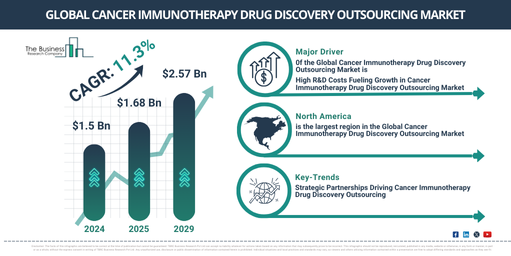
    The market for outsourcing the discovery of cancer immunotherapy drugs has witnessed a significant expansion in the past few years. The market, projected to be worth $1.5 billion in 2024, is expected to reach $1.68 billion in 2025, with a compound annual growth rate (CAGR) of 11.6%. Factors such as a rise in adverse drug reactions, heightened demand for extensive genomic testing, an escalating global prevalence of cancer, an increased necessity for targeted therapies, and a surge in clinical trials have contributed to the growth during the historical period.

    Anticipated to see swift expansion over the forthcoming years, the market for outsourced discovery of cancer immunotherapy drugs is likely to reach a valuation of $2.57 billion by 2029, growing at a compounded annual rate of 11.3%. The market’s progression during the forecast period can be attributed to factors such as the growing significance of personalized medicine, the rise in diagnostic tests, heightened focus on individualized cancer treatment, increase in healthcare expenditure, and a surge in the incidence and awareness of cancer. Key trends for the forecast period include advancements in diagnostic technology, the rise of next-generation sequencing (NGS), incorporation of artificial intelligence (AI), emerging liquid biopsy technologies, development of point-of-care companion diagnostic devices, and innovative testing procedures.

    Download a free sample to assess the report’s scope and structure:

    https://www.thebusinessresearchcompany.com/sample.aspx?id=15528&type=smp

    What Are the Primary Drivers Supporting the Market Growth of the Cancer Immunotherapy Drug Discovery Outsourcing Market?

    The escalating expenses involved in research and development are predicted to fuel the expansion of the cancer immunotherapy drug discovery outsourcing market. These growing expenses are primarily attributed to the necessity for specialized expertise, high-cost equipment, and the inherent potential risks associated with innovation. By outsourcing drug discovery processes, smaller biotech companies and startups can benefit from the economies of scale offered by contract research organizations (CROs), allowing them to maximize their R&D budgets and distribute resources more effectively, thereby increasing cost-efficiency. For example, the European Federation of Pharmaceutical Industries and Associations (EFPIA), a trade association that represents the pharmaceutical industry in Europe, reported in June 2023 that the overall pharmaceutical R&D expenditure in Europe for the year 2022 reached $49,500 million (€44,500 million), marking a rise of nearly 6.45% from $46,500 million (€42,533 million) in 2021. Thus, the soaring costs of conducting in-house research and development are driving the growth of the cancer immunotherapy drug discovery outsourcing market.

    Which Primary Segments of the Cancer Immunotherapy Drug Discovery Outsourcing Market Are Driving Growth and Industry Transformations?

    The cancer immunotherapy drug discovery outsourcing market covered in this report is segmented –

    1) By Drug Type: Monoclonal Antibodies, Immunomodulators, Oncolytic Viral Therapies And Cancer Vaccines, Other Drug Types

    2) By Service Type: Target Identification And Validation, Lead Screening And Characterization, Cell-Based Assays

    3) By Therapeutic Area: Lung Cancer, Breast Cancer, Melanoma, Other Therapeutic Areas

    Subsegments:

    1) By Monoclonal Antibodies: Checkpoint Inhibitors, Therapeutic Monoclonal Antibodies, Bispecific Antibodies, Antibody-Drug Conjugates (ADCs)

    2) By Immunomodulators: Cytokines, Immune Checkpoint Modulators, Toll-Like Receptor Agonists, Immune Adjuvants

    3) By Oncolytic Viral Therapies And Cancer Vaccines: Oncolytic Virus-Based Therapies, Cancer Vaccines, Viral Vectors For Immunotherapy

    4) By Other Drug Types: Adoptive Cell Therapy, Immune Cell Modulators, Small Molecule Immune Modulators, Gene Editing And Immunotherapy

    Request customized data on this market:

    https://www.thebusinessresearchcompany.com/customise?id=15528&type=smp

    Which Regions Are Key Players in the Growth of the Cancer Immunotherapy Drug Discovery Outsourcing Market?

    North America was the largest region in the cancer immunotherapy drug discovery outsourcing market in 2023. Asia-Pacific is expected to be the fastest-growing region in the forecast period. The regions covered in the cancer immunotherapy drug discovery outsourcing market report are Asia-Pacific, Western Europe, Eastern Europe, North America, South America, Middle East, Africa.

    What Long-Term Trends Are Transforming the Competitive Landscape of the Cancer Immunotherapy Drug Discovery Outsourcing Market?

    Leading businesses in the cancer immunotherapy drug discovery outsourcing market are turning to strategic partnerships to aid in the production of cancer-fighting drugs and secure a competitive industry edge. Strategic partnerships are typically defined as a collaborative effort between two or more organizations, pooling their resources, skills, and hard work to accomplish shared aspirations or aims. For example, in February 2022, Japanese pharmaceutical company, Ono Pharmaceutical Co., Ltd., and the US biopharmaceutical firm, Bristol-Myers Squibb, entered into an outsourcing deal with Prime Research Institute for Medical Research, Inc., another Japanese research institute. The collaboration project is aimed at clinical research catering to stomach cancer patients treated with a combined regimen of Opdivo (nivolumab) and chemotherapy. This large-scale, inter-institutional research, sponsored by the industry, uses PRiME-R’s CyberOncology, a data input support system that simplifies the standardization, structure, administration, and merging of real-world data in regular cancer medical procedures. Evaluating the combination of Opdivo with chemotherapy for untreated advanced or recurring gastric cancer, this clinical study involves around 30 nationwide medical institutions aiming to enhance data input efficiency, improve data accuracy, and hasten the analysis process.

    View the full report here:

    https://www.thebusinessresearchcompany.com/report/cancer-immunotherapy-drug-discovery-outsourcing-global-market-report

    What Parameters Are Used to Define the Cancer Immunotherapy Drug Discovery Outsourcing Market?

    Cancer immunotherapy drug discovery outsourcing is a specialized service model in the pharmaceutical and biotech sectors. It entails delegating aspects of cancer immunotherapy drug development to external service providers, typically contract research organizations (CROs) or contract development and manufacturing organizations (CDMOs) to speeds up innovation by leveraging external expertise and resources, letting pharmaceutical companies focus on core activities.

    Purchase the full report and get a swift delivery:

    https://www.thebusinessresearchcompany.com/purchaseoptions.aspx?id=15528

    About The Business Research Company:

    With over 15000+ reports from 27 industries covering 60+ geographies, The Business Research Company has built a reputation for offering comprehensive, data-rich research and insights. Armed with 1,500,000 datasets, the optimistic contribution of in-depth secondary research, and unique insights from industry leaders, you can get the information you need to stay ahead in the game.

    Get in touch with us:

    The Business Research Company: https://www.thebusinessresearchcompany.com/

    Americas +1 3156230293

    Asia +44 2071930708

    Europe +44 2071930708

    Email us at info@tbrc.info

    Follow us on:

    LinkedIn: https://in.linkedin.com/company/the-business-research-company

    YouTube: https://www.youtube.com/channel/UC24_fI0rV8cR5DxlCpgmyFQ

    Global Market Model: https://www.thebusinessresearchcompany.com/global-market-model
  • Calcium Gluconate Market 2025-2034: Key Highlights, Growth Dynamics, and Emerging Trends

    Calcium Gluconate Market 2025-2034: Key Highlights, Growth Dynamics, and Emerging Trends

    Discover trends, market shifts, and competitive outlooks for the calcium gluconate industry through 2025-2034 with The Business Research Company’s reliable data and in-depth research

    How Fast Is The Calcium Gluconate Market Expected to Grow Between 2025 And 2029?

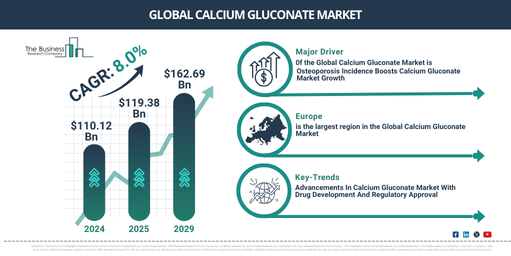
    In the past few years, the calcium gluconate market has seen significant expansion. Its value is set to increase from $110.12 billion in 2024 to $119.38 billion in 2025, with a compound annual growth rate (CAGR) of 8.4%. The increase during the historical period can be credited to factors such as economic advancement and industrialization, the heightened use of calcium gluconate in functional foods, the rising demand for pharmaceuticals and dietary supplements, growing cognizance of calcium deficiency, and supportive regulations for food additives.

    The market size for calcium gluconate is set to experience robust expansion in the coming years, reaching a value of $162.69 billion in 2029, with projected Compound Annual Growth Rate (CAGR) of 8.0%. This growth during the projected period can be linked to a variety of factors such as a rising elderly population and increased health awareness, the enlargement of the food and drink sector, the use of digital marketing and e-commerce for product marketing, shifting preference towards organic and natural products, burgeoning markets, and increasing urbanization. The anticipated trends within this period include healthcare research and development with an emphasis on sustainable sourcing and production, use of calcium gluconate in medicine, bespoke formulation for specialized health requirements, and advancements in technology in production processes.

    Download a free sample to assess the report’s scope and structure:

    https://www.thebusinessresearchcompany.com/sample.aspx?id=16005&type=smp

    Which Primay Drivers Are Accelerating Growth in the Calcium Gluconate Market?

    The surge in osteoporosis incidence is anticipated to fuel the calcium gluconate market’s expansion. Osteoporosis, a medical disorder characterized by bone fragility due to loss of bone density and strength, is often linked to sedentary lifestyles, insufficient calcium consumption, hormonal shifts, and certain diseases or medications. Calcium gluconate is a crucial component of osteoporosis treatment, bolstering dietary calcium intake and promoting bone health. For instance, as per December 2023 data from the Australian Institute of Health and Welfare (AIHW), an Australian government entity, osteoporosis accounted for 2,366 fatalities, a death rate of 6.5 per 100,000 individuals, and represented 1.4% of all deaths in 2022. Moreover, 9,500 hospital admissions were chiefly attributed to osteoporosis in 2021-22, equating to 89 hospitalizations per 100,000 population for people aged 45 and above. Consequently, the rising osteoporosis incidence is propelling the growth of the calcium gluconate market. Growth in the calcium gluconate market is forecasted to be driven by the escalating healthcare expenditure. ‘Healthcare’ refers to a systematic set-up of medical services, amenities, professionals, and resources aiming to foster, preserve, and recuperate the physical and mental health of individuals and communities. The growth of healthcare spending is attributed to factors such as aging demographics, rise in chronic disease prevalence, advancements in medical technology, and an increased demand for quality healthcare services. In the healthcare sector, calcium gluconate is typically employed to address conditions triggered by low calcium levels like hypocalcemia, cardiac arrest, and certain toxicities. For instance, financial projections from the Office for Budget Responsibility (OBR) and the Treasury, a UK-based non-ministerial government department, propose that the UK’s health spending plan will escalate to £192 billion ($244.43 billion) in 2024/25 from £182 billion ($231.70 billion) in 2022/23. Therefore, the rise in healthcare expenditure is stimulating the calcium gluconate market’s growth.

    Which Primary Segments of the Calcium Gluconate Market Are Driving Growth and Industry Transformations?

    The calcium gluconate market covered in this report is segmented –

    1) By Form: Liquid, Tablet, Powder, Gel

    2) By Grade: Pharmaceutical Grade, Food Grade

    3) By Application: Food And Beverage Manufacturers, Pharmaceutical, Nutraceutical, Cosmetic And Personal Care, Other Applications

    4) By End Use: Emulsifier, Bulking Agent, Thickening Agent

    Subsegments:

    1) By Liquid: Injectable Solution, Oral Liquid, IV Infusion

    2) By Tablet: Standard Tablets, Effervescent Tablets

    3) By Powder: Oral Powder, Injectable Powder

    4) By Gel: Topical Gel, Transdermal Gel

    Request customized data on this market:

    https://www.thebusinessresearchcompany.com/customise?id=16005&type=smp

    Which Regions Are Key Players in the Growth of the Calcium Gluconate Market?

    Europe was the largest region in the calcium gluconate market in 2024. Asia-Pacific is expected to be the fastest-growing region in the forecast period. The regions covered in the calcium gluconate market report are Asia-Pacific, Western Europe, Eastern Europe, North America, South America, Middle East, Africa.

    Which Emerging Trends that Are Influencing the Calcium Gluconate Industry Evolution?

    Leading businesses in the calcium gluconate market are putting their resources into the development and regulatory approval of calcium gluconate drugs. These steps aim to improve the available treatments for conditions related to calcium deficiencies. The process from discovering a drug to getting its approval for market distribution is intricate and multi-faceted, including stages like preclinical testing and clinical trials. For example, in September 2023, Amneal Pharmaceuticals Inc., a US-based generics and specialty pharmaceutical company listed publicly, was given approval for abbreviated new drug application (ANDA) by the U.S. Food and Drug Administration (FDA) to produce calcium gluconate in sodium chloride injection. The FDA approved this product and granted it the Competitive Generic Therapy (CGT) label, along with a 180-day exclusivity period. The approved substance comes in two variants: 1000 mg/50 mL and 2000 mg/100 mL. Calcium gluconate in sodium chloride injection, presented in a small-volume parenteral bag, is used for the treatment of acute symptomatic hypocalcemia in both children and adults.

    View the full report here:

    https://www.thebusinessresearchcompany.com/report/calcium-gluconate-global-market-report

    What Parameters Are Used to Define the Calcium Gluconate Market?

    Calcium gluconate is a mineral supplement used to treat or prevent calcium deficiencies and to manage conditions such as hypocalcemia, osteoporosis, and certain muscle spasms. It works by replenishing calcium stores in the body, aiding in bone strength and muscle function. This is often administered intravenously or orally to restore normal calcium levels in the blood.

    Purchase the full report and get a swift delivery:

    https://www.thebusinessresearchcompany.com/purchaseoptions.aspx?id=16005

    About The Business Research Company:

    With over 15000+ reports from 27 industries covering 60+ geographies, The Business Research Company has built a reputation for offering comprehensive, data-rich research and insights. Armed with 1,500,000 datasets, the optimistic contribution of in-depth secondary research, and unique insights from industry leaders, you can get the information you need to stay ahead in the game.

    Get in touch with us:

    The Business Research Company: https://www.thebusinessresearchcompany.com/

    Americas +1 3156230293

    Asia +44 2071930708

    Europe +44 2071930708

    Email us at info@tbrc.info

    Follow us on:

    LinkedIn: https://in.linkedin.com/company/the-business-research-company

    YouTube: https://www.youtube.com/channel/UC24_fI0rV8cR5DxlCpgmyFQ

    Global Market Model: https://www.thebusinessresearchcompany.com/global-market-model
  • Testosterone Booster Market Forecast Reaching $7.5 Billion by 2029 at 6.5% CAGR

    Testosterone Booster Market Forecast Reaching $7.5 Billion by 2029 at 6.5% CAGR

    Discover trends, market shifts, and competitive outlooks for the testosterone booster industry through 2025-2034 with The Business Research Company’s reliable data and in-depth research

    What Are the Projected Market Size and Growth Rates for the Testosterone Booster Market From 2025 To 2029?

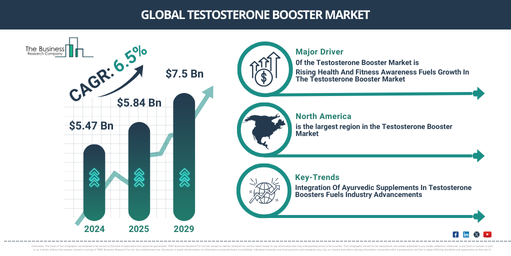
    The market size of testosterone boosters has seen a robust expansion in the past few years. The market is expected to surge from $5.47 billion in 2024 to $5.84 billion in 2025 showing a Compound Annual growth rate (CAGR) of 6.7%. This incline was largely driven by factors such as the substantiation from healthcare experts, evolving beauty norms, exposure from fitness literature and media, the international spread of fitness culture, and shifting attitudes towards masculinity.

    The market size for testosterone boosters is predicted to experience substantial expansion in the upcoming years, reaching $7.5 billion in 2029 with a compound annual growth rate (CAGR) of 6.5%. The projected growth in the forecast period may be as a result of factors such as a heightened focus on preventive healthcare, the growth of e-commerce, increased awareness about hormonal health, inventive marketing approaches, and tailored medicine. Key trends during the forecast timeframe include the rising popularity of online sales platforms, advancements in delivery formats, the incorporation of technology into the sector, increased global market presence, and various collaborations and partnerships.

    Download a free sample to assess the report’s scope and structure:

    https://www.thebusinessresearchcompany.com/sample.aspx?id=13942&type=smp

    Which Major Market Drivers Are Expected to Boost the Growth Potential of the Testosterone Booster Market?

    The increasing consciousness related to physical and mental well-being is forecasted to drive the expansion of the testosterone booster market. The definition of health and fitness encompasses the overall healthiness and peak functioning of the mind and body, which includes physical, psychological, and social aspects, focussing on preserving or enhancing one’s physical state. Testosterone enhancers have the potential to increase muscle growth and power, which can aid in athletic activities and overall physical robustness. For illustration, a survey conducted by ukactive, a non-profit UK industry association, in September 2023 involving 2,271 UK adults, revealed that maintaining physical activity mainly for mental health was a motivation for over half (54%) of UK adults. In comparison, 49% reported their objective was to get in shape. Further, 86% of them consented that keeping up with physical activity can assist in averting different diseases and injuries. Hence, the escalation in health and fitness consciousness is fuelling the expansion of the testosterone booster market.

    Which Key Market Segments Comprise the Testosterone Booster Market and Drive Its Revenue Growth?

    The testosterone booster market covered in this report is segmented –

    1) By Component: Vitamins, D-Aspartic Acid, Zinc Component

    2) By Source: Mucuna Pruriens, Ginseng, Oyster Extract, Fenugreek

    3) By Application: Hospitals, Retail Pharmacies

    Subsegments:

    1) By Vitamins: Vitamin D, Vitamin B6, Vitamin B12

    2) By D-Aspartic Acid: D-Aspartic Acid Powder, D-Aspartic Acid Capsules

    3) By Zinc Component: Zinc Citrate, Zinc Monomethionine, Zinc Aspartate

    Request customized data on this market:

    https://www.thebusinessresearchcompany.com/customise?id=13942&type=smp

    Which Areas Are Leading Regions in the Testosterone Booster Market Expansion Across the Globe?

    North America was the largest region in the testosterone booster market in 2024. The regions covered in the testosterone booster market report are Asia-Pacific, Western Europe, Eastern Europe, North America, South America, Middle East, Africa.

    What Are the Key Market Trends in theTestosterone Booster Market Over the Coming Years?

    Top corporations in the testosterone booster industry are innovating advanced product recipes, like incorporating ayurvedic supplements, to fortify their standing in the sector. Ayurvedic additions provide distinct advantages to testosterone enhancers by delivering an organic, comprehensive, and proven method that resonates with customers who prefer natural to artificial products. For example, Jagat Pharma Pvt Ltd., an Indian ayurvedic company, unveiled an influential testosterone enhancer in November 2023 programmed to augment energy, boost endurance, and enhance muscle power. The company’s most recent productutilizes central Ayurvedic elements such as Ginseng Root Extract, Gokhru, Ashwagandha, Fenugreek, Safed Musli, and Kawach Beej. The ingredients aim to ramp up strength, power, and stamina, thereby enhancing physical performance and durability.

    View the full report here:

    https://www.thebusinessresearchcompany.com/report/testosterone-booster-global-market-report

    How Is the Testosterone Booster Market Conceptually Defined?

    A testosterone booster is a supplement or medication designed to increase testosterone levels in the body, often containing natural ingredients like vitamins and herbs to enhance libido, muscle mass, and overall energy, though their effectiveness can vary widely and they are not a substitute for medically prescribed testosterone replacement therapy.

    Purchase the full report and get a swift delivery:

    https://www.thebusinessresearchcompany.com/purchaseoptions.aspx?id=13942

    About The Business Research Company:

    With over 15000+ reports from 27 industries covering 60+ geographies, The Business Research Company has built a reputation for offering comprehensive, data-rich research and insights. Armed with 1,500,000 datasets, the optimistic contribution of in-depth secondary research, and unique insights from industry leaders, you can get the information you need to stay ahead in the game.

    Get in touch with us:

    The Business Research Company: https://www.thebusinessresearchcompany.com/

    Americas +1 3156230293

    Asia +44 2071930708

    Europe +44 2071930708

    Email us at info@tbrc.info

    Follow us on:

    LinkedIn: https://in.linkedin.com/company/the-business-research-company

    YouTube: https://www.youtube.com/channel/UC24_fI0rV8cR5DxlCpgmyFQ

    Global Market Model: https://www.thebusinessresearchcompany.com/global-market-model
  • Major Trends and Emerging Patterns in the TCR Therapy Market: Strategic Partnerships Driving Innovation In The TCR Therapy Industry

    Major Trends and Emerging Patterns in the TCR Therapy Market: Strategic Partnerships Driving Innovation In The TCR Therapy Industry

    Discover trends, market shifts, and competitive outlooks for the tcr therapy industry through 2025-2034 with The Business Research Company’s reliable data and in-depth research

    How Fast Is The TCR Therapy Market Expected to Grow Between 2025 And 2029?

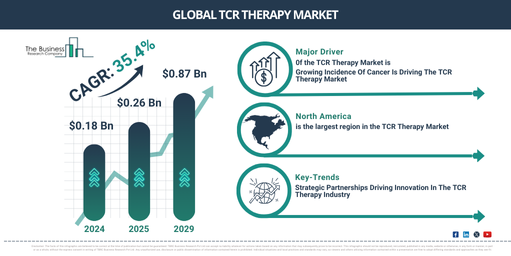
    There has been a substantial expansion in the TCR therapy market size recently. The market is predicted to surge from $0.18 billion in 2024 to $0.26 billion in 2025, marking a compound annual growth rate (CAGR) of 40.3%. Factors such as the rising prevalence of cancer, growing enthusiasm for immunotherapy, promising clinical trial outcomes, and ample financial backing from investors all contribute to the growth observed in the historical period.

    The estimated size of the TCR therapy market is predicted to surge significantly in the upcoming years, reaching $0.87 billion in 2029 with a compound annual growth rate (CAGR) of 35.4%. This predicted acceleration during the forecast period is likely due to the rise in current clinical trials, the integration of futuristic technology in the health sector, broadening applications in solid tumors, regulatory backing, and more efficient approval procedures, and combination with supplemental therapies. The expected key developments during this time span include extending to solid tumors, advancement in TCR engineering, growing personalization and identification of neoantigens, worldwide alliances and tactical partnerships, and constant studies in the fields of immunology and tumor biology.

    Download a free sample to assess the report’s scope and structure:

    https://www.thebusinessresearchcompany.com/sample.aspx?id=14517&type=smp

    What Are the Primary Drivers Supporting the Market Growth of the TCR Therapy Market?

    The escalating occurrence of cancer is anticipated to fuel the advancement of the TCR therapy market. Cancer is a group of disorders defined by uncontrolled proliferation and propagation of abnormal cells throughout the body. These cells may infiltrate and devastate healthy tissues, hampering the functioning of organs and systems in the body. Factors such as lifestyle habits, an aging populace, the obesity crisis, and genetic elements contribute to the emergence of the disease. T-cell receptor (TCR) therapy exploits the immunity system’s capacity for specifically targeting and enhancing the efficacy of TCR therapy, possibly marking a transformative stride in future cancer treatment methods. As an example, in October 2022, Macmillan Cancer Support, a UK-based health charity organization, approximated that 3 million individuals had cancer in 2020, anticipated to elevate to 3.5 million by 2025, 4 million by 2030, and 5.3 million by 2040. Thus, the increasing incidence of cancer is propelling the expansion of the TCR therapy market.

    Which Primary Segments of the TCR Therapy Market Are Driving Growth and Industry Transformations?

    The TCR therapy market covered in this report is segmented –

    1) By Product Type: Infusions, Injectables, Other Product Types

    2) By Indication: Leukemia, Lymphoma, Myeloma, Other Indication

    3) By Distribution Channel: Online, Offline

    4) By End-User: Hospital Pharmacy, Retail Pharmacy, Specialty Clinics

    Subsegments:

    1) By Infusions: Autologous TCR Infusions, Allogeneic TCR Infusions

    2) By Injectables: TCR-based Injectable Formulations, Injectable TCR Gene Therapies

    3) By Other Product Types: TCR-Engineered Cell Therapies, TCR Combination Therapies with Other Immunotherapies, TCR-Based Biologics

    Request customized data on this market:

    https://www.thebusinessresearchcompany.com/customise?id=14517&type=smp

    Which Regions Are Key Players in the Growth of the TCR Therapy Market?

    North America was the largest region in the TCR therapy market in 2024. Asia-Pacific is expected to be the fastest-growing region in the forecast period. The regions covered in the TCR therapy market report are Asia-Pacific, Western Europe, Eastern Europe, North America, South America, Middle East, Africa.

    What Are the Most Significant Market Trends in the TCR Therapy Market?

    Leading firms in the TCR therapy sector are embracing a strategic partnership model in order to offer imperative treatments to patients and gain a market advantage. A strategic partnership involves businesses leveraging each other’s strengths and resources for shared success and advantages. To illustrate, ImmunoScape, an American biotechnology firm, teamed up with Experimental Drug Development Centre (EDDC), a pharmaceutical firm based in Singapore, in December 2023. The objective was to develop novel TCR-based bispecific molecules for solid tumors. This collaboration plans to capitalize on ImmunoScape’s system immunology and computational biology prowess and EDDC’s proficiency in order to push forward research in this domain. It will also facilitate a strategic alliance that uses their unique abilities to expedite the development of potentially more effective and readily available cancer treatments.

    View the full report here:

    https://www.thebusinessresearchcompany.com/report/tcr-therapy-global-market-report

    What Parameters Are Used to Define the TCR Therapy Market?

    T-cell receptor (TCR) therapy refers to a form of immunotherapy that involves modifying a patient’s T cells to better recognize and attack cancer cells. It is primarily used as a treatment for cancer and is designed to harness the power of the body’s own immune system to target and destroy cancer cells.

    Purchase the full report and get a swift delivery:

    https://www.thebusinessresearchcompany.com/purchaseoptions.aspx?id=14517

    About The Business Research Company:

    With over 15000+ reports from 27 industries covering 60+ geographies, The Business Research Company has built a reputation for offering comprehensive, data-rich research and insights. Armed with 1,500,000 datasets, the optimistic contribution of in-depth secondary research, and unique insights from industry leaders, you can get the information you need to stay ahead in the game.

    Get in touch with us:

    The Business Research Company: https://www.thebusinessresearchcompany.com/

    Americas +1 3156230293

    Asia +44 2071930708

    Europe +44 2071930708

    Email us at info@tbrc.info

    Follow us on:

    LinkedIn: https://in.linkedin.com/company/the-business-research-company

    YouTube: https://www.youtube.com/channel/UC24_fI0rV8cR5DxlCpgmyFQ

    Global Market Model: https://www.thebusinessresearchcompany.com/global-market-model
  • Synthetic HormonesMarket Overview 2025–2034: CAGR Trends, Long-Term Growth Paths, and Business Implications

    Synthetic HormonesMarket Overview 2025–2034: CAGR Trends, Long-Term Growth Paths, and Business Implications

    Discover trends, market shifts, and competitive outlooks for the synthetic hormones industry through 2025-2034 with The Business Research Company’s reliable data and in-depth research

    What Is the Estimated Market Size of the Synthetic Hormones Market In 2029?

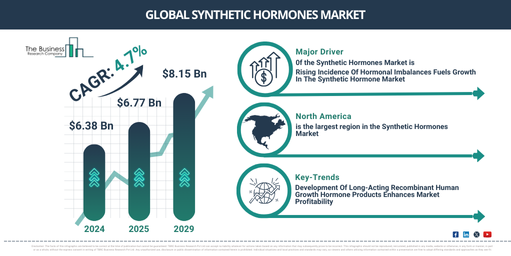
    The market size for synthetic hormones has experienced robust growth in the past few years. The projection is that it will expand from $6.38 billion in 2024 to $6.77 billion in 2025, registering a compound annual growth rate (CAGR) of 6.2%. This growth during the historic period is caused by factors such as animal growth promotion, performance enhancement, environmental impact, fertility treatments, and management of menopausal symptoms.

    Predictions indicate a consistent expansion in the synthetic hormones market in the upcoming years. It is anticipated to reach $8.15 billion by 2029, with a compound annual growth rate (CAGR) of 4.7%. Factors fueling this growth during the forecast period include advancements in transgender healthcare, increased healthcare spending and insurance coverage, regulatory approvals, and broader applications of synthetic hormones. Key trends during this forecast period involve the emergence of plant-based hormone therapy, the incorporation of hormone therapy into anti-aging treatments, technological progress in drug delivery, and a shift towards hormone-free birth control.

    Download a free sample to assess the report’s scope and structure:

    https://www.thebusinessresearchcompany.com/sample.aspx?id=14515&type=smp

    What Are the Primary Drivers Supporting the Market Growth of the Synthetic Hormones Market?

    The upswing in cases of hormonal irregularities is projected to spur the expansion of the synthetic hormones market in the future. Hormonal imbalances, implying an excess or deficiency of a hormone in the bloodstream, can be a result of stress, aging, health issues, or lifestyle factors, interrupting typical hormone production and control within the body. Synthetic hormones are employed to enhance or substitute natural hormones during these imbalances, facilitating the management of bodily functions and mitigating symptoms related to shortages or surpluses. For example, data from the NHS Business Services Authority, a non-departmental body based in the UK, reveals that in 2022, approximately 7.80 million hormone replacement therapy (HRT) items were dispensed in England, signifying a surge of 35.0% compared to the prior year. Hence, the escalating occurrence of hormonal imbalances is promoting the development of the synthetic hormones market.

    Which Primary Segments of the Synthetic Hormones Market Are Driving Growth and Industry Transformations?

    The synthetic hormones market covered in this report is segmented –

    1) By Product Type: Steroid Hormones, Peptide Hormone, Amino Acid Derivatives, Other Product Types

    2) By Route of Administration: Oral, Nasal, Topical, Intravenous

    3) By Application: Growth Hormone Deficiency, Thyroid Hormone Deficiency, Menopause, Male Hypogonadism, Other Applications

    4) By End User: Hospital Pharmacies, Retail Pharmacies, Online Pharmacies

    Subsegments:

    1) By Steroid Hormones: Corticosteroids, Estrogens and Progesterone, Androgens, Progestins

    2) By Peptide Hormones: Insulin, Growth Hormones, Thyroid Stimulating Hormones, Leptin

    3) By Amino Acid Derivatives: Thyroxine (T4), Epinephrine (Adrenaline), Melatonin, Serotonin

    4) By Other Product Types: Vitamin D Derivatives, Prostaglandins, Gonadotropins

    Request customized data on this market:

    https://www.thebusinessresearchcompany.com/customise?id=14515&type=smp

    Which Regions Are Key Players in the Growth of the Synthetic Hormones Market?

    North America was the largest region in the synthetic hormones market in 2024. Asia-Pacific is expected to be the fastest-growing region in the forecast period. The regions covered in the synthetic hormones market report are Asia-Pacific, Western Europe, Eastern Europe, North America, South America, Middle East, Africa.

    What Are the Most Significant Market Trends in the Synthetic Hormones Market?

    Leading corporations in the synthetic hormone sector are concentrating their efforts on creating cutting-edge offerings such as recombinant human growth hormone to boost their market earnings. Recombinant human growth hormone is a man-made hormone used in treating growth hormone deficiency in both children and adults, as well as some specific ailments related to the deficiency of growth hormone. For example, in February 2022, Pfizer Inc., a pharmaceutical corporation based in the US, and OPKO Health Inc., a US-established medical test and medication firm, garnered marketing consent for NGENLA (somatrogon) injections, to be used once-minute every week in the European Union. These injections aim to address pediatric growth hormone deficiency in children and adolescents aged three years and above. This innovative long-acting injection offers an alternative solution for those suffering from growth issues due to lack of adequate growth hormone secretion. Unlike daily growth hormone injections, NGENLA is given subcutaneously and remains in the body for a longer duration, enabling a once-a-week application.

    View the full report here:

    https://www.thebusinessresearchcompany.com/report/synthetic-hormones-global-market-report

    What Parameters Are Used to Define the Synthetic Hormones Market?

    Synthetic hormones are artificially produced substances that mimic the function of natural hormones in the body. These hormones are typically created through chemical synthesis rather than being derived from natural sources and are used in medical treatments to regulate various physiological processes or to replace hormones that the body may not produce in sufficient quantities.

    Purchase the full report and get a swift delivery:

    https://www.thebusinessresearchcompany.com/purchaseoptions.aspx?id=14515

    About The Business Research Company:

    With over 15000+ reports from 27 industries covering 60+ geographies, The Business Research Company has built a reputation for offering comprehensive, data-rich research and insights. Armed with 1,500,000 datasets, the optimistic contribution of in-depth secondary research, and unique insights from industry leaders, you can get the information you need to stay ahead in the game.

    Get in touch with us:

    The Business Research Company: https://www.thebusinessresearchcompany.com/

    Americas +1 3156230293

    Asia +44 2071930708

    Europe +44 2071930708

    Email us at info@tbrc.info

    Follow us on:

    LinkedIn: https://in.linkedin.com/company/the-business-research-company

    YouTube: https://www.youtube.com/channel/UC24_fI0rV8cR5DxlCpgmyFQ

    Global Market Model: https://www.thebusinessresearchcompany.com/global-market-model
  • Global Small Molecule Injectable Drugs Market Trends: Regional Breakdowns and Strategic Insights

    Global Small Molecule Injectable Drugs Market Trends: Regional Breakdowns and Strategic Insights

    Discover trends, market shifts, and competitive outlooks for the small molecule injectable drugs industry through 2025-2034 with The Business Research Company’s reliable data and in-depth research

    How Fast Is The Small Molecule Injectable Drugs Market Expected to Grow Between 2025 And 2029?

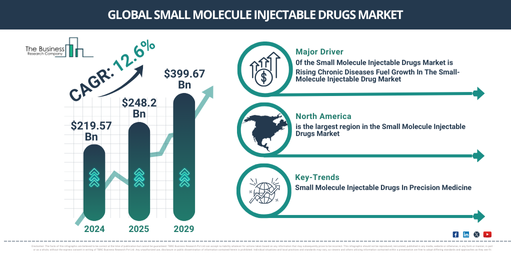
    The market size for small molecule injectable drugs has seen swift expansion in recent years. The market is set to expand from $219.57 billion in 2024 to $248.2 billion in 2025, marking a compound annual growth rate (CAGR) of 13.0%. Factors such as an increase in chronic diseases, an aging global population, governmental initiatives, a rise in healthcare spending, and enhanced manufacturing procedures have significantly contributed to the growth experienced in the historical period.

    The market size for small molecule injectable drugs is anticipated to experience swift expansion in the coming years, reaching a value of $399.67 billion in 2029 with a Compound Annual Growth Rate (CAGR) of 12.6%. This predicted growth during the forecast period can be linked to factors such as personalized healthcare, incorporation of digital health, optimization of the supply chain, and the use of real-world evidence, as well as a shift towards outpatient care. Key trends during this period comprise of progressive developments in drug delivery systems, technological advancements, enhanced focus on research and development, innovation in injectable treatments, and expedited approval process for novel drug formulations.

    Download a free sample to assess the report’s scope and structure:

    https://www.thebusinessresearchcompany.com/sample.aspx?id=14998&type=smp

    What Are the Major Market Drivers Behind the Rising Adoption of Small Molecule Injectable Drugs Market?

    The increase in chronic illnesses is predicted to stimulate expansion in the small-molecule injectable drug market. Characterized by their long-term persistence and usually slow development, chronic diseases are escalating due to various factors such as inactive lifestyles, improper dietary routines, tobacco consumption, and growing stress levels. These lifestyle decisions lead to the emergence of health issues including obesity, diabetes, cardiovascular diseases, and specific forms of cancer. Small-molecule injectable medications are instrumental in treating chronic diseases by providing focused therapy, increased adherence, modification of the disease, combined treatment choices, and possibilities for therapeutic monitoring. For instance, the World Health Organization, a specialized agency of the United Nations based in Switzerland, reported in September 2023 that out of the 41 million deaths caused by non-communicable diseases (NCDs) or chronic diseases every year worldwide, which is 74%, 17.9 million were from cardiovascular diseases, 9.3 million were from cancer, 4.1 million were from chronic respiratory diseases, and 2.0 million were from diabetes. Hence, the surge in chronic diseases is fueling the growth of the small-molecule injectable drug market.

    Which Key Market Segments Comprise the Small Molecule Injectable Drugs Market and Drive Its Revenue Growth?

    The small molecule injectable drugs market covered in this report is segmented –

    1) By Drug Class: Small Molecule Antibiotics, Analgesics, Chemotherapy, Antivirals, Anticoagulant, Skeletal Muscle Relaxants, Anticonvulsants, Other Drug Class

    2) By Indication: Pain Management, Oncology, Infectious Diseases, Cardiovascular Diseases, CNS Diseases, Other Indications

    3) By Mode of Delivery: IV Set, Intravenous Injection, Infusion Pump, Intramuscular Injection, Subcutaneous Injection

    4) By End User: Hospitals, Ambulatory Clinics, Outpatient Facility, Infusion Therapy Center, Home Care, Other End Users

    Subsegments:

    1) By Small Molecule Antibiotics: Penicillin-Based Antibiotics, Cephalosporins, Aminoglycosides, Macrolides, Tetracyclines

    2) By Analgesics: Nonsteroidal Anti-inflammatory Drugs (NSAIDs), Opioids, Acetaminophen

    3) By Chemotherapy: Alkylating Agents, Antimetabolites, Mitotic Inhibitors, Topoisomerase Inhibitors

    4) By Antivirals: Nucleoside Analogues, Protease Inhibitors, Reverse Transcriptase Inhibitors

    5) By Anticoagulant: Heparin, Low Molecular Weight Heparins, Direct Oral Anticoagulants (DOACs)

    6) By Skeletal Muscle Relaxants: Baclofen, Cyclobenzaprine, Methocarbamol

    7) By Anticonvulsants: Benzodiazepines, Phenytoin, Carbamazepine

    8) By Other Drug Class: Immunosuppressants, Biologic Agents, Hormonal Therapies

    Request customized data on this market:

    https://www.thebusinessresearchcompany.com/customise?id=14998&type=smp

    Which Areas Are Leading Regions in the Small Molecule Injectable Drugs Market Expansion Across the Globe?

    North America was the largest region in the small molecule injectable drugs market in 2024. Europe is expected to be the fastest-growing region in the forecast period. The regions covered in the small molecule injectable drugs market report are Asia-Pacific, Western Europe, Eastern Europe, North America, South America, Middle East, Africa.

    What Are the Strategic Trends Steering theSmall Molecule Injectable Drugs Market Direction?

    Businesses in the small-molecule injectable drug market are striving to bring forth innovative technologies, like the new microparticle technology, to improve the solubility of active pharmaceutical ingredients present in oral medication. Microparticle technology pertains to the construction, production, and utilization of particles that exist at the microscopic scale, ranging in size from nanometers to micrometers. These particles can be made from a wide range of materials, such as polymers, metals, ceramics, and composites. For instance, Evonik Industries AG, a specialty chemicals firm based in Germany, introduced EUDRATEC SoluFlow in March 2022, a novel microparticle technology devised to increase the solubility of active pharmaceutical ingredients in oral drug products. This ground-breaking emulsion-based processing technology tackles solubility issues that traditional manufacturing means fail to solve, especially in cases of new small-molecule therapeutics where over 70% of the compounds are insoluble. EUDRATEC SoluFlow allows for the creation of new oral therapies for a variety of health conditions like cancer, cardiovascular diseases, infectious diseases, and diabetes. It does this by transforming poorly soluble drugs into free-flowing amorphous solid dispersion powders (ASD).

    View the full report here:

    https://www.thebusinessresearchcompany.com/report/small-molecule-injectable-drugs-global-market-report

    How Is the Small Molecule Injectable Drugs Market Conceptually Defined?

    Small molecule injectable drugs are pharmaceutical substances that are small in size and have a low molecular weight. These medications are often provided via injection, either intravenously, intramuscularly, or subcutaneously, to achieve systemic distribution throughout the body.

    Purchase the full report and get a swift delivery:

    https://www.thebusinessresearchcompany.com/purchaseoptions.aspx?id=14998

    About The Business Research Company:

    With over 15000+ reports from 27 industries covering 60+ geographies, The Business Research Company has built a reputation for offering comprehensive, data-rich research and insights. Armed with 1,500,000 datasets, the optimistic contribution of in-depth secondary research, and unique insights from industry leaders, you can get the information you need to stay ahead in the game.

    Get in touch with us:

    The Business Research Company: https://www.thebusinessresearchcompany.com/

    Americas +1 3156230293

    Asia +44 2071930708

    Europe +44 2071930708

    Email us at info@tbrc.info

    Follow us on:

    LinkedIn: https://in.linkedin.com/company/the-business-research-company

    YouTube: https://www.youtube.com/channel/UC24_fI0rV8cR5DxlCpgmyFQ

    Global Market Model: https://www.thebusinessresearchcompany.com/global-market-model

  • Small Molecule CMO/CDMO Market Outlook 2025: Mapping Growth, Innovation, and Regional Shifts

    Small Molecule CMO/CDMO Market Outlook 2025: Mapping Growth, Innovation, and Regional Shifts

    Discover trends, market shifts, and competitive outlooks for the small molecule cmo/cdmo industry through 2025-2034 with The Business Research Company’s reliable data and in-depth research

    What Are the Key Projections for the CAGR of the Small Molecule CMO/CDMO Market Size From 2025 to 2034?

    The expansion of the small molecule CMO/CDMO market has been robust in the past few years. By 2025, it’s projected to reach $54.58 billion, up from $50.58 billion in 2024, reflecting a compound annual growth rate (CAGR) of 7.9%. The substantial growth during the historical period can be traced back to factors such as robust government backing, cost-efficient measures, escalating intricacies in drug creation, industry amalgamation, and emphasis on main abilities.

    In the coming years, the small molecule CMO/CDMO market is anticipated to experience significant growth. By 2029, it is projected to expand to an estimated size of $73.3 billion, with a Compound Annual Growth Rate (CAGR) of 7.7%. This growth during the forecasted period can be linked to several factors, including an increase in drug pipelines, the global expansion of pharmaceutical operations, a higher demand for flexible manufacturing, expertise in regulatory compliance, and convergence with biopharmaceuticals. Key trends during this period include the adoption of sustainable and eco-friendly manufacturing processes, more collaboration and partnerships, the emergence of personalized medicine and niche therapies, the rise of virtual and virtual-to-reality companies, the integration of digital technologies, and the implementation of rapid response manufacturing.

    Download a free sample to assess the report’s scope and structure:

    https://www.thebusinessresearchcompany.com/sample.aspx?id=13733&type=smp

    What External and Internal Drivers Are Contributing to the Growth of the Small Molecule CMO/CDMO Market?

    The increasing need for pharmaceutical products is anticipated to spur the expansion of the small-molecule CMO/CDMO market in the future. The pharmaceutical industry encompasses the research, creation, and production of medicines carried out by both public and private bodies. Small-molecule CMO/CDMO provides an avenue for pharmaceutical companies to outsource various services such as development, manufacturing, and packaging of small-molecule drugs. This leads to reduced costs, time savings, and process optimization. For example, in August 2024, the Government of Canada reported an increase in domestic pharmaceutical exports to 9.59 billion USD (12.79 billion CAD) in 2022, a rise from 10.71 billion CAD recorded in 2021. The value of imports also soared to 30.21 billion CAD, up from 26.63 billion CAD in 2021. As a result, the burgeoning demand for pharmaceuticals is fueling the growth of the small-molecule CMO/CDMO market.

    What Segment Types Define the Small Molecule CMO/CDMO Market Structure?

    The small molecule CMO/CDMO market covered in this report is segmented –

    1) By Product: Small Molecule Drug Product, Small Molecule API

    2) By Stage Type: Clinical, Commercial, Preclinical

    3) By Therapeutic Area: Oncology, Neurology, Infectious Disease, Cardiovascular Disease, Respiratory Disorders, Metabolic Disorders, Other Therapeutics

    4) By Application: Cardiovascular, Oncology, Diabetes, Immunological Disorders

    Subsegments:

    1) By Small Molecule Drug Product: Solid Dosage Forms (Tablets, Capsules), Liquid Dosage Forms (Injectables, Solutions), Topical Dosage Forms

    2) By Small Molecule API (Active Pharmaceutical Ingredient): Generic APIs, Branded APIs, Custom Synthesis APIs

    Request customized data on this market:

    https://www.thebusinessresearchcompany.com/customise?id=13733&type=smp

    Which Geographic Areas Hold the Strongest Growth Potential in the Small Molecule CMO/CDMO Market?

    North America was the largest region in the small molecule CMO/CDMO market in 2024. The regions covered in the small molecule CMO/CDMO market report are Asia-Pacific, Western Europe, Eastern Europe, North America, South America, Middle East, Africa.

    What Long-Term Trends Are Transforming the Competitive Landscape of the Small Molecule CMO/CDMO Market?

    Leading firms in the small-molecule CMO/CDMO market are concentrating on novel technologies, like the revolutionary small-molecule platform in Shanghai, to enhance CDMO services. This advanced small-molecule platform signifies the cutting edge of technological breakthroughs in the development and production of small-molecule drugs, generating safer, more potent, and more optimally manufactured pharmaceutical compounds. For example, Porton Pharma Solutions Ltd., a pharmaceutical company based in China, introduced an ultra-modern small-molecule platform in Shanghai in June 2023, raising the bar for CDMO services. This state-of-the-art small molecule platform incorporates a comprehensive strategy, merging innovative technologies and procedures to elevate the entire lifecycle of small molecule pharmaceuticals. It provides a one-stop solution, offering an all-inclusive platform, adaptability and accessibility, along with a digital transformation.

    View the full report here:

    https://www.thebusinessresearchcompany.com/report/small-molecule-cmo-or-cdmo-global-market-report

    What Is the Definition of the Small Molecule CMO/CDMO Market?

    A small-molecule contract manufacturing organization (CMO) or contract development and manufacturing organization (CDMO) is an entity that provides services to other companies in the pharmaceutical industry on a contract basis for the completion of projects and subsequent regulatory submission. These organizations offer a range of services, including contract development, manufacturing, and packaging of small-molecule drugs.

    Purchase the full report and get a swift delivery:

    https://www.thebusinessresearchcompany.com/purchaseoptions.aspx?id=13733

    About The Business Research Company:

    With over 15000+ reports from 27 industries covering 60+ geographies, The Business Research Company has built a reputation for offering comprehensive, data-rich research and insights. Armed with 1,500,000 datasets, the optimistic contribution of in-depth secondary research, and unique insights from industry leaders, you can get the information you need to stay ahead in the game.

    Get in touch with us:

    The Business Research Company: https://www.thebusinessresearchcompany.com/

    Americas +1 3156230293

    Asia +44 2071930708

    Europe +44 2071930708

    Email us at info@tbrc.info

    Follow us on:

    LinkedIn: https://in.linkedin.com/company/the-business-research-company

    YouTube: https://www.youtube.com/channel/UC24_fI0rV8cR5DxlCpgmyFQ

    Global Market Model: https://www.thebusinessresearchcompany.com/global-market-model
  • $12.35 Billion Forecast for Small Cell Lung Cancer Therapeutics Market by 2029, Backed by Demand and Innovation

    $12.35 Billion Forecast for Small Cell Lung Cancer Therapeutics Market by 2029, Backed by Demand and Innovation

    Discover trends, market shifts, and competitive outlooks for the small cell lung cancer therapeutics industry through 2025-2034 with The Business Research Company’s reliable data and in-depth research

    What Are the Key Milestones in the Small Cell Lung Cancer Therapeutics Market’s Growth Trajectory From 2025 To 2034?

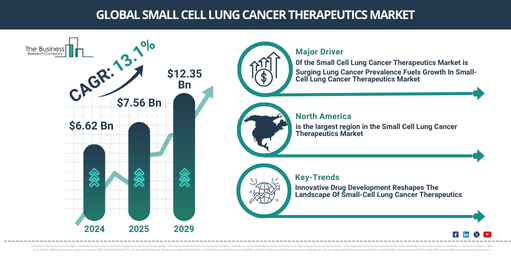
    In recent times, the market size for small cell lung cancer therapeutics has seen substantial growth. The market, which is expected to increase from $6.62 billion in 2024 to $7.56 billion in 2025, will witness a compound annual growth rate (CAGR) of 14.2%. The surge noted in the historical duration can be credited to a rise in small cell lung cancer cases, heightened consciousness about the disease, rising demand for efficient and easy treatments, along with government initiatives.

    In the coming years, anticipations are high for a fast-paced expansion in the market size of small cell lung cancer therapeutics, expecting to reach $12.35 billion by 2029 with a compound annual growth rate (CAGR) of 13.1%. Factors driving the growth during the projection period include increased funding in research and development for small cell lung cancer therapies, a rise in tobacco smoking, growth in chemotherapy practices, and higher healthcare spending. Key trends marking the forecast timeframe include improvements in early identification and testing techniques, the broadening of clinical trials, enhancements in radiation treatments, and advancements in immunotherapy.

    Download a free sample to assess the report’s scope and structure:

    https://www.thebusinessresearchcompany.com/sample.aspx?id=12912&type=smp

    What Are the Core Growth Drivers Propelling the Small Cell Lung Cancer Therapeutics Market Forward?

    The anticipated spike in lung cancer incidents is projected to encourage the expansion of the small-cell lung cancer therapeutics market. Lung cancer, a fatal condition characterized by uncontrolled growth of abnormal cells in lung tissues, presents symptoms such as coughing, chest pain, and difficulty in breathing. The typical treatment procedure comprises chemotherapy, radiation therapy, and occasionally, targeted therapies. These treatments enhance the survival duration and life quality of lung cancer patients. As an example, the American Cancer Society reported around 238,340 fresh instances of lung cancer (117,550 among men and 120,790 among women) and approximately 127,070 fatalities (67,160 men and 59,910 women) resulting from lung cancer in 2022. Hence, the increasing frequency of lung cancer is propelling the small-cell lung cancer therapeutics market.

    Market Growth of Small Cell Lung Cancer Therapeutics: Accelerated by the Increasing Usage of Tobacco


    What Segment Types Define the Small Cell Lung Cancer Therapeutics Market Structure?

    The small cell lung cancer therapeutics market covered in this report is segmented –

    1) By Drug Type: Atezolizumab, Topotecan, Lurbinectedin, Durvalumab, Methotrexate, Pembrolizumab

    2) By Treatment Type: Chemotherapy, Targeted Therapy, Other Treatment Types

    3) By Route Of Administration: Oral, Parenteral, Other Routes Of Administrations

    4) By End-Users: Hospitals, Cancer Therapy Centers, Other End-Users

    Request customized data on this market:

    https://www.thebusinessresearchcompany.com/customise?id=12912&type=smp

    Which Geographic Areas Hold the Strongest Growth Potential in the Small Cell Lung Cancer Therapeutics Market?

    North America was the largest region in the small cell Lung cancer therapeutics market in 2024. Asia-Pacific is expected to be the fastest-growing region in the forecast period. The regions covered in small cell lung cancer therapeutics market report are Asia-Pacific, Western Europe, Eastern Europe, North America, South America, Middle East and Africa.

    Which Emerging Trends that Are Influencing theSmall Cell Lung Cancer Therapeutics Industry Evolution?

    Leading companies in the field of small-cell lung cancer therapeutic treatments are putting their efforts into developing groundbreaking products such as monoclonal antibodies, in a bid to increase the effectiveness of targeted therapies and better patient prognosis. These monoclonal antibodies are produced in laboratories and are designed specifically to bind to definite antigens, thereby maintaining uniformity and specificity emanating from a single clone of immune cells. Their targeted intervention has made them an integral part of treatments for cancer and autoimmune diseases. To illustrate, in March 2024, PT Kalbe Farma Tbk, a healthcare provider based out of Indonesia, introduced Serplulimab for lung cancer patients. As a fully humanized anti-PD-1 monoclonal antibody, Serplulimab exhibited significant efficiency as an initial treatment for extensive-stage small cell lung cancer (ES-SCLC), where it enhanced median overall survival to 15.4 months as opposed to 10.9 months with only chemotherapy13. Clinical trials also indicated improved progression-free survival and an increased objective response rate, making it a viable option for patients who have not received previous treatment for this highly aggressive type of cancer.

    View the full report here:

    https://www.thebusinessresearchcompany.com/report/small-cell-lung-cancer-therapeutics-global-market-report

    What Is the Definition of the Small Cell Lung Cancer Therapeutics Market?

    Small cell lung cancer (SCLC) is a type of lung cancer that primarily originates in the bronchi, the airways of the lungs. Small-cell Lung cancer therapeutics provide various medical approaches, treatments and interventions to manage and treat small-cell lung cancer. It often involves a combination of different treatment modalities to achieve the best possible outcomes.

    Purchase the full report and get a swift delivery:

    https://www.thebusinessresearchcompany.com/purchaseoptions.aspx?id=12912

    About The Business Research Company:

    With over 15000+ reports from 27 industries covering 60+ geographies, The Business Research Company has built a reputation for offering comprehensive, data-rich research and insights. Armed with 1,500,000 datasets, the optimistic contribution of in-depth secondary research, and unique insights from industry leaders, you can get the information you need to stay ahead in the game.

    Get in touch with us:

    The Business Research Company: https://www.thebusinessresearchcompany.com/

    Americas +1 3156230293

    Asia +44 2071930708

    Europe +44 2071930708

    Email us at info@tbrc.info

    Follow us on:

    LinkedIn: https://in.linkedin.com/company/the-business-research-company

    YouTube: https://www.youtube.com/channel/UC24_fI0rV8cR5DxlCpgmyFQ

    Global Market Model: https://www.thebusinessresearchcompany.com/global-market-model
  • Respiratory Disease Vaccine Market Outlook 2025–2034: Identifying Growth Drivers, Technology Trends, and Policy Impact

    Respiratory Disease Vaccine Market Outlook 2025–2034: Identifying Growth Drivers, Technology Trends, and Policy Impact

    Discover trends, market shifts, and competitive outlooks for the respiratory disease vaccine industry through 2025-2034 with The Business Research Company’s reliable data and in-depth research

    How Has The Respiratory Disease Vaccine Market Growth Evolved From 2024 To 2025, And What’s Ahead?

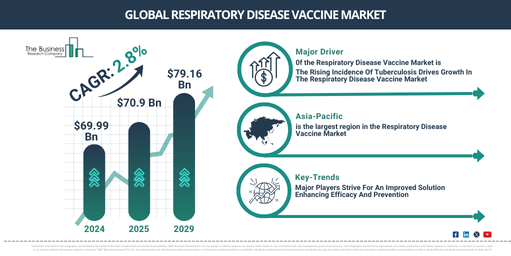
    In recent times, the market size for vaccines treating respiratory diseases has seen a slight increase. The forecast predicts a growth from $69.99 billion in 2024 to $70.9 billion in 2025, implying a compound annual growth rate (CAGR) of 1.3%. Factors such as escalating occurrences of respiratory diseases, heightened cognizance towards public vaccination, public health efforts and a surge in demand for efficient and more bearable vaccines are attributed to the growth observed in the past.

    Expectations point towards a stable and gradual increase in the size of the respiratory disease vaccine market over the next few years. By 2029, it is projected to expand up to $79.16 billion with a compound annual growth rate (CAGR) of 2.8%. This upward trend during the forecast period is attributed to factors such as an aging population, escalating healthcare expenditure, investment in vaccines, and preparedness for pandemics. The key trends within this period include vaccine innovation, cooperative research, advancements in vaccine development and drug approvals.

    Download a free sample to assess the report’s scope and structure:

    https://www.thebusinessresearchcompany.com/sample.aspx?id=12924&type=smp

    What Are the Core Market Drivers Propelling Growth in the Respiratory Disease Vaccine Industry?

    The respiratory disease vaccine market is forecasted to accelerate due to the escalating incidence of tuberculosis. This particular respiratory disease, triggered by the bacterium Mycobacterium tuberculosis, primarily affects the lungs and can potentially cause complications in other body systems. The growing incidence of tuberculosis is expected to stimulate the creation and distribution of vaccines against respiratory disease to help curb its spread. To exemplify, the Centers for Disease Control and Prevention, a government agency based in the U.S., reported a rise in tuberculosis cases in November 2023. In 2022, 8,331 tuberculosis cases were recorded, an increase of 5.9% compared to 2021. The incidence rate also jumped to 2.5 cases per 100,000 people, reflecting a 5.5% rise from the prior year. Thus, the escalating incidence of tuberculosis is fuelling the growth of the respiratory disease vaccine market.

    Market Driver for Respiratory Disease Vaccine: Escalating Smoking Incidence Fuelling the Market


    How Is the Respiratory Disease Vaccine Market Segmented?

    The respiratory disease vaccine market covered in this report is segmented –

    1) By Type: Viral Vaccine, Bacterial Vaccine, Combination Vaccine

    2) By Infection: COVID-19, Influenza, Respiratory Syncytial Virus (RSV), Pneumonia, Other Infections

    3) By Age: Infant, Adolescent, Adult

    4) By End-User: Clinic, Hospital, Other End-Users

    Subsegments:

    1) By Viral Vaccine: Influenza Vaccine, Respiratory Syncytial Virus (RSV) Vaccine, Coronavirus Vaccine

    2) By Bacterial Vaccine: Pneumococcal Vaccine, Haemophilus Influenzae Type B (Hib) Vaccine, Pertussis Vaccine

    3) By Combination Vaccine: DTaP With Hib And IPV, Pneumococcal Conjugate Vaccine With Influenza Vaccine, MMRV

    Request customized data on this market:

    https://www.thebusinessresearchcompany.com/customise?id=12924&type=smp

    Which Regions Are Driving the Next Phase of the Respiratory Disease Vaccine Market Growth?

    Asia-Pacific was the largest region in the respiratory disease vaccine market in 2024. North America is expected to be the fastest-growing region in the forecast period. The regions covered in respiratory diseases vaccine market report are Asia-Pacific, Western Europe, Eastern Europe, North America, South America, Middle East and Africa.

    What Key Market Trends and Innovations Are Shaping the Future of the Respiratory Disease Vaccine Industry?

    Leading businesses in the respiratory disease vaccine market are focusing on developing innovative offerings with higher effectiveness, aimed at providing better solutions for the prevention and treatment of respiratory disease infections. For example, in May 2023, Pfizer Inc., a pharmaceutical firm based in the United States, gained approval from the Food and Drug Administration (FDA) for ABRYSVO (Respiratory Syncytial Virus Vaccine). This bivalent respiratory syncytial virus prefusion F (RSVpreF) vaccine is designated for the prevention of lower respiratory tract disease in individuals aged 60 years and older, specifically those caused by the respiratory syncytial virus. ABRYSVO comprises a duo of tailored preF proteins, which are designed to maximize immunity to both RSV A and B strains. Clinical trials have confirmed its safety and effectiveness.

    View the full report here:

    https://www.thebusinessresearchcompany.com/report/respiratory-disease-vaccine-global-market-report

    How Is the Respiratory Disease Vaccine Market Defined and What Are Its Core Parameters?

    Respiratory diseases refer to a wide range of conditions that affect the airways and lungs, leading to respiratory symptoms and impaired breathing. Respiratory disease vaccine refers to a type of vaccine that is an immunization designed to protect individuals from respiratory infections caused by viruses or bacteria that primarily affect the respiratory system, which includes the lungs and airways. These vaccines work by stimulating the immune system to produce antibodies that can recognize and fight the specific pathogen that causes the disease.

    Purchase the full report and get a swift delivery:

    https://www.thebusinessresearchcompany.com/purchaseoptions.aspx?id=12924

    About The Business Research Company:

    With over 15000+ reports from 27 industries covering 60+ geographies, The Business Research Company has built a reputation for offering comprehensive, data-rich research and insights. Armed with 1,500,000 datasets, the optimistic contribution of in-depth secondary research, and unique insights from industry leaders, you can get the information you need to stay ahead in the game.

    Get in touch with us:

    The Business Research Company: https://www.thebusinessresearchcompany.com/

    Americas +1 3156230293

    Asia +44 2071930708

    Europe +44 2071930708

    Email us at info@tbrc.info

    Follow us on:

    LinkedIn: https://in.linkedin.com/company/the-business-research-company

    YouTube: https://www.youtube.com/channel/UC24_fI0rV8cR5DxlCpgmyFQ

    Global Market Model: https://www.thebusinessresearchcompany.com/global-market-model