Category: Pharmaceuticals

  • Non-Steroidal Anti-inflammatory Drugs Market To Witness 6.5% CAGR Growth Through 2030: Key Industry Drivers

    Non-Steroidal Anti-inflammatory Drugs Market To Witness 6.5% CAGR Growth Through 2030: Key Industry Drivers

    Featuring market attractiveness scoring, total addressable market sizing, company benchmarking matrices, interactive Excel dashboards, deeper supply chain intelligence, emerging startup tracking, and granular product-level insights, The Business Research Company’s 2026 market reports are built to deliver research that is both more actionable and more strategically valuable.

    Non-Steroidal Anti-inflammatory Drugs Market Value Analysis: What Growth Lies Ahead Over The Forecast Period?

    The non-steroidal anti-inflammatory drugs market has experienced robust growth in recent years. It is projected to expand from $21.89 billion in 2025 to $23.31 billion in 2026, demonstrating a compound annual growth rate (CAGR) of 6.5%. This historical expansion can be attributed to the rising prevalence of arthritis and musculoskeletal disorders, increasing awareness of pain management therapies, an expanding geriatric population, the growth of retail pharmacies, and advancements in drug formulation technologies.

    The non-steroidal anti-inflammatory drugs market is expected to demonstrate robust expansion in the coming years, with projections indicating it will reach $29.96 billion by 2030, growing at a compound annual growth rate (CAGR) of 6.5%. This anticipated growth throughout the forecast period is fueled by elements such as the increasing adoption of personalized medicine, the development of e-pharmacy platforms, intensified research and development into innovative NSAID formulations, a rising prevalence of chronic inflammatory diseases, and the integration of digital health solutions for pain monitoring. Key trends for this period include personalized pain management strategies, a growing consumer demand for over-the-counter anti-inflammatory drugs, the creation of rapid-acting formulations, a concentrated effort on managing chronic pain and arthritis, and the expansion of online pharmacy distribution channels.

    Get A Free Sample Report With In-Depth Market Insights:

    https://thebusinessresearchcompany.com/sample_request?id=55301224&type=smp&name=Non-Steroidal%20Anti-inflammatory%20Drugs%20Market%20Report%202026&utm_source=Blogs&utm_medium=Paid&utm_campaign=Oct_PR

    Non-Steroidal Anti-inflammatory Drugs Market Growth Factors Behind Sustained Expansion

    The rising occurrence of musculoskeletal conditions is anticipated to fuel the expansion of the non-steroidal anti-inflammatory drug market in the future. Musculoskeletal disorders (MSDs) encompass a wide range of ailments impacting the musculoskeletal system, such as muscles, bones, tendons, ligaments, joints, and other connective tissues. Non-steroidal anti-inflammatory drugs (NSAIDs) are vital for addressing pain and inflammation linked to conditions like arthritis, osteoarthritis, and rheumatoid arthritis. Several elements contribute to this rise, including an aging demographic, enhanced understanding and identification of musculoskeletal disorders, orthopedic surgeries, athletic injuries, and the persistent character of these ailments. For example, GOV.UK, a UK-based government department, reported in January 2024 that in 2023, 18.4% of individuals aged 16 and older had a long-term musculoskeletal (MSK) condition, an increase from the 17.6% prevalence observed in 2022. Consequently, the growing prevalence of musculoskeletal disorders is stimulating the expansion of the non-steroidal anti-inflammatory drugs market. The increasing occurrence of chronic pain is anticipated to propel the expansion of the non-steroidal anti-inflammatory drugs (NSAIDs) market and associated pain management solutions in the future. Chronic pain is defined as ongoing or recurring pain that persists for three months or more, often stemming from ailments like arthritis, fibromyalgia, back pain, neuropathic pain, and other musculoskeletal disorders. Such conditions considerably diminish patients’ quality of life and frequently necessitate sustained management, involving medication, physical therapy, and supplementary care. The rising incidence of chronic pain escalates the need for potent pain relief treatments, including NSAIDs and various analgesic preparations. For example, the National Center for Biotechnology Information, a US-based federal government research and information organization, stated in October 2024 that 24.3% of adults reported enduring chronic pain, with 8.5% reporting high-impact chronic pain that restricts daily activities. Thus, the increasing population experiencing chronic pain is projected to boost the demand for pain management therapies, thereby fostering the growth of the NSAIDs market and its associated products.

    Non-Steroidal Anti-inflammatory Drugs Market Segment Breakdown: Which Categories Lead On Revenue?

    The non-steroidal anti-inflammatory drugs market covered in this report is segmented –

    1) By Route Of Administration: Oral, Topical, Other Route Of Administration

    2) By Disease Indication: Arthritis, Migraine, Ophthalmic Diseases, Other Disease Indications

    3) By Distribution Channel: Hospital Pharmacy, Retail Pharmacy, Online Pharmacy

    Subsegments:

    1) By Oral: Tablets, Capsules, Liquids Or Solutions

    2) By Topical: Gels, Creams, Patches

    3) By Other Route Of Administration: Injectable (Intravenous And Intramuscular), Suppositories

    Non-Steroidal Anti-inflammatory Drugs Market Industry Trends Fueling Future Revenue Growth

    Companies within the non-steroidal anti-inflammatory drugs (NSAIDs) market are concentrating on creating innovative remedies, such as combination analgesic–gastroprotective formulations, to satisfy the increasing demand for effective pain relief with diminished gastrointestinal risks commonly associated with prolonged NSAID usage. These combined technologies integrate an NSAID with a protective agent to uphold anti-inflammatory efficacy while preventing stomach irritation, offering a safer alternative to conventional single-agent NSAIDs. For instance, in March 2024, Endo International plc, an Ireland-based pharmaceutical company, introduced ibuprofen-famotidine 800 mg/26.6 mg tablets, an advanced product that merges the analgesic and anti-inflammatory properties of ibuprofen with the gastroprotective action of famotidine. This dual-action tablet is engineered to alleviate pain while minimizing gastrointestinal side effects, such as ulcers or irritation, which frequently occur with extended NSAID therapy, thereby enhancing safety and improving patient adherence.

    Non-Steroidal Anti-inflammatory Drugs Market Leading Players And Competitive Positioning

    Major companies operating in the non-steroidal anti-inflammatory drugs market are Pfizer Inc., Bayer AG, Johnson & Johnson, Sun Pharmaceutical Industries Ltd., Assertio Therapeutics Inc., Iroko Pharmaceuticals Inc., Perrigo Company PLC, Hikma Pharmaceuticals PLC, Glenmark Pharmaceuticals Limited, Aspen Pharmacare Holdings Limited, Sagent Pharmaceuticals Inc., Advanced Pharma Inc., Akorn Operating Company LLC, Alembic Pharmaceuticals Limited, Torrent Pharmaceuticals Limited, Lupin Limited, Cipla Limited, Zydus Cadila Healthcare Limited, Aurobindo Pharma Limited, Sanofi S.A., GlaxoSmithKline PLC, Horizon Therapeutics PLC, Novartis AG, Roche Holding AG, AbbVie Inc., Bristol-Myers Squibb Company

    View The Full Non-Steroidal Anti-inflammatory Drugs Market Report:

    https://thebusinessresearchcompany.com/report/non-steroidal-anti-inflammatory-drugs-global-market-report?utm_source=Blogs&utm_medium=Paid&utm_campaign=Oct_PR

    Non-Steroidal Anti-inflammatory Drugs Market Global Footprint: Which Region Leads The Market?

    North America was the largest region in the non-steroidal anti-inflammatory drugs market in 2025. Asia-Pacific is expected to be the fastest-growing region in the non-steroidal anti-inflammatory drugs market during the forecast period. The regions covered in the non-steroidal anti-inflammatory drugs market report are Asia-Pacific, South East Asia, Western Europe, Eastern Europe, North America, South America, Middle East, Africa.

    Reach Out To Our Team:

    The Business Research Company: https://www.thebusinessresearchcompany.com/

    Americas: +1 310-496-7795

    Asia: +44 7882 955267 & +91 8897263534

    Europe: +44 7882 955267

    Email us at: marketing@tbrc.info

    Follow us on:

    LinkedIn: https://in.linkedin.com/company/the-business-research-company

    YouTube: https://www.youtube.com/channel/UC24_fI0rV8cR5DxlCpgmyFQ

    Global Market Model: https://www.thebusinessresearchcompany.com/global-market-model

  • Non-Opioid Pain Treatment Market Projected For Strong Expansion Through 2030: Key Trends And Future Outlook

    Non-Opioid Pain Treatment Market Projected For Strong Expansion Through 2030: Key Trends And Future Outlook

    Built to provide research that’s more actionable and strategically valuable, The Business Research Company’s 2026 market reports include market attractiveness analysis, total addressable market sizing, company benchmarking matrices, interactive Excel dashboards, broader supply chain intelligence, emerging startup tracking, and in-depth product insights.

    Non-Opioid Pain Treatment Market Size Forecast: How Big Could The Market Get By 2030?

    The non-opioid pain treatment market has demonstrated substantial expansion in recent years. The market is forecast to increase from $55.31 billion in 2025 to $60.32 billion in 2026, achieving a compound annual growth rate (CAGR) of 9.1%. This historical expansion can be attributed to factors such as the rising prevalence of chronic pain conditions, heightened awareness concerning opioid-related risks, the restricted availability of non-opioid alternatives, an uptick in orthopedic and musculoskeletal procedures, and enhancements in hospital and clinic infrastructure dedicated to pain management.

    The non-opioid pain treatment market is anticipated to experience robust expansion in the coming years. Its size is projected to reach $84.36 billion by 2030, exhibiting a compound annual growth rate (CAGR) of 8.7%. This projected growth is fueled by factors such as the creation of innovative non-opioid therapeutics, the increased application of digital health monitoring and telemedicine for pain, the wider embrace of combination therapies, escalating government initiatives for pain management, and rising investment in personalized pain care and alternative treatments. Key trends during this period encompass the growing acceptance of non-opioid pain management solutions, the elevated consumption of medical cannabis and omega-3 fatty acid supplements, an increase in topical and injectable pain relief offerings, the broadening of pain management provisions within hospitals and clinics, and the incorporation of non-pharmacological methods like acupuncture and TENS.

    Get A Free Sample Report With In-Depth Market Insights:

    https://thebusinessresearchcompany.com/sample_request?id=67936295&type=smp&name=Non-Opioid%20Pain%20Treatment%20Market%20Report%202026&utm_source=Blogs&utm_medium=Paid&utm_campaign=Oct_PR

    Non-Opioid Pain Treatment Market Demand Drivers Opening New Revenue Streams

    An anticipated increase in sports-related injuries is projected to accelerate the expansion of the non-opioid pain treatment market moving ahead. These injuries refer to physical harm sustained either during or subsequent to participation in sports or exercise activities. The growing occurrence of such injuries stems from enhanced involvement in strenuous sports and recreational pursuits, thereby elevating athletes’ susceptibility to physical trauma. Non-opioid pain treatment proves beneficial for sports-related injuries, delivering effective alleviation of pain and diminished inflammation free from the dangers linked to opioid consumption, thus facilitating quicker recovery, better functionality, and more secure prolonged management. As an illustration, figures from October 2024, provided by the Howden Group Holdings Ltd, a UK-based insurance intermediary company, showed that during the 2023-24 football season, Europe’s top five leagues documented 4,123 injuries, representing a 4% rise from the prior season. Consequently, the increasing frequency of sports-related injuries is propelling the expansion of the non-opioid pain treatment market.

    Non-Opioid Pain Treatment Market Segmentation: How Does The Market Break Down By Category?

    The non-opioid pain treatment market covered in this report is segmented –

    1) By Product: Medical Cannabis, Menthol-Containing, Omega 3 Fatty Acid-Containing, Botulinum Toxins, Capsaicin-Derived, Other Products

    2) By Drug Class: Nonsteroidal Anti-Inflammatory Drugs (Nsaids), Acetaminophen, Local Anesthetics, Antidepressants, Anticonvulsants, Corticosteroids, Other Drug Classes

    3) By Route Of Administration: Oral, Topical, Injectable, Other Route Of Administrations

    4) By Distribution Channel: Hospitals Pharmacies, Retail Pharmacies, Drug Stores, Mail Order Pharmacies

    5) By Application: Orthopedic And Musculoskeletal Pain, Postoperative Pain, Cancer Pain, Neuropathic Pain, Other Applications

    Subsegments:

    1) By Medical Cannabis: Cannabidiol Based Products, Tetrahydrocannabinol Based Products, Combined Cannabinoid Products

    2) By Menthol Containing: Topical Creams, Gels, Sprays

    3) By Omega 3 Fatty Acid Containing: Fish Oil Derived Supplements, Algae Derived Supplements, Krill Oil Derived Supplements

    4) By Botulinum Toxins: Onabotulinumtoxin A, Abobotulinumtoxin A, Incobotulinumtoxin A

    5) By Capsaicin Derived: Low Concentration Creams, High Concentration Patches, Nasal Sprays

    6) By Other Products: Magnesium Based Products, Acupuncture Devices, Transcutaneous Electrical Nerve Stimulation Devices

    Non-Opioid Pain Treatment Market Trends Powering Strategic Industry Growth

    Key players within the non-opioid pain treatment market are emphasizing advancements in drug formulations, such as non-opioid oral treatments, to provide effective pain relief and lessen the dangers tied to opioid use and addiction. Non-opioid oral treatment denotes orally delivered pain relief medications devoid of opioids, functioning via alternative mechanisms, including reducing inflammation, modulating nerve signals, or acting on specific receptors, to manage pain without the addictive potential or respiratory depression frequently linked to opioids. For instance, in July 2025, the US-based biotechnology company, Vertex Pharmaceuticals Incorporated, launched JOURNAVX, a pioneering non-opioid therapy offering efficient relief for moderate-to-severe acute pain. This advanced non-opioid treatment harnesses targeted modulation of pain pathways, presents a favorable safety profile, and achieves a rapid onset of action, thereby facilitating robust pain control, minimizing dependency potential, and improving patient well-being. It further guarantees precise pain management, reduces addiction probabilities, and aids in quicker recovery and a superior quality of life for individuals experiencing acute pain.

    Non-Opioid Pain Treatment Market Competitive Overview And Top Companies

    Major companies operating in the non-opioid pain treatment market are Pfizer Inc., Johnson & Johnson Services Inc., AbbVie Inc, Novartis AG, GSK plc, Amgen Inc., Teva Pharmaceutical Industries Limited, Vertex Pharmaceuticals Incorporated, SUN PHARMACEUTICAL INDUSTRIES LIMITED, Perrigo Company Public Limited Company, Dr. Reddy’s Laboratories, HIKMA PHARMACEUTICALS PUBLIC LIMITED COMPANY, Pacira BioSciences Inc, Heron Therapeutics Inc, AFT Pharmaceuticals Limited, Vivozon Pharmaceutical Co. Ltd, Levicept Ltd, Algiax Pharmaceuticals GmbH, Latigo Biotherapeutics Inc, Hyloris Pharmaceuticals SA

    View The Full Non-Opioid Pain Treatment Market Report:

    https://thebusinessresearchcompany.com/report/non-opioid-pain-treatment-global-market-report?utm_source=Blogs&utm_medium=Paid&utm_campaign=Oct_PR

    Non-Opioid Pain Treatment Market Regional Split: Which Areas Are Fueling Growth?

    North America was the largest region in the non-opioid pain treatment market in 2025. Asia-Pacific is expected to be the fastest-growing region in the forecast period. The regions covered in the non-opioid pain treatment market report are Asia-Pacific, South East Asia, Western Europe, Eastern Europe, North America, South America, Middle East, Africa.

    Reach Out To Our Team:

    The Business Research Company: https://www.thebusinessresearchcompany.com/

    Americas: +1 310-496-7795

    Asia: +44 7882 955267 & +91 8897263534

    Europe: +44 7882 955267

    Email us at: marketing@tbrc.info

    Follow us on:

    LinkedIn: https://in.linkedin.com/company/the-business-research-company

    YouTube: https://www.youtube.com/channel/UC24_fI0rV8cR5DxlCpgmyFQ

    Global Market Model: https://www.thebusinessresearchcompany.com/global-market-model
  • Non-Opioid Pain Patch Market Outlook 2026–2030: Growth Trends, Market Dynamics And Emerging Opportunities

    Non-Opioid Pain Patch Market Outlook 2026–2030: Growth Trends, Market Dynamics And Emerging Opportunities

    Backed by market attractiveness analysis, total addressable market sizing, company benchmarking matrices, interactive Excel dashboards, wider supply chain intelligence, emerging startup coverage, and detailed product-level insights, The Business Research Company’s 2026 market reports are designed to offer research that is more actionable and strategically valuable than ever.

    Non-Opioid Pain Patch Market Revenue Outlook: What CAGR Lies Ahead Through 2030?

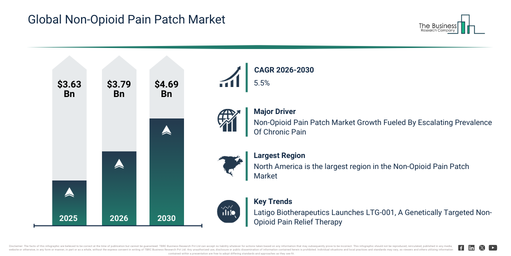
    The non-opioid pain patch market has seen consistent growth in its size over recent years. It is projected to expand from $3.63 billion in 2025 to $3.79 billion in 2026, indicating a compound annual growth rate (CAGR) of 4.6%. This market’s historical growth can be attributed to concerns about opioid dependency, an increasing occurrence of musculoskeletal disorders, an expanding aging population, the development of retail pharmacy networks, and physicians’ inclination towards localized pain treatment.

    The non-opioid pain patch market is projected to experience substantial expansion in the coming years. Its valuation is anticipated to reach $4.69 billion by 2030, exhibiting a compound annual growth rate (CAGR) of 5.5%. This forecasted growth is driven by several factors, including the increasing occurrence of chronic pain, enhanced regulatory backing for non-opioid treatments, breakthroughs in transdermal drug delivery systems, rising patient understanding of non-addictive options, and the broadening of applications to include neuropathic pain. Key developments expected during this period involve a growing inclination towards non-addictive pain relief, increased use of topical and localized treatments, the proliferation of both over-the-counter and prescription hybrid patches, a greater need for chronic pain management solutions, and innovations in patch adherence and drug release duration.

    Get A Free Sample Report With In-Depth Market Insights:

    https://thebusinessresearchcompany.com/sample_request?id=88978889&type=smp&name=Non-Opioid%20Pain%20Patch%20Market%20Report%202026&utm_source=Blogs&utm_medium=Paid&utm_campaign=Oct_PR

    Non-Opioid Pain Patch Market Growth Backed By Core Demand Fundamentals

    The increasing occurrence of chronic pain is projected to drive the expansion of the non-opioid pain patch market in the future. Chronic pain is defined as intense discomfort persisting over a prolonged duration or associated with an existing medical ailment. These patches, free from opioids, are utilized for alleviating mild to moderate discomfort, addressing conditions such as headaches, muscle pain, arthritis, backaches, and various other forms of pain. A concrete example from November 2024 highlights this trend: the Centers for Disease Control and Prevention, a national public health agency based in the US, reported that approximately 24.3% of adults had chronic pain in 2023. Of these, 8.5%, which is about one-third, experienced high-impact chronic pain, with a greater incidence observed in women compared to men. Consequently, the increasing prevalence of chronic pain is actively stimulating the non-opioid pain patch market.

    Non-Opioid Pain Patch Market Segment Trends And Revenue Contributors

    The non-opioid pain patch market covered in this report is segmented –

    1) By Patch: Lidocaine Patches, Diclofenac Patches, Capsaicin Patches, Ketoprofen Patches, Other Patches

    2) By Distribution Channel: Hospital Pharmacies, Retail Pharmacies, Other Distribution Channels

    3) By Indication: Musculoskeletal Pain, Neuropathic Pain

    Subsegments:

    1) By Lidocaine Patches: 5% Lidocaine Patch, Other Concentrations

    2) By Diclofenac Patches: 1.3% Diclofenac Patch, Other Concentrations

    3) By Capsaicin Patches: 8% Capsaicin Patch, Other Concentrations

    4) By Ketoprofen Patches: 5% Ketoprofen Patch, Other Concentrations

    5) By Other Patches: Combination Patches, Herbal Extract Patches, Other Non-Opioid Patches

    Non-Opioid Pain Patch Market Growth Trends Reshaping The Competitive Landscape

    Leading companies in the non-opioid pain patch market are actively engaged in developing innovative products, including medicines based on genetically validated targets. This approach entails creating drugs that specifically address biological pathways directly linked to a disease, supported by strong genetic evidence, which enhances treatment effectiveness and reduces the likelihood of side effects. As an illustration, in February 2024, Latigo Biotherapeutics Inc., a US-based biotechnology company, launched LTG-001. This substance acts as a selective inhibitor of the Nav1.8 sodium channel, primarily found in peripheral nerve cells. By targeting this specific channel, LTG-001 aims to block pain signals where they originate, potentially offering effective pain relief without impacting the central nervous system. The outcomes of its Phase 1 clinical trial demonstrated that LTG-001 achieved a Tmax (time to maximum concentration) of roughly 1.5 hours, indicating a rapid commencement of pain relief. This feature holds significant importance for managing both acute and chronic pain. Additionally, LTG-001 is formulated for oral administration, providing patients with a convenient option compared to injectable or topical therapies, thereby enhancing patient compliance and ease of use.

    Non-Opioid Pain Patch Market Competitive Landscape: Which Companies Lead The Industry?

    Major companies operating in the non-opioid pain patch market are Hisamitsu Pharmaceutical Co. Inc., Teikoku Pharma USA Inc., Noven Pharmaceuticals Inc., Johnson & Johnson Services Inc., Pfizer Inc., Grünenthal GmbH, Mylan N.V., Teva Pharmaceutical Industries Ltd., Bayer AG, Iroko Pharmaceuticals LLC, Scilex Pharmaceuticals Inc., Zosano Pharma Corporation, Adynxx Inc., BioElectronics Corporation, NeuroMetrix Inc., Virpax Pharmaceuticals Inc., Novartis AG, DURECT Corporation, Eli Lilly and Company, Endo Pharmaceuticals Inc.

    View The Full Non-Opioid Pain Patch Market Report:

    https://thebusinessresearchcompany.com/report/non-opioid-pain-patch-global-market-report?utm_source=Blogs&utm_medium=Paid&utm_campaign=Oct_PR

    Non-Opioid Pain Patch Market Top Region: Where Does Most Revenue Come From?

    North America was the largest region in the non-opioid pain patch market in 2025. Asia-Pacific is expected to be the fastest-growing region in the non-opioid pain patch market report during the forecast period. The regions covered in the non-opioid pain patch market report are Asia-Pacific, South East Asia, Western Europe, Eastern Europe, North America, South America, Middle East, Africa.

    Reach Out To Our Team:

    The Business Research Company: https://www.thebusinessresearchcompany.com/

    Americas: +1 310-496-7795

    Asia: +44 7882 955267 & +91 8897263534

    Europe: +44 7882 955267

    Email us at: marketing@tbrc.info

    Follow us on:

    LinkedIn: https://in.linkedin.com/company/the-business-research-company

    YouTube: https://www.youtube.com/channel/UC24_fI0rV8cR5DxlCpgmyFQ

    Global Market Model: https://www.thebusinessresearchcompany.com/global-market-model

  • Non-injectable Insulin Market Growth Outlook From $2.34 Billion In 2026 To $3.4 Billion By 2030

    Non-injectable Insulin Market Growth Outlook From $2.34 Billion In 2026 To $3.4 Billion By 2030

    Featuring market attractiveness scoring, total addressable market sizing, company benchmarking matrices, interactive Excel dashboards, deeper supply chain intelligence, emerging startup tracking, and granular product-level insights, The Business Research Company’s 2026 market reports are built to deliver research that is both more actionable and more strategically valuable.

    Non-injectable Insulin Market Growth Analysis: How Will Revenue Trend Over The Forecast Period?

    The non-injectable insulin market has witnessed robust expansion in recent years. It is anticipated to expand from $2.14 billion in 2025 to $2.35 billion in 2026, demonstrating a compound annual growth rate (CAGR) of 9.9%. This historical growth can be linked to factors such as the rising incidence of diabetes, increasing patient preference for non-injectable treatment options, developments in insulin formulations, governmental programs supporting diabetes care, and greater understanding of diabetes complications.

    The non-injectable insulin market is projected to experience substantial expansion over the upcoming years. This market is predicted to reach $3.41 billion by 2030, exhibiting a compound annual growth rate (CAGR) of 9.8%. Key drivers for this anticipated growth include improvements in oral and inhalable insulin technologies, the adoption of digital health solutions, an increasing elderly demographic, the development of healthcare infrastructure in burgeoning markets, and tailored medical strategies for diabetes management. Significant trends anticipated during this period encompass oral insulin delivery methods, pulmonary insulin inhalers, patient-focused diabetes care, non-invasive monitoring and dosing techniques, and novel formulations designed to enhance bioavailability.

    Get A Free Sample Report With In-Depth Market Insights:

    https://thebusinessresearchcompany.com/sample_request?id=92809651&type=smp&name=Non-injectable%20Insulin%20Market%20Report%202026&utm_source=Blogs&utm_medium=Paid&utm_campaign=Oct_PR

    Non-injectable Insulin Market Growth Catalysts And Demand Drivers

    The escalating concerns of obesity and diabetes are projected to drive expansion within the non-injectable insulin market. Obesity is defined by an excessive build-up of body fat, typically stemming from an imbalance in calorie intake versus expenditure. Concurrently, diabetes mellitus, or simply diabetes, encompasses metabolic disorders marked by persistently elevated blood sugar. Non-injectable insulin offers a treatment for both diabetes and obesity, with the capacity to enhance disease management by overcoming obstacles to traditional insulin therapy, delivering potential advantages in weight control, and presenting more user-friendly treatment alternatives. As an illustration, in June 2023, the Institute for Health Metrics and Evaluation, a public health research institute based in the US, reported that more than half a billion individuals worldwide were afflicted with diabetes. This figure is projected to exceed double, reaching 1.3 billion people by 2050. Consequently, the increasing prevalence of obesity and diabetes is fueling the expansion of the non-injectable insulin market.

    Non-injectable Insulin Market Segment Analysis Spotlighting Growth Areas

    The non-injectable insulin market covered in this report is segmented –

    1) By Insulin Type: Oral Insulin, Inhaled Insulin, Nasal Insulin, Buccal Or Sublingual Insulin, Transdermal Insulin

    2) By Product: Pills, Sprays, Other Products

    3) By Distribution Channel: Hospital Pharmacies, Online Pharmacies, Drug Stores

    Subsegments:

    1) By Oral Insulin: Oral Insulin Tablets, Oral Insulin Capsules, Enteric-Coated Oral Insulin, Nanoparticle-Based Oral Insulin

    2) By Inhaled Insulin: Dry Powder Inhaled Insulin, Aerosolized Insulin, Pulmonary Insulin Delivery Systems

    3) By Nasal Insulin: Nasal Spray Insulin, Nasal Gel Insulin, Nasal Powder Insulin

    4) By Buccal Or Sublingual Insulin: Buccal Spray Insulin, Sublingual Insulin Films, Oral Mucosal Insulin Drops

    5) By Transdermal Insulin: Insulin Patches, Microneedle-Free Transdermal Systems, Iontophoresis-Based Insulin Delivery

    Non-injectable Insulin Market Trends Shaping Long-Term Demand

    Leading companies operating in the non-injectable insulin market are prioritizing innovative advancements in drug delivery technologies, such as needle-free oral insulin spray, to enhance the lives of individuals managing their diabetes with multiple insulin injections. A needle-free insulin spray offers a painless and non-invasive alternative for regulating blood glucose, providing a convenient option as the doses can be administered directly into the mouth. For instance, in November 2023, NiedlFree Technologies, an India-based technology platform, launched Ozulin, an oral insulin spray. This oral insulin spray aims to offer a more accessible solution for people with diabetes, especially those who find traditional injectable insulin methods difficult. If approved, Ozulin holds the potential to significantly impact diabetics, by providing a more convenient and pain-free substitute for insulin injections.

    Non-injectable Insulin Market Leading Companies: Who Holds The Strongest Market Presence?

    Major companies operating in the non-injectable insulin market are Novo Nordisk A/S, Eli Lilly and Company, Sanofi S.A., Pfizer Inc., Novartis AG, Merck & Co. Inc., AstraZeneca, Takeda Pharmaceutical, Abbott Laboratories, MannKind Corporation, Biocon Limited, Sun Pharmaceutical Industries Ltd., Dr. Reddy’s Laboratories Limited, Cipla Limited, Lupin Pharmaceuticals, Glenmark Pharmaceuticals, Torrent Pharmaceuticals, Wockhardt Limited, Teva Pharmaceutical Industries Ltd., F. Hoffmann-La Roche Ltd.

    View The Full Non-injectable Insulin Market Report:

    https://thebusinessresearchcompany.com/report/non-injectable-insulin-global-market-report?utm_source=Blogs&utm_medium=Paid&utm_campaign=Oct_PR

    Non-injectable Insulin Market Regional Breakdown: Where Is Demand Concentrated?

    North America was the largest region in the non-injectable insulin market in 2025. Asia-Pacific is expected to be the fastest-growing region in the forecast period. The regions covered in the non-injectable insulin market report are Asia-Pacific, South East Asia, Western Europe, Eastern Europe, North America, South America, Middle East, Africa.

    Reach Out To Our Team:

    The Business Research Company: https://www.thebusinessresearchcompany.com/

    Americas: +1 310-496-7795

    Asia: +44 7882 955267 & +91 8897263534

    Europe: +44 7882 955267

    Email us at: marketing@tbrc.info

    Follow us on:

    LinkedIn: https://in.linkedin.com/company/the-business-research-company

    YouTube: https://www.youtube.com/channel/UC24_fI0rV8cR5DxlCpgmyFQ

    Global Market Model: https://www.thebusinessresearchcompany.com/global-market-model

  • Non-Hormonal Contraceptives Market Forecast To Reach $35.8 Billion By 2030: Key Growth Drivers And Industry Trends

    Non-Hormonal Contraceptives Market Forecast To Reach $35.8 Billion By 2030: Key Growth Drivers And Industry Trends

    Built to provide research that’s more actionable and strategically valuable, The Business Research Company’s 2026 market reports include market attractiveness analysis, total addressable market sizing, company benchmarking matrices, interactive Excel dashboards, broader supply chain intelligence, emerging startup tracking, and in-depth product insights.

    Non-Hormonal Contraceptives Market Forecast: What Value Will The Market Reach By 2030?

    The non-hormonal contraceptives market has seen significant expansion in recent years. Its valuation is predicted to rise from $25.47 billion in 2025 to $27.32 billion in 2026, advancing at a compound annual growth rate (CAGR) of 7.3%. The drivers behind its past growth include the initial limited availability of non-hormonal contraceptive methods, a historical reliance on surgical sterilization, increasing awareness surrounding reproductive health, the proliferation of female healthcare initiatives, and the adoption of barrier devices in clinical environments.

    The non-hormonal contraceptives market is projected to experience substantial expansion over the upcoming years. This market is forecast to reach $35.8 billion by 2030, exhibiting a compound annual growth rate (CAGR) of 7.0%. This anticipated growth during the forecast timeframe is largely driven by factors such as the creation of sophisticated non-hormonal devices, an increasing call for reversible and less invasive sterilization options, the broadening scope of family planning initiatives, greater recognition of safety and compliance requirements, and the incorporation of intelligent contraceptive monitoring systems. Key trends anticipated during this period encompass a growing inclination towards non-hormonal birth control solutions, a wider uptake of barrier and mechanical contraceptives, enhanced understanding of reversible sterilization alternatives, the proliferation of minimally invasive contraceptive technologies, and a strong emphasis on ensuring safety, adherence, and a patient-focused design.

    Get A Free Sample Report With In-Depth Market Insights:

    https://thebusinessresearchcompany.com/sample_request?id=36061957&type=smp&name=Non-Hormonal%20Contraceptives%20Market%20Report%202026&utm_source=Blogs&utm_medium=Paid&utm_campaign=Oct_PR

    Non-Hormonal Contraceptives Market Opportunity Drivers: What’s Unlocking New Revenue Potential?

    The increasing incidence of sexually transmitted diseases is projected to drive the expansion of the non-hormonal contraceptives market in the future. These infections, known as STDs, are primarily transmitted via sexual interaction and result from bacteria, viruses, or parasites. The rise in sexually transmitted diseases is largely due to reduced condom use, which elevates the risk of infection during unprotected sexual activity. Non-hormonal contraceptives, such as male and female condoms, play a crucial role in preventing STD transmission by acting as a physical barrier that stops the transfer of bodily fluids during sexual encounters. For example, the Minnesota Department of Health (MDH), a US-based state health agency, reported in April 2025 that the percentage of HIV cases among males aged 35 to 39 rose from 10% in 2023 to 17% in 2024. Consequently, the increasing occurrence of sexually transmitted diseases is fueling the expansion of the non-hormonal contraceptives market.

    Non-Hormonal Contraceptives Market Segment Performance And Emerging Opportunities

    The non-hormonal contraceptives market covered in this report is segmented –

    1) By Type: Devices, Sterilization, Other Product Types

    2) By Mechanism Of Action: Antagonist, Agonist, Inhibitor, Modulator

    3) By Route of Administration: Intramuscular, Intravaginal, Intravenous, Oral, Subcutaneous, Topical, Transdermal, Other Route Of Administrations

    4) By Purpose Of Therapy: Treatment Of Disease, Management Of Symptoms

    5) By Target Indication: Bacterial Vaginosis, Contraception, Endometriosis, Postmenopausal Osteoporosis, Uterine Fibroids, Vaginitis, Other Target Indications

    Subsegments:

    1) By Devices: Surgical Instruments, Ligation Clips, Tubal Rings

    2) By Sterilization: Permanent Sterilization, Reversible Sterilization, Mechanical Sterilization Devices

    3) By Other Product Types: Non-Surgical Barrier Devices, Implantable Plugs, Intrauterine Permanent Devices

    Non-Hormonal Contraceptives Market Innovation Trends Shaping Future Development

    Key players in the non-hormonal contraceptives market are directing their efforts towards creating advanced solutions, like preloaded intrauterine device delivery systems, to streamline insertion processes, increase user comfort, and boost clinical effectiveness. A preloaded intrauterine device (IUD) delivery system is characterized as a pre-constructed, immediately usable device where the intrauterine device and its inserter are combined into one unit. This design aims to simplify the insertion procedure, shorten preparation time, and decrease the potential for contamination or errors during handling. For example, in September 2024, CooperSurgical Inc., a US-based medical device and fertility company, launched the Paragard Single-Handed Inserter. This innovation is intended to improve insertion efficacy and overall patient comfort during the application of non-hormonal preloaded intrauterine devices. This product delivers highly effective, long-lasting birth control, offering over 99% effectiveness for up to 10 years by stopping sperm from fertilizing an egg. Its primary advantages include prompt and reversible contraception, its suitability as a hormone-free alternative, and requiring little maintenance after placement.

    Non-Hormonal Contraceptives Market Key Players: Which Companies Lead Industry Competition?

    Major companies operating in the non-hormonal contraceptives market are Church & Dwight Co., Okamoto Industries, CooperSurgical Inc., PSI India Pvt Ltd., Karex Berhad, Fuji Latex Co. Ltd., PREGNA INTERNATIONAL LTD., Cupid Limited, Global Protection Corp., SMB Corporation of India, HLL Lifecare Limited, Contraline Inc.

    View The Full Non-Hormonal Contraceptives Market Report:

    https://thebusinessresearchcompany.com/report/non-hormonal-contraceptives-global-market-report?utm_source=Blogs&utm_medium=Paid&utm_campaign=Oct_PR

    Non-Hormonal Contraceptives Market Geographic Landscape: Which Region Dominates Industry Growth?

    North America was the largest region in the non-hormonal contraceptives market in 2025. Asia-Pacific is expected to be the fastest-growing region in the forecast period. The regions covered in the non-hormonal contraceptives market report are Asia-Pacific, South East Asia, Western Europe, Eastern Europe, North America, South America, Middle East, Africa.

    Reach Out To Our Team:

    The Business Research Company: https://www.thebusinessresearchcompany.com/

    Americas: +1 310-496-7795

    Asia: +44 7882 955267 & +91 8897263534

    Europe: +44 7882 955267

    Email us at: marketing@tbrc.info

    Follow us on:

    LinkedIn: https://in.linkedin.com/company/the-business-research-company

    YouTube: https://www.youtube.com/channel/UC24_fI0rV8cR5DxlCpgmyFQ

    Global Market Model: https://www.thebusinessresearchcompany.com/global-market-model

  • Non-Alcoholic Steatohepatitis Treatment Market Research 2026: Market Size, Trends, Segments And Growth Forecast

    Non-Alcoholic Steatohepatitis Treatment Market Research 2026: Market Size, Trends, Segments And Growth Forecast

    Backed by market attractiveness analysis, total addressable market sizing, company benchmarking matrices, interactive Excel dashboards, wider supply chain intelligence, emerging startup coverage, and detailed product-level insights, The Business Research Company’s 2026 market reports are designed to offer research that is more actionable and strategically valuable than ever.

    Non-Alcoholic Steatohepatitis Treatment Market Size Outlook: How Quickly Will Revenue Expand Through 2030?

    The non-alcoholic steatohepatitis treatment market size has experienced rapid growth in recent years. It is expected to increase from $3.57 billion in 2025 to $4.98 billion in 2026, achieving a compound annual growth rate (CAGR) of 39.6%. Historically, this expansion can be linked to the growing prevalence of obesity, an increase in type 2 diabetes incidence, high consumption of processed foods, inadequate awareness regarding liver health, and limited treatment options for early-stage nash.

    The non-alcoholic steatohepatitis treatment market size is anticipated to experience substantial growth over the upcoming years, projected to reach $18.97 billion by 2030, demonstrating a compound annual growth rate (CAGR) of 39.7%. This expansion during the forecast period is driven by factors such as advancements in precision medicine, the development of novel NASH drugs, the adoption of digital health monitoring tools, government initiatives aimed at liver disease prevention, and increasing investment in liver disease research. Significant trends during this period are expected to include personalized lifestyle and diet management, advancements in non-invasive diagnostics, widespread fatty liver disease awareness programs, home-based liver health monitoring, and the development of novel pharmacological agents.

    Get A Free Sample Report With In-Depth Market Insights:

    https://thebusinessresearchcompany.com/sample_request?id=41689345&type=smp&name=Non-Alcoholic%20Steatohepatitis%20Treatment%20Market%20Report%202026&utm_source=Blogs&utm_medium=Paid&utm_campaign=Oct_PR

    Non-Alcoholic Steatohepatitis Treatment Market Growth Momentum: What Factors Are Shaping Demand?

    The increasing occurrence of insulin resistance has propelled the growth of the non-alcoholic steatohepatitis treatment market. Insulin resistance develops when muscles, fat, and liver cells do not adequately respond to insulin and struggle to absorb glucose from the blood, resulting in high blood sugar. These issues are linked to an unhealthy lifestyle, excessive sugar intake, and genetic predisposition. The prevalence of insulin resistance has expanded due to a rise in diabetes and other liver-related concerns, which are treated by non-alcoholic steatohepatitis treatment. For instance, in July 2025, PubMed, a US-based free biomedical literature database maintained by the U.S. National Library of Medicine, reported a significant increase in the prevalence rates of general obesity, abdominal obesity, severe obesity, and insulin resistance, with rates rising from 34.9% to 41.4%, 62.5% to 67.0%, 5.2% to 11.5%, and 22.5% to 30.2%, respectively. Therefore, the heightened prevalence of insulin resistance, driven by various liver and diabetes diseases, will stimulate the non-alcoholic steatohepatitis treatment market.

    Non-Alcoholic Steatohepatitis Treatment Market Segment Landscape And Growth Outlook

    The non-alcoholic steatohepatitis treatment market covered in this report is segmented –

    1) By Drug Type: Vitamin E And Pioglitazone, Ocaliva, Elafibranor, Selonsertib And cenicriviroc, Obeticholic Acid, Other Drugs Types

    2) By Test Type: Blood Tests, Liver Biopsy, Imaging Procedures

    3) By End User: Hospital Pharmacies, Retail And Specialty Pharmacies, Other End Users

    Subsegments:

    1) By Vitamin E And Pioglitazone: Vitamin E Supplements, Pioglitazone-Based Formulations.

    2) By Ocaliva: Ocaliva (Obeticholic Acid) For NASH

    3) By Elafibranor: Elafibranor Monotherapy, Elafibranor Combination Therapy

    4) By Selonsertib And Cenicriviroc: Selonsertib Formulations, Cenicriviroc Formulations

    5) By Obeticholic Acid: Immediate-Release Obeticholic Acid, Extended-Release Obeticholic Acid

    6) By Other Drug Types: Novel Agents In Clinical Trials, Combination Therapies

    Non-Alcoholic Steatohepatitis Treatment Market Trends Redefining Industry Growth

    Leading companies within the non-alcoholic steatohepatitis treatment market are innovating products such as endogenous hormones to capture larger customer bases, achieve greater sales, and elevate revenue. Endogenous hormones are organic substances produced internally by the body’s various glands, tissues, or organs, playing vital roles in regulating physiological functions. An example of this is from September 2023, when 89bio Inc., a US-based biotechnology firm, announced that the U.S. Food and Drug Administration (FDA) granted Breakthrough Therapy Designation (BTD) for Pegozafermin to treat individuals diagnosed with nonalcoholic steatohepatitis (NASH). Pegozafermin is distinguished by its composition as an engineered glycoPEGylated analog of fibroblast growth factor 21. This specific formulation is currently being developed for addressing non-alcoholic steatohepatitis (NASH) and severe hypertriglyceridemia (SHTG). Pegozafermin’s unique aspect lies in its application of specialized glycoPEGylated technology, which ensures an extended half-life while retaining its full potency. This advanced methodology improves the product’s effectiveness in modulating key factors associated with lipid metabolism, NASH, and hypertriglyceridemia, including the reduction of triglycerides, glycemic control, steatosis, inflammation, and fibrosis.

    Non-Alcoholic Steatohepatitis Treatment Market Competitive Landscape: Who Leads The Industry?

    Major companies operating in the non-alcoholic steatohepatitis treatment market are AstraZeneca PLC, Galmed Pharmaceuticals Ltd., Genfit S.A., Zydus Cadila Healthcare Limited, Bristol-Myers Squibb Company, Gilead Sciences Inc., Novo Nordisk A/S, Inventiva Pharma SA, NGM Biopharmaceuticals Inc., Galectin Therapeutics Inc., Madrigal Pharmaceuticals Corporation, Intercept Pharmaceuticals Inc., Cirius Therapeutics Inc., Viking Therapeutics Inc., Eli Lilly and Company, Terns Pharmaceuticals Inc., AbbVie Inc., Johnson & Johnson Private Limited, Sanofi S.A., F. Hoffmann-La Roche Ltd., C.H. Boehringer Sohn AG & Co. KG

    View The Full Non-Alcoholic Steatohepatitis Treatment Market Report:

    https://thebusinessresearchcompany.com/report/non-alcoholic-steatohepatitis-treatment-global-market-report?utm_source=Blogs&utm_medium=Paid&utm_campaign=Oct_PR

    Non-Alcoholic Steatohepatitis Treatment Market Largest Region: Which Geography Holds The Highest Market Share?

    North America was the largest region in the non-alcoholic steatohepatitis treatment market share in 2025. The regions covered in the non-alcoholic steatohepatitis treatment market report are Asia-Pacific, South East Asia, Western Europe, Eastern Europe, North America, South America, Middle East, Africa.

    Reach Out To Our Team:

    The Business Research Company: https://www.thebusinessresearchcompany.com/

    Americas: +1 310-496-7795

    Asia: +44 7882 955267 & +91 8897263534

    Europe: +44 7882 955267

    Email us at: marketing@tbrc.info

    Follow us on:

    LinkedIn: https://in.linkedin.com/company/the-business-research-company

    YouTube: https://www.youtube.com/channel/UC24_fI0rV8cR5DxlCpgmyFQ

    Global Market Model: https://www.thebusinessresearchcompany.com/global-market-model
  • Non-Alcoholic Steatohepatitis (NASH) Market Forecast 2026: Market Size, Competitive Landscape And Growth Drivers

    Non-Alcoholic Steatohepatitis (NASH) Market Forecast 2026: Market Size, Competitive Landscape And Growth Drivers

    Featuring market attractiveness scoring, total addressable market sizing, company benchmarking matrices, interactive Excel dashboards, deeper supply chain intelligence, emerging startup tracking, and granular product-level insights, The Business Research Company’s 2026 market reports are built to deliver research that is both more actionable and more strategically valuable.

    Non-Alcoholic Steatohepatitis (NASH) Market Size, Value And Growth Trajectory Through 2030

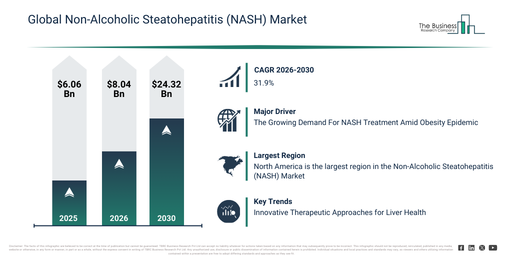
    The non-alcoholic steatohepatitis (nash) market has witnessed significant growth in recent years. This market is projected to expand from $6.06 billion in 2025 to $8.04 billion in 2026, demonstrating a compound annual growth rate (CAGR) of 32.7%. The market’s historical growth can be linked to factors such as limited awareness concerning nash, a scarcity of effective treatment solutions, a reliance on lifestyle adjustments, the widespread occurrence of metabolic disorders, and a disjointed market environment.

    The non-alcoholic steatohepatitis (nash) market is projected for rapid expansion over the coming years. This market is set to reach $24.32 billion by 2030, achieving a compound annual growth rate (CAGR) of 31.9%. Factors contributing to this anticipated growth include advancements in targeted therapies, greater healthcare spending, increasing use of non-invasive diagnostics, expanding pharmaceutical pipelines, and a surge in R&D collaborations. Key trends for the forecast period encompass the increasing prevalence of obesity and type 2 diabetes, the development of non-invasive diagnostic tools, intensified research into liver fibrosis therapies, an uptick in personalized and targeted drug treatments, and the widening reach of hospital and retail pharmacy networks.

    Get A Free Sample Report With In-Depth Market Insights:

    https://thebusinessresearchcompany.com/sample_request?id=66211429&type=smp&name=Non-Alcoholic%20Steatohepatitis%20%28NASH%29%20Market%20Report%202026&utm_source=Blogs&utm_medium=Paid&utm_campaign=Oct_PR

    Non-Alcoholic Steatohepatitis (NASH) Market Expansion Drivers: What’s Shaping Future Growth?

    The increasing incidence of obesity is fueling the demand within the non-alcoholic steatohepatitis (NASH) market in the future. Obesity is defined as an abnormal or excessive accumulation of fat that presents a health risk, alongside a body weight exceeding what is considered healthy or standard for an individual’s height. With non-alcoholic fatty liver disease becoming more common due to the growing obesity pandemic, NASH is anticipated to emerge as the primary cause of severe liver disease in the coming decades, consequently boosting the necessity for NASH therapies and associated medications. For example, data from May 2025 by the Government Digital Service, a UK government organization, indicates that from 2023 to 2024, the proportion of adults who were overweight (including obese) was greater in men (69.7%) compared to women (59.2%), whereas the proportion of obese adults was higher among women (26.9%) than men (26.2%). Consequently, the escalation in obesity cases is expected to propel the expansion of the non-alcoholic steatohepatitis (NASH) market.

    Non-Alcoholic Steatohepatitis (NASH) Market Breakdown By Product Type And Application

    The non-alcoholic steatohepatitis (nash) market covered in this report is segmented –

    1) By Dosage Form: Solid, Liquid

    2) By Product: Vitamin E and Pioglitazone, Ocaliva, Elafibranor, Selonsertib and Cenicriviroc, Other Products

    3) By Disease Cause: Hypertension, Heart Disease, High Blood Lipid, Type 2 Diabetes, Obesity

    4) By Sales Channel: Hospital Pharmacy, Retail Pharmacy, Online Provider

    5) By Application: Oral, Parenteral

    Subsegments:

    1) By Solid: Tablets, Capsules, Other Solid Dosage Forms

    2) By Liquid: Oral Solutions, Syrups, Injectable Solutions, Other Liquid Dosage Forms

    Non-Alcoholic Steatohepatitis (NASH) Market Strategic Trends: What Defines The Next Growth Phase?

    Companies active in the non-alcoholic steatohepatitis (NASH) market are developing thyroid hormone receptor-beta (THR-beta) agonists. These compounds are specifically developed to enhance liver metabolism, reduce liver fat accumulation, and improve liver function. THR-beta agonists operate by selectively activating the thyroid hormone receptor-beta subtype, a critical receptor involved in regulating metabolism, growth, and development. For instance, in March 2024, the Food and Drug Administration, a US regulatory body, granted approval to Rezdiffra (resmetirom), a thyroid hormone receptor-beta agonist, as the initial treatment for adults with noncirrhotic NASH exhibiting moderate to advanced liver scarring (fibrosis). By specifically engaging the THR-beta receptor, Rezdiffra aids in regulating lipid metabolism, leading to a decrease in intrahepatic triglycerides and overall liver fat accumulation.

    Non-Alcoholic Steatohepatitis (NASH) Market Company Landscape And Competitive Strategy

    Major companies operating in the non-alcoholic steatohepatitis (nash) market are NGM Biopharmaceuticals Inc., Novartis AG, AstraZeneca plc., GlaxoSmithKline plc., F. Hoffmann-La Roche AG, The Takeda Pharmaceutical Company Limited, Gilead Sciences Inc., Novo Nordisk A/S, Genfit SA, Intercept Pharmaceuticals Inc., Enanta Pharmaceuticals Inc., Blade Therapeutics Inc., Galmed Pharmaceuticals Inc., Immuron Limited, Terns Pharmaceuticals Inc., Tobira Therapeutics Inc., Arena Pharmaceuticals Inc., Galectin Therapeutics Inc., Viking Therapeutics, Madrigal Pharmaceuticals Inc., Cirius Therapeutics, Akero Therapeutics Inc., Echosens

    View The Full Non-Alcoholic Steatohepatitis (NASH) Market Report:

    https://thebusinessresearchcompany.com/report/non-alcoholic-steatohepatitis-NASH-global-market-report?utm_source=Blogs&utm_medium=Paid&utm_campaign=Oct_PR

    Non-Alcoholic Steatohepatitis (NASH) Market Regional Analysis: Which Region Leads By Revenue?

    North America was the largest region in the non alcoholic steatohepatitis (NASH) market share in 2025. The regions covered in the non-alcoholic steatohepatitis (nash) market report are Asia-Pacific, South East Asia, Western Europe, Eastern Europe, North America, South America, Middle East, Africa.

    Reach Out To Our Team:

    The Business Research Company: https://www.thebusinessresearchcompany.com/

    Americas: +1 310-496-7795

    Asia: +44 7882 955267 & +91 8897263534

    Europe: +44 7882 955267

    Email us at: marketing@tbrc.info

    Follow us on:

    LinkedIn: https://in.linkedin.com/company/the-business-research-company

    YouTube: https://www.youtube.com/channel/UC24_fI0rV8cR5DxlCpgmyFQ

    Global Market Model: https://www.thebusinessresearchcompany.com/global-market-model

  • Non Hodgkin Lymphoma (NHL) Market Size In 2026: Regional Growth, Key Segments And Future Outlook

    Non Hodgkin Lymphoma (NHL) Market Size In 2026: Regional Growth, Key Segments And Future Outlook

    Built to provide research that’s more actionable and strategically valuable, The Business Research Company’s 2026 market reports include market attractiveness analysis, total addressable market sizing, company benchmarking matrices, interactive Excel dashboards, broader supply chain intelligence, emerging startup tracking, and in-depth product insights.

    Non Hodgkin Lymphoma (NHL) Market CAGR Outlook And Future Development

    The non-Hodgkin lymphoma (NHL) market size has experienced significant expansion in recent years. It is forecast to increase from $10.86 billion in 2025 to $11.73 billion in 2026, demonstrating a compound annual growth rate (CAGR) of 8.0%. The expansion observed during prior periods can be attributed to several factors, including the rising global occurrence of NHL, improvements in chemotherapy protocols, increased spending on healthcare, enhanced public knowledge of lymphatic cancers, and the development of oncology hospital facilities.

    The non hodgkin lymphoma (nhl) market size is anticipated to experience substantial expansion in the coming years. It is projected to grow to $16.44 billion in 2030, exhibiting a compound annual growth rate (CAGR) of 8.8%. This expansion during the forecast period is driven by the expanding pipeline of targeted therapies, increasing approvals of biologics, rising adoption of personalized medicine, broadened access in emerging markets, and an increase in stem cell transplant procedures. Key trends observed over the forecast period encompass the increasing embrace of immunotherapy and targeted therapy, more frequent application of combination treatment regimens, an enhanced emphasis on early and precise diagnosis, the broadening of personalized treatment protocols, and a move towards outpatient and home-based care models.

    Get A Free Sample Report With In-Depth Market Insights:

    https://thebusinessresearchcompany.com/sample_request?id=15221451&type=smp&name=Non%20Hodgkin%20Lymphoma%20%28NHL%29%20Market%20Report%202026&utm_source=Blogs&utm_medium=Paid&utm_campaign=Oct_PR

    Non Hodgkin Lymphoma (NHL) Market Development Factors: What’s Supporting Demand?

    The significant prevalence of non-Hodgkin lymphoma is expected to propel the growth of the non-Hodgkin lymphoma market in the future. This condition is a cancer that develops within the lymphatic system, which forms part of the body’s immune system. The prevalence of non-Hodgkin lymphoma specifically indicates the number of individuals within a population who are currently diagnosed with or living with the condition at a given point in time. Non-Hodgkin lymphoma treatment aims to improve patient outcomes for those already diagnosed by targeting and managing the cancerous cells. For example, as reported in January 2023 by the American Cancer Society, a US-based cancer health organization, non-Hodgkin lymphoma constitutes 4% of all cancers. The organization projects that in 2023, it will impact approximately 80,550 Americans, including 44,880 males and 35,670 females. Furthermore, it is estimated that 20,180 people will die in 2023 as a result of non-Hodgkin lymphoma. Consequently, the high prevalence of non-Hodgkin lymphoma is a key factor driving the non-Hodgkin lymphoma market.

    Non Hodgkin Lymphoma (NHL) Market Segment Analysis And Revenue Potential

    The non hodgkin lymphoma (nhl) market covered in this report is segmented –

    1) By Type: B-Cell Lymphoma, T-Cell Lymphoma

    2) By Treatment: Surgery, Stem Cell Transplant, Chemotherapy, Immunotherapy, Targeted Therapy, Radiation Therapy

    3) By Route of Administration: Oral, Parenteral, Other Routes of Administration

    4) By Distribution Channel: Hospital Pharmacy, Retail Pharmacy, Online Pharmacy, Other Distribution Channels

    5) By End-Users: Hospitals, Homecare, Specialty Centers, Other End Users

    Subsegments:

    1) By B-Cell Lymphoma: Diffuse Large B-Cell Lymphoma (DLBCL), Follicular Lymphoma, Chronic Lymphocytic Leukemia (CLL), Mantle Cell Lymphoma, Burkitt Lymphoma, Marginal Zone Lymphoma, Primary Mediastinal B-Cell Lymphoma

    2) By T-Cell Lymphoma: Peripheral T-Cell Lymphoma (PTCL), Anaplastic Large Cell Lymphoma (ALCL), Cutaneous T-Cell Lymphoma (CTCL), T-Cell Lymphoblastic Lymphoma, Adult T-Cell Leukemia/Lymphoma (ATLL)

    Non Hodgkin Lymphoma (NHL) Market Transformation Trends: What Innovations Are Driving Change?

    Leading companies in the non-Hodgkin lymphoma market are increasingly concentrating on introducing advanced immunotherapies, such as Epcoritamab-bysp (EPKINLY), to secure a competitive advantage. Epcoritamab-bysp (EPKINLY) is a subcutaneous immunotherapy under investigation, designed to target CD20-expressing B-cell malignancies, demonstrating encouraging outcomes in clinical trials, particularly for relapsed or refractory B-cell non-Hodgkin lymphoma. As an illustration, in November 2023, AbbVie Inc., a US-based pharmaceutical company, was granted breakthrough therapy designation (BTD) by the United States Food and Drug Administration for Epcoritamab-bysp (EPKINLY). This approval targeted the treatment of adult patients diagnosed with relapsed or refractory (R/R) follicular lymphoma (FL) following two or more prior therapies. Concurrently, the European Medicines Agency (EMA) confirmed a Type II application for epcoritamab (TEPKINLY) for the identical indication. These recent updates draw support from previously published results from the Phase 1/2 EPCORE NHL-1 clinical trial. The trial examined the safety and initial efficacy of subcutaneous epcoritamab across 128 adult patients afflicted with relapsed, progressive, or refractory CD20+ mature B-cell non-Hodgkin’s lymphoma (NHL), which included FL.

    Non Hodgkin Lymphoma (NHL) Market Key Players Shaping Industry Direction

    Major companies operating in the non hodgkin lymphoma (nhl) market are Bayer AG, Teva Pharmaceutical Industries Ltd., F. Hoffmann La Roche Ltd., Merck & Co. Inc., Eli Lilly and Co., Novartis AG, GlaxoSmithKline plc, AbbVie Inc., AstraZeneca plc, Takeda Pharmaceutical Company Limited, Bristol Myers Squibb Co., Pfizer Inc., Celgene Corporation, Sanofi S.A., Janssen Pharmaceuticals Inc., Johnson & Johnson, Boehringer Ingelheim GmbH, Eisai Co. Ltd., Gilead Sciences, Incyte Corporation, Karyopharm Therapeutics, Kite Pharma Inc., Kyowa Hakko Kirin Co. Ltd., MorphoSys AG, Nordic Nanovector ASA, Ono Pharmaceutical Co. Ltd., Seattle Genetics Inc., Spectrum Pharmaceuticals Inc.

    View The Full Non Hodgkin Lymphoma (NHL) Market Report:

    https://thebusinessresearchcompany.com/report/non-hodgkin-lymphoma-NHL-global-market-report?utm_source=Blogs&utm_medium=Paid&utm_campaign=Oct_PR

    Non Hodgkin Lymphoma (NHL) Market Geographic Distribution And Regional Opportunities

    North America was the largest region in the non-Hodgkin lymphoma (NHL) market in 2025. Asia-Pacific is expected to be the fastest-growing region in the global non-Hodgkin lymphoma (NHL) market report during the forecast period. The regions covered in the non hodgkin lymphoma (nhl) market report are Asia-Pacific, South East Asia, Western Europe, Eastern Europe, North America, South America, Middle East, Africa.

    Reach Out To Our Team:

    The Business Research Company: https://www.thebusinessresearchcompany.com/

    Americas: +1 310-496-7795

    Asia: +44 7882 955267 & +91 8897263534

    Europe: +44 7882 955267

    Email us at: marketing@tbrc.info

    Follow us on:

    LinkedIn: https://in.linkedin.com/company/the-business-research-company

    YouTube: https://www.youtube.com/channel/UC24_fI0rV8cR5DxlCpgmyFQ

    Global Market Model: https://www.thebusinessresearchcompany.com/global-market-model

  • Nocturnal Enuresis Medication Market Growth Forecast Through 2030: Market Size And Trends In 2026

    Nocturnal Enuresis Medication Market Growth Forecast Through 2030: Market Size And Trends In 2026

    Backed by market attractiveness analysis, total addressable market sizing, company benchmarking matrices, interactive Excel dashboards, wider supply chain intelligence, emerging startup coverage, and detailed product-level insights, The Business Research Company’s 2026 market reports are designed to offer research that is more actionable and strategically valuable than ever.

    Nocturnal Enuresis Medication Market Set To Climb From $1.73 Billion In 2026 To $2.25 Billion By 2030

    The nocturnal enuresis medication market size has demonstrated significant expansion in recent years. It is anticipated to increase from $1.63 billion in 2025 to $1.74 billion in 2026, exhibiting a compound annual growth rate (CAGR) of 6.7%. The market’s historical growth was driven by factors such as the high prevalence of pediatric nocturnal enuresis, the extensive use of desmopressin, enhanced pediatric healthcare access, the expansion of retail pharmacy networks, and growing parental awareness.

    The nocturnal enuresis medication market size is projected to experience robust expansion over the coming years. Its valuation is set to reach $2.26 billion in 2030, exhibiting a compound annual growth rate (CAGR) of 6.7%. This anticipated expansion during the forecast period is driven by advancements in pediatric urology care, an increasing need for safer, long-term treatment options, innovations in drug formulations, a rise in diagnoses among adolescents and adults, and the broader availability of online pharmacy services. Prominent trends expected during this timeframe involve the growing application of desmopressin-based treatments, an escalating embrace of combination drug regimens, heightened awareness concerning pediatric bedwetting management, the proliferation of extended-release formulations, and a heightened emphasis on the long-term safety of treatments.

    Get A Free Sample Report With In-Depth Market Insights:

    https://thebusinessresearchcompany.com/sample_request?id=65308279&type=smp&name=Nocturnal%20Enuresis%20Medication%20Market%20Report%202026&utm_source=Blogs&utm_medium=Paid&utm_campaign=Oct_PR

    Nocturnal Enuresis Medication Market Industry Drivers: What’s Behind The Revenue Growth?

    A rising need for tailored care is anticipated to drive expansion in the nocturnal enuresis medication market moving ahead. This approach involves customizing medical treatments and health plans to align with a person’s distinct genetic makeup, way of life, choices, and particular health issues, leading to more focused and successful results. The escalating desire for personalized care stems from progress in medical technology, which enables healthcare professionals to customize therapies according to each patient’s genetics, lifestyle, and health status, resulting in more potent and specific treatments. By adapting treatment regimens for nocturnal enuresis medication to an individual’s precise medical background, lifestyle, and root causes, personalized care enhances the therapy’s efficacy and patient compliance. For example, in February 2024, the Food and Drug Administration (FDA), a US-based federal agency, endorsed 16 new personalized treatments in 2023 for rare disease patients, an increase from 6 in 2022, as reported by the Personalized Medicine Coalition, a US-based non-profit organization. Consequently, the heightened need for personalized care is boosting the expansion of the nocturnal enuresis medication market.

    Nocturnal Enuresis Medication Market Segmentation And Category Overview

    The nocturnal enuresis medication market covered in this report is segmented –

    1) By Drug Class: Desmopressin, Imipramine, Oxybutynin, Combined Pharmacotherapy

    2) By Age Group: Children, Adolescents, Adults, Elderly

    3) By Formulation Type: Tablets, Liquid Solutions, Sprays, Patches, Extended-Release Formulations

    4) By Distribution Channel: Hospital Pharmacies, Retail Pharmacies, Online Pharmacies

    Subsegments:

    1) By Desmopressin: Oral Tablets, Nasal Sprays, Sublingual Tablets

    2) By Imipramine: Oral Tablets, Extended-Release Capsules

    3) By Oxybutynin: Immediate-Release Tablets, Extended-Release Tablets, Transdermal Patches, Syrups

    4) By Combined Pharmacotherapy: Desmopressin And Oxybutynin, Desmopressin And Imipramine, Oxybutynin And Imipramine

    #Nocturnal Enuresis Medication Market Growth Trends: What’s Shaping The Future Outlook?

    Leading companies in the nocturnal enuresis medication market are prioritizing the development of advanced solutions, such as orally disintegrating tablets (ODT), to facilitate easier administration. Orally disintegrating tablets (ODTs) are solid dose forms that rapidly dissolve or break down in the mouth without needing water, making them an excellent choice for patients facing swallowing difficulties. As an illustration, in March 2024, Adalvo Limited, a pharmaceutical company located in Malta, introduced desmopressin orally disintegrating tablets (ODT) across Europe. Desmopressin ODT is specifically formulated for the treatment of primary nocturnal enuresis, presenting a convenient and straightforward option that quickly disintegrates in the mouth. This distinctive formulation proves particularly advantageous for pediatric and elderly patients, alongside individuals who struggle with swallowing tablets. This launch underscores Adalvo’s commitment to supplying high-quality, differentiated pharmaceutical products and improving patient access to essential therapies through strategic collaborations within the industry.

    Nocturnal Enuresis Medication Market Competitive Analysis Of Leading Industry Participants

    Major companies operating in the nocturnal enuresis medication market are Ferring Pharmaceuticals A/S, Serenity Pharmaceuticals LLC, Vantia Therapeutics Ltd., Pfizer Inc., Merck & Co. Inc., AbbVie Inc., Astellas Pharma Inc., Johnson & Johnson, Teva Pharmaceutical Industries Ltd., Sun Pharmaceutical Industries Ltd., Cipla Ltd., Dr. Reddy’s Laboratories Ltd., Zydus Lifesciences Ltd., Lupin Ltd., Torrent Pharmaceuticals Ltd., Mylan N.V., Sandoz Group AG, Endo International plc, Bausch Health Companies Inc., Hikma Pharmaceuticals PLC

    View The Full Nocturnal Enuresis Medication Market Report:

    https://thebusinessresearchcompany.com/report/nocturnal-enuresis-medication-global-market-report?utm_source=Blogs&utm_medium=Paid&utm_campaign=Oct_PR

    Nocturnal Enuresis Medication Market Largest Region By Revenue And Market Share

    North America was the largest region in the nocturnal enuresis medication market in 2025. Asia-Pacific is expected to be the fastest-growing region in the forecast period. The regions covered in the nocturnal enuresis medication market report are Asia-Pacific, South East Asia, Western Europe, Eastern Europe, North America, South America, Middle East, Africa.

    Reach Out To Our Team:

    The Business Research Company: https://www.thebusinessresearchcompany.com/

    Americas: +1 310-496-7795

    Asia: +44 7882 955267 & +91 8897263534

    Europe: +44 7882 955267

    Email us at: marketing@tbrc.info

    Follow us on:

    LinkedIn: https://in.linkedin.com/company/the-business-research-company

    YouTube: https://www.youtube.com/channel/UC24_fI0rV8cR5DxlCpgmyFQ

    Global Market Model: https://www.thebusinessresearchcompany.com/global-market-model
  • Nivolumab Market Analysis: $2.16 Billion Market Size In 2026 And Future Growth Prospects

    Nivolumab Market Analysis: $2.16 Billion Market Size In 2026 And Future Growth Prospects

    Featuring market attractiveness scoring, total addressable market sizing, company benchmarking matrices, interactive Excel dashboards, deeper supply chain intelligence, emerging startup tracking, and granular product-level insights, The Business Research Company’s 2026 market reports are built to deliver research that is both more actionable and more strategically valuable.

    Nivolumab Market Forecast: Value Set To Climb From $2.16 Billion To $3.62 Billion

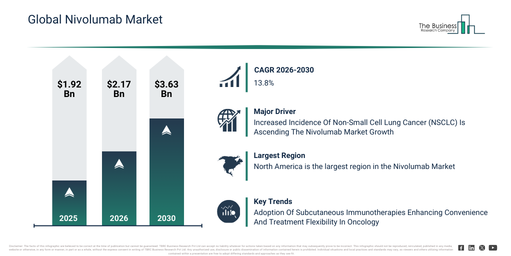
    The nivolumab market has experienced substantial expansion in recent years. Its value is projected to increase from $1.92 billion in 2025 to $2.17 billion in 2026, demonstrating a compound annual growth rate (CAGR) of 12.9%. The historical growth of this market is primarily due to factors such as the rising incidence of melanoma and NSCLC, the early approvals of nivolumab for metastatic cancers, the expansion of hospital infrastructure for oncology treatment, increased activity in oncology research and clinical trials, and the growing adoption of monoclonal antibody therapies.

    The nivolumab market size is anticipated to experience substantial growth in the coming years, projected to reach $3.63 billion by 2030 with a compound annual growth rate (CAGR) of 13.8%. This expansion during the forecast period can be attributed to several factors including the broadening of nivolumab indications, the increasing geriatric cancer population, its integration into combination therapies, escalating investment in biologics manufacturing, and the development of oncology infrastructure in emerging markets. Key trends influencing this period encompass advancements in immuno-oncology, the evolution of combination therapies, personalized cancer treatment approaches, the expansion of hospital-based oncology services, and the rising adoption of targeted therapies.

    Get A Free Sample Report With In-Depth Market Insights:

    https://thebusinessresearchcompany.com/sample_request?id=50520377&type=smp&name=Nivolumab%20Market%20Report%202026&utm_source=Blogs&utm_medium=Paid&utm_campaign=Oct_PR

    Nivolumab Market Growth Factors: What’s Supporting Expansion?

    The growing embrace of personalized medicine is anticipated to propel the expansion of the Nivolumab market in the future. This medical strategy customizes treatment and prevention plans according to an individual’s distinct genetic composition, way of life, and surroundings, moving away from standardized approaches. Its prevalence is on the rise, thanks to developments in genetic testing, which enable therapies to be precisely matched to each patient’s specific profile. Nivolumab functions as a personalized medicine, precisely targeting particular immune pathways determined by a patient’s tumor characteristics, thereby providing more customized and potent cancer therapy. For example, the Personalized Medicine Coalition, a US-based non-profit organization, announced in February 2024 that the FDA had sanctioned 16 novel personalized therapies for rare disease patients in 2023, marking a considerable jump from the six approvals in 2022. Consequently, the expanding use of personalized medicine is fueling the growth of the Nivolumab market.

    Nivolumab Market Segment Outlook: Which Categories Are Growing Fastest?

    The nivolumab market covered in this report is segmented –

    1) By Type: Injection 4mL, Injection 10mL

    2) By Route Of Administration: Intravenous, Other Routes Of Administration

    3) By Application: Melanoma, Non-small Cell Lung Cancer (NSCLC), Malignant Pleural Mesothelioma, Classical Hodgkin Lymphoma (CHL), Squamous Cell Carcinoma Of The Head And Neck (SCCHN), Renal Cell Carcinoma (RCC), Other Applications

    4) By End-User: Clinic, Hospital, Other End-Users

    Nivolumab Market Industry Trends: What’s Reshaping Demand?

    Major companies in the nivolumab market are prioritizing the development of new formulations and the expansion of treatment indications to improve patient convenience and bolster their immuno-oncology portfolios. For example, in December 2024, the Food and Drug Administration, a US-based federal agency, granted approval for Opdivo Qvantig, a subcutaneous formulation of nivolumab combined with hyaluronidase-nvhy, for use across all previously approved adult solid-tumor indications for intravenous nivolumab. This novel option allows for monotherapy, maintenance therapy after Opdivo plus Yervoy, or combination treatment with chemotherapy or cabozantinib. The approval is substantiated by the Phase 3 CHECKMATE-67T trial, which demonstrated comparable drug exposure, a similar safety profile, and a slightly higher response rate than IV nivolumab in patients with advanced renal cell carcinoma. With its flexible dosing schedules and sustained efficacy, the subcutaneous version provides a more convenient alternative for patients and reinforces Bristol Myers Squibb’s immuno-oncology portfolio.

    Nivolumab Market Leading Companies And Competitive Benchmarking

    Major companies operating in the nivolumab market are Bristol-Myers Squibb Company, Ono Pharmaceutical Co. Ltd., Xbrane Biopharma AB, NeuClone Therapeutics Inc., Dr. Reddy’s Laboratories Ltd., Biocon Limited, Samsung Bioepis Co. Ltd., Celltrion Inc., Amneal Pharmaceuticals LLC, Lupin Ltd., Intas Pharmaceuticals Ltd., Hetero Biopharma Ltd., Reliance Life Sciences Pvt. Ltd., Zydus Lifesciences Limited, mAbxience, Shanghai Henlius Biotech Inc., Innovent Biologics Inc., WuXi Biologics, Lonza Group AG, Samsung Biologics

    View The Full Nivolumab Market Report:

    https://thebusinessresearchcompany.com/report/nivolumab-global-market-report?utm_source=Blogs&utm_medium=Paid&utm_campaign=Oct_PR

    Nivolumab Market Regional Analysis And Leading Geography

    North America was the largest region in the nivolumab market in 2025. The regions covered in the nivolumab market report are Asia-Pacific, South East Asia, Western Europe, Eastern Europe, North America, South America, Middle East, Africa.

    Reach Out To Our Team:

    The Business Research Company: https://www.thebusinessresearchcompany.com/

    Americas: +1 310-496-7795

    Asia: +44 7882 955267 & +91 8897263534

    Europe: +44 7882 955267

    Email us at: marketing@tbrc.info

    Follow us on:

    LinkedIn: https://in.linkedin.com/company/the-business-research-company

    YouTube: https://www.youtube.com/channel/UC24_fI0rV8cR5DxlCpgmyFQ

    Global Market Model: https://www.thebusinessresearchcompany.com/global-market-model