Category: Pharmaceuticals

  • Phosphodiesterase 5 Inhibitor Outlook 2034: Key Drivers, Trends, and Market Frontiers

    Phosphodiesterase 5 Inhibitor Outlook 2034: Key Drivers, Trends, and Market Frontiers

    We’ve updated all our reports with current data on tariff changes, trade developments, and supply chain shifts affecting key industries.

    What is the Anticipated CAGR of the Phosphodiesterase 5 Inhibitor Market, and What Factors Will Drive It?

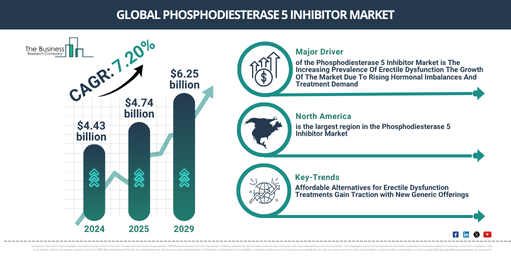
    The market size of the phosphodiesterase 5 inhibitor has seen significant growth in recent years. The market value is projected to increase from $4.43 billion in 2024 to $4.74 billion in 2025, with a compound annual growth rate (CAGR) of 7.1%. The growth during the historic period is due to factors such as rising cases of erectile dysfunction, increased awareness of sexual health, an expanding aging population, an uptick in the acceptance of non-invasive treatment alternatives, and a surge in lifestyle diseases.

    In the coming years, the phosphodiesterase 5 inhibitor market is projected to experience robust growth. The market is estimated to reach $6.25 billion in 2029, with a compound annual growth rate (CAGR) of 7.2%. Factors contributing to this growth within the forecast period include the escalating need for oral, non-invasive treatments; a growing preference for telemedicine in the management of sexual health; a heightened emphasis on personalized medicine; and increased attention on treatments for male fertility. Noteworthy trends for the forecast period involve the creation of combination therapies, synchronizing with combination pill treatments, forging ahead with targeted therapy innovations, the development of non-pharmaceutical alternatives, and the inclusion of artificial intelligence in drug discovery targeting PDE5.

    Download a free sample to assess the report’s scope and structure:

    https://www.thebusinessresearchcompany.com/sample.aspx?id=24378&type=smp

    How Are Key Drivers in the Industry Acting as Catalysts for the Growth of the Phosphodiesterase 5 Inhibitor Market?

    The escalating occurrence of erectile dysfunction is anticipated to expedite the expansion of the phosphodiesterase 5 inhibitor market in the future. Erectile dysfunction (ED), representing the persistent incapability to initiate or continue an erection for pleasing sexual activity. The escalating occurrence of erectile dysfunction is chiefly ascribed to hormonal imbalances, specifically lower testosterone levels that meddle with sexual functionality and performance. Phosphodiesterase 5 inhibitors come to the rescue by augmenting the flow of blood towards the penis, hence enabling men to get and sustain an erection during sexual excitement. For example, in December 2024, LloydsPharmacy Online Doctor, a community pharmacy based in the UK, reported that in 2023, about 3.5 million prescriptions for the erectile dysfunction treatment Viagra were dispensed by the NHS in England, which led to the circulation of roughly 25.5 million pills from September 2023 to August 2024. Therefore, the escalating prevalence of erectile dysfunction is fuelling the expansion of the phosphodiesterase 5 inhibitor market. The enhancement of drug evaluation and development due to the surge in research and clinical trials is propelling the market growth.

    Which Segments in the Phosphodiesterase 5 Inhibitor Offer the Most Growth?

    The phosphodiesterase 5 inhibitor market covered in this report is segmented –

    1) By Drug Type: Sildenafil, Tadalafil, Vardenafil, Avanafil, Other Drug Types

    2) By Dosage Form: Tablets, Injectables, Topical Applications

    3) By Application: Erectile Dysfunction, Pulmonary Arterial Hypertension, Benign Prostatic Hyperplasia, Other Applications

    4) By Distribution Channel: Retail Pharmacies, Online Pharmacies, Hospital Pharmacies

    5) By End-User: Hospitals, Specialty Clinics, Homecare Settings

    Subsegments:

    1) By Sildenafil: Generic Sildenafil, Branded Sildenafil

    2) By Tadalafil: Generic Tadalafil, Branded Tadalafil

    3) By Vardenafil: Generic Vardenafil, Branded Vardenafil

    4) By AvanafilP: Generic Avanafil, Branded Avanafil

    5) By Other Drug Types: Udenafil, Lodenafil, Mirodenafil

    Request customized data on this market:

    https://www.thebusinessresearchcompany.com/sample.aspx?id=24378&type=smp

    What Are the Fastest-Growing Geographies in the Phosphodiesterase 5 Inhibitor Market?

    North America was the largest region in the phosphodiesterase 5 inhibitor market in 2024. Asia-Pacific is expected to be the fastest-growing region in the forecast period. The regions covered in the phosphodiesterase 5 inhibitor market report are Asia-Pacific, Western Europe, Eastern Europe, North America, South America, Middle East, Africa.

    What Are the Current Market Growth and Trends in the Phosphodiesterase 5 Inhibitor Industry?

    Key players in the phosphodiesterase 5 inhibitor marketplace are honing their focus on the creation of groundbreaking products, like generic versions of Stendra, to elevate their market footprint and meet the growing need for affordable therapy options. These generic Stendra versions comprise of the same effective component, avanafil, which serves to counteract erectile dysfunction by blocking the PDE5 enzyme, thereby boosting blood circulation to the penis. In October 2024, Avanafil tablets were introduced by Camber Pharmaceuticals, Inc., a pharmaceutical firm based in the U.S. These tablets, which are phosphodiesterase type 5 (PDE5) inhibitors, are intended for treating erectile dysfunction (ED). Offered in 50 mg, 100 mg, and 200 mg potencies, each potency is enclosed in 30-capsule bottles. Avanafil functions by enhancing blood movement to the penis throughout sexual stimulation, with impacts usually apparent within 15 minutes and enduring for over six hours.

    View the full report here:

    https://www.thebusinessresearchcompany.com/report/phosphodiesterase-5-inhibitor-global-market-report

    What Are the Key Elements That Define the Phosphodiesterase 5 Inhibitor Market?

    A phosphodiesterase 5 (PDE5) inhibitor is a type of drug that blocks the enzyme PDE5, which breaks down cyclic guanosine monophosphate (cGMP), a molecule that helps relax smooth muscle tissue and increase blood flow. These inhibitors are commonly used to treat erectile dysfunction and pulmonary arterial hypertension by enhancing blood flow in targeted areas.

    Purchase the full report and get a swift delivery:

    https://www.thebusinessresearchcompany.com/customise?id=24378&type=smp

    About The Business Research Company:

    With over 15000+ reports from 27 industries covering 60+ geographies, The Business Research Company has built a reputation for offering comprehensive, data-rich research and insights. Armed with 1,500,000 datasets, the optimistic contribution of in-depth secondary research, and unique insights from industry leaders, you can get the information you need to stay ahead in the game.

    Get in touch with us:

    The Business Research Company: https://www.thebusinessresearchcompany.com/

    Americas +1 3156230293

    Asia +44 2071930708

    Europe +44 2071930708

    Email us at info@tbrc.info

    Follow us on:

    LinkedIn: https://in.linkedin.com/company/the-business-research-company

    YouTube: https://www.youtube.com/channel/UC24_fI0rV8cR5DxlCpgmyFQ

    Global Market Model: https://www.thebusinessresearchcompany.com/global-market-model
  • Global Phenobarbital Market Trends: Regional Breakdowns and Strategic Insights

    Global Phenobarbital Market Trends: Regional Breakdowns and Strategic Insights

    We’ve updated all our reports with current data on tariff changes, trade developments, and supply chain shifts affecting key industries.

    What Are the Key Milestones in the Phenobarbital Market’s Growth Trajectory From 2025 To 2034?

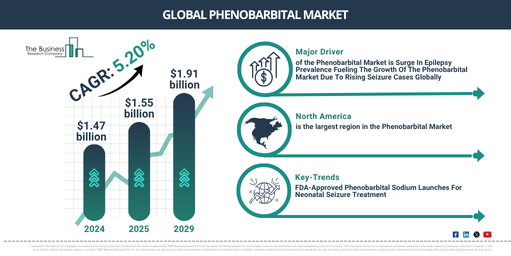
    In recent times, the phenobarbital market has seen a robust growth. It is projected to increase from $1.47 billion in 2024 to $1.55 billion in 2025, translating to a compound annual growth rate (CAGR) of 5.4%. Factors such as its common use in managing epilepsy, the incidence of epilepsy and seizure disorders, government initiatives for supply, increasing demand in veterinary applications, and strides towards universal health coverage drive the growth experienced during this historic period.

    Over the coming years, it is anticipated that the phenobarbital market size will experience robust growth, with predictions placing it at $1.91 billion in 2029 with a 5.2% compound annual growth rate (CAGR). Various factors contributing to this projected growth during the forecast period include the growth of generic drug production, increasing emphasis on managing neurological diseases, the growth of e-pharmacies, changes in regulations supporting generic use, and the consistency in regulatory pathways for generics. The forecast period is also expected to witness trends such as the creation of user-friendly drug delivery forms, advancements in research and development, the introduction of extended-release formulations, improved drug delivery systems, and investments made to advance production methods.

    Download a free sample to assess the report’s scope and structure:

    https://www.thebusinessresearchcompany.com/sample.aspx?id=24377&type=smp

    What Are the Major Market Drivers Behind the Rising Adoption of Phenobarbital Market?

    The phenobarbital market is projected to expand due to the rising occurrence of epilepsy. Epilepsy, a neurological disorder marked by regular, spontaneous seizures caused by erratic electrical activity within the brain, is experiencing increased prevalence due to heightened awareness. More individuals are now identifying the symptoms and proactively seeking medical help, resulting in more diagnosed cases. Phenobarbital, an anticonvulsant medication, is efficient in managing epilepsy as it decelerates the brain neurons’ activities, facilitating the prevention and control of seizures. The Centers for Disease Control and Prevention, a government agency based in the USA, reported in May 2024 that approximately 2.9 million adults in the U.S. were suffering from active epilepsy between 2021 and 2022, comprising roughly 1% of the adult population. Hence, the growing occurrence of epilepsy is anticipated to drive the phenobarbital market’s evolution.

    Which Key Market Segments Comprise the Phenobarbital Market and Drive Its Revenue Growth?

    The phenobarbital market covered in this report is segmented –

    1) By Indication: Epilepsy, Neonatal Seizures

    2) By Dosage Forms: Tablets, Capsules, Injectables

    3) By Distribution Channel: Hospital Pharmacies, Retail Pharmacies, Online Pharmacies

    4) By Application: Seizure Management, Anesthesia, Sleep Disorders, Alcohol Withdrawal Syndrome

    5) By End User: Hospitals, Clinics, Research Laboratories, Homecare Settings

    Subsegments:

    1) By Epilepsy: Focal (Partial) Seizures, Generalized Tonic-Clonic Seizures, Status Epilepticus, Refractory Epilepsy, Idiopathic Epilepsy

    2) By Neonatal Seizures: Hypoxic-Ischemic Encephalopathy (HIE)-Induced Seizures, Intracranial Hemorrhage-Induced Seizures, Metabolic Disorders, Congenital Brain Malformations, Infections

    Request customized data on this market:

    https://www.thebusinessresearchcompany.com/sample.aspx?id=24377&type=smp

    Which Areas Are Leading Regions in the Phenobarbital Market Expansion Across the Globe?

    North America was the largest region in the phenobarbital market in 2024. Asia-Pacific is expected to be the fastest-growing region in the forecast period. The regions covered in the phenobarbital market report are Asia-Pacific, Western Europe, Eastern Europe, North America, South America, Middle East, Africa.

    What Are the Strategic Trends Steering the Phenobarbital Market Direction?

    Leading businesses in the phenobarbital market are concentrating their efforts on creating inventive solutions like phenobarbital sodium to increase the safety and effectiveness of treatment procedures. Phenobarbital sodium, which is the sodium salt variation of phenobarbital, is a drug typically used for anticonvulsant and sedative purposes. It is frequently recommended for seizure management, especially in cases such as epilepsy, and for the treatment of anxiety and insomnia. It’s also sometimes used as a sedative prior to medical procedures. For example, Sun Pharmaceutical Industries Ltd., an Indian pharmaceutical firm, released SEZABY (phenobarbital sodium) in the U.S. in January 2023, the first FDA-approved drug specifically designed to treat seizures in both term and preterm infants. The new formula, which lacks benzyl alcohol and propylene glycol, is safer for newborn use. Supported by clinical data that demonstrates its effectiveness in controlling neonatal seizures, SEZABY received the orphan drug designation, thus meeting a crucially unfulfilled need in this sensitive patient group.

    View the full report here:

    https://www.thebusinessresearchcompany.com/report/phenobarbital-global-market-report

    How Is the Phenobarbital Market Conceptually Defined?

    Phenobarbital is a long-acting barbiturate medication most commonly used to control and prevent seizures, particularly in the treatment of epilepsy. It is sometimes prescribed as a sedative for anxiety or to manage withdrawal symptoms. It works by enhancing the effects of gamma-aminobutyric acid (GABA), a neurotransmitter that inhibits nerve activity in the brain, resulting in a calming effect on the central nervous system and a reduced risk of seizures.

    Purchase the full report and get a swift delivery:

    https://www.thebusinessresearchcompany.com/customise?id=24377&type=smp

    About The Business Research Company:

    With over 15000+ reports from 27 industries covering 60+ geographies, The Business Research Company has built a reputation for offering comprehensive, data-rich research and insights. Armed with 1,500,000 datasets, the optimistic contribution of in-depth secondary research, and unique insights from industry leaders, you can get the information you need to stay ahead in the game.

    Get in touch with us:

    The Business Research Company: https://www.thebusinessresearchcompany.com/

    Americas +1 3156230293

    Asia +44 2071930708

    Europe +44 2071930708

    Email us at info@tbrc.info

    Follow us on:

    LinkedIn: https://in.linkedin.com/company/the-business-research-company

    YouTube: https://www.youtube.com/channel/UC24_fI0rV8cR5DxlCpgmyFQ

    Global Market Model: https://www.thebusinessresearchcompany.com/global-market-model
  • Critical Market Drivers Shaping the Outlook for Kidney Fibrosis Treatment Market from 2025-2034: Rising Prevalence Of Chronic Kidney Disease Driving Growth In The Market Due To Increasing Rates Of Diabetes And Hypertension

    We’ve updated all our reports with current data on tariff changes, trade developments, and supply chain shifts affecting key industries.

    How Has The Kidney Fibrosis Treatment Market Growth Evolved From 2024 To 2025, And What’s Ahead?

    The market for kidney fibrosis treatment has seen robust growth in the past few years, and it is set to further swell from $6.93 billion in 2024 to $7.58 billion in 2025, implying a compound annual growth rate (CAGR) of 9.4%. The past growth can be credited to factors such as increasing investments in research and development targeted towards fibrosis therapies, augmented government support in managing kidney diseases, heightened patient knowledge about kidney transplants and fibrosis treatment alternatives, improvement in healthcare infrastructure, and a rise in the elderly population.

    It is projected that the kidney fibrosis treatment market will experience substantial expansion in the coming years, with its worth estimated to reach $10.78 billion by the year 2029, as it grows at a compound annual growth rate (CAGR) of 11.7%. This anticipated expansion during the forecast period can be tied to the growing rates of chronic kidney ailments, the mounting need for advanced renal fibrosis therapies, increased recognition of the importance of identifying kidney fibrosis at its early stages, the growing use of personalized treatments for kidney disease, and the rising cases of diabetes and hypertension. Significant trends to look out for in the forecast period include advancements in technology for early detection and diagnosis, progression in gene therapy, the integration of technology in telemedicine and remote monitoring, improvements in stem cell therapies, and developments in drug delivery systems.

    Download a free sample to assess the report’s scope and structure:

    https://www.thebusinessresearchcompany.com/sample.aspx?id=24271&type=smp

    What Are the Core Growth Drivers Propelling the Kidney Fibrosis Treatment Market Forward?

    The escalating occurrence of chronic kidney diseases is anticipated to fuel the expansion of the kidney fibrosis treatment market. Chronic kidney disease (CKD), which commonly results from conditions like diabetes or hypertension, involves the gradual loss of kidney function, leading to the accumulation of waste products in the body. The escalating occurrence of CKD is largely influenced by growing diabetes rates, a condition that harms kidney blood vessels and compromises their filtration capabilities. Kidney fibrosis treatment provides support for CKD patients by addressing kidney tissue scarring, reducing inflammation, and decelerating kidney damage progression, thereby maintaining kidney function. For example, in May 2024, the Centers for Disease Control and Prevention (CDC), stated that it was estimated that approximately 14% of U.S. adults, roughly 35.5 million individuals, are thought to be dealing with chronic kidney diseases. Hence, the escalating occurrence of chronic kidney disease supports the growth of the kidney fibrosis treatment market. As for the stimulation of market growth due to demand for pioneering and personalized treatments, the mounting activities in clinical trials are projected to thrust the expansion of the kidney fibrosis treatment market. Clinical trials are human-based research studies aimed at examining the safety, efficacy, and side effects of medical treatments or interventions. The rise in clinical trials is attributable to the increasing demand for innovative and personalized treatments that require thorough examination for safety and results. Kidney fibrosis treatment aids clinical trials by offering a concentrated area to examine novel anti-fibrotic therapies, thus enabling researchers to assess the efficacy of new medications in the deceleration or reversal of kidney damage. For instance, in November 2023, according to the Association of the British Pharmaceutical Industry, there was a 15% annual increase in the number of participants in industry clinical trials in the UK, moving up from 36,722 participants in 2021-22 to 42,088 in 2022-23. As a result, the escalating clinical trials collectively drive the expansion of the kidney fibrosis treatment market.

    What Segment Types Define the Kidney Fibrosis Treatment Market Structure?

    The kidney fibrosis treatment market covered in this report is segmented –

    1) By Treatment Type: Angiotensin-Converting Enzyme (Ace) Inhibitors, Angiotensin Ii Receptor Blockers (Arbs), Pirfenidone, Renin Inhibitors, Vasopeptidase Inhibitors, Other Treatment Types

    2) By Diagnosis: Blood Tests, Urine Tests, Imaging Tests, Kidney Biopsy

    3) By Application: Chronic Kidney Diseases, Kidney Cancer Treatment, Other Applications

    4) By End-User: Clinics, Research Center, Hospitals

    Subsegments:

    1) By Angiotensin-Converting Enzyme (Ace) Inhibitors: Enalapril, Captopri, Lisinopril, Ramipril

    2) By Angiotensin Ii Receptor Blockers (Arbs): Losartan, Telmisartan, Valsartan, Irbesartan

    3) By Pirfenidone: Branded Pirfenidone, Generic Pirfenidone

    4) By Renin Inhibitors: Aliskiren, Experimental Renin Inhibitors

    5) By Vasopeptidase Inhibitors: Omapatrilat, Sampatrilat

    6) By Other Treatment Types: Anti-Inflammatory Agents, Stem Cell Therapy, Antifibrotic Agents Under Clinical Trials, Gene Therapy

    Request customized data on this market:

    https://www.thebusinessresearchcompany.com/sample.aspx?id=24271&type=smp

    Which Geographic Areas Hold the Strongest Growth Potential in the Kidney Fibrosis Treatment Market?

    North America was the largest region in the kidney fibrosis treatment market in 2024. Asia-Pacific is expected to be the fastest-growing region in the forecast period. The regions covered in the kidney fibrosis treatment market report are Asia-Pacific, Western Europe, Eastern Europe, North America, South America, Middle East, Africa.

    View the full report here:

    https://www.thebusinessresearchcompany.com/report/kidney-fibrosis-treatment-global-market-report

    What Is the Definition of the Kidney Fibrosis Treatment Market?

    Kidney fibrosis treatment refers to therapeutic strategies aimed at slowing, halting, or reversing the progression of fibrosis in the kidneys. Kidney fibrosis is the excessive accumulation of extracellular matrix proteins such as collagen, resulting to scarring and functional decline of kidney tissue, commonly associated with chronic kidney disease (CKD).

    Purchase the full report and get a swift delivery:

    https://www.thebusinessresearchcompany.com/customise?id=24271&type=smp

    About The Business Research Company:

    With over 15000+ reports from 27 industries covering 60+ geographies, The Business Research Company has built a reputation for offering comprehensive, data-rich research and insights. Armed with 1,500,000 datasets, the optimistic contribution of in-depth secondary research, and unique insights from industry leaders, you can get the information you need to stay ahead in the game.

    Get in touch with us:

    The Business Research Company: https://www.thebusinessresearchcompany.com/

    Americas +1 3156230293

    Asia +44 2071930708

    Europe +44 2071930708

    Email us at info@tbrc.info

    Follow us on:

    LinkedIn: https://in.linkedin.com/company/the-business-research-company

    YouTube: https://www.youtube.com/channel/UC24_fI0rV8cR5DxlCpgmyFQ

    Global Market Model: https://www.thebusinessresearchcompany.com/global-market-model
  • Pharmaceuticals Native Starch Market Outlook 2025: Mapping Growth, Innovation, and Regional Shifts

    Pharmaceuticals Native Starch Market Outlook 2025: Mapping Growth, Innovation, and Regional Shifts

    We’ve updated all our reports with current data on tariff changes, trade developments, and supply chain shifts affecting key industries.

    How Has The Pharmaceuticals Native Starch Market Size Shifted, And What Is the Outlook Through 2034?

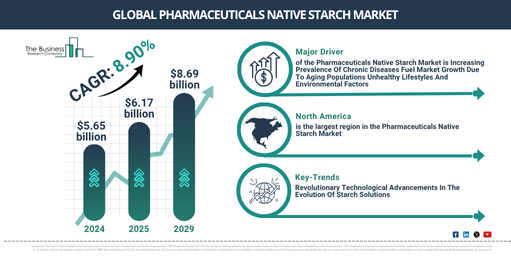
    The growth of the pharmaceutical native starch market has been robust over recent years. The market which stood at $5.65 billion in 2024 is projected to escalate to $6.17 billion by 2025, delivering a compound annual growth rate (CAGR) of 9.1%. Factors contributing to this significant growth in the past include a heightened demand for natural excipients, a surge in pharmaceutical manufacturing, an increased inclination towards biocompatible ingredients, an expansion of generic drug manufacturing, and increased regulatory backing for natural constituents.

    Expectations for the pharmaceutical native starch market size predict robust expansion in the years to come, rising to the value of $8.69 billion in 2029 with a compound annual growth rate (CAGR) of 8.9%. This projected growth during the forecast period can be attributed to factors such as increased investments in pharmaceutical innovation, a growing emphasis on sustainable sourcing, extended applications in innovative drug formulations, a rise in demand for pharmaceutical products with clean labels, and increased healthcare expenditures in developing markets. Future trends projected during this period are technological advancements in starch processing, innovations in systems for drug delivery, progress in bio-based pharmaceutical ingredients, as well as research and development in plant-based excipients, and development of solubility and stability solutions.

    Download a free sample to assess the report’s scope and structure:

    https://www.thebusinessresearchcompany.com/sample.aspx?id=24376&type=smp

    What External and Internal Drivers Are Contributing to the Growth of the Pharmaceuticals Native Starch Market?

    The escalating occurrence of chronic illnesses is anticipated to spur the expansion of the pharmaceuticals native starch market. Chronic illnesses are enduring health issues that usually progress at a slow pace and last for over a year. The surge in chronic illnesses is mainly due to the increasing elderly population who are more prone to persistent ailments such as diabetes, cardiovascular diseases, arthritis, and cancer; these health issues commonly increase with age. The pharmaceuticals native starch aids in chronic disease management by boosting drug formulation stability, improving bioavailability, providing controlled drug release, assisting patient adherence, and ultimately reinforcing the effectiveness and long-term control of chronic health conditions. For instance, in June 2024, the Australian Institute of Health and Welfare, a government organization in Australia, reported a rise in the mortality rate due to chronic conditions, surging from 459 per 100,000 individuals in 2021 to 490 per 100,000 individuals in 2022. Hence, the escalating occurrence of chronic diseases is fueling the growth of the pharmaceuticals native starch market.

    What Segment Types Define the Pharmaceuticals Native Starch Market Structure?

    The pharmaceuticals native starch market covered in this report is segmented –

    1) By Type: Potato Starch, Corn Starch, Other Types

    2) By Formulation Type: Oral Solid Dosage Forms, Liquid Dosage Forms, Topical Formulations, Injectable Drugs, Controlled Release Formulations

    3) By Functionality: Texturizing Agent, Moisture Retention Agent, Bulking Agent, Emulsifying Agent, Film-Forming Agent

    4) By Application: Binders And Coating Agents, Disintegrants, Fillers And Extenders, Stabilizers, Thickening Agents

    5) By End-User: Pharmaceutical Manufacturers, Contract Research Organizations (CROs), Contract Manufacturing Organizations (CMOs), Research And Development Labs, Academic Institutions, Other End-users

    Subsegments:

    1) By Potato Starch: Modified Potato Starch, Native Potato Starch

    2) By Corn Starch: Modified Corn Starch, Native Corn Starch

    3) By Other Types: Rice Starch, Wheat Starch, Tapioca Starch

    Request customized data on this market:

    https://www.thebusinessresearchcompany.com/sample.aspx?id=24376&type=smp

    Which Geographic Areas Hold the Strongest Growth Potential in the Pharmaceuticals Native Starch Market?

    North America was the largest region in the pharmaceuticals native starch market in 2024. Asia-Pacific is expected to be the fastest-growing region in the forecast period. The regions covered in the pharmaceuticals native starch market report are Asia-Pacific, Western Europe, Eastern Europe, North America, South America, Middle East, Africa.

    What Long-Term Trends Are Transforming the Competitive Landscape of the Pharmaceuticals Native Starch Market?

    Leading businesses in the native starch market for pharmaceuticals are prioritizing the creation of innovative plant-based textured products to optimize medication formulation and increase patient adherence. Plant-based texture, derived from plant ingredients like thickness and gel strength, aids pharmaceutical companies in utilizing native starch to improve tablet binding, disintegration, and mouthfeel for more natural drug formulations. For example, Ingredion Incorporated, a food company based in the US, introduced Novation Indulge 2940 starch in February 2024 — a clean-label texturizer targeted at improving texture and stability in dairy and non-dairy products. This novel native starch for pharmaceutical use offers functional characteristics that boost medication formulation effectiveness, bioavailability, and timed release while promoting the creation of clean-label, eco-friendly products. NOVATION Indulge 2940 starch is a flexible ingredient that enhances texture, stability, and consumer approval in dairy and non-dairy products, utilizing clean-label, natural constituents.

    View the full report here:

    https://www.thebusinessresearchcompany.com/report/pharmaceuticals-native-starch-global-market-report

    What Is the Definition of the Pharmaceuticals Native Starch Market?

    Pharmaceutical native starch is unaltered starch derived from natural sources such as corn, potato, wheat, or tapioca and utilized as an excipient in pharmaceutical formulations. It functions as a binder, disintegrant, or filler in tablets and capsules, helping to control medication release, increase stability, and maintain appropriate tablet formation without requiring chemical or physical change.

    Purchase the full report and get a swift delivery:

    https://www.thebusinessresearchcompany.com/customise?id=24376&type=smp

    About The Business Research Company:

    With over 15000+ reports from 27 industries covering 60+ geographies, The Business Research Company has built a reputation for offering comprehensive, data-rich research and insights. Armed with 1,500,000 datasets, the optimistic contribution of in-depth secondary research, and unique insights from industry leaders, you can get the information you need to stay ahead in the game.

    Get in touch with us:

    The Business Research Company: https://www.thebusinessresearchcompany.com/

    Americas +1 3156230293

    Asia +44 2071930708

    Europe +44 2071930708

    Email us at info@tbrc.info

    Follow us on:

    LinkedIn: https://in.linkedin.com/company/the-business-research-company

    YouTube: https://www.youtube.com/channel/UC24_fI0rV8cR5DxlCpgmyFQ

    Global Market Model: https://www.thebusinessresearchcompany.com/global-market-model
  • Strong CAGR to Propel in the Pharmaceutical Lipid-Based Excipients Market and Beyond upto $2.22 Billion by 2029

    Strong CAGR to Propel in the Pharmaceutical Lipid-Based Excipients Market and Beyond upto $2.22 Billion by 2029

    We’ve updated all our reports with current data on tariff changes, trade developments, and supply chain shifts affecting key industries.

    What Are the Projected Market Size and Growth Rates for the Pharmaceutical Lipid-Based Excipients Market From 2025 To 2029?

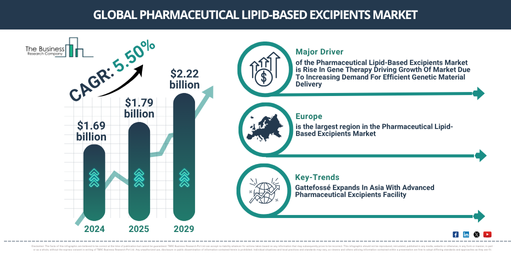
    In recent times, there has been substantial growth in the size of the pharmaceutical lipid-based excipients market. The market, which was valued at $1.69 billion in 2024, is projected to expand to $1.79 billion in 2025, with a compound annual growth rate (CAGR) of 5.8%. The surge during the historical period can be linked to several factors such as the rise of drugs that are poorly soluble in water, the growing demand for targeted and controlled drug release, increasing investments in the pharmaceutical sector, the widespread usage of oral solid dosage forms, a heightened emphasis on enhancing drug bioavailability, and the regulatory approval of lipid excipients in novel formulations.

    In the coming years, the market size for pharmaceutical lipid-based excipients is anticipated to witness significant expansion. The projection is for it to reach $2.22 billion in 2029, with a compound annual growth rate (CAGR) of 5.5%. Several factors could contribute to growth during the projected period such as an increased demand for cutting-edge drug delivery systems, rising usage of mRNA and gene therapies, swelling pipeline for drugs with poor water solubility, a heightened emphasis on individualized medicine, beneficial regulatory oversight, and strategic capital injections in biopharmaceutical manufacturing infrastructure. Noteworthy trends throughout this period include advancements in lipid nanoparticle delivery systems, the embracement of mRNA and gene therapies, upgraded solubility solutions for poorly water-soluble drugs, the broadening of biocompatible and eco-friendly lipid sources, improved manufacturing scalability, and wider usage in oral and injectable formulations.

    Download a free sample to assess the report’s scope and structure:

    https://www.thebusinessresearchcompany.com/sample.aspx?id=24374&type=smp

    Which Primay Drivers Are Accelerating Growth in the Pharmaceutical Lipid-Based Excipients Market?

    The growth of the pharmaceutical lipid-based excipients market is anticipated to be driven by the advancement in gene therapy. Gene therapy is a cutting-edge medical approach that manipulates or alters a person’s genes to battle or avert illnesses. The surge in popularity of gene therapy is primarily due to the progress of delivery systems that guarantee safe, efficient, and focused transportation of genetic materials into cells. Pharmaceutical lipid-based excipients play a crucial role in improving gene therapy as they facilitate efficient delivery systems, ensure stability and maintain targeted transport of genetic materials. The therapeutic outcomes are improved as these excipients protect nucleic acids and boost cellular uptake, thereby enhancing the potency of contemporary treatments. For example, in December 2024, the American Society of Gene & Cell Therapy (ASGCT), a notable non-profit medical and scientific organization in the United States, noted that the Food and Drug Administration (FDA) has increased gene therapy product approvals from five in 2022 to six in 2023. Consequently, the pharmaceutical lipid-based excipients market’s growth is propelled by the expansion in gene therapy.

    Which Primary Segments of the Pharmaceutical Lipid-Based Excipients Market Are Driving Growth and Industry Transformations?

    The pharmaceutical lipid-based excipients market covered in this report is segmented –

    1) By Excipient Type: Oils, Hydrogenated Vegetable Oils, GMCC, Hard Fats, Medium Chain Triglycerides, Lecithin And Phospholipids, Sodium Oleate, Capri Caprylic Mono Diglyceride, Other Excipient Types

    2) By Product Applications: Oral Formulations, Parenteral, Topical Applications, Ophthalmic Applications, Suppositories, Other Product Applications

    3) By Disease Application: Cardiovascular Diseases, Neurological Disorders, Oncology, Metabolic Disorders, Hormonal Therapies, Infectious Diseases, Other Disease Applications

    4) By Age Group: Pediatric Products (0-18 years), Adult Products (19-64 years), Geriatric Products (65+ years)

    5) By End-Use: Pharmaceutical Manufacturers, Contract Development And Manufacturing Organizations, Other End Users

    Subsegments:

    1) By Oils: Soybean Oil, Olive Oil, Palm Oil, Sunflower Oil, Other Oils

    2) By Hydrogenated Vegetable Oils: Hydrogenated Soybean Oil, Hydrogenated Palm Oil, Hydrogenated Cottonseed Oil, Other Hydrogenated Vegetable Oils

    3) By GMCC (Glyceryl Mono/Diesters of C16/C18): Glyceryl Monostearate, Glyceryl Distearate, Glyceryl Monopalmitate, Other GMCC

    4) By Hard Fats: Hydrogenated Castor Oil, Hydrogenated Palm Kernel Oil, Hydrogenated Coconut Oil, Other Hard Fats

    5) By Medium Chain Triglycerides (MCTs): Capric Triglycerides, Caprylic Triglycerides, Caprylic-Capric Triglycerides, Other MCTs

    6) By Lecithin and Phospholipids: Soy Lecithin, Egg Lecithin, Phosphatidylcholine, Phosphatidylserine, Other Lecithin and Phospholipids

    7) By Sodium Oleate: Pharmaceutical Grade Sodium Oleate, Food Grade Sodium Oleate, Industrial Grade Sodium Oleate

    8) By Capri-Caprylic Mono/Diglycerides: Capric-Caprylic Monoglycerides, Capric-Caprylic Diglycerides

    9) By Other Excipient Types: Sucrose Esters, Fatty Acid Esters, PEGylated Lipids, Other Miscellaneous Lipids

    Request customized data on this market:

    https://www.thebusinessresearchcompany.com/sample.aspx?id=24374&type=smp

    Which Regions Are Key Players in the Growth of the Pharmaceutical Lipid-Based Excipients Market?

    Europe was the largest region in the pharmaceutical lipid-based excipients market in 2024. Asia-Pacific is expected to be the fastest-growing region in the forecast period. The regions covered in the pharmaceutical lipid-based excipients market report are Asia-Pacific, Western Europe, Eastern Europe, North America, South America, Middle East, Africa.

    Which Technological Trends Are Reshaping the Pharmaceutical Lipid-Based Excipients Industry Dynamics?

    Major pharmaceutical lipid-based excipients market players are prioritizing strategic investments aimed at establishing cutting-edge Centers of Excellence to propel innovation, augment formulary skills, back drug delivery research, and boost their competitive edge in burgeoning therapeutic fields. A case in point is Gattefossé SAS, a chemical manufacturing firm from France. In November 2024, the company opened a state-of-the-art Technical Center of Excellence in Mumbai, India, aiming to support the escalating pharma market in the country. The center offers dedicated labs and personalized assistance for excipient innovation, concentrating on bioavailability, sustained release, and topical formulations, thereby fortifying its footprint in the Asia-Pacific market. This ultra-modern facility features pharmaceutical and personal care application labs designed to stimulate innovation, promote teamwork, and offer a conducive working atmosphere.

    View the full report here:

    https://www.thebusinessresearchcompany.com/report/pharmaceutical-lipid-based-excipients-global-market-report

    What Parameters Are Used to Define the Pharmaceutical Lipid-Based Excipients Market?

    Pharmaceutical lipid-based excipients are non-active (inactive) substances derived from lipids used in drug formulations to help deliver, stabilize, or enhance the absorption of the active pharmaceutical ingredient (API). Pharmaceutical lipid-based excipients aim to improve drug solubility, stability, and bioavailability, particularly for poorly water-soluble drugs.

    Purchase the full report and get a swift delivery:

    https://www.thebusinessresearchcompany.com/customise?id=24374&type=smp

    About The Business Research Company:

    With over 15000+ reports from 27 industries covering 60+ geographies, The Business Research Company has built a reputation for offering comprehensive, data-rich research and insights. Armed with 1,500,000 datasets, the optimistic contribution of in-depth secondary research, and unique insights from industry leaders, you can get the information you need to stay ahead in the game.

    Get in touch with us:

    The Business Research Company: https://www.thebusinessresearchcompany.com/

    Americas +1 3156230293

    Asia +44 2071930708

    Europe +44 2071930708

    Email us at info@tbrc.info

    Follow us on:

    LinkedIn: https://in.linkedin.com/company/the-business-research-company

    YouTube: https://www.youtube.com/channel/UC24_fI0rV8cR5DxlCpgmyFQ

    Global Market Model: https://www.thebusinessresearchcompany.com/global-market-model
  • Pharma Grade Cellulose Powder Market Valuation Expected To Reach $1.62 Billion By 2029, Growing At A Rate Of 6.2%

    Pharma Grade Cellulose Powder Market Valuation Expected To Reach $1.62 Billion By 2029, Growing At A Rate Of 6.2%

    We’ve updated all our reports with current data on tariff changes, trade developments, and supply chain shifts affecting key industries.

    What Is the Estimated Market Size of the Pharma Grade Cellulose Powder Market In 2029?

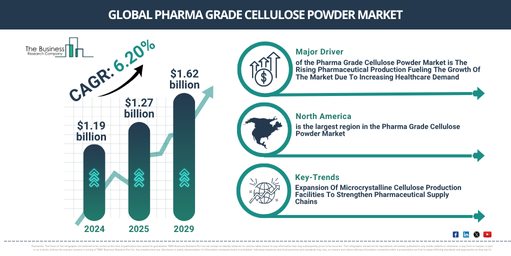
    The market size for pharma-grade cellulose powder has observed robust growth in the past few years. Its size is forecasted to expand from $1.19 billion in 2024 to $1.27 billion in 2025, with a compound annual growth rate (CAGR) of 6.5%. The growth witnessed during the historic period may be due to factors such as the increased demand for tablet binders, a rise in the production of generic drugs, the escalation in pharmaceutical research and development, the growth in the manufacturing capacity of excipients, and regulatory endorsements for cellulose-based excipients.

    The market for pharma-grade cellulose powder is forecasted to experience significant growth in the upcoming years, with a predicted market size of $1.62 billion in 2029 and a compound annual growth rate (CAGR) of 6.2%. The robust growth during the forecast period may be due to the increasing emphasis on personalized medicine, the use of sustainable excipients, growth in biologics and biosimilars, and augmented attention on revolutionary oral drug delivery systems, as well as significant investments in the pharmaceutical infrastructure in developing markets. The future trends anticipated during this period comprise an enhanced demand for excipient-grade materials for drug formulation, increased uptake in controlled-release drug delivery systems, a shift towards plant-based and renewable excipients, a rise in the implementation in controlled drug delivery systems, and progressive improvements in cellulose processing technologies to achieve better purity and efficiency.

    Download a free sample to assess the report’s scope and structure:

    https://www.thebusinessresearchcompany.com/sample.aspx?id=24373&type=smp

    Which Factors and External Forces Are Driving Demand in the Pharma Grade Cellulose Powder Market?

    The growth of the pharma-grade cellulose powder market is anticipated to be driven by the burgeoning production of pharmaceutical goods. The creation of medications consists of formulating, synthesizing, and implementing stringent quality control on active ingredients and excipients, all to ensure that they are safe, efficient, and comply with all required regulations. The upsurge in chronic illnesses, which necessitate sustained and long-term treatment for effective control, is causing an increase in pharmaceutical production. Pharma-grade cellulose powder plays a crucial role in pharmaceutical production, serving as a reliable binder, filler, and stabilizer, thus preserving the integrity of tablets and facilitating equal drug dissemination. For example, the total pharmaceutical production in Europe, as reported by the Belgium-based European Federation of Pharmaceutical Industries and Associations (EFPIA), which represents the European pharmaceutical industry, amounted to $422,803 million (€390,000 million) in June 2023, a rise from $393,857 million (€363,300 million) in 2022. Hence, the escalating pharmaceutical production is stimulating the pharma-grade cellulose powder market’s growth.

    Which Segments in the Pharma Grade Cellulose Powder Offer the Most Growth?

    The pharma grade cellulose powder market covered in this report is segmented –

    1) By Product Type: Microcrystalline Cellulose (MCC), Carboxymethyl Cellulose (CMC), Hydroxypropyl Methylcellulose (HPMC), Hydroxypropyl Cellulose (HPC)

    2) By Functionality: Binding Agent, Thickening Agent, Stabilizer, Disintegrant, Coating Agent

    3) By Application: Pharmaceuticals, Nutraceuticals, Cosmetics, Other Applications

    4) By End-User: Contract Research Organizations (CROs), Pharmaceutical and Biotechnology Companies, Academic And Research Institutions, Manufacturers Of Dietary Supplements, Food And Beverage Industries

    Subsegments:

    1) By Microcrystalline Cellulose: Powder, Granules

    2) By Carboxymethyl Cellulose (CMC): Sodium Carboxymethyl Cellulose (CMC), Calcium Carboxymethyl Cellulose (CMC), Other Carboxymethyl Cellulose (CMC) Variants

    3) By Hydroxypropyl Methylcellulose (HPMC): Low Viscosity Hydroxypropyl Methylcellulose (HPMC), Medium Viscosity Hydroxypropyl Methylcellulose (HPMC), High Viscosity Hydroxypropyl Methylcellulose (HPMC)

    4) By Hydroxypropyl Cellulose: Low Substitution Hydroxypropyl Cellulose (HPC), High Substitution Hydroxypropyl Cellulose (HPC)

    Request customized data on this market:

    https://www.thebusinessresearchcompany.com/sample.aspx?id=24373&type=smp

    What Are the Fastest-Growing Geographies in the Pharma Grade Cellulose Powder Market?

    North America was the largest region in the pharma-grade cellulose powder market in 2024. The regions covered in the pharma grade cellulose powder market report are Asia-Pacific, Western Europe, Eastern Europe, North America, South America, Middle East, Africa.

    Which Cutting-Edge Market Trends Are Expected to Drive the Pharma Grade Cellulose Powder Market’s Growth?

    Major firms in the pharma-grade cellulose powder industry are centered around establishing a new microcrystalline cellulose plant to extend their production potential and bolster their supply chain efficiency for pharmaceutical excipients. A microcrystalline cellulose site is a specific factory where refined cellulose is put through controlled chemical and mechanical procedures to produce uniform, premium-grade particles for medicinal usage. For instance, Nitika Pharmaceuticals Specialties, a reputed excipient manufacturing firm from India, marked the inception of Tabcell, India’s largest microcrystalline cellulose (MCC) production hub situated in Nagpur, in September 2023. With avant-garde technology and a capacity of 1200 metric tons, this plant was unveiled by Union Minister Nitin Gadkari, marking a significant achievement under the Production Linked Incentive (PLI) scheme for excipients by the Government of India. This new establishment reinforces Nitika Pharmaceutical’s status as a global front-runner in pharmaceutical excipients, catering to local demands as well as exporting to over 92 countries. It also supports the “Make in India” drive and significantly boosts local employment prospects.

    View the full report here:

    https://www.thebusinessresearchcompany.com/report/pharma-grade-cellulose-powder-global-market-report

    What Are the Key Elements That Define the Pharma Grade Cellulose Powder Market?

    Pharma grade cellulose powder is a refined, plant-based material designed to meet stringent pharmaceutical quality standards. It is commonly used as an excipient in drug formulations. Its chemically inert, non-toxic, and stable properties ensure compatibility with active pharmaceutical ingredients (APIs). It also enhances the uniformity and production efficiency of oral solid dosage forms.

    Purchase the full report and get a swift delivery:

    https://www.thebusinessresearchcompany.com/customise?id=24373&type=smp

    About The Business Research Company:

    With over 15000+ reports from 27 industries covering 60+ geographies, The Business Research Company has built a reputation for offering comprehensive, data-rich research and insights. Armed with 1,500,000 datasets, the optimistic contribution of in-depth secondary research, and unique insights from industry leaders, you can get the information you need to stay ahead in the game.

    Get in touch with us:

    The Business Research Company: https://www.thebusinessresearchcompany.com/

    Americas +1 3156230293

    Asia +44 2071930708

    Europe +44 2071930708

    Email us at info@tbrc.info

    Follow us on:

    LinkedIn: https://in.linkedin.com/company/the-business-research-company

    YouTube: https://www.youtube.com/channel/UC24_fI0rV8cR5DxlCpgmyFQ

    Global Market Model: https://www.thebusinessresearchcompany.com/global-market-model
  • Pharma Grade Calcium Sulphate Market Forecast Reaching $1.36 Billion by 2029 at 8.8% CAGR

    Pharma Grade Calcium Sulphate Market Forecast Reaching $1.36 Billion by 2029 at 8.8% CAGR

    We’ve updated all our reports with current data on tariff changes, trade developments, and supply chain shifts affecting key industries.

    How Fast Is The Pharma Grade Calcium Sulphate Market Expected to Grow Between 2025 And 2029?

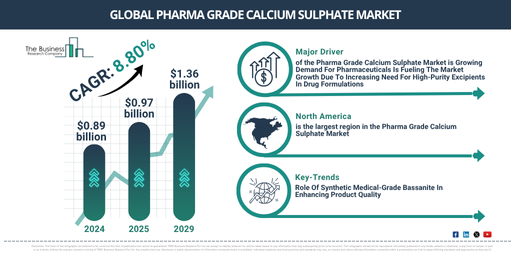
    In recent years, we’ve noted significant growth in the size of the pharma grade calcium sulphate market. This market, which was valued at $0.89 billion in 2024, is expected to expand to $0.97 billion in 2025, reflecting a compound annual growth rate or CAGR of 9.0%. Several factors can be linked to the growth observed during the historic period. Among these are increased demand for its use in pharmaceutical applications, expanded use in medical treatments and surgeries, growing knowledge about the importance of bone health, developments in drug delivery systems, and a higher incidence of diseases related to the bones.

    The pharmaceutical grade calcium sulphate industry is set to experience significant growth over the upcoming years, anticipated to reach a worth of $1.36 billion in 2029, with a compound annual growth rate (CAGR) of 8.8%. This projected surge during the forecast period is linked to factors such as the increasing ageing population, emerging cases of bone and joint disorders, enhanced health expenditure in developing economies, the growing application of calcium sulphate in regenerative medicine, and the pharmaceutical sector’s expansion. The forecast period is also likely to witness a shift towards the organic and natural derivation of calcium sulfate, innovations in synthesizing calcium sulfate, focus on sustainable and environment-friendly production techniques, advances in controlled-drug, release technologies, and refined drug formulations.

    Download a free sample to assess the report’s scope and structure:

    https://www.thebusinessresearchcompany.com/sample.aspx?id=24372&type=smp

    Which Major Market Drivers Are Expected to Boost the Growth Potential of the Pharma Grade Calcium Sulphate Market?

    The expanding need for pharmaceuticals is projected to spur the development of the pharma grade calcium sulphate market in the future. Pharmaceuticals constitute drugs and medications which are designed, produced and employed to detect, cure, or inhibit illnesses in humans and animals. The escalating demand for pharmaceuticals chiefly springs from the increasing incidence of chronic diseases as a higher number of people necessitate long-term drugs to control conditions such as diabetes, cardiovascular diseases, and cancer. Pharma grade calcium sulphate bolsters pharmaceutical blends by functioning as a high-purity excipient ensuring persistent tablet hardness, stability and managed release of active elements. For example, in June 2023, as per the European Federation of Pharmaceutical Industries and Associations, a Belgian trade association, in 2022, North America comprised 52.3% of total global pharmaceutical sales, while Europe justified 22.4%. Hence, the multiplying demand for pharmaceuticals is encouraging the surge of the pharma grade calcium sulphate market.

    Which Key Market Segments Comprise the Pharma Grade Calcium Sulphate Market and Drive Its Revenue Growth?

    The pharma grade calcium sulphate market covered in this report is segmented –

    1) By Type: Calcium Sulphate Dihydrate, Calcium Sulphate Hemihydrate, Calcium Sulphate Anhydrite

    2) By Application: Pharmaceutical Excipients, Binders In Tablet Formulations, Calcium Supplements, Diagnostic Agents

    3) By Distribution Channel: Direct Distribution, Online Distribution, Wholesale Distribution, Retail Distribution

    Subsegments:

    1) By Calcium Sulphate Dihydrate: Fine Powder, Granular Form, Micronized Grade

    2) By Calcium Sulphate Hemihydrate: Alpha Hemihydrate, Beta Hemihydrate, High Purity Hemihydrate

    3) By Calcium Sulphate Anhydrite: Natural Anhydrite, Synthetic Anhydrite, High-Density Anhydrite

    Request customized data on this market:

    https://www.thebusinessresearchcompany.com/sample.aspx?id=24372&type=smp

    Which Areas Are Leading Regions in the Pharma Grade Calcium Sulphate Market Expansion Across the Globe?

    North America was the largest region in the pharma grade calcium sulphate market in 2024. Asia-Pacific is expected to be the fastest-growing region in the forecast period. The regions covered in the pharma grade calcium sulphate market report are Asia-Pacific, Western Europe, Eastern Europe, North America, South America, Middle East, Africa.

    What Are the Key Market Trends in the Pharma Grade Calcium Sulphate Market Over the Coming Years?

    Leading players in the pharma grade calcium sulphate market are turning their focus towards the creation of novel products using synthetic medical-grade bassanite to increase the purity and consistency of calcium sulphate products. Synthetic medical-grade bassanite, a form of calcium sulphate that is partially dehydrated and of high purity (CaSO₄·0.5H₂O), contributes to the production of pharma-grade calcium sulphate by providing a standardized and pollutant-free source that complies with strict regulations for medical and pharmaceutical applications. For instance, in February 2025, Caspro & Bonyx – innovative bone graft products capable of controlled drug release for advanced orthopedic applications – were launched by Sree Chitra Tirunal Institute for Medical Sciences & Technology, an Indian medical institution, using synthetic medical-grade bassanite. Caspro – a mouldable bone cement from calcium sulfate hemihydrate with phosphate ion reinforcement – is perfect for bone defect fillings and drug delivery at implantation sites for over 21 days. Bonyx comprises bioceramic beads that are osteoconductive which can be infused with liquid form antibiotics or other drugs under vacuum, enabling prolonged drug release for over 30 days. These innovations highlight a significant progression in localized treatment for bone infection and regeneration, showing the potential applications of pharma-grade calcium sulphate in creating advanced medical solutions that adhere to rigorous international standards.

    View the full report here:

    https://www.thebusinessresearchcompany.com/report/pharma-grade-calcium-sulphate-global-market-report

    How Is the Pharma Grade Calcium Sulphate Market Conceptually Defined?

    Pharma grade calcium sulphate is a purified form of calcium sulphate (CaSO₄) specifically processed and tested to meet stringent pharmaceutical standards for use in medicines and healthcare applications. It is typically used as a diluent or excipient in tablets and capsules due to its high purity, controlled particle size, and non-toxic nature.

    Purchase the full report and get a swift delivery:

    https://www.thebusinessresearchcompany.com/customise?id=24372&type=smp

    About The Business Research Company:

    With over 15000+ reports from 27 industries covering 60+ geographies, The Business Research Company has built a reputation for offering comprehensive, data-rich research and insights. Armed with 1,500,000 datasets, the optimistic contribution of in-depth secondary research, and unique insights from industry leaders, you can get the information you need to stay ahead in the game.

    Get in touch with us:

    The Business Research Company: https://www.thebusinessresearchcompany.com/

    Americas +1 3156230293

    Asia +44 2071930708

    Europe +44 2071930708

    Email us at info@tbrc.info

    Follow us on:

    LinkedIn: https://in.linkedin.com/company/the-business-research-company

    YouTube: https://www.youtube.com/channel/UC24_fI0rV8cR5DxlCpgmyFQ

    Global Market Model: https://www.thebusinessresearchcompany.com/global-market-model
  • Emerging Trends Redefining the Dental Restorative Materials Market Landscape: Advanced Sensor Technology Enhancing Precision And Safety In Dermatological Treatments

    Emerging Trends Redefining the Dental Restorative Materials Market Landscape: Advanced Sensor Technology Enhancing Precision And Safety In Dermatological Treatments

    We’ve updated all our reports with current data on tariff changes, trade developments, and supply chain shifts affecting key industries.

    How Has The Dermatology Market Growth Evolved From 2024 To 2025, And What’s Ahead?

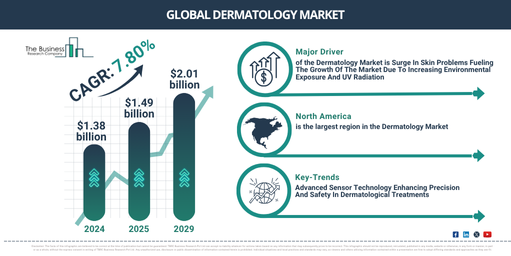
    There has been robust expansion in the dermatology market size in past years, seeing it escalate from $1.38 billion in 2024 to $1.49 billion in 2025, with an annual compounded growth rate (CAGR) of 8.1%. The impressive increase during the historical period is due to several factors including a surge in skin disorder cases, enhanced understanding of skin health, a rise in aesthetic and cosmetic procedures, an enlarging elderly population, better access to dermatological care, and a growing demand for over-the-counter skincare products.

    In the coming years, the dermatology market size forecasts robust expansion, escalating to $2.01 billion in 2029 with a compound annual growth rate (CAGR) of 7.8%. The projected growth during this period is ascribed to the increasing prevalence of skin disorders, enhanced awareness of skin health, expansion in aesthetic and cosmetic procedures, growing elderly population, better access to dermatological care, and rising demand for over-the-counter skincare products. The key trends to emerge in the forecast period encompass the integration of AI-based diagnostic instruments, advancements in teledermatology services, inception of customized skincare treatments, adoption of non-invasive and laser-focused procedures, innovation in biologics and immunotherapies, and advances in wearable devices for skin health monitoring.

    Download a free sample to assess the report’s scope and structure:

    https://www.thebusinessresearchcompany.com/sample.aspx?id=24205&type=smp

    What Are the Core Market Drivers Propelling Growth in the Dermatology Industry?

    The dermatology market is anticipated to flourish due to the increasing prevalence of skin disorders. References to skin problems encompass situations that impede the skin’s health, aesthetics, or function, such as infections, inflammation, or irritation. The escalating skin issues are majorly due to augmented exposure to environmental toxins and UV rays, which can harm the skin and cause a range of disorders. Dermatology addresses these problems by integrating topical and oral drugs, medical treatments, and customized lifestyle guidelines to treat the unique condition. For example, Cancer Australia, a government organization based in Australia, stated in February 2025 that a projected 18,257 freshly diagnosed cases of skin melanoma were observed, constituting 11% of all new cancer occurrences, along with 1,314 deaths related to melanoma, making up for 2.6% of all cancer deaths. As a result, the growing occurrence of skin disorders is fueling the expansion of the dermatology market.

    How Is the Dermatology Market Segmented?

    The dermatology market covered in this report is segmented –

    1) By Type: Medical Dermatology, Surgical Dermatology, Pediatric Dermatology, Cosmetic Dermatology, Cutaneous Lymphoma, Dermatoimmunology, Other Types

    2) By Application: Acne, Dermatitis, Psoriasis, Skin Cancer, Rosacea, Alopecia, Other Applications

    3) By End-User: Hospitals, Skin Clinics, Other End-Users

    Subsegments:

    1) By Medical Dermatology: Acne Treatment, Psoriasis Treatment, Eczema Treatment, Rosacea Management, Skin Infections, Skin Cancer Diagnosis and Treatment

    2) By Surgical Dermatology: Mohs Surgery, Laser Surgery, Cryosurgery, Electrosurgery, Excision Surgery

    3) By Pediatric Dermatology: Atopic Dermatitis, Birthmark Treatments, Infantile Hemangiomas, Pediatric Psoriasis, Genetic Skin Disorders

    4) By Cosmetic Dermatology: Botulinum Toxin Treatments, Dermal Fillers, Chemical Peels, Microdermabrasion, Laser Skin Resurfacing, Hair Restoration

    5) By Cutaneous Lymphoma: Mycosis Fungoides, Sézary Syndrome, Primary Cutaneous B-cell Lymphomas, Primary Cutaneous T-cell Lymphomas

    6) By Dermatoimmunology: Lupus Erythematosus, Vitiligo Treatment, Pemphigus and Pemphigoid Disorders, Dermatomyositis

    7) By Other Types: Wound Care Management, Pigmentation Disorders, Nail Disorders, Hyperhidrosis Treatment

    Request customized data on this market:

    https://www.thebusinessresearchcompany.com/sample.aspx?id=24205&type=smp

    Which Regions Are Driving the Next Phase of the Dermatology Market Growth?

    North America was the largest region in the dermatology market in 2024. Asia-Pacific is expected to be the fastest-growing region in the forecast period. The regions covered in the dermatology market report are Asia-Pacific, Western Europe, Eastern Europe, North America, South America, Middle East, Africa.

    What Key Market Trends and Innovations Are Shaping the Future of the Dermatology Industry?

    Major players in the dermatology market are emphasizing on cutting-edge developments, for example, the insertion of positioning sensors to ensure accurate energy delivery during procedures, boost patient safety, and enhance the overall efficiency of dermatological processes. Positioning sensors are technologies embedded in medical appliances that monitor and correct the appliance’s position for precise alignment and optimized energy delivery during treatments, thus enhancing treatment precision and patient safety. For instance, in June 2024, Biofrontera Inc., a US pharmaceutical firm, introduced the RhodoLED XL Lamp to boost the efficiency of photodynamic therapy (PDT) by providing a broader illumination area, improved patient positioning, and energy delivery optimization, thereby redefining the standards in dermatological treatments for actinic keratoses. The device is designed for easy handling and can cater to various patient positions, thus simplifying the process for healthcare providers to maximize treatment delivery. The integration of positioning sensors in the device ensures patients receive the correct dose of energy from the LED array, further improving treatment accuracy and safety.

    View the full report here:

    https://www.thebusinessresearchcompany.com/report/dermatology-global-market-report

    How Is the Dermatology Market Defined and What Are Its Core Parameters?

    Dermatology is a medical specialty dedicated to understanding and treating health issues related to the skin, hair, and nails, including both medical disorders and cosmetic concerns.

    Purchase the full report and get a swift delivery:

    https://www.thebusinessresearchcompany.com/customise?id=24205&type=smp

    About The Business Research Company:

    With over 15000+ reports from 27 industries covering 60+ geographies, The Business Research Company has built a reputation for offering comprehensive, data-rich research and insights. Armed with 1,500,000 datasets, the optimistic contribution of in-depth secondary research, and unique insights from industry leaders, you can get the information you need to stay ahead in the game.

    Get in touch with us:

    The Business Research Company: https://www.thebusinessresearchcompany.com/

    Americas +1 3156230293

    Asia +44 2071930708

    Europe +44 2071930708

    Email us at info@tbrc.info

    Follow us on:

    LinkedIn: https://in.linkedin.com/company/the-business-research-company

    YouTube: https://www.youtube.com/channel/UC24_fI0rV8cR5DxlCpgmyFQ

    Global Market Model: https://www.thebusinessresearchcompany.com/global-market-model

  • Personalized Vitamins Market 2025-2034: Key Highlights, Growth Dynamics, and Emerging Trends

    Personalized Vitamins Market 2025-2034: Key Highlights, Growth Dynamics, and Emerging Trends

    We’ve updated all our reports with current data on tariff changes, trade developments, and supply chain shifts affecting key industries.

    What Is the Current and Projected Market Size of the Personalized Vitamins Market Through 2034?

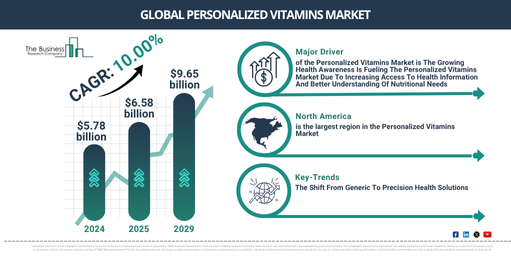
    The growth of the personalized vitamins market has been swift in recent years, expanding from a value of $5.78 billion in 2024 to an anticipated worth of $6.58 billion in 2025, marked by a compound annual growth rate (CAGR) of 13.9%. This escalating trend in the historical period is credited to diverse factors such as mounting awareness about nutrition among consumers, the upsurge in the use of overall wellness supplements, increasing online presence of health products, growth in health-focused retail chains, and a rising preference for preemptive healthcare.

    The market size for personalized vitamins is predicted to experience swift expansion in the coming years, reaching a valuation of $9.65 billion by 2029 with a compound annual growth rate (CAGR) of 10.0%. Factors contributing to the forecasted growth include increasing popularity of DNA-centric nutrition, a rise in demand for precision wellness solutions, growing use of at-home health testing kits, heightened focus on preventing chronic illnesses, and the increasing presence of direct-to-consumer platforms. Key trends expected during the forecast period are advancements in nutrigenomics technology, innovative vitamin delivery systems, investment in R&D, developments in AI-based health analysis, and integration with wearable devices.

    Download a free sample to assess the report’s scope and structure:

    https://www.thebusinessresearchcompany.com/sample.aspx?id=24368&type=smp

    How Are Key Drivers in the Industry Acting as Catalysts for the Growth of the Personalized Vitamins Market?

    The imminent surge in the personalized vitamins market can be attributed to escalating health consciousness. This includes individuals’ comprehension and awareness about maintaining and enhancing their wellness, underscored by routine checkups, healthy eating, physical activity, cleanliness, and disease prevention. Further facilitated by the readily available health data on digital platforms, this rising health consciousness allows individuals to discern health hazards, prophylactic steps, and beneficial lifestyle choices. Personalized vitamins contribute to this health consciousness by urging individuals to comprehend their distinctive nutritional requirements and make educated health decisions. For example, a study performed by the US-based non-profit organization, the International Food Information Council, revealed that in May 2022, nearly 52% of the 1,005 American adults between 18 and 80 years of age and Gen Z consumers aged 18-24 adhered to a specific diet or food regime, which signified a rise from the previous year’s 39%. The most commonly adopted strategies were clean eating (16%), mindful eating (14%), and counting calories (13%). Hence, the upsurge in health consciousness is catalyzing the expansion of the personalized vitamins market.

    Which Segments in the Personalized Vitamins Offer the Most Growth?

    The personalized vitamins market covered in this report is segmented –

    1) By Type: Wellness Supplements, Disease-Based Supplements

    2) By Dosage Form: Tablets, Capsules, Powders, Gummies Or Chewable, Liquids, Softgels

    3) By Distribution Channel: Super markets Or Hyper markets, Specialty Stores, Retail Pharmacies, Online Pharmacies And E-commerce Site

    4) By End-Use: Direct-To-Consumer, Wellness And fitness Centers, Hospitals And Clinics, Other End Uses

    Subsegments:

    1) By Wellness Supplements: Energy And Vitality Support, Weight Management, Skin, Hair And Nail Health, Cognitive Health, Digestive Health, Immune Support, Anti-Aging

    2) By Disease-Based Supplements: Cardiovascular Health, Diabetes Management, Bone And Joint Health, Mental Health Support, Hormonal Balance, Allergies And Asthma Support, Vision Health

    Request customized data on this market:

    https://www.thebusinessresearchcompany.com/sample.aspx?id=24368&type=smp

    What Are the Fastest-Growing Geographies in the Personalized Vitamins Market?

    North America was the largest region in the personalized vitamins market in 2024. Asia-Pacific is expected to be the fastest-growing region in the forecast period. The regions covered in the personalized vitamins market report are Asia-Pacific, Western Europe, Eastern Europe, North America, South America, Middle East, Africa.

    What Are the Current Market Growth and Trends in the Personalized Vitamins Industry?

    Leading businesses are making their mark in the personalized vitamins market by focusing on the creation of unique solutions such as genomic-based customization to formulate supplement plans tailored to individuals. This method of personalization uses DNA analyses to determine a person’s specific nutritional needs and allows these companies to provide more accurate and beneficial health outcomes. For example, in January 2023, a nutritional genomics corporation based in the United States, known as GenoPalate Inc., introduced GenoVit, which is a personalized line of supplements designed from DNA evaluations. GenoVit offers individualized vitamin concoctions that are oriented towards the person’s genetic composition, age, sex, and current nutrition intake. It also includes an at-home DNA kit that inspects the nutrient requirements of the user to produce personalized nutrition backed by science. These supplements are designed to eliminate doubts and assist individuals in achieving their absolute nutrient needs and promote overall health. This product release signifies GenoPalate’s dedication towards providing precise, economical health solutions that extend past the standard one-size-fits-all model.

    View the full report here:

    https://www.thebusinessresearchcompany.com/report/personalized-vitamins-global-market-report

    What Are the Key Elements That Define the Personalized Vitamins Market?

    Personalized vitamins refer to customized dietary supplements that are specifically formulated based on an individual’s unique health profile, lifestyle, genetic makeup, and nutritional needs. This approach typically involves collecting data through online health assessments, DNA tests, or blood tests to identify specific deficiencies or health goals. A tailored combination of vitamins, minerals, and other nutrients are recommended to support optimal wellness, energy, immunity, or specific health conditions.

    Purchase the full report and get a swift delivery:

    https://www.thebusinessresearchcompany.com/customise?id=24368&type=smp

    About The Business Research Company:

    With over 15000+ reports from 27 industries covering 60+ geographies, The Business Research Company has built a reputation for offering comprehensive, data-rich research and insights. Armed with 1,500,000 datasets, the optimistic contribution of in-depth secondary research, and unique insights from industry leaders, you can get the information you need to stay ahead in the game.

    Get in touch with us:

    The Business Research Company: https://www.thebusinessresearchcompany.com/

    Americas +1 3156230293

    Asia +44 2071930708

    Europe +44 2071930708

    Email us at info@tbrc.info

    Follow us on:

    LinkedIn: https://in.linkedin.com/company/the-business-research-company

    YouTube: https://www.youtube.com/channel/UC24_fI0rV8cR5DxlCpgmyFQ

    Global Market Model: https://www.thebusinessresearchcompany.com/global-market-model

  • Warm Autoimmune Hemolytic Anemia (WAIHA) Treatment Market Insights: In-Depth Look at Growth Trends, Market Size, and Opportunities for 2025-2034

    We’ve updated all our reports with current data on tariff changes, trade developments, and supply chain shifts affecting key industries.

    #What Are the Key Projections for the CAGR of the Warm Autoimmune Hemolytic Anemia (WAIHA) Treatment Market Size From 2025 to 2034?#_x000D_

    The market for warm autoimmune hemolytic anemia (WAIHA) therapies has seen considerable expansion in the last few years. It’s predicted to expand from $0.55 billion in 2024 to $0.60 billion in 2025, delivering a compound annual growth rate (CAGR) of 9.7%. The substantial growth in the past years is credited to factors such as the escalation in healthcare spending, a surge in clinical trials investigating unusual hematologic diseases, the expansion of patient advocacy and support networks, and an increasing aging population._x000D_

    _x000D_

    The market size for the treatment of warm autoimmune hemolytic anemia (WAIHA) is anticipated to experience significant growth in the coming few years, with projections showing an expansion to $0.87 billion by 2029, representing a compound annual growth rate (CAGR) of 9.5%. This anticipated growth during the forecasting period is largely attributed to factors such as the rising occurrence of autoimmune diseases, increased knowledge among medical professionals, heightened use of biologics and targeted therapies, as well as the expanding employment of off-label drugs for autoimmune conditions. Noteworthy trends during this forecast period encompass progress in monoclonal antibody therapies, incorporation of next-generation sequencing (NGS) in diagnostics, advancements in immunology research, and the introduction of technology-driven drug discovery platforms._x000D_

    _x000D_

    #Download a free sample to assess the report’s scope and structure:#_x000D_

    https://www.thebusinessresearchcompany.com/sample.aspx?id=24426&type=smp_x000D_

    _x000D_

    #What External and Internal Drivers Are Contributing to the Growth of the Warm Autoimmune Hemolytic Anemia (WAIHA) Treatment Market?#_x000D_

    Boosts in healthcare spending are anticipated to aid the expansion of the warm autoimmune hemolytic anemia (WAIHA) treatment market. This expenditure encompasses the sum of resources dedicated to health services by individuals, governments, and corporations, such as disease prevention, diagnosis, treatment, and management. As medical technology advances, healthcare expenditure likewise escalates due to the increased costs associated with novel diagnostic methods and treatments, including those involved in their development, introduction, and ongoing patient care. In supporting WAIHA treatment, healthcare expenditure fosters research, promotes access to state-of-the-art diagnostic instruments, and assures the supply of specialized therapies vital to managing and subduing the disease. For example, the UK’s Office for National Statistics reported in May 2024 that while long-term health and social care allocations rose by 2.8% in 2022, overall healthcare outlays grew 5.6% in 2023. Consequently, the growth of the WAIHA treatment market is being propelled by increased healthcare expenditures._x000D_

    _x000D_

    #What Segment Types Define the Warm Autoimmune Hemolytic Anemia (WAIHA) Treatment Market Structure?#_x000D_

    The warm autoimmune hemolytic anemia (WAIHA) treatment market covered in this report is segmented –_x000D_

    _x000D_

    1) By Treatment Type: Corticosteroids, Monoclonal Antibodies, Intravenous Immunoglobulin (IVIG), Blood Transfusions, Splenectomy_x000D_

    2) By Route Of Administration: Oral, Intravenous, Subcutaneous_x000D_

    3) By Patient Demographics: Children, Adults, Geriatric_x000D_

    4) By Therapeutic Area: Primary Autoimmune Disorders, Secondary Autoimmune Disorders, Genetic Predisposition_x000D_

    5) By Distribution Channel: Hospital Pharmacies, Retail Pharmacies, Online Pharmacies_x000D_

    _x000D_

    Subsegments:_x000D_

    1) By Corticosteroids: Prednisone, Dexamethasone, Methylprednisolone_x000D_

    2) By Monoclonal Antibodies: Rituximab, Sutimlimab, Bortezomib_x000D_

    3) By Intravenous Immunoglobulin: Standard IVIG, High-Dose IVIG Therapy, Pooled Plasma-Derived Immunoglobulins_x000D_

    4) By Blood Transfusions: Leukoreduced RBC Transfusions, Emergency Transfusions, Phenotypically Matched RBC Transfusions_x000D_

    5) By Splenectomy: Laparoscopic Splenectomy, Prophylactic Treatments Post-Splenectomy, Open Splenectomy_x000D_

    _x000D_

    #Request customized data on this market:#_x000D_

    https://www.thebusinessresearchcompany.com/sample.aspx?id=24426&type=smp_x000D_

    _x000D_

    #Which Geographic Areas Hold the Strongest Growth Potential in the Warm Autoimmune Hemolytic Anemia (WAIHA) Treatment Market?#_x000D_

    North America was the largest region in the warm autoimmune hemolytic anemia (WAIHA) treatment market in 2024. Asia-Pacific is expected to be the fastest-growing region in the forecast period. The regions covered in the warm autoimmune hemolytic anemia (WAIHA) treatment market report are Asia-Pacific, Western Europe, Eastern Europe, North America, South America, Middle East, Africa._x000D_

    _x000D_

    #What Long-Term Trends Are Transforming the Competitive Landscape of the Warm Autoimmune Hemolytic Anemia (WAIHA) Treatment Market?#_x000D_

    Key players in the warm autoimmune hemolytic anemia (WAIHA) treatment market are concentrating on offering innovative solutions, like monoclonal antibodies, in an attempt to meet outstanding medical requirements and boost patient results. These monoclonal antibodies are specially designed in labs to attack certain immune cells or pathways, preventing excessive red blood cell destruction in warm autoimmune hemolytic anemia cases. To illustrate, IASO Biotechnology, a biopharmaceutical enterprise based in China, reported in July 2023 that the U.S. Food and Drug Administration (FDA) had authorized IASO-782 Injection for clinical trials for autoimmune blood diseases in the United States, including WAIHA and primary immune thrombocytopenia (ITP). This fully human monoclonal antibody, which targets CD19, features Fc variations to promote ADCC activity, while retaining other Fc functionalities. It selectively eradicates CD19+ B cells, plasma blasts, and certain plasma cells, which generate auto-reactive antibodies. Given its unique mode of action, IASO-782 could potentially be used to address autoimmune disorders that are triggered by pathogenic B and plasma cells, such as ITP and AIHA._x000D_

    _x000D_

    #View the full report here:#_x000D_

    https://www.thebusinessresearchcompany.com/report/warm-autoimmune-hemolytic-anemia-waiha-treatment-global-market-report_x000D_

    _x000D_

    #What Is the Definition of the Warm Autoimmune Hemolytic Anemia (WAIHA) Treatment Market?#_x000D_

    Warm autoimmune hemolytic anemia (WAIHA) treatment focuses on managing the immune system’s abnormal response, which targets and destroys red blood cells at normal body temperature. The primary goal is to reduce or halt this immune-mediated destruction, restore healthy red blood cell levels, and alleviate symptoms such as fatigue, shortness of breath, and pallor._x000D_

    _x000D_

    #Purchase the full report and get a swift delivery:#_x000D_

    https://www.thebusinessresearchcompany.com/customise?id=24426&type=smp_x000D_

    _x000D_

    #About The Business Research Company:#_x000D_

    With over 15000+ reports from 27 industries covering 60+ geographies, The Business Research Company has built a reputation for offering comprehensive, data-rich research and insights. Armed with 1,500,000 datasets, the optimistic contribution of in-depth secondary research, and unique insights from industry leaders, you can get the information you need to stay ahead in the game._x000D_

    _x000D_

    #Get in touch with us:#_x000D_

    The Business Research Company: https://www.thebusinessresearchcompany.com/_x000D_

    Americas +1 3156230293_x000D_

    Asia +44 2071930708_x000D_

    Europe +44 2071930708_x000D_

    Email us at info@tbrc.info_x000D_

    _x000D_

    #Follow us on:#_x000D_

    _x000D_

    LinkedIn: https://in.linkedin.com/company/the-business-research-company_x000D_

    YouTube: https://www.youtube.com/channel/UC24_fI0rV8cR5DxlCpgmyFQ_x000D_

    Global Market Model: https://www.thebusinessresearchcompany.com/global-market-model