Category: Pharmaceuticals

  • Artificial Intelligence (AI) In Biopharmaceuticals Growth Trajectory: Key Forecasts and Strategic Insights

    Artificial Intelligence (AI) In Biopharmaceuticals Growth Trajectory: Key Forecasts and Strategic Insights

    Discover trends, market shifts, and competitive outlooks for the artificial intelligence (ai) in biopharmaceuticals industry through 2025-2034 with The Business Research Company’s reliable data and in-depth research

    How Has The Artificial Intelligence (AI) In Biopharmaceuticals Market Growth Evolved From 2024 To 2025, And What’s Ahead?

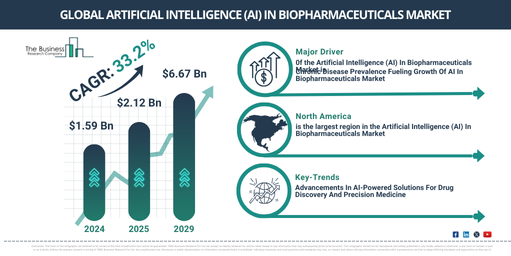
    The market size of artificial intelligence (AI) in biopharmaceuticals has seen a significant surge in the past years. It is forecasted to increase from $1.59 billion in 2024 to $2.12 billion in 2025, with a compound annual growth rate (CAGR) of 33.1%. The growth experienced during the historic period is credited to the progression in computational capabilities, a boom in biomedical data, the rise of precision medicine paradigm, as well as support and guidance from regulatory authorities.

    Expectations are high for a significant expansion of the artificial intelligence (AI) in biopharmaceuticals market in the coming years. The market is predicted to reach $6.67 billion in 2029, reflecting a compound annual growth rate (CAGR) of 33.2%. This growth projection for the period is based on several factors, such as improvements in computational biology, multi-modal data integration, the merger of ai and life sciences, enhanced regulatory support and frameworks, and the adoption of principled AI. Key trends for the forecast period consist of the incorporation of multi-omics data, AI-enabled drug design and discovery, explainable AI and regulatory compliance, technological progression, regulatory advancements, and an array of emerging opportunities.

    Download a free sample to assess the report’s scope and structure:

    https://www.thebusinessresearchcompany.com/sample.aspx?id=14251&type=smp

    Which Factors and External Forces Are Driving Demand in the Artificial Intelligence (AI) In Biopharmaceuticals Market?

    The surge in chronic illnesses is predicted to fuel the expansion of the artificial intelligence (AI) in the biopharmaceutical industry going forward. Chronic diseases, typically characterized by slow progression over years or potentially throughout an individual’s lifetime, are often resultant of lifestyle characteristics, an advancing aging demographic, genetic tendencies, and environmental contributors. AI, within the realm of biopharmaceuticals, has seen an upward trend in its usage for managing these chronic ailments, owing to its capacity to process large quantities of diverse data, spot trends and provide bespoke treatment plans. For example, the Department of Health and Human Services registered an 11 percent rise in newly reported chronic hepatitis B cases in November 2023, compared to 2021. Hence, the escalating occurrence of chronic diseases is propelling the growth of artificial intelligence (AI) in the biopharmaceutical sector.

    Which Segments in the Artificial Intelligence (AI) In Biopharmaceuticals Offer the Most Growth?

    The artificial intelligence (AI) in biopharmaceuticals market covered in this report is segmented –

    1) By Offering: Hardware, Software, Services

    2) By Deployment: Cloud, On-Premises

    3) By Technology: Machine Learning, Natural Language Processing, Deep Learning, Other Technologies

    4) By Application: Business Process And Supply Chain, Drug Discovery, Medical Imaging And Diagnostics, Precision Medicine

    5) By End-Users: Manufacturers, Contract Research Organizations, Academic And Government Research Institutes

    Subsegments:

    1) By Hardware: High-Performance Computing Systems, AI-Enabled Laboratory Equipment, Data Storage Solutions

    2) By Software: Drug Discovery Platforms, Clinical Trial Management Software, Predictive Analytics Tools, Natural Language Processing Solutions

    3) By Services: Consulting Services, Implementation And Integration Services, Data Management And Analytics Services, Training And Support Services

    Request customized data on this market:

    https://www.thebusinessresearchcompany.com/customise?id=14251&type=smp

    What Are the Fastest-Growing Geographies in the Artificial Intelligence (AI) In Biopharmaceuticals Market?

    North America was the largest region in the artificial intelligence (AI) in biopharmaceuticals market in 2024. Asia-Pacific is expected to be the fastest-growing region in the forecast period. The regions covered in the artificial intelligence (AI) in biopharmaceuticals market report are Asia-Pacific, Western Europe, Eastern Europe, North America, South America, Middle East, Africa.

    Which Cutting-Edge Market Trends Are Expected to Drive the Artificial Intelligence (AI) In Biopharmaceuticals Market’s Growth?

    Key players in the biopharmaceutical artificial intelligence (AI) sector are concentrating on creating pioneering advancements like AI-powered target and lead identification suite solutions to expedite the process of drug discovery and precision medicine. They are transforming life sciences firms with their groundbreaking methods for producing new drugs and customizing treatments for individual patients. For example, US-based cloud computing service provider Google LLC launched two AI-powered tools known as target and lead identification suites in May 2023, which are meant to assist researchers in predicting and understanding protein structures – a crucial aspect of drug development. Moreover, the suite will enable scientists to input, preserve, scrutinize, and disseminate large volumes of genomic data, which is essential for precision medicine. These tools aim to expedite the drug discovery process, cut costs, and accelerate the introduction of new treatments to the market. They offer efficient data management, precise predictions of protein structures, and superior genomic analysis abilities – hoping to revolutionize drug development processes and enhance patient results.

    View the full report here:

    https://www.thebusinessresearchcompany.com/report/artificial-intelligence-ai-in-biopharmaceuticals-global-market-report

    What Are the Key Elements That Define the Artificial Intelligence (AI) In Biopharmaceuticals Market?

    Artificial intelligence (AI) in biopharmaceuticals refers to applying various AI techniques to analyze complex biological data and improve various aspects of drug discovery, development, and delivery within the pharmaceutical industry. AI in biopharmaceuticals holds great promise for revolutionizing drug discovery, development, and delivery processes by accelerating timelines, reducing costs, and improving the efficiency and effectiveness of treatments.

    Purchase the full report and get a swift delivery:

    https://www.thebusinessresearchcompany.com/purchaseoptions.aspx?id=14251

    About The Business Research Company:

    With over 15000+ reports from 27 industries covering 60+ geographies, The Business Research Company has built a reputation for offering comprehensive, data-rich research and insights. Armed with 1,500,000 datasets, the optimistic contribution of in-depth secondary research, and unique insights from industry leaders, you can get the information you need to stay ahead in the game.

    Get in touch with us:

    The Business Research Company: https://www.thebusinessresearchcompany.com/

    Americas +1 3156230293

    Asia +44 2071930708

    Europe +44 2071930708

    Email us at info@tbrc.info

    Follow us on:

    LinkedIn: https://in.linkedin.com/company/the-business-research-company

    YouTube: https://www.youtube.com/channel/UC24_fI0rV8cR5DxlCpgmyFQ

    Global Market Model: https://www.thebusinessresearchcompany.com/global-market-model
  • Viral Vector Manufacturing Growth Trajectory: Key Forecasts and Strategic Insights

    Viral Vector Manufacturing Growth Trajectory: Key Forecasts and Strategic Insights

    Discover trends, market shifts, and competitive outlooks for the viral vector manufacturing industry through 2025-2034 with The Business Research Company’s reliable data and in-depth research

    How Has The Viral Vector Manufacturing Market Size Shifted, And What Is the Outlook Through 2034?

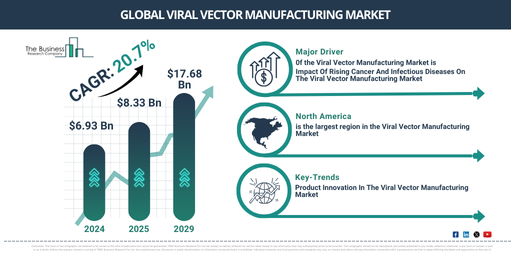
    The market size for viral vector manufacturing has seen a significant increase over the past few years. Anticipated growth is from $6.93 billion in 2024 to an estimated $8.33 billion in 2025, reflecting a compound annual growth rate (CAGR) of 20.1%. This considerable rise during the historic period can be connected to the development in gene therapy pipelines, clinical achievements and endorsements, escalated investment in biopharmaceuticals, and a heightened occurrence of genetic diseases.

    In the coming years, it is anticipated that the market size for viral vector manufacturing will experience substantial expansion. The market is projected to reach $17.68 billion by the year 2029, growing at a compound annual growth rate (CAGR) of 20.7%. This growth during the projected period can be associated with the growing use in oncology, global collaborative efforts in gene therapy research, viral vector utilization in vaccine development, ongoing clinical trial proceedings and commercialization. Key trends within the projected period range from technology advancements in vector production, the emergence of next-gen vectors, compliance and standardization of regulations, collaborative alliances and partnerships, and global augmentation of production facilities.

    Download a free sample to assess the report’s scope and structure:

    https://www.thebusinessresearchcompany.com/sample.aspx?id=12398&type=smp

    Which Factors and External Forces Are Driving Demand in the Viral Vector Manufacturing Market?

    The rise in cancer and infectious disease incidences are anticipated to fuel the advancement of the viral vector manufacturing market. An infectious disease is defined as a condition induced by a virus or its harmful secondary product, which can be transmitted to a vulnerable host through interaction with an affected person, animal, or object. Cancer, on the other hand, encompasses a wide spectrum of diseases that occur when abnormal cells uncontrollably multiply, crossing their typical boundaries to invade adjacent organs, and metastasize to other organs. Through viral vectors, tumour antigens or proteins found on tumour cells are created to provoke the body’s anticancer immunological response. Viral vectors have been utilized as vaccines against a variety of infectious diseases encountered in pre-clinical and clinical trials. For example, the Australian Institute of Health and Welfare, a government agency based in Australia, reported in July 2024 that the number of cancer diagnosis in Australia had surged from 160,570 in 2022 to 164,694 in 2023, marking a significant increase over the year. This trend underscores the escalating cancer rates within the country. Furthermore, in August 2024, the UK Health Security Agency, an executive agency based in the UK, revealed 368 measles cases in England in 2023. This figure represents an almost sevenfold increase from the 53 cases documented in 2022, with 44% and 33% of the cases found in the West Midlands and London, respectively. Hence, the increased incidences of cancer and infectious diseases are propelling the growth of the viral vector manufacturing market.

    Which Segments in the Viral Vector Manufacturing Offer the Most Growth?

    The viral vector manufacturing market covered in this report is segmented –

    1) By Type: Adenoviral Vectors, Adeno-Associated Viral Vectors, Lentiviral Vectors, Retroviral Vectors, Other Types

    2) By Disease: Cancer, Genetic Disorders, Infectious Diseases, Other Diseases

    3) By Workflow: Upstream Processing, Downstream Processing

    4) By Application: Gene And Cell Therapy Development, Vaccine Development, Biopharmaceutical And Pharmaceutical Discovery, Biomedical Research

    5) By End-User: Research Organizations, Biotech And Pharmaceutical Companies, Others End Users

    Subsegments:

    1) By Adenoviral Vectors: Serotype 5, Serotype 2, Serotype 26

    2) By Adeno-Associated Viral Vectors: AAV2, AAV5, AAV8, AAV9, Others

    3) By Lentiviral Vectors: HIV-1-Based Lentiviral Vectors, SIV-Based Lentiviral Vectors, Others

    4) By Retroviral Vectors: Moloney Murine Leukemia Virus (MoMLV), Gammaretroviral Vectors, Others

    5) By Other Types: Sendai Viral Vectors, Vesicular Stomatitis Virus (VSV)-Based Vectors, Measles Virus Vectors, Others

    Request customized data on this market:

    https://www.thebusinessresearchcompany.com/customise?id=12398&type=smp

    What Are the Fastest-Growing Geographies in the #Which Factors and External Forces Are Driving Demand in the Viral Vector Manufacturing Market?# Market?

    North America was the largest region in the viral vector manufacturing market in 2024. Asia-Pacific is expected to be the fastest-growing region in the forecast period. The regions covered in the viral vector manufacturing market report are Asia-Pacific, Western Europe, Eastern Europe, North America, South America, Middle East, Africa

    Which Cutting-Edge Market Trends Are Expected to Drive theViral Vector Manufacturing Market’s Growth?

    A significant development in the viral vector manufacturing market is product innovation. Established corporations in the sector are employing this strategy to maintain their market position. Merck KGaA, a German science and technology firm, exemplifies this trend. In August 2022, the company introduced its innovative VirusExpress 293 Adeno-Associated Virus (AAV) Production Platform. This makes them one of the first Contract Development and Manufacturing Organizations and technology developers to provide an all-inclusive package for viral vector manufacturing. These include AAV, Lentiviral, CDMO, CTO, and process development services. This innovative platform enables biopharmaceutical companies to minimize the cost and duration of process development while speeding up clinical production time.

    View the full report here:

    https://www.thebusinessresearchcompany.com/report/viral-vector-manufacturing-global-market-report

    What Are the Key Elements That Define the Viral Vector Manufacturing Market?

    Viral vector manufacturing refers to producing viral vectors, tools that deliver genetic material into cells. A viral vector is a tool for gene transfer that can manipulate a particular cell type or tissue to express therapeutic genes.

    Purchase the full report and get a swift delivery:

    https://www.thebusinessresearchcompany.com/purchaseoptions.aspx?id=12398

    About The Business Research Company:

    With over 15000+ reports from 27 industries covering 60+ geographies, The Business Research Company has built a reputation for offering comprehensive, data-rich research and insights. Armed with 1,500,000 datasets, the optimistic contribution of in-depth secondary research, and unique insights from industry leaders, you can get the information you need to stay ahead in the game.

    Get in touch with us:

    The Business Research Company: https://www.thebusinessresearchcompany.com/

    Americas +1 3156230293

    Asia +44 2071930708

    Europe +44 2071930708

    Email us at info@tbrc.info

    Follow us on:

    LinkedIn: https://in.linkedin.com/company/the-business-research-company

    YouTube: https://www.youtube.com/channel/UC24_fI0rV8cR5DxlCpgmyFQ

    Global Market Model: https://www.thebusinessresearchcompany.com/global-market-model
  • Urea Cycle Disorders Treatment Market 2025-2034: Key Highlights, Growth Dynamics, and Emerging Trends

    Urea Cycle Disorders Treatment Market 2025-2034: Key Highlights, Growth Dynamics, and Emerging Trends

    Discover trends, market shifts, and competitive outlooks for the urea cycle disorders treatment industry through 2025-2034 with The Business Research Company’s reliable data and in-depth research

    How Fast Is The Urea Cycle Disorders Treatment Market Expected to Grow Between 2025 And 2029?

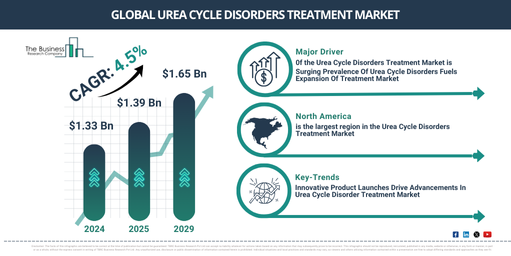
    The market size for treatment of urea cycle disorders has been on a consistent growth trajectory in the past few years. The projected growth indicates a rise from $1.33 billion in 2024 to $1.39 billion in 2025, representing a compound annual growth rate (CAGR) of 4.0%. Factors contributing to this historic growth trend include increased awareness and education, enhancements in newborn screening processes, the establishment of patient support networks, and the setting of care standards guidelines.

    Anticipations show consistent expansion in the market size for urea cycle disorders treatment over the next few years. The market value is projected to reach $1.65 billion by 2029, growing at a 4.5% compound annual growth rate (CAGR). Multiple factors contribute to this anticipated growth during the forecasted period, including breakthroughs in enzyme replacement therapy, extensive newborn screening programs, heightened research collaborations, proliferation of therapeutic choices, and the inclusion of telemedicine and remote care. The forecast period will also see significant trends such as improved gene editing technologies, awareness and advocacy campaigns, strategies in regenerative medicine, comprehensive safety and efficacy studies, and tailored nutritional therapies.

    Download a free sample to assess the report’s scope and structure:

    https://www.thebusinessresearchcompany.com/sample.aspx?id=12237&type=smp

    How Are Key Drivers in the Industry Acting as Catalysts for the Growth of theUrea Cycle Disorders Treatment Market?

    The increase in the occurrence of urea cycle disorders is predicted to boost the urea cycle disorders treatment market’s expansion in the future. Urea cycle disorder is a metabolic disorder that is inherited and arises from defects in necessary liver enzymes or transport molecules for ammonia removal from the bloodstream. The surge in urea cycle disorders is related to genetic abnormalities. If an accumulation of ammonia is diagnosed as a urea cycle disorder (UCD), a tailor-made treatment plan involving dietary regulation, medication, and routine checks can be adopted to manage and mitigate its adverse effects. As an illustration, StatPearls Publishing LLC, an American medical education library, noted in April 2023 that the prevalence of urea cycle disorders caused by ornithine transcarbamylase deficiency was 1 in 140,000 individuals. Moreover, in September 2022, as per Lecturio, a digital medical education platform based in Germany, the urea cycle disorders (UCDs) occur in an estimated 1 in every 35,000 live births worldwide and 1 in 8,200 live births in the USA, resulting in an annual incidence of approximately 113 new cases in the USA and around 149 in Europe. Consequently, the increasing incidence of urea cycle disorders is fueling the growth of the urea cycle disorders treatment market.

    Which Segments in the Urea Cycle Disorders Treatment Offer the Most Growth?

    The urea cycle disorders treatment market covered in this report is segmented –

    1) By Treatment: Amino Acid Supplements, Sodium Phenylbutyrate, Glycerol Phenylbutyrate, Sodium Benzoate, Other Treatments

    2) By Enzyme Deficiency: Ornithine Transcarbamylase (OTC), Argininosuccinate Synthetase (AS), Arginase (AG), Argininosuccinate Lyase (AL), Carbamoyl Phosphate Synthase (CPS1)

    3) By Route of Administration: Oral, Injectables

    4) By Distribution Channel: Hospital Pharmacies, Retail Pharmacies, Online Pharmacies

    Subsegments:

    1) By Amino Acid Supplements: Arginine Supplements, Citrulline Supplements, Other Essential Amino Acids

    2) By Sodium Phenylbutyrate: Powder Form, Tablet Form

    3) By Glycerol Phenylbutyrate: Oral Solutions, Other Forms

    4) By Sodium Benzoate: Intravenous Solutions, Oral Formulations

    5) By Other Treatments: Liver Transplantation, Dietary Modifications, Enzyme Replacement Therapy, Other Supportive Therapies

    Request customized data on this market:

    https://www.thebusinessresearchcompany.com/customise?id=12237&type=smp

    What Are the Fastest-Growing Geographies in the #How Are Key Drivers in the Industry Acting as Catalysts for the Growth of theUrea Cycle Disorders Treatment Market?# Market?

    North America was the largest region in the urea cycle disorders treatment market in 2024. The regions covered in the urea cycle disorders treatment market report are Asia-Pacific, Western Europe, Eastern Europe, North America, South America, Middle East, Africa.

    What Are the Current Market Growth and Trends in the Urea Cycle Disorders Treatment Industry?

    The emergence of product innovation has been identified as a fundamental trend gaining traction in the urea cycle disorder treatment market. Leading companies in the field are increasingly focusing on generating exciting and innovative products to fortify their standing in this market. For example, in September 2022, Medunik USA, a pharmaceutical firm based in the US, introduced Pheburane oral pellets, a distinctive and flavor-concealing formulation of sodium phenylbutyrate (NaPB) intended for the enduring control of specified urea cycle disorders. This prescription medication, used alongside a specific dietary plan, treats urea cycle disorders (UCDs) in adults and children, particularly deficiencies in carbamyl phosphate synthetase (CPS), ornithine transcarbamylase (OTC), or argininosuccinate synthetase (AS). It is administered with a reusable, calibrated dosing spoon that accompanies each package; unlike other NaPB variations, it doesn’t require mixing or oral ingestion. Pheburane can be taken with a snack or meal, sprinkled on a spoonful of apple sauce or carrot puree, and washed down with water, fruit juice, or protein-free infant formula.

    View the full report here:

    https://www.thebusinessresearchcompany.com/report/urea-cycle-disorders-treatment-global-market-report

    What Are the Key Elements That Define the Urea Cycle Disorders Treatment Market?

    Urea cycle disorder treatment refers to managing rare genetic diseases where the body lacks the enzymes necessary to break down ammonia, causing it to build up and potentially be poisonous. The objective of urea cycle disorder treatment is to reduce blood ammonia levels.

    Purchase the full report and get a swift delivery:

    https://www.thebusinessresearchcompany.com/purchaseoptions.aspx?id=12237

    About The Business Research Company:

    With over 15000+ reports from 27 industries covering 60+ geographies, The Business Research Company has built a reputation for offering comprehensive, data-rich research and insights. Armed with 1,500,000 datasets, the optimistic contribution of in-depth secondary research, and unique insights from industry leaders, you can get the information you need to stay ahead in the game.

    Get in touch with us:

    The Business Research Company: https://www.thebusinessresearchcompany.com/

    Americas +1 3156230293

    Asia +44 2071930708

    Europe +44 2071930708

    Email us at info@tbrc.info

    Follow us on:

    LinkedIn: https://in.linkedin.com/company/the-business-research-company

    YouTube: https://www.youtube.com/channel/UC24_fI0rV8cR5DxlCpgmyFQ

    Global Market Model: https://www.thebusinessresearchcompany.com/global-market-model
  • Strategic Growth Drivers Shaping the Unit Dose Manufacturing Market Outlook 2025- 2034:Increased Healthcare Spending Fuels Growth In The Unit Dose Manufacturing Market

    Strategic Growth Drivers Shaping the Unit Dose Manufacturing Market Outlook 2025- 2034:Increased Healthcare Spending Fuels Growth In The Unit Dose Manufacturing Market

    Discover trends, market shifts, and competitive outlooks for the unit dose manufacturing industry through 2025-2034 with The Business Research Company’s reliable data and in-depth research

    What is the Anticipated CAGR of the Unit Dose Manufacturing Market, and What Factors Will Drive It?

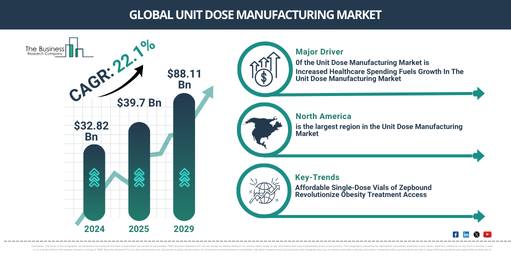
    The market for unit dose manufacturing has seen a meteoric rise in its size in the past few years. The projection suggests a growth from $32.82 billion in 2024 to $39.7 billion in 2025, indicative of a compound annual growth rate (CAGR) of 21.0%. This upward trend during the historic duration can be traced back to conventional practices of manufacturing pharmaceuticals, advances in regulations regarding drug packaging, a surge in the need for tailor-made medicine, the progression of the population towards older age, and a higher frequency of chronic illnesses.

    In the coming years, the market size for unit dose manufacturing is projected to witness unprecedented growth, reaching $88.11 billion in 2029 with a compound annual growth rate (CAGR) of 22.1%. The anticipated growth within the forecast period is largely attributable to the employment of Industry 4.0 in the production of pharmaceuticals, the accentuation on personalized and precision medicine, the governmental emphasis on drug safety and effectiveness, the broadening of pharmaceutical outsourcing, and the escalating demand for patient-oriented drug delivery. Significant trends for the forecast period encompass the application of sophisticated automation in unit dose manufacturing, the incorporation of IoT in pharmaceutical packaging, tailoring unit dose packaging to suit specific drugs, the use of sustainable and eco-friendly packaging materials, and the development of 3D printing in personalized drug production.

    Download a free sample to assess the report’s scope and structure:

    https://www.thebusinessresearchcompany.com/sample.aspx?id=12215&type=smp

    Which Factors and External Forces Are Driving Demand in the Unit Dose Manufacturing Market?

    The unit dose manufacturing market is predicted to see advancement owing to the increase in healthcare expenses. This includes the funding related to providing healthcare amenities, family planning drives, nutritional initiatives, and immediate health-focused assistance. The expansion of healthcare outlay contributes to the progression and enhancement of a variety of healthcare provisions, inclusive of unit dose manufacturing, thus furthering its market growth. For example, the statistics reported by Cross River Therapy, an ABA therapy service provider in the US, indicated that the U.S. pharmaceutical market recorded revenue of $550 billion in September 2024. In 2021, the expenditure on drugs by Americans was $576.9 billion, with the predicted spending to rise between $605-$635 billion by the year 2025. As a result, the growing healthcare spending acts as a driving force for the growth of the unit dose manufacturing market.

    Which Segments in the Unit Dose Manufacturing Offer the Most Growth?

    The unit dose manufacturing market covered in this report is segmented –

    1) By Product: Liquid Unit Dose, Solid Unit Dose, Other Products

    2) By Sourcing: In-House, Outsourcing

    3) By End-User: Independent Pharmacies, Long Term Care Facility, Hospitals, Other End-Users

    Subsegments:

    1) By Liquid Unit Dose: Liquid Vials, Ampoules, Pre-filled Syringes

    2) By Solid Unit Dose: Tablets, Capsules, Powder Packs

    3) By Other Products: Transdermal Patches, Inhalation Doses, Creams And Ointments In Unit Dose Packaging

    Request customized data on this market:

    https://www.thebusinessresearchcompany.com/customise?id=12215&type=smp

    What Are the Fastest-Growing Geographies in the #Which Factors and External Forces Are Driving Demand in the Unit Dose Manufacturing Market?# Market?

    North America was the largest region in the unit dose manufacturing market in 2024. The regions covered in the unit dose manufacturing market report are Asia-Pacific, Western Europe, Eastern Europe, North America, South America, Middle East, Africa.

    Which Cutting-Edge Market Trends Are Expected to Drive theUnit Dose Manufacturing Market’s Growth?

    The rise in product innovations is a noteworthy trend within the unit-dose manufacturing market. To maintain their competitive standing, leading entities in this sector are focusing on producing ingenious products. For example, Eli Lilly and Company, a medicine firm based in the US, revealed in August 2024 that their products, Zepbound (tirzepatide) 2.5 mg and 5 mg single-dose vials, are now available for purchase by individuals paying for their own prescriptions. This widens the product’s access to reflect the increasing consumer demand. These vials are available at a markdown of 50% or even more in comparison to the prices of other incretin (GLP-1) treatments for obesity. This cost-effective alternative offers accessibility to numerous adults dealing with obesity, including those who do not qualify for the Zepbound savings card, those who lack coverage from their employers, and those who are uninsured and must pay out-of-pocket.

    View the full report here:

    https://www.thebusinessresearchcompany.com/report/unit-dose-manufacturing-global-market-report

    What Are the Key Elements That Define the Unit Dose Manufacturing Market?

    Unit dosage manufacturing refers to creating individual pre-packaged doses of drugs or other products that hold a drug quantity intended for single-dose administration, usually in an easy-to-use form like tablets, capsules, or vials, for patient dispensing.

    Purchase the full report and get a swift delivery:

    https://www.thebusinessresearchcompany.com/purchaseoptions.aspx?id=12215

    About The Business Research Company:

    With over 15000+ reports from 27 industries covering 60+ geographies, The Business Research Company has built a reputation for offering comprehensive, data-rich research and insights. Armed with 1,500,000 datasets, the optimistic contribution of in-depth secondary research, and unique insights from industry leaders, you can get the information you need to stay ahead in the game.

    Get in touch with us:

    The Business Research Company: https://www.thebusinessresearchcompany.com/

    Americas +1 3156230293

    Asia +44 2071930708

    Europe +44 2071930708

    Email us at info@tbrc.info

    Follow us on:

    LinkedIn: https://in.linkedin.com/company/the-business-research-company

    YouTube: https://www.youtube.com/channel/UC24_fI0rV8cR5DxlCpgmyFQ

    Global Market Model: https://www.thebusinessresearchcompany.com/global-market-model
  • Key Developments and Trends Steering the Tyrosine Kinase Inhibitors Market Forward: Innovative Products Drive Momentum In The Tyrosine Kinase Inhibitors Market

    Key Developments and Trends Steering the Tyrosine Kinase Inhibitors Market Forward: Innovative Products Drive Momentum In The Tyrosine Kinase Inhibitors Market

    Discover trends, market shifts, and competitive outlooks for the tyrosine kinase inhibitors industry through 2025-2034 with The Business Research Company’s reliable data and in-depth research

    What Is the Estimated Market Size of the Tyrosine Kinase Inhibitors Market In 2029?

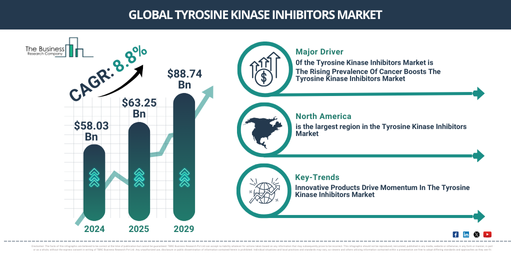
    The market size for tyrosine kinase inhibitors has experienced robust growth in recent years. The market is projected to expand from $58.03 billion in 2024 to $63.25 billion in 2025, reflecting a compound annual growth rate (CAGR) of 9.0%. The significant growth witnessed in the historic period can be linked to the identification of tyrosine kinases, comprehension of cancer signaling pathways, approval of imatinib (Gleevec), the clinical triumph of early TKIs, and investment in research and development.

    It is anticipated that the market size of tyrosine kinase inhibitors will experience substantial growth in the upcoming years and will reach a value of $88.74 billion in 2029 with a compound annual growth rate (CAGR) of 8.8%. This projected growth during the forecast period can be credited to factors such as an increase in healthcare investments, the rise of biomarker-driven therapies, advancements in drug delivery methods, the emergence of precision medicine, and a prioritisation on pediatric oncology. The forecast period will also see major trends such as strategies to counter resistance, the creation of CNS-penetrant tkis, applications beyond oncology, the use of liquid biopsies for monitoring, and healthcare economic factors.

    Download a free sample to assess the report’s scope and structure:

    https://www.thebusinessresearchcompany.com/sample.aspx?id=11957&type=smp

    How Are Key Drivers in the Industry Acting as Catalysts for the Growth of theTyrosine Kinase Inhibitors Market?

    The rise in cancer instances is anticipated to boost the tyrosine kinase inhibitors market growth. Cancer is a term that encompasses a diverse range of diseases that start in any body organ or tissue. Here, abnormal cells multiply uncontrollably, overstep their typical boundaries, and influence nearby body parts, spreading to other organs. Tyrosine kinase inhibitors are employed in targeted therapy to take out specific types of cancer cells by inhibiting tyrosine kinases that help prevent the proliferation of cancer cells. For example, the American Cancer Society, a non-profit cancer advocacy organization based in the United States, reported in January 2023 that cancer cases surged from 1,898,160 in 2021 to 1,958,310 in 2023, marking a 3.16% increase. Consequently, the escalating incidence of cancer is advancing the growth of the tyrosine kinase inhibitors market.

    Which Segments in the Tyrosine Kinase Inhibitors Offer the Most Growth?

    The tyrosine kinase inhibitors market covered in this report is segmented –

    1) By Type: BCR-ABL Tyrosine Kinase Inhibitor, Epidermal Growth Factor Receptor (EGFR) Tyrosine Kinase Inhibitors, Vascular Endothelial Growth Factor Receptor (VEGFR) Tyrosine Kinase Inhibitors, Other Types

    2) By Distribution Channel: Hospital Pharmacy, Independent Pharmacies, Online Pharmacies

    3) By Application: Chronic Myeloid Leukemia (CML), Lung Cancer, Breast Cancer, Renal Cell Cancer, Other Applications

    Subsegments:

    1) By BCR-ABL Tyrosine Kinase Inhibitor: Imatinib, Dasatinib, Nilotinib, Bosutinib, Ponatinib

    2) By Epidermal Growth Factor Receptor (EGFR) Tyrosine Kinase Inhibitors: Gefitinib, Erlotinib, Afatinib, Osimertinib, Dacomitinib

    3) By Vascular Endothelial Growth Factor Receptor (VEGFR) Tyrosine Kinase Inhibitors: Sorafenib, Sunitinib, Pazopanib, Axitinib, Regorafenib

    4) By Other Types: Platelet-Derived Growth Factor Receptor (PDGFR) Inhibitors, RET Tyrosine Kinase Inhibitors, Fibroblast Growth Factor Receptor (FGFR) Inhibitors, Other Emerging Tyrosine Kinase Inhibitors

    Request customized data on this market:

    https://www.thebusinessresearchcompany.com/customise?id=11957&type=smp

    What Are the Fastest-Growing Geographies in the #How Are Key Drivers in the Industry Acting as Catalysts for the Growth of theTyrosine Kinase Inhibitors Market?# Market?

    North America was the largest region in the tyrosine kinase inhibitors market in 2024. Asia-Pacific is expected to be the fastest-growing region in the forecast period. The regions covered in the tyrosine kinase inhibitors market report are Asia-Pacific, Western Europe, Eastern Europe, North America, South America, Middle East, Africa.

    What Are the Current Market Growth and Trends in the Tyrosine Kinase Inhibitors Industry?

    The tyrosine kinase inhibitor market is seeing a significant rise in product innovations, as leading firms engage in technological advancements to maintain their market dominance. For example, Xspray Pharma AB, a pharmaceutical organization from Sweden, forged a partnership with EVERSANA, a recognized life sciences service company from the US, to aid in the US introduction and promotion of their groundbreaking cancer treatment, Dasynoc, in February 2023. This remedy, meant for chronic myeloid leukemia (CML) and acute lymphoblastic leukemia (ALL), offers a unique approach to treatment within the Tyrosine Kinase Inhibitors market, worth $3.5 billion in the US. It is a crucial development for individuals living with CML, illustrated by the ASH 2022 retrospective registry data which showed that the 5-year overall survival rate rose to 79% for patients treated with both a tyrosine kinase inhibitor (TKI) and a proton pump inhibitor (PPI) like omeprazole, compared to the 94% for those only using TKI.

    View the full report here:

    https://www.thebusinessresearchcompany.com/report/tyrosine-kinase-inhibitors-global-market-report

    What Are the Key Elements That Define the Tyrosine Kinase Inhibitors Market?

    Tyrosine kinase inhibitors (TKI) refer to a class of pharmaceuticals that block several ways protein kinases signal the transduction pathway’s function. It is used in targeted therapy to target and kill cancer cell types while sparing healthy cells.

    Purchase the full report and get a swift delivery:

    https://www.thebusinessresearchcompany.com/purchaseoptions.aspx?id=11957

    About The Business Research Company:

    With over 15000+ reports from 27 industries covering 60+ geographies, The Business Research Company has built a reputation for offering comprehensive, data-rich research and insights. Armed with 1,500,000 datasets, the optimistic contribution of in-depth secondary research, and unique insights from industry leaders, you can get the information you need to stay ahead in the game.

    Get in touch with us:

    The Business Research Company: https://www.thebusinessresearchcompany.com/

    Americas +1 3156230293

    Asia +44 2071930708

    Europe +44 2071930708

    Email us at info@tbrc.info

    Follow us on:

    LinkedIn: https://in.linkedin.com/company/the-business-research-company

    YouTube: https://www.youtube.com/channel/UC24_fI0rV8cR5DxlCpgmyFQ

    Global Market Model: https://www.thebusinessresearchcompany.com/global-market-model
  • Emerging Trends Redefining the Transcatheter Valve Repair System Market Landscape: Takeda’s QDENGA Approval Marks A Milestone In Travel Vaccine Innovation

    Emerging Trends Redefining the Transcatheter Valve Repair System Market Landscape: Takeda’s QDENGA Approval Marks A Milestone In Travel Vaccine Innovation

    Discover trends, market shifts, and competitive outlooks for the travel vaccines industry through 2025-2034 with The Business Research Company’s reliable data and in-depth research

    How Has The Travel Vaccines Market Growth Evolved From 2024 To 2025, And What’s Ahead?

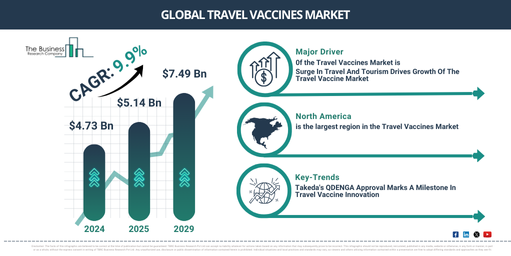
    In recent years, the market size for travel vaccines has seen a robust growth. It is projected to expand from $4.73 billion in 2024 to $5.14 billion in 2025, marking a compound annual growth rate (CAGR) of 8.6%. This growth during the historical period can be linked to factors such as more people traveling internationally, government health initiatives for travelers, the spread of diseases due to globalization, rising awareness among travelers, and the growth of the travel and tourism industry.

    The market size of travel vaccines is anticipated to experience substantial growth in the forthcoming years, escalating to $7.49 billion in 2029 with a compound annual growth rate (CAGR) of 9.9%. The predicted growth during the forecast period can be ascribed to factors such as an increased rate of business travel, the emergence of infectious disease risks, regulatory mandates and entry prerequisites by the government, a surge in demand for unique travel destinations, and partnerships between government entities and pharmaceutical firms. The forecast period is expected to witness trends like customized vaccination approaches, market extension into areas previously not affected, the embracement of digital health technologies, regulatory backing, expedited approvals, and innovative advancements.

    Download a free sample to assess the report’s scope and structure:

    https://www.thebusinessresearchcompany.com/sample.aspx?id=11918&type=smp

    What Are the Core Market Drivers Propelling Growth in the Travel Vaccines Industry?

    The growth of the travel vaccine market is anticipated to be driven by the surge in travel and tourism. Travel and tourism encompass the movement of individuals and objects, facilitated by various modes of transportation such as trains, ships, aircraft, and other vehicles, across different distant geographic locations. Travel vaccines offer protection to tourists and travelers, ensuring their health and safety during their overseas journeys. For example, the United Nations World Tourism Organization (UNWTO), an intergovernmental tourism promotion agency based in Spain, reported in January 2023 that over 900 million tourists traveled internationally in 2022, a figure twice that of 2021 and 63% higher than before the pandemic. Consequently, the uptick in travel and tourism is fueling the expansion of the travel vaccine market.

    How Is the Travel Vaccines Market Segmented?

    The travel vaccines market covered in this report is segmented –

    1) By Disease: Hepatitis A, Diphtheria, Pertussis, And Tetanus (DPT), Yellow Fever, Typhoid, Hepatitis B, Measles And Mumps, Rabies, Meningococcal, Other Diseases,

    2) By Composition: Mono Vaccines, Combination Vaccines

    3) By Booking Channel: Online Booking, In-Person Booking

    4) By Application: Domestic Travel, Outbound Travel

    Subsegments:

    1) By Hepatitis A: Inactivated Hepatitis A Vaccine, Combination Vaccines

    2) By Diphtheria, Pertussis, And Tetanus (DPT): DTP Vaccine (Diphtheria, Tetanus, Pertussis), DTaP Vaccine (Diphtheria, Tetanus, And Acellular Pertussis)

    3) By Yellow Fever: Live Attenuated Yellow Fever Vaccine, Booster Dosage Vaccines

    4) By Typhoid: Inactivated Typhoid Vaccine, Live Attenuated Typhoid Vaccine

    5) By Hepatitis B: Recombinant Hepatitis B Vaccine, Combination Vaccines

    6) By Measles And Mumps: Measles, Mumps, And Rubella (MMR) Vaccine, Measles And Rubella (MR) Vaccine

    7) By Rabies: Rabies Pre-exposure Prophylaxis (PrEP), Rabies Post-exposure Prophylaxis (PEP)

    8) By Meningococcal: Meningococcal Conjugate Vaccine, Meningococcal B Vaccine

    9) By Other Diseases: Japanese Encephalitis, Cholera, Influenza, Other Emerging Travel Vaccines

    Request customized data on this market:

    https://www.thebusinessresearchcompany.com/customise?id=11918&type=smp

    Which Regions Are Driving the Next Phase of the Travel Vaccines Market Growth?

    North America was the largest region in the travel vaccines market in 2024. Asia-Pacific is expected to be the fastest-growing region in the forecast period. The regions covered in the travel vaccines market report are Asia-Pacific, Western Europe, Eastern Europe, North America, South America, Middle East, Africa.

    What Key Market Trends and Innovations Are Shaping the Future of the Travel Vaccines Industry?

    The travel vaccine market is seeing a surge in product innovation, with key players making strides in developing new vaccines to maintain market domination. For instance, Takeda Pharmaceutical Company Limited, a pharmaceutical firm based in Japan, obtained approval in August 2022, for its innovative QDENGA (Dengue Tetravalent Vaccine) (TAK-003) from the Indonesia National Agency for Drug and Food Control. This vaccine aims to prevent dengue fever caused by any serotype in individuals aged 6 to 45, offering comprehensive protection against dengue disease and hospitalization, with efficacy lasting three years post-immunization, irrespective of previous exposure to the disease.

    View the full report here:

    https://www.thebusinessresearchcompany.com/report/travel-vaccines-global-market-report

    How Is the Travel Vaccines Market Defined and What Are Its Core Parameters?

    Travel vaccines are vaccines to protect against diseases that are either indigenous to the country of origin or the country of destination. They function to safeguard travelers and stop the spread of disease both within and between nations.

    Purchase the full report and get a swift delivery:

    https://www.thebusinessresearchcompany.com/purchaseoptions.aspx?id=11918

    About The Business Research Company:

    With over 15000+ reports from 27 industries covering 60+ geographies, The Business Research Company has built a reputation for offering comprehensive, data-rich research and insights. Armed with 1,500,000 datasets, the optimistic contribution of in-depth secondary research, and unique insights from industry leaders, you can get the information you need to stay ahead in the game.

    Get in touch with us:

    The Business Research Company: https://www.thebusinessresearchcompany.com/

    Americas +1 3156230293

    Asia +44 2071930708

    Europe +44 2071930708

    Email us at info@tbrc.info

    Follow us on:

    LinkedIn: https://in.linkedin.com/company/the-business-research-company

    YouTube: https://www.youtube.com/channel/UC24_fI0rV8cR5DxlCpgmyFQ

    Global Market Model: https://www.thebusinessresearchcompany.com/global-market-model
  • Toxoplasmosis Treatment Drugs Market Overview 2025: Competitive Shifts, Forecast Models, and Emerging Opportunities

    Toxoplasmosis Treatment Drugs Market Overview 2025: Competitive Shifts, Forecast Models, and Emerging Opportunities

    Discover trends, market shifts, and competitive outlooks for the toxoplasmosis treatment drugs industry through 2025-2034 with The Business Research Company’s reliable data and in-depth research

    What Are the Key Milestones in the Toxoplasmosis Treatment Drugs Market’s Growth Trajectory From 2025 To 2034?

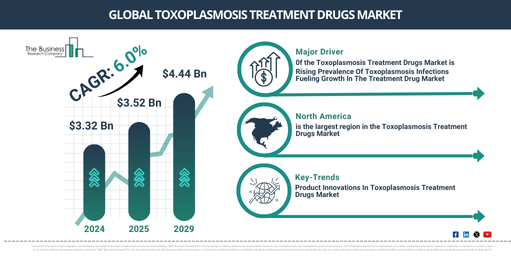
    In recent years, the market size for toxoplasmosis treatment drugs has seen significant growth. It is projected to rise from $3.32 billion in 2024 to $3.52 billion in 2025, with a compound annual growth rate (CAGR) of 6.0%. The historical period growth can be credited to factors such as limited treatment alternatives, heightened awareness about toxoplasmosis, the rising incidence of the condition, growth in healthcare infrastructure, and changes in regulatory environments.

    Over the coming years, the market size for toxoplasmosis treatment drugs is predicted to experience significant growth, increasing to $4.44 billion in 2029 with a compound annual growth rate of 6.0%. Factors contributing to this projected growth in the forecast period include investments in research and development, emergence of new toxoplasmosis therapies, rising healthcare expenditures, global efforts to control infectious diseases, and the implementation of personalized medicine strategies. Notable trends for the forecast period encompass the development of combination drug therapies, the inclusion of precision medicine in treatment plans, a focus on prompt diagnosis and intervention, tailored treatment regimens, and advancements in methods of drug delivery.

    Download a free sample to assess the report’s scope and structure:

    https://www.thebusinessresearchcompany.com/sample.aspx?id=12214&type=smp

    What Are the Core Growth Drivers Propelling the Toxoplasmosis Treatment Drugs Market Forward?

    The increasing occurrence of toxoplasmosis infections is set to boost the expansion of the toxoplasmosis treatment drug market. Toxoplasmosis, a widespread term denoting infection and illness caused by the single-celled parasite Toxoplasma gondii, influences humans and animals alike. The escalation in toxoplasmosis infection necessitates a greater demand for drugs such as pyrimethamine, spiramycin, and leucovorin, which are employed in the treatment of a specific form of toxoplasmosis, thus enhancing the toxoplasmosis treatment drug market. For instance, data released by the UK Health Security Agency, a government organization based in the UK, revealed that there were 54 confirmed toxoplasmosis incidents reported during the second quarter of 2023, an increase from the 37 cases during the equivalent duration in 2022. Consequently, the increasing occurrence of toxoplasmosis infections is stimulating the toxoplasmosis treatment drug market.

    What Segment Types Define the Toxoplasmosis Treatment Drugs Market Structure?

    The toxoplasmosis treatment drugs market covered in this report is segmented –

    1) By Drug Class: Pyrimethamine, Spiramycin, Leucovorin, Sulfadiazine, Folic Acid, Other Drug Class

    2) By Indication: Chronic Toxoplasmosis Infection, Acute Toxoplasmosis Infection

    3) By Route Of Administration: Parenteral, Oral

    4) By Distribution Channel: Hospital Pharmacies, Online Pharmacies, Retail Pharmacies

    Subsegments:

    1) By Pyrimethamine: Brand Name Variants, Combination Therapies

    2) By Spiramycin: Brand Name Variants, Formulations

    3) By Leucovorin: Dosage Forms

    4) By Sulfadiazine: Brand Name Variants, Combination Therapies

    5) By Folic Acid: Supplement Formulations, Combination Products With Other Drugs

    6) By Other Drug Class: Atovaquone, Clindamycin, Trimethoprim-Sulfamethoxazole (TMP-SMX), Experimental Or Emerging Therapies

    Request customized data on this market:

    https://www.thebusinessresearchcompany.com/customise?id=12214&type=smp

    Which Geographic Areas Hold the Strongest Growth Potential in the Toxoplasmosis Treatment Drugs Market?

    North America was the largest region in the toxoplasmosis treatment drugs market in 2024. The regions covered in the toxoplasmosis treatment drugs market report are Asia-Pacific, Western Europe, Eastern Europe, North America, South America, Middle East, Africa.

    Which Emerging Trends that Are Influencing theToxoplasmosis Treatment Drugs Industry Evolution?

    Innovations in products are a significant trend gaining traction in the market for toxoplasmosis treatment drugs. To maintain their market presence, primary firms in this sector are creating and advancing new products. Take for instance Meitheal Pharmaceuticals, a pharmaceutical company based in the US, which in September 2023 introduced five versions of Leucovorin Calcium for Injection. These varieties encompassed single-dose vials of 50 mg, 100 mg, 200 mg, 350 mg, and 500 mg. This product, leucovorin calcium for injection, will be administered in accordance with high-dose methotrexate therapy in cases of osteosarcoma.

    View the full report here:

    https://www.thebusinessresearchcompany.com/report/toxoplasmosis-treatment-drugs-global-market-report

    What Is the Definition of the Toxoplasmosis Treatment Drugs Market?

    Toxoplasmosis treatment drugs refer to medications or pharmaceutical products that manage infectious diseases caused by Toxoplasma gondii. It is used to treat the parasitic infection that results from infection with a common parasite found in cat feces and contaminated food.

    Purchase the full report and get a swift delivery:

    https://www.thebusinessresearchcompany.com/purchaseoptions.aspx?id=12214

    About The Business Research Company:

    With over 15000+ reports from 27 industries covering 60+ geographies, The Business Research Company has built a reputation for offering comprehensive, data-rich research and insights. Armed with 1,500,000 datasets, the optimistic contribution of in-depth secondary research, and unique insights from industry leaders, you can get the information you need to stay ahead in the game.

    Get in touch with us:

    The Business Research Company: https://www.thebusinessresearchcompany.com/

    Americas +1 3156230293

    Asia +44 2071930708

    Europe +44 2071930708

    Email us at info@tbrc.info

    Follow us on:

    LinkedIn: https://in.linkedin.com/company/the-business-research-company

    YouTube: https://www.youtube.com/channel/UC24_fI0rV8cR5DxlCpgmyFQ

    Global Market Model: https://www.thebusinessresearchcompany.com/global-market-model
  • Thalassemia Drugs Market Forecast Reaching $3.77 Billion by 2029 at 10.5% CAGR

    Thalassemia Drugs Market Forecast Reaching $3.77 Billion by 2029 at 10.5% CAGR

    Discover trends, market shifts, and competitive outlooks for the thalassemia drugs industry through 2025-2034 with The Business Research Company’s reliable data and in-depth research

    What Is the Current and Projected Market Size of the Thalassemia Drugs Market Through 2034?

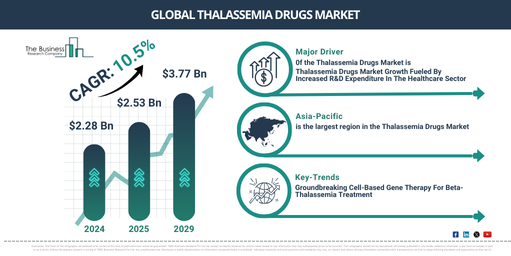
    In recent times, the market size for thalassemia drugs has experienced swift expansion. An increase from $2.28 billion in 2024 to $2.53 billion in 2025, reflecting a compound annual growth rate (CAGR) of 11.2%, is expected. Factors such as escalating thalassemia prevalence, genetic predilection, developments in healthcare facilities, heightened awareness about thalassemia, and enhanced diagnostic skills have contributed to this historic growth period.

    In the coming years, the market for thalassemia drugs is anticipated to experience a swift escalation. By 2029, it is projected to reach $3.77 billion, with a compound annual growth rate (CAGR) of 10.5%. The expansion during this timeframe can be credited to the rise in gene therapies for thalassemia, the surge in demand for individualized and targeted medicine, amplified financial backing for drug development for rare diseases, an increase in healthcare spending, and worldwide thalassemia awareness drives. Noteworthy trends for this period encompass personalized therapy procedures, the incorporation of digital health solutions in thalassemia treatment, advancements in curative therapy research, the formulation of combination drug therapies, and the growth of patient support programs.

    Download a free sample to assess the report’s scope and structure:

    https://www.thebusinessresearchcompany.com/sample.aspx?id=12213&type=smp

    Which Major Market Drivers Are Expected to Boost the Growth Potential of the Thalassemia Drugs Market?

    An increase in monies allocated to research and development costs is likely to stimulate growth in the market for thalassemia drugs. This allocation represents funds that a company sets aside to improve, create, and enhance their products. A surge in these expenditures may contribute to innovation and heightened productivity in the development and formulation of novel treatments for thalassemia. For example, a report issued by Statistics Sweden, a governmental agency of Sweden, in July 2024 stated that in 2023, R&D expenditure in Sweden amounted to $21.03 billion (SEK 221.8 billion), a growth of $0.559 billion (SEK 5.9 billion) from the previous year. This elevated the R&D intensity to 3.57 percent, marking a 0.45 percentage point increment compared with the last decade. Consequently, the advancing R&D expenditure is a significant driver in the thalassemia drug market.

    Which Key Market Segments Comprise the Thalassemia Drugs Market and Drive Its Revenue Growth?

    The thalassemia drugs market covered in this report is segmented –

    1) By Type: Alpha Thalassemia Drugs, Beta Thalassemia Drugs

    2) By Treatment Type: Iron Chelation Therapy, Other Treatments

    3) By Distribution Channel: Hospital Pharmacies, Online Providers, Drug Stores And Retail Pharmacies

    Subsegments:

    1) By Alpha Thalassemia Drugs: Hydroxyurea, Luspatercept, Blood Transfusion Agents, Iron Chelators

    2) By Beta Thalassemia Drugs: Hydroxyurea, Luspatercept, Gene Therapy Products, Blood Transfusion Agents, Iron Chelators

    Request customized data on this market:

    https://www.thebusinessresearchcompany.com/customise?id=12213&type=smp

    Which Areas Are Leading Regions in the Thalassemia Drugs Market Expansion Across the Globe?

    Asia-Pacific was the largest region in the thalassemia drugs market in 2024. The regions covered in the thalassemia drugs market report are Asia-Pacific, Western Europe, Eastern Europe, North America, South America, Middle East, Africa.

    What Are the Key Market Trends in theThalassemia Drugs Market Over the Coming Years?

    In the thalassemia drug market, a significant emerging trend is product innovation. Top firms in this market are focused on creating innovative products to maintain their market position. For example, Bluebird Bio Inc., a biotech company based in the US, got approval for Zynteglo (betibeglogene autotemcel) in August 2022. This approval made Zynteglo the first-ever cell-based, single-dose gene therapy for treating beta-thalassemia. This drug employs the patient’s genetically altered cells to generate functional beta-globin.

    View the full report here:

    https://www.thebusinessresearchcompany.com/report/thalassemia-drugs-global-market-report

    How Is the Thalassemia Drugs Market Conceptually Defined?

    Thalassemia drugs refer to medications used to treat thalassemia, an inherited blood illness in which the body produces too little or a strange kind of hemoglobin. Anemia is brought on by the disorder’s large-scale destruction of red blood cells.

    Purchase the full report and get a swift delivery:

    https://www.thebusinessresearchcompany.com/purchaseoptions.aspx?id=12213

    About The Business Research Company:

    With over 15000+ reports from 27 industries covering 60+ geographies, The Business Research Company has built a reputation for offering comprehensive, data-rich research and insights. Armed with 1,500,000 datasets, the optimistic contribution of in-depth secondary research, and unique insights from industry leaders, you can get the information you need to stay ahead in the game.

    Get in touch with us:

    The Business Research Company: https://www.thebusinessresearchcompany.com/

    Americas +1 3156230293

    Asia +44 2071930708

    Europe +44 2071930708

    Email us at info@tbrc.info

    Follow us on:

    LinkedIn: https://in.linkedin.com/company/the-business-research-company

    YouTube: https://www.youtube.com/channel/UC24_fI0rV8cR5DxlCpgmyFQ

    Global Market Model: https://www.thebusinessresearchcompany.com/global-market-model
  • Top Trends Driving Innovation and Change in the STAY-C For Feed Market:  Strategic Partnerships To Enhance Stay-C-For-Feed Offerings

    Top Trends Driving Innovation and Change in the STAY-C For Feed Market: Strategic Partnerships To Enhance Stay-C-For-Feed Offerings

    Discover trends, market shifts, and competitive outlooks for the stay-c for feed industry through 2025-2034 with The Business Research Company’s reliable data and in-depth research

    What Are the Projected Market Size and Growth Rates for the STAY-C For Feed Market From 2025 To 2029?

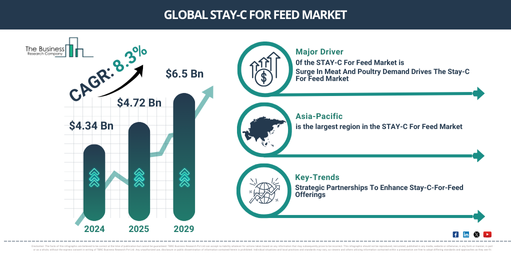
    The market size of stay-C for feed has significantly expanded in the last few years. It is projected to increase from $4.34 billion in 2024 up to $4.72 billion in 2025, with a compound annual growth rate (CAGR) of 8.8%. Factors contributing to the growth during the historic period include health issues related to livestock, adherence to regulatory guidelines, an increase in meat consumption, focus on optimized feed utilization, and disease epidemics.

    In the coming years, the Stay-C for feed market size is projected to experience robust growth. It is envisaged to develop to $6.5 billion by 2029, at a compound annual growth rate (CAGR) of 8.3%. This growth during the predicted period can be credited to the rising emphasis on alternatives to antibiotics, the increased consumer demand for quality meat, concerns about environmental sustainability, precision livestock farming and strategic partnerships in the livestock sector. The trends to look out for during this projection period include advancements in feed additive technologies, intensified research and development, blockchain traceability in feed supply chains, plant-based additives, and the digital transformation of feed management activities.

    Download a free sample to assess the report’s scope and structure:

    https://www.thebusinessresearchcompany.com/sample.aspx?id=12007&type=smp

    What External and Internal Drivers Are Contributing to the Growth of theSTAY-C For Feed Market?

    The uptick in the demand for meat and poultry items is anticipated to propel the expansion of the STAY-C for feed market in the future. The term meat encompasses the consumption of animal proteins such as fish, birds, and other poultry products. STAY-C is vital for safeguarding the health of the feed and the production of collagen that provides crucial support to muscles, vascular tissues, bones, and cartilage. For example, as per The United States Department of Agriculture (USDA), a federal institution based in the US, in February 2023 consumers on average consumed about 227 pounds of poultry, beef, and pork in 2022, notwithstanding the increased prices for all types of meat, an increase from 224.9 pounds consumed in 2021. Consequently, the escalating demand for meat and poultry items is fueling the expansion of the STAY-C for feed market.

    What Segment Types Define the STAY-C For Feed Market Structure?

    The stay-C for feed market covered in this report is segmented –

    1) By Function: Single Functioned, Multi Functioned

    2) By Formulation: Dry, Liquid, Other Formulations

    3) By Livestock: Swine, Ruminants, Poultry, Aquatic Animals, Other Livestock

    Subsegments:

    1) By Single Functioned: Stay-c For Specific Feed Types, Basic Formulations With A Single Benefit

    2) By Multi Functioned: Stay-c With Multiple Benefits, Formulations Combining Various Ingredients For Enhanced Performance

    Request customized data on this market:

    https://www.thebusinessresearchcompany.com/customise?id=12007&type=smp

    Which Geographic Areas Hold the Strongest Growth Potential in the STAY-C For Feed Market?

    Asia-Pacific was the largest region in the STAY-C for feed market in 2024. The regions covered in the stay-C for feed market report are Asia-Pacific, Western Europe, Eastern Europe, North America, South America, Middle East, Africa.

    What Long-Term Trends Are Transforming the Competitive Landscape of the STAY-C For Feed Market?

    Companies leading the Stay-C-for-feed market are pursuing strategic alliances to bolster product innovation, broaden their market penetration, and enhance animal health solutions. A strategic alliance is essentially a cooperative relationship among two or more entities, pooling their resources, knowledge and efforts towards shared goals. For instance, Cargill, Incorporated, a United States-based food firm supplying STAY-C for feed, entered into a strategic partnership with Enough, a UK-based maker of mycoprotein-based food, in February 2024. This partnership saw Cargill contribute to Enough’s Series C funding round and enter into a commercial contract to utilize and promote its Abunda mycoprotein. The Abunda mycoprotein, derived via a zero-waste fermentation method involving fungi and sustainably obtained sugars from Cargill’s glucose syrup, is a comprehensive food ingredient abundant in amino acids and dietary fiber. This expanded collaboration with Cargill will facilitate the joint development of alternative protein foods and enable production to be scaled up across Europe and beyond.

    View the full report here:

    https://www.thebusinessresearchcompany.com/report/stay-c-for-feed-global-market-report

    What Is the Definition of the STAY-C For Feed Market?

    STAY-C for feed refers to a crucial water-soluble antioxidant. It is used to provide high stability and ideal vitamin C levels in feed which is beneficial for reproduction, wound healing, growth, and development.

    Purchase the full report and get a swift delivery:

    https://www.thebusinessresearchcompany.com/purchaseoptions.aspx?id=12007

    About The Business Research Company:

    With over 15000+ reports from 27 industries covering 60+ geographies, The Business Research Company has built a reputation for offering comprehensive, data-rich research and insights. Armed with 1,500,000 datasets, the optimistic contribution of in-depth secondary research, and unique insights from industry leaders, you can get the information you need to stay ahead in the game.

    Get in touch with us:

    The Business Research Company: https://www.thebusinessresearchcompany.com/

    Americas +1 3156230293

    Asia +44 2071930708

    Europe +44 2071930708

    Email us at info@tbrc.info

    Follow us on:

    LinkedIn: https://in.linkedin.com/company/the-business-research-company

    YouTube: https://www.youtube.com/channel/UC24_fI0rV8cR5DxlCpgmyFQ

    Global Market Model: https://www.thebusinessresearchcompany.com/global-market-model
  • Top Trends Driving Innovation and Change in the Janus Kinase (JAK) Inhibitors Market: Technological Breakthroughs Drive Product Innovation In The Janus Kinase (JAK) Inhibitors Market

    Top Trends Driving Innovation and Change in the Janus Kinase (JAK) Inhibitors Market: Technological Breakthroughs Drive Product Innovation In The Janus Kinase (JAK) Inhibitors Market

    Discover trends, market shifts, and competitive outlooks for the janus kinase (jak) inhibitors industry through 2025-2034 with The Business Research Company’s reliable data and in-depth research

    What is the Projected CAGR for the Janus Kinase (JAK) Inhibitors Market Size from 2025 to 2034?

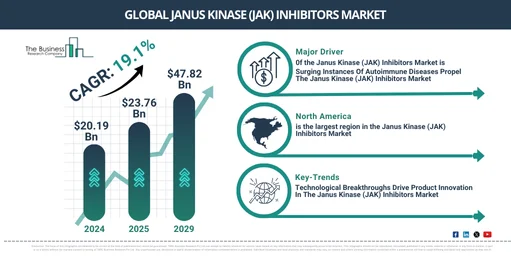
    The market for Janus Kinase (JAK) inhibitors has significantly expanded in recent years. It’s predicted to ascend from $20.19 billion in 2024 to an estimated $23.76 billion in 2025, showcasing a compound annual growth rate (CAGR) of 17.7%. The growth during the historical period is mainly due to several factors. These include the understanding and identification of jak-stat signalling pathways in various diseases, a rise in the prevalence of autoimmune disorders, pressing medical needs in rheumatology and dermatology, the progression of targeted therapies for inflammatory conditions, and enhancements in diagnostic capabilities for autoimmune diseases.

    The market size for Janus Kinase (JAK) inhibitors is speculated to witness significant expansion in the upcoming years, with an estimated value of $47.82 billion by 2029, growing at a compound annual growth rate (CAGR) of 19.1%. This surge during the forecast period can be associated with factors such as the evolution of biopharmaceutical research and development, sanctioning of jak inhibitors for specific indications, extension of clinical trials for jak inhibitor drugs, advancements in individualized and precision medicine, and employment of jak inhibitors in combination therapies, as well as the incorporation of digital health technologies in autoimmune care. Crucial trends anticipated during the forecast period encompass concentration on developing innovative selective jak inhibitors for better safety profiles, creation of jak inhibitors with extended-release formulations, incorporation of artificial intelligence in jak inhibitor drug discovery, research into jak inhibitors in innovative drug delivery systems, and cooperation between pharmaceutical firms and research institutions.

    Download a free sample to assess the report’s scope and structure:

    https://www.thebusinessresearchcompany.com/sample.aspx?id=12524&type=smp

    What External and Internal Drivers Are Contributing to the Growth of theJanus Kinase (JAK) Inhibitors Market?

    The rise in the prevalence of autoimmune illnesses is anticipated to fuel the expansion of the Janus kinase (JAK) inhibitors market. Autoimmune disorders constitute a diverse set of conditions in which the immune system improperly targets healthy cells, tissues, and organs, leading to damage. Janus Kinase (JAK) inhibitors, by modifying the immune system, minimizing inflammation, and mitigating symptoms such as rheumatoid arthritis, offer a beneficial treatment for autoimmune conditions. For example, in December 2022, the National Psoriasis Foundation, a US-based non-profit organization dedicated to serving those afflicted with Psoriasis and psoriatic arthritis, stated that Psoriasis affected over 8 million Americans and 125 million individuals globally, representing 2 to 3% of the population. Moreover, the Centers for Disease Control and Prevention, a US-based national public health entity, reported in September 2022 that Diabetes was diagnosed in 28.7 million people of varying ages, equivalent to 8.7% of the US population, with 5.7% of all US persons with confirmed Diabetes or 1.6 million individuals aged 20 and over noted to have type 1 diabetes requiring insulin. Consequently, the rising frequency of autoimmune disorders is stimulating the growth of the Janus kinase (JAK) inhibitors market.

    What Segment Types Define the Janus Kinase (JAK) Inhibitors Market Structure?

    The janus kinase (JAK) inhibitors market covered in this report is segmented –

    1) By Inhibitors Type: Ruxolitinib, Tofacitinib, Oclacitinib, Baricitinib, Peficitinib, Other Inhibitor Types

    2) By Mode Of Administration: Injectable, Oral, Other Modes Of Administration

    3) By Distribution Channel: Hospital Pharmacies, Retail Pharmacies, Online Pharmacies

    4) By Application: Autoimmune Disorders, Oncology, Inflammatory Disorders, Metabolic Disorders

    Subsegments:

    1) By Ruxolitinib: Ruxolitinib Tablets, Ruxolitinib Cream, Ruxolitinib Oral Solution

    2) By Tofacitinib: Tofacitinib Tablets, Tofacitinib Extended-Release Tablets, Tofacitinib Oral Solution

    3) By Oclacitinib: Oclacitinib Tablets, Oclacitinib for Veterinary Use

    4) By Baricitinib: Baricitinib Tablets, Baricitinib Extended-Release Formulations

    5) By Peficitinib: Peficitinib Tablets, Peficitinib Oral Formulations

    6) By Other Inhibitor Types: Emerging JAK Inhibitors, Combination JAK Inhibitor Therapies, Non-Oral JAK Inhibitor Formulations

    Request customized data on this market:

    https://www.thebusinessresearchcompany.com/customise?id=12524&type=smp

    Which Geographic Areas Hold the Strongest Growth Potential in the Janus Kinase (JAK) Inhibitors Market?

    North America was the largest region in the Janus kinase (JAK) inhibitors market in 2024. Asia-Pacific is expected to be the fastest-growing region in the forecast period. The regions covered in the janus kinase (JAK) inhibitors market report are Asia-Pacific, Western Europe, Eastern Europe, North America, South America, Middle East, Africa

    What Long-Term Trends Are Transforming the Competitive Landscape of the Janus Kinase (JAK) Inhibitors Market?

    Notable growth in the Janus kinase (JAK) inhibitors market is largely attributed to the trend of product innovation. Major industry players are strengthening their market presence by introducing technologically enhanced solutions. For instance, Eli Lilly and Company, a pharmaceutical organization from the US, together with Incyte, a biopharmaceutical firm from Switzerland, announced in May 2022 that the U.S. Food and Drug Administration (FDA) approved their novel compound, OLUMIANT (baricitinib). This is the first and exclusive JAK inhibitor to be FDA-certified for the treatment of COVID-19 in certain hospitalized patients requiring different degrees of oxygen support. OLUMIANT’s approval extends to treating adult hospital patients needing extracorporeal membrane oxygenation (ECMO), non-invasive or invasive mechanical ventilation, or suffering from COVID-19.

    View the full report here:

    https://www.thebusinessresearchcompany.com/report/janus-kinase-jak-inhibitors-global-market-report

    What Is the Definition of the Janus Kinase (JAK) Inhibitors Market?

    Janus Kinase (JAK) inhibitors are a class of drugs that block the activity of Janus Kinase enzymes. Janus Kinase (JAK) inhibitors are used for chronic inflammatory diseases such as rheumatoid arthritis, psoriatic arthritis, juvenile idiopathic arthritis, axial spondylarthritis, ulcerative colitis, atopic dermatitis, and alopecia areata.

    Purchase the full report and get a swift delivery:

    https://www.thebusinessresearchcompany.com/purchaseoptions.aspx?id=12524

    About The Business Research Company:

    With over 15000+ reports from 27 industries covering 60+ geographies, The Business Research Company has built a reputation for offering comprehensive, data-rich research and insights. Armed with 1,500,000 datasets, the optimistic contribution of in-depth secondary research, and unique insights from industry leaders, you can get the information you need to stay ahead in the game.

    Get in touch with us:

    The Business Research Company: https://www.thebusinessresearchcompany.com/

    Americas +1 3156230293

    Asia +44 2071930708

    Europe +44 2071930708

    Email us at info@tbrc.info

    Follow us on:

    LinkedIn: https://in.linkedin.com/company/the-business-research-company

    YouTube: https://www.youtube.com/channel/UC24_fI0rV8cR5DxlCpgmyFQ

    Global Market Model: https://www.thebusinessresearchcompany.com/global-market-model