Category: Pharmaceuticals

  • Injection Human Interleukin 2 Market Growth Potential: What The Latest Forecast Reveals

    Injection Human Interleukin 2 Market Growth Potential: What The Latest Forecast Reveals

    Built to provide research that’s more actionable and strategically valuable, The Business Research Company’s 2026 market reports include market attractiveness analysis, total addressable market sizing, company benchmarking matrices, interactive Excel dashboards, broader supply chain intelligence, emerging startup tracking, and in-depth product insights.

    Injection Human Interleukin 2 Market Growth From $1.32 Billion In 2026 To $1.95 Billion By 2030 At A CAGR Of 10.2%

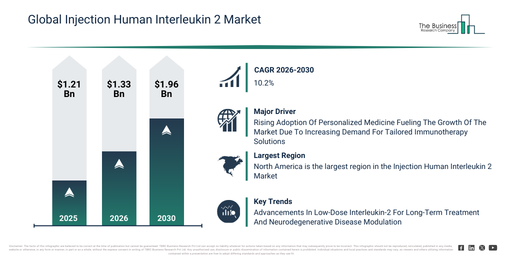
    The market for injection human interleukin 2 has seen substantial expansion in recent years. It is anticipated to grow from $1.21 billion in 2025 to $1.33 billion in 2026, demonstrating a compound annual growth rate (CAGR) of 10.2%. The historical growth can be linked to the early achievements of cytokine-based immunotherapy, an increase in cancer diagnoses, advancements in recombinant protein manufacturing, a rise in hospital-based oncology treatments, and regulatory authorizations for IL-2 therapies.

    The injection human interleukin 2 market is projected to experience substantial growth over the coming years. It is anticipated to expand to $1.96 billion by 2030, demonstrating a compound annual growth rate (CAGR) of 10.2%. This expected expansion throughout the forecast period can be attributed to several factors, including the rise in cancer immunotherapy pipelines, increased utilization of il-2 with checkpoint inhibitors, advancements in targeted immune activation, growing investment in biologic oncology drugs, and the broadening of precision immunotherapy approaches. Noteworthy trends predicted for the forecast period include the increasing application of il-2 in combination immunotherapies, a greater adoption of recombinant human interleukin 2, the expansion of il-2’s uses in oncology, an escalating focus on dose optimization to mitigate toxicity, and intensified clinical research within immune modulation.

    Get A Free Sample Report With In-Depth Market Insights:

    https://thebusinessresearchcompany.com/sample_request?id=80816779&type=smp&name=Injection%20Human%20Interleukin%202%20Market%20Report%202026&utm_source=Blogs&utm_medium=Paid&utm_campaign=Oct_PR

    Injection Human Interleukin 2 Market Opportunity Drivers: What’s Unlocking New Revenue Potential?

    A growing emphasis on personalized medicine is expected to propel the expansion of the injection human interleukin 2 market in the future. This medical approach involves customizing treatment and prevention methods to suit an individual’s distinct genetic profile, lifestyle, and environmental factors. The heightened demand for personalized medicine stems from advancements in genetic testing, facilitating more precise diagnoses and individualized treatments that are specifically adapted to patient profiles, thereby enhancing results and mitigating adverse effects. Injection Human Interleukin 2 facilitates personalized medicine by allowing its application in customized immunotherapy protocols, wherein IL-2 is given according to a patient’s particular immune characteristics to optimize therapeutic efficacy and lessen negative reactions. As an illustration, in February 2024, a report from the Personalized Medicine Coalition, a US-based non-profit organization, indicated that the FDA approved 16 new personalized medicines for rare disease patients in 2023, an increase from only six in 2022. Consequently, the growing emphasis on personalized medicine is set to stimulate the expansion of the injection human interleukin 2 market.

    Injection Human Interleukin 2 Market Segment Trends And Revenue Contributors

    The injection human interleukin 2 market covered in this report is segmented –

    1) By Product Type: Recombinant Human Interleukin 2, Natural Human Interleukin 2

    2) By Route Of Administration: Subcutaneous Injection, Intravenous Injection, Intramuscular Injection

    3) By Distribution Channel: Direct Sales, Pharmacies, Online Sales

    4) By Application: Oncology, Immunotherapy, Autoimmune Diseases

    5) By End-User: Hospitals, Clinics, Research Institutes, Other End-Users

    Subsegments:

    1) By Recombinant Human Interleukin 2: Escherichia Coli Derived Interleukin 2, Yeast Derived Interleukin 2, Mammalian Cell Derived Interleukin 2

    2) By Natural Human Interleukin 2: Plasma Derived Interleukin 2, Peripheral Blood Mononuclear Cell Derived Interleukin 2

    Injection Human Interleukin 2 Market Innovation Trends Shaping Future Development

    Major companies in the injection human interleukin-2 market are concentrating on developing novel solutions, such as low-dose interleukin-2, to facilitate extended treatment durations. This therapeutic approach, low-dose interleukin-2, involves administering small quantities of IL-2 to specifically activate regulatory T cells, thereby improving immune tolerance while simultaneously reducing inflammation and side effects. For instance, in October 2024, Coya Therapeutics Inc., a US-based biotechnology firm, announced the outcomes of a double-blind study concerning the effects of subcutaneous low-dose interleukin-2 (LD IL-2) in Alzheimer’s disease (AD). The investigation successfully achieved its primary and secondary goals, showing an increase in regulatory T cells (Tregs) without impacting T effector lymphocytes. Further exploratory findings indicated that low-dose IL-2 (LD IL-2) administered every four weeks contributed to cognitive stabilization, enhanced cerebrospinal fluid (CSF) soluble Aβ42 levels, and stabilized CSF Neurofilament Light Chain (NfL). These results reinforce the potential of employing Treg modulation for treating neurodegenerative conditions, particularly Alzheimer’s. COYA 301, an experimental low-dose IL-2, aims to improve Treg function through subcutaneous delivery for inflammatory control.

    Injection Human Interleukin 2 Market Competitive Landscape: Which Companies Lead The Industry?

    Major companies operating in the injection human interleukin 2 market are F. Hoffmann-La Roche AG, Novartis AG, Merck & Co. Inc., Bristol Myers Squibb, Sanofi S.A., Pfizer Inc., Amgen Inc., Nektar Therapeutics, Synthekine Inc., Xilio Therapeutics Inc., Iovance Biotherapeutics Inc., Clinigen Group plc, BeiGene Ltd., Shanghai Fosun Pharmaceutical Group Co. Ltd., Beijing SL Pharmaceutical Co. Ltd., Shandong Quangang Pharmaceutical Co. Ltd., PeproTech Inc., Qkine Ltd., Akron Biotechnology LLC, Thermo Fisher Scientific Inc.

    View The Full Injection Human Interleukin 2 Market Report:

    https://thebusinessresearchcompany.com/report/injection-human-interleukin-2-global-market-report?utm_source=Blogs&utm_medium=Paid&utm_campaign=Oct_PR

    Injection Human Interleukin 2 Market Largest Region By Revenue And Market Share

    North America was the largest region in the injection human interleukin 2 market in 2025. Asia-Pacific is expected to be the fastest-growing region in the forecast period. The regions covered in the injection human interleukin 2 market report are Asia-Pacific, South East Asia, Western Europe, Eastern Europe, North America, South America, Middle East, Africa.

    Reach Out To Our Team:

    The Business Research Company: https://www.thebusinessresearchcompany.com/

    Americas: +1 310-496-7795

    Asia: +44 7882 955267 & +91 8897263534

    Europe: +44 7882 955267

    Email us at: marketing@tbrc.info

    Follow us on:

    LinkedIn: https://in.linkedin.com/company/the-business-research-company

    YouTube: https://www.youtube.com/channel/UC24_fI0rV8cR5DxlCpgmyFQ

    Global Market Model: https://www.thebusinessresearchcompany.com/global-market-model

  • Injectable Targeted Therapy Market Growth Outlook: Why Analysts Expect Continued Expansion

    Injectable Targeted Therapy Market Growth Outlook: Why Analysts Expect Continued Expansion

    Backed by market attractiveness analysis, total addressable market sizing, company benchmarking matrices, interactive Excel dashboards, wider supply chain intelligence, emerging startup coverage, and detailed product-level insights, The Business Research Company’s 2026 market reports are designed to offer research that is more actionable and strategically valuable than ever.

    Injectable Targeted Therapy Market Expansion Outlook: What Revenue Opportunities Are Ahead?

    The injectable targeted therapy market has shown substantial growth in recent years. Its valuation is expected to climb from $64.22 billion in 2025 to $71.03 billion in 2026, reflecting a compound annual growth rate (CAGR) of 10.6%. This historical expansion can be linked to factors such as a rise in cancer occurrence rates, breakthroughs in monoclonal antibody development, the increasing embrace of biologic therapies, the proliferation of oncology treatment centers, and intensified clinical research activities concerning targeted drugs.

    The injectable targeted therapy market is poised for significant expansion in the coming years. This market is projected to reach a valuation of $105.2 billion in 2030, demonstrating a compound annual growth rate (CAGR) of 10.3%. This anticipated growth during the forecast period is fueled by several factors, including the rising number of approvals for targeted injectable therapies, increased investments in personalized medicine, expanded biologics manufacturing capabilities, a heightened focus on immunotherapy development, and the escalating demand for precision treatment protocols. Key trends characterizing the forecast period encompass the escalating development of precision oncology injectables, the increasing adoption of antibody-based therapeutics, a strengthened focus on targeted drug delivery systems, the broadening of combination injectable therapies, and an intensified emphasis on minimizing off-target toxicity.

    Get A Free Sample Report With In-Depth Market Insights:

    https://thebusinessresearchcompany.com/sample_request?id=28250&type=smp&name=Injectable%20Targeted%20Therapy%20Market%20Report%202026&utm_source=Blogs&utm_medium=Paid&utm_campaign=Oct_PR

    Injectable Targeted Therapy Market Growth Momentum: What Factors Are Shaping Demand?

    The escalating need for personalized medicine is anticipated to drive forward the growth of the injectable targeted therapy market. Personalized medicine represents a healthcare approach that tailors prevention, diagnosis, and treatment based on an individual’s unique genetic, environmental, and lifestyle factors. The rise in personalized medicine is fueled by progress in genomics, which allows for a deeper understanding of individual genetic variations, thereby enabling more precise and targeted treatments that enhance patient outcomes and minimize trial-and-error in therapies. Injectable targeted therapy facilitates personalized medicine by delivering drugs designed to specifically address a patient’s distinct molecular or genetic disease profile, thereby improving efficacy and reducing side effects. For example, in February 2024, the US-based non-profit organization Personalized Medicine Coalition reported that in 2023, the FDA sanctioned 16 new personalized treatments for rare disease patients, which is an increase from six in 2022. The newly approved personalized treatments for 2023 also encompassed seven cancer drugs and three for other diseases and conditions. Consequently, the increasing demand for personalized medicine is acting as a catalyst for the expansion of the injectable targeted therapy market.

    Injectable Targeted Therapy Market Segment Analysis Spotlighting Growth Areas

    The injectable targeted therapy market covered in this report is segmented –

    1) By Type: Monoclonal Antibodies, Small-Molecules, Immunotoxins, Other Types

    2) By Mechanism Of Action: Targeted Inhibition of Signal Transduction Pathways, Targeted Delivery Of Cytotoxic Agents, Immunomodulation

    3) By Route Of Administration: Intravenous, Subcutaneous, Intramuscular

    4) By Application: Oncology, Cardiometabolism, Immunology, Infectious Diseases, Neuroscience, Ophthalmology, Other Applications

    5) By End User: Hospitals, Specialty Clinics, Research Laboratories

    Subsegments:

    1) By Monoclonal Antibodies: Fully Human Antibodies, Humanized Antibodies, Chimeric Antibodies

    2) By Small-Molecules: Tyrosine Kinase Inhibitors, Proteasome Inhibitors, Mtor Inhibitors

    3) By Immunotoxins: Recombinant Immunotoxins, Chemical Conjugates, Fusion Proteins

    4) By Other Types: Antibody-Drug Conjugates, Bispecific Antibodies, Peptide-Based Therapeutics

    Injectable Targeted Therapy Market Trends Redefining Industry Growth

    Leading companies within the injectable targeted therapy market are concentrating on developing novel approaches, such as subcutaneous injections, to enhance drug delivery efficiency, improve patient adherence, and more effectively target specific disease pathways. A subcutaneous injection involves administering medication beneath the skin into the fatty tissue located just under the dermis, allowing for the slow absorption of the drug into the bloodstream. For instance, in August 2025, Eisai Co., Ltd., a Japan-based pharmaceutical company, collaborated with Biogen Inc., a US-based biotechnology company, to obtain FDA approval for LEQEMBI IQLIK, a treatment for early Alzheimer’s disease. This is a convenient, once-weekly subcutaneous injection designed for the maintenance treatment of early Alzheimer’s disease, enabling patients to self-administer it at home following initial intravenous therapy. It contributes to slowing cognitive decline by targeting and clearing amyloid beta plaques and protofibrils, which are key elements driving the progression of Alzheimer’s. This formulation shortens treatment time, reduces systemic side effects compared to IV infusions, and decreases the need for infusion center visits, thereby providing greater independence for patients and their care partners.

    Injectable Targeted Therapy Market Leading Companies: Who Holds The Strongest Market Presence?

    Major companies operating in the injectable targeted therapy market are Johnson & Johnson Services Inc., F. Hoffmann-La Roche Ltd., Merck & Co. Inc., Pfizer Inc., AbbVie Inc., Bayer AG, Sanofi SA, Novartis AG, AstraZeneca plc, Bristol-Myers Squibb Company, GlaxoSmithKline plc, Eli Lilly and Company, Amgen Inc., Gilead Sciences Inc., Regeneron Pharmaceuticals Inc., Biogen Inc., Eisai Co. Ltd., Genentech Inc., Beigene Ltd., Agenus Inc., Xilio Therapeutics Inc.

    View The Full Injectable Targeted Therapy Market Report:

    https://thebusinessresearchcompany.com/report/injectable-targeted-therapy-global-market-report?utm_source=Blogs&utm_medium=Paid&utm_campaign=Oct_PR

    Injectable Targeted Therapy Market Regional Analysis And Leading Geography

    North America was the largest region in the injectable targeted therapy market in 2025. Asia-Pacific is expected to be the fastest-growing region in the forecast period. The regions covered in the injectable targeted therapy market report are Asia-Pacific, South East Asia, Western Europe, Eastern Europe, North America, South America, Middle East, Africa.

    Reach Out To Our Team:

    The Business Research Company: https://www.thebusinessresearchcompany.com/

    Americas: +1 310-496-7795

    Asia: +44 7882 955267 & +91 8897263534

    Europe: +44 7882 955267

    Email us at: marketing@tbrc.info

    Follow us on:

    LinkedIn: https://in.linkedin.com/company/the-business-research-company

    YouTube: https://www.youtube.com/channel/UC24_fI0rV8cR5DxlCpgmyFQ

    Global Market Model: https://www.thebusinessresearchcompany.com/global-market-model
  • Injectable Cytotoxic Drugs Market Forecast Insights: The Road To $26.73 Billion By 2030

    Injectable Cytotoxic Drugs Market Forecast Insights: The Road To $26.73 Billion By 2030

    Featuring market attractiveness scoring, total addressable market sizing, company benchmarking matrices, interactive Excel dashboards, deeper supply chain intelligence, emerging startup tracking, and granular product-level insights, The Business Research Company’s 2026 market reports are built to deliver research that is both more actionable and more strategically valuable.

    Injectable Cytotoxic Drugs Market Growth Potential: How Will Market Size Shift Through 2030?

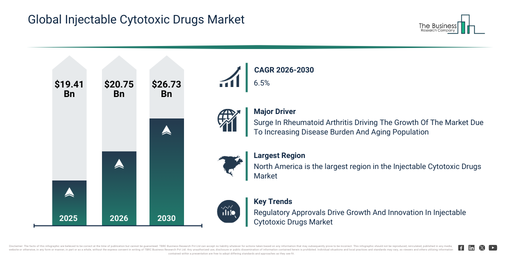
    The injectable cytotoxic drugs market has experienced substantial expansion in recent years. This market is forecasted to grow from $19.41 billion in 2025 to $20.75 billion in 2026, achieving a compound annual growth rate (CAGR) of 6.9%. The historical growth of this market can be attributed to several factors including the limited availability of injectable cytotoxic drugs, a reliance on traditional chemotherapy agents, increasing cancer incidence rates, the establishment of more hospital oncology departments, and a shortage of specialized oncology clinics.

    The injectable cytotoxic drugs market is anticipated to experience substantial expansion over the upcoming years. By 2030, this market is projected to reach $26.73 billion, demonstrating a compound annual growth rate (CAGR) of 6.5%. This projected growth during the forecast period is attributable to several factors, including the creation of new cytotoxic drug formulations, the broadening of targeted and combination treatment approaches, increased governmental and private investment in cancer studies, the implementation of sophisticated drug delivery methods, and the rise of outpatient and ambulatory oncology facilities. Key trends anticipated for this period encompass the increased application of injectable cytotoxic drugs in targeted chemotherapy, the expansion of oncology clinics and hospital cancer units, a growing embrace of personalized medicine and customized treatment plans, elevated investment in cancer research and clinical trials, and a heightened emphasis on drug safety, handling, and administration procedures.

    Get A Free Sample Report With In-Depth Market Insights:

    https://thebusinessresearchcompany.com/sample_request?id=70881346&type=smp&name=Injectable%20Cytotoxic%20Drugs%20Market%20Report%202026&utm_source=Blogs&utm_medium=Paid&utm_campaign=Oct_PR

    Injectable Cytotoxic Drugs Market Expansion Drivers: What’s Shaping Future Growth?

    The expanding occurrence of rheumatoid arthritis is anticipated to boost the expansion of the injectable cytotoxic drugs market in the future. Rheumatoid arthritis is defined as a long-term autoimmune condition marked by continuous inflammation, discomfort in joints, and ultimate deterioration of joint structure. This surge in rheumatoid arthritis is primarily attributable to an aging demographic, given that increasing age elevates the likelihood of genetic alterations and impaired immune system function, which are factors in the condition’s development. Injectable cytotoxic drugs provide therapeutic benefits for rheumatoid arthritis by targeting cells that divide quickly and by dampening excessive immune reactions, thus retarding the disease’s advancement and alleviating its manifestations. For example, data from June 2024, sourced from the Australian Institute of Health and Welfare, an independent Australian statutory body, indicated that rheumatoid arthritis caused 1,322 deaths, which corresponds to 5.1 deaths per 100,000 individuals, and represented 0.7% of all deaths in 2022. Furthermore, it contributed to 2.0% of the total disease burden and accounted for 16% of the entire burden from all musculoskeletal conditions in 2023. Consequently, the rising prevalence of rheumatoid arthritis is fueling the expansion of the injectable cytotoxic drugs market.

    Injectable Cytotoxic Drugs Market Segment Performance And Emerging Opportunities

    The injectable cytotoxic drugs market covered in this report is segmented –

    1) By Drug Type: Alkylating Agents, Antimetabolites, Plant Alkaloids, Antitumor Antibiotics, Platinum-Based Compounds, Cytotoxic Antibiotics, Other Drug Types

    2) By Route Of Administration: Intravenous (IV), Intramuscular (IM), Subcutaneous (SC)

    3) By Distribution Channel: Hospital Pharmacies, Retail Pharmacies, Online Pharmacies, Specialty Drug Stores

    4) By Application: Breast Cancer, Lung Cancer, Prostate Cancer, Colorectal Cancer, Ovarian Cancer, Lymphoma, Leukemia, Other Applications

    5) By End-User: Hospitals, Oncology Clinics, Ambulatory Surgical Centers, Research And Academic Institutes

    Subsegments:

    1) By Alkylating Agents: Cyclophosphamide, Melphalan, Busulfan

    2) By Antimetabolites: Methotrexate, 5-Fluorouracil (5-FU), Cytarabine, Gemcitabine

    3) By Plant Alkaloids: Vincristine, Vinblastine, Paclitaxel, Docetaxel

    4) By Antitumor Antibiotics: Doxorubicin, Daunorubicin, Epirubicin, Bleomycin

    5) By Platinum-Based Compounds: Cisplatin, Carboplatin, Oxaliplatin

    6) By Cytotoxic Antibiotics: Mitomycin, Actinomycin D, Plicamycin

    7) By Other Drug Types: Irinotecan, Etoposide, Denibulin, Trastuzumab Emtansine (ADC), Lutetium-177 Dotatate

    Injectable Cytotoxic Drugs Market Strategic Trends: What Defines The Next Growth Phase?

    Leading firms within the injectable cytotoxic drugs sector are prioritizing the acquisition of regulatory clearances to broaden their product offerings and expedite their market penetration. These approvals denote the official consent issued by health authorities, verifying that a medication satisfies the necessary benchmarks for safety, effectiveness, and quality prior to its commercialization and prescription. An illustrative example is Astellas Pharma Inc., a pharmaceutical company based in Japan, which secured approval in March 2024 for VYLOY (zolbetuximab) from Japan’s Ministry of Health, Labour, and Welfare (MHLW). This was for addressing CLDN18.2-positive, unresectable, advanced, or recurrent gastric cancer. The endorsement was substantiated by data from Phase III clinical trials, SPOTLIGHT and GLOW, which revealed that VYLOY, when administered with chemotherapy, substantially enhances both progression-free survival and overall survival. Eligibility for patients is established through a companion diagnostic test designed to identify CLDN18.2 expression within tumor cells. This particular therapy targets a crucial unmet medical necessity in gastric cancer, a condition frequently identified at advanced stages and linked to unfavorable outcomes globally.

    Injectable Cytotoxic Drugs Market Key Players: Which Companies Lead Industry Competition?

    Major companies operating in the injectable cytotoxic drugs market are Pfizer Inc., F. Hoffmann‑La Roche Ltd., Sanofi S.A., Bristol‑Myers Squibb, Novartis AG, Eli Lilly and Company, Merck KGaA, Baxter International Inc., Fresenius Kabi AG, Eisai Co. Ltd., Sun Pharmaceutical Industries Ltd., Apotex Inc., Dr. Reddy’s Laboratories Ltd., Hikma Pharmaceuticals plc, Amneal Pharmaceuticals Inc., Zydus Lifesciences Ltd., NATCO Pharma Ltd.

    View The Full Injectable Cytotoxic Drugs Market Report:

    https://thebusinessresearchcompany.com/report/injectable-cytotoxic-drugs-global-market-report?utm_source=Blogs&utm_medium=Paid&utm_campaign=Oct_PR

    Injectable Cytotoxic Drugs Market Geographic Analysis: Where Is Demand Accelerating Fastest?

    North America was the largest region in the injectable cytotoxic drugs market in 2025. Asia-Pacific is expected to be the fastest-growing region in the forecast period. The regions covered in the injectable cytotoxic drugs market report are Asia-Pacific, South East Asia, Western Europe, Eastern Europe, North America, South America, Middle East, Africa.

    Reach Out To Our Team:

    The Business Research Company: https://www.thebusinessresearchcompany.com/

    Americas: +1 310-496-7795

    Asia: +44 7882 955267 & +91 8897263534

    Europe: +44 7882 955267

    Email us at: marketing@tbrc.info

    Follow us on:

    LinkedIn: https://in.linkedin.com/company/the-business-research-company

    YouTube: https://www.youtube.com/channel/UC24_fI0rV8cR5DxlCpgmyFQ

    Global Market Model: https://www.thebusinessresearchcompany.com/global-market-model
  • Inhaled Antibiotics Market Explained: What Is Fueling Growth To $2.53 Billion By 2030?

    Inhaled Antibiotics Market Explained: What Is Fueling Growth To $2.53 Billion By 2030?

    Built to provide research that’s more actionable and strategically valuable, The Business Research Company’s 2026 market reports include market attractiveness analysis, total addressable market sizing, company benchmarking matrices, interactive Excel dashboards, broader supply chain intelligence, emerging startup tracking, and in-depth product insights.

    Inhaled Antibiotics Market Value Analysis: What Growth Lies Ahead Over The Forecast Period?

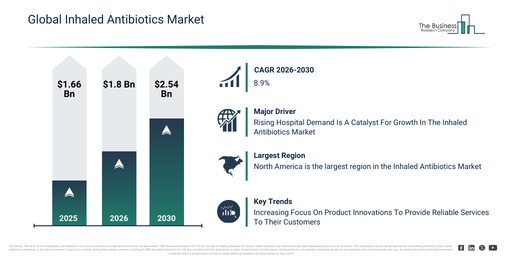
    The inhaled antibiotics market has experienced substantial growth in recent years. This market is set to increase from $1.66 billion in 2025 to $1.8 billion in 2026, demonstrating a compound annual growth rate (CAGR) of 8.7%. The expansion observed in the past can be attributed to the rising prevalence of cystic fibrosis, the increasing incidence of hospital-acquired pneumonia, growing awareness concerning targeted drug delivery, clinical evidence that supports improved lung function, and the availability of established nebulizer technologies.

    The inhaled antibiotics market is projected to experience substantial expansion over the upcoming years, reaching a valuation of $2.54 billion by 2030, demonstrating a compound annual growth rate (CAGR) of 8.9%. This anticipated growth during the forecast period is driven by factors such as a rise in antibiotic resistance, an increasing population affected by chronic respiratory diseases, innovations in inhalation drug delivery systems, improved access to respiratory care in developing markets, and ongoing pipeline advancements for new inhaled antibiotics. Key trends expected in this period encompass the broader application of inhaled antibiotics for conditions like cystic fibrosis and other chronic respiratory infections, a growing preference for dry powder inhaled antibiotic formulations, a heightened emphasis on minimizing systemic side effects via precise pulmonary delivery, an increase in hospital utilization of nebulized antibiotics for severe infections, and the creation of broad-spectrum inhaled antibiotics to combat drug-resistant pathogens.

    Get A Free Sample Report With In-Depth Market Insights:

    https://thebusinessresearchcompany.com/sample_request?id=14014432&type=smp&name=Inhaled%20Antibiotics%20Market%20Report%202026&utm_source=Blogs&utm_medium=Paid&utm_campaign=Oct_PR

    Inhaled Antibiotics Market Development Factors: What’s Supporting Demand?

    A rising need within hospitals is anticipated to drive the expansion of the inhaled antibiotics market in the future. Hospitals represent medical establishments or sites dedicated to delivering healthcare, therapy, and support to patients suffering from illness or injury. Within hospitals, especially for managing respiratory infections, inhaled antibiotics find application. Their purpose is to lessen effects on gut bacteria, tailor therapeutic strategies, enhance patient adherence, and decrease the frequency of hospital admissions. As an illustration, in May 2023, data from the American Health Care Association, a US-based nonprofit entity, indicated that the United States contained 6,129 hospitals. This figure shows a 0.591% rise compared to the prior year, which recorded 6,093 hospitals. Consequently, the heightened need observed in hospitals is a key factor propelling the expansion of the inhaled antibiotics market.

    Inhaled Antibiotics Market Segment Landscape And Growth Outlook

    The inhaled antibiotics market covered in this report is segmented –

    1) By Product Type: Aerosol Or Metered Dose Inhaler, Dry Powder Formulation, Spray, Other Types

    2) By Application: Pneumonia, Bronchitis, Other Applications

    3) By End-User: Hospitals, Other End Users

    Subsegments:

    1) By Aerosol Or Metered Dose Inhaler: Levofloxacin Inhalation Solution, Tobramycin Inhalation Solution, Aztreonam Inhalation Solution

    2) By Dry Powder Formulation: Dry Powder Tobramycin, Dry Powder Colistin

    3) By Spray: Antibiotic Nasal Sprays, Inhaled Antibiotic Solutions

    4) By Other Types: Nebulized Antibiotics, Intranasal Antibiotics

    Inhaled Antibiotics Market Transformation Trends: What Innovations Are Driving Change?

    Leading companies within the inhaled antibiotics market are concentrating on inventive products like Breyna to boost their revenue streams. Breyna is an inhalation aerosol containing formoterol fumarate dihydrate and budesonide, designed to manage and prevent symptoms such as wheezing and shortness of breath caused by asthma or chronic lung diseases. For instance, in July 2023, Viatris Inc., a US-based pharmaceutical company, partnered with Kindeva Drug Delivery L.P., a US-based firm specializing in drug delivery technologies, to launch Breyna. Breyna inhalation is a combination product featuring two medications, budesonide and formoterol. The drug is dispensed as a metered-dose inhaler that blends budesonide with formoterol fumarate dihydrate as an inhalation aerosol. It is available in two strengths: 80mcg/4.5mcg and 160mcg/4.5mcg. The U.S. Food and Drug Administration (FDA) has approved Breyna (budesonide and formoterol fumarate dihydrate) inhalation aerosol, marking it as the first generic version of AstraZeneca’s Symbicort.

    Inhaled Antibiotics Market Competitive Landscape: Who Leads The Industry?

    Major companies operating in the inhaled antibiotics market are Gilead Sciences Inc., Lupin Limited, Insmed Inc., Savara Inc., Joincare Pharmaceutical Group Industry Co. Ltd., Pharmaxis Ltd., Teva Pharmaceutical Industries Ltd., Raptor Pharmaceutical Corporation, Altan Pharma Limited, Cipla Limited, Novartis AG, Bayer AG, Pfizer Inc., Aridis Pharmaceuticals, Bayer HealthCare, Nektar Therapeutics, Parion Sciences Inc., Zambon Group, Transave Inc., Alitair Pharmaceuticals.

    View The Full Inhaled Antibiotics Market Report:

    https://thebusinessresearchcompany.com/report/inhaled-antibiotics-global-market-report?utm_source=Blogs&utm_medium=Paid&utm_campaign=Oct_PR

    Inhaled Antibiotics Market Global Footprint: Which Region Leads The Industry?

    North America was the largest region in the inhaled antibiotics market share in 2025. The regions covered in the inhaled antibiotics market report are Asia-Pacific, South East Asia, Western Europe, Eastern Europe, North America, South America, Middle East, Africa.

    Reach Out To Our Team:

    The Business Research Company: https://www.thebusinessresearchcompany.com/

    Americas: +1 310-496-7795

    Asia: +44 7882 955267 & +91 8897263534

    Europe: +44 7882 955267

    Email us at: marketing@tbrc.info

    Follow us on:

    LinkedIn: https://in.linkedin.com/company/the-business-research-company

    YouTube: https://www.youtube.com/channel/UC24_fI0rV8cR5DxlCpgmyFQ

    Global Market Model: https://www.thebusinessresearchcompany.com/global-market-model
  • Inhalation Sedatives Market Forecast To Reach $3.25 Billion By 2030: Key Trends Explained

    Inhalation Sedatives Market Forecast To Reach $3.25 Billion By 2030: Key Trends Explained

    Backed by market attractiveness analysis, total addressable market sizing, company benchmarking matrices, interactive Excel dashboards, wider supply chain intelligence, emerging startup coverage, and detailed product-level insights, The Business Research Company’s 2026 market reports are designed to offer research that is more actionable and strategically valuable than ever.

    Inhalation Sedatives Market Size Forecast: How Big Could The Market Get By 2030?

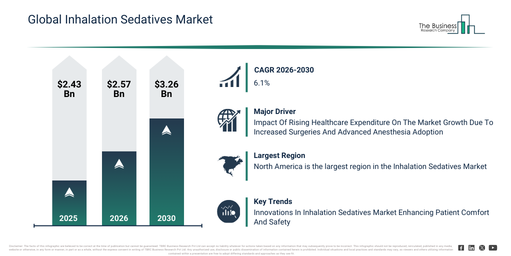
    The inhalation sedatives market has seen significant expansion in recent years. This market is anticipated to expand from $2.43 billion in 2025 to $2.57 billion in 2026, achieving a compound annual growth rate (CAGR) of 5.7%. The historical growth can be attributed to several factors including the constrained availability of inhalation sedatives, the ongoing reliance on traditional general anesthesia, the expanding infrastructure of hospitals and surgical centers, increasing public understanding of conscious sedation, and the widespread use of nitrous oxide in dental procedures.

    The inhalation sedatives market size is anticipated to expand significantly in the coming years. It is forecast to grow to $3.26 billion in 2030, demonstrating a compound annual growth rate (CAGR) of 6.1%. This growth during the forecast period is attributed to several factors including the development of new inhalation anesthetic agents, the expansion of ambulatory surgical services, increasing adoption of sedation monitoring technologies, the integration of AI-based anesthesia management, and the rising demand for pediatric and outpatient sedation procedures. Prominent trends expected in this period include the increased uptake of inhalation sedatives in pediatric and adult surgeries, a rise in the use of nitrous oxide for dental analgesia and minor procedures, the expansion of outpatient and ambulatory surgical centers employing sedation, the integration of sedation techniques in pain management and anxiety reduction, and a strong focus on safety protocols and monitoring standards during sedation administration.

    Get A Free Sample Report With In-Depth Market Insights:

    https://thebusinessresearchcompany.com/sample_request?id=47715788&type=smp&name=Inhalation%20Sedatives%20Market%20Report%202026&utm_source=Blogs&utm_medium=Paid&utm_campaign=Oct_PR

    Inhalation Sedatives Market Industry Drivers: What’s Behind The Revenue Growth?

    The expanding healthcare spending is anticipated to drive the growth of the Inhalation Sedatives market in the coming years. Healthcare expenditure refers to the total financial resources invested by individuals, organizations, or governments to prevent, treat, and manage various health conditions. This spending is increasing primarily due to advancements in medical technology, as new diagnostic tools, treatments, and innovative therapies often come with higher costs, contributing to a greater overall spend in healthcare. Elevated healthcare expenditure boosts the utilization of inhalation sedatives by supporting an increased number of surgeries, advanced anesthesia equipment, improved patient access, and enhanced research and development for safer, more effective sedatives. For example, in December 2024, according to the Centers for Medicare & Medicaid Services, a US-based agency responsible for administering Medicare and Medicaid, U.S. health care expenditures grew by 7.5% in 2023, reaching $4.9 trillion, or roughly $14,570 per individual. Therefore, the rising healthcare expenditure is propelling the expansion of the Inhalation Sedatives market.

    Inhalation Sedatives Market Breakdown By Product Type And Application

    The inhalation sedatives market covered in this report is segmented –

    1) By Product: Sevoflurane, Desflurane, Isoflurane, Nitrous Oxide

    2) By Application: Induction, Maintenance

    3) By End-User: Hospitals, Ambulatory Surgical Centers, Other End-Users

    Subsegments:

    1) By Sevoflurane: Pediatric Anesthesia, Adult Anesthesia

    2) By Desflurane: Outpatient Surgery, Maintenance Anesthesia

    3) By Isoflurane: Maintenance Of General Anesthesia, Induction Of General Anesthesia

    4) By Nitrous Oxide: Analgesia For Dental Procedures, Anesthesia For Minor Surgical Procedures

    #Inhalation Sedatives Market Growth Trends: What’s Shaping The Future Outlook?

    Leading companies in the inhalation sedatives market are developing novel services, like inhalation sedation, to improve patient comfort. Inhalation sedation service is a safe and effective technique that utilizes sedative gases to help reduce anxiety and unease during dental procedures. For instance, in November 2023, Platinum Dental Services, a Ghana-based dental services provider, introduced an inhalation sedation service. This dental approach focuses on enhancing patient comfort through the administration of a blend of sedative gases inhaled during treatments. This method effectively lessens anxiety and fear related to dental appointments, proving particularly helpful for both adults and children who may feel apprehensive about receiving dental care. By establishing a secure and controlled environment, inhalation sedation allows patients to stay relaxed while remaining aware and responsive throughout treatments, thus fostering a positive dental experience. This innovative service seeks to improve overall patient care and encourage individuals to pursue essential dental treatments without the stress typically associated with conventional dental visits.

    Inhalation Sedatives Market Company Landscape And Competitive Strategy

    Major companies operating in the inhalation sedatives market are AbbVie Inc., Baxter International Inc., Fresenius SE & Co. KGaA, Halocarbon Products Corporation, Hikma Pharmaceuticals plc, Jiangsu Hengrui Medicine Co. Ltd., Lunan Pharmaceutical Group Co. Ltd., Piramal Enterprises Ltd., Teva Pharmaceutical Industries Ltd., Sun Pharmaceutical Industries Ltd., Lupin Limited, Cipla Limited, Dr. Reddy’s Laboratories Ltd., Zydus Cadila Health Care Limited, Torrent Pharmaceuticals Ltd., Aurobindo Pharma Limited, Intas Pharmaceuticals Ltd., Wockhardt Limited, Glenmark Pharmaceuticals Limited, Alkem Laboratories Limited, Jubilant Life Sciences Limited

    View The Full Inhalation Sedatives Market Report:

    https://thebusinessresearchcompany.com/report/Inhalation-Sedative-global-market-report?utm_source=Blogs&utm_medium=Paid&utm_campaign=Oct_PR

    Inhalation Sedatives Market Regional Distribution: Which Areas Power Market Growth?

    North America was the largest region in the inhalation sedatives market in 2025. The regions covered in the inhalation sedatives market report are Asia-Pacific, South East Asia, Western Europe, Eastern Europe, North America, South America, Middle East, Africa.

    Reach Out To Our Team:

    The Business Research Company: https://www.thebusinessresearchcompany.com/

    Americas: +1 310-496-7795

    Asia: +44 7882 955267 & +91 8897263534

    Europe: +44 7882 955267

    Email us at: marketing@tbrc.info

    Follow us on:

    LinkedIn: https://in.linkedin.com/company/the-business-research-company

    YouTube: https://www.youtube.com/channel/UC24_fI0rV8cR5DxlCpgmyFQ

    Global Market Model: https://www.thebusinessresearchcompany.com/global-market-model
  • Inhalation CDMO Market Analysis: Understanding The Drivers Behind 6.6% CAGR Through 2030 Growth

    Inhalation CDMO Market Analysis: Understanding The Drivers Behind 6.6% CAGR Through 2030 Growth

    Featuring market attractiveness scoring, total addressable market sizing, company benchmarking matrices, interactive Excel dashboards, deeper supply chain intelligence, emerging startup tracking, and granular product-level insights, The Business Research Company’s 2026 market reports are built to deliver research that is both more actionable and more strategically valuable.

    Inhalation CDMO Market Revenue Outlook: What CAGR Lies Ahead Through 2030?

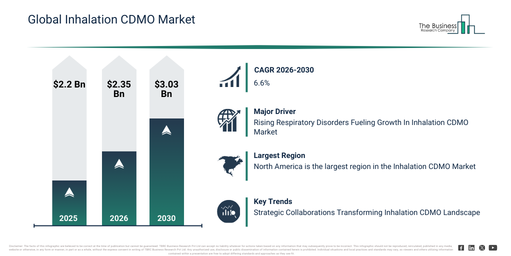
    The inhalation CDMO market has experienced robust expansion in recent years. This sector is projected to grow from $2.2 billion in 2025 to $2.35 billion in 2026, demonstrating a compound annual growth rate (CAGR) of 6.4%. The historical increase in the market size can be attributed to factors such as the rising prevalence of asthma and COPD, an increasing demand for inhalation therapies, the growth of biologics and specialized drug formulations, advancements in formulation technologies, and the increasing outsourcing by pharmaceutical companies.

    The inhalation cdmo market is projected to experience substantial expansion over the upcoming years. Its valuation is anticipated to reach $3.03 billion by 2030, exhibiting a compound annual growth rate (CAGR) of 6.6%. This projected increase during the forecast timeframe stems from factors such as the broadening use of digital and smart inhalers, the progression of personalized medicine and precision therapy, enhanced capital expenditure in inhalation cdmo infrastructure, the growing implementation of advanced manufacturing techniques, and a rise in partnerships between biotechnology companies and CDMOs. Key developments expected within this period encompass the evolution of personalized inhalation therapies, sophisticated formulation and drug delivery methodologies, improved regulatory adherence and quality assurance measures, the growth of contract manufacturing services for small and medium enterprises, and the incorporation of smart inhalers with digital health monitoring systems.

    Get A Free Sample Report With In-Depth Market Insights:

    https://thebusinessresearchcompany.com/sample_request?id=45955921&type=smp&name=Inhalation%20CDMO%20Market%20Report%202026&utm_source=Blogs&utm_medium=Paid&utm_campaign=Oct_PR

    Inhalation CDMO Market Growth Factors: What’s Supporting Expansion?

    The inhalation CDMO market is anticipated to expand due to the rising occurrence of respiratory conditions. These disorders encompass various medical issues impacting the respiratory system, which comprises the organs and structures essential for breathing. Inhalation CDMOs play a crucial role in developing and manufacturing products for respiratory ailments, leveraging their proficiency in drug formulation and delivery to the lungs. They provide pharmaceutical firms with specialized knowledge, facilities, and assets necessary for introducing innovative inhalation treatments. For example, data from December 2023, released by the National Library of Medicine, a US-based medical library, indicates that worldwide chronic obstructive pulmonary disease (COPD) cases among individuals 25 and older are forecast to increase by 23% by 2050, totaling almost 600 million. Consequently, the growing frequency of respiratory disorders is fueling the expansion of the inhalation CDMO market.

    Inhalation CDMO Market Segment Analysis And Revenue Potential

    The inhalation cdmo market covered in this report is segmented –

    1) By Product: Dry Powder Inhaler (DPIs), Metered Dose Inhaler (MDIs), Nebulizer, Soft Mist Inhaler

    2) By Disease Indication: Asthma, Chronic Obstructive Pulmonary Disease (COPD), Pulmonary Arterial Hypertension, Acute Respiratory Distress Syndrome, Pulmonary Fibrosis

    3) By Technology: Manual Inhalers (SMI), Digital Inhalers

    4) By End-User: Big Pharmaceutical Companies, Small and Medium-sized Pharmaceutical Companies, Generic Pharmaceutical Companies, Other End-Users

    Subsegments:

    1) By Dry Powder Inhaler (DPIs): Capsule-Based DPIs, Diskus-Style DPIs, Multi-Dose DPIs, Unit-Dose DPIs

    2) By Metered Dose Inhaler (MDIs): Pressurized MDIs (pMDIs), Breath-Actuated MDIs, Soft Mist MDIs

    3) By Nebulizer: Jet Nebulizers, Ultrasonic Nebulizers, Mesh Nebulizers, Portable Nebulizers

    4) By Soft Mist Inhaler: Respimat Inhalers, Other Soft Mist Inhalation Devices

    Inhalation CDMO Market Industry Trends: What’s Reshaping Demand?

    Leading companies operating in the inhalation CDMO industry are increasingly adopting a strategic partnership approach to provide specialized drug development and delivery services. Such a partnership constitutes a long-term, mutually beneficial arrangement between two or more organizations working together to achieve shared objectives. For instance, in May 2023, Hovione, a Portugal-based Contract Development and Manufacturing Organization, collaborated with H&T Presspart, a UK-based manufacturer of high-precision metal and plastic components for the pharmaceutical industry, to advance Presspart’s Sunrise Capsule-based Dry Powder Inhaler platform. This alliance is centered on creating new technologies designed to deliver higher drug doses and improve the efficiency of drug delivery to the lungs.

    Inhalation CDMO Market Key Players Shaping Industry Direction

    Major companies operating in the inhalation cdmo market are Baxter’s BioPharma Solutions, Lonza Group AG, Catalent Inc., Siegfried Holding AG, Recipharm AB, Stevanato Group SpA, CordenPharma, Nemera, Hovione FarmaCiencia SA, Vectura Group Ltd., CARBOGEN AMCIS, Kindeva Drug Delivery Ltd., Frontage Laboratories Inc, Sanner GmbH, H&T Presspart Ltd., Astech Projects Ltd, Cliantha Research, Copley Scientific, Cambrex Corporation, AptarGroup Inc.

    View The Full Inhalation CDMO Market Report:

    https://thebusinessresearchcompany.com/report/inhalation-cdmo-global-market-report?utm_source=Blogs&utm_medium=Paid&utm_campaign=Oct_PR

    Inhalation CDMO Market Leading Geography: Which Region Contributes The Most Revenue?

    North America was the largest region in the inhalation contract development and manufacturing organization (CDMO) market in 2025. The regions covered in the inhalation cdmo market report are Asia-Pacific, South East Asia, Western Europe, Eastern Europe, North America, South America, Middle East, Africa.

    Reach Out To Our Team:

    The Business Research Company: https://www.thebusinessresearchcompany.com/

    Americas: +1 310-496-7795

    Asia: +44 7882 955267 & +91 8897263534

    Europe: +44 7882 955267

    Email us at: marketing@tbrc.info

    Follow us on:

    LinkedIn: https://in.linkedin.com/company/the-business-research-company

    YouTube: https://www.youtube.com/channel/UC24_fI0rV8cR5DxlCpgmyFQ

    Global Market Model: https://www.thebusinessresearchcompany.com/global-market-model
  • Inhalation Anesthesia Market Growth To $2.5 Billion By 2030: What’s Driving The Expansion?

    Inhalation Anesthesia Market Growth To $2.5 Billion By 2030: What’s Driving The Expansion?

    Built to provide research that’s more actionable and strategically valuable, The Business Research Company’s 2026 market reports include market attractiveness analysis, total addressable market sizing, company benchmarking matrices, interactive Excel dashboards, broader supply chain intelligence, emerging startup tracking, and in-depth product insights.

    Inhalation Anesthesia Market Growth Analysis: How Will Revenue Trend Over The Forecast Period?

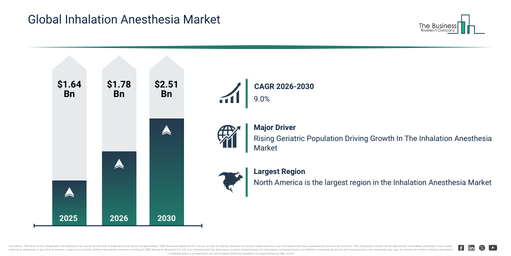
    The inhalation anesthesia market size has shown significant growth in recent years. Its expansion is anticipated, reaching from $1.64 billion in 2025 to $1.78 billion in 2026, at a compound annual growth rate (CAGR) of 8.6%. This historical growth can be attributed to factors such as an increase in surgical procedures, greater hospital investments, advancements in anesthesia equipment technology, heightened awareness of patient safety, and the expansion of healthcare infrastructure.

    The inhalation anesthesia market size is anticipated to expand significantly in the near future. Its valuation is set to reach $2.51 billion by 2030, exhibiting a compound annual growth rate (CAGR) of 9.0%. This growth during the forecast period is propelled by factors such as the increasing adoption of AI-assisted anesthesia, a rising demand for sustainable anesthetic agents, the integration of Internet of Things (IoT) in operating rooms, an increase in outpatient surgeries, and advancements in smart anesthesia delivery systems. Key developments expected in this period encompass improved patient safety protocols, sophisticated anesthesia delivery systems, support for minimally invasive surgical procedures, continuous real-time anesthesia monitoring, and the advent of environmentally friendly anesthetic agents.

    Get A Free Sample Report With In-Depth Market Insights:

    https://thebusinessresearchcompany.com/sample_request?id=60796776&type=smp&name=Inhalation%20Anesthesia%20Market%20Report%202026&utm_source=Blogs&utm_medium=Paid&utm_campaign=Oct_PR

    Inhalation Anesthesia Market Demand Drivers: What’s Powering Industry Growth?

    The expanding older adult demographic is set to drive the growth of the inhalation anesthesia market in the coming years. This demographic increase significantly impacts the market because seniors are more prone to chronic and degenerative conditions, leading to an increased need for surgical procedures and various treatments. Furthermore, the greater susceptibility of the elderly to health issues like cardiovascular, neurological, respiratory, and degenerative disorders further contributes to market expansion. Administering anesthesia intravenously to older patients often presents difficulties due to fragile blood vessels and cooperation challenges. For example, data from the UK Parliament’s House of Commons Library, a UK-based government administration, in 2022 showed 12.7 million individuals aged 65 or older in the UK. This figure is predicted to climb to 22.1 million by 2072, representing 27% of the population. Consequently, the rising number of elderly individuals is anticipated to enhance the demand for inhalation anesthesia throughout the forecast period.

    Inhalation Anesthesia Market Segmentation And Category Overview

    The inhalation anesthesia market covered in this report is segmented –

    1) By Product: Sevoflurane, Desflurane, Isoflurane, Nitrous Oxide

    2) By Application: Induction, Maintenance

    3) By End User: Hospitals, Ambulatory Surgical Centers

    Inhalation Anesthesia Market Competitive Analysis Of Leading Industry Participants

    Major companies operating in the inhalation anesthesia market are AbbVie Inc., Baxter International Inc., Sandoz AG, Piramal Enterprises Limited, Fresenius SE & Co KGaA, Hikma Pharmaceuticals PLC, Jiangsu Hengrui Medicine Co Ltd, Lunan Pharmaceutical Group Co Ltd, Troikaa Pharmaceuticals Ltd, Dechra Pharmaceuticals PLC, Aspen Pharmacare Holdings Limited, Maruishi Pharmaceutical Co Ltd, Nikko Chemicals (Japan), GlaxoSmithKline PLC, Boehringer Ingelheim International GmbH, Halocarbon Products Corporation, Abbott Laboratories, Baxter Healthcare (distinct manufacturing division) , Fresenius Kabi AG, Sedana Medical AB

    View The Full Inhalation Anesthesia Market Report:

    https://thebusinessresearchcompany.com/report/inhalation-anesthesia-global-market-report?utm_source=Blogs&utm_medium=Paid&utm_campaign=Oct_PR

    Inhalation Anesthesia Market Regional Outlook: Where Is Opportunity Concentrated?

    North America was the largest region in the inhalation anesthesia market in 2025. Asia-Pacific is expected to be the fastest-growing region in the forecast period. The regions covered in the inhalation anesthesia market report are Asia-Pacific, South East Asia, Western Europe, Eastern Europe, North America, South America, Middle East, Africa.

    Reach Out To Our Team:

    The Business Research Company: https://www.thebusinessresearchcompany.com/

    Americas: +1 310-496-7795

    Asia: +44 7882 955267 & +91 8897263534

    Europe: +44 7882 955267

    Email us at: marketing@tbrc.info

    Follow us on:

    LinkedIn: https://in.linkedin.com/company/the-business-research-company

    YouTube: https://www.youtube.com/channel/UC24_fI0rV8cR5DxlCpgmyFQ

    Global Market Model: https://www.thebusinessresearchcompany.com/global-market-model
  • Inhalation And Nasal Spray Generic Drugs Market Trends Reshaping Industry Growth Through 2030

    Inhalation And Nasal Spray Generic Drugs Market Trends Reshaping Industry Growth Through 2030

    Backed by market attractiveness analysis, total addressable market sizing, company benchmarking matrices, interactive Excel dashboards, wider supply chain intelligence, emerging startup coverage, and detailed product-level insights, The Business Research Company’s 2026 market reports are designed to offer research that is more actionable and strategically valuable than ever.

    Inhalation And Nasal Spray Generic Drugs Market Forecast: What Value Will The Market Reach By 2030?

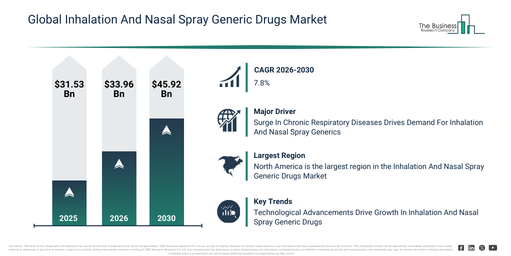
    The inhalation and nasal spray generic drugs market size has experienced strong growth in recent years. It is anticipated to increase from $31.53 billion in 2025 to $33.96 billion in 2026, at a compound annual growth rate (CAGR) of 7.7%. During the historical period, this expansion was driven by factors including the rising prevalence of asthma and COPD, the expiration of branded drug patents, increasing healthcare cost pressures, growing awareness of respiratory conditions, and an expansion in generic drug approvals.

    The inhalation and nasal spray generic drugs market size is anticipated to demonstrate significant expansion over the next few years. It is expected to grow to $45.92 billion in 2030 at a compound annual growth rate (CAGR) of 7.8%. This projected growth can be attributed to an aging population dealing with chronic respiratory conditions, increasing levels of air pollution, the expansion of home-based respiratory care, growing market penetration in emerging economies, and the continuous development of advanced inhalation devices. Prominent trends for the forecast period include the rising adoption of generic inhalers and nasal sprays, an increasing focus on cost-effective respiratory therapies, a surging demand for metered-dose and dry powder inhalers, the broadening of combination drug formulations, and improved drug delivery device designs to enhance patient compliance.

    Get A Free Sample Report With In-Depth Market Insights:

    https://thebusinessresearchcompany.com/sample_request?id=34138947&type=smp&name=Inhalation%20And%20Nasal%20Spray%20Generic%20Drugs%20Market%20Report%202026&utm_source=Blogs&utm_medium=Paid&utm_campaign=Oct_PR

    Inhalation And Nasal Spray Generic Drugs Market Growth Drivers: What’s Behind The Acceleration?

    An increasing global prevalence of chronic respiratory ailments is anticipated to drive the demand for generic inhalation and nasal spray medications. These conditions impact the respiratory pathways and associated pulmonary components. The surge in chronic respiratory diseases is attributed to heightened exposure to atmospheric pollutants, tobacco use, and various environmental irritants, all of which compromise lung functionality. Generic inhalation and nasal spray drugs offer therapeutic support for chronic respiratory conditions by providing rapid, localized relief directly to the airways, thereby enhancing symptom management and facilitating easier daily respiration. As an illustration, a research study released in December 2023 by JAMA Network Open, a medical journal affiliated with the American Medical Association, forecast that the global incidence of chronic obstructive pulmonary disease (COPD) could approach nearly 600 million cases worldwide by 2050, representing a 23% rise in its prevalence. Consequently, the growing global occurrence of chronic respiratory diseases is expected to stimulate market expansion.

    Inhalation And Nasal Spray Generic Drugs Market Segment Outlook: Which Categories Are Growing Fastest?

    The inhalation and nasal spray generic drugs market covered in this report is segmented –

    1) By Drug Class: Corticosteroids, Bronchodilators, Antihistamines, Combinations, Decongestant Sprays

    2) By Indication: Asthma, Chronic Obstructive Pulmonary Disease (COPD), Allergic Rhinitis, Other Indications

    3) By Patient Demographics: Geriatric Patient, Adult Patient, Pediatric Patient

    4) By End-User: Hospitals, Homecare, Other End-Users

    Subsegments:

    1) By Corticosteroids: Fluticasone, Budesonide, Beclomethasone, Mometasone

    2) By Bronchodilators: Short-Acting Beta Agonists (SABAs), Long-Acting Beta Agonists (LABAs), Anticholinergics

    3) By Antihistamines: Azelastine, Olopatadine, Levocabastine

    4) By Combinations: Corticosteroid And Long-Acting Beta Agonist (LABA) Combinations, Antihistamine And Decongestant Combinations

    5) By Decongestant Sprays: Oxymetazoline, Phenylephrine, Xylometazoline

    Inhalation And Nasal Spray Generic Drugs Market Trends: What’s Defining The Industry’s Next Phase?

    Leading companies within the inhalation and nasal spray generic drugs market are concentrating on developing innovative offerings, such as sophisticated generic nasal spray formulations. This focus aims to address the growing demand for cost-effective respiratory therapies, enhanced accessibility, and clinically equivalent options to branded products. These advanced generic nasal sprays are specifically engineered to match the reference product’s delivery performance, deposition profile, and therapeutic efficacy, while simultaneously providing more economical treatment choices compared to traditional branded sprays. For example, in January 2025, Lupin Limited, an India-based global pharmaceutical company, secured FDA approval for its ANDA for Ipratropium Bromide Nasal Solution (0.06%), which is a generic equivalent of Boehringer Ingelheim’s Atrovent Nasal Spray. This solution, manufactured at Lupin’s Pithampur facility, offers anticholinergic action to relieve rhinorrhea in adults and children aged 5 years and older, providing consistent dosing, localized treatment, reduced systemic exposure, and a more affordable alternative for patients.

    Inhalation And Nasal Spray Generic Drugs Market Leading Companies And Competitive Benchmarking

    Major companies operating in the inhalation and nasal spray generic drugs market are Teva Pharmaceuticals Inc., Sandoz International GmbH, Akorn Operating Company LLC, Cipla Inc., Apotex Inc., Impax Laboratories LLC, Bausch Health Companies Inc., Hikma Pharmaceuticals PLC, Lupin Limited, Sun Pharmaceutical Industries Ltd., Dr. Reddy’s Laboratories Ltd., Aurobindo Pharma Limited, Zydus Lifesciences Ltd., Torrent Pharmaceuticals Limited, Glenmark Pharmaceuticals Limited, Jubilant Biosys Limited, Alembic Pharmaceuticals Limited, Laurus Labs Limited, Macleods Pharmaceuticals Ltd., Intas Pharmaceuticals Ltd., Wockhardt Limited, Alkem Laboratories Limited, Unichem Laboratories Limited, Indoco Remedies Limited, Natco Pharma Limited, Aesica Pharmaceuticals Limited, Labiana Pharmaceuticals S.L.U., Summit Biosciences Inc.

    View The Full Inhalation And Nasal Spray Generic Drugs Market Report:

    https://thebusinessresearchcompany.com/report/inhalation-and-nasal-spray-generic-drugs-global-market-report?utm_source=Blogs&utm_medium=Paid&utm_campaign=Oct_PR

    Inhalation And Nasal Spray Generic Drugs Market Geographic Landscape: Which Region Leads Industry Growth?

    North America was the largest region in the inhalation and nasal spray generic drugs market in 2025. Asia-Pacific is expected to be the fastest-growing region in the forecast period. The regions covered in the inhalation and nasal spray generic drugs market report are Asia-Pacific, South East Asia, Western Europe, Eastern Europe, North America, South America, Middle East, Africa.

    Reach Out To Our Team:

    The Business Research Company: https://www.thebusinessresearchcompany.com/

    Americas: +1 310-496-7795

    Asia: +44 7882 955267 & +91 8897263534

    Europe: +44 7882 955267

    Email us at: marketing@tbrc.info

    Follow us on:

    LinkedIn: https://in.linkedin.com/company/the-business-research-company

    YouTube: https://www.youtube.com/channel/UC24_fI0rV8cR5DxlCpgmyFQ

    Global Market Model: https://www.thebusinessresearchcompany.com/global-market-model
  • Inhalable Drugs Market Growth To $53.59 Billion Creates New Opportunities Across The Industry

    Inhalable Drugs Market Growth To $53.59 Billion Creates New Opportunities Across The Industry

    Featuring market attractiveness scoring, total addressable market sizing, company benchmarking matrices, interactive Excel dashboards, deeper supply chain intelligence, emerging startup tracking, and granular product-level insights, The Business Research Company’s 2026 market reports are built to deliver research that is both more actionable and more strategically valuable.

    Inhalable Drugs Market Size Outlook: How Quickly Will Revenue Expand Through 2030?

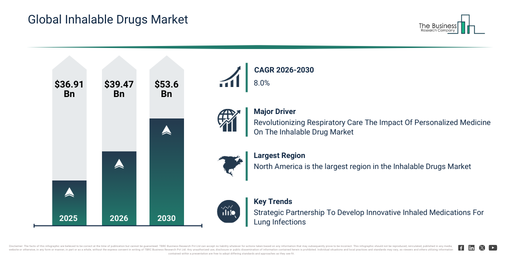
    The inhalable drugs market has demonstrated substantial growth in recent years. It is anticipated to expand from $36.91 billion in 2025 to $39.47 billion in 2026, achieving a compound annual growth rate (CAGR) of 6.9%. The historical expansion can be attributed to the widespread prevalence of asthma and COPD, limited understanding of inhalable therapies, a high dependence on hospital pharmacies, the prevalence of metered dose inhalers, and stringent regulatory processes.

    The inhalable drugs market size is projected to undergo robust growth in the coming years. It is forecast to expand to $53.6 billion by 2030, achieving a compound annual growth rate (CAGR) of 8.0%. This anticipated expansion during the forecast period is fueled by elements such as the increasing uptake of smart inhalers, the development of precision medicine, growing public understanding of respiratory health, the proliferation of pharmacy retail chains, and the integration of telehealth platforms. Significant trends for the forecast period include personalized inhalation therapy, advanced smart inhaler devices, environmentally friendly and biodegradable inhalers, telemedicine-incorporated respiratory care, and fast-acting formulations.

    Get A Free Sample Report With In-Depth Market Insights:

    https://thebusinessresearchcompany.com/sample_request?id=41142695&type=smp&name=Inhalable%20Drugs%20Market%20Report%202026&utm_source=Blogs&utm_medium=Paid&utm_campaign=Oct_PR

    Inhalable Drugs Market Growth Factors Behind Sustained Expansion

    The increasing emphasis on personalized medicine is projected to boost the expansion of the inhalable drug market in the coming future. Personalized medicine, also known as precision medicine, represents an innovative approach to disease treatment and healthcare, factoring in individual differences in patients’ genes, environment, and lifestyles. Within inhalable pharmaceuticals, personalized medicine involves tailoring therapies based on a person’s hereditary, biomarker, and clinical attributes. This methodology holds the potential to improve the effectiveness of inhalable medication therapy and enhance overall patient satisfaction in respiratory care. For instance, in February 2024, the USFDA sanctioned 16 new personalized treatments for rare disease patients in 2023, a significant increase from 6 personalized treatments in 2022, according to the Personalized Medicine Coalition, a US-based nonprofit organization. Consequently, the rising focus on personalized medicine is propelling the inhalable drug market.

    Inhalable Drugs Market Segment Landscape: Which Areas Lead Development?

    The inhalable drugs market covered in this report is segmented –

    1) By Product: Aerosol, Dry Powder Formulation, Spray

    2) By Distribution Channel: Hospital Pharmacy, Pharmacy Stores, Other Distribution Channels

    3) By Application: Respiratory Diseases, Non-Respiratory Diseases

    4) By End Users: Adults, Pediatric, Geriatric

    Subsegments:

    1) By Aerosol: Metered Dose Inhalers (MDIs), Nebulizers, Soft Mist Inhalers

    2) By Dry Powder Formulation: Dry Powder Inhalers (DPIs), Blister Packs, Capsules

    3) By Spray: Nasal Sprays, Oral Sprays, Subcutaneous Sprays

    Inhalable Drugs Market Industry Trends Fueling Future Revenue Growth

    Leading companies in the inhalable drug market are increasingly utilizing a strategic partnership model to create inhaled treatments for lung infections. These strategic partnerships involve organizations pooling their strengths and resources to achieve mutual advantages and shared success. For example, in November 2023, Qnovia, Inc., a US-based pharmaceutical and medtech company, announced a collaboration with the University of Virginia (UVA), a US-based public research university, to further develop novel inhaled medication options for addressing bacterial infections in the lungs. This alliance merges Qnovia’s specialized knowledge in inhaled medicine delivery with UVA’s distinctive collection of antimicrobial peptides. Their joint endeavor aims to combat antibiotic-resistant and biodefense pathogens that lead to potentially fatal illnesses. As a result of this agreement, Qnovia will integrate two new assets into its development pipeline. QN-05 is formulated to treat pneumonia, while QN-06 is designed to target lung infections caused by exposure to the biological defense organism Bacillus anthracis, which is the source of anthrax.

    Inhalable Drugs Market Industry Leaders And Competitive Landscape

    Major companies operating in the inhalable drugs market are Pfizer Inc., Merck & Co. Inc., Novartis AG, Sanofi SA, AstraZeneca plc, GlaxoSmithKline Plc, Boehringer Ingelheim International GmbH, Teva Pharmaceutical Industries Ltd., Cipla Inc., Glenmark Pharmaceuticals Inc., Sunovion Pharmaceuticals Inc., Vectura Group Limited, Abiogen Pharma, AeroGen Pharma, Alaxia S.A.S., Pharmaxis Ltd., Avalyn Pharma Inc., TFF Pharmaceuticals Inc., Mylan NV, Chiesi Farmaceutici S.p.A., Vectura Therapeutics Ltd

    View The Full Inhalable Drugs Market Report:

    https://thebusinessresearchcompany.com/report/inhalable-drugs-global-market-report?utm_source=Blogs&utm_medium=Paid&utm_campaign=Oct_PR

    Inhalable Drugs Market Largest Region: Which Geography Holds The Biggest Share?

    North America was the largest region in the inhalable drugs market in 2025. Asia-Pacific is expected to be the fastest-growing region in the forecast period. The regions covered in the inhalable drugs market report are Asia-Pacific, South East Asia, Western Europe, Eastern Europe, North America, South America, Middle East, Africa.

    Reach Out To Our Team:

    The Business Research Company: https://www.thebusinessresearchcompany.com/

    Americas: +1 310-496-7795

    Asia: +44 7882 955267 & +91 8897263534

    Europe: +44 7882 955267

    Email us at: marketing@tbrc.info

    Follow us on:

    LinkedIn: https://in.linkedin.com/company/the-business-research-company

    YouTube: https://www.youtube.com/channel/UC24_fI0rV8cR5DxlCpgmyFQ

    Global Market Model: https://www.thebusinessresearchcompany.com/global-market-model
  • Inhalable Biologics Market Forecast: Breaking Down The Numbers Behind Future Expansion

    Inhalable Biologics Market Forecast: Breaking Down The Numbers Behind Future Expansion

    Built to provide research that’s more actionable and strategically valuable, The Business Research Company’s 2026 market reports include market attractiveness analysis, total addressable market sizing, company benchmarking matrices, interactive Excel dashboards, broader supply chain intelligence, emerging startup tracking, and in-depth product insights.

    Inhalable Biologics Market Size, Value And Growth Trajectory Through 2030

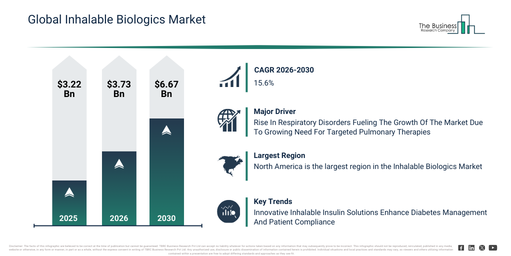
    The inhalable biologics market size has seen rapid expansion in recent years. Its valuation is set to rise from $3.22 billion in 2025 to $3.73 billion in 2026, exhibiting a compound annual growth rate (CAGR) of 15.7%. This historical growth can be linked to the increasing occurrence of respiratory diseases, the constraints of injectable biologics, progress in inhalation device technology, a developing biologics pipeline, and an uptick in hospital-based respiratory care.

    The inhalable biologics market is expected to demonstrate significant expansion in the upcoming years, projected to reach $6.67 billion in 2030 with a compound annual growth rate (CAGR) of 15.6%. This growth during the forecast period is fueled by an increase in chronic respiratory disorders, the extension of inhalable biologics applications beyond respiratory indications, a rising patient preference for non-invasive treatment options, advancements in formulation stability, and heightened investments in pulmonary drug delivery research. Key trends anticipated in the forecast period include the broadening use of pulmonary delivery for systemic biologics, an increasing adoption of dry powder inhalers for biologic drugs, a stronger emphasis on targeted lung drug delivery, the growing development of inhalable monoclonal antibodies, and the integration of patient-friendly, non-invasive biologic therapies.

    Get A Free Sample Report With In-Depth Market Insights:

    https://thebusinessresearchcompany.com/sample_request?id=61431756&type=smp&name=Inhalable%20Biologics%20Market%20Report%202026&utm_source=Blogs&utm_medium=Paid&utm_campaign=Oct_PR

    Inhalable Biologics Market Demand Drivers Opening New Revenue Streams

    The growing prevalence of respiratory conditions is projected to drive the expansion of the inhalable biologics market in the future. These conditions encompass illnesses and disorders affecting the lungs, airways, and nasal passages within the respiratory system. Their widespread occurrence is linked to rising air pollution, which worsens ailments like asthma, chronic obstructive pulmonary disease (COPD), and lung cancer through exposure to detrimental particulate matter and various pollutants. Inhalable biologics offer advantages for these conditions by providing targeted treatment directly to the lungs, thereby alleviating inflammation and enhancing lung function with reduced systemic adverse effects. For instance, in June 2024, data from the Australian Institute of Health and Welfare, an Australia-based government agency, indicated that in 2023, COPD accounted for 3.6% of the overall disease burden and 50% of the burden from respiratory diseases. Consequently, the rise in respiratory conditions plays a substantial role in the expansion of the inhalable biologics market.

    Inhalable Biologics Market Segments: Where Is Growth Concentrated?

    The inhalable biologics market covered in this report is segmented –

    1) By Type: Peptides And Proteins, Vaccines, Monoclonal Antibodies, RNAi-Based Therapeutics, Other Types

    2) By Dosage Form: Dry Powder Inhalers, Metered Dose Inhalers, Nebulizers, Other Dosage Forms

    3) By Distribution Channel: Hospital Pharmacies, Retail Pharmacies, Online Pharmacies

    4) By Application: Respiratory Diseases, Diabetes, Cancer, Other Applications

    Subsegments:

    1) By Peptides And Proteins: Insulin, Growth Hormones, Enzyme Replacement Therapies, Other Peptides And Proteins

    2) By Vaccines: Influenza Vaccines, Other Respiratory Vaccines

    3) By Monoclonal Antibodies: Respiratory Monoclonal Antibodies, Immunomodulatory Monoclonal Antibodies, Other Monoclonal Antibodies

    4) By RNAi-Based Therapeutics: RNA-Based Drugs For Respiratory Diseases, Other RNAi-Based Therapeutics

    5) By Other Types: Gene Therapies, Small Molecule Inhalable Drugs, Other Innovative Inhalable Biologics

    Inhalable Biologics Market Trends Powering Strategic Industry Growth

    Leading companies operating in the inhalable biologics market are concentrating on developing innovative solutions, such as inhaled insulin, to enhance patient compliance and achieve rapid glycemic control. Inhaled insulin represents a form of insulin administered into the bloodstream through the lungs via inhalation, rather than through injections or insulin pumps. This approach involves inhaling insulin in a powder or aerosolized form, which is then absorbed by the lungs and quickly enters the bloodstream to assist in regulating blood sugar levels. For instance, in February 2025, Cipla Limited, an India-based pharmaceutical company, secured regulatory approval from the Central Drugs Standard Control Organization for Afrezza, recognized as the world’s fastest inhaled insulin, providing a revolutionary, needle-free option for adults with type 1 and type 2 diabetes. This ultra-rapid-acting insulin takes effect within 12 to 15 minutes of inhalation, closely mirroring the natural insulin response to meals and improving blood sugar management. The inhaled insulin offers a more comfortable alternative to multiple daily injections, particularly benefiting patients with injection anxiety and boosting adherence to insulin therapy.

    Inhalable Biologics Market Key Participants And Competitive Landscape

    Major companies operating in the inhalable biologics market are Bayer AG, Sanofi SA, AstraZeneca plc, Novartis AG, GlaxoSmithKline plc, Moderna Inc., Pfizer Inc. and BioNTech SE, Teva Pharmaceuticals, Baxter International, Lonza Group AG, CanSino Biologics Inc., Cipla Ltd., Insmed Incorporated, Kamada Pharmaceuticals, Vectura Group plc, F. Hoffmann‑La Roche Ltd, Iconovo AB, Synairgen plc, Ab Initio Pharma LLC, Nanopharm Ltd, Ocugen Inc., MannKind Corporation

    View The Full Inhalable Biologics Market Report:

    https://thebusinessresearchcompany.com/report/inhalable-biologics-global-market-report?utm_source=Blogs&utm_medium=Paid&utm_campaign=Oct_PR

    Inhalable Biologics Market Regional Analysis: Which Geography Leads On Revenue?

    North America was the largest region in the inhalable biologics market in 2025. Asia-Pacific is expected to be the fastest-growing region in the forecast period. The regions covered in the inhalable biologics market report are Asia-Pacific, South East Asia, Western Europe, Eastern Europe, North America, South America, Middle East, Africa.

    Reach Out To Our Team:

    The Business Research Company: https://www.thebusinessresearchcompany.com/

    Americas: +1 310-496-7795

    Asia: +44 7882 955267 & +91 8897263534

    Europe: +44 7882 955267

    Email us at: marketing@tbrc.info

    Follow us on:

    LinkedIn: https://in.linkedin.com/company/the-business-research-company

    YouTube: https://www.youtube.com/channel/UC24_fI0rV8cR5DxlCpgmyFQ

    Global Market Model: https://www.thebusinessresearchcompany.com/global-market-model