Category: Pharmaceuticals

  • Controlled Substance Market Outlook 2025–2034: Identifying Growth Drivers, Technology Trends, and Policy Impact

    Controlled Substance Market Outlook 2025–2034: Identifying Growth Drivers, Technology Trends, and Policy Impact

    Discover trends, market shifts, and competitive outlooks for the controlled substance industry through 2025-2034 with The Business Research Company’s reliable data and in-depth research

    What Is the Estimated Market Size of the Controlled Substance Market In 2029?

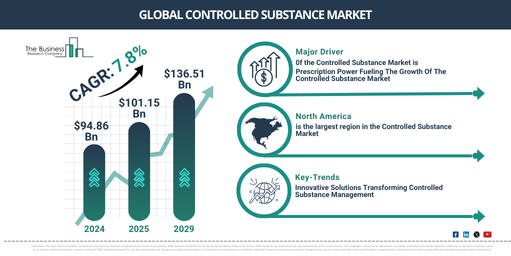
    The size of the controlled substance market has seen robust growth in the past few years. The market is projected to expand from $94.86 billion in 2024 to $101.15 billion in 2025, registering a compound annual growth rate (CAGR) of 6.6%. Factors that have contributed to the growth historically include medical breakthroughs, regulatory structures, an increase in chronic diseases, the growth of the pharmaceutical industry, global trade, and collaborative efforts.

    The market size for controlled substances is predicted to witness robust expansion in the coming years. The market’s worth is expected to escalate to $136.51 billion by 2029, increasing at a compound annual growth rate (CAGR) of 7.8%. The growth forecast for this period is primarily driven by precision medicine, regulatory updates, remote healthcare and telemedicine, alternatives for opioids, and a heightened attention towards mental health. Key trends during the forecast period encompass changes in regulations and compliance, increased emphasis on preventing drug abuse and ensuring safety, advancements in technology for drug delivery, and the rise of biosimilars and generic versions along with the integration of digital health solutions.

    Download a free sample to assess the report’s scope and structure:

    https://www.thebusinessresearchcompany.com/sample.aspx?id=9898&type=smp

    What Are the Core Market Drivers Propelling Growth in the Controlled Substance Industry?

    The growth of the controlled substance market is predicted to be propelled by the escalating demand for medically prescribed drugs. These prescription medications, intended for the treatment, therapy, rectification, or prevention of disease, are often controlled substances themselves. The inclusion of these prescribed drugs in the controlled substance market is advantageous as they can improve patient outcomes and reduce unnecessary expenditures. For example, a report released by the Centers for Medicare and Medicaid Services (CMS), a US federal agency, in September 2024, indicated that spending on prescription drugs saw a surge of 8.4% to $405.9 billion in 2022, in contrast to the 6.8% rise in 2021. Thus, the growing demand for medically prescribable drugs serves as a driving force for the controlled substance market’s expansion.

    How Is the Controlled Substance Market Segmented?

    The controlled substance market covered in this report is segmented –

    1) By Drug: Opioids, Stimulant, Depressants, Cannabinoids

    2) By Distribution Channel: Hospital Pharmacy, Retail Pharmacy, Online Pharmacy

    3) By Application: Pain Management, Sleep Disorders, Depression And Anxiety, Seizure, Attention Deficit Hyperactivity Disorder (ADHD), Other Applications

    Subsegments:

    1) By Opioids: Natural Opioids, Semi-Synthetic Opioids, Synthetic Opioids

    2) By Stimulants: Amphetamines, Methylphenidate, Cocaine

    3) By Depressants: Benzodiazepines, Barbiturates, Sleep Medications

    4) By Cannabinoids: THC (Tetrahydrocannabinol), CBD (Cannabidiol), Synthetic Cannabinoids

    Request customized data on this market:

    https://www.thebusinessresearchcompany.com/customise?id=9898&type=smp

    Which Regions Are Driving the Next Phase of the Controlled Substance Market Growth?

    North America was the largest region in the controlled substance market in 2024. Asia-Pacific is expected to be the fastest-growing region in the controlled substance market report during the forecast period. The regions covered in the controlled substance market report are Asia-Pacific, Western Europe, Eastern Europe, North America, South America, Middle East, Africa

    What Key Market Trends and Innovations Are Shaping the Future of the Controlled Substance Industry?

    The emergence of product innovations is a notable trend in the controlled substance market. Leading companies in this sector are developing new drugs and products to uphold their market standing. For example, in January 2022, CareFlow Medicines Management Ltd (CMM), a UK-based company offering medicine management solutions, teamed up with Modeus, a healthcare software supplier from Australia, to introduce its Controlled Drug Manager (CD Manager). This is a novel platform designed to securely manage and trace controlled drugs, including those owned by the patient. The all-new CMM CD Manager, enhanced by Modeus, is designed to collaborate with CMM’s medication management platform and other external systems. It targets clinical staff and pharmacists in wards, pharmacies, and hospital theatres storing regulated medications. With in-built reporting, the CD Manager is designed to support Controlled Drug Accountable Officers in monitoring the lifecycle of controlled substances in an organization and promptly responding to automatic alerts concerning inconsistencies or possible diversion.

    View the full report here:

    https://www.thebusinessresearchcompany.com/report/controlled-substance-global-market-report

    How Is the Controlled Substance Market Defined and What Are Its Core Parameters?

    A controlled substance is a drug or chemical, such as illegally used drugs or legally prescribed pharmaceuticals, whose production, possession, or usage is governed by a government. A controlled substance medication can lead to physical and mental dependence, and its restrictions are based on the likelihood that it may be abused or lead to dependence. It can help reduce pain and other symptoms, enhancing a person’s life.

    Purchase the full report and get a swift delivery:

    https://www.thebusinessresearchcompany.com/purchaseoptions.aspx?id=9898

    About The Business Research Company:

    With over 15000+ reports from 27 industries covering 60+ geographies, The Business Research Company has built a reputation for offering comprehensive, data-rich research and insights. Armed with 1,500,000 datasets, the optimistic contribution of in-depth secondary research, and unique insights from industry leaders, you can get the information you need to stay ahead in the game.

    Get in touch with us:

    The Business Research Company: https://www.thebusinessresearchcompany.com/

    Americas +1 3156230293

    Asia +44 2071930708

    Europe +44 2071930708

    Email us at info@tbrc.info

    Follow us on:

    LinkedIn: https://in.linkedin.com/company/the-business-research-company

    YouTube: https://www.youtube.com/channel/UC24_fI0rV8cR5DxlCpgmyFQ

    Global Market Model: https://www.thebusinessresearchcompany.com/global-market-model
  • Emerging Growth Drivers in the Controlled Release Drug Delivery Market Landscape: Controlled-Release Drug Delivery Market Surges As Chronic Diseases Become Global Health Priority

    Discover trends, market shifts, and competitive outlooks for the controlled release drug delivery industry through 2025-2034 with The Business Research Company’s reliable data and in-depth research

    How Fast Is The Controlled Release Drug Delivery Market Expected to Grow Between 2025 And 2029?

    The market size for controlled release drug delivery has experienced swift expansion in prior years. The market value is set to increase from $65.44 billion in 2024 to $73.01 billion in 2025, indicating a compound annual growth rate (CAGR) of 11.6%. This significant growth during the historic period can be credited to the development of innovative drug delivery systems, the inception of polymer-based formulations, the implementation of microencapsulation techniques, the advent of transdermal delivery, regulatory consent, and standardization processes.

    In the coming years, the controlled release drug delivery market is predicted to experience significant expansion. The market is projected to reach $119.41 billion in 2029 with a compound annual growth rate (CAGR) of 13.1%. This expected growth in the forecast period is due to several factors such as the shift towards personalized medicine, the integration of technology to enhance patient comfort, the broadening scope of biologics and biosimilars, market growth in emerging regions, and advances in polymer science. The forecast period will be characterized by major trends including the use of biodegradable and biocompatible materials, advancements in nanotechnology, personalized medicine and targeted therapies, development in implantable devices, and innovative encapsulation methods.

    Download a free sample to assess the report’s scope and structure:

    https://www.thebusinessresearchcompany.com/sample.aspx?id=9930&type=smp

    Which Primay Drivers Are Accelerating Growth in the Controlled Release Drug Delivery Market?

    The growing incidence of long-term ailments is anticipated to drive the controlled release drug delivery market’s expansion. Chronic diseases, also known as noncommunicable diseases include conditions like heart disease, cancer, and diabetes that last more than a year and need ongoing medical attention, restrict daily activities, or both. The critical role of controlled-release drug delivery for these illnesses cannot be overstated. It’s particularly important for individuals suffering from long-term illnesses that require extended treatment periods or those who live in regions with restricted resources and healthcare accessibility. Formulations that enable extended medication release are vital for these regions. For example, in September 2022, a report from the Switzerland-based World Health Organization highlighted that every year, 41 million people dying from chronic diseases account for 74 percent of worldwide fatalities. 17 million people succumb before reaching the age of 70, and 77 percent of these deaths occur in low-middle income countries. Predictions suggest these figures will continue to climb, emphasizing how the controlled release drug delivery market’s growth is driven by the increasing prevalence of chronic diseases.

    Which Primary Segments of the Controlled Release Drug Delivery Market Are Driving Growth and Industry Transformations?

    The controlled release drug delivery market covered in this report is segmented –

    1) By Technology: Wurster Technique, Coacervation, Micro Encapsulation, Implants, Transdermal, Targeted Delivery, Other Technologies

    2) By Release Mechanism: Polymer Based Systems, Micro Reservoir Partition Controlled Drug Delivery Systems, Feedback Regulated Drug Delivery Systems, Activation-Modulated Drug Delivery Systems, Chemically Activated,

    3) By Application: Metered Dose Inhalers, Injectable, Transdermal And Ocular Patches, Other Applications

    4) By End User: Hospitals, Clinics, Personal, Research, Other End Users

    Subsegments:

    1) By Wurster Technique: Spray Coating, Fluid Bed Coating

    2) By Coacervation: Simple Coacervation, Complex Coacervation

    3) By Micro Encapsulation: Polymer-Based Micro Encapsulation, Lipid-Based Micro Encapsulation

    4) By Implants: Biodegradable Implants, Non-Biodegradable Implants

    5) By Transdermal: Microneedle Patches, Reservoir Systems, Matrix Systems

    6) By Targeted Delivery: Nanoparticles, Antibody-Drug Conjugates, Liposomes

    7) By Other Technologies: Osmotic Pumps, In Situ Gelling Systems

    Request customized data on this market:

    https://www.thebusinessresearchcompany.com/customise?id=9930&type=smp

    Which Regions Are Key Players in the Growth of the Controlled Release Drug Delivery Market?

    North America was the largest region in the controlled release drug delivery market in 2024. The regions covered in the controlled release drug delivery market report are Asia-Pacific, Western Europe, Eastern Europe, North America, South America, Middle East, Africa

    Which Technological Trends Are Reshaping the Controlled Release Drug Delivery Industry Dynamics?

    The rapid progression of technology is a predominant trend making headway in the controlled-release drug delivery market. In order to remain competitive, leading businesses in this market are opting for innovative technology. In March 2022, Evonik Industries AG, a pharmaceutical company based in Germany, introduced its latest innovation, UDRATEC SoluFlow – a new microparticle mechanism set to enhance the solubility of active medical ingredients in oral drug compositions. This method of emulsion resolves solubility challenges that cannot be tackled by conventional production procedures. The addition of EUDRATEC SoluFlow to Evonik Health Care’s repertoire of oral drug system solutions, such as oral excipients like EUDRAGIT functional polymers, ready-to-fill functional capsules like EUDRACAP™, and an array of other technologies and services, aims to elevate the efficacy of medications.

    View the full report here:

    https://www.thebusinessresearchcompany.com/report/controlled-release-drug-delivery-global-market-report

    What Parameters Are Used to Define the Controlled Release Drug Delivery Market?

    Controlled release drug delivery refers to a dosage form that administers a medicine or medication in a specified way. This drug delivery method continuously delivers pharmaceuticals or medications in predictable kinetics for the predetermined time.

    Purchase the full report and get a swift delivery:

    https://www.thebusinessresearchcompany.com/purchaseoptions.aspx?id=9930

    About The Business Research Company:

    With over 15000+ reports from 27 industries covering 60+ geographies, The Business Research Company has built a reputation for offering comprehensive, data-rich research and insights. Armed with 1,500,000 datasets, the optimistic contribution of in-depth secondary research, and unique insights from industry leaders, you can get the information you need to stay ahead in the game.

    Get in touch with us:

    The Business Research Company: https://www.thebusinessresearchcompany.com/

    Americas +1 3156230293

    Asia +44 2071930708

    Europe +44 2071930708

    Email us at info@tbrc.info

    Follow us on:

    LinkedIn: https://in.linkedin.com/company/the-business-research-company

    YouTube: https://www.youtube.com/channel/UC24_fI0rV8cR5DxlCpgmyFQ

    Global Market Model: https://www.thebusinessresearchcompany.com/global-market-model
  • Chemotherapy Market Outlook 2025–2034: Identifying Growth Drivers, Technology Trends, and Policy Impact

    Discover trends, market shifts, and competitive outlooks for the chemotherapy industry through 2025-2034 with The Business Research Company’s reliable data and in-depth research

    #How Has The Chemotherapy Market Size Shifted, And What Is the Outlook Through 2034?

    The market size for chemotherapy has seen swift expansion in the past few years. It is projected to escalate from $34 billion in 2024 to $37.78 billion in 2025, signifying a compound annual growth rate (CAGR) of 11.1%. The noticeable growth during the historic period is due to several factors such as an increase in cancer cases, improvements in cancer detection, developments in pharmaceutical innovation, activity in clinical trials, healthcare accessibility and awareness initiatives.

    There is an anticipation for an accelerated expansion in the chemotherapy market in the forthcoming years. The market is projected to upscale to a value of $62.22 billion by 2029, advancing at a compound annual growth rate (CAGR) of 13.3%. The growth anticipated in the anticipated period is attributed to factors such as integration of immunotherapy, the adoption of biosimilars, growth of emerging markets, advancements in genomic profiling, and improvements in supportive care, as well as regulatory facilitation. The anticipated period is expected to witness major trends like digital health solutions, personalized medicine, ongoing oncology research, the inclusion of artificial intelligence (AI), progression in nanotechnology, and home-based chemotherapy administration.

    Download a free sample to assess the report’s scope and structure:

    https://www.thebusinessresearchcompany.com/sample.aspx?id=9219&type=smp

    What Are the Core Market Drivers Propelling Growth in the Chemotherapy Industry?

    The rise in cancer incidence is predicted to fuel the expansion of the chemotherapy market. Cancer is a disease characterized by uncontrolled and abnormal growth of some body cells which then spread to other regions. In chemotherapy, potent chemicals are deployed, either independently or in combination, to destroy rapidly proliferating cancer cells. The growing incidence of cancer also escalifies the need for chemotherapy. To illustrate, the American Cancer Society Inc., a non-profit health organization based in the US, forecasted 1.9 million new cancer diagnoses in the US for 2023, up from 1.8 million new cases identified in 2020. The Cancer Society also predicts 609,820 cancer-related fatalities in the US in 2023, a slight increase from the 606,520 Americans expected to die from cancer in 2020. Hence, the escalation in cancer cases is a significant driver of the chemotherapy market.

    How Is the Chemotherapy Market Segmented?

    The chemotherapy market covered in this report is segmented –

    1) By Product Type: Pump, Cannula, Catheter, Other Product Types

    2) By Service: Blood Cancer, Throat Cancer, Lung Cancer, Ovarian Cancer, Stomach Cancer

    3) By Drugs: Alkylating Agents, Antimetabolites, Anti-Tumor Antibiotics, Topoisomerase Inhibitors, Mitotic Inhibitors, Other Drugs

    4) By Route Of Administration: Oral, Intravenous

    5) By End User: Hospitals, Research Institutes, Other End Users

    Subsegments:

    1) By Pump: Infusion Pumps, Portable Pumps, Ambulatory Pumps

    2) By Cannula: Peripheral Cannulas, Central Venous Catheters, Implantable Ports

    3) By Catheter: Chemotherapy Catheters, PICC Lines

    4) By Other Product Types: Safety Devices, IV Sets, Administration Sets

    Request customized data on this market:

    https://www.thebusinessresearchcompany.com/customise?id=9219&type=smp

    Which Regions Are Driving the Next Phase of the Chemotherapy Market Growth?

    North America was the largest region in the chemotherapy market in 2024. Asia-Pacific is expected to be the fastest-growing region in the chemotherapy market report during the forecast period. The regions covered in the chemotherapy market report are Asia-Pacific, Western Europe, Eastern Europe, North America, South America, Middle East, Africa

    What Key Market Trends and Innovations Are Shaping the Future of the Chemotherapy Industry?

    Mainstream firms in the chemotherapy market are striving to gain an upper hand by pioneering state-of-the-art tools such as chemotherapy infusion pumps. These devices are employed for infusing chemotherapy drugs straight into the bloodstream via IV line, enabling a regulated, gradual infusion of medication into the patients’ bodies. To illustrate, Shanghai MicroPort Lifesciences Co. Ltd., a medical technology firm in China, attained marketing approval from China’s National Medical Products Administration (NMPA) in March 2022 for their AutoEx Chemotherapy Infusion Pump. The AutoEx pump is created for non-stop or periodical chemotherapy drug infusion for cancer patients. Its goal is to sustain the optimum drug level in the bloodstream, thereby enhancing the success rate of cancer treatments and lessening the negative impacts. The device encompasses a dual CPU control system and dual power supply to ensure highly precise drug administration. This structure improves both the comfort and safety levels of patients during chemotherapy.

    View the full report here:

    https://www.thebusinessresearchcompany.com/report/chemotherapy-global-market-report

    How Is the Chemotherapy Market Defined and What Are Its Core Parameters?

    Chemotherapy refers to a treatment using drugs or medicines that kill the fast-growing cells in the body by using powerful chemicals. The drugs can be used in combination or alone for the treatment of cancer. They are used to treat cancer, as cancer cells grow at a fast rate.

    Purchase the full report and get a swift delivery:

    https://www.thebusinessresearchcompany.com/purchaseoptions.aspx?id=9219

    About The Business Research Company:

    With over 15000+ reports from 27 industries covering 60+ geographies, The Business Research Company has built a reputation for offering comprehensive, data-rich research and insights. Armed with 1,500,000 datasets, the optimistic contribution of in-depth secondary research, and unique insights from industry leaders, you can get the information you need to stay ahead in the game.

    Get in touch with us:

    The Business Research Company: https://www.thebusinessresearchcompany.com/

    Americas +1 3156230293

    Asia +44 2071930708

    Europe +44 2071930708

    Email us at info@tbrc.info

    Follow us on:

    LinkedIn: https://in.linkedin.com/company/the-business-research-company

    YouTube: https://www.youtube.com/channel/UC24_fI0rV8cR5DxlCpgmyFQ

    Global Market Model: https://www.thebusinessresearchcompany.com/global-market-model
  • Cardiac Biomarkers TestingMarket Overview 2025–2034: CAGR Trends, Long-Term Growth Paths, and Business Implications

    Cardiac Biomarkers TestingMarket Overview 2025–2034: CAGR Trends, Long-Term Growth Paths, and Business Implications

    Discover trends, market shifts, and competitive outlooks for the cardiac biomarkers testing industry through 2025-2034 with The Business Research Company’s reliable data and in-depth research

    #What Are the Key Projections for the CAGR of the Cardiac Biomarkers Testing Market Size From 2025 to 2034?

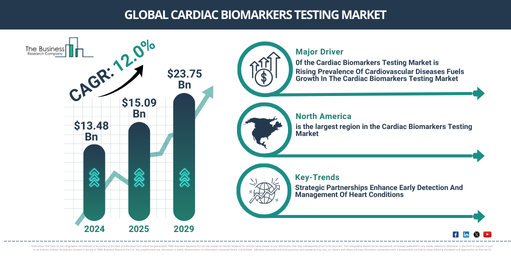
    The sector for cardiac biomarkers testing has experienced swift expansion in the past few years. The market is projected to surge from $13.48 billion in 2024 to $15.09 billion in 2025, showing a compound annual growth rate (CAGR) of 12.0%. The past growth can be credited to various factors such as the rising occurrence of heart-related diseases, a growing elderly population, increased awareness and educational programs, government actions and healthcare regulations, along with an upsurge in healthcare spending.

    Expectations are high for a swift expansion of the cardiac biomarkers testing market in the coming years. The projections suggest that the market will reach a size of $23.75 billion by 2029, growing at a compound annual growth rate (CAGR) of 12.0%. The growth drivers for this period include the rise in personalized medicine, the increasing global impact of cardiovascular diseases, the incorporation of artificial intelligence in diagnostic procedures, the growth of point-of-care testing, and heightened focus on early disease detection. Key trends for the forecast window are expected to be technological innovations, progress in AI-aided diagnostics, point-of-care testing (POCT) expansion, multiplexing capabilities, and breakthroughs in biomarker discovery and validation.

    Download a free sample to assess the report’s scope and structure:

    https://www.thebusinessresearchcompany.com/sample.aspx?id=9436&type=smp

    What Are the Primary Drivers Supporting the Market Growth of the Cardiac Biomarkers Testing Market?

    The growth of the cardiac biomarkers testing market is projected to accelerate due to the rising occurrence of cardiovascular illnesses. These are conditions that have an impact on the heart or blood vessels. The purpose of cardiac biomarker tests is to immediately ascertain the severity and scale of a heart attack by gauging the levels of biomarkers. Thus, as the prevalence of cardiovascular diseases rises, so does the demand for cardiac biomarker testing solutions. For example, the American College of Cardiology, a US-based medical professional organization, predicted in August 2022 that the rates of cardiovascular disease and risk factors are expected to significantly increase in the United States by 2060. Consequently, the growing prevalence of cardiovascular diseases is fueling the expansion of the cardiac biomarkers testing market.

    Which Primary Segments of the Cardiac Biomarkers Testing Market Are Driving Growth and Industry Transformations?

    The cardiac biomarkers testing market covered in this report is segmented –

    1) By Biomarkers Type: Creatine Kinase (CK-MB), Troponins, Myoglobin, Natriuretic Peptides (BNP And NT-proBNP), Ischemia Modified Albumin (IMA), Other Biomarkers Types

    2) By Application: Congestive Heart Failure, Acute Coronary Syndrome, Myocardial Infarction, Atherosclerosis, Other Applications

    3) By End-User: Hospitals, Specialty Clinics

    Subsegments:

    1) By Creatine Kinase (CK-MB): Total CK-MB, CK-MB Mass

    2) By Troponins: Cardiac Troponin I (cTnI), Cardiac Troponin T (cTnT)

    3) By Myoglobin: Total Myoglobin

    4) By Natriuretic Peptides: B-Type Natriuretic Peptide (BNP), N-Terminal Pro B-Type Natriuretic Peptide (NT-ProBNP)

    5) By Ischemia Modified Albumin (IMA): IMA Levels

    6) By Other Biomarkers Types: C-Reactive Protein (CRP), Heart-Type Fatty Acid-Binding Protein (H-FABP), Soluble ST2

    Request customized data on this market:

    https://www.thebusinessresearchcompany.com/customise?id=9436&type=smp

    Which Regions Are Key Players in the Growth of the Cardiac Biomarkers Testing Market?

    North America was the largest region in the cardiac biomarkers testing market in 2024. The regions covered in the cardiac biomarkers testing market report are Asia-Pacific, Western Europe, Eastern Europe, North America, South America, Middle East, Africa

    What Are the Most Significant Market Trends in the Cardiac Biomarkers Testing Market?

    Prominent firms involved in the cardiac biomarker testing market are leveraging strategic collaborations to offer technology that aids in early detection of heart condition symptoms, thus enhancing patient results. These alliances encourage cooperation between corporations within the cardiac biomarker testing market, fostering the creation of novel diagnostic methods, expanding market accessibility, and hastening the availability of avant-garde solutions for superior cardiovascular care. For example, MediBuddy, an Indian health tech firm that provides a holistic platform for telemedicine, health management, and insurance support, collaborated with the Netherlands-based conglomerate, Philips, in September 2024. Through this alliance, they aspire to enrich cardiac healthcare in India using Philips’ HeartPrint technology, which allows for regular heart health monitoring and risk evaluation. This progressive strategy equips users of the MediBuddy platform with high-tech tools, promoting proactive heart health management and improved results.

    View the full report here:

    https://www.thebusinessresearchcompany.com/report/cardiac-biomarkers-testing-global-market-report

    What Parameters Are Used to Define the Cardiac Biomarkers Testing Market?

    Cardiac biomarkers testing refers to the tests to evaluate the quantities of cardiac biomarkers in blood. It is used to diagnose, assess, and keep track of people who may have acute coronary syndrome (ACS).

    Purchase the full report and get a swift delivery:

    https://www.thebusinessresearchcompany.com/purchaseoptions.aspx?id=9436

    About The Business Research Company:

    With over 15000+ reports from 27 industries covering 60+ geographies, The Business Research Company has built a reputation for offering comprehensive, data-rich research and insights. Armed with 1,500,000 datasets, the optimistic contribution of in-depth secondary research, and unique insights from industry leaders, you can get the information you need to stay ahead in the game.

    Get in touch with us:

    The Business Research Company: https://www.thebusinessresearchcompany.com/

    Americas +1 3156230293

    Asia +44 2071930708

    Europe +44 2071930708

    Email us at info@tbrc.info

    Follow us on:

    LinkedIn: https://in.linkedin.com/company/the-business-research-company

    YouTube: https://www.youtube.com/channel/UC24_fI0rV8cR5DxlCpgmyFQ

    Global Market Model: https://www.thebusinessresearchcompany.com/global-market-model

  • $22.07 Billion Forecast for Calcium Channel Blocker Market by 2029, Backed by Demand and Innovation

    $22.07 Billion Forecast for Calcium Channel Blocker Market by 2029, Backed by Demand and Innovation

    Discover trends, market shifts, and competitive outlooks for the calcium channel blocker industry through 2025-2034 with The Business Research Company’s reliable data and in-depth research

    What Are the Projected Market Size and Growth Rates for the Calcium Channel Blocker Market From 2025 To 2029?

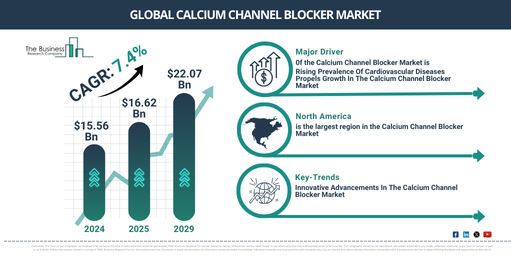
    There has been a robust expansion in the market size for calcium channel blocker in the past few years. The projection indicates a rise from $15.56 billion in 2024 to $16.62 billion in 2025, witnessing a compound annual growth rate of 6.8%. The upsurge during the historical period can be linked to a rise in cardiovascular diseases, an aging demographic, breakthroughs in medical studies, shifting lifestyle patterns, and heightened public awareness.

    The market for calcium channel blockers is predicted to witness robust expansion in the forthcoming years. It is set to reach a value of $22.07 billion in 2029, growing at a compound annual rate (CAGR) of 7.4%. Factors such as the escalating worldwide incidence of cardiovascular diseases, the trend towards personalized medicine, improved healthcare accessibility, broadened indications, regulatory greenlights, and market enlargement contribute to this growth in the projected period. Notable trends worth observing in the projected period include market growth, advancement in technology, changes in regulatory framework, competitor assessment, patient inclinations, and alertness.

    Download a free sample to assess the report’s scope and structure:

    https://www.thebusinessresearchcompany.com/sample.aspx?id=9428&type=smp

    What Are the Core Growth Drivers Propelling the Calcium Channel Blocker Market Forward?

    The growth of the calcium channel blocker market is anticipated to be fueled by the rising incidence of cardiovascular diseases. These diseases, which affect the heart and blood vessels, typically increase the demand for calcium channel blockers (CCBs). CCBs are employed in reducing the chances of heart failure and stroke. Therefore, a higher rate of cardiovascular diseases directly translates to an increased demand for calcium channel blockers. For example, a report by the American College of Cardiology, a non-profit medical association based in the United States, in August 2022 predicted that all four cardiovascular risk factors would see a rise between 2025 and 2060 in the country. The biggest surge is anticipated in diabetes, with an increase of 39.3% to 55 million individuals, followed by dyslipidemia increasing 27.6% to 126 million, hypertension rising 25.1% to 162 million, and obesity climbing 18.3% to 126 million. Moreover, substantial projected rises have been observed in stroke (33.8% to 15 million) and heart failure (33.4% to 13 million), which follows ischemic heart disease (30.7% to 29 million) and heart attack (16.9% to 16 million). Consequently, the growing incidence rate of cardiovascular diseases propels the expansion of the calcium channel blocker market.

    What Segment Types Define the Calcium Channel Blocker Market Structure?

    The calcium channel blocker market covered in this report is segmented –

    1) By Drug Class: Dihydropyridine, Benzothiazepine, Phenylalkylamine, Other Drug Classes

    2) By Disease Indications: Hypertension, Chest Pain, Arrhythmias

    3) By Route Of Administration: Oral, Parenteral, Other Route Of Administration

    4) By End User: Hospitals, Homecare, Specialty Clinics, Other End Users

    Subsegments:

    1) By Dihydropyridine: Amlodipine, Nifedipine, Felodipine, Nicardipine, Isradipine

    2) By Benzodiazepine: Diazepam

    3) By Phenylalkylamine: Verapamil

    4) By Other Drug Classes: Bepridil, Lercanidipine, Cilnidipine

    Request customized data on this market:

    https://www.thebusinessresearchcompany.com/customise?id=9428&type=smp

    Which Geographic Areas Hold the Strongest Growth Potential in the Calcium Channel Blocker Market?

    North America was the largest region in the calcium channel blocker market in 2024. The regions covered in the calcium channel blocker market report are Asia-Pacific, Western Europe, Eastern Europe, North America, South America, Middle East, Africa

    Which Emerging Trends that Are Influencing theCalcium Channel Blocker Industry Evolution?

    In the calcium channel blocker market, the primary trend gaining traction is product innovation. Key players in this market are concentrating their efforts on the creation of innovative products to maintain their stronghold in the market. For example, CMP Pharma, an American pharmaceutical manufacturer, introduced Norliqva, the only oral liquid solution of the besylate salt of amlodipine – a potent calcium channel blocker, in June 2022. The uniqueness of Norliqva lies in its embodiment as an amlodipine liquid solution designed to help treat hypertension in individuals aged 6 and up. It eliminates the challenging inconsistencies of crushing or creating amlodipine tablets and ensures precise dosing and bioequivalence. Norliqva is especially beneficial for patients who need amlodipine but struggle with swallowing issues or have an inability to swallow.

    View the full report here:

    https://www.thebusinessresearchcompany.com/report/calcium-channel-blocker-global-market-report

    What Is the Definition of the Calcium Channel Blocker Market?

    Calcium channel blockers refer to a type of drug that prevents calcium from entering the muscle cells of the heart and blood vessels. Calcium channel blockers are used to treat a variety of disorders, including high blood pressure, angina, and irregular heartbeats.

    Purchase the full report and get a swift delivery:

    https://www.thebusinessresearchcompany.com/purchaseoptions.aspx?id=9428

    About The Business Research Company:

    With over 15000+ reports from 27 industries covering 60+ geographies, The Business Research Company has built a reputation for offering comprehensive, data-rich research and insights. Armed with 1,500,000 datasets, the optimistic contribution of in-depth secondary research, and unique insights from industry leaders, you can get the information you need to stay ahead in the game.

    Get in touch with us:

    The Business Research Company: https://www.thebusinessresearchcompany.com/

    Americas +1 3156230293

    Asia +44 2071930708

    Europe +44 2071930708

    Email us at info@tbrc.info

    Follow us on:

    LinkedIn: https://in.linkedin.com/company/the-business-research-company

    YouTube: https://www.youtube.com/channel/UC24_fI0rV8cR5DxlCpgmyFQ

    Global Market Model: https://www.thebusinessresearchcompany.com/global-market-model
  • Top Trends Driving Innovation and Change in the Biotech Ingredient Market: Innovative Biotech Solutions Transforming The Cosmeceutical Landscape

    Discover trends, market shifts, and competitive outlooks for the biotech ingredient industry through 2025-2034 with The Business Research Company’s reliable data and in-depth research

    #How Has The Biotech Ingredient Market Growth Evolved From 2024 To 2025, And What’s Ahead?

    The market size for biotech ingredients has seen robust growth in the past few years. It’s projected to inflate from $59.9 billion in 2024 to $63.86 billion in 2025, demonstrating a compound annual growth rate (CAGR) of 6.6%. Factors driving growth during the historical period include innovations in the food and beverage sector, the rising usage of biofuel, customer demand for functional foods, and advancements in genetic engineering.

    Predictions indicate a robust expansion for the biotech ingredient market in the upcoming years, reaching a value of $83.5 billion by 2029 at a compound annual growth rate (CAGR) of 6.9%. Development of therapeutic biotech ingredients, a switch towards bioplastics, and an emphasis on personalized nutrition contribute to this growth during the forecasted period. In addition, factors like expansion of cellular-based meat production and usage of bio ingredients for waste reduction play a key role. Anticipated trends during the forecast period include functional foods based on biotech, adoption of biotech solutions for circular economy procedures, therapeutic biotech components, generation of clean energy using biotech ingredients, and a global focus on preserving biodiversity.

    Download a free sample to assess the report’s scope and structure:

    https://www.thebusinessresearchcompany.com/sample.aspx?id=9817&type=smp

    What External and Internal Drivers Are Contributing to the Growth of the Biotech Ingredient Market?

    The increased interest in generic medications is predicted to fuel the expansion of the biotech ingredient market in the future. Generic drugs are essentially developed to mimic the effects of previously sanctioned medicines. Biotech ingredients, being essential sources for the cost-effective and efficient production of active ingredients that closely resemble the original substance, are heavily utilized in mainstream medicine. They generally adhere to an expanded set of rules. For instance, the Personalized Medicine Coalition, an organization based in the U.S. promoting professional memberships, revealed that in 2022, the sanction of 12 fresh personalized medications constituted about 34% of all newly sanctioned therapies. This represented a substantial rise from prior years. Consequently, the surging demand for generic medications is boosting the biotech ingredient market’s growth.

    What Segment Types Define the Biotech Ingredient Market Structure?

    The biotech ingredient market covered in this report is segmented –

    1) By Type: Active Pharmaceutical Ingredients, Biosimilars

    2) By Expression Systems: Mammalian Expression Systems, Microbial Expression Systems, Yeast Expression Systems, Plant Expression Systems, Insect Expression Systems

    3) By Application: Food And Beverages, Personal Care And Cosmetics, Cleaning Products, Other Applications

    Subsegments:

    1) By Active Pharmaceutical Ingredients (APIs): Biologic APIs, Synthetic APIs

    2) By Biosimilars: Monoclonal Antibodies, Recombinant Proteins, Insulin Biosimilars

    Request customized data on this market:

    https://www.thebusinessresearchcompany.com/customise?id=9817&type=smp

    Which Geographic Areas Hold the Strongest Growth Potential in the Biotech Ingredient Market?

    Europe was the largest region in the biotech ingredient market in 2024. Asia-Pacific is expected to be the fastest-growing region in the biotech ingredients market report during the forecast period. The regions covered in the biotech ingredient market report are Asia-Pacific, Western Europe, Eastern Europe, North America, South America, Middle East, Africa

    What Long-Term Trends Are Transforming the Competitive Landscape of the Biotech Ingredient Market?

    The rise of technological developments is becoming a major trend in the biotech ingredient sector. Major market players are leveraging new technologies to create innovative offerings and reinforce their market stance. For example, in March 2023, International Flavors & Fragrances Inc., a company based in the US that produces fragrances, biotech solutions, cosmetic energetics, and organic health ingredients, introduced Aurist AGC, a cutting-edge biopolymer for hair care products. This underlines the potential of the new DEB platform by applying IFF’s extensive biotechnology capabilities to deliver lasting and superior glamour solutions that can effect genuine transformation in the cosmeceutical field. The ingredient leverages IFF’s exclusive Designed Enzymatic Biopolymers (DEB) technology, a state-of-the-art biotech process that can create novel bio-based polysaccharides with unique structures and properties.

    View the full report here:

    https://www.thebusinessresearchcompany.com/report/biotech-ingredient-global-market-report

    What Is the Definition of the Biotech Ingredient Market?

    Biotech ingredients refer to chemical components produced by microbes, most commonly yeast, yeast-like organisms, or algae that have their DNA edited such that their metabolism results in a commercially viable compound. These ingredients are safer and are often less expensive for consumers.

    Purchase the full report and get a swift delivery:

    https://www.thebusinessresearchcompany.com/purchaseoptions.aspx?id=9817

    About The Business Research Company:

    With over 15000+ reports from 27 industries covering 60+ geographies, The Business Research Company has built a reputation for offering comprehensive, data-rich research and insights. Armed with 1,500,000 datasets, the optimistic contribution of in-depth secondary research, and unique insights from industry leaders, you can get the information you need to stay ahead in the game.

    Get in touch with us:

    The Business Research Company: https://www.thebusinessresearchcompany.com/

    Americas +1 3156230293

    Asia +44 2071930708

    Europe +44 2071930708

    Email us at info@tbrc.info

    Follow us on:

    LinkedIn: https://in.linkedin.com/company/the-business-research-company

    YouTube: https://www.youtube.com/channel/UC24_fI0rV8cR5DxlCpgmyFQ

    Global Market Model: https://www.thebusinessresearchcompany.com/global-market-model

  • Biologic & Biosimilar RA Drugs Market Overview 2025: Competitive Shifts, Forecast Models, and Emerging Opportunities

    Discover trends, market shifts, and competitive outlooks for the biologic & biosimilar ra drugs industry through 2025-2034 with The Business Research Company’s reliable data and in-depth research

    #How Has The Biologic & Biosimilar RA Drugs Market Size Shifted, And What Is the Outlook Through 2034?

    Recent years have seen significant growth in the market size of biologic & biosimilar ra drugs. The market is predicted to increase from $13.99 billion in 2024 to $14.71 billion in 2025, with a compound annual growth rate (CAGR) of 5.2%. Factors attributing to its growth during the historic period include market penetration rates, results of clinical trials, variations in market share, long-term results in patients, and pricing strategies.

    The market size for biologic and biosimilar ra drugs is set to experience considerable expansion in the coming years, growing to a substantial $19.51 billion by 2029 at a compound annual growth rate (CAGR) of 7.3%. This anticipated growth during the forecast period can be traced to numerous factors such as the escalation in biologic drug development, competitive market landscape, evolving healthcare policies, patient choices, and progress in clinical research and development. Key trends expected during this period include an increase in competition in the biosimilar market, the emergence of personalized medicine and precision therapy, advancements in methods of drug delivery, an emphasis on safety and efficacy, and a patient-focused approach in healthcare.

    Download a free sample to assess the report’s scope and structure:

    https://www.thebusinessresearchcompany.com/sample.aspx?id=9255&type=smp

    What Are the Core Growth Drivers Propelling the Biologic & Biosimilar RA Drugs Market Forward?

    The biologics and biosimilar RA drugs market is progressing due to the growing elderly population and the heightened prevalence of rheumatoid arthritis. The term elderly population pertains to individuals who are 60 years of age or more. The immune system of an individual mistakenly attacks its own healthy cells in rheumatoid arthritis, a self-triggered disorder, resulting in joint damage. The disease commonly influences elderly people since the immune system weakens as one gets older. As opposed to traditional medicines, biologics and biosimilar RA drugs are more effective in treating rheumatoid arthritis. For example, the World Health Organization (WHO), a specialized health agency of the United Nations based in Switzerland, reported approximately 1 billion individuals over 60 in 2020 and this is anticipated to rise to 1.4 billion by 2030 and 2.1 billion by 2050. Additionally, the Centers for Disease Control and Prevention, a US governmental public health organization, predicts that the number of adults in the USA with arthritis will reach 78.4 million by 2040, with 34.6 million likely to experience arthritis-related activity limitations. Consequently, the escalating elderly populace combined with the growing cases of RA is pushing the biologics and biosimilars RA drugs market ahead.

    What Segment Types Define the Biologic & Biosimilar RA Drugs Market Structure?

    The biologic & biosimilar RA drugs market covered in this report is segmented –

    1) By Source: Microbial, Mammalian, Other Sources

    2) By Disease: Oncology, Immunological Disorders, Cardiovascular Disorders, Hematological Disorders, Other Diseases

    3) By Manufacturing: Outsourced, In-House

    4) By Mode Of Purchase: Prescription Drugs, Over-The-Counter (OTC) Drugs

    5) By Distribution Channel: Hospital Pharmacies, Retail Pharmacies, Online Pharmacies

    Subsegments:

    1) By Microbial: Bacterial Sources, Fungal Sources, Yeast Sources

    2) By Mammalian: Chinese Hamster Ovary (CHO) Cells, Human Embryonic Kidney (HEK) Cells, Other Mammalian Cell Lines

    3) By Other Sources: Plant-Based Sources, Insect-Based Sources, Synthetic Biology Approaches

    Request customized data on this market:

    https://www.thebusinessresearchcompany.com/customise?id=9255&type=smp

    Which Geographic Areas Hold the Strongest Growth Potential in the Biologic & Biosimilar RA Drugs Market?

    North America was the largest region in the biologic & biosimilar RA drugs market in 2024. Asia-Pacific is expected to be the fastest-growing region in the biologic & biosimilar RA drugs market report during the forecast period. The regions covered in the biologic & biosimilar ra drugs market report are Asia-Pacific, Western Europe, Eastern Europe, North America, South America, Middle East, Africa

    Which Emerging Trends that Are Influencing theBiologic & Biosimilar RA Drugs Industry Evolution?

    The biologic & biosimilar RA drugs market is increasingly being influenced by new innovations, a significant trend gaining traction. A focus for major corporations in this market is the creation of affordable biosimilar treatment alternatives like Dual Concentration Biosimilar Options. An example of this is a collaboration between US-based health company Organon and South Korean biopharmaceutical firm Samsung Bioepis. These companies released a biosimilar of Humira (adalimumab) called HADLIMA in the US market in July 2023. HADLIMA, available in both high and low concentrations, is aimed at increasing affordability and accessibility for patients suffering from autoimmune diseases. Compared to Humira, the biosimilar is offered at an 85% discount, contributing to its wider patient reach. The Arthritis Foundation has recognized the biosimilar, which includes an autoinjector. It is included alongside a patient support program titled HADLIMA For You, which encompasses co-pay support and educational resources. HADLIMA is suggested for a range of medical conditions, including rheumatoid arthritis and Crohn’s disease. As per patient care continuity, it comes in both a high-concentration citrate-free version (100 mg/mL) and a low-concentration citrate-containing version (50 mg/mL).

    View the full report here:

    https://www.thebusinessresearchcompany.com/report/biologic-and-biosimilar-ra-drugs-global-market-report

    What Is the Definition of the Biologic & Biosimilar RA Drugs Market?

    Biologics and biosimilars refer to a class of drugs that are extracted from living organisms such as living cells, microorganisms, and other living creatures. Biosimilars are biologics that have similar characteristics to an already approved biological molecule. These drugs are used for the treatment of rheumatoid arthritis.

    Purchase the full report and get a swift delivery:

    https://www.thebusinessresearchcompany.com/purchaseoptions.aspx?id=9255

    About The Business Research Company:

    With over 15000+ reports from 27 industries covering 60+ geographies, The Business Research Company has built a reputation for offering comprehensive, data-rich research and insights. Armed with 1,500,000 datasets, the optimistic contribution of in-depth secondary research, and unique insights from industry leaders, you can get the information you need to stay ahead in the game.

    Get in touch with us:

    The Business Research Company: https://www.thebusinessresearchcompany.com/

    Americas +1 3156230293

    Asia +44 2071930708

    Europe +44 2071930708

    Email us at info@tbrc.info

    Follow us on:

    LinkedIn: https://in.linkedin.com/company/the-business-research-company

    YouTube: https://www.youtube.com/channel/UC24_fI0rV8cR5DxlCpgmyFQ

    Global Market Model: https://www.thebusinessresearchcompany.com/global-market-model

  • Aspirin Market Outlook 2025–2034: Identifying Growth Drivers, Technology Trends, and Policy Impact

    Aspirin Market Outlook 2025–2034: Identifying Growth Drivers, Technology Trends, and Policy Impact

    Discover trends, market shifts, and competitive outlooks for the aspirin industry through 2025-2034 with The Business Research Company’s reliable data and in-depth research

    What Are the Projected Market Size and Growth Rates for the Aspirin Market From 2025 To 2029?

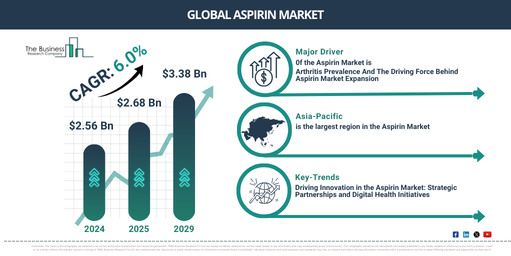
    The size of the aspirin market has experienced consistent growth over the past few years. It is projected to rise from $2.56 billion in 2024 to $2.68 billion in 2025, with a compound annual growth rate (CAGR) of 4.7%. This historical growth trend is attributed to the surging demand for pain management and analgesics, awareness of cardiovascular health, anti-inflammatory characteristics, preventative measures for stroke and heart attacks, as well as the treatment of common ailments like fever and headaches, and complex conditions like rheumatic fever and arthritis.

    Expectations are high for the aspirin market to experience robust expansion in the coming years. The market is anticipated to escalate to $3.38 billion by 2029, with a compound annual growth rate (CAGR) of 6.0%. The surge in growth over the forecast period can be ascribed to an increase in chronic diseases, the promising role aspirin plays in neurological disorders, innovative strides in the pharmaceutical industry, heightened usage in evolving regions, and the rise in self-care routines. Prevailing trends during the forecast period involve research into cancer prevention, amalgamated treatments, personalized medicine tactics, specialized dosage forms and delivery systems, along with telemedicine and self-care.

    Download a free sample to assess the report’s scope and structure:

    https://www.thebusinessresearchcompany.com/sample.aspx?id=9154&type=smp

    What Are the Core Market Drivers Propelling Growth in the Aspirin Industry?

    The escalating incidences of arthritis are predicted to fuel the expansion of the aspirin market. Arthritis is a medical issue characterized by pain and inflammation in the joints. Aspirin is a nonsteroidal anti-inflammatory drug that alleviates chronic pain from arthritis and other conditions through inflammation reduction, pain mitigation, and function improvement. The rise in the number of arthritis patients directly corresponds with the surge in aspirin utilization. For instance, the Health and Safety Executive (HSE), a UK government agency, reported in November 2023 that the total number of workers affected by work-related musculoskeletal disorders hit 473,000 during 2022-2023, registering a frequency rate of 1,400 per 100,000 workers. In addition, there were 132,000 new cases, representing an incidence rate of 390 per 100,000 workers. Consequently, the growing prevalence of arthritis is stimulating the aspirin market’s growth.

    How Is the Aspirin Market Segmented?

    The aspirin market covered in this report is segmented –

    1) By Product: Prescription, OTC

    2) By Route Of Administration: Oral, Rectal, Parenteral

    3) By Dosage Form: Tablets, Capsules, Injections, Suppositories

    4) By Application: Cardiovascular Disease, Pain, Fever, O Inflammation, Other Applications

    5) By End User: Hospitals, Clinics, Other End Users

    Subsegments:

    1) By Prescription Aspirin: Low-Dose Aspirin (81 Mg), High-Dose Aspirin (325 Mg)

    2) By OTC (Over-the-Counter) Aspirin: Regular Strength Aspirin (325 Mg), Extra-Strength Aspirin (500 Mg), Buffered Aspirin, Aspirin Combinations

    Request customized data on this market:

    https://www.thebusinessresearchcompany.com/customise?id=9154&type=smp

    Which Regions Are Driving the Next Phase of the Aspirin Market Growth?

    Asia-Pacific was the largest region in the aspirin market in 2024. The regions covered in the aspirin market report are Asia-Pacific, Western Europe, Eastern Europe, North America, South America, Middle East, Africa

    What Key Market Trends and Innovations Are Shaping the Future of the Aspirin Industry?

    Firms playing a major role in the aspirin market, are employing a strategic partnership strategy to amplify technology assimilation and broaden their market presence. This strategic partnership usually involves a mutual working relationship among two or more companies, merging their resources, knowledge, and initiatives to attain shared objectives or goals. For example, in February 2023, a strategic partnership was formed between Huma Therapeutics Limited (“Huma”), a digital health corporation based in the UK, and Bayer AG, a life sciences corporation based in Germany. They launched the Bayer Aspirin Heart Risk Assessment online tool, designed to assist users in identifying their risk elements for possible cardiovascular disease in the following ten years and facilitates sharing these results with their physicians. Huma created an algorithm that anticipates the long-run risk of cardiovascular diseases by utilizing the UK Biobank data. The Heart Risk Assessment tool can be accessed on Bayer Aspirin’s website, featuring a simple-to-use questionnaire with 15 inquiries. By comparing users’ answers with the research population, the tool determines if they are at a higher, average, or lower threat of contracting cardiovascular ailments.

    View the full report here:

    https://www.thebusinessresearchcompany.com/report/aspirin-global-market-report

    How Is the Aspirin Market Defined and What Are Its Core Parameters?

    Aspirin is a non-steroidal anti-inflammatory drug used to treat fever and minor aches. The chemical name of aspirin is acetylsalicylic acid (ASA). It is used for treating conditions such as arthritis and to reduce the chance of problems such as heart attack and stroke.

    Purchase the full report and get a swift delivery:

    https://www.thebusinessresearchcompany.com/purchaseoptions.aspx?id=9154

    About The Business Research Company:

    With over 15000+ reports from 27 industries covering 60+ geographies, The Business Research Company has built a reputation for offering comprehensive, data-rich research and insights. Armed with 1,500,000 datasets, the optimistic contribution of in-depth secondary research, and unique insights from industry leaders, you can get the information you need to stay ahead in the game.

    Get in touch with us:

    The Business Research Company: https://www.thebusinessresearchcompany.com/

    Americas +1 3156230293

    Asia +44 2071930708

    Europe +44 2071930708

    Email us at info@tbrc.info

    Follow us on:

    LinkedIn: https://in.linkedin.com/company/the-business-research-company

    YouTube: https://www.youtube.com/channel/UC24_fI0rV8cR5DxlCpgmyFQ

    Global Market Model: https://www.thebusinessresearchcompany.com/global-market-model

  • Emerging Trends Redefining the Anti-Ship Missile Defense System Market Landscape: Product Innovation Transforms The Market

    Emerging Trends Redefining the Anti-Ship Missile Defense System Market Landscape: Product Innovation Transforms The Market

    Discover trends, market shifts, and competitive outlooks for the antispasmodics drugs industry through 2025-2034 with The Business Research Company’s reliable data and in-depth research

    #How Has the Antispasmodics Drugs Market Growth Performance Trended Historically, And What Lies Ahead?

    The market size for antispasmodics drugs has experienced robust growth recently. The market, valued at $13.76 billion in 2024, is predicted to reach $15.07 billion in 2025, boasting a compound annual growth rate (CAGR) of 9.5%. The rate of growth observed in the historic period can be credited to the increased occurrence of spasmodic conditions, progress in medical research, an expanding elderly population, evolving lifestyles, and advancements in diagnostics.

    In the coming years, a marked rise is anticipated in the market size of antispasmodic medications, culminating in an escalation to $21.91 billion in 2029, growing at a compound annual growth rate (CAGR) of 9.8%. This growth projected for the period can be linked to factors such as an increase in healthcare spending, the emergence of personalized medicine, global population growth, developing markets, as well as clinical trials and research initiatives. Key trends that are predicted to emerge during the prognosis period encompass the widening scope of application for antispasmodics, growth in healthcare infrastructure, advancement in drug development protocols, increased awareness and diagnostic procedures, and a preference towards non-intrusive treatment choices.

    Download a free sample to assess the report’s scope and structure:

    https://www.thebusinessresearchcompany.com/sample.aspx?id=9414&type=smp

    What Are the Core Market Drivers Propelling Growth in the Antispasmodics Drugs Industry?

    The rise in the number of elderly individuals is predicted to fuel the growth of the antispasmodic drug market in the future. Individuals aged 65 and above are referred to as elderly, and they often experience a variety of physical and mental health problems. Antispasmodic medications are beneficial for the elderly, as they help manage symptoms linked with various conditions that may induce muscle spasms or cramps and can also be applicable for conditions such as irritable bowel syndrome (IBS), gastroesophageal reflux disease (GERD), interstitial cystitis, and uterine cramps. For instance, the World Health Organization (WHO), a Switzerland-based international public health agency, projected in October 2022 that the worldwide percentage of persons 60 years and older will grow to 1.4 billion by 2030. The global count of individuals aged over 60 is expected to double by 2050, reaching 2.1 billion. The number of individuals aged 80 and over is likely to see a significant increase, reaching 426 million by 2050. Thus, the surge in the elderly population will accelerate the antispasmodic drug market’s growth.

    How Is the Antispasmodics Drugs Market Segmented?

    The antispasmodics drugs market covered in this report is segmented –

    1) By Drug: Dicyclomine Hydrochloride, Loperamide Hydrochloride, Other Drugs

    2) By Indication: Irritable Bowel Syndrome, Stomach Cramps, Other Indications

    3) By Route Of Administration: Oral, Parenteral, Other Modes Of Administrations

    4) By Distribution Channel: Hospital Pharmacy, Online Pharmacy, Retail Pharmacy

    5) By End-User: Hospitals, Homecare, Specialty Clinics, Other End-Users

    Subsegments:

    1) By Dicyclomine Hydrochloride: Oral Tablets, Injectable Formulations

    2) By Loperamide Hydrochloride: Oral Tablets, Liquid Formulations

    3) By Other Drugs: Hyoscine Butylbromide (Scopolamine), Peppermint Oil, Atropine, Other Antispasmodics

    Request customized data on this market:

    https://www.thebusinessresearchcompany.com/customise?id=9414&type=smp

    Which Regions Are Driving the Next Phase of the Antispasmodics Drugs Market Growth?

    North America was the largest region in the antispasmodics drugs market in 2024. Asia-Pacific is expected to be the fastest-growing region in the antispasmodics drugs market report during the forecast period. The regions covered in the antispasmodics drugs market report are Asia-Pacific, Western Europe, Eastern Europe, North America, South America, Middle East, Africa

    What Key Market Trends and Innovations Are Shaping the Future of the Antispasmodics Drugs Industry?

    The emphasis on product innovation is a significant trend gaining traction in the antispasmodic drugs market. To solidify their market presence, leading companies are concentrating on creating innovative solutions. For instance, Ardelyx Inc., a biopharmaceutical enterprise based in the United States, launched IBSRELA in April 2022. This NHE-3 inhibitor is designed to treat patients suffering from irritable bowel syndrome with constipation (IBS-C). According to the results obtained from Phase 3 clinical studies, this product, with its unique therapeutic approach, is extremely effective in managing constipation and various abdominal symptoms common in IBS-C patients.

    View the full report here:

    https://www.thebusinessresearchcompany.com/report/antispasmodics-drugs-global-market-report

    How Is the Antispasmodics Drugs Market Defined and What Are Its Core Parameters?

    Antispasmodic drugs are medications that treat, prevent, or reduce the frequency of muscular spasms, particularly those of smooth muscle, such as those in the gut wall. It works by slowing the normal motions of the gut and relaxing the muscles of the stomach and intestines.

    Purchase the full report and get a swift delivery:

    https://www.thebusinessresearchcompany.com/purchaseoptions.aspx?id=9414

    About The Business Research Company:

    With over 15000+ reports from 27 industries covering 60+ geographies, The Business Research Company has built a reputation for offering comprehensive, data-rich research and insights. Armed with 1,500,000 datasets, the optimistic contribution of in-depth secondary research, and unique insights from industry leaders, you can get the information you need to stay ahead in the game.

    Get in touch with us:

    The Business Research Company: https://www.thebusinessresearchcompany.com/

    Americas +1 3156230293

    Asia +44 2071930708

    Europe +44 2071930708

    Email us at info@tbrc.info

    Follow us on:

    LinkedIn: https://in.linkedin.com/company/the-business-research-company

    YouTube: https://www.youtube.com/channel/UC24_fI0rV8cR5DxlCpgmyFQ

    Global Market Model: https://www.thebusinessresearchcompany.com/global-market-model

  • Global Angiotensin Receptor Blockers (ARBs) Market Trends: Regional Breakdowns and Strategic Insights

    Global Angiotensin Receptor Blockers (ARBs) Market Trends: Regional Breakdowns and Strategic Insights

    Discover trends, market shifts, and competitive outlooks for the angiotensin receptor blockers (arbs) industry through 2025-2034 with The Business Research Company’s reliable data and in-depth research

    #What is the Anticipated CAGR of the Angiotensin Receptor Blockers (ARBs) Market, and What Factors Will Drive It?

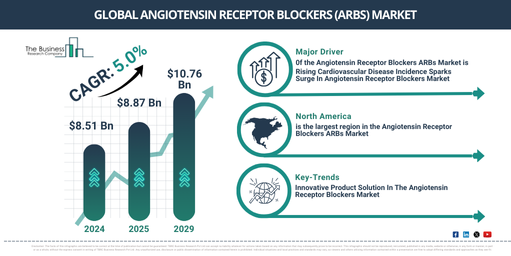
    In recent times, there’s been a steady rise in the market size of angiotensin receptor blockers (ARBs). Its growth is predicted to increase from $8.51 billion in 2024 to $8.87 billion in 2025, indicating a compound annual growth rate (CAGR) of 4.1%. The historical growth of this market can be traced back to the epidemic of hypertension, efficacy in clinical trials, high burden of cardiovascular diseases, protection of renal health, clinical guidelines, the trend of using ARBs as the first line of treatment, and its cost-effectiveness.

    The market for angiotensin receptor blockers (ARBs) is anticipated to experience consistent expansion in the coming years, reaching a value of $10.76 billion in 2029, with a compound annual growth rate (CAGR) of 5.0%. This growth forecast can be attributed to several factors including the adoption of precision medicine, a focus on combination therapies, global market expansion, the use of biomarker-based treatment methods, government initiatives, and heightened hypertension awareness. The forecast period is also expected to see trends such as the adoption of telemedicine, increased investments in research and development, competition from generic brands and patent expirations, the use of digital health solutions to increase medication adherence, and competition from biosimilars.

    Download a free sample to assess the report’s scope and structure:

    https://www.thebusinessresearchcompany.com/sample.aspx?id=8943&type=smp

    What Are the Major Market Drivers Behind the Rising Adoption of Angiotensin Receptor Blockers (ARBs) Market?

    The growth of the angiotensin receptor blockers market is anticipated to be driven by the escalating occurrence of cardiovascular diseases. Any condition that impacts the heart or blood vessels is defined as cardiovascular disease (CVD). Often, it’s linked with the manifestation of fatty accumulations within the arteries (atherosclerosis) and an escalated probability of blood clots. Angiotensin receptor blockers are known to decrease blood pressure and enhance the heart’s ability to circulate blood by aiding in the relaxation of veins and arteries. This can potentially reduce the cardiovascular disease risk. For example, the American College of Cardiology, a professional medical organization based in the US, predicted in August 2022, that there will be a significant increase in cardiovascular risk factors and disease in the United States by 2060. Therefore, the mounting prevalence of cardiovascular diseases is fueling the expansion of the angiotensin receptor blockers market.

    Which Key Market Segments Comprise the Angiotensin Receptor Blockers (ARBs) Market and Drive Its Revenue Growth?

    The angiotensin receptor blockers (ARBs) market covered in this report is segmented –

    1) By Product: Valsartan, Telmisartan, Losartan, Irbesartan, Azilsartan, Olmesartan

    2) By Application: Hypertension, Cardiovascular Diseases, Kidney Diseases, Other Applications

    3) By End User: Hospitals, Specialty Clinics, Ambulatory Surgical Centers

    Subsegments:

    1) By Valsartan: Tablets, Capsules, Injectable Forms

    2) By Telmisartan: Tablets, Capsules

    3) By Losartan: Tablets, Oral Solution

    4) By Irbesartan: Tablets, Oral Solution

    5) By Azilsartan: Tablets

    6) By Olmesartan: Tablets, Oral Suspension

    Request customized data on this market:

    https://www.thebusinessresearchcompany.com/customise?id=8943&type=smp

    Which Areas Are Leading Regions in the Angiotensin Receptor Blockers (ARBs) Market Expansion Across the Globe?

    North America was the largest region in the angiotensin receptor blockers (ARBs) market share in 2024. The regions covered in the angiotensin receptor blockers (ARBs) market report are Asia-Pacific, Western Europe, Eastern Europe, North America, South America, Middle East, Africa

    What Are the Strategic Trends Steering theAngiotensin Receptor Blockers (ARBs) Market Direction?

    Leading firms within the angiotensin receptor blocker market are pursuing the creation of sophisticated offerings such as angiotensin receptor neprilysin inhibitors to expand therapeutic resources and improve patient outcomes with cardiovascular diseases. Angiotensin receptor neprilysin inhibitors (ARNIs) serve as a medication class for managing heart failure. Take, for instance, Glenmark Pharmaceuticals, a pharmaceutical company based in India, which, in January 2023, initiated the distribution of sacubitril + valsartan tablets. These tablets are designed specifically to tackle heart failure, particularly heart failure with reduced ejection fraction (HFrEF). This combined medication belongs to the ARNI (angiotensin receptor neprilysin inhibitors) category. Sacubitril boosts the natriuretic peptide (NP) system to relieve fluid overload and facilitate blood vessel expansion. Simultaneously, valsartan inhibits the renin-angiotensin system (RAS), reducing blood pressure and lightening the load on the heart. Collectively, these drugs alleviate symptoms of heart failure, curtail the probability of cardiovascular death, and diminish the likelihood of heart failure hospital admissions. They are sold under the brand name Sacu V.

    View the full report here:

    https://www.thebusinessresearchcompany.com/report/angiotensin-receptor-blockers-arbs-global-market-report

    How Is the Angiotensin Receptor Blockers (ARBs) Market Conceptually Defined?

    Angiotensin receptor blockers (ARBs) are medications that dilate (widen) blood vessels and are used to treat conditions such as high blood pressure (hypertension), heart failure, and kidney disease in people with diabetes. Angiotensin is a chemical in the body that causes blood vessels to constrict. This constriction can raise the blood pressure and make the heart work harder.

    Purchase the full report and get a swift delivery:

    https://www.thebusinessresearchcompany.com/purchaseoptions.aspx?id=8943

    About The Business Research Company:

    With over 15000+ reports from 27 industries covering 60+ geographies, The Business Research Company has built a reputation for offering comprehensive, data-rich research and insights. Armed with 1,500,000 datasets, the optimistic contribution of in-depth secondary research, and unique insights from industry leaders, you can get the information you need to stay ahead in the game.

    Get in touch with us:

    The Business Research Company: https://www.thebusinessresearchcompany.com/

    Americas +1 3156230293

    Asia +44 2071930708

    Europe +44 2071930708

    Email us at info@tbrc.info

    Follow us on:

    LinkedIn: https://in.linkedin.com/company/the-business-research-company

    YouTube: https://www.youtube.com/channel/UC24_fI0rV8cR5DxlCpgmyFQ

    Global Market Model: https://www.thebusinessresearchcompany.com/global-market-model