Category: Pharmaceuticals

  • Hypoprothrombinemia Treatment Market Size And Forecast 2026–2030: Trends Driving Industry Expansion

    Hypoprothrombinemia Treatment Market Size And Forecast 2026–2030: Trends Driving Industry Expansion

    Built to provide research that’s more actionable and strategically valuable, The Business Research Company’s 2026 market reports include market attractiveness analysis, total addressable market sizing, company benchmarking matrices, interactive Excel dashboards, broader supply chain intelligence, emerging startup tracking, and in-depth product insights.

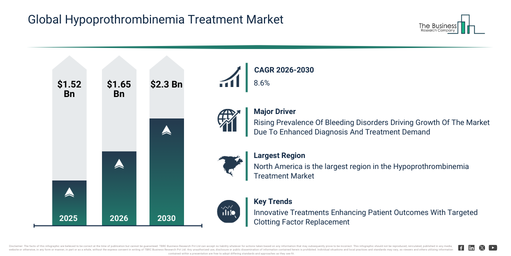
    Hypoprothrombinemia Treatment Market Revenue Growth On Track For A 8.6% CAGR Through 2030

    The hypoprothrombinemia treatment market size has seen strong growth in recent years. It is forecast to expand from $1.52 billion in 2025 to $1.65 billion in 2026, achieving a compound annual growth rate (CAGR) of 8.9%. This historical growth can be attributed to factors such as vitamin k deficiency prevalence, liver disease complications, anticoagulant overuse, hospital transfusion protocols, and inherited clotting disorders.

    The hypoprothrombinemia treatment market is projected to experience substantial expansion in the coming years. By 2030, its valuation is expected to reach $2.3 billion, growing at a compound annual growth rate (CAGR) of 8.6%. This anticipated growth throughout the forecast period is fueled by advancements in recombinant clotting factors, enhancements in emergency care infrastructure, the bleeding risks prevalent in an aging population, the adoption of precision hematology, and advancements in outpatient coagulation management. Key developments during this period include a greater utilization of prothrombin complex concentrates, an increasing reliance on rapid coagulation correction therapies, the expansion of vitamin K-based treatment protocols, improved standards for emergency bleeding management, and the rising adoption of recombinant coagulation factors.

    Get A Free Sample Report With In-Depth Market Insights:

    https://thebusinessresearchcompany.com/sample_request?id=58392159&type=smp&name=Hypoprothrombinemia%20Treatment%20Market%20Report%202026&utm_source=Blogs&utm_medium=Paid&utm_campaign=Oct_PR

    Hypoprothrombinemia Treatment Market Demand Drivers: What’s Powering Industry Growth?

    The hypoprothrombinemia treatment market is anticipated to expand due to the rising incidence of bleeding disorders. These disorders involve the blood’s inability to clot effectively, resulting in excessive or extended bleeding episodes. The heightened occurrence of bleeding disorders largely stems from enhanced diagnostic tools and increased public awareness, which facilitate more precise detection and documentation of these conditions. Therapies for hypoprothrombinemia aim to reinstate normal blood clotting function in affected individuals by supplementing insufficient prothrombin levels. For example, as reported by the BMC Health Services Research, a UK-based journal focused on healthcare services, in November 2024, data from April 2022 to March 2023 in the United Kingdom revealed that 6,662 males were diagnosed with hemophilia A, with 5,032 being adults (aged 18 and above), and 2,421 receiving treatment through either factor replacement therapy or emicizumab. Concurrently, 1,342 males were identified with hemophilia B, including 1,022 adults, of whom 479 underwent factor replacement treatment. Consequently, this escalating prevalence of bleeding disorders is projected to significantly boost the expansion of the hypoprothrombinemia treatment market.

    Hypoprothrombinemia Treatment Market Breakdown By Product Type And Application

    The hypoprothrombinemia treatment market covered in this report is segmented –

    1) By Type: Type I Deficiency Treatment, Type II Deficiency Treatment

    2) By Drug Type: Vitamin K, Fresh Frozen Plasma, Prothrombin Complex Concentrates, Recombinant Prothrombin

    3) By Indication Based: Vitamin K Deficiency, Liver Diseases, Cirrhosis, Hepatitis, Anticoagulant related Hypoprothrombinemia, Genetic Disorders, Malabsorption Syndromes

    4) By Drug Delivery Method: Oral Delivery, Injectable Delivery, Intravenous, Intramuscular, Transfusion Based Delivery

    5) By End User: Hospitals, Speciality Clinics, Homecare Settings

    Subsegments:

    1) By Type I Deficiency Treatment: Prothrombin Complex Concentrates (PCCs), Fresh Frozen Plasma (FFP), Recombinant Prothrombin, Plasma-derived Coagulation Factors

    2) By Type II Deficiency Treatment: Vitamin K Therapy, Warfarin Reversal Agents, Liver Function Supportive Therapy, Anticoagulant Adjustment Therapies

    Hypoprothrombinemia Treatment Market Innovation Trends: What Developments Are Reshaping The Industry?

    Leading companies engaged in hypoprothrombinemia treatment are focusing on innovative therapies, such as non-activated four-factor prothrombin complex concentrate, to rapidly restore clotting factor levels and reduce bleeding risks in patients needing urgent reversal of anticoagulation. Non-activated four-factor prothrombin complex concentrate (4F-PCC) is a plasma-derived treatment containing clotting factors II, VII, IX, and X, utilized for the swift reversal of vitamin K antagonist effects and the management of bleeding disorders like hypoprothrombinemia. For instance, in January 2024, Octapharma USA, a US-based healthcare company subsidiary of Octapharma AG, introduced Balfaxar, a non-activated four-factor prothrombin complex concentrate (4F-PCC) recently approved by the FDA for the urgent reversal of vitamin K antagonist-induced coagulation deficiencies in adults requiring emergency surgery or invasive procedures. This therapy, containing key vitamin K-dependent clotting factors and antithrombotic proteins, addresses critical needs in hypoprothrombinemia management.

    Hypoprothrombinemia Treatment Market Company Landscape And Competitive Strategy

    Major companies operating in the hypoprothrombinemia treatment market are Biotest AG, Kedrion Biopharma, LFB S.A., Hualan Biological Engineering Inc., China Biologic Products Holdings Inc., Bio Products Laboratory (BPL), Kamada Ltd., Green Cross Corporation, Shanghai RAAS Blood Products Co. Ltd., SK Plasma Co. Ltd., Emergent BioSolutions Inc., Intas Pharmaceuticals Ltd., Bharat Serums and Vaccines Ltd., ZLB Behring (CSL Behring), Mitsubishi Tanabe Pharma Corporation

    View The Full Hypoprothrombinemia Treatment Market Report:

    https://thebusinessresearchcompany.com/report/hypoprothrombinemia-treatment-global-market-report?utm_source=Blogs&utm_medium=Paid&utm_campaign=Oct_PR

    Hypoprothrombinemia Treatment Market Largest Region: Which Geography Holds The Biggest Share?

    North America was the largest region in the hypoprothrombinemia treatment market in 2025. Asia-Pacific is expected to be the fastest-growing region in the forecast period. The regions covered in the hypoprothrombinemia treatment market report are Asia-Pacific, South East Asia, Western Europe, Eastern Europe, North America, South America, Middle East, Africa.

    Reach Out To Our Team:

    The Business Research Company: https://www.thebusinessresearchcompany.com/

    Americas: +1 310-496-7795

    Asia: +44 7882 955267 & +91 8897263534

    Europe: +44 7882 955267

    Email us at: marketing@tbrc.info

    Follow us on:

    LinkedIn: https://in.linkedin.com/company/the-business-research-company

    YouTube: https://www.youtube.com/channel/UC24_fI0rV8cR5DxlCpgmyFQ

    Global Market Model: https://www.thebusinessresearchcompany.com/global-market-model
  • Hypoparathyroidism Market 2026 Outlook: Market Size, CAGR And Key Growth Opportunities

    Hypoparathyroidism Market 2026 Outlook: Market Size, CAGR And Key Growth Opportunities

    Backed by market attractiveness analysis, total addressable market sizing, company benchmarking matrices, interactive Excel dashboards, wider supply chain intelligence, emerging startup coverage, and detailed product-level insights, The Business Research Company’s 2026 market reports are designed to offer research that is more actionable and strategically valuable than ever.

    Hypoparathyroidism Market Value Growth And Long-Term Outlook

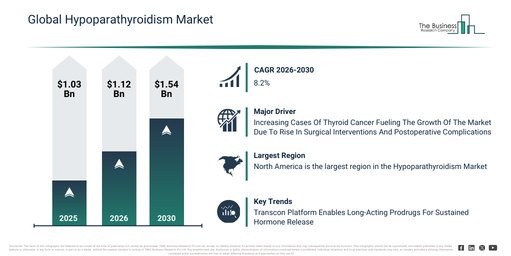
    The hypoparathyroidism market has shown robust expansion in recent years. Its valuation is predicted to rise from $1.03 billion in 2025 to $1.12 billion in 2026, achieving a compound annual growth rate (CAGR) of 8.6%. The historical surge in this market can be attributed to factors such as complications arising from thyroid surgery, various cases of calcium deficiency, increased awareness surrounding rare diseases, specialized endocrine services provided by hospitals, and the accessibility of hormone replacement treatments.

    The hypoparathyroidism market size is predicted to show robust expansion over the next few years. It is expected to achieve a valuation of $1.54 billion by 2030, growing at a compound annual growth rate (CAGR) of 8.2%. This anticipated growth during the forecast period stems from progress in recombinant therapies, better diagnosis of rare diseases, patient adherence initiatives, the spread of specialty clinics, and the adoption of precision endocrinology. Significant developments in the forecast period are set to include a rise in the diagnosis of rare endocrine disorders, the increasing application of recombinant parathyroid hormones, the broader availability of long-term calcium management treatments, enhanced awareness of post-surgical complications, and the creation of supplementary supportive treatments.

    Get A Free Sample Report With In-Depth Market Insights:

    https://thebusinessresearchcompany.com/sample_request?id=41933214&type=smp&name=Hypoparathyroidism%20Market%20Report%202026&utm_source=Blogs&utm_medium=Paid&utm_campaign=Oct_PR

    Hypoparathyroidism Market Growth Drivers: What’s Behind The Acceleration?

    The anticipated increase in thyroid cancer cases is projected to fuel the expansion of the hypoparathyroidism market in the coming years. Thyroid cancer is defined as a condition where abnormal cells develop within the thyroid gland, often forming a lump in the neck. The rising occurrence of thyroid cancer is linked to advancements in diagnostic imaging technologies, which enable earlier and more frequent identification of small, asymptomatic thyroid nodules. Thyroid cancer accelerates hypoparathyroidism by increasing the necessity for thyroid surgeries, procedures that can inadvertently damage the parathyroid glands. This leads to an imbalance of calcium and a chronic hormone deficiency, thereby driving the demand for long-term disease management solutions. For instance, in May 2024, according to the American Cancer Society, a US-based non-profit organization, the count of new thyroid cancer cases reached 44,020 in 2025, showing an increase from 43,720 in 2023. Therefore, the growing number of thyroid cancer cases is propelling the growth of the hypoparathyroidism market.

    Hypoparathyroidism Market Segment Analysis And Revenue Potential

    The hypoparathyroidism market covered in this report is segmented –

    1) By Treatment: Hormone Replacement Therapy, Adjunctive Therapies

    2) By Type: Hormone Replacement Therapy, Calcium And Vitamin D Supplements, Emerging Therapies

    3) By Route Of Administration: Oral, Parenteral

    4) By Distribution Channel: Hospital Pharmacy, Retail Pharmacy, Online Pharmacy

    5) By End User: Hospitals, Specialty Clinics, Homecare Settings

    Subsegments:

    1) By Hormone Replacement Therapy: Recombinant Parathyroid Hormone, Parathyroid Hormone Analogues, Calcimimetics, Calcium And Vitamin D Supplements

    2) By Adjunctive Therapies: Magnesium Supplements, Phosphate Binders, Other Supportive Therapies

    Hypoparathyroidism Market Trends: What’s Defining The Industry’s Next Phase?

    Leading companies in the hypoparathyroidism market are concentrating on creating technologically advanced products, such as those based on transition technology, to enhance treatment efficacy and improve patient outcomes. TransCon technology-based products are therapeutics developed using TransCon (Transient Conjugation) technology, a proprietary platform engineered to optimize drug delivery. For example, in January 2024, Ascendis Pharma A/S, a Denmark-based biopharmaceutical company, launched YORVIPATH (palopegteriparatide), its second TransCon technology-based product, in Germany and Austria for the treatment of adults with chronic hypoparathyroidism. YORVIPATH is a once-daily prodrug of parathyroid hormone (PTH 1-34) designed to maintain physiological PTH levels over 24 hours, addressing the underlying hormone deficiency in chronic hypoparathyroidism.

    Hypoparathyroidism Market Key Players Shaping Industry Direction

    Major companies operating in the hypoparathyroidism market are Pfizer Inc., F. Hoffmann-La Roche Ltd., Merck & Co Inc., AbbVie Inc., Sanofi S.A., Novartis AG, GlaxoSmithKline plc , Takeda Pharmaceutical Company Limited, Eli Lilly and Company, Amgen Inc., Teva Pharmaceutical Industries Ltd., Dr. Reddy’s Laboratories Ltd., Cipla Limited , Lupin Limited, Torrent Pharmaceuticals Ltd., Eagle Pharmaceuticals Inc., BridgeBio Pharma Inc., Ascendis Pharma A/S, Extend Biosciences Inc., Entera Bio Ltd.

    View The Full Hypoparathyroidism Market Report:

    https://thebusinessresearchcompany.com/report/hypoparathyroidism-global-market-report?utm_source=Blogs&utm_medium=Paid&utm_campaign=Oct_PR

    Hypoparathyroidism Market Regional Analysis: Which Geography Leads On Revenue?

    North America was the largest region in the hypoparathyroidism market in 2025. Asia-Pacific is expected to be the fastest-growing region in the forecast period. The regions covered in the hypoparathyroidism market report are Asia-Pacific, South East Asia, Western Europe, Eastern Europe, North America, South America, Middle East, Africa.

    Reach Out To Our Team:

    The Business Research Company: https://www.thebusinessresearchcompany.com/

    Americas: +1 310-496-7795

    Asia: +44 7882 955267 & +91 8897263534

    Europe: +44 7882 955267

    Email us at: marketing@tbrc.info

    Follow us on:

    LinkedIn: https://in.linkedin.com/company/the-business-research-company

    YouTube: https://www.youtube.com/channel/UC24_fI0rV8cR5DxlCpgmyFQ

    Global Market Model: https://www.thebusinessresearchcompany.com/global-market-model
  • Hypolipidemics Market Size Growth: From $32.8 Billion In 2026 To $37.34 Billion By 2030

    Hypolipidemics Market Size Growth: From $32.8 Billion In 2026 To $37.34 Billion By 2030

    Featuring market attractiveness scoring, total addressable market sizing, company benchmarking matrices, interactive Excel dashboards, deeper supply chain intelligence, emerging startup tracking, and granular product-level insights, The Business Research Company’s 2026 market reports are built to deliver research that is both more actionable and more strategically valuable.

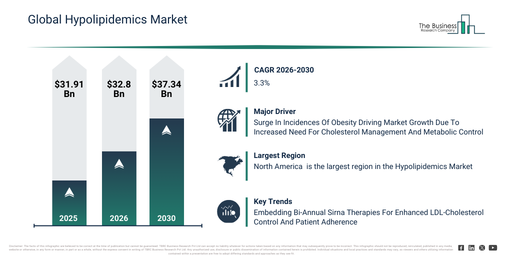
    Hypolipidemics Market Poised To Hit $37.34 Billion By 2030 With A 3.3% CAGR

    The hypolipidemics market has shown consistent expansion over recent years. Its valuation is predicted to climb from $31.91 billion in 2025 to $32.8 billion in 2026, registering a compound annual growth rate (CAGR) of 2.8%. This growth observed in past periods can be primarily ascribed to the rising incidence of cardiovascular diseases, the extensive adoption of statins, increased rates of cholesterol screening, enhanced availability of vital cardiovascular drugs, and the broadening of hospital and pharmacy networks.

    The hypolipidemics market is projected to experience consistent expansion over the upcoming years. It will grow to $37.34 billion in 2030 at a compound annual growth rate (CAGR) of 3.3%. This anticipated growth during the forecast period is fueled by factors such as a globally aging population, an increase in dyslipidemia cases, a heightened emphasis on preventive cardiology, the development of combination lipid therapies, and broadened healthcare accessibility in developing markets. Key trends anticipated in this period encompass the growing long-term application of lipid-lowering treatments, the wider uptake of combined hypolipidemic medications, a stronger focus on preventive cardiovascular pharmacotherapy, the increased use of generic statins, and enhanced oversight of cholesterol management results.

    Get A Free Sample Report With In-Depth Market Insights:

    https://thebusinessresearchcompany.com/sample_request?id=58445132&type=smp&name=Hypolipidemics%20Market%20Report%202026&utm_source=Blogs&utm_medium=Paid&utm_campaign=Oct_PR

    Hypolipidemics Market Growth Factors Behind Sustained Expansion

    The increasing occurrence of obesity is projected to boost the expansion of the hypolipidemic drugs market in the coming years. Obesity, a persistent metabolic disorder, involves the excessive build-up of body fat, frequently resulting in high cholesterol levels, insulin resistance, and a heightened risk of cardiovascular issues. This surge in obesity cases primarily stems from a greater intake of highly processed, calorie-rich foods, coupled with reduced physical movement associated with contemporary sedentary living. In cases of obesity, hypolipidemic drugs are utilized to reduce high cholesterol levels, a potential contributor to cardiovascular complications for those with excessive body fat. For example, as reported by Forbes, a US-based business media company, in October 2025, the adult obesity rate in the United States stood at 40.3%, with women at 41.3% and men at 39.2%; concurrently, the worldwide prevalence of obesity among children and adolescents aged 5 to 19 years hit 9.4%. Consequently, the rising instances of obesity are fueling the expansion of the hypolipidemic drug market.

    Hypolipidemics Market Segmentation And Category Overview

    The hypolipidemics market covered in this report is segmented –

    1) By Product Type: HMG-CoA Reductase Inhibitors, Nicotinic Acid Drugs

    2) By Drug Type: Statins, Bile Acid Sequestrants, Cholesterol Absorption Inhibitors, PCSK9 Inhibitors, Other Drug Types

    3) By Application: Hospital, Clinics, Pharmacy

    Subsegments:

    1) By HMG-CoA Reductase Inhibitors: Atorvastatin, Rosuvastatin, Simvastatin, Lovastatin, Pravastatin, Fluvastatin

    2) By Nicotinic Acid Drugs: Niacin (Vitamin B3), Extended-release Niacin

    Hypolipidemics Market Industry Trends Fueling Future Revenue Growth

    Leading companies in the hypolipidemics market are concentrating on product innovation and new formulations, including siRNA-based LDL-cholesterol–lowering therapies administered twice yearly. This focus aims to enhance patient adherence, lessen the treatment burden, and deliver durable lipid control with fewer injections. Such therapies integrate potent mechanisms for lowering lipids with practical dosing schedules, thereby addressing both clinical outcomes and patients’ quality of life. For instance, in July 2025, Novartis, a Switzerland-based pharmaceutical firm, disclosed that its medication Leqvio (inclisiran) received FDA approval for first-line application in patients requiring LDL-cholesterol reduction, allowing more individuals to benefit from its twice-yearly dosing schedule. Inclisiran functions by silencing the PCSK9 gene in the liver via RNA interference, ensuring sustained LDL-lowering effects with just two doses per year. This approval underscores a transformation within the hypolipidemics market towards highly effective, long-acting treatments that support long-term cardiovascular risk management without requiring frequent administration.

    Hypolipidemics Market Competitive Analysis Of Leading Industry Participants

    Major companies operating in the hypolipidemics market are Pfizer Inc., AstraZeneca Plc, Novartis AG, Sanofi-Aventis, Merck Sharp & Dohme B.V., Amgen Plc, Abbott Laboratories Limited, Daiichi Sankyo Company Limited, Kowa Company Ltd., Viatris Inc., Teva Pharmaceutical Industries Ltd., Sun Pharmaceutical Industries Limited, Dr. Reddy’s Laboratories Ltd., Lupin Limited, Zydus Lifesciences Limited, Torrent Pharmaceuticals Ltd., Cipla Limited, Wockhardt Limited, Alembic Pharmaceuticals Limited, Intas Pharmaceuticals Ltd.

    View The Full Hypolipidemics Market Report:

    https://thebusinessresearchcompany.com/report/Hypolipidemics-Global-Market-Report?utm_source=Blogs&utm_medium=Paid&utm_campaign=Oct_PR

    Hypolipidemics Market Geographic Spread And Regional Opportunities

    North America was the largest region in the hypolipidemic drugs market in 2025. The Middle East is expected to be the fastest-growing region in the hypolipidemic drugs market during the forecast period. The regions covered in the hypolipidemics market report are Asia-Pacific, South East Asia, Western Europe, Eastern Europe, North America, South America, Middle East, Africa.

    Reach Out To Our Team:

    The Business Research Company: https://www.thebusinessresearchcompany.com/

    Americas: +1 310-496-7795

    Asia: +44 7882 955267 & +91 8897263534

    Europe: +44 7882 955267

    Email us at: marketing@tbrc.info

    Follow us on:

    LinkedIn: https://in.linkedin.com/company/the-business-research-company

    YouTube: https://www.youtube.com/channel/UC24_fI0rV8cR5DxlCpgmyFQ

    Global Market Model: https://www.thebusinessresearchcompany.com/global-market-model
  • Hyperuricemia Drugs Market Analysis 2026: Market Size, Growth Trends And Industry Outlook

    Hyperuricemia Drugs Market Analysis 2026: Market Size, Growth Trends And Industry Outlook

    Built to provide research that’s more actionable and strategically valuable, The Business Research Company’s 2026 market reports include market attractiveness analysis, total addressable market sizing, company benchmarking matrices, interactive Excel dashboards, broader supply chain intelligence, emerging startup tracking, and in-depth product insights.

    Hyperuricemia Drugs Market Size And Revenue Outlook Through 2030

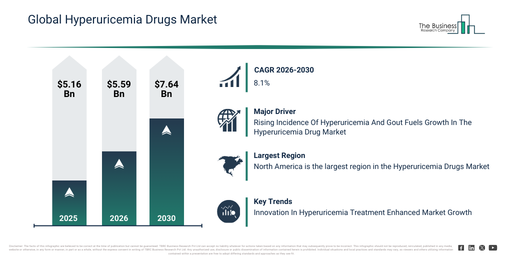
    The hyperuricemia drugs market size has demonstrated strong growth in recent years. It is expected to expand from $5.16 billion in 2025 to $5.59 billion in 2026, with a compound annual growth rate (CAGR) of 8.4%. The increase observed in the historic period can be linked to factors such as the limited availability of advanced hyperuricemia drugs, a rising incidence of gout and kidney stones, insufficient patient awareness regarding uric acid management, a reliance on traditional anti-inflammatory medications, and the development of hospital and clinic infrastructure.

    The hyperuricemia drugs market is anticipated to show significant expansion in the next few years. It is projected to achieve a valuation of $7.64 billion in 2030, growing at a compound annual growth rate (CAGR) of 8.1%. This growth during the forecast period can be attributed to several factors, including the development of selective uric acid reabsorption inhibitors (SURI), an increasing reliance on combination therapy, heightened awareness concerning preventive care and lifestyle changes, the broader availability of homecare services, and growing government programs for metabolic disorder management. Prominent trends for the forecast period include the rising incidence of hyperuricemia and gout, a greater adoption of xanthine oxidase inhibitors and uricosuric agents, an increase in combination therapy and supportive care medications, the expansion of homecare and specialty clinics dedicated to hyperuricemia management, and an emphasis on lifestyle modification and preventive care supplements.

    Get A Free Sample Report With In-Depth Market Insights:

    https://thebusinessresearchcompany.com/sample_request?id=46642034&type=smp&name=Hyperuricemia%20Drugs%20Market%20Report%202026&utm_source=Blogs&utm_medium=Paid&utm_campaign=Oct_PR

    Hyperuricemia Drugs Market Demand Drivers Opening New Revenue Streams

    The increasing occurrence of hyperuricemia and gout is anticipated to drive the expansion of the hyperuricemia drug market in the future. Hyperuricemia signifies a state marked by heightened uric acid levels in the bloodstream, potentially resulting in gout, an agonizing type of arthritis stemming from the buildup of urate crystals within joints. The prevalence of hyperuricemia and gout is affected by elements including genetic susceptibility, nutritional practices (especially significant purine consumption), excess weight, renal performance, lifestyle decisions (such as alcohol intake and insufficient hydration), specific drugs, and ongoing health issues like hypertension and diabetes. Medications for hyperuricemia play a crucial role in managing uric acid concentrations, thereby aiding in the prevention of hyperuricemia and gout’s onset and advancement through minimizing uric acid accumulation and easing related discomforts. For example, data released in July 2024 by The Lancet, a UK-based general medical journal, indicated that worldwide, gout was 3.26 times more common in males than in females in 2020 and saw an increase with advancing age, projecting approximately 95.8 million prevalent cases by 2050. Consequently, the growing occurrence of hyperuricemia and gout is fueling expansion within the hyperuricemia drug market.

    Hyperuricemia Drugs Market Segment Outlook: Which Categories Are Growing Fastest?

    The hyperuricemia drugs market covered in this report is segmented –

    1) By Type: Asymptomatic Hyperuricemia, Symptomatic Hyperuricemia, Other Types

    2) By Drugs: Nonsteroidal Anti-Inflammatory Drugs, Xanthine Oxidase Inhibitors, Selective Uric Acid Reabsorption Inhibitor (SURI), Uricosuric Agents, Other Drugs

    3) By Diseases: Gout, Kidney Stone, Other Diseases

    4) By End-User: Hospitals, Homecare, Specialty Clinics, Other End-Users

    Subsegments:

    1) By Asymptomatic Hyperuricemia: Uric Acid Lowering Agents, Lifestyle Modification Supplements

    2) By Symptomatic Hyperuricemia: Anti-Inflammatory Drugs, Uric Acid Inhibitors

    3) By Other Types: Combination Therapy, Dietary Supplements

    Hyperuricemia Drugs Market Trends Powering Strategic Industry Growth

    Major companies in the hyperuricemia drug market are focusing on developing innovative products, such as therapeutic equivalent generic versions, to offer a cost-effective alternative that improves patient access to gout treatment. Therapeutic equivalent generic versions are medicines that contain the same active ingredient as a brand-name drug, are administered in the same dosage form, and are expected to have a similar clinical effect and safety profile. For instance, in January 2024, Lupin, an India-based pharmaceutical company, received approval from US health regulator for Febuxostat Tablets (40 mg and 80 mg) and Varenicline Tablets (0.5 mg and 1 mg). These generic drugs aim to provide more affordable options for patients requiring hyperuricemia treatment (Febuxostat) and smoking cessation aid (Varenicline). By offering these generics, Lupin seeks to increase accessibility to essential medications while capturing a share of the US pharmaceutical market and supporting patients with cost-effective alternatives for their healthcare needs.

    Hyperuricemia Drugs Market Leading Companies And Competitive Benchmarking

    Major companies operating in the hyperuricemia drugs market are Pfizer Inc., Merck & Co., Bayer AG, Sanofi SA, AstraZeneca plc, Novartis AG, Boehringer Ingelheim International GmbH, Teva Pharmaceuticals, Teijin Pharma Limited, Sun Pharmaceutical Industries Ltd., Dr. Reddy’s Laboratories Ltd., Hikma Pharmaceuticals PLC, Amneal Pharmaceuticals Inc., Glenmark Pharmaceuticals Ltd., Kissei Pharmaceutical Co. Ltd., Fuji Yakuhin Co. Ltd.

    View The Full Hyperuricemia Drugs Market Report:

    https://thebusinessresearchcompany.com/report/hyperuricemia-drugs-global-market-report?utm_source=Blogs&utm_medium=Paid&utm_campaign=Oct_PR

    Hyperuricemia Drugs Market Top Region By Revenue And Market Share

    North America was the largest region in the hyperuricemia drugs market in 2025. The regions covered in the hyperuricemia drugs market report are Asia-Pacific, South East Asia, Western Europe, Eastern Europe, North America, South America, Middle East, Africa.

    Reach Out To Our Team:

    The Business Research Company: https://www.thebusinessresearchcompany.com/

    Americas: +1 310-496-7795

    Asia: +44 7882 955267 & +91 8897263534

    Europe: +44 7882 955267

    Email us at: marketing@tbrc.info

    Follow us on:

    LinkedIn: https://in.linkedin.com/company/the-business-research-company

    YouTube: https://www.youtube.com/channel/UC24_fI0rV8cR5DxlCpgmyFQ

    Global Market Model: https://www.thebusinessresearchcompany.com/global-market-model
  • Hyperphosphatemia Treatment Market Forecast To 2030: Starting From $9.51 Billion In 2026

    Hyperphosphatemia Treatment Market Forecast To 2030: Starting From $9.51 Billion In 2026

    Backed by market attractiveness analysis, total addressable market sizing, company benchmarking matrices, interactive Excel dashboards, wider supply chain intelligence, emerging startup coverage, and detailed product-level insights, The Business Research Company’s 2026 market reports are designed to offer research that is more actionable and strategically valuable than ever.

    Hyperphosphatemia Treatment Market Growth From $5.75 Billion In 2026 To $9.51 Billion By 2030 At A CAGR Of 13.4%

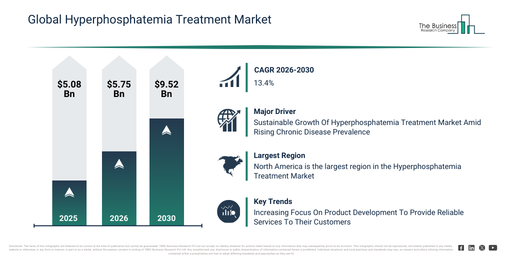
    The hyperphosphatemia treatment market has experienced rapid expansion in recent years. It is projected to expand from $5.08 billion in 2025 to $5.75 billion in 2026, demonstrating a compound annual growth rate (CAGR) of 13.2%. Historically, this growth has been propelled by factors including a high incidence of renal failure, restricted awareness regarding phosphate management, constraints of conventional treatments, hospital-based therapy delivery, and reliance on calcium-based phosphate binders.

    The hyperphosphatemia treatment market is projected to experience substantial expansion over the upcoming years. Its valuation is anticipated to reach $9.52 billion by 2030, progressing at a compound annual growth rate (CAGR) of 13.4%. This projected growth throughout the forecast period stems from factors such as innovations in non-calcium phosphate binders, the incorporation of digital health monitoring systems, an increase in the acceptance of precision medicine, escalating investments in new therapies, and the broadening reach of e-pharmacy platforms. Key developments expected during this period include a rising incidence of chronic kidney disease, a greater uptake of phosphate binders, an increase in home-based dialysis options, the expansion of hospital pharmacy networks, and the creation of new hyperphosphatemia treatments.

    Get A Free Sample Report With In-Depth Market Insights:

    https://thebusinessresearchcompany.com/sample_request?id=73518618&type=smp&name=Hyperphosphatemia%20Treatment%20Market%20Report%202026&utm_source=Blogs&utm_medium=Paid&utm_campaign=Oct_PR

    Hyperphosphatemia Treatment Market Growth Backed By Core Demand Fundamentals

    The rising incidence of chronic ailments in patients is propelling the expansion of the hyperphosphatemia treatment market. These conditions are not contagious and necessitate ongoing medical attention. Most chronic illnesses fall into categories such as cardiovascular diseases, chronic kidney disease, chronic respiratory conditions, hyperparathyroidism, diabetes, and cancer. For example, in September 2023, the World Health Organization, a Switzerland-based specialized agency of the United Nations, reported 41 million deaths annually worldwide, with 74% attributed to non-communicable diseases (NCDs) or chronic diseases. Additionally, in February 2023, SingleCare Services LLC, a US-based healthcare savings platform, indicated a growing prevalence of kidney diseases, noting that untreated kidney failure results in the demise of approximately 1 million individuals each year. This rise in hyperphosphatemia among individuals suffering from end-stage renal disease (ESRD) is consequently fueling the demand for hyperphosphatemia treatment or drugs.

    Hyperphosphatemia Treatment Market Segment Landscape: Which Areas Lead Development?

    The hyperphosphatemia treatment market covered in this report is segmented –

    1) By Product: Sevelamer, Calcium-Based Phosphate Binders, Iron-Based Phosphate Binders, Lanthanum Carbonate, Other products

    2) By Distribution channel: Hospital Pharmacy, Retail Pharmacy, Online stores

    3) By End-User: Chronic Kidney Disease (CKD) Patients on Dialysis, Non-Dialysis CKD Patients, Post-Kidney Transplant Patients

    Subsegments:

    1) By Sevelamer: Sevelamer Hydrochloride, Sevelamer Carbonate

    2) By Calcium-Based Phosphate Binders: Calcium Acetate, Calcium Carbonate

    3) By Iron-Based Phosphate Binders: Ferric Citrate, Ferric Sulfate

    4) By Lanthanum Carbonate: Lanthanum Carbonate Hydrate

    5) By Other Products: Magnesium-Based Phosphate Binders, Novel Phosphate Binders

    Hyperphosphatemia Treatment Market Growth Trends Reshaping The Competitive Landscape

    Leading firms within the hyperphosphatemia treatment sector are prioritizing the creation of novel products, like Xphozah, to enhance their market revenues. Xphozah is intended for the management of hyperphosphatemia, a condition defined by an excess of phosphorus that results in calcium being leached from bones and other parts of the body. As an illustration, Ardelyx Inc., a US-based biopharmaceutical company, obtained approval for Xphozah in October 2023. The approval was granted for treating hyperphosphatemia, an ailment that extracts calcium from skeletal structures and other bodily regions. An overabundance of phosphorus may lead to fragile bones, joint discomfort, muscle spasms, and pruritic skin. The FDA sanctioned this medicine for use in individuals who have either shown an insufficient response to, or cannot tolerate, phosphate binder therapies, which represent the current established treatment for the condition.

    Hyperphosphatemia Treatment Market Industry Leaders And Competitive Landscape

    Major companies operating in the hyperphosphatemia treatment market are Sanofi SA, Akebia Therapeutics Inc., Ardelyx Inc., Astellas Pharma Inc., Fresenius Medical Care AG & Co. KGaA, Lupin Limited, Sun Pharmaceutical Industries Ltd., Takeda Pharmaceutical Company Limited, Ultragenyx Pharmaceutical Inc., Unicycive Therapeutics Inc., Vifor Pharma Management Ltd., Zeria Pharmaceutical Co. Ltd., Amgen Inc., AstraZeneca plc, Baxter International Inc., Kyowa Kirin Co. Ltd., Ipsen, Shionogi & Co. Ltd., Otsuka Pharmaceutical Co. Ltd., Bayer AG, Boehringer Ingelheim International GmbH, Novartis International AG

    View The Full Hyperphosphatemia Treatment Market Report:

    https://thebusinessresearchcompany.com/report/hyperphosphatemia-treatment-global-market-report?utm_source=Blogs&utm_medium=Paid&utm_campaign=Oct_PR

    Hyperphosphatemia Treatment Market Regional Analysis And Top Geography

    North America was the largest region in the hyperphosphatemia treatment market in 2025. Asia-Pacific is expected to be the fastest-growing region in the forecast period. The regions covered in the hyperphosphatemia treatment market report are Asia-Pacific, South East Asia, Western Europe, Eastern Europe, North America, South America, Middle East, Africa.

    Reach Out To Our Team:

    The Business Research Company: https://www.thebusinessresearchcompany.com/

    Americas: +1 310-496-7795

    Asia: +44 7882 955267 & +91 8897263534

    Europe: +44 7882 955267

    Email us at: marketing@tbrc.info

    Follow us on:

    LinkedIn: https://in.linkedin.com/company/the-business-research-company

    YouTube: https://www.youtube.com/channel/UC24_fI0rV8cR5DxlCpgmyFQ

    Global Market Model: https://www.thebusinessresearchcompany.com/global-market-model
  • Hyper-Personalized Medicine Market Size In 2026 And Beyond: Understanding Future Growth Potential

    Hyper-Personalized Medicine Market Size In 2026 And Beyond: Understanding Future Growth Potential

    Featuring market attractiveness scoring, total addressable market sizing, company benchmarking matrices, interactive Excel dashboards, deeper supply chain intelligence, emerging startup tracking, and granular product-level insights, The Business Research Company’s 2026 market reports are built to deliver research that is both more actionable and more strategically valuable.

    Hyper-Personalized Medicine Market Expansion Outlook: What Revenue Opportunities Are Ahead?

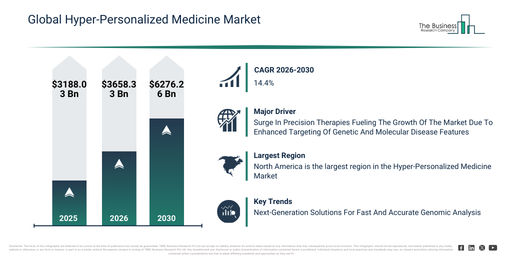
    The hyper-personalized medicine market has experienced substantial expansion recently. Its valuation is set to climb from $3188.03 billion in 2025 to $3658.33 billion in 2026, reflecting a compound annual growth rate (CAGR) of 14.8%. This historical growth can be ascribed to factors such as the restricted access to personalized medicine options, the widespread use of conventional treatment methods, an increasing patient preference for customized therapies, rising investments in genomics research, and the initial implementation of molecular diagnostics.

    The hyper-personalized medicine market is set to experience significant expansion over the next few years. It is forecast to grow to $6276.26 billion by 2030, demonstrating a compound annual growth rate (CAGR) of 14.4%. This expansion during the projection period can be attributed to advancements in gene and cell therapies, the integration of artificial intelligence and bioinformatics into clinical practice, the spread of precision nutrition and wellness services, increasing governmental initiatives that back personalized medicine, and the growing adoption of companion diagnostics and liquid biopsy technologies. Prominent trends for this period encompass the wider deployment of AI-driven clinical decision support systems, the increasing acceptance of personalized treatment plans and precision surgery, a rising need for telemedicine and remote patient monitoring, a heightened focus on nutrigenomics and tailored diet plans, and the development of RNA-based and targeted therapeutics.

    Get A Free Sample Report With In-Depth Market Insights:

    https://thebusinessresearchcompany.com/sample_request?id=45047930&type=smp&name=Hyper-Personalized%20Medicine%20Market%20Report%202026&utm_source=Blogs&utm_medium=Paid&utm_campaign=Oct_PR

    Hyper-Personalized Medicine Market Growth Catalysts And Demand Drivers

    The hyper-personalized medicine market is anticipated to expand, fueled by the escalating requirement for precision therapies. These medical interventions are formulated to target distinct genetic, molecular, or cellular characteristics of a disease, facilitating more potent and tailored treatments with reduced side effects compared to traditional approaches. The ascent of precision therapies stems from their capability to pinpoint specific genetic or molecular traits of illnesses, resulting in improved and individualized patient outcomes. Hyper-personalized medicine aids precision therapies by enabling treatments to be customized according to an individual’s unique genetic, molecular, and lifestyle elements, thereby optimizing effectiveness and minimizing adverse reactions. For instance, in February 2024, the Personalized Medicine Coalition, a US-based non-profit organization, stated that the Food and Drug Administration (FDA) sanctioned 16 novel personalized therapies for patients with rare diseases in 2023, an increase from 6 in 2022. Thus, the increasing demand for precision therapies is propelling the growth of the hyper-personalized medicine market.

    Hyper-Personalized Medicine Market Segments: Where Is Growth Concentrated?

    The hyper-personalized medicine market covered in this report is segmented –

    1) By Product: Hyper Personalized Medicine Diagnostics, Hyper Personalized Medicine Therapeutics, Hyper Personalized Medical Care, Hyper Personalized Nutrition And Wellness

    2) By Technology: Genomics, Proteomics, Bioinformatics, Metabolomics

    3) By Application: Oncology, Neurology, Blood Transfusion Safety, Diabetes, Autoimmune Diseases, Cardiology

    4) By End User: Hospitals, Diagnostic Centers, Research And Academic Institutes

    Subsegments:

    1) By Hyper Personalized Medicine Diagnostics: Genomic Sequencing, Biomarker Testing, Molecular Diagnostics, Companion Diagnostics, Liquid Biopsy

    2) By Hyper Personalized Medicine Therapeutics: Targeted Drug Therapies, Gene Therapy, Cell Therapy, Immunotherapy, RNA-based Therapeutics

    3) By Hyper Personalized Medical Care: Telemedicine And Remote Monitoring, Personalized Treatment Plans, AI-driven Clinical Decision Support, Patient-specific Rehabilitation, Precision Surgery

    4) By Hyper Personalized Nutrition And Wellness: Nutrigenomics, Personalized Diet Plans, Microbiome Analysis, Customized Supplements, Wellness Coaching And Monitoring

    Hyper-Personalized Medicine Market Trends Shaping Long-Term Demand

    Leading companies within the hyper-personalized medicine market are increasingly concentrating on innovative solutions, particularly accelerated whole-genome sequencing (WGS) analysis platforms. This focus aims to satisfy the rising demand for quicker, more accurate genomic insights, AI-driven clinical decision support, and scalable companion diagnostics that facilitate truly individualized therapies and dosing. Accelerated whole-genome sequencing (WGS) analysis platforms are advanced, software-powered systems that swiftly process raw genomic data into clinically relevant information, enabling clinicians and researchers to make faster and more precise diagnostic and treatment decisions. For example, in May 2024, SOPHiA GENETICS SA, a Switzerland-based data-driven healthcare and diagnostics firm, introduced a new WGS application intended to deliver comprehensively analyzed whole-genome insights rapidly for medical professionals and scientists. This platform boasts end-to-end automated workflows, from raw FASTQ files to variant interpretation, utilizing cloud computing and optimized algorithms to reduce turnaround times. It also includes clinical decision-support modules for oncology and rare diseases, offers scalability for hospitals and biotech organizations, and often provides analyzed reports on the same day.

    Hyper-Personalized Medicine Market Key Participants And Competitive Landscape

    Major companies operating in the hyper-personalized medicine market are Pfizer Inc., Johnson & Johnson, Roche Holding AG, Bayer AG, Sanofi S.A., Bristol-Myers Squibb Company, AstraZeneca PLC, Abbott Laboratories, Novartis AG, Danaher Corporation, Amgen Inc., Merck KGaA, GE Healthcare Technologies Inc., Biogen Inc., Illumina Inc., Guardant Health Inc., Berry Genomics Co. Ltd., Sophia Genetics SA, Mapmygenome, InnoCare Pharma.

    View The Full Hyper-Personalized Medicine Market Report:

    https://thebusinessresearchcompany.com/report/hyper-personalized-medicine-global-market-report?utm_source=Blogs&utm_medium=Paid&utm_campaign=Oct_PR

    Hyper-Personalized Medicine Market Geographic Analysis: Where Is Demand Rising Fastest?

    North America was the largest region in the hyper-personalized medicine market in 2025. Asia-Pacific is expected to be the fastest-growing region in the forecast period. The regions covered in the hyper-personalized medicine market report are Asia-Pacific, South East Asia, Western Europe, Eastern Europe, North America, South America, Middle East, Africa.

    Reach Out To Our Team:

    The Business Research Company: https://www.thebusinessresearchcompany.com/

    Americas: +1 310-496-7795

    Asia: +44 7882 955267 & +91 8897263534

    Europe: +44 7882 955267

    Email us at: marketing@tbrc.info

    Follow us on:

    LinkedIn: https://in.linkedin.com/company/the-business-research-company

    YouTube: https://www.youtube.com/channel/UC24_fI0rV8cR5DxlCpgmyFQ

    Global Market Model: https://www.thebusinessresearchcompany.com/global-market-model
  • Hyperlipidemia Drugs Market Reaches $32.31 Billion In 2026: Key Developments Shaping Expansion

    Hyperlipidemia Drugs Market Reaches $32.31 Billion In 2026: Key Developments Shaping Expansion

    Built to provide research that’s more actionable and strategically valuable, The Business Research Company’s 2026 market reports include market attractiveness analysis, total addressable market sizing, company benchmarking matrices, interactive Excel dashboards, broader supply chain intelligence, emerging startup tracking, and in-depth product insights.

    Hyperlipidemia Drugs Market Growth Potential: How Will Market Size Shift Through 2030?

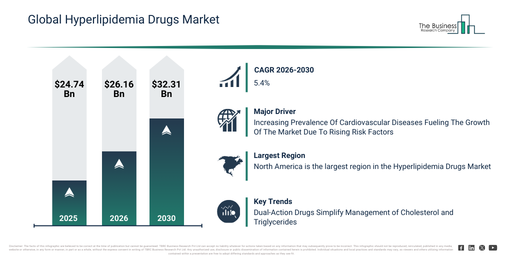
    The market for hyperlipidemia drugs has experienced robust expansion over recent years. This market is projected to expand from $24.74 billion in 2025 to $26.16 billion by 2026, demonstrating a compound annual growth rate (CAGR) of 5.7%. Historically, this expansion has been driven by factors such as the rising incidence of hyperlipidemia, an expanding elderly demographic, an increase in cardiovascular disease cases, restricted availability of sophisticated lipid-lowering treatments, and enhancements in healthcare infrastructure.

    The hyperlipidemia drugs market size is expected to experience robust growth in the upcoming years, projected to reach $32.31 billion in 2030 with a compound annual growth rate (CAGR) of 5.4%. This anticipated expansion during the forecast period can be primarily attributed to the introduction of novel PCSK9 inhibitors and inclisiran, the development of combination therapies, a heightened awareness of personalized medicine, increased healthcare spending on cardiovascular management, and the integration of digital health monitoring tools. Significant trends influencing this period include the rising adoption of statins and PCSK9 inhibitors, an increase in combination therapy usage for hyperlipidemia management, growing awareness about cardiovascular disease prevention, the expansion of hospital and retail pharmacy channels, and an escalating demand for personalized lipid-lowering treatments.

    Get A Free Sample Report With In-Depth Market Insights:

    https://thebusinessresearchcompany.com/sample_request?id=59553010&type=smp&name=Hyperlipidemia%20Drugs%20Market%20Report%202026&utm_source=Blogs&utm_medium=Paid&utm_campaign=Oct_PR

    Hyperlipidemia Drugs Market Opportunity Drivers: What’s Unlocking New Revenue Potential?

    The hyperlipidemia drugs market is expected to experience growth due to the increasing prevalence of cardiovascular diseases. These diseases encompass a range of conditions affecting the heart and blood vessels, such as coronary heart disease, heart failure, stroke, and hypertension. A primary factor behind the rising incidence of cardiovascular diseases is poor diet, where excessive consumption of saturated fats, trans fats, added sugars, and sodium contributes to high blood pressure, obesity, and elevated cholesterol levels. Hyperlipidemia drugs play a vital role in heart health by helping manage cardiovascular diseases through effectively lowering harmful cholesterol and triglyceride levels. These drugs simplify treatment with advanced therapies, which reduces the risk of complications and improves patient outcomes. For instance, data released in October 2024 by the Centers for Disease Control and Prevention, a US-based government agency, indicated that in 2023, cardiovascular disease accounted for 919,032 lives, representing one in every three deaths. Coronary heart disease remained the most common form of heart disease, and notably, about one in six deaths from cardiovascular diseases occurred among adults younger than 65 years. Therefore, the growing occurrence of cardiovascular diseases is driving the expansion of the hyperlipidemia drugs market.

    Hyperlipidemia Drugs Market Segment Analysis: What Are The Core Market Categories?

    The hyperlipidemia drugs market covered in this report is segmented –

    1) By Drug Class: Statins, Bile Acid Sequestrants, Cholesterol Absorption Inhibitors, Fibric Acid Derivatives, Proprotein Convertase Subtilisin Or Kexin Type 9 (PCSK9) Inhibitors, Combination, Miscellaneous

    2) By Route Of Administration: Oral, Parenteral, Other Route Of Administrations

    3) By Distribution Channel: Hospital Pharmacies, Online Pharmacies, Retail Pharmacies

    4) By End User: Hospitals, Clinics, Other End Users

    Subsegments:

    1) By Statins: Atorvastatin, Rosuvastatin, Simvastatin, Pravastatin, Fluvastatin, Lovastatin, Pitavastatin

    2) By Bile Acid Sequestrants: Cholestyramine, Colesevelam, Colestipol

    3) By Cholesterol Absorption Inhibitors: Ezetimibe, Ezetimibe-Simvastatin Combination

    4) By Fibric Acid Derivatives: Fenofibrate, Gemfibrozil, Bezafibrate, Ciprofibrate

    5) By Proprotein Convertase Subtilisin Or Kexin Type 9 (PCSK9) Inhibitors: Evolocumab, Alirocumab, Inclisiran

    6) By Combination: Statin + Ezetimibe, Statin + Niacin, Statin + Omega-3, Statin + Bile Acid Sequestrant, Fixed-Dose Combinations (FDCs) Of Statins + Antihypertensives

    7) By Miscellaneous: Niacin (Nicotinic Acid), Omega-3 Fatty Acids (EPA/DHA), Lomitapide, Mipomersen, Bempedoic Acid

    Hyperlipidemia Drugs Market Innovation Trends Shaping Future Development

    Leading companies in the hyperlipidemia drugs market are concentrating on developing advanced therapies, such as combination treatments, to enhance effectiveness and simplify patient management for improved heart health. Combination therapies involve using two or more different drugs together in a single regimen to target a disease more efficiently than a solitary drug. For example, Daewoong Bio Inc., a South Korea-based pharmaceutical company, launched CRA-TG Soft Capsule in June 2024. This is a combination drug that merges rosuvastatin with omega-3 fatty acids to treat hyperlipidemia in patients. Rosuvastatin acts by reducing cholesterol production in the liver, thereby lowering harmful low-density lipoprotein (LDL) levels in the blood, while omega-3 fatty acids serve as a dietary supplement to decrease triglyceride levels in individuals with high triglycerides. This product utilizes patented multi-layer capsule coating technology to boost ingredient stability and tolerability, all while keeping a standard capsule size.

    Hyperlipidemia Drugs Market Top Companies Driving Competitive Growth

    Major companies operating in the hyperlipidemia drugs market are Pfizer Inc., Merck & Co. Inc., AbbVie Inc., Sanofi S.A., Bristol-Myers Squibb Company, AstraZeneca plc, Novartis AG, GlaxoSmithKline plc, Amgen Inc., Takeda Pharmaceutical Company Limited, Boehringer Ingelheim GmbH, Teva Pharmaceutical Industries Ltd., Regeneron Pharmaceuticals Inc., Daiichi Sankyo Company Limited, Sun Pharmaceutical Industries Ltd., STADA Arzneimittel AG, Aurobindo Pharma Ltd., Zydus Lifesciences Limited, Lupin Limited, Glenmark Pharmaceuticals Ltd.

    View The Full Hyperlipidemia Drugs Market Report:

    https://thebusinessresearchcompany.com/report/hyperlipidemia-drugs-global-market-report?utm_source=Blogs&utm_medium=Paid&utm_campaign=Oct_PR

    Hyperlipidemia Drugs Market Global Footprint: Which Region Leads The Market?

    North America was the largest region in the hyperlipidemia drugs market in 2025. Asia-Pacific is expected to be the fastest-growing region in the forecast period. The regions covered in the hyperlipidemia drugs market report are Asia-Pacific, South East Asia, Western Europe, Eastern Europe, North America, South America, Middle East, Africa.

    Reach Out To Our Team:

    The Business Research Company: https://www.thebusinessresearchcompany.com/

    Americas: +1 310-496-7795

    Asia: +44 7882 955267 & +91 8897263534

    Europe: +44 7882 955267

    Email us at: marketing@tbrc.info

    Follow us on:

    LinkedIn: https://in.linkedin.com/company/the-business-research-company

    YouTube: https://www.youtube.com/channel/UC24_fI0rV8cR5DxlCpgmyFQ

    Global Market Model: https://www.thebusinessresearchcompany.com/global-market-model
  • Hydroxychloroquine Market Growth Outlook For 2026: Drivers, Trends And Future Opportunities

    Hydroxychloroquine Market Growth Outlook For 2026: Drivers, Trends And Future Opportunities

    Backed by market attractiveness analysis, total addressable market sizing, company benchmarking matrices, interactive Excel dashboards, wider supply chain intelligence, emerging startup coverage, and detailed product-level insights, The Business Research Company’s 2026 market reports are designed to offer research that is more actionable and strategically valuable than ever.

    Hydroxychloroquine Market Value Analysis: What Growth Lies Ahead Over The Forecast Period?

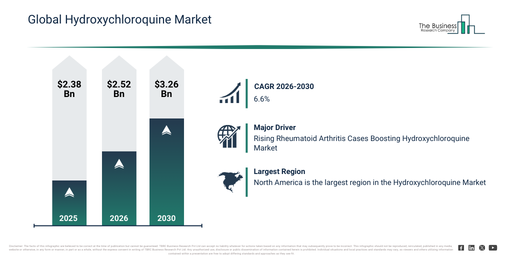
    The hydroxychloroquine market size has shown strong expansion in recent years. It is projected to grow from $2.38 billion in 2025 to $2.52 billion in 2026, achieving a compound annual growth rate (CAGR) of 6.2%. The growth observed in the historic period stems from factors such as the high prevalence of malaria in endemic regions, its well-established use in autoimmune disorders, increasing awareness regarding hydroxychloroquine benefits, its availability through hospital and retail pharmacies, and the growing clinical adoption for rheumatoid arthritis and lupus.

    The hydroxychloroquine market is anticipated to experience significant expansion over the next few years. It is projected to achieve a value of $3.26 billion by 2030, registering a compound annual growth rate (CAGR) of 6.6%. This growth during the forecast period is attributed to ongoing research into COVID-19 applications, the development of new formulations and delivery methods, the expansion of online pharmacy channels, increasing government health initiatives for malaria prevention, and rising investments in clinical trials and off-label studies. Noteworthy trends for the forecast duration include the increasing use of hydroxychloroquine for malaria prevention and treatment, greater adoption in the management of rheumatoid arthritis and lupus, an increase in off-label uses and clinical research for COVID-19, the proliferation of tablet formulations and injectable variants, and enhanced distribution through hospital, online, and retail pharmacies.

    Get A Free Sample Report With In-Depth Market Insights:

    https://thebusinessresearchcompany.com/sample_request?id=90613929&type=smp&name=Hydroxychloroquine%20Market%20Report%202026&utm_source=Blogs&utm_medium=Paid&utm_campaign=Oct_PR

    Hydroxychloroquine Market Growth Momentum: What Factors Are Shaping Demand?

    The increasing instances of rheumatoid arthritis are anticipated to stimulate the expansion of the hydroxychloroquine market in the future. Rheumatoid arthritis is an autoimmune and inflammatory illness where the immune system mistakenly attacks healthy cells, causing inflammation in the affected bodily regions. Hydroxychloroquine proves beneficial for treating rheumatoid arthritis as it helps mitigate inflammation and relieve symptoms, thereby enhancing the overall quality of life for numerous patients. For example, data from June 2023, provided by the Centers for Disease Control and Prevention, a US-based health protection agency, indicated that 54.4 million adults in the United States had been diagnosed with arthritis, a figure projected to climb to 78 million by the year 2040. Consequently, the rising prevalence of rheumatoid arthritis is expected to propel the hydroxychloroquine market.

    Hydroxychloroquine Market Driver: Impact Of Rising Healthcare Expenditure On The Growth Of The Hydroxychloroquine Market

    The increasing spending on healthcare is anticipated to drive the expansion of the hydroxychloroquine market moving forward. Healthcare expenditure represents the total financial resources a country, organization, or individual allocates to health-related services and products. This rise in healthcare spending is influenced by factors such as an aging population, the prevalence of chronic illnesses, advancements in medical technology, and heightened consumer expectations for quality care. Hydroxychloroquine has the potential to mitigate increasing healthcare costs by offering an affordable treatment alternative for various conditions, thereby reducing the dependency on more expensive medical interventions. For instance, in November 2023, the Canadian Institute for Health Information, a Canada-based non-profit organization, projected total health expenditure to reach $344 billion in 2023, indicating a modest growth of 2.8% compared to the prior year. Consequently, the escalating healthcare expenditure is fostering growth in the hydroxychloroquine market.

    Hydroxychloroquine Market Segment Breakdown: Which Categories Lead On Revenue?

    The hydroxychloroquine market covered in this report is segmented –

    1) By Drug Activity: Anti-Malarial Drug, Anti-Rheumatic Drug, Lupus Suppressant Drug, Anti COVID-19 Drug, Other Drug Activity

    2) By Formulation: Tablets, Injection

    3) By Application: Malaria, Rheumatoid Arthritis, Lupus Erythematosus, COVID-19, Other Applications

    4) By Distribution Channel: Hospital Pharmacy, Online Pharmacy, Specialty Drug Stores, Retail Pharmacy

    Subsegments:

    1) By Anti-Malarial Drug: Treatment Of Malaria, Prophylaxis For Malaria

    2) By Anti-Rheumatic Drug: Treatment Of Rheumatoid Arthritis, Treatment Of Juvenile Idiopathic Arthritis

    3) By Lupus Suppressant Drug: Treatment Of Systemic Lupus Erythematosus

    4) By Anti COVID-19 Drug: Treatment Of COVID-19 Symptoms

    5) By Other Drug Activity: Treatment Of Other Autoimmune Disorders, Additional Off-label uses

    Hydroxychloroquine Market Leading Players And Competitive Positioning

    Major companies operating in the hydroxychloroquine market are Bayer AG, Dr. Reddy’s Laboratories Ltd., Zydus Group, Ipca Laboratories Ltd., Wallace Pharma, Teva Pharmaceuticals Inc., Mylan Pharmaceuticals Inc., Novartis AG, Intas Pharmaceuticals Ltd., Lupin Limited, Shanghai Zhongxi Sanwei Pharmaceutical Co. Ltd., Torrent Pharmaceuticals Ltd., Hikma Pharmaceuticals plc, Sandoz International GmbH, Cipla Limited, Shenhua Pharmaceutical Co. Ltd., Sanofi S.A., Macleod Pharmaceuticals Ltd., Laurus Labs, TAJ Pharmaceuticals, Wuhan Wuyao Pharmaceutical Co. Ltd., Concordia Healthcare, Pfizer Inc., Cadila Pharmaceuticals, Hetero Drugs Ltd., Jubilant Generics Limited, Alembic Pharmaceuticals Limited, Sun Pharmaceutical Industries Ltd., Aurobindo Pharma USA Inc., Alkem Laboratories Ltd., Glenmark Pharmaceuticals Ltd., Unichem Laboratories Ltd., Wockhardt Limited, Emcure Pharmaceuticals Ltd., Strides Pharma Science Ltd., Indoco Remedies Ltd.

    View The Full Hydroxychloroquine Market Report:

    https://thebusinessresearchcompany.com/report/Hydroxychloroquines-global-market-report?utm_source=Blogs&utm_medium=Paid&utm_campaign=Oct_PR

    Hydroxychloroquine Market Regional Split: Which Areas Are Fueling Growth?

    North America was the largest region in the hydroxychloroquine market in 2025. Middle East is expected to be the fastest-growing region in the hydroxychloroquine market report. The regions covered in the hydroxychloroquine market report are Asia-Pacific, South East Asia, Western Europe, Eastern Europe, North America, South America, Middle East, Africa.

    Reach Out To Our Team:

    The Business Research Company: https://www.thebusinessresearchcompany.com/

    Americas: +1 310-496-7795

    Asia: +44 7882 955267 & +91 8897263534

    Europe: +44 7882 955267

    Email us at: marketing@tbrc.info

    Follow us on:

    LinkedIn: https://in.linkedin.com/company/the-business-research-company

    YouTube: https://www.youtube.com/channel/UC24_fI0rV8cR5DxlCpgmyFQ

    Global Market Model: https://www.thebusinessresearchcompany.com/global-market-model
  • Hydrolase Enzymes Market Size Forecast From 2026 To 2030: Key Industry Trends

    Hydrolase Enzymes Market Size Forecast From 2026 To 2030: Key Industry Trends

    Featuring market attractiveness scoring, total addressable market sizing, company benchmarking matrices, interactive Excel dashboards, deeper supply chain intelligence, emerging startup tracking, and granular product-level insights, The Business Research Company’s 2026 market reports are built to deliver research that is both more actionable and more strategically valuable.

    Hydrolase Enzymes Market Size Forecast: How Big Could The Market Get By 2030?

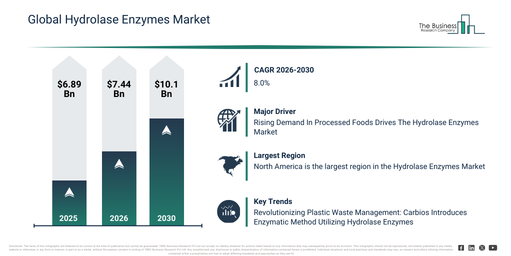
    The hydrolase enzymes market size has seen significant expansion over recent years. It is forecast to increase from $6.89 billion in 2025 to $7.44 billion in 2026, achieving a compound annual growth rate (CAGR) of 7.9%. The market’s historic growth can be attributed to the rising adoption of enzymes in detergent formulations, the expansion within pharmaceutical manufacturing, enhanced utilization of enzymes in food processing, progress in fermentation technology, and the economic benefits of enzymatic catalysis.

    The hydrolase enzymes market is projected to experience substantial expansion over the upcoming years. Its valuation is anticipated to reach $10.1 billion in 2030, exhibiting a compound annual growth rate (CAGR) of 8.0%. This projected growth during the forecast period is attributable to several factors, including the escalating demand for biopharmaceuticals, a heightened emphasis on sustainable industrial methodologies, the expansion of biofuel production, widening uses within the cosmetics and personal care sectors, and ongoing advancements in enzyme engineering. Key trends anticipated during this period encompass the increased application of hydrolase enzymes in the development of biopharmaceutical drugs, a growing integration of enzyme-based processing across food and beverage production, an elevated requirement for hydrolases in the composition of detergents and cleaning products, the broader deployment of industrial enzymes in biofuel and biorefinery contexts, and advancements in products emphasizing enzymes with superior stability and specificity.

    Get A Free Sample Report With In-Depth Market Insights:

    https://thebusinessresearchcompany.com/sample_request?id=51945987&type=smp&name=Hydrolase%20Enzymes%20Market%20Report%202026&utm_source=Blogs&utm_medium=Paid&utm_campaign=Oct_PR

    Hydrolase Enzymes Market Expansion Drivers: What’s Shaping Future Growth?

    The increasing need for processed foods is expected to drive expansion in the hydrolase enzymes market in the future. Processed foods are defined as food items that have been intentionally altered from their natural state through diverse preparation, preservation, cooking, or packaging techniques. In processed food manufacturing, hydrolase enzymes find application in creating different sweeteners, such as high-fructose corn syrup, and in decomposing intricate carbohydrates, proteins, and fats into more basic components. As an illustration, in May 2024, the United States Department of Agriculture, a federal agency based in the U.S., reported that in 2023, the export value of U.S. processed food exports saw a 0.2% year-over-year rise, reaching $14.73 billion, marking a new record for the third consecutive year. Consequently, the rising consumption of processed foods is fueling the expansion of the hydrolase enzymes market.

    Hydrolase Enzymes Market Segmentation: How Does The Market Break Down By Category?

    The hydrolase enzymes market covered in this report is segmented –

    1) By Product: Esterase, Glycosylases, Peptidases, Other Products

    2) By Bond Type: Ester Bonds (Esterases), Sugars (DNA Glycosylases And Glycoside Hydrolase), Ether Bonds (Thioether And Trialkylsulfonium), Peptide Bonds (Peptidases), Carbon-Nitrogen Bonds (Other Than Peptide Bonds), Acid Anhydrides, Carbon-Carbon Bonds, Halide Bonds, Phosphorus-Nitrogen Bonds, Other Bond Types

    3) By Application: Pharmaceutical, Food And Beverages, Laundry Detergents, Cosmetics, Textile, Pulp And Paper, Biofuel, Other Applications

    Subsegments:

    1) By Esterase: Acetylcholinesterase, Lipases, Carboxylesterases

    2) By Glycosylases: Amylases, Cellulases, Glucosidases

    3) By Peptidases: Serine Peptidases, Cysteine Peptidases, Aspartic Peptidases, Metallopeptidases

    4) By Other Products: Phosphatases, Nucleotidases, Other Hydrolases

    Hydrolase Enzymes Market Strategic Trends: What Defines The Next Growth Phase?

    Leading companies in the hydrolase enzymes market are prioritizing innovations, such as advanced enzyme engineering, to boost the efficiency and sustainability of industrial processes, including plastic recycling and the production of bio-based products. Enzymatic recycling is a technique that employs naturally occurring enzymes to break down plastics, like PET, into their fundamental components, allowing them to be reprocessed into new materials without losing their quality. For example, in August 2023, Carbios, a France-based biotech company, revealed a pioneering enzymatic recycling process, ushering in a new era for PET (polyethylene terephthalate) waste management. This innovative approach enables the conversion of waste into recycled and recyclable products without any loss of quality, by using naturally occurring enzymes to transform plastic and textile waste into new products.

    Hydrolase Enzymes Market Competitive Overview And Top Companies

    Major companies operating in the hydrolase enzymes market are Creative Enzymes Holdings Limited, Advanced Enzyme Technologies Limited, Specialty Enzymes & Probiotics, Novozymes A/S, Antozyme Biotech Private Limited, Infinita Biotech Private Limited, Aumgene Biosciences (Shanghai) Co. Ltd., AB Enzymes GmbH, Dyadic International Inc., Sisco Research Laboratories Pvt Ltd., Amano Enzyme Inc., Codexis Inc., Merck KGaA, BESTZYME BIO-ENGINEERING CO. Ltd., Bioseutica Group, BASF SE, Kemin Industries Inc., Epygen Labs FZ LLC, DuPont de Nemours Inc., Biovet Private Limited, Enzyme Development Corporation, Associated British Foods, Chr. Hansen Holding A/S, Thermo Fisher Scientific Inc., Koninklijke DSM N.V., Enzymes Biotec Limited, Kerry Group plc

    View The Full Hydrolase Enzymes Market Report:

    https://thebusinessresearchcompany.com/report/hydrolase-enzymes-global-market-report?utm_source=Blogs&utm_medium=Paid&utm_campaign=Oct_PR

    Hydrolase Enzymes Market Top Region: Where Does Most Revenue Come From?

    North America was the largest region in the hydrolase enzymes market in 2025. Europe is expected to be the fastest-growing region in the hydrolase enzymes market report during the forecast period. The regions covered in the hydrolase enzymes market report are Asia-Pacific, South East Asia, Western Europe, Eastern Europe, North America, South America, Middle East, Africa.

    Reach Out To Our Team:

    The Business Research Company: https://www.thebusinessresearchcompany.com/

    Americas: +1 310-496-7795

    Asia: +44 7882 955267 & +91 8897263534

    Europe: +44 7882 955267

    Email us at: marketing@tbrc.info

    Follow us on:

    LinkedIn: https://in.linkedin.com/company/the-business-research-company

    YouTube: https://www.youtube.com/channel/UC24_fI0rV8cR5DxlCpgmyFQ

    Global Market Model: https://www.thebusinessresearchcompany.com/global-market-model
  • Hydrogel Based Drug Delivery System Market 2026: Market Size, Growth Drivers And Emerging Opportunities

    Hydrogel Based Drug Delivery System Market 2026: Market Size, Growth Drivers And Emerging Opportunities

    Built to provide research that’s more actionable and strategically valuable, The Business Research Company’s 2026 market reports include market attractiveness analysis, total addressable market sizing, company benchmarking matrices, interactive Excel dashboards, broader supply chain intelligence, emerging startup tracking, and in-depth product insights.

    Hydrogel Based Drug Delivery System Market Revenue Outlook: What CAGR Lies Ahead Through 2030?

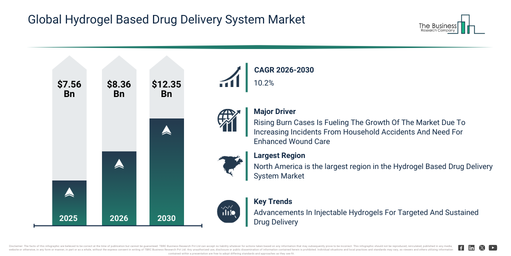
    The hydrogel based drug delivery system market has experienced rapid growth in recent years. It is forecast to expand from $7.56 billion in 2025 to reach $8.36 billion in 2026, driven by a compound annual growth rate (CAGR) of 10.6%. The historical expansion of this market can be linked to factors such as limited hydrogel formulations, a reliance on natural hydrogels, low adoption in clinical environments, the absence of large molecule delivery systems, and a rising demand for sustained release therapies.

    The hydrogel based drug delivery system market size is projected to experience rapid expansion over the coming years. It is expected to reach $12.35 billion by 2030, showing a compound annual growth rate (CAGR) of 10.2%. The anticipated growth within this forecast timeframe is largely due to the advancement of synthetic and hybrid hydrogels, a heightened focus on applications in oncology and cardiology, the broadening of injectable and ocular delivery pathways, the increasing adoption of personalized hydrogel therapies, and growing investments in research institutes and hospitals. Significant trends during the forecast period involve a greater acceptance of injectable and topical hydrogel drug delivery systems, an expanded use of hydrogels for targeted oncology and cardiology treatments, the creation of hybrid hydrogels designed for improved drug release profiles, an increase in research into the delivery of peptides, proteins, and large molecules, and the general growth of personalized medicine and patient-specific drug formulations.

    Get A Free Sample Report With In-Depth Market Insights:

    https://thebusinessresearchcompany.com/sample_request?id=43363113&type=smp&name=Hydrogel%20Based%20Drug%20Delivery%20System%20Market%20Report%202026&utm_source=Blogs&utm_medium=Paid&utm_campaign=Oct_PR

    Hydrogel Based Drug Delivery System Market Development Factors: What’s Supporting Demand?

    The increasing occurrence of burn injuries is anticipated to drive the expansion of the hydrogel-based drug delivery system market. Burn cases involve medical conditions where individuals experience harm to their skin or underlying tissues from exposure to heat, chemicals, electricity, or radiation. The rise in burn incidents stems from an increase in domestic accidents, often involving the improper handling of hot liquids or kitchen appliances, leading to skin damage, which highlights the importance of better safety consciousness in everyday life. Hydrogel-based drug delivery systems aid in burn recovery by fostering a damp, protective setting that quickens the healing process and reduces discomfort, simultaneously delivering drugs in a regulated, prolonged fashion to improve tissue regeneration and avert infections. For example, data from the US-based International Burn Injury Database (iBID) indicated in October 2023 that during the first six months of 2023, burns and scalds in children saw a 45% increase compared to the same period in 2022, and incidents involving hot water bottles among adults and the elderly climbed by 19%. Consequently, the increasing prevalence of burn cases is fueling the growth of the hydrogel-based drug delivery system market.

    Hydrogel Based Drug Delivery System Market Segment Trends And Revenue Contributors

    The hydrogel based drug delivery system market covered in this report is segmented –

    1) By Type Of Hydrogel: Natural Hydrogels, Synthetic Hydrogels, Hybrid Hydrogels

    2) By Drug Type: Small Molecules, Large Molecules, Peptides, Proteins

    3) By Route Of Administration: Topical, Injectable, Oral, Transdermal, Ocular

    4) By Application: Cardiology, Oncology, Immunology, Pain Management, Other Applications

    5) By End-User: Hospitals, Clinics, Research Institutes, Other End-Users

    Subsegments:

    1) By Natural Hydrogels: Alginate, Chitosan, Collagen, Gelatin, Hyaluronic Acid, Fibrin

    2) By Synthetic Hydrogels: Polyethylene Glycol (PEG), Polyvinyl Alcohol (PVA), Polyacrylamide (PAAm), Poloxamer, Poly(N-isopropylacrylamide) (PNIPAM)

    3) By Hybrid Hydrogels: Natural-Synthetic Polymer Blends, Interpenetrating Polymer Networks (IPNs), Composite Hydrogels, Nanocomposite Hydrogels

    Hydrogel Based Drug Delivery System Market Transformation Trends: What Innovations Are Driving Change?

    Companies operating within the hydrogel-based drug delivery market are prioritizing the creation of advanced products, including injectable hydrogels, to optimize targeted delivery and facilitate regulated, prolonged drug release. Injectable hydrogels are pliable, water-based materials administered with minimal invasiveness into the body, delivering medications with precise, sustained release directly to the target site, thereby improving effectiveness and minimizing side effects. For instance, in October 2024, UPM Biomedicals Oy, a biotechnology company headquartered in Finland, introduced Fibgel, the globe’s inaugural injectable nanocellulose hydrogel specifically engineered for permanent implantable medical devices. This innovative hydrogel is crafted from renewable Finnish birch wood cellulose and water, presenting a safe, sustainable, and animal-free alternative to existing synthetic and animal-derived hydrogels. Fibgel offers adaptable mechanical properties and excellent biocompatibility, ensuring controlled and sustained drug release precisely at the target location. Its shear-thinning characteristic enables simple injection via minimally invasive methods, enhancing patient comfort and accelerating recovery.

    Hydrogel Based Drug Delivery System Market Competitive Landscape: Which Companies Lead The Industry?

    Major companies operating in the hydrogel based drug delivery system market are Johnson & Johnson, Merck KGaA, UPM Biomedicals Oy, The Lubrizol Corporation, Ashland Global Holdings Inc., B. Braun Melsungen AG, Ocular Therapeutix Inc., Primex ehf, Heppe Medical Chitosan GmbH, BioCat GmbH, Micropore Technologies Limited, Akina Inc., KitoZyme SA

    View The Full Hydrogel Based Drug Delivery System Market Report:

    https://thebusinessresearchcompany.com/report/hydrogel-based-drug-delivery-system-global-market-report?utm_source=Blogs&utm_medium=Paid&utm_campaign=Oct_PR

    Hydrogel Based Drug Delivery System Market Regional Breakdown: Where Is Demand Concentrated?

    North America was the largest region in the hydrogel-based drug delivery system market in 2025. Asia-Pacific is expected to be the fastest-growing region in the forecast period. The regions covered in the hydrogel based drug delivery system market report are Asia-Pacific, South East Asia, Western Europe, Eastern Europe, North America, South America, Middle East, Africa.

    Reach Out To Our Team:

    The Business Research Company: https://www.thebusinessresearchcompany.com/

    Americas: +1 310-496-7795

    Asia: +44 7882 955267 & +91 8897263534

    Europe: +44 7882 955267

    Email us at: marketing@tbrc.info

    Follow us on:

    LinkedIn: https://in.linkedin.com/company/the-business-research-company

    YouTube: https://www.youtube.com/channel/UC24_fI0rV8cR5DxlCpgmyFQ

    Global Market Model: https://www.thebusinessresearchcompany.com/global-market-model