Category: Pharmaceuticals

  • Congenital Diaphragmatic Hernia Drugs Market Explained: What Is Fueling Growth To $6.81 Billion By 2030?

    Congenital Diaphragmatic Hernia Drugs Market Explained: What Is Fueling Growth To $6.81 Billion By 2030?

    Built to provide research that’s more actionable and strategically valuable, The Business Research Company’s 2026 market reports include market attractiveness analysis, total addressable market sizing, company benchmarking matrices, interactive Excel dashboards, broader supply chain intelligence, emerging startup tracking, and in-depth product insights.

    Congenital Diaphragmatic Hernia Drugs Market Value Growth And Long-Term Outlook

    The congenital diaphragmatic hernia drugs market has seen significant expansion in recent years. It is anticipated to expand from $4.69 billion in 2025 to $5.01 billion in 2026, demonstrating a compound annual growth rate (CAGR) of 6.9%. The historical progression of this market was driven by factors including limited therapeutic solutions, elevated neonatal mortality rates, a lack of awareness regarding congenital diaphragmatic hernia, a fragmented healthcare infrastructure, and the absence of consistent treatment protocols.

    The congenital diaphragmatic hernia drugs market is projected to experience substantial expansion in the coming years. Its valuation is anticipated to reach $6.81 billion by 2030, exhibiting a compound annual growth rate (CAGR) of 8.0%. This growth during the forecast period is propelled by factors such as the development of precision medicine, increased investment in neonatal care, a growing understanding of the benefits of early intervention, advancements in drug delivery methods, and the expansion of healthcare infrastructure in emerging regions. Significant trends in this period include sophisticated neonatal care medications, minimally invasive treatment approaches, personalized drug formulations, early diagnosis and intervention therapies, and multi-modal symptom management.

    Get A Free Sample Report With In-Depth Market Insights:

    https://thebusinessresearchcompany.com/sample_request?id=29725416&type=smp&name=Congenital%20Diaphragmatic%20Hernia%20Drugs%20Market%20Report%202026&utm_source=Blogs&utm_medium=Paid&utm_campaign=Oct_PR

    Congenital Diaphragmatic Hernia Drugs Market Development Factors: What’s Supporting Demand?

    The rising rate of birth defects is projected to drive the growth of the congenital diaphragmatic hernia drug market. Birth defects are characterized as structural or functional anomalies present at birth, which can impact a baby’s general health and development. Treatment strategies for congenital diaphragmatic hernia encompass prenatal screening, genetic counseling, and targeted therapies aimed at reducing the occurrence of birth defects attributed to congenital diaphragmatic hernia. These approaches also foster opportunities for early intervention and personalized care, ultimately improving the overall well-being and quality of life for affected individuals. For instance, in March 2023, the World Health Organization (WHO), a US-based intergovernmental organization, indicated that approximately 8 million infants are born annually with birth defects globally, with 9 out of 10 significant problems emerging in low- and middle-income nations. Furthermore, an estimated 240,000 newborns worldwide die within 28 days of birth each year due to congenital disorders. Therefore, the increasing prevalence of birth defects is a primary driver for the congenital diaphragmatic hernia drug market.

    Congenital Diaphragmatic Hernia Drugs Market Breakdown By Product Type And Application

    The congenital diaphragmatic hernia drugs market covered in this report is segmented –

    1) By Type: Posterolateral Bochdalek Hernia, Anterior Morgagni Hernia, Hiatal Hernia

    2) By Treatment: Extracorporeal Membrane Oxygenation, Other Treatments

    3) By Diagnosis: Prenatal, Postnatal

    4) By End-User: Hospitals, Homecare, Specialty Clinics, Other End Users

    Subsegments:

    1) By Posterolateral Bochdalek Hernia: Surgical Interventions, Medications for Symptoms

    2) By Anterior Morgagni Hernia: Medications for Symptoms

    3) By Hiatal Hernia: Surgical Interventions, Medications

    Congenital Diaphragmatic Hernia Drugs Market Company Landscape And Competitive Strategy

    Major companies operating in the congenital diaphragmatic hernia drugs market are Pfizer Inc., Merck & Co Inc., GlaxoSmithKline plc, Novartis AG, Sun Pharmaceutical Industries Ltd., Teva Pharmaceutical Industries Ltd., Viatris Inc., Bayer AG, Mallinckrodt Pharmaceuticals, Boehringer Ingelheim International GmbH, AbbVie Inc., Sanofi SA, Johnson & Johnson, United Therapeutics Corporation, Bristol‑Myers Squibb Company, Aurobindo Pharma Ltd, Cipla Inc., Lupin Ltd., Zydus Lifesciences Ltd., Fresenius Kabi.

    View The Full Congenital Diaphragmatic Hernia Drugs Market Report:

    https://thebusinessresearchcompany.com/report/congenital-diaphragmatic-hernia-drugs-global-market-report?utm_source=Blogs&utm_medium=Paid&utm_campaign=Oct_PR

    Congenital Diaphragmatic Hernia Drugs Market Regional Breakdown: Where Is Demand Concentrated?

    North America was the largest region in the congenital diaphragmatic hernia drugs market in 2025. The regions covered in the congenital diaphragmatic hernia drugs market report are Asia-Pacific, South East Asia, Western Europe, Eastern Europe, North America, South America, Middle East, Africa.

    Reach Out To Our Team:

    The Business Research Company: https://www.thebusinessresearchcompany.com/

    Americas: +1 310-496-7795

    Asia: +44 7882 955267 & +91 8897263534

    Europe: +44 7882 955267

    Email us at: marketing@tbrc.info

    Follow us on:

    LinkedIn: https://in.linkedin.com/company/the-business-research-company

    YouTube: https://www.youtube.com/channel/UC24_fI0rV8cR5DxlCpgmyFQ

    Global Market Model: https://www.thebusinessresearchcompany.com/global-market-model
  • Concierge Medicine Market Forecast To Reach $36.4 Billion By 2030: Key Trends Explained

    Concierge Medicine Market Forecast To Reach $36.4 Billion By 2030: Key Trends Explained

    Backed by market attractiveness analysis, total addressable market sizing, company benchmarking matrices, interactive Excel dashboards, wider supply chain intelligence, emerging startup coverage, and detailed product-level insights, The Business Research Company’s 2026 market reports are designed to offer research that is more actionable and strategically valuable than ever.

    Concierge Medicine Market Poised To Hit $36.4 Billion By 2030 With A 9.8% CAGR

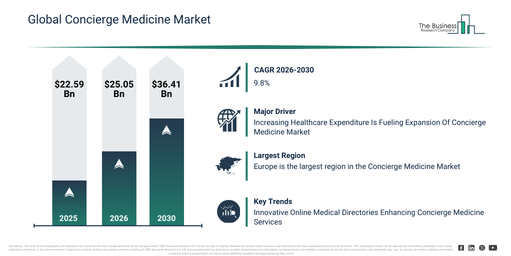
    The concierge medicine market has experienced swift expansion in recent years. It is projected to grow from $22.59 billion in 2025 to $25.05 billion in 2026 at a compound annual growth rate (CAGR) of 10.9%. The observed growth in the past can be attributed to various factors such as physician discontent with high patient volumes, the administrative complexities inherent in insurance-based healthcare, increasing patient desire for longer consultation periods, the expansion of high-income patient demographics, and the initial adoption of this model by independent primary care physicians.

    The concierge medicine market is expected to demonstrate significant expansion in the coming years. Its size is projected to reach $36.41 billion by 2030, achieving a compound annual growth rate (CAGR) of 9.8%. The growth anticipated in this period stems from several factors, including the increasing occurrence of chronic health conditions, a heightened focus on proactive and wellness-oriented care, rising levels of physician fatigue, the expansion of employer-backed healthcare benefits, and a growing willingness among patients to invest in premium healthcare access. Noteworthy trends during this forecast include the increasing adoption of subscription-based primary care models, a surging demand for individualized and preventative healthcare options, a noticeable shift by medical professionals away from traditional insurance-dependent practices, the expansion of concierge medicine services into specialized medical areas, and a growing corporate interest in concierge healthcare programs.

    Get A Free Sample Report With In-Depth Market Insights:

    https://thebusinessresearchcompany.com/sample_request?id=15773&type=smp&name=Concierge%20Medicine%20Market%20Report%202026&utm_source=Blogs&utm_medium=Paid&utm_campaign=Oct_PR

    Concierge Medicine Market Industry Drivers: What’s Behind The Revenue Growth?

    The escalating healthcare expenditure is projected to stimulate the growth of the concierge medicine market moving forward. Healthcare expenditure is defined as the total sum of resources dedicated to healthcare services and products within a specific period, encompassing costs for hospital care, physician services, medications, and other health-related provisions. This increase in healthcare spending stems from advancements in medical technology and the rising prevalence of chronic diseases. Concierge medicine utilizes these healthcare expenditures to provide personalized, premium medical services, offering patients enhanced access and tailored care. For instance, in November 2023, according to the Canadian Institute for Health Information (CIHI), a Canada-based not-for-profit organization specializing in collecting and analyzing health data, Canada is projected to spend approximately $344 billion on health care, marking an increase of $9 billion (or about 2.8%) from the previous year. Thus, the increasing healthcare expenditure is fueling the expansion of the concierge medicine market.

    Concierge Medicine Market Segment Analysis And Revenue Potential

    The concierge medicine market covered in this report is segmented –

    1) By Ownership: Group, Standalone

    2) By Application: Cardiology, Primary Care, Psychiatry, Pediatrics, Osteopathy, Neurology, Other Applications

    3) By End User: Individual, Corporate Organization

    Subsegments:

    1) By Group: Multi-Physician Concierge Practices, Physician Networks And Associations

    2) By Standalone: Independent Concierge Practices, Single-Physician Concierge Practices

    #Concierge Medicine Market Growth Trends: What’s Shaping The Future Outlook?

    Major companies operating within the concierge medicine market are providing services equipped with comprehensive functionalities, such as an online medical directory, aiming to enhance patient access to personalized and immediate healthcare. An online medical directory serves as a digital platform that lists healthcare providers, including doctors, specialists, and clinics, allowing users to search for and retrieve information regarding medical professionals and their services. For instance, in March 2023, HealthLynked Corporation, a US-based provider of healthcare services, launched an online concierge service, enabling patients to book doctor appointments nationwide through its extensive online directory containing over 880,000 healthcare providers. This service streamlines appointment bookings by presenting specific times for available slots and facilitating requests for unclaimed provider listings. Patients can also update their medical records through the HealthLynked app, with assistance provided by concierge nurse staff.

    Concierge Medicine Market Key Players Shaping Industry Direction

    Major companies operating in the concierge medicine market are Duke Health, Privia Health Group Inc., One Medical Group Inc., Crossover Health, MDVIP LLC, Sollis Health, Medix global, PinnacleCare, PartnerMD LLC, Paragon Private Health, SignatureMD, Castle Connolly Private Health Partners LLC, Concierge Choice Physicians, EliteHealth, Specialdocs Consultants LLC, Access Healthcare Direct, Dedication Health, Plus Humain, Diamond Physicians, Atlas MD, Red Carpet Concierge Medicine, HealthPulse Concierge Medicine, Lake Oconee Concierge Medicine, NOVA Concierge Medicine & Aesthetics

    View The Full Concierge Medicine Market Report:

    https://thebusinessresearchcompany.com/report/concierge-medicine-global-market-report?utm_source=Blogs&utm_medium=Paid&utm_campaign=Oct_PR

    Concierge Medicine Market Geographic Landscape: Which Region Dominates Industry Growth?

    Europe was the largest region in the concierge medicine market in 2025. North America is expected to be the fastest-growing region in the forecast period. The regions covered in the concierge medicine market report are Asia-Pacific, South East Asia, Western Europe, Eastern Europe, North America, South America, Middle East, Africa.

    Reach Out To Our Team:

    The Business Research Company: https://www.thebusinessresearchcompany.com/

    Americas: +1 310-496-7795

    Asia: +44 7882 955267 & +91 8897263534

    Europe: +44 7882 955267

    Email us at: marketing@tbrc.info

    Follow us on:

    LinkedIn: https://in.linkedin.com/company/the-business-research-company

    YouTube: https://www.youtube.com/channel/UC24_fI0rV8cR5DxlCpgmyFQ

    Global Market Model: https://www.thebusinessresearchcompany.com/global-market-model
  • Compression Therapy Market Analysis: Understanding The Drivers Behind 9.6% CAGR Through 2030 Growth

    Compression Therapy Market Analysis: Understanding The Drivers Behind 9.6% CAGR Through 2030 Growth

    Featuring market attractiveness scoring, total addressable market sizing, company benchmarking matrices, interactive Excel dashboards, deeper supply chain intelligence, emerging startup tracking, and granular product-level insights, The Business Research Company’s 2026 market reports are built to deliver research that is both more actionable and more strategically valuable.

    Compression Therapy Market Size And Revenue Outlook Through 2030

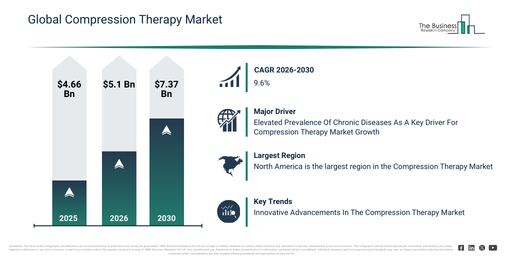
    The compression therapy market has experienced robust growth in recent years. This market is projected to expand from $4.66 billion in 2025 to $5.1 billion in 2026, demonstrating a compound annual growth rate (CAGR) of 9.5%. Historically, this expansion has been driven by factors such as the increasing occurrence of varicose veins and CVI, an expanding elderly demographic, a rise in sedentary lifestyles, the proliferation of hospital-based vascular treatments, and enhanced reimbursement policies for compression therapy.

    The compression therapy market size is anticipated to experience robust expansion over the coming years. It will grow to $7.37 billion in 2030 at a compound annual growth rate (CAGR) of 9.6%. Key factors contributing to this anticipated growth throughout the forecast period include the expansion of home healthcare services, ongoing technological improvements in dynamic compression devices, increased acceptance in lymphedema treatment, a heightened emphasis on preventive vascular care, and the penetration into nascent healthcare markets. Significant developments projected for the forecast period encompass a greater uptake of compression therapy for chronic venous conditions, the increased application of home-based compression therapy options, an escalating need for personalized and patient-specific compression products, the broadening scope of compression therapy in post-surgical and rehabilitative care, and enhanced understanding along with earlier detection of vascular ailments.

    Get A Free Sample Report With In-Depth Market Insights:

    https://thebusinessresearchcompany.com/sample_request?id=56604072&type=smp&name=Compression%20Therapy%20Market%20Report%202026&utm_source=Blogs&utm_medium=Paid&utm_campaign=Oct_PR

    Compression Therapy Market Growth Factors: What’s Supporting Expansion?

    An anticipated increase in chronic disease occurrence is set to drive expansion within the compression therapy market in the future. These enduring health conditions, also termed non-communicable diseases (NCDs), are characterized by their prolonged duration and typically gradual development. Many chronic illnesses manifest symptoms like diabetes, edema, ulcers, and circulatory problems, making compression therapy a necessary intervention that patients are prompted to pursue. As an illustration, data from Allergy UK, a national charity based in the UK, indicated that in April 2024, over 21 million individuals in the UK suffered from allergies, which emerged as the most frequently reported chronic health condition in 2022. Furthermore, forecasts suggest that by 2026, at least one allergy will affect half of Europe’s population. Consequently, the increasing incidence of chronic diseases serves as a key factor propelling the expansion of the compression therapy market.

    Compression Therapy Market Segmentation And Category Overview

    The compression therapy market covered in this report is segmented –

    1) By Product: Compression Pumps, Compression Stockings, Compression Bandages

    2) By Technique: Static Compression Therapy, Dynamic Compression Therapy

    3) By Application: Varicose Vein Treatment, Deep Vein Thrombosis Treatment, Lymphedema Treatment, Leg Ulcer Treatment, Other Applications

    Subsegments:

    1) By Compression Pumps: Sequential Compression Pumps, Non-sequential Compression Pumps

    2) By Compression Stockings: Knee-High Stockings, Thigh-High Stockings, Waist-High Stockings

    3) By Compression Bandages: Cohesive Bandages, Elastic Bandages

    Compression Therapy Market Industry Trends: What’s Reshaping Demand?

    Leading companies in the compression therapy market are developing innovative products, such as pneumatic compression devices, to attract broader customer bases, increase sales, and enhance revenue. Pneumatic compression devices are medical tools designed to assist in managing various circulatory and vascular conditions. For instance, in September 2023, AIROS Medical Inc., a US-based medical equipment manufacturer, launched its AIROS 6P sequential compression device. The AIROS 6P sequential compression device is distinguished by a unique feature set, including a Peristaltic Mode functionality, which delivers a wave-like inflation and deflation sequence preferred by physicians and lymphedema therapists, primarily for upper extremity treatment. Additionally, it comes with an upgraded electrical rating, allowing it to operate at 100-240 VAC, making it suitable for global use. Furthermore, the device incorporates a larger air pump, enabling treatment with the newer, larger garments required for some lymphedema patients.

    Compression Therapy Market Competitive Analysis Of Leading Industry Participants

    Major companies operating in the compression therapy market are 3M Company, ArjoHuntleigh AB, Bio Compression Systems Inc., BSN Medical GmbH, Cardinal Health Inc., DJ Orthopedics Global Inc., Julius Zorn GmbH, medi GmbH & Co KG, Paul Hartmann AG, Sanyleg Srl, Sigvaris Management AG, Smith & Nephew plc, Tactile Systems Technology Inc., Thuasne SA, Bauerfeind AG, Essity AB, Kinetec SAS, Lympha Press International Inc., Medi USA, Optima Molliter Srl, ConvaTec Inc.

    View The Full Compression Therapy Market Report:

    https://thebusinessresearchcompany.com/report/compression-therapy-global-market-report?utm_source=Blogs&utm_medium=Paid&utm_campaign=Oct_PR

    Compression Therapy Market Largest Region: Which Geography Holds The Highest Market Share?

    North America was the largest region in the compression therapy market in 2025. Europe was the second-largest market in the compression therapy market. The regions covered in the compression therapy market report are Asia-Pacific, South East Asia, Western Europe, Eastern Europe, North America, South America, Middle East, Africa.

    Reach Out To Our Team:

    The Business Research Company: https://www.thebusinessresearchcompany.com/

    Americas: +1 310-496-7795

    Asia: +44 7882 955267 & +91 8897263534

    Europe: +44 7882 955267

    Email us at: marketing@tbrc.info

    Follow us on:

    LinkedIn: https://in.linkedin.com/company/the-business-research-company

    YouTube: https://www.youtube.com/channel/UC24_fI0rV8cR5DxlCpgmyFQ

    Global Market Model: https://www.thebusinessresearchcompany.com/global-market-model
  • Compounding Chemotherapy Market Growth To $8.2 Billion By 2030: What’s Driving The Expansion?

    Compounding Chemotherapy Market Growth To $8.2 Billion By 2030: What’s Driving The Expansion?

    Built to provide research that’s more actionable and strategically valuable, The Business Research Company’s 2026 market reports include market attractiveness analysis, total addressable market sizing, company benchmarking matrices, interactive Excel dashboards, broader supply chain intelligence, emerging startup tracking, and in-depth product insights.

    Compounding Chemotherapy Market Growth From $6.49 Billion In 2026 To $8.2 Billion By 2030 At A CAGR Of 6%

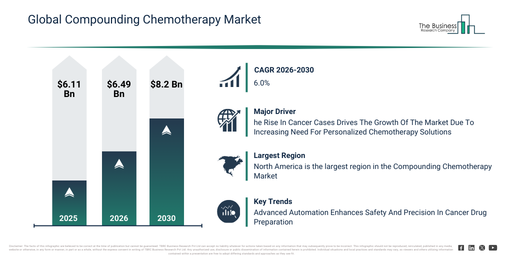
    The compounding chemotherapy market has demonstrated substantial growth in recent years. It is projected to increase from $6.11 billion in 2025 to $6.49 billion in 2026, at a compound annual growth rate (CAGR) of 6.2%. Historically, this expansion was driven by factors such as the limited availability of compounding technologies, the rising prevalence of cancer, the reliance on hospital-based compounding, growing awareness of cytotoxic drug safety, and the adoption of manual preparation methods.

    The compounding chemotherapy market is set for significant expansion over the next few years, with its size projected to reach $8.2 billion in 2030, demonstrating a compound annual growth rate (CAGR) of 6.0%. This forecasted growth is attributable to factors such as the development of automated and robotic compounding systems, the expansion of chemotherapy services into homecare, increased investment in sterile pharmacy infrastructure, stricter regulatory compliance for personalized medicine, and the proliferation of targeted therapies and immunomodulatory agents. Key trends expected in this period include the growing adoption of personalized chemotherapy formulations, the integration of robotic compounding systems, the expansion of compounding services through homecare and specialty clinics, an increasing focus on sterile and contamination-free environments, and a rising demand for supportive care drug compounding.

    Get A Free Sample Report With In-Depth Market Insights:

    https://thebusinessresearchcompany.com/sample_request?id=63656850&type=smp&name=Compounding%20Chemotherapy%20Market%20Report%202026&utm_source=Blogs&utm_medium=Paid&utm_campaign=Oct_PR

    Compounding Chemotherapy Market Demand Drivers: What’s Powering Industry Growth?

    The rising incidence of cancer diagnoses is anticipated to fuel the expansion of the compounding chemotherapy market in the future. Cancer is defined as a collection of illnesses marked by the uncontrolled multiplication and dispersion of aberrant cells throughout the body. This growing occurrence of cancer diagnoses stems mainly from detrimental lifestyle choices like inadequate nutrition, insufficient physical activity, smoking, excessive alcohol intake, and extended contact with environmental contaminants, all of which substantially elevate the chances of developing various forms of cancer. Compounding chemotherapy aids cancer therapy by allowing for customized drug formulations specifically designed for individual patient requirements, thereby boosting effectiveness and reducing adverse reactions. As an illustration, in October 2025, the National Health Service (NHS), a UK-based government health agency, reported 354,820 new cancer diagnoses in 2023, averaging 972 per day, an increase of 8,605 from 2022. Consequently, the growing frequency of cancer cases is a significant factor propelling the growth of the compounding chemotherapy market.

    Compounding Chemotherapy Market Segment Outlook: Which Categories Are Growing Fastest?

    The compounding chemotherapy market covered in this report is segmented –

    1) By Drug Type: Cytotoxic Drugs, Hormonal Agents, Immunomodulatory Agents, Targeted Therapies, Supportive Care Drugs

    2) By Route Of Administration: Intravenous, Oral, Subcutaneous, Intramuscular, Intrathecal

    3) By Technology: With Robotic Arms, Without Robotic Arms

    4) By Distribution Channel: Hospital Pharmacies, Retail Pharmacies, Online Pharmacies

    5) By Compounding Setting: Hospital Compounding, Compounding Pharmacies, Specialty Clinics, Homecare Settings

    Subsegments:

    1) By Cytotoxic Drugs: Alkylating Agents, Antimetabolites, Plant Alkaloids, Antitumor Antibiotics, Topoisomerase Inhibitors

    2) By Hormonal Agents: Estrogen Antagonists, Androgen Deprivation Therapy Agents, Aromatase Inhibitors, Progestins, Gonadotropin-Releasing Hormone Agonists

    3) By Immunomodulatory Agents: Immune Checkpoint Inhibitors, Monoclonal Antibodies, Interleukins, Cytokines, Immune System Activators

    4) By Targeted Therapies: Tyrosine Kinase Inhibitors, Proteasome Inhibitors, Mammalian Target Of Rapamycin Inhibitors, Poly Polymerase Inhibitors

    5) By Supportive Care Drugs: Antiemetics, Erythropoiesis-Stimulating Agents, Bone-Modifying Agents, Pain Management Drugs

    Compounding Chemotherapy Market Innovation Trends: What Developments Are Reshaping The Industry?

    Leading companies within the compounding chemotherapy market are concentrating on creating innovative solutions, including robotic chemotherapy automation systems, to improve the accuracy, safety, and efficiency involved in preparing personalized cancer treatments. Robotic chemotherapy automation systems are sophisticated devices engineered to precisely and securely prepare customized chemotherapy doses by automating the compounding procedure, thereby minimizing human error and potential contamination risks. As an illustration, in February 2024, Simplivia Healthcare Ltd., an Israel-based healthcare technology company, introduced Smart Compounders Advanced Systems aimed at automating and streamlining the preparation of cytotoxic (chemotherapy) drugs. These systems manage the compounding of cytostatics and antibodies, processing 20 to 40 preparations per hour, and incorporate automatic gravimetric verification and documentation to ensure superior accuracy. They substantially reduce pharmacy staff’s exposure to dangerous substances and are designed for seamless integration into existing laminar airflow (LAF) cabinets or isolators without requiring any modifications.

    Compounding Chemotherapy Market Leading Companies And Competitive Benchmarking

    Major companies operating in the compounding chemotherapy market are Baxter International Inc., Fresenius Kabi AG, Option Care Health Inc., ICU Medical Inc., Fagron NV, BioScrip Inc., B. Braun Melsungen AG, Medisca Pharmaceutique Inc., Central Admixture Pharmacy Services Inc., Icon Group Holdings Pty Ltd, Avella Specialty Pharmacy, McGuff Compounding Pharmacy Services Inc., Epicur Pharma LLC, PharMEDium Services LLC.

    View The Full Compounding Chemotherapy Market Report:

    https://thebusinessresearchcompany.com/report/compounding-chemotherapy-global-market-report?utm_source=Blogs&utm_medium=Paid&utm_campaign=Oct_PR

    Compounding Chemotherapy Market Regional Analysis: Which Region Leads By Revenue?

    North America was the largest region in the compounding chemotherapy market in 2025. Asia-Pacific is expected to be the fastest-growing region in the forecast period. The regions covered in the compounding chemotherapy market report are Asia-Pacific, South East Asia, Western Europe, Eastern Europe, North America, South America, Middle East, Africa.

    Reach Out To Our Team:

    The Business Research Company: https://www.thebusinessresearchcompany.com/

    Americas: +1 310-496-7795

    Asia: +44 7882 955267 & +91 8897263534

    Europe: +44 7882 955267

    Email us at: marketing@tbrc.info

    Follow us on:

    LinkedIn: https://in.linkedin.com/company/the-business-research-company

    YouTube: https://www.youtube.com/channel/UC24_fI0rV8cR5DxlCpgmyFQ

    Global Market Model: https://www.thebusinessresearchcompany.com/global-market-model

  • Compound Camphor Ointment Market Trends Reshaping Industry Growth Through 2030

    Compound Camphor Ointment Market Trends Reshaping Industry Growth Through 2030

    Backed by market attractiveness analysis, total addressable market sizing, company benchmarking matrices, interactive Excel dashboards, wider supply chain intelligence, emerging startup coverage, and detailed product-level insights, The Business Research Company’s 2026 market reports are designed to offer research that is more actionable and strategically valuable than ever.

    Compound Camphor Ointment Market Expansion Outlook: What Revenue Opportunities Are Ahead?

    The market size for compound camphor ointment has shown robust expansion in recent years. This market is projected to expand from $2.67 billion in 2025 to reach $2.81 billion by 2026, exhibiting a compound annual growth rate (CAGR) of 5.1%. Historically, this expansion has been driven by factors such as the enduring traditional application of camphor-based remedies, their broad accessibility via retail pharmacies, their recognized efficacy in managing pain and itching, the cost-effectiveness of camphor-based topical products, and consumers’ general acquaintance with over-the-counter topical treatments.

    The compound camphor ointment market is projected to experience consistent expansion in the coming years. Its valuation is set to reach $3.37 billion by 2030, exhibiting a compound annual growth rate (CAGR) of 4.7%. This anticipated growth during the forecast period stems from factors such as a rise in joint and muscle pain cases, an increasing need for self-care and at-home remedies, the spread of e-commerce pharmacy platforms, a greater inclination towards non-opioid solutions for pain, and the expanding urban demographic adopting sedentary lifestyles. Significant developments expected during this period involve an increasing favorability for topical and non-invasive pain relief methods, a surging interest in herbal and natural components for ointments, wider application of compound camphor ointments for musculoskeletal discomfort, enhanced over-the-counter accessibility across various retail outlets, and modifications to product formulas to boost skin compatibility and lessen irritation.

    Get A Free Sample Report With In-Depth Market Insights:

    https://thebusinessresearchcompany.com/sample_request?id=48701208&type=smp&name=Compound%20Camphor%20Ointment%20Market%20Report%202026&utm_source=Blogs&utm_medium=Paid&utm_campaign=Oct_PR

    Compound Camphor Ointment Market Growth Drivers: What’s Behind The Acceleration?

    The escalating occurrence of musculoskeletal disorders is projected to stimulate the expansion of the compound camphor ointment market moving forward. Musculoskeletal disorders (MSDs) are medical conditions that impact the muscles, bones, joints, ligaments, tendons, and surrounding soft tissues. The prevalence of these conditions is increasing due to poor posture, repetitive physical stress, sedentary lifestyles, and injuries from overuse. The compound camphor ointment market supports musculoskeletal well-being by offering analgesic and anti-inflammatory advantages that aid in alleviating pain and inflammation in affected muscles and joints. For instance, in January 2024, data from the Office for Health Improvement and Disparities, a UK-based government department, revealed that in 2023, 18.4% of people aged 16 and over reported experiencing a long-term musculoskeletal condition, which was a slight rise from 17.6% in 2022. These conditions were reported less frequently by males (15.8%) compared with females (20.9%). Therefore, the increasing prevalence of musculoskeletal disorders is fostering the growth of the compound camphor ointment market.

    Compound Camphor Ointment Market Segment Landscape: Which Areas Lead Development?

    The compound camphor ointment market covered in this report is segmented –

    1) By Formulation: Ointments, Creams, Gels, Balms And Rubs, Lotions And Liniments

    2) By Distribution: Retail Pharmacies, Hospital Pharmacies, Online Pharmacies

    3) By Application: Pain Relief, Anti-Itching, Fungal Infection, Other Applications

    Subsegments:

    1) By Ointments: Compound Camphor Ointments, Camphor–Menthol Ointments

    2) By Creams: Analgesic Creams, Anti-Itch Creams, Herbal Creams

    3) By Gels: Cooling Gels, Fast-Absorbing Pain Relief Gels

    4) By Balms And Rubs: Medicated Balms, Chest Rubs, Herbal Rubs

    5) By Lotions And Liniments: Massage Lotions, Therapeutic Liniments

    Compound Camphor Ointment Market Trends: What’s Defining The Industry’s Next Phase?

    Major companies operating in the compound camphor ointment market are concentrating on developing advanced pain relief topical solutions. This effort aims to enhance therapeutic effectiveness, improve user convenience, and address a broad spectrum of pain and inflammation-related conditions. A pain relief topical solution is characterized as a liquid formulation applied directly to the skin to deliver localized relief from pain, inflammation, or muscle discomfort, utilizing analgesic, anti-inflammatory, or soothing active ingredients such as camphor. For instance, in September 2024, Mankind Pharma Ltd., an India-based pharmaceutical company, launched Sofgel Neck Pain Relief, an innovative topical solution created to alleviate discomfort associated with neck pain resulting from poor posture, muscle strain, or injuries. This product features a targeted formulation developed to act directly at the pain site, reflecting the company’s commitment to offering accessible and effective solutions that improve the quality of life for individuals experiencing neck pain.

    Compound Camphor Ointment Market Industry Leaders And Competitive Landscape

    Major companies operating in the compound camphor ointment market are CVS Health, McKesson, Johnson & Johnson, China Resources Sanjiu Medical & Pharmaceutical Co. Ltd., Cipla Limited, Greenbrier International Inc, Emcure Pharmaceuticals Limited, Vi-jon Laboratories, Oriental Aromatics Ltd., Amrutanjan Health Care limited, Delon Laboratories Inc., Mentholatum Company, Frey & Lau GmbH, Indiana botanic gardens, DLC Laboratories Inc., Focus Consumers Health care LLC, Caribe Natural LLc, Emu Joy, Himalaya Wellness Co., AVN Ayurveda Formulations Pvt. Ltd., Ilesol Pharmaceuticals, Thera Wise

    View The Full Compound Camphor Ointment Market Report:

    https://thebusinessresearchcompany.com/report/compound-camphor-ointment-global-market-report?utm_source=Blogs&utm_medium=Paid&utm_campaign=Oct_PR

    Compound Camphor Ointment Market Geographic Distribution And Regional Opportunities

    North America was the largest region in compound camphor ointment in 2025. North America is expected to be the fastest-growing region in the forecast period. The regions covered in the compound camphor ointment market report are Asia-Pacific, South East Asia, Western Europe, Eastern Europe, North America, South America, Middle East, Africa.

    Reach Out To Our Team:

    The Business Research Company: https://www.thebusinessresearchcompany.com/

    Americas: +1 310-496-7795

    Asia: +44 7882 955267 & +91 8897263534

    Europe: +44 7882 955267

    Email us at: marketing@tbrc.info

    Follow us on:

    LinkedIn: https://in.linkedin.com/company/the-business-research-company

    YouTube: https://www.youtube.com/channel/UC24_fI0rV8cR5DxlCpgmyFQ

    Global Market Model: https://www.thebusinessresearchcompany.com/global-market-model

  • Complicated Skin And Skin Structure Infections Drugs Market Growth To $16.6 Billion Creates New Opportunities Across The Industry

    Complicated Skin And Skin Structure Infections Drugs Market Growth To $16.6 Billion Creates New Opportunities Across The Industry

    Featuring market attractiveness scoring, total addressable market sizing, company benchmarking matrices, interactive Excel dashboards, deeper supply chain intelligence, emerging startup tracking, and granular product-level insights, The Business Research Company’s 2026 market reports are built to deliver research that is both more actionable and more strategically valuable.

    Complicated Skin And Skin Structure Infections Drugs Market Growth Potential: How Will Market Size Shift Through 2030?

    The complicated skin and skin structure infections drugs market has observed substantial expansion in recent years. This market is expected to expand from $10.36 billion in 2025 to $11.31 billion in 2026, exhibiting a compound annual growth rate (CAGR) of 9.2%. The historical growth of this market can be linked to several factors, including the frequent occurrence of bacterial skin infections, rising awareness concerning healthcare-associated infections, an increase in hospital admissions attributed to csssi, the implementation of intravenous antibiotic therapy, and the ready availability of generic antibiotics.

    The complicated skin and skin structure infections drugs market size is projected for swift expansion over the coming years, anticipated to reach $16.61 billion by 2030, exhibiting a compound annual growth rate (CAGR) of 10.1%. This projected growth stems from factors such as the emergence of multidrug-resistant bacteria, advancements in targeted antibiotic therapies, the integration of digital health for infection management, a rising demand for outpatient treatment options, and the expansion of biologics and novel antimicrobial agents. Key developments foreseen within this timeframe include the increasing prevalence of antibiotic-resistant skin infections, the creation of new antibiotics for deep tissue infections, the adoption of advanced drug delivery systems, a rise in hospitalization and outpatient care for csssi, and a greater focus on patient-centric therapeutic regimens.

    Get A Free Sample Report With In-Depth Market Insights:

    https://thebusinessresearchcompany.com/sample_request?id=87321360&type=smp&name=Complicated%20Skin%20And%20Skin%20Structure%20Infections%20Drugs%20Market%20Report%202026&utm_source=Blogs&utm_medium=Paid&utm_campaign=Oct_PR

    Complicated Skin And Skin Structure Infections Drugs Market Growth Factors Behind Sustained Expansion

    The expanding occurrence of skin disease is anticipated to fuel the expansion of the complicated skin and skin structure infections drugs market in the future. Skin diseases are medical ailments impacting the appearance, structure, and functionality of the skin. Such conditions can encompass the skin, hair, nails, and associated tissues. Diverse antibiotic medications are utilized to combat resistant bacteria present in cSSSI. Consequently, a surge in skin disease instances may result in new cSSSI drug approvals, heightened public awareness, and fostered early detection of complicated skin and skin structure infections. For example, in February 2023, data from Cancer Research UK, a UK-based cancer research organization, indicated that the average annual new melanoma skin cancer cases in the UK are projected to rise from approximately 20,800 cases during 2023-2025 to around 26,500 cases by 2038-2040. This signifies an anticipated 9% increase in melanoma incidence rates, reaching 33 cases per 100,000 people annually by 2038-2040. Hence, the escalating occurrence of skin disease propels the expansion of the complicated skin and skin structure infections drugs market.

    Complicated Skin And Skin Structure Infections Drugs Market Segments: Where Is Growth Concentrated?

    The complicated skin and skin structure infections drugs market covered in this report is segmented –

    1) By Active Ingredients: Delafloxacin, Vancomycin, Ceftaroline Fosamil, Linezolid, Other Active Ingredients

    2) By Route of Administration: Oral, Topical, Parenteral

    3) By End User: Hospitals, Homecare, Specialty Clinics, Other End-Users

    Subsegments:

    1) By Delafloxacin: Delafloxacin Oral Tablets, Delafloxacin Injectable Form

    2) By Vancomycin: Vancomycin Oral Solution, Vancomycin Injection

    3) By Ceftaroline Fosamil: Ceftaroline Fosamil Injection

    4) By Linezolid: Linezolid Oral Tablets, Linezolid Injectable Form

    5) By Other Active Ingredients: Daptomycin, Tigecycline, Teicoplanin

    Complicated Skin And Skin Structure Infections Drugs Market Industry Trends Fueling Future Revenue Growth

    Leading companies within the complicated skin and skin structure infections drugs market are creating novel products, such as dalbavancin, to enhance their market competitiveness. Dalbavancin, a second-generation semi-synthetic lipoglycopeptide antibiotic, functions by disrupting bacterial cell wall synthesis, thereby eliminating gram-positive bacteria, including methicillin-resistant Staphylococcus aureus (MRSA), rendering it effective for managing acute bacterial skin and skin structure infections (ABSSSI). For example, in January 2023, the US-based pharmaceutical firm, AbbVie Inc., publicized an expanded approval for Xydalba (dalbavancin for injection) to include pediatric patients throughout Europe. This intravenous treatment, Xydalba, is prescribed for acute bacterial skin and skin structure infections in adults and in children starting from three months of age. Its attributes comprise a prolonged half-life permitting less frequent administration, powerful action against resistant gram-positive pathogens, and a positive safety record, which assists clinicians in effectively handling intricate infections.

    Complicated Skin And Skin Structure Infections Drugs Market Key Participants And Competitive Landscape

    Major companies operating in the complicated skin and skin structure infections drugs market are Pfizer Inc., Johnson & Johnson, Merck & Co. Inc., GlaxoSmithKline plc, Cipla Inc., Viatris Inc., Teva Pharmaceutical Industries Ltd, Fresenius Kabi, Macleods Pharmaceuticals, Sun Pharmaceutical Industries Limited, Dr Reddy’s Laboratories Ltd, Lupin Pharmaceuticals, Zydus Lifesciences Ltd., Glenmark Pharmaceuticals Ltd., Alkem Laboratories Limited, Wockhardt, Paratek Pharmaceuticals, Basilea Pharmaceutica AG, Melinta Therapeutics Inc., Nabriva Therapeutics AG, MerLion Pharmaceuticals GmbH

    View The Full Complicated Skin And Skin Structure Infections Drugs Market Report:

    https://thebusinessresearchcompany.com/report/complicated-skin-and-skin-structure-infections-drugs-global-market-report?utm_source=Blogs&utm_medium=Paid&utm_campaign=Oct_PR

    Complicated Skin And Skin Structure Infections Drugs Market Largest Region By Revenue And Market Share

    Asia-Pacific was the largest region in the complicated skin and skin structure infections drugs market in 202. The regions covered in the complicated skin and skin structure infections drugs market report are Asia-Pacific, South East Asia, Western Europe, Eastern Europe, North America, South America, Middle East, Africa.

    Reach Out To Our Team:

    The Business Research Company: https://www.thebusinessresearchcompany.com/

    Americas: +1 310-496-7795

    Asia: +44 7882 955267 & +91 8897263534

    Europe: +44 7882 955267

    Email us at: marketing@tbrc.info

    Follow us on:

    LinkedIn: https://in.linkedin.com/company/the-business-research-company

    YouTube: https://www.youtube.com/channel/UC24_fI0rV8cR5DxlCpgmyFQ

    Global Market Model: https://www.thebusinessresearchcompany.com/global-market-model
  • Complex Injectable Market Forecast: Breaking Down The Numbers Behind Future Expansion

    Complex Injectable Market Forecast: Breaking Down The Numbers Behind Future Expansion

    Built to provide research that’s more actionable and strategically valuable, The Business Research Company’s 2026 market reports include market attractiveness analysis, total addressable market sizing, company benchmarking matrices, interactive Excel dashboards, broader supply chain intelligence, emerging startup tracking, and in-depth product insights.

    Complex Injectable Market Value Analysis: What Growth Lies Ahead Over The Forecast Period?

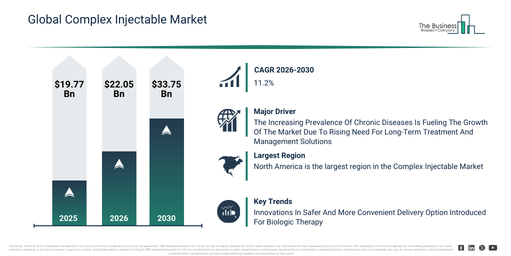
    The complex injectable market size has seen rapid expansion in recent years. It is anticipated to grow from $19.77 billion in 2025 to $22.05 billion in 2026, at a compound annual growth rate (CAGR) of 11.5%. This historic growth can be attributed to factors such as the increasing prevalence of chronic and complex diseases, progress in injectable drug delivery technologies, the expansion of hospital-based injectable treatments, a rise in the adoption of biologics, and improvements in sterile manufacturing capabilities.

    The complex injectable market is anticipated to experience substantial growth in the upcoming years, with projections indicating it will reach $33.75 billion in 2030, growing at a compound annual growth rate (CAGR) of 11.2%. This expansion during the forecast period is largely driven by increased investments in complex injectable product pipelines, a growing demand for oncology and specialized injectables, the broadening of contract manufacturing services, a heightened focus on self-administered injectables, and a rise in regulatory approvals for advanced formulations. Prominent trends expected over this period include a surging demand for sterile injectable drug products, accelerated development of biologic and advanced injectable therapies, increased adoption of high-precision manufacturing processes, the expansion of antibody-drug conjugate injectables, and an enhanced emphasis on cold-chain compatible formulations.

    Get A Free Sample Report With In-Depth Market Insights:

    https://thebusinessresearchcompany.com/sample_request?id=67587275&type=smp&name=Complex%20Injectable%20Market%20Report%202026&utm_source=Blogs&utm_medium=Paid&utm_campaign=Oct_PR

    Complex Injectable Market Demand Drivers Opening New Revenue Streams

    The complex injectable market is anticipated to expand, driven by the growing incidence of chronic diseases. These are defined as prolonged medical conditions, usually slow in progression, necessitating continuous care. This surge in chronic disease cases stems from factors like aging demographics, as older people are more prone to enduring ailments such as diabetes, heart disease, and arthritis. Complex injectables play a role in managing these conditions through the delivery of targeted drugs, which effectively control symptoms and decelerate disease advancement. A notable example, as reported by the Office for Health Improvement & Disparities (OHID), a UK public health agency, indicates that the worldwide prevalence of diabetes among adults is expected to climb from 537 million in 2021 to 643 million by 2030. Consequently, the escalating occurrence of chronic diseases is a significant impetus for growth within the complex injectable market.

    Complex Injectable Market Segment Analysis: What Are The Core Market Categories?

    The complex injectable market covered in this report is segmented –

    1) By Product Type: Monoclonal Antibodies, Gene Therapies, Vaccines Proteins and Peptides, Antibody-Drug Conjugates (ADCs)

    2) By Therapeutic Area: Oncology, Diabetes, Autoimmune Disorders, Neurological Disorders, Cardiovascular Diseases, Infectious Diseases

    3) By Route of Administration: Intravenous (IV), Subcutaneous (SC), Intramuscular (IM), Epidural, Intradermal

    4) By Distribution Channel: Direct Sale, Pharmacies, E-Commerce, Distributors, Wholesalers

    5) By End User: Hospitals, Ambulatory Surgical Centers, Specialty Clinics, Home Healthcare, Research Institutions

    Subsegments:

    1) By Monoclonal Antibodies: Chimeric Monoclonal Antibodies, Humanized Monoclonal Antibodies, Fully Human Monoclonal Antibodies, Bispecific Monoclonal Antibodies

    2) By Gene Therapies: Somatic Gene Therapy, Germline Gene Therapy, Ex Vivo Gene Therapy, In Vivo Gene Therapy

    3) By Vaccines Proteins And Peptides: Recombinant Proteins, Synthetic Peptides, mRNA Vaccines, Viral Vector Vaccines

    4) By Antibody Drug Conjugates: Cleavable Linker Antibody Drug Conjugates, Non-cleavable Linker Antibody Drug Conjugates, Cytotoxic Payload Antibody Drug Conjugates, Target-specific Antibody Drug Conjugates

    Complex Injectable Market Trends Powering Strategic Industry Growth

    Leading firms within the drug delivery systems sector are prioritizing innovations in delivery methods, including autoinjector formats, aimed at boosting patient comfort, fostering better treatment adherence, guaranteeing accurate and secure drug dispensation, and facilitating the efficient administration of sophisticated biologic treatments. These autoinjector dosage forms represent pre-filled, patient-operated injection devices specifically engineered to administer an exact medication dose both safely and easily, frequently employed for biologics and other intricate therapeutic agents. As an illustration, in January 2024, Taisho Pharmaceutical Co. Ltd., a generic drug manufacturer based in Japan, introduced Nanozora 30 mg for subcutaneous injection. This offering is a user-centric device tailored for effortless self-administration, incorporating a needle-covering mechanism to avert accidental needle sticks, thereby enhancing safety. This innovation enables patients with rheumatoid arthritis to access their treatment conveniently once every four weeks, thereby broadening Taisho’s range of therapeutic choices beyond its existing syringe formulation.

    Complex Injectable Market Top Companies Driving Competitive Growth

    Major companies operating in the complex injectable market are Johnson & Johnson Pharmaceutical, Merck & Co. Inc., Pfizer Inc., Bayer AG, Novartis AG, Bristol-Myers Squibb Company, Novo Nordisk, Takeda Pharmaceutical Company Limited, Amgen Inc., Boehringer Ingelheim GmbH, Baxter Healthcare Corporation, Fresenius Kabi, Sun Pharmaceutical Industries Ltd., Hikma Pharmaceuticals, Indivior PLC, Amphastar Pharmaceuticals Inc., Braun Melsungen AG, Ferring Pharmaceuticals, Oakwood Labs, ForDoz Pharma

    View The Full Complex Injectable Market Report:

    https://thebusinessresearchcompany.com/report/complex-injectable-global-market-report?utm_source=Blogs&utm_medium=Paid&utm_campaign=Oct_PR

    Complex Injectable Market Regional Analysis And Leading Geography

    North America was the largest region in the complex injectable market in 2025. Asia-Pacific is expected to be the fastest-growing region in the forecast period. The regions covered in the complex injectable market report are Asia-Pacific, South East Asia, Western Europe, Eastern Europe, North America, South America, Middle East, Africa.

    Reach Out To Our Team:

    The Business Research Company: https://www.thebusinessresearchcompany.com/

    Americas: +1 310-496-7795

    Asia: +44 7882 955267 & +91 8897263534

    Europe: +44 7882 955267

    Email us at: marketing@tbrc.info

    Follow us on:

    LinkedIn: https://in.linkedin.com/company/the-business-research-company

    YouTube: https://www.youtube.com/channel/UC24_fI0rV8cR5DxlCpgmyFQ

    Global Market Model: https://www.thebusinessresearchcompany.com/global-market-model
  • Complete Nutrition Products Market Expected To Grow At 7.5% CAGR Through 2030: What Businesses Need To Know

    Complete Nutrition Products Market Expected To Grow At 7.5% CAGR Through 2030: What Businesses Need To Know

    Backed by market attractiveness analysis, total addressable market sizing, company benchmarking matrices, interactive Excel dashboards, wider supply chain intelligence, emerging startup coverage, and detailed product-level insights, The Business Research Company’s 2026 market reports are designed to offer research that is more actionable and strategically valuable than ever.

    Complete Nutrition Products Market Size Forecast: How Big Could The Market Get By 2030?

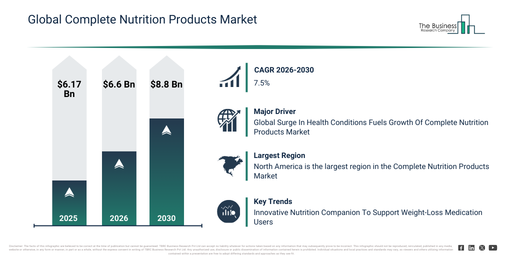
    The complete nutrition products market has seen significant expansion over recent years. Its valuation is predicted to climb from $6.17 billion in 2025 to $6.6 billion in 2026, reflecting a compound annual growth rate (CAGR) of 7.0%. This market’s historical growth can be linked to evolving urban lifestyles, an expanding working demographic, increased engagement in sports and fitness activities, heightened consciousness regarding balanced diets, and the proliferation of modern retail distribution channels.

    The complete nutrition products market size is anticipated to undergo significant expansion in the coming years, reaching $8.8 billion in 2030 at a compound annual growth rate (CAGR) of 7.5%. This growth throughout the forecast period can be attributed to an aging global demographic, the rising occurrence of lifestyle diseases, an escalating demand for convenient nutritional solutions, the broadening of e-commerce nutrition platforms, and innovations in the formulation of functional ingredients. Prominent trends for the forecast period encompass a surging demand for meal replacement nutrition, the growth of functional and fortified nutrition products, increasing adoption of plant-based complete nutrition, the expansion of on-the-go and ready-to-consume formats, and the premiumization of sports and clinical nutrition offerings.

    Get A Free Sample Report With In-Depth Market Insights:

    https://thebusinessresearchcompany.com/sample_request?id=10186&type=smp&name=Complete%20Nutrition%20Products%20Market%20Report%202026&utm_source=Blogs&utm_medium=Paid&utm_campaign=Oct_PR

    Complete Nutrition Products Market Growth Backed By Core Demand Fundamentals

    The growing incidence of health issues such as obesity, cardiovascular disease, and cancer is anticipated to drive the expansion of the complete nutrition products market. These health conditions refer to an increasing number of individuals encountering health problems related to obesity, including heart disease, stroke, and specific types of cancer. Complete nutrition products contribute to a balanced diet and lifestyle, aiding in the management of these health issues by supplying a balanced combination of macronutrients and essential micronutrients. For instance, in March 2023, the World Obesity Federation, a UK-based professional organization, published a report indicating that more than 4 billion individuals, representing 51% of the global population, are projected to be struggling with overweight or obesity by 2035. Additionally, nearly 2 billion people, equivalent to 1 in 4 individuals, are expected to be affected by obesity. Therefore, the rising prevalence of health conditions like obesity, cardiovascular disease, and cancer is fueling the market growth for complete nutrition products.

    Complete Nutrition Products Market Segment Breakdown: Which Categories Lead On Revenue?

    The complete nutrition products market covered in this report is segmented –

    1) By Product: Powder, (Ready-To-Eat) RTD Shakes, Bars

    2) By Distribution Channel: Supermarkets & Hypermarkets, Convenience Stores, Online, Other Channels

    3) By End-User: Infant, Children, Adults, Elderly

    Subsegments:

    1) By Powder: Protein Powders, Meal Replacement Powders, Nutritional Supplements Powders

    2) By Ready-To-Eat (RTD) Shakes: Protein Shakes, Meal Replacement Shakes, Functional Beverage Shakes

    3) By Bars: Protein Bars, Meal Replacement Bars, Snack Bars

    Complete Nutrition Products Market Growth Trends Reshaping The Competitive Landscape

    Leading enterprises within the complete nutrition products market are concentrating on creating innovative food and supplement product combinations. These are intended to address specific nutritional deficits, improve general health, and cater to the distinct dietary requirements of consumers, including those undergoing weight-loss treatments. Such food and supplement product combos represent an integration of nutrient-rich edibles and dietary supplements, formulated to supply crucial vitamins, minerals, proteins, and other essential nutrients. For example, in February 2024, Herbalife, a US-based health and wellness company, introduced its Herbalife GLP-1 Nutrition Companion product combos. These specific combinations are engineered to complement the nutritional needs of individuals utilizing GLP-1 and other weight-loss medications, providing both classic and vegan choices. The product combos deliver vital protein, fiber, vitamins, and minerals, which assist in preserving muscle mass, encouraging regularity, and enhancing overall health.

    Complete Nutrition Products Market Leading Players And Competitive Positioning

    Major companies operating in the complete nutrition products market are Huel Limited, Numix LLC, IdealShape LLC, SlimFast Group, LadyBoss Weight Loss LLC, RSP Nutrition LLC, Bright Lifecare Pvt. Ltd., Jimmy Joy B.V., YFood Labs GmbH, Herbalife Nutrition Ltd., Amway Corporation, Ample Foods Inc., Danone S.A., Abbott Laboratories, PROBAR LLC, Nestlé S.A., GlaxoSmithKline plc, The Nature’s Bounty Co., Nature’s Way Products LLC, Garden of Life LLC, NOW Foods, Isagenix International LLC, Orgain Inc., MuscleTech, Vitacost.com Inc., USANA Health Sciences Inc., AdvoCare International L.P., Pharmavite LLC, Bayer AG, XanGo LLC, SmartyPants Vitamins, Barlean’s, Optimum Nutrition, Swisse Wellness Pty Ltd, Pure Protein Corporation, Ambronite, Arbonne International LLC, Quest Nutrition LLC, Bio-Engineered Supplements and Nutrition Inc., Amazing Grass, Rain International LLC, Sunwarrior

    View The Full Complete Nutrition Products Market Report:

    https://thebusinessresearchcompany.com/report/complete-nutrition-products-global-market-report?utm_source=Blogs&utm_medium=Paid&utm_campaign=Oct_PR

    Complete Nutrition Products Market Geographic Analysis: Where Is Demand Accelerating Fastest?

    North America was the largest region in the complete nutrition products market in 2025. Asia-Pacific is expected to be the fastest-growing region in the global complete nutrition products market report during the forecast period. The regions covered in the complete nutrition products market report are Asia-Pacific, South East Asia, Western Europe, Eastern Europe, North America, South America, Middle East, Africa.

    Reach Out To Our Team:

    The Business Research Company: https://www.thebusinessresearchcompany.com/

    Americas: +1 310-496-7795

    Asia: +44 7882 955267 & +91 8897263534

    Europe: +44 7882 955267

    Email us at: marketing@tbrc.info

    Follow us on:

    LinkedIn: https://in.linkedin.com/company/the-business-research-company

    YouTube: https://www.youtube.com/channel/UC24_fI0rV8cR5DxlCpgmyFQ

    Global Market Model: https://www.thebusinessresearchcompany.com/global-market-model
  • Complementary And Alternative Medicine For Anti-Aging And Longevity Market Forecast To Reach $153.78 Billion By 2030: Key Trends Explained

    Complementary And Alternative Medicine For Anti-Aging And Longevity Market Forecast To Reach $153.78 Billion By 2030: Key Trends Explained

    Featuring market attractiveness scoring, total addressable market sizing, company benchmarking matrices, interactive Excel dashboards, deeper supply chain intelligence, emerging startup tracking, and granular product-level insights, The Business Research Company’s 2026 market reports are built to deliver research that is both more actionable and more strategically valuable.

    Complementary And Alternative Medicine For Anti-Aging And Longevity Market Revenue Outlook: What CAGR Lies Ahead Through 2030?

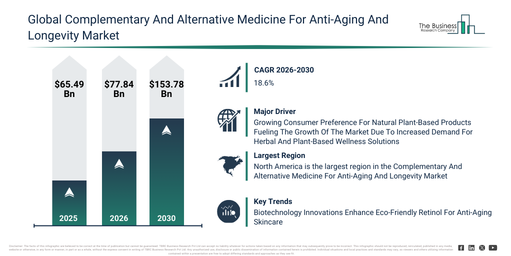
    The complementary and alternative medicine for anti-aging and longevity market size has observed significant growth in recent years. It is projected to expand from $65.49 billion in 2025 to $77.84 billion in 2026, demonstrating a compound annual growth rate (CAGR) of 18.9%. This historical expansion stemmed from elements such as traditional herbal medicine usage, limited awareness of longevity supplements, reliance on physical retail stores, increasing consumer interest in anti-aging, and a rise in corporate wellness programs.

    The complementary and alternative medicine for anti-aging and longevity market size is anticipated to undergo significant growth in the coming years. It is predicted to expand to $153.78 billion in 2030, achieving a compound annual growth rate (CAGR) of 18.6%. This projected growth is driven by factors such as increasing investment in nutraceutical and functional food research and development, the expansion of online and direct-to-consumer sales, the development of more structured regulatory frameworks for CAM products, advancements in anti-aging formulations through technology, and the proliferation of corporate and personalized wellness programs. Key trends expected during this forecast period include the rising adoption of herbal and botanical extracts for anti-aging purposes, increasing demand for nutraceuticals and functional foods, a greater focus on mind-body and energy therapies, the broadening of direct-to-consumer and online distribution channels, and a heightened awareness of longevity and preventive healthcare.

    Get A Free Sample Report With In-Depth Market Insights:

    https://thebusinessresearchcompany.com/sample_request?id=51854740&type=smp&name=Complementary%20And%20Alternative%20Medicine%20For%20Anti-Aging%20And%20Longevity%20Market%20Report%202026&utm_source=Blogs&utm_medium=Paid&utm_campaign=Oct_PR

    Complementary And Alternative Medicine For Anti-Aging And Longevity Market Growth Catalysts And Demand Drivers

    The increasing consumer inclination towards natural plant-based items is anticipated to fuel the expansion of the complementary and alternative medicine for anti-aging and longevity market. These products, derived from plants and herbs with minimal or no chemicals, are utilized for health, beauty, or wellness purposes. This growing preference stems from concerns over the adverse effects of synthetic chemicals found in traditional products, such as skin irritation or long-term health risks. Within the complementary and alternative medicine for anti-aging and longevity market, there’s a strong emphasis on natural, plant-based solutions, as consumers increasingly seek herbal supplements, botanical extracts, and organic formulations that support holistic, non-invasive methods for maintaining youthfulness and promoting a longer lifespan. For instance, data from March 2023, shared by the British Beauty Council, a UK-based non-profit organization, indicated that in 2022, a significant 56,000 products and ingredients received COSMOS certification, marking a substantial 22% year-on-year increase. Consequently, the surging consumer demand for natural plant-based products is a key factor driving the growth of the complementary and alternative medicine for anti-aging and longevity market.

    Complementary And Alternative Medicine For Anti-Aging And Longevity Market Segmentation: How Does The Market Break Down By Category?

    The complementary and alternative medicine for anti-aging and longevity market covered in this report is segmented –

    1) By Product Type: Botanical Extract, Dietary Supplement, Herbal Medicine, Nutraceutical

    2) By Therapy: Energy Therapy, Manual Therapy, Mind Body Therapy, Nutritional Therapy, Caloric Restriction, Dietary Counseling, Fasting, Traditional Alternative System

    3) By Age Group: 18 To 35 Years, 36 To 50 Years, 51 Years And Above

    4) By Distribution: Direct Sales, Hospital Clinics, Online Retail, Pharmacy, Specialty Store

    5) By End-User: Consumers, Healthcare Practitioners, Corporate Wellness Programs, Other End Users

    Subsegments:

    1) By Botanical Extract: Ginkgo Biloba Extract, Ginseng Extract, Green Tea Extract, Turmeric Extract, Aloe Vera Extract, Ashwagandha Extract, Grapeseed Extract, Milk Thistle Extract

    2) By Dietary Supplement: Anti-Aging Vitamins, Anti-Aging Minerals, Omega-3 Fatty Acids, Collagen Supplements, Probiotics And Prebiotics, Amino Acid Supplements, Antioxidant Blends, Coenzyme Q10 Supplements

    3) By Herbal Medicine: Ayurvedic Anti-Aging Formulations, Traditional Chinese Medicine Anti-Aging Herbs, Homeopathic Anti-Aging Remedies, Herbal Teas For Longevity, Adaptogenic Herb Formulations, Medicinal Mushroom Extracts

    4) By Nutraceutical: Functional Foods For Anti-Aging, Functional Beverages For Longevity, Anti-Aging Protein Powders, Anti-Aging Gummies And Chews, Longevity Shots, Anti-Aging Bars And Snacks

    Complementary And Alternative Medicine For Anti-Aging And Longevity Market Trends Shaping Long-Term Demand

    Leading companies in the complementary and alternative medicine for anti-aging and longevity market are concentrating on advanced solutions, like biotech-derived natural retinol, to provide clean-label, sustainable, and effective anti-aging components. Biotech-derived natural retinol describes retinol (vitamin A) created through biotechnology, typically via fermentation with yeast or bacteria, instead of extracting it from animal sources. For instance, in February 2023, Givaudan, a Switzerland-based manufacturer of fragrance and beauty ingredients, launched RetiLife, an innovative 100% natural-origin retinol produced using biotechnology. This product offers unique characteristics such as 100% natural-origin retinol developed through biotech fermentation, making it vegan and sustainable with a reduced environmental impact. It delivers high purity and stability, guaranteeing consistent anti-aging performance while remaining gentle on the skin and lessening irritation commonly associated with traditional retinol. Furthermore, its traceable, renewable sourcing aligns with clean beauty and eco-conscious formulation trends within the skincare industry.

    Complementary And Alternative Medicine For Anti-Aging And Longevity Market Competitive Overview And Top Companies

    Major companies operating in the complementary and alternative medicine for anti-aging and longevity market are Amway Corporation, Patanjali Ayurved Limited, iHerb LLC, Pharmavite LLC, Sirio Pharma Co Ltd., Nature’s Sunshine Products Inc., Metagenics Inc., Thorne Research Inc. , Nature’s Way Products LLC, Swisse Wellness Pty Ltd., Herb Pharm LLC, Life Extension, Solgar Inc., Biovea L.L.C, The Himalaya Drug Company , Ayush Herbs Inc., Ayurmana by Dharma Ayurveda.

    View The Full Complementary And Alternative Medicine For Anti-Aging And Longevity Market Report:

    https://thebusinessresearchcompany.com/report/complementary-and-alternative-medicine-for-anti-aging-and-longevity-global-market-report?utm_source=Blogs&utm_medium=Paid&utm_campaign=Oct_PR

    Complementary And Alternative Medicine For Anti-Aging And Longevity Market Global Footprint: Which Region Leads The Industry?

    North America was the largest region in the complementary and alternative medicine for anti-aging and longevity market in 2025. Asia-Pacific is expected to be the fastest-growing region in the forecast period. The regions covered in the complementary and alternative medicine for anti-aging and longevity market report are Asia-Pacific, South East Asia, Western Europe, Eastern Europe, North America, South America, Middle East, Africa.

    Reach Out To Our Team:

    The Business Research Company: https://www.thebusinessresearchcompany.com/

    Americas: +1 310-496-7795

    Asia: +44 7882 955267 & +91 8897263534

    Europe: +44 7882 955267

    Email us at: marketing@tbrc.info

    Follow us on:

    LinkedIn: https://in.linkedin.com/company/the-business-research-company

    YouTube: https://www.youtube.com/channel/UC24_fI0rV8cR5DxlCpgmyFQ

    Global Market Model: https://www.thebusinessresearchcompany.com/global-market-model

  • Complement Inhibitors Market Analysis Through 2030: Market Size, Growth Trends And Industry Outlook

    Complement Inhibitors Market Analysis Through 2030: Market Size, Growth Trends And Industry Outlook

    Built to provide research that’s more actionable and strategically valuable, The Business Research Company’s 2026 market reports include market attractiveness analysis, total addressable market sizing, company benchmarking matrices, interactive Excel dashboards, broader supply chain intelligence, emerging startup tracking, and in-depth product insights.

    Complement Inhibitors Market Growth Analysis: How Will Revenue Trend Over The Forecast Period?

    The complement inhibitors market size has experienced significant expansion in recent years. It is anticipated to expand from $21.26 billion in 2025 to $27.63 billion in 2026, reflecting a compound annual growth rate (CAGR) of 30.0%. This historical growth can be attributed to progress in complement biology, an increase in PNH and aHUS diagnoses, a rise in biologics approvals, the broadening of specialty care, and intensified immunology research.

    The complement inhibitors market is projected to experience substantial expansion over the coming years. This market is set to reach a value of $77.86 billion by 2030, demonstrating a compound annual growth rate (CAGR) of 29.6%. This anticipated expansion during the forecast period is fueled by several factors, including an increase in rare disease treatments, the broadening scope of complement research, a rise in the adoption of personalized medicine, greater funding for biologics, and enhanced diagnostic capabilities. Key developments expected during this period involve the escalating application in uncommon immune-mediated conditions, a wider uptake of C5 inhibitors, an intensified focus on precise immune regulation, the broadening of biologic drug development pipelines, and a greater use of long-term therapeutic interventions.

    Get A Free Sample Report With In-Depth Market Insights:

    https://thebusinessresearchcompany.com/sample_request?id=75018533&type=smp&name=Complement%20Inhibitors%20Market%20Report%202026&utm_source=Blogs&utm_medium=Paid&utm_campaign=Oct_PR

    Complement Inhibitors Market Opportunity Drivers: What’s Unlocking New Revenue Potential?

    The increasing emphasis on personalized medicine is projected to fuel expansion in the complement inhibitors market moving forward. This approach customizes medical treatments for individual patients, considering their genetics, environment, and lifestyle to enhance care and optimize results. Its uptake is rising due to progress in genomics, wider availability of diagnostics based on biomarkers, improved data analysis technologies, and a greater demand for targeted, effective therapies. Complement inhibitors operate similarly to personalized medicine, precisely targeting elements of the complement system according to a patient’s distinct disease profile, genetic composition, and levels of complement activity. As an illustration, in February 2024, the Personalized Medicine Coalition (PMC), a US-based nonprofit, reported that the U.S. Food and Drug Administration (FDA) sanctioned 26 new personalized medicines in 2023, marking a notable rise from the 12 approved in 2022. Consequently, the heightened focus on personalized medicine is a key driver for the growth of the complement inhibitors market.

    Complement Inhibitors Market Segment Trends And Revenue Contributors

    The complement inhibitors market covered in this report is segmented –

    1) By Product Type: Complement Component 3 (C3) Inhibitors, Complement Component 5 (C5) Inhibitors, Complement Factor D Inhibitors

    2) By Mechanism Of Action: Alternative Pathway Inhibitors, Classic Pathway Inhibitors, Lectin Pathway Inhibitors

    3) By Indication: Atypical Hemolytic Uremic Syndrome (aHUS), Generalized Myasthenia Gravis (gMG), Paroxysmal Nocturnal Hemoglobinuria (PNH)

    4) By Route Of Administration: Intravenous (IV), Subcutaneous (SC)

    5) By Patient Demographics: Adult, Geriatric, Pediatric

    Subsegments:

    1) By Complement Component 3 (C3) Inhibitors: Small Molecule C3 Inhibitors, Monoclonal Antibody C3 Inhibitors, Peptide-Based C3 Inhibitors

    2) By Complement Component 5 (C5) Inhibitors: Monoclonal Antibody C5 Inhibitors, Small Molecule C5 Inhibitors, RNA-Based C5 Inhibitors

    3) By Complement Factor D Inhibitors: Small Molecule Factor D Inhibitors, Monoclonal Antibody Factor D Inhibitors

    Complement Inhibitors Market Innovation Trends Shaping Future Development

    Companies operating in the complement inhibitors market are primarily focused on developing monoclonal antibodies, such as C5-targeted complement inhibition therapy, aimed at improving terminal complement regulation and offering sustained protection against haemolysis in individuals with paroxysmal nocturnal haemoglobinuria (PNH). This C5-targeted therapy represents a therapeutic approach that specifically blocks the complement protein C5, thereby preventing its activation and subsequent division into C5a and C5b. For example, in August 2024, F. Hoffmann-La Roche AG, a pharmaceutical firm based in Switzerland, obtained approval from the European Commission for PiaSky (crovalimab) for adults and adolescents afflicted with paroxysmal nocturnal haemoglobinuria (PNH), encompassing both new patients and those previously treated with C5 inhibitors. PiaSky (crovalimab) operates as a monoclonal antibody that targets complement protein C5 to inhibit its cleavage, consequently preventing the formation of the membrane attack complex (MAC). This action effectively stops terminal complement-mediated intravascular haemolysis. By reducing haemolysis, PiaSky contributes to improved haemoglobin levels, lessens the necessity for blood transfusions, and mitigates symptoms like fatigue and anaemia, ultimately enhancing patients’ quality of life.

    Complement Inhibitors Market Competitive Landscape: Which Companies Lead The Industry?

    Major companies operating in the complement inhibitors market are F. Hoffmann-La Roche AG, Bayer AG, Sanofi S.A., AstraZeneca plc, Novartis AG, Amgen Inc., Regeneron Pharmaceuticals Inc., Astellas Pharma Inc., CSL Behring, UCB S.A., Takeda Pharmaceutical Company Limited, Alnylam Pharmaceuticals Inc., Innovent Biologics Inc., BioCryst Pharmaceuticals Inc., Pharming Group N.V., Apellis Pharmaceuticals Inc., Omeros Corporation, Akari Therapeutics Plc, InflaRx N.V., Kira Pharmaceuticals

    View The Full Complement Inhibitors Market Report:

    https://thebusinessresearchcompany.com/report/complement-inhibitors-global-market-report?utm_source=Blogs&utm_medium=Paid&utm_campaign=Oct_PR

    Complement Inhibitors Market Regional Distribution: Which Areas Power Market Growth?

    North America was the largest region in the complement inhibitors market in 2025. Asia-Pacific is expected to be the fastest-growing region in the forecast period. The regions covered in the complement inhibitors market report are Asia-Pacific, South East Asia, Western Europe, Eastern Europe, North America, South America, Middle East, Africa.

    Reach Out To Our Team:

    The Business Research Company: https://www.thebusinessresearchcompany.com/

    Americas: +1 310-496-7795

    Asia: +44 7882 955267 & +91 8897263534

    Europe: +44 7882 955267

    Email us at: marketing@tbrc.info

    Follow us on:

    LinkedIn: https://in.linkedin.com/company/the-business-research-company

    YouTube: https://www.youtube.com/channel/UC24_fI0rV8cR5DxlCpgmyFQ

    Global Market Model: https://www.thebusinessresearchcompany.com/global-market-model