Category: Pharmaceuticals

  • Unlocking the Future of the Specialty Enzymes Market: Growth Rate, Key Trends, and Opportunities for 2025-2034

    Unlocking the Future of the Specialty Enzymes Market: Growth Rate, Key Trends, and Opportunities for 2025-2034

    Updated 2025 Market Reports Released: Trends, Forecasts to 2034 – Early Purchase Your Competitive Edge Today!

    How has the specialty enzymes market grown over the years?

    The market for specialty enzymes has seen robust growth in the past few years. The market value is expected to rise from $6.39 billion in 2024 to $6.86 billion in 2025, marking a compound annual growth rate (CAGR) of 7.4%. The growth seen in the past can be traced back to the high incidence of chronic illnesses, the increasing demand for biofuels and bio-based products, the burgeoning food and beverage sector, and the escalating demand for sustainable and eco-friendly products.

    What Is the forecasted market size and growth rate for the specialty enzymes market?

    The market for specialty enzymes is predicted to experience significant expansion in the upcoming years, reaching a worth of $8.84 billion in 2029 with a compound annual growth rate (CAGR) of 6.5%. The anticipated growth over the forecast period can be linked to the expansion of biopharmaceuticals, an emphasis on renewable energy, advances in agricultural and crop sciences, and further research and development in specialty enzymes. Additional factors include an increasing focus on health and wellness among consumers, and growth in the pharmaceutical and healthcare sectors. The forecast period is also expected to witness various trends such as individually tailored enzymes, sourcing from microbes, enzyme engineering, digitalization and automation, the application of green chemistry, and further microbial sourcing.

    Get your specialty enzymes market report here!

    https://www.thebusinessresearchcompany.com/sample.aspx?id=3242&type=smp

    What are the major factors driving growth in the specialty enzymes market?

    The expansion of the specialty enzymes market is anticipated to be fueled by escalating investments in biotechnology research and development. Specialty enzymes are prevalently utilized in biotech research and development, primarily in molecular biology. The growth in investment and the rising number of firms engaging in biotech research and development will consequently augment the number of biotech researchers. For example, data from the BioIndustry Association, a UK-based non-profit trade organization representing the UK’s life sciences and biotech industry, show that in Q2 2024, UK biotech firms garnered a total of $810.25 million in venture capital investment, showcasing an impressive 259% leap from the previous quarter and a 48% surge compared to the equivalent period in the previous year. In Q1 of 2024, funding for biotechnology research increased to £844 million, witnessing a rise to £1,353 million in Q2. Consequently, the escalating investment in biotech research and development and the increasing number of biotech research firms are likely to stimulate the growth of the specialty enzymes market.

    What key areas define the segmentation of the global specialty enzymes Market?

    The specialty enzymes market covered in this report is segmented –

    1) By Type: Carbohydrases, Proteases, Lipases, Polymerases & Nucleases, Oxidase & Hydratases, Other Types

    2) By Source: Microorganisms, Animals, Plants

    3) By Application: Pharmaceutical, Diagnostics, Research & Biotechnology, Food & Beverage, Animal Nutrition, Other Applications

    Subsegments:

    1) By Carbohydrases: Amylases, Cellulases, Pectinases, Invertases

    2) By Proteases: Serine Proteases, Cysteine Proteases, Aspartic Proteases, Metalloproteases

    3) By Lipases: Microbial Lipases, Plant Lipases, Animal Lipases

    4) By Polymerases & Nucleases: DNA Polymerases, RNA Polymerases, Restriction Endonucleases

    5) By Oxidase And Hydratases: Laccases, Catalases, Alcohol Dehydrogenases

    6) By Other Types: Phosphatases, Transferases, Lyases, Ligases

    Get your free sample now – explore exclusive market insights:

    https://www.thebusinessresearchcompany.com/sample.aspx?id=3242&type=smp

    What are the top market players propelling the growth of the specialty enzymes industry?

    Major companies operating in the specialty enzymes market include BASF SE, Novozymes A/S, Roche Holding AG, Codexis Inc., Specialty Enzymes & Probiotics, Advanced Enzyme Technologies Ltd., BBI Solutions, E. I. du Pont de Nemours and Company, Sanofi, Amano Enzyme Inc., Nagase & Co. Ltd., Affymetrix Inc., Biocatalysts Ltd., Life Technologies Corporation, Amicogen Inc., AB Enzymes, Dyadic International Inc., Chr. Hansen Holding A/S, Merck KGaA, Biovet Private Limited., Antozyme Biotech, Kerry Inc., Thermo Fisher Scientific Inc., Koninklijke DSM N.V., Ultra Bio-Logics Inc., Aumgene Biosciences, The Soufflet Group, Shandong Longda Bio-Products Co. Ltd., Enzyme Development Corporation, International Flavors and Fragrances Inc., Enzyme Supplies Ltd., Alphazyme LLC, Enzyme Innovation inc., Creative Enzymes, Enzyme Solutions Inc., EnzymeWorks Inc., Enzyme Technologies Corporation, Enzyme Research Labs Inc., Enzyme Systems Products

    What are the key trends shaping the future of the specialty enzymes market?

    The progression of the market could be hindered by ethical and societal dilemmas within the forecast period. The public’s outlook on these matters will shape the approval of newly developed industrial biotechnology products. As an illustration, the European Chemical Bulletin (ECB), a journal that undergoes peer review, stated in 2023 that stricter regulations are often demanded by the Ethical, Legal, and Social Implications (ELSI) framework to ensure thorough consideration of ethical, legal and social aspects. Though critical, these rules may pose an extra burden on biotech firms by elevating compliance expenses and possibly suppressing innovation. Any shortcomings addressing ELSI issues could surface as substantial obstacles in accepting and implementing biotechnology products. As a result, it’s expected that societal and ethical challenges will have an effect on market growth.

    Unlock exclusive market insights – purchase your research report now for a swift delivery!

    https://www.thebusinessresearchcompany.com/purchaseoptions.aspx?id=3242

    What regions are dominating the specialty enzymes market growth?

    North America was the largest region in the viral specialty enzymes market in 2024. Middle East is expected to be the fastest growing region in the specialty enzymes market report during the forecast period. The regions covered in the specialty enzymes market report are Asia-Pacific, Western Europe, Eastern Europe, North America, South America, Middle East, and Africa.

    Browse Through More Similar Reports By The Business Research Company:

    Diagnostic Enzyme Global Market Report 2024

    https://www.thebusinessresearchcompany.com/report/diagnostic-enzymes-global-market-report

    Digestive Health Supplements Global Market Report 2024

    https://www.thebusinessresearchcompany.com/report/digestive-health-supplements-global-market-report

    Synthetic Biology Global Market Report 2024

    https://www.thebusinessresearchcompany.com/report/synthetic-biology-global-market-report

    About The Business Research Company:

    With over 15000+ reports from 27 industries covering 60+ geographies, The Business Research Company has built a reputation for offering comprehensive, data-rich research and insights. Armed with 1,500,000 datasets, the optimistic contribution of in-depth secondary research, and unique insights from industry leaders, you can get the information you need to stay ahead in the game.

    Contact us at:

    The Business Research Company: https://www.thebusinessresearchcompany.com/

    Americas +1 3156230293

    Asia +44 2071930708

    Europe +44 2071930708

    Email us at info@tbrc.info

    Follow us on:

    LinkedIn: https://in.linkedin.com/company/the-business-research-company

    YouTube: https://www.youtube.com/channel/UC24_fI0rV8cR5DxlCpgmyFQ

    Global Market Model: https://www.thebusinessresearchcompany.com/global-market-model

    Found this article helpful? Share it on:

  • How Will the Remdesivir Market Grow? Key Trends and Opportunities for 2025 and Beyond

    How Will the Remdesivir Market Grow? Key Trends and Opportunities for 2025 and Beyond

    Updated 2025 Market Reports Released: Trends, Forecasts to 2034 – Early Purchase Your Competitive Edge Today!

    What key factors are powering the surge in the remdesivir market right now?

    In the past few years, the remdesivir market has experienced a significant increase in its size. The market, which is expected to be valued at $6.49 billion in 2024, is projected to surge to $8.52 billion in 2025, displaying a compound annual growth rate (CAGR) of 31.2%. This rise during the historic period is due to factors such as the heightened spread of COVID-19, escalated awareness about remdesivir, governmental backing for remdesivir, as well as clinical experiments and investigations and purchases made by the government.

    How fast Is the remdesivir market expected to grow, and what’s its future value?

    The market for remdesivir is anticipated to expand significantly in the forthcoming years, reaching a size of $15.91 billion by 2029. This growth is estimated to occur at a compound annual growth rate (CAGR) of 16.9%. The growth drivers during this forecast period are related to the ongoing management of COVID-19, the emergence of new variants, worldwide vaccination drives, readiness for potential pandemics, and global health initiatives. Key trends expected during the forecast period involve personalized healthcare, combination treatments, the ability to scale up production, use of telemedicine and remote patient monitoring, research into new application areas, and the adoption of alternative antiviral treatments.

    Get your remdesivir market report here!

    https://www.thebusinessresearchcompany.com/sample.aspx?id=3253&type=smp

    What are the leading drivers of growth in the remdesivir market?

    The anticipation of growth in the remdesivir market is being driven by heightened government expenditures. These expenditures, synonymous with government spending, encompass the total money allotted and dispensed by government or public sector entities to support their operations, initiatives, services, and projects. The growth and accessibility of Remdesivir – a vital antiviral medicine – significantly relies on these expenditures, especially during times of public health emergencies. The accessibility and affordability of Remdesivir can be positively impacted by governmental contributions in the form of funding, regulatory backing, procurement power, and research investments. For example, as stated by the Government Digital Service, a governmental agency in the UK, the central government’s current spending on services saw a rise from $876.47 billion to $963.74 billion in 2022-23. The expenditure on capital projects for services also increased from $81.37 billion in 2021–2022 to $104.72 billion in 2022–2023 USD. Thus, the escalation in government spending is fueling the expansion of the remdesivir market.

    What are the key segments defining the remdesivir market?

    The remdesivir market covered in this report is segmented –

    1) By Route Of Administration: Oral, Intravenous

    2) By Dosage Form: Tablets, Frozen Solution, Lyophilized Solution

    3) By Distribution Channel: Hospitals, Clinics, Drug Stores/Pharmacies, Online, Other Distribution Channels

    Subsegments:

    1) By Oral: Tablet Formulation, Liquid Formulation

    2) By Intravenous: Ready-To-Use Injectable, Lyophilized Powder For Injection

    Get your free sample now – explore exclusive market insights:

    https://www.thebusinessresearchcompany.com/sample.aspx?id=3253&type=smp

    Who are the key players steering the development of the remdesivir market?

    Major companies operating in the remdesivir market include Gilead Sciences Inc., BrightGene Bio-Medical Technology Co Ltd, Hainan Haiyao Co. Ltd., Sichuan Kelun Pharmaceutical Co. Ltd., Hunan Warrant Pharmaceutical, Cipla Limited, Pfizer Inc., Merck & Co. Inc., Cayman Chemical Company, Dr Reddy’s Laboratories Ltd., Inovio Pharmaceuticals, Shenzhen BORUI Pharmaceutical Technology Co. Ltd., Berry Global Group, Hetero Labs Limited, Mylan N.V., Zydus Cadila Health Care Limited, Syngene International Limited, Sun Pharmaceutical Industries Ltd., Aurobindo Pharma Limited, Teva Pharmaceutical Industries, Ferozsons Laboratories Limited, Jubilant Life Sciences, Laurus Labs, Macleods Pharmaceuticals, Natco Pharma, Sandoz Group AG, Strides Pharma Science Limited, Torrent Pharmaceuticals, Beximco Pharmaceuticals Ltd., Fresenius Kabi, Gland Pharma Limited, Hikma Pharmaceuticals, Lark Laboratories

    What emerging trends are influencing the growth of the remdesivir market?

    One major impediment to market growth is the substantial expense related to the medication. Gilead Sciences, the manufacturer of Remdesivir, has gifted its beginning supply of 1.5 million doses, yet it has indicated that it will need to start pricing the drug for it to be viably produced. There are numerous conjectures surrounding the drug’s price point. The Institute for Clinical and Economic Review (ICER) predicts the cost of Remdesivir to range between $4,580 and $5,080. This steep price of Remdesivir could potentially stall the market’s progression.

    Unlock exclusive market insights – purchase your research report now for a swift delivery!

    https://www.thebusinessresearchcompany.com/purchaseoptions.aspx?id=3253

    Which regions are most influential in expanding the remdesivir market?

    North America was the largest region in the remdesivir market in 2024. Middle East is expected to be the fastest growing region in the remdesivir market report during the forecast period. The regions covered in the remdesivir market report are Asia-Pacific, Western Europe, Eastern Europe, North America, South America, Middle East, and Africa.

    Browse Through More Similar Reports By The Business Research Company:

    Cell Culture Consumables And Equipment Global Market Report 2024

    https://www.thebusinessresearchcompany.com/report/cell-culture-consumables-and-equipment-global-market-report

    Metabolomics Global Market Report 2024

    https://www.thebusinessresearchcompany.com/report/metabolomics-global-market-report

    Stem Cell Global Market Report 2024

    https://www.thebusinessresearchcompany.com/report/stem-cell-global-market-report

    About The Business Research Company:

    With over 15000+ reports from 27 industries covering 60+ geographies, The Business Research Company has built a reputation for offering comprehensive, data-rich research and insights. Armed with 1,500,000 datasets, the optimistic contribution of in-depth secondary research, and unique insights from industry leaders, you can get the information you need to stay ahead in the game.

    Contact us at:

    The Business Research Company: https://www.thebusinessresearchcompany.com/

    Americas +1 3156230293

    Asia +44 2071930708

    Europe +44 2071930708

    Email us at info@tbrc.info

    Follow us on:

    LinkedIn: https://in.linkedin.com/company/the-business-research-company

    YouTube: https://www.youtube.com/channel/UC24_fI0rV8cR5DxlCpgmyFQ

    Global Market Model: https://www.thebusinessresearchcompany.com/global-market-model

    Found this article helpful? Share it on:

  • Top Growth Trends in the Psoriatic Arthritis Treatment Market: Key Insights and Opportunities for 2025-2034

    Top Growth Trends in the Psoriatic Arthritis Treatment Market: Key Insights and Opportunities for 2025-2034

    Updated 2025 Market Reports Released: Trends, Forecasts to 2034 – Early Purchase Your Competitive Edge Today!

    What fueled the previous growth in the psoriatic arthritis treatment market?

    The market for psoriatic arthritis treatments has been flourishing in the past few years. Its size is expected to surge from $10.93 billion in 2024 to $12 billion in 2025, boasting a compound annual growth rate (CAGR) of 9.8%. Contributing factors to the past growth include better diagnosis processes, growing instances of psoriatic arthritis, heightened awareness about the condition and its available treatments, a broadening selection of approved interventions for psoriatic arthritis, governmental backing for research and development initiatives, and amplified investments from the pharmaceutical industry.

    What will be the psoriatic arthritis treatment market size in the future?

    The market size for treatment of psoriatic arthritis is predicted to undergo substantial expansion in the upcoming years, reaching $17.16 billion in 2029 with a Compound Annual Growth Rate (CAGR) of 9.4%. The growth projected for the forecast period is associated with factors such as personalized medicine, the advent of biologics and small molecules, and an ever-increasing array of treatment options along with the worldwide aging populace. Key trends to note for the forecast period include the progression in biologics, oral small molecules, targeting of specific pathways, telemedicine and monitoring from remote locations, patient-focused care, and empirical evidence from real-world experience.

    Get your psoriatic arthritis treatment market report here!

    https://www.thebusinessresearchcompany.com/sample.aspx?id=3458&type=smp

    What main drivers are fueling expansion in the psoriatic arthritis treatment market?

    The growth of the market for psoriatic arthritis treatment is spurred by an increase in the occurrence of psoriasis and psoriatic arthritis. Both psoriasis (PSO) and psoriatic arthritis (PsA) are inflammatory disorders that can greatly affect a person’s health and quality of life. Psoriasis is linked to inflammatory arthritis, also known as psoriatic arthritis (PsA), occurring in about 30% of patients with psoriasis. As an example, the National Library of Medicine, a US-based government entity, published reports in January 2024 stating that the annual incidence of psoriatic arthritis in patients with psoriasis falls between 1.9% to 2.7% per 100 patients. The probability of developing PsA rises considerably over time, with rates of 1.7% at 5 years, 3.1% at 10 years, and soaring to 20.5% at 30 years after a diagnosis of psoriasis. As such, an increase in the prevalence of psoriasis and psoriatic arthritis is driving the growth of this market.

    What key areas define the segmentation of the global psoriatic arthritis treatment market?

    The psoriatic arthritis treatment market covered in this report is segmented –

    1) By Drug Class: Nonsteroidal Anti-Inflammatory Drugs (NSAIDS), Disease-Modifying Anti-Rheumatic Drugs (DMARDS), Biologics, Other Drug Classes

    2) By Route Of Administration: Oral, Parenteral, Topical

    3) By Distribution Channel: Hospital Pharmacies, Retail Pharmacies, Online Pharmacies

    Subsegments:

    1) By Nonsteroidal Anti-Inflammatory Drugs (NSAIDs): Traditional NSAIDs, COX-2 Inhibitors

    2) By Disease-Modifying Anti-Rheumatic Drugs (DMARDs): Conventional DMARDs, Targeted Synthetic DMARDs

    3) By Biologics: Tumor Necrosis Factor (TNF) Inhibitors, Interleukin Inhibitors, Other Biologics

    4) By Other Drug Classes: Corticosteroids, Topical Treatments, Janus Kinase (JAK) Inhibitors

    Get your free sample now – explore exclusive market insights:

    https://www.thebusinessresearchcompany.com/sample.aspx?id=3458&type=smp

    Who are the dominant players expanding their reach in the psoriatic arthritis treatment market?

    Major companies operating in the psoriatic arthritis treatment market include AbbVie Inc., Amgen Astellas BioPharma K.K., Johnson & Johnson Services Inc., Bristol-Myers Squibb Company, Celgene Corporation, Novartis International AG, Eli Lilly and Company, Pfizer Inc., CB Biosciences Inc., Merck & Co. Inc., AstraZeneca plc, Sanofi SA, Otsuka Pharmaceutical Co. Ltd., Sumitomo Dainippon Pharma Co. Ltd., Bayer AG, Abbott Laboratories, Eisai Inc., Janssen Pharmaceuticals Inc., Bausch Health Companies Inc., F. Hoffmann-La Roche Ltd., Gilead Sciences Inc., GlaxoSmithKline plc, LEO Pharma A/S, Regeneron Pharmaceuticals Inc., Sun Pharmaceutical Industries Ltd., Takeda Pharmaceutical Company Limited, Teva Pharmaceutical Industries Ltd., Valeant Pharmaceuticals International Inc., Chugai Pharmaceutical Co. Ltd., Kyowa Kirin Co. Ltd.

    How are evolving market trends shaping psoriatic arthritis treatment Strategies?

    Key players in the psoriatic arthritis treatment market are channeling their efforts towards the creation of innovative products such as targeted biologic therapy. The aim is to provide personalized and more impactful treatment solutions that tackle the core inflammatory processes, boost patient outcomes, and improve the quality of life for those affected by this persistent disease. Targeted biologic therapy is a treatment that harnesses strategically fashioned drugs or substances to interfere with specific molecules that spark the growth and dissemination of cancer cells. Its main goal is to lessen harm to healthy cells while optimizing therapeutic results. For instance, in January 2022, a biopharmaceutical firm located in the U.S known as AbbVie, which is involved in the discovery and development of medications, declared that the U.S. Food and Drug Administration (FDA) approved SKYRIZI (risankizumab-rzaa). SKYRIZI® (risankizumab-rzaa) is an inhibitor of interleukin-23. It is chiefly employed to treat active psoriatic arthritis by curbing inflammation at its roots through blocking the p19 subunit of IL-23. Clinical trials have exhibited significant advancements in joint symptoms and overall disease activity, with a large number of patients achieving clinical remission and an improved quality of life. This treatment option, provided via subcutaneous injection, offers convenience to patients and permits the modulation of dosing schedules to meet specific patient needs.

    Unlock exclusive market insights – purchase your research report now for a swift delivery!

    https://www.thebusinessresearchcompany.com/purchaseoptions.aspx?id=3458

    Which regions are emerging as leaders in the psoriatic arthritis treatment market?

    North America was the largest region in the psoriatic arthritis treatment market in 2024. The regions covered in the psoriatic arthritis treatment market report are Asia-Pacific, Western Europe, Eastern Europe, North America, South America, Middle East, and Africa.

    Browse Through More Similar Reports By The Business Research Company:

    Hydroxychloroquine Global Market Report 2024

    https://www.thebusinessresearchcompany.com/report/hydroxychloroquines-global-market-report

    Arthritis Monoclonal Antibodies Global Market Report 2024

    https://www.thebusinessresearchcompany.com/report/arthritis-monoclonal-antibodie-global-market-report

    Musculoskeletal Disorders Drugs Global Market Report 2022

    https://www.thebusinessresearchcompany.com/report/musculoskeletal-disorder-drugs-global-market-report

    About The Business Research Company:

    With over 15000+ reports from 27 industries covering 60+ geographies, The Business Research Company has built a reputation for offering comprehensive, data-rich research and insights. Armed with 1,500,000 datasets, the optimistic contribution of in-depth secondary research, and unique insights from industry leaders, you can get the information you need to stay ahead in the game.

    Contact us at:

    The Business Research Company: https://www.thebusinessresearchcompany.com/

    Americas +1 3156230293

    Asia +44 2071930708

    Europe +44 2071930708

    Email us at info@tbrc.info

    Follow us on:

    LinkedIn: https://in.linkedin.com/company/the-business-research-company

    YouTube: https://www.youtube.com/channel/UC24_fI0rV8cR5DxlCpgmyFQ

    Global Market Model: https://www.thebusinessresearchcompany.com/global-market-model

    Found this article helpful? Share it on:
  • How is the Protein Labeling Market Poised for Growth: Trends and Opportunities Through 2034

    How is the Protein Labeling Market Poised for Growth: Trends and Opportunities Through 2034

    Updated 2025 Market Reports Released: Trends, Forecasts to 2034 – Early Purchase Your Competitive Edge Today!

    How has the protein labeling market size evolved in recent years?

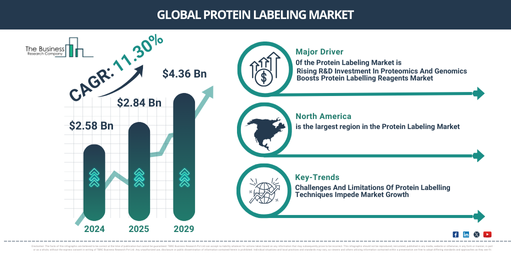
    The market size for protein labeling has seen a substantial increase in the past few years. From a size of $2.58 billion in 2024, it is projected to reach a value of $2.84 billion in 2025, growing at a compound annual growth rate (CAGR) of 10.1%. The notable rise in the historic period could be due to a greater demand for protein-based therapies, increased acceptance of proteomics research, an ever-widening scope of protein labeling applications, an increased understanding of the benefits of protein labeling, an abundant supply of proficient workers, and the rising incidences of chronic illnesses.

    What are the predictions for the protein labeling market size in the coming years?

    Anticipations are high for a swift expansion for the protein labeling market size within the upcoming years. It’s projected to escalate to $4.36 billion by 2029, with a compound annual growth rate (CAGR) of 11.3%. The projected surge in the coming period is thought to owe to factors such as personalized medicine, point-of-care (POC) testing, advancements in proteomics, bolstered capital input in life sciences, and increased healthcare spending. Preserving the forecast period’s growth, most notable inclinations will revolve around the acceleration in protein labeling technologies, the impact of quantum dots and nanoparticles, multiplexing and high-throughput labeling, biorthogonal labeling, the inclusion of artificial intelligence (AI), sustainable labeling reagents, and drug development.

    Get your protein labeling market report here!

    https://www.thebusinessresearchcompany.com/sample.aspx?id=3417&type=smp

    What key factors are fueling the growth of the protein labeling market?

    The protein labeling reagents market is being propelled by an upswing in expenditure on genomics and proteomics research and development. Proteomics, the examination of the entirety of a cell, tissue, or organism’s protein content, necessitates the use of protein labeling techniques prior to separation and analysis in proteomic profiling methodologies. For example, the United States’ National Institutes of Health (NIH) allocated an impressive $37 billion to support biomedical research. These funds are earmarked for research in life sciences that seek to unravel processes by which diseases develop at a molecular level, to identify biologic markers which signal disease presence or to pinpoint genes or proteins that are the cause of a disease. Furthermore, protein research was boosted by the Novo Nordisk Foundation’s grant of up to $1.5 million to the University of Copenhagen for the development of a mass spectrometry facility. Thus, this escalation in proteomics and genomics R&D expenditure spurs on the protein labeling reagents market.

    How is the global protein labeling market divided into key segments?

    The protein labeling market covered in this report is segmented –

    1) By Product: Reagents, Protein, Enzymes, Probes/ Tags, Monoclonal Antibodies

    2) By Labeling Method: In-vitro Labeling, In-vivo Labeling

    3) By Application: Cell Based-Assay, Fluorescence Microscopy, Immunological Techniques, Mass Spectrometry, Protein Micro Assay

    Subsegments:

    1) By Reagents: Fluorescent Dyes, Enzyme Labels, Chemiluminescent Reagents, Radioactive Labels

    2) By Protein: Recombinant Proteins, Native Proteins, Modified Proteins

    3) By Enzymes: Alkaline Phosphatase, Horseradish Peroxidase, Other Enzymatic Labels

    4) By Probes Or Tags: Biotin Labels, Antibody Tags, Fluorophore Probes, Affinity Tags

    5) By Monoclonal Antibodies: Primary Monoclonal Antibodies, Secondary Monoclonal Antibodies, Conjugated Monoclonal Antibodies

    Get your free sample now – explore exclusive market insights:

    https://www.thebusinessresearchcompany.com/sample.aspx?id=3417&type=smp

    Who are the key firms paving the way for growth in the protein labeling market?

    Major companies operating in the protein labeling market include Thermo Fisher Scientific Inc., Merck KGaA, PerkinElmer Inc., GE HealthCare Technologies Inc., F. Hoffmann-La Roche AG, Agilent Technologies Inc., BIO-RAD LABORATORIES, Kirkegaard & Perry Laboratories, LI-COR Inc., Kaneka Corporation, Promega Corporation, Eurogentec S.A., Luminex Corporation, New England Biolabs Inc., Seracare Life Sciences Inc., Abcam plc., ZEDIRA GmbH, NanoTemper Technologies GmbH, TriLink BioTechnologies LLC., Waters Corporation, AMETEK Inc., HORIBA Ltd., Spectris plc., METTLER TOLEDO International Inc., Shimadzu Corporation, Hitachi High-Tech Corporation, Attana AB, Affinité Instruments, Biosensing Instruments

    Which trends are expected to transform the protein labeling market?

    The market is likely to be constrained by the shortcomings of protein labeling techniques. Compared to labeled methods, label-free techniques are favored due to their associated challenges, including the complexities of wet-lab and its flexibility. While label-free samples necessitate modest preparation, all labeling methods need wet lab preprocessing. Labeling samples with metabolic (for instance, SILAC) or chemical (like iTRAQ or TMT) agents is obligatory and the various conditions must be amalgamated. Hence, relative to labeling techniques, label-free methods are less susceptible to wet lab blunders. Label-free strategies are highly adaptable and can incorporate new samples even after the study’s initiation, unlike labeled approaches which need a certain number (n) of each condition. It may not be possible to include new samples in the study if they cannot be mingled and analyzed consonant with the control. Although labeled methods such as Super-SILAC curtail this predicament, they also need scrupulous planning. Given the associated disadvantages, label-free techniques are arguably a better choice. As such, the market is likely to face challenges due to the issues accompanying protein labeling methods.

    Unlock exclusive market insights – purchase your research report now for a swift delivery!

    https://www.thebusinessresearchcompany.com/purchaseoptions.aspx?id=3417

    What regions are contributing significantly to the growth of the protein labeling market?

    North America was the largest region in the protein labeling market in 2024. The regions covered in the protein labeling market report are Asia-Pacific, Western Europe, Eastern Europe, North America, South America, Middle East, and Africa.

    Browse Through More Similar Reports By The Business Research Company:

    Biosimilars Global Market Report 2024

    https://www.thebusinessresearchcompany.com/report/biosimilar-global-market-report

    Hematology Analyzers and Reagents Global Market Report 2024

    https://www.thebusinessresearchcompany.com/report/hematology-analyzers-and-reagents-global-market-report

    Protein Expression Global Market Report 2024

    https://www.thebusinessresearchcompany.com/report/protein-expression-global-market-report

    About The Business Research Company:

    With over 15000+ reports from 27 industries covering 60+ geographies, The Business Research Company has built a reputation for offering comprehensive, data-rich research and insights. Armed with 1,500,000 datasets, the optimistic contribution of in-depth secondary research, and unique insights from industry leaders, you can get the information you need to stay ahead in the game.

    Contact us at:

    The Business Research Company: https://www.thebusinessresearchcompany.com/

    Americas +1 3156230293

    Asia +44 2071930708

    Europe +44 2071930708

    Email us at info@tbrc.info

    Follow us on:

    LinkedIn: https://in.linkedin.com/company/the-business-research-company

    YouTube: https://www.youtube.com/channel/UC24_fI0rV8cR5DxlCpgmyFQ

    Global Market Model: https://www.thebusinessresearchcompany.com/global-market-model

    Found this article helpful? Share it on:

  • What’s Driving Growth in the Protein Inhibitors Market? Insights into Key Trends and Opportunities

    What’s Driving Growth in the Protein Inhibitors Market? Insights into Key Trends and Opportunities

    Updated 2025 Market Reports Released: Trends, Forecasts to 2034 – Early Purchase Your Competitive Edge Today!

    What key factors are powering the surge in the protein inhibitors market right now?

    The market size of protein inhibitors has shown robust growth in the past years. The market is predicted to expand from $80.99 billion in 2024 to reach $88.74 billion in 2025, experiencing a compound annual growth rate (CAGR) of 9.6%. The growth during the historic period is linked to factors such as drug discovery and development, cancer therapy, and regulatory approvals.

    How fast Is the protein inhibitors market expected to grow, and what’s its future value?

    Expectations indicate significant growth in the protein inhibitors market in the upcoming years, with its value predicted to reach $125.26 billion in 2029, exhibiting a compound annual growth rate (CAGR) of 9.0%. Such growth during the forecast period can be associated with factors like precision medicine, immunotherapy, drug combinations, and an older population. Notable trends expected to surface during the forecast period include data collaboration and sharing, sustainability and ESG, individualized medicine, and flexible clinical trials.

    Get your protein inhibitors market report here!

    https://www.thebusinessresearchcompany.com/sample.aspx?id=3429&type=smp

    What are the leading drivers of growth in the protein inhibitors market?

    The protein inhibitors market is expected to expand due to the rising incidence of chronic illnesses throughout the projected timeline. Chronic diseases such as cancer, cardiovascular conditions, and autoimmune disorders are becoming increasingly common. For example, the National Health Service, England’s publicly-funded health system, reported in June 2024 that the number of patients registered with a GP and diagnosed with non-diabetic hyperglycemia, also known as pre-diabetes, rose from 3,065,825 in 2022 to 3,615,330 in 2023. This represents a nearly 18% increase. As a result, the growing population of individuals with chronic diseases is expected to drive demand and foster growth in the protein inhibitors market.

    What are the key segments defining the protein inhibitors market?

    The protein inhibitors market covered in this report is segmented –

    1) By Product: Protein Kinase Inhibitors, Monoclonal Antibody, Other Products

    2) By Application: Oncology, Inflammatory Diseases, Other Applications

    3) By Distribution Channel: Hospital Pharmacies, Independent Pharmacies, Online Pharmacies

    Subsegments:

    1) By Protein Kinase Inhibitors: Selective Kinase Inhibitors, Non-selective Kinase Inhibitors, Small Molecule Kinase Inhibitors, Biologic Kinase Inhibitors

    2) By Monoclonal Antibodies: Chimeric Monoclonal Antibodies, Humanized Monoclonal Antibodies, Fully Human Monoclonal Antibodies, Conjugated Monoclonal Antibodies

    3) By Other Products: Peptide Inhibitors, Protein Degradation Technologies, Small Molecule Inhibitors, Combination Therapy Products

    Get your free sample now – explore exclusive market insights:

    https://www.thebusinessresearchcompany.com/sample.aspx?id=3429&type=smp

    Who are the key players steering the development of the protein inhibitors market?

    Major companies operating in the protein inhibitors market include Bayer AG, AstraZeneca plc, F. Hoffmann-La Roche Ltd., Teva Pharmaceutical Industries Ltd., Apotex Inc., Novartis International AG, GlaxoSmithKline plc, Pfizer Inc., Boehringer Ingelheim International GmbH, Abbott Laboratories, Amgen Inc., Baxter International Inc., Merck & Co. Inc., Interprotein Corporation, AbbVie Inc., Bristol Myers Squibb Company, Galapagos NV, Priovant Therapeutics Inc., Tempus Labs Inc., ReCode Therapeutics Inc., Satellite Bio Inc., Ambagon Therapeutics Inc., Biogen Inc., Eli Lilly and Company, Gilead Sciences Inc., Johnson & Johnson, Regeneron Pharmaceuticals Inc., Sanofi S.A., Takeda Pharmaceutical Company Limited, Vertex Pharmaceuticals Inc., Lonza Group AG, Catalent Inc., Thermo Fisher Scientific Inc., Charles River Laboratories International Inc., WuXi AppTec Co. Ltd.

    What emerging trends are influencing the growth of the protein inhibitors market?

    The projected growth of the protein inhibitors market may be constrained by the expensive nature of protein inhibitors used in cancer treatment. Monoclonal antibodies, a variety of protein fabricated in labs to connect to substances in the body like cancer cells, are deployed in the treatment of diverse type of cancers. However, the expense tied to using monoclonal antibody therapies for cancer is viewed as substantial. As indicated by the National Center for Biotechnology Information, the average cost of monoclonal antibodies for 34 different application combinations was $96,731. Of the approved combinations, 40% were Oncology and hematology monoclonal antibodies, these accounted for over 85% of those priced at $100,000 or more. The cost of using monoclonal antibodies in oncology or hematology was recorded at $149,622 above that of metabolic or cardiovascular disorders, $106,830 above ophthalmology, $128,856 above infectious diseases or allergies, and $98,981 above immunology. Consequently, the spike in the cost of protein inhibitors, including monoclonal antibodies for cancer treatments, is projected to retard the market’s growth.

    Unlock exclusive market insights – purchase your research report now for a swift delivery!

    https://www.thebusinessresearchcompany.com/purchaseoptions.aspx?id=3429

    Which regions are most influential in expanding the protein inhibitors market?

    North America was the largest region in the protein inhibitors market in 2024. The regions covered in the protein inhibitors market report are Asia-Pacific, Western Europe, Eastern Europe, North America, South America, Middle East, Africa

    Browse Through More Similar Reports By The Business Research Company:

    Proteomics Global Market Report 2024

    https://www.thebusinessresearchcompany.com/report/proteomics-global-market-report

    Biostimulants Global Market Report 2024

    https://www.thebusinessresearchcompany.com/report/biostimulants-global-market-report

    Biosimilars Global Market Report 2024

    https://www.thebusinessresearchcompany.com/report/biosimilar-global-market-report

    About The Business Research Company:

    With over 15000+ reports from 27 industries covering 60+ geographies, The Business Research Company has built a reputation for offering comprehensive, data-rich research and insights. Armed with 1,500,000 datasets, the optimistic contribution of in-depth secondary research, and unique insights from industry leaders, you can get the information you need to stay ahead in the game.

    Contact us at:

    The Business Research Company: https://www.thebusinessresearchcompany.com/

    Americas +1 3156230293

    Asia +44 2071930708

    Europe +44 2071930708

    Email us at info@tbrc.info

    Follow us on:

    LinkedIn: https://in.linkedin.com/company/the-business-research-company

    YouTube: https://www.youtube.com/channel/UC24_fI0rV8cR5DxlCpgmyFQ

    Global Market Model: https://www.thebusinessresearchcompany.com/global-market-model

    Found this article helpful? Share it on:

  • Plasma Therapy Market Analysis: Key Insights on Growth Rates, Trends, and Major Opportunities

    Plasma Therapy Market Analysis: Key Insights on Growth Rates, Trends, and Major Opportunities

    Updated 2025 Market Reports Released: Trends, Forecasts to 2034 – Early Purchase Your Competitive Edge Today!

    How has the plasma therapy market grown over the years?

    In the last few years, the plasma therapy market has seen significant expansion. The market, which was valued at $0.49 billion in 2024, is projected to increase to $0.55 billion in 2025, showing a compound annual growth rate (CAGR) of 11.4%. The growth during the historical period can be attributed to factors such as the increasing pervasiveness of chronic illnesses, a growing understanding of the advantages of plasma therapy, government backing for plasma therapy, reimbursement eligibility for plasma therapy procedures, a rising demand for less intrusive treatments, an incline in requests for tailored medicine, and a mounting elderly population.

    What Is the forecasted market size and growth rate for the plasma therapy market?

    In the ensuing years, the plasma therapy market is projected to witness an accelerated rate of growth. By 2029, it is anticipated to reach a market value of $0.88 billion, with a compound annual growth rate (CAGR) of 12.5%. The growth expected in this forecast period is due to factors such as the increased adoption of immunoglobulins, expanding applications, growing demand for the treatment of rare diseases, and personalized therapeutic approaches. Principal trends observed in this period encompass the evolution of novel and enhanced plasma therapy procedures, biological production, plasma therapies devoid of cells, the incorporation of telemedicine, and exploration into novel applications.

    Get your plasma therapy market report here!

    https://www.thebusinessresearchcompany.com/sample.aspx?id=3278&type=smp

    What are the major factors driving growth in the plasma therapy market?

    As osteoarthritis cases increase, it is predicted to stimulate growth in the plasma therapy market throughout the forecasted timeline. One such type of plasma therapy, Platelet-rich plasma (PRP), is viewed as an effective and safe measure to treat osteoarthritis. PRP is a growth factor from one’s own blood, which is highly concentrated and administered through injections into the ailing joint, aiming to alleviate symptoms by reducing inflammation and decelerating osteoarthritis progress. For example, Journal of Elsevier, a Dutch publishing company, revealed in September 2023 that by 2050 the forecasted increase in osteoarthritis cases globally could reach 74.9% (from 59.4% to 89.9%) for knee arthritis, 48.6% (from 35.9% to 67.1%) for hand arthritis, 78.6% (from 57.7% to 105.3%) for hip arthritis, and 95.1% (from 68.1% to 135.0%) for other types of osteoarthritis. Among the most prevalent treatments for osteoarthritis are autologous chondrocyte implantation and scaffold implants. Consequently, a surge in osteoarthritis cases is anticipated to propel the plasma therapy market growth.

    What key areas define the segmentation of the global plasma therapy Market?

    The plasma therapy market covered in this report is segmented –

    1) By Type: Pure PRP, Leukocyte-rich PRP, Pure Platelet-rich Fibrin (PRF), Leukocyte-rich Fibrin (L-PRF)

    2) By Application: Orthopedics, Arthritis, Chronic Tendinitis, Bone Repair & Regeneration, Dermatology, Androgenic Alopecia, Plastic Surgery, Dental, Cardiac Muscle Injury, Other Applications

    3) By End-Users: Hospitals & Clinics, Laboratories: Research Institutes

    Subsegments:

    1) By Pure PRP: High Concentration PRP, Low Concentration PRP

    2) By Leukocyte-Rich PRP: PRP With White Blood Cells, PRP With Growth Factors

    3) By Pure Platelet-rich Fibrin (PRF): Injectable PRF, Membrane PRF

    4) By Leukocyte-rich Fibrin (L-PRF): L-PRF Clots, L-PRF Membranes

    Get your free sample now – explore exclusive market insights:

    https://www.thebusinessresearchcompany.com/sample.aspx?id=3278&type=smp

    What are the top market players propelling the growth of the plasma therapy industry?

    Major companies operating in the plasma therapy market include Takeda Pharmaceutical Company Limited, Bio Products Laboratory Ltd., Arthrex Inc., Biotest AG, China Biologic Products Holdings Inc., DePuy Synthes Companies, CSL Limited, Grifols S.A., Octapharma AG, Terumo BCT Inc., Pfizer Inc., Kedrion Biopharma, ADMA Biologics Inc., SK Plasma Co. Ltd., Kamada Ltd., Fusion HealthCare, LFB Plasma, Baxter International Inc., Bayer AG, GC Biopharma Corp, Hualan Biological Engineering Inc., Japan Blood Products Organization, PlasmaCare Inc., ProMetic Life Sciences Inc., Sanquin, Shanghai RAAS Blood Products Co. Ltd., Canadian Plasma Resources, B Positive Plasma, Proesis Biologics Inc.

    What are the key trends shaping the future of the plasma therapy market?

    In tune with the changing needs of the plasma therapy market, leading companies are coming up with inventive products like the ESG-410, in a bid to increase treatment options. The ESG-410 is an Electrosurgical Generator created to add alternatives and efficiencies in the treatment of non-muscle-invasive bladder cancer (NMIBC) and benign prostatic hyperplasia. One instance occurred in June 2023 when Olympus Corporation, a medical technology company from Japan, introduced the subsequently improved version of the electrosurgical generator, ESG-410, which is utilized for bladder cancer and enlarged prostate treatment. The ESG-410 includes advanced features such as enhanced capacitors, ensuring excellent plasma stability at ignition. It provides quicker ignition and enhanced plasma stability, surpassing the capabilities of ESG-400 particularly when used with different loop sizes and oval buttons. The advanced ESG-410 Electrosurgical Generator expands treatment options for NMIBC and BPH by delivering a variety of resection loops, electrodes, and vaporization tools.

    Unlock exclusive market insights – purchase your research report now for a swift delivery!

    https://www.thebusinessresearchcompany.com/purchaseoptions.aspx?id=3278

    What regions are dominating the plasma therapy market growth?

    North America was the largest region in the plasma therapy market in 2024. The Middle East is expected to be the fastest-growing region in the global plasma therapy market share during the forecast period. The regions covered in the plasma therapy market report are Asia-Pacific, Western Europe, Eastern Europe, North America, South America, Middle East, and Africa.

    Browse Through More Similar Reports By The Business Research Company:

    Blood Transfusion Diagnostics Global Market Report 2024

    https://www.thebusinessresearchcompany.com/report/blood-transfusion-diagnostics-global-market-report

    Apheresis Consumables And Equipment Global Market Report 2024

    https://www.thebusinessresearchcompany.com/report/apheresis-consumables-and-equipment-global-market-report

    Hematology Analyzers and Reagents Global Market Report 2024

    https://www.thebusinessresearchcompany.com/report/hematology-analyzers-and-reagents-global-market-report

    About The Business Research Company:

    With over 15000+ reports from 27 industries covering 60+ geographies, The Business Research Company has built a reputation for offering comprehensive, data-rich research and insights. Armed with 1,500,000 datasets, the optimistic contribution of in-depth secondary research, and unique insights from industry leaders, you can get the information you need to stay ahead in the game.

    Contact us at:

    The Business Research Company: https://www.thebusinessresearchcompany.com/

    Americas +1 3156230293

    Asia +44 2071930708

    Europe +44 2071930708

    Email us at info@tbrc.info

    Follow us on:

    LinkedIn: https://in.linkedin.com/company/the-business-research-company

    YouTube: https://www.youtube.com/channel/UC24_fI0rV8cR5DxlCpgmyFQ

    Global Market Model: https://www.thebusinessresearchcompany.com/global-market-model

    Found this article helpful? Share it on:

  • Unlocking the Future of the Pharmaceutical Sterility Testing Market: Growth Rate, Key Trends, and Opportunities for 2025-2034

    Unlocking the Future of the Pharmaceutical Sterility Testing Market: Growth Rate, Key Trends, and Opportunities for 2025-2034

    Updated 2025 Market Reports Released: Trends, Forecasts to 2034 – Early Purchase Your Competitive Edge Today!

    How has the pharmaceutical sterility testing market grown in recent years?

    The size of the pharmaceutical sterility testing market has seen a significant expansion in recent years. The market is projected to escalate from $1.41 billion in 2024 to $1.54 billion in 2025, showcasing a compound annual growth rate (CAGR) of 9.0%. The historic growth is due to increased demand for superior quality pharmaceutical products, an enhanced focus on drug safety and efficacy, a rise in the requirement for biologics and biosimilar drugs, a higher incidence of infectious diseases, and an increase in life science research investments.

    How is the pharmaceutical sterility testing market size expected to evolve during the forecast period?

    The market for sterility testing in the pharmaceutical industry is projected to experience accelerated growth in the forthcoming years, with the market size expected to reach $3.18 billion in 2029 at a compound annual growth rate (CAGR) of 20.0%. This anticipated growth in the forecast period can be credited to the rise in biopharmaceuticals, personalized medicine, increasing trend of outsourcing, focus on quality assurance, and preparedness for pandemics. Key trends to watch out during the forecast period include accelerated microbiological methods, combined products, data integrity and digitization, automation and robotics, and cutting-edge analytical techniques.

    Get your pharmaceutical sterility testing market report here!

    https://www.thebusinessresearchcompany.com/sample.aspx?id=2826&type=smp

    Which key drivers are propelling the pharmaceutical sterility testing market’s growth?

    The pharmaceutical sterility testing market’s growth has been significantly influenced by a surge in drug launches and increased investment in research and development (R&D). Sterility, which ensures that drugs are free from viable microorganisms and product contamination, is a crucial phase in drug manufacturing. For example, Pharmaceutical Technology, a US-based independent resource for bio/pharmaceutical formulation knowledge and analysis, published an article in March 2022 revealing the UK government’s commitment of $347 million (£260 million) to foster R&D and create innovative treatments, tools, and diagnostics. IQVIA, a US-based firm offering advanced analytics, technology solutions, and clinical research services, declared in a December 2021 report that we could expect around 300 new drugs to hit the market by 2026. This prediction surpasses the average number of drugs launched within the past decade, with a shift anticipated towards specialty, niche, and orphan drugs. The report also projected a $196 billion increase in new product spending over the next five years, which will be marginally balanced by a $188 billion reduction in brand spending due to loss of exclusivity.

    What are the market segments in the pharmaceutical sterility testing industry?

    The pharmaceutical sterility testing market covered in this report is segmented –

    1) By Sample: Sterile Drugs, Medical Devices, Biologics and Therapeutics

    2) By Product Type: Instruments, Kits and Reagents, Services

    3) By Type: In- house, Outsourcing

    4) By Test Type: Sterility Testing, Bioburden Testing, Bacterial Endotoxin Testing

    5) By End- User: Compounding Pharmacies, Medical Devices Companies, Pharmaceutical Companies

    Subsegments:

    1) By Sterile Drugs: Injectable Drugs, Infusion Solutions, Ophthalmic Solutions

    2) By Medical Devices: Surgical Instruments, Implants, Catheters

    3) By Biologics And Therapeutics: Vaccines, Gene Therapies, Cell Therapies

    Get your free sample now – explore exclusive market insights:

    https://www.thebusinessresearchcompany.com/sample.aspx?id=2826&type=smp

    Which leading companies are shaping the growth of the pharmaceutical sterility testing market?

    Major companies operating in the pharmaceutical sterility testing market include Pacific Biolabs Inc., STERIS Corporation, Boston Analytical Inc., Gibraltar Laboratories Inc., Sartorius AG, Solvias AG, SGS S.A., Toxikon Inc., Pace Analytical Services LLC, Charles River Laboratories International Inc., Nelson Laboratories Inc., Rapid Micro Biosystems Inc., bioMérieux Inc., Merck KGaA, WuXi AppTec, Sotera Health LLC, Dynalabs LLC, Infinity Laboratories, Eurofins Scientific SE, Avomeen Analytical Services, Microbac Laboratories Inc., Analytical Lab Group LLC, North American Science Associates Inc., Medical Device Testing Services Inc., Microtest Laboratories Inc., BioScreen Testing Services Inc., Microchem Laboratory Inc., Bactolac Pharmaceutical Inc., Micro Quality Labs Inc., Boston Microfluidics Inc., BioPharma Services Inc., Microbiology Research Associates, BioScience Laboratories Inc.

    What key trends are currently impacting the pharmaceutical sterility testing market’s development?

    Firms in the pharmaceutical testing market are debuting innovative sterility testing products and services to augment their offerings and broaden their market presence. These companies are rolling out technologically advanced solutions and well-prepared services to leverage the growing pharmaceutical sterility testing market’s potential. For example, STEMart, an American company that offers integrated medical device CRO services, initiated an extensive range of microbiology and sterility testing for sterile, non-pyrogenic products in June 2022. Comprehensive microbiology and sterility testing encompasses several services, including the Antibiotic Potency Test intended to assess the bioactivity or efficacy of specific antibiotics for medical devices.

    Unlock exclusive market insights – purchase your research report now for a swift delivery!

    https://www.thebusinessresearchcompany.com/purchaseoptions.aspx?id=2826

    Which geographic areas are influencing the growth of the pharmaceutical sterility testing market?

    North America was the largest region in the pharmaceutical sterility testing market in 2024. The Middle East is expected to be the fastest-growing region in the global pharmaceutical sterility testing market share during the forecast period. The regions covered in the pharmaceutical sterility testing market report are Asia-Pacific, Western Europe, Eastern Europe, North America, South America, Middle East, and Africa.

    Browse Through More Similar Reports By The Business Research Company:

    Pharmaceutical Contract Development And Manufacturing Organization (CMO) Global Market Report 2024

    https://www.thebusinessresearchcompany.com/report/pharmaceutical-contract-developments-and-manufacturing-organization-cmo-global-market-report

    Pharmaceutical Excipients Global Market Report 2024

    https://www.thebusinessresearchcompany.com/report/pharmaceutical-excipient-global-market-report

    Pharmaceutical Packaging Equipment Global Market Report 2024

    https://www.thebusinessresearchcompany.com/report/pharmaceutical-packaging-equipment-global-market-report

    About The Business Research Company:

    With over 15000+ reports from 27 industries covering 60+ geographies, The Business Research Company has built a reputation for offering comprehensive, data-rich research and insights. Armed with 1,500,000 datasets, the optimistic contribution of in-depth secondary research, and unique insights from industry leaders, you can get the information you need to stay ahead in the game.

    Contact us at:

    The Business Research Company: https://www.thebusinessresearchcompany.com/

    Americas +1 3156230293

    Asia +44 2071930708

    Europe +44 2071930708

    Email us at info@tbrc.info

    Follow us on:

    LinkedIn: https://in.linkedin.com/company/the-business-research-company

    YouTube: https://www.youtube.com/channel/UC24_fI0rV8cR5DxlCpgmyFQ

    Global Market Model: https://www.thebusinessresearchcompany.com/global-market-model

    Found this article helpful? Share it on:
  • Parathyroid Hormone Market Growth Forecast: Exploring Trends and Opportunities for the Next Decade

    Updated 2025 Market Reports Released: Trends, Forecasts to 2034 – Early Purchase Your Competitive Edge Today!

    How has the parathyroid hormone market grown in recent years?

    In the past few years, there has been a consistent growth in the parathyroid hormone market size. The industry, which is projected to expand from $2.35 billion in 2024 to $2.43 billion in 2025, is expected to experience a 3.5% compound annual growth rate (CAGR). The surge during the historical period is credited to the escalating occurrence of chronic kidney disease, heightened awareness about disorders related to parathyroid hormone, increased requirement for parathyroid hormone analogs, robust government financial support for the study of parathyroid hormone, and the rise in disposable incomes.

    How is the parathyroid hormone market size expected to evolve during the forecast period?

    The market for parathyroid hormone is anticipated to witness robust expansion in the forthcoming years. The value is projected to reach $3.5 billion by 2029, growing at a compound annual growth rate (CAGR) of 9.6%. Factors contributing to the growth in the predicted period include a rising elderly population, expansion of private healthcare sectors, emerging indications, precision medicine, increasing awareness of bone health, and broader healthcare access. Noticeable trends during the forecast period include progression in parathyroid hormone testing, improvements in drug delivery, combination therapies, integration of digital health, and focus on sustainability and green initiatives.

    Get your parathyroid hormone market report here!

    https://www.thebusinessresearchcompany.com/sample.aspx?id=3427&type=smp

    Which key drivers are propelling the parathyroid hormone market’s growth?

    With an expected surge in osteoporosis cases, the market for parathyroid hormones anticipates significant growth. Osteoporosis, a condition marked by a decrease in bone mass and worsening bone tissue, amplifies the chance of fractures. As an illustration, the International Osteoporosis Foundation stated in January 2023 that around 1.4 million Canadians, primarily postmenopausal women and aged people, are afflicted by osteoporosis. Parathyroid hormone, a natural body-produced hormone controlling calcium levels, is utilized to lower the fracture risks in osteoporosis patients through daily subcutaneous injections. Hence, the rising incidence of osteoporosis is projected to foster the expansion of the parathyroid hormone market.

    What are the market segments in the parathyroid hormone industry?

    The parathyroid hormone market covered in this report is segmented –

    1) By Disease Type: Hypocalcemia, Hypoparathyroidism

    2) By Product Type: Recombinant Parathyroid Hormone, Parathyroid Hormone Analogues

    3) By End-User: Hospitals, Clinics, Other End-Users

    Subsegments:

    1) By Hypocalcemia: Pseudohypoparathyroidism, Vitamin D Deficiency

    2) By Hypoparathyroidism: Post-Surgical Hypoparathyroidism, Idiopathic Hypoparathyroidism

    Get your free sample now – explore exclusive market insights:

    https://www.thebusinessresearchcompany.com/sample.aspx?id=3427&type=smp

    Which leading companies are shaping the growth of the parathyroid hormone market?

    Major companies operating in the parathyroid hormone market include Pfizer Inc., Eli Lilly and Company, Radius Health Inc., Ascendis Pharma, Entera Bio Ltd., Extend Biosciences Inc., Gedeon Richter Plc., Abbott Laboratories, Amgen Inc., Merck & Co. Inc., Novartis AG, F. Hoffmann-La Roche AG, Teva Pharmaceutical Industries Ltd., Alcon Laboratories Inc., Bayer Healthcare, AstraZeneca PLC, Biocon, Dr. Reddy’s Laboratories, Glenmark Pharmaceuticals, Jubilant Life Sciences, Lupin Limited, Sun Pharmaceutical Industries, Torrent Pharmaceuticals, Wockhardt, Cipla Limited

    What key trends are currently impacting the parathyroid hormone market’s development?

    Leading firms in the parathyroid hormone market have their sights set on producing biosimilars like prodrugs of parathyroid hormone, in an effort to broaden the range of treatment choices. Prodrugs of parathyroid hormone are inactive substances, which turn into active parathyroid hormone upon administration, providing sustained release and steady medical results for calcium management and the wellbeing of bones. To illustrate, Ascendis Pharma A/S, a Denmark-based biopharmaceutical firm, announced in August 2024 that the Food & Drug Administration (FDA) validated YORVIPATH (palopegteriparatide) as the unique treatment available for hypoparathyroidism in adults. Administered once per day, this prodrug provides consistent PTH exposure, impacting an estimated 70,000 to 90,000 patients in the U.S. Ascendis Pharma offers patient assistance via its Ascendis Signature Access Program (A.S.A.P.), but users have to frequently check serum calcium levels for possible hypercalcemia or hypocalcemia.

    Unlock exclusive market insights – purchase your research report now for a swift delivery!

    https://www.thebusinessresearchcompany.com/purchaseoptions.aspx?id=3427

    Which geographic areas are influencing the growth of the parathyroid hormone market?

    North America was the largest region in the parathyroid hormone market in 2024. The Middle East is expected to be the fastest-growing region in the global parathyroid hormone market share during the forecast period. The regions covered in the parathyroid hormone market report are Asia-Pacific, Western Europe, Eastern Europe, North America, South America, Middle East, and Africa.

    Browse Through More Similar Reports By The Business Research Company:

    Transdermal Skin Patches Global Market Report 2024

    https://www.thebusinessresearchcompany.com/report/transdermal-skin-patche-global-market-report

    Drugs For Hormonal Replacement Therapy Global Market Report 2024

    https://www.thebusinessresearchcompany.com/report/drugs-for-hormonal-replacement-therapy-global-market-report

    Parathyroid Hormone Global Market Report 2024

    https://www.thebusinessresearchcompany.com/report/parathyroid-hormones-global-market-report

    About The Business Research Company:

    With over 15000+ reports from 27 industries covering 60+ geographies, The Business Research Company has built a reputation for offering comprehensive, data-rich research and insights. Armed with 1,500,000 datasets, the optimistic contribution of in-depth secondary research, and unique insights from industry leaders, you can get the information you need to stay ahead in the game.

    Contact us at:

    The Business Research Company: https://www.thebusinessresearchcompany.com/

    Americas +1 3156230293

    Asia +44 2071930708

    Europe +44 2071930708

    Email us at info@tbrc.info

    Follow us on:

    LinkedIn: https://in.linkedin.com/company/the-business-research-company

    YouTube: https://www.youtube.com/channel/UC24_fI0rV8cR5DxlCpgmyFQ

    Global Market Model: https://www.thebusinessresearchcompany.com/global-market-model

    Found this article helpful? Share it on:

  • How is the Oral Biologics & Biosimilar Drugs Market Poised for Growth: Trends and Opportunities Through 2034

    How is the Oral Biologics & Biosimilar Drugs Market Poised for Growth: Trends and Opportunities Through 2034

    Updated 2025 Market Reports Released: Trends, Forecasts to 2034 – Early Purchase Your Competitive Edge Today!

    What key factors are powering the surge in the oral biologics & biosimilar drugs market right now?

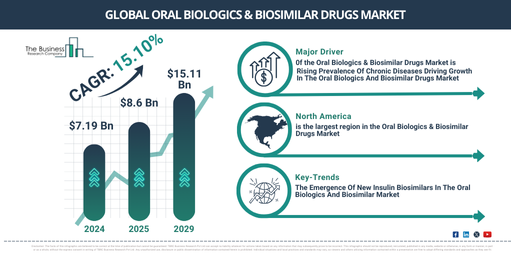
    In recent times, there has been a swift expansion in the market size of oral biologics & biosimilar drugs. The market is predicted to increase from $7.19 billion in 2024 to $8.6 billion in 2025, growing at a compound annual growth rate (CAGR) of 19.6%. The noteworthy growth observed in the historical period is due to factors such as the increasing occurrence of chronic illnesses, enhanced understanding of oral biologics, growing number of patent expirations, and heightened demand for biosimilars.

    How fast Is the oral biologics & biosimilar drugs market expected to grow, and what’s its future value?

    In the coming years, the oral biologics & biosimilar drugs market is projected to experience fast-paced expansion. The market is forecasted to reach $15.11 billion by 2029, growing at a compound annual growth rate (CAGR) of 15.1%. The market expansion during the forecast period might be attributed to factors such as targeted therapy, a heightened emphasis on preventive medicine, an increase in healthcare expenditure, and an aging population. Notable trends during this period are expected to include progress in oral delivery technology, the introduction of orally administered biologics, innovation in biosimilars, and a focus on patient-centered care.

    Get your oral biologics & biosimilar drugs market report here!

    https://www.thebusinessresearchcompany.com/sample.aspx?id=3792&type=smp

    What are the leading drivers of growth in the oral biologics & biosimilar drugs market?

    The escalating incidence of long-term illnesses like arthritis, asthma, and cancer is anticipated to significantly propel the oral biologics and biosimilar market. Extended work hours, minimal physical exercise, along with poor eating and drinking practices add to the commonality of these chronic illnesses. Biologics are becoming more commonly utilized in their treatment as they stimulate the immune response against cancer cells and help to clear them from the body. For example, a United Nations article in May 2023 forecasts that by 2030, chronic illnesses will account for 70% of global deaths. The worldwide impact of chronic disease is predicted to reach about 60%. Consequently, the escalating incidence of these long-term illnesses is expected to boost the demand for biologics and biosimilar medicines, thereby fostering the growth of the oral biologics & biosimilar drugs market.

    What are the key segments defining the oral biologics & biosimilar drugs market?

    The oral biologics & biosimilar drugs market covered in this report is segmented –

    1) By Therapy: Lymphocyte Modulators, Interleukin Inhibitors, Tumor Necrosis Factor-Alpha Inhibitors

    2) By Disease: Asthma, Crohn’s Disease, Carcinoma, Arthritis, Diabetes, Multiple Myeloma, Enterocolitis, Multiple Sclerosis, Sarcoma, Psoriasis and Others

    3) By Molecule Type: Vaccines, Proteins & Peptides, Monoclonal Antibodies, Other Molecule Types

    4) By Distribution Channel: Hospital Pharmacies, Retail Pharmacies, Online Pharmacies

    Subsegments:

    1) By Lymphocyte Modulators: Fingolimod, Ocrelizumab, Natalizumab

    2) By Interleukin Inhibitors: Ustekinumab, Secukinumab, Guselkumab

    3) By Tumor Necrosis Factor-Alpha Inhibitors: Adalimumab, Certolizumab Pegol, Golimumab

    Get your free sample now – explore exclusive market insights:

    https://www.thebusinessresearchcompany.com/sample.aspx?id=3792&type=smp

    Who are the key players steering the development of the oral biologics & biosimilar drugs market?

    Major companies operating in the oral biologics & biosimilar drugs market include Novartis International AG, Rani Therapeutics Holdings Inc., Eli Lilly and Company, AstraZeneca plc, Novo Nordisk A/S, Biocon Limited, Oramed Pharmaceuticals Inc., BiosanaPharma, Entera Bio Ltd., Allergan plc, Emisphere Technologies Inc., Enteris BioPharma Inc., Chiasma Inc., Allena Pharmaceuticals Inc., Gelgen Corporation, 3SBio Inc., Innovent Biologics Inc., Changchun High & New Technology Industries (Group) Inc., Dong Bao Pharmaceutical Co. Ltd., CP Guojian Pharmaceutical Co. Ltd., GlaxoSmithKline PLC, Concord Biotech Limited, Aurobindo Pharma Limited, H. Lundbeck A/S, Sanofi S.A., F. Hoffmann-La Roche Ltd., Allergan Pharmaceuticals International Limited, Hikma Pharmaceuticals PLC, Mylan N.V., Pfizer Inc., Sandoz International GmbH, Teva Pharmaceutical Industries Ltd.

    What emerging trends are influencing the growth of the oral biologics & biosimilar drugs market?

    The oral biologics and biosimilar market is currently seeing a surge in the development of novel insulin biosimilars. Market leaders in the field of oral biologics and biosimilars are channeling resources towards the production of an insulin biosimilar replacement. This has stirred a competitive environment among different biosimilar manufacturers. An exemplification of this trend is when, in April 2023, Eli Lilly and Company, a US firm that produces oral biologics and biosimilar medicines, introduced a new insulin glargine biosimilar called Rezvoglar (insulin glargine-aglr). Insulin glargine products such as these are utilized to better regulate blood sugar levels in adults, children, and infants with type 1 diabetes and adults with type 2 diabetes.

    Unlock exclusive market insights – purchase your research report now for a swift delivery!

    https://www.thebusinessresearchcompany.com/purchaseoptions.aspx?id=3792

    Which regions are most influential in expanding the oral biologics & biosimilar drugs market?

    North America was the largest region in the oral biologics and biosimilar drugs market in 2024. The Middle East is expected to be the fastest growing region in the oral biologics & biosimilar drugs market report during the forecast period. The regions covered in the oral biologics & biosimilar drugs market report are Asia-Pacific, Western Europe, Eastern Europe, North America, South America, Middle East, and Africa.

    Browse Through More Similar Reports By The Business Research Company:

    Dental Services Global Market Report 2024

    https://www.thebusinessresearchcompany.com/report/dental-services-global-market-report

    Dental Equipment And Supplies Global Market Report 2024

    https://www.thebusinessresearchcompany.com/report/dental-equipment-and-supplies-global-market-report

    Dental Practice Management Global Market Report 2024

    https://www.thebusinessresearchcompany.com/report/dental-practice-management-global-market-report

    About The Business Research Company:

    With over 15000+ reports from 27 industries covering 60+ geographies, The Business Research Company has built a reputation for offering comprehensive, data-rich research and insights. Armed with 1,500,000 datasets, the optimistic contribution of in-depth secondary research, and unique insights from industry leaders, you can get the information you need to stay ahead in the game.

    Contact us at:

    The Business Research Company: https://www.thebusinessresearchcompany.com/

    Americas +1 3156230293

    Asia +44 2071930708

    Europe +44 2071930708

    Email us at info@tbrc.info

    Follow us on:

    LinkedIn: https://in.linkedin.com/company/the-business-research-company

    YouTube: https://www.youtube.com/channel/UC24_fI0rV8cR5DxlCpgmyFQ

    Global Market Model: https://www.thebusinessresearchcompany.com/global-market-model

    Found this article helpful? Share it on:

  • Growth Opportunities and Trends in the Oncology Biosimilars Market: Key Insights for 2025-2034

    Growth Opportunities and Trends in the Oncology Biosimilars Market: Key Insights for 2025-2034

    Updated 2025 Market Reports Released: Trends, Forecasts to 2034 – Early Purchase Your Competitive Edge Today!

    How has the oncology biosimilars market grown in recent years?

    The market size for oncology biosimilars has seen a remarkable increase in the past few years. It is projected to escalate from $6.9 billion in 2024 to $8.85 billion in 2025, with a Compound Annual Growth Rate (CAGR) of 28.3%. The expansion during the historical period can be credited to the increasing occurrences of cancer, expiry of patents on biologic cancer medicines, governmental backing for biosimilars, augmented investment in the development and production of biosimilars, and the broadening geographical presence of biosimilars.

    How is the oncology biosimilars market size expected to evolve during the forecast period?

    Over the coming years, the size of the oncology biosimilars market is anticipated to grow robustly to reach $16.48 billion in 2029, representing a compound annual growth rate (CAGR) of 16.8%. This projected growth over the forecast period can be attributed to factors such as the expansion of the oncology biosimilar portfolio, a focus on patient-centered care, measures to contain healthcare costs, targeted therapies, and a growing pipeline. Key emerging trends during the forecast period are expected to include biobetters, combinations of oncology biosimilars, supportive care biosimilars, and real-world evidence.

    Get your oncology biosimilars market report here!

    https://www.thebusinessresearchcompany.com/sample.aspx?id=2821&type=smp

    Which key drivers are propelling the oncology biosimilars market’s growth?

    The production of new cancer-fighting biosimilars is being propelled by the patent expiry on biologics used for cancer treatment. A patent on a biologic can only be held for a defined period and it’s expiration affords the opportunity to create new biosimilars. Created from living organisms, biologics are targeted drugs that provoke the immune system into combating cancer cells. Though not exactly alike, biosimilars mirror biologics in terms of efficacy but are more affordable. The Center for Biosimilars projects that around 20 patents on oncology biologics will lapse by 2023, paving the way for the development of new cancer care biosimilars. This surge in patent expirations is predicted to escalate the demand for the creation of new oncology biosimilars, thereby fueling the growth of the oncology biosimilars market.

    What are the market segments in the oncology biosimilars industry?

    The oncology biosimilars market covered in this report is segmented –

    1) By Drug Type: Monoclonal Antibody, Immunomodulators, Hematopoietic Agents, Granulocyte Colony-Stimulating Factor (G-CSF)

    2) By Cancer Type: Breast Cancer, Colorectal Cancer, Blood Cancer, Neutropenia Cancer, Non-Small Cell Lung Cancer, Other Cancer Types

    3) By Distribution Type: Hospital Pharmacy, Retail Pharmacy, Online Pharmacy

    Subsegments:

    1) By Monoclonal Antibody: Rituximab Biosimilars, Trastuzumab Biosimilars, Bevacizumab Biosimilars, Pembrolizumab Biosimilars

    2) By Immunomodulators: Thalidomide Biosimilars, Lenalidomide Biosimilars, Pomalidomide Biosimilars

    3) By Hematopoietic Agents: Epoetin Biosimilars, Darbepoetin Biosimilars

    4) By Granulocyte Colony-Stimulating Factor (G-CSF): Filgrastim Biosimilars, Pegfilgrastim Biosimilars

    Get your free sample now – explore exclusive market insights:

    https://www.thebusinessresearchcompany.com/sample.aspx?id=2821&type=smp

    Which leading companies are shaping the growth of the oncology biosimilars market?

    Major companies operating in the oncology biosimilars market include Biocon Biologics Limited, Celltrion Inc., Dr. Reddy’s Laboratories Ltd., Intas Pharmaceuticals Ltd., STADA Arzneimittel AG, Pfizer Inc., Apotex Inc., Teva Pharmaceutical Industries Ltd., Sandoz International GmbH, BIOCAD, Amgen Inc., F. Hoffmann-La Roche, Sanofi SA, Mylan, Samsung Bioepis, Biogen International GmbH, Merck & Co. Inc., Coherus Biosciences, Eli Lilly and Company, Novartis AG, Viatris Inc., Accord Healthcare Ltd., Zydus Cadila Health Care Limited, Hetero Drugs Limited, Mundipharma International Limited, Mabion SA, Polpharma Biologics, Alvotech, Innovent Biologics, Gan & Lee Pharmaceuticals, Henlius Biotech

    What key trends are currently impacting the oncology biosimilars market’s development?

    An uptick is being observed in the R&D investment by pharmaceutical companies for introducing new oncology biosimilar products. They are harnessing the growth opportunities offered by the flourishing biosimilar market by directing funds towards their R&D operations to facilitate the study and manufacturing of novel biosimilars. For instance, Biocon Biologics, an Indian biopharmaceutical firm, and Viatris Inc., an American biosimilar producer, debuted their third oncology biosimilar, Abevmy (bevacizumab), in Canada, in May 2022. Abevmy stands as a biosimilar to Avastin (bevacizumab) by Roche, a humanized monoclonal antibody that influences vascular endothelial growth factor (VEGF). Abevmy’s function of restraining VEGF aids in thwarting the construction of new blood vessels, crucial for tumor expansion.

    Unlock exclusive market insights – purchase your research report now for a swift delivery!

    https://www.thebusinessresearchcompany.com/purchaseoptions.aspx?id=2821

    Which geographic areas are influencing the growth of the oncology biosimilars market?

    North America was the largest region in the global oncology biosimilars market in 2024. Middle East is expected to be the fastest-growing region in the oncology biosimilars market report forecast period. The regions covered in the oncology biosimilars market report are Asia-Pacific, Western Europe, Eastern Europe, North America, South America, Middle East, and Africa.

    Browse Through More Similar Reports By The Business Research Company:

    Biosimilar Therapeutic Peptides Global Market Report 2024

    https://www.thebusinessresearchcompany.com/report/biosimilar-therapeutic-peptide-global-market-report

    Biosimilars Global Market Report 2024

    https://www.thebusinessresearchcompany.com/report/biosimilar-global-market-report

    Biosimilar Lymphocyte Modulator Global Market Report 2024

    https://www.thebusinessresearchcompany.com/report/biosimilar-lymphocytes-modulator-global-market-report

    About The Business Research Company:

    With over 15000+ reports from 27 industries covering 60+ geographies, The Business Research Company has built a reputation for offering comprehensive, data-rich research and insights. Armed with 1,500,000 datasets, the optimistic contribution of in-depth secondary research, and unique insights from industry leaders, you can get the information you need to stay ahead in the game.

    Contact us at:

    The Business Research Company: https://www.thebusinessresearchcompany.com/

    Americas +1 3156230293

    Asia +44 2071930708

    Europe +44 2071930708

    Email us at info@tbrc.info

    Follow us on:

    LinkedIn: https://in.linkedin.com/company/the-business-research-company

    YouTube: https://www.youtube.com/channel/UC24_fI0rV8cR5DxlCpgmyFQ

    Global Market Model: https://www.thebusinessresearchcompany.com/global-market-model

    Found this article helpful? Share it on: