Category: Pharmaceuticals

  • Chronic Pain Treatment Market Analysis 2026: Market Size, Growth Trends And Industry Outlook

    Chronic Pain Treatment Market Analysis 2026: Market Size, Growth Trends And Industry Outlook

    Built to provide research that’s more actionable and strategically valuable, The Business Research Company’s 2026 market reports include market attractiveness analysis, total addressable market sizing, company benchmarking matrices, interactive Excel dashboards, broader supply chain intelligence, emerging startup tracking, and in-depth product insights.

    Chronic Pain Treatment Market CAGR Outlook And Future Development

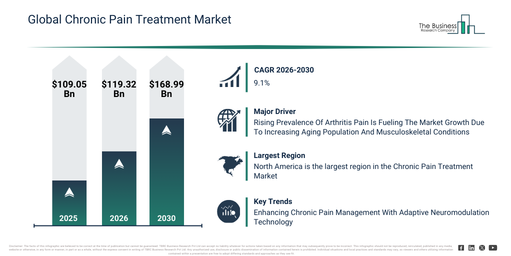
    The chronic pain treatment market has demonstrated substantial expansion in recent years. This sector is anticipated to increase from $109.05 billion in 2025 to $119.32 billion in 2026, achieving a compound annual growth rate (CAGR) of 9.4%. Historically, this growth has been fueled by factors such as opioid usage, musculoskeletal disorders, an aging population, the establishment of hospital pain clinics, and advancements in post-surgical pain management.

    The chronic pain treatment market is projected to experience substantial expansion in the coming years. Its valuation is anticipated to reach $168.99 billion by 2030, exhibiting a compound annual growth rate (CAGR) of 9.1%. This projected growth during the forecast period is fueled by factors such as opioid regulation, the development of device-based therapies, the rising prevalence of chronic diseases, increased integration of mental health services, and the expansion of outpatient pain care. Significant developments expected over this period encompass a move towards non-opioid pain treatments, the rise of neuromodulation devices, broadening multidisciplinary pain management approaches, a heightened emphasis on individualized pain care, and the incorporation of psychological support strategies.

    Get A Free Sample Report With In-Depth Market Insights:

    https://thebusinessresearchcompany.com/sample_request?id=59949987&type=smp&name=Chronic%20Pain%20Treatment%20Market%20Report%202026&utm_source=Blogs&utm_medium=Paid&utm_campaign=Oct_PR

    Chronic Pain Treatment Market Demand Drivers Opening New Revenue Streams

    The increasing occurrence of arthritis pain is projected to drive the expansion of the chronic pain treatment market in the future. Arthritis pain describes discomfort, aching, or soreness within the joints, resulting from inflammation or degeneration caused by arthritis. The growing prevalence of arthritis pain is primarily influenced by the aging population, as the natural wear and tear on joints intensifies with age, leading to a higher incidence of arthritis-related conditions. Chronic pain treatment aids arthritis pain by targeting inflammation and nerve sensitivity to lessen discomfort, enhance joint function, and improve the overall quality of life for individuals managing persistent arthritis symptoms. For example, in July 2024, the Centers for Disease Control and Prevention, a US-based government agency, reported that an estimated 21.2% of adults aged 18 and older in the US were diagnosed with arthritis in 2023. Therefore, the rising prevalence of arthritis pain is a significant factor propelling the growth of the chronic pain treatment market.

    Chronic Pain Treatment Market Segment Landscape: Which Areas Lead Development?

    The chronic pain treatment market covered in this report is segmented –

    1) By Product Type: Drugs, Devices

    2) By Indication: Neuropathic Pain, Arthritis Pain, Chronic Back Pain, Cancer Pain, Migraine, Fibromyalgia, Other Indications

    3) By Distribution channels: Direct, Indirect

    4) By End-User: Hospitals, Clinics, Nursing Homes, Research Centers And Universities, Other End-Users

    Subsegments:

    1) By Drugs: Non-Steroidal Anti-Inflammatory Drugs (NSAIDs), Opioids, Antidepressants, Anticonvulsants, Muscle Relaxants, Topical Analgesics, Other Pain Relief Medications

    2) By Devices: Neuromodulation Devices, Transcutaneous Electrical Nerve Stimulation (TENS) Devices, Spinal Cord Stimulators, Peripheral Nerve Stimulators, Radiofrequency Ablation Devices, Implantable Drug Delivery Devices

    Chronic Pain Treatment Market Trends Powering Strategic Industry Growth

    Major companies operating in the chronic pain treatment market are prioritizing the development of innovative solutions, such as closed-loop spinal cord stimulation (SCS) systems. This focus is driven by the increasing demand for advanced non-opioid therapies, improved long-term pain management, and enhanced patient quality of life. Closed-loop SCS systems are implantable, rechargeable neurostimulators that continuously detect neural signals and automatically modify electrical stimulation in real time, unlike traditional open-loop SCS devices which deliver predetermined and non-responsive output. For instance, in April 2024, Medtronic plc, an Ireland-based medical device company, received U.S. Food and Drug Administration (FDA) approval for the Inceptiv Neurostimulation System. This device is a compact rechargeable implant that uses sensing electrodes to monitor evoked neural responses and automatically adjust stimulation. It provides full-body 1.5T and 3T MRI access with impedance-independent sensing and is indicated for chronic, intractable trunk or limb pain. Its design aims to deliver more consistent pain relief, better responder outcomes, and improved comfort compared with traditional fixed-output SCS systems.

    Chronic Pain Treatment Market Industry Leaders And Competitive Landscape

    Major companies operating in the chronic pain treatment market are Pfizer Inc., Merck & Co. Inc., AbbVie Inc., Bayer AG, Sanofi S.A., Bristol-Myers Squibb Company, AstraZeneca plc, Abbott Laboratories, Novartis AG, GlaxoSmithKline plc, Medtronic plc, Eli Lilly and Company, Teva Pharmaceutical Industries Ltd., Boehringer Ingelheim International GmbH, Boston Scientific Corporation, Bausch Health Companies Inc., Sun Pharmaceutical Industries Ltd., Amneal Pharmaceuticals LLC, Mallinckrodt plc, Nevro Corp.

    View The Full Chronic Pain Treatment Market Report:

    https://thebusinessresearchcompany.com/report/chronic-pain-treatment-global-market-report?utm_source=Blogs&utm_medium=Paid&utm_campaign=Oct_PR

    Chronic Pain Treatment Market Global Footprint: Which Region Leads The Industry?

    North America was the largest region in the chronic pain treatment market in 2025. Asia-Pacific is expected to be the fastest-growing region in the forecast period. The regions covered in the chronic pain treatment market report are Asia-Pacific, South East Asia, Western Europe, Eastern Europe, North America, South America, Middle East, Africa.

    Reach Out To Our Team:

    The Business Research Company: https://www.thebusinessresearchcompany.com/

    Americas: +1 310-496-7795

    Asia: +44 7882 955267 & +91 8897263534

    Europe: +44 7882 955267

    Email us at: marketing@tbrc.info

    Follow us on:

    LinkedIn: https://in.linkedin.com/company/the-business-research-company

    YouTube: https://www.youtube.com/channel/UC24_fI0rV8cR5DxlCpgmyFQ

    Global Market Model: https://www.thebusinessresearchcompany.com/global-market-model

  • Chronic Obstructive Pulmonary Disease (COPD) Treatment Market Forecast To 2030: Starting From $29.13 Billion In 2026

    Chronic Obstructive Pulmonary Disease (COPD) Treatment Market Forecast To 2030: Starting From $29.13 Billion In 2026

    Backed by market attractiveness analysis, total addressable market sizing, company benchmarking matrices, interactive Excel dashboards, wider supply chain intelligence, emerging startup coverage, and detailed product-level insights, The Business Research Company’s 2026 market reports are designed to offer research that is more actionable and strategically valuable than ever.

    Chronic Obstructive Pulmonary Disease (COPD) Treatment Market Set To Climb From $22.9 Billion In 2026 To $29.13 Billion By 2030

    The chronic obstructive pulmonary disease (copd) treatment market has seen robust growth in recent years. It is anticipated to increase from $21.73 billion in 2025 to $22.9 billion in 2026, at a compound annual growth rate (CAGR) of 5.4%. This historical growth can be attributed to several factors, including a high prevalence of smoking, an aging population, elevated air pollution levels, increased occupational dust exposure, and improved awareness of copd.

    The chronic obstructive pulmonary disease (copd) treatment market size is anticipated to experience robust expansion over the next few years, reaching $29.13 billion by 2030, demonstrating a compound annual growth rate (CAGR) of 6.2%. This projected growth during the forecast period is driven by factors such as the increasing adoption of combination therapies, the spread of homecare treatment models, rising healthcare expenditure, an increase in copd diagnosis rates, and innovations in inhalation drug delivery. Prominent trends expected in this period encompass the growing acceptance of triple combination inhaler therapies, a notable shift towards managing copd from home, a heightened focus on early diagnosis and disease screening, the expansion of generic and cost-effective copd medications, and an increased use of non-pharmacological pulmonary rehabilitation.

    Get A Free Sample Report With In-Depth Market Insights:

    https://thebusinessresearchcompany.com/sample_request?id=90892599&type=smp&name=Chronic%20Obstructive%20Pulmonary%20Disease%20%28COPD%29%20Treatment%20Market%20Report%202026&utm_source=Blogs&utm_medium=Paid&utm_campaign=Oct_PR

    Chronic Obstructive Pulmonary Disease (COPD) Treatment Market Growth Backed By Core Demand Fundamentals

    The expanding incidence of smoking is projected to drive the future expansion of the chronic obstructive pulmonary disease (COPD) treatment market. Smoking is defined as the act of drawing in smoke, usually from ignited materials like tobacco, orally. For individuals who smoke, COPD treatment is favored to achieve better respiration, a higher quality of life, fewer flare-ups, greater exercise capacity, extended lifespan, and enhanced psychological well-being. As an illustration, the World Health Organization, an intergovernmental body located in Switzerland, reported in July 2023 that tobacco annually causes over 8 million deaths, a figure that includes 1.3 million non-smokers exposed to second-hand smoke. Consequently, the rising occurrence of smoking is fueling the expansion of the chronic obstructive pulmonary disease (COPD) treatment market.

    Chronic Obstructive Pulmonary Disease (COPD) Treatment Market Segments: Where Is Growth Concentrated?

    The chronic obstructive pulmonary disease (copd) treatment market covered in this report is segmented –

    1) By Drug Class: Combination Therapy, Bronchodilators, Corticosteroids, Phosphodiesterase Type 4 Inhibitor, Mucokinetics, Other Drug Classes

    2) By Type: Chronic Bronchitis, Emphysema

    3) By End-User: Hospitals, Clinics, Homecare Settings

    Subsegments:

    1) By Combination Therapy: Long-Acting Beta-Agonists (LABA) + Inhaled Corticosteroids (ICS), Long-Acting Muscarinic Antagonists (LAMA) + LABA, Triple Therapy (LAMA + LABA + ICS)

    2) By Bronchodilators: Short-Acting Beta-Agonists (SABA), Long-Acting Beta-Agonists (LABA), Long-Acting Muscarinic Antagonists (LAMA)

    3) By Corticosteroids: Inhaled Corticosteroids (ICS), Oral Corticosteroids, Injectable Corticosteroids

    4) By Phosphodiesterase Type 4 Inhibitor: Roflumilast, Other PDE4 Inhibitors

    5) By Mucokinetics: Expectorants, Mucolytics

    6) By Other Drug Classes: Antibiotics, Antivirals, Antifungal Agents

    Chronic Obstructive Pulmonary Disease (COPD) Treatment Market Growth Trends Reshaping The Competitive Landscape

    Leading companies in the chronic obstructive pulmonary disease (COPD) treatment market are prioritizing innovative products like Vilfuro-G to boost their market revenues. Vilfuro-G stands as the world’s first fixed-dose triple combination medication (FDC) specifically developed for the effective management of chronic obstructive pulmonary disease (COPD. For example, in November 2023, Lupin Limited, an India-based pharmaceutical company, introduced Vilfuro-G. The product is available in a fixed dose of one strength, with a recommended once daily dosage. The introduction of Vilfuro-G is expected to considerably enhance the lives of COPD patients and expand Lupin’s respiratory product portfolio, showcasing the company’s commitment to delivering advanced treatment choices to patients and medical professionals. Vilfuro-G is the unique fixed-dose combination (FDC) expressly formulated to combine glycopyrronium bromide, vilanterol, and fluticasone furoate for the long-term treatment and management of moderate to severe COPD.

    Chronic Obstructive Pulmonary Disease (COPD) Treatment Market Key Participants And Competitive Landscape

    Major companies operating in the chronic obstructive pulmonary disease (copd) treatment market are Almirall S.A., AstraZeneca plc, Boehringer Ingelheim International GmbH, F. Hoffmann-La Roche Ltd., GlaxoSmithKline plc, Novartis AG, Teva Pharmaceutical Industries Ltd., Chiesi Farmaceutici S.p.A, Sunovion Pharmaceuticals Inc., Dr. Reddy’s Laboratories Ltd., Sanofi S.A, Theravance Biopharma Inc., Verona Pharmaceuticals plc, Pfizer Inc., Mylan N.V., Orion Corporation, Cipla Limited, Glenmark Pharmaceuticals Limited, Biocon Limited, Lupin Limited, Mundipharma International Limited

    View The Full Chronic Obstructive Pulmonary Disease (COPD) Treatment Market Report:

    https://thebusinessresearchcompany.com/report/chronic-obstructive-pulmonary-disease-COPD-treatment-global-market-report?utm_source=Blogs&utm_medium=Paid&utm_campaign=Oct_PR

    Chronic Obstructive Pulmonary Disease (COPD) Treatment Market Regional Distribution: Which Areas Power Market Growth?

    North America was the largest region in the chronic obstructive pulmonary disease (COPD) treatment market in 2025. Asia-Pacific is expected to be the global chronic obstructive pulmonary disease (COPD) treatment market report during the fastest-growing region in the forecast period. The regions covered in the chronic obstructive pulmonary disease (copd) treatment market report are Asia-Pacific, South East Asia, Western Europe, Eastern Europe, North America, South America, Middle East, Africa.

    Reach Out To Our Team:

    The Business Research Company: https://www.thebusinessresearchcompany.com/

    Americas: +1 310-496-7795

    Asia: +44 7882 955267 & +91 8897263534

    Europe: +44 7882 955267

    Email us at: marketing@tbrc.info

    Follow us on:

    LinkedIn: https://in.linkedin.com/company/the-business-research-company

    YouTube: https://www.youtube.com/channel/UC24_fI0rV8cR5DxlCpgmyFQ

    Global Market Model: https://www.thebusinessresearchcompany.com/global-market-model
  • Chronic Lymphocytic Leukemia Treatment Market Size In 2026 And Beyond: Understanding Future Growth Potential

    Chronic Lymphocytic Leukemia Treatment Market Size In 2026 And Beyond: Understanding Future Growth Potential

    Featuring market attractiveness scoring, total addressable market sizing, company benchmarking matrices, interactive Excel dashboards, deeper supply chain intelligence, emerging startup tracking, and granular product-level insights, The Business Research Company’s 2026 market reports are built to deliver research that is both more actionable and more strategically valuable.

    Chronic Lymphocytic Leukemia Treatment Market Forecast: Value Set To Climb From $16.86 Billion To $23.74 Billion

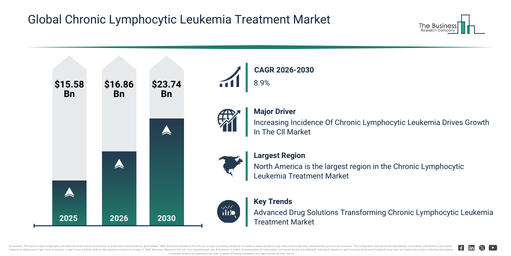
    The chronic lymphocytic leukemia treatment market size has seen significant growth in recent years. Its expansion is projected to take it from $15.58 billion in 2025 to $16.86 billion in 2026, achieving a compound annual growth rate (CAGR) of 8.2%. Throughout the historical period, this growth can be ascribed to factors such as the increasing prevalence of hematological malignancies, improved diagnostic accuracy for leukemia, the widespread use of chemotherapy regimens, the expansion of hospital oncology infrastructure, and rising healthcare expenditure.

    The chronic lymphocytic leukemia treatment market is projected to experience substantial expansion over the upcoming years. This market is forecast to reach a value of $23.74 billion by 2030, exhibiting a compound annual growth rate (CAGR) of 8.9%. Factors contributing to this growth during the forecast period include the increasing uptake of targeted drug therapies, the broadening of precision medicine strategies, the enhanced accessibility of oral CLL medications, growing investments in oncology research and development, and better patient survival outcomes. Key trends anticipated for this period encompass the escalating embrace of targeted therapies, a move towards oral administration methods, greater utilization of combined therapy protocols, advancements in early detection and risk assessment, and an increase in clinical trials for innovative CLL medications.

    Get A Free Sample Report With In-Depth Market Insights:

    https://thebusinessresearchcompany.com/sample_request?id=20806901&type=smp&name=Chronic%20Lymphocytic%20Leukemia%20Treatment%20Market%20Report%202026&utm_source=Blogs&utm_medium=Paid&utm_campaign=Oct_PR

    Chronic Lymphocytic Leukemia Treatment Market Growth Catalysts And Demand Drivers

    The increasing occurrence of chronic lymphocytic leukemia is anticipated to fuel expansion in the chronic lymphocytic leukemia market. Chronic lymphocytic leukemia (CLL) is defined as a cancer originating in the bone marrow from a specific type of white blood cell known as lymphocytes. This condition is recognized as a blood cancer that typically progresses more gradually compared to other forms of leukemia. Treatment options for chronic lymphocytic leukemia (CLL) depend on several elements, such as the cancer stage, whether symptoms are present, the patient’s overall health, and their individual preferences. The rising incidence of chronic lymphocytic leukemia is contributing to the growth of the chronic lymphocytic leukemia market. For example, in January 2023, the American Cancer Society, a US-based non-profit organization focused on cancer eradication, projected approximately 6,540 new cases of acute lymphocytic leukemia, or ALL, in the United States (comprising 3,660 in males and 2,880 in females). Additionally, an estimated 1,390 deaths are attributed to ALL (with 700 occurring in males and 690 in females). Consequently, the increased prevalence of chronic lymphocytic leukemia is expected to drive progress in the chronic lymphocytic leukemia treatment market.

    Chronic Lymphocytic Leukemia Treatment Market Segment Analysis: What Are The Core Market Categories?

    The chronic lymphocytic leukemia treatment market covered in this report is segmented –

    1) By Type: Aggressive CLL, Indolent CLL, Other Types

    2) By Treatment: Targeted Drug Therapy, Chemotherapy, Bone Marrow Transplant, Immunotherapy

    3) By Route of Administration: Oral, Parental, Other Route of Administration

    4) By End-Users: Hospital, Diagnostic Laboratories, Other End-Users

    Subsegments:

    1) By Aggressive CLL: High-Risk CLL, Symptomatic CLL, Transformation To Richter’s Syndrome

    2) By Indolent CLL: Early-Stage CLL, Asymptomatic CLL, Low-Risk CLL

    3) By Other Types: Mixed CLL, Secondary CLL, Rare Variants Of CLL

    Chronic Lymphocytic Leukemia Treatment Market Trends Shaping Long-Term Demand

    Companies operating within the chronic lymphocytic leukemia treatment market are concentrating on developing advanced drug solutions and securing their approval from federal agencies to achieve a competitive advantage. These organizations leverage sophisticated technologies to advance and refine drug delivery systems and treatments for CLL and other diseases. For instance, in January 2023, BeiGene, a Switzerland-based biotechnology company, announced the U.S. Food and Drug Administration (FDA) approval of BRUKINSA (zanubrutinib) for treating adult patients with chronic lymphocytic leukemia (CLL) or small lymphocytic lymphoma (SLL). BRUKINSA is unique as the only BTKi (Bruton’s tyrosine kinase inhibitor) to demonstrate superior PFS (progression-free survival) compared to IMBRUVICA (ibrutinib). Brukinsa is administered as monotherapy in specific patient groups, including those who have not been previously treated and those who have received at least one prior therapy. It is supplied as capsules for oral intake, with a recommended daily dose of 320 mg. The superior efficacy of BRUKINSA (zanubrutinib) in both first-line and relapsed or refractory therapy situations was established through two global Phase 3 trials involving adult patients with CLL.

    Chronic Lymphocytic Leukemia Treatment Market Top Companies Driving Competitive Growth

    Major companies operating in the chronic lymphocytic leukemia treatment market are AbbVie Inc., F. Hoffmann-La Roche AG, Novartis AG, AstraZeneca plc, Gilead Sciences Inc., Johnson and Johnson, ZIOPHARM Oncology Inc., TG Therapeutics Inc., Pfizer Inc., Genmab A/S, Teva Pharmaceutical Industries Ltd., Genentech Inc., Ariad Pharmaceuticals, Merck & Co. Inc., Celgene Corporation, Amgen Inc., Incyte Corporation, Acerta Pharma, Eisai Co. Ltd., Regeneron Pharmaceuticals Inc., Verastem Inc., MEI Pharma Inc., Ono Pharmaceutical Co. Ltd.

    View The Full Chronic Lymphocytic Leukemia Treatment Market Report:

    https://thebusinessresearchcompany.com/report/chronic-lymphocytic-leukemia-treatment-global-market-report?utm_source=Blogs&utm_medium=Paid&utm_campaign=Oct_PR

    Chronic Lymphocytic Leukemia Treatment Market Leading Geography: Which Region Contributes The Most Revenue?

    North America was the largest region in the chronic lymphocytic leukemia treatment market in 2025. Asia-Pacific is expected to be the fastest-growing region in the global chronic lymphocytic leukemia treatment market report during the forecast period. The regions covered in the chronic lymphocytic leukemia treatment market report are Asia-Pacific, South East Asia, Western Europe, Eastern Europe, North America, South America, Middle East, Africa.

    Reach Out To Our Team:

    The Business Research Company: https://www.thebusinessresearchcompany.com/

    Americas: +1 310-496-7795

    Asia: +44 7882 955267 & +91 8897263534

    Europe: +44 7882 955267

    Email us at: marketing@tbrc.info

    Follow us on:

    LinkedIn: https://in.linkedin.com/company/the-business-research-company

    YouTube: https://www.youtube.com/channel/UC24_fI0rV8cR5DxlCpgmyFQ

    Global Market Model: https://www.thebusinessresearchcompany.com/global-market-model
  • Cholinesterase (ChE) Inhibitors Market Reaches $5.98 Billion In 2026: Key Developments Shaping Expansion

    Cholinesterase (ChE) Inhibitors Market Reaches $5.98 Billion In 2026: Key Developments Shaping Expansion

    Built to provide research that’s more actionable and strategically valuable, The Business Research Company’s 2026 market reports include market attractiveness analysis, total addressable market sizing, company benchmarking matrices, interactive Excel dashboards, broader supply chain intelligence, emerging startup tracking, and in-depth product insights.

    Cholinesterase (ChE) Inhibitors Market Revenue Growth On Track For A 7.3% CAGR Through 2030

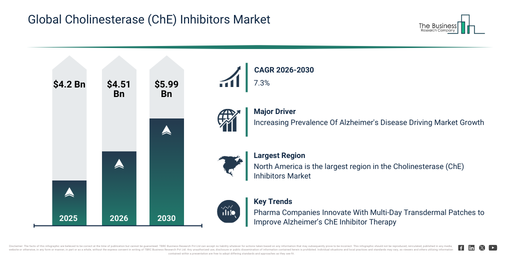
    The cholinesterase (che) inhibitors market has shown substantial expansion in recent years. Its valuation is set to ascend from $4.2 billion in 2025 to $4.51 billion in 2026, reflecting a compound annual growth rate (CAGR) of 7.4%. This growth observed in the preceding period is attributable to an expanding aging population, an increase in dementia prevalence, the widespread use of donepezil, the proliferation of neurology clinics, and advancements in the diagnosis of cognitive disorders.

    The cholinesterase (che) inhibitors market size is anticipated to experience robust expansion in the coming years. Its valuation is projected to reach $5.99 billion in 2030, exhibiting a compound annual growth rate (CAGR) of 7.3%. Factors contributing to this growth during the forecast period include the rise in neurodegenerative conditions, an expanding elderly demographic, the proliferation of cognitive health initiatives, escalating healthcare spending, and heightened understanding of early detection. Key developments anticipated over this period encompass a surge in their application for Alzheimer’s disease management, greater uptake of sustained cognitive therapies, escalating need for reversible cholinesterase inhibitors, broader provision of geriatric neurology services, and enhanced accessibility to generic medications.

    Get A Free Sample Report With In-Depth Market Insights:

    https://thebusinessresearchcompany.com/sample_request?id=85852201&type=smp&name=Cholinesterase%20%28ChE%29%20Inhibitors%20Market%20Report%202026&utm_source=Blogs&utm_medium=Paid&utm_campaign=Oct_PR

    Cholinesterase (ChE) Inhibitors Market Opportunity Drivers: What’s Unlocking New Revenue Potential?

    The cholinesterase (ChE) inhibitors market is projected to expand due to the increasing incidence of Alzheimer’s disease. This condition is characterized as a progressive neurological disorder that gradually impairs memory and cognitive abilities, ultimately resulting in reduced self-sufficiency. The growing occurrence of Alzheimer’s can be attributed to several factors, including an older demographic, longer lifespans, genetic susceptibilities, lifestyle choices, and greater exposure to various neurological risk elements. Cholinesterase (ChE) inhibitors assist individuals with Alzheimer’s by inhibiting the degradation of acetylcholine, an essential neurotransmitter vital for memory and thought processes. This action improves neural signaling, decelerates the progression of symptoms, and enhances everyday performance, thereby aiding in the management of the cognitive deterioration linked with the illness. For example, data from the Alzheimer’s Association, a US-based nonprofit organization, indicated that in April 2025, the population of Americans aged 65 and older afflicted with Alzheimer’s disease reached 7.2 million, an increase from 6.9 million in 2024. Consequently, the increasing prevalence of Alzheimer’s disease is driving the growth of the cholinesterase (ChE) inhibitors market.

    Cholinesterase (ChE) Inhibitors Market Segment Breakdown: Which Categories Lead On Revenue?

    The cholinesterase (che) inhibitors market covered in this report is segmented –

    1) By Drug Class: Reversible Cholinesterase Inhibitors, Irreversible Cholinesterase Inhibitors, Acetylcholinesterase Inhibitors

    2) By Indication: Alzheimer’s Disease, Myasthenia Gravis, Glaucoma, Pediatric Urinary Incontinence

    3) By Distribution Channel: Hospital Pharmacies, Retail Pharmacies, Online Pharmacies

    Subsegments:

    1) By Reversible Cholinesterase Inhibitors: Donepezil, Rivastigmine, Galantamine

    2) By Irreversible Cholinesterase Inhibitors: Organophosphates, Carbamates

    3) By Acetylcholinesterase Inhibitors: Tacrine, Huperzine A

    Cholinesterase (ChE) Inhibitors Market Innovation Trends Shaping Future Development

    Companies operating within the cholinesterase (ChE) inhibitors market are prioritizing the development of multi-day transdermal patch systems, like twice-weekly rivastigmine patches, to boost patient compliance and lessen the burden of application. A twice-weekly rivastigmine patch is a medicated skin application that administers a regulated dosage of rivastigmine over several days, thereby necessitating fewer patch replacements than daily or weekly options. For instance, in March 2025, Luye Pharma, a biopharmaceutical firm based in China, secured marketing authorization from Japan’s Ministry of Health, Labour and Welfare for its Rivaluen LA Patch (rivastigmine twice-weekly transdermal patch). This product is engineered to ensure sustained and steady drug release, helping to maintain stable therapeutic concentrations for patients suffering from dementia. Its twice-weekly dosing regimen decreases the frequency of administration compared to daily patches, consequently improving treatment adherence and convenience for those providing care. Additionally, the patch features an advanced formulation designed to enhance skin tolerability, presenting a more comfortable and user-friendly solution for the long-term management of cognitive disorders.

    Cholinesterase (ChE) Inhibitors Market Leading Players And Competitive Positioning

    Major companies operating in the cholinesterase (che) inhibitors market are Pfizer Inc., F. Hoffmann-La Roche Ltd., Sanofi S.A., Novartis International AG, Takeda Pharmaceutical Company Limited, Merck KGaA, Viatris Inc., Teva Pharmaceutical Industries Ltd., C.H. Boehringer Sohn AG & Co. KG, Eisai Co. Ltd., Apotex Inc., Dr. Reddy’s Laboratories Ltd., Hikma Pharmaceuticals plc, Amneal Pharmaceuticals Inc., Lupin Pharmaceuticals Inc., Torrent Pharmaceuticals Ltd., Essential Pharma Group, Tocris Bioscience, Sparsha Pharma, Janssen Pharmaceuticals

    View The Full Cholinesterase (ChE) Inhibitors Market Report:

    https://thebusinessresearchcompany.com/report/cholinesterase-che-inhibitors-global-market-report?utm_source=Blogs&utm_medium=Paid&utm_campaign=Oct_PR

    Cholinesterase (ChE) Inhibitors Market Regional Outlook: Where Is Opportunity Concentrated?

    North America was the largest region in the cholinesterase (ChE) inhibitors market in 2025. Asia-Pacific is expected to be the fastest-growing region in the forecast period. The regions covered in the cholinesterase (che) inhibitors market report are Asia-Pacific, South East Asia, Western Europe, Eastern Europe, North America, South America, Middle East, Africa.

    Reach Out To Our Team:

    The Business Research Company: https://www.thebusinessresearchcompany.com/

    Americas: +1 310-496-7795

    Asia: +44 7882 955267 & +91 8897263534

    Europe: +44 7882 955267

    Email us at: marketing@tbrc.info

    Follow us on:

    LinkedIn: https://in.linkedin.com/company/the-business-research-company

    YouTube: https://www.youtube.com/channel/UC24_fI0rV8cR5DxlCpgmyFQ

    Global Market Model: https://www.thebusinessresearchcompany.com/global-market-model
  • Cholinergic Drugs Market Growth Outlook For 2026: Drivers, Trends And Future Opportunities

    Cholinergic Drugs Market Growth Outlook For 2026: Drivers, Trends And Future Opportunities

    Backed by market attractiveness analysis, total addressable market sizing, company benchmarking matrices, interactive Excel dashboards, wider supply chain intelligence, emerging startup coverage, and detailed product-level insights, The Business Research Company’s 2026 market reports are designed to offer research that is more actionable and strategically valuable than ever.

    Cholinergic Drugs Market Value Growth And Long-Term Outlook

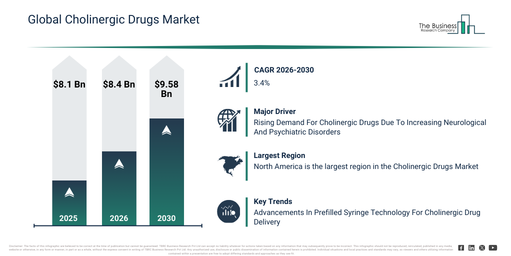
    The cholinergic drugs market has experienced consistent expansion over recent years. Its value is projected to rise from $8.1 billion in 2025 to $8.4 billion in 2026, demonstrating a compound annual growth rate (CAGR) of 3.7%. The historical development of this market is attributable to factors such as the enduring application in Alzheimer’s disease management, its recognized clinical significance in myasthenia gravis treatment, broad utilization in glaucoma therapy, the presence of well-defined active components, and the expanding reach of hospital and retail pharmacy chains.

    The cholinergic drugs market is projected to experience consistent expansion over the upcoming years. It is anticipated to reach $9.58 billion by 2030, demonstrating a compound annual growth rate (CAGR) of 3.4%. This growth during the forecast period is primarily driven by factors such as the increasing occurrence of neurodegenerative conditions, the global rise in the elderly population, higher diagnosis rates for overactive bladder, the need for enhanced cognitive disorder therapies, and the expansion of generic drug production. Key trends anticipated for the forecast period encompass the escalating application of cholinergic drugs in neurodegenerative conditions, a rising preference for extended-release oral formulations, an intensified emphasis on enhancing drug tolerability and safety, the broadening of cholinergic treatments into urology and ophthalmology, and consistent demand for generic cholinergic medications.

    Get A Free Sample Report With In-Depth Market Insights:

    https://thebusinessresearchcompany.com/sample_request?id=58165548&type=smp&name=Cholinergic%20Drugs%20Market%20Report%202026&utm_source=Blogs&utm_medium=Paid&utm_campaign=Oct_PR

    Cholinergic Drugs Market Growth Momentum: What Factors Are Shaping Demand?

    The expanding occurrence of neurological and psychiatric conditions is projected to boost the cholinergic drugs market’s expansion in the future. These include health issues impacting the nervous system, such as the brain, spinal cord, and nerves, while psychiatric disorders encompass mental health problems influencing an individual’s mood, thought processes, and conduct. The widespread nature of these disorders stems from a blend of genetic, biological, environmental, and psychological elements that interfere with typical brain function and mental operations. Cholinergic medications offer treatment for neurological and psychiatric conditions by amplifying or imitating acetylcholine’s effects, thereby enhancing neurotransmission and easing symptoms of ailments like Alzheimer’s disease, myasthenia gravis, and various mood and anxiety disorders. As an example, the National Center for Biotechnology Information, a U.S. Library of Medicine, reported in May 2024 that the projected count of Americans aged 65 and above suffering from Alzheimer’s disease is set to climb from 6.9 million in 2024 to almost 13 million by 2050. Additionally, data from the National Alliance On Mental Illness, a U.S. organization, revealed in 2024 that psychosis spectrum and mood disorders among individuals aged 18-44 in the U.S. lead to approximately 600,000 hospitalizations annually. Consequently, the growing frequency of neurological and psychiatric ailments is fueling the expansion of the anticholinergic drugs market.

    Cholinergic Drugs Market Segmentation: How Does The Market Break Down By Category?

    The cholinergic drugs market covered in this report is segmented –

    1) By Type: Powder, Tablet, Capsule

    2) By Drug Type: Muscarinic Agonists, Nicotinic Agonists, Acetylcholinesterase Inhibitors

    3) By Indication: Alzheimer’s Disease, Myasthenia Gravis, Glaucoma, Overactive Bladder

    4) By Application: Hospital Pharmacy, Retail Pharmacy

    Subsegments:

    1) By Powder: Oral Powder, Injectable Powder

    2) By Tablet: Immediate-Release Tablets, Extended-Release Tablets

    3) By Capsule: Soft Gelatin Capsules, Hard Gelatin Capsules

    Cholinergic Drugs Market Trends Redefining Industry Growth

    Major companies in the cholinergic drugs market are creating innovative products, such as neostigmine methyl sulfate injection, to uphold their market standing. Neostigmine methyl sulfate injection operates as a cholinesterase inhibitor, increasing cholinergic activity by preventing acetylcholine breakdown. For instance, in June 2023, Hikma Pharmaceuticals plc, a UK-based pharmaceutical company, introduced a Neostigmine Methyl sulfate Injection USP in a prefilled syringe. This 3mg/3mL prefilled syringe (PFS) was launched in the United States and acts as a cholinesterase inhibitor. It is specifically employed to reverse the effects of nondepolarizing neuromuscular blocking agents (NMBAs) subsequent to surgical procedures. This advanced product provides numerous distinct features crafted to boost the efficiency, accuracy, and safety of administering neostigmine methyl sulfate. Prefilled syringes deliver unmatched convenience by removing the necessity for manual filling, thereby shortening preparation time for healthcare professionals and reducing the potential for dosage inaccuracies.

    Cholinergic Drugs Market Competitive Overview And Top Companies

    Major companies operating in the cholinergic drugs market are Pfizer Inc., Johnson & Johnson Services Inc., Sanofi S.A., Novartis AG, GlaxoSmithKline plc, Boehringer Ingelheim GmbH, Daiichi Sankyo Company Limited, UCB S.A., Eisai Pharmaceutical Co. Ltd., H. Lundbeck A/S, Sun Pharmaceutical Industries Ltd., Aurobindo Pharma Limited, Hikma Pharmaceuticals plc, Lupin Limited, Alvogen Inc., Mylan N.V., Allergan India Private Limited, AbbVie Inc., Otsuka Pharmaceutical Co. Ltd., Takeda Pharmaceutical Company Limited

    View The Full Cholinergic Drugs Market Report:

    https://thebusinessresearchcompany.com/report/cholinergic-drugs-global-market-report?utm_source=Blogs&utm_medium=Paid&utm_campaign=Oct_PR

    Cholinergic Drugs Market Geographic Landscape: Which Region Leads Industry Growth?

    North America was the largest region in the cholinergic drugs market in 2025. The regions covered in the cholinergic drugs market report are Asia-Pacific, South East Asia, Western Europe, Eastern Europe, North America, South America, Middle East, Africa.

    Reach Out To Our Team:

    The Business Research Company: https://www.thebusinessresearchcompany.com/

    Americas: +1 310-496-7795

    Asia: +44 7882 955267 & +91 8897263534

    Europe: +44 7882 955267

    Email us at: marketing@tbrc.info

    Follow us on:

    LinkedIn: https://in.linkedin.com/company/the-business-research-company

    YouTube: https://www.youtube.com/channel/UC24_fI0rV8cR5DxlCpgmyFQ

    Global Market Model: https://www.thebusinessresearchcompany.com/global-market-model

  • Chimeric Antigen Receptor-Natural Killer (CAR-NK) Cell Therapy Market Size Forecast From 2026 To 2030: Key Industry Trends

    Chimeric Antigen Receptor-Natural Killer (CAR-NK) Cell Therapy Market Size Forecast From 2026 To 2030: Key Industry Trends

    Featuring market attractiveness scoring, total addressable market sizing, company benchmarking matrices, interactive Excel dashboards, deeper supply chain intelligence, emerging startup tracking, and granular product-level insights, The Business Research Company’s 2026 market reports are built to deliver research that is both more actionable and more strategically valuable.

    Chimeric Antigen Receptor-Natural Killer (CAR-NK) Cell Therapy Market Poised To Hit $3.28 Billion By 2030 With A 6.2% CAGR

    The chimeric antigen receptor-natural killer (car-nk) cell therapy market size has experienced substantial growth in recent years. It is projected to expand from $2.42 billion in 2025 to $2.58 billion in 2026, demonstrating a compound annual growth rate (CAGR) of 6.6%. The market’s growth during the historical period was driven by factors such as the limited availability of car-nk therapies, a reliance on autologous NK cell therapy, the increasing incidence of hematologic cancers, a surge in oncology research activities, and regulatory approvals for early-generation NK cell therapies.

    The chimeric antigen receptor-natural killer (car-nk) cell therapy market size is anticipated to experience substantial growth over the coming years. It is forecast to expand to $3.28 billion in 2030, demonstrating a compound annual growth rate (CAGR) of 6.2%. This growth during the projection period is primarily driven by the evolution of genetically engineered car-nk cells, the proliferation of off-the-shelf therapies, the increasing acceptance of cytokine and T cell receptor modified NK cells, augmented funding for clinical trials, and the incorporation of AI and big data in optimizing therapies. Prominent trends expected in this forecast period involve an uptake in allogeneic (off-the-shelf) car-nk cell therapies, an expansion into hematological malignancy and solid tumor applications, the integration of gene editing and cytokine gene modification techniques, a rise in the adoption of combination and immune checkpoint therapies, and escalating investment in clinical trials and oncology research programs.

    Get A Free Sample Report With In-Depth Market Insights:

    https://thebusinessresearchcompany.com/sample_request?id=90904765&type=smp&name=Chimeric%20Antigen%20Receptor-Natural%20Killer%20%28CAR-NK%29%20Cell%20Therapy%20Market%20Report%202026&utm_source=Blogs&utm_medium=Paid&utm_campaign=Oct_PR

    Chimeric Antigen Receptor-Natural Killer (CAR-NK) Cell Therapy Market Expansion Drivers: What’s Shaping Future Growth?

    The worldwide surge in cancer diagnoses is projected to stimulate the expansion of the chimeric antigen receptor-natural killer (CAR-NK) cell therapy market in the future. Cancer refers to a collection of illnesses defined by the unchecked proliferation and dispersal of anomalous cells capable of invading and harming bodily tissues. This growing incidence of cancer is attributed to elements such as an aging global populace and unhealthy routines, given that older age contributes to increased mutation accumulation over time, while detrimental habits like smoking, inadequate nutrition, and a sedentary lifestyle heighten cancer susceptibility. Chimeric antigen receptor-natural killer (CAR-NK) cell therapy assists in cancer treatment by genetically altering natural killer cells to precisely identify and obliterate cancer cells, thereby strengthening the immune system’s targeted assault on tumors. For example, in February 2024, the World Health Organization (WHO), a Switzerland-based intergovernmental organization, forecasted that the 20 million new cases of cancer recorded in 2022 are anticipated to climb by 77% to surpass 35 million cases by 2050. Hence, the escalating global occurrence of cancer is a key driver for the growth of the chimeric antigen receptor-natural killer (CAR-NK) cell therapy market.

    Chimeric Antigen Receptor-Natural Killer (CAR-NK) Cell Therapy Market Segment Trends And Revenue Contributors

    The chimeric antigen receptor-natural killer (car-nk) cell therapy market covered in this report is segmented –

    1) By Type: Adoptive Natural Killer (NK) Cell Therapy, Genetically Engineered Natural Killer Cell Therapy, Other Types

    2) By Cell Source: Peripheral Blood-Derived Natural Killer Cells, Cord Blood-Derived Natural Killer Cells, Induced Pluripotent Stem Cell (iPSC)-Derived Natural Killer Cells, Natural Killer Cell Lines

    3) By Application: Solid Tumors, Hematological Malignancies, Other Applications

    4) By End User: Hospitals, Cancer Research Institutes, Biotechnology And Pharmaceutical Companies

    Subsegments:

    1) By Adoptive Natural Killer Cell Therapy: Autologous Natural Killer Cell Therapy, Allogeneic Natural Killer Cell Therapy, Expanded Natural Killer Cell Therapy, Activated Natural Killer Cell Therapy

    2) By Genetically Engineered Natural Killer Cell Therapy: Chimeric Antigen Receptor Natural Killer Cell Therapy, T Cell Receptor Engineered Natural Killer Cell Therapy, Gene Edited Natural Killer Cell Therapy, Cytokine Gene Modified Natural Killer Cell Therapy

    3) By Other Types: Combination Therapy, Immune Checkpoint Inhibitor Therapy, Antibody Dependent Cellular Cytotoxicity Therapy, Oncolytic Virus Therapy

    Chimeric Antigen Receptor-Natural Killer (CAR-NK) Cell Therapy Market Strategic Trends: What Defines The Next Growth Phase?

    Companies operating within the chimeric antigen receptor-natural killer (CAR-NK) cell therapy market are increasingly focused on developing advanced solutions, such as conditioning chemotherapy-free treatment, to deliver safer and more effective off-the-shelf cellular therapies. Conditioning chemotherapy-free treatment is a therapeutic approach that removes the necessity for intense pre-treatment chemotherapy to suppress the patient’s immune system before cellular therapies are administered, thereby reducing toxicity and side effects. For example, in November 2024, Fate Therapeutics Inc., a US-based clinical-stage biopharmaceutical company, introduced FT522, an off-the-shelf CD19-targeted CAR NK cell therapy. This innovative therapy features alloimmune defense receptor technology, which allows the CAR NK cells to persist and selectively eliminate pathogenic B cells in patients with relapsed or refractory B-cell lymphoma and autoimmune diseases, demonstrating promising safety and efficacy results in early-phase clinical trials without requiring aggressive immune system suppression.

    Chimeric Antigen Receptor-Natural Killer (CAR-NK) Cell Therapy Market Competitive Landscape: Which Companies Lead The Industry?

    Major companies operating in the chimeric antigen receptor-natural killer (car-nk) cell therapy market are Artiva Biotherapeutics Inc., Nkarta Inc., Fate Therapeutics Inc., Acepodia Inc., Cartherics Inc., Century Therapeutics Inc., Catamaran Bio Inc., Glycostem Therapeutics Ltd., ImmuneBridge Co. Ltd., ONK Therapeutics Inc., Senti Biosciences Inc., Wugen Therapeutics Inc., Chimeric Therapeutics Limited, Nuwacell Biotechnologies Co. Ltd., Nkarta Therapeutics Inc., GICELL Co. Ltd.

    View The Full Chimeric Antigen Receptor-Natural Killer (CAR-NK) Cell Therapy Market Report:

    https://thebusinessresearchcompany.com/report/chimeric-antigen-receptor-natural-killer-car-nk-cell-therapy-global-market-report?utm_source=Blogs&utm_medium=Paid&utm_campaign=Oct_PR

    Chimeric Antigen Receptor-Natural Killer (CAR-NK) Cell Therapy Market Largest Region: Which Geography Holds The Biggest Share?

    North America was the largest region in the chimeric antigen receptor-natural killer (CAR-NK) cell therapy market in 2025. Asia-Pacific is expected to be the fastest-growing region in the forecast period. The regions covered in the chimeric antigen receptor-natural killer (car-nk) cell therapy market report are Asia-Pacific, South East Asia, Western Europe, Eastern Europe, North America, South America, Middle East, Africa.

    Reach Out To Our Team:

    The Business Research Company: https://www.thebusinessresearchcompany.com/

    Americas: +1 310-496-7795

    Asia: +44 7882 955267 & +91 8897263534

    Europe: +44 7882 955267

    Email us at: marketing@tbrc.info

    Follow us on:

    LinkedIn: https://in.linkedin.com/company/the-business-research-company

    YouTube: https://www.youtube.com/channel/UC24_fI0rV8cR5DxlCpgmyFQ

    Global Market Model: https://www.thebusinessresearchcompany.com/global-market-model
  • Chimeric Antibody Market 2026: Market Size, Growth Drivers And Emerging Opportunities

    Chimeric Antibody Market 2026: Market Size, Growth Drivers And Emerging Opportunities

    Built to provide research that’s more actionable and strategically valuable, The Business Research Company’s 2026 market reports include market attractiveness analysis, total addressable market sizing, company benchmarking matrices, interactive Excel dashboards, broader supply chain intelligence, emerging startup tracking, and in-depth product insights.

    Chimeric Antibody Market Size And Revenue Outlook Through 2030

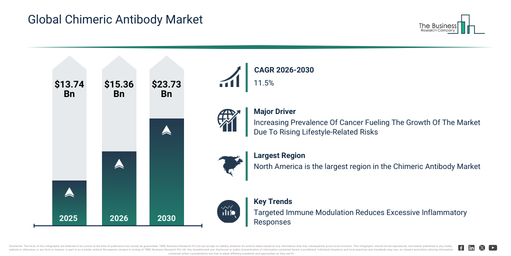
    The chimeric antibody market has experienced swift expansion recently. This market is projected to expand from $13.74 billion in 2025 to $15.36 billion in 2026, registering a compound annual growth rate (CAGR) of 11.8%. Historically, this growth was driven by the initial achievements of monoclonal antibody treatments, dependence on murine antibody innovations, a rise in cancer cases, the increasing occurrence of autoimmune diseases, and broader immunological research efforts.

    The chimeric antibody market is projected for substantial expansion in the coming years. It is anticipated to reach $23.73 billion by 2030, exhibiting a compound annual growth rate (CAGR) of 11.5%. This growth during the forecast period is attributable to several factors, including progress in antibody engineering methods, a rise in biologic drug approvals, the widening scope of personalized medicine, increased investment in biopharmaceutical research and development, and an expanding clinical pipeline for chimeric antibodies. Key trends foreseen for this period encompass the growing integration of chimeric antibodies into oncology treatments, their expanding application in managing autoimmune and inflammatory conditions, increasing demand for highly specific monoclonal antibody therapies, the broadening application of recombinant DNA and phage display technologies, and their enhanced safety profile alongside reduced immunogenicity when compared to murine antibodies.

    Get A Free Sample Report With In-Depth Market Insights:

    https://thebusinessresearchcompany.com/sample_request?id=27253&type=smp&name=Chimeric%20Antibody%20Market%20Report%202026&utm_source=Blogs&utm_medium=Paid&utm_campaign=Oct_PR

    Chimeric Antibody Market Development Factors: What’s Supporting Demand?

    The rising incidence of cancer is anticipated to fuel the expansion of the chimeric antibody market in the future. Cancer prevalence signifies the overall count of individuals, including both recent and prior diagnoses, who are currently living with a history of the disease at a given moment. This increase in cancer prevalence is linked to lifestyle factors like unhealthy eating habits, smoking, excessive alcohol intake, and exposure to environmental contaminants, all of which heighten the likelihood of developing different types of cancer. Chimeric antibodies improve cancer treatment approaches by providing targeted therapies, enabling their effectiveness against particular tumor cells. These antibodies minimize adverse effects through precise attacks on malignant cells, thereby enhancing patient results and the effectiveness of treatment. As an illustration, in October 2025, data from the National Health Service (NHS), a government health agency in the UK, indicated 354,820 new cancer diagnoses in 2023, averaging 972 daily, which represented an increase of 8,605 compared to 2022. Consequently, the expanding prevalence of cancer is a key factor propelling the growth of the chimeric antibody market.

    Chimeric Antibody Market Segment Analysis Spotlighting Growth Areas

    The chimeric antibody market covered in this report is segmented –

    1) By Type Of Antibody: Immunoglobulin G Chimeric Antibodies, Fragment Antigen-Binding Chimeric Antibodies, Single-Chain Variable Fragment Chimeric Antibodies

    2) By Manufacturing Process: Recombinant Deoxyribonucleic Acid (DNA) Technology, Hybridoma Technology, Phage Display Technology

    3) By Mode Of Administration: Intravenous (IV) Administration, Subcutaneous Administration, Intramuscular Administration

    4) By Application: Cancer Therapy, Autoimmune Diseases, Infectious Diseases, Transplant Rejection

    5) By End User: Pharmaceutical Companies, Research Institutes, Clinics And Hospitals

    Subsegments:

    1) By Immunoglobulin G Chimeric Antibodies: Full Length Immunoglobulin G (IgG), Engineered Immunoglobulin G 1 (IgG1), Engineered Immunoglobulin G4 (IgG4)

    2) By Fragment Antigen-Binding Chimeric Antibodies: Bivalent Fragment Antigen-Binding (Fab) Fragments, Monovalent Fragment Antigen-Binding (Fab) Fragments, Conjugated Fragment Antigen-Binding (Fab) Fragments, Pegylated Fragment Antigen-Binding (Fab) Fragments

    3) By Single-Chain Variable Fragment Chimeric Antibodies: Standard Single-Chain Fragment Variable, Tandem Single-Chain Fragment Variable, Bispecific Single-Chain Fragment Variable, Multivalent Single-Chain Fragment Variable

    Chimeric Antibody Market Transformation Trends: What Innovations Are Driving Change?

    Major companies operating in the chimeric antibody market are increasingly concentrating on advanced therapeutic approaches, such as monoclonal antibodies, to enhance treatment outcomes, improve patient survival rates, and address critical medical conditions. Monoclonal antibodies are laboratory-engineered proteins that emulate the immune system’s natural ability to combat harmful pathogens, including viruses and inflammatory agents. For instance, in June 2023, InflaRx N.V., a Germany-based biopharmaceutical company, commercially launched Gohibic (vilobelimab). This is a chimeric monoclonal antibody designed to target C5a in the complement system, thereby blocking C5a-mediated immune responses to alleviate excessive inflammation, and is utilized for the treatment of COVID-19 in hospitalized adults when administered within 48 hours of initiating invasive mechanical ventilation (IMV) or extracorporeal membrane oxygenation (ECMO). This innovative therapy represents a considerable advancement in addressing hyperinflammation in severe infections, offering an additional treatment option for high-risk patients.

    Chimeric Antibody Market Leading Companies: Who Holds The Strongest Market Presence?

    Major companies operating in the chimeric antibody market are Pfizer Inc., Johnson & Johnson, F. Hoffmann-La Roche Ltd., AbbVie Inc., Sanofi S.A., Bristol-Myers Squibb Company, AstraZeneca PLC, Novartis AG, Amgen Inc., Merck KGaA, BioNTech SE, Regeneron Pharmaceuticals Inc., Biogen Inc.

    View The Full Chimeric Antibody Market Report:

    https://thebusinessresearchcompany.com/report/chimeric-antibody-global-market-report?utm_source=Blogs&utm_medium=Paid&utm_campaign=Oct_PR

    Chimeric Antibody Market Regional Analysis: Which Geography Leads On Revenue?

    North America was the largest region in the chimeric antibody market in 2025. Asia-Pacific is expected to be the fastest-growing region in the forecast period. The regions covered in the chimeric antibody market report are Asia-Pacific, South East Asia, Western Europe, Eastern Europe, North America, South America, Middle East, Africa.

    Reach Out To Our Team:

    The Business Research Company: https://www.thebusinessresearchcompany.com/

    Americas: +1 310-496-7795

    Asia: +44 7882 955267 & +91 8897263534

    Europe: +44 7882 955267

    Email us at: marketing@tbrc.info

    Follow us on:

    LinkedIn: https://in.linkedin.com/company/the-business-research-company

    YouTube: https://www.youtube.com/channel/UC24_fI0rV8cR5DxlCpgmyFQ

    Global Market Model: https://www.thebusinessresearchcompany.com/global-market-model
  • Chickenpox Vaccine Market Set To Expand From $5.12 Billion In 2026: Growth Outlook Through 2030

    Chickenpox Vaccine Market Set To Expand From $5.12 Billion In 2026: Growth Outlook Through 2030

    Backed by market attractiveness analysis, total addressable market sizing, company benchmarking matrices, interactive Excel dashboards, wider supply chain intelligence, emerging startup coverage, and detailed product-level insights, The Business Research Company’s 2026 market reports are designed to offer research that is more actionable and strategically valuable than ever.

    Chickenpox Vaccine Market Growth From $4 Billion In 2026 To $5.12 Billion By 2030 At A CAGR Of 6.4%

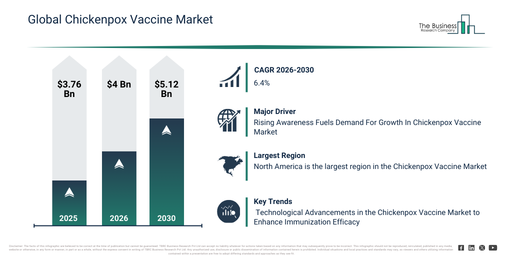
    The chickenpox vaccine market has experienced robust expansion in recent years. It is projected to grow from $3.76 billion in 2025 to $4 billion in 2026, at a compound annual growth rate (CAGR) of 6.4%. This historical growth can be attributed to several factors, including the increasing incidence of chickenpox among children, initial limited awareness of vaccination benefits in the early 2000s, the development of monovalent varicella vaccines, various government-led immunization initiatives, and the significant burden of varicella-related hospitalizations.

    The chickenpox vaccine market is projected to experience significant growth in the coming years. It is anticipated to expand to $5.12 billion in 2030, demonstrating a compound annual growth rate (CAGR) of 6.4%. This expansion throughout the forecast period can be attributed to several factors, including increasing government support for immunization programs, the introduction of combination vaccines such as MMRV, enhanced access to pediatric healthcare in emerging economies, advancements in vaccine delivery technologies, and the rise of public-private partnerships in the healthcare sector. Notable trends expected during this period include a greater adoption of pediatric vaccination programs, an increase in combination vaccines for varicella, the ongoing development of live attenuated varicella vaccines, the extension of immunization coverage in developing markets, and growing public awareness regarding preventive healthcare.

    Get A Free Sample Report With In-Depth Market Insights:

    https://thebusinessresearchcompany.com/sample_request?id=44663112&type=smp&name=Chickenpox%20Vaccine%20Market%20Report%202026&utm_source=Blogs&utm_medium=Paid&utm_campaign=Oct_PR

    Chickenpox Vaccine Market Industry Drivers: What’s Behind The Revenue Growth?

    Rising understanding of the advantages of vaccination is anticipated to boost the expansion of the chickenpox vaccine market in the future. Essentially, vaccination involves a medical process where weakened or dormant versions of a virus or bacteria are introduced into the body. Greater public knowledge of the chickenpox vaccine contributes to improved vaccination uptake, consequently lowering the overall occurrence of the illness. As an illustration, data from a November 2023 survey by the UK Health Security Agency (UKHSA), a UK-based government body, revealed that approximately 86% of parents concurred that “vaccines work,” 80% considered them safe, and 78% expressed trust in vaccines. Consequently, the growing recognition of vaccination’s advantages is fueling the progression of the chickenpox vaccine market.

    Chickenpox Vaccine Market Segment Performance And Emerging Opportunities

    The chickenpox vaccine market covered in this report is segmented –

    1) By Vaccine: Monovalent Varicella Vaccine, Combination Varicella Vaccine

    2) By Application: Mumps, Measles, Rubella, And Varicella Immunization, Herpes Zoster Immunization, Chickenpox Vaccination

    3) By End-Users: Hospitals, Clinics, Other End-Users

    #Chickenpox Vaccine Market Growth Trends: What’s Shaping The Future Outlook?

    Major companies within the chickenpox vaccine market are concentrating on technological advancements, particularly two-dose live attenuated varicella vaccines, to address the increasing need for improved immunization efficacy and reduced instances of breakthrough infections. This two-dose live attenuated vaccine approach involves giving two distinct doses of a weakened varicella-zoster virus, which delivers more robust and enduring immunity compared to the traditional single-dose method. For example, in September 2025, SK bioscience, a South Korea–based biotechnology company, introduced SKYVaricella through a two-dose clinical advancement pathway. This innovative next-generation varicella vaccine was launched after 2022. SKYVaricella is a lyophilized live-attenuated varicella vaccine derived from the Oka strain, designed to be reconstituted before injection to elicit strong immune responses. It offers enhanced safety profiling, improved antibody persistence, and is appropriate for large-scale immunization programs. The vaccine aims to lessen breakthrough varicella cases, comply with updated global immunization guidelines, and broaden preventive coverage across pediatric populations.

    Chickenpox Vaccine Market Key Players: Which Companies Lead Industry Competition?

    Major companies operating in the chickenpox vaccine market are Merck & Co., Sanofi Pasteur, Takeda Pharmaceutical Company Limited, CSL Limited, Pfizer Inc., Seqirus, Serum Institute of India Pvt. Ltd., Bharat Biotech, Emergent BioSolutions Inc., Hualan Biological Engineering Inc., Shenzhen Kangtai Biological Products Co., Ltd., Chongqing Zhifei Biological Products Co., Ltd., Beijing Minhai Biotechnology Co., Ltd., Adimmune Corporation, Biological E. Limited, Walvax Biotechnology Co., Ltd., Zydus Cadila, Indian Immunologicals Ltd., Panacea Biotec Ltd., Bio Farma, PT Kalbe Farma Tbk, CanSino Biologics

    View The Full Chickenpox Vaccine Market Report:

    https://thebusinessresearchcompany.com/report/chickenpox-vaccine-global-market-report?utm_source=Blogs&utm_medium=Paid&utm_campaign=Oct_PR

    Chickenpox Vaccine Market Geographic Spread And Regional Opportunities

    North America was the largest region in the chickenpox vaccine market share in 2025. Asia-Pacific is expected to be the fastest-growing region in the forecast period. The regions covered in the chickenpox vaccine market report are Asia-Pacific, South East Asia, Western Europe, Eastern Europe, North America, South America, Middle East, Africa.

    Reach Out To Our Team:

    The Business Research Company: https://www.thebusinessresearchcompany.com/

    Americas: +1 310-496-7795

    Asia: +44 7882 955267 & +91 8897263534

    Europe: +44 7882 955267

    Email us at: marketing@tbrc.info

    Follow us on:

    LinkedIn: https://in.linkedin.com/company/the-business-research-company

    YouTube: https://www.youtube.com/channel/UC24_fI0rV8cR5DxlCpgmyFQ

    Global Market Model: https://www.thebusinessresearchcompany.com/global-market-model

  • Chiari Malformation Market Size And Growth In 2026: Key Factors Shaping Future Demand

    Chiari Malformation Market Size And Growth In 2026: Key Factors Shaping Future Demand

    Featuring market attractiveness scoring, total addressable market sizing, company benchmarking matrices, interactive Excel dashboards, deeper supply chain intelligence, emerging startup tracking, and granular product-level insights, The Business Research Company’s 2026 market reports are built to deliver research that is both more actionable and more strategically valuable.

    Chiari Malformation Market Expansion Outlook: What Revenue Opportunities Are Ahead?

    The chiari malformation market size has experienced significant growth in recent years. It is anticipated to expand from $0.64 billion in 2025 to $0.68 billion in 2026, at a compound annual growth rate (CAGR) of 6.3%. The market’s past growth can be attributed to factors such as improved MRI availability, enhanced congenital disorder diagnosis, advancements in neurosurgery, the expansion of pediatric neurology, and an increase in specialist referrals.

    The chiari malformation market is anticipated to experience substantial growth in the upcoming years. It is projected to expand to $0.86 billion in 2030, achieving a compound annual growth rate (CAGR) of 6.0%. This expected growth during the forecast period is driven by factors such as early detection programs, surgical innovation, the development of long-term care pathways, the expansion of pediatric healthcare, and increased funding for neurological research. Significant trends identified for this period include a greater utilization of advanced neuroimaging techniques, an increase in surgical decompression procedures, a heightened awareness of congenital neurological disorders, the broadening of pediatric neurosurgery services, and the integration of long-term symptom management.

    Get A Free Sample Report With In-Depth Market Insights:

    https://thebusinessresearchcompany.com/sample_request?id=40428176&type=smp&name=Chiari%20Malformation%20Market%20Report%202026&utm_source=Blogs&utm_medium=Paid&utm_campaign=Oct_PR

    Chiari Malformation Market Growth Factors: What’s Supporting Expansion?

    The chiari malformation market is expected to expand in the foreseeable future, driven by a rising incidence of head injuries. These injuries involve physical trauma to the scalp, skull, or brain, resulting from an external impact. The increase in head injuries is largely attributable to more road traffic accidents, where greater vehicle density and excessive speeds substantially increase the likelihood of head trauma during crashes. Chiari malformation, particularly Type I, is a structural disorder where brain tissue extends into the spinal canal, and it can be exacerbated following a head injury. Such trauma has the potential to initiate or intensify symptoms like headaches, dizziness, or issues with balance, either by elevating pressure near the skull’s base or disrupting cerebrospinal fluid circulation. As an illustration, data from May 2025, provided by Headway The Brain Injury Association, a charity based in the UK, indicated that in 2023–24, the UK recorded 123,969 hospital admissions for head injuries, equating to approximately one new case every four minutes. Consequently, the growing incidence of head injuries is set to propel the expansion of the chiari malformation market.

    Chiari Malformation Market Segment Landscape And Growth Outlook

    The chiari malformation market covered in this report is segmented –

    1) By Type: Chiari Malformation Type I, Chiari Malformation Type II, Chiari Malformation Type III, Chiari Malformation Type IV

    2) By Diagnosis Method: Magnetic Resonance Imaging, Computed Tomography

    3) By Treatment Modality: Surgical Treatment, Medication

    4) By Age Group: Pediatric, Adult

    Subsegments:

    1) By Chiari Malformation Type I: Congenital Type I, Acquired Type I, Asymptomatic Type I, Symptomatic Type I

    2) By Chiari Malformation Type II: Classic Arnold-Chiari Malformation, Associated with Myelomeningocele, Associated with Hydrocephalus

    3) By Chiari Malformation Type III: High Cervical Encephalocele, Occipital Encephalocele

    4) By Chiari Malformation Type IV: Cerebellar Hypoplasia, Cerebellar Aplasia

    Chiari Malformation Market Industry Trends: What’s Reshaping Demand?

    Leading companies in the chiari malformation market are focusing on developing innovative initiatives, such as comprehensive care programs, to alleviate fragmentation in healthcare delivery. These comprehensive care programs are structured healthcare plans that offer coordinated support across a range of medical and ancillary services to meet a patient’s overall health and wellness requirements. For example, in January 2023, Duke University Health System, an academic and healthcare system based in the US, introduced the Chiari Malformation Program. This marks the first program in the southeastern U.S. solely dedicated to Chiari malformation, providing care for both pediatric and adult patients. It utilizes a team-based methodology involving specialists like neurosurgeons, neurologists, neuro-ophthalmologists, neuroradiologists, interventional radiologists, pain experts, and psychologists. The program is structured to deliver individualized and holistic treatment plans through strong collaboration among its experts. A key differentiating characteristic is its integration of both child and adult care within a single program, a feature uncommon in similar centers across the nation.

    Chiari Malformation Market Competitive Landscape: Who Leads The Industry?

    Major companies operating in the chiari malformation market are St. Luke’s Health, University of Pittsburgh Medical Center, Mayo Clinic Health System, Massachusetts General Hospital, Johns Hopkins Medicine, Northwestern Medicine, NYU Langone Health, Cleveland Clinic Foundation, Mount Sinai Health System, University of Michigan Health, Cedars-Sinai Medical Center, Houston Methodist Hospital, Duke University Health System, Children’s Hospital of Philadelphia, Emory Healthcare, Stanford Health Care, Rush University Medical Center, Weill Cornell Medical College, UCSF Medical Center, Barrow Neurological Institute

    View The Full Chiari Malformation Market Report:

    https://thebusinessresearchcompany.com/report/chiari-malformation-global-market-report?utm_source=Blogs&utm_medium=Paid&utm_campaign=Oct_PR

    Chiari Malformation Market Top Region By Revenue And Market Share

    North America was the largest region in the chiari malformation market in 2025. Asia-Pacific is expected to be the fastest-growing region in the forecast period. The regions covered in the chiari malformation market report are Asia-Pacific, South East Asia, Western Europe, Eastern Europe, North America, South America, Middle East, Africa.

    Reach Out To Our Team:

    The Business Research Company: https://www.thebusinessresearchcompany.com/

    Americas: +1 310-496-7795

    Asia: +44 7882 955267 & +91 8897263534

    Europe: +44 7882 955267

    Email us at: marketing@tbrc.info

    Follow us on:

    LinkedIn: https://in.linkedin.com/company/the-business-research-company

    YouTube: https://www.youtube.com/channel/UC24_fI0rV8cR5DxlCpgmyFQ

    Global Market Model: https://www.thebusinessresearchcompany.com/global-market-model
  • Chemotherapy Market Forecast 2026–2030: Market Size, Trends And Growth Opportunities

    Chemotherapy Market Forecast 2026–2030: Market Size, Trends And Growth Opportunities

    Built to provide research that’s more actionable and strategically valuable, The Business Research Company’s 2026 market reports include market attractiveness analysis, total addressable market sizing, company benchmarking matrices, interactive Excel dashboards, broader supply chain intelligence, emerging startup tracking, and in-depth product insights.

    Chemotherapy Market Growth Potential: How Will Market Size Shift Through 2030?

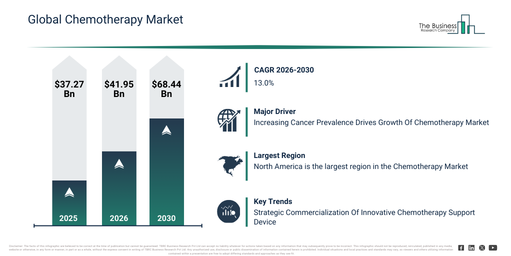
    The chemotherapy market has seen considerable expansion in recent years. It is anticipated to increase from $37.27 billion in 2025 to $41.95 billion in 2026, achieving a compound annual growth rate (CAGR) of 12.5%. This historical growth can be attributed to the rising occurrence of cancer, increased government investment in healthcare, ongoing advancements in chemotherapeutic drugs, the expansion of hospital infrastructure, and the wider adoption of intravenous chemotherapy.

    The chemotherapy market size is anticipated to undergo substantial growth over the upcoming years. It is projected to expand to $68.44 billion in 2030, exhibiting a compound annual growth rate (CAGR) of 13.0%. This expansion during the forecast period is fueled by elements such as the broader application of precision medicine, the creation of targeted therapies, enhanced understanding of home-based chemotherapy, the incorporation of digital health tools, and a surging need for combination therapies. Notable trends expected in this timeframe include customized chemotherapy regimens, the uptake of oral chemotherapy, the advancement of combination drug therapies, the provision of chemotherapy services at home, and sophisticated infusion device technologies.

    Get A Free Sample Report With In-Depth Market Insights:

    https://thebusinessresearchcompany.com/sample_request?id=36333901&type=smp&name=Chemotherapy%20Market%20Report%202026&utm_source=Blogs&utm_medium=Paid&utm_campaign=Oct_PR

    Chemotherapy Market Demand Drivers: What’s Powering Industry Growth?

    The anticipated rise in cancer cases is expected to drive the expansion of the chemotherapy market in the future. Cancer is a condition where certain body cells multiply uncontrollably and spread to other regions. Chemotherapy utilizes powerful chemicals, either singly or in combination, to treat cancer by targeting and eliminating rapidly growing cancerous cells. A higher incidence of cancer will consequently increase the demand for chemotherapy. For instance, the World Health Organization, a specialized agency of the United Nations based in Switzerland, reported in February 2024 a projection of over 35 million new cancer cases in 2025. This represents a 77% increase from the estimated 20 million cases recorded in 2022. Therefore, the growing prevalence of cancer is a significant factor propelling the chemotherapy market.

    Chemotherapy Market Breakdown By Product Type And Application

    The chemotherapy market covered in this report is segmented –

    1) By Product Type: Pump, Cannula, Catheter, Other Product Types

    2) By Service: Blood Cancer, Throat Cancer, Lung Cancer, Ovarian Cancer, Stomach Cancer

    3) By Drugs: Alkylating Agents, Antimetabolites, Anti-Tumor Antibiotics, Topoisomerase Inhibitors, Mitotic Inhibitors, Other Drugs

    4) By Route Of Administration: Oral, Intravenous

    5) By End User: Hospitals, Research Institutes, Other End Users

    Subsegments:

    1) By Pump: Infusion Pumps, Portable Pumps, Ambulatory Pumps

    2) By Cannula: Peripheral Cannulas, Central Venous Catheters, Implantable Ports

    3) By Catheter: Chemotherapy Catheters, PICC Lines

    4) By Other Product Types: Safety Devices, IV Sets, Administration Sets

    Chemotherapy Market Innovation Trends: What Developments Are Reshaping The Industry?

    Leading companies in the chemotherapy market are primarily focused on forging strategic alliances to commercialize the introduction of inventive medical devices that assist in chemotherapy services. These collaborations seek to utilize the capabilities and resources of each involved party to expedite advancements in cancer treatment, elevate patient outcomes, and address existing medical gaps. For example, in March 2023, EVERSANA, a US-based entity providing global services to the life sciences industry, entered into a partnership with ChemoMouthpiece LLC, a US-based medical device firm. This agreement was made to support the launch and commercialization of its medical device, the Chemo Mouthpiece, intended for oncology patients throughout the United States. The Chemo Mouthpiece is essentially an intraoral ice pack that delivers cryotherapy to the oral cavity of a patient receiving chemotherapy. It serves to prevent and alleviate oral mucositis, a common and very painful side effect of chemotherapy.

    Chemotherapy Market Company Landscape And Competitive Strategy

    Major companies operating in the chemotherapy market are GlaxoSmithKline plc, Eli Lilly and Company, F. Hoffmann-La Roche Ltd., Novartis AG, Pfizer Inc., Merck & Co Inc., Sanofi SA, Celgene Corporation, Bristol-Myers Squibb Company, Amgen Inc., Bayer AG, Almatic Pharma LLC, AstraZeneca Pharmaceuticals, Astellas Pharma Inc., Puma Biotechnology Inc., Clovis Oncology Inc., Takeda Pharmaceutical Company Limited, Johnson & Johnson Services Inc., Mylan NV, Teva Pharmaceutical Industries Ltd., AbbVie Inc., Gilead Sciences Inc., Biogen Inc., Eisai Co. Ltd., Ipsen SA, Spectrum Pharmaceuticals Inc., Seattle Genetics Inc., Exelixis Inc., Karyopharm Therapeutics Inc., Incyte Corporation, Agios Pharmaceuticals Inc., Epizyme Inc., Blueprint Medicines Corporation, Array BioPharma Inc., BeiGene Ltd., Halozyme Therapeutics Inc., MacroGenics Inc., Immunomedics Inc., TG Therapeutics Inc., Verastem Inc.

    View The Full Chemotherapy Market Report:

    https://thebusinessresearchcompany.com/report/chemotherapy-global-market-report?utm_source=Blogs&utm_medium=Paid&utm_campaign=Oct_PR

    Chemotherapy Market Regional Analysis And Top Geography

    North America was the largest region in the chemotherapy market in 2025. Asia-Pacific is expected to be the fastest-growing region in the chemotherapy market report during the forecast period. The regions covered in the chemotherapy market report are Asia-Pacific, South East Asia, Western Europe, Eastern Europe, North America, South America, Middle East, Africa.

    Reach Out To Our Team:

    The Business Research Company: https://www.thebusinessresearchcompany.com/

    Americas: +1 310-496-7795

    Asia: +44 7882 955267 & +91 8897263534

    Europe: +44 7882 955267

    Email us at: marketing@tbrc.info

    Follow us on:

    LinkedIn: https://in.linkedin.com/company/the-business-research-company

    YouTube: https://www.youtube.com/channel/UC24_fI0rV8cR5DxlCpgmyFQ

    Global Market Model: https://www.thebusinessresearchcompany.com/global-market-model