Category: Pharmaceuticals

  • Critical Care Antiarrhythmic Drugs Market Size And Forecast 2026–2030: Trends Driving Industry Expansion

    Critical Care Antiarrhythmic Drugs Market Size And Forecast 2026–2030: Trends Driving Industry Expansion

    Backed by market attractiveness analysis, total addressable market sizing, company benchmarking matrices, interactive Excel dashboards, wider supply chain intelligence, emerging startup coverage, and detailed product-level insights, The Business Research Company’s 2026 market reports are designed to offer research that is more actionable and strategically valuable than ever.

    Critical Care Antiarrhythmic Drugs Market Size Outlook: How Quickly Will Revenue Expand Through 2030?

    The critical care antiarrhythmic drugs market size has demonstrated significant expansion in recent years. It is projected to climb from $1.06 billion in 2025 to $1.13 billion in 2026, exhibiting a compound annual growth rate (CAGR) of 5.9%. The market’s historical progress can be linked to the elevated frequency of acute cardiac arrhythmias, the recognized importance of antiarrhythmic drugs within intensive care units, the broadening of emergency cardiac care provisions, the availability of well-established intravenous drug options, and the enhancement of hospital-based critical care infrastructure.

    The critical care antiarrhythmic drugs market is anticipated to experience substantial expansion in the coming years. This market is projected to reach $1.39 billion in 2030, exhibiting a compound annual growth rate (CAGR) of 5.3%. Several factors are contributing to this growth during the forecast period, including the increasing occurrence of cardiovascular diseases, a growing elderly demographic with cardiac risk factors, the broadening of intensive care and emergency services, a heightened emphasis on early intervention for arrhythmias, and the need for quick stabilization treatments in critical care environments. Key developments expected during this period involve a rise in the application of rapid-acting intravenous antiarrhythmic drugs, an increasing reliance on evidence-based clinical guidelines in critical care, greater utilization of combination therapies for severe arrhythmias, an expansion in the use of antiarrhythmic drugs in urgent cardiac situations, and consistent demand for both established and generic critical care antiarrhythmics.

    Get A Free Sample Report With In-Depth Market Insights:

    https://thebusinessresearchcompany.com/sample_request?id=58778900&type=smp&name=Critical%20Care%20Antiarrhythmic%20Drugs%20Market%20Report%202026&utm_source=Blogs&utm_medium=Paid&utm_campaign=Oct_PR

    Critical Care Antiarrhythmic Drugs Market Industry Drivers: What’s Behind The Revenue Growth?

    The expanding occurrence of cardiovascular disease is anticipated to drive the advancement of the critical care antiarrhythmic drugs market in the future. Cardiovascular disease encompasses conditions impacting the heart and blood vessels, resulting in severe issues like arrhythmias, heart attacks, and strokes. The incidence of cardiovascular disease is increasing as a result of inactive lifestyles, poor dietary choices, smoking, and higher levels of obesity and hypertension. The critical care antiarrhythmic drugs market plays a role in cardiac emergency care by re-establishing normal heart rhythm and averting cardiac arrest for individuals with severe arrhythmias. For example, as reported by the World Heart Federation, a Switzerland-based non-governmental organization, in 2023, worldwide fatalities from cardiovascular disease are estimated to hit 0.0222 billion by 2030 and 0.0323 billion by 2050, signifying a rapidly escalating global CVD burden. Consequently, the rising prevalence of cardiovascular disease is fueling the expansion of the critical care antiarrhythmic drugs market.

    Critical Care Antiarrhythmic Drugs Market Segment Outlook: Which Categories Are Growing Fastest?

    The critical care antiarrhythmic drugs market covered in this report is segmented –

    1) By Type: Sodium Channel Blockers, Potassium Channel Blockers, Other Types

    2) By Disease Type: Ventricular Arrhythmias, Supraventricular Arrhythmias

    3) By Application: Hospitals, Other Applications

    Subsegments:

    1) By Sodium Channel Blockers: Class I Antiarrhythmic Drugs, Class Ia Antiarrhythmics, Class Ib Antiarrhythmics, Class Ic Antiarrhythmics

    2) By Potassium Channel Blockers: Class Iii Antiarrhythmic Drugs

    3) By Other Types: Adenosine, Magnesium Sulfate, Other Experimental Or Off-Label Drugs

    #Critical Care Antiarrhythmic Drugs Market Growth Trends: What’s Shaping The Future Outlook?

    Companies operating within the critical care antiarrhythmic drugs market are prioritizing the development of highly selective, ultra-short-acting beta-1 blocker therapies. These innovations aim to enhance heart rate management and mitigate adverse reactions in severely ill patients. Such therapies function as medications that swiftly lower heart rate by specifically targeting beta-1 receptors in the heart, with their effects diminishing rapidly post-administration. An illustrative example is the U.S. FDA approval granted in November 2024 to AOP Orphan Pharmaceuticals GmbH, an Austria-based company, for Rapiblyk (landiolol). This drug is designed for the rapid reduction of ventricular rate in adults experiencing supraventricular tachycardia (including atrial fibrillation and atrial flutter) within critical care environments. Rapiblyk is provided as a 280 mg vial of lyophilized powder for intravenous injection and, once reconstituted, is administered at a dose range of 9.3–74.6 µg/kg/min. Its exceptionally short half-life enables a 40–90% reduction in heart rate in approximately ~10 minutes, while having minimal influence on blood pressure, making it particularly beneficial in ICU, emergency department, perioperative, and cardiac surgical settings. The rapid initiation and cessation of its action, combined with its high ß1/ß2 selectivity (˜ 255:1), set it apart from traditional beta-blockers, guaranteeing effective rate regulation without enduring systemic impacts.

    Critical Care Antiarrhythmic Drugs Market Leading Companies And Competitive Benchmarking

    Major companies operating in the critical care antiarrhythmic drugs market are Pfizer Inc., F. Hoffmann-La Roche Ltd., Bayer AG, Sanofi S.A., Bristol Myers Squibb, Novartis AG, Viatris Inc., Teva Pharmaceutical Industries Ltd., Baxter International Inc., Fresenius Kabi AG, Sun Pharmaceutical Industries Ltd., Aurobindo Pharma Limited, Dr. Reddy’s Laboratories Ltd., Hikma Pharmaceuticals Plc, Amneal Pharmaceuticals Inc., Lupin Pharmaceutical Limited, Biocon Limited, Glenmark Pharmaceuticals Limited, Torrent Pharmaceuticals Ltd., Alembic Pharmaceuticals Ltd., Upsher-Smith Laboratories LLC., Mayne Pharma International Pty Ltd., Zydus Cadila Healthcare Limited, Amomed Pharma GmbH

    View The Full Critical Care Antiarrhythmic Drugs Market Report:

    https://thebusinessresearchcompany.com/report/critical-care-antiarrhythmic-drugs-global-market-report?utm_source=Blogs&utm_medium=Paid&utm_campaign=Oct_PR

    Critical Care Antiarrhythmic Drugs Market Top Region: Where Does Most Revenue Come From?

    North America was the largest region in the critical care antiarrhythmic drugs market in 2025. Europe is expected to be the fastest-growing region in the forecast period. The regions covered in the critical care antiarrhythmic drugs market report are Asia-Pacific, South East Asia, Western Europe, Eastern Europe, North America, South America, Middle East, Africa.

    Reach Out To Our Team:

    The Business Research Company: https://www.thebusinessresearchcompany.com/

    Americas: +1 310-496-7795

    Asia: +44 7882 955267 & +91 8897263534

    Europe: +44 7882 955267

    Email us at: marketing@tbrc.info

    Follow us on:

    LinkedIn: https://in.linkedin.com/company/the-business-research-company

    YouTube: https://www.youtube.com/channel/UC24_fI0rV8cR5DxlCpgmyFQ

    Global Market Model: https://www.thebusinessresearchcompany.com/global-market-model
  • COVID-19 Drug Associated APIs Market 2026 Outlook: Market Size, CAGR And Key Growth Opportunities

    COVID-19 Drug Associated APIs Market 2026 Outlook: Market Size, CAGR And Key Growth Opportunities

    Featuring market attractiveness scoring, total addressable market sizing, company benchmarking matrices, interactive Excel dashboards, deeper supply chain intelligence, emerging startup tracking, and granular product-level insights, The Business Research Company’s 2026 market reports are built to deliver research that is both more actionable and more strategically valuable.

    COVID-19 Drug Associated APIs Market Size, Value And Growth Trajectory Through 2030

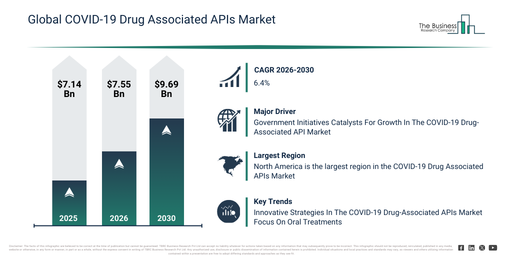
    The covid-19 drug associated apis market size has experienced strong growth in recent years. It is projected to expand from $7.14 billion in 2025 to $7.55 billion in 2026, exhibiting a compound annual growth rate (CAGR) of 5.8%. This historical expansion can be ascribed to several factors, including the initial surge in COVID-19 cases, the urgent requirement for repurposed drugs, the constrained availability of antiviral APIs, a dependency on imports from the Asia-Pacific region, and expedited emergency approvals.

    The covid-19 drug associated apis market is projected to experience substantial expansion over the upcoming years. Its size is set to reach $9.69 billion in 2030, demonstrating a compound annual growth rate (CAGR) of 6.4%. This anticipated growth during the forecast period stems from factors such as the creation of advanced antiviral and immunomodulator APIs, the widening of domestic API production, greater embrace of biotechnological synthesis, increased governmental financial support for pandemic readiness, and a heightened need for varied covid-19 treatment solutions. Key trends anticipated during this period encompass a surging requirement for antiviral and antimalarial APIs, a heightened emphasis on both captive and merchant API production, the broadening of synthetic and biotech-derived API manufacturing, increasing financial commitment to research and development for covid-19 medications, and stricter regulatory supervision over API quality and supply chains.

    Get A Free Sample Report With In-Depth Market Insights:

    https://thebusinessresearchcompany.com/sample_request?id=61748592&type=smp&name=COVID-19%20Drug%20Associated%20APIs%20Market%20Report%202026&utm_source=Blogs&utm_medium=Paid&utm_campaign=Oct_PR

    COVID-19 Drug Associated APIs Market Growth Factors: What’s Supporting Expansion?

    The expansion of the COVID-19 drug-associated API market is anticipated to be driven by government initiatives for research and development in healthcare. These initiatives encompass specific actions, programs, policies, or projects undertaken by government authorities at various levels, such as local, regional, national, or international, to address particular issues, achieve certain goals, or foster positive societal changes. Government-led R&D efforts in healthcare are increasing to promote innovation and accelerate the discovery of novel treatments that address critical public health challenges. COVID-19 drug-associated APIs play a crucial role in supporting these government initiatives by providing essential active ingredients that facilitate the rapid development, testing, and production of treatments and vaccines. For instance, data from the Office for National Statistics (ONS), a UK-government agency, indicated in April 2025 that the UK government’s net R&D expenditure reached £17.4 ($20.10) billion in 2023, an increase from £16.1 billion in 2022. Consequently, government initiatives for research and development in healthcare are stimulating the growth of the COVID-19 drug-associated API market.

    COVID-19 Drug Associated APIs Market Segment Landscape: Which Areas Lead Development?

    The covid-19 drug associated apis market covered in this report is segmented –

    1) By Drug Class: Antimalarials, Bronchodilators, Antibiotics, Antivirals, Other Drug Class

    2) By Synthesis Type: Synthetic, Biotech

    3) By Business Mode: Captive API, Merchant API

    Subsegments:

    1) By Antimalarials: Hydroxychloroquine, Chloroquine

    2) By Bronchodilators: Beta-Agonists, Anticholinergics

    3) By Antibiotics: Macrolides, Tetracyclines

    4) By Antivirals: Remdesivir, Favipiravir, Lopinavir Or Ritonavir

    5) By Other Drug Classes: Corticosteroids, Immunomodulators

    COVID-19 Drug Associated APIs Market Industry Trends: What’s Reshaping Demand?

    Leading companies active in the COVID-19 drug-associated APIs market are increasingly concentrating on introducing innovative solutions, such as oral treatment for COVID-19, to gain a competitive advantage. An oral treatment for COVID-19 refers to medications taken by mouth to manage and treat the infection caused by the SARS-CoV-2 virus, which is responsible for COVID-19. For instance, in May 2023, Pfizer Inc., a US-based pharmaceutical company, launched PAXLOVID, which was approved by the FDA. This oral investigational drug, a SARS-CoV-2 protease inhibitor, demonstrated an 89% reduction in hospitalization or death risk compared to a placebo in high-risk, non-hospitalized adults with COVID-19. Designed for early administration, it aims to be prescribed at the first sign of infection or exposure awareness, potentially preventing severe illness, hospitalization, and death.

    COVID-19 Drug Associated APIs Market Industry Leaders And Competitive Landscape

    Major companies operating in the covid-19 drug associated apis market are Dr. Reddy’s Laboratories Ltd., Lianyungang Guike Pharmaceutical CO. LTD., Alembic Pharmaceuticals Ltd., Wockhardt Ltd., Sandoz Srl, Lupin Limited, Aurobindo Pharma Ltd., Shanghai Shyndec Pharmaceutical Co. Ltd., Zhejiang Yatai Pharmaceutical Co. Ltd., Zhejiang Guobang Pharmaceutical Co Ltd., Cipla Limited, Shandong Boyuan Pharmaceutical Co. Ltd., Aspiro Pharma Ltd., Qilu Antibiotics Pharmaceutical Co. Ltd., Shenzhen China Resources Jiuxin Pharmaceutical Co. Ltd., Zhejiang Cheng Yi Pharmaceutical, Star Lake Bioscience Co.Inc., Hetero Labs Ltd., Geno Pharmaceuticals Ltd., Mylan Laboratories Ltd., Ipca Laboratories Limited, Zydus Takeda Healthcare Private Limited, Mangalam Drugs & Organics, Wallace Pharmaceuticals, Zhejiang Hisun Pharmaceutical Co. Ltd., Zhejiang Huahai Pharmaceutical Co. Ltd., Zhejiang Jiuzhou Pharmaceutical Co. Ltd., Zhejiang NHU Co. Ltd., Zhejiang Xianju Pharmaceutical Co. Ltd., Zhejiang Yongtai Technology Co. Ltd., Zhejiang Zhebei Pharmaceutical Co. Ltd., Zhejiang Tianyu Pharmaceutical Co. Ltd., Zhejiang Aisheng Pharmaceutical Co. Ltd., Zhejiang Aokang Pharmaceutical Co. Ltd.

    View The Full COVID-19 Drug Associated APIs Market Report:

    https://thebusinessresearchcompany.com/report/COVID19-Drug-Associated-API-global-market-report?utm_source=Blogs&utm_medium=Paid&utm_campaign=Oct_PR

    COVID-19 Drug Associated APIs Market Regional Breakdown: Where Is Demand Concentrated?

    North America was the largest region in the COVID-19 drug-associated APIs market in 2025. Middle East is expected to be the fastest growing region in the global COVID-19 drug associated APIs market share during the forecast period. The regions covered in the covid-19 drug associated apis market report are Asia-Pacific, South East Asia, Western Europe, Eastern Europe, North America, South America, Middle East, Africa.

    Reach Out To Our Team:

    The Business Research Company: https://www.thebusinessresearchcompany.com/

    Americas: +1 310-496-7795

    Asia: +44 7882 955267 & +91 8897263534

    Europe: +44 7882 955267

    Email us at: marketing@tbrc.info

    Follow us on:

    LinkedIn: https://in.linkedin.com/company/the-business-research-company

    YouTube: https://www.youtube.com/channel/UC24_fI0rV8cR5DxlCpgmyFQ

    Global Market Model: https://www.thebusinessresearchcompany.com/global-market-model
  • COVID-19 Current Therapy Market Size Growth: From $1.56 Billion In 2026 To $0.31 Billion By 2030

    COVID-19 Current Therapy Market Size Growth: From $1.56 Billion In 2026 To $0.31 Billion By 2030

    Built to provide research that’s more actionable and strategically valuable, The Business Research Company’s 2026 market reports include market attractiveness analysis, total addressable market sizing, company benchmarking matrices, interactive Excel dashboards, broader supply chain intelligence, emerging startup tracking, and in-depth product insights.

    COVID-19 Current Therapy Market CAGR Outlook And Future Development

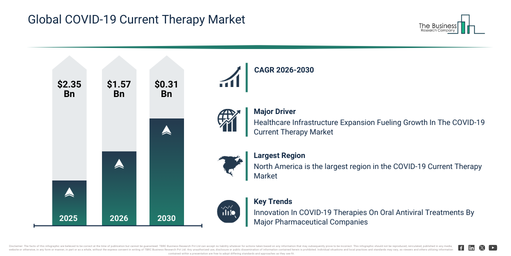
    The covid-19 current therapy market has experienced a substantial reduction in its size over recent years. A projection indicates it will decrease from $2.35 billion in 2025 to $1.57 billion in 2026, registering a compound annual growth rate (CAGR) of -33.2%. This historical downturn is attributable to factors such as the abrupt onset of covid-19, elevated hospitalization rates, a scarcity of initial therapeutic choices, reduced government and healthcare initiatives, and fewer emergency drug authorizations.

    The covid-19 current therapy market size is projected to experience a significant contraction over the coming years. It is forecast to decrease to $0.31 billion in 2030, with a compound annual growth rate (CAGR) of -33.2%. This projected decrease can be attributed to factors such as reduced adoption of telemedicine for covid-19 management and limited growth in home care services. Key trends anticipated during this period encompass the growing acceptance of antiviral and monoclonal antibody treatments, a rise in corticosteroid application for serious covid-19 instances, an uptick in home care and remote patient monitoring for covid-19, an increase in supplement and immune support treatments, and the incorporation of combination and experimental therapies into treatment strategies.

    Get A Free Sample Report With In-Depth Market Insights:

    https://thebusinessresearchcompany.com/sample_request?id=23037407&type=smp&name=COVID-19%20Current%20Therapy%20Market%20Report%202026&utm_source=Blogs&utm_medium=Paid&utm_campaign=Oct_PR

    COVID-19 Current Therapy Market Demand Drivers: What’s Powering Industry Growth?

    The expansion of healthcare infrastructure is anticipated to drive the COVID-19 current therapy market forward. The healthcare industry encompasses sectors that provide products and services for patient care, including prevention, treatment, rehabilitation, and palliative support. This infrastructure is vital for the effective delivery of COVID-19 therapies, facilitating timely patient care, aiding research and clinical trials, and supplying essential resources for optimal treatment. Illustratively, data from the American Health Care Association showed that the number of hospitals in the US increased to 6,129 in May 2023, up from 6,093 in 2022. Furthermore, a May 2023 report by the Office for National Statistics indicated that healthcare spending in the UK rose significantly by 9.4% in nominal terms and 9.7% in real terms. Thus, the growth of the healthcare industry is a key factor in the expansion of the COVID-19 current therapy market.

    COVID-19 Current Therapy Market Segments: Where Is Growth Concentrated?

    The covid-19 current therapy market covered in this report is segmented –

    1) By Drug Type: Antiviral, Monoclonal Antibodies, Corticosteroid, Supplements, Antimalarial, Interferons And Interleukin Inhibitors, Other Anti-Infective Drugs

    2) By Route Of Administration: Oral, Intravenous

    3) By End-User: Hospitals, Clinics, Home Care, Others

    Subsegments:

    1) By Antiviral: Remdesivir, Oseltamivir, Favipiravir, Nirmatrelvir Or ritonavir (Paxlovid)

    2) By Monoclonal Antibodies: Bamlanivimab, Casirivimab Or Imdevimab (REGEN-COV), Sotrovimab, Etesevimab

    3) By Corticosteroid: Dexamethasone, Hydrocortisone, Prednisone

    4) By Supplements: Vitamin D, Vitamin C, Zinc, Quercetin

    5) By Antimalarial: Hydroxychloroquine, Chloroquine

    6) By Interferons and Interleukin Inhibitors: Interferon beta-1a, Interleukin-6 inhibitors

    7) By Other Anti-Infective Drugs: Antibiotics, Antifungal Agents

    COVID-19 Current Therapy Market Innovation Trends: What Developments Are Reshaping The Industry?

    Companies heavily involved in the COVID-19 current therapy market are intensifying their efforts to launch pioneering products, including COVID-19 oral antiviral treatments, to secure a competitive advantage. Antiviral treatment encompasses medications designed to suppress the reproduction and dissemination of viruses inside the body. For example, in April 2024, Invivyd, a US-based company dedicated to creating antibody-based therapies for serious viral infectious diseases, provided an update on the release of PEMGARDA™. After securing emergency use authorization (EUA) from The U.S. Food and Drug Administration (FDA), PEMGARDA quickly entered commercial availability. This particular treatment is intended to prevent COVID-19 in individuals experiencing moderate-to-severe immune compromise.

    COVID-19 Current Therapy Market Key Participants And Competitive Landscape

    Major companies operating in the covid-19 current therapy market are Gilead Sciences Inc., Ipca Laboratories Limited, Zydus Cadila, Regeneron Pharmaceuticals Inc., Sun Pharmaceutical Industries Limited, AbbVie, Glenmark Pharmaceuticals Limited, Eli Lilly and Company, Wallace Pharmaceuticals Inc., Canary Health Technologies, Thermo Fisher Scientific

    View The Full COVID-19 Current Therapy Market Report:

    https://thebusinessresearchcompany.com/report/Coronavirus-Current-Therapy-global-market-report?utm_source=Blogs&utm_medium=Paid&utm_campaign=Oct_PR

    COVID-19 Current Therapy Market Geographic Landscape: Which Region Dominates Industry Growth?

    North America is the largest region in the COVID-19 current therapy market in 2025. Middle East is expected to be the fastest-growing region in the global COVID-19 current therapy market share during the forecast period. The regions covered in the covid-19 current therapy market report are Asia-Pacific, South East Asia, Western Europe, Eastern Europe, North America, South America, Middle East, Africa.

    Reach Out To Our Team:

    The Business Research Company: https://www.thebusinessresearchcompany.com/

    Americas: +1 310-496-7795

    Asia: +44 7882 955267 & +91 8897263534

    Europe: +44 7882 955267

    Email us at: marketing@tbrc.info

    Follow us on:

    LinkedIn: https://in.linkedin.com/company/the-business-research-company

    YouTube: https://www.youtube.com/channel/UC24_fI0rV8cR5DxlCpgmyFQ

    Global Market Model: https://www.thebusinessresearchcompany.com/global-market-model
  • Cough Syrups Market Analysis 2026: Market Size, Growth Trends And Industry Outlook

    Cough Syrups Market Analysis 2026: Market Size, Growth Trends And Industry Outlook

    Backed by market attractiveness analysis, total addressable market sizing, company benchmarking matrices, interactive Excel dashboards, wider supply chain intelligence, emerging startup coverage, and detailed product-level insights, The Business Research Company’s 2026 market reports are designed to offer research that is more actionable and strategically valuable than ever.

    Cough Syrups Market Set To Climb From $7.25 Billion In 2026 To $9.29 Billion By 2030

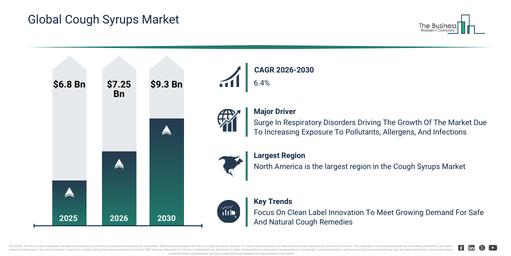
    The cough syrups market has experienced robust growth in recent years. Its size is projected to expand from $6.8 billion in 2025 to $7.25 billion in 2026, demonstrating a compound annual growth rate (CAGR) of 6.7%. Historically, the growth witnessed in this market can be attributed to seasonal respiratory infections, otc medicine availability, pediatric cold prevalence, pharmacy retail expansion, and urban pollution.

    The cough syrups market size is projected to experience substantial expansion over the next few years. It will grow to $9.3 billion in 2030 at a compound annual growth rate (CAGR) of 6.4%. The anticipated growth within the forecast period is attributed to several factors, including the demand for natural ingredients, prevailing self-medication trends, a heightened focus on pediatric healthcare, the expansion of online pharmacies, and the increased incidence of respiratory illnesses. Major trends identified for this period encompass a rising demand for pediatric formulations, the growing popularity of herbal and natural cough syrups, the broader availability of combination medications, increased consumption of over-the-counter products, and an emphasis on developing sugar-free and alcohol-free syrup options.

    Get A Free Sample Report With In-Depth Market Insights:

    https://thebusinessresearchcompany.com/sample_request?id=72699086&type=smp&name=Cough%20Syrups%20Market%20Report%202026&utm_source=Blogs&utm_medium=Paid&utm_campaign=Oct_PR

    Cough Syrups Market Growth Drivers: What’s Behind The Acceleration?

    The rising prevalence of respiratory conditions is anticipated to fuel the expansion of the cough syrups market. Respiratory disorders are health issues that affect the lungs and other components of the respiratory system, thereby hindering normal breathing. The increase in these disorders stems from greater exposure to pollutants, allergens, and infections, which in turn boosts the demand for rapid-relief treatments that offer swift, accessible, and effective symptom management. Cough syrups are beneficial for managing respiratory symptom relief, soothing airways, and improving breathing by addressing cough, throat irritation, and mucus congestion. For instance, in February 2025, MedRxiv, a US-based open-access online archive and distribution server, noted that hospitalizations linked to respiratory viruses rose from 9.3% in late December 2024 to 9.6% in late January 2025, indicating a 3.1% increase over one month. Consequently, the increasing occurrence of respiratory disorders is driving the growth of the cough syrups market.

    Cough Syrups Market Segment Analysis: What Are The Core Market Categories?

    The cough syrups market covered in this report is segmented –

    1) By Product: Expectorants, Cough Suppressants, Antihistamines, Combination Medications

    2) By Age Group: Pediatric, Adult

    3) By Ingredient Type: Dextromethorphan, Guaifenesin, Codeine, Other Ingredient Types

    4) By Distribution Channel: Pharmacies, Online Stores, Supermarkets Or Hypermarkets, Other Distribution Channels

    Subsegments:

    1) By Expectorants: Guaifenesin-Based Expectorants, Herbal Expectorants, Other Synthetic Expectorants

    2) By Cough Suppressants: Dextromethorphan-Based Suppressants, Codeine-Based Suppressants, Other Opioid And Non-Opioid Suppressants

    3) By Antihistamines: First-Generation Antihistamines, Second-Generation Antihistamines, Combination Antihistamine Formulations

    4) By Combination Medications: Expectorant + Cough Suppressant Combinations, Antihistamine + Expectorant Combinations, Multi-Ingredient Combinations

    Cough Syrups Market Trends: What’s Defining The Industry’s Next Phase?

    Major companies in the cough syrups market are increasingly focusing on developing innovative formulations, such as herbal cough syrups, to meet growing consumer demand for natural remedies free from side effects. Herbal cough syrups are plant-based liquid treatments that utilize natural ingredients like tulsi, ginger, and licorice to soothe throats and relieve coughs without synthetic chemicals. For example, in August 2024, Avalon Pharma, a pharmaceutical company located in Saudi Arabia, unveiled Co-pan. This novel herbal cough syrup is notably the first and only SFDA-approved product of its kind suitable for both adults and children from two years old. The sugar-free and alcohol-free syrup demonstrates proven efficacy and high tolerability, particularly for pediatric patients, and is supplied with a child-friendly dosing syringe. Co-pan’s launch exemplifies Avalon Pharma’s commitment to expanding its diverse product portfolio and reinforcing its leadership in the respiratory and herbal medicine segments, aligning with its ongoing growth and innovation strategy within the Kingdom’s healthcare sector.

    Cough Syrups Market Top Companies Driving Competitive Growth

    Major companies operating in the cough syrups market are Reckitt Benckiser Group plc, Viatris Inc., Dr. Reddy’s Laboratories Ltd., Lupin Limited, Zydus Lifesciences Ltd., Torrent Pharmaceuticals Ltd., Aurobindo Pharma Ltd., Hikma Pharmaceuticals PLC, Abbott Laboratories, P&G Health Ltd., Wockhardt Ltd., Ipca Laboratories Ltd., Emcure Pharmaceuticals Ltd., Alembic Pharmaceuticals Ltd., Micro Labs Ltd., Indoco Remedies Ltd., Elder Pharmaceuticals Ltd., Aristo Pharmaceuticals Pvt. Ltd., Meyer Organics Pvt. Ltd., Wallace Pharmaceuticals Pvt. Ltd.

    View The Full Cough Syrups Market Report:

    https://thebusinessresearchcompany.com/report/cough-syrups-global-market-report?utm_source=Blogs&utm_medium=Paid&utm_campaign=Oct_PR

    Cough Syrups Market Largest Region: Which Geography Holds The Highest Market Share?

    North America was the largest region in the cough syrup market in 2025. Asia-Pacific is expected to be the fastest-growing region in the forecast period. The regions covered in the cough syrups market report are Asia-Pacific, South East Asia, Western Europe, Eastern Europe, North America, South America, Middle East, Africa.

    Reach Out To Our Team:

    The Business Research Company: https://www.thebusinessresearchcompany.com/

    Americas: +1 310-496-7795

    Asia: +44 7882 955267 & +91 8897263534

    Europe: +44 7882 955267

    Email us at: marketing@tbrc.info

    Follow us on:

    LinkedIn: https://in.linkedin.com/company/the-business-research-company

    YouTube: https://www.youtube.com/channel/UC24_fI0rV8cR5DxlCpgmyFQ

    Global Market Model: https://www.thebusinessresearchcompany.com/global-market-model

  • Cough And Cold Preparations Market Forecast To 2030: Starting From $109.87 Billion In 2026

    Cough And Cold Preparations Market Forecast To 2030: Starting From $109.87 Billion In 2026

    Featuring market attractiveness scoring, total addressable market sizing, company benchmarking matrices, interactive Excel dashboards, deeper supply chain intelligence, emerging startup tracking, and granular product-level insights, The Business Research Company’s 2026 market reports are built to deliver research that is both more actionable and more strategically valuable.

    Cough And Cold Preparations Market Forecast: Value Set To Climb From $91.38 Billion To $109.87 Billion

    The cough and cold preparations market has experienced consistent expansion in its size over recent years. It is projected to expand from $88.07 billion in 2025 to $91.38 billion in 2026, achieving a compound annual growth rate (CAGR) of 3.8%. This historical growth is linked to several factors, including the increasing prevalence of seasonal flu and common cold, a rise in over-the-counter drug sales, growing awareness about respiratory health, the expansion of retail pharmacy networks, and the availability of combination cold and cough medications.

    The market size for cough and cold preparations is anticipated to show consistent growth over the coming years. It is projected to grow to $109.88 billion in 2030 at a compound annual growth rate (CAGR) of 4.7%. This expansion during the forecast period can be attributed to the development of targeted antiviral drugs, the adoption of personalized medicine approaches, the integration of herbal and natural therapies, an increasing demand for fast-acting symptom relief, and the expansion of online pharmacy channels. Major trends expected in the forecast period include novel antiviral formulations, personalized cold and cough therapies, the integration of herbal and natural remedies, combination drug therapies, and rapid-acting symptomatic relief.

    Get A Free Sample Report With In-Depth Market Insights:

    https://thebusinessresearchcompany.com/sample_request?id=47744883&type=smp&name=Cough%20And%20Cold%20Preparations%20Market%20Report%202026&utm_source=Blogs&utm_medium=Paid&utm_campaign=Oct_PR

    Cough And Cold Preparations Market Growth Factors Behind Sustained Expansion

    The increasing occurrence of allergies is projected to boost the expansion of the Cough And Cold Preparations Market during the forecast period. Numerous respiratory allergies, including those triggered by pollen, dust, mold, and pets, stem from polluted outdoor and indoor air. These allergies, leading to coughs and respiratory problems, are often managed with cough and cold preparations. For example, the European Academy of Allergy and Clinical Immunology, a non-profit body for European clinicians, researchers, and allied health professionals, predicts that by 2025, 1 in every 3 people in the European Union will likely suffer from allergies. Consequently, the greater prevalence of respiratory allergies will enhance the demand for cough and cold preparations, thereby positively influencing the market’s growth.

    Cough And Cold Preparations Market Segment Breakdown: Which Categories Lead On Revenue?

    The cough and cold preparations market covered in this report is segmented –

    1) By Drug Type: Antihistamines, Expectorants, Bronchodilators, Decongestants, Antibiotics, Other Drug Types.

    2) By Dosage Type: Oral Syrups, Tablets Or Pills, Nasal Drops, Lozenges, Other Dosage Types

    3) By Distribution Channel: Hospital Pharmacies, Retail Pharmacies, Drug Stores, Other Distribution Channels

    Subsegments:

    1) By Antihistamines: First-Generation Antihistamines, Second-Generation Antihistamines, Combination Antihistamines

    2) By Expectorants: Guaifenesin, Potassium Iodide, Combination Expectorants

    3) By Bronchodilators: Short-Acting Beta-Agonists (SABAs), Long-Acting Beta-Agonists (LABAs), Anticholinergic Bronchodilators

    4) By Decongestants: Oral Decongestants, Nasal Decongestants

    5) By Antibiotics: Amoxicillin, Azithromycin, Cephalosporins

    6) By Other Drug Types: Cough Suppressants, Antipyretics, Herbal Remedies

    Cough And Cold Preparations Market Industry Trends Fueling Future Revenue Growth

    Major companies operating in the cough and cold preparations market are introducing new products like clean over the counter (OTC) kids medicine to satisfy increasing consumer demand for safer, natural, and effective remedies. Clean over-the-counter (OTC) kids’ medicine refers to non-prescription medications specifically for children, focusing on natural and minimal ingredient formulations. These products are designed to alleviate common cold and cough symptoms while avoiding harmful additives, thus attracting parents seeking safe solutions for their children. For instance, in September 2023, Genexa, a US-based pharmaceutical company, launched two new clean over-the-counter medicines, “Kids’ Multi-Symptom Cold and Flu” and “Kids Daytime Nighttime Cough Relief Value Pack,” to offer effective relief from typical cold and flu symptoms in children. The “Multi-Symptom Cold & Flu” formulation temporarily manages cough, reduces fever, and eases minor aches and pains without artificial ingredients, providing a cleaner choice for parents wary of additives. Additionally, the “Daytime and Nighttime Cough Relief Value Pack” presents tailored options for non-drowsy relief during the day and comfort at night, ensuring complete care throughout the entire day and night.

    Cough And Cold Preparations Market Leading Players And Competitive Positioning

    Major companies operating in the cough and cold preparations market are Johnson & Johnson, GlaxoSmithKline plc, Procter & Gamble, Bayer AG, Reckitt Benckiser Group plc, Novartis AG, Perrigo Company, Sun Pharmaceutical Industries Ltd., Prestige Consumer Healthcare, Blackmores Limited, AFT Pharmaceuticals, Dexa Medica, Glenmark Pharmaceuticals Limited, Wockhardt Ltd, Apnar Pharma LP, Hanmi Pharmaceutical, Cipla Limited, Aurobindo Pharma Limited, KYORIN Holdings Inc, Nichi-Iko Pharmaceutical Co. Ltd, Otsuka Pharmaceutical Co. Ltd, China National Pharmaceutical Group Co. Ltd, Shanghai Anovent Pharma, Shanghai Acebright Pharmaceuticals Group Co. Ltd, China Meheco Group Co. Ltd, Merck & Co, Abbott Laboratories, Boehringer Ingelheim, Vectura Group, Pfizer, Mylan, Teva Pharmaceutical Industries Ltd, Sanofi, W. K. Buckley Limited, BENYLIN, Sanfer, PROBIOMED, PiSA, EMS Pharma, Hypermarcas, Ache, Eurofarma, Biolab Farmaceuticad, Cristalia, Libbs, AstraZeneca, Neopharma, Regal Pharmaceuticals, Adcock Ingram, Aspen Pharmacare

    View The Full Cough And Cold Preparations Market Report:

    https://thebusinessresearchcompany.com/report/Cough-And-Cold-Preparations-Global-Market-Report?utm_source=Blogs&utm_medium=Paid&utm_campaign=Oct_PR

    Cough And Cold Preparations Market Regional Analysis: Which Region Leads By Revenue?

    North America was the largest region in the cold and cough preparation market share in 2025. Middle East is expected to be the fastest-growing region in the global cough and cold preparations market during the forecast period. The regions covered in the cough and cold preparations market report are Asia-Pacific, South East Asia, Western Europe, Eastern Europe, North America, South America, Middle East, Africa.

    Reach Out To Our Team:

    The Business Research Company: https://www.thebusinessresearchcompany.com/

    Americas: +1 310-496-7795

    Asia: +44 7882 955267 & +91 8897263534

    Europe: +44 7882 955267

    Email us at: marketing@tbrc.info

    Follow us on:

    LinkedIn: https://in.linkedin.com/company/the-business-research-company

    YouTube: https://www.youtube.com/channel/UC24_fI0rV8cR5DxlCpgmyFQ

    Global Market Model: https://www.thebusinessresearchcompany.com/global-market-model
  • Cosmetic Ingredients Market Size In 2026 And Beyond: Understanding Future Growth Potential

    Cosmetic Ingredients Market Size In 2026 And Beyond: Understanding Future Growth Potential

    Built to provide research that’s more actionable and strategically valuable, The Business Research Company’s 2026 market reports include market attractiveness analysis, total addressable market sizing, company benchmarking matrices, interactive Excel dashboards, broader supply chain intelligence, emerging startup tracking, and in-depth product insights.

    Cosmetic Ingredients Market Revenue Growth On Track For A 7% CAGR Through 2030

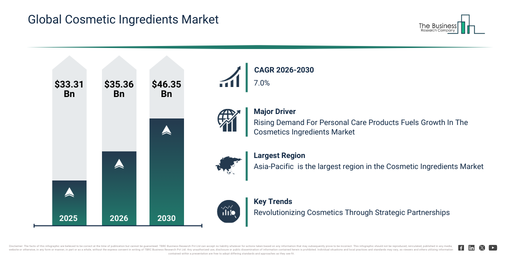
    The cosmetic ingredients market has demonstrated significant growth in recent years. Its valuation is projected to increase from $33.31 billion in 2025 to $35.36 billion in 2026, achieving a compound annual growth rate (CAGR) of 6.2%. The expansion seen in the historic period is attributable to the development of the personal care and beauty industry, rising urbanization and disposable income, the broadening of global cosmetic manufacturing, increasing awareness surrounding personal grooming, and the wide selection of diverse synthetic ingredients.

    The cosmetic ingredients market is projected to experience substantial growth in the upcoming years. It is expected to expand to $46.35 billion by 2030, demonstrating a compound annual growth rate (CAGR) of 7.0%. This anticipated growth can be attributed to a surge in demand for clean and sustainable beauty products, ongoing innovation in bio-based and specialty ingredients, an increasing focus on anti-aging and functional cosmetics, the expansion of premium skin and hair care segments, and a regulatory push for safer cosmetic formulations. Prominent trends throughout this forecast period include a rising demand for natural and herbal cosmetic ingredients, the growing use of multifunctional ingredients in various formulations, an increased adoption of specialty and active ingredients, a clear shift toward clean label and transparent ingredient sourcing, and the customization of cosmetic ingredients for specific applications.

    Get A Free Sample Report With In-Depth Market Insights:

    https://thebusinessresearchcompany.com/sample_request?id=42418457&type=smp&name=Cosmetic%20Ingredients%20Market%20Report%202026&utm_source=Blogs&utm_medium=Paid&utm_campaign=Oct_PR

    Cosmetic Ingredients Market Demand Drivers Opening New Revenue Streams

    The rising need for personal care items is anticipated to fuel the expansion of the cosmetic ingredients market in the future. Personal care products encompass various items typically utilized for hygiene, beauty enhancement, and cleansing, aiming to improve individual well-being, cleanliness, and appearance. Within these products, cosmetic ingredients offer diverse advantages and functions, serving distinct roles that enhance overall performance, effectiveness, and the sensory experience. Consequently, the heightened demand for personal care items directly drives the growth of the cosmetics ingredients sector. An example illustrating this trend comes from August 2024, where a report from the British Beauty Council, a UK-based organization, indicated that in 2023, the personal care sector added £27.2 billion ($30.44 billion) to the GDP, representing an 11% increase from 2022. This expansion resulted from a 10% rise in household expenditure on personal care goods and services across the UK. Thus, the escalating demand for personal care products is clearly propelling the cosmetic ingredients market forward.

    Cosmetic Ingredients Market Segmentation: How Does The Market Break Down By Category?

    The cosmetic ingredients market covered in this report is segmented –

    1) By Ingredient Type: Synthetic Chemical Ingredients, Natural Or Herbal Ingredients, Specialty Ingredients, Oleochemical, Botanical Extract, Rheology Modifier, Preservatives, Emulsifier And Stabilizer, Other Ingredient Types

    2) By Functionality: Cleansing Agents And Foamers, Aroma, Moisturizing, Specialty, Other Functionalities

    3) By Application: Skin Care, Oral Care, Hair Care, Make-Up, Fragrance, Other Applications

    Subsegments:

    1) By Synthetic Chemical Ingredients: Emollients, Surfactants, Synthetic Fragrances

    2) By Natural Or Herbal Ingredients: Essential Oils, Plant Oils, Natural Extracts

    3) By Specialty Ingredients: Peptides, Hyaluronic Acid, Anti-aging Agents

    4) By Oleochemical: Fatty Acids, Glycerin, Fatty Alcohols

    5) By Botanical Extract: Flower Extracts, Leaf Extracts, Root Extracts

    6) By Rheology Modifier: Thickeners, Gelling Agents, Stabilizers

    7) By Preservatives: Parabens, Organic Acids, Antioxidants

    8) By Emulsifier And Stabilizer: Anionic Emulsifiers, Cationic Emulsifiers, Non-ionic Emulsifiers

    9) By Other Ingredient Types: Colorants, Fragrance Modifiers, Sun Protection Agents

    Cosmetic Ingredients Market Trends Powering Strategic Industry Growth

    Prominent companies operating within the cosmetic ingredients market are adopting a strategic partnership approach to combine innovative, sustainable, and cutting-edge biotechnological-based cosmetic ingredients. Such strategic partnerships denote a process where companies leverage each other’s strengths and resources to achieve mutual benefits and success. For instance, in August 2023, Cosmecca Korea Co., a K beauty manufacturing company based in South Korea, partnered with Vytrus, a cosmetic ingredient manufacturing company from Spain. Through this partnership, they aim to develop new cosmetic ingredients that are both innovative and sustainable using biotechnology, specifically by leveraging Vytrus’ plant stem cell technology.

    Cosmetic Ingredients Market Competitive Overview And Top Companies

    Major companies operating in the cosmetic ingredients market are BASF SE, Unilever, The Dow Chemical Company, L’Oréal International, Evonik Industries AG, Solvay S.A., The Estée Lauder Companies Inc., DuPont, International Flavors & Fragrances Inc., Kao Chemicals, Eastman Chemical Company, DSM, Wacker Chemie AG, Givaudan, Lonza Group Ltd., Clariant AG, KCC Corporation, Symrise, Croda International PLC., Ashland Inc., P2 Science Inc., Spira Inc., Naturbeads Ltd., Allozymes, Ardra Bio, Firmenich, Protameen Chemicals, Lipoid Kosmetik, Ecogreen Oleochemicals, Aqia

    View The Full Cosmetic Ingredients Market Report:

    https://thebusinessresearchcompany.com/report/cosmetic-ingredients-global-market-report?utm_source=Blogs&utm_medium=Paid&utm_campaign=Oct_PR

    Cosmetic Ingredients Market Geographic Distribution And Regional Opportunities

    Asia-Pacific was the largest region in the cosmetic ingredients market in 2025. North America is expected to be the fastest-growing region in the forecast period. The regions covered in the cosmetic ingredients market report are Asia-Pacific, South East Asia, Western Europe, Eastern Europe, North America, South America, Middle East, Africa.

    Reach Out To Our Team:

    The Business Research Company: https://www.thebusinessresearchcompany.com/

    Americas: +1 310-496-7795

    Asia: +44 7882 955267 & +91 8897263534

    Europe: +44 7882 955267

    Email us at: marketing@tbrc.info

    Follow us on:

    LinkedIn: https://in.linkedin.com/company/the-business-research-company

    YouTube: https://www.youtube.com/channel/UC24_fI0rV8cR5DxlCpgmyFQ

    Global Market Model: https://www.thebusinessresearchcompany.com/global-market-model
  • Cosmeceuticals Market Reaches $99.6 Billion In 2026: Key Developments Shaping Expansion

    Cosmeceuticals Market Reaches $99.6 Billion In 2026: Key Developments Shaping Expansion

    Backed by market attractiveness analysis, total addressable market sizing, company benchmarking matrices, interactive Excel dashboards, wider supply chain intelligence, emerging startup coverage, and detailed product-level insights, The Business Research Company’s 2026 market reports are designed to offer research that is more actionable and strategically valuable than ever.

    Cosmeceuticals Market Value Growth And Long-Term Outlook

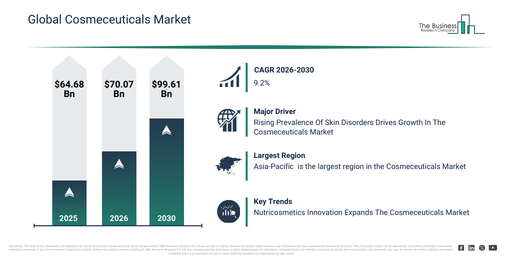
    The cosmeceuticals market size has witnessed robust expansion in recent years. It is anticipated to increase from $64.68 billion in 2025 to $70.07 billion in 2026, achieving a compound annual growth rate (CAGR) of 8.3%. This historical growth can be linked to factors such as growing consciousness regarding skin health, rising urbanization along with pollution exposure, an increase in middle-class spending on personal care, the proliferation of dermatology clinics, and the growing occurrence of various skin conditions.

    The cosmeceuticals market is projected to undergo significant expansion in the coming years. It is forecast to reach $99.61 billion by 2030, exhibiting a compound annual growth rate (CAGR) of 9.2%. This anticipated growth throughout the forecast period stems from factors such as innovations in active ingredient formulations, a rising consumer inclination towards premium cosmeceuticals, the expansion of male grooming products, market penetration into emerging economies, and the increasing influence of social media and beauty professionals. Prominent trends for this period include a heightened demand for anti-aging and preventative skincare products, the escalating popularity of clean label and natural cosmeceuticals, a greater uptake of dermatologist-recommended items, the proliferation of injectable and minimally invasive aesthetic treatments, and the swift growth of online and direct-to-consumer sales channels.

    Get A Free Sample Report With In-Depth Market Insights:

    https://thebusinessresearchcompany.com/sample_request?id=31524022&type=smp&name=Cosmeceuticals%20Market%20Report%202026&utm_source=Blogs&utm_medium=Paid&utm_campaign=Oct_PR

    Cosmeceuticals Market Growth Backed By Core Demand Fundamentals

    The increasing occurrence of skin disorders is projected to propel the growth of the cosmeceuticals market going forward. These disorders are defined as conditions affecting the skin’s appearance, structure, texture, or overall health. Cosmeceuticals themselves are skincare products formulated with bioactive ingredients, offering therapeutic advantages and serving as a complement to treatments for various skin disorders, including photo-melanosis, photo-tanning, and pigmentation issues such as melasma or freckles. As an illustration, in 2023, Cancer Australia, an Australia-based government agency, documented approximately 8,257 new cases of melanoma of the skin, which represented 2.6% of all deaths from cancer. Consequently, the rising prevalence of skin disorders is expected to fuel the growth of the cosmeceuticals market.

    Cosmeceuticals Market Segment Trends And Revenue Contributors

    The cosmeceuticals market covered in this report is segmented –

    1) By Product Type: Skincare, Haircare, Injectable, Oral Care, Other Product Types

    2) By Ingredients: Proteins, Antioxidants, Vitamins, Metals, Ceramides, Peptides, Amines, Acids, Exfoliants, Other Ingredients

    3) By Distribution Channel: Supermarket, Pharmacy, Drug Stores, Beauty Salon, Online Retailing Store, Other Distribution Channels

    Subsegments:

    1) By Skincare: Anti-Aging Products, Moisturizers, Sunscreens, Acne Treatments, Exfoliants

    2) By Haircare: Hair Growth Products, Anti-Dandruff Treatments, Conditioners And Masks, Hair Styling Products

    3) By Injectable: Botulinum Toxin, Dermal Fillers, Other Injectables

    4) By Oral Care: Whitening Products, Anti-Cavity Treatments, Gum Health Products

    5) By Other Product Types: Body Care Products, Foot Care Products, Nail Care Products, Men’s Grooming Products

    Cosmeceuticals Market Growth Trends Reshaping The Competitive Landscape

    Major companies in the cosmeceuticals market are concentrating on developing nutricosmetics products. These are cosmetic items consumed orally, typically in the form of supplements or functional foods, to enhance skin health and beauty from within. For instance, in March 2023, Symrise AG, a Germany-based chemicals company, launched Diana food bioactives specifically for “Beauty from within” products. Through the creation of these distinct and innovative nutricosmetic ingredients, the company is broadening its offerings. This collection provides solutions for skin conditioning and anti-aging, skin brightening, and hair and nail care. It is composed of naturally derived bioactives, including collagen type I, vitamins C and A, and polyphenols from various fruits. This introduction of cosmetic ingredients further enhances Symrise’s extensive history in the beauty industry.

    Cosmeceuticals Market Competitive Landscape: Which Companies Lead The Industry?

    Major companies operating in the cosmeceuticals market are BASF SE, Johnson & Johnson, LVMH (Moët Hennessy Louis Vuitton), Givenchy, The Procter & Gamble Company, Unilever Plc, L’Oréal S.A., Henkel AG & Co. KGaA, The Estée Lauder Companies Inc., Chanel LTD, Allergan plc, Beiersdorf AG, Shiseido Company Limited, Natura &Co S.A, Coty Inc., Amorepacific Corporation, Avon Products Inc., Clarins, Revlon Inc., Croda International plc, Elementis plc, Lady Burd, Sabinsa Corporation, Nardo’s Naturals, SBLC Cosmetics GmbH, Mineral Mine

    View The Full Cosmeceuticals Market Report:

    https://thebusinessresearchcompany.com/report/cosmeceuticals-global-market-report?utm_source=Blogs&utm_medium=Paid&utm_campaign=Oct_PR

    Cosmeceuticals Market Largest Region By Revenue And Market Share

    Asia-Pacific was the largest region in the cosmeceuticals market in 2025. Asia-Pacific is expected to be the fastest-growing region in the forecast period. The regions covered in the cosmeceuticals market report are Asia-Pacific, South East Asia, Western Europe, Eastern Europe, North America, South America, Middle East, Africa.

    Reach Out To Our Team:

    The Business Research Company: https://www.thebusinessresearchcompany.com/

    Americas: +1 310-496-7795

    Asia: +44 7882 955267 & +91 8897263534

    Europe: +44 7882 955267

    Email us at: marketing@tbrc.info

    Follow us on:

    LinkedIn: https://in.linkedin.com/company/the-business-research-company

    YouTube: https://www.youtube.com/channel/UC24_fI0rV8cR5DxlCpgmyFQ

    Global Market Model: https://www.thebusinessresearchcompany.com/global-market-model
  • Corticosteroids Market Growth Outlook For 2026: Drivers, Trends And Future Opportunities

    Corticosteroids Market Growth Outlook For 2026: Drivers, Trends And Future Opportunities

    Featuring market attractiveness scoring, total addressable market sizing, company benchmarking matrices, interactive Excel dashboards, deeper supply chain intelligence, emerging startup tracking, and granular product-level insights, The Business Research Company’s 2026 market reports are built to deliver research that is both more actionable and more strategically valuable.

    Corticosteroids Market Poised To Hit $8.33 Billion By 2030 With A 7.1% CAGR

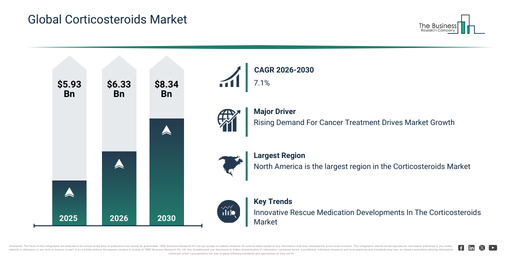
    The corticosteroids market has experienced significant expansion in recent years. It is projected to increase from $5.93 billion in 2025 to $6.33 billion in 2026, exhibiting a compound annual growth rate (CAGR) of 6.7%. This historic growth is attributable to factors such as the increasing occurrence of asthma and allergies, the confirmed clinical effectiveness of corticosteroids, extensive implementation of steroid treatments by hospitals, enhanced understanding of inflammatory disease management, and a growth in pharmaceutical production capabilities.

    The corticosteroids market size is anticipated to expand significantly in the coming years, with projections indicating it will reach $8.34 billion by 2030, progressing at a compound annual growth rate (CAGR) of 7.1%. This expansion during the forecast period is propelled by factors such as the increasing burden of autoimmune and respiratory diseases, the development of safer steroid formulations, a globally aging population, enhanced healthcare access in emerging economies, and greater investment in corticosteroid research. Key trends expected over the forecast period include the advent of targeted corticosteroid formulations, therapies employing low doses and short durations, a rise in the use of topical and inhaled corticosteroids, combination therapies with bronchodilators, and an expanded application in acute respiratory care.

    Get A Free Sample Report With In-Depth Market Insights:

    https://thebusinessresearchcompany.com/sample_request?id=17092912&type=smp&name=Corticosteroids%20Market%20Report%202026&utm_source=Blogs&utm_medium=Paid&utm_campaign=Oct_PR

    Corticosteroids Market Growth Catalysts And Demand Drivers

    The increasing need for cancer treatment is projected to boost the corticosteroid market. Cancer treatment involves diverse therapies like surgery, chemotherapy, radiation therapy, immunotherapy, and targeted treatments, all aimed at eliminating cancer cells and relieving symptoms. This escalating demand for cancer treatment is fueled by several factors, including a rise in cancer incidence, improved awareness and screening efforts, enhanced access to healthcare, and the availability of supportive care services. Corticosteroids play a vital role by mitigating symptoms and improving the tolerability of cancer therapies, which leads to better patient outcomes and supports the expanding requirement for holistic cancer care. An illustrative example comes from May 2024, when the UK’s healthcare system, the National Health Service (NHS), reported record-high treatment activity, with more than 1,400 patients starting cancer treatment every working day. Furthermore, approximately 340,000 individuals received their first cancer treatment between April 2023 and March 2024. Ultimately, the growing demand for cancer treatment is a key driver for the corticosteroid market’s expansion.

    Corticosteroids Market Segment Analysis Spotlighting Growth Areas

    The corticosteroids market covered in this report is segmented –

    1) By Product: Glucocorticoids, Mineralocorticoids

    2) By Application: Skin Allergies, Rheumatology Indications, Endocrinology, Acute Respiratory Diseases, Other Applications

    3) By End User: Hospitals, Clinics, Research Institutes, Other End Users

    Subsegments:

    1) By Glucocorticoids: Hydrocortisone, Prednisone, Dexamethasone, Methylprednisolone, Triamcinolone, Betamethasone, Other Glucocorticoids

    2) By Mineralocorticoids: Fludrocortisone, Aldosterone, Other Mineralocorticoids

    Corticosteroids Market Trends Shaping Long-Term Demand

    Major companies operating in the corticosteroids market are developing innovative products like rescue medications to cater to larger customer bases, boost sales, and increase revenue. Rescue medication refers to a type of treatment or drug employed to provide quick and immediate relief from acute and severe symptoms of a medical condition or a sudden worsening of a chronic ailment. For instance, in January 2023, AstraZeneca PLC, a UK-based pharmaceutical company, announced the FDA approval for Airsupra (albuterol/budesonide). A distinctive characteristic of this product is its role as the first-in-class pressurized metered-dose inhaler (pMDI), a fixed-dose combination rescue medication. It contains albuterol, a short-acting beta2-agonist (SABA), and budesonide, an inhaled corticosteroid (ICS) with anti-inflammatory properties. This product is indicated for individuals aged 18 years and older and can be utilized on an as-needed basis for the treatment or prevention of bronchoconstriction. It also assists in lowering the risk of asthma exacerbations. This combination is available in the United States and is under development by AstraZeneca in collaboration with Avillion.

    Corticosteroids Market Leading Companies: Who Holds The Strongest Market Presence?

    Major companies operating in the corticosteroids market are McKesson Corporation, Pfizer Inc., Johnson and Johnson Services Inc., Merck & Co.Inc., Bayer AG, Novartis International AG., Sanofi SA, Bristol Myers Squibb Company, AstraZeneca plc, Abbott Laboratories, GlaxoSmithKline plc, Takeda Pharmaceutical Company Limited, Eli Lilly and Company, Boehringer Ingelheim International GmbH, Novo Nordisk A/S, Teva Pharmaceutical Industries Ltd., Sun Pharmaceutical Industries Ltd., Cipla Limited, Dr. Reddy’s Laboratories Ltd., Endo International plc, Lupin Limited, Mallinckrodt Pharmaceuticals Ltd., LEO Pharma A/S, Glenmark Pharmaceuticals Ltd., Wockhardt Limited, Allergan plc, Hikma Pharmaceuticals pl.

    View The Full Corticosteroids Market Report:

    https://thebusinessresearchcompany.com/report/Corticosteroid-global-market-report?utm_source=Blogs&utm_medium=Paid&utm_campaign=Oct_PR

    Corticosteroids Market Regional Analysis And Leading Geography

    North America was the largest region in the corticosteroids therapy market share in 2025. Middle East is expected to be the largest growing region in the global corticosteroids market during the forecast period. The regions covered in the corticosteroids market report are Asia-Pacific, South East Asia, Western Europe, Eastern Europe, North America, South America, Middle East, Africa.

    Reach Out To Our Team:

    The Business Research Company: https://www.thebusinessresearchcompany.com/

    Americas: +1 310-496-7795

    Asia: +44 7882 955267 & +91 8897263534

    Europe: +44 7882 955267

    Email us at: marketing@tbrc.info

    Follow us on:

    LinkedIn: https://in.linkedin.com/company/the-business-research-company

    YouTube: https://www.youtube.com/channel/UC24_fI0rV8cR5DxlCpgmyFQ

    Global Market Model: https://www.thebusinessresearchcompany.com/global-market-model
  • Corticosteroid Eyedrops Market Size Forecast From 2026 To 2030: Key Industry Trends

    Corticosteroid Eyedrops Market Size Forecast From 2026 To 2030: Key Industry Trends

    Built to provide research that’s more actionable and strategically valuable, The Business Research Company’s 2026 market reports include market attractiveness analysis, total addressable market sizing, company benchmarking matrices, interactive Excel dashboards, broader supply chain intelligence, emerging startup tracking, and in-depth product insights.

    Corticosteroid Eyedrops Market Size And Revenue Outlook Through 2030

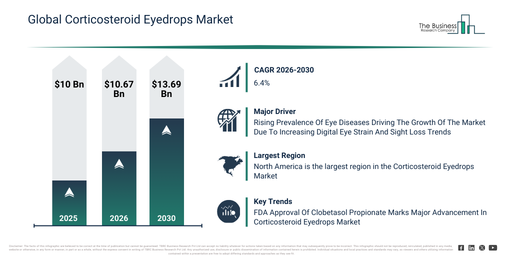
    The corticosteroid eyedrops market has experienced robust expansion recently. This market is projected to expand from $10 billion in 2025 to $10.67 billion by 2026, demonstrating a compound annual growth rate (CAGR) of 6.8%. Factors contributing to this historical growth include the constrained supply of corticosteroid formulations, dependence on hospital pharmacies, a rise in ophthalmic surgeries, increased understanding of ocular inflammation treatment, and the established use of prednisolone and dexamethasone.

    The corticosteroid eyedrops market is projected to experience robust expansion over the coming years, set to reach $13.69 billion by 2030, demonstrating a compound annual growth rate (CAGR) of 6.4%. This growth during the forecast period is expected to stem from the advancement of combination therapy eyedrops, an increase in pediatric ophthalmology treatments, the expansion of online pharmacy distribution channels, greater adoption of patient-centric drug delivery devices, and new regulatory approvals for innovative corticosteroid formulations. Key trends anticipated in this period encompass the increasing incidence of eye conditions necessitating anti-inflammatory treatment, a rising preference for combination therapy eyedrops, wider integration of pediatric-friendly formulations, an expansion of both online and traditional retail pharmacy outlets, and a strong emphasis on enhancing drug stability and patient adherence.

    Get A Free Sample Report With In-Depth Market Insights:

    https://thebusinessresearchcompany.com/sample_request?id=31515602&type=smp&name=Corticosteroid%20Eyedrops%20Market%20Report%202026&utm_source=Blogs&utm_medium=Paid&utm_campaign=Oct_PR

    Corticosteroid Eyedrops Market Opportunity Drivers: What’s Unlocking New Revenue Potential?

    The expanding occurrence of eye conditions is anticipated to fuel the expansion of the corticosteroid eyedrops market in the future. Eye diseases are defined as ailments impacting the eyes’ health and function, which can potentially result in vision impairments or even blindness if not adequately addressed. The increase in eye disease prevalence stems from greater screen time, which causes digital eye strain and contributes to issues like dry eye and blurred vision. Corticosteroid eyedrops are frequently employed to manage eye conditions by diminishing inflammation and alleviating symptoms such as redness, swelling, and discomfort. For instance, in May 2024, a report from the Joint Strategic Needs Assessment, a UK-based community health center, indicated that approximately 2 million individuals in the UK currently experience some level of sight loss, a figure expected to reach 2.7 million by 2030. Consequently, the growing prevalence of eye diseases is propelling the corticosteroid eyedrops market’s growth.

    Corticosteroid Eyedrops Market Segment Performance And Emerging Opportunities

    The corticosteroid eyedrops market covered in this report is segmented –

    1) By Product Type: Topical Corticosteroid Eyedrops, Systemic Corticosteroid Eyedrops, Combination Therapy Eyedrops

    2) By Delivery Device: Dropper Bottles, Spray Formulations, Ointments And Gels, Punctal Plugs

    3) By Distribution Channel: Hospital Pharmacy, Retail Pharmacy, Online Pharmacy, Other Distribution Channels

    4) By Application: Adult, Children

    5) By End User: Hospitals, Specialty Clinics, Community Pharmacies, Online Pharmacies

    Subsegments:

    1) By Topical Corticosteroid Eyedrops: Prednisolone Acetate Eyedrops, Dexamethasone Eyedrops, Fluorometholone Eyedrops, Loteprednol Etabonate Eyedrops, Rimexolone Eyedrops

    2) By Systemic Corticosteroid Eyedrops: Hydrocortisone-Based Eyedrops, Methylprednisolone-Based Eyedrops, Triamcinolone-Based Eyedrops, Betamethasone-Based Eyedrops

    3) By Combination Therapy Eyedrops: Corticosteroid + Antibiotic Combination Eyedrops, Corticosteroid + Non-Steroidal Anti-Inflammatory Drug (NSAID) Eyedrops, Corticosteroid + Antihistamine Eyedrops, Corticosteroid + Antiglaucoma Agent Eyedrops

    Corticosteroid Eyedrops Market Innovation Trends Shaping Future Development

    Leading companies in the corticosteroid eyedrops market are concentrating on securing regulatory approvals to broaden their product portfolios and enhance market access. Regulatory approvals denote the official authorization granted by health authorities, ensuring that corticosteroid eyedrops comply with required safety, efficacy, and quality standards before being commercialized and prescribed to patients. For instance, in March 2024, Formosa Pharmaceuticals Inc., a Taiwan-based pharmaceutical company, and AimMax Therapeutics, a US-based pharmaceutical company, obtained FDA approval for clobetasol propionate ophthalmic suspension 0.05% (APP13007) designed for the management of postoperative inflammation and pain following ocular surgery. Developed using Formosa’s APNT nanoparticle technology, this corticosteroid formulation facilitates effective drug delivery through a simple twice-daily dosing for 14 days without tapering. Clinical trials demonstrated its strong anti-inflammatory effects, positioning it as a promising addition to corticosteroid treatment options for alleviating inflammation and pain after eye surgery. As the first ophthalmic corticosteroid containing clobetasol and the first new steroid approved in this category in over 15 years, it signifies a major advancement in ocular corticosteroid therapy.

    Corticosteroid Eyedrops Market Key Players: Which Companies Lead Industry Competition?

    Major companies operating in the corticosteroid eyedrops market are Pfizer Inc., AbbVie Inc., Novartis AG, Alcon Inc., Bausch Health Companies Inc., Sun Pharmaceutical Industries Ltd., Cipla Ltd., Santen Pharmaceutical Co. Ltd., Lupin Limited, Zydus Lifesciences Limited, Glenmark Pharmaceuticals Ltd., Alkem Laboratories Ltd., Sunways Pvt. Ltd., FDC Limited, Eurocrit Labs International Pvt. Ltd., Entod Pharmaceuticals Pvt. Ltd., Akorn Pharmaceuticals Inc., Kala Pharmaceuticals Inc.

    View The Full Corticosteroid Eyedrops Market Report:

    https://thebusinessresearchcompany.com/report/corticosteroid-eyedrops-global-market-report?utm_source=Blogs&utm_medium=Paid&utm_campaign=Oct_PR

    Corticosteroid Eyedrops Market Geographic Analysis: Where Is Demand Accelerating Fastest?

    North America was the largest region in the corticosteroid eyedrops market in 2025. Asia-Pacific is expected to be the fastest-growing region in the forecast period. The regions covered in the corticosteroid eyedrops market report are Asia-Pacific, South East Asia, Western Europe, Eastern Europe, North America, South America, Middle East, Africa.

    Reach Out To Our Team:

    The Business Research Company: https://www.thebusinessresearchcompany.com/

    Americas: +1 310-496-7795

    Asia: +44 7882 955267 & +91 8897263534

    Europe: +44 7882 955267

    Email us at: marketing@tbrc.info

    Follow us on:

    LinkedIn: https://in.linkedin.com/company/the-business-research-company

    YouTube: https://www.youtube.com/channel/UC24_fI0rV8cR5DxlCpgmyFQ

    Global Market Model: https://www.thebusinessresearchcompany.com/global-market-model
  • Controlled Substance Market 2026: Market Size, Growth Drivers And Emerging Opportunities

    Controlled Substance Market 2026: Market Size, Growth Drivers And Emerging Opportunities

    Backed by market attractiveness analysis, total addressable market sizing, company benchmarking matrices, interactive Excel dashboards, wider supply chain intelligence, emerging startup coverage, and detailed product-level insights, The Business Research Company’s 2026 market reports are designed to offer research that is more actionable and strategically valuable than ever.

    Controlled Substance Market Growth From $107.28 Billion In 2026 To $145.9 Billion By 2030 At A CAGR Of 8%

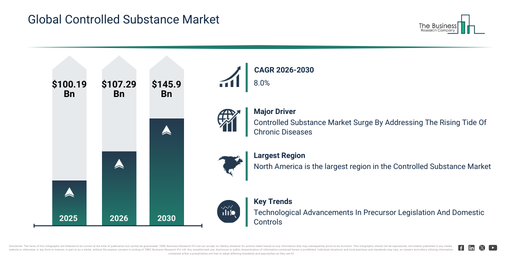
    The controlled substance market has experienced substantial expansion in recent years. This market is projected to expand from $100.19 billion in 2025 to $107.29 billion in 2026, demonstrating a compound annual growth rate (CAGR) of 7.1%. Historically, this growth has stemmed from factors such as stringent government regulations, an increase in chronic diseases, growing opioid prescriptions, progress in drug formulation, and insufficient awareness regarding drug misuse.

    The controlled substance market is projected to experience substantial expansion in the coming years, with its size anticipated to reach $145.9 billion by 2030, demonstrating a compound annual growth rate (CAGR) of 8.0%. This growth during the forecast period is fueled by factors such as the increasing integration of digital monitoring solutions, the proliferation of online pharmacies, the rise of telemedicine services, a surge in investments towards precision medicine, and the ongoing development of non-addictive alternatives. Key developments expected in this period include heightened vigilance in monitoring prescription drug abuse, the advancement of telepharmacy and digital dispensing methods, a greater focus on individualized medication strategies, the broadening scope of controlled substance regulations, and the implementation of intelligent drug tracking systems.

    Get A Free Sample Report With In-Depth Market Insights:

    https://thebusinessresearchcompany.com/sample_request?id=11905794&type=smp&name=Controlled%20Substance%20Market%20Report%202026&utm_source=Blogs&utm_medium=Paid&utm_campaign=Oct_PR

    Controlled Substance Market Growth Momentum: What Factors Are Shaping Demand?

    The rising occurrence of chronic illnesses is anticipated to fuel the expansion of the controlled substance market in the future. A chronic disease is defined as an ailment lasting at least three months, with potential for progression. Controlled substances play a role in the management and treatment of symptoms associated with chronic conditions such as pain, neuropsychiatric disorders, autoimmune diseases, cardiovascular diseases, and inflammatory disorders. An illustration of this trend comes from January 2023 data by the US-based National Library of Medicine, indicating that the population in the US aged 50 and older suffering from at least one chronic condition is projected to rise by 99.5%, reaching 142.66 million by 2050. Consequently, the growing prevalence of chronic illnesses serves as a primary driver for the expansion of the controlled substance market.

    Controlled Substance Market Segment Landscape And Growth Outlook

    The controlled substance market covered in this report is segmented –

    1) By Drug: Opioids, Stimulant, Depressants, Cannabinoids

    2) By Distribution Channel: Hospital Pharmacy, Retail Pharmacy, Online Pharmacy

    3) By Application: Pain Management, Sleep Disorders, Depression And Anxiety, Seizure, Attention Deficit Hyperactivity Disorder (ADHD), Other Applications

    Subsegments:

    1) By Opioids: Natural Opioids, Semi-Synthetic Opioids, Synthetic Opioids

    2) By Stimulants: Amphetamines, Methylphenidate, Cocaine

    3) By Depressants: Benzodiazepines, Barbiturates, Sleep Medications

    4) By Cannabinoids: THC (Tetrahydrocannabinol), CBD (Cannabidiol), Synthetic Cannabinoids

    Controlled Substance Market Trends Redefining Industry Growth

    Major companies operating in the controlled substance market are introducing technologically advanced solutions, such as precursor legislation and domestic controls, to enhance regulatory compliance and improve monitoring capabilities. Precursor legislation and domestic controls refer to the comprehensive framework of national laws, regulations, and tracking measures that govern the production, trade, use, and surveillance of precursor chemicals within a country to prevent their diversion into illicit drug manufacturing. For instance, in May 2024, the International Narcotics Control Board (INCB), an Austria-based independent treaty body, launched two new digital tools to assist authorities in preventing the diversion of controlled precursors and related chemicals. One tool offers an expanded list of chemical relatives of internationally controlled precursors, helping regulators identify substitute chemicals often used to evade current controls. The second tool provides an advanced compendium of national drug precursor legislation and domestic controls, allowing competent authorities to compare regulatory frameworks across countries and assess risks linked to cross-border chemical movements. These innovations illustrate the market’s move toward digitalized, data-driven control mechanisms, following earlier advancements like the INCB’s e-module, and highlight technology’s increasing role in safeguarding the legal supply chain of controlled substances.

    Controlled Substance Market Competitive Landscape: Who Leads The Industry?

    Major companies operating in the controlled substance market are Merck & Co. Inc., Johnson and Johnson Services Inc., GW Pharmaceuticals plc, Alkermes plc, Sun Pharmaceutical Ltd., F. Hoffmann-La Roche Ltd., AbbVie Inc., Pfizer Inc., Novartis AG, GlaxoSmithKline plc, Sanofi S.A., Bristol-Myers Squibb, Eli Lilly and Company, AstraZeneca, Teva Pharmaceutical Industries, Viatris Inc., Boehringer Ingelheim, Gilead Sciences, Amgen, Regeneron Pharmaceuticals, Abbott Laboratories, Mallinckrodt Pharmaceuticals, Endo International, Indivior plc, Ipsen SA, Cambrex Corporation, Catalent, Lonza Group, Orbis Biosciences Inc., Corium Inc.

    View The Full Controlled Substance Market Report:

    https://thebusinessresearchcompany.com/report/controlled-substance-global-market-report?utm_source=Blogs&utm_medium=Paid&utm_campaign=Oct_PR

    Controlled Substance Market Global Footprint: Which Region Leads The Industry?

    North America was the largest region in the controlled substance market in 2025. Asia-Pacific is expected to be the fastest-growing region in the controlled substance market report during the forecast period. The regions covered in the controlled substance market report are Asia-Pacific, South East Asia, Western Europe, Eastern Europe, North America, South America, Middle East, Africa.

    Reach Out To Our Team:

    The Business Research Company: https://www.thebusinessresearchcompany.com/

    Americas: +1 310-496-7795

    Asia: +44 7882 955267 & +91 8897263534

    Europe: +44 7882 955267

    Email us at: marketing@tbrc.info

    Follow us on:

    LinkedIn: https://in.linkedin.com/company/the-business-research-company

    YouTube: https://www.youtube.com/channel/UC24_fI0rV8cR5DxlCpgmyFQ

    Global Market Model: https://www.thebusinessresearchcompany.com/global-market-model