Category: Pharmaceuticals

  • What’s The Growth Forecast For Late Stage Chronic Kidney Disease Drugs Market Through 2024-2033?

    What’s The Growth Forecast For Late Stage Chronic Kidney Disease Drugs Market Through 2024-2033?

    The Business Research Company’s global market reports provide comprehensive analysis on the various markets in 27 industries across 60 geographies.

    Introduction:

    The late-stage chronic kidney disease (CKD) drugs market has witnessed rapid expansion, driven by factors such as advancements in diagnostic capabilities, an aging population, and increased prevalence of predisposing conditions like diabetes and hypertension. This growth trajectory is expected to persist, fueled by rising healthcare expenditure and a shift towards precision medicine approaches.

    Surging Prevalence of Chronic Kidney Diseases Sparks Growth:

    • The prevalence of chronic kidney diseases is on the rise globally, necessitating effective treatment options.
    • Late-stage CKD drugs play a crucial role in managing symptoms, controlling blood pressure, and slowing disease progression.
    • Statistics from the Centers for Disease Control and Prevention highlight the substantial burden of kidney disease, particularly among specific age groups in the US.

    Product Innovation in Late-Stage Chronic Kidney Disease Drug Market:

    • Innovation drives competitiveness in the late-stage CKD drugs market, leading to the development of novel treatment options.
    • Bayer’s launch of Kerendia (finerenone) in India exemplifies advancements in non-steroidal, selective mineralocorticoid receptor antagonists for type two diabetes and chronic renal disease.

    View More On The Late Stage Chronic Kidney Disease Drugs Market Report 2024 – https://www.thebusinessresearchcompany.com/report/late-stage-chronic-kidney-disease-drugs-global-market-report

    AstraZeneca Expands Cardiorenal Pipeline with CinCor Pharma Inc. Acquisition:

    • Strategic acquisitions bolster companies’ capabilities in addressing complex disease conditions.
    • AstraZeneca’s acquisition of CinCor Pharma Inc. enhances its cardiorenal pipeline with baxdrostat (CIN-107), an aldosterone synthase inhibitor for chronic kidney disorders.

    Segmentation of the Late-Stage Chronic Kidney Disease Drugs Market: The market is segmented based on:

    1. Product Type: Calcimimetics, Vitamin D, Sterols, Potassium Binders, Calcium-Based Phosphate Binders.
    2. Indication Type: Late-Stage CKD Induced Hyperparathyroidism, Hyperphosphatemia, Hyperkalemia.
    3. Distribution Channel: Hospital Pharmacies, Online Pharmacies, Retail Pharmacies.

    Regional Insights:

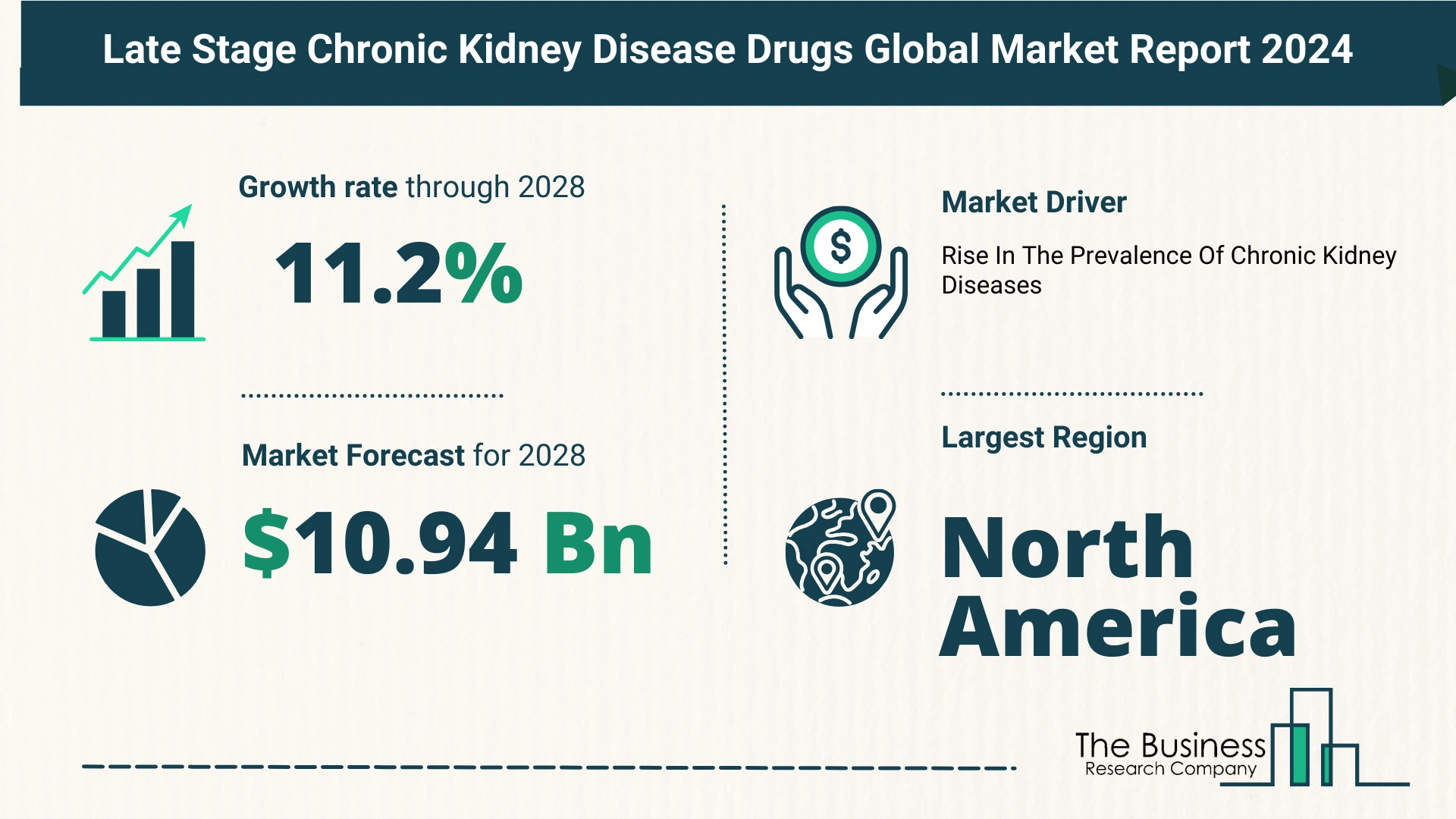
    • North America emerged as the largest region in the late-stage chronic kidney disease drugs market in 2023, driven by advanced healthcare infrastructure.
    • The region’s leadership underscores the importance of effective treatment strategies for managing CKD complications.

    Future Outlook and Trends:

    • The late-stage CKD drugs market is forecasted to reach $10.94 billion by 2028, driven by global initiatives for kidney disease awareness and precision medicine adoption.
    • Major trends include expansion of regenerative medicine therapies, integration of telemedicine services, and emphasis on early intervention strategies.

    Conclusion: The late-stage chronic kidney disease drugs market is witnessing robust growth, propelled by innovation, strategic acquisitions, and a growing understanding of disease mechanisms. With a focus on precision medicine and patient-centered care, stakeholders aim to address the evolving needs of individuals affected by late-stage CKD, offering hope for improved outcomes and quality of life.

    Request A Sample Of The Global Late Stage Chronic Kidney Disease Drugs Market Report 2024:
    https://www.thebusinessresearchcompany.com/sample_request?id=12196&type=smp
  • Comprehensive Analysis On Size, Share, And Drivers Of The Human Papillomavirus (HPV) Vaccine Market

    Comprehensive Analysis On Size, Share, And Drivers Of The Human Papillomavirus (HPV) Vaccine Market

    The Business Research Company’s global market reports provide comprehensive analysis on the various markets in 27 industries across 60 geographies.

    Introduction: The human papillomavirus (HPV) vaccine market has witnessed remarkable growth in recent years, fueled by various factors including initial vaccine development, medical guidelines, government-sponsored campaigns, and enhanced accessibility. This growth trajectory is set to continue in the forecast period, driven by additional factors such as health equity initiatives and pharmaceutical industry investments.

    Rising Prevalence of HPV-Related Diseases Sparks Surge in Market Growth:

    • HPV-related diseases, including cervical cancer, are driving the demand for HPV vaccines.
    • Increased prevalence of HPV-related diseases, as evidenced by statistics from the National Cancer Institute, contributes significantly to market growth.
    • Key players in the HPV vaccine market include Johnson & Johnson Co, Merck & Co Inc., Novartis AG, and others.

    View More On The Human Papillomavirus (HPV) Vaccine Market Report 2024 – https://www.thebusinessresearchcompany.com/report/human-papillomavirus-hpv-vaccine-global-market-report

    Transforming the Landscape of HPV Vaccines With Cervavac by Serum Institute of India:

    • Product innovation is a crucial trend shaping the HPV vaccine market.
    • Serum Institute of India’s launch of Cervavac, the first quadrivalent HPV vaccine developed entirely by Indian scientists, marks a significant milestone.
    • The vaccine aims to provide affordable and accessible protection against cervical cancer for girls aged 9 to 14.

    Biocon Biologics Ltd. and Serum Institute of India Merger:

    • The merger between Biocon Biologics Ltd. and Serum Institute of India promises a strategic alliance for revenue streams and antibody development.
    • This partnership is expected to yield innovative solutions targeting infectious diseases such as Dengue and HIV.

    Segmentation of the HPV Vaccine Market: The HPV vaccine market is segmented based on various factors:

    1. By Type: Tetravalent, Nonavalent, Bivalent
    2. By Disease Indication: Cervical Cancer, Anal Cancer, and others.
    3. By Distribution Channel: Hospital and Retail Pharmacies, Government Suppliers, and others.
    4. By Industry Vertical: Public and Private Alliance, Government Entities, Physicians, and other industries.

    Regional Insights:

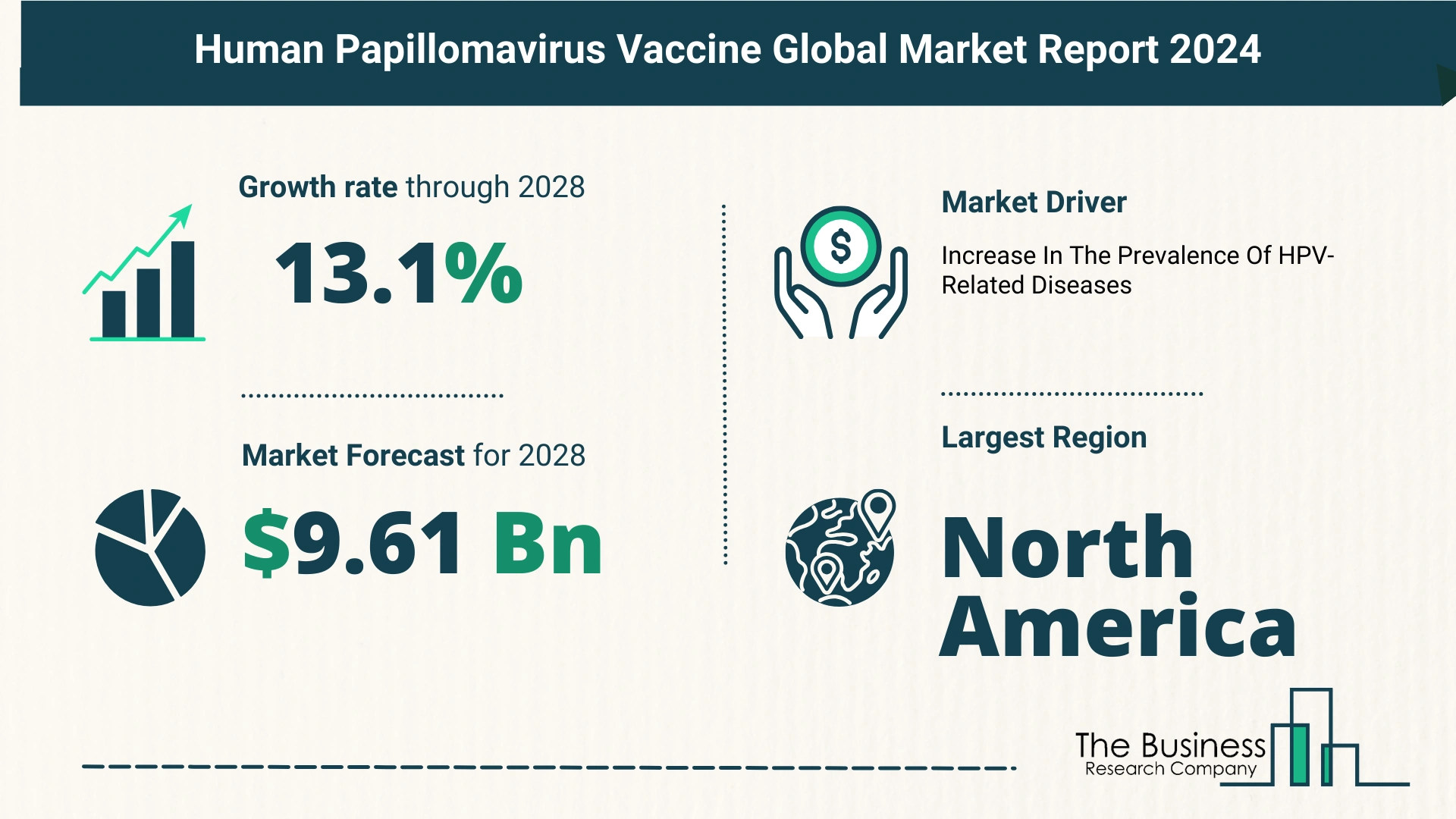
    • North America emerged as the largest region in the HPV vaccine market in 2023.
    • The region’s leadership underscores the importance of vaccination efforts and healthcare infrastructure.

    Future Outlook and Trends:

    • The HPV vaccine market is projected to grow substantially, reaching $9.61 billion by 2028.
    • Major trends in the forecast period include innovation in adjuvant technology, targeted vaccination strategies, and integration with cancer screening programs.
    • Efforts to address health equity and vaccine accessibility will further drive market growth.

    Conclusion: The human papillomavirus (HPV) vaccine market is witnessing unprecedented growth, driven by a combination of factors such as rising disease prevalence, product innovations, and strategic partnerships. With continued advancements and a focus on inclusivity, the market is poised to address significant public health challenges associated with HPV-related diseases.

    Request A Sample Of The Global Human Papillomavirus (HPV) Vaccine Market Report 2024:

    https://www.thebusinessresearchcompany.com/sample_request?id=12040&type=smp

  • Key Insights On The Humira Drug Market 2024 – Size, Driver, And Major Players

    Key Insights On The Humira Drug Market 2024 – Size, Driver, And Major Players

    The Business Research Company’s global market reports are now updated with the latest market sizing information for the year 2024 and forecasted to 2033

    As per The Business Research Company’s Humira Drug Global Market Report 2024, the humira drug market is expected to show significant growth in the forecast period.

    Market Overview

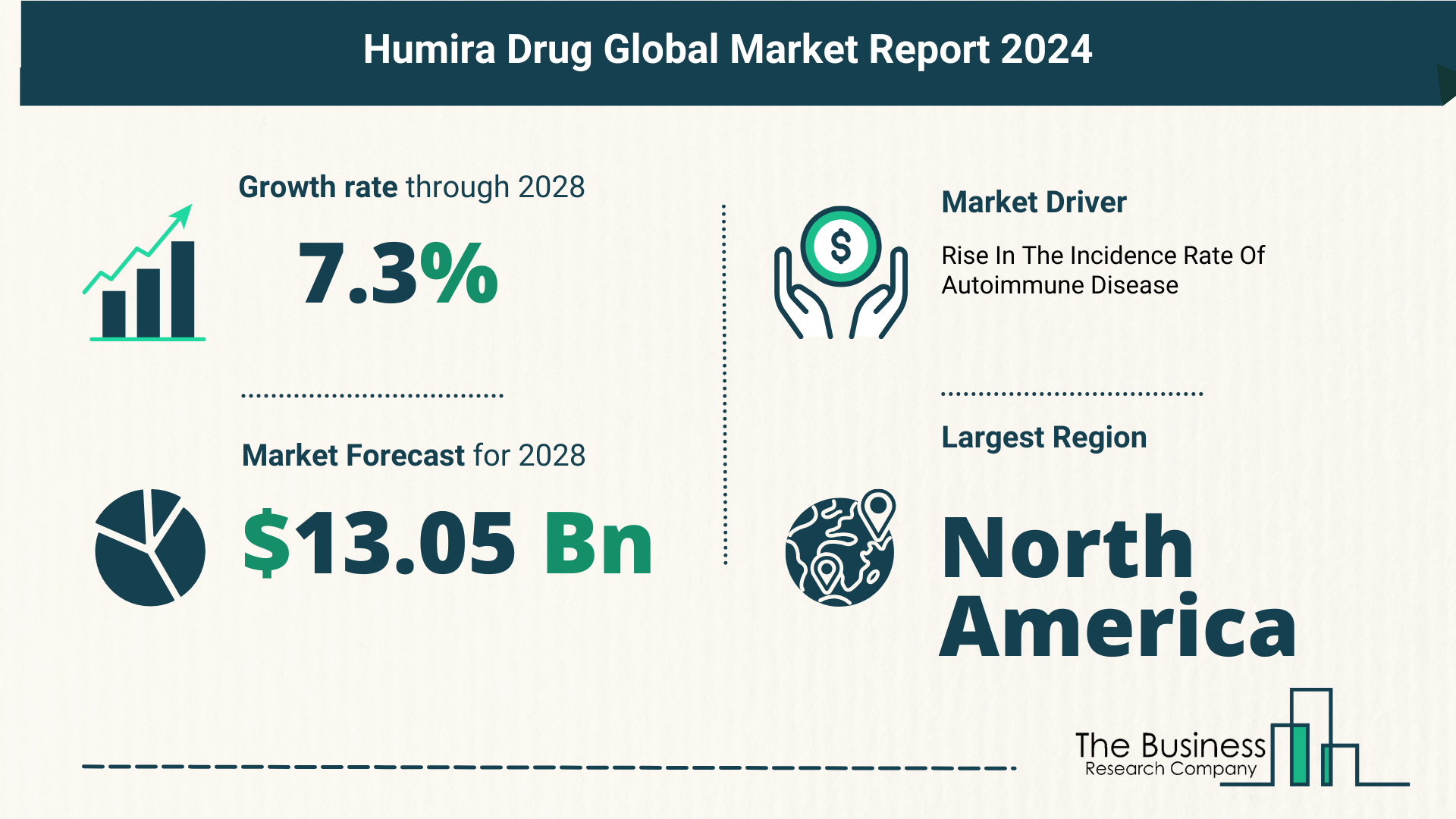
    The Humira drug market has experienced robust growth in recent years, with promising projections for the future. From a valuation of $9.19 billion in 2023, it is set to reach $9.86 billion in 2024, demonstrating a Compound Annual Growth Rate (CAGR) of 7.3%.

    Factors Driving Growth

    • Introduction of biologics
    • Advancements in biotechnology
    • Rising patient demand for effective treatments
    • Physician adoption and prescribing patterns

    Projected Growth

    The market is anticipated to expand further, reaching $13.05 billion by 2028, driven by various factors such as biosimilar market entry, healthcare policy changes, and emphasis on cost-effectiveness.

    View More On The Humira Drug Market Report 2024 – https://www.thebusinessresearchcompany.com/report/humira-drug-global-market-report

    Key Trends Shaping the Future

    • Real-world evidence generation
    • Expanded use in pediatric populations
    • Shift towards self-administered medications
    • Adoption of value-based pricing models
    • Development of targeted therapies

    Growing Incidence of Autoimmune Diseases Fuels Demand for Humira Drug

    The rise in autoimmune diseases is a significant catalyst for the Humira drug market’s growth trajectory. With autoimmune diseases affecting a considerable portion of the population, the demand for effective treatments like Humira continues to surge.

    Key Statistics:

    • 1 in 15 people in the U.S. have an autoimmune disease
    • 1 million people in the U.S. suffer from lupus
    • 4 million have Crohn’s disease or ulcerative colitis

    Market Players

    Major companies such as Pfizer Inc., Merck & Co. Inc., AbbVie Inc., and others are actively contributing to the growth of the Humira drug market. Their research and development efforts play a crucial role in meeting the escalating demand.

    Innovative Formulations Drive Advancements in the Humira Drug Market

    Continuous innovation in product formulations is a key trend observed in the market. Companies are focusing on developing new biologics and biosimilars to enhance patient experience and treatment outcomes.

    Recent Innovations:

    • Introduction of Biosimilar Hyrimoz (adalimumab) by Sandoz
    • Citrate-free high-concentration formulation (HCF) for enhanced patient experience

    Strategic Partnerships for Cost-Effective Solutions

    Collaborations within the industry aim to pioneer cost-effective solutions, making treatment accessible to a wider population. Strategic partnerships, such as the one between CVS Health Corporation and Sandoz Group AG, demonstrate a commitment to driving affordability and accessibility.

    Market Segmentation

    The Humira drug market is segmented based on type, application, and end-users, offering insights into diverse market dynamics and preferences.

    Segmentation:

    1. By Type:
      • Humira Syringe
      • Humira Pen
    2. By Application:
      • Ankylosing Spondylitis
      • Rheumatoid Arthritis
      • Crohn’s Disease
      • Other Applications
    3. By End-Users:
      • Hospitals
      • Specialty Clinics
      • Other End-Users

    Regional Outlook

    While North America remains the largest region for the Humira drug market, Asia Pacific is poised to emerge as the fastest-growing region in the forecast period, reflecting evolving healthcare landscapes and increasing adoption of advanced treatments.

    In conclusion, the Humira drug market exhibits promising growth prospects, fueled by factors such as rising autoimmune diseases, innovative formulations, strategic collaborations, and expanding market segments. As companies continue to invest in research and development and address evolving healthcare needs, the market is poised for sustained expansion, offering hope to patients and stakeholders alike.

    Request A Sample Of The Global Humira Drug Market Report 2024:
    https://www.thebusinessresearchcompany.com/sample_request?id=11934&type=smp

  • What’s The Growth Forecast For Herbal Medicine Market Through 2024-2033?

    What’s The Growth Forecast For Herbal Medicine Market Through 2024-2033?

    The Business Research Company’s global market reports provide comprehensive analysis on the various markets in 27 industries across 60 geographies.

    Introduction: The Rapid Expansion of Herbal Medicine Market

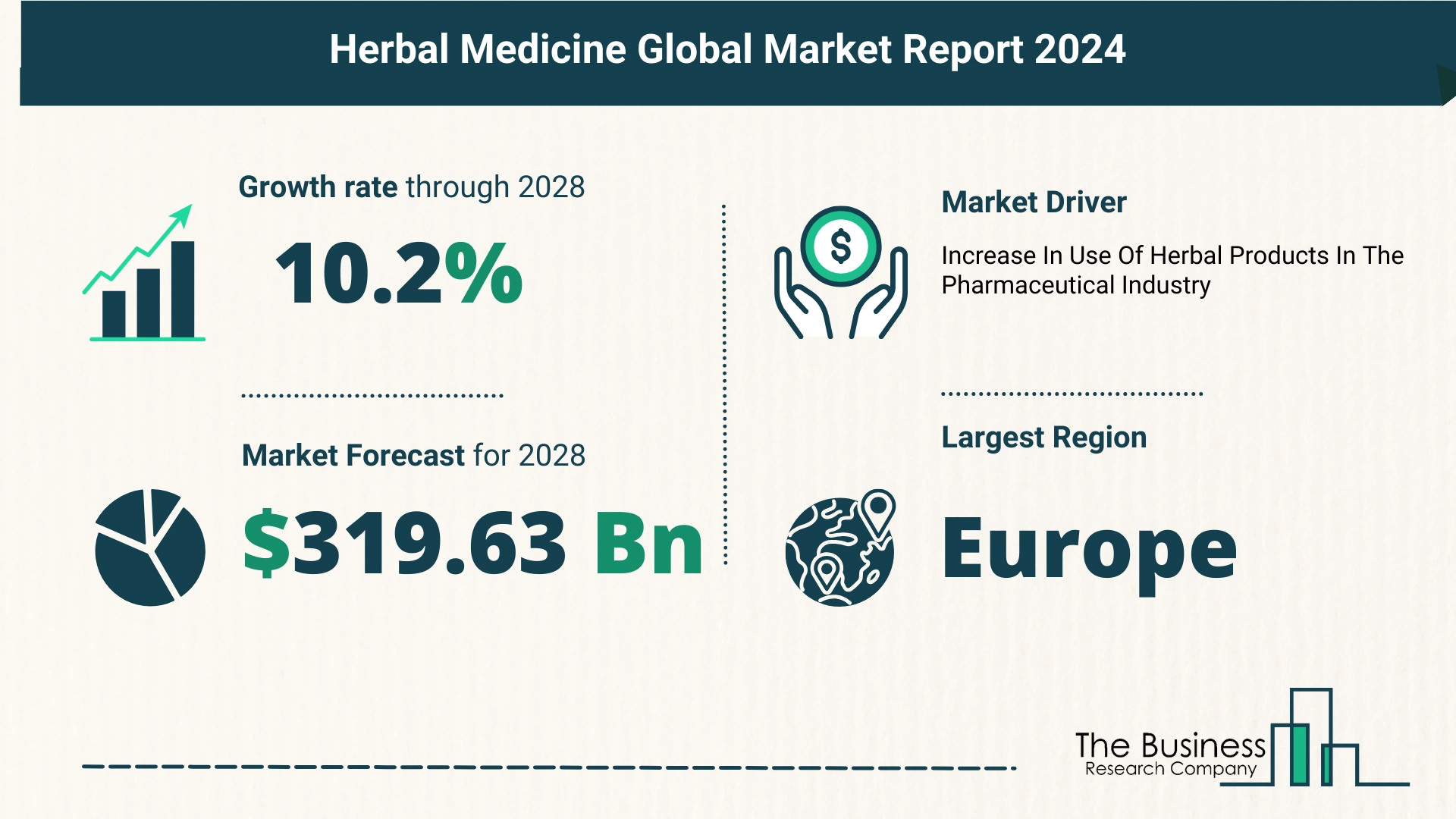
    • Recent growth trends: From $196.83 billion in 2023 to $216.77 billion in 2024.
    • Compound annual growth rate (CAGR) of 10.1%.
    • Factors contributing to historic and forecasted growth: Traditional practices, cultural heritage, holistic approach, and more.

    Factors Driving Growth in Herbal Medicine Market
    Rising Utilization of Herbal Products in the Pharmaceutical Industry Fuels Market

    • Integration of herbal products in pharmaceuticals.
    • Significant market data: $12.350 billion yearly retail sales in the US.
    • Major players shaping the market: Bayer AG, Patanjali Ayurved Ltd., Dabur Ltd., and others.

    View More On The Herbal Medicine Market Report 2024 – https://www.thebusinessresearchcompany.com/report/herbal-medicine-global-market-report

    Innovative Phytocine Line in Herbal Medicine Market

    • Embracing product innovation.
    • Example: BASF SE’s Phytocine line targeting skincare benefits.
    • Importance of natural ingredients and scientific inspiration.

    Dermapharm Holding SE Strengthens Global Presence

    • Acquisition of Apharma TopCo SAS.
    • Expansion into the French market.
    • Focus on herbal medicinal products and supplements.

    Market Segmentation and Regional Insights
    Segmentation of Herbal Medicine Market

    1. By Product: Capsules and Tablets, Powders, Extracts, Syrups, Other Products.
    2. By Category: Herbal Pharmaceuticals, Functional Foods, Dietary Supplements, Beauty Products.
    3. By Distribution Channel: Hospitals, Pharmacies, E-commerce.
    4. By Application: Pharmaceutical, Nutraceutical, Food and Beverages, Personal Care.

    Regional Dynamics

    • Europe: Leading region in 2023.
    • Asia-Pacific: Fastest-growing region in the forecast period.

    Conclusion: Embracing the Future of Herbal Medicine
    The herbal medicine market is witnessing significant growth, fueled by factors such as the rising use of herbal products in pharmaceuticals, innovative advancements, and strategic expansions by key players. As consumers increasingly seek natural and holistic approaches to healthcare, the market is poised for further expansion. With a diverse range of products and applications, coupled with growing demand across regions, herbal medicine presents ample opportunities for businesses and practitioners alike. As the market continues to evolve, collaboration between traditional practices and modern healthcare will play a crucial role in shaping its future trajectory.

    Request A Sample Of The Global Herbal Medicine Market Report 2024:
    https://www.thebusinessresearchcompany.com/sample_request?id=12243&type=smp

  • Gynecological Cancer Drugs Global Market Outlook 2024-2033: Size And Growth Rate Analysis

    Gynecological Cancer Drugs Global Market Outlook 2024-2033: Size And Growth Rate Analysis

    The Business Research Company’s global market reports provide comprehensive analysis on the various markets in 27 industries across 60 geographies.

    The Rising Prevalence of Gynecological Cancer:

    • Gynecological cancer encompasses cancers originating in a woman’s reproductive organs.
    • Drugs play a crucial role in managing the disease, preventing recurrence, and improving patient outcomes.

    Statistics Highlight the Urgency:

    • In 2020, ovarian cancer affected over 313,959 women globally.
    • By 2040, this number is expected to increase to 445,721, signifying a 42% rise.
    • There’s a projected 51% increase in ovarian cancer-related deaths from 207,252 to 313,617 between 2020 and 2040.

    Leading Companies in the Market:

    • Pfizer Inc., Johnson & Johnson, F. Hoffmann-La Roche AG, among others, are key players.
    • These companies contribute significantly to advancements in gynecological cancer drugs.

    View More On The Gynecological Cancer Drugs Market Report 2024 – https://www.thebusinessresearchcompany.com/report/gynecological-cancer-drugs-global-market-report

    Innovative Therapeutics In Gynecological Cancer Drugs Market

    The Trend of Advanced Therapeutics:

    • Innovative therapies are gaining traction within the gynecological cancer drugs market.
    • Major companies are continually introducing groundbreaking treatments to bolster their market presence.

    Example of Recent Innovation:

    • The UK government, via the Scottish Medicines Consortium, introduced a novel combination therapy for ovarian cancer in December 2021.
    • This therapy involves the combined use of Olaparib (Lynparza) and bevacizumab (Avastin) for newly diagnosed women with advanced ovarian cancer.
    • Tumors will undergo HRD testing to determine susceptibility to this combination.

    Amgen’s Strategic Expansion:

    • In April 2021, Amgen Inc. acquired Five Prime Therapeutics for $1.9 billion.
    • This acquisition aims to enhance Amgen’s oncology portfolio, particularly in lung, breast, and ovarian cancer treatments.

    Segmentation of the Gynecological Cancer Drugs Market

    1. By Type:
      • Alkylating Agent
      • Plant Alkaloid
      • Anthracyclines
      • Antitumor Antibiotic
      • Other Types
    2. By Therapeutic Modality:
      • Chemotherapy
      • Targeted Therapy
      • Hormonal Therapy
    3. By Indication:
      • Cervical Cancer
      • Uterine Cancer
      • Ovarian and Fallopian Tube Cancer
      • Vulvar Cancer
      • Vaginal Cancer
    4. By End Users:
      • Hospitals
      • Clinics
      • Specialized Cancer Treatment Centers
      • Other End Users

    North America Leading the Charge in Gynecological Cancer Drugs Market

    Dominance of North America:

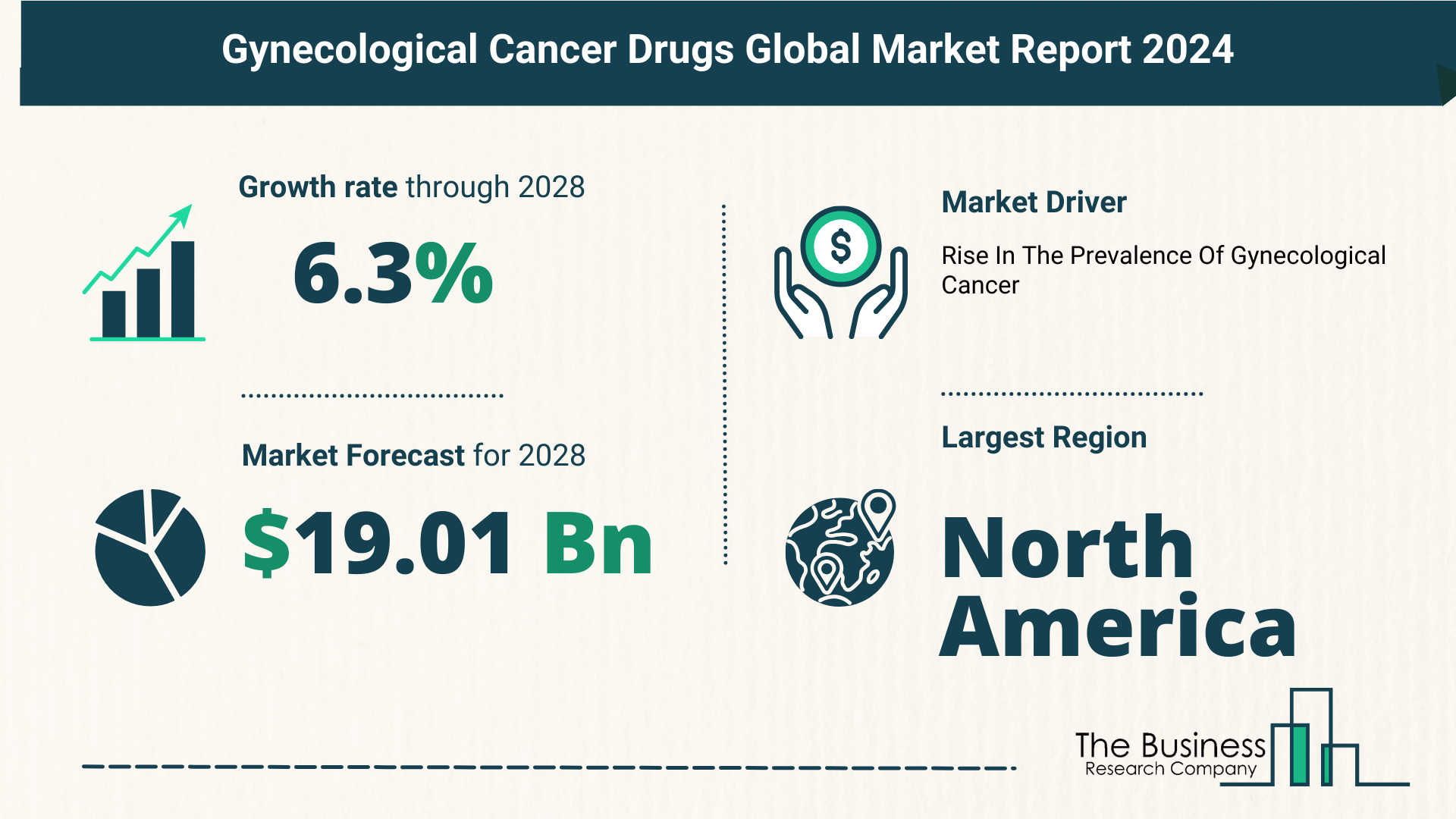
    • North America emerged as the dominant region in the gynecological cancer drugs market in 2023.
    • The region’s robust healthcare infrastructure and technological advancements contribute to its leadership position.

    Conclusion

    The gynecological cancer drugs market is witnessing substantial growth propelled by various factors such as rising prevalence rates, innovative therapies, and strategic acquisitions. As companies continue to invest in research and development, coupled with government support and advancements in diagnostic tools, the market is poised for significant expansion in the coming years. However, addressing health equity and access issues, along with fostering collaborations and partnerships, will be crucial in ensuring comprehensive care for patients affected by gynecological cancers.

    Request A Sample Of The Global Gynecological Cancer Drugs Market Report 2024:
    https://www.thebusinessresearchcompany.com/sample_request?id=12061&type=smp

  • Overview Of The Generic Oncology Drugs Market 2024-2033: Growth And Major Players Analysis

    Overview Of The Generic Oncology Drugs Market 2024-2033: Growth And Major Players Analysis

    The Business Research Company’s global market reports are now updated with the latest market sizing information for the year 2024 and forecasted to 2033

    • Introduction to the Market:
      • Generic oncology drugs market size has grown significantly.
      • Projected growth from $25.64 billion in 2023 to $27.56 billion in 2024.
      • Compound annual growth rate (CAGR) of 7.5%.
    • Factors Driving Growth:
      • Patent expirations.
      • Healthcare cost containment.
      • Increased cancer prevalence.
      • Health insurance coverage.
      • Physician prescribing practices.
    • Expected Growth:
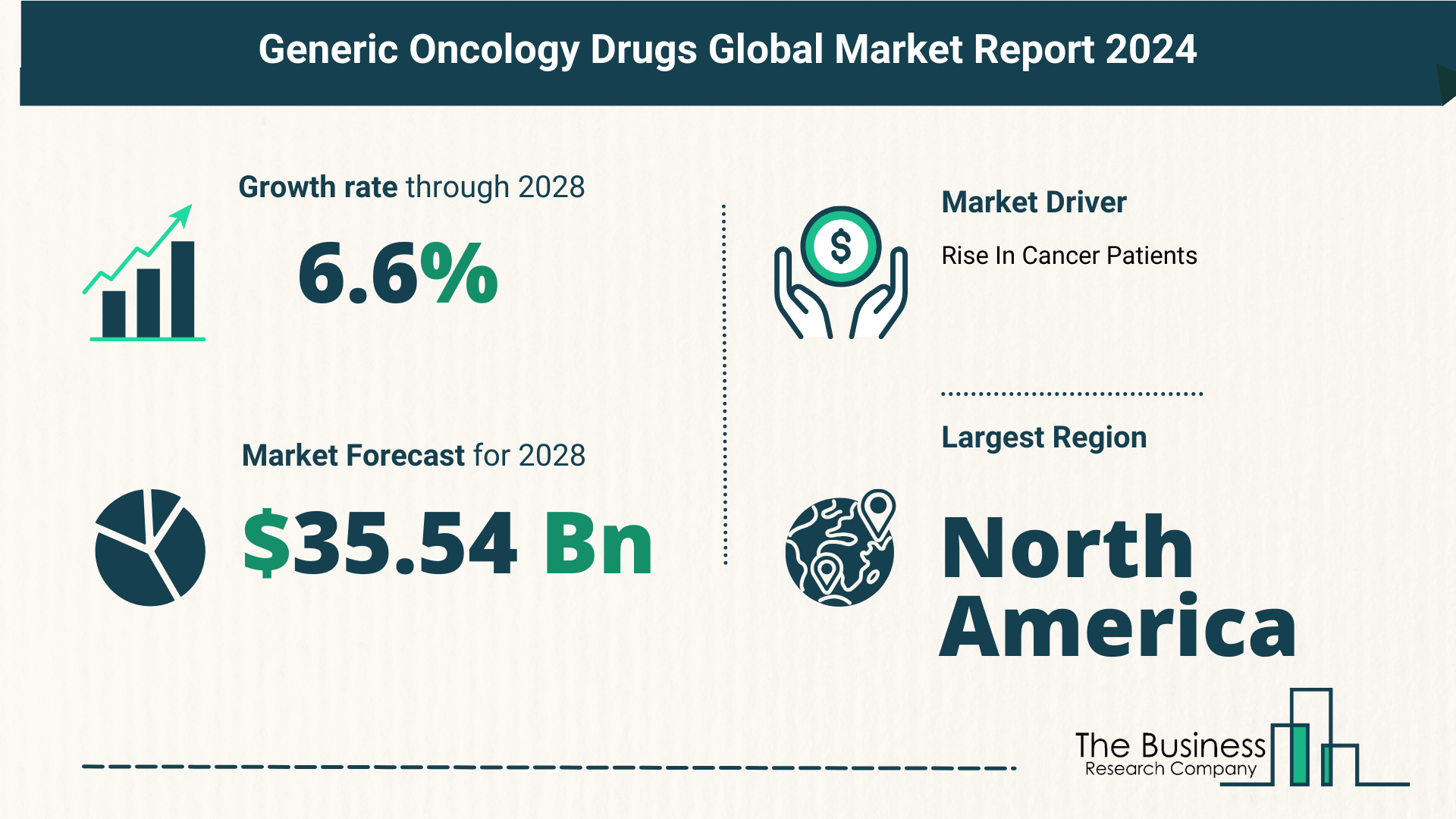
      • Forecasted to reach $35.54 billion in 2028.
      • CAGR of 6.6%.
      • Attributed to biosimilar approvals, increased competition, etc.

    View More On The Generic Oncology Drugs Market Report 2024 – https://www.thebusinessresearchcompany.com/report/generic-oncology-drugs-global-market-report

    Novel Formulations Transforming Generic Oncology Drugs Market

    • Introduction to Trends:
      • Novel formulations gaining popularity.
      • Aimed at improving patient compliance and market sustainability.
    • Case Example:
      • MSN Laboratories launched Palborest, a generic Palbociclib tablets for advanced breast cancer treatment.
      • Advantages over innovator tablet, such as improved bioequivalence and diverse administration options.

    Pfizer Expands Oncology Portfolio With Acquisition Of Seagen Inc.

    • Strategic Acquisition:
      • Pfizer acquired Seagen Inc. for $43 billion in March 2023.
      • Strengthens Pfizer’s position in the oncology market.
      • Enhances and complements existing oncology portfolio.

    Market Segmentation and Regional Analysis

    • Market Segmentation:
      • By Molecule Type: Large Molecule, Small Molecule.
      • By Route of Administration: Oral, Parenteral.
      • By Distribution Channel: Hospital Pharmacy, Retail Pharmacy, Online Pharmacies, Managed Care Institutions.
    • Regional Analysis:
      • North America was the largest region in the generic oncology drugs market in 2023.

    Conclusion

    The generic oncology drugs market is witnessing robust growth, driven by factors like increased cancer prevalence, patent expirations, and healthcare cost containment measures. The introduction of novel formulations and strategic acquisitions by major players like Pfizer further contribute to market expansion. As the market continues to evolve, focusing on innovation and adapting to changing patient needs will be crucial for sustaining growth and addressing the rising demand for affordable and effective cancer treatments.

    Request A Sample Of The Global Generic Oncology Drugs Market Report 2024:
    https://www.thebusinessresearchcompany.com/sample_request?id=12174&type=smp

  • What’s The Growth Forecast For Gastroesophageal Reflux Disease Therapeutics Market Through 2024-2033?

    What’s The Growth Forecast For Gastroesophageal Reflux Disease Therapeutics Market Through 2024-2033?

    The Business Research Company’s global market reports provide comprehensive analysis on the various markets in 27 industries across 60 geographies.

     Understanding the Market Dynamics

    • Steady Growth Trajectory: The gastroesophageal reflux disease therapeutics market has exhibited consistent growth, with its size increasing from $5.78 billion in 2023 to $6 billion in 2024, at a compound annual growth rate (CAGR) of 3.8%.
    • Driving Factors: Changing lifestyles and dietary habits, an aging population, increased awareness and diagnosis, prevailing stressful lifestyles, and a rise in obesity rates have fueled the historic growth of this market.

    Anticipating Future Trends

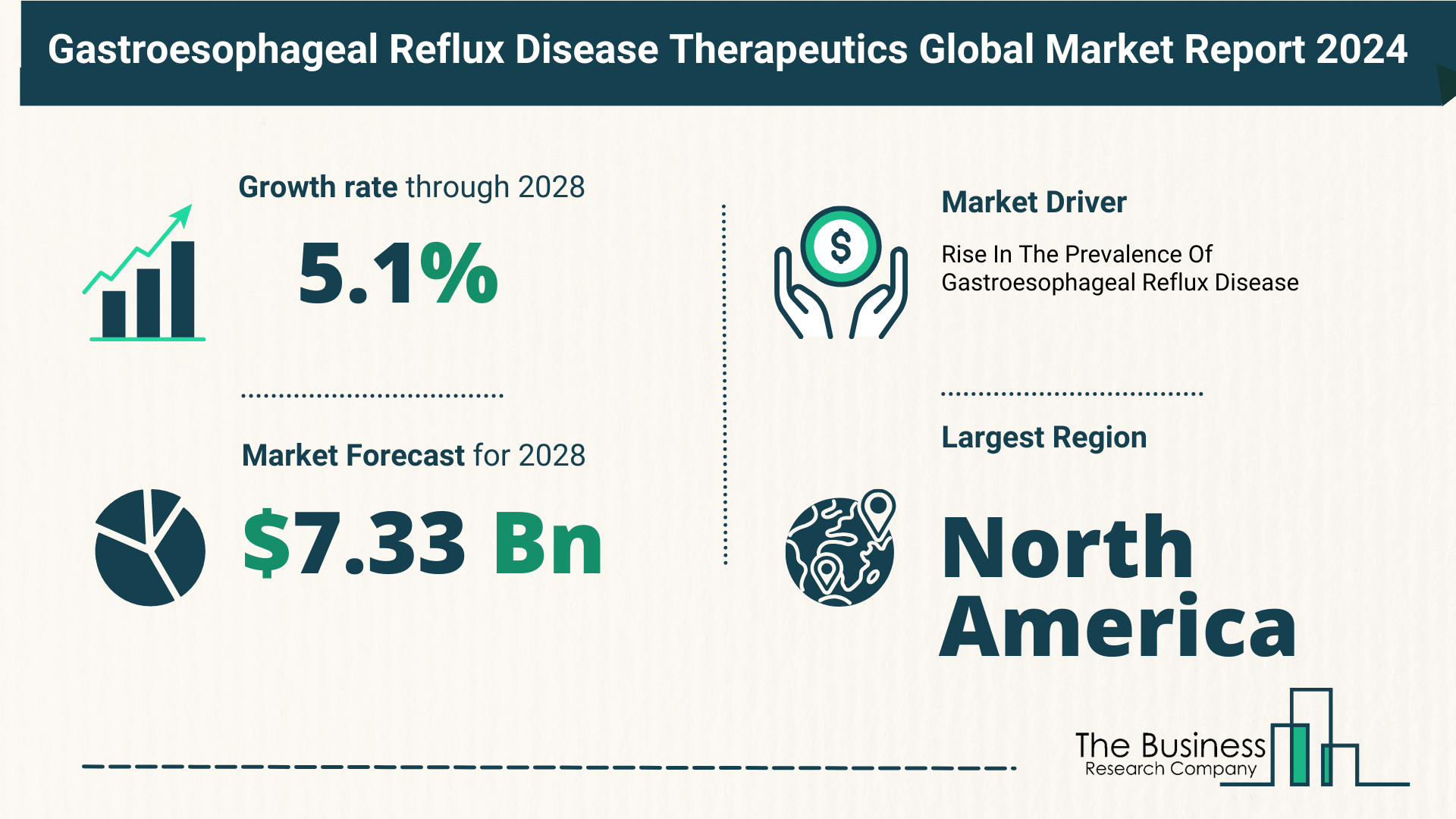
    • Robust Growth Forecasts: The market is expected to witness substantial expansion in the coming years, reaching $7.33 billion by 2028, with a projected CAGR of 5.1%.
    • Key Growth Drivers: Factors contributing to this growth include a surge in demand for novel therapies, a growing geriatric population, personalized medicine approaches, focus on non-pharmacological interventions, and the emergence of biologics and innovative therapies.
    • Emerging Trends: Noteworthy trends in the forecast period include the adoption of alternative therapies and mind-body practices, expanded research into gut health, the advent of patient-centric care models, targeted marketing for GERD awareness, and the integration of digital health tools.

    View More On The Gastroesophageal Reflux Disease Therapeutics Market Report 2024 – https://www.thebusinessresearchcompany.com/report/gastroesophageal-reflux-disease-therapeutics-global-market-report

    Surge In Gastroesophageal Reflux Disease Anticipated To Drive The Growth Of The Gastroesophageal Reflux Disease Therapeutics Market

    Understanding GERD

    • Prevalence: GERD is a chronic condition characterized by the backflow of stomach acid into the esophagus, leading to symptoms such as heartburn, regurgitation, and potential complications.
    • Magnitude of the Issue: Statistics reveal a significant burden of GERD, with more than 60 million American adults experiencing heartburn monthly, and over 15 million facing it daily. It accounts for a 20% prevalence rate in the United States.
    • Market Response: The increasing prevalence of GERD is expected to be a primary driver for the growth of the GERD therapeutics market.

    Innovative Medications To Reshape The Gastroesophageal Reflux Disease Therapeutics Market

    Product Innovations

    • Industry Response: Major players in the market are focusing on product innovations to maintain their market position.
    • Example: Xiromed LLC launched Omeprazole Delayed-Release Capsules in March 2021, providing a generic alternative to Prilosec for treating frequent heartburn associated with GERD.

    Strategic Partnerships

    • Collaborative Efforts: Evonik Industries AG partnered with Phathom Pharmaceuticals in October 2022 to manufacture vonoprazan, an innovative GERD drug, at scale.

    Segmentation Insights and Regional Outlook

    Market Segmentation

    • Type: Segmentation includes branded and generic medications.
    • Drug Class: Categories encompass antacids, proton pump inhibitors, histamine blockers, pro-kinetic agents, and others.
    • Distribution Channel: Channels include hospital pharmacies, drug stores, general stores, and supermarkets.
    • Application: Applications range from Crohn’s disease to GERD and ulcerative colitis.

    Regional Dynamics

    • North America: Led the market in 2023.
    • Asia-Pacific: Expected to witness the fastest growth in the forecast period.

    Conclusion

    The gastroesophageal reflux disease therapeutics market presents a promising landscape for growth, propelled by factors such as changing demographics, increasing awareness, and technological advancements. As the prevalence of GERD continues to rise globally, stakeholders in the healthcare industry are poised to capitalize on emerging opportunities, driving innovation and expanding treatment options for patients. By embracing novel therapies, fostering strategic collaborations, and leveraging evolving market trends, players can navigate the evolving landscape and contribute to the advancement of GERD management worldwide.

    Request A Sample Of The Global Gastroesophageal Reflux Disease Therapeutics Market Report 2024:
    https://www.thebusinessresearchcompany.com/sample_request?id=12058&type=smp

  • Fill-Finish Pharmaceutical Contract Manufacturing Market Growth Analysis Till 2033 By The Business Research Company

    Fill-Finish Pharmaceutical Contract Manufacturing Market Growth Analysis Till 2033 By The Business Research Company

    The Business Research Company’s market reports offer an in-depth analysis on the market’s growth potential, major drivers, key trends and more.

    • Increasing Pharmaceutical Product Demand:
      • Pharmaceutical products crucial for disease prevention, treatment, and diagnosis.
      • Europe’s pharmaceutical production surged to $351 billion in 2021, indicating a rising demand trend.
    • Significance of Fill-Finish Contract Manufacturing:
      • Aseptic filling essential for injectables, biologics, ensuring accuracy, and regulatory compliance.
    • Market Players:
      • Major companies driving the market include AbbVie Inc., Novartis AG, Thermo Fisher Scientific Inc., among others.
    • Market Projection:
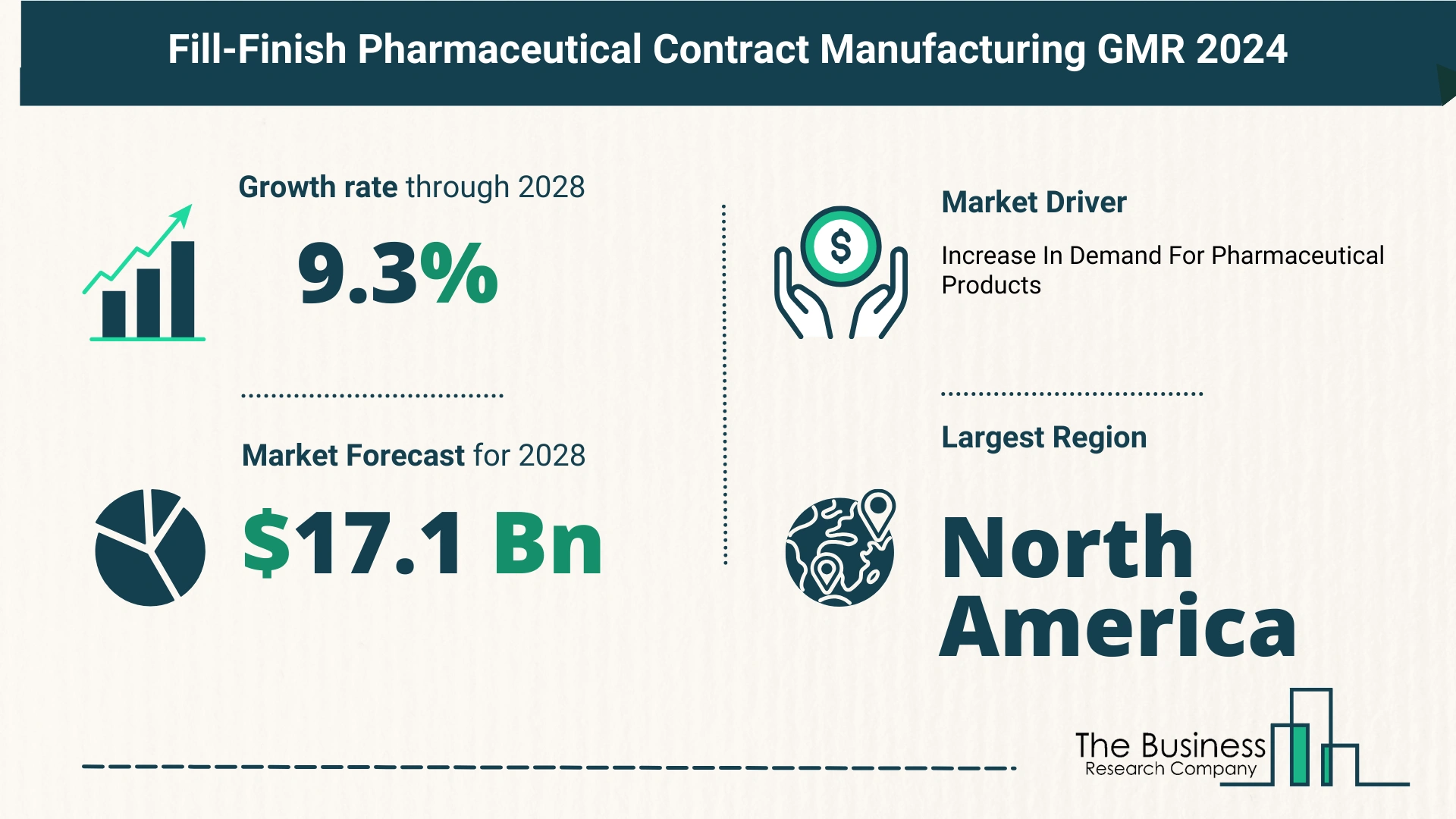
      • Market size to reach $17.1 billion in 2028 at a CAGR of 9.3%.

    Read More On The Fill-Finish Pharmaceutical Contract Manufacturing Market Report 2024 – https://www.thebusinessresearchcompany.com/report/fill-finish-pharmaceutical-contract-manufacturing-global-market-report

    Pioneering Technologies Redefine Fill-Finish Pharmaceutical Contract Manufacturing Market

    • Technological Advancements:
      • Adoption of innovative technologies enhancing product quality and regulatory compliance.
      • Example: Steriline s.r.l.’s robotic technologies for small-batch aseptic filling.
    • Market Impact:
      • Improved safety, flexibility, and operational efficiency.

    PCI Pharma Services Acquisition Of LSNE Shapes Future Of Pharma Services

    • Acquisition Overview:
      • PCI Pharma Services acquired Lyophilization Services of New England Inc. (LSNE) for $1.5 billion in October 2021.
      • Expansion of capabilities in sterile injectables, lyophilization, and specialized formulation development.
    • Strategic Alignment:
      • LSNE’s expertise complements PCI’s integrated solutions for pharmaceutical companies.

    Market Segmentation and Regional Analysis

    • Segmentation:
      • Product Type: Prefilled Syringes, Vials, Cartridges, Other Products.
      • Molecule Type: Large Molecules, Small Molecules.
      • End-User: Biopharmaceutical Companies, Pharmaceutical Companies.
    • Regional Analysis:
      • North America led the market in 2023, with Asia-Pacific expected to witness the fastest growth.

    Conclusion
    The fill-finish pharmaceutical contract manufacturing market is witnessing robust growth driven by increasing demand for pharmaceutical products and technological advancements. Market players are embracing innovation to enhance product quality, comply with regulations, and improve operational efficiency. Strategic acquisitions, like PCI Pharma Services’ acquisition of LSNE, are shaping the future landscape of pharmaceutical services. With segmentation and regional analysis providing insights into market dynamics, it’s evident that the fill-finish pharmaceutical contract manufacturing sector is poised for further expansion in the coming years. As the industry evolves, adaptability and innovation will remain critical for sustaining growth and meeting the evolving needs of pharmaceutical companies worldwide.

    Request for A Sample Of The Global Fill-Finish Pharmaceutical Contract Manufacturing Market Report:
    https://www.thebusinessresearchcompany.com/sample_request?id=12056&type=smp

  • Fibrate Drugs Market Report 2024: Market Size, Drivers, And Trends

    Fibrate Drugs Market Report 2024: Market Size, Drivers, And Trends

    The Business Research Company’s global market reports are now updated with the latest market sizing information for the year 2024 and forecasted to 2033

    The Fibrate Market Landscape:

    • Steady growth in recent years, reaching $3.36 billion in 2023.
    • Expected to grow to $3.53 billion in 2024 at a CAGR of 5.0%.

    Cardiac Diseases: A Driving Factor

    • Scope of Cardiac Diseases: Encompasses coronary heart disease, congenital heart disease, etc.
    • Prevalence: According to CDC, coronary heart disease alone claimed 375,476 lives in 2021.
    • Statistics: In the US, heart disease accounts for 1 in every 5 fatalities, with around 805,000 Americans experiencing a heart attack annually.
    • Impact: Increased incidence driving fibrate drugs market growth.

    Key Players in the Fibrate Drugs Market

    • Pfizer Inc., F. Hoffmann-La Roche AG, Merck & Co Inc., and others are major contributors.
    • Market leaders continuously innovate to maintain their position.

    View More On The Fibrate Drugs Market Report 2024 – https://www.thebusinessresearchcompany.com/report/fibrate-drugs-global-market-report

    Innovations Propel Growth In Fibrate Drugs Market

    • Product Innovations: Companies focus on developing innovative solutions.
    • Example: Lupin Limited launched an authorized generic version of Antara (Fenofibrate) Capsules, enhancing treatment options.

    AstraZeneca’s Strategic Move

    • Acquisition: AstraZeneca PLC acquired CinCor Pharma Inc to strengthen its cardiorenal pipeline.
    • Focus: Acquisition aimed at advancing treatment for cardiorenal illnesses.
    • Product Addition: Baxdrostat, a novel aldosterone synthase inhibitor, enhances AstraZeneca’s portfolio.

    Segmentation of the Fibrate Drugs Market

    • By Drug Type: Clofibrate, Fenofibrates, Fenofibric Acids, Gemfibrozil, and Others.
    • By Indication: Hypercholesterolemia, Heart Attacks, and Others.
    • By Distribution Channel: Hospital Pharmacy, Online Pharmacy, Retail Pharmacy.
    • By End User: Hospitals, Homecare, Specialty Clinics, and Others.

    North America Leads the Market

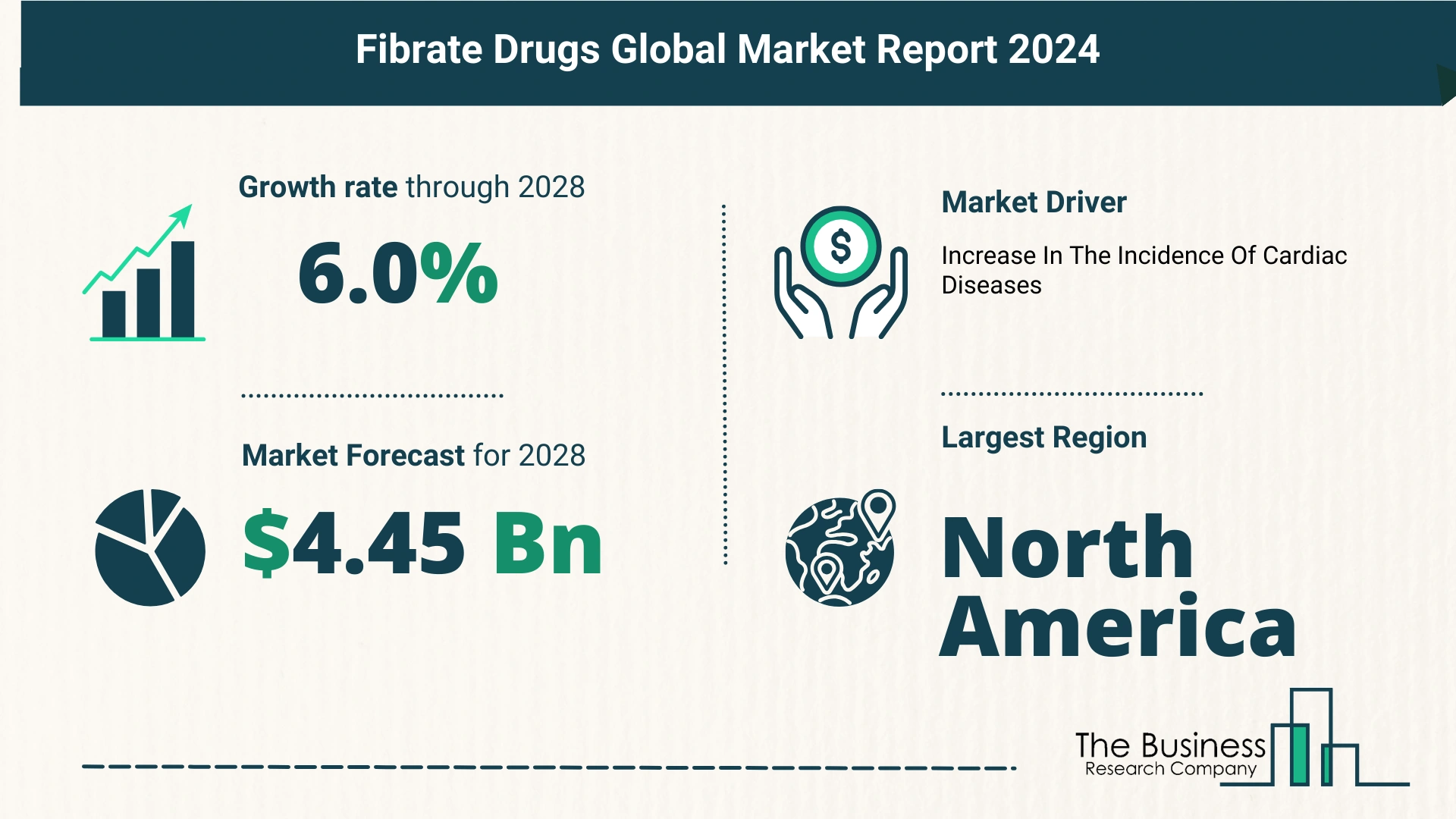
    • Dominant Region: North America was the largest region in the fibrate drugs market in 2023.

    Future Projections

    • Expected Growth: Market to reach $4.45 billion in 2028, at a CAGR of 6.0%.
    • Factors Driving Growth: Evolving treatment guidelines, focus on residual risk, and precision medicine advancements.

    Key Trends in the Forecast Period

    • Alternative Formulations: Advancements in drug delivery methods.
    • Telemedicine Integration: Leveraging technology for enhanced patient care.
    • Targeting Triglyceride Levels: Focus on specific aspects of lipid management.
    • HDL Raising: Emphasizing the importance of raising high-density lipoprotein cholesterol levels.

    Conclusion
    The fibrate drugs market is witnessing steady growth, fueled by the rising incidence of cardiac diseases and continuous innovations by market players. With strategic acquisitions and product developments, companies aim to address the evolving needs of patients. As the market continues to expand, focusing on emerging trends and evolving treatment guidelines will be crucial for sustaining growth and meeting the healthcare demands of the future.

    Request A Sample Of The Global Fibrate Drugs Market Report 2024:
    https://www.thebusinessresearchcompany.com/sample_request?id=11932&type=smp

  • Key Takeaways From The Global Diagnostic Specialty Antibodies Market Forecast 2024

    Key Takeaways From The Global Diagnostic Specialty Antibodies Market Forecast 2024

    The Business Research Company’s global market reports are now updated with the latest market sizing information for the year 2024 and forecasted to 2033

    As per The Business Research Company’s Diagnostic Specialty Antibodies Global Market Report 2024, the diagnostic specialty antibodies market is expected to show significant growth in the forecast period.

    The diagnostic specialty antibodies market has experienced robust growth, attributed to various factors:

    • Advancements in biotechnology
    • Emergence of personalized medicine
    • Increased disease understanding
    • Immunoassay and diagnostic techniques
    • Rise of companion diagnostics

    Current Market Landscape

    In 2023, the market size stood at $28.33 billion, set to reach $29.97 billion in 2024, with a CAGR of 5.8%.

    Projected Growth Ahead

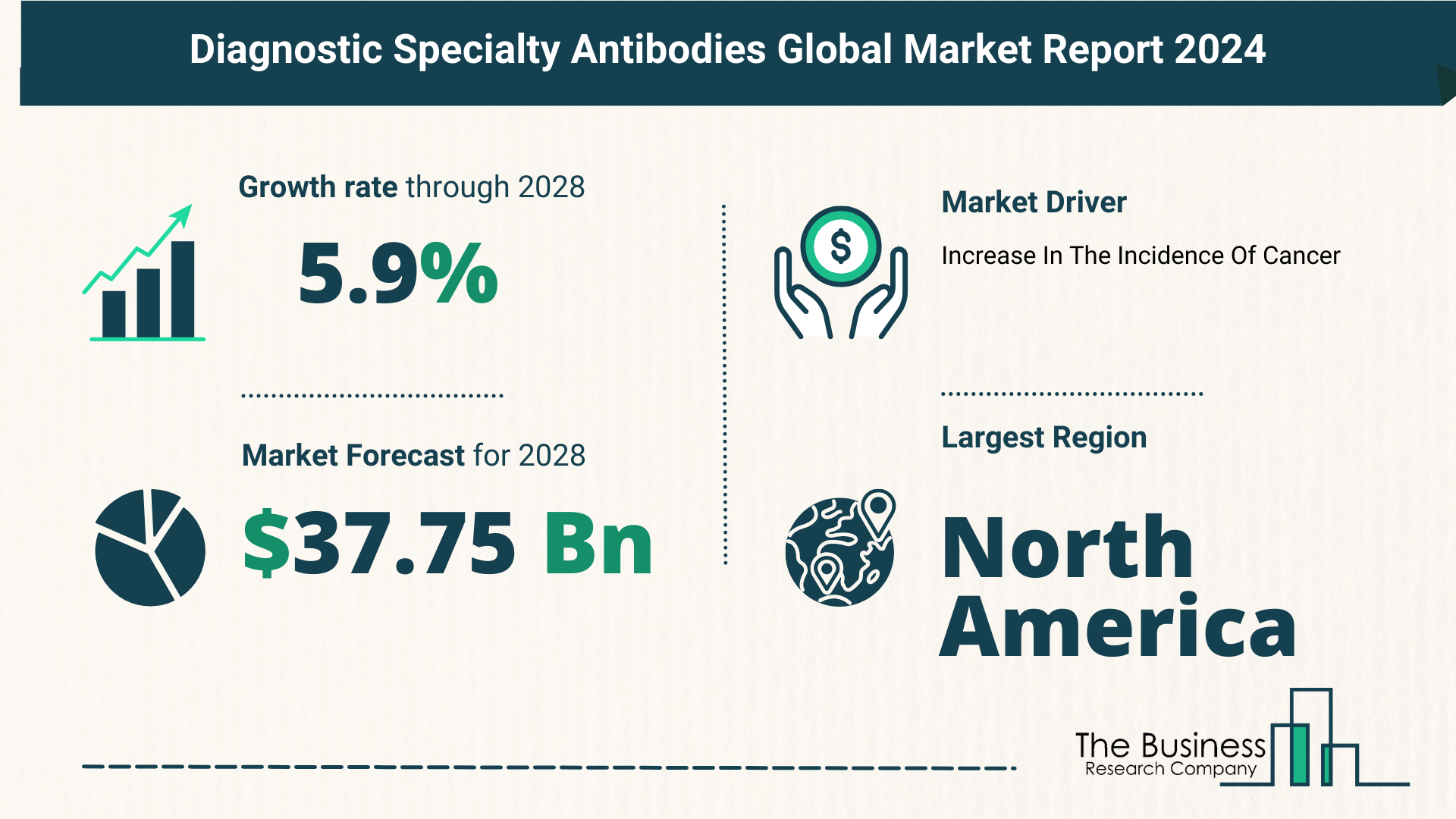
    The forecast for the market shows promising growth, with projections to hit $37.75 billion by 2028, at a CAGR of 5.9%.

    Expanding Patient Pool For HIV Diagnosis Boosts Diagnostic Specialty Antibodies Market

    Driving Factors

    • Increasing HIV diagnoses worldwide
    • Opportunities for specialized antibody-based diagnostic products
    • Early detection and monitoring of HIV infection

    Market Impact

    • Growth of the diagnostic specialty antibodies market
    • Opportunities for manufacturers to develop and supply specialized products

    Industry Insights

    • Notable companies operating in the market
    • Market leaders driving innovation and development

    View More On The Diagnostic Specialty Antibodies Market Report 2024 – https://www.thebusinessresearchcompany.com/report/diabetic-retinopathy-global-market-report

    Product Innovation Drives Growth In The Diagnostic Specialty Antibodies Market

    Innovation at the Forefront

    • Focus on novel products and solutions
    • Strengthening market position through innovation

    Industry Highlights

    • Example of Creative Diagnostics launching 1,000 new targets
    • Versatile monoclonal antibodies catering to various applications
    • Product applications in ELISA, WB, FC, IHC, ICC, IF, and IP

    Sebia Expands Presence In The U.S. Through Acquisition Of Zeus Scientific Inc

    Strategic Move

    • Sebia’s acquisition of Zeus Scientific Inc.
    • Enhancing solutions delivery and strengthening U.S. presence

    Industry Consolidation

    • Sebia’s aim to provide high-value solutions
    • Zeus Scientific Inc.’s specialization in antibody tests for autoimmune and infectious diseases

    Segmentation and Regional Insights

    Market Segments

    • Segmentation by Antibody Type, Application, and End User
    • Diverse applications including Hepatitis, Tuberculosis, Oncology, and more

    Regional Trends

    • North America leading in 2023
    • Asia-Pacific expected to witness the fastest growth

    Conclusion: A Promising Path Ahead

    The diagnostic specialty antibodies market showcases a trajectory of continuous growth, driven by innovation, strategic acquisitions, and expanding applications. With the convergence of technology and healthcare, the market is poised to address evolving healthcare needs, providing tailored solutions and enhancing patient outcomes. As industry players continue to invest in R&D and strategic partnerships, the market’s potential remains vast, promising a future characterized by advancements in diagnostics and personalized medicine.

    Request A Sample Of The Global Diagnostic Specialty Antibodies Market Report 2024:
    https://www.thebusinessresearchcompany.com/sample_request?id=12187&type=smp