Category: Pharmaceuticals

  • What’s The Growth Forecast For Fertility Drugs Market Through 2024-2033?

    What’s The Growth Forecast For Fertility Drugs Market Through 2024-2033?

    The Business Research Company’s global market reports provide comprehensive analysis on the various markets in 27 industries across 60 geographies.

    The landscape of the pharmaceutical industry is constantly evolving, with niche segments like fertility drugs witnessing substantial growth in recent years. The fertility drugs market, valued at $2.63 billion in 2023, is projected to reach $2.73 billion in 2024, demonstrating a commendable compound annual growth rate (CAGR) of 3.7%. The trajectory for the coming years seems promising, with estimations indicating a surge to $3.11 billion by 2028, with a CAGR of 3.3%.

    Driving Forces Behind Market Growth

    • Global Increase In Infertility Rates Fuels Growth Of Fertility Drug Market
      • Infertility rates are on the rise globally, attributed to physiological, hormonal, and lifestyle factors.
      • Fertility drugs play a pivotal role in addressing infertility issues, driving market growth.
      • According to the World Health Organization (WHO), approximately 1 in 6 adults worldwide face infertility challenges.

    View More On The Fertility Drugs Market Report 2024 – https://www.thebusinessresearchcompany.com/report/fertility-drugs-global-market-report

    Major Players and Innovations

    • Advancements In Self-Administration Fertility Solutions Transforming Infertility Treatment
      • Companies are introducing self-administration fertility solutions to enhance patient experience and treatment efficacy.
      • Merck’s Pergoveris Pen exemplifies a convenient and precise treatment option for women with hormone deficiencies.
    • Sumitovant Biopharma’s Acquisition Strengthens Myovant’s Women’s Health Treatment Portfolio
      • Sumitovant’s acquisition of Myovant Sciences bolsters resources and expertise, focusing on women’s health and prostate cancer treatment.

    Market Segmentation
    The fertility drugs market is segmented based on:

    1. Type Of Drug: Prescription Fertility Drugs, Over-The-Counter Fertility drugs
    2. Route of Administration: Oral, Intravenous, Subcutaneous, Intramuscular
    3. Distribution Channel: Hospital Pharmacies, Retail Pharmacies, Online Pharmacies

    Regional Dynamics

    • North America dominated the fertility drugs market in 2023.
    • The Middle East is anticipated to witness the fastest growth in the infertility drugs market during the forecast period.

    Future Outlook and Emerging Trends

    • The fertility drugs market is poised for continued growth, fueled by an aging population, lifestyle factors, and advancements in assisted reproductive technologies (ART).
    • Major trends include innovations in ART, ovulation-inducing medications, and personalized hormone therapy.

    Conclusion
    The fertility drugs market stands at the nexus of medical innovation and societal needs, addressing the challenges of infertility through cutting-edge treatments and pharmaceutical interventions. With a robust growth trajectory and evolving trends, stakeholders in the fertility drugs market are well-positioned to capitalize on emerging opportunities and contribute to enhancing reproductive health globally. As advancements in science and medicine continue to redefine the landscape, the future of fertility treatment holds promise for millions seeking to realize their dreams of parenthood.

    Request A Sample Of The Global Fertility Drugs Market Report 2024:
    https://www.thebusinessresearchcompany.com/sample_request?id=2810&type=smp
  • Growth Trajectory Of The COVID-19 Drug Associated APIs Market 2024-2033

    Growth Trajectory Of The COVID-19 Drug Associated APIs Market 2024-2033

    The Business Research Company’s global market reports are now updated with the latest market sizing information for the year 2024 and forecasted to 2033

    Understanding the Market Growth

    • The COVID-19 drug-associated APIs market has witnessed substantial growth in recent years, rising from $6.37 billion in 2023 to $6.75 billion in 2024, with a compound annual growth rate (CAGR) of 5.9%.
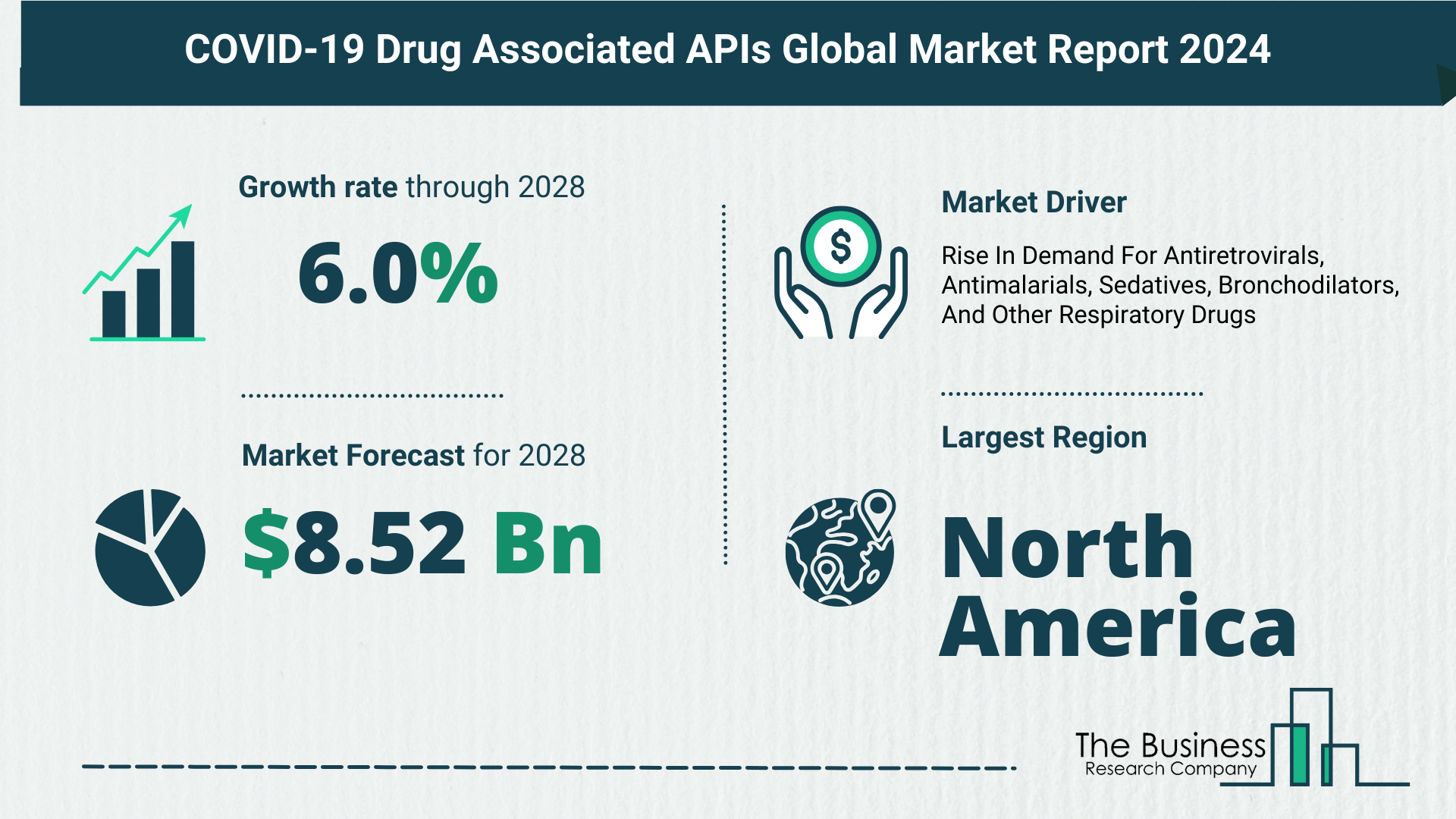
    • Projections indicate further expansion, with expectations to reach $8.52 billion by 2028, growing at a CAGR of 6.0%.

    Drivers of Market Growth

    1. Rising Prevalence of COVID-19
    • The increasing prevalence of COVID-19 has propelled the demand for associated drugs and APIs.
    • Growing awareness about treatment options and expanding access to medications have fueled market growth.
    1. Demand for Prophylactic Drugs
    • The demand for drugs used in COVID-19 prophylaxis has surged, contributing to market expansion.
    • Government initiatives and supply chain resilience have further stimulated market growth.

    Elevating Demand for Active Pharmaceutical Ingredients (APIs)

    • Antivirals, antimalarials, and respiratory medications are driving the demand for APIs in the COVID-19 drug market.
    • Remdesivir, Favipiravir, and bronchodilators like albuterol and budesonide are among the commonly used medications.
    • Major companies like Dr. Reddy’s Laboratories Ltd., Lupin Limited, and Cipla Limited play pivotal roles in the market.

    View More On The COVID-19 Drug Associated APIs Market Report 2024 – https://www.thebusinessresearchcompany.com/report/covid19-drug-associated-api-global-market-report

    Pharmaceutical Industry’s Strategic Expansions

    • Key players are strategically expanding API production capacities to meet the rising demand for COVID-19 drugs.
    • Merck & Co., Inc. has partnered with India’s Heavy Water Board to tap into the deuterated raw compound industry.
    • Sterling Pharma Solutions acquired an API manufacturing facility from Novartis to bolster its capabilities.

    Market Segmentation and Regional Insights

    • The COVID-19 drug-associated APIs market is segmented by drug class, synthesis type, and business mode.
    • North America dominated the market in 2023, while the Middle East is expected to witness significant growth during the forecast period.

    Embracing Future Trends

    • Customized API production, diversification of API sources, and advanced manufacturing technologies are key trends.
    • Digitalization, data analytics, and sustainability initiatives are shaping the future of the market.

    Conclusion

    The COVID-19 drug-associated APIs market stands at the intersection of healthcare, innovation, and global response to the pandemic. With the continued development of new drug modalities, expanding clinical trials, and emphasis on vaccination campaigns, the market is poised for significant growth.

    In conclusion, as the world navigates through the challenges of the COVID-19 pandemic, the pharmaceutical industry plays a crucial role in providing effective treatments and preventive measures. Through strategic expansions, innovations, and collaborative efforts, the industry strives to meet the evolving demands and ensure global health security.

    As we look ahead, the resilience and adaptability of the pharmaceutical sector will continue to drive advancements in drug development, manufacturing, and distribution, ultimately contributing to a safer and healthier world.

    Request A Sample Of The Global COVID-19 Drug Associated APIs Market Report 2024:

    https://www.thebusinessresearchcompany.com/sample_request?id=3248&type=smp

  • Key Insights On The Conjugated Monoclonal Antibodies Market 2024 – Size, Driver, And Major Players

    Key Insights On The Conjugated Monoclonal Antibodies Market 2024 – Size, Driver, And Major Players

    The Business Research Company’s global market reports are now updated with the latest market sizing information for the year 2024 and forecasted to 2033

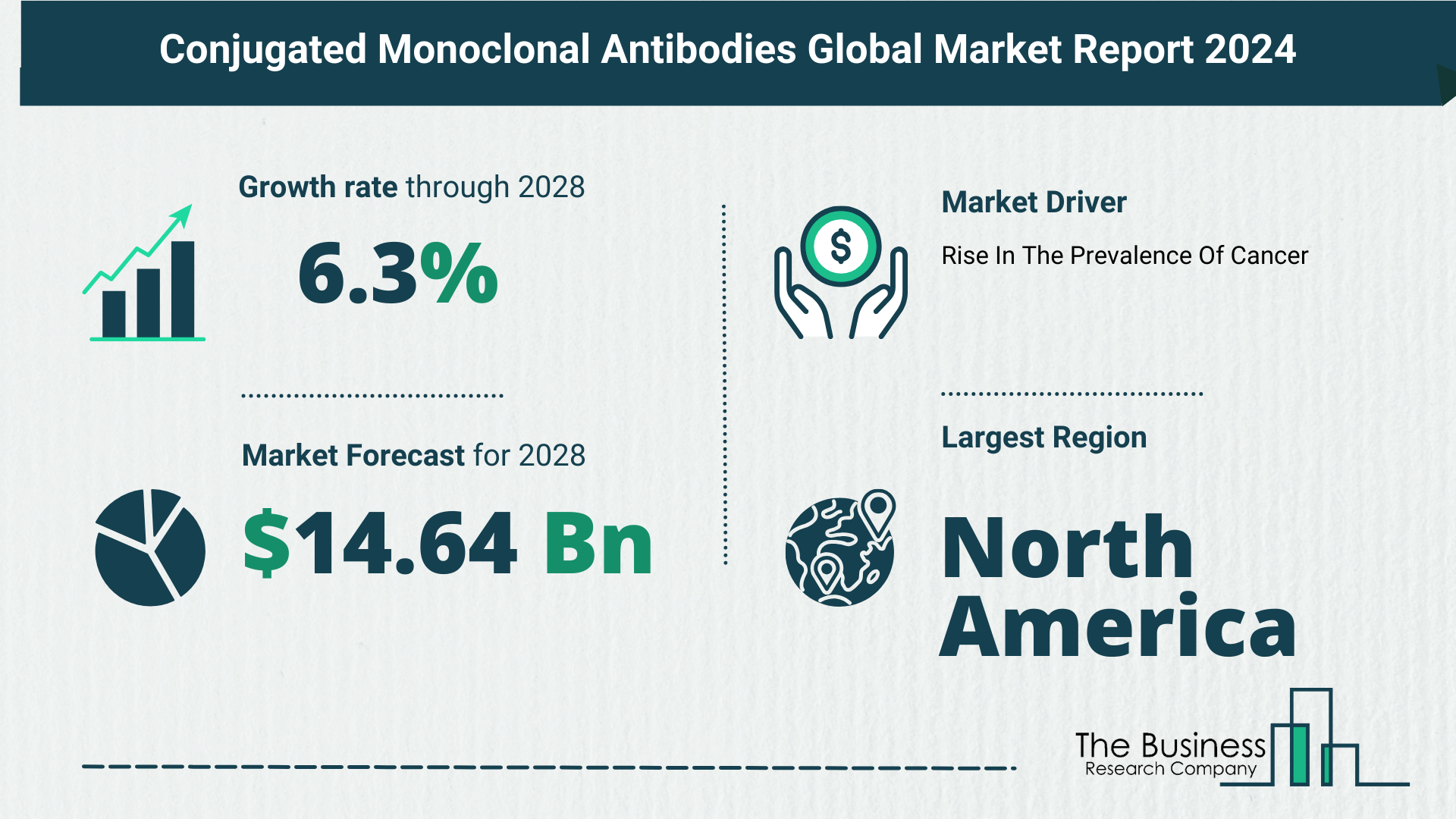
    As per The Business Research Company’s Conjugated Monoclonal Antibodies Global Market Report 2024, the conjugated monoclonal antibodies market is expected to show significant growth in the forecast period.

    The conjugated monoclonal antibodies market has witnessed robust growth in recent years, fueled by advancements in therapeutic approaches and strategic collaborations. Understanding the driving forces behind this expansion sheds light on the evolving landscape of cancer treatment and drug delivery.

    Rising Popularity And Therapeutic Potential Of Conjugated Monoclonal Antibodies Driving Market Growth

    • Conjugated monoclonal antibodies, particularly antibody-drug conjugates (ADCs), exhibit promising therapeutic potential, especially in cancer treatment.
    • FDA approvals for ADCs have surged in recent years, reflecting increased adoption and efficacy in targeting antigen-expressing tumor cells.
    • Major players in the market include Pfizer Inc., F. Hoffmann-La Roche AG, Bristol-Myers Squibb, and others, emphasizing the industry’s commitment to innovation and patient care.

    Strategic Partnerships Driving Innovation In Conjugated Monoclonal Antibodies

    • Companies in the conjugated monoclonal antibodies market are embracing strategic partnerships to enhance their capabilities and develop comprehensive solutions.
    • Collaborations like the one between BeiGene Ltd. and Duality Biologics facilitate the development and commercialization of novel ADC therapies for solid tumors.
    • Such partnerships leverage the strengths and resources of each entity to accelerate the pace of innovation and address unmet medical needs effectively.

    View More On The Conjugated Monoclonal Antibodies Market Report 2024 – https://www.thebusinessresearchcompany.com/report/conjugated-monoclonal-antibodie-global-market-report

    Lonza Group Ag Expands ADC Capabilities With Acquisition Of Synaffix BV

    • Lonza Group AG’s acquisition of Synaffix BV underscores the industry’s focus on expanding ADC capabilities and portfolios.
    • Synaffix BV’s expertise in developing ADC candidates complements Lonza’s manufacturing capabilities, fostering innovation and pipeline expansion.
    • The acquisition positions Lonza Group AG as a key player in the evolving landscape of conjugated monoclonal antibodies, enhancing its competitiveness and market reach.

    Market Segmentation and Growth Projections

    • The conjugated monoclonal antibodies market is segmented based on drugs, technology, and application areas, catering to diverse therapeutic needs.
    • Drugs like Adcetris and Kadcyla, along with technologies such as cleavable and non-cleavable linkers, offer tailored treatment options.
    • Applications span blood cancer, breast cancer, ovarian cancer, lung cancer, brain tumors, and other disease indications, reflecting the versatility of conjugated monoclonal antibodies.
    • North America led the market in 2023, with the Middle East projected to emerge as the fastest-growing region during the forecast period.

    Conclusion
    The conjugated monoclonal antibodies market exemplifies the convergence of innovation, strategic partnerships, and patient-centric care. As the demand for targeted and efficacious cancer therapies continues to rise, the market is poised for sustained growth and evolution. Through collaborative efforts, technological advancements, and a relentless pursuit of excellence, stakeholders in the conjugated monoclonal antibodies market are driving transformative changes in cancer treatment paradigms. With a focus on addressing unmet medical needs and improving patient outcomes, the industry is charting a path towards a future where precision medicine and personalized therapies redefine the standard of care for patients worldwide.

    Request A Sample Of The Global Conjugated Monoclonal Antibodies Market Report 2024:
    https://www.thebusinessresearchcompany.com/sample_request?id=3424&type=smp

  • What’s The Growth Forecast For Clinical Nutrition Market Through 2024-2033?

    What’s The Growth Forecast For Clinical Nutrition Market Through 2024-2033?

    The Business Research Company’s global market reports provide comprehensive analysis on the various markets in 27 industries across 60 geographies.

     The clinical nutrition market has witnessed robust growth in recent years, driven by various factors and propelled by significant investments. Here’s a closer look at the market trends, growth projections, and key players shaping this dynamic industry.

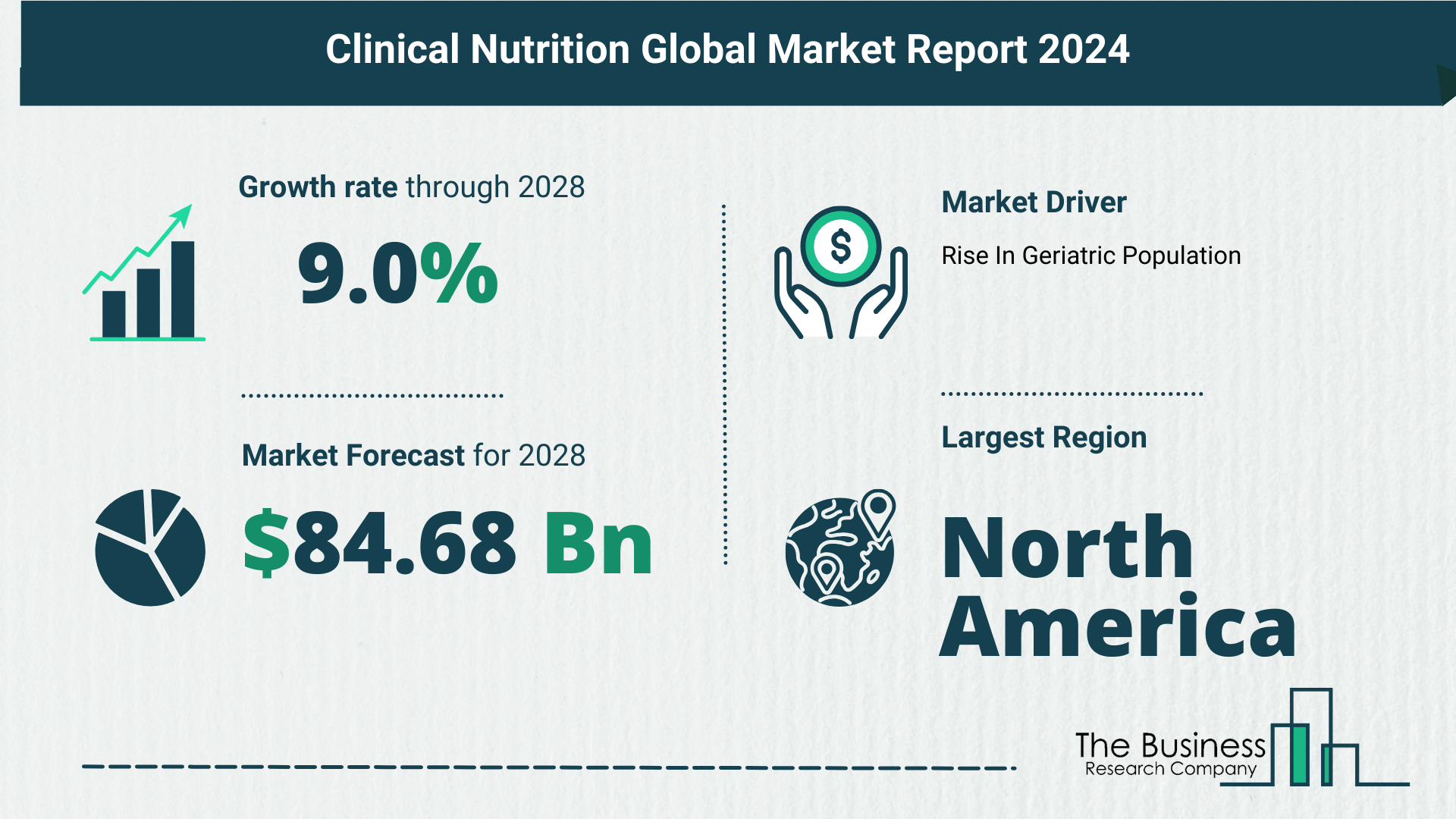
    Rising Geriatric Population Boosts Growth Of The Clinical Nutrition Market

    The aging population worldwide plays a pivotal role in fueling the expansion of the clinical nutrition market. With specific nutritional needs and health conditions, the elderly present a significant demographic influencing market growth. By 2030, one in six people globally is projected to be 60 or older, while the number of those aged 80 and above will soar by 426 million between 2020 and 2050.

    • Geriatric nutrition needs are influenced by health conditions, activity levels, and dietary preferences.
    • Specialized diets and multiple medications pose challenges in elderly nutrition management.
    • The demographic shift towards an aging population is a key driver of clinical nutrition market growth.

    TechVantage: Transforming Clinical Nutrition With Innovative Functional Nutrient Solutions

    Innovation continues to reshape the clinical nutrition landscape, with companies like TechVantage leading the charge. TechVantage offers functionally optimized nutrient technology, catering to specific health needs such as immune support and cognitive enhancement. This platform underscores the industry’s commitment to providing tailored nutritional solutions.

    • TechVantage leverages advanced technology to develop optimized nutrient solutions.
    • Functional foods and beverages are gaining traction in response to evolving consumer preferences.
    • Glanbia Nutritionals Inc.’s launch of TechVantage highlights the industry’s focus on innovation and differentiation.

    View More On The Clinical Nutrition Market Report 2024 – https://www.thebusinessresearchcompany.com/report/clinical-nutritions-global-market-report

    Nutrisens Expands Global Footprint And Product Portfolio With Acquisition Of Glutamine
    Strategic acquisitions play a vital role in expanding market reach and enhancing product offerings. Nutrisens’ acquisition of Glutamine exemplifies efforts to bolster market presence and diversify product portfolios. With Glutamine’s clinical nutritional supplements, Nutrisens aims to fortify its position in the global market.

    • Nutrisens’ acquisition strategy aims to strengthen its competitive edge and market share.
    • Geographic expansion and product diversification drive strategic acquisitions in the clinical nutrition sector.
    • Glutamine’s clinical nutritional supplements complement Nutrisens’ existing offerings, fostering growth opportunities.

    Segmentation and Regional Dynamics
    Understanding market segmentation provides insights into key product categories, applications, and regional trends. The clinical nutrition market encompasses various product segments, including infant nutrition, parental nutrition, and enteral nutrition. Moreover, regional dynamics, with North America leading in market share, underscore the importance of regional considerations in market analysis.

    • Market segmentation enables targeted strategies and product development initiatives.
    • The clinical nutrition market spans diverse applications, including cancer and neurological diseases.
    • Regional variations in market size and growth rates highlight distinct market dynamics and opportunities.

    Charting the Future of Clinical Nutrition
    As the clinical nutrition market continues to evolve, several trends are poised to shape its trajectory in the coming years. From digital health and telehealth solutions to the rising demand for functional foods and nutraceuticals, the industry is witnessing unprecedented innovation and consumer-driven shifts.

    • Personalized nutrition and nutrigenomics herald a new era of tailored dietary interventions.
    • Plant-based and sustainable nutrition gain prominence amid growing environmental concerns.
    • Mental health nutrition emerges as a critical focus area, reflecting evolving health priorities.

    Conclusion: Navigating Opportunities in the Clinical Nutrition Market
    The clinical nutrition market presents a dynamic landscape characterized by innovation, demographic shifts, and evolving consumer preferences. With robust growth projections and emerging trends, stakeholders must stay attuned to market dynamics and capitalize on opportunities for strategic growth and differentiation. As the industry continues to evolve, collaboration, innovation, and a deep understanding of consumer needs will remain paramount in driving sustained success in the clinical nutrition sector.

    Request A Sample Of The Global Clinical Nutrition Market Report 2024:
    https://www.thebusinessresearchcompany.com/sample_request?id=3465&type=smp

  • 5 Takeaways From The Checkpoint Inhibitors Market Overview 2024

    5 Takeaways From The Checkpoint Inhibitors Market Overview 2024

    The Business Research Company’s global market reports are now updated with the latest market sizing information for the year 2024 and forecasted to 2033

    According to The Business Research Company’s Checkpoint Inhibitors Global Market Report 2024, the checkpoint inhibitors market is expected to show promising growth in the forecast period.

    Rapid Growth Trajectory: Checkpoint Inhibitors Market Overview

    • The checkpoint inhibitors market size has grown rapidly in recent years.
    • Expected to reach $37.88 billion in 2024 with a CAGR of 16.9%.
    • Factors driving growth: rising cancer incidence, awareness, R&D, clinical trials.

    Projected Expansion: Forecast for the Checkpoint Inhibitors Market

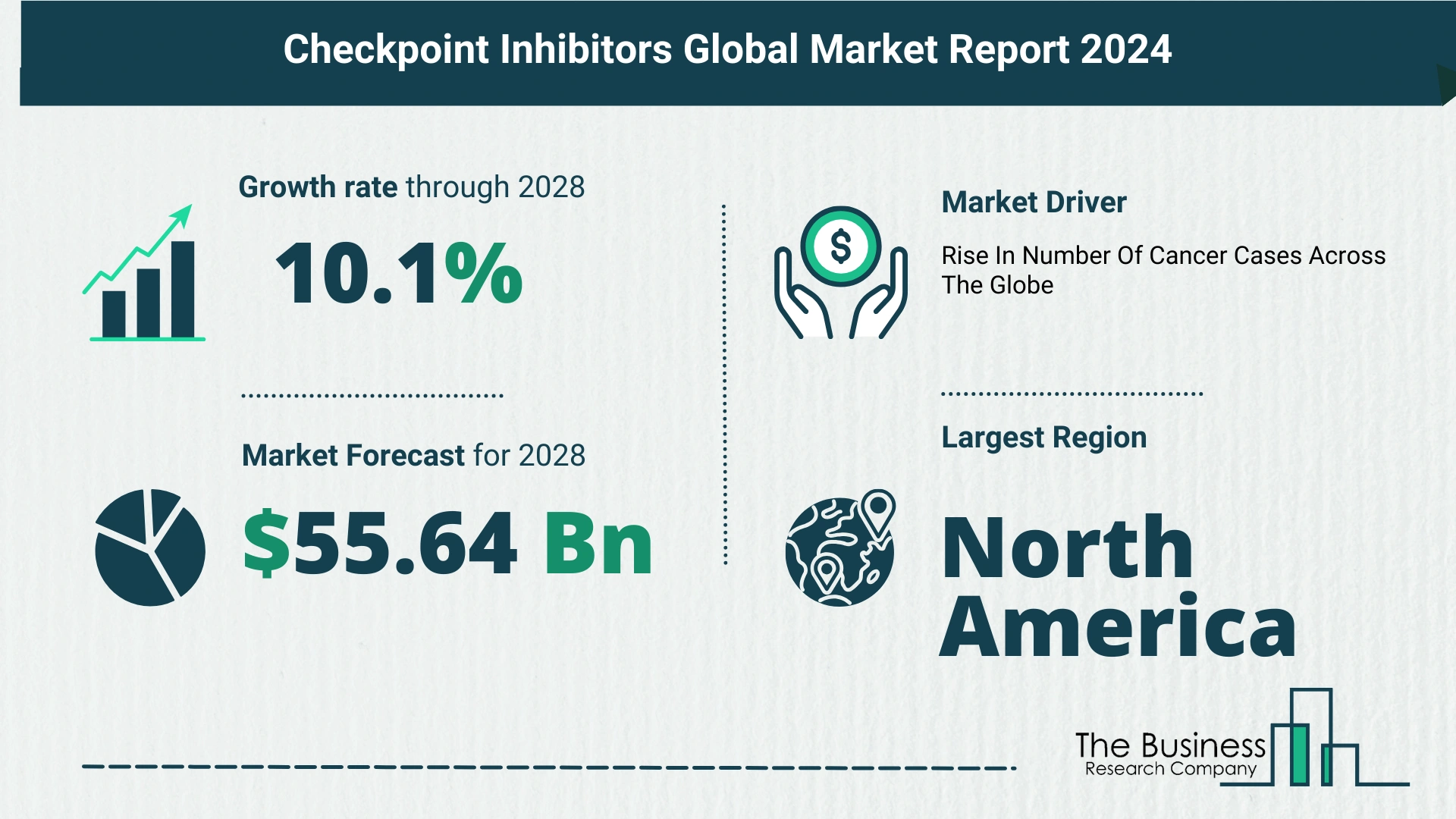
    • Anticipated growth to $55.64 billion by 2028 with a CAGR of 10.1%.
    • Expansion driven by indications, biomarker discovery, personalized medicine.
    • Trends include precision immunotherapy, combination therapies, and biosimilars.

    Global Rise In Cancer Cases Fuels Growth Prospects For Checkpoint Inhibitors Market

    • Increased cancer diagnoses and deaths, especially in the US.
    • Major cancers include lung, prostate, bowel, and breast cancer.
    • Checkpoint inhibitors crucial for cancer therapy.
    • Notable companies driving the market’s growth include AstraZeneca, Merck, and Roche.

    View More On The Checkpoint Inhibitors Market Report 2024 – https://www.thebusinessresearchcompany.com/report/checkpoint-inhibitor-global-market-report

    Keytruda (Pembrolizumab) Pioneering Immunotherapy In The Checkpoint Inhibitors Market

    • Keytruda by Merck & Co. Inc. offers effective cancer treatment.
    • Received FDA approval for microsatellite instability-high (MSI-H) or mismatch repair deficient (dMMR) advanced endometrial carcinoma.
    • Works by blocking checkpoint proteins, enabling the immune system to attack cancer cells.
    • Can be used alone or in combination with other treatments.

    Pfizer’s Strategic Acquisition Of Trillium Therapeutics Inc. Expanding Horizons In Oncology

    • Pfizer acquired Trillium Therapeutics Inc. for $2.22 billion in November 2021.
    • Aims to strengthen oncology portfolio with next-gen immunotherapeutics.
    • Access to Trillium’s two lead molecules enhances Pfizer’s position in cancer treatment.

    Segmentation Insights: Understanding the Checkpoint Inhibitors Market

    • Segmented by drug type: PD-1 Inhibitors, PD-L1 Inhibitors, CTLA-4, and more.
    • Applications include lung, renal, blood, bladder cancer, and melanoma.
    • End-users vary from hospitals to online pharmacies.

    Regional Dynamics: Checkpoint Inhibitors Market Expansion

    • North America dominated the market in 2023.
    • Middle East poised for fastest growth during the forecast period.

    Conclusion: Navigating the Checkpoint Inhibitors Market Landscape
    The checkpoint inhibitors market demonstrates robust growth potential driven by increasing cancer cases globally, advancements in immunotherapy like Keytruda, and strategic acquisitions by pharmaceutical giants like Pfizer. With expanding indications and innovative therapies, the future promises a landscape of personalized medicine and enhanced treatment options for patients battling cancer. As the market continues to evolve, stakeholders must stay abreast of trends and developments to navigate this dynamic terrain effectively.

    Request A Sample Of The Global Checkpoint Inhibitors Market Report 2024:
    https://www.thebusinessresearchcompany.com/sample_request?id=3413&type=smp

  • Global Cancer Vaccines Market Report 2024 – Top Market Trends And Opportunities

    Global Cancer Vaccines Market Report 2024 – Top Market Trends And Opportunities

    The Business Research Company’s market reports offer an in-depth analysis on the market’s growth potential, major drivers, key trends and more.

    The cancer vaccines market size has grown rapidly in recent years. It will grow from $7.22 billion in 2023 to $8.25 billion in 2024 at a compound annual growth rate (CAGR) of 14.3%. Let’s delve into the factors fueling this growth and what the forecast holds for the future.

    Rising Cancer Cases Drive Demand For Cancer Vaccines

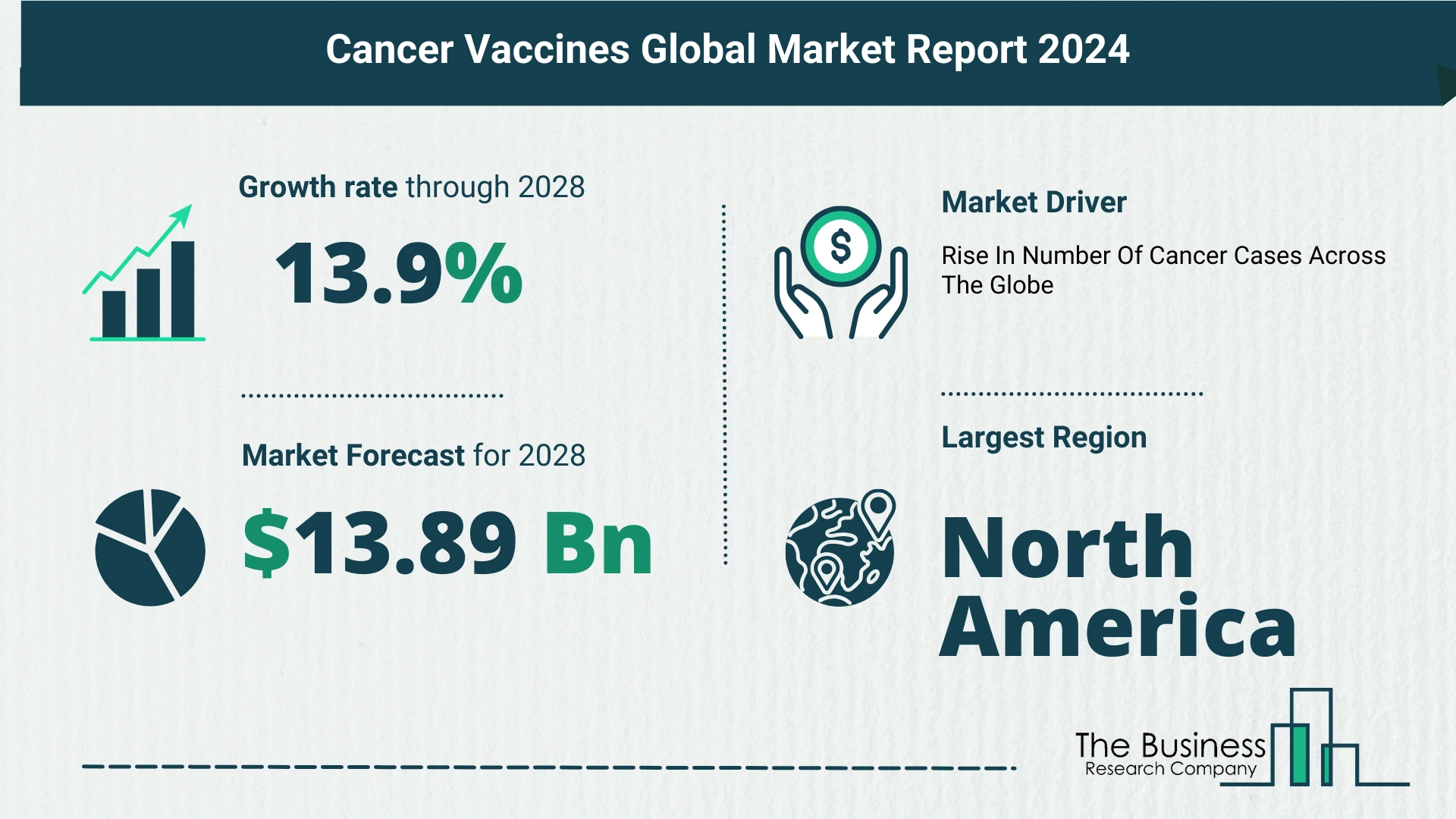
    • The rise in cancer cases across the globe contributes to market growth.
    • Globally, lung, prostate, bowel, and female breast cancer account for 43% of all new cancer cases.
    • The anticipated increase in cancer incidence rates globally boosts the demand for cancer vaccines.
    • Major companies operating in the market include GlaxoSmithKline PLC, Merck & Co. Inc., and AstraZeneca PLC.

    Quadrivalent Vaccines Gain Traction In The Cancer Vaccines Market

    • Major companies focus on introducing quadrivalent vaccines to maximize revenue.
    • Serum Institute of India launched CERVAVAC, the first made-in-India cervical cancer vaccine, targeting HPV types responsible for at least 70% of cervical cancers.
    • Quadrivalent vaccines are designed to protect against four different strains or types of a specific virus or bacteria.

    Read More On The Cancer Vaccines Market Report 2024 – https://www.thebusinessresearchcompany.com/report/cancer-vaccine-global-market-report

    NEC OncoImmunity Strengthens Cancer Therapy Portfolio

    • In March 2022, NEC OncoImmunity acquired neoantigen vaccine development assets from Vaximm AG, enhancing its AI-optimized personalized cancer therapies.
    • Vaximm AG manufactures vaccines and T-cell immunotherapies for cancer patients.

    Segmentation Insights
    The cancer vaccines market is segmented by type, technology, cancer type, and end-user:

    1. By Type: Preventive Cancer Vaccines, Therapeutic Cancer Vaccines
    2. By Technology: Dendritic Cells (DC) Cancer Vaccines, Recombinant Cancer Vaccines, Antigen/Adjuvant Cancer Vaccines, Whole Cell Cancer Vaccines, Viral Vector & DNA Cancer Vaccines
    3. By Cancer Type: Prostate, Cervical, Colorectal, Throat, Other Cancer Types
    4. By End-User: Cancer Treatment Centers, Research Institutes

    North America Leads the Way

    • North America dominated the cancer vaccines market in 2023.

    Forecasting the Future
    The cancer vaccines market is expected to witness significant growth in the next few years. It will reach $13.89 billion in 2028 at a compound annual growth rate (CAGR) of 13.9%. Here’s what drives this forecasted growth:

    • Combination therapies with cancer vaccines.
    • Increased investment from pharmaceutical companies.
    • Emerging biomarkers and personalized vaccines.
    • Expanding vaccination programs.

    Emerging Trends
    The forecast period also brings forth several trends:

    • Advancements in immunology and adjuvant therapies.
    • Diversification of indications and enhanced patient access.
    • Collaborative research initiatives and neoantigen-based vaccines.
    • Therapeutic cancer vaccines pave the way for a promising future.

    Final Thoughts
    The landscape of cancer vaccines is evolving rapidly, driven by advancements in technology, rising cancer cases, and strategic collaborations among key players. As the market continues to expand, innovations in preventive and therapeutic vaccines hold the promise of revolutionizing cancer treatment and prevention globally. The forecasted growth underscores the urgency and importance of continued research and investment in this critical area of healthcare. As we navigate through the complexities of cancer treatment, the development and adoption of vaccines stand as beacons of hope in our collective fight against this formidable disease.

    Request for A Sample Of The Global Cancer Vaccines Market Report:
    https://www.thebusinessresearchcompany.com/sample_request?id=3452&type=smp

  • 5 Key Insights On The Cancer Clinical Decision Tools Market 2024

    5 Key Insights On The Cancer Clinical Decision Tools Market 2024

    The Business Research Company’s global market reports are now updated with the latest market sizing information for the year 2024 and forecasted to 2033

    As per The Business Research Company’s Cancer Clinical Decision Tools Global Market Report 2024, the cancer clinical decision tools market is expected to show significant growth in the forecast period.

    The cancer clinical decision tools market has witnessed remarkable growth in recent years, with projections indicating further expansion in the coming years. Analyzing the factors driving this growth sheds light on the evolving landscape of cancer treatment and diagnosis.

    Rise In Cancer Cases Drives Demand For Cancer Clinical Decision Tools

    • The escalating number of cancer cases globally is a primary driver of market growth.
    • Cancer incidence rates are on the rise, with common types like lung, prostate, bowel, and female breast cancer contributing significantly.
    • With approximately 1.9 million new cancer diagnoses and over 600,000 cancer-related deaths expected in the US alone, the demand for efficient clinical decision tools is evident.
    • Key players in the market include McKesson Corporation, Siemens Healthineers AG, IBM Watson Health, and many others.

    View More On The Cancer Clinical Decision Tools Market Report 2024 – https://www.thebusinessresearchcompany.com/report/cancer-clinical-decision-tool-global-market-report

    Innovative Products Transforming Cancer Clinical Decision Tools Market

    • Major companies are leveraging innovation to gain a competitive edge.
    • Products like the BenchMark Ultra Plus tissue staining system exemplify the industry’s commitment to enhancing diagnostic accuracy and efficiency.
    • Launched by F. Hoffmann-La Roche AG, this system streamlines pathology workflows and improves testing processes, benefiting both medical professionals and patients.
    • Segmentation of the market includes types such as Risk Assessment Tool (RAT) and Qcancer, catering to diverse diagnostic needs.
    • End-users primarily consist of hospitals and clinics, reflecting the widespread adoption of clinical decision tools across various healthcare settings.

    Forecasted Growth and Market Dynamics

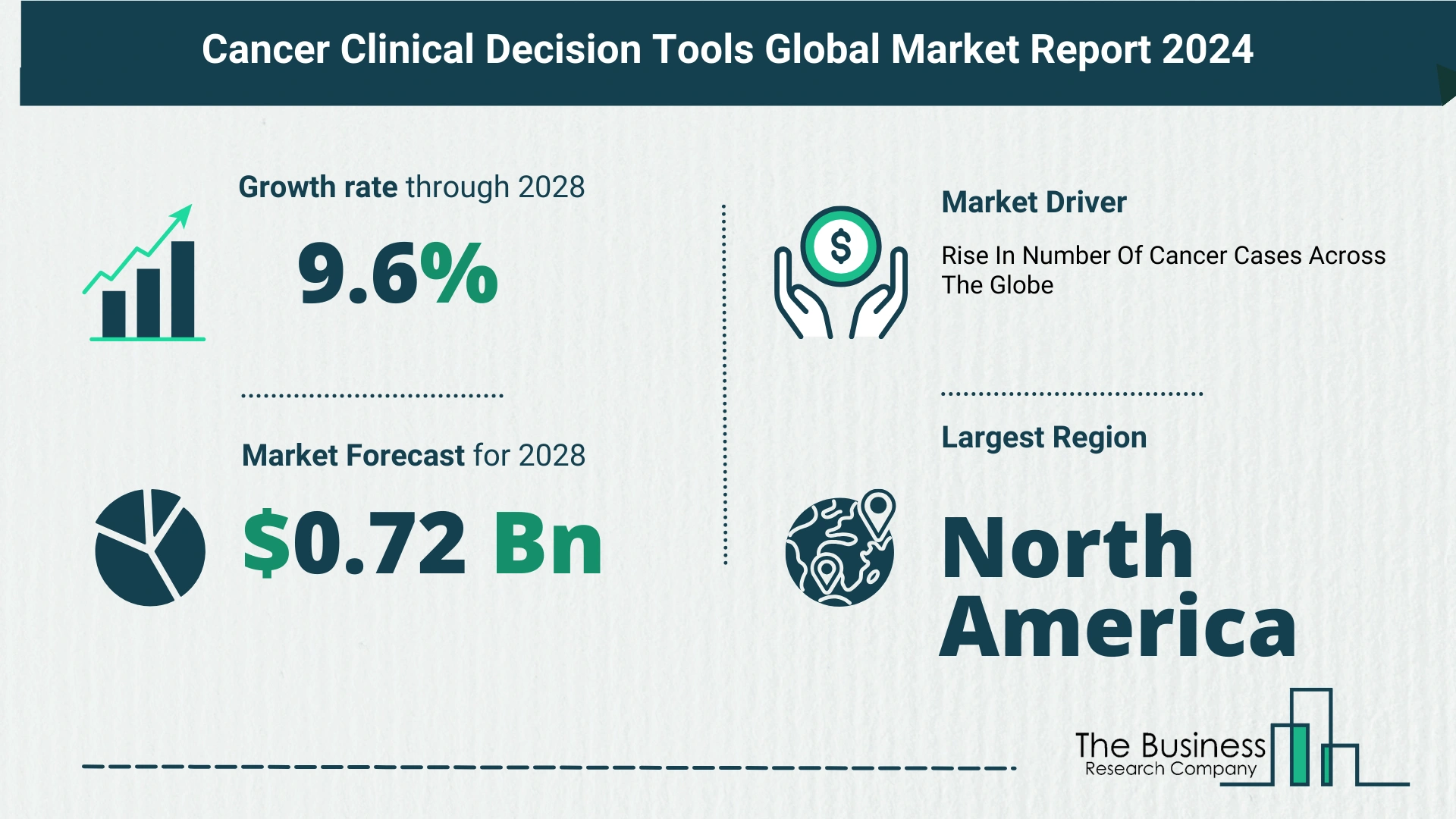
    • Projections suggest robust growth, with the market expected to reach $0.72 billion by 2028 at a compound annual growth rate (CAGR) of 9.6%.
    • Factors contributing to this growth include the global aging population, emphasis on patient-centric care, and advancements in medical technology.
    • Emerging trends such as AI-driven clinical decision support, telemedicine, and predictive analytics are reshaping the landscape of cancer diagnosis and treatment.
    • Notable regional dominance in the market was observed in North America in 2023, highlighting the region’s significant investment and adoption of cancer clinical decision tools.

    Challenges and Opportunities

    • While advancements in technology offer immense potential, ethical and regulatory considerations remain paramount.
    • Ensuring data interoperability and adherence to stringent standards are critical for the seamless integration of clinical decision tools into existing healthcare systems.
    • The market presents lucrative opportunities for stakeholders to collaborate on research and development initiatives aimed at addressing unmet clinical needs and improving patient outcomes.

    Conclusion
    The cancer clinical decision tools market stands at the forefront of innovation, driven by the imperative to enhance cancer diagnosis and treatment outcomes. As the prevalence of cancer continues to rise, the demand for advanced decision support tools will only intensify. With a focus on innovation, collaboration, and regulatory compliance, the industry is poised to transform cancer care delivery and pave the way for a more personalized and effective approach to combating this complex disease.

    Request A Sample Of The Global Cancer Clinical Decision Tools Market Report 2024:
    https://www.thebusinessresearchcompany.com/sample_request?id=3463&type=smp

  • Overview Of The Cell Culture Market 2024-2033: Growth And Major Players Analysis

    Overview Of The Cell Culture Market 2024-2033: Growth And Major Players Analysis

    The Business Research Company’s global market reports are now updated with the latest market sizing information for the year 2024 and forecasted to 2033

    The cell culture market has witnessed remarkable growth in recent years, driven by various factors such as increasing demand for cell culture products, vaccine production, and advancements in 3D cell culture technology. As we delve deeper, it’s evident that the trajectory of this market is poised for significant expansion in the coming years.

    Market Size and Projections

    • The cell culture market size surged from $27.66 billion in 2023 to $30.67 billion in 2024, with a compound annual growth rate (CAGR) of 10.9%.
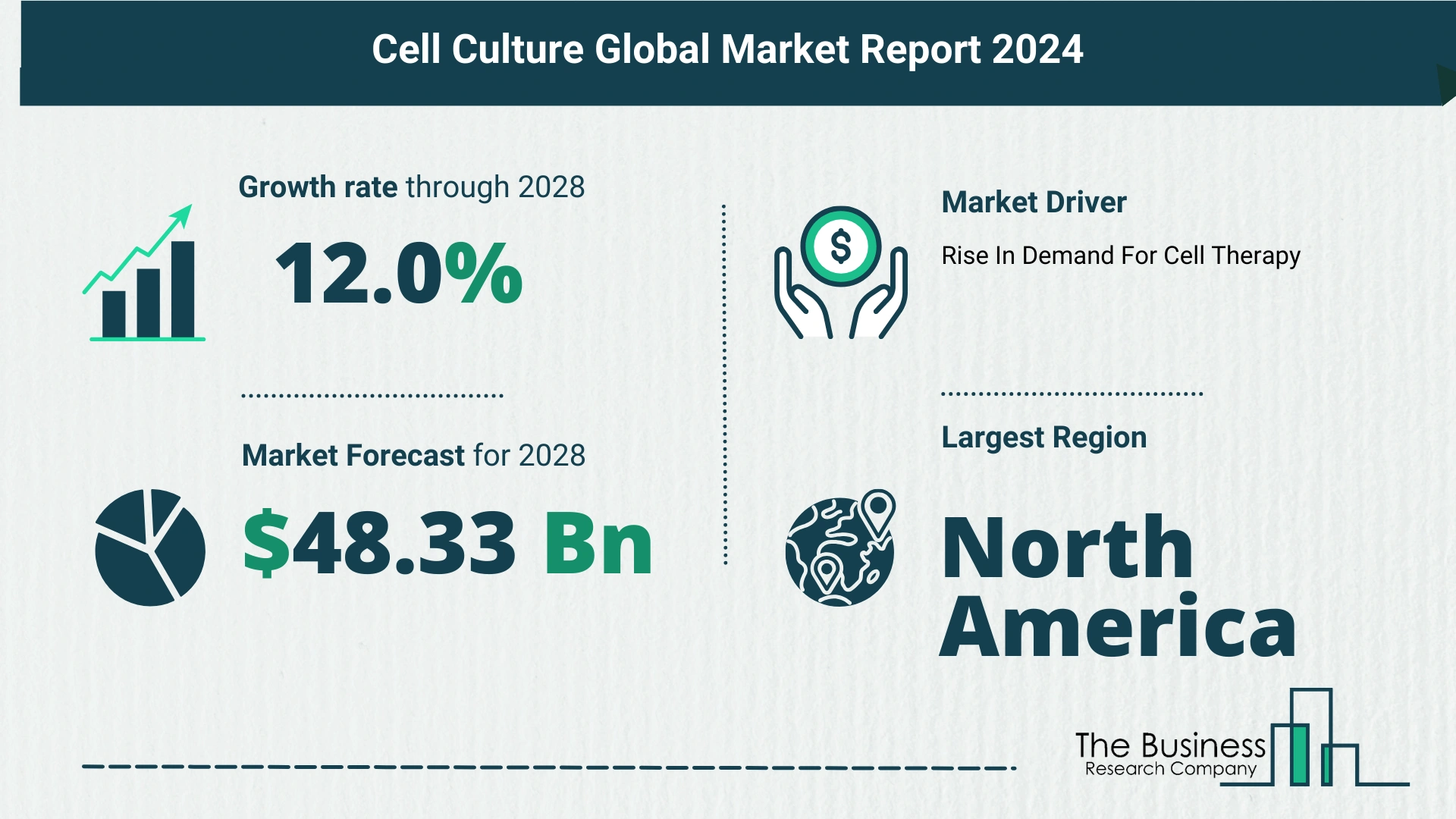
    • Projections indicate further growth, with expectations to reach $48.33 billion by 2028, growing at a CAGR of 12.0%.

    Factors Driving Market Growth

    1. Rising Demand for Cell Therapy
    • Cell therapy has emerged as a significant driver for the cell culture market.
    • Companies like Gilead Sciences Inc. reported a substantial surge in cell therapy product sales, indicating a growing market.
    • Cell culture is integral to the development, manufacture, and commercialization of cell therapies, holding immense potential in healthcare.
    1. Major Players and Innovations
    • Companies like Becton Dickinson, Thermo Fisher Scientific, and Merck KGaA are at the forefront, driving innovations in cell culture consumables and equipment.
    • Innovative solutions like the cQrex portfolio by Evonik Industries AG are enhancing efficiency and productivity in cell cultures.
    • Thermo Fisher Scientific Inc.’s acquisition of PeproTech Inc. further strengthens its presence in the cell and gene therapy market.

    View More On The Cell Culture Market Report 2024 – https://www.thebusinessresearchcompany.com/report/cell-cultures-global-market-report

    Segmentations and Regional Insights

    • The cell culture market is segmented by type, media, and applications, catering to diverse needs across various sectors.
    • North America dominated the market in 2023, while the Middle East is anticipated to witness the fastest growth during the forecast period.

    Conclusion
    The cell culture market is witnessing a robust expansion, driven by technological advancements, increasing demand for cell therapy, and strategic acquisitions by key players. As the global landscape evolves, the role of cell culture in healthcare and biotechnology is set to become even more pivotal, promising new avenues for innovation and growth.

    In conclusion, the journey of the cell culture market reflects a convergence of science, technology, and healthcare, shaping the future of medical research and therapeutics in profound ways. As we embrace these advancements, we pave the way for a healthier and more resilient world.

    Request A Sample Of The Global Cell Culture Market Report 2024:
    https://www.thebusinessresearchcompany.com/sample_request?id=3392&type=smp

  • Future Growth Forecast For The Drugs for Immunotherapy Global Market 2024-2033

    Future Growth Forecast For The Drugs for Immunotherapy Global Market 2024-2033

    The Business Research Company’s global market reports provide comprehensive analysis on the various markets in 27 industries across 60 geographies.

    The drugs for immunotherapy market has witnessed rapid expansion in recent years, fueled by various factors such as rising cancer incidences and advancements in treatment methodologies. Let’s delve into the market trends, growth projections, and notable developments shaping this dynamic sector.

    Rising Incidences Of Cancer In Drugs For Immunotherapy Market
    The prevalence of cancer globally serves as a significant driver for the drugs for immunotherapy market. Lifestyle factors including obesity, smoking, and alcohol consumption contribute to the escalating cancer rates. With estimates projecting a substantial increase in cancer cases by 2040, the demand for immunotherapy drugs is expected to surge, especially for prevalent cancers like breast, lung, colon, rectum, and prostate cancers.

    • Lifestyle factors like obesity and smoking contribute significantly to cancer incidences.
    • Increasing cancer rates globally necessitate heightened demand for immunotherapy drugs.
    • Major companies are actively involved in addressing the rising cancer burden through innovative treatments.

    Innovation In Drugs For Immunotherapy Market
    Innovation remains pivotal in driving advancements within the drugs for immunotherapy market. Key players in the industry are dedicated to developing novel products like Keytruda (pembrolizumab) to cater to evolving patient needs. Immunotherapies like Keytruda, approved for various cancer types, exemplify the industry’s commitment to leveraging immune system mechanisms in fighting cancer.

    • Keytruda (pembrolizumab) represents a breakthrough in cancer treatment through immunotherapy.
    • Pharmaceutical companies are focusing on targeted therapies to enhance treatment efficacy.
    • FDA approvals for immunotherapeutic drugs signify significant milestones in cancer treatment.

    View More On The Drugs for Immunotherapy Market Report 2024 – https://www.thebusinessresearchcompany.com/report/drugs-for-immunotherapy-global-market-report

    Pfizer Inc. Acquired Trillium Therapeutics
    Strategic acquisitions play a vital role in augmenting companies’ oncology portfolios and bolstering market presence. Pfizer Inc.’s acquisition of Trillium Therapeutics underscores the industry’s pursuit of next-generation immuno-therapeutics for hematological malignancies. With a focus on expanding therapeutic offerings, such acquisitions contribute to the evolving landscape of the drugs for immunotherapy market.

    • Pfizer Inc.’s acquisition of Trillium Therapeutics aims to enhance its oncology drug pipeline.
    • Next-generation immuno-therapeutics hold promise for addressing unmet medical needs.
    • Strategic collaborations and acquisitions drive innovation and market expansion in the immunotherapy sector.

    Segmentation and Regional Dynamics
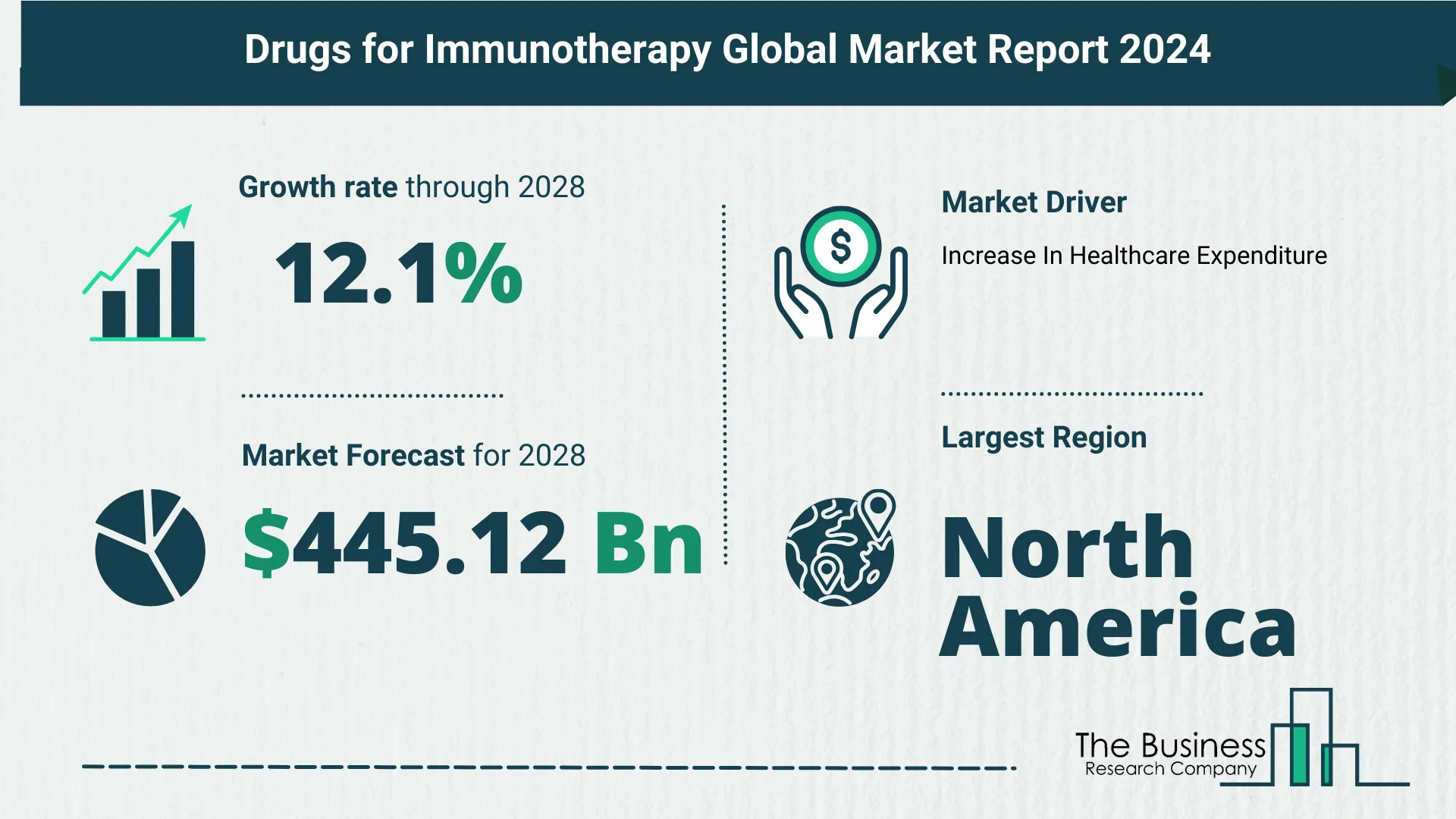
    Understanding market segmentation and regional trends provides valuable insights into market dynamics and growth opportunities. The drugs for immunotherapy market encompasses diverse types of therapies targeting various therapy areas and end-users. North America emerges as a prominent market region, while the Middle East is poised to exhibit substantial growth during the forecast period, reflecting evolving healthcare landscapes globally.

    • Market segmentation enables tailored approaches to product development and marketing strategies.
    • Cancer remains a primary therapy area driving the drugs for immunotherapy market.
    • Emerging regions like the Middle East present untapped opportunities for market expansion.

    Charting the Future of Drugs for Immunotherapy
    As the drugs for immunotherapy market continues to evolve, several trends are anticipated to shape its trajectory. Advancements in immunology, including CAR-T cell therapies and targeted immunotherapies, hold promise for revolutionizing cancer treatment. Additionally, personalized medicine and combination therapies are expected to redefine treatment paradigms, emphasizing precision and efficacy.

    • Advancements in CAR-T cell therapies signal a paradigm shift in cancer treatment.
    • Personalized medicine and combination therapies offer tailored treatment options for patients.
    • Biomarker-driven therapies and neoantigen vaccines represent frontier areas in immunotherapy research.

    Conclusion: Navigating Opportunities in the Immunotherapy Market
    The drugs for immunotherapy market presents a dynamic landscape characterized by innovation, strategic collaborations, and evolving treatment modalities. With robust growth projections and transformative trends on the horizon, stakeholders must remain agile and responsive to emerging market dynamics. By harnessing innovation, forging strategic partnerships, and prioritizing patient-centric approaches, the drugs for immunotherapy market is poised to make significant strides in combating cancer and improving patient outcomes worldwide.

    Request A Sample Of The Global Drugs for Immunotherapy Market Report 2024:
    https://www.thebusinessresearchcompany.com/sample_request?id=2559&type=smp

  • 5 Takeaways From The Vaginitis Therapeutics Market Overview 2024

    5 Takeaways From The Vaginitis Therapeutics Market Overview 2024

    The Business Research Company’s global market reports are now updated with the latest market sizing information for the year 2024 and forecasted to 2033

    According to The Business Research Company’s Vaginitis Therapeutics Global Market Report 2024, the vaginitis therapeutics market is expected to show promising growth in the forecast period.

    The Vaginitis Market Growth: Understanding the Numbers

    • The vaginitis therapeutics market has witnessed rapid growth, soaring from $3.74 billion in 2023 to $4.12 billion in 2024.
    • This growth is attributed to several factors including high incidence of vaginal infections, increased awareness about women’s health, and evolving hygiene practices.
    • Additionally, antibiotic resistance concerns and robust pharmaceutical R&D contribute to this expansion.

    A Prognosis for the Future: Projected Market Growth

    • Forecasts predict even more substantial growth, with the market projected to reach $6.03 billion in 2028, boasting a CAGR of 10.0%.
    • This growth trajectory is fueled by various factors such as emphasis on personalized medicine, expanded healthcare access, and demographic shifts.

    Trends to Watch Out For: Shaping the Future Landscape

    • Combination therapies for resistant cases, regulatory advancements, and the integration of digital health tools are anticipated trends.
    • Global collaboration for research and the development of non-drug therapies also mark significant advancements in the field.

    View More On The Vaginitis Therapeutics Market Report 2024 – https://www.thebusinessresearchcompany.com/report/vaginitis-therapeutics-global-market-report

    The Influence of Rising STD Rates on Vaginitis Therapeutics Market

    • Sexually transmitted diseases (STDs) serve as a pivotal driver for the expansion of the vaginitis therapeutics market.
    • The surge in STD prevalence leads to increased cases of vaginitis, propelling the demand for therapeutics.
    • Statistics from the Center for Disease Control and Prevention (CDC) underline the magnitude of STD cases, showcasing the urgency for effective therapeutics.

    Market Players and Key Contributors

    • Major companies such as Pfizer Inc., Merck & Co Inc., and Novartis AG play pivotal roles in shaping the vaginitis therapeutics market.
    • Their contributions encompass pharmaceutical research, development, and distribution of therapeutic solutions.

    Innovative Breakthroughs Pioneering Products Transforming the Landscape

    • Product innovation stands as a cornerstone in the evolution of the vaginitis therapeutics market.
    • Companies like Duchesnay Inc. are leading the charge with groundbreaking solutions such as Vablys, aimed at addressing bacterial vaginosis effectively.
    • Strategic acquisitions, like BioNTech’s acquisition of PhagoMed, further bolster the market by expanding the infectious disease portfolio.

    Segmentation: Understanding Market Dynamics

    • The vaginitis therapeutics market is segmented by drug type, route of administration, indication type, and end-users.
    • This segmentation facilitates a nuanced understanding of market dynamics and tailored approaches to therapeutics.

    Regional Insights: North America Leading the Way

    • North America emerges as the largest region in the global vaginitis therapeutics market, underscoring the region’s prominence in healthcare innovation and adoption.

    In conclusion, the vaginitis therapeutics market stands at the cusp of unprecedented growth driven by evolving healthcare dynamics, technological advancements, and heightened awareness. With innovative solutions and collaborative efforts, the market is poised to address the evolving needs of women’s health effectively, ensuring a healthier future for all.

    Request A Sample Of The Global Vaginitis Therapeutics Market Report 2024:
    https://www.thebusinessresearchcompany.com/sample_request?id=10794&type=smp