Category: Pharmaceuticals

  • 5 Takeaways From The Enteral Feeding Formula Market Overview 2024

    5 Takeaways From The Enteral Feeding Formula Market Overview 2024

    The Business Research Company’s global market reports are now updated with the latest market sizing information for the year 2024 and forecasted to 2033

    According to The Business Research Company’s Enteral Feeding Formula Global Market Report 2024, the enteral feeding formula market is expected to show promising growth in the forecast period.

    The enteral feeding formula market has witnessed robust growth, surging from $6.02 billion in 2023 to an estimated $6.61 billion in 2024, boasting a substantial compound annual growth rate (CAGR) of 9.7%. This growth is attributed to factors such as the rising geriatric population, increased prevalence of chronic diseases, technological advancements, growing awareness of clinical nutrition, and the expansion of home healthcare services.

    Anticipated Growth Trajectory in the Coming Years

    • The enteral feeding formula market is poised for rapid growth, expected to reach $9.68 billion in 2028, with a CAGR of 10.0%.
    • The forecasted expansion is fueled by the growing incidence of malnutrition, expansion of the elderly population, advances in enteral nutrition research, increasing adoption of home enteral nutrition, and the rise in the number of hospitals and long-term care facilities.

    Geriatric Population: A Driving Force

    • The growing geriatric population is a significant factor propelling the enteral feeding formula market.
    • Globally, the number of individuals aged 65 or above is steadily increasing, leading to a higher demand for enteral foods.
    • The World Health Organization projects the global population of individuals aged 60 years or above to reach 1.4 billion by 2022, highlighting the vulnerability of this demographic to chronic disorders.

    Key Market Players Shaping the Industry

    • Major companies contributing to the enteral feeding formula market include Abbott Laboratories, Nestlé S. A., Danone S. A., Fresenius Kabi AG, and others.
    • These industry leaders play a crucial role in meeting the nutritional needs of diverse patient populations through innovative formulas and strategic initiatives.

    View More On The Enteral Feeding Formula Market Report 2024 – https://www.thebusinessresearchcompany.com/report/enteral-feeding-formula-global-market-report

    Innovations Drive Market Growth

    • Product innovations are a significant trend in the enteral feeding formula market, offering customers a wider range of options.
    • Companies like Cardinal Health, Inc. are launching cutting-edge products, such as the Kangaroo OMNI Enteral Feeding Pump, designed to address specific enteral feeding needs.
    • These innovations enhance versatility, providing feeding, flushing, and hydration options, catering to both hospital and home settings.

    Strategic Acquisition Expands Nutritional Portfolio

    • Nutricia, a Netherland-based food and beverage company, made a strategic move by acquiring Real Food Blends in October 2021.
    • This acquisition expands Nutricia’s portfolio, particularly targeting children and individuals with feeding tubes, providing more distinctive and nourishing alternatives for enteral nutrition.
    • Real Food Blends, a US-based company, specializes in producing real-food products for tube feeding.

    Market Segmentation and Regional Dynamics

    • The enteral feeding formula market is segmented by product (Standard Formulas, Disease-Specific Formulas), stage (Adults, Pediatrics), application (Oncology, Gastroenterology, Neurology, Diabetes, Critical Care, Other Applications), and end-user (Hospitals, Long-Term Care Facilities).
    • In 2023, North America dominated the market, with Asia-Pacific anticipated to be the fastest-growing region in the forecast period.

    Future Trends: Catering to Diverse Nutritional Needs

    • Emerging trends in the forecast period include the development of disease-specific enteral feeding formulas, the demand for plant-based and organic formulas, a focus on immunonutrition, customized enteral nutrition solutions, and the adoption of blenderized tube feeding formulas.
    • These trends underscore the industry’s commitment to providing tailored nutritional solutions for varied patient needs.

    Conclusion: Pioneering Nutritional Solutions The enteral feeding formula market’s growth reflects its pivotal role in addressing the nutritional needs of diverse patient populations. As the industry continues to innovate, expand its product portfolio, and cater to emerging trends, it not only meets current demands but paves the way for a future where nutritional solutions are both advanced and customized. With a projected market size of $9.68 billion by 2028, the journey towards pioneering nutritional excellence is well underway.

    Request A Sample Of The Global Enteral Feeding Formula Market Report 2024:
    https://www.thebusinessresearchcompany.com/sample_request?id=7744&type=smp

  • Enzyme Inhibitor Market Report 2024: Market Size, Drivers, And Trends

    Enzyme Inhibitor Market Report 2024: Market Size, Drivers, And Trends

    The Business Research Company’s global market reports are now updated with the latest market sizing information for the year 2024 and forecasted to 2033

    The enzyme inhibitor market has exhibited steady growth in recent years, with the market size climbing from $180.38 billion in 2023 to $186.04 billion in 2024, showcasing a Compound Annual Growth Rate (CAGR) of 3.1%. Looking ahead, the forecast is optimistic, projecting a steady rise to $216.75 billion in 2028, with a CAGR of 3.9%. This growth is underpinned by various factors, including increased demand for enzyme inhibitors in disease treatment, advancements in drug discovery, a growing prevalence of chronic diseases, an increased geriatric population, and rising awareness about the benefits of enzyme inhibitors.

    Historic Growth Drivers

    • Increased demand for enzyme inhibitors in disease treatment
    • Advancements in drug discovery and development
    • Growing prevalence of chronic diseases
    • Increased geriatric population
    • Rising awareness about the benefits of enzyme inhibitors

    Anticipated Growth Factors

    • Growing investment in research and development activities
    • Increasing demand for personalized medicine
    • Rising incidence of chronic diseases in emerging markets
    • Growing demand for enzyme inhibitors in cancer treatment
    • Expansion of applications in rare and genetic diseases

    Major Trends in the Forecast Period

    • Development of reversible and irreversible enzyme inhibitors
    • Exploration of natural products as sources of enzyme inhibitors
    • Integration of computational methods in enzyme inhibitor discovery
    • Emphasis on personalized dosing and treatment regimens
    • Expansion of enzyme inhibitor applications in oncology and neurodegenerative diseases

    View More On The Enzyme Inhibitor Market Report 2024 – https://www.thebusinessresearchcompany.com/report/enzyme-inhibitor-global-market-report

    Disease Incidence and Therapeutic Advancements: Catalysts for Growth
    Driving Forces Behind Enzyme Inhibitor Market Growth Impact Of Disease Incidence, Cancer Statistics, And Therapeutic Advancements

    The surge in disease incidence, notably cancer, is anticipated to fuel the growth of the enzyme inhibitor market. Enzymes like telomerase, active in most tumor cells, play a crucial role in cancer treatment. For instance, in 2022, the American Cancer Society reported an average of 1,670 individuals succumbing to cancer daily in the U.S., with 1.9 million cases diagnosed and 609,360 fatalities. This rise in disease incidence, especially cancer, is a driving force behind the increasing demand for enzyme inhibitors.

    Key Market Players

    • Abbott Laboratories
    • Amgen Inc.
    • AstraZeneca plc
    • Bayer AG
    • F. Hoffmann-La Roche AG
    • Pfizer Inc.
    • Takeda Pharmaceutical Company
    • Merck and Co. Inc.
    • Eli Lilly and Company
    • Bristol-Myers Squibb Company

    Game-Changing FDA Approval: Bristol-Myers Squibb’s Sotyktu
    Bristol-Myers Squibb’s Sotyktu, Redefines Plaque Psoriasis Treatment
    Major players in the enzyme inhibitor market are driving innovation to meet consumer needs. Sotyktu, an allosteric tyrosine kinase 2 (TYK2) inhibitor drug, received FDA approval in September 2022. It is the first of its kind, offering selective oral allosteric TYK2 inhibition. Sotyktu represents a new standard in oral therapy for moderate-to-severe plaque psoriasis, showcasing its efficacy in clinical studies. This breakthrough signifies a significant advancement in the treatment landscape.

    Strategic Acquisition: Amgen Inc.’s Purchase of Rodeo Therapeutics
    Amgen Inc.’s Acquisition Of Rodeo Therapeutics Expanding Biotechnology Portfolio With Prostaglandin Modulators And Enzyme Inhibitors
    In March 2021, Amgen Inc. bolstered its biotechnology portfolio with the acquisition of Rodeo Therapeutics Corporation for $666 million. This strategic move aimed at expanding Amgen’s capabilities in prostaglandin modulators and enzyme inhibitors. Rodeo Therapeutics, a biopharmaceutical company, focuses on developing first-in-class, orally available modulators of prostaglandin biology, enriching Amgen’s biotechnology offerings.

    Market Segmentation Overview

    1. Type:
      • Proton Pump Inhibitors (PPIs)
      • Protease Inhibitors
      • Reverse Transcriptase Inhibitors
      • Aromatase Inhibitors
      • Kinase Inhibitors
      • Neuraminidase Inhibitors
      • Statins
      • Other Types
    2. Disease Indication:
      • Chronic Obstructive Pulmonary Disorders
      • Cardiovascular Disease
      • Gastrointestinal Disorders
      • Arthritis
      • Inflammatory Diseases
      • Other Disease Indications
    3. Application:
      • Chemotherapy
      • Antibiotics
      • Pesticides
      • Cardiovascular Treatments
      • Other Applications
    4. End User:
      • Pharmaceutical
      • Biotechnology
      • Food and Beverage
      • Other End Users

    Regional Dynamics: North America Leading, Asia-Pacific Rising
    North America secured the position as the largest region in the enzyme inhibitor market in 2023. Looking ahead, Asia-Pacific is poised to be the fastest-growing region in the forecast period. The robust healthcare infrastructure and increasing investments in research and development contribute to North America’s leadership, while the rising demand for healthcare solutions in emerging markets drives growth in Asia-Pacific.

    In conclusion, the enzyme inhibitor market stands at the forefront of medical innovation, driven by a combination of factors such as disease incidence, therapeutic advancements, and strategic acquisitions. With major trends shaping the industry, the market is set to witness continued growth, offering solutions for diverse medical challenges and paving the way for enhanced personalized medicine.

    Request A Sample Of The Global Enzyme Inhibitor Market Report 2024:
    https://www.thebusinessresearchcompany.com/sample_request?id=6728&type=smp

  • Global Digestive Health Market Analysis: Estimated Market Size And Growth Rate

    Global Digestive Health Market Analysis: Estimated Market Size And Growth Rate

    The Business Research Company’s global market reports are now updated with the latest market sizing information for the year 2024 and forecasted to 2033

    The digestive health market has witnessed substantial growth in recent years, escalating from $54.06 billion in 2023 to $59.83 billion in 2024, reflecting a remarkable Compound Annual Growth Rate (CAGR) of 10.7%. This momentum is poised to continue, projecting a market size of $92.69 billion by 2028, at an even higher CAGR of 11.6%. Several factors contribute to this surge, spanning increased awareness, a spike in digestive disorders, an aging population with heightened health concerns, consumer fascination with probiotics and prebiotics, and a noticeable uptick in functional food and beverage consumption.

    The Impact of an Aging Population on Digestive Health

    Understanding the Demographic Shift

    The geriatric population, defined as individuals aged 65 and above, plays a pivotal role in propelling the digestive health market forward. As individuals age, the efficiency of the digestive system diminishes due to various biological processes slowing down. Muscles become stiffer and less effective, necessitating support for efficient digestion and nutrient absorption. According to the World Health Organization, the global population of individuals aged 60 and above is projected to reach 1.4 billion by 2022, a significant increase from 1 billion in 2020. With 1 in 6 people worldwide expected to be 60 or older by 2030, the rising geriatric population is a key driver for the digestive health market.

    Market Players and Innovations: A Competitive Landscape

    Leading Companies in Digestive Health

    Major players in the digestive health market include Chr. Hansen Holdings A/S, Yakult Honsha Co. Ltd., Nestle SA, DuPont de Nemours Inc., and others. These companies are actively shaping the market landscape by introducing innovative products. Noteworthy examples include GastroImmune, a transformative supplement launched by Daiwa Health Development, Inc. in April 2023. GastroImmune leverages ImmunoLin, an agglomerated powder purified from edible bovine plasma, to support digestive health and a robust mucosal immune system.

    View More On The Digestive Health Market Report 2024 – https://www.thebusinessresearchcompany.com/report/digestive-health-global-market-report

    Strategic Moves: Pantheryx’s Probiotic Portfolio Boost

    Acquisitions Driving Market Dynamics

    In a strategic move, PanTheryx, a colostrum-based nutrition and biotechnology company, acquired TruBiotics from Bayer HealthCare LLC in March 2021. This acquisition not only remains undisclosed in amount but also marks Pantheryx’s expansion into the probiotics and microbiome category. TruBiotics, a probiotic brand under Bayer AG, now contributes to Pantheryx’s strengthened probiotics portfolio.

    Segmentation Insights: Understanding the Market Dynamics

    Breaking Down the Digestive Health Market

    The digestive health market is segmented based on product type, ingredient type, and distribution channel. Notable segments include Functional Foods and Beverages, Vitamins and Dietary Supplements, and Other Products under product types; Probiotics, Prebiotics, Digestive Enzymes, and Other Ingredients under ingredient types; and Supermarkets/Hypermarkets, Hospital Pharmacies, Online Pharmacies, and Other Distribution Channels under distribution channels. This granular approach enables a comprehensive understanding of the market dynamics.

    Regional Dominance: North America’s Leadership Role

    Powerhouse in Digestive Health

    In 2023, North America emerged as the dominant region in the digestive health market. The region’s market leadership is attributed to various factors such as a robust healthcare infrastructure, a health-conscious population, and an increasing focus on preventive healthcare. Understanding regional dynamics is crucial for stakeholders looking to navigate and capitalize on the evolving digestive health market.

    Future Trends: Navigating the Path Ahead

    Innovations and Emphasis on Natural Ingredients

    Looking ahead, the digestive health market is poised for transformative trends. These include innovation in formulations, the incorporation of digestive enzymes in supplements, collaborations between supplements and gut health testing, an emphasis on natural and organic ingredients, and strategic marketing campaigns highlighting the gut-brain connection. As the market evolves, staying attuned to these trends will be crucial for industry players aiming to stay ahead in this dynamic landscape.

    In conclusion, the digestive health market is on a trajectory of substantial growth, fueled by a convergence of demographic shifts, technological advancements, and evolving consumer preferences. Industry players must strategically position themselves to harness the full potential of this burgeoning market.

    Request A Sample Of The Global Digestive Health Market Report 2024:
    https://www.thebusinessresearchcompany.com/sample_request?id=7756&type=smp

  • 5 Key Insights On The Digestive Health Supplements Market 2024

    5 Key Insights On The Digestive Health Supplements Market 2024

    The Business Research Company’s global market reports are now updated with the latest market sizing information for the year 2024 and forecasted to 2033

    As per The Business Research Company’s Digestive Health Supplements Global Market Report 2024, the digestive health supplements market is expected to show significant growth in the forecast period.

    The digestive health supplements market is experiencing unprecedented growth, driven by various factors that span from rising awareness to innovative product formulations. Let’s delve into the dynamics propelling this surge and explore key trends shaping the future.

    Unveiling Market Growth: A Digestive Transformation
    The digestive health supplements market, valued at $15.69 billion in 2023, is set to burgeon to $17.39 billion in 2024, showcasing a commendable Compound Annual Growth Rate (CAGR) of 10.9%. The momentum doesn’t stop here; projections indicate a substantial leap to $26.61 billion by 2028 at a CAGR of 11.2%. The growth trajectory in both historic and forecast periods is attributed to multifaceted factors.

    A Healthy Surge: Underpinned by Digestive Disorders

    • Digestive Disease Prevalence: A surge in digestive diseases is a primary catalyst, with conditions like irritable bowel syndrome affecting 10–15% of the global population. This trend is compelling individuals to turn to supplements for relief, thus amplifying market growth.
    • Diverse Health Benefits: Probiotics, prebiotics, and enzymes in supplements address a spectrum of digestive issues, from diarrhea to inflammatory bowel disease, presenting a versatile solution for consumers seeking relief from gastrointestinal problems.
    • Market Leaders: Notable companies in this space, including Amway Corp., Bayer AG, and Pfizer Inc., are pivotal players steering the market’s growth through innovative solutions and effective marketing strategies.

    View More On The Digestive Health Supplements Market Report 2024 – https://www.thebusinessresearchcompany.com/report/digestive-health-supplements-global-market-report

    Probiotic Revolution: Innovative Offerings Reshape the Landscape

    • Advanced Formulations: Companies are not just meeting demand but exceeding it by introducing cutting-edge products like Probiotic Gummies. For instance, Nutrazee’s Probiotic Gummies, featuring a patented strain known for its effectiveness in addressing irritable bowel syndrome symptoms, exemplify this innovative trend.
    • Stability and Efficacy: Innovations like Nutrazee’s Probiotic Gummies, designed to withstand stomach acid and maintain stability, highlight a commitment to providing convenient and effective gut health support, appealing to a broader consumer base.

    Industry Dynamics: Strategic Moves Shape Market Landscape

    • Strategic Acquisitions: Notable events, such as Glanbia Nutritionals’ acquisition of Sterling Technology for $60 million in May 2022, underscore the industry’s strategic approach to fortifying bioactive solutions portfolios. Sterling Technology’s focus on digestive health aligns seamlessly with market demands.
    • Segmentation Insights: The market’s diverse offerings are segmented by product (Prebiotics, Probiotics, Enzymes, Fulvic Acid, and Others), form (Capsules, Tablets, Powders, Liquids, and Others), and distribution channel (Supermarkets/Hypermarkets, Convenience Stores, Specialty Stores, Pharmacies, E-Commerce, and Others), reflecting the industry’s dynamic landscape.

    Global Landscape: North America Takes the Lead, Asia-Pacific Accelerates

    • Regional Dynamics: In 2023, North America emerged as the largest region in the digestive health supplements market, propelled by heightened awareness and consumer interest. Meanwhile, Asia-Pacific is poised to be the fastest-growing region, indicating a global shift in focus towards digestive health.
    • Consumer Behavior and Preferences: The forecasted growth is attributed to factors like the rising demand for personalized nutrition, expanding e-commerce platforms, and a heightened focus on preventive healthcare in developing markets.

    Future Perspectives: Navigating Trends and Opportunities

    • Innovations in Formulations: As we move forward, anticipate ongoing innovations in formulations, with a spotlight on incorporating digestive enzymes, emphasizing natural and organic ingredients, and exploring the symbiotic relationship between supplements and gut health testing.
    • Marketing Strategies: The future will witness an evolution in marketing strategies, with an increased emphasis on the gut-brain connection, offering a holistic approach to digestive health that resonates with consumers.

    In conclusion, the digestive health supplements market is not just a segment of the wellness industry; it’s a dynamic arena shaped by health concerns, consumer preferences, and innovative solutions. As companies continue to invest in research, product development, and strategic acquisitions, the journey toward better digestive health appears promising, offering a rich landscape of opportunities for both businesses and consumers alike.

    Request A Sample Of The Global Digestive Health Supplements Market Report 2024:
    https://www.thebusinessresearchcompany.com/sample_request?id=7292&type=smp

  • 5 Takeaways From The Contract Development Manufacturing Organizations Market Overview 2024

    5 Takeaways From The Contract Development Manufacturing Organizations Market Overview 2024

    The Business Research Company’s global market reports are now updated with the latest market sizing information for the year 2024 and forecasted to 2033

    According to The Business Research Company’s Contract Development Manufacturing Organizations Global Market Report 2024, the contract development manufacturing organizations market is expected to show promising growth in the forecast period.

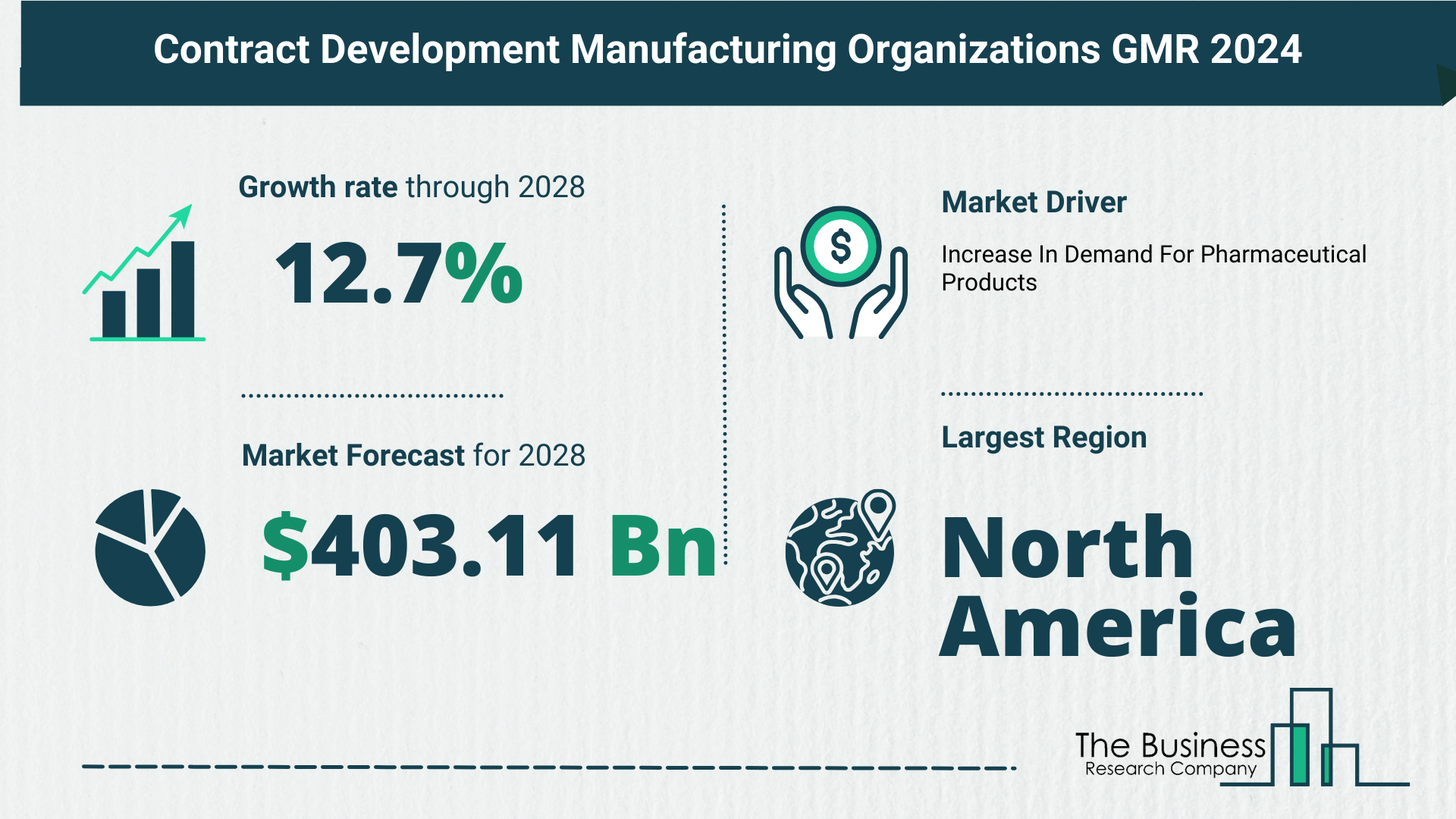
    The contract development manufacturing organizations (CDMO) market has witnessed an exponential surge in recent years, with its market size escalating from $222.5 billion in 2023 to an estimated $249.96 billion in 2024. This upward trajectory is fueled by various factors, including the complexity and specialization in drug development, heightened demand for outsourcing in the pharmaceutical industry, cost containment pressures, advancements in biotechnology, and the globalization of pharmaceutical and biopharmaceutical industries.

    Rapid Expansion on the Horizon
    The growth projections for the CDMO market indicate a remarkable future. By 2028, the market size is anticipated to soar to $403.11 billion, boasting a compound annual growth rate (CAGR) of 12.7%. The forecasted surge can be attributed to the accelerated adoption of personalized medicine, an increasing demand for biologics and biosimilars, a heightened focus on research and development outsourcing, and regulatory changes impacting pharmaceutical manufacturing.

    Trends Shaping the Future
    The forecast period is marked by significant trends that are reshaping the landscape of contract development manufacturing organizations:

    1. Technological Advancements: Continuous improvement in manufacturing processes.
    2. Digital Integration: Incorporation of digital technologies in manufacturing processes.
    3. Sustainability: A shift towards environmentally friendly practices.
    4. Virtual and Decentralized Models: The rise of non-traditional CDMO approaches.
    5. Data Analytics: Growing importance of data analytics in optimizing manufacturing operations.

    Clinical Trials as Catalysts
    The escalating number of clinical trials plays a pivotal role in propelling the growth of the CDMO market. These trials, aimed at evaluating the safety and efficacy of new drugs or treatments in humans, present a lucrative avenue for CDMOs. The benefits include:

    • Additional Revenue Stream: Engaging in clinical trials adds a supplementary income source.
    • Long-Term Partnerships: Trials can lead to enduring partnerships with pharmaceutical companies.
    • Enhanced Reputation: Successful trial involvement enhances a CDMO’s industry standing.
    • Collaborative Relationships: Clinical trials facilitate the establishment of collaborative relationships.

    As of May 2023, there are a staggering 452,604 registered clinical studies on ClinicalTrials.gov, with 64,838 actively seeking participants. This surge signifies a substantial increase from the 365,000 trials registered in 2021, underlining the market’s growth fueled by clinical trials.

    Key Players Shaping the Landscape

    Major companies driving the CDMO market include:

    • Recipharm AB
    • AbbVie Contract Manufacturing LLC
    • Almac Group Limited
    • Boehringer Ingelheim International GmbH
    • Catalent Pharma Solutions Inc.
    • Pfizer CentreOne
    • Thermo Fisher Scientific Inc.

    View More On The Contract Development Manufacturing Organizations Market Report 2024 – https://www.thebusinessresearchcompany.com/report/contract-development-manufacturing-organizations-global-market-report

    Innovative Developments for Market Domination
    Major CDMO players are not just riding the wave; they are actively shaping the market through innovative developments. An exemplary case is the introduction of Lifera, a commercial-scale CDMO launched by Saudi Arabia’s Public Investment Fund (PIF) in June 2023. Lifera focuses on producing vital biopharmaceutical goods, including insulin, vaccinations, monoclonal antibodies, plasma treatments, cell and gene therapies, and advanced small chemicals. The organization aims to increase local capacity and support domestic manufacturing through alliances with both domestic and foreign businesses.

    Strategic Acquisitions Paving the Way
    In February 2022, Recipharm AB made a strategic move by acquiring Arranta Bio, a US-based CDMO. This acquisition aimed to expand Recipharm’s capabilities in biologics, providing unique scientific offerings to innovative drug developers. It positioned Recipharm as a key player in new biologics modalities, ensuring diversification across various technologies and modalities.

    Market Segmentation: Understanding the Dynamics

    The CDMO market, as covered in this report, is segmented based on:

    1. Service: CMO, CRO
    2. Product: Small Molecules, Biologics
    3. End User: Big Pharma, Small and Mid-size Pharma, Generic Pharmaceutical Companies, Other End Users

    Conclusion: North America Takes the Lead

    In 2023, North America emerged as the largest region in the contract development manufacturing organizations market, underscoring the region’s dominance in this rapidly expanding sector. As the industry continues to evolve, these trends and developments are steering the CDMO market toward unprecedented growth, solidifying its crucial role in the pharmaceutical and biopharmaceutical landscape.

    Request A Sample Of The Global Contract Development Manufacturing Organizations Market Report 2024:
    https://www.thebusinessresearchcompany.com/sample_request?id=3885&type=smp

  • Key Insights On The Companion Animal Arthritis Market 2024 – Size, Driver, And Major Players

    Key Insights On The Companion Animal Arthritis Market 2024 – Size, Driver, And Major Players

    The Business Research Company’s market reports offer an in-depth analysis on the market’s growth potential, major drivers, key trends and more.

    The compression therapy market has experienced remarkable growth in recent years, ascending from $4 billion in 2023 to an estimated $4.36 billion in 2024, showcasing a substantial Compound Annual Growth Rate (CAGR) of 8.9%. The historic growth is attributed to factors like the aging population, increased prevalence of chronic venous diseases, heightened awareness of the therapeutic benefits of compression, rising cases of diabetes, and expanding indications for compression therapy.

    Key Growth Metrics:

    • Market Size Growth:From $4 billion (2023) to $4.36 billion (2024) at a CAGR of 8.9%
    • Contributing Factors:Aging population, chronic venous diseases, awareness, diabetes-related conditions, expanded indications

    A Vision for the Future

    The compression therapy market is poised for robust expansion, with a forecasted size of $6.21 billion in 2028, boasting a CAGR of 9.2%. This anticipated growth is propelled by factors such as increased healthcare spending, improved accessibility to compression therapy, a growing geriatric population, rising prevalence of conditions like lymphedema, expansion of applications in sports and fitness, and a surge in the adoption of compression therapy within hospital settings.

    Future Trends:

    • Wearable and Smart Compression Devices:Integrating technology for enhanced functionality
    • Customization of Compression Solutions:Tailoring therapy to individual needs
    • Integration in Wound Care Management:Utilizing compression therapy for wound healing
    • Emphasis on Patient Comfort:Prioritizing user comfort and compliance
    • Collaboration for Improved Outcomes:Partnerships between manufacturers and healthcare providers

    Chronic Diseases Driving Market Growth

    The increasing prevalence of chronic diseases emerges as a key driver propelling the growth of the compression therapy market. Chronic diseases, characterized by long-term health conditions, often necessitate the use of compression therapy to address symptoms such as diabetes, edema, ulcers, and circulatory issues. Notably, the International Diabetes Federation predicts a global diabetic population reaching 537 million in 2021, escalating to 643 million in 2030 and 783 million in 2045, accentuating the need for effective compression therapy.

    Notable Statistic:

    • In 2021, the International Diabetes Federation estimated 537 million people globally with diabetes.

    Innovative Product Developments

    Major players in the compression therapy market are at the forefront of innovation, introducing products such as wearable compression systems to cater to a broader customer base and boost revenue. An exemplary case is Koya Medical Inc., which launched the Dayspring active compression system in April 2022. This dynamic system, catering to lymphedema and venous diseases in the lower extremities, represents a groundbreaking, FDA-approved non-pneumatic active compression treatment. It combines a comfortable, breathable mesh garment with intelligent, rechargeable controllers featuring Bluetooth capabilities and companion software for personalized treatment and progress assessment.

    Read More On The Compression Therapy Market Report 2024 – https://www.thebusinessresearchcompany.com/report/compression-therapy-global-market-report

    Noteworthy Product Launch:

    • Koya Medical Inc.’s Dayspring active compression system

    Strategic Acquisitions Shaping the Market Landscape

    In a strategic move in March 2021, Direct Healthcare Group (DHG) Ltd., a UK-based medical device company, acquired Talley Group Ltd., a US-based compression therapy provider. This acquisition enhances DHG’s pressure ulcer prevention portfolio and facilitates entry into the Negative Pressure Wound Therapy (NPWT) and Intermittent Pneumatic Compression (IPC) therapy markets. The synergy between DHG and Talley’s expertise ensures a comprehensive product portfolio for enhanced health outcomes.

    Acquisition Highlights:

    • Acquirer:Direct Healthcare Group (DHG) Ltd.
    • Acquired:Talley Group Ltd.
    • Objective:Expanding pressure ulcer prevention portfolio, entering NPWT and IPC therapy markets

    Market Segmentation

    The compression therapy market is segmented based on products, techniques, and applications.

    1. Product Segmentation:
      • Compression Pumps
      • Compression Stockings
      • Compression Bandages
      • Compression Tapes
    2. Technique Segmentation:
      • Static Compression Therapy
      • Dynamic Compression Therapy
    3. Application Segmentation:
      • Varicose Vein Treatment
      • Deep Vein Thrombosis Treatment
      • Lymphedema Treatment
      • Leg Ulcer Treatment
      • Other Applications

    Regional Dominance

    North America asserted itself as the largest region in the compression therapy market in 2023, underlining the region’s proactive approach toward adopting and advancing compression therapy solutions.

    Regional Insights:

    • Largest Market:North America (2023)

    In conclusion, the compression therapy market’s trajectory is marked by innovation, strategic collaborations, and a commitment to addressing the diverse needs of individuals with chronic conditions. As the market continues to evolve, the emphasis on technological integration, personalized solutions, and collaborative efforts between manufacturers and healthcare providers is set to redefine the landscape of compression therapy, promoting enhanced patient outcomes and well-being.

    Request for A Sample Of The Global Compression Therapy Market Report:
    https://www.thebusinessresearchcompany.com/sample_request?id=5238&type=smp

  • Contraceptives Market Forecast 2024: Forecast Market Size, Drivers And Key Segments

    Contraceptives Market Forecast 2024: Forecast Market Size, Drivers And Key Segments

    The Business Research Company’s global market reports are now updated with the latest market sizing information for the year 2024 and forecasted to 2033

    The contraceptives market has experienced a formidable surge, progressing from $26.2 billion in 2023 to a projected $28.25 billion in 2024, showcasing a commendable compound annual growth rate (CAGR) of 7.8%. The historical growth can be attributed to the landmark introduction of the birth control pill, heightened awareness and education about contraception, legal and social changes championing reproductive rights, global population control initiatives, and an uptick in the use of generic and low-cost drugs and devices.

    Anticipating Strong Future Growth

    As we look ahead, the contraceptives market is poised for robust expansion, projected to reach $38.02 billion in 2028 with a CAGR of 7.7%. The anticipated growth in the forecast period is driven by a myriad of factors, including an increasing focus on male contraceptives, enhanced access to contraception in developing countries, the integration of digital health technologies, a rising demand for long-acting reversible contraceptives (LARCS), and the growing accessibility to over-the-counter drugs through online platforms. Key trends in this period encompass technological advancements, a shift towards non-hormonal and natural contraceptive methods, expansion of over-the-counter access, an emphasis on user-friendly options, and the integration of telemedicine in contraceptive counseling and prescriptions.

    Disease Prevention Driving Contraceptive Demand

    Surge in Sexually Transmitted Diseases

    The escalating frequency of sexually transmitted diseases (STDs) is emerging as a significant driver for the increased demand for contraceptives. These diseases, spread through sexual interaction, necessitate effective preventive measures. Contraceptives play a crucial role in managing the transmission of STDs such as herpes and HPV, primarily transmitted through skin-to-skin contact. A notable example is the rise in primary and secondary syphilis cases, reported by the Minnesota Department of Health in May 2023, underlining the importance of contraceptives in disease prevention.

    Key Players Shaping the Market Landscape

    Major companies contributing to the dynamism of the contraceptives market include Merck & Co. Inc., Bayer AG, Church & Dwight Co. Inc., Cipla Inc., and many more. These entities play a pivotal role in offering innovative solutions and products to cater to the diverse needs of consumers in the contraceptive landscape.

    View More On The Contraceptives Market Report 2024 – https://www.thebusinessresearchcompany.com/report/contraceptives-global-market-report

    Innovations in Product Offerings

    Major players in the contraceptives market are focusing on innovative product offerings to stay at the forefront of meeting consumer needs. For instance, Perrigo Company plc introduced Opill, the first non-prescription progestin-only daily oral contraceptive in the United States. This milestone product provides women with greater accessibility to contraceptives, showcasing a commitment to meaningful solutions that enhance lives.

    Bayer’s Strategic Acquisition

    In December 2021, Bayer AG made a strategic move by acquiring Vividion Therapeutics Inc., a biotechnology company, fortifying their drug development capabilities through chemo-proteomics technology. This acquisition enhances Bayer’s ability to discover new medicines, particularly in areas with significant unmet medical needs.

    Market Segmentation

    The contraceptives market is segmented based on:

    1. Product:
      • Oral Contraceptive Pills
      • Topical Contraceptives
      • Injectables
      • Diaphragms
      • Vaginal Rings
      • Condoms
      • Contraceptive Sponges
      • Subdermal Implants
      • Intra-Uterine Devices
    2. Age Group:
      • 15-24 Years
      • 25-34 Years
      • 35-44 Years
      • 44 Years
    3. Distribution Channel:
      • Hospital Pharmacies
      • Independent Pharmacies
      • Online Pharmacies
      • Clinics
      • Other Distribution Channels

    Regional Dynamics

    In 2023, North America emerged as the largest region in the contraceptives market and is anticipated to be the fastest-growing region in the forecast period.

    In conclusion, the contraceptives market’s trajectory reflects a profound impact on healthcare and societal dynamics. With a focus on innovation, inclusivity, and disease prevention, the market is poised to play a pivotal role in shaping reproductive health and family planning on a global scale.

    Request A Sample Of The Global Contraceptives Market Report 2024:
    https://www.thebusinessresearchcompany.com/sample_request?id=6920&type=smp

  • Cancer Immunotherapy Market Report 2024: Market Size, Drivers, And Trends

    Cancer Immunotherapy Market Report 2024: Market Size, Drivers, And Trends

    The Business Research Company’s global market reports are now updated with the latest market sizing information for the year 2024 and forecasted to 2033

    The cancer immunotherapy market has witnessed rapid growth, poised to surge from $97.88 billion in 2023 to $110.91 billion in 2024, representing a robust Compound Annual Growth Rate (CAGR) of 13.3%. Looking ahead, the forecast predicts a continued upward trajectory, reaching $175.39 billion in 2028 with a CAGR of 12.1%. Several factors contribute to this growth, underpinned by a shift towards immunotherapy over traditional methods, increased research and development activities, and a deeper understanding of the limitations of conventional cancer treatments.

    Driving Forces: Cancer Incidence Surge and the Surge in Cancer Immunotherapy Demand

    Global Rise in Cancer Cases

    The surge in cancer incidence is a pivotal driver propelling the demand for cancer immunotherapy. Lifestyle factors like tobacco and alcohol consumption, obesity, sedentary living, and environmental influences contribute to the escalating number of cancer cases worldwide. Recent data from the European Union Science Hub indicates a 2.3% increase in new cancer cases over two years, reaching 2.74 million in 2022, emphasizing the urgency for effective treatments.

    Industry Giants at the Helm

    Major players in the cancer immunotherapy market, including Amgen Inc., AstraZeneca PLC, and Roche Ltd., are actively contributing to the advancements in immunotherapy. These companies play a crucial role in meeting the growing demand for innovative treatments, focusing on enhancing recovery outcomes with minimal patient discomfort.

    Revolutionizing Cancer Treatment: Imjudo and Imfinzi Combination

    Innovative Approaches to Therapy

    Leading companies in the cancer immunotherapy market are spearheading innovations to address consumer needs. AstraZeneca’s Imjudo, a blend of Imfinzi and tremelimumab, serves as a dual immune checkpoint inhibitor. Notably, this combination gained approval in October 2022 for treating unresectable hepatocellular carcinoma (HCC). The STRIDE regimen, with a unique dosing schedule, showcases the industry’s commitment to refining treatment modalities.

    View More On The Cancer Immunotherapy Market Report 2024 – https://www.thebusinessresearchcompany.com/report/cancer-immunotherapy-global-market-report

    Strategic Acquisitions: Bayer’s Endeavor with Vividion Therapeutics

    Bolstering Research Expertise

    In a strategic move in August 2021, Bayer AG acquired Vividion Therapeutics for $1.5 billion. This acquisition enhances Bayer’s capabilities in drug discovery and research, introducing new chemoproteomic screening technology and a chemistry library. Vividion’s expertise offers precision in treating cancers and immunological disorders, targeting previously inaccessible high-value areas.

    Segmentation Insights: Navigating the Diverse Landscape

    Understanding Market Dynamics

    The cancer immunotherapy market is categorized based on products, applications, and end-users, reflecting the diverse landscape of this dynamic sector. Segments include Monoclonal Antibodies, Checkpoint Inhibitors, Immunomodulators, Vaccines, and Cell Therapy, catering to diverse cancer types such as Lung Cancer, Breast Cancer, Colorectal Cancer, Melanoma, Prostate Cancer, and Multiple Myeloma. End-users span Hospitals, Cancer Research Centers, and Clinics.

    Regional Dynamics: North America Takes the Lead

    Dominance and Growth

    In 2023, North America emerged as the largest region in the cancer immunotherapy market, a trend expected to persist into the forecast period. The region not only boasts significant market share but is also projected to experience the fastest growth. This can be attributed to factors such as robust healthcare infrastructure, technological advancements, and a proactive approach to cancer research and treatment.

    Conclusion: Paving the Way Forward

    Embracing Advancements

    As the cancer immunotherapy market expands, driven by a surge in cancer incidence and heightened demand for effective treatments, the industry is witnessing unprecedented advancements. Companies are at the forefront of innovation, developing novel therapies and leveraging strategic acquisitions to enhance research capabilities. With a focus on personalized medicine, the future promises groundbreaking approaches to cancer treatment, offering hope to millions around the globe. The trajectory ahead is one of continual growth and evolution in the pursuit of conquering cancer through immunotherapy.

    Request A Sample Of The Global Cancer Immunotherapy Market Report 2024:
    https://www.thebusinessresearchcompany.com/sample_request?id=6768&type=smp

  • Top 5 Insights From The Botanical Supplements Market Report 2024

    Top 5 Insights From The Botanical Supplements Market Report 2024

    The Business Research Company’s global market reports are now updated with the latest market sizing information for the year 2024 and forecasted to 2033

    According to The Business Research Company’s Botanical Supplements Global Market Report 2024, the botanical supplements market is expected to show promising growth in the forecast period.

    Market Overview
    The botanical supplements market has experienced robust growth, reaching $56.79 billion in 2023 and projected to surge to $61.94 billion in 2024 with a CAGR of 9.1%. The historic growth is attributed to heightened consumer awareness of health and wellness, increased interest in herbal remedies, lifestyle-related health concerns, and the expansion of the health and wellness industry.

    Future Projections
    Anticipating continued expansion, the market is forecasted to reach $88.2 billion in 2028, reflecting a CAGR of 9.2%. Factors contributing to this growth include the rising demand for plant-based products, a focus on healthy aging, preventive healthcare initiatives, e-commerce platform expansion, and urbanization trends.

    Major Trends in the Forecast Period

    • Advancements in extraction technologies
    • Personalization and customization in formulations
    • Sustainable sourcing and ethical practices
    • Adoption of blockchain for supply chain transparency
    • Innovation in delivery formats like gummies or powders

    Organic Food Demand as a Catalyst
    The increasing preference for organic food is a key driver for botanical supplement market growth. Organic farming practices align with sustainability and environmental consciousness, enhancing the nutritional quality of organic food. In 2022, organic food sales in the U.S. reached $60 billion, signaling a growing market that positively impacts botanical supplements.

    Key Players in the Market
    Several major companies dominate the botanical supplements market, including Himalaya Drug Company, Amway Corporation, Herbalife Nutrition, The Nature’s Bounty Co., and many more. These companies play a crucial role in driving innovation and expanding the market through diverse product offerings.

    View More On The Botanical Supplements Market Report 2024 – https://www.thebusinessresearchcompany.com/report/botanical-supplements-global-market-report

    Product Innovation for Customer Satisfaction
    Leading companies are focusing on product innovation to cater to evolving consumer needs. An example is Prorganiq, an India-based company launching a range of herbal supplements in January 2021. These products, enriched with natural herbs, aim to address health issues and support optimal bodily functions, reflecting a growing trend in the industry.

    Strategic Acquisitions: Bluebird Botanic Case Study
    In July 2021, Bluebird Botanic, a U.S.-based natural supplement company specializing in hemp and CBD oil, acquired Precision Botanicals. This strategic move provided Bluebird access to Precision’s hemp cultivation and extraction facility, enhancing its capabilities and market reach.

    Market Segmentation

    The botanical supplements market is segmented based on:

    1) Source

    • Herbs
    • Leaves
    • Spices
    • Flowers
    • Other Sources

    2) Form

    • Powder
    • Liquid
    • Tablets
    • Capsules
    • Gummies
    • Other Forms

    3) Application

    • Energy and Weight Management
    • Bone and Joint Health
    • Gastrointestinal Health
    • Immunity
    • Cardiac Health
    • Diabetes
    • Anti-cancer
    • Other Applications

    4) Distribution Channel

    • Hospital Pharmacies
    • Retail Pharmacies
    • Online Pharmacies

    Regional Dynamics
    In 2023, North America led the botanical supplements market, while Asia-Pacific is expected to be the fastest-growing region in the forecast period. This indicates a global shift in market dynamics with emerging economies playing a pivotal role.

    In conclusion, the botanical supplements market is thriving, driven by factors such as increased awareness, a focus on organic products, and strategic innovations by major players. As the market continues to evolve, staying attuned to these trends and developments is essential for businesses and consumers alike.

    Request A Sample Of The Global Botanical Supplements Market Report 2024:
    https://www.thebusinessresearchcompany.com/sample_request?id=5882&type=smp

  • Anticoagulants Global Market Outlook 2024-2033: Size And Growth Rate Analysis

    Anticoagulants Global Market Outlook 2024-2033: Size And Growth Rate Analysis

    The Business Research Company’s global market reports provide comprehensive analysis on the various markets in 27 industries across 60 geographies.

     The anticoagulants market has witnessed a significant surge in size, soaring from $45.18 billion in 2023 to $49.89 billion in 2024, boasting a remarkable compound annual growth rate (CAGR) of 10.4%. Projections for the future are even more promising, with an expected growth to $77.71 billion in 2028, attributed to a CAGR of 11.7%. Several factors contribute to this impressive growth trend, unveiling a landscape of opportunities and advancements.

    Aging Population and Cardiovascular Diseases Drive Growth
    Cardiovascular Diseases Fueling Growth The primary catalyst propelling the anticoagulants market is the escalating prevalence of cardiovascular diseases (CVDs). CVDs, encompassing heart and blood vessel issues, are responsible for a significant share of global mortality, with a staggering 17.9 million deaths in 2021, as reported by the World Health Organization. The rise in CVD cases, especially in low- and middle-income nations, underscores the pivotal role of anticoagulants in managing thrombosis in cardiovascular situations.

    View More On The Anticoagulants Market Report 2024 – https://www.thebusinessresearchcompany.com/report/anticoagulant-global-market-report

    Major Players and Innovative Product Strategies
    Increasing Focus On Product Innovations Major companies within the anticoagulants market, including GlaxoSmithKline plc, Leo Pharma A/S, and Bayer AG, are strategically investing in innovative product offerings. One such notable innovation is the sodium citrate 4% anticoagulant solution, designed to prevent blood clotting. Fresenius Kabi AG, a German healthcare group, exemplifies this approach by launching a sodium citrate solution in August 2023. This product, vital for blood and blood component collection, binds calcium ions, preventing the coagulation cascade and ensuring blood remains in a liquid state for diagnostic testing.

    Global Collaborations and Segment Insights
    Pharmaniaga Berhad’s Collaboration with Suzhou Ronnsi Pharma In August 2022, Pharmaniaga Berhad collaborated with Suzhou Ronnsi Pharma Co. Ltd, focusing on the development of halal anticoagulant products. With an aging population driving the demand for non-communicable illness therapies, this collaboration aims to address a growing market need. The partnership spans commerce in pharmaceutical items, research and development, and the creation of halal ovine anticoagulant products. Suzhou Ronnsi Pharma, a China-based company specializing in anticoagulants, plays a pivotal role in fulfilling this vision.

    Segmentation and Market Dynamics
    Understanding the Market Landscape The anticoagulants market is intricately segmented, providing a comprehensive understanding of its dynamics:

    1. Drug Class: Factor Xa Inhibitor, Heparin And LMWH, Vitamin K Antagonist, Other Drug Classes
    2. Route of Administration: Oral Anticoagulant, Injectable Anticoagulant
    3. Distribution Channel: Hospital Pharmacy, Retail Pharmacy, Online Pharmacy
    4. Application: Venous Thromboembolism, Atrial Fibrillation or Flutter, Coronary Artery Disease, Other Applications
    5. End User: Hospitals, Homecare, Specialty Centers, Other End-Users

    Regional Dominance and Future Trends
    North America Leading the Charge In 2023, North America emerged as the largest region in the anticoagulants market, signaling the region’s dominance in this critical healthcare sector. Looking ahead, major trends are expected to shape the market, including advancements in medical technologies, the integration of artificial intelligence in anticoagulant therapy, a focus on patient education and adherence programs, and the development of reversal agents.

    Conclusion: Navigating Towards a Healthy Future
    As the anticoagulants market expands at an impressive pace, driven by factors like the aging population and increased prevalence of cardiovascular diseases, stakeholders and industry players are presented with unprecedented opportunities. The innovative strides in product development, strategic collaborations, and a nuanced understanding of market segments position the industry for sustained growth. The journey towards a healthier future involves not only meeting current healthcare needs but also anticipating and addressing emerging challenges and opportunities in this dynamic landscape.

    Request A Sample Of The Global Anticoagulants Market Report 2024:
    https://www.thebusinessresearchcompany.com/sample_request?id=5230&type=smp