Category: Pharmaceuticals

  • Comprehensive Allergic Rhinitis Drugs Market Analysis 2024: Size, Share, And Key Trends

    Comprehensive Allergic Rhinitis Drugs Market Analysis 2024: Size, Share, And Key Trends

    The Business Research Company’s global market reports are now updated with the latest market sizing information for the year 2024 and forecasted to 2033

    The allergic rhinitis drugs market size has grown steadily in recent years, increasing from $14.99 billion in 2023 to $15.67 billion in 2024, with a compound annual growth rate (CAGR) of 4.5%. This growth can be attributed to rising awareness of allergic reactions, the increasing prevalence of allergic rhinitis, heightened demand for effective drugs, and the popularity of over-the-counter (OTC) allergy medications. By 2028, the market is expected to reach $18.78 billion, growing at a CAGR of 4.6%, driven by increasing pollution levels, respiratory disorders, changing climate conditions, and rising awareness about treatment options. Technological advancements, new antihistamines, and innovations in diagnostics and treatment methods are key trends projected to shape the market during the forecast period.

    The rise in respiratory disorders is expected to propel the growth of the allergic rhinitis drug market going forward. Respiratory disorders encompass a range of conditions affecting the lungs and airways. The rise in respiratory disorders is primarily due to increased exposure to environmental pollutants, such as air pollution and allergens, combined with factors such as climate change and higher rates of respiratory infections. Allergic rhinitis drugs help manage respiratory disorders by reducing inflammation and symptoms caused by allergens, such as nasal congestion and sneezing, thereby improving overall respiratory function. For instance, in April 2024, according to the Centers for Disease Control and Prevention, a US-based governmental organization, the percentage of adults suffering from current asthma increased from 8.0% in 2021 to 8.9% in 2023. Therefore, the rise in respiratory disorders is driving growth in the allergic rhinitis drug market.

    Get A Free Sample On The Allergic Rhinitis Drugs Market Report:

    https://www.thebusinessresearchcompany.com/sample.aspx?id=18218&type=smp

    What Are The Key Trends That Influence Allergic Rhinitis Drugs Market Share Analysis?

    Major companies operating in the allergic rhinitis drug market are focusing on developing novel treatment approaches, such as novel fixed-dose treatments, to gain a competitive edge. Novel fixed-dose treatments are innovative medications that combine multiple active ingredients into a single, pre-measured dose to enhance efficacy, simplify administration, and improve patient adherence. For instance, in May 2021, Glenmark Pharmaceuticals Limited, an India-based pharmaceutical company, launched Ryaltris-AZ Nasal Spray, a novel fixed-dose combination of Mometasone Furoate 50 mcg and Azelastine 140 mcg, for the treatment of moderate to severe allergic rhinitis in India. It offers advantages over oral therapies because it delivers higher concentrations of the drugs directly to the source of the allergic inflammation, with a reduced risk of systemic side effects.

    How Is The Global Allergic Rhinitis Drugs Market Segmented?

    1) By Disease: Seasonal Allergic Rhinitis; Perennial Allergic Rhinitis; Occupational Allergic Rhinitis
    2) By Treatment: Antihistamines; Immunotherapy; Corticosteroids; Decongestants; Other Treatments
    3) By Route Of Administration: Oral; Nasal; Intraocular; Intravenous
    4) By Distribution Channel: Retail Pharmacies; Hospital Pharmacies; Online Channel

    Read The Full Allergic Rhinitis Drugs Market Report Here:

    https://www.thebusinessresearchcompany.com/report/allergic-rhinitis-drugs-global-market-report

    The Allergic Rhinitis Drugs Global Market Report 2024 provides an overview of the allergic rhinitis drugs market for the time series: historic years (2010 – 2021) and ten years forecast (2023 – 2032). The allergic rhinitis drugs market forecast analyzes allergic rhinitis drugs market size, allergic rhinitis drugs market share, leading competitor and their market positions.

    The Table Of Content For The Allergic Rhinitis Drugs Market Include:

    Explore Similar Reports From The Business Research Company:

    Allergy Immunotherapy Global Market Report 2024

    https://www.thebusinessresearchcompany.com/report/allergy-immunotherapy-global-market-report

    Aspergillosis Treatment Global Market Report 2024

    https://www.thebusinessresearchcompany.com/report/aspergillosis-treatment-global-market-report

    Asthma Drugs Global Market Report 2024

    https://www.thebusinessresearchcompany.com/report/asthma-drugs-global-market-report

    Learn More About The Business Research Company

    The Business Research Company has published over 15000+ reports in 27 industries, spanning 60+ geographies. The reports draw on 1,500,000 datasets, extensive secondary research, and exclusive insights from interviews with industry leaders.

    Contact us at:

    The Business Research Company: https://www.thebusinessresearchcompany.com/

    Americas +1 3156230293

    Asia +44 2071930708

    Europe +44 2071930708

    Email us at info@tbrc.info

    Follow us on:

    LinkedIn: https://in.linkedin.com/company/the-business-research-company

    YouTube: https://www.youtube.com/channel/UC24_fI0rV8cR5DxlCpgmyFQ

    Global Market Model: https://www.thebusinessresearchcompany.com/global-market-model

    Found this article helpful? Share it on:

  • How Is The Alpha Methyldopa Market Expected To Grow Through 2024-2033

    How Is The Alpha Methyldopa Market Expected To Grow Through 2024-2033

    The Business Research Company’s global market reports are now updated with the latest market sizing information for the year 2024 and forecasted to 2033

    According to The Business Research Company’s Alpha Methyldopa Global Market Report 2024, the alpha methyldopa market is expected to show promising growth in the forecast period.

    The alpha methyldopa market has witnessed significant growth in recent years and is expected to continue its upward trajectory. This blog explores the current market trends, drivers, and future projections for alpha methyldopa, a key medication used in managing hypertension.

    Current Market Overview
    Rapid Growth in Market Size

    • The alpha methyldopa market grew from $9.31 billion in 2023 to $10.24 billion in 2024.
    • This represents a compound annual growth rate (CAGR) of 10.0%.

    Key Growth Drivers

    • Rising Hypertension Awareness: Increased public awareness of hypertension and its management.
    • Chronic Disease Management Focus: Emphasis on managing chronic diseases, including hypertension.
    • Development of Generic Versions: Availability of affordable generic versions of alpha methyldopa.
    • Aging Population: The rise in the aging population contributes to increased demand.
    • Obesity Rates: Higher obesity rates are linked to increased cases of hypertension.

    View More On The Alpha Methyldopa Market Report 2024 – https://www.thebusinessresearchcompany.com/report/alpha-methyldopa-global-market-report

    Growth Forecast and Future Trends
    Market Growth Projections

    • The alpha methyldopa market is expected to reach $15.14 billion by 2028.
    • The CAGR for this period is projected to be 10.3%.

    Factors Driving Future Growth

    • Improving Diagnostic Techniques: Advances in diagnosing hypertension more effectively.
    • Public Health Campaigns: Increased efforts in educating the public about hypertension.
    • Research Funding: Growing financial support for research in hypertension treatments.
    • Healthcare Infrastructure Development: Expansion and improvement in healthcare facilities.
    • Increasing Hypertension Cases: Rising prevalence of hypertension globally.

    Major Trends to Watch

    • Drug Delivery Innovations: Advancements in how alpha methyldopa is administered.
    • Biopharmaceutical Innovations: Development of new biopharmaceutical products related to hypertension.
    • Clinical Trial Innovations: Enhanced methods for conducting clinical trials.
    • Digital Health Solutions: Integration of digital tools in hypertension management.
    • Artificial Intelligence in Healthcare: AI applications in predicting and managing hypertension.

    Key Market Drivers
    Rising Hypertension Cases

    • Prevalence: Hypertension affects a significant portion of the population due to poor diet, lack of physical activity, obesity, and stress.
    • Treatment Role: Alpha methyldopa helps manage hypertension by relaxing blood vessels and lowering blood pressure.
    • Statistics: In January 2024, about 23% of adults in Australia have high blood pressure. Men (25%) are more affected than women (22%).

    Increasing Healthcare Expenditure

    • Expenditure Growth: Rising healthcare spending supports the demand for medications like alpha methyldopa.
    • Funding Impact: Higher healthcare expenditure leads to better funding for hypertension treatments and broader access to medications.
    • UK Example: In 2021, UK healthcare spending reached $363.44 billion, a 9.7% increase from 2020, highlighting the growing investment in healthcare.

    Major Players in the Market
    The alpha methyldopa market features several prominent companies, including:

    • Pfizer Inc.
    • Merck & Co. Inc.
    • Bayer AG
    • Novartis International AG
    • Abbott Laboratories
    • GlaxoSmithKline plc
    • Teva Pharmaceutical Industries Ltd.
    • Reddy’s Laboratories Ltd.
    • Mylan N.V.
    • Bausch Health Companies Inc.

    Market Segmentation

    • By Type: Oral, Intravenous Drip
    • By Purity Type: Purity ≥98%, Purity ≥99%
    • By Application: Parkinsonism, Hepatic Coma

    Regional Insights
    North America Dominance

    • Market Leadership: North America was the largest region in the alpha methyldopa market in 2023, reflecting its significant role in the global market.

    Request A Sample Of The Global Alpha Methyldopa Market Report 2024:
    https://www.thebusinessresearchcompany.com/sample_request?id=17059&type=smp

  • Overview Of The Neurological Disorder Drugs Market 2024: Size, Drivers, And Trends

    Overview Of The Neurological Disorder Drugs Market 2024: Size, Drivers, And Trends

    The Business Research Company’s global market reports are now updated with the latest market sizing information for the year 2024 and forecasted to 2033

    The neurological disorder drugs market is experiencing significant growth, driven by an increase in neurological diseases, advancements in treatment options, and strategic industry moves. This blog will explore the current market size, future growth forecasts, major drivers, key players, and emerging trends.

    Market Size and Growth Rate

    2024 Market Size:

    • The market for neurological disorder drugs is projected to grow from $79.67 billion in 2023 to $84.60 billion in 2024.
    • CAGR: 6.2%, reflecting strong market momentum.

    Growth Drivers:

    • Increase in therapeutic treatments.
    • Growth in neurological problems.
    • Rising healthcare expenditures.
    • Government initiatives.

    Future Growth Forecast

    2028 Market Size:

    • Expected to reach $108.05 billion by 2028.
    • CAGR: 6.3%, indicating sustained market growth.

    View More On The Neurological Disorder Drugs Market Report 2024 – https://www.thebusinessresearchcompany.com/report/neurological-disorder-drugs-global-market-report

    Key Factors:

    • Expansion of personalized therapies.
    • Growing focus on disease-modifying treatments.
    • Increasing use of digital biomarkers.
    • Continued prevalence of neurological diseases.

    Emerging Trends:

    • Advancements in drug design and neuroimaging.
    • Progress in genetic research.
    • Collaboration and licensing agreements.
    • Emergence of regenerative medicine.

    Market Drivers: Rising Neurological Disorders

    Increasing Prevalence:

    • Impact: Growing cases of neurological diseases, including Alzheimer’s, Parkinson’s, and multiple sclerosis, are major market drivers.
    • Contributing Factors: Aging population, lifestyle changes, and environmental risk factors.

    Market Role:

    • Neurological disorder drugs are essential for managing complex conditions, relieving symptoms, and improving patient outcomes.

    Key Players in the Global Market

    Leading Companies:

    • Pharmaceutical Giants: F. Hoffmann-La Roche Ltd, Bayer AG, Sanofi S.A, AstraZeneca PLC, Abbott Laboratories.
    • Others: Novartis AG, GlaxoSmithKline plc, Takeda Pharmaceutical, Eli Lilly and Company, Amgen Inc.

    Strategic Importance:

    • These companies are at the forefront of drug development, market expansion, and innovation, driving the industry forward.

    Trends in Neurological Disorder Drugs

    Innovative Treatments for Multiple Sclerosis:

    • Focus: Major companies are developing innovative drug therapies like Ocrelizumab for multiple sclerosis.
    • Example: In February 2024, Roche launched Ocrevus (Ocrelizumab) in India, a treatment for both relapsing-remitting and primary progressive multiple sclerosis.
    • Significance: This is the first drug approved for both forms of MS, showing efficacy in reducing disease activity and progression.

    Mergers and Acquisitions: Strengthening Market Position

    Pfizer’s Strategic Move:

    • Acquisition: In October 2022, Pfizer acquired Biohaven Pharmaceuticals for $11.6 billion.
    • Objective: Strengthen leadership in migraine treatments by gaining access to Biohaven’s calcitonin gene-related peptide portfolio.
    • Impact: Enhances Pfizer’s internal medicine pipeline and global reach, targeting over 1 billion people affected by migraines.

    Market Segmentation

    By Drug Class:

    • Cholinesterase Inhibitors, NMDA Receptor Antagonists, Antiepileptic, Antipsychotic, and Antidepressant.

    By Indication:

    • Epilepsy, Alzheimer’s, Parkinson’s, Multiple Sclerosis, Cerebrovascular Disease.

    By Route of Administration:

    • Oral, Parenteral, Other Routes.

    By Distribution Channel:

    • Hospital, Retail, Online Pharmacies.

    By End-Users:

    • Hospitals, Specialty Clinics, Homecare.

    Regional Insights

    North America:

    • Market Leader: Largest region in the neurological disorder drugs market in 2023.
    • Growth Factors: High healthcare expenditure, advanced research, and strong presence of key players.

    Asia-Pacific:

    • Growth Potential: Expected to be the fastest-growing region during the forecast period.
    • Drivers: Increasing healthcare investments, growing awareness, and expanding market access.

    Conclusion

    The neurological disorder drugs market is on a robust growth trajectory, driven by rising neurological diseases, innovative treatment options, and strategic acquisitions. As the industry continues to evolve, key players and emerging trends will shape the future of neurological disorder treatments, offering hope for improved patient outcomes and expanding global market opportunities.

    Request A Sample Of The Global Neurological Disorder Drugs Market Report 2024:
    https://www.thebusinessresearchcompany.com/sample_request?id=17207&type=smp

  • Key Takeaways From The Global mRNA Therapeutics Market Forecast 2024

    Key Takeaways From The Global mRNA Therapeutics Market Forecast 2024

    The Business Research Company’s global market reports are now updated with the latest market sizing information for the year 2024 and forecasted to 2033

    The mRNA therapeutics market has seen substantial growth in recent years, driven by various factors, including advancements in technology, increasing healthcare demands, and supportive regulatory environments. This blog delves into the current market trends, growth forecasts, and key drivers influencing the future of mRNA therapeutics.

    Steady Market Growth: A Snapshot

    • Current Market Size: The mRNA therapeutics market was valued at $33.50 billion in 2023.
    • Growth Rate: The market is expected to grow to $34.76 billion in 2024, marking a compound annual growth rate (CAGR) of 3.8%.
    • Historical Growth Drivers:
      • Increased financial support for developing effective pharmaceuticals and vaccines.
      • Expansion of federal programs advancing RNA-based medicines.
      • Heightened awareness of rare genetic diseases.
      • A rise in clinical trials focusing on mRNA therapeutics.

    Future Market Projections: What to Expect

    • Forecast for 2028: The market is projected to reach $40.69 billion by 2028, with a slightly higher CAGR of 4.0%.
    • Key Growth Factors:
      • Rising incidence of infectious diseases.
      • Growing patient visits to hospitals and clinics.
      • Expanding applications of mRNA therapeutics in various medical fields.
      • Increased demand for personalized and precision medicine.
      • Favorable regulatory environments and accelerated approval pathways.

    View More On The mRNA Therapeutics Market Report 2024 – https://www.thebusinessresearchcompany.com/report/mrna-therapeutics-global-market-report

    Emerging Trends in mRNA Therapeutics

    • Advancements in Delivery Technologies: Innovations in how mRNA is delivered to cells are enhancing the effectiveness and safety of mRNA-based treatments.
    • Development of mRNA Vaccines: The rapid development and adaptation of mRNA vaccines, especially during the COVID-19 pandemic, have set a precedent for future vaccine development.
    • Self-Amplifying mRNA (saRNA) Platforms: The emergence of saRNA platforms offers the potential for more efficient and scalable vaccine production.
    • Scalability and Flexibility: The manufacturing processes for mRNA therapeutics are becoming more scalable and flexible, allowing for rapid response to emerging health threats.
    • Novel mRNA Modifications: Ongoing research into novel mRNA modifications aims to improve stability, efficacy, and delivery of mRNA therapeutics.

    Key Market Driver: The Impact of Long-Lasting and Communicable Diseases

    • Prevalence of Diseases: The increasing prevalence of long-lasting and communicable diseases like tuberculosis, HIV/AIDS, and hepatitis is a significant driver for the mRNA therapeutics market.
    • Global Challenges: Factors such as increased global travel and inadequate healthcare infrastructure contribute to the spread of these diseases.
    • Role of mRNA Therapeutics: mRNA therapies play a crucial role in addressing these diseases by enabling rapid production of proteins that boost immune responses, leading to quicker development of vaccines and treatments.
    • Case in Point: In 2022, the number of people in England living with diagnosed HIV and receiving care increased by 3% compared to 2021, highlighting the growing need for effective treatments.

    Leading Players in the mRNA Therapeutics Market

    • Major Companies: The market is dominated by pharmaceutical giants such as Pfizer Inc., Moderna Therapeutics Inc., BioNTech SE, Sanofi AG, and AstraZeneca plc.
    • Innovative Solutions: Companies are focusing on developing innovative mRNA-based booster vaccines and other therapeutics to enhance immunity against evolving viral variants and other emerging health threats.

    Regional Insights: North America and Asia-Pacific

    • North America: In 2023, North America was the largest region in the mRNA therapeutics market, driven by advanced healthcare infrastructure and strong regulatory support.
    • Asia-Pacific: The Asia-Pacific region is expected to be the fastest-growing market during the forecast period, supported by rising healthcare investments, increasing disease burden, and expanding pharmaceutical industries.

    Conclusion
    The mRNA therapeutics market is poised for continued growth, driven by technological advancements, increasing healthcare demands, and a favorable regulatory landscape. As the market expands, innovations such as mRNA-based booster vaccines and self-amplifying mRNA platforms will play a critical role in addressing global health challenges. With leading pharmaceutical companies spearheading development, the future of mRNA therapeutics looks promising, with significant potential to transform the landscape of medicine.

    Request A Sample Of The Global mRNA Therapeutics Market Report 2024:
    https://www.thebusinessresearchcompany.com/sample_request?id=17205&type=smp

  • mRNA Cancer Vaccines And Therapeutics Market Forecast Until 2033 – Estimated Market Size And Growth Rate

    mRNA Cancer Vaccines And Therapeutics Market Forecast Until 2033 – Estimated Market Size And Growth Rate

    The Business Research Company’s market reports offer an in-depth analysis on the market’s growth potential, major drivers, key trends and more.

    The mRNA cancer vaccines and therapeutics market has seen remarkable growth recently. The market size surged from $52.85 billion in 2023 to an estimated $61.52 billion in 2024, reflecting a compound annual growth rate (CAGR) of 16.4%.

    • Growth Drivers:
      • Shifting lifestyles contributing to higher cancer rates
      • Increased funding and favorable regulatory support
      • Robust healthcare infrastructure
      • Advancements in pipeline development

    Future Market Growth Projections
    The growth trend is expected to continue, with the market projected to reach $113.41 billion by 2028, maintaining a CAGR of 16.5%.

    • Contributing Factors:
      • Promising clinical trial outcomes
      • Rising awareness and acceptance of mRNA technology
      • Addressing unmet medical needs in cancer treatment
      • Potential for enhanced patient outcomes and off-the-shelf availability
    • Key Trends:
      • Expansion into new therapeutic areas
      • Personalized medicine approaches
      • Advances in mRNA delivery systems
      • Development of multivalent mRNA vaccines
      • Integration of AI and machine learning in mRNA design

    Read More On The mRNA Cancer Vaccines And Therapeutics Market Report 2024 – https://www.thebusinessresearchcompany.com/report/mrna-cancer-vaccines-and-therapeutics-global-market-report

    The Rising Prevalence of Cancer as a Key Market Driver
    The increasing prevalence of cancer is a significant driver for the growth of the mRNA cancer vaccines and therapeutics market.

    • Cancer Overview:
      • Cancer involves the uncontrolled growth of abnormal cells, leading to damage in body tissues.
      • The rise in cancer cases is linked to sedentary lifestyles, poor dietary habits, and environmental toxins.
    • Market Impact:
      • mRNA cancer vaccines offer personalized, targeted treatments that enhance the immune system’s ability to combat cancer cells.
      • Example: The American Cancer Society reported an increase in new cancer cases in the U.S. from 1,918,030 in 2022 to 1,958,310 in 2023, with breast cancer being the most prevalent.

    Leading Players in the mRNA Cancer Vaccines and Therapeutics Market
    Several major companies are spearheading innovations in the mRNA cancer vaccines and therapeutics market.

    • Notable Companies:
      • Pfizer Inc.
      • Merck & Co Inc.
      • Bayer AG
      • Moderna Therapeutics Inc.
      • BioNTech SE

    FDA Approval Boosts Innovations in mRNA Cancer Vaccines
    Innovation is a key focus in this market, driven by the development of new treatments like mRNA cancer vaccines.

    • FDA Milestone:
      • In May 2024, WestGene Biopharma, a China-based biotech company, received FDA approval for its mRNA therapeutic cancer vaccine, WGc-043.
      • This approval marks a significant breakthrough, particularly in treating cancers linked to the Epstein-Barr virus (EBV), including nasopharyngeal carcinoma and NK T-cell lymphoma.

    Strategic Mergers and Acquisitions Strengthen Market Position
    Mergers and acquisitions are playing a crucial role in accelerating the development of mRNA cancer vaccines and therapies.

    • Sanofi’s Strategic Move:
      • In September 2021, Sanofi acquired Translate Bio Inc. for $3.2 billion.
      • This acquisition strengthens Sanofi’s mRNA Center of Excellence, enhancing its capabilities in developing vaccines and therapies across oncology, immunology, and rare diseases.

    Regional Insights: North America Leads, Asia Pacific on the Rise
    Regional dynamics play a significant role in the market’s growth trajectory.

    • Current Leader:
      • North America was the largest region in the mRNA cancer vaccines and therapeutics market in 2023.
    • Future Growth:
      • The Asia Pacific region is expected to experience the fastest growth during the forecast period, driven by increasing healthcare investments and rising cancer prevalence.

    The mRNA cancer vaccines and therapeutics market is poised for continued expansion, fueled by innovative technologies, strategic collaborations, and a growing demand for effective cancer treatments.

    Request for A Sample Of The Global mRNA Cancer Vaccines And Therapeutics Market Report:
    https://www.thebusinessresearchcompany.com/sample_request?id=17204&type=smp

  • Top 5 Insights From The Histone Deacetylase Inhibitors Market Report 2024

    Top 5 Insights From The Histone Deacetylase Inhibitors Market Report 2024

    The Business Research Company’s global market reports are now updated with the latest market sizing information for the year 2024 and forecasted to 2033

    Market Size and Growth Rate in 2024

    • Rapid Growth: The histone deacetylase inhibitors (HDAC inhibitors) market is experiencing significant growth, with market size expected to reach $1.20 billion in 2024, up from $1.12 billion in 2023.
    • Impressive CAGR: The market is growing at a compound annual growth rate (CAGR) of 7.9%. This growth is largely driven by:
      • Regulatory Support: Accelerated approvals and favorable regulations.
      • Rising Cancer Prevalence: Increasing cases of cancer worldwide.
      • Healthcare Infrastructure: Expanded funding and resources dedicated to cancer research and treatment.

    Future Market Growth Forecast

    • Continued Expansion: The market is projected to grow further, reaching $1.64 billion by 2028 with a slightly higher CAGR of 8.0%.
    • Key Drivers: Factors contributing to this growth include:
      • Biotechnology Investments: Increased financial backing for biotech innovations.
      • Aging Population: A growing elderly demographic necessitating advanced therapies.
      • Faster Approvals: Streamlined drug approval processes.
      • Technological Innovations:
        • Wearable Devices: Integration for patient health monitoring.
        • Nanotechnology: Enhanced drug delivery methods.
        • AI and Machine Learning: Improved drug discovery and development.
        • Next-Generation Sequencing: Better identification of therapeutic targets.

    View More On The Histone Deacetylase Inhibitors Market Report 2024 – https://www.thebusinessresearchcompany.com/report/histone-deacetylase-inhibitors-global-market-report

    Rising Cancer Incidence as a Key Market Driver

    • Growing Cancer Cases: The rising incidence of cancer is a major driver of HDAC inhibitors market growth.
      • Aging and Risk Factors: Increased cancer rates are attributed to aging populations and higher exposure to risk factors such as tobacco, poor diet, and environmental pollutants.
      • Effective Treatment: HDAC inhibitors are crucial in cancer treatment, modifying chromatin structure to activate tumor suppressor genes and inhibit oncogenes, leading to cancer cell death.
      • Global Impact: According to the World Health Organization, new cancer cases could increase by 77% by 2050, underscoring the need for effective treatments like HDAC inhibitors.

    Major Players in the HDAC Inhibitors Market

    • Leading Companies: Prominent players in the market include:
      • Merck & Co. Inc.
      • AstraZeneca plc
      • Novartis AG
      • Eisai Co. Ltd.
      • Karyopharm Therapeutics Inc.
    • Strategic Acquisitions:
      • Bristol Myers Squibb’s acquisition of Mirati Therapeutics in January 2024 demonstrates the ongoing consolidation in the market, aimed at expanding oncology portfolios.

    Innovations in HDAC Inhibitors: Advancing Therapeutic Possibilities

    • Product Development: Companies are focusing on developing innovative HDAC inhibitors, such as oral formulations, to enhance treatment accessibility and patient compliance.
    • Recent Approval: In March 2024, Italfarmaco S.p.A. received FDA approval for Duvyzat (givinostat), an oral HDAC inhibitor for treating Duchenne muscular dystrophy (DMD). This approval highlights the expanding therapeutic applications of HDAC inhibitors beyond oncology.

    Regional Insights

    • North America: The largest region in the HDAC inhibitors market as of 2023.
    • Asia-Pacific: Expected to be the fastest-growing region during the forecast period, driven by increasing healthcare investments and a rising patient population.

    Conclusion
    The histone deacetylase inhibitors market is on a robust growth trajectory, driven by advancements in biotechnology, a rising cancer burden, and ongoing innovations in drug delivery and therapeutic applications. As companies continue to invest in research and development, the market is expected to offer more effective and accessible treatments, addressing the growing global demand for cancer therapies and beyond.

    Request A Sample Of The Global Histone Deacetylase Inhibitors Market Report 2024:
    https://www.thebusinessresearchcompany.com/sample_request?id=17170&type=smp

  • Global Rheumatology Therapeutics Market Analysis: Estimated Market Size And Growth Rate

    Global Rheumatology Therapeutics Market Analysis: Estimated Market Size And Growth Rate

    The Business Research Company’s global market reports are now updated with the latest market sizing information for the year 2024 and forecasted to 2033

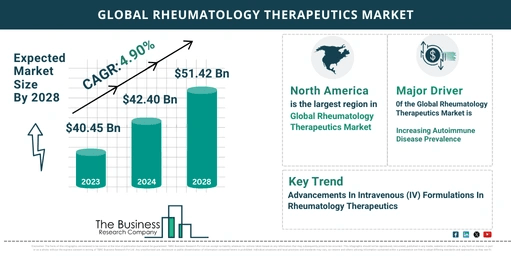
    The rheumatology therapeutics market is on a steady growth trajectory, driven by increasing prevalence of autoimmune diseases, advancements in treatment options, and expanding healthcare access. Here’s an in-depth look at the market dynamics, projections, and key trends shaping the industry.

    Current Market Size and Growth

    • 2023 Market Size: $40.45 billion
    • 2024 Market Size (Projected): $42.40 billion
    • CAGR: 4.8%

    Key Growth Drivers

    • Rising Prevalence of Rheumatologic Disorders: Increased incidence of autoimmune diseases drives demand for therapeutics.
    • Aging Population: Global aging population contributes to higher prevalence of rheumatologic conditions.
    • Growing Awareness: Increased awareness about treatment options and advancements in biological therapies.
    • Expansion of Healthcare Access: Improved access to healthcare in emerging markets boosts market growth.

    View More On The Rheumatology Therapeutics Market Report 2024 –
    https://www.thebusinessresearchcompany.com/report/rheumatology-therapeutics-global-market-report

    Future Market Growth and Trends

    The rheumatology therapeutics market is expected to continue growing steadily, supported by various factors.

    Forecasted Growth (2024-2028)

    • CAGR: 4.9%
    • 2028 Market Size (Projected): $51.42 billion

    Growth Drivers

    • Shift Towards Personalized Medicine: Adoption of personalized medicine approaches tailored to individual patient needs.
    • Rising Adoption of Biosimilars: Increased use of biosimilars in rheumatology to enhance treatment options.
    • Investment in Research and Development: Higher R&D investments lead to the development of innovative therapies.
    • Integration of Digital Health Technologies: Digital tools and telemedicine enhance patient monitoring and treatment management.
    • Regulatory Approvals for Novel Therapies: New therapies receive regulatory approvals, expanding treatment options.

    Major Trends

    • Telemedicine and Remote Monitoring Solutions: Growth in telehealth and remote patient monitoring for managing rheumatologic conditions.
    • Expansion of Targeted Therapies: Development of targeted therapies for specific rheumatic conditions.
    • Patient-Centric Care Models: Emphasis on care models that prioritize patient needs and outcomes.
    • Biologic Treatments Beyond Monoclonal Antibodies: Expansion of biologic treatments to include newer therapeutic options.
    • Value-Based Pricing Models: Adoption of pricing models focused on the value delivered by treatments.

    Market Driver: Increasing Autoimmune Disease Prevalence

    The growing prevalence of autoimmune diseases is a significant driver for the rheumatology therapeutics market.

    Key Statistics

    • June 2024: According to the Australian Institute of Health and Welfare, approximately 514,000 people in Australia were estimated to have rheumatoid arthritis in 2022, accounting for 2.0% of the total population and 16% of the burden for all musculoskeletal conditions.

    Major Players in the Global Market

    Leading companies in the rheumatology therapeutics market are driving innovation and expanding their market presence.

    Key Companies

    • Pfizer Inc.
    • Johnson & Johnson
    • Roche Holding AG
    • Merck & Co. Inc.
    • AbbVie Inc.
    • Sanofi SA
    • Janssen Biotech
    • Regeneron Pharmaceuticals Inc.
    • Biogen Inc.
    • Vertex Pharmaceuticals
    • UCB S.A.
    • Galapagos NV (GLPG)
    • Genentech Inc.

    Innovations and Strategic Investments

    Key players are focusing on advancements and strategic acquisitions to strengthen their market positions.

    Example: Novartis AG

    • October 2023: Announced FDA approval for Cosentyx, an intravenous (IV) formulation for treating psoriatic arthritis, ankylosing spondylitis, and non-radiographic axial spondyloarthritis. This formulation targets interleukin-17A (IL-17A) and is the only non-TNF-alpha IV treatment available for these conditions.

    Example: Alfasigma S.p.A.

    • February 2024: Acquired Jyseleca (filgotinib) from Galapagos NV for $184.54 million. This acquisition expands Alfasigma’s product portfolio in gastrointestinal and rheumatological treatments and enhances its presence in European markets.

    Market Segmentation

    The rheumatology therapeutics market is segmented into various categories:

    1. By Drug Class:
      • Disease Modifying Anti-Rheumatic Drugs (DMARDs)
      • Nonsteroidal Anti-Inflammatory Drugs (NSAIDs)
      • Corticosteroids
      • Uric Acid Drugs
      • Other Drug Classes
    2. By Distribution Channel:
      • Hospital Pharmacy
      • Retail Pharmacy
      • Online Pharmacy
    3. By Disease Indication:
      • Rheumatoid Arthritis
      • Osteoarthritis
      • Gout
      • Psoriatic Arthritis
      • Ankylosing Spondylitis
      • Other Disease Indications

    Regional Insights

    Regional dynamics highlight North America as the largest market, with significant growth potential in other regions.

    Regional Market Leaders

    • North America: The largest region in the rheumatology therapeutics market in 2023, driven by advanced healthcare infrastructure and high treatment adoption rates.
    • Asia-Pacific: Expected to be the fastest-growing region during the forecast period due to expanding healthcare infrastructure and rising prevalence of rheumatologic disorders.

    Request A Sample Of The Global Rheumatology Therapeutics Market Report 2024:
    https://www.thebusinessresearchcompany.com/sample_request?id=17246&type=smp

  • What’s The Growth Forecast For Tetanus Toxoid Vaccine Market Through 2024-2033?

    What’s The Growth Forecast For Tetanus Toxoid Vaccine Market Through 2024-2033?

    The Business Research Company’s global market reports provide comprehensive analysis on the various markets in 27 industries across 60 geographies.

    The tetanus toxoid vaccine market has demonstrated strong growth in recent years, driven by rising awareness, increased tetanus cases, and government-led immunization programs. This analysis provides a detailed overview of the current market size, growth forecasts, key drivers, emerging trends, and major players shaping the market’s future.

    Current Market Size and Growth

    • 2023 Market Size: $4.74 billion
    • 2024 Market Size (Projected): $5.08 billion
    • CAGR: 7.2%

    Key Growth Drivers

    • Rising Awareness: Increased global awareness about the importance of vaccination has led to higher demand for tetanus toxoid vaccines.
    • Tetanus Incidence: The rising number of tetanus cases, especially in regions with lower immunization rates, has driven the need for widespread vaccination.
    • Government Initiatives: Immunization programs sponsored by governments have significantly contributed to the market’s expansion.

    Future Market Growth and Trends

    The tetanus toxoid vaccine market is expected to continue its strong growth trajectory in the coming years, with advancements in vaccine technology and expansion into emerging markets playing crucial roles.

    Forecasted Growth (2024-2028)

    • CAGR: 7.3%
    • 2028 Market Size (Projected): $6.74 billion

    View More On The Tetanus Toxoid Vaccine Market Report 2024 –
    https://www.thebusinessresearchcompany.com/report/tetanus-toxoid-vaccine-global-market-report

    Growth Drivers

    • R&D Investments: Increased investments in research and development are expected to lead to new vaccine formulations and improvements in vaccine efficacy and safety.
    • Distribution Networks: Expanding distribution networks, particularly in developing regions, will enhance vaccine accessibility and coverage.
    • Preterm Birth Rates: The increasing rates of preterm births, which require prompt and comprehensive immunization, are expected to drive demand for tetanus toxoid vaccines.

    Emerging Trends

    • Vaccine Technology Advancements: Continuous improvements in vaccine technology, including the development of more effective combination vaccines, are anticipated to fuel market growth.
    • New Product Launches: The introduction of new vaccines, such as pentavalent and hexavalent formulations, will meet the growing demand for comprehensive immunization solutions.
    • Emerging Markets: Expansion into emerging markets, where immunization programs are rapidly evolving, offers significant growth potential.
    • Growing Vaccine Demand: The global emphasis on preventive healthcare is expected to lead to increased demand for vaccines, including tetanus toxoid vaccines.

    Impact of Preterm Birth Rates on Market Growth

    The rising preterm birth rates globally are a significant driver of growth for the tetanus toxoid vaccine market.

    Preterm Birth Trends

    • Increasing Incidence: Factors such as higher maternal age, lifestyle choices, and medical interventions have led to an increase in preterm births.
    • Immunization Needs: Preterm infants are at higher risk for infections, necessitating early and comprehensive vaccination, including tetanus immunization.

    Example

    • UK Data (2023): According to the Office for National Statistics, the percentage of preterm live births increased from 7.4% in 2020 to 7.5% in 2021, highlighting the growing need for vaccines in this population.

    Major Players in the Global Market

    Several key players dominate the tetanus toxoid vaccine market, with a focus on innovation, strategic partnerships, and global expansion.

    Leading Companies

    • Sanofi S.A.
    • Novartis AG
    • LG Chem Ltd.
    • GlaxoSmithKline plc
    • AJ Vaccines AS
    • PT Bio Farma
    • Serum Institute of India Pvt. Ltd.
    • Amson Vaccines and Pharma Pvt Ltd.
    • Incepta Vaccine Ltd.
    • Mitsubishi Tanabe Pharma Corporation
    • BioNet-Asia Co. Ltd.
    • Avalon Pharma Pvt. Ltd.
    • Actiza Pharmaceutical Pvt. Ltd.

    Innovations and Technological Advances

    Technological advancements in vaccine development are a key focus for companies in the tetanus toxoid vaccine market.

    Example: wP-IPV-based Pentavalent Vaccine

    • Panacea Biotec Limited: In December 2023, Panacea Biotec launched EasyFourPol, a fully-liquid wP-IPV-based pentavalent vaccine that protects against Diphtheria, Tetanus, Pertussis, Polio, and Haemophilus Influenza Type B. This innovative vaccine simplifies immunization processes by offering a combination vaccine that is ready-to-use, enhancing healthcare delivery.

    Strategic Partnerships and Mergers

    Collaborations and mergers are shaping the competitive landscape, allowing companies to innovate and expand their market presence.

    Example: Stablepharma Ltd. and BB-NCIPD Ltd. Partnership

    • Partnership Overview: In March 2021, Stablepharma Ltd. partnered with BB-NCIPD Ltd. to develop a thermally stable, fridge-free version of the tetanus-diphtheria (Td) vaccine. This innovative approach leverages Stablepharma’s patented StablevaX technology, aiming to increase vaccine accessibility in regions with limited cold chain infrastructure.

    Regional Insights

    The market’s regional dynamics highlight North America as the leading region, with significant growth potential in emerging markets.

    Regional Market Leaders

    • North America: The largest market in 2023, driven by high vaccination rates, advanced healthcare infrastructure, and strong government support for immunization programs.

    Conclusion

    The tetanus toxoid vaccine market is poised for continued growth, driven by advancements in vaccine technology, rising preterm birth rates, and expanding global immunization efforts. With increasing investments in research and development, the introduction of new and improved vaccines, and strategic partnerships, the market is set to expand significantly, offering new opportunities for vaccine manufacturers and healthcare providers alike.

    Request A Sample Of The Global Tetanus Toxoid Vaccine Market Report 2024:
    https://www.thebusinessresearchcompany.com/sample_request?id=17279&type=smp

  • Global Yellow Fever Vaccine Market Analysis 2024: Size, Share, And Key Trends

    Global Yellow Fever Vaccine Market Analysis 2024: Size, Share, And Key Trends

    The Business Research Company’s global market reports are now updated with the latest market sizing information for the year 2024 and forecasted to 2033

    As per The Business Research Company’s Yellow Fever Vaccine Global Market Report 2023, the yellow fever vaccine market is expected to show significant growth in the forecast period.

    The yellow fever vaccine market has shown strong growth in recent years, and this trend is expected to continue. Several factors are driving this growth, from increased international travel to advances in vaccine production technology.

    Current Market Size and Growth

    • 2023 Market Size: $4.32 billion
    • 2024 Market Size (Projected): $4.54 billion
    • CAGR: 5.1%

    Key Drivers

    • Global Immunization Campaigns: Mass vaccination efforts have significantly increased vaccine uptake.
    • International Health Regulations: Stricter rules have made vaccination mandatory in certain regions.
    • Technological Advances: Innovations in vaccine production have made vaccines more effective and accessible.

    Future Market Growth and Trends
    The yellow fever vaccine market is set to grow steadily over the next few years, reaching a projected $5.56 billion by 2028.

    View More On The Yellow Fever Vaccine Market Report 2024 –
    https://www.thebusinessresearchcompany.com/report/yellow-fever-vaccine-global-market-report

    Forecasted Growth (2024-2028)

    • CAGR: 5.2%
    • 2028 Market Size (Projected): $5.56 billion

    Growth Drivers

    • Collaboration and Partnerships: Increased partnerships between public and private sectors.
    • Routine Vaccination Integration: Yellow fever vaccines are becoming part of standard vaccination schedules.
    • Surveillance and Monitoring: Enhanced efforts to track and monitor vaccination coverage.
    • Private Sector Involvement: Growing role of private companies in vaccine distribution.
    • Digital Technologies: Adoption of digital tools for vaccine tracking and distribution.

    Emerging Trends

    • Vaccine Format Diversification: Development of new vaccine formats to meet diverse needs.
    • Pandemic Preparedness: Strengthening of vaccine infrastructure for potential future pandemics.
    • Regulatory Changes: Evolving regulations to ensure safety and efficacy.
    • Healthcare Infrastructure: Improvements in healthcare systems to support wider vaccine access.
    • Consumer Education: Increased efforts to raise awareness about the importance of vaccination.

    Impact of International Travel on Market Growth
    The rise in international travel has significantly boosted the yellow fever vaccine market.

    International Travel as a Growth Driver

    • Travel Trends: Post-pandemic recovery has led to a surge in international travel.
    • Tourism Statistics: 1.286 billion international tourists in 2023, up from 960 million in 2022.
    • Vaccine Requirement: Yellow fever vaccination is required for travel to endemic regions.

    Major Players in the Global Market
    Several key companies dominate the yellow fever vaccine market, leveraging their expertise in vaccine production and distribution.

    Leading Companies

    • Merck & Co Inc.
    • Sanofi S.A.
    • GSK plc
    • Takeda Pharmaceutical Company
    • Lonza Group AG

    Innovations in Vaccine Development
    Companies are focusing on next-generation vaccines to enhance global yellow fever immunity.

    T-Cell Adaptive Booster Vaccines

    • Emergex Vaccines Holding Limited: Partnered with ATCC to introduce T-cell adaptive vaccines.
    • Vaccine Mechanism: These vaccines enhance memory T-cell response, providing long-lasting immunity.
    • Focus on Cellular Immunity: Greater emphasis on cellular responses rather than just antibody production.

    Strategic Acquisitions in the Market
    Mergers and acquisitions are playing a crucial role in the market’s development.

    Emergex’s Acquisition of Zosano Pharma Inc.

    • Acquisition Details: In October 2022, Emergex acquired Zosano Pharma Corporation.
    • Strategic Benefits: Expanded technological capabilities in transdermal delivery systems.
    • Impact on Vaccine Development: Accelerated development of innovative vaccines, including those for yellow fever.

    Regional Insights
    The yellow fever vaccine market shows varying dynamics across different regions.

    Regional Market Leaders

    • North America: Largest market in 2023.
    • Asia Pacific: Expected to be the fastest-growing region during the forecast period.

    Conclusion
    The yellow fever vaccine market is on a steady growth trajectory, driven by increased international travel, technological advancements, and strategic collaborations. With ongoing innovations and regional expansions, the market is well-positioned for continued success in the coming years.

    Request A Sample Of The Global Yellow Fever Vaccine Market Report 2024:
    https://www.thebusinessresearchcompany.com/sample_request?id=17297&type=smp

  • How Is The Biopharmaceutical Fermentation Systems Market Expected To Grow Through 2024-2033

    How Is The Biopharmaceutical Fermentation Systems Market Expected To Grow Through 2024-2033

    The Business Research Company’s global market reports are now updated with the latest market sizing information for the year 2024 and forecasted to 2033

    According to The Business Research Company’s Biopharmaceutical Fermentation Systems Global Market Report 2024, the biopharmaceutical fermentation systems market is expected to show promising growth in the forecast period.

    The biopharmaceutical fermentation systems market has experienced robust growth recently, fueled by increasing demand for biologics, regulatory support, and significant advancements in research and development. As the market continues to evolve, various factors contribute to its expansion, from the growing biologics pipeline to the rise of personalized medicine and the adoption of continuous bioprocessing. This blog explores the key drivers, trends, and future outlook of the biopharmaceutical fermentation systems market.

    Rapid Growth in the Biopharmaceutical Fermentation Systems Market

    • Strong Market Growth: The biopharmaceutical fermentation systems market is projected to grow from $22.57 billion in 2023 to $24.82 billion in 2024, at a compound annual growth rate (CAGR) of 9.9%.
    • Historical Growth Drivers: Key factors that contributed to this growth include an increasing demand for biologics, supportive regulatory environments, industry consolidation, and significant investments in research and development.

    Future Market Expansion and Key Drivers

    • Projected Market Size: The market is expected to grow to $36.55 billion by 2028, with a CAGR of 10.2%.
    • Growth Catalysts: Expansion of the biopharmaceutical pipeline, a shift toward personalized medicine, adoption of continuous bioprocessing, emerging market expansion, and advancements in automation and digitalization are anticipated to drive future market growth.

    View More On The Biopharmaceutical Fermentation Systems Market Report 2024 – https://www.thebusinessresearchcompany.com/report/biopharmaceutical-fermentation-systems-global-market-report

    Surging Pipeline of Biologics Fuels Market Growth

    • Increasing Biologics Pipeline: The growing pipeline of biologics is a significant driver of the biopharmaceutical fermentation systems market.
    • What Are Biologics: Biologics are medicinal products derived from living organisms or their components, including vaccines, blood components, gene therapies, and recombinant proteins.
    • Production Needs: The production of these complex therapeutic proteins, antibodies, and vaccines on a large scale requires advanced biopharmaceutical fermentation systems.

    Example of Growing Biologics Approval

    • Rising Approvals: In 2023, the FDA approved 55 new drugs, including 29 new chemical entities and 25 new biological entities, marking a 50% increase compared to 37 approvals in 2022.
    • Impact on Market: This increase in approvals underscores the growing demand for sophisticated fermentation systems to support large-scale production.

    Advancements in Automated Solutions Transform the Market

    • Focus on Automation: Leading companies in the biopharmaceutical fermentation systems market are developing advanced systems, such as automated bioreactors, to enhance efficiency, scalability, and reproducibility.
    • Benefits of Automated Bioreactors: These systems integrate automated control and monitoring technologies to optimize the growth conditions for microorganisms or cells, ensuring high-quality production of biopharmaceuticals.

    Case Study: Froilabo’s Automated Bioreactors

    • Launch of New Products: In October 2022, Froilabo launched fully automated lab-scale bioreactors designed for various applications, including research, process development, and production.
    • Technological Features: These bioreactors provide versatility and precision with high-grade aseptic conditions, customizable impeller placement, and a novel magnetic mixer, enhancing the production process.

    Strategic Acquisitions Bolstering Market Position

    • MilliporeSigma’s Acquisition of Erbi Biosystems: In December 2022, MilliporeSigma acquired Erbi Biosystems Inc., strengthening its upstream portfolio in therapeutic proteins.
    • Significance of the Acquisition: The integration of Erbi Biosystems’ Breez micro-bioreactor platform technology allows for scalable cell-based perfusion bioreactor processes and accelerates innovation in continuous bioprocessing.

    Market Segmentation and Regional Insights

    • Product Segmentation: The market is segmented by product into upstream and downstream products, each playing a crucial role in the production process.
    • Application Areas: Applications of biopharmaceutical fermentation systems include recombinant proteins, monoclonal antibodies, antibiotics, probiotics, and other uses.
    • End-Users: Key end-users include biopharmaceutical companies, contract manufacturing organizations, contract research organizations, academic research institutes, and the food industry.
    • Regional Dominance: North America was the largest region in the biopharmaceutical fermentation systems market in 2023, driven by robust R&D investments and a strong healthcare infrastructure.

    Conclusion

    The biopharmaceutical fermentation systems market is on a trajectory of rapid growth, driven by advancements in biologics production, automation, and continuous bioprocessing. As the market evolves, it presents significant opportunities for innovation and expansion, particularly in developing and optimizing advanced fermentation technologies. The increasing adoption of personalized medicine, continuous manufacturing, and sustainable practices further underscores the market’s dynamic nature and potential for future growth.

    Request A Sample Of The Global Biopharmaceutical Fermentation Systems Market Report 2024:
    https://www.thebusinessresearchcompany.com/sample_request?id=15524&type=smp