Category: Pharmaceuticals

  • Global Pharmaceutical Sterility Testing Market Report 2024 – Top Market Trends And Opportunities

    Global Pharmaceutical Sterility Testing Market Report 2024 – Top Market Trends And Opportunities

    The Business Research Company’s market reports offer an in-depth analysis on the market’s growth potential, major drivers, key trends and more.

    The Current Landscape and Growth Trajectory

    • The pharmaceutical sterility testing market has witnessed robust growth in recent years, with the market size reaching $1.41 billion in 2023.
    • Anticipated growth to $1.54 billion in 2024 reflects a compound annual growth rate (CAGR) of 9.0%.
    • Various factors contribute to this growth, including increased demand for quality pharmaceutical products, emphasis on drug safety and efficacy, and rising investments in life science research.

    A Glimpse into the Future: Forecasts and Trends

    • Forecasts predict substantial expansion, with the market projected to reach $3.18 billion in 2028 at a CAGR of 20.0%.
    • Factors driving this growth include biopharmaceutical advancements, personalized medicine, and the trend of outsourcing in the pharmaceutical industry.
    • Emerging trends in the forecast period encompass rapid microbiological methods, data integrity and digitalization, and advanced analytical techniques.

    Read More On The Pharmaceutical Sterility Testing Market Report 2024 – https://www.thebusinessresearchcompany.com/report/pharmaceutical-sterility-testings-global-market-report

    Rising Research and Development Investments Propel Growth

    • Increased drug launches and research and development investments fuel the expansion of the pharmaceutical sterility testing market.
    • Sterility testing plays a crucial role in drug manufacturing to ensure products are free from viable microorganisms and contamination.
    • Notable investments include a $347 million commitment by the UK government to advance R&D and create innovative treatments, as well as an anticipated introduction of 300 new medications by 2026, according to IQVIA.

    Expanding Product Portfolios Through Innovation

    • Companies are introducing new pharmaceutical sterility testing products and services to augment their portfolios and market presence.
    • Technologically superior outcomes and well-equipped services are being launched to capitalize on the growth potential of the market.
    • STEMart’s introduction of comprehensive microbiology and sterility testing for sterile products exemplifies this trend.

    Segmentation and Market Dynamics

    • The pharmaceutical sterility testing market is segmented based on sample, product type, type, test type, and end-user.
    • Sample categories include sterile drugs, medical devices, and biologics and therapeutics.
    • Product types encompass instruments, kits and reagents, and services, while testing can be conducted in-house or outsourced.
    • Test types include sterility testing, bioburden testing, and bacterial endotoxin testing.
    • North America led the market in 2023, with the Middle East expected to exhibit the fastest growth during the forecast period.

    Conclusion: Navigating Opportunities in a Dynamic Landscape

    The pharmaceutical sterility testing market stands at the cusp of significant growth, driven by technological advancements, increasing demand for quality pharmaceutical products, and strategic investments in research and development. As companies strive to expand their product portfolios and leverage emerging trends, stakeholders must remain agile to capitalize on evolving market dynamics. With promising forecasts and a host of opportunities on the horizon, the pharmaceutical sterility testing market promises to be a pivotal sector in the global healthcare landscape.

    Request for A Sample Of The Global Pharmaceutical Sterility Testing Market Report:
    https://www.thebusinessresearchcompany.com/sample_request?id=2826&type=smp
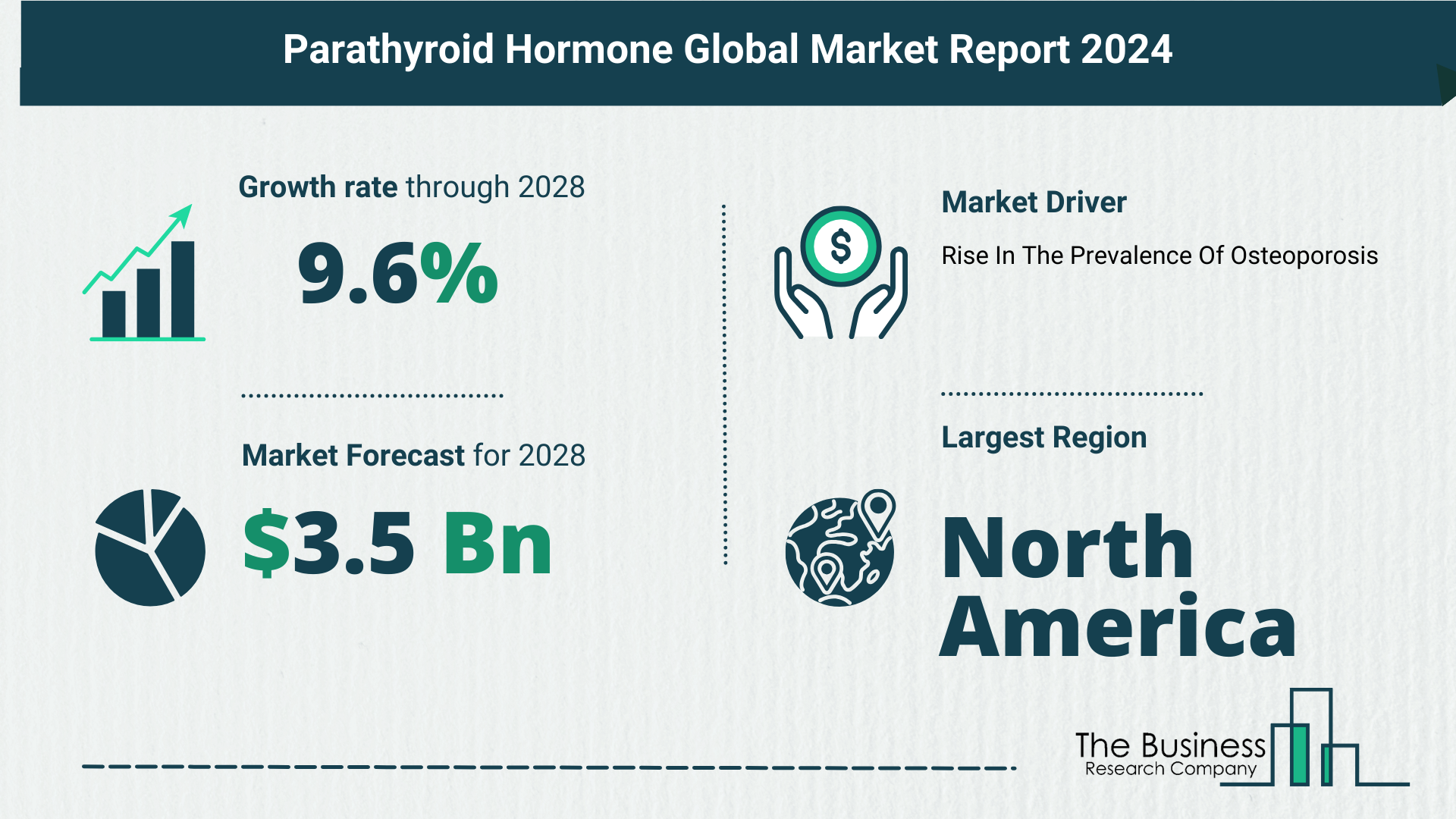
  • Top 5 Insights From The Parathyroid Hormone Market Report 2024

    Top 5 Insights From The Parathyroid Hormone Market Report 2024

    The Business Research Company’s global market reports are now updated with the latest market sizing information for the year 2024 and forecasted to 2033

    According to The Business Research Company’s Parathyroid Hormone Global Market Report 2024, the parathyroid hormone market is expected to show promising growth in the forecast period.

    Introduction: A Steady Rise in Market Size

    The parathyroid hormone market has experienced steady growth in recent years, with its size projected to increase from $2.35 billion in 2023 to $2.43 billion in 2024, reflecting a compound annual growth rate (CAGR) of 3.5%. This growth is attributed to various factors driving demand and innovation in parathyroid hormone-related treatments.

    Elevated Prevalence Of Osteoporosis Sparks Growth In The Parathyroid Hormone Market

    • Osteoporosis prevalence rises, fueling demand for parathyroid hormone-based treatments.
    • Parathyroid hormone helps reduce fracture risk in osteoporosis patients.
    • Major companies in the market include Pfizer Inc., Eli Lilly and Company, and Novartis AG.

    Biosimilar Development In The Parathyroid Hormone Market Enhances Affordability And Treatment Standards

    • Companies focus on developing biosimilars of parathyroid-based drugs to enhance affordability.
    • Biosimilars offer reduced healthcare costs without compromising treatment standards.
    • Theramex launched Livogiva, a novel form of teriparatide, for osteoporosis treatment.

    View More On The Parathyroid Hormone Market Report 2024 – https://www.thebusinessresearchcompany.com/report/parathyroid-hormones-global-market-report

    Takeda’s Strategic Acquisition Of Shire PLC Fuels Global Expansion

    • Takeda Pharmaceutical Company Limited acquires Shire Plc for $46 billion.
    • The acquisition expands Takeda’s scale and geographical footprint.
    • Shire Plc specializes in innovative and rare disease drugs, including natpara, a parathyroid hormone product.

    Segmentation Insights and Regional Trends

    1. Disease Type:
      • Hypocalcemia
      • Hypoparathyroidism
    2. Product Type:
      • Recombinant Parathyroid Hormone
      • Parathyroid Hormone Analogues
    3. End-User:
      • Hospitals
      • Clinics
      • Other End-Users

    Regional Dynamics: Insights into Market Share

    • North America dominated the parathyroid hormone market in 2023.
    • The Middle East is poised to exhibit the fastest-growing region in the global market share during the forecast period.

    Future Outlook: Embracing Transformative Trends

    • The forecast period anticipates advances in parathyroid hormone testing and drug delivery.
    • Combination therapies and digital health integration are expected to shape future treatment landscapes.
    • Sustainability and green initiatives are likely to influence product development and manufacturing processes.

    Conclusion: Navigating Towards Growth and Innovation

    The parathyroid hormone market presents promising opportunities for growth and innovation. With the rising prevalence of osteoporosis and increasing investments in biosimilar development, the market is poised for expansion. Strategic acquisitions and partnerships, such as Takeda’s acquisition of Shire PLC, underscore the industry’s commitment to global expansion and enhanced treatment access. As the market evolves, embracing segmentation insights and regional trends will be essential for stakeholders to navigate towards a future marked by sustained growth and improved patient outcomes.

    Request A Sample Of The Global Parathyroid Hormone Market Report 2024:

    https://www.thebusinessresearchcompany.com/sample_request?id=3427&type=smp

  • Comprehensive Analysis On Size, Share, And Drivers Of The Interleukin Inhibitors Market

    Comprehensive Analysis On Size, Share, And Drivers Of The Interleukin Inhibitors Market

    The Business Research Company’s global market reports provide comprehensive analysis on the various markets in 27 industries across 60 geographies.

    The Growth Trajectory

    The interleukin inhibitors market has witnessed a remarkable surge in recent years, underscoring its vital role in addressing autoimmune diseases and related conditions. The market size soared from $42.93 billion in 2023 to $49.84 billion in 2024, exhibiting a noteworthy Compound Annual Growth Rate (CAGR) of 16.1%.

    • Rising prevalence of autoimmune diseases
    • Increasing awareness of interleukin inhibitors
    • Growing demand for personalized medicine
    • Expansion of the elderly population
    • Popularity of biosimilars

    Anticipating Future Expansion

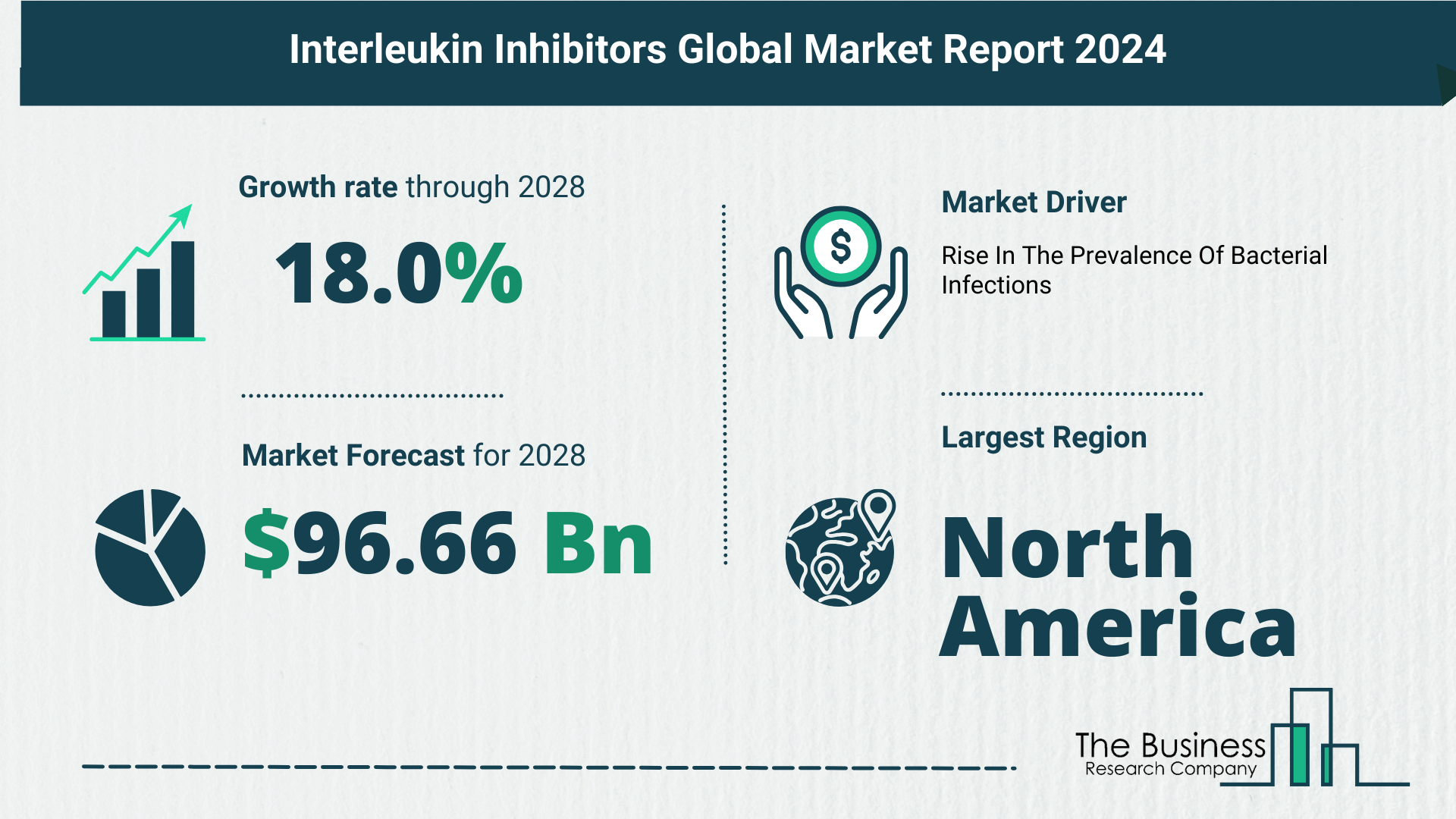
    The trajectory of growth continues to soar as projections suggest a burgeoning market size of $96.66 billion by 2028, with a CAGR of 18.0%. This anticipated surge in the forecast period can be attributed to several key factors:

    • Emerging therapeutic indications
    • Global aging population
    • Immunotherapy combinations
    • Increasing investment in research and development

    View More On The Interleukin Inhibitors Market Report 2024 – https://www.thebusinessresearchcompany.com/report/interleukin-inhibitor-global-market-report

    Navigating Emerging Trends

    In the forecast period, several trends are poised to shape the landscape of interleukin inhibitors:

    • Oral interleukin inhibitors
    • Next-generation therapies
    • Pediatric indications
    • Expanded access
    • Patient-centric care

    Rising Investigational Drugs For Inflammatory Diseases To Propel Interleukin Inhibitors Market
    An escalating number of investigational drugs targeting inflammatory diseases such as psoriasis, arthritis, and inflammatory bowel disease is set to propel the interleukin inhibitors market forward. These drugs aim to curtail the actions of inflammatory cytokines and stimulate innate immune responses to maintain tissue homeostasis.

    • 48 molecules under investigation
    • 20 molecules in Phase III clinical trials

    Key Players Driving Innovation

    Major companies driving innovation in the interleukin inhibitors market include:

    • Sanofi S.A.
    • GlaxoSmithKline PLC
    • Novartis International AG
    • Johnson & Johnson Services Inc.
    • F. Hoffmann-La Roche Ltd.
    • Eli Lilly and Company
    • Incyte Corporation
    • Seattle Genetics Inc.
    • Genentech Inc.
    • Karyopharm Therapeutics Inc.
    • Kyowa Kirin Co Ltd.
    • Astellas Pharma Inc.
    • Ipsen Biopharmaceuticals Inc.

    Rising Opportunity For Interleukin Inhibitor Biosimilars In The Post-Patent Era

    The expiration of patents for biologic drugs has paved the way for biosimilar drugs, offering a more cost-effective alternative. This presents a significant opportunity for companies focusing on developing biosimilars for interleukin inhibitors.

    • Companies focusing on biosimilars include Mabpharm, NeuClone Pharmaceuticals Ltd., Gedeon Richter, and Bio-Thera Solutions.
    • Biosimilars in development for IL inhibitors: canakinumab (Ilaris), ustekinumab (Stelara), tocilizumab (Actemra), and secukinumab (Cosentyx).

    Market Segmentation

    The interleukin inhibitors market is segmented based on:

    1. Type: IL-17, IL-23, IL-1, IL-5, IL-6, Other Types
    2. Application: Psoriasis, Psoriatic Arthritis, Rheumatoid Arthritis, Asthma, Inflammatory Bowel Disease, Other Applications
    3. Distribution Channel: Hospital Pharmacies, Retail Pharmacies, Online Pharmacies

    Regional Dynamics

    North America emerged as the largest region in the interleukin inhibitors market in 2023, reflecting the region’s robust infrastructure and healthcare ecosystem.

    In conclusion, the interleukin inhibitors market is poised for substantial growth fueled by innovative therapies, expanding indications, and a growing focus on personalized medicine. With a plethora of investigational drugs and biosimilars in the pipeline, the landscape promises continued evolution, offering hope and healing to millions worldwide.

    Request A Sample Of The Global Interleukin Inhibitors Market Report 2024
    https://www.thebusinessresearchcompany.com/sample_request?id=3469&type=smp

  • Oncology Biosimilars Global Market Outlook 2024-2033: Size And Growth Rate Analysis

    Oncology Biosimilars Global Market Outlook 2024-2033: Size And Growth Rate Analysis

    The Business Research Company’s global market reports provide comprehensive analysis on the various markets in 27 industries across 60 geographies.

    Introduction: The Surging Growth Trajectory

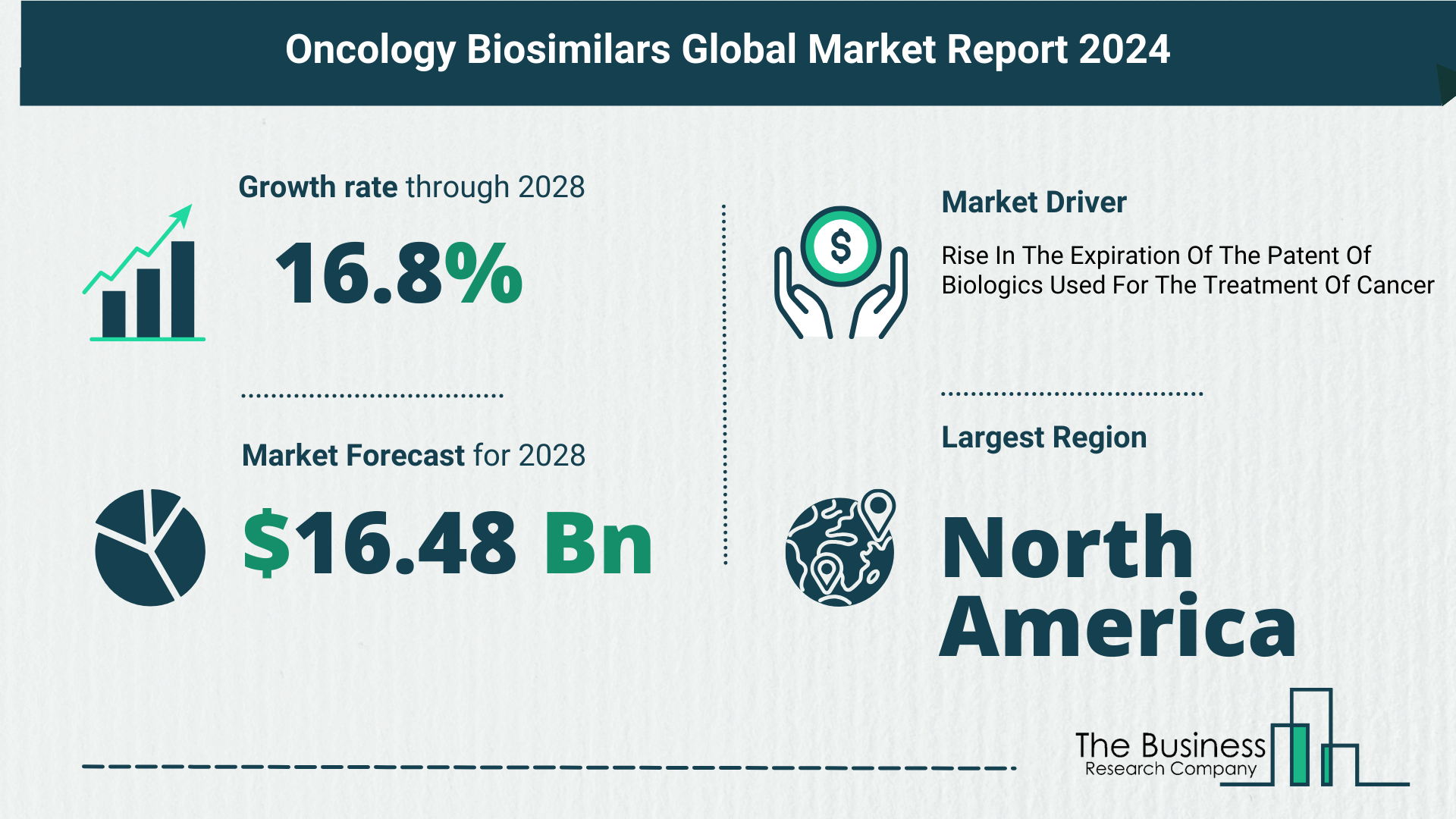
    The oncology biosimilars market has witnessed exponential growth in recent years, driven by various factors contributing to its expansion. With an anticipated increase from $6.9 billion in 2023 to $8.85 billion in 2024, the market shows a remarkable compound annual growth rate (CAGR) of 28.3%. Looking ahead, the market is forecasted to surge further to $16.48 billion by 2028, reflecting a CAGR of 16.8%.

    Patent Expirations Drive New Oncology Biosimilars

    • Patent expirations of biologic cancer drugs pave the way for the development of new oncology biosimilars.
    • Nearly 20 oncology biologics are set to lose patents by 2023, fueling the demand for new biosimilars.
    • Major players in the market include Biocon Biologics Limited, Celltrion Inc., Pfizer Inc., and more.

    Fostering Innovation Through Research And Development For Oncology Biosimilars

    • Pharmaceutical companies are investing heavily in R&D to produce innovative oncology biosimilars.
    • Collaborations like the one between Coherus and Junshi Biosciences aim to expand the immuno-oncology franchise.
    • Segmentation of the oncology biosimilars market includes drug type, cancer type, and distribution type.

    View More On The Oncology Biosimilars Market Report 2024 – https://www.thebusinessresearchcompany.com/report/oncology-biosimilar-global-market-report

    Segmentation Insights and Regional Trends

    1. Drug Type:
      • Monoclonal Antibody
      • Immunomodulators
      • Hematopoietic Agents
      • Granulocyte Colony-Stimulating Factor (G-CSF)
    2. Cancer Type:
      • Breast Cancer
      • Colorectal Cancer
      • Blood Cancer
      • Neutropenia Cancer
      • Non-Small Cell Lung Cancer
      • Other Cancer Types
    3. Distribution Type:
      • Hospital Pharmacy
      • Retail Pharmacy
      • Online Pharmacy

    Regional Dynamics: A Global Outlook

    • North America emerged as the largest region in the global oncology biosimilars market in 2023.
    • The Middle East is poised to be the fastest-growing region in the forecast period.

    Future Outlook: Embracing Transformative Trends

    • The forecast period anticipates several transformative trends, including the rise of biobetters and oncology biosimilar combinations.
    • Supportive care biosimilars and real-world evidence are expected to shape the future landscape of oncology biosimilars.

    Conclusion: Navigating Towards a Thriving Future

    The oncology biosimilars market presents a landscape ripe with opportunities and innovations. With patent expirations driving new developments and research and development efforts fostering innovation, the market is poised for significant expansion. As the market continues to evolve, embracing transformative trends and regional dynamics will be key to navigating towards a future marked by growth and advancement in cancer care.

    Request A Sample Of The Global Oncology Biosimilars Market Report 2024:
    https://www.thebusinessresearchcompany.com/sample_request?id=2821&type=smp

  • Overview Of The Neurodegenerative Disorder Therapeutics Market 2024-2033: Growth And Major Players Analysis

    Overview Of The Neurodegenerative Disorder Therapeutics Market 2024-2033: Growth And Major Players Analysis

    The Business Research Company’s global market reports are now updated with the latest market sizing information for the year 2024 and forecasted to 2033

    The neurodegenerative disorder therapeutics market has witnessed robust expansion in recent years, with significant growth anticipated in the coming years. Insights into the market trajectory unveil compelling trends and factors shaping its landscape.

    A Glimpse into Market Dynamics

    • Historic Growth Factors:The market surged from $18.53 billion in 2023 to $20.04 billion in 2024, driven by factors like the aging population, rising prevalence of neurodegenerative disorders, and increased life expectancy.
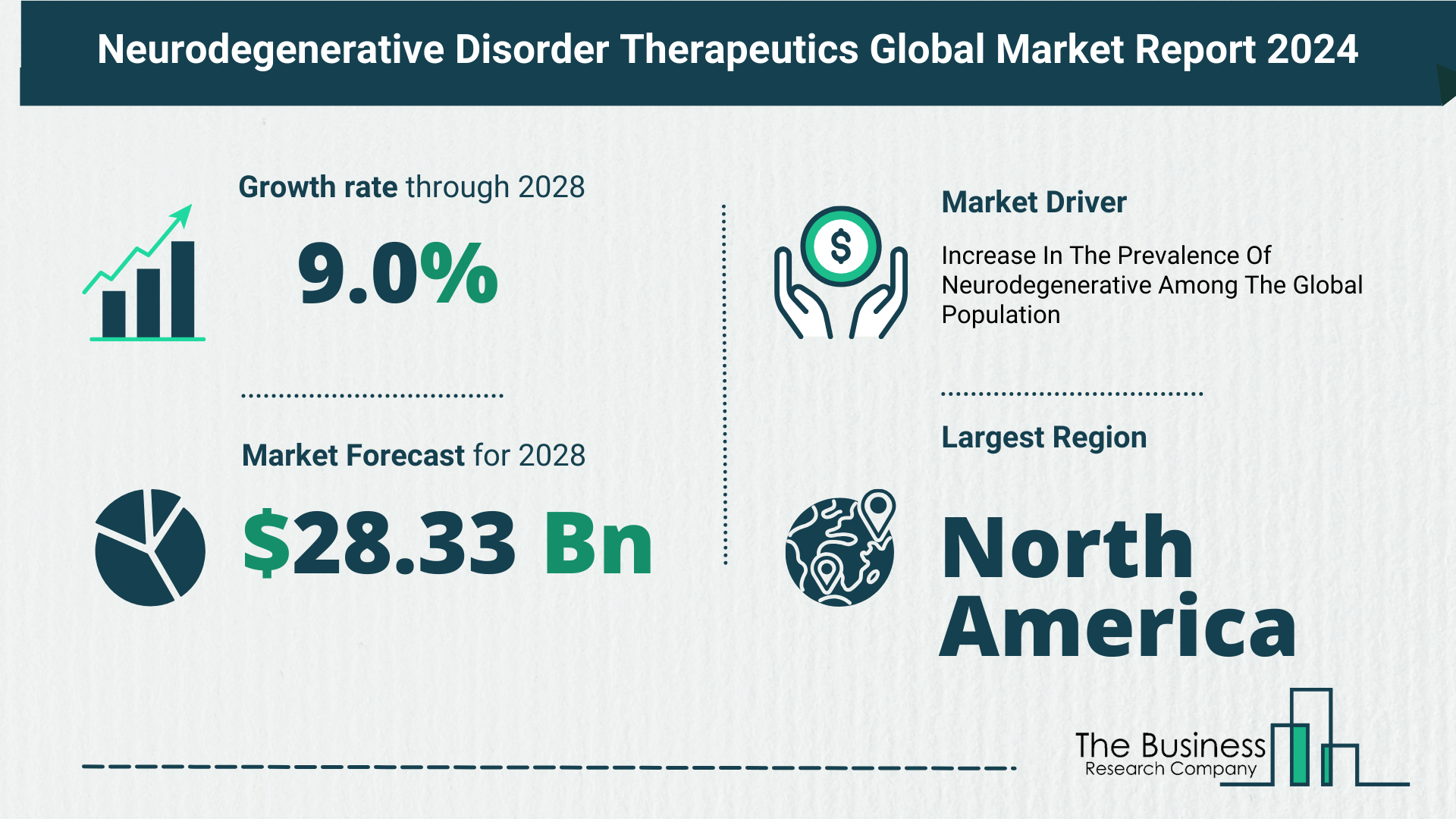
    • Forecasted Expansion:Expectations soar as the market is poised to reach $28.33 billion by 2028, with a CAGR of 9.0%. The surge is fueled by rising demand for personalized medicine, targeted therapy, and increased availability of clinical trials.

    Understanding the Prevalence Surge

    Growing Prevalence Of Neurodegenerative Disorders Fuels Neurodegenerative Disorder Therapeutics Market

    • Global Aging Population:The rise in neurodegenerative disorders correlates with the aging populace. By 2050, the geriatric population is projected to reach 2.1 billion, intensifying the demand for therapeutic interventions.
    • Alarming Statistics:According to the Alzheimer’s Association, around 5.8 million Americans suffer from Alzheimer’s disease, with projections suggesting a rise to 14 million by 2050.

    View More On The Neurodegenerative Disorder Therapeutics Market Report 2024 – https://www.thebusinessresearchcompany.com/report/neurodegenerative-disorder-therapeutic-global-market-report

    Innovative Strides in Therapeutics

    Innovative Product Launch In The Neurodegenerative Disorder Therapeutics Market

    • Pioneering Techniques:Major companies are spearheading innovative techniques like Neurofilament Light Chain (NfL) blood tests to revolutionize diagnosis and treatment efficacy.
    • Diagnostic Advancements:Labcorp’s NfL blood test offers a breakthrough in detecting neuronal damage, catering to conditions like Alzheimer’s, Parkinson’s, and multiple sclerosis.

    Industry Evolution: Acquisitions and Expansion

    VitalPath Acquired Modern Catheter Technologies

    • Strategic Acquisition:VitalPath’s acquisition of Modern Catheter Technologies underscores the industry’s drive for expansion and innovation.
    • Capacity Augmentation:The acquisition enhances VitalPath’s manufacturing capabilities, positioning it for greater growth and market penetration.

    Segmentation Insights

    • Indication Types:Segmented into Parkinson’s Disease, Alzheimer’s Disease, Multiple Sclerosis, Huntington’s Disease, and Other Indication Types.
    • Drug Types:Includes N-methyl-D-aspartate Receptor, Selective Serotonin Reuptake Inhibitor, Dopamine Inhibitors, and Other Drug Types.
    • Distribution Channels:Encompasses Hospital Pharmacy, Retail Pharmacy, and Online Pharmacy.

    Regional Outlook: Dynamics and Projections

    • North America Dominance:The largest region in the global neurodegenerative disorder therapeutics market in 2023.
    • Emerging Markets:The Middle East emerges as the fastest-growing region, poised to reshape the market landscape.

    Charting the Path Forward

    The neurodegenerative disorder therapeutics market embarks on a transformative journey, propelled by innovation, strategic acquisitions, and evolving demographics. As stakeholders align strategies with emerging trends, the industry is primed for unprecedented growth and breakthroughs in therapeutic interventions.

    Request A Sample Of The Global Neurodegenerative Disorder Therapeutics Market Report 2024:
    https://www.thebusinessresearchcompany.com/sample_request?id=2818&type=smp

  • What Is The Forecast Growth Rate For The Multiple Sclerosis Drugs Market?

    What Is The Forecast Growth Rate For The Multiple Sclerosis Drugs Market?

    The Business Research Company’s market reports offer an in-depth analysis on the market’s growth potential, major drivers, key trends and more.

    The multiple sclerosis drugs market has experienced robust growth in recent years, driven by various factors:

    • Market size increased from $29.66 billion in 2023 to $31.5 billion in 2024.
    • Compound Annual Growth Rate (CAGR) of 6.2% attributed to rising prevalence, unmet medical needs, and pharmaceutical investments.
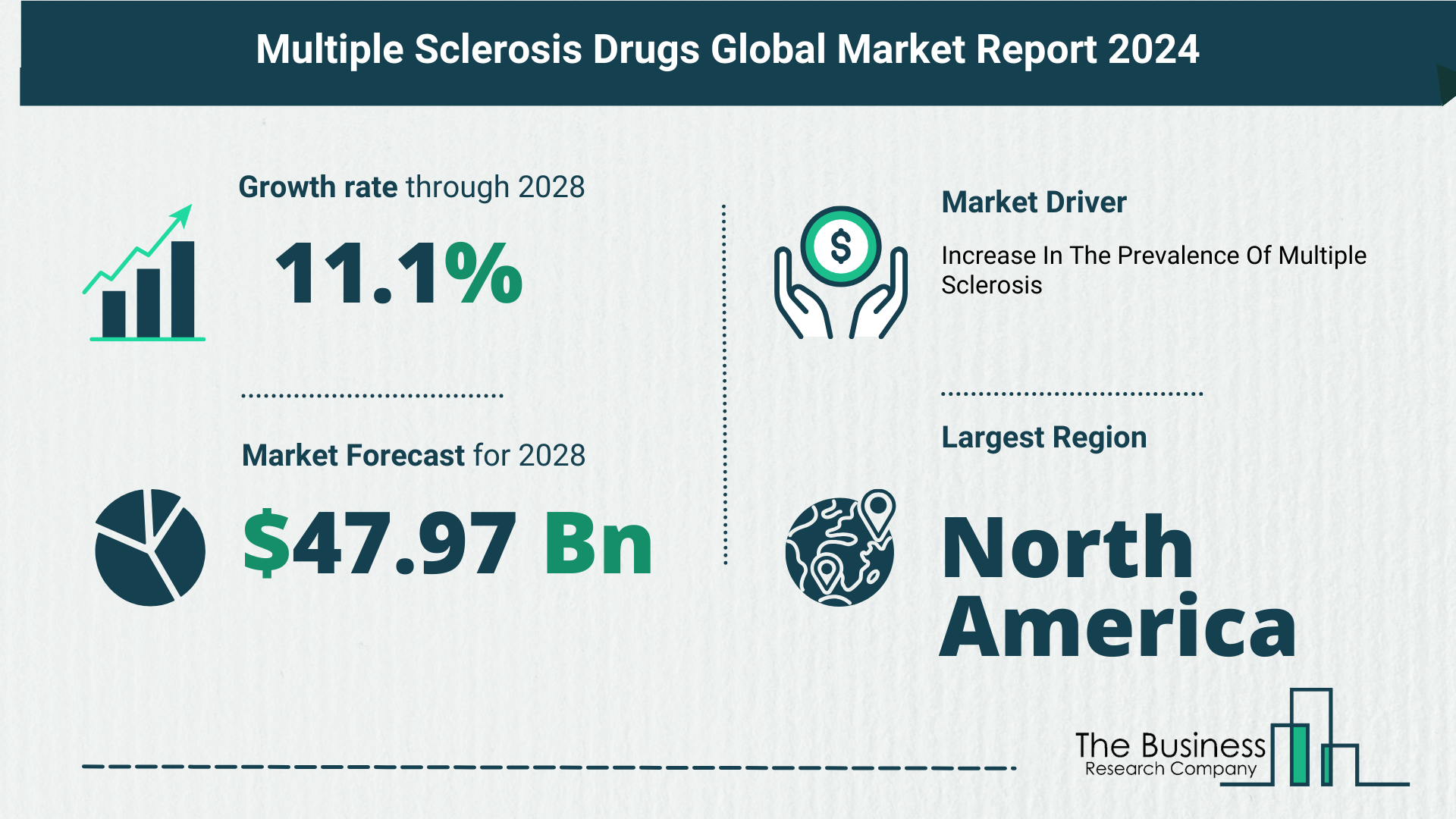
    • Expected growth to $47.97 billion by 2028, at a CAGR of 11.1%.

    Government And Non-Government Support Fueling Growth Of Multiple Sclerosis Drugs Market

    Investment and Collaboration

    Government and non-governmental support play pivotal roles in fostering market growth:

    • Initiatives like CanProCo receive substantial funding to enhance MS research.
    • Partnerships between government entities, research organizations, and pharmaceutical companies drive innovation and understanding of MS.
    • Notable contributors include Biogen Inc., Novartis International AG, and F. Hoffmann-La Roche Ltd.

    Read More On The Multiple Sclerosis Drugs Market Report 2024 – https://www.thebusinessresearchcompany.com/report/multiple-sclerosis-drugs-global-market-report

    Innovative Products And Competitive Strategies In The Multiple Sclerosis Drug Market

    Innovations Driving Competition

    Major players are introducing cutting-edge products and strategies to gain competitive advantages:

    • Owen Mumford’s Aidaptus auto-injector platform simplifies drug administration.
    • Bristol-Myers Squibb’s acquisition of Celgene expands its product portfolio, leveraging Celgene’s pipeline, including Ozanimod for relapsing MS.

    Segmentation and Regional Outlook

    Understanding Market Segments

    The multiple sclerosis drugs market is segmented based on:

    1. Drug Class: Immunomodulators, Immunosuppressants, Interferons, and Other Drug Classes.
    2. Distribution Channels: Hospital Pharmacy, Retail Pharmacy, and Online Stores.
    3. Route of Administration: Oral Drugs and Parenteral Drugs.

    Regional Dynamics

    • North America dominated the market in 2023.
    • The Middle East is projected as the fastest-growing region.

    Conclusion

    The multiple sclerosis drugs market exhibits promising growth prospects, propelled by evolving treatment modalities, increased awareness, and supportive government initiatives. Innovative products and strategic acquisitions contribute to the competitive landscape, ensuring advancements in MS therapy. As research and development continue to expand, the market is poised to address the unmet needs of patients worldwide, ultimately improving their quality of life.

    In essence, the trajectory of the multiple sclerosis drugs market underscores a concerted effort towards innovation, collaboration, and patient-centric care, promising a brighter future for those affected by this debilitating condition.

    Request for A Sample Of The Global Multiple Sclerosis Drugs Market Report:
    https://www.thebusinessresearchcompany.com/sample_request?id=2817&type=smp

  • Oral Biologics & Biosimilar Drugs Market Forecast Until 2033 – Estimated Market Size And Growth Rate

    Oral Biologics & Biosimilar Drugs Market Forecast Until 2033 – Estimated Market Size And Growth Rate

    The Business Research Company’s market reports offer an in-depth analysis on the market’s growth potential, major drivers, key trends and more.

    The oral biologics & biosimilar drugs market has witnessed exponential growth:

    • Market size surged from $5.94 billion in 2023 to $7.19 billion in 2024 at a CAGR of 21.0%.
    • Historical growth attributed to rising prevalence of chronic diseases and increasing awareness of oral biologics.
    • Expected to reach $13.32 billion by 2028, with a CAGR of 16.7%.

    Rising Prevalence Of Chronic Diseases Driving Growth
    Understanding the Epidemic
    Chronic diseases such as arthritis, asthma, and cancer are proliferating:

    • Unhealthy lifestyles contribute to the surge in chronic diseases.
    • Biologics, activating immune responses against cancer cells, play a crucial role.
    • By 2030, chronic diseases are projected to cause 70% of global deaths, escalating the demand for biologics and biosimilars.

    Innovations in Product Offerings and Services
    Focus on Customer Satisfaction
    Major players are emphasizing product innovation:

    • Introduction of interchangeable biosimilars enhances market revenues.
    • Viatris Inc. and Biocon Biologics Limited launched interchangeable biosimilars SEMGLEE and Insulin Glargine, catering to diabetes management.
    • Companies like Novartis International AG, Eli Lilly and Company, and AstraZeneca PLC drive innovation in the market.

    Segmentation and Market Analysis
    Understanding Market Segments
    The oral biologics & biosimilar drugs market is segmented based on:

    1. Therapy: Lymphocyte Modulators, Interleukin Inhibitors, Tumor Necrosis Factor-Alpha Inhibitors.
    2. Disease: Asthma, Crohn’s Disease, Carcinoma, Arthritis, Diabetes, Multiple Myeloma, Enterocolitis, Multiple Sclerosis, Sarcoma, Psoriasis, and Others.
    3. Molecule Type: Vaccines, Proteins and Peptides, Monoclonal Antibodies, Other Molecule Types.
    4. Distribution Channel: Hospital Pharmacies, Retail Pharmacies, Online Pharmacies.

    Regional Outlook

    • North America led the market in 2023.
    • The Middle East is forecasted to experience the fastest growth.

    Conclusion
    The oral biologics & biosimilar drugs market is poised for significant expansion, driven by escalating chronic diseases and advancements in therapeutic options. With an increasing focus on preventive medicine and patient-centric care, the market is witnessing a surge in innovative products and services.

    Innovations such as interchangeable biosimilars exemplify the commitment of major players to provide reliable and effective solutions. As the market continues to evolve, collaboration between pharmaceutical companies and regulatory bodies will be pivotal in ensuring accessibility and affordability of oral biologics and biosimilar drugs.

    In essence, the future of the oral biologics & biosimilar drugs market promises transformative growth, catering to the evolving healthcare needs of populations worldwide. As stakeholders continue to invest in research and development, the landscape of oral biologics and biosimilar drugs will undoubtedly witness remarkable progress, ultimately improving patient outcomes and quality of life.

    Read More On The Oral Biologics & Biosimilar Drugs Market Report 2024 – https://www.thebusinessresearchcompany.com/report/oral-biologics-and-biosimilar-drug-global-market-report

    Request for A Sample Of The Global Oral Biologics & Biosimilar Drugs Market Report:
    https://www.thebusinessresearchcompany.com/sample_request?id=3792&type=smp

  • How Is The Monoclonal Antibodies (MAs) Market Expected To Grow Through 2024-2033

    How Is The Monoclonal Antibodies (MAs) Market Expected To Grow Through 2024-2033

    The Business Research Company’s global market reports are now updated with the latest market sizing information for the year 2024 and forecasted to 2033

    According to The Business Research Company’s Monoclonal Antibodies (MAs) Global Market Report 2024, the monoclonal antibodies (MAs) market is expected to show promising growth in the forecast period.

    The monoclonal antibodies (mAbs) market has witnessed remarkable growth in recent years, indicating a promising trajectory ahead. Here are some key figures and insights:

    • The market size surged from $234.37 billion in 2023 to $261.66 billion in 2024, showcasing a compound annual growth rate (CAGR) of 11.6%.
    • Factors attributing to this growth include the prevalence of chronic diseases, escalating investments in research and development, heightened awareness regarding mAbs, and the expanding elderly population.

    Anticipating Future Trends

    Looking ahead, the market is projected to continue its upward surge, reaching a staggering $424.24 billion by 2028, boasting a CAGR of 12.8%. Here’s what to expect in the forecast period:

    • Expanding therapeutic indications and personalized medicine are poised to drive market growth.
    • The rise of biosimilars and generics, coupled with innovative combination therapies, is expected to reshape the landscape.
    • Trends such as immunotherapy advancements, subcutaneous administration, and digital health integration are likely to dominate the market.

    Rising Popularity Of Cost-Efficient Biosimilar Monoclonal Antibodies Fuels Market Growth

    Understanding Biosimilars

    The burgeoning popularity of cost-efficient biosimilar monoclonal antibodies stands as a significant driver behind the market’s expansion. Key points to note include:

    • Biosimilars aim to alleviate healthcare costs and enhance medication accessibility.
    • These pharmaceuticals mimic the properties of approved biological drugs, offering a more economical alternative.
    • Notably, biosimilar monoclonal antibodies cost 20%–25% less than their original counterparts.

    Indian Biosimilar Policy

    India’s ‘Guidelines on Similar Biologics’ herald a substantial boost to the biosimilar drugs industry, further propelling market growth.

    View More On The Monoclonal Antibodies (MAs) Market Report 2024 – https://www.thebusinessresearchcompany.com/report/monoclonal-antibodies-global-market-report

    Innovative Technologies Enhancing Competitiveness

    Embracing RenMice

    Major players in the monoclonal antibodies market are leveraging innovative technologies like RenMice to gain a competitive edge:

    • RenMice facilitates the exploration of various antibody-based therapies, including bispecific antibodies and nanobodies.
    • Biocytogen Pharmaceuticals’ RenMice series exemplifies groundbreaking advancements in fully human antibody mice and TCR mice, fostering innovation.

    FDA’s Regulatory Support Bolstering Therapeutics Market

    Accelerating Approvals

    The FDA’s regulatory support plays a pivotal role in bolstering the monoclonal antibody therapeutics market:

    • Accelerated approvals for novel treatments, such as avelumab and TECENTRIQ, underscore the agency’s commitment to advancing healthcare.

    Segmentation Insights: Understanding Market Dynamics

    Diverse Segmentation

    The monoclonal antibodies market is segmented across various dimensions, offering nuanced insights into its dynamics:

    1. By Source: Murine, Chimeric, Humanized, Human
    2. By Application: Anti-Cancer, Immunological, Anti-Infective, Neuropharmacological, Cardiovascular, and more.
    3. By End Users: Hospitals, Private Clinics, Research Institutes

    North America Leads the Way

    Regional Dominance

    North America emerged as the frontrunner in the monoclonal antibodies market in 2023, underlining the region’s prominence in driving industry growth.

    In conclusion, the monoclonal antibodies market continues to evolve, driven by technological innovations, regulatory support, and a growing demand for cost-effective therapies. As we navigate through dynamic landscapes, collaborations and advancements will be instrumental in unlocking the full potential of this burgeoning sector.

    Request A Sample Of The Global Monoclonal Antibodies (MAs) Market Report 2024:

    https://www.thebusinessresearchcompany.com/sample_request?id=2554&type=smp

  • 5 Takeaways From The Interferons Market Overview 2024

    5 Takeaways From The Interferons Market Overview 2024

    The Business Research Company’s global market reports are now updated with the latest market sizing information for the year 2024 and forecasted to 2033

    According to The Business Research Company’s Interferons Global Market Report 2024, the interferons market is expected to show promising growth in the forecast period.

    Introduction to Interferons and Market Dynamics

    The interferon market has experienced steady growth in recent years, with the market size reaching $9.17 billion in 2023 and projected to grow to $9.54 billion in 2024 at a compound annual growth rate (CAGR) of 4.0%. This growth is attributed to various factors such as viral infections, antiviral therapies, cancer treatment, and autoimmune diseases. Looking ahead, the market is expected to continue its upward trajectory, reaching $11.98 billion in 2028 with a CAGR of 5.9%.

    Elevated Incidence Of Cancer Propels Growth In The Interferon Market

    • Cancer’s rise is anticipated to drive interferon market growth.
    • Interferons play a crucial role in cancer treatment, particularly in combination therapies.
    • Statistics from the American Cancer Society highlight the significant impact of cancer on society.
    • Major players in the interferons market include Roche Holding AG, Merck & Co. Inc., and Novartis AG.

    View More On The Interferons Market Report 2024 – https://www.thebusinessresearchcompany.com/report/interferon-global-market-report

    Product Innovations In The Interferons Market

    • Companies are focusing on developing innovative products to cater to larger customer bases.
    • Ropeginterferon alfa-2b-njft injections are among the new products introduced to the market.
    • Besremi (ropeginterferon alfa-2b-njft) injection received FDA approval for the treatment of polycythemia vera.
    • PharmaEssentia Corporation’s milestone underscores advancements in interferon therapies.

    Bayer Collaborated With Curadev Pvt. Ltd.

    • Bayer’s collaboration with Curadev Pvt. Ltd. aims to explore new drug candidates.
    • The partnership focuses on Curadev’s Stimulator of Interferon Genes (STING) antagonist program.
    • STING antagonists hold promise for treating various diseases by activating the innate immune system.

    Segmentation and Regional Trends in the Interferons Market

    The interferons market is segmented based on type, application, and distribution channel:

    1. By Type: Interferon Alpha, Interferon Beta, Interferon Gamma
    2. By Application: Hepatitis B, Hepatitis C, Melanoma, Leukemia, Multiple Sclerosis, Renal Cell Carcinoma
    3. By Distribution Channel: Hospital Pharmacies, Online Pharmacies, Retail Pharmacies, Other Distribution Channels
    • North America dominated the interferons market in 2023.
    • The Middle East is expected to witness the fastest growth in the forecast period.

    Conclusion: Embracing Advancements in Interferon Therapies
    The interferon market’s growth trajectory reflects the evolving landscape of medical treatments and the increasing prevalence of diseases such as cancer and autoimmune disorders. With ongoing research, collaborations, and product innovations, the market is poised for further expansion. As pharmaceutical companies continue to explore new avenues for interferon therapy, patients stand to benefit from more effective treatments and improved outcomes in the years to come.

    In conclusion, the journey of interferon therapies underscores the importance of innovation, collaboration, and patient-centric approaches in shaping the future of healthcare. As we navigate through the complexities of disease management, the interferon market serves as a beacon of hope, offering novel solutions and transformative possibilities in the realm of medical science.

    Request A Sample Of The Global Interferons Market Report 2024:
    https://www.thebusinessresearchcompany.com/sample_request?id=2836&type=smp

  • Inhalation Sedatives Market Report 2024: Market Size, Drivers, And Trends

    Inhalation Sedatives Market Report 2024: Market Size, Drivers, And Trends

    The Business Research Company’s global market reports are now updated with the latest market sizing information for the year 2024 and forecasted to 2033

    The inhalation sedatives market has witnessed steady growth in recent years, with projections indicating further expansion. This growth trajectory is fueled by various factors including the rising prevalence of chronic diseases, expanding geriatric population, and increasing investment in research and development. In this blog post, we delve into the market dynamics, growth drivers, and major trends shaping the inhalation sedatives sector.

    Market Overview

    • The inhalation sedatives market size stood at $2.24 billion in 2023.
    • Expected to reach $2.34 billion in 2024 with a CAGR of 4.2%.
    • Growth attributed to rising prevalence of chronic diseases, expanding geriatric population, and increasing investment in R&D.

    Forecasted Growth

    • Predicted to grow to $2.88 billion by 2028, with a CAGR of 5.4%.
    • Factors contributing to forecasted growth include rising demand for outpatient procedures, anesthesia delivery systems, and telemedicine.
    • Expansion of ambulatory surgery centers also driving market growth.

    View More On The Inhalation Sedatives Market Report 2024 – https://www.thebusinessresearchcompany.com/report/inhalation-sedative-global-market-report

    Major Trends

    • Non-pharmacological alternatives gaining traction.
    • Focus on sustainability and eco-friendly practices.
    • Embrace of data integration and artificial intelligence.
    • Advancements in medical technology enhancing treatment options.

    Respiratory Disease Prevalence Driving Market Growth

    • Respiratory diseases affect various parts of the respiratory system.
    • Inhalation sedatives used to manage respiratory conditions.
    • Increasing prevalence of respiratory diseases, such as COPD, propelling market growth.
    • Data from the Australian Institute of Health and Welfare highlights the significant impact of respiratory diseases on mortality rates.

    Key Players

    • Major companies in the inhalation sedatives market include AbbVie Inc., Baxter International Inc., Fresenius SE & Co. KGaA, and more.
    • These companies play a crucial role in driving innovation and product development in the sector.

    Innovation in Inhalation Sedatives

    • Major companies developing innovative products to meet market demand.
    • Sedaconda (isoflurane) introduced to address the need for inhaled sedation.
    • Designed for mechanically ventilated adult patients during intensive care.
    • Launch of Sedaconda in Germany signifies a significant milestone in inhaled sedation therapy.

    Segmentation of the Market

    • Segmented by product, application, and end-user.
    • Products include Sevoflurane, Desflurane, Isoflurane, and Nitrous Oxide.
    • Applications cover induction and maintenance.
    • End-users include hospitals, ambulatory surgical centers, and other healthcare facilities.

    Regional Insights

    • North America emerged as the largest region in the inhalation sedatives market in 2023.
    • The region continues to drive market growth, fueled by technological advancements and healthcare infrastructure.

    Conclusion

    The inhalation sedatives market is poised for significant expansion in the coming years, driven by factors such as rising demand for outpatient procedures, advancements in medical technology, and the increasing prevalence of respiratory diseases. Major players are focusing on innovation and product development to meet evolving market demands. As the sector continues to evolve, collaboration and investment in research and development will play a pivotal role in shaping its future trajectory.

    Request A Sample Of The Global Inhalation Sedatives Market Report 2024:
    https://www.thebusinessresearchcompany.com/sample_request?id=3468&type=smp