Category: Pharmaceuticals

  • Peptide Therapeutics Market Growth Through 2030 Creates New Strategic Opportunities

    Peptide Therapeutics Market Growth Through 2030 Creates New Strategic Opportunities

    Delivering more actionable and strategically valuable research, The Business Research Company’s 2026 market reports feature market attractiveness analysis, total addressable market evaluation, company benchmarking matrices, interactive Excel dashboards, expanded supply chain intelligence, emerging startup coverage, and detailed product insights.

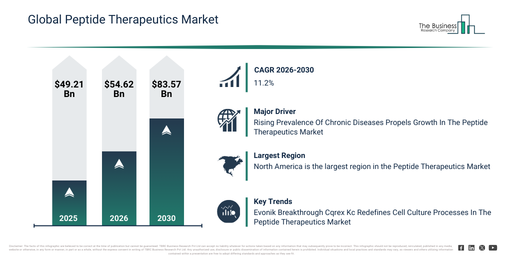
    Peptide Therapeutics Market Forecast Highlighting Growth From $54.62 Billion To $83.57 Billion

    The market for peptide therapeutics has experienced swift expansion in recent years, climbing from $49.21 billion in 2025 to $54.62 billion in 2026, which represents a compound annual growth rate (CAGR) of 11.0%. Several factors drove its historical growth, including the early embrace of peptide-based medications, progress in peptide synthesis methods, a rising prevalence of chronic and rare conditions, breakthroughs in pharmacology and biochemistry, and an expanding presence of contract research organizations.

    The peptide therapeutics market is anticipated to experience swift expansion over the coming years. By 2030, its value is projected to reach $83.57 billion, achieving a compound annual growth rate (CAGR) of 11.2%. This upward trajectory in the forecast period is fueled by the emergence of personalized medicine, heightened funding for peptide-based treatments, the application of artificial intelligence in drug discovery, the scaling up of biologics manufacturing, and the expansion of healthcare solutions in developing markets. Key developments shaping this period include the creation of precisely targeted peptide drugs, breakthroughs in delivery technologies for peptides, the rise of multi-functional therapeutic peptides, advancements in both natural peptide extraction and synthesis, as well as innovations in multi-functional therapeutic peptides.

    Download A Free Sample Report For Comprehensive Market Insights:

    https://www.thebusinessresearchcompany.com/sample.aspx?id=7216&type=smp&utm_source=BlogsPR&utm_medium=Paid&utm_campaign=Jul_PR

    Peptide Therapeutics Market Development Factors: Which Trends Are Supporting Demand?

    A growing burden of chronic diseases is anticipated to drive expansion in the peptide therapeutics market. These conditions are enduring illnesses that often cannot be fully cured, though they may occasionally be managed or treated successfully. The rising prevalence is linked to higher consumption of tobacco, poor dietary habits, lack of physical activity, excessive alcohol intake, and other factors. Peptide therapeutics play a key role in preventing and addressing certain chronic diseases. For example, according to the National Library of Medicine, a US-based agency, it was reported in January 2023 that the number of Americans aged 50 and older with at least one chronic condition is projected to increase by 99.5%, reaching 142.66 million by 2050. Consequently, this rise in chronic disease prevalence is expected to be a major driving force for the peptide therapeutics industry throughout the forecast period.

    Peptide Therapeutics Market Segment Landscape And Growth Potential

    The peptide therapeutics market covered in this report is segmented –

    1) By Type: Generic, Branded

    2) By Route of Administration: Parenteral, Mucosal, Oral, Transdermal

    3) By Application: Cancer, Cardiovascular Diseases, Central Nervous Systems, Metabolic Disorders, Infections, Hematological Disorders, Gastrointestinal Disorders, Dermatology, Respiratory Disorders, Acromegaly, Other Applications

    Subsegments:

    1) By Generic: Generic Peptide Drugs, Biosimilars

    2) By Branded: Innovative Peptide Drugs, Patent-Protected Peptides

    Peptide Therapeutics Market Transformation Trends: Which Innovations Are Driving Change?

    Major players in the peptide therapeutics market are concentrating on introducing innovative solutions, like cell culture processes, to strengthen their market position. Cell culture process refers to the cultivation of cells in a controlled environment outside their natural habitat, which begins with isolating target cells from living tissues and then maintaining them under regulated conditions. For example, in June 2023, Evonik Industries AG, a German specialty chemicals firm, introduced cQrex KC—a next-generation peptide designed for biopharmaceutical applications, tailored for the cell culture processes involved in producing biological drugs. This product allows developers of cell culture processes to improve cystine supply and boost overall productivity. cQrex KC also aids in the development of vaccines, viral vectors, and gene therapy vectors.

    Peptide Therapeutics Market Competitive Landscape: Who Are The Leading Companies?

    Major companies operating in the peptide therapeutics market are Pfizer Inc., Jhonson & Jhonson, Abbvie Inc., Novartis AG, Bristol-Myers Squibb Company, AstraZeneca plc, Sanofi SA, GlaxoSmithKline plc, Takeda Pharmaceutical Company Limited, Eli Lilly and Company, Amgen Inc., Novo Nordisk AS, Teva Pharmaceuticals Industries Ltd., Bachem Holding AG, PolyPeptide Laboratories BV, Arcus Biosciences Inc., Pepscan Therapeutics, Peptech Inc., Peptide Logic Inc., SELLAS Life Sciences Group, Ever Neuro Pharma GmbH, Zealand Pharma AG, PepGen Inc., Pepticom S.A., Peptide Technologies Corporation, SynPeptide Inc., Peptimmune Inc., Merck & Co Inc.

    Access The Complete Peptide Therapeutics Market Report:

    https://www.thebusinessresearchcompany.com/report/peptide-therapeutics-global-market-report?utm_source=BlogsPR&utm_medium=Paid&utm_campaign=Jul_PR

    Peptide Therapeutics Market Regional Analysis: Which Region Leads By Revenue?

    North America was the largest region in the peptide therapeutics market in 2025. Asia-Pacific is expected to be the fastest-growing region in the forecast period. The regions covered in the peptide therapeutics market report are Asia-Pacific, South East Asia, Western Europe, Eastern Europe, North America, South America, Middle East, Africa.

    Get in touch with us:

    The Business Research Company: https://www.thebusinessresearchcompany.com/?utm_source=BlogsPR&utm_medium=Paid&utm_campaign=home_page_test

    Americas: +1 310-496-7795

    Asia: +44 7882 955267 & +91 8897263534

    Europe: +44 7882 955267

    Email us at: marketing@tbrc.info

    Follow us on:

    LinkedIn: https://in.linkedin.com/company/the-business-research-company

    YouTube: https://www.youtube.com/channel/UC24_fI0rV8cR5DxlCpgmyFQ

    Global Market Model: https://www.thebusinessresearchcompany.com/global-market-model
  • Peptide Supplements Market Size Projected To Increase From $3.98 Billion To $5.88 Billion During The Forecast Period

    Peptide Supplements Market Size Projected To Increase From $3.98 Billion To $5.88 Billion During The Forecast Period

    Enhanced with market attractiveness analysis, total addressable market evaluation, company benchmarking matrices, interactive Excel dashboards, expanded supply chain intelligence, emerging startup coverage, and detailed product insights, The Business Research Company’s 2026 market reports deliver more actionable and strategically valuable research.

    Peptide Supplements Market Revenue Growth Supported By A CAGR Of 5.88% Through 2030

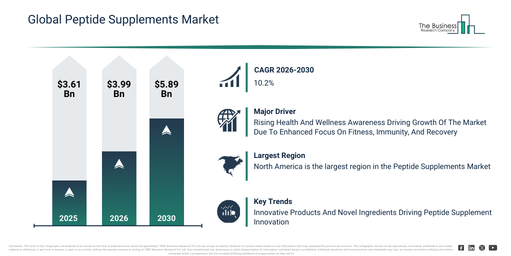
    Recent years have witnessed a rapid expansion in the size of the peptide supplements market. From a valuation of $3.61 billion in 2025, it is projected to reach $3.99 billion in 2026, reflecting a compound annual growth rate (CAGR) of 10.5%. Key drivers behind this historical growth include a growing consumer emphasis on preventive healthcare, a flourishing sports nutrition sector, an expanding range of beauty-from-within products, progress in peptide synthesis techniques, and greater retail access to these supplements.

    The peptide supplements market is projected to experience substantial expansion over the coming years. By 2030, it is anticipated to reach a value of $5.89 billion, driven by a compound annual growth rate (CAGR) of 10.2%. This forecast period growth is fueled by factors such as the rising incorporation of peptides into tailored wellness regimens, the increasing utilization of peptides sourced from plants, the broader availability of clinically-grade peptide supplements, heightened financial commitments to peptide investigations, and a growing appetite for products that offer multiple nutritional benefits. Key trends shaping this period include a greater uptake of specialized peptide blends, heightened consumer interest in collagen and bioactive peptides, a shift toward customized nutritional approaches, the widening scope of peptide use in both skin and muscle care, and a stronger emphasis on optimizing nutrient absorption.

    Download A Free Sample Report For Comprehensive Market Insights:

    https://www.thebusinessresearchcompany.com/sample.aspx?id=30350&type=smp&utm_source=BlogsPR&utm_medium=Paid&utm_campaign=Jul_PR

    Peptide Supplements Market Industry Drivers: What Is Driving Revenue Growth?

    The growing emphasis on health and wellness is set to drive the peptide supplements market forward. Health and wellness encompass a holistic lifestyle centered on maintaining robust physical health, vitality, and overall well-being. This focus is intensifying as people live longer and strive to preserve their quality of life through active, fit, and disease-free living. Peptide supplements contribute to health and wellness by fostering muscle development, enhancing skin elasticity, strengthening immune responses, and improving overall body recovery, thereby supporting better physical fitness and vitality. As an example, in 2024, the International Food Information Council, a US-based nonprofit organization, reported that the proportion of consumers aiming to boost their protein intake rose consistently from 59% in 2022 to 67% in 2023 and further to 71% in 2024, highlighting an increasing demand for protein-based wellness products, including peptide supplements. Consequently, the rising consciousness about health and wellness is fueling the expansion of the peptide supplements market.

    Peptide Supplements Market Categorization By Product Type And Application

    The peptide supplements market covered in this report is segmented –

    1) By Product Type: Bioactive Peptides, Collagen Peptides, Whey Protein Peptides, Muscle-Building Peptides, Anti-Aging Peptides, Immune-Enhancing Peptides

    2) By Functionality: Muscle Recovery, Weight Management, Cognitive Function, Skin Health, Immune Support, Anti-Inflammatory, Cardiovascular Health

    3) By Source : Animal-Derived, Plant-Derived, Synthetic Peptides

    4) By Product Format: Powder, Tablets Or Capsules, Chews Or Soft Gels, Liquid, Oral Strips

    5) By Distribution Channel: Online Retail, Pharmacies, Specialty Nutrition Stores, Supermarkets, Direct Sales, Healthcare Institutions

    Subsegments:

    1) By Bioactive Peptides: Antioxidant Peptides, Antimicrobial Peptides, Blood Pressure-Regulating Peptides

    2) By Collagen Peptides: Type I Collagen, Type II Collagen, Type III Collagen

    3) By Whey Protein Peptides: Hydrolyzed Whey Peptides, Whey Protein Isolate Peptides, Whey Protein Concentrate Peptides

    4) By Muscle-Building Peptides: Creatine Peptides, Branched-Chain Amino Acid Peptides, Growth Hormone-Releasing Peptides

    5) By Anti-Aging Peptides: Skin-Repair Peptides, Deoxyribonucleic Acid (DNA)-Repair Peptides, Telomere-Enhancing Peptides

    6) By Immune-Enhancing Peptides: Antiviral Peptides, Immunomodulatory Peptides, Anti-Inflammatory Peptides

    Peptide Supplements Market Growth Trends: What Is Influencing The Future Outlook?

    Major players in the peptide supplements sector are prioritizing the creation of cutting-edge products, specifically low molecular weight peptide complexes, designed to enhance absorption rates, efficacy, and overall consumer wellness. These low molecular weight peptide complexes are favored in dietary supplements due to their reduced size, which facilitates quicker absorption and more effective metabolic utilization within the body. A notable example occurred in September 2025 when Freemen Nutra Group, a US manufacturing firm, collaborated with RAWGA Inc., a South Korean food technology company, to introduce VC-H1—an innovative, plant-based collagen peptide ingredient sourced from organically grown hibiscus, aimed at supporting skin health across North America. This breakthrough ingredient provides substantial advantages for skin wellness, such as improved hydration, elasticity, firmness, and a reduction in wrinkles, positioning it as a sustainable and effective substitute for conventional animal-derived collagen.

    Peptide Supplements Market Company Landscape And Strategic Competition

    Major companies operating in the peptide supplements market are BASF SE, Glanbia plc., GNC Holdings LLC, Gelita AG., Actus Nutrition, Rousselot B.V., NOW Foods Inc., Ingredia S.A., GL Biochem (Shanghai) Ltd., Weishardt International, Optimum Nutrition, Titan Biotech Ltd., Bulk Supplements.com Inc., AMCO Proteins Inc., Nitta Gelatin Inc., Atom Pharma, Cavendish Nutrition Inc., Hilmar Ingredients Company, Holista Colltech Ltd., Life Extension Foundation Inc., Koninklijke DSM N.V.

    Access The Complete Peptide Supplements Market Report:

    https://www.thebusinessresearchcompany.com/report/global-peptide-supplements-market-report?utm_source=BlogsPR&utm_medium=Paid&utm_campaign=Jul_PR

    Peptide Supplements Market Geographic Distribution And Regional Opportunities

    North America was the largest region in the peptide supplements market in 2025. Asia-Pacific is expected to be the fastest-growing region in the forecast period. The regions covered in the peptide supplements market report are Asia-Pacific, South East Asia, Western Europe, Eastern Europe, North America, South America, Middle East, Africa.

    Get in touch with us:

    The Business Research Company: https://www.thebusinessresearchcompany.com/?utm_source=BlogsPR&utm_medium=Paid&utm_campaign=home_page_test

    Americas: +1 310-496-7795

    Asia: +44 7882 955267 & +91 8897263534

    Europe: +44 7882 955267

    Email us at: marketing@tbrc.info

    Follow us on:

    LinkedIn: https://in.linkedin.com/company/the-business-research-company

    YouTube: https://www.youtube.com/channel/UC24_fI0rV8cR5DxlCpgmyFQ

    Global Market Model: https://www.thebusinessresearchcompany.com/global-market-model
  • Peptide Drug Conjugates Market Growth Outlook Reveals A CAGR Of 15.3% And A Market Value Of $7.44 Billion By 2030

    Peptide Drug Conjugates Market Growth Outlook Reveals A CAGR Of 15.3% And A Market Value Of $7.44 Billion By 2030

    Through market attractiveness analysis, total addressable market evaluation, company benchmarking matrices, interactive Excel dashboards, expanded supply chain intelligence, emerging startup coverage, and detailed product insights, The Business Research Company’s 2026 market reports provide more actionable and strategically valuable research.

    Peptide Drug Conjugates Market Value Expansion And Long-Term Growth Outlook

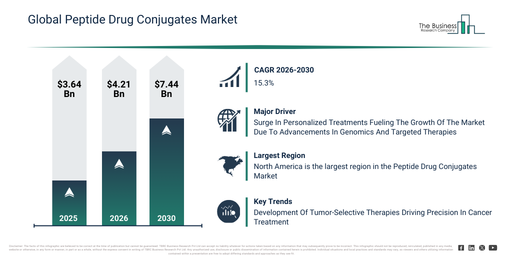
    The peptide drug conjugates market has experienced significant expansion in recent years, with an increase from $3.64 billion in 2025 to a projected $4.21 billion in 2026, reflecting a compound annual growth rate (CAGR) of 15.4%. This historical growth has been driven by progress in peptide chemistry, the shortcomings of traditional chemotherapy, intensified research into oncology drugs, the broadening of targeted therapy platforms, and the rising development of biologics manufacturing capabilities.

    The peptide drug conjugates market is anticipated to experience rapid expansion over the coming years, reaching a valuation of $7.44 billion by 2030, reflecting a compound annual growth rate (CAGR) of 15.3%. This forecasted growth is driven by several factors, including the increasing demand for precision therapies, progress in linker technologies, the broadening scope of cancer indications, heightened funding for peptide drug development, and the emergence of diagnostic-targeted conjugates. Key trends shaping the market during this period involve the rising development of targeted peptide conjugates, their growing application in oncology treatments, a greater emphasis on enhanced drug selectivity, the expansion of diagnostic peptide conjugates, and a surge in clinical trials focused on novel conjugates.

    Download A Free Sample Report For Comprehensive Market Insights:

    https://www.thebusinessresearchcompany.com/sample.aspx?id=24359&type=smp&utm_source=BlogsPR&utm_medium=Paid&utm_campaign=Jul_PR

    #Peptide Drug Conjugates Market Growth Factors: Which Forces Are Supporting Market Expansion?

    The peptide drug conjugates market is expected to be fueled over the coming years by an escalating desire for individualized therapies. These tailored medical approaches are designed around a patient’s distinct genetic profile, lifestyle habits, and disease attributes to maximize therapeutic efficacy. Such treatments are gaining traction largely because genomic breakthroughs now make it easier to pinpoint particular disease markers in each person, allowing for interventions that are both more accurate and more effective. For peptide drug conjugates, personalized medicine offers a clear advantage: it enables the selection of specific peptides capable of homing in on unique biomarkers present in a given patient, thereby delivering drugs with greater precision and improved outcomes. To illustrate, the Personalized Medicine Coalition—a nonprofit organization based in the United States—reported in February 2024 that the FDA had approved 16 novel customized drugs for rare disorders in 2023, a significant jump from only 6 approvals recorded in 2022. Consequently, the rising appetite for personalized treatments is set to accelerate expansion within the peptide drug conjugates market.

    Peptide Drug Conjugates Market Segment Analysis And Revenue Opportunities

    The peptide drug conjugates market covered in this report is segmented –

    1) By Type: Therapeutic, Diagnostic

    2) By Therapy Area: Oncology, Immunology, Infectious Diseases, Other Therapy Areas

    3) By Route of Administration: Intravenous, Subcutaneous, Other Routes Of Administration

    4) By End User: Hospitals, Clinics, Pharmacies, Other End Users

    Subsegments:

    1) By Therapeutic: Monoclonal Antibodies (mAbs), Cytotoxic Agents, Immunomodulatory Agents, Targeted Therapies

    2) By Diagnostic: Imaging Agents, Biomarker Targeting Agents

    Peptide Drug Conjugates Market Industry Trends: What Changes Are Reshaping Demand?

    Major players in the peptide drug conjugate market are working to advance treatment precision through the creation of innovative therapies, including tumor-selective peptide drug conjugates. These conjugates are designed as targeted interventions that rely on peptides tailored to bind specifically to cancerous cells, allowing cytotoxic agents to be delivered directly to tumors while sparing healthy tissues from harm. For example, in March 2025, Cybrexa Therapeutics, a US-based biotechnology firm focused on oncology, unveiled fresh preclinical results from its alphalex technology. These outcomes underscored the effectiveness of Cybrexa’s antigen-agnostic peptide-drug conjugate (PDC) platform, which delivers potent microtubule inhibitors directly into tumor cells. This method successfully curbs tumor growth and triggers a sustained anti-tumor immune response. The evidence highlights the promise of Cybrexa’s technology in improving cancer therapy.

    Peptide Drug Conjugates Market Leading Players Shaping Industry Direction

    Major companies operating in the peptide drug conjugates market are PeptiDream Incorporated, Cybrexa Therapeutics Inc., Oncopeptides Aktiebolag (AB), Soricimed Biopharma Inc., Angiochem Inc., ADC Therapeutics SA, Ambrx Inc., Araris Biotech AG, Adcytherix SA, ProteinQure Incorporated, Esperance Pharmaceuticals Inc., Protagonist Therapeutics Inc., PepGen Corporation, Curium US LLC, AstraZeneca PLC, Novartis AG, Italfarmaco Società per Azioni, BioNTech SE, Theratechnologies Inc., Zealand Pharma A/S

    Access The Complete Peptide Drug Conjugates Market Report:

    https://www.thebusinessresearchcompany.com/report/peptide-drug-conjugates-global-market-report?utm_source=BlogsPR&utm_medium=Paid&utm_campaign=Jul_PR

    Peptide Drug Conjugates Market Largest Region By Revenue And Market Share

    North America was the largest region in the peptide drug conjugates market in 2025. Asia-Pacific is expected to be the fastest-growing region in the forecast period. The regions covered in the peptide drug conjugates market report are Asia-Pacific, South East Asia, Western Europe, Eastern Europe, North America, South America, Middle East, Africa.

    Get in touch with us:

    The Business Research Company: https://www.thebusinessresearchcompany.com/?utm_source=BlogsPR&utm_medium=Paid&utm_campaign=home_page_test

    Americas: +1 310-496-7795

    Asia: +44 7882 955267 & +91 8897263534

    Europe: +44 7882 955267

    Email us at: marketing@tbrc.info

    Follow us on:

    LinkedIn: https://in.linkedin.com/company/the-business-research-company

    YouTube: https://www.youtube.com/channel/UC24_fI0rV8cR5DxlCpgmyFQ

    Global Market Model: https://www.thebusinessresearchcompany.com/global-market-model
  • Peptide Based Metabolic Disorders Therapeutics Market Forecast Highlights Expansion From $39.05 Billion To $63.7 Billion Through 2030

    Peptide Based Metabolic Disorders Therapeutics Market Forecast Highlights Expansion From $39.05 Billion To $63.7 Billion Through 2030

    Delivering more actionable and strategically valuable research, The Business Research Company’s 2026 market reports feature market attractiveness analysis, total addressable market evaluation, company benchmarking matrices, interactive Excel dashboards, expanded supply chain intelligence, emerging startup coverage, and detailed product insights.

    Peptide Based Metabolic Disorders Therapeutics Market Expected To Reach $63.7 Billion By 2030 At 13% CAGR

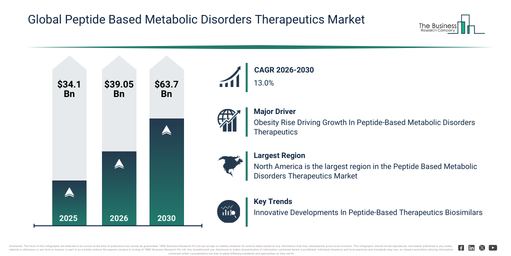
    The market for peptide-based metabolic disorder therapeutics has experienced strong expansion in recent years. Projected to rise from $34.1 billion in 2025 to $39.05 billion in 2026, this reflects a compound annual growth rate (CAGR) of 14.5%. Historical growth has been driven by several factors, including the growing incidence of type 2 diabetes, the initial effectiveness of treatments like liraglutide and exenatide, increasing clinical evidence supporting peptide-based drugs, higher obesity levels in developed countries, and a deeper comprehension of metabolic pathways.

    The market for peptide-based metabolic disorder therapeutics is projected to experience robust expansion in the coming years. By 2030, it is anticipated to reach a valuation of $63.7 billion, reflecting a compound annual growth rate (CAGR) of 13.0%. This forecasted growth is driven by several factors, including the escalating global burden of obesity, the increased utilization of semaglutide and next-generation peptides, and heightened investment in drug development pipelines for metabolic conditions. Furthermore, a growing need for effective long-term weight management solutions alongside progress in peptide drug delivery systems contributes to this expansion. Key developments shaping the market in the near future encompass the widespread adoption of GLP-1 receptor agonist therapies, a heightened emphasis on utilizing peptides for obesity management, and the development of long-acting injectable peptide formulations. The market is also seeing a rising application of combination peptide therapies and an increasing demand for metabolic treatments that prioritize patient convenience.

    Download A Free Sample Report For Comprehensive Market Insights:

    https://www.thebusinessresearchcompany.com/sample.aspx?id=16764&type=smp&utm_source=BlogsPR&utm_medium=Paid&utm_campaign=Jul_PR

    Peptide Based Metabolic Disorders Therapeutics Market Demand Drivers: What Is Fueling Industry Growth?

    The anticipated expansion of the peptide-based metabolic disorders therapeutic market is being driven by the growing incidence of obesity. This medical condition involves an excessive buildup of body fat that endangers health, with rising cases linked to sedentary habits, poor nutrition, genetic factors, and environmental influences that encourage high-calorie diets and limited physical activity. Therapeutics for metabolic disorders utilizing peptides are designed to address conditions like obesity by employing peptides to regulate metabolic processes, enhance insulin sensitivity, and curb appetite, thus improving patient outcomes and diminishing the chronic health risks tied to these disorders. For example, data from the Office for Health Improvement and Disparities, a UK government department, indicates that between 2022 and 2023, 25.4% of women were documented as obese in early pregnancy, with this figure slightly rising to 26.2% from 2023 to 2024. Consequently, the escalating prevalence of obesity is fueling the market for peptide-based metabolic disorder therapeutics.

    Peptide Based Metabolic Disorders Therapeutics Market Segmentation And Category Breakdown

    The peptide based metabolic disorders therapeutics market covered in this report is segmented –

    1) By Drug Type: Liraglutide, Exenatide, Other Drug Type

    2) By Application: Lysosomal Storage Diseases, Diabetes, Obesity, Hypercholesterolemia, Other Applications

    3) By Distribution Channel: Hospital Pharmacies, Retail Pharmacies, Online Pharmacies

    Subsegments:

    1) By Liraglutide: Brand: Saxenda, Brand: Victoza, Generic Liraglutide, Liraglutide For Type 2 Diabetes, Liraglutide For Obesity

    2) By Exenatide: Brand: Byetta, Brand: Bydureon, Exenatide For Type 2 Diabetes, Extended-Release Exenatide, Generic Exenatide

    3) By Other Drug Type: Semaglutide, Dulaglutide, Albiglutide, Lixisenatide, GLP-1 Receptor Agonists, Pramlintide, Other Peptide-Based Drugs For Metabolic Disorders

    Peptide Based Metabolic Disorders Therapeutics Market Innovation Trends: Which Developments Are Transforming The Industry?

    Key players in the major market for peptide-based metabolic disorder therapeutics are actively developing innovative peptide-focused treatments, including biosimilars for anti-diabetic use, aiming to address unmet medical needs and expand the range of therapeutic options for patients. Peptide-based anti-diabetic biosimilars represent pharmaceutical products designed to replicate existing peptide therapies for diabetes, delivering comparable efficacy and safety to established medications while potentially reducing treatment expenses through competitive pricing approaches. For example, in January 2024, Glenmark Pharmaceuticals Ltd., a pharmaceutical company headquartered in India, introduced Lirafit, a biosimilar version of the well-known anti-diabetic medication Liraglutide, within India. This product falls under the category of glucagon-like peptide-1 receptor agonists (GLP-1 RAs). Such drugs imitate the function of the natural GLP-1 hormone, which plays an essential part in controlling blood glucose levels. Clinical trials have confirmed that this biosimilar effectively reduces glycemic markers, supports weight loss, and improves cardiovascular safety—key advantages for managing diabetes along with related conditions like obesity and cardiovascular disease.

    Peptide Based Metabolic Disorders Therapeutics Market Competitive Analysis Of Major Industry Participants

    Major companies operating in the peptide based metabolic disorders therapeutics market are Novo Nordisk A/S, Eli Lilly and Company, Sanofi S.A., AstraZeneca PLC, Boehringer Ingelheim International GmbH, Ipsen S.A., Pfizer Inc., Merck & Co. Inc., Johnson & Johnson, AbbVie Inc., GlaxoSmithKline plc, Takeda Pharmaceutical Company Limited, Teva Pharmaceutical Industries Ltd., Amgen Inc., Regeneron Pharmaceuticals Inc., Roche Holding AG, Novartis AG, Bristol-Myers Squibb Company, Vertex Pharmaceuticals Incorporated, Amarin Corporation plc

    Access The Complete Peptide Based Metabolic Disorders Therapeutics Market Report:

    https://www.thebusinessresearchcompany.com/report/peptide-based-metabolic-disorders-therapeutics-global-market-report?utm_source=BlogsPR&utm_medium=Paid&utm_campaign=Jul_PR

    Peptide Based Metabolic Disorders Therapeutics Market Regional Analysis And Leading Geography

    North America was the largest region in the peptide based metabolic disorders therapeutics market in 2025. Asia-Pacific is expected to be the fastest-growing region in the forecast period. The regions covered in the peptide based metabolic disorders therapeutics market report are Asia-Pacific, South East Asia, Western Europe, Eastern Europe, North America, South America, Middle East, Africa.

    Get in touch with us:

    The Business Research Company: https://www.thebusinessresearchcompany.com/?utm_source=BlogsPR&utm_medium=Paid&utm_campaign=home_page_test

    Americas: +1 310-496-7795

    Asia: +44 7882 955267 & +91 8897263534

    Europe: +44 7882 955267

    Email us at: marketing@tbrc.info

    Follow us on:

    LinkedIn: https://in.linkedin.com/company/the-business-research-company

    YouTube: https://www.youtube.com/channel/UC24_fI0rV8cR5DxlCpgmyFQ

    Global Market Model: https://www.thebusinessresearchcompany.com/global-market-model
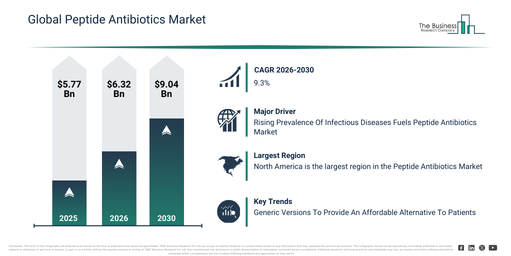
  • Peptide Antibiotics Market Expected To Reach $9.04 Billion By 2030 As Growth Accelerates At 9.3% CAGR

    Peptide Antibiotics Market Expected To Reach $9.04 Billion By 2030 As Growth Accelerates At 9.3% CAGR

    Enhanced with market attractiveness analysis, total addressable market evaluation, company benchmarking matrices, interactive Excel dashboards, expanded supply chain intelligence, emerging startup coverage, and detailed product insights, The Business Research Company’s 2026 market reports deliver more actionable and strategically valuable research.

    Peptide Antibiotics Market Size And Revenue Forecast Through 2030

    Recent years have seen significant expansion in the peptide antibiotics market, with its size reaching $5.77 billion in 2025 and projected to climb to $6.32 billion by 2026, reflecting a compound annual growth rate of 9.6%. Several factors underpinned this historical growth: the emergence of antibiotic-resistant bacterial strains, rising rates of infections acquired in hospitals, improved peptide synthesis technologies, expanding clinical studies focused on infectious diseases, and increased government investment in peptide antibiotics research and development.

    Strong expansion is projected for the peptide antibiotics market over the coming years, with its value expected to reach $9.04 billion by 2030, reflecting a compound annual growth rate (CAGR) of 9.3%. This anticipated growth during the forecast period is driven by factors such as the increasing frequency of multi-drug resistant infections, improvements in global healthcare infrastructure, progress in peptide delivery technologies, heightened partnerships with CDMOs, and a growing recognition and implementation of precision medicine strategies. Key developments shaping this period include a rising need for solutions targeting multi-drug resistant (MDR) infections, the broader application of peptide antibiotics in treating hospital-acquired infections, the expansion of contract manufacturing and CDMO collaborations, a move toward more personalized and targeted antibiotic therapies, and a stronger emphasis on creating peptide antibiotics with lower toxicity and fewer side effects.

    Download A Free Sample Report For Comprehensive Market Insights:

    https://www.thebusinessresearchcompany.com/sample.aspx?id=7780&type=smp&utm_source=BlogsPR&utm_medium=Paid&utm_campaign=Jul_PR

    Peptide Antibiotics Market Growth Drivers: What Factors Are Accelerating Expansion?

    Peptide antibiotics market growth is anticipated to be driven by the rising prevalence of infectious diseases. These diseases, resulting from harmful microorganisms like bacteria, fungi, and parasites, have seen an uptick due to factors such as rapid urbanization, climate change, and heightened disease emergence risks, thereby boosting demand for peptide antibiotics. Such antibiotics work by physically disrupting cell membranes to achieve antibacterial effects. As an example, the World Health Organization, an intergovernmental entity based in Switzerland, reported in May 2024 that dengue case numbers in the Americas had exceeded seven million by April 2024, a stark rise from the 4.6 million cases recorded throughout 2023. Consequently, the growing occurrence of infectious conditions is fueling expansion in the peptide antibiotics market.

    The peptide antibiotics market is being stimulated by a growing occurrence of chronic diseases. Chronic illnesses, defined by their duration of a year or more, necessitate ongoing medical care and can hinder everyday activities. Their prevalence is increasing due to trends like higher tobacco consumption, poor dietary habits, physical inactivity, and excessive alcohol intake. Peptide antibiotics are utilized in treating these conditions by delivering medication directly to the targeted area. For instance, in February 2024, the World Health Organization, a Switzerland-headquartered intergovernmental agency, projected that by 2050, over 35 million new cancer cases would arise—a 77% jump from the estimated 20 million cases in 2022. Thus, the escalating prevalence of chronic ailments is propelling the peptide antibiotics market forward.

    Peptide Antibiotics Market Segment Outlook: Which Categories Are Expanding The Fastest?

    The peptide antibiotics market covered in this report is segmented –

    1) By Type: Ribosomal Synthesized Peptide Antibiotics, Non-Ribosomal Synthesized Peptide Antibiotics

    2) By Drugs: Daptomycin, Dalbavancin, Telavancin, Other Drugs

    3) By Disease Outlook: Skin Infection, HABP Or VABP, Blood Stream Infection, Other Diseases

    4) By Distribution Channel: Hospitals, Homecare, Specialty Clinics, Other Distribution Channels

    Subsegments:

    1) By Ribosomal Synthesized Peptide Antibiotics: Aminoglycosides, Macrolides, Tetracyclines, Lincosamides

    2) By Non-Ribosomal Synthesized Peptide Antibiotics: Bacitracins, Vancomycin, Polymyxins, Cyclic Lipopeptides

    Peptide Antibiotics Market Trends: What Is Shaping Future Industry Growth?

    Major players in the peptide antibiotics sector are introducing generic alternatives to offer patients a more budget-friendly treatment option. These generic drugs represent cost-effective, patent-free substitutes for branded peptide-based antibiotics, which are employed in managing a range of bacterial infections. As an example, in July 2023, Camber Pharmaceuticals, a pharmaceutical firm based in the United States, broadened its product range by rolling out a generic form of Daptomycin for Injection. This product falls under the category of peptide antibiotics; specifically, it is a cyclic lipopeptide antibiotic produced via a non-ribosomal mechanism. The generic version is supplied in 350 mg and 500 mg doses, and it is indicated for managing complicated skin and skin structure infections (cSSSI) in adult individuals as well as pediatric patients from 1 to 17 years old.

    Peptide Antibiotics Market Key Companies And Competitive Benchmarking

    Major companies operating in the peptide antibiotics market are Eli Lilly and Company, GlaxoSmithKline plc, Novartis AG, Pfizer Inc., Merck & Co. Inc., AbbVie Inc., Sandoz International GmbH, Xellia APS, Johnson & Johnson Inc., AstraZeneca PLC, Bayer AG, Bristol-Myers Squibb Company, Lupin Pharmaceuticals Inc., Sun Pharmaceutical Industries Ltd., Teva Pharmaceutical Industries Ltd., Torrent Pharmaceuticals Ltd., Wockhardt Ltd., Zydus Lifesciences Limited, Alkem Laboratories Limited, Allecra Therapeutics GmbH, Basilea Pharmaceutica Ltd.

    Access The Complete Peptide Antibiotics Market Report:

    https://www.thebusinessresearchcompany.com/report/peptide-antibiotics-global-market-report?utm_source=BlogsPR&utm_medium=Paid&utm_campaign=Jul_PR

    Peptide Antibiotics Market Geographic Analysis: Where Is Demand Growing The Fastest?

    North America was the largest region in the peptide antibiotics market in 2025. The regions covered in the peptide antibiotics market report are Asia-Pacific, South East Asia, Western Europe, Eastern Europe, North America, South America, Middle East, Africa.

    Get in touch with us:

    The Business Research Company: https://www.thebusinessresearchcompany.com/?utm_source=BlogsPR&utm_medium=Paid&utm_campaign=home_page_test

    Americas: +1 310-496-7795

    Asia: +44 7882 955267 & +91 8897263534

    Europe: +44 7882 955267

    Email us at: marketing@tbrc.info

    Follow us on:

    LinkedIn: https://in.linkedin.com/company/the-business-research-company

    YouTube: https://www.youtube.com/channel/UC24_fI0rV8cR5DxlCpgmyFQ

    Global Market Model: https://www.thebusinessresearchcompany.com/global-market-model
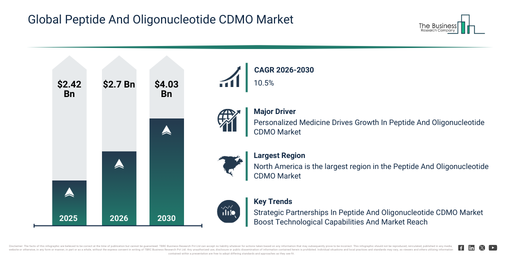
  • Peptide And Oligonucleotide CDMO Market Set To Grow From $2.7 Billion In 2026 To $4.02 Billion By 2030 At A CAGR Of 10.5%

    Peptide And Oligonucleotide CDMO Market Set To Grow From $2.7 Billion In 2026 To $4.02 Billion By 2030 At A CAGR Of 10.5%

    Through market attractiveness analysis, total addressable market evaluation, company benchmarking matrices, interactive Excel dashboards, expanded supply chain intelligence, emerging startup coverage, and detailed product insights, The Business Research Company’s 2026 market reports provide more actionable and strategically valuable research.

    Peptide And Oligonucleotide CDMO Market Growth From $2.7 Billion In 2026 To $4.02 Billion By 2030 At A CAGR Of 10.5%

    The market for peptide and oligonucleotide CDMO services has experienced significant expansion in recent years, with projections indicating growth from $2.42 billion in 2025 to $2.7 billion in 2026, reflecting a compound annual growth rate (CAGR) of 11.9%. This historical uptick is largely driven by several factors, including the rise of peptide-based therapeutics, the growing intricacy of synthetic oligonucleotides, constrained in-house production capacities among drug developers, heightened regulatory compliance demands, and the early-stage adoption of antisense and peptide-based drugs.

    The market size for peptide and oligonucleotide CDMOs is projected to experience substantial expansion over the coming years. By 2030, it is set to reach $4.03 billion, reflecting a compound annual growth rate (CAGR) of 10.5%. This anticipated growth during the forecast period is driven by factors such as the broadening of oligonucleotide therapeutic pipelines, heightened investment in treatments for rare diseases and oncology, an increasing need for swift production of clinical trial materials, a growing preference for partnerships with specialized CDMOs, and enhancements in solid-phase synthesis technologies. Key emerging trends expected in this period include the growing tendency to outsource the manufacturing of peptides and oligonucleotides, rising demand for cGMP-compliant production of complex molecules, the broadening of comprehensive development and manufacturing service offerings, a strengthened focus on high-potency and high-purity therapeutic options, and a greater uptake of scalable and flexible manufacturing systems.

    Download A Free Sample Report For Comprehensive Market Insights:

    https://www.thebusinessresearchcompany.com/sample.aspx?id=15892&type=smp&utm_source=BlogsPR&utm_medium=Paid&utm_campaign=Jul_PR

    Peptide And Oligonucleotide CDMO Market Growth Factors Supporting Long-Term Expansion

    The increasing uptake of personalized medicine is set to drive expansion in the peptide and oligonucleotide CDMO markets moving forward. Personalized medicine is a healthcare strategy that customizes medical decisions and therapies based on individual traits like genetics, environment, and lifestyle. This trend is gaining momentum due to factors such as progress in genomic technologies, deeper insights into disease mechanisms at the molecular level, and a rising need for more effective, targeted treatments aligned with patients’ genetic profiles and medical histories. Peptide and oligonucleotide contract development and manufacturing organizations (CDMOs) are vital to this approach, as they produce custom therapeutic peptides and oligonucleotides designed for specific patient needs. For example, in February 2024, the Personalized Medicine Coalition, a UK-based group advocating for personalized medicine, reported that the FDA’s Center for Drug Evaluation and Research (CDER) approved 16 new personalized therapies for rare disease patients, compared to 6 in 2022. Consequently, the growing embrace of personalized medicine is fueling the growth of the peptide and oligonucleotide CDMO market.

    Peptide And Oligonucleotide CDMO Market Segment Landscape: Which Areas Lead Market Development?

    The peptide and oligonucleotide cdmo market covered in this report is segmented –

    1) By Product: Peptides, Oligonucleotides

    2) By Service Type: Contract Development, Contract Manufacturing,

    3) By Application: Therapeutics, Research Applications, Diagnostics, Other Applications

    4) By End User: Biopharmaceutical Companies, Pharmaceutical Companies, Research Institutes, Academic and Government Organizations, Other End Users

    Subsegments:

    1) By Peptides: Active Pharmaceutical Ingredients (Apis), Peptide Drug Products, Peptide Synthesis And Manufacturing Services

    2) By Oligonucleotides: Antisense Oligonucleotides, Sirna And Mrna Oligonucleotides, Oligonucleotide Synthesis And Manufacturing Services

    Peptide And Oligonucleotide CDMO Market Industry Trends Shaping Future Revenue Growth

    Key players in the peptide and oligonucleotide CDMO space are increasingly emphasizing strategic collaborations to broaden their service portfolios, strengthen their technological expertise, and extend their market presence. Such alliances for peptide development and production involve formal agreements between two entities committed to the creation and manufacturing of peptide-based drugs. A notable example occurred in May 2023, when PolyPeptide Group AG—a contract development and manufacturing organization based in the US—formed a partnership with Germany’s biotechnology firm Numaferm GmbH, specifically targeting peptide development and manufacturing. This collaboration is designed to leverage PolyPeptide’s cGMP manufacturing infrastructure and market reach, alongside Numaferm’s specialized knowledge in sustainable peptide production and biochemical platforms. Together, they aim to investigate the development of promising peptide candidates, with a focus on achieving more environmentally friendly production of active pharmaceutical ingredients.

    Peptide And Oligonucleotide CDMO Market Industry Leaders And Market Competition

    Major companies operating in the peptide and oligonucleotide cdmo market are Thermo Fisher Scientific Inc., Merck KGaA, Ajinomoto Co. Inc., Lonza Group Ag, Wuxi Apptec Co. Ltd., Catalent Inc., Piramal Pharma Ltd, Curia Global Inc., Almac Group, Euroapi SA., CordenPharma International, Bachem Holding AG, Genscript Biotech Corporation, PolyPeptide Group, Rentschler Biopharma SE, Ambiopharm Inc, ScinoPharm, Senn Chemicals AG, Aurigene Pharmaceutical Services, Creative Peptides, Sylentis S.A.

    Access The Complete Peptide And Oligonucleotide CDMO Market Report:

    https://www.thebusinessresearchcompany.com/report/peptide-and-oligonucleotide-cdmo-global-market-report?utm_source=BlogsPR&utm_medium=Paid&utm_campaign=Jul_PR

    Peptide And Oligonucleotide CDMO Market Global Footprint: Which Region Holds Market Leadership?

    North America was the largest region in the peptide and oligonucleotide CDMO market in 2025. Asia-Pacific is expected to be the fastest-growing region in the forecast period. The regions covered in the peptide and oligonucleotide cdmo market report are Asia-Pacific, South East Asia, Western Europe, Eastern Europe, North America, South America, Middle East, Africa.

    Get in touch with us:

    The Business Research Company: https://www.thebusinessresearchcompany.com/?utm_source=BlogsPR&utm_medium=Paid&utm_campaign=home_page_test

    Americas: +1 310-496-7795

    Asia: +44 7882 955267 & +91 8897263534

    Europe: +44 7882 955267

    Email us at: marketing@tbrc.info

    Follow us on:

    LinkedIn: https://in.linkedin.com/company/the-business-research-company

    YouTube: https://www.youtube.com/channel/UC24_fI0rV8cR5DxlCpgmyFQ

    Global Market Model: https://www.thebusinessresearchcompany.com/global-market-model
  • Peptide And Anticoagulant Drugs Market Opportunities Are Emerging Beyond Traditional Growth Areas

    Peptide And Anticoagulant Drugs Market Opportunities Are Emerging Beyond Traditional Growth Areas

    Delivering more actionable and strategically valuable research, The Business Research Company’s 2026 market reports feature market attractiveness analysis, total addressable market evaluation, company benchmarking matrices, interactive Excel dashboards, expanded supply chain intelligence, emerging startup coverage, and detailed product insights.

    Peptide And Anticoagulant Drugs Market Expansion Outlook: What Revenue Opportunities Lie Ahead?

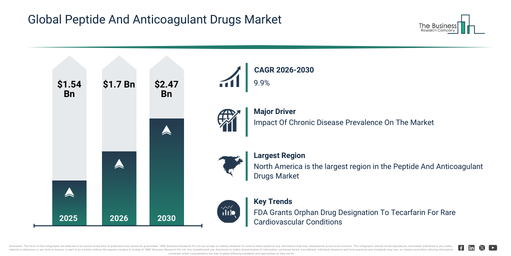
    The peptide and anticoagulant drugs market has experienced robust expansion in recent times. Valued at $1.54 billion in 2025, it is projected to reach $1.7 billion by 2026, reflecting a compound annual growth rate (CAGR) of 10.0%. Historically, this growth has been driven by an increasing prevalence of cardiovascular conditions, extensive utilization of anticoagulants within hospital settings, the clinical achievements associated with peptide-based therapies, a rise in the number of surgical interventions, and the broadening of treatment protocols for thrombosis.

    The market for peptide and anticoagulant drugs is anticipated to experience significant expansion over the coming years. By 2030, it is projected to reach a value of $2.47 billion, reflecting a compound annual growth rate (CAGR) of 9.9%. This upward trajectory during the forecast period is driven by several factors, including an aging worldwide population, a higher incidence of blood clotting conditions, a rising preference for safer anticoagulation treatments, an expanding pipeline for peptide-based medicines, and wider utilization in outpatient settings. Key developments shaping this period comprise a growing embrace of peptide-centered therapies, heightened usage of anticoagulants within cardiovascular treatment, stronger demand for specific thrombin inhibitors, broader application of injectable peptide medications, and an intensified emphasis on averting thromboembolic events.

    Download A Free Sample Report For Comprehensive Market Insights:

    https://www.thebusinessresearchcompany.com/sample.aspx?id=21252&type=smp&utm_source=BlogsPR&utm_medium=Paid&utm_campaign=Jul_PR

    Peptide And Anticoagulant Drugs Market Demand Drivers Creating New Revenue Opportunities

    The ongoing increase in chronic disease cases is anticipated to boost demand within the peptide and anticoagulant drugs market moving forward. Chronic diseases encompass persistent health issues lasting for extended durations, frequently spanning years or a lifetime. Their growing occurrence is fueled by factors like aging populations, poor lifestyle choices, and a higher prevalence of risk elements such as obesity, hypertension, and diabetes. These pharmaceutical agents play a key role in managing chronic conditions like cardiovascular ailments, thrombosis, and stroke by inhibiting clot formation and targeting specific disease mechanisms to enhance patient recovery. As an example, in May 2023, data from the Centers for Disease Control and Prevention, a U.S. government agency, indicated that heart disease and cancer resulted in 695,547 fatalities in 2022. Consequently, the rising incidence of chronic conditions is fueling expansion in the peptide and anticoagulant drugs market.

    Peptide And Anticoagulant Drugs Market Segments: Where Are The Largest Growth Opportunities?

    The peptide and anticoagulant drugs market covered in this report is segmented –

    1) By Type: Peptide Drugs, Anticoagulant Drugs, Peptide-Based Anticoagulant Drugs, Synthetic Peptide Drugs, Recombinant Peptide Drugs

    2) By Route Of Administration: Oral, Injectable, Other Routes Of Administration

    3) By Distribution Channel: Hospital Pharmacy, Retail Pharmacy, Online Pharmacy, Other Distribution Channels

    4) By Application: Infectious Diseases, Gynecology, Cancer, Diabetes, Cardiology, Osteoporosis, Other Applications

    5) By End-users: Hospitals, Specialty Clinics, Homecare, Other End-users

    Subsegments:

    1) By Peptide Drugs: Therapeutic Peptides, Hormonal Peptides, Metabolic Peptides, Cardiovascular Peptides, Oncology Peptides

    2) By Anticoagulant Drugs: Direct Thrombin Inhibitors, Factor Xa Inhibitors, Heparin And Heparin Derivatives, Vitamin K Antagonists

    3) By Peptide-Based Anticoagulant Drugs: Hirudin And Hirudin Analogues, Bivalirudin, Other Peptide Thrombin Inhibitors

    4) By Synthetic Peptide Drugs: Solid-Phase Synthesized Peptides, Long-Acting Synthetic Peptides, Modified Synthetic Peptides

    5) By Recombinant Peptide Drugs: Recombinant Therapeutic Peptides, Recombinant Hormonal Peptides, Recombinant Metabolic Peptides

    Peptide And Anticoagulant Drugs Market Trends Driving Strategic Industry Expansion

    Key players in the peptide and anticoagulant drug industry are prioritizing innovations in anticoagulant treatments, specifically oral anticoagulants, to boost effectiveness, increase patient adherence, and lower the likelihood of bleeding issues. An oral anticoagulant is a pill-based medication that prevents clot formation by suppressing blood clotting factors. For example, in April 2024, Cadrenal Therapeutics Inc., a pharmaceutical firm headquartered in the United States, secured an Orphan Drug Designation (ODD) from the U.S. Food and Drug Administration (FDA) for tecarfarin, its advanced-stage oral anticoagulant. This drug is formulated as a new, reversible blood thinner intended to lower the incidence of heart attacks, strokes, and clot-related deaths for individuals suffering from uncommon cardiovascular disorders. The ODD covers the prevention of thromboembolism and thrombosis in patients with implanted mechanical circulatory support systems, such as left ventricular assist devices (LVADs), right ventricular assist devices (RVADs), ventricular assist devices (VADs), biventricular assist devices, and total artificial hearts.

    Peptide And Anticoagulant Drugs Market Major Participants And Competitive Dynamics

    Major companies operating in the peptide and anticoagulant drugs market are Pfizer Inc., Merck & Co. Inc., Bayer AG, Sanofi S.A., F. Hoffmann-La Roche Ltd, Novartis AG, Novo Nordisk A/S, Boehringer Ingelheim International GmbH, Bristol-Myers Squibb Company, Abbott Laboratories, Baxter International Inc., Viatris Inc., Sun Pharmaceutical Industries Limited, Bachem Holding AG, Bharat Serums and Vaccines Limited, Wockhardt Limited, AmbioPharm Inc., Circle Pharma Inc., Teva Pharmaceutical Industries Ltd., Shionogi & Co. Ltd.

    Access The Complete Peptide And Anticoagulant Drugs Market Report:

    https://www.thebusinessresearchcompany.com/report/peptide-and-anticoagulant-drugs-global-market-report?utm_source=BlogsPR&utm_medium=Paid&utm_campaign=Jul_PR

    Peptide And Anticoagulant Drugs Market Regional Distribution: Which Areas Drive Market Expansion?

    North America was the largest region in the peptide and anticoagulant drugs market in 2025. Asia-Pacific is expected to be the fastest-growing region in the forecast period. The regions covered in the peptide and anticoagulant drugs market report are Asia-Pacific, South East Asia, Western Europe, Eastern Europe, North America, South America, Middle East, Africa.

    Get in touch with us:

    The Business Research Company: https://www.thebusinessresearchcompany.com/?utm_source=BlogsPR&utm_medium=Paid&utm_campaign=home_page_test

    Americas: +1 310-496-7795

    Asia: +44 7882 955267 & +91 8897263534

    Europe: +44 7882 955267

    Email us at: marketing@tbrc.info

    Follow us on:

    LinkedIn: https://in.linkedin.com/company/the-business-research-company

    YouTube: https://www.youtube.com/channel/UC24_fI0rV8cR5DxlCpgmyFQ

    Global Market Model: https://www.thebusinessresearchcompany.com/global-market-model
  • Pentavalent Market Expansion Is Opening New Pathways For Strategic Investment

    Pentavalent Market Expansion Is Opening New Pathways For Strategic Investment

    Enhanced with market attractiveness analysis, total addressable market evaluation, company benchmarking matrices, interactive Excel dashboards, expanded supply chain intelligence, emerging startup coverage, and detailed product insights, The Business Research Company’s 2026 market reports deliver more actionable and strategically valuable research.

    Pentavalent Market Growth Potential: How Will Market Size Change Through 2030?

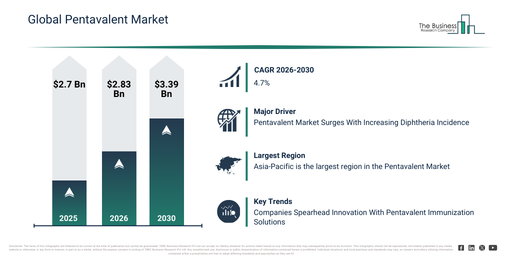
    The pentavalent market has experienced consistent expansion in recent times, with its value projected to increase from $2.7 billion in 2025 to $2.83 billion in 2026, reflecting a compound annual growth rate (CAGR) of 4.6%. This upward trend during the historical period was driven by several factors, including higher infant mortality rates, restricted availability of vaccines, a significant occurrence of rotavirus infections, government-led immunization programs, and global public health campaigns.

    In the coming years, the pentavalent market is projected to experience steady expansion, reaching a valuation of $3.39 billion by 2030, with a compound annual growth rate (CAGR) of 4.7%. This anticipated growth during the forecast period is driven by factors such as advancements in vaccine formulation technology, rising healthcare spending, the broadening of immunization initiatives in developing nations, collaborations among pharmaceutical companies, and the adoption of digital tracking systems for monitoring vaccine coverage. Key trends shaping this period include a rise in infant immunization programs, government investment in vaccine research, enhancements to public health infrastructure, greater awareness about rotavirus prevention, and improvements in cold chain logistics.

    Download A Free Sample Report For Comprehensive Market Insights:

    https://www.thebusinessresearchcompany.com/sample.aspx?id=9104&type=smp&utm_source=BlogsPR&utm_medium=Paid&utm_campaign=Jul_PR

    Pentavalent Market Expansion Supported By Key Demand Factors

    An increasing number of diphtheria cases is anticipated to drive the expansion of the pentavalent market in the coming period. Diphtheria, a highly contagious and severe infectious disease, is caused by the bacterium Corynebacterium diphtheriae. This illness can lead to significant challenges with eating and breathing, along with the potential for skin ulcers. The pentavalent vaccine, administered in a three-dose immunization schedule, protects children against diphtheria, and consequently, the growing incidence of this disease has heightened demand for the vaccine. For example, in July 2025, the European Centre for Disease Prevention and Control (a government agency based in Europe) reported that a total of 126 laboratory-confirmed cases of C. diphtheriae ST574 have been identified across Germany, with 55 cases in 2022, 49 in 2023, 18 in 2024, and at least 4 in 2025. Hence, the rising prevalence of diphtheria is fueling the growth of the pentavalent market.

    The pentavalent market is expected to be propelled forward by rising healthcare expenditure in the near future. Healthcare expenditure represents the total financial and other resources dedicated to delivering healthcare services over a given period. In relation to pentavalent vaccines, this expenditure encompasses the funds allocated for developing, manufacturing, distributing, and administering vaccines that shield against five distinct targeted diseases. For instance, in December 2024, the Centers for Medicare & Medicaid Services (a U.S. agency overseeing Medicare and Medicaid programs) noted that American healthcare spending rose by 7.5% in 2023, reaching $4.9 trillion, which equates to roughly $14,570 per person. Therefore, the increase in healthcare expenditure is fostering growth in the pentavalent market.

    Pentavalent Market Segment Analysis: What Are The Major Market Categories?

    The pentavalent market covered in this report is segmented –

    1) By Type: Pentavalent Vaccines (DTP-HepB-Hib combination), Other Combination Vaccines

    2) By Formulation Type: Lyophilized, Liquid

    3) By Application: Hospitals Pharmacies, Retail Pharmacies, Online Pharmacies

    Subsegments:

    1) By Pentavalent Vaccines (DTP-HepB-Hib combination): DTP-HepB-Hib (Whole Cell), DTP-HepB-Hib (Acellular)

    2) By Other Combination Vaccines: Hexavalent Vaccines

    Pentavalent Market Growth Trends Influencing Competitive Dynamics

    Key industry players in the pentavalent market are concentrating their efforts on advancing innovative products, particularly pentavalent immunization vaccines. These vaccines represent a type of combination immunization designed to guard against five distinct illnesses. As an example, in October 2023, Pfizer, a pharmaceutical company headquartered in the United States, received FDA clearance for its pentavalent vaccine, named ‘Penbraya’. This vaccine stands out as the first and only pentavalent option that offers defense against the five main meningococcal serogroups—A, B, C, W-135, and Y—for individuals aged 10 to 25 years. Penbraya is formulated by combining components from the Trumenba meningococcal group B vaccine with the Nimenrix conjugate vaccine targeting meningococcal groups A, C, W-135, and Y. Research has demonstrated Penbraya’s effectiveness in shielding against these five meningococcal serogroups, which are behind the vast majority of global instances of invasive meningococcal disease.

    Pentavalent Market Leading Companies Driving Competitive Growth

    Major companies operating in the pentavalent market are Pfizer Inc., Merck & Co Inc., Sanofi SA, GlaxoSmithKline plc, Shandong Xinhua Pharmaceutical Company Limited, PT Bio Farma (Persero), Shantha Biotechnics Limited, Biological E. Limited, Serum Institute of India Private Limited, Indian Immunologicals Limited, Incepta Pharmaceuticals Limited, Shanghai Institute of Biological Products Co Ltd., Changchun Changsheng Biotechnology Co Ltd., Adimmune Corporation, AJ Vaccines, Albert David Limited, PanGen Biotech Inc., Bharat Biotech International Limited, Vacsera Ltd., Pasteur Institute of India, Zydus Cadila Healthcare Limited, EuBiologics Co Ltd.

    Access The Complete Pentavalent Market Report:

    https://www.thebusinessresearchcompany.com/report/pentavalent-global-market-report?utm_source=BlogsPR&utm_medium=Paid&utm_campaign=Jul_PR

    Pentavalent Market Leading Geography: Which Region Generates The Most Revenue?

    Asia-Pacific was the largest region in the pentavalent market in 2025. The regions covered in the pentavalent market report are Asia-Pacific, South East Asia, Western Europe, Eastern Europe, North America, South America, Middle East, Africa.

    Get in touch with us:

    The Business Research Company: https://www.thebusinessresearchcompany.com/?utm_source=BlogsPR&utm_medium=Paid&utm_campaign=home_page_test

    Americas: +1 310-496-7795

    Asia: +44 7882 955267 & +91 8897263534

    Europe: +44 7882 955267

    Email us at: marketing@tbrc.info

    Follow us on:

    LinkedIn: https://in.linkedin.com/company/the-business-research-company

    YouTube: https://www.youtube.com/channel/UC24_fI0rV8cR5DxlCpgmyFQ

    Global Market Model: https://www.thebusinessresearchcompany.com/global-market-model
  • Pegfilgrastim Biosimilars Market Trends Are Creating New Opportunities For Industry Leaders

    Pegfilgrastim Biosimilars Market Trends Are Creating New Opportunities For Industry Leaders

    Through market attractiveness analysis, total addressable market evaluation, company benchmarking matrices, interactive Excel dashboards, expanded supply chain intelligence, emerging startup coverage, and detailed product insights, The Business Research Company’s 2026 market reports provide more actionable and strategically valuable research.

    Pegfilgrastim Biosimilars Market Value Analysis: What Growth Is Expected Over The Forecast Period?

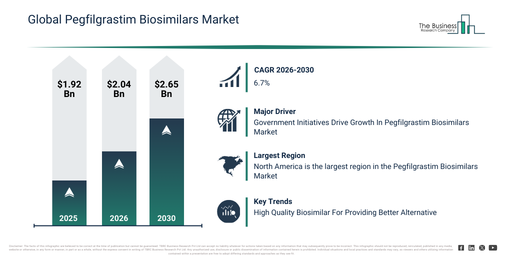
    The market for pegfilgrastim biosimilars has shown robust expansion in recent years, with its value projected to increase from $1.92 billion in 2025 to $2.04 billion in 2026, reflecting a compound annual growth rate (CAGR) of 6.3%. This historical growth has been driven primarily by the high expense associated with the original pegfilgrastim product, along with a restricted supply of biosimilar alternatives, a steadily expanding population of cancer patients, a rising frequency of chemotherapy treatments, and heightened awareness regarding effective strategies for managing neutropenia.

    The pegfilgrastim biosimilars market is anticipated to experience robust expansion over the coming years, projected to reach $2.65 billion by 2030 with a compound annual growth rate (CAGR) of 6.7%. This forecasted growth is driven by factors such as the introduction of new biosimilars, heightened utilization in supportive oncology care, broader access through hospital and retail pharmacy networks, governmental incentives promoting biosimilar use, and increased funding for stem cell transplantation therapies. Key trends shaping this period encompass the growing adoption of pegfilgrastim biosimilars for supportive cancer treatment, the widening of distribution channels across hospitals and retail pharmacies, a stronger emphasis on mitigating chemotherapy-induced neutropenia, expanded applications in hematopoietic and peripheral blood stem cell transplants, and rising financial commitments to managing chronic and severe congenital neutropenia.

    Download A Free Sample Report For Comprehensive Market Insights:

    https://www.thebusinessresearchcompany.com/sample.aspx?id=4015&type=smp&utm_source=BlogsPR&utm_medium=Paid&utm_campaign=Jul_PR

    Pegfilgrastim Biosimilars Market Growth Drivers And Industry Catalysts

    Government-led efforts to advance biosimilar development are anticipated to boost the pegfilgrastim biosimilars market. Due to their cost-effectiveness, various national governments are placing greater emphasis on biosimilar creation. The U.S. Food and Drug Administration (FDA) introduced a Biosimilar Action Plan aimed at broadening available treatment options. The Australian government has reinforced its dedication through the Biosimilar Awareness Initiative, notably by granting $5 million to the Generic and Biosimilar Medicines Association to enhance overall biosimilar education and support activities that encourage proper dispensing, prescription, and usage of biosimilar medicines. Consequently, these governmental initiatives for biosimilar development foster increased production and awareness, which in turn sustains the expansion of the pegfilgrastim biosimilars market.

    A rising prevalence of cancer is projected to drive growth in the pegfilgrastim biosimilars market moving forward. Cancer encompasses a set of diseases marked by the uncontrolled proliferation and spread of abnormal cells. The growing incidence of cancer is largely attributed to an aging population, as advanced age represents the most significant risk factor for developing most cancers, with the majority of cases observed in individuals over 65. Pegfilgrastim biosimilars help reduce infection risks in cancer patients during chemotherapy by stimulating white blood cell production. For example, in October 2025, data from the UK-based government health agency, the National Health Service (NHS), revealed 354,820 new cancer diagnoses in 2023, averaging 972 per day, which is 8,605 more than in 2022. As a result, the increasing occurrence of cancer is propelling the pegfilgrastim biosimilars market forward.

    Pegfilgrastim Biosimilars Market Segment Breakdown: Which Categories Generate The Most Revenue?

    The pegfilgrastim biosimilars market covered in this report is segmented –

    1) By Application: Chemotherapy Treatment, Transplantation, Other Applications

    2) By Distribution Channel: Hospital Pharmacies, Retail Pharmacies, Mail-Order Pharmacies

    3) By Route of Administration: Prefilled Syringes (PFS), On-body Injectors (OBI), Other Routes

    Subsegments:

    1) By Chemotherapy Treatment: Supportive Care for Cancer Patients, Reduction of Chemotherapy-Induced Neutropenia

    2) By Transplantation: Hematopoietic Stem Cell Transplantation, Peripheral Blood Stem Cell Transplantation

    3) By Other Applications: Treatment of Chronic Neutropenia, Treatment of Severe Congenital Neutropenia

    Pegfilgrastim Biosimilars Market Trends Influencing Long-Term Demand

    Leading firms within the pegfilgrastim biosimilars market are investing heavily in biopharmaceutical innovations, particularly the creation of premium biosimilars, to offer cancer patients safer, more effective, and budget-friendly alternatives to original biologic treatments. These high-grade biosimilars are designed to closely mirror the reference product in terms of structure, function, safety, and effectiveness. A notable example occurred in February 2023 when Fresenius Kabi, a German healthcare organization specializing in pharmaceuticals and medical devices, introduced Stimufend—its first pegfilgrastim biosimilar in the United States. This product is intended to prevent and manage chemotherapy-induced neutropenia, supplied as a 6 mg/0.6 mL solution in a single-use pre-filled syringe equipped with an integrated needle guard. Through the integration of sophisticated biosimilar development with a convenient delivery system, Stimufend marks a technological leap forward, enhancing the availability of high-quality biologic medicines.

    Pegfilgrastim Biosimilars Market Key Players And Strategic Industry Positioning

    Major companies operating in the pegfilgrastim biosimilars market are Amgen, Mylan N.V., Sandoz (a Novartis division), Teva Pharmaceutical Industries Ltd., Biocon, Pfizer, Celltrion Healthcare, Coherus BioSciences, Gedeon Richter, Fresenius Kabi, Hetero Labs, Intas Pharmaceuticals, LG Chem, Merck KGaA, Zydus Cadila, Aurobindo Pharma, Apotex Inc., Dr. Reddy’s Laboratories, Stada Arzneimittel AG, Shanghai Henlius Biotech, Alvotech, EirGenix, Kye Pharmaceuticals, CinnaGen, Boryung Pharmaceutical, Sinopharm

    Access The Complete Pegfilgrastim Biosimilars Market Report:

    https://www.thebusinessresearchcompany.com/report/pegfilgrastim-biosimilar-global-market-report?utm_source=BlogsPR&utm_medium=Paid&utm_campaign=Jul_PR

    Pegfilgrastim Biosimilars Market Regional Outlook: Where Are The Largest Opportunities Located?

    North America was the largest region in the pegfilgrastim biosimilars market in 2025. Middle East is expected to be the fastest growing region in the global pegfilgrastim biosimilars market share during the forecast period. The regions covered in the pegfilgrastim biosimilars market report are Asia-Pacific, South East Asia, Western Europe, Eastern Europe, North America, South America, Middle East, Africa.

    Get in touch with us:

    The Business Research Company: https://www.thebusinessresearchcompany.com/?utm_source=BlogsPR&utm_medium=Paid&utm_campaign=home_page_test

    Americas: +1 310-496-7795

    Asia: +44 7882 955267 & +91 8897263534

    Europe: +44 7882 955267

    Email us at: marketing@tbrc.info

    Follow us on:

    LinkedIn: https://in.linkedin.com/company/the-business-research-company

    YouTube: https://www.youtube.com/channel/UC24_fI0rV8cR5DxlCpgmyFQ

    Global Market Model: https://www.thebusinessresearchcompany.com/global-market-model
  • Pediatric Vaccine Market Growth Is Reshaping Competitive Advantage Across The Industry

    Pediatric Vaccine Market Growth Is Reshaping Competitive Advantage Across The Industry

    Delivering more actionable and strategically valuable research, The Business Research Company’s 2026 market reports feature market attractiveness analysis, total addressable market evaluation, company benchmarking matrices, interactive Excel dashboards, expanded supply chain intelligence, emerging startup coverage, and detailed product insights.

    Pediatric Vaccine Market Size Forecast: How Large Could The Market Become By 2030?

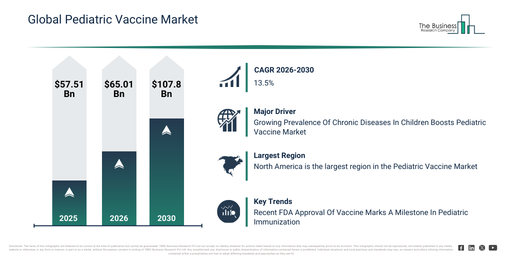
    The pediatric vaccine market has experienced substantial growth over recent years. Projected to increase from $57.51 billion in 2025 to $65.01 billion in 2026, this expansion reflects a compound annual growth rate (CAGR) of 13.0%. Key factors driving this historical growth include the increasing incidence of preventable childhood diseases, government-backed immunization initiatives, improvements in vaccine adjuvants, heightened awareness around pediatric health, and the development of cold chain infrastructure.

    The pediatric vaccine sector is anticipated to experience significant expansion over the coming years. By 2030, the market is projected to reach $107.8 billion, reflecting a compound annual growth rate (CAGR) of 13.5%. This upward trajectory during the forecast period is driven by advancements in mRNA and DNA vaccine technologies, heightened investments in pediatric vaccine research and development, the integration of digital health monitoring tools, the growth of healthcare infrastructure in developing markets, and collaborative efforts between biotechnology companies and global health organizations. Key developments shaping the outlook include a stronger emphasis on vaccine availability in low-income areas, a growing preference for combination vaccines, the broadening of school-based immunization initiatives, the creation of innovative vaccines targeting rare childhood diseases, and the strengthening of public-private partnerships dedicated to vaccine research.

    Download A Free Sample Report For Comprehensive Market Insights:

    https://www.thebusinessresearchcompany.com/sample.aspx?id=2824&type=smp&utm_source=BlogsPR&utm_medium=Paid&utm_campaign=Jul_PR

    Pediatric Vaccine Market Opportunity Drivers: What Is Creating New Revenue Potential?

    The growing incidence of chronic illnesses like tuberculosis, diphtheria, and pneumonia among children aged 15 years and under is expected to fuel expansion in the pediatric vaccines market. Complications and severe outcomes from infectious diseases are becoming more frequent in children and adolescents who have chronic health conditions. As an example, data from the National Health Service, a UK government entity, published in June 2024, revealed that 3,615,330 people registered with a general practitioner (GP) were diagnosed with non-diabetic hyperglycemia or pre-diabetes, characterized by elevated blood sugar levels not reaching diabetic thresholds, in 2023. This figure marked an 18% rise from 3,065,825 cases recorded in 2022. Consequently, the heightened prevalence of chronic conditions is fostering growth in the pediatric vaccine market.

    The increasing frequency of pediatric diseases is anticipated to stimulate growth in the pediatric vaccine market over the upcoming period. Pediatric diseases encompass disorders affecting children from infancy through puberty, ranging from moderate to severe in nature and manifesting as either chronic or acute conditions. Vaccinations administered to newborns and children play a vital role in preventing and controlling a broad array of pediatric illnesses, safeguarding them against numerous infectious diseases. For instance, data from GOV.UK, a UK government entity, reported in February 2024 that tuberculosis (TB) cases in England saw a 10.7% increase in 2023, climbing from 4,380 in 2022 to 4,850. Hence, the rising prevalence of pediatric diseases is advancing the pediatric vaccine market forward.

    Pediatric Vaccine Market Segmentation: How Is The Market Structured Across Key Categories?

    The pediatric vaccine market covered in this report is segmented –

    1) By Vaccine Type: Monovalent, Multivalent

    2) By Technology: Live Attenuated, Inactivated, Toxoid, Conjugate, Other Technologies

    3) By Application: Infectious Disease, Allergy, Cancer

    Subsegments:

    1) By Monovalent: Single Antigen Vaccines, Specific Disease Vaccines

    2) By Multivalent: Combination Vaccines, Polyvalent Vaccines

    Pediatric Vaccine Market Innovation Trends Driving Future Development

    Key players in the pediatric vaccine industry are increasingly prioritizing product approvals to address the demands of their current customer base. ABRYSVO, a vaccine cleared by the FDA for administration to pregnant individuals, aims to prevent lower respiratory tract disease (LRTD) and severe LRTD in infants up to six months of age, which are caused by respiratory syncytial virus (RSV). As an example, in August 2023, Pfizer Inc., a pharmaceutical manufacturer based in the United States, disclosed that the U.S. FDA had granted approval for its ABRYSVO vaccine, designed to shield infants from RSV through the active immunization of pregnant women between 32 and 36 weeks of gestation. This marks the first and only maternal immunization sanctioned in the United States to safeguard newborns against LRTD and severe LRTD stemming from RSV, offering protection from birth until they reach six months old.

    Pediatric Vaccine Market Competitive Landscape And Leading Companies

    Major companies operating in the pediatric vaccine market are Merck & Co. Inc., Serum Institute of India Pvt. Ltd., Sanofi SA, Pfizer Inc., GlaxoSmithKline PLC, Sinovac Biotech Ltd, Zydus Cadila, Indian Immunologicals Limited, Panacea Biotec, Takeda Pharmaceutical Company, Daiichi Sankyo, CSL Limited, Sinopharm, Walvax Biotechnology, Fosun Pharma, MCM Vaccine Company, Seqirus, Johnson & Johnson, Connaught Laboratories Inc., Wyeth-Ayerst, Ataulfo de Paiva Foundation, Bio-Manguinhos – Institute of Technology on Immunobiologicals, Butantan Institute, Ezequiel Dias Foundation (FUNED), Sinergium

    Access The Complete Pediatric Vaccine Market Report:

    https://www.thebusinessresearchcompany.com/report/pediatric-vaccine-global-market-report?utm_source=BlogsPR&utm_medium=Paid&utm_campaign=Jul_PR

    Pediatric Vaccine Market Geographic Landscape: Which Region Dominates Industry Growth?

    North America was the largest region in the pediatric vaccine market in 2025. Middle East is expected to be the largest growing region in the global pediatric vaccine market share during the forecast period. The regions covered in the pediatric vaccine market report are Asia-Pacific, South East Asia, Western Europe, Eastern Europe, North America, South America, Middle East, Africa.

    Get in touch with us:

    The Business Research Company: https://www.thebusinessresearchcompany.com/?utm_source=BlogsPR&utm_medium=Paid&utm_campaign=home_page_test

    Americas: +1 310-496-7795

    Asia: +44 7882 955267 & +91 8897263534

    Europe: +44 7882 955267

    Email us at: marketing@tbrc.info

    Follow us on:

    LinkedIn: https://in.linkedin.com/company/the-business-research-company

    YouTube: https://www.youtube.com/channel/UC24_fI0rV8cR5DxlCpgmyFQ

    Global Market Model: https://www.thebusinessresearchcompany.com/global-market-model