Category: Pharmaceuticals

  • Oral Antidiabetic Drugs Market Growth Is Accelerating As Industry Transformation Continues

    Oral Antidiabetic Drugs Market Growth Is Accelerating As Industry Transformation Continues

    Through market attractiveness analysis, total addressable market evaluation, company benchmarking matrices, interactive Excel dashboards, expanded supply chain intelligence, emerging startup coverage, and detailed product insights, The Business Research Company’s 2026 market reports provide more actionable and strategically valuable research.

    Oral Antidiabetic Drugs Market Value Analysis: What Growth Is Expected Over The Forecast Period?

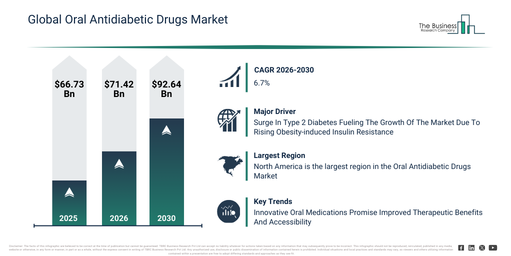
    The market for oral antidiabetic drugs has seen robust expansion in recent times. It is projected to increase from $66.73 billion in 2025 to $71.42 billion in 2026, reflecting a compound annual growth rate (CAGR) of 7.0%. Historically, this growth has been driven by a restricted range of oral antidiabetic drug categories, a heavy dependence on traditional biguanides and sulfonylureas, a rising prevalence of type 2 diabetes, broader distribution networks in hospitals and pharmacies, and heightened awareness regarding diabetes management.

    The oral antidiabetic drugs market is projected to experience significant expansion in the coming years, reaching an estimated value of $92.64 billion by 2030, with a compound annual growth rate (CAGR) of 6.7%. This anticipated growth during the forecast period is driven by factors such as the development of novel DPP-4 inhibitors and SGLT2 inhibitors, the broadening of combination therapies, a rising emphasis on personalized medicine approaches, the expansion of online pharmacy and telemedicine platforms, and increased government initiatives aimed at diabetes care. Key trends shaping this period include the growing prevalence of type 2 diabetes, a higher uptake of combination oral antidiabetic drugs, the widening reach of online and retail pharmacy channels, a stronger focus on tailored diabetes management, and improved awareness and education surrounding diabetes care.

    Download A Free Sample Report For Comprehensive Market Insights:

    https://www.thebusinessresearchcompany.com/sample.aspx?id=25854&type=smp&utm_source=BlogsPR&utm_medium=Paid&utm_campaign=Jul_PR

    Oral Antidiabetic Drugs Market Expansion Drivers: What Is Shaping Future Growth?

    The rising prevalence of type 2 diabetes is anticipated to drive the expansion of the oral antidiabetic drugs market in the near future. Type 2 diabetes is a chronic disorder characterized by the body’s resistance to insulin or its insufficient production to sustain standard glucose levels. This increase in type 2 diabetes stems from growing obesity rates, as excessive body fat contributes to insulin resistance and disrupted glucose regulation. Oral antidiabetic drugs are utilized to control type 2 diabetes by boosting insulin sensitivity, increasing insulin secretion, or decreasing glucose production and absorption, thus ensuring optimal blood sugar levels. As an example, in March 2025, the Office for Health Improvement and Disparities, a UK government entity, noted that the prevalence of type 2 diabetes among adults aged 17 and older in England climbed to 7.0%, compared to 6.8% in March 2023. Consequently, the escalating incidence of type 2 diabetes is fueling the growth of the oral antidiabetic drugs market.

    Oral Antidiabetic Drugs Market Segment Analysis: What Are The Major Market Categories?

    The oral antidiabetic drugs market covered in this report is segmented –

    1) By Drug Class: Biguanides, Dipeptidyl Peptidase-4 Inhibitors, Sodium Glucose Transport Protein -2 Inhibitors, Sulfonylureas, Thiazolidinediones, Megalitinides, Alpha Glucosidase Inhibitors, Other Drug Classes

    2) By Route Of Administration: Oral, Sublingual, Buccal

    3) By Therapeutic Area: Type 2 Diabetes, Gestational Diabetes, Type 1 Diabetes

    4) By Distribution Channel: Hospital Pharmacies, Retail Pharmacies, Online Pharmacies, Other Channels

    5) By End User: Hospitals, Pharmact Store, Drug Store, Diabetes Treatment Centers, Other End Users

    Subsegments:

    1) By Biguanides: Metformin Hydrochloride, Metformin Extended Release, Combination Products

    2) By Dipeptidyl Peptidase-4 (DPP-4) Inhibitors: Sitagliptin, Saxagliptin, Linagliptin, Alogliptin, Vildagliptin

    3) By Sodium Glucose Transport Protein-2 (SGLT2) Inhibitors: Canagliflozin, Dapagliflozin, Empagliflozin, Ertugliflozin

    4) By Sulfonylureas: Glipizide, Glyburide, Glimepiride, Chlorpropamide, Tolbutamide

    5) By Thiazolidinediones: Pioglitazone, Rosiglitazone

    6) By Meglitinides: Repaglinide, Nateglinide

    7) By Alpha Glucosidase Inhibitors: Acarbose, Miglitol, Voglibose

    8) By Other Drug Classes: Bromocriptine, Colesevelam

    Oral Antidiabetic Drugs Market Strategic Trends: What Is Defining The Next Phase Of Growth?

    Major companies in the oral antidiabetic drugs market are actively conducting clinical trials to create more effective and safer therapies, broaden their product offerings, and obtain regulatory clearance for advanced treatments. These trials are structured research studies involving human participants that assess the safety, efficacy, and adverse effects of novel medications or interventions. In April 2025, for example, Eli Lilly and Company, a pharmaceutical firm based in the United States, unveiled Orforglipron—a once-daily oral small-molecule GLP-1 receptor agonist—following a successful phase 3 trial aimed at streamlining diabetes care. This oral therapy is intended to match the effectiveness and safety of injectable alternatives while boosting patient compliance. Over a 40-week period in clinical studies, orforglipron reduced HbA1c, a key indicator of blood glucose control, by an average of 1.3% to 1.6% across various dosage levels.

    Oral Antidiabetic Drugs Market Leading Companies Driving Competitive Growth

    Major companies operating in the oral antidiabetic drugs market are Pfizer Inc., Johnson & Johnson, Merck & Co. Inc., Bayer AG, Novartis AG, Sanofi S.A., Bristol-Myers Squibb Company, AstraZeneca plc, GlaxoSmithKline plc, Takeda Pharmaceutical Company Limited, Eli Lilly and Company, Novo Nordisk A/S, C.H. Boehringer Sohn AG & Co. KG, Viatris Inc., Teva Pharmaceutical Industries Limited, Astellas Pharma Inc., Sun Pharmaceutical Industries Limited, Cipla Limited

    Access The Complete Oral Antidiabetic Drugs Market Report:

    https://www.thebusinessresearchcompany.com/report/oral-antidiabetic-drugs-global-market-report?utm_source=BlogsPR&utm_medium=Paid&utm_campaign=Jul_PR

    Oral Antidiabetic Drugs Market Geographic Analysis: Where Is Demand Growing The Fastest?

    North America was the largest region in the oral antidiabetic drugs market in 2025. Asia-Pacific is expected to be the fastest-growing region in the forecast period. The regions covered in the oral antidiabetic drugs market report are Asia-Pacific, South East Asia, Western Europe, Eastern Europe, North America, South America, Middle East, Africa.

    Get in touch with us:

    The Business Research Company: https://www.thebusinessresearchcompany.com/?utm_source=BlogsPR&utm_medium=Paid&utm_campaign=home_page_test

    Americas: +1 310-496-7795

    Asia: +44 7882 955267 & +91 8897263534

    Europe: +44 7882 955267

    Email us at: marketing@tbrc.info

    Follow us on:

    LinkedIn: https://in.linkedin.com/company/the-business-research-company

    YouTube: https://www.youtube.com/channel/UC24_fI0rV8cR5DxlCpgmyFQ

    Global Market Model: https://www.thebusinessresearchcompany.com/global-market-model
  • Opioids Market Outlook Highlights The Next Major Growth Opportunities

    Opioids Market Outlook Highlights The Next Major Growth Opportunities

    Delivering more actionable and strategically valuable research, The Business Research Company’s 2026 market reports feature market attractiveness analysis, total addressable market evaluation, company benchmarking matrices, interactive Excel dashboards, expanded supply chain intelligence, emerging startup coverage, and detailed product insights.

    Opioids Market Size Forecast: How Large Could The Market Become By 2030?

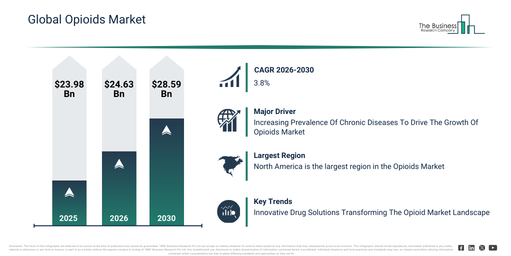
    The opioids market has seen consistent expansion in recent times. Its value is projected to reach $23.98 billion in 2025 and then climb to $24.63 billion in 2026, representing a compound annual growth rate (CAGR) of 2.7%. This historical growth was driven by several factors: the frequent occurrence of post-surgical pain, a higher incidence of cancer, extensive opioid prescribing patterns, a shortage of alternative treatments for pain, and a significant reliance on opioids within hospital environments.

    The opioids market is projected to experience consistent expansion in the coming years, reaching a value of $28.59 billion by 2030, with a compound annual growth rate (CAGR) of 3.8%. This anticipated growth during the forecast period is driven by factors such as an increasing number of individuals living with chronic pain, the creation of opioid formulations with improved safety profiles, the widening of palliative care services, more defined regulatory frameworks concerning controlled substances, and a heightened need for effective pain relief solutions among older populations. Key developments shaping the industry in the forecast period involve the advancement of precision-based opioid therapies, the incorporation of digital monitoring systems for prescriptions, a transition toward abuse-deterrent product designs, a growing emphasis on long-acting and extended-release opioid options, and a rising utilization of opioids for managing pain associated with cancer.

    Download A Free Sample Report For Comprehensive Market Insights:

    https://www.thebusinessresearchcompany.com/sample.aspx?id=13021&type=smp&utm_source=BlogsPR&utm_medium=Paid&utm_campaign=Jul_PR

    Opioids Market Development Factors: Which Trends Are Supporting Demand?

    The rising incidence of chronic diseases is anticipated to drive expansion in the opioids market moving forward. Chronic diseases, often referred to as non-communicable diseases (NCDs), are long-term health conditions that typically advance slowly and endure over an extended timeframe. These conditions can last for years or even a lifetime and generally do not resolve spontaneously. The growing frequency of chronic diseases significantly influences the opioids market. As more individuals develop chronic illnesses and suffer from persistent pain, the demand for opioids escalates. The application of opioids in managing chronic diseases represents a complex and evolving field of medicine, offering effective pain relief. For example, in June 2024, data from the National Health Service, a UK government agency, revealed that 3,615,330 people registered with a general practitioner (GP) were diagnosed with non-diabetic hyperglycemia or pre-diabetes (a condition characterized by elevated blood sugar levels not yet reaching diabetes thresholds) in 2023, reflecting an 18% rise from 3,065,825 cases in 2022. Consequently, the increasing prevalence of chronic diseases is fueling growth in the opioids market.

    Opioids Market Segment Breakdown: Which Categories Generate The Most Revenue?

    The opioids market covered in this report is segmented –

    1) By Product Type: Methadone, Codeine, Fentanyl, Oxycodone, Morphine, Hydrocodone, Other Product Types

    2) By Receptor Binding: Strong Agonist, Mild To Moderate Agonist

    3) By Basis Of Indication: Inflammatory Condition, Musculoskeletal Pain, Neuropathic Pain, Cancer Pain

    4) By Distribution Channel: Hospital, Retail Pharmacies, Online Pharmacies

    5) By Application: Pain Management, Cough Treatment, Diarrhea Treatment

    Subsegments:

    1) By Methadone: Methadone Tablets, Methadone Oral Solution

    2) By Codeine: Codeine Phosphate Tablets, Codeine Liquid Formulations

    3) By Fentanyl: Fentanyl Patch, Fentanyl Injection, Fentanyl Sublingual Tablets

    4) By Oxycodone: Oxycodone Tablets, Oxycodone Extended-Release Formulations

    5) By Morphine: Morphine Sulfate Tablets, Morphine Injection, Morphine Extended-Release Capsules

    6) By Hydrocodone: Hydrocodone/Acetaminophen Tablets, Hydrocodone Liquid Formulations

    7) By Other Product Types: Buprenorphine, Tramadol, Other Combination Products

    Opioids Market Transformation Trends: Which Innovations Are Driving Change?

    Leading players within the opioid sector are concentrating on developing cutting-edge pharmaceutical solutions to strengthen their market standing. The creation of novel drugs has the potential to address illnesses while advancing medical knowledge and healthcare outcomes. As an example, in May 2023, Braeburn Pharmaceuticals Inc., a company based in the United States specializing in treatments for opioid addiction, announced that the US Food and Drug Administration had approved Brixadi (buprenorphine) as an extended-release injectable for subcutaneous administration (under the skin) to manage moderate to severe opioid use disorder (OUD). This product is the first and only weekly and monthly subcutaneous injectable for moderate to severe OUD, as well as the first buprenorphine injectable that employs FluidCrystal Injection Depot Technology. Patients currently using oral buprenorphine-based medications can be switched to corresponding doses when the prescribing guidelines are adhered to.

    Opioids Market Key Players And Strategic Industry Positioning

    Major companies operating in the opioids market are Pfizer Inc., Johnson & Johnson Inc., AbbVie Inc., Sanofi S.A, AstraZeneca Plc, Viatris Inc., Teva Pharmaceutical Industries Limited, Sandoz Inc., Sun Pharmaceutical Industries Limited, Aurobindo Pharma Limited, Purdue Pharma L.P., Dr. Reddy’s Laboratories Ltd., Hikma Pharmaceuticals plc, Endo Pharmaceuticals Inc., Amneal Pharmaceuticals Inc., Mallinckrodt Pharmaceuticals plc, Alkermes plc, Lannett Co Inc., Par Pharmaceutical Inc., Mayne Pharma Group Ltd., Cephalon LLC, Insys Therapeutics Inc., Janssen Pharmaceuticals Inc., Rhodes Pharmaceuticals L.P, KVK Tech Inc.

    Access The Complete Opioids Market Report:

    https://www.thebusinessresearchcompany.com/report/opioids-global-market-report?utm_source=BlogsPR&utm_medium=Paid&utm_campaign=Jul_PR

    Opioids Market Global Footprint: Which Region Holds Market Leadership?

    North America was the largest region in the opioids market in 2025. Asia-Pacific is expected to be the fastest-growing region in the forecast period. The regions covered in the opioids market report are Asia-Pacific, South East Asia, Western Europe, Eastern Europe, North America, South America, Middle East, Africa.

    Get in touch with us:

    The Business Research Company: https://www.thebusinessresearchcompany.com/?utm_source=BlogsPR&utm_medium=Paid&utm_campaign=home_page_test

    Americas: +1 310-496-7795

    Asia: +44 7882 955267 & +91 8897263534

    Europe: +44 7882 955267

    Email us at: marketing@tbrc.info

    Follow us on:

    LinkedIn: https://in.linkedin.com/company/the-business-research-company

    YouTube: https://www.youtube.com/channel/UC24_fI0rV8cR5DxlCpgmyFQ

    Global Market Model: https://www.thebusinessresearchcompany.com/global-market-model
  • Ophthalmic Drugs Market Trends And Growth Drivers Point To Strong Future Potential

    Ophthalmic Drugs Market Trends And Growth Drivers Point To Strong Future Potential

    Enhanced with market attractiveness analysis, total addressable market evaluation, company benchmarking matrices, interactive Excel dashboards, expanded supply chain intelligence, emerging startup coverage, and detailed product insights, The Business Research Company’s 2026 market reports deliver more actionable and strategically valuable research.

    Ophthalmic Drugs Market Revenue Outlook: What CAGR Is Expected Through 2030?

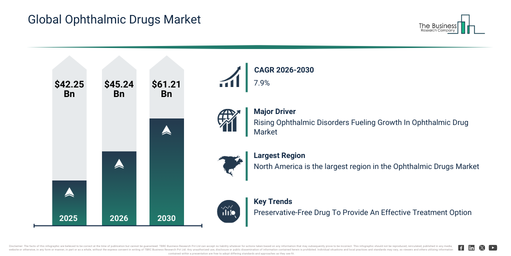
    The market for ophthalmic drugs has experienced substantial expansion in recent years. Projections indicate an increase from $42.25 billion in 2025 to $45.24 billion in 2026, reflecting a compound annual growth rate (CAGR) of 7.1%. This historical growth is largely driven by factors such as an aging population, higher prevalence of glaucoma and cataracts, proliferation of ophthalmology clinics, greater availability of prescription eye medications, and broader hospital pharmacy networks.

    The ophthalmic drugs market is projected to witness robust growth over the coming years, reaching a value of $61.21 billion by 2030 with a compound annual growth rate (CAGR) of 7.9%. This forecasted expansion is driven by several key factors, such as progress in sustained-release ocular drug delivery systems, heightened awareness regarding eye health, a rise in treatments for retinal disorders, increased healthcare spending in developing nations, and broader adoption of over-the-counter ophthalmic products. Prominent trends shaping the market during this period encompass a growing incidence of chronic eye conditions, escalating demand for therapies addressing dry eye, greater utilization of combination ophthalmic medications, a transition toward preservative-free formulations, and the widening availability of eye medications through online pharmacies.

    Download A Free Sample Report For Comprehensive Market Insights:

    https://www.thebusinessresearchcompany.com/sample.aspx?id=10065&type=smp&utm_source=BlogsPR&utm_medium=Paid&utm_campaign=Jul_PR

    Ophthalmic Drugs Market Industry Drivers: What Is Driving Revenue Growth?

    The rising frequency of ophthalmic disorders is anticipated to drive expansion in the ophthalmic drug market moving forward. Ophthalmic disorders encompass conditions that impair vision or affect the eye and its associated structures, leading to reduced eyesight and related ailments. Ophthalmic drugs, being pharmaceutical agents designed to treat diseases of the eye or vision, see their demand grow as the prevalence of such disorders increases. In August 2023, data from the World Health Organization (WHO), a Switzerland-based United Nations entity, indicated that at least 2.2 billion people globally were affected by near or distance vision impairment in 2023, with over 1 billion of these cases being preventable or untreated—primarily due to refractive errors and cataracts, for which intervention coverage stood at only 36% and 17%, respectively. This heightened incidence of ophthalmic disorders is propelling the ophthalmic drug market forward.

    Ophthalmic Drugs Market Segmentation: How Is The Market Structured Across Key Categories?

    The ophthalmic drugs market covered in this report is segmented –

    1) By Type: Prescription Drugs, Over-The-Counter Drugs

    2) By Class: Anti-Allergy, Anti-Inflammatory, Anti-Glaucoma, Other Classes

    3) By Disease: Dry Eye, Eye Allergy, Glaucoma, Eye Infection, Retinal Disorders, Uveitis, Other Diseases

    4) By Dosage Form: Liquid Ophthalmic Drug Forms, Solid Ophthalmic Drug Forms, Semisolid Ophthalmic Drug Forms, Multicompartment Drug Delivery Systems

    5) By Distribution Channel: Hospital Pharmacies, Drug Stores, Online Pharmacies

    Subsegments:

    1) By Prescription Drugs: Antiglaucoma Agents, Anti-inflammatory Drugs, Antibiotics, Antivirals, Corticosteroids, Other Prescription Drugs

    2) By Over-The-Counter Drugs: Artificial Tears, Allergy Relief Medications, Redness Relievers, Ocular Vitamins And Supplements, Other OTC Drugs

    Ophthalmic Drugs Market Growth Trends: What Is Influencing The Future Outlook?

    Key players in the ophthalmic drugs sector are concentrating their efforts on creating preservative-free medications, including preservative-free latanoprost, to deliver effective therapeutic solutions. Preservative-free latanoprost is a version of the drug latanoprost, commonly prescribed for managing eye conditions like glaucoma. As an example, in September 2023, Thea Pharma, a US-based pharmaceutical firm focused on commercializing eye care products, introduced Iyuzeh (latanoprost ophthalmic solution) 0.005%, marking the first preservative-free latanoprost available in the United States for primary open-angle glaucoma (POAG) and ocular hypertension (OHT). Having received FDA approval in December 2022, Iyuzeh offers a viable treatment choice for more than 60 million individuals worldwide who are impacted by glaucoma.

    Ophthalmic Drugs Market Competitive Landscape And Leading Companies

    Major companies operating in the ophthalmic drugs market are AbbVie Inc., Alcon Inc., Bausch & Lomb Incorporated, F. Hoffmann-La Roche Ltd., Novartis AG, Pfizer Inc., Regeneron Pharmaceuticals Inc., Santen Pharmaceutical Co. Ltd., Sun Pharmaceutical Industries Limited, Teva Pharmaceutical Industries Ltd., Merck & Co. Inc., Nicox S.A., Johnson & Johnson, Otsuka Pharmaceutical Co. Ltd., Viatris Inc., Akorn Incorporated, GlaxoSmithKline plc, Bayer AG, Senju Pharmaceutical Co. Ltd., Aerie Pharmaceuticals Inc., Kala Pharmaceuticals Inc., Aurobindo Pharma Ltd., Eyevance Pharmaceuticals, Acucela Inc., Dompe Farmaceutici S.p.A., Laboratoires Théa

    Access The Complete Ophthalmic Drugs Market Report:

    https://www.thebusinessresearchcompany.com/report/ophthalmic-drugs-global-market-report?utm_source=BlogsPR&utm_medium=Paid&utm_campaign=Jul_PR

    Ophthalmic Drugs Market Regional Distribution: Which Areas Drive Market Expansion?

    North America was the largest region in the ophthalmic drugs market in 2025. The regions covered in the ophthalmic drugs market report are Asia-Pacific, South East Asia, Western Europe, Eastern Europe, North America, South America, Middle East, Africa.

    Get in touch with us:

    The Business Research Company: https://www.thebusinessresearchcompany.com/?utm_source=BlogsPR&utm_medium=Paid&utm_campaign=home_page_test

    Americas: +1 310-496-7795

    Asia: +44 7882 955267 & +91 8897263534

    Europe: +44 7882 955267

    Email us at: marketing@tbrc.info

    Follow us on:

    LinkedIn: https://in.linkedin.com/company/the-business-research-company

    YouTube: https://www.youtube.com/channel/UC24_fI0rV8cR5DxlCpgmyFQ

    Global Market Model: https://www.thebusinessresearchcompany.com/global-market-model
  • Oncology Precision Medicine Market Expansion Is Reshaping Competitive Dynamics Across The Industry

    Oncology Precision Medicine Market Expansion Is Reshaping Competitive Dynamics Across The Industry

    Through market attractiveness analysis, total addressable market evaluation, company benchmarking matrices, interactive Excel dashboards, expanded supply chain intelligence, emerging startup coverage, and detailed product insights, The Business Research Company’s 2026 market reports provide more actionable and strategically valuable research.

    Oncology Precision Medicine Market Growth Analysis: How Will Revenue Expand During The Forecast Period?

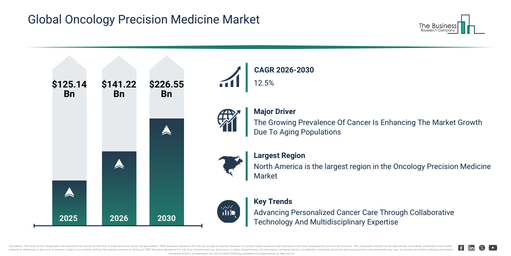
    The market for precision oncology has seen swift expansion over recent years. Its value is projected to rise from $125.14 billion in 2025 to $141.22 billion in 2026, reflecting a compound annual growth rate (CAGR) of 12.9%. This historical growth has been driven by factors such as restricted access to genomic testing, continued dependence on conventional chemotherapy approaches, a growing incidence of cancer, the early phases of molecular diagnostic advancement, and the implementation of research initiatives focused on oncology within hospital settings.

    The oncology precision medicine market is projected to experience significant expansion over the coming years, reaching an estimated value of $226.55 billion by 2030, driven by a compound annual growth rate (CAGR) of 12.5%. This anticipated growth during the forecast period is fueled by progress in CAR-T and gene therapies, the expansion of targeted kinase and immune checkpoint inhibitors, increased funding for precision oncology research, the incorporation of bioinformatics and artificial intelligence into clinical decision-making, and the broadening of biomarker-guided clinical trials. Key trends shaping this period include a growing preference for personalized cancer treatments, heightened utilization of companion diagnostics and molecular diagnostics, the rise of liquid biopsy and next-generation sequencing assays, the proliferation of targeted therapeutics and monoclonal antibodies, and an intensified emphasis on patient stratification based on biomarkers.

    Download A Free Sample Report For Comprehensive Market Insights:

    https://www.thebusinessresearchcompany.com/sample.aspx?id=25853&type=smp&utm_source=BlogsPR&utm_medium=Paid&utm_campaign=Jul_PR

    #Oncology Precision Medicine Market Growth Factors: Which Forces Are Supporting Market Expansion?

    The rising incidence of cancer is anticipated to boost the oncology precision medicine market in the coming period. Cancer is a condition where abnormal cells proliferate without control and may invade other parts of the body, interfering with normal physiological processes. Its increasing frequency is driven by aging populations, as longer lifespans result in the buildup of DNA mutations, weakened repair mechanisms, chronic inflammaging, reduced immune surveillance, and tissue environments that become more favorable for tumor development. In this context, oncology precision medicine proves valuable by delivering tailored therapies that target each tumor’s distinct genetic profile, thereby enhancing treatment efficacy while minimizing adverse effects. By way of illustration, the World Health Organization (WHO), an intergovernmental body based in Switzerland, reported in February 2024 that the estimated 20 million new cancer cases globally in 2022 are projected to surge by 77% to over 35 million cases by 2050. Consequently, the growing prevalence of cancer is fueling expansion in the oncology precision medicine market.

    Oncology Precision Medicine Market Segmentation Trends And Revenue Drivers

    The oncology precision medicine market covered in this report is segmented –

    1) By Product Type: Diagnostics, Therapeutics, Inhibitor Drugs, Monoclonal Antibodies, Cell And Gene Therapy, Antiviral And Anti-Retroviral Drugs

    2) By Technology: Genomics, Proteomics, Bioinformatics, Other Technologies

    3) By Biomarker Types: Genetic Biomarkers, Protein Biomarkers, Epigenetic Biomarkers, Metabolic Biomarkers, Other Biomarker Types

    4) By Applications: Breast Cancer, Lung Cancer, Colorectal Cancer, Prostate Cancer, Cervical Cancer, Kidney Cancer, Liver Cancer, Bladder Cancer, Other Applications

    5) By End-Users: Hospitals, Diagnostic Laboratories, Research Institutions, Pharmaceutical Companies, Other End-Users

    Subsegments:

    1) By Diagnostics: Companion Diagnostics, Molecular Diagnostics, Liquid Biopsy, Imaging Diagnostics, Next-Generation Sequencing Assays

    2) By Therapeutics: Tyrosine Kinase Inhibitors (TKIs), Poly ADP-Ribose Polymerase Inhibitors (PARP Inhibitors), Cyclin-Dependent Kinase 4 And 6 Inhibitors (CDK4/6 Inhibitors), B-Raf Proto-Oncogene Serine Or Threonine Kinase Inhibitors (BRAF Inhibitors), Mitogen-Activated Protein Kinase Kinase Inhibitors (MEK Inhibitors)

    3) By Inhibitor Drugs: Tyrosine Kinase Inhibitors (TKIs), Poly ADP-Ribose Polymerase Inhibitors (PARP Inhibitors), Cyclin-Dependent Kinase 4 And 6 Inhibitors (CDK4/6 Inhibitors), B-Raf Proto-Oncogene Serine Or Threonine Kinase Inhibitors (BRAF Inhibitors), Mitogen-Activated Protein Kinase Kinase Inhibitors (MEK Inhibitors)

    4) By Monoclonal Antibodies: Naked Monoclonal Antibodies, Conjugated Monoclonal Antibodies, Bispecific Antibodies, Immune Checkpoint Inhibitors, Radiolabeled Antibodies

    5) By Cell And Gene Therapy: CAR-T Cell Therapies, T-Cell Receptor (TCR) Therapies, Tumor-Infiltrating Lymphocyte (TIL) Therapies, Oncolytic Viral Therapies, Gene Editing And Replacement Therapies

    6) By Antiviral And Anti-Retroviral Drugs: Reverse Transcriptase Inhibitors, Protease Inhibitors, Integrase Strand Transfer Inhibitors, Entry Inhibitors, Antiviral Agents Targeting Virus-Related Cancers

    Oncology Precision Medicine Market Industry Trends: What Changes Are Reshaping Demand?

    Major players in the oncology precision medicine field are actively concentrating on the creation of advanced tools, including molecular tumor board setups, aimed at improving teamwork across disciplines and refining personalized therapy approaches. These boards consist of diverse groups of specialists that assess and decode complex hereditary and molecular information to propose customized cancer management plans. In April 2025, for example, McKesson Corporation, headquartered in the United States and specializing in healthcare services and IT, unveiled the Precision Care Companion project to boost biomarker-focused cancer care via educational resources, technological upgrades, and operational support for oncology clinics. This extensive effort unites medical professionals, clinical teams, business executives, and pharmaceutical collaborators to build a cooperative framework that accelerates the adoption of sophisticated genomic analysis and targeted treatments, ultimately assisting clinicians in providing more tailored and effective cancer care while enhancing patient experiences.

    Oncology Precision Medicine Market Industry Leaders: Which Organizations Are Driving Competition?

    Major companies operating in the oncology precision medicine market are Roche Holding AG, Bristol Myers Squibb Company, Abbott Laboratories, Novartis AG, Gilead Sciences Inc., Laboratory Corporation of America Holdings, Quest Diagnostics Inc., Agilent Technologies Inc., Illumina Inc., bioMérieux S.A., Bio-Rad Laboratories Inc., Exact Sciences Corporation, Almac Group Limited, OPKO Health Inc., Natera Inc., Myriad Genetics Inc., Pacific Biosciences of California Inc., Asuragen Inc., BGI Group, ANGLE plc.

    Access The Complete Oncology Precision Medicine Market Report:

    https://www.thebusinessresearchcompany.com/report/oncology-precision-medicine-global-market-report?utm_source=BlogsPR&utm_medium=Paid&utm_campaign=Jul_PR

    Oncology Precision Medicine Market Leading Geography: Which Region Generates The Most Revenue?

    North America was the largest region in the oncology precision medicine market in 2025. The regions covered in the oncology precision medicine market report are Asia-Pacific, South East Asia, Western Europe, Eastern Europe, North America, South America, Middle East, Africa.

    Get in touch with us:

    The Business Research Company: https://www.thebusinessresearchcompany.com/?utm_source=BlogsPR&utm_medium=Paid&utm_campaign=home_page_test

    Americas: +1 310-496-7795

    Asia: +44 7882 955267 & +91 8897263534

    Europe: +44 7882 955267

    Email us at: marketing@tbrc.info

    Follow us on:

    LinkedIn: https://in.linkedin.com/company/the-business-research-company

    YouTube: https://www.youtube.com/channel/UC24_fI0rV8cR5DxlCpgmyFQ

    Global Market Model: https://www.thebusinessresearchcompany.com/global-market-model
  • Oncology Clinical Trials Market Forecast Reveals Where Future Industry Value Will Be Created

    Oncology Clinical Trials Market Forecast Reveals Where Future Industry Value Will Be Created

    Delivering more actionable and strategically valuable research, The Business Research Company’s 2026 market reports feature market attractiveness analysis, total addressable market evaluation, company benchmarking matrices, interactive Excel dashboards, expanded supply chain intelligence, emerging startup coverage, and detailed product insights.

    Oncology Clinical Trials Market Forecast: What Market Value Is Expected By 2030?

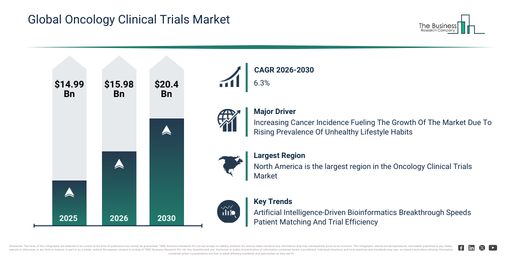
    The oncology clinical trials market has experienced significant expansion in recent years. Its value is projected to rise from $14.99 billion in 2025 to $15.98 billion in 2026, reflecting a compound annual growth rate (CAGR) of 6.6%. This historical growth has been driven by several factors, including the limited availability of effective treatments for cancer patients, a global increase in cancer cases, heightened investment in research and development by pharmaceutical and biotechnology companies, a growing number of academic clinical research centers, and greater public awareness regarding the significance of clinical trials.

    The oncology clinical trials market is forecast to undergo robust expansion over the coming years, reaching a projected value of $20.4 billion by 2030, representing a compound annual growth rate (CAGR) of 6.3%. This anticipated growth is driven by several factors, including the advancement of personalized oncology therapies, the broadening of multicenter and global trial initiatives, the implementation of digital tools for remote patient monitoring, the incorporation of artificial intelligence and big data analytics into trial designs, and heightened public and private investment in cancer research. Key trends shaping this period involve the proliferation of immunotherapy and targeted therapy clinical studies, an increased emphasis on multicenter and randomized controlled trials, a surge in funding for post-marketing surveillance and long-term safety assessments, the growing application of cell and gene therapy research, and the integration of biomarker and pharmacogenomic analyses into oncology investigations.

    Download A Free Sample Report For Comprehensive Market Insights:

    https://www.thebusinessresearchcompany.com/sample.aspx?id=27371&type=smp&utm_source=BlogsPR&utm_medium=Paid&utm_campaign=Jul_PR

    Oncology Clinical Trials Market Demand Drivers: What Is Fueling Industry Growth?

    The growth of the oncology clinical trials market is anticipated to be driven by a rising cancer incidence moving forward. This term describes the count of new cancer cases identified within a particular population over a set timeframe. Largely attributable to unhealthy lifestyle choices such as poor nutrition, insufficient physical activity, tobacco smoking, and heavy alcohol intake, the increasing incidence elevates the likelihood of developing various cancers. Through evaluating novel therapies and interventions, oncology clinical trials advance cancer treatment, enhancing patient outcomes via evidence-based research. These trials speed up medical innovation by assessing safety and efficacy, thereby fueling progress in cancer prevention, diagnosis, and care. For example, data from October 2025 published by the National Health Service (NHS), a UK-based government health agency, reveals 354,820 new cancer diagnoses in 2023—averaging 972 per day, which is 8,605 more than in 2022. Consequently, the climbing cancer rate is propelling the expansion of oncology clinical trials.

    Oncology Clinical Trials Market Segment Analysis Highlighting Growth Areas

    The oncology clinical trials market covered in this report is segmented –

    1) By Phase: Phase I, Phase II, Phase III, Phase IV

    2) By Study Design: Interventional, Observational, Expanded Access

    3) By Therapeutic Modality: Immunotherapy, Targeted Therapy, Chemotherapy, Cell And Gene Therapy, Other Therapeutic Modalities

    4) By Indication: Lung Cancer, Breast Cancer, Colorectal Cancer, Prostate Cancer, Blood Cancer, Other Indications

    5) By Sponsor Type: Pharmaceutical And Biotech Companies, Academic And Research Institutes, Government Organizations, Other Sponsor Types

    Subsegments:

    1) By Phase I: Safety And Dosage Studies, Pharmacokinetics And Pharmacodynamics Studies, Biomarker Identification Studies

    2) By Phase II: Efficacy And Side Effects Studies, Dose-Response Relationship Studies, Therapeutic Effectiveness Studies

    3) By Phase III: Large-Scale Efficacy Studies, Comparative Effectiveness Studies, Multicenter Randomized Controlled Trials

    4) By Phase IV: Post Marketing Surveillance Studies, Long-Term Safety Studies, Quality Of Life Studies

    Oncology Clinical Trials Market Innovation Trends: Which Developments Are Transforming The Industry?

    Leading players in the oncology clinical trials market are emphasizing the creation of cutting-edge technological innovations, including advanced bioinformatics platforms, to improve data analysis, speed up participant enrollment, and refine trial results. These platforms are sophisticated software systems that employ computational tools and algorithms to gather, examine, and decipher complex biological and clinical information for research and medical purposes. A case in point is September 2023, when Deep 6 AI, a healthcare technology firm based in the United States, unveiled an AI-driven genomics module intended to expedite enrollment in precision medicine and oncology trials. By utilizing artificial intelligence and natural language processing, this module extracts both structured and unstructured genomics data from electronic medical records, facilitating the immediate identification and precise matching of patients who carry specific genetic markers. It gives researchers the capability to scan millions of records for over 19,000 genes and 30,000 mutation identifiers, greatly accelerating patient recruitment and boosting the effectiveness of clinical trial planning.

    Oncology Clinical Trials Market Leading Companies: Who Holds Significant Market Presence?

    Major companies operating in the oncology clinical trials market are Pfizer Inc., Johnson & Johnson, Merck And Co. Inc., AbbVie Inc., Bayer AG, Novartis International AG, Sanofi S.A., Bristol-Myers Squibb Company, AstraZeneca plc, GSK plc, Takeda Pharmaceutical Company Limited, Eli Lilly and Company, Gilead Sciences Inc., Amgen Inc., Boehringer Ingelheim GmbH, Regeneron Pharmaceuticals Inc., Genentech Inc., BeiGene Ltd., Seagen Inc.

    Access The Complete Oncology Clinical Trials Market Report:

    https://www.thebusinessresearchcompany.com/report/oncology-clinical-trials-global-market-report?utm_source=BlogsPR&utm_medium=Paid&utm_campaign=Jul_PR

    Oncology Clinical Trials Market Regional Outlook: Where Are The Largest Opportunities Located?

    North America was the largest region in the oncology clinical trials market in 2025. Asia-Pacific is expected to be the fastest-growing region in the forecast period. The regions covered in the oncology clinical trials market report are Asia-Pacific, South East Asia, Western Europe, Eastern Europe, North America, South America, Middle East, Africa.

    Get in touch with us:

    The Business Research Company: https://www.thebusinessresearchcompany.com/?utm_source=BlogsPR&utm_medium=Paid&utm_campaign=home_page_test

    Americas: +1 310-496-7795

    Asia: +44 7882 955267 & +91 8897263534

    Europe: +44 7882 955267

    Email us at: marketing@tbrc.info

    Follow us on:

    LinkedIn: https://in.linkedin.com/company/the-business-research-company

    YouTube: https://www.youtube.com/channel/UC24_fI0rV8cR5DxlCpgmyFQ

    Global Market Model: https://www.thebusinessresearchcompany.com/global-market-model
  • Oncology Biosimilars Market Growth Through 2030 Creates New Strategic Opportunities

    Oncology Biosimilars Market Growth Through 2030 Creates New Strategic Opportunities

    Enhanced with market attractiveness analysis, total addressable market evaluation, company benchmarking matrices, interactive Excel dashboards, expanded supply chain intelligence, emerging startup coverage, and detailed product insights, The Business Research Company’s 2026 market reports deliver more actionable and strategically valuable research.

    Oncology Biosimilars Market Size Outlook: How Fast Will Revenue Grow Through 2030?

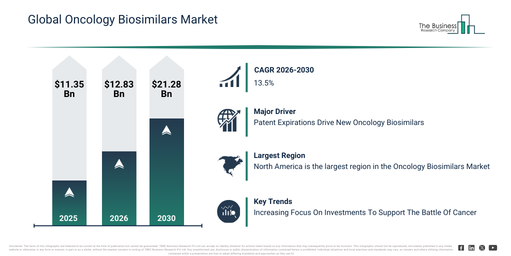
    The oncology biosimilars market has experienced swift expansion in recent years. Its value is projected to rise from $11.35 billion in 2025 to $12.83 billion in 2026, achieving a compound annual growth rate (CAGR) of 13.0%. Historical growth has been driven by factors such as the elevated cost of reference biologics, a constrained supply of oncology biosimilars, a rising worldwide incidence of cancer, an expanding hospital and pharmacy infrastructure, and the early approval of monoclonal antibody biosimilars from regulatory authorities.

    The oncology biosimilars market is poised for significant expansion in the upcoming years, with projections indicating it will reach $21.28 billion by 2030, driven by a compound annual growth rate (CAGR) of 13.5%. This anticipated growth during the forecast period is fueled by the introduction of novel biosimilar drugs such as pembrolizumab and pegfilgrastim, the broadening of online pharmacy distribution networks, a heightened uptake of immunomodulators and hematopoietic agents, increased governmental efforts to enhance cancer care accessibility, and a stronger emphasis on individualized oncology therapies. Key developments shaping this period include the growing popularity of biosimilars for rituximab, trastuzumab, and bevacizumab, a rising application of immunomodulators and hematopoietic agents in cancer treatment, the expansion of G-CSF biosimilars for managing neutropenia, the widening presence of hospital and retail pharmacy channels dedicated to oncology biosimilars, and a concentrated push toward affordable and accessible cancer treatment solutions.

    Download A Free Sample Report For Comprehensive Market Insights:

    https://www.thebusinessresearchcompany.com/sample.aspx?id=2821&type=smp&utm_source=BlogsPR&utm_medium=Paid&utm_campaign=Jul_PR

    Oncology Biosimilars Market Growth Drivers: What Factors Are Accelerating Expansion?

    The expiration of patents on biologics used in cancer treatment is fueling the development of new oncology biosimilars. Since biologics are protected by patents for only a finite duration, their expiry opens the door for producing biosimilars. These biologics are targeted therapies created from living organisms, designed to stimulate the immune system to combat cancer cells. Biosimilars, while not identical to their biologic counterparts, deliver comparable effectiveness at a lower cost. For example, as reported by DrugTimes, a Chinese firm specializing in pharmaceuticals and biotechnology, in February 2024, over 25 drugs are projected to lose patent protection by 2037, which could lead to a combined revenue drop exceeding $236.4 billion based on 2024 sales. This growing number of patent expirations is anticipated to boost the demand for manufacturing new oncology biosimilars, thereby propelling the growth of the oncology biosimilars market.

    Oncology Biosimilars Market Segment Performance And Strategic Opportunities

    The oncology biosimilars market covered in this report is segmented –

    1) By Drug Type: Monoclonal Antibody, Immunomodulators, Hematopoietic Agents, Granulocyte Colony-Stimulating Factor (G-CSF)

    2) By Cancer Type: Breast Cancer, Colorectal Cancer, Blood Cancer, Neutropenia Cancer, Non-Small Cell Lung Cancer, Other Cancer Types

    3) By Distribution Type: Hospital Pharmacy, Retail Pharmacy, Online Pharmacy

    Subsegments:

    1) By Monoclonal Antibody: Rituximab Biosimilars, Trastuzumab Biosimilars, Bevacizumab Biosimilars, Pembrolizumab Biosimilars

    2) By Immunomodulators: Thalidomide Biosimilars, Lenalidomide Biosimilars, Pomalidomide Biosimilars

    3) By Hematopoietic Agents: Epoetin Biosimilars, Darbepoetin Biosimilars

    4) By Granulocyte Colony-Stimulating Factor (G-CSF): Filgrastim Biosimilars, Pegfilgrastim Biosimilars

    Oncology Biosimilars Market Trends: What Is Shaping Future Industry Growth?

    Leading corporations within the oncology biosimilars sector are directing their efforts toward the creation of cutting-edge cancer therapies—including targeted biologics and monoclonal antibodies—aimed at improving treatment effectiveness, patient recovery, and the overall availability of oncology services. Monoclonal antibodies (mAbs) represent lab-crafted proteins engineered to identify and attach to specific antigens present on cancer cells, which facilitates accurate targeting and immune-driven elimination. A notable example occurred in March 2023, when Pfizer, an American pharmaceutical firm, finalized a merger with Seagen involving a $43 billion investment to bolster its oncology pipeline. This strategic acquisition strengthens Pfizer’s position in cancer treatment development and promotes progress in advanced therapies that combat cancer, a prevalent global cause of mortality. This investment additionally highlights a rising pattern of substantial financial commitments dedicated to novel oncology biosimilars, designed to fulfill unmet healthcare requirements and broaden access to cancer care on a worldwide scale.

    Oncology Biosimilars Market Key Players: Which Companies Shape Industry Competition?

    Major companies operating in the oncology biosimilars market are Biocon Biologics Limited, Celltrion Inc., Dr. Reddy’s Laboratories Ltd., Intas Pharmaceuticals Ltd., STADA Arzneimittel AG, Pfizer Inc., Apotex Inc., Teva Pharmaceutical Industries Ltd., Sandoz International GmbH, BIOCAD, Amgen Inc., F. Hoffmann-La Roche, Sanofi SA, Mylan, Samsung Bioepis, Biogen International GmbH, Merck & Co. Inc., Coherus Biosciences, Eli Lilly and Company, Novartis AG, Viatris Inc., Accord Healthcare Ltd., Zydus Cadila Health Care Limited, Hetero Drugs Limited, Mundipharma International Limited, Mabion SA, Polpharma Biologics, Alvotech, Innovent Biologics, Gan & Lee Pharmaceuticals, Henlius Biotech

    Access The Complete Oncology Biosimilars Market Report:

    https://www.thebusinessresearchcompany.com/report/oncology-biosimilar-global-market-report?utm_source=BlogsPR&utm_medium=Paid&utm_campaign=Jul_PR

    Oncology Biosimilars Market Geographic Landscape: Which Region Dominates Industry Growth?

    North America was the largest region in the global oncology biosimilars market in 2025. Middle East is expected to be the fastest-growing region in the oncology biosimilars market report forecast period. The regions covered in the oncology biosimilars market report are Asia-Pacific, South East Asia, Western Europe, Eastern Europe, North America, South America, Middle East, Africa.

    Get in touch with us:

    The Business Research Company: https://www.thebusinessresearchcompany.com/?utm_source=BlogsPR&utm_medium=Paid&utm_campaign=home_page_test

    Americas: +1 310-496-7795

    Asia: +44 7882 955267 & +91 8897263534

    Europe: +44 7882 955267

    Email us at: marketing@tbrc.info

    Follow us on:

    LinkedIn: https://in.linkedin.com/company/the-business-research-company

    YouTube: https://www.youtube.com/channel/UC24_fI0rV8cR5DxlCpgmyFQ

    Global Market Model: https://www.thebusinessresearchcompany.com/global-market-model
  • Oncology Adjuvants Market Size Projected To Increase From $1.87 Billion To $2.53 Billion During The Forecast Period

    Oncology Adjuvants Market Size Projected To Increase From $1.87 Billion To $2.53 Billion During The Forecast Period

    Through market attractiveness analysis, total addressable market evaluation, company benchmarking matrices, interactive Excel dashboards, expanded supply chain intelligence, emerging startup coverage, and detailed product insights, The Business Research Company’s 2026 market reports provide more actionable and strategically valuable research.

    Oncology Adjuvants Market Size, Value And Growth Trends Through 2030

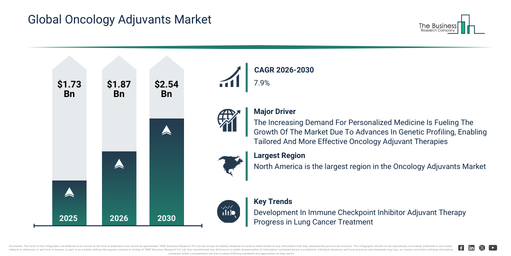
    The oncology adjuvants market has experienced robust expansion over recent years. Valued at $1.73 billion in 2025, it is projected to reach $1.87 billion by 2026, reflecting a compound annual growth rate (CAGR) of 8.2%. This historical growth has been driven by several key factors, including the restricted supply of oncology adjuvants, the predominant role of chemotherapy and radiation as primary treatment modalities, a rising global incidence of cancer, intensified clinical research into adjuvant therapies, and enhanced recognition among oncologists of the advantages associated with adjuvant approaches.

    The oncology adjuvants market is anticipated to experience significant expansion over the coming years, with projections indicating it will reach $2.54 billion by 2030, reflecting a compound annual growth rate (CAGR) of 7.9%. This forecasted growth is driven by factors such as the creation of innovative immunotherapy adjuvants, a broader range of targeted therapy options, a greater reliance on combination treatment strategies, the incorporation of precision medicine and genomic profiling, and heightened investments in oncology research and clinical trials. Key developments shaping this period include a growing focus on immunotherapy and targeted therapy adjuvants, more personalized cancer treatment plans being integrated, the increasing availability of oral and subcutaneous delivery methods, a rise in multi-modal cancer treatment models, and an emphasis on improving patient outcomes while minimizing side effects from therapies.

    Download A Free Sample Report For Comprehensive Market Insights:

    https://www.thebusinessresearchcompany.com/sample.aspx?id=27370&type=smp&utm_source=BlogsPR&utm_medium=Paid&utm_campaign=Jul_PR

    Oncology Adjuvants Market Growth Factors Supporting Long-Term Expansion

    The oncology adjuvants market is anticipated to grow in the coming period, driven by a rising demand for personalized medicine. This approach to healthcare relies on an individual’s genetic information and lifestyle to customize treatments and medical care to their precise requirements. Its expansion is fueled by progress in genetic and molecular profiling, which facilitates therapies that align with a patient’s unique biology, thereby enhancing efficacy and minimizing side effects. Oncology adjuvants support this model by enabling the modification of supplementary cancer therapies based on a patient’s genetic profile and tumor traits, ensuring that residual malignant cells are effectively addressed while avoiding undue harm. A case in point comes from February 2024, when the Personalized Medicine Coalition (PMC), a U.S.-based entity, reported that the FDA authorized 16 new personalized therapies for rare disease patients in 2023, a notable increase from 6 in 2022. Consequently, the growing emphasis on personalized medicine is fueling the expansion of the oncology adjuvants market.

    Oncology Adjuvants Market Segment Landscape And Growth Potential

    The oncology adjuvants market covered in this report is segmented –

    1) By Type Of Adjuvant: Chemotherapy Adjuvants, Radiation Adjuvants, Immunotherapy Adjuvants, Hormonal Adjuvants, Targeted Therapy Adjuvants

    2) By Administration Route: Oral, Intravenous, Subcutaneous, Topical, Intramuscular

    3) By Indication: Breast Cancer, Glioblastoma, Lung Cancer, Colorectal Cancer, Ovarian Cancer, Sarcoma, Prostate Cancer, Other Indications

    4) By End User: Cancer Research Institute, Cancer Hospitals

    Subsegments:

    1) By Chemotherapy Adjuvants: Alkylating Agents, Antimetabolites, Anthracyclines, Plant Alkaloids, Topoisomerase Inhibitors, Platinum-Based Compounds, Others

    2) By Radiation Adjuvants: Radiosensitizers, Radioprotectors, Hypoxic Cell Sensitizers, Deoxyribonucleic Acid (DNA) Repair Inhibitors, Immune Modulating Agents Combined With Radiation

    3) By Immunotherapy Adjuvants: Checkpoint Inhibitors, Cytokines, Cancer Vaccines, Adoptive Cell Transfer, Immune Modulating Agents

    4) By Hormonal Adjuvants: Selective Estrogen Receptor Modulators, Aromatase Inhibitors, Gonadotropin-Releasing Hormone Agonists Or Antagonists, Androgen Receptor Inhibitors, Estrogen Receptor Downregulators

    5) By Targeted Therapy Adjuvants: Tyrosine Kinase Inhibitors (TKIs), Proteasome Inhibitors, Poly (ADP-Ribose) Polymerase (PARP) Inhibitors, mTOR Inhibitors, v-Raf Murine Sarcoma Viral Oncogene Homolog B (BRAF) Or Mitogen-Activated Protein Kinase Kinase (MEK) Inhibitors, Vascular Endothelial Growth Factor (VEGF) Inhibitors

    Oncology Adjuvants Market Industry Trends Shaping Future Revenue Growth

    Leading firms in the oncology adjuvants market are prioritizing the development of advanced solutions like immune checkpoint inhibitor adjuvant therapy to boost post-surgical treatment effectiveness and enhance patient survival rates by leveraging the immune system to target leftover cancer cells. Immune checkpoint inhibitor adjuvant therapy involves the use of medications that inhibit checkpoint proteins such as PD-1, PD-L1, or CTLA-4, which typically function as immune system suppressors. A notable example is from January 2023, when US-based pharmaceutical company Merck & Co., Inc. introduced KEYTRUDA (pembrolizumab) as an adjuvant treatment, following FDA approval. This therapy is indicated for patients with Stage IB (T2a =4 centimeters), II, or IIIA non-small cell lung cancer (NSCLC) after surgical resection and platinum-based chemotherapy. By blocking the PD-1 receptor, KEYTRUDA (pembrolizumab) provides targeted immune checkpoint inhibition, thus restoring the immune system’s capacity to recognize and eliminate cancer cells. It serves as a potent adjuvant treatment for NSCLC patients post-surgery and chemotherapy, aiding in lowering the chance of cancer relapse and improving overall survival outcomes. Moreover, KEYTRUDA facilitates personalized cancer therapy by utilizing the patient’s own immune response, establishing it as a crucial component in contemporary immuno-oncology.

    Oncology Adjuvants Market Competitive Landscape: Who Are The Leading Companies?

    Major companies operating in the oncology adjuvants market are Pfizer Inc., Johnson And Johnson, Roche Holding AG, Merck And Co. Inc., Bayer AG, Bristol-Myers Squibb Company, AstraZeneca PLC, Novartis AG, Eli Lilly And Company, Amgen Inc., Regeneron Pharmaceuticals, Daiichi Sankyo Company Limited, Ipsen S.A., Jiangsu Hengrui Pharmaceuticals Co. Ltd., Croda International Plc, Dynavax Technologies Corporation, Agenus Inc., Elicio Therapeutics Inc.

    Access The Complete Oncology Adjuvants Market Report:

    https://www.thebusinessresearchcompany.com/report/oncology-adjuvants-global-market-report?utm_source=BlogsPR&utm_medium=Paid&utm_campaign=Jul_PR

    Oncology Adjuvants Market Largest Region: Which Geography Holds The Highest Market Share?

    North America was the largest region in the oncology adjuvants market in 2025. Asia-Pacific is expected to be the fastest-growing region in the forecast period. The regions covered in the oncology adjuvants market report are Asia-Pacific, South East Asia, Western Europe, Eastern Europe, North America, South America, Middle East, Africa.

    Get in touch with us:

    The Business Research Company: https://www.thebusinessresearchcompany.com/?utm_source=BlogsPR&utm_medium=Paid&utm_campaign=home_page_test

    Americas: +1 310-496-7795

    Asia: +44 7882 955267 & +91 8897263534

    Europe: +44 7882 955267

    Email us at: marketing@tbrc.info

    Follow us on:

    LinkedIn: https://in.linkedin.com/company/the-business-research-company

    YouTube: https://www.youtube.com/channel/UC24_fI0rV8cR5DxlCpgmyFQ

    Global Market Model: https://www.thebusinessresearchcompany.com/global-market-model
  • Oncogene Inhibitor  Market Growth Outlook Reveals A CAGR Of 8.6% And A Market Value Of $65.44 Billion By 2030

    Oncogene Inhibitor  Market Growth Outlook Reveals A CAGR Of 8.6% And A Market Value Of $65.44 Billion By 2030

    Delivering more actionable and strategically valuable research, The Business Research Company’s 2026 market reports feature market attractiveness analysis, total addressable market evaluation, company benchmarking matrices, interactive Excel dashboards, expanded supply chain intelligence, emerging startup coverage, and detailed product insights.

    Oncogene Inhibitor  Market CAGR Analysis And Future Market Development

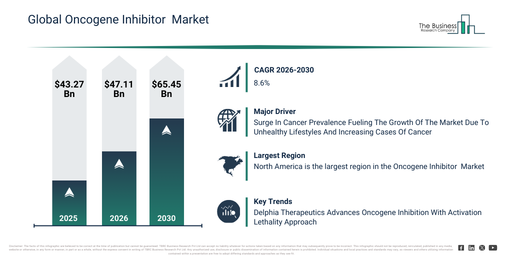
    The market for oncogene inhibitors has experienced substantial expansion in recent years. Projections indicate it will increase from $43.27 billion in 2025 to $47.11 billion in 2026, reflecting a compound annual growth rate (CAGR) of 8.9%. This historical growth has been driven by a scarcity of targeted therapies, dependence on traditional chemotherapy, a rise in cancer incidence, enhanced infrastructure at hospitals and specialty clinics, and heightened awareness of treatments that specifically target oncogenes.

    The oncogene inhibitor market is projected to experience robust expansion over the coming years, reaching an estimated $65.45 billion by 2030, driven by a compound annual growth rate (CAGR) of 8.6%. This anticipated growth during the forecast period is fueled by progress in small molecule inhibitors and biologics, the broadening of gene therapy and monoclonal antibody research, a growing shift toward personalized medicine, heightened investment in oncology-focused research and development, and the incorporation of digital health and artificial intelligence into cancer treatment. Key trends shaping the forecast period include the increasing development of targeted cancer therapies, a greater uptake of oral and injectable oncogene inhibitors, the expansion of combination therapy strategies, a heightened emphasis on personalized medicine, and intensified research into rare and challenging-to-treat cancers.

    Download A Free Sample Report For Comprehensive Market Insights:

    https://www.thebusinessresearchcompany.com/sample.aspx?id=24635&type=smp&utm_source=BlogsPR&utm_medium=Paid&utm_campaign=Jul_PR

    Oncogene Inhibitor  Market Demand Drivers Creating New Revenue Opportunities

    A rising incidence of cancer is set to drive forward the growth of the oncogene inhibitor market in the coming years. Cancer describes a collection of diseases marked by the abnormal, uncontrolled proliferation and spread of cells within the body. Its prevalence is climbing as a result of unhealthy lifestyle choices, including smoking, poor nutrition, physical inactivity, and alcohol consumption, which compromise the immune system and encourage the development of malignant cells. Oncogene inhibitors aid in cancer treatment by targeting and obstructing specific genes that fuel the growth of cancer cells, thus decelerating or halting tumor formation and advancement. For example, a report from Cancer Research UK, a charity based in the United Kingdom, published in July 2024, projects that the average yearly number of new melanoma skin cancer cases in the UK will rise from roughly 20,800 between 2023 and 2025 to about 26,500 between 2038 and 2040. Consequently, the escalating prevalence of cancer is fueling expansion within the oncogene inhibitor market.

    Oncogene Inhibitor  Market Categorization By Product Type And Application

    The oncogene inhibitor  market covered in this report is segmented –

    1) By Type: Oral, Injection

    2) By Drug Class: Small Molecule Drugs, Biologics, Combination Therapies

    3) By Indication: Breast Cancer, Ovarian Cancer, Lung Cancer, Pancreas Cancer, Other Indications

    4) By Distribution Channel: Hospital Pharmacies, Retail Pharmacies, Online Pharmacies

    5) By End-Users: Hospitals, Specialty Clinics, Other End-Users

    Subsegments:

    1) By Oral Oncogene Inhibitors: Small Molecule Inhibitors, Targeted Therapy Pills, Tyrosine Kinase Inhibitors (TKIs)

    2) By Injection Oncogene Inhibitors: Monoclonal Antibodies (mAbs), Peptide Receptor Radioligand Therapy (PRRT), Small Molecule Inhibitors (Injectable), Gene Therapy Injections

    Oncogene Inhibitor  Market Trends Driving Strategic Industry Expansion

    Major players within the oncogene inhibitor space are increasingly concentrating on the creation of more advanced therapeutic options, including novel functional genomic strategies, aimed at boosting both the accuracy and effectiveness of cancer therapies. These novel functional genomic strategies represent cutting-edge methods that combine diverse genomic, transcriptomic, and epigenomic datasets to analyze gene functions and their involvement in illnesses such as cancer. In May 2024, for instance, Delphia Therapeutics, a biotechnology firm based in the United States, unveiled a new technique known as activation lethality, designed to take advantage of cancer’s weakness to the overactivation of oncogenes. Kevin Marks, Bill Sellers, and Mike Dillon, prominent figures in oncology drug development, have obtained $67 million in funding to further this approach. Activation lethality is aimed at the excessive activation of oncogenes—genes that, when mutated or overexpressed, can fuel the onset of cancer. Certain cancer cells depend on this heightened activation for their survival, and by inflicting lethal stress via targeted interventions, this method specifically eliminates those malignant cells while leaving healthy ones unaffected.

    Oncogene Inhibitor  Market Company Landscape And Strategic Competition

    Major companies operating in the oncogene inhibitor  market are Pfizer Inc., Johnson & Johnson Services Inc., F. Hoffmann-La Roche Ltd, Merck & Co. Inc., AbbVie Inc., Bayer AG, Bristol-Myers Squibb Company, Novartis AG, GlaxoSmithKline plc, Takeda Pharmaceutical Company Limited, Eli Lilly and Company, Mirati Therapeutics Inc., AstraZeneca PLC, Incyte Corporation, Blueprint Medicines Corporation, Astex Pharmaceuticals Inc., G1 Therapeutics Inc., Nurix Therapeutics Inc., GenFleet Therapeutics Co Ltd., Relay Therapeutics Inc.

    Access The Complete Oncogene Inhibitor  Market Report:

    https://www.thebusinessresearchcompany.com/report/oncogene-inhibitor-global-market-report?utm_source=BlogsPR&utm_medium=Paid&utm_campaign=Jul_PR

    Oncogene Inhibitor  Market Regional Analysis: Which Region Leads By Revenue?

    North America was the largest region in the oncogene inhibitor market in 2025. Asia-Pacific is expected to be the fastest-growing region in the forecast period. The regions covered in the oncogene inhibitor  market report are Asia-Pacific, South East Asia, Western Europe, Eastern Europe, North America, South America, Middle East, Africa.

    Get in touch with us:

    The Business Research Company: https://www.thebusinessresearchcompany.com/?utm_source=BlogsPR&utm_medium=Paid&utm_campaign=home_page_test

    Americas: +1 310-496-7795

    Asia: +44 7882 955267 & +91 8897263534

    Europe: +44 7882 955267

    Email us at: marketing@tbrc.info

    Follow us on:

    LinkedIn: https://in.linkedin.com/company/the-business-research-company

    YouTube: https://www.youtube.com/channel/UC24_fI0rV8cR5DxlCpgmyFQ

    Global Market Model: https://www.thebusinessresearchcompany.com/global-market-model
  • Onchocerciasis Treatment Market Forecast Highlights Expansion From $1.19 Billion To $1.59 Billion Through 2030

    Onchocerciasis Treatment Market Forecast Highlights Expansion From $1.19 Billion To $1.59 Billion Through 2030

    Enhanced with market attractiveness analysis, total addressable market evaluation, company benchmarking matrices, interactive Excel dashboards, expanded supply chain intelligence, emerging startup coverage, and detailed product insights, The Business Research Company’s 2026 market reports deliver more actionable and strategically valuable research.

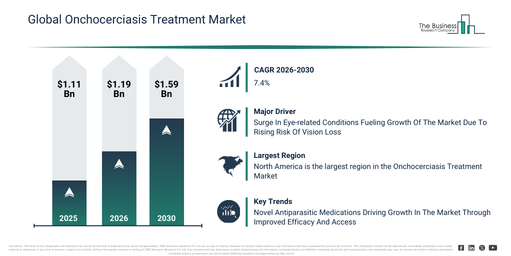
    Onchocerciasis Treatment Market Expansion From $1.19 Billion In 2026 To $1.59 Billion In 2030

    The market for onchocerciasis treatments has experienced robust expansion recently, with projections indicating growth from $1.11 billion in 2025 to $1.19 billion in 2026, reflecting a compound annual growth rate (CAGR) of 7.8%. This historical increase is largely driven by several key factors: the scarce supply of ivermectin and doxycycline in areas where the disease is prevalent, a heavy dependence on hospital-centered distribution networks, limited public understanding of how to manage the condition, insufficient implementation of preventive chemotherapy initiatives, and an exclusive reliance on oral medication formats.

    The market for onchocerciasis treatments is anticipated to experience considerable expansion in the coming years, reaching $1.59 billion by 2030 with a compound annual growth rate of 7.4%. This projected growth during the forecast timeframe is driven by factors such as the launch of moxidectin and prolonged-release formulations, the widening availability through online and retail pharmacies, the creation of combination therapies, heightened government and NGO funding for eradication initiatives, and the establishment of community-focused preventive strategies. Key developments expected in the forecast period involve the scaling up of mass drug administration programs, the creation of pediatric and fixed-dose formulations, a rising emphasis on anti-Wolbachia therapies, the blending of oral and injectable treatment protocols, and the expansion of community-led and governmental treatment campaigns.

    Download A Free Sample Report For Comprehensive Market Insights:

    https://www.thebusinessresearchcompany.com/sample.aspx?id=24634&type=smp&utm_source=BlogsPR&utm_medium=Paid&utm_campaign=Jul_PR

    Onchocerciasis Treatment Market Expansion Supported By Key Demand Factors

    The increasing number of individuals impacted by ocular conditions is anticipated to drive the expansion of the onchocerciasis treatment market in the coming period. Ocular conditions encompass a range of disorders affecting vision and eye health, such as infections, injuries, and long-term diseases like glaucoma or cataracts. This rise in affected patients is largely attributed to heightened screen usage and extended exposure to digital devices. Onchocerciasis treatment aids in averting and controlling vision impairment and blindness in individuals by eradicating the parasitic infection that induces inflammation and harm to eye tissues. By way of example, in May 2024, the Centers for Disease Control and Prevention (CDC), a US-based public health body, reported that approximately 20.5 million Americans aged over 40 have cataracts in one eye, representing 17.2% of that demographic. It is estimated that nearly 30 million individuals will develop cataracts by 2028. Consequently, the growing frequency of eye-related disorders is fueling the onchocerciasis treatment market.

    The growing need for surgical procedures is projected to stimulate the onchocerciasis treatment market’s growth moving forward. Surgical procedures are medical interventions designed to extract or fix tissues compromised by disease, frequently applied when pharmaceutical treatments are unsuccessful or when complications threaten lasting health. This escalation stems from the progression of onchocerciasis in certain patients to severe phases, where surgical action is needed to avoid permanent harm, like vision loss or deformity. In response, healthcare providers are broadening surgical offerings and investing in cutting-edge techniques, thereby enhancing the onchocerciasis treatment market. For instance, in June 2024, the International Society of Aesthetic Plastic Surgery (ISAPS), a US-based professional association for board-certified cosmetic plastic surgeons, indicated that in 2023, almost 35 million aesthetic procedures were carried out globally, a 3.4% rise from 2022. The report further noted that surgical interventions grew by 5.5%, with over 15.8 million procedures executed by plastic surgeons. Hence, the increasing demand for surgical procedures is driving expansion in the onchocerciasis treatment market.

    Onchocerciasis Treatment Market Segment Analysis And Revenue Opportunities

    The onchocerciasis treatment market covered in this report is segmented –

    1) By Drug Type: Ivermectin, Doxycycline, Albendazole, Moxidectin

    2) By Treatment Strategy: Mass Drug Administration (MDA), Targeted Treatment

    3) By Mode Of Administration: Oral, Injectables, Topical

    4) By Distribution Channel: Hospital Pharmacies, Retail Pharmacies, Online Pharmacies

    5) By End User: Hospitals And Clinics, Home Care Settings, Government And Non-Governmental Programs

    Subsegments:

    1) By Ivermectin: Oral Tablets, Community-Based Mass Drug Administration (MDA) Kits, Fixed-Dose Combination Therapies, Pediatric Formulations

    2) By Doxycycline: Oral Capsules, Extended-Release Tablets, Combination With Anti-Wolbachia Therapy, Hospital-Based Prescription Treatments

    3) By Albendazole: Single-Dose Oral Tablets, Combination Therapy With Ivermectin, Government-Supplied Preventive Chemotherapy Packages, Over-The-Counter (OTC) Formulations In Endemic Areas

    4) By Moxidectin: Oral Tablets, Long-Acting Formulations, Adult-Only Dosing Regimens, Clinical Trial-Based Access Programs

    Onchocerciasis Treatment Market Growth Trends Influencing Competitive Dynamics

    Leading companies in the onchocerciasis treatment space are prioritizing the development of innovative antiparasitic drugs aimed at boosting therapeutic outcomes and shortening treatment timelines. These antiparasitic agents work by eradicating or suppressing parasites such as protozoa and worms that cause human infections. A notable example occurred in December 2024, when Medicines Development for Global Health (MDGH), an Australian nonprofit biopharmaceutical organization, secured approval from Ghana’s Food and Drugs Authority (FDA) for Moxidectin 2 mg oral tablets. This medication is indicated for treating river blindness in patients aged 4 years and older. The clearance allows Ghana to initiate community-wide mass drug administration campaigns using moxidectin, which demonstrates enhanced effectiveness and prolonged action compared to ivermectin. Through this regulatory milestone, MDGH seeks to broaden availability of a potent new therapy for onchocerciasis, facilitating large-scale community-based interventions in endemic areas.

    Onchocerciasis Treatment Market Leading Players Shaping Industry Direction

    Major companies operating in the onchocerciasis treatment market are Merck & Co. Inc., Teva Pharmaceutical Industries Limited, Hetero Labs Limited, Sun Pharmaceutical Industries Limited, Intas Pharmaceuticals Limited, Dr. Reddy’s Laboratories Inc., Cipla Limited, Endo Inc., Lupin Limited, Instituto de Tecnologia em Imunobiológicos Bio-Manguinhos – Fundação Oswaldo Cruz (Fiocruz), AMGIS Lifescience Ltd., Drugs for Neglected Diseases initiative (DNDi), Rakshit Drugs Pvt. Ltd., Hangzhou Longshine Bio-Tech Co. Ltd., OREX Pharma Private Limited, Angle Bio Pharma Pvt. Ltd., Senores Pharmaceuticals Inc., Avenacy LLC, Dolphin Pharma, Cerata Pharmaceuticals Inc.

    Access The Complete Onchocerciasis Treatment Market Report:

    https://www.thebusinessresearchcompany.com/report/onchocerciasis-treatment-global-market-report?utm_source=BlogsPR&utm_medium=Paid&utm_campaign=Jul_PR

    Onchocerciasis Treatment Market Geographic Distribution And Regional Opportunities

    North America was the largest region in the onchocerciasis treatment market in 2025. Asia-Pacific is expected to be the fastest-growing region in the forecast period. The regions covered in the onchocerciasis treatment market report are Asia-Pacific, South East Asia, Western Europe, Eastern Europe, North America, South America, Middle East, Africa.

    Get in touch with us:

    The Business Research Company: https://www.thebusinessresearchcompany.com/?utm_source=BlogsPR&utm_medium=Paid&utm_campaign=home_page_test

    Americas: +1 310-496-7795

    Asia: +44 7882 955267 & +91 8897263534

    Europe: +44 7882 955267

    Email us at: marketing@tbrc.info

    Follow us on:

    LinkedIn: https://in.linkedin.com/company/the-business-research-company

    YouTube: https://www.youtube.com/channel/UC24_fI0rV8cR5DxlCpgmyFQ

    Global Market Model: https://www.thebusinessresearchcompany.com/global-market-model
  • Omega-3 Supplements Market Expected To Reach $17.21 Billion By 2030 As Growth Accelerates At 11.7% CAGR

    Omega-3 Supplements Market Expected To Reach $17.21 Billion By 2030 As Growth Accelerates At 11.7% CAGR

    Through market attractiveness analysis, total addressable market evaluation, company benchmarking matrices, interactive Excel dashboards, expanded supply chain intelligence, emerging startup coverage, and detailed product insights, The Business Research Company’s 2026 market reports provide more actionable and strategically valuable research.

    Omega-3 Supplements Market Forecast Highlighting Growth From $11.04 Billion To $17.21 Billion

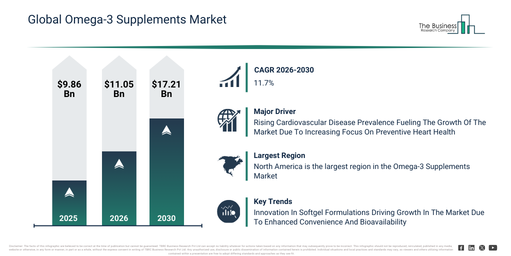
    The omega-3 supplements market has experienced rapid expansion in recent years, increasing from a valuation of $9.86 billion in 2025 to an anticipated $11.05 billion in 2026, reflecting a compound annual growth rate (CAGR) of 12.0%. This historic growth has been driven by factors including restricted consumer understanding of omega-3 advantages, reliance on fish oil as a primary source, an expanding elderly demographic, rising rates of cardiovascular disorders, and the prevailing influence of traditional retail channels.

    The omega-3 supplements market is projected to experience significant expansion over the coming years, with its value anticipated to reach $17.21 billion by 2030, reflecting a compound annual growth rate (CAGR) of 11.7%. This forecasted growth is driven by several factors, including advancements in plant-based and algal omega-3 innovations, the expansion of e-commerce and direct-to-consumer sales channels, a rise in maternal and pediatric nutrition products, ongoing research into the cognitive benefits of omega-3s, and the development of high-potency and enteric-coated formulations. Key trends shaping this period include a growing demand for cardiovascular health supplements, an increasing shift toward plant-derived omega-3 sources, the proliferation of online nutraceutical distribution, the emergence of customized and fortified omega-3 offerings, and heightened awareness of their advantages for cognitive and eye health.

    Download A Free Sample Report For Comprehensive Market Insights:

    https://www.thebusinessresearchcompany.com/sample.aspx?id=24633&type=smp&utm_source=BlogsPR&utm_medium=Paid&utm_campaign=Jul_PR

    Omega-3 Supplements Market Growth Drivers And Industry Catalysts

    The anticipated growth of the omega-3 supplements market is being driven by the increasing incidence of cardiovascular diseases. These conditions, which impact the heart and blood vessels, are becoming more common due to the widespread adoption of unhealthy habits such as consuming diets rich in saturated fats and sugars, lacking physical activity, smoking, and drinking excessive alcohol. Omega-3 supplements play a role in managing cardiovascular health by lowering triglyceride levels, reducing blood pressure, mitigating inflammation, and promoting overall heart function. Supporting this trend, a December 2024 report from the American Heart Association, a national health agency based in the US, projected that the rate of cardiovascular disease in the United States will climb from 11.3% to 15% of the population by 2050, affecting roughly 45 million adults. Consequently, the rising occurrence of cardiovascular disease is fueling expansion in the omega-3 supplements market.

    Omega-3 Supplements Market Segmentation And Category Breakdown

    The omega-3 supplements market covered in this report is segmented –

    1) By Product: Capsules, Powder, Soft Gel, Other Products

    2) By Source: Fish Oil, Krill Oil, Algae Oil, Other Sources

    3) By Distribution Channel: Supermarket And Hypermarkets, Convenience Stores, Specialty Stores, Online Channel, Other Distribution Channels

    4) By Functionality: Cardiovascular Health, Brain And Cognitive Health, Eye Health, Joint Health, Other Functionality

    5) By End Use: Adults, Geriatric, Pregnant Women, Children, Infants

    Subsegments:

    1) By Capsules: Fish Oil Capsules, Algal Oil Capsules, Krill Oil Capsules, Flaxseed Oil Capsules

    2) By Powder: Protein-Infused Omega-3 Powder, Algae-Based Omega-3 Powder, Fortified Beverage Mix Powders, Nutritional Supplement Powders

    3) By Soft Gel: Enteric-Coated Soft Gels, High-DHA Soft Gels, Triple Strength Soft Gels, Omega-3-6-9 Combination Soft Gels

    4) By Other Products: Gummies, Syrups, Emulsions, Effervescent Tablets

    Omega-3 Supplements Market Trends Influencing Long-Term Demand

    Key players in the omega-3 supplements industry are increasingly directing their efforts toward creating novel offerings like softgels, aiming to boost ease of use for consumers, enhance nutrient absorption, and stand out in a highly competitive marketplace. These omega-3 softgels are essentially encapsulated dietary products loaded with omega-3 fatty acids, commonly obtained from fish oil or algae, crafted for effortless intake and superior uptake by the body. A case in point is May 2025, when Osteo Bi-Flex, a joint health brand based in the US and owned by Nestlé Health Science, rolled out its Advanced Omega-3 Joint Complex. This formulation pairs 100 mg of Joint Shield 5-LOXIN Advanced, a powerful extract from Boswellia serrata that aids joint comfort, with 360 mg of omega-3s extracted from algae oil. Tailored to foster joint, heart, and skin wellness, as well as to support circulation and cellular functions, this product streamlines health regimens by offering several advantages in a single daily dose.

    Omega-3 Supplements Market Competitive Analysis Of Major Industry Participants

    Major companies operating in the omega-3 supplements market are GlaxoSmithKline plc, DSM-Firmenich AG, The Nature’s Bounty Co., Nestlé Health Science U.S., Arkopharma, Pharmavite LLC, VAYA Pharma, Now Foods, Jarrow Formulas Inc., KD Pharma Group SA, Nordic Naturals Inc., Natrol LLC, Pharma Nord B.V, Carlson Laboratories, Optimum Nutrition Inc., Vital Choice Wild Seafood & Organics SPC, Barlean’s Organic Oils LLC, Reckitt Benckiser Group plc, NutriGold Inc., Luhua Biomarine (Shandong) Co. Ltd.

    Access The Complete Omega-3 Supplements Market Report:

    https://www.thebusinessresearchcompany.com/report/omega-3-supplements-global-market-report?utm_source=BlogsPR&utm_medium=Paid&utm_campaign=Jul_PR

    Omega-3 Supplements Market Largest Region By Revenue And Market Share

    North America was the largest region in the omega-3 supplements market in 2025. Asia-Pacific is expected to be the fastest-growing region in the forecast period. The regions covered in the omega-3 supplements market report are Asia-Pacific, South East Asia, Western Europe, Eastern Europe, North America, South America, Middle East, Africa.

    Get in touch with us:

    The Business Research Company: https://www.thebusinessresearchcompany.com/?utm_source=BlogsPR&utm_medium=Paid&utm_campaign=home_page_test

    Americas: +1 310-496-7795

    Asia: +44 7882 955267 & +91 8897263534

    Europe: +44 7882 955267

    Email us at: marketing@tbrc.info

    Follow us on:

    LinkedIn: https://in.linkedin.com/company/the-business-research-company

    YouTube: https://www.youtube.com/channel/UC24_fI0rV8cR5DxlCpgmyFQ

    Global Market Model: https://www.thebusinessresearchcompany.com/global-market-model