Category: Pharmaceuticals

  • Connected Drug Delivery Devices Market Growth Is Reshaping Competitive Advantage Across The Industry

    Connected Drug Delivery Devices Market Growth Is Reshaping Competitive Advantage Across The Industry

    Through market attractiveness analysis, total addressable market evaluation, company benchmarking matrices, interactive Excel dashboards, expanded supply chain intelligence, emerging startup coverage, and detailed product insights, The Business Research Company’s 2026 market reports provide more actionable and strategically valuable research.

    Connected Drug Delivery Devices Market Value Analysis: What Growth Is Expected Over The Forecast Period?

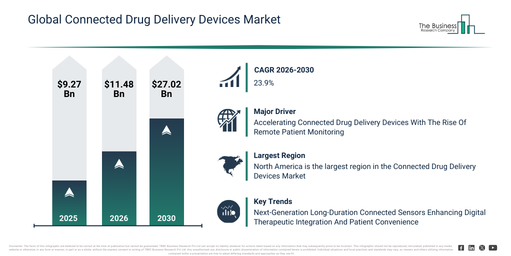
    The market for connected drug delivery devices has experienced remarkable expansion in recent years, with projections indicating a surge from $9.27 billion in 2025 to $11.48 billion in 2026, reflecting a compound annual growth rate of 23.8%. This historic period’s growth has been driven by factors such as the rising uptake of devices for managing chronic conditions, a heightened prevalence of diabetes and respiratory ailments, progress in smart syringe and inhaler technologies, growing efforts to digitize healthcare systems, and increased public understanding of the importance of sticking to medication regimens.

    The connected drug delivery devices market is anticipated to experience rapid expansion in the coming years, reaching $27.02 billion by 2030 with a compound annual growth rate (CAGR) of 23.9%. This projected growth during the forecast period is driven by increasing demand for remote patient monitoring, the expansion of interconnected healthcare systems, the incorporation of AI-driven predictive analytics, the rising prevalence of wearable drug delivery devices, and favorable government policies promoting digital health adoption. Key trends shaping this period include personalized monitoring of medication adherence, solutions for remote patient oversight, integration with electronic health records (EHR), data-guided dose adjustments, and the provision of real-time alerts and notifications.

    Download A Free Sample Report For Comprehensive Market Insights:

    https://www.thebusinessresearchcompany.com/sample.aspx?id=13962&type=smp&utm_source=BlogsPR&utm_medium=Paid&utm_campaign=Jul_PR

    Connected Drug Delivery Devices Market Growth Factors Supporting Long-Term Expansion

    The growing significance of remote patient monitoring is anticipated to drive expansion in the connected drug delivery device market moving forward. Remote patient monitoring refers to a healthcare approach that leverages technology to observe patient health and medical information from a distance. Connected drug delivery devices support RPM by enabling precise monitoring of medication usage and adherence, allowing for prompt interventions, and delivering customized care management. For example, in May 2024, the Journal of Medical Internet Research, a peer-reviewed publication based in Canada, reported that 38.78% of adults in the United States had utilized telehealth services within the previous year. Consequently, the rising emphasis on remote patient monitoring is fueling growth in the connected drug delivery device market.

    Connected Drug Delivery Devices Market Segmentation Trends And Revenue Drivers

    The connected drug delivery devices market covered in this report is segmented –

    1) By Type: Standalone Components And Software, Integrated Devices

    2) By Technology: Bluetooth, Near-Field Communication (NFC), Other Technologies

    3) By Administration: Parenteral, Inhalational

    4) By Application: Asthma, Chronic Obstructive Pulmonary Disease, Diabetes Management, Other Applications

    Subsegments:

    1) By Standalone Components And Software: Mobile Applications, Connectivity Modules, Data Analytics Software

    2) By Integrated Devices: Smart Inhalers, Smart Auto-injectors, Connected Syringes, Wearable Drug Delivery Devices

    Connected Drug Delivery Devices Market Industry Trends Shaping Future Revenue Growth

    Key players in the connected drug delivery devices market are prioritizing the development of advanced, durable, and deeply integrated digital health platforms designed to boost treatment convenience, refine monitoring precision, and facilitate effortless connectivity with automated therapy systems. For example, in November 2025, Dexcom, a U.S.-based healthcare firm, announced the launch of its G7 15 Day continuous glucose monitor in the United States starting December 1, 2025, targeting adults with diabetes. This device, which recently secured FDA approval, stands as the longest-wearing CGM available, providing up to 15.5 days of usage with an enhanced accuracy MARD of 8%. Upon its release, it will be accessible through DME providers and covered for Medicare beneficiaries. The upgraded sensor works seamlessly with the iLet Bionic Pancreas, Omnipod 5, and soon Tandem pumps, while also powering Dexcom’s new Smart Basal insulin optimization system. Offering fewer sensor replacements, water-resistant construction, smartwatch compatibility, and streamlined data logging, the G7 15 Day is designed to offer enhanced ease of use and superior long-term blood sugar management.

    Connected Drug Delivery Devices Market Industry Leaders: Which Organizations Are Driving Competition?

    Major companies operating in the connected drug delivery devices market are Pfizer Inc., Johnson & Johnson, Abbott Laboratories, Medtronic PLC, Eli Lilly and Company, Novo Nordisk A/S, Becton Dickinson and Company, Phillips-Medisize Corporation, AptarGroup Inc., Dexcom Inc., West Pharmaceutical Services Inc., Insulet Corporation, Tandem Diabetes Care Inc., Ypsomed AG, Meridian Medical Technologies LLC, Propeller Health, Findair Sp. z.o.o, Omron Healthcare Co. Ltd, Omnicell Inc., BD Medical

    Access The Complete Connected Drug Delivery Devices Market Report:

    https://www.thebusinessresearchcompany.com/report/connected-drug-delivery-devices-global-market-report?utm_source=BlogsPR&utm_medium=Paid&utm_campaign=Jul_PR

    Connected Drug Delivery Devices Market Regional Outlook: Where Are The Largest Opportunities Located?

    North America was the largest region in the connected drug delivery market in 2025. The regions covered in the connected drug delivery devices market report are Asia-Pacific, South East Asia, Western Europe, Eastern Europe, North America, South America, Middle East, Africa.

    Get in touch with us:

    The Business Research Company: https://www.thebusinessresearchcompany.com/?utm_source=BlogsPR&utm_medium=Paid&utm_campaign=home_page_test

    Americas: +1 310-496-7795

    Asia: +44 7882 955267 & +91 8897263534

    Europe: +44 7882 955267

    Email us at: marketing@tbrc.info

    Follow us on:

    LinkedIn: https://in.linkedin.com/company/the-business-research-company

    YouTube: https://www.youtube.com/channel/UC24_fI0rV8cR5DxlCpgmyFQ

    Global Market Model: https://www.thebusinessresearchcompany.com/global-market-model
  • Conjugated Monoclonal Antibodies Market Forecast Signals New Revenue Opportunities Through 2030

    Conjugated Monoclonal Antibodies Market Forecast Signals New Revenue Opportunities Through 2030

    Delivering more actionable and strategically valuable research, The Business Research Company’s 2026 market reports feature market attractiveness analysis, total addressable market evaluation, company benchmarking matrices, interactive Excel dashboards, expanded supply chain intelligence, emerging startup coverage, and detailed product insights.

    Conjugated Monoclonal Antibodies Market Size Forecast: How Large Could The Market Become By 2030?

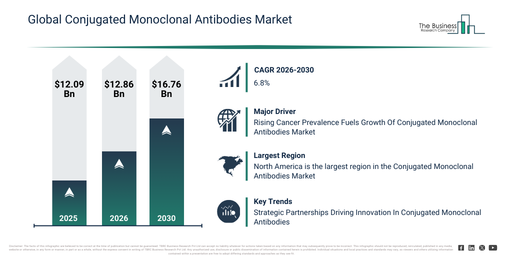
    The market for conjugated monoclonal antibodies has experienced robust expansion over the past few years. Projected to rise from $12.09 billion in 2025 to $12.86 billion in 2026, it reflects a compound annual growth rate (CAGR) of 6.4%. This historical growth has been driven by several factors, including the scarcity of these antibodies, a heavy dependence on traditional chemotherapy, an uptick in cancer cases, intensified investigation into targeted treatment approaches, and the early regulatory approvals granted for antibody-drug conjugates (ADCs).

    The conjugated monoclonal antibodies market is anticipated to experience robust expansion in the coming years. By 2030, its valuation is projected to reach $16.76 billion, reflecting a compound annual growth rate (CAGR) of 6.8%. This forecasted growth is driven by the emergence of innovative linker technologies, the broadening of antibody-drug conjugate (ADC) applications across various cancer types, a growing emphasis on personalized medicine strategies, enhanced funding directed at oncology studies, and a surge in both clinical trials and pipeline drugs. Key trends shaping the forecast period encompass the increasing utilization of conjugated monoclonal antibodies within oncology, progress in targeted therapies aimed at blood and solid tumors, the creation of cleavable and non-cleavable linker platforms, the expansion of precision oncology and personalized medicine, and heightened investment in cancer research and clinical trials.

    Download A Free Sample Report For Comprehensive Market Insights:

    https://www.thebusinessresearchcompany.com/sample.aspx?id=3424&type=smp&utm_source=BlogsPR&utm_medium=Paid&utm_campaign=Jul_PR

    Conjugated Monoclonal Antibodies Market Demand Drivers Creating New Revenue Opportunities

    The rising incidence of cancer is expected to drive forward the expansion of the conjugated monoclonal antibodies market. This disease encompasses disorders marked by the unchecked proliferation and dissemination of abnormal cells within the body. Its prevalence is increasing, particularly among aging populations, as the likelihood of developing cancer grows with age and individuals are living longer than in previous periods. Conjugated monoclonal antibodies offer a therapeutic approach to cancer by specifically targeting malignant cells and delivering powerful treatments directly to them, thereby enhancing the efficacy of therapy while reducing harm to healthy tissues. For example, data from October 2025 from NHS England, a publicly funded healthcare entity in the UK, revealed that 354,820 new cancer cases were recorded in 2023, representing an increase of 8,605 compared to 2022. Consequently, the high frequency of cancer cases is fueling the growth of the conjugated monoclonal antibodies market.

    Conjugated Monoclonal Antibodies Market Segment Analysis Highlighting Growth Areas

    The conjugated monoclonal antibodies market covered in this report is segmented –

    1) By Drugs: Adcetris, Kadcyla

    2) By Technology: Cleavable Linker, Non-cleavable Linker

    3) By Application: Blood Cancer, Breast Cancer, Ovarian Cancer, Lung Cancer, Brain Tumor, Other Applications

    Conjugated Monoclonal Antibodies Market Trends Driving Strategic Industry Expansion

    Major players within the conjugated monoclonal antibodies sector are increasingly utilizing strategic collaborations as a method to deliver full-spectrum solutions and enhance their operational capabilities. Such collaborative agreements allow businesses to combine their respective expertise and assets, working toward shared goals and overall success. A notable example occurred in July 2023, when BeiGene Ltd., a biotechnology firm based in the United States, entered into a partnership with Duality Biologics, a clinical-stage organization from China. Through this alliance, the two entities intend to co-develop and bring to market a preclinical antibody-drug conjugate (ADC) treatment designed for patients facing certain solid tumor types. By merging the distinct strengths of each company, the development process and eventual commercialization efforts for this ADC therapy are expected to be significantly expedited.

    Conjugated Monoclonal Antibodies Market Leading Companies: Who Holds Significant Market Presence?

    Major companies operating in the conjugated monoclonal antibodies market are Pfizer Inc., F. Hoffmann-La Roche AG, Bristol -Myers Squibb, Merck & Co. Inc., Immunomedics Inc., Takeda Pharmaceuticals Industries Ltd., Daiichi Sankyo Company Limited, Actinium Pharmaceutical, Nordic Nanovector Inc., AbbVie Inc., Bayer AG, AstraZeneca plc, Novartis AG, Amgen, Celgene, Genzyme, Incyte Corporation, MorphoSys AG, Regeneron Pharmaceuticals, Seattle Genetics

    Access The Complete Conjugated Monoclonal Antibodies Market Report:

    https://www.thebusinessresearchcompany.com/report/conjugated-monoclonal-antibodie-global-market-report?utm_source=BlogsPR&utm_medium=Paid&utm_campaign=Jul_PR

    Conjugated Monoclonal Antibodies Market Geographic Landscape: Which Region Dominates Industry Growth?

    North America was the largest region in the conjugated monoclonal antibody market in 2025. The Middle East is expected to be the fastest-growing region in the global conjugated monoclonal antibodies market share during the forecast period. The regions covered in the conjugated monoclonal antibodies market report are Asia-Pacific, South East Asia, Western Europe, Eastern Europe, North America, South America, Middle East, Africa.

    Get in touch with us:

    The Business Research Company: https://www.thebusinessresearchcompany.com/?utm_source=BlogsPR&utm_medium=Paid&utm_campaign=home_page_test

    Americas: +1 310-496-7795

    Asia: +44 7882 955267 & +91 8897263534

    Europe: +44 7882 955267

    Email us at: marketing@tbrc.info

    Follow us on:

    LinkedIn: https://in.linkedin.com/company/the-business-research-company

    YouTube: https://www.youtube.com/channel/UC24_fI0rV8cR5DxlCpgmyFQ

    Global Market Model: https://www.thebusinessresearchcompany.com/global-market-model
  • Conjugate Vaccine Market Growth Is Accelerating As Industry Transformation Continues

    Conjugate Vaccine Market Growth Is Accelerating As Industry Transformation Continues

    Enhanced with market attractiveness analysis, total addressable market evaluation, company benchmarking matrices, interactive Excel dashboards, expanded supply chain intelligence, emerging startup coverage, and detailed product insights, The Business Research Company’s 2026 market reports deliver more actionable and strategically valuable research.

    Conjugate Vaccine Market Revenue Outlook: What CAGR Is Expected Through 2030?

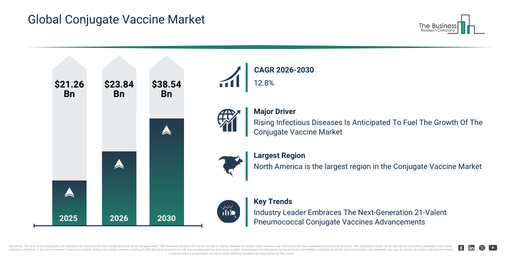
    The conjugate vaccine market has experienced swift expansion over the past several years. Projected to rise from $21.26 billion in 2025 to $23.84 billion in 2026, this growth corresponds to a compound annual growth rate (CAGR) of 12.1%. Historical advancement in this sector has been driven by factors such as immunization campaigns spearheaded by governments, the widespread occurrence of bacterial infections, backing from worldwide health bodies, the established effectiveness of conjugate vaccines, and a growing pediatric demographic.

    The conjugate vaccine industry is forecasted to experience significant expansion over the coming years, reaching a valuation of $38.54 billion by 2030 with a compound annual growth rate of 12.8%. Several driving forces are fueling this anticipated growth, including a heightened need for combination vaccines, the broadening of immunization initiatives for adults, greater financial backing for vaccine research and development, an elevated emphasis on combating antimicrobial resistance, and enhancements to cold chain infrastructure. Key developments shaping this period include the broadening of childhood vaccination schedules, a growing preference for multivalent conjugate vaccines, a stronger focus on enduring immune responses, an increase in cooperative ventures between public and private sectors, and progress in carrier protein technologies.

    Download A Free Sample Report For Comprehensive Market Insights:

    https://www.thebusinessresearchcompany.com/sample.aspx?id=10850&type=smp&utm_source=BlogsPR&utm_medium=Paid&utm_campaign=Jul_PR

    Conjugate Vaccine Market Expansion Supported By Key Demand Factors

    The growing prevalence of infectious diseases is anticipated to accelerate the expansion of the conjugate vaccine market. Infectious diseases are illnesses caused by pathogenic microorganisms, including bacteria, viruses, parasites, or fungi, and they can be spread directly or indirectly between people, from animals to humans, or via environmental sources. Conjugate vaccines are essential in preventing infectious diseases caused by specific bacteria, particularly among vulnerable groups like infants and young children. For example, data from the Centers for Disease Control and Prevention, a U.S. government agency, shows that tuberculosis cases increased from 8,320 in 2022 to 9,615 in 2023, representing a rise of 1,295 cases. Moreover, the incidence rate grew from 2.5 per 100,000 people in 2022 to 2.9 in 2023. Consequently, the increase in infectious disease cases is fueling the growth of the conjugate vaccine market.

    Conjugate Vaccine Market Segment Performance And Strategic Opportunities

    The conjugate vaccine market covered in this report is segmented –

    1) By Product Type: Monovalent Conjugate Vaccines, Multivalent Conjugate Vaccine

    2) By Pathogen: Bacterial, Viral

    3) By Disease Indication: Pneumococcal, Influenza, Meningococcal, Typhoid

    4) By Patient: Pediatric, Adults

    5) By End-User: Hospitals, Clinics, Homecare Settings, Other End Users

    Conjugate Vaccine Market Growth Trends Influencing Competitive Dynamics

    Key industry players within the conjugate vaccine space are prioritizing the advancement of next-generation conjugate vaccines aimed at delivering enhanced coverage against a broader range of pneumococcal serotypes, which helps lessen the health burden among at-risk populations. These innovative vaccines combine bacterial polysaccharides with carrier proteins to stimulate a stronger immune response, especially in infants and those with weakened immune systems, providing superior protection, longer-lasting immunity, and increased efficacy when compared to conventional vaccines. As an example, in August 2025, Pfizer Ltd., a pharmaceutical firm based in India, introduced its new 20-valent Pneumococcal Polysaccharide Conjugate Vaccine (Adsorbed) I.P., known as PCV20, for adults across India. This launch bolsters its conjugate vaccine product line by enabling more comprehensive defense against pneumococcal illness and contributing to enhanced public health outcomes.

    Conjugate Vaccine Market Key Players: Which Companies Shape Industry Competition?

    Major companies operating in the conjugate vaccine market are Sanofi S.A., Pfizer Inc., Merck & Co. Inc., GlaxoSmithKline plc, Bharat Biotech International Limited, Serum Institute of India Private Limited, Biological E. Limited, Bavarian Nordic A/S, CSL Limited, Novartis AG, GreenSignal Bio Pharma Limited, Taj Pharmaceuticals Limited, Vaxcyte Inc., Neuron Biotech Co. Ltd., Bio-Med Pvt. Ltd., Sinovac Biotech Ltd., Takeda Pharmaceutical Company Limited, Valneva SE, Dynavax Technologies Corporation, Emergent BioSolutions Inc., Hualan Biological Engineering Inc., Panacea Biotec Ltd., Protein Sciences Corporation, Seqirus

    Access The Complete Conjugate Vaccine Market Report:

    https://www.thebusinessresearchcompany.com/report/conjugate-vaccine-global-market-report?utm_source=BlogsPR&utm_medium=Paid&utm_campaign=Jul_PR

    Conjugate Vaccine Market Largest Region: Which Geography Holds The Highest Market Share?

    North America was the largest region in the global conjugate vaccine market in 2025. The regions covered in the conjugate vaccine market report are Asia-Pacific, South East Asia, Western Europe, Eastern Europe, North America, South America, Middle East, Africa.

    Get in touch with us:

    The Business Research Company: https://www.thebusinessresearchcompany.com/?utm_source=BlogsPR&utm_medium=Paid&utm_campaign=home_page_test

    Americas: +1 310-496-7795

    Asia: +44 7882 955267 & +91 8897263534

    Europe: +44 7882 955267

    Email us at: marketing@tbrc.info

    Follow us on:

    LinkedIn: https://in.linkedin.com/company/the-business-research-company

    YouTube: https://www.youtube.com/channel/UC24_fI0rV8cR5DxlCpgmyFQ

    Global Market Model: https://www.thebusinessresearchcompany.com/global-market-model
  • Congenital Diaphragmatic Hernia Drugs Market Outlook Highlights The Next Major Growth Opportunities

    Congenital Diaphragmatic Hernia Drugs Market Outlook Highlights The Next Major Growth Opportunities

    Through market attractiveness analysis, total addressable market evaluation, company benchmarking matrices, interactive Excel dashboards, expanded supply chain intelligence, emerging startup coverage, and detailed product insights, The Business Research Company’s 2026 market reports provide more actionable and strategically valuable research.

    Congenital Diaphragmatic Hernia Drugs Market Growth Analysis: How Will Revenue Expand During The Forecast Period?

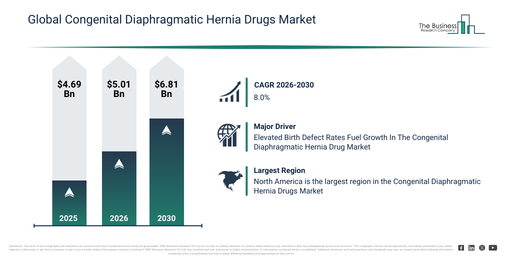
    Between 2025 and 2026, the congenital diaphragmatic hernia drugs market is projected to expand from $4.69 billion to $5.01 billion, reflecting a compound annual growth rate (CAGR) of 6.9%. This robust growth observed during the historic period was driven by several factors, including the scarcity of available therapies, elevated rates of neonatal mortality, insufficient public knowledge about congenital diaphragmatic hernia, poorly coordinated healthcare systems, and the absence of consistent treatment guidelines.

    Over the next several years, the market for congenital diaphragmatic hernia drugs is anticipated to undergo robust expansion, with its value projected to hit $6.81 billion by 2030, representing a compound annual growth rate (CAGR) of 8.0%. This upward trajectory in the forecast period is fueled by the rise of precision medicine, greater financial commitment to neonatal care, enhanced public awareness of early intervention, breakthroughs in drug delivery technologies, and the strengthening of healthcare systems in developing regions. Among the notable developments expected during this timeframe are the introduction of advanced medications for neonatal care, a shift toward minimally invasive treatment options, creation of personalized drug formulations, therapies that emphasize early diagnosis and intervention, and integrated approaches to managing multiple symptoms.

    Download A Free Sample Report For Comprehensive Market Insights:

    https://www.thebusinessresearchcompany.com/sample.aspx?id=12928&type=smp&utm_source=BlogsPR&utm_medium=Paid&utm_campaign=Jul_PR

    Congenital Diaphragmatic Hernia Drugs Market Growth Drivers And Industry Catalysts

    The anticipated increase in birth defect rates is set to drive the growth of the congenital diaphragmatic hernia drug market. Birth defects are defined as structural or functional anomalies that are present at birth, potentially impacting an infant’s overall health and development. Treatment for congenital diaphragmatic hernia includes prenatal screening, genetic counseling, and targeted therapies aimed at reducing the frequency of birth defects associated with this condition, while also facilitating early intervention and personalized care to improve the well-being and quality of life for those affected. As an example, in March 2023, the World Health Organization (WHO), a US-based intergovernmental body, reported that approximately 8 million infants are born each year with birth defects, with low- and middle-income countries accounting for 9 out of every 10 significant cases. Additionally, it is estimated that 240,000 newborns globally die within 28 days of birth annually due to congenital disorders. Consequently, the rising rate of birth defects is fueling the growth of the congenital diaphragmatic hernia drug market.

    The rise in pharmaceutical clinical trials is expected to propel the congenital diaphragmatic hernia drug market forward. Clinical trials in the pharmaceutical sector involve research studies that assess new drugs or treatments in human subjects to determine their safety and effectiveness. There is a growing trend in pharmaceutical clinical trials driven by an increasing demand for innovative and more effective therapies. Congenital diaphragmatic hernia drugs are being evaluated in these trials to ascertain their safety and efficacy in enhancing outcomes for affected newborns. For instance, in December 2024, the Association of the British Pharmaceutical Industry (ABPI), a UK-based organization, reported that the total number of clinical trials initiated in the UK rose from 411 in 2022 to 426 in 2023. Therefore, the escalating number of pharmaceutical clinical trials is driving the growth of the congenital diaphragmatic hernia drug market.

    Congenital Diaphragmatic Hernia Drugs Market Segment Landscape And Growth Potential

    The congenital diaphragmatic hernia drugs market covered in this report is segmented –

    1) By Type: Posterolateral Bochdalek Hernia, Anterior Morgagni Hernia, Hiatal Hernia

    2) By Treatment: Extracorporeal Membrane Oxygenation, Other Treatments

    3) By Diagnosis: Prenatal, Postnatal

    4) By End-User: Hospitals, Homecare, Specialty Clinics, Other End Users

    Subsegments:

    1) By Posterolateral Bochdalek Hernia: Surgical Interventions, Medications for Symptoms

    2) By Anterior Morgagni Hernia: Medications for Symptoms

    3) By Hiatal Hernia: Surgical Interventions, Medications

    Congenital Diaphragmatic Hernia Drugs Market Competitive Landscape: Who Are The Leading Companies?

    Major companies operating in the congenital diaphragmatic hernia drugs market are Pfizer Inc., Merck & Co Inc., GlaxoSmithKline plc, Novartis AG, Sun Pharmaceutical Industries Ltd., Teva Pharmaceutical Industries Ltd., Viatris Inc., Bayer AG, Mallinckrodt Pharmaceuticals, Boehringer Ingelheim International GmbH, AbbVie Inc., Sanofi SA, Johnson & Johnson, United Therapeutics Corporation, Bristol-Myers Squibb Company, Aurobindo Pharma Ltd, Cipla Inc., Lupin Ltd., Zydus Lifesciences Ltd., Fresenius Kabi.

    Access The Complete Congenital Diaphragmatic Hernia Drugs Market Report:

    https://www.thebusinessresearchcompany.com/report/congenital-diaphragmatic-hernia-drugs-global-market-report?utm_source=BlogsPR&utm_medium=Paid&utm_campaign=Jul_PR

    Congenital Diaphragmatic Hernia Drugs Market Regional Analysis: Which Region Leads By Revenue?

    North America was the largest region in the congenital diaphragmatic hernia drugs market in 2025. The regions covered in the congenital diaphragmatic hernia drugs market report are Asia-Pacific, South East Asia, Western Europe, Eastern Europe, North America, South America, Middle East, Africa.

    Get in touch with us:

    The Business Research Company: https://www.thebusinessresearchcompany.com/?utm_source=BlogsPR&utm_medium=Paid&utm_campaign=home_page_test

    Americas: +1 310-496-7795

    Asia: +44 7882 955267 & +91 8897263534

    Europe: +44 7882 955267

    Email us at: marketing@tbrc.info

    Follow us on:

    LinkedIn: https://in.linkedin.com/company/the-business-research-company

    YouTube: https://www.youtube.com/channel/UC24_fI0rV8cR5DxlCpgmyFQ

    Global Market Model: https://www.thebusinessresearchcompany.com/global-market-model
  • Concierge Medicine Market Trends And Growth Drivers Point To Strong Future Potential

    Concierge Medicine Market Trends And Growth Drivers Point To Strong Future Potential

    Delivering more actionable and strategically valuable research, The Business Research Company’s 2026 market reports feature market attractiveness analysis, total addressable market evaluation, company benchmarking matrices, interactive Excel dashboards, expanded supply chain intelligence, emerging startup coverage, and detailed product insights.

    Concierge Medicine Market Forecast: What Market Value Is Expected By 2030?

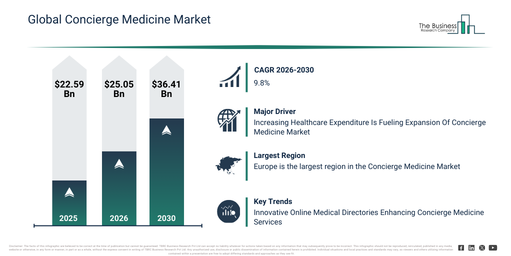
    In recent years, the concierge medicine sector has experienced swift expansion in terms of market size. Projections indicate an increase from $22.59 billion in 2025 to $25.05 billion in 2026, reflecting a compound annual growth rate (CAGR) of 10.9%. This past growth can be linked to factors such as physicians’ discontentment with heavy caseloads, the administrative complexities inherent in insurance-driven medical care, a growing desire among patients for extended appointment durations, a surge in the demographic of affluent individuals, and the initial embrace of this model by solo-practicing primary care doctors.

    The concierge medicine market is projected to experience robust expansion over the coming years, with its value anticipated to reach $36.41 billion by 2030, representing a compound annual growth rate (CAGR) of 9.8%. This forecasted growth is driven by several factors, including the rising incidence of chronic conditions, a heightened emphasis on preventive and wellness-focused care, increasing levels of physician burnout, the expansion of employer-offered health benefits, and a growing willingness among patients to pay a premium for superior healthcare access. Key trends shaping the market during this period include the widespread adoption of membership-based primary care models, heightened demand for customized and preventive health services, a notable shift among physicians away from conventional insurance-reliant practices, the extension of concierge medicine into specialized medical fields, and mounting corporate interest in implementing concierge healthcare initiatives.

    Download A Free Sample Report For Comprehensive Market Insights:

    https://www.thebusinessresearchcompany.com/sample.aspx?id=15773&type=smp&utm_source=BlogsPR&utm_medium=Paid&utm_campaign=Jul_PR

    Concierge Medicine Market Opportunity Drivers: What Is Creating New Revenue Potential?

    The rising cost of healthcare is anticipated to fuel growth in the concierge medicine market in the coming years. Healthcare expenditure encompasses all financial resources dedicated to medical services and products over a specific timeframe, covering expenses such as hospital care, physician consultations, medications, and other health-related offerings. This spending is climbing as a result of innovations in medical technology and the growing frequency of chronic conditions. Concierge medicine leverages these healthcare expenditures to deliver personalized, high-end medical care, granting patients improved access and customized treatment plans. As an example, in November 2023, the Canadian Institute for Health Information (CIHI), a non-profit organization based in Canada focused on health data collection and analysis, reported that the country is predicted to allocate around $344 billion to healthcare, reflecting a rise of $9 billion—or roughly 2.8%—compared to the prior year. Consequently, this surge in healthcare spending is propelling the expansion of the concierge medicine market.

    Concierge Medicine Market Categorization By Product Type And Application

    The concierge medicine market covered in this report is segmented –

    1) By Ownership: Group, Standalone

    2) By Application: Cardiology, Primary Care, Psychiatry, Pediatrics, Osteopathy, Neurology, Other Applications

    3) By End User: Individual, Corporate Organization

    Subsegments:

    1) By Group: Multi-Physician Concierge Practices, Physician Networks And Associations

    2) By Standalone: Independent Concierge Practices, Single-Physician Concierge Practices

    Concierge Medicine Market Innovation Trends Driving Future Development

    Leading firms in the concierge medicine sector are delivering services equipped with advanced functionalities, including an electronic healthcare directory, designed to improve patient access to tailored and immediate medical care. This digital directory functions as a web-based platform cataloging healthcare practitioners—such as doctors, specialists, and clinics—enabling users to search and retrieve details about medical professionals and their offerings. In March 2023, for example, HealthLynked Corporation, a healthcare services company based in the United States, unveiled an online concierge service that permits patients to schedule appointments with doctors across the country via its expansive digital network, which features over 880,000 healthcare providers. This system simplifies the appointment booking process by presenting precise time slots for available openings and managing requests for unlisted provider profiles. Through the HealthLynked mobile application, patients are able to update their personal health records, with support available from concierge nursing staff as needed.

    Concierge Medicine Market Company Landscape And Strategic Competition

    Major companies operating in the concierge medicine market are Duke Health, Privia Health Group Inc., One Medical Group Inc., Crossover Health, MDVIP LLC, Sollis Health, Medix global, PinnacleCare, PartnerMD LLC, Paragon Private Health, SignatureMD, Castle Connolly Private Health Partners LLC, Concierge Choice Physicians, EliteHealth, Specialdocs Consultants LLC, Access Healthcare Direct, Dedication Health, Plus Humain, Diamond Physicians, Atlas MD, Red Carpet Concierge Medicine, HealthPulse Concierge Medicine, Lake Oconee Concierge Medicine, NOVA Concierge Medicine & Aesthetics

    Access The Complete Concierge Medicine Market Report:

    https://www.thebusinessresearchcompany.com/report/concierge-medicine-global-market-report?utm_source=BlogsPR&utm_medium=Paid&utm_campaign=Jul_PR

    Concierge Medicine Market Geographic Distribution And Regional Opportunities

    Europe was the largest region in the concierge medicine market in 2025. North America is expected to be the fastest-growing region in the forecast period. The regions covered in the concierge medicine market report are Asia-Pacific, South East Asia, Western Europe, Eastern Europe, North America, South America, Middle East, Africa.

    Get in touch with us:

    The Business Research Company: https://www.thebusinessresearchcompany.com/?utm_source=BlogsPR&utm_medium=Paid&utm_campaign=home_page_test

    Americas: +1 310-496-7795

    Asia: +44 7882 955267 & +91 8897263534

    Europe: +44 7882 955267

    Email us at: marketing@tbrc.info

    Follow us on:

    LinkedIn: https://in.linkedin.com/company/the-business-research-company

    YouTube: https://www.youtube.com/channel/UC24_fI0rV8cR5DxlCpgmyFQ

    Global Market Model: https://www.thebusinessresearchcompany.com/global-market-model
  • Compression Therapy Market Expansion Is Reshaping Competitive Dynamics Across The Industry

    Compression Therapy Market Expansion Is Reshaping Competitive Dynamics Across The Industry

    Enhanced with market attractiveness analysis, total addressable market evaluation, company benchmarking matrices, interactive Excel dashboards, expanded supply chain intelligence, emerging startup coverage, and detailed product insights, The Business Research Company’s 2026 market reports deliver more actionable and strategically valuable research.

    Compression Therapy Market Size Outlook: How Fast Will Revenue Grow Through 2030?

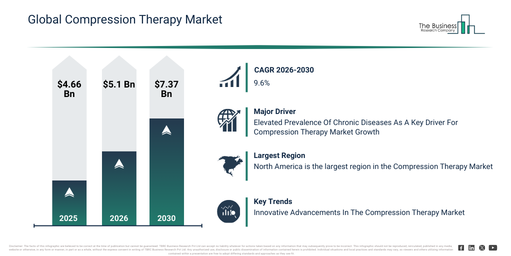
    The compression therapy market has experienced substantial expansion in recent years, increasing from $4.66 billion in 2025 to $5.1 billion in 2026, reflecting a compound annual growth rate (CAGR) of 9.5%. This historical growth has been driven by a higher prevalence of varicose veins and chronic venous insufficiency (CVI), a growing elderly demographic, a rise in sedentary behaviors, an expansion of vascular treatments conducted in hospital settings, and enhanced reimbursement coverage for compression therapy.

    The compression therapy market is projected to experience robust growth over the coming years, reaching a value of $7.37 billion by 2030, with a compound annual growth rate (CAGR) of 9.6%. This anticipated expansion during the forecast period is driven by factors such as the rise in home healthcare services, progress in dynamic compression device technology, greater use in lymphedema treatment, heightened emphasis on preventive vascular care, and growth in healthcare markets across developing regions. Key trends shaping this period include the growing application of compression therapy for chronic venous conditions, the increased popularity of at-home compression solutions, a rising demand for tailored and patient-specific compression products, broader use in post-surgical and rehabilitation settings, and improved awareness along with earlier identification of vascular diseases.

    Download A Free Sample Report For Comprehensive Market Insights:

    https://www.thebusinessresearchcompany.com/sample.aspx?id=5238&type=smp&utm_source=BlogsPR&utm_medium=Paid&utm_campaign=Jul_PR

    Compression Therapy Market Growth Momentum: Which Factors Are Influencing Demand?

    The growing incidence of chronic conditions is anticipated to propel the expansion of the compression therapy market in the foreseeable future. Chronic diseases, referred to as non-communicable diseases (NCDs), are prolonged health issues that endure over a lengthy period and typically advance gradually. Symptoms like diabetes, edema, ulcers, and circulatory problems associated with many chronic illnesses create a need for compression therapy, prompting patients to pursue this treatment. As an example, in April 2024, Allergy UK, a national charity based in the United Kingdom, reported that over 21 million individuals in the UK suffer from allergies, which emerged as the most frequently reported chronic health condition in 2022, with forecasts suggesting that by 2026, half of Europe’s population will experience at least one allergy. Consequently, the increasing prevalence of chronic diseases is fueling growth in the compression therapy market.

    Compression Therapy Market Segment Analysis And Revenue Opportunities

    The compression therapy market covered in this report is segmented –

    1) By Product: Compression Pumps, Compression Stockings, Compression Bandages

    2) By Technique: Static Compression Therapy, Dynamic Compression Therapy

    3) By Application: Varicose Vein Treatment, Deep Vein Thrombosis Treatment, Lymphedema Treatment, Leg Ulcer Treatment, Other Applications

    Subsegments:

    1) By Compression Pumps: Sequential Compression Pumps, Non-sequential Compression Pumps

    2) By Compression Stockings: Knee-High Stockings, Thigh-High Stockings, Waist-High Stockings

    3) By Compression Bandages: Cohesive Bandages, Elastic Bandages

    Compression Therapy Market Trends Reshaping Industry Growth

    To expand their customer base, drive more sales, and boost revenue, key players in the compression therapy space are introducing innovative products, particularly pneumatic compression devices. These medical devices are specifically engineered to help manage various circulatory and vascular disorders. A case in point is AIROS Medical Inc., a U.S.-based equipment manufacturer, which debuted the AIROS 6P sequential compression device in September 2023. This model includes a Peristaltic Mode that delivers a wave-like inflation and deflation cycle, a preferred option among physicians and lymphedema therapists, especially for upper extremity applications. Alongside this, the device features an upgraded electrical rating that supports 100-240 VAC, ensuring global usability. Additionally, its larger air pump accommodates the newer, bigger garments required by certain lymphedema patients.

    Compression Therapy Market Leading Players Shaping Industry Direction

    Major companies operating in the compression therapy market are 3M Company, ArjoHuntleigh AB, Bio Compression Systems Inc., BSN Medical GmbH, Cardinal Health Inc., DJ Orthopedics Global Inc., Julius Zorn GmbH, medi GmbH & Co KG, Paul Hartmann AG, Sanyleg Srl, Sigvaris Management AG, Smith & Nephew plc, Tactile Systems Technology Inc., Thuasne SA, Bauerfeind AG, Essity AB, Kinetec SAS, Lympha Press International Inc., Medi USA, Optima Molliter Srl, ConvaTec Inc.

    Access The Complete Compression Therapy Market Report:

    https://www.thebusinessresearchcompany.com/report/compression-therapy-global-market-report?utm_source=BlogsPR&utm_medium=Paid&utm_campaign=Jul_PR

    Compression Therapy Market Largest Region By Revenue And Market Share

    North America was the largest region in the compression therapy market in 2025. Europe was the second-largest market in the compression therapy market. The regions covered in the compression therapy market report are Asia-Pacific, South East Asia, Western Europe, Eastern Europe, North America, South America, Middle East, Africa.

    Get in touch with us:

    The Business Research Company: https://www.thebusinessresearchcompany.com/?utm_source=BlogsPR&utm_medium=Paid&utm_campaign=home_page_test

    Americas: +1 310-496-7795

    Asia: +44 7882 955267 & +91 8897263534

    Europe: +44 7882 955267

    Email us at: marketing@tbrc.info

    Follow us on:

    LinkedIn: https://in.linkedin.com/company/the-business-research-company

    YouTube: https://www.youtube.com/channel/UC24_fI0rV8cR5DxlCpgmyFQ

    Global Market Model: https://www.thebusinessresearchcompany.com/global-market-model
  • Compounding Chemotherapy Market Forecast Reveals Where Future Industry Value Will Be Created

    Compounding Chemotherapy Market Forecast Reveals Where Future Industry Value Will Be Created

    Through market attractiveness analysis, total addressable market evaluation, company benchmarking matrices, interactive Excel dashboards, expanded supply chain intelligence, emerging startup coverage, and detailed product insights, The Business Research Company’s 2026 market reports provide more actionable and strategically valuable research.

    Compounding Chemotherapy Market Size, Value And Growth Trends Through 2030

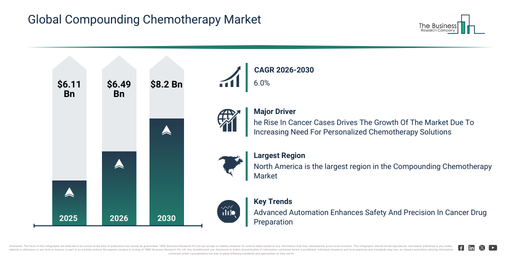
    The compounding chemotherapy market has experienced significant growth in recent times. It is projected to expand from $6.11 billion in 2025 to $6.49 billion in 2026, reflecting a compound annual growth rate (CAGR) of 6.2%. During the historical period, the expansion was driven by factors such as the constrained availability of compounding technologies, the rising incidence of cancer, a heavy dependence on hospital-based compounding practices, heightened awareness regarding the safety of cytotoxic drugs, and the widespread use of manual preparation techniques.

    The market for compounding chemotherapy is projected to experience robust expansion over the coming years. By 2030, its value is forecast to reach $8.2 billion, reflecting a compound annual growth rate (CAGR) of 6.0%. Several factors are driving this anticipated growth in the forecast period, including the advancement of automated and robotic compounding technologies, the broadening of chemotherapy services delivered in homecare settings, heightened investments in sterile pharmacy infrastructure, stricter regulatory demands related to personalized medicine, and the rise of targeted therapies along with immunomodulatory agents. Key trends shaping this period consist of a rising preference for customized chemotherapy formulations, the integration of robotics into compounding processes, the growth of compounding services in homecare and specialized clinics, an intensified emphasis on sterile and contamination-free environments, and an escalating need for compounding supportive care drugs.

    Download A Free Sample Report For Comprehensive Market Insights:

    https://www.thebusinessresearchcompany.com/sample.aspx?id=25724&type=smp&utm_source=BlogsPR&utm_medium=Paid&utm_campaign=Jul_PR

    Compounding Chemotherapy Market Expansion Drivers: What Is Shaping Future Growth?

    The anticipated expansion of the compounding chemotherapy market is being driven by the rising incidence of cancer cases. Cancer encompasses a range of diseases marked by the abnormal growth and spread of cells within the body. This growing prevalence is largely attributed to unhealthy lifestyle choices, including poor nutrition, sedentary behavior, smoking, heavy alcohol intake, and long-term exposure to environmental contaminants, all of which significantly elevate the likelihood of developing various cancers. Compounding chemotherapy supports cancer care by offering customized medication formulations designed to address individual patient requirements, thereby enhancing treatment effectiveness while reducing adverse effects. For example, data from the National Health Service (NHS), a UK-based public health organization, indicates that 354,820 new cancer cases were diagnosed in 2023, averaging 972 daily and representing an increase of 8,605 compared to 2022. Consequently, the upward trend in cancer prevalence is fueling growth in the compounding chemotherapy market.

    Compounding Chemotherapy Market Segmentation And Category Breakdown

    The compounding chemotherapy market covered in this report is segmented –

    1) By Drug Type: Cytotoxic Drugs, Hormonal Agents, Immunomodulatory Agents, Targeted Therapies, Supportive Care Drugs

    2) By Route Of Administration: Intravenous, Oral, Subcutaneous, Intramuscular, Intrathecal

    3) By Technology: With Robotic Arms, Without Robotic Arms

    4) By Distribution Channel: Hospital Pharmacies, Retail Pharmacies, Online Pharmacies

    5) By Compounding Setting: Hospital Compounding, Compounding Pharmacies, Specialty Clinics, Homecare Settings

    Subsegments:

    1) By Cytotoxic Drugs: Alkylating Agents, Antimetabolites, Plant Alkaloids, Antitumor Antibiotics, Topoisomerase Inhibitors

    2) By Hormonal Agents: Estrogen Antagonists, Androgen Deprivation Therapy Agents, Aromatase Inhibitors, Progestins, Gonadotropin-Releasing Hormone Agonists

    3) By Immunomodulatory Agents: Immune Checkpoint Inhibitors, Monoclonal Antibodies, Interleukins, Cytokines, Immune System Activators

    4) By Targeted Therapies: Tyrosine Kinase Inhibitors, Proteasome Inhibitors, Mammalian Target Of Rapamycin Inhibitors, Poly Polymerase Inhibitors

    5) By Supportive Care Drugs: Antiemetics, Erythropoiesis-Stimulating Agents, Bone-Modifying Agents, Pain Management Drugs

    Compounding Chemotherapy Market Strategic Trends: What Is Defining The Next Phase Of Growth?

    Major industry players within the compounding chemotherapy sector are directing their efforts toward the development of novel technologies, including robotic chemotherapy automation systems, with the goal of improving precision, safety, and productivity in the preparation of tailored cancer treatments. These robotic chemotherapy automation systems are sophisticated machines engineered to ensure the accurate and secure preparation of individualized chemotherapy doses through the automation of the compounding procedure, thereby minimizing the likelihood of human mistakes and contamination hazards. An example of this is the introduction in February 2024 of Smart Compounders Advanced Systems by Simplivia Healthcare Ltd., a firm based in Israel that specializes in healthcare technology. This launch aimed to automate and optimize the handling of cytotoxic chemotherapy drugs. The systems manage the compounding of cytostatics and antibodies, achieving a throughput ranging from 20 to 40 preparations per hour, and feature automatic gravimetric verification along with comprehensive documentation to guarantee superior accuracy. They notably lower the exposure of pharmacy personnel to dangerous substances and are built for seamless integration into current laminar airflow cabinets or isolators with no need for modifications.

    Compounding Chemotherapy Market Competitive Analysis Of Major Industry Participants

    Major companies operating in the compounding chemotherapy market are Baxter International Inc., Fresenius Kabi AG, Option Care Health Inc., ICU Medical Inc., Fagron NV, BioScrip Inc., B. Braun Melsungen AG, Medisca Pharmaceutique Inc., Central Admixture Pharmacy Services Inc., Icon Group Holdings Pty Ltd, Avella Specialty Pharmacy, McGuff Compounding Pharmacy Services Inc., Epicur Pharma LLC, PharMEDium Services LLC.

    Access The Complete Compounding Chemotherapy Market Report:

    https://www.thebusinessresearchcompany.com/report/compounding-chemotherapy-global-market-report?utm_source=BlogsPR&utm_medium=Paid&utm_campaign=Jul_PR

    Compounding Chemotherapy Market Regional Analysis And Leading Geography

    North America was the largest region in the compounding chemotherapy market in 2025. Asia-Pacific is expected to be the fastest-growing region in the forecast period. The regions covered in the compounding chemotherapy market report are Asia-Pacific, South East Asia, Western Europe, Eastern Europe, North America, South America, Middle East, Africa.

    Get in touch with us:

    The Business Research Company: https://www.thebusinessresearchcompany.com/?utm_source=BlogsPR&utm_medium=Paid&utm_campaign=home_page_test

    Americas: +1 310-496-7795

    Asia: +44 7882 955267 & +91 8897263534

    Europe: +44 7882 955267

    Email us at: marketing@tbrc.info

    Follow us on:

    LinkedIn: https://in.linkedin.com/company/the-business-research-company

    YouTube: https://www.youtube.com/channel/UC24_fI0rV8cR5DxlCpgmyFQ

    Global Market Model: https://www.thebusinessresearchcompany.com/global-market-model
  • Compound Camphor Ointment Market Growth Through 2030 Creates New Strategic Opportunities

    Compound Camphor Ointment Market Growth Through 2030 Creates New Strategic Opportunities

    Delivering more actionable and strategically valuable research, The Business Research Company’s 2026 market reports feature market attractiveness analysis, total addressable market evaluation, company benchmarking matrices, interactive Excel dashboards, expanded supply chain intelligence, emerging startup coverage, and detailed product insights.

    Compound Camphor Ointment Market CAGR Analysis And Future Market Development

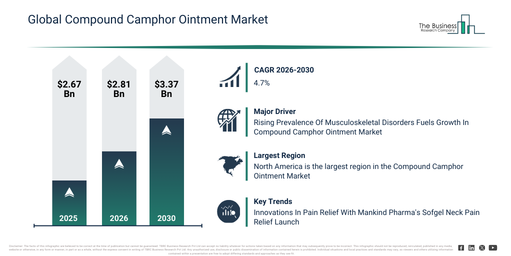
    The market for compound camphor ointment has experienced robust growth in recent years. Its value is projected to expand from $2.67 billion in 2025 to $2.81 billion in 2026, achieving a compound annual growth rate (CAGR) of 5.1%. This historic growth is largely driven by the long-standing, traditional reliance on camphor-based treatments, their easy accessibility through retail pharmacies, and their well-recognized use in managing pain and itching. Additionally, the affordability of these topical remedies and consumers’ existing trust in over-the-counter options have further contributed to this upward trajectory.

    The compound camphor ointment market is projected to experience consistent expansion in the coming years. By 2030, its value is anticipated to reach $3.37 billion, reflecting a compound annual growth rate (CAGR) of 4.7%. This forecasted growth is driven by factors such as a higher prevalence of joint and muscle discomfort, a growing inclination toward self-treatment and home-based remedies, the rise of e-commerce pharmacy services, an increased focus on non-opioid pain management methods, and a growing urban population leading more sedentary lives. Key developments shaping the market during this period include a shift toward topical, non-invasive pain relief options, heightened consumer interest in herbal and natural ointment ingredients, expanded application of compound camphor ointments for addressing musculoskeletal pain, wider over-the-counter distribution across various retail outlets, and ongoing product enhancements aimed at improving skin tolerance and minimizing irritation.

    Download A Free Sample Report For Comprehensive Market Insights:

    https://www.thebusinessresearchcompany.com/sample.aspx?id=15771&type=smp&utm_source=BlogsPR&utm_medium=Paid&utm_campaign=Jul_PR

    Compound Camphor Ointment Market Development Factors: Which Trends Are Supporting Demand?

    A growing number of people experiencing problems with their muscles, bones, and joints is anticipated to boost the market for compound camphor ointment in the coming period. These conditions, often called MSDs, involve issues with muscles, bones, joints, ligaments, tendons, and other soft tissues, and their occurrence is climbing because of factors like poor posture, repetitive strain, inactive habits, and overuse injuries. Compound camphor ointment helps support musculoskeletal health by offering pain relief and anti-inflammatory effects, which assist in easing discomfort and swelling in affected muscles and joints. To illustrate, data from the Office for Health Improvement and Disparities, a government body in the UK, revealed that in January 2024, 18.4% of individuals aged 16 and older in 2023 reported having a long-term musculoskeletal condition, a slight rise from 17.6% in 2022. Men (15.8%) reported these conditions less often than women (20.9%). Consequently, the rising frequency of musculoskeletal disorders is fueling the expansion of the compound camphor ointment market.

    Compound Camphor Ointment Market Segment Outlook: Which Categories Are Expanding The Fastest?

    The compound camphor ointment market covered in this report is segmented –

    1) By Formulation: Ointments, Creams, Gels, Balms And Rubs, Lotions And Liniments

    2) By Distribution: Retail Pharmacies, Hospital Pharmacies, Online Pharmacies

    3) By Application: Pain Relief, Anti-Itching, Fungal Infection, Other Applications

    Subsegments:

    1) By Ointments: Compound Camphor Ointments, Camphor–Menthol Ointments

    2) By Creams: Analgesic Creams, Anti-Itch Creams, Herbal Creams

    3) By Gels: Cooling Gels, Fast-Absorbing Pain Relief Gels

    4) By Balms And Rubs: Medicated Balms, Chest Rubs, Herbal Rubs

    5) By Lotions And Liniments: Massage Lotions, Therapeutic Liniments

    Compound Camphor Ointment Market Transformation Trends: Which Innovations Are Driving Change?

    Key players in the compound camphor ointment market are increasingly concentrating on creating cutting-edge topical pain relief solutions aimed at boosting therapeutic efficacy, enhancing ease of use, and tackling diverse pain and inflammation-related issues. A pain relief topical solution is a liquid preparation applied topically to the skin to deliver targeted relief from pain, inflammation, or muscular discomfort by utilizing analgesic, anti-inflammatory, or soothing compounds like camphor. For example, in September 2024, Mankind Pharma Ltd., a pharmaceutical firm based in India, introduced Sofgel Neck Pain Relief, an advanced topical solution intended to ease discomfort from neck pain caused by poor posture, muscle strain, or injuries. This product incorporates a specialized formula designed to work directly at the source of pain, underscoring the company’s dedication to providing affordable and effective remedies that enhance the quality of life for those suffering from neck pain.

    Compound Camphor Ointment Market Key Companies And Competitive Benchmarking

    Major companies operating in the compound camphor ointment market are CVS Health, McKesson, Johnson & Johnson, China Resources Sanjiu Medical & Pharmaceutical Co. Ltd., Cipla Limited, Greenbrier International Inc, Emcure Pharmaceuticals Limited, Vi-jon Laboratories, Oriental Aromatics Ltd., Amrutanjan Health Care limited, Delon Laboratories Inc., Mentholatum Company, Frey & Lau GmbH, Indiana botanic gardens, DLC Laboratories Inc., Focus Consumers Health care LLC, Caribe Natural LLc, Emu Joy, Himalaya Wellness Co., AVN Ayurveda Formulations Pvt. Ltd., Ilesol Pharmaceuticals, Thera Wise

    Access The Complete Compound Camphor Ointment Market Report:

    https://www.thebusinessresearchcompany.com/report/compound-camphor-ointment-global-market-report?utm_source=BlogsPR&utm_medium=Paid&utm_campaign=Jul_PR

    Compound Camphor Ointment Market Geographic Analysis: Where Is Demand Growing The Fastest?

    North America was the largest region in compound camphor ointment in 2025. North America is expected to be the fastest-growing region in the forecast period. The regions covered in the compound camphor ointment market report are Asia-Pacific, South East Asia, Western Europe, Eastern Europe, North America, South America, Middle East, Africa.

    Get in touch with us:

    The Business Research Company: https://www.thebusinessresearchcompany.com/?utm_source=BlogsPR&utm_medium=Paid&utm_campaign=home_page_test

    Americas: +1 310-496-7795

    Asia: +44 7882 955267 & +91 8897263534

    Europe: +44 7882 955267

    Email us at: marketing@tbrc.info

    Follow us on:

    LinkedIn: https://in.linkedin.com/company/the-business-research-company

    YouTube: https://www.youtube.com/channel/UC24_fI0rV8cR5DxlCpgmyFQ

    Global Market Model: https://www.thebusinessresearchcompany.com/global-market-model
  • Complicated Skin And Skin Structure Infections Drugs Market Size Projected To Increase From $11.31 Billion To $16.6 Billion During The Forecast Period

    Complicated Skin And Skin Structure Infections Drugs Market Size Projected To Increase From $11.31 Billion To $16.6 Billion During The Forecast Period

    Enhanced with market attractiveness analysis, total addressable market evaluation, company benchmarking matrices, interactive Excel dashboards, expanded supply chain intelligence, emerging startup coverage, and detailed product insights, The Business Research Company’s 2026 market reports deliver more actionable and strategically valuable research.

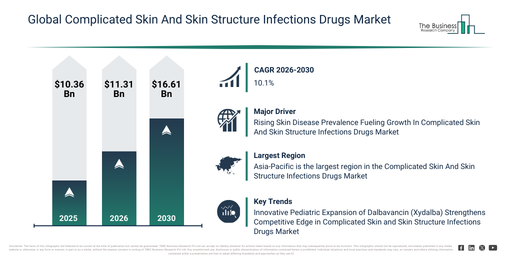
    Complicated Skin And Skin Structure Infections Drugs Market Expansion From $11.31 Billion In 2026 To $16.6 Billion In 2030

    The market for complicated skin and skin structure infection drugs has experienced robust expansion over recent years. Projected to rise from $10.36 billion in 2025 to $11.31 billion in 2026, this growth reflects a compound annual growth rate (CAGR) of 9.2%. Several factors have driven this historical increase, including a high prevalence of bacterial skin infections, heightened awareness of healthcare-associated infections, a rise in hospital admissions linked to CSSSI, the uptake of intravenous antibiotic treatments, and the availability of generic antibiotics.

    The market for drugs targeting complicated skin and skin structure infections is projected to experience significant expansion over the coming years. By 2030, its value is anticipated to reach $16.61 billion, driven by a compound annual growth rate (CAGR) of 10.1%. This forecasted growth is fueled by several key factors, including the rise of multidrug-resistant bacteria, progress in targeted antibiotic therapies, the incorporation of digital health tools to manage infections, a growing preference for outpatient care options, and the broadening use of biologics along with innovative antimicrobial agents. Noteworthy trends expected during this period encompass an increasing frequency of antibiotic-resistant skin infections, the creation of new antibiotics tailored for deep tissue infections, the uptake of sophisticated drug delivery systems, greater rates of hospitalization and outpatient services for CSSSI, and a stronger emphasis on therapeutic approaches that prioritize patient needs.

    Download A Free Sample Report For Comprehensive Market Insights:

    https://www.thebusinessresearchcompany.com/sample.aspx?id=12940&type=smp&utm_source=BlogsPR&utm_medium=Paid&utm_campaign=Jul_PR

    Complicated Skin And Skin Structure Infections Drugs Market Industry Drivers: What Is Driving Revenue Growth?

    The growing occurrence of skin diseases is anticipated to drive the expansion of the complicated skin and skin structure infections drugs market. Skin diseases refer to medical disorders that impact the skin’s appearance, structure, and function, potentially involving the skin, hair, nails, and associated tissues. To address resistant bacteria in cSSSI, a range of antibiotic drugs is utilized. Consequently, a higher incidence of skin disease may lead to new approvals for cSSSI drugs, enhance awareness, and promote earlier diagnosis of complicated skin and skin structure infections. For example, in February 2023, Cancer Research UK, a UK-based cancer research organization, reported that the average number of new melanoma skin cancer cases in the UK is projected to rise from roughly 20,800 cases during 2023-2025 to approximately 26,500 cases between 2038 and 2040. This suggests a forecasted 9% increase in melanoma incidence rates, reaching 33 cases per 100,000 people annually by 2038-2040. Hence, the rising prevalence of skin disease serves as a key driver for the growth of the complicated skin and skin structure infections drugs market.

    Complicated Skin And Skin Structure Infections Drugs Market Segment Landscape: Which Areas Lead Market Development?

    The complicated skin and skin structure infections drugs market covered in this report is segmented –

    1) By Active Ingredients: Delafloxacin, Vancomycin, Ceftaroline Fosamil, Linezolid, Other Active Ingredients

    2) By Route of Administration: Oral, Topical, Parenteral

    3) By End User: Hospitals, Homecare, Specialty Clinics, Other End-Users

    Subsegments:

    1) By Delafloxacin: Delafloxacin Oral Tablets, Delafloxacin Injectable Form

    2) By Vancomycin: Vancomycin Oral Solution, Vancomycin Injection

    3) By Ceftaroline Fosamil: Ceftaroline Fosamil Injection

    4) By Linezolid: Linezolid Oral Tablets, Linezolid Injectable Form

    5) By Other Active Ingredients: Daptomycin, Tigecycline, Teicoplanin

    Complicated Skin And Skin Structure Infections Drugs Market Growth Trends: What Is Influencing The Future Outlook?

    Leading pharmaceutical companies within the complex skin and skin structure infections drug market are innovating with products like dalbavancin to secure a competitive advantage. Dalbavancin, a second-generation semi-synthetic lipoglycopeptide antibiotic, works by disrupting bacterial cell wall synthesis and effectively eliminating gram-positive bacteria, including methicillin-resistant Staphylococcus aureus (MRSA), rendering it beneficial for treating acute bacterial skin and skin structure infections (ABSSSI). For example, in January 2023, AbbVie Inc., a U.S.-based pharmaceutical firm, extended its approval for Xydalba (dalbavancin for injection) to pediatric patients across Europe. This intravenous therapy is designated for acute bacterial skin and skin structure infections in both adults and children aged three months and older. Key attributes include an extended half-life enabling infrequent administration, strong efficacy against resistant gram-positive pathogens, and a good safety profile, which helps clinicians effectively manage complex infections.

    Complicated Skin And Skin Structure Infections Drugs Market Industry Leaders And Market Competition

    Major companies operating in the complicated skin and skin structure infections drugs market are Pfizer Inc., Johnson & Johnson, Merck & Co. Inc., GlaxoSmithKline plc, Cipla Inc., Viatris Inc., Teva Pharmaceutical Industries Ltd, Fresenius Kabi, Macleods Pharmaceuticals, Sun Pharmaceutical Industries Limited, Dr Reddy’s Laboratories Ltd, Lupin Pharmaceuticals, Zydus Lifesciences Ltd., Glenmark Pharmaceuticals Ltd., Alkem Laboratories Limited, Wockhardt, Paratek Pharmaceuticals, Basilea Pharmaceutica AG, Melinta Therapeutics Inc., Nabriva Therapeutics AG, MerLion Pharmaceuticals GmbH

    Access The Complete Complicated Skin And Skin Structure Infections Drugs Market Report:

    https://www.thebusinessresearchcompany.com/report/complicated-skin-and-skin-structure-infections-drugs-global-market-report?utm_source=BlogsPR&utm_medium=Paid&utm_campaign=Jul_PR

    Complicated Skin And Skin Structure Infections Drugs Market Global Footprint: Which Region Holds Market Leadership?

    Asia-Pacific was the largest region in the complicated skin and skin structure infections drugs market in 202. The regions covered in the complicated skin and skin structure infections drugs market report are Asia-Pacific, South East Asia, Western Europe, Eastern Europe, North America, South America, Middle East, Africa.

    Get in touch with us:

    The Business Research Company: https://www.thebusinessresearchcompany.com/?utm_source=BlogsPR&utm_medium=Paid&utm_campaign=home_page_test

    Americas: +1 310-496-7795

    Asia: +44 7882 955267 & +91 8897263534

    Europe: +44 7882 955267

    Email us at: marketing@tbrc.info

    Follow us on:

    LinkedIn: https://in.linkedin.com/company/the-business-research-company

    YouTube: https://www.youtube.com/channel/UC24_fI0rV8cR5DxlCpgmyFQ

    Global Market Model: https://www.thebusinessresearchcompany.com/global-market-model
  • Complex Injectable Market Growth Outlook Reveals A CAGR Of 11.2% And A Market Value Of $33.75 Billion By 2030

    Complex Injectable Market Growth Outlook Reveals A CAGR Of 11.2% And A Market Value Of $33.75 Billion By 2030

    Through market attractiveness analysis, total addressable market evaluation, company benchmarking matrices, interactive Excel dashboards, expanded supply chain intelligence, emerging startup coverage, and detailed product insights, The Business Research Company’s 2026 market reports provide more actionable and strategically valuable research.

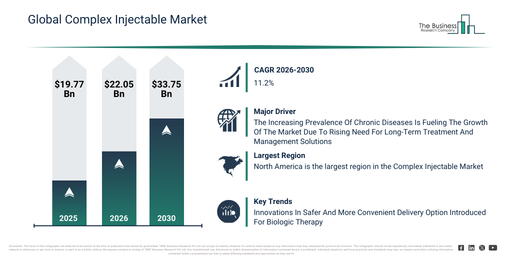
    Complex Injectable Market Forecast Highlighting Growth From $22.05 Billion To $33.75 Billion

    The complex injectable market has undergone swift expansion in the last few years. Its value is projected to increase from $19.77 billion in 2025 to $22.05 billion in 2026, reflecting a compound annual growth rate (CAGR) of 11.5%. This historical growth is largely driven by the rising incidence of chronic and severe illnesses, progress in drug delivery systems for injectables, the growing use of injectable therapies in hospitals, the increasing uptake of biologics, and enhancements in sterile production processes.

    Over the coming years, the complex injectable market is anticipated to experience substantial expansion. By 2030, its value is projected to climb to $33.75 billion, driven by a compound annual growth rate (CAGR) of 11.2%. This forecasted growth is fueled by heightened investment in complex injectable pipelines, a surge in demand for oncology and specialty injectables, the expansion of contract manufacturing services, a stronger emphasis on self-administered injectables, and increased regulatory approvals for advanced formulations. Key trends shaping this period include a growing need for sterile injectable drug products, accelerated development of biologic and advanced injectable therapies, wider adoption of high-precision manufacturing techniques, an uptick in antibody-drug conjugate injectables, and a sharper focus on formulations compatible with cold-chain logistics.

    Download A Free Sample Report For Comprehensive Market Insights:

    https://www.thebusinessresearchcompany.com/sample.aspx?id=28183&type=smp&utm_source=BlogsPR&utm_medium=Paid&utm_campaign=Jul_PR

    #Complex Injectable Market Growth Factors: Which Forces Are Supporting Market Expansion?

    The growing occurrence of chronic illnesses is anticipated to drive market expansion for complex injectables in the coming years. Chronic diseases are defined as enduring medical conditions that generally advance slowly and demand continuous management. This rising incidence is attributed to factors such as an aging population, as older individuals are more prone to long-term conditions like diabetes, heart disease, and arthritis. Complex injectables assist in managing such diseases by providing targeted treatments that control symptoms and decelerate disease progression. As an example, data from the Office for Health Improvement & Disparities (OHID), a public health agency based in the UK, indicates that the worldwide prevalence of diabetes is expected to increase from 537 million adults in 2021 to 643 million by 2030. Consequently, the rising frequency of chronic diseases serves as a key driver for growth in the complex injectable market.

    Complex Injectable Market Segments: Where Are The Largest Growth Opportunities?

    The complex injectable market covered in this report is segmented –

    1) By Product Type: Monoclonal Antibodies, Gene Therapies, Vaccines Proteins and Peptides, Antibody-Drug Conjugates (ADCs)

    2) By Therapeutic Area: Oncology, Diabetes, Autoimmune Disorders, Neurological Disorders, Cardiovascular Diseases, Infectious Diseases

    3) By Route of Administration: Intravenous (IV), Subcutaneous (SC), Intramuscular (IM), Epidural, Intradermal

    4) By Distribution Channel: Direct Sale, Pharmacies, E-Commerce, Distributors, Wholesalers

    5) By End User: Hospitals, Ambulatory Surgical Centers, Specialty Clinics, Home Healthcare, Research Institutions

    Subsegments:

    1) By Monoclonal Antibodies: Chimeric Monoclonal Antibodies, Humanized Monoclonal Antibodies, Fully Human Monoclonal Antibodies, Bispecific Monoclonal Antibodies

    2) By Gene Therapies: Somatic Gene Therapy, Germline Gene Therapy, Ex Vivo Gene Therapy, In Vivo Gene Therapy

    3) By Vaccines Proteins And Peptides: Recombinant Proteins, Synthetic Peptides, mRNA Vaccines, Viral Vector Vaccines

    4) By Antibody Drug Conjugates: Cleavable Linker Antibody Drug Conjugates, Non-cleavable Linker Antibody Drug Conjugates, Cytotoxic Payload Antibody Drug Conjugates, Target-specific Antibody Drug Conjugates

    Complex Injectable Market Industry Trends: What Changes Are Reshaping Demand?

    Key players in the drug delivery systems market are increasingly prioritizing innovations like autoinjector dosage forms to improve patient convenience, boost treatment adherence, guarantee accurate and safe medication delivery, and facilitate the effective administration of complex biologic therapies. Autoinjector dosage forms are pre-filled, self-administered injection devices that enable the safe and convenient delivery of a precise medication dose, commonly utilized for biologics and other intricate treatments. For example, in January 2024, Taisho Pharmaceutical Co. Ltd., a Japanese generic drug manufacturer, introduced Nanozora 30 mg for subcutaneous injection, featuring a patient-friendly device designed for straightforward self-administration. This product incorporates a needle-covering mechanism to minimize the risk of accidental needle sticks, enabling patients with rheumatoid arthritis to conveniently receive treatment every four weeks. As a result, Taisho expands its therapeutic offerings beyond the existing syringe formulation.

    Complex Injectable Market Major Participants And Competitive Dynamics

    Major companies operating in the complex injectable market are Johnson & Johnson Pharmaceutical, Merck & Co. Inc., Pfizer Inc., Bayer AG, Novartis AG, Bristol-Myers Squibb Company, Novo Nordisk, Takeda Pharmaceutical Company Limited, Amgen Inc., Boehringer Ingelheim GmbH, Baxter Healthcare Corporation, Fresenius Kabi, Sun Pharmaceutical Industries Ltd., Hikma Pharmaceuticals, Indivior PLC, Amphastar Pharmaceuticals Inc., Braun Melsungen AG, Ferring Pharmaceuticals, Oakwood Labs, ForDoz Pharma

    Access The Complete Complex Injectable Market Report:

    https://www.thebusinessresearchcompany.com/report/complex-injectable-global-market-report?utm_source=BlogsPR&utm_medium=Paid&utm_campaign=Jul_PR

    Complex Injectable Market Regional Distribution: Which Areas Drive Market Expansion?

    North America was the largest region in the complex injectable market in 2025. Asia-Pacific is expected to be the fastest-growing region in the forecast period. The regions covered in the complex injectable market report are Asia-Pacific, South East Asia, Western Europe, Eastern Europe, North America, South America, Middle East, Africa.

    Get in touch with us:

    The Business Research Company: https://www.thebusinessresearchcompany.com/?utm_source=BlogsPR&utm_medium=Paid&utm_campaign=home_page_test

    Americas: +1 310-496-7795

    Asia: +44 7882 955267 & +91 8897263534

    Europe: +44 7882 955267

    Email us at: marketing@tbrc.info

    Follow us on:

    LinkedIn: https://in.linkedin.com/company/the-business-research-company

    YouTube: https://www.youtube.com/channel/UC24_fI0rV8cR5DxlCpgmyFQ

    Global Market Model: https://www.thebusinessresearchcompany.com/global-market-model