Category: Pharmaceuticals

  • Increasing Demand For Precision Medicine Driving The Market Growth Due To Growing Need For Receptor-Specific Drug Development Is Supporting Development Across The G Protein-Coupled Receptors (GPCR) Structure-Based Drug Design Market

    Increasing Demand For Precision Medicine Driving The Market Growth Due To Growing Need For Receptor-Specific Drug Development Is Supporting Development Across The G Protein-Coupled Receptors (GPCR) Structure-Based Drug Design Market

    The Business Research Company’s 2026 market reports feature advanced enhancements such as market attractiveness analysis, total addressable market evaluation, company benchmarking matrices, interactive Excel dashboards, expanded supply chain intelligence, emerging startup coverage, and detailed product insights, delivering more actionable and strategically valuable research.

    How Is The Market Value Of The G Protein-Coupled Receptors (GPCR) Structure-Based Drug Design Market Projected To Expand During 2026–2030?

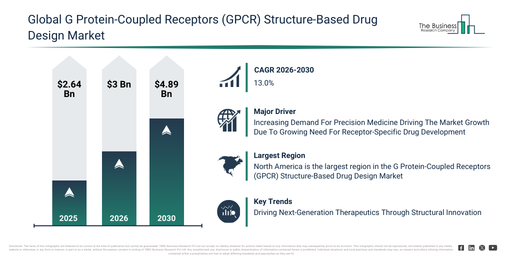
    The g protein-coupled receptors (gpcr) structure-based drug design market has witnessed rapid growth in recent years. It is anticipated to expand from $2.64 billion in 2025 to $3 billion in 2026, exhibiting a compound annual growth rate (CAGR) of 13.3%. The growth observed in the preceding period is largely due to advancements in gpcr crystallography techniques, increased pharmaceutical r&d spending, the availability of high-resolution receptor structures, an increasing understanding of gpcr signaling pathways, and the expansion of small molecule drug discovery platforms.

    The g protein-coupled receptors (gpcr) structure-based drug design market size is poised for rapid expansion over the next few years. It is projected to grow to $4.89 billion in 2030 at a compound annual growth rate (CAGR) of 13.0%. This anticipated growth during the forecast period is driven by the increasing adoption of AI-assisted molecular design, a rising focus on precision medicine drug development, the expansion of gpcr targets within oncology and neurology, growing investments in next-generation structural biology tools, and an increasing demand for highly selective therapeutics. Significant trends expected in this period include the increased use of structure-guided ligand optimization, greater adoption of cryo-electron microscopy for gpcr analysis, the growing integration of computational modeling in drug discovery, the expansion of allosteric modulator development, and an enhanced focus on improving receptor selectivity.

    Download A Free Sample Report For Comprehensive Market Insights:

    https://www.thebusinessresearchcompany.com/sample.aspx?id=28229&type=smp

    What Influential Factors Are Boosting The G Protein-Coupled Receptors (GPCR) Structure-Based Drug Design Market Demand?

    The increasing need for precision medicine is anticipated to boost the G protein-coupled receptors (GPCR) structure-based drug design market moving forward. Precision medicine refers to therapeutic methods that utilize distinct biological indicators to guide the selection and creation of treatments customized for individual patient traits and disease profiles. The heightened demand for precision medicine stems from its greater effectiveness and fewer adverse reactions compared to conventional therapies, as healthcare systems increasingly favor personalized strategies that target specific molecular pathways over broad interventions. This growing focus on precision medicine directly quickens the uptake of GPCR structure-based drug design platforms, given that pharmaceutical firms increasingly require advanced computational instruments to pinpoint and refine receptor-specific compounds capable of delivering the molecular exactness required by personalized treatment approaches. For instance, in February 2024, the Personalized Medicine Coalition, a US-based non-profit organization, reported that in 2023, the FDA approved 16 new personalized treatments for patients with rare diseases, representing a notable rise from the six approvals in 2022. Of these recently approved treatments, seven are cancer drugs, while three target other diseases and conditions. Consequently, the rising demand for precision medicine is propelling the expansion of the G protein-coupled receptors (GPCR) structure-based drug design market.

    What Are The Core Segment Classifications In The G Protein-Coupled Receptors (GPCR) Structure-Based Drug Design Market?

    The g protein-coupled receptors (gpcr) structure-based drug design market covered in this report is segmented –

    1) By Drug Type: Small Molecule Drugs, Biologics, Peptides, Other Drug Types

    2) By Technology: X-Ray Crystallography, Cryo-Electron Microscopy, Computational Modeling, Nuclear Magnetic Resonance Spectroscopy, Other Technologies

    3) By Application: Oncology, Cardiovascular Diseases, Neurological Disorders, Metabolic Disorders, Other Applications

    4) By End-User: Pharmaceutical Companies, Biotechnology Companies, Academic And Research Institutes, Other End-Users

    Subsegments:

    1) By Small Molecule Drugs: Agonists, Antagonists, Allosteric Modulators, Enzyme Inhibitors

    2) By Biologics: Monoclonal Antibodies, Therapeutic Proteins, Vaccines, Fusion Proteins

    3) By Peptides: Linear Peptides, Cyclic Peptides, Modified Peptides, Peptidomimetics

    4) By Other Drug Types: Nucleic Acid Based Drugs, Cell Based Therapies, Gene Therapies, Conjugated Drugs

    Which Trends Are Affecting The G Protein-Coupled Receptors (GPCR) Structure-Based Drug Design Market Framework?

    Companies operating within the G-protein coupled receptor (GPCR) structure-based drug design market are concentrating on developing innovative solutions, such as structure-based drug design platforms, to expedite novel drug discovery and enhance therapeutic targeting. These platforms serve as computational and experimental instruments that utilize the three-dimensional (3D) structure of target proteins to design and optimize drug candidates, thereby facilitating the identification of more precise, effective, and safer therapies. As an example, in January 2025, Septerna Inc., a US-based pharmaceutical company, launched new initiatives to advance its Native Complex Platform, building upon the $100 million Series A financing it had secured. This platform enables structure-based drug design for GPCRs by maintaining their native structure and dynamics outside the cellular environment, supporting the development of a pipeline of GPCR-targeted therapies aimed at previously undruggable targets across multiple therapeutic areas. It also provides a scalable foundation for industrialized drug discovery, integration of novel screening technologies, and the discovery of new mechanisms of GPCR modulation. Furthermore, the platform creates opportunities to systematically explore the entire GPCR superfamily, opening the door to a wider array of therapeutic interventions.

    Who Are The Firms Contributing To The G Protein-Coupled Receptors (GPCR) Structure-Based Drug Design Market Ecosystem?

    Major companies operating in the g protein-coupled receptors (gpcr) structure-based drug design market are F. Hoffmann-La Roche Ltd., Pfizer Inc., Sanofi S.A., AstraZeneca plc, Thermo Fisher Scientific Inc., Boehringer Ingelheim International GmbH, WuXi AppTec Co. Ltd., Charles River Laboratories International Inc., Evotec SE, Acadia Pharmaceuticals Inc., Promega Corporation, Domain Therapeutics SA, Schrödinger Inc., Kallyope Inc., Domainex Ltd., Structure Therapeutics Inc., Creative Biolabs Inc., InterAx Biotech Inc., Abalone Bio Inc., Octant Inc.

    Access The Complete G Protein-Coupled Receptors (GPCR) Structure-Based Drug Design Market Report:

    https://www.thebusinessresearchcompany.com/report/g-protein-coupled-receptors-gpcr-structure-based-drug-design-global-market-report

    Which Geographic Region Represents The Largest G Protein-Coupled Receptors (GPCR) Structure-Based Drug Design Market Share?

    North America was the largest region in the G protein-coupled receptors (GPCR) structure-based drug design market in 2025. The regions covered in the g protein-coupled receptors (gpcr) structure-based drug design market report are Asia-Pacific, South East Asia, Western Europe, Eastern Europe, North America, South America, Middle East, Africa.

    Access G Protein-Coupled Receptors (GPCR) Structure-Based Drug Design Market Report for Deeper Competitive Insights

    https://www.thebusinessresearchcompany.com/sample.aspx?id=28229&type=smp

    Browse Through More Reports Similar to the Global G Protein-Coupled Receptors (GPCR) Structure-Based Drug Design Market 2026, By The Business Research Company

    G Protein Coupled Receptors Market Report 2026

    https://www.thebusinessresearchcompany.com/report/g-protein-coupled-receptors-global-market-report

    Bioengineered Protein Drugs Market Report 2026

    https://www.thebusinessresearchcompany.com/report/bioengineered-protein-drugs-global-market-report

    Glp 1 Receptor Agonist Market Report 2026

    https://www.thebusinessresearchcompany.com/report/glp-1-receptor-agonist-global-market-report

    Get in touch with us:

    The Business Research Company: https://www.thebusinessresearchcompany.com/

    Americas: +1 310-496-7795

    Asia: +44 7882 955267 & +91 8897263534

    Europe: +44 7882 955267

    Email us at: marketing@tbrc.info

    Follow us on:

    LinkedIn: https://in.linkedin.com/company/the-business-research-company

    YouTube: https://www.youtube.com/channel/UC24_fI0rV8cR5DxlCpgmyFQ

    Global Market Model: https://www.thebusinessresearchcompany.com/global-market-model
  • Growing Consumer Awareness About Health And Wellness Driving The Market Growth Due To Shift Towards Preventive Healthcare Is Supporting Development Across The Functional Supplements Market

    Growing Consumer Awareness About Health And Wellness Driving The Market Growth Due To Shift Towards Preventive Healthcare Is Supporting Development Across The Functional Supplements Market

    The Business Research Company’s 2026 market reports feature advanced enhancements such as market attractiveness analysis, total addressable market evaluation, company benchmarking matrices, interactive Excel dashboards, expanded supply chain intelligence, emerging startup coverage, and detailed product insights, delivering more actionable and strategically valuable research.

    What Are The Forecasted Market Size Figures For The Functional Supplements Market In 2026 And 2030?

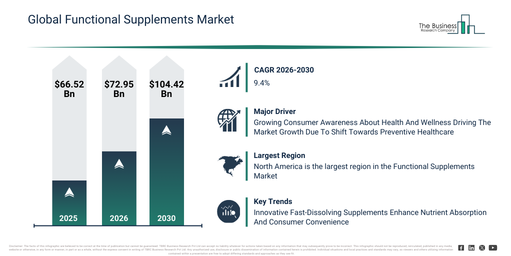
    The functional supplements market size has demonstrated significant growth in recent years. It is forecast to expand from $66.52 billion in 2025 to $72.95 billion in 2026, progressing at a compound annual growth rate (CAGR) of 9.7%. The historical increase in this market can be attributed to several factors including greater consumer health awareness, the spread of dietary supplement consumption, rising disposable income levels, the evolving fitness and wellness culture, and the increased availability of nutraceutical products.

    The functional supplements market is projected to experience substantial expansion in the coming years, with its size set to reach $104.42 billion by 2030, exhibiting a compound annual growth rate (CAGR) of 9.4%. This growth can be attributed to several factors, including the greater integration of personalized nutrition technologies, a rising demand for immune and cognitive health products, the broadening reach of online supplement retail, increasing regulatory standardization, and wider adoption among aging populations. Furthermore, major trends anticipated during this forecast period encompass a heightened need for tailored nutrition solutions, a greater preference for plant-based and clean-label supplements, an intensified focus on preventive healthcare nutrition, the proliferation of condition-specific supplement formulations, and an augmented utilization of digital health and wellness platforms.

    Download A Free Sample Report For Comprehensive Market Insights:

    https://www.thebusinessresearchcompany.com/sample.aspx?id=30287&type=smp

    Which Drivers Are Advancing The Functional Supplements Market Growth?

    Increasing consumer knowledge regarding health and well-being is projected to boost the expansion of the functional supplements sector in the future. This heightened awareness stems from easier access to health-related data via digital channels, enabling individuals to make forward-looking choices concerning their health and fostering a transition from treating illness reactively to embracing preventive health measures. Consequently, this elevated consumer understanding of health and wellness fuels the demand for functional supplements, as more people actively look for items that bolster immunity, energy levels, digestive health, and contribute to overall preventative well-being. As an illustration, figures from June 2024 by the International Food Information Council (IFIC), a non-profit organization based in the US, indicate that 54% of Americans continued to adhere to a particular diet or eating regimen over the preceding year. A significant number of individuals are aiming to boost their protein consumption, with interest escalating from 59% in 2022 to 67% in 2023, and further to 71% in 2024. This trend confirms that an expanding consumer awareness regarding health and wellness is indeed a primary factor propelling the expansion of the functional supplements market.

    How Is The Functional Supplements Market Structured Across Different Market Segments?

    The functional supplements market covered in this report is segmented –

    1) By Product Type: Vitamins, Minerals, Amino Acids, Probiotics, Herbal Supplements, Protein Supplements, Omega Fatty Acids, Energy Supplements

    2) By Formulation Type: Pills And Capsules, Powders, Liquids, Gummies, Bars

    3) By Distribution Channel: Online Retail, Supermarkets Or Hypermarkets, Specialty Stores, Pharmacies, Health Food Stores, Fitness Centers

    4) By Application: Sports Nutrition, Weight Management, Immune Health, Digestive Health, Other Applications

    5) By Target Audience: Athletes, Health Conscious Consumers, Elderly Population, Patients With Specific Health Condition, Working Professional

    Subsegments:

    1) By Vitamins: Vitamin A Supplements, Vitamin B-Complex Supplements, Vitamin C Supplements, Vitamin D Supplements, Vitamin E Supplements, Multivitamin Supplements

    2) By Minerals: Calcium Supplements, Iron Supplements, Magnesium Supplements, Zinc Supplements, Potassium Supplements, Selenium Supplements

    3) By Amino Acids: Branched-Chain Amino Acids (BCAAs), Essential Amino Acids (EAAs), Glutamine Supplements, Arginine Supplements, Lysine Supplements

    4) By Probiotics: Lactobacillus-Based Probiotics, Bifidobacterium-Based Probiotics, Spore-Forming Probiotics, Multi-Strain Probiotic Blends

    5) By Herbal Supplements: Ginseng Supplements, Ashwagandha Supplements, Turmeric (Curcumin) Supplements, Green Tea Extracts, Adaptogenic Herbal Blends

    6) By Protein Supplements: Whey Protein, Casein Protein, Plant-Based Protein, Collagen Protein, Blended Protein Formulations

    7) By Omega Fatty Acids: Omega-3 Supplements, Omega-6 Supplements, Omega-9 Supplements, Algal Oil-Based Omega Supplements

    8) By Energy Supplements: Caffeine-Based Supplements, Creatine Supplements, Nitric Oxide Boosters, Adaptogenic Energy Formulas

    What Trends Are Influencing The Functional Supplements Market?

    Leading companies in the functional supplements market are focusing on developing innovative formulations, such as orosoluble film supplements, to enhance nutrient absorption, improve consumer convenience, and boost compliance. These orosoluble film supplements are thin, fast-dissolving strips that melt on the tongue without water, facilitating the quick delivery of nutrients into the bloodstream for faster absorption and greater ease of use compared to traditional pills or capsules. For instance, in August 2025, IBSA Group, a Switzerland-based pharmaceutical and nutraceutical company, launched orodispersible film supplements containing iron, vitamin D3, and vitamin B12 in several European countries. These slender, rapidly dissolving films allow for precise dosing and quick release of nutrients, making supplementation easier and more practical, especially for people who have difficulty swallowing. This launch strengthens IBSA’s international presence and reflects its commitment to creating person-centered, innovative solutions that improve quality of life by making essential nutrients more accessible, supporting overall health and wellbeing, and addressing the real needs of diverse populations across different countries.

    Which Key Players Are Active In The Functional Supplements Market?

    Major companies operating in the functional supplements market are Nestlé S.A., PepsiCo Inc., Bayer AG, Abbott Nutrition Inc., Lonza Group Ltd., Herbalife Nutrition Ltd., Amway Corporation, USANA Health Sciences Inc., Glanbia Nutritionals Inc., Clif Bar & Company, Jamieson Wellness Inc., Blackmores Limited, Thorne HealthTech Inc., Himalaya Global Holdings Ltd., Quest Nutrition LLC, Life Extension Foundation Buyers Club Inc., OZiva Naturals Pvt. Ltd., Life Seasons Inc., NOW Health Group Inc. (NOW Foods), Sona Nutrition Pvt. Ltd.

    Access The Complete Functional Supplements Market Report:

    https://www.thebusinessresearchcompany.com/report/global-functional-supplements-market-report

    Which Region Leads The Functional Supplements Market By Size?

    North America was the largest region in the functional supplements market in 2025. Asia-Pacific is expected to be the fastest-growing region in the forecast period. The regions covered in the functional supplements market report are Asia-Pacific, South East Asia, Western Europe, Eastern Europe, North America, South America, Middle East, Africa.

    Access Functional Supplements Market Report for Deeper Competitive Insights

    https://www.thebusinessresearchcompany.com/sample.aspx?id=30287&type=smp

    Browse Through More Reports Similar to the Global Functional Supplements Market 2026, By The Business Research Company

    Nutritional Supplements Market Report 2026

    https://www.thebusinessresearchcompany.com/report/nutritional-supplements-global-market-report

    Wellness Supplements Market Report 2026

    https://www.thebusinessresearchcompany.com/report/wellness-supplements-global-market-report

    Functional Food Ingredients Market Report 2026

    https://www.thebusinessresearchcompany.com/report/functional-food-ingredients-global-market-report

    Get in touch with us:

    The Business Research Company: https://www.thebusinessresearchcompany.com/

    Americas: +1 310-496-7795

    Asia: +44 7882 955267 & +91 8897263534

    Europe: +44 7882 955267

    Email us at: marketing@tbrc.info

    Follow us on:

    LinkedIn: https://in.linkedin.com/company/the-business-research-company

    YouTube: https://www.youtube.com/channel/UC24_fI0rV8cR5DxlCpgmyFQ

    Global Market Model: https://www.thebusinessresearchcompany.com/global-market-model
  • Rise In Metabolic Disorders Driving The Growth Of The Market Due To Increasing Prevalence And Related Gastrointestinal Complications Is Supporting Development Across The Functional Dyspepsia Drug Market

    Rise In Metabolic Disorders Driving The Growth Of The Market Due To Increasing Prevalence And Related Gastrointestinal Complications Is Supporting Development Across The Functional Dyspepsia Drug Market

    The Business Research Company’s 2026 market reports feature advanced enhancements such as market attractiveness analysis, total addressable market evaluation, company benchmarking matrices, interactive Excel dashboards, expanded supply chain intelligence, emerging startup coverage, and detailed product insights, delivering more actionable and strategically valuable research.

    How Much Larger Will The Functional Dyspepsia Drug Market Become By 2030 Compared To 2026?

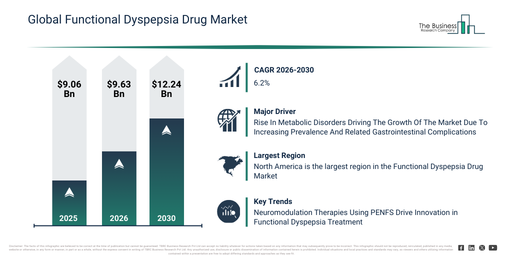
    The functional dyspepsia drug market size has demonstrated robust growth in recent years. Its expansion is forecast from $9.06 billion in 2025 to $9.63 billion in 2026, at a compound annual growth rate (CAGR) of 6.2%. This historical growth can be attributed to factors such as increasing gastrointestinal disorder diagnoses, widespread adoption of acid suppression therapies, the expansion of gastroenterology clinics, improved patient awareness of dyspepsia, and the availability of generic GI drugs.

    The functional dyspepsia drug market is projected to experience substantial expansion in the coming years. This market is anticipated to reach a valuation of $12.24 billion by 2030, exhibiting a compound annual growth rate (CAGR) of 6.2%. Factors contributing to this growth during the projection period include an increase in stress-related digestive conditions, a rising need for managing chronic symptoms, the broadening of outpatient gastrointestinal care, greater uptake of prokinetic treatments, and advancements in functional GI therapies. Key trends expected over the forecast horizon encompass the escalating prevalence of functional gastrointestinal disorders, a greater reliance on combination drug regimens, a growing inclination towards symptom-focused treatment strategies, an increase in transitions from over-the-counter to prescription medications, and an enhanced emphasis on gut-brain axis regulation.

    Download A Free Sample Report For Comprehensive Market Insights:

    https://www.thebusinessresearchcompany.com/sample.aspx?id=21979&type=smp

    What Primary Factors Are Fueling The Expansion Of The Functional Dyspepsia Drug Market?

    The expanding occurrence of metabolic disorders is projected to fuel the expansion of the functional dyspepsia drug market. A metabolic disorder signifies a state where the body’s standard metabolic activities are disrupted, resulting in an uneven handling of nutrients, energy, or waste materials. The rising incidence of these disorders stems from elements like unhealthy eating habits, inactive lifestyles, inherited susceptibilities, and escalating obesity rates. Functional dyspepsia drugs serve to alleviate gastrointestinal symptoms and enhance digestive performance in individuals with metabolic disorders. As an illustration, in December 2023, figures from Diabetes Australia, an Australian organization dedicated to diabetes awareness, revealed that around 134,000 Australians had Type 1 diabetes in 2022. This number rose to 135,423 by 2023. Consequently, the growing prevalence of metabolic disorders is a key catalyst for the functional dyspepsia drug market’s growth.

    Which Segment-Based Categories Are Covered In The Functional Dyspepsia Drug Market?

    The functional dyspepsia drug market covered in this report is segmented –

    1) By Drug Type: Proton Pump Inhibitors, H-2-Receptor Antagonists, Antacids, Antibiotics, Prokinetics, Antidepressants

    2) By Indication: Functional Dyspepsia, Postprandial Distress Syndrome, Epigastric Pain Syndrome, Helicobacter Pylori-Associated Dyspepsia (Functional Presentation)

    3) By Distribution Channel: Retail Pharmacies, Hospital Pharmacies, Online Pharmacies

    Subsegments:

    1) By Proton Pump Inhibitors: Omeprazole, Esomeprazole, Lansoprazole, Pantoprazole, Rabeprazole

    2) By H-2-Receptor Antagonists: Ranitidine, Famotidine, Cimetidine, Nizatidine

    3) By Antacids: Aluminum Hydroxide, Magnesium Hydroxide, Calcium Carbonate, Sodium Bicarbonate

    4) By Antibiotics: Clarithromycin, Amoxicillin, Metronidazole, Tetracycline

    5) By Prokinetics: Domperidone, Metoclopramide, Itopride, Mosapride

    6) By Antidepressants: Tricyclic Antidepressants, Selective Serotonin Reuptake Inhibitors, Serotonin-Norepinephrine Reuptake Inhibitors

    Which Trends Are Guiding The Development Of The Functional Dyspepsia Drug Market?

    Major corporations within the functional dyspepsia drug market are advancing neuromodulation treatments through regulatory authorizations to broaden available therapies, enhance symptom management, and address critical patient needs when individuals do not adequately respond to conventional pharmacological approaches. Regulatory approvals denote formal permissions from health authorities that allow new drugs or therapies to be commercialized and utilized after fulfilling necessary safety and efficacy benchmarks. For instance, in July 2023, Meiji Seika Pharma, a Japan-based pharmaceutical firm, and Zeria Pharmaceutical, a Japan-based entity focused on developing and manufacturing ethical and consumer healthcare products, secured regulatory approval for their medication, Acofide (acotiamide), intended for treating functional dyspepsia in Thailand. Acofide is globally recognized as the first drug specifically proven to be effective for functional dyspepsia, targeting indications such as postprandial fullness, abdominal bloating, and early satiety. This approval bolsters the companies’ presence in Southeast Asia, serving a substantial patient demographic affected by this persistent gastrointestinal condition. The drug has already received marketing authorization in several countries, including Japan, and is known as a prokinetic agent that regulates upper gastrointestinal motility to relieve symptoms in patients diagnosed using established clinical criteria.

    Who Are The Leading Firms Participating In The Functional Dyspepsia Drug Market?

    Major companies operating in the functional dyspepsia drug market are Pfizer Inc., Abbvie Inc., Bayer AG, AstraZeneca plc, Astellas Pharma Inc., Eisai Co. Ltd., Menarini Group, Dr. Reddy’s Laboratories Ltd., Lupin Limited, Daewoong Pharmaceutical Co. Ltd., Phathom Pharmaceuticals, Zeria Pharmaceutical Co. Ltd., Ironwood Pharmaceuticals Inc., Salix Pharmaceuticals Inc., RedHill Biopharma, RaQualia Pharma Inc., MetaMe Health, Renexxion LLC, Processa Pharmaceuticals, Evoke Pharma Inc.

    Access The Complete Functional Dyspepsia Drug Market Report:

    https://www.thebusinessresearchcompany.com/report/functional-dyspepsia-drug-global-market-report

    Which Region Has The Strongest Presence In The Functional Dyspepsia Drug Market?

    North America was the largest region in the functional dyspepsia drug market in 2025. Asia-Pacific is expected to be the fastest-growing region in the forecast period. The regions covered in the functional dyspepsia drug market report are Asia-Pacific, South East Asia, Western Europe, Eastern Europe, North America, South America, Middle East, Africa.

    Access Functional Dyspepsia Drug Market Report for Deeper Competitive Insights

    https://www.thebusinessresearchcompany.com/sample.aspx?id=21979&type=smp

    Browse Through More Reports Similar to the Global Functional Dyspepsia Drug Market 2026, By The Business Research Company

    Preeclampsia Drugs Market Report 2026

    https://www.thebusinessresearchcompany.com/report/preeclampsia-drugs-global-market-report

    Dysphagia Supplement Market Report 2026

    https://www.thebusinessresearchcompany.com/report/dysphagia-supplement-global-market-report

    Metabolic Disorders Drugs Market Report 2026

    https://www.thebusinessresearchcompany.com/report/metabolic-disorders-drugs-global-market-report

    Get in touch with us:

    The Business Research Company: https://www.thebusinessresearchcompany.com/

    Americas: +1 310-496-7795

    Asia: +44 7882 955267 & +91 8897263534

    Europe: +44 7882 955267

    Email us at: marketing@tbrc.info

    Follow us on:

    LinkedIn: https://in.linkedin.com/company/the-business-research-company

    YouTube: https://www.youtube.com/channel/UC24_fI0rV8cR5DxlCpgmyFQ

    Global Market Model: https://www.thebusinessresearchcompany.com/global-market-model
  • Increasing Prevalence Of Breast Cancer Fueling The Growth Of The Market Due To Aging Populations And Rising Diagnosis Rates Is Supporting Development Across The Fulvestrant Injection Market

    Increasing Prevalence Of Breast Cancer Fueling The Growth Of The Market Due To Aging Populations And Rising Diagnosis Rates Is Supporting Development Across The Fulvestrant Injection Market

    The Business Research Company’s 2026 market reports feature advanced enhancements such as market attractiveness analysis, total addressable market evaluation, company benchmarking matrices, interactive Excel dashboards, expanded supply chain intelligence, emerging startup coverage, and detailed product insights, delivering more actionable and strategically valuable research.

    What Growth In Market Value Is Anticipated For The Fulvestrant Injection Market Between 2026 And 2030?

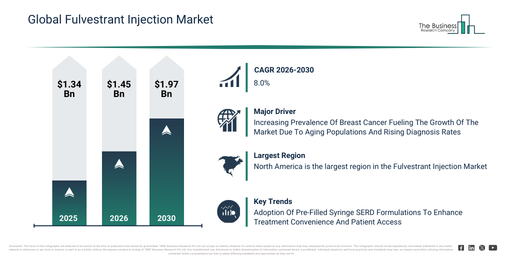
    The fulvestrant injection market size has shown substantial growth recently. It is anticipated to expand from $1.34 billion in 2025 to $1.45 billion in 2026, progressing at a compound annual growth rate (CAGR) of 8.3%. The market’s expansion historically stemmed from factors such as the prevalence of breast cancer, the focus on estrogen receptor targeting, numerous oncology drug approvals, the expansion of hospital oncology departments, and the increased adoption of injectable therapies.

    The fulvestrant injection market size is anticipated to experience substantial expansion over the coming years. Projections indicate it will reach $1.97 billion by 2030, exhibiting a compound annual growth rate (CAGR) of 8.0%. This forecasted growth is attributable to factors such as the broadening generic market, the rising prevalence of metastatic cancer, the advent of personalized oncology regimens, the expansion of specialty pharmacies, and ongoing combination therapy trials. Furthermore, significant developments expected during this period involve an increased application in hormone receptor-positive breast cancer, the proliferation of combined oncology treatments, a surge in the adoption of generic fulvestrant, the expansion of hospital-based oncology services, and enhanced patient adherence due to pre-filled syringes.

    Download A Free Sample Report For Comprehensive Market Insights:

    https://www.thebusinessresearchcompany.com/sample.aspx?id=24543&type=smp

    Which Strategic Drivers Are Supporting The Fulvestrant Injection Market Development?

    The rising incidence of breast cancer is anticipated to spur the growth of the fulvestrant injection market moving forward. Breast cancer is defined as the unchecked multiplication of abnormal cells within breast tissue, forming a malignant tumor that can spread to adjacent tissues or distant body parts. The increasing occurrence of breast cancer is linked to aging demographics, given that the risk of developing the condition rises with age due to extended exposure to estrogen and the progressive accumulation of genetic mutations. Fulvestrant injection aids in treating breast cancer by targeting hormone receptor-positive tumors, effectively inhibiting estrogen’s capacity to stimulate the growth of cancer cells. This broadens treatment options for patients with advanced or resistant forms of the illness, thereby enhancing overall therapeutic outcomes. For instance, in March 2025, Breastcancer.org, a US-based nonprofit organization, reported that breast cancer accounts for approximately 32% of all new cancer diagnoses, with an estimated 316,950 women projected to be diagnosed with invasive breast cancer, including 59,080 cases of non-invasive types, by 2025. Consequently, the increasing prevalence of breast cancer is acting as a primary driver for the expansion of the fulvestrant injection market.

    What Are The Major Segment Categories Within The Fulvestrant Injection Market?

    The fulvestrant injection market covered in this report is segmented –

    1) By Type: Original Drugs, Generic Drugs

    2) By Dosage Formulation: Single-Dose Vials, Multi-Dose Vials, Pre-Filled Syringes

    3) By Administration Route: Intramuscular Injection, Subcutaneous Injection, Intravenous Injection

    4) By Application: Breast Cancer Treatment, Hormone Receptor-Positive Metastatic Breast Cancer

    5) By Distribution Channel: Hospital Pharmacies, Retail Pharmacies

    Subsegments:

    1) By Original Drugs: Branded Formulations, Patented Molecules, Hospital-Procured Brands, Oncologist-Prescribed Brands, High-Cost Segment

    2) By Generic Drugs: Branded Generics, Non-Branded Generics, Low-Cost Institutional Generics, Tender-Based Supply Generics

    What Trends Are Influencing The Future Of The Fulvestrant Injection Market?

    Leading companies in the fulvestrant injection market are prioritizing the creation of advanced products, such as ready-to-use generic injectable formulations, to enhance ease of administration, minimize mistakes during preparation, and boost operational effectiveness in clinical settings. These ready-to-use generic injectable formulations represent injections that are already prepared and precisely measured, often provided in prefilled syringes, eliminating the need for mixing or reconstitution. This characteristic thereby lessens the likelihood of incorrect doses, conserves time spent on preparation, and boosts both safety and operational efficiency within healthcare environments. For instance, in March 2024, Avenacy Inc., a US-based specialty pharmaceutical company, introduced Fulvestrant Injection, an equivalent generic medication provided in the form of 5 mL pre-filled syringes containing 250 mg per 5 mL. This formulation includes fulvestrant for intramuscular delivery and functions by attaching to and deactivating estrogen receptors in breast cancer cells. It is characterized by distinct attributes like ready-to-administer syringes and clearly differentiated packaging, designed to minimize errors in product selection. It is applicable as monotherapy or in combination regimens for HR-positive, HER2-negative advanced or metastatic breast cancer, with advantages such as improved convenience, enhanced safety, and better clinical workflow efficiency.

    Which Companies Are Engaged In The Fulvestrant Injection Market Environment?

    Major companies operating in the fulvestrant injection market are AstraZeneca plc, Fresenius Kabi AG, Intas Pharmaceuticals Limited, Sandoz Group AG, Apotex Inc., Dr. Reddy’s Laboratories, Cadila Pharmaceuticals Ltd., Amneal Pharmaceuticals Inc., Biocon Ltd., Glenmark Pharmaceuticals Ltd., Alkem Laboratories Ltd., Alembic Pharmaceuticals, Eskayef Pharmaceuticals Ltd., Natco Pharma Ltd., Celon Laboratories Ltd., Therdose Pharma, Eugia Pharma, Formative Pharma, Halsted Pharma, Metta Life Sciences.

    Access The Complete Fulvestrant Injection Market Report:

    https://www.thebusinessresearchcompany.com/report/fulvestrant-injection-global-market-report

    Which Region Stands As The Largest Contributor To The Fulvestrant Injection Market?

    North America was the largest region in the fulvestrant injection market in 2025. Asia-Pacific is expected to be the fastest-growing region in the forecast period. The regions covered in the fulvestrant injection market report are Asia-Pacific, South East Asia, Western Europe, Eastern Europe, North America, South America, Middle East, Africa.

    Access Fulvestrant Injection Market Report for Deeper Competitive Insights

    https://www.thebusinessresearchcompany.com/sample.aspx?id=24543&type=smp

    Browse Through More Reports Similar to the Global Fulvestrant Injection Market 2026, By The Business Research Company

    Self Injections Market Report 2026

    https://www.thebusinessresearchcompany.com/report/self-injections-global-market-report

    Chemical Injection Pumps Market Report 2026

    https://www.thebusinessresearchcompany.com/report/chemical-injection-pumps-global-market-report

    Chemical Injection Skids Market Report 2026

    https://www.thebusinessresearchcompany.com/report/chemical-injection-skids-global-market-report

    Get in touch with us:

    The Business Research Company: https://www.thebusinessresearchcompany.com/

    Americas: +1 310-496-7795

    Asia: +44 7882 955267 & +91 8897263534

    Europe: +44 7882 955267

    Email us at: marketing@tbrc.info

    Follow us on:

    LinkedIn: https://in.linkedin.com/company/the-business-research-company

    YouTube: https://www.youtube.com/channel/UC24_fI0rV8cR5DxlCpgmyFQ

    Global Market Model: https://www.thebusinessresearchcompany.com/global-market-model
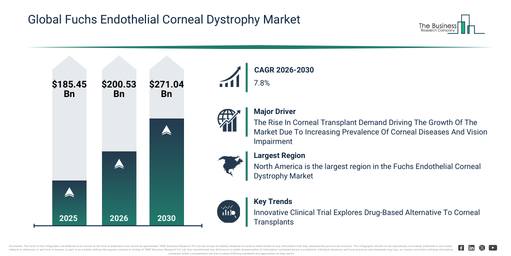
  • The Rise In Corneal Transplant Demand Driving The Growth Of The Market Due To Increasing Prevalence Of Corneal Diseases And Vision Impairment Is Supporting Development Across The Fuchs Endothelial Corneal Dystrophy Market

    The Rise In Corneal Transplant Demand Driving The Growth Of The Market Due To Increasing Prevalence Of Corneal Diseases And Vision Impairment Is Supporting Development Across The Fuchs Endothelial Corneal Dystrophy Market

    The Business Research Company’s 2026 market reports feature advanced enhancements such as market attractiveness analysis, total addressable market evaluation, company benchmarking matrices, interactive Excel dashboards, expanded supply chain intelligence, emerging startup coverage, and detailed product insights, delivering more actionable and strategically valuable research.

    What Is The Expected Market Value Outlook For The Fuchs Endothelial Corneal Dystrophy Market Through 2030?

    The fuchs endothelial corneal dystrophy market has experienced significant expansion in recent years. Its value is projected to rise from $185.45 billion in 2025 to $200.53 billion in 2026, at a compound annual growth rate (CAGR) of 8.1%. This historical growth can be primarily linked to an aging population, the widespread occurrence of cataract surgery, the expansion of ophthalmology services, the increased availability of corneal imaging, and greater awareness of vision impairment.

    The fuchs endothelial corneal dystrophy market is projected for robust expansion over the coming years, anticipated to reach $271.04 billion by 2030, exhibiting a compound annual growth rate (CAGR) of 7.8%. Key drivers for this growth during the forecast period include advancements in corneal imaging, ongoing research in regenerative ophthalmology, the expansion of outpatient eye care services, proactive early screening initiatives, and the increasing number of specialty eye clinics. Significant trends observed in the same period involve a growing embrace of sophisticated corneal diagnostics, the proliferation of minimally invasive corneal surgeries, the continuous growth of ophthalmic specialty clinics, a heightened emphasis on detecting diseases early, and the incorporation of long-term vision management strategies.

    Download A Free Sample Report For Comprehensive Market Insights:

    https://www.thebusinessresearchcompany.com/sample.aspx?id=24542&type=smp

    What Major Growth Factors Are Impacting The Fuchs Endothelial Corneal Dystrophy Market?

    The increasing need for corneal transplants is anticipated to fuel the expansion of the fuchs endothelial corneal dystrophy market in the future. A corneal transplant involves a surgical operation where a compromised or unhealthy cornea is exchanged for healthy donor corneal tissue to re-establish vision and ocular function. This rising demand stems from the greater occurrence of corneal conditions that cause vision loss and necessitate surgical intervention for sight restoration. Specifically, fuchs endothelial corneal dystrophy intensifies the requirement for corneal transplants as it progressively harms the corneal endothelium, resulting in visual impairment frequently needing surgery. As an illustration, in 2023, data from the Eye Bank Association of America, a US-based transplant organization, revealed a 2.7% rise in domestic keratoplasty procedures, climbing from 49,597 in 2022 to 50,925 in 2023. Consequently, the escalating demand for corneal transplants is a key factor propelling the expansion of the fuchs endothelial corneal dystrophy market.

    How Is The Fuchs Endothelial Corneal Dystrophy Market Distributed Across Key Segments?

    The fuchs endothelial corneal dystrophy market covered in this report is segmented –

    1) By Treatment: Endothelial Keratoplasty, Amniotic Membrane Transplants, Rho-Kinase (ROCK) Inhibitor Therapy, Hypertonic Saline Therapy

    2) By Diagnosis: Cornea Examination And Grading, Corneal Tomography, Corneal Pachymetry, Corneal Cell Count, Other Diagnosis

    3) By Route Of Administration: Injectable (Intracameral / Intraocular), Topical, Other Routes Of Administration

    4) By End-Users: Hospital, Specialty Clinics, Homecare, Other End-Users

    Subsegments:

    1) By Endothelial Keratoplasty: Descemet Membrane Endothelial Keratoplasty (DMEK), Descemet Stripping Automated Endothelial Keratoplasty (DSAEK), Ultra-Thin DSAEK, Pre-Descemet Endothelial Keratoplasty (PDEK)

    2) By Amniotic Membrane Transplants: Cryopreserved Amniotic Membrane, Dehydrated Amniotic Membrane, Single-Layer Membrane Transplant, Multi-Layer Membrane Transplant

    3) By Rho-Kinase (ROCK) Inhibitor Therapy: Ripasudil, Netarsudil, Y-27632, Combination With Endothelial Cell Injection

    4) By Hypertonic Saline Therapy: 5% Sodium Chloride Eye Drops, 6% Sodium Chloride Ointment, Preservative-Free Hypertonic Saline, Combination With Lubricants

    Which Trends Are Contributing To Changes In The Fuchs Endothelial Corneal Dystrophy Market?

    Major companies in the fuchs endothelial corneal dystrophy market are concentrating on conducting clinical trials to develop innovative products, such as rho kinase inhibitors, with the goal of improving corneal cell regeneration and restoring vision. Rho kinase inhibitors are a category of drugs that enhance corneal cell regeneration and reduce cell stress by obstructing the rho kinase pathway, rendering them a promising treatment for conditions like Fuchs endothelial corneal dystrophy. For example, in April 2023, Kowa Company, Ltd., a Japan-based pharmaceutical company, announced the commencement of a global Phase 3 clinical trial to assess the safety and efficacy of K-321 (Ripasudil Hydrochloride Dihydrate) ophthalmic solution in patients with fuchs endothelial corneal dystrophy (FECD) after descemetorhexis. This particular study intends to provide a non-surgical treatment alternative for FECD, a progressive eye disorder that often requires corneal transplantation in its advanced stages. By investigating the application of Rho kinase inhibitors beyond their established use in glaucoma therapy, this trial represents a significant advancement in creating pharmacological interventions to address the outstanding requirements in FECD management.

    Who Are The Prominent Players Across The Fuchs Endothelial Corneal Dystrophy Market?

    Major companies operating in the fuchs endothelial corneal dystrophy market are Aurion Biotech Inc., Trefoil Therapeutics, CorneaGen, Moria Surgical, Alcon Inc., Bausch + Lomb, Carl Zeiss Meditec (Ophthalmic Diagnostics Division), Haag-Streit Group, Topcon Corporation, NIDEK Co. Ltd., Kowa Company Ltd., Santen Pharmaceutical Co. Ltd., Dompé Farmaceutici S.p.A., Oculis Holding AG, EyeYon Medical, CryoLife (BioTissue), Amniox Medical, TissueTech Inc., Japan Tissue Engineering Co. Ltd., Cellusion Inc.

    Access The Complete Fuchs Endothelial Corneal Dystrophy Market Report:

    https://www.thebusinessresearchcompany.com/report/fuchs-endothelial-corneal-dystrophy-global-market-report

    What Is The Largest Regional Market In The Fuchs Endothelial Corneal Dystrophy Market?

    North America was the largest region in the fuchs endothelial corneal dystrophy market in 2025. Asia-Pacific is expected to be the fastest-growing region in the forecast period. The regions covered in the fuchs endothelial corneal dystrophy market report are Asia-Pacific, South East Asia, Western Europe, Eastern Europe, North America, South America, Middle East, Africa.

    Access Fuchs Endothelial Corneal Dystrophy Market Report for Deeper Competitive Insights

    https://www.thebusinessresearchcompany.com/sample.aspx?id=24542&type=smp

    Browse Through More Reports Similar to the Global Fuchs Endothelial Corneal Dystrophy Market 2026, By The Business Research Company

    Corneal Implants Market Report 2026

    https://www.thebusinessresearchcompany.com/report/corneal-implants-global-market-report

    Corneal Topographers Market Report 2026

    https://www.thebusinessresearchcompany.com/report/corneal-topographers-global-market-report

    Dry Eye Products Market Report 2026

    https://www.thebusinessresearchcompany.com/report/dry-eye-products-global-market-report

    Get in touch with us:

    The Business Research Company: https://www.thebusinessresearchcompany.com/

    Americas: +1 310-496-7795

    Asia: +44 7882 955267 & +91 8897263534

    Europe: +44 7882 955267

    Email us at: marketing@tbrc.info

    Follow us on:

    LinkedIn: https://in.linkedin.com/company/the-business-research-company

    YouTube: https://www.youtube.com/channel/UC24_fI0rV8cR5DxlCpgmyFQ

    Global Market Model: https://www.thebusinessresearchcompany.com/global-market-model

  • Surge In Sports-Related Injuries Driving The Growth Of The Market Due To Increasing Intensity And Frequency Of High-Impact Sports Is Supporting Development Across The Fracture Management Products Market

    Surge In Sports-Related Injuries Driving The Growth Of The Market Due To Increasing Intensity And Frequency Of High-Impact Sports Is Supporting Development Across The Fracture Management Products Market

    The Business Research Company’s 2026 market reports feature advanced enhancements such as market attractiveness analysis, total addressable market evaluation, company benchmarking matrices, interactive Excel dashboards, expanded supply chain intelligence, emerging startup coverage, and detailed product insights, delivering more actionable and strategically valuable research.

    How Will The Market Value Of The Fracture Management Products Market Increase Between 2026 And 2030?

    The fracture management products market has seen robust expansion in recent years. It is anticipated to grow from $9.67 billion in 2025 to $10.26 billion in 2026, exhibiting a compound annual growth rate (CAGR) of 6.1%. Historically, this market’s growth can be attributed to an increase in road and sports injuries, the rise in the aging population, the expansion of orthopedic hospitals, a surge in surgical procedure volumes, and improved trauma care infrastructure.

    The fracture management products market is set to observe significant expansion over the next few years. It is projected to reach $12.97 billion in 2030, driven by a compound annual growth rate (CAGR) of 6.0%. This anticipated growth during the forecast period can be credited to factors such as advancements in orthopedic implant innovation, the increase in outpatient orthopedic surgeries, a rising demand for bioresorbable implants, higher accident rates, and improvements in surgical techniques. Prominent trends expected in this period include the increased utilization of advanced internal fixation devices, a growing adoption of biodegradable materials, an escalating demand for minimally invasive procedures, the expansion of ambulatory surgical treatments, and an amplified focus on faster patient recovery.

    Download A Free Sample Report For Comprehensive Market Insights:

    https://www.thebusinessresearchcompany.com/sample.aspx?id=24219&type=smp

    What Market Drivers Are Helping Shape The Fracture Management Products Market Expansion?

    An increasing number of sports-related injuries is expected to drive the expansion of the fracture management products market in the foreseeable future. These injuries involve physical damage to the musculoskeletal system, often resulting from overuse, forceful impacts, or incorrect form during athletic pursuits or workouts. The heightened occurrence of sports injuries is due to the greater intensity and regularity of high-impact sports, which put stress on the body and elevate the chances of injury, especially when athletes, both professionals and amateurs, exceed their capacities without adequate recuperation or protective steps. Fracture management products are crucial for stabilizing fractured bones, ensuring correct alignment, and encouraging recovery, thereby assisting athletes in regaining complete function and resuming their athletic activities. For instance, in June 2024, data from the U.S. Centers for Disease Control and Prevention (CDC), a US-based federal public-health agency, revealed that sports and recreation–related emergency-department injury cases increased from 2,298,832 in 2022 to 2,458,235 in 2023, indicating a clear year-over-year rise. Therefore, the growing frequency of sports-related injuries boosts the growth of the fracture management products market.

    How Does Segment Analysis Break Down The Fracture Management Products Market Structure?

    The fracture management products market covered in this report is segmented –

    1) By Product Type: Internal Fixation Devices, External Fixation Devices, Fracture Fixation Consumables

    2) By Material Type: Stainless Steel, Titanium, Biodegradable Materials, Polymer-Based Products, Composite Materials

    3) By Distribution Channel: Direct Sales, Online Sales, Distributors And Wholesalers, Retail Pharmacies, Speciality Centers

    4) By Application: Upper Extremity Fractures, Lower Extremity Fractures, Other Applications

    5) By End-User: Hospitals, Orthopedic Clinics, Ambulatory Surgery Centers, Rehabilitation Centers, Research Institutes, Home Care Settings

    Subsegments:

    1) By Internal Fixation Devices: Plates And Screws, Intramedullary Nails Or Rods, Pins And Wires, Bone Screws, Orthopedic Compression Devices

    2) By External Fixation Devices: Unilateral And Bilateral Fixators, Circular Fixators, Hybrid Fixators, Bone Lengthening Devices

    3) By Fracture Fixation Consumables: Orthopedic Drills And Blades, Bone Cements, Bone Grafts And Substitutes, Surgical Sutures, Screws And Pins

    What Trends Are Shaping The Fracture Management Products Market Structure?

    Leading companies in the fracture management products market are concentrating on developing technologically advanced offerings, such as fracture nailing systems, to reduce complication risks and enhance overall recovery outcomes. Fracture-nailing systems are internal fixation devices, typically metal rods or nails, inserted into the bone marrow to stabilize and align fractures, particularly in long bones such as the femur or tibia. For instance, in March 2024, Stryker Corporation, a US-based medical technology company, introduced the Gamma4 Hip Fracture Nailing System. This system features an advanced intramedullary nailing design for hip and femur fractures, developed for improved anatomical fit using the SOMA database, which contains over 34,000 3D bone models. Its benefits include a chamfered distal tip, a proximal body that is 5 mm shorter, and a length-dependent radius of curvature for long nails. The system also incorporates a precision pin that minimizes skiving by 66% and provides increased resistance to pull-out compared to conventional Ø3.2 K-wires. Additionally, Gamma4 and T2Alpha nails are compatible with the same instrument platform, which streamlines surgical operations and harmonizes procedures.

    Which Companies Form The Competitive Landscape Of The Fracture Management Products Market?

    Major companies operating in the fracture management products market are Johnson & Johnson Inc, Medtronic plc, Stryker Corporation, Zimmer Biomet Holdings Inc., Olympus Corporation, Smith & Nephew plc, DePuy Synthes Inc, Arthrex Inc., Integra LifeSciences Corporation, NuVasive Inc., Conmed Corporation, Globus Medical Inc, DJO Global Inc., Ossur hf., Wright Medical Group, KLS Martin SE, Orthofix Medical Inc., Richard Wolf GmbH, Acumed LLC, B. Braun Melsungen AG, Paragon 28 Inc., Narang Medical Ltd., TriMed Inc., Sonoma Orthopedic Products Inc, Extremity Medical LLC, Synthes Inc.

    Access The Complete Fracture Management Products Market Report:

    https://www.thebusinessresearchcompany.com/report/fracture-management-products-global-market-report

    Which Region Contributes The Most To The Fracture Management Products Market?

    North America was the largest region in the fracture management products market in 2025. Asia-Pacific is expected to be the fastest-growing region in the forecast period. The regions covered in the fracture management products market report are Asia-Pacific, South East Asia, Western Europe, Eastern Europe, North America, South America, Middle East, Africa.

    Access Fracture Management Products Market Report for Deeper Competitive Insights

    https://www.thebusinessresearchcompany.com/sample.aspx?id=24219&type=smp

    Browse Through More Reports Similar to the Global Fracture Management Products Market 2026, By The Business Research Company

    Fracture Fixation Products Market Report 2026

    https://www.thebusinessresearchcompany.com/report/fracture-fixation-products-global-market-report

    Trauma Fixation Devices And Equipment Market Report 2026

    https://www.thebusinessresearchcompany.com/report/trauma-fixation-devices-and-equipment-global-market-report

    Crushing Screening And Mineral Processing Equipment Market Report 2026

    https://www.thebusinessresearchcompany.com/report/crushing-screening-and-mineral-processing-equipment-global-market-report

    Get in touch with us:

    The Business Research Company: https://www.thebusinessresearchcompany.com/

    Americas: +1 310-496-7795

    Asia: +44 7882 955267 & +91 8897263534

    Europe: +44 7882 955267

    Email us at: marketing@tbrc.info

    Follow us on:

    LinkedIn: https://in.linkedin.com/company/the-business-research-company

    YouTube: https://www.youtube.com/channel/UC24_fI0rV8cR5DxlCpgmyFQ

    Global Market Model: https://www.thebusinessresearchcompany.com/global-market-model
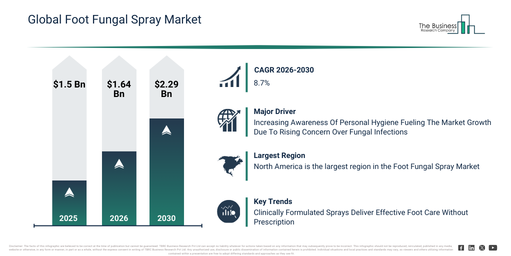
  • Increasing Awareness Of Personal Hygiene Fueling The Market Growth Due To Rising Concern Over Fungal Infections Is Supporting Development Across The Foot Fungal Spray Market

    Increasing Awareness Of Personal Hygiene Fueling The Market Growth Due To Rising Concern Over Fungal Infections Is Supporting Development Across The Foot Fungal Spray Market

    The Business Research Company’s 2026 market reports feature advanced enhancements such as market attractiveness analysis, total addressable market evaluation, company benchmarking matrices, interactive Excel dashboards, expanded supply chain intelligence, emerging startup coverage, and detailed product insights, delivering more actionable and strategically valuable research.

    What Will Be The Estimated Market Size Of The Foot Fungal Spray Market By 2030?

    The foot fungal spray market size has experienced strong growth in recent years. It is projected to expand from $1.5 billion in 2025 to $1.64 billion in 2026, exhibiting a compound annual growth rate (CAGR) of 9.0%. The expansion observed in the historic period stems from increasing incidence of fungal foot infections, widespread use of communal facilities, rising awareness of foot hygiene, availability of otc antifungal treatments, and growth of personal care retail channels.

    The foot fungal spray market is projected to experience robust expansion over the coming years. This market is anticipated to reach $2.29 billion by 2030, exhibiting a compound annual growth rate (CAGR) of 8.7%. The anticipated market expansion during this period stems from several factors, including a heightened demand for preventative foot care options, a growing inclination towards natural antifungal ingredients, the broader reach of e-commerce distribution channels, an increased emphasis on formulations gentle to the skin, and a stronger focus on preventing long-term infections. Key developments expected during the forecast timeframe encompass a rise in the use of antifungal spray treatments, a surge in the need for readily available over-the-counter foot care items, a preference shift towards herbal and natural product compositions, the widening practice of preventive foot hygiene, and a greater emphasis on spray formats that are quickly absorbed.

    Download A Free Sample Report For Comprehensive Market Insights:

    https://www.thebusinessresearchcompany.com/sample.aspx?id=28225&type=smp

    Which Significant Factors Are Encouraging Growth In The Foot Fungal Spray Market?

    The growing understanding of personal hygiene is anticipated to boost the foot fungal spray market’s expansion in the future. Personal hygiene encompasses the routines and behaviors people adopt to keep their bodies and environments clean and healthy, thereby preventing sickness and fostering general wellness. This heightened awareness largely stems from recent health emergencies, which underscored the vital importance of hygienic practices in averting diseases, leading to extensive educational drives and public health efforts promoting correct sanitation. Foot fungal spray aids personal hygiene through its efficacy in eradicating and inhibiting the proliferation of detrimental fungi on the skin, thereby diminishing itching, unpleasant odors, and discomfort. Simultaneously, it cultivates a clean and healthy setting for the feet, thereby assisting in the prevention of conditions like athlete’s foot and supporting general skin health. For example, in August 2025, data from the United Nations International Children’s Emergency Fund (UNICEF), a US-based humanitarian aid organization, indicated that in 2024, 1.7 billion people still lacked basic hygiene services, with 611 million having no handwashing facilities at all. In contrast, four countries had already attained universal access (>99%) to fundamental hygiene services, and an additional nine were projected to achieve this by 2030. Consequently, the enhanced understanding of personal hygiene is fueling the expansion of the foot fungal spray market.

    What Segment Types Are Included In The Foot Fungal Spray Market Analysis?

    The foot fungal spray market covered in this report is segmented –

    1) By Product Type: Antifungal Sprays, Herbal Or Natural Sprays, Medicated Sprays, Other Product Types

    2) By Distribution Channel: Pharmacies Or Drug Stores, Online Stores, Supermarkets Or Hypermarkets, Other Distribution Channels

    3) By Application: Athlete’s Foot, Ringworm, Toenail Fungus, Other Applications

    4) By End User: Adults, Children, Other End Users

    Subsegments:

    1) By Antifungal Sprays: Cream Based, Powder Based, Liquid Based, Spray Foam

    2) By Herbal Or Natural Sprays: Aloe Vera, Tea Tree Oil, Neem Extract, Chamomile

    3) By Medicated Sprays: Prescription Strength, Over The Counter, Antibacterial Medicated, Antiseptic Medicated

    4) By Other Product Types: Cooling Sprays, Deodorizing Sprays, Moisturizing Sprays, Antiperspirant Sprays

    Which Trends Are Supporting The Evolution Of The Foot Fungal Spray Market?

    Leading companies in the foot fungal spray market are prioritizing the development of innovative products, such as over-the-counter quasi-drugs, to effectively address fungal infections, manage odor, and offer convenient, user-friendly solutions for daily foot care. Over-the-counter quasi-drugs are products with mild therapeutic effects approved for general purchase without a prescription; they assist in treating fungal infections by incorporating antifungal ingredients that suppress fungal growth, diminish itching and redness, and accelerate the healing of affected areas. For example, in June 2025, Medi K, a South Korea-based personal hygiene company, introduced Clear Solution, a medicated foot spray created to fight athlete’s foot and neutralize foot odor. This product is provided in a practical 200 ml spray bottle and is categorized as an over-the-counter quasi-drug, permitting consumers to use it without a prescription. Clear Solution is formulated for application on the soles, toes, and toenails, aiding in the inhibition of fungal growth while maintaining fresh and odor-free feet. With its functional pump spray design, clinically focused composition, and competitive cost, the product is aimed at active adults and athletes looking for effective, routine foot care solutions, and also attracts general consumers who value hygiene, comfort, and convenience in maintaining healthy, odor-free feet.

    Who Are The Key Market Participants In The Foot Fungal Spray Market?

    Major companies operating in the foot fungal spray market are The Kroger Co., Bayer Aktiengesellschaft, Novartis AG, GSK plc, Perrigo Company plc, Prestige Consumer Healthcare Inc., Zeria Pharmaceutical Co. Ltd., The Himalaya Drug Company, Melisana Healthcare, Footlogix Inc., Hunan Huamuyang Biotechnology Co. Ltd., PediFix Inc., Kripa Pharma, Zeolite Herbals Pvt. Ltd., Marie Originals LLC, Herbax Ayurveda, Arcadia Consumer Healthcare Inc., Melisana Healthcare AG, West-Coast Pharmaceutical Works Ltd, Taisho Holdings Co. Ltd.

    Access The Complete Foot Fungal Spray Market Report:

    https://www.thebusinessresearchcompany.com/report/foot-fungal-spray-global-market-report

    Which Regional Market Leads The Foot Fungal Spray Market?

    North America was the largest region in the foot fungal spray market in 2025. Asia-Pacific is expected to be the fastest-growing region in the forecast period. The regions covered in the foot fungal spray market report are Asia-Pacific, South East Asia, Western Europe, Eastern Europe, North America, South America, Middle East, Africa.

    Access Foot Fungal Spray Market Report for Deeper Competitive Insights

    https://www.thebusinessresearchcompany.com/sample.aspx?id=28225&type=smp

    Browse Through More Reports Similar to the Global Foot Fungal Spray Market 2026, By The Business Research Company

    Fungicides Market Report 2026

    https://www.thebusinessresearchcompany.com/report/fungicides-global-market-report

    Chemical Fungicides Market Report 2026

    https://www.thebusinessresearchcompany.com/report/chemical-fungicides-global-market-report

    Triazole Fungicides Market Report 2026

    https://www.thebusinessresearchcompany.com/report/triazole-fungicides-global-market-report

    Get in touch with us:

    The Business Research Company: https://www.thebusinessresearchcompany.com/

    Americas: +1 310-496-7795

    Asia: +44 7882 955267 & +91 8897263534

    Europe: +44 7882 955267

    Email us at: marketing@tbrc.info

    Follow us on:

    LinkedIn: https://in.linkedin.com/company/the-business-research-company

    YouTube: https://www.youtube.com/channel/UC24_fI0rV8cR5DxlCpgmyFQ

    Global Market Model: https://www.thebusinessresearchcompany.com/global-market-model
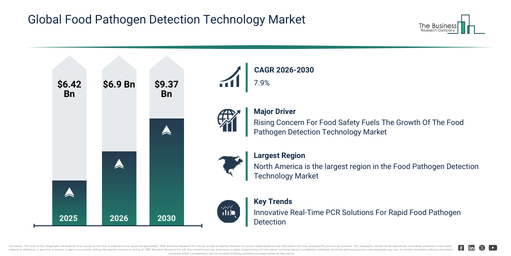
  • Rising Concern For Food Safety Fuels The Growth Of The Food Pathogen Detection Technology Market Is Supporting Development Across The Food Pathogen Detection Technology Market

    Rising Concern For Food Safety Fuels The Growth Of The Food Pathogen Detection Technology Market Is Supporting Development Across The Food Pathogen Detection Technology Market

    The Business Research Company’s 2026 market reports feature advanced enhancements such as market attractiveness analysis, total addressable market evaluation, company benchmarking matrices, interactive Excel dashboards, expanded supply chain intelligence, emerging startup coverage, and detailed product insights, delivering more actionable and strategically valuable research.

    What Is The Estimated Growth In Market Size Of The Food Pathogen Detection Technology Market During 2026–2030?

    Recent years have seen substantial growth in the food pathogen detection technology market size. It is projected to expand from $6.42 billion in 2025 to $6.9 billion in 2026, demonstrating a compound annual growth rate (CAGR) of 7.5%. The historical growth can be linked to factors such as foodborne illness outbreaks, the increasing consumption of packaged and processed foods, the expansion of global food trade, a rise in regulatory inspections, and continued reliance on conventional culture-based testing.

    The food pathogen detection technology market is anticipated to experience substantial expansion in the coming years. Its value is forecast to reach $9.37 billion by 2030, exhibiting a compound annual growth rate (CAGR) of 7.9%. This projected growth is driven by factors such as the demand for faster turnaround times, stricter food safety regulations, an increase in meat and poultry processing, rising consumer awareness regarding food safety, and technological improvements in rapid detection kits. Key trends for the forecast period include a greater adoption of rapid pathogen detection methods, increasing use of automation in culture-based testing workflows, a growing demand for high-sensitivity consumables, the expansion of on-site testing in food processing facilities, and the standardization of microbiological testing protocols across regions.

    Download A Free Sample Report For Comprehensive Market Insights:

    https://www.thebusinessresearchcompany.com/sample.aspx?id=4017&type=smp

    What Core Drivers Are Transforming The Food Pathogen Detection Technology Market?

    The increasing worry over food safety is projected to boost the expansion of the food pathogen detection technology market in the future. These concerns encompass the methods and circumstances essential for maintaining food quality, thereby averting contamination and foodborne diseases. Food pathogen detection technology offers quick identification of pathogens found in food, a vital aspect for guaranteeing the safety of food products. As an illustration, the European Food Safety Authority, an Italy-based government agency, reported in December 2024 that campylobacteriosis was among the most frequently observed zoonoses in humans during 2023, totaling 148,181 cases (45.7 cases per 100,000 population). This indicated a 4.3% rise in the notification rate from 2022. Consequently, the growing apprehension regarding food safety is a key factor propelling the expansion of the food pathogen detection technology market.

    Which Segment Divisions Form The Structure Of The Food Pathogen Detection Technology Market?

    The food pathogen detection technology market covered in this report is segmented –

    1) By Technology: Traditional Food Pathogen Detection Technology, Rapid Food Pathogen Detection Technology

    2) By Type Of Product: Consumables, Equipment

    3) By Food Type: Meat & Poultry, Dairy, Processed Food, Fruits And Vegetables, Cereals And Grains

    Subsegments:

    1) By Traditional Food Pathogen Detection Technology: Culture-Based Methods, Enrichment Techniques, Biochemical Tests, Microscopy Techniques, Serological Tests

    2) By Rapid Food Pathogen Detection Technology: Polymerase Chain Reaction (PCR) Methods, Immunoassays, Nucleic Acid Amplification Tests (NAAT), Biosensors, Next-Generation Sequencing (NGS)

    What Trends Are Affecting The Growth Of The Food Pathogen Detection Technology Market?

    Key players within the food pathogen detection technology market are concentrating on introducing sophisticated molecular diagnostic platforms. This strategic focus aims to boost the speed, accuracy, and overall workflow efficiency of food safety testing processes. These advanced platforms are high-performance systems that leverage molecular techniques for the swift and precise detection of pathogens at a genetic level. As an illustration, in March 2025, bioMérieux, an in vitro diagnostics company headquartered in France, unveiled the GENE-UP TYPER. This cutting-edge molecular testing solution is engineered to provide rapid, accurate pathogen identification and streamline laboratory operations, thereby empowering food producers to reinforce quality control and help ensure more secure global food supply chains. The introduction of this product further underscores bioMérieux’s commitment to expanding its GENE-UP ecosystem and driving advancements in food safety diagnostics.

    Which Organizations Are Operating Within The Food Pathogen Detection Technology Market?

    Major companies operating in the food pathogen detection technology market are Biomérieux SA, Merck KGaA, Bio-Rad Laboratories Inc., 3M Company, Qiagen N.V., Hygiena LLC, Romer Labs, Thermo Fisher Scientific, Charm Sciences Inc., SGS Group, Eurofins Analytical Services India Private Limited, TUV India Private Limited, Intertek India Private Limited, Bureau Veritas Consumer Products Services Private Limited, ALS Global, Merieux NutriSciences, Becton Dickinson, Clear Labs, Qualicon, Neogen Corp, Det Norske Veritas As.

    Access The Complete Food Pathogen Detection Technology Market Report:

    https://www.thebusinessresearchcompany.com/report/food-pathogens-detection-technology-global-market-report

    Which Region Holds The Largest Share In The Food Pathogen Detection Technology Market?

    North America was the largest region in the global food pathogen detection technology market in 2025. Middle East is expected to be the fastest-growing region in the forecast period. The regions covered in the food pathogen detection technology market report are Asia-Pacific, South East Asia, Western Europe, Eastern Europe, North America, South America, Middle East, Africa.

    Access Food Pathogen Detection Technology Market Report for Deeper Competitive Insights

    https://www.thebusinessresearchcompany.com/sample.aspx?id=4017&type=smp

    Browse Through More Reports Similar to the Global Food Pathogen Detection Technology Market 2026, By The Business Research Company

    Food Authenticity Market Report 2026

    https://www.thebusinessresearchcompany.com/report/food-authenticity-global-market-report

    Food Testing Kits Market Report 2026

    https://www.thebusinessresearchcompany.com/report/food-testing-kits-global-market-report

    Food And Beverage Testing Kits Market Report 2026

    https://www.thebusinessresearchcompany.com/report/food-and-beverage-testing-kits-global-market-report

    Get in touch with us:

    The Business Research Company: https://www.thebusinessresearchcompany.com/

    Americas: +1 310-496-7795

    Asia: +44 7882 955267 & +91 8897263534

    Europe: +44 7882 955267

    Email us at: marketing@tbrc.info

    Follow us on:

    LinkedIn: https://in.linkedin.com/company/the-business-research-company

    YouTube: https://www.youtube.com/channel/UC24_fI0rV8cR5DxlCpgmyFQ

    Global Market Model: https://www.thebusinessresearchcompany.com/global-market-model
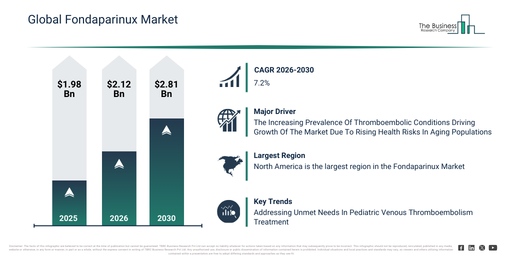
  • The Increasing Prevalence Of Thromboembolic Conditions Driving Growth Of The Market Due To Rising Health Risks In Aging Populations Is Supporting Development Across The Fondaparinux Market

    The Increasing Prevalence Of Thromboembolic Conditions Driving Growth Of The Market Due To Rising Health Risks In Aging Populations Is Supporting Development Across The Fondaparinux Market

    The Business Research Company’s 2026 market reports feature advanced enhancements such as market attractiveness analysis, total addressable market evaluation, company benchmarking matrices, interactive Excel dashboards, expanded supply chain intelligence, emerging startup coverage, and detailed product insights, delivering more actionable and strategically valuable research.

    What Market Value Expansion Is Expected For The Fondaparinux Market Over The Forecast Period?

    The fondaparinux market has experienced significant expansion over recent years. Its value is projected to increase from $1.98 billion in 2025 to $2.12 billion in 2026, at a compound annual growth rate (CAGR) of 7.2%. This past growth can be ascribed to several factors, including the rising incidence of venous thromboembolism, the clinical efficacy of factor Xa inhibition, the increase in orthopedic and surgical procedures, the adoption of injectable anticoagulants in hospitals, and its well-established safety profile.

    The fondaparinux market is anticipated to show significant expansion over the next few years. Its valuation is predicted to reach $2.81 billion by 2030, exhibiting a compound annual growth rate (CAGR) of 7.2%. This expected growth within the forecast period is attributable to an aging populace facing clotting risks, an increase in cardiovascular surgical procedures, a need for dependable anticoagulation treatments, the wider application of outpatient anticoagulants, and a preference for medications requiring minimal monitoring. Prominent trends for the forecast period encompass increased usage in preventing thromboembolism, a rise in adoption for post-surgical care, a growing inclination towards factor Xa inhibitors, the development of more pre-filled syringe formulations, and higher utilization within hospital-based anticoagulation.

    Download A Free Sample Report For Comprehensive Market Insights:

    https://www.thebusinessresearchcompany.com/sample.aspx?id=23400&type=smp

    Which Growth Factors Are Strengthening The Fondaparinux Market Landscape?

    The growing occurrence of thromboembolic conditions is anticipated to boost the expansion of the fondaparinux market. These conditions are medical issues resulting from blood clots forming in vessels, potentially obstructing vital blood flow. The increasing incidence of thromboembolic conditions is linked to a rising elderly population, as older people are more susceptible to ailments like deep vein thrombosis and pulmonary embolism due to reduced blood circulation and other health concerns. Fondaparinux serves to prevent and manage thromboembolic conditions by inhibiting the formation of detrimental blood clots within the body. As an illustration, in January 2025, the Centers for Disease Control and Prevention, a US-based government agency, reported that around 60,000 to 100,000 fatalities occur annually in the United States from venous thromboembolism (VTE), with many sufferers developing persistent complications. Consequently, the increasing prevalence of thromboembolic conditions will fuel the growth of the fondaparinux market.

    How Are Different Segment Groups Identified Within The Fondaparinux Market?

    The fondaparinux market covered in this report is segmented –

    1) By Type: Deep Vein Thrombosis, Pulmonary Embolism

    2) By Route of Administration: Oral, Parenteral, Other Routes of Administration

    3) By Dosage Form: Injection, Pre-filled Syringe

    4) By Distribution Channel : Hospital Pharmacies, Retail Pharmacies, Online Pharmacies

    5) By End Users: Hospitals, Specialty clinics, Other End Users

    Subsegments:

    1) By Deep Vein Thrombosis: Prophylaxis (Prevention), Treatment (Management)

    2) By Pulmonary Embolism: Acute Pulmonary Embolism, Chronic Pulmonary Embolism Management

    Which Trends Are Influencing The Direction Of The Fondaparinux Market?

    Leading companies within the fondaparinux market are prioritizing product innovation, specifically through pediatric-focused drug development. This effort aims to broaden the therapeutic uses of fondaparinux, address currently unmet medical needs, and enhance treatment options for younger patients affected by conditions such as venous thromboembolism (VTE). Pediatric-focused drug development involves creating and adapting medicines tailored for safe and effective use in children, recognizing their unique physiological and developmental requirements. For illustration, in December 2024, Mylan N.V., a US-based pharmaceutical company, received Food and Drug Administration (FDA) approval for Arixtra for treating venous thromboembolism (VTE) in pediatric patients aged 1 year and older, with a minimum weight of 10 kg. Furthermore, Arixtra holds approvals for adult indications, encompassing the prophylaxis of deep vein thrombosis (DVT) and the management of both acute DVT and pulmonary embolism. The pediatric approval stems from a retrospective, open-label clinical study that included 366 patients, demonstrating that 44.9% of participants achieved complete resolution of at least one clot, and 44% experienced full resolution of all clots.

    Who Are The Businesses Driving Activity In The Fondaparinux Market?

    Major companies operating in the fondaparinux market are Sanofi S.A., Viatris Inc., Mylan N.V., Sandoz Group AG, Zydus Lifesciences Limited, Aurobindo Pharma Limited, Dr. Reddy’s Laboratories Limited, Sun Pharmaceutical Industries Limited, Lupin Pharmaceuticals Inc., Cipla Limited, Aspen Pharmacare Holdings Limited, Jiangsu Hengrui Pharmaceuticals Co. Ltd., Sihuan Pharmaceutical Holdings Group Ltd., Apino Pharma Co. Ltd., Home Sunshine Pharma Co. Ltd., Zhejiang Borui Pharmaceutical Co. Ltd., Alchemia Limited, Amphastar Pharmaceuticals Inc., Hikma Pharmaceuticals plc, Fresenius Kabi AG

    Access The Complete Fondaparinux Market Report:

    https://www.thebusinessresearchcompany.com/report/fondaparinux-global-market-report

    Which Region Is The Dominant Market In The Fondaparinux Market?

    North America was the largest region in the fondaparinux market in 2025. Asia-Pacific is expected to be the fastest-growing region in the forecast period. The regions covered in the fondaparinux market report are Asia-Pacific, South East Asia, Western Europe, Eastern Europe, North America, South America, Middle East, Africa.

    Access Fondaparinux Market Report for Deeper Competitive Insights

    https://www.thebusinessresearchcompany.com/sample.aspx?id=23400&type=smp

    Browse Through More Reports Similar to the Global Fondaparinux Market 2026, By The Business Research Company

    Oryzanol Market Report 2026

    https://www.thebusinessresearchcompany.com/report/oryzanol-global-market-report

    Dulaglutide Market Report 2026

    https://www.thebusinessresearchcompany.com/report/dulaglutide-global-market-report

    Darbepoetin Alfa Aranesp Market Report 2026

    https://www.thebusinessresearchcompany.com/report/darbepoetin-alfa-aranesp-global-market-report

    Get in touch with us:

    The Business Research Company: https://www.thebusinessresearchcompany.com/

    Americas: +1 310-496-7795

    Asia: +44 7882 955267 & +91 8897263534

    Europe: +44 7882 955267

    Email us at: marketing@tbrc.info

    Follow us on:

    LinkedIn: https://in.linkedin.com/company/the-business-research-company

    YouTube: https://www.youtube.com/channel/UC24_fI0rV8cR5DxlCpgmyFQ

    Global Market Model: https://www.thebusinessresearchcompany.com/global-market-model
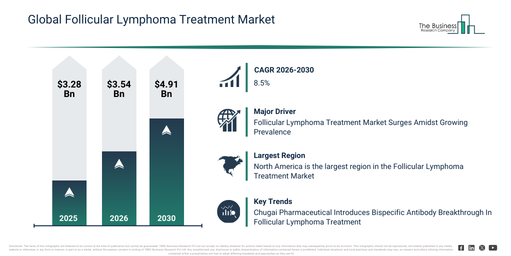
  • Follicular Lymphoma Treatment Market Surges Amidst Growing Prevalence Is Supporting Development Across The Follicular Lymphoma Treatment Market

    Follicular Lymphoma Treatment Market Surges Amidst Growing Prevalence Is Supporting Development Across The Follicular Lymphoma Treatment Market

    The Business Research Company’s 2026 market reports feature advanced enhancements such as market attractiveness analysis, total addressable market evaluation, company benchmarking matrices, interactive Excel dashboards, expanded supply chain intelligence, emerging startup coverage, and detailed product insights, delivering more actionable and strategically valuable research.

    How Will The Market Value Of The Follicular Lymphoma Treatment Market Change Between 2026 And 2030?

    The follicular lymphoma treatment market has exhibited strong growth in recent years. It is projected to expand from $3.28 billion in 2025 to $3.54 billion in 2026, demonstrating a compound annual growth rate (CAGR) of 7.8%. Historically, this market’s expansion can be ascribed to advancements in monoclonal antibodies, increased awareness regarding lymphoma, the growth of oncology research, the development of hospital infrastructure, and a rising incidence of non-hodgkin lymphoma.

    The follicular lymphoma treatment market is predicted to experience significant expansion over the next few years. It is projected to reach $4.91 billion by 2030, demonstrating a compound annual growth rate (CAGR) of 8.5%. This growth throughout the forecast period is fueled by advancements in targeted therapy, the incorporation of artificial intelligence into treatment planning, an increase in stem cell transplant procedures, the proliferation of oncology centers in emerging markets, and the introduction of biosimilars. Prominent trends anticipated for this period include personalized treatment protocols, the creation of innovative monoclonal antibodies, the adoption of combination therapy approaches, intensified early diagnosis and screening efforts, and the application of minimally invasive treatment techniques.

    Download A Free Sample Report For Comprehensive Market Insights:

    https://www.thebusinessresearchcompany.com/sample.aspx?id=10758&type=smp

    What Important Drivers Are Powering The Follicular Lymphoma Treatment Market Growth?

    The follicular lymphoma treatment market is anticipated to expand due to the increasing prevalence of follicular lymphoma. Prevalence indicates the total count or percentage of individuals in a specific population diagnosed with follicular lymphoma at a given time or over a defined duration. This rise is attributed to an aging population, genetic predisposition, advancements in diagnostic methods, and enhanced awareness and screening efforts. Treating follicular lymphoma assists in lowering its prevalence by managing the disease across different stages and supporting its treatment and progression control. The growing incidence of follicular lymphoma is further fueling the expansion of its treatment market. For instance, in January 2023, the American Cancer Society, a US-based voluntary organization, reported that non-Hodgkin lymphoma, an indolent form of follicular lymphoma, stands as the most common cancer in the US, making up approximately 4% of all cancer cases. The American Cancer Society projects around 80,550 diagnoses of NHL (comprising 44,880 men and 35,670 women), encompassing both adults and children. Consequently, the increasing prevalence of follicular lymphoma is a key driver for the growth of the follicular lymphoma treatment market.

    What Segment Categories Are Evaluated In The Follicular Lymphoma Treatment Market Study?

    The follicular lymphoma treatment market covered in this report is segmented –

    1) By Treatment: Monoclonal Antibodies, Targeted Therapy, Chemotherapy, Radiation Therapy, Stem Cell Transplant, Alkylating Agents

    2) By Product Type: Tablets, Capsules, Injectables, Other Product Types

    3) By Route of Administration: Oral, Parenteral, Other Route of Administration

    4) By End Use: Hospitals, Oncology Centers, Ambulatory Care Centers, Academic Research Institutes, Other End Users

    Subsegments:

    1) By Monoclonal Antibodies: Rituximab, Obinutuzumab, Ofatumumab

    2) By Targeted Therapy: PI3K Inhibitors, BTK Inhibitors, BCL-2 Inhibitors

    3) By Chemotherapy: CHOP Regimen, Bendamustine, Fludarabine

    4) By Radiation Therapy: External Beam Radiation Therapy (EBRT), Radioimmunotherapy

    5) By Stem Cell Transplant: Autologous Stem Cell Transplant, Allogeneic Stem Cell Transplant

    6) By Alkylating Agents: Cyclophosphamide, Ifosfamide

    What Trends Are Driving Changes In The Follicular Lymphoma Treatment Market?

    Major companies in the follicular lymphoma treatment market are focusing on developing advanced solutions like bispecific antibodies to enhance durable remission and reduce the patient treatment burden. A bispecific antibody is an engineered molecule designed to simultaneously bind two different targets; for example, one arm binds a tumor antigen on B cells and the other engages T cells, thus redirecting the immune system to kill cancer cells more efficiently. For instance, in March 2025, Chugai Pharmaceutical, a Japan-based research-driven oncology company, launched LUNSUMIO, which features a CD20/CD3 bispecific antibody system. LUNSUMIO is approved as an intravenous infusion in 1 mg and 30 mg formulations. It is intended for patients with relapsed or refractory follicular lymphoma who have failed at least two prior standard therapies. The therapy is designed for fixed-duration treatment based on individual patient response, which can potentially reduce the long-term treatment burden. LUNSUMIO has demonstrated high complete response rates and holds the potential to deliver durable remission as a monotherapy.

    Which Firms Are Competing In The Follicular Lymphoma Treatment Market?

    Major companies operating in the follicular lymphoma treatment market are AbbVie Inc., Bayer AG, Bristol Myers Squibb Company, F. Hoffmann-La Roche Ltd., Johnson and Johnson Services Inc., GlaxoSmithKline plc, Novartis AG, Merck & Co. Inc., Boehringer Ingelheim GmbH, CTI BioPharma Corp., Spectrum Pharmaceuticals Inc., Seattle Genetics Inc., Daiichi Sankyo Company Ltd., Pfizer Inc., Incyte Corporation, MorphoSys AG, Regeneron Pharmaceuticals Inc., Eli Lilly and Company, Seagen Inc., Takeda Pharmaceutical Company, Nordic Nanovector ASA, ADC Therapeutics SA, MEI Pharma Inc., BeiGene Inc., TG Therapeutics Inc., Amgen Inc.

    Access The Complete Follicular Lymphoma Treatment Market Report:

    https://www.thebusinessresearchcompany.com/report/follicular-lymphoma-treatment-global-market-report

    Which Area Represents The Largest Portion Of The Follicular Lymphoma Treatment Market?

    North America was the largest region in the follicular lymphoma treatment market in 2025. The regions covered in the follicular lymphoma treatment market report are Asia-Pacific, South East Asia, Western Europe, Eastern Europe, North America, South America, Middle East, Africa.

    Access Follicular Lymphoma Treatment Market Report for Deeper Competitive Insights

    https://www.thebusinessresearchcompany.com/sample.aspx?id=10758&type=smp

    Browse Through More Reports Similar to the Global Follicular Lymphoma Treatment Market 2026, By The Business Research Company

    Follicular Lymphoma Treatment Market Report 2026

    https://www.thebusinessresearchcompany.com/report/follicular-lymphoma-treatment-global-market-report

    Emphysema Market Report 2026

    https://www.thebusinessresearchcompany.com/report/emphysema-global-market-report

    Diffuse Large B Cell Lymphoma Therapeutics Market Report 2026

    https://www.thebusinessresearchcompany.com/report/diffuse-large-b-cell-lymphoma-therapeutics-global-market-report

    Get in touch with us:

    The Business Research Company: https://www.thebusinessresearchcompany.com/

    Americas: +1 310-496-7795

    Asia: +44 7882 955267 & +91 8897263534

    Europe: +44 7882 955267

    Email us at: marketing@tbrc.info

    Follow us on:

    LinkedIn: https://in.linkedin.com/company/the-business-research-company

    YouTube: https://www.youtube.com/channel/UC24_fI0rV8cR5DxlCpgmyFQ

    Global Market Model: https://www.thebusinessresearchcompany.com/global-market-model