Category: Pharmaceuticals

  • The Rise In Hormone-Related Disorders Driving The Growth Of The Market Due To Lifestyle-Induced Hormonal Imbalances Is Supporting Development Across The Gonadotropin-Releasing Hormone (GnRH) Receptor Antagonists Market

    The Rise In Hormone-Related Disorders Driving The Growth Of The Market Due To Lifestyle-Induced Hormonal Imbalances Is Supporting Development Across The Gonadotropin-Releasing Hormone (GnRH) Receptor Antagonists Market

    The Business Research Company’s 2026 market reports feature advanced enhancements such as market attractiveness analysis, total addressable market evaluation, company benchmarking matrices, interactive Excel dashboards, expanded supply chain intelligence, emerging startup coverage, and detailed product insights, delivering more actionable and strategically valuable research.

    What Is The Expected Market Size Of The Gonadotropin-Releasing Hormone (GnRH) Receptor Antagonists Market In 2026 And How Much Will It Reach By 2030?

    The market for gonadotropin-releasing hormone (gnrh) receptor antagonists has demonstrated substantial growth in recent years. Its valuation is projected to increase from $1.59 billion in 2025 to $1.72 billion in 2026, exhibiting a compound annual growth rate (CAGR) of 8.2%. This historical expansion can be linked to factors such as the restricted access to gnrh receptor antagonists, the dependence on injectable peptide formulations, a rising recognition of hormone-related conditions, an increase in hospital and oncology clinic operations, and the authorization of initial-generation medications.

    The gonadotropin-releasing hormone (gnrh) receptor antagonists market is anticipated to show significant expansion in the upcoming years. Its valuation is projected to reach $2.38 billion in 2030, driven by a compound annual growth rate (CAGR) of 8.5%. The momentum behind this growth during the forecast period is attributed to several factors, including the emergence of oral and transdermal non-peptide antagonists, an increase in the occurrence of prostate and breast cancer, a broader range of endometriosis treatment solutions, increased application in pediatric precocious puberty, and the expansion of telemedicine along with remote prescription services. Prominent trends expected in this period involve a rising incidence of hormone-dependent cancers, greater adoption of non-peptide gnrh antagonists, advancements in treatments for endometriosis and uterine fibroids, extended management options for pediatric precocious puberty, and the development of patient-convenient administration routes.

    Download A Free Sample Report For Comprehensive Market Insights:

    https://www.thebusinessresearchcompany.com/sample.aspx?id=25773&type=smp

    What Market Drivers Are Helping Shape The Gonadotropin-Releasing Hormone (GnRH) Receptor Antagonists Market Expansion?

    The rising occurrence of hormone-related conditions is anticipated to fuel the expansion of the gonadotropin-releasing hormone (GnRH) receptor antagonists market moving forward. These disorders are defined as medical issues stemming from an imbalance or malfunction in how hormones are produced, released, or act within the body, impacting diverse physiological functions such as metabolism, development, fertility, and emotional states. The surge in these conditions primarily results from shifts in lifestyle, including inadequate nutrition, insufficient exercise, high stress levels, and irregular sleep patterns, all of which can considerably disrupt hormonal equilibrium. GnRH receptor antagonists are effective in managing hormone-related ailments by directly inhibiting gonadotropin-releasing hormone receptors, thereby decreasing the synthesis of sex hormones that fuel the advancement of these diseases. As an illustration, the World Health Organization, an intergovernmental body located in Switzerland, reported in February 2025 that polycystic ovary syndrome, a prevalent hormonal condition among women of childbearing age, impacts an estimated 6–13% of women annually, with up to 70% of these instances going undiagnosed. Consequently, the increasing incidence of hormone-related disorders is a key factor propelling expansion in the gonadotropin-releasing hormone (GnRH) receptor antagonists market.

    Which Segment-Based Categories Are Covered In The Gonadotropin-Releasing Hormone (GnRH) Receptor Antagonists Market?

    The gonadotropin-releasing hormone (gnrh) receptor antagonists market covered in this report is segmented –

    1) By Type: Peptide Gonadotropin-Releasing Hormone Receptor Antagonists, Non-Peptide Gonadotropin-Releasing Hormone Receptor Antagonists

    2) By Route Of Administration: Oral, Injectable, Transdermal

    3) By Patient Demographics: Adult Males, Adult Females, Pediatric Patients

    4) By Application: Prostate Cancer, Breast Cancer, Endometriosis, Uterine Fibroids, Precocious Puberty

    5) By Distribution Channel: Hospital Pharmacies, Retail Pharmacies, Online Pharmacies, Other Distribution Channels

    Subsegments:

    1) By Peptide Gonadotropin-Releasing Hormone Receptor Antagonists: Cetrorelix, Ganirelix, Degarelix

    2) By Non-Peptide Gonadotropin-Releasing Hormone Receptor Antagonists: Elagolix, Relugolix, Linzagolix

    Which Trends Are Influencing The Direction Of The Gonadotropin-Releasing Hormone (GnRH) Receptor Antagonists Market?

    Leading companies within the gonadotropin-releasing hormone (GnRH) receptor antagonists market are concentrating on integrating therapeutic innovations like next-generation oral GnRH receptor antagonist formulations to enhance the effectiveness of treatments, patient convenience, and safety outcomes. These oral GnRH receptor antagonists are small-molecule therapies that directly block GnRH receptors in the pituitary gland, offering capabilities such as rapid testosterone suppression, fewer complications related to injections, and improved patient adherence. For instance, in October 2023, Sumitomo Pharma Canada Inc., a Canada-based pharmaceutical company specializing in oncology and specialty therapeutics, obtained approval for ORGOVYX (relugolix). This oral GnRH receptor antagonist is designed to manage androgen-deprivation therapy in adult men with advanced prostate cancer, characterized by quick testosterone reduction, once-daily oral dosing, and a decreased risk of cardiovascular adverse events when compared to traditional injectable GnRH agonists. ORGOVYX significantly improves treatment accessibility, patient comfort, and the clinical management of hormone-sensitive prostate cancer.

    Which Companies Form The Competitive Landscape Of The Gonadotropin-Releasing Hormone (GnRH) Receptor Antagonists Market?

    Major companies operating in the gonadotropin-releasing hormone (gnrh) receptor antagonists market are Pfizer Inc, AbbVie Inc., Bayer AG, Novartis AG, Takeda Pharmaceutical Company Limited., Merck KGaA, Astellas Pharma Inc., Intas Pharmaceuticals Ltd., Organon And Co., Sun Pharmaceutical Industries Ltd., Jiangsu Hengrui Medicine Co. Ltd., Dr. Reddy’s Laboratories Ltd., Zydus Lifesciences Limited., Gland Pharma Limited., Bachem Holding AG, Kissei Pharmaceutical Co. Ltd., Myovant Sciences GmbH, Ferring International Center S.A., Theramex HQ UK Limited, Veru Inc

    Access The Complete Gonadotropin-Releasing Hormone (GnRH) Receptor Antagonists Market Report:

    https://www.thebusinessresearchcompany.com/report/gonadotropin-releasing-hormone-gnrh-receptor-antagonists-global-market-report

    Which Region Is The Primary Market For The Gonadotropin-Releasing Hormone (GnRH) Receptor Antagonists Market?

    North America was the largest region in the gonadotropin-releasing hormone (GnRH) receptor antagonists receptor antagonists market in 2025. Asia-Pacific is expected to be the fastest-growing region in the forecast period. The regions covered in the gonadotropin-releasing hormone (gnrh) receptor antagonists market report are Asia-Pacific, South East Asia, Western Europe, Eastern Europe, North America, South America, Middle East, Africa.

    Access Gonadotropin-Releasing Hormone (GnRH) Receptor Antagonists Market Report for Deeper Competitive Insights

    https://www.thebusinessresearchcompany.com/sample.aspx?id=25773&type=smp

    Browse Through More Reports Similar to the Global Gonadotropin-Releasing Hormone (GnRH) Receptor Antagonists Market 2026, By The Business Research Company

    Gonadotropin Releasing Hormone Gnrh Agonist Market Report 2026

    https://www.thebusinessresearchcompany.com/report/gonadotropin-releasing-hormone-gnrh-agonist-global-market-report

    Hormone Therapy Market Report 2026

    https://www.thebusinessresearchcompany.com/report/hormone-therapy-global-market-report

    Human Chorionic Gonadotropin Market Report 2026

    https://www.thebusinessresearchcompany.com/report/human-chorionic-gonadotropin-global-market-report

    Get in touch with us:

    The Business Research Company: https://www.thebusinessresearchcompany.com/

    Americas: +1 310-496-7795

    Asia: +44 7882 955267 & +91 8897263534

    Europe: +44 7882 955267

    Email us at: marketing@tbrc.info

    Follow us on:

    LinkedIn: https://in.linkedin.com/company/the-business-research-company

    YouTube: https://www.youtube.com/channel/UC24_fI0rV8cR5DxlCpgmyFQ

    Global Market Model: https://www.thebusinessresearchcompany.com/global-market-model

  • Surge In Ovarian And Prostate Cancers Fueling The Growth Of The Market Due To Rising Life Expectancy And Hormone Sensitivity Is Supporting Development Across The Gonadotropin-Releasing Hormone (GnRH) Agonists And Antagonists Drugs Market

    Surge In Ovarian And Prostate Cancers Fueling The Growth Of The Market Due To Rising Life Expectancy And Hormone Sensitivity Is Supporting Development Across The Gonadotropin-Releasing Hormone (GnRH) Agonists And Antagonists Drugs Market

    The Business Research Company’s 2026 market reports feature advanced enhancements such as market attractiveness analysis, total addressable market evaluation, company benchmarking matrices, interactive Excel dashboards, expanded supply chain intelligence, emerging startup coverage, and detailed product insights, delivering more actionable and strategically valuable research.

    What Market Size Is Forecasted For The Gonadotropin-Releasing Hormone (GnRH) Agonists And Antagonists Drugs Market By 2030 Based On Its 2026 Value?

    The gonadotropin-releasing hormone (gnrh) agonists and antagonists drugs market size has seen robust expansion in recent years. It is anticipated to increase from $1.73 billion in 2025 to $1.9 billion in 2026, exhibiting a compound annual growth rate (CAGR) of 9.8%. The historical growth of this market can be attributed to factors including the limited availability of synthetic gnrh drugs, a reliance on conventional hormone therapies, the rising prevalence of prostate and gynecological cancers, growing awareness regarding fertility treatments, and the adoption of depot and implant formulations.

    The gonadotropin-releasing hormone (gnrh) agonists and antagonists drugs market size is anticipated to experience substantial expansion over the coming years. This market is projected to reach $2.72 billion in 2030, exhibiting a compound annual growth rate (CAGR) of 9.4%. The observed expansion during this forecast period stems from factors such as the creation of long-acting and sustained-release formulations, escalating investments in oncology and reproductive healthcare, a surge in regulatory approvals for innovative gnrh antagonists, the growth of specialty clinics and hospitals, and the incorporation of precision medicine with personalized treatment protocols. Key developments characterizing this period encompass an increasing acceptance of long-acting gnrh formulations, expanded applications in oncology and gynecology treatments, an increase in fertility and assisted reproductive therapies, a rising need for pediatric and adult prostate cancer treatments, and a heightened emphasis on personalized hormonal therapy.

    Download A Free Sample Report For Comprehensive Market Insights:

    https://www.thebusinessresearchcompany.com/sample.aspx?id=25772&type=smp

    Which Significant Factors Are Encouraging Growth In The Gonadotropin-Releasing Hormone (GnRH) Agonists And Antagonists Drugs Market?

    The gonadotropin-releasing hormone (GnRH) agonists and antagonists drugs market is projected to see growth driven by the rising prevalence of ovarian and prostate cancers. These cancers are recognized as hormone-sensitive tumors, with their progression influenced by estrogen and testosterone, and are frequently addressed through hormone-regulating treatments, including GnRH agonists or antagonists. The uptick in ovarian and prostate cancers is attributable to an increasing life expectancy, given that the risk of developing these age-related, hormone-sensitive malignancies escalates with advancing age. These GnRH-based therapies function by curbing the synthesis of sex hormones like estrogen and testosterone, which are known to stimulate the proliferation of these hormone-sensitive tumors. For example, Cancer Australia, an Australian government agency, estimated approximately 1,786 new ovarian cancer diagnoses in Australia for 2023. Furthermore, women face an approximate 1 in 87 chance (or 1.2% risk) of receiving an ovarian cancer diagnosis by age 85. Consequently, the expanding occurrence of ovarian and prostate cancers is propelling the growth of the gonadotropin-releasing hormone (GnRH) agonists and antagonists drugs market.

    What Are The Major Segment Categories Within The Gonadotropin-Releasing Hormone (GnRH) Agonists And Antagonists Drugs Market?

    The gonadotropin-releasing hormone (gnrh) agonists and antagonists drugs market covered in this report is segmented –

    1) By Drug Type: GnRH Agonists, Leuprorelin, Goserelin, Triptorelin, Histrelin, Buserelin, GnRH Antagonists, Degarelix, Abarelix, Other Drug Types

    2) By Application: Gynecology, Oncology, Other Applications

    3) By End-User: Hospitals, Specialty Clinics, Other End-Users

    Subsegments:

    1) By GnRH Agonists: Deslorelin, Gonadorelin, Zoladex Long-Acting Goserelin Variant, Lupron Depot-Ped, Sustained-Release Microsphere Formulations

    2) By Leuprorelin: Depot Injection, Implant, Combination Therapy Formulations

    3) By Goserelin: Subcutaneous Implant, Oncology-Specific Formulation, Gynecology-Specific Formulation

    4) By Triptorelin: Intramuscular Injection, Long-Acting (1-, 3-, 6-Month) Depot, Fertility Treatment Formulation

    5) By Histrelin: Subcutaneous Implant, Pediatric (Precocious Puberty) Formulation, Adult Prostate Cancer-Specific Version

    6) By Buserelin: Nasal Spray, Subcutaneous Injection, In Vitro Fertilization And Fertility Cycle Formulations

    7) By GnRH Antagonists: Teverelix DP, Elagolix, Relugolix, Ganirelix, Linzagolix

    8) By Degarelix: Subcutaneous Injection, Monthly Dosing, Prostate Cancer-Specific Formulation

    9) By Abarelix: Intramuscular Injection, Advanced Prostate Cancer, Short-Acting Formulation

    10) By Other Drug Types: Subcutaneous Injection, In Vitro Fertilization-Specific Use, Multiple Dosing Regimens

    What Trends Are Driving Changes In The Gonadotropin-Releasing Hormone (GnRH) Agonists And Antagonists Drugs Market?

    Leading companies in the gonadotropin-releasing hormone (GnRH) agonists and antagonists drugs market are prioritizing the creation of innovative solutions, specifically oral gonadotropin-releasing hormone (GnRH) receptor antagonists, aiming to boost patient convenience, improve treatment adherence, and minimize the necessity for injectable therapies. An oral gonadotropin-releasing hormone (GnRH) receptor antagonist is a tablet that inhibits GnRH receptors to rapidly decrease sex hormone levels, thereby assisting in the treatment of hormone-dependent conditions such as prostate cancer and endometriosis. For example, in March 2024, Sumitomo Pharma Co. Ltd., a pharmaceutical firm from Japan, announced that ORGOVYX (relugolix), recognized as the pioneering and sole oral androgen deprivation therapy (ADT) for advanced prostate cancer, is now available in Canada after receiving Health Canada’s approval. ORGOVYX is a once-daily oral gonadotropin-releasing hormone (GnRH) receptor antagonist that functions by suppressing testosterone production, a key factor in the advancement of prostate cancer. Its approval was granted based on the Phase 3 HERO study, which demonstrated effective and sustained testosterone suppression, a reduction in major cardiovascular events, and comparable castration resistance-free survival when compared to conventional injectable treatments.

    Who Are The Key Market Participants In The Gonadotropin-Releasing Hormone (GnRH) Agonists And Antagonists Drugs Market?

    Major companies operating in the gonadotropin-releasing hormone (gnrh) agonists and antagonists drugs market are AbbVie Inc., Merck KGaA, Intas Pharmaceuticals Limited, Ipsen S.A., Dr. Reddy’s Laboratories Limited, Gedeon Richter Plc, Zydus Lifesciences Limited, Bachem Holding AG, Ferring International Center S.A., Tolmar Inc., Debiopharm International SA, TerSera Therapeutics LLC, TiumBio Co. Ltd.

    Access The Complete Gonadotropin-Releasing Hormone (GnRH) Agonists And Antagonists Drugs Market Report:

    https://www.thebusinessresearchcompany.com/report/gonadotropin-releasing-hormone-gnrh-agonists-and-antagonists-drugs-global-market-report

    Which Geographic Region Represents The Largest Gonadotropin-Releasing Hormone (GnRH) Agonists And Antagonists Drugs Market Share?

    North America was the largest region in the gonadotropin-releasing hormone (GnRH) agonists and antagonists drugs market in 2025. Asia-Pacific is expected to be the fastest-growing region in the forecast period. The regions covered in the gonadotropin-releasing hormone (gnrh) agonists and antagonists drugs market report are Asia-Pacific, South East Asia, Western Europe, Eastern Europe, North America, South America, Middle East, Africa.

    Access Gonadotropin-Releasing Hormone (GnRH) Agonists And Antagonists Drugs Market Report for Deeper Competitive Insights

    https://www.thebusinessresearchcompany.com/sample.aspx?id=25772&type=smp

    Browse Through More Reports Similar to the Global Gonadotropin-Releasing Hormone (GnRH) Agonists And Antagonists Drugs Market 2026, By The Business Research Company

    Gonadotropin Releasing Hormone Gnrh Agonist Market Report 2026

    https://www.thebusinessresearchcompany.com/report/gonadotropin-releasing-hormone-gnrh-agonist-global-market-report

    Hormone Therapy Market Report 2026

    https://www.thebusinessresearchcompany.com/report/hormone-therapy-global-market-report

    Gynecology Drugs Market Report 2026

    https://www.thebusinessresearchcompany.com/report/gynecology-drugs-global-market-report

    Get in touch with us:

    The Business Research Company: https://www.thebusinessresearchcompany.com/

    Americas: +1 310-496-7795

    Asia: +44 7882 955267 & +91 8897263534

    Europe: +44 7882 955267

    Email us at: marketing@tbrc.info

    Follow us on:

    LinkedIn: https://in.linkedin.com/company/the-business-research-company

    YouTube: https://www.youtube.com/channel/UC24_fI0rV8cR5DxlCpgmyFQ

    Global Market Model: https://www.thebusinessresearchcompany.com/global-market-model
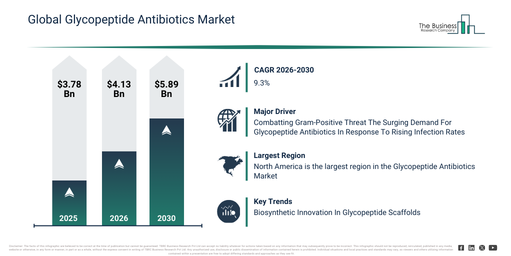
  • Combatting Gram-Positive Threat The Surging Demand For Glycopeptide Antibiotics In Response To Rising Infection Rates Is Supporting Development Across The Glycopeptide Antibiotics Market

    Combatting Gram-Positive Threat The Surging Demand For Glycopeptide Antibiotics In Response To Rising Infection Rates Is Supporting Development Across The Glycopeptide Antibiotics Market

    The Business Research Company’s 2026 market reports feature advanced enhancements such as market attractiveness analysis, total addressable market evaluation, company benchmarking matrices, interactive Excel dashboards, expanded supply chain intelligence, emerging startup coverage, and detailed product insights, delivering more actionable and strategically valuable research.

    How Is The Market Value Of The Glycopeptide Antibiotics Market Projected To Expand During 2026–2030?

    The glycopeptide antibiotics market size has shown robust expansion over recent years. Its size is expected to increase from $3.78 billion in 2025 to $4.13 billion in 2026, demonstrating a compound annual growth rate (CAGR) of 9.0%. This historical growth can be attributed to factors such as an increase in hospital-acquired infections, the widespread application of vancomycin as a standard therapy, a rising prevalence of gram-positive bacterial infections, the limited availability of alternative antibiotics, and the expansion of inpatient healthcare infrastructure.

    The glycopeptide antibiotics market is anticipated to experience substantial expansion over the upcoming years. Its valuation is projected to reach $5.89 billion by 2030, demonstrating a compound annual growth rate (CAGR) of 9.3%. This projected increase during the forecast period is driven by factors such as the proliferation of multidrug-resistant pathogens, a greater uptake of long-acting glycopeptides, an escalating need for antibiotic therapy administered in outpatient and home-based settings, ongoing research and development in advanced glycopeptide formulations, and increasing global healthcare spending. Key trends observed within this period include a heightened reliance on glycopeptides for treating resistant infections, the broadening of the lipoglycopeptide antibiotics range, an increase in hospital usage of intravenous glycopeptides, a sharpened emphasis on optimized dosing and therapeutic monitoring, and more widespread application in severe gram-positive infections.

    Download A Free Sample Report For Comprehensive Market Insights:

    https://www.thebusinessresearchcompany.com/sample.aspx?id=9444&type=smp

    What Core Drivers Are Transforming The Glycopeptide Antibiotics Market?

    A rise in gram-positive infections is anticipated to drive the expansion of the glycopeptide antibiotic market in the near future. These infections stem from gram-positive bacteria, including but not limited to Staphylococcus aureus, Streptococcus pneumoniae, and Streptococcus pyogenes. Glycopeptide antibiotics effectively combat numerous gram-positive bacteria by uniquely targeting their cell wall formation. For example, data from June 2023, released by the UK Health Security Agency in its Group A Streptococcal Infections: Report on Seasonal Activity in England 2022–2023, indicated a significant surge in invasive Group A Streptococcus (iGAS) activity. By week 46 of 2023, 509 laboratory-confirmed iGAS notifications were recorded, with a weekly high of 73 cases. This escalation highlights a growing infectious-disease burden, thereby increasing the need for effective antimicrobial treatments throughout the healthcare sector. Consequently, the rising occurrence of gram-positive infections is fueling the glycopeptide antibiotic market.

    How Is The Glycopeptide Antibiotics Market Distributed Across Key Segments?

    The glycopeptide antibiotics market covered in this report is segmented –

    1) By Drug: Vancomycin, Dalbavancin, Oritavancin, Other Drugs

    2) By Route of Administration: Oral, Parenteral, Other Routes

    3) By Indication: Skin And Structure Infection, Meningitis, Clostridioides Difficile Infection, Enterocolitis, Other Indications

    4) By End-User: Hospitals, Specialty Clinics, Homecare, Other End-Users

    Subsegments:

    1) By Vancomycin: Vancomycin Injection, Vancomycin Oral Solution, Vancomycin Capsules, Vancomycin Powder for Solution

    2) By Dalbavancin: Dalbavancin IV (Intravenous) Formulation, Dalbavancin Powder for Injection

    3) By Oritavancin: Oritavancin IV (Intravenous) Formulation, Oritavancin Powder for Injection

    4) By Other Drugs: Teicoplanin, Glycopeptide and Lipoglycopeptide Antibiotics

    Which Trends Are Shaping The Glycopeptide Antibiotics Market Landscape?

    Leading companies in the glycopeptide antibiotics market are concentrating on developing innovative products, such as novel glycopeptide scaffolds, to secure a competitive advantage. These novel glycopeptide scaffolds represent structurally unique antibiotic backbones, derived through advanced biosynthetic or natural-product mining methods. For example, in May 2025, a Chinese-European research consortium, a China-based cross-continental expert group, unveiled Saarvienin A. This newly discovered glycopeptide features a halogenated peptide core, an unusual ureido linkage, and five distinct sugar or aminosugar units. Saarvienin A does not bind to the traditional cell-wall target of other glycopeptides, hinting at a potentially novel mechanism, and shows potent in vitro activity against resistant Gram-positive pathogens like MRSA and vancomycin-resistant Enterococcus. While this innovation marks a significant advancement in tackling antibiotic resistance, it faces challenges including its clinical translation, optimization for safety, and scaling up production.

    Which Organizations Are Operating Within The Glycopeptide Antibiotics Market?

    Major companies operating in the glycopeptide antibiotics market are ANI Pharmaceuticals Inc., Fresenius SE & Co. KGaA, Pfizer Inc., Novartis AG, Hikma Pharmaceuticals Plc., Aurobindo Pharma Limited, Abbvie Inc., Cumberland Pharmaceuticals Inc., Janssen Global, Bristol-Myers Squibb Company, Shenwei Pharmaceutical Hainan Co. Ltd., Zhejiang Hisun Pharmaceutical Co. Ltd., Alvogen, Bayer AG, Merck & Co. Inc., Teva Pharmaceutical Industries Ltd., Sanofi SA, GlaxoSmithKline plc, Johnson & Johnson, AstraZeneca, Boehringer Ingelheim GmbH, Cipla Inc.

    Access The Complete Glycopeptide Antibiotics Market Report:

    https://www.thebusinessresearchcompany.com/report/glycopeptide-antibiotics-global-market-report

    Which Region Leads The Glycopeptide Antibiotics Market By Size?

    North America was the largest region in the glycopeptide antibiotics market in 2025. The regions covered in the glycopeptide antibiotics market report are Asia-Pacific, South East Asia, Western Europe, Eastern Europe, North America, South America, Middle East, Africa.

    Access Glycopeptide Antibiotics Market Report for Deeper Competitive Insights

    https://www.thebusinessresearchcompany.com/sample.aspx?id=9444&type=smp

    Browse Through More Reports Similar to the Global Glycopeptide Antibiotics Market 2026, By The Business Research Company

    Glycopeptide Antibiotics Market Report 2026

    https://www.thebusinessresearchcompany.com/report/glycopeptide-antibiotics-global-market-report

    Peptide Antibiotics Market Report 2026

    https://www.thebusinessresearchcompany.com/report/peptide-antibiotics-global-market-report

    Antibiotics Market Report 2026

    https://www.thebusinessresearchcompany.com/report/antibiotics-global-market-report

    Get in touch with us:

    The Business Research Company: https://www.thebusinessresearchcompany.com/

    Americas: +1 310-496-7795

    Asia: +44 7882 955267 & +91 8897263534

    Europe: +44 7882 955267

    Email us at: marketing@tbrc.info

    Follow us on:

    LinkedIn: https://in.linkedin.com/company/the-business-research-company

    YouTube: https://www.youtube.com/channel/UC24_fI0rV8cR5DxlCpgmyFQ

    Global Market Model: https://www.thebusinessresearchcompany.com/global-market-model

  • Surging Diabetes Cases Fuel Growth In Glp-1 Receptor Agonist Market Is Supporting Development Across The GLP-1 Receptor Agonist Market

    Surging Diabetes Cases Fuel Growth In Glp-1 Receptor Agonist Market Is Supporting Development Across The GLP-1 Receptor Agonist Market

    The Business Research Company’s 2026 market reports feature advanced enhancements such as market attractiveness analysis, total addressable market evaluation, company benchmarking matrices, interactive Excel dashboards, expanded supply chain intelligence, emerging startup coverage, and detailed product insights, delivering more actionable and strategically valuable research.

    What Are The Forecasted Market Size Figures For The GLP-1 Receptor Agonist Market In 2026 And 2030?

    The glp-1 receptor agonist market size has demonstrated significant growth in recent years. Its value is projected to increase from $14.09 billion in 2025 to $14.83 billion in 2026, at a compound annual growth rate (CAGR) of 5.3%. This historical growth can be ascribed to factors such as the increasing prevalence of type 2 diabetes, greater awareness of glycemic control therapies, robust clinical effectiveness compared to traditional antidiabetics, the preference of physicians for incretin-based therapies, and advantageous reimbursement policies in developed markets.

    Significant expansion is anticipated for the glp-1 receptor agonist market over the coming years. This market is projected to reach $18.32 billion by 2030, exhibiting a compound annual growth rate (CAGR) of 5.4%. This projected increase can be attributed to factors such as the increasing global obesity rate, broader approvals for reducing cardiovascular risks, advancements in oral and combination treatments, deeper market penetration in developing regions, and a growing patient preference for weight loss advantages. Key developments expected during this timeframe involve the wider application of glp-1 therapies beyond diabetes treatment, a greater need for long-duration and once-weekly drug options, the proliferation of oral glp-1 receptor agonists, heightened attention on weight management uses, and collaborative ventures through partnerships and licensing deals.

    Download A Free Sample Report For Comprehensive Market Insights:

    https://www.thebusinessresearchcompany.com/sample.aspx?id=9631&type=smp

    Which Growth Factors Are Strengthening The GLP-1 Receptor Agonist Market Landscape?

    The increasing incidence of diabetes is projected to boost the GLP-1 receptor agonist market in the coming period. Diabetes is a chronic medical condition that arises either when the pancreas does not produce enough insulin or when the body cannot properly utilize the insulin it produces, manifesting as high blood sugar due to this metabolic disorder. GLP-1 receptor agonists are employed in diabetes treatment to stimulate the body’s natural insulin production, which aids in lowering blood sugar levels, thus the rising prevalence of diabetes will drive market expansion. For instance, in March 2024, according to the Office for Health Improvement and Disparities, a UK-based government department, the percentage of individuals with type 1 diabetes who received all eight recommended care processes increased by 22% between March 2022 and March 2023, while for type 2 diabetes, this figure rose by 21%, and the percentage achieving target HbA1c levels advanced to 37.9%. Therefore, the growing prevalence of diabetes is a significant factor propelling the GLP-1 receptor agonist market.

    How Does Segment Analysis Break Down The GLP-1 Receptor Agonist Market Structure?

    The glp-1 receptor agonist market covered in this report is segmented –

    1) By Drug Class: Exenatide, Liraglutide, Dulaglutide, Lixisenatide, Other Drugs

    2) By Route Of Administration: Parenteral, Oral

    3) By End Users: Hospitals, Surgical Clinics, Other Users

    What Trends Are Influencing The GLP-1 Receptor Agonist Market Outlook?

    Major companies within the GLP-1 receptor agonist market are prioritizing the creation of sustained-release GLP-1 receptor agonists to gain a competitive edge. These sustained-release GLP-1RAs are medications designed to gradually release the GLP-1RA into the bloodstream, resulting in prolonged effects and fewer required injections compared to conventional GLP-1RAs. For example, in April 2023, Mitsubishi Tanabe Pharma Corporation, a Japan-based pharmaceuticals company, launched Mounjaro 2.5 mg or 5 mg Ateos. This product is recognized as the world’s first sustained-release GIP/GLP-1 receptor agonist for treating type 2 diabetes, functioning by activating both the GLP-1 and GIP receptors. The GLP-1 receptor contributes to regulating blood sugar levels, while the GIP receptor is instrumental in stimulating insulin secretion and decreasing appetite.

    Who Are The Businesses Driving Activity In The GLP-1 Receptor Agonist Market?

    Major companies operating in the glp-1 receptor agonist market are Novo Nordisk A/S, Sanofi SA, Eli Lilly and Company, AstraZeneca Inc., Boehringer Ingelheim International GmbH, Hanmi Pharm Co. Ltd., Pfizer Inc., Amgen Inc., Innovent Biologics Inc., Jiangsu Hengrui Medicine Co., Sun Pharmaceuticals Industries Ltd., PegBio Co. Ltd., Zealand Pharma A/S, Bristol-Myers Squibb Company, Chongqing Lummy Pharmaceutical Co. Ltd., Daiichi Sankyo Company Limited, Dong-A ST Co. Ltd., Eisai Co. Ltd., HanAll Biopharma Co. Ltd., Ipsen SA, Johnson & Johnson, Merck & Co. Inc., Novartis AG.

    Access The Complete GLP-1 Receptor Agonist Market Report:

    https://www.thebusinessresearchcompany.com/report/glp-1-receptor-agonist-global-market-report

    Which Region Has The Strongest Presence In The GLP-1 Receptor Agonist Market?

    North America was the largest region in the GLP-1 receptor agonist market in 2025. Asia-Pacific is expected to be the fastest-growing region in the GLP-1 receptor agonist market report during the forecast period. The regions covered in the glp-1 receptor agonist market report are Asia-Pacific, South East Asia, Western Europe, Eastern Europe, North America, South America, Middle East, Africa.

    Access GLP-1 Receptor Agonist Market Report for Deeper Competitive Insights

    https://www.thebusinessresearchcompany.com/sample.aspx?id=9631&type=smp

    Browse Through More Reports Similar to the Global GLP-1 Receptor Agonist Market 2026, By The Business Research Company

    Glp 1 Receptor Agonist Market Report 2026

    https://www.thebusinessresearchcompany.com/report/glp-1-receptor-agonist-global-market-report

    G Protein Coupled Receptors Market Report 2026

    https://www.thebusinessresearchcompany.com/report/g-protein-coupled-receptors-global-market-report

    Glucagon Like Peptide 1 Market Report 2026

    https://www.thebusinessresearchcompany.com/report/glucagon-like-peptide-1-global-market-report

    Get in touch with us:

    The Business Research Company: https://www.thebusinessresearchcompany.com/

    Americas: +1 310-496-7795

    Asia: +44 7882 955267 & +91 8897263534

    Europe: +44 7882 955267

    Email us at: marketing@tbrc.info

    Follow us on:

    LinkedIn: https://in.linkedin.com/company/the-business-research-company

    YouTube: https://www.youtube.com/channel/UC24_fI0rV8cR5DxlCpgmyFQ

    Global Market Model: https://www.thebusinessresearchcompany.com/global-market-model
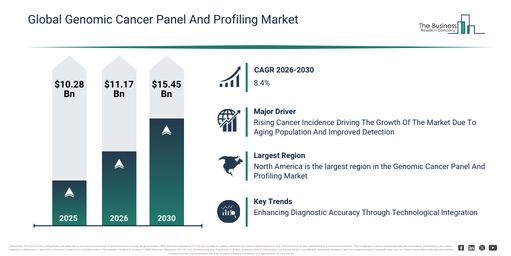
  • Rising Cancer Incidence Driving The Growth Of The Market Due To Aging Population And Improved Detection Is Supporting Development Across The Genomic Cancer Panel And Profiling Market

    Rising Cancer Incidence Driving The Growth Of The Market Due To Aging Population And Improved Detection Is Supporting Development Across The Genomic Cancer Panel And Profiling Market

    The Business Research Company’s 2026 market reports feature advanced enhancements such as market attractiveness analysis, total addressable market evaluation, company benchmarking matrices, interactive Excel dashboards, expanded supply chain intelligence, emerging startup coverage, and detailed product insights, delivering more actionable and strategically valuable research.

    How Much Larger Will The Genomic Cancer Panel And Profiling Market Become By 2030 Compared To 2026?

    The genomic cancer panel and profiling market has experienced substantial expansion in recent times. Its value is expected to rise from $10.28 billion in 2025 to $11.17 billion in 2026, demonstrating a compound annual growth rate (CAGR) of 8.7%. The market’s previous growth phases are linked to an uptick in cancer prevalence, developments in sequencing technologies, the widening scope of oncology diagnostics, augmented funding for genomic research, and the increasing utilization of precision medicine.

    The genomic cancer panel and profiling market is anticipated to experience substantial expansion over the coming years. Its valuation is projected to reach $15.45 billion by 2030, demonstrating a compound annual growth rate (CAGR) of 8.4%. This projected increase during the forecast period is driven by factors such as the wider application of companion diagnostics, the growing acceptance of liquid biopsy, the incorporation of AI into genomic analysis, the rise in oncology screening initiatives, and the creation of more economical sequencing platforms. Key developments foreseen for this period include the increased uptake of multi-gene cancer panels, the greater utilization of next-generation sequencing, the broadening scope of liquid biopsy testing, the rising need for personalized oncology solutions, and the incorporation of genomic information into clinical decision-making processes.

    Download A Free Sample Report For Comprehensive Market Insights:

    https://www.thebusinessresearchcompany.com/sample.aspx?id=24225&type=smp

    What Important Drivers Are Powering The Genomic Cancer Panel And Profiling Market Growth?

    The escalating occurrence of cancer is anticipated to propel the expansion of the genomic cancer panel and profiling market moving forward. Cancer is characterized as a condition involving the uncontrolled proliferation and dissemination of abnormal cells within the body. This increase in cancer incidence is attributed to an aging global population, which elevates the risk of developing cancer as life expectancy continues to rise. Genomic cancer panels and profiling contribute to oncology care by identifying genetic mutations and biomarkers, thereby enabling personalized treatment strategies and enhancing early detection and monitoring. For example, in January 2024, the American Cancer Society, a U.S.-based nonprofit organization, reported that in 2022, approximately 20 million new cancer cases were identified globally, resulting in 9.7 million deaths. Primarily driven by population growth, the global cancer burden is projected to reach 35 million cases by 2050. Consequently, the increasing incidence of cancer will significantly drive the growth of the genomic cancer panel and profiling market.

    What Segment Types Are Included In The Genomic Cancer Panel And Profiling Market Analysis?

    The genomic cancer panel and profiling market covered in this report is segmented –

    1) By Tissue Testing: Solid Tissue Testing, Liquid Tissue Testing

    2) By Technology: Next-Generation Sequencing (NGS), Polymerase Chain Reaction (PCR), Fluorescence In-Situ Hybridization (FISH), Immunohistochemistry (IHC), Other Technologies

    3) By Cancer Panel Type: Single-Gene Panel, Multi-Gene Panel

    4) By Application: Clinical, Research

    5) By End User: Hospitals, Research And Academic Institutes, Clinical And Diagnostic Laboratories, Other End Users

    Subsegments:

    1) By Solid Tissue Testing: Biopsy Samples, Surgical Resection Samples, Formalin-Fixed Paraffin-Embedded (FFPE) Tissues, Fresh Frozen Tissues

    2) By Liquid Tissue Testing: Blood, Urine, Saliva, Cerebrospinal Fluid (CSF), Other Bodily Fluids

    Which Trends Are Expected To Shape The Genomic Cancer Panel And Profiling Market?

    Major corporations operating in the genomic cancer panel and profiling market are prioritizing technological advancements, such as next-generation sequencers, to boost the accuracy, speed, and overall comprehensiveness of cancer diagnostics, thereby enabling more individualized treatment options. Next-generation sequencers are sophisticated DNA sequencing technologies that facilitate rapid, high-throughput examination of genetic material to pinpoint mutations, variations, and other genomic attributes. For instance, in April 2025, QIAGEN N.V., a Netherlands-based biotechnology firm, introduced QIAseq panels, which are designed for next-generation sequencers and allow for comprehensive genomic profiling by analyzing over 700 genes. These panels are intended for both research and clinical applications, with the goal of enhancing cancer diagnostics and treatment strategies.

    Which Firms Are Competing In The Genomic Cancer Panel And Profiling Market?

    Major companies operating in the genomic cancer panel and profiling market are Hoffmann-La Roche Ltd, Thermo Fisher Scientific Inc., Agilent Technologies Inc., Hologic Inc., Illumina Inc., Sysmex Corporation, QIAGEN N.V., Exact Sciences Corporation, ARUP Laboratories, Tempus Labs, Genscript Biotech Corporation, NeoGenomics Inc., Foundation Medicine, Invitae Corporation, Guardant Health Inc., Caris Life Sciences, Fulgent Genetics, NanoString Technologies Inc., Genecast Biotechnology Co. Ltd, Burning Rock DX, HTG Molecular Diagnostics Inc., Predictive Oncology Inc.

    Access The Complete Genomic Cancer Panel And Profiling Market Report:

    https://www.thebusinessresearchcompany.com/report/genomic-cancer-panel-and-profiling-global-market-report

    Which Region Stands As The Largest Contributor To The Genomic Cancer Panel And Profiling Market?

    North America was the largest region in the genomic cancer panel and profiling market in 2025. The regions covered in the genomic cancer panel and profiling market report are Asia-Pacific, South East Asia, Western Europe, Eastern Europe, North America, South America, Middle East, Africa.

    Access Genomic Cancer Panel And Profiling Market Report for Deeper Competitive Insights

    https://www.thebusinessresearchcompany.com/sample.aspx?id=24225&type=smp

    Browse Through More Reports Similar to the Global Genomic Cancer Panel And Profiling Market 2026, By The Business Research Company

    Cancer Profiling Market Report 2026

    https://www.thebusinessresearchcompany.com/report/cancer-profiling-global-market-report

    Genomics In Cancer Care Market Report 2026

    https://www.thebusinessresearchcompany.com/report/genomics-in-cancer-care-global-market-report

    Cancer Tumor Profiling Market Report 2026

    https://www.thebusinessresearchcompany.com/report/cancer-tumor-profiling-global-market-report

    Get in touch with us:

    The Business Research Company: https://www.thebusinessresearchcompany.com/

    Americas: +1 310-496-7795

    Asia: +44 7882 955267 & +91 8897263534

    Europe: +44 7882 955267

    Email us at: marketing@tbrc.info

    Follow us on:

    LinkedIn: https://in.linkedin.com/company/the-business-research-company

    YouTube: https://www.youtube.com/channel/UC24_fI0rV8cR5DxlCpgmyFQ

    Global Market Model: https://www.thebusinessresearchcompany.com/global-market-model
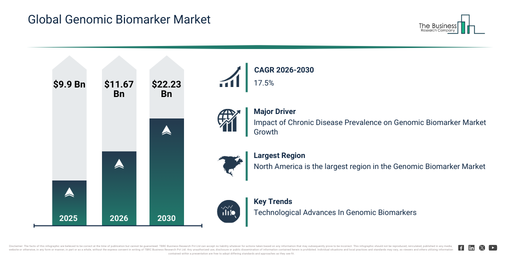
  • Impact of Chronic Disease Prevalence on Genomic Biomarker Market Growth Is Supporting Development Across The Genomic Biomarker Market

    Impact of Chronic Disease Prevalence on Genomic Biomarker Market Growth Is Supporting Development Across The Genomic Biomarker Market

    The Business Research Company’s 2026 market reports feature advanced enhancements such as market attractiveness analysis, total addressable market evaluation, company benchmarking matrices, interactive Excel dashboards, expanded supply chain intelligence, emerging startup coverage, and detailed product insights, delivering more actionable and strategically valuable research.

    What Growth In Market Value Is Anticipated For The Genomic Biomarker Market Between 2026 And 2030?

    The genomic biomarker market size has experienced substantial growth in recent times. This market is set to expand from $9.9 billion in 2025 to $11.67 billion in 2026, demonstrating a compound annual growth rate (CAGR) of 17.8%. The historical expansion in this sector can be attributed to factors such as increased investment in genomic research, a proliferation of oncology-focused biomarker studies, the rising availability of next-generation sequencing technologies, enhanced collaboration between diagnostics and pharmaceutical companies, and the early embrace of personalized medicine approaches.

    The genomic biomarker market is anticipated to experience substantial expansion in the coming years. Its valuation is set to reach $22.23 billion by 2030, driven by a compound annual growth rate (CAGR) of 17.5%. This anticipated growth during the forecast timeframe is primarily driven by factors such as the heightened demand for personalized medicine treatments, the expanding application of biomarkers in pharmaceutical development, wider integration of companion diagnostics, an intensified emphasis on discovering diseases at earlier stages, and increased regulatory backing for biomarker-driven approvals. Key developments expected throughout this period encompass the wider acceptance of predictive genomic biomarkers, an uptick in pharmacogenomic testing, greater incorporation of genomic data into clinical diagnosis and treatment plans, the spread of biomarker-reliant oncology diagnostics, and a sharpened emphasis on benchmarks for clinical validation.

    Download A Free Sample Report For Comprehensive Market Insights:

    https://www.thebusinessresearchcompany.com/sample.aspx?id=20557&type=smp

    Which Major Factors Are Contributing To The Development Of The Genomic Biomarker Market?

    The increasing incidence of chronic diseases is projected to drive the growth of the genomic biomarker market moving forward. Chronic diseases are long-term health conditions that persist and often advance slowly. The rising prevalence of these conditions is attributable to aging populations and an increase in lifestyle-related factors such as obesity and diabetes. Genomic biomarkers enable the early detection and personalized prevention strategies for chronic diseases by identifying genetic predispositions and customizing interventions. This proactive approach helps decrease prevalence by targeting individuals at risk before the onset of the disease. For example, in September 2023, the World Health Organization (WHO), a Switzerland-based intergovernmental organization, reported that 41 million deaths occur worldwide each year, representing 74% of all fatalities attributed to chronic diseases. This figure includes 17.9 million deaths from cardiovascular diseases, 9.3 million from cancer, 4.1 million from chronic respiratory diseases, and 2.0 million from diabetes. Thus, the growing prevalence of chronic diseases serves as a key driver for the genomic biomarker market.

    Which Segment Divisions Form The Structure Of The Genomic Biomarker Market?

    The genomic biomarker market covered in this report is segmented –

    1) By Type: Predictive Biomarkers, Prognostic Biomarkers

    2) By Disease Indication: Oncology, Cardiovascular Diseases, Neurological Diseases, Renal Disorders, Other Disease Indications

    3) By Validation: Analytical Validation, Clinical Validation, Clinical Utility

    4) By End-User: Hospitals, Diagnostic Centers, Research Laboratories, Other End Users

    Subsegments:

    1) By Predictive Biomarkers: Genetic Biomarkers For Disease Susceptibility, Pharmacogenomic Biomarkers For Drug Response, Early Detection Biomarkers For Disease Prediction, Biomarkers For Treatment Response Prediction

    2) By Prognostic Biomarkers: Biomarkers For Disease Progression, Biomarkers For Outcome Prediction, Survival And Recurrence Biomarkers, Biomarkers For Treatment Efficacy And Prognosis

    What Trends Are Affecting The Genomic Biomarker Market Dynamics?

    Leading companies in the genomic biomarker market are concentrating on developing sophisticated products, such as advanced liquid biopsy assays, to facilitate comprehensive genomic profiling of solid tumors. A liquid biopsy assay serves as a diagnostic test that examines genetic material, typically circulating tumor DNA (ctDNA), from a blood sample to detect and monitor cancer. The identification of genomic biomarkers can reveal information about specific mutations, gene expression profiles, or other genetic alterations associated with cancer. For instance, in November 2023, Illumina Inc., a US-based biotechnology company, introduced an advanced liquid biopsy assay, the TruSight Oncology 500 ctDNA v2 (TSO 500 ctDNA v2), for comprehensive genomic profiling of solid tumors. This assay offers enhanced analytical sensitivity, detecting low-frequency variants with just 20 ng of cell-free DNA, a decrease from 30 ng. It delivers results in under four days, considerably accelerating genomic profiling compared to traditional methods. The streamlined workflow and forthcoming automation features are designed to simplify lab integration and boost efficiency.

    Who Are The Major Companies Operating In The Genomic Biomarker Market?

    Major companies operating in the genomic biomarker market are Pfizer Inc., Roche Diagnostics, Thermo Fisher Scientific Inc., Merck KGaA, Eurofins Scientific SE, Agilent Technologies Inc., Illumina Inc., PerkinElmer Inc., Beckman Coulter Inc., Bio-Rad Laboratories Inc., Foundation Medicine Inc., QIAGEN N.V., Almac Group Ltd., Myriad Genetics Inc., Invitae Inc., Guardant Health Inc., Novogene Inc., Twist Bioscience Corp., NanoString Technologies Inc., Quanterix Corp., Personalis Inc., GENEWIZ Inc., Agena Bioscience Inc., Creative Diagnostics Ltd., OncoDNA SA, Genome Life Sciences Ltd., Epigenomics AG.

    Access The Complete Genomic Biomarker Market Report:

    https://www.thebusinessresearchcompany.com/report/genomic-biomarker-global-market-report

    What Is The Largest Regional Market In The Genomic Biomarker Market?

    North America was the largest region in the genomic biomarker market in 2025. Asia-Pacific is expected to be the fastest-growing region in the forecast period. The regions covered in the genomic biomarker market report are Asia-Pacific, South East Asia, Western Europe, Eastern Europe, North America, South America, Middle East, Africa.

    Access Genomic Biomarker Market Report for Deeper Competitive Insights

    https://www.thebusinessresearchcompany.com/sample.aspx?id=20557&type=smp

    Browse Through More Reports Similar to the Global Genomic Biomarker Market 2026, By The Business Research Company

    Biomarkers Market Report 2026

    https://www.thebusinessresearchcompany.com/report/biomarkers-global-market-report

    Renal Biomarkers Market Report 2026

    https://www.thebusinessresearchcompany.com/report/renal-biomarkers-global-market-report

    Cancer Biomarker Market Report 2026

    https://www.thebusinessresearchcompany.com/report/cancer-biomarker-global-market-report

    Get in touch with us:

    The Business Research Company: https://www.thebusinessresearchcompany.com/

    Americas: +1 310-496-7795

    Asia: +44 7882 955267 & +91 8897263534

    Europe: +44 7882 955267

    Email us at: marketing@tbrc.info

    Follow us on:

    LinkedIn: https://in.linkedin.com/company/the-business-research-company

    YouTube: https://www.youtube.com/channel/UC24_fI0rV8cR5DxlCpgmyFQ

    Global Market Model: https://www.thebusinessresearchcompany.com/global-market-model
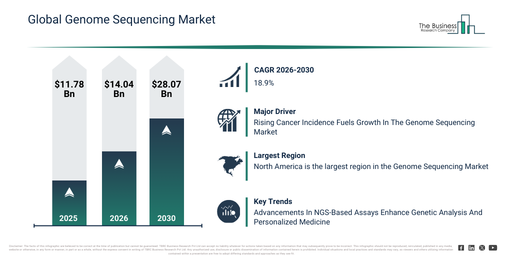
  • Rising Cancer Incidence Fuels Growth In The Genome Sequencing Market Is Supporting Development Across The Genome Sequencing Market

    Rising Cancer Incidence Fuels Growth In The Genome Sequencing Market Is Supporting Development Across The Genome Sequencing Market

    The Business Research Company’s 2026 market reports feature advanced enhancements such as market attractiveness analysis, total addressable market evaluation, company benchmarking matrices, interactive Excel dashboards, expanded supply chain intelligence, emerging startup coverage, and detailed product insights, delivering more actionable and strategically valuable research.

    What Is The Expected Market Value Outlook For The Genome Sequencing Market Through 2030?

    The genome sequencing market has seen considerable growth in recent times. It is anticipated to increase from $11.78 billion in 2025 to $14.04 billion in 2026, registering a compound annual growth rate (CAGR) of 19.2%. This historical growth can be linked to several factors, including the scarcity of advanced sequencing systems, the dependence on traditional Sanger sequencing, the rise in genomics research activities, increased governmental financial support for genome projects, and a growing recognition of personalized medicine.

    The genome sequencing market is anticipated to experience substantial expansion over the upcoming years. By 2030, its size is projected to reach $28.07 billion, exhibiting a compound annual growth rate (CAGR) of 18.9%. This projected growth can be attributed to several factors, including the ongoing development of next-generation sequencing systems, the widespread expansion of bioinformatics platforms, the increasing embrace of precision medicine programs, growing collaborations between biotechnology and pharmaceutical companies, and advancements in genomic data storage and management solutions. Noteworthy trends during this period encompass the escalating adoption of next-generation sequencing (NGS) technologies, a surging demand for precision medicine and personalized therapies, the broadening scope of bioinformatics and data analysis services, an increase in environmental and microbiome genomics applications, and the deeper integration of custom genome sequencing solutions within research.

    Download A Free Sample Report For Comprehensive Market Insights:

    https://www.thebusinessresearchcompany.com/sample.aspx?id=19484&type=smp

    What Key Growth Drivers Are Influencing The Genome Sequencing Market?

    The rising incidence of cancer is anticipated to boost the expansion of the genome sequencing market in the coming years. Cancer, a collection of diseases marked by the uncontrolled proliferation and spread of abnormal cells, can be fatal if not managed. The prevalence of cancer is escalating due to various elements, such as an aging demographic, lifestyle choices, environmental influences, and genetic susceptibilities. Genome sequencing plays a crucial role in pinpointing genetic alterations and cancer predispositions, facilitating prompt diagnosis and tailored therapeutic strategies. It uncovers inherited risks for cancer and aids in monitoring the progression of malignant cells. For instance, in February 2024, according to the World Health Organization, a Switzerland-based intergovernmental organization, new cancer cases are projected to reach over 35 million by 2050, representing a 77% increase compared to 20 million cases in 2022. Consequently, the growing occurrence of cancer is a key driver for the genome sequencing market’s development.

    How Are Different Segment Groups Identified Within The Genome Sequencing Market?

    The genome sequencing market covered in this report is segmented –

    1) By Product: Consumables, Systems And Software, Services

    2) By Technology: Polymerase Chain Reaction (PCR), Sequencing, Microarray, Nucleic Acid Extraction, Purification, Other Technologies

    3) By Applications: Diagnostics, Drug Discovery, Precision Medicine, Environmental Genomics, Research, Other Applications

    4) By End-User: Hospitals And Clinics, Biotechnology And Pharmaceutical Companies, Contract Research Organizations (CROs), Government, Research Centers, Academic And Government Institutes, Other End-Users

    Subsegments:

    1) By Consumables: Reagents And Kits, Sequencing Chips And Plates, Sample Preparation Products, Library Preparation Kits, DNA And RNA Extraction Kits

    2) By Systems And Software: Next-Generation Sequencing (NGS) Systems, Sanger Sequencing Systems, Bioinformatics Software And Analysis Tools, Data Management And Storage Solutions, Laboratory Information Management Systems (LIMS)

    3) By Services: Sequencing Services, Bioinformatics Analysis Services, Consultation And Support Services, Custom Genome Sequencing Solutions, Sample Collection And Preparation Services.

    Which Trends Are Influencing The Expansion Of The Genome Sequencing Market?

    Major companies within the genome sequencing market are prioritizing the development of advanced solutions, such as next-generation sequencing (NGS)-based assays, to improve the precision of genetic analysis and enable tailored medicine strategies. Next-generation sequencing (NGS)-based assays are defined as cutting-edge genomic technologies that facilitate quick and high-throughput sequencing of DNA or RNA for genetic material analysis. NGS allows for the simultaneous sequencing of millions of DNA or RNA fragments, generating substantial data volumes swiftly and economically. For example, in April 2023, Centogene N.V., a Germany-based provider of genetic diagnostics for rare diseases, launched CentoGenome, an enhanced Next Generation Sequencing (NGS)-based assay. This assay delivers continuous diagnostic assistance, featuring proactive diagnosis confirmation and reclassification programs at no additional expense, thereby ensuring ongoing patient care and precise disease management. By utilizing a PCR-free approach, CentoGenome reduces bias and elevates sequencing quality, resulting in improved coverage of challenging genomic areas and deeper insights into coding, regulatory, and intronic regions. The platform incorporates an automated bioinformatics pipeline and medical expert analysis, leveraging CENTOGENE’s extensive bio databank compiled from approximately 700,000 patients in over 120 countries. This vast dataset significantly boosts the detection of disease-causing variants, including those associated with spinal muscular atrophy and Parkinson’s disease.

    Which Companies Are Influencing The Genome Sequencing Market?

    Major companies operating in the genome sequencing market are F. Hoffmann-La Roche Ltd., Thermo Fisher Scientific Inc., Abbott Laboratories, Danaher Corporation, Merck KGaA, Siemens Healthineers, Becton Dickinson and Company, Eurofins Genomics, Agilent Technologies Inc., PerkinElmer, Illumina Inc., bioMérieux, Bio-Rad Laboratories Inc., QIAGEN N.V., 10x Genomics Inc., BGI Group, Oxford Nanopore Technologies plc, Pacific Biosciences of California Inc., GENEWIZ Inc., LI-COR Inc., CENTOGENE N.V., Bioneer Corporation, Strand Life Sciences Pvt Ltd., Nebula Genomics

    Access The Complete Genome Sequencing Market Report:

    https://www.thebusinessresearchcompany.com/report/genome-sequencing-global-market-report

    Which Region Contributes The Most To The Genome Sequencing Market?

    North America was the largest region in the genome sequencing market in 2025. Asia-Pacific is expected to be the fastest-growing region in the forecast period. The regions covered in the genome sequencing market report are Asia-Pacific, South East Asia, Western Europe, Eastern Europe, North America, South America, Middle East, Africa.

    Access Genome Sequencing Market Report for Deeper Competitive Insights

    https://www.thebusinessresearchcompany.com/sample.aspx?id=19484&type=smp

    Browse Through More Reports Similar to the Global Genome Sequencing Market 2026, By The Business Research Company

    Genome Editing Or Genome Engineering Market Report 2026

    https://www.thebusinessresearchcompany.com/report/genome-editing-or-genome-engineering-global-market-report

    Single Cell Genome Sequencing Market Report 2026

    https://www.thebusinessresearchcompany.com/report/single-cell-genome-sequencing-global-market-report

    Whole Genome And Exome Sequencing Market Report 2026

    https://www.thebusinessresearchcompany.com/report/whole-genome-and-exome-sequencing-global-market-report

    Get in touch with us:

    The Business Research Company: https://www.thebusinessresearchcompany.com/

    Americas: +1 310-496-7795

    Asia: +44 7882 955267 & +91 8897263534

    Europe: +44 7882 955267

    Email us at: marketing@tbrc.info

    Follow us on:

    LinkedIn: https://in.linkedin.com/company/the-business-research-company

    YouTube: https://www.youtube.com/channel/UC24_fI0rV8cR5DxlCpgmyFQ

    Global Market Model: https://www.thebusinessresearchcompany.com/global-market-model
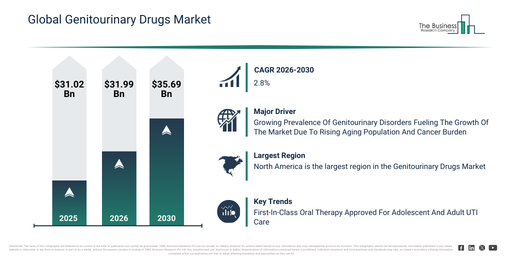
  • Growing Prevalence Of Genitourinary Disorders Fueling The Growth Of The Market Due To Rising Aging Population And Cancer Burden Is Supporting Development Across The Genitourinary Drugs Market

    Growing Prevalence Of Genitourinary Disorders Fueling The Growth Of The Market Due To Rising Aging Population And Cancer Burden Is Supporting Development Across The Genitourinary Drugs Market

    The Business Research Company’s 2026 market reports feature advanced enhancements such as market attractiveness analysis, total addressable market evaluation, company benchmarking matrices, interactive Excel dashboards, expanded supply chain intelligence, emerging startup coverage, and detailed product insights, delivering more actionable and strategically valuable research.

    How Will The Market Value Of The Genitourinary Drugs Market Increase Between 2026 And 2030?

    The genitourinary drugs market has shown consistent expansion in its size over recent years. The market is projected to expand from $31.02 billion in 2025 to $31.99 billion in 2026, demonstrating a compound annual growth rate (CAGR) of 3.1%. Historically, this expansion can be linked to factors such as the widespread occurrence of urinary tract infections, an increasing elderly population, the rise in hormonal disorders, the proliferation of hospital pharmacies, and the increasing acceptance of prescription medications.

    The genitourinary drugs market is projected to experience consistent expansion over the upcoming years. Its valuation is anticipated to reach $35.69 billion by 2030, exhibiting a compound annual growth rate (CAGR) of 2.8%. Factors contributing to this growth during the forecast period include personalized urology treatments, digital health platforms, heightened reproductive health awareness, minimally invasive therapies, and the expansion of specialty clinics. Key developments expected in the forecast period involve an increasing demand for UTI and BPH treatments, a greater adoption of hormonal and fertility therapies, the diversification of oral and topical drug formulations, an amplified focus on women’s and men’s urological health, and the proliferation of online pharmacy distribution.

    Download A Free Sample Report For Comprehensive Market Insights:

    https://www.thebusinessresearchcompany.com/sample.aspx?id=24548&type=smp

    Which Core Factors Are Supporting The Expansion Of The Genitourinary Drugs Market?

    An increasing occurrence of genitourinary conditions is anticipated to drive expansion in the genitourinary drugs market moving ahead. These disorders refer to health problems impacting the genitourinary system, a complex network made up of the urinary and reproductive organs, encompassing conditions such as infections, malignancies, and functional or structural abnormalities. The rising incidence of genitourinary disorders stems from the aging demographic, since alterations linked to age elevate the likelihood of developing urinary and reproductive health issues. Genitourinary drugs assist in managing these conditions by specifically addressing issues within the urinary and reproductive systems, thereby providing alleviation from infections, inflammation, and dysfunction. These medications improve patient health outcomes by facilitating treatment that is effective, convenient, and tailored to specific conditions, thereby enhancing the overall quality of life. For example, in April 2024, a report from the American Cancer Society, a US-based non-profit entity, stated that roughly 20 million new cancer diagnoses occurred worldwide in 2022, leading to 9.7 million fatalities, with projections indicating an increase to 35 million cancer cases by 2050. Consequently, the increasing prevalence of genitourinary disorders is fueling the expansion of the genitourinary drugs market.

    What Segment Categories Are Evaluated In The Genitourinary Drugs Market Study?

    The genitourinary drugs market covered in this report is segmented –

    1) By Product: Urologicals, Hormonal Therapy, Gynecological, Anti-Infectives, Other Products

    2) By Route Of Administration: Oral, Parenteral, Topical

    3) By Application: Urinary Tract Infections (UTIs), Benign Prostatic Hyperplasia (BPH), Prostate Cancer, Overactive Bladder, Bladder Cancer, Other Applications

    4) By Distribution Channel: Hospital Pharmacies, Drug Store And Retail Pharmacies, Online Pharmacies

    Subsegments:

    1) By Urologicals: Benign Prostatic Hyperplasia (BPH) Drugs, Urinary Incontinence Drugs, Overactive Bladder (OAB) Drugs, Urolithiasis (Kidney Stone) Drugs, Erectile Dysfunction Drugs

    2) By Hormonal Therapy: Estrogen Therapy, Progestin Therapy, Gonadotropin-Releasing Hormone (GnRH) Agonists/Antagonists, Androgen Replacement Therapy, Selective Estrogen Receptor Modulators (SERMs)

    3) By Gynecological: Contraceptives, Menopausal Hormone Therapy, Fertility Drugs, Drugs for Endometriosis, Drugs for Polycystic Ovary Syndrome (PCOS)

    4) By Anti-Infectives: Urinary Tract Infection (UTI) Drugs, Sexually Transmitted Infection (STI) Drugs, Vaginal Antifungals, Antivirals

    5) By Other Products: Drugs for Chronic Pelvic Pain, Bladder Cancer Therapies, Interstitial Cystitis Drugs, Pelvic Organ Prolapse Treatment Drugs, Adjunctive Therapies

    What Trends Are Impacting The Genitourinary Drugs Market?

    Leading companies in the genitourinary drugs market are concentrating on creating innovative products, such as oral antibiotics, to improve treatment convenience, increase patient adherence, and combat infections efficiently. Oral antibiotics are antibacterial medications administered orally to treat infections caused by bacteria. For example, in March 2025, GSK plc, a pharmaceutical company based in the UK, obtained approval from the US Food and Drug Administration (FDA) for Blujepa (gepotidacin) for managing uncomplicated urinary tract infections caused by susceptible bacteria in women and girls aged 12 and older. This is a novel, first-in-class oral antibiotic that operates by inhibiting bacterial DNA replication, specifically targeting two vital enzymes, DNA gyrase and topoisomerase IV. In contrast to conventional antibiotics, it binds to unique sites to overcome resistance, providing a targeted approach with enhanced safety and efficacy.

    Who Are The Companies Shaping The Genitourinary Drugs Market Landscape?

    Major companies operating in the genitourinary drugs market are Pfizer Inc., Johnson & Johnson, F. Hoffmann-La Roche AG, Merck & Co. Inc., Bayer AG, Novartis AG, Sanofi S.A., Bristol Myers Squibb, AstraZeneca plc, Abbott Laboratories, GSK plc, Eli Lilly and Company, Amgen Inc., Teva Pharmaceutical Industries Ltd., Astellas Pharma Inc., Ipsen Société Anonyme, Aurobindo Pharma Limited, Dr. Reddy’s Laboratories Limited, Cipla Limited, Hikma Pharmaceuticals Public Limited Company, Endo International Public Limited Company, Takeda Pharmaceutical Company Limited, Zydus Lifesciences Limited, Melinta Therapeutics Inc., Asieris Pharmaceuticals, Sun Pharmaceutical Industries Ltd.

    Access The Complete Genitourinary Drugs Market Report:

    https://www.thebusinessresearchcompany.com/report/genitourinary-drugs-global-market-report

    Which Regional Market Leads The Genitourinary Drugs Market?

    North America was the largest region in the genitourinary drugs market in 2025. Asia-Pacific is expected to be the fastest-growing region in the forecast period. The regions covered in the genitourinary drugs market report are Asia-Pacific, South East Asia, Western Europe, Eastern Europe, North America, South America, Middle East, Africa.

    Access Genitourinary Drugs Market Report for Deeper Competitive Insights

    https://www.thebusinessresearchcompany.com/sample.aspx?id=24548&type=smp

    Browse Through More Reports Similar to the Global Genitourinary Drugs Market 2026, By The Business Research Company

    Genito Urinary Drugs Market Report 2026

    https://www.thebusinessresearchcompany.com/report/genito-urinary-drugs-global-market-report

    Generic Oncology Drugs Market Report 2026

    https://www.thebusinessresearchcompany.com/report/generic-oncology-drugs-global-market-report

    Pharmaceutical Label Market Report 2026

    https://www.thebusinessresearchcompany.com/report/pharmaceutical-label-global-market-report

    Get in touch with us:

    The Business Research Company: https://www.thebusinessresearchcompany.com/

    Americas: +1 310-496-7795

    Asia: +44 7882 955267 & +91 8897263534

    Europe: +44 7882 955267

    Email us at: marketing@tbrc.info

    Follow us on:

    LinkedIn: https://in.linkedin.com/company/the-business-research-company

    YouTube: https://www.youtube.com/channel/UC24_fI0rV8cR5DxlCpgmyFQ

    Global Market Model: https://www.thebusinessresearchcompany.com/global-market-model

  • Rising Prevalence Of Genetic Disorders Fueling The Growth Of The Market Due To Increasing Need For Early Diagnosis And Targeted Treatment Is Supporting Development Across The Genetic Mutation Analysis Market

    Rising Prevalence Of Genetic Disorders Fueling The Growth Of The Market Due To Increasing Need For Early Diagnosis And Targeted Treatment Is Supporting Development Across The Genetic Mutation Analysis Market

    The Business Research Company’s 2026 market reports feature advanced enhancements such as market attractiveness analysis, total addressable market evaluation, company benchmarking matrices, interactive Excel dashboards, expanded supply chain intelligence, emerging startup coverage, and detailed product insights, delivering more actionable and strategically valuable research.

    What Will Be The Estimated Market Size Of The Genetic Mutation Analysis Market By 2030?

    The genetic mutation analysis market has seen substantial growth in recent years. Its value is predicted to rise from $6.65 billion in 2025 to $7.43 billion in 2026, achieving a compound annual growth rate (CAGR) of 11.7%. This historic expansion can be linked to several factors including limited access to advanced sequencing technologies, increasing awareness of genetic disorders, a surge in research related to oncology and inherited diseases, the widespread adoption of PCR and microarray technologies, and the initial progress in bioinformatics tools.

    The genetic mutation analysis market is projected to undergo rapid expansion in the upcoming years, with its size expected to reach $11.47 billion in 2030, growing at a compound annual growth rate (CAGR) of 11.5%. This anticipated growth is primarily fueled by breakthroughs in CRISPR and NGS platforms, the expansion of pharmacogenomics research, heightened investments in genetic testing infrastructure, the adoption of AI-driven data interpretation tools, and increased collaborations between research institutes and biotech companies. Notable trends throughout the forecast period include the increasing uptake of next-generation sequencing and CRISPR technologies, a rising demand for personalized medicine and targeted therapies, the broader availability of genetic testing services in clinical diagnostics, the integration of bioinformatics and data analysis platforms, and an increase in research focused on rare genetic disorders and pharmacogenomics.

    Download A Free Sample Report For Comprehensive Market Insights:

    https://www.thebusinessresearchcompany.com/sample.aspx?id=27297&type=smp

    What Are The Main Drivers Accelerating The Growth Of The Genetic Mutation Analysis Market?

    The increasing occurrence of genetic disorders is anticipated to drive the expansion of the genetic mutation analysis market in the coming years. Genetic disorders are conditions resulting from abnormalities or mutations in an individual’s DNA, which can be inherited or develop spontaneously. A contributing factor to the escalating prevalence of these disorders is advanced parental age, which elevates the risk of genetic mutations during reproduction and subsequently increases the likelihood of such disorders in offspring. Genetic mutation analysis plays a crucial role by detecting gene changes that indicate or cause genetic disorders, thereby enabling timely diagnosis, targeted therapeutic approaches, and well-informed reproductive or lifestyle decisions. For instance, in October 2024, data from the Cystic Fibrosis Trust, a UK-based charity, revealed that registered cystic fibrosis patients rose from 11,148 in 2022 to 11,318 in 2023, marking a 1.5% year-over-year increase in registrations. Consequently, the growing prevalence of genetic disorders is acting as a significant catalyst for the growth of the genetic mutation analysis market.

    How Is The Genetic Mutation Analysis Market Examined Through Segment Analysis?

    The genetic mutation analysis market covered in this report is segmented –

    1) By Component: Hardware, Software, Services

    2) By Technology: Next-Generation Sequencing (NGS), Polymerase Chain Reaction (PCR), Microarray, Sanger Sequencing, Clustered Regularly Interspaced Short Palindromic Repeats (CRISPR)

    3) By Application: Oncology, Cardiovascular Diseases, Neurological Disorders, Infectious Diseases, Genetic Disorders, Pharmacogenomics

    4) By End User: Hospitals And Clinics, Research Institutes, Pharmaceutical And Biotechnology Companies, Diagnostic Laboratories

    Subsegments:

    1) By Hardware: Sequencers, Polymerase Chain Reaction (PCR) Machines, Microarray Instruments, Electrophoresis Systems, Imaging Systems

    2) By Software: Data Analysis Software, Sequence Alignment Tools, Variant Calling Software, Genome Annotation Software, Visualization Tools

    3) By Services: Genetic Testing Services, Data Interpretation Services, Bioinformatics Services, Sample Preparation Services, Clinical Reporting Services

    Which Trends Are Affecting The Genetic Mutation Analysis Market Framework?

    Leading companies in the genetic mutation analysis market are concentrating on developing innovative solutions, such as tissue-based next-generation sequencing (NGS) tests, to enhance the precision of identifying actionable genetic alterations and to guide personalized treatment strategies. Tissue-based next-generation sequencing (NGS) tests are advanced diagnostic tools that analyze DNA or RNA from a tissue sample to detect genetic mutations, alterations, or biomarkers associated with diseases like cancer. For instance, in June 2024, Guardant Health Inc., a US-based oncology company, introduced the Guardant360 TissueNext test, which increases the number of genes it identifies in a tumor tissue sample to 498. These genes, serving as cancer biomarkers, enable oncologists to determine the most effective targeted therapies or treatment strategies for patients with advanced cancer. Beyond the panel expansion, Guardant has also refined the test’s operational workflow for a faster turnaround time. The new Guardant360 TissueNext test will receive coverage for Medicare fee-for-service patients with advanced solid tumor cancers as a standalone service, based on coverage conveyed by Palmetto GBA, a Medicare administrative contractor for the Molecular Diagnostics Services program (MolDX), under the existing local coverage determination.

    Which Industry Players Are Present In The Genetic Mutation Analysis Market?

    Major companies operating in the genetic mutation analysis market are F. Hoffmann-La Roche Ltd., Thermo Fisher Scientific Inc., Agilent Technologies Inc., Illumina Inc., Revvity Inc., Bio-Rad Laboratories Inc., QIAGEN N.V., Natera Inc., Myriad Genetics Inc., GenScript Biotech Corporation, Takara Bio Inc., 10x Genomics Inc., Oxford Nanopore Technologies Plc, Genomic Health Inc., Color Genomics Inc., Blueprint Medicines Corporation, GENEWIZ Inc., Pacific Biosciences of California Inc., Standard BioTools Inc., Personalis Inc., LGC Biosearch Technologies LLC, BGI Genomics Co. Ltd.

    Access The Complete Genetic Mutation Analysis Market Report:

    https://www.thebusinessresearchcompany.com/report/genetic-mutation-analysis-global-market-report

    Which Region Holds The Largest Share In The Genetic Mutation Analysis Market?

    North America was the largest region in the genetic mutation analysis market in 2025. The regions covered in the genetic mutation analysis market report are Asia-Pacific, South East Asia, Western Europe, Eastern Europe, North America, South America, Middle East, Africa.

    Access Genetic Mutation Analysis Market Report for Deeper Competitive Insights

    https://www.thebusinessresearchcompany.com/sample.aspx?id=27297&type=smp

    Browse Through More Reports Similar to the Global Genetic Mutation Analysis Market 2026, By The Business Research Company

    Mining Equipment Market Report 2026

    https://www.thebusinessresearchcompany.com/report/mining-equipment-global-market-report

    Electric Mining Equipment Market Report 2026

    https://www.thebusinessresearchcompany.com/report/electric-mining-equipment-global-market-report

    Autonomous Mining Equipment Market Report 2026

    https://www.thebusinessresearchcompany.com/report/autonomous-mining-equipment-global-market-report

    Get in touch with us:

    The Business Research Company: https://www.thebusinessresearchcompany.com/

    Americas: +1 310-496-7795

    Asia: +44 7882 955267 & +91 8897263534

    Europe: +44 7882 955267

    Email us at: marketing@tbrc.info

    Follow us on:

    LinkedIn: https://in.linkedin.com/company/the-business-research-company

    YouTube: https://www.youtube.com/channel/UC24_fI0rV8cR5DxlCpgmyFQ

    Global Market Model: https://www.thebusinessresearchcompany.com/global-market-model
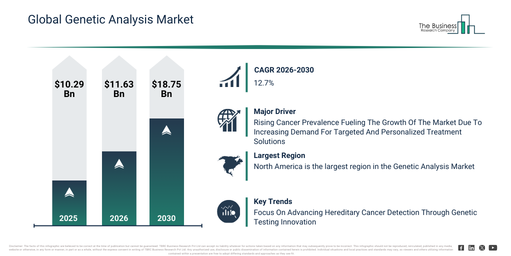
  • Rising Cancer Prevalence Fueling The Growth Of The Market Due To Increasing Demand For Targeted And Personalized Treatment Solutions Is Supporting Development Across The Genetic Analysis Market

    Rising Cancer Prevalence Fueling The Growth Of The Market Due To Increasing Demand For Targeted And Personalized Treatment Solutions Is Supporting Development Across The Genetic Analysis Market

    The Business Research Company’s 2026 market reports feature advanced enhancements such as market attractiveness analysis, total addressable market evaluation, company benchmarking matrices, interactive Excel dashboards, expanded supply chain intelligence, emerging startup coverage, and detailed product insights, delivering more actionable and strategically valuable research.

    What Is The Estimated Growth In Market Size Of The Genetic Analysis Market During 2026–2030?

    The genetic analysis market size has experienced rapid growth in recent years. This market is set to expand from $10.29 billion in 2025 to $11.63 billion in 2026, demonstrating a compound annual growth rate (CAGR) of 13.0%. The historical increase can be ascribed to factors including the limited provision of high-throughput sequencing platforms, the reliance on traditional genetic testing methods, increasing public knowledge of genetic disorders, greater investment in research laboratories, and a rising number of diagnostic centers.

    The genetic analysis market is poised for significant expansion in the coming years, with projections indicating it will reach $18.75 billion by 2030, exhibiting a compound annual growth rate (CAGR) of 12.7%. This growth trajectory during the forecast period is primarily attributed to advancements in ngs and real-time pcr technologies, the development of cloud-based genomic data platforms, the increasing adoption of personalized medicine, escalating government initiatives for genetic disease screening, and the integration of ai and bioinformatics tools into diagnostics. Prominent trends anticipated within this period include the broadening of ngs and pcr-based genetic testing, the rising acceptance of pharmacogenomic testing for tailored medicine, an increase in prenatal and newborn genetic screening programs, a heightened focus on rare disease and cancer genetic diagnostics, and the integration of bioinformatics and genomic data analysis tools.

    Download A Free Sample Report For Comprehensive Market Insights:

    https://www.thebusinessresearchcompany.com/sample.aspx?id=27295&type=smp

    Which Growth Drivers Are Expected To Support The Genetic Analysis Market Forward?

    The genetic analysis market is anticipated to experience growth due to the escalating number of cancer cases. Cancer is defined as a condition where specific cells within the body multiply uncontrollably and have the potential to spread to other areas. The rise in cancer incidents stems from an aging global populace, as older individuals are more susceptible to accumulating genetic mutations and prolonged exposure to environmental and lifestyle factors contributing to cancer development. Genetic analysis offers benefits in cancer management by detecting the precise genetic mutations responsible for the disease, thereby empowering doctors to select targeted treatments that prove more effective while causing fewer side effects. For example, a report released by the National Cancer Institute (NCI), a US-based agency focused on cancer research and training, noted that in May 2025, nearly 20 million people worldwide were newly diagnosed with cancer in 2022, and approximately 9.7 million perished from it. Furthermore, estimates suggest that by 2050, the annual total of new cancer diagnoses could reach 33 million, with cancer-related deaths projected to increase to 18.2 million. Hence, the increasing prevalence of cancer is a key driver for the expansion of the genetic analysis market.

    Which Segment Groups Define The Genetic Analysis Market Landscape?

    The genetic analysis market covered in this report is segmented –

    1) By Product: Reagents And Kits, Instruments, Software

    2) By Test: Predictive Genetic Testing, Carrier Testing, Prenatal And Newborn Testing, Disease Diagnostic Testing, Pharmacogenomic Testing, Other Tests

    3) By Technology: Next-Generation Sequencing (NGS), Real-Time PCR System, Other Technologies

    4) By Application: Cancer, Genetic Diseases, Cardiovascular Diseases, Rare Diseases, Infectious Diseases, Other Applications

    5) By End-Use: Hospitals, Research And Development Laboratories, Diagnostic Centers, Other End-Uses

    Subsegments:

    1) By Reagents And Kits: DNA Extraction Kits, RNA Extraction Kits, PCR Reagents, Sequencing Reagents, Library Preparation Kits, Electrophoresis Reagents, Microarray Kits, Genotyping Assay Kits, Target Enrichment Kits, Nucleic Acid Labeling Kits

    2) By Instruments: DNA Sequencers, PCR Machines, Microarray Scanners, Electrophoresis Systems, Real-Time PCR Systems, Automated Sample Preparation Systems, Genetic Analyzers, Bioanalyzers, Fragment Analyzers, Next-Generation Sequencing (NGS) Platforms

    3) By Software: Data Analysis Software, Bioinformatics Tools, Laboratory Information Management Systems (LIMS), Genomic Data Interpretation Software, DNA Sequence Alignment Tools, Variant Annotation Software, Clinical Decision Support Software, Cloud-Based Genomic Platforms, Workflow Management Software, Data Visualization Tools

    What Trends Are Influencing The Genetic Analysis Market?

    Major companies operating in the genetic analysis market are concentrating on developing sophisticated offerings, such as genetic testing solutions, for preventive measures or early disease monitoring. Genetic testing solutions involve evaluating a person’s DNA to identify changes or variations in genes that might be linked to particular health conditions or inherited traits. For instance, in June 2023, Devyser, a Sweden-based company specializing in diagnostic kit development, launched Devyser LynchFAP and Devyser BRCA PALB2, two genetic testing solutions for hereditary cancer. Devyser LynchFAP provides a complete solution for analyzing PMS2 and nine additional genes associated with hereditary colorectal cancer, effectively addressing the complex challenge of distinguishing PMS2 from its pseudogene PMS2CL. It is the first commercial kit specifically created for precise analysis of the PMS2 gene. Devyser BRCA PALB2 enables targeted detection of genetic variants in BRCA1, BRCA2, and PALB2, which are key genes linked to an increased risk of breast and ovarian cancer. Its user-friendly interface allows for quick integration into lab workflows and supports DNA analysis from both blood and tumor samples within a single test.

    Which Organizations Are Involved In The Genetic Analysis Market?

    Major companies operating in the genetic analysis market are Hoffmann-La Roche AG, Thermo Fisher Scientific Inc., Abbott Laboratories Inc., Danaher Corporation, Quest Diagnostics Inc., Illumina Inc., PerkinElmer Inc., BioRad Laboratories Inc., Qiagen NV, Oxford Nanopore Technologies Plc, 23andMe Inc., ELITech Group, MyHeritage Ltd., Dante Labs Inc., AutoGenomics Inc., IntegraGen SA, Family Tree DNA, 24 genetics, Centrillion Biosciences Inc., DNA Worldwide Group Ltd., Genebase.

    Access The Complete Genetic Analysis Market Report:

    https://www.thebusinessresearchcompany.com/report/genetic-analysis-global-market-report

    Which Region Is The Dominant Market In The Genetic Analysis Market?

    North America was the largest region in the genetic analysis market in 2025. Asia-Pacific is expected to be the fastest-growing region in the forecast period. The regions covered in the genetic analysis market report are Asia-Pacific, South East Asia, Western Europe, Eastern Europe, North America, South America, Middle East, Africa.

    Access Genetic Analysis Market Report for Deeper Competitive Insights

    https://www.thebusinessresearchcompany.com/sample.aspx?id=27295&type=smp

    Browse Through More Reports Similar to the Global Genetic Analysis Market 2026, By The Business Research Company

    Scanner Market Report 2026

    https://www.thebusinessresearchcompany.com/report/scanner-global-market-report

    Scanner Software Market Report 2026

    https://www.thebusinessresearchcompany.com/report/scanner-software-global-market-report

    Document Scanning Services Market Report 2026

    https://www.thebusinessresearchcompany.com/report/document-scanning-services-global-market-report

    Get in touch with us:

    The Business Research Company: https://www.thebusinessresearchcompany.com/

    Americas: +1 310-496-7795

    Asia: +44 7882 955267 & +91 8897263534

    Europe: +44 7882 955267

    Email us at: marketing@tbrc.info

    Follow us on:

    LinkedIn: https://in.linkedin.com/company/the-business-research-company

    YouTube: https://www.youtube.com/channel/UC24_fI0rV8cR5DxlCpgmyFQ

    Global Market Model: https://www.thebusinessresearchcompany.com/global-market-model